Category: Healthcare Services

  • Artificial Intelligence (AI) In Drug Discovery Market Trends And Growth Drivers Point To Strong Future Potential

    Artificial Intelligence (AI) In Drug Discovery Market Trends And Growth Drivers Point To Strong Future Potential

    Through market attractiveness analysis, total addressable market evaluation, company benchmarking matrices, interactive Excel dashboards, expanded supply chain intelligence, emerging startup coverage, and detailed product insights, The Business Research Company’s 2026 market reports provide more actionable and strategically valuable research.

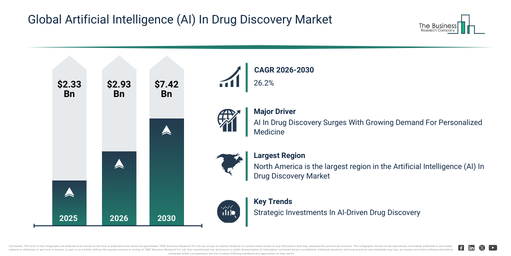
    Artificial Intelligence (AI) In Drug Discovery Market Forecast: What Market Value Is Expected By 2030?

    The market for artificial intelligence in cancer diagnostics has seen rapid expansion in recent years, with its value projected to rise from $0.79 billion in 2025 to $0.96 billion in 2026, reflecting a compound annual growth rate (CAGR) of 20.2%. This historical growth has been driven by factors such as the limited integration of AI into early diagnostic processes, a continued dependence on conventional imaging methods, a global increase in cancer incidence, a growing need for technologies that enable early detection, and the proliferation of diagnostic facilities.

    The market for artificial intelligence in cancer diagnostics is projected to experience significant expansion over the coming years, reaching an estimated valuation of $1.97 billion by 2030, driven by a compound annual growth rate of 19.9%. This anticipated growth during the forecast period is fueled by progress in deep learning and machine learning algorithms, the proliferation of AI-enhanced imaging systems, deeper incorporation of predictive analytics into healthcare, increased funding for digital health innovations, and strengthened partnerships between AI developers and medical institutions. Key developments shaping the forecast period encompass the wider uptake of AI-based imaging and diagnostic tools, the integration of predictive analytics into cancer screening processes, the growing utilization of AI for tumor identification and categorization, the expansion of AI-powered monitoring and follow-up systems, and a rise in cooperative efforts between hospitals and AI solution providers.

    Download A Free Sample Report For Comprehensive Market Insights:

    https://www.thebusinessresearchcompany.com/sample.aspx?id=3411&type=smp

    Artificial Intelligence (AI) In Drug Discovery Market Growth Factors Supporting Long-Term Expansion

    The rising incidence of cancer is anticipated to drive the expansion of artificial intelligence within the cancer diagnostics market in the coming years. Cancer encompasses a range of diseases characterized by abnormal cell growth that can potentially invade or spread to other areas of the body. The incorporation of AI into cancer care is designed to boost efficiency, accuracy, and personalized treatment approaches, ultimately leading to better outcomes for patients. For example, in May 2024, the National Cancer Institute, a U.S.-based government agency, reported that around 2 million new cancer diagnoses are expected in the United States in 2024, with over 611,000 deaths projected. By 2040, the global number of new cancer cases is estimated to reach 29.9 million, while cancer-related deaths are forecast to climb to 15.3 million. Consequently, the growing prevalence of cancer is fueling the advancement of artificial intelligence in the cancer diagnostics market.

    #Artificial Intelligence (AI) In Drug Discovery Market Segment Landscape And Growth Potential

    The ai in cancer diagnostics market covered in this report is segmented –

    1) By Component: Software Solutions, Hardware, Services

    2) By Cancer Type: Breast Cancer, Lung Cancer, Brain Tumor, Skin Cancer And Cervical Cancer, Prostate And Colorectal Cancer, Other Cancer Types

    3) By Application: Screening And Diagnosis, Tumor Identification, Monitoring

    4) By End User: Hospitals, Diagnostic Centers, Medical Research Institutes

    Subsegments:

    1) By Software Solutions: Machine Learning Software, Deep Learning Software, Image Analysis Software

    2) By Hardware: AI-Powered Imaging Systems, Diagnostic Devices

    3) By Services: AI Integration Services, Consulting And Training Services, Support And Maintenance Services

    Artificial Intelligence (AI) In Drug Discovery Market Industry Trends Shaping Future Revenue Growth

    Companies leading the AI in cancer diagnostics market are experiencing notable expansion, fueled by progress in AI-enabled digital pathology systems designed for cancer detection. These systems employ artificial intelligence algorithms to identify cancerous and diagnostic features across various tissue types, delivering precise and timely diagnoses, aiding in case prioritization, and ensuring consistent results. For example, in November 2023, Dedalus, in collaboration with Ibex Medical Analytics, a European health software firm, introduced a comprehensive End-to-End AI-driven digital pathology solution for cancer diagnosis throughout Europe. This innovation is intended to boost accuracy, provide AI-assisted decision support, streamline reporting processes, optimize laboratory workflows, and strengthen diagnostic certainty.

    Artificial Intelligence (AI) In Drug Discovery Market Competitive Landscape: Who Are The Leading Companies?

    Major companies operating in the ai in cancer diagnostics market are Microsoft Corporation, IBM Corporation, Verily Life Sciences LLC, Tempus Labs Inc, Guardant Health Inc, Lunit Inc, Paige AI Inc, Viz.ai Inc, Enlitic Inc, Ibex Medical Analytics Ltd, Kheiron Medical Technologies Limited, CureMetrix Inc, CancerIQ Inc, MultiplAI Health Inc, Freenome Holdings Inc, SkinVision B V, Owkin Inc, Imagen Technologies Inc, Cyrcadia Health Inc, Oncora Medical Inc, Xilis Inc

    Access The Complete Artificial Intelligence (AI) In Drug Discovery Market Report:

    https://www.thebusinessresearchcompany.com/report/artificial-intelligence-in-drug-discovery-global-market-report

    Artificial Intelligence (AI) In Drug Discovery Market Geographic Landscape: Which Region Dominates Industry Growth?

    North America was the largest region in the artificial intelligence in cancer diagnostics market in 2025. The regions covered in the ai in cancer diagnostics market report are Asia-Pacific, South East Asia, Western Europe, Eastern Europe, North America, South America, Middle East, Africa.

    Access a Customized Artificial Intelligence (AI) In Drug Discovery Market Report for Deeper Competitive Insights

    https://www.thebusinessresearchcompany.com/sample.aspx?id=28918&type=smp

    Get in touch with us:

    The Business Research Company: https://www.thebusinessresearchcompany.com/

    Americas: +1 310-496-7795

    Asia: +44 7882 955267 & +91 8897263534

    Europe: +44 7882 955267

    Email us at: marketing@tbrc.info

    Follow us on:

    LinkedIn: https://in.linkedin.com/company/the-business-research-company

    YouTube: https://www.youtube.com/channel/UC24_fI0rV8cR5DxlCpgmyFQ

    Global Market Model: https://www.thebusinessresearchcompany.com/global-market-model
  • Tele-Derm Robot Camera Arm Market Opportunities Are Emerging Beyond Traditional Growth Areas

    Tele-Derm Robot Camera Arm Market Opportunities Are Emerging Beyond Traditional Growth Areas

    Enhanced with market attractiveness analysis, total addressable market evaluation, company benchmarking matrices, interactive Excel dashboards, expanded supply chain intelligence, emerging startup coverage, and detailed product insights, The Business Research Company’s 2026 market reports deliver more actionable and strategically valuable research.

    Tele-Derm Robot Camera Arm Market Value Expansion And Long-Term Growth Outlook

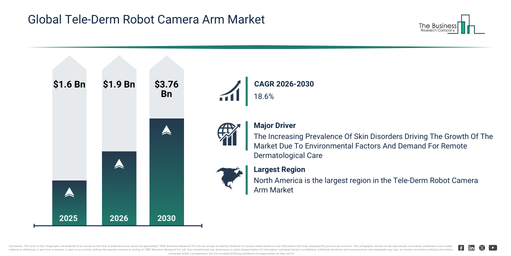
    The market for tele-derm robot camera arms has experienced substantial expansion lately, projecting a rise from $1.6 billion in 2025 to $1.9 billion in 2026, reflecting a compound annual growth rate of 18.9%. This upward trend is largely propelled by the increasing embrace of telemedicine, a growing scarcity of dermatology experts, the wider availability of remote consultation options, enhancements in robotic camera technology, and a greater willingness to utilize digital diagnostic tools during the historical period.

    The market for tele-derm robot camera arms is poised for significant expansion, projected to reach $3.76 billion by 2030, reflecting a compound annual growth rate of 18.6%. This surge is anticipated to be fueled by several key factors, including escalating investments in robotic telehealth solutions, a growing need for specialized remote medical consultations, advancements in wireless imaging for medical applications, the increasing incorporation of artificial intelligence for diagnostic purposes, and a wider implementation in both outpatient facilities and ambulatory care centers. Throughout the projected timeframe, notable market developments are expected to include a greater uptake of robotic systems for teledermatology, a heightened demand for high-accuracy remote imaging equipment, the expanding use of AI to refine skin analysis, the development of more portable and adaptable camera arm technologies, and an intensified emphasis on ensuring the precision of remote diagnoses.

    Download A Free Sample Report For Comprehensive Market Insights:

    https://www.thebusinessresearchcompany.com/sample.aspx?id=29225&type=smp

    Tele-Derm Robot Camera Arm Market Demand Drivers Creating New Revenue Opportunities

    The escalating incidence of dermatological conditions is poised to stimulate the expansion of the tele-derm robot camera arm sector. These conditions encompass a wide array of ailments affecting the skin’s integrity, functionality, or visual presentation, manifesting as symptoms like rashes, sores, inflammation, or alterations in hue or texture. Such an increase in skin disorder prevalence can be attributed to environmental influences, including pollution, ultraviolet radiation exposure, climatic shifts, and contact with hazardous chemicals, any of which can inflict damage upon the skin and precipitate diverse dermatological issues. Tele-derm robot camera arms facilitate meticulous remote skin assessments, thereby improving the early identification, diagnosis, and ongoing management of various skin ailments, while simultaneously broadening the reach of dermatological expertise. As an illustration, data from Skin Health Institute Inc., an Australian non-profit, indicated in August 2023 that approximately 2–3% of the Australian population suffers from psoriasis, underscoring its commonality. Consequently, the rising tide of skin disorders is a key impetus for the tele-derm robot camera arm market.

    The upsurge in healthcare spending is projected to fuel the advancement of the tele-derm robot camera arm market. Healthcare expenditure encompasses all financial outlays for medical services, apparatus, and innovations designed to enhance well-being. This spending is escalating due to a heightened demand for sophisticated medical technologies, as healthcare facilities increasingly allocate resources towards cutting-edge equipment and digital solutions to refine patient care and improve health outcomes. Increased healthcare expenditure is fostering the adoption of tele-derm robot camera arms by empowering medical providers to invest in advanced diagnostic tools that elevate remote dermatological services and contribute to better patient results. For example, the Centers for Medicare & Medicaid Services, a US governmental entity, reported in June 2025 that national health expenditures in 2023 surged by 7.5% to $4.9 trillion, averaging $14,570 per capita and constituting 17.6% of the GDP, with Medicare spending alone climbing 8.1% to $1,029.8 billion, representing 21% of the total NHE. Thus, robust healthcare spending is a significant contributor to the tele-derm robot camera arm market’s growth.

    The expanding utilization of telemedicine platforms is anticipated to invigorate the tele-derm robot camera arm market. Telemedicine involves leveraging digital technologies to deliver clinical services remotely, allowing patients to consult with healthcare professionals without the necessity of in-person appointments. The increasing embrace of telemedicine platforms stems from a growing demand for convenient and accessible healthcare options, enabling individuals to seek medical advice remotely, thereby eliminating the need for travel to clinics or hospitals. Tele-derm robot camera arms serve to augment telemedicine platforms by providing high-definition, real-time visualization of the skin, equipping dermatologists with the capability to diagnose, monitor, and manage cutaneous conditions from a distance with enhanced precision and efficiency. As an illustration, FAIR Health Inc., a US non-profit, noted in April 2023 that national telehealth usage saw a 7.3% increase in 2023, progressing from 5.5% of medical claim lines in December 2022 to 5.9% in January 2023. Therefore, the widespread adoption of telemedicine platforms is a primary driver for the tele-derm robot camera arm market.

    Tele-Derm Robot Camera Arm Market Segmentation Trends And Revenue Drivers

    The tele-derm robot camera arm market covered in this report is segmented –

    1) By Product Type: Fixed Camera Arm, Articulated Camera Arm, Portable Camera Arm, Other Product Types

    2) By Technology: Wired, Wireless

    3) By Application: Teledermatology, Remote Patient Monitoring, Clinical Diagnostics, Other Applications

    4) By End-User: Hospitals, Clinics, Ambulatory Surgical Centers, Other End-Users

    Subsegments:

    1) By Fixed Camera Arm: Wall Mounted, Ceiling Mounted, Tripod Mounted, Desk Mounted

    2) By Articulated Camera Arm: Single Joint, Double Joint, Multi Joint, Telescopic

    3) By Portable Camera Arm: Handheld, Foldable, Collapsible, Lightweight

    4) By Other Product Types: Robotic, Motorized, Pneumatic, Hydraulic

    Tele-Derm Robot Camera Arm Market Industry Leaders: Which Organizations Are Driving Competition?

    Major companies operating in the tele-derm robot camera arm market are Olympus Corporation, KUKA Systems GmbH, Comau S.p.A., Universal Robots AS, FotoFinder Systems Inc., Canfield Scientific Inc., Mecademic Robotics, Blackcam Robotics, Dermavision Solutions S.L., Elephant Robotics, Fourth Arrow Camera Arms, Shenzhen Wisonic Medical Technology Co. Ltd, Adept Technology Inc., Kinova Robotics, Staubli Robotics, Denso Robotics, Robotiq Inc., iRobot Medical Systems, Yaskawa Motoman, ABB Robotics

    Access The Complete Tele-Derm Robot Camera Arm Market Report:

    https://www.thebusinessresearchcompany.com/report/tele-derm-robot-camera-arm-global-market-report

    Tele-Derm Robot Camera Arm Market Regional Outlook: Where Are The Largest Opportunities Located?

    North Americawas the largest region in the tele-derm robot camera arm market in 2025. Asia-Pacificis expected to be the fastest-growing region in the forecast period. The regions covered in the tele-derm robot camera arm market report are Asia-Pacific, South East Asia, Western Europe, Eastern Europe, North America, South America, Middle East, Africa.

    Get in touch with us:

    The Business Research Company: https://www.thebusinessresearchcompany.com/

    Americas: +1 310-496-7795

    Asia: +44 7882 955267 & +91 8897263534

    Europe: +44 7882 955267

    Email us at: marketing@tbrc.info

    Follow us on:

    LinkedIn: https://in.linkedin.com/company/the-business-research-company

    YouTube: https://www.youtube.com/channel/UC24_fI0rV8cR5DxlCpgmyFQ

    Global Market Model: https://www.thebusinessresearchcompany.com/global-market-model
  • Teledentistry Market Expansion Is Opening New Pathways For Strategic Investment

    Teledentistry Market Expansion Is Opening New Pathways For Strategic Investment

    Through market attractiveness analysis, total addressable market evaluation, company benchmarking matrices, interactive Excel dashboards, expanded supply chain intelligence, emerging startup coverage, and detailed product insights, The Business Research Company’s 2026 market reports provide more actionable and strategically valuable research.

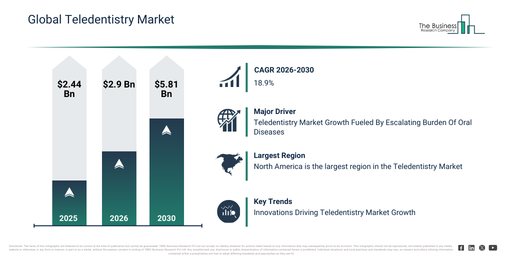
    Teledentistry Market Expected To Reach $5.81 Billion By 2030 At 18.9% CAGR

    The teledentistry market demonstrates a substantial upward trajectory, projected to expand from $2.44 billion in 2025 to $2.9 billion in 2026, reflecting a compound annual growth rate of 19.0%. Several key factors fueled this expansion during the historical period, including the widespread adoption of internet connectivity within the healthcare sector, a notable scarcity of dental practitioners in remote regions, an increasing willingness to embrace telehealth solutions, the broader implementation of electronic dental records, and advancements in video communication tools.

    The teledentistry sector is poised for substantial expansion within the forthcoming years, projected to reach a valuation of $5.81 billion by 2030, driven by a compound annual growth rate (CAGR) of 18.9%. This accelerated trajectory in the upcoming period is fueled by several key factors, including a heightened need for accessible remote oral healthcare solutions, increased capital flowing into digital dental technologies, a greater emphasis on proactive dental wellness, the proliferation of AI-powered dental diagnostic tools, and the seamless incorporation of teledentistry into everyday dental practices. Essential developments anticipated during this forecast horizon encompass a broader embrace of virtual dental consultations, a greater utilization of digital imaging and remote diagnostic capabilities, deeper integration with practice management systems, the wider availability of cloud-based dental communication platforms, and an intensified focus on engaging patients remotely.

    Download A Free Sample Report For Comprehensive Market Insights:

    https://www.thebusinessresearchcompany.com/sample.aspx?id=8311&type=smp

    Teledentistry Market Expansion Supported By Key Demand Factors

    The increasing global burden of oral health issues is anticipated to be a primary catalyst for the teledentistry market’s expansion. Oral diseases encompass conditions affecting the mouth, including teeth, gums, and the tongue. Teledentistry plays a crucial role in broadening access to dental care and enhancing the management of these conditions. For illustration, data from the World Health Organization, an international organization headquartered in Switzerland, indicated that in 2022, an estimated 389,846 new diagnoses of lip and oral cavity cancers were recorded worldwide, leading to roughly 188,438 fatalities. Consequently, the escalating incidence of oral diseases is fueling the advancement of the teledentistry sector.

    Teledentistry Market Segment Analysis Highlighting Growth Areas

    The teledentistry market covered in this report is segmented –

    1) By Component: Hardware, Software

    2) By Delivery Mode: On-premise, Cloud-based

    3) By Application: Tele-consultation, Remote patient monitoring, Education and training

    4) By End User: Healthcare providers, Patients, Other End-Users

    Subsegments:

    1) By Hardware: Intraoral Cameras, X-Ray Scanners, Mobile Devices, Computer Systems

    2) By Software: Practice Management Software, Appointment Scheduling Software, Image Analysis and Diagnosis Software, Communication And Video Conferencing Software

    Teledentistry Market Growth Trends Influencing Competitive Dynamics

    Leading entities within the teledentistry sector are prioritizing innovations, encompassing AI-powered diagnostic aids and digital consultation systems, with the objective of broadening patient reach and elevating the standard of dental services, ultimately contributing to superior oral health and increased patient contentment. AI in image interpretation employs sophisticated algorithms to scrutinize and comprehend visual information derived from photographs, facilitating precise evaluations and diagnoses across numerous domains, notably within the medical field. As an illustration, in June of 2023, Virtual Dental Care, Inc., a United States firm specializing in teledentistry software and related services, introduced Teledentistry 3.0. The objective of Teledentistry 3.0 is to expand access to dental services by offering a complete suite of remote options, allowing patients to receive care conveniently at home. This updated version of teledentistry extends its scope beyond addressing immediate issues to encompass services focused on overall well-being, including proactive measures and continuous oversight of dental health. This cutting-edge solution incorporates sophisticated technologies like artificial intelligence to refine diagnostic capabilities and customize treatment strategies, thereby amplifying the availability of dental care.

    Teledentistry Market Leading Companies: Who Holds Significant Market Presence?

    Major companies operating in the teledentistry market are The TeleDentists, Dentulu Inc, Toothpic, Virtudent Inc, SmileMate, DentalChat, Denteractive, DigiDentista, Odonto Virtual, Odontología Virtual, Dentaly.org, Teladent, Zahnarzt-Hotline, Dentist.cz, DentistulTau, Dentaltap, Dentalink, Odontovida, Smileneo, Teledentistry

    Access The Complete Teledentistry Market Report:

    https://www.thebusinessresearchcompany.com/report/teledentistry-global-market-report

    Teledentistry Market Geographic Landscape: Which Region Dominates Industry Growth?

    North Americawas the largest region in the teledentistry market in 2025. The regions covered in the teledentistry market report are Asia-Pacific, South East Asia, Western Europe, Eastern Europe, North America, South America, Middle East, Africa.

    Get in touch with us:

    The Business Research Company: https://www.thebusinessresearchcompany.com/

    Americas: +1 310-496-7795

    Asia: +44 7882 955267 & +91 8897263534

    Europe: +44 7882 955267

    Email us at: marketing@tbrc.info

    Follow us on:

    LinkedIn: https://in.linkedin.com/company/the-business-research-company

    YouTube: https://www.youtube.com/channel/UC24_fI0rV8cR5DxlCpgmyFQ

    Global Market Model: https://www.thebusinessresearchcompany.com/global-market-model
  • Telecare Market Trends Are Creating New Opportunities For Industry Leaders

    Telecare Market Trends Are Creating New Opportunities For Industry Leaders

    Delivering more actionable and strategically valuable research, The Business Research Company’s 2026 market reports feature market attractiveness analysis, total addressable market evaluation, company benchmarking matrices, interactive Excel dashboards, expanded supply chain intelligence, emerging startup coverage, and detailed product insights.

    Telecare Market Size And Revenue Forecast Through 2030

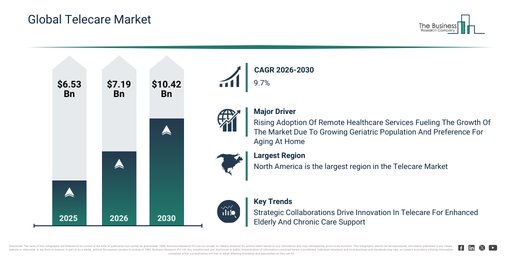
    The telecare sector has experienced substantial expansion lately, projected to surge from $6.53 billion in 2025 to $7.19 billion in 2026, reflecting a compound annual growth rate of 10.1%. This upward trajectory during the past period is fueled by several key factors: a burgeoning elderly demographic, a higher incidence of chronic diseases, the broadening scope of in-home healthcare, enhancements in network infrastructure, and a greater embrace of telemedicine approaches.

    Anticipating a robust expansion, the telecare sector’s market valuation is projected to reach $10.42 billion by 2030, exhibiting a compound annual growth rate of 9.7% throughout the forecasted period. This upward trajectory is largely fueled by several key factors, including escalating investments in digital health infrastructure, a heightened embrace of AI-driven telecare analytical tools, the proliferation of smart home healthcare networks, an intensified emphasis on proactive healthcare strategies, and a growing need for more economical methods of care provision. Furthermore, several significant trends are expected to shape this market, such as the increasing implementation of remote patient monitoring systems, a greater utilization of wearable telecare gadgets, the enhanced incorporation of emergency notification technologies, the broadening scope of home-based chronic illness management programs, and a reinforced commitment to facilitating independent living solutions for the elderly.

    Download A Free Sample Report For Comprehensive Market Insights:

    https://www.thebusinessresearchcompany.com/sample.aspx?id=25921&type=smp

    Telecare Market Growth Drivers And Industry Catalysts

    Advancements in remote healthcare, facilitated by telecommunication technologies, are poised to be a significant catalyst for the telecare market’s expansion. This trend stems from an aging global population who increasingly opt for in-home care, thus elevating the need for consistent remote supervision and support services. Telecare plays a crucial role in these remote healthcare solutions by offering real-time patient monitoring, swift emergency interventions, and seamless communication via interconnected devices, thereby ensuring that care can be provided irrespective of physical proximity. A compelling illustration of this trend was observed in the first quarter of 2024, when approximately 2.75 million Medicare beneficiaries in the United States utilized telehealth services, underscoring a persistent and widespread dependence on remote healthcare provisions. Consequently, the increasing embrace of remote healthcare solutions is directly fueling the growth trajectory of the telecare market.

    Telecare Market Segment Performance And Strategic Opportunities

    The telecare market covered in this report is segmented –

    1) By Type: Activity Monitoring, Remote Medication Management

    2) By Technology: Non Wearable, Wearable

    3) By End Use: Healthcare Consumers, Healthcare Providers, Payers

    Subsegments:

    1) By Activity Monitoring: Motion Sensors, Bed And Chair Occupancy Sensors, Door And Window Sensors, Wearable Activity Trackers, Fall Detection Devices

    2) By Remote Medication Management: Smart Pill Dispensers, Automated Medication Reminders, Mobile Medication Management Apps, Connected Inhalers, Remote Dose Monitoring Platforms

    #Telecare Market Trends Influencing Long-Term Demand

    In the telecare industry, leading entities are prioritizing the deployment of inventive offerings via calculated alliances. These partnerships are designed to bolster remote patient observation capacities and broaden the spectrum of services available, thereby addressing the escalating need for support among the elderly and individuals with chronic health conditions. Such strategic alliances entail cooperative agreements between firms, pooling their assets and specialized knowledge to foster novel developments, refine service provision, and attain shared objectives with greater efficacy. As an illustration, during December of 2024, Skyresponse AB, a technological firm originating from Sweden, and OneCo Technologies AS, a Norwegian entity acclaimed for its health technology solutions, established a significant alliance. Their joint endeavor is set to introduce cutting-edge, entirely digital, cloud-powered telecare solutions intended to bolster independent living and cater to the requirements of care facilities, institutions, and healthcare providers across both private and public domains. This union merges Skyresponse’s sophisticated alarm administration framework with OneCo’s proficiency in electronics, automation, and telecommunications, ultimately aiming to deliver adaptable, economical, and intuitive telecare services. The immediate emphasis of this collaboration lies in a remote night check-in system that integrates KeplerVision with the Skyresponse Responder App, with Norway’s foremost private operator of care homes being among the inaugural adopters.

    Telecare Market Key Players: Which Companies Shape Industry Competition?

    Major companies operating in the telecare market are Philips Healthcare, The Access Group Limited, Tunstall Healthcare Group Limited, ConnectAmerica.com LLC, Ascom Holding AG, Resideo Technologies Inc., Cera Care Limited, Enovation Group B.V., iHealth Labs Inc., Vivify Health Inc., Careium AB, Essence SmartCare Ltd., Helios Telecare Inc., Rest Assured LLC, Tyto Care Ltd., Alarm.com, Legrand Care, Essence Group, Everon Group, AT Technology Services, Doro Care, Televic Healthcare

    Access The Complete Telecare Market Report:

    https://www.thebusinessresearchcompany.com/report/telecare-global-market-report

    Telecare Market Largest Region: Which Geography Holds The Highest Market Share?

    North Americawas the largest region in the telecare market in 2025. Asia-Pacificis expected to be the fastest-growing region in the forecast period. The regions covered in the telecare market report are Asia-Pacific, South East Asia, Western Europe, Eastern Europe, North America, South America, Middle East, Africa.

    Get in touch with us:

    The Business Research Company: https://www.thebusinessresearchcompany.com/

    Americas: +1 310-496-7795

    Asia: +44 7882 955267 & +91 8897263534

    Europe: +44 7882 955267

    Email us at: marketing@tbrc.info

    Follow us on:

    LinkedIn: https://in.linkedin.com/company/the-business-research-company

    YouTube: https://www.youtube.com/channel/UC24_fI0rV8cR5DxlCpgmyFQ

    Global Market Model: https://www.thebusinessresearchcompany.com/global-market-model
  • Tele Intensive Care Unit Market Growth Is Reshaping Competitive Advantage Across The Industry

    Tele Intensive Care Unit Market Growth Is Reshaping Competitive Advantage Across The Industry

    Enhanced with market attractiveness analysis, total addressable market evaluation, company benchmarking matrices, interactive Excel dashboards, expanded supply chain intelligence, emerging startup coverage, and detailed product insights, The Business Research Company’s 2026 market reports deliver more actionable and strategically valuable research.

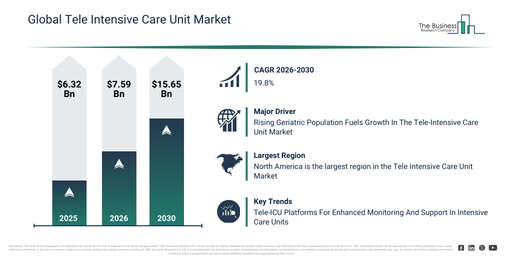
    Tele Intensive Care Unit Market Growth From $7.58 Billion In 2026 To $15.64 Billion By 2030 At A CAGR Of 19.8%

    The telemedicine ICU sector has experienced substantial expansion lately, with projections indicating a rise from $6.32 billion in 2025 to $7.59 billion in 2026, reflecting a compound annual growth rate of 20.0%. During the preceding period, key factors fueling this growth included the enhancement of hospital critical care capabilities, an escalating scarcity of intensivists, the broader adoption of telemedicine solutions, advancements in digital health infrastructure, and the persistent need for ongoing patient observation.

    The tele-intensive care unit (Tele-ICU) market is projected to experience rapid growth over the next few years, reaching $15.65 billion by 2030 at a compound annual growth rate (CAGR) of 19.8%. This growth is expected to be fueled by increasing investments in smart hospital infrastructure, greater adoption of cloud-based healthcare platforms, expansion of remote critical care services, wider use of predictive analytics in ICU management, and a growing emphasis on delivering cost-effective healthcare. Key trends anticipated during the forecast period include the rising adoption of remote ICU monitoring solutions, expansion of centralized Tele-ICU models, greater integration of AI-powered clinical decision support systems, increasing demand for real-time patient data analytics, and a stronger focus on optimizing critical care workforce efficiency.

    Download A Free Sample Report For Comprehensive Market Insights:

    https://www.thebusinessresearchcompany.com/sample.aspx?id=8164&type=smp

    Tele Intensive Care Unit Market Opportunity Drivers: What Is Creating New Revenue Potential?

    The increasing number of elderly individuals is poised to be a significant catalyst for the expansion of the tele-intensive care unit market. Specifically, the demographic of older adults, generally recognized as those aged 65 and above, will benefit greatly from Tele-ICU solutions that facilitate prompt medical interventions and enhance patient results. These advanced systems offer care to patients in critical condition and bolster the capabilities of onsite ICU personnel through secure audio-video communication and electronic data exchange. As an illustration, projections from the World Health Organization indicate that by the year 2030, one out of every six people worldwide will be 60 years of age or older, a figure expected to climb to 2.1 billion elderly individuals by 2050. Consequently, this burgeoning elderly population is a key driver behind the tele-intensive care unit market’s upward trajectory.

    Tele Intensive Care Unit Market Segment Landscape And Growth Potential

    The tele intensive care unit market covered in this report is segmented –

    1) By Type: Centralized Models, Decentralized Models, Other Types

    2) By Type Of Management: Intensivist, Open, Co-Managed, Open With Consultants, Other Types Of Management

    3) By Component: Hardware, Software

    4) By End User: Hospitals, Clinics, Other End Users

    Subsegments:

    1) By Centralized Models: Single Hub With Multiple Remote ICUs, Centralized Monitoring Systems, Integrated Care Coordination Platforms

    2) By Decentralized Models: Distributed Care Teams Across Multiple Locations, Localized Monitoring With Remote Support, Hybrid Care Models

    3) By Other Types: Mobile Tele-ICU Units, Cloud-Based Tele-ICU Solutions, Specialized Tele-ICU Applications

    Tele Intensive Care Unit Market Innovation Trends Driving Future Development

    Key players in the tele-intensive care unit sector are prioritizing the deployment of tele-ICU platforms to distinguish themselves in the marketplace. These platforms represent a technologically advanced solution facilitating remote observation, advisory services, and assistance for intensive care units. As an illustration, in October 2023, HealthNet Global, a healthcare entity based in India, initiated a tele-ICU initiative at Apollo Spectra Hospitals within India. This initiative establishes a link between Apollo Spectra’s ICU facilities and the Apollo Command Center utilizing HNG’s cutting-edge tele-ICU platform, thereby enabling the provision of critical care services with remarkable accuracy. The initiative ensures the availability of remote intensive care physicians and nurses who contribute to the management of ICU patients through sophisticated telehealth capabilities.

    Tele Intensive Care Unit Market Competitive Landscape: Who Are The Leading Companies?

    Major companies operating in the tele intensive care unit market are Hicuity Health LLC, Banner Health System, Teladoc Health Inc., Koninklijke Philips NV, University of Pittsburgh Medical Center, Inova Health System, Apollo TeleHealth Services Limited, Eagle Telemedicine LLC, iMDsoft Ltd., CLEW Medical Ltd., General Electric Company, Cloudphysician Healthcare Company, GlobalMed Inc., Mercy Virtual Inc., SynsorMed Inc., TeleICU by eCatalyst Healthcare Solutions LLC, Vidyo Inc., Vituity Telehealth Services Inc., CyberMed Inc., Dignity Health Telemedicine

    Access The Complete Tele Intensive Care Unit Market Report:

    https://www.thebusinessresearchcompany.com/report/tele-intensive-care-unit-global-market-report

    Tele Intensive Care Unit Market Regional Analysis: Which Region Leads By Revenue?

    North Americawas the largest region in the tele intensive care unit market in 2025. The regions covered in the tele intensive care unit market report are Asia-Pacific, South East Asia, Western Europe, Eastern Europe, North America, South America, Middle East, Africa.

    Get in touch with us:

    The Business Research Company: https://www.thebusinessresearchcompany.com/

    Americas: +1 310-496-7795

    Asia: +44 7882 955267 & +91 8897263534

    Europe: +44 7882 955267

    Email us at: marketing@tbrc.info

    Follow us on:

    LinkedIn: https://in.linkedin.com/company/the-business-research-company

    YouTube: https://www.youtube.com/channel/UC24_fI0rV8cR5DxlCpgmyFQ

    Global Market Model: https://www.thebusinessresearchcompany.com/global-market-model
  • Teeth Whitening Market Forecast Signals New Revenue Opportunities Through 2030

    Teeth Whitening Market Forecast Signals New Revenue Opportunities Through 2030

    Through market attractiveness analysis, total addressable market evaluation, company benchmarking matrices, interactive Excel dashboards, expanded supply chain intelligence, emerging startup coverage, and detailed product insights, The Business Research Company’s 2026 market reports provide more actionable and strategically valuable research.

    Teeth Whitening Market Expansion Outlook: What Revenue Opportunities Lie Ahead?

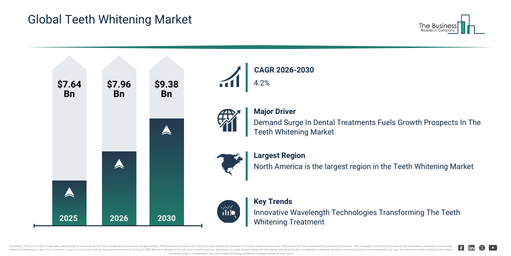
    The global teeth whitening market experienced robust expansion recently, with projections indicating a continued upward trend from $7.64 billion in 2025 to $7.96 billion in 2026, reflecting a compound annual growth rate of 4.3%. This historical growth trajectory has been fueled by heightened public awareness surrounding cosmetic dentistry, a growing emphasis among consumers on their personal appearance, the proliferation of oral care products in retail settings, enhanced disposable income globally, and the widespread availability of professional teeth whitening procedures.

    The global teeth whitening market is projected for consistent expansion in the upcoming years, reaching an estimated value of $9.38 billion by the year 2030, driven by a compound annual growth rate (CAGR) of 4.2%. This anticipated increase during the forecast period is largely fueled by several key factors: the heightened integration of digital dental technologies, a growing consumer desire for high-quality oral hygiene products, the proliferation of specialized cosmetic dental practices, the significant impact of social media trends on perceived beauty standards, and continuous advancements in the development of novel whitening solutions. Key developments anticipated within this timeframe include a surge in the popularity of at-home teeth whitening options, a greater uptake of LED-powered whitening apparatuses, a marked preference for less invasive cosmetic dental procedures, the widening availability of professional whitening treatments, and an intensified emphasis on developing formulations that are gentle on tooth enamel.

    Download A Free Sample Report For Comprehensive Market Insights:

    https://www.thebusinessresearchcompany.com/sample.aspx?id=13543&type=smp

    Teeth Whitening Market Growth Momentum: Which Factors Are Influencing Demand?

    A rising appetite for dental procedures is anticipated to invigorate the expansion of the teeth whitening sector. Dental treatments encompass the various medical services and interventions undertaken by dental practitioners to manage and resolve a range of oral health concerns. Within this scope, dental professionals provide teeth whitening treatments aimed at improving tooth coloration and visual appeal, thereby boosting patients’ aesthetic confidence. As an illustration, referencing Q1 2025 data from Align Technology, Inc., a prominent US medical device entity, clear aligner shipments registered 642.3 thousand units. This volume represented a 2.2% increase from the preceding quarter and a 6.2% rise year-over-year, underscoring the robust activity in related dental services. Consequently, the heightened demand for dental treatments is poised to be a significant catalyst for the teeth whitening market’s advancement.

    Teeth Whitening Market Categorization By Product Type And Application

    The teeth whitening market covered in this report is segmented –

    1) By Product Type: Whitening Toothpaste, Whitening Gels And Strips, Light Teeth Whitening Device, Other Product Types

    2) By Distribution Channel: Institutional Sales, Retail Sales

    3) By Application Type: In-Office, At-Home

    Subsegments:

    1) By Whitening Toothpaste: Abrasive Whitening Toothpaste, Enzyme-Based Whitening Toothpaste

    2) By Whitening Gels And Strips: Gel-Based Whitening Products, Whitening Strips

    3) By Light Teeth Whitening Device: LED Teeth Whitening Devices, UV Teeth Whitening Devices

    4) By Other Product Types: Whitening Mouthwashes, Whitening Pens, Professional Teeth Whitening Kits

    Teeth Whitening Market Trends Reshaping Industry Growth

    Leading entities within the teeth whitening sector are focusing on innovation by introducing sophisticated oral care items incorporating wavelength technology, a strategy aimed at securing a stronger market position. These cutting-edge oral care products leverage distinct light frequencies to optimize dental procedures and elevate oral health results. A notable example occurred in February 2023 when Colgate-Palmolive Company, a prominent US-based firm specializing in dental and personal hygiene products, unveiled its Colgate Optic White ComfortFit LED Teeth Whitening Kit, which features this wavelength technology. This technology employs particular light wavelengths, often within the blue or violet range of the spectrum, to boost the overall effectiveness of teeth whitening processes. The kit’s design prioritizes an improved user journey, emphasizing aspects such as comfort, consistent whitening results, straightforward application, proven effectiveness, and rapid treatment times. By employing wavelength technology, the kit applies a fine coating of whitening serum to the teeth, with the integrated LED device used for a daily 10-minute session over a 10-day span, effectively addressing discoloration swiftly. This comprehensive kit comprises a pliable LED whitening light and a teeth whitening pen, and notably, it can be easily powered by a smartphone, functioning seamlessly with both iPhone and Android devices.

    Teeth Whitening Market Company Landscape And Strategic Competition

    Major companies operating in the teeth whitening market are Johnson And Johnson, Procter And Gamble, Unilever PLC, GlaxoSmithKline Plc, 3M Company, Koninklijke Philips N.V., Colgate-Palmolive Company, Church And Dwight Co, DENTSPLY International, Ivoclar Vivadent AG, Kerr Corp, Ultradent Products Inc., Dr. Fresh LLC, Onuge Personal Care (Guangzhou) Co. Ltd., TECNO-GAZ SpA, Pearl Smile GmbH, Beaming White LLC, WHITEsmile GmbH, WSD Labs USA INC., DentMate Technology Co. Ltd., Mavrik Dental Systems Ltd., GLO Science LLC, Cosmolab Manufacturing Ltd

    Access The Complete Teeth Whitening Market Report:

    https://www.thebusinessresearchcompany.com/report/teeth-whitening-global-market-report

    Teeth Whitening Market Geographic Distribution And Regional Opportunities

    North Americawas the largest region in the teeth whitening market in 2025. Asia-Pacificis expected to be the fastest-growing region in the forecast period. The regions covered in the teeth whitening market report are Asia-Pacific, South East Asia, Western Europe, Eastern Europe, North America, South America, Middle East, Africa.

    Get in touch with us:

    The Business Research Company: https://www.thebusinessresearchcompany.com/

    Americas: +1 310-496-7795

    Asia: +44 7882 955267 & +91 8897263534

    Europe: +44 7882 955267

    Email us at: marketing@tbrc.info

    Follow us on:

    LinkedIn: https://in.linkedin.com/company/the-business-research-company

    YouTube: https://www.youtube.com/channel/UC24_fI0rV8cR5DxlCpgmyFQ

    Global Market Model: https://www.thebusinessresearchcompany.com/global-market-model
  • Technology Spending On Core Administration In Healthcare Market Growth Is Accelerating As Industry Transformation Continues

    Technology Spending On Core Administration In Healthcare Market Growth Is Accelerating As Industry Transformation Continues

    Delivering more actionable and strategically valuable research, The Business Research Company’s 2026 market reports feature market attractiveness analysis, total addressable market evaluation, company benchmarking matrices, interactive Excel dashboards, expanded supply chain intelligence, emerging startup coverage, and detailed product insights.

    Technology Spending On Core Administration In Healthcare Market Growth Potential: How Will Market Size Change Through 2030?

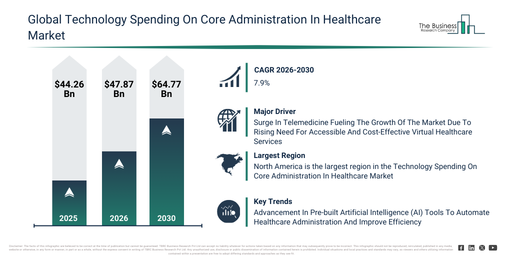
    Within the healthcare sector, expenditures on fundamental administrative technologies have experienced substantial expansion recently. Projections indicate a rise from $44.26 billion in 2025 to $47.87 billion in 2026, reflecting a compound annual growth rate of 8.2%. This historical growth trajectory can be attributed to several key factors, including the escalating administrative workload within healthcare organizations, the increasing integration of electronic records for managing billing and enrollment processes, the growing complexity of healthcare operations, the broader reach of insurance coverage initiatives, and the imperative for effective revenue cycle management.

    Anticipate a robust ascent in the market’s valuation for core healthcare administration technology over the forthcoming years, projecting an increase to $64.77 billion by 2030, driven by a compound annual growth rate of 7.9%. This expansion throughout the projected period is fueled by escalating investments in intelligent automation solutions, a heightened need for instant financial insights, the broadening of digital connections between payers and providers, a greater emphasis on automating adherence to regulations, and the incorporation of sophisticated data management systems. Key developments shaping this future include the accelerating automation of routine administrative tasks in healthcare, increased uptake of cloud-based administrative platforms, a wider deployment of artificial intelligence in claims and billing processes, a reinforced commitment to data precision and the seamless exchange of information, and a more significant concentration on reducing expenses within healthcare operations.

    Download A Free Sample Report For Comprehensive Market Insights:

    https://www.thebusinessresearchcompany.com/sample.aspx?id=27432&type=smp

    Technology Spending On Core Administration In Healthcare Market Expansion Drivers: What Is Shaping Future Growth?

    The expansion of telehealth services is poised to stimulate increased technology expenditures in fundamental healthcare administration functions. Telemedicine, defined as delivering healthcare remotely via digital platforms like video calls, messaging, and mobile applications for patient diagnosis, treatment, and monitoring, is experiencing a surge in utilization. This greater accessibility through telemedicine enables individuals to receive medical care without the necessity of travel, thereby increasing convenience, particularly for residents of remote or underserved regions. Enhanced core administrative technology within healthcare systems improves the functionality of telemedicine by streamlining processes such as patient onboarding, appointment management, invoicing, and claim adjudication, leading to greater operational efficiency and fewer delays, ultimately freeing up healthcare professionals to concentrate on delivering timely virtual consultations. For example, data from the Australian Bureau of Statistics indicated that in the 2024–25 period, 22.5% of Australians utilized telehealth, with a significant 90.3% expressing willingness to use the service again, a slight increase from 89.2% in the preceding year, underscoring the escalating demand for telemedicine and, consequently, the commensurate rise in investment in related core administrative technologies within the healthcare sector.

    Technology Spending On Core Administration In Healthcare Market Segment Analysis And Revenue Opportunities

    The technology spending on core administration in healthcare market covered in this report is segmented –

    1) By Type: Software, Hardware, Services

    2) By Technology: Electronic Health Records (EHRs), Patient Management Systems, Financial Management Systems, Supply Chain Management Systems, Revenue Cycle Management System

    3) By Deployment Mode: On-Premise, Cloud-Based, Hybrid

    4) By Application: Patient Management, Staff Management, Inventory Management, Other Applications

    5) By End-User: Hospitals, Clinics, Insurance Providers, Other End-Users

    Subsegments:

    1) By Software: Electronic Health Record (EHR) Systems, Practice Management Software, Revenue Cycle Management (RCM) Software, Patient Scheduling Software, Claims Management Software

    2) By Hardware: Servers and Storage Devices, Workstations and Desktops, Networking Equipment, Scanners And Imaging Devices, Administrative Endpoints And Secure Access Devices

    3) By Services: Information Technology Consulting and Support, System Integration Services, Managed Services, Training and Education Services, Maintenance and Upgrades

    Technology Spending On Core Administration In Healthcare Market Strategic Trends: What Is Defining The Next Phase Of Growth?

    Within the healthcare technology sector, key players are heavily investing in core administrative functions, specifically by creating sophisticated offerings like pre-packaged artificial intelligence instruments. These tools are designed to automate routine administrative duties and elevate the precision of decision-making processes. Pre-built AI solutions provide immediate access to advanced capabilities, negating the requirement for lengthy custom development cycles and facilitating swift implementation for tasks like automation, data examination, and predictive modeling to optimize operational flows. An illustrative example is the February 2025 release of Agentforce for Health by Salesforce Inc., a prominent US-based cloud software provider. This suite comprises a collection of ready-made AI agents engineered to automate protracted administrative, clinical, and public health responsibilities within the healthcare domain. The functionalities within this platform encompass elements such as managing patient appointments, verifying insurance eligibility, and aiding in care coordination efforts. Furthermore, it contributes to disease monitoring and the identification of suitable clinical trial participants by aggregating information from diverse databases. The overarching objective of these advancements is to alleviate the pressures of administrative overhead, mitigate healthcare professional burnout, and boost the overall operational effectiveness for both service providers and insurance entities.

    Technology Spending On Core Administration In Healthcare Market Leading Players Shaping Industry Direction

    Major companies operating in the technology spending on core administration in healthcare market are Microsoft Corporation, Siemens AG, International Business Machines Corporation, Oracle Corporation, Tata Consultancy Services Limited, Cognizant Technology Solutions Corporation, GE Healthcare Technologies Inc., Infosys Limited, Conduent Incorporated, Evolent Health Inc., Veradigm Inc., Tebra Inc., 314e Corporation, Qventus Inc., Meditab Software Inc., CodaMetrix Inc., Raintree Systems Inc., ReLi Med Solutions Inc., Cerner Corporation, Epic Systems Corporation, Allscripts Healthcare Solutions Inc., McKesson Corporation

    Access The Complete Technology Spending On Core Administration In Healthcare Market Report:

    https://www.thebusinessresearchcompany.com/report/technology-spending-on-core-administration-in-healthcare-global-market-report

    Technology Spending On Core Administration In Healthcare Market Largest Region By Revenue And Market Share

    North Americawas the largest region in the technology spending on core administration in healthcare market in 2025. Asia-Pacificis expected to be the fastest-growing region in the forecast period. The regions covered in the technology spending on core administration in healthcare market report are Asia-Pacific, South East Asia, Western Europe, Eastern Europe, North America, South America, Middle East, Africa.

    Get in touch with us:

    The Business Research Company: https://www.thebusinessresearchcompany.com/

    Americas: +1 310-496-7795

    Asia: +44 7882 955267 & +91 8897263534

    Europe: +44 7882 955267

    Email us at: marketing@tbrc.info

    Follow us on:

    LinkedIn: https://in.linkedin.com/company/the-business-research-company

    YouTube: https://www.youtube.com/channel/UC24_fI0rV8cR5DxlCpgmyFQ

    Global Market Model: https://www.thebusinessresearchcompany.com/global-market-model
  • Tay-Sachs Disease Treatment Market Outlook Highlights The Next Major Growth Opportunities

    Tay-Sachs Disease Treatment Market Outlook Highlights The Next Major Growth Opportunities

    Enhanced with market attractiveness analysis, total addressable market evaluation, company benchmarking matrices, interactive Excel dashboards, expanded supply chain intelligence, emerging startup coverage, and detailed product insights, The Business Research Company’s 2026 market reports deliver more actionable and strategically valuable research.

    Tay-Sachs Disease Treatment Market Value Analysis: What Growth Is Expected Over The Forecast Period?

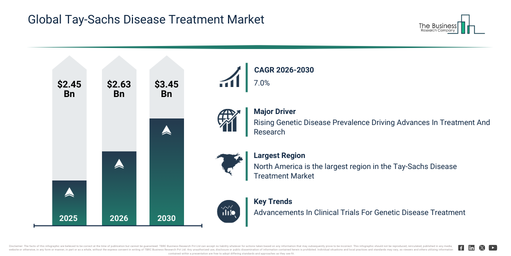
    The market for Tay-Sachs disease treatments has experienced robust expansion, projected to increase from $2.45 billion in 2025 to $2.63 billion in 2026, reflecting a compound annual growth rate of 7.3%. This recent surge in market value is underpinned by several key factors including enhanced genetic screening technologies, heightened public and medical awareness concerning uncommon genetic conditions, the broadening of pediatric neurological care services, the provision of effective supportive therapies, and the advancement of research initiatives focused on orphan drugs.

    The market for Tay-Sachs disease treatments is poised for considerable expansion over the coming years, projecting a rise to $3.45 billion by 2030, underpinned by a compound annual growth rate of 7.0%. This anticipated growth trajectory is fueled by several key factors, including a surge in clinical trials exploring gene-based therapeutic approaches, augmented regulatory backing for medications targeting rare conditions, the increasing application of personalized medicine in addressing uncommon ailments, the proliferation of patient advocacy efforts, and escalating investments in cutting-edge biotechnological advancements. During this forecast period, prominent trends are expected to shape the market, such as a heightened concentration on advancing gene therapies, broader exploration into enzyme replacement strategies, greater adoption of substrate reduction therapies, increased financial commitment to developing pharmaceuticals for rare diseases, and the refinement of patient support protocols.

    Download A Free Sample Report For Comprehensive Market Insights:

    https://www.thebusinessresearchcompany.com/sample.aspx?id=21295&type=smp

    Tay-Sachs Disease Treatment Market Development Factors: Which Trends Are Supporting Demand?

    The increasing incidence of inherited disorders is projected to be a key catalyst for the tay-sachs disease treatment market. These inherited disorders stem from alterations within a person’s genetic makeup, which can be passed down through generations or arise from new mutations. Factors such as improved diagnostic capabilities, heightened public understanding, environmental influences, and elevated mutation risks associated with later childbearing and evolving lifestyles contribute to the expansion of genetic diseases. The escalating occurrence of these conditions underscores the necessity for progress in tay-sachs disease therapies, thereby stimulating inquiry into areas like gene editing, enzyme replenishment strategies, and swift detection methods. As an illustration, in October 2024, data from the Cystic Fibrosis Trust, an organization in the United Kingdom committed to assisting individuals with cystic fibrosis, indicated that in 2022, approximately 11,148 individuals with cystic fibrosis, a genetic condition, were recorded, with this figure rising to 11,318 in 2023, signifying an annual growth of 1.5% in recorded patients. Consequently, the expanding prevalence of genetic diseases is expected to propel the tay-sachs disease treatment market.

    Tay-Sachs Disease Treatment Market Segmentation And Category Breakdown

    The tay-sachs disease treatment market covered in this report is segmented –

    1) By Treatment: Medication, Respiratory Care, Physical Therapy

    2) By Mode Of Administration: Injectable, Oral, Other Mode Of Administration

    3) By End-Users: Hospitals, Homecare, Specialty Clinics

    Subsegments:

    1) By Medication: Antiepileptic Drugs, Miglustat, Supportive Symptomatic Medications

    2) By Respiratory Care: Mechanical Ventilation, Airway Clearance Therapy, Oxygen Therapy

    3) By Physical Therapy: Motor Function Exercises, Hydrotherapy, Assistive Mobility Devices

    Tay-Sachs Disease Treatment Market Transformation Trends: Which Innovations Are Driving Change?

    The key players within the tay-sachs disease treatment sector are actively pursuing the development of novel therapeutic approaches, undertaking clinical investigations into cutting-edge interventions like gene therapy, enzyme replacement strategies, and pharmaceutical compounds designed to enhance patient well-being. A clinical trial serves as a scientific investigation aimed at assessing the safety, efficacy, and potential adverse reactions of medical interventions, pharmaceuticals, or methodologies in human subjects. As an illustration, in July 2024, IntraBio Inc., a pharmaceutical firm headquartered in the United States, declared that it had secured clearance from the U.S. Food and Drug Administration (FDA) to proceed with initiating a clinical trial (under the Investigational New Drug application, IND, designation IB1001-202) for its compound IB1001, with the objective of treating GM2 Gangliosidosis, encompassing both Tay-Sachs and Sandhoff Diseases. This study is currently underway across the U.S., the United Kingdom, Germany, and Spain, with the overarching goal of finding solutions for these fatal neurodegenerative conditions for which no effective treatments are presently available. The chairman of IntraBio underscored the critical need for expeditious development of robust therapeutic options for these profoundly disabling illnesses.

    Tay-Sachs Disease Treatment Market Competitive Analysis Of Major Industry Participants

    Major companies operating in the tay-sachs disease treatment market are Pfizer Inc., Sanofi S.A., Novartis AG, Takeda Pharmaceutical Company Limited, Regeneron Pharmaceuticals Inc., Biogen Inc., Vertex Pharmaceuticals Incorporated, BioMarin Pharmaceutical Inc., Sarepta Therapeutics Inc., Ultragenyx Pharmaceutical Inc., Amicus Therapeutics Inc., Spark Therapeutics Inc., Rocket Pharmaceuticals Inc., RegenxBio Inc., Forge Biologics Inc., Passage Bio Inc., Protalix BioTherapeutics Inc., Orchard Therapeutics plc, Affinia Therapeutics Inc., IntraBio Inc., Taysha Gene Therapies Inc.

    Access The Complete Tay-Sachs Disease Treatment Market Report:

    https://www.thebusinessresearchcompany.com/report/tay-sachs-disease-treatment-global-market-report

    Tay-Sachs Disease Treatment Market Regional Analysis And Leading Geography

    North Americawas the largest region in the tay-sachs disease treatment market in 2025. Asia-Pacificis expected to be the fastest-growing region in the forecast period. The regions covered in the tay-sachs disease treatment market report are Asia-Pacific, South East Asia, Western Europe, Eastern Europe, North America, South America, Middle East, Africa.

    Get in touch with us:

    The Business Research Company: https://www.thebusinessresearchcompany.com/

    Americas: +1 310-496-7795

    Asia: +44 7882 955267 & +91 8897263534

    Europe: +44 7882 955267

    Email us at: marketing@tbrc.info

    Follow us on:

    LinkedIn: https://in.linkedin.com/company/the-business-research-company

    YouTube: https://www.youtube.com/channel/UC24_fI0rV8cR5DxlCpgmyFQ

    Global Market Model: https://www.thebusinessresearchcompany.com/global-market-model
  • Targeted Therapy Market Trends And Growth Drivers Point To Strong Future Potential

    Targeted Therapy Market Trends And Growth Drivers Point To Strong Future Potential

    Through market attractiveness analysis, total addressable market evaluation, company benchmarking matrices, interactive Excel dashboards, expanded supply chain intelligence, emerging startup coverage, and detailed product insights, The Business Research Company’s 2026 market reports provide more actionable and strategically valuable research.

    Targeted Therapy Market Size Forecast: How Large Could The Market Become By 2030?

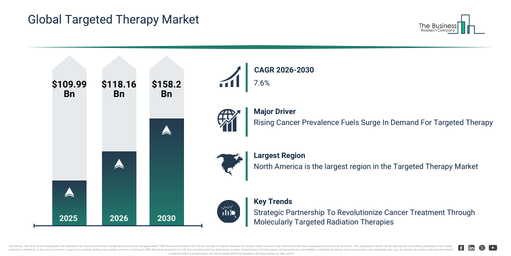
    The market for targeted therapies has experienced robust expansion lately, projected to climb from 109.99 billion dollars in 2025 to 118.16 billion dollars in 2026, exhibiting a compound annual growth rate of 7.4%. This historical growth trajectory is supported by factors such as the escalating global rates of cancer diagnosis, increased investment in oncology research, the broader utilization of monoclonal antibodies, breakthroughs in molecular biology studies, and a continuous rise in the number of targeted cancer drug approvals.

    The market for targeted therapies is poised for significant expansion, projecting a rise to $158.2 billion by 2030, with an anticipated compound annual growth rate of 7.6%. This upward trajectory is fueled by a confluence of factors, including escalating investments in personalized medicine approaches, the burgeoning application of artificial intelligence in drug discovery processes, wider adoption of precision diagnostic tools, a growing preference for cancer treatments with reduced toxicity, and heightened clinical trial endeavors within the field of oncology. Key developments anticipated during this forecast period involve a greater emphasis on developing precision oncology medications, increased utilization of biomarker-guided treatment selection, the broader implementation of combination targeted therapy strategies, expanded use of companion diagnostics, and a more concentrated effort on designing drugs tailored to specific tumor characteristics.

    Download A Free Sample Report For Comprehensive Market Insights:

    https://www.thebusinessresearchcompany.com/sample.aspx?id=9129&type=smp

    Targeted Therapy Market Industry Drivers: What Is Driving Revenue Growth?

    The escalating incidence of cancer is poised to be a significant catalyst for the expansion of the targeted therapy market. Cancer, characterized by the uncontrolled proliferation and invasion of abnormal cells into adjacent tissues, presents a critical healthcare challenge. Targeted therapies offer a sophisticated approach by obstructing the cellular pathways that fuel cancer cell proliferation or by instigating programmed cell death within these malignant cells. These treatments leverage pharmaceuticals designed to precisely identify and neutralize the specific genes and proteins vital for cancer cell propagation and sustenance, thereby augmenting market demand. Illustratively, data from the American Cancer Society indicated a rise in cancer diagnoses to 2,001,140 in January 2024, a notable increase from the 1,958,310 cases reported in 2023, signifying a 2.19% escalation. Consequently, the growing burden of cancer worldwide is anticipated to fuel the advancement and market reach of targeted therapies.

    Targeted Therapy Market Segment Outlook: Which Categories Are Expanding The Fastest?

    The targeted therapy market covered in this report is segmented –

    1) By Type: Small Molecule Medicines, Monoclonal Antibodies

    2) By Distribution Channel: Hospital Pharmacies, Retail Pharmacies, Online Pharmacies

    3) By Application: Breast Cancer, Colorectal Cancer, Leukemia, Lung Cancer, Lymphoma, Renal Cancer, Other Applications

    Subsegments:

    1) By Small Molecule Medicines: Tyrosine Kinase Inhibitors (TKIs), Proteasome Inhibitors, Phosphatidylinositol 3-Kinase (PI3K) Inhibitors, Other Small Molecule Therapies

    2) By Monoclonal Antibodies: Immune Checkpoint Inhibitors, Antibody-Drug Conjugates (ADCs), Cytokine Blockers, Other Monoclonal Antibodies

    #Targeted Therapy Market Growth Trends: What Is Influencing The Future Outlook?

    In the realm of targeted therapy, leading entities are prioritizing collaborative ventures to ensure dependable customer service. A strategic alliance represents a cooperative agreement among several entities, mutually aiding one another to accomplish their individual objectives. As an illustration, in September of 2023, Shine Technologies, a US firm within the pharmaceutical sector specializing in the production of radioactive isotopes for medical use, entered into a collaborative agreement with Curadh MTR Inc., an organization committed to expediting the advancement of molecularly targeted radiation treatments for solid tumors. This particular alliance is geared towards leveraging the capabilities of radioisotopes to accurately identify and eradicate cancerous cells, thereby providing a renewed sense of optimism for patients and revolutionizing the landscape of cancer care.

    Targeted Therapy Market Key Companies And Competitive Benchmarking

    Major companies operating in the targeted therapy market are Pfizer Inc., Johnson & Johnson, F. Hoffmann-La Roche Ltd, Merck & Co Inc., AbbVie Inc., Bayer AG, Novartis AG, Sanofi SA, Bristol Myers Squibb, AstraZeneca, GlaxoSmithKline plc, Takeda Pharmaceutical Company Limited, Eli Lilly and Company, Gilead Sciences Inc., Amgen Inc., Genmab A/S, Regeneron Pharmaceuticals Inc., Biogen Inc., Vertex Pharmaceuticals Incorporated, Agilent Technologies Inc., Illumina Inc., Incyte Corporation, Sysmex Corporation, Exact Sciences Corporation, Seagen Inc., Exelixis Inc., Seattle Genetics Inc., Genentech Inc., Daiichi Sankyo Company Limited

    Access The Complete Targeted Therapy Market Report:

    https://www.thebusinessresearchcompany.com/report/targeted-therapy-global-market-report

    Targeted Therapy Market Geographic Analysis: Where Is Demand Growing The Fastest?

    North Americawas the largest region in the targeted therapy market in 2025. The regions covered in the targeted therapy market report are Asia-Pacific, South East Asia, Western Europe, Eastern Europe, North America, South America, Middle East, Africa.

    Get in touch with us:

    The Business Research Company: https://www.thebusinessresearchcompany.com/

    Americas: +1 310-496-7795

    Asia: +44 7882 955267 & +91 8897263534

    Europe: +44 7882 955267

    Email us at: marketing@tbrc.info

    Follow us on:

    LinkedIn: https://in.linkedin.com/company/the-business-research-company

    YouTube: https://www.youtube.com/channel/UC24_fI0rV8cR5DxlCpgmyFQ

    Global Market Model: https://www.thebusinessresearchcompany.com/global-market-model
  • Tadalafil Market Expansion Is Reshaping Competitive Dynamics Across The Industry

    Tadalafil Market Expansion Is Reshaping Competitive Dynamics Across The Industry

    Delivering more actionable and strategically valuable research, The Business Research Company’s 2026 market reports feature market attractiveness analysis, total addressable market evaluation, company benchmarking matrices, interactive Excel dashboards, expanded supply chain intelligence, emerging startup coverage, and detailed product insights.

    Tadalafil Market Revenue Outlook: What CAGR Is Expected Through 2030?

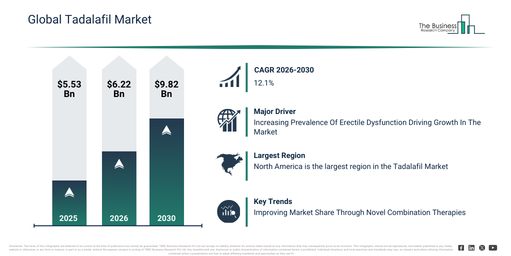
    The tadalafil market experienced substantial expansion recently, projecting a rise from $5.53 billion in 2025 to $6.22 billion in 2026, fueled by a compound annual growth rate (CAGR) of 12.4%. Historical growth factors included a higher incidence of erectile dysfunction, greater identification of pulmonary arterial hypertension, enhanced accessibility of trademarked tadalafil, the proliferation of retail pharmacy chains, and a heightened understanding among medical practitioners regarding PDE5 inhibitors.

    Anticipating substantial expansion, the tadalafil market is projected to reach a value of $9.82 billion by 2030, demonstrating a compound annual growth rate of 12.1%. This upward trajectory is fueled by several key factors, including the burgeoning elderly male demographic, a greater willingness to utilize online prescription services, intensified efforts in managing chronic conditions, ongoing investigations into combination therapies, and enhanced availability of cost-effective generic alternatives. Key developments shaping the market during this period involve a growing preference for generic tadalafil versions, escalating demand for PDE5 inhibitors with extended duration of action, broader reach through online pharmaceutical channels, a heightened emphasis on personalized patient dosing regimens, and advancements in the production efficiency of oral solid medications.

    Download A Free Sample Report For Comprehensive Market Insights:

    https://www.thebusinessresearchcompany.com/sample.aspx?id=20974&type=smp

    Tadalafil Market Growth Factors: Which Forces Are Supporting Market Expansion?

    The escalating occurrence of erectile dysfunction is anticipated to be a significant catalyst for the expansion of the tadalafil market. Erectile dysfunction, defined by the persistent difficulty in obtaining or sustaining an erection suitable for sexual activity, is becoming more common. This rise is attributed to several contributing factors, including an aging demographic, the presence of long-term health issues, unhealthy lifestyle habits, mental strain, and adverse reactions from certain pharmaceutical treatments. Tadalafil functions by facilitating the relaxation of muscles surrounding penile blood vessels, thereby improving circulation and making it possible to achieve and maintain an erection when sexually aroused. Illustrating this trend, a report from February 2024 by the U.S. National Library of Medicine, part of the National Institutes of Health, indicated that erectile dysfunction, assessed via IIEF-5 scores, affects 24.2% of the general populace, with rates notably higher among older age groups, reaching 52.2% for those 75 and above and 48.0% for individuals aged 65 to 74. Consequently, the growing incidence of erectile dysfunction is directly fueling the growth trajectory of the tadalafil market.

    Tadalafil Market Segment Landscape: Which Areas Lead Market Development?

    The tadalafil market covered in this report is segmented –

    1) By Product Type: Tablets, Oral Suspensions

    2) By Distribution Channel: Hospital Pharmacy, Retail Pharmacy, Online Pharmacy

    3) By Application: Erectile Dysfunction, Pulmonary Arterial Hypertension, Benign Prostatic Hyperplasia

    Subsegments:

    1) By Tablets: 2.5 mg Tablets, 5 mg Tablets, 10 mg Tablets, 20 mg Tablets

    2) By Oral Suspensions: 2.5 mg/5 mL Oral Suspension, 10 mg Oral Suspension, Custom Dosing Oral Suspensions

    Tadalafil Market Industry Trends: What Changes Are Reshaping Demand?

    Manufacturers of tadalafil are prioritizing the development of novel treatment approaches, including combination therapies, with the aim of boosting treatment effectiveness, furthering patient adherence, and increasing their market presence in addressing erectile dysfunction and pulmonary arterial hypertension. Combination therapy involves the concurrent administration of multiple therapeutic agents or methods to amplify treatment results, elevate efficacy, and tackle various facets of a specific illness or health concern. As an illustration, in March 2024, Johnson & Johnson, a prominent American healthcare enterprise, disclosed that the U.S. Food and Drug Administration (FDA) had given its assent to OPSYNVI, a pharmaceutical administered as a single tablet that incorporates macitentan, an antagonist of endothelin receptors (ERA), alongside tadalafil, a phosphodiesterase type 5 (PDE5) inhibitor. This pioneering intervention is designated for the ongoing management of pulmonary arterial hypertension (PAH) (classified under WHO Group I) in adult individuals categorized within WHO functional classes II to III. OPSYNVI serves as an appropriate therapeutic option for individuals initiating treatment as well as those presently undergoing therapy with ERAs, PDE5 inhibitors, or a combination of both. Furthermore, it presents a simplified regimen for patients who have achieved stability with macitentan 10 mg and tadalafil 40 mg (administered as 20 mg twice daily) when taken as separate medications.

    Tadalafil Market Industry Leaders And Market Competition

    Major companies operating in the tadalafil market are Eli Lilly and Company, Teva Pharmaceutical Industries Ltd., Sun Pharmaceutical Industries Limited, Cipla Limited, Aurobindo Pharma Limited, Dr. Reddy’s Laboratories Limited, Lupin Limited, Glenmark Pharmaceuticals Limited, Torrent Pharmaceuticals Limited, Jubilant Pharma Limited, Jiangsu Lianhuan Pharmaceutical Co. Ltd., Alembic Pharmaceuticals Limited, Polpharma SA, SMS Pharmaceuticals Limited, Camber Pharmaceuticals Inc., Century Pharmaceuticals Limited, Rakshit Drugs Private Limited, Ami Lifesciences Private Limited, Hangzhou Longshine Bio-Tech Co. Ltd., Dolphin Pharmaceuticals

    Access The Complete Tadalafil Market Report:

    https://www.thebusinessresearchcompany.com/report/tadalafil-global-market-report

    Tadalafil Market Global Footprint: Which Region Holds Market Leadership?

    North Americawas the largest region in the tadalafil market in 2025. Asia-Pacificis expected to be the fastest-growing region in the forecast period. The regions covered in the tadalafil market report are Asia-Pacific, South East Asia, Western Europe, Eastern Europe, North America, South America, Middle East, Africa.

    Get in touch with us:

    The Business Research Company: https://www.thebusinessresearchcompany.com/

    Americas: +1 310-496-7795

    Asia: +44 7882 955267 & +91 8897263534

    Europe: +44 7882 955267

    Email us at: marketing@tbrc.info

    Follow us on:

    LinkedIn: https://in.linkedin.com/company/the-business-research-company

    YouTube: https://www.youtube.com/channel/UC24_fI0rV8cR5DxlCpgmyFQ

    Global Market Model: https://www.thebusinessresearchcompany.com/global-market-model