Category: Healthcare Services

  • Small Lymphocytic Lymphoma Market Growth Is Reshaping Competitive Advantage Across The Industry

    Small Lymphocytic Lymphoma Market Growth Is Reshaping Competitive Advantage Across The Industry

    Enhanced with market attractiveness analysis, total addressable market evaluation, company benchmarking matrices, interactive Excel dashboards, expanded supply chain intelligence, emerging startup coverage, and detailed product insights, The Business Research Company’s 2026 market reports deliver more actionable and strategically valuable research.

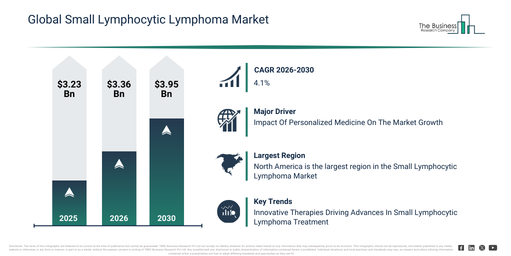
    Small Lymphocytic Lymphoma Market Expansion From $3.36 Billion In 2026 To $3.95 Billion In 2030

    The global market for small lymphocytic lymphoma has experienced consistent expansion, projected to increase from $3.23 billion in 2025 to $3.36 billion in 2026, reflecting a compound annual growth rate of 4.1%. This upward trend during the historical period was fueled by significant progress in hematology research, a heightened public consciousness regarding cancer, enhanced precision in diagnostic procedures, the proliferation of specialized oncology treatment centers, and a wider accessibility to chemotherapy treatments.

    The market for small lymphocytic lymphoma is projected for consistent expansion in the coming years, reaching an estimated $3.95 billion by 2030, underpinned by a compound annual growth rate of 4.1%. This anticipated growth throughout the forecast period is fueled by several key factors, including a rise in the approval of targeted medications, broadened accessibility to companion diagnostics, an increasing elderly demographic, enhancements in patient survival outcomes, and greater investment in cancer care. Significant developments shaping this market over the coming years encompass a greater adoption of targeted treatment approaches, a movement towards oral formulations for cancer drugs, advancements in molecular diagnostic capabilities, the wider implementation of combination therapy regimens, and a surge in clinical research endeavors.

    Download A Free Sample Report For Comprehensive Market Insights:

    https://www.thebusinessresearchcompany.com/sample.aspx?id=20957&type=smp

    Small Lymphocytic Lymphoma Market Opportunity Drivers: What Is Creating New Revenue Potential?

    Advancements in personalized medicine are anticipated to be a key catalyst for the expansion of the small lymphocytic lymphoma market. This approach to healthcare customizes treatments and decisions by considering an individual’s genetic makeup, environment, and lifestyle. The increasing sophistication in genomics, biotechnology, and data analysis fuels the development of personalized medicine, leading to more accurate, impactful, and patient-specific interventions. Small lymphocytic lymphoma plays a role in this progress by offering valuable information about particular genetic alterations and biomarkers, thereby facilitating the creation of targeted therapies and bespoke treatment plans. A notable illustration of this trend occurred in February 2024, when the Personalized Medicine Coalition reported that the FDA authorized 16 novel personalized treatments for individuals with rare conditions in 2023, a notable rise from the six authorizations granted in 2022. Consequently, the burgeoning field of personalized medicine is poised to stimulate growth within the small lymphocytic lymphoma market.

    Small Lymphocytic Lymphoma Market Segment Landscape: Which Areas Lead Market Development?

    The small lymphocytic lymphoma market covered in this report is segmented –

    1) By Product: Capsules, Tablets, Injections, Other Products

    2) By Route of Administration: Oral, Parenteral, Other Route of Administrations

    3) By Treatment: Chemotherapy, Targeted Therapy, Stem Cell Transplant, Monoclonal antibody therapy, Other Treatments

    4) By Distribution Channel: Hospital Pharmacy, Retail Pharmacy, Online Pharmacy, Other Distribution Channels

    5) By End-Users: Hospitals, Specialty Clinics, Homecare, Other End Users

    Subsegments:

    1) By Capsules: Oral Chemotherapy Capsules, Targeted Therapy Capsules, Immunomodulatory Capsules

    2) By Tablets: Oral Chemotherapy Tablets, Targeted Therapy Tablets, Immunotherapy Tablets

    3) By Injections: Chemotherapy Injections, Monoclonal Antibody Injections, Immunotherapy Injections, Biologic Injections

    4) By Other Products: Oral Targeted Combination Therapies, Infusion Therapies, Biosimilars For SLL, CAR-T Cell Therapies

    Small Lymphocytic Lymphoma Market Innovation Trends Driving Future Development

    Within the small lymphocytic lymphoma sector, leading pharmaceutical firms are actively engaged in pioneering new treatments, notably non-covalent BTK inhibitors, with the aim of boosting treatment effectiveness, addressing therapeutic resistance, and ultimately improving patient results. These non-covalent BTK inhibitors function by reversibly attaching to the Bruton’s tyrosine kinase (BTK) enzyme, thereby targeting B-cell cancers while mitigating the resistance and side effects commonly linked to their covalent counterparts. A significant development occurred in December 2023 when Eli Lilly and Company, a prominent US pharmaceutical entity, revealed that the U.S. Food and Drug Administration (FDA) sanctioned Jaypirca (pirtobrutinib) for adult individuals diagnosed with chronic lymphocytic leukemia or small lymphocytic lymphoma (CLL/SLL). This authorization is particularly impactful due to its application in cases where patients have previously received a minimum of two treatment regimens, encompassing both a Bruton’s Tyrosine Kinase (BTK) inhibitor and a BCL-2 inhibitor, thereby fulfilling a crucial need for those with extensive prior treatment. The convenient oral dosage form of this medication enhances patient compliance while ensuring potent and precise therapeutic intervention.

    Small Lymphocytic Lymphoma Market Industry Leaders And Market Competition

    Major companies operating in the small lymphocytic lymphoma market are Pfizer Inc., Johnson & Johnson, AbbVie Inc., Sanofi S.A., Bristol-Myers Squibb Company, AstraZeneca PLC, Eli Lilly and Company, Gilead Sciences Inc., Amgen Inc., Regeneron Pharmaceuticals, Incyte Corporation, Exelixis Inc., Kite Pharma Inc., Spectrum Pharmaceuticals Inc., Aptose Biosciences Inc., Secura Bio Inc., Infinity Pharmaceuticals Inc., TG Therapeutics Inc., Roche Holding AG, Novartis AG, BeiGene Ltd., Merck & Co. Inc., Takeda Pharmaceutical Company Limited

    Access The Complete Small Lymphocytic Lymphoma Market Report:

    https://www.thebusinessresearchcompany.com/report/small-lymphocytic-lymphoma-global-market-report

    Small Lymphocytic Lymphoma Market Regional Outlook: Where Are The Largest Opportunities Located?

    North Americawas the largest region in the small lymphocytic lymphoma market in 2025. Asia-Pacificis expected to be the fastest-growing region in the forecast period. The regions covered in the small lymphocytic lymphoma market report are Asia-Pacific, South East Asia, Western Europe, Eastern Europe, North America, South America, Middle East, Africa.

    Get in touch with us:

    The Business Research Company: https://www.thebusinessresearchcompany.com/

    Americas: +1 310-496-7795

    Asia: +44 7882 955267 & +91 8897263534

    Europe: +44 7882 955267

    Email us at: marketing@tbrc.info

    Follow us on:

    LinkedIn: https://in.linkedin.com/company/the-business-research-company

    YouTube: https://www.youtube.com/channel/UC24_fI0rV8cR5DxlCpgmyFQ

    Global Market Model: https://www.thebusinessresearchcompany.com/global-market-model
  • Slip Disc Market Forecast Signals New Revenue Opportunities Through 2030

    Slip Disc Market Forecast Signals New Revenue Opportunities Through 2030

    Through market attractiveness analysis, total addressable market evaluation, company benchmarking matrices, interactive Excel dashboards, expanded supply chain intelligence, emerging startup coverage, and detailed product insights, The Business Research Company’s 2026 market reports provide more actionable and strategically valuable research.

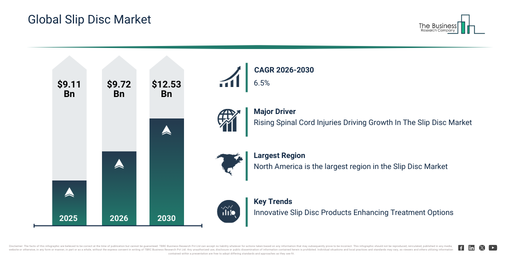
    Slip Disc Market Forecast Highlighting Growth From $9.72 Billion To $12.52 Billion

    The global slip disc market demonstrated robust expansion recently, projecting a rise from $9.11 billion in 2025 to $9.72 billion in 2026, reflecting a compound annual growth rate (CAGR) of 6.7%. Factors contributing to this historical upswing include the prevalence of sedentary habits, occupational strains leading to back injuries, advancements in diagnostic imaging technologies, increased public awareness regarding orthopedic health, and the continuing growth of urban populations.

    The global market for slip disc treatments is projected to experience robust expansion over the coming years, reaching an estimated $12.53 billion by 2030 with a compound annual growth rate (CAGR) of 6.5%. This anticipated surge in market value is fueled by several key factors, including advancements in less invasive surgical procedures, an increasing elderly demographic susceptible to such conditions, broader accessibility to healthcare services, the growing prominence of physiotherapy as a treatment modality, and ongoing innovations in spinal implant technology. Furthermore, the forecast period is characterized by several significant trends, such as a greater emphasis on non-surgical treatment options, an increased utilization of spinal injections for pain relief, the growing adoption of robotic assistance in spine surgeries, the expansion of ambulatory surgical centers for spine procedures, and a heightened demand for comprehensive pain management therapies.

    Download A Free Sample Report For Comprehensive Market Insights:

    https://www.thebusinessresearchcompany.com/sample.aspx?id=18735&type=smp

    Slip Disc Market Growth Momentum: Which Factors Are Influencing Demand?

    The escalating prevalence of spinal cord injuries is anticipated to be a significant catalyst for the expansion of the slip disc market. Spinal cord injuries, characterized by damage to the neural pathways of the spine that impairs bodily functions like movement and sensation, frequently contribute to the development of conditions such as slipped discs. This upward trend in spinal cord injuries can be attributed to a rise in occurrences related to traffic accidents, athletic pursuits, and accidental falls. Consequently, as the number of individuals experiencing spinal cord injuries increases, so too does the need for therapeutic solutions and management strategies for slipped discs. To illustrate, data from March 2024, provided by the National Center for Biotechnology Information, a US federal agency, indicates that approximately 17,000 new spinal cord injury cases are diagnosed annually in the United States, with an estimated total of 282,000 individuals currently living with such injuries. Additionally, in May 2023, the National Center for Biotechnology Information reported that in 2020, low back pain affected 619 million individuals globally, a figure expected to climb to 843 million by 2050. Therefore, the growing incidence of spinal cord injuries serves as a primary driver for the slip disc market’s growth.

    Slip Disc Market Segments: Where Are The Largest Growth Opportunities?

    The slip disc market covered in this report is segmented –

    1) By Type: Thoracic Herniated Discs, Lumbar Herniated Disc, Cervical Herniated Discs

    2) By Diagnosis: Physical Examination, Nerve Conduction Test, Imaging Tests

    3) By Medications: Therapy, Surgery

    4) By Application: Hospital Use, Clinic Use, Homecare Support, Other Applications

    Subsegments:

    1) By Thoracic Herniated Discs: Central Herniation, Paracentral Herniation, Foraminal Herniation

    2) By Lumbar Herniated Discs: L4-L5 Disc Herniation, L5-S1 Disc Herniation, L3-L4 Disc Herniation, Other Lumbar Disc Herniations

    3) By Cervical Herniated Discs: C5-C6 Disc Herniation, C6-C7 Disc Herniation, C4-C5 Disc Herniation, Other Cervical Disc Herniations

    Slip Disc Market Trends Reshaping Industry Growth

    Leading players within the slip disc sector are concentrating their efforts on creating groundbreaking solutions, exemplified by biologic patches, with the overarching goal of enhancing therapeutic approaches and achieving superior patient results. A biologic patch functions as a tissue engineering scaffold intended to foster the regeneration and mending of compromised intervertebral discs, leveraging biological substances and growth stimulants. Illustratively, in November of 2023, a collaborative endeavor between scientists from the Perelman School of Medicine at the University of Pennsylvania, an American academic institution, and the CMC VA Medical Center (CMCVAMC), a healthcare facility serving veterans in the United States, yielded a pioneering biologic patch known as Tension-activated repair patches (TARPs). This innovative development holds the potential to revolutionize the management of herniated discs within the spinal column, as these patches are engineered to offer a more effective method for disc repair compared to existing modalities, by capitalizing on the body’s inherent motion. The design of these patches facilitates the restoration of cushioning between the vertebrae by aiding in the re-establishment of tension within compromised discs, while concurrently addressing the voids created by herniations. This dual strategy is aimed at preventing further degradation of the disc and alleviating associated discomfort and pain.

    Slip Disc Market Major Participants And Competitive Dynamics

    Major companies operating in the slip disc market are Medacta International SA, Medtronic plc, Stryker Corporation, DePuy Synthes Companies, Zimmer Biomet Holdings Inc, Smith & Nephew plc, NuVasive Inc, Globus Medical Inc, Orthofix Medical Inc, Accuray Incorporated, Corin Group, Precision Spine Care, BioSpine Institute, Vertebral Technologies Inc, Captiva Spine Inc, Aesculap Implant Systems, K2M Inc, SpineCraft Inc, Simplify Medical, Alphatec Spine Inc, Spineology Inc, Medicrea International

    Access The Complete Slip Disc Market Report:

    https://www.thebusinessresearchcompany.com/report/slip-disc-global-market-report

    Slip Disc Market Geographic Landscape: Which Region Dominates Industry Growth?

    North Americawas the largest region in the slipped disc market in 2025. The regions covered in the slip disc market report are Asia-Pacific, South East Asia, Western Europe, Eastern Europe, North America, South America, Middle East, Africa.

    Get in touch with us:

    The Business Research Company: https://www.thebusinessresearchcompany.com/

    Americas: +1 310-496-7795

    Asia: +44 7882 955267 & +91 8897263534

    Europe: +44 7882 955267

    Email us at: marketing@tbrc.info

    Follow us on:

    LinkedIn: https://in.linkedin.com/company/the-business-research-company

    YouTube: https://www.youtube.com/channel/UC24_fI0rV8cR5DxlCpgmyFQ

    Global Market Model: https://www.thebusinessresearchcompany.com/global-market-model
  • Sleeping Aids Market Growth Is Accelerating As Industry Transformation Continues

    Sleeping Aids Market Growth Is Accelerating As Industry Transformation Continues

    Delivering more actionable and strategically valuable research, The Business Research Company’s 2026 market reports feature market attractiveness analysis, total addressable market evaluation, company benchmarking matrices, interactive Excel dashboards, expanded supply chain intelligence, emerging startup coverage, and detailed product insights.

    Sleeping Aids Market Revenue Growth Supported By A CAGR Of 137.06% Through 2030

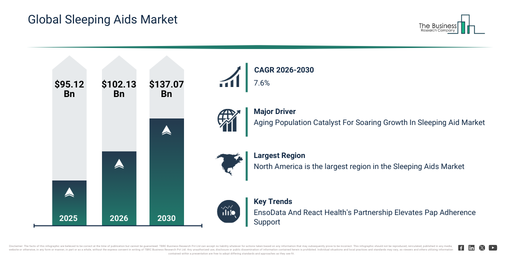
    The market for sleep aids has experienced robust expansion over the past few years. Projections indicate this sector will expand from a valuation of $95.12 billion in 2025 to $102.13 billion by 2026, reflecting a compound annual growth rate of 7.4%. Factors contributing to this historical growth surge include a heightened incidence of insomnia, escalating work-related pressures, alterations in urban living patterns, broader accessibility of over-the-counter sleep remedies, and increased public awareness regarding sleep-related disorders.

    The sleeping aids sector is poised for significant expansion over the coming years, with projections indicating a surge to $137.07 billion by 2030, driven by a compound annual growth rate of 7.6%. This anticipated increase stems from a confluence of factors, including an aging global population, the burgeoning market for wearable sleep-monitoring devices, a heightened acceptance of digital health solutions, a greater prevalence of sleep disorder diagnoses, and ongoing advancements in natural sleep aid products. Key developments anticipated within this timeframe involve a greater reliance on over-the-counter sleep supplements, the incorporation of artificial intelligence into sleep tracking technologies, a demand for sleep aid formulations that do not lead to dependency, a growing preference for sleep therapy conducted at home, and the expansion of sales through online pharmaceutical platforms.

    Download A Free Sample Report For Comprehensive Market Insights:

    https://www.thebusinessresearchcompany.com/sample.aspx?id=8308&type=smp

    Sleeping Aids Market Expansion Drivers: What Is Shaping Future Growth?

    The world’s aging demographic, characterized by a rising proportion of older individuals, is anticipated to be a significant catalyst for the expansion of the sleeping aid market. This demographic shift, where more people reach advanced age, brings about a heightened demand for remedies targeting sleep issues. Consequently, the prevalence of sleep disorders and disruptions associated with aging directly fuels the market for sleeping aids. For example, data from the Administration for Community Living, a U.S. government body, indicated that in 2022, individuals aged 65 and above constituted 17.3% of the population, a figure projected to climb to 22% by the year 2040. This demographic trend underscores the expanding market for sleeping aids, driven by an ever-increasing global elderly population.

    Sleeping Aids Market Segment Analysis: What Are The Major Market Categories?

    The sleeping aids market covered in this report is segmented –

    1) By Product: Mattresses And Pillows, Sleep Laboratories, Medications, Prescription-Based Drugs, OTC Drugs, Herbal Drugs, Sleep Apnea Devices

    2) By Indication: Insomnia, Sleep Deprivation, Narcolepsy, Sleep Apnea, Other Indications

    3) By Distribution Channel: Hospital Pharmacies, Retail Pharmacies, E-Commerce, Drug Stores, Other Distribution Channels

    Subsegments:

    1) By Mattresses And Pillows: Memory Foam Mattresses, Latex Mattresses, Airbed Mattresses, Waterbed Mattresses, Cervical Pillows, Contoured Pillows

    2) By Sleep Laboratories: Sleep Disorder Diagnostic Services, Polysomnography, Home Sleep Testing Services

    3) By Medications: Prescription-Based Drugs, Over-The-counter (OTC) Drugs, Herbal And Natural Remedies

    4) By Prescription-Based Drugs: Benzodiazepines, Non-Benzodiazepines, Antidepressants, Antihistamines

    5) By OTC Drugs: Antihistamines (Diphenhydramine, Doxylamine), Melatonin Supplements, Herbal Sleep Aids

    6) By Herbal Drugs: Valerian Root, Chamomile, Lavender, Passionflower, Lemon Balm

    7) By Sleep Apnea Devices: Continuous Positive Airway Pressure (CPAP) Devices, Bi-level Positive Airway Pressure (BiPAP) Devices, Adaptive Servo-Ventilation (ASV) Devices, Oral Appliances, Masks

    Sleeping Aids Market Strategic Trends: What Is Defining The Next Phase Of Growth?

    Key players in the sleeping aids sector are actively pursuing strategic alliances with prominent manufacturing entities to bolster their competitive standing in the marketplace. Such collaborative ventures enable these companies to establish partnerships with firms that possess specialized capabilities, thereby facilitating the transformation of innovative ideas into concrete products. As an illustration, in October 2023, EnsoData, Inc., an American enterprise specializing in artificial intelligence (AI) software for sleep analysis, diagnosis, and therapy, entered into a strategic agreement with React Health, a US-based manufacturer of sleep and respiratory devices. This collaboration aims to optimize patient support for those using positive airway pressure (PAP) therapy to manage sleep apnea. Consequently, durable medical equipment suppliers and prescribing physicians will gain access to valuable, actionable data, allowing them to provide timely, tailored assistance to patients struggling with treatment compliance.

    Sleeping Aids Market Leading Companies Driving Competitive Growth

    Major companies operating in the sleeping aids market are Cadwell Industries Inc., Compumedics Limited, DeVilbiss Healthcare Pvt. Ltd., Natus Medical Incorporated, Sleepmed Inc., ResMed Inc., Fisher & Paykel Healthcare Corporation Limited, Braebon Medical Corporation, Löwenstein Medical GmbH & Co. KG, Koninklijke Philips N.V., Apnea Sciences Corp., BMC Medical Co. Ltd., Cleveland Medical Devices Inc., Serta Simmons Bedding LLC, Tempur Sealy International Inc., Sleep Number Corporation, Casper Sleep Inc., Purple Innovation Inc., Leesa Sleep LLC, Lowenstein Medical

    Access The Complete Sleeping Aids Market Report:

    https://www.thebusinessresearchcompany.com/report/sleeping-aids-global-market-report

    Sleeping Aids Market Largest Region: Which Geography Holds The Highest Market Share?

    North Americawas the largest region in the sleeping aids market in 2025. Asia-Pacificis expected to be the fastest-growing region in the forecast period. The regions covered in the sleeping aids market report are Asia-Pacific, South East Asia, Western Europe, Eastern Europe, North America, South America, Middle East, Africa.

    Get in touch with us:

    The Business Research Company: https://www.thebusinessresearchcompany.com/

    Americas: +1 310-496-7795

    Asia: +44 7882 955267 & +91 8897263534

    Europe: +44 7882 955267

    Email us at: marketing@tbrc.info

    Follow us on:

    LinkedIn: https://in.linkedin.com/company/the-business-research-company

    YouTube: https://www.youtube.com/channel/UC24_fI0rV8cR5DxlCpgmyFQ

    Global Market Model: https://www.thebusinessresearchcompany.com/global-market-model
  • Sleep Testing Services Market Outlook Highlights The Next Major Growth Opportunities

    Sleep Testing Services Market Outlook Highlights The Next Major Growth Opportunities

    Enhanced with market attractiveness analysis, total addressable market evaluation, company benchmarking matrices, interactive Excel dashboards, expanded supply chain intelligence, emerging startup coverage, and detailed product insights, The Business Research Company’s 2026 market reports deliver more actionable and strategically valuable research.

    Sleep Testing Services Market Value Expansion And Long-Term Growth Outlook

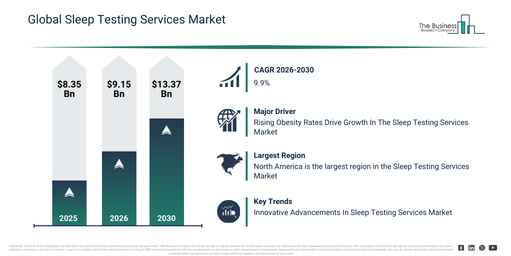
    The market for sleep testing services has experienced robust expansion lately, projected to increase from $8.35 billion in 2025 to $9.15 billion in 2026, reflecting a compound annual growth rate of 9.6%. Historically, this growth was fueled by factors including insufficient patient understanding, a primary dependence on traditional in-lab sleep studies, the escalating incidence of sleep disorders, the early embrace of at-home testing solutions, and restricted insurance coverage.

    The sleep testing services market is projected for substantial expansion in the coming years, estimating a reach of $13.37 billion by 2030 with a compound annual growth rate (CAGR) of 9.9%. This projected expansion during the forecast period is fueled by several key factors, including the increasing acceptance of remote and telehealth sleep testing solutions, the integration of artificial intelligence for sleep analysis, the widespread development of home-based sleep care initiatives, enhanced insurance coverage, and the growing utilization of cloud-based systems for managing sleep data. Significant market trends anticipated within this timeframe encompass the broader adoption of remote patient monitoring technologies, a rise in the demand for home sleep test kits, escalating integration with AI-powered analytics, the expansion of tailored sleep care programs, and a greater reliance on cloud-based data management for sleep testing procedures.

    Download A Free Sample Report For Comprehensive Market Insights:

    https://www.thebusinessresearchcompany.com/sample.aspx?id=12099&type=smp

    Sleep Testing Services Market Development Factors: Which Trends Are Supporting Demand?

    The escalating prevalence of obesity is poised to stimulate expansion within the sleep testing services sector. Obesity, defined as a health condition marked by an excessive buildup of body fat to a degree that can negatively impact well-being, is a significant contributor to the onset and worsening of obstructive sleep apnea. Excess body weight can lead to airway constriction during sleep, resulting in breathing interruptions. For illustration, in England, data from May 2025 provided by the Office for Health Improvement and Disparities indicated that approximately 64.5% of adults aged 18 and above were classified as overweight or obese between 2023 and 2024, a slight increase from 64.0% in the previous year (2022-2023), thereby underscoring the link between rising obesity figures and the burgeoning demand for sleep testing services.

    Sleep Testing Services Market Segment Breakdown: Which Categories Generate The Most Revenue?

    The sleep testing services market covered in this report is segmented –

    1) By Diagnostic Type: Home Sleep Testing, In-Lab Sleep Testing

    2) By Application: Obstructive Sleep Apnea, Insomnia, Rapid Eye Movement (REM) Sleep Disorder, Restless Legs Syndrome, Narcolepsy, Circadian Rhythm Sleeping Disorders

    3) By End-User: Sleep Centers, Hospitals, Home Care Settings

    Subsegments:

    1) By Home Sleep Testing: Portable Monitors, Oximetry Testing, Full-Body Sleep Monitors

    2) By In-Lab Sleep Testing: Polysomnography (PSG), Multiple Sleep Latency Test (MSLT), Maintenance Of Wakefulness Test (MWT)

    Sleep Testing Services Market Transformation Trends: Which Innovations Are Driving Change?

    Leading entities within the sleep testing services sector are strategically prioritizing innovation in their product offerings, specifically developing contactless and privacy-focused sleep quality systems to solidify their market standing. Such a system inherently involves technology geared towards assessing and improving sleep without requiring direct physical interaction, while crucially safeguarding user data. As a prime illustration, in October of 2023, Infineon Technologies AG, a prominent German entity specializing in semiconductor solutions encompassing design, development, manufacturing, and marketing of tailored integrated circuits, unveiled its XENSIV Sleep Quality Service, a system embodying the contactless and privacy-centric approach to sleep quality assessment. This advanced service, designed for seamless integration into a range of original equipment manufacturer end-products like bedside lighting, entertainment systems, smart audio devices, and air purification units, leverages Infineon’s cutting-edge 60GHz Radar, PsoC, and Wi-Fi technologies to precisely monitor and enhance individual sleep patterns. Consequently, this development centers on the introduction of a novel technological solution for both the measurement and enhancement of sleep quality.

    Sleep Testing Services Market Key Players And Strategic Industry Positioning

    Major companies operating in the sleep testing services market are ResMed Inc., Natus Medical Incorporated, SleepMed Incorporated, Midwest Sleep Services Inc., Koala Centers For Sleep & TMJ Disorders, Sleep Dynamics, Advara HeartCare, St. Luke’s Sleep Medicine and Research Center, SOVA Sleep Services Inc., Total Sleep Solutions OPC Private Limited, Atrium Health Group LLC, HomeSleep LLC, SleepWorks LLC, Healthy Sleep Solutions, Sleep Data Holdings LLC, Sleep Solutions Inc, ApneaMed, BetterNight, UAB Medicine Sleep/Wake Disorders Center, Sleepwell Diagnostics, Snore Australia Pty Ltd

    Access The Complete Sleep Testing Services Market Report:

    https://www.thebusinessresearchcompany.com/report/sleep-testing-services-global-market-report

    Sleep Testing Services Market Regional Analysis: Which Region Leads By Revenue?

    North America was the largest region in the sleep testing services market in 2025. Europe is expected to be the fastest-growing region in the forecast period. The regions covered in the sleep testing services market report are Asia-Pacific, South East Asia, Western Europe, Eastern Europe, North America, South America, Middle East, Africa.

    Get in touch with us:

    The Business Research Company: https://www.thebusinessresearchcompany.com/

    Americas: +1 310-496-7795

    Asia: +44 7882 955267 & +91 8897263534

    Europe: +44 7882 955267

    Email us at: marketing@tbrc.info

    Follow us on:

    LinkedIn: https://in.linkedin.com/company/the-business-research-company

    YouTube: https://www.youtube.com/channel/UC24_fI0rV8cR5DxlCpgmyFQ

    Global Market Model: https://www.thebusinessresearchcompany.com/global-market-model
  • Sleep Studies Market Trends And Growth Drivers Point To Strong Future Potential

    Sleep Studies Market Trends And Growth Drivers Point To Strong Future Potential

    Through market attractiveness analysis, total addressable market evaluation, company benchmarking matrices, interactive Excel dashboards, expanded supply chain intelligence, emerging startup coverage, and detailed product insights, The Business Research Company’s 2026 market reports provide more actionable and strategically valuable research.

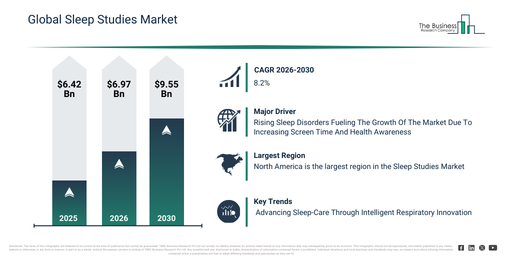
    Sleep Studies Market Expected To Reach $9.55 Billion By 2030 At 8.2% CAGR

    Over recent years, the sleep studies market has experienced robust expansion, projecting a rise from $6.42 billion in 2025 to $6.97 billion in 2026, reflecting a compound annual growth rate of 8.5%. This historical growth trajectory is largely attributable to increased public consciousness regarding sleep disorders, the proliferation of specialized sleep clinics and diagnostic facilities, a higher incidence of diagnosed obstructive sleep apnea, an aging global population, and the widespread availability of sophisticated sleep monitoring technologies.

    The sleep studies sector is poised for significant expansion over the coming years, projecting a market valuation of $9.55 billion by 2030, fueled by a compound annual growth rate (CAGR) of 8.2%. This anticipated growth trajectory during the forecast period is largely propelled by a rising demand for remote diagnostic capabilities, the increasing incorporation of artificial intelligence in sleep analysis, the broader adoption of healthcare services delivered in home settings, an escalating emphasis on tailored sleep therapy solutions, and augmented investments within the digital health diagnostics arena. Key developments anticipated within this same forecast period involve a greater uptake of at-home sleep testing equipment, heightened utilization of wireless and wearable sleep monitoring technologies, more pervasive integration of multifaceted diagnostic platforms, the wider availability of remote diagnostic services for sleep disorders, and an intensified concentration on sleep assessments designed with the patient’s needs at the forefront.

    Download A Free Sample Report For Comprehensive Market Insights:

    https://www.thebusinessresearchcompany.com/sample.aspx?id=24703&type=smp

    Sleep Studies Market Industry Drivers: What Is Driving Revenue Growth?

    The increasing occurrence of sleep-related conditions is anticipated to be a significant factor in the expansion of the sleep studies market in the future. These sleep disorders, which are essentially medical issues that interfere with an individual’s typical sleep rhythm, result in challenges related to initiating sleep, maintaining sleep, or experiencing truly restful sleep. A key contributor to this surge in sleep disorders is the escalating amount of time individuals spend in front of screens, a habit that interferes with the body’s inherent circadian rhythm by inhibiting the production of melatonin. Sleep studies play a crucial role in identifying these sleep disorders by observing brain waves, respiratory patterns, and physical movements, thereby offering essential information for the precise diagnosis and effective management of these conditions. Illustratively, in the UK during 2024, The Sleep Charity indicated that approximately 2.5 million individuals were affected by obstructive sleep apnea hypopnea syndrome (OSAHS), and nearly 37% of the adult population experienced insomnia, underscoring how the growing incidence of sleep disturbances is fueling the growth trajectory of the sleep studies market.

    Sleep Studies Market Segmentation: How Is The Market Structured Across Key Categories?

    The sleep studies market covered in this report is segmented –

    1) By Device Type: Polysomnography (PSG) Machines, Electroencephalography (EEG), Electrocardiography (EKG or ECG), Electromyogram (EMG), Respiratory Inductive Plethysmography (RIP) Belt, Breathing Sensors, Video And Audio Monitoring

    2) By Testing: Home Sleep Testing, In-Lab Testing

    3) By Indication: Obstructive Sleep Apnea, Insomnia, Restless Leg Syndrome, Circadian Rhythm Sleeping Disorders, Narcolepsy, Rapid Eye Movement (REM) Sleeping Disorders, Periodic Limb Movement Disorders, Bruxism, Other Indications

    4) By End-user: Hospitals, Clinics And Ambulatory Surgical Centers (ASCs), Sleep Testing Centres, Home Care Settings, Diagnostic Laboratories, Other End-users

    Subsegments:

    1) By Polysomnography (PSG) Machines: Type I PSG Systems, Type II PSG Systems, Type III PSG Systems, Type IV PSG Systems

    2) By Electroencephalography (EEG): Scalp EEG Devices, Ambulatory EEG Devices, Wireless EEG Devices, Dry Electrode EEG Systems

    3) By Electrocardiography (EKG Or ECG): Resting ECG Machines, Holter Monitors (Ambulatory ECG), Event Monitors, Mobile Or Portable ECG Devices, Wireless ECG Systems

    4) By Electromyogram (EMG): Needle EMG, Surface EMG, Wireless EMG Systems

    5) By Respiratory Inductive Plethysmography (RIP) Belt: Elastic RIP Belts, Non-elastic RIP Belts, Wireless RIP Belts

    6) By Breathing Sensors: Nasal Pressure Sensors, Thermistors Or Thermocouples, Capnography Sensors, Flow Sensors

    7) By Video and Audio Monitoring: Infrared Video Monitoring, Standard Video Monitoring, Audio Recording Devices, Combined Audio-Video Monitoring Systems

    #Sleep Studies Market Growth Trends: What Is Influencing The Future Outlook?

    In the realm of sleep studies, leading enterprises are prioritizing advancements in addressing sleep-disordered breathing. A key area of focus involves the development of automated algorithms designed to stabilize breathing, offering real-time, adaptive assistance to enhance the effectiveness of sleep apnea treatment. These sophisticated systems meticulously track each breath, dynamically regulating pressure to ensure consistent ventilation when breathing becomes irregular or ceases momentarily. To illustrate, in February of 2024, ResMed Inc., a prominent U.S. entity in medical technology and digital health, introduced its AirCurve 11 series. These bilevel devices, leveraging the established AirSense 11 foundation, integrate advanced adaptive airway support mechanisms like ASV and VAuto, alongside dual-level pressure algorithms. Furthermore, they incorporate cloud-based connectivity, featuring valuable tools such as Care Check-In and Personal Therapy Assistant, all aimed at bolstering remote patient oversight, encouraging active patient involvement, and ensuring consistent adherence to treatment. The AirCurve 11 is equipped with built-in humidification, facilitates automatic data synchronization, and supports wireless software updates. This functionality is instrumental in managing in-lab titration follow-ups, providing home-based sleep apnea therapy for both obstructive and central breathing disturbances, and supporting remote patient care initiatives. The outcome is a superior patient experience, a reduction in the necessity for face-to-face appointments, and a more efficient approach to patient management.

    Sleep Studies Market Competitive Landscape And Leading Companies

    Major companies operating in the sleep studies market are Koninklijke Philips NV, Itamar Medical Ltd, ResMed Inc, Cadwell Industries Inc, Singular Sleep LLC, SleepMed Inc, BMC Medical Co Ltd, BioSerenity Inc, Snap Diagnostics Inc, DeVilbiss Healthcare LLC, Omni Sleep Health, SOVA Health, Nihon Kohden Corporation, Natus Medical Incorporated, Compumedics Limited, SOMNOmedics GmbH, Neurosoft Ltd, Cleveland Medical Devices Inc, Advanced Brain Monitoring Inc, SOMNOmed Ltd, Vyaire Medical Inc, Masimo Corporation

    Access The Complete Sleep Studies Market Report:

    https://www.thebusinessresearchcompany.com/report/sleep-studies-global-market-report

    Sleep Studies Market Geographic Distribution And Regional Opportunities

    North Americawas the largest region in the sleep studies market in 2025. Asia-Pacificis expected to be the fastest-growing region in the forecast period. The regions covered in the sleep studies market report are Asia-Pacific, South East Asia, Western Europe, Eastern Europe, North America, South America, Middle East, Africa.

    Get in touch with us:

    The Business Research Company: https://www.thebusinessresearchcompany.com/

    Americas: +1 310-496-7795

    Asia: +44 7882 955267 & +91 8897263534

    Europe: +44 7882 955267

    Email us at: marketing@tbrc.info

    Follow us on:

    LinkedIn: https://in.linkedin.com/company/the-business-research-company

    YouTube: https://www.youtube.com/channel/UC24_fI0rV8cR5DxlCpgmyFQ

    Global Market Model: https://www.thebusinessresearchcompany.com/global-market-model
  • Sleep Apnea Diagnostic Systems Market Expansion Is Reshaping Competitive Dynamics Across The Industry

    Sleep Apnea Diagnostic Systems Market Expansion Is Reshaping Competitive Dynamics Across The Industry

    Delivering more actionable and strategically valuable research, The Business Research Company’s 2026 market reports feature market attractiveness analysis, total addressable market evaluation, company benchmarking matrices, interactive Excel dashboards, expanded supply chain intelligence, emerging startup coverage, and detailed product insights.

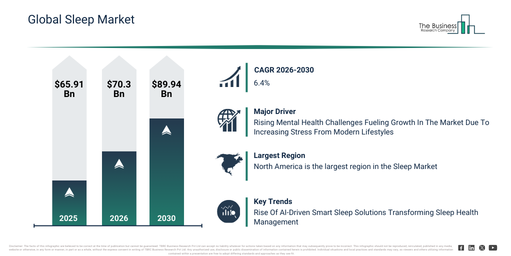
    Sleep Apnea Diagnostic Systems Market Size And Revenue Forecast Through 2030

    The market for sleep apnea diagnostic systems has experienced robust expansion, projected to ascend from $6.78 billion in 2025 to $7.32 billion in 2026, demonstrating a compound annual growth rate of 7.9%. This historical growth trajectory has been fueled by factors such as a scarcity of diagnostic understanding, a predominant reliance on laboratory-based sleep assessments, a surge in obstructive sleep apnea cases, the established use of conventional polysomnography, and escalating rates of obesity.

    The field of sleep apnea diagnostic systems is poised for considerable expansion over the upcoming years, projecting a market value of $9.84 billion by 2030 with a compound annual growth rate of 7.7%. This anticipated surge is fueled by several key factors, including the increasing prevalence of at-home sleep apnea testing, advancements in artificial intelligence for diagnostic algorithms, the seamless integration of these systems with telehealth services, the proliferation of wearable sleep monitoring devices, and broadened insurance coverage for sleep disorder diagnostics. Dominating the trends within this forecast period are the ongoing development of portable sleep monitoring solutions, a growing acceptance of polysomnography conducted in a home setting, the increasing use of AI in analyzing sleep data, the incorporation of wearable health technology, and a heightened demand for diagnostic approaches that prioritize the patient experience.

    Download A Free Sample Report For Comprehensive Market Insights:

    https://www.thebusinessresearchcompany.com/sample.aspx?id=20956&type=smp

    Sleep Apnea Diagnostic Systems Market Growth Factors: Which Forces Are Supporting Market Expansion?

    The increasing proportion of elderly individuals within the global populace is poised to significantly boost the sleep apnea diagnostic systems market. This demographic shift, characterized by an expanding elderly segment resulting from enhanced longevity and diminished fertility rates, is a key growth driver. People are living longer due to advancements in healthcare and improved living standards, leading to a larger elderly population. Sleep apnea diagnostic tools are instrumental for this demographic, aiding in the identification and management of sleep apnea, a condition frequently affecting older adults, thereby fostering better sleep, mitigating cardiovascular risks, and improving general well-being and daily activities. As an illustration, the UK Parliament’s House of Commons Library reported in July 2024 that the United Kingdom’s population aged 65 and above numbered 12.7 million in 2022, constituting 19% of the total; this figure is anticipated to climb to 22.1 million by 2072, representing 27% of the population. Consequently, the expanding demographic of older individuals is fueling the expansion of the sleep apnea diagnostic systems market.

    Sleep Apnea Diagnostic Systems Market Segmentation Trends And Revenue Drivers

    The sleep apnea diagnostic systems market covered in this report is segmented –

    1) By Product: Polysomnography Devices, Nasal Flow Sensors, Peripheral Capillary Oxygen Saturation, Actigraphy Monitoring Devices

    2) By Technology: Non-Invasive Technology, Wearable Technology, Diagnostic Software

    3) By End Users: Home Care Settings, Hospitals, Sleep Centers And Clinics

    Subsegments:

    1) By Polysomnography Devices: Full-Polysomnography Systems, Portable Polysomnography Devices, Wireless Polysomnography Devices

    2) By Nasal Flow Sensors: Single-Channel Nasal Flow Sensors, Multi-Channel Nasal Flow Sensors, Wireless Nasal Flow Sensors

    3) By Peripheral Capillary Oxygen Saturation (SpO2) Monitors: Finger Pulse Oximeters, Wrist Pulse Oximeters, Fingertip Pulse Oximeters

    4) By Actigraphy Monitoring Devices: Wrist-Worn Actigraphs, Chest-Worn Actigraphs, Smartwatch-Based Actigraphy Systems

    Sleep Apnea Diagnostic Systems Market Industry Trends: What Changes Are Reshaping Demand?

    The leading players within the sleep apnea diagnostic systems sector are prioritizing the creation of cutting-edge advancements, specifically pneumatic sensors, with the aim of elevating the precision, effectiveness, and patient comfort associated with identifying and overseeing sleep apnea. This enhanced diagnostic capability is ultimately intended to lead to better patient results and a stronger market position. Pneumatic sensors function by observing alterations in airflow and pressure within the respiratory tract, which allows for the detection of abnormal breathing rhythms crucial for diagnosing sleep apnea. As an illustration, in September 2024, Withings Inc., a French consumer electronics enterprise, secured United States Food and Drug Administration clearance for its Sleep Rx Mat, a non-contact device engineered to assess sleep patterns, recognize apnea occurrences, and furnish valuable data for enhancing sleep well-being. This novel sleep assessment technology incorporates a pneumatic sensor to meticulously track respiratory rate, physical motion, and ongoing heart rate. Conceived as an unobtrusive mat, it necessitates only a single installation and can be discreetly placed beneath any mattress, thereby obviating the requirement for masks or cumbersome apparatus. Upon its deployment, it furnishes thorough evaluations of an individual’s sleep architecture, respiratory function, and cardiovascular performance over the course of the night.

    Sleep Apnea Diagnostic Systems Market Industry Leaders: Which Organizations Are Driving Competition?

    Major companies operating in the sleep apnea diagnostic systems market are Koninklijke Philips N.V., GE Healthcare Technologies Inc., ResMed Inc., Nihon Kohden Corporation, Fisher And Paykel Healthcare, DeVilbiss Healthcare LLC, Natus Medical Incorporated, Itamar Medical Ltd., BMC Medical Co. Ltd., Compumedics Ltd., Advanced Brain Monitoring Inc., Cleveland Medical Devices Inc., NeuroVirtual, FusionSleep, Lowenstein Medical, Braebon Medical Corporation, Acurable, SOMNOmedics GmbH, Nox Medical, Drive DeVilbiss Healthcare, Masimo Corporation, Nonin Medical

    Access The Complete Sleep Apnea Diagnostic Systems Market Report:

    https://www.thebusinessresearchcompany.com/report/sleep-apnea-diagnostic-systems-global-market-report

    Sleep Apnea Diagnostic Systems Market Largest Region By Revenue And Market Share

    North Americawas the largest region in the sleep apnea diagnostic systems market in 2025. Asia-Pacificis expected to be the fastest-growing region in the forecast period. The regions covered in the sleep apnea diagnostic systems market report are Asia-Pacific, South East Asia, Western Europe, Eastern Europe, North America, South America, Middle East, Africa.

    Get in touch with us:

    The Business Research Company: https://www.thebusinessresearchcompany.com/

    Americas: +1 310-496-7795

    Asia: +44 7882 955267 & +91 8897263534

    Europe: +44 7882 955267

    Email us at: marketing@tbrc.info

    Follow us on:

    LinkedIn: https://in.linkedin.com/company/the-business-research-company

    YouTube: https://www.youtube.com/channel/UC24_fI0rV8cR5DxlCpgmyFQ

    Global Market Model: https://www.thebusinessresearchcompany.com/global-market-model
  • Sleep Market Forecast Reveals Where Future Industry Value Will Be Created

    Sleep Market Forecast Reveals Where Future Industry Value Will Be Created

    Enhanced with market attractiveness analysis, total addressable market evaluation, company benchmarking matrices, interactive Excel dashboards, expanded supply chain intelligence, emerging startup coverage, and detailed product insights, The Business Research Company’s 2026 market reports deliver more actionable and strategically valuable research.

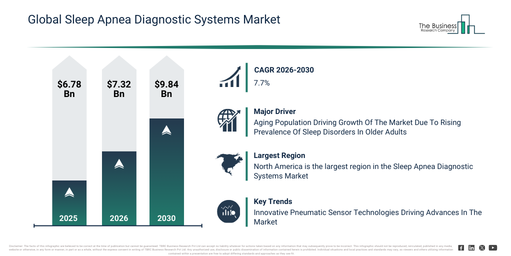
    Sleep Market Growth From $70.3 Billion In 2026 To $89.94 Billion By 2030 At A CAGR Of 6.4%

    The sleep industry has experienced robust expansion lately, projecting a rise from $65.91 billion in 2025 to $70.3 billion in 2026, signifying a compound annual growth rate of 6.7%. Historically, this growth trajectory has been fueled by several factors, including the escalating incidence of sleep disturbances, heightened stress levels contributing to sleep difficulties, increased consumer expenditure on wellness products, the widespread availability of non-prescription sleep remedies, and a greater emphasis on sleep health within the medical community.

    The sleep sector is poised for significant expansion, projected to reach a market valuation of $89.94 billion by the year 2030, demonstrating a compound annual growth rate of 6.4%. This anticipated surge over the forecast period is propelled by several key factors, including the escalating integration of artificial intelligence in sleep analysis, a heightened demand for diagnostic tools that can be utilized in a home setting, the burgeoning digital health landscape, a growing emphasis on comprehensive well-being that includes sleep, and increased capital directed towards pioneering sleep technologies. During this same forecast interval, several prominent trends are expected to shape the market, such as a wider acceptance of sleep-tracking devices, greater demand for customized sleep interventions, the increasing prevalence of smart bedding and wearable technology, a shift towards non-medicinal sleep support, and a more pronounced societal focus on the importance of sleep health.

    Download A Free Sample Report For Comprehensive Market Insights:

    https://www.thebusinessresearchcompany.com/sample.aspx?id=25904&type=smp

    Sleep Market Demand Drivers: What Is Fueling Industry Growth?

    The escalating incidence of mental health conditions is poised to be a significant catalyst for the expansion of the sleep market in the foreseeable future. These medical ailments, defined by deviations in mood, cognition, or conduct, routinely impede an individual’s capacity to navigate daily tasks. Factors contributing to the heightened occurrence of mental health struggles include elevated stress levels stemming from contemporary living, encompassing workplace demands, economic uncertainties, and constant digital interaction. Optimal sleep quality is instrumental in bolstering mental well-being by fostering emotional fortitude, alleviating apprehension, and supporting the brain’s coping mechanisms for stress and mood disturbances. Illustratively, in 2023, data from NHS Digital indicated that approximately 20.3% of children and young individuals aged 8 to 16, 23.3% aged 17 to 19, and 21.7% aged 20 to 25 in the UK exhibited signs of a probable mental disorder. Consequently, the growing prevalence of mental health issues is directly fueling the trajectory of the sleep market.

    Sleep Market Segment Analysis Highlighting Growth Areas

    The sleep market covered in this report is segmented –

    1) By Product Type: Sleep Aids, Sleep Technologies, Sleep Devices, Bedding, Mattresses, Pillows, Other Product Types

    2) By Indication: Insomnia, Sleep Apnea, Narcolepsy, Restless Leg Syndrome, Rapid Eye Movement Sleep Behavior Disorder, Other Indications

    3) By Distribution Channel: Online, Offline

    Subsegments:

    1) By Sleep Aids: Prescription Sleep Medications, Melatonin Supplements, Cannabidiol (CBD) Products

    2) By Sleep Technologies: Smart Sleep Monitoring Apps, Artificial Intelligence-Based Sleep Platforms, Smart Sleep Environment Systems

    3) By Sleep Devices: Oral Appliances, Sleep Masks, Anti-Snoring Devices

    4) By Bedding: Bed Sheets, Mattress Toppers, Weighted Blankets

    5) By Mattresses: Innerspring Mattresses, Memory Foam Mattresses, Latex Mattresses

    6) By Pillows: Memory Foam Pillows, Latex Pillows, Cooling Pillows

    7) By Other Product Types: White Noise Machines, Sleepwear, Sleep Aromatherapy Products

    Sleep Market Innovation Trends: Which Developments Are Transforming The Industry?

    In the sleep sector, prominent businesses are concentrating on innovative technological advancements, particularly smart sleep analytics solutions. These developments aim to elevate sleep quality, facilitate individualized sleep therapies, and offer continuous observation and understanding of sleep habits. Such smart sleep analytics solutions represent sophisticated systems that employ sensors and artificial intelligence to track and interpret sleep patterns, thereby generating customized feedback and promoting superior sleep. As an illustration, Wakefit Innovations Limited, an Indian enterprise specializing in sleep and home furnishings, launched an AI-driven sleep health tool in June 2024. This tool is engineered to monitor sleep patterns, furnishing personalized insights and practical suggestions to enhance sleep quality and empower individuals in more effectively managing sleep-related issues. Ultimately, these technological approaches democratize sleep care, making it more readily available, cost-effective, and reliant on data, while simultaneously highlighting crucial considerations regarding data privacy and precision.

    Sleep Market Leading Companies: Who Holds Significant Market Presence?

    Major companies operating in the sleep market are Koninklijke Philips N.V., Garmin Ltd, ResMed Inc., Sleep Number Corporation, Nihon Kohden Corporation, Fisher & Paykel Healthcare Corporation Limited, Natus Medical Incorporated, Itamar Medical Ltd., Withings S.A.S., Cadwell Industries Inc., BMC Medical Co. LTD., Eight Sleep Inc., Compumedics Limited, Simba Sleep Limited, Shenzhen Sleepace Technology Co. Ltd., Cleveland Medical Devices Inc., Advanced Brain Monitoring Inc., Braebon Medical Corporation, SOMNOMEDICS AG., Somnox B.V., Apex Medical Corporation

    Access The Complete Sleep Market Report:

    https://www.thebusinessresearchcompany.com/report/sleep-global-market-report

    Sleep Market Regional Analysis And Leading Geography

    North Americawas the largest region in the sleep market in 2025. Asia-Pacificis expected to be the fastest-growing region in the forecast period. The regions covered in the sleep market report are Asia-Pacific, South East Asia, Western Europe, Eastern Europe, North America, South America, Middle East, Africa.

    Get in touch with us:

    The Business Research Company: https://www.thebusinessresearchcompany.com/

    Americas: +1 310-496-7795

    Asia: +44 7882 955267 & +91 8897263534

    Europe: +44 7882 955267

    Email us at: marketing@tbrc.info

    Follow us on:

    LinkedIn: https://in.linkedin.com/company/the-business-research-company

    YouTube: https://www.youtube.com/channel/UC24_fI0rV8cR5DxlCpgmyFQ

    Global Market Model: https://www.thebusinessresearchcompany.com/global-market-model
  • Skin-Pigmentation Laser Clinic Market Growth Through 2030 Creates New Strategic Opportunities

    Skin-Pigmentation Laser Clinic Market Growth Through 2030 Creates New Strategic Opportunities

    Through market attractiveness analysis, total addressable market evaluation, company benchmarking matrices, interactive Excel dashboards, expanded supply chain intelligence, emerging startup coverage, and detailed product insights, The Business Research Company’s 2026 market reports provide more actionable and strategically valuable research.

    Skin-Pigmentation Laser Clinic Market Expansion Outlook: What Revenue Opportunities Lie Ahead?

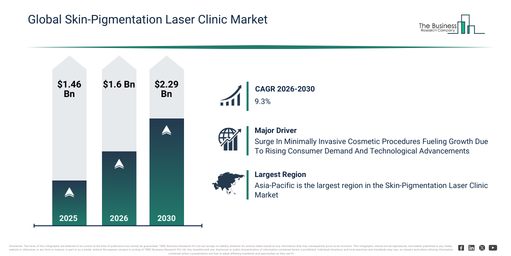
    The market for skin pigmentation laser clinics has experienced robust expansion lately, projecting a rise from $1.46 billion in 2025 to $1.6 billion in 2026, reflecting a compound annual growth rate of 9.6%. This historical growth trajectory has been fueled by several key factors, including heightened public awareness surrounding cosmetic dermatology, a greater incidence of pigmentation-related skin conditions, the proliferation of aesthetic clinic chains, elevated levels of discretionary spending among consumers, and the increased accessibility of advanced laser treatment technologies.

    The market for skin pigmentation laser clinics is poised for considerable expansion over the upcoming years, projected to reach $2.29 billion by 2030, propelled by a compound annual growth rate of 9.3%. This anticipated rise is fueled by several key factors including a heightened preference for non-surgical cosmetic enhancements, the increasing integration of AI for skin analysis, a surge in medical aesthetics tourism, a greater emphasis on tailored skincare regimens, and ongoing innovations in laser technology itself. During this projected period, dominant trends are expected to encompass the greater utilization of sophisticated laser systems, a growing call for customized treatments targeting pigmentation issues, the increasing popularity of combined therapy methods, the expanding scope of minimally invasive aesthetic procedures, and a more pronounced concentration on ensuring both the safety and exactitude of treatments.

    Download A Free Sample Report For Comprehensive Market Insights:

    https://www.thebusinessresearchcompany.com/sample.aspx?id=29190&type=smp

    Skin-Pigmentation Laser Clinic Market Growth Drivers: What Factors Are Accelerating Expansion?

    The increasing global inclination towards aesthetic enhancements that involve minimal invasion is anticipated to fuel the expansion of the skin pigmentation laser clinic sector. Such minimally invasive cosmetic treatments, characterized by slight incisions or entirely non-invasive methods, focus on improving appearance while offering advantages like quicker recovery, reduced risks, and more natural-looking outcomes compared to conventional surgical interventions. This heightened interest in less invasive procedures stems from technological progress, which has rendered these treatments safer, more potent, and more readily available, consequently boosting consumer appeal and acceptance. Skin pigmentation laser clinics directly cater to this demand by providing specialized interventions for conditions such as hyperpigmentation, leveraging sophisticated laser technologies to deliver effective, non-surgical answers. For context, a June 2024 report from the International Society of Aesthetic Plastic Surgery (ISAPS), a global organization for aesthetic surgeons, indicated that in 2023, the total volume of both surgical and non-surgical aesthetic procedures reached 34.9 million, reflecting a 3.4% rise from the previous year. This included a 5.5% increase in surgical procedures to over 15.8 million, alongside 19.1 million non-surgical treatments, with botulinum toxin injections remaining the most popular at 8.8 million procedures and hyaluronic acid treatments surging by 29% to 5.5 million. Consequently, the escalating demand for minimally invasive cosmetic procedures is a key catalyst for the growth observed in the skin pigmentation laser clinic market.

    A surge in overall healthcare expenditure is poised to stimulate the market for skin pigmentation laser clinics. Healthcare spending encompasses the aggregate financial outlay for health-related services and products, covering medical attention, hospital services, preventative measures, pharmaceuticals, research initiatives, infrastructure development, and administrative overheads, all directed towards maintaining or enhancing individual and public health. This upward trend in healthcare expenditure is largely driven by the integration of advanced, yet costly, medical technologies, which, while improving diagnostic accuracy and treatment results, substantially elevate the financial burden on both patients and healthcare systems. Such increased financial investment in healthcare actively supports the skin pigmentation laser clinic sector by stimulating demand for sophisticated therapeutic options, facilitating investment in cutting-edge treatments, and ensuring wider accessibility to essential healthcare products that enhance patient well-being. As an illustration, data from the UK’s Office for National Statistics revealed that between 2022 and 2023, healthcare spending within the UK experienced a 5.6% escalation, a notable contrast to the 0.9% growth registered in 2022, with total UK healthcare expenditure reaching approximately $317.63 billion (£292 billion) in 2023. Therefore, the augmentation of healthcare spending serves as a significant driver for the expansion of the skin pigmentation laser clinic market.

    Skin-Pigmentation Laser Clinic Market Segment Performance And Strategic Opportunities

    The skin-pigmentation laser clinic market covered in this report is segmented –

    1) By Treatment Type: Laser Toning, Q-Switched Laser, Fractional Laser, Intense Pulsed Light (IPL), Other Treatment Types

    2) By Application: Hyperpigmentation, Melasma, Age Spots, Sun Damage, Other Applications

    3) By End User: Hospitals, Dermatology Clinics, Aesthetic Clinics, Other End Users

    Subsegments:

    1) By Laser Toning: Nd:YAG Laser, Ruby Laser, Alexandrite Laser

    2) By Q Switched Laser: Nd:YAG Laser, Ruby Laser, Alexandrite Laser

    3) By Fractional Laser: Carbon Dioxide Laser, Erbium Laser, Fractional Non Ablative Laser

    4) By Intense Pulsed Light: Broad Spectrum Light, Pulsed Light Therapy, Multi Wavelength Light

    5) By Other Treatment Types: Cryotherapy, Chemical Peels, Microdermabrasion, Photodynamic Therapy

    Skin-Pigmentation Laser Clinic Market Key Players: Which Companies Shape Industry Competition?

    Major companies operating in the skin-pigmentation laser clinic market are Cynosure Inc., BTL Industries Inc., Lumenis Ltd. (Boston Scientific), Alma Lasers Ltd., Cutera Inc., Candela Medical Inc. (Apax Partners), Lutronic Co. Ltd., Solta Medical Inc., Fotona d.o.o., Venus Concept Inc., Sciton Inc., Quanta System S.p.A., Sharplight Technologies Ltd., Aerolase Medical LLC, Wontech Co. Ltd., Lynton Lasers Ltd., DEKA M.E.L.A. S.r.l., Laseroptek Co. Ltd., Novoxel Ltd., Advalight Corp.

    Access The Complete Skin-Pigmentation Laser Clinic Market Report:

    https://www.thebusinessresearchcompany.com/report/skin-pigmentation-laser-clinic-global-market-report

    Skin-Pigmentation Laser Clinic Market Geographic Analysis: Where Is Demand Growing The Fastest?

    Asia-Pacificwas the largest region in the skin-pigmentation laser clinic market in 2025. Asia-Pacificis expected to be the fastest-growing region in the forecast period. The regions covered in the skin-pigmentation laser clinic market report are Asia-Pacific, South East Asia, Western Europe, Eastern Europe, North America, South America, Middle East, Africa.

    Get in touch with us:

    The Business Research Company: https://www.thebusinessresearchcompany.com/

    Americas: +1 310-496-7795

    Asia: +44 7882 955267 & +91 8897263534

    Europe: +44 7882 955267

    Email us at: marketing@tbrc.info

    Follow us on:

    LinkedIn: https://in.linkedin.com/company/the-business-research-company

    YouTube: https://www.youtube.com/channel/UC24_fI0rV8cR5DxlCpgmyFQ

    Global Market Model: https://www.thebusinessresearchcompany.com/global-market-model
  • Skin Tightening Market Size Projected To Increase From $2.27 Billion To $3.4 Billion During The Forecast Period

    Skin Tightening Market Size Projected To Increase From $2.27 Billion To $3.4 Billion During The Forecast Period

    Delivering more actionable and strategically valuable research, The Business Research Company’s 2026 market reports feature market attractiveness analysis, total addressable market evaluation, company benchmarking matrices, interactive Excel dashboards, expanded supply chain intelligence, emerging startup coverage, and detailed product insights.

    Skin Tightening Market Growth Potential: How Will Market Size Change Through 2030?

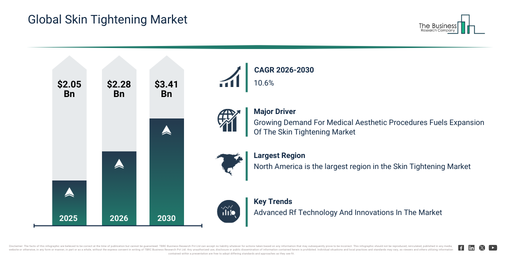
    The market for skin tightening treatments has witnessed considerable expansion lately, with projections indicating continued robust growth. This sector is expected to expand from $2.05 billion in 2025 to $2.28 billion in 2026, demonstrating a compound annual growth rate of 10.9%. Key factors driving this historical and anticipated growth include heightened consumer understanding of cosmetic procedures, a growing elderly demographic, the proliferation of dermatology clinics focused on aesthetics, the increasing prevalence of less invasive treatments, and the continuous development and introduction of sophisticated aesthetic technologies.

    The market for skin tightening procedures is poised for significant expansion in the upcoming years, projecting a rise to $3.41 billion by 2030, propelled by a compound annual growth rate of 10.6%. This anticipated growth stems from several key factors including a heightened consumer preference for non-surgical cosmetic alternatives, increased funding directed towards advancements in aesthetic technology, the burgeoning field of medical aesthetics tourism, a growing inclination towards treatments that offer rapid recovery times, and the expanding application of artificial intelligence in planning treatment strategies. Dominant trends expected to shape this market during the forecast period involve the greater incorporation of non-invasive skin tightening methods, a surge in the utilization of energy-based devices for aesthetic purposes, escalating demand for customized cosmetic interventions, broader adoption of therapeutic combinations, and a reinforced emphasis on ensuring both the safety and accuracy of treatments.

    Download A Free Sample Report For Comprehensive Market Insights:

    https://www.thebusinessresearchcompany.com/sample.aspx?id=20634&type=smp

    Skin Tightening Market Growth Factors Supporting Long-Term Expansion

    The increasing prevalence of cosmetic medical treatments is anticipated to be a significant catalyst for the expansion of the skin tightening market. Cosmetic procedures encompass medical or esthetic interventions designed to enhance facial or bodily appearance, frequently achieved through surgical means or less invasive methods. These procedures are gaining traction owing to a greater desire for minimally invasive options, the pervasive impact of social media, ongoing technological innovations, and an aging demographic keen on non-surgical avenues to preserve a youthful look. Skin tightening becomes a crucial component in these esthetic interventions, serving to bolster skin elasticity, mitigate drooping, and cultivate a more toned and revitalized appearance after events such as weight reduction, the natural aging process, or other influences that impact skin quality. For example, data from June 2024, based on a survey of over 1,000 individuals across 90 nations conducted by the International Society of Aesthetic Plastic Surgery (ISAPS), revealed that surgical interventions experienced a substantial increase of 5.5% in 2023, with plastic surgeons undertaking more than 15.8 million surgical procedures and 19.1 million non-surgical treatments. Consequently, the escalating volume of medical esthetic procedures directly contributes to the growth trajectory of the skin tightening market.

    Skin Tightening Market Segment Landscape And Growth Potential

    The skin tightening market covered in this report is segmented –

    1) By Type: Radiofrequency (RF) Skin Tightening, Ultrasound Skin Tightening, Laser Skin Tightening, Infrared Skin Tightening, Other Types

    2) By Portability: Portable, Stand-Alone

    3) By Treatment Type: Non-invasive, Minimally Invasive

    4) By Application: Reduce Wrinkles, Face Lifting, Anti-Aging

    5) By End User: Hospitals And Clinics, Beauty And Aesthetic Centers, Home Use, Other End Users

    Subsegments:

    1) By Radiofrequency (RF) Skin Tightening: Monopolar RF Devices, Bipolar RF Devices, Fractional RF Devices

    2) By Ultrasound Skin Tightening: High-Intensity Focused Ultrasound (HIFU), Ultrasound-Lift Devices, Microfocused Ultrasound Systems

    3) By Laser Skin Tightening: Ablative Laser Treatments, Non-Ablative Laser Treatments, Fractional Laser Systems

    4) By Infrared Skin Tightening: Infrared Light Therapy Devices, Near-Infrared Systems, Combination Infrared Devices

    5) By Other Types: Microneedling With Radiofrequency, Combination Therapies, Chemical Peels For Skin Tightening

    Skin Tightening Market Industry Trends Shaping Future Revenue Growth

    Leading players in the skin tightening sector are innovating by introducing sophisticated devices like radiofrequency (RF) skin tightening machines, which are equipped with cutting-edge functionalities for consumers. These RF skin tightening devices work by directing radiofrequency energy into the deeper skin tissues, thereby promoting collagen synthesis and boosting skin suppleness, which in turn helps to diminish skin laxity and promote a more toned look. An example of this innovation is the Denza, released in October 2023 by Reveal Lasers LLC, a prominent American entity specializing in aesthetic energy-based technologies. The Denza distinguishes itself through its pioneering integration of both sequential monopolar and bipolar radio frequency (RF) technology, a development that delivers enhanced skin tightening outcomes beyond the capabilities of treatments relying solely on monopolar RF. Further enhancing its appeal, this sophisticated apparatus features customizable cooling settings for improved patient comfort and safety, alongside an auto-pulsing mechanism designed to maximize treatment efficacy without compromising on results. Notably, the Denza facilitates dramatic improvements with very little recovery time, enabling individuals to return to their regular routines with minimal interruption, often right after a single session, contingent upon the specific area treated.

    Skin Tightening Market Competitive Landscape: Who Are The Leading Companies?

    Major companies operating in the skin tightening market are Johnson & Johnson, L’Oréal SA, Softway Medical, Estee Lauder, Beiersdorf AG, Shiseido, Merz Pharma GmbH & Co. KGaA, InMode Ltd., Lumenis, Venus Concept Co., Solta Medical Inc., Alma Lasers, Lynton Lasers Ltd., SmarterSkin Dermatology, Beijing Honkon Technologies, Pollogen, Cutera Inc., Cynosure, Fotona d. o. o., BTL Industries Ltd.

    Access The Complete Skin Tightening Market Report:

    https://www.thebusinessresearchcompany.com/report/skin-tightening-global-market-report

    Skin Tightening Market Global Footprint: Which Region Holds Market Leadership?

    North Americawas the largest region in the skin tightening market in 2025. Asia-Pacificis expected to be the fastest-growing region in the forecast period. The regions covered in the skin tightening market report are Asia-Pacific, South East Asia, Western Europe, Eastern Europe, North America, South America, Middle East, Africa.

    Get in touch with us:

    The Business Research Company: https://www.thebusinessresearchcompany.com/

    Americas: +1 310-496-7795

    Asia: +44 7882 955267 & +91 8897263534

    Europe: +44 7882 955267

    Email us at: marketing@tbrc.info

    Follow us on:

    LinkedIn: https://in.linkedin.com/company/the-business-research-company

    YouTube: https://www.youtube.com/channel/UC24_fI0rV8cR5DxlCpgmyFQ

    Global Market Model: https://www.thebusinessresearchcompany.com/global-market-model
  • Skin Repair Market Growth Outlook Reveals A CAGR Of 7.4% And A Market Value Of $121.21 Billion By 2030

    Skin Repair Market Growth Outlook Reveals A CAGR Of 7.4% And A Market Value Of $121.21 Billion By 2030

    Enhanced with market attractiveness analysis, total addressable market evaluation, company benchmarking matrices, interactive Excel dashboards, expanded supply chain intelligence, emerging startup coverage, and detailed product insights, The Business Research Company’s 2026 market reports deliver more actionable and strategically valuable research.

    Skin Repair Market Value Analysis: What Growth Is Expected Over The Forecast Period?

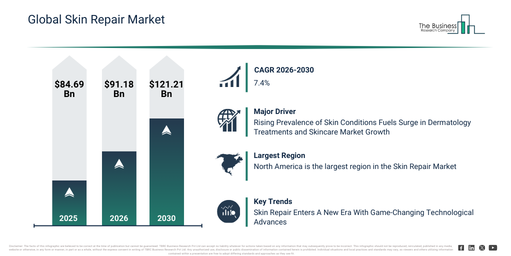
    The market for skin repair solutions has experienced robust expansion recently, projecting a rise from $84.69 billion in 2025 to $91.18 billion in 2026, reflecting a compound annual growth rate of 7.7%. This upward trajectory historically can be linked to a greater number of chronic wounds, a surge in diabetes-induced ulcers, a broader scope of surgical interventions, enhanced treatments for burn injuries, and the accessibility of sophisticated topical products.

    The dermatological repair sector is poised for significant expansion, with projections indicating a substantial increase to $121.21 billion by 2030. This upward trajectory is underpinned by a compound annual growth rate (CAGR) of 7.4%, fueled by several key drivers. The increasing embrace of regenerative medicine, the escalating need for convenient at-home wound management, the broadening scope of cosmetic skin restoration procedures, a heightened emphasis on individualized skincare, and progress in dressings derived from biomaterials are all contributing factors. During this projected period, prevailing trends include a greater demand for sophisticated wound healing compositions, wider acceptance of products incorporating growth factors and stem cells, the proliferation of solutions for persistent wounds, a concentrated effort on minimizing scars and stimulating tissue renewal, and continuous innovation in therapeutic skin repair offerings.

    Download A Free Sample Report For Comprehensive Market Insights:

    https://www.thebusinessresearchcompany.com/sample.aspx?id=27416&type=smp

    Skin Repair Market Demand Drivers Creating New Revenue Opportunities

    A notable increase in the occurrence of skin-related ailments is anticipated to be a primary driver for the expansion of the skin repair sector in the foreseeable future. These skin ailments encompass a broad spectrum of dermatological concerns, including but not limited to acne, eczema, psoriasis, and various infections, which frequently necessitate medical intervention or aesthetic procedures. The escalating incidence of these conditions can be attributed to factors such as environmental degradation; persistent exposure to atmospheric contaminants can compromise the skin’s protective barrier, instigate inflammatory responses, and exacerbate pre-existing dermatological problems. The skin repair market addresses this growing need by offering efficacious treatments and restorative therapies. By way of illustration, data from the Australian government agency Cancer Australia, published in November 2025, projected that melanoma-related fatalities in Australia for 2025 would reach an estimated 1,455 individuals (comprising 990 males and 465 females), with an individual’s lifetime likelihood of succumbing to the disease by age 85 estimated at 1 in 253 (specifically 1 in 181 for males and 1 in 422 for females). Consequently, the escalating rate of skin conditions is acting as a significant catalyst for the advancement of the skin repair market.

    Skin Repair Market Categorization By Product Type And Application

    The skin repair market covered in this report is segmented –

    1) By Type: Collagen-based Skin Repair Products, Hyaluronic Acid-based Skin Repair Products, Growth Factor-based Skin Repair Products, Stem Cell-based Skin Repair Products, Peptides-based Skin Repair Products

    2) By Product Form: Creams, Ointments, Gels, Pads And Dressings, Other Product Form

    3) By Distribution Channel: Retail Pharmacies, Online Retail, Hospital Pharmacies, Specialty Stores, Other Distribution Channel

    4) By Application: Burns, Diabetic Foot Ulcers, Surgical Wounds, Traumatic Wounds, Pressure Sores, Other Applications

    5) By End-user: Hospitals And Clinics, Home Care Settings, Skincare And Aesthetic Centers, Other End-Users

    Subsegments:

    1) By Collagen-Based Skin Repair Products: Collagen Creams, Collagen Serums, Collagen Gels, Collagen Dressings, Collagen Patches

    2) By Hyaluronic Acid-Based Skin Repair Products: Hyaluronic Acid Creams, Hyaluronic Acid Serums, Hyaluronic Acid Lotions, Hyaluronic Acid Injections, Hyaluronic Acid Masks

    3) By Growth Factor-Based Skin Repair Products: Epidermal Growth Factor Serums, Fibroblast Growth Factor Creams, Platelet-Derived Growth Factor Gels, Vascular Endothelial Growth Factor Solutions, Combination Growth Factor Formulations

    4) By Stem Cell-Based Skin Repair Products: Plant Stem Cell Creams, Human Stem Cell Serums, Stem Cell Patches, Stem Cell Infused Masks, Stem Cell Lotions

    5) By Peptides-Based Skin Repair Products: Peptide Creams, Peptide Serums, Peptide Gels, Peptide Masks, Peptide Lotions

    Skin Repair Market Trends Driving Strategic Industry Expansion

    In the competitive landscape of the skin repair sector, leading businesses are dedicating considerable attention to enhancing therapeutic methodologies through innovation, with a particular emphasis on cell-based gene therapy (CBGT). This advanced treatment modality involves leveraging a patient’s own cells, engineered with genetic modifications, to mend compromised skin, rectify inherent genetic abnormalities, and foster sustained tissue regeneration. A significant milestone occurred in April 2025 when Abeona Therapeutics, a biopharmaceutical entity headquartered in the United States, secured approval from the U.S. Food and Drug Administration for Zevaskyn, marking the introduction of the first cell-based gene therapy specifically designed for recessive dystrophic epidermolysis bullosa (RDEB), a rare inherited condition affecting the skin. Zevaskyn embodies a groundbreaking stride in dermatological treatment, employing patient-derived cell-based gene therapy as its foundation to facilitate skin tissue repair and promising to redefine the established treatment protocols for individuals afflicted with recessive dystrophic epidermolysis bullosa.

    Skin Repair Market Company Landscape And Strategic Competition

    Major companies operating in the skin repair market are Beiersdorf AG, Kao Corporation, Shiseido, Obagi Medical, Dermalogica, Revision Skincare, SkinCeuticals, PCA Skin, Lucas Meyer Cosmetics, Derma Made, OneSkin, Rubedo Life Sciences, Smith & Nephew plc, Mölnlycke Health Care AB, Coloplast A/S, ConvaTec Group plc, Integra LifeSciences Holdings Corporation, MiMedx Group Inc., Organogenesis Holdings Inc., Acelity L.P. Inc., Medline Industries Inc., Paul Hartmann AG

    Access The Complete Skin Repair Market Report:

    https://www.thebusinessresearchcompany.com/report/skin-repair-global-market-report

    Skin Repair Market Regional Distribution: Which Areas Drive Market Expansion?

    North Americawas the largest region in the skin repair market in 2025. Asia-Pacificis expected to be the fastest-growing region in the forecast period. The regions covered in the skin repair market report are Asia-Pacific, South East Asia, Western Europe, Eastern Europe, North America, South America, Middle East, Africa.

    Get in touch with us:

    The Business Research Company: https://www.thebusinessresearchcompany.com/

    Americas: +1 310-496-7795

    Asia: +44 7882 955267 & +91 8897263534

    Europe: +44 7882 955267

    Email us at: marketing@tbrc.info

    Follow us on:

    LinkedIn: https://in.linkedin.com/company/the-business-research-company

    YouTube: https://www.youtube.com/channel/UC24_fI0rV8cR5DxlCpgmyFQ

    Global Market Model: https://www.thebusinessresearchcompany.com/global-market-model