Category: Healthcare Services

  • Smart Hospital Market Forecast Reveals Where Future Industry Value Will Be Created

    Smart Hospital Market Forecast Reveals Where Future Industry Value Will Be Created

    Delivering more actionable and strategically valuable research, The Business Research Company’s 2026 market reports feature market attractiveness analysis, total addressable market evaluation, company benchmarking matrices, interactive Excel dashboards, expanded supply chain intelligence, emerging startup coverage, and detailed product insights.

    Smart Hospital Market Expansion Outlook: What Revenue Opportunities Lie Ahead?

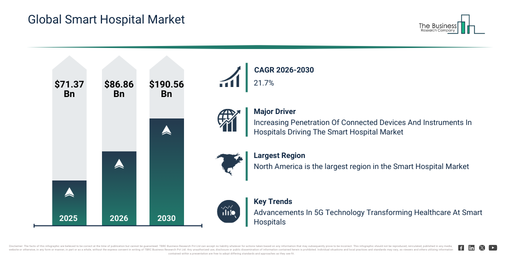
    The smart hospital sector has experienced remarkable expansion historically and is projected to continue its upward trajectory, expanding from an estimated $71.37 billion in 2025 to $86.86 billion by 2026, reflecting a compound annual growth rate (CAGR) of 21.7%. Factors contributing to this historical surge include the persistent issue of hospital overcrowding, an increasing demand for optimized operational processes, the widespread implementation of electronic health records, significant investments in healthcare IT infrastructure, and stringent patient safety regulations.

    The smart hospital sector is poised for remarkable expansion in the coming years, anticipating a substantial surge to $190.56 billion by 2030, underpinned by a compound annual growth rate of 21.7%. This projected escalation in the forecast period is propelled by several key factors, including increased investment in smart infrastructure, the implementation of AI-driven automation for operational processes, the enforcement of interoperability standards, a growing emphasis on value-based healthcare delivery, and the proliferation of digital hospital initiatives. Furthermore, significant trends expected to shape this period involve the broader adoption of hospital management platforms, the seamless integration of real-time location systems for enhanced asset and patient tracking, advancements in AI capabilities for diagnostic purposes, the expansion of intelligent intensive care unit (ICU) solutions, and a heightened focus on cybersecurity measures within healthcare facilities.

    Download A Free Sample Report For Comprehensive Market Insights:

    https://www.thebusinessresearchcompany.com/sample.aspx?id=13734&type=smp

    Smart Hospital Market Expansion Drivers: What Is Shaping Future Growth?

    The widespread adoption of internet-enabled medical equipment within healthcare facilities is poised to fuel the expansion of the smart hospital sector. These interconnected devices and instruments, forming a network that gathers extensive data on various medical and business operations, are instrumental in advancing smart hospital initiatives by facilitating superior patient outcomes, streamlined workflows, and informed choices based on real-time information. A compelling example of this trend comes from October 2023, when the U.S. Food and Drug Administration reported an update to its directory of artificial intelligence (AI) and machine learning (ML) powered medical devices available in the U.S., noting the addition of 171 new devices by that month; this marks a substantial leap from the previous year, with projections indicating a growth rate of at least 30% for such AI/ML-equipped technologies. Consequently, the escalating presence of connected medical technology in hospitals is a key factor driving the smart hospital market forward.

    Smart Hospital Market Segment Breakdown: Which Categories Generate The Most Revenue?

    The smart hospital market covered in this report is segmented –

    1) By Component: Hardware, Software System, Services

    2) By Technology: Cloud Computing, Artificial Intelligence, Wearable Technologies, Radio Frequencies Identification, Other Technologies

    3) By Connectivity: Wired, Wireless

    4) By Application: Remote Medicine Management, Medical Connected Imaging, Medical Assistance, Electronic Health Record, Outpatient Vigilance

    Subsegments:

    1) By Hardware: Medical Devices, Internet Of Things (IoT) Devices, Wearable Health Monitors, Infrastructure Equipment (Sensors, Cameras)

    2) By Software System: Electronic Health Records (EHR), Hospital Management Systems, Patient Engagement Software, Data Analytics And Reporting Tools

    3) By Services: Consulting Services, Implementation And Integration Services, Maintenance And Support Services, Training And Education Services

    Smart Hospital Market Strategic Trends: What Is Defining The Next Phase Of Growth?

    The leading organizations within the smart hospital sector are prioritizing collaborative ventures to advance their smart hospital offerings. Such collaborations, essentially agreements between two or more parties for shared objectives, are becoming a cornerstone strategy. A concrete illustration of this approach occurred in March 2023 when LifeSigns, an American health-technology innovator, joined forces with Amala Hospital, a notable Indian institution specializing in orthopedic care and rehabilitation, to introduce a sophisticated smart ward. This innovative unit integrates LifeSigns’ iMS technology, which employs wearable wireless sensors for uninterrupted patient surveillance, thereby superseding conventional wired setups, enhancing patient comfort, and optimizing the acquisition of vital data.

    Smart Hospital Market Key Players And Strategic Industry Positioning

    Major companies operating in the smart hospital market are Microsoft Corporation, Alphabet Inc, International Business Machines Corporation, Cisco Systems Inc, SAP SE, Siemens Healthineers AG, Koninklijke Philips N.V., GE Healthcare, Medtronic plc, Cerner Corporation, Allscripts Healthcare Solutions, Athenahealth, Honeywell Life Care Solutions, Stanley Healthcare, Qualcomm Life, Nvidia Corporation, Oracle Health, Epic Systems Corporation, Fujitsu Limited, Hitachi Healthcare Systems, Schneider Electric Healthcare, Toshiba Healthcare Systems

    Access The Complete Smart Hospital Market Report:

    https://www.thebusinessresearchcompany.com/report/smart-hospital-global-market-report

    Smart Hospital Market Geographic Landscape: Which Region Dominates Industry Growth?

    North Americawas the largest region in the smart hospital market in 2025. Asia-Pacificis expected to be the fastest-growing region in the forecast period. The regions covered in the smart hospital market report are Asia-Pacific, South East Asia, Western Europe, Eastern Europe, North America, South America, Middle East, Africa.

    Get in touch with us:

    The Business Research Company: https://www.thebusinessresearchcompany.com/

    Americas: +1 310-496-7795

    Asia: +44 7882 955267 & +91 8897263534

    Europe: +44 7882 955267

    Email us at: marketing@tbrc.info

    Follow us on:

    LinkedIn: https://in.linkedin.com/company/the-business-research-company

    YouTube: https://www.youtube.com/channel/UC24_fI0rV8cR5DxlCpgmyFQ

    Global Market Model: https://www.thebusinessresearchcompany.com/global-market-model
  • Smart Home Healthcare Market Growth Through 2030 Creates New Strategic Opportunities

    Smart Home Healthcare Market Growth Through 2030 Creates New Strategic Opportunities

    Enhanced with market attractiveness analysis, total addressable market evaluation, company benchmarking matrices, interactive Excel dashboards, expanded supply chain intelligence, emerging startup coverage, and detailed product insights, The Business Research Company’s 2026 market reports deliver more actionable and strategically valuable research.

    Smart Home Healthcare Market Growth Potential: How Will Market Size Change Through 2030?

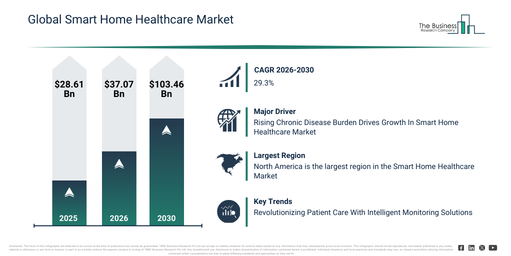
    The market for smart home healthcare has experienced substantial growth, projected to surge from $28.61 billion in 2025 to $37.07 billion in 2026, reflecting a compound annual growth rate (CAGR) of 29.6%. This upward trajectory in the historic period is fueled by several key factors, including the increasing incidence of chronic illnesses, the expanding availability of home-based medical services, a growing trend towards healthcare digitalization, the broader adoption of telemedicine, and the advancement of interconnected medical devices.

    The smart home healthcare sector anticipates a period of significant expansion, projected to reach a valuation of $103.46 billion by the year 2030, reflecting a compound annual growth rate (CAGR) of 29.3%. This anticipated surge is fueled by several key factors, including a growing elderly demographic opting for independent living, substantial investments channeled into smart healthcare infrastructure, the proliferation of AI-powered remote diagnostic tools, a heightened demand for proactive health management solutions, and an increasing emphasis on delivering efficient and economical healthcare. Furthermore, several prominent trends are expected to shape this market during the forecast period, such as the escalating adoption of remote patient monitoring systems, a greater utilization of wearable health sensors, the deepening integration of AI for health data analysis, a broader rollout of connected home care platforms, and a more concentrated effort on managing chronic conditions.

    Download A Free Sample Report For Comprehensive Market Insights:

    https://www.thebusinessresearchcompany.com/sample.aspx?id=19701&type=smp

    Smart Home Healthcare Market Development Factors: Which Trends Are Supporting Demand?

    The escalating prevalence of chronic illnesses is anticipated to be a primary catalyst for the expansion of the smart home healthcare sector. This surge in chronic conditions is attributed to a confluence of factors, including an aging global demographic, increasingly inactive lifestyles, suboptimal dietary habits, and environmental stressors. Smart home healthcare solutions offer substantial benefits to individuals managing chronic diseases by enabling continuous health monitoring and facilitating tailored management strategies, thereby enhancing treatment efficacy and patient compliance. Illustratively, data from GOV.UK revealed that in England, the recorded prevalence of type 2 diabetes among adults aged 17 and above reached 7.0% in March 2024, a rise from the 6.8% observed in March 2023, underscoring the growing need for effective chronic disease management tools. Consequently, the mounting challenge of chronic diseases is directly fueling the growth trajectory of the smart home healthcare market.

    Smart Home Healthcare Market Segmentation: How Is The Market Structured Across Key Categories?

    The smart home healthcare market covered in this report is segmented –

    1) By Product: Smart Glucose Monitoring System, Medical Device Alert Systems, Smart Cardiac Monitoring System, Other Products

    2) By Service: Skilled Nursing Services, Rehabilitation Therapy Services, Hospice And Palliative Care Services, Unskilled Care Services, Respiratory Therapy Services, Infusion Therapy Services, Pregnancy Care Services

    3) By Technology: Wired, Wireless

    4) By Indication: Diabetes, Respiratory Diseases, Pregnancy, Mobility Disorders, Hearing Disorders, Cancer, Wound Care

    5) By Application: Fall Prevention And Detection, Health Status Monitoring, Nutrition Or Diet Monitoring, Memory Aids

    Subsegments:

    1) By Smart Glucose Monitoring System: Continuous Glucose Monitors (CGMs), Smart Glucose Meters, Mobile Apps For Glucose Tracking, Integrated Diabetes Management Systems

    2) By Medical Device Alert Systems: Fall Detection Systems, Medication Reminder Systems, Emergency Alert Systems, Wearable Alert Devices

    3) By Smart Cardiac Monitoring System: Remote Cardiac Monitoring Devices, Smart ECG Monitors, Wearable Heart Rate Monitors, Mobile Cardiac Telemetry Systems

    4) By Other Products: Smart Blood Pressure Monitors, Smart Thermometers, Remote Patient Monitoring Systems, Health Management Apps, Smart Health Hubs

    Smart Home Healthcare Market Transformation Trends: Which Innovations Are Driving Change?

    Key players within the smart home healthcare sector are concentrating on pioneering advancements, exemplified by intelligent monitoring systems, aimed at delivering uninterrupted care and enhancing patient well-being. These systems enable healthcare professionals to remotely and continuously track vital signs, employing sophisticated technologies like artificial intelligence, machine learning, and Internet of Things (IoT) devices for data acquisition and analysis from diverse sensors. A notable development occurred in April 2023 when LifeSigns, an Indian firm renowned for its remote patient monitoring solutions, introduced Continuum Care. This innovative platform facilitates real-time remote patient oversight irrespective of geographical location, integrating wearable biosensors and cloud-based analytics to monitor an extensive range of up to eight vital signs, encompassing ECG, blood pressure, SpO2, and body temperature. The adaptable nature of Continuum Care allows for tailored configurations to meet distinct medical needs, finding application across ambulances, healthcare facilities, and domestic environments to ensure persistent care and better health results.

    Smart Home Healthcare Market Competitive Landscape And Leading Companies

    Major companies operating in the smart home healthcare market are Apple Inc., Samsung Electronics Co. Ltd., AT&T Inc., GE Healthcare, Honeywell International Inc., F. Hoffmann-La Roche Ltd, Medtronic Plc, Koninklijke Philips N.V., Boston Scientific Corp, Fitbit Inc., Companion Medical, Connect America, Tunstall Group, Medical Guardian LLC, Withings, VitalConnect, Nureca Limited, Qure4u Inc., Sunfox Technologies Pvt. Ltd., Agatsa Software Pvt. Ltd., Bay Alarm Medical, Health Care Originals, MariCare, Murata Vios Inc.

    Access The Complete Smart Home Healthcare Market Report:

    https://www.thebusinessresearchcompany.com/report/smart-home-healthcare-global-market-report

    Smart Home Healthcare Market Largest Region: Which Geography Holds The Highest Market Share?

    North Americawas the largest region in the smart home healthcare market in 2025. Asia-Pacificis expected to be the fastest-growing region in the forecast period. The regions covered in the smart home healthcare market report are Asia-Pacific, South East Asia, Western Europe, Eastern Europe, North America, South America, Middle East, Africa.

    Get in touch with us:

    The Business Research Company: https://www.thebusinessresearchcompany.com/

    Americas: +1 310-496-7795

    Asia: +44 7882 955267 & +91 8897263534

    Europe: +44 7882 955267

    Email us at: marketing@tbrc.info

    Follow us on:

    LinkedIn: https://in.linkedin.com/company/the-business-research-company

    YouTube: https://www.youtube.com/channel/UC24_fI0rV8cR5DxlCpgmyFQ

    Global Market Model: https://www.thebusinessresearchcompany.com/global-market-model
  • Smart Healthcare Products Market Size Projected To Increase From $339.78 Billion To $574.47 Billion During The Forecast Period

    Smart Healthcare Products Market Size Projected To Increase From $339.78 Billion To $574.47 Billion During The Forecast Period

    Through market attractiveness analysis, total addressable market evaluation, company benchmarking matrices, interactive Excel dashboards, expanded supply chain intelligence, emerging startup coverage, and detailed product insights, The Business Research Company’s 2026 market reports provide more actionable and strategically valuable research.

    Smart Healthcare Products Market Value Analysis: What Growth Is Expected Over The Forecast Period?

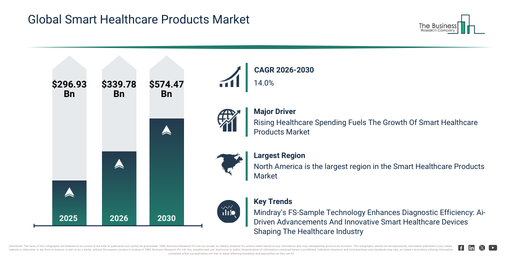
    The market for smart healthcare products has experienced significant expansion lately, projected to increase from $296.93 billion in 2025 to $339.78 billion in 2026, reflecting a compound annual growth rate of 14.4%. This upward trajectory during the past years has been propelled by key factors such as the ongoing digitization of healthcare services, the widespread adoption of smartphones, a growing emphasis on preventive health measures, advancements in wearable technology, and the continuous drive to manage and reduce healthcare expenses.

    The smart healthcare products sector is poised for substantial expansion over the upcoming years, projecting a market value of $574.47 billion by 2030, fueled by a compound annual growth rate (CAGR) of 14.0%. This anticipated growth trajectory is principally driven by demographic shifts such as an aging global population, the increased adoption and availability of telehealth, a growing prevalence of chronic illnesses, sophisticated advancements in AI-driven analytics, and supportive regulatory frameworks for digital health solutions. Key developments anticipated during this forecast period encompass the proliferation of connected diagnostic equipment, deeper integration of AI analytics into healthcare processes, a surge in consumer-focused health wearables, the wider deployment of remote patient monitoring systems, and significant enhancements in data interoperability.

    Download A Free Sample Report For Comprehensive Market Insights:

    https://www.thebusinessresearchcompany.com/sample.aspx?id=7029&type=smp

    Smart Healthcare Products Market Industry Drivers: What Is Driving Revenue Growth?

    The expanding smart healthcare products market is seeing an upward trend fueled by escalating healthcare expenditures. The global health crisis, particularly the COVID-19 pandemic, has significantly amplified the demand for healthcare services. Key factors propelling this rise in healthcare spending include governmental initiatives focused on ensuring widespread healthcare access, upwardly mobile income brackets, a demographic shift towards an older population, enhanced public awareness regarding health matters, a greater uptake of health insurance policies, and the growing prevalence of chronic, non-communicable illnesses. Smart healthcare solutions offer the capability to identify and manage health conditions remotely and conveniently. As an illustration, data from the Centers for Medicare & Medicaid Services indicated that in 2023, healthcare spending in the United States surged by 7.5%, reaching a total of $4.9 trillion, which equates to approximately $14,570 per person. Consequently, the robust increase in healthcare spending is poised to be a significant catalyst for the expansion of the smart healthcare products market.

    Smart Healthcare Products Market Segmentation Trends And Revenue Drivers

    The smart healthcare products market covered in this report is segmented –

    1) By Product Type: Telemedicine, Electronic Health Records, mHealth, Smart Pills And Syringes, Smart RFID Cabinets

    2) By Application: Storage And Inventory Management, Monitoring, Treatment

    3) By End User: Hospitals, Home Care Settings

    Subsegments:

    1) By Telemedicine: Video Consultation Platforms, Remote Patient Monitoring Solutions, Telehealth Software Solutions

    2) By Electronic Health Records: Cloud-Based EHR Systems, On-Premises EHR Solutions, EHR Interoperability Solutions

    3) By mHealth: Mobile Health Applications, Wearable Health Devices, Mobile Health Monitoring Solutions

    4) By Smart Pills And Syringes: Ingestible Sensors, Smart Insulin Pens, Connected Syringe Systems

    5) By Smart RFID Cabinets: RFID Medication Management Systems, RFID Asset Tracking Cabinets, RFID-enabled Supply Chain Solutions

    #Smart Healthcare Products Market Growth Trends: What Is Influencing The Future Outlook?

    Leading entities within the worldwide market for smart healthcare products are concentrating their efforts on pioneering technological advancements, with a particular emphasis on solutions like FS-Sample technology, aimed at elevating the precision of diagnoses, refining patient oversight, and optimizing healthcare workflows, all contributing to superior patient results and a more proficient healthcare system. This FS-Sample technology constitutes a sophisticated approach to examining biological specimens, thereby boosting diagnostic exactitude and effectiveness in medical environments. As an illustration, in April 2024, Mindray, a medical equipment manufacturer headquartered in China, introduced new equipment for mid-volume laboratories. These recent developments from Mindray signify a substantial progression for laboratories handling moderate sample volumes, equipping them with the requisite capabilities to improve their operational effectiveness and ensure dependable diagnostic reports. The emphasis placed on a space-saving design, cutting-edge technology, and adaptable integration designates these offerings as beneficial components in contemporary medical facilities.

    Smart Healthcare Products Market Industry Leaders: Which Organizations Are Driving Competition?

    Major companies operating in the smart healthcare products market are AirStrip Technologies, Samsung Healthcare, Siemens Healthineers AG, Cerner Corporation, Allscripts Healthcare Solutions, Apple Inc., Cisco Systems Inc., GE Healthcare, Given Imaging Inc., International Business Machines Corporation, Abbott Laboratories, Agfa-Gevaert Group, Becton Dickinson and Company, Cognizant Technology Solutions India Private Limited, Fujifilm Holdings Corporation, Honeywell Life Care Solutions, Johnson & Johnson, Koninklijke Philips N.V., Medtronic Plc, Microsoft Corporation, Omron Corporation, Oracle Corporation, ResMed Inc, Epic Systems Corporation, Teladoc Health Inc

    Access The Complete Smart Healthcare Products Market Report:

    https://www.thebusinessresearchcompany.com/report/smart-healthcare-products-global-market-report

    Smart Healthcare Products Market Regional Analysis: Which Region Leads By Revenue?

    North Americawas the largest region in the smart healthcare products market in 2025. Asia-Pacificis expected to be the fastest-growing region in the forecast period. The regions covered in the smart healthcare products market report are Asia-Pacific, South East Asia, Western Europe, Eastern Europe, North America, South America, Middle East, Africa.

    Get in touch with us:

    The Business Research Company: https://www.thebusinessresearchcompany.com/

    Americas: +1 310-496-7795

    Asia: +44 7882 955267 & +91 8897263534

    Europe: +44 7882 955267

    Email us at: marketing@tbrc.info

    Follow us on:

    LinkedIn: https://in.linkedin.com/company/the-business-research-company

    YouTube: https://www.youtube.com/channel/UC24_fI0rV8cR5DxlCpgmyFQ

    Global Market Model: https://www.thebusinessresearchcompany.com/global-market-model
  • Smart Hand Hygiene Compliance Market Growth Outlook Reveals A CAGR Of 15.6% And A Market Value Of $6.77 Billion By 2030

    Smart Hand Hygiene Compliance Market Growth Outlook Reveals A CAGR Of 15.6% And A Market Value Of $6.77 Billion By 2030

    Delivering more actionable and strategically valuable research, The Business Research Company’s 2026 market reports feature market attractiveness analysis, total addressable market evaluation, company benchmarking matrices, interactive Excel dashboards, expanded supply chain intelligence, emerging startup coverage, and detailed product insights.

    Smart Hand Hygiene Compliance Market Size Forecast: How Large Could The Market Become By 2030?

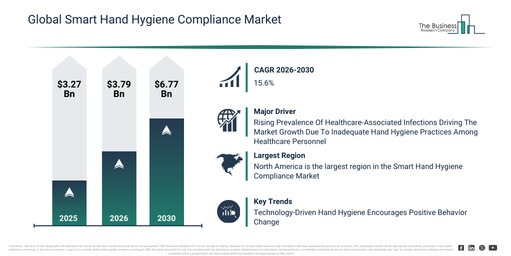
    Augmenting the existing $3.27 billion valuation in 2025, the market for smart hand hygiene compliance is projected to experience significant expansion, reaching an estimated $3.79 billion by 2026. This notable progression represents a compound annual growth rate (CAGR) of 15.9%. The impetus for this growth during the preceding period was largely fueled by heightened awareness of healthcare-associated infections, the broadening scope of hospital quality assurance initiatives, the increasing integration of automated monitoring systems, a heightened emphasis on patient safety protocols, and the accelerating digitalization occurring within healthcare services.

    The global market for smart hand hygiene compliance solutions is poised for substantial expansion in the coming years, projected to reach $6.77 billion by 2030, exhibiting a compound annual growth rate of 15.6%. This upward trajectory is propelled by several key factors, including heightened regulatory scrutiny concerning infection prevention, a growing need for automated systems to track compliance, the continuous development of smart hospital environments, the increasing reliance on data analytics for healthcare administration, and ongoing advancements in hygiene monitoring technology. Within this forecast period, several significant trends are anticipated to shape the market, such as the wider implementation of real-time monitoring for hand hygiene practices, increased deployment of sensor-based systems for compliance verification, greater integration with existing hospital infection control initiatives, the expansion of analytical tools for hygiene data, and a stronger emphasis on automated feedback loops to encourage adherence.

    Download A Free Sample Report For Comprehensive Market Insights:

    https://www.thebusinessresearchcompany.com/sample.aspx?id=29197&type=smp

    Smart Hand Hygiene Compliance Market Growth Factors: Which Forces Are Supporting Market Expansion?

    The escalating incidence of infections contracted within healthcare settings is anticipated to be a primary driver for the expansion of the smart hand hygiene compliance sector in the foreseeable future. These healthcare-associated infections, often referred to as hospital-acquired infections, are conditions that patients develop during their medical care. A significant factor contributing to the increase in these infections is the insufficient adherence to hand hygiene protocols by medical staff, which facilitates the swift transmission of infectious agents between patients via physical contact. Smart hand hygiene systems play a crucial role in curbing healthcare-associated infections by persistently overseeing and encouraging correct handwashing habits among healthcare professionals, thereby interrupting the rapid dissemination of pathogens and bolstering patient safety. To illustrate, data from the Australian Institute of Health and Welfare, a governmental body in Australia, indicated that for the 2023–24 period, approximately 150,000 out of 12.6 million hospital admissions in Australia were associated with at least one hospital-acquired complication. This translated to complication rates of 1.9 per hundred admissions in public healthcare facilities and 0.8 per hundred in private ones. Consequently, the growing number of healthcare-associated infections directly fuels the market for smart hand hygiene compliance solutions.

    Smart Hand Hygiene Compliance Market Segment Analysis Highlighting Growth Areas

    The smart hand hygiene compliance market covered in this report is segmented –

    1) By Product Type: Hand Hygiene Monitoring Systems, Dispensers, Wearable Devices, Sensors, Other Product Types

    2) By Technology: Internet Of Things, Radio Frequency Identification, Bluetooth, Other Technologies

    3) By Distribution Channel: Direct Sales, Distributors, Online Sales, Other Distribution Channels

    4) By End-User: Hospitals And Clinics, Food And Beverage, Hospitality, Corporate Offices, Education, Other End-Users

    Subsegments:

    1) By Hand Hygiene Monitoring Systems: Automated Monitoring Systems, Manual Monitoring Systems, Real Time Monitoring Systems

    2) By Dispensers: Automatic Dispensers, Manual Dispensers, Touchless Dispensers

    3) By Wearable Devices: Smart Wristbands, Smart Badges, Smart Rings

    4) By Sensors: Motion Sensors, Proximity Sensors, Pressure Sensors

    5) By Other Product Types: Data Analytics Software, Mobile Applications, Cloud Platforms

    Smart Hand Hygiene Compliance Market Industry Trends: What Changes Are Reshaping Demand?

    Leading entities within the smart hand hygiene compliance sector are prioritizing the creation of groundbreaking technologies like immediate oversight and subtle nudges to elevate adherence rates among personnel and bolster patient well-being. These technologies, encompassing real-time monitoring and gentle reminders, are designed to observe hand hygiene practices as they occur, delivering discreet notifications prior to patient interactions. This approach aims to promote prompt handwashing, elevate compliance, diminish healthcare-associated infections, and integrate seamlessly into existing workflows without imposing additional burdens. As an illustration, July 2024 witnessed Kontakt.io Inc., an American firm specializing in indoor spatial intelligence, unveil its Smart Hand Hygiene offering, engineered to strengthen infection prevention through continuous observation and intelligent feedback mechanisms. This comprehensive system integrates in-room prompts, engagement-driven compliance tracking via the Kio Nurse mobile application, and automated management of dispensers. By leveraging the Smart Badge 3 wearable, staff movements and opportunities for hand hygiene are continuously monitored, initiating reminders at crucial junctures before patient engagement. Sophisticated analytical tools and user-friendly reporting capabilities equip healthcare facilities with the means to track compliance patterns, generate reports suitable for Joint Commission submissions, and analyze data across various departments, facilities, or individual staff members. Furthermore, the system’s contact tracing functionality, based on interactions, facilitates the rapid identification and containment of potential infection transmission pathways, while gamified elements promote ongoing participation, transforming the adherence to hygiene protocols into an engaging and satisfying endeavor.

    Smart Hand Hygiene Compliance Market Leading Companies: Who Holds Significant Market Presence?

    Major companies operating in the smart hand hygiene compliance market are Sodexo S.A., Ecolab Inc., Halma plc, GOJO Industries Inc., SC Johnson Professional Limited, Ascom Holding AG, Hagleitner Hygiene International GmbH, CenTrak Inc., Ophardt Hygiene GmbH, Kontakt Micro-Location Sp. z o.o., SwipeSense Inc., AiRISTA Flow Inc., Cadi Scientific Inc., SureWash Limited, Vitalacy Inc., Hyginex Inc., PathSpot Technologies Inc., BioVigil Healthcare Systems Inc., Soapy Care Inc., Vizzia Technologies Inc.

    Access The Complete Smart Hand Hygiene Compliance Market Report:

    https://www.thebusinessresearchcompany.com/report/smart-hand-hygiene-compliance-global-market-report

    Smart Hand Hygiene Compliance Market Geographic Distribution And Regional Opportunities

    North Americawas the largest region in the smart hand hygiene compliance market in 2025. Asia-Pacificis expected to be the fastest-growing region in the forecast period. The regions covered in the smart hand hygiene compliance market report are Asia-Pacific, South East Asia, Western Europe, Eastern Europe, North America, South America, Middle East, Africa.

    Get in touch with us:

    The Business Research Company: https://www.thebusinessresearchcompany.com/

    Americas: +1 310-496-7795

    Asia: +44 7882 955267 & +91 8897263534

    Europe: +44 7882 955267

    Email us at: marketing@tbrc.info

    Follow us on:

    LinkedIn: https://in.linkedin.com/company/the-business-research-company

    YouTube: https://www.youtube.com/channel/UC24_fI0rV8cR5DxlCpgmyFQ

    Global Market Model: https://www.thebusinessresearchcompany.com/global-market-model

  • Smart Elderly Fall Detection Rug Market Forecast Highlights Expansion From $2 Billion To $3.58 Billion Through 2030

    Smart Elderly Fall Detection Rug Market Forecast Highlights Expansion From $2 Billion To $3.58 Billion Through 2030

    Enhanced with market attractiveness analysis, total addressable market evaluation, company benchmarking matrices, interactive Excel dashboards, expanded supply chain intelligence, emerging startup coverage, and detailed product insights, The Business Research Company’s 2026 market reports deliver more actionable and strategically valuable research.

    Smart Elderly Fall Detection Rug Market Revenue Outlook: What CAGR Is Expected Through 2030?

    The market for intelligent rugs designed to detect falls among seniors has experienced considerable expansion, projecting a rise from $1.72 billion in 2025 to $2 billion by 2026, reflecting a compound annual growth rate of 16.0%. Factors contributing to this growth during the past period include the increasing number of elderly individuals, a higher frequency of fall-related injuries, the proliferation of in-home care services, greater adoption of remote patient monitoring systems, and the accessibility of cost-effective sensor technology.

    Anticipated to experience substantial expansion over the coming years, the smart elderly fall detection rug market is projected to reach $3.58 billion by 2030, exhibiting a robust compound annual growth rate of 15.7%. This projected surge is underpinned by a confluence of factors, including the escalating preference for aging-in-place arrangements, the growing incorporation of these devices into telehealth frameworks, the proliferation of smart assisted living accommodations, amplified investment in elder care technology, and progress in artificial intelligence for motion sensing. Key developments shaping this market during the forecast horizon involve a greater installation of sensor-reliant fall detection mechanisms, increased acceptance of non-wearable elderly oversight tools, deeper integration with platforms for caregiver notifications, a broader deployment of smart home healthcare apparatus, and a heightened emphasis on privacy-conscious monitoring strategies.

    Download A Free Sample Report For Comprehensive Market Insights:

    https://www.thebusinessresearchcompany.com/sample.aspx?id=29195&type=smp

    Smart Elderly Fall Detection Rug Market Demand Drivers: What Is Fueling Industry Growth?

    The expanding need for immediate oversight solutions is anticipated to fuel the expansion of the smart elderly fall detection rug sector in the future. These real-time monitoring systems are characterized by technologies designed to constantly gather, relay, and process information, thereby offering instantaneous feedback or notifications that permit swift reactions to urgent circumstances. The increasing utilization of these systems stems from the escalating incidence of long-term health issues affecting the elderly population, which consequently heightens the requirement for ongoing, data-informed supervision to guarantee prompt assistance and security. Smart elderly fall detection rugs contribute to this real-time monitoring capability by employing integrated sensors to identify falls without delay and forward alerts for immediate intervention by caregivers. As an illustration, data from the Department of Health and Human Services, a US government entity managing federal health programs, indicated that approximately one million Medicare beneficiaries across the United States utilized remote patient monitoring services in 2024, a significant 27% surge compared to 2023, as reported in August 2025. Consequently, the escalating demand for real-time monitoring systems is acting as a catalyst for the growth of the Smart Elderly Fall Detection Rug market.

    Smart Elderly Fall Detection Rug Market Segment Performance And Strategic Opportunities

    The smart elderly fall detection rug market covered in this report is segmented –

    1) By Product Type: Pressure Sensor Rugs, Infrared Sensor Rugs, Camera-Based Rugs, Other Product Types

    2) By Technology: Wearable Integrated, Non-Wearable, Artificial Intelligence (AI)-Based, Internet Of Things (IoT)-Enabled, Other Technologies

    3) By Distribution Channel: Online Stores, Specialty Stores, Supermarkets Or Hypermarkets, Other Distribution Channels

    4) By Application: Home Care, Hospitals, Assisted Living Facilities, Nursing Homes, Other Applications

    Subsegments:

    1) By Pressure Sensor Rugs: Capacitive Pressure Sensor Rugs, Piezoelectric Pressure Sensor Rugs, Resistive Pressure Sensor Rugs, Fiber Optic Pressure Sensor Rugs

    2) By Infrared Sensor Rugs: Passive Infrared Sensor Rugs, Active Infrared Sensor Rugs, Dual Infrared Sensor Rugs, Multi-Zone Infrared Sensor Rugs

    3) By Camera-Based Rugs: Two-Dimensional Camera Rugs, Three-Dimensional Depth Camera Rugs, Thermal Imaging Camera Rugs, Wide-Angle Camera Rugs

    4) By Other Product Types: Ultrasonic Sensor Rugs, Radar Sensor Rugs, Smart Textile Rugs, Hybrid Sensor Rugs

    Smart Elderly Fall Detection Rug Market Innovation Trends: Which Developments Are Transforming The Industry?

    In the smart elderly fall detection rug sector, leading businesses are prioritizing the integration of sophisticated technologies, notably AI-driven ambient sensing, to elevate the precision of ongoing surveillance and the effectiveness of fall mitigation. This AI-powered ambient sensing employs radar or environmental sensors, coupled with machine learning, to interpret movement, physiological indicators, and surrounding conditions unobtrusively, thus facilitating functionalities like immediate motion tracking, identification of deviations at an early stage, and proactive warnings. As an illustration, March 2025 saw FallCall Solutions, a US entity in digital health technology focused on networked safety solutions, collaborate with RANiX, a South Korean firm renowned for semiconductor and sensor innovation, to introduce an AI-equipped radar system aimed at averting falls from hospital beds through the monitoring of patient activity, cardiac rhythm, and breathing rate. This system, characterized by its small radar unit embedded at the base of the bed, consistent data flow to a cloud-based analytical service, and automated notifications for caregivers, boosts the swiftness of fall prevention measures, bolsters patient security via perpetual oversight, and optimizes care delivery by minimizing the need for constant human observation.

    Smart Elderly Fall Detection Rug Market Key Players: Which Companies Shape Industry Competition?

    Major companies operating in the smart elderly fall detection rug market are Medline Industries LP, Drive DeVilbiss Healthcare Inc., AliMed Inc., Vayyar Imaging Ltd., Dynarex Corporation, Tekscan Inc., MekoPrint Ltd., Skil-Care Corporation, Proactive Medical Products Inc., Alerta Medical Ltd., Smart Caregiver Corporation, Future-Shape GmbH, Personal Safety Corporation, Cura1 Pty Ltd., MariCare Oy, BBC Bircher Smart Access AG, Nanomade Labs, Emfit Ltd., 1800Wheelchair Inc., Pratoline HomeCare Ltd.

    Access The Complete Smart Elderly Fall Detection Rug Market Report:

    https://www.thebusinessresearchcompany.com/report/smart-elderly-fall-detection-rug-global-market-report

    Smart Elderly Fall Detection Rug Market Largest Region By Revenue And Market Share

    North Americawas the largest region in the smart elderly fall detection rug market in 2025. Asia-Pacificis expected to be the fastest-growing region in the forecast period. The regions covered in the smart elderly fall detection rug market report are Asia-Pacific, South East Asia, Western Europe, Eastern Europe, North America, South America, Middle East, Africa.

    Get in touch with us:

    The Business Research Company: https://www.thebusinessresearchcompany.com/

    Americas: +1 310-496-7795

    Asia: +44 7882 955267 & +91 8897263534

    Europe: +44 7882 955267

    Email us at: marketing@tbrc.info

    Follow us on:

    LinkedIn: https://in.linkedin.com/company/the-business-research-company

    YouTube: https://www.youtube.com/channel/UC24_fI0rV8cR5DxlCpgmyFQ

    Global Market Model: https://www.thebusinessresearchcompany.com/global-market-model

  • Smart Drug Delivery Systems Market Expected To Reach $33.14 Billion By 2030 As Growth Accelerates At 16.5% CAGR

    Smart Drug Delivery Systems Market Expected To Reach $33.14 Billion By 2030 As Growth Accelerates At 16.5% CAGR

    Through market attractiveness analysis, total addressable market evaluation, company benchmarking matrices, interactive Excel dashboards, expanded supply chain intelligence, emerging startup coverage, and detailed product insights, The Business Research Company’s 2026 market reports provide more actionable and strategically valuable research.

    Smart Drug Delivery Systems Market Growth Analysis: How Will Revenue Expand During The Forecast Period?

    The market for intelligent drug delivery systems has experienced substantial expansion lately, projected to increase from $15.06 billion in 2025 to $18 billion in 2026, reflecting a compound annual growth rate of 19.5%. This preceding period’s advancement was influenced by factors such as the inadequacies of traditional administration methods, an increase in chronic health conditions, developments in biomaterials, an emphasis on enhancing patient compliance, and ongoing pharmaceutical innovation.

    Anticipate a swift expansion within the smart drug delivery systems sector, projecting a market valuation to reach $33.15 billion by 2030, driven by a compound annual growth rate (CAGR) of 16.5%. This projected upturn during the forecast timeline is largely due to the increasing preference for tailored therapeutic approaches, a broader application of biologic drugs, the growing synergy with digital health solutions, favorable regulatory frameworks for combined medical devices, and advancements in nanotechnology. Key developments shaping this period include the incorporation of artificial intelligence for dosage management, the increasing prevalence of implantable delivery mechanisms, a heightened need for precisely targeted drug administration, the embracing of wireless communication technologies, and the expanding market for products combining multiple therapeutic agents with delivery devices.

    Download A Free Sample Report For Comprehensive Market Insights:

    https://www.thebusinessresearchcompany.com/sample.aspx?id=14796&type=smp

    Smart Drug Delivery Systems Market Growth Drivers: What Factors Are Accelerating Expansion?

    The increasing incidence of chronic illnesses is anticipated to be a significant driver for the expansion of the smart drug delivery systems market in the future. Chronic diseases, characterized by their prolonged development and often multifaceted origins, are becoming more widespread due to factors such as an aging global population, environmental stressors, and inequities in healthcare availability. Smart drug delivery systems present an advantageous solution for managing these long-term conditions by optimizing drug efficacy and improving patient compliance. Illustrating this trend, data from the Centers for Disease Control and Prevention (CDC) in April 2025 revealed that in 2023, a substantial 76.4% of U.S. adults, equating to approximately 194 million individuals, managed at least one chronic condition. This prevalence varied by age group, with 59.5% of young adults, 78.4% of middle-aged adults, and a striking 93.0% of older adults affected. Consequently, the escalating burden of chronic diseases is directly fueling the growth of the smart drug delivery systems market.

    Smart Drug Delivery Systems Market Segment Landscape And Growth Potential

    The smart drug delivery systems market covered in this report is segmented –

    1) By Product: Connected Inhalers, Connected Autoinjectors, Connected Pen Injectors, Connected Wearable Injectors, Add-On Sensors, Other Products

    2) By Therapeutic Area: Metabolic Disorders, Neurological Disorders, Respiratory Disorders, Hormonal Disorders, Other Therapeutic Areas

    3) By Drug Delivery Mode: Injectable, Inhalation, Oral Drug Delivery Systems

    4) By End-User: Hospitals, Clinics, Home Care, Ambulatory Care Settings, Other End-Users

    Subsegments:

    1) By Connected Inhalers: Dry Powder Inhalers (DPIs), Metered Dose Inhalers (MDIs)

    2) By Connected Autoinjectors: Single-Dose Autoinjectors, Multi-Dose Autoinjectors

    3) By Connected Pen Injectors: Insulin Pen Injectors, Biologic Pen Injectors

    4) By Connected Wearable Injectors: Insulin Wearable Injectors, Infusion Pump Wearable Injectors

    5) By Add-On Sensors: Glucose Monitoring Sensors, Medication Adherence Sensors, Temperature Sensors

    6) By Other Products: Smart Syringes, Smart Patches, Smart Implants

    Smart Drug Delivery Systems Market Trends: What Is Shaping Future Industry Growth?

    Leading entities within the Smart Drug Delivery Systems sector are prioritizing the creation of groundbreaking technologies, specifically sophisticated on-body delivery mechanisms, aiming to refine the application of injectable treatments, boost patient ease of use, and guarantee accurate dosage management. These advanced on-body delivery systems function as wearable devices capable of dispensing medication automatically and with high precision over extended periods, thereby elevating convenience, bolstering safety protocols, and encouraging better patient compliance with prescribed regimens. As an illustration, during October 2024, Stevanato Group, a distinguished provider of pharmaceutical solutions headquartered in Italy, introduced its expansive Vertiva 10 mL on-body drug delivery system platform at the CPHI Milan event. This platform has been engineered to accommodate large-volume injectable therapies, offering enhanced user experience, superior safety features, and improved treatment adherence, thereby responding to the escalating need for drug delivery solutions that are centered around the patient’s needs and preferences.

    Smart Drug Delivery Systems Market Competitive Landscape: Who Are The Leading Companies?

    Major companies operating in the smart drug delivery systems market are Johnson & Johnson, Abbott Laboratories, Novartis International AG, Medtronic plc, Eli Lilly and Company, Novo Nordisk, Becton Dickinson and Company, Baxter International Inc, Phillips-Medisize Corporation, ResMed Inc, West Pharmaceutical Services Inc, Insulet Corporation, Owen Mumford Ltd, Sonceboz, H&T Presspart Manufacturing Ltd, E3D Elcam Drug Delivery Devices, CeQur Corporation, Ypsomed Holding AG, Nemera, Gerresheimer AG, Haselmeier AG, SHL Medical, Aptar Pharma

    Access The Complete Smart Drug Delivery Systems Market Report:

    https://www.thebusinessresearchcompany.com/report/smart-drug-delivery-systems-global-market-report

    Smart Drug Delivery Systems Market Regional Analysis And Leading Geography

    North Americawas the largest region in the smart drug delivery systems market in 2025. Asia-Pacificis expected to be the fastest-growing region in the forecast period. The regions covered in the smart drug delivery systems market report are Asia-Pacific, South East Asia, Western Europe, Eastern Europe, North America, South America, Middle East, Africa.

    Get in touch with us:

    The Business Research Company: https://www.thebusinessresearchcompany.com/

    Americas: +1 310-496-7795

    Asia: +44 7882 955267 & +91 8897263534

    Europe: +44 7882 955267

    Email us at: marketing@tbrc.info

    Follow us on:

    LinkedIn: https://in.linkedin.com/company/the-business-research-company

    YouTube: https://www.youtube.com/channel/UC24_fI0rV8cR5DxlCpgmyFQ

    Global Market Model: https://www.thebusinessresearchcompany.com/global-market-model

  • Smart Contact Lenses Market Set To Grow From $6.42 Billion In 2026 To $9.38 Billion By 2030 At A CAGR Of 9.9%

    Smart Contact Lenses Market Set To Grow From $6.42 Billion In 2026 To $9.38 Billion By 2030 At A CAGR Of 9.9%

    Delivering more actionable and strategically valuable research, The Business Research Company’s 2026 market reports feature market attractiveness analysis, total addressable market evaluation, company benchmarking matrices, interactive Excel dashboards, expanded supply chain intelligence, emerging startup coverage, and detailed product insights.

    Smart Contact Lenses Market Forecast: What Market Value Is Expected By 2030?

    The market for smart contact lenses has experienced substantial expansion recently, with projections indicating continued growth. Specifically, the market is anticipated to expand from $5.83 billion in 2025 to $6.42 billion in 2026, reflecting a compound annual growth rate (CAGR) of 10.1%. This upward trend in market value during the preceding period was influenced by several key factors including a rise in the prevalence of vision impairment conditions, innovations in the materials used for contact lenses, augmented investment in healthcare technology, heightened consumer adoption of wearable devices, and increased research within the field of ophthalmology.

    Anticipated to experience robust expansion in the ensuing years, the smart contact lenses market is projected to reach a valuation of $9.38 billion by the year 2030, propelled by a compound annual growth rate (CAGR) of 9.9%. This forecasted expansion is underpinned by several key factors, including an increasing prevalence of diabetes, advancements in sensor miniaturization, a growing consumer desire for non-invasive health monitoring solutions, the attainment of regulatory clearances, and synergistic collaborations between technology and healthcare enterprises. Furthermore, the period ahead is characterized by significant trends such as the ongoing development of lenses capable of glucose sensing, the incorporation of augmented vision functionalities, an uptick in the market for disposable smart lenses, augmented investments in research and development, and a heightened pace of innovation within the ophthalmic sector.

    Download A Free Sample Report For Comprehensive Market Insights:

    https://www.thebusinessresearchcompany.com/sample.aspx?id=13932&type=smp

    Smart Contact Lenses Market Growth Factors Supporting Long-Term Expansion

    The rising incidence of glaucoma is anticipated to be a significant catalyst for the expansion of the smart contact lens market. Glaucoma encompasses a spectrum of ocular ailments defined by elevated intraocular pressure, which can imperil the optic nerve and, if unaddressed, result in diminished vision or even blindness. Smart contact lenses offer a valuable tool in managing glaucoma by constantly tracking intraocular pressure, thereby furnishing continuous physiological data essential for optimized disease control and timely therapeutic actions. Statistical data from the BrightFocus Foundation highlights that, in the year 2023, an estimated 80 million individuals globally were living with glaucoma, with projections indicating this figure will climb to 111 million by the year 2040. Consequently, the growing global burden of glaucoma is set to fuel the demand and advancement of the smart contact lens market.

    Smart Contact Lenses Market Categorization By Product Type And Application

    The smart contact lenses market covered in this report is segmented –

    1) By Type: Daily Wear Soft Lenses, Extended-Wear, Planned Replacement, Rapid Gas Permeable (RGP), Other Types

    2) By Application: Intraocular Pressure Monitoring, Continuous Glucose Monitoring

    3) By End User: Hospitals, Ophthalmology Clinics, Other End Users

    Subsegments:

    1) By Daily Wear Soft Lenses: Daily Disposable Lenses, Weekly Disposable Lenses, Monthly Disposable Lenses

    2) By Extended-Wear: Continuous Wear Lenses, Extended Wear Soft Lenses

    3) By Planned Replacement: Biweekly Lenses, Monthly Lenses

    4) By Rapid Gas Permeable (RGP): Traditional RGP Lenses, Specialty RGP Lenses

    5) By Other Types: Scleral Lenses, Orthokeratology Lenses, Multifocal Lenses

    Smart Contact Lenses Market Industry Trends Shaping Future Revenue Growth

    Companies at the forefront of the smart contact lens sector are prioritizing innovation through the creation of advanced prototypes. These prototypes are engineered with built-in sensors and augmented reality functionalities, designed to elevate vision correction, facilitate health monitoring, and improve the overall user experience. Characterized as wearable technology, smart contact lenses incorporate microelectronics or biosensors capable of monitoring eye health, blood glucose levels, or presenting digital information directly onto the wearer’s eye. As an illustration, XPANCEO, a US-based enterprise specializing in smart wearable optics, revealed its newest smart contact lens prototypes in March 2025. The objective of these prototypes is to merge refractive correction with sophisticated biometric tracking and augmented reality elements, thereby offering immediate health data and engaging digital encounters. Through the incorporation of state-of-the-art microelectronics within a slim, wearable design, XPANCEO aims to spearhead progress and market penetration in the burgeoning smart contact lens industry.

    Smart Contact Lenses Market Company Landscape And Strategic Competition

    Major companies operating in the smart contact lenses market are Google LLC, Johnson & Johnson, Samsung Electronics Co Ltd, Novartis AG, Alcon Vision LLC, Liner Technologies Inc., Innovega Inc., InWith Corporation, Azalea Vision, MediPrint Ophthalmics, Mojo Vision, Sensimed AG, Verily Life Sciences, Sony Semiconductor Solutions, Bosch Sensortec, Abbott Laboratories, Dexcom Inc., Bausch + Lomb, CooperVision, Menicon Co Ltd

    Access The Complete Smart Contact Lenses Market Report:

    https://www.thebusinessresearchcompany.com/report/smart-contact-lenses-global-market-report

    Smart Contact Lenses Market Geographic Analysis: Where Is Demand Growing The Fastest?

    North Americawas the largest region in the smart contact lenses market in 2025. Asia-Pacificis expected to be the fastest-growing region in the forecast period. The regions covered in the smart contact lenses market report are Asia-Pacific, South East Asia, Western Europe, Eastern Europe, North America, South America, Middle East, Africa.

    Get in touch with us:

    The Business Research Company: https://www.thebusinessresearchcompany.com/

    Americas: +1 310-496-7795

    Asia: +44 7882 955267 & +91 8897263534

    Europe: +44 7882 955267

    Email us at: marketing@tbrc.info

    Follow us on:

    LinkedIn: https://in.linkedin.com/company/the-business-research-company

    YouTube: https://www.youtube.com/channel/UC24_fI0rV8cR5DxlCpgmyFQ

    Global Market Model: https://www.thebusinessresearchcompany.com/global-market-model
  • Smart Bandage Market Opportunities Are Emerging Beyond Traditional Growth Areas

    Smart Bandage Market Opportunities Are Emerging Beyond Traditional Growth Areas

    Enhanced with market attractiveness analysis, total addressable market evaluation, company benchmarking matrices, interactive Excel dashboards, expanded supply chain intelligence, emerging startup coverage, and detailed product insights, The Business Research Company’s 2026 market reports deliver more actionable and strategically valuable research.

    Smart Bandage Market Size Outlook: How Fast Will Revenue Grow Through 2030?

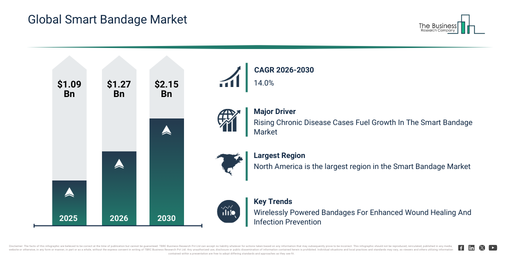
    Experiencing a swift expansion, the smart bandage market, valued at $1.09 billion in 2025, is projected to reach $1.27 billion by 2026, demonstrating a compound annual growth rate of 16.5%. This upward trajectory throughout the preceding period has been fueled by a confluence of factors including a rise in diabetic ulcers, an increase in surgical interventions, the growing prevalence of chronic wounds, heightened awareness surrounding wound care, and concerns regarding hospital-acquired infections.

    The smart bandage market is poised for significant expansion in the coming years, projecting a rise to $2.15 billion by 2030, fueled by a compound annual growth rate (CAGR) of 14.0%. This anticipated expansion during the forecast period will be propelled by several key factors, including the increasing prevalence of remote care services, advancements in flexible electronic technologies, a growing elderly demographic, a greater acceptance of home healthcare solutions, and ongoing innovations in smart biomaterials. Furthermore, the forecast period is expected to witness key developments such as the incorporation of biosensors into wound dressings, a heightened demand for effective chronic wound management strategies, the widespread adoption of wireless data transmission capabilities, advancements in antimicrobial smart materials, and a notable increase in the utilization of smart bandages for wound care within the home setting.

    Download A Free Sample Report For Comprehensive Market Insights:

    https://www.thebusinessresearchcompany.com/sample.aspx?id=15670&type=smp

    Smart Bandage Market Demand Drivers Creating New Revenue Opportunities

    The escalating occurrence of long-term health conditions is anticipated to significantly boost the expansion of the smart bandage sector. These prolonged ailments, characterized by their duration of over three months, need ongoing medical attention, and often limit daily life activities, are becoming more prevalent due to a combination of inherited predispositions, an aging global populace, and detrimental lifestyle habits. Smart bandages prove instrumental in the management of these chronic conditions by enabling the early identification of potential issues, allowing for remote oversight and care, supporting tailored therapeutic approaches, and actively preventing the onset of further complications, all of which contribute to superior patient results and an improved quality of life for those affected. To illustrate, data from the Centers for Disease Control and Prevention (CDC) in April 2025 indicates that in 2023, roughly 194 million adults in the United States, or 76.4% of the adult population, reported managing at least one chronic ailment, with prevalence rates standing at 59.5% for young adults, 78.4% for middle-aged adults, and a substantial 93.0% for older adults, underscoring the direct correlation between the rise in chronic diseases and the increasing demand for smart bandage solutions.

    The upsurge in sports-related injuries is predicted to be a key catalyst for the expansion of the smart bandage market. Such injuries encompass physical harm sustained during athletic participation or exercise, with increasingly rigorous and frequent training regimens placing greater stress on athletes’ bodies, thereby heightening the likelihood of cumulative damage. Smart bandages contribute significantly by providing continuous monitoring capabilities and promoting faster recovery through the tracking of physiological indicators, early detection of infections, and assessment of tissue regeneration, facilitating customized treatment plans that expedite healing and reduce the risk of complications for athletes, as evidenced by Insideworldfootball’s report from October 2024, which documented a total of 4,123 sports injuries during the 2023-24 season, representing a 4% increase from the preceding season, thereby confirming that the rise in athletic injuries is a direct driver of growth within the smart bandage market.

    Smart Bandage Market Segment Analysis And Revenue Opportunities

    The smart bandage market covered in this report is segmented –

    1) By Material: Graphene, Synthetic Fiber

    2) By Product: Electroactive, Sensor-Based, Oxygen Sensing, pH Sensing, Other Products

    3) By Distribution Channel: Retail Pharmacies, Hospital Pharmacies, Trauma Centers, Other Distribution Channels

    4) By Application: Chronic Wound Management, Burns, Sports Injuries, Post-Surgical Care, Other Applications

    Subsegments:

    1) By Graphene: Graphene Oxide-Based Bandages, Reduced Graphene Oxide Bandages

    2) By Synthetic Fiber: Polyurethane-Based Bandages, Polypropylene-Based Bandages, Nylon-Based Bandages

    Smart Bandage Market Trends Driving Strategic Industry Expansion

    Leading entities within the smart bandage sector are actively engaged in extensive research and development initiatives aimed at pioneering novel solutions, such as bandages powered wirelessly, which are intended to aid individuals suffering from chronic wounds and mitigate the risk of infection. These wirelessly powered bandages represent a sophisticated form of smart bandage technology, utilizing wireless signals for both energy transmission and data exchange, thereby eliminating the need for physical cables. Developed by research teams in the United Kingdom and France, these bandages offer a flexible, adaptable, and user-friendly design, facilitating continuous oversight and treatment of wounds. To illustrate, a significant development occurred in May 2023 when research institutions in the UK, specifically the University of Glasgow and the University of Southampton, unveiled wirelessly powered smart bandages. These innovative bandages incorporate light-emitting diodes (LEDs) designed to emit germicidal UV light onto wounds, thereby suppressing bacterial proliferation without the need for antibiotics. The power for these UV LEDs is supplied wirelessly through a compact, pliable inductive coil integrated into the fabric of the bandage itself. This embedded coil acquires power wirelessly from a separate coil connected to the main power supply, enabling uninterrupted operation of the LEDs. This particular method of wireless power transmission boasts double the efficiency of earlier wireless power receivers designed for wearable applications, rendering it exceptionally well-suited for medical applications.

    Smart Bandage Market Leading Players Shaping Industry Direction

    Major companies operating in the smart bandage market are Johnson & Johnson Services Inc., The 3M Company, Medtronic plc, Baxter International Inc., Medline Industries Inc., Smith & Nephew plc, Paul Hartmann AG, Convatec Group PLC, Mölnlycke Health Care AB, Lohmann & Rauscher International GmbH & Co. KG, BSN medical GmbH, Fleming Medical Ltd., OSNovative Systems, Epicore Biosystems, Grapheal, WINDGO Inc., Band-Aid Technologies, Gentag Inc., Cardinal Health Inc., Coloplast A S, Integra LifeSciences Corporation

    Access The Complete Smart Bandage Market Report:

    https://www.thebusinessresearchcompany.com/report/smart-bandage-global-market-report

    Smart Bandage Market Global Footprint: Which Region Holds Market Leadership?

    North Americawas the largest region in the smart bandage market in 2025. The regions covered in the smart bandage market report are Asia-Pacific, South East Asia, Western Europe, Eastern Europe, North America, South America, Middle East, Africa.

    Get in touch with us:

    The Business Research Company: https://www.thebusinessresearchcompany.com/

    Americas: +1 310-496-7795

    Asia: +44 7882 955267 & +91 8897263534

    Europe: +44 7882 955267

    Email us at: marketing@tbrc.info

    Follow us on:

    LinkedIn: https://in.linkedin.com/company/the-business-research-company

    YouTube: https://www.youtube.com/channel/UC24_fI0rV8cR5DxlCpgmyFQ

    Global Market Model: https://www.thebusinessresearchcompany.com/global-market-model
  • Small-Scale Bioreactors Market Expansion Is Opening New Pathways For Strategic Investment

    Small-Scale Bioreactors Market Expansion Is Opening New Pathways For Strategic Investment

    Through market attractiveness analysis, total addressable market evaluation, company benchmarking matrices, interactive Excel dashboards, expanded supply chain intelligence, emerging startup coverage, and detailed product insights, The Business Research Company’s 2026 market reports provide more actionable and strategically valuable research.

    Small-Scale Bioreactors Market Size, Value And Growth Trends Through 2030

    Exhibit 1: Driver 1

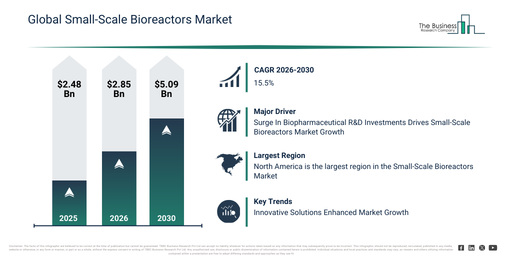
    The domain of small-scale bioreactors has experienced a significant upswing in recent times. Projections indicate a substantial increase from a market valuation of $2.48 billion in 2025 to $2.85 billion by 2026, reflecting a compound annual growth rate (CAGR) of 15.1%. This accelerating expansion during the historical timeframe is demonstrably linked to the burgeoning field of biologics research, the increasing demand for laboratory systems that offer scalability, the synergistic partnerships forged between academic institutions and industry players, advancements in bioprocessing technologies, and a consistent rise in research and development expenditures.

    The domain of small-scale bioreactors is poised for substantial expansion in the coming years, with projections indicating a market valuation of $5.09 billion by 2030, reflecting a compound annual growth rate (CAGR) of 15.5%. This anticipated growth trajectory is underpinned by several key factors, including the expanding landscape of cell therapy development, a burgeoning number of biomanufacturing ventures, a growing need for economical solutions, the increasing integration of automated processes, and the proliferation of emerging biotechnology centers. Prominent trends anticipated within this timeframe encompass a greater utilization of single-use bioreactor technologies, a heightened demand originating from research laboratories, the seamless incorporation of automated systems, advancements in modular bioprocessing techniques, and an increase in the availability of funding for academic research initiatives.

    Download A Free Sample Report For Comprehensive Market Insights:

    https://www.thebusinessresearchcompany.com/sample.aspx?id=10864&type=smp

    Small-Scale Bioreactors Market Expansion Supported By Key Demand Factors

    An escalation in funding for biopharmaceutical innovation is a primary driver for the expansion of the small-scale bioreactors sector. These compact bioreactors serve as indispensable instruments in the process engineering phase of biopharmaceutical production, enabling scientists to meticulously examine and refine variables for cell cultivation, microbial growth, and subsequent purification stages prior to transitioning to larger manufacturing scales, thereby guaranteeing manufacturing efficiency, economic viability, and adherence to quality benchmarks. Illustratively, the United Kingdom experienced a notable uplift in governmental R&D expenditure, with net spending reaching £17.4 billion ($22.1 billion) in 2023, a progression from the £16.1 billion ($20.45 billion) recorded in 2022, signifying an 8.2% increase as reported by the Office for National Statistics. Consequently, the escalating financial commitments toward research and development within the biopharmaceutical industry are directly fueling the market for small-scale bioreactors.

    Small-Scale Bioreactors Market Segmentation And Category Breakdown

    The small-scale bioreactors market covered in this report is segmented –

    1) By Product: Reusable Bioreactors, Single-Use Bioreactors

    2) By Capacity: 5 ML-100 ML, 100 ML-250 ML, 250 ML -500 ML, 500 ML-1 L, 1L-3L, 3L-5L

    3) By Molecules: Monoclonal Antibodies, Stem Cells, Recombinant Proteins, Vaccines, Gene Therapy

    4) By End User: Pharmaceutical And Biopharmaceutical Companies, Contract Research Organizations (CROs) And Contract Manufacturing Organizations (CMOs), Academic And Research Institutes

    Subsegments:

    1) By Reusable Bioreactors: Stirred Tank Bioreactors, Bubble Column Bioreactors, Airlift Bioreactors, Fixed-Bed Bioreactors

    2) By Single-Use Bioreactors: Disposable Bioreactor Bags, Pre-sterilized Single-Use Systems, Flexible Single-Use Bioreactor Systems, Integrated Single-Use Platforms

    Small-Scale Bioreactors Market Growth Trends Influencing Competitive Dynamics

    Leading entities within the small-scale bioreactor sector are concentrating their efforts on pioneering advancements like the fixed-bed bioreactor, aiming to elevate bioprocessing efficacy and facilitate greater scalability for both microbial and cellular cultivation. A fixed-bed bioreactor is characterized by its immobilized microorganisms or enzymes upon a static substrate, arranged in a non-moving layer, which permits the uninterrupted or segmented handling of raw materials as they traverse the unit. To illustrate, in October 2024, Univercells Technologies, a biotechnology firm headquartered in Belgium, introduced its Scale-XTM Nexo bioreactor, a compact system engineered to refine cell culture process development, thereby expediting research timelines and potentially slashing expenses by up to 60% when contrasted with established procedures.

    Small-Scale Bioreactors Market Competitive Analysis Of Major Industry Participants

    Major companies operating in the small-scale bioreactors market are Sartorius AG, Thermo Fisher Scientific Inc., Merck KGaA, Miltenyi Biotec B.V. & Co. KG, Solaris Biotechnology Srl, Infors AG, Getinge AB, 2mag AG, Adolf Kuhner AG, Biosan, Esco Micro Private Limited, Hanil Scientific Inc., HiTec Zang GmbH, H.E.L Group, Finesse Solutions Inc., Applikon Biotechnology BV, PBS Biotech Inc., Danaher Corporation, Eppendorf AG, General Electric Company, Sartorius Stedim Biotech, Cytiva, Kuhner Shaker

    Access The Complete Small-Scale Bioreactors Market Report:

    https://www.thebusinessresearchcompany.com/report/small-scale-bioreactors-global-market-report

    Small-Scale Bioreactors Market Regional Distribution: Which Areas Drive Market Expansion?

    North Americawas the largest region in the small-scale bioreactors market in 2025.Asia-Pacificis expected to be the fastest-growing region in the forecast period. The regions covered in the small-scale bioreactors market report are Asia-Pacific, South East Asia, Western Europe, Eastern Europe, North America, South America, Middle East, Africa.

    Get in touch with us:

    The Business Research Company: https://www.thebusinessresearchcompany.com/

    Americas: +1 310-496-7795

    Asia: +44 7882 955267 & +91 8897263534

    Europe: +44 7882 955267

    Email us at: marketing@tbrc.info

    Follow us on:

    LinkedIn: https://in.linkedin.com/company/the-business-research-company

    YouTube: https://www.youtube.com/channel/UC24_fI0rV8cR5DxlCpgmyFQ

    Global Market Model: https://www.thebusinessresearchcompany.com/global-market-model
  • Small Molecule Innovator CDMO Market Trends Are Creating New Opportunities For Industry Leaders

    Small Molecule Innovator CDMO Market Trends Are Creating New Opportunities For Industry Leaders

    Delivering more actionable and strategically valuable research, The Business Research Company’s 2026 market reports feature market attractiveness analysis, total addressable market evaluation, company benchmarking matrices, interactive Excel dashboards, expanded supply chain intelligence, emerging startup coverage, and detailed product insights.

    Small Molecule Innovator CDMO Market CAGR Analysis And Future Market Development

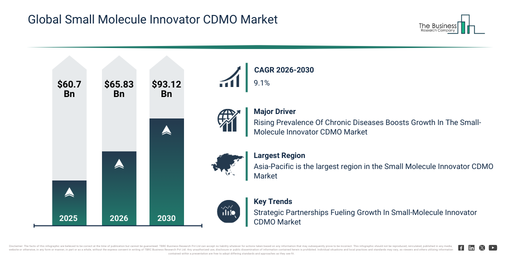
    The market for small molecule innovative CDMOs has experienced robust expansion lately and is projected to continue this upward trajectory, expanding from an estimated $60.7 billion in 2025 to $65.83 billion in 2026, reflecting a compound annual growth rate of 8.4%. Factors contributing to this historical growth include escalating research and development expenditures, the expiration of patents prompting new drug development, the increasing internationalization of pharmaceutical supply networks, a demand for highly specific chemical proficiencies, and the ever-present challenge of navigating complex regulatory landscapes.

    The market for contract development and manufacturing organizations (CDMOs) specializing in small molecules is poised for substantial expansion over the upcoming years, projecting a reach of $93.12 billion by 2030, fueled by a compound annual growth rate (CAGR) of 9.1%. This anticipated growth trajectory is underpinned by several key drivers, including the burgeoning pipelines of small molecule drugs, a rising inclination for outsourcing among biotechnology companies, the pressing need for agile and efficient scale-up processes, advancements in environmentally conscious chemical synthesis, and the expanding presence within emerging economic regions. Furthermore, observable trends shaping this market landscape include a heightened demand for comprehensive, integrated CDMO service offerings, a growing emphasis on the specialized production of highly potent active pharmaceutical ingredients (HPAPIs), the increasing implementation of continuous manufacturing techniques, a broadening scope of early-stage research and development support, and the proliferation of virtual pharmaceutical enterprises.

    Download A Free Sample Report For Comprehensive Market Insights:

    https://www.thebusinessresearchcompany.com/sample.aspx?id=12178&type=smp

    Small Molecule Innovator CDMO Market Growth Drivers And Industry Catalysts

    The increasing incidence of long-lasting health conditions, defined as illnesses persisting for a year or more that require ongoing medical attention, limit daily functioning, or both, is poised to fuel the expansion of the small-molecule innovator CDMO market. These specialized CDMOs offer manufacturing and service solutions for chronic disease therapeutics to pharmaceutical and biotechnology firms. Illustrating this trend, data from the Centers for Disease Control and Prevention (CDC) in April 2025 indicated that in 2023, a significant 76.4% of U.S. adults, equating to roughly 194 million individuals, were managing at least one chronic ailment. This prevalence was observed at 59.5% for younger adults, 78.4% for those in midlife, and reached 93.0% among older adults, underscoring the substantial and growing demand that is driving the small-molecule innovator CDMO market.

    Small Molecule Innovator CDMO Market Segment Outlook: Which Categories Are Expanding The Fastest?

    The small molecule innovator cdmo market covered in this report is segmented –

    1) By Product: Small Molecule Active Pharmaceutical Ingredient(API), Small Molecule Drug Product

    2) By Stage: Preclinical, Clinical, Commercial

    3) By Therapeutic: Cardiovascular Disease, Oncology, Respiratory Disorders, Neurology, Metabolic Disorders, Infectious Disease, Other Therapeutics

    4) By Customer: Pharmaceutical, Biotechnology

    Subsegments:

    1) By Small Molecule Active Pharmaceutical Ingredient (API): Generic APIs, Proprietary APIs, Controlled Substances

    2) By Small Molecule Drug Product: Oral Solid Dosage Forms (Tablets, Capsules), Injectable Drug Products, Topical Formulations, Liquid Formulations

    #Small Molecule Innovator CDMO Market Trends Influencing Long-Term Demand

    The landscape of the small-molecule innovator CDMO sector is characterized by leading firms engaging in collaborative ventures to offer comprehensive contract development and manufacturing organization (CDMO) solutions; this strategic alliance model involves entities pooling their distinct capabilities and assets for shared advancement. A prime illustration of this trend, occurring in August of 2023, saw SST Corporation, a United States-based entity specializing in the production of generic and ethical pharmaceuticals alongside bulk vitamins, join forces with Viwit Pharmaceuticals, a Chinese enterprise focused on research, development, manufacturing, and commercialization of pharmaceutical and chemical products. Their joint endeavor is designed to accelerate market expansion with the ultimate objective of advancing small molecule pharmaceutical CDMO services within North America, accomplished through the introduction of broadened service portfolios, the utilization of refined expertise, an augmentation of production capabilities, and the provision of essential regulatory assistance, thereby fortifying their overall market position.

    Small Molecule Innovator CDMO Market Key Companies And Competitive Benchmarking

    Major companies operating in the small molecule innovator cdmo market are Thermo Fisher Scientific Inc., Boehringer Ingelheim International GmbH, Evonik Industries AG, Lonza Group Ltd., Catalent Inc., Wuxi AppTec Co. Ltd., Asymchem, Siegfried Holdings, Recipharm AB, Almac Sciences Ltd., Curia Global Inc., Cambrex Corporation, Piramal Pharma Ltd., Hovione, Corden Pharma GmbH, Alcami Corporation, Mikart LLC, August Bioservices LLC, Patheon Pharma Services, Famar Group, Sterling Pharma Solutions, Sai Life Sciences

    Access The Complete Small Molecule Innovator CDMO Market Report:

    https://www.thebusinessresearchcompany.com/report/small-molecule-innovator-cdmo-global-market-report

    Small Molecule Innovator CDMO Market Leading Geography: Which Region Generates The Most Revenue?

    Asia-Pacific was the largest region in the small molecule innovator CDMO market in 2025. The regions covered in the small molecule innovator cdmo market report are Asia-Pacific, South East Asia, Western Europe, Eastern Europe, North America, South America, Middle East, Africa.

    Get in touch with us:

    The Business Research Company: https://www.thebusinessresearchcompany.com/

    Americas: +1 310-496-7795

    Asia: +44 7882 955267 & +91 8897263534

    Europe: +44 7882 955267

    Email us at: marketing@tbrc.info

    Follow us on:

    LinkedIn: https://in.linkedin.com/company/the-business-research-company

    YouTube: https://www.youtube.com/channel/UC24_fI0rV8cR5DxlCpgmyFQ

    Global Market Model: https://www.thebusinessresearchcompany.com/global-market-model