Category: Healthcare Services

  • Senior Care Technologies Market Size Projected To Increase From $42.06 Billion To $56.28 Billion During The Forecast Period

    Senior Care Technologies Market Size Projected To Increase From $42.06 Billion To $56.28 Billion During The Forecast Period

    Through market attractiveness analysis, total addressable market evaluation, company benchmarking matrices, interactive Excel dashboards, expanded supply chain intelligence, emerging startup coverage, and detailed product insights, The Business Research Company’s 2026 market reports provide more actionable and strategically valuable research.

    Senior Care Technologies Market Growth From $42.06 Billion In 2026 To $56.28 Billion By 2030 At A CAGR Of 7.5%

    The market for senior care technologies has experienced robust expansion, projected to increase from $39.01 billion in 2025 to $42.07 billion in 2026, reflecting a compound annual growth rate of 7.9%. This historical growth trajectory has been propelled by demographic shifts such as an aging global population, a higher incidence of chronic diseases in older adults, the burgeoning availability of in-home care alternatives, a greater need for supportive living environments, and a wider acceptance of fundamental health tracking gadgets.

    The market for technologies supporting senior care is projected to experience substantial expansion in the upcoming years, reaching an estimated value of $56.29 billion by 2030 with a compound annual growth rate of 7.5%. This projected expansion is fueled by several key factors, including a heightened demand for solutions enabling seniors to age independently, increased financial backing for intelligent senior care innovations, a broader acceptance of telehealth services among older adults, a greater emphasis on proactive healthcare for seniors, and continuous advancements within interconnected care systems. Throughout the forecast period, significant trends anticipated include a greater uptake of remote monitoring systems for seniors, more widespread integration of smart technologies in home care settings, the expanded availability of telehealth for elder care, a heightened focus on safety measures and fall detection, and a more pronounced utilization of platforms leveraging data for care provision.

    Download A Free Sample Report For Comprehensive Market Insights:

    https://www.thebusinessresearchcompany.com/sample.aspx?id=19692&type=smp

    Senior Care Technologies Market Industry Drivers: What Is Driving Revenue Growth?

    The increasing demand for in-home care solutions is anticipated to be a significant catalyst for the expansion of the senior care technologies market. Home care, characterized by the delivery of health and support services within an individual’s residence, aims to foster independence and enhance life quality. Factors such as the appeal of tailored care, the psychological benefit of remaining in one’s own home, and technological innovations are contributing to the efficacy of managing health remotely. Senior care technologies play a crucial role in this domain by enabling constant health surveillance from a distance, boosting personal safety with features like fall detection, offering remote medical consultations, and streamlining prescription adherence, thereby ensuring seniors receive thorough and effective assistance without leaving their homes. Evidence from May 2025, citing the National Care Planning Council, an American non-profit organization, indicates that in 2023, a substantial majority exceeding 90% of older adults voiced a desire to remain in their homes as they age, a sentiment that has grown considerably in recent years. Consequently, this pronounced preference for home-based care is directly stimulating the growth observed in the senior care technologies sector.

    Senior Care Technologies Market Segments: Where Are The Largest Growth Opportunities?

    The senior care technologies market covered in this report is segmented –

    1) By Product Type: Safety And Security Systems, Fall Detection And Prevention Systems, Remote Health Monitoring Systems, Medication Management Systems, Socialization And Mental Stimulation Systems, Telehealthcare Systems, Other Products

    2) By Service Type: Home Care Services, Assisted Living Services, Skilled Nursing Services, Memory Care Services, Rehabilitation Services, Other Services

    3) By End-User: Home Care Settings, Senior Living Facilities, Hospitals And Clinics, Rehabilitation Centers, Other End-Users

    Subsegments:

    1) By Safety And Security Systems: Emergency Response Systems, Surveillance Systems, Access Control Systems

    2) By Fall Detection And Prevention Systems: Wearable Fall Detectors, Smart Home Fall Prevention Solutions, Alarm Systems

    3) By Remote Health Monitoring Systems: Vital Sign Monitoring Devices, Chronic Disease Management Systems, Telemonitoring Solutions

    4) By Medication Management Systems: Pill Dispensers, Medication Reminders, Digital Prescription Management

    5) By Socialization And Mental Stimulation Systems: Cognitive Training Tools, Social Engagement Platforms, Virtual Reality Experiences

    6) By Telehealthcare Systems: Video Consultation Platforms, Remote Diagnostics Tools, Integrated Health Management Systems

    7) By Other Products: Mobility Aids, Environmental Monitoring Systems, Assistive Technology Devices

    #Senior Care Technologies Market Growth Trends: What Is Influencing The Future Outlook?

    Key players within the senior care technology sector are actively creating and implementing care delivery initiatives designed to elevate seniors’ quality of life, foster better health results, and optimize the effectiveness of care provision. These initiatives serve to embed sophisticated technologies into comprehensive care strategies, thereby enabling more robust health tracking, easier remote medical advice, more effective management of pharmaceuticals, and the delivery of tailored, anticipatory care for older adults. A notable example comes from August 2023, when Tata Consultancy Services, a prominent IT services and consulting firm based in India, unveiled an innovative digital care program for seniors called Seniors Lab; this program leverages IoT-connected sensors and wearable devices to continuously observe seniors’ daily activities, physical movements, and vital health indicators, synchronizing this data with existing healthcare infrastructures and personal assistance services, ultimately boosting senior safety, autonomy, and general wellness, representing a considerable stride forward in the senior care technology domain.

    Senior Care Technologies Market Major Participants And Competitive Dynamics

    Major companies operating in the senior care technologies market are McKesson Corporation, Medtronic plc, Koninklijke Philips N.V., Essity AB, OMRON Healthcare Co. Ltd., Demant A/S, GN Store Nord A/S, Cochlear Ltd, Alarm.com Inc., Invacare Corporation, Tunstall Healthcare Ltd., Permobil AB, Sunrise Medical LLC, Drive DeVilbiss Healthcare, Advanced Monitored Caregiving Inc., GrandPad Inc., MobileHelp LLC, GrandCare Systems LLC, Livongo Health Inc., VitalTech Affiliates LLC, Independa Inc., CarePredict Inc., BioSensics LLC

    Access The Complete Senior Care Technologies Market Report:

    https://www.thebusinessresearchcompany.com/report/senior-care-technologies-global-market-report

    Senior Care Technologies Market Geographic Analysis: Where Is Demand Growing The Fastest?

    North Americawas the largest region in the senior care technologies market in 2025. The regions covered in the senior care technologies market report are Asia-Pacific, South East Asia, Western Europe, Eastern Europe, North America, South America, Middle East, Africa.

    Get in touch with us:

    The Business Research Company: https://www.thebusinessresearchcompany.com/

    Americas: +1 310-496-7795

    Asia: +44 7882 955267 & +91 8897263534

    Europe: +44 7882 955267

    Email us at: marketing@tbrc.info

    Follow us on:

    LinkedIn: https://in.linkedin.com/company/the-business-research-company

    YouTube: https://www.youtube.com/channel/UC24_fI0rV8cR5DxlCpgmyFQ

    Global Market Model: https://www.thebusinessresearchcompany.com/global-market-model

  • Personal Care Product Testing Market Expansion Is Reshaping Competitive Dynamics Across The Industry

    Personal Care Product Testing Market Expansion Is Reshaping Competitive Dynamics Across The Industry

    Through market attractiveness analysis, total addressable market evaluation, company benchmarking matrices, interactive Excel dashboards, expanded supply chain intelligence, emerging startup coverage, and detailed product insights, The Business Research Company’s 2026 market reports provide more actionable and strategically valuable research.

    Personal Care Product Testing Market Revenue Growth Supported By A CAGR Of 11.09% Through 2030

    The market for personal care product testing has experienced robust expansion lately, with projections indicating a rise from $7.84 billion in 2025 to $8.42 billion in 2026, reflecting a compound annual growth rate of 7.5%. This historical growth trajectory was fueled by several key factors, including the increasing intricacy of cosmetic ingredient combinations, the broadened reach of international personal care companies, a heightened consumer focus on product safety, the reinforcement of regulations governing cosmetics, and the proliferation of third-party testing facilities.

    The personal care product testing sector is poised for considerable expansion in the upcoming years, projecting a market value of $11.1 billion by 2030 with a compound annual growth rate of 7.1%. This projected surge is fueled by several key factors: a heightened consumer preference for cruelty-free and alternative testing methodologies, a growing emphasis on environmentally friendly and biodegradable product ingredients, the burgeoning market for customized personal care items, an increase in the outsourcing of testing services by companies, and intensified regulatory oversight across international markets. Within this forecast period, significant trends are anticipated to shape the industry, including the wider adoption of sophisticated toxicological assessment techniques, a greater need for dermatological and hypoallergenic evaluations, a heightened focus on testing for regulatory adherence, an expansion of microbiological and contamination analysis services, and a stronger commitment to validating product effectiveness.

    Download A Free Sample Report For Comprehensive Market Insights:

    https://www.thebusinessresearchcompany.com/sample.aspx?id=28292&type=smp

    Personal Care Product Testing Market Growth Momentum: Which Factors Are Influencing Demand?

    The increasing preference for organic and natural goods is anticipated to be a significant catalyst for the expansion of the personal care product testing market. Products described as organic and natural are those formulated from ingredients sourced from plants, minerals, or derived through natural processes, free from synthetic chemicals, pesticides, or artificial fertilizers. This heightened consumer interest stems from a growing consciousness regarding the potential adverse health effects linked to exposure to synthetic chemicals. The personal care product testing sector plays a crucial role in this trend by verifying the integrity of ingredients, ensuring product safety, and confirming efficacy, thereby upholding regulatory standards and fostering consumer confidence. Illustrating this trend, in April 2024, a report from Nutraceuticals World indicated that the sales of natural and organic products experienced a 4.8% surge in 2023, reaching a total of $209 billion, with further robust growth projected for 2024 by New Hope. Consequently, the escalating demand for organic and natural products is a key factor fueling the growth trajectory of the personal care product testing market.

    Personal Care Product Testing Market Segment Landscape: Which Areas Lead Market Development?

    The personal care product testing market covered in this report is segmented –

    1) By Type: Chemical And Microbiological Testing, Stability And Shelf Life Testing, Other Types

    2) By Application: Enterprise, Government

    3) By End User: Personal Care Product Manufacturers, Cosmetic And Skincare Brands, Research And Academic Institutions, Contract Research Organizations (CROs), Regulatory Authorities And Certification Bodies

    Subsegments:

    1) By Chemical And Microbiological Testing: Heavy Metals Testing, Preservative Efficacy Testing, Pathogen Detection, Allergen Testing, pH And Chemical Composition Analysis, Contaminant And Impurity Analysis, Antimicrobial Effectiveness Testing

    2) By Stability And Shelf Life Testing: Accelerated Stability Testing, Real-Time Stability Testing, Packaging Compatibility Testing, Photostability Testing, Thermal And Humidity Testing, Freeze-Thaw Cycle Testing, Microbial Challenge Testing For Shelf Life

    3) By Other Types: Toxicological Risk Assessment, Dermatological Testing, Safety And Regulatory Compliance Testing, Performance And Efficacy Testing, Biocompatibility Testing, Consumer Acceptability Studies, Environmental Impact And Biodegradability Testing

    Personal Care Product Testing Market Trends Reshaping Industry Growth

    In the realm of personal care product assessment, leading corporations are prioritizing the creation of novel approaches, exemplified by animal-free cosmetics testing frameworks, aimed at guaranteeing product safety, efficacy, and ethical evaluation while adhering to established legal mandates. An animal-free cosmetics testing framework encompasses methodologies for assessing product safety and efficacy that eschew animal subjects, frequently employing cell cultures, three-dimensional skin models, or computational simulations. To illustrate, in November of 2024, Revivo BioSystems Pte. Ltd., a biotechnology research entity headquartered in Singapore, introduced the ReleGO, a pioneering animal-free cosmetics testing platform designed to replicate subdermal blood circulation, thereby presenting a more dynamic and precise substitute for conventional techniques. This system, constructed utilizing their Revex chip and Relego collector, facilitates the examination of either human or artificial skin specimens with fluids that emulate actual physiological environments, yielding sustained understanding of product interactions with skin over extended periods. This innovative platform substantially curtails both the duration and manual effort involved in testing, while concurrently elevating the dependability of the results.

    Personal Care Product Testing Market Industry Leaders And Market Competition

    Major companies operating in the personal care product testing market are Henkel AG & Co. KGaA, SGS SA, Eurofins Scientific SE, Bureau Veritas SA, Intertek Group plc, TÜV SÜD AG, UL Solutions Inc., ALS Limited, NSF International, SGS Institut Fresenius GmbH, MSL Solution Providers Ltd., Biorius SPRL, Microchem Laboratory Inc., QACS Ltd. (Quality Assurance & Chemical Safety), Accugen Laboratories Inc., Dermatest GmbH, TRI/Princeton Inc., Genemarkers LLC, Helioscience SAS, Essex Test Services LLC

    Access The Complete Personal Care Product Testing Market Report:

    https://www.thebusinessresearchcompany.com/report/personal-care-product-testing-global-market-report

    Personal Care Product Testing Market Regional Analysis And Leading Geography

    North Americawas the largest region in the personal care product testing market in 2025. The regions covered in the personal care product testing market report are Asia-Pacific, South East Asia, Western Europe, Eastern Europe, North America, South America, Middle East, Africa.

    Get in touch with us:

    The Business Research Company: https://www.thebusinessresearchcompany.com/

    Americas: +1 310-496-7795

    Asia: +44 7882 955267 & +91 8897263534

    Europe: +44 7882 955267

    Email us at: marketing@tbrc.info

    Follow us on:

    LinkedIn: https://in.linkedin.com/company/the-business-research-company

    YouTube: https://www.youtube.com/channel/UC24_fI0rV8cR5DxlCpgmyFQ

    Global Market Model: https://www.thebusinessresearchcompany.com/global-market-model

  • Persistent Epithelial Defect Management Market Forecast Reveals Where Future Industry Value Will Be Created

    Persistent Epithelial Defect Management Market Forecast Reveals Where Future Industry Value Will Be Created

    Delivering more actionable and strategically valuable research, The Business Research Company’s 2026 market reports feature market attractiveness analysis, total addressable market evaluation, company benchmarking matrices, interactive Excel dashboards, expanded supply chain intelligence, emerging startup coverage, and detailed product insights.

    Persistent Epithelial Defect Management Market Value Expansion And Long-Term Growth Outlook

    The market for managing persistent epithelial defects has experienced substantial expansion lately, projected to climb from $9.26 billion in 2025 to $10.82 billion in 2026, signifying a compound annual growth rate of 16.9%. Factors contributing to this expansion during the preceding period included a lack of widespread understanding regarding these types of eye conditions, a prevalent tendency to use standard lubricating eye drops, a gradual uptake of autologous serum therapy, limited availability of corneal specialists, and challenges in maintaining consistent patient follow-up and oversight.

    The market dedicated to managing persistent epithelial defects is poised for substantial expansion over the impending years, projected to reach $19.94 billion by 2030, reflecting a compound annual growth rate of 16.5%. This anticipated surge is fueled by several key factors: the continuous progress in stem cell and biologic therapies, a greater uptake of amniotic membrane transplantation, the increasing favorability of bandage contact lenses, heightened awareness concerning the timely management of corneal issues, and the proliferation of hospitals and specialized ophthalmology facilities. During this forecast period, significant trends are expected to shape the market, including the wider adoption of artificial intelligence-driven diagnostic and imaging technologies, a more extensive utilization of biologic and stem cell treatments, the incorporation of cloud-based systems for patient monitoring, the development of internet of things (IoT) enabled eye care devices, and advancements in the automated production of ocular therapeutic solutions.

    Download A Free Sample Report For Comprehensive Market Insights:

    https://www.thebusinessresearchcompany.com/sample.aspx?id=21256&type=smp

    Persistent Epithelial Defect Management Market Expansion Drivers: What Is Shaping Future Growth?

    The escalating incidence of ocular conditions is anticipated to fuel the expansion of the persistent epithelial defect management sector in the foreseeable future. Ocular conditions encompass a wide spectrum of ailments affecting the eyes’ structure, function, or overall health, potentially resulting in impaired vision, discomfort, or even blindness. Factors such as an aging global population, extended periods of digital screen usage, and environmental shifts contribute to the heightened occurrence of these eye conditions. Effective management of persistent epithelial defects is crucial for addressing ocular disorders, as these interventions facilitate healing, mitigate inflammation, and avert potential complications like infections or scarring. For illustration, data from the World Health Organization, a global intergovernmental body headquartered in Switzerland, indicated in December 2024 that the worldwide aggregated prevalence of myopia in children reached 5.23% in 2023, with females experiencing a notably higher rate of 4.90% compared to males at 3.94%. Consequently, the increasing frequency of eye disorders serves as a significant catalyst for the growth trajectory of the persistent epithelial defect management market.

    An upsurge in ophthalmic surgical interventions is projected to spur the advancement of the persistent epithelial defect management market moving forward. Ophthalmic surgeries are medical interventions undertaken on the eye to rectify visual impairments, address various diseases, or mend injuries. This rise is attributable to the growing prevalence of eye conditions like cataracts, glaucoma, and refractive errors, coupled with progress in surgical methodologies and an increased acceptance of less invasive procedures. The management of persistent epithelial defects plays a vital role in enhancing ophthalmic surgeries by fostering corneal recovery, minimizing adverse outcomes, and optimizing visual results through specialized therapies that encourage epithelial regeneration. As an example, the Eye Bank Association of America, a US-based transplant organization, reported in 2023 that domestic keratoplasty procedures saw a 2.7% increase, escalating from 49,597 in 2022 to 50,925 in 2023. Thus, the increasing volume of eye surgeries directly contributes to the expansion of the persistent epithelial defect management market.

    Persistent Epithelial Defect Management Market Segments: Where Are The Largest Growth Opportunities?

    The persistent epithelial defect management market covered in this report is segmented –

    1) By Disease Type: Epithelial Or Limbal, Inflammatory Disease, Neurotrophic Disease, Other Disease Types

    2) By Distribution Channel: Direct Sales, Online Pharmacy, Retail Pharmacy, Hospitals

    3) By End User: Hospitals And Specialty Eye Clinics, Physician Offices, Ophthalmology Specialty Centers, Other End Users

    Subsegments:

    1) By Epithelial Or Limbal: Limbal Stem Cell Deficiency (LSCD), Limbal Transplantation, Conjunctival Transplantation

    2) By Inflammatory Disease: Dry Eye Syndrome, Allergic Conjunctivitis, Uveitis

    3) By Neurotrophic Disease: Herpes Simplex Virus (HSV) Keratitis, Corneal Nerve Damage Associated Keratopathy, Neurotrophic Keratopathy

    4) By Other Disease Types: Chemical Burns, Trauma-Induced Defects, Congenital Corneal Opacities

    Persistent Epithelial Defect Management Market Strategic Trends: What Is Defining The Next Phase Of Growth?

    Within the persistent epithelial defect management market, leading organizations are concentrating on the advancement of novel therapeutic approaches, including secretome therapy, with the objective of expediting the healing process and enhancing treatment efficacy for persistent epithelial defects. Secretome therapy encompasses the utilization of cell-secreted bioactive compounds, like proteins, lipids, and extracellular vesicles, to foster tissue regeneration, regulate immune system activity, and address a range of medical conditions. Illustratively, as early as April 2023, Kala Pharmaceuticals Inc., a biopharmaceutical firm headquartered in the United States, was granted Fast Track Designation by the U.S. Food and Drug Administration (FDA) for KPI-012, a therapeutic agent derived from human MSC-S intended for the treatment of persistent corneal epithelial defects. This therapeutic agent is designed with a multifaceted mechanism of action to confront all causative factors of persistent epithelial defect management by facilitating corneal repair through the action of bioactive constituents such as growth factors, protease inhibitors, and neurotrophic factors.

    Persistent Epithelial Defect Management Market Major Participants And Competitive Dynamics

    Major companies operating in the persistent epithelial defect management market are AbbVie Inc., Novartis AG, Johnson & Johnson Vision, RegeneRx Biopharmaceuticals Inc., Regeneron Pharmaceuticals Inc., Alcon Inc., Bausch Health Companies Inc., Hoya Vision Care, Santen Pharmaceutical Co. Ltd., Recordati Rare Diseases Inc., Dompé Farmaceutici S.p.A., TissueTech Inc., Ocular Therapeutix Inc., Amber Ophthalmics Inc., Noveome Biotherapeutics Inc., OcuNexus Therapeutics Inc., Lux Bio Inc., Eyenovia Inc., Kala Pharmaceuticals Inc., Aerie Pharmaceuticals Inc., EyePoint Pharmaceuticals Inc., Aldeyra Therapeutics Inc.

    Access The Complete Persistent Epithelial Defect Management Market Report:

    https://www.thebusinessresearchcompany.com/report/persistent-epithelial-defect-management-global-market-report

    Persistent Epithelial Defect Management Market Geographic Analysis: Where Is Demand Growing The Fastest?

    North Americawas the largest region in the persistent epithelial defect management market in 2025. Asia-Pacificis expected to be the fastest-growing region in the forecast period. The regions covered in the persistent epithelial defect management market report are Asia-Pacific, South East Asia, Western Europe, Eastern Europe, North America, South America, Middle East, Africa.

    Get in touch with us:

    The Business Research Company: https://www.thebusinessresearchcompany.com/

    Americas: +1 310-496-7795

    Asia: +44 7882 955267 & +91 8897263534

    Europe: +44 7882 955267

    Email us at: marketing@tbrc.info

    Follow us on:

    LinkedIn: https://in.linkedin.com/company/the-business-research-company

    YouTube: https://www.youtube.com/channel/UC24_fI0rV8cR5DxlCpgmyFQ

    Global Market Model: https://www.thebusinessresearchcompany.com/global-market-model

  • Pernicious Anemia Diagnosis And Treatment Market Growth Through 2030 Creates New Strategic Opportunities

    Pernicious Anemia Diagnosis And Treatment Market Growth Through 2030 Creates New Strategic Opportunities

    Enhanced with market attractiveness analysis, total addressable market evaluation, company benchmarking matrices, interactive Excel dashboards, expanded supply chain intelligence, emerging startup coverage, and detailed product insights, The Business Research Company’s 2026 market reports deliver more actionable and strategically valuable research.

    Pernicious Anemia Diagnosis And Treatment Market Expected To Reach $2.08 Billion By 2030 At 6.6% CAGR

    The market for diagnosing and treating pernicious anemia has experienced robust expansion lately. Projections indicate a rise from $1.51 billion in 2025 to $1.62 billion in 2026, reflecting a compound annual growth rate (CAGR) of 6.8%. Factors contributing to this expansion during the historical period include the elevated occurrence of infections contracted in healthcare settings, a dependence on traditional intravenous catheters, an increasing number of patients needing IV therapy, a scarcity of sophisticated safety catheters, and a fragmented healthcare system.

    The market for pernicious anemia diagnosis and treatment is poised for significant expansion, projected to reach a valuation of $2.09 billion by 2030, reflecting a compound annual growth rate (CAGR) of 6.6% over the forecast period. This anticipated growth is fueled by several key factors, including innovations in safety intravenous (IV) catheter technologies, the escalating adoption of smart and antimicrobial catheters, a broadening scope of home healthcare services, a growing inclination towards integrated or closed IV systems, and a heightened demand for minimally invasive therapeutic administration. Within this forecast horizon, notable trends are emerging, such as the increased integration of AI-powered systems for guiding catheter insertion, a rise in the utilization of cloud-based platforms for monitoring IV therapy, continuous development in antimicrobial and smart catheter technologies, the growing incorporation of IoT-enabled devices for IV monitoring, and the increasing implementation of smart manufacturing processes for peripheral IV catheters.

    Download A Free Sample Report For Comprehensive Market Insights:

    https://www.thebusinessresearchcompany.com/sample.aspx?id=24360&type=smp

    Pernicious Anemia Diagnosis And Treatment Market Development Factors: Which Trends Are Supporting Demand?

    The growing incidence of vitamin B12 insufficiency is anticipated to be a significant catalyst for market expansion within the diagnosis and treatment of pernicious anemia. This deficiency arises when an individual’s body fails to produce sufficient red blood cells due to a lack of this vital vitamin, resulting in manifestations like persistent tiredness, diminished strength, and neurological complications. The increasing tendency towards adopting vegan and vegetarian lifestyles, which often omit natural sources rich in vitamin B12, contributes to this deficiency, potentially leading to insufficient consumption without targeted supplementation. This deficiency directly influences the diagnostic and therapeutic approaches for pernicious anemia, as diminished B12 levels critically hinder red blood cell formation, prompting medical professionals to implement B12 supplementation as a principal and efficacious treatment. Illustratively, data presented by the UK’s National Health Service (NHS) in February 2023 indicated that deficiencies in both vitamin B12 and folate disproportionately affect the elderly, with approximately 10% of individuals aged 75 and above and 5% of those aged 65 to 74 experiencing these deficiencies. Consequently, the escalating occurrence of vitamin B12 deficiency is fueling the growth trajectory of the pernicious anemia diagnosis and treatment sector.

    Pernicious Anemia Diagnosis And Treatment Market Segment Analysis: What Are The Major Market Categories?

    The pernicious anemia diagnosis and treatment market covered in this report is segmented –

    1) By Type: Complete Blood Count Test, Vitamin B12 Deficiency test, Intrinsic Factor Deficiency Test

    2) By Treatment: Vitamin B12 Injections, Vitamin B12 Pills, Spray

    3) By Route Of Administration: Injection, Oral, Intranasal

    4) By End-User: Hospitals, Clinics, Diagnostic Centres, Other End-users

    Subsegments:

    1) By Complete Blood Count (CBC) Test: Red Blood Cell Count, Hemoglobin Concentration, Hematocrit Levels, Mean Corpuscular Volume (MCV), White Blood Cell Count, Platelet Count

    2) By Vitamin B12 Deficiency Test: Serum Vitamin B12 Test, Methylmalonic Acid (MMA) Test, Homocysteine Test, Holotranscobalamin (Active B12) Test

    3) By Intrinsic Factor Deficiency Test: Intrinsic Factor Antibody Test, Parietal Cell Antibody Test, Schilling Test, Gastrin Level Test

    Pernicious Anemia Diagnosis And Treatment Market Transformation Trends: Which Innovations Are Driving Change?

    Within the competitive landscape of the pernicious anemia diagnosis and treatment sector, key industry players are prioritizing the creation of novel approaches, exemplified by vitamin B12 maintenance therapy options designed to bolster patient engagement and facilitate effective long-term care for the condition. These therapeutic strategies for sustaining vitamin B12 involve consistent, continued administration of supplements, whether in the form of oral pills, injections, or nasal mists, all aimed at upholding appropriate B12 concentrations and averting the reappearance of symptoms linked to its deficiency. As an illustration, during February of 2024, Lupin Pharmaceuticals Inc., a pharmaceutical enterprise headquartered in India, introduced its cyanocobalamin nasal spray, delivering 500 mcg per spray, presenting a less intrusive method for vitamin B12 enrichment. This nasal spray offers a user-friendly and efficacious means for individuals diagnosed with pernicious anemia who encounter difficulties with traditional oral vitamin B12 supplements, thereby improving the body’s uptake of B12 and aiding in the control of vitamin B12 deficiencies, ultimately leading to better patient adherence and treatment results.

    Pernicious Anemia Diagnosis And Treatment Market Leading Companies Driving Competitive Growth

    Major companies operating in the pernicious anemia diagnosis and treatment market are Pfizer Inc., F. Hoffmann-La Roche Ltd., Bayer AG, Novartis AG, Sanofi S.A., Thermo Fisher Scientific Inc., GSK plc, Takeda Pharmaceutical Company Limited, Lupin Limited, Eli Lilly and Company, DSM Nutritional Products AG, Bio-Rad Laboratories Inc., CSL Vifor Pharma, Par Pharmaceutical Companies Inc., AdvaCare Pharma, Monobind Inc., Merck KGaA, Abbott Laboratories, Siemens Healthineers AG, Ortho Clinical Diagnostics Inc., Quest Diagnostics Incorporated, Bio-Techne Corporation

    Access The Complete Pernicious Anemia Diagnosis And Treatment Market Report:

    https://www.thebusinessresearchcompany.com/report/pernicious-anemia-diagnosis-and-treatment-global-market-report

    Pernicious Anemia Diagnosis And Treatment Market Global Footprint: Which Region Holds Market Leadership?

    North Americawas the largest region in the pernicious anemia diagnosis and treatment market in 2025. The regions covered in the pernicious anemia diagnosis and treatment market report are Asia-Pacific, South East Asia, Western Europe, Eastern Europe, North America, South America, Middle East, Africa.

    Get in touch with us:

    The Business Research Company: https://www.thebusinessresearchcompany.com/

    Americas: +1 310-496-7795

    Asia: +44 7882 955267 & +91 8897263534

    Europe: +44 7882 955267

    Email us at: marketing@tbrc.info

    Follow us on:

    LinkedIn: https://in.linkedin.com/company/the-business-research-company

    YouTube: https://www.youtube.com/channel/UC24_fI0rV8cR5DxlCpgmyFQ

    Global Market Model: https://www.thebusinessresearchcompany.com/global-market-model

  • Peritoneal Dialysis Equipment Market Size Projected To Increase From $4.53 Billion To $5.32 Billion During The Forecast Period

    Peritoneal Dialysis Equipment Market Size Projected To Increase From $4.53 Billion To $5.32 Billion During The Forecast Period

    Through market attractiveness analysis, total addressable market evaluation, company benchmarking matrices, interactive Excel dashboards, expanded supply chain intelligence, emerging startup coverage, and detailed product insights, The Business Research Company’s 2026 market reports provide more actionable and strategically valuable research.

    Peritoneal Dialysis Equipment Market Size And Revenue Forecast Through 2030

    The market for peritoneal dialysis equipment has experienced consistent expansion, projected to increase from $4.35 billion in 2025 to $4.54 billion in 2026, reflecting a compound annual growth rate of 4.4%. This historical growth trajectory was influenced by factors such as the restricted accessibility of dialysis solutions suitable for home use, a predominant dependence on in-center dialysis treatments, the considerable expense associated with automated peritoneal dialysis devices, inadequate patient education initiatives, and a scarcity of sophisticated disposable supplies.

    The market for peritoneal dialysis equipment is poised for consistent expansion in the coming years, projecting an increase to $5.32 billion by 2030, fueled by a compound annual growth rate of 4.1%. This anticipated expansion during the forecast period is largely driven by innovations in portable and automated peritoneal dialysis systems, a growing inclination towards dialysis performed at home, heightened awareness regarding the advantages of peritoneal dialysis, the escalating use of both continuous ambulatory and automated PD methods, and the broadening of dialysis facilities within hospitals and clinics. Key developments shaping the market in the coming years include a greater embrace of AI-powered dialysis monitoring systems, the increasing incorporation of biotechnology and precision medicine into dialysis care, a more widespread utilization of cloud-based platforms and big data analytics for managing patient care, the expanded implementation of IoT-enabled home dialysis systems, and advancements in automation and smart manufacturing processes for dialysis equipment.

    Download A Free Sample Report For Comprehensive Market Insights:

    https://www.thebusinessresearchcompany.com/sample.aspx?id=20924&type=smp

    Peritoneal Dialysis Equipment Market Industry Drivers: What Is Driving Revenue Growth?

    The rising incidence of kidney ailments is anticipated to be a significant catalyst for the expansion of the peritoneal dialysis equipment sector. These kidney conditions, characterized by a diminished capacity of the kidneys to effectively remove waste products and regulate fluid and electrolyte equilibrium, encompass a spectrum from chronic illnesses to abrupt injuries and infections. Factors contributing to the growing number of kidney disorders include escalating diabetes rates, sedentary lifestyles, an aging demographic, and inadequate early intervention strategies. Peritoneal dialysis equipment offers a solution for managing kidney dysfunction by leveraging the peritoneal membrane to cleanse the blood of waste and excess fluids when the kidneys are compromised. Illustratively, a June 2023 report by Kidney Research UK highlighted that in 2023, an estimated 3.25 million adults in the UK suffer from stages 3-5 chronic kidney disease, with projections indicating a rise to 7.6 million individuals across all stages by 2033. Consequently, the escalating burden of kidney disorders is directly fueling the advancement of the peritoneal dialysis equipment market.

    Peritoneal Dialysis Equipment Market Segment Breakdown: Which Categories Generate The Most Revenue?

    The peritoneal dialysis equipment market covered in this report is segmented –

    1) By Product Type: Systems, Consumables

    2) By Treatment Type: Continuous Ambulatory Peritoneal Dialysis, Automated Peritoneal Dialysis

    3) By End-Users: Home Based Dialysis, Dialysis Center, Hospital-Based Dialysis

    Subsegments:

    1) By Systems: Automated Peritoneal Dialysis (APD) Systems, Continuous Ambulatory Peritoneal Dialysis (CAPD) Systems, Portable Peritoneal Dialysis Systems, Home Peritoneal Dialysis Machines, Remote Monitoring Enabled Peritoneal Dialysis Systems

    2) By Consumables: Peritoneal Dialysis Solution, Dialysis Catheters, Dialysis Bags, Transfer Sets, Catheter Insertion Kits, Filters And Connectors, Drainage Bags

    #Peritoneal Dialysis Equipment Market Growth Trends: What Is Influencing The Future Outlook?

    Leading players within the peritoneal dialysis equipment sector are concentrating their efforts on pioneering novel approaches, such as offering a variety of dextrose concentrations. This strategic development empowers healthcare providers to precisely adjust the osmotic pressure and personalize fluid extraction to meet the unique ultrafiltration requirements of individual patients. The concept of multiple dextrose concentrations involves providing peritoneal dialysis (PD) fluid in varying strengths of dextrose, a key component that facilitates the removal of surplus fluid from the body during the dialysis process. Illustrating this trend, Mitra Industries Private Limited, an Indian manufacturer of medical devices with a focus on peritoneal dialysis products, introduced in March 2024 a triple-chambered PD bag. This new product boasts a nearly neutral pH and low glucose degradation products (GDPs), representing a considerable leap forward intended to enhance patient results in peritoneal dialysis therapy; furthermore, it superiorly enhances compatibility with bodily tissues and presents diverse dextrose concentration choices for customized fluid management.

    Peritoneal Dialysis Equipment Market Key Players And Strategic Industry Positioning

    Major companies operating in the peritoneal dialysis equipment market are Fresenius Medical Care AG & Co. KGaA, Becton Dickinson and Company., Toray Medical Co. Ltd., Baxter International Inc., B. Melsungen AG, Terumo Corporation, Nipro Corp., Huaren Pharmaceutical Co. Ltd., Nikkiso Co. Ltd., JMS Co. Ltd., Polymedicure Limited., Rockwell Medical Inc., Amecath Srl., Infomed Fluids S.r.l., Mitra Industries Pvt. Ltd., Dialife SA, Kawasumi Laboratories Inc., Renax Biomedical Technology Co. Ltd., Weigao Group Medical Polymer Co. Ltd., Medionics International Inc., Farmasol, Medical Components Inc.

    Access The Complete Peritoneal Dialysis Equipment Market Report:

    https://www.thebusinessresearchcompany.com/report/peritoneal-dialysis-equipment-global-market-report

    Peritoneal Dialysis Equipment Market Regional Distribution: Which Areas Drive Market Expansion?

    North Americawas the largest region in the peritoneal dialysis equipment market in 2025. Asia-Pacificis expected to be the fastest-growing region in the forecast period. The regions covered in the peritoneal dialysis equipment market report are Asia-Pacific, South East Asia, Western Europe, Eastern Europe, North America, South America, Middle East, Africa.

    Get in touch with us:

    The Business Research Company: https://www.thebusinessresearchcompany.com/

    Americas: +1 310-496-7795

    Asia: +44 7882 955267 & +91 8897263534

    Europe: +44 7882 955267

    Email us at: marketing@tbrc.info

    Follow us on:

    LinkedIn: https://in.linkedin.com/company/the-business-research-company

    YouTube: https://www.youtube.com/channel/UC24_fI0rV8cR5DxlCpgmyFQ

    Global Market Model: https://www.thebusinessresearchcompany.com/global-market-model

  • Peripheral T-Cell Lymphoma Market Growth Outlook Reveals A CAGR Of 5.3% And A Market Value Of $0.8 Billion By 2030

    Peripheral T-Cell Lymphoma Market Growth Outlook Reveals A CAGR Of 5.3% And A Market Value Of $0.8 Billion By 2030

    Delivering more actionable and strategically valuable research, The Business Research Company’s 2026 market reports feature market attractiveness analysis, total addressable market evaluation, company benchmarking matrices, interactive Excel dashboards, expanded supply chain intelligence, emerging startup coverage, and detailed product insights.

    Peripheral T-Cell Lymphoma Market Growth From $0.65 Billion In 2026 To $0.8 Billion By 2030 At A CAGR Of 5.3%

    The global market for peripheral t-cell lymphoma experienced robust expansion during the preceding years. Projections indicate a continued upward trajectory, with the market value set to increase from $0.62 billion in 2025 to $0.66 billion in 2026, reflecting a compound annual growth rate of 5.5%. Historical growth drivers for this market included the restricted availability of specialized treatments, a prevalent dependence on conventional chemotherapy, the inherently aggressive nature of the disease, diagnoses often occurring at advanced stages, and an insufficient framework for patient oversight.

    The global market for peripheral t-cell lymphoma is poised for significant expansion, projecting a valuation of 0.81 billion dollars by the year 2030, driven by a compound annual growth rate of 5.3%. This anticipated increase over the forecast period is fueled by several key factors, including a burgeoning landscape of advanced immunotherapy and targeted therapy options, the escalating acceptance of stem cell transplantation, a more widespread utilization of monoclonal antibodies and HDAC inhibitors, a greater availability of both injectable and oral treatment forms, and the continuous development of specialized treatment centers and research facilities. Furthermore, the coming years are expected to witness a surge in prominent trends such as the wider adoption of artificial intelligence for diagnostic and prognostic purposes, the increasing application of genomic insights and personalized medicine approaches in managing PTCL, the growing reliance on big data analytics and cloud-based platforms to aid in clinical decision-making, the enhanced integration of Industry 4.0 technologies within the drug development pipeline for PTCL, and a broader implementation of Internet of Things (IoT) enabled systems for patient monitoring.

    Download A Free Sample Report For Comprehensive Market Insights:

    https://www.thebusinessresearchcompany.com/sample.aspx?id=21255&type=smp

    Peripheral T-Cell Lymphoma Market Growth Factors: Which Forces Are Supporting Market Expansion?

    The increasing prevalence of lymphoma is anticipated to be the primary catalyst for the expansion of the peripheral T-cell lymphoma market in the future. Lymphoma, a malignancy originating within the lymphatic system—an integral component of the body’s defense mechanisms—is characterized by a high incidence linked to various factors like inherited genetic tendencies, environmental influences, viral contagions such as the Epstein-Barr virus, compromised immune systems, and lifestyle choices encompassing smoking and excess weight. Peripheral T-cell lymphoma (PTCL), specifically, exacerbates the challenges of lymphoma by arising from mature T-cells, which often results in aggressive disease characteristics, disruptions in immune system regulation, and a diminished response to therapies when contrasted with other forms of lymphoma. The American Cancer Society Facts and Figures, representing a professional organization within the United States, reported an estimated 80,550 new cases of non-Hodgkin lymphoma in 2023 and projected the same figure for 2024. Consequently, this elevated rate of lymphoma diagnoses directly fuels the development and growth of the peripheral T-cell lymphoma market.

    Peripheral T-Cell Lymphoma Market Segmentation: How Is The Market Structured Across Key Categories?

    The peripheral t-cell lymphoma market covered in this report is segmented –

    1) By Type: Peripheral T-Cell Lymphoma Not Otherwise Specified (PTCL-NOS), Angioimmunoblastic T- Cell Lymphoma (AITL), Anaplastic Large Cell Lymphoma (ALCL), Adult T- Cell Leukaemia Or Lymphoma (ATLL), Enteropathy-Associated T- Cell Lymphoma (EATL), Hepatosplenic T- Cell Lymphoma, Other Types

    2) By Treatment Type: Chemotherapy, Target Therapy, Immunotherapy, Stem Cell Therapy, Radiation Therapy

    3) By Drug Class: Histone Deacetylase (HDAC) Inhibitors, Monoclonal Antibodies, Alkylating Angents, Antimetabolites, Other Drug Class

    4) By Route Of Administration: Oral, Injectable

    5) By End-User: Hospitals, Specialty Clinics, Ambulatory Surgical Center, Research Institute

    Subsegments:

    1) By Peripheral T-Cell Lymphoma Not Otherwise Specified (PTCL-NOS): Cutaneous PTCL, Systemic PTCL

    2) By Angioimmunoblastic T-Cell Lymphoma (AITL): Classical AITL, Variant AITL

    3) By Anaplastic Large Cell Lymphoma (ALCL): Systemic ALCL, Cutaneous ALCL

    4) By Adult T-Cell Leukaemia Or Lymphoma (ATLL): Acute ATLL, Chronic ATLL, Smoldering ATLL, Lymphoma Type ATLL

    5) By Enteropathy-Associated T-Cell Lymphoma (EATL): Type 1 EATL, Type 2 EATL

    6) By Hepatosplenic T-Cell Lymphoma: Hepatic Type, Splenic Type

    7) By Other Types: Subcutaneous T-Cell Lymphoma, Lymphomatoid Granulomatosis

    Peripheral T-Cell Lymphoma Market Industry Trends: What Changes Are Reshaping Demand?

    In the realm of the peripheral T-cell lymphoma market, leading corporations are prioritizing the creation of novel therapeutic agents, including dihydrofolate reductase inhibitors, aiming to boost treatment effectiveness and elevate patient prognoses. These dihydrofolate reductase inhibitors function by impeding the dihydrofolate reductase enzyme, a critical component for DNA creation and cellular multiplication. As an illustration, Fresenius Kabi AG, a pharmaceutical entity headquartered in Germany, unveiled Pralatrexate Injection in December 2024, a generic substitute for Folotyn intended for patients experiencing recurrent or unresponsive peripheral T-cell lymphoma. This market entry broadens the pharmaceutical firm’s cancer care offerings, presenting medical practitioners and individuals with an economical yet superior therapeutic choice. The injectable medication comes in 20 mg/1 mL and 40 mg/2 mL single-use vials. Its regulatory approval was granted through an accelerated pathway, contingent on its demonstrated impact on overall response rates, with ongoing approval dependent on the outcomes of further validation studies.

    Peripheral T-Cell Lymphoma Market Competitive Landscape And Leading Companies

    Major companies operating in the peripheral t-cell lymphoma market are Pfizer Inc., Johnson & Johnson, Bristol Myers Squibb Company, AstraZeneca plc, Novartis AG, Eli Lilly and Company, Eisai Co. Ltd., Kyowa Kirin Co. Ltd., Takeda Pharmaceutical Company Limited, BeiGene Ltd., Daiichi Sankyo Company Limited, Zymeworks Inc., Genor Biopharma Co. Ltd., Kura Oncology Inc., Spectrum Pharmaceuticals Inc., Verastem Inc., Astellas Pharma Inc., Autolus Therapeutics plc, Seagen Inc., Amgen Inc., Roche Holding AG, Gilead Sciences Inc.

    Access The Complete Peripheral T-Cell Lymphoma Market Report:

    https://www.thebusinessresearchcompany.com/report/peripheral-t-cell-lymphoma-global-market-report

    Peripheral T-Cell Lymphoma Market Leading Geography: Which Region Generates The Most Revenue?

    North Americawas the largest region in the peripheral T-cell lymphoma market in 2025. Asia-Pacificis expected to be the fastest-growing region in the forecast period. The regions covered in the peripheral t-cell lymphoma market report are Asia-Pacific, South East Asia, Western Europe, Eastern Europe, North America, South America, Middle East, Africa.

    Get in touch with us:

    The Business Research Company: https://www.thebusinessresearchcompany.com/

    Americas: +1 310-496-7795

    Asia: +44 7882 955267 & +91 8897263534

    Europe: +44 7882 955267

    Email us at: marketing@tbrc.info

    Follow us on:

    LinkedIn: https://in.linkedin.com/company/the-business-research-company

    YouTube: https://www.youtube.com/channel/UC24_fI0rV8cR5DxlCpgmyFQ

    Global Market Model: https://www.thebusinessresearchcompany.com/global-market-model
  • Peripheral Neuropathy Market Forecast Highlights Expansion From $5.16 Billion To $7.97 Billion Through 2030

    Peripheral Neuropathy Market Forecast Highlights Expansion From $5.16 Billion To $7.97 Billion Through 2030

    Enhanced with market attractiveness analysis, total addressable market evaluation, company benchmarking matrices, interactive Excel dashboards, expanded supply chain intelligence, emerging startup coverage, and detailed product insights, The Business Research Company’s 2026 market reports deliver more actionable and strategically valuable research.

    Peripheral Neuropathy Market Expansion Outlook: What Revenue Opportunities Lie Ahead?

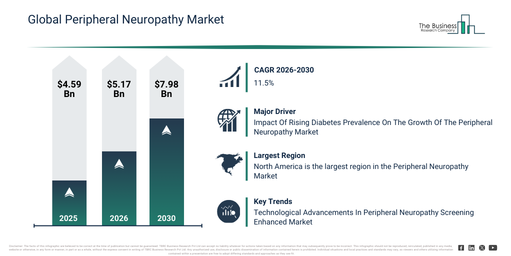
    Global revenue for peripheral neuropathy treatments is projected to experience substantial expansion, moving from an estimated $4.59 billion in 2025 to $5.17 billion by 2026, reflecting a robust compound annual growth rate of 12.7%. This upward trend in the historical period is largely fueled by factors such as the widespread occurrence of diabetic neuropathy, an increased utilization of chemotherapy, a scarcity of treatments specifically targeting the condition, a prevailing dependence on standard pain relievers, and a deficiency in diagnostic tools for early detection.

    The market for peripheral neuropathy treatments is poised for significant expansion, projecting a rise to $7.98 billion by 2030, reflecting an 11.5% compound annual growth rate. This anticipated growth throughout the forecast period is propelled by several key factors, including the development of innovative nerve stimulation techniques, a growing preference for physical therapy and non-medicinal approaches, enhanced accessibility to both topical and systemic pharmaceuticals, the increasing reliance on online pharmacies and telehealth services, and the proliferation of dedicated clinics and outpatient facilities. Furthermore, the market is expected to be shaped by prominent trends such as the wider adoption of artificial intelligence-driven diagnostic tools for peripheral neuropathy, increased incorporation of big data analytics and cloud-based systems for patient oversight, greater utilization of genetic insights and personalized medicine strategies for treating peripheral neuropathy, a broader deployment of Internet of Things (IoT) enabled wearable devices focused on nerve health, and the accelerating implementation of Industry 4.0 technologies within the realm of neuropathy treatment devices.

    Download A Free Sample Report For Comprehensive Market Insights:

    https://www.thebusinessresearchcompany.com/sample.aspx?id=16507&type=smp

    Peripheral Neuropathy Market Demand Drivers: What Is Fueling Industry Growth?

    The increasing incidence of diabetes is anticipated to be a significant catalyst for the expansion of the peripheral neuropathy market in the foreseeable future. Diabetes, a persistent health issue defined by elevated blood glucose levels stemming from insufficient insulin production or utilization, is on the rise due to elements like escalating obesity rates, inactive lifestyles, and an aging global populace. This condition can precipitate peripheral neuropathy by harming nerve tissues through sustained hyperglycemia, manifesting as discomfort, prickling sensations, and a lack of feeling in the limbs. Vigilant blood glucose control is paramount in averting or retarding the development of this adverse outcome. As an illustration, the International Diabetes Federation, a research entity based in Belgium, published in 2024 projections indicating that the global adult population (aged 20-79) with diabetes is set to climb substantially, from approximately 589 million in 2024 to an estimated 853 million by 2050, marking a 45% surge. Consequently, the escalating global burden of diabetes is directly fueling the growth trajectory of the peripheral neuropathy market.

    Peripheral Neuropathy Market Segmentation Trends And Revenue Drivers

    The peripheral neuropathy market covered in this report is segmented –

    1) By Type: Chemotherapy-Induced, Diabetic, Human Immunodeficiency Virus (HIV) Or Acquired Immunodeficiency Syndrome (AIDS Associated), Idiopathic

    2) By Diagnosis: Blood Test, Biopsy, Imaging, Other Diagnosis

    3) By Treatment: Medications, Antidepressants, Anti-Seizure Medication, Pain Reliever, Topical Treatment, Therapies, Nerve Stimulation, Plasma Exchange, Physical Therapy, Other Treatments

    4) By End-User: Hospitals, Clinics, Ambulatory Centers

    Subsegments:

    1) By Chemotherapy-Induced: Taxane-Induced Peripheral Neuropathy, Platinum-Based Drug-Induced Neuropathy, Other Chemotherapy-Induced Neuropathies

    2) By Diabetic: Type 1 Diabetes-Induced Peripheral Neuropathy, Type 2 Diabetes-Induced Peripheral Neuropathy

    3) By Human Immunodeficiency Virus (HIV) Or Acquired Immunodeficiency Syndrome (AIDS) Associated: HIV-Associated Peripheral Neuropathy, AIDS-Related Peripheral Neuropathy

    4) By Idiopathic: Acute Idiopathic Neuropathy, Chronic Idiopathic Neuropathy

    Peripheral Neuropathy Market Innovation Trends: Which Developments Are Transforming The Industry?

    The leading entities within the peripheral neuropathy market are concentrating their efforts on innovating sophisticated diagnostic tools, specifically point-of-care instruments, to enhance both the identification and treatment of this neurological disorder. A point-of-care test for peripheral neuropathy, designed for quantitative screening, serves as a rapid diagnostic aid to ascertain nerve damage in the limbs, especially for individuals managing diabetes. Illustrating this, NeuroMetrix Inc., an American producer of non-invasive medical equipment, introduced the DPNCheck 2.0 in January 2023, a point-of-care device intended for the detection of peripheral neuropathy. This instrument employs nerve conduction technology to identify the widespread deterioration of peripheral nerves, a process that can result in severe conditions like diabetic peripheral neuropathy (DPN). By enabling swift patient evaluation through precise measurement of peripheral nerve function, it presents a more effective and precise alternative to conventional diagnostic approaches such as the monofilament and tuning fork examinations.

    Peripheral Neuropathy Market Industry Leaders: Which Organizations Are Driving Competition?

    Major companies operating in the peripheral neuropathy market are Pfizer Inc., Merck and Co. Inc., Novartis AG, Bristol Myers Squibb Co, AstraZeneca Plc, Abbott Laboratories, Eli Lilly and Co., Daiichi Sankyo Co. Ltd., Sun Pharmaceutical Industries Ltd, Aurobindo Pharma, Cadila Pharmaceuticals Ltd., Dr. Reddy’s Laboratories, Cipla Ltd., Apotex Inc, Hikma Pharmaceuticals PLC, Lupin Limited, Grunenthal GmbH, Lexicon Pharmaceuticals, Johnson and Johnson, Teva Pharmaceutical Industries Ltd, Sanofi, GSK plc

    Access The Complete Peripheral Neuropathy Market Report:

    https://www.thebusinessresearchcompany.com/report/peripheral-neuropathy-global-market-report

    Peripheral Neuropathy Market Regional Outlook: Where Are The Largest Opportunities Located?

    North Americawas the largest region in the peripheral neuropathy market in 2025. Asia-Pacificis expected to be the fastest-growing region in the forecast period. The regions covered in the peripheral neuropathy market report are Asia-Pacific, South East Asia, Western Europe, Eastern Europe, North America, South America, Middle East, Africa.

    Get in touch with us:

    The Business Research Company: https://www.thebusinessresearchcompany.com/

    Americas: +1 310-496-7795

    Asia: +44 7882 955267 & +91 8897263534

    Europe: +44 7882 955267

    Email us at: marketing@tbrc.info

    Follow us on:

    LinkedIn: https://in.linkedin.com/company/the-business-research-company

    YouTube: https://www.youtube.com/channel/UC24_fI0rV8cR5DxlCpgmyFQ

    Global Market Model: https://www.thebusinessresearchcompany.com/global-market-model
  • Peripheral Neuritis Treatment Market Expected To Reach $2.44 Billion By 2030 As Growth Accelerates At 4.8% CAGR

    Peripheral Neuritis Treatment Market Expected To Reach $2.44 Billion By 2030 As Growth Accelerates At 4.8% CAGR

    Through market attractiveness analysis, total addressable market evaluation, company benchmarking matrices, interactive Excel dashboards, expanded supply chain intelligence, emerging startup coverage, and detailed product insights, The Business Research Company’s 2026 market reports provide more actionable and strategically valuable research.

    Peripheral Neuritis Treatment Market Growth Potential: How Will Market Size Change Through 2030?

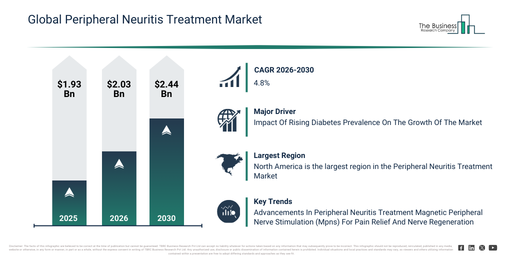
    The market for treating peripheral neuritis experienced robust expansion recently. Projections indicate a rise from $1.93 billion in 2025 to $2.03 billion in 2026, reflecting a compound annual growth rate of 5.0%. Key factors contributing to this historical growth trajectory include the widespread incidence of diabetic neuropathy, a scarcity of specialized treatment options, dependence on standard pain relievers and anti-seizure medications, increased recognition of peripheral neuritis’s signs, and a dispersed healthcare system.

    The market for peripheral neuritis treatments is projected for consistent expansion in the coming years, anticipating a rise to $2.44 billion by 2030 with a compound annual growth rate (CAGR) of 4.8%. This projected growth is fueled by several key factors, including progress in drug-based treatments, a greater acceptance of non-drug interventions like TENS and acupuncture, the expanding reach of both online and traditional pharmacies, an amplified emphasis on lifestyle and dietary adjustments, and the proliferation of diabetes management initiatives and dedicated treatment centers. Dominating the trends for the foreseeable future are the increasing utilization of AI-driven tools for monitoring peripheral neuritis, the enhanced integration of digital health platforms for managing peripheral neuropathy, the growing application of genetic and personalized medicine strategies in treating peripheral neuritis, the wider deployment of IoT-enabled devices for patient oversight, and advancements in smart manufacturing processes for peripheral neuritis medications.

    Download A Free Sample Report For Comprehensive Market Insights:

    https://www.thebusinessresearchcompany.com/sample.aspx?id=21254&type=smp

    Peripheral Neuritis Treatment Market Growth Drivers: What Factors Are Accelerating Expansion?

    The increasing global incidence of diabetes is anticipated to fuel the expansion of the peripheral neuritis treatment sector. As a chronic condition characterized by the body’s failure to manage blood sugar efficiently, diabetes is becoming more common due to lifestyle factors like inactivity, poor eating habits, excess weight, an aging demographic, and inherited traits. Treatments for peripheral neuritis offer crucial assistance to those with diabetes by alleviating nerve discomfort, diminishing swelling, and boosting nerve health, thereby enhancing their overall well-being and averting further health issues. Illustratively, projections from the International Diabetes Federation indicated that the global adult population diagnosed with diabetes between the ages of 20 and 79 is expected to climb from an estimated 589 million in 2024 to 853 million by the year 2050, marking a substantial 45% surge. Consequently, the escalating rates of diabetes are directly contributing to the growth observed in the peripheral neuritis treatment market.

    Peripheral Neuritis Treatment Market Segment Analysis Highlighting Growth Areas

    The peripheral neuritis treatment market covered in this report is segmented –

    1) By Treatment Type: Pharmacological Therapies, Non Pharmacological Therapies

    2) By Distribution Channel: Hospital Pharmacies, Retail Pharmacies, Online Pharmacies, Drug Stores

    3) By Application: Diabetic Peripheral Neuropathy, Chemotherapy-Induced Peripheral Neuropathy, Idiopathic Peripheral Neuropathy, Other Applications

    Subsegments:

    1) By Pharmacological Therapies: Pain Relievers (Analgesics), Antidepressants, Anticonvulsants, Topical Medications

    2) By Non-Pharmacological Therapies: Physical Therapy, Transcutaneous Electrical Nerve Stimulation (TENS), Acupuncture, Lifestyle And Dietary Modifications

    Peripheral Neuritis Treatment Market Trends: What Is Shaping Future Industry Growth?

    Key players within the peripheral neuritis treatment sector are directing their efforts toward pioneering novel therapeutic approaches, including magnetic peripheral nerve stimulation (mPNS), with the dual aims of fostering nerve regrowth and alleviating neuropathic discomfort. Magnetic peripheral nerve stimulation (mPNS) is characterized as a non-invasive neuromodulation methodology employing magnetic fields to target peripheral nerves, thereby aiding in pain management, promoting nerve regeneration, and improving motor capabilities in ailments like neuropathy and musculoskeletal conditions. As an illustration, in January 2024, Neuralace Medical Inc., a manufacturer of medical devices headquartered in the United States, unveiled Axon Therapy (mPNS) for the management of chronic painful diabetic neuropathy (PDN), securing approval from the Food and Drug Administration, an agency of the U.S. government. This therapeutic intervention offers a swift, comfortable, and non-abrading method for pain amelioration. Evidence from clinical investigations revealed a 72.3% response rate by Day 30 and an 81.4% response rate by Day 90, underscoring its efficacy in mitigating pain and insensitivity. This regulatory clearance represents a considerable stride forward in pain control strategies, presenting individuals with an option distinct from conventional therapies, devoid of the adverse consequences associated with pharmaceutical interventions.

    Peripheral Neuritis Treatment Market Leading Companies: Who Holds Significant Market Presence?

    Major companies operating in the peripheral neuritis treatment market are Pfizer Inc., Johnson & Johnson (J&J), AstraZeneca Plc, Novartis AG, GSK plc, Takeda Pharmaceuticals & Co. Ltd., Eli Lilly and Co., Mallinckrodt Pharmaceuticals plc, Viatris Inc., Teva Pharmaceutical Industries Ltd., Astellas Pharma Inc., Sun Pharmaceutical Industries Ltd., Apotex Inc., Dr Reddys Laboratories Ltd., Cipla Inc., Amneal Pharmaceuticals LLC, Lupin Ltd., Daiichi Sankyo Co. Ltd., Glenmark Pharmaceuticals Ltd., Cadila Pharmaceuticals Ltd.

    Access The Complete Peripheral Neuritis Treatment Market Report:

    https://www.thebusinessresearchcompany.com/report/peripheral-neuritis-treatment-global-market-report

    Peripheral Neuritis Treatment Market Geographic Landscape: Which Region Dominates Industry Growth?

    North Americawas the largest region in the peripheral neuritis treatment market in 2025. Asia-Pacificis expected to be the fastest-growing region in the forecast period. The regions covered in the peripheral neuritis treatment market report are Asia-Pacific, South East Asia, Western Europe, Eastern Europe, North America, South America, Middle East, Africa.

    Get in touch with us:

    The Business Research Company: https://www.thebusinessresearchcompany.com/

    Americas: +1 310-496-7795

    Asia: +44 7882 955267 & +91 8897263534

    Europe: +44 7882 955267

    Email us at: marketing@tbrc.info

    Follow us on:

    LinkedIn: https://in.linkedin.com/company/the-business-research-company

    YouTube: https://www.youtube.com/channel/UC24_fI0rV8cR5DxlCpgmyFQ

    Global Market Model: https://www.thebusinessresearchcompany.com/global-market-model
  • Peripheral Nerve Stimulators Market Set To Grow From $0.82 Billion In 2026 To $1.14 Billion By 2030 At A CAGR Of 8.4%

    Peripheral Nerve Stimulators Market Set To Grow From $0.82 Billion In 2026 To $1.14 Billion By 2030 At A CAGR Of 8.4%

    Delivering more actionable and strategically valuable research, The Business Research Company’s 2026 market reports feature market attractiveness analysis, total addressable market evaluation, company benchmarking matrices, interactive Excel dashboards, expanded supply chain intelligence, emerging startup coverage, and detailed product insights.

    Peripheral Nerve Stimulators Market Value Analysis: What Growth Is Expected Over The Forecast Period?

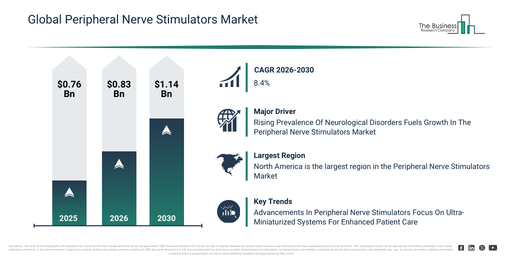
    The market for peripheral nerve stimulators has experienced robust expansion lately, projecting a rise from $0.76 billion in 2025 to $0.83 billion in 2026, demonstrating a compound annual growth rate of 8.4%. During the historical period, this growth was fueled by a scarcity of non-invasive pain relief alternatives, the widespread incidence of chronic neuropathic pain conditions, a significant dependency on pharmaceutical treatments, a generally low level of understanding regarding peripheral nerve stimulation as a therapeutic option, and a dispersed network for distributing neurostimulation devices.

    The peripheral nerve stimulators market is on a trajectory for significant expansion, projected to reach $1.14 billion by 2030 with a compound annual growth rate of 8.4%. This anticipated surge is fueled by several key factors, including ongoing innovation in implantable and percutaneous stimulator technologies, a broader acceptance of transcutaneous electrical nerve stimulation (TENS) devices, the increasing number of ambulatory surgical centers and physiotherapy practices, a growing demand for rechargeable and single-use neurostimulation options, and heightened awareness regarding non-medicinal approaches to pain management. During this forecast period, prominent developments are expected to include the wider integration of AI-powered pain management solutions, increased utilization of cloud infrastructure for monitoring neurostimulation patients, continued progress in the creation of both implantable and rechargeable neurostimulators, greater incorporation of Internet of Things (IoT) capabilities into nerve stimulation systems, and the adoption of smart manufacturing techniques for peripheral nerve stimulators.

    Download A Free Sample Report For Comprehensive Market Insights:

    https://www.thebusinessresearchcompany.com/sample.aspx?id=20923&type=smp

    Peripheral Nerve Stimulators Market Growth Factors Supporting Long-Term Expansion

    The escalating incidence of neurological conditions is anticipated to fuel the expansion of the peripheral nerve stimulators industry. These conditions, which impact the brain, spinal cord, or peripheral nerves and result in physical, structural, or chemical impairments, are becoming more common due to an aging global population, inherited factors, environmental exposures, lifestyle habits, and greater recognition and identification of these ailments. Peripheral nerve stimulators are instrumental in mitigating the effects of neurological disorders by offering focused alleviation of persistent pain, improving physical capabilities, and encouraging nerve repair in compromised regions. For example, as reported by the Alzheimer’s Association, a U.S. nonprofit organization, in March 2023, an estimated 6.7 million individuals in the United States aged 65 and above were diagnosed with Alzheimer’s dementia in 2023, with projections indicating this figure could reach 13.8 million by the year 2060, underscoring that the rising number of neurological disorders directly stimulates the peripheral nerve stimulators market’s growth.

    Peripheral Nerve Stimulators Market Segment Performance And Strategic Opportunities

    The peripheral nerve stimulators market covered in this report is segmented –

    1) By Product: Transcutaneous, Percutaneous, Implantable

    2) By Device: Stimulators, CPNB Catheters, Pain Pumps, Other Devices

    3) By Mode Of Purchase: Disposable Devices, Rechargeable Devices

    4) By Application: Hospitals, Physiotherapy Centers, Ambulatory Surgical Centers, Clinics, Other Applications

    Subsegments:

    1) By Transcutaneous: TENS (Transcutaneous Electrical Nerve Stimulation) Units, Surface Electrodes

    2) By Percutaneous: Single-Needle Percutaneous Stimulators, Multi-Needle Percutaneous Stimulators, Radiofrequency Percutaneous Stimulators

    3) By Implantable: Spinal Cord Stimulators (SCS), Peripheral Nerve Stimulation (PNS) Devices, Neurostimulator Implants

    Peripheral Nerve Stimulators Market Industry Trends Shaping Future Revenue Growth

    Companies at the forefront of the peripheral nerve stimulators market are dedicating resources to creating groundbreaking devices, including extremely small systems, with the goals of increasing patient ease, achieving better therapeutic results, and broadening their use in different medical fields. These ultra-miniaturized systems are essentially highly condensed, small-scale instruments engineered for sophisticated functions, frequently employing state-of-the-art technologies to boost efficiency, portability, and seamless integration into diverse applications. As an illustration, in April of 2023, NeuSpera Medical Inc., a medical device producer based in the United States, revealed that it had secured approval from the U.S. Food and Drug Administration (FDA) for its latest-generation Neuspera ultra-miniaturized system, intended for the long-term management of peripheral nerve pain. This particular device has been innovatively engineered to transmit precise electrical signals to peripheral nerves without the necessity of conventional leads, thereby rendering it minimally invasive and mitigating the potential for complications linked to lead-dependent systems. Its diminutive dimensions facilitate straightforward implantation with minimal tissue disturbance, thereby encouraging quicker patient recuperation. Furthermore, this micro-implant holds promise for sustained pain alleviation by directly engaging the afflicted nerve pathways, presenting a sophisticated remedy for individuals experiencing persistent peripheral nerve pain.

    Peripheral Nerve Stimulators Market Key Players: Which Companies Shape Industry Competition?

    Major companies operating in the peripheral nerve stimulators market are Abbott Laboratories, Medtronic plc, Boston Scientific Corp., Nevro Corp., Saluda Medical Pty Ltd., Stimwave Technologies Incorporated, Bioness Inc., SPR Therapeutics Inc., Neuspera Medical Inc., NeuroMetrix Inc., BioElectronics Corporation, Soterix Medical Inc., STIM Systems, NeuroSigma Inc., Synapse Biomedical Inc., BioControl Medical, Cardionomic Inc., Aleva Neurotherapeutics SA, NeuroPace Inc., Nervonik Inc., NeuraStim Technologies Inc., NeuroPulse Systems Inc., NeuroStim Devices Inc., Peripheral NeuroSolutions Ltd, BlueWind Medical, PINS Medical, Neurimpulse, Cala Health Inc.

    Access The Complete Peripheral Nerve Stimulators Market Report:

    https://www.thebusinessresearchcompany.com/report/peripheral-nerve-stimulators-global-market-report

    Peripheral Nerve Stimulators Market Largest Region: Which Geography Holds The Highest Market Share?

    North Americawas the largest region in the peripheral nerve stimulators market in 2025. Asia-Pacificis expected to be the fastest-growing region in the forecast period. The regions covered in the peripheral nerve stimulators market report are Asia-Pacific, South East Asia, Western Europe, Eastern Europe, North America, South America, Middle East, Africa.

    Get in touch with us:

    The Business Research Company: https://www.thebusinessresearchcompany.com/

    Americas: +1 310-496-7795

    Asia: +44 7882 955267 & +91 8897263534

    Europe: +44 7882 955267

    Email us at: marketing@tbrc.info

    Follow us on:

    LinkedIn: https://in.linkedin.com/company/the-business-research-company

    YouTube: https://www.youtube.com/channel/UC24_fI0rV8cR5DxlCpgmyFQ

    Global Market Model: https://www.thebusinessresearchcompany.com/global-market-model
  • Peripheral IV Catheters Market Opportunities Are Emerging Beyond Traditional Growth Areas

    Peripheral IV Catheters Market Opportunities Are Emerging Beyond Traditional Growth Areas

    Enhanced with market attractiveness analysis, total addressable market evaluation, company benchmarking matrices, interactive Excel dashboards, expanded supply chain intelligence, emerging startup coverage, and detailed product insights, The Business Research Company’s 2026 market reports deliver more actionable and strategically valuable research.

    Peripheral IV Catheters Market Size Forecast: How Large Could The Market Become By 2030?

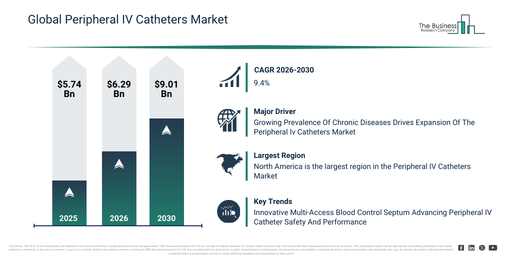
    The market for peripheral IV catheters experienced robust expansion recently, with projections indicating a rise from $5.74 billion in 2025 to $6.29 billion in 2026, reflecting a compound annual growth rate of 9.5%. Factors contributing to this historical growth trajectory include the prevalent issue of hospital-acquired infections, a continued dependence on traditional IV catheters, an increasing number of patients needing IV therapy, restricted access to sophisticated safety catheters, and a healthcare infrastructure that remains somewhat fragmented.

    The global market for peripheral IV catheters is poised for substantial expansion over the coming years, projected to reach $9.01 billion by 2030 with a compound annual growth rate of 9.4%. This anticipated growth trajectory is underpinned by several key factors, including the continuous development of enhanced safety features in IV catheter technology, a growing trend towards the utilization of smart and antimicrobial catheters, the expanding reach of home healthcare services, a marked preference for integrated or closed IV systems, and an escalating need for minimally invasive therapeutic administration methods. Furthermore, the forecast period is expected to be shaped by significant trends such as the increasing integration of AI-driven systems for guiding catheter insertion, a greater reliance on cloud-based platforms for monitoring IV therapy patients, ongoing innovation in the creation of antimicrobial and smart catheter designs, the burgeoning integration of IoT-enabled devices for improved IV monitoring, and the heightened implementation of smart manufacturing processes within the peripheral IV catheter industry.

    Download A Free Sample Report For Comprehensive Market Insights:

    https://www.thebusinessresearchcompany.com/sample.aspx?id=6658&type=smp

    Peripheral IV Catheters Market Demand Drivers Creating New Revenue Opportunities

    The increasing incidence of long-term health conditions is anticipated to drive forward the peripheral IV catheters market. These catheters serve a crucial role in managing a spectrum of chronic illnesses, such as cancer and heart disease, by providing essential access for treatments. This surge in chronic conditions can be attributed to modern lifestyles that often involve reduced physical activity, thereby elevating the risk of developing persistent health issues. Peripheral IV catheters facilitate the ongoing care required for chronic conditions, offering a dependable method for administering necessary medications, intravenous fluids, and therapies. Projections for 2025 indicate that approximately 75% of the global population will be affected by at least one chronic illness, a figure that continues its upward trend, as noted by the Northern Arizona Medical Group. Within the United States specifically, data from 2023 revealed that a significant majority, 76.4%, of adults were managing at least one chronic condition, with over half, 51.4%, dealing with multiple such ailments. Consequently, the escalating rate of chronic diseases is poised to be a major catalyst for the expansion of the peripheral IV catheters market.

    Peripheral IV Catheters Market Segment Landscape And Growth Potential

    The peripheral iv catheters market covered in this report is segmented –

    1) By Product Type: Short Peripheral Intravenous Catheters, Integrated Or Closed Peripheral Intravenous Catheters (PIVC)

    2) By Technology: Conventional Peripheral Intravenous Catheters (PIVC), Safety Peripheral Intravenous Catheters (PIVC)

    3) By End User: Hospitals, Clinics, Ambulatory Surgical Centers, Home Healthcare

    Subsegments:

    1) By Short Peripheral Intravenous Catheters: Over-the-Needle Catheters, Winged Infusion Sets

    2) By Integrated Or Closed Peripheral Intravenous Catheters (PIVC): Safety Catheters, Antimicrobial Catheters, Smart Catheters

    Peripheral IV Catheters Market Trends Driving Strategic Industry Expansion

    Leading entities within the peripheral IV catheter sector are prioritizing the creation of novel solutions, exemplified by the multi-access blood control septum. This innovative feature facilitates multiple linkages at the catheter hub without any blood discharge and negates the necessity of manual vein occlusion. Essentially, a multi-access blood control septum is an integrated valve within the IV catheter’s hub, engineered to autonomously halt blood spillage upon hub access. As an illustration, in July 2024, the U.S. Food and Drug Administration (FDA) approved the Introcan Safety 2 Deep Access IV Catheter from B. Braun Melsungen AG, a German firm known for its infusion therapy expertise. This particular device incorporates a multi-access blood control septum specifically engineered to avert blood escape during hub access, eradicate manual vein occlusion requirements, and preserve a closed system for heightened practitioner safety. Furthermore, this design also diminishes the potential for contamination during recurrent line connections and disconnections.

    Peripheral IV Catheters Market Competitive Landscape: Who Are The Leading Companies?

    Major companies operating in the peripheral iv catheters market are Becton, Dickinson and Company, B. Braun Melsungen AG, Smiths Medical Inc., Vygon SAS, Terumo Corporation, Teleflex Incorporated, NIPRO Medical Corporation, Argon Medical Devices Inc., Medical Components Inc., Vascular Pathways Inc., Tangent Medical Technologies Inc., Vigmed AB, Venner Medical, C. R. Bard Inc., MedSource Labs, Intra Special Catheters GmbH, Greiner Bio-One International GmbH, Ares Medikal, Ace Medical Company, Heka s.r.l, Raumedic AG, Vogt Medical Vertrieb GmbH, RenovoRx Inc., Retractable Technologies Inc., AngioDynamics Inc., ICU Medical Inc., Medtronic plc, Edwards Lifesciences Corporation, Cook Group Incorporated, Stryker Corporation, Boston Scientific Corporation, Johnson & Johnson, Abbott Laboratories, Merit Medical Systems Inc.

    Access The Complete Peripheral IV Catheters Market Report:

    https://www.thebusinessresearchcompany.com/report/peripheral-iv-catheters-global-market-report

    Peripheral IV Catheters Market Regional Analysis: Which Region Leads By Revenue?

    North Americawas the largest region in the peripheral IV catheters market in 2025. North Americais expected to be the fastest-growing region in the forecast period. The regions covered in the peripheral iv catheters market report are Asia-Pacific, South East Asia, Western Europe, Eastern Europe, North America, South America, Middle East, Africa.

    Get in touch with us:

    The Business Research Company: https://www.thebusinessresearchcompany.com/

    Americas: +1 310-496-7795

    Asia: +44 7882 955267 & +91 8897263534

    Europe: +44 7882 955267

    Email us at: marketing@tbrc.info

    Follow us on:

    LinkedIn: https://in.linkedin.com/company/the-business-research-company

    YouTube: https://www.youtube.com/channel/UC24_fI0rV8cR5DxlCpgmyFQ

    Global Market Model: https://www.thebusinessresearchcompany.com/global-market-model