Category: Healthcare Services

  • Penile Cancer Market Size Projected To Increase From $27.79 Billion To $37.41 Billion During The Forecast Period

    Penile Cancer Market Size Projected To Increase From $27.79 Billion To $37.41 Billion During The Forecast Period

    Delivering more actionable and strategically valuable research, The Business Research Company’s 2026 market reports feature market attractiveness analysis, total addressable market evaluation, company benchmarking matrices, interactive Excel dashboards, expanded supply chain intelligence, emerging startup coverage, and detailed product insights.

    Penile Cancer Market Expected To Reach $37.41 Billion By 2030 At 7.7% CAGR

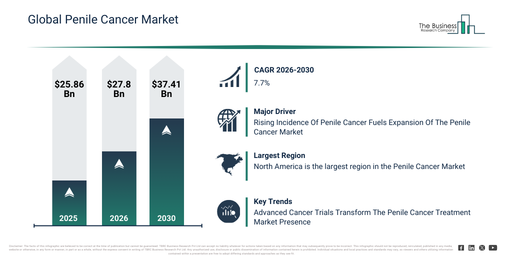
    The market for penile cancer treatments experienced robust expansion lately, projecting an increase from $25.86 billion in 2025 to $27.8 billion in 2026, exhibiting a compound annual growth rate of 7.5%. Historical expansion factors include a lack of public awareness and screening initiatives, delayed medical diagnoses, a prevailing dependence on traditional surgical procedures and chemotherapy, a scarcity of dedicated treatment facilities, and the disjointed nature of patient medical records.

    The global market for penile cancer is poised for substantial expansion, projected to reach $37.41 billion by 2030, exhibiting a compound annual growth rate of 7.7% over the projected period. This predicted expansion is fueled by several key factors, including the escalating uptake of immunotherapy and biological treatment modalities, a growing inclination towards personalized medicine strategies, the broader implementation of initiatives aimed at the early detection of the disease, the increasing utility of telemedicine and remote patient monitoring solutions, and a noticeable rise in investments dedicated to research and raising awareness about penile cancer. Significant developments anticipated within this timeframe encompass the heightened integration of artificial intelligence for facilitating earlier diagnoses and evaluating risk factors, a more widespread adoption of genetic analysis-driven targeted therapies, the incorporation of cloud computing and big data analytics for enhanced patient management, the deployment of Internet of Things (IoT) enabled devices for tracking treatment efficacy, and the application of advanced manufacturing techniques in the production of biological therapies.

    Download A Free Sample Report For Comprehensive Market Insights:

    https://www.thebusinessresearchcompany.com/sample.aspx?id=12143&type=smp

    Penile Cancer Market Growth Factors Supporting Long-Term Expansion

    The escalating prevalence of penile cancer is anticipated to be a significant catalyst for the expansion of the penile cancer market in the foreseeable future. This condition, characterized by the abnormal proliferation of malignant cells within penile tissues, directly correlates with the demand for diagnostic tools, surgical interventions, and accompanying therapeutic services, thereby influencing the overall market trajectory for penile cancer. For illustration, the American Cancer Society Inc. projected in January 2023 that approximately 2,050 new diagnoses of penile cancer and 470 fatalities attributable to the disease would be recorded in the US within the same year. Consequently, the growing occurrence of penile cancer is acting as a primary driver for the market’s advancement.

    The increasing number of elderly individuals is poised to invigorate the expansion of the market for penile cancer treatments and related services. This demographic group, comprising older adults, is particularly susceptible to penile cancer, as the likelihood of developing the ailment escalates with advancing age, necessitating treatments such as surgery, radiation, and targeted therapies. Furthermore, an aging population heightens the potential for penile-related health issues, including infections. Illustrating this trend, the World Health Organization from Switzerland reported in February 2025 that the global population aged 60 and above is forecast to grow from 1.1 billion in 2023 to 1.4 billion by 2030. Accordingly, the demographic shift towards a larger elderly population is a key factor propelling the growth of the penile cancer market.

    Penile Cancer Market Segment Analysis Highlighting Growth Areas

    The penile cancer market covered in this report is segmented –

    1) By Type: Squamous Cell Cancer Of Penis, Aden Carcinoma Of Penis, Melanoma Of The Penis, Basal Cell Cancer Of Penis, Sarcoma Of Penis

    2) By Type Of Therapy: Radiation Therapy, Chemotherapy, Biological Therapy, Surgery

    3) By Diagnostic Test: Biopsy, Ultrasound, Imaging Tests

    4) By Application: Hospital, Clinics, Other Applications

    Subsegments:

    1) By Squamous Cell Cancer Of Penis: Invasive Squamous Cell Carcinoma, Non-Invasive Squamous Cell Carcinoma

    2) By Adenocarcinoma Of Penis: Penile Adenocarcinoma, Mucinous Adenocarcinoma, Non-Mucinous Adenocarcinoma

    3) By Melanoma Of The Penis: Superficial Spreading Melanoma, Nodular Melanoma, Acral Lentiginous Melanoma

    4) By Basal Cell Cancer Of Penis: Nodular Basal Cell Carcinoma, Superficial Basal Cell Carcinoma, Morpheaform Basal Cell Carcinoma

    5) By Sarcoma Of Penis: Kaposi’s Sarcoma, Rhabdomyosarcoma

    Penile Cancer Market Industry Trends Shaping Future Revenue Growth

    Leading entities within the penile cancer market are prioritizing the development of groundbreaking approaches, including sophisticated clinical trials, to tackle existing gaps in medical care and enhance therapeutic results. These advanced trials are designed to assess the safety and efficacy of emerging treatments, therapies, or pharmaceuticals when administered to individuals diagnosed with late-stage cancer. As an illustration, during May of 2023, a scientific body headquartered in the United States, known as the ECOG-ACRIN Cancer Research Group, successfully recruited 100 participants for the InPACT, or International Penile Advanced Cancer Trial. This trial represents a significant beacon of hope for men confronting advanced stages of penile cancer. The International Penile Advanced Cancer Trial (InPACT) itself is a research endeavor dedicated to exploring the more advanced phases of penile cancer, with the ultimate goal of elevating treatment results and enhancing the overall quality of life for those impacted. It scrutinizes pioneering therapeutic strategies, surgical methodologies, and interventions targeted at patients afflicted with advanced penile cancer, striving to achieve progress in both medical treatment and comprehending this uncommon yet formidable illness.

    Penile Cancer Market Leading Companies: Who Holds Significant Market Presence?

    Major companies operating in the penile cancer market are Pfizer Inc., Merck & Co. Inc., Bayer AG, Bristol‑Myers Squibb Company, AstraZeneca PLC, Takeda Pharmaceutical Company Limited, Eli Lilly and Co Ltd., Amgen Inc., Astellas Pharma Inc., Daiichi Sankyo Company Limited, Eisai Co. Ltd., Novartis AG, F Hoffmann‑La Roche Ltd, Johnson & Johnson, AbbVie Inc., GlaxoSmithKline plc, BeiGene Ltd., Iovance Biotherapeutics Inc, Lisata Therapeutics Inc, Halozyme Therapeutics Inc, Sotio Biotech, Sanofi S A, Genmab A S, Otsuka Pharmaceutical Co Ltd, Adaptimmune Therapeutics plc, Apceth Biopharma GmbH & Co KG

    Access The Complete Penile Cancer Market Report:

    https://www.thebusinessresearchcompany.com/report/penile-cancer-global-market-report

    Penile Cancer Market Regional Analysis: Which Region Leads By Revenue?

    North America was the largest region in the penile cancer market in 2025. Asia-Pacific is expected to be the fastest-growing region in the forecast period. The regions covered in the penile cancer market report are Asia-Pacific, South East Asia, Western Europe, Eastern Europe, North America, South America, Middle East, Africa.

    Get in touch with us:

    The Business Research Company: https://www.thebusinessresearchcompany.com/

    Americas: +1 310-496-7795

    Asia: +44 7882 955267 & +91 8897263534

    Europe: +44 7882 955267

    Email us at: marketing@tbrc.info

    Follow us on:

    LinkedIn: https://in.linkedin.com/company/the-business-research-company

    YouTube: https://www.youtube.com/channel/UC24_fI0rV8cR5DxlCpgmyFQ

    Global Market Model: https://www.thebusinessresearchcompany.com/global-market-model
  • Pemphigus Vulgaris Market Growth Outlook Reveals A CAGR Of 7.5% And A Market Value Of $2.79 Billion By 2030

    Pemphigus Vulgaris Market Growth Outlook Reveals A CAGR Of 7.5% And A Market Value Of $2.79 Billion By 2030

    Enhanced with market attractiveness analysis, total addressable market evaluation, company benchmarking matrices, interactive Excel dashboards, expanded supply chain intelligence, emerging startup coverage, and detailed product insights, The Business Research Company’s 2026 market reports deliver more actionable and strategically valuable research.

    Pemphigus Vulgaris Market Size And Revenue Forecast Through 2030

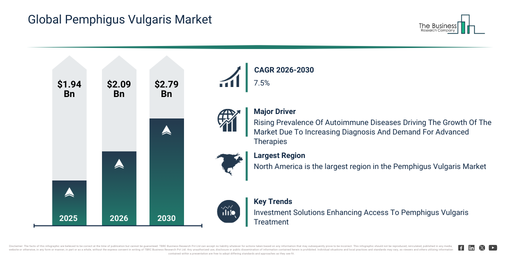
    The market for pemphigus vulgaris has experienced robust expansion recently. Projections indicate a rise from $1.94 billion in 2025 to $2.09 billion by 2026, reflecting a compound annual growth rate of 7.7%. Factors contributing to this historical growth trajectory include low public awareness coupled with delayed diagnoses, a prevalent dependence on corticosteroids, restricted availability of specialized dermatological care, the substantial expense associated with immunosuppressive treatments, and challenges related to dispersed clinical information and patient registries.

    The pemphigus vulgaris market anticipates significant expansion in the coming years, projecting a reach of $2.79 billion by 2030, fueled by a compound annual growth rate of 7.5%. This upward trajectory is largely propelled by the increasing embrace of specialized immunotherapies, greater utilization of biologic drugs and monoclonal antibodies, the growing prevalence of teledermatology and remote patient monitoring services, enhancements in diagnostic technologies for earlier identification, and heightened patient awareness coupled with robust support initiatives. Key developments shaping this market during the forecast period involve the escalating application of artificial intelligence for precise early diagnosis and the prediction of disease progression, a rise in personalized treatment plans based on genomic data, the integration of cloud computing and big data analytics for efficient patient information management, the deployment of IoT-enabled gadgets for continuous remote patient observation, and the adoption of intelligent manufacturing processes for immunosuppressive medications.

    Download A Free Sample Report For Comprehensive Market Insights:

    https://www.thebusinessresearchcompany.com/sample.aspx?id=22094&type=smp

    Pemphigus Vulgaris Market Demand Drivers Creating New Revenue Opportunities

    The increasing incidence of autoimmune disorders is anticipated to be a primary driver for the expansion of the pemphigus vulgaris market. These conditions, characterized by the immune system erroneously targeting and harming the body’s own healthy components, are becoming more prevalent due to a confluence of genetic susceptibilities, environmental influences, and evolving lifestyles. Heredity is a key factor, as those with a family lineage of autoimmune conditions face a heightened risk due to inherent immune system weaknesses. Consequently, as autoimmune diseases become more widespread, an increasing number of individuals are being identified with ailments such as pemphigus vulgaris, thereby stimulating the need for sophisticated treatment options. Reinforcing this trend, data from the Mayo Clinic Health System in January 2025 indicated a global upward trajectory in both the incidence and prevalence of autoimmune diseases, with year-over-year increases approximated at 19.1% and 12.5%, respectively. Hence, the elevated occurrence of autoimmune diseases is directly fueling the growth trajectory of the pemphigus vulgaris market.

    Pemphigus Vulgaris Market Segment Performance And Strategic Opportunities

    The pemphigus vulgaris market covered in this report is segmented –

    1) By Diagnosis And Treatment: Diagnosis, Treatment

    2) By Population Type: Pediatric, Adults, Geriatric

    3) By Distribution Channel: Hospitals Pharmacy, Retail Pharmacy, Online Pharmacy

    4) By End-User: Hospitals, Specialty Clinics, Research Institutes, Other End-Users

    Subsegments:

    1) By Diagnosis: Clinical Examination, Skin Biopsy, Direct Immunofluorescence, Serological Tests, Polymerase Chain Reaction (PCR)

    2) By Treatment: Pharmacological Therapy, Non-Pharmacological Therapy

    Pemphigus Vulgaris Market Trends Driving Strategic Industry Expansion

    In the realm of the pemphigus vulgaris market, key players are concentrating their efforts on financial avenues that enhance treatment effectiveness and broaden the scope of available therapies. These financial strategies encompass the allocation of capital towards advancing treatment development, furthering research, and facilitating market entry. As an illustration, in January 2023, the Patient Access Network Foundation (PAN) Foundation, a non-profit entity based in the United States, initiated a financial aid program offering eligible pemphigus vulgaris patients up to $6,600 annually. This support aims to alleviate the financial burden associated with deductibles, copayments, and coinsurance. Eligibility for this financial aid necessitates that patients be undergoing treatment for pemphigus vulgaris, possess Medicare health insurance that covers prescribed medications, and earn an income not exceeding 400% of the federal poverty level. Furthermore, the PAN Foundation extends its support by providing transportation assistance and facilitating connections to relevant support groups.

    Pemphigus Vulgaris Market Key Players: Which Companies Shape Industry Competition?

    Major companies operating in the pemphigus vulgaris market are Pfizer Inc., F. Hoffmann-La Roche Ltd, Thermo Fisher Scientific Inc., GlaxoSmithKline plc, Amgen Inc., Sanofi S.A, Biogen Inc., Genentech, Genmab A/S, argenx SE, Daewoong Pharmaceutical Co. Ltd., HanAll Biopharma Co. Ltd., Artiva Biotherapeutics, Cabaletta Bio Inc., SinoMab BioScience Limited, Topas Therapeutics GmbH, Principia Biopharma Inc., Serpin Pharma LLC, Syntimmune Inc., International Pemphigus & Pemphigoid Foundation

    Access The Complete Pemphigus Vulgaris Market Report:

    https://www.thebusinessresearchcompany.com/report/pemphigus-vulgaris-global-market-report

    Pemphigus Vulgaris Market Geographic Distribution And Regional Opportunities

    North Americawas the largest region in the pemphigus vulgaris market in 2025. Asia-Pacificis expected to be the fastest-growing region in the forecast period. The regions covered in the pemphigus vulgaris market report are Asia-Pacific, South East Asia, Western Europe, Eastern Europe, North America, South America, Middle East, Africa.

    Get in touch with us:

    The Business Research Company: https://www.thebusinessresearchcompany.com/

    Americas: +1 310-496-7795

    Asia: +44 7882 955267 & +91 8897263534

    Europe: +44 7882 955267

    Email us at: marketing@tbrc.info

    Follow us on:

    LinkedIn: https://in.linkedin.com/company/the-business-research-company

    YouTube: https://www.youtube.com/channel/UC24_fI0rV8cR5DxlCpgmyFQ

    Global Market Model: https://www.thebusinessresearchcompany.com/global-market-model

  • Pelvic Inflammatory Disease (PID) Treatment Market Forecast Highlights Expansion From $4.99 Billion To $6.13 Billion Through 2030

    Pelvic Inflammatory Disease (PID) Treatment Market Forecast Highlights Expansion From $4.99 Billion To $6.13 Billion Through 2030

    Through market attractiveness analysis, total addressable market evaluation, company benchmarking matrices, interactive Excel dashboards, expanded supply chain intelligence, emerging startup coverage, and detailed product insights, The Business Research Company’s 2026 market reports provide more actionable and strategically valuable research.

    Pelvic Inflammatory Disease (PID) Treatment Market Growth From $4.99 Billion In 2026 To $6.13 Billion By 2030 At A CAGR Of 5.3%

    The global market for Pelvic Inflammatory Disease (PID) treatments has experienced robust expansion recently, with projections indicating continued strong growth. Forecasts suggest an increase from $4.74 billion in 2025 to $5 billion in 2026, demonstrating a compound annual growth rate of 5.5%. Factors contributing to this expansion during the historical period include the high incidence of sexually transmitted infections, a lack of widespread awareness regarding PID, a common approach of utilizing broad-spectrum antibiotics, diagnostic delays stemming from cases that present no symptoms, and inadequate access to specialized gynecological services.

    The market for treating pelvic inflammatory disease (PID) is anticipated to experience considerable expansion in the upcoming years, projected to reach $6.13 billion by 2030 with a compound annual growth rate (CAGR) of 5.3%. This projected expansion is driven by several key factors including the increasing prevalence of combination antibiotic therapy, a greater reliance on hormonal therapies for preventative measures, improvements in minimally invasive surgical techniques, the proliferation of telehealth and remote patient monitoring services, and enhanced public awareness and educational initiatives aimed at facilitating early detection. During this forecast period, significant trends are expected to emerge, such as the growing utilization of artificial intelligence for early diagnosis and risk assessment, the wider adoption of personalized treatment strategies informed by genomics, the incorporation of cloud computing and big data analytics for patient oversight and care management, the deployment of IoT-enabled devices for real-time symptom tracking from a distance, and the application of smart manufacturing processes in the production of antibiotics.

    Download A Free Sample Report For Comprehensive Market Insights:

    https://www.thebusinessresearchcompany.com/sample.aspx?id=21251&type=smp

    Pelvic Inflammatory Disease (PID) Treatment Market Expansion Supported By Key Demand Factors

    The escalating incidence of sexually transmitted infections is poised to stimulate expansion within the market for pelvic inflammatory disease (PID) treatments. These infections, transmitted via sexual contact, encompass bacterial, viral, and parasitic agents, and their increased prevalence stems from factors including unprotected sexual activity, insufficient awareness, delayed diagnosis, and treatment gaps. Addressing sexually transmitted infections through PID treatment, particularly with antibiotics, proves beneficial for eradicating causative bacteria, mitigating complications like chronic pelvic pain and infertility, and lowering the likelihood of recurring infections. To illustrate, data from the UK Health Security Agency revealed that England documented 6,008 new human immunodeficiency virus (HIV) diagnoses in 2023, a significant 51% surge from the 3,975 recorded in 2022. Consequently, the heightened occurrence of sexually transmitted infections is a key impetus for the growth of the PID treatment market.

    Pelvic Inflammatory Disease (PID) Treatment Market Driver: Rising Adoption of Telemedicine Driving the Telehealth Solutions Market

    The increasing integration of telemedicine is anticipated to foster growth in the telehealth solutions market. Telemedicine involves providing healthcare remotely via digital channels, such as virtual appointments, mobile health applications, and remote patient monitoring systems. Key drivers for this trend include the demand for convenient healthcare access, a scarcity of medical professionals in specific areas, improvements in digital infrastructure, and a growing patient preference for remote consultations. Telehealth solutions offer advantages in patient care management by facilitating remote diagnoses and monitoring, thereby enhancing accessibility to medical services, reducing patient travel and wait times, and enabling swift interventions for both chronic and acute health issues. For example, in March 2023, the Office of the National Coordinator for Health Information Technology (ONC) in the United States reported that over 80% of physicians utilized telemedicine for a portion of their patient interactions, though typically less than 50%. Therefore, the expanding use of telemedicine is a significant factor driving the growth of the telehealth solutions market and, by extension, impacting related healthcare sectors like the pelvic inflammatory disease (PID) treatment market.

    Pelvic Inflammatory Disease (PID) Treatment Market Segment Landscape And Growth Potential

    The pelvic inflammatory disease (pid) treatment market covered in this report is segmented –

    1) By Treatment Type: Antibiotic Therapy, Surgery, Pain Management

    2) By Route Of Administration: Oral, Intravenous, Intramuscular

    3) By End User: Hospitals, Clinics, Homecare

    Subsegments:

    1) By Antibiotic Therapy: Broad-spectrum Antibiotics, Combination Antibiotic Therapy, Oral Antibiotics, Intravenous Antibiotics

    2) By Surgery: Laparoscopy, Hysterectomy, Tubal Surgery

    3) By Pain Management: Nonsteroidal Anti-inflammatory Drugs (NSAIDs), Opioid Analgesics, Acetaminophen, Localized Pain Management

    Pelvic Inflammatory Disease (PID) Treatment Market Growth Trends Influencing Competitive Dynamics

    Leading entities within the pelvic inflammatory disease (PID) treatment sector are concentrating their efforts on the development of advanced treatment options, including probiotic dietary additions, with the objective of improving therapeutic outcomes, re-establishing equilibrium in the vaginal flora, and mitigating the reoccurrence of infections in individuals diagnosed with pelvic inflammatory disease (PID). A probiotic supplement represents a formulation that incorporates beneficial microorganisms, such as live bacteria or yeasts, which contribute to preserving or reinstating a healthy microbial ecosystem in both the intestinal and vaginal tracts. Illustratively, during November of 2024, Lee Health Domain, a pharmaceutical enterprise based in India, introduced V-Ferin, a probiotic supplement engineered to promote vaginal well-being. This formulation, comprising Lactobacillus acidophilus, lactoferrin peptide, and cranberry extract, is intended to rejuvenate the native microbiota and serve as a preventative measure against prevalent vaginal ailments like bacterial vaginosis and candidiasis. Considering that an estimated 25% to 30% of the female population experiences these conditions, which, if left unaddressed, can progress to pelvic inflammatory disease (PID), V-Ferin presents an innovative approach to bolstering health and averting subsequent complications.

    Pelvic Inflammatory Disease (PID) Treatment Market Competitive Landscape: Who Are The Leading Companies?

    Major companies operating in the pelvic inflammatory disease (pid) treatment market are Pfizer Inc., Bayer AG, Eli Lilly and Company, Otsuka Pharmaceutical Co. Ltd., Astellas Pharma Inc., Daiichi Sankyo Company Limited, Hetero Drugs Ltd., Sun Pharmaceutical Industries Ltd., Takeda Pharmaceutical Company Limited, Dr. Reddy’s Laboratories Ltd., Cipla Limited, Hikma Pharmaceuticals PLC, Lupin Pharmaceuticals Inc., Torrent Pharmaceuticals Ltd., Mankind Pharma Ltd., Mayne Pharma Group Limited, Saphnix Lifesciences, Aristo Pharmaceuticals Pvt. Ltd., Zydus Cadila Healthcare Ltd., Amagen India Life Sciences

    Access The Complete Pelvic Inflammatory Disease (PID) Treatment Market Report:

    https://www.thebusinessresearchcompany.com/report/pelvic-inflammatory-disease-pid-treatment-global-market-report

    Pelvic Inflammatory Disease (PID) Treatment Market Largest Region By Revenue And Market Share

    North Americawas the largest region in the pelvic inflammatory disease (PID) treatment market in 2025. Asia-Pacificis expected to be the fastest-growing region in the forecast period. The regions covered in the pelvic inflammatory disease (pid) treatment market report are Asia-Pacific, South East Asia, Western Europe, Eastern Europe, North America, South America, Middle East, Africa.

    Get in touch with us:

    The Business Research Company: https://www.thebusinessresearchcompany.com/

    Americas: +1 310-496-7795

    Asia: +44 7882 955267 & +91 8897263534

    Europe: +44 7882 955267

    Email us at: marketing@tbrc.info

    Follow us on:

    LinkedIn: https://in.linkedin.com/company/the-business-research-company

    YouTube: https://www.youtube.com/channel/UC24_fI0rV8cR5DxlCpgmyFQ

    Global Market Model: https://www.thebusinessresearchcompany.com/global-market-model
  • Pelvic Cancer Induced Hemorrhagic Cystitis Market Expected To Reach $7.98 Billion By 2030 As Growth Accelerates At 20.7% CAGR

    Pelvic Cancer Induced Hemorrhagic Cystitis Market Expected To Reach $7.98 Billion By 2030 As Growth Accelerates At 20.7% CAGR

    Delivering more actionable and strategically valuable research, The Business Research Company’s 2026 market reports feature market attractiveness analysis, total addressable market evaluation, company benchmarking matrices, interactive Excel dashboards, expanded supply chain intelligence, emerging startup coverage, and detailed product insights.

    Pelvic Cancer Induced Hemorrhagic Cystitis Market Expansion Outlook: What Revenue Opportunities Lie Ahead?

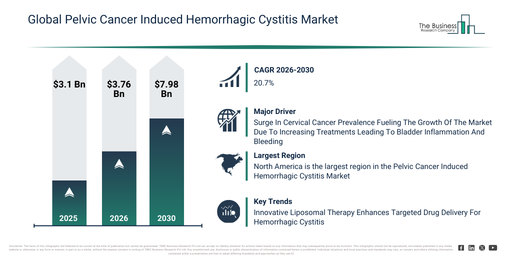
    The market for pelvic cancer-induced hemorrhagic cystitis has seen substantial expansion lately. Projections indicate a rise from $3.1 billion in 2025 to $3.76 billion in 2026, reflecting a compound annual growth rate of 21.1%. This expansion during the preceding period is linked to several factors including the frequent occurrence of radiation-induced cystitis, the utilization of cyclophosphamide and ifosfamide in cancer treatment, a scarcity of specialized bladder therapies, a dependence on supportive measures and bladder flushing, and the limited uptake of intravesical treatment methods.

    The market for pelvic cancer-induced hemorrhagic cystitis is poised for remarkable expansion in the coming years, projecting a rise to $7.98 billion by 2030, driven by a compelling compound annual growth rate of 20.7%. This anticipated surge is fueled by a confluence of factors including progress in tailored medical treatments, increased research into bladder-preserving pharmaceuticals, a growing embrace of regenerative therapies, the expanding application of less invasive surgical techniques, and enhanced public awareness coupled with proactive early detection initiatives. Key developments shaping the market’s trajectory involve the escalating deployment of artificial intelligence for identifying diseases early and forecasting risks, a greater acceptance of genetic profiling for customized cancer therapies, the incorporation of cloud computing and big data analytics for tracking patient status, the adoption of sophisticated manufacturing processes for medication creation, and the wider utilization of internet-connected devices for managing patient care remotely.

    Download A Free Sample Report For Comprehensive Market Insights:

    https://www.thebusinessresearchcompany.com/sample.aspx?id=23470&type=smp

    Pelvic Cancer Induced Hemorrhagic Cystitis Market Growth Drivers And Industry Catalysts

    The increasing prevalence of cervical cancer is anticipated to stimulate the expansion of the market for pelvic cancer-induced hemorrhagic cystitis treatments. Cervical cancer, a malignant tumor originating in the cervix, is predominantly caused by persistent infections with high-risk human papillomavirus (HPV) strains, resulting in uncontrolled cell growth, tissue invasion, and potentially widespread disease if untreated. Factors contributing to the rise in cervical cancer include limited access to preventative healthcare and insufficient cervical screening programs. The condition of pelvic cancer-induced hemorrhagic cystitis plays a constructive role in managing cervical cancer by enhancing clinical awareness and monitoring among individuals diagnosed with it, thereby facilitating earlier detection and prompt intervention. This proactive approach can ultimately lead to improved patient results and propel advancements in cancer care. For example, projections from the American Cancer Society, a nonprofit organization in the US, suggest that in 2025, approximately 13,360 new cases of invasive cervical cancer will be diagnosed in the United States, with an estimated 4,320 women expected to die from the disease. Consequently, the escalating rates of cervical cancer are a key factor fueling the growth of the pelvic cancer-induced hemorrhagic cystitis market.

    The growing trend towards poor dietary habits and a lack of physical activity is poised to augment the development of the pelvic cancer-induced hemorrhagic cystitis market. Unhealthy eating patterns and sedentary lifestyles encompass the consumption of foods high in calories but low in nutrients, coupled with minimal physical exertion, leading to detrimental health conditions such as obesity, heart disease, and metabolic imbalances. This shift is largely attributed to the escalating consumption of processed foods, which promotes unfavorable dietary choices and elevates long-term health risks. Pelvic cancer-induced hemorrhagic cystitis underscores the critical importance of adopting a healthy lifestyle, as proactive modifications in diet and activity levels contribute to overall wellness, enhance treatment efficacy, and improve the quality of life for those affected. Illustratively, data released by the American Heart Association, Inc., a US-based nonprofit organization, in June 2024, indicated that over 150 million individuals in the US are projected to have poor diets by 2050, a situation expected to result in an almost 40% surge in adult obesity. Therefore, the movement towards unhealthy diets and sedentary lifestyles is significantly contributing to the expansion of the pelvic cancer-induced hemorrhagic cystitis market.

    Pelvic Cancer Induced Hemorrhagic Cystitis Market Categorization By Product Type And Application

    The pelvic cancer induced hemorrhagic cystitis market covered in this report is segmented –

    1) By Treatment Type: Bone Marrow Transplant, Chemotherapy, Radiation Therapy, Other Treatment Types

    2) By Route Of Administration: Oral, Injectable, Intravesical

    3) By Distribution Channel: Hospital Pharmacies, Retail Pharmacies, Online Pharmacies

    Subsegments:

    1) By Bone Marrow Transplant: Autologous Bone Marrow Transplant, Allogeneic Bone Marrow Transplant, Haploidentical Bone Marrow Transplant

    2) By Chemotherapy: Cyclophosphamide, Ifosfamide, Systemic Chemotherapy, Intravesical Chemotherapy, Targeted Chemotherapy

    3) By Radiation Therapy: External Beam Radiation Therapy (EBRT), Brachytherapy, Intensity-Modulated Radiation Therapy (IMRT)

    4) By Other Treatments: Hyperbaric Oxygen Therapy (HBOT), Intravesical Therapy, Bladder Irrigation And Catheterization, Surgical Interventions, Regenerative Medicine And Palliative Care

    #Pelvic Cancer Induced Hemorrhagic Cystitis Market Trends Influencing Long-Term Demand

    Key players within the pelvic cancer-induced hemorrhagic cystitis market are actively pursuing novel therapeutic advancements, exemplified by the development of liposomal tacrolimus therapy and the introduction of sophisticated drug formulations designed to refine targeted treatment delivery while simultaneously elevating safety and effectiveness. This liposomal tacrolimus therapy represents a specialized method of drug administration where tacrolimus is enclosed within liposomes, thereby boosting its absorption, facilitating more precise immunosuppression, and mitigating adverse systemic effects, particularly beneficial in managing autoimmune disorders and preventing organ transplant rejection. Illustrating this progress, in October 2024, Lipella Pharmaceuticals Inc., a biotechnology firm headquartered in the United States, revealed the allowance of a United States patent for its novel liposomal drug delivery system, engineered to improve the targeted application of therapeutic compounds across a spectrum of medical ailments, including hemorrhagic cystitis. This cutting-edge liposomal technology refines the delivery of medications to mucosal and epithelial tissues, such as those found in the bladder, oral cavity, colon, and urethra, thereby promoting greater therapeutic success and minimizing unwanted systemic repercussions. Furthermore, the market exclusivity conferred by this patent solidifies Lipella’s standing in the marketplace and bolsters the progression of its primary clinical candidate, LP-10, an investigational intravesical therapy showing significant promise for hemorrhagic cystitis.

    Pelvic Cancer Induced Hemorrhagic Cystitis Market Company Landscape And Strategic Competition

    Major companies operating in the pelvic cancer induced hemorrhagic cystitis market are Pfizer Inc., Johnson & Johnson Services Inc., F. Hoffmann-La Roche Ltd, Merck & Co. Inc., AbbVie Inc., Bayer AG, Sanofi SA, Bristol-Myers Squibb Company, AstraZeneca PLC, Novartis AG, Amgen Inc., Mayo Clinic, Cleveland Clinic Foundation, Astellas Pharma Inc., Fresenius Kabi AG, Bausch Health Companies Inc., Medicover Hospitals, Urigen Pharmaceuticals Inc., Lipella Pharmaceuticals Inc., Hemogenyx Pharmaceuticals plc

    Access The Complete Pelvic Cancer Induced Hemorrhagic Cystitis Market Report:

    https://www.thebusinessresearchcompany.com/report/pelvic-cancer-induced-hemorrhagic-cystitis-global-market-report

    Pelvic Cancer Induced Hemorrhagic Cystitis Market Regional Analysis And Leading Geography

    North Americawas the largest region in the pelvic cancer induced hemorrhagic cystitis market in 2025. Asia-Pacificis expected to be the fastest-growing region in the forecast period. The regions covered in the pelvic cancer induced hemorrhagic cystitis market report are Asia-Pacific, South East Asia, Western Europe, Eastern Europe, North America, South America, Middle East, Africa.

    Get in touch with us:

    The Business Research Company: https://www.thebusinessresearchcompany.com/

    Americas: +1 310-496-7795

    Asia: +44 7882 955267 & +91 8897263534

    Europe: +44 7882 955267

    Email us at: marketing@tbrc.info

    Follow us on:

    LinkedIn: https://in.linkedin.com/company/the-business-research-company

    YouTube: https://www.youtube.com/channel/UC24_fI0rV8cR5DxlCpgmyFQ

    Global Market Model: https://www.thebusinessresearchcompany.com/global-market-model
  • PEGylated Proteins Market Set To Grow From $1.9 Billion In 2026 To $3 Billion By 2030 At A CAGR Of 12.1%

    PEGylated Proteins Market Set To Grow From $1.9 Billion In 2026 To $3 Billion By 2030 At A CAGR Of 12.1%

    Enhanced with market attractiveness analysis, total addressable market evaluation, company benchmarking matrices, interactive Excel dashboards, expanded supply chain intelligence, emerging startup coverage, and detailed product insights, The Business Research Company’s 2026 market reports deliver more actionable and strategically valuable research.

    PEGylated Proteins Market Growth Potential: How Will Market Size Change Through 2030?

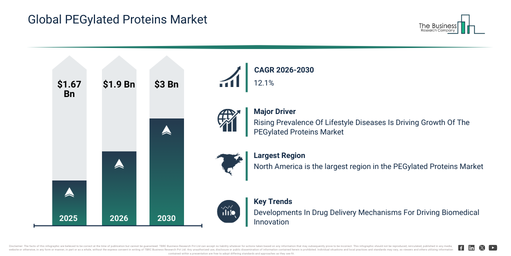
    The market for pegylated proteins has experienced a swift expansion recently. Projections indicate a rise from $1.67 billion in 2025 to $1.9 billion in 2026, reflecting a compound annual growth rate (CAGR) of 13.7%. Key factors driving this past growth include the significant immunogenic responses associated with unmodified proteins, the constrained duration of effectiveness for therapeutic proteins, dependence on traditional protein delivery systems, a diverse and scattered landscape of protein modification services, and a prevailing lack of awareness regarding the advantages of pegylation.

    The market for pegylated proteins is poised for substantial expansion over the coming years, projecting a reach of $3 billion by 2030, driven by a compound annual growth rate (CAGR) of 12.1%. This anticipated surge stems from several key factors, including intensified research and development efforts in pegylated therapeutics, a rising demand for extended-release protein medications, greater acceptance of targeted protein therapies, an increase in outsourced pegylation services, and continuous technological progress in pegylation kits and associated reagents. Furthermore, the forecast period is marked by significant trends such as the heightened application of artificial intelligence in protein engineering and pegylation workflows, the increasing embrace of therapeutic proteins guided by genomic data, the incorporation of cloud-based systems for managing protein research data, the adoption of intelligent manufacturing techniques within pegylated protein production, and the expanding utilization of Internet of Things (IoT) enabled monitoring systems in biopharmaceutical settings.

    Download A Free Sample Report For Comprehensive Market Insights:

    https://www.thebusinessresearchcompany.com/sample.aspx?id=16145&type=smp

    PEGylated Proteins Market Opportunity Drivers: What Is Creating New Revenue Potential?

    The expanding incidence of chronic health conditions is anticipated to fuel the advancement of the PEGylated proteins market in the future. These long-term ailments, characterized by their slow progression and persistent nature, encompass conditions like heart disease, diabetes, persistent lung issues, and specific cancers. A confluence of factors, including an aging demographic, inactive lifestyles, less nutritious eating habits, and environmental pressures, contributes to the escalating rates of these illnesses. PEGylated proteins play a crucial role in addressing chronic diseases by boosting the stability, effectiveness, and precise delivery of medicinal compounds, ultimately leading to better patient results and less frequent treatment regimens. Illustrating this trend, in June 2025, the World Health Organization, a UN specialized body headquartered in Switzerland, stated that noncommunicable diseases continue to be the primary cause of mortality and impairment globally, including within the WHO European Region, where one in five men and one in ten women succumb before the age of seventy due to conditions such as cardiovascular disease, cancer, chronic respiratory ailments, and diabetes.

    PEGylated Proteins Market Segment Analysis And Revenue Opportunities

    The pegylated proteins market covered in this report is segmented –

    1) By Product: Consumable And Services, PEGylation Kits And Reagents, Monofunctional Linear PEGs, Bifunctional PEGs, Other Products

    2) By Protein Type: Colony Stimulating Factors, Interferons, Erythropoietin, Recombinant Factor VII, Other Protein Types

    3) By Application: Cancer Treatment, Hepatitis, Chronic Kidney Diseases, Hemophilia, Multiple Sclerosis, Gastrointestinal Disorders, Other Applications

    4) By End User: Pharmaceuticals, Biotechnology Companies, Contract Research Organizations, Academic Research Institutes

    Subsegments:

    1) By Consumable And Services: Consumables, Services

    2) By PEGylation Kits And Reagents: PEGylation Kits, Reagents

    3) By Monofunctional Linear PEGs: Monofunctional PEGs For Protein Modification

    4) By Bifunctional PEGs: Bifunctional PEGs For Protein Modification

    5) By Other Products: Conjugates, PEGylated Drugs And Therapeutics

    PEGylated Proteins Market Innovation Trends Driving Future Development

    Leading entities within the PEGylated protein sector are actively introducing novel offerings, including PEGylation reagents, to enhance their market standing. These PEGylation reagents are chemical agents designed to affix polyethylene glycol chains onto biomolecules, thereby modifying their characteristics for diverse biomedical uses. To illustrate, May 2023 saw Creative Enzymes, a United States-based provider of enzymes and food additives, introduce DSPE-PEG-Maleimide, a product intended for precision drug delivery. This reagent, DSPE-PEG-Maleimide (DSPE-PEG-MAL), is a linear heterobifunctional PEGylation tool incorporating both DSPE phospholipids and a maleimide group. It functions as a valuable self-assembly agent for creating PEGylated liposomes or micelles and supplies reactive maleimide functionalities for thiols or cysteines, commonly employed in targeted therapeutic delivery.

    PEGylated Proteins Market Leading Players Shaping Industry Direction

    Major companies operating in the pegylated proteins market are Merck & Co. Inc., Bayer AG, Bristol Myers Squibb Company, Roche Holding AG, Gilead Sciences Inc., Novo Nordisk A/S, Regeneron Pharmaceuticals Inc., Biogen Inc., Ipsen Pharma, Kyowa Kirin Co. Ltd., BioMarin Pharmaceutical Inc., Enzon Pharmaceuticals Inc., Amgen Inc., Pfizer Inc., Takeda Pharmaceutical Company Limited, Sanofi SA, UCB Pharma SA, CSL Behring GmbH, Nektar Therapeutics, Swedish Orphan Biovitrum AB, Octapharma AG, Ferring Pharmaceuticals, OPKO Health Inc., Alvotech hf, Ultragenyx Pharmaceutical Inc., PTC Therapeutics Inc., Jazz Pharmaceuticals plc

    Access The Complete PEGylated Proteins Market Report:

    https://www.thebusinessresearchcompany.com/report/pegylated-proteins-global-market-report

    PEGylated Proteins Market Geographic Analysis: Where Is Demand Growing The Fastest?

    North Americawas the largest region in the PEGylated Proteins market in 2025. The regions covered in the pegylated proteins market report are Asia-Pacific, South East Asia, Western Europe, Eastern Europe, North America, South America, Middle East, Africa.

    Get in touch with us:

    The Business Research Company: https://www.thebusinessresearchcompany.com/

    Americas: +1 310-496-7795

    Asia: +44 7882 955267 & +91 8897263534

    Europe: +44 7882 955267

    Email us at: marketing@tbrc.info

    Follow us on:

    LinkedIn: https://in.linkedin.com/company/the-business-research-company

    YouTube: https://www.youtube.com/channel/UC24_fI0rV8cR5DxlCpgmyFQ

    Global Market Model: https://www.thebusinessresearchcompany.com/global-market-model

  • Pediatric Telehealth Platform Market Opportunities Are Emerging Beyond Traditional Growth Areas

    Pediatric Telehealth Platform Market Opportunities Are Emerging Beyond Traditional Growth Areas

    Through market attractiveness analysis, total addressable market evaluation, company benchmarking matrices, interactive Excel dashboards, expanded supply chain intelligence, emerging startup coverage, and detailed product insights, The Business Research Company’s 2026 market reports provide more actionable and strategically valuable research.

    Pediatric Telehealth Platform Market Value Analysis: What Growth Is Expected Over The Forecast Period?

    The market for pediatric telehealth platforms has experienced significant expansion lately, projecting a rise from $1.68 billion in 2025 to $2.06 billion in 2026, driven by a compound annual growth rate of 22.5%. Factors contributing to this past growth trajectory include restricted access to child healthcare services in distant regions, insufficient knowledge about telehealth alternatives, a preference for face-to-face appointments, a disjointed healthcare IT framework, and the substantial expense associated with establishing telehealth services.

    The market for pediatric telehealth platforms is poised for significant expansion, projecting a reach of $4.58 billion by 2030, driven by a robust compound annual growth rate of 22.2%. This surge is fueled by escalating demand for virtual pediatric consultations, greater utilization of wearable health monitoring devices, augmented investments in pediatric telehealth solutions, expanding internet accessibility in remote regions, and a heightened focus on managing chronic conditions remotely. Key developments anticipated during this period include the increased adoption of AI-enhanced virtual consultations, seamless integration of cloud-based patient management systems, broader application of IoT enabled remote monitoring devices, significant advancements in genomic-based personalized pediatric care, and the enhanced implementation of smart manufacturing for telehealth hardware.

    Download A Free Sample Report For Comprehensive Market Insights:

    https://www.thebusinessresearchcompany.com/sample.aspx?id=24358&type=smp

    Pediatric Telehealth Platform Market Growth Momentum: Which Factors Are Influencing Demand?

    The pediatric telehealth platform market is poised for expansion, largely fueled by the growing integration of digital health solutions. These solutions encompass a range of technologies, from mobile applications and telemedicine services to wearable devices and electronic health records, all aimed at enhancing healthcare delivery and improving patient health. A key driver behind this trend is the escalating need for continuous remote patient monitoring, as healthcare professionals search for effective methods to keep tabs on patient health data outside of conventional medical facilities. Pediatric telehealth platforms play a crucial role in these digital health initiatives by facilitating remote consultations, enabling real-time health tracking, broadening access to medical services, and diminishing the necessity for face-to-face appointments. Illustrating this shift, FAIR Health Inc., a US-based non-profit, reported in April 2023 that national telehealth utilization saw a rise to 7.3% in 2023, climbing from 5.5% of medical claim lines in December 2022 to 5.9% by January 2023. Consequently, the broader embrace of digital health solutions is directly contributing to the burgeoning growth of the pediatric telehealth platform market.

    Pediatric Telehealth Platform Market Segmentation And Category Breakdown

    The pediatric telehealth platform market covered in this report is segmented –

    1) By Component: Software, Hardware, Services

    2) By Functionality: Appointment Scheduling, Medical History Management, Prescription Management, Diagnostic Tools, Patient Education Resources

    3) By Mode Of Delivery: Web-Based, Cloud-Based, On-Premises

    4) By Application: Respiratory, Cold, Flu And Fever, Gastroenterology, Behavioral Health, Dermatology, Other Applications

    5) By End-User: Hospitals, Clinics, Homecare, Schools, Others End-Users

    Subsegments:

    1) By Software: Telemedicine Software, Appointment Scheduling Software, Electronic Health Records (EHR) Software, Patient Management Software, Billing And Payment Software

    2) By Hardware: Telemedicine Kits, Wearable Devices, Tablets Or Smartphones For Telehealth, Diagnostic Equipment For Remote Use

    3) By Services: Telehealth Consultation Services, Remote Patient Monitoring Services, Technical Support Services, Cloud Storage And Data Management Services, Integration And Implementation Services

    Pediatric Telehealth Platform Market Trends Reshaping Industry Growth

    Leading entities within the pediatric telehealth platform sector are prioritizing the creation of novel offerings, specifically digital communication instruments, to bolster accessibility, elevate patient involvement, and facilitate prompt healthcare delivery for youngsters via easily navigable and convenient communication methods. Essentially, a digital communication tool is a tech-driven system designed for electronic information transfer, which greatly assists pediatric telehealth platforms by empowering healthcare professionals to connect with patients and their guardians from a distance, thereby ensuring prompt consultations, follow-up appointments, and coordinated care without the necessity of physical presence. As an illustration, in November of 2024, Summer Health Inc., a provider of in-home healthcare services based in the United States, introduced a complimentary trial for its text-based pediatric care solution, granting parents round-the-clock texting access to certified pediatricians across all fifty states, with expert evaluations, recommendations, and prescriptions provided in as little as fifteen minutes, aiding in the home management of symptoms associated with RSV, influenza, and COVID-19. This strategic move highlights Summer Health’s dedication to minimizing avoidable emergency room utilization and optimizing pediatric healthcare services through advancements in digital technology.

    Pediatric Telehealth Platform Market Competitive Analysis Of Major Industry Participants

    Major companies operating in the pediatric telehealth platform market are Teladoc Health Inc., American Well Corporation, Health Catalyst Inc., Brightline Holdings LLC, HealthTap, Sesame Inc., Health Recovery Solutions Inc., Hazel Health Inc., BabyScripts, Kiddo Health Inc., Kismet Health Inc., CareFirst Pediatrics, Blueberry Pediatrics, Maven Technosoft Private Limited, Alpha Medical Group Inc., Virtuwell, Summer Health Inc., Omega Pediatrics, Tele-Medics Solutions Private Limited, Anytime Telecare

    Access The Complete Pediatric Telehealth Platform Market Report:

    https://www.thebusinessresearchcompany.com/report/pediatric-telehealth-platform-global-market-report

    Pediatric Telehealth Platform Market Global Footprint: Which Region Holds Market Leadership?

    North Americawas the largest region in the pediatric telehealth platform market in 2025. Asia-Pacificis expected to be the fastest-growing region in the forecast period. The regions covered in the pediatric telehealth platform market report are Asia-Pacific, South East Asia, Western Europe, Eastern Europe, North America, South America, Middle East, Africa.

    Get in touch with us:

    The Business Research Company: https://www.thebusinessresearchcompany.com/

    Americas: +1 310-496-7795

    Asia: +44 7882 955267 & +91 8897263534

    Europe: +44 7882 955267

    Email us at: marketing@tbrc.info

    Follow us on:

    LinkedIn: https://in.linkedin.com/company/the-business-research-company

    YouTube: https://www.youtube.com/channel/UC24_fI0rV8cR5DxlCpgmyFQ

    Global Market Model: https://www.thebusinessresearchcompany.com/global-market-model

  • Pediatric Neuroblastoma Treatment Market Trends Are Creating New Opportunities For Industry Leaders

    Pediatric Neuroblastoma Treatment Market Trends Are Creating New Opportunities For Industry Leaders

    Enhanced with market attractiveness analysis, total addressable market evaluation, company benchmarking matrices, interactive Excel dashboards, expanded supply chain intelligence, emerging startup coverage, and detailed product insights, The Business Research Company’s 2026 market reports deliver more actionable and strategically valuable research.

    Pediatric Neuroblastoma Treatment Market Revenue Outlook: What CAGR Is Expected Through 2030?

    Strong recent expansion has characterized the pediatric neuroblastoma treatment market. Projections indicate a rise from its 2025 valuation of $2.02 billion to $2.2 billion by 2026, reflecting a compound annual growth rate of 9.0%. Factors contributing to this historical market growth include restricted availability of pediatric cancer medications, a slow uptake of immunotherapies, continued dependence on standard chemotherapy, a shortage of dedicated treatment facilities, and the scattered nature of clinical information regarding neuroblastoma.

    The market for treating pediatric neuroblastoma is poised for significant expansion over the coming years, projected to reach $3.13 billion by 2030, fueled by a compound annual growth rate of 9.2%. This anticipated growth stems from intensified research and development efforts focused on targeted therapies, a greater deployment of CAR T-cell and monoclonal antibody treatments, the increasing embrace of personalized medicine strategies, augmented investments in pediatric oncology infrastructure, and broader awareness campaigns promoting early detection. Key developments expected during this forecast period involve the expanded application of artificial intelligence in diagnosing pediatric cancers, a wider adoption of genomics-driven targeted therapies, enhanced integration of cloud computing and big data for managing patient information, a rise in the utilization of IoT-enabled monitoring within treatment plans, and a more widespread implementation of smart manufacturing techniques in pharmaceutical production.

    Download A Free Sample Report For Comprehensive Market Insights:

    https://www.thebusinessresearchcompany.com/sample.aspx?id=9924&type=smp

    Pediatric Neuroblastoma Treatment Market Development Factors: Which Trends Are Supporting Demand?

    The increasing incidence of pediatric neuroblastoma cases is poised to significantly fuel the expansion of the pediatric neuroblastoma treatment market. This heightened prevalence of neuroblastoma is directly contributing to a greater demand for various treatment options for affected children. In response, pharmaceutical companies and other key industry players have ramped up their investments in research and development initiatives, thereby fostering advancements and novel solutions within the sector. Moreover, the introduction of cutting-edge diagnostic tools and enhanced screening methods is leading to the earlier identification of neuroblastoma, which in turn facilitates prompt treatment initiation and improves patient prognosis. Specifically, data shared by the American Society of Clinical Oncology (ASCO) in March 2023 indicated that neuroblastoma impacts an estimated 700 to 800 children annually in the United States, representing 6% of all cancer diagnoses in this age group, and affecting approximately 90% of children younger than five years old. Consequently, the upward trend in new pediatric neuroblastoma diagnoses is a primary catalyst for the growth observed in the pediatric neuroblastoma treatment market.

    Pediatric Neuroblastoma Treatment Market Segment Landscape: Which Areas Lead Market Development?

    The pediatric neuroblastoma treatment market covered in this report is segmented –

    1) By Treatment Type: Immunotherapy, Chemotherapy, Radiation Therapy, Other Treatment Types

    2) By Risk Group: Low Risk, Intermediate Risk, High Risk

    3) By End User: Hospitals, Specialty Clinics, Other End Users

    Subsegments:

    1) By Immunotherapy: Monoclonal Antibodies, Immune Checkpoint Inhibitors, CAR T-Cell Therapy

    2) By Chemotherapy: Alkylating Agents, Antimetabolites, Topoisomerase Inhibitors

    3) By Radiation Therapy: External Beam Radiation Therapy (EBRT), Radioisotope Therapy

    4) By Other Treatment Types: Surgery, Stem Cell Transplantation, Targeted Therapy

    Pediatric Neuroblastoma Treatment Market Transformation Trends: Which Innovations Are Driving Change?

    In the pediatric neuroblastoma treatment arena, leading companies are focusing on technological advancements like antibody therapies to boost the effectiveness of targeted treatments and ultimately enhance patient prognoses. Antibody technologies involve a range of techniques and instruments used for creating, manufacturing, and employing antibodies in the fields of diagnosis, therapy, and scientific investigation. As an illustration, in August of 2023, Renaissance Pharma Ltd, a biopharmaceutical firm based in the United Kingdom currently in its clinical stages, introduced Hu14.18K322A, an agent designed to target GD2. GD2 is a disialoganglioside found on the exterior of neuroblastoma cells. Through its attachment to these malignant cells, Hu14.18K322A mobilizes the immune system’s effector cells to combat and eradicate the tumor, thereby potentially leading to better treatment results for individuals diagnosed with high-risk neuroblastoma.

    Pediatric Neuroblastoma Treatment Market Industry Leaders And Market Competition

    Major companies operating in the pediatric neuroblastoma treatment market are United Therapeutics Corporation, APEIRON Biologics AG, Cell Ectar Biosciences Inc., Pfizer Inc., MacroGenics Inc., Bayer AG, Provectus Biopharmaceuticals Inc., Y-mAbs Therapeutics Inc., Amgen Inc., Eli Lilly and Company, F. Hoffmann-La Roche AG, Clarity Pharmaceuticals, CureSearch for Children’s Cancer, Novartis AG, Johnson & Johnson Services Inc., AbbVie Inc., Merck & Co. Inc., Bristol-Myers Squibb Company, Takeda Pharmaceutical Company Limited, Daiichi Sankyo Company Limited, Eisai Co. Ltd.

    Access The Complete Pediatric Neuroblastoma Treatment Market Report:

    https://www.thebusinessresearchcompany.com/report/pediatric-neuroblastoma-treatment-global-market-report

    Pediatric Neuroblastoma Treatment Market Leading Geography: Which Region Generates The Most Revenue?

    North Americawas the largest region in the pediatric neuroblastoma treatment market in 2025. The regions covered in the pediatric neuroblastoma treatment market report are Asia-Pacific, South East Asia, Western Europe, Eastern Europe, North America, South America, Middle East, Africa.

    Get in touch with us:

    The Business Research Company: https://www.thebusinessresearchcompany.com/

    Americas: +1 310-496-7795

    Asia: +44 7882 955267 & +91 8897263534

    Europe: +44 7882 955267

    Email us at: marketing@tbrc.info

    Follow us on:

    LinkedIn: https://in.linkedin.com/company/the-business-research-company

    YouTube: https://www.youtube.com/channel/UC24_fI0rV8cR5DxlCpgmyFQ

    Global Market Model: https://www.thebusinessresearchcompany.com/global-market-model
  • Pediatric Imaging Market Growth Is Reshaping Competitive Advantage Across The Industry

    Pediatric Imaging Market Growth Is Reshaping Competitive Advantage Across The Industry

    Through market attractiveness analysis, total addressable market evaluation, company benchmarking matrices, interactive Excel dashboards, expanded supply chain intelligence, emerging startup coverage, and detailed product insights, The Business Research Company’s 2026 market reports provide more actionable and strategically valuable research.

    Pediatric Imaging Market Growth Analysis: How Will Revenue Expand During The Forecast Period?

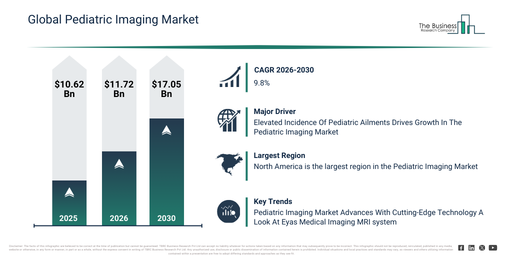
    The pediatric imaging sector has experienced accelerated expansion. Its market valuation is projected to increase from 10.62 billion dollars in 2025 to 11.72 billion dollars in 2026, reflecting a compound annual growth rate of 10.3%. Factors contributing to its expansion during the preceding period included a scarcity of specialized equipment for children, minimal uptake of sophisticated imaging techniques, reliance on protocols designed for adults, a disjointed imaging setup, and a deficit in training centered on pediatric needs.

    The pediatric imaging sector is poised for substantial expansion, projecting a market value of $17.05 billion by 2030, fueled by a compound annual growth rate of 9.8%. This anticipated surge is underpinned by several key drivers, including the increasing utilization of low-dose CT and MRI technologies, the growing integration of artificial intelligence in the analysis of medical images, a rise in tele-radiology services, an elevated demand for the early identification of childhood diseases, and augmented investments directed towards pediatric imaging facilities. Significant trends expected to shape this market over the forecast period encompass the heightened adoption of AI-driven imaging analytics, an expanded use of cloud-based systems for managing imaging data, greater integration of genomics with imaging-based diagnostics, a broader deployment of IoT-enabled pediatric imaging equipment, and the implementation of intelligent imaging workflows within healthcare institutions.

    Download A Free Sample Report For Comprehensive Market Insights:

    https://www.thebusinessresearchcompany.com/sample.aspx?id=7465&type=smp

    Pediatric Imaging Market Industry Drivers: What Is Driving Revenue Growth?

    The increasing prevalence of childhood illnesses is anticipated to be a primary catalyst for the expansion of the pediatric imaging market. Pediatric imaging encompasses the utilization of sophisticated technologies like ultrasound, CT scans, and X-rays to examine and diagnose younger patient populations, thereby identifying any anomalies within their bodies to facilitate the development of appropriate therapeutic strategies. Within pediatric nuclear medicine, imaging plays a crucial role in detecting severe conditions in children, whether they stem from congenital issues, infections, non-infectious causes, or a combination thereof, including cancers. Illustratively, the National Cancer Institute, a branch of the US Department of Health and Human Services, projected that in August 2024, approximately 14,910 individuals aged 0 to 19 in the United States would receive a cancer diagnosis, leading to an estimated 1,590 fatalities that same year; this figure breaks down into 9,620 diagnoses and 1,040 deaths for children aged 0 to 14, and 5,290 diagnoses with 550 deaths for adolescents aged 15 to 19. Consequently, the escalating incidence of pediatric diseases is consequently fueling the growth trajectory of the pediatric imaging market.

    Pediatric Imaging Market Segments: Where Are The Largest Growth Opportunities?

    The pediatric imaging market covered in this report is segmented –

    1) By Modality: Ultrasound, Magnetic Resonance Imaging (MRI), Computed Tomography (CT), X-Ray, Other Modalities

    2) By Application: Orthopedics, Gastroenterology, Cardiology, Oncology, Neurology, Other Applications

    3) By End-User: Hospitals, Diagnostic Centers, Other End-Users

    Subsegments:

    1) By Ultrasound: 2D Ultrasound, 3D Ultrasound, Doppler Ultrasound

    2) By Magnetic Resonance Imaging (MRI): Open MRI, Closed MRI, Functional MRI (fMRI)

    3) By Computed Tomography (CT): Standard CT, Low-Dose CT, CT Angiography

    4) By X-Ray: Digital X-Ray, Conventional X-Ray, Fluoroscopy

    5) By Other Modalities: Nuclear Medicine, Positron Emission Tomography (PET), Single Photon Emission Computed Tomography (SPECT)

    #Pediatric Imaging Market Growth Trends: What Is Influencing The Future Outlook?

    Leading players in the pediatric imaging sector are actively pursuing the creation of cutting-edge technologies, like neonatal MRI scanners, in response to the escalating need for precise, non-radiation imaging solutions tailored for infants and vulnerable newborns. This specialized neonatal MRI technology is engineered to produce exceptionally clear anatomical and functional images, while also catering to the specific physiological requirements of neonates, thereby facilitating safer and more precise diagnostic capabilities compared to conventional methods such as CT scans or ultrasounds. As an illustration, in July 2023, the American firm Eyas Medical Imaging unveiled Ascent, a sophisticated neonatal MRI system that became available after 2022. The Ascent is equipped with a robust 3 Tesla (3T) magnet, providing a magnetic field strength previously unprecedented in neonatal MRI devices, and it delivers intricate visual data of critical organs including the brain, lungs, heart, and abdomen, which supports earlier and more definitive diagnoses. This system is designed with neonatal well-being as a priority, aiming to enhance image clarity, minimize examination durations, and boost diagnostic certainty across diverse clinical scenarios.

    Pediatric Imaging Market Major Participants And Competitive Dynamics

    Major companies operating in the pediatric imaging market are Agfa-Gevaert NV, Analogic Corporation, CAN-med Healthcare, Canon Inc., Eastman Kodak Company, EOS imaging, Esaote SpA, FUJIFILM Holdings Corporation, Hitachi Medical Corporation, Koninklijke Philips N.V., Mindray Medical International Limited, Samsung Medison Co. Ltd, Shenzhen Anke High-tech Co. Ltd, Siemens Healthcare GmbH, Toshiba Medical Systems Corporation, Trivitron Healthcare Pvt. Ltd., BK Medical UK Ltd., Clarius Mobile Health Corp., CurveBeam AI Ltd., General Electric Company, Hologic Inc., InnoVision Ltd.

    Access The Complete Pediatric Imaging Market Report:

    https://www.thebusinessresearchcompany.com/report/pediatric-imaging-global-market-report

    Pediatric Imaging Market Regional Outlook: Where Are The Largest Opportunities Located?

    North Americawas the largest region in the pediatric imaging market in 2025. Asia-Pacificis expected to be the fastest-growing region in the forecast period. The regions covered in the pediatric imaging market report are Asia-Pacific, South East Asia, Western Europe, Eastern Europe, North America, South America, Middle East, Africa.

    Get in touch with us:

    The Business Research Company: https://www.thebusinessresearchcompany.com/

    Americas: +1 310-496-7795

    Asia: +44 7882 955267 & +91 8897263534

    Europe: +44 7882 955267

    Email us at: marketing@tbrc.info

    Follow us on:

    LinkedIn: https://in.linkedin.com/company/the-business-research-company

    YouTube: https://www.youtube.com/channel/UC24_fI0rV8cR5DxlCpgmyFQ

    Global Market Model: https://www.thebusinessresearchcompany.com/global-market-model

  • Pediatric Home Healthcare Market Forecast Signals New Revenue Opportunities Through 2030

    Pediatric Home Healthcare Market Forecast Signals New Revenue Opportunities Through 2030

    Delivering more actionable and strategically valuable research, The Business Research Company’s 2026 market reports feature market attractiveness analysis, total addressable market evaluation, company benchmarking matrices, interactive Excel dashboards, expanded supply chain intelligence, emerging startup coverage, and detailed product insights.

    Pediatric Home Healthcare Market Forecast: What Market Value Is Expected By 2030?

    The pediatric home healthcare sector has experienced significant expansion, projecting an increase from $52.22 billion in 2025 to $57.83 billion in 2026, reflecting a compound annual growth rate (CAGR) of 10.8%. Historically, key factors contributing to its development included nascent awareness of home-based care options, a prevailing dependence on hospital-based pediatric services, a disjointed approach to delivering pediatric care, limited integration of telehealth technologies, and a scarcity of qualified professionals specializing in pediatric home care.

    The pediatric home healthcare sector is poised for significant expansion, with projections indicating a rise to $87.98 billion by 2030, reflecting a compound annual growth rate of 11.1%. This anticipated growth over the forecast period is largely fueled by several key factors: the escalating use of remote monitoring technology, the increasing integration of artificial intelligence in care platforms, a greater emphasis on telehealth services, a growing need for tailored care strategies for children, and a heightened focus on managing chronic conditions within a home setting. Significant trends expected to shape this market include a broader acceptance of remote patient monitoring systems, a surge in the utilization of AI-powered care management tools, enhanced integration of telehealth for pediatric services, a more widespread adoption of data-centric home healthcare approaches, and a continued emphasis on customized care plans for young patients.

    Download A Free Sample Report For Comprehensive Market Insights:

    https://www.thebusinessresearchcompany.com/sample.aspx?id=10421&type=smp

    Pediatric Home Healthcare Market Growth Factors: Which Forces Are Supporting Market Expansion?

    The upward trend in premature births is forecast to be a significant catalyst for the expansion of the pediatric home healthcare sector. Premature birth, defined as the birth of an infant prior to the completion of 37 weeks of gestation, is becoming more prevalent, largely attributed to the increasing average maternal age. As pregnancies are undertaken at later stages of life, inherent biological risks escalate, leading to a higher incidence of complications. Pediatric home healthcare services are instrumental in providing essential specialized medical attention and continuous observation for these vulnerable preterm infants within the familiar and comforting environment of their own residences. Illustrating this trend, data from the CDC National Center for Health Statistics (NCHS), a primary source for US health statistics, revealed that the preterm birth rate in the United States climbed from 29.31% in 2022 to 29.84% in 2023, underscoring how this rise in preterm births is directly fueling the growth of the pediatric home healthcare market.

    Pediatric Home Healthcare Market Segment Analysis: What Are The Major Market Categories?

    The pediatric home healthcare market covered in this report is segmented –

    1) By Service: Skilled Nursing Services, Personal Care Assistance, Rehabilitation Therapy Services

    2) By Device: Diagnostic And Monitoring Devices, Therapeutic Devices, Home Mobility Assist Devices

    3) By Application: Premature Babies, Cardiovascular Disease, Complex Intravenous Therapy, Pediatric Oncology, Chronic Disease, Infectious Disease, Other Applications

    Subsegments:

    1) By Skilled Nursing Services: Pediatric Assessments, Medication Management, Wound Care, Intravenous (IV) Therapy, Care For Chronic Conditions

    2) By Personal Care Assistance: Bathing And Hygiene Assistance, Meal Preparation, Mobility Assistance, Companionship, Light Housekeeping

    3) By Rehabilitation Therapy Services: Physical Therapy, Occupational Therapy, Speech Therapy, Behavioral Therapy, Developmental Therapy

    Pediatric Home Healthcare Market Industry Trends: What Changes Are Reshaping Demand?

    In the pediatric home healthcare sector, prominent firms are prioritizing the introduction of novel offerings, notably respiratory therapy, to fortify their market positions. Respiratory therapy, a discipline concerned with the assessment and management of cardiopulmonary issues, constitutes a significant element of these advanced services. For illustration, in August of 2024, Cubhub, a preeminent United States based entity specializing in electronic medical record systems for home health agencies catering to Medicaid beneficiaries, unveiled its novel Family CNA module targeted at Colorado based service providers. This cutting edge module elevates home healthcare delivery through the optimization of operational processes, the enhancement of overall efficiency, and the provision of a superior experience for families receiving care. As the sole electronic medical record system meticulously crafted for pediatric clientele, Cubhub maintains its leadership in pioneering advancements and user centric solutions. The Family CNA module integrates effortlessly with Cubhub’s established pediatric functionalities, thereby enabling a fluid transition while upholding superior standards of patient care. Through the automation of numerous intricate aspects of Colorado’s Family CNA program, Cubhub endeavors to augment caregiver contentment and enhance patient results. This recent introduction underscores Cubhub’s dedication to equipping healthcare organizations with sophisticated technological instruments specifically engineered to bolster their critical contributions to pediatric home healthcare.

    Pediatric Home Healthcare Market Leading Companies Driving Competitive Growth

    Major companies operating in the pediatric home healthcare market are Aveanna Healthcare LLC, BAYADA Home Health Care Inc, Tendercare Home Health Services Inc, BrightStar Group Holdings Inc, Angels of Care Pediatric Home Health, New England Home Care Inc, Pediatric Home Healthcare, Enviva Pediatric Care, Interim Healthcare Inc, eKidzCare, EKIDZCARE CORPORATE, MGA Homecare LLC, At Home Healthcare, Paramed Inc, Thrive Skilled Pediatric Care, Continuum Pediatric Nursing Services, Pediatric Home Service, Advanced Care Pediatric Services, Sunshine Home Care, TeamCare Home Health, Family First Homecare, KidsCare Home Health, Priority Home Care, Pediatric Home Nursing Services, Comprehensive Home Care, Kids Choice Pediatric Home Care, Children First Home Care, Reliable Home Care, Star Pediatric Home Care

    Access The Complete Pediatric Home Healthcare Market Report:

    https://www.thebusinessresearchcompany.com/report/pediatric-home-healthcare-global-market-report

    Pediatric Home Healthcare Market Geographic Landscape: Which Region Dominates Industry Growth?

    North Americawas the largest region in the pediatric home healthcare market in 2025. Asia-Pacific is expected to be the fastest-growing region in the global pediatric home healthcare market during the forecast period. The regions covered in the pediatric home healthcare market report are Asia-Pacific, South East Asia, Western Europe, Eastern Europe, North America, South America, Middle East, Africa.

    Get in touch with us:

    The Business Research Company: https://www.thebusinessresearchcompany.com/

    Americas: +1 310-496-7795

    Asia: +44 7882 955267 & +91 8897263534

    Europe: +44 7882 955267

    Email us at: marketing@tbrc.info

    Follow us on:

    LinkedIn: https://in.linkedin.com/company/the-business-research-company

    YouTube: https://www.youtube.com/channel/UC24_fI0rV8cR5DxlCpgmyFQ

    Global Market Model: https://www.thebusinessresearchcompany.com/global-market-model

  • Pediatric Growth Hormone Deficiency Market Growth Is Accelerating As Industry Transformation Continues

    Pediatric Growth Hormone Deficiency Market Growth Is Accelerating As Industry Transformation Continues

    Enhanced with market attractiveness analysis, total addressable market evaluation, company benchmarking matrices, interactive Excel dashboards, expanded supply chain intelligence, emerging startup coverage, and detailed product insights, The Business Research Company’s 2026 market reports deliver more actionable and strategically valuable research.

    Pediatric Growth Hormone Deficiency Market Size Outlook: How Fast Will Revenue Grow Through 2030?

    The market for pediatric growth hormone deficiency experienced robust expansion lately, projecting a leap from $4.15 billion in 2025 to $4.52 billion in 2026, fueled by a compound annual growth rate of 9.0%. Factors contributing to this historical surge include a lack of widespread knowledge regarding GH deficiency, a predominant use of traditional treatment methods, a decentralized approach to pediatric endocrinology services, limited adoption of digital health tools for monitoring, and a low uptake of extended-release growth hormone formulations.

    The market for pediatric growth hormone deficiency is poised for significant expansion, projected to reach $6.32 billion by 2030 with a compound annual growth rate of 8.7%, driven by increased uptake of rhgh therapies, ongoing advancements in developing sustained-release gh analogues, a heightened emphasis on tailored treatment strategies, the growing incorporation of digital tools for patient oversight, and augmented regulatory backing for pediatric endocrine interventions. Key developments anticipated during this period include a greater prevalence of recombinant human growth hormone treatments, expanded utilization of extended-release growth hormones, more widespread integration of digital technologies for patient tracking, enhanced deployment of AI for diagnostics and treatment design, and an intensified focus on precision medicine within the realm of pediatric gh deficiency.

    Download A Free Sample Report For Comprehensive Market Insights:

    https://www.thebusinessresearchcompany.com/sample.aspx?id=21250&type=smp

    Pediatric Growth Hormone Deficiency Market Demand Drivers: What Is Fueling Industry Growth?

    The expanding incidence of ailments affecting children is anticipated to fuel the progression of the market for pediatric growth hormone deficiency. These childhood illnesses, encompassing conditions that impact individuals from infancy through their teenage years, are on the rise due to a confluence of factors including environmental influences, enhanced diagnostic capabilities, shifts in lifestyle, genetic predispositions, and an escalating rate of chronic illnesses and allergies. Such pediatric health issues can directly lead to pediatric growth hormone deficiency by impacting the hypothalamus or pituitary gland, key players in growth hormone production. A pertinent example, as highlighted in August 2024 by the United Nations Children’s Fund, indicates that approximately 1.1 million children and adolescents worldwide between the ages of 0 and 19 require daily insulin for type 1 diabetes, with many in low- and middle-income nations lacking access to essential treatment for this severe and frequently lethal condition. Consequently, the rising tide of pediatric diseases is serving as a significant driver for the pediatric growth hormone deficiency market.

    Pediatric Growth Hormone Deficiency Market Segment Breakdown: Which Categories Generate The Most Revenue?

    The pediatric growth hormone deficiency market covered in this report is segmented –

    1) By Etiology Type: Congenital GH Deficiency, Acquired GH Deficiency, Idiopathic GH deficiency

    2) By Product: Recombinant Human Growth Hormone (rhGH), Human Growth Hormone (HGH) Analogs, Long-Acting Growth Hormones

    3) By Route Of Administration: Subcutaneous, Intramuscular, Oral

    4) By Distribution Channel: Hospital Pharmacies, Retail Pharmacies, Online Pharmacies

    5) By Application: Growth Hormone Deficiency, Idiopathic Short Stature, Turner Syndrome, Small For Gestational Age, Prader Willi Syndrome, Other Applications

    Subsegments:

    1) By Congenital GH Deficiency: Isolated GH Deficiency, Combined Pituitary Hormone Deficiency

    2) By Acquired GH Deficiency: GH Deficiency Due To Pituitary Tumors, GH Deficiency Due To Brain Injury, GH Deficiency Due To Radiation Therapy

    3) By Idiopathic GH Deficiency: Primary Idiopathic GH Deficiency, Secondary Idiopathic GH Deficiency

    Pediatric Growth Hormone Deficiency Market Innovation Trends: Which Developments Are Transforming The Industry?

    Leading entities within the pediatric growth hormone deficiency sector are prioritizing the creation of novel treatments, exemplified by extended-release, weekly growth hormone analogues designed to enhance patient adherence and ease of use. An extended-release, weekly human growth hormone (HGH) analogue signifies a bioengineered variant of the naturally occurring HGH, modified to sustain its therapeutic effect over a prolonged period within the organism. Illustrating this trend, in June of 2023, the collaboration between Pfizer Inc., an American pharmaceutical giant, and OPKO Health Inc., a US-based drug developer, led to the introduction of NGENLA (somatrogon-ghla), a growth hormone analogue administered once weekly. This novel therapeutic agent received approval from the US Food and Drug Administration for pediatric patients aged three and above experiencing growth impairment stemming from insufficient endogenous growth hormone secretion. The primary objective of this advanced treatment is to boost patient compliance through a reduced injection frequency, contrasting with conventional therapies that typically necessitate daily administration. Evidence from clinical studies indicates that NGENLA achieves comparable effectiveness to daily growth hormone regimens, thereby presenting a more user-friendly and manageable choice for affected children and their caregivers.

    Pediatric Growth Hormone Deficiency Market Key Players And Strategic Industry Positioning

    Major companies operating in the pediatric growth hormone deficiency market are Pfizer Inc., Eli Lilly and Company, Novo Nordisk A/S, Genentech Inc., Merck KGaA Darmstadt Germany, Ipsen Pharma, Ferring Pharmaceuticals, OPKO Health Inc., Ascendis Pharma A/S, Versartis Inc., LG Chem Ltd., GeneScience Pharmaceuticals Co Ltd, Biopartners GmbH, JHM Biopharma, JCR Pharmaceuticals Co Ltd, Samsung Bioepis, Intas Pharmaceuticals Ltd, BioMarin Pharmaceutical Inc, Abbott Laboratories, Amgen Inc, Chugai Pharmaceutical Co Ltd, Sanofi S A, AnkeBio Co Ltd, Zhongshan Sinobioway Hygene Biomedicine Co Ltd.

    Access The Complete Pediatric Growth Hormone Deficiency Market Report:

    https://www.thebusinessresearchcompany.com/report/pediatric-growth-hormone-deficiency-global-market-report

    Pediatric Growth Hormone Deficiency Market Largest Region: Which Geography Holds The Highest Market Share?

    North Americawas the largest region in the pediatric growth hormone deficiency market in 2025. Asia-Pacificis expected to be the fastest-growing region in the forecast period. The regions covered in the pediatric growth hormone deficiency market report are Asia-Pacific, South East Asia, Western Europe, Eastern Europe, North America, South America, Middle East, Africa.

    Get in touch with us:

    The Business Research Company: https://www.thebusinessresearchcompany.com/

    Americas: +1 310-496-7795

    Asia: +44 7882 955267 & +91 8897263534

    Europe: +44 7882 955267

    Email us at: marketing@tbrc.info

    Follow us on:

    LinkedIn: https://in.linkedin.com/company/the-business-research-company

    YouTube: https://www.youtube.com/channel/UC24_fI0rV8cR5DxlCpgmyFQ

    Global Market Model: https://www.thebusinessresearchcompany.com/global-market-model