Category: Healthcare Services

  • Neurotechnology Market Trends And Growth Drivers Point To Strong Future Potential

    Neurotechnology Market Trends And Growth Drivers Point To Strong Future Potential

    Enhanced with market attractiveness analysis, total addressable market evaluation, company benchmarking matrices, interactive Excel dashboards, expanded supply chain intelligence, emerging startup coverage, and detailed product insights, The Business Research Company’s 2026 market reports deliver more actionable and strategically valuable research.

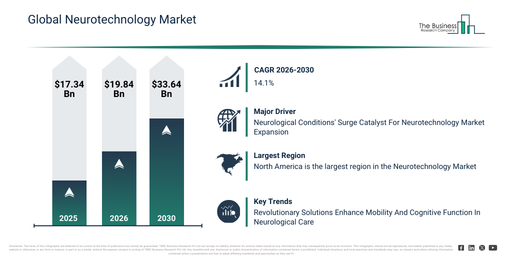
    Neurotechnology Market Growth From $19.84 Billion In 2026 To $33.63 Billion By 2030 At A CAGR Of 14.1%

    The neurotechnology sector has experienced significant expansion recently. Projections indicate a rise from $17.34 billion in 2025 to $19.84 billion in 2026, reflecting a compound annual growth rate (CAGR) of 14.4%. This historical growth trajectory has been fueled by several key factors, including improvements in medical imaging capabilities, the early uptake of neurostimulation treatments, an increase in neurological research endeavors, the growing incidence of neurological conditions, and technological innovations in implantable devices.

    The neurotechnology sector is poised for significant expansion in the upcoming years, projecting a market value of $33.64 billion by 2030, fueled by a compound annual growth rate (CAGR) of 14.1%. This anticipated surge is underpinned by several key drivers, including escalating investments in brain-computer interfaces, a rising demand for tailored neurological treatments, the broader application of AI in diagnostic processes, increased uptake of domestic neurotechnology solutions, and advancements in less invasive neurotherapeutic approaches. Concurrently, the forecast period is expected to witness prominent trends such as the wider deployment of brain-computer interface technologies, a greater acceptance of non-invasive neurostimulation devices, enhanced utilization of neuroimaging within clinical diagnostics, growing needs for cognitive rehabilitation tools, and improvements in materials used for neurological implants.

    Download A Free Sample Report For Comprehensive Market Insights:

    https://www.thebusinessresearchcompany.com/sample.aspx?id=9840&type=smp

    Neurotechnology Market Opportunity Drivers: What Is Creating New Revenue Potential?

    The expanding landscape of neurological diseases is anticipated to be a significant catalyst for the advancement of the neurotechnology sector. Neurological conditions encompass a spectrum of disorders impacting the brain, such as Alzheimer’s, Parkinson’s, epilepsy, and migraines. Neurotechnology offers a diverse toolkit for identifying and managing these ailments, including modalities like brain imaging, neurostimulation, neurofeedback, and brain-computer interfaces. To illustrate, as reported by the World Federation of Neurology in October 2023, neurological disorders have emerged as the second leading cause of mortality and the foremost contributor to disability globally, underscoring a growing health crisis. With over 40% of the world’s population experiencing such conditions in 2023, and the number of individuals battling brain diseases projected to nearly double by 2050, the rising incidence of neurological conditions is consequently fueling the neurotechnology market’s expansion.

    Neurotechnology Market Categorization By Product Type And Application

    The neurotechnology market covered in this report is segmented –

    1) By Conditions: Cognitive Disorders, Pain Treatment, Urinary And Fecal Incontinence, Epilepsy, Parkinson’s Disease, Hearing Conditions, Sleep Disorder, Depression, Other Conditions

    2) By Type: Imaging Modalities, Neurostimulation, Cranial Surface Measurement, Neurological Implants, Other Types

    3) By End Use: Ambulatory Surgical Centers, Hospitals, Homecare Facilities, Other End Uses

    Subsegments:

    1) By Cognitive Disorders: Alzheimer’s Disease, Attention Deficit Hyperactivity Disorder (ADHD), Dementia

    2) By Pain Treatment: Chronic Pain, Neuropathic Pain, Acute Pain

    3) By Urinary And Fecal Incontinence: Overactive Bladder, Neurogenic Bladder, Fecal Incontinence Management

    4) By Epilepsy: Drug-Resistant Epilepsy, Seizure Management Devices

    5) By Parkinson’s Disease: Motor Symptoms Management, Non-Motor Symptoms Management

    6) By Hearing Conditions: Tinnitus, Hearing Loss Solutions

    7) By Sleep Disorder: Insomnia, Sleep Apnea, Restless Legs Syndrome

    8) By Depression: Major Depressive Disorder, Treatment-Resistant Depression

    9) By Other Conditions: Anxiety Disorders, Autism Spectrum Disorder, Traumatic Brain Injury (TBI)

    Neurotechnology Market Innovation Trends Driving Future Development

    Within the neurotechnology sector, prominent corporations are dedicating their efforts to pioneering cutting-edge therapeutic avenues, notably the endovascular brain-computer interface (BCI). This technology aims to bolster cognitive capabilities and re-establish motor functions for individuals affected by neurological conditions. The endovascular BCI offers a direct pathway to neural information via the vascular system, consequently improving engagement and therapeutic strategies for those suffering from neurological ailments. As an illustration, Synchron, a software firm headquartered in Sweden specializing in sophisticated synchronization technologies for efficient data integration and oversight, unveiled its Patient Registry for Stentrode Brain Computer Interface in April 2024. Their Stentrode BCI system is engineered to decipher neural signals associated with motor intentions, thereby empowering individuals with restricted movement to operate digital tools without physical manipulation. Inserted via a minimally invasive endovascular approach, this system wirelessly conveys neural commands from the brain, granting severely paralyzed individuals enhanced autonomy. This revolutionary innovation signifies a substantial leap forward in assistive technologies, augmenting the performance of daily tasks like communication and access to vital resources.

    Neurotechnology Market Company Landscape And Strategic Competition

    Major companies operating in the neurotechnology market are General Electric, Medtronic PLC, Koninklijke Philips N.V., Shimadzu Corporation, Elekta AB, Natus Medical Incorporated, Abbott, Boston Scientific Corporation, Nihon Kohden Corporation, LivaNova PLC, Siemens Healthcare Private Limited, Hitachi Medical Corporation, Cochlear Limited, NeuroPace Inc., NeuroSigma Inc., NeuroMetrix Inc., NeuroSky Inc., NeuroVigil Inc., Neurotech Pharmaceuticals Inc., Neuralink, Synchron Inc., Blackrock Neurotech, Neuronetics Inc., Neurable Inc.

    Access The Complete Neurotechnology Market Report:

    https://www.thebusinessresearchcompany.com/report/neurotechnology-global-market-report

    Neurotechnology Market Leading Geography: Which Region Generates The Most Revenue?

    North Americawas the largest region in the neurotechnology market in 2025. Europeis expected to be the fastest-growing region in the neurotechnology market report during the forecast period. The regions covered in the neurotechnology market report are Asia-Pacific, South East Asia, Western Europe, Eastern Europe, North America, South America, Middle East, Africa.

    Get in touch with us:

    The Business Research Company: https://www.thebusinessresearchcompany.com/

    Americas: +1 310-496-7795

    Asia: +44 7882 955267 & +91 8897263534

    Europe: +44 7882 955267

    Email us at: marketing@tbrc.info

    Follow us on:

    LinkedIn: https://in.linkedin.com/company/the-business-research-company

    YouTube: https://www.youtube.com/channel/UC24_fI0rV8cR5DxlCpgmyFQ

    Global Market Model: https://www.thebusinessresearchcompany.com/global-market-model
  • Neuroscience Market Expansion Is Reshaping Competitive Dynamics Across The Industry

    Neuroscience Market Expansion Is Reshaping Competitive Dynamics Across The Industry

    Through market attractiveness analysis, total addressable market evaluation, company benchmarking matrices, interactive Excel dashboards, expanded supply chain intelligence, emerging startup coverage, and detailed product insights, The Business Research Company’s 2026 market reports provide more actionable and strategically valuable research.

    Neuroscience Market Expansion Outlook: What Revenue Opportunities Lie Ahead?

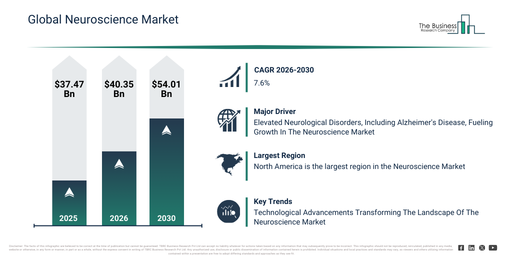
    The neuroscientific field has experienced substantial expansion recently, with projected growth from 37.47 billion dollars in 2025 to 40.35 billion dollars in 2026, reflecting a compound annual growth rate of 7.7%. This upward trajectory is underpinned by key drivers observed in the past, including sophisticated progress in cellular visualization tools, augmented financial support for brain research, initial progress in electrophysiological apparatus, a heightened incidence of nervous system disorders, and the wider implementation of brain scanning methodologies.

    Anticipating substantial expansion over the ensuing years, the neuroscience market is projected to reach $54.01 billion by 2030, demonstrating a Compound Annual Growth Rate (CAGR) of 7.6%. This projected expansion is fueled by several key factors, including a heightened demand for sophisticated microscopy systems, the escalating incorporation of artificial intelligence within neuroscience research endeavors, the broadening scope of neuroinformatics applications, a greater uptake of brain-mapping technologies, and the continuous development of cutting-edge electrophysiology devices, all contributing to the market’s upward trajectory during the forecast period.

    Download A Free Sample Report For Comprehensive Market Insights:

    https://www.thebusinessresearchcompany.com/sample.aspx?id=8528&type=smp

    Neuroscience Market Growth Momentum: Which Factors Are Influencing Demand?

    The growing prevalence of neurological conditions, exemplified by Alzheimer’s disease, is anticipated to be a significant catalyst for the expansion of the neuroscience market. These neurological disorders encompass a wide spectrum of ailments that impact the nervous system, which includes the brain, spinal cord, and the nerves extending throughout the body. Alzheimer’s disease itself is a degenerative condition that progressively deteriorates brain function, resulting in a marked decline in memory and cognitive abilities. Neuroscience is instrumental in advancing our comprehension of and our capacity to manage Alzheimer’s disease; by delving into the intricate workings and architecture of the nervous system, researchers are uncovering the underlying causes of this disease and formulating novel approaches for its detection, mitigation, and therapeutic intervention. Illustratively, data from May 2024, as reported by the Alzheimer’s Association, a not-for-profit entity in the U.S. focused on Alzheimer’s care, advocacy, and research, indicates an upward trend in diagnosed cases of Alzheimer’s dementia among Americans aged 65 and over, escalating from 6.5 million in 2022 to an projected 6.9 million in 2024. Consequently, the escalating rates of neurological disorders, such as Alzheimer’s disease, are directly contributing to the growth of the neuroscience market.

    Neuroscience Market Segment Analysis And Revenue Opportunities

    The neuroscience market covered in this report is segmented –

    1) By Type: Neuro-Microscopy, Electrophysiology Technologies, Neuro-Cellular Manipulation, Whole Brain Imaging, Other Types

    2) By Service: Instruments And Consumables, Software And Services

    3) By End User: Hospitals, Diagnostic Labs, Research And Academic Institutes

    Subsegments:

    1) By Neuro-Microscopy: Two-Photon Microscopy, Confocal Microscopy, Super-Resolution Microscopy

    2) By Electrophysiology Technologies: Patch Clamp Systems, Multi-Electrode Arrays (MEAs), Intracellular And Extracellular Recorders

    3) By Neuro-Cellular Manipulation: Optogenetics Tools, Microinjection Systems, Electroporation Devices

    4) By Whole Brain Imaging: Functional Magnetic Resonance Imaging (fMRI), Positron Emission Tomography (PET), Diffusion Tensor Imaging (DTI)

    5) By Other Types: Neuroinformatics Tools, Brain-Computer Interface Technologies, Neuromodulation Devices

    Neuroscience Market Trends Reshaping Industry Growth

    In the neuroscience sector, leading corporations are prioritizing the development of cutting-edge technologies, specifically artificial intelligence and machine learning, to drive progress within the field. Artificial intelligence, a subset of which is machine learning, empowers machines to replicate and even surpass human cognitive abilities. AI models are engineered to perform tasks requiring intelligence, thereby proposing novel hypotheses regarding the brain’s regulatory mechanisms. As an illustration, in February 2024, Royal Philips N.V., a technology firm headquartered in the Netherlands, and Synthetic MR, an MRI software provider based in Sweden, unveiled Smart Quant Neuro 3D, a significant innovation for the diagnosis and evaluation of neurological conditions such as multiple sclerosis, traumatic brain injury, and dementia. This solution synergizes Philips’ AI-driven SmartSpeed technology, its 3D SyntAc application, and Synthetic MR’s SyMRI NEURO 3D software, equipping medical professionals with superior diagnostic capabilities for improved accuracy and patient results. Philips possesses the sole authorization to distribute SyMRI NEURO 3D on its MR scanning devices.

    Neuroscience Market Leading Players Shaping Industry Direction

    Major companies operating in the neuroscience market are Alpha Omega Inc., General Electric Company, Siemens Healthineers AG, NeuroNexus Technologies Inc., Doric Lenses Inc., Blackrock Neurotech, Axion Biosystems Inc., Femtonics Ltd., Carl Zeiss AG, Danaher Corporation (Leica Microsystems), Koninklijke Philips N.V., Toshiba Corporation, Hitachi Medical Corporation, Scientifica Ltd., Intan Technologies Inc., Laserglow Technologies Inc., Mightex Systems, Neuralink Corporation, Kernel Corporation, BrainCo Inc., MindMaze Inc., Paradromics Inc., NeuroPro Inc., NeuroSky Inc., EMOTIV Inc., Cercare Medical A/S, Plexon Inc., Noldus Information Technology bv, Neuralynx Inc., Vigil Neuroscience

    Access The Complete Neuroscience Market Report:

    https://www.thebusinessresearchcompany.com/report/neuroscience-global-market-report

    Neuroscience Market Regional Outlook: Where Are The Largest Opportunities Located?

    North Americawas the largest region in the neuroscience market in 2025. Asia-Pacificis expected to be the fastest-growing region in the forecast period. The regions covered in the neuroscience market report are Asia-Pacific, South East Asia, Western Europe, Eastern Europe, North America, South America, Middle East, Africa.

    Get in touch with us:

    The Business Research Company: https://www.thebusinessresearchcompany.com/

    Americas: +1 310-496-7795

    Asia: +44 7882 955267 & +91 8897263534

    Europe: +44 7882 955267

    Email us at: marketing@tbrc.info

    Follow us on:

    LinkedIn: https://in.linkedin.com/company/the-business-research-company

    YouTube: https://www.youtube.com/channel/UC24_fI0rV8cR5DxlCpgmyFQ

    Global Market Model: https://www.thebusinessresearchcompany.com/global-market-model
  • Neuroprosthetics Market Forecast Reveals Where Future Industry Value Will Be Created

    Neuroprosthetics Market Forecast Reveals Where Future Industry Value Will Be Created

    Delivering more actionable and strategically valuable research, The Business Research Company’s 2026 market reports feature market attractiveness analysis, total addressable market evaluation, company benchmarking matrices, interactive Excel dashboards, expanded supply chain intelligence, emerging startup coverage, and detailed product insights.

    Neuroprosthetics Market Growth Potential: How Will Market Size Change Through 2030?

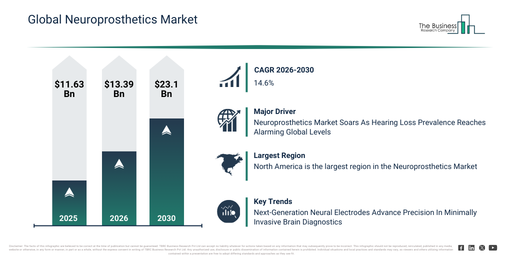
    The neuroprosthetics sector has experienced swift expansion recently, projecting an increase from a valuation of $11.63 billion in 2025 to $13.39 billion by 2026. This growth trajectory is underpinned by a compound annual growth rate (CAGR) of 15.1%. Factors contributing to the market’s progress during the earlier period included the foundational development of functional electrical stimulation systems, intensified investigation into brain-machine interfaces, a growing incidence of motor neuron disorders, enhancements in cochlear implant technology, and the initial uptake of deep brain stimulation techniques.

    The neuroprosthetics industry is poised for significant expansion, projected to reach a valuation of $23.1 billion by 2030, driven by a robust compound annual growth rate of 14.6%. This anticipated surge is fueled by escalating demand for sophisticated, neurally controlled prosthetic limbs, augmented investment in cognitive neuroprosthetics, broader utilization of vagus nerve stimulation, the uptake of pioneering retinal implant technologies, and the ongoing development of advanced exoskeletons designed for rehabilitation purposes. Key developments shaping this period include a greater embrace of motor neuroprosthetic systems, increased application of auditory neuroprosthetics for hearing restoration, progress in retinal and visual prosthetic innovations, deeper integration of cognitive neuroprosthetics into therapeutic approaches, and the wider application of neurostimulation methods to facilitate functional recovery.

    Download A Free Sample Report For Comprehensive Market Insights:

    https://www.thebusinessresearchcompany.com/sample.aspx?id=6606&type=smp

    Neuroprosthetics Market Expansion Drivers: What Is Shaping Future Growth?

    The increasing incidence of hearing impairment is anticipated to be a key driver for the neuroprosthetics industry’s expansion. Hearing loss, encompassing conditions from mild impairment to complete deafness, profoundly impacts an individual’s ability to communicate, diminishes their overall quality of life, and can lead to social isolation. Neuroprosthetic devices, including cochlear implants and other auditory prostheses, offer solutions for restoring auditory function, enhancing the perception of speech, and facilitating auditory rehabilitation. Projections from the World Health Organization, a UN entity based in Switzerland, released in February 2025, forecast that approximately 2.5 billion individuals worldwide will face some degree of hearing loss by the year 2050. Furthermore, an estimated 700 million people will require interventions for hearing rehabilitation. The economic burden of untreated hearing loss already amounts to nearly one trillion US dollars annually, in addition to the risk faced by over a billion young adults, who are susceptible to irreversible hearing damage due to unsafe listening habits. Consequently, the growing problem of hearing loss is directly fueling the neuroprosthetics market.

    Neuroprosthetics Market Segmentation And Category Breakdown

    The neuroprosthetics market covered in this report is segmented –

    1) By Type: Motor Neuroprosthetics, Auditory Neuroprosthetics Or Cochlear implants, Visual Neuroprosthetics Or Retinal implants, Cognitive Neuroprosthetics

    2) By Technique: Spinal Cord Stimulation, Deep Brain Stimulation, Vagus Nerve Stimulation, Sacral Nerve Stimulation, Transcranial Magnetic Stimulation

    3) By Application: Motor Neuron Disorders, Physiological Disorders, Cognitive Disorders

    Subsegments:

    1) By Motor Neuroprosthetics: Functional Electrical Stimulation (FES) Systems, Brain-Machine Interfaces (BMIs), Prosthetic Limbs With Neural Control, Exoskeletons For Rehabilitation

    2) By Auditory Neuroprosthetics Or Cochlear Implants: Cochlear Implants (Single and Multi-Channel), Auditory Brainstem Implants (ABI), Bone-Anchored Hearing Aids (BAHA)

    3) By Visual Neuroprosthetics Or Retinal Implants: Retinal Prostheses, Optogenetic Implants, Visual Cortical Implants

    4) By Cognitive Neuroprosthetics: Deep Brain Stimulation (DBS) Devices, Cognitive Enhancement Implants, Neurostimulation Devices For Cognitive Disorders

    Neuroprosthetics Market Strategic Trends: What Is Defining The Next Phase Of Growth?

    Within the neuroprosthetics sector, leading enterprises are channeling their efforts into pioneering developments, specifically focusing on sEEG electrode systems. These advancements are geared towards refining neural interface technology and elevating the efficacy of diagnostic and therapeutic interventions that involve minimal invasiveness. An sEEG electrode system itself represents a sophisticated neural apparatus engineered for the precise recording and modulation of deep brain activity, thereby facilitating exceptionally accurate brain mapping and neuromodulation. Illustrating this trend, in May of 2023, NeuroOne Medical Technologies Corporation, a medical technology firm based in the USA, introduced its Evo sEEG Electrodes to the American market. These novel electrodes from NeuroOne are engineered to provide secure, highly precise subsurface brain mapping, offering enhanced signal fidelity and seamless integration with robotic neurosurgery systems. Such an advancement significantly expands the clinical applications of stereoelectroencephalography, making procedures less invasive and opening doors for wider use in areas including epilepsy assessment, chronic pain amelioration, and interventions for Parkinson’s disease.

    Neuroprosthetics Market Competitive Analysis Of Major Industry Participants

    Major companies operating in the neuroprosthetics market are Abbott Laboratories, Boston Scientific Corp., Cochlear Ltd., Demant AS, LivaNova plc, MED-EL GmbH, Neuropace Inc., Nevro Corp., Oticon US Inc., Retina Implant AG, Second Sight Medical Products Inc., Sonova Holding AG, St. Jude Medical Inc., Aleva Neurotherapeutics SA, Axonics Modulation Technologies Inc., Bionic Vision Technologies Pty Ltd., Blackrock Microsystems LLC, Cognixion, Cyberonics Inc., Medtronic plc, NeuroKinetics Inc., NeuroMetrix Inc., Pixium Vision SA, SPR Therapeutics Inc., Synapse Biomedical Inc., Synchron Inc.

    Access The Complete Neuroprosthetics Market Report:

    https://www.thebusinessresearchcompany.com/report/neuroprosthetics-global-market-report

    Neuroprosthetics Market Geographic Landscape: Which Region Dominates Industry Growth?

    North Americawas the largest region in the neuroprosthetics market in 2025. Asia-Pacificis expected to be the fastest-growing region in the forecast period. The regions covered in the neuroprosthetics market report are Asia-Pacific, South East Asia, Western Europe, Eastern Europe, North America, South America, Middle East, Africa.

    Get in touch with us:

    The Business Research Company: https://www.thebusinessresearchcompany.com/

    Americas: +1 310-496-7795

    Asia: +44 7882 955267 & +91 8897263534

    Europe: +44 7882 955267

    Email us at: marketing@tbrc.info

    Follow us on:

    LinkedIn: https://in.linkedin.com/company/the-business-research-company

    YouTube: https://www.youtube.com/channel/UC24_fI0rV8cR5DxlCpgmyFQ

    Global Market Model: https://www.thebusinessresearchcompany.com/global-market-model
  • Neuroplasticity Market Growth Through 2030 Creates New Strategic Opportunities

    Neuroplasticity Market Growth Through 2030 Creates New Strategic Opportunities

    Enhanced with market attractiveness analysis, total addressable market evaluation, company benchmarking matrices, interactive Excel dashboards, expanded supply chain intelligence, emerging startup coverage, and detailed product insights, The Business Research Company’s 2026 market reports deliver more actionable and strategically valuable research.

    Neuroplasticity Market Value Analysis: What Growth Is Expected Over The Forecast Period?

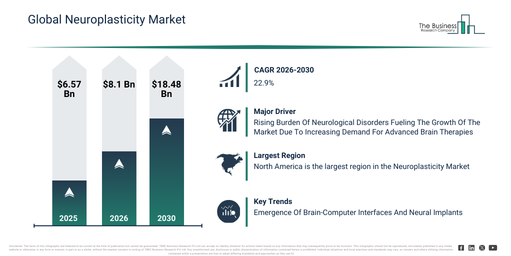
    The field of neuroplasticity has experienced remarkable expansion. Projections indicate a surge from $6.57 billion in 2025 to an estimated $8.1 billion by 2026, reflecting a significant compound annual growth rate of 23.2%. Factors contributing to this previous expansion include the nascent stages of neurofeedback technology, heightened public understanding of brain recovery methods, intensified scientific inquiry into neurodegenerative conditions, the uptake of cognitive enhancement programs, and the initial introduction of wearable devices for neural stimulation.

    The neuroplasticity sector is poised for an era of significant expansion, with projections indicating a substantial rise to $18.48 billion by the year 2030, driven by a compound annual growth rate of 22.9%. This anticipated surge in the market is fueled by several key factors including an increasing need for artificial intelligence-powered neurotherapy, greater utilization of virtual reality for rehabilitation, the broadening scope of mental health interventions leveraging neuroplasticity principles, amplified financial commitments to brain recovery studies, and advancements in brain-computer interface technology. Over the projected timeframe, prominent market dynamics will include a heightened demand for stroke recovery tools, more widespread implementation of cognitive enhancement programs, escalated use of neurostimulation as a therapeutic approach for mental health conditions, the progress of technologies aimed at treating traumatic brain injuries, and the continuous creation of platforms designed to improve learning and memory functions.

    Download A Free Sample Report For Comprehensive Market Insights:

    https://www.thebusinessresearchcompany.com/sample.aspx?id=24334&type=smp

    Neuroplasticity Market Development Factors: Which Trends Are Supporting Demand?

    The expanding incidence of conditions affecting the nervous system is anticipated to be a key catalyst for the neuroplasticity market’s advancement. These neurological conditions, impacting the brain, spinal cord, and nerves, result in diverse functional, cognitive, and behavioral deficits. Conditions such as Alzheimer’s, Parkinson’s, epilepsy, and multiple sclerosis are on the rise, largely attributable to an aging demographic and evolving lifestyle choices. The primary driver behind the growing number of neurological disorders is the world’s aging populace; as individuals live longer, the likelihood of developing age-related neurological ailments increases, leading to a higher frequency of these conditions globally. Consequently, the surge in neurological disorders fuels the demand for sophisticated treatments and rehabilitative tools designed to bolster brain capabilities, enhance patient recovery, and foster the creation of novel therapeutic approaches for a broad spectrum of neurological ailments. To illustrate, data from the World Federation of Neurology indicated in October 2023 that over 40% of the world’s population currently faces a neurological disorder, a figure projected to almost double by the year 2050. This heightened prevalence of neurological conditions is thus a significant factor contributing to the neuroplasticity market’s expansion.

    Neuroplasticity Market Segment Outlook: Which Categories Are Expanding The Fastest?

    The neuroplasticity market covered in this report is segmented –

    1) By Product Type: Software-Based Solutions, Hardware-Based Solutions

    2) By Technology Type: Artificial Intelligence, Virtual Reality, Neurostimulation, Wearable Technology

    3) By Application: Stroke Rehabilitation, Traumatic Brain Injury (TBI) Rehabilitation, Neurodegenerative Disorders, Learning And Memory Enhancement, Mental Health Disorders

    4) By End User: Hospitals And Clinics, Research Institutes And Academic Centers, Pharmaceutical And Biotechnology Companies, Other End Users

    Subsegments:

    1) By Software-Based Solutions: Cognitive Training Programs, Neurofeedback Software, Brain Simulation Platforms, Mobile Neurotherapy Apps, Virtual Reality Rehabilitation Software, AI-Based Cognitive Assessment Tools

    2) By Hardware-Based Solutions: EEG Headsets, Transcranial Magnetic Stimulation (TMS) Devices, Transcranial Direct Current Stimulation (tDCS) Devices, Brain-Computer Interface (BCI) Systems, Wearable Neurostimulation Devices, Neuroimaging And Monitoring Equipment

    Neuroplasticity Market Transformation Trends: Which Innovations Are Driving Change?

    Pioneering firms within the neuroplasticity sector are actively engaged in the creation of sophisticated technologies, including brain-computer interfaces and neural implants, as a strategy for market leadership. These advanced neurotechnologies, BCIs and neural implants, forge direct communication links between the brain and external apparatuses; BCIs commonly facilitate the operation of computers or prosthetic limbs via brain impulses, whereas neural implants are devices surgically inserted into the brain or nervous system designed to observe, stimulate, or regulate neural functioning for therapeutic benefits or performance enhancement. Illustratively, in June 2024, Paradromics, a neurotechnology enterprise based in the United States, revealed its inclusion in the FDA Regulatory Accelerator Program and initiated a new patient registry. This achievement in navigation of the regulatory landscape propels the company’s progress in developing high-fidelity brain-computer interfaces, signifying substantial strides in neurotechnology advancement with the capacity to revolutionize care for individuals suffering from severe neurological impairments through state-of-the-art neural data applications.

    Neuroplasticity Market Key Companies And Competitive Benchmarking

    Major companies operating in the neuroplasticity market are Medtronic PLC, Boston Scientific Corporation, NeuroPace Inc, BrainsWay Ltd, Magstim, MindMaze, Emotiv Inc, BrainCo, ElectroCore, NeuroMetrix, Soterix Medical, Neurable, NeuroSigma Inc, Cognixion, NeuroTracker, Neuralink, Synchron Inc, Paradromics Inc, Precision Neuroscience, g.tec medical engineering GmbH, Neuroelectrics, OpenBCI, Kernel, Blackrock Neurotech, NeuroSky Inc, BrainScope Company Inc, i-BrainTech LTD

    Access The Complete Neuroplasticity Market Report:

    https://www.thebusinessresearchcompany.com/report/neuroplasticity-global-market-report

    Neuroplasticity Market Largest Region: Which Geography Holds The Highest Market Share?

    North Americawas the largest region in the Neuroplasticity market in 2025. Asia-Pacificis expected to be the fastest-growing region in the forecast period. The regions covered in the neuroplasticity market report are Asia-Pacific, South East Asia, Western Europe, Eastern Europe, North America, South America, Middle East, Africa.

    Get in touch with us:

    The Business Research Company: https://www.thebusinessresearchcompany.com/

    Americas: +1 310-496-7795

    Asia: +44 7882 955267 & +91 8897263534

    Europe: +44 7882 955267

    Email us at: marketing@tbrc.info

    Follow us on:

    LinkedIn: https://in.linkedin.com/company/the-business-research-company

    YouTube: https://www.youtube.com/channel/UC24_fI0rV8cR5DxlCpgmyFQ

    Global Market Model: https://www.thebusinessresearchcompany.com/global-market-model
  • Neuropathic Pain Market Size Projected To Increase From $6.19 Billion To $8.47 Billion During The Forecast Period

    Neuropathic Pain Market Size Projected To Increase From $6.19 Billion To $8.47 Billion During The Forecast Period

    Through market attractiveness analysis, total addressable market evaluation, company benchmarking matrices, interactive Excel dashboards, expanded supply chain intelligence, emerging startup coverage, and detailed product insights, The Business Research Company’s 2026 market reports provide more actionable and strategically valuable research.

    Neuropathic Pain Market Size Forecast: How Large Could The Market Become By 2030?

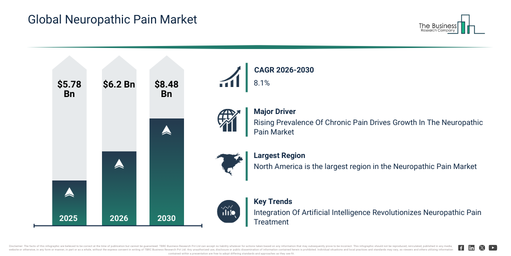
    The market for neuropathic pain treatments has experienced significant expansion. Projections indicate a rise from $5.78 billion in 2025 to $6.2 billion in 2026, reflecting a compound annual growth rate of 7.3%. This past growth trajectory has been fueled by several factors, including the increasing incidence of diabetes, the early integration of antidepressant and anticonvulsant medications into treatment plans, heightened public and medical understanding of neuropathic pain, the advent of opioid-based therapeutic options, and the initial utilization of medical imaging for diagnostic purposes.

    Anticipate a robust expansion within the neuropathic pain market, projected to reach $8.48 billion by 2030, reflecting a compound annual growth rate of 8.1% over the upcoming years. This upward trajectory is fueled by a confluence of factors, including a notable pivot towards non-opioid treatment modalities, an escalating need for tailored pain management strategies, a broader acceptance of complementary therapeutic interventions, heightened investments in groundbreaking diagnostic tools, and the progressive development of sophisticated multimodal treatment frameworks. Key developments shaping this period encompass the increasing embrace of integrated multimodal therapeutic approaches, a heightened demand for pain management solutions that bypass opioids, the growing integration of physical and psychological therapies, the enhancement of early detection capabilities through advanced imaging, and a concentrated effort on addressing diabetic neuropathy.

    Download A Free Sample Report For Comprehensive Market Insights:

    https://www.thebusinessresearchcompany.com/sample.aspx?id=12922&type=smp

    Neuropathic Pain Market Industry Drivers: What Is Driving Revenue Growth?

    The expanding incidence of chronic pain is poised to stimulate advancement in the neuropathic pain market during the forecast period, as persistent discomfort lasting over three months, identified as chronic pain, impacts a considerable segment of individuals and detrimentally affects their overall well-being. This surge in chronic pain occurrences is attributed to demographic shifts such as an aging populace, instances of nerve damage, and long-term health conditions including diabetes. Treatments for neuropathic pain contribute to public health objectives by addressing nerve-related impairments, alleviating symptom severity, and enhancing patients’ functional capacity in their daily lives. Illustrating this trend, data released in November 2024 by the Centers for Disease Control and Prevention (CDC), a leading US health protection organization, indicated that in 2023, adult chronic pain prevalence stood at 24.3%, with high-impact chronic pain affecting 8.5% of adults, consequently representing 34.9% of those experiencing chronic pain; this data also highlighted disproportionately higher rates among women, American Indian and Alaska Native adults, and individuals aged 65 and above. Consequently, the escalating prevalence of chronic pain serves as a primary catalyst for the growth observed in the neuropathic pain market.

    Neuropathic Pain Market Segment Landscape: Which Areas Lead Market Development?

    The neuropathic pain market covered in this report is segmented –

    1) By Treatment: Medications, Multimodal Therapy

    2) By Diagnosis: Imaging, Blood Tests And Physical Examination

    3) By Indication: Diabetic Neuropathy, Spinal Stenosis, Chemotherapy-Induced Peripheral Neuropathy, Other Indications

    4) By End User: Hospitals, Clinics, Home Healthcare, Ambulatory Surgical Centers, Other End Users

    Subsegments:

    1) By Medications: Anticonvulsants, Antidepressants, Opioids, Topical Treatments, Non-Steroidal Anti-Inflammatory Drugs (NSAIDs)

    2) By Multimodal Therapy: Combination Of Medications, Physical Therapy, Psychological Therapy, Lifestyle Modifications, Complementary Therapies

    #Neuropathic Pain Market Growth Trends: What Is Influencing The Future Outlook?

    Key players within the neuropathic pain sector are integrating artificial intelligence to elevate diagnostic precision, personalize therapeutic approaches, enable continuous patient observation, accelerate pharmaceutical development, and harness data-driven intelligence, all with the aim of improving patient results and optimizing pain management protocols. A notable illustration came in March 2023, when Nevro Corp., a medical device manufacturer headquartered in the United States, introduced its Senza HFX iQ spinal cord stimulation (SCS) system. This groundbreaking system leverages artificial intelligence (AI) to fine-tune pain alleviation specifically for each individual. Comprising the HFX iQ Implantable Pulse Generator (IPG), the HFX Trial Stimulator, a charger, and the HFX App, this integrated solution is engineered to address non-surgical back pain and painful diabetic neuropathy by dynamically adjusting to patient feedback and physiological responses. It incorporates a proprietary algorithm developed from substantial patient data, empowering patients to modify their pain relief regimen through a mobile application. The digital framework supporting this system facilitates the gathering of data and offers opportunities for future enhancements. Ultimately, this technology strives to boost the effectiveness of pain relief through a combination of reliability and individualized care, representing a substantial stride forward in SCS treatment.

    Neuropathic Pain Market Industry Leaders And Market Competition

    Major companies operating in the neuropathic pain market are Pfizer Inc., Johnson & Johnson Private Limited, Sanofi S.A., Bristol-Myers Squibb Company, Abbott Laboratories, GlaxoSmithKline Plc, Medtronic Inc., Eli Lilly and Company, Teva Pharmaceutical Industries Ltd, Boston Scientific Corporation, Sun Pharmaceutical Industries Ltd., Mallinckrodt Pharmaceuticals, Grünenthal GmbH, Lupin Ltd., Nevro Corp., InvaGen Pharmaceuticals Inc, Centaur Pharmaceuticals Pvt Ltd., Stimwave LLC, Novartis AG, Astellas Pharma Inc., Vertex Pharmaceuticals Incorporated, Assertio Therapeutics Inc, NeuroMetrix Inc, OMRON Healthcare Co Ltd

    Access The Complete Neuropathic Pain Market Report:

    https://www.thebusinessresearchcompany.com/report/neuropathic-pain-global-market-report

    Neuropathic Pain Market Regional Analysis: Which Region Leads By Revenue?

    North Americawas the largest region in the neuropathic pain market in 2025. Asia-Pacificis expected to be the fastest-growing region in the forecast period. The regions covered in the neuropathic pain market report are Asia-Pacific, South East Asia, Western Europe, Eastern Europe, North America, South America, Middle East, Africa.

    Get in touch with us:

    The Business Research Company: https://www.thebusinessresearchcompany.com/

    Americas: +1 310-496-7795

    Asia: +44 7882 955267 & +91 8897263534

    Europe: +44 7882 955267

    Email us at: marketing@tbrc.info

    Follow us on:

    LinkedIn: https://in.linkedin.com/company/the-business-research-company

    YouTube: https://www.youtube.com/channel/UC24_fI0rV8cR5DxlCpgmyFQ

    Global Market Model: https://www.thebusinessresearchcompany.com/global-market-model

  • Neuromyelitis Optica Spectrum Disorder Market Growth Outlook Reveals A CAGR Of 8.1% And A Market Value Of $3.76 Billion By 2030

    Neuromyelitis Optica Spectrum Disorder Market Growth Outlook Reveals A CAGR Of 8.1% And A Market Value Of $3.76 Billion By 2030

    Delivering more actionable and strategically valuable research, The Business Research Company’s 2026 market reports feature market attractiveness analysis, total addressable market evaluation, company benchmarking matrices, interactive Excel dashboards, expanded supply chain intelligence, emerging startup coverage, and detailed product insights.

    Neuromyelitis Optica Spectrum Disorder Market Revenue Outlook: What CAGR Is Expected Through 2030?

    The market for neuromyelitis optica spectrum disorder has experienced robust expansion recently, with projections indicating a rise from $2.54 billion in 2025 to $2.76 billion in 2026, reflecting a compound annual growth rate of 8.4%. This historical growth trajectory has been influenced by several key factors, including heightened awareness surrounding NMOSD, the early introduction of immunosuppressive therapies, the initial reliance on corticosteroids for managing disease flares, the utilization of advanced imaging techniques for accurate differential diagnosis, and an increasing capacity to identify aquaporin-4 antibodies.

    Anticipated robust expansion is projected for the neuromyelitis optica spectrum disorder market, which is slated to reach $3.76 billion by 2030, reflecting a compound annual growth rate of 8.1%. This upward trajectory during the forecast period is fueled by several key factors, including an escalating need for specialized biologic treatments, advancements in the development of MOG-antibody therapies, the proliferation of sophisticated diagnostic tools, augmented investment in research pertaining to autoimmune diseases, and the creation of cutting-edge immunotherapy alternatives. Significant market currents expected to shape this landscape include a greater embrace of monoclonal antibody treatments, increased utilization of advanced imaging for prompt diagnosis, burgeoning demand for plasma exchange and immunoglobulin therapies, a broader application of AQP4-positive and MOG-antibody testing, and a heightened emphasis on preventing relapses and managing the condition over the long term.

    Download A Free Sample Report For Comprehensive Market Insights:

    https://www.thebusinessresearchcompany.com/sample.aspx?id=22072&type=smp

    Neuromyelitis Optica Spectrum Disorder Market Growth Factors: Which Forces Are Supporting Market Expansion?

    The expanding incidence of multiple sclerosis is anticipated to fuel the expansion of the neuromyelitis optica spectrum disorder market moving ahead. Multiple sclerosis, a persistent autoimmune condition impacting the central nervous system, results in inflammation, nerve deterioration, and varied neurological manifestations. This surge in multiple sclerosis cases can be attributed to enhanced diagnostic tools, environmental factors, and inherent genetic susceptibilities. Sophisticated medical imaging technologies like MRI have facilitated earlier and more precise identification of the disease, consequently contributing to a noticeable increase in reported instances. As a greater number of individuals receive an MS diagnosis, there is a heightened understanding of autoimmune neurological disorders, which in turn promotes better diagnostic procedures and increased acknowledgment of neuromyelitis optica spectrum disorder. To illustrate, data from May 2024 indicates that the UK diagnoses around 7.100 new cases of multiple sclerosis each year, with roughly 135 individuals identified with MS weekly, as reported by the Multiple Sclerosis Trust, a UK charity. Consequently, the growing number of multiple sclerosis diagnoses acts as a significant driver for the neuromyelitis optica spectrum disorder market.

    Neuromyelitis Optica Spectrum Disorder Market Segments: Where Are The Largest Growth Opportunities?

    The neuromyelitis optica spectrum disorder market covered in this report is segmented –

    1) By Type: Neuromyelitis Optica Spectrum Disorder With Aquaporin-4 Antibodies, Neuromyelitis Optica Spectrum Disorder Without Aquaporin-4 Antibodies

    2) By Diagnosis: Imaging Tests, Magnetic Resonance Imaging (MRI), Blood Tests, Other Diagnosis

    3) By Treatment Type: C5 Protein Inhibitor, Monoclonal Antibodies, Plasma Exchange Therapy, Corticosteroids, Immunoglobulin Therapy, Medication, Other Treatment Types

    4) By Distribution Channel: Hospital Pharmacy, Retail Pharmacy, Online Pharmacy

    5) By End-User: Hospitals, Specialty Clinics, Homecare, Other End-Users

    Subsegments:

    1) By Neuromyelitis Optica Spectrum Disorder With Aquaporin-4 Antibodies: Relapsing NMOSD With AQP4-IgG, Monophasic NMOSD With AQP4-IgG, Severe Optic Neuritis With AQP4-IgG, Longitudinally Extensive Transverse Myelitis (LETM) With AQP4-IgG

    2) By Neuromyelitis Optica Spectrum Disorder Without Aquaporin-4 Antibodies: NMOSD With Myelin Oligodendrocyte Glycoprotein (MOG) Antibodies (MOG-IgG), Seronegative NMOSD, Idiopathic NMOSD Cases, NMOSD Associated With Other Autoimmune Disorders

    Neuromyelitis Optica Spectrum Disorder Market Industry Trends: What Changes Are Reshaping Demand?

    Within the neuromyelitis optica spectrum disorder market, prominent entities are directing their efforts toward the creation of advanced therapeutic solutions, exemplified by long-acting complement inhibitors, with the aim of elevating treatment effectiveness and fostering better patient results. These extended-duration complement inhibitors function by enduringly suppressing the body’s complement system, thereby averting inflammation and safeguarding nerve integrity in individuals diagnosed with neuromyelitis optica spectrum disorder (NMOSD), ultimately contributing to a reduction in disease flare-ups and aiding in sustained management of the condition. A significant development occurred in March 2024 when Alexion Pharmaceuticals, a biopharmaceutical firm headquartered in the United States, in collaboration with the United Kingdom-based pharmaceutical giant AstraZeneca, secured marketing authorization for ULTOMIRIS (ravulizumab-cwvz) as a therapeutic option for adult patients afflicted with anti-aquaporin-4 (AQP4) antibody-positive neuromyelitis optica spectrum disorder (NMOSD). This regulatory milestone establishes Ultomiris as the inaugural and sole long-acting C5 complement inhibitor accessible for NMOSD therapy, with its efficacy substantiated by the Phase III CHAMPION-NMOSD study. In this pivotal trial, Ultomiris exhibited an exceptional 98.6% reduction in the risk of relapse over a 73-week period when contrasted with a placebo, with trial participants remaining relapse-free and no novel safety issues emerging.

    Neuromyelitis Optica Spectrum Disorder Market Major Participants And Competitive Dynamics

    Major companies operating in the neuromyelitis optica spectrum disorder market are F. Hoffmann-La Roche Ltd, Laboratory Corporation of America Holding, Chugai Pharmaceutical Co. Ltd, Mayo Foundation for Medical Education and Research, Penn Medicine, Genentech Inc, Oregon Health & Science University, Arup Laboratories, Argenx SE, Metropolis Healthcare, Rush University Medical Center, Mitsubishi Tanabe Pharma Corporation, Viela Bio, Alexion Pharmaceuticals, Horizon Therapeutics plc, UCB S.A, Teva Pharmaceutical Industries Ltd, Novartis AG, Sanofi S.A, Pfizer Inc, Eli Lilly and Company, Immune Pharmaceuticals Inc.

    Access The Complete Neuromyelitis Optica Spectrum Disorder Market Report:

    https://www.thebusinessresearchcompany.com/report/neuromyelitis-optica-spectrum-disorder-global-market-report

    Neuromyelitis Optica Spectrum Disorder Market Geographic Distribution And Regional Opportunities

    North Americawas the largest region in the neuromyelitis optica spectrum disorder market in 2025. Asia-Pacificis expected to be the fastest-growing region in the forecast period. The regions covered in the neuromyelitis optica spectrum disorder market report are Asia-Pacific, South East Asia, Western Europe, Eastern Europe, North America, South America, Middle East, Africa.

    Get in touch with us:

    The Business Research Company: https://www.thebusinessresearchcompany.com/

    Americas: +1 310-496-7795

    Asia: +44 7882 955267 & +91 8897263534

    Europe: +44 7882 955267

    Email us at: marketing@tbrc.info

    Follow us on:

    LinkedIn: https://in.linkedin.com/company/the-business-research-company

    YouTube: https://www.youtube.com/channel/UC24_fI0rV8cR5DxlCpgmyFQ

    Global Market Model: https://www.thebusinessresearchcompany.com/global-market-model

  • Neurology Clinical Trials Market Forecast Highlights Expansion From $6.2 Billion To $8.04 Billion Through 2030

    Neurology Clinical Trials Market Forecast Highlights Expansion From $6.2 Billion To $8.04 Billion Through 2030

    Enhanced with market attractiveness analysis, total addressable market evaluation, company benchmarking matrices, interactive Excel dashboards, expanded supply chain intelligence, emerging startup coverage, and detailed product insights, The Business Research Company’s 2026 market reports deliver more actionable and strategically valuable research.

    Neurology Clinical Trials Market Growth Analysis: How Will Revenue Expand During The Forecast Period?

    The market for clinical trials in neurology has experienced robust expansion lately, projected to increase from $5.8 billion in 2025 to $6.21 billion in 2026, exhibiting a compound annual growth rate of 7.0%. This historical expansion was fueled by several factors, including the increasing incidence of neurological disorders, the burgeoning research pipelines in the pharmaceutical sector, augmented investments in the development of neurological drugs, the deployment of sophisticated imaging technologies, and a greater engagement in clinical research activities.

    The market for neurology clinical trials is poised for substantial expansion, projecting a valuation of $8.05 billion by 2030, driven by a compound annual growth rate of 6.7%. This anticipated surge in the upcoming years can be ascribed to several key factors, including the escalating application of artificial intelligence in analyzing trial data, a heightened need for accelerated trial completion, the broader implementation of patient-focused trial methodologies, the increasing integration of remote patient monitoring systems, and a more concentrated effort on addressing rare neurological disorders. Furthermore, significant trends expected to shape this market during the forecast period involve a greater embrace of adaptive clinical trial methodologies, a rise in the utilization of digital tools for patient oversight, a heightened focus on clinical trials for neurological conditions centered around specific biomarkers, the expansion of decentralized clinical trial frameworks, and an augmented emphasis on gathering real-world evidence.

    Download A Free Sample Report For Comprehensive Market Insights:

    https://www.thebusinessresearchcompany.com/sample.aspx?id=25847&type=smp

    Neurology Clinical Trials Market Demand Drivers: What Is Fueling Industry Growth?

    The expanding incidence of neurological conditions is poised to be a significant catalyst for the advancement of the neurology clinical trials sector. These disorders, which impact the brain, spinal cord, or nerves and disrupt the nervous system’s typical operations, are on the rise, largely attributed to an aging global demographic. As individuals grow older, they become more vulnerable to age-related ailments like Alzheimer’s and Parkinson’s disease. Clinical trials in neurology play a crucial role in addressing these disorders by evaluating novel therapies, pharmaceuticals, and interventions aimed at refining diagnostic accuracy, managing symptoms effectively, potentially mitigating disease advancement, and ultimately improving patient prognoses. To illustrate this trend, projections from the Australian Institute of Health and Welfare in September 2024 indicated that the number of individuals in Australia experiencing dementia is anticipated to more than double, escalating from 411,100 in 2023 to an estimated 849,300 by 2058, with a projected 315,500 men and 533,800 women to be affected during that period. Consequently, the growing prevalence of neurological disorders directly fuels the expansion of the neurology clinical trials market.

    Neurology Clinical Trials Market Segment Analysis: What Are The Major Market Categories?

    The neurology clinical trials market covered in this report is segmented –

    1) By Phase: Phase I, Phase II, Phase III, Phase IV

    2) By Study Design: Interventional, Observational, Expanded Access

    3) By Indication: Epilepsy, Parkinson’s Disease (PD), Huntington’s Disease, Stroke, Traumatic Brain Injury (TBI), Amyotrophic Lateral Sclerosis (ALS), Multiple Sclerosis, Other Indications

    4) By End-User: Hospitals, Clinics, Research Institutes, Other End- Users

    Subsegments:

    1) By Phase I: Drug Safety Evaluation, Pharmacokinetics Assessment, Dosage Range Finding, Tolerability Studies

    2) By Phase II: Efficacy Evaluation, Dose Response Studies, Therapeutic Effectiveness, Biomarker Identification

    3) By Phase III: Large Scale Efficacy Studies, Safety Monitoring, Comparative Effectiveness, Risk Benefit Analysis

    4) By Phase IV: Post Marketing Surveillance, Long Term Safety Follow Up, Real World Evidence Collection, Quality Of Life Assessment

    Neurology Clinical Trials Market Innovation Trends: Which Developments Are Transforming The Industry?

    The neurology clinical trials sector is characterized by key players committed to advancing cutting-edge treatments, including monoclonal antibodies, designed to precisely interact with neurological pathways, thereby enhancing therapeutic outcomes and expediting the advent of new medical interventions. A monoclonal antibody, essentially a manufactured protein designed for the specific identification and attachment to particular antigens or proteins, serves as a highly targeted tool in both therapeutic applications and diagnostic procedures for addressing disease processes. Illustrating this, in July of 2024, Eli Lilly and Company, a prominent American pharmaceutical entity, introduced Kisunla (donanemab-azbt), a treatment indicated for individuals experiencing the initial symptomatic stages of Alzheimer’s disease. This medication is designed to mitigate the decline in cognitive and functional abilities, affording qualifying patients extended periods of autonomy and active engagement in their daily routines. Its mechanism involves the targeting and reduction of amyloid plaques within the brain, and clinical studies have demonstrated that it can decelerate the progression of the disease by as much as 35% when compared to a placebo in individuals with less advanced stages of the condition.

    Neurology Clinical Trials Market Leading Companies Driving Competitive Growth

    Major companies operating in the neurology clinical trials market are AbbVie Inc., Sanofi S.A., Novartis AG, Eli Lilly and Company, Teva Pharmaceutical Industries Ltd., IQVIA Holdings Inc., Biogen Inc., ICON plc., Syneos Health, Charles River Laboratories International Inc., Parexel International Corporation, CMIC Holdings Co. Ltd., Medpace Holdings Inc., PSI CRO AG., Supernus Pharmaceuticals Inc., Worldwide Clinical Trials LLC., Ergomed plc., Biotrial S.A.S., Clinilabs Drug Development Corporation, Lindus Health Ltd.

    Access The Complete Neurology Clinical Trials Market Report:

    https://www.thebusinessresearchcompany.com/report/neurology-clinical-trials-global-market-report

    Neurology Clinical Trials Market Largest Region By Revenue And Market Share

    North Americawas the largest region in the neurology clinical trials market in 2025. Asia-Pacificis expected to be the fastest-growing region in the forecast period. The regions covered in the neurology clinical trials market report are Asia-Pacific, South East Asia, Western Europe, Eastern Europe, North America, South America, Middle East, Africa.

    Get in touch with us:

    The Business Research Company: https://www.thebusinessresearchcompany.com/

    Americas: +1 310-496-7795

    Asia: +44 7882 955267 & +91 8897263534

    Europe: +44 7882 955267

    Email us at: marketing@tbrc.info

    Follow us on:

    LinkedIn: https://in.linkedin.com/company/the-business-research-company

    YouTube: https://www.youtube.com/channel/UC24_fI0rV8cR5DxlCpgmyFQ

    Global Market Model: https://www.thebusinessresearchcompany.com/global-market-model

  • Neurological Disorder Diagnostics Market Expected To Reach $17.74 Billion By 2030 As Growth Accelerates At 7% CAGR

    Neurological Disorder Diagnostics Market Expected To Reach $17.74 Billion By 2030 As Growth Accelerates At 7% CAGR

    Through market attractiveness analysis, total addressable market evaluation, company benchmarking matrices, interactive Excel dashboards, expanded supply chain intelligence, emerging startup coverage, and detailed product insights, The Business Research Company’s 2026 market reports provide more actionable and strategically valuable research.

    Neurological Disorder Diagnostics Market Forecast: What Market Value Is Expected By 2030?

    The global market for diagnosing neurological conditions has experienced significant expansion lately, with projections indicating continued robust growth. This market, valued at $12.61 billion in 2025, is anticipated to reach $13.54 billion by 2026, reflecting a compound annual growth rate of 7.3%. Key factors fueling this growth during the preceding period include a surge in the incidence of neurological diseases, a heightened understanding of the advantages of early detection, the broader implementation of sophisticated imaging technologies, increased investment in neurological research, and better access to diagnostic tools.

    The market for diagnosing neurological disorders is poised for considerable expansion, projected to reach $17.75 billion by 2030, expanding at a compound annual growth rate of 7.0%. This upward trajectory during the forecast period is fueled by several key factors: the increasing embrace of precision neurology, greater investment in digital diagnostic technologies, the broader implementation of individualized treatment strategies, the growing utilization of tele-neurology, and advancements in neuroinformatics and data analysis. Prominent trends anticipated within this timeframe include the wider adoption of AI-powered neuroimaging solutions, an increased demand for diagnostic kits based on biomarkers, the further integration of genetic and molecular testing into diagnostic workflows, the expansion of remote and digital options for cognitive assessments, and a heightened emphasis on the early identification of diseases.

    Download A Free Sample Report For Comprehensive Market Insights:

    https://www.thebusinessresearchcompany.com/sample.aspx?id=19611&type=smp

    Neurological Disorder Diagnostics Market Growth Drivers: What Factors Are Accelerating Expansion?

    The escalating incidence of Alzheimer’s disease is poised to be a significant catalyst for the expansion of the market for neurological disorder diagnostics. This neurodegenerative condition is marked by a progressive deterioration of cognitive abilities, encompassing memory, logical thinking, and the capacity for problem-solving. The etiology of Alzheimer’s disease is multifactorial, involving a confluence of genetic predispositions, such as specific gene mutations and polymorphisms, the pathological aggregation of amyloid plaques and neurofibrillary (tau) tangles within the brain, persistent neuroinflammation, complications related to blood vessel health, and various lifestyle elements. Diagnostic tools for neurological disorders play a crucial role in managing Alzheimer’s disease by facilitating its early and precise identification via sophisticated imaging technologies, examination of biological markers, and thorough cognitive evaluations. Illustratively, data from the Australian Institute of Health and Welfare, a governmental body in Australia, revealed that in the year 2023, an estimated 411,100 individuals across Australia were affected by dementia, a figure comprising approximately 257,500 women and 153,700 men, as reported in September 2024. Consequently, the rising prevalence of Alzheimer’s disease serves as a primary driver for the growth trajectory of the neurological disorder diagnostics market.

    Neurological Disorder Diagnostics Market Segment Breakdown: Which Categories Generate The Most Revenue?

    The neurological disorder diagnostics market covered in this report is segmented –

    1) By Component: Instruments, Reagents, Kits, Software, Services

    2) By Technology: Immunoassay, Polymerase Chain Reaction (PCR) Techniques

    3) By Disease Type: Alzheimer’s Disease, Dementia, Parkinson’s Disease, Epilepsy, Traumatic Brain Injury, Other Disease Types

    4) By End User: Hospitals And Clinics, Diagnostic Centers, Academic And Research Institutes

    Subsegments:

    1) By Instruments: Electroencephalography (EEG) Machines, Magnetic Resonance Imaging (MRI) Machines, Computed Tomography (CT) Scanners, Positron Emission Tomography (PET) Scanners, Lumbar Puncture Equipment, Ultrasound Devices, Neurostimulation Devices, Transcranial Magnetic Stimulation (TMS) Devices,

    2) By Reagents: Biochemical Reagents, Antibodies, DNA Probes, RNA Probes, Enzyme-linked Immunosorbent Assay (ELISA) Reagents, Polymerase Chain Reaction (PCR) Reagents, Sample Collection Reagents

    3) By Kits: Diagnostic Test Kits, Genetic Testing Kits, Biomarker Detection Kits, Immunoassay Kits, Point-of-Care Testing Kits, Screening Kits for Neurological Disorders

    4) By Software: Diagnostic Software for Imaging Analysis, Data Management Software, Clinical Decision Support Software, Patient Management Software, Laboratory Information Management Systems (LIMS), Neuroinformatics Software, Telemedicine Software

    5) By Services: Diagnostic Testing Services, Consultation Services, Training and Support Services, Maintenance and Repair Services for Equipment, Telehealth Services, Data Analysis Services, Research and Development Services

    Neurological Disorder Diagnostics Market Trends: What Is Shaping Future Industry Growth?

    Key players within the neurological disorder diagnostics sector are concentrating their efforts on pioneering advancements, specifically in the realm of neurological disease quantification software, to address the needs of the global population of one billion individuals grappling with such conditions. This specialized software serves as a critical instrument for assessing and tracking the functional changes and the trajectory of diseases affecting the nervous system. A prime illustration of this innovation occurred in January 2024 when Quibim, a biotechnology firm headquartered in Spain, introduced its AI-driven QP-Brain software, engineered for the early detection and quantification of neurological diseases. QP-Brain represents sophisticated neuroimaging analysis technology that facilitates the measurement of brain tissue modifications associated with various neurological ailments. Its distinctive capabilities encompass AI-driven automatic segmentation processes and in-depth volumetric assessments, thereby furnishing highly accurate data on alterations in brain morphology, beneficial for both clinical practice and scientific investigation.

    Neurological Disorder Diagnostics Market Key Players And Strategic Industry Positioning

    Major companies operating in the neurological disorder diagnostics market are Johnson & Johnson Services Inc., F. Hoffmann-La Roche Ltd, Thermo Fisher Scientific Inc., Abbott Laboratories, Novartis AG, Medtronic plc, Amgen Inc., Siemens Healthineers AG, Koninklijke Philips N.V., GE HealthCare Technologies Inc., Otsuka Pharmaceutical Co. Ltd., Boston Scientific Corporation, Neurocrine Biosciences Inc., Neusoft Medical Systems Co.Ltd., Nihon Kohden Corporation, Natus Medical Incorporated, Esaote S.p.A, Canon Medical Systems Corporation, NeuroPace Inc., Lifelines Neuro Company LLC, York Instruments Ltd., Advanced Brain Monitoring Inc., Neurometrix Inc., Croton Healthcare Private Limited, NeuroLogica Corporation

    Access The Complete Neurological Disorder Diagnostics Market Report:

    https://www.thebusinessresearchcompany.com/report/neurological-disorder-diagnostics-global-market-report

    Neurological Disorder Diagnostics Market Regional Analysis And Leading Geography

    North Americawas the largest region in the neurological disorder diagnostics market in 2025. The regions covered in the neurological disorder diagnostics market report are Asia-Pacific, South East Asia, Western Europe, Eastern Europe, North America, South America, Middle East, Africa.

    Get in touch with us:

    The Business Research Company: https://www.thebusinessresearchcompany.com/

    Americas: +1 310-496-7795

    Asia: +44 7882 955267 & +91 8897263534

    Europe: +44 7882 955267

    Email us at: marketing@tbrc.info

    Follow us on:

    LinkedIn: https://in.linkedin.com/company/the-business-research-company

    YouTube: https://www.youtube.com/channel/UC24_fI0rV8cR5DxlCpgmyFQ

    Global Market Model: https://www.thebusinessresearchcompany.com/global-market-model
  • Neurological Biomarkers Market Set To Grow From $13.51 Billion In 2026 To $22.81 Billion By 2030 At A CAGR Of 14%

    Neurological Biomarkers Market Set To Grow From $13.51 Billion In 2026 To $22.81 Billion By 2030 At A CAGR Of 14%

    Delivering more actionable and strategically valuable research, The Business Research Company’s 2026 market reports feature market attractiveness analysis, total addressable market evaluation, company benchmarking matrices, interactive Excel dashboards, expanded supply chain intelligence, emerging startup coverage, and detailed product insights.

    Neurological Biomarkers Market Size Outlook: How Fast Will Revenue Grow Through 2030?

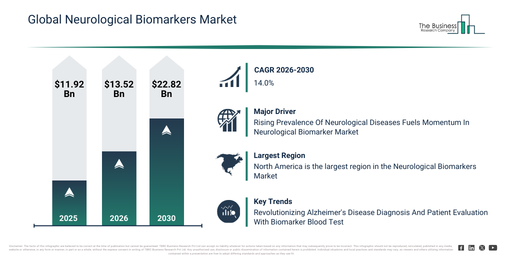
    Neurological biomarkers experienced a substantial expansion recently, with projections indicating a rise from $11.92 billion in 2025 to $13.52 billion in 2026, representing a compound annual growth rate of 13.4%. This historical growth trajectory is underpinned by several key factors, including the escalating incidence of neurological conditions, advancements in the early identification of protein biomarkers, a surge in the application of imaging biomarkers, the increasing integration of DNA biomarkers, and the nascent incorporation of biomarkers within clinical trial frameworks.

    The neurological biomarkers sector is poised for substantial expansion over the upcoming years, projected to reach a market value of $22.82 billion by 2030, driven by a compound annual growth rate (CAGR) of 14.0%. This anticipated growth is fueled by several key factors: the broadening application of personalized medicine utilizing biomarkers, an escalating demand for metabolomic biomarkers, augmented investment in central nervous system (CNS) drug development, advancements in cutting-edge diagnostic platforms, and the increasing deployment of biomarker-guided disease monitoring strategies. Significant trends anticipated within this forecast period include the growing utilization of biomarkers for the early detection of neurological conditions, a heightened adoption rate of proteomic and genomic biomarkers, the expanded use of imaging biomarkers in assessing CNS disorders, a surge in demand for biomarkers throughout drug development pipelines, and a heightened clinical emphasis on testing for biomarkers associated with neurodegenerative diseases.

    Download A Free Sample Report For Comprehensive Market Insights:

    https://www.thebusinessresearchcompany.com/sample.aspx?id=12677&type=smp

    Neurological Biomarkers Market Growth Factors Supporting Long-Term Expansion

    The rising incidence of conditions affecting the nervous system is anticipated to drive the expansion of the neurological biomarker market. Neurological disorders encompass a range of ailments impacting the brain, spinal cord, and peripheral nerves. Parkinson’s disease, a prime example of a neurodegenerative condition, specifically targets the nervous system and the bodily functions it governs. Neurological biomarkers play a crucial role in the early detection of Parkinson’s disease through methods including pathological, biochemical, and genetic analyses. Evidence from October 2023, as reported by the World Federation of Neurology, highlights a significant and escalating global health challenge, with neurological disorders now identified as the second-highest cause of mortality and the foremost contributor to disability worldwide; by 2023, over 40 percent of the global populace experienced such conditions, and projections indicate that the number of individuals living with brain diseases will nearly double by the year 2050. Consequently, the growing number of neurological diseases is a key factor fueling the neurological biomarker market’s growth.

    Neurological Biomarkers Market Segmentation: How Is The Market Structured Across Key Categories?

    The neurological biomarkers market covered in this report is segmented –

    1) By Product: Proteomics Biomarker, Genomics Biomarker, Metabolomics Biomarker, Imaging Biomarker, Other Products

    2) By Application: Alzheimer’s Disease, Parkinson’s Disease, Huntington’s Disease, Schizophrenia, Depression, Multiple Sclerosis, Spinal Muscular Atrophy

    3) By End-User: Hospital Laboratories, Clinical Diagnostic Centers, Research Organizations, Other End-Users

    Subsegments:

    1) By Proteomics Biomarker: Protein Biomarkers, Antibody Biomarkers

    2) By Genomics Biomarker: DNA Biomarkers, RNA Biomarkers

    3) By Metabolomics Biomarker: Metabolite Biomarkers, Lipid Biomarkers

    4) By Imaging Biomarker: MRI Biomarkers, PET Scan Biomarkers

    5) By Other Products: Neuroinflammatory Biomarkers, Neurotransmitter Biomarkers

    Neurological Biomarkers Market Industry Trends Shaping Future Revenue Growth

    In the realm of neurological biomarkers, leading entities are actively innovating, notably by introducing novel blood tests for biomarkers to enhance their market standing. These sophisticated blood tests are designed to scrutinize particular molecules within the bloodstream, thereby offering insights into an individual’s health status, the presence of diseases, or ongoing physiological functions. A prime illustration of this trend occurred in July 2023 when Quanterix Corporation, a United States firm renowned for its cutting-edge digital immunoassay platforms, unveiled its LucentAD biomarker blood test. This diagnostic tool is specifically engineered to aid healthcare providers in assessing individuals exhibiting cognitive difficulties suggestive of early-stage Alzheimer’s disease. The LucentAD test measures p-Tau 181 concentrations, a known indicator of the pathological processes associated with Alzheimer’s disease. When an adult presents with cognitive impairment and is undergoing evaluation for AD 1, the results from the LucentAD test serve as a valuable component of the diagnostic process. It is crucial to note that this test is not intended for use as an independent screening or diagnostic method; rather, it functions most effectively when integrated with other established diagnostic procedures.

    Neurological Biomarkers Market Competitive Landscape And Leading Companies

    Major companies operating in the neurological biomarkers market are Pfizer Inc., F. Hoffmann-La Roche AG, Merck & Co. Inc., Novartis AG, Thermos Fisher Scientific Inc., AstraZeneca Plc, Abbott Laboratories, Boehringer Ingelheim International GmbH, Becton Dickinson and Company, Agilent Technologies Inc., Grifols S.A., Eisai Co. Ltd., PerkinElmer Inc., Illumina Inc., Shimadzu Corporation, Waters Corporation, Bio-Rad Laboratories Inc., Mallinckrodt Plc, Qiagen N.V., Luminex Corporation, Siemens Healthineers, Olink Proteomics, Meso Scale Diagnostics, Quanterix Corp., Fujirebio, Cisbio Bioassays SAS, NeuroVision Imaging, Proteome Sciences Plc, Acumen Pharmaceuticals.

    Access The Complete Neurological Biomarkers Market Report:

    https://www.thebusinessresearchcompany.com/report/neurological-biomarkers-global-market-report

    Neurological Biomarkers Market Geographic Analysis: Where Is Demand Growing The Fastest?

    North Americawas the largest region in the neurological biomarkers market in 2025. The regions covered in the neurological biomarkers market report are Asia-Pacific, South East Asia, Western Europe, Eastern Europe, North America, South America, Middle East, Africa.

    Get in touch with us:

    The Business Research Company: https://www.thebusinessresearchcompany.com/

    Americas: +1 310-496-7795

    Asia: +44 7882 955267 & +91 8897263534

    Europe: +44 7882 955267

    Email us at: marketing@tbrc.info

    Follow us on:

    LinkedIn: https://in.linkedin.com/company/the-business-research-company

    YouTube: https://www.youtube.com/channel/UC24_fI0rV8cR5DxlCpgmyFQ

    Global Market Model: https://www.thebusinessresearchcompany.com/global-market-model
  • Neurogenomics Market Opportunities Are Emerging Beyond Traditional Growth Areas

    Neurogenomics Market Opportunities Are Emerging Beyond Traditional Growth Areas

    Enhanced with market attractiveness analysis, total addressable market evaluation, company benchmarking matrices, interactive Excel dashboards, expanded supply chain intelligence, emerging startup coverage, and detailed product insights, The Business Research Company’s 2026 market reports deliver more actionable and strategically valuable research.

    Neurogenomics Market Size, Value And Growth Trends Through 2030

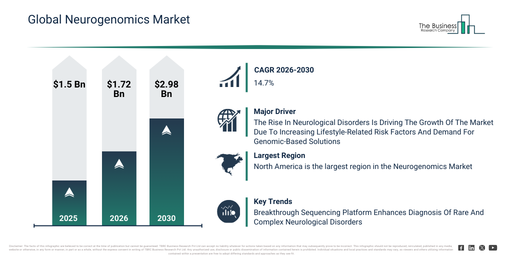
    The neurogenomics sector has experienced significant expansion lately, with projections indicating a climb from $1.5 billion in 2025 to $1.72 billion in 2026, reflecting a compound annual growth rate of 14.7%. This historical growth trajectory has been propelled by innovations in genomic sequencing, increased financial support for neuroscience studies, a rising incidence of neurological conditions, enhanced accessibility of bioinformatics resources, and strengthened academic partnerships.

    The neurogenomics sector is poised for substantial expansion in the coming years, with projections indicating a market valuation of $2.98 billion by 2030, driven by a compound annual growth rate (CAGR) of 14.7%. This projected surge is fueled by several key factors, including the growing incorporation of genomic insights into clinical neurology practices, escalating investments dedicated to precision neurology initiatives, the broader adoption of cloud-based solutions for genomic data analysis, a heightened demand for tailored neurological treatments, and a strengthened emphasis on research that bridges basic science with clinical application in neuroscience. During this anticipated growth period, several significant trends are expected to shape the market landscape. These include a wider embrace of next-generation sequencing technologies within neuroscience research, increased utilization of integrated multi-omics data, a growing need for gene expression analysis specifically within the field of neurology, the continuous expansion of personalized research approaches concerning neurological conditions, and a reinforced commitment to studies of brain disorders that leverage data-driven methodologies.

    Download A Free Sample Report For Comprehensive Market Insights:

    https://www.thebusinessresearchcompany.com/sample.aspx?id=25845&type=smp

    Neurogenomics Market Demand Drivers Creating New Revenue Opportunities

    The expansion of the neurogenomics sector is anticipated to be significantly boosted by the increasing incidence of neurological conditions, which encompass a range of medical issues affecting the brain, spinal cord, or nerves and manifesting as symptoms like muscle weakness, seizures, pain, or cognitive challenges. Factors including suboptimal dietary habits, insufficient physical activity, persistent stress, and heightened exposure to environmental pollutants are commonly cited as contributors to the growing rates of these disorders. Neurogenomics offers profound insights into the genetic underpinnings of brain function and malfunction, thereby facilitating the pinpointing of underlying causes, refining diagnostic capabilities, and developing more effective, specialized therapies for neurological ailments. As an illustration, the Alzheimer’s Association reported in March 2023 that around 6.7 million individuals in the United States aged 65 and above were affected by Alzheimer’s dementia, with projections indicating this figure could escalate to 13.8 million by the year 2060, underscoring how the escalating frequency of neurological disorders is fueling the neurogenomics market’s growth.

    Neurogenomics Market Segmentation Trends And Revenue Drivers

    The neurogenomics market covered in this report is segmented –

    1) By Offering: Next-Generation Sequencing, Polymerase Chain Reaction, Microarray, Software And Services

    2) By Application: Variant Discovery, Research Applications, Target Identification, Transcription Factor Binding Analysis, Functional Studies, Clinical Applications

    3) By End User: Pharmaceutical And Biotechnology Companies, Academic And Research Institutes, Hospitals And Diagnostic Laboratories

    Subsegments:

    1) By Next-Generation Sequencing: Whole Genome Sequencing, Whole Exome Sequencing, Targeted Sequencing, Ribonucleic Acid Sequencing

    2) By Polymerase Chain Reaction: Real-Time Polymerase Chain Reaction, Reverse Transcription Polymerase Chain Reaction, Digital Polymerase Chain Reaction

    3) By Microarray: Deoxyribonucleic Acid Microarray, Ribonucleic Acid Microarray, Protein Microarray

    4) By Software And Services: Data Analysis And Interpretation Software, Genomic Data Management Tools, Custom Services, Cloud-Based Platforms And Reporting Tools

    Neurogenomics Market Trends Driving Strategic Industry Expansion

    Leading entities within the neurogenomics sector are concentrating their efforts on pioneering sophisticated solutions, including comprehensive whole genome sequencing platforms, aimed at improving both the identification and comprehension of intricate neurological conditions. These whole genome sequencing platforms serve as vital instruments for examining an individual’s entire DNA blueprint, thereby facilitating the pinpointing of genetic predispositions associated with neurological ailments. As an illustration, in April of 2023, Centogene N.V., a biotechnology firm headquartered in Germany specializing in the diagnosis and investigation of uncommon diseases, introduced CentoGenome, recognized as the globe’s most exhaustive whole-genome sequencing (WGS) offering designed for the diagnosis of rare and neurodegenerative disorders. This particular platform leverages PCR-free technology to deliver high-fidelity, impartial sequencing data, even across challenging genomic segments. It incorporates an advanced bioinformatics pipeline and expert analysis to boost the accuracy of variant detection, thereby identifying virtually all pathogenic variants through a singular diagnostic process. Furthermore, it features a unified, ongoing diagnostic support system, which includes complimentary reclassification of detected variants and subsequent confirmatory testing as new scientific discoveries emerge over time.

    Neurogenomics Market Industry Leaders: Which Organizations Are Driving Competition?

    Major companies operating in the neurogenomics market are F. Hoffmann-La Roche Limited, Thermo Fisher Scientific Incorporated, Danaher Corporation, Eurofins Scientific SE, Agilent Technologies Inc., Illumina Inc., Revvity Inc., QIAGEN N.V., Myriad Genetics Inc., GeneDx LLC, Fulgent Genetics Inc., Oxford Nanopore Technologies Plc, PacBio, MedGenome Labs Ltd., MGI Tech Co. Ltd., Centogene N.V., Variantyx Inc., BGI Genomics Co. Ltd., GenScript Biotech Corporation, Roche Diagnostics GmbH, Illumina Cambridge Ltd.

    Access The Complete Neurogenomics Market Report:

    https://www.thebusinessresearchcompany.com/report/neurogenomics-global-market-report

    Neurogenomics Market Global Footprint: Which Region Holds Market Leadership?

    North Americawas the largest region in the neurogenomics market in 2025. Asia-Pacificis expected to be the fastest-growing region in the forecast period. The regions covered in the neurogenomics market report are Asia-Pacific, South East Asia, Western Europe, Eastern Europe, North America, South America, Middle East, Africa.

    Get in touch with us:

    The Business Research Company: https://www.thebusinessresearchcompany.com/

    Americas: +1 310-496-7795

    Asia: +44 7882 955267 & +91 8897263534

    Europe: +44 7882 955267

    Email us at: marketing@tbrc.info

    Follow us on:

    LinkedIn: https://in.linkedin.com/company/the-business-research-company

    YouTube: https://www.youtube.com/channel/UC24_fI0rV8cR5DxlCpgmyFQ

    Global Market Model: https://www.thebusinessresearchcompany.com/global-market-model