Category: Healthcare Services

  • Niemann-Pick Disease (NPD) Market Forecast Highlights Expansion From $1.18 Billion To $1.78 Billion Through 2030

    Niemann-Pick Disease (NPD) Market Forecast Highlights Expansion From $1.18 Billion To $1.78 Billion Through 2030

    Delivering more actionable and strategically valuable research, The Business Research Company’s 2026 market reports feature market attractiveness analysis, total addressable market evaluation, company benchmarking matrices, interactive Excel dashboards, expanded supply chain intelligence, emerging startup coverage, and detailed product insights.

    Niemann-Pick Disease (NPD) Market Forecast: What Market Value Is Expected By 2030?

    The market for Niemann-Pick Disease (NPD) has experienced substantial expansion recently, and this upward trajectory is projected to continue. Estimates indicate the market will advance from $1.07 billion in 2025 to $1.19 billion in 2026, reflecting a compound annual growth rate of 11.1%. Historical drivers for this market’s development included the scarcity of therapeutic options, a lack of widespread understanding regarding the condition, prolonged periods for diagnosis, the necessity of focusing on symptom alleviation, and the significant financial burden associated with treatment.

    The Niemann-Pick Disease (NPD) market is poised for substantial expansion, projected to reach $1.79 billion by 2030, reflecting a compound annual growth rate of 10.8%. This upward trajectory is fueled by several key factors: augmented investment in rare disease research, advancements in gene therapy methodologies, the broader implementation of newborn screening initiatives, escalating healthcare spending, and favorable regulatory provisions. Throughout this projected period, significant market developments are anticipated, including a greater emphasis on early genetic detection, an increased number of orphan drug development projects, enhanced patient advocacy and awareness campaigns, progress in enzyme replacement and substrate reduction treatments, and refined multidisciplinary strategies for managing the disease.

    Download A Free Sample Report For Comprehensive Market Insights:

    https://www.thebusinessresearchcompany.com/sample.aspx?id=23457&type=smp

    Niemann-Pick Disease (NPD) Market Expansion Drivers: What Is Shaping Future Growth?

    The niemann-pick disease (NPD) market’s expansion is anticipated to be significantly influenced by the increasing utilization of gene therapy. This therapeutic approach, which involves altering or influencing an individual’s genetic makeup for disease prevention or treatment, is experiencing a surge in development, fueled by sophisticated genetic engineering capabilities that allow for accurate and efficient gene alterations, thereby enhancing therapeutic results for inherited conditions. Gene therapy contributes to managing niemann-pick disease (NPD) by addressing the root genetic defects, with the goal of rectifying the enzyme insufficiencies responsible for the condition and boosting cellular performance. As an illustration, by January 2024, as reported by the American Society of Gene and Cell Therapy, a prominent US entity in the gene and cell therapy sector, gene therapies undergoing Phase III evaluation saw a 10% increase during the final quarter of 2023 compared to the preceding quarter, marking the inaugural rise since the third quarter of 2022. Consequently, the escalating acceptance of gene therapy serves as a primary catalyst for the growth observed in the niemann-pick disease (NPD) market.

    Niemann-Pick Disease (NPD) Market Segment Outlook: Which Categories Are Expanding The Fastest?

    The niemann-pick disease (npd) market covered in this report is segmented –

    1) By Type: Niemann-Pick Disease Type A, Niemann-Pick Disease Type B, Niemann-Pick Disease Type C

    2) By Treatment Type: Drugs, Physical Therapy, Other Treatment Types

    3) By Route Of Administration: Oral, Intravenous, Subcutaneous

    4) By Distribution Channel: Hospital Pharmacies, Retail Pharmacies, Other Distribution Channels

    5) By End-User: Hospitals, Clinics, Homecare Settings

    Subsegments:

    1) By Niemann-Pick Disease Type A: Infantile-Onset Niemann-Pick Disease, Neurodegenerative Niemann-Pick Disease, Acute Visceral Niemann-Pick Disease, Severe Lysosomal Storage Disorder

    2) By Niemann-Pick Disease Type B: Late-Onset Niemann-Pick Disease, Non-Neurological Niemann-Pick Disease, Chronic Visceral Niemann-Pick Disease, Mild Lysosomal Storage Disorder

    3) By Niemann-Pick Disease Type C: Early-Onset Niemann-Pick Disease, Juvenile Niemann-Pick Disease, Adult-Onset Niemann-Pick Disease, Progressive Neurodegenerative Niemann-Pick Disease

    Niemann-Pick Disease (NPD) Market Strategic Trends: What Is Defining The Next Phase Of Growth?

    Within the Niemann-Pick disease (NPD) landscape, key industry players are concentrating their efforts on pioneering novel therapeutic approaches, including combination treatments, with the objective of bolstering treatment effectiveness and elevating patient prognoses. The concept of combination therapy entails the concurrent application of multiple medicinal compounds or therapeutic regimens to confront a specific ailment or health concern. This strategy is designed to boost therapeutic impact and mitigate the potential for treatment resistance that can arise with single-agent interventions. Illustrating this, in September of 2024, Zevra Therapeutics Inc., a biopharmaceutical entity headquartered in the United States, secured approval from the U.S. Food and Drug Administration (FDA) for its product, MIPLYFFA, when utilized alongside miglustat for the management of the neurological symptoms associated with Niemann-Pick disease type C (NPC) in individuals spanning from pediatric to adult age groups, provided they are two years of age or older. MIPLYFFA, also known as arimoclomol, functions by stimulating the generation of heat shock proteins (HSPs), elements that contribute to the clearance of detrimental lipid deposits and offer neuroprotection against cellular injury. Concurrently, miglustat operates by impeding glucosylceramide synthase, thus leading to a reduction in lipid accumulation. The synergistic action of these two treatments collectively aids in decelerating the advancement of neurological deterioration observed in individuals afflicted with NPC.

    Niemann-Pick Disease (NPD) Market Key Companies And Competitive Benchmarking

    Major companies operating in the niemann-pick disease (npd) market are Sanofi S.A., Mayo Clinic, Cincinnati Children’s Hospital Medical Center, Boston Children’s Hospital, Mallinckrodt Pharmaceuticals plc, Myriad Genetics, CENTOGENE N.V., The Florey Institute of Neuroscience and Mental Health, National Organization for Rare Disorders (NORD), Evox Therapeutics Limited, Bloomsbury Genetic Therapies Ltd., Cyclo Therapeutics Inc., CarelonRx, Rainbow Children’s Hospital, Vtesse Inc., Orphazyme A/S, Zebra Biologics, Sarepta Therapeutics Inc., Takeda Pharmaceutical Company Limited, Pfizer Inc., Novartis International AG, Ultragenyx Pharmaceutical Inc., Passage Bio, Amicus Therapeutics Inc., PTC Therapeutics, SOM Biotech, ENDECE, StrideBio, Mandos Health, BioMarin Pharmaceutical Inc.

    Access The Complete Niemann-Pick Disease (NPD) Market Report:

    https://www.thebusinessresearchcompany.com/report/niemann-pick-disease-npd-global-market-report

    Niemann-Pick Disease (NPD) Market Regional Outlook: Where Are The Largest Opportunities Located?

    North Americawas the largest region in the niemann-pick disease (NPD) market in 2025. Asia-Pacificis expected to be the fastest-growing region in the forecast period. The regions covered in the niemann-pick disease (npd) market report are Asia-Pacific, South East Asia, Western Europe, Eastern Europe, North America, South America, Middle East, Africa.

    Get in touch with us:

    The Business Research Company: https://www.thebusinessresearchcompany.com/

    Americas: +1 310-496-7795

    Asia: +44 7882 955267 & +91 8897263534

    Europe: +44 7882 955267

    Email us at: marketing@tbrc.info

    Follow us on:

    LinkedIn: https://in.linkedin.com/company/the-business-research-company

    YouTube: https://www.youtube.com/channel/UC24_fI0rV8cR5DxlCpgmyFQ

    Global Market Model: https://www.thebusinessresearchcompany.com/global-market-model
  • NGS Oncology Market Expected To Reach $32.87 Billion By 2030 As Growth Accelerates At 11.2% CAGR

    NGS Oncology Market Expected To Reach $32.87 Billion By 2030 As Growth Accelerates At 11.2% CAGR

    Enhanced with market attractiveness analysis, total addressable market evaluation, company benchmarking matrices, interactive Excel dashboards, expanded supply chain intelligence, emerging startup coverage, and detailed product insights, The Business Research Company’s 2026 market reports deliver more actionable and strategically valuable research.

    NGS Oncology Market Size Outlook: How Fast Will Revenue Grow Through 2030?

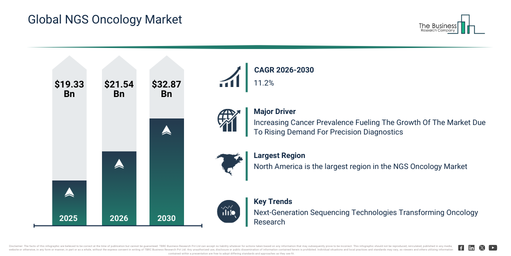
    The market for next-generation sequencing in oncology has experienced notable expansion. Projections indicate a progression from $19.33 billion in 2025 to $21.54 billion in 2026, reflecting a compound annual growth rate of 11.4%. Key factors driving this growth during the earlier period include reduced costs associated with sequencing technologies, an increase in cancer incidence worldwide, enhanced financial support for cancer research, the early integration of precision medicine treatments, and the advancement of genomic research programs.

    The NGS oncology sector is poised for substantial expansion in the coming years, projecting a market value of $32.87 billion by 2030, fueled by an 11.2% compound annual growth rate. This anticipated growth trajectory is predominantly driven by the increasing implementation of precision oncology initiatives, a rising consumer desire for individualized cancer therapies, a greater number of NGS-based diagnostic approvals, improvements in bioinformatics analysis capabilities, and the incorporation of NGS into established clinical protocols. Key developments anticipated during this forecast period encompass the broader application of comprehensive tumor profiling, a surge in the utilization of liquid biopsy NGS, enhanced clinical relevance of multi-gene diagnostic panels, the integration of next-generation sequencing into standard oncological diagnostic practices, and a growing need for expedited sequencing processes.

    Download A Free Sample Report For Comprehensive Market Insights:

    https://www.thebusinessresearchcompany.com/sample.aspx?id=24337&type=smp

    NGS Oncology Market Development Factors: Which Trends Are Supporting Demand?

    The escalating incidence of cancer is anticipated to be a primary catalyst for the expansion of the NGS oncology sector in the future. Characterized by the unchecked proliferation of aberrant cells that can infiltrate other bodily regions and interfere with essential physiological processes, cancer’s increasing occurrence is largely attributable to an aging demographic, global population expansion, and heightened exposure to detrimental factors such as tobacco and alcohol consumption, obesity, and environmental pollutants. By facilitating the early identification, accurate diagnosis, and individualized therapeutic strategies through comprehensive genetic analysis of tumors, NGS oncology plays a crucial role in public health initiatives and patient management. Indicatively, published statistics from the American Cancer Society in January 2024 suggest that the United States anticipates 2,001,140 new cancer diagnoses and 611,720 fatalities in 2024, a slight uptick from the estimated 1,958,310 cases and 609,820 deaths recorded in 2023, underscoring the direct correlation between the growing burden of cancer and the advancement of the NGS oncology market.

    NGS Oncology Market Segment Landscape: Which Areas Lead Market Development?

    The ngs oncology market covered in this report is segmented –

    1) By Sequencing Technology: Targeted Sequencing, Genomics, Transcriptomics, Epigenomics

    2) By Offering: Platform, Kits, Services

    3) By Workflow: Pre-Sequencing, Sequencing, Data Analysis

    4) By Application: Genetic Screening, Hereditary Genetic Testing, Hematological Malignancies, Solid Tumors, Other Applications

    5) By End User: Hospitals And Clinics, Clinical Research Organizations (CROs), Academic And Research Institutes, Pharmaceutical And Biotechnology Companies, Other End Users

    Subsegments:

    1) By Targeted Sequencing: Whole Exome Sequencing (WES), Amplicon-Based Sequencing, Hybridization-Based Sequencing

    2) By Genomics: Whole Genome Sequencing (WGS), Structural Variant Detection, Copy Number Variation (CNV) Analysis

    3) By Transcriptomics: RNA Sequencing, Single-Cell Transcriptomics, Non-Coding RNA Analysis

    4) By Epigenomics: DNA Methylation Sequencing, Chromatin Immunoprecipitation Sequencing, Histone Modification Analysis

    NGS Oncology Market Transformation Trends: Which Innovations Are Driving Change?

    The leading entities within the NGS oncology sector are actively pursuing the creation of novel approaches, specifically liquid biopsy research assays, to facilitate non-intrusive, continuous cancer detection and surveillance via the examination of circulating tumor DNA. Fundamentally, a liquid biopsy research assay constitutes a diagnostic process that scrutinizes bodily fluids, for example, blood, in order to identify genetic alterations or alternative molecular indicators linked to malignancy, thereby permitting cancer identification and observation without surgical intervention. As an illustration, in August 2024, Illumina Inc., a prominent American biotechnology firm renowned for its expertise in next-generation sequencing (NGS) technologies, augmented its oncology offerings designed for users of its NovaSeq X Series. This expansion includes the recently validated, high-capacity TruSight Oncology 500 (TSO 500 HT) and the revised TruSight Oncology 500 ctDNA v2 (TSO 500 ctDNA v2) liquid biopsy research assay. These advanced assays empower laboratories to expand their oncology research capacities for both tissue and liquid biopsy specimens, characterized by heightened sequencing effectiveness, diminished processing durations, and the unprecedented possibility of handling greater quantities of samples on the NovaSeq X Series.

    NGS Oncology Market Industry Leaders And Market Competition

    Major companies operating in the ngs oncology market are Hoffmann-La Roche Ltd., Thermo Fisher Scientific Inc., Agilent Technologies Inc., Eurofins Scientific SE, Illumina Inc., Qiagen N.V., Tecan Trading AG, Myriad Genetics, Takara Bio Inc., Beijing Genomics Institute (BGI), Caris Life Sciences, Foundation Medicine, Paradigm Diagnostics, Pacific Bioscience, Horizon Discovery Group plc , Creative-Biolabs, Xcelris Labs Ltd., Partek Inc., 4baseCare, SciGenom Labs Pvt. Ltd.

    Access The Complete NGS Oncology Market Report:

    https://www.thebusinessresearchcompany.com/report/ngs-oncology-global-market-report

    NGS Oncology Market Geographic Landscape: Which Region Dominates Industry Growth?

    North Americawas the largest region in the NGS oncology market in 2025. Asia-Pacificis expected to be the fastest-growing region in the forecast period. The regions covered in the ngs oncology market report are Asia-Pacific, South East Asia, Western Europe, Eastern Europe, North America, South America, Middle East, Africa.

    Get in touch with us:

    The Business Research Company: https://www.thebusinessresearchcompany.com/

    Americas: +1 310-496-7795

    Asia: +44 7882 955267 & +91 8897263534

    Europe: +44 7882 955267

    Email us at: marketing@tbrc.info

    Follow us on:

    LinkedIn: https://in.linkedin.com/company/the-business-research-company

    YouTube: https://www.youtube.com/channel/UC24_fI0rV8cR5DxlCpgmyFQ

    Global Market Model: https://www.thebusinessresearchcompany.com/global-market-model

  • Next-Generation Sequencing Data Analysis Market Set To Grow From $1.79 Billion In 2026 To $3.92 Billion By 2030 At A CAGR Of 21.5%

    Next-Generation Sequencing Data Analysis Market Set To Grow From $1.79 Billion In 2026 To $3.92 Billion By 2030 At A CAGR Of 21.5%

    Through market attractiveness analysis, total addressable market evaluation, company benchmarking matrices, interactive Excel dashboards, expanded supply chain intelligence, emerging startup coverage, and detailed product insights, The Business Research Company’s 2026 market reports provide more actionable and strategically valuable research.

    Next-Generation Sequencing Data Analysis Market Size, Value And Growth Trends Through 2030

    The market for next-generation sequencing data analysis has experienced remarkable expansion recently, projected to increase from $1.48 billion in 2025 to $1.8 billion in 2026, demonstrating a compound annual growth rate of 21.9%. This historical growth trajectory is fueled by several key factors, including the escalating volume of NGS data being produced, the expanding application of genomic information within research initiatives, the proliferation of clinical sequencing endeavors, enhancements in computing capabilities, and a growing reliance on contracted bioinformatics support.

    The market for next-generation sequencing (NGS) data analysis is poised for substantial expansion, projecting a value of $3.93 billion by the year 2030, reflecting a compelling compound annual growth rate of 21.5%. This anticipated surge in the coming years is fueled by several key drivers, including the escalating integration of artificial intelligence in the process of variant interpretation, a growing need for immediate genomic insights, the broadening scope of personalized medicine, increased investment in secure genomic data management systems, and a heightened emphasis on regulatory adherence for data compliance. Within this forecast period, several significant trends are expected to shape the market landscape, such as the wider acceptance of AI-powered bioinformatics platforms, a greater reliance on cloud-based solutions for NGS data analysis, the increasing utilization of long-read sequencing analytics, the development of more comprehensive genomic pipelines, and a sustained focus on improving the precision of data interpretation.

    Download A Free Sample Report For Comprehensive Market Insights:

    https://www.thebusinessresearchcompany.com/sample.aspx?id=19614&type=smp

    Next-Generation Sequencing Data Analysis Market Industry Drivers: What Is Driving Revenue Growth?

    The escalating incidence of cancer is anticipated to be a primary catalyst for the expansion of the market focused on next-generation sequencing data analysis. Cancer, a complex condition defined by the uninhibited proliferation and dissemination of aberrant cells within the body, poses significant health risks and can prove fatal if left untreated. Lifestyle choices, such as tobacco use, immoderate alcohol intake, and dietary patterns lacking in fruits and vegetables while being heavy on processed items, substantially elevate an individual’s susceptibility to developing cancer. The analysis of next-generation sequencing data plays a crucial role in cancer treatment by facilitating the accurate pinpointing of genetic alterations, which in turn allows for the development of customized treatments and more successful therapeutic approaches designed around the unique genetic makeup of a patient’s malignant cells. Illustrating this trend, the World Health Organization, an international body headquartered in Switzerland, projected in February 2024 that by the year 2050, more than 35 million new cancer diagnoses would occur, marking a substantial 77% surge from the approximately 20 million cases recorded in 2022. Consequently, the rising global burden of cancer is a key driver behind the growth trajectory of the next-generation sequencing data analysis market.

    Next-Generation Sequencing Data Analysis Market Segments: Where Are The Largest Growth Opportunities?

    The next-generation sequencing data analysis market covered in this report is segmented –

    1) By Product: Services, Next-Generation Sequencing (NGS) Commercial Software

    2) By Read Length: Short Read Sequencing, Long Read Sequencing, Very Long Read Sequencing

    3) By Mode: In-House, Outsourced

    4) By Workflow: Primary, Secondary, Tertiary

    5) By End-User: Academic Research, Clinical Research, Hospitals And Clinics, Pharma And Biotech Entities, Other End-Users

    Subsegments:

    1) By Services: Data Analysis Services, Bioinformatics Services, Consulting Services, Training and Support Services

    2) By Next-Generation Sequencing (NGS) Commercial Software: Data Management Software, Alignment Software, Variant Calling Software, Visualization Software, Pipeline Management Software, Specialized Analysis Software

    #Next-Generation Sequencing Data Analysis Market Growth Trends: What Is Influencing The Future Outlook?

    Major players within the next-generation sequencing data analysis market are actively engaged in creating sophisticated secondary analysis bioinformatics software. The primary objective behind these developments is to achieve quicker and more accurate detection of genetic variations, catering to both research and clinical sectors. This specialized bioinformatics software is engineered to take raw sequencing data generated by next-generation sequencing (NGS) and transform it into easily understandable formats, including variant call files (VCF), which meticulously outline genetic variations. Consequently, it significantly simplifies the process of analyzing NGS data for research and clinical laboratories. As an illustration, in January 2024, QIAGEN Digital Insights, a bioinformatics division situated in the US that belongs to QIAGEN, introduced the QIAGEN CLC Genomics Workbench Premium, enhanced with LightSpeed technology. This powerful software is specifically designed to expedite next-generation sequencing (NGS) for the analysis of somatic cancers and can process whole genome sequencing (WGS) samples at a remarkable speed. Leveraging LightSpeed technology, it has the capability to analyze 34x human genomes within a mere 25 minutes and process 50x exomes in just 90 seconds, effectively converting raw FASTQ data into comprehensible formats. The economic advantages are substantial, with costs potentially as low as $1 per genome and mere cents per exome when utilizing cloud infrastructure, presenting a highly cost-efficient option for laboratories handling large volumes of data. This application offers the advantage of running on standard hardware or cloud-based platforms, ensuring both operational flexibility and exceptional accuracy. Its suitability for clinical use, coupled with its capacity to reduce environmental impact, makes it an attractive solution.

    Next-Generation Sequencing Data Analysis Market Major Participants And Competitive Dynamics

    Major companies operating in the next-generation sequencing data analysis market are Thermo Fisher Scientific Inc., Agilent Technologies Inc., Illumina Inc., QIAGEN N.V., MedGenome Inc., Element Biosciences Inc., Seven Bridges Genomics Inc., Synthego Corp., Eurofins Genomics India Pvt. Ltd., Fabric Genomics Inc., Strand Life Sciences Pvt. Ltd., Admera Health LLC, Congenica Ltd., DNASTAR Inc., Golden Helix Inc., Geneious, SciGenom Labs Pvt. Ltd., Partek Incorporated, PathoQuest SAS, BioDatomics Inc., BGI Genomics Co. Ltd

    Access The Complete Next-Generation Sequencing Data Analysis Market Report:

    https://www.thebusinessresearchcompany.com/report/next-generation-sequencing-data-analysis-global-market-report

    Next-Generation Sequencing Data Analysis Market Largest Region: Which Geography Holds The Highest Market Share?

    North Americawas the largest region in the next-generation sequencing data analysis market in 2025. Asia-Pacificis expected to be the fastest-growing region in the forecast period. The regions covered in the next-generation sequencing data analysis market report are Asia-Pacific, South East Asia, Western Europe, Eastern Europe, North America, South America, Middle East, Africa.

    Get in touch with us:

    The Business Research Company: https://www.thebusinessresearchcompany.com/

    Americas: +1 310-496-7795

    Asia: +44 7882 955267 & +91 8897263534

    Europe: +44 7882 955267

    Email us at: marketing@tbrc.info

    Follow us on:

    LinkedIn: https://in.linkedin.com/company/the-business-research-company

    YouTube: https://www.youtube.com/channel/UC24_fI0rV8cR5DxlCpgmyFQ

    Global Market Model: https://www.thebusinessresearchcompany.com/global-market-model
  • Next-Generation Gynecological Cancer Diagnostics Market Opportunities Are Emerging Beyond Traditional Growth Areas

    Next-Generation Gynecological Cancer Diagnostics Market Opportunities Are Emerging Beyond Traditional Growth Areas

    Delivering more actionable and strategically valuable research, The Business Research Company’s 2026 market reports feature market attractiveness analysis, total addressable market evaluation, company benchmarking matrices, interactive Excel dashboards, expanded supply chain intelligence, emerging startup coverage, and detailed product insights.

    Next-Generation Gynecological Cancer Diagnostics Market CAGR Analysis And Future Market Development

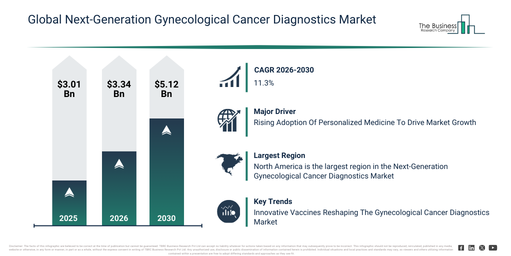
    The global market for advanced diagnostics in gynecological oncology has experienced remarkable expansion. Projections indicate a rise from $3.01 billion in 2025 to $3.34 billion in 2026, reflecting a compound annual growth rate of 11.1%. This historical growth trajectory has been propelled by factors such as the escalating incidence of gynecological cancers, heightened consciousness regarding health screenings for women, significant progress in molecular diagnostic technologies, the broadening of diagnostic facilities within healthcare institutions, and governmental initiatives promoting cancer detection programs.

    The market for next-generation gynecological cancer diagnostics is poised for significant expansion, projected to reach $5.12 billion by 2030, exhibiting a compound annual growth rate of 11.3%. This anticipated surge is fueled by several key factors, including a heightened demand for personalized medical approaches, the increasing integration of AI-powered diagnostic tools, a broader application of genetic and epigenetic testing methodologies, augmented investments in cancer research and development, and enhanced accessibility to sophisticated diagnostic capabilities in developing economies. During this projected period, prominent market shifts will involve a greater reliance on biomarker-driven screening methods, a movement towards customized diagnostic strategies in gynecological oncology, the expanded use of companion diagnostics for treatment strategy formulation, the growing prevalence of non-invasive techniques and liquid biopsies, and a strengthened emphasis on identifying cancers in their earliest stages.

    Download A Free Sample Report For Comprehensive Market Insights:

    https://www.thebusinessresearchcompany.com/sample.aspx?id=12020&type=smp

    Next-Generation Gynecological Cancer Diagnostics Market Growth Factors: Which Forces Are Supporting Market Expansion?

    The expansion of the next-generation gynecological cancer diagnostics market is anticipated to be significantly influenced by the increasing integration of personalized medicine. This revolutionary healthcare paradigm focuses on customizing treatments and interventions based on an individual’s unique genetic, molecular, and clinical profile, thereby facilitating more accurate diagnoses, highly specific therapies, and ultimately, better patient results. Key factors fueling the widespread adoption of personalized medicine include breakthroughs in identifying biomarkers, favorable regulatory environments, and the broader availability of therapies that target specific molecular pathways. In the realm of gynecological oncology, these advanced diagnostic tools are instrumental in guiding clinical choices through comprehensive tumor profiling, predicting how patients will respond to different treatments, and directing the implementation of individualized therapeutic plans. A notable indicator of this trend is the USFDA’s approval of 16 novel personalized treatments for rare disease patients in 2023, a substantial rise from the 6 approved in 2022, as reported by the Personalized Medicine Coalition in February 2024. Consequently, the intensifying embrace of personalized medicine is a primary catalyst for the growth observed in the next-generation gynecological cancer diagnostics sector.

    Next-Generation Gynecological Cancer Diagnostics Market Segment Analysis: What Are The Major Market Categories?

    The next-generation gynecological cancer diagnostics market covered in this report is segmented –

    1) By Cancer Type: Cervical Cancer, Ovarian Cancer, Uterine Cancer, Vaginal Cancer, Vulvar Cancer

    2) By Function: Therapeutic Monitoring, Companion Diagnostics, Prognostics, Cancer Screening, Risk Analysis

    3) By Technology: Next-Generation Sequencing, qPCR And Multiplexing, Lab-On-A-Chip (LOAC) And Reverse Transcriptase-PCR (RT-PCR), Protein Microarrays, DNA Microarrays

    4) By Application: Biomarker Development, CTC Analysis, Proteomic Analysis, Epigenetic Analysis, Genetic Analysis

    5) By End User: Hospitals And Ambulatory Centers, Diagnostic Laboratories, Academic And Research Institutes

    Subsegments:

    1) By Cervical Cancer: HPV Testing, Pap Smear Testing, Liquid-Based Cytology, Biomarker Testing

    2) By Ovarian Cancer: CA-125 Testing, HE4 Testing, Genetic Testing (BRCA1 Or BRCA2), Imaging Techniques

    3) By Uterine Cancer: Endometrial Biopsy, Ultrasound Imaging, Genetic Testing (PMS2, MLH1), Biomarker Testing

    4) By Vaginal Cancer: Pap Smear Testing, HPV Testing, Biopsy Procedures

    5) By Vulvar Cancer: Visual Inspection, Biopsy, HPV Testing, Genetic Testing

    Next-Generation Gynecological Cancer Diagnostics Market Industry Trends: What Changes Are Reshaping Demand?

    In the landscape of gynecological cancer diagnostics, leading corporations are actively innovating with novel offerings, such as vaccines targeting cervical cancer, to solidify their market positions. Vaccines, defined as biological preparations that confer active immunity against specific illnesses, are central to these advancements. A notable example is the July 2023 introduction of Cervavac by India-based biotechnology firm Serum Institute of India Pvt. Ltd., marking the nation’s inaugural domestically produced vaccine aimed at preventing cervical cancer. This vaccine is designed to combat the Human Papilloma Virus, recognized as the primary etiological agent of cervical cancer, and is intended for administration to individuals of both genders. Cervavac functions preventatively by prompting an immune response to ward off HPV infections and provides broad protection across various high-risk HPV strains. Its effectiveness against HPV types 16 and 18 is well-established, coupled with a proven safety profile. Priced economically between 200 and 400 rupees, approximately $2.50 to $5, Cervavac significantly improves accessibility, particularly for underserved populations, thereby advancing efforts to render cervical cancer prevention more economically viable within India.

    Next-Generation Gynecological Cancer Diagnostics Market Leading Companies Driving Competitive Growth

    Major companies operating in the next-generation gynecological cancer diagnostics market are F. Hoffmann-La Roche Ltd., Thermo Fisher Scientific Inc., Abbott Laboratories, Siemens Healthcare GmbH, Agena Bioscience Inc., Koninklijke Philips N.V., Becton, Dickinson and Company, GE HealthCare Technologies Inc., Laboratory Corporation Of America Holdings, Quest Diagnostics Incorporated, Agilent Technologies Inc., Hologic Inc., Illumina Inc., PerkinElmer Inc., Sysmex Corporation, Qiagen N.V., ARUP Laboratories, Almac Group, BGI Genomics Co Ltd, OPKO HEALTH Inc., BGI Genomics Co. Ltd., Myriad Genetics Inc., Fulgent Genetics Inc., Cepheid, Invitae Corporation, Centogene NV

    Access The Complete Next-Generation Gynecological Cancer Diagnostics Market Report:

    https://www.thebusinessresearchcompany.com/report/next-generation-gynecological-cancer-diagnostics-global-market-report

    Next-Generation Gynecological Cancer Diagnostics Market Regional Analysis: Which Region Leads By Revenue?

    North Americaa was the largest region in the next-generation gynecological cancer diagnostics market in 2025. Asia-Pacific is expected to be the fastest-growing region in the forecast period. The regions covered in the next-generation gynecological cancer diagnostics market report are Asia-Pacific, South East Asia, Western Europe, Eastern Europe, North America, South America, Middle East, Africa.

    Get in touch with us:

    The Business Research Company: https://www.thebusinessresearchcompany.com/

    Americas: +1 310-496-7795

    Asia: +44 7882 955267 & +91 8897263534

    Europe: +44 7882 955267

    Email us at: marketing@tbrc.info

    Follow us on:

    LinkedIn: https://in.linkedin.com/company/the-business-research-company

    YouTube: https://www.youtube.com/channel/UC24_fI0rV8cR5DxlCpgmyFQ

    Global Market Model: https://www.thebusinessresearchcompany.com/global-market-model
  • Next-Generation Antibody Therapeutics Market Expansion Is Opening New Pathways For Strategic Investment

    Next-Generation Antibody Therapeutics Market Expansion Is Opening New Pathways For Strategic Investment

    Enhanced with market attractiveness analysis, total addressable market evaluation, company benchmarking matrices, interactive Excel dashboards, expanded supply chain intelligence, emerging startup coverage, and detailed product insights, The Business Research Company’s 2026 market reports deliver more actionable and strategically valuable research.

    Next-Generation Antibody Therapeutics Market Expansion From $8.35 Billion In 2026 To $12.63 Billion In 2030

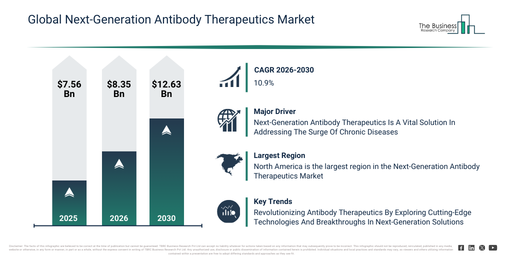
    Anticipated to experience substantial expansion, the market for next-generation antibody therapeutics is projected to increase from $7.56 billion in 2025 to $8.35 billion by 2026, reflecting a compound annual growth rate of 10.4%. Key drivers behind this historical growth trajectory include a rise in the number of approved monoclonal antibodies, the escalating incidence of cancer, an enhancement in biologics production capabilities, increased financial commitment to pharmaceutical research and development, and the streamlining of regulatory processes for biologic substances.

    The market for next-generation antibody therapeutics is poised for substantial expansion in the coming years, projected to reach $12.63 billion by 2030 with a compound annual growth rate (

    Download A Free Sample Report For Comprehensive Market Insights:

    https://www.thebusinessresearchcompany.com/sample.aspx?id=12678&type=smp

    Next-Generation Antibody Therapeutics Market Demand Drivers: What Is Fueling Industry Growth?

    The escalating incidence of chronic conditions is poised to be a significant catalyst for the expansion of the next-generation antibody therapeutics sector. These long-lasting health issues, persisting for a year or more and often requiring ongoing medical attention or limiting daily life, create a compelling need for advanced treatment options. Next-generation antibody therapeutics offer a targeted approach to managing these chronic illnesses, providing a mechanism to improve patient prognoses. Illustratively, data from the National Center for Biotechnology Information (NCBI) in January 2023 indicated that by 2050, the population aged 50 and above experiencing at least one chronic illness is anticipated to more than double, reaching 142.66 million. Consequently, the mounting burden of chronic diseases is directly fueling the advancement and adoption of next-generation antibody therapeutics.

    Next-Generation Antibody Therapeutics Market Segment Breakdown: Which Categories Generate The Most Revenue?

    The next-generation antibody therapeutics market covered in this report is segmented –

    1) By Types Of Antibodies: Monoclonal Antibodies, Polyclonal Antibodies, Bispecific Antibodies, Antibody-Drug Conjugates, Other Types

    2) By Therapeutic Area: Oncology, Autoimmune Diseases, Infectious Diseases, Neurodegenerative Disorders, Other Therapeutic Areas

    3) By End-User: Hospitals And Clinics, Research Institutes, Pharmaceutical And Biotechnology Companies, Other End-Users

    Subsegments:

    1) By Monoclonal Antibodies: IgG Monoclonal Antibodies, IgM Monoclonal Antibodies

    2) By Polyclonal Antibodies: Serum-Derived Polyclonal Antibodies, Hybridoma-Derived Polyclonal Antibodies

    3) By Bispecific Antibodies: Dual-Targeting Antibodies, Single-Chain Variable Fragment (scFv) Antibodies

    4) By Antibody-Drug Conjugates (ADCs): Targeted ADCs, Payload Types

    5) By Other Types: Nanobodies, Engineered Antibodies

    Next-Generation Antibody Therapeutics Market Innovation Trends: Which Developments Are Transforming The Industry?

    Key players in the next-generation antibody therapeutics sector are actively pursuing technological innovations, including their proprietary Molecular Indexing of Proteins by Self-Assembly (MIPSA) technology, to refine protein identification and characterization processes, thereby paving the way for more precise and efficacious therapies. These forward-thinking developments are designed to optimize therapeutic outcomes, decrease expenditure, and tackle intricate illnesses with heightened accuracy. The Molecular Indexing of Proteins by Self-Assembly (MIPSA) technology facilitates the systematic organization of protein molecules into ordered arrangements for superior analytical and quantitative capabilities, significantly boosting sensitivity and precision in protein detection for both research and diagnostic applications. Illustrating this trend, Infinity Bio, Inc., an American biotechnology firm, introduced a novel antibody profiling platform in January 2024, which leverages MIPSA technology to conduct high-volume, economical assessments of immune responses, with the ultimate goal of deepening comprehension of diseases and tailoring treatment approaches.

    Next-Generation Antibody Therapeutics Market Key Players And Strategic Industry Positioning

    Major companies operating in the next-generation antibody therapeutics market are Pfizer Inc., F. Hoffmann-La Roche Ltd., Bristol-Myers Squibb Company, AstraZeneca plc, GlaxoSmithKline plc, Takeda Pharmaceutical Company Limited, Boehringer Ingelheim International GmbH, Amgen Inc., Regeneron Pharmaceuticals Inc., Biogen Inc., Genentech Inc., Kyowa Hakko Kirin Co. Ltd., Seagen Inc., Seattle Genetics Inc., Xencor Inc., ImmunoGen Inc., Genmab A/S, Zymeworks Inc., NBE-Therapeutics AG, Daiichi Sankyo Company Limited, Merck & Co Inc., Novartis AG, AbCellera Biologics Inc., Sotio Biotech, F-Star Therapeutics Ltd., ADC Therapeutics SA, Harbour BioMed

    Access The Complete Next-Generation Antibody Therapeutics Market Report:

    https://www.thebusinessresearchcompany.com/report/next-generation-antibody-therapeutics-global-market-report

    Next-Generation Antibody Therapeutics Market Geographic Distribution And Regional Opportunities

    North Americawas the largest region in the next-generation antibody therapeutics market in 2025. Asia-Pacificis expected to be the fastest-growing region in the forecast period. The regions covered in the next-generation antibody therapeutics market report are Asia-Pacific, South East Asia, Western Europe, Eastern Europe, North America, South America, Middle East, Africa.

    Get in touch with us:

    The Business Research Company: https://www.thebusinessresearchcompany.com/

    Americas: +1 310-496-7795

    Asia: +44 7882 955267 & +91 8897263534

    Europe: +44 7882 955267

    Email us at: marketing@tbrc.info

    Follow us on:

    LinkedIn: https://in.linkedin.com/company/the-business-research-company

    YouTube: https://www.youtube.com/channel/UC24_fI0rV8cR5DxlCpgmyFQ

    Global Market Model: https://www.thebusinessresearchcompany.com/global-market-model
  • Next Generation Sequencing (NGS) Sample Preparation Market Trends Are Creating New Opportunities For Industry Leaders

    Next Generation Sequencing (NGS) Sample Preparation Market Trends Are Creating New Opportunities For Industry Leaders

    Through market attractiveness analysis, total addressable market evaluation, company benchmarking matrices, interactive Excel dashboards, expanded supply chain intelligence, emerging startup coverage, and detailed product insights, The Business Research Company’s 2026 market reports provide more actionable and strategically valuable research.

    Next Generation Sequencing (NGS) Sample Preparation Market Forecast Highlighting Growth From $4.12 Billion To $7.1 Billion

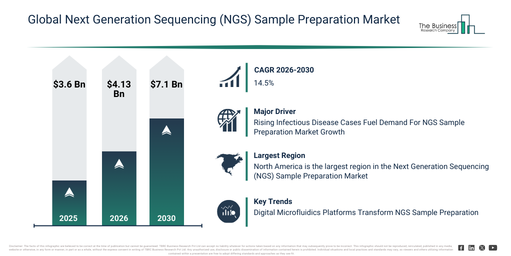
    The market for next-generation sequencing (NGS) sample preparation has experienced substantial augmentation lately, projecting a leap from $3.6 billion in 2025 to $4.13 billion in 2026, underpinned by a 14.8% compound annual growth rate. This prior expansion was driven by several key factors, including the proliferation of genomic research endeavors, escalating utilization of NGS for clinical diagnoses, advancements in precision medicine frameworks, enhanced accessibility to sequencing instrumentation, and notable enhancements in reagent efficacy.

    The market for next-generation sequencing (NGS) sample preparation is poised for substantial expansion, projected to achieve $7.1 billion by 2030, reflecting a compound annual growth rate of 14.5%. This upward trajectory during the forecast period is underpinned by several key factors, including the escalating integration of NGS in standard diagnostic procedures, a heightened need for adaptable sample preparation methodologies, broadened applications in oncology and the study of rare diseases, augmented investments in laboratory automation, and a greater emphasis on standardizing laboratory workflows. Emerging trends expected to shape this market over the same timeframe encompass the increasing automation of NGS sample preparation processes, a growing appetite for high-throughput library preparation kits, the wider adoption of integrated NGS platforms, advancements in target enrichment strategies, and a strengthened focus on ensuring sample quality and consistent results.

    Download A Free Sample Report For Comprehensive Market Insights:

    https://www.thebusinessresearchcompany.com/sample.aspx?id=20580&type=smp

    Next Generation Sequencing (NGS) Sample Preparation Market Growth Drivers: What Factors Are Accelerating Expansion?

    The increasing prevalence of infectious illnesses is anticipated to stimulate expansion within the next-generation sequencing (NGS) sample preparation sector. These infectious diseases, stemming from microbial agents like bacteria, viruses, fungi, or parasitic organisms, possess the capacity for direct or indirect transmission between individuals. Factors contributing to this rise include heightened international travel, the concentration of populations in urban areas, shifts in climate patterns, the widespread issue of antimicrobial resistance, and the emergence of novel disease-causing agents. The process of preparing samples for NGS is instrumental in addressing the surge of infectious diseases by facilitating swift and precise pathogen identification, which in turn aids in outbreak surveillance, tracing disease spread, and informing optimal therapeutic approaches. As an illustration, data from GOV.UK in September 2023 indicated that during the initial six months of 2023, tuberculosis (TB) cases in England saw a 7% escalation from the corresponding period in 2022, with reported notifications climbing from 2,251 to 2,408. Consequently, this escalating occurrence of infectious diseases is poised to be a key driver for the growth of the NGS sample preparation market.

    Next Generation Sequencing (NGS) Sample Preparation Market Segmentation: How Is The Market Structured Across Key Categories?

    The next generation sequencing (ngs) sample preparation market covered in this report is segmented –

    1) By Products And Services: Workstations Or Instruments, Reagents And Consumables, Services

    2) By Workflow: Library Preparation, Target Enrichment, Sample ExtractionOrisolation, Fragmentation, Sample Quantification, Library Quantification, Quality Control (Qc), Pooling

    3) By Technology: Nanopore Sequencing, Sequencing By Synthesis (Sbs), Single Molecule Real-time (SMRT) Sequencing, Ion Semiconductor Sequencing

    4) By Application: Diagnostics, Drug Discovery, Biomarker Discovery, Precision Medicine, Agriculture And Animal Research, Other Applications

    5) By End User: Academic Institutes And Research Centers, Hospitals And Clinics, Pharma And Biotech Companies, Other End Users

    Subsegments:

    1) By Workstations Or Instruments: Automated Sample Preparation Systems, Manual Workstations, Integrated NGS Platforms

    2) By Reagents And Consumables: Library Preparation Kits, DNA/RNA Extraction Kits, Amplification Kits, Quality Control Reagents, Consumables

    3) By Services: Sample Preparation Services, NGS Workflow Consultation, Training and Support Services, Data Analysis Services

    Next Generation Sequencing (NGS) Sample Preparation Market Trends: What Is Shaping Future Industry Growth?

    Leading entities within the next-generation sequencing (NGS) sample preparation sector are placing significant emphasis on incorporating automation, specifically through sophisticated platforms like digital microfluidics, aiming to boost operational effectiveness, minimize human error, and optimize sample handling for more precise and prompt genomic insights. Digital microfluidics represents a cutting-edge technology that employs electrical fields to manage diminutive fluid quantities on microchips, thereby facilitating meticulously controlled and automated sample manipulation crucial for applications such as NGS sample preparation. Illustratively, in September of 2023, INTEGRA Biosciences, a recognized Swiss entity renowned for its intuitive liquid handling and media preparation solutions, unveiled the MIRO CANVAS, a compact digital microfluidics system engineered for the complete automation of NGS sample preparation. This groundbreaking device elevates precision and productivity by automating intricate workflows, drastically cutting down hands-on time to a mere 15 minutes per cycle, and enabling the immediate analysis of clinical samples. The overarching objective of the MIRO CANVAS is to simplify NGS methodologies and bolster cutting-edge genomics research by ensuring the preservation of DNA structural integrity while concurrently reducing reagent consumption.

    Next Generation Sequencing (NGS) Sample Preparation Market Competitive Landscape And Leading Companies

    Major companies operating in the next generation sequencing (ngs) sample preparation market are F. Hoffmann-La Roche Ltd, Thermo Fisher Scientific Inc., Merck KGaA, Becton Dickinson and Company (BD), Eurofins Scientific SE, Agilent Technologies Inc., PerkinElmer Inc., Illumina Inc., Beckman Coulter, Sysmex Corporation, Bio-Rad Laboratories Inc., Qiagen N.V., Novogene Co. Ltd., Tecan Group Ltd, BGI Genomics Co. Ltd., Medgenome Inc., Promega Corporation, 10x Genomics Inc., Takara Bio Inc., Oxford Nanopore Technologies Limited, New England Biolabs Inc., Pacific Biosciences of California Inc., Zymo Research Corporation, Psomagen Inc., Swift Biosciences Inc.

    Access The Complete Next Generation Sequencing (NGS) Sample Preparation Market Report:

    https://www.thebusinessresearchcompany.com/report/next-generation-sequencing-ngs-sample-preparation-global-market-report

    Next Generation Sequencing (NGS) Sample Preparation Market Largest Region By Revenue And Market Share

    North Americawas the largest region in the next generation sequencing (NGS) sample preparation market in 2025. Asia-Pacificis expected to be the fastest-growing region in the forecast period The regions covered in the next generation sequencing (ngs) sample preparation market report are Asia-Pacific, South East Asia, Western Europe, Eastern Europe, North America, South America, Middle East, Africa.

    Get in touch with us:

    The Business Research Company: https://www.thebusinessresearchcompany.com/

    Americas: +1 310-496-7795

    Asia: +44 7882 955267 & +91 8897263534

    Europe: +44 7882 955267

    Email us at: marketing@tbrc.info

    Follow us on:

    LinkedIn: https://in.linkedin.com/company/the-business-research-company

    YouTube: https://www.youtube.com/channel/UC24_fI0rV8cR5DxlCpgmyFQ

    Global Market Model: https://www.thebusinessresearchcompany.com/global-market-model

  • Next Generation Sequencing (NGS) In Agrigenomics Market Growth Is Reshaping Competitive Advantage Across The Industry

    Next Generation Sequencing (NGS) In Agrigenomics Market Growth Is Reshaping Competitive Advantage Across The Industry

    Delivering more actionable and strategically valuable research, The Business Research Company’s 2026 market reports feature market attractiveness analysis, total addressable market evaluation, company benchmarking matrices, interactive Excel dashboards, expanded supply chain intelligence, emerging startup coverage, and detailed product insights.

    Next Generation Sequencing (NGS) In Agrigenomics Market Revenue Growth Supported By A CAGR Of 4.48% Through 2030

    The agricultural genomics sector, specifically the next-generation sequencing (NGS) segment, has experienced substantial expansion, projecting a market valuation increase from $2.53 billion in 2025 to $2.84 billion in 2026, fueled by a compound annual growth rate of 12.4%. This upward trajectory observed during the historical period is largely a consequence of heightened requirements for enhanced crop productivity, a broadening scope within agricultural biotechnology research, the accessibility of sophisticated sequencing technologies, an intensified emphasis on developing crops resilient to diseases, and the proliferation of genomics-driven breeding programs.

    The field of next generation sequencing (NGS) within agrigenomics is poised for substantial expansion in the coming years, with projections indicating a market value of $4.48 billion by 2030, driven by a compound annual growth rate (CAGR) of 12.1%. This upward trajectory during the projected period is largely fueled by the escalating implementation of precision agriculture techniques, a surge in funding directed towards the development of crops resilient to climate change, the broader application of farming methods informed by genomic data, a heightened demand for sustainable food sources, and increased governmental backing for agrigenomics research. Key developments anticipated over the forecast horizon encompass the wider adoption of advanced high-throughput sequencing technologies, a growing utilization of NGS for refining crop characteristics, the deepening integration of bioinformatics tools into agrigenomic practices, the expansion of breeding initiatives supported by genomic insights, and a more pronounced emphasis on fostering sustainable agricultural development.

    Download A Free Sample Report For Comprehensive Market Insights:

    https://www.thebusinessresearchcompany.com/sample.aspx?id=27361&type=smp

    Next Generation Sequencing (NGS) In Agrigenomics Market Growth Factors Supporting Long-Term Expansion

    The increasing focus on ensuring global food availability is anticipated to be a significant catalyst for expansion within the agrigenomics market, particularly concerning next-generation sequencing (NGS) technologies. Establishing food security involves guaranteeing that everyone consistently obtains adequate, safe, and nutrient-rich sustenance to maintain a healthy and active lifestyle. This heightened emphasis stems from demographic shifts, notably population expansion, which outpaces current agricultural output capabilities, thereby escalating food demand. NGS applications in agrigenomics play a crucial role in bolstering food security by facilitating the creation of superior crop strains that exhibit enhanced yields, greater resilience to diseases, and improved adaptation to various climatic conditions. Underscoring this challenge, data from the United States Department of Agriculture revealed that in 2023, food insecurity impacted 13.5% (representing 18.0 million) of households in the U.S., a noticeable increase from the 12.8% (17.0 million) recorded in 2022. Consequently, the growing global concerns surrounding food security are directly fueling advancements and market growth for next-generation sequencing within the agrigenomics sector.

    Next Generation Sequencing (NGS) In Agrigenomics Market Segmentation Trends And Revenue Drivers

    The next generation sequencing (ngs) in agrigenomics market covered in this report is segmented –

    1) By Types: Nanopore, NextSeq, NovaSeq, Sequel

    2) By Sample Type: Animal Tissue Samples, Plant Tissue Samples, Soil Samples, Microbial Cultures, Seed Samples

    3) By Workflow Type: Sample Preparation, Sequencing, Data Analysis, Data Interpretation, Bioinformatics, Management

    4) By Application: Plant Genomics, Animal Genomics, Microbial Genomics, Food Safety Testing, Biodiversity Conservation

    5) By End-User Type: Agricultural Biotechnology Companies, Research Institutions, Food And Beverage Companies, Government, Regulatory Bodies, Farmers

    Subsegments:

    1) By Nanopore: MinION, GridION, PromethION

    2) By NextSeq: NextSeq 500, NextSeq 550

    3) By NovaSeq: NovaSeq 6000, NovaSeq X

    4) By Sequel: Sequel I, Sequel II, Sequel Iie

    Next Generation Sequencing (NGS) In Agrigenomics Market Industry Trends Shaping Future Revenue Growth

    Leading corporations within the next-generation sequencing (NGS) sector for agrigenomics are prioritizing the creation of groundbreaking technologies, exemplified by single nucleotide polymorphism (SNP) panels engineered for specific genotyping applications, in response to the escalating need for expedited crop development, increased agricultural output, and bolstered resilience against pathogens. These SNP panels function as compilations of genetic markers adept at pinpointing variations within DNA, thereby empowering plant breeders to select advantageous genetic characteristics with greater efficacy than customary approaches that depend on observable plant traits observed over several cultivation periods. A case in point is the introduction in May 2024 of the temperate maize panel by AgriPlex Genomics, a firm headquartered in Cleveland, Ohio; this sophisticated SNP array is tailored for corn varieties cultivated in temperate climates and comprises 2,490 markers strategically positioned throughout the ten chromosomes, focusing on critical attributes like plant development, kernel and cob structure, anthesis timing, plant and ear height, ear dimensions, kernel weight, grain production, grain moisture content, and resistance to maladies. This array, a product of cooperative efforts with research institutions, streamlines marker-assisted breeding strategies, enhances processing capacity by enabling the concurrent genetic analysis of extensive plant cohorts, and substantially curtails expenses when contrasted with traditional sequencing methodologies.

    Next Generation Sequencing (NGS) In Agrigenomics Market Industry Leaders: Which Organizations Are Driving Competition?

    Major companies operating in the next generation sequencing (ngs) in agrigenomics market are Thermo Fisher Scientific Inc., Eurofins Scientific SE, Agilent Technologies Inc., Illumina Inc., Takara Holdings Inc., Tecan Group Ltd., Azenta Life Sciences, 10x Genomics Inc., Novogene Corporation, Twist Bioscience Inc., Oxford Nanopore Technologies Ltd., Genotypic Technology Pvt. Ltd., CD Genomics Inc., Zymo Research Corp., Genome Life Sciences Pvt. Ltd., Arraygen Technologies Pvt. Ltd., SciGenom Labs Pvt. Ltd., BGI Group, Paragon Genomics Inc., NRGene Ltd., Berry Genomics Co. Ltd., LC Sciences LLC

    Access The Complete Next Generation Sequencing (NGS) In Agrigenomics Market Report:

    https://www.thebusinessresearchcompany.com/report/next-generation-sequencing-ngs-in-agrigenomics-global-market-report

    Next Generation Sequencing (NGS) In Agrigenomics Market Regional Analysis And Leading Geography

    North Americawas the largest region in the next generation sequencing (NGS) in agrigenomics market in 2025. Asia-Pacificis expected to be the fastest-growing region in the forecast period. The regions covered in the next generation sequencing (ngs) in agrigenomics market report are Asia-Pacific, South East Asia, Western Europe, Eastern Europe, North America, South America, Middle East, Africa.

    Get in touch with us:

    The Business Research Company: https://www.thebusinessresearchcompany.com/

    Americas: +1 310-496-7795

    Asia: +44 7882 955267 & +91 8897263534

    Europe: +44 7882 955267

    Email us at: marketing@tbrc.info

    Follow us on:

    LinkedIn: https://in.linkedin.com/company/the-business-research-company

    YouTube: https://www.youtube.com/channel/UC24_fI0rV8cR5DxlCpgmyFQ

    Global Market Model: https://www.thebusinessresearchcompany.com/global-market-model

  • Next Generation Immunotherapies Market Forecast Signals New Revenue Opportunities Through 2030

    Next Generation Immunotherapies Market Forecast Signals New Revenue Opportunities Through 2030

    Enhanced with market attractiveness analysis, total addressable market evaluation, company benchmarking matrices, interactive Excel dashboards, expanded supply chain intelligence, emerging startup coverage, and detailed product insights, The Business Research Company’s 2026 market reports deliver more actionable and strategically valuable research.

    Next Generation Immunotherapies Market Value Expansion And Long-Term Growth Outlook

    The market for next-generation immunotherapies has experienced significant expansion lately, projecting an increase from $150.12 billion in 2025 to $168.33 billion in 2026, reflecting a compound annual growth rate of 12.1%. Factors behind this historic growth trajectory include the escalating worldwide incidence of cancer, the initial triumphs observed with immune checkpoint inhibitors, augmented investments in oncology research and development, the successful regulatory approval of monoclonal antibodies, and a heightened understanding of immuno-oncology treatments.

    The market for next-generation immunotherapies is poised for substantial expansion in the coming years, projected to reach $262.82 billion by 2030, reflecting a compound annual growth rate of 11.8%. This anticipated growth trajectory is underpinned by several key factors, including continuous innovation in antibody engineering techniques, the broadening scope of immunotherapy applications beyond cancer treatment, a rise in the number of approved antibody-drug conjugate therapies, the increasing utilization of biomarker-guided treatment strategies, and a growing patient preference for enduring and long-term therapeutic solutions. Within this forecast period, several significant trends are expected to shape the market landscape, such as the proliferation of combination immunotherapy approaches, advancements and wider implementation of personalized cancer vaccines, a greater uptake of bispecific antibodies, an intensified effort to mitigate immune-related side effects, and a surge in clinical trial investigations for solid tumor treatments.

    Download A Free Sample Report For Comprehensive Market Insights:

    https://www.thebusinessresearchcompany.com/sample.aspx?id=21231&type=smp

    Next Generation Immunotherapies Market Demand Drivers Creating New Revenue Opportunities

    The escalating incidence of cancer is poised to significantly fuel the expansion of the next-generation immunotherapies market. Cancer, a complex group of diseases defined by the aberrant proliferation and dissemination of faulty cells, is becoming more common due to demographic shifts towards older populations, evolving lifestyle habits, environmental influences, and enhanced diagnostic capabilities. Next-generation immunotherapies represent cutting-edge, precise therapeutic approaches designed to bolster the body’s natural defenses against malignant cells, thereby promising superior efficacy, sustained impact, and tailored treatment plans. Illustrating this trend, data released in July 2024 by Cancer Research UK indicated that cancer diagnoses in the United Kingdom are anticipated to rise across most forms between 2023-2025 and 2038-2040, with increases varying from under 1% for breast cancer to as much as 50% for eye cancer, though certain cancers, like lung cancer (a 2% decrease) and mesothelioma (a 27% decrease), are expected to experience a decline. Consequently, the escalating burden of cancer is directly stimulating the growth trajectory of the next-generation immunotherapies sector.

    Next Generation Immunotherapies Market Segment Analysis Highlighting Growth Areas

    The next generation immunotherapies market covered in this report is segmented –

    1) By Drug Class: Monoclonal Antibodies, Antibody-Drug Conjugates (ADCs), Angiotensin-Converting Enzyme (ACE) Inhibitors, Immune Checkpoint Inhibitors

    2) By Route Of Administration: Intravenous, Parenteral, Intratumoral, Subcutaneous, Oral

    3) By Distribution Channel: Hospital Pharmacies, Clinical Pharmacies, Other Distribution Channels

    Subsegments:

    1) By Monoclonal Antibodies: Anti-PD-1 Antibodies, Anti-PD-L1 Antibodies, Anti-CTLA-4 Antibodies, Anti-CD20 Antibodies

    2) By Antibody-Drug Conjugates (ADCs): HER2-Targeted ADCs, CD30-Targeted ADCs, CD19-Targeted ADCs

    3) By Angiotensin-Converting Enzyme (ACE) Inhibitors: ACE Inhibitors For Cancer Therapy, ACE Inhibitors For Other Indications

    4) By Immune Checkpoint Inhibitors: PD-1 Or PD-L1 Inhibitors, CTLA-4 Inhibitors

    Next Generation Immunotherapies Market Trends Driving Strategic Industry Expansion

    Leading entities within the burgeoning next-generation immunotherapies sector are dedicating resources to pioneering treatments, including CAR T-cell therapy, aimed at combating oncological conditions, autoimmune disorders, and infectious diseases. CAR T-cell therapy involves the genetic modification of a patient’s T cells, a crucial component of the immune system, to incorporate chimeric antigen receptors (CARs). Illustrating this advancement, Immuneel Therapeutics Private Limited, an Indian enterprise specializing in cell and gene therapies, introduced Qartemi in January 2025, marking it as the inaugural CAR T-cell therapy developed in India. This groundbreaking treatment targets adult B-cell non-Hodgkin lymphoma by re-engineering a patient’s own immune cells to specifically identify and eliminate malignant cells, presenting a highly potent and individualized therapeutic avenue. The therapy offers a significant beacon of hope for individuals unresponsive to standard treatments, additionally presenting a more cost-effective alternative to comparable international therapies.

    Next Generation Immunotherapies Market Leading Companies: Who Holds Significant Market Presence?

    Major companies operating in the next generation immunotherapies market are Pfizer Inc., F. Hoffmann-La Roche Ltd., Merck & Co. Inc., AbbVie Inc., Sanofi S.A., Bristol-Myers Squibb Company, AstraZeneca PLC, Novartis AG, GlaxoSmithKline plc (GSK), Eli Lilly and Company, Gilead Sciences Inc., Amgen Inc., Boehringer Ingelheim International GmbH, Regeneron Pharmaceuticals Inc., Incyte Corporation, BioNTech SE, Xencor Inc., Fate Therapeutics Inc., Immatics N.V., Atara Biotherapeutics Inc., Menarini Group, Alpine Immune Sciences Inc., Mereo Biopharma Group plc, Immunomic Therapeutics Inc., Indaptus Therapeutics Inc.

    Access The Complete Next Generation Immunotherapies Market Report:

    https://www.thebusinessresearchcompany.com/report/next-generation-immunotherapies-global-market-report

    Next Generation Immunotherapies Market Geographic Analysis: Where Is Demand Growing The Fastest?

    North Americawas the largest region in the next-generation immunotherapies market in 2025. Asia-Pacificis expected to be the fastest-growing region in the forecast period. The regions covered in the next generation immunotherapies market report are Asia-Pacific, South East Asia, Western Europe, Eastern Europe, North America, South America, Middle East, Africa.

    Get in touch with us:

    The Business Research Company: https://www.thebusinessresearchcompany.com/

    Americas: +1 310-496-7795

    Asia: +44 7882 955267 & +91 8897263534

    Europe: +44 7882 955267

    Email us at: marketing@tbrc.info

    Follow us on:

    LinkedIn: https://in.linkedin.com/company/the-business-research-company

    YouTube: https://www.youtube.com/channel/UC24_fI0rV8cR5DxlCpgmyFQ

    Global Market Model: https://www.thebusinessresearchcompany.com/global-market-model

  • Next Generation Cancer Diagnostics Market Growth Is Accelerating As Industry Transformation Continues

    Next Generation Cancer Diagnostics Market Growth Is Accelerating As Industry Transformation Continues

    Through market attractiveness analysis, total addressable market evaluation, company benchmarking matrices, interactive Excel dashboards, expanded supply chain intelligence, emerging startup coverage, and detailed product insights, The Business Research Company’s 2026 market reports provide more actionable and strategically valuable research.

    Next Generation Cancer Diagnostics Market Expected To Reach $26.44 Billion By 2030 At 12.9% CAGR

    The market for next-generation cancer diagnostics has experienced substantial expansion lately. Projections indicate a rise from $14.4 billion in 2025 to $16.29 billion in 2026, reflecting a compound annual growth rate of 13.2%. Key factors driving this historical expansion include an increase in cancer occurrences, significant progress in genomic sequencing techniques, a greater acceptance of biomarker-driven diagnostic methods within clinical settings, increased investment in oncology research, and a heightened need for personalized diagnostic approaches.

    The burgeoning field of next-generation cancer diagnostics is poised for substantial expansion, with projections indicating a market valuation of $26.44 billion by the year 2030, a trajectory fueled by a robust compound annual growth rate of 12.9%. This anticipated surge is largely propelled by the increasing embrace of tailored medical treatments, augmented financial commitments to sophisticated cancer detection initiatives, a greater reliance on less invasive diagnostic techniques, the broadening scope of companion diagnostic development, and the escalating incorporation of artificial intelligence for clinical decision support. Key developments shaping this period include a heightened utilization of liquid biopsy technology, a more widespread application of multi-omics diagnostic platforms, the increasing integration of AI-powered cancer analysis tools, the expansion of individualized oncology diagnostics, and a more concentrated effort on identifying cancer in its nascent stages.

    Download A Free Sample Report For Comprehensive Market Insights:

    https://www.thebusinessresearchcompany.com/sample.aspx?id=30336&type=smp

    Next Generation Cancer Diagnostics Market Expansion Supported By Key Demand Factors

    The expansion of the market for next-generation cancer diagnostics is anticipated to be significantly fueled by a growing need for customized medical treatments. These tailored medical interventions, known as personalized medicines, are designed to align with an individual’s unique genetic composition, daily habits, and surroundings, thereby ensuring the most beneficial therapeutic approach for that particular patient. Such a heightened demand for personalized medicine stems from the escalating occurrence of long-term and uncommon ailments, which consequently require specialized, patient-focused treatments for superior therapeutic results. Next-generation cancer diagnostics are instrumental in facilitating personalized medicine by offering detailed molecular information that informs customized treatment plans, specifically adapted to a patient’s distinct genetic and tumor characteristics. As an illustration, FDA approvals for personalized therapies targeting rare diseases saw a notable increase in 2023, reaching 16 compared to just six in 2022, as reported by the Personalized Medicine Coalition in February 2024, underscoring the market’s upward trajectory driven by personalized medicine advancements.

    Next Generation Cancer Diagnostics Market Segment Performance And Strategic Opportunities

    The next generation cancer diagnostics market covered in this report is segmented –

    1) By Technology: Next-Generation Sequencing (NGS), Lab-On-A-Chip (LOAC) And Reverse Transcriptase-Polymerase Chain Reaction (RT-PCR), Circulating Tumor Deoxyribonucleic Acid (ctDNA) Assays, Protein Microarrays, Deoxyribonucleic Acid Microarrays, Other Multi-Omics Platforms

    2) By Cancer Type: Lung Cancer, Breast Cancer, Colorectal Cancer, Cervical Cancer

    3) By Function: Therapeutic Monitoring, Companion Diagnostics, Prognostics, Cancer Screening, Risk Analysis

    4) By Application: Biomarker Development, Circulating Tumor Cell (CTC) Analysis, Proteomic Analysis, Epigenetic Analysis, Genetic Analysis

    5) By End User: Hospitals And Clinics, Diagnostic Laboratories, Research And Academic Institutions, Pharmaceutical And Biotechnology Companies, Home Care Settings

    Subsegments:

    1) By Next-Generation Sequencing: Whole Genome Sequencing, Targeted Gene Sequencing, Exome Sequencing, Transcriptome Sequencing

    2) By Lab-On-A-Chip And Reverse Transcriptase-Polymerase Chain Reaction: Microfluidic Chip Assays, Integrated Reverse Transcriptase-Polymerase Chain Reaction Chips, Point-of-Care Lab-On-A-Chip Devices, High-Throughput Lab-On-A-Chip Systems

    3) By Circulating Tumor Deoxyribonucleic Acid Assays: Single-Gene Circulating Tumor Deoxyribonucleic Acid Assays, Multi-Gene Circulating Tumor Deoxyribonucleic Acid Panels, Digital Droplet Circulating Tumor Deoxyribonucleic Acid Assays, Next-Generation Sequencing Circulating Tumor Deoxyribonucleic Acid Assays

    4) By Protein Microarrays: Analytical Protein Microarrays, Functional Protein Microarrays, Reverse Phase Protein Microarrays, Antibody-Based Protein Microarrays

    5) By Deoxyribonucleic Acid Microarrays: Gene Expression Deoxyribonucleic Acid Microarrays, Single Nucleotide Polymorphism Genotyping Deoxyribonucleic Acid Microarrays, Comparative Genomic Hybridization Deoxyribonucleic Acid Microarrays, Methylation Deoxyribonucleic Acid Microarrays

    6) By Other Multi-Omics Platforms: Metabolomics Platforms, Epigenomics Platforms, Transcriptomics Platforms, Integrated Multi-Omics Systems

    Next Generation Cancer Diagnostics Market Growth Trends Influencing Competitive Dynamics

    Leading players in the evolving landscape of next-generation cancer diagnostics are prioritizing the creation of cutting-edge technologies, specifically AI-powered systems capable of analyzing diverse data types, to refine early identification, tailor treatments, and improve therapeutic recommendations. These sophisticated platforms leverage artificial intelligence to consolidate and interpret various biological datasets, encompassing genetic, protein, imaging, and patient health information, thereby achieving greater precision and customization in cancer detection and diagnosis. As an illustration, in April 2025, OneCell Diagnostics Pvt Ltd., a firm specializing in personalized oncology based in India, introduced OncoIncytes, a diagnostic instrument designed for multi-faceted cancer assessment within the realm of precision oncology. This platform integrates a spectrum of data, including DNA shed by tumors, individual tumor cells circulating in the bloodstream, RNA profiles, and comprehensive protein data for 150 proteins at the single-cell level. Driven by a 1080-gene array augmented by AI and machine learning algorithms, OncoIncytes generates highly sensitive and specific analytical results that are anticipated to yield better outcomes in clinical trials, with a particular emphasis on early-stage investigations and the progression of antibody-drug conjugate therapies. The system facilitates bespoke cancer identification, treatment progress tracking, and pharmaceutical advancement through diagnostic methods that are non-invasive, continuously updated, and adaptable in scale, all readily available through OneCell’s exclusive iDiscover application and processed in a CLIA-certified facility.

    Next Generation Cancer Diagnostics Market Key Players: Which Companies Shape Industry Competition?

    Major companies operating in the next generation cancer diagnostics market are F. Hoffmann-La Roche AG, Novartis AG, Thermo Fisher Scientific Inc., Abbott Laboratories Inc., Siemens Healthineers AG, Danaher Corporation, Koninklijke Philips N.V., General Electric Company, Becton, Dickinson and Company, Agilent Technologies Inc., Illumina Inc., Sysmex Corporation, Bio-Rad Laboratories Inc., Exact Sciences Corporation, QIAGEN N.V., Almac Group Ltd., Natera Inc., Myriad Genetics Inc., NeoGenomics Inc., Guardant Health Inc., Freenome Holdings Inc., Personalis Inc., Burning Rock Biotech Limited., SOPHiA GENETICS S.A., Singlera Genomics Co. Ltd.

    Access The Complete Next Generation Cancer Diagnostics Market Report:

    https://www.thebusinessresearchcompany.com/report/global-next-generation-cancer-diagnostics-market-report

    Next Generation Cancer Diagnostics Market Global Footprint: Which Region Holds Market Leadership?

    North Americawas the largest region in the next generation cancer diagnostics market in 2025. Asia-Pacificis expected to be the fastest-growing region in the forecast period. The regions covered in the next generation cancer diagnostics market report are Asia-Pacific, South East Asia, Western Europe, Eastern Europe, North America, South America, Middle East, Africa.

    Get in touch with us:

    The Business Research Company: https://www.thebusinessresearchcompany.com/

    Americas: +1 310-496-7795

    Asia: +44 7882 955267 & +91 8897263534

    Europe: +44 7882 955267

    Email us at: marketing@tbrc.info

    Follow us on:

    LinkedIn: https://in.linkedin.com/company/the-business-research-company

    YouTube: https://www.youtube.com/channel/UC24_fI0rV8cR5DxlCpgmyFQ

    Global Market Model: https://www.thebusinessresearchcompany.com/global-market-model

  • Neurotrophic Keratitis Treatment Market Outlook Highlights The Next Major Growth Opportunities

    Neurotrophic Keratitis Treatment Market Outlook Highlights The Next Major Growth Opportunities

    Delivering more actionable and strategically valuable research, The Business Research Company’s 2026 market reports feature market attractiveness analysis, total addressable market evaluation, company benchmarking matrices, interactive Excel dashboards, expanded supply chain intelligence, emerging startup coverage, and detailed product insights.

    Neurotrophic Keratitis Treatment Market Size And Revenue Forecast Through 2030

    The market for treating neurotrophic keratitis has experienced substantial expansion lately. Projections indicate a significant rise from $1.47 billion in 2025 to $1.99 billion in 2026, reflecting a compound annual growth rate (CAGR) of 36.1%. Factors contributing to this growth during the preceding period include the escalating occurrence of diabetes-associated corneal issues, a greater number of herpes simplex eye infections, the proliferation of specialized ophthalmology clinics, enhanced recognition of neurotrophic keratitis by medical professionals, and an increase in inpatient eye care offerings.

    The market for treating neurotrophic keratitis is projected to experience rapid expansion over the coming years, reaching an estimated $6.78 billion by 2030 with a compound annual growth rate of 35.8%. This projected growth is fueled by several key factors, including progress in regenerative treatments for eye conditions, the increasing authorization of drugs based on recombinant human nerve growth factor (rhNGF), a growing elderly population susceptible to nerve degradation, heightened investment in research for rare eye diseases, and improved availability of sophisticated eye care services in developing economies. During this forecast period, significant trends are anticipated to shape the market, such as a greater embrace of rhNGF therapies, a preference for less invasive methods for corneal repair, a stronger emphasis on detecting and addressing the condition in its early stages, the development of at-home eye treatment options, and innovations in preserving amniotic membranes.

    Download A Free Sample Report For Comprehensive Market Insights:

    https://www.thebusinessresearchcompany.com/sample.aspx?id=12968&type=smp

    Neurotrophic Keratitis Treatment Market Growth Drivers And Industry Catalysts

    The increasing incidence of various ocular conditions is anticipated to be a primary catalyst for the expansion of the neurotrophic keratitis treatment sector. These eye ailments encompass a broad spectrum of disorders impacting ocular structure and function, potentially resulting in diminished sight or complete blindness. Several factors contribute to the escalating prevalence of eye diseases, including demographic shifts towards an older population, evolving lifestyle habits, and a greater number of individuals developing chronic illnesses such as diabetes. Treatments for neurotrophic keratitis contribute to maintaining eye health by enhancing corneal sensitivity, facilitating the healing process, averting infections, and providing relief from discomfort. Illustrating this trend, the World Health Organization (WHO), a UN agency headquartered in Switzerland, reported in August 2023 that approximately 2.2 billion individuals worldwide experience vision impairment, either near or far, with a significant portion, 1 billion cases, being either preventable or lacking adequate treatment. Refractive errors and cataracts are identified as the principal global contributors to vision loss, yet only a fraction of affected individuals, specifically 36% for refractive error-related distance impairment and a mere 17% for cataract-related impairment, have accessed suitable medical interventions. Consequently, the widespread rise in eye diseases is directly fueling the growth trajectory of the market for neurotrophic keratitis treatments.

    Neurotrophic Keratitis Treatment Market Segment Landscape And Growth Potential

    The neurotrophic keratitis treatment market covered in this report is segmented –

    1) By Treatment: Topical Antibiotics, Recombinant Human Nerve Growth Factor (rhNGF), Amniotic Membrane Transplantation, Keratoplasty, Other Treatments

    2) By Route Of Administration: Oral, Topical, Other Routes Of Administrations

    3) By Application: Stage I, Stage II, Stage III

    4) By End-User: Hospitals, Homecare, Specialty Clinics, Other End-Users

    Subsegments:

    1) By Topical Antibiotics: Broad-Spectrum Antibiotics, Narrow-Spectrum Antibiotics

    2) By Recombinant Human Nerve Growth Factor (rhNGF): Cenegermin Ophthalmic Solution

    3) By Amniotic Membrane Transplantation: Cryopreserved Amniotic Membrane, Dehydrated Amniotic Membrane

    4) By Keratoplasty: Penetrating Keratoplasty, Lamellar Keratoplasty

    5) By Other Treatments: Tarsorrhaphy, Therapeutic Contact Lenses

    #Neurotrophic Keratitis Treatment Market Trends Influencing Long-Term Demand

    Within the neurotrophic keratitis market, leading entities are prioritizing the innovation of sophisticated gene-therapy methodologies, specifically reusable eye-drop treatments, with the dual aims of enhancing corneal repair, ensuring persistent nerve growth factor (NGF) levels, and alleviating the patient’s therapeutic demands. This reusable eye-drop gene therapy represents an innovative treatment strategy wherein genes responsible for NGF production are directly introduced into the cornea, facilitating extended NGF synthesis and fostering nerve regrowth throughout the treatment period. As an illustration, in July 2025, Krystal Biotech, a biotechnology firm headquartered in the United States, reported the administration of the initial dose to a participant in its EMERALD 1 trial, a Phase 1/2 study designed as a randomized, double-masked, and placebo-controlled investigation enrolling a maximum of 27 adult patients diagnosed with stage 2 or 3 neurotrophic keratitis. The investigational therapy, KB801, is scheduled for administration twice weekly over an eight-week duration, with the objective of safely accelerating corneal healing while markedly decreasing the treatment frequency compared to current recombinant NGF eye drops, which require application six times daily.

    Neurotrophic Keratitis Treatment Market Competitive Landscape: Who Are The Leading Companies?

    Major companies operating in the neurotrophic keratitis treatment market are Eyevance Pharmaceuticals LLC, Johnson & Johnson, Allergan Inc, Alcon Inc, Bausch Health Companies Inc, Bausch & Lomb Inc, CooperVision Inc, Santen Pharmaceutical Co Ltd, Dompe farmaceutici S.p.A, Aurolab, Ocular Therapeutix Inc, Laboratoires Thea SAS, ReGenTree LLC, Contacare Ophthalmic Private Limited, Neuroptika Inc, Surgitech Innovation Private Limited, Aerie Pharmaceuticals Inc, RegeneRx Biopharmaceuticals Inc, Noveome Biotherapeutics Inc, Oyster Point Pharma, Claris Biotherapeutics, Recordati Rare Diseases, Mitotech SA, Kala Pharmaceuticals, Oxurion NV

    Access The Complete Neurotrophic Keratitis Treatment Market Report:

    https://www.thebusinessresearchcompany.com/report/neurotrophic-keratitis-treatment-global-market-report

    Neurotrophic Keratitis Treatment Market Regional Distribution: Which Areas Drive Market Expansion?

    North Americawas the largest region in the neurotrophic keratitis treatment market in 2025. The regions covered in the neurotrophic keratitis treatment market report are Asia-Pacific, South East Asia, Western Europe, Eastern Europe, North America, South America, Middle East, Africa.

    Get in touch with us:

    The Business Research Company: https://www.thebusinessresearchcompany.com/

    Americas: +1 310-496-7795

    Asia: +44 7882 955267 & +91 8897263534

    Europe: +44 7882 955267

    Email us at: marketing@tbrc.info

    Follow us on:

    LinkedIn: https://in.linkedin.com/company/the-business-research-company

    YouTube: https://www.youtube.com/channel/UC24_fI0rV8cR5DxlCpgmyFQ

    Global Market Model: https://www.thebusinessresearchcompany.com/global-market-model