Category: Healthcare Services

  • Sperm Freezing Services Market Analysis Covering Growth Trends, Industry Drivers, And Emerging Opportunities

    Sperm Freezing Services Market Analysis Covering Growth Trends, Industry Drivers, And Emerging Opportunities

    The Business Research Company’s 2026 market reports feature enhanced tools like market attractiveness analysis, TAM assessment, and company scoring matrices, along with interactive dashboards, deeper supply chain insights, and startup coverage strengthening the depth, usability, and strategic value of insights.

    What Level Of Market Value Growth Is Predicted For The Sperm Freezing Services Market From 2026 To 2030?

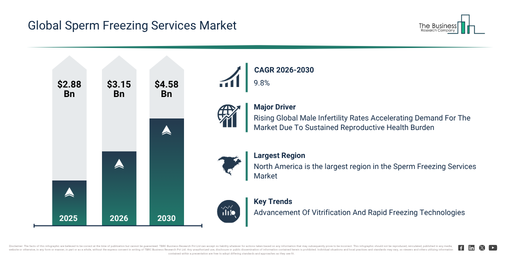
    The sperm freezing services market size has experienced strong growth in recent years. It is projected to increase from $2.88 billion in 2025 to $3.15 billion in 2026, at a compound annual growth rate (CAGR) of 9.5%. This growth observed in the historic period is attributable to increasing awareness of male fertility preservation, a rising number of fertility clinics, the adoption of conventional sperm freezing methods, an expansion in cancer treatment procedures, and the growing application of IVF procedures.

    The market for sperm freezing services is anticipated to experience substantial expansion over the upcoming years. This market is projected to reach $4.58 billion by 2030, exhibiting a compound annual growth rate (CAGR) of 9.8%. Several factors are driving this anticipated growth, including the integration of AI and automation into sperm processing, a growing need for home collection kits, advancements in cryogenic storage technology, an increased emphasis on personalized fertility treatments, and the global expansion of fertility preservation initiatives. Key trends anticipated during this period encompass automated systems for sperm collection, real-time tracking of samples, enhanced optimization of cryogenic storage, AI-powered fertility assessments, and the broadening availability of home collection kits.

    Access Your Free Sample Report For In-Depth Market Analysis:

    https://www.thebusinessresearchcompany.com/sample_request?id=27679393&type=smp&name=Sperm%20Freezing%20Services%20Market%20Report%202026

    What Key Drivers Are Fueling The Growth Of The Sperm Freezing Services Market?

    The increasing occurrence of male infertility is anticipated to propel the expansion of the sperm freezing services market in the coming years. Male infertility is defined as a medical condition where a man’s reproductive system prevents successful conception with a fertile partner after 12 months of regular unprotected intercourse, often due to impaired sperm production, function, or delivery. The uptick in male infertility incidence is attributed to increased exposure to various lifestyle and environmental risk factors that adversely affect sperm quality and overall reproductive health. Sperm freezing services offer a crucial solution by preserving viable sperm before further decline occurs, thereby supporting assisted reproductive procedures and long-term family planning. For illustration, data from April 2023 by the World Health Organization, a Switzerland-based global health authority, indicates that approximately 17.5% of adults worldwide experience infertility during their lifetime. Prevalence rates reach 17.8% in high-income countries compared to 16.5% in low- and middle-income countries, underscoring a consistently high reproductive health burden across all regions, inclusive of male factors. Hence, the rising incidence of male infertility is a key driver for the growth of the sperm freezing services market.

    What Are The Key Segment Divisions In The Sperm Freezing Services Market Segment Structure?

    The sperm freezing services market covered in this report is segmented –

    1) By Service Type: Onsite Sperm Freezing, Offsite Sperm Freezing, Home Collection Kits

    2) By Storage Duration: Short Term Storage, Long Term Storage

    3) By Age Group: Below 30 Years, 30 To 40 Years, Above 40 Years

    4) By Application: Fertility Preservation, Cancer Treatment, Donor Insemination, Other Applications

    5) By End User: Fertility Clinics, Hospitals, Cryobanks, Research Institutes, Other End Users

    Subsegments:

    1) By Onsite Sperm Freezing: Clinical Facility Collection, Hospital-Based Collection, Fertility Center Collection, Same Day Freezing Service, Emergency Fertility Preservation, Long Term Storage Service, Short Term Storage Service

    2) By Offsite Sperm Freezing: Partner Clinic Collection, Diagnostic Laboratory Collection, Mobile Collection Service, Satellite Center Collection, Physician Referred Collection, Cryogenic Transport Service, Centralized Storage Service

    3) By Home Collection Kits: Standard Home Collection Kit, Express Delivery Collection Kit, Temperature Controlled Shipping Kit, Discreet Packaging Collection Kit, Prepaid Return Shipping Kit, Extended Storage Option Kit, Instruction Assisted Collection Kit

    What Trends Are Shaping The Future Of The Sperm Freezing Services Market?

    Leading companies in the sperm freezing services market are concentrating on developing accessible and affordable solutions, such as establishing sperm banks, to support individuals facing infertility. A sperm bank is defined as a specialized facility that collects, screens, processes, stores, and distributes human sperm for use in assisted reproductive procedures, including artificial insemination or in vitro fertilization (IVF). For example, in November, Cama Hospital in India received permission to establish an ART bank, which includes facilities for sperm freezing. This service is intended to assist individuals with infertility, as well as cancer patients who wish to preserve their fertility before undergoing treatments that may impact it. The hospital offers these services under the state health insurance scheme, Mahatma Jyotiba Phule Jan Arogya Yojana, making them free for eligible patients, thereby significantly lessening the financial burden compared to private centers where costs can be substantial. This initiative aims to provide advanced reproductive care at nominal or no cost, increasing accessibility for those in need.

    Which Organizations Are Engaged In The Sperm Freezing Services Market?

    Major companies operating in the sperm freezing services market are New England Cryogenic Center Inc., Seattle Sperm Bank, Cryos International Sperm & Egg Bank, Fairfax Cryobank, California Cryobank, Xytex Corporation, Legacy (Digital Sperm Banking), Cryogenic Laboratories Inc., ReproTech Ltd., London Sperm Bank, European Sperm Bank, Androcryos, CryoGam Colorado, Indian Spermtech, Cryobank America LLC, Sperm Bank of California, Denmark Nordic Cryobank, Manhattan Cryobank, NW Cryobank, Shanghai Human Sperm Bank, SpermFreez, Baby Quest Cryobank Pvt. Ltd., Nordic Cryobank Group.

    Get The Full Sperm Freezing Services Market Report:

    https://www.thebusinessresearchcompany.com/report/sperm-freezing-services-market-report

    Which Region Is The Top Contributor To The Sperm Freezing Services Market By Share?

    North America was the largest region in the sperm freezing services market in 2025. Asia-Pacific is expected to be the fastest-growing region in the forecast period. The regions covered in the sperm freezing services market report are Asia-Pacific, South East Asia, Western Europe, Eastern Europe, North America, South America, Middle East, Africa.

    Request A Customized Sperm Freezing Services Market Report For Competitive Insights:

    https://www.thebusinessresearchcompany.com/Customise?id=27679393&name=Sperm%20Freezing%20Services%20Market%20Report%202026&type=smp

    Browse Through More Reports Similar to the Global Sperm Freezing Services Market 2026, By The Business Research Company

    pruritus therapeutic market report 2026

    https://www.thebusinessresearchcompany.com/report/pruritus-therapeutic-global-market-report

    genomic urine testing market report 2026

    https://www.thebusinessresearchcompany.com/report/genomic-urine-testing-global-market-report

    ocular genetic diagnostic market report 2026

    https://www.thebusinessresearchcompany.com/report/ocular-genetic-diagnostic-global-market-report

    Get in touch with us:

    The Business Research Company: https://www.thebusinessresearchcompany.com/

    Americas +1 310-496-7795

    Asia +44 7882 955267 & +91 8897263534

    Europe +44 7882 955267

    Email us at marketing@tbrc.info

    Follow us on:

    LinkedIn: https://in.linkedin.com/company/the-business-research-company

    YouTube: https://www.youtube.com/channel/UC24_fI0rV8cR5DxlCpgmyFQ

    Global Market Model: https://www.thebusinessresearchcompany.com/global-market-model
  • Single-Cell Expression Quantitative Trait Locus (eQTL) Clinical Workflows Market Outlook Featuring Demand Trends And Future Growth Potential

    Single-Cell Expression Quantitative Trait Locus (eQTL) Clinical Workflows Market Outlook Featuring Demand Trends And Future Growth Potential

    The Business Research Company’s 2026 market reports feature enhanced tools like market attractiveness analysis, TAM assessment, and company scoring matrices, along with interactive dashboards, deeper supply chain insights, and startup coverage strengthening the depth, usability, and strategic value of insights.

    What Are The Market Size Estimates For The Single-Cell Expression Quantitative Trait Locus (eQTL) Clinical Workflows Market In 2026 And 2030?

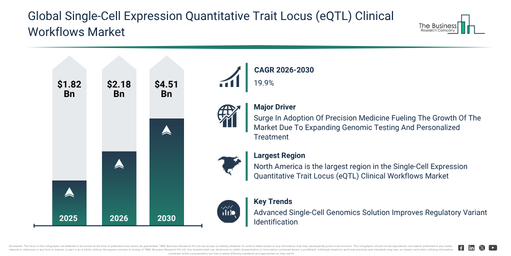
    The single-cell expression quantitative trait locus (eqtl) clinical workflows market has experienced rapid expansion in recent years. This market is projected to increase from $1.82 billion in 2025 to $2.18 billion in 2026, reflecting a compound annual growth rate (CAGR) of 19.6%. The historical growth of the market can be ascribed to several factors, including the adoption of bulk sequencing methods, a rise in investment within genomics research, the escalating demand for disease biomarker identification, the presence of limited automation in workflows, and a reliance on manual data analysis.

    The single-cell expression quantitative trait locus (eqtl) clinical workflows market size is anticipated to experience rapid expansion in the upcoming years. It is projected to increase to $4.51 billion by 2030, achieving a compound annual growth rate (CAGR) of 19.9%. This growth throughout the forecast period can be attributed to the rise of AI-driven analysis tools, the adoption of single-cell sequencing technologies, the expansion of personalized medicine initiatives, integration with cloud-based platforms, and the automation of sample and library preparation. Prominent trends for the forecast period include single-cell sequencing integration, advanced computational analysis, high-resolution gene expression mapping, automated workflow pipelines, and predictive biomarker discovery.

    Access Your Free Sample Report For In-Depth Market Analysis:

    https://www.thebusinessresearchcompany.com/sample_request?id=23389776&type=smp&name=Single-Cell%20Expression%20Quantitative%20Trait%20Locus%20%28eQTL%29%20Clinical%20Workflows%20Market%20Report%202026

    What Key Factors Are Affecting The Single-Cell Expression Quantitative Trait Locus (eQTL) Clinical Workflows Market Demand?

    The increasing acceptance of precision medicine is projected to stimulate the expansion of the single-cell expression quantitative trait locus (eQTL) clinical workflows market in the future. Precision medicine is a healthcare approach that customizes disease prevention, diagnosis, and treatment strategies to align with individual patient characteristics, including their genetic makeup, lifestyle, and environment. The growing integration of precision medicine is accelerating due to the escalating worldwide prevalence of complex and chronic illnesses that demand highly specific and individualized treatment methods. Single-cell expression quantitative trait locus (eQTL) clinical workflows support the rising adoption of precision medicine by enabling high-resolution analysis of gene expression variations at the individual cell level, which facilitates the identification of patient-specific therapeutic targets. They also streamline the processing and interpretation of complex genomic data, thereby reducing the time from sample collection to actionable insights, and consequently enhancing personalized treatment strategies and clinical decision-making. For instance, in February 2024, the Personalized Medicine Coalition, a US-based educational and advocacy organization, stated that in 2023, the FDA approved 16 new personalized treatments for rare disease patients, an increase from 6 in 2022. Therefore, the growing uptake of precision medicine is fueling the growth of the single-cell expression quantitative trait locus (eQTL) clinical workflows market.

    How Is The Single-Cell Expression Quantitative Trait Locus (eQTL) Clinical Workflows Market Broken Down By Segment Categories?

    The single-cell expression quantitative trait locus (eQTL) clinical workflows market covered in this report is segmented –

    1) By Workflow Type: Sample Preparation, Library Preparation, Sequencing, Data Analysis, Other Workflow Types

    2) By Technology: Ribonucleic Acid Sequencing, Microarray, Polymerase Chain Reaction (PCR)-Based, Other Technologies

    3) By Application: Disease Research, Drug Discovery And Development, Personalized Medicine, Other Applications

    4) By End-User: Hospitals And Clinics, Research Institutes, Pharmaceutical And Biotechnology Companies, Other End Users

    Subsegments:

    1) By Sample Preparation: Cell Isolation, Cell Sorting, Cell Lysis, Nucleic Acid Extraction, Quality Control Assessment

    2) By Library Preparation: Ribonucleic Acid Fragmentation, Complementary Deoxyribonucleic Acid Synthesis, Adapter Ligation, Amplification, Library Quality Control

    3) By Sequencing: Whole Transcriptome Sequencing, Targeted Sequencing, Single Cell Sequencing, High Throughput Sequencing, Paired End Sequencing

    4) By Data Analysis: Read Alignment, Expression Quantification, Variant Calling, Expression Quantitative Trait Loci Mapping, Statistical Analysis

    5) By Other Workflow Types: Data Integration, Validation Studies, Reporting And Documentation, Regulatory Compliance, Data Storage And Management

    What Market Trends Are Affecting The Single-Cell Expression Quantitative Trait Locus (eQTL) Clinical Workflows Market?

    Leading companies in the single-cell expression quantitative trait locus (eQTL) clinical workflows market are concentrating on developing advanced solutions, such as whole genome sequencing (WGS)-based eQTL workflows, to enable precise, cell-type-specific genetic analysis and advance personalized medicine. Whole genome sequencing (WGS)-based eQTL workflows are analytical approaches that integrate whole-genome sequencing data with gene expression data to pinpoint genetic variants that influence gene expression levels. For example, in January 2023, Singleron Biotechnologies Ltd., a Germany-based biotechnology company, unveiled a new single-cell eQTL analysis workflow as part of its sequencing service. This workflow is a bioinformatic pipeline that utilizes scRNA-seq and WGS data to predict cell-type-specific eQTLs, empowering researchers to study the link between genetic variation and gene expression levels with high resolution. This tool is perfectly suited for customers conducting population studies and requiring integrated wet lab and computational support, offering a streamlined solution to clarify the molecular mechanisms of disease and complement Singleron’s established single-cell multi-omics sequencing services.

    Which Players Are Present In The Single-Cell Expression Quantitative Trait Locus (eQTL) Clinical Workflows Market Space?

    Major companies operating in the single-cell expression quantitative trait locus (eQTL) clinical workflows market are Thermo Fisher Scientific Inc., Becton Dickinson Company, Illumina Inc., Bio-Rad Laboratories Inc., QIAGEN N.V., 10x Genomics Inc., BGI Genomics Co. Ltd., Novogene Co. Ltd., Takara Bio Inc., Standard BioTools Inc., Singleron Biotechnologies GmbH, Mission Bio Inc., Active Motif Inc., Admera Health LLC, Atrandi Biosciences UAB, SeqWell Inc., S2 Genomics Inc., Honeycomb Biotechnologies Inc., Roche Sequencing Solutions Inc., Cell Microsystems Inc.

    Get The Full Single-Cell Expression Quantitative Trait Locus (eQTL) Clinical Workflows Market Report:

    https://www.thebusinessresearchcompany.com/report/single-cell-expression-quantitative-trait-locus-eqtl-clinical-workflows-market-report

    Which Geographic Region Dominates The Single-Cell Expression Quantitative Trait Locus (eQTL) Clinical Workflows Market?

    North America was the largest region in the single-cell expression quantitative trait locus (eQTL) clinical workflows market in 2025. Asia-Pacific is expected to be the fastest-growing region in the forecast period. The regions covered in the single-cell expression quantitative trait locus (eQTL) clinical workflows market report are Asia-Pacific, South East Asia, Western Europe, Eastern Europe, North America, South America, Middle East, Africa.

    Request A Customized Single-Cell Expression Quantitative Trait Locus (eQTL) Clinical Workflows Market Report For Competitive Insights:

    https://www.thebusinessresearchcompany.com/Customise?id=23389776&name=Single-Cell%20Expression%20Quantitative%20Trait%20Locus%20%28eQTL%29%20Clinical%20Workflows%20Market%20Report%202026&type=smp

    Browse Through More Reports Similar to the Global Single-Cell Expression Quantitative Trait Locus (eQTL) Clinical Workflows Market 2026, By The Business Research Company

    pruritus therapeutic market report 2026

    https://www.thebusinessresearchcompany.com/report/pruritus-therapeutic-global-market-report

    genomic urine testing market report 2026

    https://www.thebusinessresearchcompany.com/report/genomic-urine-testing-global-market-report

    ocular genetic diagnostic market report 2026

    https://www.thebusinessresearchcompany.com/report/ocular-genetic-diagnostic-global-market-report

    Get in touch with us:

    The Business Research Company: https://www.thebusinessresearchcompany.com/

    Americas +1 310-496-7795

    Asia +44 7882 955267 & +91 8897263534

    Europe +44 7882 955267

    Email us at marketing@tbrc.info

    Follow us on:

    LinkedIn: https://in.linkedin.com/company/the-business-research-company

    YouTube: https://www.youtube.com/channel/UC24_fI0rV8cR5DxlCpgmyFQ

    Global Market Model: https://www.thebusinessresearchcompany.com/global-market-model
  • Sequencer As A Service Market Analysis Highlighting Key Drivers And Evolving Industry Trends

    Sequencer As A Service Market Analysis Highlighting Key Drivers And Evolving Industry Trends

    The Business Research Company’s 2026 market reports feature enhanced tools like market attractiveness analysis, TAM assessment, and company scoring matrices, along with interactive dashboards, deeper supply chain insights, and startup coverage strengthening the depth, usability, and strategic value of insights.

    What Expansion In Market Value Is Forecasted For The Sequencer As A Service Market Between 2026 And 2030?

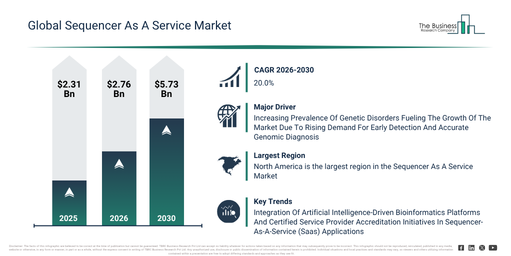
    The sequencer as a service market size has demonstrated significant expansion in recent years. It is anticipated to expand from $2.31 billion in 2025 to $2.76 billion in 2026, achieving a compound annual growth rate (CAGR) of 19.8%. This historical growth can be ascribed to rising demand for genomic research, limited access to in-house sequencing platforms, high cost of sequencing instruments, growth in personalized medicine initiatives, and increasing collaborations between research institutes and sequencing providers.

    The sequencer as a service market size is projected to experience substantial growth in the upcoming years. Its valuation is anticipated to reach $5.73 billion by 2030, advancing at a compound annual growth rate (CAGR) of 20.0%. This expansion during the forecast period is fueled by the adoption of cloud-based sequencing solutions, the demand for high-throughput sequencing services, the integration of ai-driven bioinformatics analysis, the expansion of clinical genomics applications, and the increasing outsourcing of sequencing services. Key trends identified for the forecast period include cloud-based sequencing services, automated sample preparation, integrated bioinformatics solutions, pay-per-use sequencing models, and scalable genomic data management.

    Access Your Free Sample Report For In-Depth Market Analysis:

    https://www.thebusinessresearchcompany.com/sample_request?id=88275035&type=smp&name=Sequencer%20As%20A%20Service%20Market%20Report%202026

    Which Primary Drivers Are Impacting The Sequencer As A Service Market Growth?

    The escalating occurrence of genetic conditions is anticipated to drive the expansion of the sequencer as a service market in the future. These disorders are health issues resulting from irregularities in a person’s deoxyribonucleic acid, which can be inherited from either parent or stem from novel mutations. The rise in genetic disorders is partly attributed to increasing parental age, given that older parents face a greater likelihood of transmitting genetic mutations to their offspring. Sequencer as a service addresses genetic disorders by offering scalable, on-demand access to cutting-edge DNA and RNA sequencing capabilities, facilitating prompt detection and precise diagnosis. It alleviates the infrastructure and operational load for laboratories and healthcare entities through cloud-based data analysis and specialized assistance, thereby enhancing precision medicine results and research productivity. As an illustration, in May 2024, the National Health Service, a UK government department, reported 17,000 individuals living with sickle cell disease, an inherited genetic blood disorder, and approximately 250 new diagnoses annually. Consequently, the growing incidence of genetic disorders is a key impetus for the expansion of the sequencer as a service market.

    What Are The Different Segment Types In The Sequencer As A Service Market Segment Breakdown?

    The sequencer as a service market covered in this report is segmented –

    1) By Component: Software, Hardware, Services

    2) By Service Type: Sample Preparation Services, Library Preparation Services, Sequencing Execution Services, Bioinformatics Analysis Services, Data Storage And Management Services, Integrated End-to-End Sequencing Services

    3) By Deployment Mode: Cloud-Based, On-Premises

    4) By Application: Clinical Diagnostics, Oncology Research, Rare Disease Research, Infectious Disease Surveillance, Drug Discovery And Development, Agrigenomics, Forensic Genomics, Reproductive Health Testing, Personalized Medicine Research

    5) By End-User: Hospitals And Clinics, Research Institutes, Pharmaceutical And Biotechnology Companies, Academic Institutions, Other End Users

    Subsegments:

    1) By Software: Bioinformatics Analysis Platforms, Sequence Data Management Systems, Variant Interpretation Tools, Workflow Automation Software, Cloud-Based Data Processing Platforms

    2) By Hardware: High Throughput Sequencing Instruments, Sample Preparation Systems, Laboratory Automation Equipment, Data Storage Servers, High Performance Computing Infrastructure

    3) By Services: Sample Processing Services, Library Preparation Services, Sequencing Execution Services, Bioinformatics Interpretation Services, Data Storage And Management Services, Consulting And Technical Support Services

    Which Trends Are Influencing Demand In The Sequencer As A Service Market?

    Major companies in the sequencer as a service market are prioritizing the integration of artificial intelligence-driven bioinformatics platforms, such as certified provider accreditation initiative, to improve service quality, technical adherence, and standardized workflow efficiency across genomics and single-cell analysis applications. The certified provider accreditation initiative denotes a structured program where an organization formally acknowledges and permits external service providers or partners who meet predefined benchmarks for technical expertise, operational quality, and compliance. For instance, in July 2024, Parse Biosciences, a Seattle-based provider of single-cell sequencing solutions, unveiled its Certified Service Provider Program with the goal of expanding access to scalable single-cell analysis. This program allows researchers to partner with accredited providers like SeqMatic and Eurofins Clinical Enterprise, who offer complete end-to-end workflows including Evercode Whole Transcriptome, Evercode TCR, CRISPR Detect, Gene Capture, and Evercode BCR, which capture full-length BCR sequences along with gene expression at high throughput. This particular initiative ensures expert sample handling, uniform workflow practices, and high-quality outcomes, making it perfectly suitable for both initial pilot studies and regular large-scale single-cell projects.

    Who Are The Well-Known Companies In The Sequencer As A Service Market?

    Major companies operating in the sequencer as a service market are Admera Health, ArrayGen Technologies, BGI Genomics Co. Ltd., CD Genomics Inc., Element Biosciences, Eurofins Scientific SE, Gene by Gene, GENEWIZ Germany GmbH, Illumina Inc., Karkinos Healthcare, Lucigen, Macrogen Inc., MedGenome Labs Ltd., Novogene Co. Ltd., Quest Diagnostics, SeqMatic LLC, SeqWell, Strand Life Sciences Pvt. Ltd., Veritas Genetics, Yaazh Xenomics.

    Get The Full Sequencer As A Service Market Report:

    https://www.thebusinessresearchcompany.com/report/sequencer-as-a-service-market-report

    Which Region Is The Leading Market For The Sequencer As A Service Market?

    North America was the largest region in the sequencer as a service market in 2025. Asia-Pacific is expected to be the fastest-growing region in the forecast period. The regions covered in the sequencer as a service market report are Asia-Pacific, South East Asia, Western Europe, Eastern Europe, North America, South America, Middle East, Africa.

    Request A Customized Sequencer As A Service Market Report For Competitive Insights:

    https://www.thebusinessresearchcompany.com/Customise?id=88275035&name=Sequencer%20As%20A%20Service%20Market%20Report%202026&type=smp

    Browse Through More Reports Similar to the Global Sequencer As A Service Market 2026, By The Business Research Company

    pruritus therapeutic market report 2026

    https://www.thebusinessresearchcompany.com/report/pruritus-therapeutic-global-market-report

    genomic urine testing market report 2026

    https://www.thebusinessresearchcompany.com/report/genomic-urine-testing-global-market-report

    ocular genetic diagnostic market report 2026

    https://www.thebusinessresearchcompany.com/report/ocular-genetic-diagnostic-global-market-report

    Get in touch with us:

    The Business Research Company: https://www.thebusinessresearchcompany.com/

    Americas +1 310-496-7795

    Asia +44 7882 955267 & +91 8897263534

    Europe +44 7882 955267

    Email us at marketing@tbrc.info

    Follow us on:

    LinkedIn: https://in.linkedin.com/company/the-business-research-company

    YouTube: https://www.youtube.com/channel/UC24_fI0rV8cR5DxlCpgmyFQ

    Global Market Model: https://www.thebusinessresearchcompany.com/global-market-model
  • Global Revenue Cycle Copilots Market Expected To Reach $5.43 Billion By 2030 At 20.9% CAGR

    Global Revenue Cycle Copilots Market Expected To Reach $5.43 Billion By 2030 At 20.9% CAGR

    The Business Research Company’s 2026 market reports feature enhanced tools like market attractiveness analysis, TAM assessment, and company scoring matrices, along with interactive dashboards, deeper supply chain insights, and startup coverage strengthening the depth, usability, and strategic value of insights.

    How Much Growth In Market Value Is Expected For The Revenue Cycle Copilots Market Between 2026 And 2030?

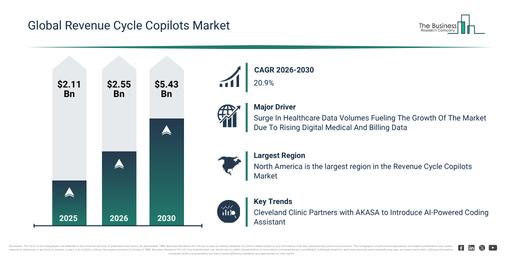
    The market size for revenue cycle copilots has seen significant expansion in recent years. It is anticipated to increase from $2.11 billion in 2025 to $2.55 billion in 2026, at a compound annual growth rate (CAGR) of 20.6%. This historical growth can be linked to several factors, including manual revenue cycle processes, the growing complexity of healthcare billing, the expansion of hospital and clinic networks, an increased focus on financial performance, and the adoption of standalone software solutions.

    The revenue cycle copilots market is projected for significant expansion over the coming years. By 2030, its valuation is anticipated to reach $5.43 billion, demonstrating a compound annual growth rate (CAGR) of 20.9%. This forecasted increase is driven by factors such as AI-driven automation within the revenue cycle, the expansion of cloud-based deployments, integration with electronic health records (EHR) systems, a rising need for predictive analytics in billing processes, and the growth of revenue cycle consulting services. Key developments expected during this timeframe involve automated billing and coding solutions, improved claims accuracy, enhancements to the patient financial experience, automation in revenue analytics and reporting, and greater efficiency in denial management.

    Access Your Free Sample Report For In-Depth Market Analysis:

    https://www.thebusinessresearchcompany.com/sample_request?id=27054941&type=smp&name=Revenue%20Cycle%20Copilots%20Market%20Report%202026

    What Factors Are Contributing To The Growth Of The Revenue Cycle Copilots Market?

    The significant increase in healthcare data volumes is projected to propel the expansion of the revenue cycle copilots market over the forecast period. Healthcare data volumes refer to the growing amount of digital information generated from electronic health records (EHRs), diagnostic systems, medical imaging, billing platforms, and interconnected healthcare technologies. The widespread adoption of EHRs and digital health solutions has resulted in a surge of both structured and unstructured clinical and financial data, creating an escalating need for sophisticated data processing and analytics capabilities. Revenue cycle copilots address this challenge by utilizing AI-driven automation to efficiently process, analyze, and manage complex billing and clinical datasets, thereby improving coding accuracy, operational efficiency, and overall revenue cycle performance. For example, in February 2025, according to Healthcare Asia Magazine, a Singapore-based healthcare industry publication, the healthcare sector accounted for nearly 30% of global data volume, with its data growth occurring at a compound annual growth rate approximately 6% higher than that of the manufacturing industry. Therefore, the increasing healthcare data volumes are driving the growth of the revenue cycle copilots market.

    What Are The Main Segments Within The Revenue Cycle Copilots Market Segment Structure?

    The revenue cycle copilots market covered in this report is segmented –

    1) By Component: Software, Services

    2) By Deployment Mode: On-Premises, Cloud-Based

    3) By Organization Size: Small And Medium Healthcare Providers, Large Hospitals Healthcare Systems

    4) By Application: Hospitals, Clinics, Ambulatory Surgical Centers, Specialty Practices, Other Applications

    5) By End-User: Healthcare Providers, Payers, Other End Users

    Subsegments:

    1) By Software: Billing And Coding Software, Claims Management Software, Patient Financial Experience Software, Revenue Analytics And Reporting Software, Payment Processing Software

    2) By Services: Revenue Cycle Consulting Services, Medical Coding And Billing Services, Payment Posting And Reconciliation Services, Denial Management Services, Training And Support Services

    What Trends Are Influencing The Revenue Cycle Copilots Market?

    Companies operating within the revenue cycle copilots market are directing their efforts toward advancing artificial intelligence-driven coding assistance, including generative AI tools that automatically interpret clinical documentation and suggest accurate medical codes to expedite billing and improve revenue cycle performance. These sophisticated platforms merge natural language understanding with health-specific coding logic to decrease manual work, heighten accuracy, and reduce claim denials, allowing staff to concentrate on more valuable responsibilities. For example, in April 2025, Cleveland Clinic, a US-based health system, collaborated with AKASA to introduce AI tools for the revenue cycle, which feature an AI-powered coding assistant capable of quickly analyzing clinical documents and processing large data volumes to support efficient, accurate mid-cycle coding. While these advancements broaden automation and financial results, ongoing challenges persist in confirming the accuracy of clinical context and integrating with various electronic health record systems.

    Who Are The Companies Participating In The Revenue Cycle Copilots Market?

    Major companies operating in the revenue cycle copilots market are UnitedHealth Group, Oracle Corporation, GE Healthcare, Cognizant Technology Solutions Corporation, Experian Health, Athenahealth Inc., Conifer Health Solutions, eClinicalWorks LLC, Waystar Inc., Meditech, NextGen Healthcare Inc., Infinx Healthcare, FinThrive Inc., Cedar, AKASA, CombineHealth, Epic Systems Corporation, RapidClaims, Allscripts Healthcare Solutions Inc., AGS Health, Olive AI Inc., nThrive Inc.

    Get The Full Revenue Cycle Copilots Market Report:

    https://www.thebusinessresearchcompany.com/report/revenue-cycle-copilots-market-report

    Where Is The Revenue Cycle Copilots Market Most Concentrated Geographically?

    North America was the largest region in the revenue cycle copilots market in 2025. Asia-Pacific is expected to be the fastest-growing region in the forecast period. The regions covered in the revenue cycle copilots market report are Asia-Pacific, South East Asia, Western Europe, Eastern Europe, North America, South America, Middle East, Africa.

    Request A Customized Revenue Cycle Copilots Market Report For Competitive Insights:

    https://www.thebusinessresearchcompany.com/Customise?id=27054941&name=Revenue%20Cycle%20Copilots%20Market%20Report%202026&type=smp

    Browse Through More Reports Similar to the Global Revenue Cycle Copilots Market 2026, By The Business Research Company

    pruritus therapeutic market report 2026

    https://www.thebusinessresearchcompany.com/report/pruritus-therapeutic-global-market-report

    genomic urine testing market report 2026

    https://www.thebusinessresearchcompany.com/report/genomic-urine-testing-global-market-report

    ocular genetic diagnostic market report 2026

    https://www.thebusinessresearchcompany.com/report/ocular-genetic-diagnostic-global-market-report

    Get in touch with us:

    The Business Research Company: https://www.thebusinessresearchcompany.com/

    Americas +1 310-496-7795

    Asia +44 7882 955267 & +91 8897263534

    Europe +44 7882 955267

    Email us at marketing@tbrc.info

    Follow us on:

    LinkedIn: https://in.linkedin.com/company/the-business-research-company

    YouTube: https://www.youtube.com/channel/UC24_fI0rV8cR5DxlCpgmyFQ

    Global Market Model: https://www.thebusinessresearchcompany.com/global-market-model
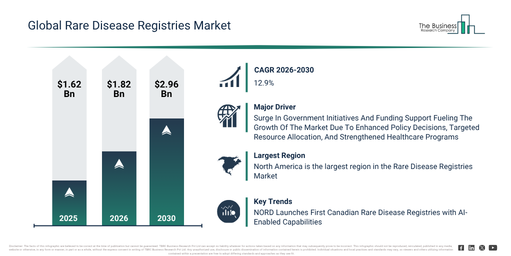
  • Rare Disease Registries Market Forecast Indicating Stable Growth Toward $2.96 Billion By 2030

    Rare Disease Registries Market Forecast Indicating Stable Growth Toward $2.96 Billion By 2030

    The Business Research Company’s 2026 market reports feature enhanced tools like market attractiveness analysis, TAM assessment, and company scoring matrices, along with interactive dashboards, deeper supply chain insights, and startup coverage strengthening the depth, usability, and strategic value of insights.

    What Is The Forecasted Market Size Trajectory Of The Rare Disease Registries Market From 2026 To 2030?

    The rare disease registries market has shown rapid expansion in recent years. It is anticipated to grow from $1.62 billion in 2025 to $1.82 billion in 2026, achieving a compound annual growth rate (CAGR) of 12.6%. This historical development can be attributed to factors such as heightened awareness of rare diseases, increased clinical research endeavors, the proliferation of hospital and population-based registries, regulatory encouragement for patient data collection, and the restricted availability of structured patient data.

    The rare disease registries market size is projected to experience swift expansion over the coming years, anticipated to reach $2.96 billion by 2030, exhibiting a compound annual growth rate (CAGR) of 12.9%. This anticipated expansion throughout the forecast period stems from factors such as the implementation of AI-driven registry solutions, the integration of genomic and omics data, the broadening of personalized medicine initiatives, increased investment in cloud-based and interoperable platforms, and enhanced patient engagement and data sharing. Key developments expected during this period involve the real-time gathering of patient information, seamless integration with electronic health records (EHR), sophisticated data analytics tailored for rare diseases, optimized strategies for patient recruitment and retention, and the widespread use of interoperable registry platforms.

    Access Your Free Sample Report For In-Depth Market Analysis:

    https://www.thebusinessresearchcompany.com/sample_request?id=71346142&type=smp&name=Rare%20Disease%20Registries%20Market%20Report%202026

    Which Factors Are Influencing The Growth Of The Rare Disease Registries Market?

    The expansion of the rare disease registries market is anticipated to be propelled by increasing government initiatives and funding assistance throughout the forecast period. These initiatives and financial backing include public-sector programs and monetary investments focused on enhancing healthcare infrastructure, fostering innovation, and elevating service provision. The rise in public funding signifies endeavors to bolster data-informed policymaking, streamline resource distribution, and better the results for marginalized patient groups, specifically those with rare diseases. Rare disease registries are instrumental in achieving these goals by collecting extensive patient data, which then guides policy formulation, aids in directing funds effectively, and allows for the creation and assessment of impactful healthcare and research programs. As an illustration, in February 2025, the UK government’s central executive body pledged around £26 billion ($35 billion) over two years to bolster the health and care system, thereby strengthening investments in data infrastructure and population health programs. Consequently, the increasing government initiatives and funding support are fueling the growth of the rare disease registries market.

    Which Segment Types Are Examined In The Rare Disease Registries Market Segment Study?

    The rare disease registries market covered in this report is segmented –

    1) By Type: Product Registries, Health Services Registries, Disease Registries

    2) By Database Type: Population-based, Hospital-based

    3) By Software: Standalone, Integrated

    4) By Function: Data Collection, Data Analysis, Patient Recruitment, Other Functions

    5) By End-User: Pharmaceutical Companies, Research Organizations, Hospitals, Government Agencies, Other End-Users

    Subsegments:

    1) By Product Registries: Drug Product Registries, Biologic Product Registries, Medical Device Registries, Gene Therapy Product Registries

    2) By Health Services Registries: Hospital Based Registries, Clinic Based Registries, National Health Program Registries, Insurance Claims Registries

    3) By Disease Registries: Genetic Disorder Registries, Metabolic Disorder Registries, Neurological Disorder Registries, Oncology Rare Disease Registries

    What Trends Are Transforming The Rare Disease Registries Market?

    Leading companies in the **rare disease registries market** are concentrating on creating sophisticated products, notably AI-enabled patient registry infrastructure, designed to improve real-time data capture, patient oversight, and research understanding across rare diseases. This AI-enabled patient registry infrastructure represents systems that utilize artificial intelligence to efficiently process, analyze, and interpret extensive patient and clinical information, thereby facilitating predictive analytics, natural history modeling, and the generation of real-world evidence. For instance, in **May 2024**, the **National Organization for Rare Disorders (NORD)**, a US-based non-profit advocacy organization dedicated to individuals with rare diseases and the organizations that serve them, introduced the inaugural Canadian rare disease patient registries on its **IAMRARE** platform for **phenylketonuria (PKU)** and **mucopolysaccharidoses (MPS)**. This initiative enables real-time cooperative data collection, accommodates various languages and regional consent requirements, and offers crucial insights for clinical trial eligibility, monitoring disease progression, and evaluating treatment effectiveness.

    Which Players Are Part Of The Competitive Landscape Of The Rare Disease Registries Market?

    Major companies operating in the rare disease registries market are disease registries market are Deloitte Touche Tohmatsu Limited, International Business Machines Corporation, Oracle Corporation, BC Platforms Ltd., IQVIA Holdings Inc., ICON plc, Veeva Systems Inc., Alira Health Inc., Phastar Ltd., HealthVerity Inc., OM1 Inc., Synapse Laboratory, Castor EDC, RedCap Cloud, Within3 Inc., Sage Bionetworks, National Organization for Rare Disorders Inc., RTI Health Solutions, ArborMetrix Inc., Evado Clinical Systems Ltd., ClinCapture LLC, Global Vision Technologies Inc., Genetic Alliance UK, Pulse Infoframe.

    Get The Full Rare Disease Registries Market Report:

    https://www.thebusinessresearchcompany.com/report/rare-disease-registries-market-report

    Which Region Leads The Rare Disease Registries Market In Terms Of Market Share?

    North America was the largest region in the rare disease registries market in 2025. Asia-Pacific is expected to be the fastest-growing region in the forecast period. The regions covered in the rare disease registries market report are Asia-Pacific, South East Asia, Western Europe, Eastern Europe, North America, South America, Middle East, Africa.

    Request A Customized Rare Disease Registries Market Report For Competitive Insights:

    https://www.thebusinessresearchcompany.com/Customise?id=71346142&name=Rare%20Disease%20Registries%20Market%20Report%202026&type=smp

    Browse Through More Reports Similar to the Global Rare Disease Registries Market 2026, By The Business Research Company

    pruritus therapeutic market report 2026

    https://www.thebusinessresearchcompany.com/report/pruritus-therapeutic-global-market-report

    genomic urine testing market report 2026

    https://www.thebusinessresearchcompany.com/report/genomic-urine-testing-global-market-report

    ocular genetic diagnostic market report 2026

    https://www.thebusinessresearchcompany.com/report/ocular-genetic-diagnostic-global-market-report

    Get in touch with us:

    The Business Research Company: https://www.thebusinessresearchcompany.com/

    Americas +1 310-496-7795

    Asia +44 7882 955267 & +91 8897263534

    Europe +44 7882 955267

    Email us at marketing@tbrc.info

    Follow us on:

    LinkedIn: https://in.linkedin.com/company/the-business-research-company

    YouTube: https://www.youtube.com/channel/UC24_fI0rV8cR5DxlCpgmyFQ

    Global Market Model: https://www.thebusinessresearchcompany.com/global-market-model
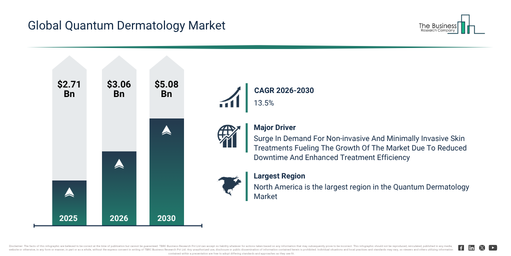
  • Global Quantum Dermatology Market Forecast To Achieve $5.07 Billion By 2030 At 13.5% CAGR

    Global Quantum Dermatology Market Forecast To Achieve $5.07 Billion By 2030 At 13.5% CAGR

    The Business Research Company’s 2026 market reports feature enhanced tools like market attractiveness analysis, TAM assessment, and company scoring matrices, along with interactive dashboards, deeper supply chain insights, and startup coverage strengthening the depth, usability, and strategic value of insights.

    By 2030, What Market Size Is The Quantum Dermatology Market Expected To Reach Based On Its 2026 Value?

    The quantum dermatology market size has seen swift expansion in recent years. It is forecast to expand from $2.71 billion in 2025 to $3.06 billion in 2026, achieving a compound annual growth rate (CAGR) of 13.2%. This historical growth can be linked to factors such as a heightened demand for cosmetic procedures, breakthroughs in laser and IPL technologies, the emergence of more aesthetic clinics, greater awareness regarding skin health, and the implementation of multi-technology systems.

    The quantum dermatology market is anticipated to experience substantial expansion in the coming years. Projections indicate it will reach $5.08 billion by 2030, demonstrating a compound annual growth rate (CAGR) of 13.5%. This forecasted growth is linked to factors such as integration of AI in dermatology, expansion of dermatology clinics, increasing demand for personalized skin treatments, adoption of combination systems, and the rise of non-invasive rejuvenation therapies. Significant developments expected during this period involve minimally invasive treatment techniques, personalized dermatology solutions, AI-driven skin analysis, non-invasive skin rejuvenation therapies, and real-time treatment monitoring.

    Access Your Free Sample Report For In-Depth Market Analysis:

    https://www.thebusinessresearchcompany.com/sample_request?id=33666708&type=smp&name=Quantum%20Dermatology%20Market%20Report%202026

    What Primary Drivers Are Shaping The Quantum Dermatology Market?

    The expanding need for non-invasive and minimally invasive skin procedures is projected to fuel the advancement of the quantum dermatology market. These procedures aim to improve skin health or appearance without significant surgical intervention, leveraging techniques like laser therapy, energy-based devices, injectables, and light-based treatments. The increasing popularity of these methods stems from benefits such as reduced recovery time, minimal discomfort, lower risk of complications, and quicker healing, enabling individuals to swiftly return to their daily routines. Quantum dermatology supports this trend by employing sophisticated, precision-focused dermatological technologies and data-driven treatment strategies to enhance procedural accuracy, improve clinical results, and minimize tissue damage and recovery periods. For example, in September 2025, as reported by Hansard – UK Parliament, a UK-based government department, 7.7 million people in the UK underwent cosmetic and dermatological procedures, including minimally invasive treatments, representing a 12% increase from 2023. Consequently, the rising demand for non-invasive and minimally invasive skin treatments is a key factor propelling the quantum dermatology market forward. The escalating healthcare expenditure is anticipated to drive the growth of the quantum dermatology market. Healthcare expenditure encompasses all spending by both public and private sectors on medical services, goods, and programs designed to maintain and enhance health. This increase in healthcare spending is largely due to an aging population, as more elderly individuals necessitate frequent and complex medical care. Quantum Dermatology assists in managing healthcare expenditure by offering advanced, precise, and non-invasive skin treatments that reduce the need for extended therapies and hospital visits. For instance, in April 2025, according to the Office for National Statistics, a UK-based government department, healthcare spending grew by 6.5% nominally and 2.4% in real terms between 2023 and 2024. Therefore, increasing healthcare expenditure is contributing to the expansion of the quantum dermatology market.

    How Are Segments Identified Within The Quantum Dermatology Market Segment Framework?

    The quantum dermatology market covered in this report is segmented –

    1) By Technology: Laser-Based Systems, Intense Pulsed Light (IPL) Systems, Combination Systems, Other Technologies

    2) By Treatment Type: Hair Removal, Pigmented Lesions Treatment, Skin Firming And Tightening, Wrinkle Reduction And Rejuvenation, Vascular Lesion Treatment

    3) By Application: Aesthetic And Cosmetic Treatments, Dermatology Procedures, Skin Rejuvenation Therapies, Hair Reduction Treatments

    4) By End User: Dermatology Clinics, Professional Clinics And Aesthetic Practitioners, Beauty Salons And Spas, Hospitals And Medical Aesthetic Centers, Medical Institutions, Individual Consumers

    Subsegments:

    1) By Laser-Based Systems: Fractional Laser Systems, Ablative Laser Systems, Non Ablative Laser Systems, Pulsed Laser Systems

    2) By Intense Pulsed Light Systems: Hair Removal Systems, Skin Rejuvenation Systems, Vascular Lesion Treatment Systems, Pigmentation Treatment Systems

    3) By Combination Systems: Laser And Intense Pulsed Light Systems, Laser And Radio Frequency Systems, Intense Pulsed Light And Radio Frequency Systems, Other Multi Technology Systems

    4) By Other Technologies: Radio Frequency Systems, Ultrasound Based Systems, Cryotherapy Systems, Photodynamic Therapy Systems

    Who Are The Companies Competing Within The Quantum Dermatology Market?

    Major companies operating in the quantum dermatology market are Bruker Corporation, El.En. S.p.A., InMode Ltd., Shenzhen GSD Tech Co. Ltd., IDS Medical Systems (IDSMED), Sciton Inc., Strata Skin Sciences Inc., HONKON, Beijing ADSS Development Co. Ltd., Sharplight Technologies Ltd., Hironic Co. Ltd., Aerolase Corporation, Union Medical Co. Ltd., Zimmer MedizinSysteme GmbH, Wontech Co. Ltd., Lynton Lasers Ltd., DEKA M.E.L.A. Srl, DermaSensor Inc., Lasering USA, Telea Medical, Beijing Sincoheren, Eunsung Global Corp., Astiland Medical Aesthetics Technology Co. Ltd., BioWave Health Care.

    Get The Full Quantum Dermatology Market Report:

    https://www.thebusinessresearchcompany.com/report/quantum-dermatology-market-report

    Which Region Represents The Largest Share Of The Quantum Dermatology Market?

    North America was the largest region in the quantum dermatology market in 2025. Asia-Pacific is expected to be the fastest-growing region in the forecast period. The regions covered in the quantum dermatology market report are Asia-Pacific, South East Asia, Western Europe, Eastern Europe, North America, South America, Middle East, Africa.

    Request A Customized Quantum Dermatology Market Report For Competitive Insights:

    https://www.thebusinessresearchcompany.com/Customise?id=33666708&name=Quantum%20Dermatology%20Market%20Report%202026&type=smp

    Browse Through More Reports Similar to the Global Quantum Dermatology Market 2026, By The Business Research Company

    pruritus therapeutic market report 2026

    https://www.thebusinessresearchcompany.com/report/pruritus-therapeutic-global-market-report

    genomic urine testing market report 2026

    https://www.thebusinessresearchcompany.com/report/genomic-urine-testing-global-market-report

    ocular genetic diagnostic market report 2026

    https://www.thebusinessresearchcompany.com/report/ocular-genetic-diagnostic-global-market-report

    Get in touch with us:

    The Business Research Company: https://www.thebusinessresearchcompany.com/

    Americas +1 310-496-7795

    Asia +44 7882 955267 & +91 8897263534

    Europe +44 7882 955267

    Email us at marketing@tbrc.info

    Follow us on:

    LinkedIn: https://in.linkedin.com/company/the-business-research-company

    YouTube: https://www.youtube.com/channel/UC24_fI0rV8cR5DxlCpgmyFQ

    Global Market Model: https://www.thebusinessresearchcompany.com/global-market-model

  • Protein Structure Prediction Platforms Market Outlook Highlighting Expansion Trends Across Industries Through 2030

    Protein Structure Prediction Platforms Market Outlook Highlighting Expansion Trends Across Industries Through 2030

    The Business Research Company’s 2026 market reports feature enhanced tools like market attractiveness analysis, TAM assessment, and company scoring matrices, along with interactive dashboards, deeper supply chain insights, and startup coverage strengthening the depth, usability, and strategic value of insights.

    How Is The Market Size Of The Protein Structure Prediction Platforms Market Expected To Scale Between 2026 And 2030?

    The protein structure prediction platforms market has observed significant expansion in recent years. It is projected to climb from $1.75 billion in 2025 to $2.02 billion in 2026, exhibiting a compound annual growth rate (CAGR) of 15.5%. This growth in the past can be ascribed to reliance on experimental methods such as x-ray crystallography and nmr spectroscopy, limited computational resources, the early implementation of homology modeling techniques, increasing demand for drug discovery, and the development of academic research in proteomics.

    The protein structure prediction platforms market is anticipated to experience substantial expansion in the coming years. Its valuation is projected to reach $3.62 billion by 2030, demonstrating a robust compound annual growth rate (CAGR) of 15.7%. This projected expansion during the forecast period stems from factors such as the increasing adoption of advanced AI and ML algorithms, the proliferation of cloud-based platforms, deeper integration with biopharmaceutical pipelines, heightened investment in computational biology, and a growing demand for high-throughput protein modeling. Key developments anticipated within this timeframe encompass AI-driven protein structure prediction, the rise of cloud-based computational platforms, greater integration with drug discovery pipelines, advancements in real-time molecular modeling, and sophisticated predictive disease research analytics.

    Access Your Free Sample Report For In-Depth Market Analysis:

    https://www.thebusinessresearchcompany.com/sample_request?id=22824279&type=smp&name=Protein%20Structure%20Prediction%20Platforms%20Market%20Report%202026

    What Key Drivers Are Fueling The Growth Of The Protein Structure Prediction Platforms Market?

    The expansion of the protein structure prediction platforms market is anticipated, driven by the increasing need for personalized medicine. This medical strategy involves tailoring healthcare and therapeutic interventions to an individual’s distinct biological and personal traits. Its adoption is on the rise, primarily due to breakthroughs in genomic technologies that enable medical professionals to swiftly and precisely examine a patient’s genetic data, leading to more focused and potent treatments. Within the realms of research and drug development, protein structure prediction platforms facilitate personalized medicine by empowering scientists to model patient-specific protein variants, comprehend structural alterations caused by mutations, and formulate targeted therapies for genetically defined patient subgroups. A notable example is provided by the Personalized Medicine Coalition, a US-based non-profit organization, which reported in February 2024 that the U.S. Food and Drug Administration sanctioned 16 new personalized treatments for individuals with rare diseases in 2023, an increase from six approvals in 2022. Consequently, the escalating demand for personalized medicine serves as a significant impetus for the expansion of the protein structure prediction platforms market.

    Which Segment Categories Are Included In The Protein Structure Prediction Platforms Market Segment Analysis?

    The protein structure prediction platforms market covered in this report is segmented –

    1) By Component: Software, Services

    2) By Technology: Artificial Intelligence-based, Homology Modeling, Ab Initio, Threading, Hybrid Methods

    3) By Deployment Mode: Cloud-Based, On-Premises

    4) By Application: Drug Discovery, Disease Research, Academic Research, Biotechnology, Other Applications

    5) By End-User: Pharmaceutical And Biotechnology Companies, Academic And Research Institutes, Contract Research Organizations, Other End Users

    Subsegments:

    1) By Software: Structure Prediction Software, Molecular Modeling Software, Visualization And Analysis Software, Database Management Software, Workflow Automation And Simulation Software

    2) By Services: Consulting And Implementation Services, Integration And Customization Services, Training And Technical Support Services, Maintenance And Upgrade Services, Data Analysis And Computational Services

    What Emerging Trends Are Seen In The Protein Structure Prediction Platforms Market?

    Leading companies within the protein structure prediction platforms market are concentrating on developing innovative solutions, such as structure-based computational biology technologies, to accelerate drug discovery, enable accurate protein modeling, and enhance target identification through advanced molecular simulations and AI-driven structural analysis. These systems utilize three-dimensional protein structure data, molecular modeling, and simulation algorithms to analyze biomolecular interactions and support rational drug design. For instance, in March 2024, Basecamp Research, a UK-based AI-driven biotechnology company, launched BaseFold, a deep learning model designed to improve 3D protein structure prediction for large and complex proteins. By augmenting AlphaFold2 with its proprietary BaseGraph dataset derived from global biodiversity sources, BaseFold demonstrated up to six-fold improvements in predictive accuracy and three-fold enhancements in small-molecule docking performance in internal benchmarks. Such advances underpin next-generation protein structure prediction platforms by improving the modeling of protein classes that have been underrepresented in public datasets, thereby supporting AI-driven drug discovery efforts.

    Who Are The Active Companies Shaping The Protein Structure Prediction Platforms Market?

    Major companies operating in the protein structure prediction platforms market are IBM Corporation, Thermo Fisher Scientific Inc., Dassault Systèmes SE, Charles River Laboratories International Inc., Bruker Corporation, Revvity Inc., DeepMind Technologies Limited, Schrödinger Inc., BenevolentAI Limited, Nimbus Therapeutics Inc., Arzeda Corporation, Relay Therapeutics Inc., LabVantage Solutions Inc., Genesis Therapeutics Inc., Bioinformatics Solutions Inc., Chemical Computing Group ULC, Insilico Medicine Inc., Cloud Pharmaceuticals Inc., Peptone Ltd., Molecular Forecaster Inc., Acellera Ltd., CD BioSciences, and ProteinLab.ai Inc.

    Get The Full Protein Structure Prediction Platforms Market Report:

    https://www.thebusinessresearchcompany.com/report/protein-structure-prediction-platforms-market-report

    Which Region Is The Leading Market For The Protein Structure Prediction Platforms Market?

    North America was the largest region in the protein structure prediction platforms market in 2025. Asia-Pacific is expected to be the fastest-growing region in the forecast period. The regions covered in the protein structure prediction platforms market report are Asia-Pacific, South East Asia, Western Europe, Eastern Europe, North America, South America, Middle East, Africa.

    Request A Customized Protein Structure Prediction Platforms Market Report For Competitive Insights:

    https://www.thebusinessresearchcompany.com/Customise?id=22824279&name=Protein%20Structure%20Prediction%20Platforms%20Market%20Report%202026&type=smp

    Browse Through More Reports Similar to the Global Protein Structure Prediction Platforms Market 2026, By The Business Research Company

    pruritus therapeutic market report 2026

    https://www.thebusinessresearchcompany.com/report/pruritus-therapeutic-global-market-report

    genomic urine testing market report 2026

    https://www.thebusinessresearchcompany.com/report/genomic-urine-testing-global-market-report

    ocular genetic diagnostic market report 2026

    https://www.thebusinessresearchcompany.com/report/ocular-genetic-diagnostic-global-market-report

    Get in touch with us:

    The Business Research Company: https://www.thebusinessresearchcompany.com/

    Americas +1 310-496-7795

    Asia +44 7882 955267 & +91 8897263534

    Europe +44 7882 955267

    Email us at marketing@tbrc.info

    Follow us on:

    LinkedIn: https://in.linkedin.com/company/the-business-research-company

    YouTube: https://www.youtube.com/channel/UC24_fI0rV8cR5DxlCpgmyFQ

    Global Market Model: https://www.thebusinessresearchcompany.com/global-market-model
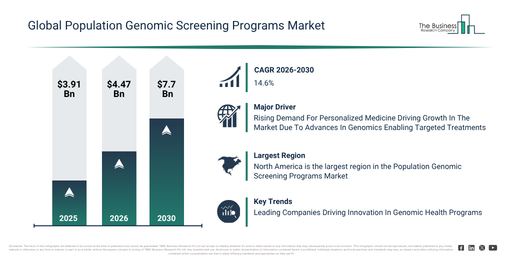
  • Population Genomic Screening Programs Market Forecast 2026–2030 Covering Innovation Trends And Competitive Insights

    Population Genomic Screening Programs Market Forecast 2026–2030 Covering Innovation Trends And Competitive Insights

    The Business Research Company’s 2026 market reports feature enhanced tools like market attractiveness analysis, TAM assessment, and company scoring matrices, along with interactive dashboards, deeper supply chain insights, and startup coverage strengthening the depth, usability, and strategic value of insights.

    How Large Will The Population Genomic Screening Programs Market Be By 2030 Compared To Its 2026 Market Size?

    The population genomic screening programs market has experienced substantial expansion in recent years. Projections indicate it will increase from $3.91 billion in 2025 to $4.47 billion in 2026, achieving a compound annual growth rate (CAGR) of 14.3%. Historically, this growth has been fueled by factors such as a rise in awareness regarding hereditary diseases, the implementation of newborn screening programs, significant advancements in sequencing technologies, escalating government health initiatives, and improvements in healthcare infrastructure.

    The population genomic screening programs market size is projected for substantial expansion over the next few years. It is expected to reach $7.7 billion by 2030, demonstrating a compound annual growth rate (CAGR) of 14.6%. This anticipated growth can be attributed to several factors, including the expansion of adult and carrier screening programs, the adoption of AI-based genomic interpretation tools, integration with digital health platforms, a rising demand for personalized medicine, and increased investment in population genomic research. Prominent trends throughout the forecast period involve population-wide genetic risk assessment, integration with electronic health records (EHR), AI-driven variant interpretation, personalized preventive health programs, and robust data security and privacy compliance.

    Access Your Free Sample Report For In-Depth Market Analysis:

    https://www.thebusinessresearchcompany.com/sample_request?id=91960620&type=smp&name=Population%20Genomic%20Screening%20Programs%20Market%20Report%202026

    Which Important Drivers Are Guiding The Population Genomic Screening Programs Market Growth?

    The increasing need for personalized medicine is anticipated to fuel the expansion of the population genomic screening programs market. This approach customizes medical care and health choices according to an individual’s genetic makeup, environment, and lifestyle traits, aiming to boost treatment efficacy and safety. Its rising acceptance is spurred by progress in genomics and molecular diagnostics, allowing healthcare providers to gain deeper insights into genetic differences and administer more accurate, focused treatments that improve patient results and lessen negative reactions. Crucially, population genomic screening programs support the advancement of personalized medicine by pinpointing genetic variations and risk factors linked to diseases within broad and varied populations. Such initiatives facilitate the early detection of disease risks, categorize patient groups, and enable the creation of customized prevention and treatment plans for both individuals and public health. As an example, in February 2024, the Personalized Medicine Coalition, a U.S.-based non-profit organization, announced that the U.S. Food and Drug Administration (FDA) sanctioned 16 novel personalized treatments for patients with rare diseases in 2023, an increase from six approvals in 2022. Consequently, the expanding need for personalized medicine is fueling the expansion of the population genomic screening programs market.

    Which Segments Define The Population Genomic Screening Programs Market Segment Structure?

    The population genomic screening programs market covered in this report is segmented –

    1) By Program Type: Newborn Screening, Adult Screening, Carrier Screening, Pharmacogenomics, Other Program Types

    2) By Program Model: National Screening Programs, Regional Screening Programs, Institution Based Screening, Direct To Consumer Screening

    3) By Technology: Next Generation Sequencing, Microarray, Polymerase Chain Reaction, Other Technologies

    4) By Application: Rare Disease Detection, Cancer Risk Assessment, Pharmacogenomics, Chronic Disease Prediction, Other Applications

    5) By End-User: Hospitals, Research Institutes, Government Agencies, Diagnostic Laboratories, Other End-Users

    Subsegments:

    1) By Newborn Screening: Rare Disease Screening, Metabolic Disorder Screening, Immunodeficiency Disorder Screening, Neurological Disorder Screening, Endocrine Disorder Screening

    2) By Adult Screening: Hereditary Cancer Risk Screening, Cardiovascular Genetic Risk Screening, Neurodegenerative Disease Risk Screening, Preventive Health Risk Screening, Late Onset Genetic Disorder Screening

    3) By Carrier Screening: Preconception Carrier Screening, Prenatal Carrier Screening, Expanded Carrier Screening, Recessive Disorder Carrier Screening, Population Based Carrier Screening

    4) By Pharmacogenomics: Drug Response Prediction Testing, Adverse Drug Reaction Risk Testing, Dose Optimization Testing, Therapeutic Selection Testing, Medication Safety Testing

    5) By Other Program Types: Polygenic Risk Assessment Programs, Predictive Genomic Health Programs, Preventive Genomic Screening Programs, Population Risk Stratification Programs, Research Based Genomic Screening Programs

    What Market Trends Are Affecting The Population Genomic Screening Programs Market?

    Major companies active within the population genomic screening programs market are dedicating efforts to creating innovative solutions, including hereditary risk assessment, to facilitate the early detection of genetic predispositions, inform personalized prevention strategies, and enhance long-term health outcomes. Hereditary risk assessment refers to the process of evaluating an individual’s likelihood of developing certain genetic disorders or diseases based on their inherited genetic variants and family medical history. As an example, in November 2023, Helix OpCo, LLC, a US-based population genomics and clinical technology company, collaborated with Cone Health, a US-based not-for-profit network of healthcare providers, to initiate a population genomics program aimed at advancing precision medicine in North Carolina. This program leverages Helix’s end-to-end platform to provide actionable precision medicine insights, thereby enabling earlier interventions, promoting community wellness efforts, and improving health equity throughout Alamance, Forsyth, Guilford, Rockingham, and Randolph counties and surrounding regions.

    Who Are The Established Players Within The Population Genomic Screening Programs Market?

    Major companies operating in the population genomic screening programs market are F. Hoffmann-La Roche AG, Thermo Fisher Scientific Inc., Quest Diagnostics Incorporated, Illumina Inc., Natera Inc., Myriad Genetics Inc., BGI Genomics Co. Ltd., Guardant Health Inc., Fulgent Genetics Inc., Ambry Genetics Corporation, Pacific Biosciences of California Inc., Color Genomics Inc., Helix OpCo Inc., Personalis Inc., CENTOGENE N.V., ProPhase Labs Inc., DNAnexus Inc., Genomics England Limited, Eurofins Genomics Germany GmbH, Sema4 Inc., Mapmygenome India Private Limited, Gencove Inc.

    Get The Full Population Genomic Screening Programs Market Report:

    https://www.thebusinessresearchcompany.com/report/population-genomic-screening-programs-market-report

    Where Is The Population Genomic Screening Programs Market Most Concentrated Geographically?

    North America was the largest region in the population genomic screening programs market in 2025. Asia-Pacific is expected to be the fastest-growing region in the forecast period. The regions covered in the population genomic screening programs market report are Asia-Pacific, South East Asia, Western Europe, Eastern Europe, North America, South America, Middle East, Africa.

    Request A Customized Population Genomic Screening Programs Market Report For Competitive Insights:

    https://www.thebusinessresearchcompany.com/Customise?id=91960620&name=Population%20Genomic%20Screening%20Programs%20Market%20Report%202026&type=smp

    Browse Through More Reports Similar to the Global Population Genomic Screening Programs Market 2026, By The Business Research Company

    pruritus therapeutic market report 2026

    https://www.thebusinessresearchcompany.com/report/pruritus-therapeutic-global-market-report

    genomic urine testing market report 2026

    https://www.thebusinessresearchcompany.com/report/genomic-urine-testing-global-market-report

    ocular genetic diagnostic market report 2026

    https://www.thebusinessresearchcompany.com/report/ocular-genetic-diagnostic-global-market-report

    Get in touch with us:

    The Business Research Company: https://www.thebusinessresearchcompany.com/

    Americas +1 310-496-7795

    Asia +44 7882 955267 & +91 8897263534

    Europe +44 7882 955267

    Email us at marketing@tbrc.info

    Follow us on:

    LinkedIn: https://in.linkedin.com/company/the-business-research-company

    YouTube: https://www.youtube.com/channel/UC24_fI0rV8cR5DxlCpgmyFQ

    Global Market Model: https://www.thebusinessresearchcompany.com/global-market-model

  • Photoaging Treatment Market Expansion Influenced By Rising Demand For Aesthetic Procedures And Growing Social Media Influence

    Photoaging Treatment Market Expansion Influenced By Rising Demand For Aesthetic Procedures And Growing Social Media Influence

    The Business Research Company’s 2026 market reports feature enhanced tools like market attractiveness analysis, TAM assessment, and company scoring matrices, along with interactive dashboards, deeper supply chain insights, and startup coverage strengthening the depth, usability, and strategic value of insights.

    From Its 2026 Market Size, What Value Is The Photoaging Treatment Market Projected To Reach By 2030?

    The photoaging treatment market has experienced substantial expansion in recent years. Its value is projected to grow from $6.24 billion in 2025 to $6.69 billion in 2026, demonstrating a compound annual growth rate (CAGR) of 7.3%. This historical rise can be ascribed to increasing awareness of photoaging effects, a growing demand for cosmetic dermatology, the adoption of laser and light therapies, the proliferation of aesthetic clinics, and elevated consumer spending on skincare.

    The photoaging treatment market is projected to experience significant growth in the upcoming years, with its size expected to reach $8.96 billion by 2030, demonstrating a compound annual growth rate (CAGR) of 7.6%. This expansion during the forecast period can be attributed to several factors, including the increasing adoption of AI-driven diagnostics, the development of home-use anti-photoaging products, the growing popularity of minimally invasive procedures, the integration of wearable skin monitoring devices, and the expansion of personalized treatment plans. Prominent trends anticipated within this period include AI-powered skin analysis, innovations in non-invasive treatments, personalized photoaging therapies, the integration with teledermatology platforms, and advanced collagen stimulation techniques.

    Access Your Free Sample Report For In-Depth Market Analysis:

    https://www.thebusinessresearchcompany.com/sample_request?id=42618706&type=smp&name=Photoaging%20Treatment%20Market%20Report%202026

    What Factors Are Contributing To The Growth Of The Photoaging Treatment Market?

    The increasing demand for aesthetic procedures is projected to fuel the expansion of the photoaging treatment market in the future. Aesthetic procedures encompass medical or cosmetic interventions aimed at enhancing an individual’s physical appearance and addressing visible signs of aging. The escalating need for these procedures is primarily fueled by the growing influence of social media and the emphasis on digital self-presentation, as individuals strive to present their best image in photos and video calls, thereby boosting interest in appearance-enhancing treatments. Greater awareness and acceptance of aesthetic procedures further stimulate the demand for photoaging treatment solutions designed to alleviate wrinkles, sun damage, and age spots. For example, in June 2024, data from the American Society of Plastic Surgeons, a US-based professional body for board-certified plastic surgeons, indicated that liposuction remained the most popular plastic surgery procedure in 2023, with 347,782 procedures performed, representing a 7% increase over 2022. Consequently, the rising demand for aesthetic procedures is a key driver for the growth of the photoaging treatment market. The escalating exposure to UV radiation is anticipated to drive the photoaging treatment market forward. Ultraviolet radiation exposure quantifies the amount of UV light from natural (sun) or artificial sources that impacts the skin and eyes. This surge in UV exposure is attributed to increased outdoor activities, where extended periods spent outside without adequate sun protection lead to higher cumulative exposure to ultraviolet radiation. Photoaging treatment plays a crucial role in mitigating the effects of ultraviolet radiation exposure by repairing and diminishing visible skin damage, such as wrinkles, pigmentation, and reduced elasticity, which results from prolonged UV exposure. For instance, in September 2024, the Australian Bureau of Statistics, an Australia-based government department, reported that approximately 60.6% of Australians spent more than 15 minutes outdoors during peak UV hours between November 2023 and February 2024. During these high-UV periods, men were more frequently exposed than women, with 64.8% of males spending time outdoors compared to 56.6% of females. Thus, the increasing UV radiation exposure is a significant factor propelling the growth of the photoaging treatment market.

    How Is Segmentation Applied In The Photoaging Treatment Market Segment Analysis?

    The photoaging treatment market covered in this report is segmented –

    1) By Treatment Type: Laser And Light Based Therapies, Chemical Peels And Exfoliation, Injectables And Fillers, Topical And Home Use Treatments, Microneedling And Energy Devices, Other Treatment Types

    2) By Target Concern: Fine Lines And Wrinkles, Hyperpigmentation And Melasma, Texture And Enlarged Pores, Actinic Damage And Roughness, Photo Induced Skin Laxity

    3) By Sales Channel: Retail And Electronic Commerce, Dermatology Clinics, Aesthetic Centers And Medical Spas, Pharmacies, Hospital Outpatient Departments

    4) By Application: Pigmentation, Wrinkles And Fine Lines, Laxity, Vascular Lesions

    5) By End User: Dermatology Clinics And Medical Spas, Hospitals And Cosmetic Surgery Centers, Beauty Salons And Wellness Centers, Home And Over The Counter Consumers, Other End Users

    Subsegments:

    1) By Laser And Light Based Therapies: Ablative Laser Treatments, Non Ablative Laser Treatments, Fractional Laser Treatments, Intense Pulsed Light Treatments, Photodynamic Light Treatments, Skin Resurfacing Laser Treatments

    2) By Chemical Peels And Exfoliation: Superficial Chemical Peels, Medium Depth Chemical Peels, Deep Chemical Peels, Enzyme Based Peels, Glycolic Acid Peels, Salicylic Acid Peels, Mechanical Exfoliation Treatments

    3) By Injectables And Fillers: Botulinum Toxin Treatments, Hyaluronic Acid Fillers, Collagen Stimulating Fillers, Calcium Based Fillers, Polymeric Dermal Fillers, Skin Booster Injections

    4) By Topical And Home Use Treatments: Retinoid Based Creams, Antioxidant Based Serums, Peptide Based Treatments, Growth Factor Based Creams, Sunscreen And Photoprotection Products, Moisturizing And Barrier Repair Creams, Pigmentation Correcting Treatments

    5) By Microneedling And Energy Devices: Traditional Microneedling Treatments, Radiofrequency Assisted Microneedling, Ultrasound Based Skin Tightening, Thermal Energy Based Devices, Home Use Microneedling Devices, Combination Energy Treatments

    6) By Other Treatment Types: Dermabrasion Treatments, Oxygen Based Facial Treatments, Platelet Rich Plasma Treatments, Cryotherapy Based Treatments, Skin Tightening Procedures, Combination Therapy Treatments

    Who Are The Companies Participating In The Photoaging Treatment Market Environment?

    Major companies operating in the photoaging treatment market are Johnson & Johnson, Procter & Gamble Company, Unilever PLC, L’Oréal S.A., Beiersdorf AG, The Estée Lauder Companies Inc., Shiseido Company Limited, Shanghai Fosun Pharmaceutical Group Co. Ltd., BTL Industries Inc., Merz Pharma GmbH & Co. KGaA, IBSA Institut Biochimique SA, InMode Ltd., ISDIN SA, Evolus Inc., Medytox Inc., Bain Capital LP, Sciton Inc., Venus Concept Inc., Aerolase Corp., Teoxane SA, Dermaceutic Laboratoire SA.

    Get The Full Photoaging Treatment Market Report:

    https://www.thebusinessresearchcompany.com/report/photoaging-treatment-market-report

    Which Region Leads The Photoaging Treatment Market In Terms Of Market Share?

    North America was the largest region in the photoaging treatment market in 2025. Asia-Pacific is expected to be the fastest-growing region in the forecast period. The regions covered in the photoaging treatment market report are Asia-Pacific, South East Asia, Western Europe, Eastern Europe, North America, South America, Middle East, Africa.

    Request A Customized Photoaging Treatment Market Report For Competitive Insights:

    https://www.thebusinessresearchcompany.com/Customise?id=42618706&name=Photoaging%20Treatment%20Market%20Report%202026&type=smp

    Browse Through More Reports Similar to the Global Photoaging Treatment Market 2026, By The Business Research Company

    pruritus therapeutic market report 2026

    https://www.thebusinessresearchcompany.com/report/pruritus-therapeutic-global-market-report

    genomic urine testing market report 2026

    https://www.thebusinessresearchcompany.com/report/genomic-urine-testing-global-market-report

    ocular genetic diagnostic market report 2026

    https://www.thebusinessresearchcompany.com/report/ocular-genetic-diagnostic-global-market-report

    Get in touch with us:

    The Business Research Company: https://www.thebusinessresearchcompany.com/

    Americas +1 310-496-7795

    Asia +44 7882 955267 & +91 8897263534

    Europe +44 7882 955267

    Email us at marketing@tbrc.info

    Follow us on:

    LinkedIn: https://in.linkedin.com/company/the-business-research-company

    YouTube: https://www.youtube.com/channel/UC24_fI0rV8cR5DxlCpgmyFQ

    Global Market Model: https://www.thebusinessresearchcompany.com/global-market-model
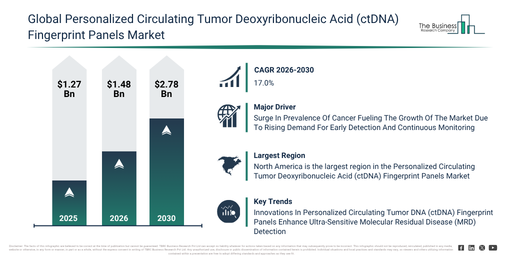
  • Personalized Circulating Tumor Deoxyribonucleic Acid (ctDNA) Fingerprint Panels Market Growth Fueled By Rising Cancer Prevalence And Demand For Early Detection Solutions

    Personalized Circulating Tumor Deoxyribonucleic Acid (ctDNA) Fingerprint Panels Market Growth Fueled By Rising Cancer Prevalence And Demand For Early Detection Solutions

    The Business Research Company’s 2026 market reports feature enhanced tools like market attractiveness analysis, TAM assessment, and company scoring matrices, along with interactive dashboards, deeper supply chain insights, and startup coverage strengthening the depth, usability, and strategic value of insights.

    How Does The Market Size Of The Personalized Circulating Tumor Deoxyribonucleic Acid (ctDNA) Fingerprint Panels Market Compare Between 2026 And 2030?

    The market for personalized circulating tumor deoxyribonucleic acid (ctDNA) fingerprint panels has witnessed significant growth in recent years. It is anticipated to increase from $1.27 billion in 2025 to $1.48 billion in 2026, exhibiting a compound annual growth rate (CAGR) of 16.7%. This historical expansion can be attributed to several factors including the rising prevalence of cancer, advancements in next-generation sequencing technologies, a growing demand for non-invasive diagnostic methods, increased research into genomic biomarkers, and supportive regulatory measures for precision medicine.

    The personalized circulating tumor deoxyribonucleic acid (ctDNA) fingerprint panels market size is projected for significant growth in the coming years. It is expected to reach $2.78 billion by 2030, demonstrating a compound annual growth rate (CAGR) of 17.0%. The expansion during the forecast period can be attributed to the adoption of AI-powered genomic analysis, the broadening of personalized oncology programs, integration with hospital information systems, increasing investments in ctDNA panels, and the demand for real-time treatment monitoring. Key trends for this period include personalized ctDNA assay development, longitudinal cancer monitoring, integration with clinical decision support systems, non-invasive disease tracking, and AI-driven mutation analysis.

    Access Your Free Sample Report For In-Depth Market Analysis:

    https://www.thebusinessresearchcompany.com/sample_request?id=97486817&type=smp&name=Personalized%20Circulating%20Tumor%20Deoxyribonucleic%20Acid%20%28ctDNA%29%20Fingerprint%20Panels%20Market%20Report%202026

    Which Factors Are Influencing The Growth Of The Personalized Circulating Tumor Deoxyribonucleic Acid (ctDNA) Fingerprint Panels Market?

    The increasing incidence of cancer is projected to drive the growth of the personalized circulating tumor deoxyribonucleic acid (ctDNA) fingerprint panels market going forward. Cancer, defined as a group of diseases marked by the uncontrolled multiplication of abnormal cells capable of invading adjacent tissues and spreading throughout the body, is becoming more common due to increased life expectancy, improved early detection, and treatment breakthroughs that allow patients to survive longer with the illness. Personalized circulating tumor DNA fingerprint panels assist cancer treatment by facilitating early identification, continuous monitoring, and precise management of tumor progression, thereby improving survival outcomes and informing targeted treatment strategies. For example, in October 2025, the American Cancer Society stated that there are roughly 18.6 million cancer survivors in the US, representing just over 5% of the population, with predictions expecting this number to reach 22 million by 2035. Therefore, the rising prevalence of cancer is a key driver for the personalized circulating tumor deoxyribonucleic acid (ctDNA) fingerprint panels market.

    How Are Different Segments Classified In The Personalized Circulating Tumor Deoxyribonucleic Acid (ctDNA) Fingerprint Panels Market Segment Analysis?

    The personalized circulating tumor deoxyribonucleic acid (ctDNA) fingerprint panels market covered in this report is segmented –

    1) By Product Type: Single Gene Panels, Multi Gene Panels, Comprehensive Genomic Panels

    2) By Cancer Type: Lung Cancer, Breast Cancer, Colorectal Cancer, Pancreatic Cancer, Gastrointestinal Cancer, Hematological Malignancy

    3) By Technology: Next Generation Sequencing, Polymerase Chain Reaction Based, Other Technologies

    4) By Application: Oncology, Non Invasive Prenatal Testing, Transplantation, Other Applications

    5) By End User: Hospitals And Clinics, Diagnostic Laboratories, Research Institutes, Other End Users

    Subsegments:

    1) By Single Gene Panels: Tumor Specific Mutation Panels, Actionable Mutation Panels, Hereditary Cancer Panels

    2) By Multi Gene Panels: Targeted Cancer Panels, Disease Specific Panels, Therapy Guidance Panels

    3) By Comprehensive Genomic Panels: Pan Cancer Panels, Whole Exome Panels, Whole Genome Panel

    Which Trends Are Influencing Demand In The Personalized Circulating Tumor Deoxyribonucleic Acid (ctDNA) Fingerprint Panels Market?

    Companies actively involved in the personalized circulating tumor deoxyribonucleic acid (ctDNA) fingerprint panels market are concentrating on developing highly sensitive, tumor-informed, genome-based assays. These efforts aim to improve early cancer detection, monitor treatment response, and identify molecular residual disease (MRD) with greater accuracy. Such advanced molecular diagnostics are designed to pinpoint and track patient-specific tumor mutations, thereby detecting extremely low levels of circulating tumor DNA (ctDNA) in the blood. For example, in April 2025, Natera Inc., a US-based molecular diagnostics company, announced the broad clinical rollout of its ultra-sensitive Signatera Genome MRD test. This particular test employs whole-genome sequencing (WGS) to create highly individualized ctDNA fingerprint panels, custom-fitted to each patient’s unique tumor profile. This strategy considerably increases the number of tumor variants tracked and boosts detection sensitivity, even at ultra-low ctDNA concentrations. This progress enhances MRD monitoring capabilities across numerous cancer types, supporting prompt intervention and more informed treatment decisions.

    Who Are The Companies Driving Activity In The Personalized Circulating Tumor Deoxyribonucleic Acid (ctDNA) Fingerprint Panels Market?

    Major companies operating in the personalized circulating tumor deoxyribonucleic acid (ctdna) fingerprint panels market are F. Hoffmann-La Roche Ltd, Thermo Fisher Scientific Inc., Laboratory Corporation of America Holdings, Agilent Technologies Inc., Illumina Inc., Sysmex Corporation, Bio-Rad Laboratories Inc., QIAGEN N.V., Natera Inc., Myriad Genetics Inc., NeoGenomics Laboratories Inc., Guardant Health Inc., Pacific Biosciences of California Inc., Burning Rock Biotech Limited, Personalis Inc., Biodesix Inc., OneCell Diagnostics Pvt. Ltd., CD Genomics, Creative Biolabs Inc., Predicine Inc., BioCreatrix Pte. Ltd., OncoDNA SA, Lucence Diagnostics Pte Ltd., Singlera Genomics Inc., Nonacus Ltd.

    Get The Full Personalized Circulating Tumor Deoxyribonucleic Acid (ctDNA) Fingerprint Panels Market Report:

    https://www.thebusinessresearchcompany.com/report/personalized-circulating-tumor-deoxyribonucleic-acid-ctdna-fingerprint-panels-market-report

    Which Region Represents The Largest Share Of The Personalized Circulating Tumor Deoxyribonucleic Acid (ctDNA) Fingerprint Panels Market?

    North America was the largest region in the personalized circulating tumor deoxyribonucleic acid (ctDNA) fingerprint panels market in 2025. Asia-Pacific is expected to be the fastest-growing region in the forecast period. The regions covered in the personalized circulating tumor deoxyribonucleic acid (ctDNA) fingerprint panels market report are Asia-Pacific, South East Asia, Western Europe, Eastern Europe, North America, South America, Middle East, Africa.

    Request A Customized Personalized Circulating Tumor Deoxyribonucleic Acid (ctDNA) Fingerprint Panels Market Report For Competitive Insights:

    https://www.thebusinessresearchcompany.com/Customise?id=97486817&name=Personalized%20Circulating%20Tumor%20Deoxyribonucleic%20Acid%20%28ctDNA%29%20Fingerprint%20Panels%20Market%20Report%202026&type=smp

    Browse Through More Reports Similar to the Global Personalized Circulating Tumor Deoxyribonucleic Acid (ctDNA) Fingerprint Panels Market 2026, By The Business Research Company

    pruritus therapeutic market report 2026

    https://www.thebusinessresearchcompany.com/report/pruritus-therapeutic-global-market-report

    genomic urine testing market report 2026

    https://www.thebusinessresearchcompany.com/report/genomic-urine-testing-global-market-report

    ocular genetic diagnostic market report 2026

    https://www.thebusinessresearchcompany.com/report/ocular-genetic-diagnostic-global-market-report

    Get in touch with us:

    The Business Research Company: https://www.thebusinessresearchcompany.com/

    Americas +1 310-496-7795

    Asia +44 7882 955267 & +91 8897263534

    Europe +44 7882 955267

    Email us at marketing@tbrc.info

    Follow us on:

    LinkedIn: https://in.linkedin.com/company/the-business-research-company

    YouTube: https://www.youtube.com/channel/UC24_fI0rV8cR5DxlCpgmyFQ

    Global Market Model: https://www.thebusinessresearchcompany.com/global-market-model