Category: Healthcare Services

  • White Biotechnology Market Expected to Grow Steadily to $763.23 Billion by 2030

    The Business Research Company’s 2026 market reports feature enhanced tools like market attractiveness analysis, TAM assessment, and company scoring matrices, along with interactive dashboards, deeper supply chain insights, and startup coverage strengthening the depth, usability, and strategic value of insights.

    What Is The Anticipated Rise In Market Value Of The White Biotechnology Market During The Forecast Period?

    The white biotechnology market size has experienced rapid expansion recently. It is projected to increase from $467.52 billion in 2025 to $517.44 billion in 2026, exhibiting a compound annual growth rate (CAGR) of 10.7%. This historical growth can be linked to factors such as tightening environmental regulations concerning chemical manufacturing, the wider availability of fermentation-based production techniques, increased adoption of industrial enzymes, the broadening of biofuel blending requirements, and the proliferation of sustainable manufacturing programs.

    The white biotechnology market is projected to experience swift expansion in the coming years. This market is anticipated to reach $763.23 billion by 2030, exhibiting a compound annual growth rate (CAGR) of 10.2%. The anticipated growth during this period stems from factors such as heightened investments in green industrial biotechnology, a surging demand for bio-based substitutes for petrochemicals, the proliferation of circular bioeconomy frameworks, an intensifying emphasis on carbon-neutral manufacturing, and the accelerated commercialization of sophisticated bioprocesses. Key developments expected during the forecast timeframe encompass the expanding embrace of bio-derived industrial methods, an escalating need for the application of renewable feedstocks, the growing prevalence of enzyme-driven production, the broadening of bioplastics and biofuels manufacturing, and a heightened commitment to low-emission industrial solutions.

    Access Your Free Sample Report For In-Depth Market Analysis:

    https://www.thebusinessresearchcompany.com/sample.aspx?id=8625&type=smp

    Which Factors Are Influencing The Growth Of The White Biotechnology Market?

    The increasing demand for sustainable products is anticipated to fuel the expansion of the white biotechnology market. A sustainable product is characterized by its minimal negative impact on the environment and society, its responsible and efficient use of resources, and its profitability across its entire life cycle. White biotechnology plays a role in creating sustainable products by employing microorganisms, enzymes, and biocatalysts to generate environmentally sound and resource-saving products and processes across different sectors. As an illustration, in July 2024, data from the Energy Information Administration, a US-based government Agency, indicates that the United States’ production capacity for sustainable aviation fuel (SAF) is forecast to increase significantly from around 2,000 barrels per day (b/d) to almost 30,000 b/d by 2024. Consequently, the rising preference for sustainable solutions is a key driver for the growth of the white biotechnology market.

    Which Segments Define The White Biotechnology Market Segment Structure?

    The white biotechnology market covered in this report is segmented –

    1) By Product Type: Biofuels, Biomaterials, Biochemicals, Industrial Enzymes

    2) By Process Type: Fermentation Technology, Enzyme Technology, Biocatalysis, Synthetic Biology, Metabolic Engineering, Cell Culture Technology

    3) By Application Type: Bioenergy, Food And Feed Additives, Pharmaceutical Ingredients, Personal Care And Household Products, Other Applications

    Subsegments:

    1) By Biofuels: Ethanol, Biodiesel, Biogas

    2) By Biomaterials: Bioplastics, Bio-Based Composites, Bio-based Chemicals

    3) By Biochemicals: Organic Acids, Amino Acids, Solvents

    4) By Industrial Enzymes: Proteases, Amylases, Lipases

    Which Trends Are Influencing Demand In The White Biotechnology Market?

    Leading companies entering the white biotechnology market are embracing technological innovations such as advanced biopolymer and co-polymer platforms to develop sustainable and tailored products for diverse applications. Advanced biopolymer and co-polymer platforms are biotechnological systems that allow scientists to design and optimize polymers at a molecular level, aiding in the creation of sustainable, high-performance materials capable of replacing petroleum-based polymers and addressing evolving market and regulatory requirements. For instance, in June 2023, International Flavors & Fragrances Inc., a US-based manufacturer of fragrances, flavors, and cosmetic actives, launched Designed Enzymatic Biomaterials (DEB) technology, which is a Biomaterials technology platform intended to deliver sustainable biopolymers. This technology platform empowers producers to adapt to shifting market needs and regulatory changes by substituting conventional synthetic polymers derived from fossil fuels. Through the DEB technology platform, scientists can directly integrate the characteristics of petroleum-based polymers into biopolymer materials, meticulously tailoring and enhancing polysaccharides to provide lasting performance improvements in the selected application.

    Who Are The Established Players Within The White Biotechnology Market?

    Major companies operating in the white biotechnology market are Novozyme A/S., Koninklijke DSM N.V., BASF SE., Du Pont Danisco., Amyris Inc., Henkel AG & Co. KGaA., Kaneka Corporation., Evonik Industries AG., Evolva Holding., EUCODIS Bioscience GmbH., Lonza Group Ltd., Borregaard ASA., Codexis Inc., Deinove SA., Fermentalg SA., Gevo Inc., Global Bioenergies SA., Metabolic Explorer SA.

    Get The Full White Biotechnology Market Report:

    https://www.thebusinessresearchcompany.com/report/white-biotechnology-global-market-report

    Which Region Holds The Highest Market Share In The White Biotechnology Market?

    North America was the largest region in the white biotechnology market in 2025. The regions covered in the white biotechnology market report are Asia-Pacific, South East Asia, Western Europe, Eastern Europe, North America, South America, Middle East, Africa.

    Request A Customized White Biotechnology Market Report For Competitive Insights:

    https://www.thebusinessresearchcompany.com/report/white-biotechnology-global-market-report

    Browse Through More Reports Similar to the Global White Biotechnology Market 2026, By The Business Research Company

    Red Biotechnology Market Report 2026

    https://www.thebusinessresearchcompany.com/report/red-biotechnology-global-market-report

    Agricultural Biotechnology Market Report

    https://www.thebusinessresearchcompany.com/report/agricultural-biotechnology-global-market-report

    Biotechnology Services Market Report

    https://www.thebusinessresearchcompany.com/report/biotechnology-services-global-market-report

    Get in touch with us:

    The Business Research Company: https://www.thebusinessresearchcompany.com/

    Americas +1 310-496-7795

    Asia +44 7882 955267 & +91 8897263534

    Europe +44 7882 955267

    Email us at info@tbrc.info

    Follow us on:

    LinkedIn: https://in.linkedin.com/company/the-business-research-company

    YouTube: https://www.youtube.com/channel/UC24_fI0rV8cR5DxlCpgmyFQ

    Global Market Model: https://www.thebusinessresearchcompany.com/global-market-model
  • Ventral Hernia Treatment Market Forecast with Demand and Industry Growth Insights

    Ventral Hernia Treatment Market Forecast with Demand and Industry Growth Insights

    The Business Research Company’s 2026 market reports feature enhanced tools like market attractiveness analysis, TAM assessment, and company scoring matrices, along with interactive dashboards, deeper supply chain insights, and startup coverage strengthening the depth, usability, and strategic value of insights.

    How Much Growth In Market Value Is Expected For The Ventral Hernia Treatment Market Between 2026 And 2030?

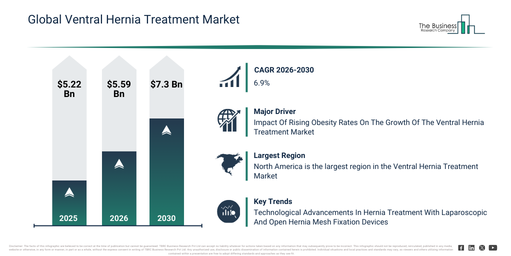
    The ventral hernia treatment market has experienced robust expansion in recent years. Projections indicate that it will rise from $5.22 billion in 2025 to $5.59 billion in 2026, with a compound annual growth rate (CAGR) of 7.2%. Historically, this expansion has stemmed from factors such as an uptick in abdominal hernia cases, higher rates of surgical interventions, wider acceptance of laparoscopic surgery, increased access to surgical mesh products, and better use of diagnostic imaging.

    The market for ventral hernia treatments is projected to experience substantial expansion over the upcoming years. This market is anticipated to reach $7.3 billion by 2030, exhibiting a compound annual growth rate (CAGR) of 6.9%. This projected growth during the forecast period is driven by factors such as the increasing integration of robotic surgery platforms, a surging demand for tension-free repair methods, the proliferation of ambulatory surgical centers, an amplified emphasis on mitigating hernia recurrence rates, and increased financial commitments to cutting-edge surgical technologies. Key trends emerging within the forecast timeframe encompass the wider embrace of robotic-assisted hernia repair, a notable increase in the utilization of advanced hernia mesh materials, a heightened inclination towards minimally invasive surgical approaches, the broadening availability of day-care surgical treatments, and enhanced post-surgical recovery guidelines.

    Access Your Free Sample Report For In-Depth Market Analysis:

    https://www.thebusinessresearchcompany.com/sample.aspx?id=21315&type=smp

    What Factors Are Contributing To The Growth Of The Ventral Hernia Treatment Market?

    The rising incidence of obesity is projected to boost the expansion of the ventral hernia treatment market in the future. Obesity, a medical condition, involves an excessive accumulation of body fat that profoundly affects an individual’s well-being. The growing occurrence of obesity stems from factors such as unhealthy eating habits, inactive lifestyles, genetic predispositions, insufficient physical exercise, environmental elements, and psychological pressure. Ventral hernia treatment offers assistance to obesity patients by managing the difficulties stemming from excessive weight, by helping to lessen tension on the abdominal wall, decreasing the likelihood of hernia recurrence, and improving overall abdominal strength, which is crucial for fostering mobility and encouraging more healthful lifestyle decisions among those living with obesity. For example, in March 2024, the World Health Organization (WHO), a Switzerland-based intergovernmental organization, indicated that around one in eight individuals globally faced obesity. This figure comprised 2.5 billion adults (aged 18 years and older) who were overweight, with 890 million of these experiencing obesity. Among the adult population, 43% were overweight, and 16% were categorized as obese. Furthermore, the population of overweight children under the age of 5 reached 37 million. Consequently, the expanding prevalence of obesity is a key driver for the ventral hernia treatment market.

    How Is The Ventral Hernia Treatment Market Segmented Across Different Segment Categories?

    The ventral hernia treatment market covered in this report is segmented –

    1) By Type: Epigastric (Stomach Area) Hernia, Umbilical (Belly Button) Hernia, Incisional Hernia

    2) By Diagnosis: Ultrasound, Computed Tomography (CT) Scan, Magnetic Resonance Imaging (MRI)

    3) By Surgery: Open Hernia Surgery, Laparoscopic Surgery, Robotic Hernia Surgery

    4) By End Users: Hospitals, Ambulatory Surgical Centres, Clinics

    Subsegments:

    1) By Epigastric (Stomach Area) Hernia: Small Epigastric Hernia, Large Epigastric Hernia

    2) By Umbilical (Belly Button) Hernia: Congenital Umbilical Hernia, Acquired Umbilical Hernia

    3) By Incisional Hernia: Primary Incisional Hernia, Recurrent Incisional Hernia

    What Trends Are Shaping The Future Of The Ventral Hernia Treatment Market?

    Major companies engaged in the ventral hernia treatment market are emphasizing technological advancements, including laparoscopic and open hernia mesh fixation devices, to enhance surgical outcomes, lessen complications, and improve patient recovery. Laparoscopic and open hernia mesh fixation devices are medical instruments utilized to secure mesh during hernia repair surgeries, through either minimally invasive (laparoscopic) or traditional open surgical approaches. For example, in March 2024, TELA Bio Inc., a US-based medical technology company, launched its LIQUIFIX FIX8 laparoscopic and LIQUIFIX precision open hernia mesh fixation devices in the U.S. LIQUIFIX FIX8 is designated for minimally invasive repairs, while LIQUIFIX precision is intended for open femoral and inguinal hernia repairs. These FDA-approved devices function by using liquid anchors to fasten mesh without penetrating tissue, thereby decreasing trauma and complications. With over 1.2 million hernia procedures conducted annually in the U.S., LIQUIFIX provides accuracy and safety in sensitive areas and minimizes the risks of vascular or nerve injury.

    Which Organizations Play A Role In The Ventral Hernia Treatment Market Landscape?

    Major companies operating in the ventral hernia treatment market are Johnson & Johnson Services Inc., Medtronic Plc, Becton, Dickinson and Company (BD), Braun Melsungen AG, Olympus Corporation, W.L. Gore and Associates Inc, STERIS Plc, Cook Medical Inc, KARL STORZ, Cooper University Health Care, Mölnlycke Health Care, Integra LifeSciences Holdings, ConMed Corporation, Aesculap Inc, Richard Wolf GmbH, Ethicon Inc, Microline Surgical, Hernia Mesh S.R.L., Insightra Medical Inc, Advanced MedTech Solutions Pvt Ltd

    Get The Full Ventral Hernia Treatment Market Report:

    https://www.thebusinessresearchcompany.com/report/ventral-hernia-treatment-global-market-report

    Which Region Is The Leading Market For The Ventral Hernia Treatment Market?

    North America was the largest region in the ventral hernia treatment market in 2025. Europe is expected to be the fastest-growing region in the forecast period. The regions covered in the ventral hernia treatment market report are Asia-Pacific, South East Asia, Western Europe, Eastern Europe, North America, South America, Middle East, Africa.

    Request A Customized Ventral Hernia Treatment Market Report For Competitive Insights:

    https://www.thebusinessresearchcompany.com/report/ventral-hernia-treatment-global-market-report

    Browse Through More Reports Similar to the Global Ventral Hernia Treatment Market 2026, By The Business Research Company

    Hernia Mesh Devices Market Report 2026

    https://www.thebusinessresearchcompany.com/report/hernia-mesh-devices-global-market-report

    Congenital Diaphragmatic Hernia Drugs Market Report

    https://www.thebusinessresearchcompany.com/report/congenital-diaphragmatic-hernia-drugs-global-market-report

    Sarcopenia Treatment Market Report

    https://www.thebusinessresearchcompany.com/report/sarcopenia-treatment-global-market-report

    Get in touch with us:

    The Business Research Company: https://www.thebusinessresearchcompany.com/

    Americas +1 310-496-7795

    Asia +44 7882 955267 & +91 8897263534

    Europe +44 7882 955267

    Email us at info@tbrc.info

    Follow us on:

    LinkedIn: https://in.linkedin.com/company/the-business-research-company

    YouTube: https://www.youtube.com/channel/UC24_fI0rV8cR5DxlCpgmyFQ

    Global Market Model: https://www.thebusinessresearchcompany.com/global-market-model
  • Venous Ulcer Treatment Market Outlook Highlighting Key Growth Drivers

    Venous Ulcer Treatment Market Outlook Highlighting Key Growth Drivers

    The Business Research Company’s 2026 market reports feature enhanced tools like market attractiveness analysis, TAM assessment, and company scoring matrices, along with interactive dashboards, deeper supply chain insights, and startup coverage strengthening the depth, usability, and strategic value of insights.

    What Is The Estimated Market Size Of The Venous Ulcer Treatment Market In 2026, And How Will Its Value Evolve By 2030?

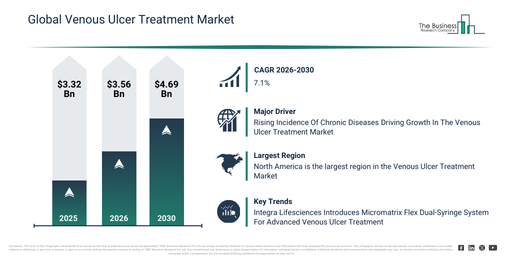
    The market for venous ulcer treatment has experienced robust expansion in recent years. It is forecast to increase from $3.32 billion in 2025 to $3.56 billion in 2026, achieving a compound annual growth rate (CAGR) of 7.4%. The growth observed in prior periods stems from factors like the rising prevalence of chronic venous insufficiency, an expanding aging population, the growing incidence of lifestyle-related vascular disorders, the broader availability of wound care products, and heightened clinical awareness of venous ulcer management.

    The market for venous ulcer treatment is projected to experience substantial expansion over the upcoming years. This market is set to reach a value of $4.69 billion by 2030, demonstrating a compound annual growth rate (CAGR) of 7.1%. This anticipated growth during the forecast period is attributable to several factors, including an escalating demand for at-home wound care, the increased uptake of cutting-edge wound healing technologies, the broadening of outpatient care approaches, rising investments in digital health monitoring solutions, and a heightened emphasis on economical chronic wound management. Key trends anticipated during this period encompass the wider adoption of sophisticated compression therapy solutions, an increased utilization of bioactive and antimicrobial wound dressings, the growing integration of digital tools for wound monitoring, the development of individualized venous ulcer treatment protocols, and a stronger emphasis on strategies to prevent recurrence.

    Access Your Free Sample Report For In-Depth Market Analysis:

    https://www.thebusinessresearchcompany.com/sample.aspx?id=19749&type=smp

    Which Strong Drivers Are Impacting The Venous Ulcer Treatment Market Growth?

    An increase in the occurrence of chronic diseases is projected to drive the expansion of the venous ulcer treatment market in the future. These conditions are defined as persistent health issues that emerge progressively, endure for prolonged durations, and frequently necessitate continuous medical care and oversight. The heightened frequency of chronic diseases stems from various factors, such as an aging demographic, inactive routines, unhealthy eating patterns, growing levels of obesity, and the wider spread of risk elements like tobacco use and heavy alcohol intake. Venous ulcer treatment serves to address chronic illnesses by targeting and controlling ulcers resulting from impaired circulation and extended venous insufficiency, often observed in ailments like diabetes and chronic venous disease. As an illustration, in January 2023, the National Center for Biotechnology Information (NCBI), a US-based medicine library, reported that the population aged 50 and older afflicted with one or more chronic conditions is anticipated to rise by 99.5% by 2050, from 71.52 million in 2020 to 142.66 million. Consequently, the growing occurrence of chronic diseases is fueling the growth of the venous ulcer treatment market.

    What Are The Main Segments Within The Venous Ulcer Treatment Market Segment Structure?

    The venous ulcer treatment market covered in this report is segmented –

    1) By Diseases Type: Arterial Ulcers, Neurotropic Ulcer, Venous Ulcers, Diabetic Ulcers

    2) By Treatment Type: Compression Therapy, Surgical Therapy, Skin Grafting, Advanced Wound Dressing

    3) By End-Use: Hospitals, Clinics, Home Care Settings

    Subsegments:

    1) By Arterial Ulcers: Ischemic Ulcers, Atherosclerotic Ulcers, Mixed Arterial-Venous Ulcers

    2) By Neurotropic Ulcer: Pressure Ulcers, Neuropathic Foot Ulcers, Spinal Cord Injury Ulcers

    3) By Venous Ulcers: Superficial Venous Ulcers, Deep Vein Insufficiency Ulcers, Mixed Etiology Ulcers

    4) By Diabetic Ulcers: Diabetic Foot Ulcers, Neuropathic Diabetic Ulcers, Ischemic Diabetic Ulcers

    Which Trends Are Contributing To Changes In The Venous Ulcer Treatment Market?

    Leading companies operating in the venous ulcer treatment market are focusing on creating innovative technologies, such as dual-syringe systems, to enhance the effectiveness and convenience of wound care. These dual-syringe systems are specialized medical devices utilized for the simultaneous or sequential administration of two substances, commonly for wound care, injections, or drug delivery. For instance, in March 2024, Integra LifeSciences Holdings Corporation, a US-based medical device company, launched MicroMatrix Flex, a dual-syringe system facilitating convenient mixing and precise delivery. This innovation features an advanced delivery system that allows effortless access to hard-to-reach areas, ensuring thorough treatment of complex venous ulcers. Its flexible design adapts to diverse wound shapes and sizes, thereby improving coverage and overall effectiveness. The device also integrates a novel material that promotes efficient wound healing and minimizes patient discomfort.

    Who Are The Companies Participating In The Venous Ulcer Treatment Market?

    Major companies operating in the venous ulcer treatment market are Johnson & Johnson, Bayer AG, Sanofi SA, Bristol-Myers Squibb Company, AstraZeneca plc, Medtronic plc, Becton Dickinson and Company, Cardinal Health Inc., Essity Aktiebolag, Medline Industries Inc., Smith & Nephew plc, Coloplast A/S, 3M Company, ConvaTec Group plc, Integra LifeSciences Holdings Corporation, Organogenesis Holdings Inc., Mölnlycke Health Care AB, Mimedx Group Inc., Tissue Regenix Group plc, Derma Sciences Inc.

    Get The Full Venous Ulcer Treatment Market Report:

    https://www.thebusinessresearchcompany.com/report/venous-ulcer-treatment-global-market-report

    Where Is The Venous Ulcer Treatment Market Primarily Concentrated By Region?

    North America was the largest region in the venous ulcer treatment market in 2025. Asia-Pacific is expected to be the fastest-growing region in the forecast period. The regions covered in the venous ulcer treatment market report are Asia-Pacific, South East Asia, Western Europe, Eastern Europe, North America, South America, Middle East, Africa.

    Request A Customized Venous Ulcer Treatment Market Report For Competitive Insights:

    https://www.thebusinessresearchcompany.com/report/venous-ulcer-treatment-global-market-report

    Browse Through More Reports Similar to the Global Venous Ulcer Treatment Market 2026, By The Business Research Company

    Alzheimer Disease Treatment Market Report 2026

    https://www.thebusinessresearchcompany.com/report/alzheimer-disease-treatment-global-market-report

    Neutropenia Biologic Drug Treatments Market Report

    https://www.thebusinessresearchcompany.com/report/neutropenia-biologic-drug-treatments-global-market-report

    Psoriatic Arthritis Treatments Market Report

    https://www.thebusinessresearchcompany.com/report/psoriatic-arthritis-treatments-global-market-report

    Get in touch with us:

    The Business Research Company: https://www.thebusinessresearchcompany.com/

    Americas +1 310-496-7795

    Asia +44 7882 955267 & +91 8897263534

    Europe +44 7882 955267

    Email us at info@tbrc.info

    Follow us on:

    LinkedIn: https://in.linkedin.com/company/the-business-research-company

    YouTube: https://www.youtube.com/channel/UC24_fI0rV8cR5DxlCpgmyFQ

    Global Market Model: https://www.thebusinessresearchcompany.com/global-market-model
  • Venous Thromboembolism Market Overview for 2026–2030 with Industry Insights

    Venous Thromboembolism Market Overview for 2026–2030 with Industry Insights

    The Business Research Company’s 2026 market reports feature enhanced tools like market attractiveness analysis, TAM assessment, and company scoring matrices, along with interactive dashboards, deeper supply chain insights, and startup coverage strengthening the depth, usability, and strategic value of insights.

    How Does The Market Size Of The Venous Thromboembolism Market Compare Between 2026 And 2030?

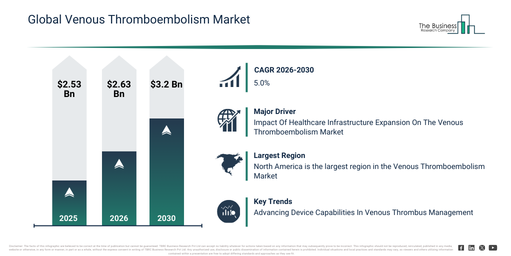
    The market for venous thromboembolism has shown steady expansion in recent years. It is anticipated to increase from $2.53 billion in 2025 to $2.63 billion in 2026, progressing at a compound annual growth rate (CAGR) of 3.9%. The historical growth of this market can be attributed to several factors, including an escalating incidence of venous thromboembolism, the rise of the aging population, a growing prevalence of sedentary lifestyles, enhanced clinical awareness concerning VTE risks, and the broadening of hospital-based thrombotic care provisions.

    The venous thromboembolism market size is anticipated to demonstrate consistent expansion over the upcoming years. It is projected to reach $3.2 billion by 2030, exhibiting a compound annual growth rate (CAGR) of 5.0%. This projected growth during the forecast period is fueled by several factors, including the increasing integration of personalized anticoagulant therapies, a rising need for less invasive treatment approaches, the broadening of outpatient vte care structures, intensified investment in sophisticated diagnostic tools, and a heightened emphasis on managing thrombosis preventatively. Key developments expected in this period encompass the wider acceptance of novel oral anticoagulants, an escalating utilization of mechanical thrombectomy devices, a stronger emphasis on prompt diagnosis and risk assessment, the growth of home-based vte management initiatives, and enhanced oversight of anticoagulant therapy.

    Access Your Free Sample Report For In-Depth Market Analysis:

    https://www.thebusinessresearchcompany.com/sample.aspx?id=13001&type=smp

    What Key Factors Are Shaping The Venous Thromboembolism Market Landscape?

    The anticipated expansion of healthcare infrastructure is set to fuel the growth of the venous thromboembolism market in the coming period. The healthcare industry broadly refers to the combined and integrated sectors within the economic system that deliver products and services aimed at curing, preventing, rehabilitating, and offering palliative care to patients. This industry’s expansion is instrumental in developing the institutional infrastructure, policies, practices, and educational programs essential for supporting the execution of VTE prevention protocols. For example, in May 2023, the American Health Care Association, a US-based nonprofit organization, reported an increase in the number of hospitals in the US to 6,129, up from 6,093 in 2022. This demonstrates how the expanding healthcare industry is driving the growth of the venous thromboembolism market.

    How Is Segmentation Applied In The Venous Thromboembolism Market Segment Analysis?

    The venous thromboembolism market covered in this report is segmented –

    1) By Type: Deep Vein Thrombosis, Pulmonary Embolism, Other Types

    2) By Treatment: Anti-Clotting Medications, Mechanical Devices, Thrombolytic Therapy, Other Treatment

    3) By End Users: Hospitals, Homecare, Specialty Centers, Other End Users

    Subsegments:

    1) By Deep Vein Thrombosis (DVT): Proximal DVT, Distal DVT, Asymptomatic DVT

    2) By Pulmonary Embolism (PE): Acute PE, Chronic PE, Submassive PE

    3) By Other Types: Thrombophlebitis, Superficial Vein Thrombosis, Post-Thrombotic Syndrome

    What Market Trends Are Affecting The Venous Thromboembolism Market?

    Leading companies operating within the venous thromboembolism (VTE) market are concentrating on integrating advanced vascular-access sheath technology, such as laser-cut hypotube sheaths, to boost efficiency, safety, and procedural command. Laser-cut hypotube sheath technology employs a thin-walled metal tube that is precisely cut by laser, creating a sheath that is both adaptable and structurally reinforcing. This enables features like effortless navigation through blood vessels, reliable support during catheter insertion, and superior hemostasis management during interventions. For instance, in January 2025, Penumbra Inc., a US-based medical-device manufacturer, unveiled the Element Vascular Access System. This system is a laser-cut hypotube sheath specifically engineered for venous thromboembolism procedures, featuring the HemoLock dual-valve system for accurate hemostasis control and an atraumatic tip design alongside 17 F MaxID sizing for smooth delivery and compatibility with large-bore thrombectomy catheters. Element improves the efficiency of procedures, the trackability of devices, and physician control, potentially enhancing safety and treatment outcomes in VTE interventions.

    Who Are The Companies Participating In The Venous Thromboembolism Market Environment?

    Major companies operating in the venous thromboembolism market are Pfizer Inc., Johnson and Johnson Limited, Merck and Co Inc, AbbVie Inc, Bayer AG, Novartis AG, Sanofi-Aventis LLC, Bristol-Myers Squibb Company, GlaxoSmithKline plc, Eli Lilly and Co Ltd, Boehringer Ingelheim International GmbH, Teva Pharmaceutical Industries Ltd, Daiichi Sankyo Company Limited, Portola Pharmaceuticals Inc, Viatris Inc, AstraZeneca PLC, Medtronic plc, Boston Scientific Corporation, Stryker Corporation, Abbott Laboratories, AngioDynamics Inc, Terumo Corporation

    Get The Full Venous Thromboembolism Market Report:

    https://www.thebusinessresearchcompany.com/report/venous-thromboembolism-global-market-report

    Which Region Has The Greatest Market Share In The Venous Thromboembolism Market?

    North America was the largest region in the venous thromboembolism market in 2025. The regions covered in the venous thromboembolism market report are Asia-Pacific, South East Asia, Western Europe, Eastern Europe, North America, South America, Middle East, Africa.

    Request A Customized Venous Thromboembolism Market Report For Competitive Insights:

    https://www.thebusinessresearchcompany.com/report/venous-thromboembolism-global-market-report

    Browse Through More Reports Similar to the Global Venous Thromboembolism Market 2026, By The Business Research Company

    Deep Vein Thrombosis Market Report 2026

    https://www.thebusinessresearchcompany.com/report/deep-vein-thrombosis-global-market-report

    Thrombophilia Market Report

    https://www.thebusinessresearchcompany.com/report/thrombophilia-global-market-report

    Vascular Embolization Market Report

    https://www.thebusinessresearchcompany.com/report/vascular-embolization-global-market-report

    Get in touch with us:

    The Business Research Company: https://www.thebusinessresearchcompany.com/

    Americas +1 310-496-7795

    Asia +44 7882 955267 & +91 8897263534

    Europe +44 7882 955267

    Email us at info@tbrc.info

    Follow us on:

    LinkedIn: https://in.linkedin.com/company/the-business-research-company

    YouTube: https://www.youtube.com/channel/UC24_fI0rV8cR5DxlCpgmyFQ

    Global Market Model: https://www.thebusinessresearchcompany.com/global-market-model
  • Venous Leg Ulcer Treatment Market Forecast Highlighting Key Market Trends and Growth Potential

    Venous Leg Ulcer Treatment Market Forecast Highlighting Key Market Trends and Growth Potential

    The Business Research Company’s 2026 market reports feature enhanced tools like market attractiveness analysis, TAM assessment, and company scoring matrices, along with interactive dashboards, deeper supply chain insights, and startup coverage strengthening the depth, usability, and strategic value of insights.

    What Is The Forecasted Market Size Trajectory Of The Venous Leg Ulcer Treatment Market From 2026 To 2030?

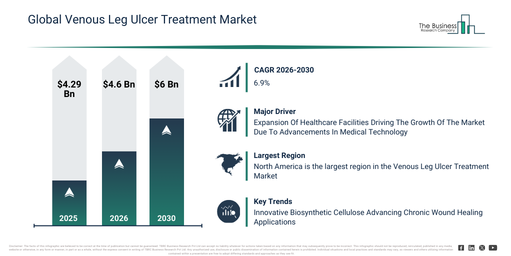
    The venous leg ulcer treatment market size has experienced robust growth in recent years. It is projected to expand from $4.29 billion in 2025 to $4.6 billion in 2026, demonstrating a compound annual growth rate (CAGR) of 7.2%. Historically, this growth can be attributed to the increasing prevalence of chronic venous insufficiency, widespread use of compression bandaging, the expansion of wound care clinics, a growing aging population, and improved availability of topical wound treatments.

    The venous leg ulcer treatment market size is anticipated to undergo significant growth in the upcoming years. It is projected to expand to $6 billion by 2030, demonstrating a compound annual growth rate (CAGR) of 6.9%. The expansion during this forecast period stems from factors such as increasing demand for advanced wound healing technologies, a rise in the adoption of home healthcare services, the broadening of minimally invasive venous procedures, a heightened focus on infection prevention, and greater investments in chronic wound management solutions. Notable trends during this period include the wider acceptance of advanced compression therapy solutions, an increase in the use of bioactive wound care products, a stronger emphasis on early intervention strategies, the expansion of home-based wound management, and enhanced integration of multidisciplinary care.

    Access Your Free Sample Report For In-Depth Market Analysis:

    https://www.thebusinessresearchcompany.com/sample.aspx?id=22167&type=smp

    Which Factors Are Influencing The Growth Of The Venous Leg Ulcer Treatment Market?

    The expansion of healthcare facilities is anticipated to drive the future growth of the venous leg ulcer treatment market. These facilities encompass crucial physical structures, systems, and resources vital for delivering efficient healthcare services. The growth in healthcare infrastructure is a result of medical technology advancements, where innovations like telemedicine, robotic surgery, and AI-powered diagnostics necessitate modern facilities, specialized equipment, and improved healthcare delivery methods to enhance patient results and operational efficiency. Regarding venous leg ulcer treatment, healthcare facilities offer critical support by providing access to contemporary wound care centers, proven therapies, skilled medical personnel, and novel treatment choices, thereby improving healing and patients’ quality of life. For example, data from the American Hospital Association, a US-based non-profit organization, indicates that the United States recorded 6,120 hospitals in 2024, showing an increase from 6,093 hospitals in 2022. Consequently, this expanding healthcare infrastructure is a key factor propelling the growth of the venous leg ulcer treatment market.

    What Segment Categories Shape The Venous Leg Ulcer Treatment Market Segment Landscape?

    The venous leg ulcer treatment market covered in this report is segmented –

    1) By Treatment Type: Compression Therapy, Debridement, Medication, Surgery

    2) By Etiology: Venous Insufficiency, Arterial Insufficiency, Mixed Insufficiency, Other Etiologies

    3) By Mechnaism Of Action: Oxygenation Enhancers, Growth Factor Stimulators, Anti-inflammatory Agents, Antimicrobial Treatments

    4) By End Users: Hospitals, Clinics, Home Healthcare, Other End-Users

    Subsegments:

    1) By Compression Therapy Type: Short-Stretch Bandages, Long-Stretch Bandages, Multi-Layer Compression Bandages, Compression Stockings, Intermittent Pneumatic Compression (IPC) Devices

    2) By Debridement Type: Surgical Debridement, Autolytic Debridement, Enzymatic Debridement, Mechanical Debridement, Biological Debridement

    3) By Medication Type: Topical Antibiotics, Oral Antibiotics, Growth Factors, Anti-Inflammatory Agents, Wound Healing Agents

    4) By Surgery Type: Skin Grafting, Vein Ablation, Subfascial Endoscopic Perforator Surgery (SEPS), Sclerotherapy, Vein Bypass Surgery

    Which Trends Are Influencing Demand In The Venous Leg Ulcer Treatment Market?

    Key players within the venous leg ulcer treatment market are concentrating their efforts on creating advanced wound dressings that incorporate biosynthetic cellulose to improve healing processes and aid in the management of chronic wounds. This biosynthetic cellulose is a bioengineered substance generated by microorganisms via fermentation, distinguished by its high purity, biocompatibility, and notable strength across diverse applications. An example occurred in June 2023, when Evonik Industries AG, a Germany-based specialty chemicals company, introduced Epicite Balance. This particular wound dressing, crafted from biosynthetic cellulose, was specifically developed for addressing chronic wounds like venous leg ulcers, diabetic foot ulcers, and pressure ulcers. The dressing facilitates better wound recovery by sustaining a moist environment for the wound, absorbing any discharge, and fostering excellent cleansing, thereby proving suitable for application in both hospital and homecare environments.

    Who Are The Companies Operating Across The Venous Leg Ulcer Treatment Market Value Chain?

    Major companies operating in the venous leg ulcer treatment market are 3M Healthcare, Essity AB, B. Braun Melsungen AG, Smith & Nephew plc, Coloplast A/S, Convatec Group PLC, Molnlycke Healthcare, Integra LifeSciences, Hollister Incorporated, Bioventus LLC, Medi, Kerecis, Tissue Regenix Group, The Whiteley Clinic, Huntleigh Healthcare, Derma Sciences, Systagenix Wound Management, Kinetic Concepts, Orpyx Medical Technologies

    Get The Full Venous Leg Ulcer Treatment Market Report:

    https://www.thebusinessresearchcompany.com/report/venous-leg-ulcer-treatment-global-market-report

    Which Region Accounts For The Largest Portion Of The Venous Leg Ulcer Treatment Market?

    North America was the largest region in the venous leg ulcer treatment market in 2025. Asia-Pacific is expected to be the fastest-growing region in the forecast period. The regions covered in the venous leg ulcer treatment market report are Asia-Pacific, South East Asia, Western Europe, Eastern Europe, North America, South America, Middle East, Africa.

    Request A Customized Venous Leg Ulcer Treatment Market Report For Competitive Insights:

    https://www.thebusinessresearchcompany.com/report/venous-leg-ulcer-treatment-global-market-report

    Browse Through More Reports Similar to the Global Venous Leg Ulcer Treatment Market 2026, By The Business Research Company

    Chronic Venous Occlusions Treatment Market Report 2026

    https://www.thebusinessresearchcompany.com/report/chronic-venous-occlusions-treatment-global-market-report

    Pressure Ulcers Treatment Market Report

    https://www.thebusinessresearchcompany.com/report/pressure-ulcers-treatment-global-market-report

    Diabetic Foot Ulcer Market Report

    https://www.thebusinessresearchcompany.com/report/diabetic-foot-ulcer-global-market-report

    Get in touch with us:

    The Business Research Company: https://www.thebusinessresearchcompany.com/

    Americas +1 310-496-7795

    Asia +44 7882 955267 & +91 8897263534

    Europe +44 7882 955267

    Email us at info@tbrc.info

    Follow us on:

    LinkedIn: https://in.linkedin.com/company/the-business-research-company

    YouTube: https://www.youtube.com/channel/UC24_fI0rV8cR5DxlCpgmyFQ

    Global Market Model: https://www.thebusinessresearchcompany.com/global-market-model
  • Vasovagal Syncope Treatment Market Analysis Covering Future Growth Trends

    Vasovagal Syncope Treatment Market Analysis Covering Future Growth Trends

    The Business Research Company’s 2026 market reports feature enhanced tools like market attractiveness analysis, TAM assessment, and company scoring matrices, along with interactive dashboards, deeper supply chain insights, and startup coverage strengthening the depth, usability, and strategic value of insights.

    How Much Will The Market Value Of The Vasovagal Syncope Treatment Market Grow Between 2026 And 2030?

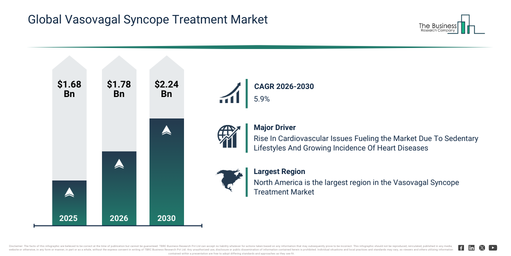
    The vasovagal syncope treatment market size has experienced robust growth in recent years. It is projected to expand from $1.68 billion in 2025 to $1.78 billion by 2026, demonstrating a compound annual growth rate (CAGR) of 6.1%. This historical growth is primarily attributable to factors such as an improved understanding of autonomic nervous system disorders, an increase in the diagnosis of syncope conditions, the availability of tilt-table testing, the adoption of lifestyle counseling approaches, and the expansion of cardiology outpatient services.

    The vasovagal syncope treatment market size is anticipated to demonstrate substantial growth in the upcoming years. It is forecasted to expand to $2.24 billion by 2030, progressing at a compound annual growth rate (CAGR) of 5.9%. This growth throughout the forecast period can be attributed to the increasing development of targeted pharmacological treatments, rising awareness of syncope prevention strategies, the expansion of home-based care models, the growing integration of digital monitoring tools, and a heightened focus on patient-centric care delivery. Prominent trends expected in this period include the increasing adoption of non-invasive diagnostic techniques, a growing emphasis on lifestyle-based treatment approaches, the rising use of personalized medication protocols, the expansion of outpatient management programs, and enhanced integration of psychological therapy.

    Access Your Free Sample Report For In-Depth Market Analysis:

    https://www.thebusinessresearchcompany.com/sample.aspx?id=23563&type=smp

    What Leading Drivers Are Supporting The Vasovagal Syncope Treatment Market Expansion?

    The rise in cardiovascular issues is expected to propel the growth of the vasovagal syncope treatment market going forward. Cardiovascular issues encompass a range of conditions affecting the heart and blood vessels, including heart disease, hypertension, stroke, and arrhythmias. The increase in these issues is primarily attributed to unhealthy diets, as excessive consumption of processed foods, saturated fats, and high sodium levels contributes to conditions like hypertension, obesity, and high cholesterol, which significantly elevate the risk of heart disease. Vasovagal syncope treatment assists with cardiovascular issues by stabilizing blood pressure, improving autonomic regulation, and preventing sudden drops in heart rate that can lead to fainting and reduced blood flow to vital organs. For instance, in October 2024, according to the Centers for Disease Control and Prevention (CDC), a US-based federal public health agency, cardiovascular disease accounted for 919,032 deaths in the United States, representing approximately one in every three deaths nationwide. Therefore, the growing prevalence of cardiovascular issues is driving the expansion of the vasovagal syncope treatment market. The expansion of telehealth services is expected to propel the growth of the vasovagal syncope treatment market going forward. Telehealth services involve the use of digital communication technologies, such as video calls, phone calls, and online platforms, to provide remote healthcare, enabling patients to consult with healthcare professionals without requiring an in-person visit to a medical facility. This expansion is driven by an increasing demand for convenient healthcare access, as more patients seek remote consultations, thereby reducing the need for physical visits and offering greater flexibility, particularly in rural or underserved areas. Vasovagal syncope treatment, through remote monitoring and virtual consultations, enhances telehealth services by enabling timely interventions and personalized care for patients, improving accessibility, and reducing the need for in-person visits. For example, in November 2025, data from the Australian Bureau of Statistics (ABS), an Australia-based government statistical agency, indicated that 22.5% of Australians utilized telehealth services in 2024–25. Among those who had a telehealth consultation, 90.3% reported they would use telehealth again if offered, an increase from 89.2% in 2023–24, signaling growing acceptance and continued adoption. Thus, the broadening of telehealth services is a key driver for the vasovagal syncope treatment market.

    Which Segment Types Are Examined In The Vasovagal Syncope Treatment Market Segment Study?

    The vasovagal syncope treatment market covered in this report is segmented –

    1) By Treatment Method: Medication, Lifestyle Modification, Surgical Intervention, Psychological Therapy

    2) By Diagnosis Type: Electrocardiogram, Tilt Table Test, Electrophysiological Study

    3) By Patient Age Group: Pediatric, Adult, Geriatric

    4) By Application: Cardiogenic, Neurological, Metabolic, Vasomotor, Other Applications

    5) By End User: Hospitals, Specialty Clinics, Home, Healthcare

    Subsegments:

    1) By Medication: Prescription Drugs, Over-The-Counter (OTC) Medications, Herbal Or Alternative Medications, Injections Or Infusions

    2) By Lifestyle Modification: Dietary Changes, Physical Activity, Sleep Hygiene, Stress Management, Substance Avoidance

    3) By Surgical Intervention: Minimally Invasive Surgeries, Major Surgical Procedures, Cosmetic Surgery, Bariatric Surgery, Orthopedic Surgeries

    4) By Psychological Therapy: Cognitive Behavioral Therapy (CBT), Psychodynamic Therapy, Dialectical Behavior Therapy (DBT), Interpersonal Therapy (IPT), Group Therapy, Family Therapy, Supportive Therapy, Play Therapy

    Which Players Are Part Of The Competitive Landscape Of The Vasovagal Syncope Treatment Market?

    Major companies operating in the vasovagal syncope treatment market are Medtronic plc, Boston Scientific Corporation, Biotronik SE & Co. KG, LivaNova plc, Abbott Laboratories, Philips Healthcare, GE Healthcare, Edwards Lifesciences Corporation, ZOLL Medical Corporation, Nihon Kohden Corporation, MicroPort Inc, Lepu Medical Technology Co Ltd, Osypka AG, Oscor Inc, Pacetronix Inc, AliveCor Inc, SmartMedical UK Ltd, Microlife Corporation, Vectorious Medical Technologies, Implicity Inc, Octagos Health Inc, Nihon Kohden Corporation

    Get The Full Vasovagal Syncope Treatment Market Report:

    https://www.thebusinessresearchcompany.com/report/vasovagal-syncope-treatment-global-market-report

    Which Region Holds The Highest Market Share In The Vasovagal Syncope Treatment Market?

    North America was the largest region in the vasovagal syncope treatment market in 2025. The regions covered in the vasovagal syncope treatment market report are Asia-Pacific, South East Asia, Western Europe, Eastern Europe, North America, South America, Middle East, Africa.

    Request A Customized Vasovagal Syncope Treatment Market Report For Competitive Insights:

    https://www.thebusinessresearchcompany.com/report/vasovagal-syncope-treatment-global-market-report

    Browse Through More Reports Similar to the Global Vasovagal Syncope Treatment Market 2026, By The Business Research Company

    Peripheral Vasodilator Drugs Market Report 2026

    https://www.thebusinessresearchcompany.com/report/peripheral-vasodilator-drugs-global-market-report

    Vaginitis Therapeutics Market Report

    https://www.thebusinessresearchcompany.com/report/vaginitis-therapeutics-global-market-report

    Vasomotor Menopausal Symptoms Vms Treatment Market Report

    https://www.thebusinessresearchcompany.com/report/vasomotor-menopausal-symptoms-vms-treatment-global-market-report

    Get in touch with us:

    The Business Research Company: https://www.thebusinessresearchcompany.com/

    Americas +1 310-496-7795

    Asia +44 7882 955267 & +91 8897263534

    Europe +44 7882 955267

    Email us at info@tbrc.info

    Follow us on:

    LinkedIn: https://in.linkedin.com/company/the-business-research-company

    YouTube: https://www.youtube.com/channel/UC24_fI0rV8cR5DxlCpgmyFQ

    Global Market Model: https://www.thebusinessresearchcompany.com/global-market-model
  • Vasopressor Market Insights Highlighting Growth Opportunities Through 2030

    Vasopressor Market Insights Highlighting Growth Opportunities Through 2030

    The Business Research Company’s 2026 market reports feature enhanced tools like market attractiveness analysis, TAM assessment, and company scoring matrices, along with interactive dashboards, deeper supply chain insights, and startup coverage strengthening the depth, usability, and strategic value of insights.

    What Changes In Market Value Are Expected For The Vasopressor Market Over The 2026–2030 Period?

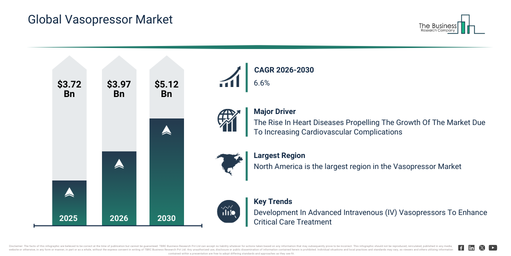
    The vasopressor market has shown significant expansion in recent years. It is anticipated to grow from $3.72 billion in 2025 to $3.97 billion in 2026, achieving a compound annual growth rate (CAGR) of 6.7%. This historical growth can be attributed to a higher incidence of septic shock cases, improvements in critical care infrastructure, the broad acceptance of catecholamine therapies, enhanced emergency response systems, and increasing ICU admission rates.

    The vasopressor market size is anticipated to experience substantial growth over the coming years, projected to reach $5.12 billion by 2030, exhibiting a compound annual growth rate (CAGR) of 6.6%. This expansion throughout the forecast period is primarily fueled by factors such as the increasing development of next-generation vasopressors, a heightened focus on precision critical care medicine, the broadening of emergency medical services capacity, the growing integration of digital ICU systems, and a rising demand for rapid hemodynamic stabilization therapies. Significant trends expected during this forecast period encompass the increasing use of advanced vasopressor formulations, a rising emphasis on protocol-driven critical care management, the growing adoption of combination vasopressor therapies, the expansion of ICU monitoring integration, and an enhanced focus on rapid-response treatment.

    Access Your Free Sample Report For In-Depth Market Analysis:

    https://www.thebusinessresearchcompany.com/sample.aspx?id=23562&type=smp

    Which Key Factors Are Driving The Vasopressor Market Growth?

    An anticipated increase in heart disease cases is projected to drive the expansion of the vasopressor market moving ahead. These conditions encompass various ailments that impact the heart’s design and operation, such as coronary artery disease, irregular heartbeats, heart failure, and congenital cardiac anomalies. The growing prevalence of inactive lifestyles contributes to obesity and suboptimal cardiovascular well-being, substantially elevating the risk of developing heart conditions. Vasopressors aid in treating heart disease by narrowing blood vessels, consequently raising blood pressure and enhancing perfusion to essential organs, thus bolstering cardiovascular function in urgent situations. As an illustration, data from October 2024 by the Centers for Disease Control and Prevention (CDC), a federal public health agency based in the US, indicated that cardiovascular diseases were responsible for 919,032 deaths in the United States, constituting roughly one in every three deaths nationwide. Consequently, the escalating incidence of heart disease fuels the growth of the vasopressor market.

    How Are Different Segments Classified In The Vasopressor Market Segment Analysis?

    The vasopressor market covered in this report is segmented –

    1) By Type: Catecholamines, Non-Catecholamines, Vasopressin

    2) By Route Of Administration: Intravenous (IV), Intraosseous, Inhalational

    3) By Applications: Hypotension Management, Septic Shock Treatment, Cardiogenic Shock Support, Post-Surgical Management, Other Critical Care Applications

    4) By End Users: Hospitals, Ambulatory Surgical Centers, Emergency Medical Services, Home Care Settings

    Subsegments:

    1) By Catecholamines: Norepinephrine, Epinephrine, Dopamine, Isoproterenol

    2) By Non-Catecholamines: Phenylephrine, Angiotensin II

    3) By Vasopressin: Vasopressin, Terlipressin, Selepressin

    Which Trends Are Guiding The Direction Of The Vasopressor Market?

    Leading companies in the vasopressor market are prioritizing the development of advanced products like intravenous (IV) vasopressors to improve blood pressure regulation and enhance patient outcomes. These IV vasopressors function by constricting blood vessels and elevating blood pressure in patients experiencing severe hypotension or shock, thus ensuring adequate blood flow to vital organs. As an illustration, in June 2023, Fresenius Kabi AG, a Germany-based pharmaceutical firm, introduced Vasopressin Injection, USP, which is a generic version of Vasostrict, within the United States, thereby expanding its critical care product range. This specific medication is intended for adults suffering from vasodilatory shock who continue to have low blood pressure despite the administration of fluids and catecholamines. It is supplied in a single-dose vial, each containing 20 units per 1 mL.

    Who Are The Companies Driving Activity In The Vasopressor Market?

    Major companies operating in the vasopressor market are Pfizer Inc., Merck And Co Inc., Novartis AG, Baxter International Inc., Fresenius Kabi AG, Dr. Reddy’s Laboratories Limited, Hikma Pharmaceuticals PLC, Endo Inc., Amphastar Pharmaceuticals Inc., American Regent Incorporated, Celon Laboratories Ltd., Sagent Pharmaceuticals Inc., Civica Rx, Eton Pharmaceuticals Inc., Amomed Pharma GmbH, Health Biotech Limited, Samarth Life Sciences Pvt. Ltd, Pace Biotech Limited

    Get The Full Vasopressor Market Report:

    https://www.thebusinessresearchcompany.com/report/vasopressor-global-market-report

    Where Is The Vasopressor Market Most Concentrated Geographically?

    North America was the largest region in the vasopressor market in 2025. Asia-Pacific is expected to be the fastest-growing region in the forecast period. The regions covered in the vasopressor market report are Asia-Pacific, South East Asia, Western Europe, Eastern Europe, North America, South America, Middle East, Africa.

    Request A Customized Vasopressor Market Report For Competitive Insights:

    https://www.thebusinessresearchcompany.com/report/vasopressor-global-market-report

    Browse Through More Reports Similar to the Global Vasopressor Market 2026, By The Business Research Company

    Vasodilators Market Report 2026

    https://www.thebusinessresearchcompany.com/report/vasodilators-global-market-report

    Excavator Market Report

    https://www.thebusinessresearchcompany.com/report/excavator-global-market-report

    Mechanical Ventilator Market

    https://www.thebusinessresearchcompany.com/report/mechanical-ventilator-market

    Get in touch with us:

    The Business Research Company: https://www.thebusinessresearchcompany.com/

    Americas +1 310-496-7795

    Asia +44 7882 955267 & +91 8897263534

    Europe +44 7882 955267

    Email us at info@tbrc.info

    Follow us on:

    LinkedIn: https://in.linkedin.com/company/the-business-research-company

    YouTube: https://www.youtube.com/channel/UC24_fI0rV8cR5DxlCpgmyFQ

    Global Market Model: https://www.thebusinessresearchcompany.com/global-market-model
  • Vasomotor Menopausal Symptoms (VMS) Treatment Market Expected to Reach $26.47 Billion by 2030 at 7.1% CAGR

    Vasomotor Menopausal Symptoms (VMS) Treatment Market Expected to Reach $26.47 Billion by 2030 at 7.1% CAGR

    The Business Research Company’s 2026 market reports feature enhanced tools like market attractiveness analysis, TAM assessment, and company scoring matrices, along with interactive dashboards, deeper supply chain insights, and startup coverage strengthening the depth, usability, and strategic value of insights.

    By 2030, What Market Size Is The Vasomotor Menopausal Symptoms (VMS) Treatment Market Expected To Reach Based On Its 2026 Value?

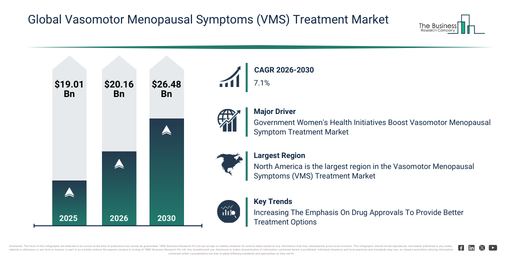
    The vasomotor menopausal symptoms (vms) treatment market has experienced significant growth in recent years. This market is anticipated to increase from $19.01 billion in 2025 to $20.16 billion in 2026, achieving a compound annual growth rate (CAGR) of 6.0%. The expansion observed in the historical period can be ascribed to the increasing prevalence of menopausal symptoms, the widespread utilization of hormone replacement therapy, expanding clinical research focused on neurotransmitter-based treatments, the broader availability of women’s health services, and improved access to specialty clinics.

    The vasomotor menopausal symptoms (vms) treatment market is poised for robust expansion over the coming years, with its valuation projected to reach $26.48 billion by 2030, exhibiting a compound annual growth rate (CAGR) of 7.1%. This anticipated growth is fueled by factors such as an escalating demand for non-hormonal treatment alternatives, heightened awareness regarding menopause-related health management, increasing investments dedicated to women’s health research, the expanding reach of telemedicine for treatment delivery, and advancements in next-generation VMS therapeutics. Key developments anticipated during this forecast period encompass the accelerating creation of non-hormonal therapies, a rising embrace of personalized menopause treatment plans, the growing utilization of digital health platforms for symptom management, the broadening scope of combination drug therapies, and an intensified focus on long-term safety profiles.

    Access Your Free Sample Report For In-Depth Market Analysis:

    https://www.thebusinessresearchcompany.com/sample.aspx?id=13051&type=smp

    What Primary Drivers Are Shaping The Vasomotor Menopausal Symptoms (VMS) Treatment Market?

    Government programs focusing on women’s health during menopause are anticipated to drive the expansion of the vasomotor menopausal symptom’s treatment market in the future. These government efforts for menopausal well-being include financial support for groundbreaking research into the menopausal transition, disease prevention, and various pharmacological, clinical, and epidemiological facets. Such endeavors form a component of wider women’s health strategies that tackle a range of issues. To illustrate, in January 2023, the Government of New South Wales, an Australian government body, commenced a plan to allocate $40.3 million across four years (from 2022-2023 to 2025-2026) for establishing up to 16 novel programs aimed at women experiencing acute menopausal symptoms. Consequently, government actions promoting women’s health during menopause are stimulating the growth of the vasomotor menopausal symptom’s treatment market.

    How Is The Vasomotor Menopausal Symptoms (VMS) Treatment Market Categorized Across Its Segment Groups?

    The vasomotor menopausal symptoms (vms) treatment market covered in this report is segmented –

    1) By Drug Class: Antidepressants, Fluoxetine, Paroxetine, Sertraline, Hormone Therapy, Anticonvulsant, Other Drug Classes

    2) By Distribution Channel: Hospital Pharmacy, Retail Pharmacy, Online Pharmacy, Other Distribution Channels

    3) By End-User: Hospitals, Specialty Clinics, Homecare, Other End-Users

    Subsegments:

    1) By Antidepressants: SSRIs (Selective Serotonin Reuptake Inhibitors), SNRIs (Serotonin-Norepinephrine Reuptake Inhibitors), TCAs (Tricyclic Antidepressants), MAOIs (Monoamine Oxidase Inhibitors), Atypical Antidepressants

    2) By Fluoxetine: Depression, Obsessive-Compulsive Disorder (OCD), Panic Disorder, Generalized Anxiety Disorder (GAD), Post-Traumatic Stress Disorder (PTSD), Social Anxiety Disorder, Premenstrual Dysphoric Disorder (PMDD)

    3) By Paroxetine: Depression, Obsessive-Compulsive Disorder (OCD), Panic Disorder, Generalized Anxiety Disorder (GAD), Post-Traumatic Stress Disorder (PTSD), Social Anxiety Disorder, Premenstrual Dysphoric Disorder (PMDD)

    4) By Sertraline: Depression, Obsessive-Compulsive Disorder (OCD), Panic Disorder, Post-Traumatic Stress Disorder (PTSD), Social Anxiety Disorder, Premenstrual Dysphoric Disorder (PMDD)

    5) By Hormone Therapy: Estrogen Replacement Therapy (ERT), Progestin Therapy, Combined Hormonal Therapy (CHT), Testosterone Replacement Therapy (TRT)

    6) By Anticonvulsant: Hydantoins, Barbiturates, Benzodiazepines, Valproates, Succinimides, Carboxylic Acid Derivatives

    7) By Other Drug Classes: Antibiotics, Analgesics, Antidiabetics, Antihypertensives, Anticoagulants, Immunosuppressants, Antipsychotics, Antihistamines

    What Trends Are Affecting The Growth Of The Vasomotor Menopausal Symptoms (VMS) Treatment Market?

    Leading companies active in the vasomotor menopausal symptoms treatment market are developing products like Veozah and securing approvals to introduce new treatment options and address patients’ unmet medical requirements. The authorization of novel medications for menopause offers enhanced effectiveness and safety when contrasted with current therapies. For instance, in May 2023, Astellas Pharma Inc, a Japan-based pharmaceutical company, obtained approval for Veozah (fezolinetant) 45 mg once daily from the Food and Drug Administration (FDA), a US-based federal agency, for managing menopausal vasomotor symptoms (VMS), which vary from mild to severe. It stands as the first nonhormonal neurokinin 3 (NK3) receptor antagonist to receive authorization for treating menopausal-related VMS. This hormone-free option works by blocking a specific pathway in the brain involved in regulating these symptoms. It presents an alternative therapeutic choice for women experiencing such symptoms, particularly those who cannot or choose to avoid hormone therapy. The sanctioning of Veozah underscores its promise as an innovative medication for handling menopausal symptoms.

    Which Firms Are Influencing Competition In The Vasomotor Menopausal Symptoms (VMS) Treatment Market?

    Major companies operating in the vasomotor menopausal symptoms (vms) treatment market are Pfizer Inc., Abbvie Inc., Novartis AG, Teva Pharmaceutical Industries Ltd., Mylan N.V., Sun Pharmaceutical Industries Ltd., Aurobindo Pharma Limited, Kyowa Kirin Co. Ltd., Dr. Reddy’s Laboratories Ltd., Alembic Pharmaceuticals Limited Inc., Apotex Inc., Hikma Pharmaceutical plc, Endo Pharmaceuticals plc, Amneal Pharmaceuticals LLC, Mundipharma International Ltd., Lupin Limited, Glenmark Pharmaceuticals Ltd., Hisamitsu Pharmaceutical Co. Inc., Emcure Pharmaceuticals Limited, Wockhardt Pvt. Ltd., QuatRx Pharmaceuticals Company, Bionovo Inc., Mithra Pharmaceuticals SA, EndoCeutics Inc., Zydus Group, Edgemont Pharmaceuticals LLC, MenoGeniX Inc., Agile Therapeutics Inc

    Get The Full Vasomotor Menopausal Symptoms (VMS) Treatment Market Report:

    https://www.thebusinessresearchcompany.com/report/vasomotor-menopausal-symptoms-vms-treatment-global-market-report

    Which Region Dominates The Vasomotor Menopausal Symptoms (VMS) Treatment Market By Market Share?

    North America was the largest region in the vasomotor menopausal symptoms (VMS) treatment market in 2025. The regions covered in the vasomotor menopausal symptoms (vms) treatment market report are Asia-Pacific, South East Asia, Western Europe, Eastern Europe, North America, South America, Middle East, Africa.

    Request A Customized Vasomotor Menopausal Symptoms (VMS) Treatment Market Report For Competitive Insights:

    https://www.thebusinessresearchcompany.com/report/vasomotor-menopausal-symptoms-vms-treatment-global-market-report

    Browse Through More Reports Similar to the Global Vasomotor Menopausal Symptoms (VMS) Treatment Market 2026, By The Business Research Company

    Menopausal Hot Flashes Market Report 2026

    https://www.thebusinessresearchcompany.com/report/menopausal-hot-flashes-global-market-report

    Menopause Market Report

    https://www.thebusinessresearchcompany.com/report/menopause-global-market-report

    Vulvodynia Treatment Market Report

    https://www.thebusinessresearchcompany.com/report/vulvodynia-treatment-global-market-report

    Get in touch with us:

    The Business Research Company: https://www.thebusinessresearchcompany.com/

    Americas +1 310-496-7795

    Asia +44 7882 955267 & +91 8897263534

    Europe +44 7882 955267

    Email us at info@tbrc.info

    Follow us on:

    LinkedIn: https://in.linkedin.com/company/the-business-research-company

    YouTube: https://www.youtube.com/channel/UC24_fI0rV8cR5DxlCpgmyFQ

    Global Market Model: https://www.thebusinessresearchcompany.com/global-market-model
  • Vasoactive Intestinal Peptide Tumor Market Outlook Projected to Reach $2.14 Billion by 2030

    Vasoactive Intestinal Peptide Tumor Market Outlook Projected to Reach $2.14 Billion by 2030

    The Business Research Company’s 2026 market reports feature enhanced tools like market attractiveness analysis, TAM assessment, and company scoring matrices, along with interactive dashboards, deeper supply chain insights, and startup coverage strengthening the depth, usability, and strategic value of insights.

    What Is The Anticipated Rise In Market Value Of The Vasoactive Intestinal Peptide Tumor Market During The Forecast Period?

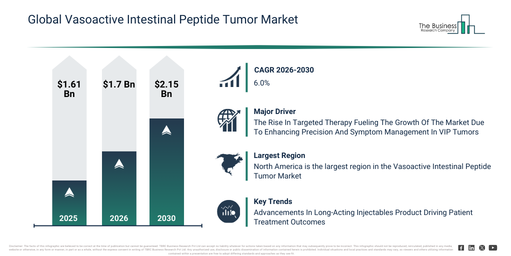
    The market for vasoactive intestinal peptide tumors has experienced substantial growth recently. Projections indicate its expansion from $1.61 billion in 2025 to $1.7 billion by 2026, demonstrating a compound annual growth rate (CAGR) of 6.2%. Historically, this expansion has stemmed from factors such as enhanced detection methods for neuroendocrine tumors, a greater prevalence of specialized oncology centers, the increasing application of imaging-based diagnostics, the prompt uptake of somatostatin analog therapies, and refinements in pancreatic surgery techniques.

    The vasoactive intestinal peptide tumor market is projected to experience substantial expansion over the upcoming years. This market is anticipated to reach a valuation of $2.15 billion by 2030, exhibiting a compound annual growth rate (CAGR) of 6.0%. Several factors are set to drive this growth during the projected period, including increased funding for rare cancer research, the escalating creation of innovative targeted medications, wider acceptance of precision medicine strategies, the broadening of specialized cancer care facilities, and enhanced understanding of rare endocrine conditions. Key developments expected in the forecast timeframe involve the greater embrace of targeted therapy methods, the increasing application of sophisticated imaging for prompt diagnosis, a heightened emphasis on individualized treatment plans, the wider availability of minimally invasive surgical procedures, and improved incorporation of collaborative care frameworks.

    Access Your Free Sample Report For In-Depth Market Analysis:

    https://www.thebusinessresearchcompany.com/sample.aspx?id=23561&type=smp

    Which Major Drivers Are Influencing The Expansion Of The Vasoactive Intestinal Peptide Tumor Market?

    The expansion of targeted therapy is projected to drive the growth of the Vasoactive Intestinal Peptide Tumor Market moving forward. Targeted therapies are medical interventions designed to focus on specific molecules or cellular pathways crucial for disease progression, particularly in cancer, enabling them to selectively attack abnormal cells while causing minimal damage to healthy ones. The proliferation of targeted therapies is fueled by precision medicine, which improves their effectiveness by concentrating on distinct genetic mutations and thereby reducing side effects. For VIP tumors, targeted therapies work by inhibiting key pathways responsible for tumor growth and hormone release. This action helps in decreasing VIP levels, thereby easing symptoms such as severe diarrhea and slowing the disease’s advancement. For example, in July 2024, the American Society of Gene and Cell Therapy (ASGCT), a US-based professional membership organization, indicated that 76 gene therapy trials began in the second quarter of 2024, which marked a 25 % increase from the prior quarter. Therefore, the progress in targeted therapy is stimulating the expansion of the Vasoactive Intestinal Peptide Tumor Market.

    How Are Segments Identified Within The Vasoactive Intestinal Peptide Tumor Market Segment Framework?

    The vasoactive intestinal peptide tumor market covered in this report is segmented –

    1) By Treatment: Surgical Intervention, Radiotherapy, Chemotherapy, Targeted Therapy

    2) By Diagnosis: Imaging Techniques, Biopsy, Endoscopic Ultrasound

    3) By Therapeutic Approach: Palliative Care, Curative Treatment, Adjuvant Treatment

    4) By End-User: Hospitals, Cancer Specialty Clinics, Diagnostic Laboratories

    Subsegments:

    1) By Surgical Intervention: Tumor Resection, Debulking Surgery, Minimally Invasive Surgery

    2) By Radiotherapy: External Beam Radiation Therapy (EBRT), Stereotactic Body Radiation Therapy (SBRT), Proton Therapy

    3) By Chemotherapy: Cytotoxic Chemotherapy, Combination Chemotherapy, Adjuvant And Neoadjuvant Chemotherapy

    4) By Targeted Therapy: Somatostatin Analog Therapy, Tyrosine Kinase Inhibitors (TKIs), Monoclonal Antibodies

    Which Trends Are Shaping The Vasoactive Intestinal Peptide Tumor Market?

    Leading companies within the vasoactive intestinal peptide tumor market are concentrating on developing advanced products, such as long-acting injectable suspensions, to boost treatment effectiveness, improve patient adherence, and offer prolonged symptom alleviation. Long-acting injectable suspensions are medications designed to release their active components gradually over an extended timeframe, thereby reducing the need for frequent administration. As an illustration, in October 2024, Teva Pharmaceutical Industries Ltd., a US-based pharmaceutical company, introduced the initial and only generic variant of Sandostatin LAR Depot (octreotide acetate for injectable suspension) in the U.S. This medication is utilized for long-term maintenance therapy in acromegaly patients who experienced an inadequate response to surgery or radiotherapy. It also treats severe diarrhea and flushing symptoms associated with metastatic carcinoid tumors and VIP-secreting tumors. The introduction of this product highlights Teva’s proficiency in complex generics and aligns with its objective of sustaining a robust position in the generic pharmaceuticals market.

    Who Are The Companies Competing Within The Vasoactive Intestinal Peptide Tumor Market?

    Major companies operating in the vasoactive intestinal peptide tumor market are Pfizer Inc., Novartis AG, Mayo Clinic, Mount Sinai Hospital, Cleveland Clinic Laboratories, Penn Medicine, Stanford Health Care, UCSF Health, ARUP Laboratories, Dr. Lal PathLabs, Cancer Research UK, Medicover Hospitals, Ganesh Diagnostic, Ipsen Pharma SA, F Hoffmann-La Roche Ltd, Eli Lilly and Company, Boehringer Ingelheim International GmbH, Bristol-Myers Squibb Company, Merck & Co

    Get The Full Vasoactive Intestinal Peptide Tumor Market Report:

    https://www.thebusinessresearchcompany.com/report/vasoactive-intestinal-peptide-tumor-global-market-report

    Which Region Is The Largest In The Vasoactive Intestinal Peptide Tumor Market?

    North America was the largest region in the vasoactive intestinal peptide tumor market in 2025. The regions covered in the vasoactive intestinal peptide tumor market report are Asia-Pacific, South East Asia, Western Europe, Eastern Europe, North America, South America, Middle East, Africa.

    Request A Customized Vasoactive Intestinal Peptide Tumor Market Report For Competitive Insights:

    https://www.thebusinessresearchcompany.com/report/vasoactive-intestinal-peptide-tumor-global-market-report

    Browse Through More Reports Similar to the Global Vasoactive Intestinal Peptide Tumor Market 2026, By The Business Research Company

    Glucagon Like Peptide 1 Market Report 2026

    https://www.thebusinessresearchcompany.com/report/glucagon-like-peptide-1-global-market-report

    Peptide Therapeutics Market Report

    https://www.thebusinessresearchcompany.com/report/peptide-therapeutics-global-market-report

    Gastrointestinal Stromal Tumor Market Report

    https://www.thebusinessresearchcompany.com/report/gastrointestinal-stromal-tumor-global-market-report

    Get in touch with us:

    The Business Research Company: https://www.thebusinessresearchcompany.com/

    Americas +1 310-496-7795

    Asia +44 7882 955267 & +91 8897263534

    Europe +44 7882 955267

    Email us at info@tbrc.info

    Follow us on:

    LinkedIn: https://in.linkedin.com/company/the-business-research-company

    YouTube: https://www.youtube.com/channel/UC24_fI0rV8cR5DxlCpgmyFQ

    Global Market Model: https://www.thebusinessresearchcompany.com/global-market-model
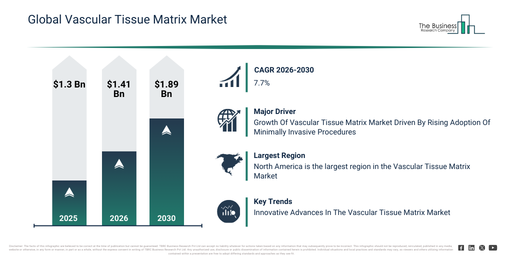
  • Vascular Tissue Matrix Market Revenue Forecast to Reach $1.89 Billion by 2030 at 7.7% CAGR

    Vascular Tissue Matrix Market Revenue Forecast to Reach $1.89 Billion by 2030 at 7.7% CAGR

    The Business Research Company’s 2026 market reports feature enhanced tools like market attractiveness analysis, TAM assessment, and company scoring matrices, along with interactive dashboards, deeper supply chain insights, and startup coverage strengthening the depth, usability, and strategic value of insights.

    How Is The Market Size Of The Vascular Tissue Matrix Market Expected To Scale Between 2026 And 2030?

    The vascular tissue matrix market has experienced substantial growth in recent years. Its valuation is projected to increase from $1.3 billion in 2025 to $1.41 billion in 2026, exhibiting a compound annual growth rate (CAGR) of 8.1%. This historical expansion can be attributed to several factors including the increasing prevalence of cardiovascular diseases, expansion of reconstructive surgical procedures, advancements in biomaterial science, growth of regenerative medicine research, and availability of tissue processing technologies.

    The vascular tissue matrix market is anticipated to observe substantial expansion in the upcoming years, projected to reach $1.89 billion by 2030, exhibiting a compound annual growth rate (CAGR) of 7.7%. This expansion during the forecast period stems from the increasing demand for vascular regeneration solutions, growing investments in tissue engineering, the broadening adoption of personalized medicine approaches, the expanding application of advanced biomaterials, and continuous innovation in scaffold fabrication technologies. Significant developments expected during this timeframe include the increasing integration of biologic vascular scaffolds, a rising need for regenerative cardiovascular therapies, the growing utilization of decellularized tissue matrices, wider deployment of tissue engineering applications, and an intensified focus on biocompatibility and long-term integration.

    Access Your Free Sample Report For In-Depth Market Analysis:

    https://www.thebusinessresearchcompany.com/sample.aspx?id=19746&type=smp

    What Key Drivers Are Fueling The Growth Of The Vascular Tissue Matrix Market?

    The increasing use of minimally invasive procedures is projected to fuel the expansion of the vascular tissue matrix market in the future. These procedures involve medical or surgical interventions needing only minor or no incisions. The popularity of minimally invasive methods is growing because they offer quicker recovery, reduced complication risks, and less post-operative discomfort compared to conventional operations. In such procedures, a vascular tissue matrix assists in supporting and regenerating blood vessels, avoiding the necessity for broad surgical intervention. For example, in January 2024, Intuitive Surgical Inc., a US-based robotic product manufacturer, disclosed the deployment of 415 da Vinci surgical systems (robotic systems employing a minimally invasive surgical technique) during the fourth quarter of 2023, indicating a 12% rise over 2022. Consequently, the expansion of minimally invasive procedures is stimulating the growth of the vascular tissue matrix market.

    What Are The Key Segment Divisions In The Vascular Tissue Matrix Market Segment Structure?

    The vascular tissue matrix market covered in this report is segmented –

    1) By Type: Biologic Matrix, Synthetic Matrix

    2) By Therapeutic Area: Orthopedics, Dermatology, Cardiology, Neurology, Other Therapeutics

    3) By Application: Hospital, Clinic, Other Applications

    Subsegments:

    1) By Biologic Matrix: Allograft Matrix, Xenograft Matrix, Autograft Matrix, Decellularized Matrix

    2) By Synthetic Matrix: Polymer-Based Matrix, Hydrogel Matrix, Nanofiber Matrix

    What Trends Are Influencing The Vascular Tissue Matrix Market?

    Leading companies operating within the vascular tissue matrix market are intensifying their efforts to develop innovative products, such as tissue matrix derived from human umbilical cord extracellular matrix (ECM), in order to gain a competitive advantage in the market. A tissue matrix originating from the human umbilical cord extracellular matrix functions as a scaffold composed of the structural proteins and molecules found within the umbilical cord’s extracellular matrix. For instance, in February 2024, StimLabs LLC, a US-based biotechnology company, announced that its novel wound care device, Corplex P, received 510(k) clearance from the U.S. Food and Drug Administration (FDA). This device, which is the first graft derived from the human umbilical cord ECM, is specifically designed for treating acute and chronic wounds. It incorporates connective tissue matrix components, including collagens and glycosaminoglycans such as hyaluronic acid, thereby offering a porous scaffold that supports cellular infiltration and tissue regeneration. Corplex P is intended for the management of various wound types, including partial- and full-thickness wounds, pressure ulcers, diabetic ulcers, surgical wounds, and trauma wounds.

    Which Organizations Are Engaged In The Vascular Tissue Matrix Market?

    Major companies operating in the vascular tissue matrix market are Abbott Laboratories, Medtronic PLC, Baxter International Inc., Boston Scientific Corporation, Terumo Corporation, Edwards Lifesciences Corporation, W. L. Gore & Associates Inc., Getinge Group, Integra LifeSciences Corporation, Artivion Inc., CryoLife Inc., LeMaitre Vascular Inc., Cook Medical Inc., Humacyte Inc., BioCardia Inc., Organogenesis Holdings Inc., AxoGen Inc., Collagen Matrix Inc., ACell Inc., Reva Medical Inc.

    Get The Full Vascular Tissue Matrix Market Report:

    https://www.thebusinessresearchcompany.com/report/vascular-tissue-matrix-global-market-report

    Which Region Leads The Vascular Tissue Matrix Market In Terms Of Market Share?

    North America was the largest region in the vascular tissue matrix market in 2025. The regions covered in the vascular tissue matrix market report are Asia-Pacific, South East Asia, Western Europe, Eastern Europe, North America, South America, Middle East, Africa.

    Request A Customized Vascular Tissue Matrix Market Report For Competitive Insights:

    https://www.thebusinessresearchcompany.com/report/vascular-tissue-matrix-global-market-report

    Browse Through More Reports Similar to the Global Vascular Tissue Matrix Market 2026, By The Business Research Company

    Vascular Endothelial Growth Factor Inhibitors Market Report 2026

    https://www.thebusinessresearchcompany.com/report/vascular-endothelial-growth-factor-inhibitors-global-market-report

    Vascular Stent Market Report

    https://www.thebusinessresearchcompany.com/report/vascular-stent-global-market-report

    Vascular Access Devices Market Report

    https://www.thebusinessresearchcompany.com/report/vascular-access-devices-global-market-report

    Get in touch with us:

    The Business Research Company: https://www.thebusinessresearchcompany.com/

    Americas +1 310-496-7795

    Asia +44 7882 955267 & +91 8897263534

    Europe +44 7882 955267

    Email us at info@tbrc.info

    Follow us on:

    LinkedIn: https://in.linkedin.com/company/the-business-research-company

    YouTube: https://www.youtube.com/channel/UC24_fI0rV8cR5DxlCpgmyFQ

    Global Market Model: https://www.thebusinessresearchcompany.com/global-market-model