Category: Healthcare Services

  • Vascular Imaging Market Outlook Showing Steady Growth Through 2030

    Vascular Imaging Market Outlook Showing Steady Growth Through 2030

    The Business Research Company’s 2026 market reports feature enhanced tools like market attractiveness analysis, TAM assessment, and company scoring matrices, along with interactive dashboards, deeper supply chain insights, and startup coverage strengthening the depth, usability, and strategic value of insights.

    What Level Of Market Value Growth Is Predicted For The Vascular Imaging Market From 2026 To 2030?

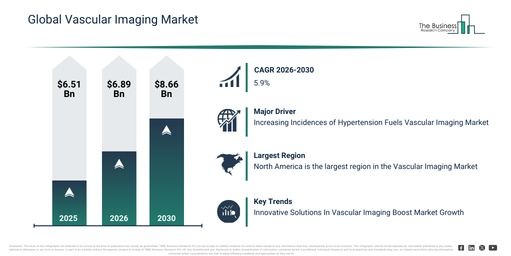
    The vascular imaging market has experienced robust expansion in recent years. This market is set to increase from $6.51 billion in 2025 to $6.89 billion in 2026, achieving a compound annual growth rate (CAGR) of 6.0%. Historically, this growth can be attributed to the expansion of diagnostic imaging infrastructure, the increasing prevalence of cardiovascular diseases, the growing utilization of angiography procedures, improved access to advanced imaging equipment, and rising clinical demand for accurate diagnostics.

    The vascular imaging market is set for robust expansion over the next few years, with expectations to grow to $8.66 billion in 2030, demonstrating a compound annual growth rate (CAGR) of 5.9%. This projected growth can be attributed to factors such as increasing investments in precision diagnostics, the rising adoption of AI-driven imaging software, the expansion of outpatient diagnostic imaging centers, a heightened focus on early disease detection, and the growing integration of imaging with treatment planning. Prominent trends expected in this forecast period include the increasing uptake of advanced vascular imaging modalities, the rising use of AI-assisted image analysis, a growing demand for high-resolution diagnostic imaging, the expansion of non-invasive vascular assessment techniques, and enhanced integration of multimodal imaging systems.

    Access Your Free Sample Report For In-Depth Market Analysis:

    https://www.thebusinessresearchcompany.com/sample.aspx?id=16564&type=smp

    Which Drivers Are Supporting The Vascular Imaging Market Growth?

    The rising occurrences of hypertension are anticipated to stimulate the expansion of the vascular imaging market in the future. Hypertension, or elevated blood pressure, describes a state where blood exerts consistently excessive force against artery walls. This condition has the potential to cause serious medical issues, including heart disease and stroke. The increase in hypertension cases is attributed to lifestyle factors such as poor dietary habits, inadequate physical activity, and stress, alongside rising obesity rates and an aging populace. Vascular imaging plays a vital role in addressing hypertension by evaluating vascular structure and function, thereby assisting in the diagnosis and management of underlying vascular irregularities that contribute to high blood pressure. For example, data from March 2024, provided by the Centers for Disease Control and Prevention, a national public health agency based in the US, indicated that hypertension prevalence was greater among men (33.2%) compared to women (27.0%). It was also higher in adults aged =65 years (60.6%) versus those aged 18–44 years (14.5%) and 45–64 years (40.3%), among black adults (40.2%) when contrasted with Asian adults (22.7%), and among individuals with less than a high school education (33.8%) compared to those with some college (31.2%) or a college degree or higher education (25.5%). Therefore, the increasing incidence of hypertension is a key driver for the growth of the vascular imaging market.

    Which Segment Categories Are Included In The Vascular Imaging Market Segment Analysis?

    The vascular imaging market covered in this report is segmented –

    1) By Technique: Magnetic Resonance Imaging, Ultrasound, Computed Tomography, Nuclear Imaging, X-Ray

    2) By Procedure: Coronary Angiography, Peripheral Angiography, Neurovascular Angiography, Vascular Ultrasound Procedures, Micro Angiography, Other Procedures

    3) By Application: Diagnostic Applications, Therapeutic Applications

    4) By End User: Hospitals, Diagnostic Imaging Centers, Other End-Users

    Subsegments:

    1) By Magnetic Resonance Imaging: Magnetic Resonance Angiography (MRA), Contrast-Enhanced MRI, 3D MRI Imaging For Vascular Analysis

    2) By Ultrasound: Doppler Ultrasound, Color Doppler Ultrasound, 3D Or 4D Ultrasound Imaging, Elastography For Vascular Imaging

    3) By Computed Tomography: Computed Tomography Angiography (CTA), Contrast-Enhanced CT Imaging, 3D CT Vascular Imaging

    4) By Nuclear Imaging: Positron Emission Tomography (PET), Single-Photon Emission Computed Tomography (SPECT), Hybrid Imaging (PET Or CT, PET Or MRI)

    5) By X-Ray: Conventional X-Ray, Digital Subtraction Angiography (DSA), Fluoroscopy For Vascular Imaging

    Which Trends Are Expected To Impact The Vascular Imaging Market?

    Leading corporations within the vascular imaging market are concentrating on creating advanced solutions, particularly wireless ultrasound imaging systems, to boost diagnostic effectiveness and elevate patient care standards. These systems are essentially portable ultrasound devices that wirelessly transmit imaging data, thereby offering enhanced flexibility and mobility in various medical environments. As an illustration, in August 2023, GE HealthCare Technologies Inc., a US-based medical technology company, introduced Vscan Air SL, a handheld, wireless ultrasound imaging system specifically designed for rapid cardiac and vascular assessments at the point of care, assisting clinicians in accelerating diagnoses and treatment strategies. Representing an advancement in the Vscan product range, Vscan Air SL incorporates GE Healthcare’s SignalMax and XDclear technology, providing excellent imaging performance marked by outstanding penetration, resolution, and sensitivity, all driven by advanced single-crystal transducer technology.

    Who Are The Active Companies Shaping The Vascular Imaging Market?

    Major companies operating in the vascular imaging market are Hitachi Ltd., Siemens AG, General Electric Company, Abbott Laboratories, Toshiba Corporation, FUJIFILM Corporation, Koninklijke Philips N.V., Stryker Corporation, Konica Minolta Inc., Terumo Corporation, Hologic Inc., Mindray Medical International Limited, Shimadzu Corporation, Canon Medical Systems Corporation, Samsung Medison Co. Ltd., Esaote SpA, BK Medical Holding Company Inc., Lumedx Corp, Alpinion Medical Systems Co. Ltd., CorVascular Diagnostics LLC

    Get The Full Vascular Imaging Market Report:

    https://www.thebusinessresearchcompany.com/report/vascular-imaging-global-market-report

    Which Region Leads The Vascular Imaging Market In Overall Market Size?

    North America was the largest region in the vascular imaging market in 2025. The regions covered in the vascular imaging market report are Asia-Pacific, South East Asia, Western Europe, Eastern Europe, North America, South America, Middle East, Africa.

    Request A Customized Vascular Imaging Market Report For Competitive Insights:

    https://www.thebusinessresearchcompany.com/report/vascular-imaging-global-market-report

    Browse Through More Reports Similar to the Global Vascular Imaging Market 2026, By The Business Research Company

    Vascular Imaging Devices Market Report 2026

    https://www.thebusinessresearchcompany.com/report/vascular-imaging-devices-global-market-report

    Medical Imaging Market Report

    https://www.thebusinessresearchcompany.com/report/medical-imaging-global-market-report

    Angiography Equipment Market Report

    https://www.thebusinessresearchcompany.com/report/angiography-equipment-global-market-report

    Get in touch with us:

    The Business Research Company: https://www.thebusinessresearchcompany.com/

    Americas +1 310-496-7795

    Asia +44 7882 955267 & +91 8897263534

    Europe +44 7882 955267

    Email us at info@tbrc.info

    Follow us on:

    LinkedIn: https://in.linkedin.com/company/the-business-research-company

    YouTube: https://www.youtube.com/channel/UC24_fI0rV8cR5DxlCpgmyFQ

    Global Market Model: https://www.thebusinessresearchcompany.com/global-market-model
  • Vascular Embolization Market Growth Forecast to Reach $5.41 Billion by 2030 at 9.9% CAGR

    Vascular Embolization Market Growth Forecast to Reach $5.41 Billion by 2030 at 9.9% CAGR

    The Business Research Company’s 2026 market reports feature enhanced tools like market attractiveness analysis, TAM assessment, and company scoring matrices, along with interactive dashboards, deeper supply chain insights, and startup coverage strengthening the depth, usability, and strategic value of insights.

    How Will The Market Value Of The Vascular Embolization Market Progress Between 2026 And 2030?

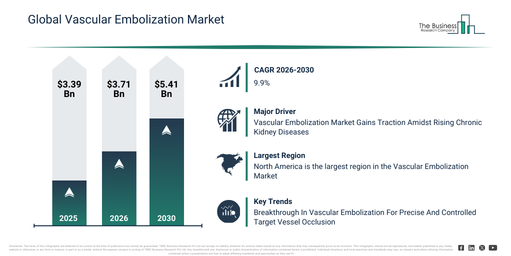
    The vascular embolization market has demonstrated substantial growth in recent years. It is anticipated to expand from $3.39 billion in 2025 to $3.71 billion in 2026, at a compound annual growth rate (CAGR) of 9.4%. This historical growth can be attributed to factors like the increased adoption of interventional radiology practices, a rising prevalence of vascular disorders, an uptick in cancer treatment procedures, improved availability of catheter-based technologies, and enhanced physician expertise in embolization.

    The vascular embolization market is projected to experience robust expansion over the coming years. Its valuation is anticipated to reach $5.41 billion by 2030, demonstrating a compound annual growth rate (CAGR) of 9.9%. This projected expansion is fueled by several factors, including a heightened need for specific therapeutic approaches, greater financial commitments in interventional oncology, an increase in outpatient embolization services, broader implementation of sophisticated imaging techniques, and a stronger emphasis on patient-centered care models. Key developments expected during this period involve a rise in the use of less invasive embolization methods, the greater utilization of innovative embolic substances, an escalating demand for interventions guided by imaging, the broadened scope of embolization applications linked to oncology, and a sharper focus on the accuracy and safety of procedures.

    Access Your Free Sample Report For In-Depth Market Analysis:

    https://www.thebusinessresearchcompany.com/sample.aspx?id=12660&type=smp

    What Key Factors Are Affecting The Vascular Embolization Market Demand?

    The increasing incidence of chronic kidney diseases is projected to drive the expansion of the vascular embolization market moving forward. Chronic Kidney Disease (CKD) denotes a state where the kidneys undergo gradual and irreversible deterioration over time. The application of vascular embolization in chronic kidney disease (CKD) serves to control bleeding arising from kidney tumors, arteriovenous malformations (AVMs), or complications stemming from kidney biopsies or transplants, thus avoiding invasive open surgery and its associated risks, particularly for patients with compromised kidney function. For instance, in June 2023, figures from ZS Associates, a UK-based Kidney Research Commission, indicated that the prevalence of kidney disease in the UK is estimated to affect 7.19 million people in 2023, constituting over 10% of the population, and is anticipated to climb to 7.61 million by 2033, with the proportion of patients in later stages of the disease increasing from 45% to 51%. Therefore, the high prevalence of chronic kidney diseases is a key factor propelling the growth of the vascular embolization market.

    How Is The Vascular Embolization Market Broken Down By Segment Categories?

    The vascular embolization market covered in this report is segmented –

    1) By Product: Embolic Agents, Embolization Devices

    2) By Embolization Technique: Coiling Devices, Non-Coiling Devices

    3) By Application: Peripheral Vascular Diseases, Oncology, Urology, Neurology, Other Applications

    4) By End Users: Hospitals, Specialty Clinics, Ambulatory Surgical Centers, Diagnostic Centers

    Subsegments:

    1) By Embolic Agents: Particle Embolic Agents, Liquid Embolic Agents, Coil Embolic Agents, Gelatin Sponge Embolic Agents

    2) By Embolization Devices: Balloon Occlusion Devices, Catheters, Thrombin Injection Systems

    What Trends Are Influencing Changes In The Vascular Embolization Market?

    Leading companies in the vascular embolization market are introducing innovative products like embolic systems to boost their market profitability. An embolic system is defined as the combination of embolic agents and delivery devices utilized to intentionally obstruct blood vessels. Vascular embolization is a medical procedure where these embolic systems are deployed to occlude or lessen blood flow to specific bodily areas. For example, in October 2023, Sirtex Medical, a US-based medical device company, unveiled the Lava liquid embolic system (LES). Lava, featuring 2-mL and 6-mL volume choices, presents a adaptable solution for regulated target vessel occlusion in the peripheral vasculature. Its various viscosity options allow for effective distal embolization of small, hard-to-reach vessels. The FDA sanctioned the Lava LES after its safety and efficacy were proven in the single-arm LAVA Study, a prospective, multicenter trial assessing acute peripheral arterial hemorrhages.

    Which Players Are Present In The Vascular Embolization Market Space?

    Major companies operating in the vascular embolization market are Abbott Laboratories, Medtronic Plc., Stryker Corporation, Boston Scientific Corporation, B. Braun Melsungen AG, Kaneka Corporation, Terumo Corporation, W. L. Gore & Associates Inc., Teleflex Inc., Cook Group Incorporated, Merit Medical Systems Inc., Penumbra Inc., MicroPort Scientific Corporation, MicroVention Inc., Medikit Co Ltd., Silk Road Medical Inc., Galt Medical Corporation, Neuravi Ltd., Phenox GmbH, Spartan Micro Inc., EndoShape Inc., Shape Memory Medical Inc., Balt Group, Vascular Solutions Inc.

    Get The Full Vascular Embolization Market Report:

    https://www.thebusinessresearchcompany.com/report/vascular-embolization-global-market-report

    Which Region Is The Top Contributor To The Vascular Embolization Market By Share?

    North America was the largest region in the vascular embolization market in 2025. Asia Pacific is expected to be the fastest-growing region in the forecast period. The regions covered in the vascular embolization market report are Asia-Pacific, South East Asia, Western Europe, Eastern Europe, North America, South America, Middle East, Africa.

    Request A Customized Vascular Embolization Market Report For Competitive Insights:

    https://www.thebusinessresearchcompany.com/report/vascular-embolization-global-market-report

    Browse Through More Reports Similar to the Global Vascular Embolization Market 2026, By The Business Research Company

    Pulmonary Embolism Market Report 2026

    https://www.thebusinessresearchcompany.com/report/pulmonary-embolism-global-market-report

    Neurovascular Embolization Devices Market Report

    https://www.thebusinessresearchcompany.com/report/neurovascular-embolization-devices-global-market-report

    Transcatheter Embolization And Occlusion Devices Market Report

    https://www.thebusinessresearchcompany.com/report/transcatheter-embolization-and-occlusion-devices-global-market-report

    Get in touch with us:

    The Business Research Company: https://www.thebusinessresearchcompany.com/

    Americas +1 310-496-7795

    Asia +44 7882 955267 & +91 8897263534

    Europe +44 7882 955267

    Email us at info@tbrc.info

    Follow us on:

    LinkedIn: https://in.linkedin.com/company/the-business-research-company

    YouTube: https://www.youtube.com/channel/UC24_fI0rV8cR5DxlCpgmyFQ

    Global Market Model: https://www.thebusinessresearchcompany.com/global-market-model
  • Vascular Dementia Market Revenue Projected to Reach $5.62 Billion by 2030 at 11.4% CAGR

    Vascular Dementia Market Revenue Projected to Reach $5.62 Billion by 2030 at 11.4% CAGR

    The Business Research Company’s 2026 market reports feature enhanced tools like market attractiveness analysis, TAM assessment, and company scoring matrices, along with interactive dashboards, deeper supply chain insights, and startup coverage strengthening the depth, usability, and strategic value of insights.

    What Are The Market Size Estimates For The Vascular Dementia Market In 2026 And 2030?

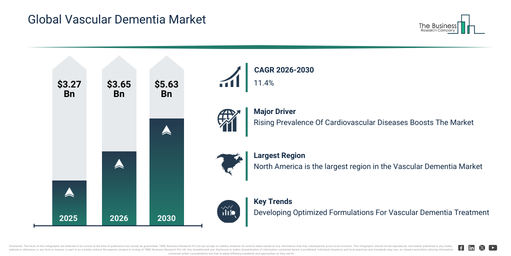
    The vascular dementia market size has experienced significant expansion in recent years. It is forecast to grow from $3.27 billion in 2025 to $3.65 billion in 2026, exhibiting a compound annual growth rate (CAGR) of 11.8%. The expansion observed in prior periods can be attributed to a rising incidence of stroke-related cognitive decline, increasing prevalence of hypertension and diabetes, the growth of neurological research programs, enhanced diagnostic awareness, and the development of hospital-based dementia care.

    The vascular dementia market size is anticipated to undergo swift expansion in the forthcoming years. It is forecast to grow to $5.63 billion in 2030, registering a compound annual growth rate (CAGR) of 11.4%. The projected growth during this period stems from an increasing aging population, rising investments in neurological drug development, the growing adoption of digital health monitoring tools, the expansion of precision medicine approaches, and a heightened focus on long-term cognitive health management. Key trends observed in the forecast period encompass an increasing emphasis on the early diagnosis of cognitive disorders, the rising integration of digital cognitive assessment tools, expanding research into vascular-related neurodegeneration, the broadening of personalized treatment approaches, and an enhanced focus on preventive care strategies.

    Access Your Free Sample Report For In-Depth Market Analysis:

    https://www.thebusinessresearchcompany.com/sample.aspx?id=20998&type=smp

    Which Primary Drivers Are Impacting The Vascular Dementia Market Growth?

    The growing occurrence of cardiovascular disease is anticipated to boost the vascular dementia market in the future. Cardiovascular diseases encompass various conditions impacting the heart and blood vessels, such as coronary artery disease, heart failure, arrhythmias, and hypertension. This increase in cardiovascular diseases is fueled by elements like unhealthy lifestyles, inadequate diets, lack of physical activity, elevated stress, an aging global populace, and a rise in risk factors including obesity, diabetes, and hypertension. By hindering blood flow to the brain, cardiovascular disease heightens the risk of vascular dementia, resulting in cognitive impairment and damage to brain cells because of insufficient oxygen and nutrient delivery. For example, data released in September 2024 by the British Heart Foundation, a UK-based cardiovascular research charity, indicated that in the UK, roughly 7.6 million individuals suffer from heart and circulatory diseases, comprising about 4 million males and 3.6 million females. These illnesses contribute to approximately 27% of all fatalities in the UK, amounting to over 170,000 deaths each year, or roughly 480 deaths daily, which means one death occurs every three minutes. Consequently, the growing incidence of cardiovascular diseases is a key driver for the vascular dementia market.

    What Are The Different Segment Types In The Vascular Dementia Market Segment Breakdown?

    The vascular dementia market covered in this report is segmented –

    1) By Product: Small Molecules / Drugs, Lifestyle And Nutraceutical Interventions, Rehabilitation Therapies

    2) By Distribution Channel: Hospital Pharmacy, Retail Pharmacy, Online Pharmacy

    3) By End User: Hospitals And Clinics, Rehabilitation Centers, Specialty Clinics

    Subsegments:

    1) By Small Molecules Or Drugs: Antihypertensives, Anti-diabetic agents, Lipid-lowering agents, Anti-inflammatory agents, Neuroprotective small molecules

    2) By Lifestyle And Nutraceutical Interventions: Vitamins & Supplements, Omega-3 Or DHA formulations, Antioxidants

    3) By Rehabilitation Therapies: Cognitive enhancers, Physical therapy programs, Occupational therapy aids

    Which Trends Are Shaping Growth In The Vascular Dementia Market?

    Leading companies within the vascular dementia market are concentrating on creating innovative treatments, particularly multimodal therapies, to uphold their competitive standing. Multimodal therapies entail the integration of diverse treatment strategies, such as pharmaceutical interventions, physical rehabilitation, and psychological support, to address a condition comprehensively. For example, in January 2023, Moleac, a Singaporean biopharmaceutical firm, introduced CognivAiD, an evidence-based therapy specifically formulated for vascular dementia (VaD), a condition currently lacking extensive therapeutic options. This product merges active extracts from ginkgo, ginseng, and saffron, which have demonstrated a notable ability to slow cognitive decline in VaD patients. CognivAiD’s unique multimodal action specifically targets crucial mechanisms of vascular dementia, including vascular protection, vasoregulation, and neuroinflammation. Supported by comprehensive clinical trials and a strong safety profile, CognivAiD represents a promising new treatment avenue for individuals affected by VaD.

    Who Are The Well-Known Companies In The Vascular Dementia Market?

    Major companies operating in the vascular dementia market are Charsire Biotechnology Corp, ProNeurogen Therapeutics, Resverlogix Corp, Cyclerion Therapeutics Inc, CSPC-NBP Pharma, Johnson & Johnson Services Inc, Materia Medica Holding, Eisai Co Ltd, Shineway Pharmaceutical, Merz Pharma, Ever Neuro Pharma GmbH, Zhejiang Otsuka Pharma, Pfizer Inc, Biogen Inc, Novartis AG, Aurobindo Pharma, Sun Pharmaceutical Industries Ltd, Teva Pharmaceuticals, Zydus Cadila, Eli Lilly and Company

    Get The Full Vascular Dementia Market Report:

    https://www.thebusinessresearchcompany.com/report/vascular-dementia-global-market-report

    Which Region Represents The Largest Share Of The Vascular Dementia Market?

    North America was the largest region in the vascular dementia market in 2025. The regions covered in the vascular dementia market report are Asia-Pacific, South East Asia, Western Europe, Eastern Europe, North America, South America, Middle East, Africa.

    Request A Customized Vascular Dementia Market Report For Competitive Insights:

    https://www.thebusinessresearchcompany.com/report/vascular-dementia-global-market-report

    Browse Through More Reports Similar to the Global Vascular Dementia Market 2026, By The Business Research Company

    Peripheral Artery Disease Market Report 2026

    https://www.thebusinessresearchcompany.com/report/peripheral-artery-disease-global-market-report

    Peripheral Arterial Disease Market Report

    https://www.thebusinessresearchcompany.com/report/peripheral-arterial-disease-global-market-report

    Vascular Imaging Market Report

    https://www.thebusinessresearchcompany.com/report/vascular-imaging-global-market-report

    Get in touch with us:

    The Business Research Company: https://www.thebusinessresearchcompany.com/

    Americas +1 310-496-7795

    Asia +44 7882 955267 & +91 8897263534

    Europe +44 7882 955267

    Email us at info@tbrc.info

    Follow us on:

    LinkedIn: https://in.linkedin.com/company/the-business-research-company

    YouTube: https://www.youtube.com/channel/UC24_fI0rV8cR5DxlCpgmyFQ

    Global Market Model: https://www.thebusinessresearchcompany.com/global-market-model
  • Varicose Veins Treatment Market Forecast to Reach $2.85 Billion by 2030 at 6.1% CAGR

    Varicose Veins Treatment Market Forecast to Reach $2.85 Billion by 2030 at 6.1% CAGR

    The Business Research Company’s 2026 market reports feature enhanced tools like market attractiveness analysis, TAM assessment, and company scoring matrices, along with interactive dashboards, deeper supply chain insights, and startup coverage strengthening the depth, usability, and strategic value of insights.

    What Expansion In Market Value Is Forecasted For The Varicose Veins Treatment Market Between 2026 And 2030?

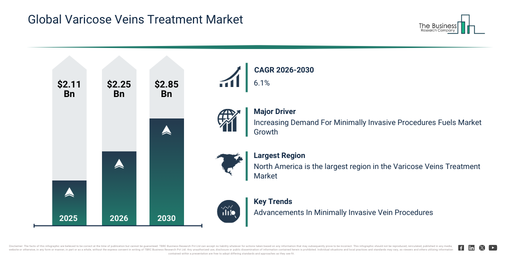
    The varicose veins treatment market size has shown robust growth in recent years. It is anticipated to increase from $2.11 billion in 2025 to $2.25 billion in 2026, achieving a compound annual growth rate (CAGR) of 6.4%. The expansion observed in the historical period stems from the increasing prevalence of venous disorders, a rising awareness of vascular health, the expansion of specialized vein clinics, improved availability of ablation technologies, and a growing demand for cosmetic procedures.

    The varicose veins treatment market is projected to experience substantial expansion in the coming years. This market is anticipated to reach a value of $2.85 billion by 2030, exhibiting a compound annual growth rate (CAGR) of 6.1%. Key drivers for this growth during the forecast period include a burgeoning aging population, the growing acceptance of non-surgical interventions, enhanced investments in vascular care infrastructure, the proliferation of ambulatory surgical centers, and a heightened emphasis on timely diagnosis and treatment. Significant trends expected over the forecast period encompass the wider embrace of minimally invasive treatment methods, an escalating demand for laser-based ablation techniques, a stronger inclination towards outpatient care environments, the broader availability of cosmetic vein treatment options, and an intensified focus on patient recuperation and well-being.

    Access Your Free Sample Report For In-Depth Market Analysis:

    https://www.thebusinessresearchcompany.com/sample.aspx?id=20997&type=smp

    What Significant Factors Are Influencing The Varicose Veins Treatment Market Expansion?

    The growing demand for minimally invasive procedures is projected to boost the expansion of the varicose veins treatment market in the future. These procedures are surgical techniques that employ small incisions and specialized tools to carry out operations with less tissue damage, leading to reduced pain, quicker healing periods, and minimal scarring compared to conventional open surgery. The increased requirement for minimally invasive procedures stems from factors such as shorter recovery times, enhanced patient outcomes, and a rising aging population, all of which collectively improve patient safety, satisfaction, and efficiency in healthcare. Minimally invasive treatments for varicose veins, including endovenous laser therapy (EVLT) or sclerotherapy, effectively manage the condition with minor discomfort, faster recovery, and fewer adverse effects. For instance, in June 2024, data from the American Society of Plastic Surgeons, a US based nonprofit professional association, revealed that nearly 25.4 million cosmetic minimally invasive procedures were performed in 2023, marking a 7 percent increase over the prior year. Thus, the escalating demand for minimally invasive procedures is stimulating the growth of the varicose veins treatment market.

    Which Segment Classifications Are Used In The Varicose Veins Treatment Market Segment Analysis?

    The varicose veins treatment market covered in this report is segmented –

    1) By Product: Ablation Devices, Radiofrequency Ablation Devices, Laser Ablation Devices

    2) By Procedure: Injection Sclerotherapy, Endovenous Ablation, Surgical Ligation Or Stripping

    3) By End-User: Hospitals, Specialized Clinics, Ambulatory Surgical Centers, Other End-Users

    Subsegments:

    1) By Ablation Devices: Endovenous Laser Therapy (EVLT) Devices, Sclerotherapy Devices

    2) By Radiofrequency Ablation Devices: Radiofrequency Catheters, RF Ablation Systems

    3) By Laser Ablation Devices: Laser Fiber Optic Devices, Laser Venous Ablation Systems

    What Trends Are Affecting The Direction Of The Varicose Veins Treatment Market?

    Major companies operating in the varicose veins treatment market are concentrating on developing innovative solutions, such as anesthesia-free treatments, to improve patient outcomes, streamline treatment monitoring, enhance access to care, and offer personalized therapeutic approaches. Such treatment involves performing medical procedures without the use of anesthesia, which provides increased safety, faster recovery, and greater patient comfort. For instance, in April 2024, VVT MEDICAL Ltd., an Israel-based medical device company, received approval from South Korea’s Ministry of Food and Drug Safety for its ScleroSafe platform, an advanced solution for minimally invasive varicose vein treatment. This platform utilizes a nonthermal, nontumescent (NT-NT) approach, eliminating the need for heat or tumescent anesthesia, thereby ensuring a painless, anesthesia-free procedure. Designed for both medical and aesthetic purposes, it prioritizes patient comfort and efficacy. The platform has also acquired several regulatory approvals, including CE Mark certification and FDA 510(k) clearance, and adheres to Good Manufacturing Practices (GMP), establishing ScleroSafe as a pioneering innovation in varicose vein management.

    Which Firms Are Contributing To The Varicose Veins Treatment Market Ecosystem?

    Major companies operating in the varicose veins treatment market are Medtronic PLC, Becton Dickinson and Company, Boston Scientific Corporation, BTG Limited, Merit Medical Systems Incorporated, AngioDynamics Incorporated, Medi USA Limited Partnership, Dornier MedTech GmbH, Sciton Incorporated, Invera Medical Limited, Biolitec AG, Alma Lasers Limited, Won Tech Company Limited, F Care Systems S.A., Vascular Solutions Incorporated, Theraclion S.A., Lumenis Ltd, Syneron Medical Ltd, Quanta System S.p.A, Energist Group, LSO Medical

    Get The Full Varicose Veins Treatment Market Report:

    https://www.thebusinessresearchcompany.com/report/varicose-veins-treatment-global-market-report

    Which Geographic Region Dominates The Varicose Veins Treatment Market?

    North America was the largest region in the varicose veins treatment market in 2025. Asia-Pacific is expected to be the fastest-growing region in the forecast period. The regions covered in the varicose veins treatment market report are Asia-Pacific, South East Asia, Western Europe, Eastern Europe, North America, South America, Middle East, Africa.

    Request A Customized Varicose Veins Treatment Market Report For Competitive Insights:

    https://www.thebusinessresearchcompany.com/report/varicose-veins-treatment-global-market-report

    Browse Through More Reports Similar to the Global Varicose Veins Treatment Market 2026, By The Business Research Company

    Deep Vein Thrombosis Market Report 2026

    https://www.thebusinessresearchcompany.com/report/deep-vein-thrombosis-global-market-report

    Retinal Vein Occlusion Treatment Market Report

    https://www.thebusinessresearchcompany.com/report/retinal-vein-occlusion-treatment-global-market-report

    Central Venous Catheters Market Report

    https://www.thebusinessresearchcompany.com/report/central-venous-catheters-global-market-report

    Get in touch with us:

    The Business Research Company: https://www.thebusinessresearchcompany.com/

    Americas +1 310-496-7795

    Asia +44 7882 955267 & +91 8897263534

    Europe +44 7882 955267

    Email us at info@tbrc.info

    Follow us on:

    LinkedIn: https://in.linkedin.com/company/the-business-research-company

    YouTube: https://www.youtube.com/channel/UC24_fI0rV8cR5DxlCpgmyFQ

    Global Market Model: https://www.thebusinessresearchcompany.com/global-market-model
  • Variable Refrigerant Flow (VRF) Systems Market Expected to Reach $49.21 Billion by 2030 at 13% CAGR

    Variable Refrigerant Flow (VRF) Systems Market Expected to Reach $49.21 Billion by 2030 at 13% CAGR

    The Business Research Company’s 2026 market reports feature enhanced tools like market attractiveness analysis, TAM assessment, and company scoring matrices, along with interactive dashboards, deeper supply chain insights, and startup coverage strengthening the depth, usability, and strategic value of insights.

    How Large Will The Variable Refrigerant Flow (VRF) systems Market Be By 2030 Compared To Its 2026 Market Size?

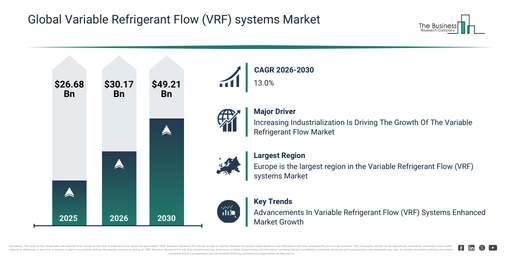
    The market size for variable refrigerant flow (vrf) systems has experienced rapid expansion in recent years. This market is anticipated to expand from $26.68 billion in 2025 to reach $30.17 billion by 2026, maintaining a compound annual growth rate (CAGR) of 13.1%. Historically, this growth was driven by the expansion of commercial construction activities, a rising demand for energy-efficient hvac solutions, increasing urbanization rates, growth in mixed-use building developments, and the replacement of conventional hvac systems.

    The variable refrigerant flow (vrf) systems market size is anticipated to undergo significant growth in the forthcoming years. It is projected to expand to $49.21 billion by 2030, achieving a compound annual growth rate (CAGR) of 13.0%. The expansion during this forecast period can be attributed to increasing investments in smart building infrastructure, a rising emphasis on reducing carbon emissions, the growing adoption of intelligent climate control systems, the proliferation of green building certifications, and an increase in the retrofitting of commercial HVAC installations. Prominent trends expected in the forecast period include the increasing uptake of energy-efficient vrf systems, their rising deployment in large commercial buildings, the growing integration of advanced control and monitoring systems, the expansion of multi-zone temperature management solutions, and an enhanced focus on flexible HVAC configurations.

    Access Your Free Sample Report For In-Depth Market Analysis:

    https://www.thebusinessresearchcompany.com/sample.aspx?id=20995&type=smp

    Which Important Drivers Are Guiding The Variable Refrigerant Flow (VRF) systems Market Growth?

    The variable refrigerant flow (VRF) systems market is projected to expand in the future, driven by growing industrialization. Industrialization describes the societal shift from economies centered on agriculture and manual production to those characterized by industry and machine-based manufacturing. This rise in industrialization stems from economic expansion, technological progress, and a demand for goods produced on a large scale, collectively promoting urbanization and international commerce. VRF systems contribute to industrial growth by offering energy-efficient, adaptable, and scalable climate control options. These systems boost operational efficiency, lower energy expenses, and cater to the changing requirements of industrial settings, thus fostering sustainable development and enhancing overall productivity. An example illustrating this trend is data from July 2023, where a report by the Federal Reserve Board of Governors, a US governmental body, indicated that industrial production in the United States increased by 1.0% year-over-year in 2023, accompanied by a 1.2% growth in manufacturing output. Consequently, the expanding trend of industrialization is fueling the variable refrigerant flow market’s expansion.

    How Is The Variable Refrigerant Flow (VRF) systems Market Organized By Segment Classification?

    The variable refrigerant flow (vrf) systems market covered in this report is segmented –

    1) By System Type: Heat Pump Systems, Heat Recovery Systems

    2) By Component: Outdoor Units, Indoor Units, Control Systems And Accessories

    3) By Capacity: Up To 10 Tons, 11 To 18 Tons, 19 To 26 Tons, Above 26 Tons

    4) By End-User: Commercial, Residential, Other End-Users

    Subsegments:

    1) By Heat Pump Systems: Single-Zone Heat Pump Systems, Multi-Zone Heat Pump Systems, Residential Heat Pump Systems, Commercial Heat Pump Systems

    2) By Heat Recovery Systems: Single-Zone Heat Recovery Systems, Multi-Zone Heat Recovery Systems, Commercial Heat Recovery Systems, Industrial Heat Recovery Systems

    What Trends Are Influencing The Evolution Of The Variable Refrigerant Flow (VRF) systems Market?

    Leading companies in the variable refrigerant flow (VRF) systems market are concentrating on developing advanced VRF solutions to improve energy efficiency and occupant comfort in various commercial applications. A variable refrigerant flow (VRF) system is an advanced heating, ventilation, and air conditioning (HVAC) system that delivers efficient, customizable, and flexible climate control for buildings. For example, in August 2024, Trane Technologies plc, a US-based climate solutions provider, unveiled the new GEN Elite C Series VRF system, targeting efficiency and comfort in Asia-Pacific markets. This system presents distinct features, including high energy efficiency with a COP of 4.87 W/W, dynamic output adjustment facilitated by advanced DC inverter technology, a broad operating temperature range from -5°C to 52°C, enhanced reliability through a 6-stage oil return control system, double backup functionality for continuous operation, and quiet performance with indoor unit noise levels as low as 24 dB(A).

    Who Are The Industry Participants Involved In The Variable Refrigerant Flow (VRF) systems Market?

    Major companies operating in the variable refrigerant flow (vrf) systems market are Samsung Electronics Co. Ltd., Hitachi Ltd., LG Electronics Inc., Panasonic Corporation, Midea Group Co. Ltd., Mitsubishi Electric Corporation, Daikin Industries Ltd., Gree Electric Appliances Inc., Toshiba Corporation, Johnson Controls International plc, Carrier Global Corporation, Trane Technologies plc, Fujitsu General Limited, Lennox International Inc., Rheem Manufacturing Company, Voltas Limited, Blue Star Limited, Swegon AB, Nortek Global HVAC LLC, Airwell Group

    Get The Full Variable Refrigerant Flow (VRF) systems Market Report:

    https://www.thebusinessresearchcompany.com/report/variable-refrigerant-flow-vrf-systems-global-market-report

    Which Region Is The Leading Market For The Variable Refrigerant Flow (VRF) systems Market?

    Europe was the largest region in the variable refrigerant flow (VRF) systems market in 2025. Asia-Pacific is expected to be the fastest-growing region in the forecast period. The regions covered in the variable refrigerant flow (vrf) systems market report are Asia-Pacific, South East Asia, Western Europe, Eastern Europe, North America, South America, Middle East, Africa.

    Request A Customized Variable Refrigerant Flow (VRF) systems Market Report For Competitive Insights:

    https://www.thebusinessresearchcompany.com/report/variable-refrigerant-flow-vrf-systems-global-market-report

    Browse Through More Reports Similar to the Global Variable Refrigerant Flow (VRF) systems Market 2026, By The Business Research Company

    Hvac And Commercial And Industrial Refrigeration Equipment Market Report 2026

    https://www.thebusinessresearchcompany.com/report/hvac-and-commercial-and-industrial-refrigeration-equipment-global-market-report

    Refrigerants Market Report

    https://www.thebusinessresearchcompany.com/report/refrigerants-global-market-report

    Refrigerated Transport Market Report

    https://www.thebusinessresearchcompany.com/report/refrigerated-transport-global-market-report

    Get in touch with us:

    The Business Research Company: https://www.thebusinessresearchcompany.com/

    Americas +1 310-496-7795

    Asia +44 7882 955267 & +91 8897263534

    Europe +44 7882 955267

    Email us at info@tbrc.info

    Follow us on:

    LinkedIn: https://in.linkedin.com/company/the-business-research-company

    YouTube: https://www.youtube.com/channel/UC24_fI0rV8cR5DxlCpgmyFQ

    Global Market Model: https://www.thebusinessresearchcompany.com/global-market-model
  • Varenicline Market Forecast Highlighting Market Expansion Through 2030

    Varenicline Market Forecast Highlighting Market Expansion Through 2030

    The Business Research Company’s 2026 market reports feature enhanced tools like market attractiveness analysis, TAM assessment, and company scoring matrices, along with interactive dashboards, deeper supply chain insights, and startup coverage strengthening the depth, usability, and strategic value of insights.

    What Is The Projected Increase In Market Value Of The Varenicline Market During 2026–2030?

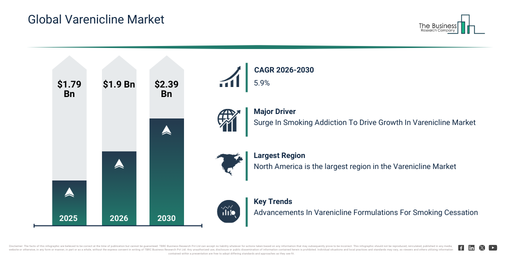
    The varenicline market size has observed substantial growth in recent years. Projections indicate its expansion from $1.79 billion in 2025 to $1.9 billion in 2026, demonstrating a compound annual growth rate (CAGR) of 5.9%. This past growth during the historic period can be attributed to increased awareness of smoking-related health risks, the early clinical validation of varenicline efficacy, the expansion of smoking cessation programs, rising physician recommendation rates, and the proliferation of public health campaigns against tobacco use.

    The varenicline market is projected to experience substantial expansion over the upcoming years. Its value is anticipated to reach $2.39 billion by 2030, demonstrating a compound annual growth rate (CAGR) of 5.9%. This projected growth during the forecast period is attributable to several factors, including heightened government backing for smoking cessation treatments, a rise in the uptake of combination cessation approaches, the proliferation of digital support platforms for quitting, increasing demand for affordable generic formulations, and a greater emphasis on preventive healthcare outcomes. Key trends anticipated during this period encompass the growing acceptance of pharmacotherapy for smoking cessation, an increasing need for prescription-based solutions to quit, wider availability of generic varenicline, the expanding integration of behavioral support alongside medication, and an intensified focus on achieving long-term abstinence.

    Access Your Free Sample Report For In-Depth Market Analysis:

    https://www.thebusinessresearchcompany.com/sample.aspx?id=18493&type=smp

    What Major Factors Are Driving The Varenicline Market Forward?

    The anticipated expansion of the varenicline market is linked to the increasing occurrence of smoking addiction. Factors such as readily available cigarettes and tobacco items, alongside societal influences and peer pressure, particularly among individuals, are driving up smoking rates. Varenicline, a prescribed drug, assists individuals in ceasing smoking by alleviating cravings and withdrawal discomfort, in addition to inhibiting nicotine’s enjoyable sensations. For example, data from the Office for National Statistics, a UK government statistical body, indicated in October 2024 that approximately 6.0 million adults aged 18 and above, constituting 11.9% of the UK adult population, smoked cigarettes in 2023. The highest prevalence was noted in the 25 to 34 years age group, reaching 14.0%. Consequently, the growing prevalence of smoking addiction will fuel the expansion of the varenicline market.

    Which Segments Define The Varenicline Market Segment Structure?

    The varenicline market covered in this report is segmented –

    1) By Type: 0.5 Mg Tablets, 1 Mg Tablets

    2) By Route Of Administration: Oral, Sublingual, Transdermal

    3) By Patient Type: Smokers, Ex Smokers, Pre Quitters

    4) By Application: Hospital, Drug Store

    Subsegments:

    1) By 0.5 mg Tablets: Branded 0.5 mg Varenicline Tablets, Generic 0.5 mg Varenicline Tablets

    2) By 1 mg Tablets: Branded 1 mg Varenicline Tablets, Generic 1 mg Varenicline Tablets

    Which Trends Are Impacting The Progress Of The Varenicline Market?

    Key companies operating in the varenicline market are prioritizing the development of innovative formulations and delivery methods, such as generic tablets, to expand their market leadership in different regions and gain a competitive edge. Generic varenicline tablets are unbranded forms of the medication containing varenicline tartrate, which is biologically equivalent to the original branded product and prescribed for smoking cessation therapy. For instance, in January 2024, Lupin Limited, an India-based pharmaceutical company, introduced new Varenicline tablets in the United States, available in 0.5 mg and 1 mg dosages. These tablets are the generic counterparts of Chantix tablets (0.5 mg and 1 mg) from P.F. Prism C.V. and are utilized to assist in smoking cessation treatment.

    Who Are The Established Players Within The Varenicline Market?

    Major companies operating in the varenicline market are Pfizer Inc, Biocon Limited, Viatris Inc, Teva Pharmaceutical Industries Ltd, Sandoz International GmbH, Hetero Drugs Limited, Sun Pharmaceutical Industries Ltd, Aurobindo Pharma Limited, Dr Reddy’s Laboratories Ltd, Cipla Limited, Apotex Inc, Amneal Pharmaceuticals LLC, Lupin Limited, Alkem Laboratories Ltd, Glenmark Pharmaceuticals Limited, Intas Pharmaceuticals Ltd, Hikma Pharmaceuticals PLC, Boehringer Ingelheim, Zydus Cadila, Endo International plc, Hansoh Pharma, Shandong Loncom Pharmaceutical

    Get The Full Varenicline Market Report:

    https://www.thebusinessresearchcompany.com/report/varenicline-global-market-report

    Where Is The Varenicline Market Primarily Concentrated By Region?

    North America was the largest region in the varenicline market in 2025. The regions covered in the varenicline market report are Asia-Pacific, South East Asia, Western Europe, Eastern Europe, North America, South America, Middle East, Africa.

    Request A Customized Varenicline Market Report For Competitive Insights:

    https://www.thebusinessresearchcompany.com/report/varenicline-global-market-report

    Browse Through More Reports Similar to the Global Varenicline Market 2026, By The Business Research Company

    Levothyroxine Sodium Market Report 2026

    https://www.thebusinessresearchcompany.com/report/levothyroxine-sodium-global-market-report

    Thyroid Cancer Drugs Market Report

    https://www.thebusinessresearchcompany.com/report/thyroid-cancer-drugs-global-market-report

    Sodium Benzoate Market Report

    https://www.thebusinessresearchcompany.com/report/sodium-benzoate-global-market-report

    Get in touch with us:

    The Business Research Company: https://www.thebusinessresearchcompany.com/

    Americas +1 310-496-7795

    Asia +44 7882 955267 & +91 8897263534

    Europe +44 7882 955267

    Email us at info@tbrc.info

    Follow us on:

    LinkedIn: https://in.linkedin.com/company/the-business-research-company

    YouTube: https://www.youtube.com/channel/UC24_fI0rV8cR5DxlCpgmyFQ

    Global Market Model: https://www.thebusinessresearchcompany.com/global-market-model
  • Vancomycin Market Analysis for 2026–2030 with Strategic Insights

    Vancomycin Market Analysis for 2026–2030 with Strategic Insights

    The Business Research Company’s 2026 market reports feature enhanced tools like market attractiveness analysis, TAM assessment, and company scoring matrices, along with interactive dashboards, deeper supply chain insights, and startup coverage strengthening the depth, usability, and strategic value of insights.

    How Is The Market Size Of The Vancomycin Market Expected To Change From 2026 To 2030?

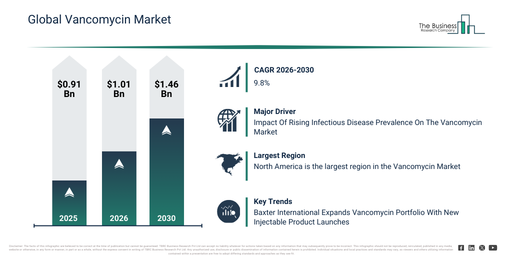
    The vancomycin market size has experienced swift expansion in recent years. It is anticipated to increase from $0.91 billion in 2025 to $1.01 billion in 2026, demonstrating a compound annual growth rate (CAGR) of 10.8%. This historical growth can be attributed to several factors, including the rising prevalence of gram-positive bacterial infections, heightened hospital admission rates, the early adoption of vancomycin as a last-resort treatment, the expansion of intensive care infrastructure, and the increasing incidence of antibiotic resistance.

    The vancomycin market is projected to experience substantial expansion in the upcoming years. By 2030, its value is anticipated to reach $1.46 billion, progressing at a compound annual growth rate (CAGR) of 9.8%. This growth during the projection period stems from several factors, including a heightened demand for sophisticated injectable antibiotics, increased emphasis on infection prevention protocols, the broader adoption of hospital pharmacy automation, growing financial commitments to antimicrobial research, and more stringent regulatory control over antibiotic administration. Key trends observed within this forecast timeframe encompass an escalating need for glycopeptide antibiotics, an intensified focus on managing hospital-acquired infections, the wider availability of ready-to-use injectable formulations, a greater commitment to antimicrobial stewardship initiatives, and improved surveillance of drug resistance patterns.

    Access Your Free Sample Report For In-Depth Market Analysis:

    https://www.thebusinessresearchcompany.com/sample.aspx?id=16563&type=smp

    Which Key Drivers Are Affecting The Vancomycin Market Development?

    The increasing occurrence of infectious diseases is anticipated to drive the expansion of the vancomycin market. These illnesses, caused by pathogenic microorganisms such as bacteria, viruses, fungi, or parasites, encompass conditions like influenza, tuberculosis, malaria, HIV/AIDS, and COVID-19. The growing prevalence of such diseases is attributable to factors including antimicrobial resistance, climate change, and population growth. Vancomycin is crucial for treating severe gram-positive bacterial infections, especially resistant strains, with its application guided by clinical guidelines and antimicrobial stewardship for optimal patient outcomes. For instance, in October 2024, the World Health Organization, a Switzerland-based international public health organization, reported that approximately 8.2 million people were newly diagnosed with tuberculosis in 2023, an increase from about 7.5 million in 2022, solidifying tuberculosis’s position as the leading infectious disease killer. Therefore, the escalating prevalence of infectious diseases is a key driver for the growth of the vancomycin market.

    How Is The Vancomycin Market Segmented Across Different Segment Categories?

    The vancomycin market covered in this report is segmented –

    1) By Type: Injectable Solution, Powder For Injection

    2) By Route Of Administration: Intravenous, Oral

    3) By Application: Sepsis, Lung Infection, Skin Soft Tissue Infection, Colitis And Intestinal Inflammation, To Prevent Infection

    Subsegments:

    1) By Injectable Solution: Pre-Mixed Injectable Solution, Ready-To-Use Injectable Solution, Concentrated Injectable Solution

    2) By Powder For Injection: Vancomycin Powder For Intravenous Use, Vancomycin Powder For Reconstitution

    What Trends Are Transforming The Vancomycin Market?

    Major companies operating in the vancomycin market are focusing on developing innovative products, such as anti-infective and anti-hypotensive medications, to sustain their market position. Anti-infective medications are drugs utilized to treat infections caused by bacteria, viruses, fungi, parasites, or other microorganisms. Anti-hypotensive medications, conversely, are employed to increase blood pressure in individuals experiencing low blood pressure (hypotension). For instance, in April 2024, Baxter International Inc., a US-based healthcare company, announced the launch of five injectable products in the US, aligning with its continuous pharmaceutical portfolio growth. These new injectable products are specifically designed to meet distinct medical needs, including advancements in anesthesia, pain management, and specialized therapies, demonstrating the company’s commitment to offering healthcare professionals practical resources for improving patient outcomes.

    Which Organizations Play A Role In The Vancomycin Market Landscape?

    Major companies operating in the vancomycin market are ANI Pharmaceuticals Inc., Alvogen Inc., Xellia Pharmaceuticals ApS, Sagent Pharmaceuticals, Fresenius Kabi AG, Lupin Limited, Eugia Pharma Specialities, Hikma Pharmaceuticals PLC, Amneal Pharmaceuticals, Slate Run Pharmaceuticals, Alkem Laboratories Ltd., Azurity Pharmaceuticals, Pfizer Inc., Teva Pharmaceutical Industries Ltd., Novartis AG, Sanofi SA, Bayer AG, GlaxoSmithKline plc, Merck & Co Inc., Aurobindo Pharma Limited, Cipla Inc., Johnson & Johnson, Bristol-Myers Squibb Company, AbbVie Inc., Janssen Global, Shenwei Pharmaceutical Hainan Co Ltd, Zhejiang Hisun Pharmaceutical Co Ltd, Sun Pharmaceutical Industries Ltd., Viatris Inc., North China Pharmaceutical Group, Taiwan Zhengde Pharmaceutical, LegoChem Biosciences, Nabriva Therapeutics, MicuRx Pharmaceuticals, MGB Biopharma Limited, VIANEX

    Get The Full Vancomycin Market Report:

    https://www.thebusinessresearchcompany.com/report/vancomycin-global-market-report

    Which Region Has The Greatest Market Share In The Vancomycin Market?

    North America was the largest region in the vancomycin market in 2025. The regions covered in the vancomycin market report are Asia-Pacific, South East Asia, Western Europe, Eastern Europe, North America, South America, Middle East, Africa.

    Request A Customized Vancomycin Market Report For Competitive Insights:

    https://www.thebusinessresearchcompany.com/report/vancomycin-global-market-report

    Browse Through More Reports Similar to the Global Vancomycin Market 2026, By The Business Research Company

    Levofloxacin Market Report 2026

    https://www.thebusinessresearchcompany.com/report/levofloxacin-global-market-report

    Antibiotics Market Report

    https://www.thebusinessresearchcompany.com/report/antibiotics-global-market-report

    Macrolide Antibiotics Market Report

    https://www.thebusinessresearchcompany.com/report/macrolide-antibiotics-global-market-report

    Get in touch with us:

    The Business Research Company: https://www.thebusinessresearchcompany.com/

    Americas +1 310-496-7795

    Asia +44 7882 955267 & +91 8897263534

    Europe +44 7882 955267

    Email us at info@tbrc.info

    Follow us on:

    LinkedIn: https://in.linkedin.com/company/the-business-research-company

    YouTube: https://www.youtube.com/channel/UC24_fI0rV8cR5DxlCpgmyFQ

    Global Market Model: https://www.thebusinessresearchcompany.com/global-market-model
  • Value-Based Healthcare Services Market Outlook Driven by Key Industry Growth Factors

    Value-Based Healthcare Services Market Outlook Driven by Key Industry Growth Factors

    The Business Research Company’s 2026 market reports feature enhanced tools like market attractiveness analysis, TAM assessment, and company scoring matrices, along with interactive dashboards, deeper supply chain insights, and startup coverage strengthening the depth, usability, and strategic value of insights.

    From Its 2026 Market Size, What Value Is The Value-Based Healthcare Services Market Projected To Reach By 2030?

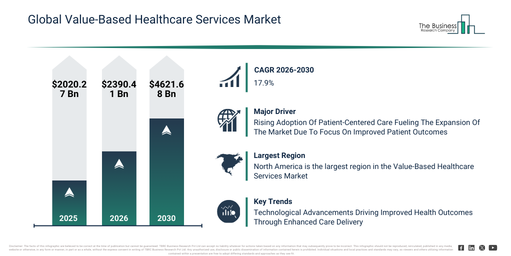
    The value-based healthcare services market size has seen significant rapid growth in recent years. This market is set to expand from $2020.27 billion in 2025 to $2390.41 billion in 2026, achieving a compound annual growth rate (CAGR) of 18.3%. The historical expansion of this market can be attributed to several factors, including increasing inefficiencies within healthcare systems, the early establishment of quality reporting frameworks, greater accountability for public healthcare expenditure, the proliferation of managed care programs, and an escalating demand for patient-centered services.

    The value-based healthcare services market is projected to experience substantial expansion in the coming years, reaching a size of $4621.68 billion by 2030, driven by a compound annual growth rate (CAGR) of 17.9%. This anticipated growth can be attributed to several factors, including the broadened integration of digital health, the increasing embrace of value-based contracting, heightened investments in healthcare analytics platforms, a growing emphasis on delivering cost-efficient care, and strengthened policy frameworks supporting value-based healthcare. Key trends during this forecast period are expected to encompass an escalating focus on quality-centric healthcare provision, the increasing implementation of evidence-based treatment methods, the expansion of integrated care systems, a greater utilization of tools for measuring outcomes, and an intensified commitment to achieving long-term patient value.

    Access Your Free Sample Report For In-Depth Market Analysis:

    https://www.thebusinessresearchcompany.com/sample.aspx?id=23559&type=smp

    What Factors Are Contributing To The Growth Of The Value-Based Healthcare Services Market?

    The expansion of patient-centered care is anticipated to fuel the future growth of the value-based healthcare services market. This approach to healthcare places individual patient needs, preferences, and values first, ensuring their active participation in treatment planning and decision-making, driven by the increasing awareness that patients should be central to their healthcare choices. It has the potential to substantially enhance value-based healthcare services by aligning patient requirements with better health outcomes, improved care quality, and cost reductions. For example, a survey conducted in August 2024 by Lakeside Healthcare At Yaxley, a UK-based general practitioners (GPs) healthcare facility, among 1,200 patients, showed a 3% rise in ease of contacting the practice, with 74% of calls answered within ten minutes, and 58% of appointments being face-to-face. Consequently, the growing integration of patient-centered care is a significant catalyst for the expansion of the value-based healthcare services market.

    What Are The Main Segments Within The Value-Based Healthcare Services Market Segment Structure?

    The value-based healthcare services market covered in this report is segmented –

    1) By Product Type: Accountable Care Organization (ACO), Patient-Centered Medical Home (PCMH), Pay for Performance, Bundled Payments

    2) By Deployment Type: Online, Offline

    3) By End-User: Hospitals, Clinics, Insurance Companies, Government, Others End-User

    Subsegments:

    1) By Accountable Care Organization (ACO): Medicare ACOs, Commercial ACOs, Pioneer ACOs, Provider-Sponsored ACOs, Government-Funded ACOs

    2) By Patient-Centered Medical Home (PCMH): Independent PCMHs, Hospital-Based PCMHs, Payer-Led PCMHs, Specialty-Specific PCMHs, Multi-Payer PCMHs

    3) By Pay for Performance: Hospital-Based P4P, Physician-Based P4P, Pharmacy-Based P4P, Nursing and Post-Acute Care P4P, Population Health-Based P4P

    4) By Bundled Payments: Retrospective Bundled Payments, Prospective Bundled Payments, Condition-Specific Bundled Payments, Procedure-Based Bundled Payments, Multi-Payer Bundled Payments

    What Trends Are Shaping The Future Of The Value-Based Healthcare Services Market?

    Leading companies operating within the value-based healthcare services market are concentrating on developing innovative solutions, such as value-based care, to leverage technology and expertise for delivering high-quality, equitable health outcomes. Value-based care represents a healthcare model that enhances patient health outcomes and reduces costs. This approach aims to improve patient results and lower expenses by prioritizing quality, preventive care, and efficient care coordination. For instance, in April 2023, Kaiser Permanente, a US-based nonprofit organization, introduced Risant Health, a new nonprofit entity established to expand and accelerate the adoption of value-based healthcare services through collaborations with community-based health systems. This initiative endeavors to enhance patient-centered care delivery by integrating advanced value-based care models, utilizing data-driven insights, digital engagement, and innovative care practices to improve healthcare accessibility and quality. By acquiring and supporting nonprofit health systems like Geisinger Health, Risant Health is poised to drive systemic transformation, fostering cost-effective, high-quality healthcare solutions that prioritize patient outcomes and equitable care.

    Who Are The Companies Participating In The Value-Based Healthcare Services Market?

    Major companies operating in the value-based healthcare services market are UnitedHealth Group Incorporated, OptumHealth, Cigna Healthcare, Anthem Insurance Companies Inc. (Elevance Health), Kaiser Permanente, Humana Inc., Aetna Inc., Blue Cross and Blue Shield of Minnesota, VillageMD, MVP Health Care, Oak Street Health, Athena Healthcare, Evolent Health, ChenMed LLC, Somatus Inc., Cityblock Health, Navvis Healthcare, Tandigm Health, NextStep Solutions, CareMore Health

    Get The Full Value-Based Healthcare Services Market Report:

    https://www.thebusinessresearchcompany.com/report/value-based-healthcare-services-global-market-report

    Which Region Accounts For The Largest Portion Of The Value-Based Healthcare Services Market?

    North America was the largest region in the value-based healthcare services market in 2025. Asia-Pacific is expected to be the fastest-growing region in the forecast period. The regions covered in the value-based healthcare services market report are Asia-Pacific, South East Asia, Western Europe, Eastern Europe, North America, South America, Middle East, Africa.

    Request A Customized Value-Based Healthcare Services Market Report For Competitive Insights:

    https://www.thebusinessresearchcompany.com/report/value-based-healthcare-services-global-market-report

    Browse Through More Reports Similar to the Global Value-Based Healthcare Services Market 2026, By The Business Research Company

    Healthcare Services Market

    https://www.thebusinessresearchcompany.com/report/healthcare-services-market

    Healthcare Software As A Service Market Report

    https://www.thebusinessresearchcompany.com/report/healthcare-software-as-a-service-global-market-report

    Healthcare Finance Solutions Market Report

    https://www.thebusinessresearchcompany.com/report/healthcare-finance-solutions-global-market-report

    Get in touch with us:

    The Business Research Company: https://www.thebusinessresearchcompany.com/

    Americas +1 310-496-7795

    Asia +44 7882 955267 & +91 8897263534

    Europe +44 7882 955267

    Email us at info@tbrc.info

    Follow us on:

    LinkedIn: https://in.linkedin.com/company/the-business-research-company

    YouTube: https://www.youtube.com/channel/UC24_fI0rV8cR5DxlCpgmyFQ

    Global Market Model: https://www.thebusinessresearchcompany.com/global-market-model
  • Value-Based Care Services Market Developments and Growth Opportunities Across the Forecast Period

    Value-Based Care Services Market Developments and Growth Opportunities Across the Forecast Period

    The Business Research Company’s 2026 market reports feature enhanced tools like market attractiveness analysis, TAM assessment, and company scoring matrices, along with interactive dashboards, deeper supply chain insights, and startup coverage strengthening the depth, usability, and strategic value of insights.

    How Much Growth In Market Value Is Expected For The Value-Based Care Service Market Between 2026 And 2030?

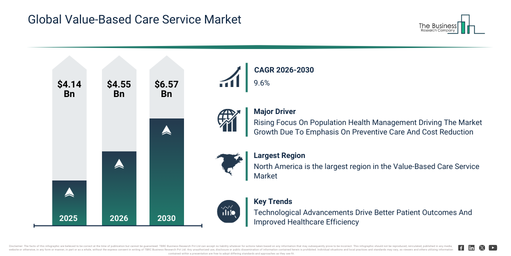
    The market for value-based care services has experienced robust growth recently. Projections indicate a rise from $4.14 billion in 2025 to $4.55 billion by 2026, exhibiting a compound annual growth rate (CAGR) of 9.9%. Historically, this expansion has been driven by factors such as the increasing prevalence of chronic diseases, mounting pressures from healthcare expenditures, the swift integration of care frameworks, the broadening of managed care services, and an enhanced emphasis on patient satisfaction measurements.

    The value-based care service market is projected to experience substantial expansion in the coming years. This market is anticipated to reach $6.57 billion by 2030, demonstrating a compound annual growth rate (CAGR) of 9.6%. This projected growth is driven by factors such as the broadening of population health management programs, the increased deployment of digital platforms for care coordination, the growing acceptance of risk-sharing service frameworks, heightened capital expenditure in preventive healthcare, and improved synchronization between payer and provider incentives. Key developments expected during this period involve the greater uptake of integrated care delivery approaches, an intensified focus on both preventive and long-term care, the expansion of outcome-based care initiatives, the increasing amalgamation of diverse healthcare teams, and a heightened emphasis on designing services around the patient’s needs.

    Access Your Free Sample Report For In-Depth Market Analysis:

    https://www.thebusinessresearchcompany.com/sample.aspx?id=23558&type=smp

    Which Strong Drivers Are Impacting The Value-Based Care Service Market Growth?

    The expanding emphasis on population health management is projected to fuel the growth of the value-based care service market moving forward. Population health management represents a proactive healthcare methodology aimed at enhancing the health outcomes for a defined group of people. This is achieved through the utilization of data analytics, preventive care, care coordination, and evidence-based interventions to manage chronic diseases, lessen health disparities, and boost overall well-being. The heightened focus on population health management stems from the necessity to improve general health results while also keeping healthcare costs under control. By addressing health at a collective level, healthcare providers can pinpoint and manage common health risks, promote preventive care, and more effectively oversee chronic conditions. Value-based care services play a critical role in this transition by aligning financial incentives with health outcomes, encouraging collaboration across multiple disciplines, and prioritizing preventive measures along with sustained patient engagement to strengthen population health management initiatives. For instance, in April 2023, according to the Bureau of Labor Statistics, a US-based federal agency, the employment of medical and health services managers is anticipated to increase by 29% between 2023 and 2033, significantly surpassing the average growth rate of all occupations. Hence, the increasing focus on population health management is stimulating the expansion of the value-based care service market.

    How Is Segmentation Applied In The Value-Based Care Service Market Segment Analysis?

    The value-based care service market covered in this report is segmented –

    1) By Model: Pay For Performance, Patient-Centered Medical Home, Shared Savings, Shared Risk, Bundled Payment, Capitation Models

    2) By Payers: Medicare, Medicaid, Commercial Insurance, Other Payers

    3) By Providers: Home Health Care, Institutional Care, Hospital Therapy, Other Providers

    4) By End-Users: Hospitals And Clinics, Insurance Companies, Government, Other End-Users

    Subsegments:

    1) By Pay For Performance: Hospital-Based Pay for Performance, Physician-Based Pay for Performance, Pharmacy-Based Pay for Performance, Nursing and Post-Acute Care Pay for Performance, Population Health-Based Pay for Performance

    2) By Patient-Centered Medical Home: Independent Patient-Centered Medical Homes, Hospital-Based Patient-Centered Medical Homes, Payer-Led Patient-Centered Medical Homes, Specialty-Specific Patient-Centered Medical Homes, Multi-Payer Patient-Centered Medical Homes

    3) By Shared Savings: One-Sided Shared Savings, Two-Sided Shared Savings, Medicare Shared Savings Programs, Commercial Shared Savings Programs, Medicaid Shared Savings Programs

    4) By Shared Risk: Partial Risk Sharing, Full Risk Sharing, Upside-Only Risk Models, Downside Risk Models, Provider-Sponsored Risk Arrangements

    5) By Bundled Payment: Retrospective Bundled Payments, Prospective Bundled Payments, Condition-Specific Bundled Payments, Procedure-Based Bundled Payments, Multi-Payer Bundled Payments

    6) By Capitation Models: Full Capitation, Partial Capitation, Primary Care Capitation, Specialty Care Capitation, Global Capitation

    Which Trends Are Contributing To Changes In The Value-Based Care Service Market?

    Major companies operating in the value-based care service market are focusing on developing innovative solutions, such as healthcare analytics, to improve outcomes and efficiency. Healthcare analytics employs information about patients and treatments to help doctors and hospitals make better decisions and improve the quality of care. It assists value-based care services by using patient data to select the most appropriate care, enhance health outcomes, and reduce unnecessary costs. For instance, in October 2023, Milliman MedInsight, a US-based healthcare analytics and data solutions company, unveiled an enhanced Value-Based Care Platform designed to help healthcare organizations perform more effectively under value-based care models. The upgraded platform provided advanced tools for analyzing patient data, tracking health outcomes, managing expenses, and improving care coordination. It enabled doctors, hospitals, and health plans to make more informed decisions by identifying effective treatments, utilizing resources efficiently, and delivering higher-quality care.

    Who Are The Companies Participating In The Value-Based Care Service Market Environment?

    Major companies operating in the value-based care service market are UnitedHealth Group Incorporated, Cigna Healthcare, Anthem Insurance Companies Inc. (Elevance Health), Kaiser Permanente, Humana Inc., Blue Cross and Blue Shield of Minnesota, VillageMD, MVP Health Care, Agilon Health Inc., Oak Street Health, Privia Health Group Inc., Evolent Health, ChenMed LLC, Aledade Inc., Somatus Inc., Equality Health LLC, Wellvana Health LLC, Tandigm Health, Aetna Inc.

    Get The Full Value-Based Care Service Market Report:

    https://www.thebusinessresearchcompany.com/report/value-based-care-service-global-market-report

    Which Region Holds The Highest Market Share In The Value-Based Care Service Market?

    North America was the largest region in the value-based care service market in 2025. Asia-Pacific is expected to be the fastest-growing region in the forecast period. The regions covered in the value-based care service market report are Asia-Pacific, South East Asia, Western Europe, Eastern Europe, North America, South America, Middle East, Africa.

    Request A Customized Value-Based Care Service Market Report For Competitive Insights:

    https://www.thebusinessresearchcompany.com/report/value-based-care-service-global-market-report

    Browse Through More Reports Similar to the Global Value-Based Care Service Market 2026, By The Business Research Company

    Care Services Market Report 2026

    https://www.thebusinessresearchcompany.com/report/care-services-global-market-report

    Personal Care Services Market

    https://www.thebusinessresearchcompany.com/report/personal-care-services-market

    Care Management Solutions Market Report

    https://www.thebusinessresearchcompany.com/report/care-management-solutions-global-market-report

    Get in touch with us:

    The Business Research Company: https://www.thebusinessresearchcompany.com/

    Americas +1 310-496-7795

    Asia +44 7882 955267 & +91 8897263534

    Europe +44 7882 955267

    Email us at info@tbrc.info

    Follow us on:

    LinkedIn: https://in.linkedin.com/company/the-business-research-company

    YouTube: https://www.youtube.com/channel/UC24_fI0rV8cR5DxlCpgmyFQ

    Global Market Model: https://www.thebusinessresearchcompany.com/global-market-model
  • Value-Based Care Payment Market Forecast Through 2030 with Long-Term Industry Insights

    Value-Based Care Payment Market Forecast Through 2030 with Long-Term Industry Insights

    The Business Research Company’s 2026 market reports feature enhanced tools like market attractiveness analysis, TAM assessment, and company scoring matrices, along with interactive dashboards, deeper supply chain insights, and startup coverage strengthening the depth, usability, and strategic value of insights.

    What Is The Estimated Market Size Of The Value Based Care Payment Market In 2026, And How Will Its Value Evolve By 2030?

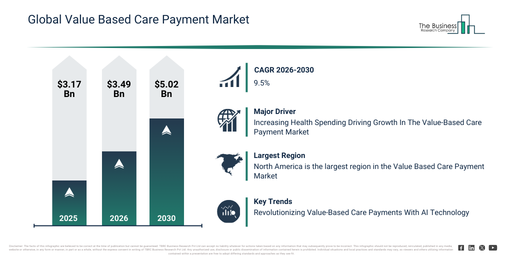
    The value based care payment market size has seen significant growth in recent years. It is projected to increase from $3.17 billion in 2025 to $3.49 billion in 2026, achieving a compound annual growth rate (CAGR) of 10.0%. This historical growth can be attributed to shifts away from fee-for-service reimbursement, growing efforts to control healthcare costs, the initial implementation of accountable care models, increased collaboration between payers and providers, and a heightened emphasis on measuring care quality.

    The value based care payment market is projected to experience substantial growth in the upcoming years. Its size is anticipated to reach $5.02 billion by 2030, demonstrating a compound annual growth rate (CAGR) of 9.5%. This expansion during the forecast period is attributable to several factors, including the proliferation of value-based reimbursement mandates, the increasing application of real-world evidence in payment determinations, the rising uptake of cloud-based payment platforms, an intensified focus on population health management, and stronger regulatory backing for value-based models. Key trends identified for the forecast period encompass a greater embrace of outcome-based reimbursement models, an expanding utilization of data-driven performance measurement, the broadening of bundled and episode-based payments, an elevated emphasis on patient experience metrics, and the consolidation of quality and cost accountability frameworks.

    Access Your Free Sample Report For In-Depth Market Analysis:

    https://www.thebusinessresearchcompany.com/sample.aspx?id=3378&type=smp

    What Key Factors Are Shaping The Value Based Care Payment Market Landscape?

    A rise in health expenditure is projected to drive the expansion of the Value-Based Care payment market in the future. Health expenditure denotes the aggregate sum of funds dedicated or utilized for healthcare services and goods within a particular area, nation, or healthcare framework. Within Value-Based Care, health expenditure is linked to distinct health outcomes, where financial incentives are provided for attaining favorable patient results, including enhanced well-being, fewer hospital re-admissions, or more effective control of chronic ailments. As an illustration, in May 2023, a report from the Office for National Statistics, a government department based in the UK, indicated that healthcare spending in the UK grew by 5.6% between 2022 and 2023, contrasting with a 0.9% increase in 2022. The UK’s healthcare expenditure amounted to approximately $317.63 billion (£292 billion) in 2023. Consequently, heightened health expenditure is fueling the Value-Based Care payment market.

    What Segment Categories Shape The Value Based Care Payment Market Segment Landscape?

    The value based care payment market covered in this report is segmented –

    1) By Model: Accountable Care Organization (ACO), Bundled Payments, Patient-Centered Medical Home (PCMH), Pay For Performance (P4P)

    2) By Deployment Type: Cloud-Based, On-Premise

    3) By End User: Providers, Payer

    Subsegments:

    1) By Accountable Care Organization (Aco): Medicare Acos, Commercial Acos, Medicaid ACOs

    2) By Bundled Payments: Single Episode Of Care, Multi-Episode Care, Condition-Specific Bundles

    3) By Patient-Centered Medical Home (Pcmh): Level 1 Pcmh, Level 2 Pcmh, Level 3 Pcmh

    4) By Pay For Performance (P4p): Hospital-Based P4p Programs, Physician-Based P4p Programs, Specialty-Based P4p Programs

    What Market Trends Are Affecting The Value Based Care Payment Market?

    Leading firms within the value-based care payment sector are concentrating on unveiling cutting-edge offerings like Artificial Intelligence to secure a competitive advantage. Artificial intelligence, or AI, involves creating computer systems capable of executing functions that usually demand human intellect, including learning, reasoning, and resolving issues. An illustrative example is MedeAnalytics, a US-based healthcare analytics company, which introduced Value-Based Care Administration in March 2024. This solution is an integrated analytics and AI-enabled platform for contract management, payment, and billing, designed for widespread application. MedeAnalytics provides the inaugural comprehensive analytics and AI-powered solution for value-based care contract management, payments, and billing, catering to payers, providers, and pay viders, aiming to enhance quality, manage costs, promote health equity, boost patient/member satisfaction, among other benefits.

    Who Are The Companies Operating Across The Value Based Care Payment Market Value Chain?

    Major companies operating in the value based care payment market are McKesson Corporation, Change Healthcare, Premier Inc, NextGen Healthcare Inc., FinThrive Inc., UnitedHealth Group Inc., Edifecs, Nuna Inc., OM1, Relias, Athena Health, Cigna, Lumeon, Huma, Helios Gesundheit, Doctorlink

    Get The Full Value Based Care Payment Market Report:

    https://www.thebusinessresearchcompany.com/report/value-based-care-payment-global-market-report

    Where Is The Value Based Care Payment Market Most Concentrated Geographically?

    North America was the largest region in the value-based care payment market in 2025. Western Europe was the second largest region in value-based care payment market share. The regions covered in the value based care payment market report are Asia-Pacific, South East Asia, Western Europe, Eastern Europe, North America, South America, Middle East, Africa.

    Request A Customized Value Based Care Payment Market Report For Competitive Insights:

    https://www.thebusinessresearchcompany.com/report/value-based-care-payment-global-market-report

    Browse Through More Reports Similar to the Global Value Based Care Payment Market 2026, By The Business Research Company

    Healthcare Payer Solution Market Report 2026

    https://www.thebusinessresearchcompany.com/report/healthcare-payer-solution-global-market-report

    Healthcare Reimbursement Market Report

    https://www.thebusinessresearchcompany.com/report/healthcare-reimbursement-global-market-report

    Healthcare Finance Solutions Market Report

    https://www.thebusinessresearchcompany.com/report/healthcare-finance-solutions-global-market-report

    Get in touch with us:

    The Business Research Company: https://www.thebusinessresearchcompany.com/

    Americas +1 310-496-7795

    Asia +44 7882 955267 & +91 8897263534

    Europe +44 7882 955267

    Email us at info@tbrc.info

    Follow us on:

    LinkedIn: https://in.linkedin.com/company/the-business-research-company

    YouTube: https://www.youtube.com/channel/UC24_fI0rV8cR5DxlCpgmyFQ

    Global Market Model: https://www.thebusinessresearchcompany.com/global-market-model