Category: Healthcare Services

  • Increasing birth rates are fueling growth in the prenatal DNA sequencing market

    Increasing birth rates are fueling growth in the prenatal DNA sequencing market

    The Business Research Company’s 2026 market reports feature enhanced tools like market attractiveness analysis, TAM assessment, and company scoring matrices, along with interactive dashboards, deeper supply chain insights, and startup coverage strengthening the depth, usability, and strategic value of insights.

    What Changes In Market Value Are Expected For The Prenatal DNA Sequencing Market Over The 2026–2030 Period?

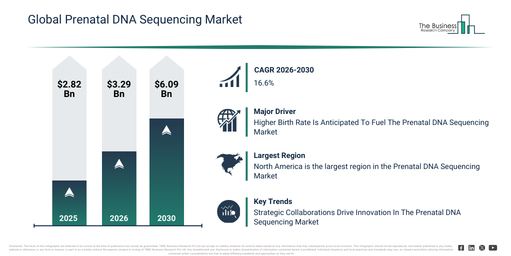
    The prenatal dna sequencing market has experienced substantial expansion in recent times. This market is set to expand from $2.82 billion in 2025 to $3.29 billion in 2026, registering a compound annual growth rate (CAGR) of 16.7%. Factors contributing to its historical growth include breakthroughs in next-generation sequencing technologies, a surge in clinical investigations within prenatal genomics, heightened public understanding of inherited conditions, the presence of specialized sequencing laboratories, and initial implementation by academic institutions.

    The prenatal dna sequencing market size is anticipated to undergo substantial growth in the upcoming years, with projections indicating it will reach $6.09 billion by 2030, demonstrating a compound annual growth rate (CAGR) of 16.6%. This expansion during the forecast period is primarily driven by factors such as the increasing demand for comprehensive prenatal diagnostics, rising investments in precision medicine research, the broadening of clinical sequencing applications, the growing adoption of AI-driven genomic interpretation, and increased collaboration between healthcare and biotechnology firms. Major trends expected within this timeframe include the increasing uptake of cell-free fetal dna sequencing, the rising use of whole-genome prenatal sequencing, the growing integration of bioinformatics platforms, the expansion of high-accuracy sequencing technologies, and an enhanced focus on rare disease detection.

    Access Your Free Sample Report For In-Depth Market Analysis:

    https://www.thebusinessresearchcompany.com/sample.aspx?id=9015&type=smp

    Which Key Drivers Are Affecting The Prenatal DNA Sequencing Market Development?

    An increasing birth rate is projected to fuel the expansion of the prenatal DNA sequencing market in the future. The birth rate represents the quantity of live births occurring per 1,000 individuals within a particular population over a defined timeframe, typically calculated annually. Prenatal DNA sequencing assists in detecting genetic irregularities in developing fetuses, enabling well-informed reproductive choices at birth via targeted interventions. As an illustration, a report from the Centers for Disease Control and Prevention, a national public health body in the US, indicated that in January 2023, the United States recorded a 1% rise in registered births, reaching a total of 3,664,292, compared to the preceding year. Consequently, the elevated birth rate is propelling the prenatal DNA sequencing market.

    Which Segment Classifications Are Used In The Prenatal DNA Sequencing Market Segment Analysis?

    The prenatal dna sequencing market covered in this report is segmented –

    1) By Type: Genetic Diseases, Nonhereditary Diseases

    2) By Application: Hemophilia, Down Syndrome, Cystic Fibrosis, Autism, DiGeorge Syndrome, Inherited Immunodeficiency Disorders, Cancer, Other Applications

    3) By End User: Academic Research, Clinical Research, Hospitals And Clinics, Pharmaceutical And Biotechnology Companies, Other End Users

    Subsegments:

    1) By Genetic Diseases: Monogenic Disorders, Chromosomal Abnormalities

    2) By Nonhereditary Diseases: Infectious Diseases, Maternal Health Conditions

    What Trends Are Transforming The Prenatal DNA Sequencing Market?

    Leading companies in the prenatal DNA sequencing market are increasingly utilizing a strategic partnership approach to enhance technological integration and broaden their market reach. Such a strategic partnership typically signifies a collaborative arrangement between two or more organizations, where they combine their resources, expertise, and efforts to achieve shared goals or objectives. For instance, in December 2023, BillionToOne, a US-based precision diagnostics company, collaborated with a Johnson & Johnson company, a US-based pharmaceutical company, for the AZALEA Phase 3 clinical trial of nipocalimab. This trial is centered on pregnancies at risk for severe hemolytic disease of the fetus and newborn (HDFN). BillionToOne will furnish its UNITY Fetal Antigen Non-invasive Prenatal Test (UNITY Fetal Antigen CTA) to screen and establish the eligibility of participants. HDFN is a rare condition arising from blood type incompatibility between the pregnant individual and the fetus, which could potentially lead to life-threatening anemia.

    Which Firms Are Contributing To The Prenatal DNA Sequencing Market Ecosystem?

    Major companies operating in the prenatal dna sequencing market are Agilent Technologies Inc, BGI Group, F Hoffmann La Roche Ltd, Illumina Inc, Laboratory Corporation Of America Holdings, Natera Inc, Myriad Genetics Inc, Invitae Corporation, PerkinElmer Inc, Macrogen Inc, Pacific Biosciences Of California Inc, Genewiz LLC, Oxford Nanopore Technologies Limited, Thermo Fisher Scientific Inc, Eurofins LifeCodexx AG, GeneDx Inc, Genoma SA, Helix OpCo LLC, Igenomix SL, Integrated DNA Technologies Inc, Roche Diagnostics GmbH, Berry Genomics Co Ltd

    Get The Full Prenatal DNA Sequencing Market Report:

    https://www.thebusinessresearchcompany.com/report/prenatal-dna-sequencing-global-market-report

    Where Is The Prenatal DNA Sequencing Market Most Concentrated Geographically?

    North America was the largest region in the prenatal DNA sequencing market in 2025. The regions covered in the prenatal dna sequencing market report are Asia-Pacific, South East Asia, Western Europe, Eastern Europe, North America, South America, Middle East, Africa.

    Request A Customized Prenatal DNA Sequencing Market Report For Competitive Insights:

    https://www.thebusinessresearchcompany.com/report/prenatal-dna-sequencing-global-market-report

    Browse Through More Reports Similar to the Global Prenatal DNA Sequencing Market 2026, By The Business Research Company

    Prenatal Testing And Newborn Screening Market Report 2026

    https://www.thebusinessresearchcompany.com/report/prenatal-testing-and-newborn-screening-global-market-report

    Genetic Testing Market Report

    https://www.thebusinessresearchcompany.com/report/genetic-testing-global-market-report

    Non Invasive Prenatal Testing Market Report

    https://www.thebusinessresearchcompany.com/report/non-invasive-prenatal-testing-global-market-report

    Get in touch with us:

    The Business Research Company: https://www.thebusinessresearchcompany.com/

    Americas +1 310-496-7795

    Asia +44 7882 955267 & +91 8897263534

    Europe +44 7882 955267

    Email us at info@tbrc.info

    Follow us on:

    LinkedIn: https://in.linkedin.com/company/the-business-research-company

    YouTube: https://www.youtube.com/channel/UC24_fI0rV8cR5DxlCpgmyFQ

    Global Market Model: https://www.thebusinessresearchcompany.com/global-market-model
  • Rare Neurological Disease Treatment Market Forecast (2026–2030) Offering Long-Term Insights

    Rare Neurological Disease Treatment Market Forecast (2026–2030) Offering Long-Term Insights

    The Business Research Company’s 2026 market reports feature enhanced tools like market attractiveness analysis, TAM assessment, and company scoring matrices, along with interactive dashboards, deeper supply chain insights, and startup coverage strengthening the depth, usability, and strategic value of insights.

    What Are The Market Size Estimates For The Rare Neurological Disease Treatment Market In 2026 And 2030?

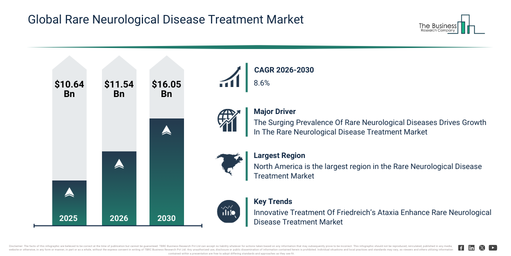
    The rare neurological disease treatment market size has experienced significant growth in recent years. It is anticipated to expand from $10.64 billion in 2025 to $11.54 billion in 2026, achieving a compound annual growth rate (CAGR) of 8.4%. The expansion observed historically can be ascribed to increased neuroscience research funding, a rise in the diagnosis of rare neurological disorders, the development of specialty neurology centers, broader availability of neuroimaging technologies, and advances in biologic drug development.

    The rare neurological disease treatment market size is projected to experience substantial expansion in the coming years. This market is anticipated to reach $16.05 billion by 2030, demonstrating a compound annual growth rate (CAGR) of 8.6%. The upward trajectory during the forecast period can be primarily attributed to factors such as the broadening of gene therapy pipelines, an increasing need for individualized neurological treatments, heightened investments in neurodegenerative research, the expanding application of digital therapeutics, and the growth of clinical trials for rare neurological conditions. Key developments expected within this period encompass the escalating creation of gene and cell therapies, a surge in the embrace of targeted neurological medications, the wider deployment of sophisticated neuroimaging technologies, the spread of integrated multidisciplinary treatment methods, and a sharpened emphasis on solutions for symptom management.

    Access Your Free Sample Report For In-Depth Market Analysis:

    https://www.thebusinessresearchcompany.com/sample.aspx?id=12146&type=smp

    What Factors Are Contributing To The Growth Of The Rare Neurological Disease Treatment Market?

    The increasing occurrence of rare neurological conditions is anticipated to fuel the expansion of the rare neurological disease treatment market moving ahead. These diseases are characterized by their infrequent occurrence, encompassing conditions such as Huntington’s disease, amyotrophic lateral sclerosis (ALS), Rett syndrome, and diverse types of muscular dystrophy. Treatment for rare neurological diseases typically incorporates various strategies aimed at symptom management, decelerating disease progression, and enhancing the overall quality of life for those afflicted. As an illustration, in January 2023, BioMed Central Ltd., a UK-based publisher of open-access scientific journals, reported that the combined prevalence of Rett syndrome reached 7.1 per 100,000 females within a pooled sample of 9.57 million women, identifying 673 confirmed cases. Consequently, the widespread occurrence of rare neurological diseases is a primary factor propelling the growth within the rare neurological disease treatment market.

    What Are The Key Segment Divisions In The Rare Neurological Disease Treatment Market Segment Structure?

    The rare neurological disease treatment market covered in this report is segmented –

    1) By Drug Type: Biologics, Small Molecules

    2) By Therapy: Cognitive Behavioral Therapy, Interpersonal Psychotherapy, Disease-Modifying Neurological Therapies, Other Therapies

    3) By Mode Of Administration: Oral, Injectable, Other Modes Of Administration

    4) By Disorders: Aicardi Syndrome, Aicardi-Goutières Syndrome, Reflex Sympathetic Dystrophy Syndrome, Battaglia-Neri Syndrome, Creutzfeldt Jakob Disease, Agnosia, Other Disorders

    5) By Distribution Channel: Hospital Pharmacies, Retail Pharmacies And Drug Store, Online Pharmacies

    Subsegments:

    1) By Biologics: Monoclonal Antibodies, Gene Therapies, Recombinant Proteins

    2) By Small Molecules: Targeted Small Molecules, Neuroprotective Agents, Anti-inflammatory Small Molecules

    What Trends Are Shaping The Future Of The Rare Neurological Disease Treatment Market?

    Major companies operating in the rare neurological disease treatment market are prioritizing product innovation, such as developing solutions for rare disease drugs, to advance therapeutic options and improve the quality of life for patients affected by rare neurological diseases. The development of treatments for rare neurological diseases necessitates targeted research into specific disease mechanisms and the exploration of innovative therapeutic strategies, including gene therapies or personalized medicine, to address the complex nature of these conditions. For instance, in February 2023, Reata Pharmaceuticals Inc., a US-based pharmaceutical company, received United States Food and Drug Administration (USFDA) approval for its Skyclarys drug to treat Friedreich’s ataxia, a rare, neurological disease. This experimental medication is designed to address unmet needs in treating rare neurological conditions by targeting intricate disease mechanisms, potentially offering novel therapeutic approaches to improving patient outcomes and has undergone rigorous clinical evaluation for its efficacy and safety profiles.

    Which Organizations Are Engaged In The Rare Neurological Disease Treatment Market?

    Major companies operating in the rare neurological disease treatment market are Pfizer Inc., Johnson And Johnson Services Inc., F Hoffmann La Roche Ltd, Bayer AG, Merck And Co Inc., AbbVie Inc., Novartis AG, Sanofi Aventis SA, Bristol Myers Squibb Company, AstraZeneca PLC, GlaxoSmithKline PLC, Takeda Pharmaceutical Company Limited, Teva Pharmaceutical Industries Ltd., CSL Limited, Biogen Inc., UCB S.A., Eisai Co. Ltd., Otsuka Pharmaceutical Co. Ltd., Mitsubishi Tanabe Pharma Corporation, Neurocrine Biosciences Inc., Kedrion Biopharma Inc., Merz Pharma GmbH And Co. KGaA, Harmony Biosciences Holdings Inc., Amicus Therapeutics Inc., Aquestive Therapeutics Inc., US WorldMeds LLC, Stoke Therapeutics Inc., Retrotope Inc.

    Get The Full Rare Neurological Disease Treatment Market Report:

    https://www.thebusinessresearchcompany.com/report/rare-neurological-disease-treatment-global-market-report

    Which Region Holds The Highest Market Share In The Rare Neurological Disease Treatment Market?

    North America was the largest region in the rare neurological diseases treatment market in 2025. Asia-Pacific is expected to be the fastest-growing region in the forecast period. The regions covered in the rare neurological disease treatment market report are Asia-Pacific, South East Asia, Western Europe, Eastern Europe, North America, South America, Middle East, Africa.

    Request A Customized Rare Neurological Disease Treatment Market Report For Competitive Insights:

    https://www.thebusinessresearchcompany.com/report/rare-neurological-disease-treatment-global-market-report

    Browse Through More Reports Similar to the Global Rare Neurological Disease Treatment Market 2026, By The Business Research Company

    Rare Diseases Treatment Market Report 2026

    https://www.thebusinessresearchcompany.com/report/rare-diseases-treatment-global-market-report

    Inflammatory Bowel Disease Treatment Market Report

    https://www.thebusinessresearchcompany.com/report/inflammatory-bowel-disease-treatment-global-market-report

    Anti Inflammatory Therapeutics Market Report

    https://www.thebusinessresearchcompany.com/report/anti-inflammatory-therapeutics-global-market-report

    Get in touch with us:

    The Business Research Company: https://www.thebusinessresearchcompany.com/

    Americas +1 310-496-7795

    Asia +44 7882 955267 & +91 8897263534

    Europe +44 7882 955267

    Email us at info@tbrc.info

    Follow us on:

    LinkedIn: https://in.linkedin.com/company/the-business-research-company

    YouTube: https://www.youtube.com/channel/UC24_fI0rV8cR5DxlCpgmyFQ

    Global Market Model: https://www.thebusinessresearchcompany.com/global-market-model

  • Rising genetic disorder prevalence is driving growth in the prenatal and newborn genetic testing market

    Rising genetic disorder prevalence is driving growth in the prenatal and newborn genetic testing market

    The Business Research Company’s 2026 market reports feature enhanced tools like market attractiveness analysis, TAM assessment, and company scoring matrices, along with interactive dashboards, deeper supply chain insights, and startup coverage strengthening the depth, usability, and strategic value of insights.

    By 2030, What Market Size Is The Prenatal And Newborn Genetic Testing Market Expected To Reach Based On Its 2026 Value?

    The prenatal and newborn genetic testing market has seen rapid expansion in recent years. It is forecast to grow from $7.6 billion in 2025 to $8.51 billion in 2026, achieving a compound annual growth rate (CAGR) of 12.0%. Historically, this growth can be linked to heightened awareness of genetic disorders, the enlargement of maternal and neonatal healthcare services, an increase in institutional screening programs, the widespread availability of diagnostic laboratories, and enhancements in the accuracy of genetic testing.

    The market size for prenatal and newborn genetic testing is projected to experience swift expansion in the coming years. This market is anticipated to reach $13.65 billion by 2030, showing a compound annual growth rate (CAGR) of 12.6%. Factors contributing to this growth over the forecast period include the expanding acceptance of personalized medicine strategies, a greater need for identifying diseases at early stages, the broadening scope of newborn screening requirements, increased funding into genomics infrastructure, and the heightened utilization of digital health platforms. Key trends during this period are expected to feature the wider uptake of non-invasive prenatal testing, an increase in the application of sophisticated genetic screening panels, the growing incorporation of AI into genetic risk assessments, the expansion of high-throughput sequencing technologies, and a sharper emphasis on the early identification of congenital conditions.

    Access Your Free Sample Report For In-Depth Market Analysis:

    https://www.thebusinessresearchcompany.com/sample.aspx?id=13158&type=smp

    What Factors Are Contributing To The Growth Of The Prenatal And Newborn Genetic Testing Market?

    The growing frequency of genetic disorders is anticipated to stimulate the expansion of the prenatal and newborn genetic testing market in the future. Genetic disorders are defined as health conditions arising from irregularities or changes within an individual’s DNA or genetic makeup. These tests allow for the early detection of genetic disorders, frequently prior to symptom onset, thereby empowering healthcare professionals to implement prompt interventions and therapeutic plans. As an illustration, the Centers for Disease Control and Prevention (CDC), a US-based public health agency, reported in May 2024 that sickle cell disease (SCD) impacts approximately 100,000 individuals in the United States. Of those impacted, over 90% are non-Hispanic Black or African American, with an estimated 3%-9% being Hispanic or Latino. Consequently, the expanding commonness of genetic disorders acts as a driver for the prenatal and newborn genetic testing market.

    How Is The Prenatal And Newborn Genetic Testing Market Organized By Segment Classification?

    The prenatal and newborn genetic testing market covered in this report is segmented –

    1) By Product Type: Consumables, Instruments

    2) By Screening: Non-Invasive Prenatal Testing, Chronic Villus Sampling, Amniocentesis, Maternal Serum Screening, Other Screenings

    3) By Disease: Down Syndrome, Phenylketonuria, Cystic Fibrosis, Sickle Cell Anemia

    4) By End User: Hospital, Maternity And Specialty Clinics, Diagnostic Centers

    Subsegments:

    1) By Consumables: Reagents And Assays, Sample Collection Kits, Test Kits

    2) By Instruments: Polymerase Chain Reaction (PCR) Machines, Sequencers, Microarray Analyzers

    What Trends Are Shaping The Future Of The Prenatal And Newborn Genetic Testing Market?

    Leading companies within the prenatal and newborn genetic testing markets are focused on developing cutting-edge screening tests, such as noninvasive prenatal screening tests, designed for enhanced accessibility and affordability to deliver dependable services to consumers. Noninvasive prenatal screening (NIPS), also known as noninvasive prenatal testing (NIPT), is a highly sophisticated and secure genetic screening method conducted during pregnancy to evaluate the risk of specific fetal chromosomal abnormalities. For instance, in January 2024, Natera, Inc., a genetic testing company headquartered in the US, introduced a fetal RhD NIPT to determine fetal RhD status, thereby assisting obstetricians in managing patient care during widespread Rho(D) immune globulin (RhIg) shortages. This test is supported by a significant clinical validation study involving over 650 RhD-negative patients with confirmed outcomes, achieving 100% sensitivity and >99% specificity. Natera’s test can be administered early in pregnancy, enabling timely clinical decisions and improving patient management.

    Who Are The Industry Participants Involved In The Prenatal And Newborn Genetic Testing Market?

    Major companies operating in the prenatal and newborn genetic testing market are F Hoffmann La Roche AG, Thermo Fisher Scientific Inc, Abbott Laboratories, Danaher Corporation, Siemens Healthineers AG, Becton Dickinson And Company, Quest Diagnostic Incorporated, Agilent Technologies Inc, Illumina Inc, PerkinElmer Genomics, Quidel Corporation, Bio Rad Laboratories Inc, Qiagen NV, Werfen SA, DiaSorin SpA, BGI Group, Natera Inc, Trinity Biotech plc, Meridian Bioscience Inc, Sekisui Diagnostics, Ariosa Diagnostics Inc, AccuBioTech Co Ltd, Sequenom Inc, Roche Diagnostics International AG

    Get The Full Prenatal And Newborn Genetic Testing Market Report:

    https://www.thebusinessresearchcompany.com/report/prenatal-and-newborn-genetic-testing-global-market-report

    Which Region Dominates The Prenatal And Newborn Genetic Testing Market By Market Share?

    North America was the largest region in the prenatal and newborn genetic testing market in 2025. Asia-Pacific is expected to be the fastest-growing region in the forecast period. The regions covered in the prenatal and newborn genetic testing market report are Asia-Pacific, South East Asia, Western Europe, Eastern Europe, North America, South America, Middle East, Africa.

    Request A Customized Prenatal And Newborn Genetic Testing Market Report For Competitive Insights:

    https://www.thebusinessresearchcompany.com/report/prenatal-and-newborn-genetic-testing-global-market-report

    Browse Through More Reports Similar to the Global Prenatal And Newborn Genetic Testing Market 2026, By The Business Research Company

    Infertility Treatment Market Report 2026

    https://www.thebusinessresearchcompany.com/report/infertility-treatment-global-market-report

    Precocious Puberty Treatment Market Report

    https://www.thebusinessresearchcompany.com/report/precocious-puberty-treatment-global-market-report

    Fertility Treatments Market Report

    https://www.thebusinessresearchcompany.com/report/fertility-treatments-global-market-report

    Get in touch with us:

    The Business Research Company: https://www.thebusinessresearchcompany.com/

    Americas +1 310-496-7795

    Asia +44 7882 955267 & +91 8897263534

    Europe +44 7882 955267

    Email us at info@tbrc.info

    Follow us on:

    LinkedIn: https://in.linkedin.com/company/the-business-research-company

    YouTube: https://www.youtube.com/channel/UC24_fI0rV8cR5DxlCpgmyFQ

    Global Market Model: https://www.thebusinessresearchcompany.com/global-market-model

  • Rare Inflammatory Disease Treatment Market Analysis (2026–2030) Highlighting Innovation and Competition

    Rare Inflammatory Disease Treatment Market Analysis (2026–2030) Highlighting Innovation and Competition

    The Business Research Company’s 2026 market reports feature enhanced tools like market attractiveness analysis, TAM assessment, and company scoring matrices, along with interactive dashboards, deeper supply chain insights, and startup coverage strengthening the depth, usability, and strategic value of insights.

    What Expansion In Market Value Is Forecasted For The Rare Inflammatory Disease Treatment Market Between 2026 And 2030?

    The rare inflammatory disease treatment market has demonstrated robust expansion in recent years. This market is projected to increase from $14.67 billion in 2025 to reach $15.55 billion in 2026, achieving a compound annual growth rate (CAGR) of 6.0%. Historically, this growth can be ascribed to factors like the expansion of biologics development pipelines, increasing diagnosis rates of rare inflammatory conditions, advancements in specialty pharmaceutical research, the wider adoption of immunomodulatory therapies, and enhanced access to specialty care centers.

    The rare inflammatory disease treatment market size is anticipated to undergo significant expansion over the next few years. It is expected to reach $18.98 billion by 2030, demonstrating a compound annual growth rate (CAGR) of 5.1%. This growth during the forecast period is propelled by the spread of precision immunology approaches, increased investments in orphan drug development, the rising integration of advanced biologics, a heightened emphasis on disease-modifying therapies, and the expansion of digital patient monitoring platforms. Prominent trends throughout this period include the accelerated creation of targeted biologic therapies, a growing embrace of personalized treatment methods, the increasing utilization of combination drug regimens, broader access to treatments through clinical trials, and an intensified focus on long-term disease management.

    Access Your Free Sample Report For In-Depth Market Analysis:

    https://www.thebusinessresearchcompany.com/sample.aspx?id=15656&type=smp

    Which Strong Drivers Are Impacting The Rare Inflammatory Disease Treatment Market Growth?

    The projected growth of the rare inflammatory disease treatment market is largely attributed to the increasing incidence of autoimmune disorders. These conditions arise when the immune system mistakenly attacks healthy cells and tissues, resulting in inflammation and cellular damage. The rise in autoimmune disorders can be linked to factors such as genetic predisposition, environmental triggers, changes in lifestyle, and more sophisticated diagnostic capabilities that allow for earlier detection and better recognition of diseases. Rare inflammatory disease treatments aid in managing these conditions by reducing inflammation and preventing the immune system from harming healthy tissues. For instance, in February 2024, according to Arthritis Australia, an Australia-based charitable not-for-profit organisation advocating for people with arthritis and musculoskeletal conditions, by 2025, approximately 562,378 Australians are living with rheumatoid arthritis (RA), accounting for 14% of the total arthritis population. Therefore, the expanding prevalence of autoimmune disorders is a significant factor propelling the growth of the rare inflammatory disease treatment market.

    Which Segment Categories Are Included In The Rare Inflammatory Disease Treatment Market Segment Analysis?

    The rare inflammatory disease treatment market covered in this report is segmented –

    1) By Drug Class: Biologics, Organic Compounds

    2) By Mode Of Administration: Injectables, Oral, Other Administration Modes

    3) By Indication: Ulcerative Colitis, Juvenile Rheumatoid Arthritis, Psoriatic Arthritis, Other Indications

    4) By Distribution Channel: Hospital Pharmacies, Retail Pharmacies, Online Pharmacies

    Subsegments:

    1) By Biologics: Monoclonal Antibodies, Cytokine Inhibitors, Growth Factors, Enzyme Replacement Therapies

    2) By Organic Compounds: Non-Steroidal Anti-Inflammatory Drugs (Nsaids), Immunosuppressants, Corticosteroids, Disease-Modifying Antirheumatic Drugs (Dmards)

    Which Trends Are Contributing To Changes In The Rare Inflammatory Disease Treatment Market?

    Leading companies in the rare inflammatory disease treatment market are concentrating on developing advanced solutions, such as precision-targeted monoclonal antibodies, with the aim of improving disease control, decreasing immune-mediated damage, and enhancing patient outcomes. These precision-targeted monoclonal antibodies are treatments specifically engineered to selectively bind to and eliminate particular immune cell populations involved in disease progression, thereby helping to minimize systemic inflammation while preserving healthy immune function. For instance, in November 2024, Amgen, a US-based biopharmaceutical company, presented new data at the American College of Rheumatology (ACR) Convergence 2024, demonstrating that its monoclonal antibody UPLIZNA (inebilizumab-cdon) significantly reduces disease activity in IgG4-related disease (IgG4-RD) by selectively depleting CD19+ B cells implicated in its pathogenesis. UPLIZNA exemplifies the ongoing advancement of targeted biologics in the management of rare inflammatory diseases, highlighting industry efforts toward more effective and personalized therapeutic approaches.

    Who Are The Active Companies Shaping The Rare Inflammatory Disease Treatment Market?

    Major companies operating in the rare inflammatory disease treatment market are Pfizer Inc., Johnson And Johnson, Roche Holding AG, Merck And Co Inc., AbbVie Inc., Bayer AG, Sanofi S.A., Bristol Myers Squibb, AstraZeneca Plc, Novartis AG, GlaxoSmithKline plc, Eli Lilly And Company, Gilead Sciences Inc., Amgen Inc., Regeneron Pharmaceuticals Inc., Biogen Inc., UCB S.A., Horizon Therapeutics plc, Kyowa Kirin Co. Ltd., Mallinckrodt Pharmaceuticals, Takeda Pharmaceutical Company Limited, Boehringer Ingelheim International GmbH, CSL Behring GmbH, Sobi Swedish Orphan Biovitrum AB

    Get The Full Rare Inflammatory Disease Treatment Market Report:

    https://www.thebusinessresearchcompany.com/report/rare-inflammatory-disease-treatment-global-market-report

    Where Is The Rare Inflammatory Disease Treatment Market Most Concentrated Geographically?

    North America was the largest region in the rare inflammatory disease treatment market in 2025. Asia-Pacific is expected to be the fastest-growing region in the forecast period. The regions covered in the rare inflammatory disease treatment market report are Asia-Pacific, South East Asia, Western Europe, Eastern Europe, North America, South America, Middle East, Africa.

    Request A Customized Rare Inflammatory Disease Treatment Market Report For Competitive Insights:

    https://www.thebusinessresearchcompany.com/report/rare-inflammatory-disease-treatment-global-market-report

    Browse Through More Reports Similar to the Global Rare Inflammatory Disease Treatment Market 2026, By The Business Research Company

    Rare Disease Diagnostics Market Report 2026

    https://www.thebusinessresearchcompany.com/report/rare-disease-diagnostics-global-market-report

    Hemato Oncology Testing Market Report

    https://www.thebusinessresearchcompany.com/report/hemato-oncology-testing-global-market-report

    Dermatological Drugs Market Report

    https://www.thebusinessresearchcompany.com/report/dermatological-drugs-global-market-report

    Get in touch with us:

    The Business Research Company: https://www.thebusinessresearchcompany.com/

    Americas +1 310-496-7795

    Asia +44 7882 955267 & +91 8897263534

    Europe +44 7882 955267

    Email us at info@tbrc.info

    Follow us on:

    LinkedIn: https://in.linkedin.com/company/the-business-research-company

    YouTube: https://www.youtube.com/channel/UC24_fI0rV8cR5DxlCpgmyFQ

    Global Market Model: https://www.thebusinessresearchcompany.com/global-market-model
  • Sarcoidosis market to reach $69.92 billion by 2030

    Sarcoidosis market to reach $69.92 billion by 2030

    The Business Research Company’s 2026 market reports feature enhanced tools like market attractiveness analysis, TAM assessment, and company scoring matrices, along with interactive dashboards, deeper supply chain insights, and startup coverage strengthening the depth, usability, and strategic value of insights.

    How Is The Market Size Of The Sarcoidosis Market Expected To Change From 2026 To 2030?

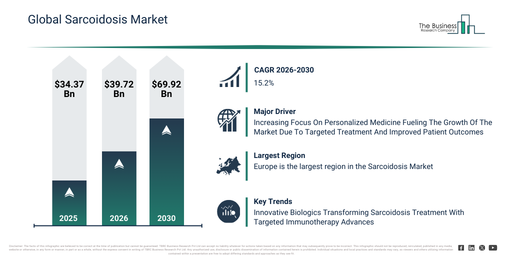
    The sarcoidosis market has experienced substantial expansion recently. Projections indicate its value will increase from $34.37 billion in 2025 to $39.72 billion in 2026, demonstrating a compound annual growth rate (CAGR) of 15.6%. Historically, this growth stemmed from factors such as the enduring dependence on corticosteroids for initial treatment, a rise in pulmonary sarcoidosis diagnoses, heightened understanding among specialists like pulmonologists and rheumatologists, progressive advancements in diagnostic imaging, and the restricted access to approved targeted treatments.

    The sarcoidosis market is anticipated to experience significant expansion over the coming years. Projections indicate it will reach $69.92 billion by 2030, exhibiting a compound annual growth rate (CAGR) of 15.2%. This projected growth during the forecast period is primarily driven by factors such as the emergence of innovative biologics and immunomodulators, a heightened emphasis on therapeutic alternatives that reduce steroid dependence, the increasing incidence of chronic and systemic sarcoidosis, broader clinical investigations into uncommon inflammatory conditions, and enhanced patient access to specialized medical facilities. Key trends anticipated during this period encompass the expanded off-label application of biologics for sarcoidosis resistant to conventional treatments, a greater focus on managing pulmonary sarcoidosis, the increasing uptake of corticosteroid-reducing treatment plans, enhanced utilization of imaging and biomarker-driven disease surveillance, and the proliferation of clinical trials for new anti-inflammatory agents.

    Access Your Free Sample Report For In-Depth Market Analysis:

    https://www.thebusinessresearchcompany.com/sample.aspx?id=23508&type=smp

    Which Key Drivers Are Affecting The Sarcoidosis Market Development?

    The sarcoidosis market is anticipated to expand due to the escalating emphasis on personalized medicine. This sophisticated medical treatment strategy customizes therapeutic approaches for individual patients, considering their genetic profile, biomarkers, environmental elements, and lifestyle, thereby guaranteeing more accurate, effective, and targeted interventions. The appeal for personalized medicine is on the rise because it enables treatments to be adapted to an individual’s genetic and biological characteristics, thereby improving efficacy while minimizing adverse effects. In the context of sarcoidosis, personalized medicine customizes treatment by utilizing genetic, biomarker, and clinical profiling to boost effectiveness and lessen side effects. This method improves targeted therapies, addressing the varied nature of the disease and individual patient reactions. As an illustration, in February 2024, the U.S. Food and Drug Administration (FDA), a US-based government regulatory agency, approved 16 new personalized treatments for rare disease patients in 2023, a substantial rise from 6 personalized treatments in 2022, as reported by the Personalized Medicine Coalition, a US-based nonprofit organization. Consequently, the heightened focus on personalized medicine is propelling the expansion of the sarcoidosis market.

    How Is Segmentation Applied In The Sarcoidosis Market Segment Analysis?

    The sarcoidosis market covered in this report is segmented –

    1) By Type: Pulmonary Sarcoidosis, Ocular Sarcoidosis, Neurosarcoidosis, Cardiac Sarcoidosis, Musculoskeletal Sarcoidosis, Cutaneous Sarcoidosis, Renal Sarcoidosis, Hepatic Sarcoidosis, Sarcoidosis Of The Spleen And Bone Marrow

    2) By Diagnostic Method: Imaging Technique, Biopsy, Blood Tests

    3) By Treatment Type: Corticosteroids, Immunosuppressive Agents, Biologics, Anti-Malarial Drugs

    4) By Route Of Administration: Oral, Parenteral, Other Routes Of Administration

    5) By End Uses: Hospitals And Clinics, Surgical Centers, Diagnostic Centers, Other End Uses

    Subsegments:

    1) By Pulmonary Sarcoidosis: Acute Pulmonary Sarcoidosis, Chronic Pulmonary Sarcoidosis, Fibrotic Pulmonary Sarcoidosis

    2) By Ocular Sarcoidosis: Anterior Uveitis, Posterior Uveitis, Intermediate Uveitis, Panuveitis, Optic Neuropathy

    3) By Neurosarcoidosis: Meningeal Neurosarcoidosis, Cranial Nerve Neurosarcoidosis, Peripheral Neuropathy, Spinal Cord Involvement, Hypothalamic-Pituitary Involvement

    4) By Cardiac Sarcoidosis: Atrioventricular Block, Ventricular Arrhythmias, Heart Failure, Myocarditis, Sudden Cardiac Arrest

    5) By Musculoskeletal Sarcoidosis: Arthritis, Myopathy, Bone Lesions

    6) By Cutaneous Sarcoidosis: Lupus Pernio, Erythema Nodosum, Papular Sarcoidosis, Plaque Sarcoidosis, Subcutaneous Sarcoidosis

    7) By Renal Sarcoidosis: Granulomatous Interstitial Nephritis, Nephrocalcinosis, Hypercalciuria-Induced Kidney Disease

    8) By Hepatic Sarcoidosis: Granulomatous Hepatitis, Portal Hypertension, Hepatic Fibrosis

    9) By Sarcoidosis Of The Spleen And Bone Marrow: Splenomegaly, Pancytopenia, Bone Marrow Granulomas

    What Trends Are Transforming The Sarcoidosis Market?

    Leading firms within the sarcoidosis market are concentrating on creating novel products, like anti-TNFa monoclonal antibody therapy, aiming to present a new biologic treatment that fulfills a vital unaddressed medical need in controlling inflammatory conditions. This anti-tumor necrosis factor-alpha (anti-TNFa) monoclonal antibody therapy functions as a targeted immunotherapy, employing monoclonal antibodies to suppress TNFa, which is a pro-inflammatory cytokine, consequently lessening inflammation and assisting in the management of autoimmune diseases. As an illustration, in November 2023, Xentria, Inc., a US-based clinical-stage biotherapeutics company, reached a significant achievement when its primary candidate, XTMAB-16, was granted Orphan Drug Designation by the European Medicines Agency (EMA). Concurrently, the company began its worldwide clinical study for pulmonary sarcoidosis by enrolling the initial patient. XTMAB-16, a monoclonal antibody designed to target tumor necrosis factor-alpha (TNFa), is under investigation for its capacity to modify inflammatory pathways in pulmonary sarcoidosis, offering a precise alternative to existing corticosteroid-based treatments. This regulatory acknowledgment and clinical progress underscore the increasing global emphasis on innovative biologics for rare diseases, further solidifying Xentria’s dedication to addressing unmet medical requirements with transformative treatment solutions.

    Who Are The Companies Participating In The Sarcoidosis Market Environment?

    Major companies operating in the sarcoidosis market are Pfizer Inc, F Hoffmann La Roche AG, Merck And Co Inc, AbbVie Inc, Novartis AG, Bristol Myers Squibb Company, AstraZeneca plc, GlaxoSmithKline plc, Eli Lilly And Company, Boehringer Ingelheim GmbH, Regeneron Pharmaceuticals Inc, UCB Pharma, Sun Pharmaceutical Industries Ltd, Cipla Ltd, Lupin Limited, Mallinckrodt Pharmaceuticals, Xentria Inc, Molecure SA, Relief Therapeutics Holding AG, Sanofi SA, Amgen Inc, Takeda Pharmaceutical Company Limited, Janssen Pharmaceuticals Inc, Otsuka Pharmaceutical Co Ltd

    Get The Full Sarcoidosis Market Report:

    https://www.thebusinessresearchcompany.com/report/sarcoidosis-global-market-report

    Where Is The Sarcoidosis Market Primarily Concentrated By Region?

    Europe was the largest region in the sarcoidosis market in 2025. The regions covered in the sarcoidosis market report are Asia-Pacific, South East Asia, Western Europe, Eastern Europe, North America, South America, Middle East, Africa.

    Request A Customized Sarcoidosis Market Report For Competitive Insights:

    https://www.thebusinessresearchcompany.com/report/sarcoidosis-global-market-report

    Browse Through More Reports Similar to the Global Sarcoidosis Market 2026, By The Business Research Company

    Mucolipidosis Ii Market Report 2026

    https://www.thebusinessresearchcompany.com/report/mucolipidosis-ii-global-market-report

    Psoriasis Drugs Market Report

    https://www.thebusinessresearchcompany.com/report/psoriasis-drugs-global-market-report

    Sarcopenia Treatment Market Report

    https://www.thebusinessresearchcompany.com/report/sarcopenia-treatment-global-market-report

    Get in touch with us:

    The Business Research Company: https://www.thebusinessresearchcompany.com/

    Americas +1 310-496-7795

    Asia +44 7882 955267 & +91 8897263534

    Europe +44 7882 955267

    Email us at info@tbrc.info

    Follow us on:

    LinkedIn: https://in.linkedin.com/company/the-business-research-company

    YouTube: https://www.youtube.com/channel/UC24_fI0rV8cR5DxlCpgmyFQ

    Global Market Model: https://www.thebusinessresearchcompany.com/global-market-model
  • Rare Hematology Market Forecast to 2030 With Key Insights

    Rare Hematology Market Forecast to 2030 With Key Insights

    The Business Research Company’s 2026 market reports feature enhanced tools like market attractiveness analysis, TAM assessment, and company scoring matrices, along with interactive dashboards, deeper supply chain insights, and startup coverage strengthening the depth, usability, and strategic value of insights.

    How Large Will The Rare Hematology Market Be By 2030 Compared To Its 2026 Market Size?

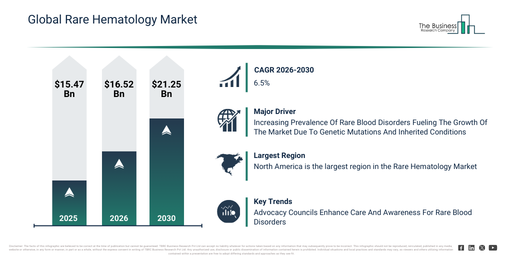
    The rare hematology market has experienced robust growth in recent years. It is projected to expand from $15.47 billion in 2025 to $16.52 billion in 2026, demonstrating a compound annual growth rate (CAGR) of 6.8%. This historical growth is attributable to several factors, including the limited availability of effective therapies, expansion of rare disease research initiatives, increasing awareness of rare blood disorders, improvements in diagnostic laboratory capabilities, and growth in specialized hematology clinics.

    The rare hematology market is anticipated to experience substantial expansion over the next few years. It is projected to reach $21.25 billion by 2030, demonstrating a compound annual growth rate (CAGR) of 6.5%. This growth during the forecast period can be attributed to several factors, including heightened investments in the advancement of gene therapy, a greater emphasis on precision medicine tailored for rare conditions, the proliferation of newborn and carrier screening initiatives, enhanced partnerships between research institutions and pharmaceutical firms, and breakthroughs in genomic sequencing technologies. Key trends anticipated during this period encompass the wider acceptance of gene and cell therapies, increased utilization of sophisticated genetic diagnostic tools, a sharpened focus on individualized treatment approaches, the enlargement of specialized facilities for rare diseases, and improved integration of digital patient monitoring systems.

    Access Your Free Sample Report For In-Depth Market Analysis:

    https://www.thebusinessresearchcompany.com/sample.aspx?id=28318&type=smp

    What Key Factors Are Shaping The Rare Hematology Market Landscape?

    The rising occurrence of rare blood disorders is anticipated to drive expansion within the rare hematology market in the future. These disorders are defined as infrequent medical ailments impacting the creation, operation, or longevity of blood cells or coagulation factors, resulting in conditions such as anemia, hemorrhagic issues, or hemolysis. The incidence of these conditions is growing, primarily attributed to genetic alterations and hereditary traits transmitted from parents to offspring. The rare hematology market facilitates this upward trend through the provision of specialized diagnostic tools and focused treatments designed to manage intricate and infrequent blood ailments, simultaneously mitigating complications and enhancing patient prognoses over time. As an illustration, in March 2024, data from the National Institute for Health and Care Excellence, a UK-based non-departmental public body, indicated that in 2022 and 2023, 2,069 individuals in the UK were identified with haemophilia B, comprising 374 with severe disease and 351 with moderate disease. Consequently, the escalating occurrence of rare blood disorders is a key impetus for the expansion of the rare hematology market.

    How Is The Rare Hematology Market Broken Down By Segment Categories?

    The rare hematology market covered in this report is segmented –

    1) By Disease Type: Hemophilia, Sickle Cell Disease, Thalassemia, Myelodysplastic Syndromes, Other Disease Types

    2) By Treatment Type: Gene Therapy, Stem Cell Transplantation, Blood Transfusion, Pharmacotherapy

    3) By Diagnostic Technique: Laboratory Tests, Blood Tests, Bone Marrow Biopsies, Imaging Techniques, Magnetic Resonance Imaging (MRI) Scans, Ultrasounds, Genetic Testing, Carrier Screening, Whole Genome Sequencing

    4) By Application: Pediatric, Adult

    5) By End-User: Hospitals, Specialty Clinics, Research Institutes

    Subsegments:

    1) By Hemophilia: Hemophilia A, Hemophilia B, Hemophilia C, Acquired Hemophilia

    2) By Sickle Cell Disease: Sickle Cell Anemia, Sickle Hemoglobin C Disease, Sickle Beta Thalassemia

    3) By Thalassemia: Alpha Thalassemia, Beta Thalassemia

    4) By Myelodysplastic Syndromes: Refractory Anemia (RA), Refractory Anemia With Ring Sideroblasts (RARS), Refractory Cytopenia With Multilineage Dysplasia (RCMD), Refractory Anemia With Excess Blasts (RAEB), Myelodysplastic Syndrome With Isolated Del(5Q), Unclassified Myelodysplastic Syndromes

    5) By Other Disease Types: Aplastic Anemia, Paroxysmal Nocturnal Hemoglobinuria, Rare Coagulation Disorders

    What Market Trends Are Affecting The Rare Hematology Market?

    Major companies operating in the rare hematology market are focusing on developing innovative therapies and strategic initiatives, such as multi-stakeholder advocacy councils, with the goal of addressing unmet medical needs, enhancing patient support, and driving cross-indication solutions. Multi-stakeholder advocacy councils are defined as groups comprised of patients, caregivers, and experts who collaborate to improve care, awareness, and solutions for a specific health condition. For instance, in February 2023, Agios Pharmaceuticals Inc., a US-based biopharmaceutical company, introduced the Red Cell Revolution advocacy advisory council. This initiative brings together patients, caregivers, and healthcare professionals affected by rare hemolytic anemias such as pyruvate kinase deficiency, thalassemia, and sickle cell disease. Its primary goal is to strengthen community connections, generate published evidence, design practical solutions, and raise awareness of shared challenges. The initiative encompasses activities like sponsored podcasts, video content, and partnerships with organizations such as the National Organization for Rare Disorders to support health equity and education.

    Which Players Are Present In The Rare Hematology Market Space?

    Major companies operating in the rare hematology market are F. Hoffmann-La Roche Ltd, Pfizer Inc., Abbvie Inc., Bayer AG, Sanofi S.A., Novartis AG, Astrazeneca Plc, Bristol-Myers Squibb Company, Takeda Pharmaceutical Company Limited, Amgen Inc., CSL Behring LLC, Biogen Inc., Jazz Pharmaceuticals Plc, Octapharma AG, PharmaEssentia Corporation, Disc Medicine Inc., BioInvent International AB, Mustang Bio Inc., BlueSphere Bio Inc., Rallybio LLC

    Get The Full Rare Hematology Market Report:

    https://www.thebusinessresearchcompany.com/report/rare-hematology-global-market-report

    Which Region Dominates The Rare Hematology Market By Market Share?

    North America was the largest region in the rare hematology market in 2025. Asia-Pacific is expected to be the fastest-growing region in the forecast period. The regions covered in the rare hematology market report are Asia-Pacific, South East Asia, Western Europe, Eastern Europe, North America, South America, Middle East, Africa.

    Request A Customized Rare Hematology Market Report For Competitive Insights:

    https://www.thebusinessresearchcompany.com/report/rare-hematology-global-market-report

    Browse Through More Reports Similar to the Global Rare Hematology Market 2026, By The Business Research Company

    Neuroendocrine Tumor Treatment Market Report 2026

    https://www.thebusinessresearchcompany.com/report/neuroendocrine-tumor-treatment-global-market-report

    Rare Inflammatory Disease Treatment Market Report

    https://www.thebusinessresearchcompany.com/report/rare-inflammatory-disease-treatment-global-market-report

    Hormone Therapy Market Report

    https://www.thebusinessresearchcompany.com/report/hormone-therapy-global-market-report

    Get in touch with us:

    The Business Research Company: https://www.thebusinessresearchcompany.com/

    Americas +1 310-496-7795

    Asia +44 7882 955267 & +91 8897263534

    Europe +44 7882 955267

    Email us at info@tbrc.info

    Follow us on:

    LinkedIn: https://in.linkedin.com/company/the-business-research-company

    YouTube: https://www.youtube.com/channel/UC24_fI0rV8cR5DxlCpgmyFQ

    Global Market Model: https://www.thebusinessresearchcompany.com/global-market-model

  • Premature Ejaculation Treatment Market Analysis Focusing on Growth Potential and Outlook

    Premature Ejaculation Treatment Market Analysis Focusing on Growth Potential and Outlook

    The Business Research Company’s 2026 market reports feature enhanced tools like market attractiveness analysis, TAM assessment, and company scoring matrices, along with interactive dashboards, deeper supply chain insights, and startup coverage strengthening the depth, usability, and strategic value of insights.

    What Is The Anticipated Rise In Market Value Of The Premature Ejaculation Treatment Market During The Forecast Period?

    The premature ejaculation treatment market size has experienced significant expansion in recent years. It is anticipated to increase from $4.23 billion in 2025 to $4.62 billion in 2026, exhibiting a compound annual growth rate (CAGR) of 9.2%. This growth over the historic period is largely due to factors such as a rise in awareness regarding male sexual health, the introduction and availability of SSRI-based treatments, broader access to retail pharmacies, an increasing acceptance of pharmacological therapies, and enhancements in treatment efficacy.

    The premature ejaculation treatment market is projected to undergo significant expansion in the coming years. It is anticipated to reach a size of $6.62 billion by 2030, exhibiting a compound annual growth rate (CAGR) of 9.4%. The drivers for this growth during the forecast period include an increasing demand for tailored treatment regimens, a rising adoption of digital health platforms focused on sexual wellness, the broadening of non-invasive treatment options, an intensifying focus on holistic sexual health management, and the increasing use of telemedicine for consultations. Prominent trends expected in the forecast period include a growing uptake of combination drug therapies, an escalating demand for topical and oral treatment solutions, increased acceptance of integrating behavioral therapy, the expansion of direct-to-consumer treatment channels, and an enhanced emphasis on patient privacy and discretion.

    Access Your Free Sample Report For In-Depth Market Analysis:

    https://www.thebusinessresearchcompany.com/sample.aspx?id=13518&type=smp

    Which Strong Drivers Are Impacting The Premature Ejaculation Treatment Market Growth?

    The expansion of the premature ejaculation treatment market is anticipated to be driven by the growing occurrence of sexual disorders. Sexual dysfunction, or disorder, describes challenges encountered by individuals, both male and female, at any point during normal intimate activity. Premature ejaculation itself is a sexual disorder, with its treatment encompassing medications or therapeutic strategies designed to manage and mitigate this condition. For example, in September 2024, NHS England Digital, a UK government agency, reported a significant rise in contacts for sexual and reproductive health (SRH) services, totaling 2.08 million, which marks a 16% increase from the 1.79 million recorded in 2022-23. Furthermore, the British Association for Sexual Health and HIV (BASHH) indicated that the number of consultations provided by sexual health services in England reached an unprecedented 4.61 million in 2023, reflecting a 5% growth compared to the previous year. Consequently, the rising incidence of sexual disorders is a key factor propelling the expansion of the premature ejaculation treatment market.

    Which Segments Define The Premature Ejaculation Treatment Market Segment Structure?

    The premature ejaculation treatment market covered in this report is segmented –

    1) By Type: Antidepressants (SSRIs), Phosphodiesterase-5 Inhibitors, Topical Anesthetics, Analgesics, Other Treatment

    2) By Route of Administration: Oral, Topical

    3) By Distribution Channel: Retail, Direct-To-Consumer

    4) By Application: Hospital, Retail Pharmacy, Online Pharmacy, Other Applications

    Subsegments:

    1) By Antidepressants (Ssris): Paroxetine, Sertraline, Dapoxetine, Fluoxetine, Citalopram

    2) By Phosphodiesterase-5 Inhibitors: Sildenafil, Tadalafil, Vardenafil, Avanafil

    3) By Topical Anesthetics: Lidocaine-Based Creams, Prilocaine-Based Creams, Benzocaine-Based Sprays

    4) By Analgesics: Oral Pain Relievers, Topical Pain Relievers

    5) By Other Treatment: Behavioral Therapy, Counseling And Psychotherapy, Pelvic Floor Exercises, Mechanical Devices

    Which Trends Are Contributing To Changes In The Premature Ejaculation Treatment Market?

    Leading companies in the premature ejaculation treatment market are developing novel solutions, such as delay sprays, to enhance their revenue streams. These delay sprays are specialized products applied to the penis before sexual activity, designed to help men prolong intercourse by temporarily dulling penile nerves, thereby decreasing sensitivity and postponing ejaculation. For example, in August 2023, Maude, a US-based sexual wellness company, introduced Stay, a delay spray specifically formulated to address premature ejaculation. This product contains 10% lidocaine, a quick-evaporating local anesthetic that reduces sensitivity in the male genital region. Additionally, Stay is compatible with both latex and polyisoprene condoms, as well as various lubricants and devices. It is also vegan-friendly, fragrance-free, and devoid of sulfates, silicones, and parabens.

    Who Are The Established Players Within The Premature Ejaculation Treatment Market?

    Major companies operating in the premature ejaculation treatment market are Pfizer Inc, Johnson & Johnson, Merck & Co Inc, AbbVie Inc, Bayer AG, Novartis AG, GlaxoSmithKline plc, Takeda Pharmaceutical Company Limited, Eli Lilly And Company, Teva Pharmaceutical Industries Ltd, Sandoz International GmbH, Sun Pharmaceutical Industries Ltd, Menarini Group, Lupin Limited, Amneal Pharmaceuticals Inc, Mankind Pharma Ltd, Cipla Limited, Alembic Pharmaceuticals Limited, Torrent Pharmaceuticals Ltd, ANI Pharmaceuticals Inc, Vivus Inc, Innovus Pharmaceuticals Inc, Apricus Biosciences Inc, Endurance RP Ltd

    Get The Full Premature Ejaculation Treatment Market Report:

    https://www.thebusinessresearchcompany.com/report/premature-ejaculation-treatment-global-market-report

    Which Region Is The Largest In The Premature Ejaculation Treatment Market?

    North America was the largest region in the premature ejaculation treatment market in 2025, and is expected to be the fastest-growing region in the forecast period. The regions covered in the premature ejaculation treatment market report are Asia-Pacific, South East Asia, Western Europe, Eastern Europe, North America, South America, Middle East, Africa.

    Request A Customized Premature Ejaculation Treatment Market Report For Competitive Insights:

    https://www.thebusinessresearchcompany.com/report/premature-ejaculation-treatment-global-market-report

    Browse Through More Reports Similar to the Global Premature Ejaculation Treatment Market 2026, By The Business Research Company

    Genetically Modified Fruits Market Report 2026

    https://www.thebusinessresearchcompany.com/report/genetically-modified-fruits-global-market-report

    Optogenetics Market Report

    https://www.thebusinessresearchcompany.com/report/optogenetics-global-market-report

    Genetically Modified Animal Products Market Report

    https://www.thebusinessresearchcompany.com/report/genetically-modified-animal-products-global-market-report

    Get in touch with us:

    The Business Research Company: https://www.thebusinessresearchcompany.com/

    Americas +1 310-496-7795

    Asia +44 7882 955267 & +91 8897263534

    Europe +44 7882 955267

    Email us at info@tbrc.info

    Follow us on:

    LinkedIn: https://in.linkedin.com/company/the-business-research-company

    YouTube: https://www.youtube.com/channel/UC24_fI0rV8cR5DxlCpgmyFQ

    Global Market Model: https://www.thebusinessresearchcompany.com/global-market-model
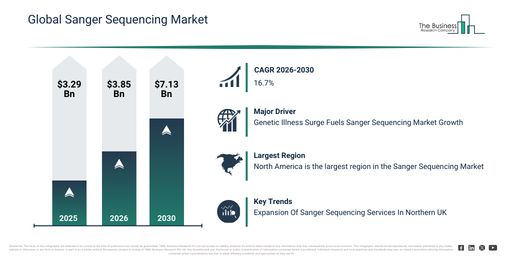
  • Sanger sequencing market to reach $7.12 billion by 2030 at 16.7% CAGR

    Sanger sequencing market to reach $7.12 billion by 2030 at 16.7% CAGR

    The Business Research Company’s 2026 market reports feature enhanced tools like market attractiveness analysis, TAM assessment, and company scoring matrices, along with interactive dashboards, deeper supply chain insights, and startup coverage strengthening the depth, usability, and strategic value of insights.

    From Its 2026 Market Size, What Value Is The Sanger Sequencing Market Projected To Reach By 2030?

    The sanger sequencing market has expanded considerably over recent years. Its valuation is projected to rise from $3.29 billion in 2025 to $3.85 billion in 2026, demonstrating a compound annual growth rate (CAGR) of 17.1%. This historical growth can be linked to the initial widespread embrace of sanger sequencing as the definitive standard, a surge in genomics research by academic institutions and governments, an increase in genetic disorder testing, its growing application in forensic investigations, and heightened activity in pharmaceutical research and development.

    The sanger sequencing market is projected to experience substantial expansion in the coming years. This market is anticipated to reach $7.13 billion by 2030, exhibiting a compound annual growth rate (CAGR) of 16.7%. Several factors are driving this anticipated growth, including the continuous requirement for validation sequencing in conjunction with NGS, the expansion of personalized medicine uses, an increasing need for economical targeted sequencing, the development of clinical diagnostics in nascent economies, and more partnerships between biotechnology companies and research organizations. Key trends anticipated during this period involve the persistent utilization of sanger sequencing to confirm NGS outcomes, a consistent need for targeted gene sequencing in diagnostic procedures, its expanding utility in biomarker and cancer investigations, the rising practice of delegating sequencing tasks to expert laboratories, and its continued application in forensic science and reproductive health examinations.

    Access Your Free Sample Report For In-Depth Market Analysis:

    https://www.thebusinessresearchcompany.com/sample.aspx?id=13925&type=smp

    What Factors Are Contributing To The Growth Of The Sanger Sequencing Market?

    An anticipated increase in genetic illnesses is projected to fuel the expansion of the sanger sequencing market going forward. A genetic illness, also known as a genetic disorder, refers to a health condition resulting from irregularities or changes within an individual’s DNA, which is the inherited material containing genetic data. Sanger sequencing serves as a diagnostic tool for genetic illnesses, accurately identifying the sequence of nucleotides (DNA’s fundamental components) within a particular gene or DNA segment. As an illustration, figures from August 2024, provided by the National Health Service, a publicly funded healthcare system located in the UK, indicate that approximately 2,300 individuals in the UK were affected by thalassaemia in 2024. Of these, around 800 suffer from the severe variant of the disease and require consistent blood transfusions. Consequently, the growing prevalence of genetic illness is a key factor propelling the growth of the sanger sequencing market.

    What Segment Categories Shape The Sanger Sequencing Market Segment Landscape?

    The sanger sequencing market covered in this report is segmented –

    1) By Sequencing: Shotgun Sequencing, Targeted Gene Sequencing, Other Sequencing

    2) By Laboratory: Wet Labs, Dry Labs

    3) By Research: In-House, Outsourced

    4) By Application: Diagnostics, Biomarkers And Cancer, Reproductive Health, Personalized Medicine, Forensics, Other Applications

    5) By End User: Academic, Government Research Institutes, Pharmaceutical Companies, Biotechnology Companies, Hospitals, Clinics

    Subsegments:

    1) By Shotgun Sequencing: Whole Genome Shotgun Sequencing, Metagenomic Shotgun Sequencing

    2) By Targeted Gene Sequencing: Amplicon Sequencing, Exome Sequencing

    3) By Other Sequencing: Nested PCR Sequencing, Capillary Electrophoresis Based Sanger Sequencing

    What Trends Are Shaping The Future Of The Sanger Sequencing Market?

    Leading companies in the sanger sequencing market are strategically expanding their genomic laboratories to offer prompt sanger sequencing services to the UK’s northern region. Genomic laboratories are specialized centers that conduct genetic testing and analysis, delving into the structure, function, and inheritance of genes and genomes, frequently for diagnostic purposes, scientific investigation, and personalized medical approaches. For instance, in June 2023, Source Genomics, a UK company specializing in genomic services, announced the expansion of their genomic laboratory into the UK’s north. This move is set to increase the capacity of their Sanger sequencing services and accelerate data delivery turnaround times. Extending laboratory operations to these northern territories represents a significant step forward in ensuring equitable access to genomic services for research organizations across the nation. This regional development will enable customers nationwide to benefit from high-quality Sanger sequencing services delivered with improved efficiency.

    Who Are The Companies Operating Across The Sanger Sequencing Market Value Chain?

    Major companies operating in the sanger sequencing market are Hoffmann La Roche, Thermo Fisher Scientific Inc, Merck KGaA, Eurofins Scientific, Beckman Coulter, PerkinElmer Inc, LGC Limited, GenScript, Macrogen Inc, GENEWIZ Inc, Quintara Biosciences, CeMIA SA, Source BioScience, Microsynth AG, Fasteris SA, GenHunter Corporation, Nucleics Pty Ltd, SciGenom Labs Pvt Ltd, StarSEQ GmbH, GATC Biotech AG, Agilent Technologies, Azenta Life Sciences, CD Genomics, Novogene Sanger Services

    Get The Full Sanger Sequencing Market Report:

    https://www.thebusinessresearchcompany.com/report/sanger-sequencing-global-market-report

    Which Region Has The Greatest Market Share In The Sanger Sequencing Market?

    North America was the largest region in the sanger sequencing market in 2025. The regions covered in the sanger sequencing market report are Asia-Pacific, South East Asia, Western Europe, Eastern Europe, North America, South America, Middle East, Africa.

    Request A Customized Sanger Sequencing Market Report For Competitive Insights:

    https://www.thebusinessresearchcompany.com/report/sanger-sequencing-global-market-report

    Browse Through More Reports Similar to the Global Sanger Sequencing Market 2026, By The Business Research Company

    Next Generation Sequencing Market

    https://www.thebusinessresearchcompany.com/report/next-generation-sequencing-market

    Short Read Sequencing Market Report

    https://www.thebusinessresearchcompany.com/report/short-read-sequencing-global-market-report

    Dna Sequencing Market Report

    https://www.thebusinessresearchcompany.com/report/dna-sequencing-global-market-report

    Get in touch with us:

    The Business Research Company: https://www.thebusinessresearchcompany.com/

    Americas +1 310-496-7795

    Asia +44 7882 955267 & +91 8897263534

    Europe +44 7882 955267

    Email us at info@tbrc.info

    Follow us on:

    LinkedIn: https://in.linkedin.com/company/the-business-research-company

    YouTube: https://www.youtube.com/channel/UC24_fI0rV8cR5DxlCpgmyFQ

    Global Market Model: https://www.thebusinessresearchcompany.com/global-market-model
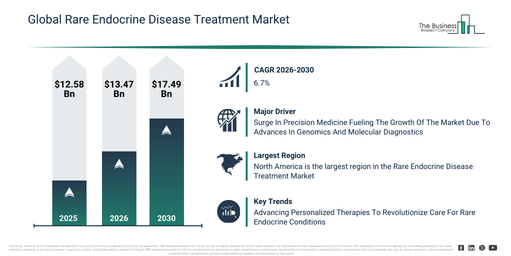
  • Rare Endocrine Disease Treatment Market Outlook (2026–2030) Covering Growth Drivers and Trends

    Rare Endocrine Disease Treatment Market Outlook (2026–2030) Covering Growth Drivers and Trends

    The Business Research Company’s 2026 market reports feature enhanced tools like market attractiveness analysis, TAM assessment, and company scoring matrices, along with interactive dashboards, deeper supply chain insights, and startup coverage strengthening the depth, usability, and strategic value of insights.

    What Is The Projected Increase In Market Value Of The Rare Endocrine Disease Treatment Market During 2026–2030?

    The rare endocrine disease treatment market size has demonstrated significant growth in recent years. Projections indicate an increase from $12.58 billion in 2025 to $13.47 billion in 2026, reflecting a compound annual growth rate (CAGR) of 7.1%. This historical expansion can be attributed to several factors, including enhanced diagnostic capabilities for endocrine disorders, the proliferation of specialty endocrine clinics, improved access to hormone replacement therapies, advancements in endocrinology research, and a greater public awareness of rare endocrine conditions.

    The rare endocrine disease treatment market is set to experience robust growth over the coming years, with its size expected to reach $17.49 billion by 2030, demonstrating a compound annual growth rate (CAGR) of 6.7%. This projected expansion is primarily fueled by increased investments in precision hormone therapies, a greater embrace of biologics and immunotherapies, the broadening of personalized treatment approaches, a rising demand for comprehensive long-term disease management solutions, and enhanced regulatory support for orphan endocrine drugs. Significant developments expected within this period include the accelerated creation of targeted hormonal therapies, a higher uptake of biologic and recombinant treatments, a stronger emphasis on precision endocrinology, the expansion of diagnostic methods for rare hormonal disorders, and improved integration of multidisciplinary care models.

    Access Your Free Sample Report For In-Depth Market Analysis:

    https://www.thebusinessresearchcompany.com/sample.aspx?id=28315&type=smp

    Which Factors Are Influencing The Growth Of The Rare Endocrine Disease Treatment Market?

    An increasing emphasis on precision medicine is anticipated to stimulate expansion within the rare endocrine disease treatment market moving ahead. This medical strategy, precision medicine, involves customizing prevention, diagnostic, and therapeutic methods based on a person’s unique genetic profile, way of life, and surroundings. The growing attention to precision medicine stems from progress in genomics, which facilitates the more precise identification of disease pathways and the development of personalized treatment plans for patients. By tailoring therapies according to a patient’s genetic, molecular, and hormonal characteristics, precision medicine aids in managing rare endocrine diseases, leading to exact diagnoses and specific treatments that boost efficacy and lessen adverse reactions. For example, data from February 2024, provided by the Personalized Medicine Coalition, a US non-profit, indicates that in 2023, the United States Food and Drug Administration (FDA) authorized 16 novel personalized treatments for rare disease patients, a significant rise from six in 2022. Among these newly approved personalized treatments in 2023 were also seven cancer drugs and three designated for various other diseases and conditions. Consequently, the intensified focus on precision medicine is a key factor propelling the expansion of the rare endocrine disease treatment market.

    What Are The Different Segment Types In The Rare Endocrine Disease Treatment Market Segment Breakdown?

    The rare endocrine disease treatment market covered in this report is segmented –

    1) By Type: Biologics, Organic Compounds

    2) By Treatment: Hormone Replacement Therapy, Radiotherapy, Surgery, Targeted Therapy, Immunotherapy

    3) By Disease: Cushing’s Syndrome, Addison’s Disease, Acromegaly, Other Diseases

    4) By Distribution Channel: Hospital Pharmacies, Retail Pharmacies, Online Pharmacies, Direct Sales, Other Distribution Channels

    5) By End-User: Hospitals, Specialty Clinics, Research Institutes, Other End-Users

    Subsegments:

    1) By Biologics: Monoclonal Antibodies, Recombinant Proteins, Enzyme Replacement Therapies, Vaccines

    2) By Organic Compounds: Small Molecule Drugs, Peptide-Based Drugs, Steroidal Compounds, Non-Steroidal Compounds

    Which Trends Are Influencing Demand In The Rare Endocrine Disease Treatment Market?

    Leading companies in the rare endocrine disease treatment market are focusing on the creation of advanced therapies, such as parathyroid hormone (PTH) prodrugs, to enhance therapeutic efficacy and extend treatment duration for patients suffering from hormone-deficiency disorders. Parathyroid hormone (PTH) prodrugs are long-acting hormone treatments where polyethylene glycol (PEG) is attached to PTH, aiming to improve molecular stability, prolong circulation time, and sustain pharmacologic activity for continuous endocrine replacement. For instance, in August 2024, Ascendis Pharma A/S, a biopharmaceutical company located in Denmark, launched YORVIPATH, which is the first and only FDA-approved treatment for adult hypoparathyroidism. This treatment features once-daily TransCon prodrug technology, providing continuous PTH exposure, pegylation-enabled extended pharmacodynamic activity, and clinical evidence that demonstrates normalization of serum calcium levels with reduced dependence on high-dose calcium and active vitamin D supplements.

    Who Are The Well-Known Companies In The Rare Endocrine Disease Treatment Market?

    Major companies operating in the rare endocrine disease treatment market are Pfizer Inc., Bayer AG, AstraZeneca PLC, Eli Lilly and Company, Novo Nordisk A/S, Sandoz Group AG, Alexion Pharmaceuticals Inc., Ipsen S.A., Kyowa Kirin Co. Ltd., BioMarin Pharmaceutical Inc., Recordati S.p.A., Camurus AB, EMD Serono Inc., Corcept Therapeutics Inc., Ascendis Pharma A/S, Inozyme Pharma Inc., Spruce Biosciences Inc., MBX Biosciences Inc., Crinetics Pharmaceuticals Inc., Tiburio Therapeutics Inc.

    Get The Full Rare Endocrine Disease Treatment Market Report:

    https://www.thebusinessresearchcompany.com/report/rare-endocrine-disease-treatment-global-market-report

    Which Region Is The Largest In The Rare Endocrine Disease Treatment Market?

    North America was the largest region in the rare endocrine disease treatment market in 2025. Asia-Pacific is expected to be the fastest-growing region in the forecast period. The regions covered in the rare endocrine disease treatment market report are Asia-Pacific, South East Asia, Western Europe, Eastern Europe, North America, South America, Middle East, Africa.

    Request A Customized Rare Endocrine Disease Treatment Market Report For Competitive Insights:

    https://www.thebusinessresearchcompany.com/report/rare-endocrine-disease-treatment-global-market-report

    Browse Through More Reports Similar to the Global Rare Endocrine Disease Treatment Market 2026, By The Business Research Company

    Alternative Data Market Report 2026

    https://www.thebusinessresearchcompany.com/report/alternative-data-global-market-report

    Data Catalog Market Report

    https://www.thebusinessresearchcompany.com/report/data-catalog-global-market-report

    Datafication Market Report

    https://www.thebusinessresearchcompany.com/report/datafication-global-market-report

    Get in touch with us:

    The Business Research Company: https://www.thebusinessresearchcompany.com/

    Americas +1 310-496-7795

    Asia +44 7882 955267 & +91 8897263534

    Europe +44 7882 955267

    Email us at info@tbrc.info

    Follow us on:

    LinkedIn: https://in.linkedin.com/company/the-business-research-company

    YouTube: https://www.youtube.com/channel/UC24_fI0rV8cR5DxlCpgmyFQ

    Global Market Model: https://www.thebusinessresearchcompany.com/global-market-model

  • Preimplantation Genetic Testing Market Forecast Highlighting Industry Trends

    Preimplantation Genetic Testing Market Forecast Highlighting Industry Trends

    The Business Research Company’s 2026 market reports feature enhanced tools like market attractiveness analysis, TAM assessment, and company scoring matrices, along with interactive dashboards, deeper supply chain insights, and startup coverage strengthening the depth, usability, and strategic value of insights.

    How Is The Market Size Of The Preimplantation Genetic Testing Market Expected To Scale Between 2026 And 2030?

    The preimplantation genetic testing market has experienced significant expansion recently. Projections indicate its value will rise from $0.92 billion in 2025 to $1.03 billion in 2026, demonstrating a compound annual growth rate (CAGR) of 11.4%. Historically, this expansion has been driven by factors such as the rising adoption of assisted reproductive technologies, innovations in embryo biopsy procedures, heightened public knowledge regarding genetic disease avoidance, the proliferation of fertility clinics, and enhanced IVF success rates.

    The preimplantation genetic testing market is projected for swift expansion in the coming years, reaching $1.57 billion by 2030, demonstrating a compound annual growth rate (CAGR) of 11.1%. This anticipated growth during the forecast period is driven by several factors, including a heightened demand for tailored reproductive medicine, increased integration of sophisticated genomic technologies, broader availability of fertility preservation services, greater capital expenditure in reproductive health infrastructure, and wider regulatory approval of genetic screening. Key developments expected during this timeframe encompass a surge in embryo screening procedures, the growing application of next-generation sequencing in IVF, an extension of genetic testing within fertility treatments, a rising need for better implantation success rates, and a sharpened emphasis on mitigating genetic disorders.

    Access Your Free Sample Report For In-Depth Market Analysis:

    https://www.thebusinessresearchcompany.com/sample.aspx?id=20596&type=smp

    What Key Factors Are Shaping The Preimplantation Genetic Testing Market Landscape?

    The rising number of in vitro fertilization (IVF) procedures is expected to fuel the expansion of the preimplantation genetic testing market moving forward. IVF procedures involve fertilizing an egg with sperm outside the body to form an embryo, which is subsequently placed into the uterus. Growth in IVF procedures is influenced by progress in reproductive technology, an increase in infertility rates, and enhanced public awareness. The surge in in vitro fertilization (IVF) procedures is boosting the preimplantation genetic testing market by elevating the demand for genetic screening of embryos before implantation. For example, in June 2025, the Human Fertilisation & Embryology Authority, an independent UK-based regulator of fertility treatment, reported that in 2023, 52,400 patients underwent over 77,500 in vitro fertilization (IVF) cycles at licensed fertility clinics in the UK. Egg freezing cycles saw an increase from 4,700 in 2022 to 6,900 in 2023, making up 7% of all cycles. Therefore, the rise in in vitro fertilization (IVF) procedures is a key driver for the preimplantation genetic testing market.

    How Is The Preimplantation Genetic Testing Market Segmented Across Different Segment Categories?

    The preimplantation genetic testing market covered in this report is segmented –

    1) By Procedure: Preimplantation Genetic Screening, Preimplantation Genetic Diagnosis

    2) By Product: Reagents And Consumables, Instruments, Software

    3) By Technology: Next Generation Sequencing (NGS), Polymerase Chain Reaction (PCR), Fluorescent In Situ Hybridization (FISH), Other Technologies

    4) By Application: Chromosomal Abnormalities, Aneuploidy Screening, X-Linked Diseases, Embryo Testing, Human Leukocyte Antigen (HLA) Typing, Other Applications

    5) By End User: Hospitals, Fertility Centers, Diagnostic Centers, Research Centers And Academic Labs

    Subsegments:

    1) By Preimplantation Genetic Screening (PGS): Array Comparative Genomic Hybridization (aCGH), Next-Generation Sequencing (NGS), Fluorescence In Situ Hybridization (FISH)

    2) By Preimplantation Genetic Diagnosis (PGD): Monogenic Disorders Testing, Chromosomal Abnormalities Testing, HLA Typing for Stem Cell Transplantation

    What Market Trends Are Affecting The Preimplantation Genetic Testing Market?

    Leading companies in the preimplantation genetic testing market are developing sophisticated next-generation sequencing (NGS) tools to enhance accuracy, efficiency, and speed in genetic screening, enabling more comprehensive analysis and better-informed decisions for prospective parents. Next-generation sequencing (NGS) tools accelerate genetic research with rapid, high-throughput analysis of deoxyribonucleic acid (DNA) and ribonucleic acid (RNA). They provide detailed insights into genetic variations and gene expression, improving accuracy and facilitating personalized medicine. For instance, in July 2023, Thermo Fisher Scientific, a US-based biotechnology company, launched the Ion ReproSeq PGT-A Kit and the Ion AmpliSeq Polyploidy Kit. These advanced next-generation sequencing tools are specifically designed to enhance IVF and ICSI research. These assays streamline workflows from sample processing to aneuploidy analysis with cutting-edge technology on the Ion Torrent Genexus integrated sequencer, marking a significant advancement in the preimplantation genetic testing market by enhancing embryo screening and improving success rates in assisted reproductive technologies.

    Which Organizations Play A Role In The Preimplantation Genetic Testing Market Landscape?

    Major companies operating in the preimplantation genetic testing market are Thermo Fisher Scientific, Abbott Laboratories, Laboratory Corporation of America Holdings, Agilent Technologies Inc., Illumina Inc., Revvity Health Science Inc., CooperSurgical Inc., Natera Inc., Myriad Genetics Inc., Fulgent Genetics Inc., Invitae Corporation, Takara Bio Inc., MedGenome Labs Ltd., Genea Limited, Ovation Fertility, Juno Genetics Ltd, Invicta Genetics, Progenesis, Bioarray SL, PacGenomics, Reproductive Genetic Innovations LLC, SEQUENCE46 LLC

    Get The Full Preimplantation Genetic Testing Market Report:

    https://www.thebusinessresearchcompany.com/report/preimplantation-genetic-testing-global-market-report

    Which Region Leads The Preimplantation Genetic Testing Market In Terms Of Market Share?

    North America was the largest region in the preimplantation genetic testing market in 2025. Asia-Pacific is expected to be the fastest-growing region in the forecast period. The regions covered in the preimplantation genetic testing market report are Asia-Pacific, South East Asia, Western Europe, Eastern Europe, North America, South America, Middle East, Africa.

    Request A Customized Preimplantation Genetic Testing Market Report For Competitive Insights:

    https://www.thebusinessresearchcompany.com/report/preimplantation-genetic-testing-global-market-report

    Browse Through More Reports Similar to the Global Preimplantation Genetic Testing Market 2026, By The Business Research Company

    Pediatric And Neonatal Testing Kit Market Report 2026

    https://www.thebusinessresearchcompany.com/report/pediatric-and-neonatal-testing-kit-global-market-report

    Ovulation Testing Kits Market Report

    https://www.thebusinessresearchcompany.com/report/ovulation-testing-kits-global-market-report

    Dna Test Kits Market Report

    https://www.thebusinessresearchcompany.com/report/dna-test-kits-global-market-report

    Get in touch with us:

    The Business Research Company: https://www.thebusinessresearchcompany.com/

    Americas +1 310-496-7795

    Asia +44 7882 955267 & +91 8897263534

    Europe +44 7882 955267

    Email us at info@tbrc.info

    Follow us on:

    LinkedIn: https://in.linkedin.com/company/the-business-research-company

    YouTube: https://www.youtube.com/channel/UC24_fI0rV8cR5DxlCpgmyFQ

    Global Market Model: https://www.thebusinessresearchcompany.com/global-market-model