Category: Healthcare Services

  • Healthcare BPO market projected to reach $630.19B by 2030

    Healthcare BPO market projected to reach $630.19B by 2030

    The Business Research Company’s 2026 market reports feature enhanced tools like market attractiveness analysis, TAM assessment, and company scoring matrices, along with interactive dashboards, deeper supply chain insights, and startup coverage strengthening the depth, usability, and strategic value of insights.

    How Will The Market Value Of The Healthcare Business Process Outsourcing (BPO) Market Progress Between 2026 And 2030?

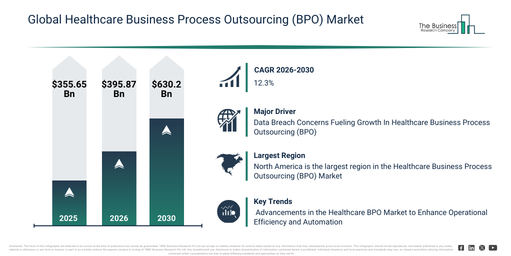
    The healthcare business process outsourcing (BPO) market has seen rapid expansion in recent years. It is forecast to grow from $355.65 billion in 2025 to $395.87 billion in 2026, exhibiting a compound annual growth rate (CAGR) of 11.3%. The historical period’s growth stemmed from increasing administrative complexity in healthcare operations, rising operational costs for providers and payers, the expansion of health insurance coverage, growing regulatory compliance requirements, and the early adoption of outsourced billing services.

    The healthcare business process outsourcing (bpo) market is projected for significant expansion over the coming years. This market is anticipated to reach $630.2 billion by 2030, exhibiting a compound annual growth rate (CAGR) of 12.3%. Factors driving this expansion include a surging need for adaptable outsourcing solutions, increased capital directed towards AI-powered BPO services, the broadening scope of support for value-based care administration, a heightened emphasis on cybersecurity and compliance in outsourcing, and an ongoing transition to digital healthcare operations. Key trends during this period are the wider embrace of comprehensive revenue cycle outsourcing, the increasing application of automation in claims and billing, a greater requirement for compliance and data security offerings, the enlargement of IT infrastructure management outsourcing, and an intensified drive for cost efficiency.

    Access Your Free Sample Report For In-Depth Market Analysis:

    https://www.thebusinessresearchcompany.com/report/healthcare-business-process-outsourcing-bpo-global-market-report

    What Primary Drivers Are Shaping The Healthcare Business Process Outsourcing (BPO) Market?

    The increasing number of data breaches is projected to fuel the expansion of the healthcare business process outsourcing market moving forward. A data breach signifies unauthorized access, disclosure, acquisition, or sharing of sensitive or confidential information. Healthcare BPO providers implement robust data handling procedures and security protocols to guarantee the confidentiality and integrity of patient data. For instance, in January 2025, according to the Identity Theft Resource Center (ITRC), a US-based non-profit organization, the number of data compromises in 2023 (3,205) saw an increase of 78 percentage points when compared to 2022 (1,801). Therefore, the escalating data threats are propelling the growth of the healthcare business process outsourcing market.

    Which Segment Classifications Are Used In The Healthcare Business Process Outsourcing (BPO) Market Segment Analysis?

    The healthcare business process outsourcing (bpo) market covered in this report is segmented –

    1) By Service Type: Provider Outsourcing Services, Payer Outsourcing Services, Operational Outsourcing Services, Information Technology Infrastructure Management Services

    2) By Provider Service: Revenue Cycle Management, Patient Enrollment, Patient Care

    3) By Solution: Manufacturing, Research And Development, Non-Clinical Services

    4) By End User: Healthcare Providers, Healthcare Payers, Other End-Users

    Subsegments:

    1) By Provider Outsourcing Services: Medical Billing And Coding, Revenue Cycle Management, Patient Scheduling And Registration, Telehealth Services

    2) By Payer Outsourcing Services: Claims Processing, Member Enrollment And Eligibility Verification, Fraud Detection And Prevention, Customer Support Services

    3) By Operational Outsourcing Services: Human Resources Outsourcing, Procurement And Supply Chain Management, Facility Management Services, Administrative Support Services

    4) By Information Technology Infrastructure Management Services: IT Help Desk Support, Cloud Services Management, Network Management, Data Security And Compliance Services

    What Trends Are Affecting The Growth Of The Healthcare Business Process Outsourcing (BPO) Market?

    Prominent companies operating in the healthcare business process outsourcing (BPO) market are increasingly prioritizing technological advancements, including agentic AI-powered digital workforce platforms, to satisfy the escalating demand for fewer claim denials, greater operational efficiency, and scalable, cost-effective revenue cycle management. An agentic AI-powered digital workforce platform employs intelligent digital agents, driven by AI, natural language understanding, machine learning, and automation, to autonomously perform or aid in complex back-office tasks such as eligibility verification, denial management, prior authorization, and appeals, in stark contrast to traditional BPO models that heavily rely on manual processing and rigid rule-based workflows. For instance, in October 2025, AGS Health, a US-based revenue cycle management and BPO services provider, launched its Agentic Digital Workforce Solutions, a suite of AI agents developed for RCM. These agents offer human-like reasoning and decision-support capabilities, comprehending natural language, adapting to changing payer rules, and collaborating with human staff, thereby automating high-volume repetitive tasks while highlighting actionable next steps; the solution integrates generative AI, RPA, and workflow orchestration to diminish denial rates, enhance clean claim ratios, and boost cash flow, allowing RCM teams to dedicate their efforts to higher-value work.

    Which Firms Are Contributing To The Healthcare Business Process Outsourcing (BPO) Market Ecosystem?

    Major companies operating in the healthcare business process outsourcing (bpo) market are UnitedHealth Group Incorporated, Accenture plc, International Business Machines Corporation, Tata Consultancy Services Limited, Cognizant Technology Solutions Corporation, IQVIA Holdings Inc., Quintiles IMS Holdings Inc., HCL Technologies Limited, Infosys Limited, Wipro Limited, Sutherland Global Services Inc., Xerox Holdings Corporation, Genpact Limited, Access Healthcare Services Pvt. Ltd., Parexel International Corporation, R1 RCM Inc., NTT Data Corporation, EXLService Holdings Inc., Sykes Enterprises Incorporated, WNS Limited, Firstsource Solutions Limited, Invensis Technologies Pvt. Ltd., Hinduja Global Solutions Limited, Mphasis Limited, GeBBS Healthcare Solutions Inc., Akurate Management Solutions Pvt Ltd., Gevity Consulting Inc., Octopus Tech Solutions Pvt Ltd.

    Get The Full Healthcare Business Process Outsourcing (BPO) Market Report:

    https://www.thebusinessresearchcompany.com/report/healthcare-business-process-outsourcing-bpo-global-market-report

    Which Region Has The Greatest Market Share In The Healthcare Business Process Outsourcing (BPO) Market?

    North America was the largest region in the healthcare business process outsourcing (BPO) market in 2025. Asia-Pacific is expected to be the fastest-growing region in the forecast period. The regions covered in the healthcare business process outsourcing (bpo) market report are Asia-Pacific, South East Asia, Western Europe, Eastern Europe, North America, South America, Middle East, Africa.

    Request A Customized Healthcare Business Process Outsourcing (BPO) Market Report For Competitive Insights:

    https://www.thebusinessresearchcompany.com/report/healthcare-business-process-outsourcing-bpo-global-market-report

    Browse Through More Reports Similar to the Global Healthcare Business Process Outsourcing (BPO) Market 2026, By The Business Research Company

    Healthcare Bpo Market Report 2026

    https://www.thebusinessresearchcompany.com/report/healthcare-bpo-global-market-report

    Middleoffice Business Process Outsourcing Bpo Service Market Report 2026

    https://www.thebusinessresearchcompany.com/report/middleoffice-business-process-outsourcing-bpo-service-global-market-report

    Insurance Business Process Outsourcing Market Report 2026

    https://www.thebusinessresearchcompany.com/report/insurance-business-process-outsourcing-global-market-report

    Get in touch with us:

    The Business Research Company: https://www.thebusinessresearchcompany.com/

    Americas +1 310-496-7795

    Asia +44 7882 955267 & +91 8897263534

    Europe +44 7882 955267

    Email us at info@tbrc.info

    Follow us on:

    LinkedIn: https://in.linkedin.com/company/the-business-research-company

    YouTube: https://www.youtube.com/channel/UC24_fI0rV8cR5DxlCpgmyFQ

    Global Market Model: https://www.thebusinessresearchcompany.com/global-market-model
  • Healthcare business intelligence market to reach $24.88B by 2030 at 15.7% CAGR

    Healthcare business intelligence market to reach $24.88B by 2030 at 15.7% CAGR

    The Business Research Company’s 2026 market reports feature enhanced tools like market attractiveness analysis, TAM assessment, and company scoring matrices, along with interactive dashboards, deeper supply chain insights, and startup coverage strengthening the depth, usability, and strategic value of insights.

    What Are The Market Size Estimates For The Healthcare Business Intelligence Market In 2026 And 2030?

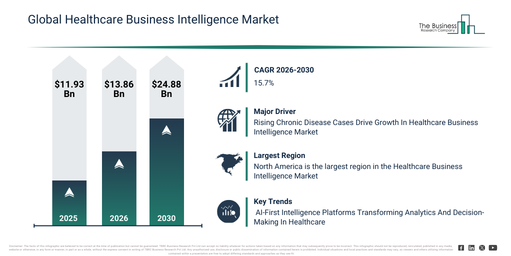
    The healthcare business intelligence market size has experienced rapid growth in recent years. This market is projected to expand from $11.93 billion in 2025 to reach $13.86 billion by 2026, demonstrating a compound annual growth rate (CAGR) of 16.2%. The historical expansion can be attributed to factors like the increasing availability of electronic health data, the early adoption of reporting and dashboard tools, mounting pressure to reduce healthcare costs, the expansion of performance measurement practices, and a growing emphasis on operational transparency.

    The healthcare business intelligence market is anticipated to experience significant expansion over the coming years, reaching $24.88 billion by 2030, exhibiting a compound annual growth rate (CAGR) of 15.7%. This projected growth can be attributed to several factors, including increasing investments in AI-driven analytics, a rising demand for population health insights, the expansion of value-based care analytics, a growing adoption of cloud-based BI platforms, and continuous advancements in healthcare data interoperability. Furthermore, major trends for the forecast period encompass the increasing adoption of advanced healthcare analytics platforms, a rising use of predictive and prescriptive analytics, the growing integration of real-time data visualization tools, the expansion of cloud-based business intelligence solutions, and an enhanced focus on data-driven decision making.

    Access Your Free Sample Report For In-Depth Market Analysis:

    https://www.thebusinessresearchcompany.com/report/healthcare-business-intelligence-global-market-report

    Which Major Drivers Are Influencing The Expansion Of The Healthcare Business Intelligence Market?

    The rising prevalence of chronic illnesses is anticipated to drive the expansion of the healthcare business intelligence market in the future. Chronic diseases are defined as health conditions that endure for a prolonged duration, generally necessitating continuous medical attention. Healthcare business intelligence finds application in managing chronic diseases to improve patient care, optimize resource distribution, lower expenses, and enable informed decision-making for superior long-term patient health results. For example, in January 2023, the National Center for Biotechnology Information (NCBI), a US-based National Library of Medicine, projected that by 2050, the number of individuals aged 50 years and older with at least one chronic illness will surge by 99.5%, reaching 142.66 million. Consequently, the growing incidence of chronic diseases will stimulate the healthcare business intelligence market.

    How Is The Healthcare Business Intelligence Market Organized By Segment Classification?

    The healthcare business intelligence market covered in this report is segmented –

    1) By Component: Platforms, Software, Services

    2) By Function: Query and Reporting, OLAP and Visualization, Performance Management

    3) By Mode of Delivery: On-Premise Model, Hybrid Model, Cloud-Based Model

    4) By Application: Financial Analysis, Clinical Data Analysis, Patient Care Analysis, Other Applications

    5) By End-User: Payers, Healthcare Providers, Other End-Users

    Subsegments:

    1) By Platforms: Cloud-Based Platforms, On-Premise Platforms

    2) By Software: Analytics Software, Reporting Software, Data Visualization Tools, Dashboard Software

    3) By Services: Consulting Services, Implementation Services, Training and Support Services, Maintenance Services

    Which Trends Are Shaping The Healthcare Business Intelligence Market?

    Leading companies in the healthcare business intelligence (BI) market are increasingly adopting advanced technological solutions, such as AI-first healthcare intelligence platforms. This shift addresses the escalating need for real-time predictive analytics, comprehensive cross-domain data integration, and scalable decision support, spurred by factors like the growing adoption of electronic health records (EHR), increasing operational expenditures, and mandates for value-based care. An AI-first healthcare intelligence platform is characterized as a cloud-native system designed to consolidate diverse data sources—including clinical, financial, operational, and HR data—by applying machine learning and integrated AI agents or copilots, thereby offering self-service tools for analytics and workflow automation. Unlike traditional BI tools that typically rely on static reports and isolated data, these advanced platforms facilitate dynamic, predictive, and prescriptive insights, capable of processing data in near real-time. For instance, Innovaccer, a US-based healthcare AI company, introduced Innovaccer Gravity, a healthcare-native intelligence platform, in May 2025. This platform boasts a modern, cloud-agnostic architecture, compatible with AWS, Azure, Snowflake, and Databricks, and adheres to HIPAA, HITRUST, and SOC 2 compliance standards. It integrates EHR, claims, financial, operational, and supply chain data through over 400 pre-built connectors and more than 100 FHIR resources. Innovaccer Gravity provides a data fabric layer, pre-trained AI models such as OCR and speech analytics, alongside low-code or no-code studios for developing custom AI agents and workflows. This empowers healthcare organizations with holistic cross-domain intelligence, self-serve analytics capabilities, and accelerated ROI at a reduced total cost of ownership, ultimately contributing to enhanced patient care, operational efficiency, and financial outcomes.

    Who Are The Industry Participants Involved In The Healthcare Business Intelligence Market?

    Major companies operating in the healthcare business intelligence market are Microsoft Corporation, Oracle Corporation, Tableau Software, SAP SE, IBM Corporation, QlikTech International AB, Sisense Inc, SAS Institute Inc, BOARD International, Yellowfin BI, MicroStrategy Incorporated, Infor Inc, Domo Inc., Information Builders, Perficient Inc., Tibco Software Inc., Panorama Software Inc, Definitive Healthcare, Dimensional Insight Inc., Looker Data Sciences Inc., GoodData Corporation, Phocas Software, Pyramid Analytics Inc., Dundas Data Visualization Inc., Alteryx Inc., ThoughtSpot Inc., Rapid Insight Inc., Aptean Inc., Health Catalyst Inc., Arcadia.io Inc., MedeAnalytics Inc., McKesson Corporation, Optum Inc., Cerner Corporation, Allscripts Healthcare Solutions Inc., Athenahealth Inc., Epic Systems Corporation, GE Healthcare, Philips Healthcare, Siemens Healthineers, Change Healthcare

    Get The Full Healthcare Business Intelligence Market Report:

    https://www.thebusinessresearchcompany.com/report/healthcare-business-intelligence-global-market-report

    Which Region Accounts For The Largest Portion Of The Healthcare Business Intelligence Market?

    North America was the largest region in the healthcare business intelligence market in 2025. Asia-Pacific is expected to be the fastest-growing region in the forecast period. The regions covered in the healthcare business intelligence market report are Asia-Pacific, South East Asia, Western Europe, Eastern Europe, North America, South America, Middle East, Africa.

    Request A Customized Healthcare Business Intelligence Market Report For Competitive Insights:

    https://www.thebusinessresearchcompany.com/report/healthcare-business-intelligence-global-market-report

    Browse Through More Reports Similar to the Global Healthcare Business Intelligence Market 2026, By The Business Research Company

    Healthcare Predictive Analytics Market Report 2026

    https://www.thebusinessresearchcompany.com/report/healthcare-predictive-analytics-global-market-report

    Healthcare Data Integration Market Report 2026

    https://www.thebusinessresearchcompany.com/report/healthcare-data-integration-global-market-report

    Self Service Business Intelligence Bi Market Report 2026

    https://www.thebusinessresearchcompany.com/report/self-service-business-intelligence-bi-global-market-report

    Get in touch with us:

    The Business Research Company: https://www.thebusinessresearchcompany.com/

    Americas +1 310-496-7795

    Asia +44 7882 955267 & +91 8897263534

    Europe +44 7882 955267

    Email us at info@tbrc.info

    Follow us on:

    LinkedIn: https://in.linkedin.com/company/the-business-research-company

    YouTube: https://www.youtube.com/channel/UC24_fI0rV8cR5DxlCpgmyFQ

    Global Market Model: https://www.thebusinessresearchcompany.com/global-market-model
  • Healthcare collaboration tools market expected to reach $127.29B by 2030

    Healthcare collaboration tools market expected to reach $127.29B by 2030

    The Business Research Company’s 2026 market reports feature enhanced tools like market attractiveness analysis, TAM assessment, and company scoring matrices, along with interactive dashboards, deeper supply chain insights, and startup coverage strengthening the depth, usability, and strategic value of insights.

    What Expansion In Market Value Is Forecasted For The Healthcare Business Collaboration Tools Market Between 2026 And 2030?

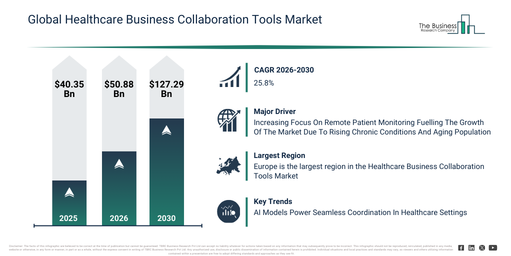
    The market for healthcare business collaboration tools has experienced substantial growth in recent years. Its value is projected to rise from $40.35 billion in 2025 to $50.88 billion in 2026, reflecting a compound annual growth rate (CAGR) of 26.1%. This historical expansion is largely due to factors such as the increasing digitization of healthcare administration, the expansion of multi-location healthcare networks, the early adoption of telehealth communication tools, the growing need for care coordination, and rising regulatory documentation requirements.

    The healthcare business collaboration tools market size is anticipated to experience substantial expansion over the upcoming years. This market is projected to reach $127.29 billion by 2030, demonstrating a compound annual growth rate (CAGR) of 25.8%. Factors contributing to this growth during the forecast period include a heightened demand for interoperable collaboration platforms, increasing investments in digital healthcare ecosystems, the expansion of remote care coordination models, a greater emphasis on real-time clinical collaboration, and the ongoing improvement of cybersecurity frameworks. Key trends expected over the forecast period encompass a surge in the adoption of cloud-based collaboration platforms, a heightened utilization of secure healthcare communication tools, the expanding integration of workflow management solutions, an increase in virtual meeting and telecollaboration tools, and a sharpened focus on data privacy and compliance.

    Access Your Free Sample Report For In-Depth Market Analysis:

    https://www.thebusinessresearchcompany.com/report/healthcare-business-collaboration-tools-global-market-report

    What Key Drivers Are Fueling The Growth Of The Healthcare Business Collaboration Tools Market?

    An escalating emphasis on remote patient monitoring is anticipated to propel the growth of the healthcare business collaboration tools market. Remote patient monitoring (RPM) is a healthcare practice that employs digital technologies to collect patient health data remotely and transmit it to healthcare providers for assessment and guidance. This intensified focus on remote patient monitoring is attributable to the expanding aging population and the associated rise in chronic diseases, which demand continuous, long-term care and real-time health tracking. Healthcare business collaboration tools enhance remote patient monitoring by enabling real-time data sharing and communication, ensuring timely interventions and coordinated care. They improve patient outcomes by supporting continuous oversight and efficient decision-making across healthcare teams. For instance, in August 2025, according to US Department of Health and Human Services, a US based government administration, in 2024, nearly 1 million enrollees received remote patient monitoring, a 27-percent increase from 2023. Therefore, the heightened focus on remote patient monitoring drives the growth of the healthcare business collaboration tools market.

    Which Segments Define The Healthcare Business Collaboration Tools Market Segment Structure?

    The healthcare business collaboration tools market covered in this report is segmented –

    1) By Type: Conferencing Software, Communication And Coordination Software

    2) By Deployment: Cloud, On-Premises

    3) By End-User: Large Facilities, Small And Medium Facilities

    Subsegments:

    1) By Conferencing Software: Video Conferencing, Audio Conferencing, Web Conferencing, Virtual Meeting Platforms

    2) By Communication And Coordination Software: Messaging Platforms, Patient Coordination Tools, Collaborative Care Solutions, Workflow Management Systems

    What Trends Are Influencing The Healthcare Business Collaboration Tools Market?

    Major companies operating in the healthcare business collaboration tools market are directing their efforts towards developing innovative solutions, including healthcare artificial intelligence (AI) models, to provide clients with advanced support, pain relief, and improved coordination for superior healthcare delivery. Healthcare artificial intelligence (AI) models are sophisticated AI systems designed to integrate and analyze a wide array of medical data, thereby enhancing clinical decision-making and patient outcomes. For instance, in October 2024, Microsoft Corporation, a US-based technology company, launched Microsoft Cloud for Healthcare, aiming to boost patient engagement, foster team collaboration, and deepen healthcare insights. This pioneering healthcare business collaboration tool, powered by artificial intelligence (AI) models, streamlines communication, increases workflow efficiency, and supports seamless coordination among healthcare teams, ultimately improving patient care and operational effectiveness. Microsoft Cloud for Healthcare elevates patient care, team collaboration, and operations through AI-driven insights and secure data management capabilities.

    Who Are The Established Players Within The Healthcare Business Collaboration Tools Market?

    Major companies operating in the healthcare business collaboration tools market are Microsoft Corporation, Google LLC, Salesforce Inc, Zoom Video Communications Inc, RingCentral Inc, Cisco Systems Inc, Verizon Communications Inc, Teladoc Health Inc, Doximity Inc, TigerConnect Inc, Zocdoc Inc, Health Catalyst Inc, Zoho Corporation, Slack Technologies, Asana Inc, Mondaycom Ltd, Smartsheet Inc, FlowForma Limited, OnPage Corporation, Gladinet Inc

    Get The Full Healthcare Business Collaboration Tools Market Report:

    https://www.thebusinessresearchcompany.com/report/healthcare-business-collaboration-tools-global-market-report

    Which Region Holds The Highest Market Share In The Healthcare Business Collaboration Tools Market?

    Europe was the largest region in the healthcare business collaboration tools market in 2025. Asia-Pacific is expected to be the fastest-growing region in the forecast period. The regions covered in the healthcare business collaboration tools market report are Asia-Pacific, South East Asia, Western Europe, Eastern Europe, North America, South America, Middle East, Africa.

    Request A Customized Healthcare Business Collaboration Tools Market Report For Competitive Insights:

    https://www.thebusinessresearchcompany.com/report/healthcare-business-collaboration-tools-global-market-report

    Browse Through More Reports Similar to the Global Healthcare Business Collaboration Tools Market 2026, By The Business Research Company

    Enterprise Collaboration Market Report 2026

    https://www.thebusinessresearchcompany.com/report/enterprise-collaboration-global-market-report

    Healthcare Business Intelligence Market Report 2026

    https://www.thebusinessresearchcompany.com/report/healthcare-business-intelligence-global-market-report

    Healthcare Data Integration Market Report 2026

    https://www.thebusinessresearchcompany.com/report/healthcare-data-integration-global-market-report

    Get in touch with us:

    The Business Research Company: https://www.thebusinessresearchcompany.com/

    Americas +1 310-496-7795

    Asia +44 7882 955267 & +91 8897263534

    Europe +44 7882 955267

    Email us at info@tbrc.info

    Follow us on:

    LinkedIn: https://in.linkedin.com/company/the-business-research-company

    YouTube: https://www.youtube.com/channel/UC24_fI0rV8cR5DxlCpgmyFQ

    Global Market Model: https://www.thebusinessresearchcompany.com/global-market-model
  • Hemorrhage Control System Market: Growth Opportunities and Insights Through 2030

    Hemorrhage Control System Market: Growth Opportunities and Insights Through 2030

    The Business Research Company’s 2026 market reports feature enhanced tools like market attractiveness analysis, TAM assessment, and company scoring matrices, along with interactive dashboards, deeper supply chain insights, and startup coverage strengthening the depth, usability, and strategic value of insights.

    By 2030, What Market Size Is The Hemorrhage Control System Market Expected To Reach Based On Its 2026 Value?

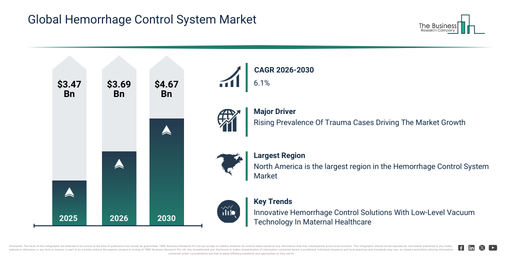
    The hemorrhage control system market has experienced robust growth in recent years. It is anticipated to expand from $3.47 billion in 2025 to $3.69 billion in 2026, at a compound annual growth rate (CAGR) of 6.4%. Historically, this market expansion is largely due to factors including a rise in trauma and accident incidence, the expansion of emergency medical services, the widespread adoption of standardized bleeding control protocols, an increase in surgical procedures, and the accessibility of advanced hemostatic materials.

    The hemorrhage control system market is projected to experience substantial expansion in the coming years. Its valuation is anticipated to reach $4.67 billion by 2030, demonstrating a compound annual growth rate (CAGR) of 6.1%. This projected growth over the forecast period stems from factors such as increased funding in trauma care facilities, a heightened need for battlefield medical technologies, the expansion of emergency readiness initiatives, a growing emphasis on rapid-response medical equipment, and advancements in hemostatic material innovation. Key developments expected during this period include a greater uptake of sophisticated hemostatic dressings, increased utilization of swift trauma bleeding management systems, an escalating demand for portable and field-ready solutions, the broadening of prehospital emergency hemorrhage management, and a sharpened focus on military and trauma care applications.

    Access Your Free Sample Report For In-Depth Market Analysis:

    https://www.thebusinessresearchcompany.com/report/hemorrhage-control-system-global-market-report

    What Major Factors Are Driving The Hemorrhage Control System Market Forward?

    The increasing occurrence of trauma cases is projected to stimulate the expansion of the hemorrhage control systems market in the coming period. Trauma cases are medical emergencies characterized by physical injuries caused by external forces, such as various accidents, falls, or acts of violence. The growing frequency of trauma incidents can be attributed to several factors, including road traffic accidents, workplace accidents, sports injuries, and natural disasters. Hemorrhage control systems play a crucial role in managing trauma cases by effectively controlling severe bleeding, thereby enhancing patient survival rates and reducing complications during emergency medical care. For instance, in October 2023, the World Federation of Neurology, a UK-based organization dedicated to advancing neurological practice and research globally, reported that over 40% of the worldwide population is affected by a neurological condition, a figure projected to nearly double by 2050. Therefore, the rising prevalence of trauma cases is serving as a key driver for the growth of the hemorrhage control systems market.

    How Is The Hemorrhage Control System Market Segmented Across Different Segment Categories?

    The hemorrhage control system market covered in this report is segmented –

    1) By Product Type: Dressings, Hemostatic Agents, Clamps And Tourniquets, Surgical Sealants

    2) By Application: Cardiovascular Surgery, General Surgery, Plastic Surgery, Orthopedic Surgery, Neurosurgery, Other Applications

    3) By Distribution Channel: Direct Sales, Distributors

    4) By End-User: Hospital And Ambulatory Surgery Centers (ASCs), Specialty Clinics, Other End-Users

    Subsegments:

    1) By Dressings: Gauze Dressings, Hydrogel Dressings, Alginate Dressings, Foam Dressings

    2) By Hemostatic Agents: Thrombin-Based Hemostats, Fibrin Sealants, Gelatin-Based Hemostats, Oxidized Regenerated Cellulose (ORC) Hemostats

    3) By Clamps And Tourniquets: Surgical Clamps, Pneumatic Tourniquets, Non-Pneumatic Tourniquets

    4) By Surgical Sealants: Synthetic Sealants, Collagen-Based Sealants, Cyanoacrylate-Based Sealants

    Which Trends Are Impacting The Progress Of The Hemorrhage Control System Market?

    Leading companies in the hemorrhage control systems market are prioritizing the development of advanced products, such as postpartum hemorrhage control devices, to enhance the efficiency of bleeding management during critical medical situations. Postpartum hemorrhage control devices are medical instruments intended to manage and halt severe bleeding after childbirth, thereby reducing life-threatening risks by promoting clot formation or constricting blood vessels to control blood flow during postpartum hemorrhage (PPH). For instance, in September 2024, Organon Canada, a Canada-based healthcare company, launched the JADA System, a medical device engineered to manage and treat postpartum hemorrhage (PPH). Its application of low-level vacuum technology aims to encourage normal uterine contraction for controlling and treating abnormal postpartum uterine bleeding or hemorrhage. This innovative approach offers a non-invasive and effective solution when conservative management of postpartum hemorrhage (PPH) is appropriate, addressing a critical need in maternal healthcare.

    Which Organizations Play A Role In The Hemorrhage Control System Market Landscape?

    Major companies operating in the hemorrhage control system market are Medtronic plc, Stryker Corporation, Becton, Dickinson and Company (BD), Baxter International Inc., Teleflex Incorporated, Integra LifeSciences Holdings Corporation, Ethicon, CryoLife Inc., B. Braun Melsungen AG, Z-Medica LLC, Medicom, Axio Biosolutions, Aero Healthcare Pty Ltd., Penn Care Inc., Tricol Biomedical Inc., Hemostasis LLC, RevMedx Inc., Turtle Engineering Ltd., OMNI-STAT Medical Inc., Unicare Biomedical Inc.

    Get The Full Hemorrhage Control System Market Report:

    https://www.thebusinessresearchcompany.com/report/hemorrhage-control-system-global-market-report

    Which Region Leads The Hemorrhage Control System Market In Terms Of Market Share?

    North America was the largest region in the hemorrhage control system market in 2025. Asia-Pacific is expected to be the fastest-growing region in the forecast period. The regions covered in the hemorrhage control system market report are Asia-Pacific, South East Asia, Western Europe, Eastern Europe, North America, South America, Middle East, Africa.

    Request A Customized Hemorrhage Control System Market Report For Competitive Insights:

    https://www.thebusinessresearchcompany.com/report/hemorrhage-control-system-global-market-report

    Browse Through More Reports Similar to the Global Hemorrhage Control System Market 2026, By The Business Research Company

    Hemostats Market Report 2026

    https://www.thebusinessresearchcompany.com/report/hemostats-global-market-report

    Hemostasis Diagnostic Devices And Equipment Market Report 2026

    https://www.thebusinessresearchcompany.com/report/hemostasis-diagnostic-devices-and-equipment-global-market-report

    Home Health Monitoring Devices Market Report 2026

    https://www.thebusinessresearchcompany.com/report/home-health-monitoring-devices-global-market-report

    Get in touch with us:

    The Business Research Company: https://www.thebusinessresearchcompany.com/

    Americas +1 310-496-7795

    Asia +44 7882 955267 & +91 8897263534

    Europe +44 7882 955267

    Email us at info@tbrc.info

    Follow us on:

    LinkedIn: https://in.linkedin.com/company/the-business-research-company

    YouTube: https://www.youtube.com/channel/UC24_fI0rV8cR5DxlCpgmyFQ

    Global Market Model: https://www.thebusinessresearchcompany.com/global-market-model
  • Global Hemophilia Market to Reach $23.16B by 2030 with 9.3% CAGR

    Global Hemophilia Market to Reach $23.16B by 2030 with 9.3% CAGR

    The Business Research Company’s 2026 market reports feature enhanced tools like market attractiveness analysis, TAM assessment, and company scoring matrices, along with interactive dashboards, deeper supply chain insights, and startup coverage strengthening the depth, usability, and strategic value of insights.

    What Is The Anticipated Rise In Market Value Of The Hemophilia Market During The Forecast Period?

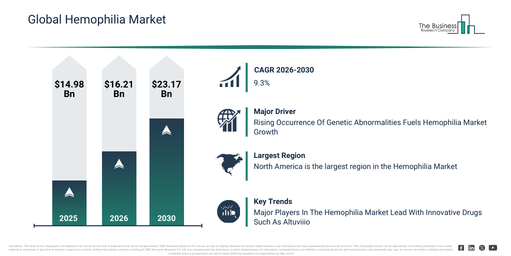
    The size of the hemophilia market has experienced robust expansion over recent years. This market is projected to expand from $14.98 billion in 2025 to $16.21 billion by 2026, demonstrating a compound annual growth rate (CAGR) of 8.2%. Historically, this growth can be attributed to several factors, including improved availability of clotting factor concentrates, expansion of prophylactic treatment adoption, growth in hemophilia awareness programs, advancements in recombinant factor production, and increased access to specialized care centers.

    The hemophilia market is expected to demonstrate robust growth over the next few years, projected to reach $23.17 billion by 2030, expanding at a compound annual growth rate of 9.3%. This anticipated growth is fueled by an increase in gene therapy approvals, a rising adoption of personalized treatment approaches, the expansion of home infusion programs, growing investments in rare disease research, and an increased focus on improving quality of life. Major trends in the forecast period are set to include the wider adoption of long-acting clotting factor therapies, a heightened emphasis on gene therapy for hemophilia, the increasing use of home-based treatment regimens, the expansion of personalized prophylactic treatment plans, and enhanced integration of digital patient monitoring.

    Access Your Free Sample Report For In-Depth Market Analysis:

    https://www.thebusinessresearchcompany.com/report/hemophilia-global-market-report

    Which Key Drivers Are Affecting The Hemophilia Market Development?

    The increasing prevalence of genetic abnormalities is anticipated to propel the growth of the hemophilia market. Genetic abnormalities, also referred to as genetic mutations or disorders, involve changes in an individual’s DNA sequence that can result in various health conditions and physical traits. Hemophilia treatment focuses on preventing or controlling bleeding episodes, minimizing complications, and improving the quality of life for those affected by genetic abnormalities. For instance, in October 2024, data from the Cystic Fibrosis Trust, a UK-based charity dedicated to supporting people with cystic fibrosis, indicated that in 2022, approximately 11,148 cystic fibrosis (a genetic disorder) patients were registered, a figure that increased to 11,318 in 2023, signifying a 1.5% rise in patient registrations year over year. Consequently, the rising occurrence of genetic abnormalities is a key driver for the expansion of the hemophilia market.

    What Are The Main Segments Within The Hemophilia Market Segment Structure?

    The hemophilia market covered in this report is segmented –

    1) By Type: Hemophilia A, Hemophilia B, Hemophilia C, Other Types

    2) By Treatment: Replacement Therapy, Hemostatic Agents, Desmopressin, Gene Therapy, Other Treatments

    3) By End-User: Hospitals, Clinics, Home Care Settings, Other End-Users

    Subsegments:

    1) By Hemophilia A: Severe Hemophilia A, Moderate Hemophilia A, Mild Hemophilia A

    2) By Hemophilia B: Severe Hemophilia B, Moderate Hemophilia B, Mild Hemophilia B

    3) By Hemophilia C: Severe Hemophilia C, Mild Hemophilia C

    4) By Other Types: Acquired Hemophilia, Von Willebrand Disease

    What Trends Are Transforming The Hemophilia Market?

    Major companies operating in the hemophilia market are developing cutting-edge drugs like ALTUVIIIO to sustain their competitive edge. For instance, in February 2023, Sanofi S.A., a pharmaceutical and healthcare company based in France, launched ALTUVIIIO for hemophilia, which had received approval from The Food and Drug Administration (FDA), a US-based government agency. With a once-weekly dosing regimen, ALTUVIIIO stands as the initial and sole hemophilia A medication designed to provide regular to near-normal factor activity levels (above 40%) for most of the week, significantly diminishing bleeding compared to prior factor VIII prophylaxis.

    Who Are The Companies Participating In The Hemophilia Market?

    Major companies operating in the hemophilia market are Kedrion S.p.A., Chugai Pharmaceutical Co. Ltd., Pfizer Inc., F. Hoffmann-La Roche AG, Bayer AG, Sanofi S.A., Bristol-Myers Squibb Company, Takeda Pharmaceutical Company Limited, Novo Nordisk A/S, Baxter International Inc., CSL Limited, Biogen Inc., Grifols S.A., Octapharma AG, BioMarin Pharmaceutical Inc., GC Pharma, Alnylam Pharmaceuticals Inc., Bio Products Laboratory Ltd., Sangamo Therapeutics Inc., UniQure, Intellia tx, ProMetic BioSciences Ltd., Dimension Therapeutics, Amarna therapeutics, HEMA Biologics LLC, Aptevo Therapeutics, Arcturus Therapeutics Inc., Ferring Lakemedel AB, Chiesi Farmaceutici S.p.A.

    Get The Full Hemophilia Market Report:

    https://www.thebusinessresearchcompany.com/report/hemophilia-global-market-report

    Which Region Leads The Hemophilia Market In Overall Market Size?

    North America was the largest region in the hemophilia market in 2025. Asia-Pacific is expected to be the fastest-growing region in the forecast period. The regions covered in the hemophilia market report are Asia-Pacific, South East Asia, Western Europe, Eastern Europe, North America, South America, Middle East, Africa.

    Request A Customized Hemophilia Market Report For Competitive Insights:

    https://www.thebusinessresearchcompany.com/report/hemophilia-global-market-report

    Browse Through More Reports Similar to the Global Hemophilia Market 2026, By The Business Research Company

    Hemostasis Products Market Report 2026

    https://www.thebusinessresearchcompany.com/report/hemostasis-products-global-market-report

    Hepatitis Therapeutics Market Report 2026

    https://www.thebusinessresearchcompany.com/report/hepatitis-therapeutics-global-market-report

    Acquired Hemophilia Treatment Market Report 2026

    https://www.thebusinessresearchcompany.com/report/acquired-hemophilia-treatment-global-market-report

    Get in touch with us:

    The Business Research Company: https://www.thebusinessresearchcompany.com/

    Americas +1 310-496-7795

    Asia +44 7882 955267 & +91 8897263534

    Europe +44 7882 955267

    Email us at info@tbrc.info

    Follow us on:

    LinkedIn: https://in.linkedin.com/company/the-business-research-company

    YouTube: https://www.youtube.com/channel/UC24_fI0rV8cR5DxlCpgmyFQ

    Global Market Model: https://www.thebusinessresearchcompany.com/global-market-model
  • Hemophagocytic Lymphohistiocytosis Market Outlook: Growth to $3.23B by 2030

    Hemophagocytic Lymphohistiocytosis Market Outlook: Growth to $3.23B by 2030

    The Business Research Company’s 2026 market reports feature enhanced tools like market attractiveness analysis, TAM assessment, and company scoring matrices, along with interactive dashboards, deeper supply chain insights, and startup coverage strengthening the depth, usability, and strategic value of insights.

    How Is The Market Size Of The Hemophagocytic Lymphohistiocytosis Market Expected To Scale Between 2026 And 2030?

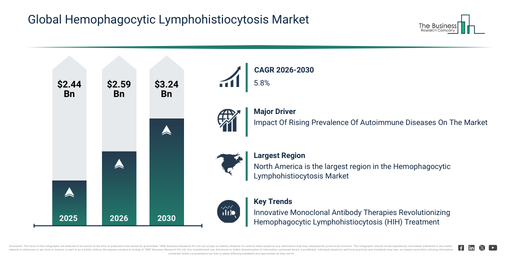
    The hemophagocytic lymphohistiocytosis market has demonstrated strong expansion over recent years. It is anticipated to grow from $2.44 billion in 2025 to $2.59 billion in 2026, achieving a compound annual growth rate (CAGR) of 6.0%. This historical growth can be attributed to various factors including improvements in critical care management, increased clinical understanding of rare immune disorders, the expansion of diagnostic testing capabilities, the availability of chemotherapy-based treatment regimens, and the growth in specialized hospital units.

    The hemophagocytic lymphohistiocytosis market is projected for robust expansion over the coming years. By 2030, its valuation is set to reach $3.24 billion, demonstrating a compound annual growth rate (CAGR) of 5.8%. This projected increase is largely due to factors such as growing investigation into targeted immunotherapies, a rise in the use of precision diagnostics, broader early intervention approaches, a heightened emphasis on managing rare diseases, and the escalating creation of innovative treatment methodologies. Significant developments anticipated during this timeframe involve a greater embrace of genetic testing for early detection, increased application of targeted immunosuppressive treatments, a stronger focus on quick diagnostic procedures, the establishment of more specialized HLH treatment facilities, and improved incorporation of multidisciplinary care frameworks.

    Access Your Free Sample Report For In-Depth Market Analysis:

    https://www.thebusinessresearchcompany.com/report/hemophagocytic-lymphohistiocytosis-global-market-report

    What Factors Are Contributing To The Growth Of The Hemophagocytic Lymphohistiocytosis Market?

    The growing incidence of autoimmune conditions is anticipated to fuel the expansion of the hemophagocytic lymphohistiocytosis market. Autoimmune disorders occur when the immune system mistakenly attacks and damages the body’s own healthy cells and tissues. The escalation in the prevalence of these diseases stems from elements like genetic susceptibility, environmental catalysts, infections, hormonal shifts, and advancements in early detection and public understanding. Hemophagocytic lymphohistiocytosis treatments assist individuals with autoimmune conditions by curbing excessive immune system activity, mitigating inflammation, and re-establishing immune balance, thereby alleviating severe complications mediated by the immune system and enhancing overall disease management. As an illustration, in February 2024, data from Arthritis Australia, an Australia-based non-profit organization, projected that in 2025, around 212,136 males and 362,137 females are expected to have rheumatoid arthritis (RA), with these figures anticipated to climb by 2040 to approximately 280,040 males and 479,828 females. Consequently, the increasing occurrence of autoimmune diseases is a significant impetus behind the growth of the hemophagocytic lymphohistiocytosis market.

    Hemophagocytic Lymphohistiocytosis Market Driver: Impact Of Rising Healthcare Expenditure On The Market Growth

    How Is Segmentation Applied In The Hemophagocytic Lymphohistiocytosis Market Segment Analysis?

    The hemophagocytic lymphohistiocytosis market covered in this report is segmented –

    1) By Type: Familial, Acquired

    2) By Diagnosis: Blood Tests, Bone Marrow Biopsy, Genetic Testing

    3) By Treatment: Steroids, Chemotherapy, Other Treatments

    4) By End-Users: Hospitals, Specialty Clinics

    Subsegments:

    1) By Familial Hemophagocytic Lymphohistiocytosis (FHL): FHL Type 1, FHL Type 2, FHL Type 3, FHL Type 4, FHL Type 5

    2) By Acquired Hemophagocytic Lymphohistiocytosis (HLH): Infection-Associated HLH, Malignancy-Associated HLH, Autoimmune-Associated HLH

    What Trends Are Shaping The Future Of The Hemophagocytic Lymphohistiocytosis Market?

    Leading companies in the hemophagocytic lymphohistiocytosis market are concentrating on developing advanced solutions, such as monoclonal antibody therapy, to identify and selectively diminish pathogenic immune cells. Monoclonal antibody therapy is a medical intervention that utilizes laboratory-produced antibodies engineered to target specific antigens on cells, aiming to adjust immune responses or manage diseases. For instance, in October 2024, Electra Therapeutics, Inc., a US-based biotechnology company, introduced ELA026, which was granted Orphan Drug Designation (ODD) by the Food and Drug Administration for addressing hemophagocytic lymphohistiocytosis (HLH). ELA026, a pioneering antibody therapy that targets signal regulatory proteins (SIRP), provides a new method for secondary HLH (sHLH), a rare and critical condition for which no approved treatments currently exist.

    Who Are The Companies Participating In The Hemophagocytic Lymphohistiocytosis Market Environment?

    Major companies operating in the hemophagocytic lymphohistiocytosis market are Labcorp, Quest Diagnostics Incorporated, Electra Therapeutics Inc., Swedish Orphan Biovitrum AB, ARUP Laboratories, Invitae Corp., Mayo Clinic Laboratories, Metropolis Healthcare, Centogene NV, Fulgent Genetics, Atara Biotherapeutics Inc., Innate Pharma S.A., Blueprint Genetics, Novimmune SA, Machaon Diagnostics Inc., SeaStar Medical Inc., AB2 Bio Ltd., Elixiron Immunotherapeutics Inc., Bellicum Pharmaceuticals Inc., Eurofins Biomnis

    Get The Full Hemophagocytic Lymphohistiocytosis Market Report:

    https://www.thebusinessresearchcompany.com/report/hemophagocytic-lymphohistiocytosis-global-market-report

    Which Region Is The Top Contributor To The Hemophagocytic Lymphohistiocytosis Market By Share?

    North America was the largest region in the hemophagocytic lymphohistiocytosis market in 2025. The regions covered in the hemophagocytic lymphohistiocytosis market report are Asia-Pacific, South East Asia, Western Europe, Eastern Europe, North America, South America, Middle East, Africa.

    Request A Customized Hemophagocytic Lymphohistiocytosis Market Report For Competitive Insights:

    https://www.thebusinessresearchcompany.com/report/hemophagocytic-lymphohistiocytosis-global-market-report

    Browse Through More Reports Similar to the Global Hemophagocytic Lymphohistiocytosis Market 2026, By The Business Research Company

    Non Hodgkin Lymphoma Nhl Market Report 2026

    https://www.thebusinessresearchcompany.com/report/non-hodgkin-lymphoma-nhl-global-market-report

    Hemophilia Market Report 2026

    https://www.thebusinessresearchcompany.com/report/hemophilia-global-market-report

    Non Hodgkin Lymphoma Nhl Market Report 2026

    https://www.thebusinessresearchcompany.com/report/non-hodgkin-lymphoma-nhl-global-market-report

    Get in touch with us:

    The Business Research Company: https://www.thebusinessresearchcompany.com/

    Americas +1 310-496-7795

    Asia +44 7882 955267 & +91 8897263534

    Europe +44 7882 955267

    Email us at info@tbrc.info

    Follow us on:

    LinkedIn: https://in.linkedin.com/company/the-business-research-company

    YouTube: https://www.youtube.com/channel/UC24_fI0rV8cR5DxlCpgmyFQ

    Global Market Model: https://www.thebusinessresearchcompany.com/global-market-model
  • Hemoglobinopathies Treatment Market to Reach $14.79B by 2030 at 8.2% CAGR

    Hemoglobinopathies Treatment Market to Reach $14.79B by 2030 at 8.2% CAGR

    The Business Research Company’s 2026 market reports feature enhanced tools like market attractiveness analysis, TAM assessment, and company scoring matrices, along with interactive dashboards, deeper supply chain insights, and startup coverage strengthening the depth, usability, and strategic value of insights.

    What Level Of Market Value Growth Is Predicted For The Hemoglobinopathies Treatment Market From 2026 To 2030?

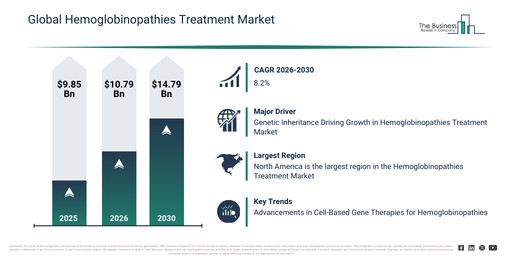
    The hemoglobinopathies treatment market has seen strong expansion in recent years. Its value is anticipated to rise from $9.85 billion in 2025 to $10.79 billion in 2026, demonstrating a compound annual growth rate (CAGR) of 9.6%. The growth observed in previous periods is attributable to improved survival rates in thalassemia patients, wider availability of blood transfusion services, expansion of specialized treatment centers, increased use of iron chelation therapy, and growing awareness of genetic disorders.

    The hemoglobinopathies treatment market is projected to experience substantial growth in the coming years, reaching $14.79 billion by 2030, exhibiting a compound annual growth rate (CAGR) of 8.2%. This anticipated expansion can be attributed to factors such as the increasing approvals of gene editing therapies, a rise in investments dedicated to curative treatment research, the broader adoption of personalized medicine, enhanced access to advanced transplantation procedures, and a heightened emphasis on long-term disease management. Key trends expected during this period involve the increasing uptake of gene therapy-based treatments, a surge in the application of stem cell transplantation methods, a heightened emphasis on personalized treatment protocols, the wider availability of advanced iron chelation therapies, and improved integration of digital patient monitoring systems.

    Access Your Free Sample Report For In-Depth Market Analysis:

    https://www.thebusinessresearchcompany.com/report/hemoglobinopathies-treatment-global-market-report

    Which Strong Drivers Are Impacting The Hemoglobinopathies Treatment Market Growth?

    The hemoglobinopathies treatment market is projected to expand due to increasing genetic inheritance. This refers to the process by which characteristics are passed from parents to offspring through their DNA during reproduction. The importance of genetic inheritance has grown with advancements in genetic research and technology, which have improved understanding of how genetic factors contribute to various diseases, including hemoglobinopathies. This inheritance pattern contributes to the growth of hemoglobinopathies treatment through enhanced targeted therapies, personalized medicine, drug development, and diagnosis. For instance, in October 2024, data from the Cystic Fibrosis Trust, a UK-based charity, indicated that 11,148 cystic fibrosis (a genetic disorder) patients were registered in 2022, a number that increased to 11,318 in 2023, marking a 1.5% year-over-year rise in patient registrations. Therefore, the rise in genetic inheritance is driving the growth of the hemoglobinopathies treatment market.

    What Segment Categories Shape The Hemoglobinopathies Treatment Market Segment Landscape?

    The hemoglobinopathies treatment market covered in this report is segmented –

    1) By Treatment: Stem Cell Therapy, Blood Transfusion

    2) By Application: Thalassemia, Sickle Cell Anemia

    3) By Distribution Channel: Hospital Pharmacy, Online Providers, Drug Stores And Retail Pharmacy

    Subsegments:

    1) By Stem Cell Therapy: Hematopoietic Stem Cell Transplantation (Hsct), Gene Therapy For Hemoglobinopathies, Autologous Stem Cell Therapy, Allogeneic Stem Cell Transplantation, Gene Editing Techniques ( Crispr-cas9), Umbilical Cord Blood Stem Cell Therapy, Bone Marrow Transplantation

    2) By Blood Transfusion: Regular Blood Transfusion (For Anemia), Exchange Blood Transfusion, Iron Chelation Therapy Post-Transfusion, Red Blood Cell Transfusions, Leukoreduced Blood Transfusion, Emergency Blood Transfusion In Severe Cases

    Which Trends Are Contributing To Changes In The Hemoglobinopathies Treatment Market?

    Leading companies in the hemoglobinopathies treatment market are actively developing cell-based gene therapies to potentially offer curative treatments for individuals afflicted with these genetic conditions. Such cell-based gene therapies for hemoglobinopathies hold considerable promise for correcting the underlying genetic defects, potentially resulting in long-term or definitive cures, diminishing symptoms and complications, and enhancing therapeutic options for affected patients. For example, in December 2023, Vertex Pharmaceuticals Incorporated, a US-based biotech firm, introduced Casgevy for managing sickle cell disease (SCD) and transfusion-dependent beta thalassemia. Casgevy operates as a cell-based gene therapy, utilizing CRISPR/Cas9 technology to modify patients’ hematopoietic stem cells, thereby increasing the creation of fetal hemoglobin to prevent red blood cell sickling. This treatment is a one-time procedure involving the collection, editing, and subsequent reinfusion of the patient’s own stem cells.

    Who Are The Companies Operating Across The Hemoglobinopathies Treatment Market Value Chain?

    Major companies operating in the hemoglobinopathies treatment market are Pfizer Inc., Sanofi S.A., Novartis AG, Bristol Myers Squibb, Vertex Pharmaceuticals Incorporated, Pharmacosmos A/S, Global Blood Therapeutics Inc., Acceleron Pharma Inc., Sangamo Therapeutics Inc., Gamida Cell Ltd., Beam Therapeutics, Intellia Therapeutics, Orchard Therapeutics plc, Editas Medicine, Agios Pharmaceuticals Inc., Emmaus Life Sciences Inc., Bluebird Bio Inc., CRISPR Therapeutics AG, Bioverativ Inc., Celgene Corporation

    Get The Full Hemoglobinopathies Treatment Market Report:

    https://www.thebusinessresearchcompany.com/report/hemoglobinopathies-treatment-global-market-report

    Which Region Represents The Largest Share Of The Hemoglobinopathies Treatment Market?

    North America was the largest region in the hemoglobinopathies treatment market in 2025. Asia-Pacific is expected to be the fastest-growing region in the forecast period. The regions covered in the hemoglobinopathies treatment market report are Asia-Pacific, South East Asia, Western Europe, Eastern Europe, North America, South America, Middle East, Africa.

    Request A Customized Hemoglobinopathies Treatment Market Report For Competitive Insights:

    https://www.thebusinessresearchcompany.com/report/hemoglobinopathies-treatment-global-market-report

    Browse Through More Reports Similar to the Global Hemoglobinopathies Treatment Market 2026, By The Business Research Company

    Hepatitis Therapeutics Market Report 2026

    https://www.thebusinessresearchcompany.com/report/hepatitis-therapeutics-global-market-report

    Hematology Drug Market Report 2026

    https://www.thebusinessresearchcompany.com/report/hematology-drug-global-market-report

    Acquired Hemophilia Treatment Market Report 2026

    https://www.thebusinessresearchcompany.com/report/acquired-hemophilia-treatment-global-market-report

    Get in touch with us:

    The Business Research Company: https://www.thebusinessresearchcompany.com/

    Americas +1 310-496-7795

    Asia +44 7882 955267 & +91 8897263534

    Europe +44 7882 955267

    Email us at info@tbrc.info

    Follow us on:

    LinkedIn: https://in.linkedin.com/company/the-business-research-company

    YouTube: https://www.youtube.com/channel/UC24_fI0rV8cR5DxlCpgmyFQ

    Global Market Model: https://www.thebusinessresearchcompany.com/global-market-model
  • HbA1c Testing Market Expected to Grow Steadily to $3.31B by 2030

    HbA1c Testing Market Expected to Grow Steadily to $3.31B by 2030

    The Business Research Company’s 2026 market reports feature enhanced tools like market attractiveness analysis, TAM assessment, and company scoring matrices, along with interactive dashboards, deeper supply chain insights, and startup coverage strengthening the depth, usability, and strategic value of insights.

    How Will The Market Value Of The Hemoglobin A1c (HbA1c) Testing Market Progress Between 2026 And 2030?

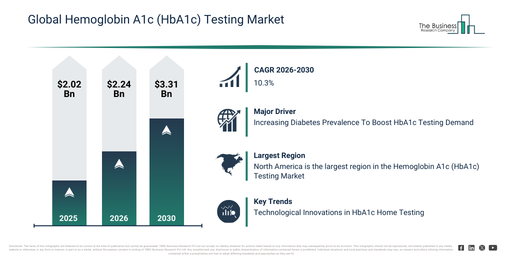
    The hemoglobin a1c (hba1c) testing market size has seen swift expansion in recent years. It is anticipated to increase from $2.02 billion in 2025 to $2.24 billion in 2026, achieving a compound annual growth rate (CAGR) of 10.5%. This growth observed in the past can be ascribed to the increasing global prevalence of diabetes, the greater implementation of long-term glucose monitoring, the expansion of diagnostic laboratory infrastructure, heightened awareness regarding diabetes screening, and the widespread adoption of hba1c as a diagnostic standard.

    The hemoglobin a1c (hba1c) testing market size is projected to experience substantial growth over the coming years. This market is forecast to reach $3.31 billion by 2030, exhibiting a compound annual growth rate (CAGR) of 10.3%. The expansion during this forecast period can be attributed to several factors, including the increasing use of home-based diabetes monitoring, greater investments in connected diagnostic devices, the broadening of preventive healthcare programs, a heightened emphasis on early diabetes detection, and a rising need for swift diagnostic solutions. Key trends anticipated in the upcoming period involve the growing acceptance of point-of-care hba1c testing instruments, an increasing demand for portable and home-use hba1c analyzers, the expanding integration of wireless and connected testing methods, advancements in high-accuracy laboratory-based hba1c technologies, and a reinforced commitment to standardization and diagnostic precision.

    Access Your Free Sample Report For In-Depth Market Analysis:

    https://www.thebusinessresearchcompany.com/report/hemoglobin-a1c-hba1c-testing-global-market-report

    What Key Factors Are Shaping The Hemoglobin A1c (HbA1c) Testing Market Landscape?

    The escalating incidence of diabetes is projected to fuel the expansion of the hemoglobin A1c (HbA1c) testing market in the coming years. Diabetes is a persistent medical condition where the body struggles to properly regulate blood glucose levels due to either insufficient insulin production or insulin resistance. The rise in diabetes cases can be attributed to poor dietary habits, notably a high intake of processed foods and sugary beverages, and inactive lifestyles characterized by minimal physical exertion. Furthermore, an aging population and a family history of diabetes heighten the probability of developing the condition. HbA1c testing is employed to monitor long-term blood glucose control in individuals with diabetes by measuring the average blood sugar level over the preceding 2–3 months. As an illustration, in June 2023, data published by The Lancet, a UK-based book and periodic data publishing organization, indicated that global diabetes cases are expected to surge from 529 million in 2021 to 1.3 billion by 2050. Thus, the growing prevalence of diabetes will stimulate the growth of the hemoglobin A1c (HbA1c) testing market.

    Which Segment Types Are Examined In The Hemoglobin A1c (HbA1c) Testing Market Segment Study?

    The hemoglobin a1c (hba1c) testing market covered in this report is segmented –

    1) By Testing Method: Laboratory-Based Testing, Point Of Care (PoC) Testing

    2) By Product Type: Instruments, Reagents, Kits

    3) By Technology: Immunoassays, Chromatography, Enzymatic Assays, Boronate Affinity Chromatography, High Performance Liquid Chromatography

    4) By End User: Hospitals And Clinics, Diagnostic Laboratories, Homecare Settings

    Subsegments:

    1) By Laboratory-Based Testing: High-Performance Liquid Chromatography (HPLC) Testing, Ion-Exchange Chromatography, Capillary Electrophoresis

    2) By Point Of Care (PoC) Testing: Fingerstick Testing Devices, Portable Hba1c Analyzers, Handheld Hba1c Test Kits

    What Market Trends Are Affecting The Hemoglobin A1c (HbA1c) Testing Market?

    Major companies within the hemoglobin A1c (HbA1c) testing market are concentrating on technological improvements in diagnostic testing, specifically HbA1c home tests, to deliver more convenient, accurate, and accessible options for early diabetes detection and its management. HbA1c home tests are at-home diagnostic kits that enable individuals to measure their average blood sugar levels from the past 2-3 months, aiding in the monitoring and management of diabetes. For instance, in February 2023, Hurdle Health, a US-based company dedicated to offering innovative healthcare solutions, including diagnostic tools for chronic disease management, introduced the Hemoglobin A1c (HbA1c) Test. This new test, performed with an at-home blood sample, allows adults to screen for and monitor diabetes, advancing Chronomics’ goal to improve access to diagnostic testing and enhance health outcomes through direct-to-consumer solutions.

    Which Players Are Part Of The Competitive Landscape Of The Hemoglobin A1c (HbA1c) Testing Market?

    Major companies operating in the hemoglobin a1c (hba1c) testing market are Roche Holding AG, Thermo Fisher Scientific Inc., Abbott Laboratories, Danaher Corporation, Siemens Healthineers, Tosoh Corporation, Hitachi High-Technologies Corporation, Beckman Coulter Inc, Sysmex Corporation, Bio Rad Laboratories Inc, ARKRAY Inc, Randox Laboratories Ltd, Ortho Clinical Diagnostics, Agappe Diagnostics Ltd, SEKISUI Diagnostics LLC, Helena Laboratories, Transasia Bio Medicals Ltd, EKF Diagnostics, Trinity Biotech plc, HemoCue AB, CPC Diagnostics Pvt Ltd, PTS Diagnostics, Menarini Diagnostics srl, Diazyme Laboratories Inc, Osang HealthCare Co Ltd, Eurolyser Diagnostica GmbH, DiaSys Diagnostic Systems GmbH

    Get The Full Hemoglobin A1c (HbA1c) Testing Market Report:

    https://www.thebusinessresearchcompany.com/report/hemoglobin-a1c-hba1c-testing-global-market-report

    Which Geographic Region Dominates The Hemoglobin A1c (HbA1c) Testing Market?

    North America was the largest region in the hemoglobin A1c (HbA1c) testing market in 2025. Asia-Pacific is expected to be the fastest-growing region in the forecast period. The regions covered in the hemoglobin a1c (hba1c) testing market report are Asia-Pacific, South East Asia, Western Europe, Eastern Europe, North America, South America, Middle East, Africa.

    Request A Customized Hemoglobin A1c (HbA1c) Testing Market Report For Competitive Insights:

    https://www.thebusinessresearchcompany.com/report/hemoglobin-a1c-hba1c-testing-global-market-report

    Browse Through More Reports Similar to the Global Hemoglobin A1c (HbA1c) Testing Market 2026, By The Business Research Company

    Poc Hba1C Testing Market Report 2026

    https://www.thebusinessresearchcompany.com/report/poc-hba1c-testing-global-market-report

    Hemoglobin A1C Testing Devices Market Report 2026

    https://www.thebusinessresearchcompany.com/report/hemoglobin-a1c-testing-devices-global-market-report

    Hemoglobin Testing Market Report 2026

    https://www.thebusinessresearchcompany.com/report/hemoglobin-testing-global-market-report

    Get in touch with us:

    The Business Research Company: https://www.thebusinessresearchcompany.com/

    Americas +1 310-496-7795

    Asia +44 7882 955267 & +91 8897263534

    Europe +44 7882 955267

    Email us at info@tbrc.info

    Follow us on:

    LinkedIn: https://in.linkedin.com/company/the-business-research-company

    YouTube: https://www.youtube.com/channel/UC24_fI0rV8cR5DxlCpgmyFQ

    Global Market Model: https://www.thebusinessresearchcompany.com/global-market-model
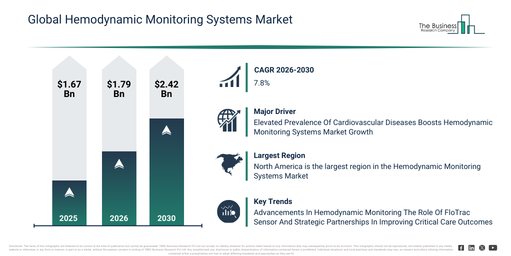
  • Hemodynamic Monitoring Systems Market to Reach $2.42B by 2030 at 7.8% CAGR

    Hemodynamic Monitoring Systems Market to Reach $2.42B by 2030 at 7.8% CAGR

    The Business Research Company’s 2026 market reports feature enhanced tools like market attractiveness analysis, TAM assessment, and company scoring matrices, along with interactive dashboards, deeper supply chain insights, and startup coverage strengthening the depth, usability, and strategic value of insights.

    What Are The Market Size Estimates For The Hemodynamic Monitoring Systems Market In 2026 And 2030?

    The hemodynamic monitoring systems market size has experienced robust expansion in recent years. This market is set to increase from $1.67 billion in 2025 to $1.79 billion in 2026, registering a compound annual growth rate (CAGR) of 7.1%. The previous period’s growth can be attributed to a rise in critical care admissions, the enlargement of intensive care units, an increased embrace of invasive monitoring techniques, advancements in sensor accuracy technology, and heightened awareness among clinicians.

    The hemodynamic monitoring systems market is projected to experience substantial expansion over the upcoming years. This market is anticipated to reach $2.42 billion by 2030, exhibiting a compound annual growth rate (CAGR) of 7.8%. Key factors contributing to this anticipated growth include the escalating demand for remote patient observation, the wider embrace of AI-powered clinical decision support, the proliferation of minimally invasive monitoring options, a heightened emphasis on prompt shock identification, and increased funding in sophisticated monitoring technologies. Significant trends expected during this period involve the increasing uptake of non-invasive monitoring methods, the growing incorporation of real-time data analysis, the expanding application of portable hemodynamic devices, the broadening scope of critical care monitoring uses, and an intensified focus on timely hemodynamic interventions.

    Access Your Free Sample Report For In-Depth Market Analysis:

    https://www.thebusinessresearchcompany.com/report/hemodynamic-monitoring-systems-global-market-report

    Which Factors Are Influencing The Growth Of The Hemodynamic Monitoring Systems Market?

    The growing incidence of cardiovascular diseases is anticipated to propel the expansion of the hemodynamic monitoring systems market moving forward. Cardiovascular disease refers to a collection of conditions that affect the heart and blood vessels. Hemodynamic monitoring systems provide real-time data and insights into a patient’s cardiovascular status, empowering healthcare professionals to execute timely and precise interventions, optimize treatment strategies, and enhance patient outcomes. For instance, in March 2024, data from the Government of the United Kingdom, a UK-based website, indicated that in the financial year ending in 2023, slightly more than 1,862,500 people in England, which accounts for 3% of the population, had received a GP diagnosis of coronary heart disease (CHD). Hence, the increasing prevalence of cardiovascular diseases will drive the growth of the hemodynamic monitoring systems market.

    How Are Different Segments Classified In The Hemodynamic Monitoring Systems Market Segment Analysis?

    The hemodynamic monitoring systems market covered in this report is segmented –

    1) By Product: Monitors, Consumables

    2) By Technique Type: Invasive, Non-Invasive

    3) By End-User: Hospitals, Cath Labs, Other End-Users

    Subsegments:

    1) By Monitors: Bedside Monitors, Handheld Monitors, Portable Monitors

    2) By Consumables: Catheters, Sensors, Tubing and Accessories

    Which Trends Are Influencing Demand In The Hemodynamic Monitoring Systems Market?

    Leading firms within the hemodynamic monitoring systems market are concentrating on creating sophisticated hemodynamic monitoring tools. These efforts aim to boost patient results, refine precision in cardiovascular evaluations, and facilitate live data analysis to support superior clinical choices in critical care environments. The FloTrac Sensor, a minimally invasive device, is engineered for ongoing hemodynamic surveillance of critically ill individuals. It delivers real-time measurements of cardiac output and other essential hemodynamic parameters by employing arterial waveform analysis via a standard arterial catheter. As an example, in June 2023, Mindray Medical International Ltd, a China-based firm, collaborated with Edwards Lifesciences, a US-based corporation, to introduce a hemodynamic monitoring solution. This solution integrates the FloTrac™ sensor, which attaches to an arterial line. Every 20 seconds, this sensor automatically computes vital hemodynamic indicators like Cardiac Output (CO), Stroke Volume (SV), Stroke Volume Variation (SVV), Systemic Vascular Resistance (SVR), and Mean Arterial Pressure (MAP). The BeneVision N series patient monitors from Mindray function as the integration platform for this technology.

    Who Are The Companies Driving Activity In The Hemodynamic Monitoring Systems Market?

    Major companies operating in the hemodynamic monitoring systems market are Abbott Laboratories, Medtronic Plc., Siemens Healthineers AG, Koninklijke Philips N.V., GE HealthCare Technologies Inc., Baxter International Inc., CNSystems Medizintechnik GmbH, Edwards Lifesciences Corporation, Drägerwerk AG & Co. KGaA, Getinge AB, ICU Medical Inc., Masimo Corporation, N.I. Medical Ltd., Nihon Kohden Corporation, Deltex Medical Group plc, CareTaker Medical, Osypka Medical GmbH, Cnoga Digital Care, Tensys Medical Inc., Uscom Limited, Shenzhen Keman Medical Equipment Co. Ltd., Schwarzer Cardiotek GmbH, EMTEL Sliwa sp. k.

    Get The Full Hemodynamic Monitoring Systems Market Report:

    https://www.thebusinessresearchcompany.com/report/hemodynamic-monitoring-systems-global-market-report

    Which Region Is The Leading Market For The Hemodynamic Monitoring Systems Market?

    North America was the largest region in the hemodynamic monitoring systems market in 2025. The regions covered in the hemodynamic monitoring systems market report are Asia-Pacific, South East Asia, Western Europe, Eastern Europe, North America, South America, Middle East, Africa.

    Request A Customized Hemodynamic Monitoring Systems Market Report For Competitive Insights:

    https://www.thebusinessresearchcompany.com/report/hemodynamic-monitoring-systems-global-market-report

    Browse Through More Reports Similar to the Global Hemodynamic Monitoring Systems Market 2026, By The Business Research Company

    Cardiovascular Monitoring And Diagnostic Devices And Equipment Market Report 2026

    https://www.thebusinessresearchcompany.com/report/cardiovascular-monitoring-and-diagnostic-devices-and-equipment-global-market-report

    Home Health Monitoring Devices Market Report 2026

    https://www.thebusinessresearchcompany.com/report/home-health-monitoring-devices-global-market-report

    Hemostasis Diagnostic Devices And Equipment Market Report 2026

    https://www.thebusinessresearchcompany.com/report/hemostasis-diagnostic-devices-and-equipment-global-market-report

    Get in touch with us:

    The Business Research Company: https://www.thebusinessresearchcompany.com/

    Americas +1 310-496-7795

    Asia +44 7882 955267 & +91 8897263534

    Europe +44 7882 955267

    Email us at info@tbrc.info

    Follow us on:

    LinkedIn: https://in.linkedin.com/company/the-business-research-company

    YouTube: https://www.youtube.com/channel/UC24_fI0rV8cR5DxlCpgmyFQ

    Global Market Model: https://www.thebusinessresearchcompany.com/global-market-model
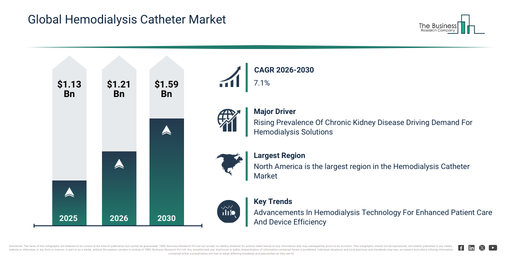
  • Hemodialysis Catheter Market Projected at $1.59B by 2030 with 7.1% CAGR

    Hemodialysis Catheter Market Projected at $1.59B by 2030 with 7.1% CAGR

    The Business Research Company’s 2026 market reports feature enhanced tools like market attractiveness analysis, TAM assessment, and company scoring matrices, along with interactive dashboards, deeper supply chain insights, and startup coverage strengthening the depth, usability, and strategic value of insights.

    What Expansion In Market Value Is Forecasted For The Hemodialysis Catheter Market Between 2026 And 2030?

    The hemodialysis catheter market size has experienced robust expansion in recent years. It is anticipated to increase from $1.13 billion in 2025 to $1.21 billion in 2026, demonstrating a compound annual growth rate (CAGR) of 7.4%. This historical growth can be attributed to the increasing prevalence of chronic kidney disease, expansion of dialysis centers, rising use of central venous access, improvements in catheter materials, and growing demand for long-term dialysis solutions.

    The hemodialysis catheter market is projected to experience robust expansion over the coming years. Its valuation is anticipated to reach $1.59 billion by 2030, exhibiting a compound annual growth rate (CAGR) of 7.1%. This projected growth is primarily driven by factors such as the greater use of advanced biocompatible materials, a heightened emphasis on decreasing catheter-related infections, the broadening of home-based dialysis initiatives, increased financial commitments to vascular access advancements, and a growing call for patient-focused designs. Key trends anticipated during this period encompass the wider acceptance of antimicrobial-coated catheters, an increase in the utilization of tunneled cuffed catheters, a stronger focus on designs that prevent infections, the development of more home dialysis access solutions, and an elevated prioritization of patient comfort and safety.

    Access Your Free Sample Report For In-Depth Market Analysis:

    https://www.thebusinessresearchcompany.com/report/hemodialysis-catheter-global-market-report

    What Leading Drivers Are Supporting The Hemodialysis Catheter Market Expansion?

    The increasing prevalence of chronic kidney disease (CKD) is anticipated to propel the expansion of the hemodialysis catheters market going forward. Chronic kidney disease (CKD) refers to a gradual deterioration of kidney function over time, often caused by diabetes, high blood pressure, and genetic factors. The rise in chronic kidney disease (CKD) is due to factors such as an aging demographic, unhealthy lifestyle choices, and the growing rates of diabetes and hypertension. Hemodialysis catheters are essential for providing vascular access to patients with chronic kidney disease who require long-term renal replacement therapy. For instance, in February 2024, according to the Kidney Research UK, a UK-based government agency, approximately 3.25 million people in the UK are living with chronic kidney disease (CKD) stages 3-5. By 2033, this number is projected to reach 3.9 million people with CKD stages 3-5. Therefore, the rise in prevalence of chronic kidney disease (CKD) is driving the growth of the hemodialysis catheters market.

    How Is The Hemodialysis Catheter Market Categorized Across Its Segment Groups?

    The hemodialysis catheter market covered in this report is segmented –

    1) By Product: Cuffed Tunneled Catheter, Non-Cuffed Tunneled Catheters, Non-tunneled Catheters

    2) By Tip Configuration: Step-Tip Catheters, Split-Tip Catheters, Symmetric Catheters

    3) By Material: Silicone, Carbothane, Polyurethane

    4) By End-User: Dialysis Centers, Hospitals, Other End Users

    Subsegments:

    1) By Cuffed Tunneled Catheter: Single Lumen Cuffed Tunneled Catheter, Double Lumen Cuffed Tunneled Catheter

    2) By Non-Cuffed Tunneled Catheters: Single Lumen Non-Cuffed Tunneled Catheter, Double Lumen Non-Cuffed Tunneled Catheter

    3) By Non-Tunneled Catheters: Single Lumen Non-Tunneled Catheter, Double Lumen Non-Tunneled Catheter

    What Emerging Trends Are Seen In The Hemodialysis Catheter Market?

    Major companies in the hemodialysis catheters market are concentrating on developing innovative technologies, such as multi-mechanism hemodialysis, to improve patient outcomes, enhance catheter efficiency, reduce complications like infections or clotting, and extend the lifespan of the devices. Multi-mechanism hemodialysis involves catheters with integrated features, including improved flow, clot prevention, and infection resistance, to enhance treatment efficiency and safety. For instance, in April 2023, Becton, Dickinson and Company, a US-based manufacturer of medical devices, received Food and Drug Administration (FDA) 510(k) clearance for its Aspirex mechanical aspiration thrombectomy system, featuring 6- and 8-F catheters, intended to treat acute emboli and thrombi in hemodialysis access sites such as arteriovenous grafts (AVGs) and fistulas (AVFs). The Aspirex system operates using a three-in-one mechanism, combining clot aspiration, continuous maceration to prevent clogging, and mechanical transportation for efficient clot removal. This system aims to restore patency in thrombosed AVGs or AVFs, providing crucial hemodialysis support for patients with end-stage kidney disease.

    Which Firms Are Influencing Competition In The Hemodialysis Catheter Market?

    Major companies operating in the hemodialysis catheter market are Medtronic plc, Fresenius Medical Care AG & Co. KGaA, Toray Industries Inc., Becton Dickinson and Company, Baxter International Inc., Nipro Corporation, Teleflex Incorporated, Cook Medical Incorporated, Asahi Kasei Medical Co. Ltd., Nikkiso Co. Ltd., Merit Medical System Inc., JMS Co. Ltd., AngioDynamics Inc., B. Braun Melsungen AG, Medikit Co. Ltd., Kawasumi Laboratories Inc., Amecath, Mais India Medical Devices Pvt. Ltd., Browndove Healthcare Private Limited, Duomed Ltd.

    Get The Full Hemodialysis Catheter Market Report:

    https://www.thebusinessresearchcompany.com/report/hemodialysis-catheter-global-market-report

    Where Is The Hemodialysis Catheter Market Primarily Concentrated By Region?

    North America was the largest region in the hemodialysis catheter market in 2025. Asia-Pacific is expected to be the fastest-growing region in the forecast period. The regions covered in the hemodialysis catheter market report are Asia-Pacific, South East Asia, Western Europe, Eastern Europe, North America, South America, Middle East, Africa.

    Request A Customized Hemodialysis Catheter Market Report For Competitive Insights:

    https://www.thebusinessresearchcompany.com/report/hemodialysis-catheter-global-market-report

    Browse Through More Reports Similar to the Global Hemodialysis Catheter Market 2026, By The Business Research Company

    Catheters Market Report 2026

    https://www.thebusinessresearchcompany.com/report/catheters-global-market-report

    Hemodialysis Market Report 2026

    https://www.thebusinessresearchcompany.com/report/hemodialysis-global-market-report

    Urinary Catheters Market Report 2026

    https://www.thebusinessresearchcompany.com/report/urinary-catheters-global-market-report

    Get in touch with us:

    The Business Research Company: https://www.thebusinessresearchcompany.com/

    Americas +1 310-496-7795

    Asia +44 7882 955267 & +91 8897263534

    Europe +44 7882 955267

    Email us at info@tbrc.info

    Follow us on:

    LinkedIn: https://in.linkedin.com/company/the-business-research-company

    YouTube: https://www.youtube.com/channel/UC24_fI0rV8cR5DxlCpgmyFQ

    Global Market Model: https://www.thebusinessresearchcompany.com/global-market-model