Category: Healthcare Services

  • Global Hemochromatosis Treatment Market to Hit $34.8B by 2030 at 4.2% CAGR

    Global Hemochromatosis Treatment Market to Hit $34.8B by 2030 at 4.2% CAGR

    The Business Research Company’s 2026 market reports feature enhanced tools like market attractiveness analysis, TAM assessment, and company scoring matrices, along with interactive dashboards, deeper supply chain insights, and startup coverage strengthening the depth, usability, and strategic value of insights.

    How Large Will The Hemochromatosis (Iron Overload) Disease Treatment Market Be By 2030 Compared To Its 2026 Market Size?

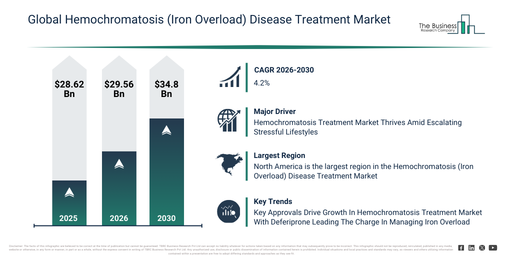
    The hemochromatosis (iron overload) disease treatment market has experienced consistent expansion in its size over recent years. This market is projected to expand from $28.62 billion in 2025 to $29.56 billion in 2026, demonstrating a compound annual growth rate (CAGR) of 3.3%. Historical growth drivers include enhanced identification of hereditary iron overload, wider availability of diagnostic tests, greater adoption of phlebotomy as a standard treatment, increasing awareness among clinicians, and the presence of chelation therapies.

    The hemochromatosis (iron overload) disease treatment market size is anticipated to demonstrate consistent expansion in the coming years. It is projected to reach $34.8 billion by 2030, advancing at a compound annual growth rate (CAGR) of 4.2%. This growth over the forecast period is fueled by factors such as the increasing adoption of personalized treatment strategies, the rising demand for non-invasive monitoring tools, the expansion of genetic counseling services, a growing emphasis on early intervention, and an increase in research into novel therapies. Prominent trends throughout this period include a heightened focus on early genetic screening, the rising adoption of therapeutic phlebotomy protocols, the growing use of iron chelation therapies, the expansion of disease awareness programs, and an enhanced focus on long-term disease management.

    Access Your Free Sample Report For In-Depth Market Analysis:

    https://www.thebusinessresearchcompany.com/report/hemochromatosis-iron-overload-disease-treatment-global-market-report

    Which Key Factors Are Driving The Hemochromatosis (Iron Overload) Disease Treatment Market Growth?

    An escalating stressful way of life is projected to fuel the expansion of the hemochromatosis (iron overload) disease treatment market in the future. Such demanding lifestyles significantly affect an individual’s physical and psychological well-being, with extended periods of intense stress potentially resulting in various health problems, hemochromatosis (iron overload) disease being one of them. Managing hemochromatosis, a condition defined by excessive iron accumulation in the body, not only targets the physical manifestations but also contributes crucially to alleviating the emotional and mental strain frequently associated with living with a long-term illness. As an illustration, in November 2025, data from the American Psychiatric Association, a US-based professional organization of psychiatrists and trainee psychiatrists, revealed that 41% of U.S. adults expect greater holiday-related stress this year compared to last year, marking a significant rise from 2024 (28%) and 2023 (29%). Consequently, the rise in stressful lifestyles serves as a key driver for the hemochromatosis (iron overload) disease treatment market.

    How Are Segments Identified Within The Hemochromatosis (Iron Overload) Disease Treatment Market Segment Framework?

    The hemochromatosis (iron overload) disease treatment market covered in this report is segmented –

    1) By Type: Hereditary Hemochromatosis, Acquired Hemochromatosis

    2) By Treatment: Therapeutic Phlebotomy, Iron Chelation Therapy, Other Treatments

    3) By End-Users: Hospitals, Surgical Centers, Other End-Users

    Subsegments:

    1) By Hereditary Hemochromatosis: Genetic Counseling, Phlebotomy, Chelation Therapy

    2) By Acquired Hemochromatosis: Treatment Of Underlying Conditions, Phlebotomy, Chelation Therapy

    Which Trends Are Guiding The Direction Of The Hemochromatosis (Iron Overload) Disease Treatment Market?

    Major companies in the hemochromatosis (iron overload) disease treatment market are obtaining approvals for drugs like deferiprone, which are designed for patients experiencing transfusional iron overload. These medications help to decrease excess iron levels in the body and avert complications linked to iron buildup, such as organ damage. Deferiprone serves as a treatment for iron overload in individuals who have received multiple blood transfusions, a common issue in conditions like thalassemia, sickle cell anemia, or other chronic anemias. As an illustration, in March 2023, Chiesi Global Rare Diseases Inc, a US-based unit, announced the Canadian approval of FERRIPROX MR (deferiprone) extended-release tablets. FERRIPROX MR is indicated for managing transfusional iron overload in patients with thalassemia syndromes when existing chelation therapy is insufficient, or in those with sickle cell disease (SCD) or other types of anemia. Deferiprone, an orally active iron-chelating agent, efficiently lowers iron concentration in the body by entering cell membranes, attaching to surplus iron, and thereby aiding its removal from various organs and tissues.

    Who Are The Companies Competing Within The Hemochromatosis (Iron Overload) Disease Treatment Market?

    Major companies operating in the hemochromatosis (iron overload) disease treatment market are Pfizer Inc., AbbVie Inc., Novartis AG, Merck KGaA, Sanofi SA, Takeda Pharmaceutical Company Limited, Bayer AG, GlaxoSmithKline plc, Roche Holding AG, Abbott Laboratories, Fresenius Kabi AG, Apotex Inc., Teva Pharmaceutical Industries Ltd., Recordati S.p.A., Chiesi Farmaceutici S.p.A., Ionis Pharmaceuticals Inc., Silence Therapeutics, DisperSol Technologies LLC., Hinoman Ltd., Pharmacosmos A/S

    Get The Full Hemochromatosis (Iron Overload) Disease Treatment Market Report:

    https://www.thebusinessresearchcompany.com/report/hemochromatosis-iron-overload-disease-treatment-global-market-report

    Which Region Has The Greatest Market Share In The Hemochromatosis (Iron Overload) Disease Treatment Market?

    North America was the largest region in the hemochromatosis (Iron Overload) disease treatment market in 2025. The regions covered in the hemochromatosis (iron overload) disease treatment market report are Asia-Pacific, South East Asia, Western Europe, Eastern Europe, North America, South America, Middle East, Africa.

    Request A Customized Hemochromatosis (Iron Overload) Disease Treatment Market Report For Competitive Insights:

    https://www.thebusinessresearchcompany.com/report/hemochromatosis-iron-overload-disease-treatment-global-market-report

    Browse Through More Reports Similar to the Global Hemochromatosis (Iron Overload) Disease Treatment Market 2026, By The Business Research Company

    Hematology Drug Market Report 2026

    https://www.thebusinessresearchcompany.com/report/hematology-drug-global-market-report

    Iron Deficiency Injectable Market Report 2026

    https://www.thebusinessresearchcompany.com/report/iron-deficiency-injectable-global-market-report

    Hemostasis Products Market Report 2026

    https://www.thebusinessresearchcompany.com/report/hemostasis-products-global-market-report

    Get in touch with us:

    The Business Research Company: https://www.thebusinessresearchcompany.com/

    Americas +1 310-496-7795

    Asia +44 7882 955267 & +91 8897263534

    Europe +44 7882 955267

    Email us at info@tbrc.info

    Follow us on:

    LinkedIn: https://in.linkedin.com/company/the-business-research-company

    YouTube: https://www.youtube.com/channel/UC24_fI0rV8cR5DxlCpgmyFQ

    Global Market Model: https://www.thebusinessresearchcompany.com/global-market-model
  • Hematopoietic Stem Cell Transplantation Market to Reach $8.57B by 2030 at 11% CAGR

    Hematopoietic Stem Cell Transplantation Market to Reach $8.57B by 2030 at 11% CAGR

    The Business Research Company’s 2026 market reports feature enhanced tools like market attractiveness analysis, TAM assessment, and company scoring matrices, along with interactive dashboards, deeper supply chain insights, and startup coverage strengthening the depth, usability, and strategic value of insights.

    What Is The Projected Increase In Market Value Of The Hematopoietic Stem Cell Transplantation Market During 2026–2030?

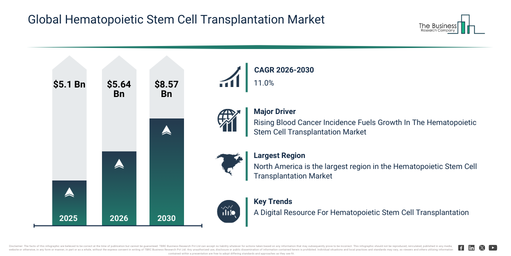
    The hematopoietic stem cell transplantation market size has experienced rapid expansion in recent years. It is forecast to grow from $5.1 billion in 2025 to $5.64 billion in 2026, achieving a compound annual growth rate (CAGR) of 10.6%. This historical growth can be linked to factors like the increasing prevalence of hematologic disorders, the expansion of transplant centers, advancements in donor matching techniques, the rising adoption of autologous transplants, and improvements in supportive care protocols.

    The hematopoietic stem cell transplantation market is projected to experience substantial expansion in the upcoming years. This market is forecast to reach $8.57 billion by 2030, exhibiting a compound annual growth rate (CAGR) of 11.0%. This anticipated growth during the forecast timeframe is attributable to several factors, including the rising acceptance of gene-modified stem cell therapies, increased funding for transplant infrastructure, the broadening scope of allogeneic transplant procedures, a heightened emphasis on individualized transplant methods, and improved post-transplant survival outcomes. Key trends foreseen over this period encompass the growing prevalence of peripheral blood stem cell transplants, the escalating utilization of cord blood transplantation, the deeper integration of precision conditioning regimens, the enlargement of donor registry networks, and an intensified focus on follow-up monitoring after transplantation.

    Access Your Free Sample Report For In-Depth Market Analysis:

    https://www.thebusinessresearchcompany.com/report/hematopoietic-stem-cell-transplantation-global-market-report

    What Primary Drivers Are Shaping The Hematopoietic Stem Cell Transplantation Market?

    The increasing occurrence of blood cancer is expected to boost the growth of the hematopoietic stem cell transplantation market. Blood cancers are a group of malignancies that impact the development and operation of blood cells, with leukemia, lymphoma, and myeloma being the three main types. Hematopoietic stem cell transplantation is generally used to treat blood cancer by replacing stem cells and bone marrow cells killed by the malignancy. These new stem cells can then move to the bone marrow and start creating new blood cells. These factors therefore stimulate the hematopoietic stem cell transplantation market. For instance, in September 2025, according to Cancer Research UK, a UK-based charity, from 2024 to 2026, the incidence rate of leukemia in the UK is estimated at approximately 17.9 cases per 100,000 people per year, and it is projected to decrease by 3% to around 17.4 per 100,000 by 2038 to 2040. Hence, the heightened frequency of blood cancer drives the hematopoietic stem cell transplantation market.

    What Are The Key Segment Divisions In The Hematopoietic Stem Cell Transplantation Market Segment Structure?

    The hematopoietic stem cell transplantation market covered in this report is segmented –

    1) By Type: Allogeneic, Autologous

    2) By Indication: Leukemia, Lymphatic Disorder, Myeloma, Other Non-Malignant Disorders

    3) By Application: Bone Marrow Transplant, Peripheral Blood Stem Cell Transplant, Cord Blood Transplant

    4) By End User: Hospital Pharmacy, Specialty Clinics

    Subsegments:

    1) By Allogeneic: Matched Related Donor Transplantation, Matched Unrelated Donor Transplantation, Cord Blood Transplantation

    2) By Autologous: Peripheral Blood Stem Cell Transplantation, Bone Marrow Stem Cell Transplantation

    What Trends Are Affecting The Growth Of The Hematopoietic Stem Cell Transplantation Market?

    Leading companies engaged in hematopoietic stem cell transplantation are concentrating on developing innovations, such as digital tools, to streamline patient management, enhance donor matching protocols, and supply real-time data analytics for improved decision-making. Digital resources refer to various online instruments, platforms, or materials that provide information, services, or functionalities in an electronic format. For instance, in September 2024, BioLineRx Ltd., an Israel-based biopharmaceutical company, launched Mobilization Matters, a digital resource. Mobilization Matters is an interactive platform designed to inform healthcare professionals and patients about the mobilization of stem cells for transplantation. It offers comprehensive directives, best practices, and real-time monitoring tools to optimize the stem cell collection process, thereby enhancing patient outcomes and ensuring efficient resource utilization in transplantation procedures.

    Which Organizations Are Engaged In The Hematopoietic Stem Cell Transplantation Market?

    Major companies operating in the hematopoietic stem cell transplantation market are Pluristem Therapeutics Inc., Lonza Group AG, Escape Therapeutics Inc., Regen Biopharma Inc., Bluebird Bio Inc., CellGenix GmbH, CBR Systems Inc., Merck KGaA, Cord Blood Corporation, Kiadis Pharma NV, Marker Therapeutics Inc., Taiga Biotechnologies Inc., Takeda Pharmaceutical Company Limited, Talaris Therapeutics Inc., ViaCord LLC, ScienCell Research Laboratories Inc., BiolineRx, Stemcell Technologies Inc., ThermoGenesis Holdings Inc., MEDIPOST Co. Ltd., Anterogen. Co. Ltd., Pharmicell Inc., JCR Pharmaceuticals Co. Ltd., Holostem Terapie Avanzate Srl, Regrow Biosciences Pvt Ltd., Stempeutics Research Pvt Ltd.

    Get The Full Hematopoietic Stem Cell Transplantation Market Report:

    https://www.thebusinessresearchcompany.com/report/hematopoietic-stem-cell-transplantation-global-market-report

    Which Region Accounts For The Largest Portion Of The Hematopoietic Stem Cell Transplantation Market?

    North America was the largest region in the hematopoietic stem cell transplantation market in 2025. Asia-Pacific is expected to be the fastest-growing region in the global hematopoietic stem cell transplantation market during the forecast period. The regions covered in the hematopoietic stem cell transplantation market report are Asia-Pacific, South East Asia, Western Europe, Eastern Europe, North America, South America, Middle East, Africa.

    Request A Customized Hematopoietic Stem Cell Transplantation Market Report For Competitive Insights:

    https://www.thebusinessresearchcompany.com/report/hematopoietic-stem-cell-transplantation-global-market-report

    Browse Through More Reports Similar to the Global Hematopoietic Stem Cell Transplantation Market 2026, By The Business Research Company

    Human Embryonic Stem Cells Market Report 2026

    https://www.thebusinessresearchcompany.com/report/human-embryonic-stem-cells-global-market-report

    Bone Marrow Transplantation Market Report 2026

    https://www.thebusinessresearchcompany.com/report/bone-marrow-transplantation-global-market-report

    Stem Cells Therapy Market Report 2026

    https://www.thebusinessresearchcompany.com/report/stem-cells-therapy-global-market-report

    Get in touch with us:

    The Business Research Company: https://www.thebusinessresearchcompany.com/

    Americas +1 310-496-7795

    Asia +44 7882 955267 & +91 8897263534

    Europe +44 7882 955267

    Email us at info@tbrc.info

    Follow us on:

    LinkedIn: https://in.linkedin.com/company/the-business-research-company

    YouTube: https://www.youtube.com/channel/UC24_fI0rV8cR5DxlCpgmyFQ

    Global Market Model: https://www.thebusinessresearchcompany.com/global-market-model
  • Hematology Analyzers Market Forecast (2026–2030): Industry Expansion Trends

    Hematology Analyzers Market Forecast (2026–2030): Industry Expansion Trends

    The Business Research Company’s 2026 market reports feature enhanced tools like market attractiveness analysis, TAM assessment, and company scoring matrices, along with interactive dashboards, deeper supply chain insights, and startup coverage strengthening the depth, usability, and strategic value of insights.

    How Is The Market Size Of The Hematology Analyzers Market Expected To Change From 2026 To 2030?

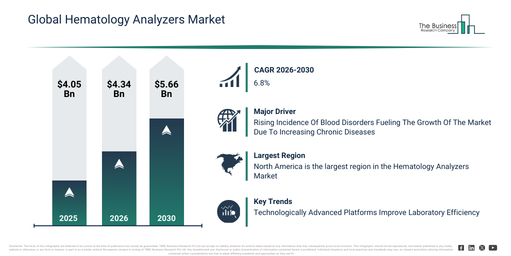
    The hematology analyzers market size has observed substantial growth over recent years. This market is expected to expand from $4.05 billion in 2025 to $4.34 billion in 2026, progressing at a compound annual growth rate (CAGR) of 7.2%. The historical increase in market size is largely due to factors such as the expansion of clinical laboratory testing volumes, the rising prevalence of blood-related disorders, the enhancement of hospital diagnostic capabilities, the adoption of automated laboratory instruments, and improved access to routine blood testing.

    The hematology analyzers market is projected to experience substantial expansion over the coming years. Its valuation is anticipated to reach $5.66 billion by 2030, exhibiting a compound annual growth rate (CAGR) of 6.8%. This anticipated growth throughout the forecast period stems from factors such as an escalating need for swift diagnostic solutions, a greater shift towards decentralized laboratory testing, the broadening scope of oncology and hematology diagnostic services, the increasing embrace of digital pathology integration, and a heightened emphasis on automating workflows. Key developments foreseen during this period encompass the wider implementation of fully automated analyzer systems, the growing incorporation of AI-powered cell analysis, a surging requirement for point-of-care hematology examinations, the expansion of high-capacity laboratory systems, and an intensified concentration on improving diagnostic precision and speed.

    Access Your Free Sample Report For In-Depth Market Analysis:

    https://www.thebusinessresearchcompany.com/report/hematology-analyzers-global-market-report

    Which Major Drivers Are Influencing The Expansion Of The Hematology Analyzers Market?

    An anticipated increase in blood disorder cases is poised to drive expansion within the hematology analyzers market in the foreseeable future. Blood disorders are defined as medical conditions impacting the various constituents of blood, such as red blood cells, white blood cells, platelets, or plasma. This growing occurrence of blood disorders is largely attributable to the increasing frequency of chronic illnesses, which have a direct bearing on blood health and necessitate continuous observation. Hematology analyzers assist in the diagnosis of these conditions by offering precise and swift analysis of blood constituents, thereby facilitating prompt identification and therapeutic intervention. These instruments improve clinical decision-making processes, leading to better patient care and improved outcomes. As an illustration, data from March 2024, provided by the National Institute for Health and Care Excellence, a UK-based non-departmental public body, indicated that during 2022/2023, 2,069 individuals in the UK received a diagnosis of haemophilia B. This figure included 374 cases classified as severe and 351 as moderate. Consequently, the expanding occurrence of blood disorders is fueling the expansion of the hematology analyzers market.

    Which Segment Categories Are Included In The Hematology Analyzers Market Segment Analysis?

    The hematology analyzers market covered in this report is segmented –

    1) By Type: Fully-Automated Hematology Analyzers, Semi-Automated Hematology Analyzers

    2) By Component: Instruments, Consumables

    3) By Modality: Standalone, Point Of Care

    4) By Technology: Flow Cytometry, Electrical Impedance, Optical Technology

    5) By End User: Hospitals, Clinical Laboratories, Research Institutes, Other End Users

    Subsegments:

    1) By Fully-Automated Hematology Analyzers: 3-Part Differential Analyzers, 5-Part Differential Analyzers, 6-Part And Above Differential Analyzers, Integrated Hematology Systems

    2) By Semi-Automated Hematology Analyzers: Hemoglobin Analyzers, Coagulation Analyzers, Erythrocyte Sedimentation Rate (ESR) Analyzers, Platelet Function Analyzers

    Which Trends Are Shaping The Hematology Analyzers Market?

    Leading companies in the hematology analyzers market are prioritizing the development of technologically advanced products, such as automated hematology systems, to enhance diagnostic accuracy, improve workflow efficiency, and deliver faster test results with minimal manual intervention. Automated hematology systems are sophisticated diagnostic machines employed in clinical laboratories to conduct various hematological tests with limited human intervention. For example, in January 2024, Horiba Medical, a medical diagnostics company based in Japan, introduced the HELO 2.0 high-throughput automated hematology platform, which is Conformité Européenne In Vitro Diagnostic Regulation (CE-IVDR) approved, with United States Food and Drug Administration (FDA) approval pending. HELO 2.0 offers a flexible, scalable, and efficient modular solution designed to cater to the requirements of mid- to large-scale laboratories. It also incorporates advanced technologies from the Yumizen H2500 and H1500 analyzers, ensuring high-quality performance with features like 360-degree sample mixing, optimized turnaround time, efficient space utilization, and reagent storage. The platform further supports ISO-15189 accreditation assistance, addressing all pre-analytical, analytical, and post-analytical needs.

    Who Are The Active Companies Shaping The Hematology Analyzers Market?

    Major companies operating in the hematology analyzers market are F. Hoffmann-La Roche AG, Abbott Laboratories, Danaher Corporation, Siemens Healthineers AG, Shenzhen Mindray Bio-Medical Electronics Co. Ltd., Sysmex Corporation, Horiba Medical Ltd., Nihon Kohden Corporation, Trivitron Healthcare Pvt. Ltd., Transasia Bio-Medicals Ltd., Erba Mannheim GmbH, Boule Diagnostics AB, Diatron MI PLC, Rayto Life and Analytical Sciences Co. Ltd., Perlong Medical, PZ Cormay S.A., Bio-Rad Laboratories Inc., BioSystems, EKF Diagnostics, Ortho Clinical Diagnostics, URIT Medical Electronic Group, Agappe Diagnostics

    Get The Full Hematology Analyzers Market Report:

    https://www.thebusinessresearchcompany.com/report/hematology-analyzers-global-market-report

    Which Region Holds The Highest Market Share In The Hematology Analyzers Market?

    North America was the largest region in the hematology analyzers market in 2025. Asia-Pacific is expected to be the fastest-growing region in the forecast period. The regions covered in the hematology analyzers market report are Asia-Pacific, South East Asia, Western Europe, Eastern Europe, North America, South America, Middle East, Africa.

    Request A Customized Hematology Analyzers Market Report For Competitive Insights:

    https://www.thebusinessresearchcompany.com/report/hematology-analyzers-global-market-report

    Browse Through More Reports Similar to the Global Hematology Analyzers Market 2026, By The Business Research Company

    Veterinary Hematology Analyzers Market Report 2026

    https://www.thebusinessresearchcompany.com/report/veterinary-hematology-analyzers-global-market-report

    Hematology Drug Market Report 2026

    https://www.thebusinessresearchcompany.com/report/hematology-drug-global-market-report

    Hematocrit Test Devices Market Report 2026

    https://www.thebusinessresearchcompany.com/report/hematocrit-test-devices-global-market-report

    Get in touch with us:

    The Business Research Company: https://www.thebusinessresearchcompany.com/

    Americas +1 310-496-7795

    Asia +44 7882 955267 & +91 8897263534

    Europe +44 7882 955267

    Email us at info@tbrc.info

    Follow us on:

    LinkedIn: https://in.linkedin.com/company/the-business-research-company

    YouTube: https://www.youtube.com/channel/UC24_fI0rV8cR5DxlCpgmyFQ

    Global Market Model: https://www.thebusinessresearchcompany.com/global-market-model
  • Global Hematologic Malignancies Testing Market Analysis (2026–2030): Strategic Insights

    Global Hematologic Malignancies Testing Market Analysis (2026–2030): Strategic Insights

    The Business Research Company’s 2026 market reports feature enhanced tools like market attractiveness analysis, TAM assessment, and company scoring matrices, along with interactive dashboards, deeper supply chain insights, and startup coverage strengthening the depth, usability, and strategic value of insights.

    From Its 2026 Market Size, What Value Is The Hematologic Malignancies Testing Market Projected To Reach By 2030?

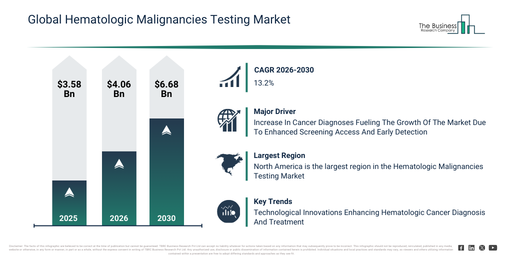
    The size of the hematologic malignancies testing market has experienced rapid growth in recent years. This market is projected to expand from $3.58 billion in 2025 to $4.06 billion in 2026, at a compound annual growth rate (CAGR) of 13.4%. Historically, the expansion observed in this market can be attributed to several factors including the increasing prevalence of hematologic cancers, the broader integration of molecular diagnostics, the enlargement of diagnostic laboratory networks, a rise in the utilization of CBC and flow cytometry, and enhanced access to oncology testing services.

    The market size for testing of hematologic malignancies is anticipated to experience significant expansion over the coming years. It is projected to reach $6.68 billion by 2030, exhibiting a compound annual growth rate (CAGR) of 13.2%. This growth during the projected timeframe is largely driven by factors such as a heightened demand for precision oncology diagnostics, an expanding incorporation of AI-based data interpretation, the broadening of companion diagnostics, an increased uptake of MRD monitoring, and greater investments in sophisticated diagnostic technologies. Key trends anticipated during the forecast period encompass a wider embrace of NGS-based diagnostic testing, a growing reliance on flow cytometry for MRD detection, an increasing convergence of molecular and genetic assays, the progression of personalized diagnostic profiling, and a sharpened emphasis on timely and precise subtyping.

    Access Your Free Sample Report For In-Depth Market Analysis:

    https://www.thebusinessresearchcompany.com/report/hematologic-malignancies-testing-global-market-report

    What Key Drivers Are Fueling The Growth Of The Hematologic Malignancies Testing Market?

    The increasing frequency of cancer diagnoses is projected to fuel the expansion of the hematologic malignancies testing market moving ahead. A cancer diagnosis involves determining the existence, kind, and progression of cancer in an individual through diverse medical assessments like imaging, lab analyses, and biopsies. This surge in diagnoses stems from enhanced availability of screening initiatives and greater public understanding, leading to earlier detection. Hematologic malignancies testing supports cancer diagnoses by facilitating prompt discovery, precise categorization, and ongoing surveillance of blood cancers, thus directing specific treatment strategies and enhancing patient results. For example, the American Cancer Society, an US-based nonprofit organization, reported that more than 2 million new cancer cases are identified in the US in 2024, marking a 4% rise from prior years. Consequently, the growing count of cancer diagnoses propels the growth within the hematologic malignancies testing market.

    How Is The Hematologic Malignancies Testing Market Broken Down By Segment Categories?

    The hematologic malignancies testing market covered in this report is segmented –

    1) By Test Type: Complete Blood Count (CBC), Flow Cytometry, Molecular Testing, Genetic Testing, Others Test Type

    2) By Product: Kits, Services

    3) By Technology: Polymerase Chain Reaction (PCR), Next-Generation Sequencing (NGS), Immunohisto Chemistry (IHC), Cytogenetics, Others Technology

    4) By Therapeutic Indication: Leukemia, Lymphoma, Multiple Myeloma, Myeloproliferative Neoplasms, Others Therapeutic Indication

    5) By End User: Hospitals, Diagnostic Labs, Academic and Research Institutions, Others End Users

    Subsegments:

    1) By Complete Blood Count (CBC): Hemoglobin Testing, Hematocrit Measurement, White Blood Cell Count, Red Blood Cell Count, Platelet Count, Mean Corpuscular Volume (MCV), Mean Corpuscular Hemoglobin (MCH)

    2) By Flow Cytometry: Immunophenotyping, Cell Cycle Analysis, Apoptosis Detection, Minimal Residual Disease (MRD) Testing, DNA Content Analysis

    3) By Molecular Testing: Polymerase Chain Reaction (PCR), Next-Generation Sequencing (NGS), Reverse Transcriptase-PCR (RT-PCR), Fluorescence In Situ Hybridization (FISH), Microarray Analysis

    4) By Genetic Testing: Germline Mutation Testing, Somatic Mutation Testing, Cytogenetic Testing, Chromosomal Aberration Detection, Single Nucleotide Polymorphism (SNP) Analysis

    5) By Others Test Type: Bone Marrow Biopsy, Immunohistochemistry (IHC), Enzyme Assays, Serum Protein Electrophoresis (SPEP), Imaging Tests

    What Trends Are Influencing The Hematologic Malignancies Testing Market?

    Major companies within the hematologic malignancies testing market are concentrating on developing innovative diagnostic techniques, such as rapid molecular profiling, to offer healthcare providers precise and timely diagnostic tools. These tools aim to improve the early detection, treatment planning, and monitoring of blood cancers. Rapid molecular profiling is a diagnostic method that scrutinizes a patient’s genetic makeup to pinpoint mutations and variations, thereby enabling faster and more personalized treatment decisions. For instance, in November 2023, Roswell Park Comprehensive Cancer Center, a US-based comprehensive cancer center, launched PanHeme. This next-generation gene sequencing tool is designed to diagnose hematologic cancers, including leukemia, lymphoma, and multiple myeloma, with greater accuracy and speed. The test identifies mutations in hundreds of genes in under 72 hours, significantly enhancing the speed and precision of diagnosis and ultimately guiding more personalized treatment decisions for patients.

    Which Players Are Present In The Hematologic Malignancies Testing Market Space?

    Major companies operating in the hematologic malignancies testing market are Abbott Laboratories, F. Hoffmann-La Roche Ltd, Siemens Healthineers AG, Becton Dickinson and Company, Bio-Rad Laboratories Inc., Agilent Technologies Inc., Illumina Inc., Thermo Fisher Scientific Inc., Danaher Corporation, Sysmex Corporation, QIAGEN N.V., PerkinElmer Inc., Adaptive Biotechnologies Corporation, Invivoscribe Inc., ArcherDx Inc., Guardant Health Inc., Sophia Genetics SA, Natera Inc., Roche Diagnostics International AG, Laboratory Corporation of America Holdings

    Get The Full Hematologic Malignancies Testing Market Report:

    https://www.thebusinessresearchcompany.com/report/hematologic-malignancies-testing-global-market-report

    Where Is The Hematologic Malignancies Testing Market Most Concentrated Geographically?

    North America was the largest region in the hematologic malignancies testing market in 2025. Asia-Pacific is expected to be the fastest-growing region in the forecast period. The regions covered in the hematologic malignancies testing market report are Asia-Pacific, South East Asia, Western Europe, Eastern Europe, North America, South America, Middle East, Africa.

    Request A Customized Hematologic Malignancies Testing Market Report For Competitive Insights:

    https://www.thebusinessresearchcompany.com/report/hematologic-malignancies-testing-global-market-report

    Browse Through More Reports Similar to the Global Hematologic Malignancies Testing Market 2026, By The Business Research Company

    Hematology Diagnostic Devices And Equipment Market Report 2026

    https://www.thebusinessresearchcompany.com/report/hematology-diagnostic-devices-and-equipment-global-market-report

    Dermatological Drugs Market Report 2026

    https://www.thebusinessresearchcompany.com/report/dermatological-drugs-global-market-report

    Hematocrit Test Devices Market Report 2026

    https://www.thebusinessresearchcompany.com/report/hematocrit-test-devices-global-market-report

    Get in touch with us:

    The Business Research Company: https://www.thebusinessresearchcompany.com/

    Americas +1 310-496-7795

    Asia +44 7882 955267 & +91 8897263534

    Europe +44 7882 955267

    Email us at info@tbrc.info

    Follow us on:

    LinkedIn: https://in.linkedin.com/company/the-business-research-company

    YouTube: https://www.youtube.com/channel/UC24_fI0rV8cR5DxlCpgmyFQ

    Global Market Model: https://www.thebusinessresearchcompany.com/global-market-model
  • Hematologic Malignancies Detection Market Outlook (2026–2030): Growth Factors and Projections

    Hematologic Malignancies Detection Market Outlook (2026–2030): Growth Factors and Projections

    The Business Research Company’s 2026 market reports feature enhanced tools like market attractiveness analysis, TAM assessment, and company scoring matrices, along with interactive dashboards, deeper supply chain insights, and startup coverage strengthening the depth, usability, and strategic value of insights.

    How Much Growth In Market Value Is Expected For The Hematologic Malignancies Detection Market Between 2026 And 2030?

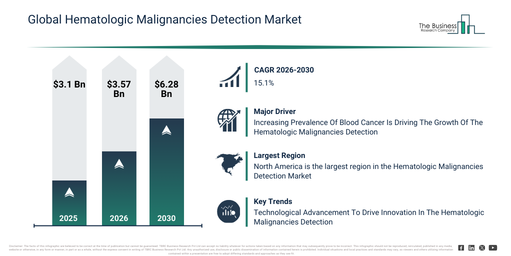
    The size of the hematologic malignancies detection market has seen rapid expansion in recent years. It is expected to increase from $3.1 billion in 2025 to $3.57 billion in 2026, demonstrating a compound annual growth rate (CAGR) of 15.5%. Historically, this growth can be attributed to several factors including the rising prevalence of blood cancers, the uptake of PCR and immunochemistry techniques, the development of clinical laboratory infrastructure, increasing awareness regarding early cancer detection, and the presence of sophisticated diagnostic kits.

    The hematologic malignancies detection market is anticipated to experience substantial expansion in the coming years. It is projected to achieve a size of $6.28 billion by 2030, exhibiting a compound annual growth rate (CAGR) of 15.1%. The expansion during this forecast period can be primarily attributed to the growing acceptance of liquid biopsy diagnostics, increasing investments in precision oncology, the widening scope of genomic testing programs, the rising utilization of AI-based diagnostic platforms, and an intensified focus on the early and accurate detection of cancer. Prominent trends expected in the forecast period involve a greater adoption of molecular diagnostic techniques, an increased application of next-generation sequencing in oncology, the expanding integration of AI in diagnostic interpretation, the enlargement of early cancer screening programs, and an elevated focus on personalized oncology diagnostics.

    Access Your Free Sample Report For In-Depth Market Analysis:

    https://www.thebusinessresearchcompany.com/report/hematologic-malignancies-detection-global-market-report

    Which Drivers Are Supporting The Hematologic Malignancies Detection Market Growth?

    The expanding occurrence of blood cancer is projected to stimulate the expansion of the hematologic malignancy detection market. Blood cancer encompasses various malignancies impacting the blood, bone marrow, or lymphatic system, thereby impairing normal blood cell formation and operation. This rise in blood cancer cases stems from an aging global demographic and advancements in diagnostic methodologies, facilitating earlier and more precise identification. The identification of hematologic malignancies holds crucial importance for managing blood cancer, as it allows for prompt and accurate diagnoses, which in turn supports the creation of tailored and impactful treatment plans. For example, a Cancer Facts & Figures 2023 report released by the Leukemia & Lymphoma Society, a US-based professional organization company, indicated that in March 2024, approximately 437,337 people in the US were either living with or in remission from leukemia. Additionally, around 59,610 new cases are anticipated to be diagnosed in 2024. Consequently, the growing incidence of blood cancer is a primary catalyst for the expansion of the hematologic malignancy detection market.

    What Are The Different Segment Types In The Hematologic Malignancies Detection Market Segment Breakdown?

    The hematologic malignancies detection market covered in this report is segmented –

    1) By Type: Polymerase Chain Reaction, Immunochemistry, Next Generation Sequencing, Fluorescence In Situ Hybridization

    2) By Application: Multiple Myeloma, Myelodysplastic Syndrome, Leukemia, Myeloproliferative Neoplasms, Lymphoma, Other Applications

    3) By End-Users: Hospitals, Specialty Clinics, Other End-Users

    Subsegments:

    1) By Polymerase Chain Reaction (PCR): Real-Time PCR (qPCR), Digital PCR, Reverse Transcription PCR (RT-PCR), Nested PCR, Multiplex PCR, PCR-Based Detection Kits

    2) By Immunochemistry: Enzyme-Linked Immunosorbent Assay (ELISA), Immunohistochemistry (IHC), Flow Cytometry, Immunofluorescence, Immunohistochemical Staining Kits

    3) By Next Generation Sequencing (NGS): Whole Genome Sequencing (WGS), Whole Exome Sequencing (WES), Targeted Sequencing, RNA Sequencing (RNA-Seq), Liquid Biopsy NGS, Next-Generation Sequencing Kits For Hematologic Malignancies

    4) By Fluorescence In Situ Hybridization (FISH): Chromosome-Specific FISH Probes, DNA FISH, RNA FISH, Multicolor FISH, FISH-Based Detection Kits For Leukemia And Lymphoma

    Which Trends Are Expected To Impact The Hematologic Malignancies Detection Market?

    Major companies operating in the hematologic malignancy detection market are prioritizing the development of innovative solutions, such as blood cancer diagnostic tests, to improve diagnostic accuracy and enhance patient outcomes. These blood cancer diagnostic tests are essential for pinpointing and confirming the presence of hematologic malignancies like leukemia, lymphoma, and multiple myeloma. For instance, in November 2023, Roswell Park Comprehensive Cancer Center, a US-based research and treatment facility, launched PanHeme. This advanced blood cancer diagnostic test utilizes next-generation gene sequencing technology specifically for hematologic malignancy detection. By employing next-generation sequencing technology, PanHeme can identify genetic mutations in blood cancers, including leukemia, lymphoma, and multiple myeloma, within 72 hours, which is considerably faster than traditional methods. This quick turnaround time supports personalized treatment plans by enabling healthcare providers to use targeted FDA-approved therapies based on specific mutations.

    Who Are The Well-Known Companies In The Hematologic Malignancies Detection Market?

    Major companies operating in the hematologic malignancies detection market are Thermo Fisher Scientific Inc., Abbott Laboratories Inc., Roche Diagnostics International Ltd., Illumina Inc., Agilent Technologies Inc., Bio-Rad Laboratories Inc., QIAGEN N.V., Becton Dickinson and Company, Beckman Coulter Inc., Sysmex Corporation, Adaptive Biotechnologies Corporation, NeoGenomics Laboratories Inc., Invivoscribe Technologies Inc., ArcherDx Inc., Invitae Corporation, Natera Inc., Genetron Health, SOPHiA GENETICS, Guardant Health Inc., Genetica Diagnostics

    Get The Full Hematologic Malignancies Detection Market Report:

    https://www.thebusinessresearchcompany.com/report/hematologic-malignancies-detection-global-market-report

    Which Region Dominates The Hematologic Malignancies Detection Market By Market Share?

    North America was the largest region in the hematologic malignancies’ detection market in 2025. Asia-Pacific is expected to be the fastest-growing region in the forecast period. The regions covered in the hematologic malignancies detection market report are Asia-Pacific, South East Asia, Western Europe, Eastern Europe, North America, South America, Middle East, Africa.

    Request A Customized Hematologic Malignancies Detection Market Report For Competitive Insights:

    https://www.thebusinessresearchcompany.com/report/hematologic-malignancies-detection-global-market-report

    Browse Through More Reports Similar to the Global Hematologic Malignancies Detection Market 2026, By The Business Research Company

    Healthcare Fraud Detection Market Report 2026

    https://www.thebusinessresearchcompany.com/report/healthcare-fraud-detection-global-market-report

    Medical Radiation Detection Monitoring And Safety Market Report 2026

    https://www.thebusinessresearchcompany.com/report/medical-radiation-detection-monitoring-and-safety-global-market-report

    Defect Detection Market Report 2026

    https://www.thebusinessresearchcompany.com/report/defect-detection-global-market-report

    Get in touch with us:

    The Business Research Company: https://www.thebusinessresearchcompany.com/

    Americas +1 310-496-7795

    Asia +44 7882 955267 & +91 8897263534

    Europe +44 7882 955267

    Email us at info@tbrc.info

    Follow us on:

    LinkedIn: https://in.linkedin.com/company/the-business-research-company

    YouTube: https://www.youtube.com/channel/UC24_fI0rV8cR5DxlCpgmyFQ

    Global Market Model: https://www.thebusinessresearchcompany.com/global-market-model
  • Heart Transplant Market (2026–2030): Key Developments and Growth Opportunities

    Heart Transplant Market (2026–2030): Key Developments and Growth Opportunities

    The Business Research Company’s 2026 market reports feature enhanced tools like market attractiveness analysis, TAM assessment, and company scoring matrices, along with interactive dashboards, deeper supply chain insights, and startup coverage strengthening the depth, usability, and strategic value of insights.

    What Is The Estimated Market Size Of The Heart Transplant Market In 2026, And How Will Its Value Evolve By 2030?

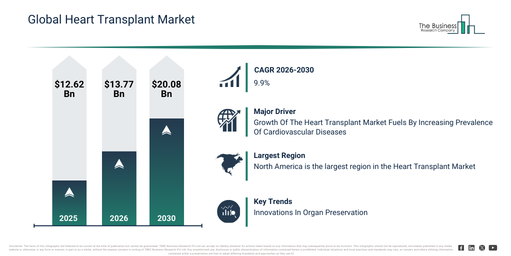
    The heart transplant market has demonstrated robust expansion recently. Its expansion is projected to be from $12.62 billion in 2025 to $13.77 billion in 2026, achieving a compound annual growth rate (CAGR) of 9.1%. Historically, this growth has been driven by factors such as the rising incidence of end-stage heart failure, the proliferation of cardiac specialty centers, advancements in surgical methodologies, greater accessibility of transplant initiatives, and an increasing adoption of mechanical circulatory support devices.

    The heart transplant market is projected to experience substantial growth over the coming years, reaching a valuation of $20.08 billion by 2030, exhibiting a compound annual growth rate (CAGR) of 9.9%. This anticipated growth during the forecast period is driven by several factors, including heightened investments in artificial heart research, an increasing need for enduring cardiac support solutions, the advancement of donor management technologies, a heightened emphasis on precise post-transplant care, and the greater uptake of digital health monitoring. Key trends expected during this period involve the rising adoption of ventricular assist devices, increased utilization of sophisticated transplant monitoring systems, the growing integration of digital platforms for patient management, the expansion of artificial heart technologies, and a stronger focus on improving post-transplant results.

    Access Your Free Sample Report For In-Depth Market Analysis:

    https://www.thebusinessresearchcompany.com/report/heart-transplant-global-market-report

    What Key Factors Are Affecting The Heart Transplant Market Demand?

    The increasing incidence of cardiovascular diseases is projected to fuel the expansion of the heart transplant market in the future. These diseases encompass various conditions impacting the heart and its associated blood vessels. For individuals suffering from end-stage heart failure, a heart transplant serves as a final therapeutic option when other treatments have proven ineffective, thereby enhancing their quality of life and prolonging their lifespan. As an illustration, data from September 2024, provided by the British Heart Foundation, a cardiovascular research charity based in the UK, indicates that around 7.6 million people in the UK are currently living with heart and circulatory conditions, with this figure made up of 4 million men and 3.6 million women. This total is predicted to grow by 1 million by 2030 and potentially by an additional 2 million beyond current levels by 2040. Consequently, the widespread occurrence of cardiovascular diseases will be a key driver for the heart transplant market.

    Which Segment Classifications Are Used In The Heart Transplant Market Segment Analysis?

    The heart transplant market covered in this report is segmented –

    1) By Transplant Procedure Type: Orthotopic Heart Transplant, Heterotopic Heart Transplant

    2) By Donor Type: Allograft, Extended-Criteria Donor Hearts

    3) By Indication: End-Stage Heart Failure, Ischemic Cardiomyopathy, Dilated Cardiomyopathy, Congenital Heart Disease, Valvular Heart Disease, Other Severe Cardiac Disorders

    4) By Recipient Age Group: Pediatric Patients, Adult Patients, Geriatric Patients

    5) By End User: Hospitals, Specialized Cardiac Transplant Centers, Academic & Research Institutes

    Subsegments:

    1) By Orthotopic Heart Transplant: Standard Orthotopic Heart Transplant, Donation After Brain Death (DBD) Orthotopic Transplant, Donation After Circulatory Death (DCD) Orthotopic Transplant, ABO-Compatible Orthotopic Transplant

    2) By Heterotopic Heart Transplant (HHT): Left Heterotopic Heart Transplant, Right Heterotopic Heart Transplant, Biventricular Heterotopic Heart Transplant, Bridge-to-Recovery Heterotopic Transplant

    What Trends Are Influencing Changes In The Heart Transplant Market?

    Leading firms within the heart transplant market are increasingly prioritizing the creation of novel solutions, including heart preservation technology, with the aim of enhancing patient results and the success rate of transplants. This technology considerably prolongs how long a heart can be preserved outside the body, in contrast to conventional ice storage, thereby enabling better patient outcomes and fewer complications following transplantation. For example, in May 2023, Xvivo Perfusion AB, a medical technology firm based in Sweden, received approval from the U.S. Food and Drug Administration (FDA) for an Investigational Device Exemption (IDE) application for its heart preservation technology, which permits the company to commence the ‘PRESERVE Clinical Trial’. This trial is designed as a prospective, multicenter, single-arm, open-label investigation, concentrating on assessing hearts transplanted following non-ischemic preservation from extended donors, notably those from Donation after Circulatory Death (DCD). A key distinguishing characteristic of XVIVO’s heart preservation technology is its non-ischemic hypothermic perfusion system, which employs cold, oxygenated perfusion for safeguarding donor hearts during transit.

    Which Firms Are Contributing To The Heart Transplant Market Ecosystem?

    Major companies operating in the heart transplant market are Mayo Clinic, Cleveland Clinic, Massachusetts General Hospital, Johns Hopkins Hospital, NewYork-Presbyterian Hospital, Cedars-Sinai Medical Center, Stanford Health Care, Baylor St Lukes Medical Center, The Texas Heart Institute, Duke University Hospital, UCLA Medical Center, Mount Sinai Hospital, Brigham and Womens Hospital, University of Pittsburgh Medical Center, Houston Methodist Hospital, Northwestern Memorial Hospital, NYU Langone Health, Toronto General Hospital, Royal Papworth Hospital, Harefield Hospital

    Get The Full Heart Transplant Market Report:

    https://www.thebusinessresearchcompany.com/report/heart-transplant-global-market-report

    Which Region Is The Largest In The Heart Transplant Market?

    North America was the largest region in the heart transplant market in 2025. Asia-Pacific is expected to be the fastest-growing region in the forecast period. The regions covered in the heart transplant market report are Asia-Pacific, South East Asia, Western Europe, Eastern Europe, North America, South America, Middle East, Africa.

    Request A Customized Heart Transplant Market Report For Competitive Insights:

    https://www.thebusinessresearchcompany.com/report/heart-transplant-global-market-report

    Browse Through More Reports Similar to the Global Heart Transplant Market 2026, By The Business Research Company

    Pediatric Heart Valve Repair And Replacement Market Report 2026

    https://www.thebusinessresearchcompany.com/report/pediatric-heart-valve-repair-and-replacement-global-market-report

    Kidney Transplant Market Report 2026

    https://www.thebusinessresearchcompany.com/report/kidney-transplant-global-market-report

    Cardiac Valve Market Report 2026

    https://www.thebusinessresearchcompany.com/report/cardiac-valve-global-market-report

    Get in touch with us:

    The Business Research Company: https://www.thebusinessresearchcompany.com/

    Americas +1 310-496-7795

    Asia +44 7882 955267 & +91 8897263534

    Europe +44 7882 955267

    Email us at info@tbrc.info

    Follow us on:

    LinkedIn: https://in.linkedin.com/company/the-business-research-company

    YouTube: https://www.youtube.com/channel/UC24_fI0rV8cR5DxlCpgmyFQ

    Global Market Model: https://www.thebusinessresearchcompany.com/global-market-model
  • Heart Rate Variability Biofeedback App Market Forecast (2026–2030): Long-Term Industry Insights

    Heart Rate Variability Biofeedback App Market Forecast (2026–2030): Long-Term Industry Insights

    The Business Research Company’s 2026 market reports feature enhanced tools like market attractiveness analysis, TAM assessment, and company scoring matrices, along with interactive dashboards, deeper supply chain insights, and startup coverage strengthening the depth, usability, and strategic value of insights.

    How Does The Market Size Of The Heart Rate Variability Biofeedback App Market Compare Between 2026 And 2030?

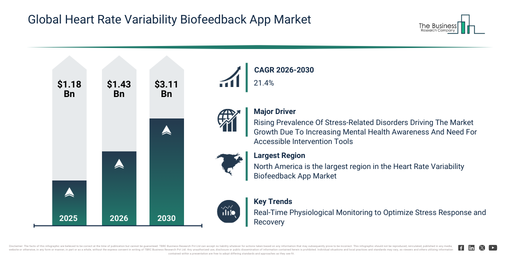
    The heart rate variability biofeedback app market has experienced substantial growth in recent years. This market is projected to expand from $1.18 billion in 2025 to $1.43 billion in 2026, showing a compound annual growth rate (CAGR) of 21.7%. Historically, this growth can be ascribed to several factors: increasing public awareness of stress-related health conditions, the rising adoption of mobile health applications, the spread of wearable heart rate monitoring devices, a greater embrace of preventive wellness tools, and improvements in smartphone sensor accuracy.

    The market for heart rate variability biofeedback applications is projected to experience substantial growth in the coming years. This market is anticipated to reach $3.11 billion by 2030, exhibiting a compound annual growth rate (CAGR) of 21.4%. This expansion during the projection period stems from factors such as a heightened demand for mental wellness apps, greater incorporation into corporate wellness initiatives, the advancement of AI-driven physiological analytics, an expanded role in clinical stress management, and the wider acceptance of subscription-based digital health platforms. Key developments expected within this forecast timeframe encompass the rising uptake of guided breathing biofeedback programs, increased synergy with wearable heart rate sensors, a greater emphasis on personalized stress analytics, the proliferation of cloud-based HRV tracking platforms, and an intensified focus on user engagement and visualization.

    Access Your Free Sample Report For In-Depth Market Analysis:

    https://www.thebusinessresearchcompany.com/report/heart-rate-variability-biofeedback-app-global-market-report

    Which Primary Drivers Are Impacting The Heart Rate Variability Biofeedback App Market Growth?

    The increasing occurrence of stress-related conditions is anticipated to fuel the expansion of the heart rate variability biofeedback app market in the future. These disorders encompass mental health issues marked by enduring signs of anxiety, depression, or emotional strain, substantially affecting daily life and overall health. Their growing prevalence stems from elevated work demands, extended hours, strict deadlines, and lofty expectations, which contribute to chronic stress and detrimentally affect both mental and physical health. Heart rate variability biofeedback apps aid in addressing stress-related disorders by offering live monitoring, structured breathing drills, customized wellness plans, and practical guidance, thereby empowering users to control their autonomic nervous system, lessen physical stress reactions, bolster emotional fortitude, and boost general mental and physical wellness. As an illustration, in May 2024, the American Psychological Association, a U.S.-based professional organization, reported that 43% of adults felt more anxious compared to the prior year, an increase from 37% in 2023 and 32% in 2022, with 70% attributing this to current events, particularly the economy (77%), the 2024 U.S. election (73%), and gun violence (69%), as primary stress contributors. Consequently, the increasing incidence of stress-related disorders is propelling the expansion of the heart rate variability biofeedback app market.

    How Is The Heart Rate Variability Biofeedback App Market Organized By Segment Classification?

    The heart rate variability biofeedback app market covered in this report is segmented –

    1) By Platform: iPhone Operating System (iOS), Android, Windows, Other Platforms

    2) By Distribution Channel: App Stores, Direct Sales, Third-Party Platforms

    3) By Application: Healthcare, Sports And Fitness, Stress Management, Research, Other Applications

    4) By End User: Individuals, Hospitals And Clinics, Research Institutes, Corporate Wellness Programs, Other End Users

    Subsegments:

    1) By iPhone Operating System (iOS): Standard iPhone Operating System (iOS) Biofeedback Apps, Premium iPhone Operating System (iOS) Biofeedback Apps, Subscription-Based iPhone Operating System (iOS) Biofeedback Apps, Personalized iPhone Operating System (iOS) Biofeedback Apps

    2) By Android: Standard Android Biofeedback Apps, Premium Android Biofeedback Apps, Subscription-Based Android Biofeedback Apps, Personalized Android Biofeedback Apps

    3) By Windows: Standard Windows Biofeedback Apps, Premium Windows Biofeedback Apps, Subscription-Based Windows Biofeedback Apps, Personalized Windows Biofeedback Apps

    4) By Other Platforms: Web-Based Biofeedback Apps, Cross-Platform Biofeedback Apps, Wearable-Integrated Biofeedback Apps, Cloud-Supported Biofeedback Apps

    Which Trends Are Shaping Growth In The Heart Rate Variability Biofeedback App Market?

    Leading companies in the heart rate variability biofeedback app market are prioritizing the creation of innovative solutions, such as real-time stress monitoring, to elevate mental well-being and bolster physiological resilience. Real-time stress monitoring involves the continuous observation of physiological signals, including heart rate variability, to identify stress levels as they arise, thereby helping users to respond promptly with relaxation techniques to enhance stress management and overall well-being. For instance, in May 2025, Cenli AS, a Norway-based technology company, unveiled Cenli, a home biofeedback system that continuously monitors heart rate variability, fingertip temperature, and muscle tension. The system offers users immediate feedback through an updated app, facilitating the practice of guided breathing and relaxation techniques for better stress control and improved nervous system balance. This incorporates an intuitive interface and superior sensor accuracy, enabling individuals to track their physiological reactions over time, pinpoint stress patterns, and adopt tailored recovery strategies. The product is engineered for daily application without medical supervision, thus making sophisticated biofeedback available to a wider population and supporting enhanced resilience, mental well-being, and overall health.

    Who Are The Industry Participants Involved In The Heart Rate Variability Biofeedback App Market?

    Major companies operating in the heart rate variability biofeedback app market are Garmin Ltd., Polar Electro Oy, Oura Health Oy, Whoop Inc., HeartMath Inc., Welltory Inc., Empatica S.r.l., Azumio Inc., Visible Health Inc., Elite HRV Inc., Biostrap Inc., Hexoskin Inc., Lief Therapeutics Inc., cardiacSense Ltd., MySASY Inc., CardioMood Inc., Vagus Health Ltd., HRV4Training B.V., SweetWater HRV Inc., Spire Health

    Get The Full Heart Rate Variability Biofeedback App Market Report:

    https://www.thebusinessresearchcompany.com/report/heart-rate-variability-biofeedback-app-global-market-report

    Which Region Leads The Heart Rate Variability Biofeedback App Market In Terms Of Market Share?

    North America was the largest region in the heart rate variability biofeedback app market in 2025. Asia-Pacific is expected to be the fastest-growing region in the forecast period. The regions covered in the heart rate variability biofeedback app market report are Asia-Pacific, South East Asia, Western Europe, Eastern Europe, North America, South America, Middle East, Africa.

    Request A Customized Heart Rate Variability Biofeedback App Market Report For Competitive Insights:

    https://www.thebusinessresearchcompany.com/report/heart-rate-variability-biofeedback-app-global-market-report

    Browse Through More Reports Similar to the Global Heart Rate Variability Biofeedback App Market 2026, By The Business Research Company

    Wearable Heart Monitoring Devices Market Report 2026

    https://www.thebusinessresearchcompany.com/report/wearable-heart-monitoring-devices-global-market-report

    Physiological Monitors Market Report 2026

    https://www.thebusinessresearchcompany.com/report/physiological-monitors-global-market-report

    Sleep Monitoring Apps Market Report 2026

    https://www.thebusinessresearchcompany.com/report/sleep-monitoring-apps-global-market-report

    Get in touch with us:

    The Business Research Company: https://www.thebusinessresearchcompany.com/

    Americas +1 310-496-7795

    Asia +44 7882 955267 & +91 8897263534

    Europe +44 7882 955267

    Email us at info@tbrc.info

    Follow us on:

    LinkedIn: https://in.linkedin.com/company/the-business-research-company

    YouTube: https://www.youtube.com/channel/UC24_fI0rV8cR5DxlCpgmyFQ

    Global Market Model: https://www.thebusinessresearchcompany.com/global-market-model
  • Hearing Loss Treatment Market Analysis (2026–2030): Innovation and Competitive Landscape Overview

    Hearing Loss Treatment Market Analysis (2026–2030): Innovation and Competitive Landscape Overview

    The Business Research Company’s 2026 market reports feature enhanced tools like market attractiveness analysis, TAM assessment, and company scoring matrices, along with interactive dashboards, deeper supply chain insights, and startup coverage strengthening the depth, usability, and strategic value of insights.

    What Is The Forecasted Market Size Trajectory Of The Hearing Loss Disease Treatment Market From 2026 To 2030?

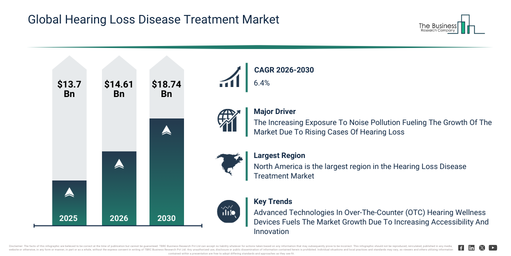
    The hearing loss disease treatment market size has experienced robust growth over the past few years. This market is projected to expand from $13.7 billion in 2025 to $14.61 billion in 2026, demonstrating a compound annual growth rate (CAGR) of 6.6%. Historically, this expansion has been driven by factors such as the increasing prevalence of age-related hearing loss, heightened awareness regarding treatments for hearing impairment, the growth of audiology clinics, advancements in hearing aid design, and a greater adoption of cochlear implant procedures.

    The hearing loss disease treatment market is anticipated to exhibit robust expansion in the coming years. Its value is projected to reach $18.74 billion by 2030, advancing at a compound annual growth rate (CAGR) of 6.4%. This projected growth can be ascribed to a rise in investments in regenerative hearing therapies, increasing demand for personalized hearing solutions, the broadening scope of pediatric hearing screening programs, the growing incorporation of digital diagnostics, and the increased acceptance of smart hearing devices. Prominent trends expected in the forecast period include the greater adoption of advanced hearing aid technologies, increased utilization of AI-based sound processing, a surging demand for minimally invasive surgical interventions, the expansion of implantable hearing solutions, and an intensified focus on early diagnosis and intervention.

    Access Your Free Sample Report For In-Depth Market Analysis:

    https://www.thebusinessresearchcompany.com/report/hearing-loss-disease-treatment-global-market-report

    What Significant Factors Are Influencing The Hearing Loss Disease Treatment Market Expansion?

    The escalating exposure to noise pollution is anticipated to drive the expansion of the hearing loss disease treatment market in the future. Noise pollution, characterized by excessive or disruptive sound levels in the environment, negatively impacts human health, wildlife, and overall quality of life. The intensification of noise pollution is primarily due to increasing traffic congestion, where a greater number of vehicles on roads generate constant engine and horn sounds, elevating ambient noise in urban areas. Given that extended exposure to significant noise levels can lead to hearing damage and a higher incidence of hearing loss, the need for effective therapeutic solutions, such as hearing aids and medical interventions, is projected to increase. For example, data from May 2025, provided by the Office of the New York State Comptroller, a US-based government office, revealed that noise complaints in 2024 exceeded 610,000, indicating a 19% increase from 2023. Consequently, the rising exposure to noise pollution is a key factor propelling the growth of the hearing loss disease treatment market.

    Which Segments Define The Hearing Loss Disease Treatment Market Segment Structure?

    The hearing loss disease treatment market covered in this report is segmented –

    1) By Treatment: Hearing Aids, Cochlear Implants, Medication, Surgery, Other Treatments

    2) By Patient Type: Pediatric, Adult, Geriatric

    3) By Disease Type: Sensorineural Hearing Loss, Conductive Hearing Loss, Mixed Hearing Loss

    4) By Level of Severity: Mild Hearing Loss, Moderate Hearing Loss, Severe Hearing Loss, Profound Hearing Loss

    5) By End-use: Hospitals, Otology Clinics, Ambulatory Surgical Centers

    Subsegments:

    1) By Hearing Aids: Behind-The-Ear (BTE) Hearing Aids, In-The-Ear (ITE) Hearing Aids, Receiver-In-Canal (RIC) Hearing Aids, Completely-In-Canal (CIC) Hearing Aids, Invisible-In-Canal (IIC) Hearing Aids

    2) By Cochlear Implants: Unilateral Cochlear Implants, Bilateral Cochlear Implants, Pediatric Cochlear Implants, Adult Cochlear Implants

    3) By Medication: Corticosteroids, Antibiotics, Antiviral Drugs, Otoprotective Agents

    4) By Surgery: Stapedectomy, Tympanoplasty, Bone-Anchored Hearing Systems (BAHS), Middle Ear Implants, Cochlear Implant Surgery

    5) By Other Treatments: Tinnitus Management Therapies, Auditory Training And Rehabilitation, Assistive Listening Devices (ALDs), Gene Therapy For Hearing Loss, Stem Cell Therapy

    What Trends Are Affecting The Direction Of The Hearing Loss Disease Treatment Market?

    Major companies operating in the hearing loss disease treatment market are developing advanced technologies, such as over-the-counter (OTC) hearing wellness devices, to improve accessibility, enhance affordability, and increase convenience. Over-the-counter (OTC) hearing wellness devices are non-prescription hearing aids designed for individuals with mild to moderate hearing loss. These devices can be purchased directly by consumers without the need for a medical exam, prescription, or professional fitting. For instance, in January 2024, Eargo Inc., a US-based medical device company, launched two innovative over-the-counter (OTC) hearing aids, Eargo SE and LINK. The Eargo SE features a nearly invisible, in-canal design and offers self-fitting functionality, rechargeable convenience, a redesigned ear tip for enhanced comfort, a sleek companion app, and a compact charging case. Meanwhile, LINK introduces a groundbreaking earbud-style design, becoming the first hearing aid of its kind to support bluetooth 5.3 audio streaming. With these new offerings, Eargo reinforces its commitment to delivering accessible, high-quality hearing solutions tailored to the evolving needs and preferences of modern consumers.

    Who Are The Established Players Within The Hearing Loss Disease Treatment Market?

    Major companies operating in the hearing loss disease treatment market are Sonova Holding AG, Demant A/S, GN Store Nord A/S, Amplifon SpA, Cochlear Limited, Starkey Hearing Technologies, Widex A/S, Oticon Inc, MED-EL Medical Electronics, Beltone, IntriCon Corporation, Phonak AG, RION Co Ltd, Eargo Inc, Arphi Electronics Pvt Ltd, Zounds Hearing Inc, Sivantos Group, Audina Hearing Instruments, WS Audiology, ReSound Group, Natus Medical Incorporated, Astellas Pharma Inc., Sensorion SA, Otonomy Inc, Pipeline Therapeutics, Acousia Therapeutics GmbH

    Get The Full Hearing Loss Disease Treatment Market Report:

    https://www.thebusinessresearchcompany.com/report/hearing-loss-disease-treatment-global-market-report

    Which Region Leads The Hearing Loss Disease Treatment Market In Overall Market Size?

    North America was the largest region in the hearing loss disease treatment market in 2025. Asia-Pacific is expected to be the fastest-growing region in the forecast period. The regions covered in the hearing loss disease treatment market report are Asia-Pacific, South East Asia, Western Europe, Eastern Europe, North America, South America, Middle East, Africa.

    Request A Customized Hearing Loss Disease Treatment Market Report For Competitive Insights:

    https://www.thebusinessresearchcompany.com/report/hearing-loss-disease-treatment-global-market-report

    Browse Through More Reports Similar to the Global Hearing Loss Disease Treatment Market 2026, By The Business Research Company

    Hearing Loop Market Report 2026

    https://www.thebusinessresearchcompany.com/report/hearing-loop-global-market-report

    Hearing Implants Market Report 2026

    https://www.thebusinessresearchcompany.com/report/hearing-implants-global-market-report

    Speech Therapy Services Market Report 2026

    https://www.thebusinessresearchcompany.com/report/speech-therapy-services-global-market-report

    Get in touch with us:

    The Business Research Company: https://www.thebusinessresearchcompany.com/

    Americas +1 310-496-7795

    Asia +44 7882 955267 & +91 8897263534

    Europe +44 7882 955267

    Email us at info@tbrc.info

    Follow us on:

    LinkedIn: https://in.linkedin.com/company/the-business-research-company

    YouTube: https://www.youtube.com/channel/UC24_fI0rV8cR5DxlCpgmyFQ

    Global Market Model: https://www.thebusinessresearchcompany.com/global-market-model
  • Hearing Aid Tuner App Market Forecast to 2030: Trends, Insights, and Market Developments

    Hearing Aid Tuner App Market Forecast to 2030: Trends, Insights, and Market Developments

    The Business Research Company’s 2026 market reports feature enhanced tools like market attractiveness analysis, TAM assessment, and company scoring matrices, along with interactive dashboards, deeper supply chain insights, and startup coverage strengthening the depth, usability, and strategic value of insights.

    How Much Will The Market Value Of The Hearing Aid Tuner App Market Grow Between 2026 And 2030?

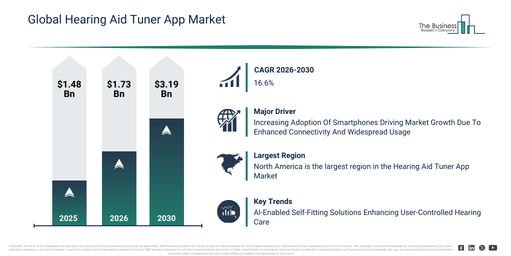
    The hearing aid tuner app market has experienced substantial expansion in recent years. Projections indicate its expansion from $1.48 billion in 2025 to $1.73 billion in 2026, achieving a compound annual growth rate (CAGR) of 16.9%. This historical growth can be attributed to several factors including the rising incidence of hearing loss, the increasing use of digital hearing aids, wider smartphone adoption among older demographics, enhancements in Bluetooth connectivity standards, and the growing embrace of remote audiology solutions.

    The hearing aid tuner app market is projected to experience substantial expansion over the upcoming years. By 2030, this market is anticipated to reach $3.19 billion, exhibiting a compound annual growth rate (CAGR) of 16.6%. Factors contributing to this growth during the projected period include a surging need for customized hearing experiences, greater uptake of tele-audiology services, an increase in AI-powered sound enhancement, a heightened emphasis on digital health tools focused on accessibility, and more extensive integration with wearable ecosystems. Key trends expected in the forecast period encompass a rise in the use of app-based personalization for hearing aids, increased incorporation of real-time sound environment detection, expanding utilization of cloud-linked hearing profiles, an increase in remote fine-tuning capabilities, and a stronger emphasis on designing user-centric interfaces.

    Access Your Free Sample Report For In-Depth Market Analysis:

    https://www.thebusinessresearchcompany.com/report/hearing-aid-tuner-app-global-market-report

    Which Important Drivers Are Guiding The Hearing Aid Tuner App Market Growth?

    The expanding integration of smartphones is anticipated to drive the future expansion of the hearing aid tuner app market. A smartphone represents a portable device merging conventional phone functionalities with sophisticated computing power, enabling individuals to access the internet, utilize applications, and execute diverse digital operations. This rising embrace of smartphones is fueled by improved connectivity, as these devices offer effortless entry to applications, services, and data that simplify and enhance daily activities. The broader acceptance of smartphones benefits hearing aid tuner applications by offering users a convenient way to adjust and customize their hearing aid settings via mobile apps, thus boosting usability and the overall auditory experience. For instance, in October 2024, according to the GSMA, a UK-based trade association, nearly 4.3 billion people worldwide were using their own smartphones to access the internet in 2023, while in 2022 this number was about 3.95 billion, indicating an increase of approximately 350 million users over the one-year period. Consequently, the growing prevalence of smartphones is propelling the growth of the hearing aid tuner app market.

    How Is The Hearing Aid Tuner App Market Segmented Across Different Segment Categories?

    The hearing aid tuner app market covered in this report is segmented –

    1) By App Type: Standalone Apps, Companion Apps

    2) By Operating System: Android, iOS, Windows, Other Operating Systems

    3) By Application: Personal Use, Clinical Use

    4) By Distribution Channel: App Stores, Hearing Clinics, Online Platforms, Other Distribution Channels

    5) By End-User: Adults, Pediatrics, Elderly

    Subsegments:

    1) By Standalone Apps: Basic Hearing Amplification, Prescription Hearing Aid Companion, Tinnitus Masking And Management, Hearing Test And Diagnostics, Sound Enhancement And Personalization

    2) By Companion Apps: Remote Control And Adjustment, Hearing Health And Data Analytics, Accessibility And Connectivity, Professional Support And Telehealth, Battery And Device Management

    What Trends Are Influencing The Evolution Of The Hearing Aid Tuner App Market?

    Leading companies in the hearing aid tuner app market are prioritizing the creation of advanced solutions, notably self-fitting apps. These innovations aim to offer users increased control and flexibility, allowing them to adjust their devices whenever needed without requiring professional intervention. Self-fitting apps are tools that enable individuals to independently configure and customize their assistive or medical devices, such as hearing aids, to align with their personal preferences and comfort. For example, in September 2023, Tuned, an Israel-based hearing aid technology company, secured FDA Class II 510(k) clearance for its AI-driven self-fitting hearing aid application. This particular system is notable for utilizing artificial intelligence to conduct personalized hearing assessments and automatically adjust hearing aid settings for individual users. It includes a patented AI hearing assistant, developed by audiologists, which delivers continuous support, educational content, and troubleshooting assistance.

    Which Organizations Play A Role In The Hearing Aid Tuner App Market Landscape?

    Major companies operating in the hearing aid tuner app market are Apple Inc., Sonova Holding AG, Demant A/S, ReSound, WS Audiology AS, Starkey Hearing Technologies, Oticon, Phonak, HearUSA Inc., Bose Corporation, Unitron BV, Tuned, Signia, MDHearingAid Inc., Sound World Solutions, Widex AS, GN Group, Audicus Inc., Nuheara Limited, Eargo Inc.

    Get The Full Hearing Aid Tuner App Market Report:

    https://www.thebusinessresearchcompany.com/report/hearing-aid-tuner-app-global-market-report

    Which Region Is The Top Contributor To The Hearing Aid Tuner App Market By Share?

    North America was the largest region in the hearing aid tuner app market in 2025. Asia-Pacific is expected to be the fastest-growing region in the forecast period. The regions covered in the hearing aid tuner app market report are Asia-Pacific, South East Asia, Western Europe, Eastern Europe, North America, South America, Middle East, Africa.

    Request A Customized Hearing Aid Tuner App Market Report For Competitive Insights:

    https://www.thebusinessresearchcompany.com/report/hearing-aid-tuner-app-global-market-report

    Browse Through More Reports Similar to the Global Hearing Aid Tuner App Market 2026, By The Business Research Company

    Mobile Speech Recognition Software Market Report 2026

    https://www.thebusinessresearchcompany.com/report/mobile-speech-recognition-software-global-market-report

    Hearing Diagnostic Devices And Equipment Market Report 2026

    https://www.thebusinessresearchcompany.com/report/hearing-diagnostic-devices-and-equipment-global-market-report

    Hearing Loop Market Report 2026

    https://www.thebusinessresearchcompany.com/report/hearing-loop-global-market-report

    Get in touch with us:

    The Business Research Company: https://www.thebusinessresearchcompany.com/

    Americas +1 310-496-7795

    Asia +44 7882 955267 & +91 8897263534

    Europe +44 7882 955267

    Email us at info@tbrc.info

    Follow us on:

    LinkedIn: https://in.linkedin.com/company/the-business-research-company

    YouTube: https://www.youtube.com/channel/UC24_fI0rV8cR5DxlCpgmyFQ

    Global Market Model: https://www.thebusinessresearchcompany.com/global-market-model
  • Healthcare Visual Assistants Market Outlook (2026–2030): Growth Drivers and Emerging Industry Trends

    Healthcare Visual Assistants Market Outlook (2026–2030): Growth Drivers and Emerging Industry Trends

    The Business Research Company’s 2026 market reports feature enhanced tools like market attractiveness analysis, TAM assessment, and company scoring matrices, along with interactive dashboards, deeper supply chain insights, and startup coverage strengthening the depth, usability, and strategic value of insights.

    What Changes In Market Value Are Expected For The Healthcare Visual Assistants Market Over The 2026–2030 Period?

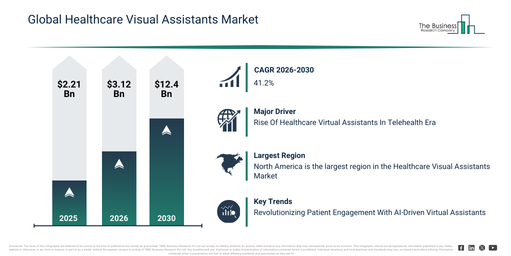
    The healthcare visual assistants market has experienced substantial expansion in recent years. Its valuation is anticipated to climb from $2.21 billion in 2025 to $3.12 billion in 2026, demonstrating a compound annual growth rate (CAGR) of 41.2%. This historical growth can be linked to factors such as increased patient desire for digital engagement instruments, the proliferation of telehealth offerings, a heavier administrative load in healthcare institutions, the integration of fundamental chatbot systems, and advancements in speech recognition precision.

    The market for healthcare visual assistants is projected to experience substantial growth over the upcoming years. This market is forecast to reach $12.4 billion by 2030, exhibiting a compound annual growth rate (CAGR) of 41.2%. Key factors contributing to this growth during the projection period include the increasing integration of virtual assistants with EHR systems, a rising demand for personalized patient communication, the expanding application of AI in clinical workflows, the proliferation of remote patient engagement platforms, and growing investments in conversational AI technologies. Significant trends anticipated in the forecast timeframe encompass the wider adoption of AI-driven patient interaction tools, the increasing utilization of voice-enabled healthcare assistants, the growing implementation of virtual front-desk solutions, the expansion of multilingual assistant functionalities, and an intensified focus on patient engagement.

    Access Your Free Sample Report For In-Depth Market Analysis:

    https://www.thebusinessresearchcompany.com/report/healthcare-visual-assistants-global-market-report

    What Major Factors Are Driving The Healthcare Visual Assistants Market Forward?

    The expansion of telehealth services is anticipated to fuel the future expansion of the healthcare virtual assistant market. Telehealth encompasses the provision of health-related information and services through digital communication methods, offering care, guidance, notifications, educational content, interventions, surveillance, and remote hospital admissions. Healthcare virtual assistants enhance these telehealth offerings by delivering automated, round-the-clock patient assistance via digital platforms, aiding with booking appointments, assessing symptoms, setting medication alerts, and offering customized health recommendations, consequently boosting access and operational effectiveness in healthcare provision. An illustrative example is found in September 2024, where data from the Australian Bureau of Statistics (ABS), Australia’s national statistical body, indicated that during 2023–24, 83.5% of males utilized telehealth services, representing a rise from 78.6% in 2022–23. Consequently, the growing adoption of telehealth services is stimulating the development of the healthcare virtual assistant market.

    What Are The Main Segments Within The Healthcare Visual Assistants Market Segment Structure?

    The healthcare visual assistants market covered in this report is segmented –

    1) By Product: Chatbots, Smart Speakers

    2) By Technology: Automatic Speech Recognition (ASR) And Speech Recognition, Text Based, Text-To-Speech

    3) By End User: Providers, Payers, Other End Users

    Subsegments:

    1) By Chatbots: Rule-Based Chatbots, AI-Driven Chatbots, Voice-Enabled Chatbots, Patient Engagement Chatbots

    2) By Smart Speakers: Voice-Activated Smart Speakers, Health-Focused Smart Speakers, Smart Speakers With Display Screens, Multi-Functional Smart Speakers

    Which Trends Are Impacting The Progress Of The Healthcare Visual Assistants Market?

    Major companies operating in the healthcare visual assistants market are concentrating on developing innovative products with advanced technologies, such as AI-powered omnichannel conversational virtual assistants, to boost their profitability in the sector. These AI-enabled omnichannel conversational healthcare virtual assistants are digital instruments that deliver personalized, automated patient support across multiple communication platforms utilizing artificial intelligence. For instance, in April 2023, TeleVox, a US-based healthcare technology company, launched Iris. Iris is an AI-driven virtual agent capable of engaging in natural language conversations with patients. Unlike basic chatbots that rely on limited content and predefined responses, Iris leverages sophisticated AI capabilities, including large-scale generative models from Microsoft Azure OpenAI Service. This empowers Iris to comprehend a wide array of patient queries and furnish immediate and relevant responses.

    Who Are The Companies Participating In The Healthcare Visual Assistants Market?

    Major companies operating in the healthcare visual assistants market are Amazon.com Inc., Alphabet Inc., Microsoft Corporation, Epic Systems Corporation, Babylon Holdings Limited, Amelia LLC, Medical Information Technology Inc., Lyra Health Inc., Omada Health Inc., Ada Health GmbH, Talkspace, Headspace Inc., eGain Corporation, TytoCare Ltd., Viz.ai Inc., K Health Inc., Haptik Technologies Limited, Woebot Health, Your.MD Ltd., NOHOLD Inc., Sanvello Health, Oxygen Group of Companies, ScribeEMR Systems Private Limited, Tucuvi Care S.L.

    Get The Full Healthcare Visual Assistants Market Report:

    https://www.thebusinessresearchcompany.com/report/healthcare-visual-assistants-global-market-report

    Which Region Represents The Largest Share Of The Healthcare Visual Assistants Market?

    North America was the largest region in the healthcare virtual assistant market in 2025. Asia-Pacific is expected to be the fastest-growing region in the forecast period. The regions covered in the healthcare visual assistants market report are Asia-Pacific, South East Asia, Western Europe, Eastern Europe, North America, South America, Middle East, Africa.

    Request A Customized Healthcare Visual Assistants Market Report For Competitive Insights:

    https://www.thebusinessresearchcompany.com/report/healthcare-visual-assistants-global-market-report

    Browse Through More Reports Similar to the Global Healthcare Visual Assistants Market 2026, By The Business Research Company

    Intelligent Virtual Assistant Market Report 2026

    https://www.thebusinessresearchcompany.com/report/intelligent-virtual-assistant-global-market-report

    Virtual Assistant Market Report 2026

    https://www.thebusinessresearchcompany.com/report/virtual-assistant-global-market-report

    Computer Vision In Healthcare Market Report 2026

    https://www.thebusinessresearchcompany.com/report/computer-vision-in-healthcare-global-market-report

    Get in touch with us:

    The Business Research Company: https://www.thebusinessresearchcompany.com/

    Americas +1 310-496-7795

    Asia +44 7882 955267 & +91 8897263534

    Europe +44 7882 955267

    Email us at info@tbrc.info

    Follow us on:

    LinkedIn: https://in.linkedin.com/company/the-business-research-company

    YouTube: https://www.youtube.com/channel/UC24_fI0rV8cR5DxlCpgmyFQ

    Global Market Model: https://www.thebusinessresearchcompany.com/global-market-model