Category: Healthcare Services

  • Aging population and higher disease prevalence are driving the hereditary transthyretin amyloidosis market

    Aging population and higher disease prevalence are driving the hereditary transthyretin amyloidosis market

    The Business Research Company’s 2026 market reports feature enhanced tools like market attractiveness analysis, TAM assessment, and company scoring matrices, along with interactive dashboards, deeper supply chain insights, and startup coverage strengthening the depth, usability, and strategic value of insights.

    What Is The Anticipated Rise In Market Value Of The Hereditary Transthyretin Amyloidosis Market During The Forecast Period?

    The market for hereditary transthyretin amyloidosis has experienced strong growth in recent years. It is projected to increase from $1.49 billion in 2025 to $1.62 billion in 2026, at a compound annual growth rate (CAGR) of 9.0%. This growth in the past can be attributed to several factors, including the increasing clinical recognition of attr amyloidosis, the introduction of tafamidis therapy, the expansion of specialized neurology and cardiology centers, advancements in genetic testing for ttr mutations, and the rise of patient registry programs.

    The hereditary transthyretin amyloidosis market is projected to experience substantial expansion in the coming years. This market is anticipated to reach $2.28 billion by 2030, demonstrating a compound annual growth rate (CAGR) of 8.9%. Factors driving this growth during the forecast period include the proliferation of next-generation gene therapies, increased funding for rare disease research, broader implementation of precision medicine strategies, the emergence of CRISPR-based treatments, and advancements in technologies for monitoring disease outcomes. Key trends expected over the forecast horizon encompass a greater uptake of gene silencing therapies, an increase in the application of RNAi-based treatments, a heightened emphasis on prompt cardiac and neurological diagnosis, a wider availability of oral therapeutic alternatives, and improved long-term approaches to disease management.

    Access Your Free Sample Report For In-Depth Market Analysis:

    https://www.thebusinessresearchcompany.com/report/hereditary-transthyretin-amyloidosis-global-market-report

    What Major Factors Are Driving The Hereditary Transthyretin Amyloidosis Market Forward?

    The expanding geriatric population is anticipated to propel the hereditary transthyretin amyloidosis market forward. This demographic encompasses individuals aged 65 and older, frequently necessitating specialized healthcare and support due to the aging process. The growth in the geriatric population is attributed to increasing life expectancy, driven by advancements in healthcare and enhanced living conditions. Hereditary transthyretin amyloidosis (hATTR) profoundly impacts this older age group by inducing progressive neuropathy and cardiomyopathy, which leads to increased morbidity among aging individuals. For instance, in January 2024, data from the US-based nonprofit Population Reference Bureau indicated that the US population aged 65 and older is projected to rise from 58 million in 2022 to 82 million by 2050, marking a 47% increase. Consequently, the growing geriatric population is a key driver for the expansion of the hereditary transthyretin amyloidosis market.

    Which Segments Define The Hereditary Transthyretin Amyloidosis Market Segment Structure?

    The hereditary transthyretin amyloidosis market covered in this report is segmented –

    1) By Type: Oral, Subcutaneous Injection, Other Types

    2) By Drug Class: RNAi Agents (Patisiran), Small Interfering RNAs (siRNAs) (Vutrisiran)

    3) By Distribution Channel: Hospital Pharmacies, Retail Pharmacies

    4) By Application: Hospital, Clinic, Other Applications

    Subsegments:

    1) By Oral: Tafamidis, Experimental Oral Therapies

    2) By Subcutaneous Injection: Inotersen, Vutrisiran

    3) By Other Types: Intravenous Therapies, Gene Silencing Therapies, CRISPR-Based Therapies

    Which Trends Are Impacting The Progress Of The Hereditary Transthyretin Amyloidosis Market?

    Leading companies in the hereditary transthyretin amyloidosis market are actively developing novel therapeutics, such as RNAi treatments, with the goal of targeting and reducing the production of transthyretin (TTR) protein. These RNAi therapeutics constitute a class of medications that leverage RNA interference technology to silence specific genes, thereby diminishing the creation of disease-causing proteins. For instance, in October 2024, Alnylam Pharmaceuticals, Inc., a US-based biopharmaceutical company, submitted a supplemental new drug application (sNDA) to the US FDA for Vutrisiran (AMVUTTRA) as a therapy for transthyretin amyloidosis with cardiomyopathy. This submission emphasizes its innovative RNAi therapeutic approach, specifically designed to target and decrease transthyretin (TTR) protein, which is a crucial factor in the progression of the disease. Vutrisiran’s subcutaneous administration offers a more convenient and patient-friendly dosing regimen compared to traditional intravenous treatments, establishing it as a potentially transformative option for individuals living with this serious condition.

    Who Are The Established Players Within The Hereditary Transthyretin Amyloidosis Market?

    Major companies operating in the hereditary transthyretin amyloidosis market are Alnylam Pharmaceuticals Inc., Ionis Pharmaceuticals Inc., BridgeBio Pharma Inc., Pfizer Inc., Eli Lilly and Company, Intellia Therapeutics Inc., Regeneron Pharmaceuticals Inc., AstraZeneca plc, Novartis AG, Roche Holding AG, Sanofi S.A., Takeda Pharmaceutical Company Limited, GlaxoSmithKline plc, Bristol Myers Squibb, Merck and Co Inc., Johnson and Johnson, AbbVie Inc., Biogen Inc., Vertex Pharmaceuticals Incorporated, Amgen Inc.

    Get The Full Hereditary Transthyretin Amyloidosis Market Report:

    https://www.thebusinessresearchcompany.com/report/hereditary-transthyretin-amyloidosis-global-market-report

    Where Is The Hereditary Transthyretin Amyloidosis Market Most Concentrated Geographically?

    North America was the largest region in the hereditary transthyretin amyloidosis market in 2025. Asia-Pacific is expected to be the fastest-growing region in the forecast period. The regions covered in the hereditary transthyretin amyloidosis market report are Asia-Pacific, South East Asia, Western Europe, Eastern Europe, North America, South America, Middle East, Africa.

    Request A Customized Hereditary Transthyretin Amyloidosis Market Report For Competitive Insights:

    https://www.thebusinessresearchcompany.com/report/hereditary-transthyretin-amyloidosis-global-market-report

    Browse Through More Reports Similar to the Global Hereditary Transthyretin Amyloidosis Market 2026, By The Business Research Company

    Alzheimers Drugs Market Report 2026

    https://www.thebusinessresearchcompany.com/report/alzheimers-drugs-global-market-report

    Atrophic Glossitis Treatment Market Report 2026

    https://www.thebusinessresearchcompany.com/report/atrophic-glossitis-treatment-global-market-report

    Progressive Ataxia And Weakness Disorders Market Report 2026

    https://www.thebusinessresearchcompany.com/report/progressive-ataxia-and-weakness-disorders-global-market-report

    Get in touch with us:

    The Business Research Company: https://www.thebusinessresearchcompany.com/

    Americas +1 310-496-7795

    Asia +44 7882 955267 & +91 8897263534

    Europe +44 7882 955267

    Email us at info@tbrc.info

    Follow us on:

    LinkedIn: https://in.linkedin.com/company/the-business-research-company

    YouTube: https://www.youtube.com/channel/UC24_fI0rV8cR5DxlCpgmyFQ

    Global Market Model: https://www.thebusinessresearchcompany.com/global-market-model
  • Technological improvements in genetic test kits are boosting accuracy and accelerating hereditary testing market growth

    Technological improvements in genetic test kits are boosting accuracy and accelerating hereditary testing market growth

    The Business Research Company’s 2026 market reports feature enhanced tools like market attractiveness analysis, TAM assessment, and company scoring matrices, along with interactive dashboards, deeper supply chain insights, and startup coverage strengthening the depth, usability, and strategic value of insights.

    How Is The Market Size Of The Hereditary Testing Market Expected To Scale Between 2026 And 2030?

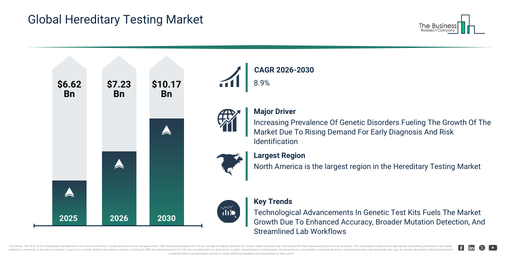
    The hereditary testing market size has demonstrated significant expansion in recent years. It is anticipated to increase from $6.62 billion in 2025 to $7.23 billion in 2026, progressing at a compound annual growth rate (CAGR) of 9.2%. The historical expansion of this market can be linked to improvements in genetic sequencing technologies, a rise in awareness regarding inherited disorders, the broadened scope of clinical genetics programs, a reduction in the cost of genetic testing, and the expansion of diagnostic laboratory networks.

    The hereditary testing market is projected to experience substantial growth over the next few years, with its size anticipated to reach $10.17 billion by 2030, demonstrating a compound annual growth rate (CAGR) of 8.9%. This expansion during the forecast period is driven by factors such as the increasing integration of genomics into routine medical care, a rising demand for precision medicine applications, the broadening of population-scale genetic screening initiatives, the growing adoption of digital genetic data platforms, and an enhanced focus on genomics within preventive healthcare. Prominent trends expected in this period include the increasing uptake of next-generation sequencing tests, a rising demand for predictive and carrier genetic testing, the growing utilization of AI-based variant interpretation, the expansion of prenatal and newborn screening programs, and an intensified focus on personalized genetic counseling.

    Access Your Free Sample Report For In-Depth Market Analysis:

    https://www.thebusinessresearchcompany.com/report/hereditary-testing-global-market-report

    Which Key Drivers Are Affecting The Hereditary Testing Market Development?

    The expanding occurrence of genetic conditions is anticipated to fuel the expansion of the hereditary testing market in the future. Genetic conditions are health issues caused by irregularities or changes in an individual’s deoxyribonucleic acid, which can be passed down from parents or emerge spontaneously. A contributing factor to the increase in genetic disorders is the rising age of parents, elevating the probability of genetic mutations being transmitted to children. Hereditary testing assists individuals with genetic disorders by facilitating prompt diagnosis, directing tailored therapies, and aiding family planning through the detection of inherited mutations. For example, in October 2024, data from Cystic Fibrosis Trust, a UK-based charitable organization, showed that the count of patients registered with cystic fibrosis increased to 11,318 in 2023, an uplift from 11,148 in 2022. Consequently, the growing incidence of genetic disorders is propelling the hereditary testing market’s growth.

    How Is The Hereditary Testing Market Segmented Across Different Segment Categories?

    The hereditary testing market covered in this report is segmented –

    1) By Test Type: Predictive Testing, Carrier Testing, Prenatal Testing, Newborn Screening, Diagnostic Testing, Other Test Types

    2) By Sample Type: Blood Samples, Saliva Samples, Tissue Samples, Buccal Swabs, Amniotic Fluid And Cord Blood Samples

    3) By Technology Used: Next-Generation Sequencing (NGS), Polymerase Chain Reaction (PCR), Sanger Sequencing, Microarray Technology, Whole Genome Sequencing (WGS)

    4) By Application: Oncology, Cardiovascular Diseases, Neurological Disorders, Metabolic Disorders, Other Applications

    5) By End User: Hospitals, Diagnostic Laboratories, Research Institutes, Pharmaceutical Companies, Patients And Consumers

    Subsegments:

    1) By Predictive Testing: Breast Cancer 1 (BRCA1) and Breast Cancer 2 (BRCA2) Gene Mutation Testing, Lynch Syndrome Testing, Familial Hypercholesterolemia Testing, Huntington’s Disease Testing, Cardiomyopathy Genetic Testing

    2) By Carrier Testing: Cystic Fibrosis Carrier Screening, Tay-Sachs Carrier Screening, Spinal Muscular Atrophy (SMA) Carrier Screening, Thalassemia Carrier Screening, Sickle Cell Carrier Testing

    3) By Prenatal Testing: Non-Invasive Prenatal Testing (NIPT), Chorionic Villus Sampling (CVS), Amniocentesis, Expanded Carrier Screening (Prenatal Context), Cell-Free Fetal Deoxyribonucleic Acid Testing

    4) By Newborn Screening: Phenylketonuria (PKU) Screening, Congenital Hypothyroidism Screening, Cystic Fibrosis Screening, Sickle Cell Disease Screening, Hearing Loss and Metabolic Disorder Panels

    5) By Diagnostic Testing: Rare Disease Genetic Testing, Inherited Cancer Diagnostic Testing, Cardiogenetic Diagnostic Panels, Neurogenetic Disorder Testing, Monogenic Disease Panels

    6) By Other Test Types: Pharmacogenomics Testing, Preimplantation Genetic Diagnosis (PGD), Whole Exome Sequencing (WES), Whole Genome Sequencing (WGS), Mitochondrial Deoxyribonucleic Acid Testing

    What Trends Are Transforming The Hereditary Testing Market?

    Leading companies within the hereditary testing market are prioritizing technological advancements in genetic test kits to enhance testing precision, shorten turnaround times, and improve the detection of a wider spectrum of genetic mutations. Genetic test kits are diagnostic instruments designed to analyze an individual’s deoxyribonucleic acid (DNA) to pinpoint genetic mutations or variations linked to inherited conditions or disease predispositions. For example, in July 2023, Devyser Diagnostics AB, a Sweden-based biotechnology company focused on developing, manufacturing, and selling DNA diagnostic kits for hereditary disease testing, introduced two new targeted next-generation sequencing kits: Devyser LynchFAP and Devyser BRCA PALB2. Devyser LynchFAP uniquely allows for a complete analysis of PMS2, overcoming challenges from its pseudogene PMS2CL, alongside nine other crucial genes connected to hereditary colorectal cancer syndromes. Devyser BRCA PALB2 offers a seamless single-tube solution for screening BRCA1, BRCA2, and PALB2 mutations in both blood and tumor samples. This is engineered for streamlined lab workflows, providing efficient, user-friendly sequencing and dedicated software to support confident identification of hereditary cancer risks.

    Which Organizations Play A Role In The Hereditary Testing Market Landscape?

    Major companies operating in the hereditary testing market are F. Hoffmann-La Roche Ltd., Thermo Fisher Scientific Inc., Laboratory Corporation of America Holdings, Quest Diagnostics Incorporated, Agilent Technologies Inc., Illumina Inc., CooperSurgical Inc., QIAGEN N.V, Natera Inc., Myriad Genetics Inc., Fulgent Genetics Inc, Invitae Corporation, GeneDx LLC, Twist Bioscience Corporation, Color Health Inc., MedGenome Inc, SOPHiA GENETICS SA, Gene By Gene Ltd., Dante Labs Inc., 23mofang Co. Ltd.

    Get The Full Hereditary Testing Market Report:

    https://www.thebusinessresearchcompany.com/report/hereditary-testing-global-market-report

    Which Region Dominates The Hereditary Testing Market By Market Share?

    North America was the largest region in the hereditary testing market in 2025. Asia-Pacific is expected to be the fastest-growing region in the forecast period. The regions covered in the hereditary testing market report are Asia-Pacific, South East Asia, Western Europe, Eastern Europe, North America, South America, Middle East, Africa.

    Request A Customized Hereditary Testing Market Report For Competitive Insights:

    https://www.thebusinessresearchcompany.com/report/hereditary-testing-global-market-report

    Browse Through More Reports Similar to the Global Hereditary Testing Market 2026, By The Business Research Company

    Prenatal And Newborn Genetic Testing Market Report 2026

    https://www.thebusinessresearchcompany.com/report/prenatal-and-newborn-genetic-testing-global-market-report

    Genetic Testing Market Report 2026

    https://www.thebusinessresearchcompany.com/report/genetic-testing-global-market-report

    Dna Testing Market Report 2026

    https://www.thebusinessresearchcompany.com/report/dna-testing-global-market-report

    Get in touch with us:

    The Business Research Company: https://www.thebusinessresearchcompany.com/

    Americas +1 310-496-7795

    Asia +44 7882 955267 & +91 8897263534

    Europe +44 7882 955267

    Email us at info@tbrc.info

    Follow us on:

    LinkedIn: https://in.linkedin.com/company/the-business-research-company

    YouTube: https://www.youtube.com/channel/UC24_fI0rV8cR5DxlCpgmyFQ

    Global Market Model: https://www.thebusinessresearchcompany.com/global-market-model
  • Advances in molecular diagnostics are enhancing patient care and shaping hereditary cancer testing

    Advances in molecular diagnostics are enhancing patient care and shaping hereditary cancer testing

    The Business Research Company’s 2026 market reports feature enhanced tools like market attractiveness analysis, TAM assessment, and company scoring matrices, along with interactive dashboards, deeper supply chain insights, and startup coverage strengthening the depth, usability, and strategic value of insights.

    What Level Of Market Value Growth Is Predicted For The Hereditary Cancer Testing Market From 2026 To 2030?

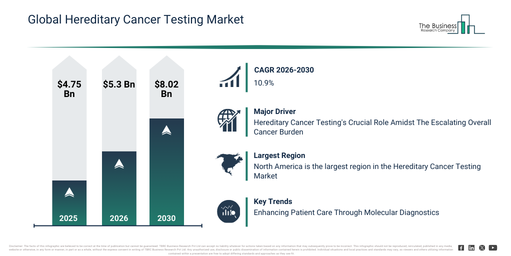
    The hereditary cancer testing market has experienced significant expansion recently. This market is projected to expand from $4.75 billion in 2025 to reach $5.3 billion in 2026, demonstrating a compound annual growth rate (CAGR) of 11.6%. Historical growth can be ascribed to factors such as heightened awareness regarding hereditary cancer risks, the widespread availability of next-generation sequencing platforms, an increase in diagnostic laboratory networks, an uptick in physician recommendations for genetic testing, and the development of personalized risk assessment models.

    The hereditary cancer testing market is projected to experience substantial expansion in the coming years. This market is anticipated to reach $8.02 billion by 2030, exhibiting a compound annual growth rate (CAGR) of 10.9%. This projected growth is driven by factors such as broader implementation of population-level genetic screening, the expanding application of AI-powered genomic analysis, the rise in preventive oncology efforts, an increasing need for economical testing options, and stronger regulatory backing for genetic diagnostic tools. Key trends during this period are expected to encompass a greater uptake of multi-gene panel testing, heightened interest in detecting cancer risk at an early stage, wider deployment of sophisticated genetic sequencing technologies, an increase in preventive testing initiatives, and improved incorporation of clinical decision support tools.

    Access Your Free Sample Report For In-Depth Market Analysis:

    https://www.thebusinessresearchcompany.com/report/hereditary-cancer-testing-global-market-report

    What Factors Are Contributing To The Growth Of The Hereditary Cancer Testing Market?

    The increasing global cancer burden is anticipated to drive the hereditary cancer testing market forward. Cancer refers to a collection of diseases defined by the uncontrolled and abnormal multiplication of cells, which are capable of infiltrating and spreading to other tissues and parts of the body. In contrast, cells in a healthy organism follow a regulated cycle of growth, division, and eventual death. Hereditary cancer testing is instrumental in addressing the comprehensive burden of cancer by identifying individuals with a genetic susceptibility to specific cancers. By evaluating inherited genetic mutations and family-related risk factors, this testing aids in recognizing high-risk individuals, thereby enabling early interventions, personalized treatment strategies, and proactive preventive measures. For instance, in July 2024, according to the Australian Institute of Health and Welfare, an Australia-based government agency, the number of cancer cases diagnosed in Australia increased from 160,570 in 2022 to 164,694 in 2023, marking a significant rise over the year. This upward trajectory highlights the expanding prevalence of cancer within the country. Therefore, the rise in the overall cancer burden is propelling the hereditary cancer testing market.

    What Are The Main Segments Within The Hereditary Cancer Testing Market Segment Structure?

    The hereditary cancer testing market covered in this report is segmented –

    1) By Test Type: Multi Panel Test, Single-Site Genetic Test

    2) By Indication: Breast Cancer, Ovarian Cancer, Colorectal Cancer, Other Indications

    3) By End user: Hospital, Clinics, Diagnostic Centers

    Subsegments:

    1) By Multi Panel Test: Comprehensive Genetic Panels, Targeted Gene Panels

    2) By Single-Site Genetic Test: Specific Gene Testing, Familial Mutation Testing

    What Trends Are Shaping The Future Of The Hereditary Cancer Testing Market?

    Companies operating in the hereditary cancer testing market are increasingly focusing on advanced technologies, such as molecular diagnostic tumor testing, to improve accuracy, enhance patient results, and tailor treatment plans. Molecular diagnostic tumor testing examines a tumor’s genetic and molecular features to inform treatment decisions and forecast future developments. For instance, in February 2023, Chubb Business Services India Private Limited, an India-based global insurance company, introduced Cancer Advocate Plus. This program incorporates genetics-based testing to identify inherited genes that elevate cancer risk. Such a proactive measure enables individuals to understand their susceptibility to various cancers, facilitating timely intervention and customized care strategies.

    Who Are The Companies Participating In The Hereditary Cancer Testing Market?

    Major companies operating in the hereditary cancer testing market are Centogene NV, Ambry Genetics Inc., Myriad Genetics Inc., NeoGenomics Laboratories Inc., Quest Diagnostics, PreventionGenetics, Fulgent Genetics Inc., Invitae Corporation, Medical Diagnostic Laboratories LLC, Natera Inc., Color Health Inc., CooperSurgical Inc., OPKO Health Inc., Illumina Inc., Laboratory Corporation of America Holdings, Pathway Genomics Corporation, Strand Life Sciences Private Limited, Progenity Inc., Myogenes Ltd., Associated Regional and University Pathologists Inc., 4baseCare, Biocartis Group NV, F. Hoffmann-La Roche AG, Medgenome Pvt. Ltd., Abbott Laboratories, Agilent Technologies Inc., Bio-Rad Laboratories Inc., Thermo Fisher Scientific Inc., Oxford Nanopore Technologies PLC, PerkinElmer Inc.

    Get The Full Hereditary Cancer Testing Market Report:

    https://www.thebusinessresearchcompany.com/report/hereditary-cancer-testing-global-market-report

    Which Region Is The Largest In The Hereditary Cancer Testing Market?

    North America was the largest region in the hereditary cancer testing market in 2025. The regions covered in the hereditary cancer testing market report are Asia-Pacific, South East Asia, Western Europe, Eastern Europe, North America, South America, Middle East, Africa.

    Request A Customized Hereditary Cancer Testing Market Report For Competitive Insights:

    https://www.thebusinessresearchcompany.com/report/hereditary-cancer-testing-global-market-report

    Browse Through More Reports Similar to the Global Hereditary Cancer Testing Market 2026, By The Business Research Company

    Genetic Toxicology Testing Market Report 2026

    https://www.thebusinessresearchcompany.com/report/genetic-toxicology-testing-global-market-report

    Genetic Testing Market Report 2026

    https://www.thebusinessresearchcompany.com/report/genetic-testing-global-market-report

    Hereditary Breast And Ovarian Cancer Syndrome Treatment Market Report 2026

    https://www.thebusinessresearchcompany.com/report/hereditary-breast-and-ovarian-cancer-syndrome-treatment-global-market-report

    Get in touch with us:

    The Business Research Company: https://www.thebusinessresearchcompany.com/

    Americas +1 310-496-7795

    Asia +44 7882 955267 & +91 8897263534

    Europe +44 7882 955267

    Email us at info@tbrc.info

    Follow us on:

    LinkedIn: https://in.linkedin.com/company/the-business-research-company

    YouTube: https://www.youtube.com/channel/UC24_fI0rV8cR5DxlCpgmyFQ

    Global Market Model: https://www.thebusinessresearchcompany.com/global-market-model

  • Increasing ovarian cancer cases are fueling expansion in the hereditary breast and ovarian cancer treatment market

    Increasing ovarian cancer cases are fueling expansion in the hereditary breast and ovarian cancer treatment market

    The Business Research Company’s 2026 market reports feature enhanced tools like market attractiveness analysis, TAM assessment, and company scoring matrices, along with interactive dashboards, deeper supply chain insights, and startup coverage strengthening the depth, usability, and strategic value of insights.

    How Will The Market Value Of The Hereditary Breast and Ovarian Cancer Syndrome Treatment Market Progress Between 2026 And 2030?

    Significant expansion has been observed in the hereditary breast and ovarian cancer syndrome treatment market size over recent years. It is anticipated to grow from $7.07 billion in 2025 to $7.47 billion in 2026, at a compound annual growth rate (CAGR) of 5.6%. The market’s historical growth is attributable to increasing awareness of hereditary cancer syndromes, the availability of brca mutation testing, the expansion of cancer screening infrastructure, the rising use of hormonal therapies, and the growth of specialized oncology clinics.

    The hereditary breast and ovarian cancer syndrome treatment market is projected to experience substantial expansion in the coming years. This market is forecast to reach $9.69 billion by 2030, demonstrating a compound annual growth rate (CAGR) of 6.7%. Key drivers for this anticipated growth include the broadening of personalized oncology treatments, a rise in preventive surgical procedures, advancements in targeted and immunotherapy development, increased funding for genetic diagnostics, and enhanced solutions for long-term patient monitoring. Significant trends expected during this period involve a greater uptake of genetic counselling services, an increase in preventive therapeutic strategies, the expanding incorporation of targeted cancer therapies, the broadening of risk-based screening initiatives, and a heightened emphasis on early intervention methods.

    Access Your Free Sample Report For In-Depth Market Analysis:

    https://www.thebusinessresearchcompany.com/report/hereditary-breast-and-ovarian-cancer-syndrome-treatment-global-market-report

    Which Strong Drivers Are Impacting The Hereditary Breast and Ovarian Cancer Syndrome Treatment Market Growth?

    The increasing occurrence of ovarian cancer is anticipated to boost the expansion of the hereditary breast and ovarian cancer syndrome treatment market in the future. This condition is characterized by a malignant tumor forming in the ovaries, which are female reproductive organs vital for producing eggs and hormones. Factors contributing to this trend include greater longevity, postponing childbearing, and evolving lifestyle habits. Hereditary Breast and Ovarian Cancer Syndrome (HBOC) refers to a genetic disorder that elevates the risk of developing breast, ovarian, and various other cancers. As an example, the World Ovarian Cancer Coalition, a Canada-based non-profit organization, reported in April 2024 that around 324,603 women globally were diagnosed with ovarian cancer in 2022. Projections indicate that by 2050, the yearly incidence of cases will near half a million, representing a 55% rise. Consequently, the growing prevalence of ovarian cancer is a key factor stimulating the expansion of the hereditary breast and ovarian cancer syndrome treatment market.

    How Is Segmentation Applied In The Hereditary Breast and Ovarian Cancer Syndrome Treatment Market Segment Analysis?

    The hereditary breast and ovarian cancer syndrome treatment market covered in this report is segmented –

    1) By Treatment: Hormonal Therapy, Chemoprevention, Genetic Counselling, Medication, Other Treatments

    2) By Diagnosis: Genetic Testing, Magnetic Resonance Imaging (MRI), Mammography, Other Diagnosis

    3) By Route Of Administration: Oral, Parenteral, Other Routes Of Administration

    4) By End-User: Hospitals, Specialty Clinics, Homecare, Other End-Users

    Subsegments:

    1) By Hormonal Therapy: Selective Estrogen Receptor Modulators (SERMs), Aromatase Inhibitors

    2) By Chemoprevention: Tamoxifen, Raloxifene

    3) By Genetic Counselling: Risk Assessment, Family Planning Guidance

    4) By Medication: Targeted Therapies, Immune Checkpoint Inhibitors

    5) By Other Treatments: Preventive Surgery, Surveillance Strategies

    Which Trends Are Contributing To Changes In The Hereditary Breast and Ovarian Cancer Syndrome Treatment Market?

    Leading enterprises in the hereditary breast and ovarian cancer syndrome treatment market are embracing innovative therapeutic approaches, like comprehensive risk evaluations, to deliver dependable services to their clientele. Such complete risk assessment tests serve as instruments to determine an individual’s propensity for developing a disorder or manifesting symptoms of an illness. An example of this is seen in February 2023 when Genetic Technologies Limited, an Australia-based molecular diagnostics firm, introduced an innovative comprehensive risk assessment test, which functions as a treatment modality for breast and ovarian cancer. This particular test integrates gene mutation screening for both breast and ovarian cancers, taking into account hereditary and non-hereditary risk factors, alongside the GeneType risk score applicable to both conditions. Its distinct methodology unifies the identification of the 13 key actionable genes associated with breast and ovarian cancer susceptibility with the established GeneType test platform. The new testing platform is specifically designed for women over 30 years of age who, even without unusual genetic anomalies, face an elevated risk of developing breast and ovarian cancer within the broader population.

    Who Are The Companies Participating In The Hereditary Breast and Ovarian Cancer Syndrome Treatment Market Environment?

    Major companies operating in the hereditary breast and ovarian cancer syndrome treatment market are Pfizer Inc., Johnson & Johnson Private Limited, F. Hoffmann-La Roche Ltd., Merck & Co., AbbVie Inc., Bayer AG, Sanofi-Aventis LLC, AstraZeneca plc, GlaxoSmithKline plc, Eli Lilly and Company, Daiichi Sankyo Co. Ltd., Seagen Inc., Genentech Inc., CRISPR Therapeutics AG, Editas Medicine Inc., Myriad Genetics Inc., Invitae Corporation, Natera Inc., LifeLabs Genetics, Abbott Laboratories

    Get The Full Hereditary Breast and Ovarian Cancer Syndrome Treatment Market Report:

    https://www.thebusinessresearchcompany.com/report/hereditary-breast-and-ovarian-cancer-syndrome-treatment-global-market-report

    Which Region Leads The Hereditary Breast and Ovarian Cancer Syndrome Treatment Market In Terms Of Market Share?

    North America was the largest region in the hereditary breast and ovarian cancer syndrome treatment market in 2025. Asia-Pacific is expected to be the fastest-growing region in the forecast period. The regions covered in the hereditary breast and ovarian cancer syndrome treatment market report are Asia-Pacific, South East Asia, Western Europe, Eastern Europe, North America, South America, Middle East, Africa.

    Request A Customized Hereditary Breast and Ovarian Cancer Syndrome Treatment Market Report For Competitive Insights:

    https://www.thebusinessresearchcompany.com/report/hereditary-breast-and-ovarian-cancer-syndrome-treatment-global-market-report

    Browse Through More Reports Similar to the Global Hereditary Breast and Ovarian Cancer Syndrome Treatment Market 2026, By The Business Research Company

    Breast Cancer Drugs Market Report 2026

    https://www.thebusinessresearchcompany.com/report/breast-cancer-drugs-global-market-report

    Hereditary Cancer Testing Market Report 2026

    https://www.thebusinessresearchcompany.com/report/hereditary-cancer-testing-global-market-report

    Ovarian Cancer Drugs Market Report 2026

    https://www.thebusinessresearchcompany.com/report/ovarian-cancer-drugs-global-market-report

    Get in touch with us:

    The Business Research Company: https://www.thebusinessresearchcompany.com/

    Americas +1 310-496-7795

    Asia +44 7882 955267 & +91 8897263534

    Europe +44 7882 955267

    Email us at info@tbrc.info

    Follow us on:

    LinkedIn: https://in.linkedin.com/company/the-business-research-company

    YouTube: https://www.youtube.com/channel/UC24_fI0rV8cR5DxlCpgmyFQ

    Global Market Model: https://www.thebusinessresearchcompany.com/global-market-model
  • Rising prevalence of rare diseases is driving demand and growth in the hereditary angioedema market

    Rising prevalence of rare diseases is driving demand and growth in the hereditary angioedema market

    The Business Research Company’s 2026 market reports feature enhanced tools like market attractiveness analysis, TAM assessment, and company scoring matrices, along with interactive dashboards, deeper supply chain insights, and startup coverage strengthening the depth, usability, and strategic value of insights.

    What Are The Market Size Estimates For The Hereditary Angioedema Market In 2026 And 2030?

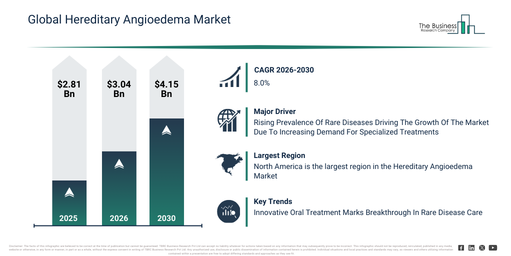
    The hereditary angioedema market size has shown substantial growth in recent years. It is projected to expand from $2.81 billion in 2025 to $3.04 billion in 2026, achieving a compound annual growth rate (CAGR) of 8.2%. Historically, this expansion has been driven by increased clinical awareness of rare genetic disorders, the availability of plasma-derived C1 esterase inhibitors, the broadening of specialty treatment centers, enhanced diagnostic accuracy for HAE, and rising patient advocacy initiatives.

    The hereditary angioedema market is anticipated to undergo significant expansion in the coming years. It is projected to achieve a value of $4.15 billion by 2030, exhibiting a compound annual growth rate (CAGR) of 8.0%. This growth during the forecast period can be attributed to several factors, including the introduction of novel oral and subcutaneous treatments, increased investment in developing drugs for rare diseases, a growing embrace of personalized medicine strategies, the expansion of genetic screening programs, and improved long-term disease management approaches. Prominent trends for the forecast period include the increasing adoption of targeted bradykinin therapies, a rise in the use of prophylactic treatment regimens, an intensified focus on early genetic diagnosis, the expansion of home-based self-administration therapies, and enhanced patient-centric treatment methodologies.

    Access Your Free Sample Report For In-Depth Market Analysis:

    https://www.thebusinessresearchcompany.com/report/hereditary-angioedema-global-market-report

    What Key Factors Are Shaping The Hereditary Angioedema Market Landscape?

    The expanding incidence of rare diseases is anticipated to advance the hereditary angioedema market in the coming years. Often referred to as orphan diseases, these are health conditions impacting a small segment of the global populace. Several factors contribute to the rising occurrence of rare diseases, including advancements in medical research, shifts in demographic profiles, and ecological influences. Hereditary angioedema (HAE) stands out as a critical rare disease, necessitating specialized interventions and heightened public knowledge because of its potentially fatal swelling episodes. Its uncommon and genetic origin underscores the criticality of prompt diagnosis and specific treatments for effective control and better patient results. As an illustration, in January 2025, The American Cancer Society, a professional organization based in the US, projected that around 59,660 new diagnoses of oral cavity and oropharyngeal cancer are expected in 2025, with approximately 12,770 individuals predicted to succumb to these cancers. Consequently, the increasing occurrence of rare diseases is fueling the expansion of the hereditary angioedema market.

    What Segment Categories Shape The Hereditary Angioedema Market Segment Landscape?

    The hereditary angioedema market covered in this report is segmented –

    1) By Type: Hereditary Angioedema Type I, Hereditary Angioedema Type II

    2) By Treatment Type: Prophylaxis, On-demand

    3) By Drug Class: C-1 Esterase Inhibitors, Bradykynin Receptor Antagonist, Kallikrein Inhibitors, Other Drug Classes

    4) By Route Of Administration: Subcutaneous, Intravenous, Oral

    5) By Distribution channel: Hospital Pharmacies, Retail Pharmacies, Online Pharmacies

    Subsegments:

    1) By Hereditary Angioedema Type I: C1-Inhibitor Deficiency, Low C1-Inhibitor Levels

    2) By Hereditary Angioedema Type II: Normal C1-Inhibitor Levels, Dysfunctional C1-Inhibitor, Genetic Mutations In SERPING1 Gene

    What Market Trends Are Affecting The Hereditary Angioedema Market?

    Leading companies in the hereditary angioedema market are actively developing innovative products, including oral plasma kallikrein inhibitors, to offer patients more convenient and effective on-demand treatment choices. Oral plasma kallikrein inhibitors are medications designed to block plasma kallikrein, thereby preventing excessive bradykinin production, and are primarily utilized for treating hereditary angioedema. For example, in September 2024, KalVista Pharmaceuticals, Inc., a US-based pharmaceutical company, announced the FDA’s acceptance of its new drug application (NDA) for sebetralstat. This investigational oral plasma kallikrein inhibitor is intended for the on-demand treatment of hereditary angioedema (HAE) attacks in both adult and pediatric patients aged 12 and older. Sebetralstat introduces a new treatment strategy by specifically targeting and inhibiting plasma kallikrein activity. The acceptance of the NDA marks a significant achievement toward potential approval and commercialization.

    Who Are The Companies Operating Across The Hereditary Angioedema Market Value Chain?

    Major companies operating in the hereditary angioedema market are Takeda Pharmaceutical Company Limited, CSL Limited, Sanofi S.A., Pharming Group N.V., BioCryst Pharmaceuticals Inc., KalVista Pharmaceuticals Inc., Ionis Pharmaceuticals Inc., Intellia Therapeutics Inc., Arrowhead Pharmaceuticals Inc., Astria Therapeutics Inc., Pharvaris N.V., Adverum Biotechnologies Inc., ADARx Pharmaceuticals Inc., Attune Pharmaceuticals Inc., Lev Pharmaceuticals Inc., BioMarin Pharmaceutical Inc., Spark Therapeutics Inc., Otsuka Pharmaceutical Co. Ltd., Pfizer Inc., Regeneron Pharmaceuticals Inc., Vertex Pharmaceuticals Incorporated, Alnylam Pharmaceuticals Inc.

    Get The Full Hereditary Angioedema Market Report:

    https://www.thebusinessresearchcompany.com/report/hereditary-angioedema-global-market-report

    Which Region Leads The Hereditary Angioedema Market In Overall Market Size?

    North America was the largest region in the hereditary angioedema market in 2025. Asia-Pacific is expected to be the fastest-growing region in the forecast period. The regions covered in the hereditary angioedema market report are Asia-Pacific, South East Asia, Western Europe, Eastern Europe, North America, South America, Middle East, Africa.

    Request A Customized Hereditary Angioedema Market Report For Competitive Insights:

    https://www.thebusinessresearchcompany.com/report/hereditary-angioedema-global-market-report

    Browse Through More Reports Similar to the Global Hereditary Angioedema Market 2026, By The Business Research Company

    Biopsy Devices Market Report 2026

    https://www.thebusinessresearchcompany.com/report/biopsy-devices-global-market-report

    Angina Market Report 2026

    https://www.thebusinessresearchcompany.com/report/angina-global-market-report

    Angina Pectoris Drugs Market Report 2026

    https://www.thebusinessresearchcompany.com/report/angina-pectoris-drugs-global-market-report

    Get in touch with us:

    The Business Research Company: https://www.thebusinessresearchcompany.com/

    Americas +1 310-496-7795

    Asia +44 7882 955267 & +91 8897263534

    Europe +44 7882 955267

    Email us at info@tbrc.info

    Follow us on:

    LinkedIn: https://in.linkedin.com/company/the-business-research-company

    YouTube: https://www.youtube.com/channel/UC24_fI0rV8cR5DxlCpgmyFQ

    Global Market Model: https://www.thebusinessresearchcompany.com/global-market-model
  • Herceptin Market Analysis: Growth Potential and Future Trends

    Herceptin Market Analysis: Growth Potential and Future Trends

    The Business Research Company’s 2026 market reports feature enhanced tools like market attractiveness analysis, TAM assessment, and company scoring matrices, along with interactive dashboards, deeper supply chain insights, and startup coverage strengthening the depth, usability, and strategic value of insights.

    What Expansion In Market Value Is Forecasted For The Herceptin Market Between 2026 And 2030?

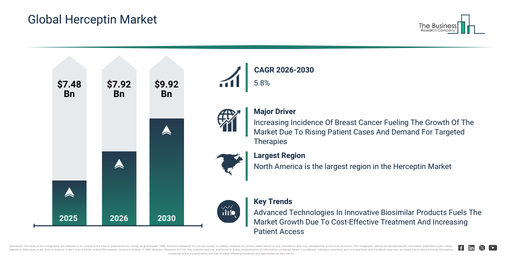
    The herceptin market size has demonstrated robust growth in recent years. It is projected to expand from $7.48 billion in 2025 to $7.92 billion in 2026, at a compound annual growth rate (CAGR) of 5.8%. The historical expansion of this market can be attributed to factors such as the increased diagnosis of HER2-positive cancer, the widespread clinical acceptance of trastuzumab, growth in oncology infusion infrastructure, the availability of biologic manufacturing capabilities, and the inclusion of herceptin in standard treatment guidelines.

    The herceptin market is projected to experience robust expansion over the coming years. This market is anticipated to reach $9.92 billion by 2030, demonstrating a compound annual growth rate (CAGR) of 5.8%. The upward trend during the forecast period is driven by factors such as intensified biosimilar competition, a surge in demand for cost-effective biologic treatments, the expansion of targeted oncology drug pipelines, the growing embrace of individualized cancer therapies, and increased funding for biologic drug innovation. Key developments expected during this timeframe involve a rise in the uptake of biosimilar trastuzumab products, more widespread utilization of subcutaneous formulations, an expansion of combination therapy protocols, an increasing emphasis on affordable biologic treatment options, and improved oversight of treatment results.

    Access Your Free Sample Report For In-Depth Market Analysis:

    https://www.thebusinessresearchcompany.com/report/herceptin-global-market-report

    Which Factors Are Influencing The Growth Of The Herceptin Market?

    The growing occurrence of breast cancer is anticipated to fuel the expansion of the herceptin market in the future. Breast cancer, a malignancy developing in breast cells, typically originates in milk ducts or lobules, encompassing forms like invasive ductal carcinoma (IDC), invasive lobular carcinoma (ILC), and HER2-positive breast cancer. This surge in breast cancer cases is partially attributed to shifts in lifestyle, including greater alcohol intake, unhealthy eating habits, and insufficient exercise, all elevating the risk. Consequently, with more individuals receiving a breast cancer diagnosis, especially those with HER2-positive types, the need for potent targeted treatments like herceptin steadily increases. An illustrative example is seen in January 2025, where the American Cancer Society, a US-based cancer organization, anticipates around 319,750 new breast cancer cases in 2025, alongside an estimated 42,680 fatalities due to the illness. Therefore, the escalating prevalence of breast cancer is indeed propelling the growth of the herceptin market.

    Which Segment Types Are Examined In The Herceptin Market Segment Study?

    The herceptin market covered in this report is segmented –

    1) By Product: Biologic, Biosimilar

    2) By Application: Breast Cancer, Gastric Cancer

    3) By Payer: Commercial And Private, Public

    4) By Distribution Channel: Hospital Pharmacy, Specialty Pharmacy

    Subsegments:

    1) By Biologic: Intravenous (IV) Biologics, Subcutaneous (SC) Biologic

    2) By Biosimilar: Intravenous (IV) Biosimilars, Subcutaneous (SC) Biosimilars

    Which Trends Are Influencing Demand In The Herceptin Market?

    Leading companies within the herceptin market are actively developing novel therapeutic solutions, including innovative biosimilar products, with the goal of improving patient access and enhancing treatment outcomes for HER2-positive cancers. These advanced biosimilar products are highly similar versions of approved biologic drugs, developed through sophisticated biotechnology to ensure equivalent safety, efficacy, and quality. For example, in April 2024, Accord BioPharma Inc., a US-based pharmaceutical company, secured approval from the U.S. Food and Drug Administration for HERCESSI (trastuzumab-strf), which is a biosimilar to herceptin (trastuzumab), designated for the management of HER2-overexpressing breast and gastric cancers. Such biosimilars as HERCESSI demonstrate comparable efficacy and safety to their reference biologics, while also potentially providing more cost-effective treatment alternatives.

    Which Players Are Part Of The Competitive Landscape Of The Herceptin Market?

    Major companies operating in the herceptin market are Roche Holding AG, Pfizer Inc., Amgen Inc., Viatris Inc., Teva Pharmaceutical Industries Ltd, Biocon Limited, Dr. Reddy’s Laboratories, Celltrion Inc., Samsung Biologics, Fresenius Kabi, Intas Pharmaceuticals Ltd, Zydus Lifesciences Ltd, AryoGen Pharmed, Shanghai Henlius Biotech Inc., Prestige Biopharma Pte Ltd, Alvotech, Coherus BioSciences, BioXpress Therapeutics, Amneal Pharmaceuticals, Novartis AG

    Get The Full Herceptin Market Report:

    https://www.thebusinessresearchcompany.com/report/herceptin-global-market-report

    Which Region Is The Top Contributor To The Herceptin Market By Share?

    North America was the largest region in the herceptin market in 2025. Asia-Pacific is expected to be the fastest-growing region in the forecast period. The regions covered in the herceptin market report are Asia-Pacific, South East Asia, Western Europe, Eastern Europe, North America, South America, Middle East, Africa.

    Request A Customized Herceptin Market Report For Competitive Insights:

    https://www.thebusinessresearchcompany.com/report/herceptin-global-market-report

    Browse Through More Reports Similar to the Global Herceptin Market 2026, By The Business Research Company

    Genital Herpes Market Report 2026

    https://www.thebusinessresearchcompany.com/report/genital-herpes-global-market-report

    Oleoresin Market Report 2026

    https://www.thebusinessresearchcompany.com/report/oleoresin-global-market-report

    Epinephrine Market Report 2026

    https://www.thebusinessresearchcompany.com/report/epinephrine-global-market-report

    Get in touch with us:

    The Business Research Company: https://www.thebusinessresearchcompany.com/

    Americas +1 310-496-7795

    Asia +44 7882 955267 & +91 8897263534

    Europe +44 7882 955267

    Email us at info@tbrc.info

    Follow us on:

    LinkedIn: https://in.linkedin.com/company/the-business-research-company

    YouTube: https://www.youtube.com/channel/UC24_fI0rV8cR5DxlCpgmyFQ

    Global Market Model: https://www.thebusinessresearchcompany.com/global-market-model

  • Herbal Shampoo Market Forecast: Industry Trends and Growth Outlook

    Herbal Shampoo Market Forecast: Industry Trends and Growth Outlook

    The Business Research Company’s 2026 market reports feature enhanced tools like market attractiveness analysis, TAM assessment, and company scoring matrices, along with interactive dashboards, deeper supply chain insights, and startup coverage strengthening the depth, usability, and strategic value of insights.

    How Large Will The Herbal Shampoo Market Be By 2030 Compared To Its 2026 Market Size?

    The herbal shampoo market has observed significant expansion in recent years. It is anticipated to grow from $6.13 billion in 2025 to $6.6 billion in 2026, exhibiting a compound annual growth rate (CAGR) of 7.8%. This growth throughout the historic period can be attributed to several factors including increasing consumer awareness regarding natural personal care, a rising prevalence of scalp sensitivity issues, the development of ayurvedic and herbal traditions, the broadening of retail distribution networks, and enhanced availability of herbal raw materials.

    The market for herbal shampoo is anticipated to experience significant expansion over the coming years. This market is projected to reach $8.83 billion by 2030, exhibiting a compound annual growth rate (CAGR) of 7.5%. Factors contributing to this growth during the forecast period include a rising demand for environmentally friendly personal care items, the growing acceptance of clean beauty principles, the spread of online beauty retail channels, an intensified focus on sustainable sourcing practices, and continuous product innovation within herbal formulations. Key trends anticipated during the forecast period encompass a heightened consumer demand for hair care products devoid of chemicals, an increasing incorporation of plant-derived active ingredients, the broader availability of dermatologically tested herbal products, a growing inclination towards solutions for sensitive scalps, and a stronger emphasis on eco-conscious packaging.

    Access Your Free Sample Report For In-Depth Market Analysis:

    https://www.thebusinessresearchcompany.com/report/herbal-shampoo-global-market-report

    What Leading Drivers Are Supporting The Herbal Shampoo Market Expansion?

    The herbal shampoo market is anticipated to experience growth in the coming years, driven by the rise of e-commerce. E-commerce involves the practice of purchasing and selling products and services online, enabling transactions to occur via the internet. Its expansion is attributed to the convenience it offers, such as shopping from home, easy product comparison, faster delivery, and access to global markets. E-commerce positively impacts herbal shampoo by providing a wider reach to consumers, allowing brands to directly connect with a global audience, and increasing accessibility and convenience for customers to purchase their preferred products online. For instance, in February 2025, a report from the Census Bureau, a US-based government agency, showed that the fourth quarter of 2024 had a 9.4% (±1.1) growth in e-commerce sales compared to the same period in 2023, while total retail sales increased 3.8% (±0.5). Therefore, the rise of e-commerce will drive the growth of the herbal shampoo market.

    How Are Different Segments Classified In The Herbal Shampoo Market Segment Analysis?

    The herbal shampoo market covered in this report is segmented –

    1) By Product Type: Anti-Dandruff, Anti-Hair Fall, Nourishing, Volumizing, Other Product Types

    2) By Hair Type: Damaged, Normal, Dry, Oily, Colored, Curly

    3) By Ingredient: Aloe Vera, Neem, Tea Tree, Amla, Shikakai, Other Ingredients

    4) By Distribution Channel: Online Stores, Supermarkets Or Hypermarkets, Specialty Stores, Other Distribution Channels

    5) By End-User: Men, Women, Unisex

    Subsegments:

    1) By Anti-Dandruff: Neem-Based Shampoo, Tea Tree Oil Shampoo, Aloe Vera And Turmeric Shampoo, Zinc And Herbal Extract Shampoo, Ayurvedic Anti-Dandruff Shampoo

    2) By Anti-Hair Fall: Amla And Bhringraj Shampoo, Onion Extract Shampoo, Caffeine-Infused Herbal Shampoo, Ginseng And Ginkgo Biloba Shampoo, Keratin-Enriched Herbal Shampoo

    3) By Nourishing: Coconut Milk Shampoo, Argan Oil And Shea Butter Shampoo, Hibiscus And Aloe Vera Shampoo, Rice Water And Protein-Rich Herbal Shampoo, Vitamin E-Infused Herbal Shampoo

    4) By Volumizing: Biotin And Collagen Herbal Shampoo, Green Tea Extract Shampoo, Bamboo And Ginseng Shampoo, Honey And Lemon Shampoo, Fenugreek And Flaxseed Shampoo

    5) By Other Product Types: Herbal Dry Shampoo, Color-Protect Herbal Shampoo, PH-Balancing Herbal Shampoo, Herbal Baby Shampoo

    What Emerging Trends Are Seen In The Herbal Shampoo Market?

    Leading companies in the herbal shampoo market are rolling out innovative offerings, such as lightweight herbal shampoos, designed to cleanse and nourish hair without making it feel weighed down or greasy, thereby promoting a natural, bouncy texture. These lightweight herbal shampoos are hair care products crafted with natural components that clean and feed the hair without adding heaviness, resulting in a soft, fresh, and voluminous feel. For instance, in February 2024, Herbal Essences, a US-based hair care brand, introduced 11 newly formulated herbal shampoos and conditioners. Every new formula features a blend of pure aloe and camellia oil; the camellia oil, pressed from the seeds of the camellia plant, closely mimics the natural oils in healthy hair. This oil quickly absorbs into the hair, amplifying the moisturizing and protective advantages of pure aloe. The aloe employed is certified pure, handpicked, and extracted to safeguard its antioxidant properties, positioning it as a key element of the shampoo.

    Who Are The Companies Driving Activity In The Herbal Shampoo Market?

    Major companies operating in the herbal shampoo market are Shiseido Company Limited, Amway Corp., Hain Celestial Group, Avalon Organics, Dabur India Limited, Patanjali Ayurved, Himalaya Wellness Company, Lotus Herbals Pvt. Ltd., Burt’s Bees, Mamaearth, CavinKare Pvt. Ltd., Desert Essence, Biotique, Dr. Organic, Giovanni Cosmetics, Kama Ayurveda, MAC Biosciences Private Limited, Vaadi Herbals Private Limited, Khadi Natural, Forest Essentials

    Get The Full Herbal Shampoo Market Report:

    https://www.thebusinessresearchcompany.com/report/herbal-shampoo-global-market-report

    Which Region Represents The Largest Share Of The Herbal Shampoo Market?

    Asia-Pacific was the largest region in the herbal shampoo market in 2025. North America is expected to be the fastest-growing region in the forecast period. The regions covered in the herbal shampoo market report are Asia-Pacific, South East Asia, Western Europe, Eastern Europe, North America, South America, Middle East, Africa.

    Request A Customized Herbal Shampoo Market Report For Competitive Insights:

    https://www.thebusinessresearchcompany.com/report/herbal-shampoo-global-market-report

    Browse Through More Reports Similar to the Global Herbal Shampoo Market 2026, By The Business Research Company

    Botanical Cleansing Oil Market Report 2026

    https://www.thebusinessresearchcompany.com/report/botanical-cleansing-oil-global-market-report

    Herbal Medicine Market Report 2026

    https://www.thebusinessresearchcompany.com/report/herbal-medicine-global-market-report

    Protein Shampoo Market Report 2026

    https://www.thebusinessresearchcompany.com/report/protein-shampoo-global-market-report

    Get in touch with us:

    The Business Research Company: https://www.thebusinessresearchcompany.com/

    Americas +1 310-496-7795

    Asia +44 7882 955267 & +91 8897263534

    Europe +44 7882 955267

    Email us at info@tbrc.info

    Follow us on:

    LinkedIn: https://in.linkedin.com/company/the-business-research-company

    YouTube: https://www.youtube.com/channel/UC24_fI0rV8cR5DxlCpgmyFQ

    Global Market Model: https://www.thebusinessresearchcompany.com/global-market-model
  • HER2-Positive Breast Cancer Market: Future Trends and Growth Outlook

    HER2-Positive Breast Cancer Market: Future Trends and Growth Outlook

    The Business Research Company’s 2026 market reports feature enhanced tools like market attractiveness analysis, TAM assessment, and company scoring matrices, along with interactive dashboards, deeper supply chain insights, and startup coverage strengthening the depth, usability, and strategic value of insights.

    What Is The Projected Increase In Market Value Of The HER2-Positive Breast Cancer Market During 2026–2030?

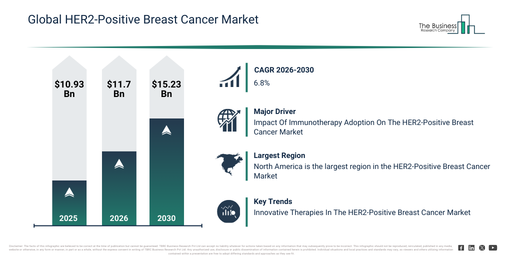
    The her2-positive breast cancer market size has experienced strong growth in recent years. It is projected to expand from $10.93 billion in 2025 to $11.7 billion in 2026, progressing at a compound annual growth rate (CAGR) of 7.1%. The growth observed historically can be attributed to several factors, including the increasing identification of her2-positive cases, a broadening of targeted oncology drug approvals, the development of hospital oncology infrastructure, the accessibility of monoclonal antibody therapies, and an increase in clinical trial activity.

    The her2-positive breast cancer market size is projected to experience strong growth in the coming years, with expectations to reach $15.23 billion in 2030 at a compound annual growth rate (CAGR) of 6.8%. The expansion during the forecast period can be attributed to the increasing adoption of next-generation her2 inhibitors, the broadening penetration of biosimilars, a growing demand for precision oncology treatments, rising investment in targeted cancer research, and an increasing focus on improving survival outcomes. Key trends anticipated in the forecast period include the increasing adoption of her2-targeted antibody therapies, a growing use of antibody-drug conjugates, the expansion of companion diagnostic testing, a rising focus on early-stage targeted treatment, and enhanced integration of combination therapy approaches.

    Access Your Free Sample Report For In-Depth Market Analysis:

    https://www.thebusinessresearchcompany.com/report/her2-positive-breast-cancer-global-market-report

    Which Key Factors Are Driving The HER2-Positive Breast Cancer Market Growth?

    The robust integration of immunotherapy is expected to drive the expansion of the HER2-positive breast cancer market moving forward. This medical treatment involves enhancing or modifying the immune system’s natural ability to combat diseases such as cancer, infections, and autoimmune disorders. The widespread use of immunotherapy is attributed to its capacity to boost the immune system’s ability to detect and eliminate cancer cells, leading to better efficacy and fewer side effects compared to conventional treatments. For HER2-positive breast cancer, immunotherapy works by strengthening the body’s immune system to recognize and attack HER2-overexpressing cancer cells, thereby improving treatment outcomes and reducing the risk of recurrence. For instance, in July 2023, according to the American Association for Cancer Research, a US-based organization, in 2023, the FDA had approved 11 immune checkpoint inhibitors (ICIs), with at least one ICI authorized for the treatment of 20 different cancer types and for any solid tumor exhibiting specific molecular characteristics. Therefore, the strong adoption of immunotherapy is fueling the growth of the HER2-positive breast cancer market.

    How Is The HER2-Positive Breast Cancer Market Categorized Across Its Segment Groups?

    The her2-positive breast cancer market covered in this report is segmented –

    1) By Treatment Type: Targeted Therapy, Chemotherapy, Endocrine Therapy, Immunotherapy, Other Treatment Types

    2) By Route Of Administration: Parenteral, Oral, Other Routes Of Administrations

    3) By Distribution Channel: Hospital Pharmacy, Retail Pharmacy, Online Pharmacy

    4) By End User: Hospitals, Homecare, Specialty Clinics, Other End User

    Subsegments:

    1) By Targeted Therapy: HER2 Inhibitors (Trastuzumab, Pertuzumab), Tyrosine Kinase Inhibitors (TKIs), Antibody-Drug Conjugates (ADC), Small Molecule Inhibitors

    2) By Chemotherapy: Anthracycline-based Chemotherapy, Taxane-based Chemotherapy, Platinum-based Chemotherapy, Combination Chemotherapy Regimens

    3) By Endocrine Therapy: Selective Estrogen Receptor Modulators (SERMs), Aromatase Inhibitors, Estrogen Receptor Antagonists, Estrogen Deprivation Therapy

    4) By Immunotherapy: Immune Checkpoint Inhibitors (PD-1/PD-L1 Inhibitors), Monoclonal Antibodies for Immune Modulation

    5) By Other Treatment Types: Radiation Therapy, Surgical Interventions (Mastectomy, Breast Conserving Surgery)

    Which Trends Are Guiding The Direction Of The HER2-Positive Breast Cancer Market?

    Leading companies operating in the HER2-positive breast cancer market are concentrating on creating innovative therapies, such as HER2-directed antibody-drug conjugates (ADCs), to streamline and improve the patient treatment process. HER2-directed antibody-drug conjugates (ADCs) function as targeted cancer therapies, linking an antibody specific to HER2 with a cytotoxic drug to deliver it directly to HER2-positive cancer cells for more effective treatment. For instance, in January 2024, AstraZeneca India Pharma Ltd., an India-based biopharmaceutical company, launched Trastuzumab deruxtecan. This innovative therapy was developed through a collaboration between AstraZeneca and Daiichi Sankyo. Trastuzumab deruxtecan is a HER2-directed antibody-drug conjugate (ADC), which ensures the direct delivery of a cytotoxic drug to HER2-positive cancer cells, thereby providing a more targeted and effective treatment for patients.

    Which Firms Are Influencing Competition In The HER2-Positive Breast Cancer Market?

    Major companies operating in the her2-positive breast cancer market are F. Hoffmann-La Roche AG, AstraZeneca plc, Novartis International AG, Pfizer Inc., Eli Lilly and Company, Merck & Co. Inc., Amgen Inc., Daiichi Sankyo Co. Ltd., Takeda Pharmaceutical Company Limited, Bristol Myers Squibb, Sanofi S.A., GlaxoSmithKline plc, Bayer AG, Seagen Inc., MacroGenics Inc., BioNTech SE, Incyte Corporation, Zymeworks Inc., Ambrx Biopharma Inc., Mersana Therapeutics Inc.

    Get The Full HER2-Positive Breast Cancer Market Report:

    https://www.thebusinessresearchcompany.com/report/her2-positive-breast-cancer-global-market-report

    Which Geographic Region Dominates The HER2-Positive Breast Cancer Market?

    North America was the largest region in the HER2- positive breast cancer market in 2025. Asia-Pacific is expected to be the fastest-growing region in the forecast period. The regions covered in the her2-positive breast cancer market report are Asia-Pacific, South East Asia, Western Europe, Eastern Europe, North America, South America, Middle East, Africa.

    Request A Customized HER2-Positive Breast Cancer Market Report For Competitive Insights:

    https://www.thebusinessresearchcompany.com/report/her2-positive-breast-cancer-global-market-report

    Browse Through More Reports Similar to the Global HER2-Positive Breast Cancer Market 2026, By The Business Research Company

    Metastatic Hr Her2 Breast Cancer Market Report 2026

    https://www.thebusinessresearchcompany.com/report/metastatic-hr-her2-breast-cancer-global-market-report

    Breast Cancer Diagnostics Market Report 2026

    https://www.thebusinessresearchcompany.com/report/breast-cancer-diagnostics-global-market-report

    Breast Cancer Drugs Market Report 2026

    https://www.thebusinessresearchcompany.com/report/breast-cancer-drugs-global-market-report

    Get in touch with us:

    The Business Research Company: https://www.thebusinessresearchcompany.com/

    Americas +1 310-496-7795

    Asia +44 7882 955267 & +91 8897263534

    Europe +44 7882 955267

    Email us at info@tbrc.info

    Follow us on:

    LinkedIn: https://in.linkedin.com/company/the-business-research-company

    YouTube: https://www.youtube.com/channel/UC24_fI0rV8cR5DxlCpgmyFQ

    Global Market Model: https://www.thebusinessresearchcompany.com/global-market-model
  • HER2-Negative Breast Cancer Market: Growth Trends and Forecast to 2030

    HER2-Negative Breast Cancer Market: Growth Trends and Forecast to 2030

    The Business Research Company’s 2026 market reports feature enhanced tools like market attractiveness analysis, TAM assessment, and company scoring matrices, along with interactive dashboards, deeper supply chain insights, and startup coverage strengthening the depth, usability, and strategic value of insights.

    How Is The Market Size Of The HER2-Negative Breast Cancer Market Expected To Change From 2026 To 2030?

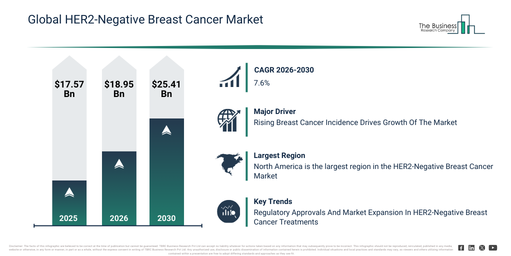
    The her2-negative breast cancer market size has demonstrated robust growth in recent years. It is projected to expand from $17.57 billion in 2025 to $18.95 billion in 2026, at a compound annual growth rate (CAGR) of 7.9%. This historical expansion can be attributed to elements such as increasing breast cancer screening rates, enhanced awareness of hormone receptor-positive cancers, the proliferation of oncology treatment centers, the presence of established chemotherapy protocols, and an increase in clinical oncology research.

    The her2-negative breast cancer market is anticipated to show significant expansion over the next few years. It is predicted to reach $25.41 billion by 2030, exhibiting a compound annual growth rate (CAGR) of 7.6%. This projected growth can be attributed to the rising demand for tailored oncology treatments, the increasing adoption of therapies guided by genomics, the expansion of immunotherapy product pipelines, a heightened emphasis on improving progression-free survival, and growing investment in the development of oncology drugs. Notable trends for the forecast period include the increasing uptake of individualized hormone therapy regimens, a rising utilization of cdk4/6 inhibitors, the broadened application of genomic testing for treatment selection, the growing integration of immunotherapy in advanced stages, and an enhanced focus on combination treatment protocols.

    Access Your Free Sample Report For In-Depth Market Analysis:

    https://www.thebusinessresearchcompany.com/report/her2-negative-breast-cancer-global-market-report

    What Primary Drivers Are Shaping The HER2-Negative Breast Cancer Market?

    The increasing occurrence of breast cancer cases is projected to stimulate the growth of the HER2-negative breast cancer market going forward. Breast cancer is a condition characterized by the uncontrolled division of abnormal cells in the breast tissue, usually originating in the ducts or lobules. The rising number of breast cancer instances can be attributed to multiple factors, including heightened awareness and improved screening methods, which lead to earlier and more frequent detection. HER2-Negative Breast Cancer plays a critical role in advancing breast cancer research by offering insights into distinct tumor biology and treatment strategies, thereby contributing to the development of more targeted therapies for patients. For instance, in 2025, according to the American Cancer Society, a US-based professional organization company, the United States is anticipated to experience approximately 316,950 new cases of invasive breast cancer in women and 2,800 cases in men, alongside an estimated 59,080 cases of ductal carcinoma in situ (DCIS) diagnosed in women. Therefore, the increasing prevalence of breast cancer cases is driving the expansion of the HER2-negative breast cancer market.

    How Are Segments Identified Within The HER2-Negative Breast Cancer Market Segment Framework?

    The her2-negative breast cancer market covered in this report is segmented –

    1) By Treatment Type: Chemotherapy, Hormone Therapy, Targeted Therapy, Immunotherapy

    2) By Cancer Stage: Early Stage, Locally Advanced Stage, Metastatic Stage

    3) By Distribution Channel: Hospital Pharmacy, Retail Pharmacy, Online Pharmacy

    Subsegments:

    1) By Chemotherapy: Anthracyclines, Taxanes, Platinum-Based Chemotherapy, Alkylating Agents, Antimetabolites

    2) By Hormone Therapy: Selective Estrogen Receptor Modulators (SERMs), Aromatase Inhibitors, Selective Estrogen Receptor Degraders (SERDs)

    3) By Targeted Therapy: CDK4/6 Inhibitors, PI3K Inhibitors, PARP Inhibitors

    4) By Immunotherapy: Immune Checkpoint Inhibitors, Tumor-Infiltrating Lymphocyte (TIL) Therapy

    What Trends Are Affecting The Growth Of The HER2-Negative Breast Cancer Market?

    Leading firms within the HER2-negative breast cancer market are prioritizing the attainment of regulatory clearances to launch novel therapies, broaden their range of products, and strengthen their position in the market. These approvals represent the formal permission given by governmental bodies, enabling companies to commercialize and supply medications or therapies once they have satisfied benchmarks for safety, effectiveness, and quality. As an illustration, in October 2024, Genentech Inc., a biotechnology company based in the US, obtained FDA approval for Itovebi (inavolisib) to be used as a precision therapy for advanced hormone receptor-positive (HR+), HER2-negative breast cancer exhibiting a PIK3CA mutation. This authorization permits Itovebi’s use alongside palbociclib and fulvestrant, substantially extending progression-free survival for patients when contrasted with conventional therapies. This novel treatment approach offers a crucial alternative for individuals with constrained therapeutic options, underscoring the critical role of biomarker testing in pinpointing patients who stand to gain the most from this particular treatment.

    Who Are The Companies Competing Within The HER2-Negative Breast Cancer Market?

    Major companies operating in the her2-negative breast cancer market are Pfizer Inc., Merck & Co. Inc., AbbVie Inc., Bayer AG, Bristol-Myers Squibb Company, Sanofi S.A., AstraZeneca PLC, Novartis International AG, Eli Lilly and Company, Amgen Inc., Daiichi Sankyo Company Limited, Jiangsu Hansoh Pharmaceutical Co. Ltd., BeiGene Ltd., Chipscreen Biosciences Ltd., F. Hoffmann-La Roche Ltd, PharmAbcine Inc., Adagene Inc., H3 Biomedicine Inc., Radius Health Inc., Zenith Epigenetics Ltd.

    Get The Full HER2-Negative Breast Cancer Market Report:

    https://www.thebusinessresearchcompany.com/report/her2-negative-breast-cancer-global-market-report

    Which Region Is The Leading Market For The HER2-Negative Breast Cancer Market?

    North America was the largest region in the HER2-negative breast cancer market in 2025. Asia-Pacific is expected to be the fastest-growing region in the forecast period. The regions covered in the her2-negative breast cancer market report are Asia-Pacific, South East Asia, Western Europe, Eastern Europe, North America, South America, Middle East, Africa.

    Request A Customized HER2-Negative Breast Cancer Market Report For Competitive Insights:

    https://www.thebusinessresearchcompany.com/report/her2-negative-breast-cancer-global-market-report

    Browse Through More Reports Similar to the Global HER2-Negative Breast Cancer Market 2026, By The Business Research Company

    Breast Cancer Diagnostics Market Report 2026

    https://www.thebusinessresearchcompany.com/report/breast-cancer-diagnostics-global-market-report

    Breast Cancer Drugs Market Report 2026

    https://www.thebusinessresearchcompany.com/report/breast-cancer-drugs-global-market-report

    Metastatic Hr Her2 Breast Cancer Market Report 2026

    https://www.thebusinessresearchcompany.com/report/metastatic-hr-her2-breast-cancer-global-market-report

    Get in touch with us:

    The Business Research Company: https://www.thebusinessresearchcompany.com/

    Americas +1 310-496-7795

    Asia +44 7882 955267 & +91 8897263534

    Europe +44 7882 955267

    Email us at info@tbrc.info

    Follow us on:

    LinkedIn: https://in.linkedin.com/company/the-business-research-company

    YouTube: https://www.youtube.com/channel/UC24_fI0rV8cR5DxlCpgmyFQ

    Global Market Model: https://www.thebusinessresearchcompany.com/global-market-model
  • Hepatorenal Syndrome Market: Trends, Drivers, and Opportunities

    Hepatorenal Syndrome Market: Trends, Drivers, and Opportunities

    The Business Research Company’s 2026 market reports feature enhanced tools like market attractiveness analysis, TAM assessment, and company scoring matrices, along with interactive dashboards, deeper supply chain insights, and startup coverage strengthening the depth, usability, and strategic value of insights.

    From Its 2026 Market Size, What Value Is The Hepatorenal Syndrome Market Projected To Reach By 2030?

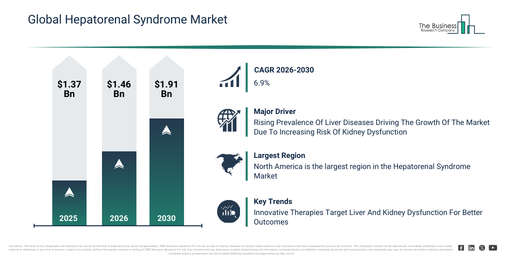
    The hepatorenal syndrome market size has seen significant growth over recent years. It is anticipated to increase from $1.37 billion in 2025 to $1.46 billion in 2026, achieving a compound annual growth rate (CAGR) of 7.1%. This historical expansion can be attributed to the rising prevalence of chronic liver disease, an increase in cirrhosis-related complications, the development of intensive care unit infrastructure, heightened clinical awareness of HRS diagnosis, and the availability of vasoconstrictor-based therapies.

    The hepatorenal syndrome market is projected to experience robust expansion over the coming years. It is anticipated to reach a valuation of $1.91 billion by 2030, exhibiting a compound annual growth rate (CAGR) of 6.9%. This growth during the forecast period can be attributed to several factors, including an increase in liver transplant procedures, a heightened emphasis on early-stage HRS detection, the expansion of advanced renal support therapies, the growing adoption of precision medicine approaches, and increased investment in hepatology-focused clinical research. Key trends expected in the forecast timeframe include the increasing uptake of targeted vasoconstrictor therapies, a growing reliance on early diagnostic biomarkers, a stronger focus on multidisciplinary critical care management, the proliferation of albumin-based combination treatments, and enhanced monitoring of renal function in liver disease patients.

    Access Your Free Sample Report For In-Depth Market Analysis:

    https://www.thebusinessresearchcompany.com/report/hepatorenal-syndrome-global-market-report

    Which Major Drivers Are Influencing The Expansion Of The Hepatorenal Syndrome Market?

    The increasing incidence of liver diseases is anticipated to spur the expansion of the hepatorenal syndrome market in the coming years. Liver diseases encompass various medical conditions that compromise the liver’s ability to function, such as hepatitis, cirrhosis, fatty liver, liver cancer, genetic disorders, and autoimmune diseases. The rise in liver diseases can be attributed to factors like obesity, diabetes, alcohol consumption, viral infections, inadequate nutrition, and exposure to toxins. This growing prevalence of liver ailments, including cirrhosis and acute liver failure, heightens the danger of hepatorenal syndrome (HRS) by leading to severe hemodynamic and renal dysfunction as liver impairment advances. For example, data from April 2024, provided by the Office for Health Improvement & Disparities (OHID), a UK government entity, indicated that UK hospital admissions for liver disease reached 155.2 per 100,000 in 2023, an increase from 150.6 per 100,000 in 2022. Consequently, the escalating prevalence of liver diseases is a key factor propelling the hepatorenal syndrome market forward.

    What Are The Key Segment Divisions In The Hepatorenal Syndrome Market Segment Structure?

    The hepatorenal syndrome market covered in this report is segmented –

    1) By Type: Type 1 Hepatorenal Syndrome, Type 2 Hepatorenal Syndrome, Other Types

    2) By Treatment: Liver Transplantation, Terlipressin Infusion, Albumin Infusion, Hemodialysis, Vasoconstrictors

    3) By Diagnosis: Liver Function Tests, Urinalysis And Urine Electrolytes, Other Diagnoses

    4) By End Users: Hospitals, Specialty Clinics

    Subsegments:

    1) By Type 1 Hepatorenal Syndrome: Acute Kidney Injury-Associated HRS, Rapidly Progressive Renal Failure

    2) By Type 2 Hepatorenal Syndrome: Chronic Kidney Dysfunction-Associated HRS, Slowly Progressive Renal Failure

    3) By Other Types: HRS With Cirrhosis, HRS With Acute Liver Failure, HRS With Alcoholic Hepatitis

    Which Trends Are Shaping The Hepatorenal Syndrome Market?

    Companies within the hepatorenal syndrome market are concentrating on developing innovative technologies, such as cytopheretic devices, to enhance patient outcomes through the reduction of inflammation, stabilization of kidney function, and improved treatment efficacy for Hepatorenal Syndrome (HRS). The cytopheretic device (Cytosorb) is an extracorporeal blood purification treatment designed to decrease systemic inflammation and immune activation in critically ill individuals, including those with Hepatorenal Syndrome (HRS). For instance, in October 2023, SeaStar Medical Holding Corporation, a US-based medical device company, secured FDA approval for its Selective Cytopheretic Device (SCD) for the management of hepatorenal syndrome (HRS). This advanced, cell-directed intervention targets hyperinflammation, a primary factor contributing to kidney dysfunction in patients experiencing acute-on-chronic liver failure. By employing immunomodulation, SCD helps regulate atypical immune responses, potentially aiding kidney recovery and improving patients’ eligibility for crucial liver transplants. Its effectiveness in enhancing solid organ function has been demonstrated in preclinical and clinical studies across various conditions such as sepsis, acute kidney injury (AKI), and cardiorenal syndrome.

    Which Organizations Are Engaged In The Hepatorenal Syndrome Market?

    Major companies operating in the hepatorenal syndrome market are Eli Lilly and Company, Baxter International Inc., Mallinckrodt Pharmaceuticals, Ferring Pharmaceuticals Ltd, La Jolla Pharmaceutical Company, Teva Pharmaceutical Industries Ltd, Cumberland Pharmaceuticals Inc., Innoviva Specialty Therapeutics Inc, BioVie Inc., SeaStar Medical, Otsuka Pharmaceutical Co. Ltd, Pfizer Inc., AbbVie Inc., Bristol Myers Squibb, Novartis AG, Sanofi, Astellas Pharma Inc., Takeda Pharmaceutical Company Limited, Bayer AG, AstraZeneca

    Get The Full Hepatorenal Syndrome Market Report:

    https://www.thebusinessresearchcompany.com/report/hepatorenal-syndrome-global-market-report

    Where Is The Hepatorenal Syndrome Market Primarily Concentrated By Region?

    North America was the largest region in the hepatorenal syndrome market in 2025. Asia-Pacific is expected to be the fastest-growing region in the forecast period. The regions covered in the hepatorenal syndrome market report are Asia-Pacific, South East Asia, Western Europe, Eastern Europe, North America, South America, Middle East, Africa.

    Request A Customized Hepatorenal Syndrome Market Report For Competitive Insights:

    https://www.thebusinessresearchcompany.com/report/hepatorenal-syndrome-global-market-report

    Browse Through More Reports Similar to the Global Hepatorenal Syndrome Market 2026, By The Business Research Company

    Heparin Market Report 2026

    https://www.thebusinessresearchcompany.com/report/heparin-global-market-report

    Hepatic Encephalopathy Market Report 2026

    https://www.thebusinessresearchcompany.com/report/hepatic-encephalopathy-global-market-report

    Dumping Syndrome Market Report 2026

    https://www.thebusinessresearchcompany.com/report/dumping-syndrome-global-market-report

    Get in touch with us:

    The Business Research Company: https://www.thebusinessresearchcompany.com/

    Americas +1 310-496-7795

    Asia +44 7882 955267 & +91 8897263534

    Europe +44 7882 955267

    Email us at info@tbrc.info

    Follow us on:

    LinkedIn: https://in.linkedin.com/company/the-business-research-company

    YouTube: https://www.youtube.com/channel/UC24_fI0rV8cR5DxlCpgmyFQ

    Global Market Model: https://www.thebusinessresearchcompany.com/global-market-model