Category: Healthcare Services

  • Digital Genome Market Expanding Due to Increasing Genetic Disorder Prevalence

    Digital Genome Market Expanding Due to Increasing Genetic Disorder Prevalence

    The Business Research Company’s 2026 market reports feature enhanced tools like market attractiveness analysis, TAM assessment, and company scoring matrices, along with interactive dashboards, deeper supply chain insights, and startup coverage strengthening the depth, usability, and strategic value of insights.

    How Much Will The Market Value Of The Digital Genome Market Grow Between 2026 And 2030?

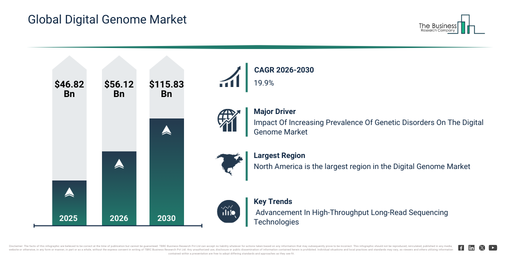
    The digital genome market has experienced significant expansion recently. Projections indicate an increase in its value from $46.82 billion in 2025 to $56.12 billion in 2026, exhibiting a compound annual growth rate (CAGR) of 19.9%. Factors contributing to this historical expansion include reduced genome sequencing expenses, the broadening of genomics research initiatives, an increase in studies focused on inherited diseases, the presence of limited data integration utilities, and financial support from academic research.

    The digital genome market size is anticipated to undergo significant expansion in the coming years. It is forecast to attain a value of $115.83 billion by 2030, demonstrating a compound annual growth rate (CAGR) of 19.9%. The impetus for this growth over the forecast period arises from the advancement of personalized medicine, the enlargement of population genomics, AI-driven variant interpretation, heightened adoption of genomics in healthcare, and supportive regulatory frameworks for genomics. Prominent trends expected during this period involve the swift acceleration of genomic data digitization, the increasing deployment of AI in genomic analysis, the expansion of cloud-based genome data platforms, a rising call for precision medicine applications, and the integration of genomic data with clinical systems.

    Access Your Free Sample Report For In-Depth Market Analysis:

    https://www.thebusinessresearchcompany.com/report/digital-genome-global-market-report

    What Key Factors Are Shaping The Digital Genome Market Landscape?

    The expansion of the digital genome market is anticipated to be significantly advanced by the rising incidence of genetic disorders. These disorders are inheritable conditions resulting from anomalies or changes in an individual’s DNA, the blueprint for bodily development and function. Digital genome technologies provide a means to pinpoint genetic mutations and variations linked to such conditions, which in turn facilitates precise and prompt diagnosis, thereby enabling swift intervention and therapeutic measures. To illustrate, in August 2023, data from the National Library of Medicine, a US-based medical library, revealed that sickle cell anemia, a genetic disease, impacts approximately 1 in 500 African Americans in the United States. Additionally, approximately 1 in 12 African Americans carries the autosomal recessive mutation responsible for the disease, and roughly 300,000 infants are born with sickle cell anemia annually. Consequently, the growing occurrence of genetic disorders is a key impetus for the digital genome market’s development.

    Which Segment Classifications Are Used In The Digital Genome Market Segment Analysis?

    The digital genome market covered in this report is segmented –

    1) By Type: Sequencing And Analyzer Instruments, Data Analysis And Management Tools

    2) By Application: Diagnostics, Agriculture And Animal Research, Personalized Medicine, Drug Discovery, Treatment Analysis

    3) By End User: Research Centers And Government Institutes, Academic Institutions, Pharmaceutical And Biotechnology Industries, Hospitals, Diagnostic Centers

    Subsegments:

    1) By Sequencing And Analyzer Instruments: Next-Generation Sequencing (NGS) Systems, Sanger Sequencing Systems, Single-Cell Sequencing Instruments, Third-Generation Sequencing Instruments

    2) By Data Analysis And Management Tools: Bioinformatics Software, Data Management Platforms, Cloud-Based Analysis Solutions, Workflow Management Tools

    What Market Trends Are Affecting The Digital Genome Market?

    Major companies operating in the digital genome market are concentrating on integrating sophisticated sequencing advancements, such as high-throughput long-read sequencing systems, to bolster genomic precision, expandability, and the effectiveness of data generation. These high-throughput long-read sequencing systems represent next-generation sequencing platforms that utilize single-molecule real-time (SMRT) technology to produce lengthy, highly precise DNA reads, facilitating capabilities such as comprehensive variant identification, real-time base identification, and extensive whole-genome examination. As an illustration, in March 2023, Pacific Biosciences of California Inc. (PacBio), a US-based life-science sequencing technology firm, introduced the Revio System, a high-throughput long-read sequencing platform specifically designed to supply substantial volumes of HiFi genome data for population-scale genomics, epigenetics, and disease investigations. This system boasts a 15 times augmentation in data output per run, incorporates deep-learning methylation calling, and features reduced consumable consumption. The Revio System thus enhances throughput, data quality, and cost-efficiency, thereby enabling quicker and more precise genomic understandings.

    Which Firms Are Contributing To The Digital Genome Market Ecosystem?

    Major companies operating in the digital genome market are Roche Holding AG, Thermo Fisher Scientific Inc., GE HealthCare Technologies Inc., Quest Diagnostics, Eurofins Scientific SE, Agilent Technologies Inc., Illumina Inc., bioMerieux SA, PerkinElmer Inc., Bio-Rad Laboratories Inc., Qiagen N.V., BGI Genomics, Myriad Genetics Inc., Foundation Medicine Inc., ArcherDx Inc., Invitae Corporation, Oxford Nanopore Technologies Ltd., Luminex Corporation, GenMark Diagnostics Inc., NanoString Technologies Inc., Pacific Biosciences of California Inc., Genewiz, Inscripta Inc., Genomic Health Inc., Becton Dickinson and Company, GenomeMe, Regeneron Pharmaceuticals Inc.

    Get The Full Digital Genome Market Report:

    https://www.thebusinessresearchcompany.com/report/digital-genome-global-market-report

    Which Region Accounts For The Largest Portion Of The Digital Genome Market?

    North America was the largest region in the digital genome market in 2025. Asia-Pacific is expected to be the fastest-growing region in the forecast period. The regions covered in the digital genome market report are Asia-Pacific, South East Asia, Western Europe, Eastern Europe, North America, South America, Middle East, Africa.

    Request A Customized Digital Genome Market Report For Competitive Insights:

    https://www.thebusinessresearchcompany.com/report/digital-genome-global-market-report

    Browse Through More Reports Similar to the Global Digital Genome Market 2026, By The Business Research Company

    Optical Genome Mapping Market Report 2026

    https://www.thebusinessresearchcompany.com/report/optical-genome-mapping-global-market-report

    Dna Digital Data Storage Market Report 2026

    https://www.thebusinessresearchcompany.com/report/dna-digital-data-storage-global-market-report

    Genomics Market Report 2026

    https://www.thebusinessresearchcompany.com/report/genomics-global-market-report

    Get in touch with us:

    The Business Research Company: https://www.thebusinessresearchcompany.com/

    Americas +1 310-496-7795

    Asia +44 7882 955267 & +91 8897263534

    Europe +44 7882 955267

    Email us at info@tbrc.info

    Follow us on:

    LinkedIn: https://in.linkedin.com/company/the-business-research-company

    YouTube: https://www.youtube.com/channel/UC24_fI0rV8cR5DxlCpgmyFQ

    Global Market Model: https://www.thebusinessresearchcompany.com/global-market-model
  • Digital Diagnostics Market Growth Driven by Rising Chronic Disease Burden

    Digital Diagnostics Market Growth Driven by Rising Chronic Disease Burden

    The Business Research Company’s 2026 market reports feature enhanced tools like market attractiveness analysis, TAM assessment, and company scoring matrices, along with interactive dashboards, deeper supply chain insights, and startup coverage strengthening the depth, usability, and strategic value of insights.

    What Changes In Market Value Are Expected For The Digital Diagnostics Market Over The 2026–2030 Period?

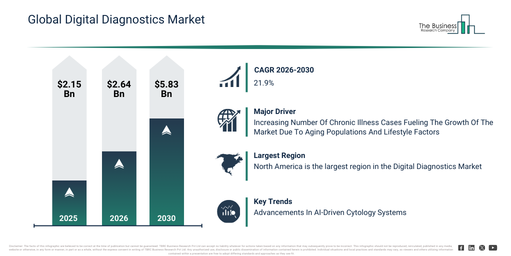
    The digital diagnostics market size has expanded considerably in recent years. It is anticipated to increase from $2.15 billion in 2025 to $2.64 billion in 2026, demonstrating a compound annual growth rate (CAGR) of 22.5%. Historically, this expansion has been driven by factors such as the digitization of healthcare records, an increase in diagnostic test volumes, the limitations associated with manual interpretation, the growing prevalence of chronic diseases, and the increased utilization of imaging.

    The digital diagnostics market is projected for significant expansion in the coming years. By 2030, its size is anticipated to reach $5.83 billion, demonstrating a compound annual growth rate (CAGR) of 21.9%. This projected growth throughout the forecast period stems from factors such as progress in AI algorithms, wider adoption of telehealth diagnostics, the necessity for early disease identification, increased implementation of cloud-based diagnostics, and the evolution of interoperability standards. Key developments expected during this period involve the increasing embrace of AI-powered diagnostic tools, the proliferation of remote and point-of-care diagnostic solutions, enhanced utilization of real-time health data analytics, the incorporation of diagnostics within EHR systems, and a growing emphasis on predictive and preventive diagnostics.

    Access Your Free Sample Report For In-Depth Market Analysis:

    https://www.thebusinessresearchcompany.com/report/digital-diagnostics-global-market-report

    Which Factors Are Influencing The Growth Of The Digital Diagnostics Market?

    The rising incidence of chronic diseases is projected to fuel the expansion of the digital diagnostics market in the future. These long-term health conditions necessitate continuous medical care and management, encompassing cardiovascular diseases, diabetes, cancer, and chronic respiratory ailments. Their occurrence is increasing, driven by demographic shifts towards older populations and lifestyle choices like poor nutrition, lack of exercise, smoking, and environmental factors. Digital diagnostics assists healthcare frameworks through the provision of artificial intelligence (AI)-driven diagnostic instruments, remote surveillance equipment, and digital health platforms, facilitating prompt identification, ongoing tracking, and customized care for chronic ailments. As an illustration, the World Health Organization (WHO), a healthcare body based in Switzerland, reported in May 2023 that by approximately 2050, chronic conditions including cardiovascular diseases, cancer, diabetes, and respiratory illnesses are anticipated to be responsible for 86 percent of the 90 million annual fatalities. Consequently, the growing count of chronic disease cases is indeed stimulating the expansion of the digital diagnostics market.

    How Is The Digital Diagnostics Market Organized By Segment Classification?

    The digital diagnostics market covered in this report is segmented –

    1) By Product: Hardware, Software, Services

    2) By Application: Cardiology, Gynecology, Infectious Diseases, Oncology, Diabetes, Other Applications

    3) By End-Users: Hospitals And Clinics, Clinical Laboratories, Pharmaceutical And Biotechnology Companies, Academic And Research Institutes, Other End-Users

    Subsegments:

    1) By Hardware: Diagnostic Devices, Wearable Devices, Sensors And Monitoring Equipment

    2) By Software: Diagnostic Software, Data Analytics Software, Artificial Intelligence (AI) And Machine Learning Software, Cloud-Based Platforms

    3) By Services: Diagnostic Testing Services, Telemedicine And Remote Monitoring Services, Data Management And Analytics Services

    Which Trends Are Influencing Demand In The Digital Diagnostics Market?

    Leading companies in the digital diagnostics market are concentrating on developing technologically advanced products, such as digital cytology systems, aimed at enhancing diagnostic accuracy, streamlining workflows, and enabling remote analysis through sophisticated imaging and AI-driven tools. A digital cytology system functions as an advanced diagnostic platform, utilizing imaging technology and artificial intelligence to analyze and interpret cytological samples for precise and efficient medical diagnoses. For instance, in February 2024, Hologic Inc., a US-based medical technology company, announced the U.S. Food and Drug Administration (FDA) approval for its Genius Digital Diagnostics System, featuring the Genius Cervical AI algorithm. The Genius Digital Diagnostics System is distinguished as the first and only FDA-cleared digital cytology platform that integrates deep-learning-based AI with advanced volumetric imaging to identify pre-cancerous lesions and cervical cancer cells. Unlike traditional methods, where cervical cells collected during a Pap test are examined manually under a microscope, this system digitizes the glass slides and employs AI to highlight key cells for review by cytologists and pathologists.

    Who Are The Industry Participants Involved In The Digital Diagnostics Market?

    Major companies operating in the digital diagnostics market are Hoffmann-La Roche Holding AG, Thermo Fisher Scientific Inc., Abbott Laboratories, Danaher Corporation, Siemens Healthineers , Koninklijke Philips N.V., General Electric Company, Laboratory Corporation of America Holdings, Quest Diagnostics Incorporated, Hologic Inc., bioMérieux S.A., Bio-Rad Laboratories Inc., Fulgent Genetics Inc., Guardant Health Inc., Tempus Labs Inc., Genomic Health Inc., EDX Medical Inc., PathAI Inc., Healthy.io Ltd., BrightInsight Inc., Digital Diagnostics Inc., Brainomix Limited, DnaNudge Ltd., GRAIL Inc.

    Get The Full Digital Diagnostics Market Report:

    https://www.thebusinessresearchcompany.com/report/digital-diagnostics-global-market-report

    Which Region Holds The Highest Market Share In The Digital Diagnostics Market?

    North America was the largest region in the digital diagnostics market in 2025. Asia-Pacific is expected to be the fastest-growing region in the forecast period. The regions covered in the digital diagnostics market report are Asia-Pacific, South East Asia, Western Europe, Eastern Europe, North America, South America, Middle East, Africa.

    Request A Customized Digital Diagnostics Market Report For Competitive Insights:

    https://www.thebusinessresearchcompany.com/report/digital-diagnostics-global-market-report

    Browse Through More Reports Similar to the Global Digital Diagnostics Market 2026, By The Business Research Company

    Diagnostic Imaging Services Market Report 2026

    https://www.thebusinessresearchcompany.com/report/diagnostic-imaging-services-global-market-report

    Digital Pathology Market Report 2026

    https://www.thebusinessresearchcompany.com/report/digital-pathology-global-market-report

    Precision Diagnostics Market Report 2026

    https://www.thebusinessresearchcompany.com/report/precision-diagnostics-global-market-report

    Get in touch with us:

    The Business Research Company: https://www.thebusinessresearchcompany.com/

    Americas +1 310-496-7795

    Asia +44 7882 955267 & +91 8897263534

    Europe +44 7882 955267

    Email us at info@tbrc.info

    Follow us on:

    LinkedIn: https://in.linkedin.com/company/the-business-research-company

    YouTube: https://www.youtube.com/channel/UC24_fI0rV8cR5DxlCpgmyFQ

    Global Market Model: https://www.thebusinessresearchcompany.com/global-market-model
  • Digital Diabetes Management Market: Growth Potential and Outlook

    Digital Diabetes Management Market: Growth Potential and Outlook

    The Business Research Company’s 2026 market reports feature enhanced tools like market attractiveness analysis, TAM assessment, and company scoring matrices, along with interactive dashboards, deeper supply chain insights, and startup coverage strengthening the depth, usability, and strategic value of insights.

    By 2030, What Market Size Is The Digital Diabetes Management Market Expected To Reach Based On Its 2026 Value?

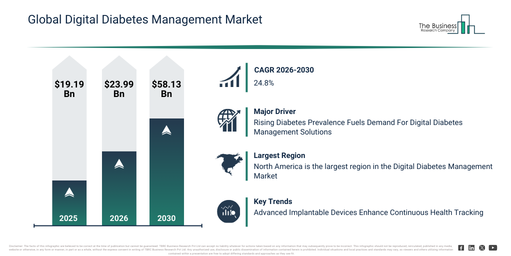
    The scale of the digital diabetes management market has experienced significant growth in recent years. This market is anticipated to expand from $19.19 billion in 2025 to $23.99 billion in 2026, at a compound annual growth rate (CAGR) of 25.0%. The historical period’s growth can be linked to an increasing global diabetes burden, limited access to ongoing clinical care, the rise in smartphone usage, a surging demand for self-management tools, and the proliferation of digital health solutions.

    The digital diabetes management market is projected to experience substantial expansion over the upcoming years. Its value is anticipated to reach $58.13 billion by 2030, exhibiting a compound annual growth rate (CAGR) of 24.8%. This projected growth during the forecast period can be attributed to factors such as the growing adoption of AI in diabetes care, the broadening scope of remote patient monitoring, greater acceptance of telehealth services, integration with electronic health records, and the increasing demand for personalized diabetes management solutions. Key trends expected over the forecast period encompass the swift uptake of remote diabetes monitoring platforms, the incorporation of AI-based glucose analytics, the expansion of mobile diabetes management applications, a rise in the utilization of wearable diabetes devices, and the advancement of telemedicine-based diabetes care.

    Access Your Free Sample Report For In-Depth Market Analysis:

    https://www.thebusinessresearchcompany.com/report/digital-diabetes-management-global-market-report

    What Leading Drivers Are Supporting The Digital Diabetes Management Market Expansion?

    The rising occurrence of diabetes is projected to fuel the expansion of the digital diabetes-management market. Diabetes is defined as a metabolic disorder marked by elevated blood sugar levels, predominantly type 2, which compromises the body’s capacity to utilize or generate insulin. The incidence of diabetes is escalating due to increasing obesity rates, which significantly boost insulin resistance and heighten the likelihood of developing type 2 diabetes. The digital diabetes-management industry is experiencing greater demand as the rapid spread of diabetes encourages businesses to implement remote monitoring solutions, application-based tracking, and personalized digital coaching to assist individuals in more effectively managing their condition. For example, in June 2024, data from NHS England, a UK-based government agency, indicated that the count of people under 40 years old at risk of type 2 diabetes has climbed by nearly 25% over the identical period, increasing from 173,166 in 2022 to 216,440 in 2023. Consequently, the growing prevalence of diabetes is stimulating the need for the digital diabetes management market.

    Which Segments Define The Digital Diabetes Management Market Segment Structure?

    The digital diabetes management market covered in this report is segmented –

    1) By Product And Service: Devices, Application, Data Management Software And Platforms, Services

    2) By Device Type: Handheld Devices, Wearable Devices

    3) By End User: Self Or Home Healthcare, Hospitals And Specialty Diabetes Clinics, Other End Users

    Subsegments:

    1) By Devices: Continuous Glucose Monitors (CGMs), Blood Glucose Meters (BGM), Insulin Pumps, Smart Insulin Pens, Diabetes Testing Strips

    2) By Application: Diabetes Management Apps, Lifestyle And Diet Management Apps, Glucose Tracking Apps, Insulin Dose Adjustment Apps, Exercise And Activity Tracking Apps

    3) By Data Management Software And Platforms: Cloud-Based Diabetes Management Platforms, Data Analytics Platforms, Electronic Health Record (EHR) Integrated Systems, Patient Management Software, Remote Monitoring Software

    4) By Services: Telemedicine And Virtual Consultation Services, Remote Monitoring Services, Diabetes Education Services, Diabetes Coaching And Support Services, Clinical Decision Support Services

    What Emerging Trends Are Seen In The Digital Diabetes Management Market?

    Leading firms within the digital diabetes management market are concentrating on creating sophisticated solutions, like long-term implantable continuous glucose monitoring (CGM) systems, to alleviate patient inconvenience, boost real-time glucose tracking, and refine comprehensive diabetes care. These long-term implantable CGM systems are defined as devices placed beneath the skin, continuously tracking glucose levels over prolonged durations, delivering dependable data and eliminating the need for frequent sensor changes, a contrast to conventional short-term CGMs. An illustrative example occurred in September 2024, when Senseonics Holdings, Inc., a US-based medical technology firm, secured FDA clearance for Eversense 365, which stands as the globe’s inaugural fully implantable CGM sensor boasting a 365-day lifespan. Intended for individuals aged 18 and above living with type 1 and type 2 diabetes, this system sends glucose readings every five minutes to a mobile application, only necessitates weekly calibration following the initial two weeks, and incorporates a detachable transmitter. This enduring solution works to lessen life interruptions, decrease the frequency of sensor changes, and facilitates integration with automated insulin delivery (AID) systems, consequently providing a more fluid and precise method for digital diabetes management.

    Who Are The Established Players Within The Digital Diabetes Management Market?

    Major companies operating in the digital diabetes management market are Bayer AG, Medtronic Plc, Roche Diagnostics Ltd., Dexcom Inc., Abbott Laboratories, Ascensia Diabetes Care Holdings AG, Insulet Corporation, B. Braun Melsungen AG, Tandem Diabetes Care Inc., LifeScan Inc., AgaMatrix Inc., Glooko Inc., DarioHealth Corp, One Drop, Dottli Oy, Ypsomed Holding AG, ARKRAY Inc., ACON Laboratories Inc., Becton, Dickinson and Company, Care Innovations LLC, Health2Sync Inc., Emperra GmbH E-Health Technologies, Azumio Inc., Decide Clinical Software GmbH, pendiq GmbH Moers, Health Arx Technologies Pvt Ltd., Sanofi SA, Johnson & Johnson Co, Novo Nordisk AS, Terumo Corporation, TidePool, AgaMatrix Medical Devices Ltd.

    Get The Full Digital Diabetes Management Market Report:

    https://www.thebusinessresearchcompany.com/report/digital-diabetes-management-global-market-report

    Where Is The Digital Diabetes Management Market Most Concentrated Geographically?

    North America was the largest region in the digital diabetes management market in 2025. Western Europe was the second largest region in the digital diabetes management market report. The regions covered in the digital diabetes management market report are Asia-Pacific, South East Asia, Western Europe, Eastern Europe, North America, South America, Middle East, Africa.

    Request A Customized Digital Diabetes Management Market Report For Competitive Insights:

    https://www.thebusinessresearchcompany.com/report/digital-diabetes-management-global-market-report

    Browse Through More Reports Similar to the Global Digital Diabetes Management Market 2026, By The Business Research Company

    Artificial Intelligence In Diabetes Management Market Report 2026

    https://www.thebusinessresearchcompany.com/report/artificial-intelligence-in-diabetes-management-global-market-report

    Diabetes Care Devices Market 2026

    https://www.thebusinessresearchcompany.com/report/diabetes-care-devices-market

    Digital Health Market Report 2026

    https://www.thebusinessresearchcompany.com/report/digital-health-global-market-report

    Get in touch with us:

    The Business Research Company: https://www.thebusinessresearchcompany.com/

    Americas +1 310-496-7795

    Asia +44 7882 955267 & +91 8897263534

    Europe +44 7882 955267

    Email us at info@tbrc.info

    Follow us on:

    LinkedIn: https://in.linkedin.com/company/the-business-research-company

    YouTube: https://www.youtube.com/channel/UC24_fI0rV8cR5DxlCpgmyFQ

    Global Market Model: https://www.thebusinessresearchcompany.com/global-market-model
  • Rising mental health issues driven by lifestyle stress are fueling the dysthymia market

    Rising mental health issues driven by lifestyle stress are fueling the dysthymia market

    The Business Research Company’s 2026 market reports feature enhanced tools like market attractiveness analysis, TAM assessment, and company scoring matrices, along with interactive dashboards, deeper supply chain insights, and startup coverage strengthening the depth, usability, and strategic value of insights.

    How Much Growth In Market Value Is Expected For The Dysthymia Market Between 2026 And 2030?

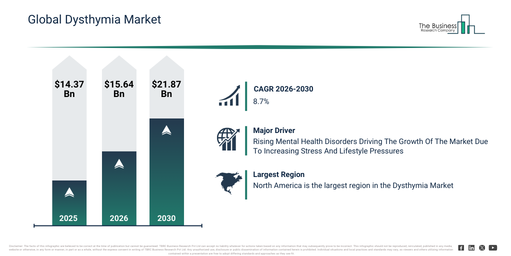
    The dysthymia market has demonstrated robust expansion in recent years. It is anticipated to increase from $14.37 billion in 2025 to $15.64 billion in 2026, achieving a compound annual growth rate (CAGR) of 8.9%. This historical development can be ascribed to factors such as increased mental health awareness, enhanced antidepressant accessibility, the expansion of psychiatric clinics, its comorbidity with anxiety disorders, and various initiatives focused on stigma reduction.

    The dysthymia market is set for significant expansion in the coming years. Its value is predicted to climb to $21.87 billion by 2030, at a compound annual growth rate (CAGR) of 8.7%. This expansion over the forecast period stems from factors such as the embrace of telepsychiatry, individualized mental health care, digital cognitive therapy aids, a focus on early detection, and support from mental health policies. Prominent developments anticipated during this period include the increased application of long-term antidepressant treatment, a rise in the use of psychotherapy-based interventions, growing recognition of chronic depressive conditions, the widening adoption of combination therapy methods, and the incorporation of digital mental well-being platforms.

    Access Your Free Sample Report For In-Depth Market Analysis:

    https://www.thebusinessresearchcompany.com/report/dysthymia-global-market-report

    What Key Factors Are Affecting The Dysthymia Market Demand?

    The future expansion of the dysthymia market is anticipated to be driven by the rising occurrence of mental health disorders. These conditions are defined as medical ailments impacting mood, thought processes, and conduct, thereby disrupting everyday activities and emotional steadiness. Their increased prevalence stems from ongoing stress factors prevalent in contemporary life, such as demanding work, financial strain, and excessive digital exposure, which lead to persistent anxiety and mood irregularities. The dysthymia market addresses this increasing trend by providing enduring treatment approaches, including psychotherapy, pharmacological interventions, and adjustments to lifestyle, all aimed at stabilizing mood, boosting resilience, and promoting overall wellness. A relevant example from 2024, as reported by the US-based non-profit National Alliance on Mental Illness, indicates that psychosis spectrum and mood disorders were responsible for roughly 0.0006 billion annual hospitalizations among adults aged 18–44 in the United States. Consequently, the expanding occurrence of mental health disorders is fueling the expansion of the dysthymia market.

    How Is The Dysthymia Market Segmented Across Different Segment Categories?

    The dysthymia market covered in this report is segmented –

    1) By Treatment: Psychotherapy, Pharmacotherapy, Combination Of Psychotherapy And Pharmacotherapy

    2) By Severity: Mild, Moderate, Severe

    3) By Comorbidities: Anxiety Disorders, Depression, Substance Abuse

    4) By Distribution Channel: Online, Offline

    5) By End-Users: Hospitals, Clinics

    Subsegments:

    1) By Psychotherapy: Cognitive Behavioral Therapy (CBT), Interpersonal Therapy (IPT), Psychodynamic Therapy

    2) By Pharmacotherapy: Antidepressants (SSRIs, SNRIs, Tricyclic Antidepressants), Antipsychotics, Mood Stabilizers

    3) By Combination Of Psychotherapy And Pharmacotherapy: Cognitive Behavioral Therapy (CBT) With Antidepressants, Interpersonal Therapy (IPT) With Antipsychotics, Psychodynamic Therapy With Mood Stabilizers

    Which Organizations Play A Role In The Dysthymia Market Landscape?

    Major companies operating in the dysthymia market are Pfizer Inc., Johnson & Johnson, Merck & Co. Inc., Sanofi SA, Bristol-Myers Squibb Company, AstraZeneca plc, Eli Lilly and Company, Teva Pharmaceutical Industries Ltd., Cipla Limited, Lupin Pharmaceuticals, GlaxoSmithKline plc, H Lundbeck A/S, Otsuka Pharmaceutical Co Ltd, Takeda Pharmaceutical Company Limited, Alkermes plc, Boehringer Ingelheim GmbH, Sun Pharmaceutical Industries Ltd, Dr Reddy’s Laboratories, Torrent Pharmaceuticals Ltd, Glenmark Pharmaceuticals Ltd, Sage Therapeutics Inc, MindMed Inc, Compass Pathways plc, Pierre Fabre Medicament, Neurolixis Inc

    Get The Full Dysthymia Market Report:

    https://www.thebusinessresearchcompany.com/report/dysthymia-global-market-report

    Which Region Leads The Dysthymia Market In Overall Market Size?

    North America was the largest region in the dysthymia market in 2025. Asia-Pacific is expected to be the fastest-growing region in the forecast period. The regions covered in the dysthymia market report are Asia-Pacific, South East Asia, Western Europe, Eastern Europe, North America, South America, Middle East, Africa.

    Request A Customized Dysthymia Market Report For Competitive Insights:

    https://www.thebusinessresearchcompany.com/report/dysthymia-global-market-report

    Browse Through More Reports Similar to the Global Dysthymia Market 2026, By The Business Research Company

    Vitamin D Therapy Market Report 2026

    https://www.thebusinessresearchcompany.com/report/vitamin-d-therapy-global-market-report

    Vitamin D Market Report 2026

    https://www.thebusinessresearchcompany.com/report/vitamin-d-global-market-report

    Duchenne Muscular Dystrophy Market Report 2026

    https://www.thebusinessresearchcompany.com/report/duchenne-muscular-dystrophy-global-market-report

    Get in touch with us:

    The Business Research Company: https://www.thebusinessresearchcompany.com/

    Americas +1 310-496-7795

    Asia +44 7882 955267 & +91 8897263534

    Europe +44 7882 955267

    Email us at info@tbrc.info

    Follow us on:

    LinkedIn: https://in.linkedin.com/company/the-business-research-company

    YouTube: https://www.youtube.com/channel/UC24_fI0rV8cR5DxlCpgmyFQ

    Global Market Model: https://www.thebusinessresearchcompany.com/global-market-model
  • PDE inhibitors in drug development are influencing growth in the dyspnea market

    PDE inhibitors in drug development are influencing growth in the dyspnea market

    The Business Research Company’s 2026 market reports feature enhanced tools like market attractiveness analysis, TAM assessment, and company scoring matrices, along with interactive dashboards, deeper supply chain insights, and startup coverage strengthening the depth, usability, and strategic value of insights.

    What Is The Estimated Market Size Of The Dyspnea Market In 2026, And How Will Its Value Evolve By 2030?

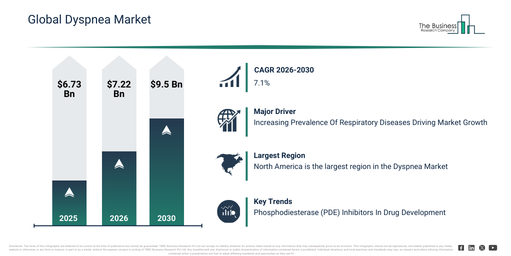
    The dyspnea market has shown significant expansion in recent years. Its valuation is expected to rise from $6.73 billion in 2025 to $7.22 billion in 2026, achieving a compound annual growth rate (CAGR) of 7.4%. This past growth can be attributed to factors like the prevalence of chronic respiratory diseases, the volume of hospital emergency admissions, smoking-related ailments, the increasing elderly population, and the impact of cardiopulmonary diseases.

    The dyspnea market is anticipated to undergo significant growth in the upcoming years, with its valuation projected to reach $9.5 billion by 2030, demonstrating a compound annual growth rate (CAGR) of 7.1%. This expansion within the forecast period can be primarily attributed to the rising demand for portable oxygen systems, developments in remote respiratory monitoring, personalized strategies for dyspnea management, the broadening of homecare services, and digital tools for symptom tracking. Prominent trends expected during this period encompass the increased deployment of oxygen therapy devices, a growing uptake of home-based respiratory care, an enhanced focus on symptom management therapies, the incorporation of breathing and relaxation practices, and improved methods for diagnosing respiratory conditions.

    Access Your Free Sample Report For In-Depth Market Analysis:

    https://www.thebusinessresearchcompany.com/report/dyspnea-global-market-report

    Which Primary Drivers Are Impacting The Dyspnea Market Growth?

    The rising occurrence of respiratory illnesses is projected to fuel the expansion of the dyspnea market in the future. These illnesses are defined as conditions impacting the lungs and respiratory system, which obstruct airflow and diminish oxygen exchange. The increasing incidence of respiratory diseases stems from factors such as air pollution, smoking, environmental toxins, climate change, and heightened vulnerability among elderly demographics. The dyspnea market benefits from this trend as dyspnea acts as an essential indicator of compromised lung function, assisting medical professionals in diagnosing respiratory ailments, shaping treatment strategies, and observing disease progression. For example, in June 2024, data from the Australian Institute of Health and Welfare, an Australia-based government agency, indicated that in 2023, COPD was responsible for 3.6% of the total disease burden and constituted 50% of the entire burden of respiratory diseases. Furthermore, in 2022, COPD was identified as the leading cause of 7,691 fatalities, with a death rate of 29.6 per 100,000 people, making up 4.0% of all deaths. Consequently, the growing prevalence of respiratory diseases is propelling the development of the dyspnea market.

    What Are The Main Segments Within The Dyspnea Market Segment Structure?

    The dyspnea market covered in this report is segmented –

    1) By Treatment Type: Supplemental Oxygen Therapy, Relaxation Therapy

    2) By Drug Class: Antianxiety, Antibiotics, Anticholinergic Agents, Corticosteroids, Other Drug Classes

    3) By Route Of Administration: Oral, Inhalation, Other Route Of Administrations

    4) By End User: Hospitals, Homecare, Specialty Clinics, Ambulatory Services, Other End Users

    Subsegments:

    1) By Supplemental Oxygen Therapy: Continuous Flow Oxygen Therapy, Pulse Dose Oxygen Therapy, Oxygen Concentrators, Portable Oxygen Cylinders

    2) By Relaxation Therapy: Breathing Exercises, Meditation and Mindfulness, Progressive Muscle Relaxation, Biofeedback Therapy

    Which Trends Are Shaping Growth In The Dyspnea Market?

    Leading companies in the dyspnea market are concentrating on creating novel drug treatments, including phosphodiesterase (PDE) inhibitors, aiming to enhance treatment effectiveness, alleviate respiratory symptoms, and offer greater comfort for individuals experiencing chronic breathing problems. These PDE inhibitors work by blocking PDE enzymes, which in turn elevates intracellular cyclic AMP or cyclic GMP levels, thereby encouraging bronchodilation, diminishing inflammation, and boosting general respiratory function. As an illustration, in May 2024, Verona Pharma Plc, a biopharmaceutical firm from the UK, declared its readiness for the prospective U.S. introduction of ensifentrine, a pioneering dual PDE3/4 inhibitor designed for chronic obstructive pulmonary disease (COPD), which is anticipated in Q3 2024, subject to FDA approval. Ensifentrine, administered through nebulization, has demonstrated considerable decreases in COPD exacerbation rates and notable enhancements in dyspnea during Phase III trials. Verona has also secured $650 million in funding to facilitate its commercial deployment and continued development, encompassing a planned Phase II fixed-dose combination study with glycopyrrolate for ongoing COPD therapy.

    Who Are The Companies Participating In The Dyspnea Market?

    Major companies operating in the dyspnea market are Pfizer Inc., Merck And Co. Inc., Bayer AG, Sanofi S.A., AstraZeneca, Novartis AG, GlaxoSmithKline, Teva Pharmaceutical Industries Ltd., Boehringer Ingelheim, Amneal Pharmaceuticals LLC, Lupin Ltd, Inogen Inc, Fisher & Paykel Healthcare, ResMed Inc, Koninklijke Philips N.V, Masimo Corporation, Breas Medical, PARI Medical Holding GmbH, BMC Medical, Hamilton Medical, Nihon Kohden Corporation, Cipla Inc

    Get The Full Dyspnea Market Report:

    https://www.thebusinessresearchcompany.com/report/dyspnea-global-market-report

    Which Region Is The Top Contributor To The Dyspnea Market By Share?

    North America was the largest region in the dyspnea market in 2025. Asia-Pacific is expected to be the fastest-growing region in the forecast period. The regions covered in the dyspnea market report are Asia-Pacific, South East Asia, Western Europe, Eastern Europe, North America, South America, Middle East, Africa.

    Request A Customized Dyspnea Market Report For Competitive Insights:

    https://www.thebusinessresearchcompany.com/report/dyspnea-global-market-report

    Browse Through More Reports Similar to the Global Dyspnea Market 2026, By The Business Research Company

    Airway Stent Market Report 2026

    https://www.thebusinessresearchcompany.com/report/airway-stent-global-market-report

    Dysphagia Supplement Market Report 2026

    https://www.thebusinessresearchcompany.com/report/dysphagia-supplement-global-market-report

    Sleep Apnea Devices Market Report 2026

    https://www.thebusinessresearchcompany.com/report/sleep-apnea-devices-global-market-report

    Get in touch with us:

    The Business Research Company: https://www.thebusinessresearchcompany.com/

    Americas +1 310-496-7795

    Asia +44 7882 955267 & +91 8897263534

    Europe +44 7882 955267

    Email us at info@tbrc.info

    Follow us on:

    LinkedIn: https://in.linkedin.com/company/the-business-research-company

    YouTube: https://www.youtube.com/channel/UC24_fI0rV8cR5DxlCpgmyFQ

    Global Market Model: https://www.thebusinessresearchcompany.com/global-market-model
  • Increasing digestive disease prevalence is boosting demand in the dysphagia supplements market

    Increasing digestive disease prevalence is boosting demand in the dysphagia supplements market

    The Business Research Company’s 2026 market reports feature enhanced tools like market attractiveness analysis, TAM assessment, and company scoring matrices, along with interactive dashboards, deeper supply chain insights, and startup coverage strengthening the depth, usability, and strategic value of insights.

    How Does The Market Size Of The Dysphagia Supplement Market Compare Between 2026 And 2030?

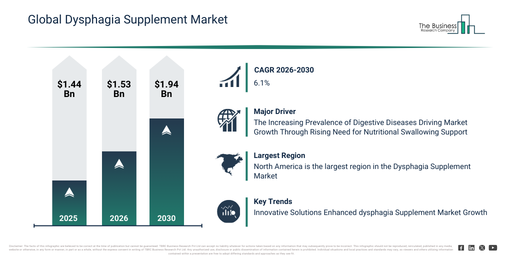
    The dysphagia supplement market has experienced robust expansion recently. Projections indicate an increase from $1.44 billion in 2025 to $1.53 billion in 2026, demonstrating a compound annual growth rate (CAGR) of 6.0%. Historically, this expansion has been driven by factors such as an expanding aging population, an increase in dysphagia cases linked to strokes, the implementation of hospital nutrition protocols, greater awareness of malnutrition, and the broadening of long-term care services.

    The dysphagia supplement market size is projected to experience substantial expansion over the upcoming years. This market is anticipated to reach a valuation of $1.94 billion by 2030, exhibiting a compound annual growth rate (CAGR) of 6.1%. Factors contributing to this growth during the forecast timeframe include the increased adoption of homecare nutrition, the availability of premium clinical supplements, the emergence of personalized nutrition products, a rise in chronic neurological disorders, and improved healthcare nutrition reimbursement. Key trends anticipated for the forecast period encompass a growing need for texture-modified nutrition, wider acceptance of ready-to-drink thickened beverages, an elevated emphasis on clinical nutrition within elderly care, the proliferation of protein and calorie-dense supplements, and advancements in formulations to enhance taste and palatability.

    Access Your Free Sample Report For In-Depth Market Analysis:

    https://www.thebusinessresearchcompany.com/report/dysphagia-supplement-global-market-report

    What Significant Factors Are Influencing The Dysphagia Supplement Market Expansion?

    The rising incidence of digestive diseases is projected to drive future expansion within the dysphagia supplement market. These conditions refer to a broad spectrum of gastrointestinal ailments affecting the esophagus, stomach, intestines, liver, and pancreas. The increasing occurrence of digestive diseases is attributed to an aging global population, suboptimal dietary practices, inactive lifestyles, obesity, and environmental factors. The dysphagia supplement market caters to this trend by offering nutrient-dense, easy-to-swallow formulations designed to help individuals with swallowing difficulties maintain sufficient nutrition throughout the progression of digestive diseases. As an illustration, in December 2023, the IBD Registry, a UK-based non-profit organization, reported reaching over 5,300 individuals with Inflammatory Bowel Disease (IBD) by 2023, which signifies an increase of more than 3,000 members compared to 2022. This demonstrates how the growing prevalence of digestive diseases is stimulating the growth of the dysphagia supplement market.

    How Is Segmentation Applied In The Dysphagia Supplement Market Segment Analysis?

    The dysphagia supplement market covered in this report is segmented –

    1) By Type: Powder Thickener, Ready To Drink Thickened Beverages, Instant Food, Oral Nutritional Supplements

    2) By Indication: Oropharyngeal Dysphagia, Esophageal Dysphagia

    3) By Applications: Hospitals, Nursing Homes, Retail Pharmacies, Drug Stores, Supermarkets

    Subsegments:

    1) By Powder Thickener: Starch-Based Thickeners, Gum-Based Thickeners

    2) By Ready To Drink Thickened Beverages: Thickened Water, Thickened Juices, Thickened Milk And Dairy Beverages

    3) By Instant Food: Instant Soups, Instant Porridge, Instant Pureed Meals

    4) By Oral Nutritional Supplements: Protein Supplements, Fiber Supplements, Caloric Supplements, Vitamin And Mineral Supplements

    What Trends Are Affecting The Direction Of The Dysphagia Supplement Market?

    Leading companies in the dysphagia supplement market are concentrating on developing innovative products like food and beverage thickeners to improve swallowing safety, enhance patient comfort, and reduce the risk of aspiration for individuals with dysphagia. Food and beverage thickeners are substances added to liquids or foods to alter their consistency, thereby making them easier and safer to swallow by aligning the texture with the patient’s swallowing capability and minimizing choking hazards. For instance, in January 2023, Nestlé India, an India-based food and beverage company, launched ThickenUp Clear, a xanthan gum–based thickener designed to assist patients with oropharyngeal dysphagia. The product is tasteless, colorless, odorless, and amylase-resistant, allowing it to be effortlessly mixed into hot or cold liquids while maintaining a stable consistency. ThickenUp Clear provides an effective, instant-thickening solution that enhances swallowing safety and offers a healthier, environmentally friendly option for individuals managing dysphagia.

    Who Are The Companies Participating In The Dysphagia Supplement Market Environment?

    Major companies operating in the dysphagia supplement market are Nestlé S.A., Abbott Laboratories, Fresenius SE & Co. KGaA, Ingredion Incorporated, Tate & Lyle PLC, Kent Precision Foods Group, Prosource, Matsun Nutrition Inc., Medtrition Inc., Simply Thick LLC, Hormel Health Labs, Nutrinovo Ltd., Nutridrinks Limited, RTH Nutrition, Nutritional Research, NutriLicious, Thick-It, Slo Drinks, Nutra Balance Products, Nutilis, Clinico Co Ltd, Kissei Pharmaceutical Co Ltd, Nutri Co Ltd, HiPP GmbH & Co Vertrieb KG, Foods Group Inc.

    Get The Full Dysphagia Supplement Market Report:

    https://www.thebusinessresearchcompany.com/report/dysphagia-supplement-global-market-report

    Which Region Represents The Largest Share Of The Dysphagia Supplement Market?

    North America was the largest region in the dysphagia supplement market in 2025. North America is expected to be the fastest-growing region in the forecast period. The regions covered in the dysphagia supplement market report are Asia-Pacific, South East Asia, Western Europe, Eastern Europe, North America, South America, Middle East, Africa.

    Request A Customized Dysphagia Supplement Market Report For Competitive Insights:

    https://www.thebusinessresearchcompany.com/report/dysphagia-supplement-global-market-report

    Browse Through More Reports Similar to the Global Dysphagia Supplement Market 2026, By The Business Research Company

    Esophageal Dysphagia Market Report 2026

    https://www.thebusinessresearchcompany.com/report/esophageal-dysphagia-global-market-report

    Dysphagia Management Market Report 2026

    https://www.thebusinessresearchcompany.com/report/dysphagia-management-global-market-report

    Brain Health Supplements Market Report 2026

    https://www.thebusinessresearchcompany.com/report/brain-health-supplements-global-market-report

    Get in touch with us:

    The Business Research Company: https://www.thebusinessresearchcompany.com/

    Americas +1 310-496-7795

    Asia +44 7882 955267 & +91 8897263534

    Europe +44 7882 955267

    Email us at info@tbrc.info

    Follow us on:

    LinkedIn: https://in.linkedin.com/company/the-business-research-company

    YouTube: https://www.youtube.com/channel/UC24_fI0rV8cR5DxlCpgmyFQ

    Global Market Model: https://www.thebusinessresearchcompany.com/global-market-model
  • Rising digestive disorders are driving growth in the dysphagia management market

    Rising digestive disorders are driving growth in the dysphagia management market

    The Business Research Company’s 2026 market reports feature enhanced tools like market attractiveness analysis, TAM assessment, and company scoring matrices, along with interactive dashboards, deeper supply chain insights, and startup coverage strengthening the depth, usability, and strategic value of insights.

    What Is The Forecasted Market Size Trajectory Of The Dysphagia Management Market From 2026 To 2030?

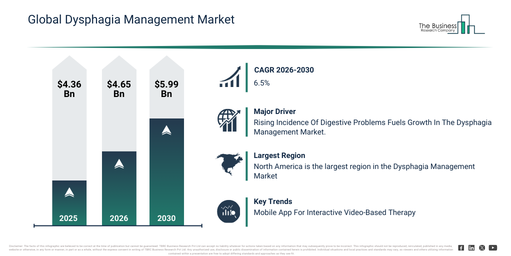
    The dysphagia management market has experienced significant expansion in recent years. It is anticipated to increase from $4.36 billion in 2025 to $4.65 billion in 2026, reflecting a compound annual growth rate (CAGR) of 6.7%. This historical growth can be attributed to factors such as the prevalence of neurological diseases, the rising aging population, the adoption of speech therapy, hospital-based nutrition care services, and increased awareness regarding dysphagia.

    The dysphagia management market is poised for significant expansion in the coming years. It is projected to reach $5.99 billion by 2030, exhibiting a compound annual growth rate (CAGR) of 6.5%. This anticipated growth during the forecast period is driven by factors such as home-based dysphagia care, advanced nutritional formulations, early screening protocols, digital therapy tools, and the expansion of long-term care facilities. Key trends influencing this period encompass the increasing prevalence of swallowing disorders, a greater reliance on nutritional support solutions, the broadening of feeding tube-based interventions, the proliferation of multidisciplinary therapy programs, and advancements in diagnosis and clinical assessment.

    Access Your Free Sample Report For In-Depth Market Analysis:

    https://www.thebusinessresearchcompany.com/report/dysphagia-management-global-market-report

    Which Important Drivers Are Guiding The Dysphagia Management Market Growth?

    The increasing occurrence of digestive issues is anticipated to propel the growth of the dysphagia management market moving forward. Digestive diseases cover a broad spectrum of conditions affecting the gastrointestinal tract, ranging from minor concerns like heartburn to severe illnesses, including cancers and motility disorders. The rise in digestive problems stems from factors such as aging populations, changes in diet, sedentary lifestyles, stress, and metabolic disturbances related to obesity. The dysphagia management market supports this upward trend by offering therapeutic strategies aimed at alleviating swallowing difficulties that arise from conditions such as gastroesophageal reflux disease (GERD), achalasia, and esophageal cancers. For instance, in January 2023, according to the UK Gut Health Report 2023 published by Holland & Barrett International Limited, a UK-based multinational health retailer, 58% of individuals in the UK experienced gut health problems, and 45% reported chronic digestive issues lasting three months or more. Therefore, the growing incidence of digestive problems is a key driver for the expansion of the dysphagia management market.

    What Segment Categories Shape The Dysphagia Management Market Segment Landscape?

    The dysphagia management market covered in this report is segmented –

    1) By Product: Drug (Proton Pump Inhibitors), Feeding Tube, Nutritional Solutions

    2) By Treatment And Therapies: Esophageal Dysphagia, Oropharyngeal Dysphagia, Severe Dysphagia

    3) By Distribution Channel: Hospital Pharmacies, Retail Pharmacies, Drug Stores

    Subsegments:

    1) By Drug (Proton Pump Inhibitors): Oral Proton Pump Inhibitors (Ppis), Injectable Proton Pump Inhibitors

    2) By Feeding Tube: Nasogastric Tubes (Ng Tubes), Percutaneous Endoscopic Gastrostomy (Peg) Tubes, Gastrostomy Tubes (G-Tubes), Jejunostomy Tubes (J-Tubes), Balloon Tubes

    3) By Nutritional Solutions: Liquid Nutritional Supplements, High-Calorie Nutritional Drinks, Modified Texture Foods, Enteral Nutrition Formulas

    What Trends Are Influencing The Evolution Of The Dysphagia Management Market?

    Major companies operating within the dysphagia management market are concentrating on developing innovative solutions, such as mobile applications for interactive video-based therapy sessions, to enhance patient care, improve treatment accessibility, and support better swallowing outcomes. Mobile applications in dysphagia management are digital platforms that enable real-time, remote therapeutic interactions via video, offering features like live consultations, progress tracking, session scheduling, and guided therapeutic exercises to facilitate personalized and continuous care. For instance, in October 2023, Amrita Hospital, an India-based healthcare provider, launched SWALLO, a mobile app crafted to assist individuals with dysphagia by delivering interactive video-based therapy sessions with medical experts, enabling patients to receive therapy without the need for daily hospital visits. The app provides live, appointment-based sessions, supports Malayalam with English subtitles, and is scheduled for expansion into additional Indian languages to improve accessibility and patient engagement.

    Who Are The Companies Operating Across The Dysphagia Management Market Value Chain?

    Major companies operating in the dysphagia management market are Nestlé Health Science, Danone S.A., Medline Industries LP, Fresenius Kabi AG, Phagenesis Ltd., Nutricia Advanced Medical Nutrition, VitalStim UK Ltd., Abbott Laboratories, SimplyThick LLC, Kent Precision Foods Group, B Braun Melsungen AG, Medtrition, RTH Nutrition, Nutritional Research, NutriLicious, Cook Medical Inc., Medtronic plc, Smiths Medical, Boston Scientific Corporation, Becton Dickinson and Company, Olympus Corporation, KARL STORZ, Otsuka Pharmaceutical Co Ltd, Eisai Co Ltd, Cardinal Health, Avanos Medical Inc, Dysphagia Systems Inc.

    Get The Full Dysphagia Management Market Report:

    https://www.thebusinessresearchcompany.com/report/dysphagia-management-global-market-report

    Which Geographic Region Dominates The Dysphagia Management Market?

    North America was the largest region in the dysphagia management market in 2025. The regions covered in the dysphagia management market report are Asia-Pacific, South East Asia, Western Europe, Eastern Europe, North America, South America, Middle East, Africa.

    Request A Customized Dysphagia Management Market Report For Competitive Insights:

    https://www.thebusinessresearchcompany.com/report/dysphagia-management-global-market-report

    Browse Through More Reports Similar to the Global Dysphagia Management Market 2026, By The Business Research Company

    Spasmodic Dysphonia Treatment Market Report 2026

    https://www.thebusinessresearchcompany.com/report/spasmodic-dysphonia-treatment-global-market-report

    Dysphagia Supplement Market Report 2026

    https://www.thebusinessresearchcompany.com/report/dysphagia-supplement-global-market-report

    Esophageal Dysphagia Market Report 2026

    https://www.thebusinessresearchcompany.com/report/esophageal-dysphagia-global-market-report

    Get in touch with us:

    The Business Research Company: https://www.thebusinessresearchcompany.com/

    Americas +1 310-496-7795

    Asia +44 7882 955267 & +91 8897263534

    Europe +44 7882 955267

    Email us at info@tbrc.info

    Follow us on:

    LinkedIn: https://in.linkedin.com/company/the-business-research-company

    YouTube: https://www.youtube.com/channel/UC24_fI0rV8cR5DxlCpgmyFQ

    Global Market Model: https://www.thebusinessresearchcompany.com/global-market-model
  • Dyslipidemia market analysis with future growth outlook

    Dyslipidemia market analysis with future growth outlook

    The Business Research Company’s 2026 market reports feature enhanced tools like market attractiveness analysis, TAM assessment, and company scoring matrices, along with interactive dashboards, deeper supply chain insights, and startup coverage strengthening the depth, usability, and strategic value of insights.

    How Much Will The Market Value Of The Dyslipidemia Market Grow Between 2026 And 2030?

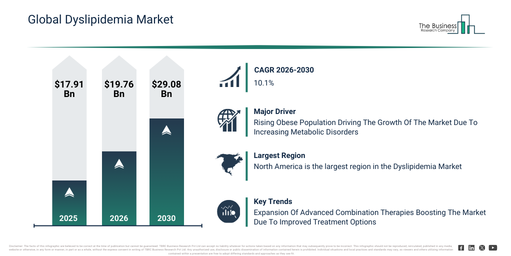
    The dyslipidemia market size has experienced rapid growth in recent years. It is anticipated to expand from $17.91 billion in 2025 to $19.76 billion in 2026, achieving a compound annual growth rate (CAGR) of 10.3%. Historically, this expansion can be attributed to the cardiovascular disease burden, the adoption of statin therapy, lipid screening programs, updates in clinical guidelines, and the expansion of primary care.

    The dyslipidemia market is projected to experience substantial expansion in the coming years. By 2030, its value is anticipated to reach $29.08 billion, exhibiting a compound annual growth rate (CAGR) of 10.1%. This growth during the forecast timeframe is primarily driven by factors such as the expansion of precision cardiology, the emergence of novel lipid treatments, the adoption of digital lipid monitoring, an increased emphasis on preventive healthcare, and a rising aging population. Key trends anticipated during this period encompass the increasing application of advanced lipid-lowering interventions, a greater uptake of PCSK9 inhibitors and siRNA, a heightened concentration on reducing cardiovascular risk, the broader implementation of combination drug regimens, and enhancements in patient monitoring and adherence.

    Access Your Free Sample Report For In-Depth Market Analysis:

    https://www.thebusinessresearchcompany.com/report/dyslipidemia-global-market-report

    What Major Factors Are Driving The Dyslipidemia Market Forward?

    The expanding number of individuals affected by obesity is anticipated to fuel the growth of the dyslipidemia market in the coming years. The obese population refers to those with excessive body fat, a condition that poses significant health threats, including metabolic and cardiovascular complications. This demographic is increasing primarily due to lifestyle changes promoting a sustained energy imbalance, such as sedentary habits, high-calorie diets, reduced physical activity, alongside environmental and socioeconomic factors. The dyslipidemia market is supported by this trend because obesity disrupts lipid metabolism, leading to abnormal cholesterol and triglyceride levels. These abnormalities heighten cardiovascular risk and require medical management. For illustration, in March 2024, the World Health Organization, a Switzerland-based intergovernmental health agency, indicated that roughly one in eight people across the globe were living with obesity. This figure included 2.5 billion adults aged 18 and older, and 37 million children under five years old who were overweight. Hence, the rising obese population acts as a significant driver for the expansion of the dyslipidemia market.

    Which Segment Types Are Examined In The Dyslipidemia Market Segment Study?

    The dyslipidemia market covered in this report is segmented –

    1) By Treatment: Statins, Bile Acid Sequestrants, PCSK9 Inhibitors, Small Interfering RNA (siRNA), Cholesterol Absorption Inhibitors, Fibrates, Niacins, Omega-3 Fatty Acid Derivatives, Other Treatments

    2) By Route Of Administration: Oral, Parental

    3) By Distribution Channel: Hospital Pharmacies, Retail Pharmacies, Drug Store, Online Pharmacies

    Subsegments:

    1) By Statins: Atorvastatin, Simvastatin, Rosuvastatin, Pravastatin

    2) By Bile Acid Sequestrants: Cholestyramine, Colesevelam

    3) By PCSK9 Inhibitors: Evolocumab, Alirocumab

    4) By Small Interfering RNA (siRNA): Inclisiran

    5) By Cholesterol Absorption Inhibitors: Ezetimibe

    6) By Fibrates: Fenofibrate, Gemfibrozil

    7) By Niacins: Nicotinic Acid

    8) By Omega-3 Fatty Acid Derivatives: Eicosapentaenoic Acid (EPA), Docosahexaenoic Acid (DHA)

    9) By Other Treatments: Herbal Supplements, Combination Therapies

    Which Trends Are Impacting The Progress Of The Dyslipidemia Market?

    Major companies in the dyslipidemia market are concentrating on developing advanced combination therapies to enhance treatment efficacy, improve patient compliance, and tackle multiple lipid abnormalities within a single approach. These advanced combination therapies involve treatment methods that integrate two or more therapeutic agents to target distinct pathways in lipid regulation, thereby leading to better outcomes, fewer side effects, and greater flexibility in managing complex lipid disorders. For example, in March 2024, Esperion Therapeutics Inc., a US-based pharmaceutical company, announced that NEXLETOL (bempedoic acid) and NEXLIZET (a combination of bempedoic acid and ezetimibe) received updated approvals from the U.S. Food and Drug Administration, permitting their use as monotherapies or in conjunction with statins. These non-statin oral medications are designed to lower low-density lipoprotein cholesterol (LDL-C) and reduce cardiovascular risk, offering a vital option for patients who are unable to tolerate statins or prefer alternative lipid-lowering strategies.

    Which Players Are Part Of The Competitive Landscape Of The Dyslipidemia Market?

    Major companies operating in the dyslipidemia market are Pfizer Inc, Merck & Co Inc, Sanofi SA, AstraZeneca plc, Novartis AG, Amgen Inc, Viatris Inc, Teva Pharmaceutical Industries Ltd, Zydus Lifesciences Ltd, Lupin Pharmaceuticals Inc, Alnylam Pharmaceuticals Inc, Amarin Corporation, Esperion Therapeutics Inc, NewAmsterdam Pharma Holding BV, Regeneron Pharmaceuticals Inc, Johnson & Johnson, Bristol-Myers Squibb Company, Bayer AG, AbbVie Inc, GlaxoSmithKline plc, Takeda Pharmaceutical Company Limited, Sun Pharmaceutical Industries Ltd, Dr Reddys Laboratories Ltd, Cipla Limited, Torrent Pharmaceuticals Ltd, Roche Holding AG, Boehringer Ingelheim GmbH, Novo Nordisk A/S

    Get The Full Dyslipidemia Market Report:

    https://www.thebusinessresearchcompany.com/report/dyslipidemia-global-market-report

    Which Region Is The Leading Market For The Dyslipidemia Market?

    North America was the largest region in the dyslipidemia market in 2025. Asia-Pacific is expected to be the fastest-growing region in the forecast period. The regions covered in the dyslipidemia market report are Asia-Pacific, South East Asia, Western Europe, Eastern Europe, North America, South America, Middle East, Africa.

    Request A Customized Dyslipidemia Market Report For Competitive Insights:

    https://www.thebusinessresearchcompany.com/report/dyslipidemia-global-market-report

    Browse Through More Reports Similar to the Global Dyslipidemia Market 2026, By The Business Research Company

    Vitamin D Market Report 2026

    https://www.thebusinessresearchcompany.com/report/vitamin-d-global-market-report

    Anosmia Market Report 2026

    https://www.thebusinessresearchcompany.com/report/anosmia-global-market-report

    Lipid Market Report 2026

    https://www.thebusinessresearchcompany.com/report/lipid-global-market-report

    Get in touch with us:

    The Business Research Company: https://www.thebusinessresearchcompany.com/

    Americas +1 310-496-7795

    Asia +44 7882 955267 & +91 8897263534

    Europe +44 7882 955267

    Email us at info@tbrc.info

    Follow us on:

    LinkedIn: https://in.linkedin.com/company/the-business-research-company

    YouTube: https://www.youtube.com/channel/UC24_fI0rV8cR5DxlCpgmyFQ

    Global Market Model: https://www.thebusinessresearchcompany.com/global-market-model
  • Dyslexia treatment market forecast with growth trends

    Dyslexia treatment market forecast with growth trends

    The Business Research Company’s 2026 market reports feature enhanced tools like market attractiveness analysis, TAM assessment, and company scoring matrices, along with interactive dashboards, deeper supply chain insights, and startup coverage strengthening the depth, usability, and strategic value of insights.

    What Changes In Market Value Are Expected For The Dyslexia Treatment Market Over The 2026–2030 Period?

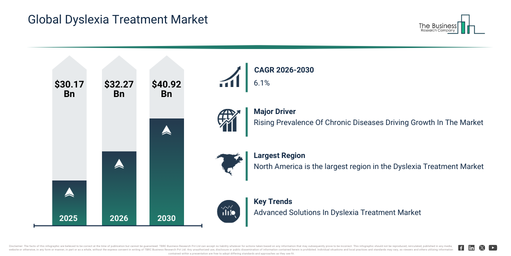
    The dyslexia treatment market size has experienced robust growth in recent years. It is projected to expand from $30.17 billion in 2025 to $32.27 billion in 2026, demonstrating a compound annual growth rate (CAGR) of 6.9%. The growth observed in the past can be attributed to increased learning disability awareness, the implementation of special education programs, the widespread adoption of school-based interventions, advancements in literacy curriculum development, and the availability of therapists.

    The dyslexia treatment market is poised for robust expansion in the coming years. Its valuation is projected to reach $40.92 billion by 2030, demonstrating a compound annual growth rate (CAGR) of 6.1%. Factors contributing to this anticipated growth include the rise of digital education platforms, the adoption of personalized learning models, the implementation of early screening programs, the broader availability of home-based therapies, and the increasing focus on inclusive education policies. Key developments expected during this period involve the expanding acceptance of structured literacy programs, a greater reliance on multisensory learning methods, the proliferation of digital learning and supportive technologies, an intensified emphasis on early childhood intervention, and the incorporation of speech and occupational therapies.

    Access Your Free Sample Report For In-Depth Market Analysis:

    https://www.thebusinessresearchcompany.com/report/dyslexia-treatment-global-market-report

    Which Key Drivers Are Affecting The Dyslexia Treatment Market Development?

    The expanding presence of chronic diseases is anticipated to boost the dysautonomia (autonomic dysfunction) market’s growth in the future. A chronic disease refers to a health condition or sickness that endures for more than three months. The surge in chronic diseases stems from factors such as a higher incidence of multimorbidity, where individuals are diagnosed with multiple chronic disorders concurrently. Dysautonomia (autonomic dysfunction) significantly impacts chronic diseases by hindering the body’s capacity to govern vital processes such as heart rate, blood pressure, and digestion, frequently worsening symptoms and making management more difficult. For instance, in April 2025, the NHS Confederation, a UK-based national association, projected that by 2035, approximately 17% of the UK population might be living with at least four chronic conditions. Consequently, the growing occurrence of chronic diseases is fueling the expansion of the dysautonomia (autonomic dysfunction) industry.

    How Are Different Segments Classified In The Dyslexia Treatment Market Segment Analysis?

    The dyslexia treatment market covered in this report is segmented –

    1) By Type: Double Deficit Dyslexia, Visual Dyslexia, Phonological Dyslexia, Other Types

    2) By Therapy: Occupational Therapy, Speech Therapy, Cognitive Behavioral Therapy

    3) By Distribution Channel: Hospital Pharmacies, Retail Pharmacies, Other Distribution Channels

    4) By End Users: Psychiatric Institutions, Rehabilitation Centers, Home Care, Other End-users

    Subsegments:

    1) By Double Deficit Dyslexia: Phonological And Visual Processing Treatment, Integrated Therapy Approaches

    2) By Visual Dyslexia: Visual Processing Treatment, Optometric And Visual Therapy, Color Overlay Therapy

    3) By Phonological Dyslexia: Phonics-Based Treatment, Speech And Language Therapy, Auditory Training And Exercises

    4) By Other Types: Rapid Naming Dyslexia, Motor Dyslexia, Surface Dyslexia

    What Trends Are Transforming The Dyslexia Treatment Market?

    Leading companies in the dyslexia treatment market are prioritizing the creation of advanced solutions like white noise capabilities to boost focus, lessen distractions, and improve reading fluency for neurodivergent students. A white noise feature functions as an auditory instrument that delivers a consistent background sound to aid concentration and cognitive processing, proving especially beneficial for individuals with dyslexia, ADHD, and related learning variations. For example, in October 2024, Promova Limited, a US-based technology company, unveiled Dyslexia Mode 2.0, an improved accessibility feature crafted to facilitate language learning for those with dyslexia and other neurodiverse conditions. This updated version incorporates adjustable font sizes, color-shifting options to decrease visual contrast, and the removal of all-caps text to enhance readability, alongside helpful auditory elements such as white noise. Developed with expert contributions, including guidance from dyslexic designer Martin Pysny, Dyslexia Mode 2.0 provides a more inclusive and comfortable learning setting tailored to users with distinct cognitive and visual processing needs.

    Who Are The Companies Driving Activity In The Dyslexia Treatment Market?

    Major companies operating in the dyslexia treatment market are Pfizer Inc., Astrazeneca Plc, Novartis AG, Takeda Pharmaceutical Company Limited, Eli Lilly and Company, Viatris Inc., Teva Pharmaceutical Industries Ltd., Purdue Pharma, Apotex Corporation, Endo International Plc, Amneal Pharmaceuticals LLC, Unither Pharmaceuticals LLC, RPG Life Sciences Ltd., Jubilant Pharma Limited, Breckenridge Pharmaceutical Inc., Rhodes Pharmaceuticals L.P., Cian Healthcare Pvt. Ltd, Lexia Learning Systems LLC, Wallace Pharmaceuticals Ltd., Ironshore Pharmaceuticals Inc., DK Pharmachem Pvt Ltd., Speechify Inc., Lingit AS, Lyfta, Nessy Learning Ltd.

    Get The Full Dyslexia Treatment Market Report:

    https://www.thebusinessresearchcompany.com/report/dyslexia-treatment-global-market-report

    Where Is The Dyslexia Treatment Market Primarily Concentrated By Region?

    North America was the largest region in the dyslexia treatment market in 2025. Asia-Pacific is expected to be the fastest-growing region in the forecast period. The regions covered in the dyslexia treatment market report are Asia-Pacific, South East Asia, Western Europe, Eastern Europe, North America, South America, Middle East, Africa.

    Request A Customized Dyslexia Treatment Market Report For Competitive Insights:

    https://www.thebusinessresearchcompany.com/report/dyslexia-treatment-global-market-report

    Browse Through More Reports Similar to the Global Dyslexia Treatment Market 2026, By The Business Research Company

    Episodic Ataxia Treatment Market Report 2026

    https://www.thebusinessresearchcompany.com/report/episodic-ataxia-treatment-global-market-report

    Speech Impairment Market Report 2026

    https://www.thebusinessresearchcompany.com/report/speech-impairment-global-market-report

    Speech And Language Disorder Market Report 2026

    https://www.thebusinessresearchcompany.com/report/speech-and-language-disorder-global-market-report

    Get in touch with us:

    The Business Research Company: https://www.thebusinessresearchcompany.com/

    Americas +1 310-496-7795

    Asia +44 7882 955267 & +91 8897263534

    Europe +44 7882 955267

    Email us at info@tbrc.info

    Follow us on:

    LinkedIn: https://in.linkedin.com/company/the-business-research-company

    YouTube: https://www.youtube.com/channel/UC24_fI0rV8cR5DxlCpgmyFQ

    Global Market Model: https://www.thebusinessresearchcompany.com/global-market-model
  • Dysautonomia market trends influencing growth through 2030

    Dysautonomia market trends influencing growth through 2030

    The Business Research Company’s 2026 market reports feature enhanced tools like market attractiveness analysis, TAM assessment, and company scoring matrices, along with interactive dashboards, deeper supply chain insights, and startup coverage strengthening the depth, usability, and strategic value of insights.

    By 2030, What Market Size Is The Dysautonomia (Autonomic Dysfunction) Market Expected To Reach Based On Its 2026 Value?

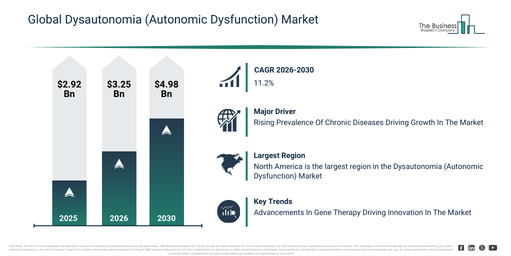
    The market size for dysautonomia (autonomic dysfunction) has experienced rapid growth in recent years. It is anticipated to increase from $2.92 billion in 2025 to $3.25 billion in 2026, demonstrating a compound annual growth rate (CAGR) of 11.5%. The expansion observed in the historic period can be attributed to factors such as neurological disorder prevalence, the availability of diagnostic tests, the growth in autonomic research, the expansion of specialist clinics, and various patient advocacy initiatives.

    The market size for dysautonomia (autonomic dysfunction) is anticipated to experience substantial growth in the coming years, projected to reach $4.98 billion by 2030, exhibiting a compound annual growth rate (CAGR) of 11.2%. This expected expansion can be attributed to the adoption of wearable monitoring, the development of personalized treatment protocols, the broadening of genetic research, the integration of digital health solutions, and an increased demand for long-term care. Key trends for the forecast period include a heightened awareness of autonomic nervous system disorders, a rise in comprehensive diagnostic testing, the advancement of multidisciplinary treatment approaches, the expansion of symptom management therapies, and a growing emphasis on chronic disease monitoring.

    Access Your Free Sample Report For In-Depth Market Analysis:

    https://www.thebusinessresearchcompany.com/report/dysautonomia-autonomic-dysfunction-global-market-report

    What Factors Are Contributing To The Growth Of The Dysautonomia (Autonomic Dysfunction) Market?

    The dysautonomia (autonomic dysfunction) market is anticipated to expand due to an increase in autoimmune and neurological disorders. These conditions involve damage to the central or peripheral nervous system by the immune system or disease processes, resulting in inflammation, nerve dysfunction, and compromised autonomic regulation. Factors contributing to the rise in these disorders include genetic predisposition, environmental influences, shifts in lifestyle, infectious agents, and enhanced diagnostic capabilities. The dysautonomia (autonomic dysfunction) market facilitates this development by assisting healthcare professionals in identifying early autonomic involvement in conditions like Sjögren’s syndrome, multiple sclerosis, Parkinson’s disease, and multiple system atrophy (MSA), which allows for improved monitoring and personalized treatment approaches. As an illustration, in March 2023, the Alzheimer’s Association, a US-based nonprofit voluntary health organization, reported that in 2023, around 6.7 million Americans aged 65 and older were living with Alzheimer’s dementia, a figure expected to climb to 13.8 million by 2060. Consequently, the growing incidence of autoimmune and neurological disorders is fueling the expansion of the dysautonomia (autonomic dysfunction) market.

    How Is The Dysautonomia (Autonomic Dysfunction) Market Categorized Across Its Segment Groups?

    The dysautonomia (autonomic dysfunction) market covered in this report is segmented –

    1) By Type: Neurogenic Orthostatic Hypotension (NOH), Postural Orthostatic Tachycardia Syndrome (POTS), Multiple System Atrophy (MSA), Pure Autonomic Failure (PAF), Other Types

    2) By Tests: Cardiovagal and Vasomotor Function Tests, Thermoregulatory Sweat Test (TST), Sympathetic Skin Response (SSR), Quantitative Sudomotor Axon Reflex Test, Other Tests

    3) By Treatment: Physical Therapy, Exercise Therapy, Counseling, Other Treatments

    4) By Distribution Channel: Hospital Pharmacy, Online Pharmacy, Retail Pharmacy

    5) By End User: Hospitals, Clinics, Diagnostic Centers, Research Institutes

    Subsegments:

    1) By Neurogenic Orthostatic Hypotension (NOH): Primary NOH, Secondary NOH (due to Parkinson’s Disease, Diabetes, etc.), Pharmacological Management of NOH, Non-Pharmacological Interventions

    2) By Postural Orthostatic Tachycardia Syndrome (POTS): Hyperadrenergic POTS, Hypovolemic POTS, Neuropathic POTS, Autoimmune POTS, Treatment With Beta-Blockers, Fludrocortisone, And Salt Supplements

    3) By Multiple System Atrophy (MSA): MSA-P (Parkinsonism), MSA-C (Cerebellar), MSA-A (Autonomic), Disease-Modifying and Symptomatic Treatment

    4) By Pure Autonomic Failure (PAF): Idiopathic PAF, Secondary PAF (due to neurodegenerative diseases), Autonomic Supportive Treatments

    5) By Other Types: Familial Dysautonomia (FD), Diabetic Autonomic Neuropathy, Horner’s Syndrome, Autoimmune Autonomic Ganglionopathy, Chronic Fatigue Syndrome-related Dysautonomia

    What Trends Are Shaping The Future Of The Dysautonomia (Autonomic Dysfunction) Market?

    Leading companies in the dysautonomia (autonomic dysfunction) market are focusing on advancing gene therapy approaches, such as recombinant adeno-associated virus (rAAV) systems, to improve targeted gene delivery and enhance therapeutic outcomes for patients with genetic forms of dysautonomia. A recombinant adeno-associated virus refers to a modified, non-pathogenic viral vector engineered to deliver therapeutic genes into specific cells, enabling long-term expression of corrected or functional proteins without causing disease. For instance, in January 2025, Tikun Therapeutics Inc., a US-based biotechnology company, received U.S. Food and Drug Administration (FDA) approval for Orphan Drug and Rare Pediatric Disease Designations for rAAV2-U1a-hELP1, a gene therapy candidate for optic neuropathy in familial dysautonomia, and BPN-36964, a small-molecule splicing modulator for systemic treatment. These therapies aim to correct the underlying genetic defects responsible for familial dysautonomia, offering the potential for durable, disease-modifying benefits beyond symptomatic management.

    Which Firms Are Influencing Competition In The Dysautonomia (Autonomic Dysfunction) Market?

    Major companies operating in the dysautonomia (autonomic dysfunction) market are Teva Pharmaceutical Industries Ltd., Aurobindo Pharma Limited, Hikma Pharmaceuticals PLC, Cadila Healthcare Limited Zydus Cadila, Lupin Limited, Nemours Children’s Health Delaware, Aurora Health Care Inc., Camber Pharmaceuticals Inc., DyAnsys Inc., Mylan Pharmaceuticals Private Limited, Chelsea Therapeutics International Ltd., Tikun Therapeutics Inc., Pfizer Inc., Novartis AG, Takeda Pharmaceutical Company Limited, Eli Lilly and Company, GlaxoSmithKline plc, Merck and Co Inc., AstraZeneca plc, UCB S.A., Amgen Inc., Johnson and Johnson, Bausch Health Companies Inc., AbbVie Inc., Robinhood Therapeutics, Santhera Pharmaceuticals AG, Valeant Pharmaceuticals

    Get The Full Dysautonomia (Autonomic Dysfunction) Market Report:

    https://www.thebusinessresearchcompany.com/report/dysautonomia-autonomic-dysfunction-global-market-report

    Which Region Has The Greatest Market Share In The Dysautonomia (Autonomic Dysfunction) Market?

    North America was the largest region in the dysautonomia (autonomic dysfunction) market in 2025. Asia-Pacific is expected to be the fastest-growing region in the forecast period. The regions covered in the dysautonomia (autonomic dysfunction) market report are Asia-Pacific, South East Asia, Western Europe, Eastern Europe, North America, South America, Middle East, Africa.

    Request A Customized Dysautonomia (Autonomic Dysfunction) Market Report For Competitive Insights:

    https://www.thebusinessresearchcompany.com/report/dysautonomia-autonomic-dysfunction-global-market-report

    Browse Through More Reports Similar to the Global Dysautonomia (Autonomic Dysfunction) Market 2026, By The Business Research Company

    Panic Disorders Market Report 2026

    https://www.thebusinessresearchcompany.com/report/panic-disorders-global-market-report

    Dysphagia Supplement Market Report 2026

    https://www.thebusinessresearchcompany.com/report/dysphagia-supplement-global-market-report

    Duchenne Muscular Dystrophy Market Report 2026

    https://www.thebusinessresearchcompany.com/report/duchenne-muscular-dystrophy-global-market-report

    Get in touch with us:

    The Business Research Company: https://www.thebusinessresearchcompany.com/

    Americas +1 310-496-7795

    Asia +44 7882 955267 & +91 8897263534

    Europe +44 7882 955267

    Email us at info@tbrc.info

    Follow us on:

    LinkedIn: https://in.linkedin.com/company/the-business-research-company

    YouTube: https://www.youtube.com/channel/UC24_fI0rV8cR5DxlCpgmyFQ

    Global Market Model: https://www.thebusinessresearchcompany.com/global-market-model