Category: Healthcare Services

  • Diverticulitis Market Growth Linked to Smoking Prevalence

    Diverticulitis Market Growth Linked to Smoking Prevalence

    The Business Research Company’s 2026 market reports feature enhanced tools like market attractiveness analysis, TAM assessment, and company scoring matrices, along with interactive dashboards, deeper supply chain insights, and startup coverage strengthening the depth, usability, and strategic value of insights.

    How Is The Market Size Of The Diverticulitis Disease Market Expected To Change From 2026 To 2030?

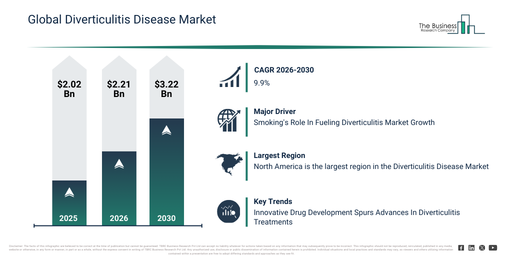
    The diverticulitis disease market has experienced substantial expansion in recent years. It is anticipated to grow from $2.02 billion in 2025 to $2.21 billion in 2026, at a compound annual growth rate (CAGR) of 9.0%. The growth observed in the past can be ascribed to an expanding aging population, dietary patterns low in fiber, inadequate early diagnosis, treatment models centered in hospitals, and an increasing occurrence of gastrointestinal disorders.

    The diverticulitis disease market is projected to experience robust expansion in the coming years, reaching $3.22 billion by 2030, driven by a compound annual growth rate (CAGR) of 9.9%. This anticipated growth during the forecast period is primarily due to increased awareness of preventive digestive health, enhanced access to imaging, the expansion of outpatient care services, a decrease in surgical intervention rates, and a greater emphasis on lifestyle modifications. Key trends anticipated for this period involve a rise in the diagnosis of uncomplicated diverticulitis cases, an increasing preference for conservative and outpatient management strategies, a growing adoption of imaging-based diagnostic methods, the broadening of antibiotic and supportive care treatments, and heightened awareness regarding dietary and lifestyle management.

    Access Your Free Sample Report For In-Depth Market Analysis:

    https://www.thebusinessresearchcompany.com/report/diverticulitis-disease-global-market-report

    What Key Factors Are Affecting The Diverticulitis Disease Market Demand?

    The increasing incidence of smoking dependence is projected to fuel the expansion of the diverticulitis disease market in the future. This addiction describes a strong reliance on products containing nicotine, including cigarettes, vaping devices, and other tobacco products. The rise in smoking addiction is attributed to aggressive promotional efforts, increased social acceptance, stressors, and the wider availability of electronic cigarettes and vaping devices. This trend is further supported by diverticulitis treatment, as smoking impairs blood flow to the colon, heightening the likelihood and intensity of diverticular disease, consequently boosting the demand for diagnostic and treatment solutions. For example, an October 2024 study by the European Respiratory Society (ERS), a non-profit organization based in Switzerland, on smoking trends among younger populations, demonstrated a notable increase in smoking prevalence, with 22.5% of individuals reporting smoking in 2022, rising to 40.1% in 2024. Consequently, the growing prevalence of smoking addiction will stimulate the expansion of the diverticulitis disease market.

    How Is Segmentation Applied In The Diverticulitis Disease Market Segment Analysis?

    The diverticulitis disease market covered in this report is segmented –

    1) By Type: Uncomplicated, Complicated

    2) By Diagnosis: Computed Tomography (Ct) Scan, Ultrasound, Urine Test, Blood Test

    3) By Treatment: Medications, Surgery, Supportive Care, Penicillin Antibiotic, Antibiotics, Dietary Supplements, Intravenous (Iv) Fluids

    4) By End-User: Specialty Centers, Hospitals, Research Centers

    Subsegments:

    1) By Uncomplicated: Outpatient Treatment, Dietary Management, Antibiotic Therapy

    2) By Complicated: Hospitalization, Surgical Intervention, Intravenous Antibiotics, Abscess Drainage

    What Trends Are Influencing Changes In The Diverticulitis Disease Market?

    Leading companies in the diverticulitis disease market are developing and seeking approval for innovative drugs to maintain their competitive standing. Pharmaceutical development can result in more effective treatments for diverticulitis, thereby lowering the risk of complications and enhancing patient outcomes. For example, in April 2023, the United States Food and Drug Administration, a US-based federal organization, granted approval for Seres’ microbiota drug intended for recurrent gut infections. This medication is designed to treat repeated gut infections and prevent the re-occurrence of Clostridioides difficile (C. diff.) infections in adults aged 18 and over. The approval of Vowst stemmed from a clinical trial that included 346 patients experiencing recurrent CDI. The study revealed that patients treated with Vowst were significantly less prone to a recurrence of the infection than those who received a placebo. The drug is administered orally and utilizes microbiota containing Firmicutes spores, which are known to contribute to a robust microbiome capable of resisting C. diff. colonization.

    Who Are The Companies Participating In The Diverticulitis Disease Market Environment?

    Major companies operating in the diverticulitis disease market are Pfizer Inc., Johnson and Johnson, F. Hoffmann-La Roche AG, Merck & Co. Inc., AbbVie Inc., Bayer AG, Novartis AG, Sanofi S.A., Bristol-Myers Squibb Company, AstraZeneca plc, Abbott Laboratories, GlaxoSmithKline plc, Takeda Pharmaceutical Company Limited, Eli Lilly and Company, Amgen Inc., Viatris Inc., Teva Pharmaceutical Industries Ltd., Astellas Pharma, Eisai Co. Ltd., Sun Pharmaceutical Industries Ltd., Otsuka Pharmaceutical Company, Cipla Limited, Hikma Pharmaceuticals PLC, Endo Pharmaceuticals, Aspen Pharmacare, Zydus Lifesciences, Lupin Limited, Glenmark Pharmaceuticals, Alkem Laboratories, Torrent Pharmaceuticals Ltd.

    Get The Full Diverticulitis Disease Market Report:

    https://www.thebusinessresearchcompany.com/report/diverticulitis-disease-global-market-report

    Which Region Has The Greatest Market Share In The Diverticulitis Disease Market?

    North America was the largest region in the diverticulitis disease market in 2025. Asia-Pacific is expected to be the fastest-growing region in the forecast period. The regions covered in the diverticulitis disease market report are Asia-Pacific, South East Asia, Western Europe, Eastern Europe, North America, South America, Middle East, Africa.

    Request A Customized Diverticulitis Disease Market Report For Competitive Insights:

    https://www.thebusinessresearchcompany.com/report/diverticulitis-disease-global-market-report

    Browse Through More Reports Similar to the Global Diverticulitis Disease Market 2026, By The Business Research Company

    Ulcerative Colitis Market Report 2026

    https://www.thebusinessresearchcompany.com/report/ulcerative-colitis-global-market-report

    Intestinal Pseudo Obstruction Treatment Market Report 2026

    https://www.thebusinessresearchcompany.com/report/intestinal-pseudo-obstruction-treatment-global-market-report

    Intestinal Pseudo Obstruction Treatment Market Report 2026

    https://www.thebusinessresearchcompany.com/report/intestinal-pseudo-obstruction-treatment-global-market-report

    Get in touch with us:

    The Business Research Company: https://www.thebusinessresearchcompany.com/

    Americas +1 310-496-7795

    Asia +44 7882 955267 & +91 8897263534

    Europe +44 7882 955267

    Email us at info@tbrc.info

    Follow us on:

    LinkedIn: https://in.linkedin.com/company/the-business-research-company

    YouTube: https://www.youtube.com/channel/UC24_fI0rV8cR5DxlCpgmyFQ

    Global Market Model: https://www.thebusinessresearchcompany.com/global-market-model
  • Divalproex Sodium Market Expansion Driven by Increasing Neurological Disorders

    Divalproex Sodium Market Expansion Driven by Increasing Neurological Disorders

    The Business Research Company’s 2026 market reports feature enhanced tools like market attractiveness analysis, TAM assessment, and company scoring matrices, along with interactive dashboards, deeper supply chain insights, and startup coverage strengthening the depth, usability, and strategic value of insights.

    From Its 2026 Market Size, What Value Is The Divalproex Sodium Market Projected To Reach By 2030?

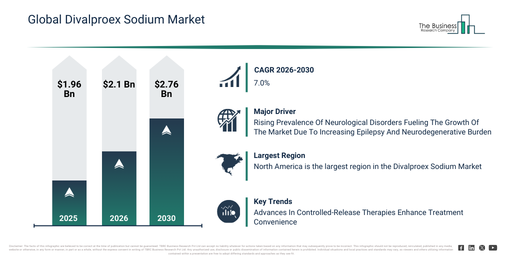
    The divalproex sodium market has experienced considerable expansion in recent years. It is anticipated to increase from $1.96 billion in 2025 to $2.1 billion in 2026, progressing at a compound annual growth rate (CAGR) of 7.2%. The historical expansion of this market can be attributed to the high prevalence of epilepsy, its long-standing clinical usage, limited alternative therapies, physician familiarity, and hospital-based prescribing patterns.

    The divalproex sodium market is projected to experience substantial expansion over the upcoming years. Its valuation is anticipated to reach $2.76 billion by 2030, progressing at a compound annual growth rate (CAGR) of 7.0%. This anticipated growth during the forecast period is attributable to several factors, including the increasing prevalence of neuropsychiatric disorders, the rising demand for economical generic medications, advancements in formulations enhancing patient adherence, heightened mental health awareness, and expanded access to healthcare services. Key trends identified for the forecast timeframe involve a consistent need for managing neurological disorders, an expanding application in the treatment of bipolar disorder, the proliferation of extended-release formulations, a sharper emphasis on the accessibility of generic drugs, and enhanced oversight of drug safety and optimal dosage.

    Access Your Free Sample Report For In-Depth Market Analysis:

    https://www.thebusinessresearchcompany.com/report/divalproex-sodium-global-market-report

    Which Primary Drivers Are Impacting The Divalproex Sodium Market Growth?

    The increasing occurrence of neurological disorders is anticipated to propel the future expansion of the divalproex sodium market. These conditions affect the brain, spinal cord, or nerves, leading to impaired function and symptoms such as muscle weakness, seizures, or cognitive issues. An extended life expectancy contributes to the rise in neurological disorders, as older populations are more susceptible to conditions like Alzheimer’s and Parkinson’s, which typically emerge later in life. Divalproex Sodium is vital for neurological disorders as it helps stabilize the brain’s electrical activity, effectively preventing seizures and managing mood swings, common in conditions such as epilepsy and bipolar disorder. Illustrating this, in October 2023, the World Federation of Neurology (WFN), a UK-based international nonprofit neurological organization, reported that over 40% of the global population was affected by a neurological condition, with the overall burden of neurological disease projected to nearly double by 2050. Hence, the escalating prevalence of neurological disorders is a key factor driving the growth of the divalproex sodium market.

    What Segment Categories Shape The Divalproex Sodium Market Segment Landscape?

    The divalproex sodium market covered in this report is segmented –

    1) By Product Type: Tablets, Capsules, Extended-Release Tablets, Other Products

    2) By Route of Administration: Oral, Intravenous

    3) By Application: Epilepsy Treatment, Bipolar Disorder Management, Migraine Prophylaxis, Neuropsychiatric Disorders, Other Applications

    4) By Distribution Channel: Hospital Pharmacies, Retail Pharmacies, Online Pharmacies, Other Distributions

    Subsegments:

    1) By Tablets: 250 Mg Tablets, 500 Mg Tablets

    2) By Capsules: 125 Mg Capsules, 250 Mg Capsules, 500 Mg Capsules

    3) By Extended-Release Tablets: 250 Mg Extended-Release Tablets, 500 Mg Extended-Release Tablets

    4) By Other Products: Oral Solution, Injectable Form

    Which Trends Are Shaping Growth In The Divalproex Sodium Market?

    Major companies operating in the divalproex sodium market are concentrating on developing innovative solutions, such as delayed-release capsule formulations, to enhance patient-friendliness, decrease dosing frequency, and improve tolerability compared to immediate-release tablets. A delayed-release capsule is a formulation designed to release the active ingredient (divalproex sodium) at a controlled pace, thereby ensuring more stable blood levels and minimizing side effects associated with peak doses. For instance, in December 2024, Alembic Pharmaceuticals, an India-based generics company, received final approval from the US Food and Drug Administration (FDA) for its Divalproex Sodium Delayed Release Capsules USP, 125 mg. These capsules are therapeutically equivalent to the reference product, Depakote Sprinkle Capsules, and feature a sprinkle format that facilitates easier ingestion or administration, supporting improved patient adherence and overall treatment outcomes.

    Who Are The Companies Operating Across The Divalproex Sodium Market Value Chain?

    Major companies operating in the divalproex sodium market are AbbVie Inc., Sanofi S.A., Abbott Laboratories, Teva Pharmaceutical Industries Ltd., Mylan N.V., Bausch Health Companies Inc., Aurobindo Pharma Limited, Hikma Pharmaceuticals Public Limited Company, Amneal Pharmaceuticals Inc., Lupin Limited, Zydus Lifesciences Limited, Alkem Laboratories Limited, Alembic Pharmaceuticals Limited, Supernus Pharmaceuticals Inc., Strides Pharma Science Limited, Upsher-Smith Laboratories LLC, Ajanta Pharma Limited, Ishita Active Pharmaceutical Ingredients, Varahi International, Roaq Chemicals Private Limited, MSN Laboratories Private Limited.

    Get The Full Divalproex Sodium Market Report:

    https://www.thebusinessresearchcompany.com/report/divalproex-sodium-global-market-report

    Which Region Accounts For The Largest Portion Of The Divalproex Sodium Market?

    North America was the largest region in the divalproex sodium market in 2025. Asia-Pacific is expected to be the fastest-growing region in the forecast period. The regions covered in the divalproex sodium market report are Asia-Pacific, South East Asia, Western Europe, Eastern Europe, North America, South America, Middle East, Africa.

    Request A Customized Divalproex Sodium Market Report For Competitive Insights:

    https://www.thebusinessresearchcompany.com/report/divalproex-sodium-global-market-report

    Browse Through More Reports Similar to the Global Divalproex Sodium Market 2026, By The Business Research Company

    Sodium Benzoate Market Report 2026

    https://www.thebusinessresearchcompany.com/report/sodium-benzoate-global-market-report

    Sodium Reduction Ingredients Market Report 2026

    https://www.thebusinessresearchcompany.com/report/sodium-reduction-ingredients-global-market-report

    Levothyroxine Sodium Market Report 2026

    https://www.thebusinessresearchcompany.com/report/levothyroxine-sodium-global-market-report

    Get in touch with us:

    The Business Research Company: https://www.thebusinessresearchcompany.com/

    Americas +1 310-496-7795

    Asia +44 7882 955267 & +91 8897263534

    Europe +44 7882 955267

    Email us at info@tbrc.info

    Follow us on:

    LinkedIn: https://in.linkedin.com/company/the-business-research-company

    YouTube: https://www.youtube.com/channel/UC24_fI0rV8cR5DxlCpgmyFQ

    Global Market Model: https://www.thebusinessresearchcompany.com/global-market-model
  • Distance Health Technology Market Growing with Rising Demand for Remote Care

    Distance Health Technology Market Growing with Rising Demand for Remote Care

    The Business Research Company’s 2026 market reports feature enhanced tools like market attractiveness analysis, TAM assessment, and company scoring matrices, along with interactive dashboards, deeper supply chain insights, and startup coverage strengthening the depth, usability, and strategic value of insights.

    How Much Growth In Market Value Is Expected For The Distance Health Technology Market Between 2026 And 2030?

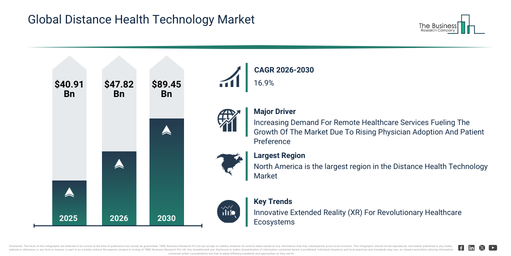
    The size of the distance health technology market has experienced rapid expansion in recent years. This market is projected to grow from $40.91 billion in 2025 to $47.82 billion in 2026, at a compound annual growth rate (CAGR) of 16.9%. The historical growth can be attributed to factors such as limited healthcare access in remote areas, early telehealth adoption, increasing smartphone penetration, the need for chronic disease monitoring, and care models driven by pandemics.

    The distance health technology market is projected to experience substantial expansion in the coming years. By 2030, this market is anticipated to reach $89.45 billion, showing a compound annual growth rate (CAGR) of 16.9%. This projected growth is driven by factors such as 5G-enabled health services, the incorporation of wearable devices, the development of virtual hospital models, policies for digital health reimbursement, and the increasing need for care for an aging population. Significant trends expected during this period involve the swift expansion of telemedicine platforms, wider acceptance of remote patient monitoring, a surge in mobile health application usage, the incorporation of virtual care solutions, and a heightened need for home-based healthcare services.

    Access Your Free Sample Report For In-Depth Market Analysis:

    https://www.thebusinessresearchcompany.com/report/distance-health-technology-global-market-report

    What Significant Factors Are Influencing The Distance Health Technology Market Expansion?

    The future expansion of the distance health technology market is anticipated to be fueled by the growing need for remote healthcare services. These services encompass the provision of medical advice, oversight, and care via digital avenues including telemedicine, virtual appointments, and distant monitoring tools. This escalating demand stems from increased physician integration, with a greater number of healthcare practitioners incorporating telehealth into their daily operations to boost effectiveness, adaptability, and patient reach. Supporting this trajectory, distance health technology offers essential platforms, tools, and groundwork for virtual appointments and monitoring patients from afar. An illustration of this trend is that in November 2025, data from the Australian Bureau of Statistics (ABS), an Australia-based government statistical agency, revealed that 22.5% of Australians utilized telehealth services during 2024–25. Of those individuals who underwent a telehealth consultation, 90.3% stated their willingness to use telehealth again if available, which marks an increase from 89.2% in 2023–24, signifying greater acceptance and ongoing integration. Consequently, the expanding need for remote healthcare solutions is a key factor propelling the development of the distance health technology market.

    Which Segment Types Are Examined In The Distance Health Technology Market Segment Study?

    The distance health technology market covered in this report is segmented –

    1) By Technology Type: Telemedicine, Remote Patient Monitoring, mHealth (Mobile Health) Applications, Virtual Healthcare Solutions

    2) By Delivery Mode: Software, Hardware, Services

    3) By Application: Consultation And Diagnosis, Monitoring And Prevention, Treatment And Rehabilitation, Education And Awareness

    4) By End-User: Hospitals And Clinics, Home Healthcare, Diagnostic Centers, Ambulatory Surgical Centers, Other End-Users

    Subsegments:

    1) By Telemedicine: Video Conferencing Solutions, Remote Consultations, Teletherapy Platforms

    2) By Remote Patient Monitoring: Wearable Health Devices, Home Monitoring Systems, Mobile Health Applications

    3) By mHealth (Mobile Health) Applications: Health Tracking Apps, Medication Reminder Apps, Health Education Apps

    4) By Virtual Healthcare Solutions: Virtual Care Platforms, Patient Engagement Tools, Digital Therapeutics Solutions

    What Trends Are Affecting The Direction Of The Distance Health Technology Market?

    Leading companies in the distance health technology market are concentrating on developing innovative products featuring advanced technological solutions, such as Extended Reality (XR)-enabled healthcare ecosystems, to strengthen their market standing. Extended reality (XR) is a broad term covering diverse immersive technologies, notably virtual reality (VR), augmented reality (AR), and mixed reality (MR). For instance, in June 2023, Amrita Hospital, an India-based multi-specialty tertiary care hospital network, launched an innovative Extended Reality (XR)-backed healthcare ecosystem. This system leverages augmented reality (AR), virtual reality (VR), and mixed reality (MR) technologies to improve patient care, medical education, and research capabilities. This cutting-edge integration of advanced technology marks a substantial achievement within India’s healthcare sector. The XR-enabled system allows medical practitioners to visualize organs holographically, thereby aiding in the provision of tailored, precise medicine. By adopting metaverse principles and utilizing patient information like CT scans, the XR system assists doctors in understanding complex defects, carefully planning difficult operations, and engaging in worldwide collaboration.

    Which Players Are Part Of The Competitive Landscape Of The Distance Health Technology Market?

    Major companies operating in the distance health technology market are Cisco Systems, Medtronic plc, Siemens Healthineers, Koninklijke Philips N.V., GE Healthcare, Teladoc Health Inc, Advantech Co Ltd, Allscripts Healthcare Solutions, Cerner Corporation, Babylon Health, American Well Corporation, MDLive Inc., Merative, Doctor On Demand Inc., GlobalMed, Rudolf Riester GmbH, Health Recovery Solutions, Dreamsoft4u, CLB bv, Tryten Technologies Inc, VSee, Sound Intelligence, Aerotel Ltd., AMD Global Telemedicine, Care Innovations, MEDWAND SOLUTIONS INC, Cloud DX, Omcare

    Get The Full Distance Health Technology Market Report:

    https://www.thebusinessresearchcompany.com/report/distance-health-technology-global-market-report

    Which Region Holds The Highest Market Share In The Distance Health Technology Market?

    North America was the largest region in the distance health technology market in 2025. Asia-Pacific is expected to be the fastest-growing region in the forecast period. The regions covered in the distance health technology market report are Asia-Pacific, South East Asia, Western Europe, Eastern Europe, North America, South America, Middle East, Africa.

    Request A Customized Distance Health Technology Market Report For Competitive Insights:

    https://www.thebusinessresearchcompany.com/report/distance-health-technology-global-market-report

    Browse Through More Reports Similar to the Global Distance Health Technology Market 2026, By The Business Research Company

    Wireless Healthcare Market Report 2026

    https://www.thebusinessresearchcompany.com/report/wireless-healthcare-global-market-report

    Healthcare Technology Market Report 2026

    https://www.thebusinessresearchcompany.com/report/healthcare-technology-global-market-report

    Remote Health Monitoring Market Report 2026

    https://www.thebusinessresearchcompany.com/report/remote-health-monitoring-global-market-report

    Get in touch with us:

    The Business Research Company: https://www.thebusinessresearchcompany.com/

    Americas +1 310-496-7795

    Asia +44 7882 955267 & +91 8897263534

    Europe +44 7882 955267

    Email us at info@tbrc.info

    Follow us on:

    LinkedIn: https://in.linkedin.com/company/the-business-research-company

    YouTube: https://www.youtube.com/channel/UC24_fI0rV8cR5DxlCpgmyFQ

    Global Market Model: https://www.thebusinessresearchcompany.com/global-market-model
  • DIC Market Influenced by Advancements in Automated Coagulation Analyzers

    DIC Market Influenced by Advancements in Automated Coagulation Analyzers

    The Business Research Company’s 2026 market reports feature enhanced tools like market attractiveness analysis, TAM assessment, and company scoring matrices, along with interactive dashboards, deeper supply chain insights, and startup coverage strengthening the depth, usability, and strategic value of insights.

    What Is The Estimated Market Size Of The Disseminated Intravascular Coagulation (DIC) Market In 2026, And How Will Its Value Evolve By 2030?

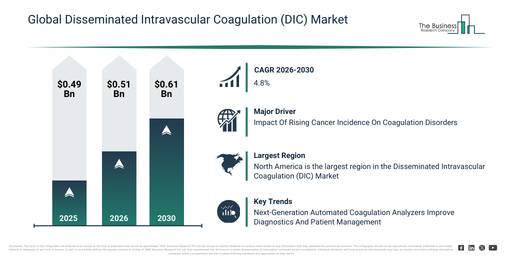
    The disseminated intravascular coagulation (dic) market has demonstrated consistent growth in recent years. It is projected to expand from $0.49 billion in 2025 to $0.51 billion in 2026, at a compound annual growth rate (CAGR) of 5.0%. The historical growth can be attributed to factors such as high mortality in critical care, limited early diagnostic tools, sepsis prevalence, trauma-related complications, and a lack of targeted therapies.

    The disseminated intravascular coagulation (dic) market is projected to experience consistent expansion over the upcoming years. By 2030, its value is anticipated to reach $0.61 billion, exhibiting a compound annual growth rate (CAGR) of 4.8%. This anticipated growth during the forecast period is driven by factors such as enhanced coagulation diagnostics, better critical care facilities, proactive intervention strategies, progress in clinical research, and various awareness initiatives. Key trends during the same period are expected to encompass a heightened emphasis on the early detection of coagulation disorders, an increasing adoption of blood component therapies, the expansion of critical care services within hospitals, greater understanding of dic in vulnerable populations, and the implementation of sophisticated diagnostic monitoring instruments.

    Access Your Free Sample Report For In-Depth Market Analysis:

    https://www.thebusinessresearchcompany.com/report/disseminated-intravascular-coagulation-dic-global-market-report

    Which Important Drivers Are Guiding The Disseminated Intravascular Coagulation (DIC) Market Growth?

    The rising occurrence of cancer is projected to propel the expansion of the disseminated intravascular coagulation (DIC) market in the future. Cancer is defined as an illness marked by the unchecked multiplication and dissemination of atypical cells within the body, capable of infiltrating and damaging healthy tissues. The increase in cancer diagnoses is attributed to elements like an aging demographic, shifts in lifestyle, exposure to environmental factors, various infections, and inherited susceptibilities. Cancer has the potential to induce disseminated intravascular coagulation (DIC) by initiating an over-activation of the coagulation cascade via procoagulant substances generated by tumors, resulting in extensive clotting alongside bleeding. As an illustration, information from May 2024, sourced from the National Cancer Institute, a US-based government agency, indicated that in 2022, roughly 20 million new cancer cases and 9.7 million deaths linked to cancer were documented globally. Forecasts anticipate that these figures might rise to 29.9 million new cases and 15.3 million deaths annually by 2040. Consequently, the expanding incidence of cancer is fueling the growth of the disseminated intravascular coagulation (DIC) market.

    How Are Different Segments Classified In The Disseminated Intravascular Coagulation (DIC) Market Segment Analysis?

    The disseminated intravascular coagulation (dic) market covered in this report is segmented –

    1) By Treatment: Medicines, Transfusions, Surgery, Other Treatments

    2) By Diagnosis: Complete Blood Count With Blood Smear Exam, Partial Thromboplastin Time (PTT), Fibrinogen Blood Test, D-dimer, Other Diagnosis

    3) By Route Of Administration: Oral, Parenteral, Other Routes Of Administration

    4) By Distribution Channel: Hospital Pharmacy, Retail Pharmacy, Online Pharmacy

    5) By End-Users: Hospitals, Specialty Clinics, Homecare, Other End-Users

    Subsegments:

    1) By Medicines: Anticoagulants, Antiplatelet Drugs, Fibrinolytics, Procoagulants, Antithrombin Therapy

    2) By Transfusions: Platelet Transfusion, Fresh Frozen Plasma (FFP), Cryoprecipitate Transfusion, Red Blood Cell Transfusion

    3) By Surgery: Surgical Removal Of Thrombus, Organ Surgery

    4) By Other Treatments: Plasma Exchange, Supportive Care, Steroid Therapy

    What Trends Are Influencing The Evolution Of The Disseminated Intravascular Coagulation (DIC) Market?

    Leading companies operating within the disseminated intravascular coagulation (DIC) market are focusing on utilizing advanced solutions, such as real-time hemostasis monitoring, to enhance the speed, accuracy, and intervention capabilities in diagnosing and treating critically ill patients. Real-time hemostasis monitoring involves the continuous assessment of clot formation and coagulation parameters during testing, thereby offering clinicians timely insights for improved management of coagulopathy. For example, in February 2024, Roche Diagnostics, an in vitro diagnostics company based in Switzerland, introduced three new coagulation assays for Factor Xa inhibitors (apixaban, edoxaban, and rivaroxaban) on its cobas t line of automated analyzers. These assays employ Roche’s cassette-based reagent system, which standardizes reagent preparation, minimizes manual handling, and provides rapid, reliable anti-Xa activity measurement, essential for managing DIC patients who are receiving anticoagulants.

    Who Are The Companies Driving Activity In The Disseminated Intravascular Coagulation (DIC) Market?

    Major companies operating in the disseminated intravascular coagulation (dic) market are Nihon Kohden Corporation, Pfizer Inc., Johnson & Johnson, F. Hoffmann-La Roche Ltd., Merck & Co. Inc., Bayer AG, Sanofi S.A., Abbott Laboratories, Thermo Fisher Scientific Inc., Fresenius Kabi AG, Danaher Corporation, Siemens Healthineers, Grifols S.A., Beckman Coulter Inc., Sysmex Corporation, Bio-Rad Laboratories Inc., AstraZeneca plc, Teva Pharmaceutical Industries Ltd., Novartis AG, Eli Lilly and Company, GlaxoSmithKline plc

    Get The Full Disseminated Intravascular Coagulation (DIC) Market Report:

    https://www.thebusinessresearchcompany.com/report/disseminated-intravascular-coagulation-dic-global-market-report

    Where Is The Disseminated Intravascular Coagulation (DIC) Market Most Concentrated Geographically?

    North America was the largest region in the disseminated intravascular coagulation (DIC) market in 2025. The regions covered in the disseminated intravascular coagulation (dic) market report are Asia-Pacific, South East Asia, Western Europe, Eastern Europe, North America, South America, Middle East, Africa.

    Request A Customized Disseminated Intravascular Coagulation (DIC) Market Report For Competitive Insights:

    https://www.thebusinessresearchcompany.com/report/disseminated-intravascular-coagulation-dic-global-market-report

    Browse Through More Reports Similar to the Global Disseminated Intravascular Coagulation (DIC) Market 2026, By The Business Research Company

    Deep Vein Thrombosis Market Report 2026

    https://www.thebusinessresearchcompany.com/report/deep-vein-thrombosis-global-market-report

    Anticoagulant Market Report 2026

    https://www.thebusinessresearchcompany.com/report/anticoagulant-global-market-report

    Point Of Care Poc Coagulation Testing Market Report 2026

    https://www.thebusinessresearchcompany.com/report/point-of-care-poc-coagulation-testing-global-market-report

    Get in touch with us:

    The Business Research Company: https://www.thebusinessresearchcompany.com/

    Americas +1 310-496-7795

    Asia +44 7882 955267 & +91 8897263534

    Europe +44 7882 955267

    Email us at info@tbrc.info

    Follow us on:

    LinkedIn: https://in.linkedin.com/company/the-business-research-company

    YouTube: https://www.youtube.com/channel/UC24_fI0rV8cR5DxlCpgmyFQ

    Global Market Model: https://www.thebusinessresearchcompany.com/global-market-model
  • Disintegration Tester Market Growth Driven by Pharmaceutical Industry Expansion

    Disintegration Tester Market Growth Driven by Pharmaceutical Industry Expansion

    The Business Research Company’s 2026 market reports feature enhanced tools like market attractiveness analysis, TAM assessment, and company scoring matrices, along with interactive dashboards, deeper supply chain insights, and startup coverage strengthening the depth, usability, and strategic value of insights.

    How Does The Market Size Of The Disintegration Tester Market Compare Between 2026 And 2030?

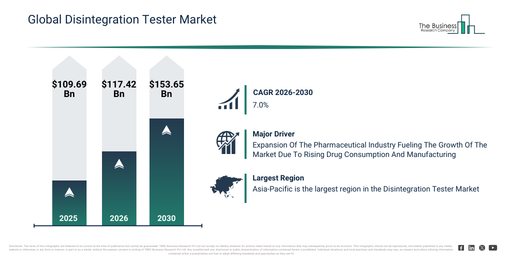
    The disintegration tester market has demonstrated robust expansion in recent years. Projections indicate this market will grow from $109.69 billion in 2025 to $117.42 billion in 2026, at a compound annual growth rate (CAGR) of 7.0%. Historically, this growth stemmed from several factors including pharmacopoeial quality standards, an increase in solid dosage drugs, the inherent limitations of manual testing, evolving regulatory compliance needs, and the overall expansion of pharmaceutical manufacturing.

    The disintegration tester market is projected to experience substantial expansion over the upcoming years. This market is anticipated to reach a valuation of $153.65 billion by 2030, exhibiting a compound annual growth rate (CAGR) of 7.0%. Factors contributing to this growth during the forecast period include the rise of automation in quality control laboratories, an increase in pharmaceutical outsourcing, the embrace of smart laboratory solutions, stricter regulatory frameworks, and a greater need for high-throughput testing. Key trends expected to shape the market during the same period encompass an escalating demand for automated disintegration testers, a heightened emphasis on pharmaceutical quality adherence, the integration of digitally controlled testing equipment, the broadening of multi-station testing platforms, and their increased application in contract manufacturing facilities.

    Access Your Free Sample Report For In-Depth Market Analysis:

    https://www.thebusinessresearchcompany.com/report/disintegration-tester-global-market-report

    What Major Factors Are Driving The Disintegration Tester Market Forward?

    The future growth of the disintegration tester market is anticipated to be driven by the expanding pharmaceutical sector. This industry encompasses the research, development, manufacturing, and distribution of medicines and drugs aimed at preventing, diagnosing, treating, and curing illnesses. Key contributors to the pharmaceutical industry’s expansion include an increasingly aging global population, the rising incidence of chronic ailments, progress in medical technologies, enhanced accessibility to healthcare services, and a heightened public awareness of health and well-being. Within the pharmaceutical industry, a disintegration tester serves as a vital tool for assessing the duration required for solid dosage forms, such as tablets and capsules, to fragment into minute particles under specified fluid conditions and controlled environments, mimicking the human gastrointestinal tract. Illustrating this trend, data from November 2025 by the Organisation for Economic Co-operation and Development (OECD), an international intergovernmental body based in France that offers comparative data and policy insights, revealed that retail pharmaceuticals constituted approximately one-sixth of the total health expenditure across OECD countries in 2023. The OECD’s findings also indicated that the average per capita spending on retail pharmaceuticals among its members was USD 766 (PPP-adjusted), with the United States recording the highest spending per person at USD 1,713. Consequently, the expanding pharmaceutical industry is a key driver for the growth observed in the disintegration tester market.

    How Is The Disintegration Tester Market Categorized Across Its Segment Groups?

    The disintegration tester market covered in this report is segmented –

    1) By Type: 2 Station Disintegration Tester, 4 Station Disintegration Tester, 6 Station Disintegration Tester, Other Types

    2) By Distribution Channel: Direct Sales, Distributors, Online Retail

    3) By Application: Pharmaceutical Industry, Cosmetics Industry, Food Industry, Other Applications

    Subsegments:

    1) By 2 Station Disintegration Tester: Manual 2 Station Tester, Automated 2 Station Tester

    2) By 4 Station Disintegration Tester: Manual 4 Station Tester, Automated 4 Station Tester

    3) By 6 Station Disintegration Tester: Manual 6 Station Tester, Automated 6 Station Tester

    4) By Other Types: Disintegration Tester with Temperature Control, Disintegration Tester With Optical Sensors, Multi-Station Disintegration Tester

    Which Firms Are Influencing Competition In The Disintegration Tester Market?

    Major companies operating in the disintegration tester market are Agilent Technologies Inc., MRC Group, Veego Instruments, Sotax Corporation, Labindia Analytical Instruments Private Limited, Kerone Engineering Solutions Ltd., Torontech Inc., Distek Inc., Koehler Instrument Company, Inc., Veego Instrument Corporation, Saintyco, Kinesis Inc., Copley Scientific Limited, Pharma Test Apparatebau AG, Yatherm Scientific, Charles Ischi AG, Pharmatron LLC, ATS Scientific Inc., Electrolab Group, Vedor Group

    Get The Full Disintegration Tester Market Report:

    https://www.thebusinessresearchcompany.com/report/disintegration-tester-global-market-report

    Which Region Dominates The Disintegration Tester Market By Market Share?

    Asia-Pacific was the largest region in the disintegration tester market in 2025. The regions covered in the disintegration tester market report are Asia-Pacific, South East Asia, Western Europe, Eastern Europe, North America, South America, Middle East, Africa.

    Request A Customized Disintegration Tester Market Report For Competitive Insights:

    https://www.thebusinessresearchcompany.com/report/disintegration-tester-global-market-report

    Browse Through More Reports Similar to the Global Disintegration Tester Market 2026, By The Business Research Company

    Continuous Testing Market Report 2026

    https://www.thebusinessresearchcompany.com/report/continuous-testing-global-market-report

    Torque Tester Market Report 2026

    https://www.thebusinessresearchcompany.com/report/torque-tester-global-market-report

    Software Testing Market Report 2026

    https://www.thebusinessresearchcompany.com/report/software-testing-global-market-report

    Get in touch with us:

    The Business Research Company: https://www.thebusinessresearchcompany.com/

    Americas +1 310-496-7795

    Asia +44 7882 955267 & +91 8897263534

    Europe +44 7882 955267

    Email us at info@tbrc.info

    Follow us on:

    LinkedIn: https://in.linkedin.com/company/the-business-research-company

    YouTube: https://www.youtube.com/channel/UC24_fI0rV8cR5DxlCpgmyFQ

    Global Market Model: https://www.thebusinessresearchcompany.com/global-market-model
  • Disease Registry Software Market Expanding with Personalized Medicine Adoption

    Disease Registry Software Market Expanding with Personalized Medicine Adoption

    The Business Research Company’s 2026 market reports feature enhanced tools like market attractiveness analysis, TAM assessment, and company scoring matrices, along with interactive dashboards, deeper supply chain insights, and startup coverage strengthening the depth, usability, and strategic value of insights.

    What Is The Forecasted Market Size Trajectory Of The Disease Registry Software Market From 2026 To 2030?

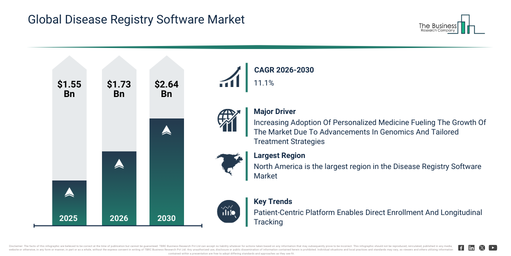
    The disease registry software market has shown rapid expansion in recent years. This market is projected to increase from $1.55 billion in 2025 to $1.73 billion in 2026, exhibiting a compound annual growth rate (CAGR) of 11.4%. Historically, this growth can be attributed to several factors including the rising digitization of patient records, the proliferation of disease-specific research programs, stricter regulatory reporting requirements, the wider adoption of electronic health records, and the increasing application of data-driven clinical decision tools.

    The disease registry software market is anticipated to experience substantial expansion over the upcoming years, reaching a size of $2.64 billion by 2030, exhibiting a compound annual growth rate (CAGR) of 11.1%. This expansion during the forecast period is fueled by several factors, including a heightened demand for population health analytics, greater integration with AI-driven clinical insights, the broader deployment of cloud-based registries, an increased emphasis on outcomes-based healthcare, and a growing utilization of real-world data in clinical research. Key trends expected during the same period encompass the growing uptake of integrated disease registry platforms, increased reliance on cloud-based patient data management, an intensified focus on regulatory-compliant data reporting, the broadening of EHR-integrated registry solutions, and a stronger emphasis on gathering real-world evidence.

    Access Your Free Sample Report For In-Depth Market Analysis:

    https://www.thebusinessresearchcompany.com/report/disease-registry-software-global-market-report

    Which Key Drivers Are Affecting The Disease Registry Software Market Development?

    The increasing embrace of personalized medicine is projected to drive the growth of the disease registry software market moving forward. Personalized medicine refers to a medical strategy that customizes treatment and prevention plans for an individual based on their unique genetic composition, lifestyle, and environment. The rising adoption of personalized medicine is primarily attributed to advancements in genomics, which allow for the precise identification of genetic variations and the development of tailored treatments for individuals. Disease registry software aids personalized medicine by systematically collecting and managing patient health data, thereby facilitating customized treatment plans and enhancing clinical decision-making. This software also streamlines data access and analysis, improving patient outcomes and furthering precision healthcare. For instance, in February 2024, according to the Personalized Medicine Coalition (PMC), a US-based nonprofit organization, the U.S. Food and Drug Administration (FDA) approved 26 new personalized medicines in 2023, marking a significant increase from the 12 approved in 2022. Therefore, the expanding adoption of personalized medicine is propelling the growth of the disease registry software market.

    How Are Segments Identified Within The Disease Registry Software Market Segment Framework?

    The disease registry software market covered in this report is segmented –

    1) By Type: Standalone, Integrated

    2) By Database: Public, Commercial

    3) By Deployment Mode: On-Premises, Cloud-Based

    4) By End-User: Hospitals, Government Organizations, Research Centers, Pharmaceutical Companies, Other End-Users

    Subsegments:

    1) By Standalone: Patient Registry Software, Population Health Registry Software, Research Registry Software, Custom Or Single-Disease Registry Software

    2) By Integrated: Electronic Health Record (EHR)-Integrated Registry Software, Practice Management System-Integrated Registry Software, Clinical Decision Support (CDS)-Integrated Registry Software, Health Information Exchange (HIE)-Integrated Registry Software

    What Trends Are Transforming The Disease Registry Software Market?

    Companies operating within the disease registry software market are increasingly concentrating on the development of patient-centric registries, including digital registers, designed to track outcomes and facilitate personalized care. These digital registers are electronic systems or software platforms that systematically gather, store, and manage patient health information, effectively replacing traditional paper-based registries. For example, in August 2025, the American College of Cardiology (ACC), a US-based nonprofit medical association, launched its CONNECT-HCM Registry. This nationwide digital registry is intended to improve the understanding and management of hypertrophic cardiomyopathy (HCM), which stands as the most common genetic cardiovascular disease. The registry allows for direct patient enrollment beyond individual centers, thereby addressing long-standing gaps in diagnosis and care. Furthermore, this platform integrates registry data with electronic health records via Arboretum’s Hugo Connect platform, aiding researchers in monitoring symptoms, imaging, treatments, and outcomes over time.

    Who Are The Companies Competing Within The Disease Registry Software Market?

    Major companies operating in the disease registry software market are Optum Inc., IQVIA Holdings Inc., Syneos Health Inc., Epic Systems Corporation, Premier Inc., MRO Corp., ImageTrend Inc., Anju Software Inc., BayaTree Inc., Medrio Inc., ArborMetrix Inc., Cedaron Medical Inc., Evado Pty. Ltd., OpenClinica LLC, Dacima Software Inc., Global Vision Technologies Inc., Ordinal Data Inc., Healthmonix LLC, Axis Clinical Software Inc., Vanderbilt University

    Get The Full Disease Registry Software Market Report:

    https://www.thebusinessresearchcompany.com/report/disease-registry-software-global-market-report

    Which Region Is The Largest In The Disease Registry Software Market?

    North America was the largest region in the disease registry software market in 2025. The regions covered in the disease registry software market report are Asia-Pacific, South East Asia, Western Europe, Eastern Europe, North America, South America, Middle East, Africa.

    Request A Customized Disease Registry Software Market Report For Competitive Insights:

    https://www.thebusinessresearchcompany.com/report/disease-registry-software-global-market-report

    Browse Through More Reports Similar to the Global Disease Registry Software Market 2026, By The Business Research Company

    Healthcare Compliance Software Market Report 2026

    https://www.thebusinessresearchcompany.com/report/healthcare-compliance-software-global-market-report

    Disease Management Apps Market Report 2026

    https://www.thebusinessresearchcompany.com/report/disease-management-apps-global-market-report

    Personal Health Record Software Market Report 2026

    https://www.thebusinessresearchcompany.com/report/personal-health-record-software-global-market-report

    Get in touch with us:

    The Business Research Company: https://www.thebusinessresearchcompany.com/

    Americas +1 310-496-7795

    Asia +44 7882 955267 & +91 8897263534

    Europe +44 7882 955267

    Email us at info@tbrc.info

    Follow us on:

    LinkedIn: https://in.linkedin.com/company/the-business-research-company

    YouTube: https://www.youtube.com/channel/UC24_fI0rV8cR5DxlCpgmyFQ

    Global Market Model: https://www.thebusinessresearchcompany.com/global-market-model
  • Disease Forecasting Platforms Market Growth Driven by Rising Non-Communicable Diseases

    Disease Forecasting Platforms Market Growth Driven by Rising Non-Communicable Diseases

    The Business Research Company’s 2026 market reports feature enhanced tools like market attractiveness analysis, TAM assessment, and company scoring matrices, along with interactive dashboards, deeper supply chain insights, and startup coverage strengthening the depth, usability, and strategic value of insights.

    How Much Will The Market Value Of The Disease Forecasting Platform Market Grow Between 2026 And 2030?

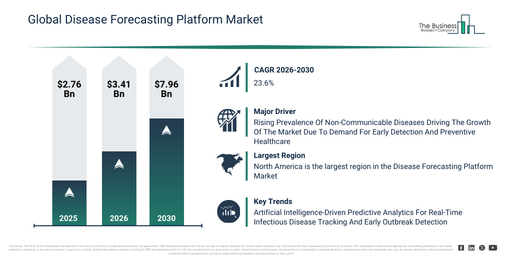
    The disease forecasting platform market has seen substantial growth in recent years. It is projected to expand from $2.76 billion in 2025 to $3.41 billion in 2026, achieving a compound annual growth rate (CAGR) of 23.8%. This historical growth can be attributed to several factors, including the rising incidence of infectious disease outbreaks, the enhancement of epidemiological research capabilities, the widespread availability of extensive health datasets, the adoption of cloud-based analytics platforms, and the expansion of public health surveillance programs.

    The disease forecasting platform market size is set for significant expansion in the coming years. Its value is expected to reach $7.96 billion by 2030, exhibiting a compound annual growth rate (CAGR) of 23.6%. This anticipated growth over the forecast period is propelled by heightened investments in predictive healthcare analytics, an increasing need for early outbreak detection instruments, the proliferation of AI-driven public health platforms, broader integration of IoT-based health monitoring, and a reinforced commitment to proactive disease prevention. Prominent developments during this period will encompass the wider adoption of AI-based disease prediction models, the increasing incorporation of real-time health data streams, the expanded application of environmental and demographic analytics, the development of early warning and alert systems, and a sharpened focus on predictive public health planning.

    Access Your Free Sample Report For In-Depth Market Analysis:

    https://www.thebusinessresearchcompany.com/report/disease-forecasting-platform-global-market-report

    What Factors Are Contributing To The Growth Of The Disease Forecasting Platform Market?

    The increasing incidence of non-communicable diseases is anticipated to drive the expansion of the disease forecasting platform in the future. These medical conditions, which are not transmitted from person to person, typically arise from genetic, lifestyle, or environmental factors, exemplified by heart disease, diabetes, and cancer. The escalation in non-communicable disease prevalence is linked to unhealthy lifestyles, including poor diet, smoking, and insufficient physical activity. Disease forecasting platforms facilitate the management of these conditions through the application of big data analytics, machine learning, and real-time health monitoring. This enables them to predict disease trends, identify high-risk populations, support early interventions, and guide personalized prevention strategies, ultimately improving public health outcomes and mitigating the burden of chronic conditions. For instance, in July 2025, a Kenya Vital Statistics Report by the Kenya National Bureau of Statistics, a Kenya-based government agency, indicated that non-communicable diseases significantly increased, constituting 61.7% of the total disease burden in 2024, up from 52.4% in 2023. Therefore, the rising prevalence of non-communicable diseases is fueling the growth of the disease forecasting platform market.

    What Are The Key Segment Divisions In The Disease Forecasting Platform Market Segment Structure?

    The disease forecasting platform market covered in this report is segmented –

    1) By Component: Software, Hardware, Services

    2) By Deployment Mode: Cloud-Based, On-Premises

    3) By Application: Infectious Disease Surveillance, Chronic Disease Management, Epidemiology, Public Health, Other Applications

    4) By End-User: Hospitals And Clinics, Government And Public Health Agencies, Research Institutes, Pharmaceutical Companies, Other End-Users

    Subsegments:

    1) By Software: Predictive Analytics Tools, Epidemiological Modeling Software, Artificial Intelligence And Machine Learning Algorithms, Data Visualization And Dashboard Tools, Cloud-Based Forecasting Platforms

    2) By Hardware: Internet of Things Enabled Medical Devices, Servers And Data Storage Systems, Networking And Connectivity Devices, Edge Computing Devices, Sensors And Monitoring Equipment

    3) By Services: Managed Services, Consulting And Integration Services, Training And Support Services, Data Management And Analytics Services, Public Health Advisory Or Forecasting Services

    What Trends Are Shaping The Future Of The Disease Forecasting Platform Market?

    Major companies in the disease forecasting platform market are increasingly leveraging innovative technologies, such as artificial intelligence-driven predictive analytics, to facilitate real-time disease monitoring and prompt public health responses. AI-driven predictive analytics involves the application of artificial intelligence, incorporating machine learning algorithms and statistical modeling, to anticipate future disease patterns, detect anomalies at an early stage, and offer actionable insights for timely interventions and resource allocation. For instance, in July 2025, Seegene Inc., a biotechnology company located in South Korea, unveiled its STAgora platform. The STAgora platform integrates diagnostic data derived from PCR with over 40 sophisticated statistical and AI tools to deliver a real-time, global visualization of infectious disease trends. It enables the early identification of abnormal pathogen patterns, supports predictive modeling for outbreaks, and enhances situational awareness across municipal to global levels. This system is designed to operate as a real-time infectious disease intelligence platform, ensuring rapid situational awareness and supporting proactive public health measures.

    Which Organizations Are Engaged In The Disease Forecasting Platform Market?

    Major companies operating in the disease forecasting platform market are International Business Machines Corporation, Oracle Corporation, Metabiota Inc., SAS Institute Inc., Tempus AI Inc., HealthVerity Inc., Airfinity Ltd., Quantori LLC, ProMED-mail Inc., EcoHealth Alliance Inc., BlueDot Inc., Hyfe Inc., Biobot Analytics Inc., Cayaba Care Inc., EPIWATCH Pty Ltd, GIDEON Informatics Inc., Kinsa Inc., Epistemix, Epidemico Inc., EpiDetect AI Inc.

    Get The Full Disease Forecasting Platform Market Report:

    https://www.thebusinessresearchcompany.com/report/disease-forecasting-platform-global-market-report

    Which Region Leads The Disease Forecasting Platform Market In Terms Of Market Share?

    North America was the largest region in the disease forecasting platform market in 2025. Asia-Pacific is expected to be the fastest-growing region in the forecast period. The regions covered in the disease forecasting platform market report are Asia-Pacific, South East Asia, Western Europe, Eastern Europe, North America, South America, Middle East, Africa.

    Request A Customized Disease Forecasting Platform Market Report For Competitive Insights:

    https://www.thebusinessresearchcompany.com/report/disease-forecasting-platform-global-market-report

    Browse Through More Reports Similar to the Global Disease Forecasting Platform Market 2026, By The Business Research Company

    Clinical Data Analytics Solutions Market Report 2026

    https://www.thebusinessresearchcompany.com/report/clinical-data-analytics-solutions-global-market-report

    Healthcare Predictive Analytics Market Report 2026

    https://www.thebusinessresearchcompany.com/report/healthcare-predictive-analytics-global-market-report

    Artificial Intelligence In Epidemiology Market Report 2026

    https://www.thebusinessresearchcompany.com/report/artificial-intelligence-in-epidemiology-global-market-report

    Get in touch with us:

    The Business Research Company: https://www.thebusinessresearchcompany.com/

    Americas +1 310-496-7795

    Asia +44 7882 955267 & +91 8897263534

    Europe +44 7882 955267

    Email us at info@tbrc.info

    Follow us on:

    LinkedIn: https://in.linkedin.com/company/the-business-research-company

    YouTube: https://www.youtube.com/channel/UC24_fI0rV8cR5DxlCpgmyFQ

    Global Market Model: https://www.thebusinessresearchcompany.com/global-market-model
  • Direct-to-Patient Digital Marketing Market: Growth Potential and Outlook

    Direct-to-Patient Digital Marketing Market: Growth Potential and Outlook

    The Business Research Company’s 2026 market reports feature enhanced tools like market attractiveness analysis, TAM assessment, and company scoring matrices, along with interactive dashboards, deeper supply chain insights, and startup coverage strengthening the depth, usability, and strategic value of insights.

    What Changes In Market Value Are Expected For The Direct-To-Patient Digitaling Market Over The 2026–2030 Period?

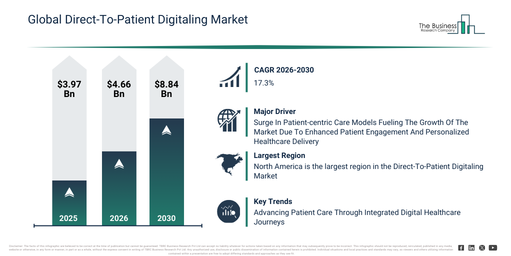
    The direct-to-patient digitaling market has witnessed substantial growth in recent years. Its value is anticipated to rise from $3.97 billion in 2025 to $4.66 billion in 2026, achieving a compound annual growth rate (CAGR) of 17.6%. Historically, this expansion has been propelled by several factors, including the increasing embrace of telemedicine services, the widespread availability of mobile health applications, the growing prevalence of chronic health conditions, improved internet access within the healthcare sector, and the implementation of patient-centric care approaches.

    The market size for direct-to-patient digitaling is projected to experience substantial expansion in the upcoming years. This market is predicted to reach $8.84 billion by 2030, exhibiting a compound annual growth rate (CAGR) of 17.3%. This anticipated growth is driven by several factors, including a heightened need for tailored healthcare services, the growing incorporation of AI-powered care advice, the broadening scope of remote management for chronic conditions, the increasing utilization of data-informed tools for patient involvement, and an amplified emphasis on preventative digital health solutions. Key trends anticipated during this period encompass a rise in the adoption of direct digital platforms for patient engagement, an increase in the application of telehealth and virtual care technologies, greater integration of wearables for ongoing health monitoring, the broadening of customized digital care routes, and a sharpened focus on obtaining patient feedback in real-time.

    Access Your Free Sample Report For In-Depth Market Analysis:

    https://www.thebusinessresearchcompany.com/report/direct-to-patient-digitaling-global-market-report

    Which Strong Drivers Are Impacting The Direct-To-Patient Digitaling Market Growth?

    The direct-to-patient digitaling market is anticipated to expand due to a growing emphasis on adopting patient-centric care models. These models represent healthcare approaches that prioritize patients’ needs, preferences, and active involvement in their own treatment. The rise of patient-centric care models results from enhanced patient engagement, as they focus on individual requirements, preferences, and active participation in healthcare decisions. Direct-to-patient digitaling further strengthens these care models by facilitating personalized, convenient, and real-time healthcare delivery directly to individuals, empowering them to actively manage their health and treatment. For example, in April 2025, according to Intuition Labs, a US-based organization, 80% of Americans support remote patient monitoring, with clinician adoption reaching 81% in 2023, marking a 305% increase. Therefore, the increasing focus on implementing patient-centric care models is driving the direct-to-patient digitaling market.

    Which Segment Categories Are Included In The Direct-To-Patient Digitaling Market Segment Analysis?

    The direct-to-patient digitaling market covered in this report is segmented –

    1) By Health Status: Chronic Conditions, Preventive Health, Mental Health

    2) By Psychographic: Lifestyle, Values And Beliefs, Personality Traits

    3) By Technological: Device Preference, Technical Proficiency, Preferred Communication Channels

    4) By Behavioral: Usage Rate, Benefits Sought, Loyalty Status

    5) By Demographic: Age Groups, Gender, Income Levels

    Subsegments:

    1) By Chronic Conditions: Diabetes Management, Cardiovascular Care, Respiratory Care, Cancer Care, Arthritis Management

    2) By Preventive Health: Vaccination Tracking, Routine Screening, Wellness Monitoring, Nutritional Guidance, Fitness Tracking

    3) By Mental Health: Anxiety Management, Depression Support, Stress Management, Sleep Improvement, Behavioral Therapy

    Which Trends Are Contributing To Changes In The Direct-To-Patient Digitaling Market?

    Major companies operating in the direct-to-patient digital market are concentrating on advanced innovations, such as the end-to-end digital experience, to improve seamless treatment journeys and strengthen direct connections between patients and healthcare providers. An end-to-end digital experience signifies a continuous, integrated digital pathway that connects all patient interaction points, from initial engagement through care delivery and follow-up, within a single ecosystem. This ensures convenience, personalization, and efficiency by bringing together technologies like telehealth, e-prescriptions, and digital support platforms. For example, in January 2024, Eli Lilly and Company, a US-based pharmaceutical manufacturing company, launched LillyDirect, a comprehensive digital healthcare platform. This solution connects patients directly to medical care, medications, and support services via a single, unified interface. It is engineered to enhance accessibility and convenience while presenting personalized treatment options. This initiative streamlines medication access, reduces barriers to care, and aims to improve patient outcomes. Additionally, consistent digital support promotes sustained patient engagement and adherence to therapy.

    Who Are The Active Companies Shaping The Direct-To-Patient Digitaling Market?

    Major companies operating in the direct-to-patient digitaling market are Google LLC, OMRON Healthcare Co. Ltd., 1Life Healthcare Inc. (One Medical), Hims & Hers Health Inc., Cerebral Inc., American Well Corporation, Lyra Health Inc., MDLIVE Inc., Ro Inc., Doctor On Demand Inc., Spring Care Inc., Withings Health Solutions, HealthJoy LLC, Zocdoc Inc., Calm.com Inc., Ada Health GmbH, K Health Inc., MeMD Inc., Sesame Inc., PlushCare Inc.

    Get The Full Direct-To-Patient Digitaling Market Report:

    https://www.thebusinessresearchcompany.com/report/direct-to-patient-digitaling-global-market-report

    Which Region Leads The Direct-To-Patient Digitaling Market In Overall Market Size?

    North America was the largest region in the direct-to-patient digitaling market in 2025. Asia-Pacific is expected to be the fastest-growing region in the forecast period. The regions covered in the direct-to-patient digitaling market report are Asia-Pacific, South East Asia, Western Europe, Eastern Europe, North America, South America, Middle East, Africa.

    Request A Customized Direct-To-Patient Digitaling Market Report For Competitive Insights:

    https://www.thebusinessresearchcompany.com/report/direct-to-patient-digitaling-global-market-report

    Browse Through More Reports Similar to the Global Direct-To-Patient Digitaling Market 2026, By The Business Research Company

    Digital Therapeutics Market Report 2026

    https://www.thebusinessresearchcompany.com/report/digital-therapeutics-global-market-report

    Digital Transformation In Healthcare Market Report 2026

    https://www.thebusinessresearchcompany.com/report/digital-transformation-in-healthcare-global-market-report

    Digital Twins In Healthcare Market Report 2026

    https://www.thebusinessresearchcompany.com/report/digital-twins-in-healthcare-global-market-report

    Get in touch with us:

    The Business Research Company: https://www.thebusinessresearchcompany.com/

    Americas +1 310-496-7795

    Asia +44 7882 955267 & +91 8897263534

    Europe +44 7882 955267

    Email us at info@tbrc.info

    Follow us on:

    LinkedIn: https://in.linkedin.com/company/the-business-research-company

    YouTube: https://www.youtube.com/channel/UC24_fI0rV8cR5DxlCpgmyFQ

    Global Market Model: https://www.thebusinessresearchcompany.com/global-market-model
  • DTC Laboratory Testing Market: Industry Growth and Trends

    DTC Laboratory Testing Market: Industry Growth and Trends

    The Business Research Company’s 2026 market reports feature enhanced tools like market attractiveness analysis, TAM assessment, and company scoring matrices, along with interactive dashboards, deeper supply chain insights, and startup coverage strengthening the depth, usability, and strategic value of insights.

    By 2030, What Market Size Is The Direct-To-Consumer (DTC) Laboratory Testing Market Expected To Reach Based On Its 2026 Value?

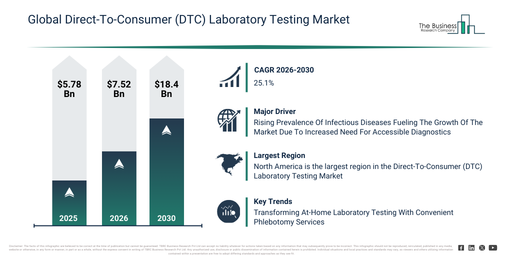
    The direct-to-consumer (dtc) laboratory testing market has experienced significant expansion over recent years. This market is projected to expand from $5.78 billion in 2025 to $7.52 billion in 2026, demonstrating a robust compound annual growth rate (CAGR) of 30.0%. Historically, its expansion has been driven by factors such as restricted availability of clinical diagnostic services, increased testing needs during pandemics, the early adoption of digital technologies in laboratories, an uptick in chronic disease screening, and consumers’ preference for convenience.

    The direct-to-consumer (dtc) laboratory testing market is poised for substantial growth in the upcoming years. It is projected to reach $18.4 billion by 2030, exhibiting a compound annual growth rate (CAGR) of 25.1%. This expansion is anticipated due to advancements in laboratory workflow automation, the rise of AI-based diagnostics, an expansion of home sample collection services, increased regulatory acceptance, and a focus on personalized health monitoring. Significant trends expected in this timeframe include the increasing adoption of at-home diagnostic testing, the spread of online test ordering platforms, the expansion of preventive health screening services, growing consumer demand for rapid test results, and the integration of digital result delivery systems.

    Access Your Free Sample Report For In-Depth Market Analysis:

    https://www.thebusinessresearchcompany.com/report/direct-to-consumer-dtc-laboratory-testing-global-market-report

    What Key Factors Are Shaping The Direct-To-Consumer (DTC) Laboratory Testing Market Landscape?

    The direct-to-consumer (DTC) laboratory testing market is anticipated to expand due to the increasing occurrence of infectious diseases. These diseases are conditions resulting from harmful microorganisms like bacteria, viruses, parasites, or fungi, which spread among individuals via direct or indirect contact, or through carriers such as insects or animals. Various interconnected biological, environmental, social, and economic elements impact how widespread infectious diseases become. DTC laboratory testing plays a role in the prevention, detection, and management of infectious diseases by enhancing testing accessibility, encouraging prompt intervention, and aiding public health initiatives via data gathering and educational activities. For example, the World Health Organization, an international public health body located in Switzerland, reported in October 2024 that about 8.2 million individuals received a new tuberculosis diagnosis in 2023, an increase from around 7.5 million in 2022, establishing tuberculosis as the deadliest infectious disease. Consequently, the growing occurrence of infectious diseases is a key factor propelling the direct-to-consumer (DTC) laboratory testing market.

    How Is The Direct-To-Consumer (DTC) Laboratory Testing Market Broken Down By Segment Categories?

    The direct-to-consumer (dtc) laboratory testing market covered in this report is segmented –

    1) By Sample Type: Blood, Urine, Saliva, Other Sample Types

    2) By Test Type: Genetic Testing, Disease Risk Assessment Testing, Complete Blood Count (CBC), Diabetes Testing, Thyroid-Stimulating Hormone (TSH) Testing, Other Test Types

    3) By Application: Diagnostics, Research And Development, Drug Discovery And Development

    4) By End User: Hospitals, Clinics, Specialty Labs, Diagnostic Centers

    Subsegments:

    1) By Blood: Blood Glucose, Cholesterol, Complete Blood Count (CBC), Blood Type, Vitamin and Mineral Levels, Hormone Levels, Liver And Kidney Function Tests

    2) By Urine: Pregnancy Tests, Urinalysis, Kidney Function Tests, Drug And Alcohol Testing, UTI (Urinary Tract Infection) Screening, Hormone Tests

    3) By Saliva: Hormone Testing, DNA Testing (Ancestry, Genetic Health Risks), Cortisol And Stress Level Tests, Food Sensitivity And Allergy Testing

    4) By Other Sample Types: Stool, Hair, Breath

    What Market Trends Are Affecting The Direct-To-Consumer (DTC) Laboratory Testing Market?

    Prominent companies operating in the direct-to-consumer (DTC) laboratory testing market are concentrating on developing innovative solutions, such as mobile phlebotomy services, to enhance convenience and accessibility for their customers. A mobile phlebotomy service is a healthcare offering that delivers blood collection (phlebotomy) directly to the patient’s location, typically their home or workplace, rather than requiring the patient to visit a medical facility for blood tests. For instance, in July 2023, Quest Diagnostics Incorporated., a US-based company that provides diagnostic testing, information, and services, launched the Quest Mobile, a new service designed to streamline the process of specimen collection for laboratory testing across the nation. Quest Mobile helps patients effortlessly schedule appointments for at-home specimen collection by skilled phlebotomists. This convenient option enables patients to undergo a diverse array of laboratory tests from the comfort of their own homes, ensuring ease and accessibility in the testing process.

    Which Players Are Present In The Direct-To-Consumer (DTC) Laboratory Testing Market Space?

    Major companies operating in the direct-to-consumer (dtc) laboratory testing market are Laboratory Corporation of America Holdings (LabCorp), Quest Diagnostics Incorporated, PerkinElmer Inc, Genesis Healthcare Co., Natera Inc, Sonora Quest Laboratories, Ancestry.com LLC, 23andMe Holding Co, Thorne HealthTech Inc, Metropolis Healthcare Limited, Color Health Inc, LetsGetChecked Inc., MyHeritage Ltd, Everlywell Inc, Complete Genomics Incorporated, DanteLabs Inc, Gene by Gene Ltd., Veritas Intercontinental, DirectLabs LLC., WellnessFX Inc, Ulta Lab Tests LLC, Any Lab Test Now Inc, Vitagene Inc.

    Get The Full Direct-To-Consumer (DTC) Laboratory Testing Market Report:

    https://www.thebusinessresearchcompany.com/report/direct-to-consumer-dtc-laboratory-testing-global-market-report

    Which Region Is The Top Contributor To The Direct-To-Consumer (DTC) Laboratory Testing Market By Share?

    North America was the largest region in the direct-to-consumer (DTC) laboratory testing market in 2025. Asia-Pacific is expected to be the fastest-growing region in the forecast period. The regions covered in the direct-to-consumer (dtc) laboratory testing market report are Asia-Pacific, South East Asia, Western Europe, Eastern Europe, North America, South America, Middle East, Africa.

    Request A Customized Direct-To-Consumer (DTC) Laboratory Testing Market Report For Competitive Insights:

    https://www.thebusinessresearchcompany.com/report/direct-to-consumer-dtc-laboratory-testing-global-market-report

    Browse Through More Reports Similar to the Global Direct-To-Consumer (DTC) Laboratory Testing Market 2026, By The Business Research Company

    Laboratory Testing Services Market Report 2026

    https://www.thebusinessresearchcompany.com/report/laboratory-testing-services-global-market-report

    Direct To Consumer Dtc Genetic Testing Market Report 2026

    https://www.thebusinessresearchcompany.com/report/direct-to-consumer-dtc-genetic-testing-global-market-report

    Laboratory Testing Services Market Report 2026

    https://www.thebusinessresearchcompany.com/report/laboratory-testing-services-global-market-report

    Get in touch with us:

    The Business Research Company: https://www.thebusinessresearchcompany.com/

    Americas +1 310-496-7795

    Asia +44 7882 955267 & +91 8897263534

    Europe +44 7882 955267

    Email us at info@tbrc.info

    Follow us on:

    LinkedIn: https://in.linkedin.com/company/the-business-research-company

    YouTube: https://www.youtube.com/channel/UC24_fI0rV8cR5DxlCpgmyFQ

    Global Market Model: https://www.thebusinessresearchcompany.com/global-market-model
  • DTC Genetic Testing Market: Emerging Trends Through 2030

    DTC Genetic Testing Market: Emerging Trends Through 2030

    The Business Research Company’s 2026 market reports feature enhanced tools like market attractiveness analysis, TAM assessment, and company scoring matrices, along with interactive dashboards, deeper supply chain insights, and startup coverage strengthening the depth, usability, and strategic value of insights.

    What Is The Anticipated Rise In Market Value Of The Direct-To-Consumer (DTC) Genetic Testing Market During The Forecast Period?

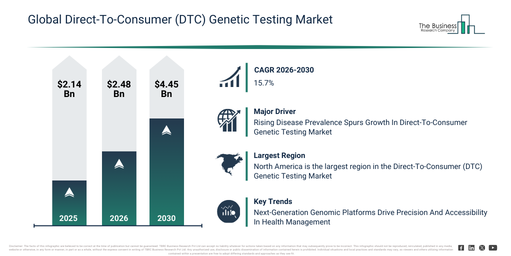
    The direct-to-consumer (dtc) genetic testing market has experienced rapid expansion in its size over recent years. This market is projected to expand from $2.14 billion in 2025 to reach $2.48 billion in 2026, demonstrating a compound annual growth rate (CAGR) of 16.3%. Factors contributing to its historical growth include the declining cost of dna sequencing, the early adoption of ancestry testing, heightened health awareness, increased e-commerce penetration, and consumer curiosity about genetics.

    The direct-to-consumer (DTC) genetic testing market is projected to expand significantly in the coming years, reaching an estimated $4.45 billion by 2030, with a compound annual growth rate (CAGR) of 15.7%. This anticipated growth during the forecast period is fueled by advancements such as AI-driven genetic interpretation, the wider adoption of precision medicine, the establishment of regulatory frameworks for genetic data, its integration with wellness platforms, and a growing demand for personalized healthcare. Key trends for this period encompass a heightened consumer interest in genetic health insights, the continued rise of ancestry and relationship testing, the proliferation of nutrigenomic and lifestyle testing, increasing reliance on online genetic test platforms, and a greater emphasis on personalized health risk assessment.

    Access Your Free Sample Report For In-Depth Market Analysis:

    https://www.thebusinessresearchcompany.com/report/direct-to-consumer-dtc-genetic-testing-global-market-report

    Which Factors Are Influencing The Growth Of The Direct-To-Consumer (DTC) Genetic Testing Market?

    The increasing occurrence of illnesses and conditions that can be inherited genetically is anticipated to boost the direct-to-consumer (DTC) genetic testing market’s expansion moving forward. A genetic disorder is defined as a sickness resulting from alterations (mutations) in an individual’s DNA, encompassing single-gene, multifactorial, and chromosomal types. DTC genetic testing enhances understanding of various inherited conditions, aiding in health forecasts and delivering customized data regarding personal health, susceptibility to diseases, and other characteristics, thereby enabling informed health and lifestyle choices to mitigate disease risk. As an illustration, in April 2023, the National Library of Medicine (NLM), a medical library in the US, reported that approximately 6.7 million Americans age 65 and older would be affected by Alzheimer’s dementia (AD) in 2023, a condition where genetic factors are prominent. This figure has the potential to climb to 13.8 million by 2060, unless medical advancements emerge to halt, decelerate, or cure AD. Consequently, the expanding incidence of genetically transmissible diseases and disorders is propelling the growth of the direct-to-consumer (DTC) genetic testing market.

    What Are The Different Segment Types In The Direct-To-Consumer (DTC) Genetic Testing Market Segment Breakdown?

    The direct-to-consumer (dtc) genetic testing market covered in this report is segmented –

    1) By Type: Carrier Testing, Predictive Testing, Ancestry And Relationship Testing, Nutrigenomic Testing, Other Types

    2) By Sample: Saliva, Urine, Blood

    3) By Technology: Single Nucleotide Polymorphism Chips, Whole Genome Sequencing, Targeted Analysis

    4) By Business Model: Health Planning Model, Comprehensive Genome Tests Model, Medical Precision Tests Model, Restricted Trait Tests Mode

    5) By End User: Laboratories, Nursing Homes, Hospitals, Imaging Centers, Home Care, Cosmetics, Other End-User

    Subsegments:

    1) By Carrier Testing: Autosomal Recessive Disorders, X-Linked Disorders

    2) By Predictive Testing: Risk Assessment For Genetic Conditions, Adult-Onset Conditions

    3) By Ancestry And Relationship Testing: Ancestry Composition Analysis, DNA Matching For Relationships

    4) By Nutrigenomic Testing: Dietary Recommendations, Metabolism And Fitness Insights

    5) By Other Types: Pharmacogenomic Testing, Health Trait Testing

    Which Trends Are Influencing Demand In The Direct-To-Consumer (DTC) Genetic Testing Market?

    Leading companies operating within the direct-to-consumer (DTC) genetic testing market are concentrating on creating sophisticated solutions, such as whole-genome sequencing (WGS) subscription platforms, aimed at delivering extensive genetic insights, supporting individualized health planning, and boosting consumer interaction. These WGS subscription platforms represent services that sequence almost the entire human genome, facilitating detailed analysis of ancestry, potential disease risks, wellness characteristics, and pharmacogenomics, significantly surpassing the capabilities of conventional SNP-chip-based tests that only examine specific genetic markers. For instance, in November 2024, ProPhase Labs, a US-based biotech and diagnostics firm, introduced DNA Complete, a standalone direct-to-consumer WGS offering provided through its subsidiary DNA Complete, Inc. This platform is designed to sequence nearly 100% of a customer’s genome, offering various subscription tiers (Essential, Pro, and Elite), providing continuous updates, and including genetic counseling to assist users in understanding their results. The service utilizes advanced bioinformatics and ancestry analysis, alongside adaptable sample processing options via ProPhase’s Nebula Genomics lab or affiliated laboratories, thereby merging profound genomic understanding with ease of access, convenience, and sustained consumer involvement.

    Who Are The Well-Known Companies In The Direct-To-Consumer (DTC) Genetic Testing Market?

    Major companies operating in the direct-to-consumer (dtc) genetic testing market are 23andMe, AncestryDNA, MyHeritage, FamilyTreeDNA, Living DNA, Vitagene, Orig3n, DNAfit, Helix, Color Genomics, Circle DNA, CRI Genetics, MapMyGenome, Invitae Corporation, TellmeGen, Pathway Genomics, Genebase Systems, EasyDNA, Nebula Genomics, Dante Labs, Veritas Genetics, Xcode Life, Genomic Express, Genomelink, Genomind, WellnessFX, LetsGetChecked, iGene, Dnadoc, OneOme

    Get The Full Direct-To-Consumer (DTC) Genetic Testing Market Report:

    https://www.thebusinessresearchcompany.com/report/direct-to-consumer-dtc-genetic-testing-global-market-report

    Which Region Represents The Largest Share Of The Direct-To-Consumer (DTC) Genetic Testing Market?

    North America was the largest region in the direct-to-consumer (DTC) genetic testing market share in 2025. Asia-Pacific was the second-largest region in the global direct-to-consumer (DTC) genetic testing market. The regions covered in the direct-to-consumer (dtc) genetic testing market report are Asia-Pacific, South East Asia, Western Europe, Eastern Europe, North America, South America, Middle East, Africa.

    Request A Customized Direct-To-Consumer (DTC) Genetic Testing Market Report For Competitive Insights:

    https://www.thebusinessresearchcompany.com/report/direct-to-consumer-dtc-genetic-testing-global-market-report

    Browse Through More Reports Similar to the Global Direct-To-Consumer (DTC) Genetic Testing Market 2026, By The Business Research Company

    Genetic Testing Services Market Report 2026

    https://www.thebusinessresearchcompany.com/report/genetic-testing-services-global-market-report

    Direct To Consumer Dtc Laboratory Testing Market Report 2026

    https://www.thebusinessresearchcompany.com/report/direct-to-consumer-dtc-laboratory-testing-global-market-report

    Genetic Testing Market Report 2026

    https://www.thebusinessresearchcompany.com/report/genetic-testing-global-market-report

    Get in touch with us:

    The Business Research Company: https://www.thebusinessresearchcompany.com/

    Americas +1 310-496-7795

    Asia +44 7882 955267 & +91 8897263534

    Europe +44 7882 955267

    Email us at info@tbrc.info

    Follow us on:

    LinkedIn: https://in.linkedin.com/company/the-business-research-company

    YouTube: https://www.youtube.com/channel/UC24_fI0rV8cR5DxlCpgmyFQ

    Global Market Model: https://www.thebusinessresearchcompany.com/global-market-model