Category: Healthcare Services

  • Protein Language Models Market Insights and Long-Term Forecast Through 2035

    Protein Language Models Market Insights and Long-Term Forecast Through 2035

    The Business Research Company’s 2026 market reports include new capabilities such as market attractiveness scoring and analysis, total addressable market analysis, company scoring matrix, interactive excel data dashboard, improved supply chain analysis, upcoming startups in the market, and overview of key products, aimed at improving the depth, usability, and strategic value of the insights delivered.

    How Is The Market Size Of The Protein Language Models Market Expected To Change Between 2026 And 2030?

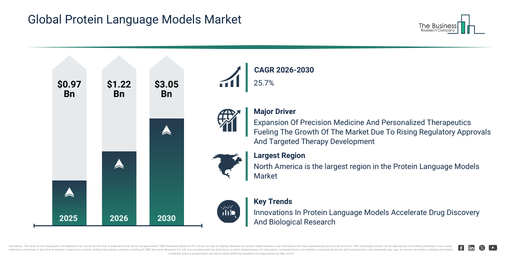
    The protein language models market has experienced significant expansion over recent years. It is anticipated to increase from $0.97 billion in 2025 to $1.22 billion in 2026, demonstrating a compound annual growth rate (CAGR) of 25.5%. This historical growth can be linked to several factors, including the surge in genomic sequencing data, elevated spending on biopharmaceutical research, the growth of bioinformatics platforms, improved access to protein databases, and the early incorporation of machine learning into biology.

    The protein language models market is projected for substantial expansion in the coming years, reaching $3.05 billion by 2030, exhibiting a compound annual growth rate (CAGR) of 25.7%. This anticipated growth during the forecast period stems from factors such as increasing computational protein design requirements, the broadening of AI-driven drug pipelines, a heightened need for swift target identification, increasing collaborations between industries in AI biology, and greater capital injection into AI life science startups. Key developments anticipated in this period include the rising adoption of sequence-based protein representation models, the growth of cloud-hosted protein modeling platforms, an increasing need for protein annotation services, a rise in API-based bioinformatics toolkits, and wider embrace of AI-driven drug discovery processes.

    Download the Free Sample Report to Explore Key Market Insights:

    https://www.thebusinessresearchcompany.com/sample.aspx?id=33275&type=smp

    Which Economic Or Industry Drivers Are Impacting The Protein Language Models Market?

    The protein language models market is expected to grow due to the expanding fields of precision medicine and personalized therapeutics. These healthcare methods involve tailoring treatments to individual patient characteristics, such as genetic makeup, biomarkers, and disease profiles, with the goal of improving treatment effectiveness and reducing adverse outcomes. The drive behind precision medicine and personalized therapeutics is fueled by increasing regulatory approvals and a research focus on targeted therapies that address specific biological pathways, rather than offering one-size-fits-all solutions. Protein language models facilitate precision medicine by enabling detailed analysis of protein sequences and structures, thereby helping researchers identify therapeutic targets, predict drug responses, and design patient-specific biological treatments more efficiently. For instance, in February 2024, the Personalized Medicine Coalition, a US-based not-for-profit organization, reported that in 2023, the Food and Drug Administration (FDA) approved 16 new personalized therapies for rare disease patients, marking a sharp increase from six approvals in 2022. This expansion of precision medicine and personalized therapeutics is therefore a significant driver for the protein language models market. The rising adoption of AI-driven drug discovery is also poised to propel the growth of the protein language models market. AI-driven drug discovery utilizes artificial intelligence to accelerate the identification, design, and optimization of drug candidates through advanced analysis of large-scale biological and chemical data. The increasing uptake of artificial intelligence in drug discovery is due to its capacity to expedite target identification, optimize candidate selection, and enhance research efficiency compared to traditional methods. Protein language models support drug discovery by employing deep learning architectures to analyze protein sequences, predict structure–function relationships, and identify meaningful patterns that inform target selection and candidate optimization. For example, in January 2025, according to the World Economic Forum, a Switzerland-based non-profit organization, approximately 30 percent of new drugs are discovered using AI technologies. Consequently, the rising adoption of AI-driven drug discovery is fueling the growth of the protein language models market.

    How Is The Protein Language Models Market Structured Across Different Segments?

    The protein language models market covered in this report is segmented –

    1) By Component: Software; Hardware; Services

    2) By Deployment Mode: On-Premises; Cloud

    3) By Application: Drug Discovery; Protein Engineering; Disease Diagnosis; Functional Annotation; Other Applications

    4) By End-User: Pharmaceutical And Biotechnology Companies; Academic And Research Institutes; Healthcare Providers; Other End-Users

    Subsegments:

    1) By Software: Protein Sequence Analysis Platforms; Model Training And Fine Tuning Tools; Protein Structure Prediction Software; Protein Function Annotation Tools; Bioinformatics Integration Platforms

    2) By Hardware: High Performance Computing Systems; Graphics Processing Hardware; Tensor Processing Hardware; Data Storage And Processing Systems; Cloud Based Computing Infrastructure

    3) By Services: Consulting And Advisory Services; Custom Model Development Services; System Integration Services; Managed And Support Services; Training And Knowledge Transfer Services

    Which Trends Are Shaping The Future Of The Protein Language Models Market?

    Leading companies in the protein language models market are concentrating on developing sophisticated AI-driven protein language models. This effort aims to enhance protein sequence analysis and expedite both drug discovery and biological research. An AI-driven protein language model employs artificial intelligence, trained on vast protein sequence data, to predict, interpret, and generate protein structures and functions. This capability accelerates protein engineering, mutation assessment, and the creation of new therapeutic solutions. For instance, in September 2024, Ginkgo Bioworks Holdings, Inc., a US-based biotechnology company, unveiled a Protein Large Language Model and Model API developed using Google Cloud technology. This solution is trained on Ginkgo’s proprietary protein dataset and hosted on Vertex AI, allowing enterprises and individual researchers to conduct advanced protein sequence analysis and improve pattern recognition, thereby accelerating drug development and biological research workflows.

    Who Are The Leading Companies Operating In The Protein Language Models Market?

    Major companies operating in the protein language models market are Google LLC, Meta Platforms Inc., Pfizer Inc., Novartis AG, AstraZeneca PLC, NVIDIA Corporation, Owkin Inc., Generate Biomedicines Inc., Recursion Pharmaceuticals Inc., BenevolentAI Limited, Exscientia plc, Dyno Therapeutics Inc., Atomwise Inc., ProteinQure Inc., Cradle Bio B.V., Profluent Bio Inc., BioMap (Beijing) Intelligence Technology Co. Ltd., EvolutionaryScale Inc., Isomorphic Labs Limited, Insilico Medicine Inc., AbSci Corporation, Peptone Ltd., and Valence Labs Inc.

    Read the full protein language models market report here:

    https://www.thebusinessresearchcompany.com/report/protein-language-models-market-report

    Which Regions Are Projected To Dominate The Protein Language Models Market In The Coming Years?

    North America was the largest region in the protein language models market in 2025. Asia-Pacific is expected to be the fastest-growing region in the forecast period. The regions covered in the protein language models market report are Asia-Pacific, South East Asia, Western Europe, Eastern Europe, North America, South America, Middle East, Africa.

    Request A Tailored Protein Language Models Market Research Report For Competitive Advantage:

    https://www.thebusinessresearchcompany.com/customise?id=33275&type=smp

    Browse Through More Reports Similar to the Global Protein Language Models Market 2026, By The Business Research Company

    Large Language Model Llm Market 2026

    https://www.thebusinessresearchcompany.com/report/large-language-model-llm-market

    Protein Sequencing Market Report 2026

    https://www.thebusinessresearchcompany.com/report/protein-sequencing-global-market-report

    Research Grade Proteins Market Report 2026

    https://www.thebusinessresearchcompany.com/report/research-grade-proteins-global-market-report

    Get in touch with us:

    The Business Research Company: https://www.thebusinessresearchcompany.com/

    Americas +1 310-496-7795

    Asia +44 7882 955267 & +91 8897263534

    Europe +44 7882 955267

    Email us at info@tbrc.info

    Follow us on:

    LinkedIn: https://in.linkedin.com/company/the-business-research-company

    YouTube: https://www.youtube.com/channel/UC24_fI0rV8cR5DxlCpgmyFQ

    Global Market Model: https://www.thebusinessresearchcompany.com/global-market-model
  • Prion Disease Treatment Market Trends and Growth Drivers Shaping 2026–2030

    Prion Disease Treatment Market Trends and Growth Drivers Shaping 2026–2030

    The Business Research Company’s 2026 market reports include new capabilities such as market attractiveness scoring and analysis, total addressable market analysis, company scoring matrix, interactive excel data dashboard, improved supply chain analysis, upcoming startups in the market, and overview of key products, aimed at improving the depth, usability, and strategic value of the insights delivered.

    What Is The Market Size Of The Prion Disease Treatment Market In 2026 And What Value Is Projected For 2030?

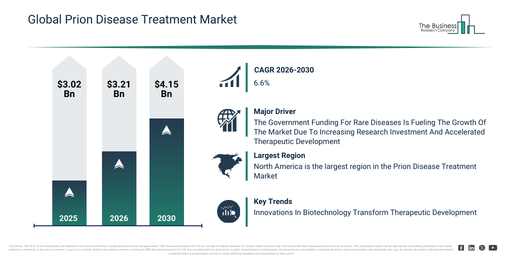
    The prion disease treatment market size has demonstrated robust growth in recent years. It is projected to expand from $3.02 billion in 2025 to $3.21 billion in 2026, achieving a compound annual growth rate (CAGR) of 6.4%. Factors contributing to this historical growth include funding for rare disease research, heightened awareness of neurological disorders, the increasing availability of genetic testing, academic clinical studies, and the proliferation of specialty neurology centers.

    The prion disease treatment market is projected to experience substantial expansion in the coming years. Its valuation is anticipated to reach $4.15 billion by 2030, demonstrating a compound annual growth rate (CAGR) of 6.6%. This growth during the projected timeframe can be attributed to factors such as new molecule discovery initiatives, specialized neurology methodologies, diagnostic tools relying on biomarkers, enhanced orphan drug incentives, and sophisticated neuro research partnerships. Key developments expected during the forecast period encompass focused research into neurodegenerative drugs, sophisticated prion diagnostic assessments, genetic risk screening initiatives, clinical trials for compassionate use therapies, and comprehensive supportive care frameworks.

    Download the Free Sample Report to Explore Key Market Insights:

    https://www.thebusinessresearchcompany.com/sample.aspx?id=33272&type=smp

    What Major Drivers Are Influencing Demand In The Prion Disease Treatment Market?

    The rising government funding for rare diseases is expected to significantly drive the expansion of the prion disease treatment market. Rare diseases are defined as medical conditions that impact a small percentage of the population and are frequently chronic, progressive, and life-threatening. The increase in funding for rare diseases stems from heightened government and philanthropic contributions, which are actively accelerating research initiatives, clinical trials, and the creation of innovative therapies for conditions with considerable unmet medical needs. This government financial backing for rare diseases specifically aids progress in prion disease treatment by supporting long-term basic research, maintaining specialized laboratories and surveillance systems, encouraging pharmaceutical innovation despite commercial limitations, and speeding the conversion of discoveries into diagnostics and potential therapies. For instance, in February 2024, the Department of Health and Social Care, a UK-based government department, allocated a $17.3 million (£14 million) investment to establish the UK Rare Disease Research Platform. This platform consists of 11 research nodes across the country and a central coordinating hub, with the goal of fostering coordinated collaboration among academic, clinical, and industry researchers, people living with rare diseases, research charities, and other stakeholders to accelerate advancements in the understanding, diagnosis, and treatment of rare diseases. Consequently, the increasing government funding for rare diseases is propelling the growth of the prion disease treatment market.

    What Are The Key Segments Of The Prion Disease Treatment Market?

    The prion disease treatment market covered in this report is segmented –

    1) By Disease Type: Creutzfeldt-Jakob Disease; Gerstmann-Sträussler-Scheinker Syndrome; Fatal Familial Insomnia; Kuru; Other Disease Types

    2) By Treatment Type: Medication; Supportive Care; Other Treatment Types

    3) By Route Of Administration: Oral; Parenteral

    4) By Distribution Channel: Hospital Pharmacies; Retail Pharmacies; Online Pharmacies

    5) By End-User: Hospitals; Specialty Clinics; Research Institutes; Other End-Users

    Subsegments:

    1) By Creutzfeldt-Jakob Disease: Sporadic Creutzfeldt-Jakob Disease; Familial Creutzfeldt-Jakob Disease; Iatrogenic Creutzfeldt-Jakob Disease; Variant Creutzfeldt-Jakob Disease

    2) By Gerstmann-Sträussler-Scheinker Syndrome: Early-Stage Gerstmann-Sträussler-Scheinker Syndrome; Progressive-Stage Gerstmann-Sträussler-Scheinker Syndrome; Advanced-Stage Gerstmann-Sträussler-Scheinker Syndrome

    3) By Fatal Familial Insomnia: Sleep Disorder Management; Autonomic Dysfunction Management; Psychiatric Symptom Management

    4) By Kuru: Motor Function Support; Cognitive Function Support; Symptomatic Neurological Care

    5) By Other Disease Types: Atypical Prion Disorders; Unclassified Prion Conditions

    What Key Trends Are Influencing The Development Of The Prion Disease Treatment Market?

    Major companies engaged in the prion disease treatment market are prioritizing the creation of innovative approaches like viral vector–based gene therapy to administer targeted treatments effectively across the blood-brain barrier and slow down disease progression. Viral vector–based gene therapy functions by employing modified viruses to insert therapeutic genes into specific cells, thereby assisting in the correction or mitigation of disease-causing processes, such as the misfolding of prion proteins, by facilitating precise and long-lasting effects. For example, in February 2025, Apertura Gene Therapy, a biotechnology company based in the US, provided support to the Broad Institute for the development of a gene therapy for prion disease utilizing an engineered AAV capsid that targets TfR1. This therapy aims to deliver therapeutic genes past the blood-brain barrier, ensuring widespread distribution throughout the central nervous system and potentially halting or preventing the buildup of prion proteins. It offers notable benefits such as high specificity, reduced undesirable side effects, and sustained therapeutic expression, representing a significant stride forward from conventional treatments that primarily focus on symptom management rather than modifying the disease’s trajectory. Overall, this marks an important advancement in shifting from merely managing symptoms to implementing disease-modifying interventions, which could revolutionize the treatment paradigm for prion disorders.

    Who Are The Primary Competitors In The Prion Disease Treatment Market?

    Major companies operating in the prion disease treatment market are Ionis Pharmaceuticals Inc., Broad Institute of MIT and Harvard, Sangamo Therapeutics Inc., Gate Bioscience, Apertura Gene Therapy, Sibylla Biotech, Case Western Reserve University, and National Prion Clinic.

    Read the full prion disease treatment market report here:

    https://www.thebusinessresearchcompany.com/report/prion-disease-treatment-market-report

    Which Region Is Expected To Experience The Fastest Growth In The Prion Disease Treatment Market?

    North America was the largest region in the prion disease treatment market in 2025. Asia-Pacific is expected to be the fastest-growing region in the forecast period. The regions covered in the prion disease treatment market report are Asia-Pacific, South East Asia, Western Europe, Eastern Europe, North America, South America, Middle East, Africa.

    Request A Tailored Prion Disease Treatment Market Research Report For Competitive Advantage:

    https://www.thebusinessresearchcompany.com/customise?id=33272&type=smp

    Browse Through More Reports Similar to the Global Prion Disease Treatment Market 2026, By The Business Research Company

    Rare Diseases Treatment Market Report 2026

    https://www.thebusinessresearchcompany.com/report/rare-diseases-treatment-global-market-report

    Rare Neurological Disease Treatment Market Report 2026

    https://www.thebusinessresearchcompany.com/report/rare-neurological-disease-treatment-global-market-report

    Pruritus Therapeutic Market Report 2026

    https://www.thebusinessresearchcompany.com/report/pruritus-therapeutic-global-market-report

    Get in touch with us:

    The Business Research Company: https://www.thebusinessresearchcompany.com/

    Americas +1 310-496-7795

    Asia +44 7882 955267 & +91 8897263534

    Europe +44 7882 955267

    Email us at info@tbrc.info

    Follow us on:

    LinkedIn: https://in.linkedin.com/company/the-business-research-company

    YouTube: https://www.youtube.com/channel/UC24_fI0rV8cR5DxlCpgmyFQ

    Global Market Model: https://www.thebusinessresearchcompany.com/global-market-model
  • Rapid Microbiological Testing Innovations Transform Pharmaceutical Quality Control Services

    Rapid Microbiological Testing Innovations Transform Pharmaceutical Quality Control Services

    The Business Research Company’s 2026 market reports include new capabilities such as market attractiveness scoring and analysis, total addressable market analysis, company scoring matrix, interactive excel data dashboard, improved supply chain analysis, upcoming startups in the market, and overview of key products, aimed at improving the depth, usability, and strategic value of the insights delivered.

    What Is The Forecasted Market Value Of The Pharmaceutical Quality Control Release Testing Service Market Across 2026–2030?

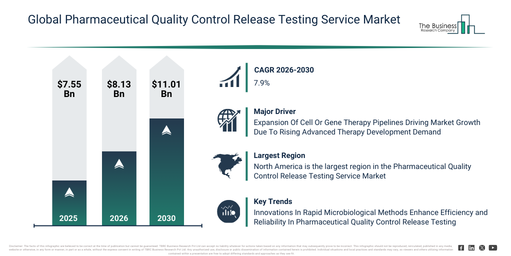
    The pharmaceutical quality control release testing service market size has seen significant expansion in recent years. It is anticipated to increase from $7.55 billion in 2025 to $8.13 billion in 2026, achieving a compound annual growth rate (CAGR) of 7.6%. The historical growth of this market is attributable to more rigorous GMP regulations, a surge in worldwide drug production, the development of contract testing laboratories, a heightened need for biologics testing, and the broadening of generic drug manufacturing.

    The pharmaceutical quality control release testing service market size is anticipated to experience substantial growth in the coming years. Its value is predicted to reach $11.01 billion by 2030, advancing at a compound annual growth rate (CAGR) of 7.9%. This expansion during the forecast period is primarily driven by factors such as the increasing number of complex biologic pipelines, a rise in the frequency of regulatory audits, the broadening of outsourced quality control models, the necessity for faster batch release cycles, and a surge in multi-region drug approvals. Prominent trends for this period are expected to include automated batch release testing, the adoption of digital laboratory quality systems, analytical validation assisted by AI, interconnected stability testing laboratories, and intelligent quality data platforms.

    Download the Free Sample Report to Explore Key Market Insights:

    https://www.thebusinessresearchcompany.com/sample.aspx?id=33260&type=smp

    What Primary Drivers Are Shaping The Development Of The Pharmaceutical Quality Control Release Testing Service Market?

    The projected expansion of cell or gene therapy pipelines is set to fuel the growth of the pharmaceutical quality control release testing service market. A cell and gene therapy pipeline denotes cellular and genetic therapeutic products currently undergoing development and regulatory assessment for commercialization. This growth stems primarily from increased investment in biotechnology research and development, with pharmaceutical and biotech companies allocating significant resources towards pioneering cellular and genetic treatments for conditions previously lacking effective therapies. Consequently, the expanding cell and gene therapy pipeline directly amplifies the need for specialized quality control release testing services, which are critical to ensure these complex biological products comply with rigorous safety and efficacy standards prior to their market introduction. As an illustration, data released in January 2025 by the American Society of Gene and Cell Therapy, a US-based scientific association, showed the global gene therapy pipeline reached 2,117 programs in the fourth quarter of 2024, marking an increase from 2,041 programs in the third quarter of 2024. Ultimately, the increasing expansion of cell or gene therapy pipelines acts as a significant catalyst for the growth of the pharmaceutical quality control release testing service market.

    What Segmentation Levels Are Considered In The Pharmaceutical Quality Control Release Testing Service Market?

    The pharmaceutical quality control release testing service market covered in this report is segmented –

    1) By Product Type: Dissolution Testing; Anti-Corrosion Testing; ICH Stability Storage and Testing; Other Product Types

    2) By Service Type: Analytical Testing Services; Microbiological Testing Services; Stability Testing Services; Sterility Testing Services

    3) By Technology: Gas Chromatography (GC); Mass Spectrometry; Spectroscopy Methods

    4) By End Users: Pharmaceutical Manufacturers; Biotechnology Companies; Contract Development and Manufacturing Organizations (CDMOs); Contract Manufacturing Organizations (CMOs); Research and Academic Institutions

    Subsegments:

    1) By Dissolution Testing: Immediate Release Testing; Extended Release Testing; Delayed Release Testing; Sink Condition Evaluation

    2) By Anti-Corrosion Testing: Packaging Material Corrosion Testing; Container Compatibility Assessment; Environmental Stress Corrosion Testing; Protective Coating Evaluation

    3) By ICH Stability Storage and Testing: Long Term Stability Studies; Accelerated Stability Studies; Intermediate Stability Studies; Photostability Testing

    4) By Other Product Types: Impurity Profiling; Residual Solvent Testing; Elemental Impurity Analysis; Container Closure Integrity Testing

    What Trends Are Projected To Affect The Pharmaceutical Quality Control Release Testing Service Market?

    Major companies within the pharmaceutical quality control release testing services market are concentrating on developing advanced solutions, such as microbiological-based quality control testing, to ensure product sterility, regulatory compliance, and timely batch release. Microbiological-based quality control testing utilizes microbiological techniques to monitor and measure microbial presence in pharmaceutical products and production environments, which helps confirm sterility, maintain product safety, and meet regulatory requirements before batch release. For instance, in March 2025, Nelson Laboratories, a US-based microbiological testing company, introduced its Rapid Sterility Testing, a microbiology-based quality control testing offering aimed at modernizing sterility assurance processes. This solution is specifically designed to support faster batch release of sterile pharmaceutical products, shortening traditional fourteen-day incubation timelines to approximately six days, and incorporating automated, quantitative data analytics to enhance result precision, reduce manual intervention, and improve overall testing reliability.

    Who Are The Top Companies Competing In The Pharmaceutical Quality Control Release Testing Service Market?

    Major companies operating in the pharmaceutical quality control release testing service market are Labcorp Holdings Inc., SGS S.A., Eurofins Scientific SE, Selvita S.A., WuXi AppTec Co. Ltd., Intertek Group plc, Charles River Laboratories International Inc., Piramal Pharma Limited, Siegfried Holding AG, Almac Group Limited, NSF International, ClinChoice Inc., BioAgilytix Inc., Microbac Laboratories Inc., ARL Bio Pharma Inc., Quality Chemical Laboratories LLC, Neopharm Labs Inc., Butterworth Laboratories Limited, Cambridge Polymer Group Inc., Honeyman Group Limited, and Element Materials Technology Group Limited.

    Read the full pharmaceutical quality control release testing service market report here:

    https://www.thebusinessresearchcompany.com/report/pharmaceutical-quality-control-release-testing-service-market-report

    How Does The Pharmaceutical Quality Control Release Testing Service Market Perform Across Major Global Regions?

    North America was the largest region in the pharmaceutical quality control release testing service market in 2025. Asia-Pacific is expected to be the fastest-growing region in the forecast period. The regions covered in the pharmaceutical quality control release testing service market report are Asia-Pacific, South East Asia, Western Europe, Eastern Europe, North America, South America, Middle East, Africa.

    Request A Tailored Pharmaceutical Quality Control Release Testing Service Market Research Report For Competitive Advantage:

    https://www.thebusinessresearchcompany.com/customise?id=33260&type=smp

    Browse Through More Reports Similar to the Global Pharmaceutical Quality Control Release Testing Service Market 2026, By The Business Research Company

    Pharmaceutical Packaging Testing Equipment Market Report 2026

    https://www.thebusinessresearchcompany.com/report/pharmaceutical-packaging-testing-equipment-global-market-report

    Pharma Admet Testing Market Report 2026

    https://www.thebusinessresearchcompany.com/report/pharma-admet-testing-global-market-report

    Pharmaceutical Label Market Report 2026

    https://www.thebusinessresearchcompany.com/report/pharmaceutical-label-global-market-report

    Get in touch with us:

    The Business Research Company: https://www.thebusinessresearchcompany.com/

    Americas +1 310-496-7795

    Asia +44 7882 955267 & +91 8897263534

    Europe +44 7882 955267

    Email us at info@tbrc.info

    Follow us on:

    LinkedIn: https://in.linkedin.com/company/the-business-research-company

    YouTube: https://www.youtube.com/channel/UC24_fI0rV8cR5DxlCpgmyFQ

    Global Market Model: https://www.thebusinessresearchcompany.com/global-market-model
  • Personalized Medicine Trends Accelerating Growth in Personal Genome Services Market

    Personalized Medicine Trends Accelerating Growth in Personal Genome Services Market

    The Business Research Company’s 2026 market reports include new capabilities such as market attractiveness scoring and analysis, total addressable market analysis, company scoring matrix, interactive excel data dashboard, improved supply chain analysis, upcoming startups in the market, and overview of key products, aimed at improving the depth, usability, and strategic value of the insights delivered.

    What Market Size Increase Is Anticipated For The Personal Genome Services Market Over The 2026–2030 Period?

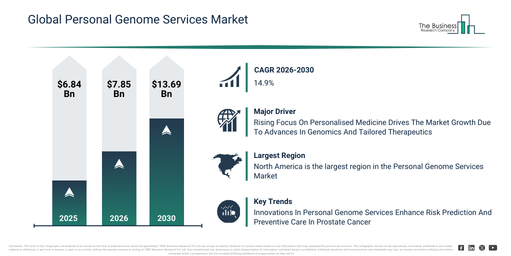
    The personal genome services market size has experienced significant expansion in recent years. This market is anticipated to increase from $6.84 billion in 2025 to $7.85 billion in 2026, exhibiting a compound annual growth rate (CAGR) of 14.7%. The observed growth during the preceding period can be linked to factors such as reduced sequencing costs, an uptick in demand for ancestry testing, greater consumer understanding of genetics, the emergence of genomics startups, and improvements in sequencing accuracy.

    The personal genome services market is projected to experience substantial expansion in the coming years. By 2030, this market is anticipated to reach a valuation of $13.69 billion, demonstrating a compound annual growth rate (CAGR) of 14.9%. This projected growth throughout the forecast period can be primarily attributed to factors such as increased adoption of preventive genomics, the expanding utilization of pharmacogenomics, a growing demand for personalized wellness solutions, wider availability of insurance-backed testing, and the integration of these services with digital health platforms. Key trends anticipated during this period encompass direct-to-consumer genome testing, comprehensive health risk genomic reports, bundled pharmacogenomic services, specialized preventive genome screening packages, and advanced digital genetic counseling platforms.

    Download the Free Sample Report to Explore Key Market Insights:

    https://www.thebusinessresearchcompany.com/sample.aspx?id=33258&type=smp

    Which Major Factors Are Driving The Expansion Of The Personal Genome Services Market?

    The burgeoning emphasis on personalized medicine is anticipated to fuel the expansion of the personal genome services market in the future. This medical approach involves customizing treatment and prevention plans uniquely for each person, considering their genetic makeup, biological traits, and lifestyle choices. Its adoption is on the rise, driven by advancements in genomics and molecular diagnostics that facilitate tailoring treatments to an individual’s genetic profile, leading to improved patient outcomes. Personal genome services support personalized medicine through the analysis of an individual’s genetic composition, helping to forecast disease susceptibility, inform medication choices, and customize preventative and therapeutic strategies. As an illustration, in February 2024, data from the Personalized Medicine Coalition, a US-based non-profit organization, indicated that the FDA approved 16 new personalized treatments for patients with rare diseases in 2023, a significant increase from 6 approvals in 2022. Among the personalized treatments newly sanctioned in 2023 were also 7 medications for cancer and 3 for other various diseases and conditions. Consequently, the heightened attention on personalized medicine serves as a key driver for the growth of the personal genome services market.

    How Is The Personal Genome Services Market Segmented Across Key Categories?

    The personal genome services market covered in this report is segmented –

    1) By Service Type: Genetic Testing; Whole Genome Sequencing; Carrier Testing; Ancestry Testing; Other Service Types

    2) By Application: Healthcare; Research; Ancestry; Other Applications

    3) By End-User: Hospitals and Clinics; Research Centers; Direct-to-Consumer; Other End-Users

    Subsegments:

    1) By Genetic Testing: Health Risk Assessment Testing; Pharmacogenomic Testing; Nutritional Genetic Testing; Lifestyle Genetic Testing; Wellness Genetic Screening

    2) By Whole Genome Sequencing: Clinical Whole Genome Sequencing; Research Whole Genome Sequencing; Preventive Health Genome Sequencing; Rare Disease Genome Sequencing; Population Based Genome Sequencing

    3) By Carrier Testing: Inherited Disease Carrier Screening; Preconception Carrier Testing; Prenatal Carrier Testing; Reproductive Health Carrier Screening; Family Planning Carrier Testing

    4) By Ancestry Testing: Ethnicity Estimation Testing; Genealogical Lineage Testing; Migration Pattern Analysis; Regional Ancestry Breakdown; Family Relationship Discovery

    5) By Other Service Types: Newborn Genetic Screening; Predictive Genetic Testing; Sports Performance Genetic Analysis; Personalized Health Reporting; Custom Genetic Consulting Services

    Which Upcoming Trends Are Expected To Influence The Personal Genome Services Market?

    Leading companies in the personal genome services market are focused on developing advanced solutions, such as genome-wide risk stratification, to offer tailored health insights, forecast disease susceptibility, and direct preventive and lifestyle interventions. Genome-wide risk stratification involves analyzing an individual’s entire genome to identify genetic variations contributing to the risk of specific diseases or conditions, thereby enabling personalized health risk predictions and targeted prevention strategies. For example, in November 2025, MyOme Inc., a US-based biotechnology company, introduced the first integrated polygenic risk score (iPRS) test for prostate cancer. This test combines approximately 7 million genetic markers with clinical factors to provide personalized 10-year and lifetime risk estimates, validated in 140,000+ diverse men. Its aim is early detection and prevention for 95% of cases without rare variants such as BRCA2, guiding PSA or MRI or biopsies for high-risk individuals (3-4x elevated odds in top decile) while simultaneously reducing false positives and overtreatment. Benefits include precise stratification, equitable performance across ancestries, and lifelong AI-updated insights derived from one whole-genome sample.

    Which Major Players Dominate The Personal Genome Services Market?

    Major companies operating in the personal genome services market are Thermo Fisher Scientific Inc, Illumina Inc, Helix OpCo LLC, Ancestry.com Operations Inc, Fulgent Genetics Inc, 23andMe Holding Co, Prenetics Global Limited, MyHeritage Ltd, Color Health Inc, Genomics plc, GenoPalate Inc, Living DNA Ltd, Mapmygenome India Pvt Ltd, Nebula Genomics Inc, Xcode Life Sciences Pvt Ltd, Sema4 Holdings Corp, Gene by Gene Ltd, TellmeGen SL, CRI Genetics LLC, African Ancestry Inc, and DNAFit Limited.

    Read the full personal genome services market report here:

    https://www.thebusinessresearchcompany.com/report/personal-genome-services-market-report

    Which Region Is Anticipated To See The Fastest Growth In The Personal Genome Services Market?

    North America was the largest region in the personal genome services market in 2025. Asia-Pacific is expected to be the fastest-growing region in the forecast period. The regions covered in the personal genome services market report are Asia-Pacific, South East Asia, Western Europe, Eastern Europe, North America, South America, Middle East, Africa.

    Request A Tailored Personal Genome Services Market Research Report For Competitive Advantage:

    https://www.thebusinessresearchcompany.com/customise?id=33258&type=smp

    Browse Through More Reports Similar to the Global Personal Genome Services Market 2026, By The Business Research Company

    Genomics Services Market Report 2026

    https://www.thebusinessresearchcompany.com/report/genomics-services-global-market-report

    Genomics Personalized Health Market Report 2026

    https://www.thebusinessresearchcompany.com/report/genomics-personalized-health-global-market-report

    Consumer Genomics Market Report 2026

    https://www.thebusinessresearchcompany.com/report/consumer-genomics-global-market-report

    Get in touch with us:

    The Business Research Company: https://www.thebusinessresearchcompany.com/

    Americas +1 310-496-7795

    Asia +44 7882 955267 & +91 8897263534

    Europe +44 7882 955267

    Email us at info@tbrc.info

    Follow us on:

    LinkedIn: https://in.linkedin.com/company/the-business-research-company

    YouTube: https://www.youtube.com/channel/UC24_fI0rV8cR5DxlCpgmyFQ

    Global Market Model: https://www.thebusinessresearchcompany.com/global-market-model
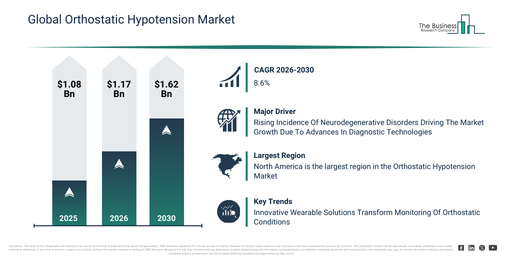
  • Orthostatic Hypotension Market Outlook Highlighting Demand Trends for 2026–2030

    Orthostatic Hypotension Market Outlook Highlighting Demand Trends for 2026–2030

    The Business Research Company’s 2026 market reports include new capabilities such as market attractiveness scoring and analysis, total addressable market analysis, company scoring matrix, interactive excel data dashboard, improved supply chain analysis, upcoming startups in the market, and overview of key products, aimed at improving the depth, usability, and strategic value of the insights delivered.

    What Is The Estimated Market Size Of The Orthostatic Hypotension Market During 2026–2030?

    The orthostatic hypotension market has experienced robust expansion over the past few years. This market is projected to expand from $1.08 billion in 2025 to $1.17 billion in 2026, exhibiting a compound annual growth rate (CAGR) of 8.4%. Key drivers for its historical growth include an expanding aging population, a surge in neurological illnesses, a higher incidence of cardiovascular ailments, the proliferation of diagnostic assessments, and improved clinical understanding.

    The orthostatic hypotension market size is projected to experience substantial growth in the upcoming years, expanding to $1.62 billion by 2030, at a compound annual growth rate (CAGR) of 8.6%. This anticipated growth can be linked to the increasing uptake of remote monitoring, the escalating burden of chronic diseases, the expansion of specialized neurology care, more prevalent screening programs, and the rising integration of telehealth. Significant trends during this forecast period encompass wearable blood pressure monitoring, digital testing for autonomic function, remote patient monitoring initiatives, combination drug therapy protocols, and home-based hypotension care models.

    Download the Free Sample Report to Explore Key Market Insights:

    https://www.thebusinessresearchcompany.com/sample.aspx?id=33253&type=smp

    What Drivers Are Expected To Influence The Orthostatic Hypotension Market During The Forecast Period?

    The increasing occurrence of neurodegenerative conditions is anticipated to fuel the expansion of the orthostatic hypotension market moving forward. These progressive disorders are characterized by the decline of nerve cells in the brain and nervous system, leading to both motor and cognitive deficits. The prevalence of neurodegenerative conditions is on the rise due to an aging global demographic, as a greater proportion of the population lives longer, increasing the likelihood of developing conditions like Alzheimer’s and Parkinson’s disease. The growing number of neurodegenerative disorders, such as Parkinson’s disease and multiple system atrophy, contribute to orthostatic hypotension development by disrupting autonomic nervous system regulation, impairing baroreceptor reflexes, and diminishing vascular tone, thereby compromising the body’s capacity to maintain stable blood pressure when standing. For instance, in March 2023, the Alzheimer’s Association reported that approximately 6.7 million Americans aged 65 and older were living with Alzheimer’s dementia, a figure expected to climb to 13.8 million by 2060. Consequently, the rising incidence of neurodegenerative disorders is a significant driver for the growth of the orthostatic hypotension market.

    How Are The Various Segments Of The Orthostatic Hypotension Market Categorized?

    The orthostatic hypotension market covered in this report is segmented –

    1) By Drug Type: Fludrocortisone; Midodrine Hydrochloride; Droxidopa; Pyridostigmine; Indomethacin; Caffeine; Epoetin; Oxilofrine Potassium Chloride; Non Steroidal Anti Inflammatory Drugs

    2) By Test Type: ECG; Blood Tests; Stress Test; Echocardiogram

    3) By Route Of Administration: Oral; Parenteral

    4) By Distribution Channel: Hospital Pharmacies; Retail Pharmacies; Online Pharmacies

    5) By End User: Hospitals; Diagnostic Centers; Clinics; Ambulatory Surgical Centers

    Subsegments:

    1) By Fludrocortisone: Fludrocortisone Tablets; Fludrocortisone Oral Solutions

    2) By Midodrine Hydrochloride: Midodrine Immediate Release Tablets; Midodrine Extended Release Formulations

    3) By Droxidopa: Droxidopa Capsules; Droxidopa Oral Formulations

    4) By Pyridostigmine: Pyridostigmine Bromide Tablets; Pyridostigmine Extended Release Tablets

    5) By Indomethacin: Indomethacin Capsules; Indomethacin Sustained Release Tablets

    6) By Caffeine: Caffeine Oral Tablets; Caffeine Oral Solutions

    7) By Epoetin: Epoetin Alfa Injections; Epoetin Beta Injections

    8) By Oxilofrine Potassium Chloride: Oxilofrine Oral Formulations; Oxilofrine Combination Formulations

    9) By Non Steroidal Anti Inflammatory Drugs: Ibuprofen Based Drugs; Naproxen Based Drugs; Aspirin Based Drugs; Other Non Steroidal Anti Inflammatory Drug Formulations

    What Trends Are Affecting The Expansion Of The Orthostatic Hypotension Market?

    Major companies active in the orthostatic hypotension market are focusing on the creation of innovative products, such as wearable cerebral blood flow monitors, to enhance real-time symptom monitoring and personalized patient care. A wearable cerebral blood flow monitor is an apparatus worn on the body, for example, in the ear, that measures blood flow to the brain instantly, aiding in the detection of orthostatic alterations, prediction of fainting episodes, and guidance for symptom management. For instance, in June 2023, STAT Health, a US-based digital health startup, launched its ear-worn wearable gadget, specifically designed for orthostatic conditions. The device captures cerebral blood flow through a superficial ear artery, identifies postural shifts, and generates trend scores to help users observe their time spent upright and any blood flow anomalies. Its distinctive capabilities include predictive fainting notifications, integration with a complementary application, and extended wearability coupled with clinical-grade signal quality, allowing patients with conditions such as POTS, long COVID, and chronic fatigue syndrome to improve their symptom management.

    Who Are The Primary Competitors In The Orthostatic Hypotension Market?

    Major companies operating in the orthostatic hypotension market are Pfizer Inc., Novartis AG, Takeda Pharmaceutical Company Limited, Teva Pharmaceutical Industries Ltd., Baxter International Inc., Sandoz International GmbH, Sun Pharmaceutical Industries Ltd., Apotex Inc., Dr. Reddy’s Laboratories Ltd., Cipla Limited, H. Lundbeck A/S, Hikma Pharmaceuticals PLC, Amneal Pharmaceuticals Inc., Lupin Limited, Alembic Pharmaceuticals Ltd., Theravance Biopharma Inc., Avadel Pharmaceuticals plc, Civica Rx Inc., Alterity Therapeutics Limited, and STAT Health Services LLC.

    Read the full orthostatic hypotension market report here:

    https://www.thebusinessresearchcompany.com/report/orthostatic-hypotension-market-report

    Which Regions Are Poised For Strategic Growth In The Orthostatic Hypotension Market?

    North America was the largest region in the orthostatic hypotension market in 2025. Asia-Pacific is expected to be the fastest-growing region in the forecast period. The regions covered in the orthostatic hypotension market report are Asia-Pacific, South East Asia, Western Europe, Eastern Europe, North America, South America, Middle East, Africa.

    Request A Tailored Orthostatic Hypotension Market Research Report For Competitive Advantage:

    https://www.thebusinessresearchcompany.com/customise?id=33253&type=smp

    Browse Through More Reports Similar to the Global Orthostatic Hypotension Market 2026, By The Business Research Company

    Wearable Blood Pressure Monitors Market Report 2026

    https://www.thebusinessresearchcompany.com/report/wearable-blood-pressure-monitors-global-market-report

    Hemostats Market Report 2026

    https://www.thebusinessresearchcompany.com/report/hemostats-global-market-report

    Sphygmomanometer Market Report 2026

    https://www.thebusinessresearchcompany.com/report/sphygmomanometer-global-market-report

    Get in touch with us:

    The Business Research Company: https://www.thebusinessresearchcompany.com/

    Americas +1 310-496-7795

    Asia +44 7882 955267 & +91 8897263534

    Europe +44 7882 955267

    Email us at info@tbrc.info

    Follow us on:

    LinkedIn: https://in.linkedin.com/company/the-business-research-company

    YouTube: https://www.youtube.com/channel/UC24_fI0rV8cR5DxlCpgmyFQ

    Global Market Model: https://www.thebusinessresearchcompany.com/global-market-model
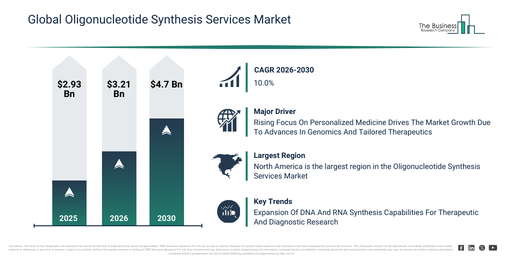
  • Oligonucleotide Synthesis Services Market Forecast to Hit $4.69 Billion by 2030

    Oligonucleotide Synthesis Services Market Forecast to Hit $4.69 Billion by 2030

    The Business Research Company’s 2026 market reports include new capabilities such as market attractiveness scoring and analysis, total addressable market analysis, company scoring matrix, interactive excel data dashboard, improved supply chain analysis, upcoming startups in the market, and overview of key products, aimed at improving the depth, usability, and strategic value of the insights delivered.

    What Market Value Is Anticipated For The Oligonucleotide Synthesis Services Market Over The Period 2026–2030?

    The oligonucleotide synthesis services market size has experienced robust growth in recent years. This market is projected to expand from $2.93 billion in 2025 to $3.21 billion in 2026, demonstrating a compound annual growth rate (CAGR) of 9.7%. The significant expansion observed in the past can be attributed to several factors, including the increasing utilization of PCR and sequencing, the broader scope of molecular biology research, an uptick in genomic testing, greater funding for genomics in academia, and an increase in biotechnology research and development endeavors.

    The oligonucleotide synthesis services market is projected to experience robust expansion in the coming years, reaching a valuation of $4.7 billion by 2030, driven by a compound annual growth rate (CAGR) of 10.0%. This anticipated growth during the forecast period is primarily due to factors such as the expanding pipelines of gene and cell therapies, increasing demand for CRISPR and gene editing technologies, the proliferation of nucleic acid therapeutics, wider adoption of precision diagnostics, and the scaling up of clinical oligo manufacturing. Key developments expected over this period encompass high-throughput production of custom oligos, specialized services for modified and labeled oligonucleotides, GMP-grade oligo manufacturing, expedited production of gene editing oligos, and sophisticated oligo purification processes.

    Download the Free Sample Report to Explore Key Market Insights:

    https://www.thebusinessresearchcompany.com/sample.aspx?id=33245&type=smp

    Which Economic Or Industry Drivers Are Impacting The Oligonucleotide Synthesis Services Market?

    The increasing focus on personalized medicine is poised to boost the growth of the oligonucleotide synthesis services market. Personalized medicine is a medical approach that customizes treatment and prevention strategies based on an individual’s genetic, biological, and lifestyle characteristics. The adoption of personalized medicine is rising due to advancements in genomics and molecular diagnostics, which facilitate treatments tailored to an individual’s genetic profile for improved outcomes. Oligonucleotide synthesis services aid personalized medicine by enabling the rapid and accurate production of custom DNA or RNA sequences used in patient-specific diagnostics, targeted therapies, and gene-based treatments, thereby allowing interventions perfectly matched to an individual’s genetic profile. For instance, in February 2024, according to the Personalized Medicine Coalition, a US-based non-profit organization, in 2023, the FDA approved 16 new personalized treatments for rare disease patients, up from six in 2022. The newly approved personalized treatments for 2023 also included seven cancer drugs and three for other diseases and conditions. Therefore, the escalating attention on personalized medicine is driving the growth of the oligonucleotide synthesis services market.

    How Is The Oligonucleotide Synthesis Services Market Divided Into Its Major Segments?

    The oligonucleotide synthesis services market covered in this report is segmented –

    1) By Type Of Oligonucleotide: Deoxyribonucleic Acid Oligonucleotides; Ribonucleic Acid Oligonucleotides; Peptide Nucleic Acids (PNAs); Locked Nucleic Acids (LNAs); Other Synthetic Nucleotides

    2) By Synthesis Method: Solid Phase Synthesis; Liquid Phase Synthesis; Microarray Based Synthesis; Oligonucleotide Synthesis Via Automated Synthesizers; Enzymatic Synthesis

    3) By Purity Level: Standard Purity; High Purity; Ultra High Purity; Custom Purity Solutions; Quality Control Measures

    4) By Application: Diagnostics; Therapeutics; Research And Development; Gene Editing; Vaccine Development

    5) By End User: Academic And Research Institutions; Pharmaceutical And Biotechnology Companies; Diagnostic Laboratories; Contract Research Organizations (CROs); Clinical Laboratories

    Subsegments:

    1) By Deoxyribonucleic Acid Oligonucleotides: Standard Deoxyribonucleic Acid Oligonucleotides; Modified Deoxyribonucleic Acid Oligonucleotides; Phosphorothioate Deoxyribonucleic Acid Oligonucleotides; Methylated Deoxyribonucleic Acid Oligonucleotides

    2) By Ribonucleic Acid Oligonucleotides: Standard Ribonucleic Acid Oligonucleotides; Modified Ribonucleic Acid Oligonucleotides; Small Interfering Ribonucleic Acid Oligonucleotides; Micro Ribonucleic Acid Oligonucleotides

    3) By Peptide Nucleic Acids: Standard Peptide Nucleic Acids; Modified Peptide Nucleic Acids; Functionalized Peptide Nucleic Acids

    4) By Locked Nucleic Acids: Standard Locked Nucleic Acids; 2′-O-Methyl Locked Nucleic Acids; Gapmer Locked Nucleic Acids

    5) By Other Synthetic Nucleotides: Morpholino Oligonucleotides; Phosphoramidite Oligonucleotides; Xeno Nucleic Acid Oligonucleotides; Synthetic Aptamers

    How Are Trends Transforming The Oligonucleotide Synthesis Services Market Landscape?

    Key companies operating within the oligonucleotide synthesis services market are prioritizing the advancement of their DNA and RNA production capabilities to bolster therapeutic and diagnostic research. These capabilities involve sophisticated methods for creating and expanding high-quality genetic material, which are fundamental in enabling research, diagnostics, and the development of biopharmaceutical therapies. Illustratively, in May 2025, Oligo Factory Inc., a US-based manufacturing company, launched a low-scale oligo synthesis capability with the aim of broadening support for therapeutic and diagnostic researchers and developers. This new offering facilitates small-batch custom DNA/RNA production, commencing at 50 nmol, for early-stage research and development in fields such as therapeutics, diagnostics, qPCR, NGS, and preclinical studies. It effectively reduces costs and waste, provides a quick turnaround (4 weeks or less) with GMP or ISO 13485 quality standards, and supports seamless scaling through portfolios like FactorTx without the need for vendor changes, offering critical agility for researchers requiring prototypes over large minimum orders.

    Which Key Industry Participants Are Active In The Oligonucleotide Synthesis Services Market?

    Major companies operating in the oligonucleotide synthesis services market are Thermo Fisher Scientific Inc., Agilent Technologies Inc., QIAGEN N.V., Integrated DNA Technologies Inc., Sangon Biotech (Shanghai) Co. Ltd., Ajinomoto Co. Inc., Twist Bioscience Corporation, Sigma-Aldrich Co. LLC, Aldevron LLC, Bioneer Corporation, GenScript Biotech Corporation, BBI Life Sciences Ltd., Takara Bio Inc., BioServe Biotechnologies Ltd., Eurofins Genomics Germany GmbH, Bio-Synthesis Inc., TriLink BioTechnologies LLC, BioBasic Inc., Biosearch Technologies Inc., JenaBioscience GmbH, Geneworks Pty Ltd., HUWEL Life Science Co. Ltd., and SynoLigo Pvt. Ltd.

    Read the full oligonucleotide synthesis services market report here:

    https://www.thebusinessresearchcompany.com/report/oligonucleotide-synthesis-services-market-report

    Which Geographic Areas Are Emerging As Strong Markets For The Oligonucleotide Synthesis Services Market?

    North America was the largest region in the oligonucleotide synthesis services market in 2025. Asia-Pacific is expected to be the fastest-growing region in the forecast period. The regions covered in the oligonucleotide synthesis services market report are Asia-Pacific, South East Asia, Western Europe, Eastern Europe, North America, South America, Middle East, Africa.

    Request A Tailored Oligonucleotide Synthesis Services Market Research Report For Competitive Advantage:

    https://www.thebusinessresearchcompany.com/customise?id=33245&type=smp

    Browse Through More Reports Similar to the Global Oligonucleotide Synthesis Services Market 2026, By The Business Research Company

    Oligonucleotide Synthesis Market Report 2026

    https://www.thebusinessresearchcompany.com/report/oligonucleotide-synthesis-global-market-report

    Oligonucleotides Therapy Market Report 2026

    https://www.thebusinessresearchcompany.com/report/oligonucleotides-therapy-global-market-report

    Cell And Gene Therapy Supply Chain Or Logistics Market Report 2026

    https://www.thebusinessresearchcompany.com/report/cell-and-gene-therapy-supply-chain-or-logistics-global-market-report

    Get in touch with us:

    The Business Research Company: https://www.thebusinessresearchcompany.com/

    Americas +1 310-496-7795

    Asia +44 7882 955267 & +91 8897263534

    Europe +44 7882 955267

    Email us at info@tbrc.info

    Follow us on:

    LinkedIn: https://in.linkedin.com/company/the-business-research-company

    YouTube: https://www.youtube.com/channel/UC24_fI0rV8cR5DxlCpgmyFQ

    Global Market Model: https://www.thebusinessresearchcompany.com/global-market-model
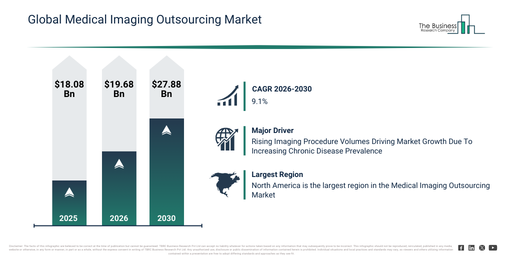
  • Increasing Imaging Demand Driving Expansion in Medical Imaging Outsourcing Market

    Increasing Imaging Demand Driving Expansion in Medical Imaging Outsourcing Market

    The Business Research Company’s 2026 market reports include new capabilities such as market attractiveness scoring and analysis, total addressable market analysis, company scoring matrix, interactive excel data dashboard, improved supply chain analysis, upcoming startups in the market, and overview of key products, aimed at improving the depth, usability, and strategic value of the insights delivered.

    How Is The Market Size Of The Medical Imaging Outsourcing Market Expected To Change Between 2026 And 2030?

    The medical imaging outsourcing market has experienced robust growth in recent years. It will grow from $18.08 billion in 2025 to $19.68 billion in 2026 at a compound annual growth rate (CAGR) of 8.9%. This historical expansion can be attributed to several factors including a scarcity of radiologists, an increase in diagnostic imaging volumes, hospital initiatives aimed at cost reduction, the early adoption of teleradiology, and the widespread deployment of digital imaging systems.

    The medical imaging outsourcing market is poised for substantial expansion in the upcoming years. Its valuation is expected to ascend to $27.88 billion by 2030, progressing at a compound annual growth rate (CAGR) of 9.1%. This projected increase is fueled by factors such as the rising need for cross-border reporting, mounting imaging backlogs, the broadening adoption of remote diagnostics models, an uptick in outsourcing by hospitals, and the desire for more rapid report turnaround times. Significant developments anticipated during this period involve the establishment of global teleradiology reporting networks, continuous remote image interpretation services, integrated imaging workflow management, cloud-based image archiving solutions, and specialized subspecialty radiology outsourcing.

    Download the Free Sample Report to Explore Key Market Insights:

    https://www.thebusinessresearchcompany.com/sample.aspx?id=33210&type=smp

    What Major Drivers Are Influencing Demand In The Medical Imaging Outsourcing Market?

    Increased imaging procedure volumes are anticipated to boost the medical imaging outsourcing market in the future. These volumes signify the total diagnostic imaging tests conducted by healthcare providers within a specific timeframe. The increase in imaging procedure volumes stems from the rising occurrence of chronic diseases, which necessitates frequent diagnostic imaging for early identification, tracking disease progression, and informing treatment choices. Medical imaging outsourcing facilitates this surge by allowing healthcare providers to manage escalating diagnostic requirements effectively, offering remote radiology expertise, adaptable resources, quicker report delivery, and alleviating operational pressure without needing to expand internal facilities. For instance, in November 2023, the National Health Service, a UK-based government department, reported that England performed 45.0 million imaging tests in the year ending March 2023, a 2.2% increase from 44.0 million the prior year. This included 10.3 million diagnostic ultrasound tests, rising by 1.8%; 7.1 million CT scans, up by 5.5%; and 4.1 million MRI scans, increasing by 6.2%. Consequently, higher imaging procedure volumes are propelling the growth of the medical imaging outsourcing market. The growth of healthcare infrastructure is projected to fuel the expansion of the medical imaging outsourcing market. Healthcare infrastructure refers to the facilities, instruments, and personnel required to effectively deliver medical care to a population. This infrastructure is expanding because of a growing population, which necessitates more hospitals, clinics, medical devices, and skilled healthcare professionals to provide sufficient services and maintain public health. The enlargement of healthcare infrastructure increases the need for sophisticated diagnostic services, allowing medical imaging outsourcing to offer expert knowledge, quicker processing, and economical alternatives that complement the developing network of healthcare facilities. For instance, in May 2023, the American Health Care Association, a US-based nonprofit organization, reported that the number of hospitals in the United States rose by 0.591% from the previous year, increasing from 6,093 to 6,129. Thus, the expansion of healthcare infrastructure is a key driver for the medical imaging outsourcing market.

    How Is The Medical Imaging Outsourcing Market Structured Across Different Segments?

    The medical imaging outsourcing market covered in this report is segmented –

    1) By Product Type: Computed Tomography (CT); Magnetic Resonance Imaging (MRI); Ultrasound; X-Ray; Nuclear Medicine; Other Modalities

    2) By Delivery Mode: Onsite Outsourcing Services; Offsite Outsourcing Services; Hybrid Outsourcing Services

    3) By Application: Cardiology; Diagnostic Imaging; Orthopedic; Diagnostic Testing Systems; Drug Delivery; Diabetes Care; Other Application

    4) By End Use: Hospitals And Clinics; Interventional Imaging Centers; Other End Uses

    Subsegments:

    1) By Computed Tomography: High Resolution Computed Tomography; Low Dose Computed Tomography; Contrast Enhanced Computed Tomography; Cardiac Computed Tomography; Whole Body Computed Tomography

    2) By Magnetic Resonance Imaging: Functional Magnetic Resonance Imaging; Diffusion Weighted Imaging; Magnetic Resonance Angiography; Magnetic Resonance Spectroscopy; Cardiac Magnetic Resonance Imaging

    3) By Ultrasound: Diagnostic Ultrasound Imaging; Doppler Ultrasound Imaging; Three Dimensional Ultrasound Imaging; Four Dimensional Ultrasound Imaging; Point Of Care Ultrasound

    4) By X-Ray: Digital Radiography; Computed Radiography; Mobile X-Ray Imaging; Fluoroscopy Imaging; Dental X-Ray Imaging

    5) By Nuclear Medicine: Positron Emission Tomography; Single Photon Emission Computed Tomography; Hybrid Nuclear Imaging; Radionuclide Imaging; Molecular Imaging

    6) By Other Modalities: Optical Imaging; Thermal Imaging; Elastography Imaging; Photoacoustic Imaging; Molecular Diagnostic Imaging

    Who Are The Leading Companies Operating In The Medical Imaging Outsourcing Market?

    Major companies operating in the medical imaging outsourcing market are Sonic Healthcare Limited, RadNet Inc., Agfa HealthCare NV, Flatworld Solutions Pvt. Ltd., Radiology Partners Inc., Envision Radiology, ProScan Imaging, Alliance Medical Limited, Teleradiology Solutions, Everlight Radiology Limited, ONRAD Inc., RamSoft Inc., StatRad LLC, Sirona Medical Inc., Candelis Inc., MedWeb LLC, MetaMed, Shields Health Care Group, Diagnostic Imaging Services, MEDNAX Services Inc., 3DR Laboratories Inc., and American Imaging Consultants.

    Read the full medical imaging outsourcing market report here:

    https://www.thebusinessresearchcompany.com/report/medical-imaging-outsourcing-market-report

    Which Regions Are Projected To Dominate The Medical Imaging Outsourcing Market In The Coming Years?

    North America was the largest region in the medical imaging outsourcing market in 2025. Asia-Pacific is expected to be the fastest-growing region in the forecast period. The regions covered in the medical imaging outsourcing market report are Asia-Pacific, South East Asia, Western Europe, Eastern Europe, North America, South America, Middle East, Africa.

    Request A Tailored Medical Imaging Outsourcing Market Research Report For Competitive Advantage:

    https://www.thebusinessresearchcompany.com/customise?id=33210&type=smp

    Browse Through More Reports Similar to the Global Medical Imaging Outsourcing Market 2026, By The Business Research Company

    Medical Device Outsourcing Market Report 2026

    https://www.thebusinessresearchcompany.com/report/medical-device-outsourcing-global-market-report

    Medical Imaging Market Report 2026

    https://www.thebusinessresearchcompany.com/report/medical-imaging-global-market-report

    Medical Imaging Equipment Market Report 2026

    https://www.thebusinessresearchcompany.com/report/medical-imaging-equipment-global-market-report

    Get in touch with us:

    The Business Research Company: https://www.thebusinessresearchcompany.com/

    Americas +1 310-496-7795

    Asia +44 7882 955267 & +91 8897263534

    Europe +44 7882 955267

    Email us at info@tbrc.info

    Follow us on:

    LinkedIn: https://in.linkedin.com/company/the-business-research-company

    YouTube: https://www.youtube.com/channel/UC24_fI0rV8cR5DxlCpgmyFQ

    Global Market Model: https://www.thebusinessresearchcompany.com/global-market-model
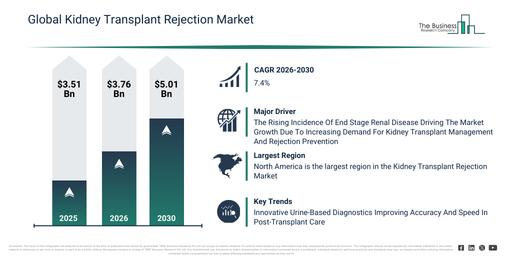
  • Kidney Transplant Rejection Market Outlook Highlighting Demand Trends Through 2030

    Kidney Transplant Rejection Market Outlook Highlighting Demand Trends Through 2030

    The Business Research Company’s 2026 market reports include new capabilities such as market attractiveness scoring and analysis, total addressable market analysis, company scoring matrix, interactive excel data dashboard, improved supply chain analysis, upcoming startups in the market, and overview of key products, aimed at improving the depth, usability, and strategic value of the insights delivered.

    What Market Size Increase Is Anticipated For The Kidney Transplant Rejection Market Over The 2026–2030 Period?

    The kidney transplant rejection market size has experienced robust growth recently. It is anticipated to increase from $3.51 billion in 2025 to $3.76 billion in 2026, achieving a compound annual growth rate (CAGR) of 7.2%. This historical expansion can be ascribed to a surge in kidney transplant procedures, developments in histopathological assessment methods, broader access to immunosuppressive medicines, the proliferation of transplant center networks, and enhanced post-transplant patient survival rates.

    The kidney transplant rejection market is projected to experience substantial expansion in the coming years, reaching a valuation of $5.01 billion by 2030, demonstrating a compound annual growth rate (CAGR) of 7.4%. This anticipated growth is driven by several factors, including an escalating demand for tailored immunosuppression approaches, the wider integration of molecular diagnostics, the spread of precision medicine in transplant management, a heightened emphasis on ensuring long-term graft survival, and increased capital flow into transplant monitoring solutions. Key trends shaping the market during this period involve the increasing embrace of biomarker-driven rejection surveillance, a surge in genomics-based diagnostic techniques, continuous refinement of immunosuppressive treatment regimens, the development of non-invasive methods for rejection detection, and a stronger commitment to identifying chronic rejection early.

    Download the Free Sample Report to Explore Key Market Insights:

    https://www.thebusinessresearchcompany.com/sample.aspx?id=33190&type=smp

    What Key Drivers Are Influencing The Growth Of The Kidney Transplant Rejection Market?

    An increasing occurrence of end-stage renal disease (ESRD) is projected to boost the expansion of the kidney transplant rejection market in the future. End-stage renal disease (ESRD) is defined as the ultimate, irreversible phase of chronic kidney disease where the kidneys are unable to function sufficiently without either dialysis or a kidney transplant. The prevalence of ESRD is increasing because of a rise in chronic conditions such as diabetes and hypertension, which gradually impair kidney function, leading to renal failure. The phenomenon of kidney transplant rejection necessitates sophisticated monitoring and treatment strategies, which directly aid in managing end-stage renal disease by helping transplanted kidneys remain viable and patients preserve their kidney health. As an illustration, data from September 2024, provided by the National Institute of Diabetes and Digestive and Kidney Diseases, a US government body, indicated that in 2023, over 808,000 individuals in the United States were afflicted with end-stage kidney disease (ESKD), also known as end-stage renal disease (ESRD). Of these, 68% were undergoing dialysis, while 32% had received a kidney transplant. Consequently, the growing occurrence of end-stage renal disease is propelling the expansion of the kidney transplant rejection market.

    How Is The Kidney Transplant Rejection Market Segmented Across Key Categories?

    The kidney transplant rejection market covered in this report is segmented –

    1) By Rejection Type: Chronic Rejection; Acute Rejection

    2) By Treatment: Immunosuppressive Drugs; Antibody-Mediated Rejection Therapies

    3) By Diagnostic Approach: Biomarker-Based Diagnostics; Genomics-Based Diagnostics

    4) By Therapeutics: Small Molecule Inhibitors; Biologic Therapies

    5) By End-Users: Transplant Centers Or Hospitals; Diagnostic Laboratories; Pharmacies

    Subsegments:

    1) By Chronic Rejection: Antibody Mediated Chronic Rejection; Chronic Allograft Nephropathy; Interstitial Fibrosis And Tubular Atrophy; Vascular Chronic Rejection; Mixed Chronic Rejection

    2) By Acute Rejection: Cellular Acute Rejection; Antibody Mediated Acute Rejection; Hyperacute Rejection; Mixed Acute Rejection; Vascular Acute Rejection

    Which Upcoming Trends Are Expected To Influence The Kidney Transplant Rejection Market?

    Leading companies within the kidney transplant rejection market are concentrating on creating advanced diagnostic methods, specifically noninvasive urinary biomarker testing, to facilitate the quicker, safer, and more precise identification of transplant rejection. This noninvasive method involves examining urine samples for molecular markers indicating kidney inflammation or rejection, thereby assisting medical professionals in promptly and safely pinpointing transplant complications without requiring invasive biopsies. An example of this is Thermo Fisher Scientific Inc., a US-based biotechnology firm, which introduced its CXCL10 testing service in May 2024, offering an advanced diagnostic option for individuals who have undergone kidney transplantation. The CXCL10 test identifies the CXCL10 chemokine present in urine, a substance connected to the early stages of transplant rejection and inflammation. This test provides results within 24 hours, allowing for more rapid clinical judgments, decreasing the necessity for unwarranted biopsies, and enhancing patient ease through its noninvasive sample collection method. Developed and validated by Thermo Fisher’s One Lambda Laboratories, this assay features a combination of high sensitivity, specificity, and user-friendliness in clinical environments, thereby contributing to enhanced post-transplant care and improved patient results.

    Who Are The Top Companies Competing In The Kidney Transplant Rejection Market?

    Major companies operating in the kidney transplant rejection market are F. Hoffmann-La Roche AG, Merck & Co. Inc., Sanofi SA, Novartis AG, Bristol-Myers Squibb Company, Thermo Fisher Scientific Inc., Takeda Pharmaceutical Company Limited, Amgen Inc., Asahi Kasei Corporation, Teva Pharmaceutical Industries Ltd., Astellas Pharma Inc., Biogen Inc., ChugAI Pharmaceutical Co. Ltd., Eurofins Scientific SE, Illumina Inc., Natera Inc., CareDx Inc., Azurity Pharmaceuticals Inc., Insight Molecular Diagnostics, and RenalytixAI plc.

    Read the full kidney transplant rejection market report here:

    https://www.thebusinessresearchcompany.com/report/kidney-transplant-rejection-market-report

    Which Region Is Anticipated To See The Fastest Growth In The Kidney Transplant Rejection Market?

    North America was the largest region in the kidney transplant rejection market in 2025. Asia-Pacific is expected to be the fastest-growing region in the forecast period. The regions covered in the kidney transplant rejection market report are Asia-Pacific, South East Asia, Western Europe, Eastern Europe, North America, South America, Middle East, Africa.

    Request A Tailored Kidney Transplant Rejection Market Research Report For Competitive Advantage:

    https://www.thebusinessresearchcompany.com/customise?id=33190&type=smp

    Browse Through More Reports Similar to the Global Kidney Transplant Rejection Market 2026, By The Business Research Company

    Kidney Transplant Market Report 2026

    https://www.thebusinessresearchcompany.com/report/kidney-transplant-global-market-report

    Organ Transplant Immunosuppressant Drugs Market Report 2026

    https://www.thebusinessresearchcompany.com/report/organ-transplant-immunosuppressant-drugs-global-market-report

    Continuous Renal Replacement Therapy Market Report 2026

    https://www.thebusinessresearchcompany.com/report/continuous-renal-replacement-therapy-global-market-report

    Get in touch with us:

    The Business Research Company: https://www.thebusinessresearchcompany.com/

    Americas +1 310-496-7795

    Asia +44 7882 955267 & +91 8897263534

    Europe +44 7882 955267

    Email us at info@tbrc.info

    Follow us on:

    LinkedIn: https://in.linkedin.com/company/the-business-research-company

    YouTube: https://www.youtube.com/channel/UC24_fI0rV8cR5DxlCpgmyFQ

    Global Market Model: https://www.thebusinessresearchcompany.com/global-market-model

  • Acellular Therapy Market Insights 2026–2030 Highlighting Emerging Business Opportunities

    The Business Research Company’s 2026 market reports include new capabilities such as market attractiveness scoring and analysis, total addressable market analysis, company scoring matrix, interactive excel data dashboard, improved supply chain analysis, upcoming startups in the market, and overview of key products, aimed at improving the depth, usability, and strategic value of the insights delivered.

    How Is The Market Size Of The Acellular Therapy Market Expected To Change Between 2026 And 2030?

    The acellular therapy market has experienced substantial expansion in recent years. It will grow from $8.3 billion in 2025 to $9.69 billion in 2026 at a compound annual growth rate (CAGR) of 16.7%. Historically, this expansion has been driven by increasing research activity in regenerative medicine, early clinical adoption of acellular matrices, growing demand for immune-safe therapies, expansion of wound care applications, and improvements in biomaterial processing techniques.

    The acellular therapy market is poised for swift expansion in the coming years. It is projected to reach $18.09 billion in 2030, growing at a compound annual growth rate (CAGR) of 16.9%. This growth during the forecast period is attributable to the increasing demand for personalized regenerative treatments, greater investments in advanced biomaterials, the expansion of clinical indications for acellular therapies, a heightened focus on scalable regenerative solutions, and rising regulatory support for non-cellular therapies. Key trends anticipated in the same period include the increasing adoption of growth factor-based therapies, a rising use of extracellular matrix scaffolds, a growing emphasis on cell-free regenerative solutions, the expansion of off-the-shelf regenerative products, and enhanced integration of translational research platforms.

    Download the Free Sample Report to Explore Key Market Insights:

    https://www.thebusinessresearchcompany.com/sample.aspx?id=33006&type=smp

    Which Major Factors Are Driving The Expansion Of The Acellular Therapy Market?

    The growing embrace of regenerative medicine is anticipated to fuel the expansion of the acellular therapy market in the future. Regenerative medicine encompasses medical strategies aimed at repairing, replacing, or regenerating human cells, tissues, or organs through the utilization of biological processes and treatments to reinstate normal functionality. The integration of regenerative medicine is on the rise, driven by expanding biotechnology research activities globally, marked by a greater number of developers, more extensive pipelines, and a wider scope of therapeutic investigations. Acellular therapy (AT) facilitates this progression by offering bioactive, cell-free therapeutic substances like extracellular vesicles, secretomes, and other biologically active elements. These materials supplement regenerative strategies, providing improved safety and consistent dosing. As an illustration, data from June 2024, provided by the Centre for Commercialization of Regenerative Medicine (CCRM), a Canadian regenerative medicine organization, indicated a global count of 2,848 cell and gene therapy developers as of April 2024. This represents an 11% increase from quarter four (Q4) 2023. Furthermore, there were 1,751 active regenerative medicine clinical trials worldwide as of April 2024, demonstrating ongoing clinical involvement and an uptick in regenerative research endeavors. Consequently, the heightened uptake of regenerative medicine is a significant catalyst for the growth of the acellular therapy market.

    How Is The Acellular Therapy Market Structured Across Different Segments?

    The acellular therapy market covered in this report is segmented –

    1) By Type: Acellular Dermal Matrices; Acellular Amniotic Membranes; Acellular Umbilical Cord Products; Other Types

    2) By Disease: Parkinson’s; Alzheimer’s; Chronic Wounds; Sclerosis; Cancer

    3) By Scaffold: Fused Deposition Modeling (FDM); Cell Laden Hydrogel; Extracellular Matrix (ECM); Selective Laser Sintering (SLS)

    4) By Application: Hepatology; Orthopedic; Cardiology; Neurology; Oncology; Gastroenterology

    5) By End-User: Hospitals; Clinics; Ambulatory Surgical Centers; Research Institutes

    Subsegments:

    1) By Acellular Dermal Matrices: Human Derived Dermal Matrices; Animal Derived Dermal Matrices; Cross Linked Dermal Matrices; Non Cross Linked Dermal Matrices

    2) By Acellular Amniotic Membranes: Cryopreserved Amniotic Membranes; Dehydrated Amniotic Membranes; Lyophilized Amniotic Membranes; Laminated Amniotic Membranes

    3) By Acellular Umbilical Cord Products: Wharton Jelly Based Products; Umbilical Cord Patch Products; Umbilical Cord Powder Products; Umbilical Cord Sheet Products

    4) By Other Types: Acellular Cartilage Matrices; Acellular Bone Matrices; Acellular Vascular Grafts; Acellular Tendon And Ligament Scaffolds

    Which Trends Are Shaping The Future Of The Acellular Therapy Market?

    Leading companies in the acellular therapy market are concentrating on the creation of small extracellular vesicle (sEV) therapies. These treatments aim to boost tissue regeneration, alleviate inflammation, and regulate immune responses by directly delivering bioactive vesicles to affected areas without introducing living cells. Small extracellular vesicle (sEV) therapies are defined as acellular products derived from cultured cells, which transport proteins, ribonucleic acids (RNAs), and signaling molecules. This enables precise regulation of cellular activity, the repair of damaged tissue, and immunomodulation. For instance, in march 2025, evast bio, an US-based biotechnology company, developed a small extracellular vesicle (sEV) therapy for knee osteoarthritis, specifically designed to tackle critical challenges in inflammatory joint disease. This therapy functions by delivering exosomes to inflamed cartilage, stimulating the regeneration of the cartilage extracellular matrix, reducing inflammatory markers, and improving joint function. This positions it as a pioneering acellular therapy (AT) for musculoskeletal inflammation and a significant model for future extracellular vesicle (sEV) based treatments.

    Which Major Players Dominate The Acellular Therapy Market?

    Major companies operating in the acellular therapy market are Thermo Fisher Scientific, FUJIFILM Holdings Corp., Lonza Group AG, Smith+Nephew, Charles River Laboratories, Sartorius AG, Integra LifeSciences, AGC Biologics, Organogenesis Holdings Inc., MiMedx Group Inc., Vericel Corporation, Avita Medical, Capricor Therapeutics, RoosterBio Inc., Creative Biolabs, Evox Therapeutics Ltd., ILIAS Biologics, Aruna Biomedical, Stem Cell Medicine Ltd., Aegle Therapeutics Corp, Direct Biologics LLC., BioCardia Inc., BioRestorative Therapies Inc., and EverZom.

    Read the full acellular therapy market report here:

    https://www.thebusinessresearchcompany.com/report/acellular-therapy-market-report

    How Does The Acellular Therapy Market Perform Across Major Global Regions?

    North America was the largest region in the acellular therapy market in 2025. Asia-Pacific is expected to be the fastest-growing region in the forecast period. The regions covered in the acellular therapy market report are Asia-Pacific, South East Asia, Western Europe, Eastern Europe, North America, South America, Middle East, Africa.

    Request A Tailored Acellular Therapy Market Research Report For Competitive Advantage:

    https://www.thebusinessresearchcompany.com/customise?id=33006&type=smp

    Browse Through More Reports Similar to the Global Acellular Therapy Market 2026, By The Business Research Company

    Clinical Trial Equipment And Ancillary Solutions Market Report 2026

    https://www.thebusinessresearchcompany.com/report/clinical-trial-equipment-and-ancillary-solutions-global-market-report

    Ace Inhibitors Market Report 2026

    https://www.thebusinessresearchcompany.com/report/ace-inhibitors-global-market-report

    Clinical Trial Supply And Logistics Market Report 2026

    https://www.thebusinessresearchcompany.com/report/clinical-trial-supply-and-logistics-global-market-report

    Get in touch with us:

    The Business Research Company: https://www.thebusinessresearchcompany.com/

    Americas +1 310-496-7795

    Asia +44 7882 955267 & +91 8897263534

    Europe +44 7882 955267

    Email us at info@tbrc.info

    Follow us on:

    LinkedIn: https://in.linkedin.com/company/the-business-research-company

    YouTube: https://www.youtube.com/channel/UC24_fI0rV8cR5DxlCpgmyFQ

    Global Market Model: https://www.thebusinessresearchcompany.com/global-market-model

  • Zygomatic And Pterygoid Implants Market Growth Prospects 2026–2030 with Innovation Trends and Competitive Landscape

    Zygomatic And Pterygoid Implants Market Growth Prospects 2026–2030 with Innovation Trends and Competitive Landscape

    The Business Research Company’s 2026 market reports include new capabilities such as market attractiveness scoring and analysis, total addressable market analysis, company scoring matrix, interactive excel data dashboard, improved supply chain analysis, upcoming startups in the market, and overview of key products, aimed at improving the depth, usability, and strategic value of the insights delivered.

    What Market Value Is Anticipated For The Zygomatic And Pterygoid Implants Market Over The Period 2026–2030?

    The market for zygomatic and pterygoid implants has exhibited robust expansion over recent years. Forecasts indicate it will expand from $1.23 billion in 2025 to $1.3 billion by 2026, achieving a compound annual growth rate (CAGR) of 6.3%. This historical increase is primarily driven by the rising incidence of severe maxillary bone loss, heightened awareness regarding alternative implant options, increased use of dental implants among elderly patients, the proliferation of specialized dental care facilities, and advancements in implant material engineering.

    The zygomatic and pterygoid implants market size is anticipated to experience robust expansion over the next few years, projected to reach $1.65 billion in 2030 with a compound annual growth rate (CAGR) of 6.0%. This projected growth during the forecast period can be attributed to factors such as an escalating demand for full-arch rehabilitation solutions, the increasing integration of digital dentistry workflows, growing investments in advanced dental implant systems, a rising preference for graftless implant procedures, and the expansion of implant-supported prosthetic solutions. Major trends anticipated in this period include the increasing adoption of advanced implant placement techniques, a rising utilization of digital surgical planning tools, a growing demand for immediate load implant solutions, the expansion of specialized dental implant training programs, and an enhanced focus on minimally invasive implant procedures.

    Download the Free Sample Report to Explore Key Market Insights:

    https://www.thebusinessresearchcompany.com/sample.aspx?id=21010&type=smp

    Which Major Factors Are Driving The Expansion Of The Zygomatic And Pterygoid Implants Market?

    The increasing incidence of oral diseases is anticipated to boost the growth of the zygomatic and pterygoid implants market moving forward. Oral diseases encompass various conditions affecting the mouth, teeth, gums, and surrounding tissues, including cavities, gum disease, oral infections, and oral cancer, often resulting from poor hygiene, dietary habits, or underlying health issues. These diseases are on the rise due to factors such as inadequate oral hygiene, unhealthy diets high in sugar, limited access to dental care, and growing tobacco and alcohol use. Zygomatic and pterygoid implants help address oral diseases by offering stable support for dental prostheses in patients with severe bone loss, thereby improving overall oral health and restoring function when traditional implants are not feasible. For instance, in March 2025, according to the World Health Organization (WHO), a Switzerland-based intergovernmental health organization, oral diseases were estimated to affect nearly 3.7 billion people worldwide, while severe periodontal disease impacted more than 1 billion individuals globally, with complete tooth loss occurring in about 7% of adults aged 20 years and older and rising to roughly 23% among those aged 60 years or above. Consequently, the rising prevalence of oral diseases is fueling growth in the zygomatic and pterygoid implants market.

    How Is The Zygomatic And Pterygoid Implants Market Divided Into Its Major Segments?

    The zygomatic and pterygoid implants market covered in this report is segmented –

    1) By Type: Zygomatic Implants, Pterygoid Implants, Combined Implants

    2) By Length: Up To 30 Mm, 30–50 Mm, Above 50 Mm

    3) By Application: Maxillary Sinuses, Severe Atrophy Of Maxillary Bone, Other Applications

    4) By End User: Dental Clinics, Hospital Dental Departments, Research Institutions

    Subsegments:

    1) By Zygomatic Implants: Single Zygomatic Implants, Multiple Zygomatic Implants

    2) By Pterygoid Implants: Single Pterygoid Implants, Multiple Pterygoid Implants

    3) By Combined Implants: Zygomatic And Pterygoid Combined Implants, Hybrid Zygomatic And Pterygoid Implant Systems

    What Key Trends Are Influencing The Development Of The Zygomatic And Pterygoid Implants Market?

    Leading companies operating within the zygomatic and pterygoid implants market are prioritizing the development of innovative solutions, including metal-free implants. This initiative seeks to serve patients with metal allergies, improve biocompatibility, and enhance long-term treatment results. Metal-free implants are medical devices made entirely from non-metallic substances, such as ceramics or polymers, which are biocompatible and designed to minimize metal-related allergic responses, corrosion, or interference with medical imaging techniques like MRI. For instance, in December 2024, Pure Dental Health, a US-based premier dental practice, launched its advanced All-on-X dental implant system, featuring zygomatic and pterygoid implants tailored to address severe bone loss and complex dental issues. This cutting-edge method provides patients with secure, natural-looking smiles, restoring both functionality and confidence, regardless of the intricacy of their dental needs.

    Who Are The Prominent Organizations Shaping The Zygomatic And Pterygoid Implants Market?

    Major companies operating in the zygomatic and pterygoid implants market are Straumann Holding AG, Zimmer Biomet Holding Inc., Nobel Biocare, BioHorizons Implant Systems Inc., MIS Implants Technologies Ltd., Southern Implants (Pty) Ltd., Camlog Vertriebs GmbH, Jeil Medical Corporation, Osstem Implant Co Ltd, Megagen Implant Co Ltd, Dentsply Sirona Inc, Bicon Dental Implants, Hiossen Inc, Euroteknika SAS.

    Read the full zygomatic and pterygoid implants market report here:

    https://www.thebusinessresearchcompany.com/report/zygomatic-and-pterygoid-implants-global-market-report

    Which Region Currently Holds The Largest Share Of The Zygomatic And Pterygoid Implants Market?

    North America was the largest region in the zygomatic and pterygoid implants market in 2025. Asia-Pacific is expected to be the fastest-growing region in the forecast period. The regions covered in the zygomatic and pterygoid implants market report are Asia-Pacific, South East Asia, Western Europe, Eastern Europe, North America, South America, Middle East, Africa.

    Request A Tailored Zygomatic And Pterygoid Implants Market Research Report For Competitive Advantage:

    https://www.thebusinessresearchcompany.com/customise?id=21010&type=smp

    Browse Through More Reports Similar to the Global Zygomatic And Pterygoid Implants Market 2026, By The Business Research Company

    Smart Implants Global Market Report

    https://www.thebusinessresearchcompany.com/report/smart-implants-global-market-report

    Cosmetic Implants Global Market Report

    https://www.thebusinessresearchcompany.com/report/cosmetic-implants-global-market-report

    Dental Implants And Prosthetics Global Market Report

    https://www.thebusinessresearchcompany.com/report/dental-implants-and-prosthetics-global-market-report

    Get in touch with us:

    The Business Research Company: https://www.thebusinessresearchcompany.com/

    Americas +1 310-496-7795

    Asia +44 7882 955267 & +91 8897263534

    Europe +44 7882 955267

    Email us at info@tbrc.info

    Follow us on:

    LinkedIn: https://in.linkedin.com/company/the-business-research-company

    YouTube: https://www.youtube.com/channel/UC24_fI0rV8cR5DxlCpgmyFQ

    Global Market Model: https://www.thebusinessresearchcompany.com/global-market-model