Category: Healthcare Services

  • Global Tissue Engineered Skin Substitute Industry Trends and Market Growth Forecast for 2026–2030

    Global Tissue Engineered Skin Substitute Industry Trends and Market Growth Forecast for 2026–2030

    The Business Research Company’s 2026 market reports include new capabilities such as market attractiveness scoring and analysis, total addressable market analysis, company scoring matrix, interactive excel data dashboard, improved supply chain analysis, upcoming startups in the market, and overview of key products, aimed at improving the depth, usability, and strategic value of the insights delivered.

    What Market Size Growth Is Projected For The Tissue Engineered Skin Substitute Market During The Forecast Period 2026–2030?

    The tissue engineered skin substitute market size has shown significant growth over recent years. It is anticipated to expand from $2.03 billion in 2025 to $2.21 billion in 2026, exhibiting a compound annual growth rate (CAGR) of 8.8%. This historical growth can be linked to a rise in the occurrence of chronic wounds and burns, the expansion of reconstructive surgery procedures, increased adoption of biologic wound care products, advancements in clinical research concerning skin regeneration, and the accessibility of advanced biomaterials.

    The tissue engineered skin substitute market is anticipated to demonstrate robust expansion over the next few years, with its size projected to reach $3.06 billion by 2030, driven by a compound annual growth rate (CAGR) of 8.5%. This growth throughout the forecast period stems from the increasing aging population requiring wound care, the escalating demand for regenerative medicine solutions, the broadening scope of personalized tissue engineering applications, rising investments in bioprinting technologies, and a heightened emphasis on quicker healing and reduced scarring. Significant trends expected during this period include the increased adoption of 3D bioprinted skin constructs, a growing reliance on stem cell-based skin substitutes, the wider integration of advanced biomaterials, the expansion of personalized wound healing solutions, and an enhanced focus on rapid skin regeneration technologies.

    Download the Free Sample Report to Explore Key Market Insights:

    https://www.thebusinessresearchcompany.com/sample.aspx?id=20664&type=smp

    What Drivers Are Expected To Influence The Tissue Engineered Skin Substitute Market During The Forecast Period?

    The rising occurrence of accidents is projected to fuel the expansion of the tissue-engineered skin substitute market in the future. This growing accident rate can be attributed to factors such as increased traffic volumes, distracted driving behaviors, insufficient road upkeep, and a greater prevalence of mobile device usage during driving. Tissue-engineered skin substitutes offer assistance by delivering a functional and biologically compatible alternative for impaired skin, facilitating quicker recovery, and diminishing issues like infections and scar formation. As an illustration, in November 2025, data from the National Highway Traffic Safety Administration (NHTSA), a US-based governmental body, indicated that estimated injuries from traffic collisions climbed to 2,442,581 in 2023, marking a 2.5% increase compared to the 2.38 million injured in 2022. Consequently, the escalating frequency of accidents is a significant impetus behind the growth of the tissue-engineered skin substitute market.

    What Market Segments Are Evaluated Within The Tissue Engineered Skin Substitute Market?

    The tissue engineered skin substitute market covered in this report is segmented –

    1) By Product: Acellular Skin Substitutes, Biologic Skin Substitute, Cellular Skin Substitutes, Synthetic Skin Substitutes

    2) By Material: Synthetic, Natural

    3) By Technology: Laser Assisted Bio-Printing, Robotic Technology, Other Technologies

    4) By Application: Chronic Wounds, Acute Wounds, Other Applications

    5) By End User: Hospital, Specialty Clinics, Ambulatory Surgical Centers, Research Laboratory

    Subsegments:

    1) By Acellular Skin Substitutes: Decellularized Dermis, Collagen-Based Scaffolds, Amniotic Membrane

    2) By Biologic Skin Substitutes: Living Cell-Containing Substitutes, Allogeneic Skin Grafts, Xenogeneic Skin Grafts

    3) By Cellular Skin Substitutes: Cultured Epithelial Autografts (CEA), Dermal Substitutes with Cells, Stem Cell-Derived Skin Constructs

    4) By Synthetic Skin Substitutes: Polymer-Based Scaffolds, Biodegradable Scaffolds, Hydrogel-Based Substitutes

    How Are Trends Transforming The Tissue Engineered Skin Substitute Market Landscape?

    Leading companies within the tissue-engineered skin substitute market are prioritizing the innovation of laser technologies with enhanced wavelengths, exemplified by advanced biofabricated dermo-epidermal graft systems, to achieve a competitive advantage. A bio-fabricated dermo-epidermal graft system combines living skin cells with a scaffold to create full-thickness skin substitutes that mimic human skin structure and aid integration after grafting. For example, in July 2024, CUTISS AG, a Switzerland-based regenerative medicine company, unveiled its next-generation graft system, DenovoSkin, a personalized bioengineered skin graft. This system uses a small biopsy from the patient to cultivate a large dermo-epidermal skin substitute, leading to improved donor-site conservation, enhanced graft integration, and reduced scarring. This innovation provides faster healing and better cosmetic outcomes. The trend supports a broader adoption of advanced wound care and reconstructive therapies, even though cost and manufacturing scale continue to pose constraints.

    Who Are The Top Market Participants Influencing The Tissue Engineered Skin Substitute Market?

    Major companies operating in the tissue engineered skin substitute market are Stryker Corporation, DePuy Synthes, Smith & Nephew Plc, ConvaTec Group PLC, Mallinckrodt Pharmaceuticals plc, Integra LifeSciences Holdings Corporation, Gunze Limited, Organogenesis Inc., LifeNet Health Inc., MiMedx Group Inc., Vericel Corporation, AlloSource Inc., Sientra Inc., PolyNovo Limited, Avita Medical Limited, Tissue Regenix Group, PolarityTE, Promethean LifeSciences Inc., Regenicin Inc., Kerecis Ltd.

    Read the full tissue engineered skin substitute market report here:

    https://www.thebusinessresearchcompany.com/report/tissue-engineered-skin-substitute-global-market-report

    Which Region Is Forecast To Lead The Tissue Engineered Skin Substitute Market In Terms Of Market Size?

    North America was the largest region in the tissue engineered skin substitute market in 2025. The regions covered in the tissue engineered skin substitute market report are Asia-Pacific, South East Asia, Western Europe, Eastern Europe, North America, South America, Middle East, Africa.

    Request A Tailored Tissue Engineered Skin Substitute Market Research Report For Competitive Advantage:

    https://www.thebusinessresearchcompany.com/customise?id=20664&type=smp

    Browse Through More Reports Similar to the Global Tissue Engineered Skin Substitute Market 2026, By The Business Research Company

    Organic Skincare Global Market Report

    https://www.thebusinessresearchcompany.com/report/organic-skincare-global-market-report

    Dna Based Skin Care Products Global Market Report

    https://www.thebusinessresearchcompany.com/report/dna-based-skin-care-products-global-market-report

    Double Sided Masking Tapes Global Market Report

    https://www.thebusinessresearchcompany.com/report/double-sided-masking-tapes-global-market-report

    Get in touch with us:

    The Business Research Company: https://www.thebusinessresearchcompany.com/

    Americas +1 310-496-7795

    Asia +44 7882 955267 & +91 8897263534

    Europe +44 7882 955267

    Email us at info@tbrc.info

    Follow us on:

    LinkedIn: https://in.linkedin.com/company/the-business-research-company

    YouTube: https://www.youtube.com/channel/UC24_fI0rV8cR5DxlCpgmyFQ

    Global Market Model: https://www.thebusinessresearchcompany.com/global-market-model
  • Tinea Pedis Treatment Market Size Outlook and Demand Growth Across 2026–2030

    Tinea Pedis Treatment Market Size Outlook and Demand Growth Across 2026–2030

    The Business Research Company’s 2026 market reports include new capabilities such as market attractiveness scoring and analysis, total addressable market analysis, company scoring matrix, interactive excel data dashboard, improved supply chain analysis, upcoming startups in the market, and overview of key products, aimed at improving the depth, usability, and strategic value of the insights delivered.

    How Will The Market Size Of The Tinea Pedis Treatment Market Evolve From 2026 To 2030?

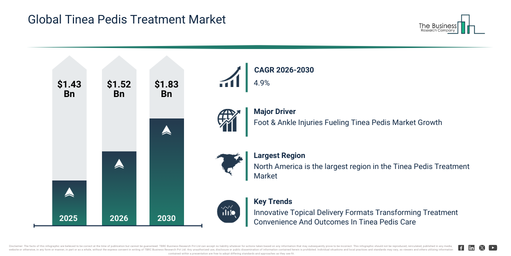
    The tinea pedis treatment market has experienced robust expansion in recent years. Its value is anticipated to rise from $1.43 billion in 2025 to $1.52 billion in 2026, achieving a compound annual growth rate (CAGR) of 5.7%. Historically, this market’s growth has been propelled by factors including the increasing incidence of fungal skin infections, the widespread use of occlusive footwear, the availability of topical antifungal medications, the expansion of retail pharmacy networks, and a rising awareness of personal hygiene.

    The tinea pedis treatment market is anticipated to show consistent growth over the coming years. It is projected to expand to $1.83 billion by 2030, achieving a compound annual growth rate (CAGR) of 4.9%. This expected growth can be linked to factors such as a rising demand for fast-acting antifungal formulations, the broader spread of online drug distribution, a heightened focus on combination therapies, the increasing embrace of preventive antifungal care, and a growing consumer inclination towards self-medication choices. Significant trends for the forecast duration include an escalated demand for topical antifungal treatments, a greater preference for combination drug formulations, the expanding availability of over-the-counter therapies, the widening of e-commerce pharmaceutical channels, and a stronger emphasis on treatment compliance.

    Download the Free Sample Report to Explore Key Market Insights:

    https://www.thebusinessresearchcompany.com/sample.aspx?id=15684&type=smp

    What Drivers Are Influencing The Tinea Pedis Treatment Market?

    The increasing occurrence of foot and ankle injuries is anticipated to fuel the expansion of the tinea pedis treatment market moving ahead. These injuries encompass any harm or trauma to the bones, ligaments, tendons, muscles, or other tissues in the foot or ankle area, frequently resulting from accidents, sports activities, or repetitive strain. Factors contributing to foot and ankle injuries include lifestyle modifications, increased participation in sports and physical activities, unsuitable footwear, improper training methods, susceptibility to falls, and degenerative ailments. Furthermore, the widespread presence of obesity and chronic conditions like diabetes further elevates the risk of foot and ankle complications. Ankle and foot injuries can complicate tinea pedis treatment by creating favorable environments for fungal growth and extending periods of inactivity. For example, Howden Group Holdings Ltd., a UK-based insurance intermediary company, stated in November 2023 that the severity of ankle injuries in the English Premier League surged by 170% from October 2022 to January 2023 after the FIFA World Cup Qatar 2022. Consequently, the rising incidence of foot and ankle injuries is a significant driving force for the tinea pedis treatment market.

    Which Segment Areas Are Covered In The Tinea Pedis Treatment Market Analysis?

    The tinea pedis treatment market covered in this report is segmented –

    1) By Drug Class: Antifungals, Combinations

    2) By Route of Administration: Oral, Topical

    3) By Disease Indication: Interdigital Tinea Pedis, Plantar Tinea pedis, Vesicular Tinea Pedis

    4) By Distribution Channel: Hospital Pharmacies, Retail Pharmacies, E-commerce

    Subsegments:

    1) By Antifungals: Topical Antifungal Drugs, Oral Antifungal Drugs

    2) By Combinations: Antifungal And Corticosteroid Combinations, Antifungal And Antiseptic Combinations

    Which Trends Are Impacting The Growth Of The Tinea Pedis Treatment Market?

    Leading companies operating within the tinea pedis treatment market are focusing on developing innovative topical delivery formats, such as dry stick applicators and nano-formulated sprays, to gain a competitive edge. Dry stick applicators are solid topical sticks designed to apply treatment smoothly without liquids or mess, ensuring easy and clean application. For instance, in September 2025, Propedix, a US-based dermatology company, introduced Dryello, the first dry-stick antifungal treatment for Athlete’s Foot, marking a significant advancement in topical dermatology. Formulated with tolnaftate 1%, Dryello leverages the company’s proprietary DryStik Technology Platform to deliver medication in a clean, portable, and mess-free stick format that applies and remains dry, unlike traditional creams and sprays. Developed in collaboration with dermatologists, this product aims to improve patient compliance and treatment outcomes. In clinical testing, 90% of users were cured within four weeks, and most also reported reduced foot sweating. As Propedix’s inaugural commercial product from its DryStik platform, Dryello signals a broader pipeline of advanced anti-infective dermatology solutions.

    Which Global Companies Are Actively Competing In The Tinea Pedis Treatment Market?

    Major companies operating in the tinea pedis treatment market are Pfizer Inc., Bayer AG, GlaxoSmithKline plc, Sandoz International GmbH, Perrigo Company plc, Aurobindo Pharma, Dr. Reddy’s Laboratories Ltd., Cipla Ltd., Lupin Limited, Glenmark Pharmaceuticals Ltd., Almirall S.A., Taro Pharmaceutical Industries Ltd., Ego Pharmaceuticals Pty. Ltd., Fougera Pharmaceuticals Inc., Sun Pharmaceutical Industries Ltd., Blueberry Therapeutics Ltd., Johnson & Johnson, Merck & Co. Inc., Sanofi S.A., Teva Pharmaceutical Industries Ltd., Astellas Pharma Inc.

    Read the full tinea pedis treatment market report here:

    https://www.thebusinessresearchcompany.com/report/tinea-pedis-treatment-global-market-report

    Which Regions Are Expected To Experience Rapid Expansion In The Tinea Pedis Treatment Market?

    North America was the largest region in the tinea pedis treatment market in 2025. Asia-Pacific is expected to be the fastest-growing region in the forecast period. The regions covered in the tinea pedis treatment market report are Asia-Pacific, South East Asia, Western Europe, Eastern Europe, North America, South America, Middle East, Africa.

    Request A Tailored Tinea Pedis Treatment Market Research Report For Competitive Advantage:

    https://www.thebusinessresearchcompany.com/customise?id=15684&type=smp

    Browse Through More Reports Similar to the Global Tinea Pedis Treatment Market 2026, By The Business Research Company

    Dermatology Otc Medications Global Market Report

    https://www.thebusinessresearchcompany.com/report/dermatology-otc-medications-global-market-report

    Condyloma Acuminata Treatment Global Market Report

    https://www.thebusinessresearchcompany.com/report/condyloma-acuminata-treatment-global-market-report

    Dermatophytosis Treatment Global Market Report

    https://www.thebusinessresearchcompany.com/report/dermatophytosis-treatment-global-market-report

    Get in touch with us:

    The Business Research Company: https://www.thebusinessresearchcompany.com/

    Americas +1 310-496-7795

    Asia +44 7882 955267 & +91 8897263534

    Europe +44 7882 955267

    Email us at info@tbrc.info

    Follow us on:

    LinkedIn: https://in.linkedin.com/company/the-business-research-company

    YouTube: https://www.youtube.com/channel/UC24_fI0rV8cR5DxlCpgmyFQ

    Global Market Model: https://www.thebusinessresearchcompany.com/global-market-model
  • Tildrakizumab Market Insights Highlighting Opportunities and Drivers Supporting Growth to 2030

    Tildrakizumab Market Insights Highlighting Opportunities and Drivers Supporting Growth to 2030

    The Business Research Company’s 2026 market reports include new capabilities such as market attractiveness scoring and analysis, total addressable market analysis, company scoring matrix, interactive excel data dashboard, improved supply chain analysis, upcoming startups in the market, and overview of key products, aimed at improving the depth, usability, and strategic value of the insights delivered.

    What Is The Forecasted Market Value Of The Tildrakizumab Market Across 2026–2030?

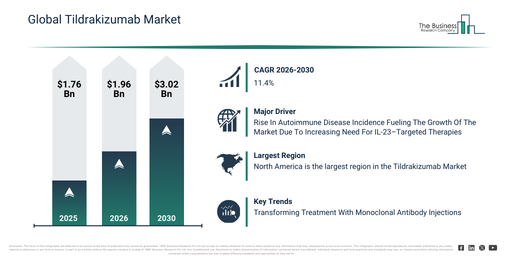
    The tildrakizumab market size has experienced swift expansion in recent years. It is forecast to grow from $1.76 billion in 2025 to $1.96 billion in 2026, achieving a compound annual growth rate (CAGR) of 11.7%. This historical progression can be ascribed to elements such as the increasing prevalence of plaque psoriasis, the clinical validation of biologic efficacy, the proliferation of specialty dermatology clinics, a rising acceptance of injectable biologics, and the availability of reimbursement support for biologics.

    The market for tildrakizumab is projected to experience swift expansion over the coming years. This market is anticipated to reach a valuation of $3.02 billion by 2030, demonstrating an 11.4% compound annual growth rate (CAGR). Factors contributing to this growth throughout the forecast period include the rising need for tailored autoimmune treatments, the broadening scope of biologic pipeline uses, an increased emphasis on managing diseases over the long term, the expanding acceptance of administering biologics at home, and heightened investment in immunology research. Key developments expected during this timeframe involve a greater utilization of targeted biologic therapies, an increase in the uptake of il-23 inhibitors, a growing inclination towards long-acting injectable medications, the broadening of specialized biologic distribution networks, and a stronger emphasis on patient-focused treatment plans.

    Download the Free Sample Report to Explore Key Market Insights:

    https://www.thebusinessresearchcompany.com/sample.aspx?id=21301&type=smp

    What Drivers Are Shaping The Future Growth Of The Tildrakizumab Market?

    The rising prevalence of autoimmune diseases is anticipated to fuel the expansion of the tildrakizumab market in the coming years. These conditions involve the immune system mistakenly targeting healthy body tissues. The increase in autoimmune diseases is linked to growing environmental triggers like pollution and exposure to chemicals. Tildrakizumab addresses autoimmune disorders by inhibiting the IL-23 pathway, thereby alleviating inflammation and managing symptoms. As an illustration, data from Public Health Scotland, a national organization based in Scotland, revealed in August 2024 that the Scottish Multiple Sclerosis Register (SMSR) recorded 455 newly diagnosed MS patients in 2023. Consequently, the escalating incidence of autoimmune diseases is a significant factor driving the growth of the tildrakizumab market. The enhancement of healthcare facilities is projected to stimulate the growth of the tildrakizumab market moving forward. Healthcare facilities are institutions that provide medical services and care, such as hospitals, clinics, and diagnostic centers, for patient treatment and support. Improvements in these facilities stem from various factors including increased investment in healthcare infrastructure, a focus on patient-centric care, demographic expansion, and an aging population. Better healthcare facilities lead to improved patient access to advanced biologic treatments, streamline diagnoses and specialist referrals, ensure superior cold chain management for biologics, and boost awareness among healthcare providers, all of which collectively aid in the adoption and effectiveness of tildrakizumab for chronic inflammatory conditions like psoriasis. For example, the American Hospital Association, a US-based non-profit entity, reported that in 2024, the United States housed 6,120 hospitals, a rise from 6,093 hospitals recorded in 2022. Therefore, the betterment of healthcare facilities is a key driver for the expansion of the tildrakizumab market.

    What Segmentation Levels Are Considered In The Tildrakizumab Market?

    The tildrakizumab market covered in this report is segmented –

    1) By Indication: Plaque Psoriasis, Psoriatic Arthritis, Other Indications

    2) By Dosage Form: Injectable, Oral

    3) By Distribution Channel: Hospital Pharmacies, Retail Pharmacies, Online Pharmacies

    4) By End-User: Hospitals, Specialty Clinics, Homecare

    Subsegments:

    1) By Plaque Psoriasis: Moderate Plaque Psoriasis, Severe Plaque Psoriasis, Treatment-Resistant Plaque Psoriasis

    2) By Psoriatic Arthritis: Peripheral Psoriatic Arthritis, Axial Psoriatic Arthritis, Enthesitis-related Psoriatic Arthritis

    3) By Other Indications: Inflammatory Skin Disorders, Off-Label Autoimmune Conditions, Emerging Therapeutic Applications

    What Major Market Trends Are Driving Changes In The Tildrakizumab Market?

    Key players within the tildrakizumab market are concentrating on developing advanced formulations, such as monoclonal antibody injections, to enhance the effectiveness of treatments and improve patient recovery. A monoclonal antibody injection involves introducing laboratory-engineered antibodies into the body, specifically designed to target particular antigens for either therapeutic or preventive purposes. As an illustration, in May 2023, Sun Pharmaceutical Industries Ltd., an India-based pharmaceutical company, secured authorization from the Chinese health authority, National Medical Products Administration (NMPA), for its tildrakizumab injection, intended for managing plaque psoriasis. This treatment operates by targeting interleukin-23 (IL-23), a cytokine that plays a role in the inflammatory response causing psoriasis. By addressing IL-23, tildrakizumab helps to diminish inflammation and slow down the rapid growth of skin cells, thereby alleviating symptoms such as redness, scaling, and the formation of plaques.

    Which Leading Firms Are Contributing To The Growth Of The Tildrakizumab Market?

    Major companies operating in the tildrakizumab market are Almirall S.A., Sun Pharmaceutical Industries Ltd., Novartis, Pfizer, Eli Lilly, Bristol Myers Squibb, Roche, Merck & Co, Janssen Biotech (Johnson & Johnson), Amgen, GSK, AbbVie, Sanofi, AstraZeneca, Innovent Biologics, Boehringer Ingelheim, LEO Pharma, Kyowa Kirin, Takeda Pharmaceutical, Regeneron Pharmaceuticals, Biocon Ltd.

    Read the full tildrakizumab market report here:

    https://www.thebusinessresearchcompany.com/report/tildrakizumab-global-market-report

    Which Geographic Regions Are Influencing Demand In The Tildrakizumab Market?

    North America was the largest region in the tildrakizumab market in 2025. Asia-Pacific expected to be the fastest-growing region in the forecast period. The regions covered in the tildrakizumab market report are Asia-Pacific, South East Asia, Western Europe, Eastern Europe, North America, South America, Middle East, Africa.

    Request A Tailored Tildrakizumab Market Research Report For Competitive Advantage:

    https://www.thebusinessresearchcompany.com/customise?id=21301&type=smp

    Browse Through More Reports Similar to the Global Tildrakizumab Market 2026, By The Business Research Company

    Fishmeal Global Market Report

    https://www.thebusinessresearchcompany.com/report/fishmeal-global-market-report

    Sukuk Global Market Report

    https://www.thebusinessresearchcompany.com/report/sukuk-global-market-report

    Dulaglutide Global Market Report

    https://www.thebusinessresearchcompany.com/report/dulaglutide-global-market-report

    Get in touch with us:

    The Business Research Company: https://www.thebusinessresearchcompany.com/

    Americas +1 310-496-7795

    Asia +44 7882 955267 & +91 8897263534

    Europe +44 7882 955267

    Email us at info@tbrc.info

    Follow us on:

    LinkedIn: https://in.linkedin.com/company/the-business-research-company

    YouTube: https://www.youtube.com/channel/UC24_fI0rV8cR5DxlCpgmyFQ

    Global Market Model: https://www.thebusinessresearchcompany.com/global-market-model

  • Global Tick Borne Encephalitis Market Expected to Reach $15.08 Billion by 2030 with 7.4% CAGR

    Global Tick Borne Encephalitis Market Expected to Reach $15.08 Billion by 2030 with 7.4% CAGR

    The Business Research Company’s 2026 market reports include new capabilities such as market attractiveness scoring and analysis, total addressable market analysis, company scoring matrix, interactive excel data dashboard, improved supply chain analysis, upcoming startups in the market, and overview of key products, aimed at improving the depth, usability, and strategic value of the insights delivered.

    What Market Size Increase Is Anticipated For The Tick Borne Encephalitis Market Over The 2026–2030 Period?

    The tick borne encephalitis market has demonstrated strong growth over recent years. It is forecast to increase from $10.53 billion in 2025 to $11.34 billion in 2026, exhibiting a compound annual growth rate (CAGR) of 7.7%. The expansion observed in the historic period can be attributed to factors such as the broadening of tick habitats due to climate change, a rising occurrence of vector-borne infections, the presence of TBE vaccines in endemic areas, the development of public health awareness campaigns, and an increase in diagnostic testing capabilities.

    The tick borne encephalitis market is projected for substantial expansion in the coming years. This market is anticipated to reach $15.09 billion by 2030, demonstrating a compound annual growth rate (CAGR) of 7.4%. Factors contributing to this growth during the forecast period include greater investment in vaccine research and development, an uptick in demand for travel-related immunizations, the expansion of early diagnostic screening initiatives, the increasing use of integrated disease monitoring platforms, and a heightened emphasis on preventing infectious diseases. Key trends expected over the forecast horizon involve a wider embrace of preventive vaccination programs, an increasing need for rapid diagnostic testing, greater public awareness concerning tick-borne diseases, the expansion of integrated disease surveillance systems, and an intensified focus on public health readiness.

    Download the Free Sample Report to Explore Key Market Insights:

    https://www.thebusinessresearchcompany.com/sample.aspx?id=23542&type=smp

    Which Economic Or Industry Drivers Are Impacting The Tick Borne Encephalitis Market?

    Rising climate change is anticipated to drive the expansion of the tick-borne encephalitis market in the future. It involves enduring alterations in global temperatures and atmospheric conditions, mainly stemming from human actions like burning fossil fuels and clearing forests. This escalation is attributed to the extensive combustion of fossil fuels, leading to the atmospheric release of significant greenhouse gases such as carbon dioxide and methane, which retain heat and elevate worldwide temperatures. Climate change boosts the demand for tick-borne encephalitis treatment by enlarging the habitats of disease-carrying ticks, a consequence of warmer temperatures and less severe winters, thereby raising infection rates and intensifying the requirement for diagnostics, vaccines, and antiviral therapies. For example, in November 2024, data from the World Meteorological Organization (WMO), a specialized agency of the United Nations based in Switzerland, indicated that from January to September 2024, the worldwide average surface air temperature stood at 1.54°C above the pre-industrial mean (with a ±0.13°C margin of uncertainty), influenced by a warming El Niño event. Consequently, the growing climate change is propelling the development of the tick-borne encephalitis market.

    Tick Borne Encephalitis Market Driver: Surge In International Travel Fueling The Growth Of The Market Due To Increasing Exposure To Endemic Regions

    How Is The Tick Borne Encephalitis Market Segmented Across Key Categories?

    The tick borne encephalitis market covered in this report is segmented –

    1) By Product Type: Tick-Borne Encephalitis (TBE) Vaccines, Tick Repellents, Diagnostic Tests, Antiviral Drugs

    2) By Virus Type: European Tick Borne Encephalitis Virus, Siberian Tick Borne Encephalitis Virus, Far Eastern Tick Borne Encephalitis Virus

    3) By Route of Administration: Parenteral, Other Routes Of Administration

    4) By Distribution Channel: Online, Offline

    5) By End-User: Travelers, Outdoor Enthusiasts, Healthcare Providers, Research Institutions

    Subsegments:

    1) By Tick-Borne Encephalitis (TBE) Vaccines: Inactivated (Killed) Vaccines, Live Attenuated Vaccines

    2) By Tick Repellents: DEET-Based Repellents, Picaridin-Based Repellents, Natural Or Plant-Based Repellents, Permethrin-Treated Clothing And Gear

    3) By Diagnostic Tests: ELISA (Enzyme-Linked Immunosorbent Assay), PCR (Polymerase Chain Reaction), Rapid Diagnostic Tests (RDTs), Neutralization Tests

    4) By Antiviral Drugs: Nucleoside Analogs, Interferons, Immunoglobulin Therapy, Supportive Therapy (Symptomatic Treatment)

    Who Are The Dominant Players Shaping The Tick Borne Encephalitis Market Landscape?

    Major companies operating in the tick borne encephalitis market are Pfizer Inc., Sanofi Pasteur, Novartis AG, GlaxoSmithKline (GSK) Plc, Bavarian Nordic, Valneva SE, Microgen, DIESSE Diagnostica Senese S.p.A., QED Bioscience Inc., Serion Immunologics, Chumakov Federal Scientific Center, Merck & Co. Inc., AstraZeneca Plc, Johnson & Johnson (Janssen Pharmaceuticals), CSL Limited, Takeda Pharmaceutical Company Limited, Serum Institute of India Pvt Ltd, BioNTech SE, Zydus Cadila, Bharat Biotech International Limited, Walvax Biotechnology Co Ltd

    Read the full tick borne encephalitis market report here:

    https://www.thebusinessresearchcompany.com/report/tick-borne-encephalitis-global-market-report

    What Are The Top-Performing Regions Within The Tick Borne Encephalitis Market?

    Europe was the largest region in the tick borne encephalitis market in 2025. North America is expected to be the fastest-growing region in the forecast period. The regions covered in the tick borne encephalitis market report are Asia-Pacific, South East Asia, Western Europe, Eastern Europe, North America, South America, Middle East, Africa.

    Request A Tailored Tick Borne Encephalitis Market Research Report For Competitive Advantage:

    https://www.thebusinessresearchcompany.com/customise?id=23542&type=smp

    Browse Through More Reports Similar to the Global Tick Borne Encephalitis Market 2026, By The Business Research Company

    Tick Repellent Global Market Report

    https://www.thebusinessresearchcompany.com/report/tick-repellent-global-market-report

    Encephalitis Treatment Global Market Report

    https://www.thebusinessresearchcompany.com/report/encephalitis-treatment-global-market-report

    Hepatic Encephalopathy Global Market Report

    https://www.thebusinessresearchcompany.com/report/hepatic-encephalopathy-global-market-report

    Get in touch with us:

    The Business Research Company: https://www.thebusinessresearchcompany.com/

    Americas +1 310-496-7795

    Asia +44 7882 955267 & +91 8897263534

    Europe +44 7882 955267

    Email us at info@tbrc.info

    Follow us on:

    LinkedIn: https://in.linkedin.com/company/the-business-research-company

    YouTube: https://www.youtube.com/channel/UC24_fI0rV8cR5DxlCpgmyFQ

    Global Market Model: https://www.thebusinessresearchcompany.com/global-market-model
  • Thyroid Function Test Market Future Outlook Showing Expansion Toward $2.4 Billion by 2030

    Thyroid Function Test Market Future Outlook Showing Expansion Toward $2.4 Billion by 2030

    The Business Research Company’s 2026 market reports include new capabilities such as market attractiveness scoring and analysis, total addressable market analysis, company scoring matrix, interactive excel data dashboard, improved supply chain analysis, upcoming startups in the market, and overview of key products, aimed at improving the depth, usability, and strategic value of the insights delivered.

    How Much Is The Thyroid Function Test Market Expected To Grow In Terms Of Market Value Between 2026 And 2030?

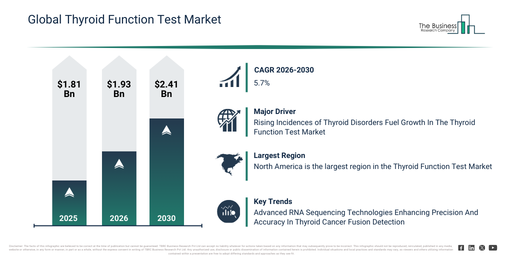
    The thyroid function test market has experienced robust growth over recent years. Projections indicate its expansion from $1.81 billion in 2025 to $1.93 billion by 2026, demonstrating a compound annual growth rate (CAGR) of 6.5%. Historically, this expansion has been driven by factors such as the increasing incidence of thyroid disorders, heightened awareness surrounding endocrine health, the growth of diagnostic laboratory networks, the widespread availability of standardized thyroid assays, and the regular incorporation of TSH testing in routine health check-ups.

    The thyroid function test market is projected to experience robust expansion over the coming years, with its size anticipated to reach $2.41 billion by 2030, demonstrating a compound annual growth rate (CAGR) of 5.7%. This growth during the forecast period is driven by the expanding embrace of personalized medicine strategies, a surging need for point-of-care thyroid assessments, the proliferation of automated laboratory processes, a heightened emphasis on detecting diseases at early stages, and the greater incorporation of digital diagnostic tools. Significant trends anticipated during this period encompass the wider utilization of high-sensitivity immunoassays, an escalating requirement for initial screening of thyroid disorders, the increasing deployment of automated diagnostic platforms, the broadening availability of extensive thyroid test panels, and a sharpened focus on both diagnostic precision and consistency.

    Download the Free Sample Report to Explore Key Market Insights:

    https://www.thebusinessresearchcompany.com/sample.aspx?id=16553&type=smp

    What Major Drivers Are Influencing Demand In The Thyroid Function Test Market?

    The escalating occurrence of thyroid disorder incidences is projected to propel the growth of the thyroid function test market. Thyroid disorders represent medical conditions that impair the proper functioning of the thyroid gland, which is a butterfly-shaped organ situated in the front of the neck. The rise in these disorders stems from factors such as dietary modifications, radiation exposure, hormonal fluctuations, environmental influences, and autoimmune diseases. Thyroid function tests play a crucial role in diagnosing and managing thyroid disorders by supplying vital information on thyroid hormone levels and antibody presence, which helps guide treatment decisions, monitor the efficacy of therapy, and prevent complications. For instance, in April 2024, the Journal of Global Health (JoGH), a UK-based non-profit organization, stated that the number of thyroid cancer incidence cases is expected to approximate 305,078 by 2030. Hence, the increasing prevalence of thyroid disorder incidences serves as a significant driver for the expansion of the thyroid function test market.

    What Major Segment Divisions Exist Within The Thyroid Function Test Market?

    The thyroid function test market covered in this report is segmented –

    1) By Test Type: Thyroid Stimulating Hormone (TSH), Triiodothyronine (T3), Thyroxine (T4), Free Triiodothyronine (FT3), Free Thyroxine (FT4)

    2) By Indication: Hypothyroidism, Hyperthyroidism, Thyroid Cancer, Other Indications

    3) By End User: Clinics, Research Organizations, Diagnostic Laboratories, Hospitals

    Subsegments:

    1) By Thyroid Stimulating Hormone (TSH): TSH Assay (Immunoassay, Electrochemiluminescence), TSH-Based Diagnostic Kits

    2) By Triiodothyronine (T3): Total T3, Free T3, T3-Based Diagnostic Kits

    3) By Thyroxine (T4): Total T4, Free T4, T4-Based Diagnostic Kits

    4) By Free Triiodothyronine (FT3): FT3 Immunoassay, FT3 Electrochemiluminescence (ECL), FT3-Based Diagnostic Kits

    5) By Free Thyroxine (FT4): FT4 Immunoassay, FT4 Electrochemiluminescence (ECL), FT4-Based Diagnostic Kits

    What Key Trends Are Influencing The Development Of The Thyroid Function Test Market?

    Major companies operating in the thyroid function test market are developing innovative solutions, such as the RNA sequencing test, to improve the accuracy of cancer fusion detection across multiple solid tumors, including thyroid cancer. RNA sequencing (RNA-Seq) is a high-throughput technique that facilitates the analysis of the quantity and sequence of RNA in a sample, offering insights into gene expression and the overall transcriptome. For instance, in May 2024, Foundation Medicine, Inc., a US-based biotechnology company, announced the U.S. launch of FoundationOne RNA, a tissue-based RNA sequencing test designed to detect cancer-related gene fusions across 318 genes. This test provides fusion reporting for all solid tumors and may prove particularly useful in identifying fusions in cancers like non-small cell lung cancer (NSCLC), sarcoma, pancreatic cancer, thyroid cancer, cholangiocarcinoma, and bladder cancer.

    Which Companies Are Leading Innovation In The Thyroid Function Test Market?

    Major companies operating in the thyroid function test market are F. Hoffmann-La Roche Ltd., Abbott Laboratories Inc., Thermo Fisher Scientific Inc., Danaher Corporation, Siemens Healthineers AG, Merck KGaA, BioMérieux Inc., WerfenLife SA, DiaSorin SpA, Beckman Coulter Life Sciences, Autobio Diagnostics Co. Ltd., Quidel Corporation, Boditech Med Inc., Cortez Diagnostics, Qualigen Inc., Ortho Clinical Diagnostics, Bio-Rad Laboratories Inc., Sysmex Corporation, Randox Laboratories Ltd., Tosoh Corporation, Fujirebio

    Read the full thyroid function test market report here:

    https://www.thebusinessresearchcompany.com/report/thyroid-function-test-global-market-report

    Which Region Shows The Strongest Potential For Future Growth In The Thyroid Function Test Market?

    North America was the largest region in the thyroid function test market in 2025. Asia-Pacific is expected to be the fastest-growing region in the forecast period. The regions covered in the thyroid function test market report are Asia-Pacific, South East Asia, Western Europe, Eastern Europe, North America, South America, Middle East, Africa.

    Request A Tailored Thyroid Function Test Market Research Report For Competitive Advantage:

    https://www.thebusinessresearchcompany.com/customise?id=16553&type=smp

    Browse Through More Reports Similar to the Global Thyroid Function Test Market 2026, By The Business Research Company

    Thyroid Cancer Diagnostics Global Market Report

    https://www.thebusinessresearchcompany.com/report/thyroid-cancer-diagnostics-global-market-report

    Endocrine Testing Global Market Report

    https://www.thebusinessresearchcompany.com/report/endocrine-testing-global-market-report

    Anti Thyroid Drugs Global Market Report

    https://www.thebusinessresearchcompany.com/report/anti-thyroid-drugs-global-market-report

    Get in touch with us:

    The Business Research Company: https://www.thebusinessresearchcompany.com/

    Americas +1 310-496-7795

    Asia +44 7882 955267 & +91 8897263534

    Europe +44 7882 955267

    Email us at info@tbrc.info

    Follow us on:

    LinkedIn: https://in.linkedin.com/company/the-business-research-company

    YouTube: https://www.youtube.com/channel/UC24_fI0rV8cR5DxlCpgmyFQ

    Global Market Model: https://www.thebusinessresearchcompany.com/global-market-model

  • Thyroid Eye Disease (TED) Market Revenue Growth Expected to Reach $3.12 Billion by 2030 with 6.3% CAGR

    Thyroid Eye Disease (TED) Market Revenue Growth Expected to Reach $3.12 Billion by 2030 with 6.3% CAGR

    The Business Research Company’s 2026 market reports include new capabilities such as market attractiveness scoring and analysis, total addressable market analysis, company scoring matrix, interactive excel data dashboard, improved supply chain analysis, upcoming startups in the market, and overview of key products, aimed at improving the depth, usability, and strategic value of the insights delivered.

    What Market Value Is Expected For The Thyroid Eye Disease (TED) Market At The End Of The 2026–2030 Forecast Period?

    The thyroid eye disease (ted) market size has seen significant growth in recent years. It is forecast to grow from $2.29 billion in 2025 to $2.44 billion in 2026, at a compound annual growth rate (CAGR) of 6.6%. This past expansion can be attributed to the increasing prevalence of autoimmune thyroid disorders, improved clinical recognition of ted symptoms, wider use of corticosteroid therapies, an expansion of ophthalmology services, and growing referral rates from endocrinology clinics.

    The thyroid eye disease (TED) market size is anticipated to experience substantial expansion in the coming years. It is forecast to reach $3.12 billion by 2030, demonstrating a compound annual growth rate (CAGR) of 6.3%. This projected growth throughout the forecast period stems from the increasing integration of novel biologics such as teprotumumab, heightened investments in autoimmune disease research, the broadening availability of minimally invasive surgical choices, a growing emphasis on quality-of-life outcomes, and the rising demand for personalized TED therapies. Significant trends expected during this period include the increased adoption of targeted biologic therapies, a greater utilization of combination treatment approaches, an enhanced focus on early disease intervention, the expansion of specialized ophthalmic care, and the development of more patient-centered treatment models.

    Download the Free Sample Report to Explore Key Market Insights:

    https://www.thebusinessresearchcompany.com/sample.aspx?id=21300&type=smp

    Which Market Drivers Are Supporting The Expansion Of The Thyroid Eye Disease (TED) Market?

    An increase in thyroid disorders is projected to fuel the expansion of the Thyroid Eye Disease (TED) market moving ahead. These disorders encompass medical conditions impacting the thyroid gland’s function, causing hormonal imbalances and manifesting as hypothyroidism, hyperthyroidism, goiter, and thyroid eye disease. The uptick in thyroid disorders is attributed to elements like higher iodine consumption, autoimmune diseases, genetic susceptibility, and enhanced awareness resulting in better diagnostic figures. Thyroid Eye Disease (TED) itself adds to the growing number of thyroid disorder instances, being a frequent and severe complication of Graves’ disease, thereby elevating the total impact and recognition of thyroid-associated ailments. For example, data from May 2024, provided by the Canadian Cancer Society, a Canada-based non-profit community organization, forecasts around 6,600 new thyroid cancer diagnoses in Canada during 2024, along with an estimated 280 deaths. Consequently, the escalation of thyroid disorders is a key impetus for the expansion of the Thyroid Eye Disease (TED) market.

    What Segment Types Make Up The Thyroid Eye Disease (TED) Market?

    The thyroid eye disease (ted) market covered in this report is segmented –

    1) By Treatment Type: Medical, Surgical, Combination Of Medical And Surgical

    2) By Disease Severity: Mild, Moderate, Severe

    3) By Drug Type: Biologics, Small Molecules, Other Drug Types

    4) By Route Of Administration: Oral, Intravenous, Subcutaneous

    5) By End User: Hospitals, Clinics, Other End Users

    Subsegments:

    1) By Medical: Corticosteroids, Teprotumumab, Antithyroid Medications

    2) By Surgical: Orbital Decompression Surgery, Eyelid Surgery, Strabismus Surgery

    3) By Combination Of Medical and Surgical: Combination of Corticosteroids and Orbital Decompression, Combination of Teprotumumab and Eyelid Surgery

    What Key Trends Are Influencing The Development Of The Thyroid Eye Disease (TED) Market?

    Leading companies within the thyroid eye disease (TED) market are concentrating on innovative products, such as monoclonal antibody therapies, to develop more effective, targeted treatments aimed at reducing inflammation, improving proptosis, and enhancing overall patient outcomes. Monoclonal antibody therapies are treatments utilizing laboratory-made antibodies designed to mimic the immune system’s capability to target and neutralize specific pathogens or abnormal cells. For instance, in September 2024, Amgen Inc., a US-based biotechnology company, announced that Japan’s Ministry of Health, Labour and Welfare (MHLW) had approved TEPEZZA (teprotumumab) for addressing active thyroid eye disease (TED), a rare and potentially vision-threatening autoimmune disorder. This is the first and only FDA-approved therapy specifically for TED, providing a targeted treatment that assists in reducing inflammation, swelling, and other debilitating symptoms linked to the condition. This approval holds particular importance for patients in Japan, as it offers a new, effective choice to manage TED, a rare and progressive condition that results in debilitating eye bulging, vision issues, and eye pain.

    Who Are The Key Players Driving Competition In The Thyroid Eye Disease (TED) Market?

    Major companies operating in the thyroid eye disease (ted) market are Viridian Therapeutics Inc, Tourmaline Bio Inc, Sling Therapeutics Inc, Immunovant Inc, Hoffmann-La Roche AG, H Lundbeck A S, Alumis Inc, Changchun GeneScience Pharmaceutical Co Ltd, Minghui Pharmaceutical Inc, Amgen Inc, Crinetics Pharmaceuticals Inc, Ollin Biosciences Inc, Lycia Therapeutics Inc, Inflammasome Therapeutics Inc, Novartis Pharmaceuticals Corp, AdvanceCOR Inc, Worg Pharmaceuticals Inc, AV7 Limited, EVOQ Therapeutics Inc, ValenzaBio Inc, Regeneron Pharmaceuticals Inc, Santen Pharmaceutical Co Ltd, Sanofi SA, Alexion Pharmaceuticals Inc, Septerna Corporation

    Read the full thyroid eye disease (ted) market report here:

    https://www.thebusinessresearchcompany.com/report/thyroid-eye-disease-ted-global-market-report

    How Is The Thyroid Eye Disease (TED) Market Distributed Across Key Geographic Regions?

    North America was the largest region in the thyroid eye disease (TED) market in 2025. Asia-Pacific is expected to be the fastest-growing region in the forecast period. The regions covered in the thyroid eye disease (ted) market report are Asia-Pacific, South East Asia, Western Europe, Eastern Europe, North America, South America, Middle East, Africa.

    Request A Tailored Thyroid Eye Disease (TED) Market Research Report For Competitive Advantage:

    https://www.thebusinessresearchcompany.com/customise?id=21300&type=smp

    Browse Through More Reports Similar to the Global Thyroid Eye Disease (TED) Market 2026, By The Business Research Company

    Eye Melanoma Global Market Report

    https://www.thebusinessresearchcompany.com/report/eye-melanoma-global-market-report

    Thyroid Function Test Global Market Report

    https://www.thebusinessresearchcompany.com/report/thyroid-function-test-global-market-report

    Thyroid Cancer Diagnostics Global Market Report

    https://www.thebusinessresearchcompany.com/report/thyroid-cancer-diagnostics-global-market-report

    Get in touch with us:

    The Business Research Company: https://www.thebusinessresearchcompany.com/

    Americas +1 310-496-7795

    Asia +44 7882 955267 & +91 8897263534

    Europe +44 7882 955267

    Email us at info@tbrc.info

    Follow us on:

    LinkedIn: https://in.linkedin.com/company/the-business-research-company

    YouTube: https://www.youtube.com/channel/UC24_fI0rV8cR5DxlCpgmyFQ

    Global Market Model: https://www.thebusinessresearchcompany.com/global-market-model
  • Homozygous Familial Hypercholesterolemia Market Poised for Steady Growth to $0.53 Billion by 2030

    Homozygous Familial Hypercholesterolemia Market Poised for Steady Growth to $0.53 Billion by 2030

    The Business Research Company’s 2026 market reports include new capabilities such as market attractiveness scoring and analysis, total addressable market analysis, company scoring matrix, interactive excel data dashboard, improved supply chain analysis, upcoming startups in the market, and overview of key products, aimed at improving the depth, usability, and strategic value of the insights delivered.

    What Market Valuation Is Forecasted For The Homozygous Familial Hypercholesterolemia Market By 2030 Starting From Its 2026 Size?

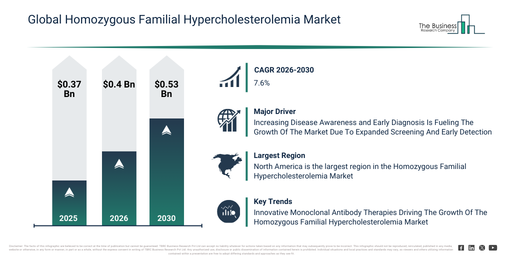
    The market size for homozygous familial hypercholesterolemia has experienced robust growth in recent years. It is anticipated to grow from $0.37 billion in 2025 to $0.4 billion in 2026, exhibiting a compound annual growth rate (CAGR) of 7.4%. The expansion seen in the historic period is attributable to enhanced awareness of rare lipid disorders, the proliferation of specialty lipid clinics, the introduction of advanced lipid-lowering drugs, an increase in cardiovascular risk screening, and improved diagnostic capabilities for genetic diseases.

    The market for homozygous familial hypercholesterolemia is projected to experience substantial expansion in the coming years. This market is forecast to reach a value of $0.53 billion by 2030, demonstrating a compound annual growth rate (CAGR) of 7.6%. Factors contributing to this growth over the forecast period include the rising acceptance of gene and RNA-based treatments, a heightened emphasis on early intervention in pediatric cases, broader reimbursement options for rare conditions, increased investment in individualized cardiovascular medical solutions, and a surge in clinical trials for innovative treatments. Key trends anticipated during the forecast period encompass a greater uptake of genetic screening for timely diagnosis, an increased application of PCSK9 inhibitors within treatment protocols, the broader incorporation of tailored lipid management strategies, an expansion of advanced lipoprotein apheresis offerings, and a strengthened commitment to continuous patient surveillance.

    Download the Free Sample Report to Explore Key Market Insights:

    https://www.thebusinessresearchcompany.com/sample.aspx?id=33171&type=smp

    What Underlying Factors Are Accelerating The Growth Of The Homozygous Familial Hypercholesterolemia Market?

    Growth in the homozygous familial hypercholesterolemia market is anticipated due to rising disease awareness and improved early diagnosis. This involves informing healthcare providers, policymakers, and the general population about inherited high cholesterol conditions and enhancing the detection of affected individuals via organized screening and testing initiatives. Global initiatives and advocacy campaigns, which advocate for widespread cholesterol screening, screening for children, and cascade screening to identify individuals who haven’t been diagnosed yet, are fueling this growth in awareness and early detection. The homozygous familial hypercholesterolemia market facilitates early identification by providing access to sophisticated diagnostic instruments, specialized lipid clinics, and specific treatments, thereby reinforcing prompt detection and sustained disease management. As an illustration, in March 2025, data from the Korean Hospital Association, a national healthcare organization based in South Korea, indicated that the cancer screening rate in 2024 reached 70.2%, representing an increase of approximately 3.8% from the preceding year (2023). Consequently, the expanding disease awareness and enhanced early diagnosis are propelling the expansion of the homozygous familial hypercholesterolemia market.

    Which Segment Categories Define The Homozygous Familial Hypercholesterolemia Market?

    The homozygous familial hypercholesterolemia market covered in this report is segmented –

    1) By Drug Class: Statins; Proprotein Convertase Subtilisin Kexin Type Nine (PCSK9) Inhibitors; Lomitapide; Gene Therapy; Ribonucleic Acid (RNA) Based Therapeutics

    2) By Treatment Modality: Pharmacologic And Small Molecule Therapies; Biologic And Monoclonal Antibody Therapies; Advanced Lipoprotein Apheresis Procedures; Investigational Gene And RNAI-Based Therapies

    3) By Route Of Administration: Oral; Subcutaneous; Intravenous

    4) By Patient Age Group: Pediatric; Adult

    5) By End User: Specialty Lipid Clinics; Academic Hospitals; General Hospitals; Payers Or Managed Care

    Subsegments:

    1) By Statins: Hydroxymethylglutaryl-Coenzyme A Reductase Inhibitors; Atorvastatin; Rosuvastatin; Simvastatin; Pravastatin

    2) By Proprotein Convertase Subtilisin Kexin Type Nine (PCSK9) Inhibitors: Monoclonal Antibodies; Alirocumab; Evolocumab; Inclisiran; Bococizumab

    3) By Lomitapide: Microsomal Triglyceride Transfer Protein Inhibitors; Oral Lipid Lowering Agents; Combination Lipid Therapy

    4) By Gene Therapy: Adeno-Associated Virus Mediated Therapy; Ex Vivo Gene Editing Therapy; In Vivo Gene Transfer Therapy

    5) By Ribonucleic Acid (RNA)-Based Therapeutics: Small Interfering Ribonucleic Acid Therapy; Antisense Oligonucleotide Therapy; Messenger Ribonucleic Acid Therapy; Short Hairpin Ribonucleic Acid Therapy

    What Major Market Trends Are Driving Changes In The Homozygous Familial Hypercholesterolemia Market?

    Companies within the homozygous familial hypercholesterolemia market are increasingly prioritizing the creation of novel biologic treatments, including ANGPTL3-targeted monoclonal antibodies, to cater to the critical unfulfilled requirements of individuals suffering from this extremely rare and serious genetic lipid condition. These ANGPTL3-targeted monoclonal antibody therapies are biological medications developed to block angiopoietin-like 3, which is a crucial element in lipid metabolism and works by suppressing enzymes that break down lipids. The inhibition of ANGPTL3 by these treatments leads to a decrease in LDL-C levels through pathways that do not rely on LDL receptor function, a function frequently impaired in homozygous familial hypercholesterolemia patients. As an illustration, in March 2023, Regeneron Pharmaceuticals Inc., a U.S. biotechnology firm, obtained broadened approval from the U.S. Food and Drug Administration for its drug Evkeeza (evinacumab-dgnb) for treating homozygous familial hypercholesterolemia in children aged 5 to 11 years, intended for use alongside other lipid-reducing treatments. Evkeeza itself is a fully human monoclonal antibody designed to inhibit ANGPTL3, thereby facilitating substantial reductions in LDL-C levels for patients who generally respond poorly to conventional therapies. Clinical trials have shown an average LDL-C decrease of almost 48% over 24 weeks in pediatric patients, underscoring the increasing significance of advanced monoclonal antibody treatments in propelling the expansion of the homozygous familial hypercholesterolemia market.

    Which Companies Are Leading Innovation In The Homozygous Familial Hypercholesterolemia Market?

    Major companies operating in the homozygous familial hypercholesterolemia market are Merck & Co. Inc., Pfizer Inc., Sanofi S.A., Novartis AG, Amgen, Teva Pharmaceutical Ltd., Viatris Inc., Regeneron Pharmaceuticals Inc., Organon & Co., Alnylam Pharmaceuticals, Ionis Pharmaceuticals, AstraZeneca Ionis Pharmaceuticals, CRISPR Therapeutics AG, Arrowhead Pharmaceuticals, Akcea Therapeutics, Esperion Therapeutics, Accord Healthcare, Verve Therapeutics Inc., Aegerion Pharmaceuticals, LIB Therapeutics Inc., and Changzhou Pharmaceutical Factory Co. Ltd.

    Read the full homozygous familial hypercholesterolemia market report here:

    https://www.thebusinessresearchcompany.com/report/homozygous-familial-hypercholesterolemia-market-report

    Which Region Currently Holds The Largest Share Of The Homozygous Familial Hypercholesterolemia Market?

    North America was the largest region in the Homozygous Familial Hypercholesterolemia market in 2025. Asia-Pacific is expected to be the fastest-growing region in the forecast period. The regions covered in the homozygous familial hypercholesterolemia market report are Asia-Pacific, South East Asia, Western Europe, Eastern Europe, North America, South America, Middle East, Africa.

    Request A Tailored Homozygous Familial Hypercholesterolemia Market Research Report For Competitive Advantage:

    https://www.thebusinessresearchcompany.com/customise?id=33171&type=smp

    Browse Through More Reports Similar to the Global Homozygous Familial Hypercholesterolemia Market 2026, By The Business Research Company

    Cholesterol Test Market Report 2026

    https://www.thebusinessresearchcompany.com/report/cholesterol-test-global-market-report

    Low Density Lipoprotein Test Market Report 2026

    https://www.thebusinessresearchcompany.com/report/low-density-lipoprotein-test-global-market-report

    Poc Cholesterol Test Market 2026

    https://www.thebusinessresearchcompany.com/report/poc-cholesterol-test-market

    Get in touch with us:

    The Business Research Company: https://www.thebusinessresearchcompany.com/

    Americas +1 310-496-7795

    Asia +44 7882 955267 & +91 8897263534

    Europe +44 7882 955267

    Email us at info@tbrc.info

    Follow us on:

    LinkedIn: https://in.linkedin.com/company/the-business-research-company

    YouTube: https://www.youtube.com/channel/UC24_fI0rV8cR5DxlCpgmyFQ

    Global Market Model: https://www.thebusinessresearchcompany.com/global-market-model
  • Gynecomastia Treatment Market Trends and Growth Opportunities Through 2026–2030

    Gynecomastia Treatment Market Trends and Growth Opportunities Through 2026–2030

    The Business Research Company’s 2026 market reports include new capabilities such as market attractiveness scoring and analysis, total addressable market analysis, company scoring matrix, interactive excel data dashboard, improved supply chain analysis, upcoming startups in the market, and overview of key products, aimed at improving the depth, usability, and strategic value of the insights delivered.

    How Will The Market Size Of The Gynecomastia Treatment Market Evolve From 2026 To 2030?

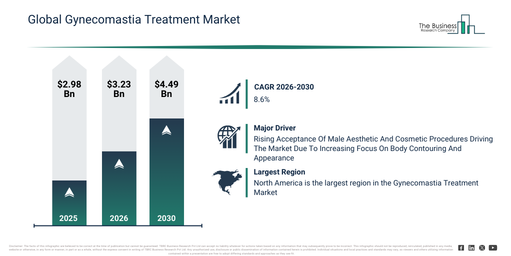
    The gynecomastia treatment market size has demonstrated strong growth over recent years. It is anticipated to expand from $2.98 billion in 2025 to $3.23 billion in 2026, showing a compound annual growth rate (CAGR) of 8.4%. The market’s expansion in previous periods can be linked to increasing diagnosis rates of gynecomastia, growing awareness of male health conditions, availability of advanced surgical procedures, expansion of aesthetic medicine services, and rising acceptance of corrective treatments.

    The gynecomastia treatment market is anticipated to experience substantial expansion in the coming years. By 2030, its value is projected to reach $4.49 billion, demonstrating a compound annual growth rate (CAGR) of 8.6%. This projected growth during the forecast period stems from factors such as a heightened demand for individualized treatment plans, increased integration of advanced liposuction technologies, the proliferation of outpatient surgical centers, a greater emphasis on psychological well-being, and a surge in investment directed towards male health services. Key developments expected within the forecast timeframe encompass a wider embrace of minimally invasive surgical methods, an escalating need for hormone-based medical treatments, a stronger inclination towards integrated treatment strategies, the establishment of more specialized aesthetic clinics, and an intensified commitment to patient counseling along with post-treatment support.

    Download the Free Sample Report to Explore Key Market Insights:

    https://www.thebusinessresearchcompany.com/sample.aspx?id=33147&type=smp

    What Underlying Factors Are Accelerating The Growth Of The Gynecomastia Treatment Market?

    The expanding embrace of male aesthetic and cosmetic procedures is anticipated to fuel the expansion of the gynecomastia treatment market moving forward. These procedures involve medical or surgical interventions aimed at improving men’s physical appearance, addressing areas like body shape, facial characteristics, skin condition, and hair. This growing acceptance stems from evolving societal perspectives on male grooming and body image, influenced by media and enhanced awareness of available aesthetic treatments. A rise in male participation in aesthetic and cosmetic procedures has prompted men to seek gynecomastia treatment to achieve a more defined, masculine chest. For example, in June 2024, the American Society of Plastic Surgeons (ASPS), a US-based professional organization, stated that men represented a 6 % share of all cosmetic procedures carried out in 2023, with male body-focused procedures climbing 18 % and face and neck procedures increasing 15 % compared to the prior year. Consequently, the increasing acceptance of male aesthetic and cosmetic procedures is propelling growth in the gynecomastia treatment market. Increasing Healthcare Expenditure Fostering Market Growth Through Better Affordability And Access To Elective Procedures

    Which Segment Areas Are Covered In The Gynecomastia Treatment Market Analysis?

    The gynecomastia treatment market covered in this report is segmented –

    1) By Treatment Type: Medications; Surgical Treatments; Alternative Therapies

    2) By Age Group: Adolescents; Adults; Middle Aged And Older

    3) By Distribution Channel: Direct Sales; Distributor Sales; Online Sales

    4) By End User: Hospitals; Aesthetic Clinics; Ambulatory Surgical Centers; Endocrinology Clinics

    Subsegments:

    1) By Medications: Hormone Regulating Drug Therapies; Estrogen Blocking Drug Therapies; Testosterone Modulating Drug Therapies

    2) By Surgical Treatments: Liposuction Based Breast Reduction Procedures; Glandular Tissue Excision Procedures; Combined Liposuction And Excision Procedures

    3) By Alternative Therapies: Lifestyle And Weight Management Programs; Dietary And Nutritional Support Therapies; Herbal And Natural Supplement Therapies

    Who Are The Prominent Organizations Shaping The Gynecomastia Treatment Market?

    Major companies operating in the gynecomastia treatment market are Spire Healthcare Group Plc, Max Healthcare Institute, InMode Ltd., Cynosure Inc., Pristyn Care Private Limited, Sterling Hospital, Paras Hospital, Prettislim Clinic, Allure Medspa, Lux Hospitals, Florida Plastic Surgery Group, Dermawear, DermaVue, AK Clinics Pvt. Ltd., BioZen, Medifyhome, PinkApple Aesthetics, The Aesthetica, Austin Gynecomastia Center, and Carely Clinic.

    Read the full gynecomastia treatment market report here:

    https://www.thebusinessresearchcompany.com/report/gynecomastia-treatment-market-report

    Which Regions Are Poised For Strategic Growth In The Gynecomastia Treatment Market?

    North America was the largest region in the gynecomastia treatment market in 2025. Asia-Pacific is expected to be the fastest-growing region in the forecast period. The regions covered in the gynecomastia treatment market report are Asia-Pacific, South East Asia, Western Europe, Eastern Europe, North America, South America, Middle East, Africa.

    Request A Tailored Gynecomastia Treatment Market Research Report For Competitive Advantage:

    https://www.thebusinessresearchcompany.com/customise?id=33147&type=smp

    Browse Through More Reports Similar to the Global Gynecomastia Treatment Market 2026, By The Business Research Company

    Gynecology Drugs Market Report 2026

    https://www.thebusinessresearchcompany.com/report/gynecology-drugs-global-market-report

    Gynecological Cancer Drugs Market Report 2026

    https://www.thebusinessresearchcompany.com/report/gynecological-cancer-drugs-global-market-report

    Gynecological Devices Market Report 2026

    https://www.thebusinessresearchcompany.com/report/gynecological-devices-global-market-report

    Get in touch with us:

    The Business Research Company: https://www.thebusinessresearchcompany.com/

    Americas +1 310-496-7795

    Asia +44 7882 955267 & +91 8897263534

    Europe +44 7882 955267

    Email us at info@tbrc.info

    Follow us on:

    LinkedIn: https://in.linkedin.com/company/the-business-research-company

    YouTube: https://www.youtube.com/channel/UC24_fI0rV8cR5DxlCpgmyFQ

    Global Market Model: https://www.thebusinessresearchcompany.com/global-market-model
  • Giant Papillary Conjunctivitis Market Outlook 2026–2030 Highlighting Innovation Trends

    Giant Papillary Conjunctivitis Market Outlook 2026–2030 Highlighting Innovation Trends

    The Business Research Company’s 2026 market reports include new capabilities such as market attractiveness scoring and analysis, total addressable market analysis, company scoring matrix, interactive excel data dashboard, improved supply chain analysis, upcoming startups in the market, and overview of key products, aimed at improving the depth, usability, and strategic value of the insights delivered.

    What Market Value Is Expected For The Giant Papillary Conjunctivitis Market At The End Of The 2026–2030 Forecast Period?

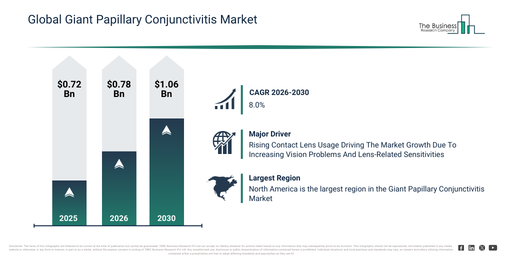
    The giant papillary conjunctivitis market size has demonstrated robust expansion over recent years. It will grow from $0.72 billion in 2025 to $0.78 billion in 2026 at a compound annual growth rate (CAGR) of 7.8%. This historical growth stemmed from several factors, including the rising prevalence of contact lens usage, a higher incidence of ocular allergies, enhanced diagnostic awareness among clinicians, the availability of topical antihistamine treatments, and the expansion of outpatient ophthalmology services.

    The giant papillary conjunctivitis market size is anticipated to undergo significant expansion over the next few years. It is predicted to attain $1.06 billion by 2030, demonstrating a compound annual growth rate (CAGR) of 8.0%. This growth during the forecast period can be linked to the increased development of targeted anti-inflammatory therapies, a rising demand for non-steroidal treatment options, the expansion of tele-ophthalmology services, a growing emphasis on early diagnosis, and increased investment in ophthalmic drug development. Noteworthy trends in the forecast period involve the increasing utilization of combination ocular therapies, rising adoption of preservative-free eye drops, a growing focus on long-term disease management, the expansion of allergy-related ophthalmic treatments, and an enhanced emphasis on patient-centric care.

    Download the Free Sample Report to Explore Key Market Insights:

    https://www.thebusinessresearchcompany.com/sample.aspx?id=33123&type=smp

    What Key Drivers Are Influencing The Growth Of The Giant Papillary Conjunctivitis Market?

    The expanding adoption of contact lenses is projected to boost the allergic papillary conjunctivitis market in the coming period. These are slender, curved optical aids directly applied to the eye’s surface (cornea) to correct sight, safeguard the eye, or improve aesthetics. Their usage is growing due to a surge in vision issues like myopia, largely influenced by extended screen time and digital gadget consumption. Allergic papillary conjunctivitis (APC) assists contact lens users by pinpointing sensitivity concerns, enabling the selection of suitable lenses or therapies to minimize discomfort and enhance ease. For example, data from Contact Lens Spectrum, a US-based eye care publication, indicated in January 2025 that an estimated 59% of patients acquire contact lenses directly from their practitioners’ offices (an increase from 56% in 2023), with 23% opting for online purchases, consistent with 2023 figures. Consequently, the increased adoption of contact lenses is fueling the expansion of the allergic papillary conjunctivitis market.

    What Segment Types Make Up The Giant Papillary Conjunctivitis Market?

    The giant papillary conjunctivitis market covered in this report is segmented –

    1) By Drug Class: Antihistamines; Mast Cell Stabilizers; Corticosteroids

    2) By Treatment: Medications; Surgical Interventions

    3) By Route of Administration: Topical Eye Drops; Ophthalmic Inserts; Systemic Therapy

    4) By Distribution Channel: Hospital Pharmacies; Retail Pharmacies; Online Pharmacies

    Subsegments:

    1) By Antihistamines: Topical Antihistamine Drops; Dual Action Antihistamine Agents; Oral Antihistamine Medications

    2) By Mast Cell Stabilizers: Sodium Cromoglycate Preparations; Lodoxamide Based Formulations; Nedocromil Based Treatments

    3) By Corticosteroids: Topical Steroid Eye Drops; Low Potency Corticosteroids; Short Term Corticosteroid Therapy

    Who Are The Leading Companies Operating In The Giant Papillary Conjunctivitis Market?

    Major companies operating in the giant papillary conjunctivitis market are Johnson & Johnson Vision Care Inc., AbbVie Inc., Novartis AG, Teva Pharmaceutical Industries Ltd., Bausch Health Companies Inc., Alcon Inc., Cleveland Clinic, Sun Pharmaceutical Industries Ltd., CooperVision Inc., Cipla Limited, Lupin Limited, Santen Pharmaceutical Co. Ltd., Mankind Pharma Pvt. Ltd., Eton Pharmaceuticals Inc., Micro Labs Limited, Specsavers Optical Group Ltd., Harrow Health Inc., Ocular Therapeutix Inc., Eyevance Pharmaceuticals LLC, Iskon Remedies Pvt. Ltd., The Eye Practice Ltd.

    Read the full giant papillary conjunctivitis market report here:

    https://www.thebusinessresearchcompany.com/report/giant-papillary-conjunctivitis-market-report

    Which Region Is Projected To Lead The Giant Papillary Conjunctivitis Market During The Forecast Period?

    North America was the largest region in the giant papillary conjunctivitis market in 2025. Asia-Pacific is expected to be the fastest-growing region in the forecast period. The regions covered in the giant papillary conjunctivitis market report are Asia-Pacific, South East Asia, Western Europe, Eastern Europe, North America, South America, Middle East, Africa.

    Request A Tailored Giant Papillary Conjunctivitis Market Research Report For Competitive Advantage:

    https://www.thebusinessresearchcompany.com/customise?id=33123&type=smp

    Browse Through More Reports Similar to the Global Giant Papillary Conjunctivitis Market 2026, By The Business Research Company

    Conjunctivitis Treatment Market Report 2026

    https://www.thebusinessresearchcompany.com/report/conjunctivitis-treatment-global-market-report

    Bacterial Conjunctivitis Market Report 2026

    https://www.thebusinessresearchcompany.com/report/bacterial-conjunctivitis-global-market-report

    Allergy Conjunctivitis Market Report 2026

    https://www.thebusinessresearchcompany.com/report/allergy-conjunctivitis-global-market-report

    Get in touch with us:

    The Business Research Company: https://www.thebusinessresearchcompany.com/

    Americas +1 310-496-7795

    Asia +44 7882 955267 & +91 8897263534

    Europe +44 7882 955267

    Email us at info@tbrc.info

    Follow us on:

    LinkedIn: https://in.linkedin.com/company/the-business-research-company

    YouTube: https://www.youtube.com/channel/UC24_fI0rV8cR5DxlCpgmyFQ

    Global Market Model: https://www.thebusinessresearchcompany.com/global-market-model
  • Precision medicine adoption driving growth in the Frontotemporal Dementia Market

    Precision medicine adoption driving growth in the Frontotemporal Dementia Market

    The Business Research Company’s 2026 market reports include new capabilities such as market attractiveness scoring and analysis, total addressable market analysis, company scoring matrix, interactive excel data dashboard, improved supply chain analysis, upcoming startups in the market, and overview of key products, aimed at improving the depth, usability, and strategic value of the insights delivered.

    How Large Is The Frontotemporal Dementia Market Projected To Become By 2030 Based On Its 2026 Valuation?

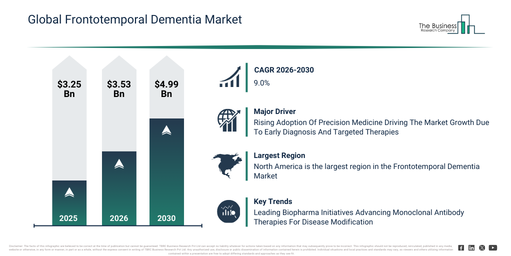
    The frontotemporal dementia market has experienced robust growth in recent years. It is projected to expand from $3.25 billion in 2025 to $3.53 billion in 2026, demonstrating a compound annual growth rate (CAGR) of 8.8%. This historical growth can be attributed to factors such as improved clinical recognition of frontotemporal dementia, the expansion of specialized neurology clinics, increased availability of neuroimaging technologies, rising awareness among healthcare professionals, and the development of standardized diagnostic criteria.

    The market for frontotemporal dementia is projected to experience substantial expansion in the coming years. It is anticipated to reach a valuation of $4.99 billion by 2030, exhibiting a compound annual growth rate (CAGR) of 9.0%. This anticipated expansion over the forecast period stems from factors such as heightened investments in neurodegenerative disease investigations, a greater embrace of precision medicine strategies, the broader deployment of digital health instruments for evaluating cognitive function, an intensified emphasis on therapies that modify disease progression, and the proliferation of caregiver assistance and management initiatives. Key developments expected during this period involve the expanded application of sophisticated neuroimaging techniques for diagnosis, an increase in genetic and biomarker testing uptake, a heightened prioritization of distinguishing diseases early and precisely, the broadening of interdisciplinary care frameworks, and improved incorporation of digital tools for cognitive evaluation.

    Download the Free Sample Report to Explore Key Market Insights:

    https://www.thebusinessresearchcompany.com/sample.aspx?id=33114&type=smp

    What Drivers Are Influencing The Frontotemporal Dementia Market?

    The expanding field of precision medicine is anticipated to drive the future expansion of the frontotemporal dementia market. This approach involves tailoring medical interventions to align with an individual patient’s distinct biological makeup and lifestyle factors. Its adoption is on the rise, spurred by developments in genomics and biotechnology that enable more precise identification of disease origins and the creation of specific treatments, thereby enhancing patient results. For frontotemporal dementia (FTD), precision medicine assists by facilitating early and precise diagnoses via genetic and biomarker examination, and by informing the creation of focused therapies designed to target particular molecular pathways linked to the condition, thereby boosting treatment efficacy and decelerating its advancement. As an illustration, the Personalized Medicine Coalition, a US-based non-profit body, reported that the US Food and Drug Administration (FDA) gave approval to 16 novel personalized treatments for patients with rare diseases, an increase from six approvals in 2022. Among the personalized treatments newly sanctioned for 2023 were also seven medications for cancer and three for other medical conditions. Consequently, the expansion of precision medicine is fueling the growth within the frontotemporal dementia market.

    What Segment Groups Are Identified Within The Frontotemporal Dementia Market?

    The frontotemporal dementia market covered in this report is segmented –

    1) By Disease Type: Behavioral Variant Frontotemporal Dementia (bvFTD); Primary Progressive Aphasia (PPA); Frontotemporal Dementia With Motor Neuron Disease (FTD-MND)

    2) By Drug Class: Cholinesterase Inhibitors; N-Methyl-D-Aspartate (NMDA) Receptor Antagonists; Antidepressants; Antipsychotics

    3) By Diagnostic Methods: Clinical Evaluation; Neuroimaging; Genetic Testing

    4) By Treatment Approach: Symptom Management; Medications; Speech And Occupational Therapy

    5) By End User: Hospitals; Specialty Clinics; Long-Term Care Facilities

    Subsegments:

    1) By Behavioral Variant Frontotemporal Dementia (bvFTD): Disinhibited Type; Apathetic Type; Stereotypic Type; Hyperorality Type

    2) By Primary Progressive Aphasia (PPA): Nonfluent Variant; Semantic Variant; Logopenic Variant

    3) By Frontotemporal Dementia With Motor Neuron Disease (FTD-MND): Amyotrophic Lateral Sclerosis Associated; Progressive Muscular Atrophy Associated; Primary Lateral Sclerosis Associated

    What Trends Are Advancing Progress In The Frontotemporal Dementia Market?

    Leading companies within the frontotemporal dementia market are concentrating on developing innovative solutions, such as monoclonal antibody therapy, to impede disease progression and target underlying pathological mechanisms. Monoclonal antibody therapy is a treatment method employing laboratory-produced antibodies specifically designed to identify and act upon certain proteins or cells in the body, thereby aiding in disease management by either blocking, neutralizing, or tagging harmful cells for elimination. For instance, in February 2024, Alector Inc., a US-based clinical-stage biotechnology company, collaborated with GSK Plc., a UK-based biopharma company, and received FDA Breakthrough Therapy Designation for latozinemab (AL001). This therapy is designed to treat frontotemporal dementia caused by progranulin gene mutation (FTD-GRN) by inhibiting the sortilin receptor and increasing progranulin (PGRN) levels in the brain to counteract lysosomal dysfunction and neurodegeneration. Phase 2 trials demonstrated safe, sustained PGRN elevations (over 2-fold in plasma/CSF) along with inclinations towards a slower clinical progression.

    Who Are The Prominent Organizations Shaping The Frontotemporal Dementia Market?

    Major companies operating in the frontotemporal dementia market are Novartis AG, Eli Lilly and Company, Siemens Healthineers AG, Alector Inc., Denali Therapeutics Inc., Sangamo Therapeutics Inc., QurAlis Inc., TauRx Pharmaceuticals Ltd., AC Immune SA, AviadoBio Ltd., Passage Bio Inc., Muna Therapeutics Inc., Neurimmune Therapeutics Inc., Coya Therapeutics Inc., Aquinnah Pharmaceuticals Inc., Asceneuron SA, CAMP4 Therapeutics Inc., Libra Therapeutics Inc., SOLA Biosciences Inc., Transposon Therapeutics Inc.

    Read the full frontotemporal dementia market report here:

    https://www.thebusinessresearchcompany.com/report/frontotemporal-dementia-market-report

    Which Region Is Anticipated To See The Fastest Growth In The Frontotemporal Dementia Market?

    North America was the largest region in the frontotemporal dementia market in 2025. Asia-Pacific is expected to be the fastest-growing region in the forecast period. The regions covered in the frontotemporal dementia market report are Asia-Pacific, South East Asia, Western Europe, Eastern Europe, North America, South America, Middle East, Africa.

    Request A Tailored Frontotemporal Dementia Market Research Report For Competitive Advantage:

    https://www.thebusinessresearchcompany.com/customise?id=33114&type=smp

    Browse Through More Reports Similar to the Global Frontotemporal Dementia Market 2026, By The Business Research Company

    Lewy Body Dementia Treatment Market Report 2026

    https://www.thebusinessresearchcompany.com/report/lewy-body-dementia-treatment-global-market-report

    Alzheimers Drugs Market Report 2026

    https://www.thebusinessresearchcompany.com/report/alzheimers-drugs-global-market-report

    Alzheimers Drugs Market Report 2026

    https://www.thebusinessresearchcompany.com/report/alzheimers-drugs-global-market-report

    Get in touch with us:

    The Business Research Company: https://www.thebusinessresearchcompany.com/

    Americas +1 310-496-7795

    Asia +44 7882 955267 & +91 8897263534

    Europe +44 7882 955267

    Email us at info@tbrc.info

    Follow us on:

    LinkedIn: https://in.linkedin.com/company/the-business-research-company

    YouTube: https://www.youtube.com/channel/UC24_fI0rV8cR5DxlCpgmyFQ

    Global Market Model: https://www.thebusinessresearchcompany.com/global-market-model