Category: Healthcare Services

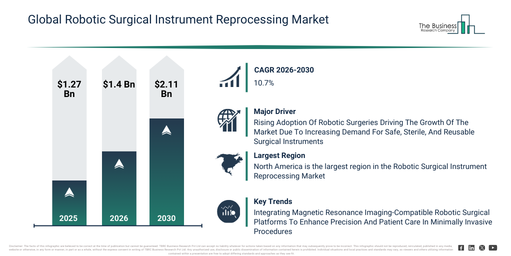
  • A significant industry trend in the Robotic Surgical Instrument Reprocessing Market includes the Integrating Magnetic Resonance Imaging-Compatible Robotic Surgical Platforms To Enhance Precision And Patient Care In Minimally Invasive Procedures

    A significant industry trend in the Robotic Surgical Instrument Reprocessing Market includes the Integrating Magnetic Resonance Imaging-Compatible Robotic Surgical Platforms To Enhance Precision And Patient Care In Minimally Invasive Procedures

    The Business Research Company’s 2026 market reports include new capabilities such as market attractiveness scoring and analysis, total addressable market analysis, company scoring matrix, interactive excel data dashboard, improved supply chain analysis, upcoming startups in the market, and overview of key products, aimed at improving the depth, usability, and strategic value of the insights delivered.

    What Is The Forecasted Market Value Of The Robotic Surgical Instrument Reprocessing Market Across 2026–2030?

    The robotic surgical instrument reprocessing market has experienced rapid growth in its size over recent years. This market is projected to expand from $1.27 billion in 2025 to $1.4 billion in 2026, reflecting a compound annual growth rate (CAGR) of 11.0%. The growth observed in the historic period can be attributed to factors such as the expansion of robotic-assisted surgeries, increasing hospital infection control requirements, the growth of central sterile processing departments, the rising use of reusable robotic instruments, and the availability of specialized reprocessing equipment.

    The robotic surgical instrument reprocessing market size is projected to experience substantial expansion over the coming years. This market is anticipated to reach a valuation of $2.11 billion by 2030, exhibiting a compound annual growth rate (CAGR) of 10.7%. Several factors are expected to drive this growth throughout the forecast period, including the rising number of minimally invasive surgical procedures, increased capital directed towards robotic surgery infrastructure, the proliferation of outpatient surgical centers, a heightened need for cost-effective instrument reuse, and more stringent regulatory oversight of sterilization methods. Key developments during this same period encompass an escalating demand for sophisticated instrument cleaning solutions, greater uptake of automated sterilization techniques, a concentrated effort on standardizing reprocessing workflows, wider integration of single-use instruments, and an elevated commitment to adhering to infection control guidelines.

    Download the Free Sample Report to Explore Key Market Insights:

    https://www.thebusinessresearchcompany.com/sample.aspx?id=29183&type=smp

    What Primary Drivers Are Shaping The Development Of The Robotic Surgical Instrument Reprocessing Market?

    The growing prevalence of robotic surgeries is anticipated to drive the expansion of the robotic surgical instrument reprocessing market. These surgeries involve minimally invasive procedures executed with robotic systems, offering enhanced precision, control, and flexibility to surgeons. Their increasing acceptance stems from their capacity to improve surgical accuracy and reduce patient recovery periods. Robotic surgical instrument reprocessing is crucial for ensuring that intricate robotic tools are meticulously cleaned, sterilized, and can be safely reutilized for subsequent operations. For example, in October 2025, Digital Health Intelligence Limited, a UK-based private limited company specializing in publishing health information, reported that the volume of operations utilizing robotic-assisted surgery (RAS) is expected to climb to half a million annually by 2035, a substantial rise from about 70,000 procedures conducted in 2023-24. Consequently, the heightened adoption of robotic surgeries is fueling the expansion of the robotic surgical instrument reprocessing market.

    What Segmentation Levels Are Considered In The Robotic Surgical Instrument Reprocessing Market?

    The robotic surgical instrument reprocessing market covered in this report is segmented –

    1) By Product Type: Reusable Instruments, Single-Use Instruments, Reprocessing Equipment, Consumables

    2) By Process: Cleaning, Disinfection, Sterilization, Inspection And Packaging, Other Processes

    3) By End-User: Hospitals, Ambulatory Surgical Centers, Specialty Clinics, Other End-Users

    Subsegments:

    1) By Reusable Instruments: Surgical Forceps, Scissors, Graspers, Needle Holders, Trocars, Clamps

    2) By Single-Use Instruments: Disposable Scalpels, Single-Use Forceps, Disposable Scissors, Suction Tips, Disposable Trocars, Electrocautery Devices

    3) By Reprocessing Equipment: Cleaning Systems, Disinfection Units, Sterilization Equipment, Inspection Systems, Drying Cabinets, Packaging Machines

    4) By Consumables: Cleaning Agents, Disinfectants, Sterilization Wraps, Indicator Tapes, Lubricants, Biological Indicators

    What Key Trends Are Influencing The Development Of The Robotic Surgical Instrument Reprocessing Market?

    Leading companies in the robotic surgical instrument reprocessing market are prioritizing innovations, such as magnetic resonance imaging (MRI)-compatible robotic surgery platforms, to enhance precision, safety, and real-time imaging guidance during minimally invasive procedures. An MRI-compatible robotic surgery platform is an advanced surgical system designed to execute or assist in minimally invasive procedures directly within the magnetic environment of an MRI scanner, ensuring operational safety, precise instrument control, and live imaging guidance for improved clinical outcomes. For example, in September 2025, Insight Medbotics, a Canada-based company specializing in interventional oncology, introduced Glenn, an MRI-compatible robotic surgery platform created to address critical challenges in prostate cancer procedures. Glenn integrates seamlessly with MRI scanners, offering real-time imaging, exact instrument control, and intuitive access for biopsies and focal therapies. This system eliminates the necessity for traditional ultrasound guidance and rectal probes, thereby improving patient comfort, enhancing procedural accuracy, and supporting minimally invasive interventions, positioning it as a next-generation solution for precise prostate cancer care.

    Which Leading Firms Are Contributing To The Growth Of The Robotic Surgical Instrument Reprocessing Market?

    Major companies operating in the robotic surgical instrument reprocessing market are Ecolab Inc., B. Braun Melsungen SE, Zimmer Biomet Holdings Inc., STERIS plc, Getinge AB, Miele & Cie. KG, Acrotec Medtech, Belimed AG, SteraTek, Primo Medical Group, Matachana, Innovative Health, Restore Robotics, MMM Group, Vanguard AG, Medisafe International, Pure Processing, Steelco, ASP (Advanced Sterilization Products), Tuttnauer Ltd.

    Read the full robotic surgical instrument reprocessing market report here:

    https://www.thebusinessresearchcompany.com/report/robotic-surgical-instrument-reprocessing-global-market-report

    How Does The Robotic Surgical Instrument Reprocessing Market Perform Across Major Global Regions?

    North America was the largest region in the robotic surgical instrument reprocessing market in 2025. Asia-Pacific is expected to be the fastest-growing region in the forecast period. The regions covered in the robotic surgical instrument reprocessing market report are Asia-Pacific, South East Asia, Western Europe, Eastern Europe, North America, South America, Middle East, Africa.

    Request A Tailored Robotic Surgical Instrument Reprocessing Market Research Report For Competitive Advantage:

    https://www.thebusinessresearchcompany.com/customise?id=29183&type=smp

    Browse Through More Reports Similar to the Global Robotic Surgical Instrument Reprocessing Market 2026, By The Business Research Company

    Robotic Surgery Devices Global Market Report

    https://www.thebusinessresearchcompany.com/report/robotic-surgery-devices-global-market-report

    Surgical Robots Global Market Report

    https://www.thebusinessresearchcompany.com/report/surgical-robots-global-market-report

    Surgical Robot Accessories Global Market Report

    https://www.thebusinessresearchcompany.com/report/surgical-robot-accessories-global-market-report

    Get in touch with us:

    The Business Research Company: https://www.thebusinessresearchcompany.com/

    Americas +1 310-496-7795

    Asia +44 7882 955267 & +91 8897263534

    Europe +44 7882 955267

    Email us at info@tbrc.info

    Follow us on:

    LinkedIn: https://in.linkedin.com/company/the-business-research-company

    YouTube: https://www.youtube.com/channel/UC24_fI0rV8cR5DxlCpgmyFQ

    Global Market Model: https://www.thebusinessresearchcompany.com/global-market-model

  • A key trend shaping the Robotic Surgery Services Market involves the Technological Advancements In Robotic Surgery Services

    A key trend shaping the Robotic Surgery Services Market involves the Technological Advancements In Robotic Surgery Services

    The Business Research Company’s 2026 market reports include new capabilities such as market attractiveness scoring and analysis, total addressable market analysis, company scoring matrix, interactive excel data dashboard, improved supply chain analysis, upcoming startups in the market, and overview of key products, aimed at improving the depth, usability, and strategic value of the insights delivered.

    What Market Size Increase Is Anticipated For The Robotic Surgery Services Market Over The 2026–2030 Period?

    The robotic surgery services market has experienced significant expansion in recent years. It is anticipated to grow from $1.39 billion in 2025 to $1.58 billion in 2026, achieving a compound annual growth rate (CAGR) of 13.8%. The increase observed in previous periods stems from the wider adoption of minimally invasive surgery, growing surgeon willingness to use robotic systems, an escalation in complex surgical procedures, increased hospital funding for sophisticated operating rooms, and advancements in robotic instrument design.

    The robotic surgery services market is projected to experience substantial expansion in the coming years. It is anticipated to reach $2.62 billion by 2030, showing a compound annual growth rate (CAGR) of 13.4%. This projected growth can be attributed to several factors, including an increasing demand for outpatient robotic surgeries, rising investments in next-generation surgical robotics, the expansion of robotic procedures across various specialties, the increasing integration of AI-assisted surgical planning, and a growing focus on outcome-based surgical care. Furthermore, major trends expected during this forecast period include the increasing adoption of minimally invasive robotic procedures, a rising demand for procedure-specific robotic platforms, the growing integration of advanced surgical imaging systems, the expansion of robotic surgery training programs, and an enhanced emphasis on surgical precision and positive outcomes.

    Download the Free Sample Report to Explore Key Market Insights:

    https://www.thebusinessresearchcompany.com/sample.aspx?id=3168&type=smp

    Which Major Factors Are Driving The Expansion Of The Robotic Surgery Services Market?

    The expanding prevalence of chronic illnesses is anticipated to fuel the growth of the robotic surgery services market in the future. These are enduring health conditions that advance gradually and demand ongoing care, encompassing ailments like cardiovascular issues, diabetes, respiratory problems, and specific types of cancer. This increase is largely attributed to more sedentary lifestyles, leading to suboptimal metabolic health, reduced physical stamina, and a greater propensity for developing persistent long-term conditions. Robotic surgery services mitigate this escalating challenge by facilitating precise, minimally invasive operations that enhance treatment results, shorten recovery periods, and aid in more effective handling of complications associated with chronic diseases. As an illustration, the British Heart Foundation, a UK-based charity, reported in September 2025 that over 7.6 million individuals in the UK (comprising more than 4 million men and over 3.6 million women) are afflicted with cardiovascular disease. Projections suggest this number could increase by approximately 1 million by 2030 and around 2 million by 2040, influenced by an aging populace and better survival rates. Consequently, the increasing incidence of chronic diseases acts as a catalyst for the expansion of the robotic surgery services market.

    How Is The Robotic Surgery Services Market Segmented Across Key Categories?

    The robotic surgery services market covered in this report is segmented –

    1) By Component: Systems, Accessories, Services

    2) By Application: General Surgery, Urological Surgery, Gynecological Surgery, Orthopaedics Surgery, Neurosurgery And Other Applications.

    3) By End-Use: Hospitals, Ambulatory Surgery Centers (Ascs)

    Subsegments:

    1) By Systems: Surgical Robotic Systems, Robotic Surgical Platforms For Specific Procedures

    2) By Accessories: Surgical Instruments, Disposable And Reusable Accessories, Vision And Imaging Systems

    3) By Services: Maintenance And Repair Services, Training And Education Services, Technical Support Services, Consulting Services

    What Key Trends Are Influencing The Development Of The Robotic Surgery Services Market?

    Leading companies in the robotic surgery services market are emphasizing product innovation through technology, exemplified by systems such as the Da Vinci Xi Robotic Surgical System, to offer reliable services to consumers. The Da Vinci Xi Robotic Surgical System finds application in robotic surgery, presenting an effective and minimally invasive alternative to both open surgery and laparoscopy. For example, in June 2023, Apollo Hospitals Enterprise Limited, an India-based healthcare firm, introduced the Da Vinci Xi Robotic Surgical System. This surgical robot is utilized for treating various ailments, including cancer, colorectal conditions, gynecologic issues, heart ailments, head and neck conditions, thoracic problems, and urological disorders. It features HD cameras that deliver outstanding visualization and exhibits greater dexterity than the human hand, allowing it to rotate 360 degrees.

    Who Are The Dominant Players Shaping The Robotic Surgery Services Market Landscape?

    Major companies operating in the robotic surgery services market are Tenet Healthcare Corporation, HCA Healthcare Inc, Asklepios Kliniken Verwaltungsgesellschaft Mbh, Apollo Hospitals Enterprise Ltd, Bumrungrad International Hospital, Fortis Healthcare, Bangkok Hospital, Spire Healthcare Group plc, Saudi German Hospitals Group, Raffles Medical Group, Medtronic Australasia, Zimmer Biomet Robotics, Asensus Surgical, Intuitive, Medrobotics Corporation, Smith And Nephew, Restoration Robotics, Hansen Medical, Stryker Corporation, Mazor Robotics, Renishaw Plc, Stereotaxis Inc, Corindus, CMR Surgical Ltd, Johnson And Johnson MedTech

    Read the full robotic surgery services market report here:

    https://www.thebusinessresearchcompany.com/report/robotic-surgery-services-global-market-report

    Which Region Currently Holds The Largest Share Of The Robotic Surgery Services Market?

    North America was the largest region in the robotic surgery services market in 2025. Western Europe was the second largest region in the global robotic surgery services market share. The regions covered in the robotic surgery services market report are Asia-Pacific, South East Asia, Western Europe, Eastern Europe, North America, South America, Middle East, Africa.

    Request A Tailored Robotic Surgery Services Market Research Report For Competitive Advantage:

    https://www.thebusinessresearchcompany.com/customise?id=3168&type=smp

    Browse Through More Reports Similar to the Global Robotic Surgery Services Market 2026, By The Business Research Company

    Radiotherapy Devices Global Market Report

    https://www.thebusinessresearchcompany.com/report/radiotherapy-devices-global-market-report

    Image Guided Radiation Therapy Global Market Report

    https://www.thebusinessresearchcompany.com/report/image-guided-radiation-therapy-global-market-report

    Single Dose Radiotherapy Services Global Market Report

    https://www.thebusinessresearchcompany.com/report/single-dose-radiotherapy-services-global-market-report

    Get in touch with us:

    The Business Research Company: https://www.thebusinessresearchcompany.com/

    Americas +1 310-496-7795

    Asia +44 7882 955267 & +91 8897263534

    Europe +44 7882 955267

    Email us at info@tbrc.info

    Follow us on:

    LinkedIn: https://in.linkedin.com/company/the-business-research-company

    YouTube: https://www.youtube.com/channel/UC24_fI0rV8cR5DxlCpgmyFQ

    Global Market Model: https://www.thebusinessresearchcompany.com/global-market-model
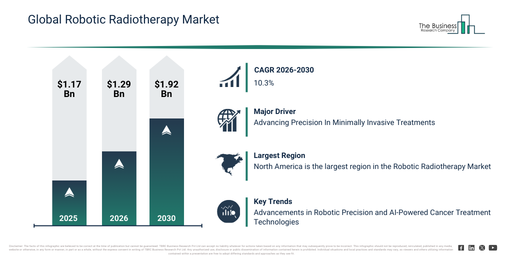
  • An Important Factor Driving the Robotic Radiotherapy Market Is the Advancing Precision In Minimally Invasive Treatments

    An Important Factor Driving the Robotic Radiotherapy Market Is the Advancing Precision In Minimally Invasive Treatments

    The Business Research Company’s 2026 market reports include new capabilities such as market attractiveness scoring and analysis, total addressable market analysis, company scoring matrix, interactive excel data dashboard, improved supply chain analysis, upcoming startups in the market, and overview of key products, aimed at improving the depth, usability, and strategic value of the insights delivered.

    How Much Is The Robotic Radiotherapy Market Expected To Grow In Terms Of Market Value Between 2026 And 2030?

    The robotic radiotherapy market has experienced rapid expansion in recent years. It is anticipated to increase from $1.17 billion in 2025 to $1.29 billion in 2026, demonstrating a compound annual growth rate (CAGR) of 10.7%. This historical growth can be linked to rising cancer incidence rates, the expansion of radiotherapy infrastructure in healthcare facilities, progress in linear accelerator technologies, a growing preference for non-invasive cancer treatments, and better access to precision imaging systems.

    The robotic radiotherapy market is projected to experience substantial expansion over the next few years. It is anticipated to grow to $1.92 billion by 2030, exhibiting a compound annual growth rate (CAGR) of 10.3%. This expected growth can be attributed to the rising adoption of personalized oncology treatments, increased investments in robotic cancer care infrastructure, a growing demand for motion-adaptive radiotherapy, the expansion of proton and particle therapy centers, and technological advancements in AI-driven treatment planning. Major developments during this forecast period include the increasing integration of real-time tumor motion tracking, a rise in the use of image-guided robotic radiation systems, growing interest in personalized radiotherapy planning, the broadening of non-invasive cancer treatment protocols, and a heightened focus on sub-millimeter radiation accuracy.

    Download the Free Sample Report to Explore Key Market Insights:

    https://www.thebusinessresearchcompany.com/sample.aspx?id=20946&type=smp

    What Key Drivers Are Influencing The Growth Of The Robotic Radiotherapy Market?

    The increasing need for minimally invasive medical interventions is projected to fuel the expansion of the robotic radiotherapy market in the future. These procedures are driven by progress in medical technology, patients’ growing preference for quicker recovery and fewer complications, and their wider adoption by healthcare providers due to their economic benefits and better patient results. Robotic radiotherapy boosts the accuracy and efficacy of minimally invasive treatments by precisely targeting radiation at tumors, simultaneously lessening harm to nearby healthy tissues. This leads to fewer complications, faster recovery, and aligns with the increasing call for modern, patient-focused therapies. As an illustration, in June 2024, the American Society of Plastic Surgeons, a US-based specialty organization, reported that minimally invasive procedures saw a 7 percent increase in 2023, outpacing surgical procedures by 2 percent. Specifically, neuromodulator injections surpassed 9 million treatments, and hyaluronic acid fillers exceeded 5 million treatments. Consequently, the heightened demand for minimally invasive procedures is stimulating the expansion of the robotic radiotherapy market.

    What Major Segment Divisions Exist Within The Robotic Radiotherapy Market?

    The robotic radiotherapy market covered in this report is segmented –

    1) By Product: Radiotherapy Systems, Softwares, 3D Cameras (Surface Guided)

    2) By Technology: Linear Accelerators, Conventional Linear Accelerators, Magnetic Resonance Imaging (MRI) – Linear Accelerators, Stereotactic Radiation Therapy Systems, Cyberknife, Gamma Knife, Particle Therapy, Proton Beam Therapy

    3) By Application: Prostate Cancer, Breast Cancer, Lung Cancer, Head & Neck Cancer, Colorectal Cancer

    4) By End User: Hospitals, Independent Radiotherapy Centers

    Subsegments:

    1) By Radiotherapy Systems: Robotic Linear Accelerators, Proton Therapy Systems, Stereotactic Radiosurgery Systems, Image-Guided Radiotherapy (IGRT) Systems, Intensity-Modulated Radiotherapy (IMRT) Systems

    2) By Softwares: Treatment Planning Software, Radiation Therapy Management Software, Robotic Radiotherapy Control Software, Integration Software For Robotic Systems

    3) By 3D Cameras (Surface Guided): 3D Optical Surface Imaging Systems, 3D Camera Systems For Patient Positioning, 3D Motion Tracking Cameras For Radiotherapy, Real-Time 3D Surface Imaging For Tumor Localization

    How Are Trends Impacting The Robotic Radiotherapy Market?

    Major companies in the robotic radiotherapy market are concentrating on developing innovative products that feature advanced technologies, such as artificial intelligence (AI) precision, enabling them to perform tasks with exceptional accuracy, consistency, and minimal error. Robotic precision works to enhance accuracy, decrease human error, improve consistency, reduce tissue damage, and accelerate recovery by utilizing sensors, actuators, and algorithms. For instance, in January 2024, Tampa General Hospital, a US-based cancer institute, introduced the CyberKnife S7, an AI-powered radiosurgery tool. This technology signifies a substantial progression in cancer care, offering a non-invasive and precise treatment option for patients experiencing a range of conditions, including both benign and malignant tumors, as well as various neurological disorders. The CyberKnife S7 allows for targeted radiation delivery, thereby minimizing damage to surrounding healthy tissues and providing a less invasive alternative compared to traditional surgical methods.

    Which Companies Are Leading Innovation In The Robotic Radiotherapy Market?

    Major companies operating in the robotic radiotherapy market are Siemens Healthineers AG, GE Healthcare Technologies Inc, Varian Medical Systems, Elekta AB, Accuray Incorporated, Brainlab AG, Mevion Medical Systems Inc, ViewRay Technologies Inc, RaySearch Laboratories AB, VisionRT Ltd, MIM Software Inc, CIVCO Radiotherapy, ProNova Solutions, IBA Group, Xcision Medical Systems LLC, C RAD AB, RefleXion Medical Inc, Zap Surgical Systems Inc, Hitachi High Tech Corporation, Toshiba Medical Systems Corporation, Philips Radiation Oncology Systems, Shinva Medical Instrument Co Ltd, Neusoft Medical Systems Co Ltd, United Imaging Healthcare Radiotherapy

    Read the full robotic radiotherapy market report here:

    https://www.thebusinessresearchcompany.com/report/robotic-radiotherapy-global-market-report

    Which Region Is Expected To Register The Fastest Growth In The Robotic Radiotherapy Market?

    North America was the largest region in the robotic radiotherapy market in 2025. Asia-Pacific is expected to be the fastest-growing region in the forecast period. The regions covered in the robotic radiotherapy market report are Asia-Pacific, South East Asia, Western Europe, Eastern Europe, North America, South America, Middle East, Africa.

    Request A Tailored Robotic Radiotherapy Market Research Report For Competitive Advantage:

    https://www.thebusinessresearchcompany.com/customise?id=20946&type=smp

    Browse Through More Reports Similar to the Global Robotic Radiotherapy Market 2026, By The Business Research Company

    Orthopedic Prosthetics Global Market Report

    https://www.thebusinessresearchcompany.com/report/orthopedic-prosthetics-global-market-report

    Prosthetics And Orthotics Global Market Report

    https://www.thebusinessresearchcompany.com/report/prosthetics-and-orthotics-global-market-report

    3D Orthpedics Prosthetics Global Market Report

    https://www.thebusinessresearchcompany.com/report/3d-orthpedics-prosthetics-global-market-report

    Get in touch with us:

    The Business Research Company: https://www.thebusinessresearchcompany.com/

    Americas +1 310-496-7795

    Asia +44 7882 955267 & +91 8897263534

    Europe +44 7882 955267

    Email us at info@tbrc.info

    Follow us on:

    LinkedIn: https://in.linkedin.com/company/the-business-research-company

    YouTube: https://www.youtube.com/channel/UC24_fI0rV8cR5DxlCpgmyFQ

    Global Market Model: https://www.thebusinessresearchcompany.com/global-market-model
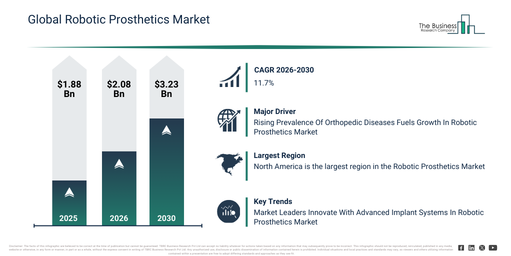
  • A Significant Growth Driver for the Robotic Prosthetics Market Is the Rising Prevalence Of Orthopedic Diseases Fuels Growth In Robotic Prosthetics Market

    A Significant Growth Driver for the Robotic Prosthetics Market Is the Rising Prevalence Of Orthopedic Diseases Fuels Growth In Robotic Prosthetics Market

    The Business Research Company’s 2026 market reports include new capabilities such as market attractiveness scoring and analysis, total addressable market analysis, company scoring matrix, interactive excel data dashboard, improved supply chain analysis, upcoming startups in the market, and overview of key products, aimed at improving the depth, usability, and strategic value of the insights delivered.

    What Market Value Is Expected For The Robotic Prosthetics Market At The End Of The 2026–2030 Forecast Period?

    The robotic prosthetics market has experienced substantial growth in recent years. This market is projected to expand from $1.88 billion in 2025 to $2.08 billion in 2026, exhibiting a compound annual growth rate (CAGR) of 10.5%. Historically, this growth can be attributed to several factors including the rising incidence of limb amputations, increased awareness of advanced prosthetic solutions, the growth of rehabilitation centers, the availability of government reimbursement programs, and technological improvements in prosthetic components.

    The robotic prosthetics market is projected to experience swift expansion over the coming years. Its valuation is anticipated to reach $3.23 billion by 2030, demonstrating a compound annual growth rate (CAGR) of 11.7%. This anticipated growth is driven by several factors, including the increasing integration of AI-driven control systems, a surging demand for personalized prosthetic solutions, the broadening availability of bionic and smart prosthetics, a rise in investments in rehabilitation technologies, and the increasing uptake of connected prosthetic devices. Key trends shaping the market during this period encompass the growing acceptance of myoelectric prosthetic devices, an escalating demand for microprocessor-controlled limbs, a heightened focus on neuro-controlled prosthetics, the wider application of advanced materials in prosthetic design, and a stronger emphasis on achieving both functional and aesthetic outcomes.

    Download the Free Sample Report to Explore Key Market Insights:

    https://www.thebusinessresearchcompany.com/sample.aspx?id=12898&type=smp

    What Major Growth Drivers Are Shaping The Outlook Of The Robotic Prosthetics Market?

    The rising occurrence of orthopedic conditions is anticipated to fuel the expansion of the robotic prosthetics market in the future. Orthopedic ailments encompass various conditions and disorders impacting the musculoskeletal system, involving muscles, bones, nerves, and joints. Within orthopedics, robotic prosthetics offer crucial applications, primarily targeting the treatment and correction of musculoskeletal disorders and injuries through methods such as limb replacement, gait rehabilitation, and improved accuracy in orthopedic surgeries. For example, data from January 2024, provided by the Office for Health Improvement and Disparities, a UK government body, indicated that in 2023, 18.4% of individuals aged 16 and above reported experiencing a long-term musculoskeletal condition, representing a minor increase from 17.6% in 2022. Such conditions were reported less often by males (15.8%) when contrasted with females (20.9%). Consequently, the increasing prevalence of orthopedic diseases serves as a key driver for the expansion of the robotic prosthetics market.

    What Segment Types Make Up The Robotic Prosthetics Market?

    The robotic prosthetics market covered in this report is segmented –

    1) By Product Type: Prosthetic Arm, Prosthetic Knee, Prosthetic Feet Or Ankle, Prosthetic Hand, Other Products

    2) By Technology: Microprocessor-Controlled Prosthetics, Myoelectric Prosthetics

    3) By Extremity: Lower Body Prosthetics, Upper Body Prosthetics

    4) By End User: Hospitals, Specialty Clinics, Other End Users

    Subsegments:

    1) By Prosthetic Arm: Upper Limb Prosthetics, Body-Powered Prosthetics, Electrically Controlled Prosthetics

    2) By Prosthetic Knee: Mechanical Knee Prosthetics, Microprocessor-Controlled Knee Prosthetics, Hydraulic Knee Prosthetics

    3) By Prosthetic Feet Or Ankle: Energy-Storing Feet, Multi-Axis Feet, Microprocessor-Controlled Feet

    4) By Prosthetic Hand: Mechanical Hand Prosthetics, Myoelectric Hand Prosthetics, Hybrid Hand Prosthetics

    5) By Other Products: Exoskeletons, Adaptive Devices, Assistive Technologies

    What Industry Trends Are Redefining The Robotic Prosthetics Market?

    Leading companies in the robotic prosthetics market are prioritizing the creation of advanced products like osseointegrated bone-anchored prosthetic systems, with the goal of improving mobility, comfort, and enduring functionality for individuals who have undergone amputations. These osseointegrated bone-anchored prosthetic systems represent sophisticated implant-based prosthetic technologies that directly link an artificial limb to the skeletal structure, thereby providing superior stability, better sensory feedback, and an increased range of motion compared to traditional socket-based prosthetics. For example, in April 2023, Integrum, a medical equipment manufacturing company based in Sweden, obtained approval for its OPRA Implant System in Australia. The OPRA Implant System is a distinct bone-anchored prosthesis that utilizes osseointegration to connect the prosthesis to the human body, serving as an innovative method for direct attachment of an artificial limb to the skeleton. Moreover, the product’s patent claims cover more than just transfemoral applications, extending to treatment in other types of long bone prosthetic uses, such as for the upper arm or lower leg.

    Who Are The Key Players Driving Competition In The Robotic Prosthetics Market?

    Major companies operating in the robotic prosthetics market are Ottobock SE And Co KGaA, Ossur hf, Blatchford Limited, DEKA Research And Development Corp, Cyberdyne Inc, College Park Industries Inc, Touch Bionics Ltd, Myomo Inc, Kinova Inc, Open Bionics Ltd, Sarcos Technology And Robotics Corporation, SynTouch LLC, Ekso Bionics Holdings Inc, Fillauer LLC, WillowWood Global LLC, Shadow Robot Company Limited, Infinite Biomedical Technologies LLC, Marsi Bionics SL, Aether Biomedical Pvt Ltd, Coapt LLC, Esper Bionics Inc, Psyonic Inc, Vincent Systems GmbH, Steeper Group Ltd

    Read the full robotic prosthetics market report here:

    https://www.thebusinessresearchcompany.com/report/robotic-prosthetics-global-market-report

    Which Regions Are Projected To Dominate The Robotic Prosthetics Market In The Coming Years?

    North America was the largest region in the robotic prosthetics market in 2025. Asia-Pacific is expected to be the fastest-growing region in the forecast period. The regions covered in the robotic prosthetics market report are Asia-Pacific, South East Asia, Western Europe, Eastern Europe, North America, South America, Middle East, Africa.

    Request A Tailored Robotic Prosthetics Market Research Report For Competitive Advantage:

    https://www.thebusinessresearchcompany.com/customise?id=12898&type=smp

    Browse Through More Reports Similar to the Global Robotic Prosthetics Market 2026, By The Business Research Company

    Robotic Process Automation Global Market Report

    https://www.thebusinessresearchcompany.com/report/robotic-process-automation-global-market-report

    Enterprise Robotic Process Automation Global Market Report

    https://www.thebusinessresearchcompany.com/report/enterprise-robotic-process-automation-global-market-report

    Healthcare Automation Global Market Report

    https://www.thebusinessresearchcompany.com/report/healthcare-automation-global-market-report

    Get in touch with us:

    The Business Research Company: https://www.thebusinessresearchcompany.com/

    Americas +1 310-496-7795

    Asia +44 7882 955267 & +91 8897263534

    Europe +44 7882 955267

    Email us at info@tbrc.info

    Follow us on:

    LinkedIn: https://in.linkedin.com/company/the-business-research-company

    YouTube: https://www.youtube.com/channel/UC24_fI0rV8cR5DxlCpgmyFQ

    Global Market Model: https://www.thebusinessresearchcompany.com/global-market-model

  • Global Robotic Process Automation In Healthcare Industry Trends and Market Growth Forecast for 2026–2030

    Global Robotic Process Automation In Healthcare Industry Trends and Market Growth Forecast for 2026–2030

    The Business Research Company’s 2026 market reports include new capabilities such as market attractiveness scoring and analysis, total addressable market analysis, company scoring matrix, interactive excel data dashboard, improved supply chain analysis, upcoming startups in the market, and overview of key products, aimed at improving the depth, usability, and strategic value of the insights delivered.

    What Is The Estimated Market Size Of The Robotic Process Automation In Healthcare Market During 2026–2030?

    The robotic process automation in healthcare market has experienced significant expansion in recent years. It is projected to increase from $2.27 billion in 2025 to $2.61 billion in 2026, demonstrating a compound annual growth rate (CAGR) of 14.9%. This historical growth can be primarily linked to factors such as increasing healthcare administrative workloads, the growing digitization of healthcare records, mounting pressure to reduce operational costs, the adoption of rule-based automation tools, and the expansion of healthcare IT infrastructure.

    The robotic process automation in healthcare market size is anticipated to undergo significant expansion in the coming years. It is forecasted to reach $4.52 billion by 2030, exhibiting a compound annual growth rate (CAGR) of 14.7%. This projected growth throughout the forecast period stems from the increasing integration of AI-enabled RPA solutions, a heightened demand for real-time workflow automation, the broadening of value-based healthcare models, a greater emphasis on data-driven operational insights, and escalating investments in healthcare’s digital transformation. Prominent trends for this period include the wider adoption of software robots for administrative duties, an increased utilization of intelligent automation in claims processing, deeper integration of RPA with EHR systems, the expansion of automated scheduling and billing workflows, and an enhanced focus on operational efficiency and error reduction.

    Download the Free Sample Report to Explore Key Market Insights:

    https://www.thebusinessresearchcompany.com/sample.aspx?id=14480&type=smp

    What Drivers Are Expected To Influence The Robotic Process Automation In Healthcare Market During The Forecast Period?

    The growing integration of electronic health records (EHR) is anticipated to drive expansion within the robotic process automation in healthcare market moving ahead. EHRs represent digital versions of patient medical documentation accessible to authorized medical staff. The proliferation of EHR platforms offers a consolidated and readily available database for patient data, thereby enabling healthcare providers to dedicate more attention to patient treatment over administrative duties. In healthcare, robotic process automation (RPA) offers advantages by enhancing data precision, simplifying recurring operations, and boosting operational effectiveness in managing patient information. For example, data from December 2024, released by the Centers for Disease Control and Prevention (CDC), a national public health agency in the US, indicated that 88.2% of office-based physicians utilized electronic health record systems, although the proportion adopting certified EHR systems stood at 77.8%. Consequently, the expanding use of electronic health records is fueling the development of the robotic process automation in healthcare market.

    How Are The Various Segments Of The Robotic Process Automation In Healthcare Market Categorized?

    The robotic process automation in healthcare market covered in this report is segmented –

    1) By Solution: Software, Services, Implementation, Support And Maintenance, Training And Consulting

    2) By Operations: Rule-based Operation, Knowledge-based Operation

    3) By Application: Claims Management, Clinical Documentation, Billing And Compliance Management, Appointment Scheduling, Workflow Management

    Subsegments:

    1) By Software: RPA Software for Healthcare Workflow Automation, Intelligent Automation Software, AI And Machine Learning Integration Software

    2) By Services: RPA as a Service (RPAaaS), Managed RPA Services, Custom RPA Solutions

    3) By Implementation: RPA Deployment And Integration in Healthcare Systems, System Configuration And Customization, Workflow Design And Automation

    4) By Support And Maintenance: RPA Monitoring And Optimization Services, Post-Deployment Support, Software Updates And Patches

    5) By Training And Consulting: RPA Training for Healthcare Staff, Consulting Services for RPA Strategy And Roadmap, Change Management And RPA Adoption Assistance

    What Key Developments And Trends Are Impacting The Robotic Process Automation In Healthcare Market?

    Key companies in the robotic process automation in the healthcare market are prioritizing the development of cutting-edge solutions, such as generative AI, to elevate efficiency, decrease expenses, and improve patient care. Generative AI is a form of artificial intelligence that can produce new content, including text, images, or music, by learning from existing data patterns. For example, in September 2023, Oracle Corporation, a US-based computer software company, unveiled the Oracle Clinical Digital Assistant. This innovative tool employs generative AI to simplify electronic health record (EHR) processes for healthcare providers. The platform automates standard administrative duties, like note-taking and medication ordering, thereby considerably lessening the documentation burden on clinicians. By enabling providers to interact with patient records via voice commands, the Clinical Digital Assistant boosts workflow efficiency, allowing healthcare professionals to concentrate more on patient care rather than administrative responsibilities. The tool’s features are intended to enhance the overall EHR experience and support digital transformation within healthcare organizations.

    Which Major Firms Influence Developments In The Robotic Process Automation In Healthcare Market?

    Major companies operating in the robotic process automation in healthcare market are International Business Machines Corporation, NICE Ltd, Thoughtonomy Limited, Datamatics Global Services Limited, Pegasystems Inc, UiPath Inc, Verint System, Celonis SE, Automation Anywhere Inc, HelpSystems LLC, Kofax Inc, Appian Corp, Kryon Systems Ltd, Digital Workforce Service, Redwood Software Inc, OpenConnect Systems Incorporated, AutomationEdge Solutions Limited, WorkFusion Inc, FortressIQ Inc, Blue Prism Group, SS And C Blue Prism, EdgeVerve Systems Limited, Tata Consultancy Services Healthcare Automation, Accenture Healthcare RPA

    Read the full robotic process automation in healthcare market report here:

    https://www.thebusinessresearchcompany.com/report/robotic-process-automation-in-healthcare-global-market-report

    Which Region Is Forecast To Lead The Robotic Process Automation In Healthcare Market In Terms Of Market Size?

    North America was the largest region in the robotic process automation in healthcare market in 2025. The regions covered in the robotic process automation in healthcare market report are Asia-Pacific, South East Asia, Western Europe, Eastern Europe, North America, South America, Middle East, Africa.

    Request A Tailored Robotic Process Automation In Healthcare Market Research Report For Competitive Advantage:

    https://www.thebusinessresearchcompany.com/customise?id=14480&type=smp

    Browse Through More Reports Similar to the Global Robotic Process Automation In Healthcare Market 2026, By The Business Research Company

    Dental Surgical Devices And Equipment Global Market Report

    https://www.thebusinessresearchcompany.com/report/dental-surgical-devices-and-equipment-global-market-report

    Robotic Surgery Devices Global Market Report

    https://www.thebusinessresearchcompany.com/report/robotic-surgery-devices-global-market-report

    Dental Milling Machines Global Market Report

    https://www.thebusinessresearchcompany.com/report/dental-milling-machines-global-market-report

    Get in touch with us:

    The Business Research Company: https://www.thebusinessresearchcompany.com/

    Americas +1 310-496-7795

    Asia +44 7882 955267 & +91 8897263534

    Europe +44 7882 955267

    Email us at info@tbrc.info

    Follow us on:

    LinkedIn: https://in.linkedin.com/company/the-business-research-company

    YouTube: https://www.youtube.com/channel/UC24_fI0rV8cR5DxlCpgmyFQ

    Global Market Model: https://www.thebusinessresearchcompany.com/global-market-model
  • Robotic Dentistry Market Size Outlook and Demand Growth Across 2026–2030

    Robotic Dentistry Market Size Outlook and Demand Growth Across 2026–2030

    The Business Research Company’s 2026 market reports include new capabilities such as market attractiveness scoring and analysis, total addressable market analysis, company scoring matrix, interactive excel data dashboard, improved supply chain analysis, upcoming startups in the market, and overview of key products, aimed at improving the depth, usability, and strategic value of the insights delivered.

    What Market Size Expansion Is Predicted For The Robotic Dentistry Market Between 2026 And 2030?

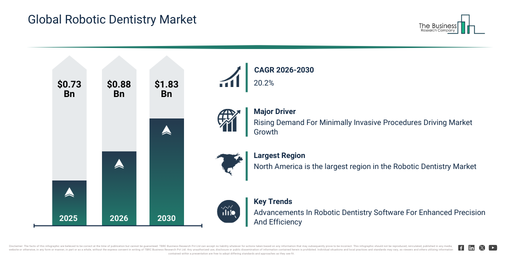
    The robotic dentistry market has experienced rapid expansion over recent years. This market is projected to expand from $0.73 billion in 2025 to $0.88 billion in 2026, demonstrating a compound annual growth rate (CAGR) of 20.6%. Historically, this expansion has been driven by several factors, including the greater uptake of advanced dental technologies, an increase in demand for dental implants, the proliferation of specialized dental clinics, a heightened emphasis on precision dentistry, and innovations in dental imaging systems.

    The robotic dentistry market is anticipated to experience significant expansion over the coming years. Its valuation is projected to reach $1.83 billion by 2030, demonstrating a compound annual growth rate (CAGR) of 20.2%. This projected growth during the forecast timeframe is attributable to increasing capital expenditures in robotic dental platforms, an uptick in patient desire for minimally invasive treatments, the broader implementation of AI-assisted dental workflows, a greater integration of robotics within orthodontics, and a heightened focus on refining treatment results. Key developments expected during the forecast period encompass a wider acceptance of robot-assisted implant procedures, an increase in the utilization of image-guided dental robotics, an escalating need for minimally invasive dental surgeries, the proliferation of robotic navigation systems within dental practices, and an elevated commitment to ensuring treatment precision and consistency.

    Download the Free Sample Report to Explore Key Market Insights:

    https://www.thebusinessresearchcompany.com/sample.aspx?id=20945&type=smp

    What Drivers Are Influencing The Robotic Dentistry Market?

    The robotic dentistry market is expected to grow, propelled by the increasing demand for minimally invasive procedures. These medical techniques utilize tiny or no incisions, leading to less tissue damage, quicker recovery, and reduced risks compared to conventional surgery. The desire for minimally invasive procedures is fueled by factors such as faster healing, a lower incidence of complications, and greater patient comfort. Robotic dentistry systems enhance these dental procedures by offering improved precision, enabling smaller incisions, minimizing tissue harm, reducing risks, and contributing to better overall outcomes. For instance, according to the American Society of Plastic Surgeons, a US-based specialty organization, in June 2024, a 7 percent growth in minimally invasive procedures in 2023 surpassed surgical procedures by 2 percent, with neuromodulator injections and hyaluronic acid fillers each exceeding 9 million and 5 million treatments, respectively. Therefore, the rising demand for minimally invasive procedures is driving the robotic dentistry market.

    Which Market Segments Are Examined In The Robotic Dentistry Market Study?

    The robotic dentistry market covered in this report is segmented –

    1) By Products And Services: Standalone Robots, Robot-Assisted System, Services

    2) By Applications: Implantology, Endodontics, Other Applications

    3) By End-Users: Dental Hospitals And Clinics, Dental Academics, Other End-Users

    Subsegments:

    1) By Standalone Robots: Robotic Surgery Systems, Robotic Tooth Restoration Systems, Robotic Implant Placement Systems, Robotic Orthodontic Systems

    2) By Robot-Assisted Systems: Image-Guided Robotic Systems, Dental Navigation Systems, Robotic-Assisted Drilling And Cutting Systems, Robotic-Assisted Endodontic Systems, Robotic-Assisted Tooth Extraction Systems

    3) By Services: Installation Services, Maintenance And Repair Services, Training And Support Services, Consulting Services For Robotic Integration, Software Upgrades And Customization Services

    What Trends Are Projected To Affect The Robotic Dentistry Market?

    Leading companies active in the robotic dentistry market are concentrating on developing sophisticated dental robotic software suites to deliver more tailored care to patients. These dental robotic software suites serve as advanced platforms that streamline robotic systems for dental procedures, offering capabilities that enable accurate, efficient, and minimally invasive treatments for enhanced patient outcomes. For example, in August 2023, Neocis, a US-based medical equipment manufacturer, unveiled its YomiPlan Go Workflow for commercial implementation. This cutting-edge software suite empowers clinicians to conduct implant surgeries without the necessity of preoperative scans, thereby notably boosting procedural speed and precision. Employing the Yomi robotic system, surgeons can directly determine implant location and angulation during an operation, seamlessly integrating freehand techniques with robotic assistance to achieve superior accuracy.

    Who Are The Primary Competitors In The Robotic Dentistry Market?

    Major companies operating in the robotic dentistry market are Planmeca Oy, Neocis, X Nav Technologies, Image Navigation Ltd, Perceptive Io, YakeBot Beijing Technology Co Ltd, Dentroid, VELMENI, Overjet, Videa Health, Diagnocat, Denti AI, Pearl Dental AI, Manchester Imaging, AI Dent, Navident, Robotic Assisted Solutions Dental, Blue Sky Bio Robotics, Straumann Digital Solutions, Nobel Biocare Digital Dentistry, Align Technology Robotics, Carestream Dental Robotics, Zimmer Biomet Dental Robotics

    Read the full robotic dentistry market report here:

    https://www.thebusinessresearchcompany.com/report/robotic-dentistry-global-market-report

    Which Regions Are Expected To Experience Rapid Expansion In The Robotic Dentistry Market?

    North America was the largest region in the robotic dentistry market in 2025. Asia-Pacific is expected to be the fastest-growing region in the forecast period. The regions covered in the robotic dentistry market report are Asia-Pacific, South East Asia, Western Europe, Eastern Europe, North America, South America, Middle East, Africa.

    Request A Tailored Robotic Dentistry Market Research Report For Competitive Advantage:

    https://www.thebusinessresearchcompany.com/customise?id=20945&type=smp

    Browse Through More Reports Similar to the Global Robotic Dentistry Market 2026, By The Business Research Company

    Pediatric Interventional Cardiology Global Market Report

    https://www.thebusinessresearchcompany.com/report/pediatric-interventional-cardiology-global-market-report

    Artificial Intelligence In Cardiology Global Market Report

    https://www.thebusinessresearchcompany.com/report/artificial-intelligence-in-cardiology-global-market-report

    Robotic Surgery Devices Global Market Report

    https://www.thebusinessresearchcompany.com/report/robotic-surgery-devices-global-market-report

    Get in touch with us:

    The Business Research Company: https://www.thebusinessresearchcompany.com/

    Americas +1 310-496-7795

    Asia +44 7882 955267 & +91 8897263534

    Europe +44 7882 955267

    Email us at info@tbrc.info

    Follow us on:

    LinkedIn: https://in.linkedin.com/company/the-business-research-company

    YouTube: https://www.youtube.com/channel/UC24_fI0rV8cR5DxlCpgmyFQ

    Global Market Model: https://www.thebusinessresearchcompany.com/global-market-model

  • Robotic Cardiology Surgery Market Insights Highlighting Opportunities and Drivers Supporting Growth to 2030

    Robotic Cardiology Surgery Market Insights Highlighting Opportunities and Drivers Supporting Growth to 2030

    The Business Research Company’s 2026 market reports include new capabilities such as market attractiveness scoring and analysis, total addressable market analysis, company scoring matrix, interactive excel data dashboard, improved supply chain analysis, upcoming startups in the market, and overview of key products, aimed at improving the depth, usability, and strategic value of the insights delivered.

    How Large Is The Robotic Cardiology Surgery Market Projected To Become By 2030 Based On Its 2026 Valuation?

    The robotic cardiology surgery market size has expanded considerably in recent years. Projections indicate that it will rise from $0.84 billion in 2025 to $0.98 billion in 2026, demonstrating a compound annual growth rate (CAGR) of 16.7%. This historical expansion can be traced back to several key factors, including the increasing prevalence of cardiovascular diseases, the growing adoption of minimally invasive surgery techniques, the expansion of robotic surgical installations within hospitals, enhanced surgeon familiarity with robotic platforms, and improved clinical outcomes stemming from robotic procedures.

    The robotic cardiology surgery market is projected to experience substantial expansion in the coming years. This market is set to reach $1.79 billion by 2030, exhibiting a compound annual growth rate (CAGR) of 16.4%. Factors contributing to this growth during the projected period include an escalating demand for sophisticated cardiac surgery solutions, increased investment in advanced robotic platforms, the broadening of robotic surgery training initiatives, a rise in the uptake of precision-guided cardiac interventions, and continuous innovation within robotic cardiology technologies. Key trends anticipated for the forecast timeframe encompass the expanding embrace of minimally invasive robotic procedures, the increasing integration of sophisticated imaging and navigation systems, the broadening availability of surgeon training and simulation platforms, a greater reliance on robotic-assisted cardiac interventions, and a heightened emphasis on surgical accuracy and patient results.

    Download the Free Sample Report to Explore Key Market Insights:

    https://www.thebusinessresearchcompany.com/sample.aspx?id=20615&type=smp

    What Drivers Are Shaping The Future Growth Of The Robotic Cardiology Surgery Market?

    The rising occurrence of cardiovascular ailments is anticipated to drive the expansion of the robotic cardiology surgery market in the future. Cardiovascular disease (CVD) encompasses a category of conditions affecting the heart or its associated blood vessels. The growing incidence of cardiovascular diseases stems from a blend of lifestyle decisions, existing medical conditions, genetic tendencies, and environmental influences. Robotic cardiology surgery is vital for progressing cardiovascular disease treatment, offering surgical methods that are safer, more accurate, and less invasive, which ultimately improves patient results and elevates the standard of care. As an illustration, in January 2024, data from the American Heart Association, a US-based nonprofit entity, indicated that the age-adjusted mortality rate for cardiovascular disease climbed to 233.3 per 100,000. This represented a 4.0% increase from the previous year’s rate of 224.4 per 100,000, coming after a 4.6% increase in 2023, signifying the initial rise in these figures recorded in numerous years. Consequently, the surge in cardiovascular diseases propels the robotic cardiology surgery market.

    What Segment Groups Are Identified Within The Robotic Cardiology Surgery Market?

    The robotic cardiology surgery market covered in this report is segmented –

    1) By Product And Service: Robotic Systems, Instruments and Accessories, Maintenance Services, System Services

    2) By Equipment Type: Robot Machines, Navigation Systems, Planners And Simulators, Other Equipment Types

    3) By End-User: Hospitals, Research Centers

    Subsegments:

    1) By Robotic Systems: Robotic Surgical Platforms, Minimally Invasive Robotic Systems, Integrated Robotic Systems

    2) By Instruments And Accessories: Surgical Instruments, Endoscopic Cameras And Imaging Systems, Accessory Kits For Robotic Systems

    3) By Maintenance Services: Preventive Maintenance Services, Repair And Replacement Services, Calibration Services

    4) By System Services: Installation and Setup Services, Training And Support Services, Upgrades And Software Maintenance

    Which Upcoming Trends Are Expected To Influence The Robotic Cardiology Surgery Market?

    Key companies operating within the robotic cardiology surgery market are concentrating on developing advanced surgical solutions, including assistive robotic devices (ARD), to boost precision in cardiac interventions, reduce invasiveness, and improve patient outcomes through integrating advanced technology and real-time analytics. Assistive robotic devices (ARD) refer to robotic systems created to support individuals with disabilities or limited mobility by aiding in tasks like movement, communication, or daily living activities, thereby enhancing independence and improving users’ quality of life. For instance, in March 2024, CardioPrecision Ltd., a UK-based company that provides robotic surgeries, introduced proof-of-concept robotic procedures designed to implant an aortic valve replacement via a minimally invasive method, following successful trials on cadaver models. This robotic system enhances precision and control during surgery, allowing surgeons to operate with increased accuracy and potentially improving the procedure’s overall success rate. This minimally invasive approach is significant because it can lead to less pain, reduced blood loss, and a lower risk of infection, ultimately facilitating quicker patient recovery.

    Which Companies Hold Significant Positions In The Robotic Cardiology Surgery Market?

    Major companies operating in the robotic cardiology surgery market are Abbott Laboratories, Medtronic PLC, Siemens Healthineers AG, Boston Scientific Corporation, Edwards Lifesciences Corporation, KARL STORZ SE & Co. KG, Renishaw PLC, CMR Surgical Limited, Corindus Vascular Robotics Inc., XACT Robotics Ltd., Titan Medical Inc., Asensus Surgical Inc., Intuitive Surgical Inc., Aurora Surgical Robotics Inc., Hansen Medical Inc., Stereotaxis Inc., SS Innovations International Inc., MicroPort Scientific Corporation, GE HealthCare Technologies Inc., Stryker Corporation

    Read the full robotic cardiology surgery market report here:

    https://www.thebusinessresearchcompany.com/report/robotic-cardiology-surgery-global-market-report

    Which Geographic Regions Are Influencing Demand In The Robotic Cardiology Surgery Market?

    North America was the largest region in the robotic cardiology surgery market in 2025. The regions covered in the robotic cardiology surgery market report are Asia-Pacific, South East Asia, Western Europe, Eastern Europe, North America, South America, Middle East, Africa.

    Request A Tailored Robotic Cardiology Surgery Market Research Report For Competitive Advantage:

    https://www.thebusinessresearchcompany.com/customise?id=20615&type=smp

    Browse Through More Reports Similar to the Global Robotic Cardiology Surgery Market 2026, By The Business Research Company

    Ngs Based Rna Sequencing Global Market Report

    https://www.thebusinessresearchcompany.com/report/ngs-based-rna-sequencing-global-market-report

    Ribonucleic Acid Rna Sequencing Global Market Report

    https://www.thebusinessresearchcompany.com/report/ribonucleic-acid-rna-sequencing-global-market-report

    Genomics Services Global Market Report

    https://www.thebusinessresearchcompany.com/report/genomics-services-global-market-report

    Get in touch with us:

    The Business Research Company: https://www.thebusinessresearchcompany.com/

    Americas +1 310-496-7795

    Asia +44 7882 955267 & +91 8897263534

    Europe +44 7882 955267

    Email us at info@tbrc.info

    Follow us on:

    LinkedIn: https://in.linkedin.com/company/the-business-research-company

    YouTube: https://www.youtube.com/channel/UC24_fI0rV8cR5DxlCpgmyFQ

    Global Market Model: https://www.thebusinessresearchcompany.com/global-market-model

  • Global RNA Sequencing Services Market Expected to Reach $6.37 Billion by 2030 with 9.5% CAGR

    Global RNA Sequencing Services Market Expected to Reach $6.37 Billion by 2030 with 9.5% CAGR

    The Business Research Company’s 2026 market reports include new capabilities such as market attractiveness scoring and analysis, total addressable market analysis, company scoring matrix, interactive excel data dashboard, improved supply chain analysis, upcoming startups in the market, and overview of key products, aimed at improving the depth, usability, and strategic value of the insights delivered.

    What Market Value Is Anticipated For The RNA Sequencing Services Market Over The Period 2026–2030?

    The rna sequencing services market has experienced substantial expansion in its size over recent years. Projections indicate it will expand from $3.99 billion in 2025 to $4.44 billion in 2026, demonstrating a compound annual growth rate (CAGR) of 11.2%. Factors contributing to this historical growth include augmented genomic research funding, the proliferation of academic and government research endeavors, the rising application of sequencing in fundamental biological studies, a reduction in the expense of sequencing technologies, and enhanced accessibility of sequencing service providers.

    The rna sequencing services market is expected to experience significant expansion over the next few years. It is projected to achieve a value of $6.38 billion by 2030, growing at a compound annual growth rate (CAGR) of 9.5%. This growth throughout the forecast period can be attributed to several factors, including the increasing adoption of precision medicine approaches, a rising demand for transcriptomic data in diagnostics, the broadening of pharmaceutical R&D activities, the growing integration of AI-driven data analytics, and an increase in the outsourcing of sequencing services. Furthermore, key trends in this period involve a heightened demand for high-throughput transcriptomic analysis, the wider adoption of NGS-based rna sequencing, the expansion of bioinformatics-integrated sequencing services, an increased utilization of rna sequencing in clinical research, and a strengthened focus on data accuracy and reproducibility.

    Download the Free Sample Report to Explore Key Market Insights:

    https://www.thebusinessresearchcompany.com/sample.aspx?id=14991&type=smp

    Which Economic Or Industry Drivers Are Impacting The RNA Sequencing Services Market?

    The escalating need for personalized medicine is a significant factor contributing to the expansion of the RNA sequencing services market. Personalized medicine involves customizing medical treatments to individual characteristics, such as genetics or lifestyle, aiming to optimize effectiveness and minimize adverse effects. This increasing demand for personalized medicine is fueled by its potential to deliver more effective treatments, advancements in genomics, the rising complexity of diseases, and supportive regulatory frameworks. RNA sequencing services are instrumental in identifying disease subtypes, discovering biomarkers, pinpointing therapeutic targets, predicting patient responses to therapy, and tracking disease progression along with treatment outcomes. Personalized medicine techniques leverage RNA sequencing technologies to provide individualized and effective medications that specifically target the unique molecular characteristics of each patient. For instance, in February 2024, the Personalized Medicine Coalition, a US-based non-profit organization, reported that the FDA (Food and Drug Administration) approved 16 novel personalized therapies for patients with rare diseases in 2023, a notable increase from six in 2022. The new personalized treatments approved in 2023 also encompassed seven cancer drugs and three for other diseases and conditions. Thus, the growing demand for personalized medicine is anticipated to drive the growth of the RNA sequencing services market going forward.

    How Is The RNA Sequencing Services Market Divided Into Its Major Segments?

    The rna sequencing services market covered in this report is segmented –

    1) By Type: Ribosomal RNA (rRNA), Transfer RNA (tRNA), Long non-coding RNA (lncRNA)

    2) By Sequencing Method: Next Generation Sequencing Methods, Other Sequencing Methods

    3) By Application Area: Research Purposes, Diagnostic Purposes

    4) By End Users: Academic And Government Institutes And Research Centers, Hospitals And Clinics, Pharmaceutical And Biotechnology Companies, Other End Users

    Subsegments:

    1) By Ribosomal RNA (rRNA): Total RRNA Sequencing, RRNA Depletion

    2) By Transfer RNA (tRNA): TRNA Profiling, TRNA Sequencing

    3) By Long Non-Coding RNA (lncRNA): lncRNA Profiling, lncRNA Sequencing

    How Are Trends Shaping The Direction Of The RNA Sequencing Services Market?

    Major companies operating in the RNA sequencing services market are prioritizing automation, such as the next-generation sequencing (NGS) assay, to minimize potential human error and enhance the efficiency and accuracy of data generation and analysis. The RNA next-generation sequencing (RNA-seq) assay serves as a robust tool in molecular biology and genomics for analyzing the transcriptome of a biological sample. For instance, in June 2023, Tempus, a US-based precision medicine technology company, introduced its new standalone RNA next-generation sequencing assay, Tempus xR. This innovative assay, developed for solid tumors, provides a comprehensive analysis of the entire transcriptome, identifying clinically significant fusions in over 100 targeted genes, along with altered splicing for MET Exon 14 and EGFRvIII. Recognizing the importance of RNA sequencing data, Tempus has traditionally included both RNA and DNA sequencing in its standard xT broad-panel assay. Now, clients have the option to order each test separately or simultaneously, with the flexibility to supplement xR with certain Tempus algorithmic tests. This offering is tailored for physicians with a specific interest in RNA fusions or altered splicing, as well as providers, researchers, and biopharma companies seeking detailed RNA sequencing analysis of their existing samples.

    Who Are The Prominent Organizations Shaping The RNA Sequencing Services Market?

    Major companies operating in the rna sequencing services market are Thermo Fisher Scientific Inc., Illumina Inc., Qiagen NV, BGI Genomics Co Ltd, Azenta Inc., Novogene Co Ltd, Genewiz Inc., Diagenode LLC, CD Genomics, CeGaT GmbH, Lexogen GmbH, BaseClear BV, Active Motif Inc., Microsynth AG, Genomax Technologies Pte Ltd, Creative Biogene, SeqMatic LLC, Genohub Inc., Otogenetics, LC Sciences, Admera Health, Arraystar Inc., IGA Technology, Yaazh Xenomics, Novaseq Services Ltd

    Read the full rna sequencing services market report here:

    https://www.thebusinessresearchcompany.com/report/rna-sequencing-services-global-market-report

    What Are The Top-Performing Regions Within The RNA Sequencing Services Market?

    North America was the largest region in the RNA sequencing services market in 2025. Asia-Pacific is expected to be the fastest-growing region in the forecast period. The regions covered in the rna sequencing services market report are Asia-Pacific, South East Asia, Western Europe, Eastern Europe, North America, South America, Middle East, Africa.

    Request A Tailored RNA Sequencing Services Market Research Report For Competitive Advantage:

    https://www.thebusinessresearchcompany.com/customise?id=14991&type=smp

    Browse Through More Reports Similar to the Global RNA Sequencing Services Market 2026, By The Business Research Company

    Aspergillosis Treatment Global Market Report

    https://www.thebusinessresearchcompany.com/report/aspergillosis-treatment-global-market-report

    Allergy Treatment Global Market Report

    https://www.thebusinessresearchcompany.com/report/allergy-treatment-global-market-report

    Histoplasmosis Treatment Global Market Report

    https://www.thebusinessresearchcompany.com/report/histoplasmosis-treatment-global-market-report

    Get in touch with us:

    The Business Research Company: https://www.thebusinessresearchcompany.com/

    Americas +1 310-496-7795

    Asia +44 7882 955267 & +91 8897263534

    Europe +44 7882 955267

    Email us at info@tbrc.info

    Follow us on:

    LinkedIn: https://in.linkedin.com/company/the-business-research-company

    YouTube: https://www.youtube.com/channel/UC24_fI0rV8cR5DxlCpgmyFQ

    Global Market Model: https://www.thebusinessresearchcompany.com/global-market-model
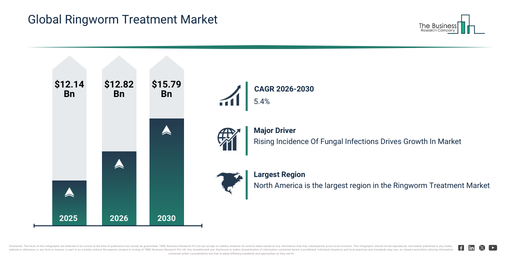
  • Ringworm Treatment Market Future Outlook Showing Expansion Toward $15.79 Billion by 2030

    Ringworm Treatment Market Future Outlook Showing Expansion Toward $15.79 Billion by 2030

    The Business Research Company’s 2026 market reports include new capabilities such as market attractiveness scoring and analysis, total addressable market analysis, company scoring matrix, interactive excel data dashboard, improved supply chain analysis, upcoming startups in the market, and overview of key products, aimed at improving the depth, usability, and strategic value of the insights delivered.

    What Is The Expected Market Size Of The Ringworm Treatment Market From 2026 To 2030?

    The ringworm treatment market has demonstrated robust expansion over recent years. Its size is anticipated to expand from $12.14 billion in 2025 to $12.82 billion in 2026, achieving a compound annual growth rate (CAGR) of 5.6%. This historical growth can be ascribed to several factors, including the increasing incidence of fungal skin infections, heightened understanding of personal hygiene, broader access to retail pharmacy systems, the widespread provision of topical antifungal treatments, and a rise in the diagnosis of various dermatological conditions.

    The ringworm treatment market is projected to experience robust expansion in the coming years. By 2030, its valuation is anticipated to reach $15.79 billion, exhibiting a compound annual growth rate (CAGR) of 5.4%. This anticipated expansion during the forecast period stems from several factors, including the increasing need for efficacious, enduring antifungal treatments, the escalating adoption of online pharmacy distribution channels, a heightened emphasis on managing antifungal resistance, the broader application of combination therapies, and improved access to healthcare in developing regions. Key developments expected throughout the forecast period encompass a rising requirement for broad-spectrum antifungal remedies, a greater utilization of combination drug formulations, a growing inclination towards topical treatment alternatives, the proliferation of over-the-counter antifungal items, and a more concentrated effort on strategies to prevent recurrence.

    Download the Free Sample Report to Explore Key Market Insights:

    https://www.thebusinessresearchcompany.com/sample.aspx?id=21279&type=smp

    What Major Drivers Are Influencing Demand In The Ringworm Treatment Market?

    The ringworm treatment market is anticipated to expand due to the increasing incidence of fungal infections. Fungal infections are conditions caused by the excessive multiplication or invasion of fungi within the body, leading to symptoms that can impact various organs and tissues. The increasing prevalence of fungal infections arises from factors such as heightened use of immunosuppressive treatments, global warming, and the rising count of individuals with compromised immune systems. Ringworm treatment tackles these infections by providing potent antifungal therapies that prevent their spread, lessen complications, and manage infection rates, particularly among susceptible groups. For instance, data from May 2025, released by the Centers for Disease Control and Prevention, a US-based public health agency, indicates that in the United States, fungal diseases are associated with approximately 7,300 deaths, 130,000 hospitalizations, and 13 million outpatient visits each year, with the total national economic burden estimated at roughly $19 billion. Consequently, the rising occurrence of fungal infections is boosting the growth of the ringworm treatment market.

    Which Segments Are Included In The Analysis Of The Ringworm Treatment Market?

    The ringworm treatment market covered in this report is segmented –

    1) By Drug Classes: Antifungals, Combination Drugs

    2) By Treatment Types: Tinea Corpois, Tinea Pedis, Tinea Cruris, Tinea Capitis, Tinea Manuum, Other Treatment Types

    3) By Route Of Administrations: Topical, Oral

    4) By Distribution Channels: Hospital Pharmacies, Retail Pharmacies, Online Pharmacies

    Subsegments:

    1) By Antifungals: Topical Antifungals, Oral Antifungals, Antifungal Shampoos

    2) By Combination Drugs: Antifungal Plus Steroid Combinations, Antifungal Plus Antiseptic Combinations

    Which Key Industry Participants Are Active In The Ringworm Treatment Market?

    Major companies operating in the ringworm treatment market are Pfizer Inc., Merck And Co Inc., Bayer Healthcare, Sanofi Aventis, Abbott Laboratories, Novartis AG, GlaxoSmithKline Plc, Teva Pharmaceutical Industries Ltd, Sun Pharmaceutical Industries Ltd, Perrigo Company plc, Aurobindo Pharma Ltd, Dr Reddys Laboratories Ltd, Cipla Ltd, Intas Pharmaceuticals Ltd, Zydus Group, Glenmark Pharmaceuticals Inc, Biocon Limited, Torrent Pharmaceuticals Ltd, Taro Pharmaceutical Industries Ltd, Lupin Limited, Amneal Pharmaceuticals LLC, Hikma Pharmaceuticals plc, Alkem Laboratories Ltd, Mankind Pharma Ltd

    Read the full ringworm treatment market report here:

    https://www.thebusinessresearchcompany.com/report/ringworm-treatment-global-market-report

    Which Region Shows The Strongest Potential For Future Growth In The Ringworm Treatment Market?

    North America was the largest region in the ringworm treatment market in 2025. Asia-Pacific is expected to be the fastest-growing region in the forecast period. The regions covered in the ringworm treatment market report are Asia-Pacific, South East Asia, Western Europe, Eastern Europe, North America, South America, Middle East, Africa.

    Request A Tailored Ringworm Treatment Market Research Report For Competitive Advantage:

    https://www.thebusinessresearchcompany.com/customise?id=21279&type=smp

    Browse Through More Reports Similar to the Global Ringworm Treatment Market 2026, By The Business Research Company

    Ataxia Global Market Report

    https://www.thebusinessresearchcompany.com/report/ataxia-global-market-report

    Earthquake Insurance Global Market Report

    https://www.thebusinessresearchcompany.com/report/earthquake-insurance-global-market-report

    Panic Disorders Global Market Report

    https://www.thebusinessresearchcompany.com/report/panic-disorders-global-market-report

    Get in touch with us:

    The Business Research Company: https://www.thebusinessresearchcompany.com/

    Americas +1 310-496-7795

    Asia +44 7882 955267 & +91 8897263534

    Europe +44 7882 955267

    Email us at info@tbrc.info

    Follow us on:

    LinkedIn: https://in.linkedin.com/company/the-business-research-company

    YouTube: https://www.youtube.com/channel/UC24_fI0rV8cR5DxlCpgmyFQ

    Global Market Model: https://www.thebusinessresearchcompany.com/global-market-model
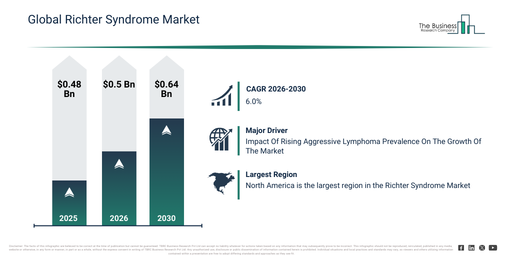
  • Richter Syndrome Market Revenue Growth Expected to Reach $0.63 Billion by 2030 with 6% CAGR

    Richter Syndrome Market Revenue Growth Expected to Reach $0.63 Billion by 2030 with 6% CAGR

    The Business Research Company’s 2026 market reports include new capabilities such as market attractiveness scoring and analysis, total addressable market analysis, company scoring matrix, interactive excel data dashboard, improved supply chain analysis, upcoming startups in the market, and overview of key products, aimed at improving the depth, usability, and strategic value of the insights delivered.

    What Market Valuation Is Forecasted For The Richter Syndrome Market By 2030 Starting From Its 2026 Size?

    The richter syndrome market size has experienced noteworthy expansion in recent years. It is set to increase from $0.48 billion in 2025 to $0.5 billion in 2026, achieving a compound annual growth rate (CAGR) of 6.2%. Historically, this growth has stemmed from the increasing incidence of chronic lymphocytic leukemia, the limited effectiveness of traditional therapies, a growing awareness of aggressive lymphoma transformations, the expansion of oncology research centers, and the availability of chemotherapy regimens.

    The market size for richter syndrome is anticipated to experience substantial growth in the upcoming years. It is projected to expand to $0.64 billion by 2030, achieving a compound annual growth rate (CAGR) of 6.0%. This expansion during the forecast period is attributable to the increasing development of novel immunotherapies, a rising adoption of precision oncology approaches, the broadening of stem cell transplantation programs, growing investments directed towards rare cancer research, and an increasing focus on personalized treatment pathways. Significant trends identified for the forecast period include the increasing uptake of targeted therapies and immunotherapies, a heightened focus on early detection and risk stratification, the growing application of combination treatment approaches, an expansion of clinical research and trials, and enhanced integration of supportive and palliative care.

    Download the Free Sample Report to Explore Key Market Insights:

    https://www.thebusinessresearchcompany.com/sample.aspx?id=21278&type=smp

    Which Market Drivers Are Supporting The Expansion Of The Richter Syndrome Market?

    An increase in the occurrence of aggressive lymphoma is anticipated to boost the Richter syndrome market. Lymphoma, a type of cancer, starts in the lymphatic system, which is part of the body’s immune system, affecting lymph nodes and other lymphatic tissues. The growing number of aggressive lymphoma cases can be attributed to better diagnostic methods, an aging population, and heightened awareness, leading to more identified instances. Treatment for Richter syndrome helps patients with aggressive lymphoma through a combination of intensive chemotherapy, targeted therapies like BTK and BCL-2 inhibitors, monoclonal antibodies, and advanced options such as CAR T-cell therapy and stem cell transplantation. These approaches aim to manage disease progression, enhance response rates, and extend survival, with emerging therapies and clinical trials also considered for difficult-to-treat cases. For example, the American Cancer Society, a US-based non-profit organization, reported that in January 2025, an estimated 80,350 individuals (45,140 males and 35,210 females) are expected to be diagnosed with non-Hodgkin lymphoma (NHL), while approximately 19,390 people (11,060 males and 8,330 females) are projected to die from the disease. Consequently, the rising prevalence of aggressive lymphoma is propelling the growth of the Richter syndrome market.

    Which Segment Categories Define The Richter Syndrome Market?

    The richter syndrome market covered in this report is segmented –

    1) By Disease Type: Chronic Lymphocytic Leukemia (CLL)-Associated Richter Syndrome, Non-CLL-Associated Richter Syndrome

    2) By Treatment Type: Chemotherapy, Targeted Therapy, Immunotherapy, Immune Checkpoint Inhibitors, Stem Cell Transplantation, Supportive Care And Palliative Treatments

    3) By Route Of Administration: Oral, Intravenous

    4) By Distribution Channel: Hospital Pharmacies, Retail Pharmacies, Online Pharmacies

    5) By End-User: Hospitals, Specialty Clinics, Cancer Treatment Centers, Research And Academic Institutes

    Subsegments:

    1) By Chronic Lymphocytic Leukemia (CLL)-Associated Richter Syndrome: Transformation To Diffuse Large B-cell Lymphoma, Transformation To Hodgkin Lymphoma

    2) By Non-CLL-Associated Richter Syndrome: De Novo Diffuse Large B-cell Lymphoma, De Novo Hodgkin Lymphoma

    Who Are The Top Companies Competing In The Richter Syndrome Market?

    Major companies operating in the richter syndrome market are Pfizer Inc., Janssen Pharmaceuticals Inc., F Hoffmann La Roche Ltd, AbbVie Inc., Bristol Myers Squibb Company, AstraZeneca PLC, Novartis AG, Takeda Pharmaceutical Company Limited, Gilead Sciences Inc., Chugai Pharmaceutical Co Ltd, Genentech Inc., Incyte Corporation, Kyowa Kirin Co Ltd, Celltrion Healthcare Co Ltd, BeiGene Ltd, Nippon Shinyaku Co Ltd, MorphoSys AG, TG Therapeutics Inc., Amgen Inc., Sanofi SA, Bayer AG, Daiichi Sankyo Company, Merck And Co Inc., Seagen Inc., Roche Diagnostics Oncology

    Read the full richter syndrome market report here:

    https://www.thebusinessresearchcompany.com/report/richter-syndrome-global-market-report

    How Is The Richter Syndrome Market Distributed Across Key Geographic Regions?

    North America was the largest region in the richter syndrome market in 2025. Asia-Pacific is expected to be the fastest-growing region in the forecast period. The regions covered in the richter syndrome market report are Asia-Pacific, South East Asia, Western Europe, Eastern Europe, North America, South America, Middle East, Africa.

    Request A Tailored Richter Syndrome Market Research Report For Competitive Advantage:

    https://www.thebusinessresearchcompany.com/customise?id=21278&type=smp

    Browse Through More Reports Similar to the Global Richter Syndrome Market 2026, By The Business Research Company

    Mrna Therapeutics Global Market Report

    https://www.thebusinessresearchcompany.com/report/mrna-therapeutics-global-market-report

    Nucleic Acid Based Gene Therapy Global Market Report

    https://www.thebusinessresearchcompany.com/report/nucleic-acid-based-gene-therapy-global-market-report

    Rna Targeting Small Molecules Therapeutics Global Market Report

    https://www.thebusinessresearchcompany.com/report/rna-targeting-small-molecules-therapeutics-global-market-report

    Get in touch with us:

    The Business Research Company: https://www.thebusinessresearchcompany.com/

    Americas +1 310-496-7795

    Asia +44 7882 955267 & +91 8897263534

    Europe +44 7882 955267

    Email us at info@tbrc.info

    Follow us on:

    LinkedIn: https://in.linkedin.com/company/the-business-research-company

    YouTube: https://www.youtube.com/channel/UC24_fI0rV8cR5DxlCpgmyFQ

    Global Market Model: https://www.thebusinessresearchcompany.com/global-market-model