Category: Healthcare Services

  • Global Penile Implants Market Report 2026–2035 Highlighting Expansion Outlook and Forecast Opportunities

    Global Penile Implants Market Report 2026–2035 Highlighting Expansion Outlook and Forecast Opportunities

    The Business Research Company’s 2026 market reports include new capabilities such as market attractiveness scoring and analysis, total addressable market analysis, company scoring matrix, interactive excel data dashboard, improved supply chain analysis, upcoming startups in the market, and overview of key products, aimed at improving the depth, usability, and strategic value of the insights delivered.

    What Market Valuation Is Forecasted For The Penile Implants Market By 2030 Starting From Its 2026 Size?

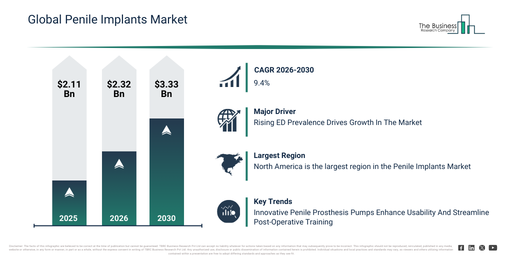
    The penile implants market has demonstrated robust growth in recent years. This market is projected to expand from $2.11 billion in 2025 to reach $2.32 billion by 2026, exhibiting a compound annual growth rate (CAGR) of 9.7%. Historically, factors contributing to this growth included limited awareness of penile implants, a strong reliance on oral medication and injections, the social stigma associated with erectile dysfunction, insufficient surgical expertise, and fragmented patient follow-up systems.

    The penile implants market is anticipated to experience robust expansion over the coming years. It is projected to reach a valuation of $3.33 billion by 2030, demonstrating a compound annual growth rate (CAGR) of 9.4%. This projected growth during the forecast timeframe is attributable to several factors, including the increasing embrace of inflatable and semi-rigid implants, a growing preference for outpatient and minimally invasive surgical approaches, the expansion of urology clinics and specialized medical facilities, ongoing innovations in biocompatible materials and implant designs, and heightened patient awareness combined with a desire for enduring solutions for erectile dysfunction (ED). Key trends expected during this period encompass the expanded application of artificial intelligence (AI) for preoperative evaluations and predicting outcomes, the adoption of personalized erectile dysfunction therapies rooted in genomics, the seamless integration of cloud technology and big data for comprehensive patient monitoring, the deployment of IoT-enabled devices for enhanced postoperative care and surveillance, and the integration of smart manufacturing processes in the creation of penile implants.

    Download the Free Sample Report to Explore Key Market Insights:

    https://www.thebusinessresearchcompany.com/sample.aspx?id=20919&type=smp

    What Primary Drivers Are Shaping The Development Of The Penile Implants Market?

    The increasing occurrence of erectile dysfunction (ED) is projected to drive the penile implants market forward. Erectile dysfunction refers to the consistent inability to attain or sustain an erection sufficient for satisfactory sexual activity. This escalating prevalence of ED is influenced by factors such as an aging global population, the rising incidence of lifestyle-associated conditions like diabetes, obesity, and cardiovascular diseases, psychological issues including stress and anxiety, and improved awareness and diagnosis of the condition owing to advances in healthcare. Penile implants play a vital role in addressing the growing prevalence of erectile dysfunction by offering a durable and effective solution for patients who do not respond to pharmacological treatments, consequently enhancing their quality of life and providing a long-term treatment option for severe cases. For instance, in October 2024, according to the Springer Nature, a Germany-based media company, reported that according to a recent umbrella review, in diabetic men, the pooled global prevalence of ED is 65.8%. Hence, the rising prevalence of erectile dysfunction (ED) is propelling the penile implants market.

    Which Segment Categories Define The Penile Implants Market?

    The penile implants market covered in this report is segmented –

    1) By Implant Type: Inflatable Penile Implants, Malleable Penile Implants, Semi-Rigid Penile Implants

    2) By Patient Type: Vascular Impotence Patients, Psychogenic Impotence Patients, Neurological Impotence Patients

    3) By Material: Silicon, Bioflex, Other Materials

    4) By Deployment Method: Outpatient Procedure, Inpatient Procedure

    5) By End User: Hospital, Ambulatory Surgery Centers, Urology Centers, Other End Users

    Subsegments:

    1) By Inflatable Penile Implants: Two-Piece Inflatable Penile Implants, Three-Piece Inflatable Penile Implants

    2) By Malleable Penile Implants: Single-Component Malleable Implants, Multi-Component Malleable Implants

    3) By Semi-Rigid Penile Implants: Semi-Rigid Rod Implants, Semi-Rigid Adjustable Implants

    Which Market Trends Are Creating New Opportunities In The Penile Implants Market?

    Major companies operating in the penile implants market are concentrating on developing advanced products, such as penile prosthesis pumps, with the goal of improving patient and physician experiences through enhanced reliability, simplified operation, and streamlined post-operative instruction for inflatable penile prostheses. A penile prosthesis pump is a device surgically placed in the scrotum, enabling users to achieve an erection by manually moving fluid from a reservoir into inflatable cylinders inside the penis. For instance, in November 2023, Boston Scientific, a US-based medical technology company, announced FDA approval for its Tenacio pump, which is a component of the AMS 700 inflatable penile prosthesis (IPP). The Tenacio pump integrates automation, facilitating automatic deflation with a single press of the deflation button, thereby addressing reliability concerns like stiction syndrome and improving usability. This advancement simplifies device training for patients, potentially reducing the learning curve and saving time for physicians during post-operative orientations.

    Who Are The Top Companies Competing In The Penile Implants Market?

    Major companies operating in the penile implants market are Boston Scientific Corporation, Coloplast Corp, Promedon S.A., Zephyr Surgical Implants, Rigicon Inc, Penuma, Shah Prosthesis, Rocamed, Genesis MedTech Group, Guangzhou Jiedi Medical Co Ltd, Uromedica Inc, Taheri Medical Instruments, InnoMedicus AG, Tic Medizintechnik GmbH & Co KG, ZSR Biomedical Technology Co Ltd, G Surgiwear Ltd, Titan Medical Inc, UroHealth Systems Pvt Ltd, Sanghui Medical Co Ltd, Prometheus Group, Neomedic, Osbon, UroMed, Timm Medical Technologies Inc, Nuntius, Men’s Health Solutions, Allen Medical Systems

    Read the full penile implants market report here:

    https://www.thebusinessresearchcompany.com/report/penile-implants-global-market-report

    How Does The Penile Implants Market Perform Across Major Global Regions?

    North America was the largest region in the penile implants market in 2025. Asia-Pacific is expected to be the fastest-growing region in the forecast period. The regions covered in the penile implants market report are Asia-Pacific, South East Asia, Western Europe, Eastern Europe, North America, South America, Middle East, Africa.

    Request A Tailored Penile Implants Market Research Report For Competitive Advantage:

    https://www.thebusinessresearchcompany.com/customise?id=20919&type=smp

    Browse Through More Reports Similar to the Global Penile Implants Market 2026, By The Business Research Company

    Urinary Tract Cancer Global Market Report

    https://www.thebusinessresearchcompany.com/report/urinary-tract-cancer-global-market-report

    Adrenocortical Carcinoma Global Market Report

    https://www.thebusinessresearchcompany.com/report/adrenocortical-carcinoma-global-market-report

    Leqembi Global Market Report

    https://www.thebusinessresearchcompany.com/report/leqembi-global-market-report

    Get in touch with us:

    The Business Research Company: https://www.thebusinessresearchcompany.com/

    Americas +1 310-496-7795

    Asia +44 7882 955267 & +91 8897263534

    Europe +44 7882 955267

    Email us at info@tbrc.info

    Follow us on:

    LinkedIn: https://in.linkedin.com/company/the-business-research-company

    YouTube: https://www.youtube.com/channel/UC24_fI0rV8cR5DxlCpgmyFQ

    Global Market Model: https://www.thebusinessresearchcompany.com/global-market-model
  • Penile Cancer Market Growth Prospects 2026–2030 with Innovation Trends and Competitive Landscape

    Penile Cancer Market Growth Prospects 2026–2030 with Innovation Trends and Competitive Landscape

    The Business Research Company’s 2026 market reports include new capabilities such as market attractiveness scoring and analysis, total addressable market analysis, company scoring matrix, interactive excel data dashboard, improved supply chain analysis, upcoming startups in the market, and overview of key products, aimed at improving the depth, usability, and strategic value of the insights delivered.

    How Is The Market Size Of The Penile Cancer Market Expected To Change Between 2026 And 2030?

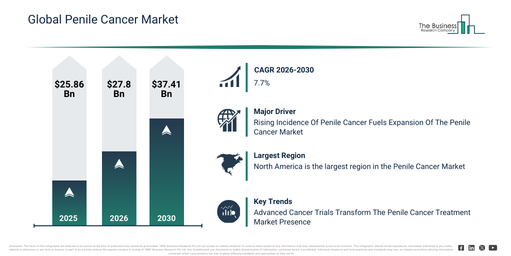
    The penile cancer market size has experienced significant expansion in recent years. It is projected to rise from $25.86 billion in 2025 to $27.8 billion in 2026, demonstrating a compound annual growth rate (CAGR) of 7.5%. The historic period’s growth can be attributed to factors such as limited awareness and screening efforts, delayed diagnosis, a reliance on conventional surgery and chemotherapy, insufficient specialized treatment centers, and fragmented patient data.

    The market for penile cancer is projected to experience substantial expansion in the coming years. Its value is anticipated to reach $37.41 billion by 2030, exhibiting a compound annual growth rate (CAGR) of 7.7%. This growth throughout the forecast period stems from factors such as the increasing uptake of immunotherapy and biological therapies, a rise in personalized medicine strategies, the broader implementation of early detection initiatives, the advancement of telemedicine and remote patient monitoring, and greater investment in research and awareness campaigns for penile cancer. Key trends expected during this period encompass the escalating application of AI for early diagnosis and risk assessment, the wider embrace of genomics-driven targeted treatments, the incorporation of cloud and big data solutions for comprehensive patient management, the deployment of IoT-enabled devices to track treatment results, and the adoption of smart manufacturing techniques in the production of biological therapies.

    Download the Free Sample Report to Explore Key Market Insights:

    https://www.thebusinessresearchcompany.com/sample.aspx?id=12143&type=smp

    Which Major Factors Are Driving The Expansion Of The Penile Cancer Market?

    The penile cancer market is poised for growth, driven by the escalating occurrence of penile cancer. This condition involves the formation of malignant cells within the penile tissues. A rise in the number of penile cancer cases is expected to generate increased demand for diagnostic procedures, surgical interventions, and supportive care services, thereby influencing the penile cancer market. For example, the American Cancer Society Inc. reported in January 2023 that approximately 2,050 new cases of penile cancer and 470 deaths from the disease were anticipated for 2023. Consequently, the rising incidence of penile cancer is a primary catalyst for the penile cancer market’s expansion. The penile cancer market is anticipated to expand, propelled by the growing geriatric population. This demographic comprises individuals classified as elderly or older adults. Penile cancer primarily impacts older men, with its prevalence escalating with advancing age. Common treatments for the condition include surgery, radiation therapy, and targeted therapy. An increase in the geriatric population correlates with a higher likelihood of penile infections, contributing to the disease’s overall burden. For instance, the World Health Organization reported in February 2025 that the global population aged 60 and above is forecast to rise from 1.1 billion in 2023 to 1.4 billion by 2030. Thus, the expansion of the geriatric population is a significant factor driving the growth of the penile cancer market.

    How Is The Penile Cancer Market Structured Across Different Segments?

    The penile cancer market covered in this report is segmented –

    1) By Type: Squamous Cell Cancer Of Penis, Aden Carcinoma Of Penis, Melanoma Of The Penis, Basal Cell Cancer Of Penis, Sarcoma Of Penis

    2) By Type Of Therapy: Radiation Therapy, Chemotherapy, Biological Therapy, Surgery

    3) By Diagnostic Test: Biopsy, Ultrasound, Imaging Tests

    4) By Application: Hospital, Clinics, Other Applications

    Subsegments:

    1) By Squamous Cell Cancer Of Penis: Invasive Squamous Cell Carcinoma, Non-Invasive Squamous Cell Carcinoma

    2) By Adenocarcinoma Of Penis: Penile Adenocarcinoma, Mucinous Adenocarcinoma, Non-Mucinous Adenocarcinoma

    3) By Melanoma Of The Penis: Superficial Spreading Melanoma, Nodular Melanoma, Acral Lentiginous Melanoma

    4) By Basal Cell Cancer Of Penis: Nodular Basal Cell Carcinoma, Superficial Basal Cell Carcinoma, Morpheaform Basal Cell Carcinoma

    5) By Sarcoma Of Penis: Kaposi’s Sarcoma, Rhabdomyosarcoma

    What Trends Are Affecting The Expansion Of The Penile Cancer Market?

    Major companies in the penile cancer market are concentrating on innovative solutions, such as advanced cancer trials, to meet unaddressed medical needs and improve treatment results. Advanced cancer trials involve evaluating new treatments, therapies, or medications on patients with late-stage cancer to determine their safety and effectiveness. For example, in May 2023, the ECOG-ACRIN Cancer Research Group, a US-based scientific organization, recruited 100 patients for the InPACT (International Penile Advanced Cancer Trial), offering renewed hope for men battling advanced cancer of the penis. The International Penile Advanced Cancer Trial (InPACT) is a research initiative dedicated to studying advanced stages of penile cancer, aiming to enhance treatment outcomes and the quality of life for affected individuals. It assesses novel therapies, surgical approaches, and interventions for patients with advanced penile cancer, seeking progress in medical care and a deeper understanding of this rare but serious condition.

    Which Major Players Dominate The Penile Cancer Market?

    Major companies operating in the penile cancer market are Pfizer Inc., Merck & Co. Inc., Bayer AG, Bristol-Myers Squibb Company, AstraZeneca PLC, Takeda Pharmaceutical Company Limited, Eli Lilly and Co Ltd., Amgen Inc., Astellas Pharma Inc., Daiichi Sankyo Company Limited, Eisai Co. Ltd., Novartis AG, F Hoffmann-La Roche Ltd, Johnson & Johnson, AbbVie Inc., GlaxoSmithKline plc, BeiGene Ltd., Iovance Biotherapeutics Inc, Lisata Therapeutics Inc, Halozyme Therapeutics Inc, Sotio Biotech, Sanofi S A, Genmab A S, Otsuka Pharmaceutical Co Ltd, Adaptimmune Therapeutics plc, Apceth Biopharma GmbH & Co KG

    Read the full penile cancer market report here:

    https://www.thebusinessresearchcompany.com/report/penile-cancer-global-market-report

    Which Region Currently Holds The Largest Share Of The Penile Cancer Market?

    North America was the largest region in the penile cancer market in 2025. Asia-Pacific is expected to be the fastest-growing region in the forecast period. The regions covered in the penile cancer market report are Asia-Pacific, South East Asia, Western Europe, Eastern Europe, North America, South America, Middle East, Africa.

    Request A Tailored Penile Cancer Market Research Report For Competitive Advantage:

    https://www.thebusinessresearchcompany.com/customise?id=12143&type=smp

    Browse Through More Reports Similar to the Global Penile Cancer Market 2026, By The Business Research Company

    Pectinases Global Market Report

    https://www.thebusinessresearchcompany.com/report/pectinases-global-market-report

    Recipe Pecan Global Market Report

    https://www.thebusinessresearchcompany.com/report/recipe-pecan-global-market-report

    Pompe Disease Global Market Report

    https://www.thebusinessresearchcompany.com/report/pompe-disease-global-market-report

    Get in touch with us:

    The Business Research Company: https://www.thebusinessresearchcompany.com/

    Americas +1 310-496-7795

    Asia +44 7882 955267 & +91 8897263534

    Europe +44 7882 955267

    Email us at info@tbrc.info

    Follow us on:

    LinkedIn: https://in.linkedin.com/company/the-business-research-company

    YouTube: https://www.youtube.com/channel/UC24_fI0rV8cR5DxlCpgmyFQ

    Global Market Model: https://www.thebusinessresearchcompany.com/global-market-model
  • Pemphigus Vulgaris Market Forecast 2026–2035 Highlighting Market Data Patterns and Industry Insights

    Pemphigus Vulgaris Market Forecast 2026–2035 Highlighting Market Data Patterns and Industry Insights

    The Business Research Company’s 2026 market reports include new capabilities such as market attractiveness scoring and analysis, total addressable market analysis, company scoring matrix, interactive excel data dashboard, improved supply chain analysis, upcoming startups in the market, and overview of key products, aimed at improving the depth, usability, and strategic value of the insights delivered.

    What Is The Market Size Of The Pemphigus Vulgaris Market In 2026 And What Value Is Projected For 2030?

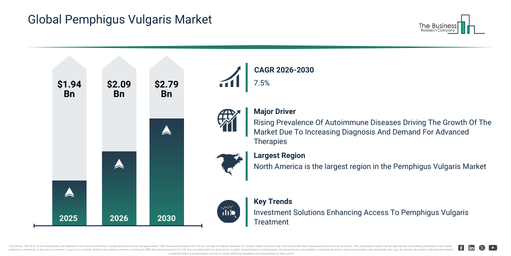
    The pemphigus vulgaris market has demonstrated robust expansion in recent years. Its valuation is anticipated to climb from $1.94 billion in 2025 to $2.09 billion in 2026, exhibiting a compound annual growth rate (CAGR) of 7.7%. The market’s historical development can be ascribed to factors including limited awareness and delayed diagnosis, a reliance on corticosteroids, insufficient access to dermatology specialists, the high cost of immunosuppressive therapies, and fragmented clinical data and registries.

    The pemphigus vulgaris market is projected to experience substantial expansion over the coming years. This market is anticipated to reach $2.79 billion by 2030, exhibiting a compound annual growth rate (CAGR) of 7.5%. The anticipated growth during the forecast period is fueled by several factors, including the increasing integration of targeted immunotherapies, a greater reliance on biologics and monoclonal antibodies, the expansion of teledermatology and remote patient monitoring solutions, ongoing improvements in early detection diagnostic tools, and heightened patient awareness alongside robust support initiatives. Key trends shaping the forecast period encompass the escalating utilization of AI for early diagnosis and predicting prognosis, the expanding embrace of genomics-based personalized therapies, the incorporation of cloud computing and big data for comprehensive patient data management, the deployment of IoT-enabled devices for continuous remote patient monitoring, and the application of smart manufacturing techniques in the production of immunosuppressive drugs.

    Download the Free Sample Report to Explore Key Market Insights:

    https://www.thebusinessresearchcompany.com/sample.aspx?id=22094&type=smp

    What Key Drivers Are Influencing The Growth Of The Pemphigus Vulgaris Market?

    The increasing occurrence of autoimmune diseases is projected to drive the expansion of the pemphigus vulgaris market moving forward. Autoimmune diseases are a category of conditions where the immune system mistakenly targets and damages the body’s healthy cells, tissues, or organs. The incidence of autoimmune diseases is on the rise due to genetic predispositions, environmental triggers, and changes in lifestyle. Genetic factors play a significant part, as individuals with a family history of these diseases are more prone to developing them due to inherited vulnerabilities in their immune systems. As autoimmune diseases become more widespread because of genetic susceptibility, environmental factors, and lifestyle shifts, more individuals are receiving diagnoses for conditions like pemphigus vulgaris, thereby fueling the demand for sophisticated therapies. For instance, in January 2025, according to the Mayo Clinic Health System, a US-based network offering comprehensive healthcare, the global incidence and prevalence of autoimmune diseases are increasing, with estimated annual rises of 19.1% and 12.5%, respectively. Therefore, the prevalence of autoimmune diseases is a primary driver for the growth of the pemphigus vulgaris market.

    What Are The Key Segments Of The Pemphigus Vulgaris Market?

    The pemphigus vulgaris market covered in this report is segmented –

    1) By Diagnosis And Treatment: Diagnosis, Treatment

    2) By Population Type: Pediatric, Adults, Geriatric

    3) By Distribution Channel: Hospitals Pharmacy, Retail Pharmacy, Online Pharmacy

    4) By End-User: Hospitals, Specialty Clinics, Research Institutes, Other End-Users

    Subsegments:

    1) By Diagnosis: Clinical Examination, Skin Biopsy, Direct Immunofluorescence, Serological Tests, Polymerase Chain Reaction (PCR)

    2) By Treatment: Pharmacological Therapy, Non-Pharmacological Therapy

    Which Trends Are Influencing The Pemphigus Vulgaris Market?

    Key companies operating in the pemphigus vulgaris market are channeling their efforts into investment solutions to bolster treatment effectiveness and broaden the array of therapeutic choices. These investment solutions encompass financial strategies and resources allocated towards the development of treatments, research initiatives, and their subsequent market introduction. For example, in January 2023, the Patient Access Network Foundation (PAN) Foundation, a non-profit organization situated in the US, introduced a financial assistance program designed to provide up to $6,600 annually for eligible pemphigus vulgaris patients to help cover costs such as deductibles, copays, and coinsurance. To qualify for this financial aid, patients must be undergoing treatment for pemphigus vulgaris, possess Medicare health insurance that covers their essential medications, and have an income level at or below 400% of the federal poverty level. Beyond financial aid, the PAN Foundation additionally provides transportation assistance and links patients with appropriate support organizations.

    Who Are The Leading Companies Operating In The Pemphigus Vulgaris Market?

    Major companies operating in the pemphigus vulgaris market are Pfizer Inc., F. Hoffmann-La Roche Ltd, Thermo Fisher Scientific Inc., GlaxoSmithKline plc, Amgen Inc., Sanofi S.A, Biogen Inc., Genentech, Genmab A/S, argenx SE, Daewoong Pharmaceutical Co. Ltd., HanAll Biopharma Co. Ltd., Artiva Biotherapeutics, Cabaletta Bio Inc., SinoMab BioScience Limited, Topas Therapeutics GmbH, Principia Biopharma Inc., Serpin Pharma LLC, Syntimmune Inc., International Pemphigus & Pemphigoid Foundation

    Read the full pemphigus vulgaris market report here:

    https://www.thebusinessresearchcompany.com/report/pemphigus-vulgaris-global-market-report

    Which Region Is Expected To Register The Fastest Growth In The Pemphigus Vulgaris Market?

    North America was the largest region in the pemphigus vulgaris market in 2025. Asia-Pacific is expected to be the fastest-growing region in the forecast period. The regions covered in the pemphigus vulgaris market report are Asia-Pacific, South East Asia, Western Europe, Eastern Europe, North America, South America, Middle East, Africa.

    Request A Tailored Pemphigus Vulgaris Market Research Report For Competitive Advantage:

    https://www.thebusinessresearchcompany.com/customise?id=22094&type=smp

    Browse Through More Reports Similar to the Global Pemphigus Vulgaris Market 2026, By The Business Research Company

    Rare Inflammatory Disease Treatment Global Market Report

    https://www.thebusinessresearchcompany.com/report/rare-inflammatory-disease-treatment-global-market-report

    Uterine Fibroids Treatment Global Market Report

    https://www.thebusinessresearchcompany.com/report/uterine-fibroids-treatment-global-market-report

    Chlamydia Infection Treatment Global Market Report

    https://www.thebusinessresearchcompany.com/report/chlamydia-infection-treatment-global-market-report

    Get in touch with us:

    The Business Research Company: https://www.thebusinessresearchcompany.com/

    Americas +1 310-496-7795

    Asia +44 7882 955267 & +91 8897263534

    Europe +44 7882 955267

    Email us at info@tbrc.info

    Follow us on:

    LinkedIn: https://in.linkedin.com/company/the-business-research-company

    YouTube: https://www.youtube.com/channel/UC24_fI0rV8cR5DxlCpgmyFQ

    Global Market Model: https://www.thebusinessresearchcompany.com/global-market-model
  • Pelvic Inflammatory Disease (PID) Treatment Market Outlook 2026–2030 with Major Growth Drivers and Emerging Industry Trends

    Pelvic Inflammatory Disease (PID) Treatment Market Outlook 2026–2030 with Major Growth Drivers and Emerging Industry Trends

    The Business Research Company’s 2026 market reports include new capabilities such as market attractiveness scoring and analysis, total addressable market analysis, company scoring matrix, interactive excel data dashboard, improved supply chain analysis, upcoming startups in the market, and overview of key products, aimed at improving the depth, usability, and strategic value of the insights delivered.

    What Will Be The Estimated Market Valuation Of The Pelvic Inflammatory Disease (PID) Treatment Market By The End Of 2030?

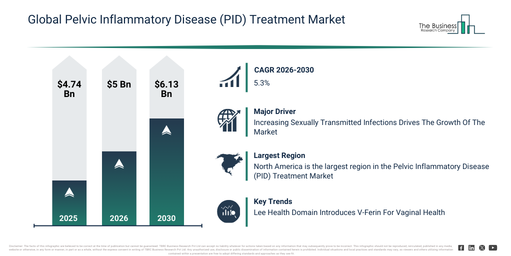
    The pelvic inflammatory disease (pid) treatment market has experienced robust expansion in recent years. Its valuation is set to grow from $4.74 billion in 2025 to $5 billion in 2026, achieving a compound annual growth rate (CAGR) of 5.5%. The historical growth of this market is attributable to a high prevalence of sexually transmitted infections, limited public awareness of PID, a common reliance on broad-spectrum antibiotics, delayed diagnoses stemming from asymptomatic cases, and inadequate access to specialized gynecological care.

    The pelvic inflammatory disease (pid) treatment market size is projected to experience substantial expansion over the coming years. This market is set to reach $6.13 billion by 2030, exhibiting a compound annual growth rate (CAGR) of 5.3%. This anticipated growth during the forecast period stems from factors such as the increasing embrace of combination antibiotic therapy, a rise in the application of hormonal therapy for prevention, significant progress in minimally invasive surgical techniques, the expansion of telehealth and remote monitoring services, and enhanced awareness and educational initiatives aimed at early detection. Key developments expected during this period involve the greater application of AI for prompt diagnosis and risk assessment, a rising uptake of genomics-driven personalized treatment strategies, the incorporation of cloud computing and big data for patient oversight and administration, the deployment of IoT-enabled devices for distant symptom monitoring, and the introduction of smart manufacturing processes in the production of antibiotics.

    Download the Free Sample Report to Explore Key Market Insights:

    https://www.thebusinessresearchcompany.com/sample.aspx?id=21251&type=smp

    What Major Growth Drivers Are Shaping The Outlook Of The Pelvic Inflammatory Disease (PID) Treatment Market?

    The growing incidence of sexually transmitted infections is anticipated to stimulate expansion in the pelvic inflammatory disease (PID) treatment market in the coming years. STIs, which are infections primarily transmitted through sexual contact including vaginal, anal, or oral sex, are caused by bacteria, viruses, or parasites. The heightened occurrence of STIs can be attributed to factors like engaging in risky sexual practices, unprotected intercourse, inadequate awareness, and delays in testing and treatment. Pelvic inflammatory disease (PID) treatment plays a crucial role in addressing STIs by employing antibiotics to eradicate the bacteria causing infection, preventing complications like chronic pelvic pain and infertility, and mitigating the likelihood of recurrent infections. For instance, a report from the UK Health Security Agency (UKHSA), a UK-based government entity, published in October 2024, indicated that England registered 6,008 new human immunodeficiency virus (HIV) diagnoses in 2023, representing a 51% increase from the 3,975 diagnoses recorded in 2022. Consequently, the rising prevalence of sexually transmitted infections is a key driver for the growth of the pelvic inflammatory disease (PID) treatment market.

    Which Segment Classifications Shape The Pelvic Inflammatory Disease (PID) Treatment Market?

    The pelvic inflammatory disease (pid) treatment market covered in this report is segmented –

    1) By Treatment Type: Antibiotic Therapy, Surgery, Pain Management

    2) By Route Of Administration: Oral, Intravenous, Intramuscular

    3) By End User: Hospitals, Clinics, Homecare

    Subsegments:

    1) By Antibiotic Therapy: Broad-spectrum Antibiotics, Combination Antibiotic Therapy, Oral Antibiotics, Intravenous Antibiotics

    2) By Surgery: Laparoscopy, Hysterectomy, Tubal Surgery

    3) By Pain Management: Nonsteroidal Anti-inflammatory Drugs (NSAIDs), Opioid Analgesics, Acetaminophen, Localized Pain Management

    What Trends Are Advancing Progress In The Pelvic Inflammatory Disease (PID) Treatment Market?

    Major companies operating in the pelvic inflammatory disease (PID) treatment market are increasingly focusing on innovative formulations, such as probiotic supplements, to enhance the effectiveness of treatments, restore the balance of vaginal microbiota, and reduce the recurrence of infections in patients with PID. A probiotic supplement is defined as a product containing beneficial live bacteria or yeasts that help maintain or restore a healthy balance of gut and vaginal microbiota. For instance, in November 2024, Lee Health Domain, an India-based pharmaceutical company, introduced V-Ferin, a probiotic supplement developed to support vaginal health. Formulated with Lactobacillus acidophilus, lactoferrin peptide, and cranberry extract, V-Ferin aims to restore the natural microbiome and prevent common vaginal infections like bacterial vaginosis and yeast infections. Given that approximately 25-30% of women are affected by these conditions, which can progress to pelvic inflammatory disease if left untreated, V-Ferin offers a novel solution to improve health and prevent complications.

    Which Companies Are Expanding Their Footprint In The Pelvic Inflammatory Disease (PID) Treatment Market?

    Major companies operating in the pelvic inflammatory disease (pid) treatment market are Pfizer Inc., Bayer AG, Eli Lilly and Company, Otsuka Pharmaceutical Co. Ltd., Astellas Pharma Inc., Daiichi Sankyo Company Limited, Hetero Drugs Ltd., Sun Pharmaceutical Industries Ltd., Takeda Pharmaceutical Company Limited, Dr. Reddy’s Laboratories Ltd., Cipla Limited, Hikma Pharmaceuticals PLC, Lupin Pharmaceuticals Inc., Torrent Pharmaceuticals Ltd., Mankind Pharma Ltd., Mayne Pharma Group Limited, Saphnix Lifesciences, Aristo Pharmaceuticals Pvt. Ltd., Zydus Cadila Healthcare Ltd., Amagen India Life Sciences

    Read the full pelvic inflammatory disease (pid) treatment market report here:

    https://www.thebusinessresearchcompany.com/report/pelvic-inflammatory-disease-pid-treatment-global-market-report

    Which Regions Are Projected To Dominate The Pelvic Inflammatory Disease (PID) Treatment Market In The Coming Years?

    North America was the largest region in the pelvic inflammatory disease (PID) treatment market in 2025. Asia-Pacific is expected to be the fastest-growing region in the forecast period. The regions covered in the pelvic inflammatory disease (pid) treatment market report are Asia-Pacific, South East Asia, Western Europe, Eastern Europe, North America, South America, Middle East, Africa.

    Request A Tailored Pelvic Inflammatory Disease (PID) Treatment Market Research Report For Competitive Advantage:

    https://www.thebusinessresearchcompany.com/customise?id=21251&type=smp

    Browse Through More Reports Similar to the Global Pelvic Inflammatory Disease (PID) Treatment Market 2026, By The Business Research Company

    Urinary Tract Cancer Global Market Report

    https://www.thebusinessresearchcompany.com/report/urinary-tract-cancer-global-market-report

    Interstitial Cystitis Drugs Global Market Report

    https://www.thebusinessresearchcompany.com/report/interstitial-cystitis-drugs-global-market-report

    Ovarian Cancer Diagnostics Global Market Report

    https://www.thebusinessresearchcompany.com/report/ovarian-cancer-diagnostics-global-market-report

    Get in touch with us:

    The Business Research Company: https://www.thebusinessresearchcompany.com/

    Americas +1 310-496-7795

    Asia +44 7882 955267 & +91 8897263534

    Europe +44 7882 955267

    Email us at info@tbrc.info

    Follow us on:

    LinkedIn: https://in.linkedin.com/company/the-business-research-company

    YouTube: https://www.youtube.com/channel/UC24_fI0rV8cR5DxlCpgmyFQ

    Global Market Model: https://www.thebusinessresearchcompany.com/global-market-model
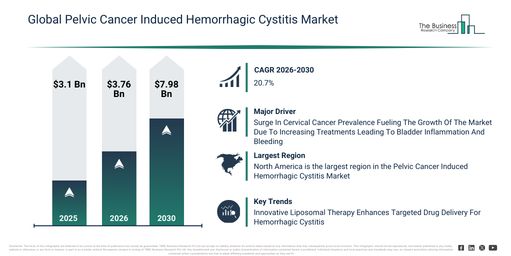
  • One of the Major Drivers of the Pelvic Cancer Induced Hemorrhagic Cystitis Market Is the Surge In Cervical Cancer Prevalence Fueling The Growth Of The Market Due To Increasing Treatments Leading To Bladder Inflammation And Bleeding

    One of the Major Drivers of the Pelvic Cancer Induced Hemorrhagic Cystitis Market Is the Surge In Cervical Cancer Prevalence Fueling The Growth Of The Market Due To Increasing Treatments Leading To Bladder Inflammation And Bleeding

    The Business Research Company’s 2026 market reports include new capabilities such as market attractiveness scoring and analysis, total addressable market analysis, company scoring matrix, interactive excel data dashboard, improved supply chain analysis, upcoming startups in the market, and overview of key products, aimed at improving the depth, usability, and strategic value of the insights delivered.

    What Market Size Growth Is Projected For The Pelvic Cancer Induced Hemorrhagic Cystitis Market During The Forecast Period 2026–2030?

    The pelvic cancer induced hemorrhagic cystitis market has seen substantial expansion in recent years. Its valuation is predicted to increase from $3.1 billion in 2025 to $3.76 billion in 2026, achieving a compound annual growth rate (CAGR) of 21.1%. The historical development of this market can be linked to the frequent occurrence of radiation-induced cystitis, the administration of cyclophosphamide and ifosfamide, the restricted availability of specialized bladder treatments, reliance on supportive interventions and bladder irrigation, and the modest adoption rates of intravesical therapies.

    The market size for pelvic cancer induced hemorrhagic cystitis is projected to undergo substantial expansion in the coming years. This market is anticipated to reach $7.98 billion by 2030, driven by a compound annual growth rate (CAGR) of 20.7%. This expected expansion during the forecast period is largely due to developments in personalized medicine, an increase in research and development for bladder-protective medications, broader application of regenerative medicine, the growing embrace of minimally invasive procedures, and enhanced awareness alongside early detection initiatives. Key trends for the forecast duration encompass the expanded utilization of AI for early diagnosis and risk assessment, the escalating adoption of genomics-based tailored cancer therapies, the incorporation of cloud and big data technologies for patient observation, the deployment of smart manufacturing processes in drug creation, and the increasing reliance on IoT-enabled devices for managing patients remotely.

    Download the Free Sample Report to Explore Key Market Insights:

    https://www.thebusinessresearchcompany.com/sample.aspx?id=23470&type=smp

    What Drivers Are Expected To Influence The Pelvic Cancer Induced Hemorrhagic Cystitis Market During The Forecast Period?

    An increase in cervical cancer incidents is anticipated to drive the expansion of the pelvic cancer-induced hemorrhagic cystitis market in the future. Cervical cancer is a malignant tumor that begins in the cervix, mainly resulting from ongoing infection with high-risk human papillomavirus (HPV) types, which causes unchecked cell growth, spread into nearby tissues, and possible metastasis if not addressed. The increase in cervical cancer diagnoses stems from restricted access to preventive healthcare, with insufficient cervical screening initiatives being a significant factor. Pelvic cancer-induced hemorrhagic cystitis positively impacts cervical cancer by enhancing clinical understanding and monitoring in patients, facilitating prompt diagnosis and intervention, thereby potentially bettering patient results and advancing cancer treatment. For example, the American Cancer Society, a US-based non-profit organization, reported in January 2025 that for the year 2025, approximately 13,360 new instances of invasive cervical cancer are predicted in the United States, with an estimated 4,320 women expected to die from it. Consequently, the growing number of cervical cancer cases is stimulating the expansion of the pelvic cancer-induced hemorrhagic cystitis market.

    What Market Segments Are Evaluated Within The Pelvic Cancer Induced Hemorrhagic Cystitis Market?

    The pelvic cancer induced hemorrhagic cystitis market covered in this report is segmented –

    1) By Treatment Type: Bone Marrow Transplant, Chemotherapy, Radiation Therapy, Other Treatment Types

    2) By Route Of Administration: Oral, Injectable, Intravesical

    3) By Distribution Channel: Hospital Pharmacies, Retail Pharmacies, Online Pharmacies

    Subsegments:

    1) By Bone Marrow Transplant: Autologous Bone Marrow Transplant, Allogeneic Bone Marrow Transplant, Haploidentical Bone Marrow Transplant

    2) By Chemotherapy: Cyclophosphamide, Ifosfamide, Systemic Chemotherapy, Intravesical Chemotherapy, Targeted Chemotherapy

    3) By Radiation Therapy: External Beam Radiation Therapy (EBRT), Brachytherapy, Intensity-Modulated Radiation Therapy (IMRT)

    4) By Other Treatments: Hyperbaric Oxygen Therapy (HBOT), Intravesical Therapy, Bladder Irrigation And Catheterization, Surgical Interventions, Regenerative Medicine And Palliative Care

    How Are Trends Transforming The Pelvic Cancer Induced Hemorrhagic Cystitis Market Landscape?

    Key players operating in the pelvic cancer-induced hemorrhagic cystitis market are concentrating on developing innovative pharmaceutical solutions, including liposomal tacrolimus therapy, and implementing advanced drug formulations that enhance precise treatment delivery while improving both safety and efficacy. Liposomal tacrolimus therapy involves a drug delivery method that encases tacrolimus in liposomes to improve its absorption, facilitate targeted immunosuppression, and reduce overall toxicity in the treatment of autoimmune conditions and organ transplant rejection. For instance, in October 2024, Lipella Pharmaceuticals Inc., a US-based biotechnology firm, announced that its innovative liposomal drug delivery platform, designed to improve the targeted administration of therapeutic agents for various medical conditions, including hemorrhagic cystitis, had been granted a United States patent. This advanced liposomal technology optimizes drug delivery specifically to epithelial tissues such as the bladder, mouth, colon, and urethra, ensuring greater effectiveness and fewer systemic adverse reactions. Additionally, the market exclusivity provided by this patent reinforces Lipella’s competitive standing and aids in the advancement of its primary clinical product, LP-10, a promising intravesical treatment for hemorrhagic cystitis.

    Who Are The Top Market Participants Influencing The Pelvic Cancer Induced Hemorrhagic Cystitis Market?

    Major companies operating in the pelvic cancer induced hemorrhagic cystitis market are Pfizer Inc., Johnson & Johnson Services Inc., F. Hoffmann-La Roche Ltd, Merck & Co. Inc., AbbVie Inc., Bayer AG, Sanofi SA, Bristol-Myers Squibb Company, AstraZeneca PLC, Novartis AG, Amgen Inc., Mayo Clinic, Cleveland Clinic Foundation, Astellas Pharma Inc., Fresenius Kabi AG, Bausch Health Companies Inc., Medicover Hospitals, Urigen Pharmaceuticals Inc., Lipella Pharmaceuticals Inc., Hemogenyx Pharmaceuticals plc

    Read the full pelvic cancer induced hemorrhagic cystitis market report here:

    https://www.thebusinessresearchcompany.com/report/pelvic-cancer-induced-hemorrhagic-cystitis-global-market-report

    Which Region Is Forecast To Lead The Pelvic Cancer Induced Hemorrhagic Cystitis Market In Terms Of Market Size?

    North America was the largest region in the pelvic cancer induced hemorrhagic cystitis market in 2025. Asia-Pacific is expected to be the fastest-growing region in the forecast period. The regions covered in the pelvic cancer induced hemorrhagic cystitis market report are Asia-Pacific, South East Asia, Western Europe, Eastern Europe, North America, South America, Middle East, Africa.

    Request A Tailored Pelvic Cancer Induced Hemorrhagic Cystitis Market Research Report For Competitive Advantage:

    https://www.thebusinessresearchcompany.com/customise?id=23470&type=smp

    Browse Through More Reports Similar to the Global Pelvic Cancer Induced Hemorrhagic Cystitis Market 2026, By The Business Research Company

    Research Grade Proteins Global Market Report

    https://www.thebusinessresearchcompany.com/report/research-grade-proteins-global-market-report

    Plant Based Protein Global Market Report

    https://www.thebusinessresearchcompany.com/report/plant-based-protein-global-market-report

    Protein Engineering Global Market Report

    https://www.thebusinessresearchcompany.com/report/protein-engineering-global-market-report

    Get in touch with us:

    The Business Research Company: https://www.thebusinessresearchcompany.com/

    Americas +1 310-496-7795

    Asia +44 7882 955267 & +91 8897263534

    Europe +44 7882 955267

    Email us at info@tbrc.info

    Follow us on:

    LinkedIn: https://in.linkedin.com/company/the-business-research-company

    YouTube: https://www.youtube.com/channel/UC24_fI0rV8cR5DxlCpgmyFQ

    Global Market Model: https://www.thebusinessresearchcompany.com/global-market-model
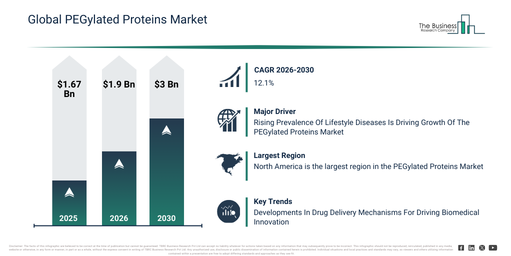
  • A key trend shaping the PEGylated Proteins Market involves the Developments In Drug Delivery Mechanisms For Driving Biomedical Innovation

    A key trend shaping the PEGylated Proteins Market involves the Developments In Drug Delivery Mechanisms For Driving Biomedical Innovation

    The Business Research Company’s 2026 market reports include new capabilities such as market attractiveness scoring and analysis, total addressable market analysis, company scoring matrix, interactive excel data dashboard, improved supply chain analysis, upcoming startups in the market, and overview of key products, aimed at improving the depth, usability, and strategic value of the insights delivered.

    How Will The Market Size Of The PEGylated Proteins Market Evolve From 2026 To 2030?

    Recent years have seen substantial growth in the pegylated proteins market size. This market is projected to expand from $1.67 billion in 2025 to $1.9 billion in 2026, demonstrating a compound annual growth rate (CAGR) of 13.7%. Historically, this expansion was driven by factors such as the high immunogenicity of unmodified proteins, the limited half-life inherent in therapeutic proteins, a dependence on traditional protein delivery methods, the segmented nature of protein modification services, and insufficient understanding of pegylation’s advantages.

    The pegylated proteins market is poised for significant expansion in the coming years, with projections indicating a rise to $3 billion by 2030, demonstrating a robust compound annual growth rate (CAGR) of 12.1%. This expected growth throughout the forecast period is driven by various factors, including heightened research and development efforts in pegylated therapeutics, an increasing need for long-acting protein drugs, the rising embrace of targeted protein therapies, the expansion of contract services for pegylation, and continuous technological advancements in pegylation kits and reagents. Prominent trends identified for the forecast timeframe involve the increasing application of artificial intelligence (AI) in protein engineering and pegylation processes, the growing adoption of genomics-informed protein therapeutics, the integration of cloud-based data management solutions for protein research, the implementation of smart manufacturing practices in pegylated protein production, and the expanding utilization of IoT-enabled monitoring systems within biopharmaceutical facilities.

    Download the Free Sample Report to Explore Key Market Insights:

    https://www.thebusinessresearchcompany.com/sample.aspx?id=16145&type=smp

    What Drivers Are Influencing The PEGylated Proteins Market?

    The rising occurrence of lifestyle-related illnesses is anticipated to drive the expansion of the PEGylated proteins market in the coming years. These conditions mainly stem from detrimental habits and choices, including inadequate nutrition, insufficient exercise, and tobacco use. Their surge is attributed to multiple elements like reduced physical activity, diets rich in processed foods, and elevated stress levels. PEGylated proteins find application in addressing lifestyle diseases by boosting the effectiveness, extending the duration, and improving the precise delivery of treatments for ailments such as cardiovascular diseases, diabetes, and particular cancers. For instance, data from May 2024 by the Office for Health Improvement and Disparities, a UK-based government agency, indicated that from 2022 to 2023, approximately 64.0% of English adults aged 18 and above were categorized as overweight or living with obesity. Consequently, the growing incidence of lifestyle diseases is a key factor fueling the PEGylated proteins market’s expansion. The rising incidence of chronic ailments is projected to stimulate the expansion of the PEGylated proteins market in the future. These are enduring health conditions that usually develop gradually, encompassing cardiovascular diseases, diabetes, chronic respiratory issues, and specific cancers. Their widespread occurrence is on the rise, driven by elements like an aging demographic, inactive routines, poor nutritional choices, and environmental effects. PEGylated proteins are employed in managing and treating chronic diseases by enhancing the stability, effectiveness, and precise administration of medicinal compounds, thus improving patient results and lessening the need for frequent treatments. For instance, in June 2025, the World Health Organization, a Switzerland based specialized agency of the United Nations, stated that Noncommunicable diseases (NCDs) continue to be the primary cause of mortality and disability globally, particularly within the WHO European Region. Within this region, NCDs like cardiovascular diseases, cancers, chronic respiratory diseases, and diabetes are responsible for the deaths of 1 in 5 men and 1 in 10 women before they reach 70 years of age.

    Which Segment Areas Are Covered In The PEGylated Proteins Market Analysis?

    The pegylated proteins market covered in this report is segmented –

    1) By Product: Consumable And Services, PEGylation Kits And Reagents, Monofunctional Linear PEGs, Bifunctional PEGs, Other Products

    2) By Protein Type: Colony Stimulating Factors, Interferons, Erythropoietin, Recombinant Factor VII, Other Protein Types

    3) By Application: Cancer Treatment, Hepatitis, Chronic Kidney Diseases, Hemophilia, Multiple Sclerosis, Gastrointestinal Disorders, Other Applications

    4) By End User: Pharmaceuticals, Biotechnology Companies, Contract Research Organizations, Academic Research Institutes

    Subsegments:

    1) By Consumable And Services: Consumables, Services

    2) By PEGylation Kits And Reagents: PEGylation Kits, Reagents

    3) By Monofunctional Linear PEGs: Monofunctional PEGs For Protein Modification

    4) By Bifunctional PEGs: Bifunctional PEGs For Protein Modification

    5) By Other Products: Conjugates, PEGylated Drugs And Therapeutics

    Which Trends Are Impacting The Growth Of The PEGylated Proteins Market?

    Major companies in the PEGylated protein market are developing advanced products, including PEGylation reagents, to gain a competitive edge. PEGylation reagents are chemical compounds that attach polyethylene glycol (PEG) chains to biomolecules, altering their properties for various biomedical applications. For example, in May 2023, Creative Enzymes, a US-based supplier of food additives and enzymes, launched DSPE-PEG-Maleimide for targeted drug delivery. DSPE-PEG-Maleimide (DSPE-PEG-MAL) is a linear heterobifunctional PEGylation reagent containing DSPE phospholipids and maleimide. This useful self-assembly reagent can be employed to prepare PEGylated liposomes or micelles and also provides thiol or cysteine reactive maleimide groups, often utilized in targeted drug delivery.

    Which Global Companies Are Actively Competing In The PEGylated Proteins Market?

    Major companies operating in the pegylated proteins market are Merck & Co. Inc., Bayer AG, Bristol Myers Squibb Company, Roche Holding AG, Gilead Sciences Inc., Novo Nordisk A/S, Regeneron Pharmaceuticals Inc., Biogen Inc., Ipsen Pharma, Kyowa Kirin Co. Ltd., BioMarin Pharmaceutical Inc., Enzon Pharmaceuticals Inc., Amgen Inc., Pfizer Inc., Takeda Pharmaceutical Company Limited, Sanofi SA, UCB Pharma SA, CSL Behring GmbH, Nektar Therapeutics, Swedish Orphan Biovitrum AB, Octapharma AG, Ferring Pharmaceuticals, OPKO Health Inc., Alvotech hf, Ultragenyx Pharmaceutical Inc., PTC Therapeutics Inc., Jazz Pharmaceuticals plc

    Read the full pegylated proteins market report here:

    https://www.thebusinessresearchcompany.com/report/pegylated-proteins-global-market-report

    Which Regions Are Expected To Experience Rapid Expansion In The PEGylated Proteins Market?

    North America was the largest region in the PEGylated Proteins market in 2025. The regions covered in the pegylated proteins market report are Asia-Pacific, South East Asia, Western Europe, Eastern Europe, North America, South America, Middle East, Africa.

    Request A Tailored PEGylated Proteins Market Research Report For Competitive Advantage:

    https://www.thebusinessresearchcompany.com/customise?id=16145&type=smp

    Browse Through More Reports Similar to the Global PEGylated Proteins Market 2026, By The Business Research Company

    Telehealth Global Market Report

    https://www.thebusinessresearchcompany.com/report/telehealth-global-market-report

    Veterinary Telehealth Global Market Report

    https://www.thebusinessresearchcompany.com/report/veterinary-telehealth-global-market-report

    Teleradiology Global Market Report

    https://www.thebusinessresearchcompany.com/report/teleradiology-global-market-report

    Get in touch with us:

    The Business Research Company: https://www.thebusinessresearchcompany.com/

    Americas +1 310-496-7795

    Asia +44 7882 955267 & +91 8897263534

    Europe +44 7882 955267

    Email us at info@tbrc.info

    Follow us on:

    LinkedIn: https://in.linkedin.com/company/the-business-research-company

    YouTube: https://www.youtube.com/channel/UC24_fI0rV8cR5DxlCpgmyFQ

    Global Market Model: https://www.thebusinessresearchcompany.com/global-market-model
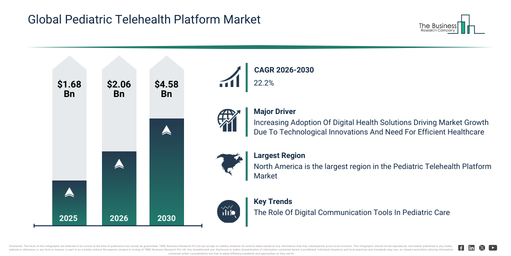
  • A significant industry trend in the Pediatric Telehealth Platform Market includes the The Role Of Digital Communication Tools In Pediatric Care

    A significant industry trend in the Pediatric Telehealth Platform Market includes the The Role Of Digital Communication Tools In Pediatric Care

    The Business Research Company’s 2026 market reports include new capabilities such as market attractiveness scoring and analysis, total addressable market analysis, company scoring matrix, interactive excel data dashboard, improved supply chain analysis, upcoming startups in the market, and overview of key products, aimed at improving the depth, usability, and strategic value of the insights delivered.

    What Is The Forecasted Market Value Of The Pediatric Telehealth Platform Market Across 2026–2030?

    The pediatric telehealth platform market has experienced substantial expansion in recent years. It is projected to increase from $1.68 billion in 2025 to $2.06 billion in 2026, at a compound annual growth rate (CAGR) of 22.5%. The historical growth of this market can be linked to the necessity of addressing challenges such as limited access to pediatric care in remote areas, initial low awareness of telehealth solutions, prevalent reliance on in-person consultations, fragmented healthcare IT infrastructure, and the high cost of telehealth setup.

    The pediatric telehealth platform market size is projected for significant expansion in the coming years. By 2030, this market is anticipated to reach $4.58 billion, exhibiting a compound annual growth rate (CAGR) of 22.2%. This growth during the forecast period is driven by factors such as the increasing demand for virtual pediatric consultations, the growing adoption of wearable health monitoring devices, increased investment in pediatric telehealth platforms, expanding internet access in rural regions, and a heightened focus on managing chronic diseases remotely. Key trends expected during this period involve the increasing uptake of AI-powered virtual consultations, greater integration of cloud-based patient management systems, expanded utilization of IoT-enabled remote monitoring devices, progress in genomics-based personalized pediatric care, and an increase in smart manufacturing practices for telehealth hardware.

    Download the Free Sample Report to Explore Key Market Insights:

    https://www.thebusinessresearchcompany.com/sample.aspx?id=24358&type=smp

    What Drivers Are Shaping The Future Growth Of The Pediatric Telehealth Platform Market?

    The future expansion of the pediatric telehealth platform market is anticipated to be driven by the growing integration of digital health solutions. These solutions encompass technological applications like mobile applications, telemedicine services, wearable health trackers, and electronic health records, all designed to enhance healthcare provision and patient results. The widespread uptake of digital health tools stems from a heightened need for remote patient monitoring, enabling healthcare professionals to effectively supervise patient health data continuously beyond conventional hospital environments. Pediatric telehealth platforms support these digital health initiatives by offering remote consultations and ongoing health tracking, thereby boosting access to care and minimizing the necessity for physical appointments. An illustration of this trend is found in data from April 2023, where FAIR Health Inc., a US-based non-profit organization, reported that national telehealth utilization rose by 7.3% in 2023, moving from 5.5% of medical claim lines in December 2022 to 5.9% in January 2023. Consequently, the expanding implementation of digital health solutions is a key factor propelling the pediatric telehealth platform market forward.

    What Segmentation Levels Are Considered In The Pediatric Telehealth Platform Market?

    The pediatric telehealth platform market covered in this report is segmented –

    1) By Component: Software, Hardware, Services

    2) By Functionality: Appointment Scheduling, Medical History Management, Prescription Management, Diagnostic Tools, Patient Education Resources

    3) By Mode Of Delivery: Web-Based, Cloud-Based, On-Premises

    4) By Application: Respiratory, Cold, Flu And Fever, Gastroenterology, Behavioral Health, Dermatology, Other Applications

    5) By End-User: Hospitals, Clinics, Homecare, Schools, Others End-Users

    Subsegments:

    1) By Software: Telemedicine Software, Appointment Scheduling Software, Electronic Health Records (EHR) Software, Patient Management Software, Billing And Payment Software

    2) By Hardware: Telemedicine Kits, Wearable Devices, Tablets Or Smartphones For Telehealth, Diagnostic Equipment For Remote Use

    3) By Services: Telehealth Consultation Services, Remote Patient Monitoring Services, Technical Support Services, Cloud Storage And Data Management Services, Integration And Implementation Services

    What Major Market Trends Are Driving Changes In The Pediatric Telehealth Platform Market?

    Leading firms in the pediatric telehealth platform market are concentrating on creating novel solutions, including digital communication tools, to boost accessibility, foster greater patient involvement, and provide prompt care for children via accessible and intuitive communication methods. Such a tool is a technology-driven system facilitating information exchange electronically, aiding a pediatric telehealth platform by enabling healthcare professionals to interact remotely with patients and their guardians, thus ensuring prompt consultations, subsequent appointments, and coordinated care without requiring physical presence. For example, during November 2024, Summer Health Inc., a US-based provider of home health care, introduced a complimentary trial of its messaging-focused pediatric care platform, granting parents round-the-clock text access to accredited pediatricians across all 50 states, providing professional evaluations, referrals, and prescriptions within only 15 minutes for managing symptoms of RSV, flu, and COVID-19 at home. This move highlights Summer Health’s dedication to minimizing superfluous emergency room visits and optimizing pediatric care using digital advancements.

    Which Leading Firms Are Contributing To The Growth Of The Pediatric Telehealth Platform Market?

    Major companies operating in the pediatric telehealth platform market are Teladoc Health Inc., American Well Corporation, Health Catalyst Inc., Brightline Holdings LLC, HealthTap, Sesame Inc., Health Recovery Solutions Inc., Hazel Health Inc., BabyScripts, Kiddo Health Inc., Kismet Health Inc., CareFirst Pediatrics, Blueberry Pediatrics, Maven Technosoft Private Limited, Alpha Medical Group Inc., Virtuwell, Summer Health Inc., Omega Pediatrics, Tele-Medics Solutions Private Limited, Anytime Telecare

    Read the full pediatric telehealth platform market report here:

    https://www.thebusinessresearchcompany.com/report/pediatric-telehealth-platform-global-market-report

    Which Geographic Regions Are Influencing Demand In The Pediatric Telehealth Platform Market?

    North America was the largest region in the pediatric telehealth platform market in 2025. Asia-Pacific is expected to be the fastest-growing region in the forecast period. The regions covered in the pediatric telehealth platform market report are Asia-Pacific, South East Asia, Western Europe, Eastern Europe, North America, South America, Middle East, Africa.

    Request A Tailored Pediatric Telehealth Platform Market Research Report For Competitive Advantage:

    https://www.thebusinessresearchcompany.com/customise?id=24358&type=smp

    Browse Through More Reports Similar to the Global Pediatric Telehealth Platform Market 2026, By The Business Research Company

    Pediatric Imaging Global Market Report

    https://www.thebusinessresearchcompany.com/report/pediatric-imaging-global-market-report

    Interventional Radiology Global Market Report

    https://www.thebusinessresearchcompany.com/report/interventional-radiology-global-market-report

    Radiology Services Global Market Report

    https://www.thebusinessresearchcompany.com/report/radiology-services-global-market-report

    Get in touch with us:

    The Business Research Company: https://www.thebusinessresearchcompany.com/

    Americas +1 310-496-7795

    Asia +44 7882 955267 & +91 8897263534

    Europe +44 7882 955267

    Email us at info@tbrc.info

    Follow us on:

    LinkedIn: https://in.linkedin.com/company/the-business-research-company

    YouTube: https://www.youtube.com/channel/UC24_fI0rV8cR5DxlCpgmyFQ

    Global Market Model: https://www.thebusinessresearchcompany.com/global-market-model
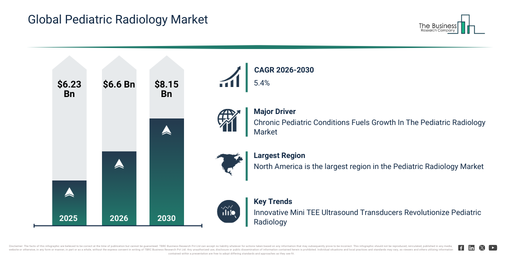
  • A key trend shaping the Pediatric Radiology Market involves the Innovative Mini TEE Ultrasound Transducers Revolutionize Pediatric Radiology

    A key trend shaping the Pediatric Radiology Market involves the Innovative Mini TEE Ultrasound Transducers Revolutionize Pediatric Radiology

    The Business Research Company’s 2026 market reports include new capabilities such as market attractiveness scoring and analysis, total addressable market analysis, company scoring matrix, interactive excel data dashboard, improved supply chain analysis, upcoming startups in the market, and overview of key products, aimed at improving the depth, usability, and strategic value of the insights delivered.

    What Market Size Increase Is Anticipated For The Pediatric Radiology Market Over The 2026–2030 Period?

    The pediatric radiology market size has seen significant expansion in recent years. It is anticipated to increase from $6.23 billion in 2025 to $6.6 billion in 2026, displaying a compound annual growth rate (CAGR) of 6.0%. This historical expansion can be attributed to factors such as the restricted availability of imaging devices specifically designed for children, the elevated cost associated with advanced imaging equipment, the low uptake of digital imaging technologies, the dependence on adult imaging procedures for younger patients, and the disjointed nature of radiology service networks.

    The pediatric radiology market is projected to experience robust expansion in the coming years, reaching a valuation of $8.15 billion by 2030, propelled by a compound annual growth rate (CAGR) of 5.4%. This anticipated growth during the forecast period stems from factors such as increasing demand for low-dose and portable imaging equipment, the growing incidence of chronic and congenital diseases in children, heightened investment in dedicated pediatric imaging centers, the integration of tele-radiology solutions, and greater recognition of the importance of early diagnosis and preventive healthcare. Key developments expected in this period encompass the wider embrace of AI-powered imaging diagnostics, enhanced integration of genomics data with radiology practices, the expanding utilization of cloud-based radiology management systems, increased deployment of IoT-enabled pediatric imaging devices, and progress in intelligent manufacturing techniques for imaging equipment.

    Download the Free Sample Report to Explore Key Market Insights:

    https://www.thebusinessresearchcompany.com/sample.aspx?id=15891&type=smp

    Which Economic Or Industry Drivers Are Impacting The Pediatric Radiology Market?

    The rising incidence of chronic pediatric conditions is projected to boost the growth of the pediatric radiology market in the future. These conditions are long-term health issues affecting children and adolescents, lasting a year or more and necessitating ongoing medical attention or limitations in daily activities. The increasing occurrence of chronic pediatric conditions is attributed to a combination of genetic predisposition, environmental factors, and lifestyle modifications. Pediatric radiology is employed in chronic pediatric conditions for diagnosing, monitoring, and managing these long-term health concerns through imaging techniques such as X-rays, MRI, and CT scans, thereby providing crucial information for effective treatment and care. For instance, in November 2024, according to Asthma Australia, an Australia-based non-profit organization, over 31,000 hospitalizations were recorded with asthma as the primary diagnosis in 2022-2023, and nearly 43% of these cases involved children aged 14 or younger. Consequently, the growing prevalence of chronic pediatric conditions is propelling the expansion of the pediatric radiology market.

    How Is The Pediatric Radiology Market Segmented Across Key Categories?

    The pediatric radiology market covered in this report is segmented –

    1) By Product Type: Ultrasound, Magnetic Resonance Imaging (MRI), X-Ray, Computed Tomography Scanner, Other Product Types

    2) By Modality: Standalone Devices, Table-Top Devices, Portable Devices

    3) By Application: Oncology, Orthopedics, Cardiology, Other Applications

    4) By End-User: Hospitals, Pediatric Clinics, Diagnostic Centers, Other End-Users

    Subsegments:

    1) By Ultrasound: Portable Pediatric Ultrasound Machines, Pediatric Echocardiography Ultrasound

    2) By Magnetic Resonance Imaging (MRI): Pediatric MRI Systems, Open MRI Systems For Pediatrics, MRI-Compatible Pediatric Equipment

    3) By X-Ray: Digital Pediatric X-Ray Systems, Mobile X-Ray Systems For Pediatrics, Pediatric Fluoroscopy Systems

    4) By Computed Tomography Scanner: Pediatric CT Scanners, Low-Dose CT Scanners For Pediatrics, 3D Imaging Pediatric CT Scanners

    5) By Other Product Types: Pediatric Nuclear Medicine Systems, Pediatric Bone Densitometers, Pediatric Mammography Systems

    Which Trends Are Shaping The Future Of The Pediatric Radiology Market?

    Major companies in the pediatric radiology market are creating innovative products like mini transesophageal echocardiography (TEE) ultrasound transducers to expand diagnostic and treatment alternatives for smaller or more vulnerable patients, enhance imaging accuracy, and improve overall patient comfort and outcomes. Mini transesophageal echocardiography (TEE) ultrasound transducers are compact imaging devices crafted to deliver detailed images of the heart and its structures via the esophagus, thereby boosting diagnostic and treatment capabilities for patients of various sizes and health statuses. For instance, in May 2024, Koninklijke Philips N.V., a Netherlands-based conglomerate corporation, launched the X11-4t Mini 3D TEE transducer. This pioneering transducer, engineered for improved patient comfort, extends the benefits of 3D transesophageal echocardiography (TEE) to previously overlooked patient groups, including small pediatric patients and adults susceptible to complications. The miniaturized, 35% smaller transducer provides essential detailed 3D imaging critical for diagnosing and treating structural heart diseases, and assists in minimally invasive surgeries. Compatible with Philips’ EPIQ CVx and EchoNavigator systems, it offers high-quality imaging while minimizing the requirement for general anesthesia and reducing recovery periods.

    Who Are The Dominant Players Shaping The Pediatric Radiology Market Landscape?

    Major companies operating in the pediatric radiology market are Samsung Electronics Co. Ltd., Hitachi Ltd., Siemens AG, General Electric Company, Toshiba Corporation, Fujifilm Holdings Corporation, Koninklijke Philips N.V., Hologic Inc., Shimadzu Corporation, Agfa-Gevaert N.V., Neusoft Corp, Carestream Health Inc., Shanghai United Imaging Healthcare Co. Ltd, Esaote S.p.A., Canon Medical Systems Corporation, Ziehm Imaging GmbH, Shenzhen Landwind Industry Co., DMS Imaging SA, Allengers Medical Systems Ltd., Mindray Medical International Ltd.

    Read the full pediatric radiology market report here:

    https://www.thebusinessresearchcompany.com/report/pediatric-radiology-global-market-report

    What Are The Top-Performing Regions Within The Pediatric Radiology Market?

    North America was the largest region in the pediatric radiology market in 2025. Asia-Pacific is expected to be the fastest-growing region in the forecast period. The regions covered in the pediatric radiology market report are Asia-Pacific, South East Asia, Western Europe, Eastern Europe, North America, South America, Middle East, Africa.

    Request A Tailored Pediatric Radiology Market Research Report For Competitive Advantage:

    https://www.thebusinessresearchcompany.com/customise?id=15891&type=smp

    Browse Through More Reports Similar to the Global Pediatric Radiology Market 2026, By The Business Research Company

    Retinoblastoma Treatment Global Market Report

    https://www.thebusinessresearchcompany.com/report/retinoblastoma-treatment-global-market-report

    Pediatric Neurology Device Global Market Report

    https://www.thebusinessresearchcompany.com/report/pediatric-neurology-device-global-market-report

    Glioblastoma Multiforme Gbm Treatment Global Market Report

    https://www.thebusinessresearchcompany.com/report/glioblastoma-multiforme-gbm-treatment-global-market-report

    Get in touch with us:

    The Business Research Company: https://www.thebusinessresearchcompany.com/

    Americas +1 310-496-7795

    Asia +44 7882 955267 & +91 8897263534

    Europe +44 7882 955267

    Email us at info@tbrc.info

    Follow us on:

    LinkedIn: https://in.linkedin.com/company/the-business-research-company

    YouTube: https://www.youtube.com/channel/UC24_fI0rV8cR5DxlCpgmyFQ

    Global Market Model: https://www.thebusinessresearchcompany.com/global-market-model
  • An Important Factor Driving the Pediatric Neuroblastoma Treatment Market Is the Surging Pediatric Neuroblastoma Cases Propel Advancements In Treatment Market A Focus On Research, Innovation, And Early Detection

    An Important Factor Driving the Pediatric Neuroblastoma Treatment Market Is the Surging Pediatric Neuroblastoma Cases Propel Advancements In Treatment Market A Focus On Research, Innovation, And Early Detection

    The Business Research Company’s 2026 market reports include new capabilities such as market attractiveness scoring and analysis, total addressable market analysis, company scoring matrix, interactive excel data dashboard, improved supply chain analysis, upcoming startups in the market, and overview of key products, aimed at improving the depth, usability, and strategic value of the insights delivered.

    How Much Is The Pediatric Neuroblastoma Treatment Market Expected To Grow In Terms Of Market Value Between 2026 And 2030?

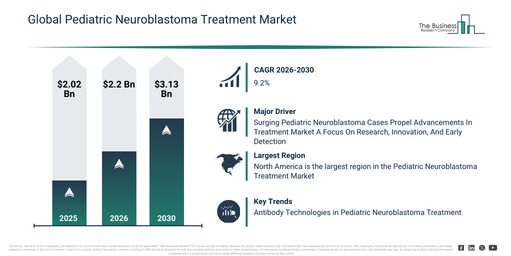
    The pediatric neuroblastoma treatment market has experienced robust expansion in recent years. It is forecast to grow from $2.02 billion in 2025 to $2.2 billion in 2026, demonstrating a compound annual growth rate (CAGR) of 9.0%. The strong development observed historically is attributable to elements like restricted access to pediatric oncology drugs, low adoption rates of immunotherapy, reliance on conventional chemotherapy, inadequate specialized treatment centers, and fragmented clinical data on neuroblastoma.

    The pediatric neuroblastoma treatment market is anticipated to show significant expansion in the upcoming years. Its valuation is projected to reach $3.13 billion by 2030, growing at a compound annual growth rate (CAGR) of 9.2%. This projected increase during the forecast period is largely due to increasing research and development in targeted therapies, the expanded application of CAR T-cell and monoclonal antibody treatments, the rising adoption of personalized medicine approaches, increased investment in pediatric oncology infrastructure, and the broadening of awareness programs for early detection. Notable trends anticipated in the forecast period include the escalating use of AI in pediatric oncology diagnostics, the growing adoption of genomics-based targeted therapies, the increasing integration of cloud and big data for patient management, the rising utilization of IoT-enabled monitoring in treatment protocols, and the expanding implementation of smart manufacturing in drug production.

    Download the Free Sample Report to Explore Key Market Insights:

    https://www.thebusinessresearchcompany.com/sample.aspx?id=9924&type=smp

    What Major Drivers Are Influencing Demand In The Pediatric Neuroblastoma Treatment Market?

    The increasing incidence of new pediatric neuroblastoma cases is projected to drive expansion in the pediatric neuroblastoma treatment market going forward. The growing prevalence of neuroblastoma fuels the demand for various pediatric neuroblastoma treatment alternatives. Consequently, pharmaceutical firms and other industry participants have intensified their research and development investments, fostering innovation. Moreover, advancements in diagnostic technologies and screening methods facilitate earlier detection of neuroblastoma, leading to prompt interventions and improved patient outcomes. For instance, in March 2023, an article from the American Society of Clinical Oncology (ASCO), a US-based organization for oncology professionals and physicians, reported that neuroblastoma impacts approximately 700 to 800 youngsters annually in the United States. In the United States, neuroblastoma constitutes 6% of all childhood malignancies. Approximately 90% of children affected by neuroblastoma are under the age of five. Hence, the increasing count of new pediatric neuroblastoma cases is a significant factor driving the expansion of the pediatric neuroblastoma treatment market.

    What Major Segment Divisions Exist Within The Pediatric Neuroblastoma Treatment Market?

    The pediatric neuroblastoma treatment market covered in this report is segmented –

    1) By Treatment Type: Immunotherapy, Chemotherapy, Radiation Therapy, Other Treatment Types

    2) By Risk Group: Low Risk, Intermediate Risk, High Risk

    3) By End User: Hospitals, Specialty Clinics, Other End Users

    Subsegments:

    1) By Immunotherapy: Monoclonal Antibodies, Immune Checkpoint Inhibitors, CAR T-Cell Therapy

    2) By Chemotherapy: Alkylating Agents, Antimetabolites, Topoisomerase Inhibitors

    3) By Radiation Therapy: External Beam Radiation Therapy (EBRT), Radioisotope Therapy

    4) By Other Treatment Types: Surgery, Stem Cell Transplantation, Targeted Therapy

    What Key Trends Are Influencing The Development Of The Pediatric Neuroblastoma Treatment Market?

    Leading companies within the pediatric neuroblastoma treatment market are actively developing innovative technologies, such as antibody technologies, to enhance the effectiveness of targeted therapies and improve patient outcomes. These antibody technologies encompass various methods and tools for the development, production, and utilization of antibodies across diagnostics, therapeutics, and research applications. As an illustration, in August 2023, Renaissance Pharma Ltd, a UK-based clinical-stage biopharmaceutical company, introduced Hu14.18K322A. Hu14.18K322A is designed to target GD2, a disialoganglioside found on the surface of neuroblastoma cells. By binding to these cells, it recruits immune effector cells to attack and eliminate the tumor cells, thereby potentially improving treatment outcomes for patients with high-risk neuroblastoma.

    Which Companies Are Leading Innovation In The Pediatric Neuroblastoma Treatment Market?

    Major companies operating in the pediatric neuroblastoma treatment market are United Therapeutics Corporation, APEIRON Biologics AG, Cell Ectar Biosciences Inc., Pfizer Inc., MacroGenics Inc., Bayer AG, Provectus Biopharmaceuticals Inc., Y-mAbs Therapeutics Inc., Amgen Inc., Eli Lilly and Company, F. Hoffmann-La Roche AG, Clarity Pharmaceuticals, CureSearch for Children’s Cancer, Novartis AG, Johnson & Johnson Services Inc., AbbVie Inc., Merck & Co. Inc., Bristol-Myers Squibb Company, Takeda Pharmaceutical Company Limited, Daiichi Sankyo Company Limited, Eisai Co. Ltd.

    Read the full pediatric neuroblastoma treatment market report here:

    https://www.thebusinessresearchcompany.com/report/pediatric-neuroblastoma-treatment-global-market-report

    Which Region Shows The Strongest Potential For Future Growth In The Pediatric Neuroblastoma Treatment Market?

    North America was the largest region in the pediatric neuroblastoma treatment market in 2025. The regions covered in the pediatric neuroblastoma treatment market report are Asia-Pacific, South East Asia, Western Europe, Eastern Europe, North America, South America, Middle East, Africa.

    Request A Tailored Pediatric Neuroblastoma Treatment Market Research Report For Competitive Advantage:

    https://www.thebusinessresearchcompany.com/customise?id=9924&type=smp

    Browse Through More Reports Similar to the Global Pediatric Neuroblastoma Treatment Market 2026, By The Business Research Company

    Pediatric Radiology Global Market Report

    https://www.thebusinessresearchcompany.com/report/pediatric-radiology-global-market-report

    Medical Imaging Global Market Report

    https://www.thebusinessresearchcompany.com/report/medical-imaging-global-market-report

    Preclinical Imaging Global Market Report

    https://www.thebusinessresearchcompany.com/report/preclinical-imaging-global-market-report

    Get in touch with us:

    The Business Research Company: https://www.thebusinessresearchcompany.com/

    Americas +1 310-496-7795

    Asia +44 7882 955267 & +91 8897263534

    Europe +44 7882 955267

    Email us at info@tbrc.info

    Follow us on:

    LinkedIn: https://in.linkedin.com/company/the-business-research-company

    YouTube: https://www.youtube.com/channel/UC24_fI0rV8cR5DxlCpgmyFQ

    Global Market Model: https://www.thebusinessresearchcompany.com/global-market-model
  • A Significant Growth Driver for the Pediatric Imaging Market Is the Elevated Incidence Of Pediatric Ailments Drives Growth In The Pediatric Imaging Market

    A Significant Growth Driver for the Pediatric Imaging Market Is the Elevated Incidence Of Pediatric Ailments Drives Growth In The Pediatric Imaging Market

    The Business Research Company’s 2026 market reports include new capabilities such as market attractiveness scoring and analysis, total addressable market analysis, company scoring matrix, interactive excel data dashboard, improved supply chain analysis, upcoming startups in the market, and overview of key products, aimed at improving the depth, usability, and strategic value of the insights delivered.

    What Market Value Is Expected For The Pediatric Imaging Market At The End Of The 2026–2030 Forecast Period?

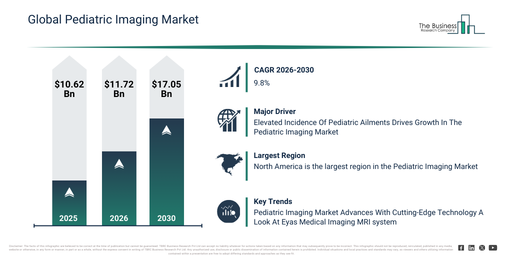
    The pediatric imaging market has experienced rapid expansion in recent years. It is anticipated to grow from $10.62 billion in 2025 to $11.72 billion in 2026, achieving a compound annual growth rate (CAGR) of 10.3%. The historical increase in the market can be attributed to factors such as limited pediatric imaging equipment, a low adoption rate of advanced imaging modalities, a dependence on adult imaging protocols, a fragmented imaging infrastructure, and insufficient pediatric-focused training.

    The pediatric imaging market size is set to experience robust growth in the upcoming years. It is projected to reach $17.05 billion by 2030, at a compound annual growth rate (CAGR) of 9.8%. This expansion during the forecast period is driven by the increasing adoption of low-dose CT and MRI, enhanced AI integration in imaging analysis, the rising utilization of teleradiology, a growing need for early disease detection in children, and increased investments in pediatric imaging centers. Key trends for the forecast period include the wider acceptance of AI-powered imaging analytics, the rising use of cloud-based imaging data management, the growing integration of genomics with imaging diagnostics, the increased deployment of IoT-enabled pediatric imaging devices, and the expanding implementation of smart imaging workflows in hospitals.

    Download the Free Sample Report to Explore Key Market Insights:

    https://www.thebusinessresearchcompany.com/sample.aspx?id=7465&type=smp

    Which Market Drivers Are Supporting The Expansion Of The Pediatric Imaging Market?

    The growing incidence of pediatric diseases in children is anticipated to stimulate the expansion of the pediatric imaging market moving forward. Pediatric imaging involves the scanning and diagnosis of younger patients using advanced technologies such as ultrasound, CT scan, X-ray, and others, to detect any abnormalities in children’s bodies and formulate an effective treatment plan. Imaging within pediatric nuclear medicine serves to help identify life-threatening conditions in children that are congenital, infectious, non-infectious, or both, including instances like cancer. For instance, in August 2024, according to the National Cancer Institute, a US Department of Health and Human Services, in the United States, an estimated 14,910 children and adolescents aged 0 to 19 will be diagnosed with cancer in 2024, resulting in 1,590 deaths, with 9,620 diagnoses and 1,040 deaths among children aged 0 to 14, and 5,290 diagnoses and 550 deaths among adolescents aged 15 to 19. Therefore, the increase in pediatric ailments among children is propelling the growth of the pediatric imaging market.

    What Segment Types Make Up The Pediatric Imaging Market?

    The pediatric imaging market covered in this report is segmented –

    1) By Modality: Ultrasound, Magnetic Resonance Imaging (MRI), Computed Tomography (CT), X-Ray, Other Modalities

    2) By Application: Orthopedics, Gastroenterology, Cardiology, Oncology, Neurology, Other Applications

    3) By End-User: Hospitals, Diagnostic Centers, Other End-Users

    Subsegments:

    1) By Ultrasound: 2D Ultrasound, 3D Ultrasound, Doppler Ultrasound

    2) By Magnetic Resonance Imaging (MRI): Open MRI, Closed MRI, Functional MRI (fMRI)

    3) By Computed Tomography (CT): Standard CT, Low-Dose CT, CT Angiography

    4) By X-Ray: Digital X-Ray, Conventional X-Ray, Fluoroscopy

    5) By Other Modalities: Nuclear Medicine, Positron Emission Tomography (PET), Single Photon Emission Computed Tomography (SPECT)

    What Key Trends Are Influencing The Development Of The Pediatric Imaging Market?

    Major companies operating in the pediatric imaging market are concentrating on developing innovative solutions, such as neonatal Magnetic Resonance Imaging (MRI) systems, to address the escalating demand for high-precision, radiation-free imaging for newborns and critically ill infants. A neonatal MRI system is a specialized imaging technology crafted to capture high-resolution anatomical and functional images while accommodating the distinct physiological needs of neonates, thus providing safer and more accurate diagnostics than traditional imaging modalities like CT or ultrasound. For instance, in July 2023, Eyas Medical Imaging, a US-based precision imaging company, introduced Ascent, an advanced neonatal MRI system launched after 2022. The Ascent incorporates a powerful 3 Tesla (3T) magnet, delivering a magnetic field strength that was previously unavailable in neonatal MRI platforms. It offers highly detailed visualization of vital organs such as the brain, lungs, heart, and abdomen, enabling earlier and more accurate diagnosis. The system is designed for neonatal safety, providing improved image quality, reduced scan times, and enhanced diagnostic confidence across a wide array of clinical applications.

    Who Are The Key Players Driving Competition In The Pediatric Imaging Market?

    Major companies operating in the pediatric imaging market are Agfa-Gevaert NV, Analogic Corporation, CAN-med Healthcare, Canon Inc., Eastman Kodak Company, EOS imaging, Esaote SpA, FUJIFILM Holdings Corporation, Hitachi Medical Corporation, Koninklijke Philips N.V., Mindray Medical International Limited, Samsung Medison Co. Ltd, Shenzhen Anke High-tech Co. Ltd, Siemens Healthcare GmbH, Toshiba Medical Systems Corporation, Trivitron Healthcare Pvt. Ltd., BK Medical UK Ltd., Clarius Mobile Health Corp., CurveBeam AI Ltd., General Electric Company, Hologic Inc., InnoVision Ltd.

    Read the full pediatric imaging market report here:

    https://www.thebusinessresearchcompany.com/report/pediatric-imaging-global-market-report

    How Is The Pediatric Imaging Market Distributed Across Key Geographic Regions?

    North America was the largest region in the pediatric imaging market in 2025. Asia-Pacific is expected to be the fastest-growing region in the forecast period. The regions covered in the pediatric imaging market report are Asia-Pacific, South East Asia, Western Europe, Eastern Europe, North America, South America, Middle East, Africa.

    Request A Tailored Pediatric Imaging Market Research Report For Competitive Advantage:

    https://www.thebusinessresearchcompany.com/customise?id=7465&type=smp

    Browse Through More Reports Similar to the Global Pediatric Imaging Market 2026, By The Business Research Company

    Home Healthcare Global Market Report

    https://www.thebusinessresearchcompany.com/report/home-healthcare-global-market-report

    Pediatric Vaccine Global Market Report

    https://www.thebusinessresearchcompany.com/report/pediatric-vaccine-global-market-report

    Death Care Services Global Market Report

    https://www.thebusinessresearchcompany.com/report/death-care-services-global-market-report

    Get in touch with us:

    The Business Research Company: https://www.thebusinessresearchcompany.com/

    Americas +1 310-496-7795

    Asia +44 7882 955267 & +91 8897263534

    Europe +44 7882 955267

    Email us at info@tbrc.info

    Follow us on:

    LinkedIn: https://in.linkedin.com/company/the-business-research-company

    YouTube: https://www.youtube.com/channel/UC24_fI0rV8cR5DxlCpgmyFQ

    Global Market Model: https://www.thebusinessresearchcompany.com/global-market-model