Category: Healthcare Services

  • A Significant Growth Driver for the Pediatric Imaging Market Is the Elevated Incidence Of Pediatric Ailments Drives Growth In The Pediatric Imaging Market

    A Significant Growth Driver for the Pediatric Imaging Market Is the Elevated Incidence Of Pediatric Ailments Drives Growth In The Pediatric Imaging Market

    The Business Research Company’s 2026 market reports include new capabilities such as market attractiveness scoring and analysis, total addressable market analysis, company scoring matrix, interactive excel data dashboard, improved supply chain analysis, upcoming startups in the market, and overview of key products, aimed at improving the depth, usability, and strategic value of the insights delivered.

    What Market Value Is Expected For The Pediatric Imaging Market At The End Of The 2026–2030 Forecast Period?

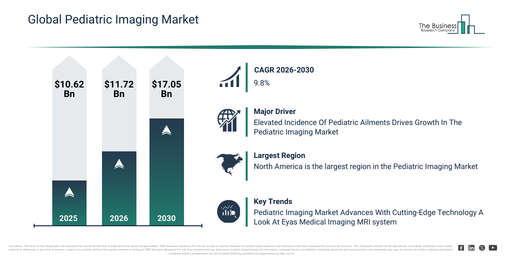
    The pediatric imaging market has experienced rapid expansion in recent years. It is anticipated to grow from $10.62 billion in 2025 to $11.72 billion in 2026, achieving a compound annual growth rate (CAGR) of 10.3%. The historical increase in the market can be attributed to factors such as limited pediatric imaging equipment, a low adoption rate of advanced imaging modalities, a dependence on adult imaging protocols, a fragmented imaging infrastructure, and insufficient pediatric-focused training.

    The pediatric imaging market size is set to experience robust growth in the upcoming years. It is projected to reach $17.05 billion by 2030, at a compound annual growth rate (CAGR) of 9.8%. This expansion during the forecast period is driven by the increasing adoption of low-dose CT and MRI, enhanced AI integration in imaging analysis, the rising utilization of teleradiology, a growing need for early disease detection in children, and increased investments in pediatric imaging centers. Key trends for the forecast period include the wider acceptance of AI-powered imaging analytics, the rising use of cloud-based imaging data management, the growing integration of genomics with imaging diagnostics, the increased deployment of IoT-enabled pediatric imaging devices, and the expanding implementation of smart imaging workflows in hospitals.

    Download the Free Sample Report to Explore Key Market Insights:

    https://www.thebusinessresearchcompany.com/sample.aspx?id=7465&type=smp

    Which Market Drivers Are Supporting The Expansion Of The Pediatric Imaging Market?

    The growing incidence of pediatric diseases in children is anticipated to stimulate the expansion of the pediatric imaging market moving forward. Pediatric imaging involves the scanning and diagnosis of younger patients using advanced technologies such as ultrasound, CT scan, X-ray, and others, to detect any abnormalities in children’s bodies and formulate an effective treatment plan. Imaging within pediatric nuclear medicine serves to help identify life-threatening conditions in children that are congenital, infectious, non-infectious, or both, including instances like cancer. For instance, in August 2024, according to the National Cancer Institute, a US Department of Health and Human Services, in the United States, an estimated 14,910 children and adolescents aged 0 to 19 will be diagnosed with cancer in 2024, resulting in 1,590 deaths, with 9,620 diagnoses and 1,040 deaths among children aged 0 to 14, and 5,290 diagnoses and 550 deaths among adolescents aged 15 to 19. Therefore, the increase in pediatric ailments among children is propelling the growth of the pediatric imaging market.

    What Segment Types Make Up The Pediatric Imaging Market?

    The pediatric imaging market covered in this report is segmented –

    1) By Modality: Ultrasound, Magnetic Resonance Imaging (MRI), Computed Tomography (CT), X-Ray, Other Modalities

    2) By Application: Orthopedics, Gastroenterology, Cardiology, Oncology, Neurology, Other Applications

    3) By End-User: Hospitals, Diagnostic Centers, Other End-Users

    Subsegments:

    1) By Ultrasound: 2D Ultrasound, 3D Ultrasound, Doppler Ultrasound

    2) By Magnetic Resonance Imaging (MRI): Open MRI, Closed MRI, Functional MRI (fMRI)

    3) By Computed Tomography (CT): Standard CT, Low-Dose CT, CT Angiography

    4) By X-Ray: Digital X-Ray, Conventional X-Ray, Fluoroscopy

    5) By Other Modalities: Nuclear Medicine, Positron Emission Tomography (PET), Single Photon Emission Computed Tomography (SPECT)

    What Key Trends Are Influencing The Development Of The Pediatric Imaging Market?

    Major companies operating in the pediatric imaging market are concentrating on developing innovative solutions, such as neonatal Magnetic Resonance Imaging (MRI) systems, to address the escalating demand for high-precision, radiation-free imaging for newborns and critically ill infants. A neonatal MRI system is a specialized imaging technology crafted to capture high-resolution anatomical and functional images while accommodating the distinct physiological needs of neonates, thus providing safer and more accurate diagnostics than traditional imaging modalities like CT or ultrasound. For instance, in July 2023, Eyas Medical Imaging, a US-based precision imaging company, introduced Ascent, an advanced neonatal MRI system launched after 2022. The Ascent incorporates a powerful 3 Tesla (3T) magnet, delivering a magnetic field strength that was previously unavailable in neonatal MRI platforms. It offers highly detailed visualization of vital organs such as the brain, lungs, heart, and abdomen, enabling earlier and more accurate diagnosis. The system is designed for neonatal safety, providing improved image quality, reduced scan times, and enhanced diagnostic confidence across a wide array of clinical applications.

    Who Are The Key Players Driving Competition In The Pediatric Imaging Market?

    Major companies operating in the pediatric imaging market are Agfa-Gevaert NV, Analogic Corporation, CAN-med Healthcare, Canon Inc., Eastman Kodak Company, EOS imaging, Esaote SpA, FUJIFILM Holdings Corporation, Hitachi Medical Corporation, Koninklijke Philips N.V., Mindray Medical International Limited, Samsung Medison Co. Ltd, Shenzhen Anke High-tech Co. Ltd, Siemens Healthcare GmbH, Toshiba Medical Systems Corporation, Trivitron Healthcare Pvt. Ltd., BK Medical UK Ltd., Clarius Mobile Health Corp., CurveBeam AI Ltd., General Electric Company, Hologic Inc., InnoVision Ltd.

    Read the full pediatric imaging market report here:

    https://www.thebusinessresearchcompany.com/report/pediatric-imaging-global-market-report

    How Is The Pediatric Imaging Market Distributed Across Key Geographic Regions?

    North America was the largest region in the pediatric imaging market in 2025. Asia-Pacific is expected to be the fastest-growing region in the forecast period. The regions covered in the pediatric imaging market report are Asia-Pacific, South East Asia, Western Europe, Eastern Europe, North America, South America, Middle East, Africa.

    Request A Tailored Pediatric Imaging Market Research Report For Competitive Advantage:

    https://www.thebusinessresearchcompany.com/customise?id=7465&type=smp

    Browse Through More Reports Similar to the Global Pediatric Imaging Market 2026, By The Business Research Company

    Home Healthcare Global Market Report

    https://www.thebusinessresearchcompany.com/report/home-healthcare-global-market-report

    Pediatric Vaccine Global Market Report

    https://www.thebusinessresearchcompany.com/report/pediatric-vaccine-global-market-report

    Death Care Services Global Market Report

    https://www.thebusinessresearchcompany.com/report/death-care-services-global-market-report

    Get in touch with us:

    The Business Research Company: https://www.thebusinessresearchcompany.com/

    Americas +1 310-496-7795

    Asia +44 7882 955267 & +91 8897263534

    Europe +44 7882 955267

    Email us at info@tbrc.info

    Follow us on:

    LinkedIn: https://in.linkedin.com/company/the-business-research-company

    YouTube: https://www.youtube.com/channel/UC24_fI0rV8cR5DxlCpgmyFQ

    Global Market Model: https://www.thebusinessresearchcompany.com/global-market-model
  • Global Pediatric Home Healthcare Industry Trends and Market Growth Forecast for 2026–2030

    Global Pediatric Home Healthcare Industry Trends and Market Growth Forecast for 2026–2030

    The Business Research Company’s 2026 market reports include new capabilities such as market attractiveness scoring and analysis, total addressable market analysis, company scoring matrix, interactive excel data dashboard, improved supply chain analysis, upcoming startups in the market, and overview of key products, aimed at improving the depth, usability, and strategic value of the insights delivered.

    What Is The Estimated Market Size Of The Pediatric Home Healthcare Market During 2026–2030?

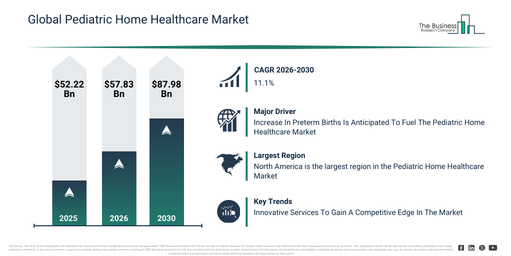
    The pediatric home healthcare market has experienced significant expansion recently. Its valuation is projected to increase from $52.22 billion in 2025 to $57.83 billion in 2026, demonstrating a compound annual growth rate (CAGR) of 10.8%. Historically, this expansion was driven by factors such as a lack of awareness regarding home healthcare, a prevalent dependency on hospital-focused pediatric services, disjointed pediatric care provision, limited uptake of telehealth solutions, and a scarcity of qualified pediatric homecare personnel.

    The pediatric home healthcare sector is anticipated to experience substantial expansion in the coming years. This market is projected to reach $87.98 billion by 2030, demonstrating a compound annual growth rate (CAGR) of 11.1%. The expansion during the projection period stems from factors such as the wider uptake of remote monitoring devices, the increasing deployment of AI-powered care platforms, enhanced telehealth integration, the surging need for tailored pediatric care plans, and a heightened emphasis on managing chronic conditions within the home environment. Key trends expected during this forecast span include the escalating adoption of remote patient monitoring tools, the growing application of AI-enabled care management solutions, the expanding incorporation of telehealth services for pediatric purposes, the increasing deployment of data-informed home healthcare offerings, and an intensified focus on customized pediatric care strategies.

    Download the Free Sample Report to Explore Key Market Insights:

    https://www.thebusinessresearchcompany.com/sample.aspx?id=10421&type=smp

    What Underlying Factors Are Accelerating The Growth Of The Pediatric Home Healthcare Market?

    A rise in preterm births is anticipated to fuel the expansion of the pediatric home healthcare market in the future. A preterm birth occurs when a baby is born prior to reaching 37 weeks of gestation. The incidence of preterm births is growing, primarily because of an increase in maternal age, leading to more pregnancies at ages associated with elevated biological risks and a greater likelihood of complications. Pediatric home healthcare provides vital support to preterm infants, offering specialized medical attention and monitoring within the familiar environment of their homes. For example, data from August 2024, published by the CDC National Center for Health Statistics (NCHS), the US-based principal health statistics agency for the nation, revealed an increase in the preterm birth rate within the United States, rising from 29.31% in 2022 to 29.84% in 2023. Consequently, the surge in preterm births is acting as a key driver for the pediatric home healthcare market.

    How Are The Various Segments Of The Pediatric Home Healthcare Market Categorized?

    The pediatric home healthcare market covered in this report is segmented –

    1) By Service: Skilled Nursing Services, Personal Care Assistance, Rehabilitation Therapy Services

    2) By Device: Diagnostic And Monitoring Devices, Therapeutic Devices, Home Mobility Assist Devices

    3) By Application: Premature Babies, Cardiovascular Disease, Complex Intravenous Therapy, Pediatric Oncology, Chronic Disease, Infectious Disease, Other Applications

    Subsegments:

    1) By Skilled Nursing Services: Pediatric Assessments, Medication Management, Wound Care, Intravenous (IV) Therapy, Care For Chronic Conditions

    2) By Personal Care Assistance: Bathing And Hygiene Assistance, Meal Preparation, Mobility Assistance, Companionship, Light Housekeeping

    3) By Rehabilitation Therapy Services: Physical Therapy, Occupational Therapy, Speech Therapy, Behavioral Therapy, Developmental Therapy

    How Are Trends Impacting The Pediatric Home Healthcare Market?

    Leading companies in the pediatric home healthcare market prioritize offering groundbreaking services, such as respiratory therapy, to secure a competitive advantage. Respiratory therapy, a medical profession addressing breathing and heart-lung conditions, forms an essential part of these offerings. For example, Cubhub, a prominent US provider of electronic medical records (EMR) solutions for home healthcare supporting Medicaid populations, introduced its new Family CNA module for providers in Colorado in August 2024. This novel module improves home healthcare by optimizing workflows, boosting operational effectiveness, and providing an outstanding experience for families. As the sole EMR system specifically created for pediatric care, Cubhub maintains its leadership in innovation and user-centric solutions. The Family CNA module integrates smoothly with Cubhub’s current pediatric tools, enabling a seamless transition and sustaining high-quality patient care. Through the automation of numerous intricate aspects of Colorado’s Family CNA program, Cubhub intends to enhance caregiver contentment and patient results. This introduction underscores Cubhub’s dedication to equipping healthcare providers with sophisticated technology customized to aid their crucial efforts in pediatric home healthcare.

    Which Major Firms Influence Developments In The Pediatric Home Healthcare Market?

    Major companies operating in the pediatric home healthcare market are Aveanna Healthcare LLC, BAYADA Home Health Care Inc, Tendercare Home Health Services Inc, BrightStar Group Holdings Inc, Angels of Care Pediatric Home Health, New England Home Care Inc, Pediatric Home Healthcare, Enviva Pediatric Care, Interim Healthcare Inc, eKidzCare, EKIDZCARE CORPORATE, MGA Homecare LLC, At Home Healthcare, Paramed Inc, Thrive Skilled Pediatric Care, Continuum Pediatric Nursing Services, Pediatric Home Service, Advanced Care Pediatric Services, Sunshine Home Care, TeamCare Home Health, Family First Homecare, KidsCare Home Health, Priority Home Care, Pediatric Home Nursing Services, Comprehensive Home Care, Kids Choice Pediatric Home Care, Children First Home Care, Reliable Home Care, Star Pediatric Home Care

    Read the full pediatric home healthcare market report here:

    https://www.thebusinessresearchcompany.com/report/pediatric-home-healthcare-global-market-report

    Which Region Is Projected To Dominate The Pediatric Home Healthcare Market During The Forecast Period?

    North America was the largest region in the pediatric home healthcare market in 2025. Asia-Pacific is expected to be the fastest-growing region in the global pediatric home healthcare market during the forecast period. The regions covered in the pediatric home healthcare market report are Asia-Pacific, South East Asia, Western Europe, Eastern Europe, North America, South America, Middle East, Africa.

    Request A Tailored Pediatric Home Healthcare Market Research Report For Competitive Advantage:

    https://www.thebusinessresearchcompany.com/customise?id=10421&type=smp

    Browse Through More Reports Similar to the Global Pediatric Home Healthcare Market 2026, By The Business Research Company

    Combined Pituitary Hormone Deficiencies Global Market Report

    https://www.thebusinessresearchcompany.com/report/combined-pituitary-hormone-deficiencies-global-market-report

    Pediatric Supplements Global Market Report

    https://www.thebusinessresearchcompany.com/report/pediatric-supplements-global-market-report

    5 Alpha Reductase Deficiency Global Market Report

    https://www.thebusinessresearchcompany.com/report/5-alpha-reductase-deficiency-global-market-report

    Get in touch with us:

    The Business Research Company: https://www.thebusinessresearchcompany.com/

    Americas +1 310-496-7795

    Asia +44 7882 955267 & +91 8897263534

    Europe +44 7882 955267

    Email us at info@tbrc.info

    Follow us on:

    LinkedIn: https://in.linkedin.com/company/the-business-research-company

    YouTube: https://www.youtube.com/channel/UC24_fI0rV8cR5DxlCpgmyFQ

    Global Market Model: https://www.thebusinessresearchcompany.com/global-market-model
  • Pediatric Growth Hormone Deficiency Market Size Outlook and Demand Growth Across 2026–2030

    Pediatric Growth Hormone Deficiency Market Size Outlook and Demand Growth Across 2026–2030

    The Business Research Company’s 2026 market reports include new capabilities such as market attractiveness scoring and analysis, total addressable market analysis, company scoring matrix, interactive excel data dashboard, improved supply chain analysis, upcoming startups in the market, and overview of key products, aimed at improving the depth, usability, and strategic value of the insights delivered.

    What Market Size Expansion Is Predicted For The Pediatric Growth Hormone Deficiency Market Between 2026 And 2030?

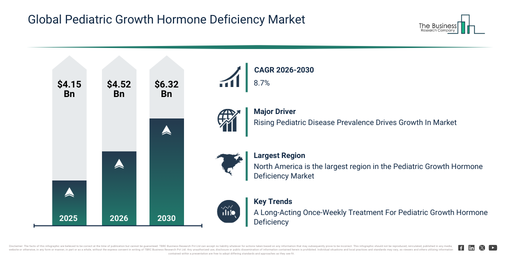
    The pediatric growth hormone deficiency market size has experienced strong growth in recent years. It is projected to increase from $4.15 billion in 2025 to $4.52 billion in 2026, at a compound annual growth rate (CAGR) of 9.0%. The expansion observed during the historic period can be ascribed to factors such as limited awareness of gh deficiency, reliance on conventional therapies, fragmented pediatric endocrinology care, minimal use of digital monitoring, and low adoption of long-acting gh formulations.

    The pediatric growth hormone deficiency market size is projected to experience robust growth in the upcoming years. It is anticipated to expand to $6.32 billion by 2030, achieving a compound annual growth rate (CAGR) of 8.7%. This growth during the forecast period can be attributed to the increasing adoption of rhgh therapy, the ongoing development of long-acting GH analogs, a heightened focus on personalized treatment plans, the growing integration of digital patient monitoring solutions, and increasing regulatory support for pediatric endocrine therapies. Significant trends expected during the forecast period include the expanding adoption of recombinant human growth hormone therapy, a rising use of long-acting growth hormones, the increasing integration of digital tools for patient monitoring, a growing implementation of AI-based diagnostic and treatment planning, and a rising emphasis on precision medicine approaches in pediatric GH deficiency.

    Download the Free Sample Report to Explore Key Market Insights:

    https://www.thebusinessresearchcompany.com/sample.aspx?id=21250&type=smp

    Which Growth Drivers Are Contributing To The Progress Of The Pediatric Growth Hormone Deficiency Market?

    The rising occurrence of pediatric illnesses is projected to drive expansion within the pediatric growth hormone deficiency market in the future. These diseases encompass medical conditions predominantly impacting individuals from infancy through adolescence. This surge in pediatric diseases can largely be attributed to environmental influences, improved diagnostic techniques, evolving lifestyles, genetic susceptibilities, and an uptick in chronic illnesses and allergic reactions among youngsters. Such diseases may lead to pediatric growth hormone deficiency (GHD) by impacting the hypothalamus or pituitary gland, critical for growth hormone production. For example, in August 2024, the United Nations Children’s Fund (UNICEF), a US-based government organization, reported that worldwide, approximately 1.1 million children and adolescents aged 0–19 years suffer from type 1 diabetes, requiring daily insulin for survival. Many of these individuals in low- and middle-income nations lack access to essential care and treatment for this severe and often deadly condition. Consequently, the growing occurrence of pediatric diseases is fueling the expansion of the pediatric growth hormone deficiency market.

    Which Market Segments Are Examined In The Pediatric Growth Hormone Deficiency Market Study?

    The pediatric growth hormone deficiency market covered in this report is segmented –

    1) By Etiology Type: Congenital GH Deficiency, Acquired GH Deficiency, Idiopathic GH deficiency

    2) By Product: Recombinant Human Growth Hormone (rhGH), Human Growth Hormone (HGH) Analogs, Long-Acting Growth Hormones

    3) By Route Of Administration: Subcutaneous, Intramuscular, Oral

    4) By Distribution Channel: Hospital Pharmacies, Retail Pharmacies, Online Pharmacies

    5) By Application: Growth Hormone Deficiency, Idiopathic Short Stature, Turner Syndrome, Small For Gestational Age, Prader Willi Syndrome, Other Applications

    Subsegments:

    1) By Congenital GH Deficiency: Isolated GH Deficiency, Combined Pituitary Hormone Deficiency

    2) By Acquired GH Deficiency: GH Deficiency Due To Pituitary Tumors, GH Deficiency Due To Brain Injury, GH Deficiency Due To Radiation Therapy

    3) By Idiopathic GH Deficiency: Primary Idiopathic GH Deficiency, Secondary Idiopathic GH Deficiency

    What Industry Trends Are Redefining The Pediatric Growth Hormone Deficiency Market?

    Companies operating within the pediatric growth hormone deficiency market are prioritizing the creation of innovative solutions, such as long-acting, once-weekly human growth hormone analogs, to improve patient adherence and convenience. A long-acting, once-weekly human growth hormone (HGH) analog represents a modified variant of the natural human growth hormone, engineered for an extended duration of action within the body. For example, in June 2023, Pfizer Inc., a US-based pharmaceutical company, and OPKO Health Inc., a US-based medication company, collaboratively announced NGENLA (somatrogon-ghla). This once-weekly human growth hormone analog is approved by the Food and Drug Administration, a US-based government agency, for treating pediatric patients aged three years and older experiencing growth failure due to inadequate endogenous growth hormone secretion. This advanced therapy aims to enhance patient compliance by reducing the frequency of injections, contrasting with traditional treatments that typically necessitate daily doses. Clinical trials have indicated that NGENLA achieves similar efficacy to daily growth hormone treatments, offering a more convenient and manageable option for children and their families.

    Who Are The Primary Competitors In The Pediatric Growth Hormone Deficiency Market?

    Major companies operating in the pediatric growth hormone deficiency market are Pfizer Inc., Eli Lilly and Company, Novo Nordisk A/S, Genentech Inc., Merck KGaA Darmstadt Germany, Ipsen Pharma, Ferring Pharmaceuticals, OPKO Health Inc., Ascendis Pharma A/S, Versartis Inc., LG Chem Ltd., GeneScience Pharmaceuticals Co Ltd, Biopartners GmbH, JHM Biopharma, JCR Pharmaceuticals Co Ltd, Samsung Bioepis, Intas Pharmaceuticals Ltd, BioMarin Pharmaceutical Inc, Abbott Laboratories, Amgen Inc, Chugai Pharmaceutical Co Ltd, Sanofi S A, AnkeBio Co Ltd, Zhongshan Sinobioway Hygene Biomedicine Co Ltd.

    Read the full pediatric growth hormone deficiency market report here:

    https://www.thebusinessresearchcompany.com/report/pediatric-growth-hormone-deficiency-global-market-report

    What Are The Leading Geographic Regions In The Pediatric Growth Hormone Deficiency Market?

    North America was the largest region in the pediatric growth hormone deficiency market in 2025. Asia-Pacific is expected to be the fastest-growing region in the forecast period. The regions covered in the pediatric growth hormone deficiency market report are Asia-Pacific, South East Asia, Western Europe, Eastern Europe, North America, South America, Middle East, Africa.

    Request A Tailored Pediatric Growth Hormone Deficiency Market Research Report For Competitive Advantage:

    https://www.thebusinessresearchcompany.com/customise?id=21250&type=smp

    Browse Through More Reports Similar to the Global Pediatric Growth Hormone Deficiency Market 2026, By The Business Research Company

    Electronic Medical Records Market

    https://www.thebusinessresearchcompany.com/report/electronic-medical-records-market

    Ambulatory Electronic Medical Records Global Market Report

    https://www.thebusinessresearchcompany.com/report/ambulatory-electronic-medical-records-global-market-report

    Pediatric Software Global Market Report

    https://www.thebusinessresearchcompany.com/report/pediatric-software-global-market-report

    Get in touch with us:

    The Business Research Company: https://www.thebusinessresearchcompany.com/

    Americas +1 310-496-7795

    Asia +44 7882 955267 & +91 8897263534

    Europe +44 7882 955267

    Email us at info@tbrc.info

    Follow us on:

    LinkedIn: https://in.linkedin.com/company/the-business-research-company

    YouTube: https://www.youtube.com/channel/UC24_fI0rV8cR5DxlCpgmyFQ

    Global Market Model: https://www.thebusinessresearchcompany.com/global-market-model
  • Pediatric Electronic Medical Record (EMR) Software Market Insights Highlighting Opportunities and Drivers Supporting Growth to 2030

    Pediatric Electronic Medical Record (EMR) Software Market Insights Highlighting Opportunities and Drivers Supporting Growth to 2030

    The Business Research Company’s 2026 market reports include new capabilities such as market attractiveness scoring and analysis, total addressable market analysis, company scoring matrix, interactive excel data dashboard, improved supply chain analysis, upcoming startups in the market, and overview of key products, aimed at improving the depth, usability, and strategic value of the insights delivered.

    How Large Is The Pediatric Electronic Medical Record (EMR) Software Market Projected To Become By 2030 Based On Its 2026 Valuation?

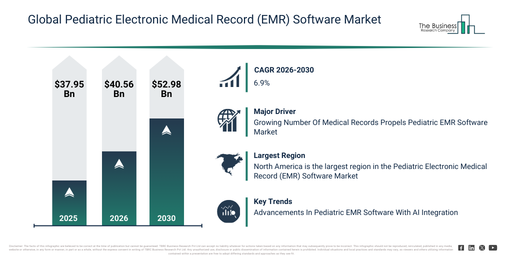
    The pediatric electronic medical record (emr) software market size has demonstrated significant expansion in recent years. It is anticipated to expand from $37.95 billion in 2025 to $40.56 billion in 2026, achieving a compound annual growth rate (CAGR) of 6.9%. The observed growth in the past period can be linked to factors like the constrained digitization of pediatric records, over-reliance on paper-based systems, fragmented healthcare data, insufficient awareness regarding EMR advantages, and minimal incorporation of pediatric-specific functionalities.

    The pediatric electronic medical record (EMR) software market is anticipated to experience substantial expansion in the coming years. It is projected to achieve a size of $52.98 billion by 2030, exhibiting a Compound Annual Growth Rate (CAGR) of 6.9%. This projected growth is driven by several factors, including the increasing uptake of cloud-based and integrated EMR solutions, a surge in demand for AI-powered analytics, a greater emphasis on interoperability and data security, the expanding requirement for pediatric-specific templates and tools, and enhanced regulatory support for digital health solutions. Noteworthy trends during this forecast period encompass the increasing adoption of cloud-based pediatric EMR systems, greater incorporation of AI and machine learning for pediatric data analytics, expanded utilization of big data and digital tools for managing pediatric care, a heightened focus on secure and interoperable EMR platforms, and the rising implementation of precision medicine features within pediatric EMR software.

    Download the Free Sample Report to Explore Key Market Insights:

    https://www.thebusinessresearchcompany.com/sample.aspx?id=14451&type=smp

    What Primary Drivers Are Shaping The Development Of The Pediatric Electronic Medical Record (EMR) Software Market?

    The increasing volume of medical records is anticipated to drive expansion within the pediatric electronic medical record (EMR) software market in the future. These records systematically document a patient’s health details, encompassing their medical history, clinical observations, diagnostic outcomes, pre- and postoperative care, ongoing progress, and prescribed medications. The volume of pediatric medical records is expanding due to various elements, such as the widespread occurrence of chronic health issues in children, a greater focus on preventative care for children, and higher usage of healthcare facilities for young patients. EMR software streamlines the arrangement and exchange of medical records, thus allowing for quicker diagnostic and therapeutic choices for pediatric patients. For example, in November 2025, the Organisation for Economic Co-operation and Development, an intergovernmental economic body headquartered in France, stated that OECD member nations have advanced in broadening access to EHRs. By 2024, the average availability of online digital health services had reached 82%, marking an increase from 79% recorded in 2023 among nations with comparable data. Consequently, the expanding quantity of medical records is fueling the growth of the pediatric EMR software market.

    What Segment Groups Are Identified Within The Pediatric Electronic Medical Record (EMR) Software Market?

    The pediatric electronic medical record (emr) software market covered in this report is segmented –

    1) By Type: Cloud Based Electronic Medical Record (EMR), On Premises Electronic Medical Record (EMR)

    2) By Components: Software Services, Consulting

    3) By Functionality: Clinical Documentation, Patient Management, Reporting And Analytics

    4) By Application: Large Enterprise, Small And Medium-sized Enterprises (SMEs)

    5) By End User: Hospitals, Diagnostic Centers, Other End Users

    Subsegments:

    1) By Cloud Based Electronic Medical Record (EMR): Web-Based Pediatric Electronic Medical Record (EMR) Platforms, Subscription-Based Cloud Pediatric Electronic Medical Record (EMR), Mobile-Accessible Cloud Pediatric Electronic Medical Record (EMR), Cloud Pediatric Electronic Medical Record (EMR) With Telehealth Integration

    2) By On Premises Electronic Medical Record (EMR): Server-Based Pediatric Electronic Medical Record (EMR) Systems, Locally Hosted Pediatric Electronic Medical Record (EMR), Customizable On Premises Pediatric Electronic Medical Record (EMR), On Premises Pediatric Electronic Medical Record (EMR) With In-House Data Control

    What Key Developments And Trends Are Impacting The Pediatric Electronic Medical Record (EMR) Software Market?

    Leading companies in the pediatric EMR software market are focused on incorporating advanced AI-based solutions into pediatric electronic medical records (EMR) to gain a competitive edge. AI-driven solutions in pediatric EMR systems help enhance clinical decision-making, personalize care delivery, improve efficiency, and optimize outcomes for pediatric patients and their families. For example, in December 2023, Pieces Technologies, a US-based healthcare artificial intelligence and technology company, introduced Children’s Health, a clinical generative AI (artificial intelligence), at the North Texas Pediatric Health System. This technology easily integrates with the pediatric health system’s Epic electronic medical record (EMR), which doctors, nurses, and case managers regularly utilize for clinical handoffs, managing length of stay, resolving discharge barriers, team communication, and conducting multidisciplinary rounds. Pieces achieves an exceptionally low major error rate by combining contextual modeling, collaborative and adversarial AI, human-in-the-loop supervision, and automated clinical rapid engineering.

    Which Companies Hold Significant Positions In The Pediatric Electronic Medical Record (EMR) Software Market?

    Major companies operating in the pediatric electronic medical record (emr) software market are Meta Platforms Inc., Oracle Corporation, SAP SE, Cognizant Technology Solutions Corporation, Koninklijke Philips N.V., Optum Inc., Goodwill Industries International, Epic Systems Corporation, Change Healthcare Inc., Infor Inc., eClinicalWorks, Athenahealth Inc., Allscripts Healthcare Solutions Inc., NextGen Healthcare Inc., Meditech, Computer Programs and Systems Inc., GroupOne Health Source Inc., Greenway Health LLC, Bizmatics Inc., Kareo Inc., AdvancedMD Inc., Connexin Software Inc., Elinext Group, Duchang Information Technology, Kaaspro Enterprises, MedicalMine Inc., JAG Products LLC, AllegianceMD Software Inc.

    Read the full pediatric electronic medical record (emr) software market report here:

    https://www.thebusinessresearchcompany.com/report/pediatric-electronic-medical-record-emr-software-global-market-report

    How Does The Pediatric Electronic Medical Record (EMR) Software Market Perform Across Major Global Regions?

    North America was the largest region in the pediatric electronic medical record (EMR) software market in 2025. Asia-Pacific is expected to be the fastest-growing region in the forecast period. The regions covered in the pediatric electronic medical record (emr) software market report are Asia-Pacific, South East Asia, Western Europe, Eastern Europe, North America, South America, Middle East, Africa.

    Request A Tailored Pediatric Electronic Medical Record (EMR) Software Market Research Report For Competitive Advantage:

    https://www.thebusinessresearchcompany.com/customise?id=14451&type=smp

    Browse Through More Reports Similar to the Global Pediatric Electronic Medical Record (EMR) Software Market 2026, By The Business Research Company

    Dental Services Market

    https://www.thebusinessresearchcompany.com/report/dental-services-market

    Digital Dentistry Global Market Report

    https://www.thebusinessresearchcompany.com/report/digital-dentistry-global-market-report

    Therapeutic Dental Equipment Global Market Report

    https://www.thebusinessresearchcompany.com/report/therapeutic-dental-equipment-global-market-report

    Get in touch with us:

    The Business Research Company: https://www.thebusinessresearchcompany.com/

    Americas +1 310-496-7795

    Asia +44 7882 955267 & +91 8897263534

    Europe +44 7882 955267

    Email us at info@tbrc.info

    Follow us on:

    LinkedIn: https://in.linkedin.com/company/the-business-research-company

    YouTube: https://www.youtube.com/channel/UC24_fI0rV8cR5DxlCpgmyFQ

    Global Market Model: https://www.thebusinessresearchcompany.com/global-market-model
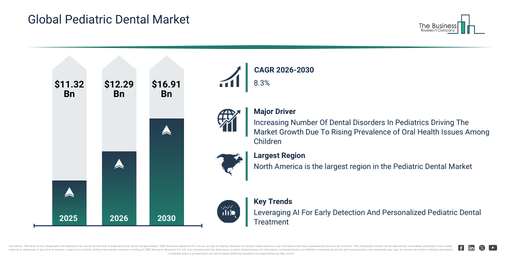
  • Global Pediatric Dental Market Expected to Reach $16.91 Billion by 2030 with 8.3% CAGR

    Global Pediatric Dental Market Expected to Reach $16.91 Billion by 2030 with 8.3% CAGR

    The Business Research Company’s 2026 market reports include new capabilities such as market attractiveness scoring and analysis, total addressable market analysis, company scoring matrix, interactive excel data dashboard, improved supply chain analysis, upcoming startups in the market, and overview of key products, aimed at improving the depth, usability, and strategic value of the insights delivered.

    What Market Value Is Anticipated For The Pediatric Dental Market Over The Period 2026–2030?

    The pediatric dental market has demonstrated substantial growth in recent years. It is anticipated to expand from $11.32 billion in 2025 to $12.29 billion in 2026, registering a compound annual growth rate (CAGR) of 8.6%. This historical increase can be attributed to heightened awareness of pediatric oral health, the expansion of school-based dental programs, an escalating prevalence of dental caries in children, improved access to pediatric dental services, and the proliferation of specialty dental practices.

    The market for pediatric dental services is projected to experience robust expansion over the coming years. This market is anticipated to reach a value of $16.91 billion by 2030, exhibiting a compound annual growth rate (CAGR) of 8.3%. Several factors are expected to fuel this growth during the forecast period, including a heightened demand for early orthodontic interventions, an increasing emphasis on preventive dental care, broader pediatric dental insurance coverage, the wider adoption of advanced restorative materials, and a greater focus on patient comfort and compliance. Key trends shaping the market in the same forecast period encompass a stronger focus on preventive pediatric oral care, the increasing use of minimally invasive dental procedures, a growing preference for child-friendly dental treatments, the proliferation of specialized pediatric dental clinics, and the enhanced utilization of advanced dental materials.

    Download the Free Sample Report to Explore Key Market Insights:

    https://www.thebusinessresearchcompany.com/sample.aspx?id=25869&type=smp

    Which Major Factors Are Driving The Expansion Of The Pediatric Dental Market?

    A rising prevalence of pediatric dental disorders is projected to fuel the expansion of the pediatric dental market in the future. These pediatric dental issues encompass oral health problems like dental caries, periodontal disease, and malocclusion, affecting children and teenagers. The escalation of dental problems in youngsters is mainly linked to higher intake of sugary edibles and drinks, fostering detrimental bacterial proliferation in the oral cavity, resulting in tooth decay and dental cavities. Pediatric dental care aids in preventing and managing these conditions through prompt diagnosis, opportune intervention, and continuous oral health guidance adapted for children’s developmental stages, thereby lowering the likelihood of issues like dental caries, gum disease, and misaligned teeth during their development. For example, in March 2025, data from the Office for Health Improvement and Disparities, a UK government body, indicated that during the 2023 to 2024 period, 5-year-old schoolchildren living in the most deprived fifth of the nation showed more than double the incidence of dentinal decay (32.2%) compared to their counterparts in the least deprived fifth (13.6%). Consequently, the growing incidence of pediatric dental disorders is a key factor propelling the expansion of the pediatric dental market.

    How Is The Pediatric Dental Market Divided Into Its Major Segments?

    The pediatric dental market covered in this report is segmented –

    1) By Type: Primary, Permanent

    2) By Disease Type: Dental Caries, Enamel Disorders, Other Diseases

    3) By Procedure Type: Pulpotomies, Stainless Steel Crowns (SSCs), Tooth Colored Fillings, Dental Cleaning (Prophylaxis), Other Procedures

    Subsegments:

    1) By Primary: Anterior Crowns, Posterior Crowns, Space Maintainers, Pulp Therapy Products

    2) By Permanent: Dental Sealants, Orthodontic Brackets, Restorative Materials, Fluoride Treatments

    What Trends Are Projected To Affect The Pediatric Dental Market?

    Leading companies in the pediatric dental market are emphasizing the use of innovative technologies such as artificial intelligence (AI) to enhance diagnostic accuracy, personalize treatment plans, and improve patient outcomes in children’s oral health care. Artificial intelligence (AI), which encompasses machines’ capability to emulate human intelligence like learning and decision-making, supports pediatric dental care by analyzing dental images for early issue detection and facilitating accurate diagnoses and treatment planning. For instance, in March 2024, Overjet Inc., a US-based software development company, launched Overjet for Kids, an FDA-cleared artificial intelligence (AI) technology designed to detect, outline, and quantify tooth decay in children aged 4 and above, enabling pediatric dentists to identify cavities earlier, enhance diagnostic accuracy, and better communicate treatment needs to parents. This AI tool analyzes dental X-rays to identify both primary and permanent teeth conditions with high precision, reducing missed cavities by 57% and improving case acceptance rates by 25% due to clearer visual explanations for families.

    Who Are The Prominent Organizations Shaping The Pediatric Dental Market?

    Major companies operating in the pediatric dental market are 3M Company, Henry Schein Inc., Dentsply Sirona Inc., Ultradent Products Inc., Dentaurum GmbH & Co. KG, VOCO America Inc., Shinhung Co. Ltd., GC America Inc., NuSmile Ltd., BISCO Inc., Pulpdent Corporation, Young Innovations Inc., Space Maintainers Laboratories Inc., Sprig Oral Health Technologies Inc., Acero Crowns Inc., Cheng Crowns, Kinder Krowns, Denovo Dental Inc., Kids Crown, Ivoclar Vivadent AG

    Read the full pediatric dental market report here:

    https://www.thebusinessresearchcompany.com/report/pediatric-dental-global-market-report

    Which Region Currently Holds The Largest Share Of The Pediatric Dental Market?

    North America was the largest region in the pediatric dental market in 2025. Asia-Pacific is expected to be the fastest-growing region in the forecast period. The regions covered in the pediatric dental market report are Asia-Pacific, South East Asia, Western Europe, Eastern Europe, North America, South America, Middle East, Africa.

    Request A Tailored Pediatric Dental Market Research Report For Competitive Advantage:

    https://www.thebusinessresearchcompany.com/customise?id=25869&type=smp

    Browse Through More Reports Similar to the Global Pediatric Dental Market 2026, By The Business Research Company

    Pediatric Supplements Global Market Report

    https://www.thebusinessresearchcompany.com/report/pediatric-supplements-global-market-report

    Virtual Clinical Trials Global Market Report

    https://www.thebusinessresearchcompany.com/report/virtual-clinical-trials-global-market-report

    Clinical Trial Supplies Global Market Report

    https://www.thebusinessresearchcompany.com/report/clinical-trial-supplies-global-market-report

    Get in touch with us:

    The Business Research Company: https://www.thebusinessresearchcompany.com/

    Americas +1 310-496-7795

    Asia +44 7882 955267 & +91 8897263534

    Europe +44 7882 955267

    Email us at info@tbrc.info

    Follow us on:

    LinkedIn: https://in.linkedin.com/company/the-business-research-company

    YouTube: https://www.youtube.com/channel/UC24_fI0rV8cR5DxlCpgmyFQ

    Global Market Model: https://www.thebusinessresearchcompany.com/global-market-model
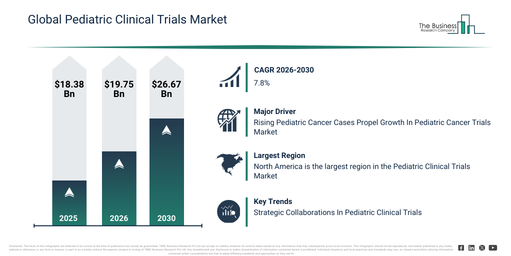
  • Pediatric Clinical Trials Market Future Outlook Showing Expansion Toward $26.66 Billion by 2030

    Pediatric Clinical Trials Market Future Outlook Showing Expansion Toward $26.66 Billion by 2030

    The Business Research Company’s 2026 market reports include new capabilities such as market attractiveness scoring and analysis, total addressable market analysis, company scoring matrix, interactive excel data dashboard, improved supply chain analysis, upcoming startups in the market, and overview of key products, aimed at improving the depth, usability, and strategic value of the insights delivered.

    What Is The Expected Market Size Of The Pediatric Clinical Trials Market From 2026 To 2030?

    The pediatric clinical trials market size has experienced strong growth in recent years. It is projected to increase from $18.38 billion in 2025 to $19.75 billion in 2026, achieving a compound annual growth rate (CAGR) of 7.4%. The expansion during the historic period can be linked to factors such as limited pediatric-specific drug research, reliance on adult trial data, ethical and regulatory challenges, low patient recruitment rates, and minimal use of advanced analytics in trial design.

    The pediatric clinical trials market is projected to experience substantial expansion in the coming years. It is forecast to reach $26.67 billion by 2030, exhibiting a compound annual growth rate (CAGR) of 7.8%. This growth during the forecast period is fueled by several factors, including the increasing demand for therapies tailored to children, the wider use of digital and AI technologies, enhanced regulatory encouragement for pediatric research, strengthened partnerships between pharmaceutical companies and research institutions, and a greater emphasis on clinical trials that are patient-centric and individualized. Key trends anticipated for this period involve the expanding integration of precision medicine within pediatric clinical trials, the growing application of AI and digital tools for designing trials and analyzing data, the greater incorporation of real-world evidence into pediatric research, increased capital expenditure in the development of pediatric drugs, and a heightened emphasis on therapeutic approaches that are personalized and age-specific.

    Download the Free Sample Report to Explore Key Market Insights:

    https://www.thebusinessresearchcompany.com/sample.aspx?id=10350&type=smp

    What Key Drivers Are Influencing The Growth Of The Pediatric Clinical Trials Market?

    The increasing incidence of pediatric cancer cases is projected to fuel the pediatric clinical trials market in the future. Pediatric cancer is defined as malignancies that develop in children and adolescents under the age of 14. These cancers are considerably uncommon, and their growth and dissemination patterns can differ from those observed in adult tumors. Pediatric clinical trials continue to be instrumental in improving prognosis and treatment. For example, in January 2023, the American Cancer Society, a US-based voluntary health organization, estimated that approximately 9,910 children in the US under the age of 15 would be diagnosed with cancer, and about 1,040 children under 15 were expected to die from cancer in 2023. Consequently, increasing healthcare expenditure is also propelling the pediatric clinical trials market.

    Which Segments Are Included In The Analysis Of The Pediatric Clinical Trials Market?

    The pediatric clinical trials market covered in this report is segmented –

    1) By Phase: Phase I, Phase II, Phase III, Phase IV

    2) By Study Design: Treatment Studies, Observational Studies

    3) By Therapeutic Areas: Infectious Diseases, Oncology, Autoimmune Or Inflammatory Diseases, Respiratory Disorders, Mental Health Disorders, Other Therapeutic Areas

    Subsegments:

    1) By Phase I: First-in-Pediatrics Trials, Dose Escalation Studies, Safety And Tolerability Assessments

    2) By Phase II: Efficacy Studies, Dose Optimization Trials, Pharmacokinetic Studies

    3) By Phase III: Large-Scale Efficacy Trials, Comparative Studies, Long-Term Safety Studies

    4) By Phase IV: Post-Marketing Surveillance, Long-Term Safety Monitoring, Effectiveness Studies In Real-World Settings

    Which Upcoming Trends Are Expected To Influence The Pediatric Clinical Trials Market?

    Companies at the forefront of pediatric clinical trials are emphasizing cooperation and partnerships to offer reliable services to their clients. A strategic partnership represents a structured relationship between two or more commercial entities, typically established through one or more business agreements or contracts. For instance, in September 2023, Strados Labs, a US-based provider of smart biosensors for respiratory monitoring, joined forces with Ann & Robert H. Lurie Children’s Hospital, a US-based pediatric acute care children’s hospital, to conduct a clinical trial for the RESP Biosensor. This RESP Biosensor is a wearable device that employs acoustic sensors to monitor lung sounds for asthma symptoms like coughing and wheezing. The clinical trial’s main goal is to evaluate how effective the RESP Biosensor is at accurately detecting and monitoring asthma exacerbations in children.

    Which Key Industry Participants Are Active In The Pediatric Clinical Trials Market?

    Major companies operating in the pediatric clinical trials market are Medpac Inc., Pharmaceutical Product Development Inc., ICON plc, Syneos Health Inc., QPS Holdings LLC, Pfizer Inc., IQVIA Inc., Premier Research, Labcorp – Laboratory Corporation of America Holdings, The Emmes Company LLC, Synteract Inc., Charles River Laboratories International Inc., Covance Inc., Bristol-Myers Squibb Company, GlaxoSmithKline plc, BioNTech SE, Moderna Inc., Parexel International Corporation, PRA Health Sciences, Wuxi AppTec, Merck & Co. Inc., AstraZeneca plc, Sanofi S.A., Johnson & Johnson, Eli Lilly and Company, Takeda Pharmaceutical Company Limited, C.H. Boehringer Sohn AG & Co. KG, AbbVie Inc., Teva Pharmaceutical Industries Ltd., Oracle Health sciences

    Read the full pediatric clinical trials market report here:

    https://www.thebusinessresearchcompany.com/report/pediatric-clinical-trials-global-market-report

    Which Region Is Expected To Register The Fastest Growth In The Pediatric Clinical Trials Market?

    North America was the largest region in the pediatric clinical trials market in 2025. The regions covered in the pediatric clinical trials market report are Asia-Pacific, South East Asia, Western Europe, Eastern Europe, North America, South America, Middle East, Africa.

    Request A Tailored Pediatric Clinical Trials Market Research Report For Competitive Advantage:

    https://www.thebusinessresearchcompany.com/customise?id=10350&type=smp

    Browse Through More Reports Similar to the Global Pediatric Clinical Trials Market 2026, By The Business Research Company

    Brain Tumor Drugs Global Market Report

    https://www.thebusinessresearchcompany.com/report/brain-tumor-drugs-global-market-report

    Pediatric Imaging Global Market Report

    https://www.thebusinessresearchcompany.com/report/pediatric-imaging-global-market-report

    Paraganglioma Global Market Report

    https://www.thebusinessresearchcompany.com/report/paraganglioma-global-market-report

    Get in touch with us:

    The Business Research Company: https://www.thebusinessresearchcompany.com/

    Americas +1 310-496-7795

    Asia +44 7882 955267 & +91 8897263534

    Europe +44 7882 955267

    Email us at info@tbrc.info

    Follow us on:

    LinkedIn: https://in.linkedin.com/company/the-business-research-company

    YouTube: https://www.youtube.com/channel/UC24_fI0rV8cR5DxlCpgmyFQ

    Global Market Model: https://www.thebusinessresearchcompany.com/global-market-model

  • Pediatric Brain Tumors Market Revenue Growth Expected to Reach $1.92 Billion by 2030 with 6.6% CAGR

    Pediatric Brain Tumors Market Revenue Growth Expected to Reach $1.92 Billion by 2030 with 6.6% CAGR

    The Business Research Company’s 2026 market reports include new capabilities such as market attractiveness scoring and analysis, total addressable market analysis, company scoring matrix, interactive excel data dashboard, improved supply chain analysis, upcoming startups in the market, and overview of key products, aimed at improving the depth, usability, and strategic value of the insights delivered.

    What Market Valuation Is Forecasted For The Pediatric Brain Tumors Market By 2030 Starting From Its 2026 Size?

    The pediatric brain tumors market has shown substantial growth in recent years. It is projected to increase from $1.4 billion in 2025 to $1.49 billion in 2026, demonstrating a compound annual growth rate (CAGR) of 6.9%. The market’s historical growth can be attributed to factors such as limited awareness of pediatric brain tumors, a continued reliance on conventional therapies, low adoption rates for advanced imaging techniques, a scarcity of specialized pediatric neuro-oncology centers, and the restricted availability of targeted and immunotherapy treatments.

    The market for pediatric brain tumors is projected to experience robust expansion over the coming years. By 2030, this market is anticipated to reach a value of $1.93 billion, exhibiting a compound annual growth rate (CAGR) of 6.6%. This anticipated growth is primarily driven by factors such as the rising occurrence of pediatric brain tumors, the expanding implementation of precision medicine, the increased incorporation of AI and digital imaging in diagnostic procedures, a heightened emphasis on individualized treatment strategies, and greater financial support for pediatric neuro-oncology research. Key developments expected within this period involve the enhanced uptake of precision medicine specifically for pediatric brain tumors, the growing integration of digital imaging and AI-powered diagnostic tools, the expanding application of targeted therapies and immunotherapies, an increased concentration on surgical methods that are minimally invasive, and a surge in investment directed towards pediatric neuro-oncology research.

    Download the Free Sample Report to Explore Key Market Insights:

    https://www.thebusinessresearchcompany.com/sample.aspx?id=21248&type=smp

    What Major Growth Drivers Are Shaping The Outlook Of The Pediatric Brain Tumors Market?

    The increasing demand for personalized medicine is projected to propel the growth of the pediatric brain tumors market going forward. Personalized medicine is a healthcare strategy that customizes treatments and medical decisions based on an individual’s genetic makeup, lifestyle, and unique health requirements. The demand for this approach is rising due to advancements in genetic research, improved diagnostic tools, and the potential for more effective and targeted treatments. By tailoring therapies to a child’s specific tumor type, mutation, and response, personalized medicine enables targeted interventions that are more effective and cause less damage to healthy tissue, enhancing outcomes and reducing side effects. For instance, in February 2024, according to the Personalized Medicine Coalition, a US-based hospital and health care organization, the FDA approved 16 new personalized treatments for rare disease patients in 2023, an increase from six in 2022. Therefore, the growing demand for personalized medicine is driving the expansion of the pediatric brain tumor market.

    Which Segment Categories Define The Pediatric Brain Tumors Market?

    The pediatric brain tumors market covered in this report is segmented –

    1) By Type: Gliomas, Mixed Neuronal-Glial Tumors, Embryonal Tumors, Choroid Plexus Papilloma Or Carcinoma, Tumors Arising From Non-Neuroepithelial Tissue, Meningeal Tumors

    2) By Treatment Type: Surgery, Radiation Therapy, Chemotherapy, Targeted Therapy, Immunotherapy

    3) By Diagnosis Method: Imaging Techniques, Biopsy, Neurological Exam, Lumbar Puncture

    4) By Age Group: Infants, Toddlers, Children, Adolescents

    5) By Application: Hospitals And Clinics, Medical Research Centers, Academic Institutes, Other Applications

    Subsegments:

    1) By Gliomas: Low-Grade Gliomas, High-Grade Gliomas

    2) By Mixed Neuronal-Glial Tumors: Gangliogliomas, Dysembryoplastic Neuroepithelial Tumors (DNET)

    3) By Embryonal Tumors: Medulloblastoma, Atypical Teratoid Rhabdoid Tumor (ATRT), Primitive Neuroectodermal Tumors (PNET)

    4) By Choroid Plexus Papilloma Or Carcinoma: Choroid Plexus Papilloma, Choroid Plexus Carcinoma

    5) By Tumors Arising From Non-Neuroepithelial Tissue: Rhabdomyosarcoma, Ewing’s Sarcoma

    6) By Meningeal Tumors: Meningiomas, Hemangiopericytomas

    How Are Trends Shaping The Direction Of The Pediatric Brain Tumors Market?

    Major companies operating within the pediatric brain tumors market are increasingly concentrating on creating advanced therapeutic options, including type II RAF inhibitors, to improve targeted treatments and patient outcomes. Type II RAF inhibitors function as precise therapies designed to hinder RAF kinases, especially those with mutations that promote tumor proliferation. These inhibitors specifically target abnormal RAF protein structures identified in certain pediatric low-grade glioma (pLGG) subtypes, thereby effectively interrupting the faulty signaling pathways crucial for tumor cell growth and survival. A notable instance occurred in April 2024, when Day One Biopharmaceuticals, a US-based biotechnology company, declared that the U.S. Food and Drug Administration (FDA) had bestowed accelerated approval upon OJEMDA (tovorafenib) for the treatment of relapsed or refractory pediatric low-grade glioma (pLGG) in patients aged 6 months and older presenting with specific BRAF alterations. OJEMDA consequently becomes the first FDA-sanctioned therapy specifically targeting BRAF fusions or mutations in this patient group. The decision for approval was underpinned by an overall response rate of 51% documented during the FIREFLY-1 clinical trial, which assessed the drug’s efficacy for this indication. This treatment is particularly intended for children whose brain tumors have not responded to earlier interventions.

    Who Are The Top Companies Competing In The Pediatric Brain Tumors Market?

    Major companies operating in the pediatric brain tumors market are Bayer AG, Novartis AG, Roche Holding AG, Takeda Pharmaceutical Company, UCLA Health, Novocure, Blueprint Medicines, Oncoheroes Biosciences, Plus Therapeutics Inc., Stemline Therapeutics Inc., BrainChild Bio Inc., Seattle Children’s Therapeutics, Pfizer Inc., Merck & Co Inc., Bristol Myers Squibb Company, Sanofi, Amgen Inc., Gilead Sciences Inc., Regeneron Pharmaceuticals Inc., Eli Lilly and Company, Day One Biopharmaceuticals Inc., Biodexa Pharmaceuticals, Cellectar Biosciences Inc., ZIOPHARM Oncology Inc., Y-mAbs Therapeutics Inc., Neonc Technologies Inc.

    Read the full pediatric brain tumors market report here:

    https://www.thebusinessresearchcompany.com/report/pediatric-brain-tumors-global-market-report

    Which Regions Are Projected To Dominate The Pediatric Brain Tumors Market In The Coming Years?

    North America was the largest region in the pediatric brain tumors market in 2025. The regions covered in the pediatric brain tumors market report are Asia-Pacific, South East Asia, Western Europe, Eastern Europe, North America, South America, Middle East, Africa.

    Request A Tailored Pediatric Brain Tumors Market Research Report For Competitive Advantage:

    https://www.thebusinessresearchcompany.com/customise?id=21248&type=smp

    Browse Through More Reports Similar to the Global Pediatric Brain Tumors Market 2026, By The Business Research Company

    Overactive Bladder Treatment Global Market Report

    https://www.thebusinessresearchcompany.com/report/overactive-bladder-treatment-global-market-report

    Urinary Tract Infection Treatment Global Market Report

    https://www.thebusinessresearchcompany.com/report/urinary-tract-infection-treatment-global-market-report

    Bladder Cancer Drugs Global Market Report

    https://www.thebusinessresearchcompany.com/report/bladder-cancer-drugs-global-market-report

    Get in touch with us:

    The Business Research Company: https://www.thebusinessresearchcompany.com/

    Americas +1 310-496-7795

    Asia +44 7882 955267 & +91 8897263534

    Europe +44 7882 955267

    Email us at info@tbrc.info

    Follow us on:

    LinkedIn: https://in.linkedin.com/company/the-business-research-company

    YouTube: https://www.youtube.com/channel/UC24_fI0rV8cR5DxlCpgmyFQ

    Global Market Model: https://www.thebusinessresearchcompany.com/global-market-model

  • Pediatric Bladder Treatment Market Expected to Record Steady Growth and Approach $4.74 Billion by 2030

    Pediatric Bladder Treatment Market Expected to Record Steady Growth and Approach $4.74 Billion by 2030

    The Business Research Company’s 2026 market reports include new capabilities such as market attractiveness scoring and analysis, total addressable market analysis, company scoring matrix, interactive excel data dashboard, improved supply chain analysis, upcoming startups in the market, and overview of key products, aimed at improving the depth, usability, and strategic value of the insights delivered.

    How Is The Market Size Of The Pediatric Bladder Treatment Market Expected To Change Between 2026 And 2030?

    The pediatric bladder treatment market has seen consistent growth in its size over recent years. It is projected to increase from $3.72 billion in 2025 to $3.87 billion in 2026, demonstrating a compound annual growth rate (CAGR) of 4.3%. The expansion observed in prior periods was influenced by elements such as insufficient awareness of pediatric bladder disorders, a dependency on established therapies, a shortage of dedicated pediatric urology centers, restricted access to advanced medications, and minimal adoption of digital monitoring tools.

    The pediatric bladder treatment market is poised for robust expansion over the next few years. It is anticipated to grow to $4.74 billion by 2030, demonstrating a compound annual growth rate (CAGR) of 5.2%. The projected growth in this period can be attributed to the rising incidence of pediatric bladder disorders, the increasing integration of advanced treatment methods, growing investments within pediatric healthcare infrastructure, the expanding adoption of digital health and monitoring solutions, and a greater emphasis on personalized pediatric treatment strategies. Key trends for the forecast period encompass the increasing implementation of advanced urotherapy solutions, a rising preference for minimally invasive surgical techniques, the growing incorporation of digital health monitoring in pediatric care settings, an increasing demand for targeted pediatric medications, and an enhanced focus on personalized treatment plans specifically for pediatric bladder disorders.

    Download the Free Sample Report to Explore Key Market Insights:

    https://www.thebusinessresearchcompany.com/sample.aspx?id=12943&type=smp

    What Drivers Are Expected To Influence The Pediatric Bladder Treatment Market During The Forecast Period?

    The growing incidence of pediatric bladder disorders is anticipated to stimulate the expansion of the pediatric bladder treatment market. Pediatric bladder disorders encompass various medical conditions that disrupt the normal functioning of a child’s urinary bladder. Conditions like spina bifida and other neurological disorders frequently lead to urinary difficulties in children, necessitating effective treatment solutions. For instance, data from a journal published by the Multidisciplinary Digital Publishing Institute (MDPI) in March 2023 indicated that in a study involving 1,065 pediatric patients with neurogenic bladder (NGB), 38.9% were diagnosed with spina bifida. The most common complication noted was lower urinary tract infection (18.1%), which was particularly prevalent among patients with open spina bifida (54.1%). Furthermore, over a 12-month observation period, frequently encountered complications included lower urinary tract infections (18.1%), urinary incontinence (8.0%), and hydronephrosis (5.6%), with 7.9% of patients experiencing four or more recurring lower urinary tract infections. Thus, the increasing prevalence of pediatric bladder disorders will propel the pediatric bladder treatment market’s growth.

    Pediatric Bladder Treatment Market Driver: Rising Healthcare Expenditures Driving Growth In The Pediatric Bladder Treatment Market

    How Is The Pediatric Bladder Treatment Market Structured Across Different Segments?

    The pediatric bladder treatment market covered in this report is segmented –

    1) By Type: Diurnal Incontinence, Enuresis, Other Types

    2) By Treatment: Urotherapy, Medication, Surgical Reconstruction, Other Treatments

    3) By Route Of Administration: Oral, Parenteral, Other Route Of Administrations

    4) By Distribution Channel: Hospital Pharmacy, Online Pharmacy, Retail Pharmacy

    5) By End User: Hospitals, Homecare, Specialty Clinics, Other End-Users

    Subsegments:

    1) By Diurnal Incontinence: Overactive Bladder, Urge Incontinence

    2) By Enuresis: Primary Enuresis, Secondary Enuresis, Nocturnal Enuresis

    3) By Other Types: Neurogenic Bladder, Structural Abnormalities

    Which Major Players Dominate The Pediatric Bladder Treatment Market?

    Major companies operating in the pediatric bladder treatment market are Pfizer Inc., F. Hoffmann-La Roche Ltd, AbbVie Inc., Novartis AG, Sanofi S.A., AstraZeneca Plc, Takeda Pharmaceutical Company Limited, Medtronic Plc, Teva Pharmaceutical Industries Ltd., Boston Scientific Corporation, Astellas Pharma Inc, Cook Medical Inc., Laborie Medical Technologies Corp., Coloplast AIS, UroGen Pharma, Johnson & Johnson, Olympus Corporation, Stryker Corporation, Teleflex Incorporated, B Braun Melsungen AG, Intuitive Surgical Inc, Richard Wolf GmbH, Nipro Corporation, Dornier MedTech, Fresenius Medical Care AG & Co KGaA, Ambu A S, Neuspera Medical, UroMems, Zenflow, Siemens Healthineers, Procter & Gamble

    Read the full pediatric bladder treatment market report here:

    https://www.thebusinessresearchcompany.com/report/pediatric-bladder-treatment-global-market-report

    Which Region Is Forecast To Lead The Pediatric Bladder Treatment Market In Terms Of Market Size?

    North America was the largest region in the pediatric bladder treatment market in 2025. Asia-Pacific is expected to be the fastest-growing region in the forecast period. The regions covered in the pediatric bladder treatment market report are Asia-Pacific, South East Asia, Western Europe, Eastern Europe, North America, South America, Middle East, Africa.

    Request A Tailored Pediatric Bladder Treatment Market Research Report For Competitive Advantage:

    https://www.thebusinessresearchcompany.com/customise?id=12943&type=smp

    Browse Through More Reports Similar to the Global Pediatric Bladder Treatment Market 2026, By The Business Research Company

    Pectin Global Market Report

    https://www.thebusinessresearchcompany.com/report/pectin-global-market-report

    Recipe Pecan Global Market Report

    https://www.thebusinessresearchcompany.com/report/recipe-pecan-global-market-report

    Avocados Global Market Report

    https://www.thebusinessresearchcompany.com/report/avocados-global-market-report

    Get in touch with us:

    The Business Research Company: https://www.thebusinessresearchcompany.com/

    Americas +1 310-496-7795

    Asia +44 7882 955267 & +91 8897263534

    Europe +44 7882 955267

    Email us at info@tbrc.info

    Follow us on:

    LinkedIn: https://in.linkedin.com/company/the-business-research-company

    YouTube: https://www.youtube.com/channel/UC24_fI0rV8cR5DxlCpgmyFQ

    Global Market Model: https://www.thebusinessresearchcompany.com/global-market-model
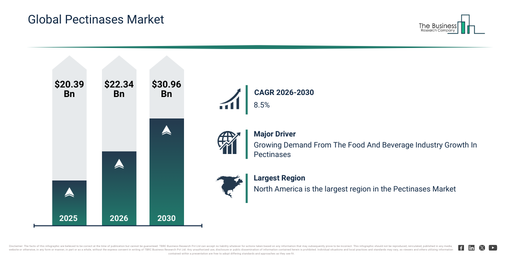
  • Pectinases Industry Expansion Forecast Showing Market Size of $30.96 Billion by 2030 at 8.5% CAGR

    Pectinases Industry Expansion Forecast Showing Market Size of $30.96 Billion by 2030 at 8.5% CAGR

    The Business Research Company’s 2026 market reports include new capabilities such as market attractiveness scoring and analysis, total addressable market analysis, company scoring matrix, interactive excel data dashboard, improved supply chain analysis, upcoming startups in the market, and overview of key products, aimed at improving the depth, usability, and strategic value of the insights delivered.

    What Is The Market Size Of The Pectinases Market In 2026 And What Value Is Projected For 2030?

    The pectinases market has experienced notable growth in recent years. Its value is projected to increase from $20.39 billion in 2025 to $22.34 billion by 2026, exhibiting a compound annual growth rate (CAGR) of 9.5%. The expansion observed throughout the historic period can be ascribed to elements like limited awareness regarding enzyme benefits, dependence on traditional clarification techniques, minimal adoption in developing markets, the high cost of purified enzymes, and restricted research and development in specialized pectinases.

    The pectinases market is anticipated to experience robust expansion in the coming years. This market is projected to reach $30.96 billion by 2030, exhibiting a compound annual growth rate (CAGR) of 8.5%. Factors contributing to this expansion during the forecast period include increasing consumer desire for natural and processed food products, greater investment in research and development for enzyme technology, wider industrial use in the beverage and textile sectors, a heightened emphasis on sustainable food processing methods, and expanding applications within the pharmaceutical and nutraceutical industries. Key developments expected in this period encompass the increased application of enzyme-based processing in the food and beverage industry, greater integration of pectinases for clarifying wine and juices, a surging need for effective fruit juice extraction methods, broader employment of pectinases in textile manufacturing, and an uptick in their use in pharmaceutical compositions.

    Download the Free Sample Report to Explore Key Market Insights:

    https://www.thebusinessresearchcompany.com/sample.aspx?id=16505&type=smp

    What Drivers Are Influencing The Pectinases Market?

    The growing need from the food and beverage sector is anticipated to fuel the expansion of the pectinases market moving forward. The food and beverage industry involves companies that convert unprocessed agricultural goods and semi-finished food items into edible products and beverages. The heightened requirement for pectinases in food and beverages is attributed to increased production of fruit juice and wine, improved flavors and textures, and the rising popularity of plant-based drinks. Pectinases provide considerable advantages to the food and beverage industry by enhancing product quality, boosting operational efficiency, and generating cost savings, all of which contribute to the creation of high-quality, appealing, and stable food and beverage items. For instance, in December 2024, the Food and Agriculture Organization (FAO), an Italy-based specialized agency of the United Nations, reported that the global output of primary crops reached 9.9 billion tonnes in 2023, showing a 3 percent increase from 2022. Thus, the increasing demand from the food and beverage industry is propelling the growth of the pectinases market.

    What Are The Key Segments Of The Pectinases Market?

    The pectinases market covered in this report is segmented –

    1) By Type: Pectin Lyases, Protopectinases, Polygalacturonases, Pectinesterase, Other Types

    2) By Source: Bacterial Pectinase, Fungal Pectinase, Plant-Derived Pectinase, Other Sources

    3) By Form: Powder, Liquid, Granules

    4) By Application: Fruit Juice Extraction, Wine Production, Food Processing, Other Applications

    5) By End User: Food And Beverage, Pharmaceutical, Textile, Agriculture, Other End Users

    Subsegments:

    1) By Pectin Lyases: Endo-Pectin Lyases, Exo-Pectin Lyases

    2) By Protopectinases: Acidic Protopectinases, Alkaline Protopectinases

    3) By Polygalacturonases: Endo-Polygalacturonases, Exo-Polygalacturonases

    4) By Pectinesterase: Acidic Pectinesterases, Alkaline Pectinesterases

    5) By Other Types: Xyloglucanase, Cellulase-Related Enzymes

    Who Are The Leading Companies Operating In The Pectinases Market?

    Major companies operating in the pectinases market are Cargill Incorporated, DuPont de Nemours Inc., Novozymes BioAg Limited, Koninklijke DSM N.V., Chr. Hansen Holding A/S, AB Enzymes GmbH, Biocatalysts Ltd., BIO-CAT Inc., Genencor International Inc., Advanced Enzyme Technologies Ltd., Amano Enzyme Inc., Jiangsu Boli Bioproducts Co Ltd, Antozyme Biotech Pvt Ltd, Enmex S A de C V, Creative Enzymes, Shandong Longda Bio-Products Co Ltd, Qingdao Vland Biotech Group Co Ltd, Hunan Lerkam Biology Co Ltd, Sunson Industry Group Co Ltd, Enzyme Development Corporation, CJ Youtell, Sukahan Bio-Technology, Doing-Higher, VTR Bio-Tech, SternEnzym GmbH & Co KG, Bioven Ingredients

    Read the full pectinases market report here:

    https://www.thebusinessresearchcompany.com/report/pectinases-global-market-report

    Which Regions Are Expected To Experience Rapid Expansion In The Pectinases Market?

    North America was the largest region in the pectinase market in 2025. Asia-Pacific is expected to be the fastest-growing region in the forecast period. The regions covered in the pectinases market report are Asia-Pacific, South East Asia, Western Europe, Eastern Europe, North America, South America, Middle East, Africa.

    Request A Tailored Pectinases Market Research Report For Competitive Advantage:

    https://www.thebusinessresearchcompany.com/customise?id=16505&type=smp

    Browse Through More Reports Similar to the Global Pectinases Market 2026, By The Business Research Company

    Head And Neck Cancer Diagnostics Global Market Report

    https://www.thebusinessresearchcompany.com/report/head-and-neck-cancer-diagnostics-global-market-report

    Pd 1 And Pdl1 Inhibitors Or Immune Checkpoint Inhibitors Global Market Report

    https://www.thebusinessresearchcompany.com/report/pd-1-and-pdl1-inhibitors-or-immune-checkpoint-inhibitors-global-market-report

    Anti Cancer Mabs Global Market Report

    https://www.thebusinessresearchcompany.com/report/anti-cancer-mabs-global-market-report

    Get in touch with us:

    The Business Research Company: https://www.thebusinessresearchcompany.com/

    Americas +1 310-496-7795

    Asia +44 7882 955267 & +91 8897263534

    Europe +44 7882 955267

    Email us at info@tbrc.info

    Follow us on:

    LinkedIn: https://in.linkedin.com/company/the-business-research-company

    YouTube: https://www.youtube.com/channel/UC24_fI0rV8cR5DxlCpgmyFQ

    Global Market Model: https://www.thebusinessresearchcompany.com/global-market-model
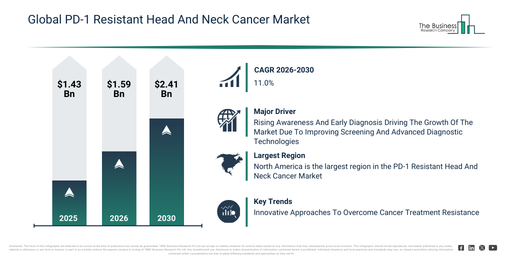
  • PD-1 Resistant Head And Neck Cancer Market Revenue Expected to Reach $2.4 Billion by 2030 with 11% CAGR

    PD-1 Resistant Head And Neck Cancer Market Revenue Expected to Reach $2.4 Billion by 2030 with 11% CAGR

    The Business Research Company’s 2026 market reports include new capabilities such as market attractiveness scoring and analysis, total addressable market analysis, company scoring matrix, interactive excel data dashboard, improved supply chain analysis, upcoming startups in the market, and overview of key products, aimed at improving the depth, usability, and strategic value of the insights delivered.

    What Will Be The Estimated Market Valuation Of The PD-1 Resistant Head And Neck Cancer Market By The End Of 2030?

    The pd-1 resistant head and neck cancer market size has seen rapid growth in recent years. It is anticipated to increase from $1.43 billion in 2025 to $1.59 billion in 2026, exhibiting a compound annual growth rate (CAGR) of 11.2%. Historically, this expansion can be attributed to a limited understanding of pd-1 resistance, a reliance on standard chemotherapy and radiation, low adoption of biomarker testing, insufficient clinical trial enrollment, and the slow development of targeted therapies.

    The pd-1 resistant head and neck cancer market size is poised for significant expansion in the coming years, with projections indicating it will reach $2.41 billion by 2030, driven by a compound annual growth rate (CAGR) of 11.0%. This growth during the forecast period is primarily due to increased investment in immuno-oncology research, a rising embrace of combination therapy strategies, the growing application of genomic profiling for personalized treatment, enhanced collaboration between pharmaceutical and biotechnology companies, and a greater emphasis on the early detection of resistant hnscc. Furthermore, major trends anticipated in this period include intensified research into immunotherapy resistance mechanisms, a broader adoption of precision medicine approaches, the expanding utilization of AI and big data for patient stratification, the continuous development of targeted combination therapies, and the increased implementation of advanced genomic and biomarker testing.

    Download the Free Sample Report to Explore Key Market Insights:

    https://www.thebusinessresearchcompany.com/sample.aspx?id=22092&type=smp

    What Drivers Are Shaping The Future Growth Of The PD-1 Resistant Head And Neck Cancer Market?

    Heightened awareness and prompt detection are projected to drive the expansion of the PD-1-resistant head and neck cancer market moving forward. The increase in cancer awareness and early diagnosis results from enhanced screening programs, various healthcare initiatives, and advancements in diagnostic technologies, which enable timely identification and treatment. Early diagnosis of PD-1-resistant head and neck cancer facilitates immediate intervention with alternative therapies, thereby improving treatment outcomes and patient survival rates. For instance, in January 2025, The National Health Service (NHS), a UK-based government department, indicated through its rapid cancer registration data that 120,958 out of 206,038 common cancers (58.7%) diagnosed between September 2023 and August 2024 were detected at an early stage. This signifies a 2.7 percentage point rise compared to pre-pandemic levels, accounting for an estimated additional 7,000 patients diagnosed early. Therefore, increasing awareness and early diagnosis are crucial drivers for the growth of the PD-1-resistant head and neck cancer market.

    Which Segment Classifications Shape The PD-1 Resistant Head And Neck Cancer Market?

    The pd-1 resistant head and neck cancer market covered in this report is segmented –

    1) By Treatment Type: Chemotherapy, Radiation Therapy, Surgery, Targeted Therapy

    2) By Stage Of Cancer: Early Stage, Locally Advanced Stage, Metastatic Stage

    3) By Application: Squamous Cell Carcinoma, Adenocarcinoma, Nasopharyngeal Carcinoma, Throat Cancer

    4) By End User: Hospitals, Cancer Research Centers, Clinics

    Subsegments:

    1) By Chemotherapy: Platinum-Based Chemotherapy, Taxanes, Antimetabolites, Topoisomerase Inhibitors

    2) By Radiation Therapy: Intensity-Modulated Radiation Therapy (IMRT), Stereotactic Body Radiation Therapy (SBRT), Proton Beam Therapy, Brachytherapy

    3) By Surgery: Tumor Resection, Neck Dissection, Reconstructive Surgery, Laser Surgery

    4) By Targeted Therapy: EGFR Inhibitors, Angiogenesis Inhibitors, Cyclin-Dependent Kinase Inhibitors

    Which Trends Are Influencing The PD-1 Resistant Head And Neck Cancer Market?

    Firms actively involved in the PD-1 resistant head and neck cancer market are emphasizing cutting-edge developments, including customized cancer therapies, to improve effectiveness and counter resistance. This tailored approach to cancer treatment adapts therapies according to an individual’s genetic makeup, tumor traits, and immune system response, leading to more accurate and impactful care. An illustration of this trend is CEL-SCI Corporation, a US-based biotechnology company, which secured FDA approval in November 2024 for the application of the PD-L1 biomarker in a head and neck cancer investigation. This study, set to commence in early 2025, will target newly diagnosed patients exhibiting low PD-L1 expression and no lymph node involvement, aiming to assess the safety and efficacy of Multikine (Leukocyte Interleukin, Injection). Building on favorable outcomes from an earlier Phase 3 study, this current research signifies a substantial advancement in personalized cancer treatment, presenting fresh optimism for the more successful management of PD-1-resistant cancers.

    Which Companies Are Expanding Their Footprint In The PD-1 Resistant Head And Neck Cancer Market?

    Major companies operating in the pd-1 resistant head and neck cancer market are Pfizer Inc., Roche Holding AG, Merck & Co. Inc., Bristol-Myers Squibb Company, AstraZeneca PLC, Regeneron Pharmaceuticals Inc., Incyte Corporation, Coherus BioSciences Inc., Akeso Biopharma, PDS Biotechnology Corporation, ALX Oncology Holdings Inc., RAPT Therapeutics Inc., Immutep Limited, Agenus Inc., Sotio Biotech, BioNTech SE, Imugene Ltd, Adaptimmune Therapeutics PLC, Replimune, Curis Inc., MacroGenics, Innate Pharma, Eli Lilly and Company, Gilead Sciences, Celldex Therapeutics, Juno Therapeutics, Bluebird Bio, IO Biosciences

    Read the full pd-1 resistant head and neck cancer market report here:

    https://www.thebusinessresearchcompany.com/report/pd-1-resistant-head-and-neck-cancer-global-market-report

    Which Geographic Regions Are Influencing Demand In The PD-1 Resistant Head And Neck Cancer Market?

    North America was the largest region in the PD-1 resistant head and neck cancer market 2025. The regions covered in the pd-1 resistant head and neck cancer market report are Asia-Pacific, South East Asia, Western Europe, Eastern Europe, North America, South America, Middle East, Africa.

    Request A Tailored PD-1 Resistant Head And Neck Cancer Market Research Report For Competitive Advantage:

    https://www.thebusinessresearchcompany.com/customise?id=22092&type=smp

    Browse Through More Reports Similar to the Global PD-1 Resistant Head And Neck Cancer Market 2026, By The Business Research Company

    Payment As A Service Global Market Report

    https://www.thebusinessresearchcompany.com/report/payment-as-a-service-global-market-report

    Payroll Services Global Market Report

    https://www.thebusinessresearchcompany.com/report/payroll-services-global-market-report

    Money Transfer Services Global Market Report

    https://www.thebusinessresearchcompany.com/report/money-transfer-services-global-market-report

    Get in touch with us:

    The Business Research Company: https://www.thebusinessresearchcompany.com/

    Americas +1 310-496-7795

    Asia +44 7882 955267 & +91 8897263534

    Europe +44 7882 955267

    Email us at info@tbrc.info

    Follow us on:

    LinkedIn: https://in.linkedin.com/company/the-business-research-company

    YouTube: https://www.youtube.com/channel/UC24_fI0rV8cR5DxlCpgmyFQ

    Global Market Model: https://www.thebusinessresearchcompany.com/global-market-model