Category: HealthcareServices

  • Traumatic Brain Injury Industry Insights 2025 – Market Forecast for Executives and Planners

    Traumatic Brain Injury Industry Insights 2025 – Market Forecast for Executives and Planners

    Claim your 30% discount on Global Market Reports with code ONLINE30. Limited time only.

    How Has the Traumatic Brain Injury Market Size Changed, over the years?

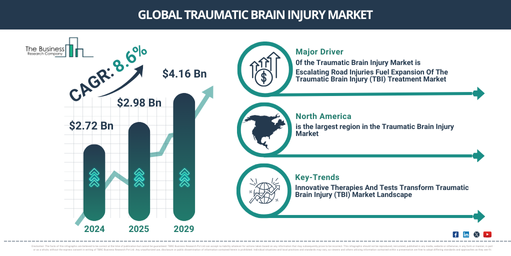
    The market for traumatic brain injuries has seen robust growth in recent years. The market value is set to surge from $2.72 billion in 2024 to $2.98 billion in 2025, reflecting a compound annual growth rate (CAGR) of 9.6%. The expansion in the past period is credited to advancements in trauma care, rehabilitation therapies, better awareness about concussions, and dedicated research in the military and sports fields.

    How Much Will the Traumatic Brain Injury Market Be Worth in 2029?

    Expectations are high for robust expansion in the traumatic brain injury market in the coming years. It is projected to escalate to $4.16 billion in 2029, with a compound annual growth rate (CAGR) of 8.6%. The anticipated growth during the forecast period is ascribed to factors such as the development of neuroprotective agents, the rise of telemedicine and remote monitoring, personalized treatment strategies, and research into neuroinflammation. Key trends expected to emerge during the forecast period include advances in neurorehabilitation, management of mild tbi and concussion, research on biomarkers and imaging, as well as cognitive and emotional support.

    Download The Free Sample Report Here:

    https://www.thebusinessresearchcompany.com/sample.aspx?id=13049&type=smp

    Which is the Largest Company in the Traumatic Brain Injury Market?

    Major companies operating in the traumatic brain injury market are Pfizer Inc., Medtronic PLC, Eli Lilly and Company, Stryker Corporation, Elekta AB, Integra LifeSciences Holdings Corp., Natus Medical Inc., Nihon Kohden Corporation, Raumedic AG, Qure.ai, Compumedics Ltd., Synaptive Medical Inc., BrainScope Company Inc., Neuren Pharmaceuticals Limited, SanBio Co. Ltd., Soterix Medical Inc., Inteprod LLC, BioDirection Inc., InfraScan Inc., NanoDx Inc., NeuroTrauma Sciences, Oculogica Inc., PathMaker Neurosystems Inc., Pinteon Therapeutics Inc., Vivonics Inc., Neural Analytics Inc., ReNetX Bio Inc., Sana Health Inc., Abliva AB, QuesGen Systems Inc.

    What Are the Main Market Drivers in the Traumatic Brain Injury Industry?

    The escalating instances of road injuries are expected to fuel the growth of the traumatic brain injury market in the future. Road injuries encompass any physical damage or harm caused by accidents on roads, streets, highways, or other transit paths. Traumatic brain injuries are often the result of these road mishaps, leading to varied physical and cognitive problems for those impacted. Treatments for Traumatic Brain Injury (TBI) benefit patients with brain injuries from sudden road mishaps by enhancing their physical recovery, reducing complications, and improving their cognitive ability. In November 2024, a report by the U.S. Department of Transportation highlighted that in 2022, 42,514 people lost their lives on U.S. roads. This is over a 10% increase when compared to 2020, indicating a rise in road injuries and hence, propelling the growth of the traumatic brain injury market. The surge in sports injuries is projected to fuel the growth of the traumatic brain injury market going ahead. A sports injury implies any physical damage or trauma sustained during sports participation or exercise. When there is a severe impact or sudden jerk to the head or body during sports activities it can cause a traumatic brain injury (TBI). Various factors including head blows, falls, collisions and repeated head impacts can lead to these injuries. For instance, according to data published by the National Safety Council, a US-based nonprofit safety advocate, in 2022, injuries related to exercise and exercise equipment increased with 3,631,970 reported cases, up from 3,231,885 in 2021. Therefore, these increasing incidents of sports injuries play a crucial role in driving the traumatic brain injury market.

    Request For A Customized Report:

    https://www.thebusinessresearchcompany.com/customise?id=13049&type=smp

    How Is the Traumatic Brain Injury Market Segments Structured?

    The traumatic brain injury market covered in this report is segmented –

    1) By Device: Computed Tomography, X-Ray, Imaging Devices, Magnetic Resonance Imaging Devices, Monitoring Devices, Other Devices

    2) By Technique: Intracranial Pressure (ICP) Monitoring, Partial Pressure Of Oxygen In Brain Tissue (PbrO2)

    3) By End-Use: Diagnostic Centers, Hospitals, Other End-Uses

    Subsegments:

    1) By Computed Tomography: Standard CT Scans, CT Angiography

    2) By X-Ray: Skull X-Ray, Cervical X-Ray

    3) By Imaging Devices: Ultrasound Imaging, PET Scans

    4) By Magnetic Resonance Imaging Devices: Closed MRI, Open MRI

    5) By Monitoring Devices: Intracranial Pressure Monitors, EEG Monitors

    6) By Other Devices: Neuropsychological Testing Devices, Portable Brain Injury Assessment Devices

    What Strategic Trends Are Transforming the Traumatic Brain Injury Market?

    Leaders in the traumatic brain injury market, such as bioMérieux, are leading the charge in the creation of novel treatments and diagnostic tests like the VIDAS TBI (GFAP, UCH-L1), in response to evolving consumer demands. There is an ongoing investigation and development of new therapies and assessments for traumatic brain injuries, aimed at enhancing the prognosis and life quality of those impacted by TBI. For instance, in October 2023, bioMérieux, a pioneer in the in vitro diagnostics sector based in France, unveiled the VIDAS TBI (GFAP, UCH-L1). This is a blood test designed to aid in evaluating patients with mild traumatic brain injury (mTBI), utilizing a unique duo of brain biomarkers: GFAP and UCH-L1. This precise, objective tool is set to minimize the frequency of unneeded head Computed Tomography (CT) scans for mTBI patients, thus reducing Emergency Department (ED) overcrowding by accurately predicting the non-existence of acute intracranial lesions (ICL) after a head injury.

    Access The Full Report Here:

    https://www.thebusinessresearchcompany.com/report/traumatic-brain-injury-global-market-report

    Which Global Regions Offer the Highest Growth in the Traumatic Brain Injury Market?

    North America was the largest region in the traumatic brain injury market in 2024. Asia-Pacific is expected to be the fastest-growing region in the forecast period. The regions covered in traumatic brain injury market report are Asia-Pacific, Western Europe, Eastern Europe, North America, South America, Middle East and Africa.

    Purchase The Full Report Today:

    https://www.thebusinessresearchcompany.com/purchaseoptions.aspx?id=13049

    This Report Delivers Insight On:

    1. How big is the traumatic brain injury market, and how is it changing globally?

    2. Who are the major companies in the traumatic brain injury market, and how are they performing?

    3. What are the key opportunities and risks in the traumatic brain injury market right now?

    4. Which products or customer segments are growing the most in the traumatic brain injury market?

    5. What factors are helping or slowing down the growth of the traumatic brain injury market?

    About The Business Research Company:

    With over 15000+ reports from 27 industries covering 60+ geographies, The Business Research Company has built a reputation for offering comprehensive, data-rich research and insights. Armed with 1,500,000 datasets, the optimistic contribution of in-depth secondary research, and unique insights from industry leaders, you can get the information you need to stay ahead in the game.

    Get in touch with us:

    The Business Research Company: https://www.thebusinessresearchcompany.com/

    Americas +1 310-496-7795

    Asia +44 2071930708

    Europe +44 7882 955267

    Email us at info@tbrc.info

    Follow us on:

    LinkedIn: https://in.linkedin.com/company/the-business-research-company

    YouTube: https://www.youtube.com/channel/UC24_fI0rV8cR5DxlCpgmyFQ

    Global Market Model: https://www.thebusinessresearchcompany.com/global-market-model
  • Pectinases Forecast Report – Designed for Decision Makers and Product Teams

    Claim your 30% discount on Global Market Reports with code ONLINE30. Limited time only.

    What Is the Estimated Market Size of the Pectinases Market In 2029?

    The market size of pectinases has seen significant expansion in the last few years. It is projected to rise from $18.66 billion in 2024 to $20.55 billion in 2025, with a compound annual growth rate (CAGR) of 10.1%. The historical growth has been fueled by factors such as a surge in fruit and vegetable production, an increase in juice and wine manufacturing, a booming dairy sector, a growing food and beverage sector, and a spiking demand for organic and natural products.

    What Growth Rate Is Forecasted for the Pectinases Market by 2029?

    In the coming years, the pectinases market is projected to experience robust growth, expanding to $29.77 billion in 2029 with a compound annual growth rate (CAGR) of 9.7%. The projected growth for this period can be linked to the escalating consumer demand for natural and clean-label goods, a surge in popularity for processed foods, increased wine and beer consumption, population growth and urbanization, and further increase in wine and beer consumption. Among the major trends predicted during this period are developments in fermentation technology, the use of high-tech enzyme formulations, the automation and integration of processes, strides in the field of biotechnology, genetic engineering, advancements in agriculture, and innovative strides in food processing technologies.

    Download The Free Sample Report Here:

    https://www.thebusinessresearchcompany.com/sample.aspx?id=16505&type=smp

    Which Key Companies Are Shaping the Future of the Pectinases Market?

    Major companies operating in the pectinases market are Cargill Incorporated, BASF SE, F. Hoffmann-La Roche Ltd., Merck Co. & KGaA, DuPont de Nemours Inc., International Flavors & Fragrances Inc., Koninklijke DSM N.V., Kerry Group, Novozymes BioAg Limited, Chr. Hansen Holding A/S, Neogen Corporation, Kemin Industries Inc., Genencor International Inc., Codexis Inc., Puratos Group, AB Enzymes GmbH, MP Biomedicals LLC, Biocatalysts Ltd., Enartis USA Inc, BIO-CAT Inc., Aumgene Biosciences Pvt. Ltd.

    Which Factors Are Driving Demand in the Pectinases Industry?

    The pectinases market is projected to grow due to the increasing needs of the food and beverage industry. Companies within this sector turn raw agricultural and semi-processed food items into food and drink products. There is a surge in demand for pectinases in this industry due to a rise in fruit juice and wine production, enhanced flavor and texture preferences, and an increasing interest in plant-based beverages. Pectinases are very beneficial to the food and beverage industry as they improve product quality, enhance operational efficiency, and contribute to cost savings while ensuring high-quality, appealing, and stable product outcomes. For instance, the Australian Bureau of Statistics revealed in April 2024 that food and non-alcoholic beverage consumption stood at 14.8 million tonnes in 2020-21, slightly lower than the 15.1 million tonnes consumed in 2021-22. Consequently, the rising demand within the food and beverage sector is driving the pectinases market expansion.

    Pectinases Market Driver: Growth in Pectinases Market Fueled by Increasing Digestive Diseases


    Request For A Customized Report:

    https://www.thebusinessresearchcompany.com/customise?id=16505&type=smp

    How Is the Pectinases Market Segmented by Several Divisions?

    The pectinases market covered in this report is segmented –

    1) By Type: Pectin Lyases, Protopectinases, Polygalacturonases, Pectinesterase, Other Types

    2) By Source: Bacterial Pectinase, Fungal Pectinase, Plant-Derived Pectinase, Other Sources

    3) By Form: Powder, Liquid, Granules

    4) By Application: Fruit Juice Extraction, Wine Production, Food Processing, Other Applications

    5) By End User: Food And Beverage, Pharmaceutical, Textile, Agriculture, Other End Users

    Subsegments:

    1) By Pectin Lyases: Endo-Pectin Lyases, Exo-Pectin Lyases

    2) By Protopectinases: Acidic Protopectinases, Alkaline Protopectinases

    3) By Polygalacturonases: Endo-Polygalacturonases, Exo-Polygalacturonases

    4) By Pectinesterase: Acidic Pectinesterases, Alkaline Pectinesterases

    5) By Other Types: Xyloglucanase, Cellulase-Related Enzymes

    Access The Full Report Here:

    https://www.thebusinessresearchcompany.com/report/pectinases-global-market-report

    Which Regions Are Driving Growth in the Pectinases Market?

    North America was the largest region in the pectinase market in 2024. Asia-Pacific is expected to be the fastest-growing region in the forecast period. The regions covered in the pectinases market report are Asia-Pacific, Western Europe, Eastern Europe, North America, South America, Middle East, Africa.

    Purchase The Full Report Today:

    https://www.thebusinessresearchcompany.com/purchaseoptions.aspx?id=16505

    This Report Delivers Insight On:

    1. How big is the pectinases market, and how is it changing globally?

    2. Who are the major companies in the pectinases market, and how are they performing?

    3. What are the key opportunities and risks in the pectinases market right now?

    4. Which products or customer segments are growing the most in the pectinases market?

    5. What factors are helping or slowing down the growth of the pectinases market?

    About The Business Research Company:

    With over 15000+ reports from 27 industries covering 60+ geographies, The Business Research Company has built a reputation for offering comprehensive, data-rich research and insights. Armed with 1,500,000 datasets, the optimistic contribution of in-depth secondary research, and unique insights from industry leaders, you can get the information you need to stay ahead in the game.

    Get in touch with us:

    The Business Research Company: https://www.thebusinessresearchcompany.com/

    Americas +1 310-496-7795

    Asia +44 2071930708

    Europe +44 7882 955267

    Email us at info@tbrc.info

    Follow us on:

    LinkedIn: https://in.linkedin.com/company/the-business-research-company

    YouTube: https://www.youtube.com/channel/UC24_fI0rV8cR5DxlCpgmyFQ

    Global Market Model: https://www.thebusinessresearchcompany.com/global-market-model
  • Chronic Myeloid Leukemia Treatment Market Projected at $13.12 Billion by 2029 | Strategic Insights and Forecast Data

    Chronic Myeloid Leukemia Treatment Market Projected at $13.12 Billion by 2029 | Strategic Insights and Forecast Data

    Claim your 30% discount on Global Market Reports with code ONLINE30. Limited time only.

    How Has the Chronic Myeloid Leukemia Treatment Market Size Changed, over the years?

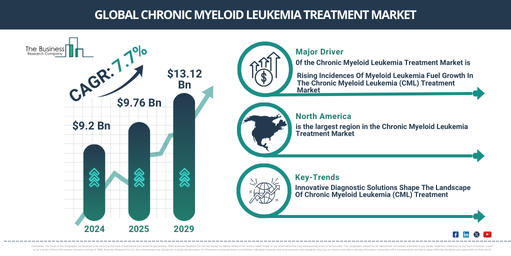
    The market size for treating chronic myeloid leukemia has witnessed a substantial growth in the past few years. The market, valued at $9.2 billion in 2024, is projected to rise to $9.76 billion in 2025, at a compound annual growth rate (CAGR) of 6.2%. The previous growth phase can be credited to an increase in chronic myeloid leukemia cases, greater consciousness about cancer therapy, government efforts, and burgeoning research and development endeavors aimed at chronic myeloid leukemia treatments.

    How Much Will the Chronic Myeloid Leukemia Treatment Market Be Worth in 2029?

    The market size of treatments for chronic myeloid leukemia is anticipated to experience considerable growth in the coming years. It is projected to rise to $13.12 billion by 2029, with a compound annual growth rate (CAGR) of 7.7%. Increased demand for more effective and bearable treatments, heightened healthcare expenditure, investments in therapies for chronic myeloid leukemia, and personalized medicine’s growth contribute to this expected rise. In the forecasted period, key trends encompass better diagnosis and screening methods, innovative treatment approaches for chronic myeloid leukemia, the evolution of targeted therapies, advanced early diagnosis, screening technologies, and monitoring.

    Download The Free Sample Report Here:

    https://www.thebusinessresearchcompany.com/sample.aspx?id=12915&type=smp

    Which is the Largest Company in the Chronic Myeloid Leukemia Treatment Market?

    Major companies operating in the chronic myeloid leukemia treatment market are Pfizer Inc., Johnson and Johnson Limited, F. Hoffmann-La Roche AG, AbbVie Inc., Novartis AG, Merck and Co. Inc., Sanofi S.A., Bristol-Myers Squibb Company, AstraZeneca PLC, GSK PLC, Takeda Pharmaceutical Company Limited, Amgen Inc., Boehringer Ingelheim International GmbH, Teva Pharmaceutical Industries Ltd., Astellas Pharma Inc., Otsuka Holdings Co Ltd., Mylan N.V., Astellas Pharma Inc., Incyte Corporation, Lupin Limited, Seattle Genetics Inc., Innovent Biologics Inc., Xencor Inc., ARIAD Pharmaceuticals Inc., Celon Laboratories Pvt. Ltd.

    What Are the Main Market Drivers in the Chronic Myeloid Leukemia Treatment Industry?

    The surge in myeloid leukemia instances is projected to spur the progression of the chronic myeloid leukemia (CML) treatment market. Originating in the bone marrow, myeloid leukemia is a cancer classification that impacts the cells tasked with the creation of various blood cell types. The main purpose of Chronic myeloid leukemia (CML) treatment is to boost the functionality of the bone marrow by tackling the underlying cause of leukemia, thereby lowering the risk associated with low blood cell count complications. Furthermore, it reduces the dependency on chemotherapy and transplants and enhances survival rates for myeloid leukemia individuals. For example, as per the American Cancer Society’s estimates in January 2023, in the United States, approximately 20,380 cases of acute myeloid leukemia (AML) were recorded in adults, along with 11,310 deaths in 2023. Thus, the escalating incidences of myeloid leukemia steer the growth of the chronic myeloid leukemia (CML) treatment market. Rapid growth in the CML treatment market is predicted due to the escalating incidences of chromosome abnormalities. These abnormalities pertain to structural or numeric defects in a person’s chromosomes, which are the threads within cells that harbor genetic data. Patients with certain chromosomal abnormalities can often have a poor prognosis and require more intensive treatments like CML. A case in point is a study carried out in Saudi Arabia, published by the National Library of Medicine (NLM), a U.S-based biomedical informatics and computational health data science researcher. It revealed that chromosome abnormalities were present in 59 newborns suffering from congenital anomalies (accounting for 39.3%), which constituted 2.3% of total Neonatal Intensive Care Unit (NICU) admissions. Therefore, the growing occurrence of chromosome abnormalities is aiding the growth of the chronic myeloid leukemia (CML) treatment market.

    Request For A Customized Report:

    https://www.thebusinessresearchcompany.com/customise?id=12915&type=smp

    How Is the Chronic Myeloid Leukemia Treatment Market Segments Structured?

    The chronic myeloid leukemia treatment market covered in this report is segmented –

    1) By Type: Targeted Therapy, Chemotherapy, Radiation Therapy, Splenectomy, Stem Cell Transplant

    2) By Route of Administration: Oral, Parenteral, Other Route of Administrations

    3) By End-User: Hospitals, Specialty Clinics, Other End-Users

    Subsegments:

    1) By Targeted Therapy: Tyrosine Kinase Inhibitors (TKIs), Monoclonal Antibodies

    2) By Chemotherapy: Combination Chemotherapy, Single-Agent Chemotherapy

    3) By Radiation Therapy: External Beam Radiation Therapy, Total Body Irradiation

    4) By Splenectomy: Open Splenectomy, Laparoscopic Splenectomy

    5) By Stem Cell Transplant: Autologous Stem Cell Transplant, Allogeneic Stem Cell Transplant

    What Strategic Trends Are Transforming the Chronic Myeloid Leukemia Treatment Market?

    Key businesses in the chronic myeloid leukemia (CML) treatment sector are concentrating their efforts on the creation of novel items to maintain market prominence. For example, Precipio, Inc., a cancer diagnostic firm based out of the United States, released the BCR-ABL 2.0 Panel for chronic myeloid leukemia (CML) in August 2023. This instrument pinpoints the BCR-ABL1 gene and aids in the diagnosis of chronic myeloid leukemia (CML). It represents the most state-of-the-art BCR-ABL panel, providing comprehensive coverage, simplified workflow and lower expenses while improving patient care. It also incorporates the ability to identify the ABL1 mutation, thereby eliminating the necessity for an additional round of BCR-ABL1 gene testing, offering highly precise outcomes.

    Access The Full Report Here:

    https://www.thebusinessresearchcompany.com/report/chronic-myeloid-leukemia-treatment-global-market-report

    Which Global Regions Offer the Highest Growth in the Chronic Myeloid Leukemia Treatment Market?

    North America was the largest region in the chronic myeloid leukemia treatment market in 2024. The regions covered in chronic myeloid leukemia treatment market report are Asia-Pacific, Western Europe, Eastern Europe, North America, South America, Middle East and Africa.

    Purchase The Full Report Today:

    https://www.thebusinessresearchcompany.com/purchaseoptions.aspx?id=12915

    This Report Delivers Insight On:

    1. How big is the chronic myeloid leukemia treatment market, and how is it changing globally?

    2. Who are the major companies in the chronic myeloid leukemia treatment market, and how are they performing?

    3. What are the key opportunities and risks in the chronic myeloid leukemia treatment market right now?

    4. Which products or customer segments are growing the most in the chronic myeloid leukemia treatment market?

    5. What factors are helping or slowing down the growth of the chronic myeloid leukemia treatment market?

    About The Business Research Company:

    With over 15000+ reports from 27 industries covering 60+ geographies, The Business Research Company has built a reputation for offering comprehensive, data-rich research and insights. Armed with 1,500,000 datasets, the optimistic contribution of in-depth secondary research, and unique insights from industry leaders, you can get the information you need to stay ahead in the game.

    Get in touch with us:

    The Business Research Company: https://www.thebusinessresearchcompany.com/

    Americas +1 310-496-7795

    Asia +44 2071930708

    Europe +44 7882 955267

    Email us at info@tbrc.info

    Follow us on:

    LinkedIn: https://in.linkedin.com/company/the-business-research-company

    YouTube: https://www.youtube.com/channel/UC24_fI0rV8cR5DxlCpgmyFQ

    Global Market Model: https://www.thebusinessresearchcompany.com/global-market-model
  • Patient Derived Xenograft (PDX) Models Market Projected at $0.85 Billion by 2029 | Strategic Insights and Forecast Data

    Patient Derived Xenograft (PDX) Models Market Projected at $0.85 Billion by 2029 | Strategic Insights and Forecast Data

    Claim your 30% discount on Global Market Reports with code ONLINE30. Limited time only.

    #How Has The Patient Derived Xenograft (PDX) Models Market Size Shifted, And What Is the Outlook Through 2034?

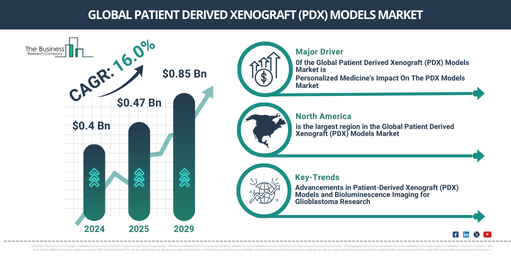
    In the past few years, the patient derived xenograft (PDX) models market has seen a swift growth. The market, which stood at $0.4 billion in 2024, is projected to expand to $0.47 billion in 2025, marking a compound annual growth rate (CAGR) of 16.4%. This surge in the historic timeframe is due to factors such as investments in research & development, regulatory backing, partnerships and collaborations, an increase in the number of contract research organizations (CROs), and a rise in cancer cases.

    How Much Will the Patient Derived Xenograft (PDX) Models Market Be Worth in 2029?

    In the coming years, a significant expansion is projected in the patient-derived xenograft (PDX) models market, with it escalating to $0.85 billion by 2029, registering a compound annual growth rate (CAGR) of 16.0%. The rise through the forecast period is linked to the increasing demand for tailored medical solutions, the surge in request for humanized PDX models, the growing prevalence of cancer, an emphasis on precision oncology, and proliferating R&D funding for cancer exploration. Key trends in this projection period include advancements in technology, an increased need for humanized PDX models, joint research enterprises, escalating investments in cancer inquiries, and an amplified focus on immuno-oncology.

    Download The Free Sample Report Here:

    https://www.thebusinessresearchcompany.com/sample.aspx?id=17226&type=smp

    Which is the Largest Company in the Patient Derived Xenograft (PDX) Models Market?

    Major companies operating in the patient derived xenograft (PDX) models market are Laboratory Corporation of America Holdings, WuXi AppTec Co. Ltd., Charles River Laboratories International Inc., The Jackson Laboratory, Inotiv Inc, Biocytogen Pharmaceuticals Co. Ltd., Taconic Biosciences Inc, BioDuro-Sundia Inc, Horizon Discovery Ltd., Crown Bioscience Inc., Champions Oncology Inc., Oncodesign Services S.A, Genesis Biotechnology Group LLC., Creative Animodel, Abnova Corp., Certis Oncology Solutions Inc., Xentech, Aragen Bioscience Inc., EPO Experimental Pharmacology & Oncology Berlin-Buch GmbH., Urosphere, Hera BioLabs, InnoSer, Pharmatest Services Ltd., IVRS AB, Altogen Inc

    What Are the Main Market Drivers in the Patient Derived Xenograft (PDX) Models Industry?

    The growth of the patient-derived xenograft (PDX) models market is predicted to be fueled by the rising demand for personalized medicine. This type of medical care is tailored specifically to the individual patient, taking into account factors like genetics, environment, and lifestyle. The push for personalized medicine is a result of advancements in genomic research, which allows for treatments to be specifically adjusted based on a person’s genetic profile, leading to more effective and targeted healthcare results. PDX models are instrumental in supporting personalized medicine as they allow for individual patient tumors to be tested to predict treatment response and adjust therapies accordingly. For example, in February 2024, the Personalized Medicine Coalition (PMC), a US-based non-profit organization, noted that the FDA approved 16 new personalized treatments for rare diseases in 2023, marking a significant rise from just six approvals in 2022. Therefore, the growth of the patient-derived xenograft (PDX) models market is being propelled by the increasing demand for personalized medicine.

    Request For A Customized Report:

    https://www.thebusinessresearchcompany.com/customise?id=17226&type=smp

    How Is the Patient Derived Xenograft (PDX) Models Market Segments Structured?

    The patient derived xenograft (PDX) models market covered in this report is segmented –

    1) By Type: Mice Models, Rat Models

    2) By Technique: Heterotopic Implantation, Orthotropic Implantation

    3) By Tumor Type: Gastrointestinal Tumor Models, Lung Tumor Models, Hematological Tumor Models, Gynecological Tumor Models, Respiratory Tumor Models, Urological Tumor Models, Other Tumor Models

    4) By Application: Preclinical Drug Development, Precision Medicine, Co-Clinical Trials, Basic Cancer Research

    5) By End-User: Academic And Research Organizations, Contract Research Organizations, Pharmaceutical And Biotechnological Companies, Other End-Users

    Subsegments:

    1) By Mice Models: Immunodeficient Mice Models (Nude Mice, SCID Mice), Humanized Mice Models, Genetically Modified Mice Models

    2) By Rat Models: Immunodeficient Rat Models, Humanized Rat Models, Genetically Modified Rat Models

    What Strategic Trends Are Transforming the Patient Derived Xenograft (PDX) Models Market?

    Leading companies in the patient-derived xenograft (PDX) models market are introducing innovative models equipped with in vivo bioluminescence imaging for real-time tracking of tumor development. This technology enhances the PDX models’ capacity for non-invasive, real-time observation of tumor metastasis and therapy responses, thereby improving the efficacy of preclinical drug development research. In March 2024, for example, India’s Contract Research Organization (CRO), InVitro Research Solutions Private Limited, developed a novel orthotopic model of human glioblastoma in NSG-SGM3 mice using PDX and in vivo bioluminescence imaging. This model’s aim is to enable individualized treatment of glioblastoma, the most prevalent and invasive form of brain cancer. These models are instrumental in learning more about glioblastoma biology and testing new targeted treatments and immunotherapies to enhance results.

    Access The Full Report Here:

    https://www.thebusinessresearchcompany.com/report/patient-derived-xenograft-pdx-models-global-market-report

    Which Global Regions Offer the Highest Growth in the Patient Derived Xenograft (PDX) Models Market?

    North America was the largest region in the patient derived xenograft (PDX) models market in 2023. Asia-Pacific is expected to be the fastest-growing region in the forecast period. The regions covered in the patient derived xenograft (PDX) models market report are Asia-Pacific, Western Europe, Eastern Europe, North America, South America, Middle East, Africa.

    Purchase The Full Report Today:

    https://www.thebusinessresearchcompany.com/purchaseoptions.aspx?id=17226

    This Report Delivers Insight On:

    1. How big is the patient derived xenograft (pdx) models market, and how is it changing globally?

    2. Who are the major companies in the patient derived xenograft (pdx) models market, and how are they performing?

    3. What are the key opportunities and risks in the patient derived xenograft (pdx) models market right now?

    4. Which products or customer segments are growing the most in the patient derived xenograft (pdx) models market?

    5. What factors are helping or slowing down the growth of the patient derived xenograft (pdx) models market?

    About The Business Research Company:

    With over 15000+ reports from 27 industries covering 60+ geographies, The Business Research Company has built a reputation for offering comprehensive, data-rich research and insights. Armed with 1,500,000 datasets, the optimistic contribution of in-depth secondary research, and unique insights from industry leaders, you can get the information you need to stay ahead in the game.

    Get in touch with us:

    The Business Research Company: https://www.thebusinessresearchcompany.com/

    Americas +1 310-496-7795

    Asia +44 2071930708

    Europe +44 7882 955267

    Email us at info@tbrc.info

    Follow us on:

    LinkedIn: https://in.linkedin.com/company/the-business-research-company

    YouTube: https://www.youtube.com/channel/UC24_fI0rV8cR5DxlCpgmyFQ

    Global Market Model: https://www.thebusinessresearchcompany.com/global-market-model
  • Chronic Care Management Software Industry Growth Expected to Reach $26.35 Billion by 2029 at a CAGR of 14.4% | Segmentation and Growth Opportunities

    Chronic Care Management Software Industry Growth Expected to Reach $26.35 Billion by 2029 at a CAGR of 14.4% | Segmentation and Growth Opportunities

    Claim your 30% discount on Global Market Reports with code ONLINE30. Limited time only.

    What Is the Forecast for the Chronic Care Management Software Market Growth in 2025?

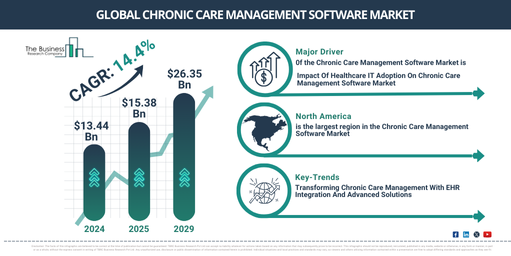
    The market size of chronic care management software has experienced a significant expansion in the past few years. It is projected to increase from $13.44 billion in 2024 to $15.38 billion in 2025, reflecting a compound annual growth rate (CAGR) of 14.4%. The surge in growth during the historic period can be credited to factors such as an increase in chronic disease cases, an aging population, a focus on patient-centric care, a rise in the need for remote patient observation, and escalating healthcare expenses.

    What Is the Forecast for the Chronic Care Management Software Market Size Through 2029?

    Rapid expansion is anticipated in the chronic care management software market in the upcoming years, with its size forecasted to reach $26.35 billion by 2029. This robust growth, marked by a compound annual growth rate (CAGR) of 14.4%, will likely be due to several factors. These include the adoption of telemedicine and virtual healthcare, an intensified focus on preventative care, and a mounting demand for interoperable healthcare solutions. The rise in healthcare consumerism and regulatory backing for chronic care management programs are also contributors to this expected growth. As for the major trends forecasted for this period, personalized management of chronic diseases, embracing of wearables and IoT devices, integration of telehealth platforms, the employment of predictive analytics to facilitate proactive care and the application of remote patient-monitoring technologies are expected.

    Download The Free Sample Report Here:

    https://www.thebusinessresearchcompany.com/sample.aspx?id=14668&type=smp

    What are the Key Market Players in Chronic Care Management Software Market and How They’re Evolving?

    Major companies operating in the chronic care management software market are McKesson Corporation, International Business Machines Corporation, Siemens Healthineers, Cognizant Technology Solutions, Koninklijke Philips N.V., Infosys Limited, Cerner Corporation, Epic Systems Corporation, EXL Service Holdings Inc., Allscripts Healthcare Solutions Inc., eClinicalWorks LLC, Waystar Revenue Cycle Technology, NextGen Healthcare Inc., MEDITECH, Medecision Inc., Greenway Health LLC, Vivify Health Inc., Casenet LLC, AdvancedMD Inc., Practice Fusion, ZeOmega Inc., Kareo Billing, ScienceSoft USA Corporation, Azalea Health, Care Sync (Vatica Health), InSync Healthcare Solutions, RxNT, ClinicTracker EHR, zHealth EHR, Chronic Care Management Inc.

    What Are the Primary Growth Drivers in the Chronic Care Management Software Market?

    The chronic care management software market is expected to see significant expansion as healthcare information technology (IT) solutions are increasingly adopted. These IT solutions, featuring digital technologies and systems aimed at optimizing healthcare processes, enhancing patient care, and promoting superior health outcomes overall, are integral in the evolution of an increasingly digital healthcare landscape. The motivation for their usage stems from the need to improve efficiency, Healthcare, streamline operations, and meet regulatory requirements. They are particularly beneficial in managing chronic diseases, as they facilitate superior communication, coordination, and patient monitoring. As per a Healthcare Information and Management Systems Society report in January 2022, an impressive 80% of healthcare providers plan to augment their technological and digital investments within the next half-decade. Moreover, Rock Health, in a February 2023 survey of 8,014 people, found that 76% of individuals aged 55 and older have utilized telemedicine, while 80% of all participants have accessed care via this medium at least once, marking an increase of 8% from 72% in 2021. As such, the continued rise in the adoption of healthcare IT solutions is fuelling the growth of the chronic care management software market.

    Request For A Customized Report:

    https://www.thebusinessresearchcompany.com/customise?id=14668&type=smp

    What Are the Leading Segments in the Global Chronic Care Management Software Industry?

    The chronic care management software market covered in this report is segmented –

    1) By Type: Standalone Software, Integrated Software

    2) By Deployment: Cloud-Based, Web-Based, On-Premise

    3) By Application: Chronic Disease Management, Case Management, Communication And Collaboration, Other Applications

    4) By End User: Hospitals, Clinics, Specialty Centers, Other End Users

    Subsegments:

    1) By Standalone Software: Remote Patient Monitoring Software, Chronic Disease Tracking Software, Appointment Scheduling Software, Medication Management Software, Patient Engagement Software, Electronic Health Records (EHR) Software, Data Analytics and Reporting Tools

    2) By Integrated Software: Integrated Chronic Care Management Platforms, Telehealth and Telemedicine Integration, Health Information Exchange (HIE) Systems, Care Coordination and Communication Tools, Population Health Management Solutions, Billing and Revenue Cycle Management Integration, Patient Portal and Mobile App Integration

    What Are the Key Market Trends in the Chronic Care Management Software Industry?

    Established businesses in the chronic care management software market are intensifying their endeavors on producing sophisticated solutions, such as EHR-integrated software to gain an edge over their competitors. This is done by improving patient results, driving up the quality of care coordination, and optimizing workflows for healthcare practitioners. The EHR-integrated software used in chronic care simplifies patient management by efficiently synchronizing real-time health data, treatment methodologies, and communication channels within a consolidated electronic health record system. For instance, in March 2024, the American digital health firm Rimidi launched The Rimidi Care Network. This is a collaborative program for remote monitoring clinical service providers, aiming to expand the patient’s reach to remote patient monitoring (RPM) services. The initiative is crafted to connect healthcare providers, payers, and technology vendors, thereby enabling them to deliver Rimidi’s solutions more effectively across diverse healthcare environments. Rimidi aspires to enhance patient engagement, primarily for chronic condition management, by integrating with electronic health records (EHR) and providing user-friendly RPM tools. The program aspires to streamline remote care services, amplify patient outcomes, and broaden access to populations benefiting from remote health monitoring.

    Access The Full Report Here:

    https://www.thebusinessresearchcompany.com/report/chronic-care-management-software-global-market-report

    What Is the Regional Outlook for the Chronic Care Management Software Market?

    North America was the largest region in the chronic care management software market in 2024. Asia-Pacific is expected to be the fastest-growing region in the forecast period. The regions covered in the chronic care management software market report are Asia-Pacific, Western Europe, Eastern Europe, North America, South America, Middle East and Africa.

    Purchase The Full Report Today:

    https://www.thebusinessresearchcompany.com/purchaseoptions.aspx?id=14668

    This Report Delivers Insight On:

    1. How big is the chronic care management software market, and how is it changing globally?

    2. Who are the major companies in the chronic care management software market, and how are they performing?

    3. What are the key opportunities and risks in the chronic care management software market right now?

    4. Which products or customer segments are growing the most in the chronic care management software market?

    5. What factors are helping or slowing down the growth of the chronic care management software market?

    About The Business Research Company:

    With over 15000+ reports from 27 industries covering 60+ geographies, The Business Research Company has built a reputation for offering comprehensive, data-rich research and insights. Armed with 1,500,000 datasets, the optimistic contribution of in-depth secondary research, and unique insights from industry leaders, you can get the information you need to stay ahead in the game.

    Get in touch with us:

    The Business Research Company: https://www.thebusinessresearchcompany.com/

    Americas +1 310-496-7795

    Asia +44 2071930708

    Europe +44 7882 955267

    Email us at info@tbrc.info

    Follow us on:

    LinkedIn: https://in.linkedin.com/company/the-business-research-company

    YouTube: https://www.youtube.com/channel/UC24_fI0rV8cR5DxlCpgmyFQ

    Global Market Model: https://www.thebusinessresearchcompany.com/global-market-model
  • Interactive Fitness Market Projected at $7.81 Billion by 2029 | Strategic Insights and Forecast Data

    Interactive Fitness Market Projected at $7.81 Billion by 2029 | Strategic Insights and Forecast Data

    Claim your 30% discount on Global Market Reports with code ONLINE30. Limited time only.

    #How Has The Interactive Fitness Market Size Shifted, And What Is the Outlook Through 2034?

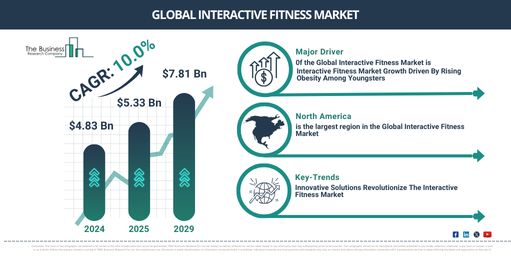
    The market size of interactive fitness has seen a meteoric rise in the past few years. Projected growth indicates an increase from $4.83 billion in 2024 to $5.33 billion in 2025, demonstrating a compound annual growth rate (CAGR) of 10.2%. Factors contributing to this accelerated growth during the historical period include elevated awareness of health, shifts in consumer tastes, the introduction of gaming elements to workouts, advancements in fitness monitoring and data analysis, and the widespread proliferation of digital platforms.

    How Much Will the Interactive Fitness Market Be Worth in 2029?

    The size of the interactive fitness market is anticipated to experience a swift expansion in the upcoming years, reaching $7.81 billion by 2029 with a CAGR of 10.0%. The anticipated growth within the given time-frame can be traced back to factors such as emerging health and wellness trends, personalization and customization of fitness routines, their merger into daily routines, and the rise in remote and hybrid fitness models. Some key trends to watch out for during the forecast period encompass VR workouts, live-streamed or on-demand classes, tailored workout sessions, the inclusion of wearable technology, and various multisensory experiences.

    Download The Free Sample Report Here:

    https://www.thebusinessresearchcompany.com/sample.aspx?id=15399&type=smp

    Which is the Largest Company in the Interactive Fitness Market?

    Major companies operating in the interactive fitness market are Peloton Interactive Inc., Fitbit Inc., iFit, Beachbody LLC, Precor, Flywheel Sports Inc., Bowflex, Nautilus Inc., Life Fitness, TECHNOGYM Spa, Matrix Fitness, Echelon Fitness Multimedia LLC, EGYM Inc., Hydrow Inc., Horizon Fitness, Evervue USA Inc., FightCamp, Paradigm Health and Wellness Inc., NordicTrack, Nexersys Corp., Axtion Technology LLC, Zwift Inc., MYX Fitness

    What Are the Main Market Drivers in the Interactive Fitness Industry?

    An increase in the incidence of obesity among young people is anticipated to stimulate the expansion of the interactive fitness market. Obesity, a medical condition resulting from an excessive amount of body fat, can lead to various health issues, and its prevalence is escalating due to factors such as inactive lifestyles, poor eating habits, the environment, and genetic susceptibility. Interactive fitness can be an effective intervention for those battling obesity, offering unique, personalised, and accessible fitness sessions that aid their path to enhanced health and wellness. For example, as reported by the Office for Health Improvement and Disparities, a department of the UK’s Health and Social Care, the estimated proportion of adults aged 18 and over in England with obesity increased from 63.3% in the prior year, to 63.8% in 2022. Consequently, the growing incidence of obesity among young people is fuelling the advancement of the interactive fitness market.

    Request For A Customized Report:

    https://www.thebusinessresearchcompany.com/customise?id=15399&type=smp

    How Is the Interactive Fitness Market Segments Structured?

    The interactive fitness market covered in this report is segmented –

    1) By Product: Fitness Equipment, Software System

    2) By Application: Gym, Household

    3) By End-User: Residential, Nonresidential

    Subsegments:

    1) By Fitness Equipment: Cardio Equipment (Treadmills, Stationary Bikes, Rowing Machines), Strength Training Equipment (Free Weights, Resistance Bands, Weight Machines), Connected Wearables (Smartwatches, Fitness Trackers), Smart Fitness Machines (Peloton, Smart Ellipticals), Fitness Accessories (Yoga Mats, Resistance Bands, Kettlebells)

    2) By Software System: Fitness Tracking Software (Apps For Tracking Exercise, Nutrition, And Progress), Virtual Fitness Classes (Live Streaming Workouts, On-Demand Exercise Programs), Fitness Gamification Platforms (Apps Incorporate Game-like Elements), Personal Training Software (Custom Workout Plans, AI-driven Coaching), Health And Wellness Platforms (Integrated Fitness And Health Tracking, Wellness Programs)

    What Strategic Trends Are Transforming the Interactive Fitness Market?

    Leading businesses in the interactive fitness market are concentrating on creating pioneering solutions, like cutting-edge AI-assisted workout tracking technology, to improve the user’s experience and maximize fitness benefits. This high-end AI-facilitated workout tracking tech in interactive fitness refers to systems that use intelligent algorithms to track and assess user’s workout performance, deliver individualized feedback, and tailor training programs to boost fitness results. For example, in October 2022, Insane AI, an Indian fitness technology firm, released an AI-guided fitness training application that exploits the front-facing camera on smartphones to monitor movements, offering immediate posture correction and form adjustments for users during their exercise sessions. It incorporates a broad spectrum of instructed body workouts, from HIIT and cardio, through to muscle training, yoga, balance exercises, and unique agility drills. Furthermore, it allows users access to their exercise and performance records. The interactive workout display keeps users alert with visual prompts and live commentary. The application also rewards users with tangible rewards for their exercise efforts, making fitness feel as enticing as a game.

    Access The Full Report Here:

    https://www.thebusinessresearchcompany.com/report/interactive-fitness-global-market-report

    Which Global Regions Offer the Highest Growth in the Interactive Fitness Market?

    North America was the largest region in the interactive fitness market in 2024. Asia-Pacific is expected to be the fastest-growing region in the forecast period. The regions covered in the interactive fitness market report are Asia-Pacific, Western Europe, Eastern Europe, North America, South America, Middle East, Africa.

    Purchase The Full Report Today:

    https://www.thebusinessresearchcompany.com/purchaseoptions.aspx?id=15399

    This Report Delivers Insight On:

    1. How big is the interactive fitness market, and how is it changing globally?

    2. Who are the major companies in the interactive fitness market, and how are they performing?

    3. What are the key opportunities and risks in the interactive fitness market right now?

    4. Which products or customer segments are growing the most in the interactive fitness market?

    5. What factors are helping or slowing down the growth of the interactive fitness market?

    About The Business Research Company:

    With over 15000+ reports from 27 industries covering 60+ geographies, The Business Research Company has built a reputation for offering comprehensive, data-rich research and insights. Armed with 1,500,000 datasets, the optimistic contribution of in-depth secondary research, and unique insights from industry leaders, you can get the information you need to stay ahead in the game.

    Get in touch with us:

    The Business Research Company: https://www.thebusinessresearchcompany.com/

    Americas +1 310-496-7795

    Asia +44 2071930708

    Europe +44 7882 955267

    Email us at info@tbrc.info

    Follow us on:

    LinkedIn: https://in.linkedin.com/company/the-business-research-company

    YouTube: https://www.youtube.com/channel/UC24_fI0rV8cR5DxlCpgmyFQ

    Global Market Model: https://www.thebusinessresearchcompany.com/global-market-model
  • Cell Separation Technologies Market Size to Exceed $21.79 Billion by 2029 | Growth and Industry Trends

    Cell Separation Technologies Market Size to Exceed $21.79 Billion by 2029 | Growth and Industry Trends

    Claim your 30% discount on Global Market Reports with code ONLINE30. Limited time only.

    How Fast Is The Cell Separation Technologies Market Expected to Grow Between 2025 And 2029?

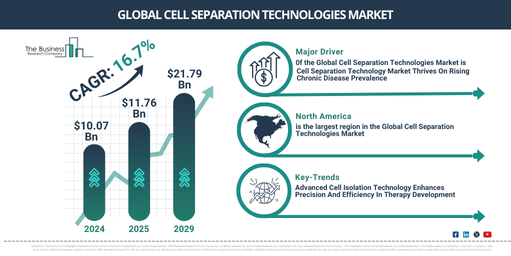
    Recent years have seen a rapid expansion in the cell separation technologies market. Predictions suggest an increase from $10.07 billion in 2024 to $11.76 billion in 2025, with a compound annual growth rate (CAGR) of 16.8%. This previous growth is linked to several factors including a higher demand for personalized medicine, a rise in chronic illness cases, increased funding allocated to life sciences research, growth in the biotechnology sector, advancements in technology, and the wide-ranging applications in regenerative medicine.

    What Growth Rate Is Anticipated for the Cell Separation Technologies Market in the Coming Years?

    In the forthcoming years, the cell separation technologies market is set to experience swift expansion, climbing to $21.79 billion in 2029 with a compound annual growth rate (CAGR) of 16.7%. The driving forces contributing to this surge can largely be linked to increased funding towards regenerative medicine studies, the broadening scope of usage in cancer diagnostics and therapy, heightened incidence of chronic ailments motivating the demand for cell-based cures, the introduction of innovative cell separation methods, and regulatory assistance for cell therapy advancement and commercialization. Among the notable trends anticipated within this timeframe are the incorporation of artificial intelligence and machine learning, the emergence of microfluidic-based platforms, the innovation of point-of-care cell separation devices, a growing emphasis on label-free separation methods, the adoption of single-cell isolation technologies, extended applications in regenerative medicine and stem cell studies, and the development of new cell sorting techniques.

    Download The Free Sample Report Here:

    https://www.thebusinessresearchcompany.com/sample.aspx?id=16013&type=smp

    Who Are the Leading Companies in the Cell Separation Technologies Market?

    Major companies operating in the cell separation technologies market are Sony Corporation, Merck KGaA, Thermo Fisher Scientific Inc., Danaher Corporation, Becton Dickinson and Company, GE HealthCare Technologies, Corning Incorporated, Lonza Group, Sartorius AG, Bio-Rad Laboratories Inc., Pall Corporation, Eppendorf AG, Miltenyi Biotec B.V. & Co. KG, Stemcell Technologies Inc., 10X Genomics Inc., Cytena GmbH, Pluriselect GmbH, Akadeum Life Sciences Inc., Cellenion, NanoCellect Biomedical Inc.

    What Are the Key Drivers of the Cell Separation Technologies Market?

    The rise in the occurrence of chronic diseases is anticipated to fuel the expansion of the cell separation technology market. Chronic ailments, which comprise of cancer, heart disease, stroke, diabetes, and arthritis, are persistent issues that last a year or beyond and require ongoing medical assistance or limit daily activities, or both. Contributing factors to the rise of chronic ailments include changeable lifestyle choices, social inequalities, infections, genetics, autoimmunity, and mental health concerns. Cell separation technologies have the potential to improve chronic disease treatments by offering methods for isolating relevant cells such as cancer cells and immune cells. For example, the US-based National Library of Medicine, National Center for Biotechnology Information (NCBI), predicted in January 2023 that by 2050, the population of individuals aged 50 and above with at least one chronic illness will increase by 99.5%, growing from 71.522 million in 2020 to 142.66 million. Thus, the escalating occurrence of chronic diseases is propelling the growth of the cell separation technology market.

    Request For A Customized Report:

    https://www.thebusinessresearchcompany.com/customise?id=16013&type=smp

    What Are the Key Market Segments in the Cell Separation Technologies Industry?

    The cell separation technologies market covered in this report is segmented –

    1) By Product: Instruments, Consumables And Reagents

    2) By Technology: Gradient Centrifugation, Surface Markers Separation, Fluorescence Activated Cell Sorting, Magnetic Cell Sorting, Filtration Based Separation

    3) By Application: Stem Cell Research, Immunology, Neuroscience, Cancer Research, Other Applications

    4) By End-User: Biotechnology And Pharmaceutical Companies, Hospitals And Diagnostic Laboratories, Academic And Research Institutes, Other End-Users

    Subsegments:

    1) By Instruments: Centrifuges, Magnetic Cell Sorters, Flow Cytometers, Laser Capture Microdissection Systems, Cell Sorters

    2) By Consumables And Reagents: Separation Columns, Cell Separation Kits, Filters, Microbeads, Other Consumables, Antibodies, Fluorescent Dyes, Enzymes, Buffers, Other Reagents

    What Are the Latest Trends in the Cell Separation Technologies Market?

    Key players in the cell separation technologies market are concentrating their efforts on creating cutting-edge technologies such as automated cell isolation technology. This approach aims to advance precision, enhance efficiency, and simplify the workflows for cell sorting and therapy development. The technology entails utilizing automated machines to distinguish specific cells from a mixed cellular grouping. For instance, a medical equipment, analytical instruments, reagents, and consumables company based in the US, named Thermo Fisher Scientific, launched the Gibco CTS DynaCellect Magnetic Separation System in October 2022. This automated, enclosed system aids in accurate cell isolation, activation, depletion, and the removal of Dynabeads magnetic beads. Its objective is to assist those developing cell therapies in transitioning smoothly from clinical development to commercial manufacture, delivering scalability, fluidity, and a complete solution from start to finish.

    Access The Full Report Here:

    https://www.thebusinessresearchcompany.com/report/cell-separation-technologies-global-market-report

    What Are the Key Regional Markets in the Cell Separation Technologies Industry?

    North America was the largest region in the cell separation technologies market in 2023. Asia-Pacific is expected to be the fastest-growing region in the forecast period. The regions covered in the cell separation technologies market report are Asia-Pacific, Western Europe, Eastern Europe, North America, South America, Middle East, Africa.

    Purchase The Full Report Today:

    https://www.thebusinessresearchcompany.com/purchaseoptions.aspx?id=16013

    This Report Delivers Insight On:

    1. How big is the cell separation technologies market, and how is it changing globally?

    2. Who are the major companies in the cell separation technologies market, and how are they performing?

    3. What are the key opportunities and risks in the cell separation technologies market right now?

    4. Which products or customer segments are growing the most in the cell separation technologies market?

    5. What factors are helping or slowing down the growth of the cell separation technologies market?

    About The Business Research Company:

    With over 15000+ reports from 27 industries covering 60+ geographies, The Business Research Company has built a reputation for offering comprehensive, data-rich research and insights. Armed with 1,500,000 datasets, the optimistic contribution of in-depth secondary research, and unique insights from industry leaders, you can get the information you need to stay ahead in the game.

    Get in touch with us:

    The Business Research Company: https://www.thebusinessresearchcompany.com/

    Americas +1 310-496-7795

    Asia +44 2071930708

    Europe +44 7882 955267

    Email us at info@tbrc.info

    Follow us on:

    LinkedIn: https://in.linkedin.com/company/the-business-research-company

    YouTube: https://www.youtube.com/channel/UC24_fI0rV8cR5DxlCpgmyFQ

    Global Market Model: https://www.thebusinessresearchcompany.com/global-market-model
  • Transthyretin Amyloidosis Treatment Market Trends Report 2025 – For Business Development and Strategy Teams

    Transthyretin Amyloidosis Treatment Market Trends Report 2025 – For Business Development and Strategy Teams

    Claim your 30% discount on Global Market Reports with code ONLINE30. Limited time only.

    What Is the Forecast for the Transthyretin Amyloidosis Treatment Market Growth in 2025?

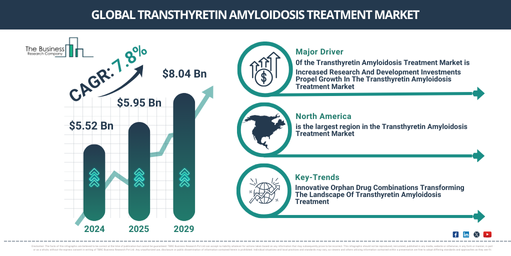
    The market for transthyretin amyloidosis treatment has seen robust growth in recent times. It is projected to expand from a value of $5.52 billion in 2024 to $5.95 billion in 2025, with a compound annual growth rate (CAGR) of 7.8%. Factors contributing to growth during the historical period include heightened awareness of the disease, progression in diagnostic instruments, the evolution of drug development and validation, patient backing and advocacy, and cooperative efforts in research.

    What Is the Forecast for the Transthyretin Amyloidosis Treatment Market Size Through 2029?

    The market size for the treatment of transthyretin amyloidosis is anticipated to expand robustly in the forthcoming years. The projected growth will reach $8.04 billion by 2029, with a CAGR of 7.8%. This expected surge within the forecast period can be credited to aspects such as the widened therapeutic pipeline, increased genetic screenings, global initiatives for rare disease awareness, the application of personalized medical strategies, and better avenues to access treatment. Noteworthy trends during the forecast period involve the advent of combination therapies, creation of strategic alliances for drug development, an emphasis on targeting peripheral and cardiac complications, the launch of patient education programs, and the inclusion of real-world evidence in treatment guidelines.

    Download The Free Sample Report Here:

    https://www.thebusinessresearchcompany.com/sample.aspx?id=13129&type=smp

    What are the Key Market Players in Transthyretin Amyloidosis Treatment Market and How They’re Evolving?

    Major companies operating in the transthyretin amyloidosis treatment market report are Pfizer Inc., Abbvie Inc., Sanofi S.A., Bristol Myers Squibb Company, AstraZeneca PLC, GSK PLC, Novo Nordisk A/S, Merck & Co. Inc., Astellas Pharma Inc., Alexion Pharmaceuticals Inc., Alnylam Pharmaceuticals Inc., PTC Therapeutics, Ionis Pharmaceuticals, Prothena Corporation PLC, BridgeBio Pharma Inc., Sorrento Therapeutics Inc., Intellia Therapeutics, Akcea Therapeutics Inc., Eidos Therapeutics Inc., Acrotech Biopharma Inc., Spectrum Pharmaceuticals Inc., Neurimmune AG, BELLUS Health Inc., Corino Therapeutics Inc., Celgene Corp, SOM Innovation Biotech S.A

    What Are the Primary Growth Drivers in the Transthyretin Amyloidosis Treatment Market?

    The anticipated surge in the transthyretin amyloidosis treatment market is largely due to the increasing funds being invested in research and development. These investments are directed towards broadening our scientific understanding, forging new technologies, devising innovative products, and upgrading current methodologies. Such financial support facilitates the conception and cultivation of avant-garde treatment methods for transthyretin amyloidosis. These include new-age medicinal drugs, gene interventions, and precision-oriented medicinal strategies, providing patients with focused and efficient treatment alternatives. As a case in point, Alnylam Pharmaceuticals, an American biopharmaceutical firm working on Vutrisiran, meant for ATTR amyloidosis treatment, raised its R&D investment to $883,015 in 2022, from $792,156 in 2021, indicating a growth rate of 11.49%. Hence, an upswing in research and development funding will fuel the growth of the transthyretin amyloidosis treatment market. The growth of the transthyretin amyloidosis treatment market is likely to be amplified by the ever-growing aged population demographic. The phrase “aging population” denotes a demographic transformation where the average age of a population rises due to falling birth rates and extended lifespan. Ageing is a critical risk factor for transthyretin amyloidosis (ATTR), and with an aging population, there’s a higher occurrence of Transthyretin Amyloidosis cases. This results in an expanding pool of patients necessitating treatment. For instance, the World Health Organization, a Switzerland-located agency of the United Nations tasked with global public health matters, disclosed in October 2022 that all counties worldwide are seeing a rise in the number and proportion of aged individuals. By 2030, it’s predicted that one out of every six people globally will be aged 60 or above. Consequently, the increasing aged population demographic is bolstering the transthyretin amyloidosis treatment market’s expansion.

    Request For A Customized Report:

    https://www.thebusinessresearchcompany.com/customise?id=13129&type=smp

    What Are the Leading Segments in the Global Transthyretin Amyloidosis Treatment Industry?

    The transthyretin amyloidosis treatment market covered in this report is segmented –

    1) By Type: Transthyretin Amyloidosis With Polyneuropathy (ATTR-PN), Transthyretin Amyloidosis With Cardiomyopathy (ATTR-CM)

    2) By Drug: Tafamidis, Patisiran, Inotersen, Other Drugs

    3) By Therapy: Targeted Therapy, Supportive Therapy, Pipeline Therapy

    4) By Distribution Channel: Hospital Pharmacies, Specialty Pharmacies, Retail Pharmacies, Online Pharmacies

    Subsegments:

    1) By Transthyretin Amyloidosis With Polyneuropathy (ATTR-PN): Early-Stage ATTR-PN, Advanced-Stage ATTR-PN

    2) By Transthyretin Amyloidosis With Cardiomyopathy (ATTR-CM): Mild ATTR-CM, Moderate ATTR-CM, Severe ATTR-CM

    What Are the Key Market Trends in the Transthyretin Amyloidosis Treatment Industry?

    Transthyretin amyloidosis treatment market’s principal companies are concentrating on creating unique and groundbreaking therapies, including orphan drugs, to increase patient outcomes and broaden the treatment possibilities. Eplontersen, an orphan drug developed specifically for the transthyretin amyloidosis condition, often gains regulatory advantages to aid its progress. For example, Canada’s Ionis Pharmaceuticals Inc., a biotechnology research firm, was granted The Food and Drug Administration (FDA) approval for a new drug application for Eplontersen in March 2023. This experimental orphan drug is designed to treat familial transthyretin-mediated amyloid, which leads to progressive polyneuropathy. Eplontersen is a medicinal compound designed to reduce the production of transthyretin (TTR) protein to help both inherited and non-hereditary types of ATTR amyloidosis (amyloid transthyretin amyloidosis). Eplontersen was given orphan drug status by the FDA in 2022.

    Access The Full Report Here:

    https://www.thebusinessresearchcompany.com/report/transthyretin-amyloidosis-treatment-global-market-report

    What Is the Regional Outlook for the Transthyretin Amyloidosis Treatment Market?

    North America was the largest region in the transthyretin amyloidosis treatment market in 2024. The regions covered in the transthyretin amyloidosis treatment market report are Asia-Pacific, Western Europe, Eastern Europe, North America, South America, Middle East, Africa

    Purchase The Full Report Today:

    https://www.thebusinessresearchcompany.com/purchaseoptions.aspx?id=13129

    This Report Delivers Insight On:

    1. How big is the transthyretin amyloidosis treatment market, and how is it changing globally?

    2. Who are the major companies in the transthyretin amyloidosis treatment market, and how are they performing?

    3. What are the key opportunities and risks in the transthyretin amyloidosis treatment market right now?

    4. Which products or customer segments are growing the most in the transthyretin amyloidosis treatment market?

    5. What factors are helping or slowing down the growth of the transthyretin amyloidosis treatment market?

    About The Business Research Company:

    With over 15000+ reports from 27 industries covering 60+ geographies, The Business Research Company has built a reputation for offering comprehensive, data-rich research and insights. Armed with 1,500,000 datasets, the optimistic contribution of in-depth secondary research, and unique insights from industry leaders, you can get the information you need to stay ahead in the game.

    Get in touch with us:

    The Business Research Company: https://www.thebusinessresearchcompany.com/

    Americas +1 310-496-7795

    Asia +44 2071930708

    Europe +44 7882 955267

    Email us at info@tbrc.info

    Follow us on:

    LinkedIn: https://in.linkedin.com/company/the-business-research-company

    YouTube: https://www.youtube.com/channel/UC24_fI0rV8cR5DxlCpgmyFQ

    Global Market Model: https://www.thebusinessresearchcompany.com/global-market-model
  • Cell Penetrating Peptide Industry Insights 2025 – Market Forecast for Executives and Planners

    Cell Penetrating Peptide Industry Insights 2025 – Market Forecast for Executives and Planners

    Claim your 30% discount on Global Market Reports with code ONLINE30. Limited time only.

    #How Has The Cell Penetrating Peptide Market Size Shifted, And What Is the Outlook Through 2034?

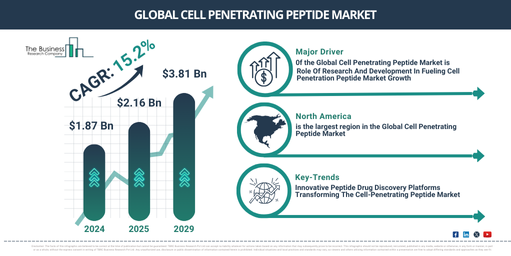
    The market size for cell penetrating peptides has experienced swift expansion in the previous years. The market, which is projected to rise from $1.87 billion in 2024 to $2.16 billion in 2025, has a compound annual growth rate (CAGR) of 15.6%. The unparalleled growth observed during the historic period is due to enhanced comprehension of cellular intake mechanisms, increased demand for specific drug delivery systems, a surge in chronic disease rates, the rise of individualized medicine strategies, and the broadening scope of pharmaceutical research and development.

    How Much Will the Cell Penetrating Peptide Market Be Worth in 2029?

    In the upcoming years, the market size for cell penetrating peptides is set to experience swift expansion, reaching $3.81 billion by 2029 with a 15.2% compound annual growth rate (CAGR). The surge during this period can be linked to the creation of novel peptide-based treatments for uncommon diseases, increased healthcare infrastructure investment in emerging markets, a rise in peptide-based vaccines and immunotherapies demand, regulatory strategies to simplify the approval process for peptide drugs, and transition to sustainable and biodegradable peptide delivery mechanisms. Significant trends in this period include the tailoring of cell penetrating peptides for specific therapeutic uses, using cell-penetrating peptides as intracellular delivery tools, incorporating artificial intelligence and machine learning in peptide design, synergizing cell-penetrating peptides, and the introduction of innovative delivery pathways.

    Download The Free Sample Report Here:

    https://www.thebusinessresearchcompany.com/sample.aspx?id=15537&type=smp

    Which is the Largest Company in the Cell Penetrating Peptide Market?

    Major companies operating in the cell penetrating peptide market are Thermo Fisher Scientific Inc., Novo Nordisk A/S, Merck KGaA, Corden Pharma GmbH, Sarepta Therapeutics Inc., GenScript Biotech Corporation, Bachem Holding AG, R&D Systems Inc., PolyPeptide Laboratories AB, PeptiDream Inc., Revance Therapeutics Inc., CPC Scientific Inc., Tocris Bioscience, Bio-Synthesis Inc., AnaSpec Inc., Avidity Biosciences Inc., Iris Biotech GmbH, PEPperPRINT GmbH, Chemos GmbH & Co. KG, Creative Peptides GmbH, ProImmune Ltd., Pepscan Inc., The Cupid Peptide Company, AltaBioscience Ltd., Peptomyc

    What Are the Main Market Drivers in the Cell Penetrating Peptide Industry?

    The escalation of financial input into health research and development is projected to significantly boost the growth of the cell penetration peptide market in the foreseeable future. Health research and development pertains to the methodical inquiry and experimentation employed to expand scientific comprehension and devise novel solutions to enhance healthcare results. The growth in health research and development is attributed to healthcare necessities, technological advancement, global health issues, motivation to invest, and economic potentials. Cell penetration peptides proffer flexible and efficacious tactics for the delivery of biomolecules and therapeutics into cells by enhancing various health research and development facets, namely drug delivery, gene therapy, vaccine creation, molecular imaging, and cellular research. For example, in December 2023, based on data from the National Center for Science and Engineering Statistics, a federal statistical agency in the US, state government organizations allocated $1.10 billion towards health research and experimental development in the fiscal year 2022, representing a 2.2% elevation in comparison to the $1.07 billion expended in the fiscal year 2021. Consequently, the rise in research and development is stimulating the growth of the cell penetration peptide market.

    Request For A Customized Report:

    https://www.thebusinessresearchcompany.com/customise?id=15537&type=smp

    How Is the Cell Penetrating Peptide Market Segments Structured?

    The cell penetrating peptide market covered in this report is segmented –

    1) By Type: Synthetic Cell Penetrating Peptides, Protein-Derived Cell Penetrating Peptides, Chimeric Cell Penetrating Peptides

    2) By Application: Drug Delivery, Gene Delivery, Diagnostics, Molecular Imaging, Other Applications

    3) By End Use: Pharmaceutical And Biotechnology Companies, Contract Research Organization (CROs), Hospitals And Clinics, Others End Users

    Subsegments:

    1) By Synthetic Cell Penetrating Peptides: Linear Synthetic CPPs, Branched Synthetic CPPs, Peptide Conjugates, Lipid-Modified Synthetic CPPs

    2) By Protein-Derived Cell Penetrating Peptides: Tat Peptides (From HIV-1 TAT), Antennapedia Peptides, Homeodomain Peptides, Other Naturally Derived CPPs

    3) By Chimeric Cell Penetrating Peptides: Fusion Peptides, Hybrid Peptides

    What Strategic Trends Are Transforming the Cell Penetrating Peptide Market?

    Leading players in the cell-penetrating peptide market are concentrating on the creation of innovative platforms such as peptide drug discovery platforms, to create a competitive advantage in the industry. A peptide drug discovery platform serves as an all-inclusive system or toolkit that assists in the recognition, strategizing, improvement, and appraisal of CPP-oriented treatments. For example, Fujitsu Limited, an ICT equipment and services company based in Japan, introduced the Biodrug Design Accelerator in May 2023. This platform facilitates the management of research procedures related to peptide drug discovery. It provides assistance to peptide drug discovery researchers in pharmaceutical companies by speeding up and raising the effectiveness of peptide drug development, primarily through the ‘design, make, test, analyze’ (DMTA) cycles. The Biodrug Design Accelerator also ensures smooth communication amongst scientists about the synthesis and testing, and upholds compatibility with HELM, a system used to explain intricate biomolecules.

    Access The Full Report Here:

    https://www.thebusinessresearchcompany.com/report/cell-penetrating-peptide-global-market-report

    Which Global Regions Offer the Highest Growth in the Cell Penetrating Peptide Market?

    North America was the largest region in the cell penetrating peptide market in 2023. Asia-Pacific is expected to be the fastest-growing region in the forecast period. The regions covered in the cell penetrating peptide market report are Asia-Pacific, Western Europe, Eastern Europe, North America, South America, Middle East, Africa.

    Purchase The Full Report Today:

    https://www.thebusinessresearchcompany.com/purchaseoptions.aspx?id=15537

    This Report Delivers Insight On:

    1. How big is the cell penetrating peptide market, and how is it changing globally?

    2. Who are the major companies in the cell penetrating peptide market, and how are they performing?

    3. What are the key opportunities and risks in the cell penetrating peptide market right now?

    4. Which products or customer segments are growing the most in the cell penetrating peptide market?

    5. What factors are helping or slowing down the growth of the cell penetrating peptide market?

    About The Business Research Company:

    With over 15000+ reports from 27 industries covering 60+ geographies, The Business Research Company has built a reputation for offering comprehensive, data-rich research and insights. Armed with 1,500,000 datasets, the optimistic contribution of in-depth secondary research, and unique insights from industry leaders, you can get the information you need to stay ahead in the game.

    Get in touch with us:

    The Business Research Company: https://www.thebusinessresearchcompany.com/

    Americas +1 310-496-7795

    Asia +44 2071930708

    Europe +44 7882 955267

    Email us at info@tbrc.info

    Follow us on:

    LinkedIn: https://in.linkedin.com/company/the-business-research-company

    YouTube: https://www.youtube.com/channel/UC24_fI0rV8cR5DxlCpgmyFQ

    Global Market Model: https://www.thebusinessresearchcompany.com/global-market-model

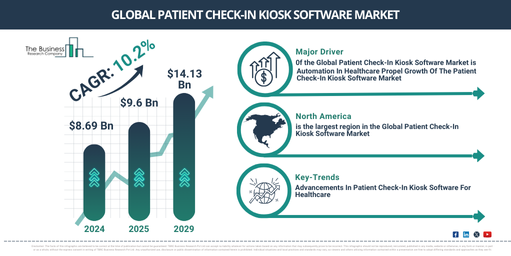
  • Patient Check-In Kiosk Software Industry Valued at $14.13 Billion by 2029 With CAGR of 10.2% | Size and Share Insights

    Patient Check-In Kiosk Software Industry Valued at $14.13 Billion by 2029 With CAGR of 10.2% | Size and Share Insights

    Claim your 30% discount on Global Market Reports with code ONLINE30. Limited time only.

    What Are the Projected Market Size and Growth Rates for the Patient Check-In Kiosk Software Market From 2025 To 2029?

    Rapid expansion has been observed in the patient check-in kiosk software market size in recent times. The market, valued at $8.69 billion in 2024, is forecasted to elevate to $9.6 billion in 2025, exhibiting a compound annual growth rate (CAGR) of 10.4%. Factors contributing to the market’s growth in the past include the adoption of electronic health records, the progression in touchscreen technology, the incorporation of biometrics, incentives by the government, and a rising demand for convenience.

    What Is the Projected Market Size of the Patient Check-In Kiosk Software Market?

    The market size for patient check-in kiosk software is anticipated to experience fast-paced growth over the next few years, expanding to $14.13 billion in 2029, with a compound annual growth rate (CAGR) of 10.2%. The expansion in the projected period can be credited to advancements in digital health technologies, amplified incorporation of telehealth and telemedicine, modifications in healthcare guidelines and protocols, an older population needing routine health care check-ups, and a growth in chronic ailments. Significant trends for the forecast period encompass the amalgamation of cutting-edge technologies, support in multiple languages, improved user interfaces, compatibility with mobile devices, and the introduction of payment processing functionalities.

    Download The Free Sample Report Here:

    https://www.thebusinessresearchcompany.com/sample.aspx?id=18425&type=smp

    Who are the Major Competitors in the Patient Check-In Kiosk Software Market Outlook?

    Major companies operating in the patient check-in kiosk software market are eClinicalWorks, AdvancedMD, Wavetec, KIOSK Information Systems, Frank Mayer and Associates, DESKO GmbH, Surety Systems, CERTIFY Health, Matellio Inc., Vecna Healthcare, xiphiastec, Meridian Kiosks, Acropolium, Clearwave, ImageHOLDERS, Aila Technologies, PatientTrak, insight.tech, EMRsystems, AirDroid, SourceForge

    What Is Fueling Growth in the Patient Check-In Kiosk Software Market?

    The expansion of the patient check-in kiosk software market is forecasted to be fueled by the escalating need for automation in the healthcare sector. Automating healthcare implies leveraging technological solutions to carry out functions traditionally performed by humans, thereby enhancing efficiency, mitigating human errors, and intensifying patient care. Numerous factors are driving the demand for automation in healthcare including improved efficiency and productivity, cost-cutting, advanced patient care, and data management. Patient check-in kiosk software is instrumental in promoting automation in healthcare establishments by simplifying administrative tasks and improving patient interaction. For example, Intuitive Surgical Operations, Inc., a leading American provider of robot-assisted minimally invasive surgical (MIS) equipment, reported in January 2023 that in 2022, over 1.8 million procedures were completed using 7,500 installed da Vinci systems globally. This marked an 18% increase in procedures from 2021, with notable uptake in urology, gynecology, general surgery, and other disciplines. Accordingly, the surging demand for automation in healthcare is driving the growth of the patient check-in kiosk software market.

    Request For A Customized Report:

    https://www.thebusinessresearchcompany.com/customise?id=18425&type=smp

    Which Patient Check-In Kiosk Software Market Segments Are Growing the Fastest?

    The patient check-in kiosk software market covered in this report is segmented –

    1) By Product Or Type: Cloud-Based, On-Premise

    2) By Application: Large Enterprises, Small And Medium-Sized Enterprises

    3) By End-User: Healthcare Providers, Patients

    Subsegments:

    1) By Cloud-Based: Software-As-A-Service (SaaS), Platform-As-A-Service (PaaS), Hosted Solutions

    2) By On-Premise: Custom Installed Solutions, Integrated Systems, Legacy Software Solutions

    Which Industry Trends Are Shaping the Future of the Patient Check-In Kiosk Software Market?

    A predominant trend in the patient check-in kiosk software market involves leading companies investing in the development of cutting-edge health technologies. These include user-friendly patient intake solutions, designed to streamline information gathering before medical visits, all in an effort to increase front-office productivity, empower patients, and ease the workload of front-office staff. In an illustration of this trend, Raintree Systems, a US company offering dedicated software solutions for healthcare organizations, rolled out Kiosk Prime in September 2023. This revolutionary platform leverages automation to streamline front-office functions, and smoothly integrates with Raintree’s electronic health record (EHR) system to boost efficiency and data accuracy. As it is designed for simplicity and ease-of-use, it aims to improve front-office productivity, increase revenue, and offer an empowering, intuitive patient experience. This addresses the growing demands and challenges in the thriving patient check-in kiosk software market.

    Access The Full Report Here:

    https://www.thebusinessresearchcompany.com/report/patient-check-in-kiosk-software-global-market-report

    Which Countries Are Leading the Patient Check-In Kiosk Software Market?

    North America was the largest region in the patient check-in kiosk software market in 2024. The regions covered in the patient check-in kiosk software market report are Asia-Pacific, Western Europe, Eastern Europe, North America, South America, Middle East, Africa.

    Purchase The Full Report Today:

    https://www.thebusinessresearchcompany.com/purchaseoptions.aspx?id=18425

    This Report Delivers Insight On:

    1. How big is the patient check-in kiosk software market, and how is it changing globally?

    2. Who are the major companies in the patient check-in kiosk software market, and how are they performing?

    3. What are the key opportunities and risks in the patient check-in kiosk software market right now?

    4. Which products or customer segments are growing the most in the patient check-in kiosk software market?

    5. What factors are helping or slowing down the growth of the patient check-in kiosk software market?

    About The Business Research Company:

    With over 15000+ reports from 27 industries covering 60+ geographies, The Business Research Company has built a reputation for offering comprehensive, data-rich research and insights. Armed with 1,500,000 datasets, the optimistic contribution of in-depth secondary research, and unique insights from industry leaders, you can get the information you need to stay ahead in the game.

    Get in touch with us:

    The Business Research Company: https://www.thebusinessresearchcompany.com/

    Americas +1 310-496-7795

    Asia +44 2071930708

    Europe +44 7882 955267

    Email us at info@tbrc.info

    Follow us on:

    LinkedIn: https://in.linkedin.com/company/the-business-research-company

    YouTube: https://www.youtube.com/channel/UC24_fI0rV8cR5DxlCpgmyFQ

    Global Market Model: https://www.thebusinessresearchcompany.com/global-market-model