Category: HealthcareServices

  • Cell Dissociation Sector Forecast Shows Robust Momentum, Climbing to $0.77 Billion With 12.6% CAGR

    Cell Dissociation Sector Forecast Shows Robust Momentum, Climbing to $0.77 Billion With 12.6% CAGR

    Uncover key drivers, emerging technologies, and competitive movements shaping the cell dissociation market from 2026–2035 with trusted insights from The Business Research Company

    What level of CAGR-driven expansion is anticipated in the Cell Dissociation Market between 2026 and 2030?

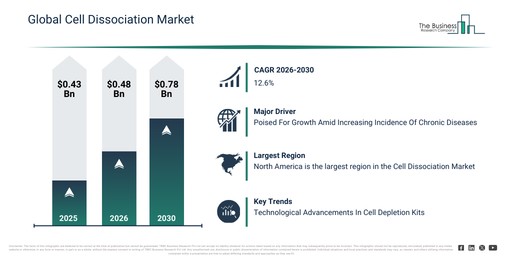
    The cell dissociation market size has experienced rapid growth in recent years. Projections indicate it will expand from $0.43 billion in 2025 to $0.48 billion in 2026, demonstrating a compound annual growth rate (CAGR) of 12.9%. This growth in the historic period can be attributed to several factors, including the expansion of cell-based research activities, the increasing use of flow cytometry techniques, the growth in academic life sciences research, the wider adoption of in vitro cell culture models, and the availability of commercial dissociation reagents.

    The cell dissociation market is expected to experience significant expansion in the coming years, with its size projected to reach $0.78 billion by 2030, achieving a compound annual growth rate (CAGR) of 12.6%. This anticipated growth is driven by factors such as the increasing adoption of single-cell genomics, rising investments in cell therapy research, a growing demand for reproducible cell processing workflows, the expansion of precision medicine studies, and the increasing use of automated laboratory systems. Key trends for the forecast period include the wider adoption of standardized enzymatic dissociation protocols, a rising demand for gentle cell separation techniques, the growing deployment of automated tissue dissociation systems, the expansion of single-cell analysis workflows, and an enhanced focus on preserving cell viability.

    Access Your Free Sample Report for In-Depth Market Insights:

    https://www.thebusinessresearchcompany.com/sample.aspx?id=19360&type=smp

    What Drivers Are Affecting Demand-Supply Dynamics In The Cell Dissociation Market?

    The rising occurrence of chronic ailments is projected to stimulate the growth of the cell dissociation market moving forward. This escalation in chronic disease incidence is attributed to elements such as aging demographics, shifts in lifestyle, and increasing levels of obesity, physical inactivity, and unhealthy dietary habits, which collectively foster the long-term development and persistence of conditions including diabetes, heart disease, and cancer. Cell dissociation is essential for investigating chronic diseases as it enables researchers to isolate and analyze individual cells, thereby assisting in understanding disease mechanisms and formulating targeted therapies. For instance, in April 2025, according to the Centers for Disease Control and Prevention (CDC), a U.S.-based federal health agency, approximately 194 million U.S. adults (76.4%) in 2023 reported having one or more chronic conditions, and about 130 million adults (51.4%) reported having multiple chronic conditions. Therefore, the escalating incidence of chronic diseases is a key driver for the cell dissociation market.

    What Segments Are Included Within The Cell Dissociation Market?

    The cell dissociation market covered in this report is segmented –

    1) By Product: Enzymatic Dissociation, Non-enzymatic Dissociation, Instruments And Accessories

    2) By Tissue: Epithelial Tissue, Connective Tissue

    3) By Application: Tissue Dissociation, Cell Detachment

    4) By End-User: Pharmaceuticals And Biotechnology Companies, Research And Academic Institutes, Clinical Research Organizations (CRO), Other End-Users

    Subsegments:

    1) By Enzymatic Dissociation: Trypsin Solutions, Collagenase Solutions, Dispase Solutions, Other Enzymatic Dissociation Reagents

    2) By Non-Enzymatic Dissociation: Chemical Dissociation Solutions, Mechanical Dissociation Solutions, Hypotonic Solutions

    3) By Instruments and Accessories: Cell Dissociation Systems, Tissue Homogenizers, Centrifuges, Cell Culture Plates And Flasks

    Which Trends Are Guiding The Evolution Of The Cell Dissociation Market?

    Leading companies in the cell dissociation market are concentrating on creating advanced products like cell depletion and enrichment kits to achieve a competitive advantage. These kits are engineered to selectively remove or concentrate specific cell populations, thereby enhancing the efficiency and accuracy of subsequent applications in both research and clinical settings. For example, in February 2023, LevitasBio, a US-based biotechnology company, unveiled its LeviSelect Suite of Cell Depletion & Enrichment Kits. These kits incorporate unique features, such as high-speed processing and minimal impact on cell viability, which improve their practical application in sensitive research environments. Additionally, the LeviSelect kits provide customizable protocols, empowering researchers to precisely target a diverse array of cell types.

    Who Are The Major Companies Operating In The Cell Dissociation Market?

    Major companies operating in the cell dissociation market are Roche Holding AG, Danaher Corporation, Fujifilm Holdings Corporation, Becton Dickinson and Company, GE HealthCare Technologies Inc., Corning Incorporated, Lonza Group AG, Bio-Rad Laboratories Inc., Eppendorf AG, Bio-Techne Corporation, Miltenyi Biotec, BioLegend Inc., Cyagen Biosciences Inc., Cell Signaling Technology Inc., HiMedia Laboratories LLC, Gemini Bio-Products, Biological Industries USA Inc., BrainBits LLC, Biocompare Inc., AAT Bioquest Inc.

    Access The Complete Report For Deeper Market Insights:

    https://www.thebusinessresearchcompany.com/report/cell-dissociation-global-market-report

    Which Region Is Anticipated To See The Fastest Growth In The Cell Dissociation Market?

    North America was the largest region in the cell dissociation market in 2025. Asia-Pacific is expected to be the fastest-growing region in the forecast period. The regions covered in the cell dissociation market report are Asia-Pacific, South East Asia, Western Europe, Eastern Europe, North America, South America, Middle East, Africa.

    Request Your Customized Cell Dissociation Market Research Report for Competitive Advantage:

    https://www.thebusinessresearchcompany.com/customise?id=19360&type=smp

    Browse Through More Reports Similar to the Global Cell Dissociation Market 2026, By The Business Research Company

    Induced Pluripotent Stem Cell Market Report 2026

    https://www.thebusinessresearchcompany.com/report/induced-pluripotent-stem-cell-global-market-report

    Cell Culture Consumables And Equipment Market Report 2026

    https://www.thebusinessresearchcompany.com/report/cell-culture-consumables-and-equipment-global-market-report

    Stem Cell Cord Blood Banking Market Report 2026

    https://www.thebusinessresearchcompany.com/report/stem-cell-cord-blood-banking-global-market-report

    Get in touch with us:

    The Business Research Company: https://www.thebusinessresearchcompany.com/

    Americas +1 310-496-7795

    Asia +44 7882 955267 & +91 8897263534

    Europe +44 7882 955267

    Email us at info@tbrc.info

    Follow us on:

    LinkedIn: https://in.linkedin.com/company/the-business-research-company

    YouTube: https://www.youtube.com/channel/UC24_fI0rV8cR5DxlCpgmyFQ

    Global Market Model: https://www.thebusinessresearchcompany.com/global-market-model
  • Global Portal Hypertension Management Market Report 2026–2035: Key Forecasts and Growth Areas

    Global Portal Hypertension Management Market Report 2026–2035: Key Forecasts and Growth Areas

    Uncover key drivers, emerging technologies, and competitive movements shaping the portal hypertension management market from 2026–2035 with trusted insights from The Business Research Company

    How much is the Portal Hypertension Management Market valued at in 2026, and what valuation is forecast for 2030?

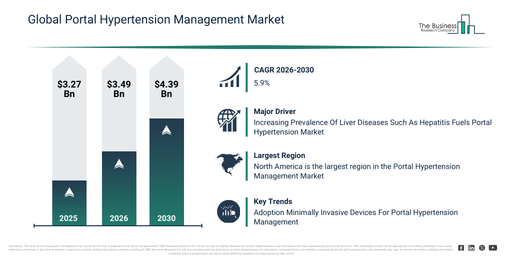
    The portal hypertension management market has demonstrated significant expansion in recent years. It is projected to increase from $3.27 billion in 2025 to $3.49 billion in 2026, achieving a compound annual growth rate (CAGR) of 6.8%. This historic growth can be attributed to several factors including the rising prevalence of liver cirrhosis, an increasing incidence of alcohol-related liver disease, the availability of beta-blocker therapies, the growing adoption of endoscopic treatment procedures, and the expansion of specialized hepatology care.

    The portal hypertension management market is anticipated to experience robust growth over the next few years, reaching a valuation of $4.39 billion by 2030, driven by a compound annual growth rate (CAGR) of 5.9%. This expansion during the forecast period is primarily due to the increasing demand for advanced liver disease management, the growing adoption of TIPS procedures, a heightened focus on preventing complications, the expansion of specialized liver clinics, and increased investment in precision hepatology treatments. Key trends in the upcoming period include a rise in minimally invasive treatment approaches, broader use of endoscopic variceal management techniques, an amplified emphasis on early intervention strategies, the diversification of combination drug therapies, and improved monitoring of portal pressure levels.

    Access Your Free Sample Report for In-Depth Market Insights:

    https://www.thebusinessresearchcompany.com/sample.aspx?id=16515&type=smp

    What Drivers Are Influencing The Growth Of The Portal Hypertension Management Market?

    The anticipated expansion of the portal hypertension management market is directly linked to the rising incidence of liver diseases. Liver disease encompasses diverse conditions that impair the liver’s structure or function, often manifesting with symptoms such as jaundice, fatigue, and abdominal pain. Its origins include alcohol consumption, viral hepatitis infections, metabolic disorders, and obesity-related fatty liver disease. The management of portal hypertension in cases of liver disease focuses on decreasing pressure within the portal vein system, an intervention that helps to mitigate complications like variceal bleeding, ascites, and hepatic encephalopathy, thereby enhancing patient outcomes. A notable illustration comes from July 2023, when the World Health Organization (WHO), a Switzerland-based health agency, reported that the Western Pacific Region is experiencing an increasing prevalence of liver diseases. Specifically, 116 million individuals were afflicted with hepatitis B and 10 million with hepatitis C in 2023. Despite an annual addition of 3 million new infections, diagnostic and treatment rates continue to be low, contributing to the rising incidence of liver cirrhosis and liver cancer. Consequently, the growing occurrence of liver diseases is a key factor propelling the portal hypertension management market.

    What Segments Are Included Within The Portal Hypertension Management Market?

    The portal hypertension management market covered in this report is segmented –

    1) By Treatment Type: Medications, Non-Surgical Procedures, Surgery

    2) By Procedure Type: Transjugular Intrahepatic Portosystemic Shunt (TIPS), Other Procedure Types

    3) By End-User: Hospitals, Specialty Clinics, Other End-Users

    Subsegments:

    1) By Medications: Beta-Blockers, Vasodilators, Diuretics, Antibiotics, Other Medications

    2) By Non-Surgical Procedures: Endoscopic Variceal Ligation (EVL), Endoscopic Sclerotherapy, Transjugular Intrahepatic Portosystemic Shunt (TIPS), Balloon Occlusion

    3) By Surgery: Liver Transplantation, Portosystemic Shunt Surgery, Surgical Decompression Of Portal Vein, Other Surgical Procedures

    Which Innovation Trends Are Advancing Developments Within The Portal Hypertension Management Market?

    Major companies in the portal hypertension management market are increasingly employing advanced minimally invasive devices to enhance treatment outcomes and mitigate procedural risks. Minimally invasive devices are medical instruments or tools designed to carry out procedures with minimal disruption to surrounding tissues, typically through small incisions or natural body openings. For instance, in November 2023, Medtronic Plc, a US-based medical device manufacturer, obtained approval from the U.S. Food and Drug Administration (FDA) for Symplicity Spyral renal denervation (RDN), a minimally invasive device for addressing hypertension. This innovative procedure utilizes radiofrequency energy to target nerves near the kidneys, effectively calming them to manage hypertension.

    Who Are The Primary Competitors In The Global Portal Hypertension Management Market?

    Major companies operating in the portal hypertension management market are Pfizer Inc., AbbVie Inc., Bayer AG, Sanofi SA, Bristol-Myers Squibb Company, AstraZeneca PLC, Novartis AG, GlaxoSmithKline plc, Eli Lilly and Company, Gilead Sciences Inc., Merck & Co., Boehringer Ingelheim International GmbH, Amneal Pharmaceuticals LLC, Lupin Ltd., Daiichi Sankyo, Dr. Falk Pharma GmbH, Cumberland Pharmaceuticals Inc., Ono Pharmaceutical Co. Ltd., Takeda Pharmaceutical Company Limited, Ipsen Pharma, Eisai Co. Ltd., Johnson & Johnson

    Access The Complete Report For Deeper Market Insights:

    https://www.thebusinessresearchcompany.com/report/portal-hypertension-management-global-market-report

    Which Global Regions Are Shaping The Competitive Landscape Of The Portal Hypertension Management Market?

    North America was the largest region in the portal hypertension management market in 2025. The regions covered in the portal hypertension management market report are Asia-Pacific, South East Asia, Western Europe, Eastern Europe, North America, South America, Middle East, Africa.

    Request Your Customized Portal Hypertension Management Market Research Report for Competitive Advantage:

    https://www.thebusinessresearchcompany.com/customise?id=16515&type=smp

    Browse Through More Reports Similar to the Global Portal Hypertension Management Market 2026, By The Business Research Company

    Captive Portal Market Report 2026

    https://www.thebusinessresearchcompany.com/report/captive-portal-global-market-report

    Patient Portal Market Report 2026

    https://www.thebusinessresearchcompany.com/report/patient-portal-global-market-report

    Ocular Hypertension Treatment Market Report 2026

    https://www.thebusinessresearchcompany.com/report/ocular-hypertension-treatment-global-market-report

    Get in touch with us:

    The Business Research Company: https://www.thebusinessresearchcompany.com/

    Americas +1 310-496-7795

    Asia +44 7882 955267 & +91 8897263534

    Europe +44 7882 955267

    Email us at info@tbrc.info

    Follow us on:

    LinkedIn: https://in.linkedin.com/company/the-business-research-company

    YouTube: https://www.youtube.com/channel/UC24_fI0rV8cR5DxlCpgmyFQ

    Global Market Model: https://www.thebusinessresearchcompany.com/global-market-model
  • Cell Cytometry Market Anticipated to Record Steady Gains, Advancing to $2.62 Billion by 2030

    Cell Cytometry Market Anticipated to Record Steady Gains, Advancing to $2.62 Billion by 2030

    Uncover key drivers, emerging technologies, and competitive movements shaping the cell cytometry market from 2026–2035 with trusted insights from The Business Research Company

    What long-term size projections exist for the Cell Cytometry Market covering 2026–2035?

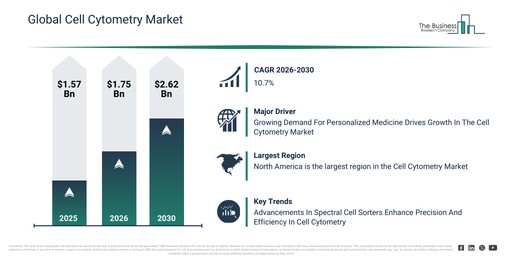
    The cell cytometry market has experienced substantial expansion in recent years. It is projected to grow from $1.57 billion in 2025 to $1.75 billion in 2026, at a compound annual growth rate (CAGR) of 11.0%. The growth observed in previous periods is largely attributable to the increase in cancer research endeavors, the expanding utilization of flow cytometry in diagnostic applications, advancements in pharmaceutical drug discovery, the incorporation of automated laboratory systems, and the accessibility of sophisticated cytometry reagents.

    The cell cytometry market is poised for significant expansion in the coming years, with its market size projected to reach $2.62 billion by 2030, driven by a compound annual growth rate (CAGR) of 10.7%. This projected growth during the forecast period stems from factors such as the escalating adoption in precision medicine, augmented investments in immunotherapy research, the widening scope of single-cell analysis applications, an increased demand for high-throughput cell analysis, and the growing integration of digital analytics into cytometry platforms. Noteworthy trends expected during this period involve the greater uptake of high-parameter flow cytometry, the expanding deployment of AI-based cell analysis software, an increasing requirement for immune profiling applications, the extension of automated cytometry workflows, and a heightened emphasis on single-cell analysis.

    Access Your Free Sample Report for In-Depth Market Insights:

    https://www.thebusinessresearchcompany.com/sample.aspx?id=20527&type=smp

    Which Drivers Are Impacting The Competitive Landscape Of The Cell Cytometry Market?

    The escalating need for personalized medicine is anticipated to propel the expansion of the cell cytometry treatment market going forward. Personalized medicine represents a medical strategy that customizes treatment and prevention plans to suit each patient’s unique characteristics, genetics, and lifestyle, striving for more precise and effective healthcare solutions. The increasing appeal of personalized medicine is driven by its capacity to deliver more effective, targeted treatments with reduced side effects, thereby improving patient outcomes. Cell cytometry is employed in personalized medicine to analyze individual patients’ cells, which enables the accurate identification of disease markers, monitoring of immune responses, and the tailoring of treatments based on a patient’s specific cellular characteristics, thus enhancing the effectiveness and customization of therapies. For instance, in February 2024, according to the Personalized Medicine Coalition, a US-based non-profit organization, the FDA approved 16 novel personalized therapies for patients with rare diseases in 2023, a notable increase from six in 2022. Consequently, the rising demand for personalized medicine is fueling the growth of the cell cytometry market.

    What Leading Segments Are Studied In The Cell Cytometry Market?

    The cell cytometry market covered in this report is segmented –

    1) By Product Type: Instrument, Kit And Reagent, Software And Services

    2) By Technology: Cell-Based Flow Cytometry, Bead-Based Flow Cytometry

    3) By Application: Oncology, Drug Discovery, Stem Cell Therapy, Organ Transplantation, Hematology, Other Applications

    4) By End-User: Hospitals And Clinics, Academia And Research Institutes, Pharmaceutical And Biotechnology Companies, Other End-Users

    Subsegments:

    1) By Instrument: Flow Cytometers, Imaging Cytometers, Mass Cytometers, Laser Scanning Cytometers

    2) By Kit and Reagent: Cell Staining Kits, Antibody Reagents, Isotype Controls, Cell Viability Assays

    3) By Software and Services: Data Analysis Software, Instrument Calibration Software, Consulting Services, Technical Support And Maintenance Services

    What Trends Are Projected To Support The Growth Of The Cell Cytometry Market?

    Leading companies within the cell cytometry market are prioritizing the development of innovative solutions, such as spectral cell sorters, to achieve unbiased results and enhance operational efficiency. Such sorters represent advanced flow cytometry devices, distinguishing cells by their complete fluorescence emission spectrum rather than a limited number of wavelengths. Notably, Sony Corporation, a Japan-based electronics company, unveiled its FP7000 spectral cell sorter in October 2023. This device boasts advanced full-spectrum analysis combined with high-speed sorting, facilitating the accurate and simultaneous detection of numerous fluorescent markers. Leveraging Sony’s patented spectral technology, the FP7000 enables precise cell identification through full-spectrum capture and deconvolution, thereby boosting multiplexing capabilities and resolution beyond what traditional flow cytometers offer. Designed for straightforward operation via intuitive software, the FP7000 is well-suited for intricate research applications across immunology, cancer, and stem cell studies.

    Which Major Firms Are Strengthening Their Position In The Cell Cytometry Market?

    Major companies operating in the cell cytometry market are Merck & Co. Inc., Thermo Fisher Scientific Inc., Danaher Corporation, Becton Dickinson and Company, Agilent Technologies Inc., Sartorius AG, Beckman Coulter Inc., Bio-Rad Laboratories Inc., Bruker Corporation, StemCell Technologies Canada Inc., PerkinElmer Inc., Molecular Devices LLC, Luminex Corporation, R&D Systems, Cytek Biosciences Inc., Cell Signaling Technology Inc., Sony Biotechnology Inc., Sysmex Partec GmbH, Nexcelom Bioscience, Vajra Biometrix Private Limited, Accellix, Amphasys

    Access The Complete Report For Deeper Market Insights:

    https://www.thebusinessresearchcompany.com/report/cell-cytometry-global-market-report

    Which Region Is Anticipated To See The Fastest Growth In The Cell Cytometry Market?

    North America was the largest region in the cell cytometry market in 2025. Asia-Pacific is expected to be the fastest-growing region in the forecast period. The regions covered in the cell cytometry market report are Asia-Pacific, South East Asia, Western Europe, Eastern Europe, North America, South America, Middle East, Africa.

    Request Your Customized Cell Cytometry Market Research Report for Competitive Advantage:

    https://www.thebusinessresearchcompany.com/customise?id=20527&type=smp

    Browse Through More Reports Similar to the Global Cell Cytometry Market 2026, By The Business Research Company

    Cellular Telephone Market Report 2026

    https://www.thebusinessresearchcompany.com/report/cellular-telephone-global-market-report

    Flow Cytometry In Oncology And Immunology Market Report 2026

    https://www.thebusinessresearchcompany.com/report/flow-cytometry-in-oncology-and-immunology-global-market-report

    Stem Cell Market Report 2026

    https://www.thebusinessresearchcompany.com/report/stem-cell-global-market-report

    Get in touch with us:

    The Business Research Company: https://www.thebusinessresearchcompany.com/

    Americas +1 310-496-7795

    Asia +44 7882 955267 & +91 8897263534

    Europe +44 7882 955267

    Email us at info@tbrc.info

    Follow us on:

    LinkedIn: https://in.linkedin.com/company/the-business-research-company

    YouTube: https://www.youtube.com/channel/UC24_fI0rV8cR5DxlCpgmyFQ

    Global Market Model: https://www.thebusinessresearchcompany.com/global-market-model
  • Portable Vascular Doppler Market 2026–2030: Forecast, Innovation, and Competitive Trends

    Portable Vascular Doppler Market 2026–2030: Forecast, Innovation, and Competitive Trends

    Uncover key drivers, emerging technologies, and competitive movements shaping the portable vascular doppler market from 2026–2035 with trusted insights from The Business Research Company

    By how much is the Portable Vascular Doppler Market expected to grow between 2026 and 2030?

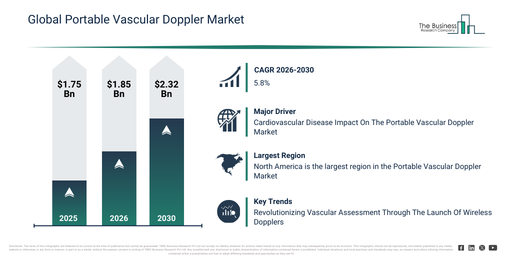
    The portable vascular doppler market size has shown robust growth in recent years. It is anticipated to expand from $1.75 billion in 2025 to $1.85 billion in 2026, achieving a compound annual growth rate (CAGR) of 5.9%. The historical progression of this market can be linked to the increasing prevalence of vascular disorders, widespread use of doppler ultrasound technology, growth in outpatient diagnostic procedures, rising demand for fetal monitoring devices, and the availability of compact ultrasound components.

    The portable vascular doppler market size is projected to experience robust expansion in the coming years. It is expected to grow to $2.32 billion by 2030, achieving a compound annual growth rate (CAGR) of 5.8%. The increase during the forecast period can be attributed to the rising adoption of point-of-care diagnostic tools, a heightened focus on early vascular disease detection, the expansion of portable diagnostics into home healthcare, technological advancements in signal processing, and the growing demand for cost-effective diagnostic devices. Significant trends in the forecast period include the increasing use of handheld doppler devices, the growing integration of visual and audio flow displays, a rising demand for point-of-care vascular diagnostics, the broader application of portable devices in primary care settings, and an enhanced focus on non-invasive blood flow monitoring.

    Access Your Free Sample Report for In-Depth Market Insights:

    https://www.thebusinessresearchcompany.com/sample.aspx?id=18436&type=smp

    Which Drivers Are Influencing Market Acceleration In The Portable Vascular Doppler Market?

    The rising occurrence of cardiovascular conditions is anticipated to drive expansion in the portable vascular doppler market in the future. Cardiovascular diseases (CVD) encompass a range of ailments impacting the heart and blood vessels. Globally, the consumption of unhealthy processed foods and insufficient intake of fruits and vegetables contribute to the escalation of CVD. Furthermore, inactive lifestyles, suboptimal dietary selections, and high obesity rates play a substantial role in cardiovascular issues. These portable vascular doppler devices boost diagnostic capabilities for healthcare professionals, facilitating early detection and effective management of cardiovascular ailments, which, in turn, enhances patient results and lessens the likelihood of complications tied to vascular conditions. As an illustration, in January 2024, the American Heart Association, a US-based nonprofit organization, reported that cardiovascular disease-related deaths totaled 931,578, surpassing the 928,741 recorded in 2023. Moreover, the age-adjusted mortality rate from cardiovascular disease also experienced a slight rise, reaching 233.3 per 100,000, indicating a 4.0% increase from the prior year’s rate of 224.4 per 100,000. Consequently, the growing incidence of cardiovascular diseases is propelling the portable vascular doppler market.

    What Leading Segments Are Studied In The Portable Vascular Doppler Market?

    The portable vascular doppler market covered in this report is segmented –

    1) By Type: Type I, Type II

    2) By Disease Type: Atherosclerosis, Peripheral Artery Disease (PAD), Carotid Artery Disease, Venous Thromboembolism And Deep Vein Thrombosis Assessment, Collagen Vascular Disease, Cerebrovascular Disease, Other Disease Types

    3) By Application: Hospital, Clinic, Other Applications

    Subsegments:

    1) By Type I: Handheld Vascular Doppler, Single-Channel Vascular Doppler, Doppler With Audio And Visual Display

    2) By Type II: Multi-Channel Vascular Doppler, Doppler With Advanced Imaging Features, Doppler With Enhanced Signal Processing, Vascular Doppler With Integrated Pulse Oximetry

    Which Competitive Trends Are Impacting The Structure Of The Portable Vascular Doppler Market?

    Key players in the portable vascular doppler market are concentrating on developing handheld innovations, such as wireless handheld vascular doppler devices, to enhance diagnostic ease and accuracy, ultimately increasing market presence and securing customer commitment. These wireless handheld vascular Doppler devices are convenient, user-friendly instruments that utilize Doppler ultrasound technology to assess and track blood flow in the vascular system, providing real-time information through wireless connectivity. For example, in February 2025, Nurodata Inc., a medical device company from Taiwan, obtained FDA 510(k) clearance for its NUSONO handheld ultrasound scanners (NUSONO-C35, NUSONO-L75, NUSONO-P25). These devices are categorized under 21 CFR 892.1550 as Ultrasonic Pulsed Doppler Imaging Systems (Class II), allowing their sale in the U.S. because they are substantially equivalent to legally marketed predicate devices.

    Which Key Market Players Are Investing In Expansion And Innovation Within The Portable Vascular Doppler Market?

    Major companies operating in the portable vascular doppler market are Siemens Healthineers, GE HealthCare Technologies Inc., CooperSurgical Inc., Natus Medical Incorporated, Schiller AG, Edan Instruments Inc., Meditech Equipment Co. Ltd., CHISON Medical Technologies Co. Ltd, Huntleigh Healthcare Ltd., Medistim ASA, Compumedics Limited, LRE Medical GmbH, Perimed AB, Nicolet Vascular Inc, Parks Medical Electronics Inc., Koven Technology Inc., Sifin Diagnostics GmbH, Hadeco Inc., D.E. Hokanson Inc., Advanced Instrumentations Inc., ELCAT GmbH, Multigon Industries Inc., Newman Medical LLC, SonoSite Inc., Viasonix Ltd.

    Access The Complete Report For Deeper Market Insights:

    https://www.thebusinessresearchcompany.com/report/portable-vascular-doppler-global-market-report

    Which Regions Are Poised For Strategic Growth In The Portable Vascular Doppler Market?

    North America was the largest region in the portable vascular doppler market in 2025. Asia-Pacific is expected to be the fastest-growing region in the forecast period. The regions covered in the portable vascular doppler market report are Asia-Pacific, South East Asia, Western Europe, Eastern Europe, North America, South America, Middle East, Africa.

    Request Your Customized Portable Vascular Doppler Market Research Report for Competitive Advantage:

    https://www.thebusinessresearchcompany.com/customise?id=18436&type=smp

    Browse Through More Reports Similar to the Global Portable Vascular Doppler Market 2026, By The Business Research Company

    Doppler Ultrasound Market Report 2026

    https://www.thebusinessresearchcompany.com/report/doppler-ultrasound-global-market-report

    Vascular Access Devices Market Report 2026

    https://www.thebusinessresearchcompany.com/report/vascular-access-devices-global-market-report

    Peripheral Vascular Devices And Equipment Market Report 2026

    https://www.thebusinessresearchcompany.com/report/peripheral-vascular-devices-and-equipment-global-market-report

    Get in touch with us:

    The Business Research Company: https://www.thebusinessresearchcompany.com/

    Americas +1 310-496-7795

    Asia +44 7882 955267 & +91 8897263534

    Europe +44 7882 955267

    Email us at info@tbrc.info

    Follow us on:

    LinkedIn: https://in.linkedin.com/company/the-business-research-company

    YouTube: https://www.youtube.com/channel/UC24_fI0rV8cR5DxlCpgmyFQ

    Global Market Model: https://www.thebusinessresearchcompany.com/global-market-model
  • Portable Magnetic Resonance Imaging (MRI) Market Forecast 2026–2035: Data Trends and Industry Insights

    Portable Magnetic Resonance Imaging (MRI) Market Forecast 2026–2035: Data Trends and Industry Insights

    Uncover key drivers, emerging technologies, and competitive movements shaping the portable magnetic resonance imaging (mri) market from 2026–2035 with trusted insights from The Business Research Company

    What is the estimated market size of the Portable Magnetic Resonance Imaging (MRI) Market by the end of 2030?

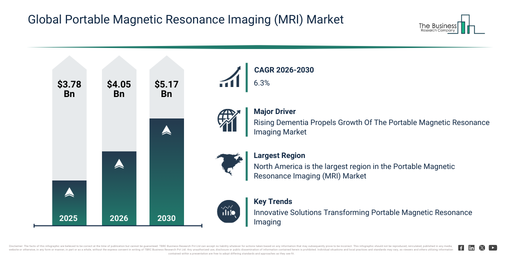
    The portable magnetic resonance imaging (MRI) market has experienced robust expansion in recent years. It is projected to grow from $3.78 billion in 2025 to $4.05 billion in 2026, at a compound annual growth rate (CAGR) of 7.1%. Historically, this growth can be attributed to several factors, including an escalating demand for sophisticated diagnostic imaging, the inherent limitations of conventional fixed MRI systems, a heightened emphasis on critical care diagnostics, the expanding need for emergency and trauma imaging, and the early development of low-field MRI technologies.

    The market for portable magnetic resonance imaging (MRI) is projected to experience substantial expansion in the coming years. This market is anticipated to reach a valuation of $5.17 billion by 2030, demonstrating a compound annual growth rate (CAGR) of 6.3%. This expansion during the projection period stems from several factors, including the increasing acceptance of decentralized healthcare models, heightened investments in mobile diagnostic tools, a greater need for imaging services in isolated and neglected areas, innovations in compact magnet technology, and the development of point-of-care diagnostic facilities. Key trends anticipated over the forecast timeframe involve the growing integration of bedside and point-of-care MRI units, an escalating requirement for small, portable imaging equipment, wider utilization of low-field MRI technologies, broadened availability of MRI in distant and urgent care environments, and a sharpened emphasis on swift diagnostic imaging.

    Access Your Free Sample Report for In-Depth Market Insights:

    https://www.thebusinessresearchcompany.com/sample.aspx?id=16769&type=smp

    What Drivers Are Shaping Future Opportunities In The Portable Magnetic Resonance Imaging (MRI) Market?

    The projected increase in dementia cases is anticipated to drive expansion in the portable magnetic resonance imaging market. Dementia refers to a collection of progressive brain disorders marked by a deterioration in cognitive abilities, impacting memory, thought processes, conduct, and the capacity to carry out everyday tasks. The growing incidence of dementia is linked to an aging global demographic and advancements in diagnostic methods, facilitating earlier and more accurate identification of the condition. Portable magnetic resonance imaging (MRI) serves in dementia management by offering convenient, on-location brain scans to evaluate structural alterations and assist in both the diagnosis and ongoing surveillance of the condition across diverse environments like clinics and care homes. For example, data from March 2024 by the Australian Institute of Health and Welfare, an Australia-based government entity, indicated that approximately 411,100 Australians lived with dementia in 2023, a figure projected to more than double by 2058. Consequently, the escalating number of dementia cases is fueling the expansion of the portable magnetic resonance imaging market.

    Which Segment Groups Are Influencing The Portable Magnetic Resonance Imaging (MRI) Market?

    The portable magnetic resonance imaging (mri) market covered in this report is segmented –

    1) By Product: Superconducting-Magnet-Based Portable Magnetic Resonance Imaging (MRI), Electromagnet-Based Portable Magnetic Resonance Imaging (MRI), Permanent-Magnet-Based Portable Magnetic Resonance Imaging (MRI)

    2) By Application: Neurology, Musculoskeletal, Gastroenterology, Other Applications

    3) By End User: Hospitals, Diagnostic Centers, Ambulatory Surgery Centers, Other End Users

    Subsegments:

    1) By Superconducting-Magnet-Based Portable MRI: High-Field Superconducting MRI, Low-Field Superconducting MRI, Compact Superconducting MRI Systems, Superconducting MRI For Neurological Imaging, Superconducting MRI For Musculoskeletal Imaging

    2) By Electromagnet-Based Portable MRI: Low-Field Electromagnet MRI Systems, Medium-Field Electromagnet MRI Systems, Electromagnetic MRI For Point-Of-Care Use, Electromagnet MRI For Diagnostic Imaging, Portable Electromagnet MRI For Emergency Settings

    3) By Permanent-Magnet-Based Portable MRI: High-Resolution Permanent Magnet MRI, Low-Field Permanent Magnet MRI, Compact Permanent Magnet MRI Systems, Permanent Magnet MRI For Field Use, Permanent Magnet MRI For Bedside Human Imaging

    What Industry Trends Are Transforming The Portable Magnetic Resonance Imaging (MRI) Market?

    Companies operating in the portable magnetic resonance imaging market are concentrating on developing mobile imaging solutions to elevate diagnostic swiftness and patient outcomes, particularly for neurological patients who are critically ill. Portable MRI systems are engineered to provide high-quality imaging directly at the point of care, thereby lessening the requirement to transport patients to specialized imaging suites and supporting rapid clinical decision-making. For instance, in February 2024, neuro42 Inc., a US-based medical technology company specializing in MRI and robotic systems for brain-related diagnosis and treatment, was granted 510(k) clearance from the U.S. Food and Drug Administration (FDA) for its portable diagnostic MRI scanner. The neuro42 MRI System is designed to deliver timely, high-resolution imaging at the bedside, improving the speed of diagnosis and facilitating enhanced treatment outcomes in emergency and acute care environments.

    Who Are The Core Companies Influencing Trends In The Portable Magnetic Resonance Imaging (MRI) Market?

    Major companies operating in the portable magnetic resonance imaging (mri) market are Siemens Healthineers AG, Koninklijke Philips N.V., Alliance HealthCare Services Inc., Akumin Inc., Esaote SpA, Meridian Group International Inc., JMP Medical Ltd, DMS Health Pvt. Ltd, Cobalt Health, Aurora Imaging Technology Inc., Kings Medical Group Inc., Hyperfine Inc., Burgess Diagnostics Ltd, Interim Diagnostic Imaging Ltd, PrizMED Imaging Solution Inc., Radiology Management Solutions Ltd, Medco Blue LLC, Odulair LLC, Lamboo Medical Ltd, Advanced Mobility & Shelter Technologies LLC

    Access The Complete Report For Deeper Market Insights:

    https://www.thebusinessresearchcompany.com/report/portable-magnetic-resonance-imaging-mri-global-market-report

    Which Regions Are Projected To Dominate The Portable Magnetic Resonance Imaging (MRI) Market In The Coming Years?

    North America was the largest region in the portable magnetic resonance imaging (MRI) market in 2025. Asia-Pacific is expected to be the fastest-growing region in the forecast period. The regions covered in the portable magnetic resonance imaging (mri) market report are Asia-Pacific, South East Asia, Western Europe, Eastern Europe, North America, South America, Middle East, Africa.

    Request Your Customized Portable Magnetic Resonance Imaging (MRI) Market Research Report for Competitive Advantage:

    https://www.thebusinessresearchcompany.com/customise?id=16769&type=smp

    Browse Through More Reports Similar to the Global Portable Magnetic Resonance Imaging (MRI) Market 2026, By The Business Research Company

    Mri Contrast Media Market Report 2026

    https://www.thebusinessresearchcompany.com/report/mri-contrast-media-global-market-report

    Magnetic Resonance Imaging Systems Devices And Equipment Market Report 2026

    https://www.thebusinessresearchcompany.com/report/magnetic-resonance-imaging-systems-devices-and-equipment-global-market-report

    Magnetic Resonance Imaging Coils Market Report 2026

    https://www.thebusinessresearchcompany.com/report/magnetic-resonance-imaging-coils-global-market-report

    Get in touch with us:

    The Business Research Company: https://www.thebusinessresearchcompany.com/

    Americas +1 310-496-7795

    Asia +44 7882 955267 & +91 8897263534

    Europe +44 7882 955267

    Email us at info@tbrc.info

    Follow us on:

    LinkedIn: https://in.linkedin.com/company/the-business-research-company

    YouTube: https://www.youtube.com/channel/UC24_fI0rV8cR5DxlCpgmyFQ

    Global Market Model: https://www.thebusinessresearchcompany.com/global-market-model
  • Cell Culture Supplements Industry Poised for Rapid Growth, Forecast to Touch $6.22 Billion by 2030 at 9.4% CAGR

    Cell Culture Supplements Industry Poised for Rapid Growth, Forecast to Touch $6.22 Billion by 2030 at 9.4% CAGR

    Uncover key drivers, emerging technologies, and competitive movements shaping the cell culture supplements market from 2026–2035 with trusted insights from The Business Research Company

    What total market size is anticipated for the Cell Culture Supplements Market in 2030?

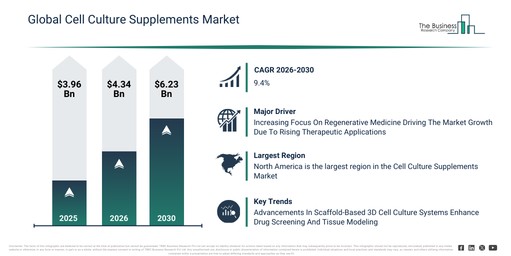
    The cell culture supplements market size has demonstrated significant growth in recent years. It is anticipated to increase from $3.96 billion in 2025 to $4.34 billion in 2026, achieving a compound annual growth rate (CAGR) of 9.7%. This historic period’s growth can be attributed to the expanding scope of cell-based research activities, the rise in biopharmaceutical manufacturing, the increased acceptance of in vitro testing models, growing investments in life science research infrastructure, and the increasing demand for reproducible cell culture outcomes.

    The cell culture supplements market size is anticipated to experience substantial expansion over the next few years, with projections indicating its value will reach $6.23 billion by 2030, demonstrating a compound annual growth rate (CAGR) of 9.4%. This projected growth is driven by factors such as the expanding development of cell and gene therapies, a heightened focus on scalable biologics production, the broadening scope of regenerative medicine research, the increasing need for xeno-free culture systems, and a greater regulatory emphasis on quality-controlled cell culture components. Key trends anticipated during this period involve the increasing uptake of serum-free and chemically defined supplements, a surge in demand for high-purity growth factors, a rise in the application of animal-origin-free supplements, the broadening of customized media formulations, and a heightened commitment to ensuring batch-to-batch consistency.

    Access Your Free Sample Report for In-Depth Market Insights:

    https://www.thebusinessresearchcompany.com/sample.aspx?id=30226&type=smp

    What Drivers Are Influencing Production Trends In The Cell Culture Supplements Market?

    The expanding emphasis on regenerative medicine is anticipated to fuel the growth of the cell culture supplements market moving forward. Regenerative medicine is an interdisciplinary field utilizing biological methods to repair, replace, or regenerate damaged cells, tissues, and organs to restore normal function. This intensified focus on regenerative medicine stems from rising investments by both government bodies and private entities, directed towards advancing stem cell research, gene therapies, and tissue engineering solutions for conditions previously considered untreatable. Such increased attention on regenerative medicine consequently boosts the demand for cell culture supplements, which are vital for cultivating and sustaining the diverse cell types employed in crafting regenerative therapies and conducting related research. For instance, in July 2023, a report by the American Society of Gene & Cell Therapy (ASGCT), a U.S.-based professional membership organization, indicated that at the end of the first quarter of 2023, there were 247 gene therapies in Phase II, a figure that climbed by 5%, reaching 260 by the end of the second quarter. Thus, the growing focus on regenerative medicine is propelling the expansion of the cell culture supplements market.

    Which Segment Groups Are Influencing The Cell Culture Supplements Market?

    The cell culture supplements market covered in this report is segmented –

    1) By Product Type: Growth Factors And Cytokines, Amino Acids, Vitamins, Hormones, Attachment Factors, Other Product Types

    2) By Source: Animal-Based, Human-Based, Synthetic, Plant-Based

    3) By Application: Biopharmaceutical Production, Tissue Engineering And Regenerative Medicine, Diagnostics, Drug Development, Other Applications

    4) By End-User: Pharmaceutical And Biotechnology Companies, Academic And Research Institutes, Other End-Users

    Subsegments:

    1) By Growth Factors And Cytokines: Epidermal Growth Factor (EGF), Fibroblast Growth Factor (FGF), Vascular Endothelial Growth Factor (VEGF), Transforming Growth Factor Beta (TGF-ß), Interleukins (ILs)

    2) By Amino Acids: L-Glutamine, L-Arginine, L-Lysine, L-Leucine, L-Methionine

    3) By Vitamins: Vitamin A (Retinol), Vitamin B Complex, Vitamin C (Ascorbic Acid), Vitamin D, Vitamin E (Tocopherol), Vitamin K

    4) By Hormones: Insulin, Cortisol, Estrogen, Progesterone, Thyroid Hormones

    5) By Attachment Factors: Fibronectin, Laminin, Collagen, Vitronectin

    6) By Other Product Types: Trace Elements, Lipids, Nucleotides, Antioxidants

    Which Trends Are Influencing The Performance And Direction Of The Cell Culture Supplements Market?

    Companies at the forefront of the cell culture supplements market are concentrating on developing innovative products, such as scaffold-based 3D cell culture systems, to elevate drug screening accuracy and tissue modeling capabilities. Scaffold-based 3D cell culture systems are designed to mimic natural tissue architecture, thereby enabling more physiologically relevant cell growth, improved disease modeling, and a better prediction of drug responses. For example, in July 2024, Bioserve India, a biotechnology company situated in India, introduced its advanced line of stem cell products. This line features specialized culture media, growth factors, and tools for stem cell culture, differentiation, and disease modeling using iPSCs and ESCs. The product assortment also includes kits and small molecules for the efficient generation of iPSCs from somatic cells, scaffold-based 3D cell culture systems for drug screening and toxicity testing, cellular assays to assess cell viability, proliferation, and metabolic activity, and preclinical services utilizing human tissue technology to predict clinical outcomes. Furthermore, the product portfolio provides a global biorepository containing over 600,000 biospecimens, along with research tools like antibodies, proteins, and genomic analysis kits, to aid diverse scientific investigations. These offerings are intended to stimulate stem cell research and therapy development in the Indian market.

    Who Are The Primary Competitors In The Global Cell Culture Supplements Market?

    Major companies operating in the cell culture supplements market are Thermo Fisher Scientific Inc., Danaher Corporation, Merck KGaA, Becton, Dickinson and Company, GE HealthCare, Corning Incorporated, Lonza Group AG, Sartorius AG, Bio-Techne Corporation, Repligen Corporation, Takara Bio Inc., HiMedia Laboratories, PromoCell GmbH, RoosterBio Inc., Capricorn Scientific GmbH, Genexis Biotech Pvt Ltd., PromoKine GmbH, BioProcess Technologies Ltd., Jin Kairui Biotechnology Co. Ltd., FUJIFILM Irvine Scientific, Athena Enzyme Systems.

    Access The Complete Report For Deeper Market Insights:

    https://www.thebusinessresearchcompany.com/report/global-cell-culture-supplements-market-report

    Which Global Regions Are Shaping The Competitive Landscape Of The Cell Culture Supplements Market?

    North America was the largest region in the cell culture supplements market in 2025. Asia-Pacific is expected to be the fastest-growing region in the forecast period. The regions covered in the cell culture supplements market report are Asia-Pacific, South East Asia, Western Europe, Eastern Europe, North America, South America, Middle East, Africa.

    Request Your Customized Cell Culture Supplements Market Research Report for Competitive Advantage:

    https://www.thebusinessresearchcompany.com/customise?id=30226&type=smp

    Browse Through More Reports Similar to the Global Cell Culture Supplements Market 2026, By The Business Research Company

    Cell Culture Plates Market Report 2026

    https://www.thebusinessresearchcompany.com/report/cell-culture-plates-global-market-report

    Cell Culture Media Market Report 2026

    https://www.thebusinessresearchcompany.com/report/cell-culture-media-global-market-report

    Primary Cell Culture Market Report 2026

    https://www.thebusinessresearchcompany.com/report/primary-cell-culture-global-market-report

    Get in touch with us:

    The Business Research Company: https://www.thebusinessresearchcompany.com/

    Americas +1 310-496-7795

    Asia +44 7882 955267 & +91 8897263534

    Europe +44 7882 955267

    Email us at info@tbrc.info

    Follow us on:

    LinkedIn: https://in.linkedin.com/company/the-business-research-company

    YouTube: https://www.youtube.com/channel/UC24_fI0rV8cR5DxlCpgmyFQ

    Global Market Model: https://www.thebusinessresearchcompany.com/global-market-model
  • Population Screening Market Outlook 2026–2030: Key Business Drivers and Trends

    Population Screening Market Outlook 2026–2030: Key Business Drivers and Trends

    Uncover key drivers, emerging technologies, and competitive movements shaping the population screening market from 2026–2035 with trusted insights from The Business Research Company

    What was the valuation of the Population Screening Market in 2026, and what figure is it projected to hit by 2030?

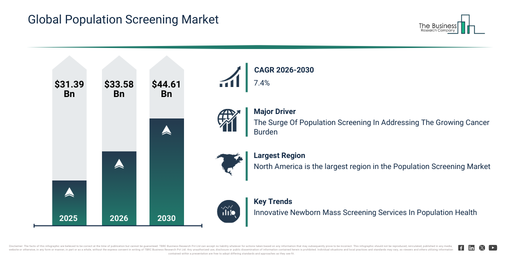
    The population screening market size has experienced robust growth in recent years. This market is projected to expand from $31.39 billion in 2025 to $33.58 billion in 2026, demonstrating a compound annual growth rate (CAGR) of 7.0%. Historically, this expansion can be linked to the broadening of public health screening initiatives, the presence of laboratory testing infrastructure, heightened disease awareness programs, the expansion of diagnostic laboratory networks, and the implementation of early detection strategies.

    The population screening market is projected to experience substantial expansion in the coming years. By 2030, its value is anticipated to reach $44.61 billion, exhibiting a compound annual growth rate (CAGR) of 7.4%. This projected growth during the forecast period stems from several factors, including heightened investments in precision screening technologies, the expanded application of population-level health analytics, the broadening of national screening initiatives, the increasing incorporation of digital diagnostics, and a heightened emphasis on preventive healthcare approaches. Key trends expected during this period encompass the greater utilization of genomic screening programs, the surging adoption of AI-driven risk assessment tools, the widening scope of preventive health screening, the seamless integration of sophisticated diagnostic technologies, and improved capabilities for data interpretation.

    Access Your Free Sample Report for In-Depth Market Insights:

    https://www.thebusinessresearchcompany.com/sample.aspx?id=12587&type=smp

    Which Drivers Are Affecting Market Participation In The Population Screening Market?

    The increasing occurrence of cancer is anticipated to drive expansion within the population screening market moving ahead. Cancer is characterized by the uncontrolled proliferation of particular cells within the human body, which can metastasize to other regions, creating serious health hazards. Early detection of cancer is facilitated by population screening, leading to better treatment results and patient outlook. As an illustration, in February 2024, the World Health Organization, an intergovernmental body based in Switzerland, reported a projection of over 35 million new cancer cases by 2050. This signifies a 77% surge when contrasted with the approximate 20 million cases in 2022. Consequently, the escalating incidence of cancer is a key factor propelling the expansion of the population screening market.

    What Segment Classifications Make Up The Population Screening Market?

    The population screening market covered in this report is segmented –

    1) By Product: Hardware Equipment, Testing Or Lab, Analytics Or Interpretation

    2) By Gender: Male, Female

    3) By Age: Ages Less Than 15, 15-65, Ages 65 And Above

    4) By Business: Hospitals, Research Institutes, Diagnostic Labs

    Subsegments:

    1) By Hardware Equipment: Diagnostic Devices, Sample Collection Devices, Imaging Equipment

    2) By Testing Or Lab: Laboratory Testing Kits, Point-Of-Care Testing, Blood And Urine Testing Services

    3) By Analytics Or Interpretation: Software Solutions For Data Analysis, Interpretation Services, Reporting Tools

    What Trends Are Reshaping The Dynamics Of The Population Screening Market?

    Major companies operating in the population screening market are pioneering advanced services, such as newborn mass screening, to improve early detection and enhance health outcomes for infants. Newborn mass screening is a public health initiative designed to test newborns shortly after birth for a variety of genetic, metabolic, hormonal, and functional disorders that may not be evident at birth but can lead to severe health complications if left untreated. For instance, in May 2024, Shimadzu Techno-Research Inc., a contract analysis firm and a subsidiary of Japan-based precision instruments manufacturer Shimadzu Corporation, launched a new contract service offering polymerase chain reaction (PCR) testing for expanded newborn mass screening. This service will identify combined immunodeficiency (SCID), B-cell deficiency (BCD), and spinal muscular atrophy (SMA), conditions that presently affect a small percentage of newborns but require immediate intervention upon diagnosis.

    Which Major Industry Participants Are Leading The Population Screening Market Growth?

    Major companies operating in the population screening market are F. Hoffmann-La Roche Ltd., Thermo Fisher Scientific Inc., Abbott Laboratories, Siemens Healthineers AG, Quest Diagnostics Incorporated, Eurofins Scientific SE, Agilent Technologies Inc., Sonic Healthcare Limited, Illumina Inc., SYNLAB International GmbH, Quidel Corporation, Bio-Rad Laboratories Inc., Unilabs, Qiagen N.V., Exact Sciences Corporation, ARUP Laboratories Inc., LGC Limited, OPKO Health Inc., Natera Inc., Cerba HealthCare S.A.S, Invitae Corp, Amedes Holding GmbH, Grail, Luminex Corporation, Novogene Co. Ltd., Trinity Biotech, Gene by Gene Ltd., Innova Medical Group Inc., LabPLUS

    Access The Complete Report For Deeper Market Insights:

    https://www.thebusinessresearchcompany.com/report/population-screening-global-market-report

    Which Region Is Expected To Experience The Fastest Growth In The Population Screening Market?

    North America was the largest region in the population screening market in 2025. Asia-Pacific is expected to be the fastest-growing region in the forecast period. The regions covered in the population screening market report are Asia-Pacific, South East Asia, Western Europe, Eastern Europe, North America, South America, Middle East, Africa.

    Request Your Customized Population Screening Market Research Report for Competitive Advantage:

    https://www.thebusinessresearchcompany.com/customise?id=12587&type=smp

    Browse Through More Reports Similar to the Global Population Screening Market 2026, By The Business Research Company

    Drug Screening Market Report 2026

    https://www.thebusinessresearchcompany.com/report/drug-screening-global-market-report

    Security Screening Market Report 2026

    https://www.thebusinessresearchcompany.com/report/security-screening-global-market-report

    Blood Screening Market Report 2026

    https://www.thebusinessresearchcompany.com/report/blood-screening-global-market-report

    Get in touch with us:

    The Business Research Company: https://www.thebusinessresearchcompany.com/

    Americas +1 310-496-7795

    Asia +44 7882 955267 & +91 8897263534

    Europe +44 7882 955267

    Email us at info@tbrc.info

    Follow us on:

    LinkedIn: https://in.linkedin.com/company/the-business-research-company

    YouTube: https://www.youtube.com/channel/UC24_fI0rV8cR5DxlCpgmyFQ

    Global Market Model: https://www.thebusinessresearchcompany.com/global-market-model
  • Cell Culture Protein Surface Coating Market Performance Outlook 2026–2030: Revenue to Hit $2.28 Billion at 13.7% CAGR

    Cell Culture Protein Surface Coating Market Performance Outlook 2026–2030: Revenue to Hit $2.28 Billion at 13.7% CAGR

    Uncover key drivers, emerging technologies, and competitive movements shaping the cell culture protein surface coating market from 2026–2035 with trusted insights from The Business Research Company

    What is the expected shift in the Cell Culture Protein Surface Coating Market’s size between 2026 and 2030?

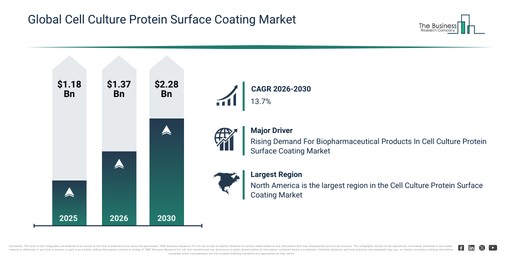
    The cell culture protein surface coating market size has shown substantial growth in recent years. This market is set to expand from $1.18 billion in 2025 to $1.37 billion in 2026, reflecting a compound annual growth rate (CAGR) of 15.4%. The historical development of this market can be linked to an increase in in vitro research endeavors, the broadening of cell-based experiments, the widespread use of coated cultureware in laboratory settings, a surge in academic research findings, and the ready supply of standardized coating materials.

    The cell culture protein surface coating market is projected to experience substantial expansion in the coming years. By 2030, this market is anticipated to reach a valuation of $2.28 billion, demonstrating a compound annual growth rate (CAGR) of 13.7%. This anticipated growth during the forecast period is driven by several factors, including the escalating need for sophisticated cell culture systems, increased funding for regenerative medicine studies, the widening scope of stem cell and tissue engineering uses, a rising inclination towards coatings free from animal products, and the expanded adoption of scalable culture platforms. Key trends expected over the forecast period encompass the greater utilization of ECM-mimicking protein coatings, an increasing requirement for convenient pre-coated surfaces, the broader uptake of synthetic and recombinant proteins, the development of high-density cell culture formats, and a sharpened emphasis on achieving consistent cell attachment.

    Access Your Free Sample Report for In-Depth Market Insights:

    https://www.thebusinessresearchcompany.com/sample.aspx?id=16369&type=smp

    Which Drivers Are Shaping Strategic Decisions In The Cell Culture Protein Surface Coating Market?

    The expanding need for biopharmaceutical items is anticipated to fuel the future expansion of the cell culture protein surface coating market. Biopharmaceutical products are medical substances created from living organisms or through biotechnological methods, such as recombinant DNA technology, cell cultures, and monoclonal antibodies. The heightened demand for these products stems from advancements in cell culture technologies, a rise in chronic diseases, an increase in age-related illnesses, innovations in bioprocessing, and progress in genomics. Within biopharmaceutical manufacturing, cell culture protein surface coatings enhance cell growth, operational effectiveness, and production output, thereby facilitating the creation of secure, potent, and superior biopharmaceutical products. An illustration of this trend is found in an August 2023 report by the Alliance for Regenerative Medicine, a US-based non-profit organization, which indicated that there were 2,760 cell, gene, and tissue-engineering therapeutic developers globally in the first quarter of 2023, marking a 101% increase from 1,369 in the first quarter 2022. Consequently, the growing requirement for biopharmaceutical products is propelling the cell culture protein surface coating market forward.

    What Segment Classifications Make Up The Cell Culture Protein Surface Coating Market?

    The cell culture protein surface coating market covered in this report is segmented –

    1) By Coating Type: Pre-Coating, Multiwall Or Microwell Plates, Flasks, Petri Dishes, Slides, Cover Slips, Self-Coating

    2) By Protein Source: Animal-Derived Protein, Human-Derived Protein, Synthetic Protein, Plant-Derived Protein

    3) By Application: Scientific Research, Industrial Production

    Subsegments:

    1) By Pre-Coating: Ready-To-Use Pre-Coated Plates, Pre-Coated Flasks, Pre-Coated Petri Dishes

    2) By Multiwall Or Microwell Plates: 96-Well Plates, 384-Well Plates, 1536-Well Plates

    3) By Flasks: Tissue Culture Flasks, Serum-Free Flasks, Spinner Flasks

    4) By Petri Dishes: Standard Petri Dishes, Disposable Petri Dishes, Specialized Coated Petri Dishes

    5) By Slides: Microscope Slides, Glass Slides With Coating, Poly-L-Lysine Coated Slides

    6) By Cover Slips: Standard Glass Cover Slips, Hydrophilic Cover Slips, Specially Coated Cover Slips

    7) By Self-Coating: Self-Coating Plates, Self-Coating Flasks, Self-Coating Dishes

    Which Key Market Players Are Investing In Expansion And Innovation Within The Cell Culture Protein Surface Coating Market?

    Major companies operating in the cell culture protein surface coating market are Thermo Fisher Scientific Inc., Merck KGaA, Corning Incorporated, Avantor Inc., Agilent Technologies Inc., Lonza Group AG, Sartorius AG, Greiner AG, Eppendorf SE, Bio Techne Corporation, Promega Corporation, ReproCELL Inc., MoBiTec GmbH, Advanced Biomatrix Inc., AMS Biotechnology Europe Limited, Cell Guidance Systems, NeuVitro Corporation, ZenBio Inc., SPL Life Sciences Co. Ltd., Becton Dickinson and Company, MatTek Corporation, ScienCell Research Laboratories Inc., STEMCELL Technologies Inc., Takara Bio Inc.

    Access The Complete Report For Deeper Market Insights:

    https://www.thebusinessresearchcompany.com/report/cell-culture-protein-surface-coating-global-market-report

    Which Regions Are Poised For Strategic Growth In The Cell Culture Protein Surface Coating Market?

    North America was the largest region in the cell culture protein surface coating market in 2025. Asia-Pacific is expected to be the fastest-growing region in the forecast period. The regions covered in the cell culture protein surface coating market report are Asia-Pacific, South East Asia, Western Europe, Eastern Europe, North America, South America, Middle East, Africa.

    Request Your Customized Cell Culture Protein Surface Coating Market Research Report for Competitive Advantage:

    https://www.thebusinessresearchcompany.com/customise?id=16369&type=smp

    Browse Through More Reports Similar to the Global Cell Culture Protein Surface Coating Market 2026, By The Business Research Company

    Cell Culture Media Market Report 2026

    https://www.thebusinessresearchcompany.com/report/cell-culture-media-global-market-report

    Cell Cultures Market Report 2026

    https://www.thebusinessresearchcompany.com/report/cell-cultures-global-market-report

    Cell Culture Plates Market Report 2026

    https://www.thebusinessresearchcompany.com/report/cell-culture-plates-global-market-report

    Get in touch with us:

    The Business Research Company: https://www.thebusinessresearchcompany.com/

    Americas +1 310-496-7795

    Asia +44 7882 955267 & +91 8897263534

    Europe +44 7882 955267

    Email us at info@tbrc.info

    Follow us on:

    LinkedIn: https://in.linkedin.com/company/the-business-research-company

    YouTube: https://www.youtube.com/channel/UC24_fI0rV8cR5DxlCpgmyFQ

    Global Market Model: https://www.thebusinessresearchcompany.com/global-market-model
  • Global Population Health Management Market Report 2026: Emerging Trends and Growth Scenarios

    Global Population Health Management Market Report 2026: Emerging Trends and Growth Scenarios

    Uncover key drivers, emerging technologies, and competitive movements shaping the population health management market from 2026–2035 with trusted insights from The Business Research Company

    What are the forecasted starting (2026) and ending (2030) market sizes for the Population Health Management Market?

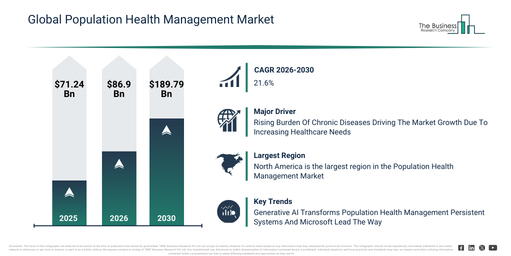
    The population health management market size has demonstrated significant expansion in recent years. This market is projected to expand from $71.24 billion in 2025 to $86.9 billion in 2026, achieving a compound annual growth rate (CAGR) of 22.0%. The growth observed in the historic period is attributable to increasing healthcare digitization, adoption of electronic health records, rising burden of chronic diseases, expansion of managed care models, and a growing focus on care coordination.

    The population health management market is poised for significant expansion in the coming years. Its size is expected to reach $189.79 billion by 2030, driven by a compound annual growth rate (CAGR) of 21.6%. This anticipated growth during the forecast period is fueled by several factors, including increased investments in population analytics platforms, a growing demand for preventive care management, the expansion of cloud-based healthcare solutions, the rising integration of AI-driven decision support, and a greater emphasis on outcome-based reimbursement models. Prominent trends for this period encompass the increasing adoption of data-driven care models, a surge in the use of predictive analytics within healthcare, the deeper integration of care coordination platforms, the wider implementation of value-based care programs, and enhanced patient engagement solutions.

    Access Your Free Sample Report for In-Depth Market Insights:

    https://www.thebusinessresearchcompany.com/sample.aspx?id=6924&type=smp

    What Drivers Are Supporting Technological Adoption In The Population Health Management Market?

    An increasing prevalence of chronic illnesses is anticipated to drive expansion in the population health management market moving ahead. These are persistent health issues necessitating continuous medical care and oversight for prolonged durations. The escalating load of chronic diseases largely stems from older populations, who are more frequently impacted by numerous long-term conditions demanding consistent healthcare oversight. This increasing burden fuels the need for integrated care networks, proactive health initiatives, and data-informed strategies to efficiently oversee patient groups and mitigate healthcare expenses. As an illustration, the National Health Service, a UK-based government department, reported in June 2024 that during 2023, the NHS identified an additional 549,000 individuals in England susceptible to type 2 diabetes. This brought the overall count of those with non-diabetic hyperglycemia, or pre-diabetes, registered with a GP, to 3,615,330. This marked a considerable rise from 3,065,825 in 2022, indicating an increase of nearly 20%. Consequently, the increasing prevalence of chronic diseases is a key factor propelling expansion in the population health management market.

    What Segment Types Are Examined In The Population Health Management Market?

    The population health management market covered in this report is segmented –

    1) By Component: Software, Service

    2) By Mode Of Delivery: On Premise, Cloud-Based

    3) By End-User: Providers, Payers, Other End-Users

    Subsegments:

    1) By Software: Data Management Software, Analytics Software, Reporting Software, Other Software Solutions

    2) By Service: Consulting Services, Implementation Services, Support and Maintenance Services, Other Services

    How Are New Market Trends Shaping The Landscape Of The Population Health Management Market?

    Leading companies in the population health management market are concentrating on developing generative AI-powered population health management (PHM) solutions. These initiatives are aimed at enhancing predictive analytics capabilities, personalizing patient care experiences, improving the precision of clinical decision-making, and optimizing healthcare delivery processes to achieve better health outcomes for various populations. Generative AI itself is a category of artificial intelligence designed to create new content, data, or solutions by learning from established data patterns. A relevant illustration of this trend occurred in February 2024, when Persistent Systems Inc, an India-based company, collaborated with Microsoft Corp, a US-based company, to introduce a Generative AI-powered Population Health Management (PHM) solution. This particular solution leverages the capabilities of Microsoft Azure OpenAI Service and Dynamics 365 Customer Insights to analyze Electronic Health Records (EHR). The integration facilitates the extraction of essential patient information, including unstructured clinical notes, which account for as much as 80% of EHR data.

    Who Are The Prominent Global Companies Shaping The Population Health Management Market Landscape?

    Major companies operating in the population health management market are McKesson Corporation, Accenture plc, IBM Corporation, Deloitte Touche Tohmatsu Limited, Optum Inc., Koninklijke Philips NV, Cerner Corporation, Epic Systems Corporation, Allscripts Healthcare LLC, Athenahealth Inc., Evolent Health Inc., Conifer Health Solutions, Cotiviti Inc., Lumeris Inc., MEDecision Inc., The Advisory Board Company, eClinicalWorks LLC., NextGen Healthcare Inc., Health Catalyst Inc., Verscend Technologies Inc., Orion Health Group Ltd., Citra Health Solutions Inc., RedBrick Health Corporation, Lightbeam Health Solutions, Enli Health Intelligence Inc., Persivia Inc., Welltok Inc., Forward Health Group Inc., Arcadia Inc., Health EC LLC, Jvion Inc., ZeOmega Inc.

    Access The Complete Report For Deeper Market Insights:

    https://www.thebusinessresearchcompany.com/report/population-health-management-global-market-report

    Which Geographic Areas Are Emerging As Strong Markets For The Population Health Management Market?

    North America was the largest region in the population health management market in 2025. Asia-Pacific is expected to be the fastest-growing region in the forecast period. The regions covered in the population health management market report are Asia-Pacific, South East Asia, Western Europe, Eastern Europe, North America, South America, Middle East, Africa.

    Request Your Customized Population Health Management Market Research Report for Competitive Advantage:

    https://www.thebusinessresearchcompany.com/customise?id=6924&type=smp

    Browse Through More Reports Similar to the Global Population Health Management Market 2026, By The Business Research Company

    Healthcare Workforce Management System Market Report 2026

    https://www.thebusinessresearchcompany.com/report/healthcare-workforce-management-system-global-market-report

    Facility Management Services Market Report 2026

    https://www.thebusinessresearchcompany.com/report/facility-management-services-global-market-report

    Healthcare Facility Management Market Report 2026

    https://www.thebusinessresearchcompany.com/report/healthcare-facility-management-global-market-report

    Get in touch with us:

    The Business Research Company: https://www.thebusinessresearchcompany.com/

    Americas +1 310-496-7795

    Asia +44 7882 955267 & +91 8897263534

    Europe +44 7882 955267

    Email us at info@tbrc.info

    Follow us on:

    LinkedIn: https://in.linkedin.com/company/the-business-research-company

    YouTube: https://www.youtube.com/channel/UC24_fI0rV8cR5DxlCpgmyFQ

    Global Market Model: https://www.thebusinessresearchcompany.com/global-market-model
  • Global Cell Culture Plasticware Market Set for Strong Expansion, Reaching $5.95 Billion With 8.1% CAGR by 2030

    Global Cell Culture Plasticware Market Set for Strong Expansion, Reaching $5.95 Billion With 8.1% CAGR by 2030

    Uncover key drivers, emerging technologies, and competitive movements shaping the cell culture plasticware market from 2026–2035 with trusted insights from The Business Research Company

    What growth pattern is forecast for the Cell Culture Plasticware Market size between 2026 and 2035?

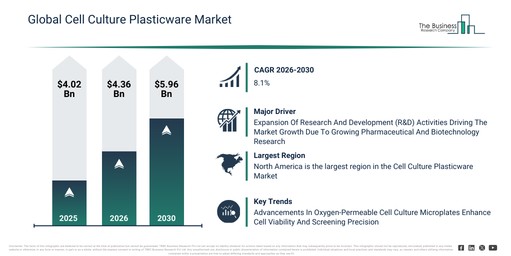
    The cell culture plasticware market size has demonstrated robust growth in recent years. Projections indicate it will expand from $4.02 billion in 2025 to $4.36 billion in 2026, achieving a compound annual growth rate (CAGR) of 8.4%. Factors driving its historical growth include the expansion of academic and industrial life science research, growth in cell biology studies, rising use of disposable labware, improvements in polymer molding technologies, and increasing standardization of lab protocols.

    The cell culture plasticware market is projected to experience substantial expansion in the coming years, anticipated to reach $5.96 billion by 2030, at a compound annual growth rate (CAGR) of 8.1%. This expansion over the forecast period is primarily driven by the escalating growth in gene and cell therapy research, increasing investments in biopharmaceutical research and development, the broadening scope of high-throughput screening applications, a heightened need for contamination-free laboratory settings, and a greater emphasis on sustainable plastic alternatives. Key trends anticipated during this period encompass a rising demand for high-quality sterile plasticware, the increasing adoption of single-use laboratory consumables, an intensified focus on experimental reproducibility, the expansion of cell-based research activities, and an enhanced emphasis on workflow efficiency.

    Access Your Free Sample Report for In-Depth Market Insights:

    https://www.thebusinessresearchcompany.com/sample.aspx?id=30225&type=smp

    Which Drivers Are Impacting Market Performance In The Cell Culture Plasticware Market?

    Future growth in the cell culture plasticware market is anticipated to be driven by the expanding scope of research and development (R&D) endeavors. These activities involve organized efforts aimed at augmenting scientific knowledge and discovering novel uses for current knowledge across diverse industries. The surge in R&D is largely fueled by escalating investments from both public and private sectors in scientific inquiry, given that governments and businesses globally are emphasizing innovation to tackle intricate issues in areas like healthcare, technology, and other vital domains. This growth in R&D directly fuels the demand for cell culture plasticware, which is indispensable for carrying out experiments, cultivating cells, and formulating novel treatments within laboratory environments. As an illustration, in February 2025, data from the National Center for Science and Engineering Statistics (NCSES), a US government statistical body, indicated that U.S. research and development spending climbed from $892 billion in 2022 to $940 billion in 2023, representing a rise of $48 billion. Consequently, the ongoing expansion of research and development (R&D) activities is propelling the advancement of the cell culture plasticware market.

    What Segment Types Are Examined In The Cell Culture Plasticware Market?

    The cell culture plasticware market covered in this report is segmented –

    1) By Product Type: Dishes, Flasks, Plates, Tubes, Other Product Types

    2) By Material Type: Polystyrene, Polypropylene

    3) By Sterilization Type: Gamma Sterilization, Ethylene Oxide Sterilization, Steam Sterilization, Radiation Sterilization, Non-Sterile Products

    4) By Application: Tissue Culture And Engineering, Gene Therapy, Cytogenetics

    5) By End-User: Pharmaceutical And Biotechnology Companies, Academic And Research Institutes, Other End-Users

    Subsegments:

    1) By Dishes: Petri Dishes, Multiwell Dishes, Cell Culture Dishes

    2) By Flasks: Tissue Culture Flasks, Erlenmeyer Flasks, Spinner Flasks

    3) By Plates: 6-Well Plates, 12-Well Plates, 24-Well Plates, 48-Well Plates, 96-Well Plates, 384-Well Plates, Microplates

    4) By Tubes: Centrifuge Tubes, Conical Tubes, Cryogenic Tubes, Culture Tubes

    5) By Other Product Types: Reservoirs, Bottles, Pipette Tips, Cell Strainers

    Which Market Trends Are Opening Growth Opportunities In The Cell Culture Plasticware Market?

    Leading companies in the cell culture plasticware market are focusing on creating advanced products, such as high oxygen-permeability culture microplates, to elevate physiological realism and screening effectiveness. High oxygen-permeability culture microplates are materials engineered to enable enhanced oxygen diffusion into cultured cells and tissues, thus better replicating in vivo conditions and lessening cell death linked to hypoxia. For example, in June 2025, Mitsui Chemicals, Inc., a Japan-based chemical producer, released the InnoCell, a cell culture microplate distinguished by its highly oxygen-permeable structure. This product offers a non-treated “N-type” microplate designed for non-adherent cells, organoids, and spheroids, as well as a collagen-coated “C-type” for hepatocytes and other assay cells. It facilitates optimal oxygen delivery to cultured cells and tissues, thereby sustaining healthy cell cultures for extended periods and decreasing cell death in 3D spheroids. The plates also feature minimal drug adsorption and excellent fluorescence imaging qualities, including high resolution and low autofluorescence, rendering them appropriate for advanced drug screening applications such as high-content imaging and phenotypic assays.

    Who Are The Core Companies Influencing Trends In The Cell Culture Plasticware Market?

    Major companies operating in the cell culture plasticware market are Thermo Fisher Scientific Inc., Corning Incorporated, Mitsui Chemicals Inc., Sarstedt AG & Co. KG, MP Biomedicals, SABEU GmbH & Co. KG, HiMedia Laboratories, Wuxi NEST Biotechnology Co. Ltd, RoosterBio Inc., Biologix Group Limited, Solution One, Captivate Bio, Allele Life Sciences (P) Ltd, D. Haridas and Company, Maxome Labsciences Pvt Ltd., Incelligence.de, Cotaus Co. Ltd., Zhejiang Peky Biotech Co. Ltd., BKMAM, Chongqing New World Trading Co. Ltd

    Access The Complete Report For Deeper Market Insights:

    https://www.thebusinessresearchcompany.com/report/global-cell-culture-plasticware-market-report

    Which Regions Are Projected To Dominate The Cell Culture Plasticware Market In The Coming Years?

    North America was the largest region in the cell culture plasticware market in 2025. Asia-Pacific is expected to be the fastest-growing region in the forecast period. The regions covered in the cell culture plasticware market report are Asia-Pacific, South East Asia, Western Europe, Eastern Europe, North America, South America, Middle East, Africa.

    Request Your Customized Cell Culture Plasticware Market Research Report for Competitive Advantage:

    https://www.thebusinessresearchcompany.com/customise?id=30225&type=smp

    Browse Through More Reports Similar to the Global Cell Culture Plasticware Market 2026, By The Business Research Company

    Cell Culture Media Market Report 2026

    https://www.thebusinessresearchcompany.com/report/cell-culture-media-global-market-report

    Cell Culture Media Storage Containers Market Report 2026

    https://www.thebusinessresearchcompany.com/report/cell-culture-media-storage-containers-global-market-report

    Cell Cultures Market Report 2026

    https://www.thebusinessresearchcompany.com/report/cell-cultures-global-market-report

    Get in touch with us:

    The Business Research Company: https://www.thebusinessresearchcompany.com/

    Americas +1 310-496-7795

    Asia +44 7882 955267 & +91 8897263534

    Europe +44 7882 955267

    Email us at info@tbrc.info

    Follow us on:

    LinkedIn: https://in.linkedin.com/company/the-business-research-company

    YouTube: https://www.youtube.com/channel/UC24_fI0rV8cR5DxlCpgmyFQ

    Global Market Model: https://www.thebusinessresearchcompany.com/global-market-model