Category: HealthcareServices

  • AI In Cancer Diagnostics Market Projected at $1.64 Billion by 2029 | Strategic Insights and Forecast Data

    AI In Cancer Diagnostics Market Projected at $1.64 Billion by 2029 | Strategic Insights and Forecast Data

    Claim your 30% discount on Global Market Reports with code ONLINE30. Limited time only.

    How Has the AI In Cancer Diagnostics Market Size Changed, over the years?

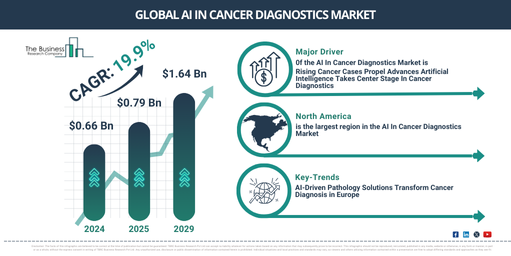
    The market size for AI in cancer diagnostics has seen a substantial rise in the past few years. Expected to rise from $0.66 billion in 2024 to $0.79 billion in 2025, it boasts a compound annual growth rate (CAGR) of 21.0%. The historical increase in this market is due in part to growing rates of cancer incidence, a surge in healthcare data, favourable regulatory scenarios, an emphasis on precision medicine, and the widening of AI applications beyond imaging.

    How Much Will the AI In Cancer Diagnostics Market Be Worth in 2029?

    Projected to expand rapidly over the coming years, the AI in cancer diagnostics market is anticipated to reach a value of $1.64 billion by 2029, marking a compound annual growth rate (CAGR) of 19.9%. The anticipated growth within this forecast period can be linked to the rise of explainable AI, an upsurge in global healthcare IT expenditure, harmonization with electronic health records (EHR), the embracement of personalized medicine, and the continual progression in AI algorithms. Noteworthy trends during this forecast period encompass advancements in imaging technologies, technology convergence, partnerships between the healthcare and technology sectors, the emergence of digital pathology and the increase in automation within histopathology.

    Download The Free Sample Report Here:

    https://www.thebusinessresearchcompany.com/sample.aspx?id=13567&type=smp

    Which is the Largest Company in the AI In Cancer Diagnostics Market?

    Major companies operating in the AI in cancer diagnostics market report are Microsoft Corporation, IBM Corporation, Babylon Healthcare Services Ltd., Verily Life Sciences LLC, Tempus, Guardant Health, Lunit Inc., Paige AI Inc., Ada Health GmbH, Viz.ai Inc., Butterfly Network Inc., Insilico Medicine, BenevolentAI SA SA, Enlitic Inc., Ibex Medical Analytics, Kheiron Medical Technologies Limited, CureMetrix Inc., CancerIQ Inc., MultiplAI Health, Freenome Holdings Inc., SkinVision, Entopsis, Owkin, Imagen Technologies, Panakeia Technologies, EchoPixel Inc., X-Zell Inc., Cyrcadia Health, Oncora Medical, Xilis

    What Are the Main Market Drivers in the AI In Cancer Diagnostics Industry?

    The escalating incidence rate of cancer is predicted to boost the expansion of artificial intelligence in the cancer diagnostics market. Cancer, a collection of diseases characterized by abnormal cell growth capable of invading or spreading to other body parts, is being tackled more efficiently and accurately through AI integration. This seeks to enhance tailored treatment options for cancer patients, ultimately improving their health outcomes. For example, the US government agency, National Cancer Institute, predicted an influx of around 2 million new cancer cases in the US in May 2024, with predicted deaths exceeding 611,000. By 2040, new diagnoses of cancer globally could mount up to 29.9 million, while cancer-related deaths might peak at 15.3 million. Therefore, this mounting incidence of cancer is fuelling the progression of artificial intelligence in the cancer diagnostics market.

    Request For A Customized Report:

    https://www.thebusinessresearchcompany.com/customise?id=13567&type=smp

    How Is the AI In Cancer Diagnostics Market Segments Structured?

    The AI in cancer diagnostics market covered in this report is segmented –

    1) By Component: Software Solutions, Hardware, Services

    2) By Cancer Type: Breast Cancer, Lung Cancer, Brain Tumor, Skin Cancer And Cervical Cancer, Prostate And Colorectal Cancer, Other Cancer Types

    3) By Application: Screening And Diagnosis, Tumor Identification, Monitoring

    4) By End User: Hospitals, Diagnostic Centers, Medical Research Institutes, Contract Research Organizations

    Subsegments:

    1) By Software Solutions: Machine Learning Software, Deep Learning Software, Image Analysis Software

    2) By Hardware: AI-Powered Imaging Systems, Diagnostic Devices

    3) By Services: AI Integration Services, Consulting And Training Services, Support And Maintenance Services

    What Strategic Trends Are Transforming the AI In Cancer Diagnostics Market?

    Significant growth is being witnessed by leading firms in the AI in cancer diagnostics market, thanks to the advancement of AI-enhanced digital pathology solutions used in cancer diagnosis. These solutions involve the employment of AI algorithms to identify cancer and other diagnostic traits across various tissue types, thereby facilitating precise, timely cancer diagnosis, aiding in case prioritization, and ensuring diagnostic consistency. For example, in November 2023, Dedalus & Ibex Medical Analytics, a European healthcare software company, introduced an all-encompassing AI-driven digital pathology method for cancer diagnosis throughout Europe. The solution’s goal is to boost accuracy, introduce AI-powered decision-making aids, simplify reporting, improve lab efficiency, and bolster diagnostic assurance.

    Access The Full Report Here:

    https://www.thebusinessresearchcompany.com/report/ai-in-cancer-diagnostics-global-market-report

    Which Global Regions Offer the Highest Growth in the AI In Cancer Diagnostics Market?

    North America was the largest region in the artificial intelligence in cancer diagnostics market in 2024. The regions covered in the ai in cancer diagnostics market report are Asia-Pacific, Western Europe, Eastern Europe, North America, South America, Middle East, Africa.

    Purchase The Full Report Today:

    https://www.thebusinessresearchcompany.com/purchaseoptions.aspx?id=13567

    This Report Delivers Insight On:

    1. How big is the ai in cancer diagnostics market, and how is it changing globally?

    2. Who are the major companies in the ai in cancer diagnostics market, and how are they performing?

    3. What are the key opportunities and risks in the ai in cancer diagnostics market right now?

    4. Which products or customer segments are growing the most in the ai in cancer diagnostics market?

    5. What factors are helping or slowing down the growth of the ai in cancer diagnostics market?

    About The Business Research Company:

    With over 15000+ reports from 27 industries covering 60+ geographies, The Business Research Company has built a reputation for offering comprehensive, data-rich research and insights. Armed with 1,500,000 datasets, the optimistic contribution of in-depth secondary research, and unique insights from industry leaders, you can get the information you need to stay ahead in the game.

    Get in touch with us:

    The Business Research Company: https://www.thebusinessresearchcompany.com/

    Americas +1 310-496-7795

    Asia +44 2071930708

    Europe +44 7882 955267

    Email us at info@tbrc.info

    Follow us on:

    LinkedIn: https://in.linkedin.com/company/the-business-research-company

    YouTube: https://www.youtube.com/channel/UC24_fI0rV8cR5DxlCpgmyFQ

    Global Market Model: https://www.thebusinessresearchcompany.com/global-market-model
  • Non-Small Cell Lung Cancer (NSCLC) Forecast Report – Designed for Decision Makers and Product Teams

    Non-Small Cell Lung Cancer (NSCLC) Forecast Report – Designed for Decision Makers and Product Teams

    Claim your 30% discount on Global Market Reports with code ONLINE30. Limited time only.

    #What Is the Growth Rate of the Non-Small Cell Lung Cancer (NSCLC) Market?#_x000D_

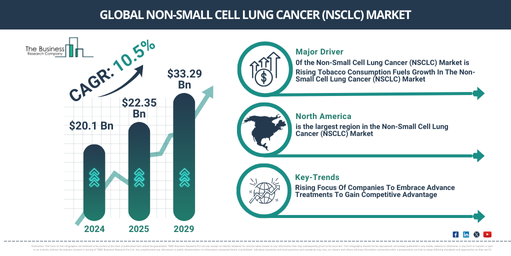
    In recent times, the size of the non-small cell lung cancer (NSCLC) market has seen substantial growth. It is projected to expand from $20.1 billion in 2024 to $22.35 billion in 2025, yielding a compound annual growth rate (CAGR) of 11.1%. This significant growth during the historic period can be credited to the emergence of immunotherapy, advancements in genomic profiling and precision medicine, wide-scale clinical trials, and initiatives to stop smoking._x000D_

    _x000D_

    #What Growth Rate Is Forecasted for the Non-Small Cell Lung Cancer (NSCLC) Market by 2029?#_x000D_

    The market size for non-small cell lung cancer (NSCLC) is predicted to experience significant expansion in the coming years, reaching a value of $33.29 billion by 2029 with a compound annual growth rate (CAGR) of 10.5%. This anticipated growth in the forecast period is largely due to factors such as the development of combination therapies, the incorporation of artificial intelligence (AI), the proliferation of personalized vaccines, global research collaborations, and a focus on patient-centric care. Trends observed during the forecast period are expected to include the involvement of telemedicine in oncology, advancements in liquid biopsy technologies, progress in diagnostic technologies, the use of minimally invasive surgical procedures, and the implementation of immune checkpoint inhibitors._x000D_

    _x000D_

    #Download The Free Sample Report Here:#_x000D_

    https://www.thebusinessresearchcompany.com/sample.aspx?id=13232&type=smp_x000D_

    _x000D_

    #Which Key Companies Are Shaping the Future of the Non-Small Cell Lung Cancer (NSCLC) Market?#_x000D_

    Major companies operating in the non-small cell lung cancer (NSCLC) market report are Pfizer Inc., F. Hoffmann-La Roche AG, Merck & Co. Inc., AbbVie Inc., Novartis AG, Sanofi S.A., Bristol-Myers Squibb Company, AstraZeneca PLC, GlaxoSmithKline PLC, Takeda Pharmaceutical Company Limited, Eli Lilly and Company, Amgen Inc., Viatris Inc., Teva Pharmaceutical Industries Ltd., Regeneron Pharmaceuticals Inc., Astellas Pharma Inc., UCB S.A., Sun Pharmaceutical Industries Ltd., Dr. Reddy’s Laboratories Ltd., Aurobindo Pharma Limited, Cipla Limited, Ferring B.V., Hikma Pharmaceuticals PLC, Amneal Pharmaceuticals LLC, Zydus Lifesciences Ltd., Lupin Limited, Torrent Pharmaceuticals Ltd., Almirall S.A., Clovis Oncology, Revolution Medicines_x000D_

    _x000D_

    #Which Factors Are Driving Demand in the Non-Small Cell Lung Cancer (NSCLC) Industry?#_x000D_

    An anticipated rise in the use of tobacco products is set to fuel the expansion of the non-small cell lung cancer (NSCLC) market. It is notable that tobacco consumption which includes smoking, chewing, or snuffing introduces harmful substances such as nicotine and other chemicals into the human body. It is these substances in tobacco smoke that are known to cause damage to deoxyribonucleic acid (DNA) in lung cells, which in turn leads to genetic anomalies and the rampant growth of cancerous cells, including those of non-small cell lung cancer (NSCLC). To put this in context, in October 2024, the US Food and Drug Administration (USFDA) published the 2024 National Youth Tobacco Survey, revealing that a significant 1.1% of all students, approximately 2.25 million students reported current use of tobacco products. Further, the statistics showed 10.1% of high school students (around 1.58 million) and 5.4% of middle school students (about 640,000) were tobacco users. Adding to this, 2.8% of students (around 760,000) reported the current use of any tobacco product that can be ignited, while a slightly higher figure of 3.0% (or about 840,000) were reported as using multiple tobacco products. Lastly, such a growing rate of tobacco consumption is seen as a major driver in the growth of the non-small cell lung cancer (NSCLC) market. Rising levels of air pollution, known for causing harmful effects to health, are being linked to increased cases of Non-Small Cell Lung Cancer (NSCLC), and this is expected to stimulate growth within the NSCLC market. Air pollution comprises harmful substances, usually in gas or particle form, within the Earth’s atmosphere, and these have a detrimental impact on human health. This pollution increases the likelihood of non-small lung cancer by causing inflammation and damage to the DNA of the lung cells, prompting the formation of cancerous tumors. For instance, in June 2023, the World Health Organization recorded that air and household pollution were linked to 7 million premature deaths annually. Moreover, about 2.4 billion people are at risk from harmful household air pollution, which result from using polluting open fires for cooking, powered by kerosene, biomass, and coal. Adding to this concern, the World Bank estimated in September 2022 that health harm caused by air pollution would total around $8.1 trillion annually, equating to a significant 6.1% of global GDP. As such, rising air pollution levels are expected to drive growth in the non-small cell lung cancer (NSCLC) market._x000D_

    _x000D_

    #Request For A Customized Report:#_x000D_

    https://www.thebusinessresearchcompany.com/customise?id=13232&type=smp_x000D_

    _x000D_

    #How Is the Non-Small Cell Lung Cancer (NSCLC) Market Segmented by Several Divisions?#_x000D_

    The non-small cell lung cancer (NSCLC) market covered in this report is segmented –_x000D_

    _x000D_

    1) By Type: Squamous Cell Carcinoma, Large Cell Carcinoma, Adenocarcinoma, Other Types_x000D_

    2) By Therapy: Radiotherapy, Laserthearpy, Photodynamic Therapy (PDT), Other Therapies_x000D_

    3) By Distribution Channel: Hospital Pharmacy, Online Pharmacy, Other Distribution Channels_x000D_

    _x000D_

    Subsegments:_x000D_

    1) By Squamous Cell Carcinoma: Keratinizing Squamous Cell Carcinoma, Non-Keratinizing Squamous Cell Carcinoma_x000D_

    2) By Large Cell Carcinoma: Undifferentiated Large Cell Carcinoma, Large Cell Neuroendocrine Carcinoma_x000D_

    3) By Adenocarcinoma: Invasive Adenocarcinoma, Bronchioloalveolar Carcinoma_x000D_

    4) By Other Types: Mixed Cell Type Carcinoma, Sarcomatoid Carcinoma_x000D_

    _x000D_

    #What are the Emerging Market Trends Driving the Growth of the Non-Small Cell Lung Cancer (NSCLC) Industry?#_x000D_

    Significant business entities in the non-small cell lung cancer (NSCLC) sector are striving for a competitive advantage by focusing on the development of various treatment pathways, like monotherapy treatments. Monotherapy refers to the employment of a single drug or therapy for a medical condition, relying on only one method or therapeutic strategy instead of multiple combined interventions. For example, Novartis AG, a pharmaceutical firm based in Switzerland, was granted permission by the European Commission (EC), a governing entity in Belgium, for the utilization of Tabrecta (capmatinib) in June 2022. The approval was for the treatment of adult patients with advanced non-small cell lung cancer (NSCLC) bearing METex14 skipping mutations, who had already underwent previous treatment. This sanction offers a new targeted treatment alternative for patients afflicted with advanced NSCLC in Europe. The mutations responsible for MET exon 14 (METex14) skipping make it the most sought-after targeted treatment for advanced NSCLC._x000D_

    _x000D_

    #Access The Full Report Here:#_x000D_

    https://www.thebusinessresearchcompany.com/report/non-small-cell-lung-cancer-nsclc-global-market-report_x000D_

    _x000D_

    #Which Regions Are Driving Growth in the Non-Small Cell Lung Cancer (NSCLC) Market?#_x000D_

    North America was the largest region in the non-small cell lung cancer (NSCLC) market in 2024. Asia-Pacific is expected to be the fastest-growing region in the forecast period. The regions covered in the non-small cell lung cancer (NSCLC) market report are Asia-Pacific, Western Europe, Eastern Europe, North America, South America, Middle East, Africa_x000D_

    _x000D_

    #Purchase The Full Report Today:#_x000D_

    https://www.thebusinessresearchcompany.com/purchaseoptions.aspx?id=13232_x000D_

    _x000D_

    #This Report Delivers Insight On: #_x000D_

    1. How big is the non-small cell lung cancer (nsclc) market, and how is it changing globally?_x000D_

    2. Who are the major companies in the non-small cell lung cancer (nsclc) market, and how are they performing?_x000D_

    3. What are the key opportunities and risks in the non-small cell lung cancer (nsclc) market right now?_x000D_

    4. Which products or customer segments are growing the most in the non-small cell lung cancer (nsclc) market?_x000D_

    5. What factors are helping or slowing down the growth of the non-small cell lung cancer (nsclc) market?_x000D_

    _x000D_

    #About The Business Research Company:#_x000D_

    With over 15000+ reports from 27 industries covering 60+ geographies, The Business Research Company has built a reputation for offering comprehensive, data-rich research and insights. Armed with 1,500,000 datasets, the optimistic contribution of in-depth secondary research, and unique insights from industry leaders, you can get the information you need to stay ahead in the game._x000D_

    _x000D_

    #Get in touch with us:#_x000D_

    The Business Research Company: https://www.thebusinessresearchcompany.com/_x000D_

    Americas +1 310-496-7795_x000D_

    Asia +44 2071930708_x000D_

    Europe +44 7882 955267_x000D_

    Email us at info@tbrc.info_x000D_

    _x000D_

    #Follow us on:#_x000D_

    _x000D_

    LinkedIn: https://in.linkedin.com/company/the-business-research-company_x000D_

    YouTube: https://www.youtube.com/channel/UC24_fI0rV8cR5DxlCpgmyFQ_x000D_

    Global Market Model: https://www.thebusinessresearchcompany.com/global-market-model

  • Blood Screening Market to Reach $5.37 Billion by 2029 | Key Drivers and Future Outlook

    Blood Screening Market to Reach $5.37 Billion by 2029 | Key Drivers and Future Outlook

    Claim your 30% discount on Global Market Reports with code ONLINE30. Limited time only.

    What Is the Growth Rate of the Blood Screening Market?

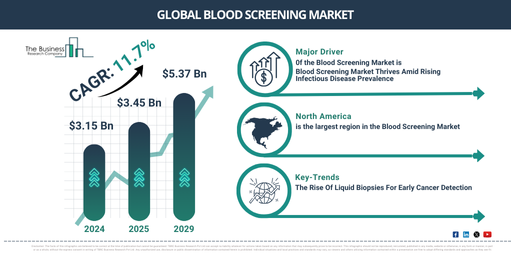
    The size of the blood screening market has seen significant expansion in the recent past. It is projected to increase from $3.15 billion in 2024 to $3.45 billion in 2025, reflecting a compound annual growth rate (CAGR) of 9.6%. The past growth can be explained by the increase in the need for blood transfusions, the surge in transmissible diseases, governmental rules and standards, a rise in blood donations and collections, and endemic health issues worldwide.

    What Growth Rate Is Forecasted for the Blood Screening Market by 2029?

    Anticipations are high for the blood screening market to experience robust expansion in the coming years, with the market projected to reach a value of $5.37 billion by 2029, growing at a Compound Annual Growth Rate (CAGR) of 11.7%. Factors that would contribute to this development in the projected period include enhancement of healthcare facilities, public health education initiatives, progress in the methods of diagnosing contagious diseases, general health issues, and readiness for pandemics. Notable trends during the forecast period consist of an increase in infectious ailments, automation and efficiency improvements, elevated demands for blood transfusion, emphasis on transfusion safety, and investigations on pathogen detection.

    Download The Free Sample Report Here:

    https://www.thebusinessresearchcompany.com/sample.aspx?id=9047&type=smp

    Which Key Companies Are Shaping the Future of the Blood Screening Market?

    Major companies operating in the blood screening market include Abbott Laboratories, Grifols S.A., Becton Dickinson and Company, F. Hoffmann-La Roche AG, bioMérieux S.A., Bio-Rad Laboratories Inc., Thermo Fisher Scientific Inc., Ortho Clinical Diagnostics Inc., Beckman Coulter Inc., Siemens Healthineers AG, GE Healthcare, DiaSorin S.p.A., Merck KGaA, PerkinElmer Inc., Bio-Techne Corporation, Roche Diagnostics GmbH, Danaher Corporation, Sysmex Corporation, Natera Inc., GenMark Diagnostics Inc., QIAGEN N.V., Hologic Inc., Luminex Corporation, Trinity Biotech plc, Fujirebio Inc., OraSure Technologies Inc., Immunetics Inc., Accelerate Diagnostics Inc., Cepheid Inc., T2 Biosystems Inc., Haemonetics Corporation, HTG Molecular Diagnostics Inc., Verax Biomedical Inc.

    Which Factors Are Driving Demand in the Blood Screening Industry?

    The rise in the occurrence of infectious diseases is set to boost the advancement of the blood screening market. Blood tests are frequently performed to check for signs of sickness by identifying a particular antibody produced against the infecting organism, which assists doctors in treating infectious diseases and halting further infection spread in patients and the transmission of disease from person to person. For example, the National Center for Biotechnology Information, a government agency in the US, reported in June 2022 that over the past 20 years, the incidence of infectious diseases in outpatient care has almost tripled, from 8 to 26 per 1,000. Therefore, the surge in the occurrence of infectious diseases is propelling the growth of the blood screening market.

    Request For A Customized Report:

    https://www.thebusinessresearchcompany.com/customise?id=9047&type=smp

    How Is the Blood Screening Market Segmented by Several Divisions?

    The blood screening market covered in this report is segmented –

    1) By Product: Reagents And Kits, Instruments, Software And Services

    2) By Technology: Nucleic Acid Testing, Enzyme-Linked Immunosorbent Assay (ELISA), Rapid Tests, Western Blot Assays, Next-Generation Sequencing (NGS)

    3) By End User: Blood Banks, Diagnostic Centers And Pathology Labs, Hospitals, Clinics, Ambulatory Surgical Centers (ASCs)

    Subsegments:

    1) By Reagents And Kits: Diagnostic Reagents, Testing Kits

    2) By Instruments: Automated Analyzers, Manual Testing Equipment

    3) By Software And Services: Laboratory Information Management Systems (LIMS), Data Analysis Software, Support And Consulting Services

    What are the Emerging Market Trends Driving the Growth of the Blood Screening Industry?

    Key stakeholders in the blood screening market, such as Guardant Health, Inc., are advancing technologies like liquid biopsy. This development stands to improve early cancer detection, streamline treatment monitoring, and facilitate personalized medical treatments. Liquid biopsy serves as a less aggressive testing method that examines blood and other bodily fluids to identify cancer cells or tumor DNA. For example, in November 2023, the American biotech company Guardant Health, Inc. introduced Shield, a blood-based screening test. This particular test investigates cell-free DNA (cfDNA) circulating in the blood, signaling the potential existence of colorectal tumors or precancerous formations. It particularly targets changes in DNA fragments that cancer cells release into the bloodstream.

    Access The Full Report Here:

    https://www.thebusinessresearchcompany.com/report/blood-screening-global-market-report

    Which Regions Are Driving Growth in the Blood Screening Market?

    North America was the largest region in the blood screening market in 2024. The regions covered in the blood screening market report are Asia-Pacific, Western Europe, Eastern Europe, North America, South America, Middle East, Africa

    Purchase The Full Report Today:

    https://www.thebusinessresearchcompany.com/purchaseoptions.aspx?id=9047

    This Report Delivers Insight On:

    1. How big is the blood screening market, and how is it changing globally?

    2. Who are the major companies in the blood screening market, and how are they performing?

    3. What are the key opportunities and risks in the blood screening market right now?

    4. Which products or customer segments are growing the most in the blood screening market?

    5. What factors are helping or slowing down the growth of the blood screening market?

    About The Business Research Company:

    With over 15000+ reports from 27 industries covering 60+ geographies, The Business Research Company has built a reputation for offering comprehensive, data-rich research and insights. Armed with 1,500,000 datasets, the optimistic contribution of in-depth secondary research, and unique insights from industry leaders, you can get the information you need to stay ahead in the game.

    Get in touch with us:

    The Business Research Company: https://www.thebusinessresearchcompany.com/

    Americas +1 3156230293

    Asia +44 2071930708

    Europe +44 2071930708

    Email us at info@tbrc.info

    Follow us on:

    LinkedIn: https://in.linkedin.com/company/the-business-research-company

    YouTube: https://www.youtube.com/channel/UC24_fI0rV8cR5DxlCpgmyFQ

    Global Market Model: https://www.thebusinessresearchcompany.com/global-market-model
  • Assistive Technologies For Visually Impaired Market Projected at $12.31 Billion by 2029 | Strategic Insights and Forecast Data

    Assistive Technologies For Visually Impaired Market Projected at $12.31 Billion by 2029 | Strategic Insights and Forecast Data

    Claim your 30% discount on Global Market Reports with code ONLINE30. Limited time only.

    How Has the Assistive Technologies For Visually Impaired Market Size Changed, over the years?

    The market for assistive technologies for the visually impaired has seen significant expansion in the past few years. The value of this market is projected to increase from $6.11 billion in 2024 to $7.03 billion in 2025, translating to a compound annual growth rate (CAGR) of 15.0%. The historic growth is largely due to an increase in the aging population, heightened awareness of assistive technologies, and a proliferation of government initiatives.

    How Much Will the Assistive Technologies For Visually Impaired Market Be Worth in 2029?

    The market size for assistive technologies for the visually impaired is projected to experience fast-tracked expansion in the upcoming years, escalating to $12.31 billion by 2029 with a compound annual growth rate (CAGR) of 15.0%. The acceleration during this forecast period can be credited to an increase in visual impairment and blindness cases, coupled with a rising demand to meet the neglected requirements of the patients. The major trends expected during this period encompass AI-integrated smart glasses, advanced screen readers, braille displays, and the use of augmented reality (AR) for navigation.

    Download The Free Sample Report Here:

    https://www.thebusinessresearchcompany.com/sample.aspx?id=13598&type=smp

    Which is the Largest Company in the Assistive Technologies For Visually Impaired Market?

    Major companies operating in the assistive technologies for visually impaired market report are Apple, Google Inc., Plantronics Inc., Cambium Learning Group, OrCam Technologies Ltd., Vispero, Freedom Scientific Inc., Humanware Pty. Ltd., Amedia Corporation, Aira Tech Corp., LVI Low Vision International AB, Maxi-Aids, AbleNet Inc., Dolphin Computer Access Ltd., Eschenbach Optik GmbH, eSight Corporation, Zoomax Inc., Attainment Company, Ash Technologies, Boundless Assistive Technology, Eye-D, Adaptivation Inc., American Thermoform Corporation, ABiSee Inc., ViewPlus Technologies Inc., Envision AI, Ai Squared Inc., Eyedaptic Inc., Access Ingenuity, Torchit

    What Are the Main Market Drivers in the Assistive Technologies For Visually Impaired Industry?

    The rise in cases of visual deficits and blindness is anticipated to fuel the expansion of the market for assisting technologies for the visually impaired. Visual deficits and blindness are terms used to describe conditions that infringe on one’s ability to see, limiting vision to various extents. Assisting technologies improve accessibility for people with visual deficits and blindness, offering essential assistance like braille displays, which enhance navigation, access to information, and communication. For example, in August 2023, the World Health Organization reported that a staggering 2.2 billion people across the globe suffered from vision impairment, with 1 billion cases either preventable or not adequately addressed. Of these, 36% are impacted by refractive errors and 17% suffer from impairment due to cataracts. Therefore, the surge in visual deficits and blindness is a key factor driving the expansion of the market for assisting technologies for the visually impaired.

    Request For A Customized Report:

    https://www.thebusinessresearchcompany.com/customise?id=13598&type=smp

    How Is the Assistive Technologies For Visually Impaired Market Segments Structured?

    The assistive technologies for visually impaired market covered in this report is segmented –

    1) By Type: Educational Devices And Software, Mobility Devices, Low Vision Devices

    2) By Distribution Channel: Hospital Pharmacies, Retail Pharmacies, Optical Stores, Online Pharmacies

    3) By End User: Blind Schools, Enterprises And Social Organizations, Personal Use, Hospitals, Other End Users

    Subsegments:

    1) By Educational Devices And Software: Braille Notetakers, Screen Readers, Accessible Learning Software

    2) By Mobility Devices: Canes (Traditional And Smart Canes), GPS Navigation Devices, Wearable Technology For Navigation

    3) By Low Vision Devices: Magnifiers (Handheld And Electronic), Telescopic Lenses, Digital Magnification Devices

    What Strategic Trends Are Transforming the Assistive Technologies For Visually Impaired Market?

    Large corporations in the market for assistive technologies for the visually impaired are concentrating their efforts on creating products with groundbreaking technology, such as AI-enabled smart glasses, in order to boost their market profitability. These AI-enhanced smart glasses permit visually impaired people to navigate and engage with their environment more independently and confidently. For example, Envision, a company based in the Netherlands, introduced their Next Generation AI-powered smart glasses for the visually impaired in March 2022. These visionary glasses offer advanced features like OCR, improved text recognition, support for multiple languages, and a comprehensive app ecosystem that facilitates the integration of custom applications, including specialized features like assistance for indoor and outdoor orientation and mobility. They are equipped with facial and object recognition, color detection, and scene description, as well as a secure video call feature for uninterrupted communication with trusted associates. These smart glasses transform visual information into auditory signals, encouraging independence and expanding the user’s spectrum of potential. The device is based on the Google Glass Enterprise Edition 2, weighs less than 50g, includes an 8MP wide-angle camera, guarantees consistent connectivity for 5-6 hours, and supports USB-C rapid charging.

    Access The Full Report Here:

    https://www.thebusinessresearchcompany.com/report/assistive-technologies-for-visually-impaired-global-market-report

    Which Global Regions Offer the Highest Growth in the Assistive Technologies For Visually Impaired Market?

    North America was the largest region in the assistive technologies for visually impaired market in 2024. Asia-Pacific is expected to be the fastest-growing region in the forecast period. The regions covered in the assistive technologies for visually impaired market report are Asia-Pacific, Western Europe, Eastern Europe, North America, South America, Middle East, Africa.

    Purchase The Full Report Today:

    https://www.thebusinessresearchcompany.com/purchaseoptions.aspx?id=13598

    This Report Delivers Insight On:

    1. How big is the assistive technologies for visually impaired market, and how is it changing globally?

    2. Who are the major companies in the assistive technologies for visually impaired market, and how are they performing?

    3. What are the key opportunities and risks in the assistive technologies for visually impaired market right now?

    4. Which products or customer segments are growing the most in the assistive technologies for visually impaired market?

    5. What factors are helping or slowing down the growth of the assistive technologies for visually impaired market?

    About The Business Research Company:

    With over 15000+ reports from 27 industries covering 60+ geographies, The Business Research Company has built a reputation for offering comprehensive, data-rich research and insights. Armed with 1,500,000 datasets, the optimistic contribution of in-depth secondary research, and unique insights from industry leaders, you can get the information you need to stay ahead in the game.

    Get in touch with us:

    The Business Research Company: https://www.thebusinessresearchcompany.com/

    Americas +1 310-496-7795

    Asia +44 2071930708

    Europe +44 7882 955267

    Email us at info@tbrc.info

    Follow us on:

    LinkedIn: https://in.linkedin.com/company/the-business-research-company

    YouTube: https://www.youtube.com/channel/UC24_fI0rV8cR5DxlCpgmyFQ

    Global Market Model: https://www.thebusinessresearchcompany.com/global-market-model

  • Adult Malignant Glioma Therapeutics Market to Reach $3.55 Billion by 2029 | Key Drivers and Future Outlook

    Adult Malignant Glioma Therapeutics Market to Reach $3.55 Billion by 2029 | Key Drivers and Future Outlook

    Claim your 30% discount on Global Market Reports with code ONLINE30. Limited time only.

    What Is the Growth Rate of the Adult Malignant Glioma Therapeutics Market?

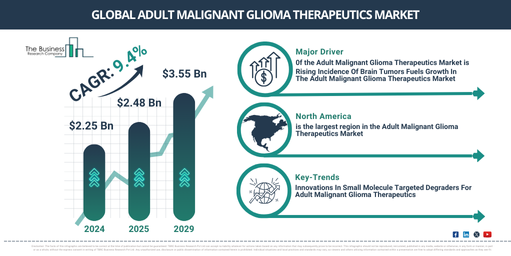
    The market size of therapeutics for adult malignant glioma has seen a swift expansion in the last few years. Predictions indicate it will escalate from a worth of $2.25 billion in 2024 to reach a value of $2.48 billion in 2025, demonstrating a compound annual growth rate (CAGR) of 10.4%. Factors such as rising occurrence rates, patient advocacy initiatives, and personalized medicine strategies account for this significant growth during the historical period.

    What Growth Rate Is Forecasted for the Adult Malignant Glioma Therapeutics Market by 2029?

    The market for adult malignant glioma therapeutics is expected to experience substantial growth in the upcoming years, reaching a value of $3.55 billion by 2029, with a compound annual growth rate (CAGR) of 9.4%. This anticipated growth during the forecast period is owing to advancements in immunotherapy, targeted therapies, the discovery of biomarkers, applications of liquid biopsy, and broadened access programs. The main trends expected in the forecast period encompass patient-focused drug development, fast-track and breakthrough designation, progress in drug delivery systems, collaborative research initiative, and the integration of artificial intelligence.

    Download The Free Sample Report Here:

    https://www.thebusinessresearchcompany.com/sample.aspx?id=13178&type=smp

    Which Key Companies Are Shaping the Future of the Adult Malignant Glioma Therapeutics Market?

    Major companies operating in the adult malignant glioma therapeutics market report are Johnson & Johnson Private Limited, Pfizer Inc., Bio-Rad Laboratories Inc., F. Hoffmann-La Roche Ltd., Allergan PLC, AbbVie Inc., Novartis AG, Bayer AG, Merck & Co Inc., GlaxoSmithKline PLC, Bristol-Myers Squibb Company, Abbott Laboratories, AstraZeneca PLC, Eli Lilly and Company, Amgen Inc., Teva Pharmaceutical Industries Ltd., GT Medical Technologies Inc., Lupin Limited, Mylan NV, Sanofi SA, Bausch Health Companies Inc., Sun Pharmaceutical Industries Ltd., Aurobindo Pharma Limited, Genetech Inc., Amneal Pharmaceuticals LLC, Emcure Pharmaceuticals Limited, Novocure Ltd., Arbour Pharmaceuticals LLC, Basilea Pharmaceuticals Ltd.

    Which Factors Are Driving Demand in the Adult Malignant Glioma Therapeutics Industry?

    The increase in brain tumor cases is anticipated to fuel the growth of the adult malignant glioma therapeutics market. Brain tumors represent an abnormal accumulation of tissue, in which typical cell-regulating mechanisms fail to control rampant cell growth and multiplication. Adult malignant glioma is a specific type of brain tumor comprising cells that exhibit abnormal and uncontrollable growth. The treatment of adult malignant glioma involves a combination of surgery, radiation therapy, and chemotherapy. For instance, the American Cancer Society, a US-based nonprofit cancer advocacy organization, reported a rise in cases of brain and nervous system cancer to 24,810 in January 2023, showing a 3.85% growth from 23,890 cases in 2020. Consequently, the rising incidence of brain tumors is boosting the adult malignant glioma therapeutics market.

    Adult Malignant Glioma Therapeutics Market Driver: Government Funding Stimulating Improvements In Adult Malignant Glioma Therapeutics


    Request For A Customized Report:

    https://www.thebusinessresearchcompany.com/customise?id=13178&type=smp

    How Is the Adult Malignant Glioma Therapeutics Market Segmented by Several Divisions?

    The adult malignant glioma therapeutics market covered in this report is segmented –

    1) By Type Of Disease: Glioblastoma Multiforme, Anaplastic Astrocytoma, Anaplastic Oligodendroglioma, Anaplastic Oligoastrocytoma, Other Types

    2) By Therapy: Chemotherapy, Targeted Therapy, Radiotherapy, Other Therapies

    3) By End-User: Hospitals, Specialty Clinics, Cancer And Radiation Therapy Centers, Other End Users

    Subsegments:

    1) By Glioblastoma Multiforme: Standard Treatments, Experimental Therapies

    2) By Anaplastic Astrocytoma: Chemotherapy Options, Targeted Therapies

    3) By Anaplastic Oligodendroglioma: Radiation Therapy, Combination Therapies

    4) By Anaplastic Oligoastrocytoma: Surgical Interventions, Adjuvant Therapies

    5) By Other Types: Rare Gliomas, Emerging Therapies

    What are the Emerging Market Trends Driving the Growth of the Adult Malignant Glioma Therapeutics Industry?

    Leading firms in the adult malignant glioma therapeutics market are spearheading the development of cutting-edge products like small molecule targeted degraders to ensure top-notch customer care. These degraders are drugs that use small molecules to prompt the degradation of certain proteins by specifically targeting the protein of interest (POI) and an E3 ubiquitin ligase. Take Beactica Therapeutics AB, a Swedish precision oncology company, for example. In February 2023, they were granted orphan drug designation approval by the U.S. Food and Drug Administration (FDA) for their drug, BEA-17, as a treatment for glioblastoma (GBM). This drug, a small-molecule targeted degrader, is designed to degrade the epigenetic enzyme LSD1 and its co-factor CoREST, both of which have been associated with the development of various types of cancer, including GBM. By degrading LSD1 and CoREST, BEA-17 reactivates tumor suppressor genes and inhibits the growth of cancer cells.

    Access The Full Report Here:

    https://www.thebusinessresearchcompany.com/report/adult-malignant-glioma-therapeutics-global-market-report

    Which Regions Are Driving Growth in the Adult Malignant Glioma Therapeutics Market?

    North America was the largest region in the adult malignant glioma therapeutics market in 2024. Asia Pacific is expected to be the fastest-growing region in the forecast period. The regions covered in the adult malignant glioma therapeutics market report are Asia-Pacific, Western Europe, Eastern Europe, North America, South America, Middle East, Africa

    Purchase The Full Report Today:

    https://www.thebusinessresearchcompany.com/purchaseoptions.aspx?id=13178

    This Report Delivers Insight On:

    1. How big is the adult malignant glioma therapeutics market, and how is it changing globally?

    2. Who are the major companies in the adult malignant glioma therapeutics market, and how are they performing?

    3. What are the key opportunities and risks in the adult malignant glioma therapeutics market right now?

    4. Which products or customer segments are growing the most in the adult malignant glioma therapeutics market?

    5. What factors are helping or slowing down the growth of the adult malignant glioma therapeutics market?

    About The Business Research Company:

    With over 15000+ reports from 27 industries covering 60+ geographies, The Business Research Company has built a reputation for offering comprehensive, data-rich research and insights. Armed with 1,500,000 datasets, the optimistic contribution of in-depth secondary research, and unique insights from industry leaders, you can get the information you need to stay ahead in the game.

    Get in touch with us:

    The Business Research Company: https://www.thebusinessresearchcompany.com/

    Americas +1 310-496-7795

    Asia +44 2071930708

    Europe +44 7882 955267

    Email us at info@tbrc.info

    Follow us on:

    LinkedIn: https://in.linkedin.com/company/the-business-research-company

    YouTube: https://www.youtube.com/channel/UC24_fI0rV8cR5DxlCpgmyFQ

    Global Market Model: https://www.thebusinessresearchcompany.com/global-market-model
  • Non-Emergency Medical Transportation Market Projected at $13.74 Billion by 2029 | Strategic Insights and Forecast Data

    Non-Emergency Medical Transportation Market Projected at $13.74 Billion by 2029 | Strategic Insights and Forecast Data

    Claim your 30% discount on Global Market Reports with code ONLINE30. Limited time only.

    #How Has the Non-Emergency Medical Transportation Market Size Changed, over the years?#_x000D_

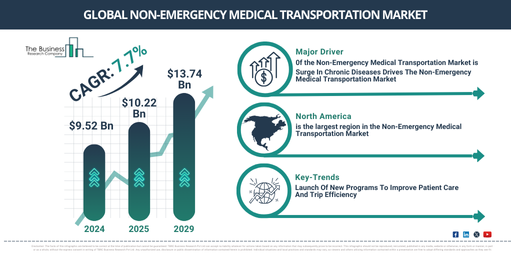
    The market for non-emergency medical transportation has experienced significant expansion recently. The market is projected to increase from $9.52 billion in 2024 to reach $10.22 billion in 2025, registering a compound annual growth rate (CAGR) of 7.4%. Reasons behind this growth during the historic period include an aging population, government-backed health schemes, private patient transportation payments, a shift towards patient-centric healthcare, and the adoption of telehealth services._x000D_

    _x000D_

    #How Much Will the Non-Emergency Medical Transportation Market Be Worth in 2029?#_x000D_

    In the near future, a robust expansion is anticipated in the non-emergency medical transportation market. With a compound annual growth rate (CAGR) of 7.7%, its value is likely to reach $13.74 billion by 2029. This growth throughout the forecast period can be linked to factors such as regulatory reforms, advancements in the medical sphere, accessibility of healthcare in rural areas, the evolution of transportation infrastructure, and efforts towards community health. The forecast period is also set to see the emergence of certain key trends including the integration of technology, patient-focused strategies, partnerships with ride-sharing services, the use of predictive analytics for demand forecasting, and flexibility in payment models._x000D_

    _x000D_

    #Download The Free Sample Report Here:#_x000D_

    https://www.thebusinessresearchcompany.com/sample.aspx?id=13715&type=smp_x000D_

    _x000D_

    #Which is the Largest Company in the Non-Emergency Medical Transportation Market?#_x000D_

    Major companies operating in the non-emergency medical transportation market report are Transdev, FirstGroup PLC, Lyft Inc., ModivCare Inc., Falck A/S, LogistiCare Solutions LLC, Kinetik, American Medical Response Inc., MTM Inc., Global Medical Response Inc., Crothall Healthcare Inc., Southeastrans Inc., Secure Transportation Company Inc., Acadian Ambulance Service Inc., Express Medical Transporters Inc., ERS Transition Ltd., Veyo LLC, Medicaid Answering Service LLC, ATS Healthcare Solutions, Ride Health_x000D_

    _x000D_

    #What Are the Main Market Drivers in the Non-Emergency Medical Transportation Industry?#_x000D_

    The escalation in chronic illnesses is anticipated to stimulate the non-emergency medical transportation market’s progression. Chronic illnesses are health issues that last a year or more and necessitate ongoing medical treatment. They can disrupt daily activities or require consistent medication. Providing non-emergency medical transportation for people suffering from chronic diseases helps ensure regular access to medical consultations, treatments, and supportive services. This improves the management of medical care, leading to an enhancement of overall health results. The National Institutes of Health, a US governmental body, stated in January 2023 that by 2035, an estimated 35.66% (range: 33.36–36.04) of adults who are 50 or older are likely to have at least one chronic condition. This is projected to increase to 47.81% (range: 46.09–49.71) by 2050. As a consequence, the escalating prevalence of chronic diseases is fuelling the non-emergency medical transportation market’s growth._x000D_

    _x000D_

    #Request For A Customized Report:#_x000D_

    https://www.thebusinessresearchcompany.com/customise?id=13715&type=smp_x000D_

    _x000D_

    #How Is the Non-Emergency Medical Transportation Market Segments Structured?#_x000D_

    The non-emergency medical transportation market covered in this report is segmented –_x000D_

    _x000D_

    1) By Type: Courier Services, Insurance Backed Patient Transportation, Private Pay Patient Transportation_x000D_

    2) By Product Type: Ambulatory Vans, Minivans, Wheelchair-Lift-Equipped Vehicles, Stretcher Vans_x000D_

    3) By Application: Dialysis, Routine Doctor Visits, Mental Health Related Appointments, Rehabilitation, Other Applications_x000D_

    4) By End User: Airport Shuttle, Hospital Medical Laboratories, Nursing Care Facilities_x000D_

    _x000D_

    Subsegments:_x000D_

    1) By Courier Services: Medical Supply Delivery, Prescription Delivery, Laboratory Specimen Transport_x000D_

    2) By Insurance Backed Patient Transportation: Medicaid Funded Transportation, Medicare Funded Transportation, Private Insurance Transportation_x000D_

    3) By Private Pay Patient Transportation: Individual Out-Of-Pocket Payments, Subscription-Based Services, Ride-Hailing Services For Medical Appointments_x000D_

    _x000D_

    #What Strategic Trends Are Transforming the Non-Emergency Medical Transportation Market?#_x000D_

    Key organizations in the Non-Emergency Medical Transportation (NEMT) market are concentrating on the rollout of NEMT programs to enhance service quality, boost patient care results, better trip deliveries, and minimize grievances and heightened incidents. The NEMT program offers transportation facilities for individuals requiring assistance in commute to and from medical appointments, minus the emergency services. For example, MTM, a US-based company specializing in superior NEMT services, unveiled the elevate program in June 2022 to preempt any potential surge in trip related concerns. MTM employs a preemptive strategy in its elevate program, providing exclusive, concierge-supported services for complex trips and members with specialized transportation necessities. The focus on the elevate program has led to an improvement in trip deliveries for crucial members and a decline in complaints and peaked incidents for the company’s clientele._x000D_

    _x000D_

    #Access The Full Report Here:#_x000D_

    https://www.thebusinessresearchcompany.com/report/non-emergency-medical-transportation-global-market-report_x000D_

    _x000D_

    #Which Global Regions Offer the Highest Growth in the Non-Emergency Medical Transportation Market?#_x000D_

    North America was the largest region in the non-emergency medical transportation market in 2024. The regions covered in the non-emergency medical transportation market report are Asia-Pacific, Western Europe, Eastern Europe, North America, South America, Middle East, Africa._x000D_

    _x000D_

    #Purchase The Full Report Today:#_x000D_

    https://www.thebusinessresearchcompany.com/purchaseoptions.aspx?id=13715_x000D_

    _x000D_

    #This Report Delivers Insight On: #_x000D_

    1. How big is the non-emergency medical transportation market, and how is it changing globally?_x000D_

    2. Who are the major companies in the non-emergency medical transportation market, and how are they performing?_x000D_

    3. What are the key opportunities and risks in the non-emergency medical transportation market right now?_x000D_

    4. Which products or customer segments are growing the most in the non-emergency medical transportation market?_x000D_

    5. What factors are helping or slowing down the growth of the non-emergency medical transportation market?_x000D_

    _x000D_

    #About The Business Research Company:#_x000D_

    With over 15000+ reports from 27 industries covering 60+ geographies, The Business Research Company has built a reputation for offering comprehensive, data-rich research and insights. Armed with 1,500,000 datasets, the optimistic contribution of in-depth secondary research, and unique insights from industry leaders, you can get the information you need to stay ahead in the game._x000D_

    _x000D_

    #Get in touch with us:#_x000D_

    The Business Research Company: https://www.thebusinessresearchcompany.com/_x000D_

    Americas +1 310-496-7795_x000D_

    Asia +44 2071930708_x000D_

    Europe +44 7882 955267_x000D_

    Email us at info@tbrc.info_x000D_

    _x000D_

    #Follow us on:#_x000D_

    _x000D_

    LinkedIn: https://in.linkedin.com/company/the-business-research-company_x000D_

    YouTube: https://www.youtube.com/channel/UC24_fI0rV8cR5DxlCpgmyFQ_x000D_

    Global Market Model: https://www.thebusinessresearchcompany.com/global-market-model

  • Aspergillosis Treatment Industry Growth Expected to Reach $4.28 Billion by 2029 at a CAGR of 6.5% | Segmentation and Growth Opportunities

    Aspergillosis Treatment Industry Growth Expected to Reach $4.28 Billion by 2029 at a CAGR of 6.5% | Segmentation and Growth Opportunities

    Claim your 30% discount on Global Market Reports with code ONLINE30. Limited time only.

    What Is the Forecast for the Aspergillosis Treatment Market Growth in 2025?

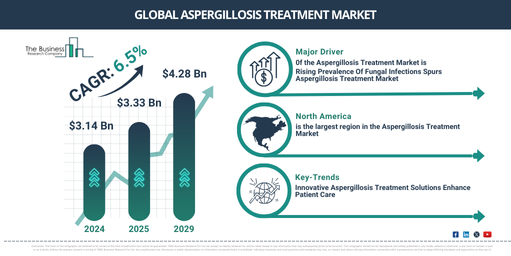
    There has been significant growth in the aspergillosis treatment market in recent years. The market is projected to expand from $3.14 billion in 2024 to $3.33 billion in 2025, with a compound annual growth rate (CAGR) of 5.8%. The precedent growth has been driven by advancements in diagnostics, a rising demand for antifungal drugs, a surge in incidence rates, and increased occurrence of invasive procedures.

    What Is the Forecast for the Aspergillosis Treatment Market Size Through 2029?

    The market size for aspergillosis treatment is projected to experience robust expansion in the upcoming years, reaching $4.28 billion in 2029, with a compound annual growth rate (CAGR) of 6.5%. The escalation in this period can be associated with the need for transplant medicine, the occurrence of hematologic malignancies, amplified investment in research and development, and public health endeavors. Prominent trends expected within the forecast duration encompass antifungal resistance, targeted therapies, therapeutic drug surveillance, and drug development.

    Download The Free Sample Report Here:

    https://www.thebusinessresearchcompany.com/sample.aspx?id=12987&type=smp

    What are the Key Market Players in Aspergillosis Treatment Market and How They’re Evolving?

    Major companies operating in the aspergillosis treatment market are Basilea Pharmaceutica Ltd., Pfizer Inc., Johnson and Johnson, AbbVie Inc., Bayer AG, Novartis AG, Merck and Co. Inc., Sanofi S.A., Bristol Myers Squibb Company, AstraZeneca PLC, GSK PLC, Takeda Pharmaceutical Company, Eli Lilly and Company, Gilead Sciences Inc., Boehringer Ingelheim International GmbH, Teva Pharmaceutical Industries, Astellas Pharma Inc., Regeneron Pharmaceuticals, Mylan N.V., Sun Pharmaceutical Industries, Jazz Pharmaceuticals, Dr. Reddy’s Laboratories, Cipla Ltd., Bruker Corporation, Hikma Pharmaceuticals PLC.

    What Are the Primary Growth Drivers in the Aspergillosis Treatment Market?

    The expected surge in instances of fungal infections is anticipated to accelerate the expansion of the aspergillosis treatment market. Fungal infections or mycosis are diseases instigated by fungi, which can also lead to infections in humans and animals. Among these is aspergillosis, an infection that impacts various body parts including the respiratory system, lungs, brain, kidneys, among others. Treatments for aspergillosis, such as voriconazole, aim to manage the fungal infection, reduce symptoms, prevent complications, and enhance overall wellbeing. For example, in September 2023, data from The Health Security Agency, a UK government agency, showed that bloodstream infection due to yeast for every 100,000 people in England increased from 3.8 in 2021 to 4.0 in 2022. Consequently, the escalating instances of fungal infections are fuelling the growth of the aspergillosis treatment market. The aspergillosis treatment market is also likely to be driven by increasing healthcare expenses. Healthcare expenses encompass all costs associated with the delivery of health services, family planning initiatives, nutritional programmes, and emergency health-focused aid. A surge in healthcare costs could result in the development of more advanced therapies and medical technologies for aspergillosis treatment. For instance, statistics from the UK’s Office for National Statistics in May 2023 revealed that healthcare expenditure in the UK in 2023 amounted to approximately $362.08 billion (£292 billion), indicating a nominal increase of 5.6%. In addition, long-term health and social care expenses grew by 2.8% in actual terms in 2022. Therefore, the expanding healthcare expenditures are fuelling the growth of the aspergillosis treatment market.

    Request For A Customized Report:

    https://www.thebusinessresearchcompany.com/customise?id=12987&type=smp

    What Are the Leading Segments in the Global Aspergillosis Treatment Industry?

    The aspergillosis treatment market covered in this report is segmented –

    1) By Type: Allergic Aspergillosis, Chronic Aspergillosis, Invasive Aspergillosis, Other Type

    2) By Drug Class: Corticosteroids, Antifungal drugs, Other Drug Class

    3) By Route of Administration: Oral, Injectable, Other Route Of Administration

    4) By Distribution Channel: Hospital pharmacies, Retail pharmacies, Other Distribution Channel

    Subsegments:

    1) By Allergic Aspergillosis: Allergic Fungal Sinusitis, Allergic Bronchopulmonary Aspergillosis (ABPA)

    2) By Chronic Aspergillosis: Chronic Pulmonary Aspergillosis, Chronic Cavitary Aspergillosis

    3) By Invasive Aspergillosis: Pulmonary Invasive Aspergillosis, Disseminated Invasive Aspergillosis

    4) By Other Type: Aspergilloma, Other Rare Forms of Aspergillosis

    What Are the Key Market Trends in the Aspergillosis Treatment Industry?

    Key players in the aspergillosis treatment marketplace are consistently striving to innovate and introduce new drugs and solutions for aspergillosis, to maintain their market standing. The development of drugs such as posaconazole oral suspension enhances treatment possibilities for aspergillosis by offering more targeted and effective treatment options for sufferers. For example, Posaconazole oral suspension was launched in the US by Hikma Pharmaceuticals PLC, a pharmaceutical company based in the UK, for the treatment of aspergillosis in April 2023. These medications are particularly beneficial for patients with exceedingly compromised immune systems, making them susceptible to invasive aspergillus and candida infections. These include patients who have undergone hematopoietic stem cell transplant (HSCT) and suffer from graft-versus-host disease (GVHD). The drug is also advised for conditions like oropharyngeal candidiasis (OPC), especially when the OPC is resistant to itraconazole and fluconazole.

    Access The Full Report Here:

    https://www.thebusinessresearchcompany.com/report/aspergillosis-treatment-global-market-report

    What Is the Regional Outlook for the Aspergillosis Treatment Market?

    North America was the largest region in the aspergillosis treatment market in 2024. The regions covered in aspergillosis treatment market report are Asia-Pacific, Western Europe, Eastern Europe, North America, South America, Middle East and Africa.

    Purchase The Full Report Today:

    https://www.thebusinessresearchcompany.com/purchaseoptions.aspx?id=12987

    This Report Delivers Insight On:

    1. How big is the aspergillosis treatment market, and how is it changing globally?

    2. Who are the major companies in the aspergillosis treatment market, and how are they performing?

    3. What are the key opportunities and risks in the aspergillosis treatment market right now?

    4. Which products or customer segments are growing the most in the aspergillosis treatment market?

    5. What factors are helping or slowing down the growth of the aspergillosis treatment market?

    About The Business Research Company:

    With over 15000+ reports from 27 industries covering 60+ geographies, The Business Research Company has built a reputation for offering comprehensive, data-rich research and insights. Armed with 1,500,000 datasets, the optimistic contribution of in-depth secondary research, and unique insights from industry leaders, you can get the information you need to stay ahead in the game.

    Get in touch with us:

    The Business Research Company: https://www.thebusinessresearchcompany.com/

    Americas +1 310-496-7795

    Asia +44 2071930708

    Europe +44 7882 955267

    Email us at info@tbrc.info

    Follow us on:

    LinkedIn: https://in.linkedin.com/company/the-business-research-company

    YouTube: https://www.youtube.com/channel/UC24_fI0rV8cR5DxlCpgmyFQ

    Global Market Model: https://www.thebusinessresearchcompany.com/global-market-model
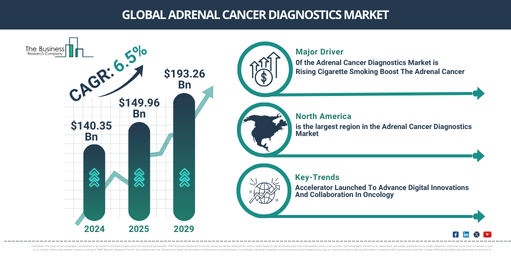
  • Adrenal Cancer Diagnostics Market Size to Exceed $193.26 Billion by 2029 | Growth and Industry Trends

    Adrenal Cancer Diagnostics Market Size to Exceed $193.26 Billion by 2029 | Growth and Industry Trends

    Claim your 30% discount on Global Market Reports with code ONLINE30. Limited time only.

    How Has the Adrenal Cancer Diagnostics Market Grown from 2024 to 2025?

    The market for adrenal cancer diagnostics has witnessed considerable growth in the past years. The market size is projected to increase from $140.35 billion in 2024 to $149.96 billion in 2025, signifying a compound annual growth rate (CAGR) of 6.8%. The expansion during the historical period can be traced back to a rise in cases and awareness, advancements in genetic and molecular testing, improved biopsy procedures, improved endocrine testing, and the incorporation of artificial intelligence (AI).

    What Growth Rate Is Anticipated for the Adrenal Cancer Diagnostics Market in the Coming Years?

    We foresee robust expansion in the adrenal cancer diagnostics market span, with predictions showing growth up to $193.26 billion in 2029, at a compound annual growth rate (CAGR) of 6.5%. Factors driving expansion in the forecast period encompass individualized medicine strategies, increased usage of minimally invasive methods, advancements in telemedicine and remote consultations, liquid biopsy enhancements, and broadened services in genetic counseling. Significant trends in the forecast timeframe include regulatory backing for innovative diagnoses, embracing of digital pathology, cutting-edge advancements in imaging technologies, further development of liquid biopsies, and genomic profiling for precision medicine.

    Download The Free Sample Report Here:

    https://www.thebusinessresearchcompany.com/sample.aspx?id=13242&type=smp

    Who Are the Leading Companies in the Adrenal Cancer Diagnostics Market?

    Major companies operating in the adrenal cancer diagnostics market report are Johnson And Johnson Pvt Ltd., F. Hoffmann-La Roche Ltd., Thermo Fisher Scientific, GSK PLC, AstraZeneca PLC, Abbott Laboratories, Siemens Healthcare GmbH, Becton Dickinson and Company, Koninklijke Philips N.V., GE HealthCare Technologies Inc., Agilent Technologies, Hologic Inc., PerkinElmer Inc., Illumina Inc., Roche Diagnostics, BioMerieux SA, Sysmex Corporation, Bio-Rad Laboratories Inc., Bruker Corporation, Exact Sciences Corp., Natera Inc., Invitae Corporation, Qiagen NV, Guardant Health Inc., Foundation Medicine Inc., NanoString Technologies Inc., TRS Technologies Inc., Morgan Advanced Materials, APC International Ltd., Annon Piezo Technology Co. Limited

    What Are the Key Drivers of the Adrenal Cancer Diagnostics Market?

    The expected escalation in cigarette smoking is anticipated to facilitate growth in the adrenal cancer diagnostics market. This activity pertains to taking in and releasing smoke from burning tobacco, which is imbibed with a highly addictive alkaloid known as nicotine. This offers both exciting and calming psychoactive impacts. There is a correlation between cigarette smoking and a heightened probability of adrenal cancer, involving adrenocortical carcinomas and adrenal adenomas. The DNA in adrenal cells can experience damage from the carcinogens present in tobacco smoke, which can lead to cancer-causing mutations. For example, in July 2022, as per Statistics Canada, a Canada-based governmental organization, there was a 5.8% increase in cigarette production compared to June 2021. Moreover, the total volume of cigarettes purchased grew by 1.3% from May 2022, culminating in 1.4 billion in June 2022. Thus, the increasing prevalence of cigarette smoking is a growth catalyst for the adrenal cancer diagnostics market. Actions undertaken by governing bodies in aid to cancer are anticipated to boost growth in the adrenal cancer diagnostics market. These ventures signify a marked rise in efforts made by governments to tackle and alleviate various calamities, problems, or crises. Such initiatives are representational in advocating early diagnosis, elevating the quality and availability of diagnostic services, bolstering research, and ultimately improving the efficacy of adrenal cancer diagnostics. For example, in April 2023, as per the NIH (National Institutes of Health), a US-based government agency specializing in biomedical and public health research, the Biden-Harris administration set up an initiative to reduce cancer-related fatalities by 50% within the subsequent 25 years, simultaneously augmenting the comprehension and support for individuals afflicted and surviving cancer. Hence, government initiatives in support of cancer are pivotal in driving the growth of the adrenal cancer diagnostics market.

    Request For A Customized Report:

    https://www.thebusinessresearchcompany.com/customise?id=13242&type=smp

    What Are the Key Market Segments in the Adrenal Cancer Diagnostics Industry?

    The adrenal cancer diagnostics market covered in this report is segmented –

    1) By Test: Magnetic Resonance Imaging (MRI), Computed Tomography (CT) Scan, X-ray, Positron Emission Tomography (PET) Scan, Biopsy

    2) By Treatment: Surgery, Chemotherapy, Radiotherapy, Targeted Cancer Therapies, Other Treatments

    3) By Tumor Type: Pheochromocytoma, Adrenal Cortical Carcinoma, Other Types

    4) By End-User: Hospitals, Ambulatory Surgical Centers, Cancer Centers, Other End-Users

    Subsegments:

    1) By Magnetic Resonance Imaging (MRI): Contrast-Enhanced MRI, Functional MRI

    2) By Computed Tomography (CT) Scan: Contrast-Enhanced CT, Abdomen And Pelvis CT Scans

    3) By X-ray: Standard X-ray Imaging, Specialized X-ray Techniques

    4) By Positron Emission Tomography (PET) Scan: PET-CT Combination Scans, Standalone PET Scans

    5) By Biopsy: Fine Needle Aspiration Biopsy (FNA), Core Needle Biopsy, Surgical Biopsy

    What Are the Latest Trends in the Adrenal Cancer Diagnostics Market?

    Leading firms in the adrenal cancer diagnostics market are fostering innovative strategies and advanced collaboration frameworks such as the CancerX Startup Accelerator to promote digital advancements in cancer treatment. The goal of the Accelerator is to equip promising new businesses with mentorship, education, and direct liaison with significant players in the healthcare sector, including service providers and pharmaceutical corporations. In November 2023, for example, CanceRx, LLC, an American public-private initiative aiming to stimulate innovation in battling cancer, declared the inauguration of this project at the Future of Cancer Care Summit held in Tampa, Florida. The program intends to inaugurate its first cohort of around 15 to 20 companies beginning in March 2024, concentrating on vital aspects like clinical investigation, screening, diagnosis, and treatment. It’s anticipated that this will heavily propel the objectives of the Cancer Moonshot initiative, by tackling unsatisfied requirements in cancer care and promoting the construction of effective digital healthcare tools in oncology.

    Access The Full Report Here:

    https://www.thebusinessresearchcompany.com/report/adrenal-cancer-diagnostics-global-market-report

    What Are the Key Regional Markets in the Adrenal Cancer Diagnostics Industry?

    North America was the largest region in the adrenal cancer diagnostics market in 2024. Asia-Pacific is expected to be the fastest-growing region in the forecast period. The regions covered in the adrenal cancer diagnostics market report are Asia-Pacific, Western Europe, Eastern Europe, North America, South America, Middle East, Africa

    Purchase The Full Report Today:

    https://www.thebusinessresearchcompany.com/purchaseoptions.aspx?id=13242

    This Report Delivers Insight On:

    1. How big is the adrenal cancer diagnostics market, and how is it changing globally?

    2. Who are the major companies in the adrenal cancer diagnostics market, and how are they performing?

    3. What are the key opportunities and risks in the adrenal cancer diagnostics market right now?

    4. Which products or customer segments are growing the most in the adrenal cancer diagnostics market?

    5. What factors are helping or slowing down the growth of the adrenal cancer diagnostics market?

    About The Business Research Company:

    With over 15000+ reports from 27 industries covering 60+ geographies, The Business Research Company has built a reputation for offering comprehensive, data-rich research and insights. Armed with 1,500,000 datasets, the optimistic contribution of in-depth secondary research, and unique insights from industry leaders, you can get the information you need to stay ahead in the game.

    Get in touch with us:

    The Business Research Company: https://www.thebusinessresearchcompany.com/

    Americas +1 310-496-7795

    Asia +44 2071930708

    Europe +44 7882 955267

    Email us at info@tbrc.info

    Follow us on:

    LinkedIn: https://in.linkedin.com/company/the-business-research-company

    YouTube: https://www.youtube.com/channel/UC24_fI0rV8cR5DxlCpgmyFQ

    Global Market Model: https://www.thebusinessresearchcompany.com/global-market-model
  • Blood Bank Industry Insights 2025 – Market Forecast for Executives and Planners

    Blood Bank Industry Insights 2025 – Market Forecast for Executives and Planners

    Claim your 30% discount on Global Market Reports with code ONLINE30. Limited time only.

    How Has the Blood Bank Market Size Changed, over the years?

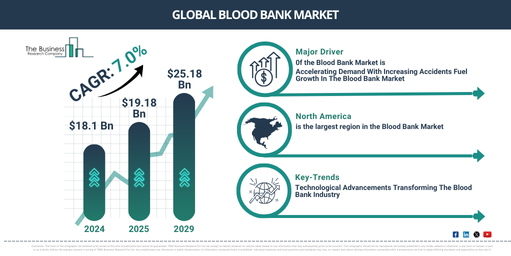
    In the past few years, the blood bank market size has seen significant growth. Rising from $18.1 billion in 2024, it is expected that the figure will reach $19.18 billion in 2025, maintaining a compound annual growth rate (CAGR) of 5.9%. Factors such as a rise in trauma incidents, surgical procedures, blood disorders, chronic illnesses, and maternal health have all contributed to the growth experienced in the historic period.

    How Much Will the Blood Bank Market Be Worth in 2029?

    Expectations are high for the blood bank market to experience significant growth in the coming years. The market is projected to reach a value of $25.18 billion by 2029, growing at a compound annual growth rate (CAGR) of 7.0%. The growth during this forecast period is primarily driven by factors such as the expansion into new markets, advances in telemedicine and remote blood banking, developments in gene editing and therapies, global health crisis, and an increasing elderly population. The forecast period will also see a growth in trends such as increased diversity of the donor pool, implementation of blood utilization review programs, growth of cord blood banking, application of blockchain in tracking blood supply, and enhanced blood processing technologies.

    Download The Free Sample Report Here:

    https://www.thebusinessresearchcompany.com/sample.aspx?id=9837&type=smp

    Which is the Largest Company in the Blood Bank Market?

    Major companies operating in the blood bank market include American Association of Blood Banks, Blood Bank of Alaska, Canadian Blood Services, The Japanese Red Cross Society, New York Blood Center, NHS Blood And Transplant, Sanquin Blood Supply Foundation, The American Red Cross, Vitalant, America’s Blood Centers, Australian Red Cross, Terumo Corporation, Haemonetics Corporation, National Blood Transfusion Council, Shire Plc, Abbott, Beckman Coulter Inc., Polymedicure, Thermo Fisher Scientific Inc., Becton Dickinson and Company, Bio-Rad Laboratories Inc., F. Hoffman La Roche, Siemens Healthcare Private Limited, BioMérieux, CSL Behring, Takeda, Octapharma, Kedrion, Macopharma, Fresenius Kabi AG, B. Braun Melsungen AG, Grifols SA, Hologic Inc., Ortho Clinical Diagnostics, Merck KGaA, Roche Diagnostics, Quotient Limited

    What Are the Main Market Drivers in the Blood Bank Industry?

    The growth of the blood bank market is anticipated to be driven by the escalating number of accidents. The increase in accidents can be attributed to more frequent and unexpected events that lead to injuries, damage, or even loss of life, encompassing a variety of incidents such as automobile and workplace accidents. With the surge in accidents comes a heightened need for prompt blood transfusions to address injuries, compensate for blood loss, and ensure proper circulation resulting from these accidents. For instance, in June 2022, the World Health Organization (WHO), a Switzerland-based global public health agency, affirmed through an article that road traffic crashes resulted in roughly 1.3 million deaths, while non-fatal injuries affected between 20 to 50 million individuals. Moreover, more than 90 percent of these road traffic deaths occurred in low and middle-income countries. Thus, the blood bank market is expected to thrive due to the escalating rate of accidents.

    Request For A Customized Report:

    https://www.thebusinessresearchcompany.com/customise?id=9837&type=smp

    How Is the Blood Bank Market Segments Structured?

    The blood bank market covered in this report is segmented –

    1) By Bank Type: Private Blood Bank, Public Blood Bank

    2) By Function: Collection, Processing, Testing, Storage, Transportation

    3) By Product Type: Whole Blood, Red Blood Cells, Platelet, Plasma, White Blood Cells

    4) By End User: Hospitals, Ambulatory Surgical Centers, Clinics, Pharmaceutical Companies

    Subsegments:

    1) By Private Blood Bank: Commercial Blood Banks, Specialty Blood Banks

    2) By Public Blood Bank: Government-Funded Blood Banks, Non-Profit Blood Banks

    What Strategic Trends Are Transforming the Blood Bank Market?

    The blood bank market is witnessing a significant trend in the form of technological innovation. To keep pace with the rapidly expanding industry demand and augment their global business outreach, key companies involved in blood collection and storage are introducing revolutionary technologies. Illustrating this trend, Abbott Laboratories, a leading healthcare and medical devices firm in the United States, formed a strategic alliance with the US-based independent blood center, Blood Centers of America, in January 2023. They unveiled a consumer-centric app that harmonizes with Abbott’s technology in a mixed reality format. This futuristic app, primed for blood donors, offers a digital experience aimed at streamlining the blood donation process, appealing to potential donors, and inspiring the younger generation to contribute towards blood donation.

    Access The Full Report Here:

    https://www.thebusinessresearchcompany.com/report/blood-bank-global-market-report

    Which Global Regions Offer the Highest Growth in the Blood Bank Market?

    North America was the largest region in the blood bank market in 2024. Asia-Pacific is expected to be the fastest-growing region in the blood bank market report during the forecast period. The regions covered in the blood bank market report are Asia-Pacific, Western Europe, Eastern Europe, North America, South America, Middle East, Africa

    Purchase The Full Report Today:

    https://www.thebusinessresearchcompany.com/purchaseoptions.aspx?id=9837

    This Report Delivers Insight On:

    1. How big is the blood bank market, and how is it changing globally?

    2. Who are the major companies in the blood bank market, and how are they performing?

    3. What are the key opportunities and risks in the blood bank market right now?

    4. Which products or customer segments are growing the most in the blood bank market?

    5. What factors are helping or slowing down the growth of the blood bank market?

    About The Business Research Company:

    With over 15000+ reports from 27 industries covering 60+ geographies, The Business Research Company has built a reputation for offering comprehensive, data-rich research and insights. Armed with 1,500,000 datasets, the optimistic contribution of in-depth secondary research, and unique insights from industry leaders, you can get the information you need to stay ahead in the game.

    Get in touch with us:

    The Business Research Company: https://www.thebusinessresearchcompany.com/

    Americas +1 3156230293

    Asia +44 2071930708

    Europe +44 2071930708

    Email us at info@tbrc.info

    Follow us on:

    LinkedIn: https://in.linkedin.com/company/the-business-research-company

    YouTube: https://www.youtube.com/channel/UC24_fI0rV8cR5DxlCpgmyFQ

    Global Market Model: https://www.thebusinessresearchcompany.com/global-market-model
  • Acute Spinal Cord Injury Industry Insights 2025 – Market Forecast for Executives and Planners

    Acute Spinal Cord Injury Industry Insights 2025 – Market Forecast for Executives and Planners

    Claim your 30% discount on Global Market Reports with code ONLINE30. Limited time only.

    How Has the Acute Spinal Cord Injury Market Size Changed, over the years?

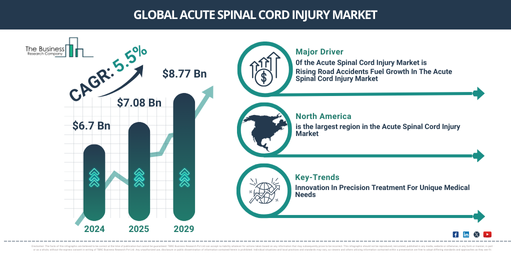
    The market for acute spinal cord injury has seen robust growth in the past few years. The size of the market is expected to increase from $6.7 billion in 2024 to $7.08 billion in 2025, exhibiting a compound annual growth rate (CAGR) of 5.6%. Factors such as the increasing number of acute spinal cord injury cases, heightened awareness about the condition and its treatment methods, surging demand for tailored care, rising levels of disposable income, and greater government expenditure on research and development for acute spinal cord injury have contributed to the growth in the historical period.

    How Much Will the Acute Spinal Cord Injury Market Be Worth in 2029?

    In the upcoming years, the market size of acute spinal cord injury is anticipated to experience robust growth. It is projected to escalate to $8.77 billion by 2029, with a compound annual growth rate (CAGR) of 5.5%. The growth during the forecast period may be attributed to the advent of new therapies, adoption of telemedicine, implementation of patient-focused care models, and an increased emphasis on preventive healthcare and injury prevention. Key trends in the forecast period encompass medical developments, rehabilitation methods, neuroprotection treatments, psychosocial support, advocacy, and accessibility.

    Download The Free Sample Report Here:

    https://www.thebusinessresearchcompany.com/sample.aspx?id=12960&type=smp

    Which is the Largest Company in the Acute Spinal Cord Injury Market?

    Major companies operating in the acute spinal cord injury market are Pfizer Inc., AbbVie Inc., Novartis AG, Teva Pharmaceutical Industries Ltd., Biogen Inc., Vertex Pharmaceuticals Inc., Mitsubishi Tanabe Pharma Corporation, Stanford Health Care, BioMarin Pharmaceutical Inc., Neuralstem Inc., Kennedy Krieger Institute, Acorda Therapeutics Inc., Craig Hospital, Omeros Corporation, Lineage Cell Therapeutics Inc., Pharmazz Inc., Asterias Biotherapeutics Inc., Histocell S.L., Athersys Inc., ReNetX Bio, Kringle Pharma Inc., BioArctic AB, BioAxone BioSciences Inc., InVivo Therapeutics Holdings Corp, Geron Corporation, Neuronax SA, Tenax Therapeutics, Eusol Biotech Co. Ltd.

    What Are the Main Market Drivers in the Acute Spinal Cord Injury Industry?

    The acute spinal cord injury market is anticipated to grow, propelled by escalating counts of road mishaps. An event that involves a motor vehicle collision resulting in severe wounds or fatalities is termed a road accident. Accidental injuries to the spine can potentially damage the central nervous system (CNS), interrupting the flow of nerves necessary for functional and sensory skills. The intensity of a collision could induce trauma to the cervical, lumbar, or thoracic spine, damaging or possibly severing the spinal cord, leading to paralysis. For example, the Llywodraeth Cymru / Welsh Government, an administrative body based in Wales, reported a total of 4,348 road casualties in 2023 as reported by police forces in Wales. This figure indicated a 2% rise compared to 2022. Hence, the rise in road accidents is reinforcing the growth of the acute spinal cord injury market. Market Driver for Acute Spinal Cord Injury: Growth Induced by Increased Clinical Trials

    Request For A Customized Report:

    https://www.thebusinessresearchcompany.com/customise?id=12960&type=smp

    How Is the Acute Spinal Cord Injury Market Segments Structured?

    The acute spinal cord injury market covered in this report is segmented –

    1) By Type: Complete Spinal Cord Injury, Incomplete Spinal Cord Injury

    2) By Diagnosis Type: Laboratory Tests, Imaging Tests

    3) By Application: Hospitals, Clinics

    Subsegments:

    1) By Complete Spinal Cord Injury: Tetraplegia, Paraplegia

    2) By Incomplete Spinal Cord Injury: Central Cord Syndrome, Anterior Cord Syndrome, Brown-Séquard Syndrome, Conus Medullaris Syndrome, Cauda Equina Syndrome

    What Strategic Trends Are Transforming the Acute Spinal Cord Injury Market?

    Key players in the acute spinal cord injury market are concentrating on the development of novel drugs to cater to patients’ needs and maintain their market position. The creation of new medications, such as LYVISPAH, may enhance results for patients undergoing combination treatments. For example, Amneal Pharmaceuticals, an American pharmaceutical firm, initiated LYVISPAH in July 2022 — a baclofen oral granule available in doses of 5, 10, and 20 mg, certified by the U.S. Food and Drug Administration (FDA) to treat spasticity related to multiple types of spinal cord disorders. LYVISPAH offer relief from flexor spasms and related pain, clones, and muscular stiffness while allowing adjustable dosages with single-use granule packages of dosages 5 mg, 10 mg, and 20 mg, with biological equivalence to oral baclofen tablets. This medication can also benefit patients suffering from spinal cord injuries and other related disorders.

    Access The Full Report Here:

    https://www.thebusinessresearchcompany.com/report/acute-spinal-cord-injury-global-market-report

    Which Global Regions Offer the Highest Growth in the Acute Spinal Cord Injury Market?

    North America was the largest region in the acute spinal cord injury market in 2024. The regions covered in acute spinal cord injury market report are Asia-Pacific, Western Europe, Eastern Europe, North America, South America, Middle East and Africa.

    Purchase The Full Report Today:

    https://www.thebusinessresearchcompany.com/purchaseoptions.aspx?id=12960

    This Report Delivers Insight On:

    1. How big is the acute spinal cord injury market, and how is it changing globally?

    2. Who are the major companies in the acute spinal cord injury market, and how are they performing?

    3. What are the key opportunities and risks in the acute spinal cord injury market right now?

    4. Which products or customer segments are growing the most in the acute spinal cord injury market?

    5. What factors are helping or slowing down the growth of the acute spinal cord injury market?

    About The Business Research Company:

    With over 15000+ reports from 27 industries covering 60+ geographies, The Business Research Company has built a reputation for offering comprehensive, data-rich research and insights. Armed with 1,500,000 datasets, the optimistic contribution of in-depth secondary research, and unique insights from industry leaders, you can get the information you need to stay ahead in the game.

    Get in touch with us:

    The Business Research Company: https://www.thebusinessresearchcompany.com/

    Americas +1 310-496-7795

    Asia +44 2071930708

    Europe +44 7882 955267

    Email us at info@tbrc.info

    Follow us on:

    LinkedIn: https://in.linkedin.com/company/the-business-research-company

    YouTube: https://www.youtube.com/channel/UC24_fI0rV8cR5DxlCpgmyFQ

    Global Market Model: https://www.thebusinessresearchcompany.com/global-market-model