Category: HealthcareServices

  • Induced Pluripotent Stem Cell (iPSC) Forecast Report – Designed for Decision Makers and Product Teams

    Induced Pluripotent Stem Cell (iPSC) Forecast Report – Designed for Decision Makers and Product Teams

    Claim your 30% discount on Global Market Reports with code ONLINE30. Limited time only.

    #What Is the Growth Rate of the Induced Pluripotent Stem Cell (iPSC) Market?#_x000D_

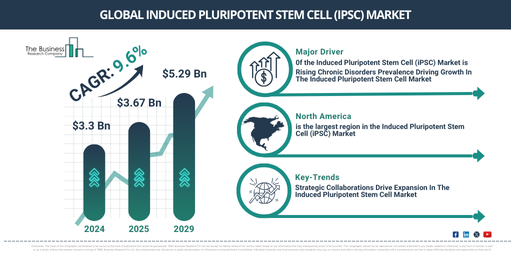
    The market size for induced pluripotent stem cells (iPSC) has been expanding swiftly in the past few years. The market is expected to progress from $3.3 billion in 2024 to $3.67 billion in 2025 with a compound annual growth rate (CAGR) of 11.3%. Numerous factors can explain the growth during the historical period including heightened healthcare spending, increased funding, greater awareness of the therapeutic benefits of stem cell products, use of iPSC in drug discovery, a surge in the demand for personalized medicine, as well as the cost-effectiveness of iPSC in drug discovery._x000D_

    _x000D_

    #What Growth Rate Is Forecasted for the Induced Pluripotent Stem Cell (iPSC) Market by 2029?#_x000D_

    The market for induced pluripotent stem cell (iPSC) has a robust growth predicted in the next couple of years, with the expectation to expand to a whopping $5.29 billion by 2029, growing at a compound annual growth rate (CAGR) of 9.6%. The factors contributing to this projected growth during the forecast period include the rise of chronic diseases, advancements in genomic projects, the creation of IPSC-derived disease models, the escalating increase of genetic diseases, government-led initiatives, and a swift progression in technology. The forecast period will also see significant trends including the creation of pluripotent stem cells for Parkinson’s disease (PD), strategic alliances and partnerships, the generation of induced pluripotent stem cell IPSC-derived NK cells, the use of induced pluripotent stem cell (iPSC) for cell therapy, funds allocated towards regenerative medicine research and development, the making of IPSC expansion medium, customized iPSC, and developing pluripotent stem cells for Type I diabetes._x000D_

    _x000D_

    #Download The Free Sample Report Here:#_x000D_

    https://www.thebusinessresearchcompany.com/sample.aspx?id=2515&type=smp_x000D_

    _x000D_

    #Which Key Companies Are Shaping the Future of the Induced Pluripotent Stem Cell (iPSC) Market?#_x000D_

    Major companies operating in the induced pluripotent stem cell (iPSC) market include FUJIFILM Holdings Corporation (FUJIFILM Cellular Dynamics, Inc), Thermo Fisher Scientific, Inc, Takara Bio, Inc, Lonza Group AG, Astellas Pharma Inc, ViaCyte, Inc, Ncardia, REPROCELL USA, Inc, Japan Tissue Engineering Co., Ltd, Merck KGaA, Cynata Therapeutics Limited, Dainippon Sumitomo Pharma, Shenzhen Bioscience, Shanghai Cell Therapy Group, Car-T Bio, JW therapeutics, Fosun Kite Biotechnology, Shanghai UniCar Therapy, Takaria Bio, SEED Biosciences SA, Cellerix, CellGenix, NsGene, TiGenix, Renuron Group, Smart Cells, Genenta Science, Biocad Rf, MSD, Pfizer, Roche, Pharmasyntez, Selvita, Mabion, Pure Biologics, OncoArendi Therapeutics, Proteon Pharmaceuticals, GlaxoSmithKline, Parexel, Bayer, Fate Therapeutics, Athersys, BrainStorm Cell Therapeutics, Cellular Biomedicine Group, Pluristem Therapeutics, Gamida Cell, VistaGen Therapeutics, Caladrius Biosciences, BioCanRx, CellCAN, CCRM, C3i, BioCells Argentina, Stem Cells, Royan Stem Cell Technology Co., Next BioSciences, CryoSave, BioHeart_x000D_

    _x000D_

    #Which Factors Are Driving Demand in the Induced Pluripotent Stem Cell (iPSC) Industry?#_x000D_

    The spike in rates of chronic illnesses plays a significant role in propelling the growth of the induced pluripotent stem cell industry. Induced pluripotent stem cells, which can be derived from tissues of either children or adults and genetically modified to mimic embryonic stem cells, can be used to treat diseases such as heart disease, cancer, stroke, and diabetes. A report by the Partnership to Fight Chronic Disorder (PFCD) disclosed that out of 133 million Americans, about 45% suffer from at least one chronic illness. Furthermore, it was projected that chronic diseases are responsible for 7 out of 10 deaths in the United States, which totals approximately 1.7 million deaths. These deaths could potentially be mitigated with induced pluripotent stem cell treatment. Consequently, the escalating prevalence of chronic illnesses is fuelling the demand for the induced pluripotent stem cell treatment market._x000D_

    _x000D_

    #Request For A Customized Report:#_x000D_

    https://www.thebusinessresearchcompany.com/customise?id=2515&type=smp_x000D_

    _x000D_

    #How Is the Induced Pluripotent Stem Cell (iPSC) Market Segmented by Several Divisions?#_x000D_

    The induced pluripotent stem cell (iPSC) market covered in this report is segmented –_x000D_

    _x000D_

    1) By Derived Cell Type: Hepatocytes, Fibroblasts, Keratinocytes, Amniotic Cells, Other Derived Cell Types_x000D_

    2) By Application: Academic Research, Drug Discovery And Toxicity Studies, Regenerative Medicine, Cell And Gene Therapy_x000D_

    3) By End-User: Hospitals, Research Laboratories_x000D_

    _x000D_

    Subsegments:_x000D_

    1) By Hepatocytes: iPSC-Derived Liver Cells For Drug Toxicity Testing, Disease Modeling And Regenerative Therapies_x000D_

    2) By Fibroblasts: iPSC-Derived Skin Cells For Wound Healing And Tissue Repair, Fibroblast-Based Disease Research_x000D_

    3) By Keratinocytes: iPSC-Derived Skin Cells For Dermatological Research, Skin Regeneration Therapies_x000D_

    4) By Amniotic Cells: iPSC-Derived Cells For Prenatal Research, Amniotic Fluid-Based Regenerative Applications_x000D_

    5) By Other Derived Cell Types: Neurons For Neurological Disease Modeling, Cardiomyocytes For Heart Disease Studies, Endothelial Cells For Vascular Research_x000D_

    _x000D_

    #What are the Emerging Market Trends Driving the Growth of the Induced Pluripotent Stem Cell (iPSC) Industry?#_x000D_

    Firms in the Induced Pluripotent stem cell market are seeking strategic partnerships and collaborations to gain entry into new markets and broaden their product ranges. An instance of this was in January 2022, when Bristol Myers Squibb and Century Therapeutics decided upon a joint strategy to create IPSC-generated allogenic cell treatments targeting acute myeloid leukemia and multiple myeloma. Additionally, Evotec and Sernova revealed their alliance in May 2022, aimed at producing IPSC-based beta cell substitution therapy for curing type 1 and type 2 diabetes._x000D_

    _x000D_

    #Access The Full Report Here:#_x000D_

    https://www.thebusinessresearchcompany.com/report/induced-pluripotent-stem-cell-global-market-report_x000D_

    _x000D_

    #Which Regions Are Driving Growth in the Induced Pluripotent Stem Cell (iPSC) Market?#_x000D_

    North America was the largest region in the induced pluripotent stem cell (IPSC) market in 2024. Western Europe was the second largest region in the global induced pluripotent stem cell (IPSC) market share. The regions covered in the induced pluripotent stem cell (IPSC) market report are Asia-Pacific, Western Europe, Eastern Europe, North America, South America, Middle East, Africa_x000D_

    _x000D_

    #Purchase The Full Report Today:#_x000D_

    https://www.thebusinessresearchcompany.com/purchaseoptions.aspx?id=2515_x000D_

    _x000D_

    #This Report Delivers Insight On: #_x000D_

    1. How big is the induced pluripotent stem cell (ipsc) market, and how is it changing globally?_x000D_

    2. Who are the major companies in the induced pluripotent stem cell (ipsc) market, and how are they performing?_x000D_

    3. What are the key opportunities and risks in the induced pluripotent stem cell (ipsc) market right now?_x000D_

    4. Which products or customer segments are growing the most in the induced pluripotent stem cell (ipsc) market?_x000D_

    5. What factors are helping or slowing down the growth of the induced pluripotent stem cell (ipsc) market?_x000D_

    _x000D_

    #About The Business Research Company:#_x000D_

    With over 15000+ reports from 27 industries covering 60+ geographies, The Business Research Company has built a reputation for offering comprehensive, data-rich research and insights. Armed with 1,500,000 datasets, the optimistic contribution of in-depth secondary research, and unique insights from industry leaders, you can get the information you need to stay ahead in the game._x000D_

    _x000D_

    #Get in touch with us:#_x000D_

    The Business Research Company: https://www.thebusinessresearchcompany.com/_x000D_

    Americas +1 310-496-7795_x000D_

    Asia +44 2071930708_x000D_

    Europe +44 7882 955267_x000D_

    Email us at info@tbrc.info_x000D_

    _x000D_

    #Follow us on:#_x000D_

    _x000D_

    LinkedIn: https://in.linkedin.com/company/the-business-research-company_x000D_

    YouTube: https://www.youtube.com/channel/UC24_fI0rV8cR5DxlCpgmyFQ_x000D_

    Global Market Model: https://www.thebusinessresearchcompany.com/global-market-model
  • Women’s Digital Health Market Outlook 2025 – Insights for Executive and Strategic Planning

    Women’s Digital Health Market Outlook 2025 – Insights for Executive and Strategic Planning

    Claim your 30% discount on Global Market Reports with code ONLINE30. Limited time only.

    How Has the Women’s Digital Health Market Grown from 2024 to 2025?

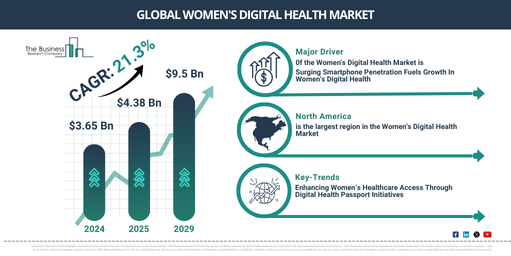
    The market size for women’s digital health has remarkably expanded in the past few years. The projection shows an increase from $3.65 billion in 2024 to $4.38 billion in 2025, with a compound annual growth rate (CAGR) of 20.1%. The substantial growth experienced during the previous period can be associated with factors like robust economic progress in burgeoning markets, the expanding prevalence of smartphones, elevated healthcare expenditures, and a growing demand for pregnancy and fertility tracking.

    What Growth Rate Is Anticipated for the Women’s Digital Health Market in the Coming Years?

    The market size of women’s digital health is predicted to experience a remarkable surge in the coming years, reaching $9.5 billion by the year 2029 with a cumulative annual growth rate (CAGR) of 21.3%. The anticipated growth during the forecast period is credited to the escalating utilization of digital health solutions, the rising prevalence of chronic diseases in women, the uptick in preventive healthcare practices, and swift urbanization. Key trends forecasted during this period encompass emphasis on artificial intelligence (AI) for dependable customer services and market position solidification, launch of novel women healthcare programs for digital market services, introduction of new healthcare mobile applications for dependable customer services, and increased investment focus to broaden product offerings and boost revenue.

    Download The Free Sample Report Here:

    https://www.thebusinessresearchcompany.com/sample.aspx?id=10402&type=smp

    Who Are the Leading Companies in the Women’s Digital Health Market?

    Major companies operating in the women’s digital health market include Flo Health Inc, Garmin Ltd, Natural Cycles, Nuvo, Elvie,Advantia Health, Bellabeat, Clue by Biowink, MobileODT Ltd., Glow, Pristyn Care, Celes Care, Veera Health, curara, Beijing Amcare Medical Management Co Ltd, Ping An Good Doctor, Jianke, Biowink GmbH, Ava AG, Babylon Health, Hims & Hers Health, Inc, The Women’s Wellness Centre, Elara Health, myGynaeDoc, Maven Clinic, Kindbody, Allara Health, Tia, BioMilq, Oula, Elvie, 1DOC3, doc-doc, Hera Med Ltd, Vezeeta, Altibbi, Okadoc, Health at Hand, DabaDoc, Meddy, Healthigo, Flying Doctors, bimaAFYA

    What Are the Key Drivers of the Women’s Digital Health Market?

    The surge in smartphone usage is anticipated to boost the expansion of women’s digital health. This refers to the proportion of the population owning and utilising smartphones. Apps designed for women’s health have gain popularity, allowing convenient access to a variety of health-related information such as menstrual cycle monitoring and pregnancy and fertility management. The proliferation of mobile devices enables women to have readily available health data and resources, which fosters a more proactive stance towards managing their own health. For instance, a socially-led creative agency based in the US, We Are Social, reported in March 2022 that there are 5.22 billion mobile users worldwide, equivalent to 66% of the global population. Moreover, Catch Connect, an Australian mobile plans provider, confirmed in April 2022 that 79.60% of Australia’s total population use a smartphone. The present forecast is that the number of smartphone users will surge to 2.8 million by 2022. Consequently, the burgeoning smartphone usage encourages the development of women’s digital health.

    Request For A Customized Report:

    https://www.thebusinessresearchcompany.com/customise?id=10402&type=smp

    What Are the Key Market Segments in the Women’s Digital Health Industry?

    The women’s digital health market covered in this report is segmented –

    1) By Type: Mobile Apps, Wearable Devices, Diagnostic Tools, Other Types Consumable, Instruments, Services

    2) By Component: Software, Services, Hardware

    3) By Application: Reproductive Health, General Healthcare, Wellness, Pregnancy, Nursing Care, Pelvic Care

    Subsegments:

    1) By Mobile Apps: Health and Fitness Apps, Menstrual Tracking Apps, Mental Health Apps, Pregnancy And Parenting Apps

    2) By Wearable Devices: Fitness Trackers, Smartwatches, Health Monitoring Devices

    3) By Diagnostic Tools: At-home Testing Kits, Telehealth Platforms for Diagnostics, Remote Monitoring Tools

    4) By Other Types Consumable: Health Supplements, Wellness Products, Personal Care Products

    5) By Instruments: Health Monitoring Devices, Diagnostic Tools

    6) Services: Telemedicine Services, Health Coaching Platforms, Educational Services

    What Are the Latest Trends in the Women’s Digital Health Market?

    Leading businesses in the women’s digital health market are prioritizing the delivery of cutting-edge tech solutions, like the digital health passport scheme, to improve individualized healthcare access. The digital health passport scheme revolves around a digital platform that offers a secure and efficient means to control and disseminate personal health information. For instance, in July 2024, Algorand, a foundation based in Singapore, in collaboration with the Self-Employed Women’s Association (SEWA), initialized a digital health passport scheme to bolster healthcare accessibility for women engaging in the informal economic sector. This scheme, a component of Algorand’s AlgoBharat project in India, leverages blockchain technology for the establishment of secure, unalterable records of women’s health status. Women may retrieve their digital health passports via SEWA Shakti Kendras, which will offer guidance in accessing health services and joining programs like Ayushman Bharat.

    Access The Full Report Here:

    https://www.thebusinessresearchcompany.com/report/womens-digital-health-global-market-report

    What Are the Key Regional Markets in the Women’s Digital Health Industry?

    North America was the largest region in the women’s digital health market in 2024. Asia-Pacific is expected to be the fastest-growing region in the forecast period. The regions covered in the women’s digital health market report are Asia-Pacific, Western Europe, Eastern Europe, North America, South America, Middle East, Africa.

    Purchase The Full Report Today:

    https://www.thebusinessresearchcompany.com/purchaseoptions.aspx?id=10402

    This Report Delivers Insight On:

    1. How big is the women’s digital health market, and how is it changing globally?

    2. Who are the major companies in the women’s digital health market, and how are they performing?

    3. What are the key opportunities and risks in the women’s digital health market right now?

    4. Which products or customer segments are growing the most in the women’s digital health market?

    5. What factors are helping or slowing down the growth of the women’s digital health market?

    About The Business Research Company:

    With over 15000+ reports from 27 industries covering 60+ geographies, The Business Research Company has built a reputation for offering comprehensive, data-rich research and insights. Armed with 1,500,000 datasets, the optimistic contribution of in-depth secondary research, and unique insights from industry leaders, you can get the information you need to stay ahead in the game.

    Get in touch with us:

    The Business Research Company: https://www.thebusinessresearchcompany.com/

    Americas +1 310-496-7795

    Asia +44 2071930708

    Europe +44 7882 955267

    Email us at info@tbrc.info

    Follow us on:

    LinkedIn: https://in.linkedin.com/company/the-business-research-company

    YouTube: https://www.youtube.com/channel/UC24_fI0rV8cR5DxlCpgmyFQ

    Global Market Model: https://www.thebusinessresearchcompany.com/global-market-model

  • Value Based Care Payment Industry Growth Expected to Reach $4.6 Billion by 2029 at a CAGR of 10.3% | Segmentation and Growth Opportunities

    Value Based Care Payment Industry Growth Expected to Reach $4.6 Billion by 2029 at a CAGR of 10.3% | Segmentation and Growth Opportunities

    Claim your 30% discount on Global Market Reports with code ONLINE30. Limited time only.

    What Is the Forecast for the Value Based Care Payment Market Growth in 2025?

    Over the past few years, the market size for value-based care payment has experienced a swift expansion. It is predicted to increase from $2.78 billion in 2024 to $3.11 billion in 2025, with a compound annual growth rate (CAGR) of 11.8%. Factors such as robust economic growth in developing markets, augmented healthcare spending, increased adoption of digital health infrastructure, and a fast-paced advancement in the field of value-based healthcare services can be credited for the growth witnessed during the historical period.

    What Is the Forecast for the Value Based Care Payment Market Size Through 2029?

    In the coming years, we can anticipate a rapid expansion in the value based care payment market size, reaching a predicted $4.6 billion in 2029 with a compound annual growth rate (CAGR) of 10.3%. Several factors such as an increasing aging population, a mushrooming middle class in emerging markets and the escalating incidence of chronic illnesses are influencing the growth expected in this predicted period. Key trends anticipated during this period include a shifting focus towards low-code platforms for value-based care, strategic mergers and acquisitions, the implementation of an effective care management strategy, remote patient monitoring becoming a reimbursable initiative for valued based care, and an increase in bundle payments.

    Download The Free Sample Report Here:

    https://www.thebusinessresearchcompany.com/sample.aspx?id=3378&type=smp

    What are the Key Market Players in Value Based Care Payment Market and How They’re Evolving?

    Major companies operating in the value based care payment market include McKesson Corporation, Change Healthcare, Premier Inc, NextGen Healthcare Inc., FinThrive, Inc., Unitedhealth Group Inc., Edifecs, Nuna Inc., OM1, Relias, JD Health, Alibaba Health Information Technology Ltd, Ping An Healthcare And Technology Co. Ltd., Tencent Holdings Ltd, Wedoctor Holdings (Zhejiang) Co. Ltd., Huma, Cera, Lumeon, Helios Gesundheit, Doctorlink, Cigna, GE Healthcare, Siemens Medical Solutions USA, Inc., Etyon Health, Fresenius Medical Care, Medtronic PLC, 3M Healthcare Service Group, F. Hoffmann-La Roche AG, Dickinson And Company, Acelity L.P., Dupatri, Vibe Saúde, Butterfly, Plim, Guepardo Sistemas, Afya Ltd, Glic, Iclinic Desenvolvimento De Software Ltda, Glucare Integrated Diabetes Center, Clalit Health Services, Nextstep People Solutions, Athena Health

    What Are the Primary Growth Drivers in the Value Based Care Payment Market?

    The advancement of value-based healthcare services is said to fuel the significant rise of the value-based care payment market. There has been a notable reduction in healthcare costs and unnecessary expenses, with a substantial decline of approximately 5.6% on average, credited to these value-based healthcare services. In a similar vein, UnitedHealth forecasts that $75 billion of its payments directed towards healthcare providers will be linked with value-based care affiliations. The number of Accountable Care Organizations (ACO) is also on the rise, fostering more insurance coverage and protection. For instance, data from the Journal of Health Affairs suggests that more than 1,000 ACOs proliferate across the U.S., representing over 1,400 contracts with both government and commercial insurers, thus covering upwards of 32 million American citizens. Consequently, the accelerated growth of value-based healthcare services enhances demand for the value-based care payment market, attributing to a heightened utilization of services delivered to consumers that prioritize the value-based care format rather than the traditional fee-for-service model.

    Request For A Customized Report:

    https://www.thebusinessresearchcompany.com/customise?id=3378&type=smp

    What Are the Leading Segments in the Global Value Based Care Payment Industry?

    The value based care payment market covered in this report is segmented –

    1) By Model: Accountable Care Organization (ACO), Bundled Payments, Patient-Centered Medical Home (PCMH), Pay For Performance (P4P)

    2) By Deployment Type: Cloud Based, On-Premise

    3) By End User: Providers, Payer

    Subsegments:

    1) By Accountable Care Organization (Aco): Medicare Acos, Commercial Acos, Medicaid Acos

    2) By Bundled Payments: Single Episode Of Care, Multi-Episode Care, Condition-Specific Bundles

    3) ByPatient-Centered Medical Home (Pcmh): Level 1 Pcmh, Level 2 Pcmh, Level 3 Pcmh

    4) By Pay For Performance (P4p): Hospital-Based P4p Programs, Physician-Based P4p Programs, Specialty-Based P4p Programs

    What Are the Key Market Trends in the Value Based Care Payment Industry?

    Top corporations in the industry are progressively choosing to engage in mergers and partnerships as strategies to improve their reach and spur the development of the value-based care payment market. The tactical merging, acquisition and partnering activities of key players in this market encourage the businesses to gain a technological edge by adopting the tech advancements, propelling them to stay competitive. For example, CVS Health, a healthcare company based in the US, successfully acquired Signify Health in March 2023, the details of which were not disclosed. The merger is set to enhance care delivery capabilities, streamline costs, augment engagement rates, and facilitate greater access to superior care, particularly for Medicare Advantage clients. Signify Health is an American company offering value-based care payment solutions.

    Access The Full Report Here:

    https://www.thebusinessresearchcompany.com/report/value-based-care-payment-global-market-report

    What Is the Regional Outlook for the Value Based Care Payment Market?

    North America was the largest region in the value-based care payment market in 2024. Western Europe was the second largest region in value-based care payment market share. The regions covered in the value based care payment market report are Asia-Pacific, Western Europe, Eastern Europe, North America, South America, Middle East, Africa

    Purchase The Full Report Today:

    https://www.thebusinessresearchcompany.com/purchaseoptions.aspx?id=3378

    This Report Delivers Insight On:

    1. How big is the value based care payment market, and how is it changing globally?

    2. Who are the major companies in the value based care payment market, and how are they performing?

    3. What are the key opportunities and risks in the value based care payment market right now?

    4. Which products or customer segments are growing the most in the value based care payment market?

    5. What factors are helping or slowing down the growth of the value based care payment market?

    About The Business Research Company:

    With over 15000+ reports from 27 industries covering 60+ geographies, The Business Research Company has built a reputation for offering comprehensive, data-rich research and insights. Armed with 1,500,000 datasets, the optimistic contribution of in-depth secondary research, and unique insights from industry leaders, you can get the information you need to stay ahead in the game.

    Get in touch with us:

    The Business Research Company: https://www.thebusinessresearchcompany.com/

    Americas +1 310-496-7795

    Asia +44 2071930708

    Europe +44 7882 955267

    Email us at info@tbrc.info

    Follow us on:

    LinkedIn: https://in.linkedin.com/company/the-business-research-company

    YouTube: https://www.youtube.com/channel/UC24_fI0rV8cR5DxlCpgmyFQ

    Global Market Model: https://www.thebusinessresearchcompany.com/global-market-model

  • Ultrasonic Technology Market to Reach $4.71 Billion by 2029 | Key Drivers and Future Outlook

    Ultrasonic Technology Market to Reach $4.71 Billion by 2029 | Key Drivers and Future Outlook

    Claim your 30% discount on Global Market Reports with code ONLINE30. Limited time only.

    What Is the Growth Rate of the Ultrasonic Technology Market?

    The market size of ultrasonic technology has seen a swift acceleration in its growth over the past few years. Its market valuation is predicted to rise from $2.34 billion in 2024, surging to $2.64 billion in 2025, maintaining a compound annual growth rate (CAGR) of 12.5%. Factors contributing to this unprecedented growth during the historic period include a well-performing economy in developing markets, an increase in demand from the medical sector, an expansion in governmental initiatives, coupled with swift industrialisation and proliferation of manufacturing industries.

    What Growth Rate Is Forecasted for the Ultrasonic Technology Market by 2029?

    Expectations are high for the ultrasonic technology market as it is anticipated to experience significant expansion in the upcoming years. The market is projected to rise to $4.71 billion in 2029, with a compound annual growth rate (CAGR) of 15.6%. This growth, during the prediction period, is speculated to be driven by factors such as the rise in chronic diseases, an aging demographic, expansion in the retail sector, and the escalating public anxiety over ensuring the safety and quality of food. Key trends to look out for in this prediction period include the emphasis on incorporating artificial intelligence (AI), the interest in 3D ultrasound technology, the introduction of compact portable ultrasounds, magnified investments, product advancements, and strategic alliances and collaborations.

    Download The Free Sample Report Here:

    https://www.thebusinessresearchcompany.com/sample.aspx?id=6063&type=smp

    Which Key Companies Are Shaping the Future of the Ultrasonic Technology Market?

    Major companies operating in the ultrasonic technology market include Emerson Electric, Siemens AG, Koninklijke Philips N.V., Olympus Corporation, General Electric Company, Crest Ultrasonics Corp., Honeywell International Inc, Rockwell Automation Inc., Pepperl+Fuchs AG, Omron Corporation, Emcolite Ultrasonics, Paavan Electronic Industries, Nanjing AMIS Medical Technology Co. Ltd, Novalion Medical Instrument Co. Ltd, Guangzhou Happycare Electronics Co. Ltd, Shenzhen Bondway Electronics Co. Ltd, Guangzhou Medsinglong Medical Equipment Co. Ltd, Hilsonic, Canongate Technology Ltd, Cambridge Ultrasonics, Telsonic AG, DGM, Ultratecno, Sonotec, Roop Ultrasonic, Elma Ultrasonic, L&R Ultrasonics, Coltene-Whaledent, Omegasonics, Ultrasonic Power Corporation, Sonicor, Gesswein, Contrinex, STULZ, Abdul Latif Jameel Health, PulseNmore, Dallah Health Company, Canon Medical Systems Corporation, Fujifilm Holdings Corporation, Mindray Medical International Limited, Omega Africa Agencies (Pty) Ltd, Specmed Medical Services, Autowatch, Selective Instrumentation, Controlare and Diel (Pty) Ltd

    Which Factors Are Driving Demand in the Ultrasonic Technology Industry?

    The rise in demand from the healthcare industry is anticipated to boost the ultrasonic technology market’s expansion. The healthcare sector comprises businesses that offer medical care, produce medical devices or medicines, supply health insurance, or otherwise facilitate healthcare delivery to patients. Ultrasound imaging, or sonography, is a common tool in medicine. Ultrasounds are employed for non-destructive testing, finding hidden flaws in products and structures. PolicyAdvice, an insurance firm, anticipates global healthcare expenditure to touch $10 trillion by 2022. Moreover, McKesson, with an annual revenue of $208.3 billion, is the biggest healthcare organization in the U.S. Consequently, the increased demand in the healthcare sector is a key driver for the growth of the ultrasonic technology market.

    Request For A Customized Report:

    https://www.thebusinessresearchcompany.com/customise?id=6063&type=smp

    How Is the Ultrasonic Technology Market Segmented by Several Divisions?

    The ultrasonic technology market covered in this report is segmented –

    1) By Type: Ultrasonic Proximity Sensor, Ultrasonic Retro-Reflective Sensor, Ultrasonic Through-Beam Sensor, Other Types

    2) By Technology: Ultrasonic Medical Technology, Ultrasonic Processing Technology, Ultrasonic Testing Technolog, Other Technologies

    3) By Application: Welding, Cleaning, Inspections, Other Applications

    4) By End User: Automotive, Food and beverage, Medical and healthcare, Aerospace and defense, Industrial, Other End Users

    Subsegments:

    1) By Ultrasonic Proximity Sensor: Non-Contact Ultrasonic Proximity Sensors, Short-Range Ultrasonic Proximity Sensors

    2) By Ultrasonic Retro-Reflective Sensor: Fixed Ultrasonic Retro-Reflective Sensors, Adjustable Ultrasonic Retro-Reflective Sensors

    3) By Ultrasonic Through-Beam Sensor: Transmitter-Receiver Through-Beam Sensors, Reflective Through-Beam Sensors

    4) By Other Types: Ultrasonic Flow Meters, Ultrasonic Cleaning Equipment, Ultrasonic Thickness Gauges

    What are the Emerging Market Trends Driving the Growth of the Ultrasonic Technology Industry?

    Embracing artificial intelligence is a significant trend that is on the rise within the ultrasound technology market. Medical images are transformed into extensive mineable data through artificial intelligence. For instance, South Korea-based manufacturer Samsung introduced a new women’s health ultrasound system named the Hera W10 Elite in February 2023. The system boasts AI-assisted tools, visualization capabilities, and clinical applications specific to Obstetrics and Gynecology. It offers 2D and 3D imagery of microcirculatory and slow blood movement. Additionally, the system is equipped with an Advanced MV (microvascular)-Flow feature and a larger organic light-emitting diode (OLED) display for better characterization of varying ultrasound images.

    Access The Full Report Here:

    https://www.thebusinessresearchcompany.com/report/ultrasonic-technology-global-market-report

    Which Regions Are Driving Growth in the Ultrasonic Technology Market?

    Asia-Pacific was the largest region in the ultrasonic technology market in 2024. The regions covered in the ultrasonic technology market report are Asia-Pacific, Western Europe, Eastern Europe, North America, South America, Middle East, Africa.

    Purchase The Full Report Today:

    https://www.thebusinessresearchcompany.com/purchaseoptions.aspx?id=6063

    This Report Delivers Insight On:

    1. How big is the ultrasonic technology market, and how is it changing globally?

    2. Who are the major companies in the ultrasonic technology market, and how are they performing?

    3. What are the key opportunities and risks in the ultrasonic technology market right now?

    4. Which products or customer segments are growing the most in the ultrasonic technology market?

    5. What factors are helping or slowing down the growth of the ultrasonic technology market?

    About The Business Research Company:

    With over 15000+ reports from 27 industries covering 60+ geographies, The Business Research Company has built a reputation for offering comprehensive, data-rich research and insights. Armed with 1,500,000 datasets, the optimistic contribution of in-depth secondary research, and unique insights from industry leaders, you can get the information you need to stay ahead in the game.

    Get in touch with us:

    The Business Research Company: https://www.thebusinessresearchcompany.com/

    Americas +1 310-496-7795

    Asia +44 2071930708

    Europe +44 7882 955267

    Email us at info@tbrc.info

    Follow us on:

    LinkedIn: https://in.linkedin.com/company/the-business-research-company

    YouTube: https://www.youtube.com/channel/UC24_fI0rV8cR5DxlCpgmyFQ

    Global Market Model: https://www.thebusinessresearchcompany.com/global-market-model

  • Genetic Testing Market Outlook 2025 – Insights for Executive and Strategic Planning

    Genetic Testing Market Outlook 2025 – Insights for Executive and Strategic Planning

    Claim your 30% discount on Global Market Reports with code ONLINE30. Limited time only.

    #How Has the Genetic Testing Market Grown from 2024 to 2025?#_x000D_

    In the past few years, the genetic testing market has seen robust growth. It is projected to expand from $19.1 billion in 2024 to $20.92 billion in 2025, with a compound annual growth rate (CAGR) of 9.5%. The rise in the historic period has been driven by factors such as heightened healthcare spending, increased prevalence of cancer, a surge in demand for customized medication, and the appearance of new infectious diseases._x000D_

    _x000D_

    #What Growth Rate Is Anticipated for the Genetic Testing Market in the Coming Years?#_x000D_

    In the coming years, the genetic testing market is anticipated to experience a rapid increase in size. By 2029, an impressive 9.8% compound annual growth rate (CAGR) will see the market expand to a value of $30.45 billion. This growth within the forecast period is due to multiple factors including, enhanced government back up, growing incidence of genetic conditions, the swell of the elderly population, and a climb in chronic disease prevalence. Moreover, the rollout of new schemes like genetic counseling and informatics programs will contribute towards the advancement of next-gen genetic testing, supplemented by technological breakthroughs, and the introduction of direct-to-consumer genetic tests, which will shape market trends._x000D_

    _x000D_

    #Download The Free Sample Report Here:#_x000D_

    https://www.thebusinessresearchcompany.com/sample.aspx?id=6729&type=smp_x000D_

    _x000D_

    #Who Are the Leading Companies in the Genetic Testing Market?#_x000D_

    Major companies operating in the genetic testing market include Myriad Genetics Inc, Illumina Inc, Abbott Laboratories, Eurofins Scientific, Danaher Corporation, F. Hoffmann-La Roche Ltd, Quest Diagnostics Incorporated, Qiagen NV, Thermo Fisher Scientific Inc., BioRad Laboratories Inc., BGI, Berry Genomics Co. ltd, Daan Gene Co. Ltd, Annoroad Gene Technology Co. Ltd, WuXi PharmaTech, Igenomix, Circle DNA, Centogene, Curetis, Cytena, Probably Genetic, Genome Biologics, WuXi NextCODE, Genomtec, Testgene, Evogen Lab, Phosphorus, Helix, Sequencing, 10x Genomics, Quantgene, Virica Biotech, DNALabs, Deep Genomics, SGS Mexico, Hologic Inc, 23andMe Inc, Middle East Testing Services L.L.C, Molecular Biology & Genetics Laboratory, Freiburg Medical Laboratory Middle East, IVI MIDDLE EAST FERTILITY CLINIC, Bio Certica_x000D_

    _x000D_

    #What Are the Key Drivers of the Genetic Testing Market?#_x000D_

    The increasing incidence of genetic diseases is projected to stimulate the expansion of the genetic testing market. Genetic diseases encompass those causing visible signs at birth, as well as those that progress over time. Genetics testing can offer both a diagnosis for an existing genetic problem and the probability of developing cancer. For example, a report by the World Health Organization, a Switzerland-based Intergovernmental organization, indicated in 2024 that genetic disorders and inborn anomalies impact between 2% and 5% of live births. They also make up 30% of pediatric hospital admissions, resulting in almost 50% of childhood fatalities in developed nations. As a result, the escalating incidence of genetic diseases is propelling the genetic testing market._x000D_

    _x000D_

    #Request For A Customized Report:#_x000D_

    https://www.thebusinessresearchcompany.com/customise?id=6729&type=smp_x000D_

    _x000D_

    #What Are the Key Market Segments in the Genetic Testing Industry?#_x000D_

    The genetic testing market covered in this report is segmented –_x000D_

    _x000D_

    1) By Type: Predictive Testing, Carrier Testing, Prenatal And Newborn Testing, Diagnostic Testing, Pharmacogenomics Testing, Nutrigenomic Testing, Other Types_x000D_

    2) By Technology: Cytogenetic Testing, Biochemical Testing, Molecular Testing_x000D_

    3) By Application: Cancer Diagnosis, Genetic Disease Diagnosis, Cardiovascular Disease Diagnosis, Other Applications_x000D_

    4) By End User: Hospitals And Clinics, Diagnostic Laboratories And Centres, Other End Users_x000D_

    _x000D_

    Subsegments:_x000D_

    1) By Predictive Testing: Genetic Risk Assessment, Family History-Based Testing_x000D_

    2) By Carrier Testing: Single Gene Carrier Testing, Expanded Carrier Screening_x000D_

    3) By Prenatal And Newborn Testing: Non-Invasive Prenatal Testing (NIPT), Newborn Screening Tests_x000D_

    4) By Diagnostic Testing: Confirmatory Genetic Testing, Clinical Diagnostic Testing_x000D_

    5) By Pharmacogenomics Testing: Drug Response Testing, Adverse Drug Reaction Testing_x000D_

    6) By Nutrigenomic Testing: Dietary Response Testing, Metabolism Testing_x000D_

    7) By Other Types: Ancestry Testing, Whole Genome Sequencing_x000D_

    _x000D_

    #What Are the Latest Trends in the Genetic Testing Market?#_x000D_

    The rising popularity of direct-to-consumer genetic tests is a notable trend within the genetic testing market. These tests, often referred to as at-home DNA tests, enable the consumer to take their own samples at home and send them for analysis to determine their predisposition to certain diseases. By analyzing an individual’s DNA, these tests can discover gene variations that increase the susceptibility to certain health conditions. For instance, in 2022, DNALabs, a firm based in India offering genetic testing solutions aimed at personalizing medicine, launched At-Home Genetic Testing Solutions. This enables individuals to make informed decisions based on the results of a simple cheek swab from an at-home DNA collection kit, applicable to both consumers interested in managing their own health and healthcare professionals seeking to tailor the best treatment for their patients._x000D_

    _x000D_

    #Access The Full Report Here:#_x000D_

    https://www.thebusinessresearchcompany.com/report/genetic-testing-global-market-report_x000D_

    _x000D_

    #What Are the Key Regional Markets in the Genetic Testing Industry?#_x000D_

    North America was the largest region in the genetic testing market in 2024. Asia-Pacific is expected to be the fastest-growing region in the forecast period. The regions covered in the genetic testing market report are Asia-Pacific, Western Europe, Eastern Europe, North America, South America, Middle East, Africa._x000D_

    _x000D_

    #Purchase The Full Report Today:#_x000D_

    https://www.thebusinessresearchcompany.com/purchaseoptions.aspx?id=6729_x000D_

    _x000D_

    #This Report Delivers Insight On: #_x000D_

    1. How big is the genetic testing market, and how is it changing globally?_x000D_

    2. Who are the major companies in the genetic testing market, and how are they performing?_x000D_

    3. What are the key opportunities and risks in the genetic testing market right now?_x000D_

    4. Which products or customer segments are growing the most in the genetic testing market?_x000D_

    5. What factors are helping or slowing down the growth of the genetic testing market?_x000D_

    _x000D_

    #About The Business Research Company:#_x000D_

    With over 15000+ reports from 27 industries covering 60+ geographies, The Business Research Company has built a reputation for offering comprehensive, data-rich research and insights. Armed with 1,500,000 datasets, the optimistic contribution of in-depth secondary research, and unique insights from industry leaders, you can get the information you need to stay ahead in the game._x000D_

    _x000D_

    #Get in touch with us:#_x000D_

    The Business Research Company: https://www.thebusinessresearchcompany.com/_x000D_

    Americas +1 310-496-7795_x000D_

    Asia +44 2071930708_x000D_

    Europe +44 7882 955267_x000D_

    Email us at info@tbrc.info_x000D_

    _x000D_

    #Follow us on:#_x000D_

    _x000D_

    LinkedIn: https://in.linkedin.com/company/the-business-research-company_x000D_

    YouTube: https://www.youtube.com/channel/UC24_fI0rV8cR5DxlCpgmyFQ_x000D_

    Global Market Model: https://www.thebusinessresearchcompany.com/global-market-model
  • Market Analysis on Telemedicine Services Industry – Insights for Corporate Strategy and R&D

    Market Analysis on Telemedicine Services Industry – Insights for Corporate Strategy and R&D

    Claim your 30% discount on Global Market Reports with code ONLINE30. Limited time only.

    What Is the Forecast for the Telemedicine Services Market from 2024 to 2025?

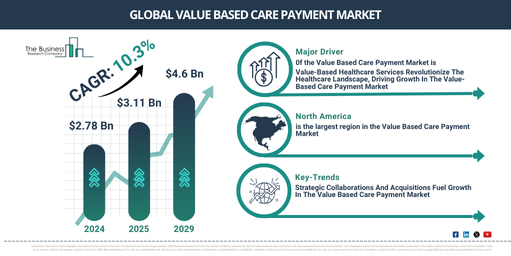
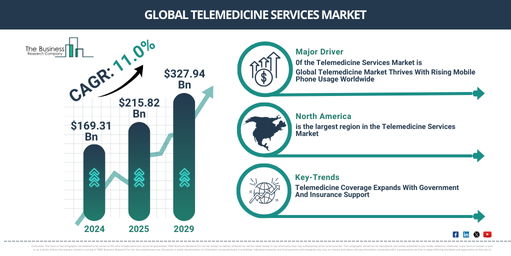
    The market size of telemedicine services has seen rampant growth in the past few years. The rise is projected from $169.31 billion in 2024 to $215.82 billion in 2025, with a compound annual growth rate (CAGR) of 27.5%. The surge in the historic period can be traced back to factors like the expansion of emerging markets, government policies, growing need for home care monitoring, an increase in the demand for cutting down healthcare costs, scarcity of skilled professionals, swift advancements in technology, and a substantial increase in the older demographic.

    What Is the Projected Market Size of the Telemedicine Services Market?

    The market size for telemedicine services is anticipated to witness a quick expansion in the coming years, reaching a value of $327.94 billion in 2029 with a compound annual growth rate (CAGR) of 11.0%. The projected growth within this period is linked to an ageing population, enhanced healthcare access, a growing incidence of chronic diseases, and increased necessity for telemedicine services in the wake of COVID-19. Significant trends impacting the forecast period encompass the adoption of 5g, Internet of Things (IoT), artificial intelligence, as well as virtual and augmented reality.

    Download The Free Sample Report Here:

    https://www.thebusinessresearchcompany.com/sample.aspx?id=3977&type=smp

    Who are the Major Competitors in the Telemedicine Services Market Outlook?

    Major companies operating in the telemedicine services market include Teladoc Health Inc., Doctolib, Doctor on Demand, Amwell (American Well), MDLIVE Inc., Zocdoc Inc., Alina TeleHealth, HealthTapInc., 2nd.MD, PlushCare Inc.AMD Global Telemedicine, CISCO Systems Inc., Medtronic Inc., Honeywell Lifesciences, Philip Healthcare, Aerotel Medical Systems, CardioComm, Cerner Corporation, Apollo Hospitals, Neosoft, Allscripts Healthcare Solutions Inc., Biotelemetry, Resideo Technologies Inc., InTouch Technologies Inc., SHL Telemedicine, NovioSys BV, KSYOS Telemedicine Centre, Karify, Medgate, Medi24, Immedicare LLP, Babylon Health UK, Medio.link, Push Doctor, Tele Medicine Clinic, Doctor Care Anywhere Limited, Philips Healthcare, McKesson Corporation, GE Healthcare Ltd., DOC+, BestDoctor, TeleMD, mediSensum, Apteki Inc., Care Innovations LLC, BioTelemetry, Specialist Telemed, SOC Telemed, Eagle Telemedicine, Blue Sky Telehealth, NextGen Healthcare, VSee, OKADOC, Doxy.me, GetBEE, Mind Mina Telemedicine, Abu Dhabi Telemedicine Centre

    What Is Fueling Growth in the Telemedicine Services Market?

    The escalating global use of mobile phones is propelling the growth of the telemedicine service market. The World Bank reports that in 2022, the number of mobile phones worldwide reached 8.59 billion, surpassing the world’s population. The rise in mobile phone usage enhances access to telemedicine services, facilitating easy remote consultations and healthcare assistance, which in turn fuels the growth of telemedicine. The surge in the global population of smartphone users is anticipated to further stimulate the demand for the telemedicine services market.

    Request For A Customized Report:

    https://www.thebusinessresearchcompany.com/customise?id=3977&type=smp

    Which Telemedicine Services Market Segments Are Growing the Fastest?

    The telemedicine services market covered in this report is segmented –

    1) By Type: Web-based, Cloud-based, On-premises

    2) By Technology outlook: Real-Time Telemedicine Services, Store-And-Forward Telemedicine Services

    3) By Application: Teleradiology, Telepsychiatry, Telepathology, Teledermatalogy, Telecardiology, Other Applications

    Subsegments:

    1) By Web-based: Telehealth Platforms Accessible via Web Browsers, Online Consultation Services, Patient Portals for Managing Health Records and Appointments

    2) By Cloud-based: Telemedicine Applications Hosted on Cloud Servers, Remote Patient Monitoring Systems, Cloud-based Electronic Health Records (EHR) Integrated with Telehealth Services

    3) By On-premises: Telemedicine Systems Installed on Local Servers, Private Healthcare Facility Telemedicine Setups, Integrated Healthcare IT Systems for Telemedicine within Hospitals

    Which Industry Trends Are Shaping the Future of the Telemedicine Services Market?

    Acceptance for telemedicine is on the rise, with both insurance companies and state-run healthcare programs broadening their coverage to include telemedicine services. Governments are urging businesses to adapt their policies to incorporate these services within their offerings. A prime example of this is the Medical Board of Australia, who revised their telehealth guidelines in September 2023. This revision extends insurance coverage to telemedicine, enabling patients to consult with a doctor via telehealth for the first time, without necessitating an initial in-person consultation.

    Access The Full Report Here:

    https://www.thebusinessresearchcompany.com/report/telemedicine-services-global-market-report

    Which Countries Are Leading the Telemedicine Services Market?

    North America was the largest region in the telemedicine services market in 20242. Asia-Pacific was the second largest region in global telemedicine services market share. The regions covered in the telemedicine services market report are Asia-Pacific, Western Europe, Eastern Europe, North America, South America, Middle East, Africa

    Purchase The Full Report Today:

    https://www.thebusinessresearchcompany.com/purchaseoptions.aspx?id=3977

    This Report Delivers Insight On:

    1. How big is the telemedicine services market, and how is it changing globally?

    2. Who are the major companies in the telemedicine services market, and how are they performing?

    3. What are the key opportunities and risks in the telemedicine services market right now?

    4. Which products or customer segments are growing the most in the telemedicine services market?

    5. What factors are helping or slowing down the growth of the telemedicine services market?

    About The Business Research Company:

    With over 15000+ reports from 27 industries covering 60+ geographies, The Business Research Company has built a reputation for offering comprehensive, data-rich research and insights. Armed with 1,500,000 datasets, the optimistic contribution of in-depth secondary research, and unique insights from industry leaders, you can get the information you need to stay ahead in the game.

    Get in touch with us:

    The Business Research Company: https://www.thebusinessresearchcompany.com/

    Americas +1 310-496-7795

    Asia +44 2071930708

    Europe +44 7882 955267

    Email us at info@tbrc.info

    Follow us on:

    LinkedIn: https://in.linkedin.com/company/the-business-research-company

    YouTube: https://www.youtube.com/channel/UC24_fI0rV8cR5DxlCpgmyFQ

    Global Market Model: https://www.thebusinessresearchcompany.com/global-market-model
  • Telehealth Forecast Report – Designed for Decision Makers and Product Teams

    Telehealth Forecast Report – Designed for Decision Makers and Product Teams

    Claim your 30% discount on Global Market Reports with code ONLINE30. Limited time only.

    What Is the Growth Rate of the Telehealth Market?

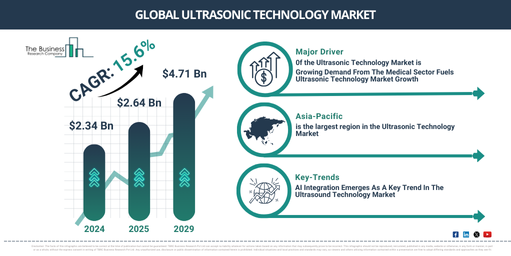
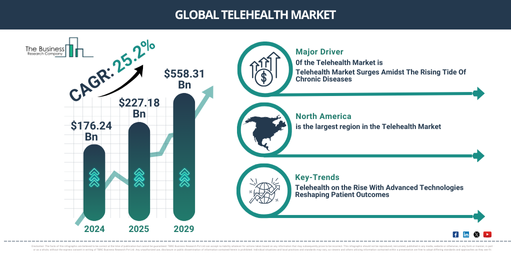
    There has been a significant surge in the size of the telehealth market in the past few years. The market, slated to escalate from $176.24 billion in 2024 to $227.18 billion in 2025, is expected to witness a compound annual growth rate (CAGR) of 28.9%. Factors such as rising growth in emerging markets, increased pet-related expenditures, favorable governmental initiatives, and a rise in the adoption of pet insurance have contributed to the growth observed in the historical period.

    What Growth Rate Is Forecasted for the Telehealth Market by 2029?

    The anticipated expansion in the telehealth market size is predicted to be substantial in the forthcoming years. The sector is set to reach $558.31 billion by 2029, with a compound annual growth rate (CAGR) of 25.2%. The surge during the predicted period can be credited to the rise in pet ownership, growing animal-based product consumption, and urbanization increment. The key trends for the forecast lifespan comprise an emphasis on cutting-edge technologies like artificial intelligence, expansion of new facilities, strategic partnerships and collaborations, and the introduction of novel veterinary telehealth services aiming to enhance their monetarily robustness and diverse product range.

    Download The Free Sample Report Here:

    https://www.thebusinessresearchcompany.com/sample.aspx?id=3954&type=smp

    Which Key Companies Are Shaping the Future of the Telehealth Market?

    Major companies operating in the telehealth market include Teladoc Health, Amwell (American Well), MDLIVE, Doctor On Demand, 1Life Healthcare, HealthTap, Babylon Health, PlushCare, MeMD, Pager, Lemonaid Health, SteadyMD, Telestax, InTouch Health, SnapMD, Zipnosis, SOC Telemed, Vsee Lab, Maven Clinic, DocASAP, HeyDoctor, Kareo, Medici, OnCall Health, Qure4u, Spruce Health, GlobalMed, MDBox, Doxy.me, Vida Health

    Which Factors Are Driving Demand in the Telehealth Industry?

    The escalating incidences of chronic conditions such as cancer, diabetes, and hypertension are predicted to significantly influence the telehealth market’s growth. Aspects like long working hours, insufficient physical exercise, and unhealthy nutrition and consumption habits escalate the risk of chronic diseases, fuelling the demand for telehealth service platforms. For example, in September 2023, the World Health Organization, a specialized agency of the United Nations based in Switzerland, reported 41 million deaths, accounting for 74% of deaths resulting from non-communicable diseases (NCDs) or chronic diseases worldwide annually. These included 17.9 million deaths from cardiovascular diseases, 9.3 million from cancer, 4.1 million from chronic respiratory diseases, and 2.0 million from diabetes. As a result, the increasing prevalence of chronic diseases is expected to spur the telehealth market’s expansion.

    Request For A Customized Report:

    https://www.thebusinessresearchcompany.com/customise?id=3954&type=smp

    How Is the Telehealth Market Segmented by Several Divisions?

    The telehealth market covered in this report is segmented –

    1) By Component: Software, Services, Hardware

    2) By Mode Of Delivery: Cloud-based, On-Premise

    3) By Application: Teleradiology, Telepathology, Teledermatology, Telecardiology, Others

    4) By End-User: Healthcare Providers, Patients, Payers, Other End-Users

    Subsegments:

    1) By Software: Telemedicine Software, Remote Patient Monitoring Software, Practice Management Software, Electronic Health Record (EHR) Integration Software

    2) By Services: Telehealth Consultation Services, Remote Monitoring Services, Education and Training Services, Support And Maintenance Services

    3) By Hardware: Mobile Health Devices, Telemedicine Carts, Digital Stethoscopes, Diagnostic And Imaging Devices

    What are the Emerging Market Trends Driving the Growth of the Telehealth Industry?

    Prominent corporations in the telehealth industry are prioritizing the incorporation of cutting-edge technologies such as remote patient tracking and AI-powered diagnostic tools and resources for disease management to facilitate better access to healthcare and enhance patient results across a broad spectrum of medical ailments. Resources for disease management encompass assistance services and tools intended to aid patients in managing their chronic illnesses effectively. They include instructional resources, treatment strategies, medication management, and healthcare professional access. For instance, in January 2024, Eli Lilly and Company, an American pharmaceutical firm, introduced LillyDirect, a digital healthcare initiative aimed at assisting U.S. patients living with obesity, migraine, and diabetes. The platform offers resources for disease management, connections with independent health care professionals, and doorstep delivery of certain Lilly medicines via third-party pharmacy services.

    Access The Full Report Here:

    https://www.thebusinessresearchcompany.com/report/telehealth-global-market-report

    Which Regions Are Driving Growth in the Telehealth Market?

    North America was the largest region in the telehealth market in 2024. The regions covered in the telehealth market report are Asia-Pacific, Western Europe, Eastern Europe, North America, South America, Middle East, Africa.

    Purchase The Full Report Today:

    https://www.thebusinessresearchcompany.com/purchaseoptions.aspx?id=3954

    This Report Delivers Insight On:

    1. How big is the telehealth market, and how is it changing globally?

    2. Who are the major companies in the telehealth market, and how are they performing?

    3. What are the key opportunities and risks in the telehealth market right now?

    4. Which products or customer segments are growing the most in the telehealth market?

    5. What factors are helping or slowing down the growth of the telehealth market?

    About The Business Research Company:

    With over 15000+ reports from 27 industries covering 60+ geographies, The Business Research Company has built a reputation for offering comprehensive, data-rich research and insights. Armed with 1,500,000 datasets, the optimistic contribution of in-depth secondary research, and unique insights from industry leaders, you can get the information you need to stay ahead in the game.

    Get in touch with us:

    The Business Research Company: https://www.thebusinessresearchcompany.com/

    Americas +1 310-496-7795

    Asia +44 2071930708

    Europe +44 7882 955267

    Email us at info@tbrc.info

    Follow us on:

    LinkedIn: https://in.linkedin.com/company/the-business-research-company

    YouTube: https://www.youtube.com/channel/UC24_fI0rV8cR5DxlCpgmyFQ

    Global Market Model: https://www.thebusinessresearchcompany.com/global-market-model
  • Teledentistry Market Outlook 2025 – Insights for Executive and Strategic Planning

    Teledentistry Market Outlook 2025 – Insights for Executive and Strategic Planning

    Claim your 30% discount on Global Market Reports with code ONLINE30. Limited time only.

    How Has the Teledentistry Market Grown from 2024 to 2025?

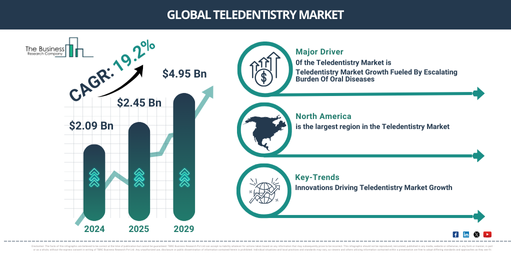
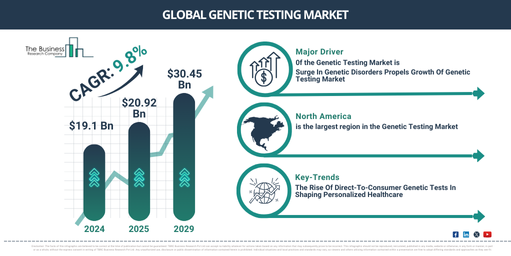
    In recent times, the teledentistry market has witnessed significant growth. The market size is projected to increase from $2.09 billion in 2024 to $2.45 billion in 2025, with a compound annual growth rate (CAGR) of 17.0%. Factors such as robust economic expansion in emergent markets, rising demand for remote medical care, and heightened governmental backing have contributed to the growth observed in the historical period.

    What Growth Rate Is Anticipated for the Teledentistry Market in the Coming Years?

    The projected expansion of the teledentistry market is likely to be substantial in the coming years, reaching a value of $4.95 billion by 2029, corresponding to a compound annual growth rate (CAGR) of 19.2%. This growth trajectory over the mentioned timeframe can be correlated to factors such as the escalating prevalence of oral diseases, amplified government efforts to enhance oral healthcare, and the expanding demographic of the elderly. Looking ahead, the market is set to see predominant trends such as elevated investment levels, an emphasis on the integration of robotics in food preparation, a heightened interest in providing healthier alternatives for french fries, product innovations, and a focus on the introduction of french fries compatible with vegan dietary preferences.

    Download The Free Sample Report Here:

    https://www.thebusinessresearchcompany.com/sample.aspx?id=8311&type=smp

    Who Are the Leading Companies in the Teledentistry Market?

    Major companies operating in the teledentistry market include SmileDirectClub, Koninklijke Philips N.V, Align Technology, Inc, Patterson Companies Inc, The TeleDentists, Dentulu Inc, Toothpic, Medvivo, Sesame Inc, Virtudent, Inc., Clove Dental, Lybrate, Toothsi, MobiDent, Orthodontist, iKang Guobin, Qare, Dentaly.org, Teladent, Dentasafe, Dentego, Zahnarzt-Hotline, Tandakuten, SmileMate, Stomateka, Teledentistry, Dentaltap, DentistulTau, Dentim Clinic, Dentist. Cz, Candid Clear Aligners, Byte Aligners, DentalChat, Denteractive, DigiDentista, Odonto Virtual, Dentalis, Odontología Virtual, Dentalink, Odontovida, Smileneo, 99Health LLC, Vezeeta, Okadoc, Altibbi, Appolonia World, Sno Dental Clinics, Souq Dental, Pearl Dental Clinic, DSI Dental Solutions, Dentalwize, OptiSmile Advanced Dentistry

    What Are the Key Drivers of the Teledentistry Market?

    Anticipated growth in the teledentistry market is being driven by the escalating burden of oral diseases. Oral diseases encompass conditions affecting the mouth areas like teeth, gums, and tongue. Teledentistry enhances accessibility to oral health services and aids in efficiently treating these diseases. As highlighted by the American Cancer Society, a volunteer health organization from the United States, there were roughly 54k new diagnoses of oral cavity or oropharyngeal cancer and about 11.2k deaths due to these types of cancer reported in the country in 2022. Thus, the mounting incidence of oral diseases is fueling the expansion of the teledentistry market.

    Request For A Customized Report:

    https://www.thebusinessresearchcompany.com/customise?id=8311&type=smp

    What Are the Key Market Segments in the Teledentistry Industry?

    The teledentistry market covered in this report is segmented –

    1) By Component: Hardware, Software

    2) By Delivery Mode: On-premise, Cloud-based

    3) By Application: Tele-consultation, Remote patient monitoring, Education and training

    4) By End User: Healthcare providers, Patients, Other end users

    Subsegments:

    1) By Hardware: Intraoral Cameras, X-Ray Scanners, Mobile Devices, Computer Systems

    2) By Software: Practice Management Software, Appointment Scheduling Software, Image Analysis and Diagnosis Software, Communication And Video Conferencing Software

    What Are the Latest Trends in the Teledentistry Market?

    In the teledentistry market, top-tier firms like Virtual Dental Care, Inc. are prioritizing advancements in technology such as AI-enabled diagnosis instruments and online consultation platforms. The intention is to amplify patient accessibility and boost dental care quality, which in turn promotes superior oral health results and patient gratification. AI is employed for picture interpretation, utilizing algorithms for the assessment and elucidation of visual information seen in images. This technology is applicable in a variety of sectors, particularly healthcare. In June 2023, Virtual Dental Care, Inc., a renowned US-based corporation that offers teledentistry software solutions and services, introduced Teledentistry 3.0. The focus is on improving patient’s accessibility to dental healthcare by offering a diverse set of virtual services accessible from the convenience of their homes. This progressive platform uses sophisticated technologies like AI to boost the quality of diagnosis and personalize treatment programs, thus increasing the accessibility to dental care.

    Access The Full Report Here:

    https://www.thebusinessresearchcompany.com/report/teledentistry-global-market-report

    What Are the Key Regional Markets in the Teledentistry Industry?

    North America was the largest region in the teledentistry market in 2024. The regions covered in the teledentistry market report are Asia-Pacific, Western Europe, Eastern Europe, North America, South America, Middle East, Africa.

    Purchase The Full Report Today:

    https://www.thebusinessresearchcompany.com/purchaseoptions.aspx?id=8311

    This Report Delivers Insight On:

    1. How big is the teledentistry market, and how is it changing globally?

    2. Who are the major companies in the teledentistry market, and how are they performing?

    3. What are the key opportunities and risks in the teledentistry market right now?

    4. Which products or customer segments are growing the most in the teledentistry market?

    5. What factors are helping or slowing down the growth of the teledentistry market?

    About The Business Research Company:

    With over 15000+ reports from 27 industries covering 60+ geographies, The Business Research Company has built a reputation for offering comprehensive, data-rich research and insights. Armed with 1,500,000 datasets, the optimistic contribution of in-depth secondary research, and unique insights from industry leaders, you can get the information you need to stay ahead in the game.

    Get in touch with us:

    The Business Research Company: https://www.thebusinessresearchcompany.com/

    Americas +1 310-496-7795

    Asia +44 2071930708

    Europe +44 7882 955267

    Email us at info@tbrc.info

    Follow us on:

    LinkedIn: https://in.linkedin.com/company/the-business-research-company

    YouTube: https://www.youtube.com/channel/UC24_fI0rV8cR5DxlCpgmyFQ

    Global Market Model: https://www.thebusinessresearchcompany.com/global-market-model
  • Synthetic Biology Market Projected at $54.27 Billion by 2029 | Strategic Insights and Forecast Data

    Synthetic Biology Market Projected at $54.27 Billion by 2029 | Strategic Insights and Forecast Data

    Claim your 30% discount on Global Market Reports with code ONLINE30. Limited time only.

    How Has the Synthetic Biology Market Size Changed, over the years?

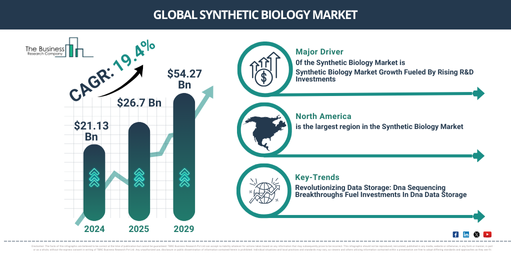
    The market size of synthetic biology has seen exponential growth in recent years. The market, valued at $21.13 billion in 2024, is projected to increase to $26.7 billion in 2025 with a compound annual growth rate (CAGR) of 26.3%. The expansion in the historical period is due to the surge in healthcare and life science amenities, higher investment in pharmaceuticals, its extensive application in end-user sectors, affordable DNA sequencing and synthesizing, and an increase in funding.

    How Much Will the Synthetic Biology Market Be Worth in 2029?

    The market size for synthetic biology is predicted to expand rapidly in the upcoming years, reaching a value of $54.27 billion in 2029 with a compound annual growth rate (CAGR) of 19.4%. Within this forecast period, factors like increased government support, the search for alternative fuels, growing demand for genetically engineered crops, and rising private sector investment are credited for driving this growth. The forecast period is also expected to witness various key trends including strategic collaborations and partnerships, advancements in nucleotide synthesis and sequencing, an increased emphasis on gene editing, rising product innovation, higher acceptance of cell-free technology, and the development of new biofuel production processes that are more eco-friendly.

    Download The Free Sample Report Here:

    https://www.thebusinessresearchcompany.com/sample.aspx?id=2508&type=smp

    Which is the Largest Company in the Synthetic Biology Market?

    Major companies operating in the synthetic biology market include Thermo Fisher Scientific Inc, Danaher Corporation, Eurofins Scientific, Merck KGaA, Novozymes A/S, Agilent Technologies, New England Biolabs Inc, Precigen Inc, Amyris, Inc, Genscript Biotech Corporation, Codex Genetics, Cathay Biotech, Bota Biosciences, Bluepha, Spiber, OriCiro Genomics Inc, Provectus Algae, Puraffinity, Royal DSM NV, Colorifix, Phytoform Labs, Desktop Genetics, NanoSyrinx, Pulmobiotics S.L, EnginZyme, Chain Biotech, Nuclera Nucleics, Biosynthetics GmbH, Entelechon GmbH, Sloning BioTechnology GmbH, Prokarium Ltd, Synbio, Captor Therapeutics, Gero.ai, ARNA Genomics, Solvo Omixon, Soft flow, Algenol, Genomatica, Integrated DNA Technologies, Sana Biotechnology, Impossible Foods, Apeel Sciences, Twist Bioscience, Synlogic, Zymergen Inc, Ginkgo Bioworks, Codexis, Arzeda Corporation, Synthetic Genomics, Conagen, Dupont, Oxitec Ltd, Sentebiolab, GEEN Biotechnology Inc, Genbiotek Biosistem Laboratory Ltd

    What Are the Main Market Drivers in the Synthetic Biology Industry?

    The synthetic biology market is anticipated to grow, fueled by the surge in research and development investment. This involves systematic exploration, ingenuity, and experimentation to expand the existing knowledge base, create new technologies, or develop products. The competition intensifies, the necessity for innovation grows, technological advancements occur rapidly, and businesses need to adapt to evolving customer preferences and market trends; these factors are propelling the rise in research and development investments. These investments are crucial for progressing the synthetic biology field’s capabilities to engineer biological systems and organisms to provide sustainable solutions in sectors such as healthcare, agriculture, and environmental management. As reported by the Office for National Statistics, in February 2024, the pharmaceutical product category led the business research and development investments in the UK in 2022, with an expenditure of $11.7 billion (£9.0 billion), which constituted 17.9% of UK businesses’ total R&D. This surge in research and development investment is hence enhancing the expansion of the synthetic biology market.

    Request For A Customized Report:

    https://www.thebusinessresearchcompany.com/customise?id=2508&type=smp

    How Is the Synthetic Biology Market Segments Structured?

    The synthetic biology market covered in this report is segmented –

    1) By Technology: Nucleotide Synthesis And Sequencing, Bioinformatics, Microfluidics, Genetic Engineering

    3) By Product Type: Oligonucleotides, Enzymes, Cloning And Assembly Kits, Xeno-Nucleic Acids (XNA), Chassis Organism

    2) By Application: Pharmaceuticals And Diagnostics, Chemicals, Biofuels, Bioplastics, Other Application

    Subsegments:

    1) By Nucleotide Synthesis And Sequencing: DNA Synthesis Technologies, Next-Generation Sequencing (NGS), Sanger Sequencing

    2) By Bioinformatics: Software Tools For Genomic Data Analysis, Databases For Gene/Protein Information, Algorithms For Gene Editing And Design

    3) By Microfluidics: Lab-On-A-Chip Technologies, Microfluidic Devices For Biological Assays, Applications In Drug Discovery And Diagnostics

    4) By Genetic Engineering: CRISPR/Cas9 Technology, Recombinant DNA Technology, Synthetic Gene Construction And Assembly

    What Strategic Trends Are Transforming the Synthetic Biology Market?

    Recent advancements in DNA sequencing technology have opened up possibilities for researchers to utilize DNA as a means of storing non-genetic data. As the demand for data storage increases, the capacity of DNA data storage becomes more apparent and attractive. Each strand of DNA could potentially contain up to 455 Exabyte of information (equivalent to 455 billion gigabytes), a feat that has attracted substantial investments from market stakeholders. The process involves encoding binary data, which is written in 0s and 1s, into DNA strands of four specific base units (A, G, C, T) that comprise Adenine, Guanine, Cytosine, and Thymine (abbreviated as AGCT). Data coded in this way has a higher longevity, potentially lasting thousands of years, compared to data saved on traditional hard drives that deteriorate or become corrupted within approximately 30 years. By way of illustration, a study published in a journal by Nature Publishing Group highlighted an instance where Microsoft and University of Washington researchers managed to store 35 unique digital files in DNA, totalling more than 200 megabytes of data. There are plans to increase investment into this technology for further improvement.

    Access The Full Report Here:

    https://www.thebusinessresearchcompany.com/report/synthetic-biology-global-market-report

    Which Global Regions Offer the Highest Growth in the Synthetic Biology Market?

    North America was the largest region in the synthetic biology market in 2024. Western Europe was the second largest region in the global synthetic biology market share. The regions covered in the synthetic biology market report are Asia-Pacific, Western Europe, Eastern Europe, North America, South America, Middle East, Africa

    Purchase The Full Report Today:

    https://www.thebusinessresearchcompany.com/purchaseoptions.aspx?id=2508

    This Report Delivers Insight On:

    1. How big is the synthetic biology market, and how is it changing globally?

    2. Who are the major companies in the synthetic biology market, and how are they performing?

    3. What are the key opportunities and risks in the synthetic biology market right now?

    4. Which products or customer segments are growing the most in the synthetic biology market?

    5. What factors are helping or slowing down the growth of the synthetic biology market?

    About The Business Research Company:

    With over 15000+ reports from 27 industries covering 60+ geographies, The Business Research Company has built a reputation for offering comprehensive, data-rich research and insights. Armed with 1,500,000 datasets, the optimistic contribution of in-depth secondary research, and unique insights from industry leaders, you can get the information you need to stay ahead in the game.

    Get in touch with us:

    The Business Research Company: https://www.thebusinessresearchcompany.com/

    Americas +1 310-496-7795

    Asia +44 2071930708

    Europe +44 7882 955267

    Email us at info@tbrc.info

    Follow us on:

    LinkedIn: https://in.linkedin.com/company/the-business-research-company

    YouTube: https://www.youtube.com/channel/UC24_fI0rV8cR5DxlCpgmyFQ

    Global Market Model: https://www.thebusinessresearchcompany.com/global-market-model
  • Fertility Services Market Trends Report 2025 – For Business Development and Strategy Teams

    Fertility Services Market Trends Report 2025 – For Business Development and Strategy Teams

    Claim your 30% discount on Global Market Reports with code ONLINE30. Limited time only.

    #What Is the Forecast for the Fertility Services Market Growth in 2025?#_x000D_

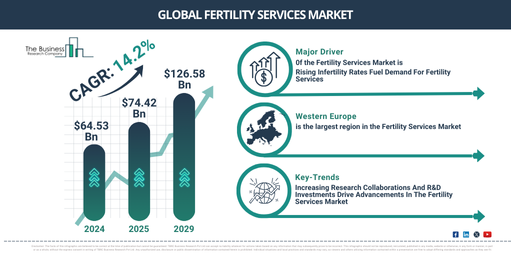
    Rapid expansion has been seen in the fertility services market size in recent years. Projected growth from $64.53 billion in 2024 to $74.42 billion in 2025 indicates a compound annual growth rate (CAGR) of 15.3%. Factors contributing to this growth during the historic period include the high rate of polycystic ovary syndrome (pcos), a surge in cases of premature ovarian failure, escalating male infertility numbers, enhanced coverage for in vitro fertilization (IVF) procedures by insurance providers, and a rise in same-sex couples._x000D_

    _x000D_

    #What Is the Forecast for the Fertility Services Market Size Through 2029?#_x000D_

    In the coming years, the market size for fertility services is projected to experience a substantial surge. The growth projection puts the market’s value at $126.58 billion by 2029, growing at a compound annual growth rate (CAGR) of 14.2%. Factors contributing to this forecasted growth include an escalating infertility rate, advances in fertility treatment technology, the increased use of fertility services for pregnancy assistance, expanded government initiatives, a rise in disposable income, in addition to a growing trend towards late parenthood. Key trends observed during the forecast period encompass the integration of artificial intelligence within fertility services, technological advancements, preimplantation genetic testing for aneuploidy screening (PGT-a), DNA fragmentation index (DFI), apps for fertility services based on the blockchain technology, the application of IoT (Internet of Things) within in-vitro fertilization services and a growth in strategic partnerships and mergers and acquisitions within the industry._x000D_

    _x000D_

    #Download The Free Sample Report Here:#_x000D_

    https://www.thebusinessresearchcompany.com/sample.aspx?id=3371&type=smp_x000D_

    _x000D_

    #What are the Key Market Players in Fertility Services Market and How They’re Evolving?#_x000D_

    Major companies operating in the fertility services market include Vitrolife, Merck KGaA, Progyny Inc., Virtus Health, Medicover Group, Apollo Hospitals Enterprise Ltd., Integramed America, Inc., The Johns Hopkins Health System Corp, Care Fertility, Australian Concept Infertility Medical Center (ACIMC), Bahosi Fertility Centre, Bloom Fertility Center, Center for Advanced Reproductive Medicine and Infertility, Chennai Fertility Center, Cloudnine Fertility, Damai Service Hospital, Flinders Reproductive Medicine Pty Ltd, Genea Oxford Fertility Limited, IHH Healthcare Berhad, IVF NAMBA Clinic, IVF Sri Lanka Life Plus (Pvt) Ltd, KL Fertility & Gynecology Centre, LIFE – Lahore Institute of Fertility & Endocrinology, Maria Fertility Hospital, Morula IVF, Nepal International Fertility Centre, Repromed, SAFE Fertility Center, Southend Fertility and IVF, Thomson Medical Pte Ltd, TMC Fertility Centre, Victory A.R.T. Laboratory Phils. Inc, Virtus Health, CHA Fertility Center, United Family Hospital, The New Hope Fertility Center, NOVA IVF Fertility, Baby Joy Fertility and IVF, Fortis La Femme, ART Fertility Clinics, Ferticity Fertility Clinic, Milann Fertility Centre, Fertility First, City Fertility Sydney, Westmead Fertility Centre, Demeter Fertility, Adora Fertility, Rainbow Fertility, Monash IVF Group Limited, Mitra Keluarga Karyasehat Tbk PT, Sarang-i IVF Center, Beyond IVF, Bumrungrad International Hospital, Superior A.R.T, King’s Fertility, Manchester Fertility, St Roch IVF Center, Clinique De La Muette, Institut Marques, Hopital Cochin, iTrust Fertility, Apricity, Agora Clinic, TFP Fertility, Apryl, CCRM Fertility Clinic, ORIGIO, Maven Clinic, Bayonne Centre, Biomedival, Grand Paris Fertility Centre, Ava-Peter Clinic, IVF Russia (The International Centre Of The Reproductive Medicines), Next Generation Clinic, Scandinavia AVA-Peter, Nova Vita Clinic, INVICTA Fertility Clinics, Gyncentrum Fertility Clinic, Md Medical Group, Invo Bioscience, New Hope Fertility Center, Carolinas Fertility Institute, Newlife Fertility Centre, Dallas Fort Worth Fertility Associates, Overlake Reproductive Health, Fertility Center Of Las Vegas, Weill Cornell Medicine – Center For Reproductive Medicine, UCSF Center For Reproductive Health, Brigham And Women’s Hospital Center For Infertility And Reproductive Surgery, Columbia University Fertility Center, Duke Fertility Center, Advanced Fertility Center Of Texas, Cleveland Clinic Fertility Center, NYU Langone Fertility Center, Mayo Clinic Assisted Reproductive Technologies Rochester, Massachusetts General Hospital Fertility Center, IVF Canada, Bio Fertility Center, The Mexican Institute For Higher Reproductive Technology (Inmater), Select IVF, Fertility Patagonia, In Vitro Buenos Aires, Halitus Instituto Medico, Pregna Medicina Reproductiva, IVF Panama Centro De Reproduccion Punta Pacifica, Colombian Center For Fertility, Sterility, Carrot Fertility, Oya Care, Kitazato, Dubai Fertility Center, Fakih IVF Fertility Center, Orchid Fertility, Bourn Hall Fertility Clinic, Alboshra IVF Center, George’s Memorial Medical Centre, Nordica Fertility Centre, The Olive Branch Clinic, St. Ives Specialist Hospital, Bridge Clinic Fertility Centre, Cairo Fertility Centre, Queens Fertility Centre, BPE Partners, Cleopatra Hospitals Group_x000D_

    _x000D_

    #What Are the Primary Growth Drivers in the Fertility Services Market?#_x000D_

    The projected rise in infertility rates is expected to stimulate the need for fertility services during the predicted timeframe. Different social and ecological elements like lifestyle modifications comprising of obesity, stress or depression, and excessive alcohol intake are causing an escalation in infertility rates, thereby creating a great demand for fertility services. For instance, the World Health Organization (WHO), an international public health institution based in Switzerland, reported in April 2023 that millions of globally reproductive-aged individuals are expected to combat infertility, potentially impacting their families and communities. The worldwide ratio suggests that every 1 in 6 adults, approximately 17.5% of the global adult population, grapple with infertility issues. Consequently, the increasing rates of infertility will likely propel the fertility services market demand._x000D_

    _x000D_

    #Request For A Customized Report:#_x000D_

    https://www.thebusinessresearchcompany.com/customise?id=3371&type=smp_x000D_

    _x000D_

    #What Are the Leading Segments in the Global Fertility Services Industry?#_x000D_

    The fertility services market covered in this report is segmented –_x000D_

    _x000D_

    1) By Procedure: Assisted Reproductive Technology (Art), In-Vitro Fertilization, Artificial Insemination_x000D_

    2) By Service: Fresh Non-Donor, Frozen Non-Donor, Egg And Embryo Banking, Fresh Donor, Frozen Donor_x000D_

    3) By Application: Male, Female_x000D_

    _x000D_

    Subsegments:_x000D_

    1) By Assisted Reproductive Technology (ART): Intracytoplasmic Sperm Injection (ICSI), Frozen Embryo Transfer (FET), Donor Egg And Sperm Programs_x000D_

    2) By In-Vitro Fertilization (IVF): Conventional IVF, Mini IVF (Mild Stimulation IVF), Natural Cycle IVF_x000D_

    3) By Artificial Insemination: Intrauterine Insemination (IUI), Intracervical Insemination (ICI), Intratubal Insemination (ITI)_x000D_

    _x000D_

    #What Are the Key Market Trends in the Fertility Services Industry?#_x000D_

    The fertility services sector has seen a substantial rise in the amount of research partnerships and the approval of research funding. Major firms in this market are expected to ramp up their R&D spending in order to launch innovative techniques and drugs for fertility procedures. For example, in October 2022, Maven Clinic, an American firm that offers telemedicine-based virtual clinics for women’s and family health, forged a partnership with Indira IVF. The goal of this collaboration was to provide Maven’s Indian members with access to high-quality clinical care from Indira IVF, along with other benefits and the top-notch virtual family-creation care available through the Maven platform. Indira IVF is a chain of infertility specialist clinics based in India._x000D_

    _x000D_

    #Access The Full Report Here:#_x000D_

    https://www.thebusinessresearchcompany.com/report/fertility-services-global-market-report_x000D_

    _x000D_

    #What Is the Regional Outlook for the Fertility Services Market?#_x000D_

    Western Europe was the largest region in the fertility services market in 2024. North America was the second largest region in global fertility services market share. The regions covered in the fertility services market report are Asia-Pacific, Western Europe, Eastern Europe, North America, South America, Middle East, Africa_x000D_

    _x000D_

    #Purchase The Full Report Today:#_x000D_

    https://www.thebusinessresearchcompany.com/purchaseoptions.aspx?id=3371_x000D_

    _x000D_

    #This Report Delivers Insight On: #_x000D_

    1. How big is the fertility services market, and how is it changing globally?_x000D_

    2. Who are the major companies in the fertility services market, and how are they performing?_x000D_

    3. What are the key opportunities and risks in the fertility services market right now?_x000D_

    4. Which products or customer segments are growing the most in the fertility services market?_x000D_

    5. What factors are helping or slowing down the growth of the fertility services market?_x000D_

    _x000D_

    #About The Business Research Company:#_x000D_

    With over 15000+ reports from 27 industries covering 60+ geographies, The Business Research Company has built a reputation for offering comprehensive, data-rich research and insights. Armed with 1,500,000 datasets, the optimistic contribution of in-depth secondary research, and unique insights from industry leaders, you can get the information you need to stay ahead in the game._x000D_

    _x000D_

    #Get in touch with us:#_x000D_

    The Business Research Company: https://www.thebusinessresearchcompany.com/_x000D_

    Americas +1 310-496-7795_x000D_

    Asia +44 2071930708_x000D_

    Europe +44 7882 955267_x000D_

    Email us at info@tbrc.info_x000D_

    _x000D_

    #Follow us on:#_x000D_

    _x000D_

    LinkedIn: https://in.linkedin.com/company/the-business-research-company_x000D_

    YouTube: https://www.youtube.com/channel/UC24_fI0rV8cR5DxlCpgmyFQ_x000D_

    Global Market Model: https://www.thebusinessresearchcompany.com/global-market-model