Category: HealthcareServices

  • Artificial Intelligence (AI)-Driven Virtual Nursing Assistants Market Future Outlook: Strong Growth Expected Toward $5.19 Billion by 2030

    Uncover key drivers, emerging technologies, and competitive movements shaping the artificial intelligence (ai)-driven virtual nursing assistants market from 2026–2035 with trusted insights from The Business Research Company

    By how much is the Artificial Intelligence (AI)-Driven Virtual Nursing Assistants Market expected to grow between 2026 and 2030?

    The artificial intelligence (AI)-driven virtual nursing assistants market size has experienced rapid expansion in recent years. It is projected to increase from $1.76 billion in 2025 to $2.19 billion in 2026, reflecting a compound annual growth rate (CAGR) of 24.4%. This historical growth can be attributed to factors such as increasing healthcare staff shortages, the early adoption of telehealth services, a rising demand for patient self-management tools, the expansion of digital health platforms, and the availability of conversational AI technologies.

    The artificial intelligence (AI)-driven virtual nursing assistants market size is projected to experience rapid expansion in the coming years, with an anticipated growth to $5.19 billion by 2030, demonstrating a compound annual growth rate (CAGR) of 24.1%. This expansion during the forecast period is fueled by increasing investments in virtual care infrastructure, a rising demand for continuous patient support, the broadening of AI-assisted clinical workflows, a growing focus on cost-efficient healthcare delivery, and the increasing adoption of remote patient monitoring solutions. Significant trends expected in this period include the rising adoption of virtual nursing support tools, greater use of AI-powered patient engagement platforms, the expanding integration of remote monitoring capabilities, the wider availability of 24/7 digital care assistance, and an enhanced focus on care coordination automation.

    Access Your Free Sample Report for In-Depth Market Insights:

    https://www.thebusinessresearchcompany.com/sample.aspx?id=28131&type=smp

    Which Drivers Are Influencing Market Acceleration In The Artificial Intelligence (AI)-Driven Virtual Nursing Assistants Market?

    The anticipated expansion of the artificial intelligence (AI)-driven virtual nursing assistants market is linked to the increasing need for remote patient monitoring. Remote patient monitoring (RPM) involves leveraging digital tools to gather patient health data remotely, outside conventional healthcare environments, and relaying it to providers for evaluation and care oversight. The surge in demand for remote patient monitoring stems from the increasing requirement for ongoing, real-time health management beyond standard clinical environments. Within remote patient monitoring, artificial intelligence (AI)-driven virtual nursing assistants facilitate real-time tracking of patient health information, deliver prompt notifications, and aid in personalized care, simultaneously alleviating pressure on medical personnel. For example, data from the US Department of Health and Human Services, a US-based government administration, indicated in August 2025 that in 2024, nearly 1 million enrollees availed remote patient monitoring services, representing a 27% growth from 2023. Consequently, the expanding need for remote patient monitoring is a key impetus behind the advancement of the artificial intelligence (AI)-driven virtual nursing assistants market.

    What Segments Are Identified Within The Structure Of The Artificial Intelligence (AI)-Driven Virtual Nursing Assistants Market?

    The artificial intelligence (AI)-driven virtual nursing assistants market covered in this report is segmented –

    1) By Component: Software, Services

    2) By Technology: Automatic Speech Recognition(ASR), Text-To-Speech(TTS), Text-Based Interface, Natural Language Processing (NLP), Other Technologies

    3) By Deployment: Cloud Based, On-Premise, Hybrid

    4) By Application: Symptom Checking And Virtual Triage, Appointment Scheduling And Reminders, Medication Management, Medical Information Retrieval, Patient Engagement And Education, Clinical Decision Support, Administrative Support, Remote Monitoring

    5) By End User: Hospitals And Clinics, Patients, Healthcare Payers Pharmaceutical And Life Sciences Companies, Other End Users

    Subsegments:

    1) By Software: Clinical Decision Support, Patient Monitoring And Engagement, Workflow And Care Coordination, Medication Management, Predictive Analytics And Risk Assessment, Communication And Chat Interfaces

    2) By Services: Training And Education, Consulting And Advisory, Support And Maintenance, Managed Services, Data Management And Security, Implementation And Integration

    What Trends Are Driving The Growth Trajectory Of The Artificial Intelligence (AI)-Driven Virtual Nursing Assistants Market?

    Leading companies in the artificial intelligence (AI)-driven virtual nursing assistants market are actively developing new technologies, such as LIDAR-based spatial intelligence, to enable real-time patient monitoring, improve safety through the early identification of risks like falls or sudden health deterioration, and bolster virtual nursing models. Light detection and ranging (LIDAR) is a sophisticated remote sensing technology that uses laser light pulses to measure distances with extreme accuracy. For instance, in March 2025, Emory Healthcare, a US-based healthcare system, launched a virtual nursing initiative employing AI-driven technology to enhance patient care. This initiative utilizes Light detection and ranging (LIDAR) technology in patient rooms to track movements and detect falls up to 30 seconds before they happen, complemented by automated voice alerts prompting patients to remain in bed. It allows nurses situated in a central control room to remotely manage admissions paperwork, medication management, patient education, and discharge activities, thereby enabling bedside nurses to focus on direct patient care. The system continually analyzes patient data to spot early indicators of clinical deterioration or emergencies, ensuring timely alerts to bedside care teams.

    Which Key Market Players Are Investing In Expansion And Innovation Within The Artificial Intelligence (AI)-Driven Virtual Nursing Assistants Market?

    Major companies operating in the artificial intelligence (AI)-driven virtual nursing assistants market are Microsoft Corporation, HealthTap Inc., Artera Inc., Caregility LLC, Luma Health Inc., Infermedica Sp. z o.o., Memora Health Inc., Buoy Health Inc., Hyro AI Ltd., Care Angel Inc., Sensely Inc., Artisight Inc., K Health Inc., Mediktor International S.L., Corti ApS, AvaSure LLC, Care.AI Inc., Tap Health Inc., GetWellNetwork Inc., Biofourmis Inc.

    Access The Complete Report For Deeper Market Insights:

    https://www.thebusinessresearchcompany.com/report/artificial-intelligence-ai-driven-virtual-nursing-assistants-global-market-report

    Which Regions Are Poised For Strategic Growth In The Artificial Intelligence (AI)-Driven Virtual Nursing Assistants Market?

    North America was the largest region in the artificial intelligence (AI)-driven virtual nursing assistants market in 2025. Asia-Pacific is expected to be the fastest-growing region in the forecast period. The regions covered in the artificial intelligence (AI)-driven virtual nursing assistants market report are Asia-Pacific, South East Asia, Western Europe, Eastern Europe, North America, South America, Middle East, Africa.

    Request Your Customized Artificial Intelligence (AI)-Driven Virtual Nursing Assistants Market Research Report for Competitive Advantage:

    https://www.thebusinessresearchcompany.com/customise?id=28131&type=smp

    Browse Through More Reports Similar to the Global Artificial Intelligence (AI)-Driven Virtual Nursing Assistants Market 2026, By The Business Research Company

    Intelligent virtual assistants software market report 2026

    https://www.thebusinessresearchcompany.com/report/intelligent-virtual-assistants-software-global-market-report

    intelligent virtual assistant global market report

    https://www.thebusinessresearchcompany.com/report/intelligent-virtual-assistant-global-market-report

    virtual assistant global market report

    https://www.thebusinessresearchcompany.com/report/virtual-assistant-global-market-report

    Get in touch with us:

    The Business Research Company: https://www.thebusinessresearchcompany.com/

    Americas +1 310-496-7795

    Asia +44 7882 955267 & +91 8897263534

    Europe +44 7882 955267

    Email us at info@tbrc.info

    Follow us on:

    LinkedIn: https://in.linkedin.com/company/the-business-research-company

    YouTube: https://www.youtube.com/channel/UC24_fI0rV8cR5DxlCpgmyFQ

    Global Market Model: https://www.thebusinessresearchcompany.com/global-market-model

  • Neurocutaneous Disorder Market 2026–2030: Forecast, Innovation, and Competitive Trends

    Neurocutaneous Disorder Market 2026–2030: Forecast, Innovation, and Competitive Trends

    Uncover key drivers, emerging technologies, and competitive movements shaping the neurocutaneous disorder market from 2026–2035 with trusted insights from The Business Research Company

    What level of growth is expected in the Neurocutaneous Disorder Market between 2026 and 2030?

    The neurocutaneous disorder market size has demonstrated strong growth in recent years. It is anticipated to expand from $2.22 billion in 2025 to $2.41 billion in 2026, exhibiting a compound annual growth rate (CAGR) of 8.3%. This historical expansion can be attributed to several factors such as improved awareness of rare genetic disorders, advancements in neurological and dermatological diagnostics, the expansion of specialized treatment centers, increased availability of symptomatic therapies, and the growth of rare disease research initiatives.

    The neurocutaneous disorder market is anticipated to experience robust growth over the next few years. It is forecast to grow to $3.29 billion in 2030, demonstrating a compound annual growth rate (CAGR) of 8.1%. This expansion during the projection period can be attributed to the rising development of gene-based therapies, increased investments in rare disease drug innovation, the broadening of precision medicine approaches, the growing adoption of digital tools for patient monitoring, and an intensified focus on early intervention strategies. Prominent trends within the forecast period include the increasing use of genetic testing for early diagnosis, a heightened emphasis on multidisciplinary care models, the expansion of targeted therapeutic options, the growing application of advanced imaging and diagnostic technologies, and an enhanced commitment to long-term disease management.

    Access Your Free Sample Report for In-Depth Market Insights:

    https://www.thebusinessresearchcompany.com/sample.aspx?id=28278&type=smp

    Which Drivers Are Expected To Impact The Neurocutaneous Disorder Market During The Forecast Period?

    The neurocutaneous disorder market is anticipated to expand due to the rising occurrence of genetic disorders. These conditions originate from abnormalities in an individual’s DNA, which can be inherited or manifest spontaneously. Neurocutaneous disorders, such as tuberous sclerosis complex and neurofibromatosis, result from specific genetic mutations that impact both the nervous system and the skin, leading to characteristic skin abnormalities along with neurological symptoms. Advances in genetic testing and increased awareness are enabling earlier diagnosis, thereby contributing to a higher reported prevalence. For instance, in November 2024, the Centers for Disease Control and Prevention (CDC), a US-based government agency, stated that approximately 1 in every 33 newborns in the US is born with a birth defect, many of which are linked to genetic causes. Consequently, the increasing prevalence of genetic disorders is a key factor driving the growth of the neurocutaneous disorder market.

    How Is The Neurocutaneous Disorder Market Divided Into Segments?

    The neurocutaneous disorder market covered in this report is segmented –

    1) By Type Of Neurocutaneous Disorder: Neurofibromatosis, Tuberous Sclerosis Complex, Sturge-Weber Syndrome, Angiomatosis, Hypomelanosis Of Ito

    2) By Treatment Type: Pharmacological Treatment, Surgical Intervention, Laser Therapy, Physical Therapy, Psychosocial Support

    3) By Age Group: Pediatric Patients (0-18 Years), Adult Patients (19-65 Years), Geriatric Patients (65 Years And Above)

    4) By Severity Of Condition: Mild Cases, Moderate Cases, Severe Cases, Critical Cases

    5) By End User: Hospitals, Specialist Clinics, Homecare Settings, Research Organizations, Pharmaceutical Companies

    Subsegments:

    1) By Neurofibromatosis: Peripheral Neurofibromatosis, Central Neurofibromatosis, Plexiform Neurofibromatosis

    2) By Tuberous Sclerosis Complex: Classic Tuberous Sclerosis, Infantile-Onset Tuberous Sclerosis, Adult-Onset Tuberous Sclerosis

    3) By Sturge-Weber Syndrome: Facial Sturge-Weber Syndrome, Cerebral Sturge-Weber Syndrome, Ophthalmic Sturge-Weber Syndrome

    4) By Angiomatosis: Generalized Angiomatosis, Localized Angiomatosis, Mixed Angiomatosis

    5) By Hypomelanosis Of Ito: Linear Hypomelanosis, Segmental Hypomelanosis, Whorled Hypomelanosis

    Which Competitive Trends Are Impacting The Structure Of The Neurocutaneous Disorder Market?

    Major companies operating in the neurocutaneous disorder market are focusing on obtaining regulatory approvals to expand their treatment portfolios, enhance patient outcomes, and capitalize on the growing demand for innovative therapies. Regulatory approvals refer to official permissions from government agencies that allow a company to legally market, sell, or test a drug or therapy after confirming its safety and effectiveness. For instance, in September 2025, AstraZeneca plc, a UK-based pharmaceutical and biotechnology company, received the Food and Drug Administration (FDA) approval for selumetinib (brand name Koselugo) to treat pediatric patients aged 1 year and older with neurofibromatosis type 1 (NF1) who have symptomatic, inoperable plexiform neurofibromas (PNs). This approval expands the previous indication, which covered children aged 2 years and older. Selumetinib, a MEK inhibitor, works by blocking the MAPK pathway responsible for tumor growth in NF1. Patients receive oral selumetinib twice daily until disease progression or unacceptable side effects occur, with common adverse effects including gastrointestinal, skin, cardiac, and ocular toxicities. This approval offers a crucial therapeutic option for young children facing these challenging and often disfiguring tumors, which are frequently difficult to manage surgically.

    Which Key Market Players Are Investing In Expansion And Innovation Within The Neurocutaneous Disorder Market?

    Major companies operating in the neurocutaneous disorder market are Merck KGaA, Novartis AG, Recursion Pharmaceuticals Inc., Marinus Pharmaceuticals Inc., Healx Limited, NF2 Therapeutics Inc., NFlection Therapeutics Inc., SpringWorks Therapeutics, Pfizer Inc., Johnson & Johnson, AstraZeneca PLC, GSK plc, Takeda Pharmaceutical Company Limited, Eli Lilly and Company, Bristol Myers Squibb, Teva Pharmaceutical Industries, Vertex Pharmaceuticals, Regeneron Pharmaceuticals, Horizon Therapeutics, Aleva NeurOthersapeutics

    Access The Complete Report For Deeper Market Insights:

    https://www.thebusinessresearchcompany.com/report/neurocutaneous-disorder-global-market-report

    Which Regions Are Projected To Dominate The Neurocutaneous Disorder Market In The Coming Years?

    North America was the largest region in the neurocutaneous disorder market in 2025. Asia-Pacific is expected to be the fastest-growing region in the forecast period. The regions covered in the neurocutaneous disorder market report are Asia-Pacific, South East Asia, Western Europe, Eastern Europe, North America, South America, Middle East, Africa.

    Request Your Customized Neurocutaneous Disorder Market Research Report for Competitive Advantage:

    https://www.thebusinessresearchcompany.com/customise?id=28278&type=smp

    Browse Through More Reports Similar to the Global Neurocutaneous Disorder Market 2026, By The Business Research Company

    Peripheral Neuropathy Market Report 2026

    https://www.thebusinessresearchcompany.com/report/peripheral-neuropathy-global-market-report

    Nephrologists Market Report 2020 2030 Covid 19 Implications And Growth 2026

    https://www.thebusinessresearchcompany.com/report/nephrologists-market-global-report-2020-2030-covid-19-implications-and-growth

    Scleroderma Market Report 2026

    https://www.thebusinessresearchcompany.com/report/scleroderma-global-market-report

    Get in touch with us:

    The Business Research Company: https://www.thebusinessresearchcompany.com/

    Americas +1 310-496-7795

    Asia +44 7882 955267 & +91 8897263534

    Europe +44 7882 955267

    Email us at info@tbrc.info

    Follow us on:

    LinkedIn: https://in.linkedin.com/company/the-business-research-company

    YouTube: https://www.youtube.com/channel/UC24_fI0rV8cR5DxlCpgmyFQ

    Global Market Model: https://www.thebusinessresearchcompany.com/global-market-model
  • Neurocognitive Assessment And Rehabilitation Market Forecast 2026–2035: Data Trends and Industry Insights

    Neurocognitive Assessment And Rehabilitation Market Forecast 2026–2035: Data Trends and Industry Insights

    Uncover key drivers, emerging technologies, and competitive movements shaping the neurocognitive assessment and rehabilitation market from 2026–2035 with trusted insights from The Business Research Company

    How much is the Neurocognitive Assessment And Rehabilitation Market valued at in 2026, and what valuation is forecast for 2030?

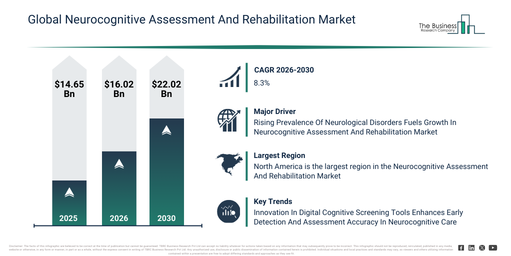
    The neurocognitive assessment and rehabilitation market has experienced strong growth in recent years. It is expected to expand from $14.65 billion in 2025 to $16.02 billion in 2026, demonstrating a compound annual growth rate (CAGR) of 9.3%. This historical growth can be attributed to the rising prevalence of cognitive impairment disorders, early adoption of standardized neurocognitive tests, growth of hospital-based rehabilitation programs, increased awareness of neurological assessment, and the development of paper-based cognitive testing methods.

    The neurocognitive assessment and rehabilitation market is projected to experience substantial expansion over the coming years. This market is anticipated to reach $22.02 billion by 2030, exhibiting a compound annual growth rate (CAGR) of 8.3%. Several factors will drive this growth during the forecast period, including the proliferation of digital cognitive testing platforms, the growing embrace of VR-based rehabilitation therapies, the increased deployment of AI-enabled assessment software, a surge in demand for homecare cognitive therapy solutions, and the creation of sophisticated neuromodulation devices. Key trends observed within the forecast timeframe encompass the wider acceptance of computerized cognitive assessment tools, an escalating demand for virtual reality-based rehabilitation, the more frequent application of standardized neuropsychological tests, the broadening scope of neurofeedback and TMS-based therapies, and a growing inclination towards home-based cognitive rehabilitation.

    Access Your Free Sample Report for In-Depth Market Insights:

    https://www.thebusinessresearchcompany.com/sample.aspx?id=15870&type=smp

    What Drivers Are Influencing The Growth Of The Neurocognitive Assessment And Rehabilitation Market?

    The increasing incidence of neurological disorders is anticipated to fuel the expansion of the neurocognitive assessment and rehabilitation market in the coming years. Neurological disorders are medical conditions that impact the nervous system, including the brain, spinal cord, and nerves, leading to various symptoms such as muscle weakness, problems with coordination, and cognitive impairments. These disorders can be attributed to a combination of factors, including an aging population and the prevalence of age-related conditions like Alzheimer’s disease and Parkinson’s disease. Neurocognitive assessment offers insights into cognitive function, assisting in the diagnosis and treatment planning for neurological disorders, while rehabilitation interventions aim to optimize neural functioning and improve quality of life through targeted therapies and strategies. For instance, in October 2023, according to the World Federation of Neurology, a UK-based charity, highlighting a growing global health challenge, neurological disorders now represent the second-leading cause of death and the primary cause of disability worldwide, with more than 40 percent of the global population affected in 2023 and the number of individuals living with brain disease projected to nearly double by 2050. Therefore, the rising prevalence of neurological disorders is a key driver for the growth of the neurocognitive assessment and rehabilitation market.

    What Segments Are Included Within The Neurocognitive Assessment And Rehabilitation Market?

    The neurocognitive assessment and rehabilitation market covered in this report is segmented –

    1) By Components: Neurocognitive Assessment Testing, Neurorehabilitation Therapy

    2) By Providers: Rehab Centers, Hospital And Clinics, Homecare Settings, Physiotherapy Centers

    3) By Organization Size: Large Enterprises, Small And Medium-Sized Enterprises (SMEs)

    Subsegments:

    1) By Neurocognitive Assessment Testing: Standardized Tests, Computerized Neurocognitive Assessments, Paper-Based Neurocognitive Tests

    2) By Neurorehabilitation Therapy: Cognitive Behavioral Therapy (CBT), Virtual Reality Therapy, Transcranial Magnetic Stimulation (TMS), Neurofeedback Therapy, Physical Therapy And Occupational Therapy

    What Industry Trends Are Transforming The Neurocognitive Assessment And Rehabilitation Market?

    Leading companies in the neurocognitive assessment and rehabilitation market are focused on developing advanced solutions, such as digital cognitive screening tools, to enhance the early detection of cognitive impairment and aid clinical decision-making. Digital cognitive screening tools are software-based assessments that evaluate functions including attention, memory, processing speed, and executive function, allowing for faster and more accessible evaluations in clinical settings. For instance, in March 2024, Linus Health, a US-based digital health company specializing in brain health assessment, introduced two new evidence-based cognitive screening additions to its platform: a Hearing Screener and the Digital Trail Making Test Part B (D-TMT Part B), unveiled at HIMSS24. These tools aim to improve the identification of cognitive decline by providing rapid, clinically validated assessments that supplement routine screening practices and facilitate earlier intervention.

    Who Are The Core Companies Influencing Trends In The Neurocognitive Assessment And Rehabilitation Market?

    Major companies operating in the neurocognitive assessment and rehabilitation market are Cogstate Ltd, Posit Science Corporation, Lumos Labs Inc., The Magstim Company Ltd, MindMaze SA, CogniFit Inc, Cambridge Cognition Holdings plc, ImPACT Applications Inc., Neurotrack Technologies Inc., Neuroelectrics Corporation, SCHUHFRIED GmbH, Constant Therapy Health Inc., NeuronUP S.L., Qbtech AB, Neurometrix Inc., CogniVue Corporation, Neurohealth Associates LLP, BrainTrain Inc., NeuroEM Therapeutics Inc., HASOMED GmbH, Neurosoft Bioelectronics Corporation, AnthroTronix Inc., Flow Neuroscience AB, NPsych Limited

    Access The Complete Report For Deeper Market Insights:

    https://www.thebusinessresearchcompany.com/report/neurocognitive-assessment-and-rehabilitation-global-market-report

    Which Region Is Expected To Experience The Fastest Growth In The Neurocognitive Assessment And Rehabilitation Market?

    North America was the largest region in the neurocognitive assessment and rehabilitation market in 2025. The regions covered in the neurocognitive assessment and rehabilitation market report are Asia-Pacific, South East Asia, Western Europe, Eastern Europe, North America, South America, Middle East, Africa.

    Request Your Customized Neurocognitive Assessment And Rehabilitation Market Research Report for Competitive Advantage:

    https://www.thebusinessresearchcompany.com/customise?id=15870&type=smp

    Browse Through More Reports Similar to the Global Neurocognitive Assessment And Rehabilitation Market 2026, By The Business Research Company

    Cognitive Assessment And Training In Healthcare Market Report 2026

    https://www.thebusinessresearchcompany.com/report/cognitive-assessment-and-training-in-healthcare-global-market-report

    Cognitive Assessment And Training Market Report 2026

    https://www.thebusinessresearchcompany.com/report/cognitive-assessment-and-training-global-market-report

    Behavioral Rehabilitation Market Report 2026

    https://www.thebusinessresearchcompany.com/report/behavioral-rehabilitation-global-market-report

    Get in touch with us:

    The Business Research Company: https://www.thebusinessresearchcompany.com/

    Americas +1 310-496-7795

    Asia +44 7882 955267 & +91 8897263534

    Europe +44 7882 955267

    Email us at info@tbrc.info

    Follow us on:

    LinkedIn: https://in.linkedin.com/company/the-business-research-company

    YouTube: https://www.youtube.com/channel/UC24_fI0rV8cR5DxlCpgmyFQ

    Global Market Model: https://www.thebusinessresearchcompany.com/global-market-model
  • Neuroblastoma Market Outlook 2026–2030: Key Business Drivers and Trends

    Neuroblastoma Market Outlook 2026–2030: Key Business Drivers and Trends

    Uncover key drivers, emerging technologies, and competitive movements shaping the neuroblastoma market from 2026–2035 with trusted insights from The Business Research Company

    By how much is the Neuroblastoma Market expected to grow between 2026 and 2030?

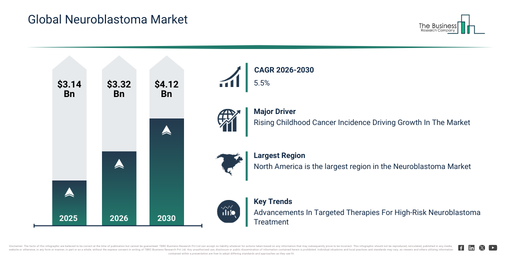
    The neuroblastoma market size has demonstrated significant growth in recent years. It is anticipated to expand from $3.14 billion in 2025 to $3.32 billion in 2026, progressing at a compound annual growth rate (CAGR) of 5.8%. The expansion observed historically can be attributed to an uptick in the prevalence of pediatric neuroblastoma cases, the early adoption of chemotherapy treatments, advancements in immunotherapy vaccines, improved clinical diagnosis capabilities, and a heightened awareness of childhood cancer symptoms.

    The neuroblastoma market is projected to experience substantial growth in the coming years, reaching $4.12 billion by 2030, driven by a compound annual growth rate (CAGR) of 5.5%. This expansion during the forecast period is attributable to factors such as increased research into targeted therapies, greater investment in cell therapy products, a growing embrace of precision oncology approaches, the emergence of novel pediatric immunotherapy solutions, and advancements in diagnostic imaging for earlier detection. Key trends anticipated for this period encompass the growing acceptance of immunotherapy vaccines for pediatric cancer, an increase in the utilization of targeted oral chemotherapy tablets, the ongoing development of monoclonal antibody treatments, the broadening of cell therapy and regenerative oncology strategies, and an intensified focus on early diagnosis and symptom management.

    Access Your Free Sample Report for In-Depth Market Insights:

    https://www.thebusinessresearchcompany.com/sample.aspx?id=20901&type=smp

    Which Drivers Are Influencing Market Acceleration In The Neuroblastoma Market?

    The rising occurrence of childhood cancer is anticipated to drive expansion in the neuroblastoma market. Childhood cancer encompasses various malignancies predominantly impacting children and teenagers, frequently affecting vital organs like the brain, blood, and bones, thus requiring specific therapeutic strategies. This growing incidence of childhood cancer can be linked to several factors, including enhanced diagnostic methods, heightened awareness, exposure to environmental elements, genetic factors, and advancements in medical research. Neuroblastoma treatments offer focused interventions for childhood cancer, facilitating prompt and efficacious management which in turn reduces the likelihood of recurrence and enhances prognosis for young individuals. As an illustration, the American Cancer Society, a professional organization company based in the US, reported in May 2024 that around 9,620 children under 15 in the United States are projected to receive a cancer diagnosis in 2024, marking a rise from 5,290 cases in 2023. Consequently, the escalating incidence of childhood cancer is stimulating the expansion of the neuroblastoma market.

    What Leading Segments Are Studied In The Neuroblastoma Market?

    The neuroblastoma market covered in this report is segmented –

    1) By Product Type: Tablets, Vaccines, Other Product Types

    2) By Treatment Type: Chemotherapy, Immunotherapy, Other Treatment Types

    3) By Distribution Channel: Online, Offline

    4) By End-User: Hospitals, Clinics

    Subsegments:

    1) By Tablets: Oral Chemotherapy Tablets, Targeted Therapy Tablets

    2) By Vaccines: Immunotherapy Vaccines, Therapeutic Vaccines

    3) By Other Product Types: Injectable Drugs, Monoclonal Antibodies, Cell Therapy Products

    What Trends Are Reshaping The Dynamics Of The Neuroblastoma Market?

    Leading companies within the neuroblastoma market are actively pursuing the creation of advanced therapeutic approaches, such as humanized anti-GD2 monoclonal antibodies, to more precisely and safely target and treat cancer cells. These humanized anti-GD2 monoclonal antibodies are engineered to target the GD2 molecule present on cancer cells while incorporating human components to reduce immune rejection. For instance, in August 2023, Renaissance Pharma Ltd., a clinical-stage pharmaceutical company based in the UK, announced the in-licensing of Hu14.18K322A (Hu14.18) from St. Jude Children’s Research Hospital. This antibody is specifically designed for the treatment of newly diagnosed high-risk neuroblastoma, an uncommon and aggressive childhood cancer. As part of the agreement, Renaissance has obtained exclusive rights to develop, manufacture, and commercialize Hu14.18 across significant global markets, including the United States, Canada, Europe, China, Japan, and Turkey.

    Which Major Industry Participants Are Leading The Neuroblastoma Market Growth?

    Major companies operating in the neuroblastoma market are Pfizer Inc., F. Hoffmann-La Roche Ltd., Eli Lilly and Company, Sartorius AG, Recordati S.p.A, United Therapeutics Corporation, BeiGene Ltd., MacroGenics Inc., Y-mAbs Therapeutics Inc., RedHill Biopharma Ltd., Clarity Pharmaceuticals Ltd., EUSA Pharma (UK) Ltd., US WorldMeds LLC, Ascentage Pharma, Laboratorio Elea Phoenix S.A, Curis Inc., PersonGen BioTherapeutics (Suzhou) Co. Ltd., Essential Pharma S.A, Cellectar Biosciences Inc., Provectus Biopharmaceuticals Inc.

    Access The Complete Report For Deeper Market Insights:

    https://www.thebusinessresearchcompany.com/report/neuroblastoma-global-market-report

    Which Geographic Areas Are Emerging As Strong Markets For The Neuroblastoma Market?

    North America was the largest region in the neuroblastoma market in 2025. Asia-Pacific is expected to be the fastest-growing region in the forecast period. The regions covered in the neuroblastoma market report are Asia-Pacific, South East Asia, Western Europe, Eastern Europe, North America, South America, Middle East, Africa.

    Request Your Customized Neuroblastoma Market Research Report for Competitive Advantage:

    https://www.thebusinessresearchcompany.com/customise?id=20901&type=smp

    Browse Through More Reports Similar to the Global Neuroblastoma Market 2026, By The Business Research Company

    Brain And Neuroimaging Devices Market Report 2026

    https://www.thebusinessresearchcompany.com/report/brain-and-neuroimaging-devices-global-market-report

    Neurostimulation Devices Market Report 2026

    https://www.thebusinessresearchcompany.com/report/neurostimulation-devices-global-market-report

    Neurodegenerative Disorder Therapeutic Market Report 2026

    https://www.thebusinessresearchcompany.com/report/neurodegenerative-disorder-therapeutic-global-market-report

    Get in touch with us:

    The Business Research Company: https://www.thebusinessresearchcompany.com/

    Americas +1 310-496-7795

    Asia +44 7882 955267 & +91 8897263534

    Europe +44 7882 955267

    Email us at info@tbrc.info

    Follow us on:

    LinkedIn: https://in.linkedin.com/company/the-business-research-company

    YouTube: https://www.youtube.com/channel/UC24_fI0rV8cR5DxlCpgmyFQ

    Global Market Model: https://www.thebusinessresearchcompany.com/global-market-model
  • Global Neuralgia Treatment Market Report 2026: Emerging Trends and Growth Scenarios

    Global Neuralgia Treatment Market Report 2026: Emerging Trends and Growth Scenarios

    Uncover key drivers, emerging technologies, and competitive movements shaping the neuralgia treatment market from 2026–2035 with trusted insights from The Business Research Company

    What is the estimated market size of the Neuralgia Treatment Market by the end of 2030?

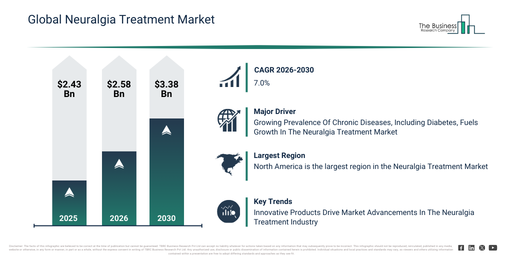
    The market for neuralgia treatment has experienced robust growth over the past few years. This market is projected to expand from $2.43 billion in 2025 to reach $2.58 billion by 2026, demonstrating a compound annual growth rate (CAGR) of 6.1%. Historically, this expansion has been driven by factors such as the increasing incidence of diabetic neuropathy cases, the prompt uptake of anticonvulsant medications, the expansion of opioid-based pain management, heightened public awareness concerning neuralgia symptoms, and the proliferation of hospital-based pain clinics.

    The neuralgia treatment market is poised for significant expansion in the coming years, projected to reach $3.38 billion by 2030, exhibiting a compound annual growth rate (CAGR) of 7.0%. This projected growth is driven by several factors, including the rise in minimally invasive surgical pain treatments, the increasing demand for spinal cord stimulation devices, broader adoption of targeted topical therapies, the expansion of telemedicine for neuralgia care, and the innovation of next-generation non-opioid pain medications. Key trends during this period encompass the growing reliance on drug-based approaches for neuralgia management, a surge in nerve block and decompression procedures, greater demand for topical pain relief solutions, the expanding application of spinal cord stimulation for chronic neuralgia, and an enhanced emphasis on early diagnosis alongside comprehensive long-term pain management strategies.

    Access Your Free Sample Report for In-Depth Market Insights:

    https://www.thebusinessresearchcompany.com/sample.aspx?id=12921&type=smp

    What Drivers Are Shaping Future Opportunities In The Neuralgia Treatment Market?

    The increasing prevalence of chronic conditions, such as diabetes, is projected to stimulate the growth of the neuralgia treatment market moving forward. Chronic diseases are defined as health issues lasting a year or longer, demanding continuous medical care, restricting daily activities, or both. Diabetes itself is a long-term metabolic disorder characterized by high blood glucose, also known as blood sugar. Neuralgia treatment offers relief for diabetic neuropathy, which is the nerve damage that can develop in individuals with diabetes. Illustratively, in March 2024, data from the Office for Health Improvement and Disparities, a UK government department, revealed that between March 2022 and March 2023, the percentage of people with type 1 diabetes undergoing all eight recommended care processes rose by 22%, and for type 2 diabetes, it saw a 21% increase. Concurrently, the percentage achieving target HbA1c levels reached 37.9%, the highest figure ever documented by the National Diabetes Audit (NDA). Therefore, the rising occurrence of chronic diseases, like diabetes, is driving expansion within the neuralgia treatment market.

    Which Segment Groups Are Influencing The Neuralgia Treatment Market?

    The neuralgia treatment market covered in this report is segmented –

    1) By Treatment: Drug-Based, Surgeries

    2) By Indication: Diabetic Neuropathy, Intercostal Neuralgia, Occipital Neuralgia, Peripheral Neuralgia, Postherpetic Neuralgia

    3) By Distribution channel: Drug Stores, Hospital Pharmacies, Online Pharmacies, Retail Pharmacies

    4) By End-User: Hospitals And Clinics, Ambulatory Surgery Centers, Other End-Users

    Subsegments:

    1) By Drug-Based: Anticonvulsants, Antidepressants, Opioids, Topical Treatments, Non-Steroidal Anti-Inflammatory Drugs (NSAIDs)

    2) By Surgeries: Nerve Block Procedures, Decompression Surgery, Neurectomy, Spinal Cord Stimulation

    How Are New Market Trends Shaping The Landscape Of The Neuralgia Treatment Market?

    Major companies operating in the neuralgia treatment market are prioritizing the creation of advanced solutions, such as peripheral nerve-targeted delivery systems, aiming to enhance treatment accuracy, alleviate persistent neuropathic pain, and improve patient recovery over time. Peripheral nerve-targeted delivery systems are defined as specialized therapeutic platforms that deliver pain-relieving or nerve-modulating substances directly at affected nerves, thereby allowing for more precise regulation of pain signals and reducing unwanted body-wide effects. For instance, in April 2023, in India, GlaxoSmithKline Pharmaceuticals Ltd., an India-based pharmaceutical company, introduced Shingrix, the world’s first non-live and recombinant subunit vaccine. This vaccine serves to prevent shingles and post-herpetic neuralgia in adults aged 50 years and older and is administered intramuscularly in two doses. Shingrix integrates the antigen glycoprotein E with the adjuvant system AS01B to generate a robust and enduring immune response, assisting in countering the natural decline of the immune system over time. Clinical trials demonstrate its 97% effectiveness in preventing shingles in adults. Furthermore, it effectively safeguards against post-herpetic neuralgia, a painful complication of shingles.

    Who Are The Prominent Global Companies Shaping The Neuralgia Treatment Market Landscape?

    Major companies operating in the neuralgia treatment market are Pfizer Inc., Johnson & Johnson, F. Hoffmann-La Roche Ltd., Merck & Co. Inc., Bayer AG, Novartis AG, Bristol-Myers Squibb Company, AstraZeneca plc, Abbott Laboratories, GlaxoSmithKline plc, Eli Lilly and Company, Teva Pharmaceutical Industries Ltd., Mylan N.V., Biogen Inc., Boehringer Ingelheim International GmbH, Sun Pharmaceutical Industries Limited, Purdue Pharma, Dr. Reddy’s Laboratories, Cipla Limited, Hikma Pharmaceuticals plc, Zydus Lifesciences Ltd., Lupin Limited, Mallinckrodt Pharmaceuticals, Glenmark Pharmaceuticals

    Access The Complete Report For Deeper Market Insights:

    https://www.thebusinessresearchcompany.com/report/neuralgia-treatment-global-market-report

    Which Region Is Projected To Lead The Neuralgia Treatment Market During The Forecast Period?

    North America was the largest region in the neuralgia treatment market in 2025. Asia-Pacific is expected to be the fastest-growing region in the forecast period. The regions covered in the neuralgia treatment market report are Asia-Pacific, South East Asia, Western Europe, Eastern Europe, North America, South America, Middle East, Africa.

    Request Your Customized Neuralgia Treatment Market Research Report for Competitive Advantage:

    https://www.thebusinessresearchcompany.com/customise?id=12921&type=smp

    Browse Through More Reports Similar to the Global Neuralgia Treatment Market 2026, By The Business Research Company

    Migraine Treatment Market Report 2026

    https://www.thebusinessresearchcompany.com/report/migraine-treatment-global-market-report

    Fibromyalgia Treatment Market Report 2026

    https://www.thebusinessresearchcompany.com/report/fibromyalgia-treatment-global-market-report

    Muscle Pain Treatment Market Report 2026

    https://www.thebusinessresearchcompany.com/report/muscle-pain-treatment-global-market-report

    Get in touch with us:

    The Business Research Company: https://www.thebusinessresearchcompany.com/

    Americas +1 310-496-7795

    Asia +44 7882 955267 & +91 8897263534

    Europe +44 7882 955267

    Email us at info@tbrc.info

    Follow us on:

    LinkedIn: https://in.linkedin.com/company/the-business-research-company

    YouTube: https://www.youtube.com/channel/UC24_fI0rV8cR5DxlCpgmyFQ

    Global Market Model: https://www.thebusinessresearchcompany.com/global-market-model
  • Neural Network Software Market Forecast 2026: Where the Industry Is Headed

    Neural Network Software Market Forecast 2026: Where the Industry Is Headed

    Uncover key drivers, emerging technologies, and competitive movements shaping the neural network software market from 2026–2035 with trusted insights from The Business Research Company

    What was the valuation of the Neural Network Software Market in 2026, and what figure is it projected to hit by 2030?

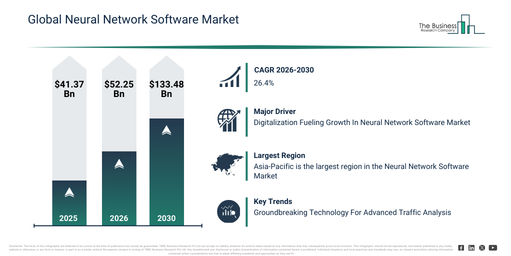
    The neural network software market has seen rapid expansion in recent years. This market is projected to expand from $41.37 billion in 2025 to $52.25 billion in 2026, with a compound annual growth rate (CAGR) of 26.3%. In the past, this growth was primarily driven by the early adoption of machine learning tools, the increasing generation of data across industries, the emergence of statistical analysis platforms, the rise in cloud-based software usage, and the broader implementation of enterprise automation initiatives.

    The neural network software market size is projected to undergo rapid growth in the coming years, reaching $133.48 billion by 2030, at a compound annual growth rate (CAGR) of 26.4%. This expansion during the forecast period can be attributed to the escalating demand for deep learning solutions, the increasing incorporation of neural networks in finance and healthcare, the growing uptake of real-time analytics, the broadening availability of AI-driven optimization tools, and accelerating investments in enterprise digital transformation. Key developments anticipated over the forecast horizon encompass a rising need for predictive analytics software, the expanded deployment of deep learning models, the increased adoption of visualization tools for real-time insights, the growing utilization of optimization algorithms in decision-making, and the integration of neural network platforms into enterprise workflows.

    Access Your Free Sample Report for In-Depth Market Insights:

    https://www.thebusinessresearchcompany.com/sample.aspx?id=10064&type=smp

    Which Drivers Are Affecting Market Participation In The Neural Network Software Market?

    The increasing need for digitalization is anticipated to drive the expansion of the neural network software market in the future. Digitalization involves incorporating digital instruments, technologies, and processes throughout business operations, allowing for the transformation of conventional methods into streamlined, data-centric systems. This increasing adoption of digital operations produces vast amounts of structured and unstructured data, thereby escalating the requirement for sophisticated neural network software designed to process, analyze, and derive insights from this growing data environment. Neural network software facilitates digital transformation through boosting automation, refining decision-making, and enabling predictive analytics across various sectors. As an illustration, data from Eurostat, the European Commission’s statistical authority based in Luxembourg, revealed that in August 2024, 59% of all EU companies, including 58% of small and medium-sized firms, had achieved a basic level of digital intensity in 2023, a figure that significantly rose to 91% for large enterprises. Consequently, the escalating demand for digitalization is stimulating the growth of the neural network software market.

    What Segment Classifications Make Up The Neural Network Software Market?

    The neural network software market covered in this report is segmented –

    1) By Type: Data Mining And Archiving, Analytical Software, Optimization Software, Visualization Software, Other Types

    2) By Component: Artificial Neural Network, Deep Neural Network, Services, Platform, Other Components

    3) By End User: BFSI, Healthcare, Telecom And IT, Transportation, Other End Users

    Subsegments:

    1) By Data Mining and Archiving: Data Preparation Tools, Data Warehousing Solutions, ETL (Extract, Transform, Load) Tools

    2) By Analytical Software: Predictive Analytics Tools, Statistical Analysis Software, Machine Learning Platforms

    3) By Optimization Software: Linear Programming Tools, Constraint Programming Tools, Heuristic And Metaheuristic Algorithms

    4) By Visualization Software: Dashboard And Reporting Tools, Data Visualization Platforms, Geographic Information Systems (GIS)

    5) By Other Types: Simulation Software, Neural Network Frameworks, Specialized AI Software Solutions

    Which Trends Are Expected To Influence The Neural Network Software Market In The Upcoming Years?

    Leading entities within the neural network software market prioritize creating innovative technology, incorporating novel features like on-chip neural networks (NetGNT) to facilitate sophisticated traffic analysis. NetGNT denotes an artificial intelligence inference engine directly embedded onto a semiconductor chip, thereby activating machine learning functionalities. As an illustration, in November 2023, Broadcom Inc., a US-based semiconductor manufacturing company, introduced Trident 5-X12, recognized as the inaugural switch featuring an on-chip neural network (NetGNT) designed for enhanced telemetry, security, and traffic engineering. This NetGNT system functions concurrently, detecting traffic patterns throughout the chip to improve overall network efficiency. The Trident 5-X12 provides a bandwidth of 16.0 Terabits/second, which is twice the capacity of Trident 4-X9, and accommodates 800G ports for immediate connectivity with Tomahawk 5. It utilizes 25% less power per 400G port, incorporates improved telemetry features, and retains compatibility with existing APIs, positioning it as an adaptable and energy-efficient option for data centers.

    Which Key Players Are Driving Competition In The Neural Network Software Market?

    Major companies operating in the neural network software market are Google LLC, Microsoft Corporation, Intel Corporation, IBM Corporation, Alyuda Research LLC, Neural Technologies Limited, Starmind International AG, Ward Systems Group Inc., Afiniti Ltd., NVIDIA Corporation, Oracle Corporation, Qualcomm Technologies Inc., GMDH Inc., Amazon.com Inc., Meta Platforms Inc., Cognex Corporation, BrainChip Holdings Ltd., Skymind Inc., Sentient Technologies, Vicarious, General Vision Inc., Darktrace Limited, Ayasdi Inc., Numenta Inc., Preferred Networks Inc., AIBrain AB, Fluid AI Inc., Clarifai Inc., Squirrel AI Inc., Darwin AI

    Access The Complete Report For Deeper Market Insights:

    https://www.thebusinessresearchcompany.com/report/neural-network-software-global-market-report

    Which Region Currently Holds The Largest Share Of The Neural Network Software Market?

    Asia-Pacific was the largest region in the Neural network software market in 2025.Asia-Pacific is expected to be the fastest-growing region in the global neural network software market report during the forecast period. The regions covered in the neural network software market report are Asia-Pacific, South East Asia, Western Europe, Eastern Europe, North America, South America, Middle East, Africa.

    Request Your Customized Neural Network Software Market Research Report for Competitive Advantage:

    https://www.thebusinessresearchcompany.com/customise?id=10064&type=smp

    Browse Through More Reports Similar to the Global Neural Network Software Market 2026, By The Business Research Company

    Generative Ai Software Market Report 2026

    https://www.thebusinessresearchcompany.com/report/generative-ai-software-global-market-report

    Artificial Intelligence Ai Software Market Report 2026

    https://www.thebusinessresearchcompany.com/report/artificial-intelligence-ai-software-global-market-report

    Ai Toolkit Market Report 2026

    https://www.thebusinessresearchcompany.com/report/ai-toolkit-global-market-report

    Get in touch with us:

    The Business Research Company: https://www.thebusinessresearchcompany.com/

    Americas +1 310-496-7795

    Asia +44 7882 955267 & +91 8897263534

    Europe +44 7882 955267

    Email us at info@tbrc.info

    Follow us on:

    LinkedIn: https://in.linkedin.com/company/the-business-research-company

    YouTube: https://www.youtube.com/channel/UC24_fI0rV8cR5DxlCpgmyFQ

    Global Market Model: https://www.thebusinessresearchcompany.com/global-market-model

  • Netherton Syndrome Industry Growth Insights: Revenue Forecast to 2030

    Netherton Syndrome Industry Growth Insights: Revenue Forecast to 2030

    Uncover key drivers, emerging technologies, and competitive movements shaping the netherton syndrome market from 2026–2035 with trusted insights from The Business Research Company

    What are the forecasted starting (2026) and ending (2030) market sizes for the Netherton Syndrome Market?

    The Netherton syndrome market has experienced substantial expansion recently. Projected figures show it will rise from $1.27 billion in 2025 to $1.39 billion in 2026, demonstrating a compound annual growth rate (CAGR) of 10.0%. Historically, this expansion can be linked to several factors, including the scarcity of effective treatments for rare genetic disorders, the widespread use of fundamental dermatological interventions, an uptick in diagnoses via clinical assessments, the slow but steady increase in the uptake of genetic testing, and foundational investigations into skin barrier dysfunction.

    The netherton syndrome market is expected to experience significant expansion over the coming years. It is projected to reach $2.01 billion by 2030, demonstrating a compound annual growth rate (CAGR) of 9.6%. This anticipated growth during the forecast period is attributable to increasing investment in precision dermatology, the growing accessibility of genetic sequencing technologies, the ongoing development of biologic therapies for uncommon skin disorders, an uptick in clinical trials for immune-modulating treatments, and the rising demand for advanced skin barrier repair solutions. Prominent trends within this forecast period encompass a heightened focus on early genetic-based diagnostics, the continued development of targeted dermatological therapies, broader adoption of advanced barrier repair treatments, increased research interest in rare skin and immunological disorders, and the expanding utilization of supportive phototherapy and combination treatments.

    Access Your Free Sample Report for In-Depth Market Insights:

    https://www.thebusinessresearchcompany.com/sample.aspx?id=22071&type=smp

    What Drivers Are Supporting Technological Adoption In The Netherton Syndrome Market?

    An anticipated driver for the Netherton syndrome market’s expansion is the increasing prevalence of genetic testing. This type of testing involves examining DNA to identify alterations, mutations, or variations associated with hereditary traits, illnesses, or health conditions. The surge in genetic testing can be attributed to heightened awareness of inherited diseases and a growing demand for personalized medicine approaches. Increased genetic testing facilitates the early and accurate diagnosis of Netherton Syndrome by identifying SPINK5 mutations, thereby enabling prompt treatment and tailored care. Furthermore, it improves patient management, genetic counseling, and overall patient outcomes. A notable example is data from February 2025 by Genomics England, a UK Department of Health and Social Care company, which underscores strong public endorsement for personalized medicine; their research suggests that almost 90% of individuals in England would agree to genetic testing in 2025 to optimize medication and reduce side effects. Consequently, the increasing adoption of genetic testing is a significant factor propelling the Netherton syndrome market’s growth.

    What Segment Types Are Examined In The Netherton Syndrome Market?

    The netherton syndrome market covered in this report is segmented –

    1) By Diagnosis Type: Genetic Testing, Physical Examination, Biopsy Analysis

    2) By Treatment: Topical Treatments, Systemic Treatments, Phototherapy, Other Treatments

    3) By Distribution Channel: Hospital Pharmacies, Retail Pharmacies, Online Pharmacies, Other Distribution Channels

    4) By End-User: Hospitals, Dermatology Clinics, Research Institutes, Other End-Users

    Subsegments:

    1) By Genetic Testing: SPINK5 Gene Sequencing, Next-Generation Sequencing (NGS), Polymerase Chain Reaction (PCR) Testing, Microarray Analysis

    2) By Physical Examination: Clinical Assessment Of Ichthyosis-Like Scaling, Hair Shaft Microscopy, Evaluation Of Atopic Dermatitis Symptoms, Growth And Developmental Assessment

    3) By Biopsy Analysis: Skin Histopathology, Immunohistochemical Staining, Electron Microscopy For Hair And Skin Structure, Epidermal Barrier Function Testing

    What Trends Are Driving The Growth Trajectory Of The Netherton Syndrome Market?

    Major companies active in the netherton syndrome market are concentrating on creating sophisticated items, such as serine protease inhibitor-based topical lotions, to enhance skin barrier performance and alleviate inflammation. These lotions are formulated to inhibit the activity of serine proteases, which are enzymes linked to inflammation and immune responses. By targeting these enzymes, such lotions help to calm irritation and inflammation, offering relief for skin conditions like Netherton Syndrome, where significant inflammation leads to skin discomfort. For example, in December 2024, Quoin Pharmaceuticals Ltd., a US-based pharmaceutical company, obtained Food and Drug Administration (FDA) clearance to commence a new clinical trial for QRX003, intended for treating Netherton Syndrome (NS). This particular study will involve evaluating up to eight patients, who will apply QRX003 twice daily to more than 80% of their body for a duration of 12 weeks, thereby replicating its use in a real-world scenario. QRX003 incorporates a broad-spectrum serine protease inhibitor specifically targeting kallikreins, which are enzymes responsible for the excessive skin shedding and inflammation observed in NS, with the objective of improving skin barrier function and lessening symptoms.

    Who Are The Top-Performing Companies In The Netherton Syndrome Market In Recent Years?

    Major companies operating in the netherton syndrome market are Novartis AG, Evotec AG, Fulgent Genetics, Invitae Corp., GeneDx, Prevention Genetics, Blueprint Genetics Oy, DNA Labs India, Krystal Biotech Inc., Azitra Inc., Dermelix Biotherapeutics, ResVita Bio, Ultragenyx Pharmaceutical Inc., CRISPR Therapeutics AG, Editas Medicine Inc., Arcturus Therapeutics Holdings Inc., UniQure NV, Abeona Therapeutics Inc., BioMarin Pharmaceutical Inc., BridgeBio Pharma Inc., Sangamo Therapeutics Inc., Vertex Pharmaceuticals Inc., Regenxbio Inc., Bluebird Bio Inc., Spark Therapeutics Inc., Intellia Therapeutics Inc., Moderna Inc.

    Access The Complete Report For Deeper Market Insights:

    https://www.thebusinessresearchcompany.com/report/netherton-syndrome-global-market-report

    How Does The Netherton Syndrome Market Perform Across Major Global Regions?

    North America was the largest region in the netherton syndrome market in 2025. The regions covered in the netherton syndrome market report are Asia-Pacific, South East Asia, Western Europe, Eastern Europe, North America, South America, Middle East, Africa.

    Request Your Customized Netherton Syndrome Market Research Report for Competitive Advantage:

    https://www.thebusinessresearchcompany.com/customise?id=22071&type=smp

    Browse Through More Reports Similar to the Global Netherton Syndrome Market 2026, By The Business Research Company

    Zollinger Ellison Syndrome Treatment Market Report 2026

    https://www.thebusinessresearchcompany.com/report/zollinger-ellison-syndrome-treatment-global-market-report

    Gardner Syndrome Treatment Market Report 2026

    https://www.thebusinessresearchcompany.com/report/gardner-syndrome-treatment-global-market-report

    Cluster Headache Syndrome Market Report 2026

    https://www.thebusinessresearchcompany.com/report/cluster-headache-syndrome-global-market-report

    Get in touch with us:

    The Business Research Company: https://www.thebusinessresearchcompany.com/

    Americas +1 310-496-7795

    Asia +44 7882 955267 & +91 8897263534

    Europe +44 7882 955267

    Email us at info@tbrc.info

    Follow us on:

    LinkedIn: https://in.linkedin.com/company/the-business-research-company

    YouTube: https://www.youtube.com/channel/UC24_fI0rV8cR5DxlCpgmyFQ

    Global Market Model: https://www.thebusinessresearchcompany.com/global-market-model

  • Global Nerve Repair And Regenerative Market Performance Report: Global Trends 2026–2030

    Global Nerve Repair And Regenerative Market Performance Report: Global Trends 2026–2030

    Uncover key drivers, emerging technologies, and competitive movements shaping the nerve repair and regenerative market from 2026–2035 with trusted insights from The Business Research Company

    What upper market value could the Nerve Repair And Regenerative Market reach by 2030 starting from 2026 levels?

    The nerve repair and regenerative market size has seen swift expansion in recent years. It is forecast to grow from $10.95 billion in 2025 to $12.2 billion in 2026, achieving a compound annual growth rate (CAGR) of 11.5%. This market’s historical growth can be linked to several factors, including the scarcity of regenerative technologies, a reliance on conventional nerve grafting methods, a greater frequency of traumatic injuries, the initial clinical integration of neurostimulation devices, and a steady increase in the utilization of biomaterials.

    The nerve repair and regenerative market is projected to experience swift expansion in the upcoming years. Its valuation is set to reach $19.1 billion by 2030, demonstrating a compound annual growth rate (CAGR) of 11.9%. Factors contributing to this growth during the projected period include progress in stem cell therapy, an increasing need for less invasive procedures, the creation of advanced biomaterials, the spread of neuromodulation technologies, and greater funding for nerve regeneration studies. Key trends anticipated in this period encompass the growing integration of biomaterials for improved nerve regeneration, increased application of stem cell therapy in nerve restoration, a surging inclination towards minimally invasive nerve repair methods, the proliferation of neuromodulation-centric treatment strategies, and a greater requirement for nerve grafting methods in addressing trauma and injuries.

    Access Your Free Sample Report for In-Depth Market Insights:

    https://www.thebusinessresearchcompany.com/sample.aspx?id=12093&type=smp

    Which Drivers Are Influencing Long-Term Growth In The Nerve Repair And Regenerative Market?

    The increasing incidences of neurological disorders are expected to propel the growth of the nerve repair and regenerative market going forward. A neurological disorder refers to a condition or disease that affects the structure or function of the nervous system, including the brain, spinal cord, and peripheral nerves. The rising occurrences of neurological disorders are largely driven by the growing aging population, changes in lifestyle, genetic factors, and lack of physical activity, while nerve repair and regenerative techniques aim to facilitate the healing and regeneration of damaged nerves, enhancing the chances of recovery and reducing incidences of neurological disorders, thus contributing to the growth of the nerve repair and regenerative market. For instance, in October 2023, according to the World Federation of Neurology, a UK-based charity, reflecting an accelerating global health burden, neurological disorders now represent the second-leading cause of death and the primary cause of disability worldwide, with more than 40 percent of the global population affected in 2023 and the number of individuals living with brain disease projected to nearly double by 2050. Therefore, the increasing incidences of neurological disorders is driving the growth of the nerve repair and regenerative market.

    Which Segments Are Driving Activity In The Nerve Repair And Regenerative Market?

    The nerve repair and regenerative market covered in this report is segmented –

    1) By Product: Biomaterials, Neurostimulation And Neuromodulation Devices

    2) By Application: Direct Nerve Repair Or Neurorrhaphy, Nerve Grafting, Stem Cell Therapy, Neurostimulation And Neuromodulation Surgeries, Other Applications

    3) By End-User: Hospitals And Clinics, Ambulatory Surgical Centers (ASCs), Research And Academic Institutions, Specialty Clinics, Other End-Users

    Subsegments:

    1) By Biomaterials: Nerve Conduits, Scaffolds, Hydrogels, Nerve Grafts

    2) By Neurostimulation And Neuromodulation Devices: Peripheral Nerve Stimulators, Spinal Cord Stimulators, Transcranial Magnetic Stimulation Devices, Deep Brain Stimulators, Vagus Nerve Stimulators, Sacral Nerve Stimulators

    What Upcoming Trends Are Likely To Define The Future Path Of The Nerve Repair And Regenerative Market?

    Leading companies in the nerve repair and regenerative market are actively engaged in developing next-generation bioengineered solutions, including 3D-printed bioabsorbable implants, with the aim of enhancing functional recovery, improving nerve regeneration, and mitigating complications associated with traditional autografts. These cutting-edge solutions employ precision-engineered scaffolds designed to guide axonal growth and support tissue healing across damaged nerve gaps. As an illustration, in June 2025, 3D Systems Inc., a US-based additive manufacturing and healthcare technology company, announced the introduction of a groundbreaking FDA-cleared bioabsorbable 3D-printed device for peripheral nerve repair. Crafted using the company’s proprietary polymer-based printing technology, this device facilitates customizable nerve reconstruction and provides a resorbable structural conduit that supports guided nerve regeneration. This technological breakthrough represents a considerable advancement in regenerative medicine, furnishing surgeons with a more precise, patient-specific methodology for restoring nerve function.

    Which Leading Companies Dominate The Nerve Repair And Regenerative Market Share?

    Major companies operating in the nerve repair and regenerative market are Neuronetics Inc., Abbott Laboratories, Medtronic PLC, Boston Scientific Corporation, Integra LifeSciences Holdings Corporation, LivaNova PLC, Nevro Corporation, AxoGen Inc., NeuroPace Inc., BioWave Corporation, Soterix Medical Inc., Nuvectra Corp., Synovis Micro Companies Alliance Inc., NeuroSigma, Regenity Biosciences, Epineuron Technologies Inc., Polyganics BV, Aleva Neurotherapeutics SA, KeriMedical, tVNS Technologies GmbH, GiMer Medical, BlueWind Medical, Helius Medical Technologies, BioControl Medical

    Access The Complete Report For Deeper Market Insights:

    https://www.thebusinessresearchcompany.com/report/nerve-repair-and-regenerative-global-market-report

    Which Region Is Anticipated To See The Fastest Growth In The Nerve Repair And Regenerative Market?

    North America was the largest region in the nerve repair and regenerative market in 2025. Asia-Pacific is expected to be the fastest-growing region in the forecast period. The regions covered in the nerve repair and regenerative market report are Asia-Pacific, South East Asia, Western Europe, Eastern Europe, North America, South America, Middle East, Africa.

    Request Your Customized Nerve Repair And Regenerative Market Research Report for Competitive Advantage:

    https://www.thebusinessresearchcompany.com/customise?id=12093&type=smp

    Browse Through More Reports Similar to the Global Nerve Repair And Regenerative Market 2026, By The Business Research Company

    Orthopedic Regenerative Surgical Products Market Report 2026

    https://www.thebusinessresearchcompany.com/report/orthopedic-regenerative-surgical-products-global-market-report

    Regenerative Medicine Market 2026

    https://www.thebusinessresearchcompany.com/report/regenerative-medicine-market

    Peripheral Nerve Injuries Market Report 2026

    https://www.thebusinessresearchcompany.com/report/peripheral-nerve-injuries-global-market-report

    Get in touch with us:

    The Business Research Company: https://www.thebusinessresearchcompany.com/

    Americas +1 310-496-7795

    Asia +44 7882 955267 & +91 8897263534

    Europe +44 7882 955267

    Email us at info@tbrc.info

    Follow us on:

    LinkedIn: https://in.linkedin.com/company/the-business-research-company

    YouTube: https://www.youtube.com/channel/UC24_fI0rV8cR5DxlCpgmyFQ

    Global Market Model: https://www.thebusinessresearchcompany.com/global-market-model

  • Nerve Entrapment Syndrome Market Future Outlook 2026: Key Drivers and Growth Potential

    Nerve Entrapment Syndrome Market Future Outlook 2026: Key Drivers and Growth Potential

    Uncover key drivers, emerging technologies, and competitive movements shaping the nerve entrapment syndrome market from 2026–2035 with trusted insights from The Business Research Company

    What level of CAGR-driven expansion is anticipated in the Nerve Entrapment Syndrome Market between 2026 and 2030?

    The nerve entrapment syndrome market has experienced substantial growth recently. This market is projected to expand from $4.33 billion in 2025 to $4.65 billion in 2026, exhibiting a compound annual growth rate (CAGR) of 7.4%. Historically, this expansion has been driven by factors such as the high prevalence of repetitive strain injuries, a reliance on conservative treatment approaches, restricted awareness of early nerve entrapment symptoms, a dependence on opioid medications for pain relief, and the gradual adoption of physical therapy interventions.

    The nerve entrapment syndrome market is anticipated to show significant growth in the coming years. By 2030, it is projected to reach $6.11 billion, driven by a compound annual growth rate (CAGR) of 7.1%. This anticipated growth during the forecast timeframe stems from several factors, including improvements in imaging and diagnostic tools, an increasing need for minimally invasive nerve decompression procedures, wider acceptance of non-opioid therapies, a higher occurrence of neuropathies linked to diabetes, and the establishment of more specialized pain management centers. Key trends for the forecast period encompass a greater move towards minimally invasive treatment methods, an increase in the application of ultrasound and imaging for nerve diagnostics, a stronger inclination towards physical therapy and rehabilitation interventions, the broadening availability of non-opioid pain management solutions, and a higher frequency of nerve entrapments associated with repetitive strain and lifestyle factors.

    Access Your Free Sample Report for In-Depth Market Insights:

    https://www.thebusinessresearchcompany.com/sample.aspx?id=22069&type=smp

    What Drivers Are Affecting Demand-Supply Dynamics In The Nerve Entrapment Syndrome Market?

    The increasing population of individuals with diabetes is anticipated to boost the expansion of the nerve entrapment syndrome market moving ahead. Those suffering from diabetes are people experiencing a long-term condition characterized by the body’s inability to effectively manage blood sugar, either from inadequate insulin creation or its improper utilization. This increase in diabetic patients stems from the rising occurrence of obesity and inactive routines, which are major factors in the surge of type 2 diabetes. The constantly growing count of diabetic individuals elevates the likelihood of developing nerve entrapment syndrome, given that peripheral neuropathy, a complication of diabetes, compromises nerves and adjacent tissues, thereby increasing their susceptibility to compression. For example, data from June 2024 by the National Health Service, a UK-based government body, revealed that more than half a million individuals (549,000) in England were identified as vulnerable to type 2 diabetes in 2023. This pushed the total count of those with non-diabetic hyperglycemia, or pre-diabetes, to 3,615,330. This represents an almost 20% surge from the 3,065,825 people recorded in 2022. Consequently, the expanding population of diabetic individuals is propelling the growth of the nerve entrapment syndrome market.

    How Is The Nerve Entrapment Syndrome Market Organized Into Various Segments?

    The nerve entrapment syndrome market covered in this report is segmented –

    1) By Type: Carpal Tunnel Syndrome, Cubital Tunnel Syndrome, Tarsal Tunnel Syndrome, Meralgia Parasthetica, Other Types

    2) By Treatment Modality: Medications, Physical Therapy, Interventional Procedures, Alternative Therapies

    3) By Administration Route: Oral Administration, Injectable Administration, Topical Administration

    4) By Severity Of Condition: Mild, Moderate, Severe, Post-Surgical Complications

    Subsegments:

    1) By Carpal Tunnel Syndrome (CTS): Idiopathic Carpal Tunnel Syndrome, Work-Related/Repetitive Strain CTS, Diabetic Neuropathy-Associated CTS, Traumatic or Post-Surgical CTS, Pregnancy-Induced CTS

    2) By Cubital Tunnel Syndrome: Idiopathic Cubital Tunnel Syndrome, Repetitive Motion-Induced Cubital Tunnel Syndrome, Post-Traumatic or Ulnar Nerve Injury-Related Cubital Tunnel Syndrome, Osteoarthritis-Related Cubital Tunnel Syndrome, Post-Surgical Cubital Tunnel Syndrome

    3) By Tarsal Tunnel Syndrome (TTS): Idiopathic Tarsal Tunnel Syndrome, Trauma-Induced Tarsal Tunnel Syndrome, Diabetes-Associated Tarsal Tunnel Syndrome, Flatfoot-Related Tarsal Tunnel Syndrome, Post-Surgical Or Scar Tissue-Related TTS

    4) By Meralgia Paresthetica (MP): Idiopathic Meralgia Paresthetica, Obesity-Associated Meralgia Paresthetica, Pregnancy-Related Meralgia Paresthetica, Post-Surgical Or Scar-Induced Meralgia Paresthetica, Diabetic Neuropathy-Related Meralgia Paresthetica

    5) By Other Types: Radial Tunnel Syndrome, Thoracic Outlet Syndrome, Peroneal Nerve Entrapment, Sciatic Nerve Entrapment, Brachial Plexus Compression Syndromes

    Which Trends Are Shaping Activity Within The Nerve Entrapment Syndrome Market?

    Leading firms within the nerve entrapment syndrome sector are concentrating on creating novel solutions, including peripheral nerve stimulators, aimed at enhancing treatment results for individuals suffering from ongoing neuropathic discomfort. These stimulators represent a minimally invasive medical device designed to transmit regulated electrical impulses to targeted peripheral nerves, thereby mitigating chronic pain stemming from nerve irritation or compression. Illustratively, in July 2025, Bioventus Inc., a US-based entity specializing in active healing and pain management treatments, reported securing a U.S. Food and Drug Administration (FDA) 510(k) clearance for its TalisMann and StimTrial products. These offerings incorporate sophisticated electric field conduction technology along with a specialized trial lead, empowering clinicians to assess and provide highly accurate neuromodulation therapy. Such breakthroughs expand the capacity of physicians to address deeper or more expansive nerves and solidify peripheral nerve stimulation’s position as an efficacious, non-opioid approach for managing chronic neuropathic pain.

    Who Are The Major Companies Operating In The Nerve Entrapment Syndrome Market?

    Major companies operating in the nerve entrapment syndrome market are Pfizer Inc., Dr Reddy’s Laboratories, Glenmark Pharmaceuticals, Athletico Physical Therapy, Hinge Health, Kessler Rehabilitation Center, SPR Therapeutics, Centaur Pharmaceuticals, ProActive Physical Therapy & Rehabilitation, Grünenthal GmbH, Total Performance Physical Therapy, Back 2 Health, Cornerstone Physical Therapy, OrthoSport Physical Therapy & Rehabilitation, Physio Tattva, InvaGen Pharmaceuticals Inc., WEX Pharmaceuticals Inc., Eli Lilly and Company, Johnson & Johnson, Novartis AG, GlaxoSmithKline plc, AbbVie Inc., Teva Pharmaceutical Industries Ltd., Boston Scientific Corporation

    Access The Complete Report For Deeper Market Insights:

    https://www.thebusinessresearchcompany.com/report/nerve-entrapment-syndrome-global-market-report

    Which Region Is Anticipated To See The Fastest Growth In The Nerve Entrapment Syndrome Market?

    North America was the largest region in the nerve entrapment syndrome market in 2025. The regions covered in the nerve entrapment syndrome market report are Asia-Pacific, South East Asia, Western Europe, Eastern Europe, North America, South America, Middle East, Africa.

    Request Your Customized Nerve Entrapment Syndrome Market Research Report for Competitive Advantage:

    https://www.thebusinessresearchcompany.com/customise?id=22069&type=smp

    Browse Through More Reports Similar to the Global Nerve Entrapment Syndrome Market 2026, By The Business Research Company

    Nerve Monitoring Systems Market Report 2026

    https://www.thebusinessresearchcompany.com/report/nerve-monitoring-systems-global-market-report

    Peripheral Neuropathy Market Report 2026

    https://www.thebusinessresearchcompany.com/report/peripheral-neuropathy-global-market-report

    Facial Paralysis Market Report 2026

    https://www.thebusinessresearchcompany.com/report/facial-paralysis-global-market-report

    Get in touch with us:

    The Business Research Company: https://www.thebusinessresearchcompany.com/

    Americas +1 310-496-7795

    Asia +44 7882 955267 & +91 8897263534

    Europe +44 7882 955267

    Email us at info@tbrc.info

    Follow us on:

    LinkedIn: https://in.linkedin.com/company/the-business-research-company

    YouTube: https://www.youtube.com/channel/UC24_fI0rV8cR5DxlCpgmyFQ

    Global Market Model: https://www.thebusinessresearchcompany.com/global-market-model

  • Nephrotic Syndrome Market Trends and Insights: Global Forecast to 2030

    Nephrotic Syndrome Market Trends and Insights: Global Forecast to 2030

    Uncover key drivers, emerging technologies, and competitive movements shaping the nephrotic syndrome market from 2026–2035 with trusted insights from The Business Research Company

    What long-term size projections exist for the Nephrotic Syndrome Market covering 2026–2035?

    The market size for nephrotic syndrome has seen rapid expansion in recent years. It is projected to rise from $0.96 billion in 2025 to $1.06 billion in 2026, exhibiting a compound annual growth rate (CAGR) of 10.6%. This historical growth can be attributed to several factors including the high prevalence of diabetes and hypertension, the reliance on steroids for treatment, limited diagnostic awareness, the gradual adoption of dialysis technologies, and a rising incidence of childhood nephrotic syndrome.

    The nephrotic syndrome market is anticipated to experience substantial growth in the upcoming years, projected to reach $1.58 billion by 2030, with a compound annual growth rate (CAGR) of 10.4%. This expansion during the forecast period is fueled by advancements in targeted therapies, the increasing integration of precision nephrology, the continuous development of improved dialysis devices, a rise in investment in kidney replacement therapy innovations, and the growing adoption of molecular diagnostic tools. Significant trends expected during this time include a rising use of immunosuppressive therapies, a growing demand for advanced dialysis and kidney support devices, the increasing adoption of early diagnostic screening programs, the higher prevalence of chronic kidney diseases driving treatment needs, and the expansion of personalized medicine approaches in nephrology.

    Access Your Free Sample Report for In-Depth Market Insights:

    https://www.thebusinessresearchcompany.com/sample.aspx?id=21228&type=smp

    Which Drivers Are Impacting The Competitive Landscape Of The Nephrotic Syndrome Market?

    The rising occurrence of kidney ailments is anticipated to fuel the expansion of the nephrotic syndrome market in the future. Kidney diseases encompass various conditions or impairments that hinder the proper functioning of the kidneys, crucial organs tasked with purifying blood by removing waste products and surplus fluids. This growing prevalence of kidney diseases stems from contributors like diabetes, high blood pressure, excessive weight, an older demographic, and evolving lifestyle choices, such as consuming too much sodium and insufficient water. Nephrotic syndrome exacerbates kidney diseases by harming the glomeruli, thereby compromising the kidneys’ capacity to filter waste materials and retain vital proteins. As an illustration, data from June 2023, published by Oxford Academic, the academic research platform of Oxford University Press in the UK, indicates that the prevalence of CKD in the UK is forecasted to increase by 4% from 8.27 million to 8.61 million individuals between 2022 and 2032. The expected stage distribution for 2032 is 30.36% for stage 1, 21.07% for stage 2, 29.78% for stage 3a, 11.86% for stage 3b, 4.15% for stage 4, and 2.78% for stage 5. Consequently, the rising occurrence of kidney diseases is propelling the expansion of the nephrotic syndrome market.

    What Segments Are Identified Within The Structure Of The Nephrotic Syndrome Market?

    The nephrotic syndrome market covered in this report is segmented –

    1) By Type: Drugs, Devices

    2) By Diagnosis Tests: Urinalysis, Glomerular Filtration Rate (GFR), Blood Test, Kidney Biopsy, Computerized Tomography (CT) Scan

    3) By Application: Clinics, Hospitals, Specialty Centres, Other Applications

    Subsegments:

    1) By Drugs: Steroids, Immunosuppressants, Diuretics, ACE Inhibitors

    2) By Devices: Dialysis Machines, Peritoneal Dialysis Catheters, Hemodialysis Catheters, Kidney Replacement Therapy Devices

    Which Trends Are Influencing The Development Of The Nephrotic Syndrome Market?

    Companies operating within the nephrotic syndrome market are primarily focused on developing innovative formulations, such as loop diuretic injections, to enhance fluid management and lessen edema in patients with nephrotic syndrome. A loop diuretic injection represents an injectable medicine that impedes sodium and chloride reabsorption in the loop of Henle, thereby encouraging rapid urine production. It serves in treating conditions such as acute pulmonary edema, heart failure, and severe hypertension by reducing fluid overload. For instance, in March 2024, Avenacy Inc., a US-based pharmaceutical company, introduced furosemide for Injection in the U.S., which is a generic counterpart to Lasix, having received approval from the Food and Drug Administration for addressing edema associated with heart failure, liver cirrhosis, and kidney diseases. Supplied in 25-unit packs of 100 mg/10 mL doses, this launch forms part of Avenacy’s expansive strategy to augment its injectable medication portfolio, with intentions to unveil over 20 products in 2024. This particular drug is indicated for adults and pediatric patients for the management of edema related to congestive heart failure, cirrhosis of the liver, and renal disease, including nephrotic syndrome.

    Which Major Firms Are Strengthening Their Position In The Nephrotic Syndrome Market?

    Major companies operating in the nephrotic syndrome market are Pfizer Inc., F. Hoffmann-La Roche AG, AbbVie Inc., Bristol-Myers Squibb Company, Abbott Laboratories, Novartis AG, GlaxoSmithKline plc, Amgen Inc., Eli Lilly and Company, Asahi Kasei Corporation, Otsuka Pharmaceutical Co. Ltd., Astellas Pharma Inc., Vertex Pharmaceuticals, Chugai Pharmaceutical Co. Ltd., Mallinckrodt Company, Evotec SE, Travere Therapeutics Inc., Aurinia Pharmaceuticals Inc., Orbis Biosciences Inc., Alpine Immune Sciences, Kezar Life Sciences, Zenyaku Kogyo Co. Ltd

    Access The Complete Report For Deeper Market Insights:

    https://www.thebusinessresearchcompany.com/report/nephrotic-syndrome-global-market-report

    Which Global Regions Are Shaping The Competitive Landscape Of The Nephrotic Syndrome Market?

    North America was the largest region in the nephrotic syndrome market in 2025. The regions covered in the nephrotic syndrome market report are Asia-Pacific, South East Asia, Western Europe, Eastern Europe, North America, South America, Middle East, Africa.

    Request Your Customized Nephrotic Syndrome Market Research Report for Competitive Advantage:

    https://www.thebusinessresearchcompany.com/customise?id=21228&type=smp

    Browse Through More Reports Similar to the Global Nephrotic Syndrome Market 2026, By The Business Research Company

    Chronic Kidney Disease Market Report 2026

    https://www.thebusinessresearchcompany.com/report/chronic-kidney-disease-global-market-report

    Nephrology Drugs Market Report 2026

    https://www.thebusinessresearchcompany.com/report/nephrology-drugs-global-market-report

    Rare Kidney Diseases Market Report 2026

    https://www.thebusinessresearchcompany.com/report/rare-kidney-diseases-global-market-report

    Get in touch with us:

    The Business Research Company: https://www.thebusinessresearchcompany.com/

    Americas +1 310-496-7795

    Asia +44 7882 955267 & +91 8897263534

    Europe +44 7882 955267

    Email us at info@tbrc.info

    Follow us on:

    LinkedIn: https://in.linkedin.com/company/the-business-research-company

    YouTube: https://www.youtube.com/channel/UC24_fI0rV8cR5DxlCpgmyFQ

    Global Market Model: https://www.thebusinessresearchcompany.com/global-market-model