Category: HealthcareServices

  • Strong CAGR to Propel in the Spinal Stenosis Treatment Market and Beyond upto $12.45 Billion by 2029

    Strong CAGR to Propel in the Spinal Stenosis Treatment Market and Beyond upto $12.45 Billion by 2029

    Our market reports now include the latest updates on global tariffs, trade impacts, and evolving supply chain dynamics.

    #What Are the Key Milestones in the Spinal Stenosis Treatment Market’s Growth Trajectory From 2025 To 2034?#_x000D_

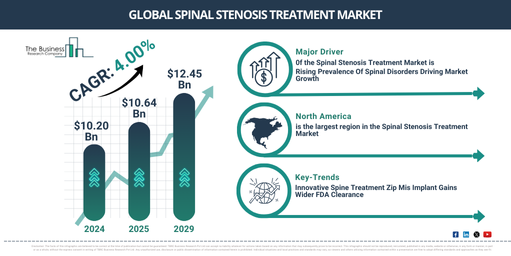
    The market for treatment of spinal stenosis has seen a commendable and steady growth over the last few years. The market is projected to rise from $10.20 billion in 2024 to $10.64 billion in 2025, marking a compound annual growth rate (CAGR) of 4.4%. This spike during the historical period is due to an increase in degenerative spinal conditions, an escalation in the senior citizens count worldwide, heightened awareness about disorders related to the spine, a surge in health care expenditure and insurance covers, and a higher demand for surgical procedures that are minimally invasive._x000D_

    _x000D_

    The market for treating spinal stenosis is predicted to witness a consistent growth in the coming years, with a projection to reach $12.45 billion by 2029, expanding at a compound annual growth rate (CAGR) of 4.0%. This anticipated growth during the forecast period is due to increasing instances of spinal stenosis and related degenerative conditions, the rising preference for minimally invasive surgical procedures, an increasing demand for non-surgical treatment options, growing consciousness about spine health and its treatment methods, and an enhanced focus on pain management and regenerative therapies. Significant trends during the forecast period include progress in the technology of implants and devices, the use of telehealth and digital health solutions, a supportive regulatory environment and beneficial reimbursement policies, the integration of AI and robotics in the surgical planning and treatment processes, a focus on personalized treatment strategies, and patient-specific solutions._x000D_

    _x000D_

    #Download a free sample to assess the report’s scope and structure:#_x000D_

    https://www.thebusinessresearchcompany.com/sample.aspx?id=21289&type=smp_x000D_

    _x000D_

    #Which Primay Drivers Are Accelerating Growth in the Spinal Stenosis Treatment Market?#_x000D_

    The spinal stenosis treatment market’s expansion is anticipated to be driven by a higher incidence of spinal disorders. Spinal disorders, which can cause pain, movement problems, or neurological signs, include conditions affecting the spine’s bones, discs, nerves, or soft tissues. Factors such as aging, inactive lifestyles, obesity, improper posture, job hazards, and better diagnosis are contributing to an increase in spinal disorders. Treatments for spinal stenosis are employed in spinal disorders to relieve nerve compression, lessen pain, and enhance mobility in situations like degenerative disc disease and herniated discs. Spinal Cord Inc., a US-based medical device firm, reported in May 2023 that 18,000 new spinal cord injury (SCI) cases are reported every year in the United States, with an estimated 302,000 people currently suffering from SCI across the country. Consequently, the escalating incidence of spinal disorders is propelling the growth of the spinal stenosis treatment market._x000D_

    _x000D_

    #Which Primary Segments of the Spinal Stenosis Treatment Market Are Driving Growth and Industry Transformations?#_x000D_

    The spinal stenosis treatment market covered in this report is segmented –_x000D_

    _x000D_

    1) By Type: Cervical Stenosis, Lumbar Stenosis_x000D_

    2) By Treatment: Medication, Physical Therapy, Surgery, Other Treatments_x000D_

    3) By End Users: Hospitals, Homecare, Specialty Clinics, Other End-Users_x000D_

    _x000D_

    Subsegments:_x000D_

    1) By Cervical Stenosis: Physical Therapy, Medications, Spinal Injections, Decompression Surgery, Spinal Fusion_x000D_

    2) By Lumbar Stenosis: Pain Management, Epidural Steroid Injections, Minimally Invasive Procedures, Laminectomy, Artificial Disc Replacement_x000D_

    _x000D_

    #Request customized data on this market:#_x000D_

    https://www.thebusinessresearchcompany.com/customise?id=21289&type=smp_x000D_

    _x000D_

    #Which Regions Are Key Players in the Growth of the #Which Primay Drivers Are Accelerating Growth in the Spinal Stenosis Treatment Market?# Market?#_x000D_

    North America was the largest region in the spinal stenosis treatment market in 2024. Asia-Pacific is expected to be the fastest-growing region in the forecast period. The regions covered in the spinal stenosis treatment market report are Asia-Pacific, Western Europe, Eastern Europe, North America, South America, Middle East, Africa._x000D_

    _x000D_

    #Which Technological Trends Are Reshaping the Spinal Stenosis Treatment Industry Dynamics?#_x000D_

    Leading corporations in the spinal stenosis treatment market are turning their attention towards innovative advancements, such as minimally invasive surgery (MIS) implants, with the aim of boosting minimally invasive surgical methods, ameliorating patient results, and shortening recovery periods. MIS implants are medical apparatuses tailored for implantation through minimally invasive surgical processes, thereby minimizing trauma, slashing recovery duration, and reducing complications relative to conventional open surgery. For instance, in July 2022, Aurora Spine, a medical device firm based in the US, was granted clearance by the U.S. Food and Drug Administration (FDA) to broaden the application of its ZIP MIS implants in treating lumbar spinal stenosis. This ailment is characterized by the narrowing of the spinal canal which triggers back and leg pain. Earlier, these implants were sanctioned for use in degenerative disc disease, spondylolisthesis, trauma, and tumors. The recent approval empowers doctors to cater to a wider patient demographic and provides more treatment alternatives for individuals battling spinal stenosis._x000D_

    _x000D_

    #View the full report here:#_x000D_

    https://www.thebusinessresearchcompany.com/report/spinal-stenosis-treatment-global-market-report_x000D_

    _x000D_

    #What Parameters Are Used to Define the Spinal Stenosis Treatment Market?#_x000D_

    Spinal stenosis treatment refers to medical and surgical interventions aimed at relieving pressure on the spinal cord and nerves caused by the narrowing of the spinal canal. Treatment options include physical therapy, pain management, anti-inflammatory medications, corticosteroid injections, and, in severe cases, surgical procedures such as laminectomy or spinal fusion to restore mobility and reduce discomfort._x000D_

    _x000D_

    #Purchase the full report and get a swift delivery:#_x000D_

    https://www.thebusinessresearchcompany.com/purchaseoptions.aspx?id=21289_x000D_

    _x000D_

    #About The Business Research Company:#_x000D_

    With over 15000+ reports from 27 industries covering 60+ geographies, The Business Research Company has built a reputation for offering comprehensive, data-rich research and insights. Armed with 1,500,000 datasets, the optimistic contribution of in-depth secondary research, and unique insights from industry leaders, you can get the information you need to stay ahead in the game._x000D_

    _x000D_

    #Get in touch with us:#_x000D_

    The Business Research Company: https://www.thebusinessresearchcompany.com/_x000D_

    Americas +1 3156230293_x000D_

    Asia +44 2071930708_x000D_

    Europe +44 2071930708_x000D_

    Email us at info@tbrc.info_x000D_

    _x000D_

    #Follow us on:#_x000D_

    _x000D_

    LinkedIn: https://in.linkedin.com/company/the-business-research-company_x000D_

    YouTube: https://www.youtube.com/channel/UC24_fI0rV8cR5DxlCpgmyFQ_x000D_

    Global Market Model: https://www.thebusinessresearchcompany.com/global-market-model

  • Strong CAGR to Propel in the Vasovagal Syncope Treatment Market and Beyond upto $2.13 Billion by 2029

    Strong CAGR to Propel in the Vasovagal Syncope Treatment Market and Beyond upto $2.13 Billion by 2029

    Get 30% off on our Global Market Reports with code ONLINE30 – Hurry, limited time offer!

    What Are the Key Projections for the CAGR of the Vasovagal Syncope Treatment Market Size From 2025 to 2034?

    In the past few years, the vasovagal syncope treatment market has experienced robust expansion. The market size, currently at $1.58 billion in 2024, is set to escalate to $1.68 billion in 2025, demonstrating a compound annual growth rate (CAGR) of 6.4%. This growth during the historical timeline can be linked to factors such as the escalating utilization of pharmacological interventions, burgeoning interest in tailoring treatment to individuals, an increasing cadre of healthcare professionals, enhanced comprehension of autonomic regulation and the vagus nerve, as well as the improved access to healthcare and treatment modalities.

    The market size for vasovagal syncope treatment is projected to experience substantial growth in the upcoming years, reaching $2.13 billion by 2029 with a compound annual growth rate (CAGR) of 6.2%. This boost during the forecast period can be credited to the progression in personalized medicine, a heightened emphasis on neurocardiogenic mechanisms, greater recognition of psychological aspects, an escalated incorporation of multidisciplinary care, and growing public cognizance. Foreseeable trends within this period comprise the assimilation of digital health applications, the union of multidisciplinary care, the evolution of pharmacological interventions, the advent of wearable tech and remote monitoring, as well as advancements in artificial intelligence (AI) and machine learning.

    Download a free sample to assess the report’s scope and structure:

    https://www.thebusinessresearchcompany.com/sample.aspx?id=23563&type=smp

    Which Primay Drivers Are Accelerating Growth in the Vasovagal Syncope Treatment Market?

    The expected increase in cardiovascular disorders is anticipated to stimulate the vasovagal syncope treatment market’s expansion. Cardiovascular disorders, including heart disease, hypertension, stroke, and arrhythmias, are mostly linked to unhealthy eating habits such as overconsumption of processed foods, saturated fats, and high sodium levels. Such dietary patterns can lead to hypertension, obesity, and high cholesterol, significantly heightening heart disease risk. Vasovagal syncope treatment assists with cardiovascular issues by stabilizing blood pressure, enhancing autonomic regulation, and preventing abrupt heart rate drops leading to fainting and decreased blood flow to crucial organs. In 2025, the American Heart Association reported that 941,652 deaths in 2022 were due to cardiovascular disease (CVD), an increase of over 10,000 compared to the 931,578 CVD deaths in 2021. Consequently, the surge in cardiovascular ailments is pushing the growth of the vasovagal syncope treatment market. The growth of the vasovagal syncope treatment market is also likely to be fuelled by telehealth services’ expansion, due to the increasing demand for comfortable healthcare and digital technology advancements. Telehealth services, which include video calls, phone calls, and online platforms to offer remote healthcare services, are growing due to the demand for easier healthcare access. Remote consultations reduce the need for physical visits and offer more flexibility, especially in rural or underserved locations. The use of remote monitoring and virtual consultations in vasovagal syncope treatment improves telehealth services by ensuring timely interventions and personalized patient care, increasing accessibility and reducing the need for physical visits. A 2023 survey by Rock Health revealed that 80% of respondents utilized telemedicine services, reflecting an 8-percentage point increase from 2021. Therefore, the growth of telehealth services promotes the vasovagal syncope treatment market.

    Which Primary Segments of the Vasovagal Syncope Treatment Market Are Driving Growth and Industry Transformations?

    The vasovagal syncope treatment market covered in this report is segmented –

    1) By Treatment Method: Medication, Lifestyle Modification, Surgical Intervention, Psychological Therapy

    2) By Diagnosis Type: Electrocardiogram, Tilt Table Test, Electrophysiological Study

    3) By Patient Age Group: Pediatric, Adult, Geriatric

    4) By Application: Cardiogenic, Neurological, Metabolic, Vasomotor, Other Applications

    5) By End User: Hospitals, Specialty Clinics, Home, Healthcare

    Subsegments:

    1) By Medication: Prescription Drugs, Over-The-Counter (OTC) Medications, Herbal Or Alternative Medications, Injections Or Infusions

    2) By Lifestyle Modification: Dietary Changes, Physical Activity, Sleep Hygiene, Stress Management, Substance Avoidance

    3) By Surgical Intervention: Minimally Invasive Surgeries, Major Surgical Procedures, Cosmetic Surgery, Bariatric Surgery, Orthopedic Surgeries

    4) By Psychological Therapy: Cognitive Behavioral Therapy (CBT), Psychodynamic Therapy, Dialectical Behavior Therapy (DBT), Interpersonal Therapy (IPT), Group Therapy, Family Therapy, Supportive Therapy, Play Therapy

    Request customized data on this market:

    https://www.thebusinessresearchcompany.com/customise?id=23563&type=smp

    Which Regions Are Key Players in the Growth of the Vasovagal Syncope Treatment Market?

    North America was the largest region in the vasovagal syncope treatment market in 2024. The regions covered in the vasovagal syncope treatment market report are Asia-Pacific, Western Europe, Eastern Europe, North America, South America, Middle East, Africa.

    View the full report here:

    https://www.thebusinessresearchcompany.com/report/vasovagal-syncope-treatment-global-market-report

    What Parameters Are Used to Define the Vasovagal Syncope Treatment Market?

    Vasovagal syncope (VVS) is a common form of fainting that occurs when the body overreacts to certain triggers, such as stress, pain, prolonged standing, or heat exposure. It results from a sudden drop in heart rate and blood pressure, leading to reduced blood flow to the brain and temporary loss of consciousness.

    Purchase the full report and get a swift delivery:

    https://www.thebusinessresearchcompany.com/purchaseoptions.aspx?id=23563

    About The Business Research Company:

    With over 15000+ reports from 27 industries covering 60+ geographies, The Business Research Company has built a reputation for offering comprehensive, data-rich research and insights. Armed with 1,500,000 datasets, the optimistic contribution of in-depth secondary research, and unique insights from industry leaders, you can get the information you need to stay ahead in the game.

    Get in touch with us:

    The Business Research Company: https://www.thebusinessresearchcompany.com/

    Americas +1 3156230293

    Asia +44 2071930708

    Europe +44 2071930708

    Email us at info@tbrc.info

    Follow us on:

    LinkedIn: https://in.linkedin.com/company/the-business-research-company

    YouTube: https://www.youtube.com/channel/UC24_fI0rV8cR5DxlCpgmyFQ

    Global Market Model: https://www.thebusinessresearchcompany.com/global-market-model

  • Vasopressor Market Valuation Expected To Reach $4.92 Billion By 2029, Growing At A Rate Of 6.9%

    Vasopressor Market Valuation Expected To Reach $4.92 Billion By 2029, Growing At A Rate Of 6.9%

    Get 30% off on our Global Market Reports with code ONLINE30 – Hurry, limited time offer!

    How Has The Vasopressor Market Growth Evolved From 2024 To 2025, And What’s Ahead?

    In the past few years, the vasopressor market has experienced significant growth. The market, valued at $3.51 billion in 2024, is projected to surge to $3.76 billion in 2025, yielding a compound annual growth rate (CAGR) of 7.2%. The notable growth during the historical period is largely due to factors such as the surge in the elderly population, increased spending on healthcare, the introduction of more government initiatives, an expanded number of hospitals, and a rise in the incidence of cardiovascular diseases.

    The market for vasopressors is set to experience significant expansion in the ensuing years, with predictions indicating a valuation of $4.92 billion by 2029, mirroring a compound annual growth rate (CAGR) of 6.9%. Several factors expected to fuel growth during this forecast period include a surge in hypertension cases, the increased adoption of modern sepsis management guidelines, substantial investments in critical care technologies, a growing incidence of septic shock, and enhanced demand for individualized critical care. Some notable trends set to characterize this period include advancements in drug formulations, the evolution of bespoke therapies, technological progress in intelligent infusion pumps, the merging of telemedicine and vasopressor therapy, as well as innovation in eco-friendly vasopressor implants.

    Download a free sample to assess the report’s scope and structure:

    https://www.thebusinessresearchcompany.com/sample.aspx?id=23562&type=smp

    Which Factors and External Forces Are Driving Demand in the Vasopressor Market?

    The escalating prevalence of heart-related conditions is anticipated to stimulate the expansion of the vasopressor market in the future. Heart diseases encompass a variety of disorders that impair the structure and function of the heart, including coronary artery disease, arrhythmias, heart failure, and congenital heart defects. The proliferation of sedentary lifestyles, which contribute to obesity and poor cardiovascular health, greatly enhances the chance of developing heart disease. Vasopressor contributes to the treatment of heart disease by constricting blood vessels to boost blood pressure and augment blood flow to essential organs, thereby reinforcing cardiovascular function under critical circumstances. For example, per the Australian Institute of Health and Welfare, a governmental agency based in Australia, the number of deaths certified by doctors and attributed to coronary heart disease (CHD) escalated from 14,100 in 2021 to 14,900 in 2022. Hence, the growing number of heart diseases fuels the expansion of the vasopressor market.

    Which Segments in the Vasopressor Offer the Most Growth?

    The vasopressor market covered in this report is segmented –

    1) By Type: Catecholamines, Non-Catecholamines, Vasopressin

    2) By Route Of Administration: Intravenous (IV), Intraosseous, Inhalational

    3) By Applications: Hypotension Management, Septic Shock Treatment, Cardiogenic Shock Support, Post-Surgical Management, Other Critical Care Applications

    4) By End Users: Hospitals, Ambulatory Surgical Centers, Emergency Medical Services, Home Care Settings

    Subsegments-

    1) By Catecholamines: Norepinephrine, Epinephrine, Dopamine, Isoproterenol

    2) By Non-Catecholamines: Phenylephrine, Angiotensin II

    3) By Vasopressin: Vasopressin

    Request customized data on this market:

    https://www.thebusinessresearchcompany.com/customise?id=23562&type=smp

    What Are the Fastest-Growing Geographies in the Vasopressor Market?

    North America was the largest region in the vasopressor market in 2024. Asia-Pacific is expected to be the fastest-growing region in the forecast period. The regions covered in the vasopressor market report are Asia-Pacific, Western Europe, Eastern Europe, North America, South America, Middle East, Africa.

    What Key Trends Are Shaping the Future of the Vasopressor Market?

    Key players in the vasopressor market are concentrating their efforts on creating innovative products such as intravenous (IV) vasopressors to better regulate blood pressure and enhance patient results. IV vasopressors are employed to tighten blood vessels and elevate blood pressure in those severely hypotensive or in shock, ensuring sufficient blood circulation to crucial organs. For instance, Fresenius Kabi AG, a pharmaceutical firm based in Germany, launched a generic counterpart to Vasostrict, Vasopressin Injection, USP, in the American market in June 2023, thus broadening their critical care offerings. This medication is specifically designed for adults experiencing vasodilatory shock who continue to be hypotensive despite fluid and catecholamines administration. It comes in a single-dose vial that contains 20 units per 1 mL.

    View the full report here:

    https://www.thebusinessresearchcompany.com/report/vasopressor-global-market-report

    What Are the Key Elements That Define the Vasopressor Market?

    A vasopressor is a drug that narrows blood vessels, raising blood pressure by improving vascular tone. It is mainly used in critical care to manage severe hypotension and ensure proper blood flow to vital organs. By stabilizing circulation, vasopressors help prevent life-threatening complications in critically ill patients.

    Purchase the full report and get a swift delivery:

    https://www.thebusinessresearchcompany.com/purchaseoptions.aspx?id=23562

    About The Business Research Company:

    With over 15000+ reports from 27 industries covering 60+ geographies, The Business Research Company has built a reputation for offering comprehensive, data-rich research and insights. Armed with 1,500,000 datasets, the optimistic contribution of in-depth secondary research, and unique insights from industry leaders, you can get the information you need to stay ahead in the game.

    Get in touch with us:

    The Business Research Company: https://www.thebusinessresearchcompany.com/

    Americas +1 3156230293

    Asia +44 2071930708

    Europe +44 2071930708

    Email us at info@tbrc.info

    Follow us on:

    LinkedIn: https://in.linkedin.com/company/the-business-research-company

    YouTube: https://www.youtube.com/channel/UC24_fI0rV8cR5DxlCpgmyFQ

    Global Market Model: https://www.thebusinessresearchcompany.com/global-market-model

  • $1.44 Billion Forecast for Sepsis Market by 2029, Backed by Demand and Innovation

    $1.44 Billion Forecast for Sepsis Market by 2029, Backed by Demand and Innovation

    Our market reports now include the latest updates on global tariffs, trade impacts, and evolving supply chain dynamics.

    #What Are the Projected Market Size and Growth Rates for the Sepsis Market From 2025 To 2029?#_x000D_

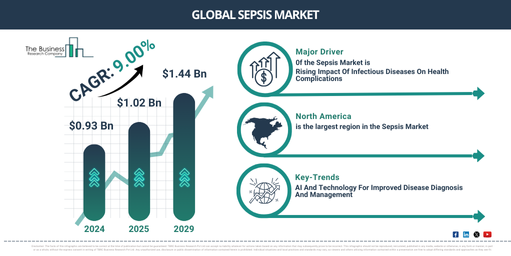
    In the past few years, the sepsis market has seen robust growth. It is projected to expand from $0.93 billion in 2024 to $1.02 billion in 2025, with a compound annual growth rate (CAGR) of 9.3%. Various factors are contributing to the growth witnessed during the historic period, including the rising incidence of sepsis owing to an aging population, an increase in the prevalence of chronic illnesses, enhanced sepsis awareness among healthcare providers, heightened healthcare spending, and the roll-out of government programs for the early identification and management of the condition._x000D_

    _x000D_

    Expectations point to a robust expansion of the sepsis market in the coming years, with projections estimating it will reach $1.44 billion by 2029, exhibiting a compound annual growth rate (CAGR) of 9.0%. Futures growth can be related to factors like the growing utilization of artificial intelligence in intensive care situations, an increasing occurrence of infections resistant to multiple drugs, a rise in educational campaigns centered around sepsis awareness, enhancement of healthcare architectures in developing economies, and heightened investment in pharmaceutical and biotechnological research. Key trends that will define the forecast period are the evolution of swift point-of-care diagnostics, the application of AI-powered predictive analysis, custom-tailored antibiotic stewardship initiatives, progress in the methodologies of blood culture, the introduction of innovative biomarker detection, and the development of groundbreaking therapy techniques targeting immune adjustment._x000D_

    _x000D_

    #Download a free sample to assess the report’s scope and structure:#_x000D_

    https://www.thebusinessresearchcompany.com/sample.aspx?id=21286&type=smp_x000D_

    _x000D_

    #What Are the Core Growth Drivers Propelling the Sepsis Market Forward?#_x000D_

    The surge in infectious disease-related ailments is anticipated to fuel the sepsis market’s expansion. Infectious diseases, which include conditions such as tuberculosis, flu, ringworm, and malaria, are triggered by the invasion of bacteria, viruses, fungi, or parasites into the body. These ailments can spread through several means like contact, contamination, or insect vectors. Factors like population growth, globalization, environmental alterations, resistance to drugs by pathogens, and shortcomings in healthcare systems contribute to the prevalence of infectious diseases. Sepsis, a serious complication resulting from the body’s exaggerated reaction to infections, can result in widespread inflammation and possible organ failure. For instance, in November 2024, the Centers for Disease Control and Prevention reported a total of 9,633 tuberculosis (TB) cases in the United States in 2023, representing a 15.6% surge from 8,332 reported cases in 2022. As a result, the escalating infectious disease incidence propels the growth of the sepsis market._x000D_

    _x000D_

    #What Segment Types Define the Sepsis Market Structure?#_x000D_

    The sepsis market covered in this report is segmented –_x000D_

    _x000D_

    1) By Type: Diagnosis, Therapeutics_x000D_

    2) By Pathogen: Bacterial, Viral, Fungal_x000D_

    3) By Application: Severe Sepsis, Septic Shock_x000D_

    4) By End User: Hospitals, Pathology, Reference Laboratories_x000D_

    _x000D_

    Subsegments:_x000D_

    1) By Diagnosis: Blood Tests, Imaging Techniques, Microbiological Culture Tests, Biomarker Tests, Other Diagnostic Methods_x000D_

    2) By Therapeutics: Antibiotics, Antifungal Agents, Vasopressors, Immunoglobulins, Corticosteroids, Other Therapeutic Options_x000D_

    _x000D_

    #Request customized data on this market:#_x000D_

    https://www.thebusinessresearchcompany.com/customise?id=21286&type=smp_x000D_

    _x000D_

    #Which Geographic Areas Hold the Strongest Growth Potential in the Sepsis Market?#_x000D_

    North America was the largest region in the sepsis market in 2024. Asia-Pacific is expected to be the fastest-growing region in the forecast period. The regions covered in the sepsis market report are Asia-Pacific, Western Europe, Eastern Europe, North America, South America, Middle East, Africa._x000D_

    _x000D_

    #Which Emerging Trends that Are Influencing theSepsis Industry Evolution?#_x000D_

    Top companies engaged in the sepsis market are concentrating on the creation of advanced technological platforms, including those powered by artificial intelligence (AI). Their goal is to enhance early detection, improve the precision of treatments, and predict patient outcomes, ultimately reducing mortality rates and promoting greater efficiency in healthcare for sepsis management. For instance, in June 2024, the US-based Predicate Healthcare Performance Group (HPG) introduced its AI software platform called OpenDX. This breakthrough platform combines AI-enabled diagnostics with wearable biosensors, thus assisting healthcare providers to identify early sepsis indicators. This not only aids in diagnosing sepsis, but also has the possibility to be useful in detecting other health conditions, thereby underscoring the significance of technology in medical diagnostics. Predicate’s chest sensor gives healthcare professionals the ability to detect initial signs of sepsis, a diagnosis that is often difficult to make and frequently overlooked._x000D_

    _x000D_

    #View the full report here:#_x000D_

    https://www.thebusinessresearchcompany.com/report/sepsis-global-market-report_x000D_

    _x000D_

    #What Is the Definition of the Sepsis Market?#_x000D_

    Sepsis is a life-threatening condition caused by the body’s extreme response to an infection. It occurs when the immune system releases chemicals into the bloodstream to fight the infection, but these chemicals trigger widespread inflammation, leading to tissue damage, organ failure, and potentially death._x000D_

    _x000D_

    #Purchase the full report and get a swift delivery:#_x000D_

    https://www.thebusinessresearchcompany.com/purchaseoptions.aspx?id=21286_x000D_

    _x000D_

    #About The Business Research Company:#_x000D_

    With over 15000+ reports from 27 industries covering 60+ geographies, The Business Research Company has built a reputation for offering comprehensive, data-rich research and insights. Armed with 1,500,000 datasets, the optimistic contribution of in-depth secondary research, and unique insights from industry leaders, you can get the information you need to stay ahead in the game._x000D_

    _x000D_

    #Get in touch with us:#_x000D_

    The Business Research Company: https://www.thebusinessresearchcompany.com/_x000D_

    Americas +1 3156230293_x000D_

    Asia +44 2071930708_x000D_

    Europe +44 2071930708_x000D_

    Email us at info@tbrc.info_x000D_

    _x000D_

    #Follow us on:#_x000D_

    _x000D_

    LinkedIn: https://in.linkedin.com/company/the-business-research-company_x000D_

    YouTube: https://www.youtube.com/channel/UC24_fI0rV8cR5DxlCpgmyFQ_x000D_

    Global Market Model: https://www.thebusinessresearchcompany.com/global-market-model

  • Vasoactive Intestinal Peptide Tumor Market Forecast Reaching $2.05 Billion by 2029 at 6.3% CAGR

    Vasoactive Intestinal Peptide Tumor Market Forecast Reaching $2.05 Billion by 2029 at 6.3% CAGR

    Get 30% off on our Global Market Reports with code ONLINE30 – Hurry, limited time offer!

    What is the Projected CAGR for the Vasoactive Intestinal Peptide Tumor Market Size from 2025 to 2034?

    The market size of the vasoactive intestinal peptide tumor has seen significant growth in the last few years. It is predicted to increase from $1.51 billion in 2024 to $1.61 billion in 2025, displaying a compound annual growth rate (CAGR) of 6.5%. The growth during the historical period is due to the rising occurrence of VIP tumors, heightened attention to research and development activities, growing consciousness about health care, development in healthcare infrastructure, and partnerships between biotech companies and scientific research bodies.

    The market size of vasoactive intestinal peptide tumors is predicted to witness substantial growth in the forthcoming years. The market is projected to escalate to $2.05 billion by 2029, with a compound annual growth rate (CAGR) of 6.3%. The growth anticipated in the forecast period can be ascribed to factors such as the escalating demand for chemotherapy, swift approval of drugs, surging demand for oral medications, heightened awareness about the disease, and the rising occurrence of tumors. Key trends within the forecast period encompass developments in targeted therapy, advancements in diagnostic methods, progression in treatment options, tailored medicine, targeted therapies, and innovative product introductions.

    Download a free sample to assess the report’s scope and structure:

    https://www.thebusinessresearchcompany.com/sample.aspx?id=23561&type=smp

    Which Major Market Drivers Are Expected to Boost the Growth Potential of the Vasoactive Intestinal Peptide Tumor Market?

    The vasoactive intestinal peptide tumor market is expected to experience growth due to the upswing in targeted therapy. Focusing on specific molecules or pathways involved in cancer and disease progression, targeted therapies selectively attack abnormal cells, causing minimum damage to normal ones. Precision medicine, which hones in on specific genetic mutations and minimizes side effects, propels this upward trend. It aims to reduce VIP levels by blocking significant pathways that influence tumor growth and hormone release, thus alleviating symptoms like severe diarrhea and slow disease progression. For instance, the American Society of Gene and Cell Therapy (ASGCT) reports that 76 gene therapy trials were started in the second quarter of 2024, a 25% increase from the previous quarter – further evidencing the driving role targeted therapy plays in the vasoactive intestinal peptide tumor market’s growth. Additionally, the vasoactive intestinal peptide tumor market is likely to expand due to the rising incidence of neuroendocrine tumors combined with an increase in awareness, which leads to earlier detection. Characterized by traits of both nerve cells and hormone-producing cells, neuroendocrine tumors (NETs) are slowly progressing cancers that are becoming more prevalent due to advancements in diagnostic technology. This improvement allows for more precise detection of these previously under diagnosed tumors. Vasoactive intestinal peptide (VIP) tumors are a rare subtype of NETs, identified by excessive VIP secretion, causing severe diarrhea and electrolyte imbalance. As Cancer Australia, a government agency based in Australia, reported in September 2024, by age 85, the lifetime risk of being diagnosed with neuroendocrine tumors is estimated at 1 in 55, or approximately 1.8%. This risk is higher for males, at 1 in 52 (1.9 %), compared to females, at 1 in 58 (1.7 %). This data underscores the growing occurrence of neuroendocrine tumors, which is promoting the expansion of the vasoactive intestinal peptide tumor market.

    Which Key Market Segments Comprise the Vasoactive Intestinal Peptide Tumor Market and Drive Its Revenue Growth?

    The vasoactive intestinal peptide tumor market covered in this report is segmented –

    1) By Treatment: Surgical Intervention, Radiotherapy, Chemotherapy, Targeted Therapy

    2) By Diagnosis: Imaging Techniques, Biopsy, Endoscopic Ultrasound

    3) By Therapeutic Approach: Palliative Care, Curative Treatment, Adjuvant Treatment

    4) By End-User: Hospitals, Cancer Specialty Clinics, Diagnostic Laboratories

    Subsegments:

    1) By Surgical Intervention: Tumor Resection, Debulking Surgery, Minimally Invasive Surgery

    2) By Radiotherapy: External Beam Radiation Therapy (EBRT), Stereotactic Body Radiation Therapy (SBRT), Proton Therapy

    3) By Chemotherapy: Cytotoxic Chemotherapy, Combination Chemotherapy, Adjuvant And Neoadjuvant Chemotherapy

    4) By Targeted Therapy: Somatostatin Analog Therapy, Tyrosine Kinase Inhibitors (TKIs), Monoclonal Antibodies

    Request customized data on this market:

    https://www.thebusinessresearchcompany.com/customise?id=23561&type=smp

    Which Areas Are Leading Regions in the Vasoactive Intestinal Peptide Tumor Market Expansion Across the Globe?

    North America was the largest region in the vasoactive intestinal peptide tumor market in 2024. The regions covered in the vasoactive intestinal peptide tumor market report are Asia-Pacific, Western Europe, Eastern Europe, North America, South America, Middle East, Africa.

    What Are the Most Significant Market Trends in the Vasoactive Intestinal Peptide Tumor Market?

    Leading corporations in the vasoactive intestinal peptide tumor market are concentrating on the advancement of products such as long-acting injectable suspensions to boost the efficiency of treatment, enhance patient adherence, and provide persistent relief from symptoms. These types of medication slowly release their active components over an extended duration, reducing the frequency of dosage. For example, in October 2024, Teva Pharmaceutical Industries Ltd., an American pharmaceutical enterprise, introduced the first and sole generic variant of Sandostatin LAR Depot (octreotide acetate for injectable suspension) within the United States. This drug serves as a long-lasting maintenance therapy for acromegaly patients who responded poorly to surgery or radiotherapy. Moreover, it treats severe diarrhea and flushing symptoms associated with metastatic carcinoid tumors and VIP-secreting tumors. This launch emphasizes Teva’s proficiency in intricate generics and aids in achieving its target of sustaining a robust status in the generic pharmaceuticals market.

    View the full report here:

    https://www.thebusinessresearchcompany.com/report/vasoactive-intestinal-peptide-tumor-global-market-report

    How Is the Vasoactive Intestinal Peptide Tumor Market Conceptually Defined?

    A vasoactive intestinal peptide (VIP) tumor, also known as VIPoma, is a rare neuroendocrine tumor that typically arises in the pancreas. It secretes excessive amounts of VIP, leading to severe watery diarrhea, dehydration, and electrolyte imbalances. Elevated VIP levels in the blood confirm the diagnosis, and treatment may involve surgery, medications, or targeted therapies.

    Purchase the full report and get a swift delivery:

    https://www.thebusinessresearchcompany.com/purchaseoptions.aspx?id=23561

    About The Business Research Company:

    With over 15000+ reports from 27 industries covering 60+ geographies, The Business Research Company has built a reputation for offering comprehensive, data-rich research and insights. Armed with 1,500,000 datasets, the optimistic contribution of in-depth secondary research, and unique insights from industry leaders, you can get the information you need to stay ahead in the game.

    Get in touch with us:

    The Business Research Company: https://www.thebusinessresearchcompany.com/

    Americas +1 3156230293

    Asia +44 2071930708

    Europe +44 2071930708

    Email us at info@tbrc.info

    Follow us on:

    LinkedIn: https://in.linkedin.com/company/the-business-research-company

    YouTube: https://www.youtube.com/channel/UC24_fI0rV8cR5DxlCpgmyFQ

    Global Market Model: https://www.thebusinessresearchcompany.com/global-market-model

  • Global Value-Based Healthcare Services Market Projected to Reach $3970 Billion by 2029 at a CAGR of 18.3%

    Global Value-Based Healthcare Services Market Projected to Reach $3970 Billion by 2029 at a CAGR of 18.3%

    Get 30% off on our Global Market Reports with code ONLINE30 – Hurry, limited time offer!

    What is the Anticipated CAGR of the Value-Based Healthcare Services Market, and What Factors Will Drive It?

    In the past few years, the market size for value-based healthcare services has seen a swift expansion. The market, which is projected to rise from $1708.77 billion in 2024 to $2,025.60 billion in 2025, is expected to witness a compound annual growth rate (CAGR) of 18.5%. This notable rise during the historic period can be traced back to escalating healthcare expenses, an increased incidence of chronic ailments, a surge in the adoption of healthcare IT, heightened utilization of predictive analytics, and a incline in solutions for population health management.

    The market size of value-based healthcare services is anticipated to experience a rapid surge in the upcoming years, expanding to $3,970.00 billion in 2029 with a compound annual growth rate (CAGR) of 18.3%. Factors fueling this growth during the projected period include the wider application of artificial intelligence in healthcare, the rising use of telehealth, an increased emphasis on preventive care, higher investments in the healthcare sector, and the escalating uptake of digital health platforms. The prominent trends predicted during this time frame encapsulate a move from fee-for-service to value-based care, progress in healthcare analytics, the application of blockchain in healthcare, development in artificial intelligence and machine learning, as well as the incorporation of technology into healthcare workflows.

    Download a free sample to assess the report’s scope and structure:

    https://www.thebusinessresearchcompany.com/sample.aspx?id=23559&type=smp

    What are the Fundamental Drivers and Innovations Shaping the Value-Based Healthcare Services Market?

    The surge in embracing patient-oriented care is anticipated to catalyze the expansion of the value-based healthcare services market in the future. This method of healthcare focuses on meeting the unique needs, values, and preferences of patients while ensuring their active involvement in decision-making procedures and treatment planning. The growing acceptance of patient-oriented care is linked to increased awareness that patients need to be proactive in their healthcare choices. Aligning patient requirements and preferences can significantly enhance value-based healthcare services by improving health results, increasing care quality, and lowering expenses. For example, a study of 1,200 patients by Lakeside Healthcare At Yaxley, a UK-based GPs healthcare facility, in August 2024 revealed a 3% increase in patients who found it more straightforward to reach the practice, trimmed down telephone waiting periods with 74% of calls answered within ten minutes, and a larger proportion of in-person appointments at 58%. Consequently, the growing acceptance of patient-oriented care is fueling the growth of the value-based healthcare services market.

    How Is the Value-Based Healthcare Services Market Segmented?

    The value-based healthcare services market covered in this report is segmented –

    1) By Product Type: Accountable Care Organization (ACO), Patient-Centered Medical Home (PCMH), Pay for Performance, Bundled Payments

    2) By Deployment Type: Online, Offline

    3) By End-User: Hospitals, Clinics, Insurance Companies, Government, Others End-User

    Subsegments:

    1) By Accountable Care Organization (ACO): Medicare ACOs, Commercial ACOs, Pioneer ACOs, Provider-Sponsored ACOs, Government-Funded ACOs

    2) By Patient-Centered Medical Home (PCMH): Independent PCMHs, Hospital-Based PCMHs, Payer-Led PCMHs, Specialty-Specific PCMHs, Multi-Payer PCMHs

    3) By Pay for Performance: Hospital-Based P4P, Physician-Based P4P, Pharmacy-Based P4P, Nursing and Post-Acute Care P4P, Population Health-Based P4P

    4) By Bundled Payments: Retrospective Bundled Payments, Prospective Bundled Payments, Condition-Specific Bundled Payments, Procedure-Based Bundled Payments, Multi-Payer Bundled Payments

    Request customized data on this market:

    https://www.thebusinessresearchcompany.com/customise?id=23559&type=smp

    Which Regions Are Driving the Next Phase of the Value-Based Healthcare Services Market Growth?

    North America was the largest region in the value-based healthcare services market in 2024. Asia-Pacific is expected to be the fastest-growing region in the forecast period. The regions covered in the value-based healthcare services market report are Asia-Pacific, Western Europe, Eastern Europe, North America, South America, Middle East, Africa.

    What Are the Strategic Trends Steering the Value-Based Healthcare Services Market Direction?

    Key businesses in the value-based healthcare services sector are concentrating their efforts on creating novel solutions, such as value-based care, by utilizing technology and expertise to provide superior, equitable health results. The goal of value-based care, a healthcare approach that enhances patient health while decreasing expenses, is to augment patient results and diminish costs by emphasizing high-quality, preventative and proficiently coordinated care. To illustrate, in April 2023, Kaiser Permanente, an American nonprofit entity, kickstarted Risant Health, a fresh nonprofit body to expand and expedite the uptake of value-based healthcare amenities via collaborations with localized health structures. This plan hopes to boost patient-oriented care provision, by amalgamating progressive value-based care architectures, using data-powered perceptions, digital interaction, and ground-breaking care methods to bolster healthcare obtainability and merit. Risant Health is slated to propel a systemic overhaul by procuring and endorsing nonprofit health systems like Geisinger Health, facilitating economical, superior healthcare utilities that accentuate patient results and equitable attention.

    View the full report here:

    https://www.thebusinessresearchcompany.com/report/value-based-healthcare-services-global-market-report

    How Is the Value-Based Healthcare Services Market Defined and What Are Its Core Parameters?

    Value-based healthcare services refer to a healthcare delivery model where providers are compensated based on the quality of care rather than the service volume. This model aims to improve the patient experience, optimize resource use, and deliver long-term value to individuals and healthcare systems.

    Purchase the full report and get a swift delivery:

    https://www.thebusinessresearchcompany.com/purchaseoptions.aspx?id=23559

    About The Business Research Company:

    With over 15000+ reports from 27 industries covering 60+ geographies, The Business Research Company has built a reputation for offering comprehensive, data-rich research and insights. Armed with 1,500,000 datasets, the optimistic contribution of in-depth secondary research, and unique insights from industry leaders, you can get the information you need to stay ahead in the game.

    Get in touch with us:

    The Business Research Company: https://www.thebusinessresearchcompany.com/

    Americas +1 3156230293

    Asia +44 2071930708

    Europe +44 2071930708

    Email us at info@tbrc.info

    Follow us on:

    LinkedIn: https://in.linkedin.com/company/the-business-research-company

    YouTube: https://www.youtube.com/channel/UC24_fI0rV8cR5DxlCpgmyFQ

    Global Market Model: https://www.thebusinessresearchcompany.com/global-market-model

  • Market Trends Influencing Strategic Decisions in the Familial Adenomatous Polyposis Treatment  Industry: Advancements In Therapeutic Approaches Driving Improved Patient Outcomes

    Market Trends Influencing Strategic Decisions in the Familial Adenomatous Polyposis Treatment Industry: Advancements In Therapeutic Approaches Driving Improved Patient Outcomes

    Get 30% off on our Global Market Reports with code ONLINE30 – Hurry, limited time offer!

    What is the Projected CAGR for the Familial Adenomatous Polyposis Treatment Market Size from 2025 to 2034?

    The market size for the treatment of familial adenomatous polyposis (FAP) has seen a fast-paced growth in recent times. It is projected to expand from $1.34 billion in 2024 to $1.50 billion in 2025, with a compound annual growth rate (CAGR) of 11.5%. The growth during the earlier period can be linked to an increase in the occurrence of familial adenomatous polyposis, excessive tobacco use, the rise in genetic abnormalities, growing awareness about healthcare and related laws, and increasing instances of inactive lifestyles.

    The market size for familial adenomatous polyposis (FAP) treatments is anticipated to experience speedy expansion in the forthcoming years. The market is projected to augment to $2.31 billion by 2029, experiencing a compound annual growth rate (CAGR) of 11.4%. The ascending growth during the forecast period can be credited to the escalating application of gene therapy, burgeoning demand for potent treatment solutions, increased awareness about genetic disorders, enhancement of healthcare infrastructure, and growing requirement for genetic testing and counseling. Major trends guiding the forecast period include progressions in treatment methods, advancements in genetic research, adoption of inventive techniques, assimilation of multidisciplinary care models, and the rising favor for personalized medicine approaches.

    Download a free sample to assess the report’s scope and structure:

    https://www.thebusinessresearchcompany.com/sample.aspx?id=23396&type=smp

    What Are the Major Market Drivers Behind the Rising Adoption of Familial Adenomatous Polyposis Treatment Market?

    The upward trend in healthcare spending is predicted to drive the growth of the market for familial adenomatous polyposis (FAP) treatment. Healthcare expenditure, which includes all outlays on medicinal services, treatments, drugs, and infrastructure supporting health, comes from individuals, government organizations, and private institutions aiming for better health. The ballooning healthcare costs are a result of an aging population and improved medical technology. Increased life expectancy results in a greater number of elderly people in need of persistent care, management of chronic diseases, and more frequent medical procedures, thereby inflating healthcare costs. Such increased spending promotes R&D in FAP treatment, enhancing genetic testing, targeted remedies, and non-invasive procedures, all of which contribute to early diagnosis, better disease control, and improved patient outcomes. For example, in December 2024, the Centers for Medicare & Medicaid Services, a US federal agency, reported an 8.1% rise in Medicare spending, reaching $1,029.8 billion and contributing to 21% of total national health expenditures (NHE). The amplified healthcare spending thus stimulates the growth of the FAP treatment market. The increased adoption of minimally invasive procedures is another factor expected to boost the FAP treatment market. These medical procedures use smaller incisions, special tools, or imaging guidance, causing less trauma and posing fewer risks than traditional surgery. The rising popularity of minimally invasive procedures owes to advancements in medical technology and patients’ demand for quicker recovery. Progress in surgical methods, robotics, and imaging have facilitated techniques that make smaller cuts, thus minimizing complications and hospitalization time. These less invasive procedures improve polyp removal and surveillance in FAP treatment, enabling early diagnosis, accurate removal and fewer complications which delay disease advancement and reduce the necessity for major surgeries. For instance, in 2023, according to the American Society of Plastic Surgeons, a US-based pharmaceutical firm, there was 7% annual growth in minimally invasive procedures across the USA. Hence the mounting in minimally invasive procedures encourages the growth of the familial adenomatous polyposis treatment market.

    Which Key Market Segments Comprise the Familial Adenomatous Polyposis Treatment Market and Drive Its Revenue Growth?

    The familial adenomatous polyposis treatment market covered in this report is segmented –

    1) By Product Type: Icosapent, Eflornithine Hydrochloride, Aspirin, Cetuximab Oral Formulation (CEQ)-508, Other Product Types

    2) By Disease Subtype: Attenuated FAP, Familial Adenomatous Polyposis, Gardner Syndrome, Turcot Syndrome

    3) By Symptoms: Bloody Stool, Unexplained Diarrhea, Abdominal Cramps, Bloating , Weight Loss, Lethargy And Vomiting

    4) By Application: Colorectal Cancer Prevention, Genetic Counseling, Surgical Treatment

    5) By End-Users: Clinics, Hospitals, Diagnostic Centres, Home Healthcare, Other End-Users

    Subsegments:

    1) By Icosapent: High-Purity Icosapent, Combination Formulations, Extended-Release Icosapent

    2) By Eflornithine Hydrochloride: Oral Eflornithine Hydrochloride, Topical Eflornithine Hydrochloride, Intravenous Eflornithine Hydrochloride

    3) By Aspirin: Low-Dose Aspirin Therapy, Enteric-Coated Aspirin, Buffered Aspirin

    4) By CEQ-508: Monotherapy CEQ-508, Adjunctive CEQ-508 Therapy, Targeted CEQ-508 Formulations

    5) By Other Product Types: Genetic Testing Kits And Biomarkers, Endoscopic Surveillance Devices, Surgical Instruments And Medical Implants, Probiotics And Microbiome Modulators, Bowel Preparation Solutions, Dietary Supplements And Nutraceuticals, Radiofrequency Ablation (RFA) Devices, Cryotherapy And Laser Therapy Systems, Artificial Intelligence (AI)-Assisted Diagnostic Tools, Patient Monitoring And Digital Health Solutions

    Request customized data on this market:

    https://www.thebusinessresearchcompany.com/customise?id=23396&type=smp

    Which Areas Are Leading Regions in the Familial Adenomatous Polyposis Treatment Market Expansion Across the Globe?

    North America was the largest region in the familial adenomatous polyposis (FAP) treatment market in 2024. Asia-Pacific is expected to be the fastest-growing region in the forecast period. The regions covered in the familial adenomatous polyposis treatment market report are Asia-Pacific, Western Europe, Eastern Europe, North America, South America, Middle East, Africa.

    What Long-Term Trends Are Transforming the Competitive Landscape of the Familial Adenomatous Polyposis Treatment Market?

    Leading businesses in the familial adenomatous polyposis (FAP) treatment market have been focusing on the development of breakthrough therapeutic techniques to better patient outcomes and provide novel solutions. These innovations involve the introduction of new drug formulations and specialized treatments to decrease the growth of polyps and decelerate disease development. For example, Biodexa Pharmaceuticals PLC, a prominent biopharmaceutical organization based in the UK, brought out promising results from their Phase 2 clinical trial of eRapa for the treatment of FAP, in June 2024. The trial exhibited a 75% no progression rate, along with a median decrease of 17% in polyp load over a period of 12 months. In the second group of participants, there was a considerably higher no progression rate of 81% and 29% reduction in polyps with a particular dosage regimen. With a compliance rate of 95%, the treatment was received positively. These encouraging outcomes have laid the groundwork for a Phase 3 trial involving approximately 168 high-risk FAP patients which could possibly shift the current surgical treatment approach towards a more effective medication therapy.

    View the full report here:

    https://www.thebusinessresearchcompany.com/report/familial-adenomatous-polyposis-treatment-global-market-report

    How Is the Familial Adenomatous Polyposis Treatment Market Conceptually Defined?

    Familial adenomatous polyposis (FAP) treatment refers to medical and surgical approaches used to manage FAP, a genetic condition characterized by the development of numerous precancerous polyps in the colon and rectum. The primary goal of treatment is to prevent colorectal cancer, which almost inevitably develops if left untreated.

    Purchase the full report and get a swift delivery:

    https://www.thebusinessresearchcompany.com/purchaseoptions.aspx?id=23396

    About The Business Research Company:

    With over 15000+ reports from 27 industries covering 60+ geographies, The Business Research Company has built a reputation for offering comprehensive, data-rich research and insights. Armed with 1,500,000 datasets, the optimistic contribution of in-depth secondary research, and unique insights from industry leaders, you can get the information you need to stay ahead in the game.

    Get in touch with us:

    The Business Research Company: https://www.thebusinessresearchcompany.com/

    Americas +1 3156230293

    Asia +44 2071930708

    Europe +44 2071930708

    Email us at info@tbrc.info

    Follow us on:

    LinkedIn: https://in.linkedin.com/company/the-business-research-company

    YouTube: https://www.youtube.com/channel/UC24_fI0rV8cR5DxlCpgmyFQ

    Global Market Model: https://www.thebusinessresearchcompany.com/global-market-model

  • Eosinophilic Granulomatosis With Polyangiitis Treatment Growth Trajectory: Key Forecasts and Strategic Insights

    Eosinophilic Granulomatosis With Polyangiitis Treatment Growth Trajectory: Key Forecasts and Strategic Insights

    Get 30% off on our Global Market Reports with code ONLINE30 – Hurry, limited time offer!

    How Has The Eosinophilic Granulomatosis With Polyangiitis Treatment Market Size Shifted, And What Is the Outlook Through 2034?

    The market for eosinophilic granulomatosis with polyangiitis treatment has seen robust growth in recent times. It is projected to increase from a valuation of $1.28 billion in 2024 to $1.41 billion in 2025, exhibiting a compound annual growth rate (CAGR) of 10.1%. The growth in this historical period is linked to the escalating occurrences of Churg Strauss syndrome, an increased call for efficient treatment methods, an expansion in research and developmental activities, a growing older population, and elevated patient awareness.

    In the coming years, substantial growth is anticipated in the eosinophilic granulomatosis with polyangiitis treatment market. The market is predicted to expand to $2.06 billion by 2029, boasting a compound annual growth rate (CAGR) of 9.8%. This projected growth during the forecast period is largely due to a rise in focus on biologics and targeted therapies, an increase in clinical trial activity, burgeoning patient advocacy movements, a growing emphasis on precision medicine and personal therapy, as well as a rising incidence of asthma in the elderly population. Emerging trends during the forecast period entail technological advancements, progress in therapeutic agents and biologics, personalized medicine strategies, alliances between healthcare providers and pharmaceutical companies, coupled with the advancement of superior diagnostic techniques.

    Download a free sample to assess the report’s scope and structure:

    https://www.thebusinessresearchcompany.com/sample.aspx?id=23392&type=smp

    Which Factors and External Forces Are Driving Demand in the Eosinophilic Granulomatosis With Polyangiitis Treatment Market?

    Expectations of growth in the eosinophilic granulomatosis with polyangiitis (EGPA) treatment market are driven by an increasing incidence of asthma within the aging demographic. Older adults more commonly experience this respiratory condition due to a decrease in lung function, which features symptoms such as swollen and narrow airways that hinder breathing. As these seniors are more vulnerable to inflammatory respiratory conditions, certification of related conditions like EGPA — often initiated by asthma — rises. Consequently, there is a higher demand for treatment. The Global Initiative for Asthma, a medical organization in the US, reported in 2024 that asthma, a widespread chronic non-communicable disease, affects over 260 million individuals worldwide, leading to over 450,000 deaths each year. Therefore, the escalating occurrence of asthma in older people is a key driver for the EGPA treatment market’s expansion. The EGPA treatment market is also fueled by a climbing prevalence of allergic reactions due to an uptick in immune system overactivity. The increased incidence of allergic reactions is linked to growing air pollution levels, where contaminants like smoke, dust and airborne chemicals aggravate immune systems, heightening sensitivity to allergens. As these allergic conditions become more prevalent, a greater number of people are diagnosed with conditions caused by excessive immune activity, like EGPA, driving the demand for effective treatments to handle inflammation and related symptoms. According to data from the Allergy and Immunology Centre, a medical institution based in the UK, almost 26,000 hospitalizations resulted from allergies and anaphylaxis between 2022 and 2023. Consequently, the rising frequency of allergic reactions propels the growth of the EGPA treatment market.

    Which Segments in the Eosinophilic Granulomatosis With Polyangiitis Treatment Offer the Most Growth?

    The eosinophilic granulomatosis with polyangiitis treatment market covered in this report is segmented –

    1) By Drug Class: Steroids, Immunosuppressant, Biologics, Immune Globulins

    2) By Route Of Administration: Oral, Intravenous, Intramuscular

    3) By Distribution Channel: Online Pharmacies, Hospital Pharmacies, Drug Stores, Retail Pharmacies

    4) By End User: Hospitals, Clinics, Home Healthcare

    Subsegments:

    1) By Steroids: Glucocorticoids, Mineralocorticoids

    2) By Immunosuppressants: Calcineurin Inhibitors, Antimetabolites, Alkylating Agents

    3) By Biologics: Interleukin Inhibitors, Monoclonal Antibodies, TNF-alpha Inhibitors

    4) By Immune Globulins: Intravenous Immunoglobulin (IVIG), Subcutaneous Immunoglobulin (SCIG)

    Request customized data on this market:

    https://www.thebusinessresearchcompany.com/customise?id=23392&type=smp

    What Are the Fastest-Growing Geographies in the Eosinophilic Granulomatosis With Polyangiitis Treatment Market?

    North America was the largest region in the eosinophilic granulomatosis with polyangiitis (EGPA) treatment market in 2024. Asia-Pacific is expected to be the fastest-growing region in the forecast period. The regions covered in the eosinophilic granulomatosis with polyangiitis treatment market report are Asia-Pacific, Western Europe, Eastern Europe, North America, South America, Middle East, Africa.

    What Are the Key Market Trends in the Eosinophilic Granulomatosis With Polyangiitis Treatment Market Over the Coming Years?

    Key players in the eosinophilic granulomatosis with polyangiitis (EGPA) treatment market are undertaking clinical investigations to determine the safety and efficacy of novel and existing treatments. These studies are targeted at enriching treatment alternatives, achieving regulatory authorizations, and enhancing healthcare for patients. For instance, in September 2024, positive outcomes were announced from the MANDARA Phase III trial by AstraZeneca, a UK-based pharmaceutical and biotech firm. The test demonstrated that Fasenra (benralizumab) is successful in inducing remission in patients affected by eosinophilic granulomatosis with polyangiitis. It was found that benralizumab resulted in remission rates nearly equal to mepolizumab while lessening the demand for oral glucocorticoids. This progress marks a considerable move towards more specific and steroid-sparing treatment strategies for eosinophilic granulomatosis with polyangiitis.

    View the full report here:

    https://www.thebusinessresearchcompany.com/report/eosinophilic-granulomatosis-with-polyangiitis-treatment-global-market-report

    What Are the Key Elements That Define the Eosinophilic Granulomatosis With Polyangiitis Treatment Market?

    Eosinophilic granulomatosis with polyangiitis (EGPA) treatment refers to medical approaches used to manage this rare autoimmune disease, which causes inflammation of small blood vessels. The treatment focuses on reducing inflammation, controlling symptoms, and preventing disease progression.

    Purchase the full report and get a swift delivery:

    https://www.thebusinessresearchcompany.com/purchaseoptions.aspx?id=23392

    About The Business Research Company:

    With over 15000+ reports from 27 industries covering 60+ geographies, The Business Research Company has built a reputation for offering comprehensive, data-rich research and insights. Armed with 1,500,000 datasets, the optimistic contribution of in-depth secondary research, and unique insights from industry leaders, you can get the information you need to stay ahead in the game.

    Get in touch with us:

    The Business Research Company: https://www.thebusinessresearchcompany.com/

    Americas +1 3156230293

    Asia +44 2071930708

    Europe +44 2071930708

    Email us at info@tbrc.info

    Follow us on:

    LinkedIn: https://in.linkedin.com/company/the-business-research-company

    YouTube: https://www.youtube.com/channel/UC24_fI0rV8cR5DxlCpgmyFQ

    Global Market Model: https://www.thebusinessresearchcompany.com/global-market-model

  • Global Seasonal Influenza Market Projected to Reach $18.55 Billion by 2029 at a CAGR of 17.1%

    Global Seasonal Influenza Market Projected to Reach $18.55 Billion by 2029 at a CAGR of 17.1%

    Our market reports now include the latest updates on global tariffs, trade impacts, and evolving supply chain dynamics.

    #What Is the Estimated Market Size of the Seasonal Influenza Market In 2029?#_x000D_

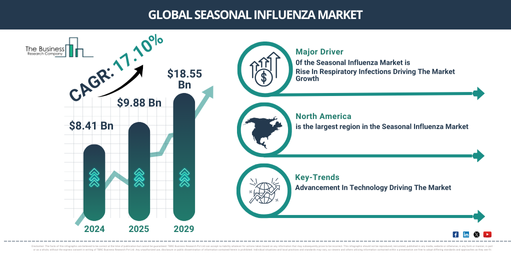
    In recent times, there has been a quick expansion of the seasonal influenza market size. The market is projected to escalate from $8.41 billion in 2024 to $9.88 billion in 2025, showcasing a compound annual growth rate (CAGR) of 17.4%. This significant growth in the past period can be traced back to the increasing occurrences of influenza, the surge in the aging population, a rise in infectious and chronic disease prevalence, increasing incidences of ailments related to influenza, and augmenting respiratory infections._x000D_

    _x000D_

    In the coming years, rapid expansion is forecasted in the seasonal influenza market, with predictions estimating a growth to $18.55 billion by 2029, maintaining a compound annual growth rate (CAGR) of 17.1%. This growth within the projected period can be linked to several factors, including a rising demand for oral drug treatments, significant advances in research and development, a surge in vaccination numbers, enhancements in healthcare facilities, and a growing preference for retail pharmacies. The forecasted period also signals prominent trends including progression in treatments, modern technological advancements, upgrades in vaccine technology, developments in mRNA technology, and the use of digital health solutions for monitoring and diagnosing._x000D_

    _x000D_

    #Download a free sample to assess the report’s scope and structure:#_x000D_

    https://www.thebusinessresearchcompany.com/sample.aspx?id=21285&type=smp_x000D_

    _x000D_

    #What are the Fundamental Drivers and Innovations Shaping the Seasonal Influenza Market?#_x000D_

    The escalating frequency of respiratory illnesses is projected to fuel the expansion of the seasonal influenza market in the future. Respiratory ailments, which affect the sinuses, throat, airways, or lungs, are caused by viruses or bacteria. The surge in these infections is linked to factors such as air pollution, climate changes, compromised immune systems, and the propensity for viruses to spread easily in crowded or inadequately ventilated environments. Seasonal flu treatments can help to curb or lessen the severity of these respiratory illnesses by addressing the flu virus and managing symptoms which may cause further infection. As an example, the UK Health Security Agency, a government organization in the United Kingdom, recorded a 10.7% annual increase in tuberculosis (TB) cases (an infection resulting from the bacterium Mycobacterium tuberculosis) in England in October 2024. The cases rose from 4,380 in 2022 to 4,850. Consequently, this surge in respiratory illnesses will stimulate the expansion of the seasonal influenza market._x000D_

    _x000D_

    #How Is the Seasonal Influenza Market Segmented?#_x000D_

    The seasonal influenza market covered in this report is segmented –_x000D_

    _x000D_

    1) By Type: Influenza A Virus, Influenza B Virus, Influenza C Virus, Influenza D Virus_x000D_

    2) By Route Of Administration: Parenteral, Oral, Other Route Of Administrations_x000D_

    3) By Distribution Channel: Hospital, Government and institutional supply, Pharmacy, Online_x000D_

    4) By Treatment: Antiviral, Neuraminidase Inhibitors, Vaccination, Other Treatments_x000D_

    _x000D_

    Subsegments:_x000D_

    1) By Influenza A Virus: Subtype H1N1, Subtype H3N2, Other Subtypes_x000D_

    2) By Influenza B Virus: Lineage Victoria, Lineage Yamagata_x000D_

    3) By Influenza C Virus: Seasonal C Virus, Non-seasonal C Virus_x000D_

    4) By Influenza D Virus: Animal-associated Influenza D_x000D_

    _x000D_

    #Request customized data on this market:#_x000D_

    https://www.thebusinessresearchcompany.com/customise?id=21285&type=smp_x000D_

    _x000D_

    #Which Regions Are Driving the Next Phase of the Seasonal Influenza Market Growth?#_x000D_

    North America was the largest region in the seasonal influenza market in 2024. Asia-Pacific is expected to be the fastest-growing region in the forecast period. The regions covered in the seasonal influenza market report are Asia-Pacific, Western Europe, Eastern Europe, North America, South America, Middle East, Africa._x000D_

    _x000D_

    #What Key Trends Are Shaping the Future of the Seasonal Influenza Market?#_x000D_

    Leading companies in the seasonal influenza market are directing their efforts toward innovative treatments, including combination vaccines, to strengthen immune response by tackling multiple virus strains, ameliorating effectiveness, and minimizing the requirement for regular vaccinations. Combination vaccines provide defense against numerous diseases or strains through a single inoculation, lessening the shots required for immunization. For example, Moderna, Inc., a biotech company from the US, disclosed favorable preliminary results for Phase 1/2 trial of mRNA-1083, a combination vaccine under investigation, targeting both influenza and COVID-19 in October 2023. mRNA-1083, aimed at increasing compliance, streamlining administration, and intimately upping convenience for patients and healthcare systems, is being tested for safety and immunogenicity against conventional flu vaccines such as Fluarix (ages 50-64) and Fluzone HD (ages 65-79). This is besides its comparison with the Spikevax booster._x000D_

    _x000D_

    #View the full report here:#_x000D_

    https://www.thebusinessresearchcompany.com/report/seasonal-influenza-global-market-report_x000D_

    _x000D_

    #How Is the Seasonal Influenza Market Defined and What Are Its Core Parameters?#_x000D_

    Seasonal influenza, commonly known as the flu, is a contagious respiratory infection caused by influenza viruses that circulate globally, primarily during specific seasons (typically fall and winter in temperate regions). It spreads through respiratory droplets when an infected person coughs, sneezes, or talks. Seasonal influenza leads to widespread illness and can result in serious complications, particularly for vulnerable populations such as the elderly and those with weakened immune systems._x000D_

    _x000D_

    #Purchase the full report and get a swift delivery:#_x000D_

    https://www.thebusinessresearchcompany.com/purchaseoptions.aspx?id=21285_x000D_

    _x000D_

    #About The Business Research Company:#_x000D_

    With over 15000+ reports from 27 industries covering 60+ geographies, The Business Research Company has built a reputation for offering comprehensive, data-rich research and insights. Armed with 1,500,000 datasets, the optimistic contribution of in-depth secondary research, and unique insights from industry leaders, you can get the information you need to stay ahead in the game._x000D_

    _x000D_

    #Get in touch with us:#_x000D_

    The Business Research Company: https://www.thebusinessresearchcompany.com/_x000D_

    Americas +1 3156230293_x000D_

    Asia +44 2071930708_x000D_

    Europe +44 2071930708_x000D_

    Email us at info@tbrc.info_x000D_

    _x000D_

    #Follow us on:#_x000D_

    _x000D_

    LinkedIn: https://in.linkedin.com/company/the-business-research-company_x000D_

    YouTube: https://www.youtube.com/channel/UC24_fI0rV8cR5DxlCpgmyFQ_x000D_

    Global Market Model: https://www.thebusinessresearchcompany.com/global-market-model
  • Scleritis Market Forecast 2025–2034: Trends Reshaping Demand, Investment, and Innovation

    Scleritis Market Forecast 2025–2034: Trends Reshaping Demand, Investment, and Innovation

    Our market reports now include the latest updates on global tariffs, trade impacts, and evolving supply chain dynamics.

    #How Fast Is The Scoliosis Market Expected to Grow Between 2025 And 2029?#_x000D_

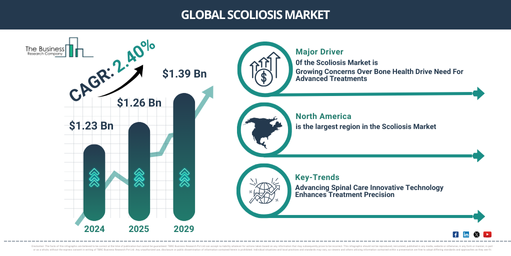
    The market for scoliosis has experienced consistent growth in recent times. Progressing from a market size of $1.23 billion in 2024, it is projected to increase to $1.26 billion in 2025, representing a compound annual growth rate (CAGR) of 2.8%. This growth during the historical period has been driven by factors such as the development of healthcare facilities, a rising senior citizen population, the prevalence of degenerative scoliosis cases, an uptick in non-surgical treatment options, wider insurance and reimbursement policies, and a heightened emphasis on the health of children and adolescents._x000D_

    _x000D_

    In the coming years, the scoliosis market size is predicted to experience consistent growth. The market is projected to reach $1.39 billion by 2029, with a compound annual growth rate (CAGR) of 2.4%. The projected growth within the forecast period can be credited to the escalating prevalence of scoliosis worldwide, increasing cognizance about timely diagnosis and treatment, growing healthcare expenditure, heightened demand for pediatric and adolescent scoliosis treatment, and an expanding older population with degenerative scoliosis. The forecast period is expected to witness major trends such as advancements in imaging and diagnostic technologies, innovative technological developments in surgical implants and devices, the application of AI and machine learning in scoliosis diagnostics, and the creation of wearable and monitoring devices._x000D_

    _x000D_

    #Download a free sample to assess the report’s scope and structure:#_x000D_

    https://www.thebusinessresearchcompany.com/sample.aspx?id=21284&type=smp_x000D_

    _x000D_

    #What Are the Primary Drivers Supporting the Market Growth of the Scoliosis Market?#_x000D_

    The escalating prevalence of deficiencies in bone minerals is anticipated to fuel the expansion of the scoliosis market. These deficiencies correspond to a scarcity of crucial minerals in the bones, leading to fragility and an escalated risk of fractures. Factors such as aging, malnutrition, a deficit in vitamin D, inactive lifestyles, and health disorders are driving the rising prevalence of bone mineral deficiencies. Scoliosis aggravates the issue by impacting bone density and structural stability, thus amplifying the chances of osteoporosis and fractures. For example, a report by the National Institutes of Health, a US-based agency, in March 2024 recorded a vitamin D deficiency rate of 24.8% among 5380 Romanian adults aged 25-64 years. Moreover, the Department of Health and Social Care, a government department in the UK, reported that approximately one in six adults in the UK have insufficient vitamin D levels. Hence, the surge in the prevalence of bone mineral deficiencies is a key driver for the growth of the scoliosis market._x000D_

    _x000D_

    #Which Primary Segments of the Scoliosis Market Are Driving Growth and Industry Transformations?#_x000D_

    The scoliosis market covered in this report is segmented –_x000D_

    _x000D_

    1) By Product Type: Bracing, Physiotherapy, Surgical Devices, Other Product Types_x000D_

    2) By Age Group: Children, Teenagers, Adult_x000D_

    3) By End-user: Hospitals, Clinics, Homecare Settings, Other End Users_x000D_

    _x000D_

    Subsegments:_x000D_

    1) By Bracing: Rigid Braces, Soft Braces, Dynamic Braces, Nighttime Braces, Other Bracing Types_x000D_

    2) By Physiotherapy: Schroth Method, Scientific Exercise Approach To Scoliosis, Yoga And Pilates, Manual Therapy, Other Physiotherapy Approaches_x000D_

    3) By Surgical Devices: Spinal Implants, Rods And Screws, Fusion Devices, Growth Modulation Devices, Other Surgical Devices_x000D_

    4) By Other Product Types: Orthotic Supports, Electrical Stimulation Devices, Alternative Therapies_x000D_

    _x000D_

    #Request customized data on this market:#_x000D_

    https://www.thebusinessresearchcompany.com/customise?id=21284&type=smp_x000D_

    _x000D_

    #Which Regions Are Key Players in the Growth of the #What Are the Primary Drivers Supporting the Market Growth of the Scoliosis Market?# Market?#_x000D_

    North America was the largest region in the scoliosis market in 2024. Europe is expected to be the fastest-growing region in the forecast period. The regions covered in the scoliosis market report are Asia-Pacific, Western Europe, Eastern Europe, North America, South America, Middle East, Africa._x000D_

    _x000D_

    #What Are the Most Significant Market Trends in the Scoliosis Market?#_x000D_

    Top-tier companies within the scoliosis market are directing their efforts toward the creation of novel products like the growing rod system. These innovational developments have the potential to not only improve the results of treatments but also lessen spinal deformities and decrease the number of surgeries needed for pediatric scoliosis patients. The growing rod system, which is a versatile spinal implant, is used for treating early-stage scoliosis by controlling spinal growth and minimizing recurrent surgeries. An example of this can be seen when Globus Medical, an American medical gadget company, embarked on the journey of launching the MARVEL growing rod system in July 2023. The groundbreaking device, aimed at early-onset scoliosis, encourages controlled spinal growth while featuring a non-invasive adjustment mechanism to lower the dependency on repeat surgeries. Their goal is to boost patient outcomes by providing a personalized and less invasive treatment alternative._x000D_

    _x000D_

    #View the full report here:#_x000D_

    https://www.thebusinessresearchcompany.com/report/scoliosis-global-market-report_x000D_

    _x000D_

    #What Parameters Are Used to Define the Scoliosis Market?#_x000D_

    Scoliosis is a medical condition characterized by an abnormal lateral curvature of the spine. It can develop in children or adults and may vary in severity, sometimes requiring treatment such as bracing or surgery. The condition can be idiopathic (unknown cause), congenital (present at birth), or neuromuscular (associated with conditions such as cerebral palsy or muscular dystrophy)._x000D_

    _x000D_

    #Purchase the full report and get a swift delivery:#_x000D_

    https://www.thebusinessresearchcompany.com/purchaseoptions.aspx?id=21284_x000D_

    _x000D_

    #About The Business Research Company:#_x000D_

    With over 15000+ reports from 27 industries covering 60+ geographies, The Business Research Company has built a reputation for offering comprehensive, data-rich research and insights. Armed with 1,500,000 datasets, the optimistic contribution of in-depth secondary research, and unique insights from industry leaders, you can get the information you need to stay ahead in the game._x000D_

    _x000D_

    #Get in touch with us:#_x000D_

    The Business Research Company: https://www.thebusinessresearchcompany.com/_x000D_

    Americas +1 3156230293_x000D_

    Asia +44 2071930708_x000D_

    Europe +44 2071930708_x000D_

    Email us at info@tbrc.info_x000D_

    _x000D_

    #Follow us on:#_x000D_

    _x000D_

    LinkedIn: https://in.linkedin.com/company/the-business-research-company_x000D_

    YouTube: https://www.youtube.com/channel/UC24_fI0rV8cR5DxlCpgmyFQ_x000D_

    Global Market Model: https://www.thebusinessresearchcompany.com/global-market-model