Category: HealthcareServices

  • Artificial Intelligence-Powered Solutions For Elderly Care Market Overview 2025: Competitive Shifts, Forecast Models, and Emerging Opportunities

    Artificial Intelligence-Powered Solutions For Elderly Care Market Overview 2025: Competitive Shifts, Forecast Models, and Emerging Opportunities

    Stay ahead with our updated market reports featuring the latest on tariffs, trade flows, and supply chain transformations.

    How Fast Is The Artificial Intelligence-Powered Solutions For Elderly Care Market Expected to Grow Between 2025 And 2029?

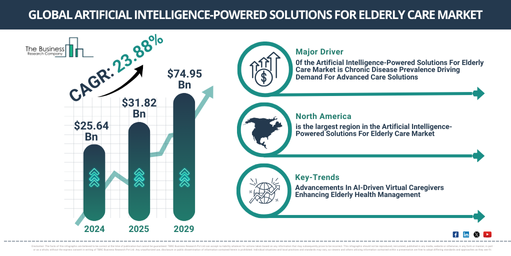
    In recent times, the market size of AI-based solutions for senior care has witnessed a massive surge and it’s projected to expand further from $25.64 billion in 2024 to $31.82 billion in 2025, boasting a compound annual growth rate (CAGR) of 24.14%. Factors such as the unprecedented increase in the global elderly population, the upsurge in chronic disease prevalence, the escalation in caregiver deficiencies, the escalating demand for distance-based health monitoring, the widespread acceptance of smart home systems, and an increased focus on improving the quality and autonomy of life for the elderly were key contributors to the growth seen in the historic period.

    Predictions indicate a surge in the size of the artificial intelligence-driven solutions market for elderly care in the upcoming years, growing to $74.95 billion by 2029 with a compound annual growth rate (CAGR) of 23.88%. Factors contributing to this expansion during the forecast period include an increasing number of elderly individuals, a higher incidence of chronic illnesses, more usage of smart home and IoT gadgets, stronger emphasis on solutions for independent living, governmental measures to boost infrastructure for elder care, and a rising need for personalized healthcare services. Noteworthy trends during the projected period encompass the integration of natural language processing, development in technology to prevent falls, proactive health monitoring, integration of smart homes controlled by voice, AI-centric cognitive treatment tools, robotic assistants for care, adaptive learning algorithms designed for personalized care, and improved technologies for emergency response.

    Download a free sample to assess the report’s scope and structure:

    https://www.thebusinessresearchcompany.com/sample.aspx?id=20715&type=smp

    What Are the Core Growth Drivers Propelling the Artificial Intelligence-Powered Solutions For Elderly Care Market Forward?

    The artificial intelligence (AI)-powered solution for elderly care is predicted to grow due to the increasing occurrence of chronic diseases. Chronic diseases such as diabetes and heart disease are long-term health issues that require ongoing care and affect the everyday life of individuals. The rise in these ailments is influenced by the aging population, lifestyle changes including decreased physical activity, unhealthy diets, and increased urbanization. AI-powered solutions aid in the management of chronic diseases by facilitating real-time health tracking, predictive analysis for early intervention, and tailored care plans, leading to better results and improved life quality for the elderly. For example, the World Health Organization, a Switzerland-based international organization, reported in September 2023 that there were 41 million deaths annually due to chronic or non-communicable diseases (NCDs), contributing 74% to global mortality. Cardiovascular diseases were responsible for 17.9 million deaths, cancer for 9.3 million, chronic respiratory diseases for 4.1 million, and diabetes for 2.0 million. Hence, the escalating cases of chronic illnesses are boosting the AI-powered solution for the elderly care market.

    What Segment Types Define the Artificial Intelligence-Powered Solutions For Elderly Care Market Structure?

    The artificial intelligence-powered solutions for elderly care market covered in this report is segmented –

    1) By Technology: Machine Learning, Natural Language Processing, Robotics, Computer Vision, Other Technology

    2) By Application: Fall Detection And Prevention, Remote Monitoring And Healthcare, Personalized Virtual Assistants, Medication Management, Social Interaction And Companionship, Other Applications

    3) By End Users: Home Care Settings, Assisted Living Facilities, Nursing Homes, Hospitals And Clinics, Other End Users

    Subsegments:

    1) By Machine Learning: Predictive Analytics, Personalized Health Monitoring, Data-Driven Decision Making, Adaptive Learning Systems

    2) By Natural Language Processing (NLP): Voice Assistants, Language Translation For Elderly Communication, Sentiment Analysis For Emotional Well-Being, Speech Recognition For Assistance Devices

    3) By Robotics: Social Companions (Companion Robots), Assistance Robots For Daily Activities, Robotic Prosthetics And Exoskeletons, Autonomous Mobility Robots

    4) By Computer Vision: Fall Detection Systems, Vision-Based Health Monitoring (Eye Health), Gesture Recognition For Communication, Environment Mapping And Navigation

    5) By Other Technology: AI-Powered Wearables, Remote Monitoring Systems, Smart Home Devices Integration, Virtual Reality Therapy

    Request customized data on this market:

    https://www.thebusinessresearchcompany.com/customise?id=20715&type=smp

    Which Geographic Areas Hold the Strongest Growth Potential in the Artificial Intelligence-Powered Solutions For Elderly Care Market?

    North America was the largest region in the artificial intelligence-powered solutions for elderly Care market in 2024. The regions covered in the artificial intelligence-powered solutions for elderly care market report are Asia-Pacific, Western Europe, Eastern Europe, North America, South America, Middle East, Africa.

    Which Emerging Trends that Are Influencing the Artificial Intelligence-Powered Solutions For Elderly Care Industry Evolution?

    Leading firms in the AI-enabled elderly care market are concentrating on creating novel technologies like AI-based virtual caregivers. These innovations aim to offer personalised care, enhance monitoring features, and uplift the overall quality of life for senior citizens. An AI virtual caregiver is an intelligent digital aide that supervises health, provides medication reminders, offers companionship, and handles emergencies, thus majorly supporting the elderly in sustaining their independence and overall health. For example, Electronic Caregiver Inc., a health technology firm from the U.S., launched a cutting-edge AI-empowered virtual caregiver named Addison Care+ in the AWS marketplace in November 2024. This innovation is designed to transform elderly care by improving health management, engagement, and independence for the elderly and chronically ill patients. It provides round-the-clock monitoring, early detection of health-related issues, and comprehensive care data like medication management and emergency response. By integrating with AI-driven telecare tasks, it makes nationwide deployment easier, equipping caregivers with proactive tools to manage client health and enhance care delivery.

    View the full report here:

    https://www.thebusinessresearchcompany.com/report/artificial-intelligence-powered-solutions-for-elderly-care-global-market-report

    What Is the Definition of the Artificial Intelligence-Powered Solutions For Elderly Care Market?

    Artificial intelligence-powered solutions for elderly care refer to the use of advanced artificial intelligence technologies to address the unique needs of elderly individuals, enhancing their health, safety, and quality of life. These solutions leverage machine learning, computer vision, natural language processing, and other AI capabilities to provide personalized, efficient, and proactive care. They can operate across various domains, including healthcare, home assistance, and social engagement.

    Purchase the full report and get a swift delivery:

    https://www.thebusinessresearchcompany.com/purchaseoptions.aspx?id=20715

    About The Business Research Company:

    With over 15000+ reports from 27 industries covering 60+ geographies, The Business Research Company has built a reputation for offering comprehensive, data-rich research and insights. Armed with 1,500,000 datasets, the optimistic contribution of in-depth secondary research, and unique insights from industry leaders, you can get the information you need to stay ahead in the game.

    Get in touch with us:

    The Business Research Company: https://www.thebusinessresearchcompany.com/

    Americas +1 3156230293

    Asia +44 2071930708

    Europe +44 2071930708

    Email us at info@tbrc.info

    Follow us on:

    LinkedIn: https://in.linkedin.com/company/the-business-research-company

    YouTube: https://www.youtube.com/channel/UC24_fI0rV8cR5DxlCpgmyFQ

    Global Market Model: https://www.thebusinessresearchcompany.com/global-market-model
  • From Insight to Impact: Strategic Growth Mapping in the Artificial Intelligence (AI) In Aging And Elderly Care Market

    From Insight to Impact: Strategic Growth Mapping in the Artificial Intelligence (AI) In Aging And Elderly Care Market

    Stay ahead with our updated market reports featuring the latest on tariffs, trade flows, and supply chain transformations.

    What Are the Key Projections for the CAGR of the Artificial Intelligence (AI) In Aging And Elderly Care Market Size From 2025 to 2034?

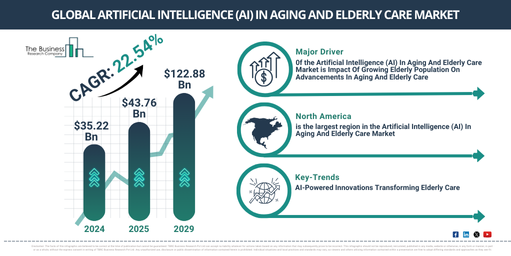
    Recently there has been an explosive growth in the market size of artificial intelligence (AI) applied to elder care. It is projected to rise from $35.22 billion in 2024 to $43.76 billion in 2025, representing a compound annual growth rate (CAGR) of 24.25%. This growth during the historical period can be credited to factors such as a growing elderly population, increased prevalence of chronic illnesses, rising demand for self-sufficient living solutions, the development of more AI-enabled devices, escalating shortages in caregivers, and an uptick in investments towards AI research and development with a focus on geriatrics.

    Expectations are high for a surge in the market size of artificial intelligence (AI) applications in elderly care in the coming years. By 2029, this sector is projected to reach a worth of $122.88 billion, expanding at a compound annual growth rate (CAGR) of 22.54%. Several factors contribute to this forecasted growth, including the merging of AI with smart home systems designed for the care of seniors, an increase in the utilization of robotic assistants, a rising trend towards customized healthcare offerings, the development of telehealth and remote monitoring capabilities, and increased investment in AI-based programs for the wellness of the elderly. Key developments to watch for within this period are improvements in AI-driven assistive technologies, integration of smart homes with AI, innovative strides in robotics, advancements in cloud computing, progress in natural language processing, heightened healthcare technology, and the creation of superior AI algorithms designed for predictive health analytics.

    Download a free sample to assess the report’s scope and structure:

    https://www.thebusinessresearchcompany.com/sample.aspx?id=20714&type=smp

    What are the Fundamental Drivers and Innovations Shaping the Artificial Intelligence (AI) In Aging And Elderly Care Market?

    The anticipated increase in the population of senior citizens is predicted to spur the expansion of the artificial intelligence (AI) in the aging and elderly care market. The senior population includes individuals aged 60 or 65 and above, who require specialized care and services to deal with health and lifestyle issues related to aging. The macro trends contributing to the expanding senior demography include increased longevity due to healthcare advancements and falling birth rates, which lower the percentage of younger people in the society. AI is revolutionizing aging and elderly care by enhancing healthcare, fostering accessibility, and encouraging autonomy among the senior citizens. For instance, per a report released by the Population Reference Bureau, a non-profit organization based in the U.S, in January 2024, it is anticipated that the population of Americans aged 65 and over will escalate from 58 million in 2022 to 82 million by 2050, signifying a 47% growth. Consequently, this demographic’s ratio in the total U.S population is projected to increase from 17% to 23% in the same duration. Thus, the growing senior citizen population is fuelling the expansion of the AI in the aging and elderly care market.

    How Is the Artificial Intelligence (AI) In Aging And Elderly Care Market Segmented?

    The artificial intelligence (AI) in aging and elderly care market covered in this report is segmented –

    1) By Type: Natural Language Processing (NLP) Systems, Robotics And Robotic Assistance, Smart Home Devices And IoT Solutions, Machine Learning And Predictive Analytics, Virtual Health Assistants

    2) By Technology: Wearable Devices, Smart Home Systems, Mobile Apps, Cloud Computing, Internet Of Things (IoT)

    3) By Applications: Fall Detection And Prevention, Medication Management, Remote Health Monitoring, Social Engagement And Companion AI, Cognitive Stimulation And Brain Training

    4) By End User: Home Care Settings, Assisted Living Facilities, Nursing Homes And Long-Term Care Centers, Hospitals And Healthcare Institutions

    Subsegments:

    1) By Natural Language Processing (NLP) Systems: Voice-Activated Assistants, AI-Powered Speech Recognition Systems, NLP for Cognitive Health Monitoring

    2) By Robotics And Robotic Assistance: Elderly Care Robots, Robotic Mobility Assistance Devices, Robotic Companions For Seniors

    3) By Smart Home Devices And IoT Solutions: Smart Sensors (Fall Detection, Monitoring), AI-Enabled Smart Home Automation Systems, Wearable IoT Devices For Health Monitoring

    4) By Machine Learning And Predictive Analytics: AI-Based Health Risk Prediction Models, Machine Learning For Personalized Care Plans, Predictive Analytics For Medication Management

    5) By Virtual Health Assistants: AI-Powered Virtual Care Assistants, Telemedicine Virtual Assistants, Virtual Health Coaching And Support Systems

    Request customized data on this market:

    https://www.thebusinessresearchcompany.com/customise?id=20714&type=smp

    Which Regions Are Driving the Next Phase of the Artificial Intelligence (AI) In Aging And Elderly Care Market Growth?

    North America was the largest region in the artificial intelligence (AI) in aging and elderly care market in 2024. Asia-Pacific is expected to be the fastest-growing region in the forecast period. The regions covered in the artificial intelligence (AI) in aging and elderly care market report are Asia-Pacific, Western Europe, Eastern Europe, North America, South America, Middle East, Africa.

    What Key Trends Are Shaping the Future of the Artificial Intelligence (AI) In Aging And Elderly Care Market?

    Prominent corporations in the AI in elderly care market are concentrating on creating ground-breaking technologies like AI-powered virtual caregivers. These virtual caregivers aim to provide customized care solutions, augment surveillance capabilities and better the senior citizens’ overall quality of life. Essentially, an AI virtual caregiver is an intelligent digital assistant tasked with monitoring health, reminding the elderly about their medication, offering companionship and providing emergency response, thereby helping aging individuals to maintain their self-sufficiency and wellness. For example, Electronic Caregiver Inc., a supplier of medical equipment in the US, introduced Addison Care+ into the AWS marketplace in November 2024. Addison Care+ is a sophisticated AI-powered virtual caregiver designed to transfigure senior care by boosting health management, engagement and independence for aging adults and chronically ill patients. The system offers round-the-clock monitoring, early identification of health problems and detailed care insights on aspects like medication management and emergency response. By integrating it with AI-powered telecare operations, the implementation across the nation is simplified, thus providing caregivers with proactive tools to manage patient health and enhance care provision.

    View the full report here:

    https://www.thebusinessresearchcompany.com/report/artificial-intelligence-ai-in-aging-and-elderly-care-global-market-report

    How Is the Artificial Intelligence (AI) In Aging And Elderly Care Market Defined and What Are Its Core Parameters?

    Artificial intelligence (AI) in aging and elderly care refers to the application of artificial intelligence technologies to enhance the health, well-being, and quality of life of aging individuals and elderly populations. This includes AI-driven solutions such as predictive analytics, machine learning, robotics, and smart devices to address various challenges associated with aging. AI enables health monitoring through wearable devices and remote patient systems, assisting with real-time data collection and analysis to ensure timely interventions.

    Purchase the full report and get a swift delivery:

    https://www.thebusinessresearchcompany.com/purchaseoptions.aspx?id=20714

    About The Business Research Company:

    With over 15000+ reports from 27 industries covering 60+ geographies, The Business Research Company has built a reputation for offering comprehensive, data-rich research and insights. Armed with 1,500,000 datasets, the optimistic contribution of in-depth secondary research, and unique insights from industry leaders, you can get the information you need to stay ahead in the game.

    Get in touch with us:

    The Business Research Company: https://www.thebusinessresearchcompany.com/

    Americas +1 3156230293

    Asia +44 2071930708

    Europe +44 2071930708

    Email us at info@tbrc.info

    Follow us on:

    LinkedIn: https://in.linkedin.com/company/the-business-research-company

    YouTube: https://www.youtube.com/channel/UC24_fI0rV8cR5DxlCpgmyFQ

    Global Market Model: https://www.thebusinessresearchcompany.com/global-market-model
  • Global Anemia In Elderly Market Trends: Regional Breakdowns and Strategic Insights

    Global Anemia In Elderly Market Trends: Regional Breakdowns and Strategic Insights

    Stay ahead with our updated market reports featuring the latest on tariffs, trade flows, and supply chain transformations.

    What Is the Current and Projected Market Size of the Anemia In Elderly Market Through 2034?

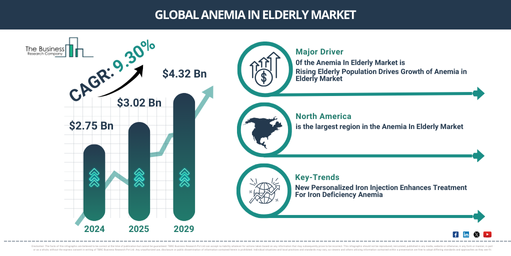
    The market for anemia in the elderly has witnessed substantial growth over the past few years. It is projected to rise from $2.75 billion in 2024 to $3.02 billion in 2025, with a compound annual growth rate (CAGR) of 9.7%. The past growth surge can be linked to factors such as nutritional deficiencies, chronic illnesses, inflammation, disorders of the bone marrow, and loss of blood.

    The market for anemia in the elderly is projected to exhibit robust growth in the upcoming years, reaching a value of $4.32 billion by 2029 with a Compound Annual Growth Rate (CAGR) of around 9.3%. This anticipated growth during the forecast period can be linked to factors such as the growing elderly population, increased occurrences of chronic illnesses, advancements in diagnostic technologies, heightened awareness of healthcare, and enhanced availability of treatments. A few trending nuances anticipated within the forecast period encompass AI-based diagnostic methods, wearable health tracking devices, sophisticated tools for blood analysis, incorporation of telehealth, and custom-made medicine solutions.

    Download a free sample to assess the report’s scope and structure:

    https://www.thebusinessresearchcompany.com/sample.aspx?id=20711&type=smp

    What Are the Major Market Drivers Behind the Rising Adoption of Anemia In Elderly Market?

    The rise in the elderly population is anticipated to boost the expansion of the anemia in the elderly market. A society or globally identifies the aging population as a growing number and proportion of individuals aged 65 and older. The surge in the elderly population is because of aspects like increased life expectancy, declining birth rates, and large cohorts getting older. The rise of the aging population leads to a higher prevalence of age-related and chronic illnesses, which are crucial factors causing anemia in elderly. This promotes the demand for diagnosis, management, and treatment of anemia, thus stimulating the market’s expansion. For instance, the UK’s Office for National Statistics (ONS) stated in July 2024 that from 11 million in 2021, the count of individuals aged 65 or above in the UK rose to 12.7 million in 2022. Therefore, the rising senior population propels the expansion of the anemia in elderly market.

    Which Key Market Segments Comprise the Anemia In Elderly Market and Drive Its Revenue Growth?

    The anemia in elderly market covered in this report is segmented –

    1) By Product Type: Tablets, Injectable

    2) By Treatment: Iron Supplements, Erythropoietin Or Erythrocyte-Stimulating Agents, Vitamin B12 Supplements, Folic Acid Supplements

    3) By Route Of Administration: Oral, Parenteral

    4) By End User: Hospital pharmacy, Online Pharmacy, Retail pharmacy

    Subsegments:

    1) By Tablets: Iron Supplements, Vitamin B12 Supplements, Folic Acid Tablets, Erythropoiesis-Stimulating Agents (ESAs) Tablets

    2) By Injectable: Iron Injections, Vitamin B12 Injections, Erythropoiesis-Stimulating Agents (ESAs) Injections, Folic Acid Injections

    Request customized data on this market:

    https://www.thebusinessresearchcompany.com/customise?id=20711&type=smp

    Which Areas Are Leading Regions in the Anemia In Elderly Market Expansion Across the Globe?

    North America was the largest region in the anemia in elderly market in 2024. Asia-Pacific is expected to be the fastest-growing region in the forecast period. The regions covered in the anemia in elderly market report are Asia-Pacific, Western Europe, Eastern Europe, North America, South America, Middle East, Africa.

    What Are the Strategic Trends Steering the Anemia In Elderly Market Direction?

    Leading corporations in the elderly anemia market are making strides in technological advancements like personalized therapies to enhance treatment methods, improve the health outcomes for patients, reduce adverse effects, and elevate the overall efficacy in healthcare. Personalized therapies are designed treatments tailored to an individual’s unique characteristics. For example, Cadila Pharmaceuticals, a pharmaceutical company based in India, announced the advent of Redshot FCM, a new iron injection developed specifically for patients with iron deficiency anemia who have difficulty tolerating oral iron, in March 2024. Redshot FCM, a cutting-edge intravenous iron preparation, provides sufficient iron amounts and boasts an excellent safety record. The injection utilizes an innovative Ferric Carboxymaltose solution that boosts iron distribution and absorption. This launch of Redshot FCM displays an unwavering commitment to progress in healthcare by creating personalized treatments that consider the unique health profiles of patients. This results in improved treatment results for iron deficiency anemia.

    View the full report here:

    https://www.thebusinessresearchcompany.com/report/anemia-in-elderly-global-market-report

    How Is the Anemia In Elderly Market Conceptually Defined?

    Anemia in the elderly refers to a condition characterized by a reduction in the number of red blood cells (RBCs) or hemoglobin levels below the normal range, leading to diminished oxygen-carrying capacity of the blood in older adults (commonly defined as individuals aged 65 years and older). It is often caused by nutritional deficiencies, chronic diseases, or age-related changes in the body.

    Purchase the full report and get a swift delivery:

    https://www.thebusinessresearchcompany.com/purchaseoptions.aspx?id=20711

    About The Business Research Company:

    With over 15000+ reports from 27 industries covering 60+ geographies, The Business Research Company has built a reputation for offering comprehensive, data-rich research and insights. Armed with 1,500,000 datasets, the optimistic contribution of in-depth secondary research, and unique insights from industry leaders, you can get the information you need to stay ahead in the game.

    Get in touch with us:

    The Business Research Company: https://www.thebusinessresearchcompany.com/

    Americas +1 3156230293

    Asia +44 2071930708

    Europe +44 2071930708

    Email us at info@tbrc.info

    Follow us on:

    LinkedIn: https://in.linkedin.com/company/the-business-research-company

    YouTube: https://www.youtube.com/channel/UC24_fI0rV8cR5DxlCpgmyFQ

    Global Market Model: https://www.thebusinessresearchcompany.com/global-market-model
  • AL Amyloidosis Market Outlook 2025: Mapping Growth, Innovation, and Regional Shifts

    AL Amyloidosis Market Outlook 2025: Mapping Growth, Innovation, and Regional Shifts

    Stay ahead with our updated market reports featuring the latest on tariffs, trade flows, and supply chain transformations.

    What is the Anticipated CAGR of the AL Amyloidosis Market, and What Factors Will Drive It?

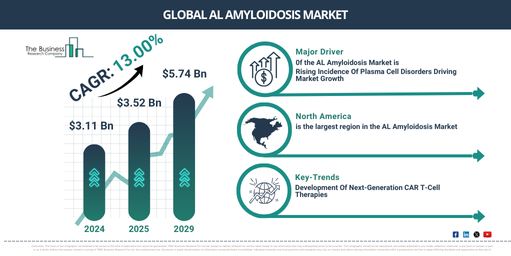
    Recently, the market size for AL amyloidosis has seen a tremendous expansion. It is predicted to increase from $3.11 billion in 2024 to $3.52 billion in 2025, boasting a compound annual growth rate (CAGR) of 13.2%. Several factors have contributed to this growth in the previous period including heightened awareness of al amyloidosis among healthcare providers, an escalating occurrence of al amyloidosis, a growing elderly population, expansion in diagnostic facilities, and advancements in cardiac imaging techniques.

    The market size of AL amyloidosis is projected to experience expedited expansion in the forthcoming years, expected to skyrocket to a value of $5.74 billion by 2029, with a compound annual growth rate (CAGR) of 13.0%. This anticipated increase during the forecast period can be primarily associated with surges in the occurrence of mutations in blood cell DNA, improvements in healthcare infrastructure, rising cases of multiple myeloma, the advent of combination therapies, along with an amplified implementation of high-dose chemotherapy. Key trends deemed significant during the forecast period involve progress in diagnostic methodology, tech enhancements in drug distribution procedures, betterment in blood test procedures, emergence of pinpointed therapeutic techniques, and AI integration in diagnosis procedures.

    Download a free sample to assess the report’s scope and structure:

    https://www.thebusinessresearchcompany.com/sample.aspx?id=20710&type=smp

    What External and Internal Drivers Are Contributing to the Growth of the AL Amyloidosis Market?

    An upswing in the frequency of plasma cell disorders is anticipated to boost the AL amyloidosis market’s growth. Plasma cell disorders consist of conditions where excessive or abnormal antibodies are produced by abnormal plasma cells, potentially leading to organ damage. The increased occurrence of plasma cell disorders is assigned to aspects like an aging demographic, lengthier life spans, and enhancements in diagnostic technology. AL amyloidosis, a condition emerging from plasma cell disorders, specifically stems from the overproduction of abnormal light chain proteins. This can result in the accumulation of amyloid deposits in organs and tissue, thus amplifying the effects of plasma cell dyscrasias. For example, The American Cancer Society (ACS), a U.S.-based nonprofit organization, published reports in August 2024 stating an expected diagnosis of 35,780 new cases of multiple myeloma (19,520 in men and 16,260 in women) in 2024. It also projected approximately 12,540 deaths (7,020 in men and 5,520 in women). Therefore, the frequency of plasma cell disorders is accelerating the growth of the AL amyloidosis market.

    What Segment Types Define the AL Amyloidosis Market Structure?

    The AL amyloidosis market covered in this report is segmented –

    1) By Treatment: Chemotherapy, Supportive Care, Surgery, Stem Cell Transplant, Targeted Therapy

    2) By Drugs: Transthyretin Transport Inhibitor, Immunomodulatory Drugs, Monoclonal Antibodies, Proteasome Inhibitors, Other Drugs

    3) By Route Of Administration: Intravenous, Oral

    4) By Distribution Channel: Hospital Pharmacies, Retail Pharmacies, Online Pharmacies

    Subsegments:

    1) By Chemotherapy: Conventional Chemotherapy Agents, High-Dose Chemotherapy

    2) By Supportive Care: Pain Management, Organ-specific Supportive Care (Cardiac, Renal)

    3) By Surgery: Organ Transplantation, Debulking Surgery

    4) By Stem Cell Transplant: Autologous Stem Cell Transplant, Allogeneic Stem Cell Transplant

    5) By Targeted Therapy: Monoclonal Antibodies, Proteasome Inhibitors, Kinase Inhibitors

    Request customized data on this market:

    https://www.thebusinessresearchcompany.com/customise?id=20710&type=smp

    Which Geographic Areas Hold the Strongest Growth Potential in the AL Amyloidosis Market?

    North America was the largest region in the AL amyloidosis market in 2024. The regions covered in the AL amyloidosis market report are Asia-Pacific, Western Europe, Eastern Europe, North America, South America, Middle East, Africa.

    What Long-Term Trends Are Transforming the Competitive Landscape of the AL Amyloidosis Market?

    Major corporations in the AL amyloidosis market are concentrating on the creation of innovative therapies like next-generation B-cell maturation antigen (BCMA)-directed CAR T-cell therapy to enhance efficacy and patient results. This advanced immunotherapy involves manipulating T cells taken from the patient to target and destroy BCMA on the surface of cancer cells, primarily in multiple myeloma. For example, Immix Biopharma Inc., a biopharmaceutical firm based in the United States, obtained U.S. Food and Drug Administration (FDA) approval for NXC-201, to treat Amyloid Light Chain (AL) Amyloidosis, a critical blood disorder, in September 2023. Clinical trials for NXC-201, a next-generation CAR-T cell therapy, have been giving hopeful results with a 100% hematologic response rate and improvements in organ function in patients who previously unsuccessful treatments for AL amyloidosis.

    View the full report here:

    https://www.thebusinessresearchcompany.com/report/al-amyloidosis-global-market-report

    What Is the Definition of the AL Amyloidosis Market?

    AL Amyloidosis is a rare and serious condition where abnormal proteins, called light chains, are produced by plasma cells in the bone marrow. These light chains misfold and form amyloid fibrils, which then deposit in various organs and tissues, impairing their function. Commonly affected organs include the heart, kidneys, liver, and nervous system. Symptoms vary depending on the organs involved but may include fatigue, swelling, shortness of breath, numbness, and organ dysfunction.

    Purchase the full report and get a swift delivery:

    https://www.thebusinessresearchcompany.com/purchaseoptions.aspx?id=20710

    About The Business Research Company:

    With over 15000+ reports from 27 industries covering 60+ geographies, The Business Research Company has built a reputation for offering comprehensive, data-rich research and insights. Armed with 1,500,000 datasets, the optimistic contribution of in-depth secondary research, and unique insights from industry leaders, you can get the information you need to stay ahead in the game.

    Get in touch with us:

    The Business Research Company: https://www.thebusinessresearchcompany.com/

    Americas +1 3156230293

    Asia +44 2071930708

    Europe +44 2071930708

    Email us at info@tbrc.info

    Follow us on:

    LinkedIn: https://in.linkedin.com/company/the-business-research-company

    YouTube: https://www.youtube.com/channel/UC24_fI0rV8cR5DxlCpgmyFQ

    Global Market Model: https://www.thebusinessresearchcompany.com/global-market-model
  • Strong CAGR to Propel in the AI In Emergency Room And Hospital Management Market and Beyond upto $13.02 Billion by 2029

    Strong CAGR to Propel in the AI In Emergency Room And Hospital Management Market and Beyond upto $13.02 Billion by 2029

    Stay ahead with our updated market reports featuring the latest on tariffs, trade flows, and supply chain transformations.

    How Has The AI In Emergency Room And Hospital Management Market Size Shifted, And What Is the Outlook Through 2034?

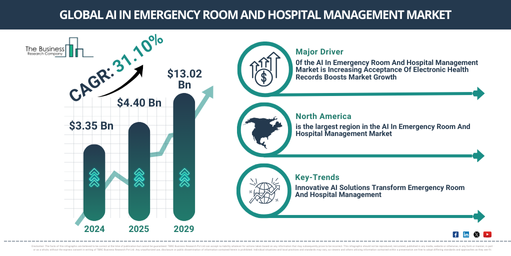
    The market size of AI in emergency room and hospital management has seen remarkable growth in the past few years. The market is predicted to expand from $3.35 billion in 2024 to $4.40 billion in 2025, signifying a compound annual growth rate (CAGR) of 31.4%. The significant growth observed in the historical period can be ascribed to heightened patient influx, an increased emphasis on AI for testing, growth in training and simulation, development of emergency care procedures, and a growing focus on revealing the Return on Investment (ROI).

    It’s anticipated that the market for AI in emergency room and hospital management will witness remarkable growth in the upcoming years, swelling to a value of $13.02 billion by 2029, with a compound annual growth rate (CAGR) of 31.1%. The significant growth projected for the forecasted period is tied to factors such as the rise in remote consultations, the transition to value-based care approaches, ongoing research and development, automation in administrative duties, and amalgamation with imaging technologies. Additionally, the upcoming trends worth noting for this period encompass smart scheduling systems, the incorporation of IoT devices, real-time resources tracking, anomaly identification, and the use of virtual health assistants.

    Download a free sample to assess the report’s scope and structure:

    https://www.thebusinessresearchcompany.com/sample.aspx?id=20708&type=smp

    Which Primay Drivers Are Accelerating Growth in the AI In Emergency Room And Hospital Management Market?

    The heightened adoption of digital health records is predicted to propel the evolution of AI in the management of emergency rooms and hospitals. Digital health records, also known as Electronic health records (EHRs), are electronic renditions of traditional paper health records and they constitute a comprehensive set of patient health facts. This rising endorsement of digital health records occurs because they offer benefits such as increased data accessibility for better patient care, more efficient workflows, improved intercommunication between healthcare providers and the potential for data analysis to guide medical decision-making. AI proves its worth in emergency room and hospital infrastructure by facilitating the electronic health record system, expediting input data, enhancing patient triage through anticipatory analysis, mechanizing administrative functions and providing clinical decision support. This results in swifter diagnoses and highly individualized therapy plans. For example, a report issued by the National Center for Health Statistics, a government entity in the US, in April 2024, indicated that 88.2% of office-based doctors claimed to use an electronic health record (EHR) system, while 77.8% employed a certified EHR system. Therefore, the escalating acceptance of digital health records will set the pace for the expansion of AI in the management of emergency rooms and hospitals.

    Which Primary Segments of the AI In Emergency Room And Hospital Management Market Are Driving Growth and Industry Transformations?

    The AI in emergency room and hospital management market covered in this report is segmented –

    1) By Offering: Hardware, Software, Services

    2) By Technology: Machine Learning, Natural Language Processing, Context-Aware Computing, Computer Vision

    3) By End User: Hospital And Healthcare Providers, Patients, Pharmaceuticals And Biotechnology Companies, Healthcare Payers, Other End Users

    Subsegments:

    1) By Hardware: Processors, Memory Devices, Storage Devices, Sensors, Others

    2) By Software: Ai Platforms, Ai-Powered Applications, Analytics Solutions, Workflow Management Solutions, Others

    3) By Services: Implementation And Integration Services, Support And Maintenance Services, Training And Consulting Services, Others

    Request customized data on this market:

    https://www.thebusinessresearchcompany.com/customise?id=20708&type=smp

    Which Regions Are Key Players in the Growth of the AI In Emergency Room And Hospital Management Market?

    North America was the largest region in the AI in emergency room and hospital management market in 2024. The regions covered in the AI in emergency room and hospital management market report are Asia-Pacific, Western Europe, Eastern Europe, North America, South America, Middle East, Africa.

    Which Technological Trends Are Reshaping the AI In Emergency Room And Hospital Management Industry Dynamics?

    Leading corporations in the AI for ER and hospital administration market are inclined towards managing patient flow and refining operational efficiency via sophisticated instruments such as generative AI-based SaaS tools. This move is primarily intended to aid in digital modernization, providing hospitals the dexterity to meet changing demands and enhance management across systems. The term generative AI-driven SaaS tools denotes cloud-enabled software solutions that harness the potential of artificial intelligence to conceive content, intelligence, or automation skills thereby augmenting decision-making and effective operations across various sectors. For example, LeanTaaS, an American firm furnishing SaaS solutions for hospital functions, introduced iQueue Autopilot in June 2023. This generative AI tool stands out for augmenting patient flow and managing capacity. Offering human-like interaction, this tool bolsters decision-making in inpatient and outpatient contexts. iQueue Autopilot employs three methods: Lean Forward for prompt recommendations, Lean Back for early alerts, and Moment in Time Problem Solving for immediate risk handling. With a vast storehouse of hospital operational data, it merges AI/ML proficiency to provide insightful steps, making sure hospitals can use resources to the maximum and escalate patient results.

    View the full report here:

    https://www.thebusinessresearchcompany.com/report/ai-in-emergency-room-and-hospital-management-global-market-report

    What Parameters Are Used to Define the AI In Emergency Room And Hospital Management Market?

    Artificial intelligence (AI) in emergency room and hospital management involves the use of advanced algorithms and technologies to optimize patient care, streamline operations, and enhance decision-making through data analysis, predictive modeling, and automation. It improves efficiency, accuracy, and patient outcomes in healthcare settings.

    Purchase the full report and get a swift delivery:

    https://www.thebusinessresearchcompany.com/purchaseoptions.aspx?id=20708

    About The Business Research Company:

    With over 15000+ reports from 27 industries covering 60+ geographies, The Business Research Company has built a reputation for offering comprehensive, data-rich research and insights. Armed with 1,500,000 datasets, the optimistic contribution of in-depth secondary research, and unique insights from industry leaders, you can get the information you need to stay ahead in the game.

    Get in touch with us:

    The Business Research Company: https://www.thebusinessresearchcompany.com/

    Americas +1 3156230293

    Asia +44 2071930708

    Europe +44 2071930708

    Email us at info@tbrc.info

    Follow us on:

    LinkedIn: https://in.linkedin.com/company/the-business-research-company

    YouTube: https://www.youtube.com/channel/UC24_fI0rV8cR5DxlCpgmyFQ

    Global Market Model: https://www.thebusinessresearchcompany.com/global-market-model
  • Stem Cell Market Outlook 2025: Mapping Growth, Innovation, and Regional Shifts

    Stem Cell Market Outlook 2025: Mapping Growth, Innovation, and Regional Shifts

    Discover trends, market shifts, and competitive outlooks for the stem cell industry through 2025-2034 with The Business Research Company’s reliable data and in-depth research

    What is the Anticipated CAGR of the Stem Cell Market, and What Factors Will Drive It?

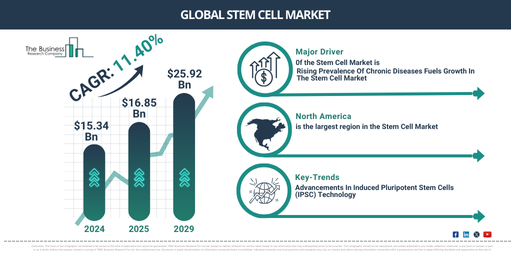
    The dimensions of the stem cell market have been significantly expanding over recent years. The market, which is poised to increase from $15.34 billion in 2024 to $16.85 billion in 2025, will witness a compound annual growth rate (CAGR) of 9.8%. Factors such as progress in regenerative medicine, high occurrence of chronic illnesses, groundbreaking research and development efforts, growing older population, along with rising consciousness and acceptance have contributed to its growth during the historic timeframe.

    A swift escalation is anticipated in the market size of stem cells in the coming years. Its value is projected to reach $25.92 billion by 2029, with a compound annual growth rate (CAGR) of 11.4%. Various factors contributing to this projected growth in the forecast period include broader applications in the field of oncology, breakthroughs in individualized treatment, governmental backing and financial provisions, biotech collaborations and affiliations, clinical trials, and regulatory green lights. Major predictions for the forecast period encompass the commercialization of stem cell treatments, the adoption of CRISPR technology, evolution of regulatory framework, increased investments toward stem cell research, and an emphasis on exosome therapeutics.

    Download a free sample to assess the report’s scope and structure:

    https://www.thebusinessresearchcompany.com/sample.aspx?id=2584&type=smp

    What External and Internal Drivers Are Contributing to the Growth of the Stem Cell Market?

    The global surge in chronic illnesses is propelling the growth of the Stem cell market. Stem-cell treatment, which involves the utilization of stem cells to combat or prevent a medical ailment or condition, is gaining traction. The most commonly adopted stem-cell therapy is bone marrow transplant, although therapies using umbilical cord blood are also utilized. Presently, the most conventional stem cell treatment involves transplantation of blood stem cells to combat illnesses and conditions related to blood and the immune system, or to rejuvenate the blood system following specific cancer treatments. For instance, as per Allergy UK, a national charity based in the UK, more than 21 million people in the country were impacted by allergies in April 2024. The chronic health condition was the most frequently reported in 2022 and it is projected that by 2026, one in two people in Europe will suffer from at least one allergy. As a result of these trends, the rising prevalence of chronic diseases globally fuels the growth of the stem cell market.

    What Segment Types Define the Stem Cell Market Structure?

    The stem cell market covered in this report is segmented –

    1) By Source: Autologous, Allogeneic

    2) By Product Type: Adult Stem Cell, Human Embryonic Stem Cell, Induced Pluripotent Stem Cell, Other Products

    3) By Application: Regenerative Medicine, Drug Discovery And Development

    Subsegments:

    1) By Autologous: Bone Marrow-Derived Stem Cells, Adipose Tissue-Derived Stem Cells, Peripheral Blood Stem Cells

    2) By Allogeneic: Bone Marrow-Derived Stem Cells, Umbilical Cord Blood Stem Cells, Peripheral Blood Stem Cells From Donors

    Request customized data on this market:

    https://www.thebusinessresearchcompany.com/customise?id=2584&type=smp

    Which Geographic Areas Hold the Strongest Growth Potential in the Stem Cell Market?

    The countries covered in the stem cell market report are Australia, Brazil, China, France, Germany, India, Indonesia, Japan, Russia, South Korea, UK, USA, Canada, Italy, Spain

    What Long-Term Trends Are Transforming the Competitive Landscape of the Stem Cell Market?

    Firms in the stem cell therapy sector are striving to enhance the effectiveness of their treatments by concentrating on the advancement of new technologies like Induced Pluripotent Stem Cells (IPSC). IPSCs are procured from either blood or skin cells that have undergone reprogramming to a pluripotent state resembling an embryo. This is achieved by integrating genes that are crucial to the preservation and growth of an infinite supply of any type of human cell needed for stem cell therapy. The fact that IPSC’s do not originate from human embryos eradicates any bioethical concerns, thereby simplifying the process of obtaining federal funding and backing. Similarly, Japan’s Oksara has established a medical center that manufactures cells from iPS Cells, and Takar Bio has launched Cellartis, human iPSC derived Beta Cells, for disease modelling and drug to improve scientific research.

    View the full report here:

    https://www.thebusinessresearchcompany.com/report/stem-cell-global-market-report

    What Is the Definition of the Stem Cell Market?

    Stem cells are autologous or allogenic cells that can differentiate into various types of cells in vivo and in vitro. They aid in medical treatment of injuries and organ damage.

    Purchase the full report and get a swift delivery:

    https://www.thebusinessresearchcompany.com/purchaseoptions.aspx?id=2584

    About The Business Research Company:

    With over 15000+ reports from 27 industries covering 60+ geographies, The Business Research Company has built a reputation for offering comprehensive, data-rich research and insights. Armed with 1,500,000 datasets, the optimistic contribution of in-depth secondary research, and unique insights from industry leaders, you can get the information you need to stay ahead in the game.

    Get in touch with us:

    The Business Research Company: https://www.thebusinessresearchcompany.com/

    Americas +1 3156230293

    Asia +44 2071930708

    Europe +44 2071930708

    Email us at info@tbrc.info

    Follow us on:

    LinkedIn: https://in.linkedin.com/company/the-business-research-company

    YouTube: https://www.youtube.com/channel/UC24_fI0rV8cR5DxlCpgmyFQ

    Global Market Model: https://www.thebusinessresearchcompany.com/global-market-model
  • Acute Agitation And Aggression Treatment Market Outlook 2025–2034: Identifying Growth Drivers, Technology Trends, and Policy Impact

    Acute Agitation And Aggression Treatment Market Outlook 2025–2034: Identifying Growth Drivers, Technology Trends, and Policy Impact

    Discover trends, market shifts, and competitive outlooks for the acute agitation and aggression treatment industry through 2025-2034 with The Business Research Company’s reliable data and in-depth research

    How Has The Acute Agitation And Aggression Treatment Market Growth Evolved From 2024 To 2025, And What’s Ahead?

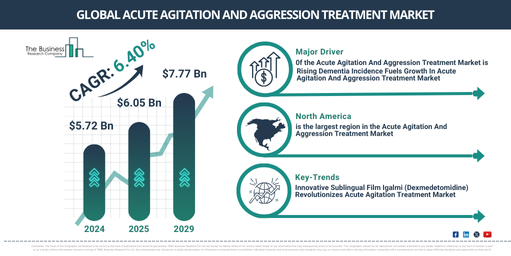
    In the past few years, the market for the treatment of acute agitation and aggression has experienced substantial growth. The size of this market is foreseen to grow from $5.72 billion in 2024 to $6.05 billion in 2025, showcasing a compound annual growth rate (CAGR) of 5.8%. Factors contributing to this growth in the historic period could include improvements in pharmacology, a surge in clinical research, regulatory authorizations, an upsurge in acute agitation and aggression incidents, and greater awareness of mental health.

    The market for treatment of acute agitation and aggression is projected to witness robust growth in the upcoming years, reaching $7.77 billion by 2029 with a compound annual growth rate (CAGR) of 6.4%. This substantial growth during the forecast period is likely due to factors such as an increase in the aged population, an expansion of the healthcare infrastructure, higher investments in the pharmaceutical industry, a hike in home-based care services, and a rise in disposable income. Key trends to watch in the forecast period are non-pharmacological treatments, precision medicine, AI and predictive analytics, as well as community-based support and industry collaboration.

    Download a free sample to assess the report’s scope and structure:

    https://www.thebusinessresearchcompany.com/sample.aspx?id=13078&type=smp

    What Are the Core Market Drivers Propelling Growth in the Acute Agitation And Aggression Treatment Industry?

    Anticipations of a rise in dementia incidences are set to fuel the expansion of the acute agitation and aggression treatment market. Dementia is a condition that is characterized by memory impairment, cognitive dysfunction, and challenges in performing daily tasks. Often, patients with dementia exhibit symptoms of agitation, which can be identified through restless behavior, repetitive actions, or frequent hand movements. The role of acute agitation and aggression treatment in dementia is significant as it minimizes the chance of severe symptoms, enhances the patient’s life quality, and deals with the root cause of the agitation. For example, the Australian Institute of Health and Welfare, a government agency based in Australia, reported in February 2023 that around 401,300 Australians were predicted to have dementia in 2022, with the numbers expected to double to 849,300 by 2058. Hence, the escalating prevalence of dementia is serving as a catalyst for the acute agitation and aggression treatment market’s growth.

    How Is the Acute Agitation And Aggression Treatment Market Segmented?

    The acute agitation and aggression treatment market covered in this report is segmented –

    1) By Treatment Approach: Behavioral Approaches, Environmental Interventions, Pharmacologic Approaches

    2) By Drug Class: Anti-Psychotics, Benzodiazepines, Other Drug Classes

    3) By Route of Administration: Oral, Intramuscular, Other Routes of Administrations

    4) By Indication: Schizophrenia, Dementia, Bipolar Disorder, Depression, Drug-Induced Agitation And Aggression, Alcohol Withdrawal, Other Indications

    5) By End User: Hospitals And Ambulatory Surgical Centers, Psychiatric Care Facilities, Other End Users

    Subsegments:

    1) By Box Style: Standard Box Action Cameras, Modular Box Action Cameras

    2) By Cube Style: Compact Cube Action Cameras, Cube Cameras with Integrated Mounts

    3) By Bullet Style: Long, Cylindrical Action Cameras, Mountable Bullet Cameras

    4) By Periscope & 360°: 360-Degree Cameras, Periscope Cameras

    5) By Other Types: Wearable Action Cameras, Drone Action Cameras, Specialty Action Cameras

    Request customized data on this market:

    https://www.thebusinessresearchcompany.com/customise?id=13078&type=smp

    Which Regions Are Driving the Next Phase of the Acute Agitation And Aggression Treatment Market Growth?

    The countries covered in the acute agitation and aggression treatment market market report include Australia, Brazil, China, France, Germany, India, Indonesia, Japan, Russia, South Korea, UK, USA, Italy, Spain, Canada.

    What Key Trends Are Shaping the Future of the Acute Agitation And Aggression Treatment Market?

    In the field of acute agitation and aggression treatment, leading corporations are pioneering new products and seeking regulatory approval. One such breakthrough is IGALMI (dexmedetomidine), a novel treatment for patients suffering from agitation linked to conditions such as schizophrenia and bipolar disorder. IGALMI (dexmedetomidine) is administered via a sublingual film and intended for persons diagnosed with either schizophrenia or bipolar I or II. In April 2022, BioXcel Therapeutics Inc., a biopharmaceutical firm based in the U.S., secured FDA approval for IGALMI (dexmedetomidine). This medication has a fast onset, taking effect in mere minutes, and a short duration, with its impact lasting around two hours. It promises to substantially enhance the current treatments for patients with serious or critical health conditions.

    View the full report here:

    https://www.thebusinessresearchcompany.com/report/acute-agitation-and-aggression-treatment-global-market-report

    How Is the Acute Agitation And Aggression Treatment Market Defined and What Are Its Core Parameters?

    Acute agitation and aggression treatment refers to the medical and therapeutic interventions to manage and reduce the sudden onset of restlessness, irritability, and hostility in patients. These agitated and aggressive behaviors can be symptoms of various underlying conditions, including psychiatric disorders, neurological disorders, or substance use or withdrawal effects.

    Purchase the full report and get a swift delivery:

    https://www.thebusinessresearchcompany.com/purchaseoptions.aspx?id=13078

    About The Business Research Company:

    With over 15000+ reports from 27 industries covering 60+ geographies, The Business Research Company has built a reputation for offering comprehensive, data-rich research and insights. Armed with 1,500,000 datasets, the optimistic contribution of in-depth secondary research, and unique insights from industry leaders, you can get the information you need to stay ahead in the game.

    Get in touch with us:

    The Business Research Company: https://www.thebusinessresearchcompany.com/

    Americas +1 3156230293

    Asia +44 2071930708

    Europe +44 2071930708

    Email us at info@tbrc.info

    Follow us on:

    LinkedIn: https://in.linkedin.com/company/the-business-research-company

    YouTube: https://www.youtube.com/channel/UC24_fI0rV8cR5DxlCpgmyFQ

    Global Market Model: https://www.thebusinessresearchcompany.com/global-market-model
  • Revenue Cycle Management Software Market Overview 2025: Competitive Shifts, Forecast Models, and Emerging Opportunities

    Revenue Cycle Management Software Market Overview 2025: Competitive Shifts, Forecast Models, and Emerging Opportunities

    Discover trends, market shifts, and competitive outlooks for the revenue cycle management software industry through 2025-2034 with The Business Research Company’s reliable data and in-depth research

    What Are the Key Milestones in the Revenue Cycle Management Software Market’s Growth Trajectory From 2025 To 2034?

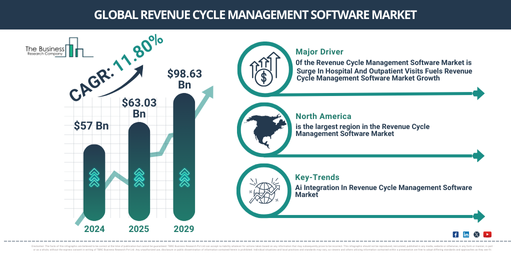
    In recent years, there has been quick expansion in the market size of revenue cycle management software. The market, which is projected to rise from $57 billion in 2024 to $63.03 billion in 2025, is expected to have a compound annual growth rate (CAGR) of 10.6%. This growth during the historic period can be credited to the rising demand for healthcare services, increased acceptance of cloud-based solutions, heightened spending on healthcare, and industry consolidation.

    In the coming years, the revenue cycle management software market is projected to witness swift expansion. It is forecasted to balloon to $98.63 billion in 2029 with a compound annual growth rate (CAGR) of 11.8%. The escalation during the prediction phase is credited to the sustained augmentation of the healthcare sector, rising implementation of value-based care, digitization in healthcare, complicated billing procedures, increased patient financial accountability, and worldwide reach. Dominant trends in the projected period encompass AI and automation, patient engagement and self-service, machine learning and predictive analytics, the use of blockchain for billing and claims, as well as technology advancements.

    Download a free sample to assess the report’s scope and structure:

    https://www.thebusinessresearchcompany.com/sample.aspx?id=3377&type=smp

    What Are the Core Growth Drivers Propelling the Revenue Cycle Management Software Market Forward?

    The heightened frequency of hospital and outpatient consultations is predicted to fuel growth in the market for revenue cycle management software. The escalation in healthcare costs, resulting from the surge in patient hospital visits, necessitates service providers to ensure smooth payment procedures and maintain a comprehensive record of patients’ remittances. As per the Canadian Institute for Health Information (CIHI), a health organization based in Canada, published a report in November 2022 noting that healthcare expenditure in Canada escalated from $328 billion in 2021 to $331 billion in 2022. The overall health expenses in 2022 are forecasted to rise by 0.8%, following a substantial hike of 7.6% in 2021. This growth in patient visits encourages healthcare service providers to implement revenue cycle management software in health facilities to enable improved precision in claims transmission and provide more adaptability in managing patient care.

    What Segment Types Define the Revenue Cycle Management Software Market Structure?

    The revenue cycle management software market covered in this report is segmented –

    1) By Product: Integrated, Standalone

    2) By Function: Claim And Denial, Medical Biling And Coding, Patient Insurance Eligibility Check, Payment Remittance, Electronic Health Record (EHR), Clinical Documentation Improvement (CDI), Other Functions

    3) By Deployment: Web based, On premise, Cloud based

    Subsegments:

    1) By Integrated: Hospital-Integrated, Physician-Integrated, Payer-Integrated

    2) By Standalone: Billing And Coding Software, Payment Processing Software, Denial Management Software, Accounts Receivable Management Software, Others (Reporting And Analytics Software)

    Request customized data on this market:

    https://www.thebusinessresearchcompany.com/customise?id=3377&type=smp

    Which Geographic Areas Hold the Strongest Growth Potential in the Revenue Cycle Management Software Market?

    North America was the largest region in the revenue cycle management software market in 2023. Western Europe was the second-largest region in the revenue cycle management software market report. The regions covered in the revenue cycle management software market report are Asia-Pacific, Western Europe, Eastern Europe, North America, South America, Middle East, and Africa.

    What Are the Key Market Trends in the Revenue Cycle Management Software Market Over the Coming Years?

    The utilization of artificial intelligence (AI) in revenue cycle management software is currently transforming the revenue cycle management software market. A large number of healthcare analytics frontrunners are actively laying out or scheduling the launch of AI strategies designed to speed up decision-making processes and minimize operational costs. For instance, Cerner, a healthcare technology firm based in the US, partnered with AKASA in May 2022. This partnership allowed Cerner’s clients to utilize AKASA’s AI-integrated Unified Automation platform, specifically designed for the healthcare sector. AKASA is an American automation company that uses AI to manage the revenue cycle in healthcare.

    View the full report here:

    https://www.thebusinessresearchcompany.com/report/revenue-cycle-management-software-global-market-report

    What Is the Definition of the Revenue Cycle Management Software Market?

    Revenue cycle management is the financial process, utilizing medical billing software, that healthcare facilities use to track patient care episodes from registration and appointment scheduling to the final payment of a balance.

    Purchase the full report and get a swift delivery:

    https://www.thebusinessresearchcompany.com/purchaseoptions.aspx?id=3377

    About The Business Research Company:

    With over 15000+ reports from 27 industries covering 60+ geographies, The Business Research Company has built a reputation for offering comprehensive, data-rich research and insights. Armed with 1,500,000 datasets, the optimistic contribution of in-depth secondary research, and unique insights from industry leaders, you can get the information you need to stay ahead in the game.

    Get in touch with us:

    The Business Research Company: https://www.thebusinessresearchcompany.com/

    Americas +1 3156230293

    Asia +44 2071930708

    Europe +44 2071930708

    Email us at info@tbrc.info

    Follow us on:

    LinkedIn: https://in.linkedin.com/company/the-business-research-company

    YouTube: https://www.youtube.com/channel/UC24_fI0rV8cR5DxlCpgmyFQ

    Global Market Model: https://www.thebusinessresearchcompany.com/global-market-model
  • Residential Substance Abuse And Mental Health Facilities Market in Focus: Forecasting Growth Drivers, Scaling Potential, and Global Opportunities

    Residential Substance Abuse And Mental Health Facilities Market in Focus: Forecasting Growth Drivers, Scaling Potential, and Global Opportunities

    Discover trends, market shifts, and competitive outlooks for the residential substance abuse and mental health facilities industry through 2025-2034 with The Business Research Company’s reliable data and in-depth research

    What Are the Key Projections for the CAGR of the Residential Substance Abuse And Mental Health Facilities Market Size From 2025 to 2034?

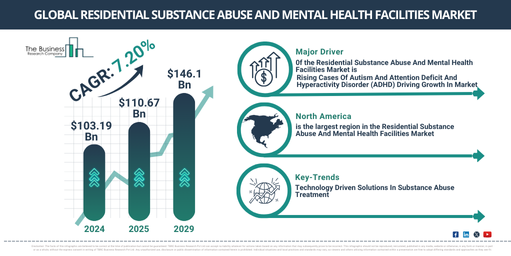
    The market size for residential substance abuse and mental health facilities has seen significant growth in the past few years. The market, which was worth $103.19 billion in 2024, is projected to increase to $110.67 billion in 2025, with a compound annual growth rate (CAGR) of 7.2%. The historical growth has been driven by factors such as substance abuse crises, increased understanding and awareness of mental health, deinstitutionalization, changing legislation and healthcare policies, as well as alterations in insurance coverage and parity laws.

    The market size for residential substance abuse and mental health facilities is projected to experience a robust growth in the coming years. It is expected to reach a value of $146.1 billion by 2029, growing at a compound annual growth rate (CAGR) of 7.2%. Factors contributing to this growth during the forecast period include mental health equality, the advent of telehealth and digital solutions, the response to the opioid crisis, and improvement in care access and service integration. The anticipated trends for this period entail comprehensive and trauma-informed care, dual diagnosis treatment, evidence-based practices, recovery-orientated services and an emphasis on cultural competence and diversity.

    Download a free sample to assess the report’s scope and structure:

    https://www.thebusinessresearchcompany.com/sample.aspx?id=3149&type=smp

    What Are the Core Market Drivers Propelling Growth in the Residential Substance Abuse And Mental Health Facilities Industry?

    There is a noticeable surge in Autism and Attention Deficit and Hyperactivity Disorder (ADHD) cases worldwide. ADHD is characterized by deficiencies in functionality related to attention, hyperactivity, and impulsivity, while autism is a neurodevelopmental disorder marked by hampered social interaction, as well as verbal and non-verbal communication. It’s also marked by repetitive and restricted behavior. The Centers for Disease Control and Prevention (CDC) states that approximately one in every 36 children in the US is diagnosed with an autism spectrum disorder (ASD) in 2023. This expected rise in mental health issues is likely to propel market growth in the future.

    How Is the Residential Substance Abuse And Mental Health Facilities Market Segmented?

    The residential substance abuse and mental health facilities market covered in this report is segmented –

    1) By Type: Residential Mental Health And Intellectual Disability Facilities, Substance Abuse Centers

    2) By Type of Expenditure: Public, Private

    3) By End User Gender: Male, Female

    Subsegments:

    1) By Residential Mental Health And Intellectual Disability Facilities: Psychiatric Care Homes, Intellectual Disability Facilities, Dual Diagnosis Facilities

    2) By Substance Abuse Centers: Alcohol Rehabilitation Centers, Drug Rehabilitation Centers, Combined Substance Abuse Treatment Facilities

    Request customized data on this market:

    https://www.thebusinessresearchcompany.com/customise?id=3149&type=smp

    Which Regions Are Driving the Next Phase of the Residential Substance Abuse And Mental Health Facilities Market Growth?

    North America was the largest region in the residential substance abuse and mental health facilities market in 2023. Western Europe was the second largest region in the residential substance abuse and mental health facilities market. The regions covered in the residential substance abuse and mental health facilities market report are Asia-Pacific, Western Europe, Eastern Europe, North America, South America, Middle East, and Africa.

    Which Emerging Trends that Are Influencing the Residential Substance Abuse And Mental Health Facilities Industry Evolution?

    Healthcare providers in the medical field are increasingly utilizing technology-driven methods to assist in treating patients suffering from substance abuse. They are leveraging technology to offer interventions through digital platforms with the aim of addressing substance use disorders by offering emotional, decisional, or behavioral support for physical and mental health issues. These tech-driven interventions comprise internet technology-aided therapy, online self-help interventions, and digital therapeutic software. Moreover, autonomous and online educational interventions let individuals gain insight about specific symptoms, condition diagnoses that impact patient health, and treatments. They also facilitate online communication between the patient and their therapist. Notably, high-profile medical institutions like the Mayo Clinic, Texas Medical Centre, Johns Hopkins, The London Clinic, American Hospital, and Fortis Memorial Research Institute are among the leading establishments offering these technological interventions for substance abuse disorders.

    View the full report here:

    https://www.thebusinessresearchcompany.com/report/residential-substance-abuse-and-mental-health-facilities-global-market-report

    How Is the Residential Substance Abuse And Mental Health Facilities Market Defined and What Are Its Core Parameters?

    Residential substance abuse and mental health facilities are treatment centers where patients can stay and undergo treatment. These centers are used to provide treatment with 24/7 monitoring of the patient.

    Purchase the full report and get a swift delivery:

    https://www.thebusinessresearchcompany.com/purchaseoptions.aspx?id=3149

    About The Business Research Company:

    With over 15000+ reports from 27 industries covering 60+ geographies, The Business Research Company has built a reputation for offering comprehensive, data-rich research and insights. Armed with 1,500,000 datasets, the optimistic contribution of in-depth secondary research, and unique insights from industry leaders, you can get the information you need to stay ahead in the game.

    Get in touch with us:

    The Business Research Company: https://www.thebusinessresearchcompany.com/

    Americas +1 3156230293

    Asia +44 2071930708

    Europe +44 2071930708

    Email us at info@tbrc.info

    Follow us on:

    LinkedIn: https://in.linkedin.com/company/the-business-research-company

    YouTube: https://www.youtube.com/channel/UC24_fI0rV8cR5DxlCpgmyFQ

    Global Market Model: https://www.thebusinessresearchcompany.com/global-market-model
  • Key Factors Fueling the Growth of the Stem Cell/Cord Blood Banking Market in 2025: Cancer Patients Drive Growth In Stem Cell And Cord Blood Banking Market

    Key Factors Fueling the Growth of the Stem Cell/Cord Blood Banking Market in 2025: Cancer Patients Drive Growth In Stem Cell And Cord Blood Banking Market

    Discover trends, market shifts, and competitive outlooks for the stem cell/cord blood banking industry through 2025-2034 with The Business Research Company’s reliable data and in-depth research

    How Fast Is The Stem Cell/Cord Blood Banking Market Expected to Grow Between 2025 And 2029?

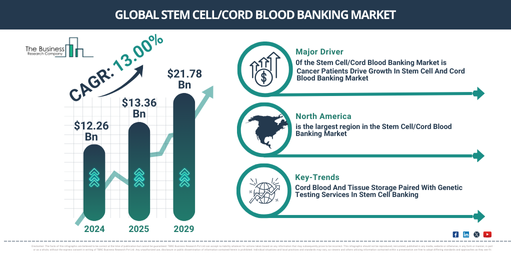
    There has been a substantial increase in the market size of stem cell/cord blood banking in recent years. The market, which stood at $12.26 billion in 2024, is projected to rise to $13.36 billion in 2025 with a compound annual growth rate (CAGR) of 9.0%. Factors such as advancements in medical technology, growing public awareness, successful clinical applications, supportive governmental regulations, and funding for research have contributed to this growth during the historic period.

    Rapid expansion is anticipated in the stem cell/cord blood banking market in the upcoming years, with its size projected to reach $21.78 billion by 2029, growing at a Compound Annual Growth Rate (CAGR) of 13.0%. This projected growth during the forecast period can be credited to factors such as personalized medicine, the emergence of new therapies, international expansion, biotechnology investments, along with legal and ethical frameworks. Key trends during this period are expected to be non-invasive collection procedures, a range of banking services, transparency and regulatory measures, cooperative initiatives, and advancements in storage methods.

    Download a free sample to assess the report’s scope and structure:

    https://www.thebusinessresearchcompany.com/sample.aspx?id=2514&type=smp

    What are the Fundamental Drivers and Innovations Shaping the Stem Cell/Cord Blood Banking Market?

    The rise in the number of cancer patients has been identified as a significant factor propelling the stem cell/cord blood banking market growth. Cancer-related illnesses including leukemia and multiple myeloma can be combated with stem cell transplants. These transplants may either be autologous, where the stem cells originated from the recipient, or allogeneic, where the stem cells obtained from a matched relative or an unrelated donor. The application of stem cells in cancer therapy allows for the regeneration of blood forming stem cells that are impaired during chemotherapy. For example, in January 2023, the American Cancer Society, a non-profit cancer advocacy organization based in the USA, reported a rise in cancer cases to 1,958,310 during the year, which shows a 3.16% increase from 1,898,160 cases in 2021. Consequently, the escalating number of cancer patients is fueling the expansion of the stem cell/cord blood banking market.

    How Is the Stem Cell/Cord Blood Banking Market Segmented?

    The stem cell/cord blood banking market covered in this report is segmented –

    1) By Cell Type: Adult Stem Cells, Umbilical Cord Blood Stem Cells, Embryonic Stem Cells

    2) By Service: Collection, Processing, Analysis, Storage

    3) By Bank Type: Public, Private

    4) By Application: Leukemia, Anemia, Thalassemia, Autism, Cerebral Palsy, Diabetes, Other Applications

    Subsegments:

    1) By Adult Stem Cells: Hematopoietic Stem Cells (HSC), Mesenchymal Stem Cells (MSC), Neural Stem Cells (NSC), Induced Pluripotent Stem Cells (iPSCs)

    2) By Umbilical Cord Blood Stem Cells: Hematopoietic Stem Cells (HSC) From Cord Blood, Mesenchymal Stem Cells (MSC) From Cord Blood

    3) By Embryonic Stem Cells: Embryonic Stem Cells (ESCs) From Human Embryos, Stem Cells Derived From Human Embryonic Germ Cells

    Request customized data on this market:

    https://www.thebusinessresearchcompany.com/customise?id=2514&type=smp

    Which Regions Are Driving the Next Phase of the Stem Cell/Cord Blood Banking Market Growth?

    North America was the largest region in the stem cell/cord blood banking market in 2023. Western Europe was the second largest region in the stem cell/cord blood banking market analysis. The regions covered in the stem cell/cord blood banking market report are Asia-Pacific, Western Europe, Eastern Europe, North America, South America, Middle East, Africa

    What Long-Term Trends Are Transforming the Competitive Landscape of the Stem Cell/Cord Blood Banking Market?

    Combining cord blood and tissue storage with genetic testing services is a rising trend in the stem cell/cord blood banking market. This integration is feasible and productive due to the complementary services it offers to current clients, thus aiding in the broadening of their product range. For instance, Natera, a genetic testing firm, introduced the Evercord cord blood and tissue storage service. This service allows prospective parents to collect, preserve, and possibly retrieve their newborn’s cord blood and tissue for therapeutic use in transplantation and regenerative medicine procedures.

    View the full report here:

    https://www.thebusinessresearchcompany.com/report/stem-cell-cord-blood-banking-global-market-report

    How Is the Stem Cell/Cord Blood Banking Market Defined and What Are Its Core Parameters?

    Stem cell or cord blood banking is the process of storing stem cells or blood from the umbilical cord. It is used to treat future injuries. By taking stem cells from the placenta and umbilical cord and preserving them for later use, cord blood banking can possibly save lives.

    Purchase the full report and get a swift delivery:

    https://www.thebusinessresearchcompany.com/purchaseoptions.aspx?id=2514

    About The Business Research Company:

    With over 15000+ reports from 27 industries covering 60+ geographies, The Business Research Company has built a reputation for offering comprehensive, data-rich research and insights. Armed with 1,500,000 datasets, the optimistic contribution of in-depth secondary research, and unique insights from industry leaders, you can get the information you need to stay ahead in the game.

    Get in touch with us:

    The Business Research Company: https://www.thebusinessresearchcompany.com/

    Americas +1 3156230293

    Asia +44 2071930708

    Europe +44 2071930708

    Email us at info@tbrc.info

    Follow us on:

    LinkedIn: https://in.linkedin.com/company/the-business-research-company

    YouTube: https://www.youtube.com/channel/UC24_fI0rV8cR5DxlCpgmyFQ

    Global Market Model: https://www.thebusinessresearchcompany.com/global-market-model