Category: HealthcareServices

  • Antidiabetics Growth Trajectory: Key Forecasts and Strategic Insights

    Antidiabetics Growth Trajectory: Key Forecasts and Strategic Insights

    Discover trends, market shifts, and competitive outlooks for the antidiabetics industry through 2025-2034 with The Business Research Company’s reliable data and in-depth research

    How Has The Antidiabetics Market Size Shifted, And What Is the Outlook Through 2034?

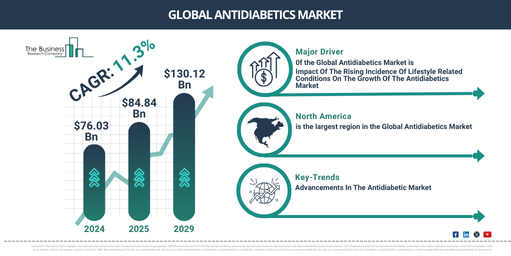
    In recent times, the antidiabetics market has witnessed substantial expansion. It is anticipated to rise from the 2024 market value of $76.03 billion to $84.84 billion in 2025 with a compound annual growth rate (CAGR) of 11.6%. Factors attributing to this increase during the historic period include the surge in global diabetes incidence, advances in medication development, heightened awareness, wider diagnosis, beneficial governmental strategies, an aging population, inactive lifestyles, and escalating healthcare spending.

    The market size for antidiabetics is anticipated to experience a substantial surge in the upcoming years, escalating to $130.12 billion by 2029, with a compound annual growth rate (CAGR) of 11.3%. Factors contributing to this expansion in the predicted period include the rising incidents of diabetes, enhanced awareness and diagnosis, growth in healthcare spending, the increase in the elderly population, and initiatives and health policies implemented by the government. Key trends during this forecast period encompass the expansion of GLP-1 receptor agonists and SGLT2 inhibitors, proliferation of biologics and biosimilars, emphasis on preventive healthcare, growth in emerging markets, and integration of advanced technology.

    Download a free sample to assess the report’s scope and structure:

    https://www.thebusinessresearchcompany.com/sample.aspx?id=18225&type=smp

    Which Factors and External Forces Are Driving Demand in the Antidiabetics Market?

    The growth of the antidiabetics market is forecasted to be propelled by the escalating prevalence of conditions related to unhealthy lifestyles. Lifestyle-associated health issues stem from or are worsened by harmful habits such as inadequate diet, sedentary behavior, smoking, and heavy drinking. With unhealthy diets, lack of physical activity, and heightened stress levels on the rise, so is the prevalence of these lifestyle-related conditions. Antidiabetic drugs can aid in managing these lifestyle-related disorders, such as obesity and metabolic syndrome, by enhancing insulin sensitivity and regulating glucose levels in the blood. For example, the World Health Organization, headquartered in Switzerland, reported in March 2022 that about 1 billion people globally, including 650 million adults, 340 million teens, and 39 million children, are obese. This figure continues to climb. By 2025, it’s projected that 167 million adults and children will experience health issues due to overweight or obesity. Therefore, the escalating prevalence of lifestyle-implicated conditions is fueling the expansion of the antidiabetic market.

    Which Segments in the Antidiabetics Offer the Most Growth?

    The antidiabetics market covered in this report is segmented –

    1) By Drug Class: Insulin, GLP-1 Receptor Agonists, DPP- 4 Inhibitors, SGLT2 Inhibitors, Other Drug Classes,

    2) By Diabetes Type: Type 1, Type 2

    3) By Patient Population: Antidiabetics For Pediatrics, Antidiabetics For Adults, Antidiabetics For Geriatrics

    4) By Route Of Administration: Antidiabetics Administration Through Insulin Syringes Or Insulin Pens, Antidiabetics Administration Through Insulin Pumps, Intravenous Antidiabetics Infusion, Oral Antidiabetics Administration, Other Routes Of Antidiabetics Administration

    5) By Distribution Channel: Online Pharmacies, Hospital Pharmacies, Retail Pharmacies

    Subsegments:

    1) By Insulin: Rapid-Acting Insulin, Short-Acting Insulin, Intermediate-Acting Insulin, Long-Acting Insulin, Premixed Insulin

    2) By GLP-1 Receptor Agonists: Exenatide, Liraglutide, Dulaglutide, Semaglutide, Lixisenatide

    3) By DPP-4 Inhibitors: Sitagliptin, Saxagliptin, Linagliptin, Alogliptin

    4) By SGLT2 Inhibitors: Canagliflozin, Dapagliflozin, Empagliflozin, Ertugliflozin

    5) By Other Drug Classes: Sulfonylureas, Thiazolidinediones (TZDs), Alpha-Glucosidase Inhibitors, Meglitinides, GLP-1/Insulin Combination Therapy

    Request customized data on this market:

    https://www.thebusinessresearchcompany.com/customise?id=18225&type=smp

    What Are the Fastest-Growing Geographies in the Antidiabetics Market?

    North America was the largest region in the antidiabetics market in 2023. The regions covered in the antidiabetics market report are Asia-Pacific, Western Europe, Eastern Europe, North America, South America, Middle East, Africa.

    What Long-Term Trends Are Transforming the Competitive Landscape of the Antidiabetics Market?

    Leading firms in the antidiabetics market are introducing innovative products like anti-diabetic biosimilars intended to enhance glycemic regulation, mitigate the probability of cardiovascular incidents, and provide more efficient treatment solutions for people suffering from diabetes. An anti-diabetic biosimilar is a bioequivalent drug to a previously sanctioned reference product used in diabetes treatment with similar safety, efficacy, and quality. For example, Glenmark Pharmaceuticals Limited, a pharmaceutical firm based in India, introduced the first biosimilar of Liraglutide, a medication for diabetes, in January 2024. The biosimilar version of the Liraglutide anti-diabetic drug, marketed as Lirafit, ameliorates glycemic management in adults diagnosed with type 2 diabetes mellitus. Clinical studies indicate that it decreases glycemic parameters, assists in weight reduction, and promotes cardiovascular safety. As a GLP-1 receptor stimulant, it heightens glucose-responsive insulin secretion and curbs improper glucagon secretion. It has worldwide approval for controlling type 2 diabetes in adults.

    View the full report here:

    https://www.thebusinessresearchcompany.com/report/antidiabetics-global-market-report

    What Are the Key Elements That Define the Antidiabetics Market?

    Antidiabetics are a class of medications used to treat diabetes mellitus, a condition characterized by high blood glucose levels. These medications help control blood sugar levels in various ways, depending on the type of diabetes and the mechanism of the drug. Antidiabetics manage blood sugar levels, reduce complications, improve health outcomes, enhance metabolic control and insulin sensitivity, offer customized treatment options, and provide additional benefits such as weight management and cardiovascular protection.

    Purchase the full report and get a swift delivery:

    https://www.thebusinessresearchcompany.com/purchaseoptions.aspx?id=18225

    About The Business Research Company:

    With over 15000+ reports from 27 industries covering 60+ geographies, The Business Research Company has built a reputation for offering comprehensive, data-rich research and insights. Armed with 1,500,000 datasets, the optimistic contribution of in-depth secondary research, and unique insights from industry leaders, you can get the information you need to stay ahead in the game.

    Get in touch with us:

    The Business Research Company: https://www.thebusinessresearchcompany.com/

    Americas +1 3156230293

    Asia +44 2071930708

    Europe +44 2071930708

    Email us at info@tbrc.info

    Follow us on:

    LinkedIn: https://in.linkedin.com/company/the-business-research-company

    YouTube: https://www.youtube.com/channel/UC24_fI0rV8cR5DxlCpgmyFQ

    Global Market Model: https://www.thebusinessresearchcompany.com/global-market-model
  • Offsite Sterilization ServiceMarket Overview 2025–2034: CAGR Trends, Long-Term Growth Paths, and Business Implications

    Offsite Sterilization ServiceMarket Overview 2025–2034: CAGR Trends, Long-Term Growth Paths, and Business Implications

    Discover trends, market shifts, and competitive outlooks for the offsite sterilization service industry through 2025-2034 with The Business Research Company’s reliable data and in-depth research

    What is the Anticipated CAGR of the Offsite Sterilization Service Market, and What Factors Will Drive It?

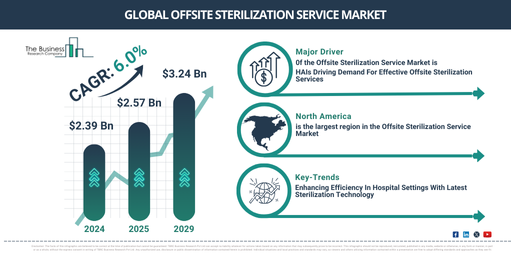
    The market size for offsite sterilization services has seen a robust growth lately. It is projected to increase from $2.39 billion in 2024 to $2.57 billion in 2025, indicating a compound annual growth rate (CAGR) of 7.5%. Factors contributing to its growth in the past include economic development, industrial expansion, changes in consumer behavior and lifestyles, shifting regulations, advancements in technology, and the dynamics of global supply chains.

    The market size for offsite sterilization services is anticipated to experience robust expansion in the forthcoming years, with projections estimating it will reach $3.24 billion in 2029, growing at a compound annual rate (CAGR) of 6.0%. The factors propelling growth during the forecast period include initiatives for sustainability and circular economy, the rise of e-commerce, trends in urbanization, concerns over health and safety, as well as customization and personalization. Key trends for the forecast period are an increasing request for mobile sterilization units, the adoption of eco-friendly sterilization methods, development of sterilization services in untapped markets, the incorporation of robotics and automation, as well as an emphasis on sterilization services for the pharmaceutical and biotech sectors.

    Download a free sample to assess the report’s scope and structure:

    https://www.thebusinessresearchcompany.com/sample.aspx?id=13892&type=smp

    What Are the Primary Drivers Supporting the Market Growth of the Offsite Sterilization Service Market?

    The increase in hospital-acquired infections (HAIS) is anticipated to drive the expansion of the offsite sterilization service market. HAIS are infections that individuals contract during their healthcare provision in hospitals or other healthcare centers. Offsite sterilization service tactics are employed to combat hospital-acquired infections (HAIs) by implementing a variety of safeguarding measures aimed at reducing infection risks and promoting patient safety. For example, as per the data from the Australian Institute of Health and Welfare, a governmental agency in Australia, in the year 2022–23, one or more Healthcare-Associated Complications (HACs) was recorded in 115,000 public hospital admissions (2.0%) and 34,200 private hospital admissions (0.8%). The most common complication was Healthcare-Associated Infection (37%), trailed by Delirium (13%) and Cardiac Complications (12%). Consequently, the rising occurrence of hospital-acquired infections (HAIS) is fuelling the growth of the offsite sterilization service market.

    Which Primary Segments of the Offsite Sterilization Service Market Are Driving Growth and Industry Transformations?

    The offsite sterilization service market covered in this report is segmented –

    1) By Type: Contract Sterilization Services, Sterilization Validation Services

    2) By Service Technology: Ethylene Oxide Sterilization, Gamma Sterilization, Electron Beam Sterilization, Steam Sterilization, No2 Sterilization, Other Service Technologies

    3) By End User: Hospitals, Clinics, Medical Device Companies, Pharmaceutical Companies, Food And Beverage Companies, Academic And Research Institutes, Other End Users

    Subsegments:

    1) By Contract Sterilization Services: Ethylene Oxide Sterilization, Gamma Radiation Sterilization, Electron Beam Sterilization, Steam Sterilization, Hydrogen Peroxide Sterilization

    2) By Sterilization Validation Services: Method Development And Validation, Process Validation, Equipment Qualification, Sterility Assurance Testing, Compliance And Regulatory Support

    Request customized data on this market:

    https://www.thebusinessresearchcompany.com/customise?id=13892&type=smp

    Which Regions Are Key Players in the Growth of the Offsite Sterilization Service Market?

    North America was the largest region in the offsite sterilization service market in 2024. The regions covered in the offsite sterilization service market report are Asia-Pacific, Western Europe, Eastern Europe, North America, South America, Middle East, Africa.

    What Are the Most Significant Market Trends in the Offsite Sterilization Service Market?

    Leading corporations in the offsite sterilization service sector are introducing inventive facilities, like surgical instrument sterilization solutions to enhance their market profitability. These solutions, which are chemical or physical agents, are utilized to eradicate all types of microorganisms, encapsulating bacteria, viruses, and fungi, from surgical tools. For example, in October 2023, ONE TRAY Total Solution was introduced by Innovative Sterilization Technologies LLC, an American manufacturer of reusable sealed sterilization equipment. This system, designed for their new offsite sterilization facility, aims at optimizing the efficiency and efficacy of the sterilization process for surgical instruments, especially those experiencing high turnover in hospitals and ambulatory surgical centers. The system incorporates a distinctive filtration feature permitting steam penetration and maintaining sterility for up to 48 hours post sterilization.

    View the full report here:

    https://www.thebusinessresearchcompany.com/report/offsite-sterilization-service-global-market-report

    What Parameters Are Used to Define the Offsite Sterilization Service Market?

    Offsite sterilization refers to a service where the sterilization of equipment, products, or materials is conducted at a location external to the facility where these items are typically used or produced. It is used to sterilize reusable medical devices at a facility to eliminate microorganisms.

    Purchase the full report and get a swift delivery:

    https://www.thebusinessresearchcompany.com/purchaseoptions.aspx?id=13892

    About The Business Research Company:

    With over 15000+ reports from 27 industries covering 60+ geographies, The Business Research Company has built a reputation for offering comprehensive, data-rich research and insights. Armed with 1,500,000 datasets, the optimistic contribution of in-depth secondary research, and unique insights from industry leaders, you can get the information you need to stay ahead in the game.

    Get in touch with us:

    The Business Research Company: https://www.thebusinessresearchcompany.com/

    Americas +1 3156230293

    Asia +44 2071930708

    Europe +44 2071930708

    Email us at info@tbrc.info

    Follow us on:

    LinkedIn: https://in.linkedin.com/company/the-business-research-company

    YouTube: https://www.youtube.com/channel/UC24_fI0rV8cR5DxlCpgmyFQ

    Global Market Model: https://www.thebusinessresearchcompany.com/global-market-model
  • Global Occupational Therapy Market Trends: Regional Breakdowns and Strategic Insights

    Global Occupational Therapy Market Trends: Regional Breakdowns and Strategic Insights

    Discover trends, market shifts, and competitive outlooks for the occupational therapy industry through 2025-2034 with The Business Research Company’s reliable data and in-depth research

    How Has The Occupational Therapy Market Size Shifted, And What Is the Outlook Through 2034?

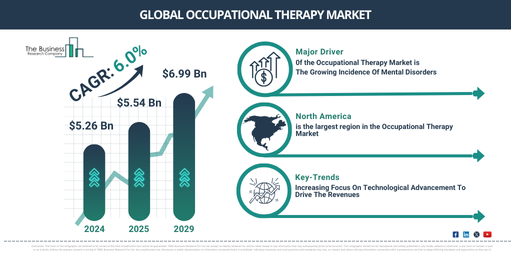
    The market size of occupational therapy has seen significant growth in the past few years. The market is projected to expand from $5.26 billion in 2024 to $5.54 billion in 2025, with a compound annual growth rate (CAGR) of 5.4%. The cause of this growth during the historic period is ascribed to factors such as the aging population, the prevalence of chronic conditions, the rising awareness of mental health, the regulations related to occupational health and safety, along with the broadening spectrum of occupational therapy practice.

    The size of the occupational therapy market is forecasted to experience robust expansion in the coming years, with an estimated value of $6.99 billion by 2029, growing at a compound annual growth rate (CAGR) of 6.0%. This predicted growth within the forecast period is due to factors such as the incorporation of telehealth services, a surge in developmental disorders, personalized and client-oriented strategies, emphasis on mental health in the professional setting, as well as research and evidence-based methodologies. The forecast period is also expected to see key trends like increased collaboration with other healthcare sectors, progress in rehabilitation technologies, a growing elderly population and geriatric care, pediatric occupational therapy, workplace ergonomics, and wellness programs.

    Download a free sample to assess the report’s scope and structure:

    https://www.thebusinessresearchcompany.com/sample.aspx?id=13497&type=smp

    What Are the Major Market Drivers Behind the Rising Adoption of Occupational Therapy Market?

    The occupational therapy market is predicted to witness significant growth due to the rising prevalence of mental disorders. Mental disorders, also known as psychiatric illnesses or mental illnesses, are medical conditions that impact a person’s thoughts, feelings, behavior, and overall mental health. Occupational therapy is particularly useful for managing and treating mental disorders by focusing on equipping individuals suffering from mental health challenges with the necessary skills and strategies for leading purposeful and fulfilling lives. For example, in March 2023, the National Center for Biotechnology Information, a US governmental organization, reported an estimated 14.1 million adults aged 18 and older in the U.S with serious mental illness (SMI). Moreover, in November 2022, the UK’s National Health Service revealed that the percentage of individuals aged 17-19 likely having a mental disorder increased from 17.4% in 2021 to 25.7% in 2022. Thus, the increasing prevalence of mental disorders is fueling the growth of the occupational therapy market.

    Driver for the Occupational Therapy Market: Enhanced Spending on Mental Health


    Which Key Market Segments Comprise the Occupational Therapy Market and Drive Its Revenue Growth?

    The occupational therapy market covered in this report is segmented –

    1) By Product: Cloud-Based, On-Premises

    2) By Disease: Mental Disorders, Physical Disorders

    3) By Application: Psychological Disorders, Hospital, Other Applications

    Subsegments:

    1) By Cloud-Based: Cloud-Based Occupational Therapy Software, Teletherapy Platforms, Cloud-Based Patient Management Systems, Virtual Rehabilitation Solutions

    2) By On-Premises: On-Premises Occupational Therapy Software, Physical Therapy Equipment For On-Site Use, On-Premises Patient Record Management Systems

    Request customized data on this market:

    https://www.thebusinessresearchcompany.com/customise?id=13497&type=smp

    Which Areas Are Leading Regions in the Occupational Therapy Market Expansion Across the Globe?

    North America was the largest region in the occupational therapy market in 2024. The regions covered in the occupational therapy market report are Asia-Pacific, Western Europe, Eastern Europe, North America, South America, Middle East, Africa.

    What Are the Strategic Trends Steering theOccupational Therapy Market Direction?

    Key players in the occupational therapy market are pioneering new technologies, such as AI-enhanced physical rehabilitation systems, in an effort to stand out in the industry. Such an AI-powered physical rehabilitation system is a sophisticated innovation that utilizes artificial intelligence to advance and revolutionize the domain of physical therapy and rehabilitation. Take for example, Sword Health, a healthcare firm based in Portugal, which in June 2024, unveiled an AI application named Phoenix, aimed at improving virtual physical therapy sessions. This cutting-edge instrument enables patients to interact with Phoenix, receiving prompt advice and feedback throughout their therapy session. The patients can share their emotions and progress, and the AI subsequently modifies the complexity and length of the session as needed. Phoenix also scrutinizes patient movements, offering instant feedback and compiling performance information for Sword’s human clinicians to review, ensuring the safety and suitability of exercises.

    View the full report here:

    https://www.thebusinessresearchcompany.com/report/occupational-therapy-global-market-report

    How Is the Occupational Therapy Market Conceptually Defined?

    Occupational therapy (OT) refers to a healthcare provider focusing on helping individuals of all ages participate in the meaningful activities and daily routines they want and need to do. Occupational therapists work with people who may have physical, cognitive, sensory, or emotional challenges that affect their ability to engage in everyday activities.

    Purchase the full report and get a swift delivery:

    https://www.thebusinessresearchcompany.com/purchaseoptions.aspx?id=13497

    About The Business Research Company:

    With over 15000+ reports from 27 industries covering 60+ geographies, The Business Research Company has built a reputation for offering comprehensive, data-rich research and insights. Armed with 1,500,000 datasets, the optimistic contribution of in-depth secondary research, and unique insights from industry leaders, you can get the information you need to stay ahead in the game.

    Get in touch with us:

    The Business Research Company: https://www.thebusinessresearchcompany.com/

    Americas +1 3156230293

    Asia +44 2071930708

    Europe +44 2071930708

    Email us at info@tbrc.info

    Follow us on:

    LinkedIn: https://in.linkedin.com/company/the-business-research-company

    YouTube: https://www.youtube.com/channel/UC24_fI0rV8cR5DxlCpgmyFQ

    Global Market Model: https://www.thebusinessresearchcompany.com/global-market-model
  • Obstetrics And Gynecology (OB-GYN) Electronic Health Record (EHR) Market Outlook 2025: Mapping Growth, Innovation, and Regional Shifts

    Obstetrics And Gynecology (OB-GYN) Electronic Health Record (EHR) Market Outlook 2025: Mapping Growth, Innovation, and Regional Shifts

    Discover trends, market shifts, and competitive outlooks for the obstetrics and gynecology (ob-gyn) electronic health record (ehr) industry through 2025-2034 with The Business Research Company’s reliable data and in-depth research

    How Has the Obstetrics And Gynecology (OB-GYN) Electronic Health Record (EHR) Market Growth Performance Trended Historically, And What Lies Ahead?

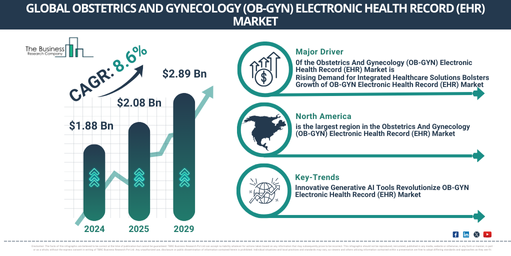
    The scale of the electronic health record (EHR) market for obstetrics and gynecology (OB-GYN) has seen a significant rise in recent times. It is projected to expand from a value of $1.88 billion in 2024 to $2.08 billion in 2025, reflecting a compound annual growth rate (CAGR) of 10.5%. The increment in the historic era is due to factors such as regulatory adherence, targeted features addressing women’s health, superior data illustration, patient involvement and betterment of patient care coordination.

    In the upcoming years, the market for electronic health records (EHR) in obstetrics and gynecology (OB-GYN) is predicted to witness robust growth. The market value is projected to reach $2.89 billion in 2029 with a compound annual growth rate (CAGR) of 8.6%. This growth during the predicted period can be credited to the amalgamation with telehealth services, progression in artificial intelligence, adoption of interoperability requirements, continued regulatory changes, and patient-oriented care models. Leading trends for the forecast period encompass incorporation of remote monitoring and wearables, transition to digital healthcare records, integration of telehealth in prenatal care, incorporation of distance monitoring devices, regulatory adherence, and data protection.

    Download a free sample to assess the report’s scope and structure:

    https://www.thebusinessresearchcompany.com/sample.aspx?id=13716&type=smp

    What External and Internal Drivers Are Contributing to the Growth of the Obstetrics And Gynecology (OB-GYN) Electronic Health Record (EHR) Market?

    The upsurge in demand for all-inclusive healthcare solutions is anticipated to accelerate the growth of the electronic health record (EHR) market in obstetrics and gynecology (OB-GYN). The phrase “integrated healthcare solutions” pertains to holistic plans, methods, and systems that aim to enhance the organization, productivity, and effectiveness of healthcare services through smooth connection of the varied components of the healthcare arrangement. These incorporated EHR systems may facilitate remote surveillance for pregnancies at high-risk or recovery after surgery, enabling OB-GYN specialists to meticulously monitor the health status and vital signs of patients. This could result in prompt interventions and improved results. According to the Office of the National Coordinator for Health Information Technology (ONC), a federal entity based in the US, there has been an increase in the adoption of EHRs among office-based physicians to 78% in April 2022, a rise from 72% in 2021. Hence, this elevated demand for all-inclusive healthcare solutions propels the expansion of the electronic health record (EHR) market in obstetrics and gynecology (OB-GYN).

    What Segment Types Define the Obstetrics And Gynecology (OB-GYN) Electronic Health Record (EHR) Market Structure?

    The obstetrics and gynecology (OB-GYN) electronic health record (EHR) market covered in this report is segmented –

    1) By Product: Client Server-Based Electronic Health Record (EHR), Web-Based Electronic Health Record (EHR)

    2) By Application: Scheduling, Billing, Clinical Documentation, Workflow Management, Other Applications

    3) By End-User: Large Enterprises, Small And Medium-Sized Enterprises (SMEs)

    Subsegments:

    1) By Client Server-Based Electronic Health Record (EHR): On-Premises Deployment, Customizable Solutions, Integrated Systems

    2) By Web-Based Electronic Health Record (EHR): Cloud-Based Solutions, Saas (Software As A Service) Models, Subscription-Based EHR Systems

    Request customized data on this market:

    https://www.thebusinessresearchcompany.com/customise?id=13716&type=smp

    Which Geographic Areas Hold the Strongest Growth Potential in the Obstetrics And Gynecology (OB-GYN) Electronic Health Record (EHR) Market?

    North America was the largest region in the obstetrics and gynecology (OB-GYN) electronic health record (EHR) market in 2024. Asia-Pacific is expected to be the fastest-growing region in the forecast period. The regions covered in the obstetrics and gynecology (ob-gyn) electronic health record (ehr) market report are Asia-Pacific, Western Europe, Eastern Europe, North America, South America, Middle East, Africa.

    What Long-Term Trends Are Transforming the Competitive Landscape of the Obstetrics And Gynecology (OB-GYN) Electronic Health Record (EHR) Market?

    Key players in the OB-GYN electronic health record (EHR) market are capitalizing on the development of sophisticated electronic health records, like generative AI technologies, to boost their market gains. These innovative AI tools grant health care professionals access to voice command capabilities for setting up consultations and conducting payment transactions. For example, in September 2023, Oracle Corporation, a computer tech firm based in the US, introduced Generative AI instruments allied with EHR platforms that facilitate automated transcription, schedule management, and organization of lab visits. These newfangled generative AI tools also offer an feature for getting generative AI responses to different medical queries. Medical practitioners utilize these generative AI tools to relay patient data via the messaging platform.

    View the full report here:

    https://www.thebusinessresearchcompany.com/report/obstetrics-and-gynecology-ob-gyn-electronic-health-record-ehr-global-market-report

    What Is the Definition of the Obstetrics And Gynecology (OB-GYN) Electronic Health Record (EHR) Market?

    Obstetrics and gynecology (OB-GYN) electronic health record (EHR) refers to a specialized electronic health record system designed specifically for healthcare providers in obstetrics and gynecology. It is a digital platform or software application that facilitates the electronic storage, retrieval, and management of patient health information related to women’s reproductive health, including pregnancy, childbirth, gynecological care, and related medical services.

    Purchase the full report and get a swift delivery:

    https://www.thebusinessresearchcompany.com/purchaseoptions.aspx?id=13716

    About The Business Research Company:

    With over 15000+ reports from 27 industries covering 60+ geographies, The Business Research Company has built a reputation for offering comprehensive, data-rich research and insights. Armed with 1,500,000 datasets, the optimistic contribution of in-depth secondary research, and unique insights from industry leaders, you can get the information you need to stay ahead in the game.

    Get in touch with us:

    The Business Research Company: https://www.thebusinessresearchcompany.com/

    Americas +1 3156230293

    Asia +44 2071930708

    Europe +44 2071930708

    Email us at info@tbrc.info

    Follow us on:

    LinkedIn: https://in.linkedin.com/company/the-business-research-company

    YouTube: https://www.youtube.com/channel/UC24_fI0rV8cR5DxlCpgmyFQ

    Global Market Model: https://www.thebusinessresearchcompany.com/global-market-model
  • Nontuberculous Mycobacterial Infection Market Forecast Reaching $19.57 Billion by 2029 at 6.7% CAGR

    Nontuberculous Mycobacterial Infection Market Forecast Reaching $19.57 Billion by 2029 at 6.7% CAGR

    Discover trends, market shifts, and competitive outlooks for the nontuberculous mycobacterial infection industry through 2025-2034 with The Business Research Company’s reliable data and in-depth research

    What Are the Key Projections for the CAGR of the Nontuberculous Mycobacterial Infection Market Size From 2025 to 2034?

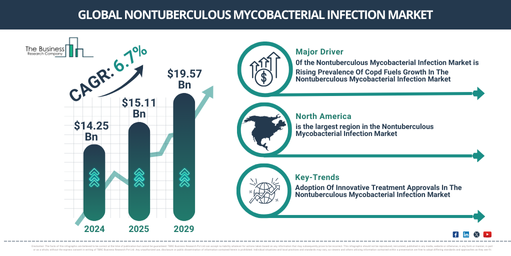
    The market size for nontuberculous mycobacterial infection has seen robust growth in recent times. The growth is projected to escalate from $14.25 billion in 2024 to $15.11 billion in 2025, marking a compound annual growth rate (CAGR) of 6.0%. The progress during the historic period can be ascribed to advancements in diagnostics, an increasing aging population, heightened awareness of cystic fibrosis, and the use of immunosuppressive drugs.

    The market for nontuberculous mycobacterial infection is predicted to experience substantial growth in the coming years. It is anticipated to reach a value of $19.57 billion by 2029, with a compound annual growth rate of 6.7%. Elements contributing to this growth throughout the projected period include the development of antimicrobial drugs, increasing awareness about ntm, advancements in genetic research, and the rise of telehealth and remote monitoring. Key trends for this period encompass personalized treatment plans, regulatory focus, combination therapies, as well as digital health tools.

    Download a free sample to assess the report’s scope and structure:

    https://www.thebusinessresearchcompany.com/sample.aspx?id=13020&type=smp

    Which Major Market Drivers Are Expected to Boost the Growth Potential of the Nontuberculous Mycobacterial Infection Market?

    The increasing incidence of chronic obstructive pulmonary disease (COPD) is anticipated to drive the nontuberculous mycobacterial infection market’s expansion. COPD is a long-term respiratory disease marked by continuous and often increasing limitations on airflow within the lungs. The damage caused to the lung tissue by COPD and the weakening of the immune system make it simpler for nontuberculous mycobacterial (NTM) infections to invade the lungs. Notably, patients with COPD who also have NTM infections present a more notable decrease in their forced expiratory volume in one second (FEV1) and a higher rate of exacerbation. As highlighted by The Scottish Public Health Observatory (ScotPHO) in March 2023, COPD rates have begun to increase between 2021 and 2022, with male rates escalating from 83.2 to 97.6 per 100,000 individuals, and female rates increasing from 72.6 to 97.3. Consequently, the rising rate of chronic obstructive pulmonary disease (COPD) is propelling the nontuberculous mycobacterial infection market. An upsurge in the prevalence of infectious diseases is predicted to fuel the growth of the nontuberculous mycobacterial infection market. Infectious diseases are pathological conditions provoked by harmful microorganisms, such as bacteria, viruses, fungi, or parasites, which can transmit from one person to another. Notably, conditions that could potentially lead to Nontuberculous Mycobacterial (NTM) infections also contribute to the rising prevalence of infectious diseases. This spurs the growth of the NTM infection market by increasing awareness, encouraging more frequent diagnostic procedures and early detection, amplifying research and development endeavors for NTM treatments, and creating larger demand for therapies aimed at NTM pathogens due to increased emphasis on infectious diseases within healthcare. According to UNICEF in November 2024, pneumonia was the top infectious disease causing over 700,000 child deaths per year, corresponding to around 2,000 children each day. Hence, the heightened incidence of infectious diseases boosts the growth of the nontuberculous mycobacterial infection market.

    Which Key Market Segments Comprise the Nontuberculous Mycobacterial Infection Market and Drive Its Revenue Growth?

    The nontuberculous mycobacterial infection market covered in this report is segmented –

    1) By Drug Class: Macrolides, Rifampin, Aminoglycoside, Other Drug Classes

    2) By Route Of Administration: Oral, Parenteral, Other Routes

    3) By Distribution Channel: Hospital Pharmacies, Retail Pharmacies, Online Pharmacies

    Subsegments:

    1) By Macrolides: Azithromycin, Clarithromycin

    2) By Rifampin: Rifampin, Rifabutin

    3) By Aminoglycoside: Amikacin, Streptomycin

    4) By Other Drug Classes: Ethambutol, Clofazimine, Linezolid

    Request customized data on this market:

    https://www.thebusinessresearchcompany.com/customise?id=13020&type=smp

    Which Areas Are Leading Regions in the Nontuberculous Mycobacterial Infection Market Expansion Across the Globe?

    North America was the largest region in the nontuberculous mycobacterial infection market in 2024. North America is expected to be the fastest-growing region in the forecast period. The regions covered in nontuberculous mycobacterial infection market report are Asia-Pacific, Western Europe, Eastern Europe, North America, South America, Middle East and Africa.

    What Are the Key Market Trends in theNontuberculous Mycobacterial Infection Market Over the Coming Years?

    Primary organizations in the nontuberculous mycobacterial infection market have adopted new methodologies for treatment approval, such as the Fast Track designation, to maintain their market presence. The FDA has set up a process known as Fast Track designation to hasten the growth and evaluation of medications for serious conditions lacking sufficient medical solutions. For instance, in July 2022, the Food and Drug Administration, a government agency in the U.S., authorized NUZYRA with Fast Track Designation to cure nontuberculous mycobacterial (NTM) lung disease caused by Mycobacterium avium complex (MAC). NUZYRA (omadacycline), a unique broad-spectrum antibiotic, was developed to fight severe bacterial infections, including those triggered by resistant varieties. This designation ensures a swift advancement and assessment process for NUZYRA antibiotic in order to address significant unmet medical needs.

    View the full report here:

    https://www.thebusinessresearchcompany.com/report/nontuberculous-mycobacterial-infection-global-market-report

    How Is the Nontuberculous Mycobacterial Infection Market Conceptually Defined?

    A nontuberculous mycobacterial (NTM) infection is an infectious disease caused by various species of mycobacteria other than mycobacterium tuberculosis, which is responsible for tuberculosis (TB). The role of nontuberculous mycobacterial (NTM) infections is primarily related to their impact on human health and their interaction with the immune system.

    Purchase the full report and get a swift delivery:

    https://www.thebusinessresearchcompany.com/purchaseoptions.aspx?id=13020

    About The Business Research Company:

    With over 15000+ reports from 27 industries covering 60+ geographies, The Business Research Company has built a reputation for offering comprehensive, data-rich research and insights. Armed with 1,500,000 datasets, the optimistic contribution of in-depth secondary research, and unique insights from industry leaders, you can get the information you need to stay ahead in the game.

    Get in touch with us:

    The Business Research Company: https://www.thebusinessresearchcompany.com/

    Americas +1 3156230293

    Asia +44 2071930708

    Europe +44 2071930708

    Email us at info@tbrc.info

    Follow us on:

    LinkedIn: https://in.linkedin.com/company/the-business-research-company

    YouTube: https://www.youtube.com/channel/UC24_fI0rV8cR5DxlCpgmyFQ

    Global Market Model: https://www.thebusinessresearchcompany.com/global-market-model
  • $33.29 Billion Forecast for Non-Small Cell Lung Cancer (NSCLC) Market by 2029, Backed by Demand and Innovation

    $33.29 Billion Forecast for Non-Small Cell Lung Cancer (NSCLC) Market by 2029, Backed by Demand and Innovation

    Discover trends, market shifts, and competitive outlooks for the non-small cell lung cancer (nsclc) industry through 2025-2034 with The Business Research Company’s reliable data and in-depth research

    How Has The Non-Small Cell Lung Cancer (NSCLC) Market Growth Evolved From 2024 To 2025, And What’s Ahead?

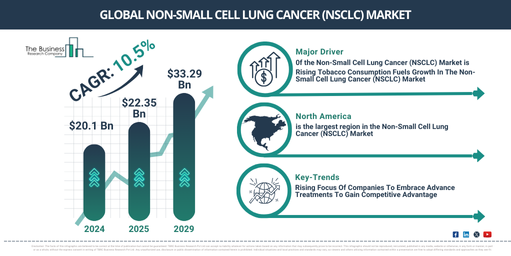
    The market scale for non-small cell lung cancer (NSCLC) has seen a swift upturn in the past few years. It is projected to escalate from $20.1 billion in 2024 to about $22.35 billion by 2025, boasting a compound annual growth rate (CAGR) of 11.1%. The enlargement of this market in the historic period is a result of the progress in immunotherapy, genomics profiling, precision medicine, the broadening of clinical trials, along with initiatives aim at stopping smoking.

    Anticipated to experience swift expansion in the coming years, the non-small cell lung cancer (NSCLC) market has a projected worth of $33.29 billion in 2029, with a compound annual growth rate (CAGR) of 10.5%. Factors contributing to the growth during the forecast period include the adoption of combination therapies, the incorporation of artificial intelligence (AI), development of personalized vaccines, worldwide collaborative research efforts, and a focus on patient-centric care. Noteworthy trends projected for the forecast period incorporate the application of telemedicine in oncology, the introduction of liquid biopsy technologies, advancements in diagnostic techniques, the use of minimally invasive surgery methods, and the employment of immune checkpoint inhibitors.

    Download a free sample to assess the report’s scope and structure:

    https://www.thebusinessresearchcompany.com/sample.aspx?id=13232&type=smp

    What Are the Core Growth Drivers Propelling the Non-Small Cell Lung Cancer (NSCLC) Market Forward?

    The surge in tobacco usage is projected to drive the expansion of the non-small cell lung cancer (NSCLC) market. The reference to tobacco consumption pertains to the utilization of tobacco goods by individuals, largely through smoking, chewing, or snuffing, introducing nicotine and other chemicals into their system. A number of carcinogens present in tobacco smoke have the potential to harm the DNA in lung cells, which can result in mutations and unchecked growth of malignant cells, including non-small cell lung cancer (NSCLC). As an illustration, the US Food and Drug Administration (USFDA) in October 2024, reported in the 2024 National Youth Tobacco Survey that 1.1% of all students (roughly 2.25 million) were currently using tobacco products. This includes 10.1% of high school students (about 1.58 million) and 5.4% of middle school children (around 640,000); moreover, 2.8% of the students (about 760,000) confessed to current use of any combustible tobacco product, and 3.0% (approximately 840,000) admitted to using multiple tobacco products. Hence, the surging rate of tobacco usage is anticipated to drive the non-small cell lung cancer (NSCLC) market’s growth. Non-Small Cell Lung Cancer (NSCLC) Market Driver: Increased Instances of Non-Small Cell Lung Cancer (NSCLC) Linked to Growing Air Pollution Levels

    What Segment Types Define the Non-Small Cell Lung Cancer (NSCLC) Market Structure?

    The non-small cell lung cancer (NSCLC) market covered in this report is segmented –

    1) By Type: Squamous Cell Carcinoma, Large Cell Carcinoma, Adenocarcinoma, Other Types

    2) By Therapy: Radiotherapy, Laserthearpy, Photodynamic Therapy (PDT), Other Therapies

    3) By Distribution Channel: Hospital Pharmacy, Online Pharmacy, Other Distribution Channels

    Subsegments:

    1) By Squamous Cell Carcinoma: Keratinizing Squamous Cell Carcinoma, Non-Keratinizing Squamous Cell Carcinoma

    2) By Large Cell Carcinoma: Undifferentiated Large Cell Carcinoma, Large Cell Neuroendocrine Carcinoma

    3) By Adenocarcinoma: Invasive Adenocarcinoma, Bronchioloalveolar Carcinoma

    4) By Other Types: Mixed Cell Type Carcinoma, Sarcomatoid Carcinoma

    Request customized data on this market:

    https://www.thebusinessresearchcompany.com/customise?id=13232&type=smp

    Which Geographic Areas Hold the Strongest Growth Potential in the Non-Small Cell Lung Cancer (NSCLC) Market?

    North America was the largest region in the non-small cell lung cancer (NSCLC) market in 2024. Asia-Pacific is expected to be the fastest-growing region in the forecast period. The regions covered in the non-small cell lung cancer (NSCLC) market report are Asia-Pacific, Western Europe, Eastern Europe, North America, South America, Middle East, Africa

    Which Emerging Trends that Are Influencing theNon-Small Cell Lung Cancer (NSCLC) Industry Evolution?

    Major corporations involved in the non-small cell lung cancer (NSCLC) marketplace are concentrating their efforts on generating various treatment methods, including monotherapy treatments, in the quest to establish a competitive advantage. A therapy like monotherapy heavily involves using only one treatment type or procedure for a medical condition, as opposed to an integration of various strategies. For example, Novartis AG, a pharmaceutical corporation located in Switzerland, was granted authorization by the European Commission (EC), a regulatory authority in Belgium, to use Tabrecta (capmatinib) for adult patients suffering from advanced non-small cell lung cancer with METex14 skipping in June 2022. This presents a fresh targeted therapy option for European patients previously treated for advanced non-small cell lung cancer (NSCLC) containing mutations triggering MET exon 14 (METex14) skipping. It is currently the foremost targeted therapy for advanced NSCLC with variations that lead to METex14 skipping.

    View the full report here:

    https://www.thebusinessresearchcompany.com/report/non-small-cell-lung-cancer-nsclc-global-market-report

    What Is the Definition of the Non-Small Cell Lung Cancer (NSCLC) Market?

    Non-small cell lung cancer (NSCLC) is a type of epithelial lung cancer that develops in the tissues of the lungs and is characterized by the abnormal growth of cells. It is primarily caused by long-term smoking, genetic mutations, air pollution, and secondhand smoke.

    Purchase the full report and get a swift delivery:

    https://www.thebusinessresearchcompany.com/purchaseoptions.aspx?id=13232

    About The Business Research Company:

    With over 15000+ reports from 27 industries covering 60+ geographies, The Business Research Company has built a reputation for offering comprehensive, data-rich research and insights. Armed with 1,500,000 datasets, the optimistic contribution of in-depth secondary research, and unique insights from industry leaders, you can get the information you need to stay ahead in the game.

    Get in touch with us:

    The Business Research Company: https://www.thebusinessresearchcompany.com/

    Americas +1 3156230293

    Asia +44 2071930708

    Europe +44 2071930708

    Email us at info@tbrc.info

    Follow us on:

    LinkedIn: https://in.linkedin.com/company/the-business-research-company

    YouTube: https://www.youtube.com/channel/UC24_fI0rV8cR5DxlCpgmyFQ

    Global Market Model: https://www.thebusinessresearchcompany.com/global-market-model
  • Non-Destructive Inspection Equipment Market Forecast 2025–2034: Trends Reshaping Demand, Investment, and Innovation

    Non-Destructive Inspection Equipment Market Forecast 2025–2034: Trends Reshaping Demand, Investment, and Innovation

    Discover trends, market shifts, and competitive outlooks for the non-emergency medical transportation industry through 2025-2034 with The Business Research Company’s reliable data and in-depth research

    What Is the Current and Projected Market Size of the Non-Emergency Medical Transportation Market Through 2034?

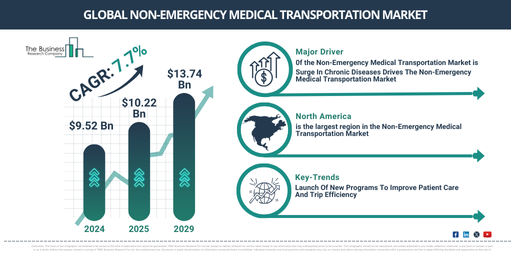
    The market for non-emergency medical transportation has seen substantial growth lately, escalating from a worth of $9.52 billion in 2024 to a projected value of $10.22 billion in 2025, exhibiting a compound annual growth rate (CAGR) of 7.4%. Various factors, such as the aging population, government-supported health care initiatives, private patient transportation payment options, a shift towards patient-focused care, and the rise of telehealth, have all contributed to the historic growth trend in this market.

    The market for non-emergency medical transportation services is projected to witness considerable expansion over the coming years. It’s predicted to reach a total value of $13.74 billion in 2029, with a compound annual growth rate (CAGR) of 7.7%. Factors contributing to growth over the projected period include regulatory transformations, advancements in medical care, improved healthcare access in rural areas, the development of transportation infrastructure, and community health efforts. Significant trends expected to influence this period are the incorporation of technology, a focus on patient-centered solutions, partnerships with ride-sharing platforms, the use of predictive analytics for demand forecasting, and adaptable payment structures.

    Download a free sample to assess the report’s scope and structure:

    https://www.thebusinessresearchcompany.com/sample.aspx?id=13715&type=smp

    What Are the Primary Drivers Supporting the Market Growth of the Non-Emergency Medical Transportation Market?

    The growing prevalence of long-term illnesses is anticipated to fuel the expansion of the non-emergency medical transportation market. These diseases, which persist for a year or more and require ongoing medical attention, interfere with daily activities, or both, necessitate routine medical transportation for individuals. This enables uninterrupted access to medical visits, treatments, and support services, thereby promoting consistent healthcare management and improving health outcomes overall. Projections from the National Institutes of Health, a US government institution, indicate that by January 2023, at least one chronic condition will be exhibited by 35.66% (range: 33.36–36.04) of adults aged 50 and above by 2035, a statistic that is projected to increase to 47.81% (range: 46.09–49.71) by 2050. Consequently, the escalating prevalence of chronic illnesses is propelling the non-emergency medical transportation market forward.

    Which Primary Segments of the Non-Emergency Medical Transportation Market Are Driving Growth and Industry Transformations?

    The non-emergency medical transportation market covered in this report is segmented –

    1) By Type: Courier Services, Insurance Backed Patient Transportation, Private Pay Patient Transportation

    2) By Product Type: Ambulatory Vans, Minivans, Wheelchair-Lift-Equipped Vehicles, Stretcher Vans

    3) By Application: Dialysis, Routine Doctor Visits, Mental Health Related Appointments, Rehabilitation, Other Applications

    4) By End User: Airport Shuttle, Hospital Medical Laboratories, Nursing Care Facilities

    Subsegments:

    1) By Courier Services: Medical Supply Delivery, Prescription Delivery, Laboratory Specimen Transport

    2) By Insurance Backed Patient Transportation: Medicaid Funded Transportation, Medicare Funded Transportation, Private Insurance Transportation

    3) By Private Pay Patient Transportation: Individual Out-Of-Pocket Payments, Subscription-Based Services, Ride-Hailing Services For Medical Appointments

    Request customized data on this market:

    https://www.thebusinessresearchcompany.com/customise?id=13715&type=smp

    Which Regions Are Key Players in the Growth of the Non-Emergency Medical Transportation Market?

    North America was the largest region in the non-emergency medical transportation market in 2024. The regions covered in the non-emergency medical transportation market report are Asia-Pacific, Western Europe, Eastern Europe, North America, South America, Middle East, Africa.

    What Are the Most Significant Market Trends in the Non-Emergency Medical Transportation Market?

    The emphasis for leading companies within the non-emergency medical transportation (NEMT) market is currently on implementing non-emergency medical transportation programs. This is to enhance the standard of services provided, increase positive patient outcomes, improve delivery of the transportation, and reduce complaints and issues that require escalation. These NEMT programs offer transportation solutions for those needing assistance to attend medical appointments, without the need for emergency care. For example, MTM, a leading American NEMT services provider, in June 2022, introduced the elevate program to preempt possible escalated trip issues. With its elevate program, MTM takes a proactive stance towards member trips, providing a high level of service for complex journeys and members with distinctive transportation needs. As a result of the elevate program, there has been an improvement in the delivery of trips for critical members, leading to less complaints and notable reduction in escalated events for MTM clients.

    View the full report here:

    https://www.thebusinessresearchcompany.com/report/non-emergency-medical-transportation-global-market-report

    What Parameters Are Used to Define the Non-Emergency Medical Transportation Market?

    Non-emergency medical transportation (NEMT) refers to transportation services provided to individuals who are not in an emergency but require assistance in getting to their medical appointments, pharmacies, or other healthcare services. Non-emergency medical transportation is critical in solving transportation issues experienced by people with medical requirements, providing them with a secure, cost-effective and dependable way to obtain necessary healthcare services.

    Purchase the full report and get a swift delivery:

    https://www.thebusinessresearchcompany.com/purchaseoptions.aspx?id=13715

    About The Business Research Company:

    With over 15000+ reports from 27 industries covering 60+ geographies, The Business Research Company has built a reputation for offering comprehensive, data-rich research and insights. Armed with 1,500,000 datasets, the optimistic contribution of in-depth secondary research, and unique insights from industry leaders, you can get the information you need to stay ahead in the game.

    Get in touch with us:

    The Business Research Company: https://www.thebusinessresearchcompany.com/

    Americas +1 3156230293

    Asia +44 2071930708

    Europe +44 2071930708

    Email us at info@tbrc.info

    Follow us on:

    LinkedIn: https://in.linkedin.com/company/the-business-research-company

    YouTube: https://www.youtube.com/channel/UC24_fI0rV8cR5DxlCpgmyFQ

    Global Market Model: https://www.thebusinessresearchcompany.com/global-market-model
  • Market Trends Influencing Strategic Decisions in the Neurotrophic Keratitis Treatment Industry: Innovative Drug Development Shapes The Landscape Of Neurotrophic Keratitis Treatment Market

    Market Trends Influencing Strategic Decisions in the Neurotrophic Keratitis Treatment Industry: Innovative Drug Development Shapes The Landscape Of Neurotrophic Keratitis Treatment Market

    Discover trends, market shifts, and competitive outlooks for the neurotrophic keratitis treatment industry through 2025-2034 with The Business Research Company’s reliable data and in-depth research

    What is the Anticipated CAGR of the Neurotrophic Keratitis Treatment Market, and What Factors Will Drive It?

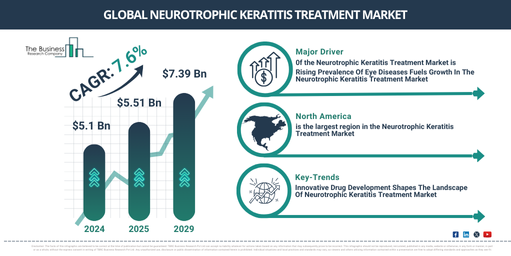
    The market for treating neurotrophic keratitis has seen robust growth lately. Its size is projected to increase from $5.1 billion in 2024 to $5.51 billion in 2025, indicating a compound annual growth rate (CAGR) of 8.1%. The expansion during the historical period is primarily due to a rise in diagnoses, an escalating number of injuries and surgeries, increased research and development, and improvements in global healthcare infrastructure.

    The market size of the treatment for neurotrophic keratitis is predicted to witness substantial expansion in the forthcoming years. By 2029, it is anticipated to reach $7.39 billion with a compound annual growth rate (CAGR) of 7.6%. This growth during the forecast period is driven by educational measures, elevated numbers of clinical trials, progressive treatments, and regulatory sanctions. The forecast period is also expected to see key trends such as enhanced diagnostic instruments, solutions in digital health, strategies for neuroprotection, and advanced imaging of the ocular surface.

    Download a free sample to assess the report’s scope and structure:

    https://www.thebusinessresearchcompany.com/sample.aspx?id=12968&type=smp

    What Are the Major Market Drivers Behind the Rising Adoption of Neurotrophic Keratitis Treatment Market?

    The escalating incidence of ailments impacting the eyes is projected to spur the expansion of the neurotrophic keratitis treatment market. Eye diseases encompass a broad array of health issues that disrupt the form and operation of the eyes. Neurotrophic keratitis therapy can assist in the enhancement of corneal sensation, catalyzing healing, averting infection, and providing relief from pain. As an illustration, in March 2022, Eye Care One, a platform dedicated to eyecare career development in the US, released reports suggesting that around 35 million American citizens will be affected by dry eye disease (DED) in 2022, with the number predicted to climb annually. Likewise, in May 2024, the Centers for Disease Control and Prevention, a federal agency operating under the US Department of Health and Human Services, disclosed that over 3.4 million Americans aged 40 and above are blind or have visual impairment, a figure slated to double by 2030. Hence, the rising prevalence of eye diseases is stimulating the growth of the neurotrophic keratitis treatment market. The surge in investments in the healthcare sector, comprising eye care, is expected to give momentum to the development of the neurotrophic keratitis treatment market. These investments denote fiscal contributions directed towards endorsing the growth, enhancement, and reach of healthcare services and remedies, with an emphasis on vision care. Such financial inputs could significantly contribute towards progress in the treatment of neurotrophic keratitis by paving the way for therapeutic breakthroughs and advancements in the creation of drugs, thereby enriching the health outcomes and quality of life of patients suffering from this condition. Providing a case in point, the Department of Health and Aged Care, an Australian government agency overseeing health research, funding, propagation, and governance, stated in March 2022 that government expenditure on health systems mounted to $132 billion in the fiscal year of 2022-23, slated to rise to $140 billion in 2025-26, with a total pledge of $537 billion over the ensuing four years. Consequently, the mounting investments in health care including eye care are fueling the expansion of the neurotrophic keratitis treatment market.

    Which Key Market Segments Comprise the Neurotrophic Keratitis Treatment Market and Drive Its Revenue Growth?

    The neurotrophic keratitis treatment market covered in this report is segmented –

    1) By Treatment: Topical Antibiotics, Recombinant Human Nerve Growth Factor (rhNGF), Amniotic Membrane Transplantation, Keratoplasty, Other Treatments

    2) By Route of Administration: Oral, Topical, Other Routes of Administration

    3) By Application: Stage I, Stage II, Stage III

    4) By End-User: Hospitals, Homecare, Specialty Clinics, Other End-Users

    Subsegments:

    1) By Topical Antibiotics: Broad-Spectrum Antibiotics, Narrow-Spectrum Antibiotics

    2) By Recombinant Human Nerve Growth Factor (rhNGF): Cenegermin Ophthalmic Solution, Other rhNGF-Based Solutions

    3) By Amniotic Membrane Transplantation: Cryopreserved Amniotic Membrane, Dehydrated Amniotic Membrane

    4) By Keratoplasty: Penetrating Keratoplasty, Lamellar Keratoplasty

    5) By Other Treatments: Tarsorrhaphy, Therapeutic Contact Lenses

    Request customized data on this market:

    https://www.thebusinessresearchcompany.com/customise?id=12968&type=smp

    Which Areas Are Leading Regions in the Neurotrophic Keratitis Treatment Market Expansion Across the Globe?

    North America was the largest region in the neurotrophic keratitis treatment market in 2024. The regions covered in neurotrophic keratitis treatment market report are Asia-Pacific, Western Europe, Eastern Europe, North America, South America, Middle East and Africa.

    What Are the Strategic Trends Steering theNeurotrophic Keratitis Treatment Market Direction?

    Leading firms in the neurotrophic keratitis treatment market are pushing boundaries through the creation and approval of innovative medicines in an effort to maintain their industry standing. The field of neurotrophic keratitis treatment greatly relies on drug advancement due to the scarcity of current treatments, which further emphasizes the need for more potent treatments to halt disease progression. Case in point, in December 2022, Taiwanese clinical-stage company, BRIM Biotechnology Inc., was granted Orphan Drug Designation (ODD) by the U.S. Food and Drug Administration (FDA) for their product, BRM424, intended for neurotrophic keratitis (NK) therapy. BRM424 is a recombinant form of a human nerve growth factor designed to stimulate the growth and differentiation of corneal limbal stem cells, a crucial process in the regeneration and restoration of a patient’s cornea health suffering from neurotrophic keratitis.

    View the full report here:

    https://www.thebusinessresearchcompany.com/report/neurotrophic-keratitis-treatment-global-market-report

    How Is the Neurotrophic Keratitis Treatment Market Conceptually Defined?

    Neurotrophic keratitis treatment refers to a treatment method to cure a rare eye condition caused by damage to the trigeminal nerve, leading to decreased corneal sensation and potential corneal damage. This treatment is used to protect the cornea, promote healing, alleviate symptoms, and prevent further damage.

    Purchase the full report and get a swift delivery:

    https://www.thebusinessresearchcompany.com/purchaseoptions.aspx?id=12968

    About The Business Research Company:

    With over 15000+ reports from 27 industries covering 60+ geographies, The Business Research Company has built a reputation for offering comprehensive, data-rich research and insights. Armed with 1,500,000 datasets, the optimistic contribution of in-depth secondary research, and unique insights from industry leaders, you can get the information you need to stay ahead in the game.

    Get in touch with us:

    The Business Research Company: https://www.thebusinessresearchcompany.com/

    Americas +1 3156230293

    Asia +44 2071930708

    Europe +44 2071930708

    Email us at info@tbrc.info

    Follow us on:

    LinkedIn: https://in.linkedin.com/company/the-business-research-company

    YouTube: https://www.youtube.com/channel/UC24_fI0rV8cR5DxlCpgmyFQ

    Global Market Model: https://www.thebusinessresearchcompany.com/global-market-model
  • Top Trends Driving Innovation and Change in the Neuropathic Pain Market: Integration Of Artificial Intelligence Revolutionizes Neuropathic Pain Treatment

    Top Trends Driving Innovation and Change in the Neuropathic Pain Market: Integration Of Artificial Intelligence Revolutionizes Neuropathic Pain Treatment

    Discover trends, market shifts, and competitive outlooks for the neuropathic pain industry through 2025-2034 with The Business Research Company’s reliable data and in-depth research

    What Are the Key Milestones in the Neuropathic Pain Market’s Growth Trajectory From 2025 To 2034?

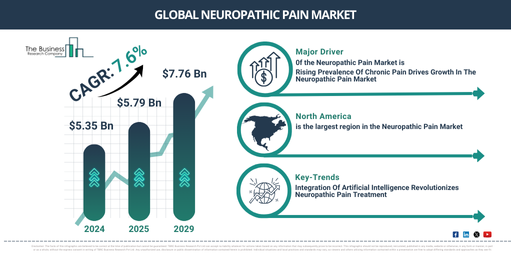
    There has been significant growth in the neuropathic pain market size in the past few years. The market is projected to expand from a value of $5.35 billion in 2024 to an estimated $5.79 billion in 2025, exhibiting a compound annual growth rate (CAGR) of 8.2%. This considerable growth during the historic period is due to factors such as rising demand for neuropathic pain medication, an epidemic of chronic pain, an increase in the demand for prescription treatments, and government initiatives.

    In the ensuing years, a robust expansion is anticipated in the neuropathic pain market. It is projected to escalate to $7.76 billion in 2029 with a compound annual growth rate (CAGR) of 7.6%. The increase during the forecast period is due to heightened awareness about neuropathic pain, an aging demographic, a well-developed healthcare industry, and access to treatments for neuropathic pain. The forecast period will witness significant trends such as enhanced diagnostic procedures, progress in pain management techniques, breakthroughs in medical study, authorization of new pharmaceuticals, and strategic measures.

    Download a free sample to assess the report’s scope and structure:

    https://www.thebusinessresearchcompany.com/sample.aspx?id=12922&type=smp

    What External and Internal Drivers Are Contributing to the Growth of the Neuropathic Pain Market?

    The increase in chronic pain occurrences is predicted to stimulate the expansion of the neuropathic pain market. Chronic pain is a form of pain that lingers beyond the predicted recovery time from an illness or injury. It is generally identified by its continuity, typically staying for at least three to six months or longer. The escalating incidence of chronic pain, including neuropathic disorders, necessitates effective treatments, thus igniting advancements, creativity and funding towards better therapies to amplify relief and quality of living. For example, as per the Scottish Health Survey 2022, published by the Scotland Government in December 2023, over one-third (38%) of Scottish adults reported experiencing pain or discomfort for three months or longer in 2022, with a higher rate in women (43%) versus men (33%). Thus, the increasing cases of chronic pain are fueling the expansion of the neuropathic pain market.

    Neuropathic Pain Market Driver: Anticipated Increase in Diabetes Cases Prompting the Growth of Neuropathic Pain Market


    What Segment Types Define the Neuropathic Pain Market Structure?

    The neuropathic pain market covered in this report is segmented –

    1) By Treatment: Medications, Multimodal Therapy

    2) By Diagnosis: Imaging, Blood Tests And Physical Examination

    3) By Indication: Diabetic Neuropathy, Spinal Stenosis, Chemotherapy-Induced Peripheral Neuropathy, Other Indications

    4) By End User: Hospitals, Clinics, Home Healthcare, Ambulatory Surgical Centers, Other End Users

    Subsegments:

    1) By Medications: Anticonvulsants, Antidepressants, Opioids, Topical Treatments, Non-Steroidal Anti-Inflammatory Drugs (NSAIDs)

    2) By Multimodal Therapy: Combination Of Medications, Physical Therapy, Psychological Therapy, Lifestyle Modifications, Complementary Therapies

    Request customized data on this market:

    https://www.thebusinessresearchcompany.com/customise?id=12922&type=smp

    Which Geographic Areas Hold the Strongest Growth Potential in the Neuropathic Pain Market?

    North America was the largest region in the neuropathic pain market in 2024. Asia-Pacific is expected to be the fastest-growing region in the forecast period. The regions covered in neuropathic pain market report are Asia-Pacific, Western Europe, Eastern Europe, North America, South America, Middle East and Africa.

    What Long-Term Trends Are Transforming the Competitive Landscape of the Neuropathic Pain Market?

    Prominent organizations in the neuropathic pain market are utilizing artificial intelligence technologies for sophisticated diagnosis, personalized treatment schedules, real-time patient observation, drug development, and data-acquired insights to boost patient results and adapt pain management procedures. For example, in March 2023, Nevro Corp, a medical device company located in the United States, introduced the Senza HFX iQ spinal cord stimulation (SCS) system. This pioneering technology uses artificial intelligence (AI) to tailor pain reduction for each patient. The system, complete with the HFX iQ Implantable Pulse Generator (IPG), HFX Trial Stimulator, Charger, and HFX App, aims to address non-surgical back pain and painful diabetic neuropathy by adjusting to patient response and feedback. It employs a unique algorithm derived from comprehensive patient data and allows them to modify their pain management program through a smartphone app. The system’s digital infrastructure facilitates data gathering and potential modifications. The aim of the technology is to augment pain relief by maintaining consistency and personalization, signifying a substantial progression in SCS therapy.

    View the full report here:

    https://www.thebusinessresearchcompany.com/report/neuropathic-pain-global-market-report

    What Is the Definition of the Neuropathic Pain Market?

    Neuropathic pain is chronic pain caused by damage or dysfunction in the nervous system and characterized by burning, tingling, shooting, or electric shock-like sensations. Neuropathic pain can be challenging to treat and may be caused by nerve injuries, diabetes, multiple sclerosis, nerve compression, neural degeneration and central nervous system disorders.

    Purchase the full report and get a swift delivery:

    https://www.thebusinessresearchcompany.com/purchaseoptions.aspx?id=12922

    About The Business Research Company:

    With over 15000+ reports from 27 industries covering 60+ geographies, The Business Research Company has built a reputation for offering comprehensive, data-rich research and insights. Armed with 1,500,000 datasets, the optimistic contribution of in-depth secondary research, and unique insights from industry leaders, you can get the information you need to stay ahead in the game.

    Get in touch with us:

    The Business Research Company: https://www.thebusinessresearchcompany.com/

    Americas +1 3156230293

    Asia +44 2071930708

    Europe +44 2071930708

    Email us at info@tbrc.info

    Follow us on:

    LinkedIn: https://in.linkedin.com/company/the-business-research-company

    YouTube: https://www.youtube.com/channel/UC24_fI0rV8cR5DxlCpgmyFQ

    Global Market Model: https://www.thebusinessresearchcompany.com/global-market-model
  • Next-Gen Neurofibromatosis Treatment : Market Forecast, Transformation, and Long-Term Trajectories

    Next-Gen Neurofibromatosis Treatment : Market Forecast, Transformation, and Long-Term Trajectories

    Discover trends, market shifts, and competitive outlooks for the neurofibromatosis treatment industry through 2025-2034 with The Business Research Company’s reliable data and in-depth research

    What Is the Estimated Market Size of the Neurofibromatosis Treatment Market In 2029?

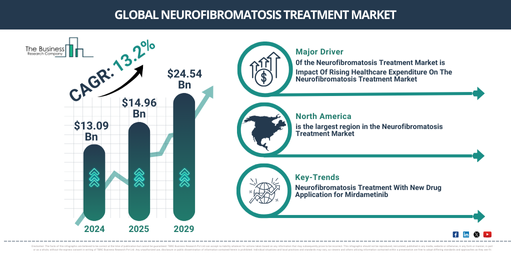
    The size of the market for neurofibromatosis treatment has seen a quick expansion in recent years. The market, which is valued at $13.09 billion in 2024, is expected to rise to $14.96 billion in 2025 with a Compound Annual Growth Rate (CAGR) of 14.3%. Elements like increasing aging population, advancements in the field of ophthalmology, a focus on patient-centered care, and access to global healthcare have contributed to the growth in the historic period.

    In the forthcoming years, the market size for neurofibromatosis treatment is projected to witness robust expansion, reaching a value of $24.54 billion by 2029, with the compound annual growth rate (CAGR) being 13.2%. This surge during the forecasted period is a result of factors such as research and drug development, telemedicine and remote tracking, patient education and assistance, and reimbursement policies. The anticipated trends during this period include vision rehabilitation services, collaborative care models, data analytics and AI, along with optic nerve prostheses and implants.

    Download a free sample to assess the report’s scope and structure:

    https://www.thebusinessresearchcompany.com/sample.aspx?id=12996&type=smp

    Which Major Market Drivers Are Expected to Boost the Growth Potential of the Neurofibromatosis Treatment Market?

    The neurofibromatosis treatment market’s growth is expected to be fueled by increasing healthcare expenses. This includes all expenditures related to healthcare infrastructure, such as medical costs, preventative care, public health programs, rehabilitation efforts, community health functions, and health research. As neurofibromatosis treatment needs various medical procedures like surgeries, biopsies, and imaging scans, funding of healthcare services, including general medical care and neurofibrosis treatment, remains crucial. For instance, the UK’s Office for National Statistics reported in May 2024 that there was a 5.6% rise in nominal terms in total healthcare expenditure from 2022 to 2023, compared to just 0.9% growth in 2022. This increases in healthcare expenses is pushing the neurofibromatosis treatment market’s growth. The growth of the neurofibromatosis treatment market is expected to be significantly impacted by the increase in research and development (R&D) activities. This includes the growing efforts of organizations to invest in systematic and innovative studies aimed at creating new products, technologies, or processes. With the need for innovation to stay competitive, meet customer expectations, and cope with technological advancements, R&D activities are escalating. The goal to develop treatments for neurofibromatosis boosts R&D activities as companies invest in determining the disease’s basic mechanisms and seeking new therapeutic solutions. For example, the European Federation of Pharmaceutical Industries and Associations (EFPIA) reported in June 2023 that pharmaceutical R&D expenditure in Europe was around $49,500 million (€44,500 million) in 2022, a roughly 6.45% increase from $46,500 million (€42,533 million) in 2021. This surge in research and development (R&D) activities is fueling the growth of the neurofibromatosis treatment market.

    Which Key Market Segments Comprise the Neurofibromatosis Treatment Market and Drive Its Revenue Growth?

    The neurofibromatosis treatment market covered in this report is segmented –

    1) By Type: Neurofibromatosis 1 (NF1), Neurofibromatosis 2 (NF2), Schwannomatosis

    2) By Treatment: Medications, Surgery, Radiation Therapy, Other Treatments

    3) By End-Users: Hospitals, Clinics, Other End Users

    Subsegments:

    1) By Neurofibromatosis 1 (NF1): Surgical Interventions, Medication for Symptom Management, Genetic Counseling

    2) By Neurofibromatosis 2 (NF2): Surgical Interventions, Radiation Therapy, Medication for Symptom Management

    3) By Schwannomatosis: Surgical Interventions, Pain Management Therapies, Genetic Counseling

    Request customized data on this market:

    https://www.thebusinessresearchcompany.com/customise?id=12996&type=smp

    Which Areas Are Leading Regions in the Neurofibromatosis Treatment Market Expansion Across the Globe?

    North America was the largest region in the neurofibromatosis treatment market in 2024. The regions covered in neurofibromatosis treatment market report are Asia-Pacific, Western Europe, Eastern Europe, North America, South America, Middle East and Africa.

    What Are the Key Market Trends in theNeurofibromatosis Treatment Market Over the Coming Years?

    Key players in the neurofibromatosis treatment market are focusing on the creation of ground-breaking drugs and specific therapies such as MEK inhibitors to maintain their market standing. A MEK inhibitor is a type of targeted therapy that obstructs the MEK enzyme, a component of the MAPK signaling pathway, and aids in treating cancers and genetic diseases like neurofibromatosis, by mitigating cell development and tumor progression. For instance, in March 2024, SpringWorks Therapeutics, Inc., a biopharmaceutical firm based in the US, completed its new drug application submission to the FDA for Mirdametinib, intending to treat both children and adults with NF1-PN. Mirdametinib is a selective MEK inhibitor that aims at specific pathways participating in the growth of neurofibromas. The FDA will assess the safety and effectiveness of this treatment during their review process, which holds the potential to substantially enhance the results for individuals afflicted with NF1-PN.

    View the full report here:

    https://www.thebusinessresearchcompany.com/report/neurofibromatosis-treatment-global-market-report

    How Is the Neurofibromatosis Treatment Market Conceptually Defined?

    Neurofibromatosis treatment refers to the treatment of a genetic disorder that causes tumors to grow on nerve tissue, which can form anywhere in the body, including the brain, spinal cord and nerves. Neurofibromatosis treatment is used to manage symptoms, slow down the progression of the disease and prevent complications.

    Purchase the full report and get a swift delivery:

    https://www.thebusinessresearchcompany.com/purchaseoptions.aspx?id=12996

    About The Business Research Company:

    With over 15000+ reports from 27 industries covering 60+ geographies, The Business Research Company has built a reputation for offering comprehensive, data-rich research and insights. Armed with 1,500,000 datasets, the optimistic contribution of in-depth secondary research, and unique insights from industry leaders, you can get the information you need to stay ahead in the game.

    Get in touch with us:

    The Business Research Company: https://www.thebusinessresearchcompany.com/

    Americas +1 3156230293

    Asia +44 2071930708

    Europe +44 2071930708

    Email us at info@tbrc.info

    Follow us on:

    LinkedIn: https://in.linkedin.com/company/the-business-research-company

    YouTube: https://www.youtube.com/channel/UC24_fI0rV8cR5DxlCpgmyFQ

    Global Market Model: https://www.thebusinessresearchcompany.com/global-market-model