Category: HealthcareServices

  • Oncolytic Virus Therapy Market Overview 2025: Competitive Shifts, Forecast Models, and Emerging Opportunities

    Oncolytic Virus Therapy Market Overview 2025: Competitive Shifts, Forecast Models, and Emerging Opportunities

    Discover trends, market shifts, and competitive outlooks for the oncolytic virus therapy industry through 2025-2034 with The Business Research Company’s reliable data and in-depth research

    What Are the Projected Market Size and Growth Rates for the Oncolytic Virus Therapy Market From 2025 To 2029?

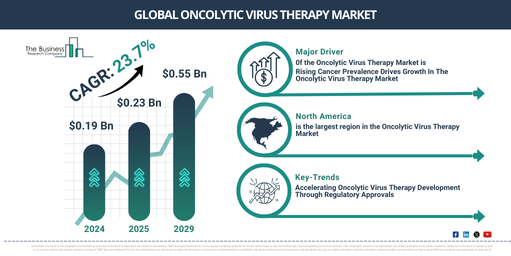
    The market size for oncolytic virus therapy has seen a significant increase in recent years. The market is projected to expand from $0.19 billion in 2024 to $0.23 billion in 2025, with a compound annual growth rate (CAGR) of 25.4%. The growth observed in the past is due to advancements in genetic engineering methods, enhanced knowledge of the tumor microenvironment, clinical victories and regulatory sanctions, the increasing prominence of immunotherapy in treating cancer, and progress in gene delivery systems.

    Expectations are high for a sharp rise in the size of the oncolytic virus therapy market in the next few years. With a compound annual growth rate (CAGR) of 23.7%, it is projected to reach $0.55 billion by 2029. This projected growth during the forecast period can be linked to the development of oncolytic virus platforms, the use of immune checkpoint inhibitors in combination therapies, approaches focused on personalized medicine, an increased scale of clinical trials, and regulatory support and guidelines. The forecast period also anticipates several major trends, including technological developments in delivery systems, progress in synthetic biology, collaborations, and partnerships in the biopharmaceutical industry, improvements in virology and immunology, and a greater focus on pediatric oncology.

    Download a free sample to assess the report’s scope and structure:

    https://www.thebusinessresearchcompany.com/sample.aspx?id=12391&type=smp

    What Are the Core Growth Drivers Propelling the Oncolytic Virus Therapy Market Forward?

    The rise in cancer cases is expected to drive the expansion of the oncolytic virus therapy market. Cancer refers to a collection of diseases marked by the unregulated proliferation and dispersion of abnormal cells within the body. Oncolytic virus therapy has the potential to selectively attack and eliminate cancer cells, while also triggering an immunological response against the tumor, making it a potent mechanism for cancer treatment. For example, the American Cancer Society Inc., a non-profit organization based in the US, predicts that there will be 609,820 cancer deaths and 1,958,310 fresh cancer incidents in the US throughout 2022, as of January 2023. Hence, the escalating prevalence of cancer cases is a key factor fueling the growth of the oncolytic virus therapy market.

    What Segment Types Define the Oncolytic Virus Therapy Market Structure?

    The oncolytic virus therapy market covered in this report is segmented –

    1) By Therapy Type: HSV-Based Oncolytic Virus Therapy, Adenovirus-Based Oncolytic Virus Therapy, Reovirus, Poxviruses, NDV (Newcastle Disease Virus), Other Therapy Types

    2) By Virus Type: Genetically Engineered Oncolytic Viruses, Oncolytic Wild-Type Viruses

    3) By Application: Breast Cancer, Lung Cancer, Prostate Cancer, Melanoma, Brain Tumor, Blood Cancer

    4) By End-User: Hospitals, Specialty Clinics, Cancer Research Institutes

    Subsegments:

    1) By HSV-Based Oncolytic Virus Therapy: Talimogene Laherparepvec (T-VEC), Other HSV-Based Therapies

    2) By Adenovirus-Based Oncolytic Virus Therapy: Onyx-015, AdV-5/3-D24, Other Adenovirus-Based Therapies

    3) By Reovirus: Reolysin, Other Reovirus Therapies

    4) By Poxviruses: JX-594 (OncoVac), Other Poxvirus Therapies

    5) By NDV (Newcastle Disease Virus): NDV-Based Therapies, Other NDV Applications

    6) By Other Therapy Types: Combination Therapies, Other Emerging Oncolytic Virus Therapies

    Request customized data on this market:

    https://www.thebusinessresearchcompany.com/customise?id=12391&type=smp

    Which Geographic Areas Hold the Strongest Growth Potential in the Oncolytic Virus Therapy Market?

    North America was the largest region in the oncolytic virus therapy market in 2024 and is expected to be the fastest-growing region in the forecast period. The regions covered in the oncolytic virus therapy market report are Asia-Pacific, Western Europe, Eastern Europe, North America, South America, Middle East, Africa

    Which Emerging Trends that Are Influencing theOncolytic Virus Therapy Industry Evolution?

    Leading firms within the oncolytic virus therapy market are focusing on achieving regulatory authorizations to hasten the incorporation of pioneering cancer therapies. This essentially refers to the health authority assessment and endorsement of medical commodities such as drugs, biotech solutions, and medical devices in order to bring them to market. For example, in March 2024, Fast Track certification was granted by the FDA to ImmVira, a biotechnology firm based in China, for MVR-T3011 IT, their oncolytic virus therapy. The therapy is designed for patients suffering from recurrent or metastatic head and neck squamous cell carcinoma (HNSCC), who have experienced disease progression post-platinum-based chemotherapy and at least one preceding line of anti-PD-1/PD-L1 treatment. The goal of this certification is to speed up both the development and scrutiny process for treatments tackling serious conditions with unmet medical needs.

    View the full report here:

    https://www.thebusinessresearchcompany.com/report/oncolytic-virus-therapy-global-market-report

    What Is the Definition of the Oncolytic Virus Therapy Market?

    Oncolytic virus therapy, also known as virotherapy, is a type of cancer treatment that utilizes viruses to target and destroy cancer cells in the body. The main objective of oncolytic virus therapy is to use viruses that have been genetically modified or naturally occur in a way that allows them to selectively infect and replicate within cancer cells while sparing healthy cells.

    Purchase the full report and get a swift delivery:

    https://www.thebusinessresearchcompany.com/purchaseoptions.aspx?id=12391

    About The Business Research Company:

    With over 15000+ reports from 27 industries covering 60+ geographies, The Business Research Company has built a reputation for offering comprehensive, data-rich research and insights. Armed with 1,500,000 datasets, the optimistic contribution of in-depth secondary research, and unique insights from industry leaders, you can get the information you need to stay ahead in the game.

    Get in touch with us:

    The Business Research Company: https://www.thebusinessresearchcompany.com/

    Americas +1 3156230293

    Asia +44 2071930708

    Europe +44 2071930708

    Email us at info@tbrc.info

    Follow us on:

    LinkedIn: https://in.linkedin.com/company/the-business-research-company

    YouTube: https://www.youtube.com/channel/UC24_fI0rV8cR5DxlCpgmyFQ

    Global Market Model: https://www.thebusinessresearchcompany.com/global-market-model
  • Oligonucleotide Synthesis Outlook 2034: Key Drivers, Trends, and Market Frontiers

    Oligonucleotide Synthesis Outlook 2034: Key Drivers, Trends, and Market Frontiers

    Discover trends, market shifts, and competitive outlooks for the oligonucleotide synthesis industry through 2025-2034 with The Business Research Company’s reliable data and in-depth research

    What Are the Key Projections for the CAGR of the Oligonucleotide Synthesis Market Size From 2025 to 2034?

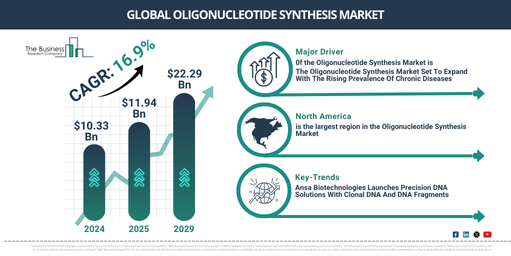
    In recent times, the market size for oligonucleotide synthesis has observed quick expansion. The market, which was valued at $10.33 billion in 2024, is predicted to surge to $11.94 billion in 2025, experiencing a compound annual growth rate (CAGR) of 15.6%. The upward growth trend in the past years can be credited to the progress in biomedical research, therapeutic development, biotechnological breakthroughs, genomic research, and the rise in DNA technologies.

    In the forthcoming years, a swift expansion is anticipated in the oligonucleotide synthesis market size, with projections putting it at $22.29 billion in 2029, reflecting a compound annual growth rate (CAGR) of 16.9%. The growth trajectory during the forecast period is anticipated to be driven by advancements in diagnostic tools, RNA interference (RNAi) therapies, regenerative medicine, applications of nanotechnology, and progress in gene editing. The projected period also expects to see significant trends such as targeted drug development, innovative delivery systems, automation in synthesis, the use of CRISPR-cas technology, and the rise of next-generation sequencing (NGS).

    Download a free sample to assess the report’s scope and structure:

    https://www.thebusinessresearchcompany.com/sample.aspx?id=12176&type=smp

    How Are Key Drivers in the Industry Acting as Catalysts for the Growth of theOligonucleotide Synthesis Market?

    The growth of the oligonucleotide synthesis market is projected to be fueled by the increasing incidence of chronic diseases. Chronic diseases are defined as conditions that persist for at least a year, necessitating consistent medical care, and may progressively worsen over time. Oligonucleotides function to regulate gene expression involved in chronic diseases through several mechanisms. These can target mRNA, pre-mRNA, or non-coding RNA to manipulate splicing events, instigate degradation, or interfere with protein translation. For example, the World Health Organization, a specialized agency of the United Nations based in Switzerland, reported in September 2022 that there were 41 million deaths worldwide, accounting for 74% of all deaths due to non-communicable diseases (NCDs) or chronic diseases annually. The report detailed 17.9 million deaths from cardiovascular diseases, 9.3 million from cancer, 4.1 million from chronic respiratory diseases, and 2.0 million from diabetes. Thus, the elevation in the occurrence of chronic and rare diseases is stimulating the expansion of the oligonucleotide synthesis market.

    Which Segments in the Oligonucleotide Synthesis Offer the Most Growth?

    The oligonucleotide synthesis market covered in this report is segmented –

    1) By Type: Custom Oligos, Predesigned Oligos

    2) By Product Type: Oligonucleotides, Reagents, Equipment, Services, Purification, Modification

    3) By Application: Therapeutic Applications, Research Applications, Diagnostic Applications

    Subsegments:

    1) By Custom Oligos: Long Oligonucleotides, Short Oligonucleotides, Modified Oligonucleotides

    2) By Predesigned Oligos: Gene-Specific Oligos, Probe Oligos, Primers For PCR And RT-PCR

    Request customized data on this market:

    https://www.thebusinessresearchcompany.com/customise?id=12176&type=smp

    What Are the Fastest-Growing Geographies in the #How Are Key Drivers in the Industry Acting as Catalysts for the Growth of theOligonucleotide Synthesis Market?# Market?

    North America was the largest region in the oligonucleotide synthesis market in 2024. Asia-Pacific is expected to be the fastest-growing region in the forecast period. The regions covered in the oligonucleotide synthesis market report are Asia-Pacific, Western Europe, Eastern Europe, North America, South America, Middle East, Africa.

    What Are the Current Market Growth and Trends in the Oligonucleotide Synthesis Industry?

    Product innovation has emerged as a pivotal trend in the oligonucleotide synthesis market, with major players focussing on the development of novel products to consolidate their market presence. For example, Ansa Biotechnologies, Inc., a company based in the US specializing in the manufacture of complex DNA, rolled out Ansa Clonal DNA and Ansa DNA Fragments in July 2024. Ansa Clonal DNA facilitates clonal, flawless sequences of DNA up to 600 base pairs long, negating the need for assembly, and hence delivers unmatched precision for intricate synthetic biology projects. This product guarantees error-free and ready-to-use DNA sequences, positioning it as a trustworthy choice for scientific researchers. Ansa DNA Fragments provides sequence-verified linear double-stranded DNA fragments, which can also be up to 600 base pairs long, customized for a wide array of research uses. Ansa’s innovative enzymatic synthesis method consistently generates complex DNA structures, inclusive of repeats and secondary structures, with high adaptability.

    View the full report here:

    https://www.thebusinessresearchcompany.com/report/oligonucleotide-synthesis-global-market-report

    What Are the Key Elements That Define the Oligonucleotide Synthesis Market?

    Oligonucleotide synthesis is the chemical linking of nucleotides, precisely forming the desired sequenced product. This process is helpful in modern laboratory practice as it offers quick and affordable access to oligonucleotides manufactured to order with the necessary sequence.

    Purchase the full report and get a swift delivery:

    https://www.thebusinessresearchcompany.com/purchaseoptions.aspx?id=12176

    About The Business Research Company:

    With over 15000+ reports from 27 industries covering 60+ geographies, The Business Research Company has built a reputation for offering comprehensive, data-rich research and insights. Armed with 1,500,000 datasets, the optimistic contribution of in-depth secondary research, and unique insights from industry leaders, you can get the information you need to stay ahead in the game.

    Get in touch with us:

    The Business Research Company: https://www.thebusinessresearchcompany.com/

    Americas +1 3156230293

    Asia +44 2071930708

    Europe +44 2071930708

    Email us at info@tbrc.info

    Follow us on:

    LinkedIn: https://in.linkedin.com/company/the-business-research-company

    YouTube: https://www.youtube.com/channel/UC24_fI0rV8cR5DxlCpgmyFQ

    Global Market Model: https://www.thebusinessresearchcompany.com/global-market-model
  • $6.89 Billion Forecast for Occupational Health Market by 2029, Backed by Demand and Innovation

    $6.89 Billion Forecast for Occupational Health Market by 2029, Backed by Demand and Innovation

    Discover trends, market shifts, and competitive outlooks for the occupational health industry through 2025-2034 with The Business Research Company’s reliable data and in-depth research

    How Has the Occupational Health Market Growth Performance Trended Historically, And What Lies Ahead?

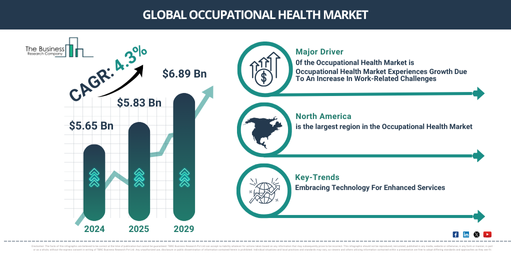
    The size of the occupational health market has been progressively increasing over the recent years. It is projected to expand from a valuation of $5.65 billion in 2024 to $5.83 billion in 2025, denoting a compound annual growth rate (CAGR) of 3.2%. The historical growth in this market can be traced back to factors such as government regulations, campaigns for workers’ rights, research in the field of occupational health, awareness of occupational diseases, and initiatives to cut down on workplace injuries.

    Steady expansion is foreseen for the occupational health market in the coming years, with its value projected to reach $6.89 billion by 2029, growing at a compound annual growth rate (CAGR) of 4.3%. Factors attributing to the growth during the predicted period are the adaptation of remote work, provision of mental health services, considerations for an aging workforce, ergonomics and the design of the workspace, and the use of artificial intelligence in health observation. The predicted period also shows trending towards telehealth and virtual care, hybrid health initiatives, health risk evaluations, wearable health monitoring devices, and adaptable work schedules.

    Download a free sample to assess the report’s scope and structure:

    https://www.thebusinessresearchcompany.com/sample.aspx?id=12249&type=smp

    What Are the Core Growth Drivers Propelling the Occupational Health Market Forward?

    The escalation in the incidence of work-related illnesses and conditions is projected to spur the expansion of the occupational health marketplace in the future. Such illnesses and conditions are health issues that are either triggered or worsened by elements found in the workplace. Occupational health services play a crucial role in addressing these scenarios by striving to enhance worker health, endorsing, and conserving optimal mental, physical, and social fitness for people in every kind of job. As an illustration, a study from the American Psychiatric Association, a professional group of psychologists based in the United States, revealed in May 2024 that 43% of adults reported increased anxiety compared to 37% in 2023 and 32% in 2022, demonstrating a steady rise in anxiety rates. Therefore, the amplification in the incidence of work-related diseases and disorders is fueling the advancement of the occupational health market.

    What Segment Types Define the Occupational Health Market Structure?

    The occupational health market covered in this report is segmented –

    1) By Type: Work Induced Stress, Asbestosis, Hearing Loss Due To Noise, Work-Related Backache, Disorders Caused Due To Chemicals And Vibrations, Other Types

    2) By Downstream Industry: Employers, Professionals

    3) By End User: Public Sector, Private Sector

    Subsegments:

    1) By Work Induced Stress: Acute Stress, Chronic Stress, Occupational Burnout

    2) By Asbestosis: Pleural Asbestosis, Fibrotic Asbestosis, Other Types Of Asbestos-Related Diseases

    3) By Hearing Loss Due To Noise: Temporary Threshold Shift, Permanent Threshold Shift, Noise-Induced Hearing Loss

    4) By Work-Related Backache: Acute Back Pain, Chronic Back Pain, Sciatica

    5) By Disorders Caused Due To Chemicals And Vibrations: Chemical Exposure Disorders, Vibration-Induced White Finger, Whole Body Vibration Disorders, Other Types

    6) By Repetitive Strain Injuries, Musculoskeletal Disorders, Occupational Respiratory Diseases

    Request customized data on this market:

    https://www.thebusinessresearchcompany.com/customise?id=12249&type=smp

    Which Geographic Areas Hold the Strongest Growth Potential in the Occupational Health Market?

    North America was the largest region in the occupational health market in 2024. The regions covered in the occupational health market report are Asia-Pacific, Western Europe, Eastern Europe, North America, South America, Middle East, Africa.

    Which Emerging Trends that Are Influencing theOccupational Health Industry Evolution?

    Technological advancements are an emerging trend in the occupational health industry. Big players in the market are releasing cutting-edge products to maintain their dominance. For example, in May 2023, Telus Health, a health technology solutions company from Canada, unveiled Total Mental Health, a unique solution that allows employees to keep tabs on their mental health through evaluations and therapy. The benefits for employees include immediate assistance, comprehensive therapy services, tailored care plans, and flexible payment options.

    View the full report here:

    https://www.thebusinessresearchcompany.com/report/occupational-health-global-market-report

    What Is the Definition of the Occupational Health Market?

    Occupational health is a field of study and practice concerned with promoting and maintaining workplace health, safety, and well-being. It prevents work-related injuries, illnesses, and accidents by identifying and managing workplace hazards. By focusing on the health needs of employees, occupational health enhances productivity, decreases absenteeism, and improves the overall quality of life for workers.

    Purchase the full report and get a swift delivery:

    https://www.thebusinessresearchcompany.com/purchaseoptions.aspx?id=12249

    About The Business Research Company:

    With over 15000+ reports from 27 industries covering 60+ geographies, The Business Research Company has built a reputation for offering comprehensive, data-rich research and insights. Armed with 1,500,000 datasets, the optimistic contribution of in-depth secondary research, and unique insights from industry leaders, you can get the information you need to stay ahead in the game.

    Get in touch with us:

    The Business Research Company: https://www.thebusinessresearchcompany.com/

    Americas +1 3156230293

    Asia +44 2071930708

    Europe +44 2071930708

    Email us at info@tbrc.info

    Follow us on:

    LinkedIn: https://in.linkedin.com/company/the-business-research-company

    YouTube: https://www.youtube.com/channel/UC24_fI0rV8cR5DxlCpgmyFQ

    Global Market Model: https://www.thebusinessresearchcompany.com/global-market-model
  • Nucleic Acid Labeling Market Trends 2025-2034: Growth, Strategic Insights, and Opportunities Ahead

    Nucleic Acid Labeling Market Trends 2025-2034: Growth, Strategic Insights, and Opportunities Ahead

    Discover trends, market shifts, and competitive outlooks for the nucleic acid labeling industry through 2025-2034 with The Business Research Company’s reliable data and in-depth research

    What Are the Key Projections for the CAGR of the Nucleic Acid Labeling Market Size From 2025 to 2034?

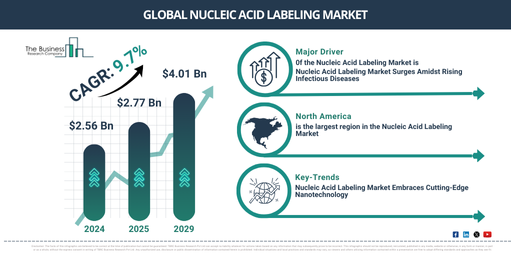
    The market size for nucleic acid labeling has experienced robust growth in the past few years. The market is forecasted to expand from a size of $2.56 billion in 2024 to a size of $2.77 billion in 2025, with a compound annual growth rate (CAGR) of 8.2%. Factors contributing to this growth during the historical period include higher healthcare spending, increased funding in research and development, escalated genomics research and disease diagnosis, growing demand for personalized medicine, and better healthcare infrastructure.

    The market for nucleic acid labeling is predicted to exhibit significant growth in the upcoming years, with expectations to reach a value of $4.01 billion by 2029, expanding at a compound annual growth rate (CAGR) of 9.7%. The surge in growth anticipated within the forecast period can be credited to factors such as heightened health consciousness among individuals, the continued infiltration of key global entities, heightened emphasis on patient-centric methodologies, an expanding biotechnology sector, and the augmented utilization of DNA sequencing. Anticipated trends within the forecast cycle encompass progress in synthetic biology tools, advancements in labeling methods, evolution of unique labeling techniques, the introduction of innovative fluorescent dyes, and incorporating contemporary labeling technologies in research and therapeutics.

    Download a free sample to assess the report’s scope and structure:

    https://www.thebusinessresearchcompany.com/sample.aspx?id=12647&type=smp

    What Are the Major Market Drivers Behind the Rising Adoption of Nucleic Acid Labeling Market?

    The increasing prevalence of infectious diseases is anticipated to fuel the expansion of the nucleic acid labeling market. These diseases, usually triggered by microscopic organisms including parasites, fungi, viruses, and bacteria, are spread from person to person via indirect or direct contact. The use of nucleic acid labeling methods provides enhanced specificity, sensitivity, visualisation, real-time monitoring, and automation for the identification of infectious diseases such as tuberculosis, hepatitis, and gonorrhea. As an example, the Centers for Disease Control and Prevention, a USA-based national public health entity, reported that in March 2023, there were 8,300 instances of tuberculosis (TB) in the United States, marking an increase from the 7,874 cases reported in 2021. Additionally, the incidence of tuberculosis (TB) saw a slight increase in 2022, at 2.5 incidents per 100,000 individuals. Consequently, the burgeoning incidence of infectious diseases is driving the growth of the nucleic acid labeling market.

    Which Key Market Segments Comprise the Nucleic Acid Labeling Market and Drive Its Revenue Growth?

    The nucleic acid labeling market covered in this report is segmented –

    1) By Product Type: Kits, Reagents, Instruments

    2) By Labeling Type: Radioisotope Or Radioactive Labels, Non-Radioactive Labels

    3) By Method: Enzyme-Based, Chemical-Based

    4) By Application: DNA Sequencing, Polymerase Chain Reaction, Fluorescence In Situ Hybridization (FISH), Microarrays, Blotting, In Situ Hybridization, Other Applications

    5) By End User: Hospitals Or Clinics, Diagnostic Centers, Other End Users

    Subsegments:

    1) By Kits: DNA Labeling Kits, RNA Labeling Kits, Multiplex Labeling Kits

    2) By Reagents: Labeling Reagents, Buffer Solutions, Conjugation Reagents

    3) By Instruments: Nucleic Acid Analyzers, Microarray Processors, Imaging Systems

    Request customized data on this market:

    https://www.thebusinessresearchcompany.com/customise?id=12647&type=smp

    Which Areas Are Leading Regions in the Nucleic Acid Labeling Market Expansion Across the Globe?

    North America was the largest region in the nucleic acid labeling market in 2024. Asia-Pacific is expected to be the fastest-growing region in the forecast period. The regions covered in the nucleic acid labeling market report are Asia-Pacific, Western Europe, Eastern Europe, North America, South America, Middle East, Africa

    What Are the Strategic Trends Steering theNucleic Acid Labeling Market Direction?

    The rise in technological innovation is a significant trend being noticed in the nucleic acid labeling market. The leading corporations in this market are concentrating on advancements in nanotechnology to maintain their market stance. In a case point, Cambridge Nucleomics, a biotech firm based in the UK, introduced a novel nanotechnology called “nano bait” in January 2023. The technology is utilized for diagnosing highly multiplexed detection of nucleic acid signatures induced by respiratory pathogens and it offers a more rapid solution for viral RNA detection than other existing methods.

    View the full report here:

    https://www.thebusinessresearchcompany.com/report/nucleic-acid-labeling-global-market-report

    How Is the Nucleic Acid Labeling Market Conceptually Defined?

    Nucleic acid labeling refers to the process of introducing detectable tags or markers into DNA or RNA molecules. These tags can be used to visualize and detect specific nucleic acid sequences or to track their presence, location, or activity in various experimental or diagnostic applications.

    Purchase the full report and get a swift delivery:

    https://www.thebusinessresearchcompany.com/purchaseoptions.aspx?id=12647

    About The Business Research Company:

    With over 15000+ reports from 27 industries covering 60+ geographies, The Business Research Company has built a reputation for offering comprehensive, data-rich research and insights. Armed with 1,500,000 datasets, the optimistic contribution of in-depth secondary research, and unique insights from industry leaders, you can get the information you need to stay ahead in the game.

    Get in touch with us:

    The Business Research Company: https://www.thebusinessresearchcompany.com/

    Americas +1 3156230293

    Asia +44 2071930708

    Europe +44 2071930708

    Email us at info@tbrc.info

    Follow us on:

    LinkedIn: https://in.linkedin.com/company/the-business-research-company

    YouTube: https://www.youtube.com/channel/UC24_fI0rV8cR5DxlCpgmyFQ

    Global Market Model: https://www.thebusinessresearchcompany.com/global-market-model
  • Major Trends and Emerging Patterns in the Next-Generation Gynecological Cancer Diagnostics Market: Product Innovations Transforming The Next-Generation Gynecological Cancer Diagnostics Market

    Major Trends and Emerging Patterns in the Next-Generation Gynecological Cancer Diagnostics Market: Product Innovations Transforming The Next-Generation Gynecological Cancer Diagnostics Market

    Discover trends, market shifts, and competitive outlooks for the next-generation gynecological cancer diagnostics industry through 2025-2034 with The Business Research Company’s reliable data and in-depth research

    What Are the Projected Market Size and Growth Rates for the Next-Generation Gynecological Cancer Diagnostics Market From 2025 To 2029?

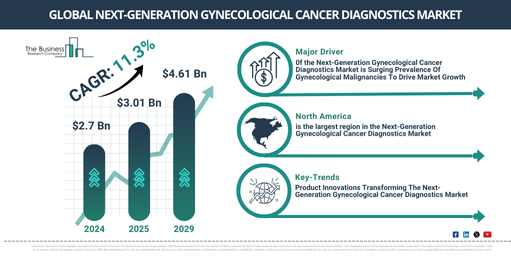
    The market for next-generation gynecological cancer diagnostics has witnessed swift growth in the last few years, expanding from a size of $2.7 billion in 2024 to an anticipated $3.01 billion in 2025, reflecting a compound annual growth rate (CAGR) of 11.6%. The significant growth observed in this historic period is the result of progress made in genomic research, enhanced awareness and screening efforts, an increased rate of gynecological cancer cases, advancements in biopsy methods, the influence of clinical trials, and research funding.

    Projected advancements in the arena of gynecological cancer diagnostics, forecasted for the impending years, will propel the market size to a booming $4.61 billion by 2029, with a compound annual growth rate (CAGR) of 11.3%. The rise can be linked to the emergence of targeted therapies and precision medicine, incorporation of artificial intelligence (AI), the increasing popularity of liquid biopsy, enhanced point-of-care testing, widespread use of 3D imaging, and the rise of telemedicine in cancer care. The forecasted trend includes a patient-centered approach in diagnostics, extensive biomarker panels, the integration of wearable devices, collaboration and consortiums, and advancements in imaging modalities.

    Download a free sample to assess the report’s scope and structure:

    https://www.thebusinessresearchcompany.com/sample.aspx?id=12020&type=smp

    What Are the Primary Drivers Supporting the Market Growth of the Next-Generation Gynecological Cancer Diagnostics Market?

    The increased incidence of gynecological cancers is anticipated to drive the expansion of the next-generation gynecological cancer diagnostics market. Gynecological cancers encompass malignancies that affect the female reproductive organs like cervix, uterus, ovaries, fallopian tubes, and vulva. The next-generation gynecological cancer diagnostics significantly cut down the prevalence of gynecological cancers by facilitating early detection of cancer cells, paving the way for tailored treatments, and enhancing the overall patient survival rates. As an illustration, the National Cancer Institute, a US-based agency of Health and Human Services, reported in February 2023 that it is estimated that around 13,960 American women will receive a severe cervical cancer diagnosis, and approximately 4,310 deaths due to this disease are expected in 2023 in the US. In addition, there were 7.7 new cervical cancer cases per 100,000 women annually, with an annual death toll of 2.2 per 100,000 females. As a result, the escalating incidence of gynecological cancers is contributing to the growth of the next-generation gynecological cancer diagnostics market.

    Which Primary Segments of the Next-Generation Gynecological Cancer Diagnostics Market Are Driving Growth and Industry Transformations?

    The next-generation gynecological cancer diagnostics market covered in this report is segmented –

    1) By Cancer Type: Cervical Cancer, Ovarian Cancer, Uterine Cancer, Vaginal Cancer, Vulvar Cancer

    2) By Function: Therapeutic Monitoring, Companion Diagnostics, Prognostics, Cancer Screening, Risk Analysis

    3) By Technology: Next-Generation Sequencing, qPCR And Multiplexing, Lab-on- A- Chip (LOAC) And Reverse Transcriptase-PCR (RT-PCR), Protein Microarrays, DNA Microarrays

    4) By Application: Biomarker Development, CTC Analysis, Proteomic Analysis, Epigenetic Analysis, Genetic Analysis

    5) By End User: Hospitals And Ambulatory Centers, Diagnostic Laboratories, Academic And Research Institutes

    Subsegments:

    1) By Cervical Cancer: HPV Testing, Pap Smear Testing, Liquid-Based Cytology, Biomarker Testing

    2) By Ovarian Cancer: CA-125 Testing, HE4 Testing, Genetic Testing (BRCA1 Or BRCA2), Imaging Techniques

    3) By Uterine Cancer: Endometrial Biopsy, Ultrasound Imaging, Genetic Testing (PMS2, MLH1), Biomarker Testing

    4) By Vaginal Cancer: Pap Smear Testing, HPV Testing, Biopsy Procedures

    5) By Vulvar Cancer: Visual Inspection, Biopsy, HPV Testing, Genetic Testing

    Request customized data on this market:

    https://www.thebusinessresearchcompany.com/customise?id=12020&type=smp

    Which Regions Are Key Players in the Growth of the #What Are the Primary Drivers Supporting the Market Growth of the Next-Generation Gynecological Cancer Diagnostics Market?# Market?

    North America a was the largest region in the next-generation gynecological cancer diagnostics market in 2024. Asia-Pacific is expected to be the fastest-growing region in the forecast period. The regions covered in the next-generation gynecological cancer diagnostics market report are Asia-Pacific, Western Europe, Eastern Europe, North America, South America, Middle East, Africa.

    What Are the Most Significant Market Trends in the Next-Generation Gynecological Cancer Diagnostics Market?

    Leading firms in the market for next-generation gynecological cancer diagnostics are innovating and bringing new products to the market like AI-powered women’s health ultrasound systems, in order to maintain a competitive stance. An ultrasound system is an apparatus used in medical imaging that employs high-frequency sound waves to create images of the body’s inner structures. For instance, Samsung Electronics Co. Ltd., a company based in South Korea that specializes in consumer electronics, introduced a new healthcare device in February 2023: the HERA W10 Elite. This state-of-the-art women’s health ultrasound system employs AI-powered tools and applications specifically designed for Obstetrics and Gynecology. The HERA W10 Elite can visualize advanced 2D and 3D representations of microcirculation and slow blood flow. It comes with an improved MV-Flow feature, a larger organic light-emitting diode (OLED) display, and enhanced AI features such as HeartAssist, ViewAssist, and BiometryAssist. The HERA W10 Elite, conceived for improved diagnostic insight, aspires to usher in a visionary transformation in Obstetrics and Gynecology with its advanced image processing capabilities and ergonomic design.

    View the full report here:

    https://www.thebusinessresearchcompany.com/report/next-generation-gynecological-cancer-diagnostics-global-market-report

    What Parameters Are Used to Define the Next-Generation Gynecological Cancer Diagnostics Market?

    Next-generation gynecological cancer diagnostics refer to advanced and innovative methods for the early detection, accurate diagnosis, and personalized treatment of any cancer that starts in a woman’s reproductive organs. Gynecological cancer begins in distinct locations in a woman’s pelvis, the region below the stomach, and between the hip bones. This strategy aims to enhance patient outcomes by facilitating personalized treatment plans and targeted therapies that are informed by accurate biomarker analysis.

    Purchase the full report and get a swift delivery:

    https://www.thebusinessresearchcompany.com/purchaseoptions.aspx?id=12020

    About The Business Research Company:

    With over 15000+ reports from 27 industries covering 60+ geographies, The Business Research Company has built a reputation for offering comprehensive, data-rich research and insights. Armed with 1,500,000 datasets, the optimistic contribution of in-depth secondary research, and unique insights from industry leaders, you can get the information you need to stay ahead in the game.

    Get in touch with us:

    The Business Research Company: https://www.thebusinessresearchcompany.com/

    Americas +1 3156230293

    Asia +44 2071930708

    Europe +44 2071930708

    Email us at info@tbrc.info

    Follow us on:

    LinkedIn: https://in.linkedin.com/company/the-business-research-company

    YouTube: https://www.youtube.com/channel/UC24_fI0rV8cR5DxlCpgmyFQ

    Global Market Model: https://www.thebusinessresearchcompany.com/global-market-model
  • Market Trends Influencing Strategic Decisions in the Next-Generation Antibody Therapeutics Industry: Revolutionizing Antibody Therapeutics By Exploring Cutting-Edge Technologies And Breakthroughs In Next-Generation Solutions

    Market Trends Influencing Strategic Decisions in the Next-Generation Antibody Therapeutics Industry: Revolutionizing Antibody Therapeutics By Exploring Cutting-Edge Technologies And Breakthroughs In Next-Generation Solutions

    Discover trends, market shifts, and competitive outlooks for the next-generation antibody therapeutics industry through 2025-2034 with The Business Research Company’s reliable data and in-depth research

    How Fast Is The Next-Generation Antibody Therapeutics Market Expected to Grow Between 2025 And 2029?

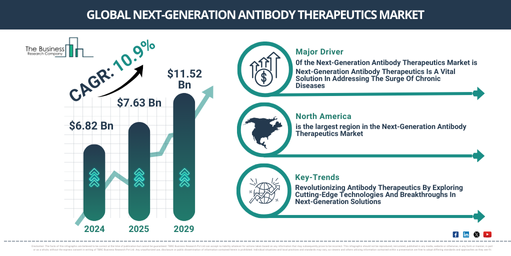
    In recent times, there has been a quick expansion in the size of the next-generation antibody therapeutics market. Analogous to this trend, it is projected to enlarge from $6.82 billion in 2024 to reach $7.63 billion in 2025, representing a compound annual growth rate (CAGR) of 11.8%. This growth during the historical period can be linked to the success of monoclonal antibody, the increasing frequency of chronic ailments, authorisation of antibody-drug conjugates, along with the advancement of immunotherapy, gene therapy and antibodies.

    The market size of the next-generation antibody therapeutics is projected to witness a swift expansion in the coming years. It is predicted to escalate to $11.52 billion by the year 2029 at a compound annual growth rate (CAGR) of 10.9%. The growth throughout the predicted period can be credited to several factors such as the development of biosimilars, bispecific antibodies, and nanobody, patient-centric methodologies, immunomodulatory antibodies, and growing applications in autoimmune diseases along with constant manufacturing. Key emerging trends throughout the forecast timeline will be the progress in antibody engineering, implementation of digital technologies in antibody designs, industry partnerships, breakthroughs in drug delivery systems, and usage of real-world evidence in antibody evolution.

    Download a free sample to assess the report’s scope and structure:

    https://www.thebusinessresearchcompany.com/sample.aspx?id=12678&type=smp

    What Are the Major Market Drivers Behind the Rising Adoption of Next-Generation Antibody Therapeutics Market?

    The rising prevalence of chronic diseases is anticipated to spur the next-generation antibody therapeutics market’s expansion. Chronic diseases, which typically last for a year or longer, often necessitate continued medical care and can limit daily activities. These advanced antibody therapeutics provide targeted care for individuals suffering from chronic diseases, potentially improving their health outcomes. For example, by January 2023, the National Center for Biotechnology Information (NCBI), a US-based National Library of Medicine, predicted that the number of people aged 50 and above with at least one chronic illness will increase by 99.5% by 2050, to a staggering 142.66 million. Consequently, this rise in chronic diseases is fueling the growth of the next-generation antibody therapeutics market.

    Which Key Market Segments Comprise the Next-Generation Antibody Therapeutics Market and Drive Its Revenue Growth?

    The next-generation antibody therapeutics market covered in this report is segmented –

    1) By Types Of Antibodies: Monoclonal Antibodies, Polyclonal Antibodies, Biospecific Antibodies, Antibody-Drug Conjugates, Other Types

    2) By Therapeutic Area: Oncology, Autoimmune Diseases, Infectious Diseases, Neurodegenerative Disorders, Other Therapeutic Areas

    3) By End-User: Hospitals And Clinics, Research Institutes, Pharmaceutical And Biotechnology Companies, Other End-Users

    Subsegments:

    1) By Monoclonal Antibodies: IgG Monoclonal Antibodies, IgM Monoclonal Antibodies

    2) By Polyclonal Antibodies: Serum-Derived Polyclonal Antibodies, Hybridoma-Derived Polyclonal Antibodies

    3) By Bispecific Antibodies: Dual-Targeting Antibodies, Single-Chain Variable Fragment (scFv) Antibodies

    4) By Antibody-Drug Conjugates (ADCs): Targeted ADCs, Payload Types

    5) By Other Types: Nanobodies, Engineered Antibodies

    Request customized data on this market:

    https://www.thebusinessresearchcompany.com/customise?id=12678&type=smp

    Which Areas Are Leading Regions in the Next-Generation Antibody Therapeutics Market Expansion Across the Globe?

    North America was the largest region in the next-generation antibody therapeutics market in 2024. Asia-Pacific is expected to be the fastest-growing region in the forecast period. The regions covered in the next-generation antibody therapeutics market report are Asia-Pacific, Western Europe, Eastern Europe, North America, South America, Middle East, Africa

    What Are the Strategic Trends Steering theNext-Generation Antibody Therapeutics Market Direction?

    The trend of technological advancements is becoming increasingly prevalent within the next-generation antibody therapeutics market. Major market players are emphasizing on the development of advanced technologies such as proprietary Molecular Indexing of Proteins by Self-Assembly (MIPSA) technology to amplify protein identification and profiling, thereby enabling more precise and targeted treatments. The objective of these progressions is to enhance therapeutic profiles, reduce expenditures, and effectively tackle complex diseases. Molecular Indexing of Proteins by Self-Assembly (MIPSA) is a technology that arranges protein molecules into organized assemblies for improved analysis and measurement. This improves the sensitivity and precision of protein detection, which is valuable in research and diagnostic scenarios. For example, in January 2024, Infinity Bio, Inc., a biotechnology firm based in the US, introduced a next-generation antibody profiling platform that employs MIPSA technology for extensive, cost-effective analysis of immune response, with the goal of improving disease knowledge and tailoring treatment approaches.

    View the full report here:

    https://www.thebusinessresearchcompany.com/report/next-generation-antibody-therapeutics-global-market-report

    How Is the Next-Generation Antibody Therapeutics Market Conceptually Defined?

    Next-generation antibody therapeutics are advanced antibody-based drugs in structure, functionality, and therapeutic potential beyond traditional monoclonal antibodies. It treats several severe medical problems, including cancer, infectious infections, and immunological disorders.

    Purchase the full report and get a swift delivery:

    https://www.thebusinessresearchcompany.com/purchaseoptions.aspx?id=12678

    About The Business Research Company:

    With over 15000+ reports from 27 industries covering 60+ geographies, The Business Research Company has built a reputation for offering comprehensive, data-rich research and insights. Armed with 1,500,000 datasets, the optimistic contribution of in-depth secondary research, and unique insights from industry leaders, you can get the information you need to stay ahead in the game.

    Get in touch with us:

    The Business Research Company: https://www.thebusinessresearchcompany.com/

    Americas +1 3156230293

    Asia +44 2071930708

    Europe +44 2071930708

    Email us at info@tbrc.info

    Follow us on:

    LinkedIn: https://in.linkedin.com/company/the-business-research-company

    YouTube: https://www.youtube.com/channel/UC24_fI0rV8cR5DxlCpgmyFQ

    Global Market Model: https://www.thebusinessresearchcompany.com/global-market-model
  • Neurological Biomarkers Market 2025-2034: Key Highlights, Growth Dynamics, and Emerging Trends

    Neurological Biomarkers Market 2025-2034: Key Highlights, Growth Dynamics, and Emerging Trends

    Discover trends, market shifts, and competitive outlooks for the neurological biomarkers industry through 2025-2034 with The Business Research Company’s reliable data and in-depth research

    What is the Projected CAGR for the Neurological Biomarkers Market Size from 2025 to 2034?

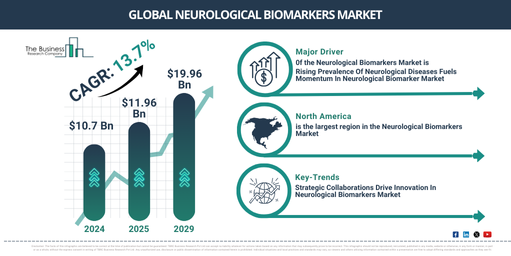
    In recent years, the expansion of the neurological biomarkers market has been swift. The market which was worth $10.7 billion in 2024 is projected to increase to $11.96 billion in 2025, with a compound annual growth rate (CAGR) of 11.7%. This significant growth during the historical period is due to several factors, including the rising incidence of neurological disorders, an aging population, the necessity for drug development, heightened funding for neurological research, and the shift towards personalized medicine.

    Over the coming years, the market size for neurological biomarkers is projected to expand quickly. The market is estimated to reach a value of $19.96 billion in 2029, demonstrating a compound annual growth rate (CAGR) of 13.7%. This growth during the estimate period is due to factors including early detection biomarkers, biosensors, wearable devices, global health initiatives, and a patient-centric approach. The forecast period will also see major trends such as technological innovations in imaging, swift progress in omics technologies, the incorporation of artificial intelligence (AI), real-world verification of biomarkers, advances in diagnostic technologies, and collaboration between industrial sectors and research institutions.

    Download a free sample to assess the report’s scope and structure:

    https://www.thebusinessresearchcompany.com/sample.aspx?id=12677&type=smp

    Which Primay Drivers Are Accelerating Growth in the Neurological Biomarkers Market?

    The surge in neurological disorders is predicted to trigger the expansion of the neurological biomarker market. Neurological conditions impact the brain, spinal cord, and all other nervous systems of the body. Parkinson’s disease, a neurodegenerative disease, affects the neurological system and body parts that are managed by the nerves. Neurological biomarkers aid in early diagnosis of Parkinson’s disease through pathological, biochemical, and genetic testing. For example, the Parkinson’s Foundation – a non-profit based in the US, reported in December 2022 that the instances of new Parkinson’s disease diagnoses reached 90,000 in 2022, a rise from 60,000 in 2021. Hence, the escalating prevalence of neurological diseases is bolstering the growth of the neurological biomarker market.

    Which Primary Segments of the Neurological Biomarkers Market Are Driving Growth and Industry Transformations?

    The neurological biomarkers market covered in this report is segmented –

    1) By Product: Proteomics Biomarker, Genomics Biomarker, Metabolomics Biomarker, Imaging Biomarker, Other Products

    2) By Application: Alzheimer’s Disease, Parkinson’s Disease, Huntington’s Disease, Schizophrenia, Depression, Multiple Sclerosis, Spinal Muscular Atrophy

    3) By End-User: Hospital Laboratories, Clinical Diagnostic Centers, Research Organizations, Other End-Users

    Subsegments:

    1) By Proteomics Biomarker: Protein Biomarkers, Antibody Biomarkers

    2) By Genomics Biomarker: DNA Biomarkers, RNA Biomarkers

    3) By Metabolomics Biomarker: Metabolite Biomarkers, Lipid Biomarkers

    4) By Imaging Biomarker: MRI Biomarkers, PET Scan Biomarkers

    5) By Other Products: Neuroinflammatory Biomarkers, Neurotransmitter Biomarkers

    Request customized data on this market:

    https://www.thebusinessresearchcompany.com/customise?id=12677&type=smp

    Which Regions Are Key Players in the Growth of the #Which Primay Drivers Are Accelerating Growth in the Neurological Biomarkers Market?# Market?

    North America was the largest region in the neurological biomarkers market in 2024. The regions covered in the neurological biomarkers market report are Asia-Pacific, Western Europe, Eastern Europe, North America, South America, Middle East, Africa

    Which Technological Trends Are Reshaping the Neurological Biomarkers Industry Dynamics?

    Key firms in the neurological biomarkers industry are forming partnerships to produce new products and reinforce their market dominance. Collaboration and partnerships spur innovation, utilize complementary skill sets, and facilitate faster development and commercialization of pioneering therapies by pooling resources and strengths. For instance, in July 2022, NeuroSense Therapeutics Ltd., an Israeli company engaged in devising treatments for extreme neurodegenerative diseases, allied itself with NeuraLight, another Israeli firm focused on developing precise and sensitive biomarkers for neurological ailments. This partnership aims at identifying oculometric indicators for Amyotrophic Lateral Sclerosis (ALS) through the use of Artificial Intelligence (AI) and Machine Learning (ML). Following NeuraLight’s $25 million Series A funding, the alliance aspires to heighten the identification and usage of ALS digital indications in a concurrent investigation. This marks the beginning of the collaboration’s first clinical trial and primarily concentrates on utilizing oculometric digital indicators, which could facilitate patient segmentation and increase the chances of success in clinical trials.

    View the full report here:

    https://www.thebusinessresearchcompany.com/report/neurological-biomarkers-global-market-report

    What Parameters Are Used to Define the Neurological Biomarkers Market?

    A neurological biomarker is a substance that provides objective and quantifiable information about the presence, progression, or characteristics of a neurological disorder or condition. They are used in clinical practice during drug development.

    Purchase the full report and get a swift delivery:

    https://www.thebusinessresearchcompany.com/purchaseoptions.aspx?id=12677

    About The Business Research Company:

    With over 15000+ reports from 27 industries covering 60+ geographies, The Business Research Company has built a reputation for offering comprehensive, data-rich research and insights. Armed with 1,500,000 datasets, the optimistic contribution of in-depth secondary research, and unique insights from industry leaders, you can get the information you need to stay ahead in the game.

    Get in touch with us:

    The Business Research Company: https://www.thebusinessresearchcompany.com/

    Americas +1 3156230293

    Asia +44 2071930708

    Europe +44 2071930708

    Email us at info@tbrc.info

    Follow us on:

    LinkedIn: https://in.linkedin.com/company/the-business-research-company

    YouTube: https://www.youtube.com/channel/UC24_fI0rV8cR5DxlCpgmyFQ

    Global Market Model: https://www.thebusinessresearchcompany.com/global-market-model
  • Neuroendocrine Tumor Treatment Growth Trajectory: Key Forecasts and Strategic Insights

    Neuroendocrine Tumor Treatment Growth Trajectory: Key Forecasts and Strategic Insights

    Discover trends, market shifts, and competitive outlooks for the neuroendocrine tumor treatment industry through 2025-2034 with The Business Research Company’s reliable data and in-depth research

    What Is the Current and Projected Market Size of the Neuroendocrine Tumor Treatment Market Through 2034?

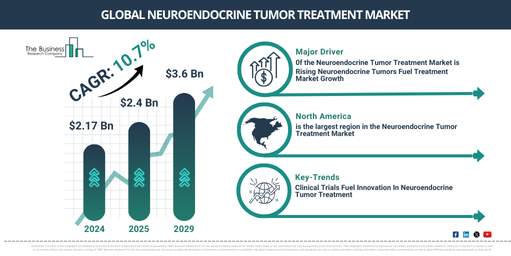
    The market for neuroendocrine tumor treatment has seen swift expansion in the past few years. Its size is anticipated to increase from $2.17 billion in 2024 to $2.4 billion in 2025, with a compound annual growth rate (CAGR) of 10.6%. The growth observed in the historic period can be credited to factors such as developments in clinical research and understanding, heightened awareness and education, the presence of specialist medical skills, progress in radiation therapy, and enhanced supportive care services.

    The market for neuroendocrine tumor treatment is poised for rapid expansion in the upcoming years, with predictions suggesting it will reach $3.6 billion by 2029, growing at a compound annual growth rate (CAGR) of 10.7%. Factors driving this growth during the forecast period include advancements in precision medicine, developments in immunotherapy, minimally invasive surgery techniques, increasing incidence rates, and the advent of telemedicine and remote care. Trends anticipated in this period include progress in diagnostic technologies, improvements in peptide receptor radionuclide therapy (PRRT), the application of nanotechnology in drug delivery, the emergence of radiopharmaceuticals, and cross-disciplinary cooperation.

    Download a free sample to assess the report’s scope and structure:

    https://www.thebusinessresearchcompany.com/sample.aspx?id=12248&type=smp

    Which Factors and External Forces Are Driving Demand in the Neuroendocrine Tumor Treatment Market?

    The increasing occurrence of neuroendocrine tumors is anticipated to drive the expansion of the neuroendocrine tumor treatment market. Neuroendocrine tumors (NETs) are a rare form of tumors that originate from neuroendocrine cells. The treatment of these tumors is crucial for their cure and works to manage symptoms, control the development of the tumor, and uses radiation therapy to eliminate tumor cells. As per the data provided by the American Society of Clinical Oncology (ASCO), a professional organization based in the US, in March 2023, over 12,000 Americans are diagnosed with these tumors annually, with an estimated 171,000 individuals living with this diagnosis in 2023. Moreover, Cancer Australia, an Australian cancer control organization, reported in August 2022 that 5,437 Australians were diagnosed with neuroendocrine tumors in 2022, amounting to 3.4% of all new cases diagnosed that year. Thus, the rising occurrence of neuroendocrine tumors is fueling the growth of the neuroendocrine tumor treatment market.

    Which Segments in the Neuroendocrine Tumor Treatment Offer the Most Growth?

    The neuroendocrine tumor treatment market covered in this report is segmented –

    1) By Product: Somatostatin Analogs (SSAs), Targeted Therapy, Chemotherapy, Others Products

    2) By Indication: Lungs, Pancreas, Gastrointestinal, Others Indications

    3) By End-Users: Hospitals, Oncology Centers, Other End-Users

    Subsegments:

    1) By Somatostatin Analogs (SSAs): Octreotide, Lanreotide

    2) By Targeted Therapy: Tyrosine Kinase Inhibitors (TKIs), Peptide Receptor Radionuclide Therapy (PRRT)

    3) By Chemotherapy: Traditional Chemotherapy Agents, Combination Chemotherapy Regimens

    4) By Other Products: Immunotherapy, Supportive Care Medications

    Request customized data on this market:

    https://www.thebusinessresearchcompany.com/customise?id=12248&type=smp

    What Are the Fastest-Growing Geographies in the #Which Factors and External Forces Are Driving Demand in the Neuroendocrine Tumor Treatment Market?# Market?

    North America was the largest region in the neuroendocrine tumor treatment market in 2024. The regions covered in the neuroendocrine tumor treatment market report are Asia-Pacific, Western Europe, Eastern Europe, North America, South America, Middle East, Africa.

    Which Cutting-Edge Market Trends Are Expected to Drive theNeuroendocrine Tumor Treatment Market’s Growth?

    The growing trend of using clinical drug development for treatment in the neuroendocrine tumor treatment market is being leveraged by major players in the field. To maintain their market position, these companies are working on groundbreaking therapies. For example, Viewpoint Molecular Targeting, Inc., an American pharmaceutical corporation, announced in October 2022 that it received a fast-track designation from the U.S. Food and Drug Administration (FDA) for the development of [212Pb] VMT-a-NET. This drug is used to treat patients suffering from SSTR2-positive unresectable or metastatic neuroendocrine tumors (NETs) and is a targeted alpha-particle therapy (TAT) specifically designed to eliminate cancer cells expressing somatostatin receptors specifically. The FDA’s fast-track designation is meant to speed up both the development and review process of [212Pb] VMT-a-NET for NET treatments. The designation is exclusively given to drugs that could potentially significantly increase the safety or efficacy of treatment for serious illnesses.

    View the full report here:

    https://www.thebusinessresearchcompany.com/report/neuroendocrine-tumor-treatment-global-market-report

    What Are the Key Elements That Define the Neuroendocrine Tumor Treatment Market?

    Neuroendocrine tumor treatment refers to the process of medical interventions and therapies aimed at managing and controlling neuroendocrine tumors (NETs). Neuroendocrine tumors are a rare type of cancer arising from neuroendocrine cells that regulate hormone production throughout the body. Neuroendocrine tumor treatment involves various approaches to target and control tumor growth, relieve symptoms, and improve the patient’s quality of life.

    Purchase the full report and get a swift delivery:

    https://www.thebusinessresearchcompany.com/purchaseoptions.aspx?id=12248

    About The Business Research Company:

    With over 15000+ reports from 27 industries covering 60+ geographies, The Business Research Company has built a reputation for offering comprehensive, data-rich research and insights. Armed with 1,500,000 datasets, the optimistic contribution of in-depth secondary research, and unique insights from industry leaders, you can get the information you need to stay ahead in the game.

    Get in touch with us:

    The Business Research Company: https://www.thebusinessresearchcompany.com/

    Americas +1 3156230293

    Asia +44 2071930708

    Europe +44 2071930708

    Email us at info@tbrc.info

    Follow us on:

    LinkedIn: https://in.linkedin.com/company/the-business-research-company

    YouTube: https://www.youtube.com/channel/UC24_fI0rV8cR5DxlCpgmyFQ

    Global Market Model: https://www.thebusinessresearchcompany.com/global-market-model
  • Fecal Transplant Therapy Market 2025-2034: Key Highlights, Growth Dynamics, and Emerging Trends

    Fecal Transplant Therapy Market 2025-2034: Key Highlights, Growth Dynamics, and Emerging Trends

    Discover trends, market shifts, and competitive outlooks for the fecal transplant therapy industry through 2025-2034 with The Business Research Company’s reliable data and in-depth research

    How Has The Fecal Transplant Therapy Market Growth Evolved From 2024 To 2025, And What’s Ahead?

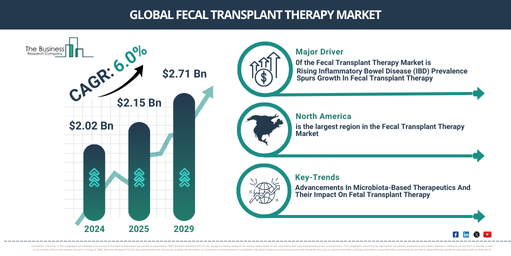
    In the past few years, the fecal transplant therapy market has exhibited robust growth. It’s projected to grow from $2.02 billion in 2024 to $2.15 billion in 2025, representing a compound annual growth rate (CAGR) of 6.4%. This significant growth during the previous years is attributed to several factors, including heightened awareness of fecal transplant procedures, robust demand for innovative treatment methods, a global surge in health consciousness, increased investment in research and development, and a rising occurrence of inflammatory bowel disease.

    The market size for fecal transplant therapy is forecasted to experience significant growth in the coming years, escalating to $2.71 billion in 2029 with a 6.0% compound annual growth rate (CAGR). This expansion in the prediction period can be attributed to increasing use of biologics in treatment, a surge in chronic disease prevalence, augmentation in biopesticides usage, growth in prescriptions for new and innovative drugs, and a rise in patients suffering from specific medical conditions. The forecast period is also expected to witness certain major trends such as intensifying focus on microbiome research, creation of synthetic alternatives, rise in the number of clinical trials, advancements in treatment delivery techniques, and an expansion in donor screening.

    Download a free sample to assess the report’s scope and structure:

    https://www.thebusinessresearchcompany.com/sample.aspx?id=19431&type=smp

    Which Primay Drivers Are Accelerating Growth in the Fecal Transplant Therapy Market?

    The escalating occurrence of inflammatory bowel disease (IBD), a chronic inflammation of the gastrointestinal tract including conditions like Crohn’s disease and ulcerative colitis, is projected to spur the expansion of fecal transplant therapy markets. Factors contributing to the surge in IBD cases include the increased intake of highly processed foods, regular or improper use of antibiotics, enhanced hygiene, and decreased exposure to infectious agents in early life. Fecal transplant therapy is designed to reestablish a healthy gut microbiota, alleviating inflammation and enhancing symptoms in IBD patients, thus potentially impacting its treatment and development. For instance, Crohn’s and Colitis Canada, a non-profit organization based in Canada, predicts that by 2035, the number of IBD sufferers in Canada will reach 470,000, a significant increase from an estimated 322,600 in June 2023. Consequently, the rising prevalence of inflammatory bowel disease is fuelling the expansion of the fecal transplant therapy market.

    Which Primary Segments of the Fecal Transplant Therapy Market Are Driving Growth and Industry Transformations?

    The fecal transplant therapymarket covered in this report is segmented –

    1) By Procedure: Fecal Enema, Fecal Bacteriotherapy, Stool Transplant, Human Probiotic Infusion, Fecal Transfusion

    2) By Disease: Clostridium Difficile Infection, Autism, Obesity, Parkinson’s Disease (PD), Diabetes Mellitus, Other Diseases

    3) By End-User: Hospitals, Specialty Clinics, Other End-Users

    Subsegments:

    1) By Fecal Enema: Retention Enema, Cleansing Enema, Retention-Based Fecal Transplants, Home Administration Kits

    2) By Fecal Bacteriotherapy: Suspension-Based Bacteriotherapy, Capsule Formulations, Customized Bacterial Preparations, Single Strain vs. Multi-Strain Products

    3) By Stool Transplant: Direct Stool Transplant Procedures, Stool Suspension Transplant, Stool Capsule Transplant, Automated Stool Preparation Systems

    4) By Human Probiotic Infusion: Single-Strain Probiotic Infusions, Multi-Strain Probiotic Infusions, Probiotic Blends With Prebiotics, Infusion Kits for Healthcare Providers

    5) By Fecal Transfusion: Intravenous Fecal Transfusion, Transfusion via Gastrostomy Tube, Pre-Packaged Fecal Transfusion Solutions, Fecal Transfusion For Research Purposes

    Request customized data on this market:

    https://www.thebusinessresearchcompany.com/customise?id=19431&type=smp

    Which Regions Are Key Players in the Growth of the Fecal Transplant Therapy Market?

    North America was the largest region in the fecal transplant therapy market in 2024. Asia-Pacific is expected to be the fastest-growing region in the forecast period. The regions covered in the fecal transplant therapy market report are Asia-Pacific, Western Europe, Eastern Europe, North America, South America, Middle East, Africa.

    Which Emerging Trends that Are Influencing the Fecal Transplant Therapy Industry Evolution?

    Leading businesses in the fecal transplant therapy market are concentrating on the creation of new treatment strategies, such as fecal microbiota transplantation (FMT) therapy in pill form, to promote patient adherence and expand therapy access. The pill version of FMT therapy includes live bacteria encapsulated from donor stool and is intended to be ingested orally. Its primary goal is to reestablish healthy gut bacteria and enhance gut health. For example, in April 2023, Seres Therapeutics Inc., a biotechnology company based in the US, and Nestlé Health Science S.A., a healthcare firm from Switzerland, introduced VOWST. The product is supplied as capsules, offering a more convenient and less invasive treatment alternative to prevent recurring clostridioides difficile infection (rCDI) in adults after antibacterial therapy. Unlike conventional FMT, which involves transplanting entire stool samples, VOWST utilizes live bacterial spores from several Firmicute species sourced from healthy human donors’ fecal microbiota, thought to re-establish a healthy gut microbiome.

    View the full report here:

    https://www.thebusinessresearchcompany.com/report/fecal-transplant-therapy-global-market-report

    What Parameters Are Used to Define the Fecal Transplant Therapy Market?

    Fecal transplant therapy, also known as fecal microbiota transplantation (FMT), is a medical procedure that involves the transfer of stool (feces) from a healthy donor into the gastrointestinal (GI) tract of a recipient. This treatment primarily addresses recurrent Clostridium difficile infections and other gut-related issues. It aims to repopulate the patient’s gut with beneficial bacteria to improve their health and digestion.

    Purchase the full report and get a swift delivery:

    https://www.thebusinessresearchcompany.com/purchaseoptions.aspx?id=19431

    About The Business Research Company:

    With over 15000+ reports from 27 industries covering 60+ geographies, The Business Research Company has built a reputation for offering comprehensive, data-rich research and insights. Armed with 1,500,000 datasets, the optimistic contribution of in-depth secondary research, and unique insights from industry leaders, you can get the information you need to stay ahead in the game.

    Get in touch with us:

    The Business Research Company: https://www.thebusinessresearchcompany.com/

    Americas +1 3156230293

    Asia +44 2071930708

    Europe +44 2071930708

    Email us at info@tbrc.info

    Follow us on:

    LinkedIn: https://in.linkedin.com/company/the-business-research-company

    YouTube: https://www.youtube.com/channel/UC24_fI0rV8cR5DxlCpgmyFQ

    Global Market Model: https://www.thebusinessresearchcompany.com/global-market-model
  • Fecal Microbiota Transplantation (FMT) Growth Trajectory: Key Forecasts and Strategic Insights

    Fecal Microbiota Transplantation (FMT) Growth Trajectory: Key Forecasts and Strategic Insights

    Discover trends, market shifts, and competitive outlooks for the fecal microbiota transplantation (fmt) industry through 2025-2034 with The Business Research Company’s reliable data and in-depth research

    What is the Projected CAGR for the Fecal Microbiota Transplantation (FMT) Market Size from 2025 to 2034?

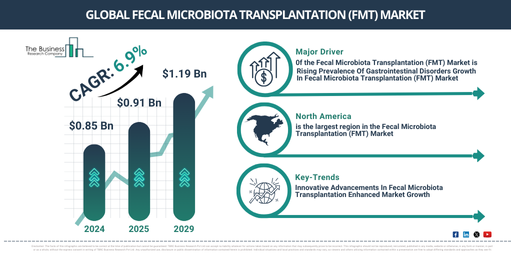
    The market for fecal microbiota transplantation (FMT) has seen substantial growth in the past few years. Its size is projected to expand from $0.85 billion in 2024 to $0.91 billion in 2025, at a compound annual growth rate (CAGR) of 7.2%. Factors contributing to this growth during the historic period include heightened awareness regarding gut microbiome, a broader range of therapeutic applications, a rise in personalized medicine, increased adoption in gastroenterology practices, a greater number of clinical trials and amplified funding and investments.

    In the forthcoming years, a robust expansion is predicted in the fecal microbiota transplantation (FMT) market which is anticipated to escalate to $1.19 billion in 2029, exhibiting a compound annual growth rate (CAGR) of 6.9%. The expansion during the projection period can be credited to the escalating number of clostridium difficile infections (CDI), increased instances of inflammatory bowel diseases, heightened activity in research and development, the growth in the elderly population, and the broadening infrastructure in healthcare. Key developments projected for this timeframe include establishment of standard procedures for donor screening, preparation of stools, advancements in analysing microbiomes, enhancement in stool processing technologies, invention of new delivery techniques, and the creation of synthetic or standardized microbiota-oriented products.

    Download a free sample to assess the report’s scope and structure:

    https://www.thebusinessresearchcompany.com/sample.aspx?id=19430&type=smp

    Which Factors and External Forces Are Driving Demand in the Fecal Microbiota Transplantation (FMT) Market?

    The escalating occurrence of gastrointestinal disorders is anticipated to boost the expansion of the fecal microbiota transplantation (FMT) market. Gastrointestinal (GI) disorders encompass various conditions impacting the gastrointestinal tract, including the esophagus, stomach, small intestine, large intestine (colon), rectum, and anus. The upsurge in these disorders can be attributed to increased stress, inactive lifestyles, and an elevated intake of processed foods. Fecal microbiota transplantation is utilized in treating these disorders to reintroduce healthy gut bacteria, especially for recurrent Clostridioides difficile infections. For instance, according to Crohn’s and Colitis Canada, a not-for-profit organization based in Canada, there’s a swift escalation in the number of IBD affected people in Canada from 322,600 in 2023 (0.8% of the population) to an estimated 470,000 by 2035 (1.1% of the population). In 2023, 11,000 new diagnoses are expected (1 every 48 minutes), and these figures are projected to rise to 14,000 by 2035 (1 every 38 minutes). Consequently, the climbing prevalence of gastrointestinal disorders is propelling the expansion of the fecal microbiota transplantation (FMT) market.

    Which Segments in the Fecal Microbiota Transplantation (FMT) Offer the Most Growth?

    The fecal microbiota transplantation (FMT) market covered in this report is segmented –

    1) By Type: Fermentation, Fresh, Cryopreservation

    2) By Donor Type: Stool-Derived, Fecal-Derived, Whole-Microbiome Derived

    3) By Indication: Clostridioides Difficile Infection, Inflammatory Bowel Disease, Metabolic Syndrome, Other Indications

    4) By Administration Route: Oral, Rectal, Nasogastric, Colon Capsule

    5) By End-User: Hospitals, Specialty Clinics, Other End-Users

    Subsegments:

    1) By Fermentation: Fermented FMT Products, Fermented Capsules, Fermented Liquids, In-House Fermentation Techniques

    2) By Fresh: Fresh Stool Samples, Fresh FMT Capsules, Fresh FMT Solutions for In-Hospital Use, Freshly Prepared FMT for Outpatient Use

    3) By Cryopreservation: Cryopreserved Stool Samples, Cryopreserved FMT Capsules, Cryopreserved Liquid FMT, Long-Term Storage Solutions for Cryopreserved FMT

    Request customized data on this market:

    https://www.thebusinessresearchcompany.com/customise?id=19430&type=smp

    What Are the Fastest-Growing Geographies in the Fecal Microbiota Transplantation (FMT) Market?

    North America was the largest region in the fecal microbiota transplantation (FMT) market in 2024. The regions covered in the fecal microbiota transplantation (FMT) market report are Asia-Pacific, Western Europe, Eastern Europe, North America, South America, Middle East, Africa.

    What Key Trends Are Shaping the Future of the Fecal Microbiota Transplantation (FMT) Market?

    Top-tier companies in the fecal microbiota transplantation (FMT) market are turning their attention to the creation of novel solutions like microbiota-based live biotherapeutics. This approach aims to improve treatment outcomes for various gastrointestinal conditions. Microbiota-based live biotherapeutics entails using live microorganisms as therapeutic agents that can rectify or adjust the gut biome to address multiple diseases. To illustrate, Ferring Pharmaceuticals, a reputed biopharmaceutical firm based in Switzerland, gained approval from the US Food and Drug Administration (FDA) in November 2022 for their ground-breaking product, REBYOTA (fecal microbiota, live-jslm). This is the first-of-its-kind microbiota-based live biotherapeutic, and it’s designed to avoid the recurrence of Clostridioides difficile infection (CDI) in adults aged 18 and above, previously treated with antibiotics for recurrent CDI. Consequently, REBYOTA’s primary purpose is to prevent the reoccurrence of Clostridioides difficile (C. difficile) infection in adults aged 18 and over, who have previously undergone antibiotic treatment for recurrent CDI.

    View the full report here:

    https://www.thebusinessresearchcompany.com/report/fecal-microbiota-transplantation-fmt-global-market-report

    What Are the Key Elements That Define the Fecal Microbiota Transplantation (FMT) Market?

    Fecal microbiota transplantation (FMT) is a medical procedure where a healthy donor’s fecal material is transplanted into a recipient’s gastrointestinal tract to restore the balance of beneficial microorganisms in the gut. This procedure is typically used to treat conditions where the gut microbiota is disrupted, such as recurrent clostridium difficile infection (CDI) that does not respond to standard treatments.

    Purchase the full report and get a swift delivery:

    https://www.thebusinessresearchcompany.com/purchaseoptions.aspx?id=19430

    About The Business Research Company:

    With over 15000+ reports from 27 industries covering 60+ geographies, The Business Research Company has built a reputation for offering comprehensive, data-rich research and insights. Armed with 1,500,000 datasets, the optimistic contribution of in-depth secondary research, and unique insights from industry leaders, you can get the information you need to stay ahead in the game.

    Get in touch with us:

    The Business Research Company: https://www.thebusinessresearchcompany.com/

    Americas +1 3156230293

    Asia +44 2071930708

    Europe +44 2071930708

    Email us at info@tbrc.info

    Follow us on:

    LinkedIn: https://in.linkedin.com/company/the-business-research-company

    YouTube: https://www.youtube.com/channel/UC24_fI0rV8cR5DxlCpgmyFQ

    Global Market Model: https://www.thebusinessresearchcompany.com/global-market-model