Category: HealthcareServices

  • From Insight to Impact: Strategic Growth Mapping in the Biofeedback Devices Market

    From Insight to Impact: Strategic Growth Mapping in the Biofeedback Devices Market

    We’ve updated all our reports with current data on tariff changes, trade developments, and supply chain shifts affecting key industries.

    What Is the Current and Projected Market Size of the Biofeedback Devices Market Through 2034?

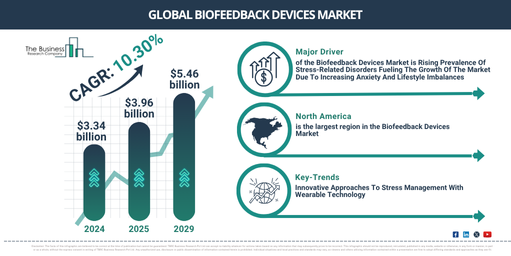
    The market size for biofeedback devices has experienced swift growth in the past few years, with the market size expected to rise from $3.34 billion in 2024 to $3.96 billion in 2025. This depicts a compound annual growth rate (CAGR) of 10.4%. Growth during the historic period could be credited to various factors including, an increased prevalence of stress-related illnesses, heightened awareness about mental health and wellbeing, the growing usage of wearable health technology, a rise in demand for non-invasive and non-pharmaceutical treatment options, and an extension of these devices in rehabilitation and the management of chronic diseases.

    The market for biofeedback devices is projected to undergo swift expansion in the coming years, growing to $5.46 billion in 2029 with a compound annual growth rate (CAGR) of 10.3%. The impending development is due to various factors, including increased incorporation with digital platforms and mobile applications, escalating investments in digital therapeutics and neurotechnology, a rise in the availability of devices suitable for home use and consumer-grade, amplified support from insurance providers for biofeedback therapy, plus an uptick in clinical evidence backing the effectiveness of biofeedback. Future trends comprise technological advancements in wearable sensor technology, biofeedback’s amalgamation with mobile health platforms, innovation complemented with artificial intelligence and machine learning, growth in brain-computer interface and neurofeedback systems, and advances in cloud computing for distanced monitoring.

    Download a free sample to assess the report’s scope and structure:

    https://www.thebusinessresearchcompany.com/sample.aspx?id=24170&type=smp

    What are the Fundamental Drivers and Innovations Shaping the Biofeedback Devices Market?

    The biofeedback devices market growth is expected to get a boost in the future due to the increasing occurrence of stress-related disorders. These disorders, both physical and mental health conditions, develop because of long-term or extreme stress, and their prevalence is growing because of increased pressures from work and lifestyle discrepancies in today’s society. Biofeedback devices are utilized in treating stress-related disorders as they assist individuals in monitoring and regulating physiological reactions, like heart rate and brainwaves, which can help to increase relaxation and decrease stress. For example, the American Psychiatric Association reported in May 2024 that the percentage of US adults experiencing increased anxiety had risen to 43%, from 37% in 2023 and 32% in 2022. Consequently, the escalating occurrence of stress-related disorders is fueling the growth of the biofeedback devices market.

    How Is the Biofeedback Devices Market Segmented?

    The biofeedback devices market covered in this report is segmented –

    1) By Type: Brainwaves, Heart Rate, Muscle Tone, Sweat Glands, Temperature, Pulmonary Functions, Other Types

    2) By Technology: Electromyography (EMG), Electroencephalography (EEG), Heart Rate Variability (HRV)

    3) By Distribution Channel: Online Retail, Physical Retail, Direct Sales

    4) By Application: Home Use, Hospital, Clinic, Rehabilitation Centers, Research Institutions

    5) By End-User: Individuals, Healthcare Providers, Corporate Wellness Programs

    Subsegment:

    1) By Brainwaves: Alpha Waves, Beta Waves, Delta Waves, Theta Waves, Gamma Waves

    2) By Heart Rate: Heart Rate Variability (HRV), Resting Heart Rate Monitoring, Peak Heart Rate Monitoring

    3) By Muscle Tone: Surface Electromyography (sEMG), Intramuscular EMG, Pelvic Floor EMG, Facial EMG

    4) By Sweat Glands: Galvanic Skin Response (GSR), Electrodermal Activity (EDA)

    5) By Temperature: Peripheral Skin Temperature Monitoring, Core Body Temperature Monitoring

    6) By Pulmonary Functions: Respiratory Rate Monitoring, Breathing Pattern Training, Capnography-based Feedback

    7) By Other Types: Blood Pressure Monitoring, Posture Monitoring, Skin Conductance, Thermal Biofeedback

    Request customized data on this market:

    https://www.thebusinessresearchcompany.com/sample.aspx?id=24170&type=smp

    Which Regions Are Driving the Next Phase of the Biofeedback Devices Market Growth?

    North America was the largest region in the biofeedback devices market in 2024. Asia-Pacific is expected to be the fastest-growing region in the forecast period. The regions covered in the biofeedback devices market report are Asia-Pacific, Western Europe, Eastern Europe, North America, South America, Middle East, Africa.

    What Key Trends Are Shaping the Future of the Biofeedback Devices Market?

    Key players in the biofeedback devices market are prioritizing technological advancements such as wearable biofeedback devices. These innovations aim to elevate real-time monitoring, heighten user experience, and deliver customized data-informed insights for stress control, mental wellbeing, and overall health. Wearable biofeedback equipment is portable tech that observes physiological responses, like the heart rate, skin temperature, or brain functions, providing instant feedback beneficial for health and stress management. For example, BramhAnsh Technologies, a company based in India, launched SOONYAM in January 2024. This wearable biofeedback device measures mental conditions using Galvanic Skin Response (GSR) technology. SOONYAM uses electrodermal activity tracking to give immediate insights into psychological arousal, stress levels, and mental exertion. It is tailored for individuals, counselors, and practitioners, featuring an easy-to-use interface and allows seamless integration into everyday activities such as sleep monitoring and meditation.

    View the full report here:

    https://www.thebusinessresearchcompany.com/report/biofeedback-devices-global-market-report

    How Is the Biofeedback Devices Market Defined and What Are Its Core Parameters?

    Biofeedback devices are electronic tools that monitor physiological signals and provide real-time feedback to help users consciously regulate bodily functions for improved health and well-being. Biofeedback devices are utilized by capturing real-time physiological data and providing feedback to help users learn to control functions such as heart rate, muscle tension, or brain activity for therapeutic or performance-enhancing purposes.

    Purchase the full report and get a swift delivery:

    https://www.thebusinessresearchcompany.com/customise?id=24170&type=smp

    About The Business Research Company:

    With over 15000+ reports from 27 industries covering 60+ geographies, The Business Research Company has built a reputation for offering comprehensive, data-rich research and insights. Armed with 1,500,000 datasets, the optimistic contribution of in-depth secondary research, and unique insights from industry leaders, you can get the information you need to stay ahead in the game.

    Get in touch with us:

    The Business Research Company: https://www.thebusinessresearchcompany.com/

    Americas +1 3156230293

    Asia +44 2071930708

    Europe +44 2071930708

    Email us at info@tbrc.info

    Follow us on:

    LinkedIn: https://in.linkedin.com/company/the-business-research-company

    YouTube: https://www.youtube.com/channel/UC24_fI0rV8cR5DxlCpgmyFQ

    Global Market Model: https://www.thebusinessresearchcompany.com/global-market-model
  • Baby Changing Units And Tables Market in Focus: Forecasting Growth Drivers, Scaling Potential, and Global Opportunities

    Baby Changing Units And Tables Market in Focus: Forecasting Growth Drivers, Scaling Potential, and Global Opportunities

    We’ve updated all our reports with current data on tariff changes, trade developments, and supply chain shifts affecting key industries.

    What Are the Projected Market Size and Growth Rates for the Baby Changing Units And Tables Market From 2025 To 2029?

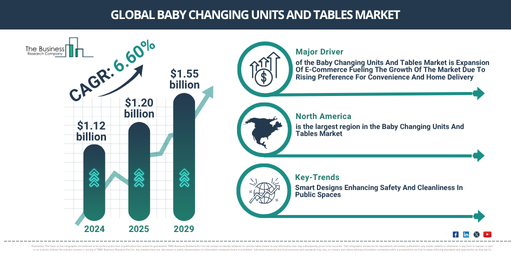
    The market size for baby changing units and tables has seen a robust growth in recent times. The market is forecasted to increase from $1.12 billion in 2024 to $1.20 billion in 2025, with a compound annual growth rate (CAGR) of 7.0%. This expansion during the historic phase is due to factors like heightened consciousness about baby cleanliness, upturn in birth rates, rising demand because of ease in childcare, focus on the safety of babies, requirement for space-saving furniture, surge in urbanization, an increase in disposable income, and expenditure on baby items.

    Predictions indicate a powerful surge in the baby changing units and tables market in the following years, escalating to a valuation of $1.55 billion in 2029 with a compound annual growth rate (CAGR) of 6.6%. This projected increase during the forecast period can be linked to the rise in urbanization, the escalating demand for handy products in child-rearing, the proliferation of intelligent baby care items, growing investment in public facilities, and a focus on comprehensive family-centric amenities. The forecast period is set to witness major trends such as intelligent changing tables equipped with inbuilt sensors, capabilities for wireless charging, collapsible and space-efficient designs, touch-free operations for convenience, and upgraded safety measures like anti-tip features.

    Download a free sample to assess the report’s scope and structure:

    https://www.thebusinessresearchcompany.com/sample.aspx?id=24165&type=smp

    What Are the Core Market Drivers Propelling Growth in the Baby Changing Units And Tables Industry?

    The surge in e-commerce is projected to fuel the development of the market for baby-changing units and tables. The term ‘e-commerce’ pertains to the online buying and selling of goods or services, accompanied by the transfer of money and data to complete these transactions. The growth in e-commerce can be attributed to a greater preference for expedience and home delivery, particularly among new and expecting parents. This method provides them the ease of purchasing baby items and having them directly delivered to their homes without stepping outside. Through e-commerce, a range of options for baby-changing units and tables from various brands become readily available. This allows parents and businesses to make comparisons regarding features, prices, and reviews readily, facilitating convenient and well-informed purchases. For instance, the United States Census Bureau, a US government agency, revealed in February 2025 that total e-commerce sales in 2024 amounted to $1,192.6 billion, reflecting an 8.1% increase from 2023. Hence, the burgeoning of e-commerce is a pivotal driver in the growth of the baby-changing units and tables market.

    How Is the Baby Changing Units And Tables Market Segmented?

    The baby changing units and tables market covered in this report is segmented –

    1) By Product Type: Wall-Mounted Changing Units, Foldable Changing Tables, Stationary Changing Tables, Changing Stations For Public Restrooms, Portable Changing Pads

    2) By Material: Plastic, Wood, Metal, Composite Materials, Fabric, Other Materials

    3) By Age Group: Newborn (0-3 Months), Infants (3-12 Months), Toddlers (1-3 Years), Preschoolers (3-5 Years), Special Needs Children

    4) By Distribution Channel: Online Stores, Super markets Or Hyper markets, Specialty Stores, Other Distribution Channels

    5) By End-User: Residential Use, Commercial Use, Healthcare Facilities, Public Amenities, Daycare Centers, Other End-Users

    Subsegments:

    1) By Wall-Mounted Changing Units: Horizontal Wall-Mounted Units, Vertical Wall-Mounted Units, Compact Wall-Mounted Designs, Commercial Grade Wall Units

    2) By Foldable Changing Tables: Wooden Foldable Tables, Metal Frame Foldable Tables, Travel-Friendly Foldables, Foldable Tables with Storage

    3) By Stationary Changing Tables: Standard Stationary Tables, Stationary Tables with Drawers, Multi-Tiered Stationary Tables, Convertible Crib-Changing Table Combos

    4) By Changing Stations For Public Restrooms: Americans With Disabilities Act Compliant Changing Stations, Antibacterial Surface Stations, Heavy-Duty Commercial Stations, High-Traffic Area Changing Units

    5) By Portable Changing Pads: Waterproof Changing Pads, Padded Travel Changing Mats, Disposable Changing Pads, Roll-Up Portable Changing Pads

    Request customized data on this market:

    https://www.thebusinessresearchcompany.com/sample.aspx?id=24165&type=smp

    Which Regions Are Driving the Next Phase of the Baby Changing Units And Tables Market Growth?

    North America was the largest region in the baby changing units and tables market in 2024. Asia-Pacific is expected to be the fastest-growing region in the forecast period. The regions covered in the baby changing units and tables market report are Asia-Pacific, Western Europe, Eastern Europe, North America, South America, Middle East, Africa.

    What Key Market Trends and Innovations Are Shaping the Future of the Baby Changing Units And Tables Industry?

    In the baby changing units and tables market, leading businesses are concentrating on creating cutting-edge products like self-sanitizing diaper changing tables to boost hygiene, heightened user convenience, and cater to the growing consumer demand for safer, more advanced childcare solutions in both public and private spaces. The self-sanitizing diaper changing table is an innovative hygiene-centered development designed to clean and sterilize its surface after every use, featuring built-in technologies such as UV-C light, antimicrobial surfaces, or automated cleaning sprays to eliminate bacteria and germs. For example, in March 2023, Pluie Inc., a US-based baby product manufacturing firm, debuted a self-sanitizing diaper changing table equipped with a UV-C light system that cleans the surface post every use by effectively eradicating 99.9% of dangerous bacteria and viruses, providing peace of mind to parents and caregivers. This intelligent hygiene innovation assists in maintaining a hygienic, germ-free environment for infants, considerably lowering the risk of contamination in public places.

    View the full report here:

    https://www.thebusinessresearchcompany.com/report/baby-changing-units-and-tables-global-market-report

    How Is the Baby Changing Units And Tables Market Defined and What Are Its Core Parameters?

    Baby changing units and tables are specially designed furniture pieces that provide a safe and convenient surface for changing infant diapers or clothes. They typically include raised edges, storage for baby essentials, and a padded changing area to ensure comfort and safety. Baby changing units and tables provide a safe and clean area for caregivers to change diapers while offering convenient storage for baby supplies.

    Purchase the full report and get a swift delivery:

    https://www.thebusinessresearchcompany.com/customise?id=24165&type=smp

    About The Business Research Company:

    With over 15000+ reports from 27 industries covering 60+ geographies, The Business Research Company has built a reputation for offering comprehensive, data-rich research and insights. Armed with 1,500,000 datasets, the optimistic contribution of in-depth secondary research, and unique insights from industry leaders, you can get the information you need to stay ahead in the game.

    Get in touch with us:

    The Business Research Company: https://www.thebusinessresearchcompany.com/

    Americas +1 3156230293

    Asia +44 2071930708

    Europe +44 2071930708

    Email us at info@tbrc.info

    Follow us on:

    LinkedIn: https://in.linkedin.com/company/the-business-research-company

    YouTube: https://www.youtube.com/channel/UC24_fI0rV8cR5DxlCpgmyFQ

    Global Market Model: https://www.thebusinessresearchcompany.com/global-market-model
  • Automated Microbiology Market Valuation Expected To Reach $15.38 Billion By 2029, Growing At A Rate Of 13%

    Automated Microbiology Market Valuation Expected To Reach $15.38 Billion By 2029, Growing At A Rate Of 13%

    We’ve updated all our reports with current data on tariff changes, trade developments, and supply chain shifts affecting key industries.

    How Fast Is The Automated Microbiology Market Expected to Grow Between 2025 And 2029?

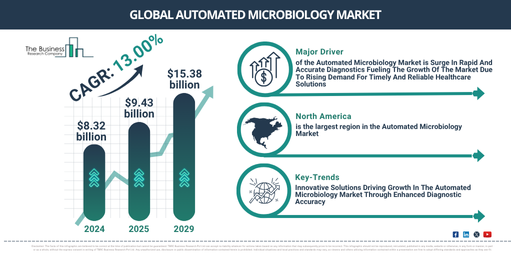
    In recent times, the market size for automated microbiology has seen swift expansion. The growth is forecasted to continue, increasing from $8.32 billion in 2024 to $9.43 billion in 2025, with a compound annual growth rate (CAGR) of 13.2%. The historical growth can be traced back to factors such as the rising incidence of infectious diseases, a surge in the need for early diagnosis, increasing demand for quick diagnostic tests, increase in hospital-acquired infections, and government backing for microbial tracking.

    The size of the automated microbiology market is predicted to experience a swift expansion in the coming years, escalating to $15.38 billion by 2029 with a compound annual growth rate (CAGR) of 13.0%. The surge in growth during the forecast period is expected due to several factors including an increased uptake of automation in clinical diagnostics, a swell in the elderly population, a surge in demand for point-of-care diagnostics, growth in hospital infrastructure, and a growing requirement for the detection of antimicrobial resistance. Significant trends to observe in the forecast period involve the embracing of lab-on-a-chip technology, a transition to completely automated laboratory systems, an increase in the use of cloud-based data analysis, the incorporation of AI and ML systems within the industry, along with the creation of portable automated analyzers.

    Download a free sample to assess the report’s scope and structure:

    https://www.thebusinessresearchcompany.com/sample.aspx?id=24163&type=smp

    Which Factors and External Forces Are Driving Demand in the Automated Microbiology Market?

    The demand for quick and precise diagnostic procedures is anticipated to stimulate the expansion of the automated microbiology market in the future. These procedures pertain to medical tests that swiftly and accurately detect disease or infections, allowing for immediate and efficient treatment. This growing need for such diagnostics is fueled by the urgency to identify diseases swiftly to preclude complications and enhance patient outcomes by reducing waiting times for test results. Automated microbiology facilitates this growing demand by offering high-volume, standardized, and minimally error-prone testing that guarantees quicker results and superior patient care. For instance, a report from the Global Fund, a Switzerland-based provider of prevention, treatment, and care programs for AIDS, TB, and malaria, reported in January 2024 that cases of diagnosed tuberculosis using WHO-approved diagnostic tools grew from 38% in 2021 to 47% in 2022. This underscores the increasing uptake of automated diagnostics as a revolutionary development. Thus, the escalating demand for quick and precise diagnostics is fueling the growth of the automated microbiology market.

    Which Segments in the Automated Microbiology Offer the Most Growth?

    The automated microbiology market covered in this report is segmented –

    1) By Product: Instruments, Reagents And Kits, Software

    2) By Automation Type: Fully Automated, Semi-Automated

    3) By Diagnostic Technology: DNA Sequencing, DNA And RNA Probe Technology, Detection Techniques, Monoclonal Antibodies, Immunoassays

    4) By Application: Biopharmaceutical Production, Clinical Diagnostics, Environmental And Water Testing, Food And Beverage Testing, Other Applications

    5) By End Use: Pharmaceutical And Biotechnology Companies, Hospitals And Diagnostic Laboratories, Academic And Research Institutes, Other End Uses

    Subsegments:

    1) By Instruments: Automated Gram Stainers, Microbial Detection Systems, Automated ID/AST Systems, Blood Culture Systems, Laboratory Information Management Systems (LIMS), Sample Preparation Systems

    2) By Reagents And Kits: Culture Media, Identification Kits, Susceptibility Testing Kits, Staining Reagents, Molecular Diagnostic Reagents

    3) By Software: Data Analysis And Interpretation Tools, Laboratory Workflow Management Software, Integration And Connectivity Solutions, Quality Control And Compliance Software

    Request customized data on this market:

    https://www.thebusinessresearchcompany.com/sample.aspx?id=24163&type=smp

    What Are the Fastest-Growing Geographies in the Automated Microbiology Market?

    North America was the largest region in the automated microbiology market in 2024. The regions covered in the automated microbiology market report are Asia-Pacific, Western Europe, Eastern Europe, North America, South America, Middle East, Africa.

    Which Cutting-Edge Market Trends Are Expected to Drive the Automated Microbiology Market’s Growth?

    Key players in the automated microbiology market are directing their efforts on the creation of sophisticated solutions like matrix-assisted laser desorption/ionization (MALDI) biotyper systems. These systems enhance the efficiency and precision in identifying microbes, considering it employs a mass spectrometry-based approach to identify unique protein profiles in bacteria and fungi. Bruker Corporation, a firm from the United States manufacturing scientific tools for molecular and materials studies, for instance, in April 2024, unveiled their MBT Pathfinder IVD robot. This robot is designed for automated preparation of targets for MALDI Biotyper analysis, subsequently enhancing the efficiency of clinical workflows. It facilitates the process of sample loading, matrix implementation, and plate preparation, thus hastening the process and ensuring a more precise microbial identification.

    View the full report here:

    https://www.thebusinessresearchcompany.com/report/automated-microbiology-global-market-report

    What Are the Key Elements That Define the Automated Microbiology Market?

    Automated microbiology refers to the use of automated systems and technologies to perform microbiological tasks, which traditionally required manual labor. The goal is to improve efficiency, reduce human error, enhance reproducibility, and speed up the process of diagnosis, especially in clinical microbiology labs.

    Purchase the full report and get a swift delivery:

    https://www.thebusinessresearchcompany.com/customise?id=24163&type=smp

    About The Business Research Company:

    With over 15000+ reports from 27 industries covering 60+ geographies, The Business Research Company has built a reputation for offering comprehensive, data-rich research and insights. Armed with 1,500,000 datasets, the optimistic contribution of in-depth secondary research, and unique insights from industry leaders, you can get the information you need to stay ahead in the game.

    Get in touch with us:

    The Business Research Company: https://www.thebusinessresearchcompany.com/

    Americas +1 3156230293

    Asia +44 2071930708

    Europe +44 2071930708

    Email us at info@tbrc.info

    Follow us on:

    LinkedIn: https://in.linkedin.com/company/the-business-research-company

    YouTube: https://www.youtube.com/channel/UC24_fI0rV8cR5DxlCpgmyFQ

    Global Market Model: https://www.thebusinessresearchcompany.com/global-market-model
  • Insulin Infusion Pump Market Outlook 2025: Mapping Growth, Innovation, and Regional Shifts

    Insulin Infusion Pump Market Outlook 2025: Mapping Growth, Innovation, and Regional Shifts

    We’ve updated all our reports with current data on tariff changes, trade developments, and supply chain shifts affecting key industries.

    #What Are the Key Milestones in the Insulin Infusion Pump Market’s Growth Trajectory From 2025 To 2034?#_x000D_

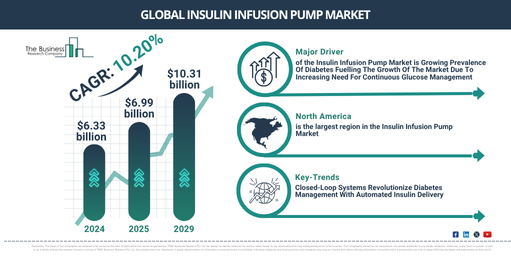
    Over the past few years, the insulin infusion pump market has expanded swiftly. Predictions say it will rise from a market size of $6.33 billion in 2024 to $6.99 billion in 2025, marking a compound annual growth rate (CAGR) of 10.4%. This growth from the prior period is likely due to factors such as the rising number of diabetes cases, increased incidence of obesity, a heightened demand for these integrated systems, broader awareness and education, and enhanced reimbursement policies._x000D_

    _x000D_

    The market for insulin infusion pumps is forecasted to experience substantial growth in the coming years, with its size expected to reach $10.31 billion by 2029, presenting a compound annual growth rate (CAGR) of 10.2%. The predicted growth during the forecasted period is due to numerous factors such as the broader availability of telehealth facilities, an increasing number of chronic disease cases, a surging demand for tailored medicine, elevated healthcare spending, and improved cognizance among both physicians and patients. Trends anticipated during the forecasted period encompass improvements in closed-loop frameworks, the incorporation of artificial intelligence (AI) and machine learning, technological progressions in wireless connectivity, advancements in the miniaturization of pumps, and compatibility with wearable devices._x000D_

    _x000D_

    #Download a free sample to assess the report’s scope and structure:#_x000D_

    https://www.thebusinessresearchcompany.com/sample.aspx?id=24256&type=smp_x000D_

    _x000D_

    #What External and Internal Drivers Are Contributing to the Growth of the Insulin Infusion Pump Market?#_x000D_

    The escalating incidence of diabetes is predicted to boost the expansion of the insulin infusion pump market in the future. Diabetes is a persistent health issue wherein the body struggles to effectively control blood sugar or glucose levels. The escalating incidence of diabetes is primarily attributed to rising sedentary lifestyles and unhealthy dietary practices, which result in obesity, insulin resistance, and elevated type 2 diabetes rates. Insulin infusion pumps aid in diabetes management, providing continuous and accurate insulin doses that maintain stable blood glucose levels. These pumps lessen the requirement for regular injections, offering ease of use and improved control over blood sugar, thereby enhancing the overall diabetes care. For instance, in June 2024, the National Health Service, a UK-based government department, reported that 3,615,330 individuals registered with a general practitioner (GP) had been identified as having non-diabetic hyperglycemia or pre-diabetes in 2023, reflecting an 18% rise from 3,065,825 cases in 2022. Hence, the surge in diseases related to lifestyle is projected to stimulate the growth of the medical device safety testing market._x000D_

    _x000D_

    #What Segment Types Define the Insulin Infusion Pump Market Structure?#_x000D_

    The insulin infusion pump market covered in this report is segmented –_x000D_

    _x000D_

    1) By Type: Continuous Subcutaneous Insulin Infusion Pumps, Insulin Delivery Pens, Wearable Insulin Pumps_x000D_

    2) By Technology: Remote Monitoring Systems, Closed Loop Systems, Smart Insulin Pumps_x000D_

    3) By End Use: Hospitals, Home Care Settings, Diabetes Clinics_x000D_

    _x000D_

    Subsegments:_x000D_

    1) By Continuous Subcutaneous Insulin Infusion (CSII) Pumps: Tubed Insulin Pumps, Tubeless Insulin Pumps, Closed-Loop Systems, Smart Insulin Pumps_x000D_

    2) By Insulin Delivery Pens: Reusable Insulin Pens, Disposable Insulin Pens, Smart Insulin Pens_x000D_

    3) By Wearable Insulin Pumps: Adhesive Patch Pumps, Detachable Patch Pumps, Hybrid Closed-Loop Wearables_x000D_

    _x000D_

    #Request customized data on this market:#_x000D_

    https://www.thebusinessresearchcompany.com/sample.aspx?id=24256&type=smp_x000D_

    _x000D_

    #Which Geographic Areas Hold the Strongest Growth Potential in the Insulin Infusion Pump Market?#_x000D_

    North America was the largest region in the insulin infusion pump market in 2024. Asia-Pacific is expected to be the fastest-growing region in the forecast period. The regions covered in the insulin infusion pump market report are Asia-Pacific, Western Europe, Eastern Europe, North America, South America, Middle East, Africa._x000D_

    _x000D_

    #What Long-Term Trends Are Transforming the Competitive Landscape of the Insulin Infusion Pump Market?#_x000D_

    Prominent businesses in the insulin infusion pumps sector are focusing on creating novel products, like insulin patch pump systems, to enhance patient convenience, portability, and to offer more discreet and comfortable insulin delivery choices. Insulin patch pump systems are compact, wearable devices that administer insulin transdermally, eliminating the need for traditional tubing. For example, in November 2023, ViCentra BV, a medical device company based in the Netherlands, introduced a combined closed-loop system for automated insulin delivery. This system blends its Kaleido insulin patch pump with the Diabeloop DBLG1 algorithm and the Dexcom G6 continuous glucose monitoring system. It functions as an integrated artificial pancreas, adapting insulin dosing in real time, which substantially decreases hypoglycemia, enhances glucose regulation, and improves time in range for people with type 1 diabetes. The system is simple to use, requires little setup without the need for fingerstick tests, and submits data to a cloud-based platform, allowing both users and healthcare providers to monitor it easily._x000D_

    _x000D_

    #View the full report here:#_x000D_

    https://www.thebusinessresearchcompany.com/report/insulin-infusion-pump-global-market-report_x000D_

    _x000D_

    #What Is the Definition of the Insulin Infusion Pump Market?#_x000D_

    Insulin infusion pump is a small, wearable device used for the continuous delivery of insulin to individuals with diabetes, helping to maintain optimal blood glucose levels. It delivers insulin through a catheter placed under the skin, offering more precise and flexible management compared to multiple daily injections._x000D_

    _x000D_

    #Purchase the full report and get a swift delivery:#_x000D_

    https://www.thebusinessresearchcompany.com/customise?id=24256&type=smp_x000D_

    _x000D_

    #About The Business Research Company:#_x000D_

    With over 15000+ reports from 27 industries covering 60+ geographies, The Business Research Company has built a reputation for offering comprehensive, data-rich research and insights. Armed with 1,500,000 datasets, the optimistic contribution of in-depth secondary research, and unique insights from industry leaders, you can get the information you need to stay ahead in the game._x000D_

    _x000D_

    #Get in touch with us:#_x000D_

    The Business Research Company: https://www.thebusinessresearchcompany.com/_x000D_

    Americas +1 3156230293_x000D_

    Asia +44 2071930708_x000D_

    Europe +44 2071930708_x000D_

    Email us at info@tbrc.info_x000D_

    _x000D_

    #Follow us on:#_x000D_

    _x000D_

    LinkedIn: https://in.linkedin.com/company/the-business-research-company_x000D_

    YouTube: https://www.youtube.com/channel/UC24_fI0rV8cR5DxlCpgmyFQ_x000D_

    Global Market Model: https://www.thebusinessresearchcompany.com/global-market-model

  • Atypical Mycobacteriosis Treatment Market Trends 2025-2034: Growth, Strategic Insights, and Opportunities Ahead

    Atypical Mycobacteriosis Treatment Market Trends 2025-2034: Growth, Strategic Insights, and Opportunities Ahead

    We’ve updated all our reports with current data on tariff changes, trade developments, and supply chain shifts affecting key industries.

    What Are the Key Milestones in the Atypical Mycobacteriosis Treatment Market’s Growth Trajectory From 2025 To 2034?

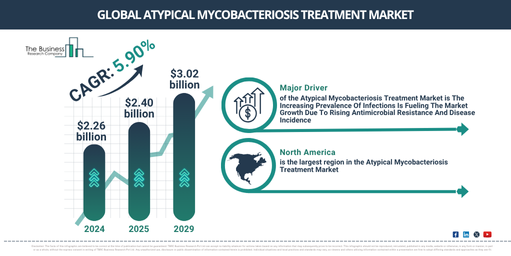
    There has been significant expansion in the market size for the treatment of atypical mycobacteriosis in the recent past. The market, which is projected to soar from $2.26 billion in 2024 to $2.40 billion in 2025, boasts a compound annual growth rate (CAGR) of 6.2%. Factors attributing to the growth during the historic period include the rise in HIV cases, enhancement in diagnostic techniques, increase in awareness about mycobacterial infections, escalating usage of immunosuppressive treatments, and advancements in research relating to infectious diseases.

    Expectations are high for substantial growth in the atypical mycobacteriosis treatment market over the next several years, with projections predicting it to reach a value of $3.02 billion by 2029, growing at a 5.9% compound annual growth rate (CAGR). Factors contributing to this forecasted growth include a growing elderly population, an increased demand for macrolide antibiotics, a larger focus on orphan disease treatments, more accessible healthcare, and an upswing in clinical trials addressing nontuberculous mycobacterial infections. Prominently displayed trends for the forecasted period are enhancements in quick molecular diagnostics, the evolution of targeted drug therapies, the incorporation of telemedicine in managing infections, financial investment in antimicrobial resistance studies, and the application of artificial intelligence in the planning of treatments.

    Download a free sample to assess the report’s scope and structure:

    https://www.thebusinessresearchcompany.com/sample.aspx?id=24157&type=smp

    What Are the Major Market Drivers Behind the Rising Adoption of Atypical Mycobacteriosis Treatment Market?

    The growth of the atypical mycobacteriosis treatment market is anticipated to be driven by the escalating instances of infections. Increasing antimicrobial resistance, which impedes the potency of conventional treatment methods and aids the dissemination of pathogens, is the main cause for the mounting incidence of infections. Treatments for atypical mycobacteriosis work by targeting and annihilating non-tuberculous mycobacterial pathogens, thus lowering inflammation and averting disease progression. The Centers for Disease Control and Prevention, a United States-based governmental entity, reported in November 2023 that there were 8,331 tuberculosis cases in the United States in 2022, indicating a 5.9% increase from 2021. Hence, infection proliferation is driving the atypical mycobacteriosis treatment market’s expansion. Market growth is also expected to be fueled by the burgeoned demand for personalized therapies due to breakthroughs in genomics and biotechnology. Personalized therapies, treatments devised based on one’s unique genetic, biological, and environmental aspects to enhance effectiveness, are increasingly in demand. The exponential growth in genomics and biotechnology, which allows curating treatments specific to an individual’s genetic makeup, has amplified the demand for these therapies. Atypical mycobacteriosis treatment plays a crucial role in personalized therapies as it helps in devising strategies tailored to the unique genetic and clinical traits of each patient, thereby providing efficient and precise care. The Personalized Medicine Coalition, a US-based non-profit, reported in February 2024 that in 2023, the FDA approved 16 new personalized treatments for patients with rare conditions, marking a significant rise from six approved in 2022.

    Which Key Market Segments Comprise the Atypical Mycobacteriosis Treatment Market and Drive Its Revenue Growth?

    The atypical mycobacteriosis treatment market covered in this report is segmented –

    1) By Treatment Type: Antibiotic Therapy, Surgical Interventions, Combination Therapy, Supportive Care

    2) By Type Of Disease: Atypical Mycobacterial Lung Infections, Disseminated Infections, Skin And Soft Tissue Infections

    3) By Route Of Admission: Oral, Intravenous, Topical

    4) By Patient Type: Immuncompromised Patients, Non-Immunocompromised Patients, Pediatric Patients

    5) By End Users: Hospitals, Clinics, Home Healthcare Settings

    Subsegments:

    1) By Antibiotic Therapy: Macrolides, Rifamycins, Ethambutol, Aminoglycosides, Fluoroquinolones

    2) By Surgical Interventions: Pulmonary Resection, Lymph Node Excision, Skin And Soft Tissue Debridement, Abscess Drainage, Bronchoscopic Interventions

    3) By Combination Therapy: Macrolide-Based Triple Drug Regimen, Macrolide Plus Injectable Aminoglycoside, Macrolide Plus Fluoroquinolone And Ethambutol

    4) By Supportive Care: Nutritional Support, Respiratory Therapy, Pain Management, Psychological Support, Immune Support Supplements

    Request customized data on this market:

    https://www.thebusinessresearchcompany.com/sample.aspx?id=24157&type=smp

    Which Areas Are Leading Regions in the Atypical Mycobacteriosis Treatment Market Expansion Across the Globe?

    North America was the largest region in the atypical mycobacteriosis treatment market in 2024. The regions covered in the atypical mycobacteriosis treatment market report are Asia-Pacific, Western Europe, Eastern Europe, North America, South America, Middle East, Africa.

    View the full report here:

    https://www.thebusinessresearchcompany.com/report/atypical-mycobacteriosis-treatment-global-market-report

    How Is the Atypical Mycobacteriosis Treatment Market Conceptually Defined?

    Atypical mycobacteriosis treatment refers to the medical management of infections caused by nontuberculous mycobacteria (NTM), which are a group of mycobacterial species that do not cause tuberculosis. These infections can affect various parts of the body, including the lungs, skin, and lymph nodes, and are often more resistant to standard tuberculosis treatments. Treatment typically involves a combination of antibiotics, such as macrolides, rifamycins, and ethambutol, often for an extended duration.

    Purchase the full report and get a swift delivery:

    https://www.thebusinessresearchcompany.com/customise?id=24157&type=smp

    About The Business Research Company:

    With over 15000+ reports from 27 industries covering 60+ geographies, The Business Research Company has built a reputation for offering comprehensive, data-rich research and insights. Armed with 1,500,000 datasets, the optimistic contribution of in-depth secondary research, and unique insights from industry leaders, you can get the information you need to stay ahead in the game.

    Get in touch with us:

    The Business Research Company: https://www.thebusinessresearchcompany.com/

    Americas +1 3156230293

    Asia +44 2071930708

    Europe +44 2071930708

    Email us at info@tbrc.info

    Follow us on:

    LinkedIn: https://in.linkedin.com/company/the-business-research-company

    YouTube: https://www.youtube.com/channel/UC24_fI0rV8cR5DxlCpgmyFQ

    Global Market Model: https://www.thebusinessresearchcompany.com/global-market-model
  • Atrophic Glossitis Treatment Market Outlook 2025–2034: Identifying Growth Drivers, Technology Trends, and Policy Impact

    Atrophic Glossitis Treatment Market Outlook 2025–2034: Identifying Growth Drivers, Technology Trends, and Policy Impact

    We’ve updated all our reports with current data on tariff changes, trade developments, and supply chain shifts affecting key industries.

    How Has the Atrophic Glossitis Treatment Market Growth Performance Trended Historically, And What Lies Ahead?

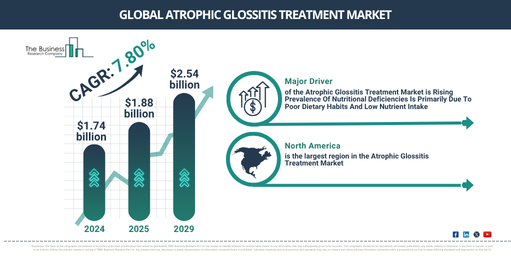
    Over the past years, the market size for the treatment of atrophic glossitis has seen significant growth. It is projected to expand from $1.74 billion in 2024 to $1.88 billion in 2025, making the compound annual growth rate (CAGR) 8.1%. The surge throughout the historical period is due to factors such as heightened consciousness about oral health, increased occurrence of nutritional deficiencies, a growing elderly population, the rising trend of online pharmacies, and an increase in cases of vitamin deficiencies.

    Expectations indicate a robust expansion in the size of the atrophic glossitis treatment market in upcoming years, with forecasts predicting a rise to $2.54 billion by 2029. This suggests a compound annual growth rate (CAGR) of 7.8%. Numerous factors are driving this growth, including increased healthcare spending, broader acceptance of dietary supplements, progressive diagnostic techniques for oral diseases, a growing senior population at an elevated risk of glossitis, and a rise in the need for non-invasive treatment alternatives. The forecast period also anticipates major trends such as innovation in topical remedies, tailored nutritional supplement development, technological advancements in oral care treatments, the role of artificial intelligence and machine learning in the diagnosis of glossitis, and the consolidation of atrophic glossitis treatments into comprehensive oral care management.

    Download a free sample to assess the report’s scope and structure:

    https://www.thebusinessresearchcompany.com/sample.aspx?id=24155&type=smp

    What Are the Core Market Drivers Propelling Growth in the Atrophic Glossitis Treatment Industry?

    The mounting cases of nutritional deficiencies are anticipated to trigger the expansion of the atrophic glossitis treatment market in the future. Nutritional deficiencies imply the absences of critical nutrients like vitamins, minerals, and proteins in a person’s diet, which can cause several health issues. The majority of nutritional deficiency occurrences are a direct result of unhealthy eating habits as people tend to lean more towards processed foods with a low-nutrient content, leading to insufficient intake of essential vitamins and minerals. Treatments for atrophic glossitis aim to replace missing vitamins and minerals like iron, folate, and vitamin B12 that are vital to maintaining tongue tissue health and preventing mucosal atrophy. For instance, a report in May 2025 by the World Health Organization revealed that in 2023, 30.7% of women aged 15–49 years and 35.5% of expecting mothers in the identical age group suffered from anemia. Therefore, the spike in instances of nutritional deficiencies is a significant factor propelling the atrophic glossitis treatment market’s expansion. The uptick in cases of autoimmune diseases is anticipated to drive the growth of the atrophic glossitis treatment market in the future. Autoimmune diseases are conditions where the patient’s immune system attacks its own healthy tissue, mistaking it for harmful. The surge in autoimmune disease cases is predominantly due to a cocktail of genetic predisposition and environmental factors causing immune system imbalances. Treatments for atrophic glossitis provide relief by targeting associated nutritional deficiencies and inflammation often found alongside immune system problems, thereby helping in overall immune function and symptoms management. For example, as per Versorgungsatlas.de, a German organization, in 2022, out of 73,241,305 insured persons, 6,304,340 had received at least one autoimmune disease diagnosis, which translates to a crude prevalence rate of 8.61%. Therefore, the uptick in autoimmune diseases occurrences is a significant factor powering the atrophic glossitis treatment market’s expansion.

    How Is the Atrophic Glossitis Treatment Market Segmented?

    The atrophic glossitis treatment market covered in this report is segmented –

    1) By Treatment Type: Medications, Topical Treatments, Nutritional Supplements, Oral Care Products

    2) By Symptoms: Inflammation, Discoloration, Itching, Burning Tongue

    3) By Distribution Channel: Direct Tender, Hospital Pharmacy, Retail Pharmacy, Online Pharmacy, Other Distribution Channels

    4) By End User: Hospitals, Ambulatory Surgical Centers, Home Care

    Subsegments:

    1) By Medications: Antibiotics, Antifungals, Antivirals, Corticosteroids, Immunosuppressants

    2) By Topical Treatments: Mouthwashes, Oral Gels, Ointments, Lozenges

    3) By Nutritional Supplements: Vitamin B12, Iron Supplements, Folic Acid, Zinc Supplements, Multivitamins

    4) By Oral Care Products: Toothpaste for Sensitive Mouths, Alcohol-Free Mouth Rinses, Soft-Bristled Toothbrushes, Oral Moisturizers

    Request customized data on this market:

    https://www.thebusinessresearchcompany.com/sample.aspx?id=24155&type=smp

    Which Regions Are Driving the Next Phase of the Atrophic Glossitis Treatment Market Growth?

    North America was the largest region in the atrophic glossitis treatment market in 2024. Asia-Pacific is expected to be the fastest-growing region in the forecast period. The regions covered in the atrophic glossitis treatment market report are Asia-Pacific, Western Europe, Eastern Europe, North America, South America, Middle East, Africa.

    View the full report here:

    https://www.thebusinessresearchcompany.com/report/atrophic-glossitis-treatment-global-market-report

    How Is the Atrophic Glossitis Treatment Market Defined and What Are Its Core Parameters?

    Atrophic glossitis treatment refers to the medical management strategies aimed at addressing the inflammation and degeneration of the tongue’s papillae, which results in a smooth, glossy, and often painful tongue. Effective treatment involves identifying and correcting underlying causes, commonly including nutritional deficiencies (such as iron, vitamin B12, or folate), infections, autoimmune disorders, or systemic conditions such as celiac disease.

    Purchase the full report and get a swift delivery:

    https://www.thebusinessresearchcompany.com/customise?id=24155&type=smp

    About The Business Research Company:

    With over 15000+ reports from 27 industries covering 60+ geographies, The Business Research Company has built a reputation for offering comprehensive, data-rich research and insights. Armed with 1,500,000 datasets, the optimistic contribution of in-depth secondary research, and unique insights from industry leaders, you can get the information you need to stay ahead in the game.

    Get in touch with us:

    The Business Research Company: https://www.thebusinessresearchcompany.com/

    Americas +1 3156230293

    Asia +44 2071930708

    Europe +44 2071930708

    Email us at info@tbrc.info

    Follow us on:

    LinkedIn: https://in.linkedin.com/company/the-business-research-company

    YouTube: https://www.youtube.com/channel/UC24_fI0rV8cR5DxlCpgmyFQ

    Global Market Model: https://www.thebusinessresearchcompany.com/global-market-model
  • Age-Related Hearing Loss Market Outlook 2025: Mapping Growth, Innovation, and Regional Shifts

    Age-Related Hearing Loss Market Outlook 2025: Mapping Growth, Innovation, and Regional Shifts

    We’ve updated all our reports with current data on tariff changes, trade developments, and supply chain shifts affecting key industries.

    What is the Anticipated CAGR of the Age-Related Hearing Loss Market, and What Factors Will Drive It?

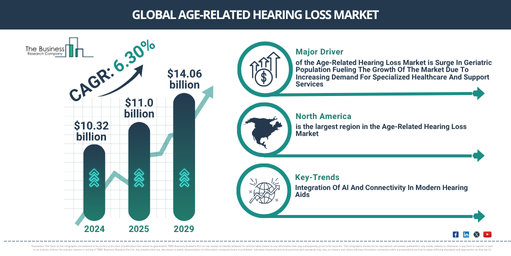
    Recent years have witnessed significant expansion in the market size for age-related hearing loss. Current projections estimate growth from $10.32 billion in 2024, to a value of $11.0 billion in 2025 with a compound annual growth rate (CAGR) of 6.6%. This previous growth can be traced back to several factors: greater exposure to ototoxic drugs, an uptick in genetic predispositions towards hearing loss, increasing urbanization, escalating environmental factors jeopardizing auditory health, and an enhanced supply of treatments for hearing loss.

    In the upcoming years, a solid expansion is anticipated for the market of age-related Hearing Loss, with predictions projecting growth to $14.06 billion by 2029, reflecting a compound annual growth rate (CAGR) of 6.3%. The consequential growth over the forecast period is largely due to the ascending demand for non-invasive treatments, progressive advancements in hearing aid technology, government initiatives aimed at enhancing auditory health, a heightened emphasis on early detection and prevention along with a surge in investments for audiology research and development. Key trends for the forecast period encompass progress in personalized hearing solutions, novel hearing implant technologies, the evolution of gene therapies to combat hearing loss, innovations in readily available over-the-counter hearing aids, and breakthroughs in teleaudiology services.

    Download a free sample to assess the report’s scope and structure:

    https://www.thebusinessresearchcompany.com/sample.aspx?id=24136&type=smp

    What External and Internal Drivers Are Contributing to the Growth of the Age-Related Hearing Loss Market?

    The anticipated expansion of the age-related hearing loss market is likely to be fueled by the increasing elderly population. This term is utilized to describe those who are 65 years of age or older. Healthcare advancements, enhanced living environments, and effective management of persistent illnesses have led to a surge in life expectancy, thus causing an uptick in the elderly population. These factors allow more individuals to thrive in their later years. The need for special hearing aids, effective communication approaches, and specialized healthcare services, provided via age-related hearing loss management, can significantly enhance the elderly population’s life quality and social involvement. California Health Advocates, a non-profit based in the US, noted that as of June 2024, the elderly made up 17.3% of the population in 2022, a figure estimated to escalate to 22% by 2040. Hence, the swelling elderly population serves as a catalyst for the expansion of the age-related hearing loss market.

    What Segment Types Define the Age-Related Hearing Loss Market Structure?

    The age-related hearing loss market covered in this report is segmented –

    1) By Product Type: Hearing Aids, Cochlear Implants, Assistive Listening Devices, Other Product Type

    2) By Distribution Channel: Hospitals, Audiology Clinics, Online Stores, Other Distribution Channel

    3) By End-User: Adults, Geriatric Population

    Subsegments:

    1) By Hearing Aids: Behind-the-Ear (BTE), In-the-Ear (ITE), Receiver-in-the-Ear (RITE), Completely-in-the-Canal (CIC), In-the-Canal (ITC), Invisible-in-the-Canal (IIC), Smart Hearing Aids

    2) By Assistive Listening Devices: FM Systems, Infrared Systems, Induction Loop Systems, Personal Amplifiers, TV Streamers and Amplifiers

    3) By Cochlear Implants: Unilateral Cochlear Implants, Bilateral Cochlear Implants, Wireless Cochlear Implants, Hybrid Cochlear Implants

    4) By Other Product Type: Bone Anchored Hearing Systems, Auditory Brainstem Implants, Hearing Protection Devices, Tinnitus Maskers

    Request customized data on this market:

    https://www.thebusinessresearchcompany.com/sample.aspx?id=24136&type=smp

    Which Geographic Areas Hold the Strongest Growth Potential in the Age-Related Hearing Loss Market?

    North America was the largest region in the age-related hearing loss market in 2024. Asia-Pacific is expected to be the fastest-growing region in the forecast period. The regions covered in the age-related hearing loss market report are Asia-Pacific, Western Europe, Eastern Europe, North America, South America, Middle East, Africa.

    What Long-Term Trends Are Transforming the Competitive Landscape of the Age-Related Hearing Loss Market?

    Leading businesses in the age-related hearing loss marketplace are prioritizing the creation of advanced technologies, like intelligent hearing aids equipped with AI-based audio processing and Bluetooth features, to better auditory capabilities, lessen auditory exertion, and augment user experience and quality of life. AI-equipped and Bluetooth-enabled hearing aids automatically adjust to various auditory settings by maximizing sound in real time, and offer smooth audio streaming and device management through integration with smartphones. For example, Phonak, a Switzerland-based provider of hearing solutions, in August 2024, released the Audéo Sphere Infinio hearing aid, the globe’s first to possess a dedicated real-time AI chip for separating speech from noise. It boasts a unique real-time AI chip that significantly enhances speech clarity in noisy surroundings, thereby boosting auditory performance and user satisfaction. It offers dynamic, real-time speech improvement from any direction, catering to the most pressing difficulty faced by individuals with hearing loss.

    View the full report here:

    https://www.thebusinessresearchcompany.com/report/age-related-hearing-loss-global-market-report

    What Is the Definition of the Age-Related Hearing Loss Market?

    Age-related hearing loss, also known as presbycusis, is a gradual, progressive loss of hearing that occurs as people age. It typically affects both ears and is most noticeable with high-pitched sounds or noisy environments. Age-related hearing loss is caused by changes in the inner ear, auditory nerve, or brain pathways involved in hearing.

    Purchase the full report and get a swift delivery:

    https://www.thebusinessresearchcompany.com/customise?id=24136&type=smp

    About The Business Research Company:

    With over 15000+ reports from 27 industries covering 60+ geographies, The Business Research Company has built a reputation for offering comprehensive, data-rich research and insights. Armed with 1,500,000 datasets, the optimistic contribution of in-depth secondary research, and unique insights from industry leaders, you can get the information you need to stay ahead in the game.

    Get in touch with us:

    The Business Research Company: https://www.thebusinessresearchcompany.com/

    Americas +1 3156230293

    Asia +44 2071930708

    Europe +44 2071930708

    Email us at info@tbrc.info

    Follow us on:

    LinkedIn: https://in.linkedin.com/company/the-business-research-company

    YouTube: https://www.youtube.com/channel/UC24_fI0rV8cR5DxlCpgmyFQ

    Global Market Model: https://www.thebusinessresearchcompany.com/global-market-model
  • Strong CAGR to Propel in the Acute Hospital Care Market and Beyond upto $4300.23 Billion by 2029

    Strong CAGR to Propel in the Acute Hospital Care Market and Beyond upto $4300.23 Billion by 2029

    We’ve updated all our reports with current data on tariff changes, trade developments, and supply chain shifts affecting key industries.

    How Has The Acute Hospital Care Market Size Shifted, And What Is the Outlook Through 2034?

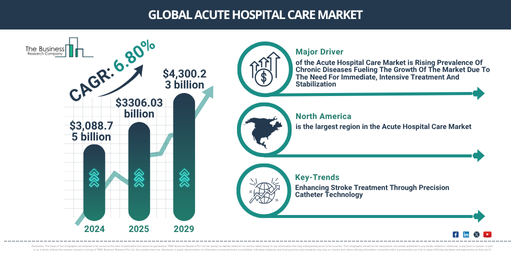
    The market size of acute hospital care has been experiencing robust growth over the past few years. The market, which stood at $3,088.75 billion in 2024, is projected to reach $3306.03 billion in 2025, growing at a compound annual growth rate (CAGR) of 7.0%. This growth during the historic period is credited to factors like the surge in chronic disease cases, an aging worldwide population, expansion of healthcare infrastructure, a rise in emergency room visits, and urbanization.

    The expectation for the forthcoming years is a robust growth forecast for the acute hospital care market, which is anticipated to reach $4,300.23 billion in 2029, growing at a compound annual growth rate (CAGR) of 6.8%. The predicted growth over this period can be linked to the escalating demand for specialized acute care facilities, growth in multi-morbidity instances, escalating elderly population globally, increasing lifestyle-related illnesses, and a global upsurge in critical care beds. Key trends projected during this period encompass the amalgamation of electronic health records (EHRs) with intelligent analytics, the adoption of advanced robotics and automation in surgical procedures, integration of telemedicine and telehealth, adoption of cloud-based healthcare solutions, and the use of blockchain technology for securing healthcare data.

    Download a free sample to assess the report’s scope and structure:

    https://www.thebusinessresearchcompany.com/sample.aspx?id=24134&type=smp

    Which Primay Drivers Are Accelerating Growth in the Acute Hospital Care Market?

    The escalating prevalence of chronic diseases is set to boost the expansion of the acute hospital care market in the future. Chronic illnesses are persistent health conditions that extend over one year, require constant medical care or hamper day-to-day activities. The increasing occurrence of these conditions is attributed mainly to aging populations and lifestyle-related risk factors. Acute hospital care plays a crucial role in managing the escalation of chronic diseases by offering immediate, concentrated treatment and stabilization to forestall complications and enhance patient outcomes. To illustrate, the Centers for Disease Control and Prevention (CDC), in October 2024 mentioned coronary heart disease as the most prevalent heart ailment. This US-based data-driven, service organization, which safeguards public health, reported 371,506 deaths in 2022 due to it. Approximately one in every 20 adults aged 20 and above, or 5%, is diagnosed with CAD. Furthermore, in 2022, cardiovascular disease-related deaths gripped nearly 20% of adults below 65. Consequently, the upswing in the occurrence of chronic diseases will catalyze the growth of the acute hospital care market.

    Which Primary Segments of the Acute Hospital Care Market Are Driving Growth and Industry Transformations?

    The acute hospital care market covered in this report is segmented –

    1) By Service: Intensive Care Unit (ICU), Coronary Care Unit (CCU), Neonatal Intensive Care Unit (NICU), Other Services

    2) By Medical Condition: Emergency Care, Trauma Care, Acute Care Surgery, Short-term Stabilization

    3) By Facility Type: General Acute Care Hospitals, Psychiatric Hospitals, Specialized Hospitals, Rehabilitation Hospitals, Long-term Acute Care

    Subsegments:

    1) By Intensive Care Unit (ICU): Medical ICU (MICU), Surgical ICU (SICU), Trauma ICU (TICU), Pediatric ICU (PICU), Cardiac ICU (CCU)

    2) By Coronary Care Unit (CCU): General Cardiac Care, Acute Myocardial Infarction Care, Post-surgical Cardiac Care, Arrhythmia Management, Cardiac Monitoring

    3) By Neonatal Intensive Care Unit (NICU): Level I Neonatal Intensive Care Unit (NICU), Level II Neonatal Intensive Care Unit (NICU), Level III Neonatal Intensive Care Unit (NICU), Level IV Neonatal Intensive Care Unit (NICU)

    4) By Other Services: Emergency Department Care, Post-Anesthesia Care Unit (PACU), Stroke Care Units, Burns Care Units, Dialysis Units

    Request customized data on this market:

    https://www.thebusinessresearchcompany.com/sample.aspx?id=24134&type=smp

    Which Regions Are Key Players in the Growth of the Acute Hospital Care Market?

    North America was the largest region in the acute hospital care market in 2024. Asia-Pacific is expected to be the fastest-growing region in the forecast period. The regions covered in the acute hospital care market report are Asia-Pacific, Western Europe, Eastern Europe, North America, South America, Middle East, Africa.

    Which Technological Trends Are Reshaping the Acute Hospital Care Industry Dynamics?

    Key players in the acute hospital care market are concentrating on technological improvements like inner diameter catheter systems to boost accuracy, efficiency, and patient care. They aim to minimize complications and enhance overall treatment results. An inner diameter catheter system is a specialized medical apparatus with a particular internal diameter for accurate insertion and fluid or medication flow, frequently utilized in procedures like intravenous therapy or catheterization. For example, in February 2025, Johnson & Johnson MedTech, an American medical technology arm of Johnson & Johnson, released the CEREGLIDE 92 Catheter System for acute ischemic stroke treatment. This upgraded catheter, equipped with a bigger 0.092-inch inner diameter, permits superior distal access- a vital aspect for treating stroke patients adequately. The CEREGLIDE 92 catheter aids in the insertion and guidance of interventional gadgets in the neurovascular framework, particularly in the M1 segment of the middle cerebral artery, a common area affected during ischemic strokes.

    View the full report here:

    https://www.thebusinessresearchcompany.com/report/acute-hospital-care-global-market-report

    What Parameters Are Used to Define the Acute Hospital Care Market?

    Acute hospital care is the short-term treatment given to people who are very sick or injured. It usually happens in a hospital and focuses on helping the person feel better quickly. This type of care often includes things like surgery, medicine, or special tests. The goal is to treat serious health problems right away.

    Purchase the full report and get a swift delivery:

    https://www.thebusinessresearchcompany.com/customise?id=24134&type=smp

    About The Business Research Company:

    With over 15000+ reports from 27 industries covering 60+ geographies, The Business Research Company has built a reputation for offering comprehensive, data-rich research and insights. Armed with 1,500,000 datasets, the optimistic contribution of in-depth secondary research, and unique insights from industry leaders, you can get the information you need to stay ahead in the game.

    Get in touch with us:

    The Business Research Company: https://www.thebusinessresearchcompany.com/

    Americas +1 3156230293

    Asia +44 2071930708

    Europe +44 2071930708

    Email us at info@tbrc.info

    Follow us on:

    LinkedIn: https://in.linkedin.com/company/the-business-research-company

    YouTube: https://www.youtube.com/channel/UC24_fI0rV8cR5DxlCpgmyFQ

    Global Market Model: https://www.thebusinessresearchcompany.com/global-market-model
  • $9.1 Billion Forecast for Acne Treatment Devices Market by 2029, Backed by Demand and Innovation

    $9.1 Billion Forecast for Acne Treatment Devices Market by 2029, Backed by Demand and Innovation

    We’ve updated all our reports with current data on tariff changes, trade developments, and supply chain shifts affecting key industries.

    What Is the Estimated Market Size of the Acne Treatment Devices Market In 2029?

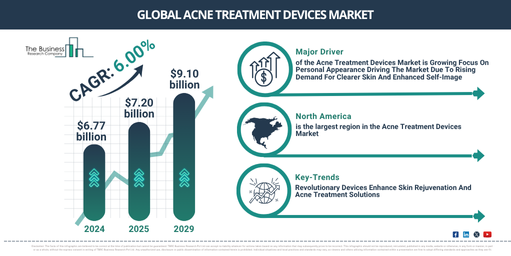
    The market for acne treatment devices has seen significant expansion in the last few years. The market is set to rise from $6.77 billion in 2024 to $7.20 billion in 2025, registering a compound annual growth rate (CAGR) of 6.3%. The historical growth is mainly due to factors such as a higher incidence of acne in teenagers, a growing understanding of skin health, increased disposable income, the proliferation of aesthetic clinics, and the media’s impact on the awareness of appearance.

    In the upcoming years, a robust growth is anticipated in the acne treatment devices market, which is projected to reach $9.10 billion by 2029, with a Compound Annual Growth Rate (CAGR) of 6.0%. This growth during the forecast period can be tied to factors such as the rising demand for acne treatment devices intended for home use, the expansion of teledermatology, an increasing preference for self-care and beauty tools, escalating healthcare expenditure, and the heightened accessibility of these devices through online shopping. Key trends during this period encompass the incorporation of artificial intelligence into acne devices, the creation of multifunction skincare equipment, the emergence of subscription-based device schemes, a growing consumer shift towards natural and phototherapy treatments, and the downsizing and portability of devices.

    Download a free sample to assess the report’s scope and structure:

    https://www.thebusinessresearchcompany.com/sample.aspx?id=24131&type=smp

    What Are the Core Growth Drivers Propelling the Acne Treatment Devices Market Forward?

    The burgeoning emphasis on individual aesthetics is anticipated to fuel the expansion of the acne treatment devices market in the future. Personal aesthetics is the external perception one portrays through personal grooming, attire, cleanliness, and overall visual representation. The increase in attention towards personal aesthetics is sparked by the image-centric culture of social media and the heightened interest in self-representation and personal brand portrayal. Acne treatment devices significantly contribute to personal aesthetics by offering effective solutions for healthier skin, thus enhancing personal assurance and promoting a refined and well-groomed image. For instance, in August 2024, the Bureau of Labor Statistics, a US federal agency, projected that employment in personal care and service sectors would grow faster than the average from 2023 to 2033, with roughly 794,500 yearly opportunities arising from growth and workforce substitution needs. Consequently, the heightened emphasis on personal aesthetics is accelerating the expansion of the acne treatment devices market.

    What Segment Types Define the Acne Treatment Devices Market Structure?

    The acne treatment devices market covered in this report is segmented –

    1) By Type: Light Therapy Devices, Microneedling Devices, Laser Therapy Devices, High-Frequency Devices, LED Acne Treatment Devices

    2) By Technology: Blue Light Therapy, Red Light Therapy, Fractional Laser, Radio Frequency Technology, Microcurrent Technology

    3) By Distribution Channel: Online Sales, Retail Pharmacies, Direct Sales, Beauty And Wellness Stores, Hyper markets And Super markets

    4) By Application: Home Use, Dermatology Clinics, Beauty Clinics, Other Applications

    Subsegments:

    1) By Light Therapy Devices: Infrared Light Therapy, Yellow Light Therapy, Green Light Therapy, Pulsed Light Therapy

    2) By Microneedling Devices: Manual Dermarollers, Automated Microneedling Pens, Microneedling RF Devices, Microneedling Cartridges

    3) By Laser Therapy Devices: Carbon Dioxide (CO2) Lasers, Erbium YAG Lasers, Diode Lasers, Pulsed Dye Lasers (PDL)

    4) By High-Frequency Devices: Argon Gas Electrodes, Neon Gas Electrodes, Portable High-Frequency Wands, Salon-Grade High-Frequency Machines

    5) By LED Acne Treatment Devices: Multispectrum LED Devices, Wearable LED Masks, Handheld LED Devices, Professional LED Panels

    Request customized data on this market:

    https://www.thebusinessresearchcompany.com/sample.aspx?id=24131&type=smp

    Which Geographic Areas Hold the Strongest Growth Potential in the Acne Treatment Devices Market?

    North America was the largest region in the acne treatment devices market in 2024. Asia-Pacific is expected to be the fastest-growing region in the forecast period. The regions covered in the acne treatment devices market report are Asia-Pacific, Western Europe, Eastern Europe, North America, South America, Middle East, Africa.

    Which Emerging Trends that Are Influencing the Acne Treatment Devices Industry Evolution?

    Key players in the acne treatment devices market are channelizing their efforts towards the development of innovative products like advanced skin treatment devices. These are aimed at introducing state-of-the-art skincare technologies that cater to a variety of skin issues and boost the effectiveness of treatments. These advanced skin treatment devices, which are electronic or mechanical in nature, employ technologies such as light therapy, radiofrequency, lasers, and ultrasound to address skin problems like acne, wrinkles, and pigmentation, offering skin rejuvenation and care solutions that are non-invasive. For instance, Skinnovation Pvt. Ltd., a dermatological company based in India, launched two cutting-edge medical devices – Meta Cell Technology (MCT) and MIRApeel – in October 2024. The MCT device uses photothermal energy to enhance the efficiency of regenerative therapies such as platelet-rich plasma (PRP) and exosomes, thereby aiding in skin rejuvenation and tissue repair. On the other hand, MIRApeel is a medi-facial device that combines hydrodermabrasion with serum-infused microchanneling to provide customized treatments for issues like pigmentation, acne scars, and uneven skin texture, offering a comprehensive solution for healthier skin.

    View the full report here:

    https://www.thebusinessresearchcompany.com/report/acne-treatment-devices-global-market-report

    What Is the Definition of the Acne Treatment Devices Market?

    Acne treatment devices are medical-grade tools designed to help reduce or eliminate acne by using various technologies such as light therapy, radiofrequency, and microdermabrasion to target the root causes of acne, including excess oil production, clogged pores, and bacterial growth. These devices are primarily used to reduce inflammation, prevent new acne breakouts, promote skin healing, and enhance the overall appearance of the skin by stimulating collagen production and improving skin texture.

    Purchase the full report and get a swift delivery:

    https://www.thebusinessresearchcompany.com/customise?id=24131&type=smp

    About The Business Research Company:

    With over 15000+ reports from 27 industries covering 60+ geographies, The Business Research Company has built a reputation for offering comprehensive, data-rich research and insights. Armed with 1,500,000 datasets, the optimistic contribution of in-depth secondary research, and unique insights from industry leaders, you can get the information you need to stay ahead in the game.

    Get in touch with us:

    The Business Research Company: https://www.thebusinessresearchcompany.com/

    Americas +1 3156230293

    Asia +44 2071930708

    Europe +44 2071930708

    Email us at info@tbrc.info

    Follow us on:

    LinkedIn: https://in.linkedin.com/company/the-business-research-company

    YouTube: https://www.youtube.com/channel/UC24_fI0rV8cR5DxlCpgmyFQ

    Global Market Model: https://www.thebusinessresearchcompany.com/global-market-model
  • In Flight Telemedicine System Market Forecast 2025–2034: Trends Reshaping Demand, Investment, and Innovation

    In Flight Telemedicine System Market Forecast 2025–2034: Trends Reshaping Demand, Investment, and Innovation

    We’ve updated all our reports with current data on tariff changes, trade developments, and supply chain shifts affecting key industries.

    #How Has The In The Canal (ITC) Hearing Aids Market Growth Evolved From 2024 To 2025, And What’s Ahead?#_x000D_

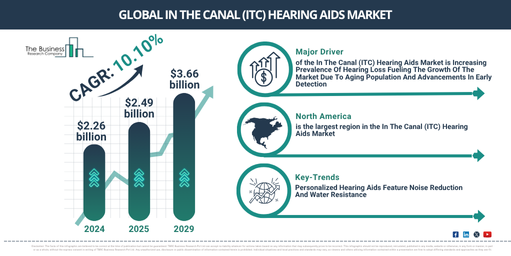
    The market size for in-the-canal (ITC) hearing aids has experienced a significant increase lately. The market, which was valued at $2.26 billion in 2024, is projected to rise to $2.49 billion in 2025, experiencing a compound annual growth rate (CAGR) of 10.3%. Factors such as heightened awareness about auditory health, an aging population, a heightened occurrence of hearing loss, the demand for tailor-made solutions, and an increased number of audiology professionals can explain the growth witnessed in the historic period._x000D_

    _x000D_

    Anticipated to experience swift expansion in the coming years, the market for in-the-canal (ITC) hearing aids is predicted to rise to $3.66 billion in 2029, boasting a compound annual growth rate (CAGR) of 10.1%. The enlargement during the forecast period is due in part to the increase in acceptance of digital hearing aids, growing requirement for wireless and intelligent hearing gadgets, a rise in noise-induced hearing loss incidence, a burgeoning interest in customized health devices, and improved affordability of hearing aids. The forthcoming period also sees notable trends including the development of new algorithms, emerging audio processing technologies, the incorporation of solutions based on cloud technology, the inclusion of voice assistants, and advancements in noise-reducing technology._x000D_

    _x000D_

    #Download a free sample to assess the report’s scope and structure:#_x000D_

    https://www.thebusinessresearchcompany.com/sample.aspx?id=24249&type=smp_x000D_

    _x000D_

    #What Are the Primary Drivers Supporting the Market Growth of the In The Canal (ITC) Hearing Aids Market?#_x000D_

    The growth of the in-the-canal (ITC) hearing aids market is anticipated to be fueled by the rising prevalence of hearing loss. Hearing loss, usually caused by damage to the ear or auditory pathway, is characterised by the partial or complete inability to hear sounds in one or both ears. An aging population, leading to age-related changes in hearing, is largely responsible for the increase in hearing loss. Advanced technology in ITC hearing aids presented in a discreet, customisable design helps handle hearing loss, making them suitable for everyday use. This technology enhances sound clarity, thus lessening the effort to listen and promoting better communication in various settings. The Centers for Disease Control and Prevention, a US-based government agency, revealed in January 2025 that over 98% of U.S. newborns were screened for hearing loss in 2022. From this, over 6,000 infants were found to have permanent hearing loss, resulting in a prevalence rate of 1.7 cases per 1,000 babies screened. Therefore, the rising occurrence of hearing loss is a significant factor propelling the expansion of the ITC hearing aids market._x000D_

    _x000D_

    #Which Primary Segments of the In The Canal (ITC) Hearing Aids Market Are Driving Growth and Industry Transformations?#_x000D_

    The in the canal (ITC) hearing aids market covered in this report is segmented –_x000D_

    _x000D_

    1) By Product Type: Full-Shell In The Canal Hearing Aids, Half-Shell In The Canal Hearing Aids, Custom In The Canal Hearing Aids, Programmable In The Canal Hearing Aids_x000D_

    2) By Technology: Analog In The Canal Hearing Aids, Digital In The Canal Hearing Aids, Bluetooth-Enabled In The Canal Hearing Aids, Rechargeable In The Canal Hearing Aids_x000D_

    3) By Price Range: Economical In The Canal Hearing Aids, Mid-Range In The Canal Hearing Aids, Premium In The Canal Hearing Aids_x000D_

    4) By Distribution Channel: Online Stores, Pharmacies, Specialty Stores, Direct Sales_x000D_

    5) By End User: Children, Adults, Gerontology_x000D_

    _x000D_

    Subsegments:_x000D_

    1) By Full-Shell In The Canal Hearing Aids: Custom-Fit For The Ear Canal, Offers Maximum Amplification_x000D_

    2) By Half-Shell In The Canal Hearing Aids: Smaller Than Full-Shell Models, Partially Fills The Ear Canal_x000D_

    3) By Custom In The Canal Hearing Aids: Single Custom Mold, Multi-Mold Custom Options_x000D_

    4) By Programmable In The Canal Hearing Aids: Digital Programmable, Analog Programmable_x000D_

    _x000D_

    #Request customized data on this market:#_x000D_

    https://www.thebusinessresearchcompany.com/sample.aspx?id=24249&type=smp_x000D_

    _x000D_

    #Which Regions Are Key Players in the Growth of the In The Canal (ITC) Hearing Aids Market?#_x000D_

    North America was the largest region in the in-the-canal (ITC) hearing aids market in 2024. Asia-Pacific is expected to be the fastest-growing region in the forecast period. The regions covered in the in the canal (ITC) hearing aids market report are Asia-Pacific, Western Europe, Eastern Europe, North America, South America, Middle East, Africa._x000D_

    _x000D_

    #What Are the Most Significant Market Trends in the In The Canal (ITC) Hearing Aids Market?#_x000D_

    Leading enterprises in the in-the-canal (ITC) hearing aids industry are concentrating their efforts on creating advanced products such as custom in-the-ear (ITE) instruments, which are intended to improve the comfort, sound quality, and discreetness of the user. The custom in-the-ear (ITE) devices are hearing aids custom-designed to match the unique shape of an individual’s ear canal. They offer an inconspicuous look and tailored comfort while providing enhanced sound amplification. For instance, Oticon A/S, a hearing aid manufacturer based in Denmark, released Oticon Own hearing aids in August 2022. These aids are intended to offer a completely personalized fit, incorporating an integrated deep neural network (DNN) that employs artificial intelligence to deliver natural sound processing and superior speech comprehension, even in loud settings. These fully customized in-the-ear ITE devices are extremely discreet, and come with advanced features like feedback suppression, digital noise reduction, and a design that is resistant to water and dust, ensuring comfort and reliability throughout the day._x000D_

    _x000D_

    #View the full report here:#_x000D_

    https://www.thebusinessresearchcompany.com/report/in-the-canal-itc-hearing-aids-global-market-report_x000D_

    _x000D_

    #What Parameters Are Used to Define the In The Canal (ITC) Hearing Aids Market?#_x000D_

    In-the-canal (ITC) hearing aids are custom-made small devices that fit partly in the ear canal. They are designed to offer a discreet solution for individuals with mild to moderate hearing loss. In-the-canal (ITC) hearing aids amplify sound and improve hearing while maintaining a natural, comfortable fit for the user._x000D_

    _x000D_

    #Purchase the full report and get a swift delivery:#_x000D_

    https://www.thebusinessresearchcompany.com/customise?id=24249&type=smp_x000D_

    _x000D_

    #About The Business Research Company:#_x000D_

    With over 15000+ reports from 27 industries covering 60+ geographies, The Business Research Company has built a reputation for offering comprehensive, data-rich research and insights. Armed with 1,500,000 datasets, the optimistic contribution of in-depth secondary research, and unique insights from industry leaders, you can get the information you need to stay ahead in the game._x000D_

    _x000D_

    #Get in touch with us:#_x000D_

    The Business Research Company: https://www.thebusinessresearchcompany.com/_x000D_

    Americas +1 3156230293_x000D_

    Asia +44 2071930708_x000D_

    Europe +44 2071930708_x000D_

    Email us at info@tbrc.info_x000D_

    _x000D_

    #Follow us on:#_x000D_

    _x000D_

    LinkedIn: https://in.linkedin.com/company/the-business-research-company_x000D_

    YouTube: https://www.youtube.com/channel/UC24_fI0rV8cR5DxlCpgmyFQ_x000D_

    Global Market Model: https://www.thebusinessresearchcompany.com/global-market-model