Category: HealthcareServices

  • Actinic Keratosis Treatment Outlook 2034: Key Drivers, Trends, and Market Frontiers

    Actinic Keratosis Treatment Outlook 2034: Key Drivers, Trends, and Market Frontiers

    Discover trends, market shifts, and competitive outlooks for the actinic keratosis treatment industry through 2025-2034 with The Business Research Company’s reliable data and in-depth research

    #What is the Projected CAGR for the Actinic Keratosis Treatment Market Size from 2025 to 2034?

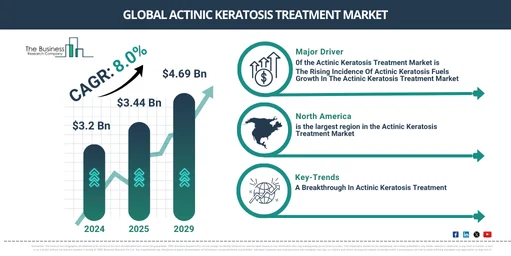
    The size of the actinic keratosis treatment market has been demonstrating significant growth in the past few years. The market will see an increase from a value of $3.2 billion in 2024 to $3.44 billion in 2025, with a substantial compound annual growth rate (CAGR) of 7.6%. The expansion during the historic phase can be credited towards treatment compliance, competitive marketing, initiatives for patient education, dermatology practices, and progressive research and clinical trials.

    We anticipate considerable expansion in the actinic keratosis treatment market in the coming years, with projections suggesting a rise to $4.69 billion by 2029, reflecting a compound annual growth rate (CAGR) of 8.0%. This prospective growth within the predicted period can be credited to various factors including patient education and involvement, the incorporation of digital health, increasing consciousness, emphasis on preventive dermatology, and the emergence of personalized medicine. During this forecast period, salient trends expected to emerge include a shift towards combination therapies, advancements in technology, individualized treatment methods, increased incidence rates, and the introduction of minimally invasive treatments.

    Download a free sample to assess the report’s scope and structure:

    https://www.thebusinessresearchcompany.com/sample.aspx?id=8283&type=smp

    How Are Key Drivers in the Industry Acting as Catalysts for the Growth of the Actinic Keratosis Treatment Market?

    The rising occurrence of actinic keratosis is predicted to push the actinic keratosis treatment market’s growth in the future. Actinic keratosis is identified as a rough, scaly skin area that emerges due to years of sun exposure. Treatment of actinic keratosis helps to detect and manage precancerous lesions, decreasing their threat. The rising prevalence of actinic keratosis fuels the growing demand for treatment products, investigational medications, and the usage of topical treatments. For instance, an article by the UK-based organization, World Cancer Research Fund International, reported in February 2022 that there were over 150,000 new cases of actinic keratosis in 2020 which escalated to 197,700 cases in 2022. Accordingly, the escalating prevalence of actinic keratosis stimulates the actinic keratosis treatment market.

    Which Segments in the Actinic Keratosis Treatment Offer the Most Growth?

    The actinic keratosis treatment market covered in this report is segmented –

    1) By Treatment: Topical Treatment, Procedural Modality, Photodynamic Therapy, Other Treatments

    2) By Medication: Fluorouracil Cream, Imiquimod Cream, Ingenol Mebutate Gel, Diclofenac Gel

    3) By End User: Hospitals, Private Dermatology Clinics, Laser Therapy Centers, Cancer Treatment Centers, Spas And Rejuvenation Centers, Homecare

    Subsegments:

    1) By Topical Treatment: 5-Fluorouracil (5-FU), Imiquimod, Ingenol Mebutate, Diclofenac

    2) By Procedural Modality: Cryotherapy, Curettage And Electrosurgery, Laser Therapy, Chemical Peels

    3) By Photodynamic Therapy: ALA-Based PDT, MAL-Based PDT

    4) By Other Treatments: Immunotherapy, Phototherapy, Combination Therapies

    Request customized data on this market:

    https://www.thebusinessresearchcompany.com/customise?id=8283&type=smp

    What Are the Fastest-Growing Geographies in the Actinic Keratosis Treatment Market?

    North America was the largest region in the actinic keratosis treatment market in 2024. Asia-Pacific is expected to be the fastest-growing region in the forecast period. The regions covered in the actinic keratosis treatment market report are Asia-Pacific, Western Europe, Eastern Europe, North America, South America, Middle East, Africa.

    What Are the Current Market Growth and Trends in the Actinic Keratosis Treatment Industry?

    Major firms active in the actinic keratosis treatment industry are concentrating on inventing unique products such as prescribed medication to boost treatment effectiveness, improve patient results, and grow their product range. Prescribed medicine means drugs that can only be issued with written permission from a healthcare professional, which specifies the name of the drug, the dose, and how long it should be taken. This type of medication targets specific health issues and requires close observation because of potential side effects. For example, in December 2022, Biofrontera AG, a pharmaceutical firm based in Germany, introduced Ameluz, a topical gel featuring 5-aminolevulinic acid. This gel is used along with photodynamic therapy (PDT) for treating mild to moderate actinic keratoses (AK) and some types of basal cell carcinoma. The treatment procedure consists of applying the gel to the affected skin areas and then exposing those areas to light from a BF-RhodoLED lamp in order to activate the drug.

    View the full report here:

    https://www.thebusinessresearchcompany.com/report/actinic-keratosis-treatment-global-market-report

    What Are the Key Elements That Define the Actinic Keratosis Treatment Market?

    Actinic keratoses treatment refers to a treatment done for actinic keratoses, a skin disease that appears on the face, scalp, backs of the hands, or chest as a result of sun exposure. This treatment decreases the risk of developing the skin condition by keeping the skin protected from ultraviolet (UV) rays and limiting regular exposure to the sun.

    Purchase the full report and get a swift delivery:

    https://www.thebusinessresearchcompany.com/purchaseoptions.aspx?id=8283

    About The Business Research Company:

    With over 15000+ reports from 27 industries covering 60+ geographies, The Business Research Company has built a reputation for offering comprehensive, data-rich research and insights. Armed with 1,500,000 datasets, the optimistic contribution of in-depth secondary research, and unique insights from industry leaders, you can get the information you need to stay ahead in the game.

    Get in touch with us:

    The Business Research Company: https://www.thebusinessresearchcompany.com/

    Americas +1 3156230293

    Asia +44 2071930708

    Europe +44 2071930708

    Email us at info@tbrc.info

    Follow us on:

    LinkedIn: https://in.linkedin.com/company/the-business-research-company

    YouTube: https://www.youtube.com/channel/UC24_fI0rV8cR5DxlCpgmyFQ

    Global Market Model: https://www.thebusinessresearchcompany.com/global-market-model
  • Top Trends Driving Innovation and Change in the Teleradiology Market: Strategic Partnerships And Collaborations Among Market Players

    Top Trends Driving Innovation and Change in the Teleradiology Market: Strategic Partnerships And Collaborations Among Market Players

    Discover trends, market shifts, and competitive outlooks for the teleradiology industry through 2025-2034 with The Business Research Company’s reliable data and in-depth research

    #How Has the Teleradiology Market Growth Performance Trended Historically, And What Lies Ahead?

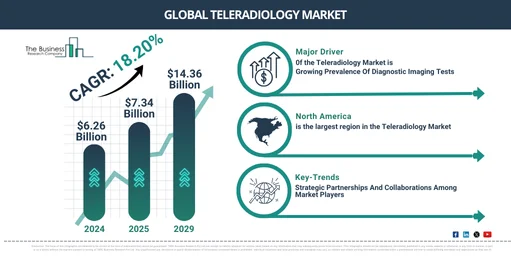
    Over the past few years, there has been a swift expansion in the size of the teleradiology market. The market is predicted to enhance from $6.26 billion in 2024 to $7.34 billion in 2025, demonstrating a compound annual growth rate (CAGR) of 17.4%. Factors such as a lack of radiologists, enhanced quality and speed of diagnosis, supportive healthcare regulations, improved image transmission, and advancements in medical imaging technology have contributed to the growth seen in the historic period.

    In the coming years, the teleradiology market is predicted to witness swift expansion. The growth metrics project a sizeable increase to $14.36 billion in 2029, with a compound annual growth rate (CAGR) of 18.2%. This progression over the speculated period can be linked to globally pervasive health issues, the rise of telemedicine, international radiology services, a more patient-centric approach to care, and the expansion of healthcare services in rural areas. Key trends anticipated for the projected period encompass AI-supported diagnostic methods, the integration of cloud technology in teleradiology, radiology-as-a-service (raas), integration of telecardiology, and the introduction of subspecialty teleradiology services.

    Download a free sample to assess the report’s scope and structure:

    https://www.thebusinessresearchcompany.com/sample.aspx?id=6502&type=smp

    What External and Internal Drivers Are Contributing to the Growth of theTeleradiology Market?

    The teleradiology market is set to benefit from the surge in the number of imaging procedures. Healthcare professionals use these procedures, which generate high-resolution images of internal body areas, to diagnose illnesses, propose treatments, and monitor patient health. Teleradiology, which employs the internet to transmit radiological images from one location to another, is integral to this process as it facilitates the sharing of imaging copies with radiologists for review. This increasing need for image sharing contributes to the growing demand for teleradiology solutions. For example, a study by the US National Library of Medicine revealed that computed tomography (CT) examinations, a type of imaging procedure, have been increasing at a global rate of 4% annually, totalling approximately 300 million CT scans each year. This positive uptick in imaging procedures is anticipated to boost the growth of the teleradiology market.

    What Segment Types Define the Teleradiology Market Structure?

    The teleradiology market covered in this report is segmented –

    1) By Modality: X-Ray, MRI, CT Scan, Ultrasound Systems

    2) By Technology: Web Based, Cloud Based

    3) By Component: Hardware, Software

    4) By End User: Hospitals, Diagnostic Centers, Other End Users

    Subsegments:

    1) By X-Ray: Digital X-Ray, Computed Radiography (CR), Fluoroscopy

    2) By MRI (Magnetic Resonance Imaging): Closed MRI Systems, Open MRI Systems, Functional MRI (fMRI)

    3) By CT Scan (Computed Tomography): Standard CT Scans, Spiral Or Helical CT Scans, Cone Beam CT Scans

    4) By Ultrasound Systems: Diagnostic Ultrasound, 3D Or 4D Ultrasound, Doppler Ultrasound

    Request customized data on this market:

    https://www.thebusinessresearchcompany.com/customise?id=6502&type=smp

    Which Geographic Areas Hold the Strongest Growth Potential in the Teleradiology Market?

    North America was the largest region in the teleradiology market in 2024. The regions covered in the teleradiology market report include Asia-Pacific, Western Europe, Eastern Europe, North America, South America, Middle East and Africa.

    What Long-Term Trends Are Transforming the Competitive Landscape of the Teleradiology Market?

    A prominent trend emerging in the teleradiology market is the increasing focus on alliances and partnerships. Most of the top firms in this sector are prioritizing cooperation and mutual ventures to create innovative solutions, enhance teleradiology processes, and solidify their market standing. These mutual arrangements facilitate resource, knowledge, and technology sharing, fostering innovation and providing a competitive edge. For example, in April 2022, Tele-Radiology Solutions (TRS), a teleradiology firm based in the US, revealed an alliance with Andhra Med Tech Zone (AMTZ), a modern healthcare services technology park based in India. The collaboration aims to set up a center specifically for remote radiology image interpretation by seasoned radiologists, backed by state-of-the-art AI technology. This partnership will enable TRS and AMTZ to extend their services to government hospitals throughout India, rural health centers (inclusive of those under the National Health Mission), as well as public-sector entities with hospitals where TRS will deliver their remote radiology services.

    View the full report here:

    https://www.thebusinessresearchcompany.com/report/teleradiology-global-market-report

    What Is the Definition of the Teleradiology Market?

    Teleradiology refers to the transmission of radiological pictures from one site to another. Teleradiology is the process of analyzing medical pictures while a radiologist is not physically present in the area where the images are created. It is used in hospitals, mobile imaging firms, urgent care clinics, and even certain private practices. The main reason for using teleradiology is that having a radiologist on-site is expensive.

    Purchase the full report and get a swift delivery:

    https://www.thebusinessresearchcompany.com/purchaseoptions.aspx?id=6502

    About The Business Research Company:

    With over 15000+ reports from 27 industries covering 60+ geographies, The Business Research Company has built a reputation for offering comprehensive, data-rich research and insights. Armed with 1,500,000 datasets, the optimistic contribution of in-depth secondary research, and unique insights from industry leaders, you can get the information you need to stay ahead in the game.

    Get in touch with us:

    The Business Research Company: https://www.thebusinessresearchcompany.com/

    Americas +1 3156230293

    Asia +44 2071930708

    Europe +44 2071930708

    Email us at info@tbrc.info

    Follow us on:

    LinkedIn: https://in.linkedin.com/company/the-business-research-company

    YouTube: https://www.youtube.com/channel/UC24_fI0rV8cR5DxlCpgmyFQ

    Global Market Model: https://www.thebusinessresearchcompany.com/global-market-model
  • Emerging Trends Redefining the Telemetry Market Landscape: Innovations With AI-Driven Virtual Clinic

    Emerging Trends Redefining the Telemetry Market Landscape: Innovations With AI-Driven Virtual Clinic

    Discover trends, market shifts, and competitive outlooks for the telepsychiatry industry through 2025-2034 with The Business Research Company’s reliable data and in-depth research

    What Are the Projected Market Size and Growth Rates for the Telepsychiatry Market From 2025 To 2029?

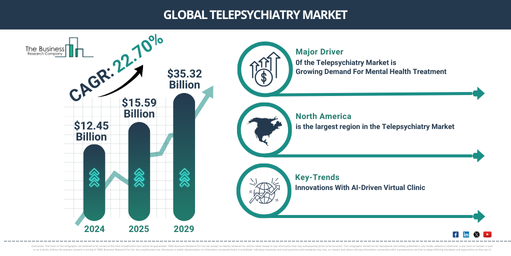
    The market size of telepsychiatry has seen a significant increase in the past several years. Its substantial growth can be expected from a valuation of $12.45 billion in 2024 to a projection of $15.59 billion in 2025, with a compound annual growth rate (CAGR) measuring at 25.3%. Factors that contributed to this growth during the historical period include an increase in mental health awareness, a shortage of mental health experts, improved access to rural healthcare, telehealth regulation changes, and proven efficiency.

    The market for telepsychiatry is predicted to experience substantial expansion in the coming years, reaching a remarkable $35.32 billion in size by 2029, with a compound annual growth rate (CAGR) of 22.7%. Factors driving this growth throughout the forecast period include the escalating mental health crisis, the introduction of school-based telepsychiatry, progress in telepsychiatry research and results, attention to mental health in the workforce, and worldwide health issues. Significant trends expected within the forecast period encompass an increasing uptake of telepsychiatry services, remote medication supervision, the advancing use of digital mental health applications, telepsychiatry software, and the application of artificial intelligence and machine learning.

    Download a free sample to assess the report’s scope and structure:

    https://www.thebusinessresearchcompany.com/sample.aspx?id=6936&type=smp

    What Are the Core Market Drivers Propelling Growth in the Telepsychiatry Industry?

    The surge in demand for treatment in mental health is projected to fuel the expansion of the telepsychiatry market. Mental health pertains to an individual’s cognitive, emotional, and behavioral well-being. There’s a significant rise in the need for treatments for conditions like anxiety and depression, as reported by psychologists. For example, the American Psychiatric Association, a non-profit organization based in the US, highlighted in May 2024 that 43% of adults feel a heightened level of anxiousness compared to the previous year, ascending from 37% in 2023 and 32% in 2022. Consequently, the surge in demand for mental health treatment is bolstering the growth of the telepsychiatry market.

    How Is the Telepsychiatry Market Segmented?

    The telepsychiatry market covered in this report is segmented –

    1) By Type: Routine Telepsychiatry, Forensic Telepsychiatry, Crisis Telepsychiatry, In-Home Telepsychiatry

    2) By Age Group: Adult, Pediatric and Adolescent, Geriatric

    3) By End-Use: Community Mental Health Centers, Specialty Care Settings, Skilled Nursing Facilities, Homecare, Other End-Users

    Subsegments:

    1) By Routine Telepsychiatry: Outpatient Services, Follow-Up Appointments, Medication Management

    2) By Forensic Telepsychiatry: Competency Evaluations, Risk Assessments, Court-Ordered Evaluations

    3) By Crisis Telepsychiatry: Emergency Consultations, Crisis Intervention Services, 24/7 Telehealth Hotlines

    4) By In-Home Telepsychiatry: Home-Based Assessments, Personalized Treatment Plans, Family Therapy Sessions

    Request customized data on this market:

    https://www.thebusinessresearchcompany.com/customise?id=6936&type=smp

    Which Regions Are Driving the Next Phase of the Telepsychiatry Market Growth?

    North America was the largest region in the telepsychiatry market in 2024. The regions covered in the telepsychiatry market report include Asia-Pacific, Western Europe, Eastern Europe, North America, South America, Middle East and Africa.

    What Key Market Trends and Innovations Are Shaping the Future of the Telepsychiatry Industry?

    Leading firms in the telepsychiatry sector are utilizing advanced technologies like artificial intelligence to improve patient service, enhance diagnostic precision, and make the delivery of mental healthcare services more efficient, thereby increasing accessibility to necessary treatment for those in need. Artificial Intelligence (AI) is a system where intellectual processes are replicated by computers. For instance, in September 2024, Iris Telehealth, an American telepsychiatry company catering to health systems and clinics introduced the Virtual Clinic and Iris Insights platforms. These were created with the goal of broadening access to behavioral health services via groundbreaking technology. Iris Insights is a platform powered by AI to improve the operational efficiency of behavioral health programs. The Virtual Clinic is conceptualized to offer a care model centered on the patient that can be smoothly incorporated into existing healthcare procedures.

    View the full report here:

    https://www.thebusinessresearchcompany.com/report/telepsychiatry-global-market-report

    How Is the Telepsychiatry Market Defined and What Are Its Core Parameters?

    Telepsychiatry refers to the delivery and assistance of clinical psychiatric care, including medical care, providing patient education, health information services, and self-care through telecommunications and digital communication technologies.

    Purchase the full report and get a swift delivery:

    https://www.thebusinessresearchcompany.com/purchaseoptions.aspx?id=6936

    About The Business Research Company:

    With over 15000+ reports from 27 industries covering 60+ geographies, The Business Research Company has built a reputation for offering comprehensive, data-rich research and insights. Armed with 1,500,000 datasets, the optimistic contribution of in-depth secondary research, and unique insights from industry leaders, you can get the information you need to stay ahead in the game.

    Get in touch with us:

    The Business Research Company: https://www.thebusinessresearchcompany.com/

    Americas +1 3156230293

    Asia +44 2071930708

    Europe +44 2071930708

    Email us at info@tbrc.info

    Follow us on:

    LinkedIn: https://in.linkedin.com/company/the-business-research-company

    YouTube: https://www.youtube.com/channel/UC24_fI0rV8cR5DxlCpgmyFQ

    Global Market Model: https://www.thebusinessresearchcompany.com/global-market-model
  • $102.3 Billion Forecast for 3D Imaging Market by 2029, Backed by Demand and Innovation

    $102.3 Billion Forecast for 3D Imaging Market by 2029, Backed by Demand and Innovation

    Discover trends, market shifts, and competitive outlooks for the 3d imaging industry through 2025-2034 with The Business Research Company’s reliable data and in-depth research

    What Is the Estimated Market Size of the 3D Imaging Market In 2029?

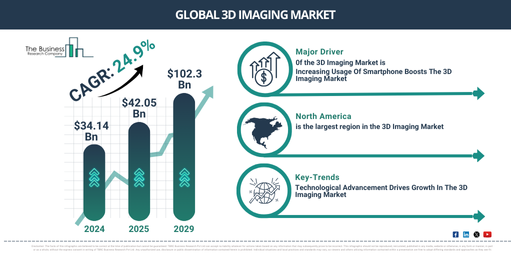
    The dimensions of the 3D imaging market have experienced substantial expansion in the past few years. The industry’s size is estimated to rise from $34.14 billion in 2024 to reach $42.05 billion in 2025, marking a compound annual growth rate (CAGR) of 23.2%. The previously noted growth is largely due to a surge in uptake within the healthcare sector, greater demand in manufacturing and industrial contexts, the visualization needs of architecture and construction, design and prototyping in the automotive sector, and efforts to preserve cultural heritage.

    The market size for 3D imaging is forecasted to undergo significant expansion in the coming years, with expectations to reach a value of $102.3 billion by 2029, at an impressive compound annual growth rate (CAGR) of 24.9%. Factors contributing to this projected increase during the forecast period can be linked to advancements in medical imaging, its application in geological and environmental studies, the role it plays in security and surveillance, the growth of autonomous vehicles, the manifestation of smart cities, and its use in precision farming applications. Some notable trends for the forecast period are the growing demand for 3D content in the entertainment and gaming sector, increased involvement in automotive design and manufacturing processes, greater usage in geographical information systems (GIS), the rising demand for 3D cameras and sensors, the application of lidar technology in mapping and surveying, and the emergence of portable and handheld 3D scanners.

    Download a free sample to assess the report’s scope and structure:

    https://www.thebusinessresearchcompany.com/sample.aspx?id=7988&type=smp

    What Are the Core Growth Drivers Propelling the 3D Imaging Market Forward?

    The amplification in smartphone usage is anticipated to spur the expansion of the 3D imaging market. A smart device is any device that can wirelessly connect to an application, other gadgets, the internet or a local network. The betterment of user experiences, growing cognizance of the benefits that smart device technology offers, and an augmentation in dependable internet connections have all propelled the rise of smart devices. Cutting-edge imaging technology allows the capturing of objects in 3D using smartphones, which can later be utilized to view the same object in a different location. For example, a report from Uswitch Limited, an online and telephone comparison and switching service based in the UK, stated in February 2023 that there was an active count of 71.8 million mobile connections in 2022, marking a 3.8% increase from 2021. The UK’s population is projected to reach 68.3 million by 2025, 95% of whom will possess smartphones. Therefore, the expansion of the 3D imaging market is being fueled by the escalation in smartphone utilization.

    What Segment Types Define the 3D Imaging Market Structure?

    The 3D imaging market covered in this report is segmented –

    1) By Component: Solutions, Hardware, Services

    2) By Deployment Mode: Cloud, On – premises

    3) By Application: 3D Modeling, 3D Scanning, Layout And Animation, 3D Rendering, Image Reconstruction

    4) By Vertical: Aerospace And Defense, Automotive And Transportation, Manufacturing, Healthcare And Life Sciences, Architecture And Construction, Media And Entertainment, Retail And Consumer Goods, Other Verticals

    Subsegments:

    1) By Solutions: Software (3D Modeling), Cloud-Based Solutions, Application-Specific Solutions

    2) By Hardware: 3D Scanners, Cameras, Display Systems (3D Monitors, Projectors), Sensors

    3) By Services: Consulting Services, Integration Services, Support And Maintenance, Training And Education

    Request customized data on this market:

    https://www.thebusinessresearchcompany.com/customise?id=7988&type=smp

    Which Geographic Areas Hold the Strongest Growth Potential in the 3D Imaging Market?

    North America was the largest region in the 3D imaging market in 2024. Asia-Pacific is expected to be the fastest-growing region in the 3D imaging market report forecast period. The regions covered in the 3D imaging market report are Asia-Pacific, Western Europe, Eastern Europe, North America, South America, Middle East, Africa.

    Which Emerging Trends that Are Influencing the3D Imaging Industry Evolution?

    Leading businesses in the 3D imaging market are concentrating on the advancement of 3D facial imaging technologies to bolster biometric security, refine medical diagnostics, and provide precise facial identification for sectors like security, healthcare, entertainment, and retail. The 3D facial imaging system uses a technology that generates a three-dimensional depiction, capturing the exact shape, contours, and facial features of an individual. This system uses artificial intelligence to offer instant data on various skin conditions, such as wrinkles, pores, red spots, brown spots, and the overall texture of the skin. For example, in April 2024, Aura, a division of Hexagon AB, a Swedish technology firm, unveiled the Aura 3D Imaging System. This system obtains a detailed 3D digital replica of a patient’s face and neck from a single image, providing an extensive visual model for review and discussion. The Aura 3D Imaging System, designed for simple operation, requires minimal training for clinic staff to use efficiently.

    View the full report here:

    https://www.thebusinessresearchcompany.com/report/3d-imaging-global-market-report

    What Is the Definition of the 3D Imaging Market?

    3D imaging refers to a method for developing or producing the appearance of depth in a picture that involves converting two-dimensional data into a three-dimensional representation to give the impression of depth. It is utilized for a variety of functions in a variety of applications because it is ecologically safe, easily transmitted, and convenient. This is a useful tool for quality control procedures in businesses.

    Purchase the full report and get a swift delivery:

    https://www.thebusinessresearchcompany.com/purchaseoptions.aspx?id=7988

    About The Business Research Company:

    With over 15000+ reports from 27 industries covering 60+ geographies, The Business Research Company has built a reputation for offering comprehensive, data-rich research and insights. Armed with 1,500,000 datasets, the optimistic contribution of in-depth secondary research, and unique insights from industry leaders, you can get the information you need to stay ahead in the game.

    Get in touch with us:

    The Business Research Company: https://www.thebusinessresearchcompany.com/

    Americas +1 3156230293

    Asia +44 2071930708

    Europe +44 2071930708

    Email us at info@tbrc.info

    Follow us on:

    LinkedIn: https://in.linkedin.com/company/the-business-research-company

    YouTube: https://www.youtube.com/channel/UC24_fI0rV8cR5DxlCpgmyFQ

    Global Market Model: https://www.thebusinessresearchcompany.com/global-market-model
  • Tele-Intensive Care Growth Trajectory: Key Forecasts and Strategic Insights

    Tele-Intensive Care Growth Trajectory: Key Forecasts and Strategic Insights

    Discover trends, market shifts, and competitive outlooks for the tele-intensive care industry through 2025-2034 with The Business Research Company’s reliable data and in-depth research

    How Fast Is The Tele-Intensive Care Market Expected to Grow Between 2025 And 2029?

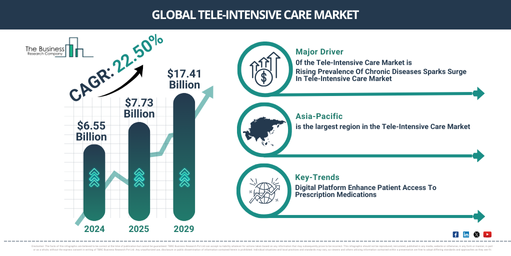
    There has been a swift expansion in the tele-intensive care market size over the recent years. It is projected to escalate from $6.55 billion in 2024 to $7.73 billion in 2025, with a compound annual growth rate (CAGR) of 18.1%. The growth experienced during the historic period is due to factors such as an increase in the aging population, scarcity of intensive care specialists, access to rural healthcare, reduced healthcare prices, and real-time monitoring.

    Growth in the tele-intensive care market size is projected to take off in the coming years. This market is forecasted to expand to a value of $17.41 billion by 2029, growing at a compound annual growth rate (CAGR) of 22.5%. The surge expected during the forecast period can be associated with global health emergencies, the management of chronic illnesses, monitoring of patients remotely, regulations in telemedicine, and the development of healthcare infrastructure. Key trends during this forecast period will include the incorporation of artificial intelligence and predictive analytics, integration of telehealth, simulations in virtual reality (VR), tele-ICUs aimed at home healthcare, and mobile tele-ICU applications.

    Download a free sample to assess the report’s scope and structure:

    https://www.thebusinessresearchcompany.com/sample.aspx?id=7081&type=smp

    Which Factors and External Forces Are Driving Demand in the Tele-Intensive Care Market?

    The tele-intensive care market is flourishing due to the surge in the occurrence of chronic illnesses. The term ‘chronic diseases’ is a broad designation for numerous illnesses that can harm any part of the body. These diseases can spread to adjoining areas of the body and other organs, often leading to death. Tele-intensive care is leveraged for sustained monitoring, remote device evaluation and management such as pacemakers, defibrillators, chronic patient observation, amongst others. For instance, the Macmillan Cancer Support, based in the UK and one of the largest charities there, stated in June 2022 that 3 million people in the UK are afflicted with cancer. That number is predicted to escalate to roughly 3.5 million by 2025 and 4 million by 2030. Consequently, the rise in the occurrence of chronic illnesses among individuals is predicted to fuel the growth of the tele-intensive care market in the future.

    Which Segments in the Tele-Intensive Care Offer the Most Growth?

    The tele-intensive care market covered in this report is segmented –

    1) By Type: Centralized Models, Decentralized Models, Other Types

    2) By Component: Hardware Computer System, Software

    3) By Type of Management: Intensivist, Open, Co-Managed, Open with Consultant, Other Management Types

    Subsegments:

    1) By Centralized Models: Remote Monitoring Centers, Integrated Tele-ICU Services, Centralized Decision Support Systems

    2) By Decentralized Models: Bedside Telemedicine Systems, Distributed Tele-ICU Services, Localized Remote Patient Monitoring

    3) By Other Types: Hybrid Models, Mobile Tele-ICU Solutions, Specialized Telemedicine Platforms For Specific Conditions

    Request customized data on this market:

    https://www.thebusinessresearchcompany.com/customise?id=7081&type=smp

    What Are the Fastest-Growing Geographies in the #Which Factors and External Forces Are Driving Demand in the Tele-Intensive Care Market?# Market?

    Asia-Pacific was the largest region in the tele-intensive care market in 2024. Asia-Pacific is expected to be the fastest growing region in the forecast period. The regions covered in the tele-intensive care market report include Asia-Pacific, Western Europe, Eastern Europe, North America, South America, Middle East and Africa.

    Which Cutting-Edge Market Trends Are Expected to Drive theTele-Intensive Care Market’s Growth?

    The tele-intensive care market is seeing several leading companies introduce cutting-edge technologies, such as digital platforms, to augment patient monitoring, enhance healthcare providers’ communication, and enable timely interventions, thereby resulting in improved patient outcomes and more efficient resource utilization. These digital platforms serve as online infrastructures that enable the creation, sharing, and exchange of information, products, or services among users. For instance, in January 2024, a digital platform named LillyDirect was launched by Eli Lilly, a pharmaceutical company based in the US. LillyDirect is designed to directly sell particular prescription drugs to consumers for conditions like diabetes, obesity, and migraines. The platform bridges the gap between patients and independent telehealth providers, enabling them to acquire prescriptions and access medications through a convenient home delivery service. With this initiative, the objective is to streamline the patient experience and enhance healthcare accessibility, while also offering affordable solutions for eligible patients.

    View the full report here:

    https://www.thebusinessresearchcompany.com/report/tele-intensive-care-global-market-report

    What Are the Key Elements That Define the Tele-Intensive Care Market?

    Tele-intensive care is defined as remote technology that connects patients in distance intensive care units (ICUs) through real-time audio, visual, and electronic means, through which health information is exchanged from one site to another via electronic communications to track a patient’s clinical health status with off-site clinical resources.

    Purchase the full report and get a swift delivery:

    https://www.thebusinessresearchcompany.com/purchaseoptions.aspx?id=7081

    About The Business Research Company:

    With over 15000+ reports from 27 industries covering 60+ geographies, The Business Research Company has built a reputation for offering comprehensive, data-rich research and insights. Armed with 1,500,000 datasets, the optimistic contribution of in-depth secondary research, and unique insights from industry leaders, you can get the information you need to stay ahead in the game.

    Get in touch with us:

    The Business Research Company: https://www.thebusinessresearchcompany.com/

    Americas +1 3156230293

    Asia +44 2071930708

    Europe +44 2071930708

    Email us at info@tbrc.info

    Follow us on:

    LinkedIn: https://in.linkedin.com/company/the-business-research-company

    YouTube: https://www.youtube.com/channel/UC24_fI0rV8cR5DxlCpgmyFQ

    Global Market Model: https://www.thebusinessresearchcompany.com/global-market-model
  • Stem Cell AssayMarket Overview 2025–2034: CAGR Trends, Long-Term Growth Paths, and Business Implications

    Stem Cell AssayMarket Overview 2025–2034: CAGR Trends, Long-Term Growth Paths, and Business Implications

    Discover trends, market shifts, and competitive outlooks for the stem cell assay industry through 2025-2034 with The Business Research Company’s reliable data and in-depth research

    #What Are the Key Projections for the CAGR of the Stem Cell Assay Market Size From 2025 to 2034?

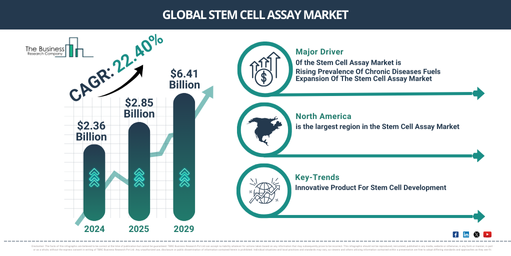
    The expansion of the stem cell assay market has been rapid in recent times, ballooning from $2.36 billion in 2024 to an impressive $2.85 billion in 2025 at an annual growth rate (CAGR) of 20.8%. Factors such as advances in biotechnology, progression in drug discovery and development, research on regenerative medicine, disease modeling and financial backing from both public and private sectors have contributed significantly to its growth during the historical period.

    There is an expectation for the stem cell assay market size to experience significant expansion in the upcoming years. The forecast indicates growth up to $6.41 billion by 2029, with a compound annual growth rate (CAGR) of 22.4%. This predicted growth during the forecast period is due to factors such as personalized medicine and cell therapy, organoid and tissue engineering, AI and machine learning, emerging technologies, and regulatory and ethical considerations. The major trends for the period include 3D cell culture models, high-throughput screening, personalized medicine, crispr-cas9 and genome editing, and drug safety and toxicity testing.

    Download a free sample to assess the report’s scope and structure:

    https://www.thebusinessresearchcompany.com/sample.aspx?id=7701&type=smp

    What Are the Primary Drivers Supporting the Market Growth of the Stem Cell Assay Market?

    The stem cell assay market is anticipated to experience growth due to the rising prevalence of chronic ailments. Chronic diseases, which generally persist for three months or longer and progressively get worse, can potentially be treated through stem cells. New antibodies and specialized cells, that are instrumental in combating chronic diseases like cancer, are developed with the help of stem cells. As per a 2022 report from The World Cancer Research Fund International, a UK-based body, the United Kingdom saw 50,700 cases of lung cancer. The ratio stood at 30.1 for every 100,000 people, whereas the number of females who succumbed to lung cancer was 16,855, corresponding to a mortality rate of 17.4 out of 100,000. Furthermore, in the fiscal year ending 2023, as reported by The Government of the United Kingdom in March 2024, slightly more than 1,862,500 individuals in England, or 3% of the population, were diagnosed with coronary heart disease (CHD) by a general practitioner. As such, the growing prevalence of chronic diseases is bolstering the stem cell assay market’s growth.

    Which Primary Segments of the Stem Cell Assay Market Are Driving Growth and Industry Transformations?

    The stem cell assay market covered in this report is segmented –

    1) By Type: Cell Viability And Toxicity Assays, Cell Apoptosis Assays, Cell Function Assays, Cell Identification Assays, Isolation And Purification Assays, Cell Differentiation Assay, Other Types

    2) By Product: Instruments, Detection kit

    3) By Application: Regenerative Medicine And Therapy Development, Drug Discovery And Development, Clinical Research

    4) By End User: Government Research Institutes, Private Research Institutes, Industry Research

    Subsegments:

    1) By Cell Viability and Toxicity Assays: MTT Assay, Resazurin Assay, ATP Assay, LDH Release Assay

    2) By Cell Apoptosis Assays: Caspase Activity Assays, Annexin V Staining Assays, TUNEL Assay, Cell Death Detection Assays

    3) By Cell Function Assays: Proliferation Assays, Migration and Invasion Assays, Differentiation Assays

    4) By Cell Identification Assays: Flow Cytometry-Based Assays, Surface Marker Characterization, Immunocytochemistry Assays

    5) By Isolation and Purification Assays: Magnetic-Activated Cell Sorting (MACS), Fluorescence-Activated Cell Sorting (FACS), Density Gradient Centrifugation

    6) By Cell Differentiation Assay: Lineage-Specific Differentiation Assays, Gene Expression Analysis During Differentiation

    7) By Other Types: 3D Culture Assays, High-Content Screening Assays, Biomarker Discovery Assays

    Request customized data on this market:

    https://www.thebusinessresearchcompany.com/customise?id=7701&type=smp

    Which Regions Are Key Players in the Growth of the #What Are the Primary Drivers Supporting the Market Growth of the Stem Cell Assay Market?# Market?

    North America was the largest region in the stem cell assay market share in 2024. Asia-Pacific is expected to be the fastest-growing region in the forecast period. The regions covered in the stem cell assay market report include Asia-Pacific, Western Europe, Eastern Europe, North America, South America, Middle East and Africa.

    What Are the Most Significant Market Trends in the Stem Cell Assay Market?

    The stem cell assay market is witnessing a rise in popularity due to product innovations. Top-notch companies in the market are launching new products to maintain their market stance. To exemplify, Beckman Coulter Life Sciences, an American healthcare firm, unveiled the AQUOS STEM System in May 2022 that contributes to the growth of hematopoietic stem cells. By using an automated modular method, this system helps decrease manual labor by 95%, reduce potential for errors by 87.5%, and hasten turnaround times. The AQUIOS CL Flow Cytometer powers the system, merging sample preparation and analysis on a single compact platform.

    View the full report here:

    https://www.thebusinessresearchcompany.com/report/stem-cell-assay-global-market-report

    What Parameters Are Used to Define the Stem Cell Assay Market?

    Stem cells refer to cells which have the rare capacity to renew themselves and develop into specialized cell types. They act like the building blocks of all living things. Stem cell assay is developed for studying human stem cell growth to analyze the biological activities of stem cells in a controlled environment.

    Purchase the full report and get a swift delivery:

    https://www.thebusinessresearchcompany.com/purchaseoptions.aspx?id=7701

    About The Business Research Company:

    With over 15000+ reports from 27 industries covering 60+ geographies, The Business Research Company has built a reputation for offering comprehensive, data-rich research and insights. Armed with 1,500,000 datasets, the optimistic contribution of in-depth secondary research, and unique insights from industry leaders, you can get the information you need to stay ahead in the game.

    Get in touch with us:

    The Business Research Company: https://www.thebusinessresearchcompany.com/

    Americas +1 3156230293

    Asia +44 2071930708

    Europe +44 2071930708

    Email us at info@tbrc.info

    Follow us on:

    LinkedIn: https://in.linkedin.com/company/the-business-research-company

    YouTube: https://www.youtube.com/channel/UC24_fI0rV8cR5DxlCpgmyFQ

    Global Market Model: https://www.thebusinessresearchcompany.com/global-market-model
  • Soft Tissue Repair Market in Focus: Forecasting Growth Drivers, Scaling Potential, and Global Opportunities

    Soft Tissue Repair Market in Focus: Forecasting Growth Drivers, Scaling Potential, and Global Opportunities

    Discover trends, market shifts, and competitive outlooks for the soft tissue repair industry through 2025-2034 with The Business Research Company’s reliable data and in-depth research

    #How Has The Soft Tissue Repair Market Growth Evolved From 2024 To 2025, And What’s Ahead?

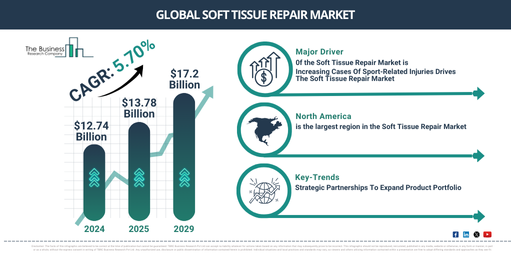
    Over recent years, the market size for soft tissue repair has seen a solid surge. The market is predicted to expand from $12.74 billion in 2024 to a remarkable $13.78 billion in 2025, reflecting a compound annual growth rate (CAGR) of 8.2%. This substantial increase in the historical period is ascribed to the rising occurrence of sports-related injuries, an aging population coupled with degenerative diseases, growth in healthcare spending, enhanced healthcare accessibility, and heightened awareness and demand for aesthetic procedures.

    The market for soft tissue repair is predicted to experience significant expansion in the upcoming years, with an estimated value of $17.2 billion in 2029 and a compound annual growth rate (CAGR) of 5.7%. Growth during this projected period can be associated with factors such as patient education and rehabilitation emphasis, the increase in elderly population and chronic illnesses, the rise of regenerative medicine and tissue engineering, growing healthcare costs and the spread of medical tourism, early prevention and intervention focus. Key trends to look out for during this period are digitalization and artificial intelligence (AI), collaborations and partnerships, personalized and 3D-printed implants, robotic-assisted surgeries, and wearable health monitoring.

    Download a free sample to assess the report’s scope and structure:

    https://www.thebusinessresearchcompany.com/sample.aspx?id=4111&type=smp

    What Are the Core Market Drivers Propelling Growth in the Soft Tissue Repair Industry?

    The spike in sports-associated traumas contributed to the expansion of the soft tissue repair market during the historical phase. Injuries sustained while engaging in athletic activities or exercise are known as sports traumas, and they often involve damage to soft tissue. Soft tissue refers to anatomical elements that serve to connect, support, or encase other bodily structures and organs. For instance, the National Safety Council, a charitable institution based in the US, recorded that after hitting a lowest point in declared sports and recreational traumas in 2020, a significant surge of 20% was observed in 2021, followed by another rise of 12% in 2022. The National Safety Council further reported in the same year that exercise equipment led to approximately 409,000 damages, which was the highest in any sports division. With 375,797 recorded injuries, bicycles and related gear were the second leading source of such traumas in the US. As such, the escalating frequency of sports-related damages fueled the development of the soft tissue repair market.

    How Is the Soft Tissue Repair Market Segmented?

    The soft tissue repair market covered in this report is segmented –

    1) By Product: Fixation Devices, Tissue Patch or Mesh, Laparoscopic Instruments

    2) By Application: Hernia Repair, Dural Repair, Skin Repair, Vaginal Sling Procedures, Orthopedic Repair, Dental Repair, Breast Reconstruction Repair

    3) By End User: Hospitals, Clinics, Research and Academic Institutes, Other End Users

    Subsegments:

    1) By Fixation Devices: Suture Anchors, Tacks and Staples, Bioabsorbable Fixation Devices, Screws and Plates

    2) By Tissue Patch or Mesh: Synthetic Mesh, Biological Mesh, Composite Mesh, Expandable Mesh

    3) By Laparoscopic Instruments: Laparoscopic Graspers, Laparoscopic Scissors, Laparoscopic Needle Holders, Laparoscopic Trocars and Cannulas

    Request customized data on this market:

    https://www.thebusinessresearchcompany.com/customise?id=4111&type=smp

    Which Regions Are Driving the Next Phase of the Soft Tissue Repair Market Growth?

    North America was the largest region in the soft tissue repair market in 2024. Asia-Pacific region is predicted to record fastest growth over the forecast period. The regions covered in the soft tissue repair market report include Asia-Pacific, Western Europe, Eastern Europe, North America, South America, Middle East and Africa.

    What Key Market Trends and Innovations Are Shaping the Future of the Soft Tissue Repair Industry?

    Leading firms in the soft tissue repair industry are increasingly turning to strategic alliances for product range enhancement. This involves companies exploiting each other’s strong points and assets to mutually benefit and succeed. For example, in August 2023, 3D Systems, a US firm offering a wide array of products and services such as 3D printers, print materials, software, made-to-order manufacturing, and healthcare solutions, allied with Theradaptive to strengthen bone and soft tissue repair using novel regenerative therapeutics. Under this pact, Theradaptive’s protein-centric material-binding variations will be applied to 3D Systems’ 3D printed medical devices, stimulating bone and tissue growth. Theradaptive is a biopharmaceutical entity dedicated to the creation of new therapies for enhancing life quality.

    View the full report here:

    https://www.thebusinessresearchcompany.com/report/soft-tissue-repair-global-market-report

    How Is the Soft Tissue Repair Market Defined and What Are Its Core Parameters?

    Soft tissue repair is defined as the replacement of wounded or damaged tissues with healthy tissues. The soft tissue repair market manufacture soft tissue repair products.

    Purchase the full report and get a swift delivery:

    https://www.thebusinessresearchcompany.com/purchaseoptions.aspx?id=4111

    About The Business Research Company:

    With over 15000+ reports from 27 industries covering 60+ geographies, The Business Research Company has built a reputation for offering comprehensive, data-rich research and insights. Armed with 1,500,000 datasets, the optimistic contribution of in-depth secondary research, and unique insights from industry leaders, you can get the information you need to stay ahead in the game.

    Get in touch with us:

    The Business Research Company: https://www.thebusinessresearchcompany.com/

    Americas +1 3156230293

    Asia +44 2071930708

    Europe +44 2071930708

    Email us at info@tbrc.info

    Follow us on:

    LinkedIn: https://in.linkedin.com/company/the-business-research-company

    YouTube: https://www.youtube.com/channel/UC24_fI0rV8cR5DxlCpgmyFQ

    Global Market Model: https://www.thebusinessresearchcompany.com/global-market-model
  • Smart Healthcare Products Market 2025-2034: Key Highlights, Growth Dynamics, and Emerging Trends

    Smart Healthcare Products Market 2025-2034: Key Highlights, Growth Dynamics, and Emerging Trends

    Discover trends, market shifts, and competitive outlooks for the smart healthcare products industry through 2025-2034 with The Business Research Company’s reliable data and in-depth research

    #What Are the Key Projections for the CAGR of the Smart Healthcare Products Market Size From 2025 to 2034?

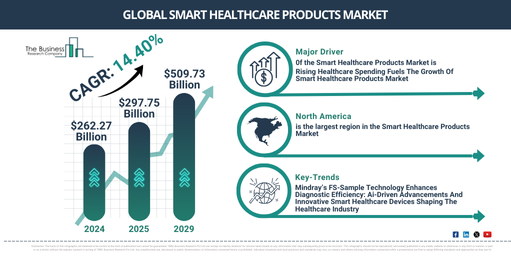
    The market size for smart healthcare products has seen a swift expansion in the recent past. Its growth is projected to rise from $262.27 billion in 2024 to $297.75 billion in 2025, with a compound annual growth rate (CAGR) of 13.5%. Factors such as healthcare digitization and telemedicine, combined with patient monitoring and data integration, have contributed to this growth historically. Additionally, the rising aging population and management of chronic diseases, the need for personalized and connected healthcare services, adherence to regulatory standards, and the adoption of health IT, have also fostered market growth.

    The market size for smart healthcare products is anticipated to experience significant expansion in the forthcoming years, surging up to $509.73 billion by 2029, with a compound annual growth rate (CAGR) of 14.4%. Factors such as the implementation of artificial intelligence and machine learning in healthcare decision-making processes, the increase in remote patient monitoring and use of telehealth, the proliferation of mobile health applications and wearable technologies, the integration of precision medicine and genomics, the rise in demand for point-of-care and home healthcare devices, healthcare IoT, and emphasis on data security are contributing to this growth. Key trends projected for this period encompass personalized healthcare facilitated by digital twins, AI-informed diagnostic and treatment strategies, wearable devices for monitoring mental health, remote and robotic healthcare procedures including surgeries, 3D-printed bespoke medical devices, the emergence of health data marketplaces, and the use of blockchain for enhancing security.

    Download a free sample to assess the report’s scope and structure:

    https://www.thebusinessresearchcompany.com/sample.aspx?id=7029&type=smp

    Which Primay Drivers Are Accelerating Growth in the Smart Healthcare Products Market?

    The surge in healthcare expenditures is fuelling the expansion of the smart healthcare products market. The demand for healthcare services has escalated significantly due to the COVID-19 pandemic. Factors such as the government’s intensified focus on universal healthcare provision, growing income levels, aging demographics, enhanced understanding of healthcare, wider reach of health insurance, and the mounting load of non-transmittable diseases are the primary catalysts for the growth in healthcare spending. Smart healthcare products offer diagnosis and treatment for diseases anytime, anywhere. For instance, as reported by the Office for National Statistics in the UK, the country’s healthcare spending touched roughly $354.88 billion (£283 billion) in 2022, indicating a nominal rise of 0.7% in comparison to the spendings in 2021. As per the projections of National Health Expenditure by the US Centers for Medicare & Medicaid Services (CMS) for 2021-2030, it is forecasted that national health spending growth will jump from 4.2% in 2021 to 4.6% in 2022. Therefore, the escalating healthcare spendings will act as a propellant for the smart healthcare products market.

    Which Primary Segments of the Smart Healthcare Products Market Are Driving Growth and Industry Transformations?

    The smart healthcare products market covered in this report is segmented –

    1) By Product Type: Telemedicine, Electronic Health Records, mHealth, Smart Pills And Syringes, Smart RFID Cabinets

    2) By Application: Storage And Inventory Management, Monitoring, Treatment

    3) By End User: Hospitals, Home Care Settings

    Subsegments:

    1) By Telemedicine: Video Consultation Platforms, Remote Patient Monitoring Solutions, Telehealth Software Solutions

    2) By Electronic Health Records: Cloud-Based EHR Systems, On-Premises EHR Solutions, EHR Interoperability Solutions

    3) By mHealth: Mobile Health Applications, Wearable Health Devices, Mobile Health Monitoring Solutions

    4) By Smart Pills and Syringes: Ingestible Sensors, Smart Insulin Pens, Connected Syringe Systems

    5) By Smart RFID Cabinets: RFID Medication Management Systems, RFID Asset Tracking Cabinets, RFID-enabled Supply Chain Solutions

    Request customized data on this market:

    https://www.thebusinessresearchcompany.com/customise?id=7029&type=smp

    Which Regions Are Key Players in the Growth of the #Which Primay Drivers Are Accelerating Growth in the Smart Healthcare Products Market?# Market?

    North America was the largest region in the smart healthcare products market in 2024. Asia-Pacific is expected to be the fastest-growing region in the forecast period. The regions covered in the smart healthcare products market report include Asia-Pacific, Western Europe, Eastern Europe, North America, South America, Middle East and Africa.

    Which Technological Trends Are Reshaping the Smart Healthcare Products Industry Dynamics?

    Global giants in the smart healthcare products sector are prioritizing the development of cutting-edge solutions such as FS-Sample technology. This aims to increase diagnostic accuracy, enhance patient monitoring, and streamline health procedures, eventually resulting in improved patient health and more effective healthcare provision. FS-Sample technology represents an advanced technique for examining biological specimens, boosting both diagnostic accuracy and effectiveness within healthcare environments. For example, in April 2024, the medical device firm based in China, Mindray, introduced mid-volume laboratories. Mindray’s recent inventions mark a substantial advancement for mid-volume laboratories by offering the necessary tools to increase operational efficiency and ensure dependable diagnostics. The emphasis on compact form, state-of-the-art technology, and modular incorporation makes these solutions beneficial assets in contemporary clinical surroundings.

    View the full report here:

    https://www.thebusinessresearchcompany.com/report/smart-healthcare-products-global-market-report

    What Parameters Are Used to Define the Smart Healthcare Products Market?

    Smart healthcare products are healthcare products that operate on cutting edge technologies such as IoT and AI. These are used to remote monitoring and diagnosis of a patients’ health conditions and reduce the cost of the treatment for the user.

    Purchase the full report and get a swift delivery:

    https://www.thebusinessresearchcompany.com/purchaseoptions.aspx?id=7029

    About The Business Research Company:

    With over 15000+ reports from 27 industries covering 60+ geographies, The Business Research Company has built a reputation for offering comprehensive, data-rich research and insights. Armed with 1,500,000 datasets, the optimistic contribution of in-depth secondary research, and unique insights from industry leaders, you can get the information you need to stay ahead in the game.

    Get in touch with us:

    The Business Research Company: https://www.thebusinessresearchcompany.com/

    Americas +1 3156230293

    Asia +44 2071930708

    Europe +44 2071930708

    Email us at info@tbrc.info

    Follow us on:

    LinkedIn: https://in.linkedin.com/company/the-business-research-company

    YouTube: https://www.youtube.com/channel/UC24_fI0rV8cR5DxlCpgmyFQ

    Global Market Model: https://www.thebusinessresearchcompany.com/global-market-model
  • Major Drivers Propelling the Growth oh theSingle Use Bioprocessing Market Forward: Surging Demand For Biopharmaceuticals Fuels Growth Of Single-Use Bioprocessing Market

    Major Drivers Propelling the Growth oh theSingle Use Bioprocessing Market Forward: Surging Demand For Biopharmaceuticals Fuels Growth Of Single-Use Bioprocessing Market

    Discover trends, market shifts, and competitive outlooks for the single use bioprocessing industry through 2025-2034 with The Business Research Company’s reliable data and in-depth research

    #What Are the Key Projections for the CAGR of the Single Use Bioprocessing Market Size From 2025 to 2034?

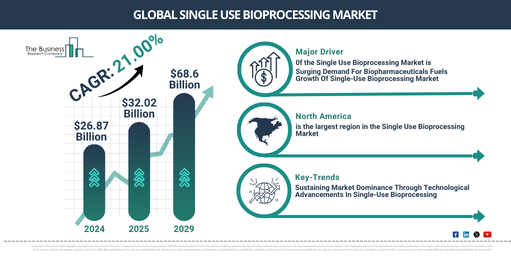
    In recent times, the market size for single use bioprocessing has seen a significant expansion. The market, which is projected to increase from $26.87 billion in 2024 to $32.02 billion in 2025, will experience a compound annual growth rate (CAGR) of 19.2%. Factors such as biopharmaceutical production, biotechnology, cell culture processes, diminished risks of cross-contamination, adherence to bioprocessing regulations, and the need for cost-effective solutions have contributed to this market’s growth during the historic period.

    The market size of single use bioprocessing is slated for exponential expansion in the coming years, projected to reach $68.6 billion in 2029 with a compound annual growth rate (CAGR) of 21.0%. This predicted growth during the forecast period is due to several factors such as the proliferation of personalized medicine, gene, and cell therapy production; adoption of continuous bioprocessing; biomanufacturing for rare diseases; enhancement of biosafety levels; emerging markets and global hubs for biomanufacturing. Future trends could include automated and robotic single-use systems, analytics and single-use sensors, aseptic filling and packaging in a closed-system, modifiable and scalable bioprocessing facilities, biomanufacturing that’s decentralized and on-demand, along with virus filtration and purification solutions.

    Download a free sample to assess the report’s scope and structure:

    https://www.thebusinessresearchcompany.com/sample.aspx?id=7700&type=smp

    Which Major Market Drivers Are Expected to Boost the Growth Potential of the Single Use Bioprocessing Market?

    The boom in the requirement for biopharmaceuticals is set to significantly stimulate the single-use bioprocessing market development. Biopharmaceuticals, synthesized from living cells or organisms, utilize single-use bioprocessing systems prevalently in their production due to its contribution to enhancing efficiency, cutting down on costs, and ensuring the safe disposal of waste. The European Federation of Pharmaceutical Industries and Associations (EFPIA), a Belgium-based entity that exemplifies the pharmaceutical domain, specified in June 2023 that the European pharmaceutical sector had observed a considerable production growth, ascending from $352.48 billion in 2021 to $369.95 billion in 2022. Consequently, the mounting demand for biopharmaceuticals is catalyzing the expansion of the single-use bioprocessing market.

    Which Key Market Segments Comprise the Single Use Bioprocessing Market and Drive Its Revenue Growth?

    The single use bioprocessing market covered in this report is segmented –

    1) By Product: Single-Use Media Bags And Containers, Single-Use Assemblies, Single-Use Bioreactors, Disposable Mixers, Other Products

    2) By Workflow: Upstream, Fermentation, Downstream

    3) By Application: Filtration, Storage, Cell Culture, Mixing, Purification

    4) By End User: Biopharmaceutical And Pharmaceutical companies, Contract Research Organizations And Contract Manufacturing Organizations (CROs and CMOs), Academic and Research institutes

    Subsegments:

    1) By Single-Use Media Bags and Containers: Media Bags, Storage Containers, Transport Bags

    2) By Single-Use Assemblies: Preassembled Kits, Tubing Sets, Connector Assemblies

    3) By Single-Use Bioreactors: Stirred-Tank Bioreactors, Wave-Mixed Bioreactors, Other Bioreactor Types

    4) By Disposable Mixers: Single-Use Stirring Devices, Single-Use Agitators

    5) By Other Products: Filtration Devices, Sampling Devices, Accessories

    Request customized data on this market:

    https://www.thebusinessresearchcompany.com/customise?id=7700&type=smp

    Which Areas Are Leading Regions in the Single Use Bioprocessing Market Expansion Across the Globe?

    North America was the largest region in the single-use bioprocessing market in 2024. Asia-Pacific is expected to be the fastest-growing region in the forecast period. The regions covered in the single use bioprocessing market report include Asia-Pacific, Western Europe, Eastern Europe, North America, South America, Middle East and Africa.

    What Are the Key Market Trends in theSingle Use Bioprocessing Market Over the Coming Years?

    Rapid advancements in technology are emerging as a popular trend within the single-use bioprocessing industry. Numerous established organizations within the market are incorporating digital solutions to maintain their leadership. For example, American enterprise Cytiva unveiled X-platform bioreactors in April 2023, specifically intended to augment productivity in single-use upstream bioprocessing. Initially offered in sizes between 50 and 200 liters, these bioreactors are equipped with Figurate automation solution software. The goal behind this engineering is to boost process efficiency through expanding production volume, improving ergonomics, and allowing smoother supply chain operations.

    View the full report here:

    https://www.thebusinessresearchcompany.com/report/single-use-bioprocessing-global-market-report

    How Is the Single Use Bioprocessing Market Conceptually Defined?

    Single-use bioprocessing refers to bioprocessing equipment designed to be used only once and then discarded. These are generally made of plastic components that are sterilized using gamma radiation. It can help save cleaning time, water, and energy consumption. Single-use bioprocessing is used throughout the bioproduction workflow with the minimum risk of cross-contamination.

    Purchase the full report and get a swift delivery:

    https://www.thebusinessresearchcompany.com/purchaseoptions.aspx?id=7700

    About The Business Research Company:

    With over 15000+ reports from 27 industries covering 60+ geographies, The Business Research Company has built a reputation for offering comprehensive, data-rich research and insights. Armed with 1,500,000 datasets, the optimistic contribution of in-depth secondary research, and unique insights from industry leaders, you can get the information you need to stay ahead in the game.

    Get in touch with us:

    The Business Research Company: https://www.thebusinessresearchcompany.com/

    Americas +1 3156230293

    Asia +44 2071930708

    Europe +44 2071930708

    Email us at info@tbrc.info

    Follow us on:

    LinkedIn: https://in.linkedin.com/company/the-business-research-company

    YouTube: https://www.youtube.com/channel/UC24_fI0rV8cR5DxlCpgmyFQ

    Global Market Model: https://www.thebusinessresearchcompany.com/global-market-model

  • Revenue Cycle Management (RCM) Market Trends 2025-2034: Growth, Strategic Insights, and Opportunities Ahead

    Revenue Cycle Management (RCM) Market Trends 2025-2034: Growth, Strategic Insights, and Opportunities Ahead

    Discover trends, market shifts, and competitive outlooks for the revenue cycle management (rcm) industry through 2025-2034 with The Business Research Company’s reliable data and in-depth research

    #What Are the Key Projections for the CAGR of the Revenue Cycle Management (RCM) Market Size From 2025 to 2034?

    The RCM (revenue cycle management) market has seen robust growth in the past few years. The market, which was worth $137.6 billion in 2024, is projected to reach a value of $156.46 billion in 2025, expanding at a CAGR of 13.7%. Factors such as the introduction of electronic health records (EHRs), changes in healthcare regulations and reforms, increased healthcare expenses, emphasis on enhancing billing and collection processes, and the expansion of healthcare facilities have fueled growth during the historic period.

    The market size for revenue cycle management (RCM) is projected to experience noteworthy expansion in the upcoming years. By 2029, it’s anticipated to reach a value of $275.86 billion, reflecting a compound annual growth rate (CAGR) of 15.2%. This foreseen growth during the forecasted period can be linked to the shift towards value-based care models, assimilation of artificial intelligence and machine learning in RCM, telehealth, and patient remote interactions, delivering patient-centric financial experiences, RCM service consolidation and solutions to billing and coding complexities, advanced data analysis to enhance revenue optimization. Key trends for the forecasted period encompass predictive analytics for revenue prediction, incorporating blockchain for secure and transparent billing, the adoption of RCM as a service (RCMaaS) models, patient engagement platforms within RCM, price transparency and cost estimation tools, data compatibility across different healthcare systems.

    Download a free sample to assess the report’s scope and structure:

    https://www.thebusinessresearchcompany.com/sample.aspx?id=7712&type=smp

    What Are the Major Market Drivers Behind the Rising Adoption of Revenue Cycle Management (RCM) Market?

    The escalation in healthcare costs is predicted to spur the expansion of the revenue cycle management market in the future. This includes all costs associated with providing health services, family planning activities, nutrition-related activities, and emergency assistance related to health. Owing to the surge in healthcare expenses, healthcare institutions are turning towards sophisticated solutions like revenue cycle management to handle administrative and clinical tasks. Such solutions are related to claims processing, payment, and revenue generation. For example, as per the American Medical Association, a professional organization based in the U.S., in July 2024, health expenses in the U.S. grew by 4.1% in 2022, reaching a total of $4.5 trillion, which equates to $13,493 per individual. Thus, the mounting healthcare expenditure is fostering the development of the revenue cycle management market.

    Which Key Market Segments Comprise the Revenue Cycle Management (RCM) Market and Drive Its Revenue Growth?

    The revenue cycle management (RCM) market covered in this report is segmented –

    1) By Product: Integrated, Standalone

    2) By Component: Software, Services

    3) By Function: Claims And Denial Management, Medical Coding and Billing, Electronic Health Record (EHR), Clinical Documentation Improvement (CDI), Insurance, Other Functions

    4) By Deployment: Web-Based, Cloud-Based, On-Premises

    5) By End User: Hospitals, General Physicians, Labs, Other End Users

    Subsegments:

    1) By Integrated RCM: Comprehensive Solutions, Multi-Function Platforms, End-to-End Solutions

    2) By Standalone RCM: Billing and Invoicing Solutions, Claims Management Solutions, Payment Processing Solutions, Revenue Analytics Tools

    Request customized data on this market:

    https://www.thebusinessresearchcompany.com/customise?id=7712&type=smp

    Which Areas Are Leading Regions in the Revenue Cycle Management (RCM) Market Expansion Across the Globe?

    North America was the largest region in the revenue cycle management (RCM) market in 2024. Asia-Pacific is expected to be the fastest-growing region in the forecast period. The regions covered in the revenue cycle management (RCM) market report include Asia-Pacific, Western Europe, Eastern Europe, North America, South America, Middle East and Africa.

    What Are the Strategic Trends Steering theRevenue Cycle Management (RCM) Market Direction?

    The significant trend seen in the revenue cycle management market currently is the developments in technology. To fortify their stance in the market, major corporations in this field are concentrating on creating innovative technological solutions. Take for example, Olive – a healthcare automation firm from the US which launched its Autonomous Revenue Cycle (ARC) management suite of solutions in June 2022. This suite, aided by artificial intelligence, enables healthcare organizations to swiftly manage lengthy administrative chores in the revenue cycle and ensures faster payments while simultaneously mitigating the risk of uncompensated care. It also seamlessly combines practice management systems with existing electronic health records.

    View the full report here:

    https://www.thebusinessresearchcompany.com/report/revenue-cycle-management-rcm-global-market-report

    How Is the Revenue Cycle Management (RCM) Market Conceptually Defined?

    Revenue cycle management refers to the services used by healthcare providers to be financially viable and to continue providing their patients high-quality treatment through the process of locating, obtaining, and managing the practice’s revenue from payers based on the services rendered. This helps providers prevent delayed or lost money. These are useful in tracking patient care episodes from registration to the final payment of a balance.

    Purchase the full report and get a swift delivery:

    https://www.thebusinessresearchcompany.com/purchaseoptions.aspx?id=7712

    About The Business Research Company:

    With over 15000+ reports from 27 industries covering 60+ geographies, The Business Research Company has built a reputation for offering comprehensive, data-rich research and insights. Armed with 1,500,000 datasets, the optimistic contribution of in-depth secondary research, and unique insights from industry leaders, you can get the information you need to stay ahead in the game.

    Get in touch with us:

    The Business Research Company: https://www.thebusinessresearchcompany.com/

    Americas +1 3156230293

    Asia +44 2071930708

    Europe +44 2071930708

    Email us at info@tbrc.info

    Follow us on:

    LinkedIn: https://in.linkedin.com/company/the-business-research-company

    YouTube: https://www.youtube.com/channel/UC24_fI0rV8cR5DxlCpgmyFQ

    Global Market Model: https://www.thebusinessresearchcompany.com/global-market-model