Category: HealthcareServices

  • Exploring Key Insights of the Omeprazole Market: Growth Prospects, Emerging Trends, and Opportunities

    Exploring Key Insights of the Omeprazole Market: Growth Prospects, Emerging Trends, and Opportunities

    Get 20% off on Global Market Reports until March 31st! Use code FY25SAVE at checkout.

    How has the omeprazole market grown over the years?

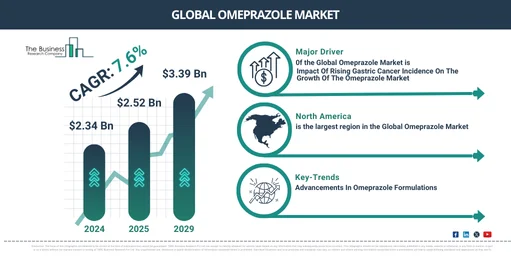
    The market size of omeprazole has seen substantial growth in the recent past. The market is projected to escalate from a valuation of $2.34 billion in 2024 to $2.52 billion in 2025, boasting a compound annual growth rate (CAGR) of 7.9%. The considerable growth in the historical period can be credited to factors such as reimbursement policies, the shift of both patients and healthcare providers from H2 blockers to proton pump inhibitors, awareness campaigns about the advantages of omeprazole treatment, government investment in healthcare infrastructure and services, along with health literacy campaigns.

    What Is the forecasted market size and growth rate for the omeprazole market?

    A significant surge in the omeprazole market size is predicted in the coming years, escalating to $3.39 billion by 2029 at a compound annual growth rate (CAGR) of 7.6%. This robust increase in the projected period could be due to government measures to regulate drug prices that impact profitability, pharmaceutical supply chain disturbances influencing the availability and cost of omeprazole, customized treatment plans, growing consumer knowledge and preference for self-medication products, and alterations in disease patterns and prevalence rates that effect omeprazole demand. In the same forecast period, significant trends are expected, including the evolution of gene editing technologies, advancements in pharmacogenomics, the rise of telemedicine, the incorporation of digital health technologies, and the expansion of digital platforms.

    Get your omeprazole market report here!

    https://www.thebusinessresearchcompany.com/report/omeprazole-global-market-report

    What are the major factors driving growth in the omeprazole market?

    The omeprazole market is projected to expand due to the rising prevalence of gastric cancers. Gastric cancers, malignancies originating from the stomach lining, have seen a surge largely attributable to factors such as chronic helicobacter pylori infection, excessive alcohol consumption, genetic susceptibility, chronic gastritis, obesity, and geographic prevalence variations. Omeprazole is a potent proton pump inhibitor that aids in the management of gastric cancers by curbing the production of stomach acid. This can help to ease symptoms, enhance quality of life, and promote the healing of stomach lining ulcers or lesions. For example, the American Cancer Society, a US health organization focused on cancer eradication, reported in January 2023 that gastrointestinal cancer incidences escalated by 3.18% to 348,840, a significant increase from 338,090 in 2021. Consequently, this surge in gastric cancer occurrence is contributing to the growth of the omeprazole market.

    What key areas define the segmentation of the global omeprazole Market?

    The omeprazole market covered in this report is segmented –

    1) By Dosage Form: Capsule, Powder, Tablet

    2) By Indication: Duodenal Ulcer, Gastric Ulcer, Gastroesophageal Reflux Disease, Erosive Esophagitis, Other Indications

    3) By Distribution Channel: Hospital Pharmacies, Retail Pharmacies, Online Pharmacies

    Subsegments:

    1) By Capsule: Delayed-Release Capsules, Immediate-Release Capsules

    2) By Powder: Oral Suspension Powder, Injectable Powder

    3) By Tablet: Delayed-Release Tablets, Immediate-Release Tablets

    Get your free sample now – explore exclusive market insights:

    https://www.thebusinessresearchcompany.com/sample.aspx?id=16495&type=smp

    What are the top market players propelling the growth of the omeprazole industry?

    Major companies operating in the omeprazole market are Pfizer Inc., AstraZeneca plc, Novartis AG, Viatris Inc., Teva Pharmaceutical Industries Ltd., Sandoz Group AG, Fresenius Kabi, Macleods Pharmaceuticals Pvt Ltd., Perrigo Company plc, Sun Pharmaceutical Industries Ltd., Intas Pharmaceuticals Ltd., Aurobindo Pharma, Dr. Reddy’s Laboratories, Cipla, Apotex Inc., Amneal Pharmaceuticals, Lupin Limited, Glenmark Pharmaceuticals Ltd., Alkem Laboratories Ltd., Torrent Pharmaceuticals, Jubilant Generics Limited, Accord Healthcare, Hetero Healthcare Limited, Zydus Cadila, Ranbaxy Laboratories Limited

    What emerging trends are influencing the growth of the omeprazole market?

    In a bid to boost customer convenience and compliance, particularly amongst patients who have trouble consuming tablets or capsules, leading firms in the omeprazole market are producing ready-made liquid formulations. These preparations of omeprazole serve to increase patient compliance, offer ease of use, ensure appropriate dosage, stimulate rapid onset of action and guarantee improved medicine stability. Alkaloid AD, a pharmaceutical production company based in North Macedonia, for instance, introduced liquid Omeprazole onto the market in February 2024. This marks the first ever ready-to-administer liquid Omeprazole intended for patients with GERD or reflux esophagitis who are unable to ingest tablets, incorporating a dual-chamber package. This innovation is a viable and easy-to-use treatment choice for individuals who struggle to consume tablets or capsules like young children, dysphagic adult patients, and those with gastric feeding tubes or elderly patients. The firm was successful in securing the first international patent for value-added medicine (VAM) for this product and has acquired marketing rights for both Macedonian and UK markets.

    Unlock exclusive market insights – purchase your research report now for a swift delivery!

    https://www.thebusinessresearchcompany.com/purchaseoptions.aspx?id=16495

    What regions are dominating the omeprazole market growth?

    North America was the largest region in the omeprazole market in 2024. The regions covered in the omeprazole market report are Asia-Pacific, Western Europe, Eastern Europe, North America, South America, Middle East, Africa.

    Browse Through More Similar Reports By The Business Research Company:

    Microbiome Global Market Report 2024

    https://www.thebusinessresearchcompany.com/report/microbiomes-global-market-report

    Non Contact Infrared Thermometers Global Market Report 2024

    https://www.thebusinessresearchcompany.com/report/non-contact-infrared-thermometers-global-market-report

    Cast Elastomer Global Market Report 2024

    https://www.thebusinessresearchcompany.com/report/cast-elastomer-global-market-report

    About The Business Research Company:

    With over 15000+ reports from 27 industries covering 60+ geographies, The Business Research Company has built a reputation for offering comprehensive, data-rich research and insights. Armed with 1,500,000 datasets, the optimistic contribution of in-depth secondary research, and unique insights from industry leaders, you can get the information you need to stay ahead in the game.

    Contact us at:

    The Business Research Company: https://www.thebusinessresearchcompany.com/

    Americas +1 3156230293

    Asia +44 2071930708

    Europe +44 2071930708

    Email us at info@tbrc.info

    Follow us on:

    LinkedIn: https://in.linkedin.com/company/the-business-research-company

    YouTube: https://www.youtube.com/channel/UC24_fI0rV8cR5DxlCpgmyFQ

    Global Market Model: https://www.thebusinessresearchcompany.com/global-market-model

    Found this article helpful? Share it on:
  • Ocular Inflammation Treatment Market Analysis: Key Insights on Growth Rates, Trends, and Major Opportunities

    Get 20% off on Global Market Reports until March 31st! Use code FY25SAVE at checkout.

    How has the ocular inflammation treatment market grown in recent years?

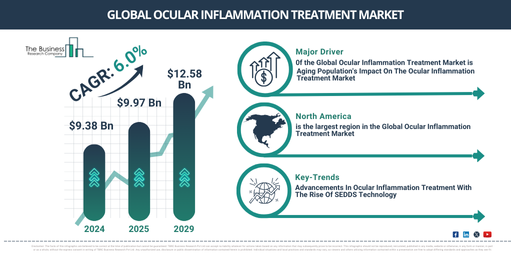
    In recent times, there has been robust growth in the market size for ocular inflammation treatment. The market is predicted to expand from $9.38 billion in 2024 to an estimated $9.97 billion in 2025, maintaining a compound annual growth rate (CAGR) of 6.3%. The uptick in growth during the historic period can be linked to factors such as advances in research associated with ophthalmology, an increase in the occurrence of ocular inflammatory diseases, the rise of an older population, the expansion of healthcare facilities, growing recognition of the importance of eye health, innovative treatment techniques, and the creation of ground-breaking therapeutics.

    How is the ocular inflammation treatment market size expected to evolve during the forecast period?

    The market for ocular inflammation treatment is projected to experience substantial growth in the coming years, with its size predicted to reach $12.58 billion in 2029, boasting a compound annual growth rate (CAGR) of 6.0%. This projected growth during the forecast period can be linked to factors such as increased demand for biologics and target-specific treatments, focus on prompt diagnosis and treatment, rise in healthcare spending, broader availability of eye care, as well as burgeoning engagement with remote ophthalmology tools. Novel treatments receiving regulatory approval also fuel this trend. Forecast period trends include a move towards biologic treatments, advancements in medication administration, personalized medical strategies, the integration of teleophthalmology, regulatory focus on safety and efficiency, and a widened spectrum of therapeutic alternatives.

    Get your ocular inflammation treatment market report here!

    https://www.thebusinessresearchcompany.com/report/ocular-inflammation-treatment-global-market-report

    Which key drivers are propelling the ocular inflammation treatment market’s growth?

    The ocular inflammation treatment market is projected to grow due to an increase in the elderly population. Aging involves a natural aging process, marked by the gradual deterioration of physiological functions and tissue stability. Factors such as longer life expectancy, dropping birth rates, and healthcare enhancements leading to longer life spans have contributed to the rise of the elderly population. Ocular inflammation treatment is crucial for the aged to manage and maintain their sight by dealing with age-related inflammation issues. For instance, a Switzerland-based health authority, the World Health Organization, reported in September 2024 that individuals aged 60 years and above numbered 1 billion. This figure is predicted to swell to 1.4 billion by 2030 and 2.1 billion by 2050. Hence, the growth of the elderly population is expected to propel the ocular inflammation treatment market in the future.

    What are the market segments in the ocular inflammation treatment industry?

    The ocular inflammation treatment market covered in this report is segmented –

    1) By Treatment Type: Immunosuppressant, Antivirals, Corticosteroids, Antibiotics, Analgesics, Monoclonal Antibodies, Antifungal, Cycloplegic

    2) By Mode of Operation: Injectables, Oral, Topical, Other Modes Of Operation

    3) By Disease Type: Anterior Uveitis, Intermediate Uveitis, Episcleritis/Scleritis, Posterior Uveitis, Panuveitis

    4) By Distribution Channel: Retail Pharmacies, Online Pharmacies, Hospital Pharmacies, Drug Stores

    Subsegments:

    1) By Immunosuppressant: Systemic Immunosuppressants (Methotrexate, Azathioprine), Topical Immunosuppressants Cyclosporine A)

    2) By Antivirals: Oral Antivirals ( Acyclovir, Valacyclovir), Topical Antivirals (Ganciclovir, Idoxuridine)

    3) By Corticosteroids: Topical Corticosteroids ( Prednisolone, Dexamethasone), Systemic Corticosteroids (Oral Prednisone), Intraocular Steroid Injections (Triamcinolone)

    4) By Antibiotics: Topical Antibiotics (Tobramycin, Gentamicin), Oral Antibiotics (Azithromycin, Ciprofloxacin)

    5) By Analgesics: Non-Steroidal Anti-Inflammatory Drugs (Nsaids), Opioid Analgesics ( Hydrocodone, Oxycodone)

    6) By Monoclonal Antibodies: Anti-Tnf Alpha Monoclonal Antibodies ( Infliximab, Adalimumab), Anti-Il-6 Monoclonal Antibodies ( Tocilizumab)

    7) By Antifungal: Topical Antifungal ( Natamycin), Oral Antifungal ( Fluconazole, Itraconazole)

    8) By Cycloplegic: Atropine, Cyclopentolate, Tropicamide

    Get your free sample now – explore exclusive market insights:

    https://www.thebusinessresearchcompany.com/sample.aspx?id=15622&type=smp

    Which leading companies are shaping the growth of the ocular inflammation treatment market?

    Major companies operating in the ocular inflammation treatment market are Pfizer Inc., Johnson & Johnson Services Inc., F. Hoffmann-La Roche Ltd., Merck & Co. Inc., AbbVie Inc., Novartis AG, GlaxoSmithKline plc, Amgen Inc., Teva Pharmaceutical Industries Ltd., Regeneron Pharmaceuticals Inc., Mylan N.V., Bristol Myers Squibb Company, Alcon Laboratories Inc., Bausch Health Companies Inc., Macleods Pharmaceuticals Ltd., Intas Pharmaceuticals Ltd., Cipla Inc., Santen Pharmaceutical Co. Ltd., Mallinckrodt Pharmaceuticals, Akron Pharma Inc., Sun Pharmaceutical Industries Ltd., Alimera Sciences, Ocular Therapeutix Inc., EyePoint Pharmaceuticals Inc., Tarsier Pharma, Graybug Vision Inc., EyeGate, Oculis S.A.

    What are the key trends shaping the future of the ocular inflammation treatment market?

    Firms at the forefront of ocular inflammation treatment are devoting resources towards the adoption of innovative techniques such as the self-emulsifying drug delivery system (SEDDS) technology in eye drops. This approach seeks to ameliorate drug absorption, extend beneficial impacts, and heighten user-friendliness. SEDDS technology in eye drops fosters elevated bioavailability and superior ocular absorption of therapeutic agents, rendering more effective medical results for an array of ocular conditions. In a noteworthy development from May 2023, ENTOD Pharmaceuticals, a pharmaceutical establishment from India, launched CYCLOTEARS eye drops, targeting those plagued by inflammatory dry eye syndrome, a common disease. Significantly, CYCLOTEARS represents the first globally available dry eye treatment that incorporates the company’s exclusive SEDDS technology, an innovation from Indian scientific minds recognized by the Department of Scientific and Industrial Research (DSIR). Ties with distinguished eye research institutions within India were crucial to the evolution of this technology.

    Unlock exclusive market insights – purchase your research report now for a swift delivery!

    https://www.thebusinessresearchcompany.com/purchaseoptions.aspx?id=15622

    Which geographic areas are influencing the growth of the ocular inflammation treatment market?

    North America was the largest region in the ocular inflammation treatment market in 2023. The regions covered in the ocular inflammation treatment market report are Asia-Pacific, Western Europe, Eastern Europe, North America, South America, Middle East, Africa.

    Browse Through More Similar Reports By The Business Research Company:

    Migraine Treatment Global Market Report 2024

    https://www.thebusinessresearchcompany.com/report/migraine-treatment-global-market-report

    Hypophosphatasia Treatment Global Market Report 2024

    https://www.thebusinessresearchcompany.com/report/hypophosphatasia-treatment-global-market-report

    Myopia and Presbyopia Treatment Global Market Report 2024

    https://www.thebusinessresearchcompany.com/report/myopia-and-presbyopia-treatment-global-market-report

    About The Business Research Company:

    With over 15000+ reports from 27 industries covering 60+ geographies, The Business Research Company has built a reputation for offering comprehensive, data-rich research and insights. Armed with 1,500,000 datasets, the optimistic contribution of in-depth secondary research, and unique insights from industry leaders, you can get the information you need to stay ahead in the game.

    Contact us at:

    The Business Research Company: https://www.thebusinessresearchcompany.com/

    Americas +1 3156230293

    Asia +44 2071930708

    Europe +44 2071930708

    Email us at info@tbrc.info

    Follow us on:

    LinkedIn: https://in.linkedin.com/company/the-business-research-company

    YouTube: https://www.youtube.com/channel/UC24_fI0rV8cR5DxlCpgmyFQ

    Global Market Model: https://www.thebusinessresearchcompany.com/global-market-model

    Found this article helpful? Share it on:

  • How is the Non-Proliferative Diabetic Retinopathy Market Poised for Growth: Trends and Opportunities Through 2034

    How is the Non-Proliferative Diabetic Retinopathy Market Poised for Growth: Trends and Opportunities Through 2034

    Get 20% off on Global Market Reports until March 31st! Use code FY25SAVE at checkout.

    How has the non-proliferative diabetic retinopathy market grown over the years?

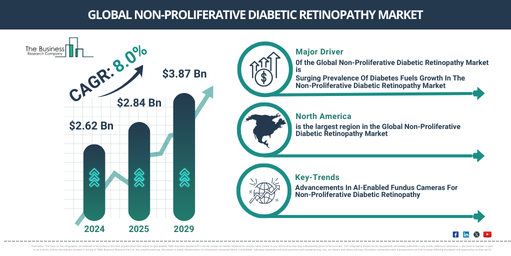
    In recent times, there has been robust growth in the market size of non-proliferative diabetic retinopathy. It is projected to escalate from $2.62 billion in 2024 to a figure of $2.84 billion in 2025, at a compound annual growth rate (CAGR) of 8.4%. This growth in the past can be attributed to various factors such as the rising incidence of diabetes, aging population, enhanced awareness, advances in research, changes in lifestyle and improved management of diabetes.

    What Is the forecasted market size and growth rate for the non-proliferative diabetic retinopathy market?

    In the coming years, the non-proliferative diabetic retinopathy market is expected to witness robust growth, projected to reach $3.87 billion by 2029, with a compound annual growth rate (CAGR) of 8.0%. Factors contributing to this growth during the prediction period include the embrace of telemedicine, the creation of new therapies, the implementation of artificial intelligence, an increase in research and development funding, and the improvement of healthcare facilities. Key trends for the forecast period encompass the increased use of artificial intelligence for screening and diagnosis, a surge in demand for telemedicine, and remote monitoring solutions, the advent of individualized medicine strategies for diabetic retinopathy treatment, heightened emphasis on prevention tactics and early intervention, as well as the growing significance of patient-centered care models in managing diabetic retinopathy.

    Get your non-proliferative diabetic retinopathy market report here!

    https://www.thebusinessresearchcompany.com/report/non-proliferative-diabetic-retinopathy-global-market-report

    What are the major factors driving growth in the non-proliferative diabetic retinopathy market?

    The growth of the non-proliferative diabetic retinopathy market is anticipated to be driven by the rising occurrence of diabetes. This chronic metabolic disorder is defined by high blood glucose levels due to insufficient insulin production by the pancreas, or the cells of the body developing resistance to insulin effects. Diabetes results from factors like sedentary lifestyles, poor dietary habits, and genetic predispositions. Non-proliferative diabetic retinopathy is triggered by diabetes through damaging the retina’s blood vessels, mainly due to long-term exposure to high bloodstream glucose levels, causing vision problems and possible blindness. For example, the National Health Service, based in the UK, reported in June 2024 that in 2023, over half a million (549,000) new individuals in England were found to be at risk of developing type 2 diabetes. This increased the total number of non-diabetic hyperglycemia or pre-diabetes cases registered with a GP to 3,615,330. This is a substantial increase compared to the 3,065,825 cases in 2022, constituting a nearly 20% increase. Consequently, the escalating prevalence of diabetes is a major driving factor for the growth of the non-proliferative diabetic retinopathy market.

    What key areas define the segmentation of the global non-proliferative diabetic retinopathy Market?

    The non-proliferative diabetic retinopathy market covered in this report is segmented –

    1) By Treatment Type: Anti-Vascular Endothelial Growth Factor (VEGF) Therapy, Intraocular Steroid Injection, Laser Surgery, Vitrectomy

    2) By Disease Severity Level: Mild Non-Proliferative Diabetic Retinopathy, Moderate Non-Proliferative Diabetic Retinopathy, Severe Non-Proliferative Diabetic Retinopathy

    3) By End-User: Hospitals, Specialty Clinics, Ambulatory Surgical Centers, Other End-Users

    Subsegments:

    1) By Anti-Vascular Endothelial Growth Factor (Vegf) Therapy: Bevacizumab (Avastin), Ranibizumab (Lucentis), Aflibercept (Eylea), Pegaptanib (Macugen)

    2) By Intraocular Steroid Injection: Triamcinolone Acetonide, Dexamethasone Implant (Ozurdex), Fluocinolone Acetonide Implant (Iluvien)

    3) By Laser Surgery: Focal Laser Photocoagulation, Panretinal Photocoagulation

    4) By Vitrectomy: Pars Plana Vitrectomy (Ppv), Membrane Peeling Vitrectomy, Phaco-Vitrectomy (Combined Cataract And Vitrectomy Surgery)

    Get your free sample now – explore exclusive market insights:

    https://www.thebusinessresearchcompany.com/sample.aspx?id=15620&type=smp

    What are the top market players propelling the growth of the non-proliferative diabetic retinopathy industry?

    Major companies operating in the non-proliferative diabetic retinopathy market are Pfizer Inc., Johnson & Johnson, F. Hoffmann-La Roche AG, AbbVie Inc., Bayer AG, Abbott Laboratories, Novartis AG, Eli Lilly and Company, Novo Nordisk A/S, Regeneron Pharmaceuticals Inc., Bausch Health Companies Inc., Boehringer Ingelheim International GmbH, Genentech Inc., Carl Zeiss Meditec AG, ZEISS Group, Santen Pharmaceutical Co. Ltd., Santen Inc., Topcon Corporation, Lumenis Ltd., Alimera Science, Ocular Therapeutix Inc., Acucela Inc., Ampio Pharmaceuticals, Kowa Company Ltd., Nidek Co. Ltd.

    Which trends are expected to transform the non-proliferative diabetic retinopathy market?

    Leading businesses in the non-proliferative diabetic retinopathy market are advancing ophthalmic imaging by utilizing AI-enabled cameras to enhance patient results. These cameras are integrated with AI algorithms to help capture, scrutinize, and interpret eye images for both diagnostic and therapeutic intent. For example, in May 2024, Optomed, a medical technology enterprise situated in Finland, introduced its Optomed Aurora AEYE. This handheld AI fundus camera, designed to instantly identify more than just mild diabetic retinopathy, seamlessly merges the convenience of a handheld camera with the potency of AI to generate high-grade retinal images for the early detection and tracking of varied eye conditions. The Optomed Aurora AEYE leverages AI algorithms for enabling healthcare experts to evaluate retinal images effectively. This facilitates prompt and precise diagnoses of conditions like diabetic retinopathy, glaucoma, or age-related macular degeneration.

    Unlock exclusive market insights – purchase your research report now for a swift delivery!

    https://www.thebusinessresearchcompany.com/purchaseoptions.aspx?id=15620

    What regions are dominating the non-proliferative diabetic retinopathy market growth?

    North America was the largest region in the non-proliferative diabetic retinopathy market in 2024. Asia-Pacific is expected to be the fastest-growing region in the forecast period. The regions covered in the non-proliferative diabetic retinopathy market report are Asia-Pacific, Western Europe, Eastern Europe, North America, South America, Middle East, Africa.

    Browse Through More Similar Reports By The Business Research Company:

    Diabetic Kidney Disease Global Market Report 2024

    https://www.thebusinessresearchcompany.com/report/diabetic-kidney-disease-global-market-report

    Diabetic Foot Ulcer Global Market Report 2024

    https://www.thebusinessresearchcompany.com/report/diabetic-foot-ulcer-global-market-report

    Diabetic Retinopathy Global Market Report 2024

    https://www.thebusinessresearchcompany.com/report/diabetic-retinopathy-global-market-report

    About The Business Research Company:

    With over 15000+ reports from 27 industries covering 60+ geographies, The Business Research Company has built a reputation for offering comprehensive, data-rich research and insights. Armed with 1,500,000 datasets, the optimistic contribution of in-depth secondary research, and unique insights from industry leaders, you can get the information you need to stay ahead in the game.

    Contact us at:

    The Business Research Company: https://www.thebusinessresearchcompany.com/

    Americas +1 3156230293

    Asia +44 2071930708

    Europe +44 2071930708

    Email us at info@tbrc.info

    Follow us on:

    LinkedIn: https://in.linkedin.com/company/the-business-research-company

    YouTube: https://www.youtube.com/channel/UC24_fI0rV8cR5DxlCpgmyFQ

    Global Market Model: https://www.thebusinessresearchcompany.com/global-market-model

    Found this article helpful? Share it on:
  • Unlocking the Future of the Oncology Ablation Market: Growth Rate, Key Trends, and Opportunities for 2025-2034

    Get 20% off on Global Market Reports until March 31st! Use code FY25SAVE at checkout.

    How has the oncology ablation market size evolved in recent years?

    In recent years, the oncology ablation market has experienced significant expansion. Its worth is projected to increase from $1.3 billion in 2024 to $1.46 billion in 2025, showing a compound annual growth rate (CAGR) of 12.9%. Several factors have contributed to this growth during the historic period, including the rising incidence of cancer, an upsurge in the preference for less invasive ablation procedures, augmented healthcare expenses, the approval of new ablation tools and technologies, enhanced cancer screening initiatives, and an increase in the elderly population.

    What are the predictions for the oncology ablation market size in the coming years?

    The market size for oncology ablation is predicted to experience significant growth in the upcoming years, ultimately reaching a value of $2.35 billion in 2029 with a compound annual growth rate (CAGR) of 12.6%. This radical growth can be linked to the multiple advancements in the sphere of ablation technology, coupled with its increasing acceptance in progressing economies. Further factors contributing to the growth are inclinations towards personalised and precision medicine, heightened government aid and funding towards cancer research and treatments, and a growing demand for outpatient services. Better public and professional understanding also plays a role in the growth. The forecast period highlights several key trends including the use of artificial intelligence (AI) in the field, progression in imaging technologies, the employment of robotic-aided ablation, the emergence of advanced ablation tools designed for higher efficiency, safety, and user comfort, and the adoption of telemedicine for initial and follow-up ablation care, making remote monitoring feasible.

    Get your oncology ablation market report here!

    https://www.thebusinessresearchcompany.com/report/oncology-ablation-global-market-report

    What key factors are fueling the growth of the oncology ablation market?

    The growth of the oncology ablation market is expected to be driven by the rising number of cancer diagnoses. Cancer diagnosis involves the determination and confirmation of cancer presence via medical examinations, imaging, and pathological tissue sample analyses. The escalating number of cancer diagnoses can be attributed to a variety of reasons, including an aging population, more efficient screening programs, increased awareness leading to earlier detection, and environmental factors. Oncology ablation, a method used to treat tumors identified through cancer diagnoses, provides less invasive alternatives to eliminate tumors and enhance patient results. For example, the National Cancer Institute, the main agency of the U.S. federal government for cancer research and training, projected in May 2024 that there will be approximately 2,001,140 new cancer instances in the U.S. in 2024, with prostate, lung, and colorectal cancers accounting for about 48% of all diagnoses in males. By 2040, it’s predicted that the yearly number of novel cancer cases will rise to 29.9 million, indicating a substantial future rise in cancer rates. The American Cancer Society, a nonprofit organization in the U.S. that focuses on cancer awareness, reported in June 2022 that there were approximately 1.9 million new cancer cases diagnosed in the U.S. in 2022. As such, the oncology ablation market is anticipated to be propelled by the increased number of cancer diagnoses.

    How is the global oncology ablation market divided into key segments?

    The oncology ablation market covered in this report is segmented –

    1) By Technology: Radiofrequency Ablation, Microwave Ablation, Cryoablation, Irreversible Electroporation Ablation

    2) By Treatment: Surgical Ablation, Laparoscopic Ablation, Percutaneous Ablation

    3) By Application: Kidney Cancer, Liver Cancer, Breast Cancer, Lung Cancer, Prostate Cancer

    Subsegments:

    1) By Radiofrequency Ablation: Monopolar Radiofrequency Ablation, Bipolar Radiofrequency Ablation

    2) By Microwave Ablation: Single-Probe Microwave Ablation, Multi-Probe Microwave Ablation

    3) By Cryoablation: Cryo-Needle Ablation, Cryo-Generator System Ablation

    4) By Irreversible Electroporation Ablation: Transurethral IRE, Transperineal IRE, Percutaneous IRE

    Get your free sample now – explore exclusive market insights:

    https://www.thebusinessresearchcompany.com/sample.aspx?id=18415&type=smp

    Who are the key firms paving the way for growth in the oncology ablation market?

    Major companies operating in the oncology ablation market are Medtronic plc, Siemens Healthineers AG, Becton Dickinson and Company, Koninklijke Philips N.V., Stryker Corporation, GE HealthCare Technologies Inc., Boston Scientific Corporation, Edwards Lifesciences Corporation, Varian Medical Systems Inc, PENTAX Medical, Elekta AB, Merit Medical Systems Inc, AtriCure Inc, AngioDynamics Inc., EDAP TMS S.A., Monteris Medical Inc., Misonix Inc., MedWaves Inc., BSD Medical Corporation, Cardiva Medical Inc.

    How are evolving market trends shaping oncology ablation Strategies?

    Leading firms in the oncology ablation industry are pushing boundaries with innovative products such as advanced ablation systems featuring superior precision, integrated real-time imaging technology, and enhanced safety attributes. Precise advanced ablation systems refer to healthcare devices that utilize cutting-edge technology to specifically target and obliterate irregular tissue like tumors, whilst mitigating damage to neighboring healthy tissue. For example, Medtronic Plc, an Irish maker of medical equipment, obtained U.S. Food and Drug Administration approval in March 2024 for their OsteoCool 2.0 bone tumor ablation system. This system, designed to address painful bone metastases and benign tumors like osteoid osteoma, brings major improvements. These include the capacity to utilize four internally cooled probes concurrently, enabling the ablation of two vertebral bodies together, or developing larger ablation zones for non-spinal applications.

    Unlock exclusive market insights – purchase your research report now for a swift delivery!

    https://www.thebusinessresearchcompany.com/purchaseoptions.aspx?id=18415

    What regions are contributing significantly to the growth of the oncology ablation market?

    North America was the largest region in the oncology ablation market in 2023. Asia-Pacific is expected to be the fastest-growing region in the forecast period. The regions covered in the oncology ablation market report are Asia-Pacific, Western Europe, Eastern Europe, North America, South America, Middle East, Africa.

    Browse Through More Similar Reports By The Business Research Company:

    Interventional Oncology Devices Global Market Report 2024

    https://www.thebusinessresearchcompany.com/report/interventional-oncology-devices-global-market-report

    Oncology Biosimilars Global Market Report 2024

    https://www.thebusinessresearchcompany.com/report/oncology-biosimilar-global-market-report

    Oncology Molecular Diagnostics Global Market Report 2024

    https://www.thebusinessresearchcompany.com/report/oncology-molecular-diagnostics-global-market-report

    About The Business Research Company:

    With over 15000+ reports from 27 industries covering 60+ geographies, The Business Research Company has built a reputation for offering comprehensive, data-rich research and insights. Armed with 1,500,000 datasets, the optimistic contribution of in-depth secondary research, and unique insights from industry leaders, you can get the information you need to stay ahead in the game.

    Contact us at:

    The Business Research Company: https://www.thebusinessresearchcompany.com/

    Americas +1 3156230293

    Asia +44 2071930708

    Europe +44 2071930708

    Email us at info@tbrc.info

    Follow us on:

    LinkedIn: https://in.linkedin.com/company/the-business-research-company

    YouTube: https://www.youtube.com/channel/UC24_fI0rV8cR5DxlCpgmyFQ

    Global Market Model: https://www.thebusinessresearchcompany.com/global-market-model

    Found this article helpful? Share it on:
  • Exploring Key Insights of the Omeprazole Market: Growth Prospects, Emerging Trends, and Opportunities

    Exploring Key Insights of the Omeprazole Market: Growth Prospects, Emerging Trends, and Opportunities

    Get 20% off on Global Market Reports until March 31st! Use code FY25SAVE at checkout.

    How has the omeprazole market grown over the years?

    The market size of omeprazole has seen substantial growth in the recent past. The market is projected to escalate from a valuation of $2.34 billion in 2024 to $2.52 billion in 2025, boasting a compound annual growth rate (CAGR) of 7.9%. The considerable growth in the historical period can be credited to factors such as reimbursement policies, the shift of both patients and healthcare providers from H2 blockers to proton pump inhibitors, awareness campaigns about the advantages of omeprazole treatment, government investment in healthcare infrastructure and services, along with health literacy campaigns.

    What Is the forecasted market size and growth rate for the omeprazole market?

    A significant surge in the omeprazole market size is predicted in the coming years, escalating to $3.39 billion by 2029 at a compound annual growth rate (CAGR) of 7.6%. This robust increase in the projected period could be due to government measures to regulate drug prices that impact profitability, pharmaceutical supply chain disturbances influencing the availability and cost of omeprazole, customized treatment plans, growing consumer knowledge and preference for self-medication products, and alterations in disease patterns and prevalence rates that effect omeprazole demand. In the same forecast period, significant trends are expected, including the evolution of gene editing technologies, advancements in pharmacogenomics, the rise of telemedicine, the incorporation of digital health technologies, and the expansion of digital platforms.

    Get your omeprazole market report here!

    https://www.thebusinessresearchcompany.com/report/omeprazole-global-market-report

    What are the major factors driving growth in the omeprazole market?

    The omeprazole market is projected to expand due to the rising prevalence of gastric cancers. Gastric cancers, malignancies originating from the stomach lining, have seen a surge largely attributable to factors such as chronic helicobacter pylori infection, excessive alcohol consumption, genetic susceptibility, chronic gastritis, obesity, and geographic prevalence variations. Omeprazole is a potent proton pump inhibitor that aids in the management of gastric cancers by curbing the production of stomach acid. This can help to ease symptoms, enhance quality of life, and promote the healing of stomach lining ulcers or lesions. For example, the American Cancer Society, a US health organization focused on cancer eradication, reported in January 2023 that gastrointestinal cancer incidences escalated by 3.18% to 348,840, a significant increase from 338,090 in 2021. Consequently, this surge in gastric cancer occurrence is contributing to the growth of the omeprazole market.

    What key areas define the segmentation of the global omeprazole Market?

    The omeprazole market covered in this report is segmented –

    1) By Dosage Form: Capsule, Powder, Tablet

    2) By Indication: Duodenal Ulcer, Gastric Ulcer, Gastroesophageal Reflux Disease, Erosive Esophagitis, Other Indications

    3) By Distribution Channel: Hospital Pharmacies, Retail Pharmacies, Online Pharmacies

    Subsegments:

    1) By Capsule: Delayed-Release Capsules, Immediate-Release Capsules

    2) By Powder: Oral Suspension Powder, Injectable Powder

    3) By Tablet: Delayed-Release Tablets, Immediate-Release Tablets

    Get your free sample now – explore exclusive market insights:

    https://www.thebusinessresearchcompany.com/sample.aspx?id=16495&type=smp

    What are the top market players propelling the growth of the omeprazole industry?

    Major companies operating in the omeprazole market are Pfizer Inc., AstraZeneca plc, Novartis AG, Viatris Inc., Teva Pharmaceutical Industries Ltd., Sandoz Group AG, Fresenius Kabi, Macleods Pharmaceuticals Pvt Ltd., Perrigo Company plc, Sun Pharmaceutical Industries Ltd., Intas Pharmaceuticals Ltd., Aurobindo Pharma, Dr. Reddy’s Laboratories, Cipla, Apotex Inc., Amneal Pharmaceuticals, Lupin Limited, Glenmark Pharmaceuticals Ltd., Alkem Laboratories Ltd., Torrent Pharmaceuticals, Jubilant Generics Limited, Accord Healthcare, Hetero Healthcare Limited, Zydus Cadila, Ranbaxy Laboratories Limited

    What emerging trends are influencing the growth of the omeprazole market?

    In a bid to boost customer convenience and compliance, particularly amongst patients who have trouble consuming tablets or capsules, leading firms in the omeprazole market are producing ready-made liquid formulations. These preparations of omeprazole serve to increase patient compliance, offer ease of use, ensure appropriate dosage, stimulate rapid onset of action and guarantee improved medicine stability. Alkaloid AD, a pharmaceutical production company based in North Macedonia, for instance, introduced liquid Omeprazole onto the market in February 2024. This marks the first ever ready-to-administer liquid Omeprazole intended for patients with GERD or reflux esophagitis who are unable to ingest tablets, incorporating a dual-chamber package. This innovation is a viable and easy-to-use treatment choice for individuals who struggle to consume tablets or capsules like young children, dysphagic adult patients, and those with gastric feeding tubes or elderly patients. The firm was successful in securing the first international patent for value-added medicine (VAM) for this product and has acquired marketing rights for both Macedonian and UK markets.

    Unlock exclusive market insights – purchase your research report now for a swift delivery!

    https://www.thebusinessresearchcompany.com/purchaseoptions.aspx?id=16495

    What regions are dominating the omeprazole market growth?

    North America was the largest region in the omeprazole market in 2024. The regions covered in the omeprazole market report are Asia-Pacific, Western Europe, Eastern Europe, North America, South America, Middle East, Africa.

    Browse Through More Similar Reports By The Business Research Company:

    Microbiome Global Market Report 2024

    https://www.thebusinessresearchcompany.com/report/microbiomes-global-market-report

    Non Contact Infrared Thermometers Global Market Report 2024

    https://www.thebusinessresearchcompany.com/report/non-contact-infrared-thermometers-global-market-report

    Cast Elastomer Global Market Report 2024

    https://www.thebusinessresearchcompany.com/report/cast-elastomer-global-market-report

    About The Business Research Company:

    With over 15000+ reports from 27 industries covering 60+ geographies, The Business Research Company has built a reputation for offering comprehensive, data-rich research and insights. Armed with 1,500,000 datasets, the optimistic contribution of in-depth secondary research, and unique insights from industry leaders, you can get the information you need to stay ahead in the game.

    Contact us at:

    The Business Research Company: https://www.thebusinessresearchcompany.com/

    Americas +1 3156230293

    Asia +44 2071930708

    Europe +44 2071930708

    Email us at info@tbrc.info

    Follow us on:

    LinkedIn: https://in.linkedin.com/company/the-business-research-company

    YouTube: https://www.youtube.com/channel/UC24_fI0rV8cR5DxlCpgmyFQ

    Global Market Model: https://www.thebusinessresearchcompany.com/global-market-model

    Found this article helpful? Share it on:
  • Ocular Inflammation Treatment Market Analysis: Key Insights on Growth Rates, Trends, and Major Opportunities

    Ocular Inflammation Treatment Market Analysis: Key Insights on Growth Rates, Trends, and Major Opportunities

    Get 20% off on Global Market Reports until March 31st! Use code FY25SAVE at checkout.

    How has the ocular inflammation treatment market grown in recent years?

    In recent times, there has been robust growth in the market size for ocular inflammation treatment. The market is predicted to expand from $9.38 billion in 2024 to an estimated $9.97 billion in 2025, maintaining a compound annual growth rate (CAGR) of 6.3%. The uptick in growth during the historic period can be linked to factors such as advances in research associated with ophthalmology, an increase in the occurrence of ocular inflammatory diseases, the rise of an older population, the expansion of healthcare facilities, growing recognition of the importance of eye health, innovative treatment techniques, and the creation of ground-breaking therapeutics.

    How is the ocular inflammation treatment market size expected to evolve during the forecast period?

    The market for ocular inflammation treatment is projected to experience substantial growth in the coming years, with its size predicted to reach $12.58 billion in 2029, boasting a compound annual growth rate (CAGR) of 6.0%. This projected growth during the forecast period can be linked to factors such as increased demand for biologics and target-specific treatments, focus on prompt diagnosis and treatment, rise in healthcare spending, broader availability of eye care, as well as burgeoning engagement with remote ophthalmology tools. Novel treatments receiving regulatory approval also fuel this trend. Forecast period trends include a move towards biologic treatments, advancements in medication administration, personalized medical strategies, the integration of teleophthalmology, regulatory focus on safety and efficiency, and a widened spectrum of therapeutic alternatives.

    Get your ocular inflammation treatment market report here!

    https://www.thebusinessresearchcompany.com/report/ocular-inflammation-treatment-global-market-report

    Which key drivers are propelling the ocular inflammation treatment market’s growth?

    The ocular inflammation treatment market is projected to grow due to an increase in the elderly population. Aging involves a natural aging process, marked by the gradual deterioration of physiological functions and tissue stability. Factors such as longer life expectancy, dropping birth rates, and healthcare enhancements leading to longer life spans have contributed to the rise of the elderly population. Ocular inflammation treatment is crucial for the aged to manage and maintain their sight by dealing with age-related inflammation issues. For instance, a Switzerland-based health authority, the World Health Organization, reported in September 2024 that individuals aged 60 years and above numbered 1 billion. This figure is predicted to swell to 1.4 billion by 2030 and 2.1 billion by 2050. Hence, the growth of the elderly population is expected to propel the ocular inflammation treatment market in the future.

    What are the market segments in the ocular inflammation treatment industry?

    The ocular inflammation treatment market covered in this report is segmented –

    1) By Treatment Type: Immunosuppressant, Antivirals, Corticosteroids, Antibiotics, Analgesics, Monoclonal Antibodies, Antifungal, Cycloplegic

    2) By Mode of Operation: Injectables, Oral, Topical, Other Modes Of Operation

    3) By Disease Type: Anterior Uveitis, Intermediate Uveitis, Episcleritis/Scleritis, Posterior Uveitis, Panuveitis

    4) By Distribution Channel: Retail Pharmacies, Online Pharmacies, Hospital Pharmacies, Drug Stores

    Subsegments:

    1) By Immunosuppressant: Systemic Immunosuppressants (Methotrexate, Azathioprine), Topical Immunosuppressants Cyclosporine A)

    2) By Antivirals: Oral Antivirals ( Acyclovir, Valacyclovir), Topical Antivirals (Ganciclovir, Idoxuridine)

    3) By Corticosteroids: Topical Corticosteroids ( Prednisolone, Dexamethasone), Systemic Corticosteroids (Oral Prednisone), Intraocular Steroid Injections (Triamcinolone)

    4) By Antibiotics: Topical Antibiotics (Tobramycin, Gentamicin), Oral Antibiotics (Azithromycin, Ciprofloxacin)

    5) By Analgesics: Non-Steroidal Anti-Inflammatory Drugs (Nsaids), Opioid Analgesics ( Hydrocodone, Oxycodone)

    6) By Monoclonal Antibodies: Anti-Tnf Alpha Monoclonal Antibodies ( Infliximab, Adalimumab), Anti-Il-6 Monoclonal Antibodies ( Tocilizumab)

    7) By Antifungal: Topical Antifungal ( Natamycin), Oral Antifungal ( Fluconazole, Itraconazole)

    8) By Cycloplegic: Atropine, Cyclopentolate, Tropicamide

    Get your free sample now – explore exclusive market insights:

    https://www.thebusinessresearchcompany.com/sample.aspx?id=15622&type=smp

    Which leading companies are shaping the growth of the ocular inflammation treatment market?

    Major companies operating in the ocular inflammation treatment market are Pfizer Inc., Johnson & Johnson Services Inc., F. Hoffmann-La Roche Ltd., Merck & Co. Inc., AbbVie Inc., Novartis AG, GlaxoSmithKline plc, Amgen Inc., Teva Pharmaceutical Industries Ltd., Regeneron Pharmaceuticals Inc., Mylan N.V., Bristol Myers Squibb Company, Alcon Laboratories Inc., Bausch Health Companies Inc., Macleods Pharmaceuticals Ltd., Intas Pharmaceuticals Ltd., Cipla Inc., Santen Pharmaceutical Co. Ltd., Mallinckrodt Pharmaceuticals, Akron Pharma Inc., Sun Pharmaceutical Industries Ltd., Alimera Sciences, Ocular Therapeutix Inc., EyePoint Pharmaceuticals Inc., Tarsier Pharma, Graybug Vision Inc., EyeGate, Oculis S.A.

    What are the key trends shaping the future of the ocular inflammation treatment market?

    Firms at the forefront of ocular inflammation treatment are devoting resources towards the adoption of innovative techniques such as the self-emulsifying drug delivery system (SEDDS) technology in eye drops. This approach seeks to ameliorate drug absorption, extend beneficial impacts, and heighten user-friendliness. SEDDS technology in eye drops fosters elevated bioavailability and superior ocular absorption of therapeutic agents, rendering more effective medical results for an array of ocular conditions. In a noteworthy development from May 2023, ENTOD Pharmaceuticals, a pharmaceutical establishment from India, launched CYCLOTEARS eye drops, targeting those plagued by inflammatory dry eye syndrome, a common disease. Significantly, CYCLOTEARS represents the first globally available dry eye treatment that incorporates the company’s exclusive SEDDS technology, an innovation from Indian scientific minds recognized by the Department of Scientific and Industrial Research (DSIR). Ties with distinguished eye research institutions within India were crucial to the evolution of this technology.

    Unlock exclusive market insights – purchase your research report now for a swift delivery!

    https://www.thebusinessresearchcompany.com/purchaseoptions.aspx?id=15622

    Which geographic areas are influencing the growth of the ocular inflammation treatment market?

    North America was the largest region in the ocular inflammation treatment market in 2023. The regions covered in the ocular inflammation treatment market report are Asia-Pacific, Western Europe, Eastern Europe, North America, South America, Middle East, Africa.

    Browse Through More Similar Reports By The Business Research Company:

    Migraine Treatment Global Market Report 2024

    https://www.thebusinessresearchcompany.com/report/migraine-treatment-global-market-report

    Hypophosphatasia Treatment Global Market Report 2024

    https://www.thebusinessresearchcompany.com/report/hypophosphatasia-treatment-global-market-report

    Myopia and Presbyopia Treatment Global Market Report 2024

    https://www.thebusinessresearchcompany.com/report/myopia-and-presbyopia-treatment-global-market-report

    About The Business Research Company:

    With over 15000+ reports from 27 industries covering 60+ geographies, The Business Research Company has built a reputation for offering comprehensive, data-rich research and insights. Armed with 1,500,000 datasets, the optimistic contribution of in-depth secondary research, and unique insights from industry leaders, you can get the information you need to stay ahead in the game.

    Contact us at:

    The Business Research Company: https://www.thebusinessresearchcompany.com/

    Americas +1 3156230293

    Asia +44 2071930708

    Europe +44 2071930708

    Email us at info@tbrc.info

    Follow us on:

    LinkedIn: https://in.linkedin.com/company/the-business-research-company

    YouTube: https://www.youtube.com/channel/UC24_fI0rV8cR5DxlCpgmyFQ

    Global Market Model: https://www.thebusinessresearchcompany.com/global-market-model

    Found this article helpful? Share it on:
  • How is the Non-Proliferative Diabetic Retinopathy Market Poised for Growth: Trends and Opportunities Through 2034

    How is the Non-Proliferative Diabetic Retinopathy Market Poised for Growth: Trends and Opportunities Through 2034

    Get 20% off on Global Market Reports until March 31st! Use code FY25SAVE at checkout.

    How has the non-proliferative diabetic retinopathy market grown over the years?

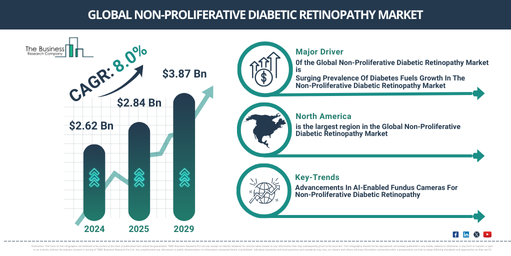
    In recent times, there has been robust growth in the market size of non-proliferative diabetic retinopathy. It is projected to escalate from $2.62 billion in 2024 to a figure of $2.84 billion in 2025, at a compound annual growth rate (CAGR) of 8.4%. This growth in the past can be attributed to various factors such as the rising incidence of diabetes, aging population, enhanced awareness, advances in research, changes in lifestyle and improved management of diabetes.

    What Is the forecasted market size and growth rate for the non-proliferative diabetic retinopathy market?

    In the coming years, the non-proliferative diabetic retinopathy market is expected to witness robust growth, projected to reach $3.87 billion by 2029, with a compound annual growth rate (CAGR) of 8.0%. Factors contributing to this growth during the prediction period include the embrace of telemedicine, the creation of new therapies, the implementation of artificial intelligence, an increase in research and development funding, and the improvement of healthcare facilities. Key trends for the forecast period encompass the increased use of artificial intelligence for screening and diagnosis, a surge in demand for telemedicine, and remote monitoring solutions, the advent of individualized medicine strategies for diabetic retinopathy treatment, heightened emphasis on prevention tactics and early intervention, as well as the growing significance of patient-centered care models in managing diabetic retinopathy.

    Get your non-proliferative diabetic retinopathy market report here!

    https://www.thebusinessresearchcompany.com/report/non-proliferative-diabetic-retinopathy-global-market-report

    What are the major factors driving growth in the non-proliferative diabetic retinopathy market?

    The growth of the non-proliferative diabetic retinopathy market is anticipated to be driven by the rising occurrence of diabetes. This chronic metabolic disorder is defined by high blood glucose levels due to insufficient insulin production by the pancreas, or the cells of the body developing resistance to insulin effects. Diabetes results from factors like sedentary lifestyles, poor dietary habits, and genetic predispositions. Non-proliferative diabetic retinopathy is triggered by diabetes through damaging the retina’s blood vessels, mainly due to long-term exposure to high bloodstream glucose levels, causing vision problems and possible blindness. For example, the National Health Service, based in the UK, reported in June 2024 that in 2023, over half a million (549,000) new individuals in England were found to be at risk of developing type 2 diabetes. This increased the total number of non-diabetic hyperglycemia or pre-diabetes cases registered with a GP to 3,615,330. This is a substantial increase compared to the 3,065,825 cases in 2022, constituting a nearly 20% increase. Consequently, the escalating prevalence of diabetes is a major driving factor for the growth of the non-proliferative diabetic retinopathy market.

    What key areas define the segmentation of the global non-proliferative diabetic retinopathy Market?

    The non-proliferative diabetic retinopathy market covered in this report is segmented –

    1) By Treatment Type: Anti-Vascular Endothelial Growth Factor (VEGF) Therapy, Intraocular Steroid Injection, Laser Surgery, Vitrectomy

    2) By Disease Severity Level: Mild Non-Proliferative Diabetic Retinopathy, Moderate Non-Proliferative Diabetic Retinopathy, Severe Non-Proliferative Diabetic Retinopathy

    3) By End-User: Hospitals, Specialty Clinics, Ambulatory Surgical Centers, Other End-Users

    Subsegments:

    1) By Anti-Vascular Endothelial Growth Factor (Vegf) Therapy: Bevacizumab (Avastin), Ranibizumab (Lucentis), Aflibercept (Eylea), Pegaptanib (Macugen)

    2) By Intraocular Steroid Injection: Triamcinolone Acetonide, Dexamethasone Implant (Ozurdex), Fluocinolone Acetonide Implant (Iluvien)

    3) By Laser Surgery: Focal Laser Photocoagulation, Panretinal Photocoagulation

    4) By Vitrectomy: Pars Plana Vitrectomy (Ppv), Membrane Peeling Vitrectomy, Phaco-Vitrectomy (Combined Cataract And Vitrectomy Surgery)

    Get your free sample now – explore exclusive market insights:

    https://www.thebusinessresearchcompany.com/sample.aspx?id=15620&type=smp

    What are the top market players propelling the growth of the non-proliferative diabetic retinopathy industry?

    Major companies operating in the non-proliferative diabetic retinopathy market are Pfizer Inc., Johnson & Johnson, F. Hoffmann-La Roche AG, AbbVie Inc., Bayer AG, Abbott Laboratories, Novartis AG, Eli Lilly and Company, Novo Nordisk A/S, Regeneron Pharmaceuticals Inc., Bausch Health Companies Inc., Boehringer Ingelheim International GmbH, Genentech Inc., Carl Zeiss Meditec AG, ZEISS Group, Santen Pharmaceutical Co. Ltd., Santen Inc., Topcon Corporation, Lumenis Ltd., Alimera Science, Ocular Therapeutix Inc., Acucela Inc., Ampio Pharmaceuticals, Kowa Company Ltd., Nidek Co. Ltd.

    Which trends are expected to transform the non-proliferative diabetic retinopathy market?

    Leading businesses in the non-proliferative diabetic retinopathy market are advancing ophthalmic imaging by utilizing AI-enabled cameras to enhance patient results. These cameras are integrated with AI algorithms to help capture, scrutinize, and interpret eye images for both diagnostic and therapeutic intent. For example, in May 2024, Optomed, a medical technology enterprise situated in Finland, introduced its Optomed Aurora AEYE. This handheld AI fundus camera, designed to instantly identify more than just mild diabetic retinopathy, seamlessly merges the convenience of a handheld camera with the potency of AI to generate high-grade retinal images for the early detection and tracking of varied eye conditions. The Optomed Aurora AEYE leverages AI algorithms for enabling healthcare experts to evaluate retinal images effectively. This facilitates prompt and precise diagnoses of conditions like diabetic retinopathy, glaucoma, or age-related macular degeneration.

    Unlock exclusive market insights – purchase your research report now for a swift delivery!

    https://www.thebusinessresearchcompany.com/purchaseoptions.aspx?id=15620

    What regions are dominating the non-proliferative diabetic retinopathy market growth?

    North America was the largest region in the non-proliferative diabetic retinopathy market in 2024. Asia-Pacific is expected to be the fastest-growing region in the forecast period. The regions covered in the non-proliferative diabetic retinopathy market report are Asia-Pacific, Western Europe, Eastern Europe, North America, South America, Middle East, Africa.

    Browse Through More Similar Reports By The Business Research Company:

    Diabetic Kidney Disease Global Market Report 2024

    https://www.thebusinessresearchcompany.com/report/diabetic-kidney-disease-global-market-report

    Diabetic Foot Ulcer Global Market Report 2024

    https://www.thebusinessresearchcompany.com/report/diabetic-foot-ulcer-global-market-report

    Diabetic Retinopathy Global Market Report 2024

    https://www.thebusinessresearchcompany.com/report/diabetic-retinopathy-global-market-report

    About The Business Research Company:

    With over 15000+ reports from 27 industries covering 60+ geographies, The Business Research Company has built a reputation for offering comprehensive, data-rich research and insights. Armed with 1,500,000 datasets, the optimistic contribution of in-depth secondary research, and unique insights from industry leaders, you can get the information you need to stay ahead in the game.

    Contact us at:

    The Business Research Company: https://www.thebusinessresearchcompany.com/

    Americas +1 3156230293

    Asia +44 2071930708

    Europe +44 2071930708

    Email us at info@tbrc.info

    Follow us on:

    LinkedIn: https://in.linkedin.com/company/the-business-research-company

    YouTube: https://www.youtube.com/channel/UC24_fI0rV8cR5DxlCpgmyFQ

    Global Market Model: https://www.thebusinessresearchcompany.com/global-market-model

    Found this article helpful? Share it on:
  • What’s Driving Growth in the Non-Insulin Therapies For Diabetes Market? Insights into Key Trends and Opportunities

    What’s Driving Growth in the Non-Insulin Therapies For Diabetes Market? Insights into Key Trends and Opportunities

    Get 20% off on Global Market Reports until March 31st! Use code FY25SAVE at checkout.

    How has the non-insulin therapies for diabetes market grown in recent years?

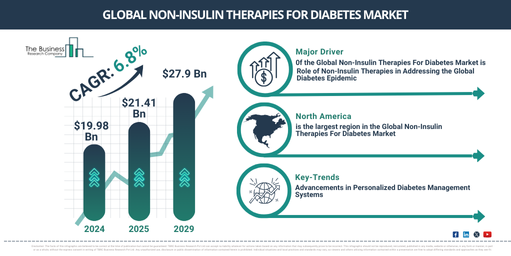
    The market size of non-insulin therapies for diabetes has experienced robust growth in recent years. From a value of $19.98 billion in 2024, it’s predicted to increase to $21.41 billion in 2025, a compound annual growth rate (CAGR) of 7.1%. Factors influencing this growth in the past include a rise in the prevalence of diabetes, enhanced knowledge of how to manage the disease, an upswing in healthcare spending, lifestyle changes leading to increased incidence, a boost in diagnosis rates, augmented government efforts towards diabetes care, and escalated investment in pharmaceutical research and development.

    How is the non-insulin therapies for diabetes market size expected to evolve during the forecast period?

    Projected robust growth is on the cards for the non-insulin therapies for diabetes market which is anticipated to expand to $27.9 billion by the year 2029, achieving a compound annual growth rate (CAGR) of 6.8%. The exponential growth during the forecast period could be the result of heightened diabetes incidence, enhanced understanding of diabetes management, increasing acceptance of combined therapies, a burgeoning elderly population, elevated health expenditure, the broadening scope of telemedicine, and increased inclination towards oral drugs. During the forecast period, significant trends include improvements in oral and injectable treatments, technological advancements in drug delivery systems, progression in oral peptide delivery, adoption of telemedicine and digital health strategies, and advancements in combination therapies.

    Get your non-insulin therapies for diabetes market report here!

    https://www.thebusinessresearchcompany.com/report/non-insulin-therapies-for-diabetes-global-market-report

    Which key drivers are propelling the non-insulin therapies for diabetes market’s growth?

    The surge in diabetes cases is anticipated to fuel the expansion of the non-insulin therapeutics market for diabetes. Diabetes is a long-term health disorder defined by elevated levels of blood glucose (sugar). It arises when the body struggles to produce adequate insulin or effectively utilize the insulin it generates. The rise in diabetes cases can be attributed to inactive lifestyles, poor eating habits, genetic susceptibility, older populations, obesity, racial factors, lack of health awareness, restricted healthcare accessibility, and environmental elements. Non-insulin therapies for diabetes combat the disease by enhancing insulin efficiency, decreasing glucose production in the liver, augmenting glucose absorption in muscle cells, and improving overall blood sugar control. For example, a report published by The British Diabetic Association, a UK-based diabetes charity, in April 2023 stated that 4.3 million individuals in the UK had been diagnosed with diabetes. Registration data from 2021-22 revealed an increase of 148,951 cases compared to the previous year. Moreover, over 2.4 million people in the UK have a high risk of developing type 2 diabetes. Thus, the rise in the incidence of diabetes is catalyzing the expansion of the non-insulin therapeutics market for diabetes.

    What are the market segments in the non-insulin therapies for diabetes industry?

    The non-insulin therapies for diabetes market covered in this report is segmented –

    1) By Drug Class: Biguanides, Sulfonylureas, Thiazolidinedione’s, Alpha-Glucosidase Inhibitors, Dipeptidyl peptidase-4 (DPP-4) Inhibitors, Glucagon-like peptide-1 (GLP-1) Analogs, Sodium-glucose co-transporter-2 (SGLT2) Inhibitors

    2) By Route Of Administration: Oral, Intramuscular

    3) By Distribution Channel: Retail Pharmacy, Hospital Pharmacy, Online Pharmacy

    4) By Application: Monitoring, Diagnosis, Treatment, Other Applications

    Subsegments:

    1) By Biguanides: Metformin, Combination Of Metformin With Other Drugs

    2) By Sulfonylureas: Glimepiride, Glipizide, Glyburide

    3) By Thiazolidinediones: Pioglitazone, Rosiglitazone

    4) By Alpha-Glucosidase Inhibitors: Acarbose, Miglitol

    5) By Dipeptidyl Peptidase-4 (DPP-4) Inhibitors: Sitagliptin, Saxagliptin, Linagliptin, Alogliptin

    6) By Glucagon-Like Peptide-1 (GLP-1) Analogs: Exenatide, Liraglutide, Dulaglutide, Semaglutide

    7) By Sodium-Glucose Co-Transporter-2 (SGLT2) Inhibitors: Canagliflozin, Dapagliflozin, Empagliflozin

    Get your free sample now – explore exclusive market insights:

    https://www.thebusinessresearchcompany.com/sample.aspx?id=16494&type=smp

    Which leading companies are shaping the growth of the non-insulin therapies for diabetes market?

    Major companies operating in the non-insulin therapies for diabetes market are Pfizer Inc., F. Hoffmann-La Roche AG, Merck & Co. Inc., Sanofi, The Bristol-Myers Squibb Company, AstraZeneca plc, Novartis AG, GSK plc, Takeda Pharmaceutical Company Limited, Eli Lilly and Company, Novo Nordisk A/S, Boehringer Ingelheim International GmbH, Les Servier Laboratories, Sumitomo Dainippon Pharma Co. Ltd., Jiangsu Hansoh Pharmaceutical Group Co. Ltd., Uni-Bio Science Group Ltd., Intarcia Therapeutics, Janssen Pharmaceuticals, Boan Biotech, SatRx LLC

    What emerging trends are influencing the growth of the non-insulin therapies for diabetes market?

    Leading organizations in the non-insulin therapies for diabetes sector are innovating personalized systems for diabetes control, aimed at improving patient results via real-time tracking, data analysis, and tailor-made treatment schemes. A personalized management system for diabetes refines treatment and tracking, considering each patient’s particular requirements, utilizing real-time information and analytical insights to boost healthcare and performance. For example, Eli Lilly and Company, an American pharmaceutical firm, unveiled the Tempo bespoke diabetes management platform in November 2022. The Tempo platform is comprised of three primary components, namely the Tempo Smart Button, the TempoSmart application, and the preloaded insulin pen named the Tempo Pen. This coherent system offers specialized advice for adult diabetes patients. The features are curated to support adults with type 1 or type 2 diabetes and their medical practitioners in making well-informed, evidence-based treatment choices by utilizing Lilly insulins.

    Unlock exclusive market insights – purchase your research report now for a swift delivery!

    https://www.thebusinessresearchcompany.com/purchaseoptions.aspx?id=16494

    Which geographic areas are influencing the growth of the non-insulin therapies for diabetes market?

    North America was the largest region in the non-insulin therapies for diabetes market in 2024. The regions covered in the non-insulin therapies for diabetes market report are Asia-Pacific, Western Europe, Eastern Europe, North America, South America, Middle East, Africa.

    Browse Through More Similar Reports By The Business Research Company:

    Post-Traumatic Stress Disorder Therapeutics Global Market Report 2024

    https://www.thebusinessresearchcompany.com/report/post-traumatic-stress-disorder-therapeutics-global-market-report

    Insulin Patch Pumps Global Market Report 2024

    https://www.thebusinessresearchcompany.com/report/insulin-patch-pumps-global-market-report

    Insulin biosimilars Global Market Report 2024

    https://www.thebusinessresearchcompany.com/report/insulin-biosimilars-global-market-report

    About The Business Research Company:

    With over 15000+ reports from 27 industries covering 60+ geographies, The Business Research Company has built a reputation for offering comprehensive, data-rich research and insights. Armed with 1,500,000 datasets, the optimistic contribution of in-depth secondary research, and unique insights from industry leaders, you can get the information you need to stay ahead in the game.

    Contact us at:

    The Business Research Company: https://www.thebusinessresearchcompany.com/

    Americas +1 3156230293

    Asia +44 2071930708

    Europe +44 2071930708

    Email us at info@tbrc.info

    Follow us on:

    LinkedIn: https://in.linkedin.com/company/the-business-research-company

    YouTube: https://www.youtube.com/channel/UC24_fI0rV8cR5DxlCpgmyFQ

    Global Market Model: https://www.thebusinessresearchcompany.com/global-market-model

    Found this article helpful? Share it on:

  • Analyzing the Future of Non-Cystic Fibrosis Bronchiectasis Market Dynamics 2025-2034: Growth Rate, Trends, and Major Opportunities

    Analyzing the Future of Non-Cystic Fibrosis Bronchiectasis Market Dynamics 2025-2034: Growth Rate, Trends, and Major Opportunities

    Get 20% off on Global Market Reports until March 31st! Use code FY25SAVE at checkout.

    What key factors are powering the surge in the non-cystic fibrosis bronchiectasis market right now?

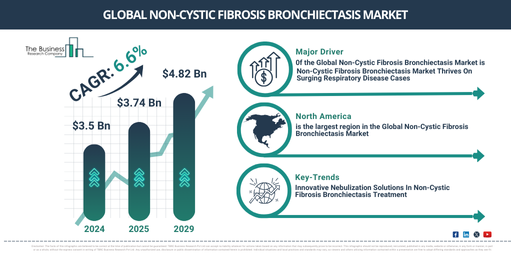
    In recent times, the market size for non-cystic fibrosis bronchiectasis has seen significant growth. It is forecasted to increase from $3.5 billion in 2024 to $3.74 billion in 2025, with a compound annual growth rate (CAGR) of 6.9%. This past growth can be credited to factors such as the rise in incidence and prevalence, advancements in diagnostic methods, an aging population, government backing and funding, an enhanced healthcare infrastructure, greater awareness of diagnosis, a growing older population, and environmental exposure.

    How fast Is the non-cystic fibrosis bronchiectasis market expected to grow, and what’s its future value?

    The market for non-cystic fibrosis bronchiectasis is predicted to undergo considerable growth in the coming years, with expectations to reach $4.82 billion by 2029, growing at a compound annual growth rate (CAGR) of 6.6%. Factors contributing to this growth include the progression in personalized medicine and the introduction of new biomarkers, along with increased funding for respiratory medicine and ongoing research and development efforts. Other influences include public health drives, the worldwide increase in the elderly population, and the pursuit of targeted therapies. The forecast period will witness significant trends such as digital health tools, emphasis on targeted therapies, implementation of AI and machine learning, a transition towards home-based care, patient-focused strategies and the upsurge of mobile health (mHealth) solutions.

    Get your non-cystic fibrosis bronchiectasis market report here!

    https://www.thebusinessresearchcompany.com/report/non-cystic-fibrosis-bronchiectasis-global-market-report

    What are the leading drivers of growth in the non-cystic fibrosis bronchiectasis market?

    The non-cystic fibrosis bronchiectasis market is anticipated to grow due to the increasing occurrence of respiratory conditions. Any disruption in the respiratory system, including the lungs, affects overall respiration and breathing. Pollution, both indoor irritants like tobacco smoke and outside contaminants, is the main contributor to the rising spread of these respiratory disorders. The escalating prevalence of respiratory infections provides opportunities for progress in the comprehension, diagnosis, and handling of non-cystic fibrosis bronchiectasis through specialized interventions and public health initiatives. For example, in June 2023, the UK’s Office for Health Improvement and Disparities reported a total of 4,622 notifications of Group A Streptococcus bacteria, otherwise known as scarlet fever, from the 37th to the 46th week in England’s 2022-2023 season, with 851 alerts alone in week 46. In comparison, this is a shocking increase from the previous five years’ average of 1,294 alerts (ranging from 258 to 2,008) for the same weeks. Consequently, the growth of the non-cystic fibrosis bronchiectasis market will be driven by the escalating occurrence of respiratory conditions.

    What are the key segments defining the non-cystic fibrosis bronchiectasis market?

    The non-cystic fibrosis bronchiectasis market covered in this report is segmented –

    1) By Diagnosis: Computed Tomography (CT) Scan, Bronchoscopy, Chest X Ray, Lung Function, Sputum Culture Test, Blood Tests, Other Diagnosis Types

    2) By Treatment: Surgery, Physiotherapy, Vaccination, Airway Pharmacotherapy, Antibiotics, Other Treatments

    3) By End Use: Hospitals And Clinics, Ambulatory Care Centers, Other End Uses

    Subsegments:

    1) By Computed Tomography (CT) Scan: High-Resolution CT (HRCT), Standard CT

    2) By Bronchoscopy: Flexible Bronchoscopy, Rigid Bronchoscopy

    3) By Chest X-Ray: Standard Chest X-Ray, Digital Chest X-Ray

    4) By Lung Function: Spirometry, Peak Flow Measurement

    5) By Sputum Culture Test: Bacterial Culture, Fungal Culture, Viral Culture

    6) By Blood Tests: Complete Blood Count (CBC), C-Reactive Protein (CRP), Immunoglobulin Levels

    7) By Other Diagnosis Types: Sweat Test, Genetic Testing, Exhaled Nitric Oxide Test

    Get your free sample now – explore exclusive market insights:

    https://www.thebusinessresearchcompany.com/sample.aspx?id=17209&type=smp

    Who are the key players steering the development of the non-cystic fibrosis bronchiectasis market?

    Major companies operating in the non-cystic fibrosis bronchiectasis market are Pfizer Inc., F Hoffmann-La Roche Ltd., Merck & Co. Inc., Bayer AG, Sanofi SA, Bristol-Myers Squibb Company, AstraZeneca plc, Abbott Laboratories, Novartis AG, GlaxoSmithKline plc (GSK), Boehringer Ingelheim International GmbH, Viatris Inc, Teva Pharmaceutical Industries Ltd, Vertex Pharmaceuticals, Sun Pharmaceutical Industries Ltd, Aurobindo Pharma Ltd, Dr Reddy’s Laboratories Ltd, Chiesi Farmaceutici SpA, Lupin Limited, Zambon Company SpA, Sunovion Pharmaceuticals Inc, Insmed Incorporated, Genentech, Zydus Cadila, Santhera Pharmaceuticals, TSRL Inc

    How are evolving market trends shaping non-cystic fibrosis bronchiectasis Strategies?

    Leading firms in the non-cystic fibrosis bronchiectasis market are directing their efforts towards personalized healthcare procedures, such as nebulization solutions, to enhance drug distribution efficiency and patient adherence. Nebulization solutions apply cutting-edge technology to accurately and effectively administer respiratory medicine, thereby improving patient adherence and treatment results. For example, in April 2022, Zambon S.P.A, a multinational pharmaceutical corporation based in Italy, was given a US FDA designation for CMS I-neb therapy for individuals with non-cystic fibrosis bronchiectasis (NCFB). CMS I-net is an experimental therapy designed to be a potentially first-in-class inhaled treatment for adult patients with NCFB that is colonized with P. aeruginosa. NCFB is a chronic, ongoing, and irreversible lung disorder. This landmark designation underscores the registration path for CMS I-neb in NCFB and may hasten its development and review.

    Unlock exclusive market insights – purchase your research report now for a swift delivery!

    https://www.thebusinessresearchcompany.com/purchaseoptions.aspx?id=17209

    Which regions are most influential in expanding the non-cystic fibrosis bronchiectasis market?

    North America was the largest region in the non-cystic fibrosis bronchiectasis market in 2023. The regions covered in the non-cystic fibrosis bronchiectasis market report are Asia-Pacific, Western Europe, Eastern Europe, North America, South America, Middle East, Africa.

    Browse Through More Similar Reports By The Business Research Company:

    Bronchoscope Global Market Report 2024

    https://www.thebusinessresearchcompany.com/report/bronchoscope-global-market-report

    Polycystic Ovarian Syndrome Treatment Global Market Report 2024

    https://www.thebusinessresearchcompany.com/report/polycystic-ovarian-syndrome-treatment-global-market-report

    Polycystic Ovarian Syndrome Treatment Global Market Report 2024

    https://www.thebusinessresearchcompany.com/report/polycystic-ovarian-syndrome-treatment-global-market-report

    About The Business Research Company:

    With over 15000+ reports from 27 industries covering 60+ geographies, The Business Research Company has built a reputation for offering comprehensive, data-rich research and insights. Armed with 1,500,000 datasets, the optimistic contribution of in-depth secondary research, and unique insights from industry leaders, you can get the information you need to stay ahead in the game.

    Contact us at:

    The Business Research Company: https://www.thebusinessresearchcompany.com/

    Americas +1 3156230293

    Asia +44 2071930708

    Europe +44 2071930708

    Email us at info@tbrc.info

    Follow us on:

    LinkedIn: https://in.linkedin.com/company/the-business-research-company

    YouTube: https://www.youtube.com/channel/UC24_fI0rV8cR5DxlCpgmyFQ

    Global Market Model: https://www.thebusinessresearchcompany.com/global-market-model

    Found this article helpful? Share it on:

  • Comprehensive Analysis of the Non Invasive Fat Reduction Market 2025-2034: Growth Rates, Trends, and Future Opportunities

    Comprehensive Analysis of the Non Invasive Fat Reduction Market 2025-2034: Growth Rates, Trends, and Future Opportunities

    Get 20% off on Global Market Reports until March 31st! Use code FY25SAVE at checkout.

    How has the non invasive fat reduction market grown in recent years?

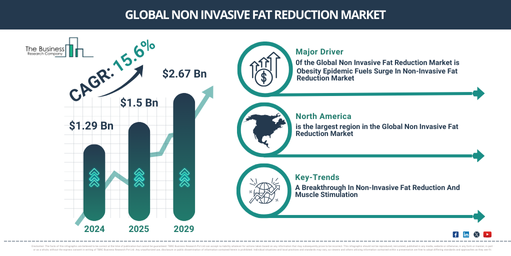
    In recent years, the market size for non-invasive fat reduction has witnessed substantial growth. The market value is projected to surge from $1.29 billion in 2024 to $1.5 billion in 2025, exhibiting a Compound Annual Growth Rate (CAGR) of 16.0%. Factors contributing to this historic growth include heightened body image consciousness, advancements in technology related to non-invasive fat reduction, an increase in disposable income, an accelerated demand for less invasive cosmetic procedures and a growing older population in pursuit of aesthetic treatments.

    How is the non invasive fat reduction market size expected to evolve during the forecast period?

    In the upcoming years, the market size of non-invasive fat reduction procedures is projected to experience a swift surge, reaching a value of $2.67 billion by 2029 with a compound annual growth rate (CAGR) of 15.6%. This projected growth during the forecast period is due to ongoing technological advancements offering safer and more efficient treatment options, increased market penetration in developing economies, a rising focus on wellness and positive body image, innovations in custom treatment solutions, and the growing preference for combination therapies for more effective results. Some of the key market trends for the forecast period include continuous technological innovation, an increase in demand for minimally invasive procedures, broadening market penetration, an upswing in the adoption of combination therapies, the rising emphasis on wellness and body positivity, enhancements in customized treatment alternatives, and a growing aging population looking for aesthetic treatments.

    Get your non invasive fat reduction market report here!

    https://www.thebusinessresearchcompany.com/report/non-invasive-fat-reduction-global-market-report

    Which key drivers are propelling the non invasive fat reduction market’s growth?

    The growth of the non-invasive fat reduction market is anticipated to be fueled by the increasing number of obese individuals. An individual is classified as obese when they have a body mass index of 30 or above, a sign of excessive body fat that significantly elevates health risk. Factors such as consuming high-calorie processed foods, leading sedentary lives, genetic factors, and socioeconomic factors which hinder access to healthful food and physical activities contribute to the obesity surge. Non-invasive fat reduction methods, including cryolipolysis and laser lipolysis, serve as safer alternatives to surgical procedures and assist in decreasing localized fat deposits in the obese population. As per a report by the World Obesity Federation, a UK-based institution, that perseveres in battling obesity via comprehensive research, advocacy, and policy aid, the number of adults with obesity is forecasted to increase from 0.81 billion in 2020 to 1.53 billion in 2035, as of March 2024. Consequently, the swelling obesity figures are stimulating the expansion of the non-invasive fat reduction market.

    What are the market segments in the non invasive fat reduction industry?

    The non invasive fat reduction market covered in this report is segmented –

    1) By Technology: Cryolipolysis, Ultrasound, Low Level Lasers

    2) By Gender: Female, Male

    3) By End Users: Hospitals, Stand Alone Practices, Multispecialty Clinic

    Subsegments:

    1) By Cryolipolysis: CoolSculpting, Cryolipolysis With Vacuum-Assisted Technology

    2) By Ultrasound: High-Intensity Focused Ultrasound (HIFU), Low-Intensity Ultrasound

    3) By Low Level Lasers: Red Light Therapy, Diode Laser Systems

    Get your free sample now – explore exclusive market insights:

    https://www.thebusinessresearchcompany.com/sample.aspx?id=15872&type=smp

    Which leading companies are shaping the growth of the non invasive fat reduction market?

    Major companies operating in the non invasive fat reduction market are Cynosure LLC, Hologic Inc., Alma Lasers, Lumenis Ltd., BTL Industries, ZELTIQ Aesthetics Inc., LPG Systems S.A., Sono Bello, Solta Medical, Cutera Inc., Merz Pharma GmbH & Co. KGaA, Sciton Inc., Venus Concept, Syneron Candela, Sientra Inc., Zimmer MedizinSysteme GmbH (Zimmer Aesthetics), Fotona d.o.o., Apyx Medical Corporation, Erchonia Corporation, Aesthetics Biomedical Inc., Lynton Lasers Ltd., Allergan Aesthetics, Body BeneFits Inc., INDIBA S.A.

    What are the key trends shaping the future of the non invasive fat reduction market?

    Major corporations functioning in the field of non-invasive fat reduction are directing their efforts towards the creation of enhanced technologies, like those that stimulate muscle, to amplify fat elimination and upgrade treatment outcomes. The technology that stimulates muscle refers to a non-surgical fat removal technique that employs electrical impulses to stimulate muscle contraction, boosting the body’s fat-burning capacity and tone. For example, in April 2024, Cartessa Aesthetics, an innovator in aesthetic medical devices from the US, introduced PHYSIQ 360, a cutting-edge body sculpting solution. PHYSIQ 360 delivers improved, customisable fat removal and muscle enhancing treatments suitable for numerous skin and body types. It incorporates unique sequential thermal and electrical pulse (STEP) technology that blends laser energy (LZR) with proprietary pure beam technology, allowing uniform fat reduction and electrical muscle stimulation (EMS) that effectively instigates muscle contractions. The device comprises up to four independently programmable applicators that can target multiple body areas simultaneously.

    Unlock exclusive market insights – purchase your research report now for a swift delivery!

    https://www.thebusinessresearchcompany.com/purchaseoptions.aspx?id=15872

    Which geographic areas are influencing the growth of the non invasive fat reduction market?

    North America was the largest region in the non invasive fat reduction market in 2023. The regions covered in the non invasive fat reduction market report are Asia-Pacific, Western Europe, Eastern Europe, North America, South America, Middle East and Africa.

    Browse Through More Similar Reports By The Business Research Company:

    Non-Invasive Aesthetic Treatment Global Market Report 2024

    https://www.thebusinessresearchcompany.com/report/non-invasive-aesthetic-treatment-global-market-report

    Minimally Invasive And Non Invasive Product And Service Global Market Report 2024

    https://www.thebusinessresearchcompany.com/report/minimally-invasive-and-non-invasive-product-and-service-global-market-report

    Testing, Inspection, And Certification Global Market Report 2024

    https://www.thebusinessresearchcompany.com/report/testing-inspection-and-certification-global-market-report

    About The Business Research Company:

    With over 15000+ reports from 27 industries covering 60+ geographies, The Business Research Company has built a reputation for offering comprehensive, data-rich research and insights. Armed with 1,500,000 datasets, the optimistic contribution of in-depth secondary research, and unique insights from industry leaders, you can get the information you need to stay ahead in the game.

    Contact us at:

    The Business Research Company: https://www.thebusinessresearchcompany.com/

    Americas +1 3156230293

    Asia +44 2071930708

    Europe +44 2071930708

    Email us at info@tbrc.info

    Follow us on:

    LinkedIn: https://in.linkedin.com/company/the-business-research-company

    YouTube: https://www.youtube.com/channel/UC24_fI0rV8cR5DxlCpgmyFQ

    Global Market Model: https://www.thebusinessresearchcompany.com/global-market-model

    Found this article helpful? Share it on: