Category: HealthcareServices

  • Unlocking the Future of the Diabetic Macular Edema (DME) Market: Growth Rate, Key Trends, and Opportunities for 2025-2034

    Unlocking the Future of the Diabetic Macular Edema (DME) Market: Growth Rate, Key Trends, and Opportunities for 2025-2034

    Get 20% off on Global Market Reports until March 31st! Use code FY25SAVE at checkout.

    What fueled the previous growth in the diabetic macular edema (dme) market?

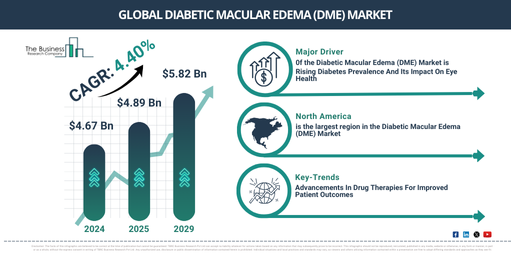
    The market size for Diabetic Macular Edema (DME) has seen a constant increase over the past few years. It’s projected to grow from $4.67 billion in 2024 to $4.89 billion in 2025, displaying a Compound Annual Growth Rate (CAGR) of 4.7%. The upward trend during the historic period is due to factors such as increased diabetes occurrences, a rise in edema-related issues, the growing number of diabetic eye disease cases, an increase in the aged population, and more cases of blindness.

    What will be the diabetic macular edema (dme) market size in the future?

    The market size for diabetic macular edema (DME) is forecasted to experience a steady expansion in the forthcoming years, reaching a size of $5.82 billion in 2029, growing at a compound annual growth rate (CAGR) of 4.4%. The predicted growth in this period is due to factors such as enhanced access to healthcare services, increasing governmental healthcare investment, heightened awareness of diabetic complications, growing utilization of telemedicine for eye health, and the broadening of specific diabetic eye care centers. Key market trends expected over the forecast period involve the progress of anti-VEGF therapies, the use of corticosteroid implants, advancements in drug delivery methods, innovation in retinal laser procedures, the implementation of AI-powered diagnostic devices, and the adoption of less invasive surgical procedures.

    Get your diabetic macular edema (dme) market report here!

    https://www.thebusinessresearchcompany.com/report/diabetic-macular-edema-dme-global-market-report

    What main drivers are fueling expansion in the diabetic macular edema (dme) market?

    The diabetic macular edema (DME) market is forecasted to grow, driven by an increase in diabetes cases. This rise in diabetes can be linked to sedentary lifestyles, poor nutrition, increasing obesity, aging populations, and genetic factors. Diabetes impacts the eyes by damaging retinal blood vessels, which leads to fluid leak into the macula, leading to swelling, a condition known as diabetic macular edema. For example, as stated by the US-based Institute for Health Metrics and Evaluation in June 2023, over half a billion people were living with diabetes globally. This figure is predicted to more than double to encompass 1.3 billion inhabitants by 2050. For this reason, the diabetic macular edema (DME) market is growing progressively due to an increasing prevalence of diabetes.

    What key areas define the segmentation of the global diabetic macular edema (dme) market?

    The diabetic macular edema (DME) market covered in this report is segmented –

    1) By Treatment: Anti-VEGF Therapy, Corticosteroids, Laser Therapy, Surgical Intervention

    2) By Disease Stage: Early Stage, Moderate Stage, Advanced Stage

    3) By Patient Demographics: Adults, Elderly, Children

    4) By Route Of Administration: Intravitreal Injection, Topical, Systemic

    5) By Distribution Channel: Hospital Pharmacies, Retail Pharmacies, Online Pharmacies

    Subsegments:

    1) By Anti-VEGF Therapy: Monoclonal Antibodies, Recombinant Protein-Based Therapies

    2) By Corticosteroids: Intravitreal Steroid Injections, Injectable Sustained-Release Corticosteroids

    3) By Laser Therapy: Focal Laser Photocoagulation, Panretinal Photocoagulation

    4) By Surgical Intervention: Vitrectomy, Membrane Peeling

    Get your free sample now – explore exclusive market insights:

    https://www.thebusinessresearchcompany.com/sample.aspx?id=21169&type=smp

    Who are the dominant players expanding their reach in the diabetic macular edema (dme) market?

    Major companies operating in the diabetic macular edema (DME) market are Pfizer Inc., Johnson & Johnson, F. Hoffmann-La Roche AG, Merck & Co. Inc., Bayer AG, Novartis AG, Boehringer Ingelheim International GmbH, Regeneron Pharmaceuticals, Carl Zeiss Meditec AG, Bausch & Lomb, Santen Pharmaceutical Co. Ltd., Carl Zeiss AG, Topcon Corporation, Ypsomed AG, ARKRAY Inc, Hugel Inc., Optos plc, Noven Pharmaceuticals Inc., Alimera Sciences Inc., Allergan plc.

    What are the key trends shaping the future of the diabetic macular edema (dme) market?

    Leading players in the DME treatment market are emphasizing technological advancements, such as enhanced drug therapies, to boost patient management and treatment results. These cutting-edge treatments leverage novel technology and research to address complex health issues more effectively. They strive for improved effectiveness, fewer side effects, and superior outcomes for patients. Notably, in March 2022, Novartis AG, a pharmaceutical firm from Switzerland, proclaimed the approval of Beovu by the European Commission for the treatment of visual impairment due to DME. This approval was granted on the basis of the results from Phase III KESTREL and KITE studies, which showed that Beovu’s effectiveness was on par with aflibercept in improving vision after one year. It is noteworthy that over half of the patients treated with Beovu adhered to a 12-week treatment schedule, recording fewer occurrences of retinal fluid compared to aflibercept.

    Unlock exclusive market insights – purchase your research report now for a swift delivery!

    https://www.thebusinessresearchcompany.com/purchaseoptions.aspx?id=21169

    Which regions are emerging as leaders in the diabetic macular edema (dme) market?

    North America was the largest region in the diabetic macular edema (DME) market in 2024. Europe is expected to be the fastest-growing region in the forecast period. The regions covered in the diabetic macular edema (DME) market report are Asia-Pacific, Western Europe, Eastern Europe, North America, South America, Middle East, Africa.

    Browse Through More Similar Reports By The Business Research Company:

    Antibody Contract Manufacturing Global Market Report 2025

    https://www.thebusinessresearchcompany.com/report/antibody-contract-manufacturing-global-market-report

    Next-Generation Antibody Therapeutics Global Market Report 2025

    https://www.thebusinessresearchcompany.com/report/next-generation-antibody-therapeutics-global-market-report

    Global Biosimilar Hormones Global Market Report 2025

    https://thebusinessresearchcompany.com/report/biosimilar-hormone-global-market-report

    About The Business Research Company:

    With over 15000+ reports from 27 industries covering 60+ geographies, The Business Research Company has built a reputation for offering comprehensive, data-rich research and insights. Armed with 1,500,000 datasets, the optimistic contribution of in-depth secondary research, and unique insights from industry leaders, you can get the information you need to stay ahead in the game.

    Contact us at:

    The Business Research Company: https://www.thebusinessresearchcompany.com/

    Americas +1 3156230293

    Asia +44 2071930708

    Europe +44 2071930708

    Email us at info@tbrc.info

    Follow us on:

    LinkedIn: https://in.linkedin.com/company/the-business-research-company

    YouTube: https://www.youtube.com/channel/UC24_fI0rV8cR5DxlCpgmyFQ

    Global Market Model: https://www.thebusinessresearchcompany.com/global-market-model

    Found this article helpful? Share it on:
  • Tadalafil Market Analysis: Key Insights on Growth Rates, Trends, and Major Opportunities

    Tadalafil Market Analysis: Key Insights on Growth Rates, Trends, and Major Opportunities

    Get 20% off on Global Market Reports until March 31st! Use code FY25SAVE at checkout.

    How has the tadalafil market grown in recent years?

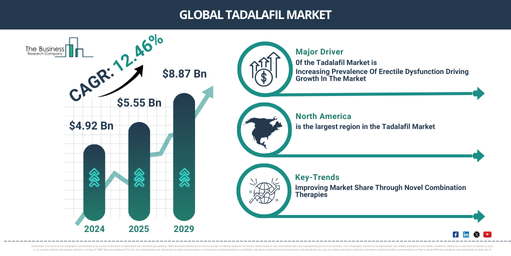
    In recent times, the tadalafil market has seen a swift expansion. The market is projected to escalate from $4.92 billion in 2024 to $5.55 billion in 2025, with a compound annual growth rate (CAGR) of 12.83%. The upward trend during the historic period is a result of heightened awareness about men’s health issues, a surge in drug utilization, the expansion of the tadalafil sector, heightened healthcare spending, and an increase in the elderly population.

    How is the tadalafil market size expected to evolve during the forecast period?

    Predictions indicate swift expansion in the tadalafil market size within the upcoming years, with a projected worth of $8.87 billion by 2029, boasting a compound annual growth rate (CAGR) of 12.46%. Various factors contributing to this predicted growth during the forecast period include the escalating occurrence of erectile dysfunction, growing demand for lifestyle medications, rising incidence of PAH cases, the broader acceptance of modern healthcare solutions, and enhanced disposable incomes. Key trends anticipated within this period encompass digital healthcare integration, innovative drug developments, advancements in pharmaceuticals, improved drug delivery systems, and progress in medical technology.

    Get your tadalafil market report here!

    https://www.thebusinessresearchcompany.com/report/tadalafil-global-market-report

    Which key drivers are propelling the tadalafil market’s growth?

    Anticipated progression in the tadalafil market is largely driven by the rising incidence of erectile dysfunction. Characterized by a persistent inability to attain or maintain an erection required for satisfactory sexual intercourse, erectile dysfunction (ED) is a medical disorder. A variety of factors contribute to the heightened prevalence of ED, including an ageing demographic, chronic health ailments, unhealthy lifestyle habits, psychological stress, and certain medication side effects. Tadalafil ameliorates erectile dysfunction by easing the penis’s blood vessels’ smooth muscles, boosting blood circulation, and facilitating an erection during sexual arousal. For example, a report issued by the National Library of Medicine, an organization affiliated with the National Institutes of Health (NIH) in the U.S., stated in February 2024 that erectile dysfunction (ED) prevalence, gauged via IIEF-5 scores, stands at 24.2% across the overall population. This number significantly escalates with increasing age, impacting 52.2% of individuals aged 75 and above, and 48.0% of those aged between 65 and 74. Consequently, the growing incidence of erectile dysfunction fuels the expansion of the tadalafil market.

    What are the market segments in the tadalafil industry?

    The tadalafil market covered in this report is segmented –

    1) By Product Type: Tablets, Oral Suspensions

    2) By Distribution Channel: Hospital Pharmacy, Retail Pharmacy, Online Pharmacy

    3) By Application: Erectile Dysfunction, Pulmonary Arterial Hypertension, Benign Prostatic Hyperplasia

    Subsegments:

    1) By Tablets: 2.5 mg Tablets, 5 mg Tablets, 10 mg Tablets, 20 mg Tablets

    2) By Oral Suspensions: 2.5 mg/5 mL Oral Suspension, 10 mg/5 mL Oral Suspension, Custom Dosing Oral Suspensions

    Get your free sample now – explore exclusive market insights:

    https://www.thebusinessresearchcompany.com/sample.aspx?id=20974&type=smp

    Which leading companies are shaping the growth of the tadalafil market?

    Major companies operating in the tadalafil market are Eli Lilly and Company, Teva Pharmaceutical Industries Ltd., Sun Pharmaceutical Industries Limited, Cipla Limited, Aurobindo Pharma Limited, Dr. Reddy’s Laboratories Limited, Lupin Limited, Glenmark Pharmaceuticals Limited, Torrent Pharmaceuticals Limited, Jubilant Pharma Limited, Jiangsu Lianhuan Pharmaceutical Co. Ltd., Alembic Pharmaceuticals Limited, Polpharma SA, SMS Pharmaceuticals Limited, Camber Pharmaceuticals Inc., Century Pharmaceuticals Limited, Rakshit Drugs Private Limited, Ami Lifesciences Private Limited, Hangzhou Longshine Bio-Tech Co. Ltd., Dolphin Pharmaceuticals

    What are the key trends shaping the future of the tadalafil market?

    Major companies operating in the tadalafil market are focusing on innovative formulations, such as combination therapy, to enhance treatment efficacy, improve patient compliance, and expand their market share in the management of erectile dysfunction and pulmonary arterial hypertension. Combination therapy is the use of two or more medications or treatments simultaneously to enhance therapeutic outcomes, improve efficacy, and address multiple aspects of a disease or condition. For instance, in March 2024, Johnson & Johnson, a US-based healthcare company, announced that the U.S. Food and Drug Administration (FDA) has granted approval for OPSYNVI, a single-tablet therapy combining macitentan, an endothelin receptor antagonist (ERA), and tadalafil, a phosphodiesterase 5 (PDE5) inhibitor. This innovative treatment is indicated for the chronic management of pulmonary arterial hypertension (PAH) (WHO Group I) in adult patients classified under WHO functional class II-III. OPSYNVI is suitable for treatment-naïve patients as well as those currently on ERA, PDE5 inhibitors, or both therapies. Additionally, it offers a streamlined option for patients stabilized on macitentan 10 mg and tadalafil 40 mg (20 mg x 2) administered separately.

    Unlock exclusive market insights – purchase your research report now for a swift delivery!

    https://www.thebusinessresearchcompany.com/purchaseoptions.aspx?id=20974

    Which geographic areas are influencing the growth of the tadalafil market?

    North America was the largest region in the tadalafil market in 2024. Asia-Pacific is expected to be the fastest-growing region in the forecast period. The regions covered in the tadalafil market report are Asia-Pacific, Western Europe, Eastern Europe, North America, South America, Middle East, Africa.

    Browse Through More Similar Reports By The Business Research Company:

    HER2 Inhibitors Global Market Report 2025

    https://thebusinessresearchcompany.com/report/her2-inhibitor-global-market-report

    Checkpoint Inhibitors Global Market Report 2025

    https://thebusinessresearchcompany.com/report/checkpoint-inhibitor-global-market-report

    Comprehensive Overview of Protein Inhibitors Global Global Market Report 2025

    https://thebusinessresearchcompany.com/report/protein-inhibitor-global-market-report

    About The Business Research Company:

    With over 15000+ reports from 27 industries covering 60+ geographies, The Business Research Company has built a reputation for offering comprehensive, data-rich research and insights. Armed with 1,500,000 datasets, the optimistic contribution of in-depth secondary research, and unique insights from industry leaders, you can get the information you need to stay ahead in the game.

    Contact us at:

    The Business Research Company: https://www.thebusinessresearchcompany.com/

    Americas +1 3156230293

    Asia +44 2071930708

    Europe +44 2071930708

    Email us at info@tbrc.info

    Follow us on:

    LinkedIn: https://in.linkedin.com/company/the-business-research-company

    YouTube: https://www.youtube.com/channel/UC24_fI0rV8cR5DxlCpgmyFQ

    Global Market Model: https://www.thebusinessresearchcompany.com/global-market-model

    Found this article helpful? Share it on:
  • In-Depth Insights into the Diabetic Ketoacidosis (DKA) Market: Growth, Trends, and Opportunities for 2025-2034

    In-Depth Insights into the Diabetic Ketoacidosis (DKA) Market: Growth, Trends, and Opportunities for 2025-2034

    Get 20% off on Global Market Reports until March 31st! Use code FY25SAVE at checkout.

    How has the diabetic ketoacidosis (dka) market size evolved in recent years?

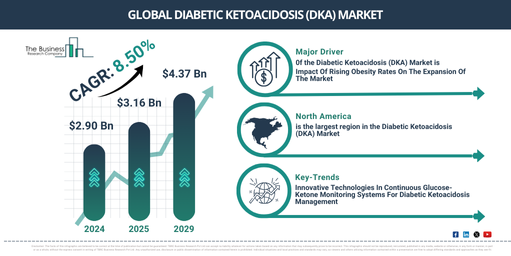
    There has been considerable growth in the market size for diabetic ketoacidosis (DKA) in the past few years. The market is projected to increase from $2.90 billion in 2024 to $3.16 billion in 2025, with a compound annual growth rate (CAGR) of 8.8%. The historical growth can be traced back to the surge in the number of diabetes cases, late detection of type 1 diabetes, non-compliance with insulin therapy, rising obesity figures, and scarcity of diabetes awareness initiatives.

    What are the predictions for the diabetic ketoacidosis (dka) market size in the coming years?

    Expect robust expansion of the Diabetic Ketoacidosis (DKA) market in the coming years, with an anticipation for it to reach $4.37 billion in value by 2029. This translates into a compound annual growth rate (CAGR) of 8.5%. Various factors, such as developments in insulin delivery methods, growing usage of continuous glucose monitoring, increased diabetes complication awareness, telemedicine growth for diabetes treatment, and elevated healthcare expenditure all contribute to this projected growth. Essential trends for the forecast period feature artificial intelligence implementation in diabetes treatment, the creation of closed-loop insulin delivery systems, customised medication, cutting-edge technologies, and innovative therapies.

    Get your diabetic ketoacidosis (dka) market report here!

    https://www.thebusinessresearchcompany.com/report/diabetic-ketoacidosis-dka-global-market-report

    What key factors are fueling the growth of the diabetic ketoacidosis (dka) market?

    Pushing the growth of the diabetic ketoacidosis (DKA) market is the escalating occurrence of obesity. Obesity is a health condition marked by an excessive accumulation of body fat, which potentially has negative health implications and heightens the risk of several diseases. The progressing rise of obesity is due to multiple factors such as unhealthy diets filled with processed foods, sugars, and fats, the lack of physical activity, elongated screen time, and social-economic aspects like the accessibility of inexpensive healthy food and health services. The likelihood of diabetic ketoacidosis (DKA) multiplies with obesity rates since it aids in insulin resistance and the emergence of type 2 diabetes, producing poor blood sugar management and ensuing DKA incidents. For instance, in March 2024, the World Health Organization (WHO), an intergovernmental establishment based in Switzerland, stated that approximately one-eighth of the global population is battling obesity. It included 2.5 billion adults (aged 18 years and above) who had excessive weight, with 890 million of them dealing with obesity. Among adults, 43% had excessive weight, and 16% were identified as obese. In addition, 37 million children under the age of 5 were overweight. Therefore, the escalating occurrence of obesity propels the growth of the diabetic ketoacidosis market.

    How is the global diabetic ketoacidosis (dka) market divided into key segments?

    The diabetic ketoacidosis (DKA) market covered in this report is segmented –

    1) By Type: Pediatric Diabetic Ketoacidosis, Adult Diabetic Ketoacidosis

    2) By Treatment Type: Fluid Replacement, Electrolyte Replacement, Insulin Therapy, Intermediate-Acting Insulin, Long-Acting Insulin

    3) By Route of Administration: Oral, Parenteral, Other

    4) By Distribution Channel: Online Channel, Offline Channel

    5) By End Use: Hospitals, Ambulatory Care Center, Specialty Clinics

    Subsegments:

    1) By Pediatric Diabetic Ketoacidosis: Mild Pediatric DKA, Moderate Pediatric DKA, Severe Pediatric DKA

    2) By Adult Diabetic Ketoacidosis: Mild Adult DKA, Moderate Adult DKA, Severe Adult DKA

    Get your free sample now – explore exclusive market insights:

    https://www.thebusinessresearchcompany.com/sample.aspx?id=21168&type=smp

    Who are the key firms paving the way for growth in the diabetic ketoacidosis (dka) market?

    Major companies operating in the diabetic ketoacidosis (DKA) market are Merck And Co. Inc., Pfizer Inc., Sanofi S.A., Bristol Myers Squibb, Novartis AG, Roche Holding AG, GlaxoSmithKline plc, Eli Lilly and Company, Boehringer Ingelheim International GmbH, Novo Nordisk A/S, Teva Pharmaceutical Industries Ltd., Regeneron Pharmaceuticals Inc., B. Braun Medical Inc., Fresenius Kabi, Merit Pharmaceutical, Oramed Pharmaceuticals Inc., ICU Medical Inc., Tonghua Dongbao Pharmaceutical Co. Ltd., Wockhardt Ltd., Biocon Limited

    How are evolving market trends shaping diabetic ketoacidosis (dka) Strategies?

    A large number of companies active in the diabetic ketoacidosis (DKA) market are concentrating on the creation of innovative technological solutions, including continuous glucose monitoring devices, to enhance early discovery, superior regulation of blood glucose and ketone levels, and eventually diminish the occurrence and harshness of DKA in individuals with diabetes. Continuous Glucose Monitoring (CGM) devices are instrumental tools that provide continual supervision of glucose levels in the body, presenting instant data which aids individuals with diabetes in controlling their blood sugar levels. For example, in June 2022, a USA-based healthcare technology company, Abbott Laboratories, rolled out novel systems that continuously monitor glucose and ketone levels. This revolutionary system provides real-time combined monitoring of glucose and ketone levels, giving a comprehensive insight into a patient’s metabolic condition. It facilitates the early identification of possible diabetic complications like diabetic ketoacidosis (DKA) before they escalate to severe levels. This system has been engineered for unceasing monitoring, giving users regular and convenient data updates without the necessity for manual testing.

    Unlock exclusive market insights – purchase your research report now for a swift delivery!

    https://www.thebusinessresearchcompany.com/purchaseoptions.aspx?id=21168

    What regions are contributing significantly to the growth of the diabetic ketoacidosis (dka) market?

    North America was the largest region in the diabetic ketoacidosis (DKA) market in 2024. Asia-Pacific is expected to be the fastest-growing region in the forecast period. The regions covered in the diabetic ketoacidosis (DKA) market report are Asia-Pacific, Western Europe, Eastern Europe, North America, South America, Middle East, Africa.

    Browse Through More Similar Reports By The Business Research Company:

    Neurotoxin Global Market Report 2025

    https://www.thebusinessresearchcompany.com/report/neurotoxin-global-market-report

    Rare Neurological Disease Treatment Global Market Report 2025

    https://www.thebusinessresearchcompany.com/report/rare-neurological-disease-treatment-global-market-report

    Global Biosimilar Hormones Global Market Report 2025

    https://thebusinessresearchcompany.com/report/biosimilar-hormone-global-market-report

    About The Business Research Company:

    With over 15000+ reports from 27 industries covering 60+ geographies, The Business Research Company has built a reputation for offering comprehensive, data-rich research and insights. Armed with 1,500,000 datasets, the optimistic contribution of in-depth secondary research, and unique insights from industry leaders, you can get the information you need to stay ahead in the game.

    Contact us at:

    The Business Research Company: https://www.thebusinessresearchcompany.com/

    Americas +1 3156230293

    Asia +44 2071930708

    Europe +44 2071930708

    Email us at info@tbrc.info

    Follow us on:

    LinkedIn: https://in.linkedin.com/company/the-business-research-company

    YouTube: https://www.youtube.com/channel/UC24_fI0rV8cR5DxlCpgmyFQ

    Global Market Model: https://www.thebusinessresearchcompany.com/global-market-model

    Found this article helpful? Share it on:
  • Exploring Key Insights of the Diabetes Diagnostics Market: Growth Prospects, Emerging Trends, and Opportunities

    Exploring Key Insights of the Diabetes Diagnostics Market: Growth Prospects, Emerging Trends, and Opportunities

    Get 20% off on Global Market Reports until March 31st! Use code FY25SAVE at checkout.

    What key factors are powering the surge in the diabetes diagnostics market right now?

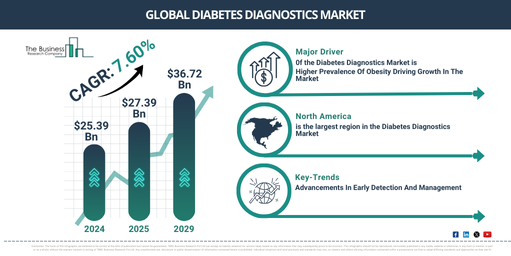
    Over the recent years, there has been a substantial expansion in the size of the diabetes diagnostics market. The market’s worth, which is projected to be $25.39 billion in 2024, is expected to increase to $27.39 billion in 2025, reflecting a compound annual growth rate (CAGR) of 7.9%. The surge during the historic timeline is due to factors such as increasing instances of diabetes, a growing aging population, a rise in sedentary lifestyles, a broader acceptance of minimally invasive diagnostics, and a mounting epidemic of obesity.

    How fast Is the diabetes diagnostics market expected to grow, and what’s its future value?

    The market size of diabetes diagnostics is projected to experience significant expansion in the coming years, reaching a total of $36.72 billion by 2029 with a CAGR of 7.6%. The predicted growth within the forecast period is due to factors such as the increasing usage of insulin pumps, advancements in diabetes technologies, a rise in unhealthy lifestyle choices, escalating prevalence of type 1 and type 2 diabetes, and the improvement of health care facilities. Key trends to observe during the forecast period encompass advancements in biosensor technology, technological progress, advancements in diagnostic technologies, personalized medicine, targeted therapies, and the growth of advanced technologies for in vitro diagnostic products.

    Get your diabetes diagnostics market report here!

    https://www.thebusinessresearchcompany.com/report/diabetes-diagnostics-global-market-report

    What are the leading drivers of growth in the diabetes diagnostics market?

    Rise in obesity is predicted to boost the diabetes diagnostics market’s expansion. Obesity, characterized by an excessive accumulation of body fat, heightens the risk of several health issues, including heart disease and diabetes. The escalation in obesity rates can be attributed to factors such as inactive lifestyles, increased ingestion of processed and high-calorie foods, genetic predisposition, and insufficient physical activity. Diabetes diagnostics play a crucial role in the management of obesity by early detection of insulin resistance and glucose metabolism complications, facilitating timely preventive measures against weight gain and associated diseases. For instance, in September 2023, as stated by the Centers for Disease Control and Prevention, a US government body, in 2022, there was an adult obesity rate of 35% or more in 22 states, marking an increase from 19 states in 2021. Consequently, the rise in obesity is fuelling the growth of the diabetes diagnostics market.

    What are the key segments defining the diabetes diagnostics market?

    The diabetes diagnostics market covered in this report is segmented –

    1) By Product Type: Blood Glucose Meters, Continuous Glucose Monitoring Devices, Lancets, Test Strips, Other Product Types

    2) By Diabetes Type: Diabetes I, Diabetes II, Gestational Diabetes

    3) By End-User: Hospitals, Diagnostic Centers, Homecare Settings, Other End-Users

    Subsegments:

    1) By Blood Glucose Meters: Traditional Blood Glucose Meters, Smart Blood Glucose Meters, Bluetooth-enabled Blood Glucose Meters

    2) By Continuous Glucose Monitoring Devices: Wearable CGM Systems, Implantable CGM Systems, Flash Glucose Monitoring Devices

    3) By Lancets: Single-use Lancets, Multi-use Lancets

    4) By Test Strips: Standard Test Strips, Smart Test Strips

    5) By Other Product Types: Hemoglobin A1c Testing Kits, Urine Glucose Test Strips, Blood Ketone Meters

    Get your free sample now – explore exclusive market insights:

    https://www.thebusinessresearchcompany.com/sample.aspx?id=21167&type=smp

    Who are the key players steering the development of the diabetes diagnostics market?

    Major companies operating in the diabetes diagnostics market are Pfizer Inc., F. Hoffmann-La Roche AG, Merck & Co. Inc., Bayer AG, Abbott Laboratories, Novartis AG, 3M Company, Medtronic plc, Regeneron Pharmaceuticals Inc., Carl Zeiss Meditec AG, Bausch & Lomb Incorporated, DexCom Inc, Santen Pharmaceutical Co. Ltd., Topcon Corporation, Tandem Diabetes Care Inc, Ypsomed AG, LifeScan Inc, Nova Biomedical Corporation, Ascensia Diabetes Care Holdings AG, ARKRAY Inc, Optos plc, Bioland Technology Ltd, PTS Diagnostics Inc, AgaMatrix Inc, Senseonics Holdings Inc, DarioHealth Corp.

    What emerging trends are influencing the growth of the diabetes diagnostics market?

    Leading firms in the diabetes diagnostics market are putting an emphasis on creating ingenuous products including those for diagnosing gestational diabetes. This move is driven by their aim of extending the scope of their product offering and responding to the rising need for early diagnosis and control of diabetes during pregnancy. Medical devices or tests termed as gestational diabetes diagnostic instruments are designed for detection and keeping a check on gestational diabetes observed in expectant mothers, this usually constitutes tests for blood glucose like oral glucose tolerance test (OGTT), to evaluate the ability of the body to deal with sugar during gestation. For example, DirectSens GmbH, a biotechnology enterprise from Austria, in August 2024, unveiled its XpressGT RUO kit. This revolutionary biosensor tool is intended for identifying insulin resistance-related diseases such as gestational diabetes, endometriosis, and liver disease. It delivers quick results, gauging 2-hydroxybutyrate (2-HB) concentration in venous blood and it shows compatibility with standard clinical analyzers. This inventive solution aims at offering early diagnosis, which could potentially enhance the prognosis for millions of patients across the globe.

    Unlock exclusive market insights – purchase your research report now for a swift delivery!

    https://www.thebusinessresearchcompany.com/purchaseoptions.aspx?id=21167

    Which regions are most influential in expanding the diabetes diagnostics market?

    North America was the largest region in the diabetes diagnostics market in 2024. The regions covered in the diabetes diagnostics market report are Asia-Pacific, Western Europe, Eastern Europe, North America, South America, Middle East, Africa.

    Browse Through More Similar Reports By The Business Research Company:

    Pertussis Vaccine Global Market Report 2025

    https://www.thebusinessresearchcompany.com/report/pertussis-vaccine-global-market-report

    Influenza A Virus Vaccine Global Market Report 2025

    https://www.thebusinessresearchcompany.com/report/h1n1-vaccine-global-market-report

    Weight Loss Supplements Global Market Report 2025

    https://thebusinessresearchcompany.com/report/weight-loss-supplements-global-market-report

    About The Business Research Company:

    With over 15000+ reports from 27 industries covering 60+ geographies, The Business Research Company has built a reputation for offering comprehensive, data-rich research and insights. Armed with 1,500,000 datasets, the optimistic contribution of in-depth secondary research, and unique insights from industry leaders, you can get the information you need to stay ahead in the game.

    Contact us at:

    The Business Research Company: https://www.thebusinessresearchcompany.com/

    Americas +1 3156230293

    Asia +44 2071930708

    Europe +44 2071930708

    Email us at info@tbrc.info

    Follow us on:

    LinkedIn: https://in.linkedin.com/company/the-business-research-company

    YouTube: https://www.youtube.com/channel/UC24_fI0rV8cR5DxlCpgmyFQ

    Global Market Model: https://www.thebusinessresearchcompany.com/global-market-model

    Found this article helpful? Share it on:
  • Top Growth Trends in the Spinal Stenosis Devices Market: Key Insights and Opportunities for 2025-2034

    Top Growth Trends in the Spinal Stenosis Devices Market: Key Insights and Opportunities for 2025-2034

    Get 20% off on Global Market Reports until March 31st! Use code FY25SAVE at checkout.

    What key factors are powering the surge in the spinal stenosis devices market right now?

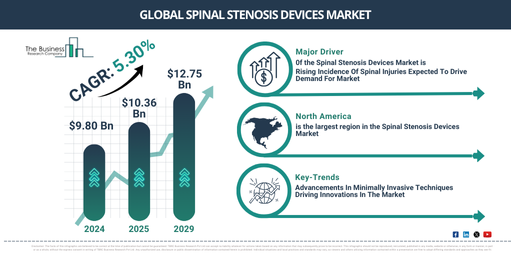
    In recent years, the market size of spinal stenosis devices has shown robust growth. The market is expected to expand from $9.80 billion in 2024 to $10.36 billion in 2025, exhibiting a compound annual growth rate (CAGR) of 5.7%. The growth during the historical period can be attributed to various factors including a rise in spinal stenosis cases in the ageing population, increase in spinal disorders and degenerative diseases incidence, escalated spinal injury rates, growing prevalence of spinal diseases, and a heightened prevalence of spinal disorders in both young and senior demographic groups.

    How fast Is the spinal stenosis devices market expected to grow, and what’s its future value?

    Anticipated to witness robust growth in the coming years, the market size of spinal stenosis devices is projected to surge up to $12.75 billion by 2029, reflecting a compound annual growth rate (CAGR) of 5.3%. The growth projection for the forecast period can be accredited to the escalating demand for minimally invasive surgical procedures, amplified emphasis on minimally invasive spine surgery (miss) and the upward trajectory of healthcare expenditure and investments in burgeoning markets. The forecast period is set to see key trends like technological advancements in spinal implant and surgical procedures, increasing acceptance of biodegradable and 3d-printed implants, as well as collaborations and product innovations.

    Get your spinal stenosis devices market report here!

    https://www.thebusinessresearchcompany.com/report/spinal-stenosis-devices-global-market-report

    What are the leading drivers of growth in the spinal stenosis devices market?

    The increase in spinal injuries is anticipated to boost the development of the spinal stenosis devices market. Spinal injuries involve harm to the spinal cord or adjacent structures, specifically identified as traumatic harm that disrupts the transmission of sensory and motor signals, resulting in potential loss of motion, function, and sensation beneath the injury location. The escalating incidence of spinal injuries primarily results from a rise in traumatic incidents such as car accidents and falls, particularly in the elderly, as well as increasing incidences of non-traumatic factors like degenerative diseases and aging population-related conditions. Devices for spinal stenosis deliver precise relief and structural backing by reducing nerve compression, adjusting spinal alignment, and increasing mobility, markedly enhancing the life quality for individuals with spinal injuries. For instance, the National Spinal Cord Injury Statistical Center, a US-based entity providing spinal cord information, reported in May 2023 that there are 18,000 new spinal injuries annually, with an incidence rate of 54 per 1 million every year. Additionally, it’s projected that roughly 302,000 individuals in the USA have suffered a traumatic spinal cord injury. Consequently, the escalating incidence of spinal injuries is fueling the growth of the spinal stenosis devices market.

    What are the key segments defining the spinal stenosis devices market?

    The spinal stenosis devices market covered in this report is segmented –

    1) By Product Type: Interspinous Spacers, Stabilization Systems, Spinal Arthroplasty System, Interbody Fusion Devices

    2) By Application: Lumbar Spinal Stenosis, Cervical Spinal Stenosis, Thoracic Spinal Stenosis

    3) By End User: Hospitals, Ambulatory Surgical Centres, Others End Users

    Subsegments:

    1) By Interspinous Spacers: Single-Level Spacers, Multi-Level Spacers, Expandable Spacers

    2) By Stabilization Systems: Pedicle Screw Systems, Lateral Screw Systems, Dynamic Stabilization Systems

    3) By Spinal Arthroplasty System: Cervical Arthroplasty Systems, Lumbar Arthroplasty Systems, Artificial Disc Replacements

    4) By Interbody Fusion Devices: PEEK (Polyetheretherketone) Devices, Titanium Interbody Devices, Bioactive And Biocompatible Devices

    Get your free sample now – explore exclusive market insights:

    https://www.thebusinessresearchcompany.com/sample.aspx?id=20966&type=smp

    Who are the key players steering the development of the spinal stenosis devices market?

    Major companies operating in the spinal stenosis devices market are Johnson & Johnson, Medtronic plc, Stryker Corporation, Boston Scientific Corporation, Zimmer Biomet Holdings Inc., Globus Medical Inc., NuVasive Inc., Orthofix Medical Inc., B. Braun Melsungen AG, Xtant Medical, Alphatec Holdings Inc., Vertos Medical Inc., Spineart SA, Spine Wave Inc., Spinal Simplicity LLC, Premia Spine, Sintea Plustek LLC, Cousin Surgery, Meril Life Sciences Pvt. Ltd., Empirical Spine Inc.

    What are the key trends shaping the future of the spinal stenosis devices market?

    Major companies operating in the spinal stenosis devices market are focusing on technological advancements such as minimally invasive surgical techniques to enhance surgical precision and reduce recovery times. Minimally invasive surgical techniques are surgical procedures that utilize small incisions, often referred to as ports, to access internal organs, significantly decreasing trauma to the body. These techniques involve specialized instruments, including cameras and trocars, allowing surgeons to perform operations with less pain, shorter recovery times, and lower risks of complications compared to traditional open surgery. For instance, in January 2024, Accelus, a US-based medical technology company that provides innovative solutions in the field of spinal surgery, launched the linesider modular-cortical system. The technology enables surgeons to place screw shanks early in spinal implant procedures and customize constructs with modular tulips and rods. It offers open modular and cortical modular sets to accommodate various surgical approaches. Spinal implants are essential for stabilizing and supporting the spine during surgeries, helping to correct deformities, fractures, or degenerative diseases while improving patient function and quality of life.

    Unlock exclusive market insights – purchase your research report now for a swift delivery!

    https://www.thebusinessresearchcompany.com/purchaseoptions.aspx?id=20966

    Which regions are most influential in expanding the spinal stenosis devices market?

    North America was the largest region in the spinal stenosis devices market in 2024. Asia-Pacific is expected to be the fastest-growing region in the forecast period. The regions covered in the spinal stenosis devices market report are Asia-Pacific, Western Europe, Eastern Europe, North America, South America, Middle East, Africa.

    Browse Through More Similar Reports By The Business Research Company:

    Spinal Surgery Devices And Equipment Global Market Report 2025

    https://thebusinessresearchcompany.com/report/spinal-surgery-devices-and-equipment-global-market-report

    Cerebrospinal Fluid Management CSF Devices And Equipment Global Market Report 2025

    https://thebusinessresearchcompany.com/report/cerebrospinal-fluid-management-csf-devices-and-equipment-global-market-report

    Spinal Imaging Global Global Market Report 2025

    https://thebusinessresearchcompany.com/report/spinal-imaging-global-market-report

    About The Business Research Company:

    With over 15000+ reports from 27 industries covering 60+ geographies, The Business Research Company has built a reputation for offering comprehensive, data-rich research and insights. Armed with 1,500,000 datasets, the optimistic contribution of in-depth secondary research, and unique insights from industry leaders, you can get the information you need to stay ahead in the game.

    Contact us at:

    The Business Research Company: https://www.thebusinessresearchcompany.com/

    Americas +1 3156230293

    Asia +44 2071930708

    Europe +44 2071930708

    Email us at info@tbrc.info

    Follow us on:

    LinkedIn: https://in.linkedin.com/company/the-business-research-company

    YouTube: https://www.youtube.com/channel/UC24_fI0rV8cR5DxlCpgmyFQ

    Global Market Model: https://www.thebusinessresearchcompany.com/global-market-model

    Found this article helpful? Share it on:
  • Key Trends and Insights into the Dermatological Drugs Market: Growth Rate and Opportunities to 2034

    Key Trends and Insights into the Dermatological Drugs Market: Growth Rate and Opportunities to 2034

    Get 20% off on Global Market Reports until March 31st! Use code FY25SAVE at checkout.

    How has the dermatological drugs market grown over the years?

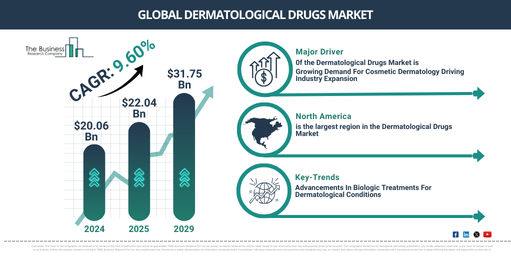
    The market size of dermatological drugs has seen robust growth over recent years. It is projected to increase from $20.06 billion in 2024 to $22.04 billion in 2025, reflecting a compound annual growth rate (CAGR) of 9.8%. The historic growth phase can be traced back to an increasing number of skin disorders, advancements made in drug formulation and administration, heightened skincare and aesthetic consciousness, expanding senior population, and a rising demand for over-the-counter dermatological products.

    What Is the forecasted market size and growth rate for the dermatological drugs market?

    The market for dermatological drugs is predicted to witness substantial growth in the coming years, expected to reach $31.75 billion in 2029, experiencing a compound annual growth rate (CAGR) of 9.6%. Several factors contribute to this growth in the forecasted period such as advancements in biologics and specific therapies, a surge in the adoption of virtual dermatology and digital health, a rise in skin conditions caused by lifestyle, escalated demand for personalized medicines and regeneration, and expanded research in therapies based on skin microbiome. Noteworthy trends expected during the forecast period encompass drug delivery through nanotechnology, dermatological diagnostics powered by AI, therapies focused on microbiome, skin regeneration through 3d bioprinting, and treatments centered on gene editing and RNA.

    Get your dermatological drugs market report here!

    https://www.thebusinessresearchcompany.com/report/dermatological-drugs-global-market-report

    What are the major factors driving growth in the dermatological drugs market?

    The expansion of the dermatological drugs market is anticipated to be powered by the proliferating demand for cosmetic dermatology operations. Focusing on enhancing looks through various non-operative procedures and treatments, cosmetic dermatology has grown to be a specialized niche within dermatology. The push for cosmetic dermatology is influenced by heightened consumer consciousness of aesthetic treatments, advancements in skincare technology, and a surge in favoritism towards non-invasive procedures designed to approve appearance and battle aging. An escalating demand for skin rejuvenation and anti-aging procedures under cosmetic dermatology is stimulating the progression of innovative dermatological drugs that propose secure, efficient, and barely invasive resolutions. To exemplify, the International Society of Aesthetic Plastic Surgery, a US-based professional entity, reported in January 2023 that over 12.8 million surgical and 17.5 million non-surgical operations were administered worldwide, accounting for a 19.3% ascend in total procedures from the prior reporting period. Furthermore, over 14.9 million surgical and 18.8million non-surgical operations will be performed globally in 2022, marking an 11.2% increase in total procedures executed. Consequently, the burgeoning operations in cosmetic dermatology are fueling the expansion of the dermatological drugs market.

    What key areas define the segmentation of the global dermatological drugs Market?

    The dermatological drugs market covered in this report is segmented –

    1) By Drug Class: Corticosteroids, Retinoids, Antibiotics, Antifungals, Calcineurin Inhibitors, Other Drug Classes

    2) By Administration: Topical Administration, Oral Administration, Parenteral Administration

    3) By Indication: Acne, Psoriasis, Rosacea, Alopecia, Other Indications

    4) By Distribution Channel: Hospital Pharmacies, Retail Pharmacies, Other Distribution Channels

    Subsegments:

    1) By Corticosteroids: Topical Corticosteroids, Oral Corticosteroids, Injectable Corticosteroids

    2) By Retinoids: Topical Retinoids, Oral Retinoids

    3) By Antibiotics: Topical Antibiotics, Oral Antibiotics

    4) By Antifungals: Topical Antifungals, Oral Antifungals

    5) By Calcineurin Inhibitors: Topical Calcineurin Inhibitors, Systemic Calcineurin Inhibitors

    6) By Other Drug Classes: Biologics, JAK Inhibitors, Antihistamines, Photodynamic Therapy Agents

    Get your free sample now – explore exclusive market insights:

    https://www.thebusinessresearchcompany.com/sample.aspx?id=21166&type=smp

    What are the top market players propelling the growth of the dermatological drugs industry?

    Major companies operating in the dermatological drugs market are Pfizer Inc., Johnson & Johnson Services Inc., AbbVie Inc., Bayer AG, AstraZeneca plc, Novartis AG, GlaxoSmithKline Plc, Eli Lilly and Company, Amgen Inc., Bausch Health Companies Inc., Organon International, Galderma, Incyte Corporation, Glenmark Pharmaceuticals Ltd., Mayne Pharma Group Limited, Dermavant Sciences Inc., Taro Pharmaceutical Industries Ltd., Biofrontera AG, Almirall SA, UCB SA, LEO Pharma A/S, Dermira Inc.

    What are the key trends shaping the future of the dermatological drugs market?

    The primary focus of large corporations involved in the dermatological drugs market is on the invention of biologic treatments to tackle long-standing skin issues like psoriasis, atopic dermatitis, and hidradenitis suppurativa. Biologics are designed to focus on distinct immune pathways, providing enhanced and durable respite compared to conventional treatments. For example, in September 2024, the US-based pharmaceutical firm, Eli Lilly and Company, gained authorization for Ebglyss (lebrikizumab), a specialized interleukin-13 (IL-13) inhibitor, for the management of moderate-to-severe atopic dermatitis in adults and children 12 years and older. This authorization signifies monumental progress by introducing a new biologic treatment method for patients who have not obtained sufficient symptom regulation with topical treatments. With a focus on presenting highly efficient treatments, Ebglyss intends to boost patients’ standard of living by alleviating severe pruritus and skin inflammation associated with moderate-to-severe atopic dermatitis.

    Unlock exclusive market insights – purchase your research report now for a swift delivery!

    https://www.thebusinessresearchcompany.com/purchaseoptions.aspx?id=21166

    What regions are dominating the dermatological drugs market growth?

    North America was the largest region in the dermatological drugs market in 2024. Asia-Pacific is expected to be the fastest-growing region in the forecast period. The regions covered in the dermatological drugs market report are Asia-Pacific, Western Europe, Eastern Europe, North America, South America, Middle East, Africa.

    Browse Through More Similar Reports By The Business Research Company:

    Systemic Lupus Erythematosus Treatment Global Market Report 2025

    https://www.thebusinessresearchcompany.com/report/systemic-lupus-erythematosus-treatment-global-market-report

    Hematopoietic Stem Cell Transplantation Global Market Report 2025

    https://www.thebusinessresearchcompany.com/report/hematopoietic-stem-cell-transplantation-global-market-report

    Negative Pressure Wound Therapy Global Market Report 2025

    https://thebusinessresearchcompany.com/report/negative-pressure-wound-therapy-global-market-report

    About The Business Research Company:

    With over 15000+ reports from 27 industries covering 60+ geographies, The Business Research Company has built a reputation for offering comprehensive, data-rich research and insights. Armed with 1,500,000 datasets, the optimistic contribution of in-depth secondary research, and unique insights from industry leaders, you can get the information you need to stay ahead in the game.

    Contact us at:

    The Business Research Company: https://www.thebusinessresearchcompany.com/

    Americas +1 3156230293

    Asia +44 2071930708

    Europe +44 2071930708

    Email us at info@tbrc.info

    Follow us on:

    LinkedIn: https://in.linkedin.com/company/the-business-research-company

    YouTube: https://www.youtube.com/channel/UC24_fI0rV8cR5DxlCpgmyFQ

    Global Market Model: https://www.thebusinessresearchcompany.com/global-market-model

    Found this article helpful? Share it on:
  • How is the Spinal Muscular Atrophy Market Poised for Growth: Trends and Opportunities Through 2034

    How is the Spinal Muscular Atrophy Market Poised for Growth: Trends and Opportunities Through 2034

    Get 20% off on Global Market Reports until March 31st! Use code FY25SAVE at checkout.

    How has the spinal muscular atrophy market grown over the years?

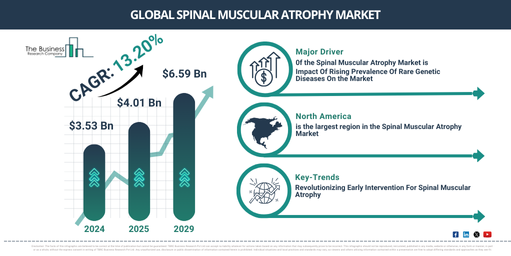
    In recent times, a swift expansion has been observed in the market size for spinal muscular atrophy. The growth projection indicates that it will increase from $3.53 billion in 2024 to hit $4.01 billion in 2025, marking the compound annual growth rate (CAGR) at 13.5%. Factors such as heightened diagnosis and early detection rates, a rising prevalence of rare genetic diseases, enhancements in healthcare facilities, support from governmental and regulatory bodies, as well as a boost in unresolved healthcare necessities, have all contributed to this substantial growth in the historical timeframe.

    What Is the forecasted market size and growth rate for the spinal muscular atrophy market?

    The market for spinal muscular atrophy is poised for significant expansion in the coming years, projecting to reach $6.59 billion by 2029, with a compound annual growth rate (CAGR) of 13.2%. The anticipated growth during the forecast period can be ascribed to factors such as increased awareness and diagnosis, improvement in treatment accessibility, a surge in healthcare investments towards rare diseases, a conducive regulatory environment, and escalating healthcare spending. Key trends expected to influence the market during the forecast period include progress in oral therapies, embrace of gene therapy, technological breakthroughs in drug delivery systems, the application of artificial intelligence in the development of SMA treatments, and emerging gene editing technologies.

    Get your spinal muscular atrophy market report here!

    https://www.thebusinessresearchcompany.com/report/spinal-muscular-atrophy-global-market-report

    What are the major factors driving growth in the spinal muscular atrophy market?

    The growth of the spinal muscular atrophy market is anticipated to be stimulated by the surging incidence of uncommon genetic diseases. Such conditions are the result of aberrations in the genes, affecting a small segment of the population and often leading to grave, persistent health issues. The escalating incidence can be ascribed to refined diagnostic tools, heightened awareness, and better access to genetic screenings, consequently identifying and reporting more cases. Spinal muscular atrophy (SMA), an unusual genetic condition, epitomizes the complexities and possibilities inherent in understanding hereditary diseases, and emphasizes the need for advancing research in the area of genetics. For example, a report issued by the Office for National Statistics, a UK governmental department, in July 2023 conveyed that SMN1 genetic testing has facilitated precise epidemiological studies. These studies illustrate that SMA affects 1 in every 10,000 to 20,000 live births, and over 95% of affected individuals are homozygous for SMN1 deletion. Consequently, the mounting incidence of rare genetic conditions will catalyze the expansion of the spinal muscular atrophy market.

    What key areas define the segmentation of the global spinal muscular atrophy Market?

    The spinal muscular atrophy market covered in this report is segmented –

    1) By Type: Type 1 (Severe), Type 2 (Intermediate), Type 3 (Mild), Type 4 (Adult)

    2) By Age: Pediatric, Adults

    3) By Treatment: Drug Therapy, Gene Therapy

    4) By End User: Hospital pharmacy, Online pharmacy, Retail pharmacy

    Subsegments:

    1) By Type 1 (Severe): Infantile-Onset SMA, Severe Progressive SMA

    2) By Type 2 (Intermediate): Early-Onset SMA, Non-progressive SMA

    3) By Type 3 (Mild): Juvenile-Onset SMA, Mild Progressive SMA

    4) By Type 4 (Adult): Adult-Onset SMA, Late-Onset SMA

    Get your free sample now – explore exclusive market insights:

    https://www.thebusinessresearchcompany.com/sample.aspx?id=20965&type=smp

    What are the top market players propelling the growth of the spinal muscular atrophy industry?

    Major companies operating in the spinal muscular atrophy market are Pfizer Inc., F. Hoffmann-La Roche Ltd, Bayer AG, Novartis AG, Biogen Inc., Chugai Pharmaceutical Co. Ltd., Genentech Inc., PTC Therapeutics Inc., Ionis Pharmaceuticals Inc., Biohaven Ltd., Catalyst Pharmaceuticals Inc., RegenXBio Inc., Cytokinetics Inc., AveXis Inc., Scholar Rock Inc., Genethon, CANbridge Pharmaceuticals Inc., NMD Pharma A/S, Hanugen Therapeutics Inc., Beijing Jinlan Gene Technology Co. Ltd.

    What key trends are currently impacting the spinal muscular atrophy market’s development?

    Major companies operating in the spinal muscular atrophy market are developing innovative products, such as dry syrup, to improve medication adherence and ease of administration for pediatric and other patient groups with swallowing difficulties. Dry syrup is a powdered medication that is reconstituted with water before use, commonly prescribed for children and patients who have difficulty swallowing tablets or capsules. For instance, in September 2024, Chugai Pharmaceutical Co., Ltd., a Japan-based pharmaceutical company, announced regulatory approval from Japan’s Ministry of Health, Labour and Welfare for an expanded indication of its drug Evrysdi (risdiplam). The approval allows its use in pre-symptomatic spinal muscular atrophy (SMA) and extends dosing to infants under two months old. This milestone is crucial as it enables treatment initiation before symptoms appear, potentially enhancing therapeutic outcomes for affected infants. The decision was supported by data from the RAINBOWFISH study, which assessed Evrysdi’s safety and efficacy in infants diagnosed with SMA but not yet symptomatic. Findings showed that treated infants achieved developmental milestones, such as unsupported sitting and improved motor skills, by 12 months, underscoring the drug’s potential to transform the disease’s progression when administered early.

    Unlock exclusive market insights – purchase your research report now for a swift delivery!

    https://www.thebusinessresearchcompany.com/purchaseoptions.aspx?id=20965

    What regions are dominating the spinal muscular atrophy market growth?

    North America was the largest region in the spinal muscular atrophy market in 2024. Asia-Pacific is expected to be the fastest-growing region in the forecast period. The regions covered in the spinal muscular atrophy market report are Asia-Pacific, Western Europe, Eastern Europe, North America, South America, Middle East, Africa.

    Browse Through More Similar Reports By The Business Research Company:

    Optic Atrophy Management Global Market Report 2025

    https://thebusinessresearchcompany.com/report/optic-atrophy-management-global-market-report

    Spinal Surgery Devices And Equipment Global Market Report 2025

    https://thebusinessresearchcompany.com/report/spinal-surgery-devices-and-equipment-global-market-report

    Cerebrospinal Fluid Management CSF Devices And Equipment Global Global Market Report 2025

    https://thebusinessresearchcompany.com/report/cerebrospinal-fluid-management-csf-devices-and-equipment-global-market-report

    About The Business Research Company:

    With over 15000+ reports from 27 industries covering 60+ geographies, The Business Research Company has built a reputation for offering comprehensive, data-rich research and insights. Armed with 1,500,000 datasets, the optimistic contribution of in-depth secondary research, and unique insights from industry leaders, you can get the information you need to stay ahead in the game.

    Contact us at:

    The Business Research Company: https://www.thebusinessresearchcompany.com/

    Americas +1 3156230293

    Asia +44 2071930708

    Europe +44 2071930708

    Email us at info@tbrc.info

    Follow us on:

    LinkedIn: https://in.linkedin.com/company/the-business-research-company

    YouTube: https://www.youtube.com/channel/UC24_fI0rV8cR5DxlCpgmyFQ

    Global Market Model: https://www.thebusinessresearchcompany.com/global-market-model

    Found this article helpful? Share it on:
  • Cutaneous T-Cell Lymphoma Market Growth Forecast: Exploring Trends and Opportunities for the Next Decade

    Cutaneous T-Cell Lymphoma Market Growth Forecast: Exploring Trends and Opportunities for the Next Decade

    Get 20% off on Global Market Reports until March 31st! Use code FY25SAVE at checkout.

    What fueled the previous growth in the cutaneous t-cell lymphoma market?

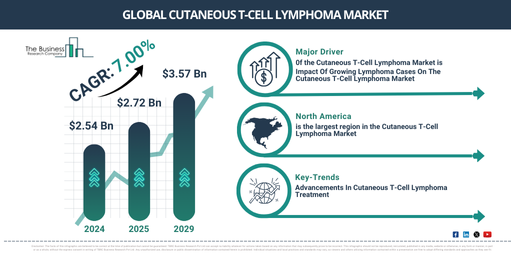
    There has been a robust expansion in the size of the cutaneous T-cell lymphoma market recently. Projected to increase from $2.54 billion in 2024 to $2.72 billion in 2025 with a compound annual growth rate (CAGR) of 7.4%, factors such as the heightened prevalence of cutaneous T-cell lymphoma, increased enlightenment about uncommon cancers, an aging population, the provision of specialized therapies, and supplemental care contribute to the growth experienced in the historical period.

    What will be the cutaneous t-cell lymphoma market size in the future?

    In the coming years, the market size of cutaneous T-cell lymphoma is predicted to experience substantial growth, reaching a value of $3.57 billion in 2029 while growing at a compound annual growth rate (CAGR) of 7.0%. Factors contributing to this growth during the predicted period include the rise in health care investments, a concentrated effort on developing orphan drugs, improved diagnostic methods, expanded initiatives for patient support, and an increase in combination therapy clearances. Key trends expected during this forecast period include a shift towards individualized medicine, the emergence of biosimilars, an increase in clinical trial expansion, a rise in collaborations among market players, and a growing preference for telemedicine platforms.

    Get your cutaneous t-cell lymphoma market report here!

    https://www.thebusinessresearchcompany.com/report/cutaneous-t-cell-lymphoma-global-market-report

    What main drivers are fueling expansion in the cutaneous t-cell lymphoma market?

    The escalating incidence of lymphoma is anticipated to stimulate the expansion of the cutaneous T-cell lymphoma market. Lymphoma, a cancer originating from lymphocytes present in the lymphatic system, is seeing a surge due to several factors, including aging populations, environmental exposures, and genetic factors. Cutaneous T-cell lymphoma plays a crucial role in lymphoma management by offering a precise diagnosis and treatment plan for patients whose lymphoma primarily manifests itself on the skin, thereby setting it apart from other kinds of lymphoma and directing relevant therapies. The American Cancer Society, a US non-profit organization with a mission to eradicate cancer, shared in an article in April 2024, that the year 2022 saw approximately 553,000 new cases of non-Hodgkin lymphoma and 250,000 corresponding deaths, along with 84,000 fresh cases of Hodgkin lymphoma and 22,000 associated deaths. Non-Hodgkin lymphoma is ranked as the tenth most commonly diagnosed cancer and the eleventh leading cause of death related to cancer globally. As a result, the rising lymphoma cases fuel the cutaneous T-cell lymphoma market.

    What key areas define the segmentation of the global cutaneous t-cell lymphoma market?

    The cutaneous T-cell lymphoma market covered in this report is segmented –

    1) By Type: Mycosis Fungoides, Sezary Syndrome

    2) By Treatment: Radiation Therapy, Chemotherapy, Immunotherapy, Targeted Therapy, Other Treatments

    3) By End-User: Hospitals, Diagnostic Centres, Clinics

    Subsegments:

    1) By Mycosis Fungoides: Patch-Stage Mycosis Fungoides, Plaque-Stage Mycosis Fungoides, Tumor-Stage Mycosis Fungoides, Erythrodermic Mycosis Fungoides

    2) By Sezary Syndrome: Classic Sezary Syndrome, Atypical Sezary Syndrome

    Get your free sample now – explore exclusive market insights:

    https://www.thebusinessresearchcompany.com/sample.aspx?id=21164&type=smp

    Who are the dominant players expanding their reach in the cutaneous t-cell lymphoma market?

    Major companies operating in the cutaneous T-cell lymphoma market are Merck & Co. Inc., Pfizer Inc., Bristol Myers Squibb Company, Novartis AG, Takeda Pharmaceutical Company Limited, GlaxoSmithKline plc, Bausch Health Companies Inc., Eisai Co. Ltd., Galderma S.A., Kyowa Hakko Kirin Co. Ltd., Cipla Inc., Actelion Pharmaceuticals Ltd., Soligenix Inc., Helsinn Healthcare SA, Innate Pharma SA, 4SC AG, Equillium Inc., Avik Pharma Inc., Citius Pharmaceuticals Inc., Medivir AB

    What key trends are currently impacting the cutaneous t-cell lymphoma market’s development?

    Leading firms in the cutaneous T-cell lymphoma market are concentrating on the creation of superior therapies. Specifically, they are developing a targeted mode of action to give themselves an advantage over competitors. This involves targeting both malignant T-cells and immunosuppressive regulatory T-cells (Tregs) simultaneously. A treatment known as LYMPHIR not only destroys tumor cells directly but also temporarily diminishes Tregs, which may boost the body’s immune reaction against tumors. In August 2024, for example, a major pharmaceutical firm based in the United States obtained FDA clearance for LYMPHIR (denileukin diftitox-cxdl). This approval marks a considerable leap forward in the management of relapsed or refractory cutaneous T-cell lymphoma (CTCL). The unique approach that LYMPHIR offers sets it apart from other treatments, providing those with relapsed or refractory cutaneous T-cell lymphoma (CTCL) with a new therapeutic avenue.

    Unlock exclusive market insights – purchase your research report now for a swift delivery!

    https://www.thebusinessresearchcompany.com/purchaseoptions.aspx?id=21164

    Which regions are emerging as leaders in the cutaneous t-cell lymphoma market?

    North America was the largest region in the cutaneous T-cell lymphoma market in 2024. Asia-Pacific is expected to be the fastest-growing region in the forecast period. The regions covered in the cutaneous T-cell lymphoma market report are Asia-Pacific, Western Europe, Eastern Europe, North America, South America, Middle East, Africa.

    Browse Through More Similar Reports By The Business Research Company:

    Cancer Clinical Decision Tools Global Market Report 2025

    https://www.thebusinessresearchcompany.com/report/cancer-clinical-decision-tool-global-market-report

    Exploring the Clinical Nutrition Global Market Report 2025

    https://www.thebusinessresearchcompany.com/report/clinical-nutritions-global-market-report

    Chemotherapy Induced Peripheral Neuropathy Treatment Global Market Report 2025

    https://thebusinessresearchcompany.com/report/chemotherapy-induced-peripheral-neuropathy-treatment-global-market-report

    About The Business Research Company:

    With over 15000+ reports from 27 industries covering 60+ geographies, The Business Research Company has built a reputation for offering comprehensive, data-rich research and insights. Armed with 1,500,000 datasets, the optimistic contribution of in-depth secondary research, and unique insights from industry leaders, you can get the information you need to stay ahead in the game.

    Contact us at:

    The Business Research Company: https://www.thebusinessresearchcompany.com/

    Americas +1 3156230293

    Asia +44 2071930708

    Europe +44 2071930708

    Email us at info@tbrc.info

    Follow us on:

    LinkedIn: https://in.linkedin.com/company/the-business-research-company

    YouTube: https://www.youtube.com/channel/UC24_fI0rV8cR5DxlCpgmyFQ

    Global Market Model: https://www.thebusinessresearchcompany.com/global-market-model

    Found this article helpful? Share it on:
  • Unlocking the Future of the Small Lymphocytic Lymphoma Market: Growth Rate, Key Trends, and Opportunities for 2025-2034

    Unlocking the Future of the Small Lymphocytic Lymphoma Market: Growth Rate, Key Trends, and Opportunities for 2025-2034

    Get 20% off on Global Market Reports until March 31st! Use code FY25SAVE at checkout.

    How has the small lymphocytic lymphoma market size evolved in recent years?

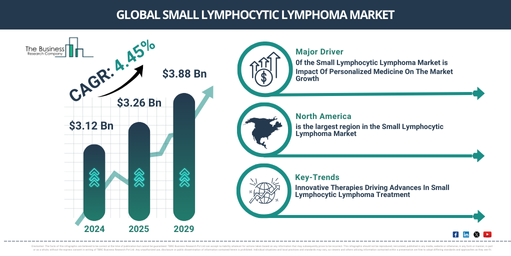
    The market size for small lymphocytic lymphoma has seen a consistent increase over the past few years. The projection is a surge from $3.12 billion in 2024 to $3.26 billion in 2025, indicating a compound annual growth rate (CAGR) of 4.71%. Factors contributing to the growth during the historical phase include heightened awareness leading to early diagnosis, regulatory sanctioning, extended clinical trials, heightened knowledge about SLL, and more participation in clinical research.

    What are the predictions for the small lymphocytic lymphoma market size in the coming years?

    In the coming years, the small lymphocytic lymphoma market size is predicted to witness steady expansion. It’s projected to increase to a market worth $3.88 billion in 2029, with a compound annual growth rate (CAGR) of 4.45%. This expected growth during the forecasted period can be credited to a heightened focus on immunotherapies and an increase in research into targeted therapies. Additionally, the augmentation of precision medicine, amplified investment toward cancer research, and a surge in clinical trials are contributing factors. Significant trends expected during the projection period include progress in targeted therapies, innovations in immunotherapy, the combined use of therapies, the incorporation of digital health solutions, and improvements in supportive care therapies.

    Get your small lymphocytic lymphoma market report here!

    https://www.thebusinessresearchcompany.com/report/small-lymphocytic-lymphoma-global-market-report

    What key factors are fueling the growth of the small lymphocytic lymphoma market?

    The expansion of the small lymphocytic lymphoma market is anticipated to be propelled by the rise of personalized medicine. Personalized medicine takes into account a person’s genetic, environmental, and lifestyle factors to customize treatments and healthcare choices. This growth is facilitated by advancements in fields such as genomics, biotechnology, and data analysis, which help in developing precise, effective and tailored treatments. Small lymphocytic lymphoma (SLL) facilitates the expansion of personalized medicine, offering information on specific genetic mutations and biomarkers, paving the way for targeted therapies and tailored treatment plans. For example, in February 2024, the US-based non-profit, the Personalized Medicine Coalition confirmed that in 2023, the FDA authorized sixteen new individualized treatments for rare disease patients, a substantial increase from the six approved in 2022. Therefore, the proliferation of personalized medicine is expected to stimulate the growth of the small lymphocytic lymphoma market.

    How is the global small lymphocytic lymphoma market divided into key segments?

    The small lymphocytic lymphoma market covered in this report is segmented –

    1) By Product: Capsules, Tablets, Injections, Other Products

    2) By Route of Administration: Oral, Parenteral, Other Route of Administrations

    3) By Treatment: Chemotherapy, Targeted Therapy, Stem Cell Transplant, Monoclonal antibody therapy, Other Treatments

    4) By Distribution Channel: Hospital Pharmacy, Retail Pharmacy, Online Pharmacy, Other Distribution Channels

    5) By End-Users: Hospitals, Specialty Clinics, Homecare, Other End Users

    Subsegments:

    1) By Capsules: Oral Chemotherapy Capsules, Targeted Therapy Capsules, Immunomodulatory Capsules

    2) By Tablets: Oral Chemotherapy Tablets, Targeted Therapy Tablets, Immunotherapy Tablets

    3) By Injections: Chemotherapy Injections, Monoclonal Antibody Injections, Immunotherapy Injections, Biologic Injections

    4) By Other Products: Topical Medications, Infusion Therapies, Biosimilars For SLL, Radiopharmaceuticals

    Get your free sample now – explore exclusive market insights:

    https://www.thebusinessresearchcompany.com/sample.aspx?id=20957&type=smp

    Who are the key firms paving the way for growth in the small lymphocytic lymphoma market?

    Major companies operating in the small lymphocytic lymphoma market are Pfizer Inc., Johnson & Johnson, AbbVie Inc., Bayer AG, Sanofi S.A., Bristol-Myers Squibb Company, AstraZeneca PLC, Eli Lilly and Company, Gilead Sciences Inc., Amgen Inc., Regeneron Pharmaceuticals, Incyte Corporation, Exelixis Inc., Moffitt Cancer Center, Kite Pharma Inc., Spectrum Pharmaceuticals Inc., Aptose Biosciences Inc., Secura Bio Inc., Infinity Pharmaceuticals Inc., TG Therapeutics Inc.

    What key trends are currently impacting the small lymphocytic lymphoma market’s development?

    Major companies operating in the small lymphocytic lymphoma market are developing innovative products, such as non-covalent BTK inhibitors, to enhance treatment efficacy, overcome resistance to existing therapies, and improve patient outcomes. Non-covalent BTK inhibitors are a class of drugs that reversibly bind to the Bruton’s tyrosine kinase (BTK) enzyme, targeting B-cell malignancies while reducing resistance and adverse effects associated with covalent inhibitors. For instance, in December 2023, Eli Lilly and Company, a US-based pharmaceutical company, announced that the U.S. Food and Drug Administration (FDA) has approved Jaypirca (pirtobrutinib) for adults with chronic lymphocytic leukemia or small lymphocytic lymphoma (CLL/SLL). This approval is particularly noteworthy for its focus on patients who have already undergone at least two lines of therapy, including a Bruton’s Tyrosine Kinase (BTK) inhibitor and a BCL-2 inhibitor, addressing a critical unmet need in heavily pre-treated populations. Its oral administration offers patient convenience while maintaining robust, targeted therapeutic action.

    Unlock exclusive market insights – purchase your research report now for a swift delivery!

    https://www.thebusinessresearchcompany.com/purchaseoptions.aspx?id=20957

    What regions are contributing significantly to the growth of the small lymphocytic lymphoma market?

    North America was the largest region in the small lymphocytic lymphoma market in 2024. Asia-Pacific is expected to be the fastest-growing region in the forecast period. The regions covered in the small lymphocytic lymphoma market report are Asia-Pacific, Western Europe, Eastern Europe, North America, South America, Middle East, Africa.

    Browse Through More Similar Reports By The Business Research Company:

    Non Hodgkin Lymphoma (NHL) Global Market Report 2025

    https://thebusinessresearchcompany.com/report/non-hodgkin-lymphoma-nhl-global-market-report

    Follicular Lymphoma Treatment Global Market Report 2025

    https://thebusinessresearchcompany.com/report/follicular-lymphoma-treatment-global-market-report

    Diffuse Large B-Cell Lymphoma Therapeutics Global Global Market Report 2025

    https://thebusinessresearchcompany.com/report/diffuse-large-b-cell-lymphoma-therapeutics-global-market-report

    About The Business Research Company:

    With over 15000+ reports from 27 industries covering 60+ geographies, The Business Research Company has built a reputation for offering comprehensive, data-rich research and insights. Armed with 1,500,000 datasets, the optimistic contribution of in-depth secondary research, and unique insights from industry leaders, you can get the information you need to stay ahead in the game.

    Contact us at:

    The Business Research Company: https://www.thebusinessresearchcompany.com/

    Americas +1 3156230293

    Asia +44 2071930708

    Europe +44 2071930708

    Email us at info@tbrc.info

    Follow us on:

    LinkedIn: https://in.linkedin.com/company/the-business-research-company

    YouTube: https://www.youtube.com/channel/UC24_fI0rV8cR5DxlCpgmyFQ

    Global Market Model: https://www.thebusinessresearchcompany.com/global-market-model

    Found this article helpful? Share it on:
  • Future Outlook of the Cutaneous Squamous Cell Carcinoma (CSCC) Market: Growth, Trends, and Emerging Opportunities Explored

    Future Outlook of the Cutaneous Squamous Cell Carcinoma (CSCC) Market: Growth, Trends, and Emerging Opportunities Explored

    Get 20% off on Global Market Reports until March 31st! Use code FY25SAVE at checkout.

    How has the cutaneous squamous cell carcinoma (cscc) market size evolved in recent years?

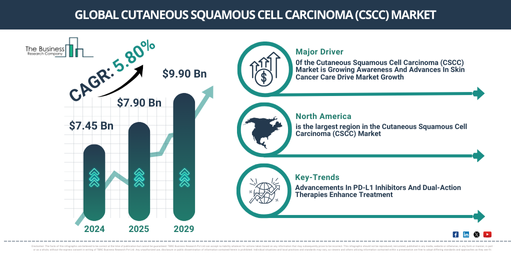
    In past years, the market size of cutaneous squamous cell carcinoma (cSCC) has experienced robust growth. It is projected to expand from $7.45 billion in 2024 to $7.90 billion in 2025, demonstrating a compound annual growth rate (CAGR) of 6.1%. The significant growth observed during the historic period may be due to the increasing incidence of non-melanoma skin cancers, larger aging population, augmented exposure to ultraviolet radiation, enhancements in healthcare infrastructure, and a rise in the implementation of immunotherapy in the field of oncology.

    What are the predictions for the cutaneous squamous cell carcinoma (cscc) market size in the coming years?

    The market size for cutaneous squamous cell carcinoma (cSCC) is anticipated to observe substantial growth in the coming years, increasing to $9.90 billion by 2029 with a 5.8% compound annual growth rate (CAGR). Factors driving this forecasted growth include the rising availability of specific treatments, increased awareness regarding skin cancer prevention, growth in medical tourism concerning cancer therapies, escalated preference for minimally invasive surgeries, and supportive government measures for cancer care. Key trends predicted for the forecast period involve progress in dermatology diagnostics, advancements in radiotherapy techniques, integration of technology in dermatology, immunotherapy treatment innovations, and improved photodynamic therapy techniques.

    Get your cutaneous squamous cell carcinoma (cscc) market report here!

    https://www.thebusinessresearchcompany.com/report/cutaneous-squamous-cell-carcinoma-cscc-global-market-report

    What key factors are fueling the growth of the cutaneous squamous cell carcinoma (cscc) market?

    The increase in skin cancer awareness is expected to drive the expansion of the cutaneous squamous cell carcinoma (cSCC) market. Skin cancer originates from the abnormal proliferation of skin cells, often resulting from excessive UV radiation, and can vary from harmless to life-threatening. The rising consciousness about skin cancer can be attributed to enhanced public health campaigns, better access to information, and an increasing emphasis on early detection and prevention, which generates a higher demand for diagnostic and treatment options. Cutaneous squamous cell carcinoma (cSCC) contributes to the improvement of skin cancer treatment by enabling specific therapies, improving diagnostic procedures, and enhancing patient outcomes, hence promoting efficient disease management. For example, in January 2024, the American Cancer Society, a US-based non-profit organization committed to fighting cancer, reported 104,930 skin cancer cases in 2023, a 3.2% increase from the 108,270 cases reported in 2022. Therefore, the escalating awareness about skin cancer is anticipated to stimulate growth in the cutaneous squamous cell carcinoma (cSCC) market.

    How is the global cutaneous squamous cell carcinoma (cscc) market divided into key segments?

    The cutaneous squamous cell carcinoma (CSCC) market covered in this report is segmented –

    1) By Treatment: Surgical Treatment, Non-Surgical Treatment

    2) By Diagnosis: Computed Tomography (CT), Magnetic Resonance Imaging (MRI), Biopsy

    3) By Application: Hospitals, Cancer Institutes, Ambulatory Surgical Centers, Other Applications

    Subsegments:

    1) By Surgical Treatment: Excisional Surgery, Mohs Micrographic Surgery, Curettage And Electrodessication

    2) By Non-Surgical Treatment: Radiation Therapy, Cryotherapy, Photodynamic Therapy, Topical Therapies, Systemic Therapies

    Get your free sample now – explore exclusive market insights:

    https://www.thebusinessresearchcompany.com/sample.aspx?id=21163&type=smp

    Who are the key firms paving the way for growth in the cutaneous squamous cell carcinoma (cscc) market?

    Major companies operating in the cutaneous squamous cell carcinoma (CSCC) market are F. Hoffmann-La Roche AG, Merck & Co. Inc., Sanofi S.A., Bristol-Myers Squibb Company, Novartis AG, GSK plc, 3M Company, Eli Lilly and Company, Amgen Inc., Boehringer Ingelheim, Regeneron Pharmaceuticals Inc., Astellas Pharma Inc., Incyte Corporation, Hikma Pharmaceuticals plc, Shanghai Henlius Biotech Inc., Fortress Biotech Inc., Rakuten Medical Inc., Morphogenesis Inc., CureVac N.V., Vidac Pharma Inc.

    How are evolving market trends shaping cutaneous squamous cell carcinoma (cscc) Strategies?

    Significant players in the cutaneous squamous cell carcinoma (cSCC) market are concentrating on advancements in immuno-oncology treatments including the PD-L1 inhibitors and targeted therapies, with the aim of enhancing patients’ results and providing efficient methods for handling advanced skin cancer. PD-L1, alternatively known as programmed death-ligand 1, is a protein that lowers the body’s immune response by binding to PD-1 receptors on T-cells, thereby assisting cancer cells to avoid detection by the immune system. For instance, Checkpoint Therapeutics Inc., a biotech company based in the US, got the approval from FDA for their product Unloxcyt (cosibelimab-ipdl) in December 2024. This innovation stands out due to its capacity to impede PD-L1, thereby boosting the immune system’s potency in combating cancer and in parallel, providing a safer and more efficient treatment option. Furthermore, it combines dual mechanisms of action, offering a hopeful approach for dealing with advanced cutaneous squamous cell carcinoma (cSCC). The approval was granted based on the results derived from the CK-301-101 trial, which showed significant objective response rates and sustained responses in patients grappling with advanced cSCC.

    Unlock exclusive market insights – purchase your research report now for a swift delivery!

    https://www.thebusinessresearchcompany.com/purchaseoptions.aspx?id=21163

    What regions are contributing significantly to the growth of the cutaneous squamous cell carcinoma (cscc) market?

    North America was the largest region in the cutaneous squamous cell carcinoma (CSCC) market in 2024. Asia-Pacific is expected to be the fastest-growing region in the forecast period. The regions covered in the cutaneous squamous cell carcinoma (CSCC) market report are Asia-Pacific, Western Europe, Eastern Europe, North America, South America, Middle East, Africa.

    Browse Through More Similar Reports By The Business Research Company:

    Chromatin immunoprecipitation (ChIP) Sequencing Global Market Report 2025

    https://www.thebusinessresearchcompany.com/report/chromatin-immunoprecipitation-chip-sequencing-global-market-report

    Autoimmune Disease Diagnosis Global Market Report 2025

    https://www.thebusinessresearchcompany.com/report/autoimmune-disease-diagnosis-global-market-report

    Cyclic Heavy Menstrual Bleeding Global Market Report 2025

    https://thebusinessresearchcompany.com/report/cyclic-heavy-menstrual-bleeding-global-market-report

    About The Business Research Company:

    With over 15000+ reports from 27 industries covering 60+ geographies, The Business Research Company has built a reputation for offering comprehensive, data-rich research and insights. Armed with 1,500,000 datasets, the optimistic contribution of in-depth secondary research, and unique insights from industry leaders, you can get the information you need to stay ahead in the game.

    Contact us at:

    The Business Research Company: https://www.thebusinessresearchcompany.com/

    Americas +1 3156230293

    Asia +44 2071930708

    Europe +44 2071930708

    Email us at info@tbrc.info

    Follow us on:

    LinkedIn: https://in.linkedin.com/company/the-business-research-company

    YouTube: https://www.youtube.com/channel/UC24_fI0rV8cR5DxlCpgmyFQ

    Global Market Model: https://www.thebusinessresearchcompany.com/global-market-model

    Found this article helpful? Share it on: