Category: HealthcareServices

  • Pediatric Telehealth Platform Market Forecast 2026–2035: How to Leverage Market Growth

    Pediatric Telehealth Platform Market Forecast 2026–2035: How to Leverage Market Growth

    Uncover key drivers, emerging technologies, and competitive movements shaping the pediatric telehealth platform market from 2026–2035 with trusted insights from The Business Research Company

    What is the expected shift in the Pediatric Telehealth Platform Market’s size between 2026 and 2030?_x000D_

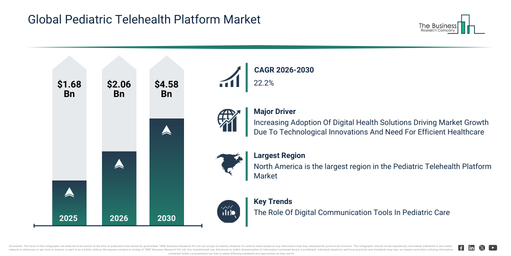
    The market size for pediatric telehealth platforms has experienced significant expansion in recent years. This sector is projected to increase from $1.68 billion in 2025 to $2.06 billion in 2026, exhibiting a compound annual growth rate (CAGR) of 22.5%. The historical growth of this market can be attributed to factors such as restricted access to pediatric care in remote regions, insufficient public knowledge of telehealth options, a historical dependence on in-person medical appointments, an unintegrated healthcare IT framework, and the substantial cost involved in establishing telehealth services._x000D_

    _x000D_

    The market size for pediatric telehealth platforms is projected to experience substantial growth over the next few years. It is expected to expand to $4.58 billion by 2030, at a compound annual growth rate (CAGR) of 22.2%. This growth during the forecast period can be attributed to several factors, including the increasing demand for virtual pediatric consultations, the rising adoption of wearable health monitoring devices, growing investment in pediatric telehealth platforms, expanding internet penetration in rural areas, and a rising emphasis on remote chronic disease management. Key trends expected in the forecast period encompass the increasing adoption of AI-powered virtual consultations, rising integration of cloud-based patient management systems, the growing use of IoT-enabled remote monitoring devices, advancements in genomics-based personalized pediatric care, and the increasing implementation of smart manufacturing in telehealth hardware._x000D_

    _x000D_

    #Access Your Free Sample Report for In-Depth Market Insights:#_x000D_

    https://www.thebusinessresearchcompany.com/sample.aspx?id=24358&type=smp_x000D_

    _x000D_

    Which Drivers Are Shaping Strategic Decisions In The Pediatric Telehealth Platform Market?_x000D_

    The expansion of digital health solutions is set to boost the growth of the pediatric telehealth platform market. These solutions leverage technology such as mobile applications, telemedicine, wearable devices, and electronic health records to enhance healthcare delivery and improve patient outcomes. The increased integration of digital health solutions stems from a growing need for remote patient monitoring, as healthcare providers seek efficient ways to continuously track patient health data beyond traditional clinical environments. Pediatric telehealth platforms effectively support digital health solutions by facilitating remote consultations and real-time health monitoring, thereby improving access to care and decreasing the necessity for in-person appointments. For example, in April 2023, FAIR Health Inc., a US-based non-profit organization, indicated that national telehealth utilization rose by 7.3% in 2023, specifically from 5.5% of medical claim lines in December 2022 to 5.9% in January 2023. Consequently, the rising uptake of digital health solutions is a key driver for the pediatric telehealth platform market._x000D_

    _x000D_

    What Segment Classifications Make Up The Pediatric Telehealth Platform Market?_x000D_

    The pediatric telehealth platform market covered in this report is segmented –_x000D_

    _x000D_

    1) By Component: Software, Hardware, Services_x000D_

    2) By Functionality: Appointment Scheduling, Medical History Management, Prescription Management, Diagnostic Tools, Patient Education Resources_x000D_

    3) By Mode Of Delivery: Web-Based, Cloud-Based, On-Premises_x000D_

    4) By Application: Respiratory, Cold, Flu And Fever, Gastroenterology, Behavioral Health, Dermatology, Other Applications_x000D_

    5) By End-User: Hospitals, Clinics, Homecare, Schools, Others End-Users_x000D_

    _x000D_

    Subsegments:_x000D_

    1) By Software: Telemedicine Software, Appointment Scheduling Software, Electronic Health Records (EHR) Software, Patient Management Software, Billing And Payment Software_x000D_

    2) By Hardware: Telemedicine Kits, Wearable Devices, Tablets Or Smartphones For Telehealth, Diagnostic Equipment For Remote Use_x000D_

    3) By Services: Telehealth Consultation Services, Remote Patient Monitoring Services, Technical Support Services, Cloud Storage And Data Management Services, Integration And Implementation Services_x000D_

    _x000D_

    _x000D_

    What Long-Term Trends Are Expected To Shape The Future Of The Pediatric Telehealth Platform Market?_x000D_

    Major companies in the pediatric telehealth platform market are concentrating on developing innovative solutions, such as digital communication tools, to improve accessibility, boost patient engagement, and deliver timely care for children through more convenient and user-friendly communication channels. A digital communication tool is a technology-driven platform that facilitates the exchange of information electronically, assisting a pediatric telehealth platform by enabling healthcare providers to communicate remotely with patients and caregivers, thus ensuring prompt consultations, follow-ups, and care coordination without the need for in-person visits. For example, in November 2024, Summer Health Inc., a US-based company providing home health care services, introduced a free trial of its messaging-based pediatric care platform, granting parents 24/7 text access to licensed pediatricians in all 50 states. This service provides expert assessments, referrals, and prescriptions delivered within just 15 minutes to help manage RSV, flu, and COVID-19 symptoms at home. This initiative demonstrates Summer Health’s dedication to reducing unnecessary emergency room visits and streamlining pediatric care through digital innovation._x000D_

    _x000D_

    Which Major Firms Are Strengthening Their Position In The Pediatric Telehealth Platform Market?_x000D_

    Major companies operating in the pediatric telehealth platform market are Teladoc Health Inc., American Well Corporation, Health Catalyst Inc., Brightline Holdings LLC, HealthTap, Sesame Inc., Health Recovery Solutions Inc., Hazel Health Inc., BabyScripts, Kiddo Health Inc., Kismet Health Inc., CareFirst Pediatrics, Blueberry Pediatrics, Maven Technosoft Private Limited, Alpha Medical Group Inc., Virtuwell, Summer Health Inc., Omega Pediatrics, Tele-Medics Solutions Private Limited, Anytime Telecare_x000D_

    _x000D_

    #Access The Complete Report For Deeper Market Insights:#_x000D_

    https://www.thebusinessresearchcompany.com/report/pediatric-telehealth-platform-global-market-report_x000D_

    _x000D_

    Which Region Is Anticipated To See The Fastest Growth In The Pediatric Telehealth Platform Market?_x000D_

    North America was the largest region in the pediatric telehealth platform market in 2025. Asia-Pacific is expected to be the fastest-growing region in the forecast period. The regions covered in the pediatric telehealth platform market report are Asia-Pacific, South East Asia, Western Europe, Eastern Europe, North America, South America, Middle East, Africa._x000D_

    _x000D_

    #Request Your Customized Pediatric Telehealth Platform Market Research Report for Competitive Advantage:#_x000D_

    https://www.thebusinessresearchcompany.com/customise?id=24358&type=smp_x000D_

    _x000D_

    #Browse Through More Reports Similar to the Global Pediatric Telehealth Platform Market 2026, By The Business Research Company#_x000D_

    _x000D_

    Teleradiology Market Report 2026_x000D_

    https://www.thebusinessresearchcompany.com/report/teleradiology-global-market-report_x000D_

    _x000D_

    Telehealth Market Report 2026_x000D_

    https://www.thebusinessresearchcompany.com/report/telehealth-global-market-report_x000D_

    _x000D_

    Veterinary Telehealth Market Report 2026_x000D_

    https://www.thebusinessresearchcompany.com/report/veterinary-telehealth-global-market-report_x000D_

    _x000D_

    #Get in touch with us:#_x000D_

    _x000D_

    The Business Research Company: https://www.thebusinessresearchcompany.com/_x000D_

    Americas +1 310-496-7795_x000D_

    Asia +44 7882 955267 & +91 8897263534_x000D_

    Europe +44 7882 955267_x000D_

    Email us at info@tbrc.info_x000D_

    _x000D_

    #Follow us on:#_x000D_

    _x000D_

    LinkedIn: https://in.linkedin.com/company/the-business-research-company_x000D_

    YouTube: https://www.youtube.com/channel/UC24_fI0rV8cR5DxlCpgmyFQ_x000D_

    Global Market Model: https://www.thebusinessresearchcompany.com/global-market-model
  • Diagnostics-As-A-Service Sector Forecast Shows Robust Momentum, Climbing to $13.87 Billion With 20.7% CAGR

    Diagnostics-As-A-Service Sector Forecast Shows Robust Momentum, Climbing to $13.87 Billion With 20.7% CAGR

    Uncover key drivers, emerging technologies, and competitive movements shaping the diagnostics-as-a-service market from 2026–2035 with trusted insights from The Business Research Company

    What upper market value could the Diagnostics-As-A-Service Market reach by 2030 starting from 2026 levels?

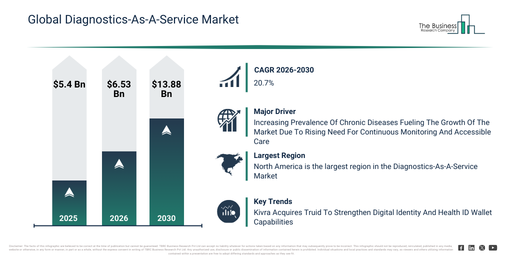
    The diagnostics-as-a-service market has seen substantial growth in recent years. It is projected to increase from $5.4 billion in 2025 to $6.53 billion in 2026, reflecting a compound annual growth rate (CAGR) of 21.0%. This historical growth can be linked to factors including the expansion of digital health infrastructure, a growing demand for cost-effective diagnostic options, an increasing scarcity of skilled diagnostic professionals, the heightened use of telemedicine services, and the wider integration of cloud computing in healthcare.

    The diagnostics-as-a-service market is projected to experience substantial growth in the upcoming years. This market is forecast to reach $13.88 billion by 2030, exhibiting a compound annual growth rate (CAGR) of 20.7%. Key factors contributing to this growth during the forecast period include an escalating demand for real-time diagnostic solutions, increasing capital directed towards AI-powered clinical decision support systems, the expansion of remote patient monitoring, a heightened emphasis on decentralized healthcare provision, and the wider uptake of diagnostics-as-a-service models. Significant trends observed throughout the forecast period encompass the proliferation of cloud-based diagnostic platforms, a surging adoption of remote diagnostic services, greater integration of AI-based diagnostic instruments, an increasing need for scalable diagnostic infrastructure, and an intensified focus on interoperable diagnostic systems.

    Access Your Free Sample Report for In-Depth Market Insights:

    https://www.thebusinessresearchcompany.com/sample.aspx?id=28193&type=smp

    Which Drivers Are Influencing Long-Term Growth In The Diagnostics-As-A-Service Market?

    The rising incidence of chronic diseases is projected to drive the expansion of the diagnostics-as-a-service market in the coming years. Chronic diseases are long-lasting health conditions that progress slowly and require continuous medical attention over an extended duration. The increased occurrence of these conditions is partly attributed to sedentary lifestyles, where prolonged periods of inactivity and minimal physical exercise elevate the risk of developing ailments such as heart conditions and diabetes. Diagnostics-as-a-service assists in the diagnosis of chronic illnesses by facilitating cloud-based testing and analysis, which simplifies the monitoring of long-term health issues. These services enhance patient care by offering timely insights, reducing hospital visits, and improving accessibility for individuals with ongoing health requirements. For instance, in June 2024, data from the National Health Service, a UK-based government department, indicated that 3,615,330 individuals registered with a general practitioner (GP) were diagnosed with non-diabetic hyperglycemia or pre-diabetes (a condition with elevated blood sugar levels, not high enough to be classified as diabetes) in 2023. This marked an 18% increase from 3,065,825 cases recorded in 2022. Consequently, the increasing prevalence of chronic diseases is fueling the growth of the diagnostics-as-a-service market.

    How Is The Diagnostics-As-A-Service Market Divided Into Segments?

    The diagnostics-as-a-service market covered in this report is segmented –

    1) By Component: Software, Services, Platforms

    2) By Deployment Mode: Cloud-Based, On-Premises, Hybrid

    3) By Application: Clinical Diagnostics, Imaging Diagnostics, Pathology, Genomics, Other Applications

    4) By End-User: Hospitals And Clinics, Diagnostic Laboratories, Research Institutes, Other End-Users

    Subsegments:

    1) By Software: Diagnostic Analytics Software, Clinical Decision Support Software, Artificial Intelligence (AI) Or Machine Learning (ML)-Based Diagnostic Tools, Imaging And Visualization Software, Data Integration And Interoperability Software, Remote Monitoring And Reporting Software

    2) By Services: Diagnostic Testing Services, Remote And Virtual Diagnostic Services, Cloud-Based Data Storage And Management, Consulting And Implementation Services, Training And Support Services, Maintenance And Upgradation Services

    3) By Platforms: Cloud-based Diagnostic Platforms, On-Premise Diagnostic Platforms, Hybrid Deployment Platforms, Application Programming Interface (API) And Integration Platforms, Mobile Or Tele-Diagnostics Platforms, Data Exchange And Collaboration Platforms

    Which Trends Are Expected To Influence The Diagnostics-As-A-Service Market In The Upcoming Years?

    Major companies active in the diagnostics-as-a-service market are concentrating on developing solutions centered around patients, such as at-home lab testing services, to enhance both accessibility and convenience. At-home lab testing services involve diagnostic kits that allow individuals to collect samples from home and obtain test results without the necessity of visiting a clinic. For instance, in June 2025, Amazon India, a US-based e-commerce company, formed a partnership with Orange Health Labs, an India-based healthcare company, to launch Amazon Diagnostics, an at-home lab testing service available through Amazon Medical. This service operates across six major cities, offering doorstep sample collection within 60 minutes and providing digital reports in as little as six hours, covering more than 800 diagnostic tests. Customers can book, track, and access secure reports effortlessly due to its integration within the Amazon app. This initiative tackles key shortcomings in India’s diagnostic landscape, including delays, accessibility, and quality, simultaneously strengthening Amazon’s broader vision of delivering end-to-end healthcare services, encompassing pharmacy and clinics.

    Which Major Industry Participants Are Leading The Diagnostics-As-A-Service Market Growth?

    Major companies operating in the diagnostics-as-a-service market are F. Hoffmann-La Roche AG, Thermo Fisher Scientific Inc., Abbott Laboratories, Siemens Healthineers AG, Koninklijke Philips N.V., GE Healthcare Technologies Inc., Becton Dickinson and Company, Agilent Technologies Inc., Hologic Inc., Bio-Rad Laboratories Inc., Guardant Health Inc., Invitae Corporation, InHealth Group Limited, Canon Medical Systems Corporation, Freenome Holdings Inc., BioSerenity SAS, PathAI Inc., Butterfly Network Inc., Aidoc Medical Ltd., Owkin Inc., K Health Inc.

    Access The Complete Report For Deeper Market Insights:

    https://www.thebusinessresearchcompany.com/report/diagnostics-as-a-service-global-market-report

    Which Region Is Expected To Experience The Fastest Growth In The Diagnostics-As-A-Service Market?

    North America was the largest region in the diagnostics-as-a-service market in 2025. The regions covered in the diagnostics-as-a-service market report are Asia-Pacific, South East Asia, Western Europe, Eastern Europe, North America, South America, Middle East, Africa.

    Request Your Customized Diagnostics-As-A-Service Market Research Report for Competitive Advantage:

    https://www.thebusinessresearchcompany.com/customise?id=28193&type=smp

    Browse Through More Reports Similar to the Global Diagnostics-As-A-Service Market 2026, By The Business Research Company

    Point Of Care Diagnostics Market Report 2026

    https://www.thebusinessresearchcompany.com/report/point-of-care-diagnostics-global-market-report

    Remote Diagnostics Market Report 2026

    https://www.thebusinessresearchcompany.com/report/remote-diagnostics-global-market-report

    Point Of Care Diagnostics Devices And Equipment Market Report 2026

    https://www.thebusinessresearchcompany.com/report/point-of-care-diagnostics-devices-and-equipment-global-market-report

    Get in touch with us:

    The Business Research Company: https://www.thebusinessresearchcompany.com/

    Americas +1 310-496-7795

    Asia +44 7882 955267 & +91 8897263534

    Europe +44 7882 955267

    Email us at info@tbrc.info

    Follow us on:

    LinkedIn: https://in.linkedin.com/company/the-business-research-company

    YouTube: https://www.youtube.com/channel/UC24_fI0rV8cR5DxlCpgmyFQ

    Global Market Model: https://www.thebusinessresearchcompany.com/global-market-model

  • Global Pediatric Radiology Market 2026–2030: Forecast Insights for Business Planning

    Global Pediatric Radiology Market 2026–2030: Forecast Insights for Business Planning

    Uncover key drivers, emerging technologies, and competitive movements shaping the pediatric radiology market from 2026–2035 with trusted insights from The Business Research Company

    What growth pattern is forecast for the Pediatric Radiology Market size between 2026 and 2035?_x000D_

    The pediatric radiology market has demonstrated strong expansion in recent years. It is projected to increase from $6.23 billion in 2025 to $6.6 billion in 2026, achieving a compound annual growth rate (CAGR) of 6.0%. The market’s historical growth can be accounted for by the limited availability of pediatric-specific imaging devices, the high cost of advanced imaging equipment, the low adoption of digital imaging solutions, the reliance on adult imaging protocols for children, and fragmented radiology service networks._x000D_

    _x000D_

    The pediatric radiology market is anticipated to experience substantial expansion in the coming years. This market is projected to reach $8.15 billion by 2030, exhibiting a compound annual growth rate (CAGR) of 5.4%. Factors contributing to this growth during the forecast period encompass an escalating demand for low-dose and portable imaging equipment, the increasing occurrence of pediatric chronic and congenital conditions, heightened investment in specialized pediatric imaging facilities, the widespread integration of teleradiology solutions, and a greater emphasis on early diagnosis and preventive healthcare. Key trends expected over this period involve the expanded adoption of AI-powered imaging diagnostics, a growing synergy between genomics data and radiology, increased utilization of cloud-based systems for radiology management, the rising deployment of IoT-enabled pediatric imaging devices, and significant progress in the intelligent manufacturing of imaging equipment._x000D_

    _x000D_

    #Access Your Free Sample Report for In-Depth Market Insights:#_x000D_

    https://www.thebusinessresearchcompany.com/sample.aspx?id=15891&type=smp_x000D_

    _x000D_

    Which Drivers Are Impacting Market Performance In The Pediatric Radiology Market?_x000D_

    The growing occurrence of chronic pediatric conditions is anticipated to drive the expansion of the pediatric radiology market in the future. These conditions represent enduring health problems impacting children and teenagers, lasting for a minimum of a year, and often necessitating continuous medical care or restricting daily routines. Their increase can be attributed to a combination of genetic susceptibilities, environmental influences, and shifts in lifestyle. Pediatric radiology plays a crucial role in managing chronic pediatric conditions by employing imaging methods like X-rays, MRI, and CT scans for diagnosis, monitoring, and treatment management of these long-term health problems, thereby offering essential data for successful intervention and patient care. As an illustration, data from November 2024, supplied by Asthma Australia, an Australian non-profit organization, indicated that between 2022 and 2023, more than 31,000 hospital admissions had asthma as the main diagnosis, with almost 43% of these patients being children aged 14 or younger. Consequently, the rising occurrence of chronic pediatric conditions is a significant factor propelling the expansion of the pediatric radiology market._x000D_

    _x000D_

    What Segment Types Are Examined In The Pediatric Radiology Market?_x000D_

    The pediatric radiology market covered in this report is segmented –_x000D_

    _x000D_

    1) By Product Type: Ultrasound, Magnetic Resonance Imaging (MRI), X-Ray, Computed Tomography Scanner, Other Product Types_x000D_

    2) By Modality: Standalone Devices, Table-Top Devices, Portable Devices_x000D_

    3) By Application: Oncology, Orthopedics, Cardiology, Other Applications_x000D_

    4) By End-User: Hospitals, Pediatric Clinics, Diagnostic Centers, Other End-Users_x000D_

    _x000D_

    Subsegments:_x000D_

    1) By Ultrasound: Portable Pediatric Ultrasound Machines, Pediatric Echocardiography Ultrasound_x000D_

    2) By Magnetic Resonance Imaging (MRI): Pediatric MRI Systems, Open MRI Systems For Pediatrics, MRI-Compatible Pediatric Equipment_x000D_

    3) By X-Ray: Digital Pediatric X-Ray Systems, Mobile X-Ray Systems For Pediatrics, Pediatric Fluoroscopy Systems_x000D_

    4) By Computed Tomography Scanner: Pediatric CT Scanners, Low-Dose CT Scanners For Pediatrics, 3D Imaging Pediatric CT Scanners_x000D_

    5) By Other Product Types: Pediatric Nuclear Medicine Systems, Pediatric Bone Densitometers, Pediatric Mammography Systems_x000D_

    _x000D_

    Which Market Trends Are Opening Growth Opportunities In The Pediatric Radiology Market?_x000D_

    Prominent companies operating within the pediatric radiology market are engaged in developing advanced products, such as mini transesophageal echocardiography (TEE) ultrasound transducers. These developments aim to expand the range of diagnostic and treatment possibilities for smaller or more vulnerable patients, enhance the precision of imaging, and improve overall patient well-being and outcomes. Mini transesophageal echocardiography (TEE) ultrasound transducers are compact imaging devices crafted to capture detailed visuals of the heart and its internal components by being inserted through the esophagus, thus improving diagnostic and therapeutic effectiveness for patients of diverse sizes and conditions. For example, in May 2024, Koninklijke Philips N.V., a Netherlands-based conglomerate corporation, introduced its X11-4t Mini 3D TEE transducer. This innovative transducer, engineered with enhanced patient comfort in mind, extends the benefits of 3D transesophageal echocardiography (TEE) to patient demographics previously underserved, including small pediatric patients and adults who are at risk of complications. The miniaturized transducer, which is 35% smaller, delivers detailed 3D imaging essential for the diagnosis and treatment of structural heart diseases and assists in minimally invasive surgeries. Compatible with Philips’ EPIQ CVx and EchoNavigator systems, it provides high-quality imaging while simultaneously reducing the need for general anesthesia and shortening recovery durations._x000D_

    _x000D_

    Who Are The Primary Competitors In The Global Pediatric Radiology Market?_x000D_

    Major companies operating in the pediatric radiology market are Samsung Electronics Co. Ltd., Hitachi Ltd., Siemens AG, General Electric Company, Toshiba Corporation, Fujifilm Holdings Corporation, Koninklijke Philips N.V., Hologic Inc., Shimadzu Corporation, Agfa-Gevaert N.V., Neusoft Corp, Carestream Health Inc., Shanghai United Imaging Healthcare Co. Ltd, Esaote S.p.A., Canon Medical Systems Corporation, Ziehm Imaging GmbH, Shenzhen Landwind Industry Co., DMS Imaging SA, Allengers Medical Systems Ltd., Mindray Medical International Ltd._x000D_

    _x000D_

    #Access The Complete Report For Deeper Market Insights:#_x000D_

    https://www.thebusinessresearchcompany.com/report/pediatric-radiology-global-market-report_x000D_

    _x000D_

    Which Global Regions Are Shaping The Competitive Landscape Of The Pediatric Radiology Market?_x000D_

    North America was the largest region in the pediatric radiology market in 2025. Asia-Pacific is expected to be the fastest-growing region in the forecast period. The regions covered in the pediatric radiology market report are Asia-Pacific, South East Asia, Western Europe, Eastern Europe, North America, South America, Middle East, Africa._x000D_

    _x000D_

    #Request Your Customized Pediatric Radiology Market Research Report for Competitive Advantage:#_x000D_

    https://www.thebusinessresearchcompany.com/customise?id=15891&type=smp_x000D_

    _x000D_

    #Browse Through More Reports Similar to the Global Pediatric Radiology Market 2026, By The Business Research Company#_x000D_

    _x000D_

    Radiology Services Market Report 2026_x000D_

    https://www.thebusinessresearchcompany.com/report/radiology-services-global-market-report_x000D_

    _x000D_

    Pediatric Imaging Market Report 2026_x000D_

    https://www.thebusinessresearchcompany.com/report/pediatric-imaging-global-market-report_x000D_

    _x000D_

    Interventional Radiology Market Report 2026_x000D_

    https://www.thebusinessresearchcompany.com/report/interventional-radiology-global-market-report_x000D_

    _x000D_

    #Get in touch with us:#_x000D_

    _x000D_

    The Business Research Company: https://www.thebusinessresearchcompany.com/_x000D_

    Americas +1 310-496-7795_x000D_

    Asia +44 7882 955267 & +91 8897263534_x000D_

    Europe +44 7882 955267_x000D_

    Email us at info@tbrc.info_x000D_

    _x000D_

    #Follow us on:#_x000D_

    _x000D_

    LinkedIn: https://in.linkedin.com/company/the-business-research-company_x000D_

    YouTube: https://www.youtube.com/channel/UC24_fI0rV8cR5DxlCpgmyFQ_x000D_

    Global Market Model: https://www.thebusinessresearchcompany.com/global-market-model
  • Diagnostic Radioisotopes Market Anticipated to Record Steady Gains, Advancing to $9.26 Billion by 2030

    Diagnostic Radioisotopes Market Anticipated to Record Steady Gains, Advancing to $9.26 Billion by 2030

    Uncover key drivers, emerging technologies, and competitive movements shaping the diagnostic radioisotopes market from 2026–2035 with trusted insights from The Business Research Company

    What level of CAGR-driven expansion is anticipated in the Diagnostic Radioisotopes Market between 2026 and 2030?

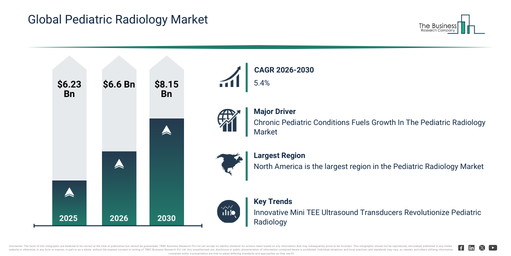
    The diagnostic radioisotopes market size has experienced strong growth in recent years. Projections show it will increase from $6.08 billion in 2025 to $6.67 billion in 2026, at a compound annual growth rate (CAGR) of 9.7%. The expansion observed historically can be attributed to factors such as growth in cancer diagnosis rates, the expansion of nuclear imaging facilities, a reliance on technetium-based imaging, limited isotope production centers, and hospital-based imaging dominance.

    The diagnostic radioisotopes market is projected for significant expansion over the coming years, reaching a valuation of $9.26 billion by 2030, driven by an 8.5% compound annual growth rate (CAGR). This anticipated growth during the forecast period is primarily due to factors such as the rising demand for oncology imaging, the broadening scope of cardiac nuclear diagnostics, ongoing advancements in new radioisotope development, strategic investments in regional isotope production, and the growing diagnostic requirements of an aging population. Key trends identified for this period encompass the enhanced utilization of PET and SPECT imaging techniques, a surge in demand for oncology radioisotopes, the continued expansion of nuclear medicine diagnostics, the increasing embrace of short-half-life isotopes, and the optimization of radiopharmaceutical supply chains.

    Access Your Free Sample Report for In-Depth Market Insights:

    https://www.thebusinessresearchcompany.com/sample.aspx?id=16033&type=smp

    What Drivers Are Affecting Demand-Supply Dynamics In The Diagnostic Radioisotopes Market?

    The increasing prevalence of cancer is anticipated to fuel the expansion of the diagnostic radioisotopes market moving ahead. Cancer is defined as an illness marked by the unchecked proliferation of aberrant cells, capable of infiltrating adjacent tissues and disseminating across the body. This escalating worldwide cancer load stems from demographic changes like an aging and expanding populace, alongside increased exposure to risk factors such as smoking, excess weight, and environmental contaminants. These radioisotopes aid medical care through their capacity for accurate imaging, prompt identification, and efficient tracking of cancer development or reactions to therapy. As an illustration, the National Health Service (NHS), a UK-based government health agency, reported that in October 2025, there were 354,820 new cancer diagnoses in 2023, equating to an average of 972 per day, a figure 8,605 higher than in 2022. Consequently, the expanding global incidence of cancer is propelling the demand within the diagnostic radioisotopes market.

    What Segments Are Included Within The Diagnostic Radioisotopes Market?

    The diagnostic radioisotopes market covered in this report is segmented –

    1) By Radioisotope: Technetium-99m, Thallium-201, Gallium-67, Iodine-123, FluoroDeoxyGlucose (FDG), Rubidium-82, Other Radioisotopes

    2) By Imaging Modality: Single Photon Emission Computed Tomography (SPECT), Positron Emission Tomography (PET), Beta Emitters

    3) By Application: Oncology, Cardiology, Other Applications

    4) By End User: Hospitals, Specialty Clinics, Diagnostic Centers, Academic And Research Institutes, Other End Users

    Subsegments:

    1) By Technetium-99m: Diagnostic Imaging, Cardiac Imaging, Oncology Imaging, Bone Scans, Renal Scans

    2) By Thallium-201: Cardiac Imaging, Myocardial Perfusion Imaging, Stress Tests

    3) By Gallium-67: Oncology Imaging (Lymphoma, Tumors), Inflammatory Disease Imaging, Infection Imaging

    4) By Iodine-123: Thyroid Imaging, Neurological Imaging (Parkinson’s Disease), Cardiac Imaging

    5) By FluoroDeoxyGlucose (FDG): Positron Emission Tomography (PET) Imaging, Cancer Diagnosis And Staging, Neurological Imaging, Cardiac Imaging

    6) By Rubidium-82: Cardiac PET Imaging, Myocardial Perfusion Imaging, Coronary Artery Disease Diagnosis

    7) By Other Radioisotopes: Strontium-89 (Bone Pain Palliation), Iodine-131 (Thyroid Cancer Treatment), Samarium-153 (Bone Pain Palliation), Yttrium-90 (Cancer Treatment)

    What Trends Are Driving The Growth Trajectory Of The Diagnostic Radioisotopes Market?

    Leading companies in the diagnostic radioisotopes market are prioritizing the adoption of trends such as next-generation positron emission tomography (PET) imaging radiotracers to elevate diagnostic accuracy, facilitate early-stage detection, and inform clinical decision-making. These advanced PET radiotracers are sophisticated radioactive imaging agents engineered to bind to specific molecular or metabolic targets, enabling high-resolution visualization of tumors and metastatic lesions. For instance, in July 2024, Radiopharm Theranostics Limited, an Australia-based radiopharmaceutical and theranostics development company, obtained US Food and Drug Administration (FDA) Investigational New Drug (IND) approval for F18-Pivalate (RAD 101). This Fluorine-18 (F-18) labeled PET imaging agent is designed for detecting suspected recurrent brain metastases by targeting Fatty Acid Synthase (FASN) which is overexpressed in solid tumors. The radiotracer exhibits high tumor-to-background contrast, favorable imaging kinetics, and compatibility with existing PET systems. F18-Pivalate (RAD 101) enhances diagnostic precision, supports more accurate identification of metastatic disease, and strengthens clinical decision-making in oncology care.

    Who Are The Prominent Global Companies Shaping The Diagnostic Radioisotopes Market Landscape?

    Major companies operating in the diagnostic radioisotopes market are Cardinal Health Inc., Lantheus Holdings, Curium Pharma, Clarity Pharmaceuticals, Bracco Diagnostic Inc., Nordion Inc., Eckert & Ziegler AG, NorthStar Medical Radioisotopes LLC, NTP Radioisotopes SOC Ltd, Isotopia Molecular Imaging Ltd, Cyclopharm Limited, Trasis NV, ARTMS Inc, Radiomedix Inc, Coqu RadioPharmaceuticals Corp, ANSTO, IRE Institute for Radioelements, NRG, China National Nuclear Corporation, Polatom, Niowave Inc, JSC Isotope, Center of Molecular Research, Oak Ridge National Laboratory, SHINE Technologies

    Access The Complete Report For Deeper Market Insights:

    https://www.thebusinessresearchcompany.com/report/diagnostic-radioisotopes-global-market-report

    Which Geographic Areas Are Emerging As Strong Markets For The Diagnostic Radioisotopes Market?

    North America was the largest region in the diagnostic radioisotopes market in 2025. Asia-Pacific is expected to be the fastest-growing region in the forecast period. The regions covered in the diagnostic radioisotopes market report are Asia-Pacific, South East Asia, Western Europe, Eastern Europe, North America, South America, Middle East, Africa.

    Request Your Customized Diagnostic Radioisotopes Market Research Report for Competitive Advantage:

    https://www.thebusinessresearchcompany.com/customise?id=16033&type=smp

    Browse Through More Reports Similar to the Global Diagnostic Radioisotopes Market 2026, By The Business Research Company

    Nuclear Medicine Diagnostics Market Report 2026

    https://www.thebusinessresearchcompany.com/report/nuclear-medicine-diagnostics-global-market-report

    Nuclear Medicine Radioisotopes Market Report 2026

    https://www.thebusinessresearchcompany.com/report/nuclear-medicine-radioisotopes-global-market-report

    Urology Medical Lasers Market Report 2026

    https://www.thebusinessresearchcompany.com/report/urology-medical-lasers-global-market-report

    Get in touch with us:

    The Business Research Company: https://www.thebusinessresearchcompany.com/

    Americas +1 310-496-7795

    Asia +44 7882 955267 & +91 8897263534

    Europe +44 7882 955267

    Email us at info@tbrc.info

    Follow us on:

    LinkedIn: https://in.linkedin.com/company/the-business-research-company

    YouTube: https://www.youtube.com/channel/UC24_fI0rV8cR5DxlCpgmyFQ

    Global Market Model: https://www.thebusinessresearchcompany.com/global-market-model

  • Pediatric Neuroblastoma Treatment Market Outlook 2026–2035: Growth Drivers and Industry Forecast

    Pediatric Neuroblastoma Treatment Market Outlook 2026–2035: Growth Drivers and Industry Forecast

    Uncover key drivers, emerging technologies, and competitive movements shaping the pediatric neuroblastoma treatment market from 2026–2035 with trusted insights from The Business Research Company

    How much larger will the Pediatric Neuroblastoma Treatment Market be in 2030 compared with 2026?_x000D_

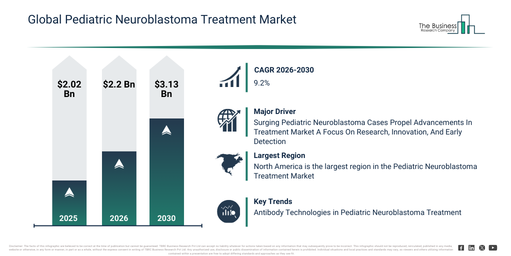
    The market size for pediatric neuroblastoma treatment has demonstrated robust growth in recent years. It is projected to expand from $2.02 billion in 2025 to $2.2 billion in 2026, achieving a compound annual growth rate (CAGR) of 9.0%. This historical growth can be attributed to several factors including limited access to pediatric oncology drugs, low adoption of immunotherapy, reliance on conventional chemotherapy, insufficient specialized treatment centers, and fragmented clinical data on neuroblastoma._x000D_

    _x000D_

    The pediatric neuroblastoma treatment market is anticipated to show considerable growth in the coming years, with its size projected to reach $3.13 billion by 2030, exhibiting a compound annual growth rate (CAGR) of 9.2%. This expansion during the forecast period can be attributed to factors such as increasing research and development in targeted therapies, the growing use of CAR T-cell and monoclonal antibody treatments, rising adoption of personalized medicine approaches, augmented investment in pediatric oncology infrastructure, and expanding awareness programs for prompt detection. Significant trends expected during this period include the increasing application of AI in pediatric oncology diagnostics, a greater embrace of genomics-based targeted therapies, enhanced integration of cloud and big data for patient management, the rising deployment of IoT-enabled monitoring in treatment protocols, and the growing implementation of smart manufacturing in drug production._x000D_

    _x000D_

    #Access Your Free Sample Report for In-Depth Market Insights:#_x000D_

    https://www.thebusinessresearchcompany.com/sample.aspx?id=9924&type=smp_x000D_

    _x000D_

    What Drivers Are Guiding Growth Patterns In The Pediatric Neuroblastoma Treatment Market?_x000D_

    The increasing occurrence of new pediatric neuroblastoma cases is anticipated to propel the future expansion of the pediatric neuroblastoma treatment market. This rising prevalence simultaneously escalates the demand for pediatric neuroblastoma treatment alternatives. As a result, pharmaceutical corporations and other stakeholders have boosted their investment in research and development, fostering innovation within the industry. Additionally, the availability of new diagnostic technology and screening procedures has led to earlier neuroblastoma discovery, facilitating prompt treatments and improved outcomes. For instance, in March 2023, according to an article published by the American Society of Clinical Oncology (ASCO), a US-based organization for oncology professionals and physicians, neuroblastoma affects approximately 700 to 800 youngsters in the United States each year. In the United States, neuroblastoma accounts for 6% of all childhood malignancies. Neuroblastoma impacts around 90% of children under the age of five. Therefore, the rising number of new cases of pediatric neuroblastoma is driving the growth of the pediatric neuroblastoma treatment market._x000D_

    _x000D_

    Which Segments Are Driving Activity In The Pediatric Neuroblastoma Treatment Market?_x000D_

    The pediatric neuroblastoma treatment market covered in this report is segmented –_x000D_

    _x000D_

    1) By Treatment Type: Immunotherapy, Chemotherapy, Radiation Therapy, Other Treatment Types_x000D_

    2) By Risk Group: Low Risk, Intermediate Risk, High Risk_x000D_

    3) By End User: Hospitals, Specialty Clinics, Other End Users_x000D_

    _x000D_

    Subsegments:_x000D_

    1) By Immunotherapy: Monoclonal Antibodies, Immune Checkpoint Inhibitors, CAR T-Cell Therapy_x000D_

    2) By Chemotherapy: Alkylating Agents, Antimetabolites, Topoisomerase Inhibitors_x000D_

    3) By Radiation Therapy: External Beam Radiation Therapy (EBRT), Radioisotope Therapy_x000D_

    4) By Other Treatment Types: Surgery, Stem Cell Transplantation, Targeted Therapy_x000D_

    _x000D_

    How Are Emerging Trends Affecting The Progression Of The Pediatric Neuroblastoma Treatment Market?_x000D_

    Leading companies in the pediatric neuroblastoma treatment market are advancing technologies, such as antibody technologies, to enhance the effectiveness of targeted therapy and improve patient well-being. Antibody technologies involve diverse methods and tools for the development, production, and application of antibodies in diagnostics, therapeutics, and research fields. For example, in August 2023, Renaissance Pharma Ltd, a UK-based clinical-stage biopharmaceutical company, introduced Hu14.18K322A. Hu14.18K322A specifically targets GD2, a disialoganglioside located on the surface of neuroblastoma cells. By attaching to these cells, it attracts immune effector cells to attack and eliminate the tumor cells, potentially leading to better treatment results for patients suffering from high-risk neuroblastoma._x000D_

    _x000D_

    Which Key Market Players Are Investing In Expansion And Innovation Within The Pediatric Neuroblastoma Treatment Market?_x000D_

    Major companies operating in the pediatric neuroblastoma treatment market are United Therapeutics Corporation, APEIRON Biologics AG, Cell Ectar Biosciences Inc., Pfizer Inc., MacroGenics Inc., Bayer AG, Provectus Biopharmaceuticals Inc., Y-mAbs Therapeutics Inc., Amgen Inc., Eli Lilly and Company, F. Hoffmann-La Roche AG, Clarity Pharmaceuticals, CureSearch for Children’s Cancer, Novartis AG, Johnson & Johnson Services Inc., AbbVie Inc., Merck & Co. Inc., Bristol-Myers Squibb Company, Takeda Pharmaceutical Company Limited, Daiichi Sankyo Company Limited, Eisai Co. Ltd._x000D_

    _x000D_

    #Access The Complete Report For Deeper Market Insights:#_x000D_

    https://www.thebusinessresearchcompany.com/report/pediatric-neuroblastoma-treatment-global-market-report_x000D_

    _x000D_

    Which Regions Are Poised For Strategic Growth In The Pediatric Neuroblastoma Treatment Market?_x000D_

    North America was the largest region in the pediatric neuroblastoma treatment market in 2025. The regions covered in the pediatric neuroblastoma treatment market report are Asia-Pacific, South East Asia, Western Europe, Eastern Europe, North America, South America, Middle East, Africa._x000D_

    _x000D_

    #Request Your Customized Pediatric Neuroblastoma Treatment Market Research Report for Competitive Advantage:#_x000D_

    https://www.thebusinessresearchcompany.com/customise?id=9924&type=smp_x000D_

    _x000D_

    #Browse Through More Reports Similar to the Global Pediatric Neuroblastoma Treatment Market 2026, By The Business Research Company#_x000D_

    _x000D_

    Glioblastoma Multiforme Gbm Treatment Market Report 2026_x000D_

    https://www.thebusinessresearchcompany.com/report/glioblastoma-multiforme-gbm-treatment-global-market-report_x000D_

    _x000D_

    Retinoblastoma Treatment Market Report 2026_x000D_

    https://www.thebusinessresearchcompany.com/report/retinoblastoma-treatment-global-market-report_x000D_

    _x000D_

    Pediatric Neurology Device Market Report 2026_x000D_

    https://www.thebusinessresearchcompany.com/report/pediatric-neurology-device-global-market-report_x000D_

    _x000D_

    #Get in touch with us:#_x000D_

    _x000D_

    The Business Research Company: https://www.thebusinessresearchcompany.com/_x000D_

    Americas +1 310-496-7795_x000D_

    Asia +44 7882 955267 & +91 8897263534_x000D_

    Europe +44 7882 955267_x000D_

    Email us at info@tbrc.info_x000D_

    _x000D_

    #Follow us on:#_x000D_

    _x000D_

    LinkedIn: https://in.linkedin.com/company/the-business-research-company_x000D_

    YouTube: https://www.youtube.com/channel/UC24_fI0rV8cR5DxlCpgmyFQ_x000D_

    Global Market Model: https://www.thebusinessresearchcompany.com/global-market-model
  • Diagnostic Electrocardiograph Industry Poised for Rapid Growth, Forecast to Touch $12.05 Billion by 2030 at 6.7% CAGR

    Diagnostic Electrocardiograph Industry Poised for Rapid Growth, Forecast to Touch $12.05 Billion by 2030 at 6.7% CAGR

    Uncover key drivers, emerging technologies, and competitive movements shaping the diagnostic electrocardiograph market from 2026–2035 with trusted insights from The Business Research Company

    What long-term size projections exist for the Diagnostic Electrocardiograph Market covering 2026–2035?

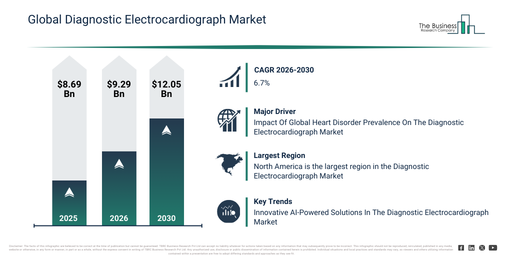
    The diagnostic electrocardiograph market has demonstrated significant growth in recent years. It is anticipated to increase from $8.69 billion in 2025 to $9.29 billion in 2026, achieving a compound annual growth rate (CAGR) of 6.9%. The expansion observed in previous periods is primarily due to the high prevalence of cardiovascular diseases, the dominance of hospital-based cardiac diagnostics, an increase in the aging population, continued reliance on traditional ecg systems, and the expansion of cardiac care units.

    The diagnostic electrocardiograph market is anticipated to experience substantial expansion in the coming years, with its size projected to reach $12.05 billion by 2030, growing at a compound annual growth rate (CAGR) of 6.7%. This increase during the forecast period is primarily driven by factors such as the growing adoption of remote cardiac monitoring, innovations in wearable ECG technology, a heightened focus on preventive cardiology, the expansion of telecardiology services, and an escalating demand for early arrhythmia detection. Furthermore, key trends expected during this time include the rising uptake of portable and wearable ECG devices, the integration of ECG systems with cloud-based platforms, an increased reliance on remote cardiac monitoring, a surge in demand for multi-lead ECG systems, and the broadening application of ECG in preventive cardiology.

    Access Your Free Sample Report for In-Depth Market Insights:

    https://www.thebusinessresearchcompany.com/sample.aspx?id=18333&type=smp

    Which Drivers Are Impacting The Competitive Landscape Of The Diagnostic Electrocardiograph Market?

    The global rise in heart disorders is projected to boost the expansion of the diagnostic electrocardiograph market. These conditions include various ailments impacting the cardiovascular system, such as arrhythmias, heart attacks, congenital abnormalities, and heart failure. Factors like an aging population, inactive lifestyles, and poor eating habits contribute to the increase in heart disorder cases, leading to higher rates of obesity and hypertension, which are significant risk factors for cardiac issues. Diagnostic electrocardiography (ECG) is vital in addressing the growing global prevalence of heart disorders, offering early detection, monitoring, and management of cardiac conditions via non-invasive electrical activity evaluations. As an illustration, the American Heart Association, a US-based nonprofit organization, reported in January 2024 a minor uptick in cardiovascular deaths, totaling 931,578, reflecting a slight increase of 3,000 fatalities from the prior year’s count of 928,741. Consequently, the expanding global occurrence of heart disorders will fuel the growth of the diagnostic electrocardiograph market.

    What Leading Segments Are Studied In The Diagnostic Electrocardiograph Market?

    The diagnostic electrocardiograph market covered in this report is segmented –

    1) By Product And Service: Resting Electrocardiogram (ECG), Stress Electrocardiogram (ECG) Devices, Holter Monitors, Implantable Loop Recorders, Event Monitors, Mobile Cardiac Telemetry (MCT) Devices, Smart Electrocardiogram (ECG) Monitors

    2) By Lead Type: 12 Lead, 5 Lead, 3 Lead, Other Lead Types

    3) By End-User: Hospitals, Clinics And Cardiac Centers, Ambulatory Surgical Centers, Other End Users

    Subsegments:

    1) By Resting Electrocardiogram (ECG): 1-Channel ECG, 3-Channel ECG, 6-Channel ECG, 12-Channel ECG

    2) By Stress Electrocardiogram (ECG) Devices: Treadmill Stress ECG, Bicycle Stress ECG, Pharmacological Stress ECG

    3) By Holter Monitors: 24-Hour Holter Monitor, 48-Hour Holter Monitor, 7-Day Holter Monitor

    4) By Implantable Loop Recorders: Subcutaneous Implantable Loop Recorders, Leadless Implantable Loop Recorders

    5) By Event Monitors: Handheld Event Monitors, Wearable Event Monitors

    6) By Mobile Cardiac Telemetry (MCT) Devices: Real-Time Monitoring MCT Devices, Non-Real-Time Monitoring MCT Devices

    7) By Smart Electrocardiogram (ECG) Monitors: Smart ECG Monitors With Mobile Connectivity, Smart ECG Monitors With Cloud Integration, Wearable Smart ECG Devices

    What Upcoming Trends Are Likely To Define The Future Path Of The Diagnostic Electrocardiograph Market?

    Leading firms within the diagnostic electrocardiograph market are prioritizing sophisticated technologies, specifically AI-powered ECG systems, to improve precision and operational effectiveness in identifying cardiac ailments. Integrating an advanced artificial intelligence system into an ECG device significantly boosts diagnostic accuracy and efficiency within cardiovascular healthcare environments. As an illustration, in June 2024, AliveCor, a medical technology company based in the US, introduced its KAI 12L AI technology concurrently with the Kardia 12L ECG System. This pioneering advancement represents the globe’s inaugural AI capable of identifying crucial cardiac conditions, such as heart attacks, through the use of a simplified leadset. Utilizing patented technology, the novel ECG System stands as the world’s premier handheld 12-lead ECG system powered by AI, characterized by a unique single-cable design.

    Which Key Players Are Driving Competition In The Diagnostic Electrocardiograph Market?

    Major companies operating in the diagnostic electrocardiograph market are Koninklijke Philips N.V., GE Healthcare Inc., Suzuken Company Limited, Mindray Medical International Limited, Nihon Kohden Corporation, OSI Systems Inc., Fukuda Denshi Co. Ltd., Midmark Corporation, BTL Group of Companies, BioTelemetry Inc., Spacelabs Healthcare Inc., Welch Allyn Inc., Schiller AG, CardioNet Inc., VectraCor Inc., BPL Limited, SunTech Medical Inc., Mortara Instrument Inc., Allengers Medical Systems Limited, Bionet Co. Ltd., ScottCare Corporation, Nasiff Associates Inc., Compumed Inc., Norav Medical

    Access The Complete Report For Deeper Market Insights:

    https://www.thebusinessresearchcompany.com/report/diagnostic-electrocardiograph-global-market-report

    Which Region Is Projected To Lead The Diagnostic Electrocardiograph Market During The Forecast Period?

    North America was the largest region in the diagnostic electrocardiograph market in 2025. Asia-Pacific is expected to be the fastest-growing region in the forecast period. The regions covered in the diagnostic electrocardiograph market report are Asia-Pacific, South East Asia, Western Europe, Eastern Europe, North America, South America, Middle East, Africa.

    Request Your Customized Diagnostic Electrocardiograph Market Research Report for Competitive Advantage:

    https://www.thebusinessresearchcompany.com/customise?id=18333&type=smp

    Browse Through More Reports Similar to the Global Diagnostic Electrocardiograph Market 2026, By The Business Research Company

    Heart Attack Diagnostic Market Report 2026

    https://www.thebusinessresearchcompany.com/report/heart-attack-diagnostic-global-market-report

    Electrocardiograph Ecg Market Report 2026

    https://www.thebusinessresearchcompany.com/report/electrocardiograph-ecg-global-market-report

    Electrocardiography Ecg Electrodes Market Report 2026

    https://www.thebusinessresearchcompany.com/report/electrocardiography-ecg-electrodes-global-market-report

    Get in touch with us:

    The Business Research Company: https://www.thebusinessresearchcompany.com/

    Americas +1 310-496-7795

    Asia +44 7882 955267 & +91 8897263534

    Europe +44 7882 955267

    Email us at info@tbrc.info

    Follow us on:

    LinkedIn: https://in.linkedin.com/company/the-business-research-company

    YouTube: https://www.youtube.com/channel/UC24_fI0rV8cR5DxlCpgmyFQ

    Global Market Model: https://www.thebusinessresearchcompany.com/global-market-model

  • Pediatric Imaging Market 2026–2030: Emerging Trends and Forecast Opportunities

    Pediatric Imaging Market 2026–2030: Emerging Trends and Forecast Opportunities

    Uncover key drivers, emerging technologies, and competitive movements shaping the pediatric imaging market from 2026–2035 with trusted insights from The Business Research Company

    Starting from its 2026 valuation, what market size is the Pediatric Imaging Market expected to reach by 2030?_x000D_

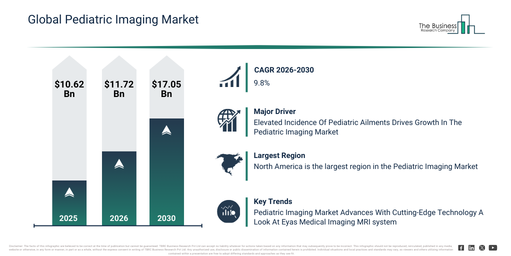
    The pediatric imaging market has seen swift growth in recent years. It is anticipated to expand from $10.62 billion in 2025 to $11.72 billion in 2026, exhibiting a compound annual growth rate (CAGR) of 10.3%. Historically, the market’s expansion can be attributed to factors such as limited pediatric imaging equipment, low adoption of advanced imaging modalities, reliance on adult imaging protocols, a fragmented imaging infrastructure, and insufficient pediatric-focused training._x000D_

    _x000D_

    The pediatric imaging market is projected to experience substantial growth in the upcoming years. This market is anticipated to reach $17.05 billion by 2030, demonstrating a compound annual growth rate (CAGR) of 9.8%. This projected growth throughout the forecast period stems from factors such as the increasing embrace of low-dose CT and MRI, greater integration of AI in imaging analysis, the rising use of teleradiology, an escalated demand for early disease detection in children, and expanded investments in pediatric imaging facilities. Key trends anticipated during this period encompass the growing adoption of AI-powered imaging analytics, an increase in the utilization of cloud-based imaging data management, expanding integration of genomics with imaging diagnostics, the rising deployment of IoT-enabled pediatric imaging devices, and the growing implementation of smart imaging workflows within hospitals._x000D_

    _x000D_

    #Access Your Free Sample Report for In-Depth Market Insights:#_x000D_

    https://www.thebusinessresearchcompany.com/sample.aspx?id=7465&type=smp_x000D_

    _x000D_

    What Drivers Are Driving Adoption Within The Pediatric Imaging Market?_x000D_

    The increasing prevalence of pediatric ailments among children is anticipated to propel the expansion of the pediatric imaging market in the future. Pediatric imaging involves the examination and diagnosis of younger patients utilizing sophisticated technologies like ultrasound, CT scans, X-rays, and similar methods to detect anomalies in children’s bodies and formulate suitable treatment strategies. Within pediatric nuclear medicine, imaging assists in identifying critical, life-threatening conditions in children, including those that are congenital, infectious, non-infectious, or a combination thereof, for instance, cancer. As an illustration, data from August 2024, released by the National Cancer Institute, a US Department of Health and Human Services, indicates that in the United States, an estimated 14,910 children and adolescents aged 0 to 19 are projected to be diagnosed with cancer in 2024, leading to 1,590 fatalities. Specifically, 9,620 diagnoses and 1,040 deaths are expected among children aged 0 to 14, while adolescents aged 15 to 19 will account for 5,290 diagnoses and 550 deaths. Consequently, the increasing incidence of pediatric health issues among children is fueling the expansion of the pediatric imaging market._x000D_

    _x000D_

    How Is The Pediatric Imaging Market Organized Into Various Segments?_x000D_

    The pediatric imaging market covered in this report is segmented –_x000D_

    _x000D_

    1) By Modality: Ultrasound, Magnetic Resonance Imaging (MRI), Computed Tomography (CT), X-Ray, Other Modalities_x000D_

    2) By Application: Orthopedics, Gastroenterology, Cardiology, Oncology, Neurology, Other Applications_x000D_

    3) By End-User: Hospitals, Diagnostic Centers, Other End-Users_x000D_

    _x000D_

    Subsegments:_x000D_

    1) By Ultrasound: 2D Ultrasound, 3D Ultrasound, Doppler Ultrasound_x000D_

    2) By Magnetic Resonance Imaging (MRI): Open MRI, Closed MRI, Functional MRI (fMRI)_x000D_

    3) By Computed Tomography (CT): Standard CT, Low-Dose CT, CT Angiography_x000D_

    4) By X-Ray: Digital X-Ray, Conventional X-Ray, Fluoroscopy_x000D_

    5) By Other Modalities: Nuclear Medicine, Positron Emission Tomography (PET), Single Photon Emission Computed Tomography (SPECT)_x000D_

    _x000D_

    Which Innovation Trends Are Advancing Developments Within The Pediatric Imaging Market?_x000D_

    Major companies operating in the pediatric imaging market are concentrating on developing innovative solutions, such as neonatal Magnetic Resonance Imaging (MRI) systems, to satisfy the growing demand for high-precision, radiation-free imaging for newborns and critically ill infants. A neonatal MRI system represents a specialized imaging technology crafted to capture high-resolution anatomical and functional images while accommodating the unique physiological needs of neonates, providing diagnostics that are both safer and more accurate than traditional imaging modalities like CT or ultrasound. For instance, in July 2023, Eyas Medical Imaging, a US-based precision imaging company, unveiled Ascent, an advanced neonatal MRI system that was introduced after 2022. The Ascent is equipped with a powerful 3 Tesla (3T) magnet, delivering a magnetic field strength previously unavailable in neonatal MRI platforms. It offers highly detailed visualization of vital organs such as the brain, lungs, heart, and abdomen, enabling earlier and more accurate diagnosis. This system is engineered for neonatal safety, providing improved image quality, reduced scan times, and enhanced diagnostic confidence across a broad range of clinical applications._x000D_

    _x000D_

    Who Are The Core Companies Influencing Trends In The Pediatric Imaging Market?_x000D_

    Major companies operating in the pediatric imaging market are Agfa-Gevaert NV, Analogic Corporation, CAN-med Healthcare, Canon Inc., Eastman Kodak Company, EOS imaging, Esaote SpA, FUJIFILM Holdings Corporation, Hitachi Medical Corporation, Koninklijke Philips N.V., Mindray Medical International Limited, Samsung Medison Co. Ltd, Shenzhen Anke High-tech Co. Ltd, Siemens Healthcare GmbH, Toshiba Medical Systems Corporation, Trivitron Healthcare Pvt. Ltd., BK Medical UK Ltd., Clarius Mobile Health Corp., CurveBeam AI Ltd., General Electric Company, Hologic Inc., InnoVision Ltd._x000D_

    _x000D_

    #Access The Complete Report For Deeper Market Insights:#_x000D_

    https://www.thebusinessresearchcompany.com/report/pediatric-imaging-global-market-report_x000D_

    _x000D_

    Which Regions Are Projected To Dominate The Pediatric Imaging Market In The Coming Years?_x000D_

    North America was the largest region in the pediatric imaging market in 2025. Asia-Pacific is expected to be the fastest-growing region in the forecast period. The regions covered in the pediatric imaging market report are Asia-Pacific, South East Asia, Western Europe, Eastern Europe, North America, South America, Middle East, Africa._x000D_

    _x000D_

    #Request Your Customized Pediatric Imaging Market Research Report for Competitive Advantage:#_x000D_

    https://www.thebusinessresearchcompany.com/customise?id=7465&type=smp_x000D_

    _x000D_

    #Browse Through More Reports Similar to the Global Pediatric Imaging Market 2026, By The Business Research Company#_x000D_

    _x000D_

    Preclinical Imaging Market Report 2026_x000D_

    https://www.thebusinessresearchcompany.com/report/preclinical-imaging-global-market-report_x000D_

    _x000D_

    Pediatric Radiology Market Report 2026_x000D_

    https://www.thebusinessresearchcompany.com/report/pediatric-radiology-global-market-report_x000D_

    _x000D_

    Medical Imaging Market Report 2026_x000D_

    https://www.thebusinessresearchcompany.com/report/medical-imaging-global-market-report_x000D_

    _x000D_

    #Get in touch with us:#_x000D_

    _x000D_

    The Business Research Company: https://www.thebusinessresearchcompany.com/_x000D_

    Americas +1 310-496-7795_x000D_

    Asia +44 7882 955267 & +91 8897263534_x000D_

    Europe +44 7882 955267_x000D_

    Email us at info@tbrc.info_x000D_

    _x000D_

    #Follow us on:#_x000D_

    _x000D_

    LinkedIn: https://in.linkedin.com/company/the-business-research-company_x000D_

    YouTube: https://www.youtube.com/channel/UC24_fI0rV8cR5DxlCpgmyFQ_x000D_

    Global Market Model: https://www.thebusinessresearchcompany.com/global-market-model
  • Diagnostic Contract Manufacturing Market Performance Outlook 2026–2030: Revenue to Hit $66.08 Billion at 12.7% CAGR

    Diagnostic Contract Manufacturing Market Performance Outlook 2026–2030: Revenue to Hit $66.08 Billion at 12.7% CAGR

    Uncover key drivers, emerging technologies, and competitive movements shaping the diagnostic contract manufacturing market from 2026–2035 with trusted insights from The Business Research Company

    What total market size is anticipated for the Diagnostic Contract Manufacturing Market in 2030?

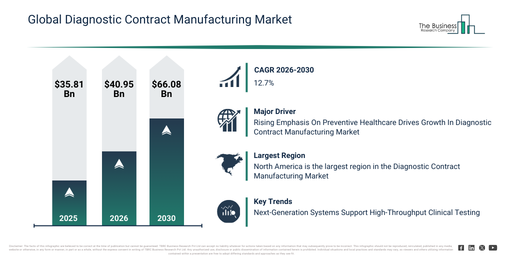
    The diagnostic contract manufacturing market has witnessed rapid growth in its size over recent years. It is anticipated to expand from $35.81 billion in 2025 to $40.95 billion in 2026, progressing at a compound annual growth rate (CAGR) of 14.4%. This historical growth can be attributed to several key factors, including the high capital requirements for in-house manufacturing, the complexity of regulations, an increasing number of diagnostic product launches, the demand for manufacturing flexibility, and the globalization of supply chains.

    The diagnostic contract manufacturing market size is projected for substantial expansion in the coming years. Its valuation is set to reach $66.08 billion by 2030, exhibiting a compound annual growth rate (CAGR) of 12.7%. Factors contributing to this growth during the projected timeframe include advancements in diagnostic innovation, the necessity for quick scale-up, the integration of automation, the broadening of regional manufacturing, and an emphasis on robust supply chains. Key trends for this period encompass a rise in the outsourcing of diagnostic manufacturing, an escalating need for manufacturing services that comply with regulations, the broadening of comprehensive CDMO capabilities, a heightened concentration on cost efficiency and scalability, and the integration of automated and intelligent manufacturing techniques.

    Access Your Free Sample Report for In-Depth Market Insights:

    https://www.thebusinessresearchcompany.com/sample.aspx?id=16032&type=smp

    What Drivers Are Influencing Production Trends In The Diagnostic Contract Manufacturing Market?

    The diagnostic contract manufacturing market is expected to experience growth due to an increasing focus on preventive healthcare. Preventive healthcare involves actions taken to stop the onset or progression of disease, illness, or injury. This emphasis on preventive healthcare stems from rising healthcare costs, evolving healthcare priorities, an increase in chronic diseases, and an aging population. Diagnostic contract manufacturing contributes to this increased focus on preventive healthcare by providing crucial diagnostic tools and tests, offering tailored solutions, ensuring quality and regulatory compliance, supporting scalability, and enabling cost-effective options for disease prevention and early intervention. For instance, in October 2025, according to Eurostat, a Luxembourg-based government agency, preventive care was the next largest category, accounting for 3.7% of all healthcare spending in the EU in 2023. Among member states, its share was highest in the Netherlands (5.2%) and lowest in Malta (0.9%). Consequently, the increasing importance of preventive healthcare is driving the expansion of the diagnostic contract manufacturing market.

    Which Segment Groups Are Influencing The Diagnostic Contract Manufacturing Market?

    The diagnostic contract manufacturing market covered in this report is segmented –

    1) By Service: Device Development And Manufacturing Services, Quality Management Services, Packaging And Assembly Services, Other Services

    2) By Application: In Vitro Diagnostic Devices, Diagnostic Imaging Devices, Other Applications

    3) By End User: Medical Device Companies, Pharmaceutical And Biopharmaceutical Companies, Other End Users

    Subsegments:

    1) By Device Development And Manufacturing Services: Product Design And Prototyping, Regulatory Affairs And Compliance, Manufacturing And Assembly, Testing And Validation

    2) By Quality Management Services: Quality Control And Assurance, Auditing And Inspection Services, Risk Management, Compliance And Certification Support

    3) By Packaging And Assembly Services: Primary Packaging, Secondary Packaging, Sterilization Services, Custom Packaging Solutions

    4) By Other Services: Supply Chain Management, Inventory Management, Logistics And Distribution, Aftermarket Services

    Which Trends Are Shaping Activity Within The Diagnostic Contract Manufacturing Market?

    Leading companies in the diagnostic contract manufacturing market are concentrating on developing advanced solutions, such as one-stop chemiluminescence immunoassay (CLIA) platforms. These efforts aim to enhance assay sensitivity, streamline production workflows, and support the growing demand for high-throughput and precision diagnostic testing. A one-stop CLIA platform represents a fully integrated model, where a contract manufacturer provides everything from core raw materials and reagent development to open-system analyzers and large-scale production capabilities. This differs from traditional segmented manufacturing, where individual components are supplied by various vendors. For instance, in April 2023, Fapon Biotech Inc., a China-based IVD solutions provider, launched its chemiluminescence one-stop solution strategy. This introduction included both compact and high-capacity open-system CLIA analyzers like Shine i1000 and Shine i2000, alongside a portfolio of more than 100 CLIA reagents covering tumor, cardiac, infectious disease, thyroid, and inflammation biomarkers. This solution, designed to help diagnostic companies accelerate product launches and expand testing menus, offers high-quality raw-material sourcing, flexible reagent-development support, reduced per-test costs, and stronger alignment with local manufacturing requirements.

    Who Are The Top-Performing Companies In The Diagnostic Contract Manufacturing Market In Recent Years?

    Major companies operating in the diagnostic contract manufacturing market are Thermo Fisher Scientific Inc., Abbott Laboratories, Jabil Inc., Flex Ltd., Becton Dickinson and Company (BD), Sekisui Diagnostics LLC, Sanmina Corporation, Celestica Inc., Nipro Medical Corporation, Philips-Medisize Corporation, Plexus Corp, West Pharmaceutical Services Inc., Benchmark Electronics Inc., Bio-Rad Laboratories, QIAGEN N.V., Kimball Electronics Inc., Integer Holdings Corporation, Bio-Techne Corporation, Nolato AB, Nova Biomedical Corporation, Meridian Bioscience Inc., Fujirebio Inc., Biokit S.A., Invetech Pty. Ltd., KMC Systems, Savyon Diagnostics Ltd., Prestige Diagnostics U.K. Ltd., Cenogenic Corporation, Avioq Inc.

    Access The Complete Report For Deeper Market Insights:

    https://www.thebusinessresearchcompany.com/report/diagnostic-contract-manufacturing-global-market-report

    Which Region Currently Holds The Largest Share Of The Diagnostic Contract Manufacturing Market?

    North America was the largest region in the diagnostic contract manufacturing market in 2025. The regions covered in the diagnostic contract manufacturing market report are Asia-Pacific, South East Asia, Western Europe, Eastern Europe, North America, South America, Middle East, Africa.

    Request Your Customized Diagnostic Contract Manufacturing Market Research Report for Competitive Advantage:

    https://www.thebusinessresearchcompany.com/customise?id=16032&type=smp

    Browse Through More Reports Similar to the Global Diagnostic Contract Manufacturing Market 2026, By The Business Research Company

    Antibody Contract Manufacturing Market Report 2026

    https://www.thebusinessresearchcompany.com/report/antibody-contract-manufacturing-global-market-report

    Medical Device Contract Manufacturing Market Report 2026

    https://www.thebusinessresearchcompany.com/report/medical-device-contract-manufacturing-global-market-report

    Contract Development Manufacturing Organizations Market Report 2026

    https://www.thebusinessresearchcompany.com/report/contract-development-manufacturing-organizations-global-market-report

    Get in touch with us:

    The Business Research Company: https://www.thebusinessresearchcompany.com/

    Americas +1 310-496-7795

    Asia +44 7882 955267 & +91 8897263534

    Europe +44 7882 955267

    Email us at info@tbrc.info

    Follow us on:

    LinkedIn: https://in.linkedin.com/company/the-business-research-company

    YouTube: https://www.youtube.com/channel/UC24_fI0rV8cR5DxlCpgmyFQ

    Global Market Model: https://www.thebusinessresearchcompany.com/global-market-model

  • Global Pediatric Home Healthcare Market Forecast 2026–2035: Long-Term Growth Insights

    Global Pediatric Home Healthcare Market Forecast 2026–2035: Long-Term Growth Insights

    Uncover key drivers, emerging technologies, and competitive movements shaping the pediatric home healthcare market from 2026–2035 with trusted insights from The Business Research Company

    Across 2026–2030, what is the expected market valuation path of the Pediatric Home Healthcare Market?_x000D_

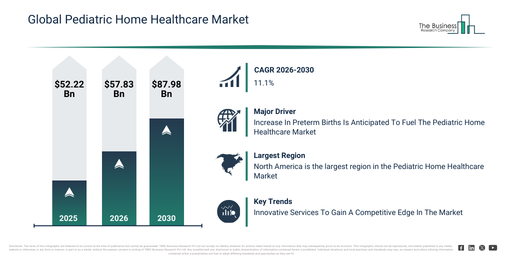
    The pediatric home healthcare market has experienced rapid expansion in recent years. Its valuation is expected to rise from $52.22 billion in 2025 to $57.83 billion in 2026, achieving a compound annual growth rate (CAGR) of 10.8%. In the past, this growth was influenced by factors such as limited understanding of home healthcare options, a prevailing reliance on hospital-focused pediatric services, fragmented pediatric care provision, minimal uptake of telehealth, and a shortage of skilled pediatric homecare professionals._x000D_

    _x000D_

    The pediatric home healthcare market size is projected to experience substantial growth over the coming years, reaching $87.98 billion by 2030, exhibiting a compound annual growth rate (CAGR) of 11.1%. This expansion during the forecast period is attributable to factors like the increasing acceptance of remote monitoring devices, the expanded utilization of AI-driven care platforms, the rising integration of telehealth services, a greater demand for individualized pediatric care plans, and an enhanced emphasis on managing chronic conditions at home. Significant trends anticipated in this period include a wider adoption of remote patient monitoring devices, an increase in the application of AI-enabled care management tools, the expanding incorporation of telehealth solutions specifically for pediatric care, the enhanced deployment of data-driven home healthcare services, and a heightened commitment to personalized pediatric care plans._x000D_

    _x000D_

    #Access Your Free Sample Report for In-Depth Market Insights:#_x000D_

    https://www.thebusinessresearchcompany.com/sample.aspx?id=10421&type=smp_x000D_

    _x000D_

    Which Drivers Are Supporting The Rise Of The Pediatric Home Healthcare Market?_x000D_

    The anticipated rise in preterm births is projected to drive expansion within the pediatric home healthcare market. A preterm birth occurs when an infant is delivered prior to reaching 37 weeks of gestation. The increase in preterm births can be attributed to rising maternal age, leading to a greater number of pregnancies in age groups with elevated biological risks and more frequent complications. Pediatric home healthcare provides essential support to preterm infants, offering specialized medical attention and monitoring services within their home environment. For instance, as reported in August 2024 by the CDC National Center for Health Statistics (NCHS), the United States’ primary health statistics agency, the preterm birth rate in the United States rose from 29.31% in 2022 to 29.84% in 2023. Consequently, the growing incidence of preterm births is a significant catalyst for the pediatric home healthcare market._x000D_

    _x000D_

    What Segments Are Identified Within The Structure Of The Pediatric Home Healthcare Market?_x000D_

    The pediatric home healthcare market covered in this report is segmented –_x000D_

    _x000D_

    1) By Service: Skilled Nursing Services, Personal Care Assistance, Rehabilitation Therapy Services_x000D_

    2) By Device: Diagnostic And Monitoring Devices, Therapeutic Devices, Home Mobility Assist Devices_x000D_

    3) By Application: Premature Babies, Cardiovascular Disease, Complex Intravenous Therapy, Pediatric Oncology, Chronic Disease, Infectious Disease, Other Applications_x000D_

    _x000D_

    Subsegments:_x000D_

    1) By Skilled Nursing Services: Pediatric Assessments, Medication Management, Wound Care, Intravenous (IV) Therapy, Care For Chronic Conditions_x000D_

    2) By Personal Care Assistance: Bathing And Hygiene Assistance, Meal Preparation, Mobility Assistance, Companionship, Light Housekeeping_x000D_

    3) By Rehabilitation Therapy Services: Physical Therapy, Occupational Therapy, Speech Therapy, Behavioral Therapy, Developmental Therapy_x000D_

    _x000D_

    Which Competitive Trends Are Impacting The Structure Of The Pediatric Home Healthcare Market?_x000D_

    Leading companies in the pediatric home healthcare market are concentrating on delivering innovative services, including respiratory therapy, to gain a competitive advantage. Respiratory therapy, a healthcare discipline focused on breathing and cardiopulmonary conditions, forms a crucial part of these services. For instance, in August 2024, Cubhub, a US-based leading provider of electronic medical records (EMR) solutions for home healthcare serving Medicaid populations, introduced its new Family CNA module for Colorado providers. This innovative module improves home healthcare by streamlining workflows, enhancing operational efficiency, and providing an exceptional experience for families. As the only EMR system specifically designed for pediatric care, Cubhub continues to be a leader in innovation and user-focused solutions. The Family CNA module integrates seamlessly with Cubhub’s existing pediatric tools, facilitating a smooth transition while upholding high-quality patient care. By automating many intricate elements of Colorado’s Family CNA program, Cubhub aims to boost caregiver satisfaction and improve patient outcomes. This launch reinforces Cubhub’s commitment to empowering healthcare providers with advanced technology customized to support their essential work in pediatric home healthcare._x000D_

    _x000D_

    Which Major Industry Participants Are Leading The Pediatric Home Healthcare Market Growth?_x000D_

    Major companies operating in the pediatric home healthcare market are Aveanna Healthcare LLC, BAYADA Home Health Care Inc, Tendercare Home Health Services Inc, BrightStar Group Holdings Inc, Angels of Care Pediatric Home Health, New England Home Care Inc, Pediatric Home Healthcare, Enviva Pediatric Care, Interim Healthcare Inc, eKidzCare, EKIDZCARE CORPORATE, MGA Homecare LLC, At Home Healthcare, Paramed Inc, Thrive Skilled Pediatric Care, Continuum Pediatric Nursing Services, Pediatric Home Service, Advanced Care Pediatric Services, Sunshine Home Care, TeamCare Home Health, Family First Homecare, KidsCare Home Health, Priority Home Care, Pediatric Home Nursing Services, Comprehensive Home Care, Kids Choice Pediatric Home Care, Children First Home Care, Reliable Home Care, Star Pediatric Home Care_x000D_

    _x000D_

    #Access The Complete Report For Deeper Market Insights:#_x000D_

    https://www.thebusinessresearchcompany.com/report/pediatric-home-healthcare-global-market-report_x000D_

    _x000D_

    Which Region Is Expected To Experience The Fastest Growth In The Pediatric Home Healthcare Market?_x000D_

    North America was the largest region in the pediatric home healthcare market in 2025. Asia-Pacific is expected to be the fastest-growing region in the global pediatric home healthcare market during the forecast period. The regions covered in the pediatric home healthcare market report are Asia-Pacific, South East Asia, Western Europe, Eastern Europe, North America, South America, Middle East, Africa._x000D_

    _x000D_

    #Request Your Customized Pediatric Home Healthcare Market Research Report for Competitive Advantage:#_x000D_

    https://www.thebusinessresearchcompany.com/customise?id=10421&type=smp_x000D_

    _x000D_

    #Browse Through More Reports Similar to the Global Pediatric Home Healthcare Market 2026, By The Business Research Company#_x000D_

    _x000D_

    Death Care Services Market Report 2026_x000D_

    https://www.thebusinessresearchcompany.com/report/death-care-services-global-market-report_x000D_

    _x000D_

    Home Healthcare Market Report 2026_x000D_

    https://www.thebusinessresearchcompany.com/report/home-healthcare-global-market-report_x000D_

    _x000D_

    Pediatric Vaccine Market Report 2026_x000D_

    https://www.thebusinessresearchcompany.com/report/pediatric-vaccine-global-market-report_x000D_

    _x000D_

    #Get in touch with us:#_x000D_

    _x000D_

    The Business Research Company: https://www.thebusinessresearchcompany.com/_x000D_

    Americas +1 310-496-7795_x000D_

    Asia +44 7882 955267 & +91 8897263534_x000D_

    Europe +44 7882 955267_x000D_

    Email us at info@tbrc.info_x000D_

    _x000D_

    #Follow us on:#_x000D_

    _x000D_

    LinkedIn: https://in.linkedin.com/company/the-business-research-company_x000D_

    YouTube: https://www.youtube.com/channel/UC24_fI0rV8cR5DxlCpgmyFQ_x000D_

    Global Market Model: https://www.thebusinessresearchcompany.com/global-market-model
  • Global Diagnostic Biomarkers Market Set for Strong Expansion, Reaching $155.92 Billion With 15.5% CAGR by 2030

    Global Diagnostic Biomarkers Market Set for Strong Expansion, Reaching $155.92 Billion With 15.5% CAGR by 2030

    Uncover key drivers, emerging technologies, and competitive movements shaping the diagnostic biomarkers market from 2026–2035 with trusted insights from The Business Research Company

    What is the expected shift in the Diagnostic Biomarkers Market’s size between 2026 and 2030?

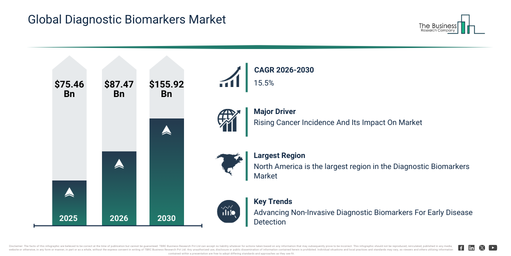
    The diagnostic biomarkers market has experienced substantial growth in recent years. Its value is expected to rise from $75.46 billion in 2025 to $87.47 billion in 2026, with a compound annual growth rate (CAGR) of 15.9%. This historical growth can be linked to several factors, including the expansion of molecular diagnostics, increased cancer research, the limitations of traditional diagnostics, a growing burden of chronic diseases, and studies on biomarker validation.

    The diagnostic biomarkers market is projected to experience substantial expansion in the coming years. This market is anticipated to reach $155.92 billion by 2030, exhibiting a compound annual growth rate (CAGR) of 15.5%. Key factors driving this expansion during the forecast period include progress in omics technologies, the rise of personalized medicine, AI-driven biomarker discovery, regulatory clearances for new biomarkers, and the need for predictive diagnostics. Prominent trends expected over this period encompass the growing embrace of precision diagnostic biomarkers, wider application of genomic and proteomic biomarkers, increased use of biomarkers in cancer diagnostics, the merging of biomarker data with clinical analytics, and an escalating call for early disease detection.

    Access Your Free Sample Report for In-Depth Market Insights:

    https://www.thebusinessresearchcompany.com/sample.aspx?id=21171&type=smp

    Which Drivers Are Shaping Strategic Decisions In The Diagnostic Biomarkers Market?

    The expanding occurrence of cancer is propelling the future growth of the diagnostic biomarkers market. This rise in cancer cases stems from factors like an aging demographic, shifts in lifestyle, environmental exposures, and enhanced diagnostic capabilities. Within cancer management, diagnostic biomarkers are vital for facilitating early detection, accurate diagnosis, and individualized treatment plans, thereby improving patient outcomes. For example, data from January 2024, provided by the American Cancer Society, a US-based nonprofit cancer advocacy organization, indicated a rise in cancer cases to 2,001,140, up from 1,958,310 in 2023, marking a 2.19% increase. This increasing prevalence of cancer is thus a key driver for the diagnostic biomarkers market.

    What Segment Classifications Make Up The Diagnostic Biomarkers Market?

    The diagnostic biomarkers market covered in this report is segmented –

    1) By Product: Safety Biomarkers, Efficacy Biomarkers, Validation Biomarkers

    2) By Application: Oncology, Metabolic Disease, Neurological Disease

    3) By End User: Hospitals, Cancer Research Institutes, Diagnostic Labs

    Subsegments:

    1) By Safety Biomarkers: Toxicity Biomarkers, Organ-Specific Safety Biomarkers, Drug-Induced Injury Biomarkers

    2) By Efficacy Biomarkers: Predictive Biomarkers, Prognostic Biomarkers, Pharmacodynamic Biomarkers

    3) By Validation Biomarkers: Genomic Biomarkers, Proteomic Biomarkers, Metabolomic Biomarkers

    Which Trends Are Influencing The Development Of The Diagnostic Biomarkers Market?

    Leading companies within the diagnostic biomarkers market are concentrating on developing non-invasive testing methodologies, including blood-based biomarker tests, to enhance patient comfort and accessibility alongside personalized treatment strategies. A blood-based biomarker test is a diagnostic instrument that examines specific biological markers found in the blood to detect or monitor conditions, such as Alzheimer’s, with minimal invasiveness. For instance, in July 2023, Quanterix Corporation, a US-based life sciences company, introduced LucentAD, a blood-based biomarker test intended to support healthcare providers in diagnosing Alzheimer’s disease (AD) in patients who show early cognitive symptoms. This test quantifies plasma levels of phosphorylated tau protein at the 181 residue (p-Tau 181), a biomarker connected to amyloid pathology in the brain, which is a significant indicator of AD. By offering a diagnostic tool that is less invasive and more accessible compared to conventional approaches like cerebrospinal fluid analysis or amyloid positron emission tomography, LucentAD endeavors to streamline the evaluation process for individuals suspected of having Alzheimer’s.

    Which Leading Companies Dominate The Diagnostic Biomarkers Market Share?

    Major companies operating in the diagnostic biomarkers market are Johnson & Johnson Services Inc., F. Hoffmann-La Roche AG, Thermo Fisher Scientific Inc., Abbott Laboratories, PerkinElmer Inc., Siemens Healthineers AG, Merck KGaA, Agilent Technologies Inc., Charles River Laboratories International Inc., Bio-Rad Laboratories Inc., Bruker Corporation, Qiagen N.V., Myriad Genetics Inc., Meso Scale Diagnostics LLC, EKF Diagnostics Holdings Plc, Sino Biological Inc., Enzo Biochem Inc., Biomarker Technologies Inc., Cisbio Bioassays, Signosis Inc., Epigenomics AG, LifeSign LLC, Banyan Biomarkers Inc., Biosims Technologies SAS

    Access The Complete Report For Deeper Market Insights:

    https://www.thebusinessresearchcompany.com/report/diagnostic-biomarkers-global-market-report

    How Does The Diagnostic Biomarkers Market Perform Across Major Global Regions?

    North America was the largest region in the diagnostic biomarkers market in 2025. The regions covered in the diagnostic biomarkers market report are Asia-Pacific, South East Asia, Western Europe, Eastern Europe, North America, South America, Middle East, Africa.

    Request Your Customized Diagnostic Biomarkers Market Research Report for Competitive Advantage:

    https://www.thebusinessresearchcompany.com/customise?id=21171&type=smp

    Browse Through More Reports Similar to the Global Diagnostic Biomarkers Market 2026, By The Business Research Company

    Oncology Biomarkers Market Report 2026

    https://www.thebusinessresearchcompany.com/report/oncology-biomarkers-global-market-report

    Biomarkers Market Report 2026

    https://www.thebusinessresearchcompany.com/report/biomarkers-global-market-report

    Cancer Biomarker Market Report 2026

    https://www.thebusinessresearchcompany.com/report/cancer-biomarker-global-market-report

    Get in touch with us:

    The Business Research Company: https://www.thebusinessresearchcompany.com/

    Americas +1 310-496-7795

    Asia +44 7882 955267 & +91 8897263534

    Europe +44 7882 955267

    Email us at info@tbrc.info

    Follow us on:

    LinkedIn: https://in.linkedin.com/company/the-business-research-company

    YouTube: https://www.youtube.com/channel/UC24_fI0rV8cR5DxlCpgmyFQ

    Global Market Model: https://www.thebusinessresearchcompany.com/global-market-model