Category: HealthcareServices

  • Global Mastopexy Industry Trends and Market Forecast 2026–2030

    Global Mastopexy Industry Trends and Market Forecast 2026–2030

    Uncover key drivers, emerging technologies, and competitive movements shaping the mastopexy market from 2026–2035 with trusted insights from The Business Research Company

    What level of growth is expected in the Mastopexy Market between 2026 and 2030?

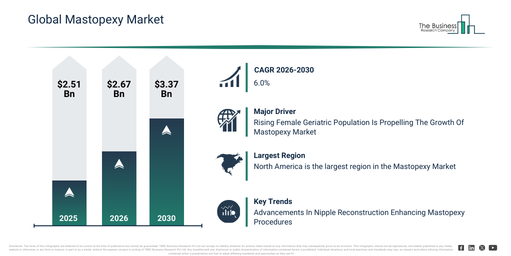
    The mastopexy market has shown significant expansion recently. Projections indicate it will expand from $2.51 billion in 2025 to reach $2.67 billion by 2026, exhibiting a compound annual growth rate (CAGR) of 6.2%. This historical growth is attributable to factors such as greater public awareness of cosmetic surgery choices, the proliferation of private specialty clinics, increases in disposable income, the impact of media and prevailing beauty standards, and enhancements in the safety of surgical procedures.

    The mastopexy market is projected to experience substantial expansion in the coming years, set to reach $3.37 billion by 2030, demonstrating a compound annual growth rate (CAGR) of 6.0%. Factors driving this growth during the forecast period include a rising demand for body contouring procedures, an increase in the number of skilled plastic surgeons, the expansion of medical tourism for cosmetic operations, a greater emphasis on restoring the body post-pregnancy, and improved accessibility to aesthetic procedures in developing regions. Key trends anticipated during this period involve an escalating demand for cosmetic and aesthetic surgical interventions, a growing inclination towards combined breast lift and augmentation, broader acceptance of elective cosmetic surgery across various age demographics, an enhanced focus on superior surgical results and scar reduction, and the proliferation of specialized aesthetic and plastic surgery clinics.

    Access Your Free Sample Report for In-Depth Market Insights:

    https://www.thebusinessresearchcompany.com/sample.aspx?id=18405&type=smp

    Which Drivers Are Expected To Impact The Mastopexy Market During The Forecast Period?

    The expanding population of older women is anticipated to fuel the future expansion of the mastopexy market. This demographic refers to women who are 65 years or older, and its growth is attributed to longer life expectancies, advancements in healthcare leading to better health, and reduced birth rates in numerous nations. Mastopexy, also known as breast lift surgery, is seeing increased use among older women to refine breast shape and counter changes associated with aging. For example, as reported by Age UK, a UK-based charity, in March 2025, global population aging is a widespread phenomenon. Projections indicate that by 2050, women aged 65 and above will constitute over half (55%) of the world’s senior population, which is expected to reach 2 billion individuals aged 65 and over. A significant portion of this demographic will reside in low- and middle-income countries. Consequently, the increasing female geriatric population is a key factor driving the growth of the mastopexy market. The growing demand for cosmetic procedures is predicted to propel the expansion of the mastopexy market in the coming years. Cosmetic procedures encompass medical interventions or surgeries aimed at enhancing, modifying, or restoring an individual’s physical appearance. This surge in demand is influenced by factors such as an increased focus on personal aesthetics, advancements in minimally invasive techniques, and greater social acceptance of aesthetic improvements. Mastopexy helps rejuvenate the shape, firmness, and position of the breasts, addressing a common aesthetic concern and meeting the rising desire for procedures that deliver a youthful, firm, and well-contoured look, thereby contributing to the growth of body contouring treatments. For instance, in August 2023, The Aesthetic Society, a US-based organization dedicated to plastic surgery and cosmetic medicine, reported that Americans collectively spent over $11.8 billion on aesthetic procedures, marking a 2% increase from the prior year. Therefore, the increasing demand for cosmetic procedures is a significant driver for the mastopexy market’s growth.

    Which Segments Are Driving Activity In The Mastopexy Market?

    The mastopexy market covered in this report is segmented –

    1) By Type: Benelli Lift Or Donut Lift, Crescent Breast Lift, Lollipop Lift, Anchor Breast Lift

    2) By Tissue Incision: Skin, Adipose, Glandular

    3) By End Use: Hospitals, Specialty Clinics

    Subsegments:

    1) By Benelli Lift Or Donut Lift: Periareolar Mastopexy, Circumareolar Mastopexy

    2) By Crescent Breast Lift: Partial Crescent Lift, Full Crescent Lift

    3) By Lollipop Lift: Vertical Mastopexy, Single Vertical Incision Mastopexy

    4) By Anchor Breast Lift: Inverted T Mastopexy, Wise Pattern Mastopexy

    What Industry Trends Are Transforming The Mastopexy Market?

    Major companies operating in the mastopexy market are actively developing advanced products, such as nipple reconstruction solutions, to gain a competitive advantage. Nipple reconstruction solutions involve surgical methods and implants utilized to recreate the nipple-areola complex for patients who have undergone mastectomy or breast reconstruction surgery, aiming to restore a natural appearance and symmetry to the breast mound. These solutions often incorporate sophisticated materials and precise surgical techniques to achieve realistic texture, projection, and aesthetic integration with the surrounding breast tissue. For instance, in March 2024, GC Aesthetics, an Ireland-based medical technology company, introduced the FixNip NRI, a nipple implant intended to transform breast reconstruction for women. This implant is specifically designed to elevate the standard of care in total breast reconstruction by offering a durable and natural-looking nipple-areola complex (NAC) reconstruction. Constructed from biocompatible, smooth silicone, the FixNip NRI features a floral-shaped nitinol frame. This innovative design allows for minimal incisions and ensures the implant recovers its original shape when folded and inserted.

    Which Key Market Players Are Investing In Expansion And Innovation Within The Mastopexy Market?

    Major companies operating in the mastopexy market are Spire Healthcare Group plc, Cynosure Inc., Silimed – Industria Ltda Implants, Establishment Labs Holdings Inc., Aurora Clinics, Mentor Worldwide LLC, Sientra Inc., GC Aesthetics, Sebbin SAS, Laboratoires Arion, Polytech Health & Aesthetics GmbH, Ideal Implant Incorporated, Surgiform Technology Ltd, The Esthetic Clinics, Olympus Cosmetic Group, Q Medical Industries, Guangzhou Wanhe Plastic Materials, Rau Plastic Surgery, Allergan Aesthetics, Motiva Implants

    Access The Complete Report For Deeper Market Insights:

    https://www.thebusinessresearchcompany.com/report/mastopexy-global-market-report

    Which Regions Are Projected To Dominate The Mastopexy Market In The Coming Years?

    North America was the largest region in the mastopexy market in 2025. Asia-Pacific is expected to be the fastest-growing region in the forecast period. The regions covered in the mastopexy market report are Asia-Pacific, South East Asia, Western Europe, Eastern Europe, North America, South America, Middle East, Africa.

    Request Your Customized Mastopexy Market Research Report for Competitive Advantage:

    https://www.thebusinessresearchcompany.com/customise?id=18405&type=smp

    Browse Through More Reports Similar to the Global Mastopexy Market 2026, By The Business Research Company

    Rosacea Market Report 2026

    https://www.thebusinessresearchcompany.com/report/rosacea-global-market-report

    Alopecia Market Report 2026

    https://www.thebusinessresearchcompany.com/report/alopecia-global-market-report

    Rhinoplasty Market Report 2026

    https://www.thebusinessresearchcompany.com/report/rhinoplasty-global-market-report

    Get in touch with us:

    The Business Research Company: https://www.thebusinessresearchcompany.com/

    Americas +1 310-496-7795

    Asia +44 7882 955267 & +91 8897263534

    Europe +44 7882 955267

    Email us at info@tbrc.info

    Follow us on:

    LinkedIn: https://in.linkedin.com/company/the-business-research-company

    YouTube: https://www.youtube.com/channel/UC24_fI0rV8cR5DxlCpgmyFQ

    Global Market Model: https://www.thebusinessresearchcompany.com/global-market-model
  • Mass Spectrometry Market Size and Demand Forecast 2026–2030

    Mass Spectrometry Market Size and Demand Forecast 2026–2030

    Uncover key drivers, emerging technologies, and competitive movements shaping the mass spectrometry market from 2026–2035 with trusted insights from The Business Research Company

    How much is the Mass Spectrometry Market valued at in 2026, and what valuation is forecast for 2030?

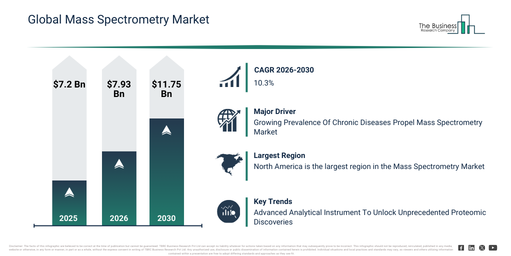
    The mass spectrometry market size has experienced considerable expansion in recent years. This market is projected to expand from $7.2 billion in 2025 to $7.93 billion in 2026, achieving a compound annual growth rate (CAGR) of 10.1%. Its historical growth can be largely attributed to the advancement of analytical chemistry techniques, the increase in pharmaceutical and biotechnology research, heightened regulatory testing requirements, the proliferation of academic and research laboratories, and the growing demand for precise molecular identification.

    The mass spectrometry market size is anticipated to undergo significant expansion in the coming years, with projections indicating a rise to $11.75 billion by 2030, at a compound annual growth rate (CAGR) of 10.3%. This expansion throughout the forecast period is driven by various factors, including the increasing application of clinical diagnostics, the broadening scope of proteomics and metabolomics research, more rigorous food and environmental safety regulations, growing investments in life science research infrastructure, and a consistent demand for high-throughput and precise analytical instruments. Key developments expected during this period involve the rising adoption of high-resolution and hybrid mass spectrometry systems, a surging requirement for mass spectrometry in clinical and diagnostic scenarios, its expanded utilization in environmental and food safety evaluations, the extension of mass spectrometry applications in pharmaceutical quality control, and a growing preference for multi-application and modular mass spectrometry platforms.

    Access Your Free Sample Report for In-Depth Market Insights:

    https://www.thebusinessresearchcompany.com/sample.aspx?id=10782&type=smp

    What Drivers Are Influencing The Growth Of The Mass Spectrometry Market?

    The mass spectrometry market is projected to grow due to the increasing occurrence of chronic diseases. These conditions are typically defined as lasting for three months or longer and worsening over time. Mass spectrometry techniques play a crucial role in identifying, quantifying, and analyzing biomarkers and metabolites linked to chronic diseases. As an illustration, in April 2025, the Centers for Disease Control and Prevention, a US-based organization dedicated to protecting the country from health, safety, and security threats through critical scientific work, indicated that in 2023, 76.4% (or 194 million) of US adults reported having one or more chronic conditions. This figure included 59.5% of young adults, 78.4% of midlife adults, and 93.0% of older adults. Hence, the rising prevalence of chronic diseases is a significant driver for the expansion of the mass spectrometry market.

    How Is The Mass Spectrometry Market Organized Into Various Segments?

    The mass spectrometry market covered in this report is segmented –

    1) By Technology: Hybrid Mass Spectrometry, Single Mass Spectrometry, Inductively Coupled Plasma Mass Spectrometry (ICP-MS)

    2) By Application: Life Science Research, Drug Discovery, Environmental Testing, Food Testing, Applied Industries, Clinical Diagnostics, Other Applications

    3) By End User: Pharmaceutical Industry, Biotechnology Industry, Research And Academic Institutes, Environmental Testing Industry, Food And Beverage Testing Industry, Petrochemical Industry, Other End Users

    Subsegments:

    1) By Hybrid Mass Spectrometry: Quadrupole Time-of-Flight (QTOF), Orbitrap Mass Spectrometry, Triple Quadrupole Mass Spectrometry

    2) By Single Mass Spectrometry: Time-Of-Flight (TOF), Quadrupole Mass Spectrometry, Ion Trap Mass Spectrometry, Inductively Coupled Plasma Mass Spectrometry (ICP-MS)

    3) By Inductively Coupled Plasma Mass Spectrometry (ICP-MS): Quadrupole ICP-MS, Sector Field ICP-MS, High-Resolution ICP-MS

    What Trends Are Reshaping The Dynamics Of The Mass Spectrometry Market?

    Leading companies in the mass spectrometry market are concentrating on developing advanced mass spectrometers, such as the Astral analyzer, to unlock unprecedented proteomic discoveries and gain a competitive edge. The Astral analyzer is a state-of-the-art mass spectrometer characterized by fast throughput, high sensitivity, and deep proteome coverage. For instance, in June 2023, Thermo Fisher, a US-based supplier of analytical instruments, launched the Orbitrap Astral mass spectrometer, a groundbreaking technology in mass spectrometry. The Astral analyzer offers rapid throughput, high sensitivity, and extensive proteome coverage, enabling researchers to efficiently discover previously undetected proteins. This mass spectrometer allows the identification of new clinical biomarkers, early disease detection, and the development of interventions for various conditions, including cardiovascular disease and cancer. The technology builds on Thermo Fisher’s Orbitrap mass spectrometry platform, providing up to two times deeper proteome coverage and up to four times more throughput than current spectrometers.

    Who Are The Core Companies Influencing Trends In The Mass Spectrometry Market?

    Major companies operating in the mass spectrometry market are Agilent Technologies Inc., Bruker Corporation, JEOL Ltd., LECO Corporation, PerkinElmer Inc., Shimadzu Corporation, Thermo Fisher Scientific Inc., Waters Corporation, AB Sciex Pte Ltd., Danaher Corporation, Hitachi Ltd., Rigaku Corporation, Advion Inc., AMETEK Inc., Analytik Jena GmbH, DANI Instruments S.p.A., Eurofins Scientific SE, MKS Instruments, Elementar Analysensysteme GmbH, Hiden Analytical Europe GmbH, SPECTRO Analytical Instruments GmbH, EXUM INSTRUMENTS INC., 908 Devices Inc., MassTech Inc., Newomics Inc., Microsaic Systems plc, SCIEX AB, Kore Technologies Ltd., IonSense Inc.

    Access The Complete Report For Deeper Market Insights:

    https://www.thebusinessresearchcompany.com/report/mass-spectrometry-global-market-report

    Which Region Is Expected To Experience The Fastest Growth In The Mass Spectrometry Market?

    North America was the largest region in the mass spectrometry market in 2025. Asia-Pacific is expected to be the fastest-growing region in the mass spectrometry market size forecast period. The regions covered in the mass spectrometry market report are Asia-Pacific, South East Asia, Western Europe, Eastern Europe, North America, South America, Middle East, Africa.

    Request Your Customized Mass Spectrometry Market Research Report for Competitive Advantage:

    https://www.thebusinessresearchcompany.com/customise?id=10782&type=smp

    Browse Through More Reports Similar to the Global Mass Spectrometry Market 2026, By The Business Research Company

    Biochemistry Analyzer Market Report 2026

    https://www.thebusinessresearchcompany.com/report/biochemistry-analyzer-global-market-report

    Liquid Chromatography Mass Spectrometry Lc Ms Market Report 2026

    https://www.thebusinessresearchcompany.com/report/liquid-chromatography-mass-spectrometry-lc-ms-global-market-report

    Metabolomics Market Report 2026

    https://www.thebusinessresearchcompany.com/report/metabolomics-global-market-report

    Get in touch with us:

    The Business Research Company: https://www.thebusinessresearchcompany.com/

    Americas +1 310-496-7795

    Asia +44 7882 955267 & +91 8897263534

    Europe +44 7882 955267

    Email us at info@tbrc.info

    Follow us on:

    LinkedIn: https://in.linkedin.com/company/the-business-research-company

    YouTube: https://www.youtube.com/channel/UC24_fI0rV8cR5DxlCpgmyFQ

    Global Market Model: https://www.thebusinessresearchcompany.com/global-market-model

  • Marriage Counseling Services Market Outlook: Growth and Forecast Highlights 2030

    Marriage Counseling Services Market Outlook: Growth and Forecast Highlights 2030

    Uncover key drivers, emerging technologies, and competitive movements shaping the marriage counseling services market from 2026–2035 with trusted insights from The Business Research Company

    By how much is the Marriage Counseling Services Market expected to grow between 2026 and 2030?

    The marriage counseling services market has shown substantial expansion in recent years. Its valuation is anticipated to climb from $14.38 billion in 2025 to $16.02 billion in 2026, advancing at a compound annual growth rate (CAGR) of 11.4%. The drivers behind its growth during the historical period include heightened awareness of mental health support, growing social acceptance of counseling services, an increase in marital stress factors, the accessibility of trained marriage counselors, and the proliferation of private therapy practices.

    The marriage counseling services market is projected to experience swift expansion over the coming years. This market is forecast to reach $24.4 billion by 2030, exhibiting a compound annual growth rate (CAGR) of 11.1%. This anticipated growth during the forecast period is largely due to factors such as an escalating preference for virtual therapy sessions, the increasing integration of digital mental health tools, a rising demand for preventive relationship counseling, the expansion of subscription-based counseling models, and a heightened emphasis on holistic relationship well-being. Key trends during this period are expected to encompass the increased adoption of online counseling platforms, a growing reliance on evidence-based therapy frameworks, an escalating demand for flexible counseling formats, the expansion of confidential and secure digital sessions, and a strengthened focus on relationship wellness programs.

    Access Your Free Sample Report for In-Depth Market Insights:

    https://www.thebusinessresearchcompany.com/sample.aspx?id=19562&type=smp

    Which Drivers Are Influencing Market Acceleration In The Marriage Counseling Services Market?

    Elevated stress levels are projected to stimulate the expansion of the marriage counseling services market. Stress represents the body’s reaction to external pressures, inducing physical, emotional, or mental strain, which can adversely affect overall health and well-being and potentially lead to various detrimental health outcomes. The primary factors contributing to rising stress levels include heightened work demands, economic instabilities, and the widespread influence of digital technology. Marriage counseling services aid in managing these escalating stress levels by equipping couples with methods and techniques to resolve disagreements, improve dialogue, and reinforce their relational dynamics. For example, in October 2023, data from the Australian Bureau of Statistics (ABS), an Australia-based national statistical agency, indicated that among individuals aged 16 to 85, 42.9% had experienced a mental disorder at some point in their lives. Moreover, 21.5% of this demographic reported a mental disorder within the past 12 months, with anxiety being the most common, affecting 17.2% of those aged 16 to 85. Additionally, 38.8% of individuals aged 16 to 24 reported having a mental disorder in the last year. Consequently, the increasing prevalence of stress is a key impetus for the growth of the marriage counseling services market.

    What Segments Are Identified Within The Structure Of The Marriage Counseling Services Market?

    The marriage counseling services market covered in this report is segmented –

    1) By Type: Online, Offline

    2) By Application: Premarital Counseling, Marriage Counseling

    3) By Service Provider: Private Practitioners, Mental Health Clinics And Hospitals, Online Counseling Platforms, Religious And Faith-Based Counselors, Corporate Employee Assistance Programs (EAPs)

    Subsegments:

    1) By Online: Virtual Counseling Sessions, Video Conferencing-Based Counseling, Online Relationship Workshops, Mobile App-Based Counseling, Email And Chat-Based Counseling

    2) By Offline: In-Person Counseling Sessions, Group Therapy And Workshops, Marriage Retreats And Counseling Centers, Community-Based Marriage Support Groups, Private Therapy Sessions With Marriage Counselors

    How Are New Market Trends Shaping The Landscape Of The Marriage Counseling Services Market?

    Leading companies in the marriage counseling services market are concentrating on developing novel offerings, such as counseling services specifically for LGBTQ individuals, to achieve a competitive advantage. Counseling services for LGBTQ individuals encompass specialized therapeutic support tailored to address the unique challenges and experiences faced by lesbian, gay, bisexual, transgender, and queer/questioning individuals. These services aim to provide a safe and affirming environment where clients can explore issues related to sexual orientation, gender identity, coming out, discrimination, and family dynamics. For instance, in August 2023, Eye Net Eye Co., Ltd., a Japan-based marriage counseling agency, launched a crowdfunding campaign to expand its marriage counseling business that embraces the diverse values of LGBTQ individuals and advance its business innovation plan. This initiative is part of a broader business innovation plan aimed at enhancing the inclusivity of their counseling services, demonstrating a commitment to supporting all aspects of marriage and relationship counseling within the LGBTQ community. The campaign seeks to raise funds to develop resources and programs aligned with these goals, fostering a more inclusive environment for clients from diverse backgrounds and identities.

    Which Major Industry Participants Are Leading The Marriage Counseling Services Market Growth?

    Major companies operating in the marriage counseling services market are Thriveworks, Talkspace, ReGain, OurRelationship, Growing Self, Online-Therapy.com, Marriage.com, Gottman Referral Network, Couples Therapy Inc., Modern Intimacy, Congruent Counseling, Calmerry, Ally Counseling, United Marriage Encounter, Empathia Counseling LLC, The Marriage Place, Octave Online Therapy, Mindful Care, Little Otter, TherapyRoute.com

    Access The Complete Report For Deeper Market Insights:

    https://www.thebusinessresearchcompany.com/report/marriage-counseling-services-global-market-report

    Which Geographic Areas Are Emerging As Strong Markets For The Marriage Counseling Services Market?

    North America was the largest region in the marriage counseling services market in 2025. The regions covered in the marriage counseling services market report are Asia-Pacific, South East Asia, Western Europe, Eastern Europe, North America, South America, Middle East, Africa.

    Request Your Customized Marriage Counseling Services Market Research Report for Competitive Advantage:

    https://www.thebusinessresearchcompany.com/customise?id=19562&type=smp

    Browse Through More Reports Similar to the Global Marriage Counseling Services Market 2026, By The Business Research Company

    Fertility Drugs Market Report 2026

    https://www.thebusinessresearchcompany.com/report/fertility-drugs-global-market-report

    Wedding Service Market Report 2026

    https://www.thebusinessresearchcompany.com/report/wedding-service-global-market-report

    Wedding Dresses Market Report 2026

    https://www.thebusinessresearchcompany.com/report/wedding-dresses-global-market-report

    Get in touch with us:

    The Business Research Company: https://www.thebusinessresearchcompany.com/

    Americas +1 310-496-7795

    Asia +44 7882 955267 & +91 8897263534

    Europe +44 7882 955267

    Email us at info@tbrc.info

    Follow us on:

    LinkedIn: https://in.linkedin.com/company/the-business-research-company

    YouTube: https://www.youtube.com/channel/UC24_fI0rV8cR5DxlCpgmyFQ

    Global Market Model: https://www.thebusinessresearchcompany.com/global-market-model

  • Maprotiline Hydrochloride API Market Insights Report: Opportunities and Drivers 2030

    Maprotiline Hydrochloride API Market Insights Report: Opportunities and Drivers 2030

    Uncover key drivers, emerging technologies, and competitive movements shaping the maprotiline hydrochloride api market from 2026–2035 with trusted insights from The Business Research Company

    What is the estimated market size of the Maprotiline Hydrochloride API Market by the end of 2030?

    The market for maprotiline hydrochloride API has experienced robust expansion over the past few years. This market is projected to expand from $1.2 billion in 2025 to $1.28 billion in 2026, achieving a compound annual growth rate (CAGR) of 6.4%. Historically, this expansion has been driven by factors such as the enduring clinical application of maprotiline-based antidepressants, an increase in pharmaceutical manufacturing capabilities, higher rates of depression and anxiety diagnoses, the presence of economical synthetic production methods, and the broadening of generic drug markets.

    The maprotiline hydrochloride api market is projected to experience substantial expansion over the upcoming years. Its valuation is forecast to reach $1.64 billion by 2030, driven by a compound annual growth rate (CAGR) of 6.4%. This anticipated growth is primarily linked to factors such as ongoing demand for accessible mental health therapies, a heightened dependence on contract API production, more stringent quality and regulatory mandates, an upsurge in pharmaceutical manufacturing within developing nations, and consistent uptake from established antidepressant preparations. Key developments expected during this timeframe encompass an escalating need for proven tricyclic and tetracyclic antidepressant APIs, an intensified emphasis on uniform API quality and adherence to regulations, a rise in the outsourcing of API manufacturing to CMOs, sustained demand stemming from generic antidepressant production, and a broader application of the API in combined and re-engineered therapeutic approaches.

    Access Your Free Sample Report for In-Depth Market Insights:

    https://www.thebusinessresearchcompany.com/sample.aspx?id=24287&type=smp

    What Drivers Are Shaping Future Opportunities In The Maprotiline Hydrochloride API Market?

    The growth of the Maprotiline Hydrochloride API is anticipated to be driven by increasing healthcare expenditure in the coming years. Healthcare expenditure encompasses the aggregate financial outlay on medical provisions, such as hospital services, pharmaceutical products, and health coverage. A substantial surge in healthcare spending is observed, primarily due to an aging demographic; older individuals typically necessitate more frequent and intricate medical attention, thus escalating overall healthcare costs. This rise in healthcare expenditures bolsters maprotiline hydrochloride by stimulating greater demand for pharmaceutical therapies, especially for conditions like depression, which the drug targets. For example, in June 2025, data from the US-based government agency, the Centers for Medicare & Medicaid Services, indicated that in 2023, national health expenditures (NHE) expanded by 7.5%, reaching $4.9 trillion, equating to $14,570 per person and accounting for 17.6% of the Gross Domestic Product (GDP). Medicare spending rose by 8.1% to $1,029.8 billion, constituting 21% of the total NHE. Consequently, the growing prevalence of depression and anxiety is propelling the Maprotiline Hydrochloride API market’s expansion.

    Which Segments Are Gaining Traction In The Maprotiline Hydrochloride API Market?

    The maprotiline hydrochloride api market covered in this report is segmented –

    1) By Product Type: Powder, Granules, Other Product Types

    2) By Formulation Type: Tablets, Capsules, Injectables, Oral Solutions

    3) By Distribution Channel: Direct Sales, Pharmacy Chains, Online Pharmacies, Hospital Pharmacies

    4) By Application: Antidepressant, Anxiolytic, Sleep Aid, Neuropathic Pain Management

    5) By End-User: Pharmaceutical Companies, Research Institutions, Healthcare Providers, Contract Manufacturing Organizations (CMOs)

    Subsegments:

    1) By Powder: Fine Crystalline Powder, Micronized Powder, Spray-Dried Powder

    2) By Granules: Direct Compressible Granules, Wet Granulated Form, Effervescent Granules

    3) By Other Product Types: Liquid Concentrate, Pelletized Form, Lyophilized (Freeze-Dried) Form

    Who Are The Prominent Global Companies Shaping The Maprotiline Hydrochloride API Market Landscape?

    Major companies operating in the maprotiline hydrochloride api market are Thermo Fisher Scientific Inc., Lupin Limited, Olon Società per Azioni, Cayman Chemical Company, Koa Shoji Co. Ltd., Simson Pharma Limited, Zydus Cadila, Conscientia Industrial Co. Ltd., Alsachim Société par Actions Simplifiée, Pharmaoffer B.V., SynZeal Research Private Limited, Jigs Chemical, Chem-Impex International Inc., Pharma Compass, Allmpus Corporation, Glentham Life Sciences Limited, LKT Laboratories Inc., Qingdao Fengchen Technology and Trade Co. Ltd., Beijing Merson Pharmaceutical, Enomark Pharma

    Access The Complete Report For Deeper Market Insights:

    https://www.thebusinessresearchcompany.com/report/maprotiline-hydrochloride-api-global-market-report

    Which Region Is Projected To Lead The Maprotiline Hydrochloride API Market During The Forecast Period?

    North America was the largest region in the maprotiline hydrochloride API market in 2025. Asia-Pacific is expected to be the fastest-growing region in the forecast period. The regions covered in the maprotiline hydrochloride api market report are Asia-Pacific, South East Asia, Western Europe, Eastern Europe, North America, South America, Middle East, Africa.

    Request Your Customized Maprotiline Hydrochloride API Market Research Report for Competitive Advantage:

    https://www.thebusinessresearchcompany.com/customise?id=24287&type=smp

    Browse Through More Reports Similar to the Global Maprotiline Hydrochloride API Market 2026, By The Business Research Company

    Leukotriene Modifiers Market Report 2026

    https://www.thebusinessresearchcompany.com/report/leukotriene-modifiers-global-market-report

    Microbial Api Market Report 2026

    https://www.thebusinessresearchcompany.com/report/microbial-api-global-market-report

    Hydrochloric Acid Market Report 2026

    https://www.thebusinessresearchcompany.com/report/hydrochloric-acid-global-market-report

    Get in touch with us:

    The Business Research Company: https://www.thebusinessresearchcompany.com/

    Americas +1 310-496-7795

    Asia +44 7882 955267 & +91 8897263534

    Europe +44 7882 955267

    Email us at info@tbrc.info

    Follow us on:

    LinkedIn: https://in.linkedin.com/company/the-business-research-company

    YouTube: https://www.youtube.com/channel/UC24_fI0rV8cR5DxlCpgmyFQ

    Global Market Model: https://www.thebusinessresearchcompany.com/global-market-model
  • Mammography Global Forecast: Market to Scale Up to $4.65 Billion by 2030 at 10.1% CAGR

    Mammography Global Forecast: Market to Scale Up to $4.65 Billion by 2030 at 10.1% CAGR

    Uncover key drivers, emerging technologies, and competitive movements shaping the mammography market from 2026–2035 with trusted insights from The Business Research Company

    What was the valuation of the Mammography Market in 2026, and what figure is it projected to hit by 2030?

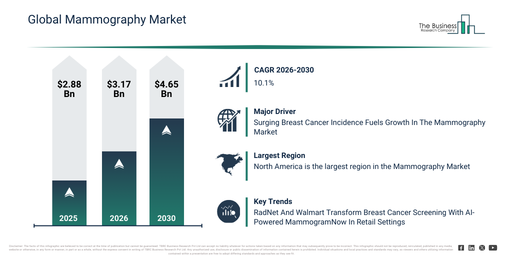
    The mammography market size has demonstrated robust growth in recent years. It is projected to expand from $2.88 billion in 2025 to $3.17 billion in 2026, at a compound annual growth rate (CAGR) of 9.8%. This historical expansion is attributable to several factors, including an increase in breast cancer incidence rates, the widespread adoption of x-ray imaging techniques, government-sponsored breast cancer awareness programs, the availability of film screen mammography systems, and the expansion of hospital-based diagnostic imaging.

    The mammography market size is projected to experience substantial expansion in the coming years. This market is anticipated to reach $4.65 billion by 2030, exhibiting a compound annual growth rate (CAGR) of 10.1%. Factors contributing to this growth during the forecast period include the rise in population-based screening programs, increased funding in women’s health diagnostics, a greater inclination towards prompt and precise detection, the evolution of technology towards digital and tomosynthesis imaging, and enhancements in healthcare infrastructure across developing areas. Key trends expected over the forecast period encompass the increasing integration of digital and 3D mammography systems, a heightened emphasis on early breast cancer screening initiatives, wider deployment of portable mammography units in distant locations, an elevated need for the incorporation of minimally invasive breast biopsy procedures, and the broadening of screening service availability in nascent healthcare markets.

    Access Your Free Sample Report for In-Depth Market Insights:

    https://www.thebusinessresearchcompany.com/sample.aspx?id=10047&type=smp

    Which Drivers Are Affecting Market Participation In The Mammography Market?

    The rising occurrence of breast cancer is anticipated to boost the expansion of the mammography market. Breast cancer is characterized by the uncontrolled multiplication of cells within the breast. Globally, breast cancer’s prevalence is on the rise, and mammography stands as a highly effective and commonly employed screening method for its early identification and diagnosis. As an illustration, Breastcancer.org, a US-based nonprofit organization, projected in 2023 that approximately 297,790 new cases of invasive breast cancer would be diagnosed among U.S. women, alongside 55,720 new cases of DCIS. Additionally, the American Cancer Society, a US-based Voluntary organization, reported in January 2023 that an estimated 287,850 new instances of invasive breast cancer were identified in women in the United States in 2022, coupled with 51,400 new cases of non-invasive (in situ) breast cancer. Consequently, the growing incidence of breast cancer is a primary driver for the mammography market.

    What Segment Categories Are Covered In The Mammography Market?

    The mammography market covered in this report is segmented –

    1) By Product: Film Screen Systems, Digital Systems, Analog Systems, Other Products

    2) By Modality: Portable Mammography Systems, Non-Portable Mammography Systems

    3) By Technology: Breast Tomosynthesis, CAD Mammography

    4) By End-User: Hospitals, Specialty Clinics, Diagnosis Centers, Other End-Users

    Subsegments:

    1) By Film Screen Systems: Standard Film Screen Systems, High-Resolution Film Screen Systems

    2) By Digital Systems: Full-Field Digital Mammography (FFDM), Digital Breast Tomosynthesis (DBT)

    3) By Analog Systems: Conventional Analog Mammography Systems

    4) By Other Products: Accessories And Consumables, Software Solutions

    What Trends Are Driving The Growth Trajectory Of The Mammography Market?

    Companies operating in the mammography market are prioritizing innovations such as trial programs for mammography services to boost early diagnosis of breast cancer, enhance patient results, and broaden reach to neglected groups through mobile screening units and AI-enhanced diagnostic tools. These efforts seek to improve precision, shorten diagnosis periods, and make mammography readily available to remote and economically disadvantaged areas, thereby fostering greater fairness in healthcare. For instance, in December 2023, RadNet, Inc., a US-based healthcare company, introduced a trial initiative called MammogramNow, providing mammography services within Walmart Supercenters. This initiative is designed to elevate breast health awareness and accessibility by incorporating advanced DeepHealth AI technology into a retail setting, thereby simplifying breast cancer checks. MammogramNow provides immediate appointments with screenings completed in approximately 15 minutes. Patients can also choose AI-enhanced screenings via RadNet’s DeepHealth subsidiary for better accuracy in detection. Through the integration of health services into common retail settings, RadNet and Walmart aim to reshape preventive healthcare delivery and accessibility in the US.

    Which Key Players Are Driving Competition In The Mammography Market?

    Major companies operating in the mammography market are Hologic Inc., Fujifilm Corporation, Siemens Healthcare AG, Canon Medical Systems Corporation, GE Healthcare Company, Koninklijke Philips N.V., Metaltronica S.p.A., PLANMED OY, Villa Sistemi Medicali S.p.A., Carestream Health, Konica Minolta Inc., Agfa-Gevaert N.V., Delphinus Medical Technologies Inc., Micrima Limited, Koning Corporation, Allengers Medical Systems Ltd., Trivitron Healthcare Pvt. Ltd., Genoray Co. Ltd., Analogic Corporation, BMI Biomedical International s.r.l., General Medical Merate S.p.A., IMS Srl, Medi-Future Co. Ltd., PerkinElmer Inc., QView Medical Inc., Radmirtech Co. Ltd.

    Access The Complete Report For Deeper Market Insights:

    https://www.thebusinessresearchcompany.com/report/mammography-global-market-report

    Which Region Currently Holds The Largest Share Of The Mammography Market?

    North America was the largest region in the mammography market in 2025. The regions covered in the mammography market report are Asia-Pacific, South East Asia, Western Europe, Eastern Europe, North America, South America, Middle East, Africa.

    Request Your Customized Mammography Market Research Report for Competitive Advantage:

    https://www.thebusinessresearchcompany.com/customise?id=10047&type=smp

    Browse Through More Reports Similar to the Global Mammography Market 2026, By The Business Research Company

    Breast Imaging Technologies Market Report 2026

    https://www.thebusinessresearchcompany.com/report/breast-imaging-technologies-global-market-report

    Mammography Systems Market Report 2026

    https://www.thebusinessresearchcompany.com/report/mammography-systems-global-market-report

    Mammography Devices Market Report 2026

    https://www.thebusinessresearchcompany.com/report/mammography-devices-global-market-report

    Get in touch with us:

    The Business Research Company: https://www.thebusinessresearchcompany.com/

    Americas +1 310-496-7795

    Asia +44 7882 955267 & +91 8897263534

    Europe +44 7882 955267

    Email us at info@tbrc.info

    Follow us on:

    LinkedIn: https://in.linkedin.com/company/the-business-research-company

    YouTube: https://www.youtube.com/channel/UC24_fI0rV8cR5DxlCpgmyFQ

    Global Market Model: https://www.thebusinessresearchcompany.com/global-market-model

  • Mammalian Polyclonal Immunoglobulin G (IgG) Antibody Market Future Outlook: Strong Growth Expected Toward $1.96 Billion by 2030

    Mammalian Polyclonal Immunoglobulin G (IgG) Antibody Market Future Outlook: Strong Growth Expected Toward $1.96 Billion by 2030

    Uncover key drivers, emerging technologies, and competitive movements shaping the mammalian polyclonal immunoglobulin g (igg) antibody market from 2026–2035 with trusted insights from The Business Research Company

    What are the forecasted starting (2026) and ending (2030) market sizes for the Mammalian Polyclonal Immunoglobulin G (IgG) Antibody Market?

    The mammalian polyclonal immunoglobulin g (igg) antibody market size has experienced significant expansion over recent years. It is anticipated to expand from $1.41 billion in 2025 to $1.51 billion in 2026, achieving a compound annual growth rate (CAGR) of 7.5%. The historical growth trajectory is primarily due to the rise in immunodiagnostic testing, the widespread incorporation of ELISA techniques, increased financial support for biomedical research, the established application of animal-derived antibodies, and the growing prevalence of chronic and infectious conditions.

    The mammalian polyclonal immunoglobulin g (igg) antibody market size is projected for significant expansion over the next few years. This market is set to reach $1.96 billion by 2030, exhibiting a compound annual growth rate (CAGR) of 6.7%. The anticipated growth during the forecast period can be primarily attributed to the expansion of precision diagnostics, an increase in biomarker-based testing, rising pharmaceutical R&D investments, growing demand from emerging healthcare markets, and the continuous development of advanced immunoassay platforms. Furthermore, significant trends expected in this period involve the growing use of polyclonal igg in diagnostic assays, a rising demand for broad-spectrum antibody reagents, the expansion of immunoassay-based testing applications, increased adoption in translational and preclinical research, and a clear focus on high-affinity and batch-consistent antibody production.

    Access Your Free Sample Report for In-Depth Market Insights:

    https://www.thebusinessresearchcompany.com/sample.aspx?id=16111&type=smp

    What Drivers Are Supporting Technological Adoption In The Mammalian Polyclonal Immunoglobulin G (IgG) Antibody Market?

    Future expansion of the mammalian polyclonal immunoglobulin G (IgG) antibody markets is anticipated, driven by escalating expenditures on animal health. Animal health encompasses comprehensive care and management strategies focused on the welfare and long-term existence of various animals, such as pets, livestock, and wildlife. This surge in animal health spending stems from factors like growing pet ownership, heightened demand for animal-derived goods, advancements in veterinary medicine, stronger emotional connections between humans and animals, and more stringent regulatory frameworks. Elevated investment in animal well-being stimulates the need for specialized mammalian polyclonal immunoglobulin G (IgG) antibody, which in turn fosters innovation, builds loyalty, encourages collaboration with veterinarians, and fuels market expansion within the pet care segment. As an illustration, the American Pet Products Association, a US-based not-for-profit industry association, reported in March 2023 that expenditures on pet foods and treats reached $58.1 billion, representing the largest growth category with a substantial increase of 16.2%. Consequently, the expanding financial commitment to animal health is set to drive the advancement of the mammalian polyclonal immunoglobulin G (IgG) antibody market.

    Which Segments Are Contributing To The Growth Of The Mammalian Polyclonal Immunoglobulin G (IgG) Antibody Market?

    The mammalian polyclonal immunoglobulin g (igg) antibody market covered in this report is segmented –

    1) By Product: Cardiac Markers, Metabolic Markers, Renal Markers, Other Products

    2) By Source Animal: Goat, Rabbit, Horse, Mouse, Other Source Animals

    3) By Application: Enzyme Linked Immuno Absorbent Assay (ELISA), Immunoturbidimetry, Immunoelectrophoresis, Antibody Identification, Immunohistochemistry, Immunocytochemistry, Western Blotting

    4) By End User: Pharmaceutical And Biotechnology Companies, Hospitals, Diagnostic Centers, Academic And Research Centers

    Subsegments:

    1) By Cardiac Markers: Troponin, BNP (B-Type Natriuretic Peptide), CK-MB (Creatine Kinase-MB), Myoglobin

    2) By Metabolic Markers: Glucose, Lipids, Insulin, HbA1c (Glycated Hemoglobin), Cholesterol

    3) By Renal Markers: Creatinine, Albumin, Urea, BUN (Blood Urea Nitrogen), Cystatin C

    4) By Other Products: Infectious Disease Markers, Tumor Markers, Autoimmune Disease Markers, Hormonal Markers, Inflammation Markers

    Which Trends Are Shaping Activity Within The Mammalian Polyclonal Immunoglobulin G (IgG) Antibody Market?

    Leading firms within the mammalian polyclonal immunoglobulin G (IgG) Antibody market are prioritizing the creation of advanced products, including high-throughput antibodies, aimed at speeding up research and therapeutic progress. These high-throughput antibodies involve rapid, large-scale production via automated processes, enabling researchers to swiftly screen numerous targets, shorten development periods, and expedite therapeutic breakthroughs. An example of this is in July 2024, when Twist Bioscience Corporation, a US-based synthetic biology and genomics company, introduced Twist Express Antibodies, CHO, a novel technology engineered to simplify antibody development. The creation of these particular antibodies originates from user-specified sequences utilizing Twist’s silicon-based DNA synthesis platform, followed by cloning into IgG scaffold vectors and production in CHO cells, with initial turnaround times commencing at 13 business days. Every batch of antibodies provides yield data for both screening and quality assurance, thereby rendering the method economical, adaptable, and well-suited for high-throughput candidate identification. These antibodies find application in biotherapeutic drug discovery, research screening, and experimental validation, presenting a strong and efficient alternative compared to conventional lab-based antibody synthesis.

    Who Are The Top-Performing Companies In The Mammalian Polyclonal Immunoglobulin G (IgG) Antibody Market In Recent Years?

    Major companies operating in the mammalian polyclonal immunoglobulin g (igg) antibody market are Thermo Fisher Scientific Inc., Merck KGaA, PerkinElmer Inc., Bio-Rad Laboratories Inc., GeneTex, GenScript Biotech Corporation, Jackson ImmunoResearch Laboratories, Abcam Inc., R&D Systems, Sino Biological, Fortis Life Sciences, OriGene Technologies, Cell Signaling Technology Inc., Cedarlane Labs, Capralogics Inc, Proteintech Group, ProSci LLC, Santa Cruz Biotechnology Inc., Rockland Immunochemicals Inc., Novus Biologicals LLC, Creative Diagnostics, Fitzgerald Industries International Inc.

    Access The Complete Report For Deeper Market Insights:

    https://www.thebusinessresearchcompany.com/report/mammalian-polyclonal-immunoglobulin-g-igg-antibody-global-market-report

    How Does The Mammalian Polyclonal Immunoglobulin G (IgG) Antibody Market Perform Across Major Global Regions?

    North America was the largest region in the mammalian polyclonal immunoglobulin G (IgG) antibody market in 2025. The regions covered in the mammalian polyclonal immunoglobulin g (igg) antibody market report are Asia-Pacific, South East Asia, Western Europe, Eastern Europe, North America, South America, Middle East, Africa.

    Request Your Customized Mammalian Polyclonal Immunoglobulin G (IgG) Antibody Market Research Report for Competitive Advantage:

    https://www.thebusinessresearchcompany.com/customise?id=16111&type=smp

    Browse Through More Reports Similar to the Global Mammalian Polyclonal Immunoglobulin G (IgG) Antibody Market 2026, By The Business Research Company

    Hyperimmune Globulins Market Report 2026

    https://www.thebusinessresearchcompany.com/report/hyperimmune-globulins-global-market-report

    Immunoglobulins Market Report 2026

    https://www.thebusinessresearchcompany.com/report/immunoglobulins-global-market-report

    Polyclonal Antibodies Market Report 2026

    https://www.thebusinessresearchcompany.com/report/polyclonal-antibodies-global-market-report

    Get in touch with us:

    The Business Research Company: https://www.thebusinessresearchcompany.com/

    Americas +1 310-496-7795

    Asia +44 7882 955267 & +91 8897263534

    Europe +44 7882 955267

    Email us at info@tbrc.info

    Follow us on:

    LinkedIn: https://in.linkedin.com/company/the-business-research-company

    YouTube: https://www.youtube.com/channel/UC24_fI0rV8cR5DxlCpgmyFQ

    Global Market Model: https://www.thebusinessresearchcompany.com/global-market-model

  • Revenue of the Mammalian Cell Fermentation Technology Market Predicted to Achieve $94.88 Billion by 2030, Driven by 10.3% CAGR

    Revenue of the Mammalian Cell Fermentation Technology Market Predicted to Achieve $94.88 Billion by 2030, Driven by 10.3% CAGR

    Uncover key drivers, emerging technologies, and competitive movements shaping the mammalian cell fermentation technology market from 2026–2035 with trusted insights from The Business Research Company

    What upper market value could the Mammalian Cell Fermentation Technology Market reach by 2030 starting from 2026 levels?

    The mammalian cell fermentation technology market has witnessed substantial growth in recent times. It is anticipated to expand from $57.37 billion in 2025 to $64.07 billion in 2026, with a compound annual growth rate (CAGR) of 11.7%. The market’s historical growth can be linked to the rise of monoclonal antibody therapeutics, the initial successes of mammalian cell expression systems, an increase in biopharmaceutical approvals, the reliance on batch-based fermentation processes, and the broadening of academic research in cell culture technologies.

    The market size for mammalian cell fermentation technology is anticipated to experience substantial growth over the coming years. This sector is projected to expand to $94.89 billion by 2030, demonstrating a compound annual growth rate (CAGR) of 10.3%. The projected expansion can be linked to the increasing demand for biologics and biosimilars, greater investment in cell line engineering, the advancement of personalized medicine, the expansion of vaccine development pipelines, and rising biomanufacturing capacity in emerging markets. Significant trends for the forecast period encompass the wider adoption of CHO cell-based production platforms, a growing need for high-yield and scalable bioprocessing techniques, increased outsourcing to CDMOs for biologic manufacturing, the proliferation of single-use and modular bioreactor systems, and a heightened emphasis on process optimization and yield consistency.

    Access Your Free Sample Report for In-Depth Market Insights:

    https://www.thebusinessresearchcompany.com/sample.aspx?id=16473&type=smp

    Which Drivers Are Influencing Long-Term Growth In The Mammalian Cell Fermentation Technology Market?

    The increasing need for biologics is anticipated to stimulate the expansion of the mammalian cell fermentation technology market in the future. These medical products originate from living organisms or their constituent parts, frequently employed in managing conditions like cancer, autoimmune ailments, and contagious illnesses. This rising demand for biologics stems from progress in biotechnology, their efficacy in addressing widespread chronic illnesses such as cancer and autoimmune conditions, along with regulatory endorsements and increased funding for research and development. Mammalian cell fermentation technology effectively manufactures intricate biologics, thus satisfying the escalating need for individualized and precise treatments. Its capacity for scaling, adaptability, and capability to yield superior proteins foster innovation within the biopharmaceutical sector. For example, as reported by the US-based National Library of Medicine in February 2024, the Food and Drug Administration (FDA) granted approval to 55 novel drugs in 2023, comprising 29 new chemical entities (NCEs) and 25 new biological entities (NBEs). This represented a significant 50% rise over the 37 approvals observed in 2022. Consequently, the expanding need for biologics is propelling the advancement of the bacterial cell fermentation technology market.

    How Is The Mammalian Cell Fermentation Technology Market Divided Into Segments?

    The mammalian cell fermentation technology market covered in this report is segmented –

    1) By Type: Chinese Hamster Ovary Cell Fermentation, Human Embryonic Kidney Cell Fermentation, Baby Hamster Kidney Cell Fermentation, Murine Myeloma Cell Fermentation, Other Types

    2) By Application: Monoclonal Antibodies, Recombinant Proteins, Vaccines, Hormones, Enzymes, Other Applications

    3) By End-Use: Biopharmaceutical Companies, Contract Research Organizations And Contract Development and Manufacturing Organizations, Academic And Research Institutes

    Subsegments:

    1) By Chinese Hamster Ovary (CHO) Cell Fermentation: Suspension CHO Cell Lines, Serum-Free CHO Fermentation, High-Yield Recombinant Protein Production

    2) By Human Embryonic Kidney (HEK) Cell Fermentation: Transient Transfection-Based Fermentation, Viral Vector Production Systems, Serum-Free HEK Cell Cultures

    3) By Baby Hamster Kidney (BHK) Cell Fermentation: Vaccine Antigen Production, Stable Cell Line Fermentation, Suspension BHK Cell Cultures

    4) By Murine Myeloma Cell Fermentation: Monoclonal Antibody Production, Hybridoma-Based Fermentation, Serum-Free Antibody Expression Systems

    5) By Other Types: Insect Cell Line Fermentation, Stem Cell–Derived Mammalian Cells, Custom Engineered Cell Line Fermentation

    Which Trends Are Influencing The Development Of The Mammalian Cell Fermentation Technology Market?

    Major companies engaged in the mammalian cell fermentation technology market are prioritizing the development of innovative technologies, such as mammalian cell culture, to strengthen their market presence. Mammalian cell culture is an essential tool in various fields, including biomanufacturing, research, and regenerative medicine, as it enables the production of therapeutic proteins, vaccines, and functional cells or tissue analogs. For instance, in June 2024, Syntegon, a Germany-based biotechnology company, introduced its new Modular Bioprocessing Platform (MBP) at Achema 2024. This platform is specifically designed to address key challenges in biopharmaceutical production, providing a highly flexible, fully integrated, and automated solution suitable for a wide range of applications, including microbial and mammalian cell cultures, proteins, peptides, oligonucleotides, plasmid DNA, and recombinant vaccines. The MBP’s modular architecture facilitates shorter lead times and reduced costs while ensuring high functionality and quality, consistent with the “made in Germany” standard. Its prefabricated cleanroom design strategically places all peripheral technology outside the cleanroom, enhancing operational efficiency and simplifying maintenance procedures.

    Which Leading Companies Dominate The Mammalian Cell Fermentation Technology Market Share?

    Major companies operating in the mammalian cell fermentation technology market are AbbVie Inc., Thermo Fisher Scientific Inc, AstraZeneca PLC, Roche Holdings Inc., Merck KGaA, AGC Group, Lonza Group Ltd., Boehringer Ingelheim GmbH, Catalent Inc., Sartorius AG, Samsung Biologics Co. Ltd., WuXi Biologics, Biocon Limited, Eppendorf AG, KBI Biopharma Inc., Fujifilm Diosynth Biotechnologies, Avid Bioservices Inc., BiOZEEN, Nordmark Pharma GmbH, Scorpius BioManufacturing Inc

    Access The Complete Report For Deeper Market Insights:

    https://www.thebusinessresearchcompany.com/report/mammalian-cell-fermentation-technology-global-market-report

    Which Region Is Anticipated To See The Fastest Growth In The Mammalian Cell Fermentation Technology Market?

    North America was the largest region in the mammalian cell fermentation technology market in 2025. Asia-Pacific is expected to be the fastest-growing region in the forecast period. The regions covered in the mammalian cell fermentation technology market report are Asia-Pacific, South East Asia, Western Europe, Eastern Europe, North America, South America, Middle East, Africa.

    Request Your Customized Mammalian Cell Fermentation Technology Market Research Report for Competitive Advantage:

    https://www.thebusinessresearchcompany.com/customise?id=16473&type=smp

    Browse Through More Reports Similar to the Global Mammalian Cell Fermentation Technology Market 2026, By The Business Research Company

    Cell Cultures Market Report 2026

    https://www.thebusinessresearchcompany.com/report/cell-cultures-global-market-report

    Microbial Fermentation Technology Market Report 2026

    https://www.thebusinessresearchcompany.com/report/microbial-fermentation-technology-global-market-report

    Biopharmaceutical Fermentation Systems Market Report 2026

    https://www.thebusinessresearchcompany.com/report/biopharmaceutical-fermentation-systems-global-market-report

    Get in touch with us:

    The Business Research Company: https://www.thebusinessresearchcompany.com/

    Americas +1 310-496-7795

    Asia +44 7882 955267 & +91 8897263534

    Europe +44 7882 955267

    Email us at info@tbrc.info

    Follow us on:

    LinkedIn: https://in.linkedin.com/company/the-business-research-company

    YouTube: https://www.youtube.com/channel/UC24_fI0rV8cR5DxlCpgmyFQ

    Global Market Model: https://www.thebusinessresearchcompany.com/global-market-model
  • Mammalian Cell Culture Sector Forecast Shows Robust Momentum, Climbing to $8.13 Billion With 10.8% CAGR

    Mammalian Cell Culture Sector Forecast Shows Robust Momentum, Climbing to $8.13 Billion With 10.8% CAGR

    Uncover key drivers, emerging technologies, and competitive movements shaping the mammalian cell culture market from 2026–2035 with trusted insights from The Business Research Company

    What level of CAGR-driven expansion is anticipated in the Mammalian Cell Culture Market between 2026 and 2030?

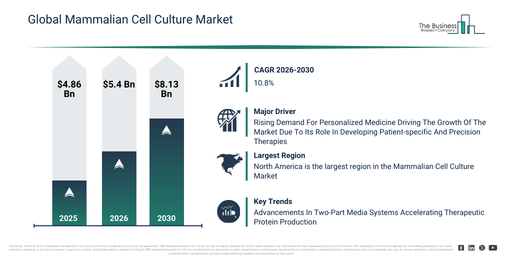
    The mammalian cell culture market size has seen rapid expansion over recent years. It is forecast to rise from $4.86 billion in 2025 to $5.4 billion in 2026, achieving a compound annual growth rate (CAGR) of 11.1%. This historical growth can be linked to factors such as the increase in monoclonal antibody production, the expansion of vaccine manufacturing capabilities, the escalating application of mammalian cells in drug discovery, enhanced access to sophisticated culture equipment, and the overall growth in biopharmaceutical research.

    The mammalian cell culture market is projected to experience swift expansion over the coming years. By 2030, its valuation is anticipated to reach $8.13 billion, expanding at a compound annual growth rate (CAGR) of 10.8%. This anticipated growth during the forecast period stems from factors such as increased investments in cell and gene therapy, a surging demand for biologics production, the ongoing expansion of regenerative medicine research, a heightened emphasis on scalable cell culture technologies, and the rising adoption of continuous bioprocessing. Key trends characterizing this period encompass the wider acceptance of serum-free mammalian cell culture media, an escalating demand for large-scale biopharmaceutical output, the increasing deployment of automated cell culture systems, the broadening scope of cell-based vaccine manufacturing, and a sharpened focus on ensuring process consistency and optimizing yield.

    Access Your Free Sample Report for In-Depth Market Insights:

    https://www.thebusinessresearchcompany.com/sample.aspx?id=30318&type=smp

    What Drivers Are Affecting Demand-Supply Dynamics In The Mammalian Cell Culture Market?

    The future expansion of the mammalian cell culture market is anticipated to be driven by the rising need for personalized medicine. This approach to medicine customizes treatments according to an individual’s genetic makeup, environmental influences, and lifestyle choices, aiming for highly effective and accurate healthcare. The escalating requirement for personalized medicine stems from its capacity to enhance treatment efficacy by customizing therapies to match unique genetic and biological profiles, thereby improving patient results. Mammalian cell culture plays a crucial role in facilitating personalized medicine by offering a regulated setting for examining patient-specific cells, which in turn permits the creation of customized treatments and the evaluation of drug reactions, leading to more accurate and impactful therapies. As an illustration, the US-based non-profit organization, the Personalized Medicine Coalition, disclosed in February 2024 that the FDA had given its approval to 16 novel personalized treatments for individuals suffering from rare diseases in 2023, marking a notable rise from the six approved in 2022. Consequently, the growing need for personalized medicine is a primary factor fueling the expansion of the mammalian cell culture market.

    What Segments Are Included Within The Mammalian Cell Culture Market?

    The mammalian cell culture market covered in this report is segmented –

    1) By Product: Media, Sera, Reagents, Equipment

    2) By Cell Line: Chinese Hamster Ovary (CHO), Wistar Institute-38 (WI-38), Rat Glial Tumor Cell Line (C6), Human Embryonic Kidney 293 (HEK293), Henrietta Lacks (HeLa)

    3) By Application: Biopharmaceutical Production, Vaccine Production, Toxicity Testing, Drug Screening and Development, Tissue Engineering And Regenerative Medicine

    4) By End-Use: Pharmaceutical And Biotechnology Companies, Hospitals And Diagnostic Laboratories, Research And Academic Institutes, Contract Research Organizations (CROs)

    Subsegments:

    1) By Media: Serum-free Media, Chemically Defined Media, Classical Media, Protein-free Media, Specialty Media, Custom Media Formulations

    2) By Sera: Fetal Bovine Serum (FBS), Newborn Calf Serum, Adult Bovine Serum, Donor Horse Serum

    3) By Reagents: Growth Factors And Cytokines, Cell Dissociation Reagents, Supplements And Additives, Cryoprotective Agents, Buffers And Salt Solutions, Antibiotics And Antimycotics

    4) By Equipment: Bioreactors And Fermenters, Culture Vessels, Filtration Systems, Centrifuges, Cell Counters And Analyzers, Incubators, Biosafety Cabinets, Microscopes, Refrigeration And Cryostorage Equipment

    What Trends Are Expected To Impact The Competitive Landscape Of The Mammalian Cell Culture Market?

    Major companies operating in the mammalian cell culture market are concentrating on innovating cell culture media, such as two-part production systems, to boost protein yield, enhance cell viability, and streamline scalable bioprocess workflows for therapeutic applications. A two-part production system is a cell culture methodology employing two distinct media components—one to foster general cell growth and another to amplify protein expression—leading to greater productivity. For instance, in July 2023, Lonza Group Ltd., a Switzerland-based contract development and manufacturing organization (CDMO), unveiled the TheraPRO CHO Media System. This groundbreaking platform is a chemically defined, animal-component-free cell culture medium specifically formulated for GS-CHO mammalian cell lines. The system is designed to improve the production of therapeutic proteins and monoclonal antibodies by ensuring higher cell viability and better protein yields. Its scalable architecture supports all stages of bioprocess manufacturing, from cell line development to large-scale production. With this launch, Lonza intends to simplify workflows, enhance product quality, and reduce time-to-market for biopharmaceutical manufacturers.

    Who Are The Major Companies Operating In The Mammalian Cell Culture Market?

    Major companies operating in the mammalian cell culture market are Novartis AG, Thermo Fisher Scientific Inc., Merck KGaA, Danaher Corporation, GE Healthcare, Becton Dickinson and Company, Lonza Group AG, Avantor Inc., Agilent Technologies Inc., Charles river laboratories, Sartorius AG, Samsung biologics, Wuxi biologics, Bio-Techne Corporation, Miltenyi Biotec, STEMCELL Technologies, Takara Bio Inc., Goodwin biotechnology, HiMedia Laboratories Private Limited, Promocell GmbH, Eppendorf AG, Cell Culture Company LLC, Cell X Technologies.

    Access The Complete Report For Deeper Market Insights:

    https://www.thebusinessresearchcompany.com/report/global-mammalian-cell-culture-market-report

    Which Region Is Anticipated To See The Fastest Growth In The Mammalian Cell Culture Market?

    North America was the largest region in the mammalian cell culture market in 2025. Asia-Pacific is expected to be the fastest-growing region in the forecast period. The regions covered in the mammalian cell culture market report are Asia-Pacific, South East Asia, Western Europe, Eastern Europe, North America, South America, Middle East, Africa.

    Request Your Customized Mammalian Cell Culture Market Research Report for Competitive Advantage:

    https://www.thebusinessresearchcompany.com/customise?id=30318&type=smp

    Browse Through More Reports Similar to the Global Mammalian Cell Culture Market 2026, By The Business Research Company

    Cell Cultures Market Report 2026

    https://www.thebusinessresearchcompany.com/report/cell-cultures-global-market-report

    Primary Cell Culture Market Report 2026

    https://www.thebusinessresearchcompany.com/report/primary-cell-culture-global-market-report

    Cell Culture Media Market Report 2026

    https://www.thebusinessresearchcompany.com/report/cell-culture-media-global-market-report

    Get in touch with us:

    The Business Research Company: https://www.thebusinessresearchcompany.com/

    Americas +1 310-496-7795

    Asia +44 7882 955267 & +91 8897263534

    Europe +44 7882 955267

    Email us at info@tbrc.info

    Follow us on:

    LinkedIn: https://in.linkedin.com/company/the-business-research-company

    YouTube: https://www.youtube.com/channel/UC24_fI0rV8cR5DxlCpgmyFQ

    Global Market Model: https://www.thebusinessresearchcompany.com/global-market-model

  • Malignant Pleural Effusion Market Anticipated to Record Steady Gains, Advancing to $6.51 Billion by 2030

    Malignant Pleural Effusion Market Anticipated to Record Steady Gains, Advancing to $6.51 Billion by 2030

    Uncover key drivers, emerging technologies, and competitive movements shaping the malignant pleural effusion market from 2026–2035 with trusted insights from The Business Research Company

    What long-term size projections exist for the Malignant Pleural Effusion Market covering 2026–2035?

    The malignant pleural effusion market size has experienced significant growth in recent years. It is projected to increase from $4.73 billion in 2025 to $5.05 billion in 2026, at a compound annual growth rate (CAGR) of 6.8%. The expansion witnessed in the past can be attributed to the rising occurrence of metastatic cancers, the limited availability of curative treatment options, the reliance on repeated thoracentesis for managing symptoms, the growth in hospital-based cancer care, and the progressive adoption of pleurodesis techniques.

    The malignant pleural effusion market size is projected to experience substantial growth over the upcoming years. It is anticipated to expand to $6.52 billion by 2030, achieving a compound annual growth rate (CAGR) of 6.6%. This expected growth within the forecast period can be linked to several factors, including the global rise in cancer prevalence, innovations in pleural catheter technologies, a heightened focus on outpatient and home-based care models, enhanced accuracy in diagnostic imaging, and an increasing demand for treatments centered on improving quality of life. Prominent trends identified for this period include the wider adoption of indwelling pleural catheters for extended management, an escalating preference for minimally invasive pleural interventions, the greater integration of systemic cancer therapies into malignant pleural effusion management, an increased emphasis on symptom alleviation and palliative care strategies, and the expansion of imaging-guided diagnostic and therapeutic procedures.

    Access Your Free Sample Report for In-Depth Market Insights:

    https://www.thebusinessresearchcompany.com/sample.aspx?id=22047&type=smp

    Which Drivers Are Impacting The Competitive Landscape Of The Malignant Pleural Effusion Market?

    An increase in lung cancer cases is projected to stimulate the expansion of the malignant pleural effusion market in the future. Lung cancer is characterized by the unchecked proliferation of abnormal cells within the lungs, forming masses that disrupt normal pulmonary function. The escalation of lung cancer instances is linked to smoking and tobacco consumption, as sustained exposure to hazardous chemicals in cigarettes damages lung tissue, induces genetic mutations, and fosters uncontrolled cancerous cell growth, thereby substantially elevating disease risk. Malignant pleural effusion signals advanced lung cancer progression by promoting tumor dissemination within the pleural cavity, leading to worsened respiratory health and a less favorable prognosis. For example, in January 2023, the American Cancer Society Facts and Figures, a US-based professional organizations company, reported an estimated 236,740 new lung and bronchus cancer cases in 2022 and 238,340 in 2023, with estimated deaths at 130,180 in 2022 and 127,070 in 2023. Consequently, the rising incidence of lung cancer is a key factor boosting the malignant pleural effusion market. Malignant Pleural Effusion Market Driver: Impact Of Improving Healthcare Infrastructure On The Market Due To Enhanced Diagnosis And Treatment Accessibility

    What Leading Segments Are Studied In The Malignant Pleural Effusion Market?

    The malignant pleural effusion market covered in this report is segmented –

    1) By Treatment: Systemic Therapy, Therapeutic Thoracentesis, Thoracic Drainage And Pleurodesis, Indwelling Pleural Catheter

    2) By Diagnosis: Pleural Fluid Cytology, Immunohistochemical Tests, Imaging Tests, Pleural Thoracentosis, Pleuroscopy, Pleural Biopsy

    3) By End Users: Hospitals, Ambulatory Clinics, Other End Users

    Subsegments:

    1) By Systemic Therapy: Chemotherapy, Targeted Therapy, Immunotherapy

    2) By Therapeutic Thoracentesis: Single-Time Thoracentesis, Repeated Thoracentesis

    3) By Thoracic Drainage And Pleurodesis: Chemical Pleurodesis, Mechanical Pleurodesis

    4) By Indwelling Pleural Catheter: Tunneled Pleural Catheter, Non-Tunneled Pleural Catheter

    Which Trends Are Guiding The Evolution Of The Malignant Pleural Effusion Market?

    Major companies operating in the malignant pleural effusion market are directing their efforts towards developing innovative products, specifically fully-implantable automatic fluid-shunt devices, to enhance patient comfort and decrease the number of hospital visits. A fully-implantable automatic fluid-shunt device is a medical apparatus surgically placed within the body that autonomously drains surplus pleural fluid from the lungs into the abdomen or another region. This process helps to mitigate symptoms of breathlessness, lessen the requirement for repetitive hospital procedures, and elevate a patient’s quality of life. For instance, in October 2023, Pleural Dynamics, a US-based medical device company, launched its ACES Automatic Continuous Effusion Shunt System. This device incorporates a durable, flexible pump chamber implanted under the skin between the ribs, with one catheter positioned in the pleural space and another in the peritoneal space. With each breath taken by the patient, the internal pump extension undergoes compression and decompression between adjacent ribs, thereby propelling fluid from the pleural cavity to the abdomen where it is reabsorbed; the system also permits manual activation via an external compression extension. Key characteristics include a completely implantable design, no need for external drainage tubing or suction bottles, an automatic pumping function powered by breathing, a minimal hospital stay for implantation, and continuous symptom alleviation for recurrent effusions.

    Which Major Firms Are Strengthening Their Position In The Malignant Pleural Effusion Market?

    Major companies operating in the malignant pleural effusion market are Becton Dickinson and Company, Cook Medical LLC, Merit Medical Systems Inc, Argon Medical Devices Inc, B Braun SE, Medtronic plc, Smiths Medical, Teleflex Incorporated, Cardinal Health Inc, Getinge AB, AngioDynamics Inc, Rocket Medical plc, Redax SpA, Atrium Medical Corporation, PolyMedicure Ltd, Troge Medical GmbH, Vygon SA, ICU Medical Inc, ConvaTec Group plc, Baxter International Inc

    Access The Complete Report For Deeper Market Insights:

    https://www.thebusinessresearchcompany.com/report/malignant-pleural-effusion-global-market-report

    Which Global Regions Are Shaping The Competitive Landscape Of The Malignant Pleural Effusion Market?

    North America was the largest region in the malignant pleural effusion market in 2025. Asia-Pacific is expected to be the fastest-growing region in the forecast period. The regions covered in the malignant pleural effusion market report are Asia-Pacific, South East Asia, Western Europe, Eastern Europe, North America, South America, Middle East, Africa.

    Request Your Customized Malignant Pleural Effusion Market Research Report for Competitive Advantage:

    https://www.thebusinessresearchcompany.com/customise?id=22047&type=smp

    Browse Through More Reports Similar to the Global Malignant Pleural Effusion Market 2026, By The Business Research Company

    Aortic Aneurysm Market Report 2026

    https://www.thebusinessresearchcompany.com/report/aortic-aneurysm-global-market-report

    Pulmonary Embolism Market Report 2026

    https://www.thebusinessresearchcompany.com/report/pulmonary-embolism-global-market-report

    Esophageal Cancer Market Report 2026

    https://www.thebusinessresearchcompany.com/report/esophageal-cancer-global-market-report

    Get in touch with us:

    The Business Research Company: https://www.thebusinessresearchcompany.com/

    Americas +1 310-496-7795

    Asia +44 7882 955267 & +91 8897263534

    Europe +44 7882 955267

    Email us at info@tbrc.info

    Follow us on:

    LinkedIn: https://in.linkedin.com/company/the-business-research-company

    YouTube: https://www.youtube.com/channel/UC24_fI0rV8cR5DxlCpgmyFQ

    Global Market Model: https://www.thebusinessresearchcompany.com/global-market-model

  • Multiplex Assays Market Forecast: How Big Will It Be by 2030?

    Multiplex Assays Market Forecast: How Big Will It Be by 2030?

    Uncover key drivers, emerging technologies, and competitive movements shaping the multiplex assays market from 2026–2035 with trusted insights from The Business Research Company

    How is the Multiplex Assays Market size predicted to change over the forecast window of 2026–2035?

    The multiplex assays market has experienced robust expansion in its size over recent years. Projections indicate it will expand from $3.88 billion in 2025 to reach $4.21 billion in 2026, exhibiting a compound annual growth rate (CAGR) of 8.3%. Historically, this growth has been driven by factors such as the rise in molecular diagnostic usage, growing demand for pcr-based testing, expansion of research activities, increased pathogen identification needs, and early adoption of multiplex protein assays.

    The multiplex assays market is projected to experience substantial growth in the coming years, with its size expected to reach $5.75 billion by 2030, demonstrating a compound annual growth rate (CAGR) of 8.1%. This anticipated expansion during the forecast period is driven by advancements in multiplex technologies, a growing adoption of clinical diagnostics, increasing applications in precision medicine, wider utilization in forensic laboratories, and a rising demand for genetic mutation analysis. Key trends for the forecast period include the increasing uptake of multiplex PCR for pathogen detection, a greater deployment of multiplex assays in mutation and gene analysis, an escalating need for high-throughput protein quantification, the broadening of multiplex platforms within clinical diagnostics, and the enhanced utilization of multiplex assays in forensic and research investigations.

    Access Your Free Sample Report for In-Depth Market Insights:

    https://www.thebusinessresearchcompany.com/sample.aspx?id=5775&type=smp

    Which Drivers Are Contributing To The Expansion Of The Multiplex Assays Market?

    The rising prevalence of chronic illnesses is anticipated to propel the expansion of the global multiplex assay market in the coming years. These are persistent medical conditions that progress slowly over time and generally necessitate ongoing management, often impacting multiple organ systems and overall quality of life. A significant contributor to the growing occurrence of chronic diseases is the aging demographic, as advancing age increases physiological vulnerability, reduces regenerative capacity, and extends exposure to cumulative risk factors, thereby making individuals more prone to the development and worsening of long-term health issues. Multiplex assays facilitate the concurrent measurement of several biomarkers, aiding in earlier detection, more precise disease monitoring, and improved clinical decision-making for those dealing with chronic conditions. For example, in April 2024, Allergy UK, a UK-based national charity, reported that more than 21 million people in the UK suffer from allergies, which became the most commonly reported chronic health condition in 2022, and projections indicate that by 2026, half of Europe’s population will experience at least one allergy. Consequently, the increasing incidence of chronic diseases is fueling the multiplex assay market.

    What Segment Classifications Make Up The Multiplex Assays Market?

    The multiplex assays market covered in this report is segmented –

    1) By Type: Protein-Based Multiplex Assays, Nucleic Acid-Based Multiplex Assays, Other Types

    2) By Identification Technology: Flow Cytometry, Multiplex Real-Time PCR, Other Identification Technologies

    3) By Detection Technology: Enzyme-Linked Immunosorbent Assay (ELISA), Luminescence, Fluorescence, Other Detection Technologies

    4) By Application: Research And Development, Clinical Diagnostics

    5) By End User: Pharmaceutical And Biotechnology Companies, Hospitals And Research Institutes, Reference Laboratories, Other End-Users

    Subsegments:

    1) By Protein-Based Multiplex Assays: ELISA (Enzyme-Linked Immunosorbent Assay), Luminex xMAP Technology, Western Blotting, Immunohistochemistry, Mass Spectrometry-Based Assays

    2) By Nucleic Acid-Based Multiplex Assays: PCR (Polymerase Chain Reaction), qPCR (Quantitative PCR), NGS (Next-Generation Sequencing), Microarray Analysis, RT-PCR (Reverse Transcription PCR)

    3) By Other Types: Cell-Based Multiplex Assays, Bioanalytical Assays, Imaging-Based Assays, Surface Plasmon Resonance (SPR) Assays

    Which Innovation Trends Are Advancing Developments Within The Multiplex Assays Market?

    Major companies engaged in the multiplex assays market are concentrating on developing groundbreaking advancements, like ultrasensitive multiplexed digital PCR assays, to improve the precision of mutation detection and support more efficient clinical research processes. Ultrasensitive multiplexed digital PCR assays are high-accuracy analytical tools capable of identifying and quantifying multiple genetic variants present in low concentrations within a single reaction, thereby enhancing sensitivity while also reducing sample usage and the time required for testing. As an illustration, in January 2024, Bio-Rad Laboratories Inc., a US-based company focused on life science research and clinical diagnostic products, introduced the ddPLEX ESR1 Mutation Detection Kit. This kit is the inaugural ultrasensitive multiplexed digital PCR assay specifically engineered for detecting breast cancer mutations in the context of clinical research. The assay facilitates the simultaneous detection and quantification of seven known relevant ESR1 mutations in a single well, thus streamlining the testing workflow. It boasts an analytical sensitivity reaching as low as 0.01% variant allele fraction (VAF), which permits the discovery of low-frequency mutations that can be crucial in cancer diagnostics. The kit can be utilized with circulating tumor DNA (ctDNA) from plasma or DNA extracted from formalin-fixed paraffin-embedded (FFPE) tissue samples, offering flexibility in the types of samples for analysis.

    Which Major Firms Are Strengthening Their Position In The Multiplex Assays Market?

    Major companies operating in the multiplex assays market are Seegene Inc, DiaSorin SpA, Thermo Fisher Scientific Inc, Bio-Rad Laboratories Inc, Abcam Plc, PerkinElmer Inc, Hologic Corporation, Meso Scale Diagnostics, Merck KGaA, Roche Diagnostics India Pvt Ltd, bioMérieux India, Becton Dickinson Private Limited, Danaher Corporation, Johnson & Johnson, Simens Healthcare, Beckman Coulter Inc. India, Ortho Clinical Diagnostics, Sysmex Corporation, Siemens Healthineers Ukraine, TestLine Clinical Diagnostics s.r.o., Cepheid, F. Hoffmann-La Roche Ltd., Hologic, Bayer AG, Cantel Medical Corporation, Meridian Bioscience, Faizyme Laboratories, Alere Inc., Bangs Laboratories Inc, The Merck Group, Takara Bio Inc, Qiagen, Spherotech Inc, Geneaid Biotech Ltd, Rockland Immunochemicals Inc, GenScript Biotech Corporation

    Access The Complete Report For Deeper Market Insights:

    https://www.thebusinessresearchcompany.com/report/multiplex-assays-global-market-report

    Which Regions Are Projected To Dominate The Multiplex Assays Market In The Coming Years?

    North America was the largest region in the multiplex assays market in 2025. Asia-Pacific is expected to be the fastest-growing region in the forecast period. The regions covered in the multiplex assays market report are Asia-Pacific, South East Asia, Western Europe, Eastern Europe, North America, South America, Middle East, Africa.

    Request Your Customized Multiplex Assays Market Research Report for Competitive Advantage:

    https://www.thebusinessresearchcompany.com/customise?id=5775&type=smp

    Browse Through More Reports Similar to the Global Multiplex Assays Market 2026, By The Business Research Company

    Cell Based Assays Market Report 2026

    https://www.thebusinessresearchcompany.com/report/cell-based-assays-global-market-report

    Multiplex Pcr Assays Market Report 2026

    https://www.thebusinessresearchcompany.com/report/multiplex-pcr-assays-global-market-report

    Multiplex Biomarker Imaging Market Report 2026

    https://www.thebusinessresearchcompany.com/report/multiplex-biomarker-imaging-global-market-report

    Get in touch with us:

    The Business Research Company: https://www.thebusinessresearchcompany.com/

    Americas +1 310-496-7795

    Asia +44 7882 955267 & +91 8897263534

    Europe +44 7882 955267

    Email us at info@tbrc.info

    Follow us on:

    LinkedIn: https://in.linkedin.com/company/the-business-research-company

    YouTube: https://www.youtube.com/channel/UC24_fI0rV8cR5DxlCpgmyFQ

    Global Market Model: https://www.thebusinessresearchcompany.com/global-market-model