Category: HealthcareServices

  • Global Male Fertility Market Set for Strong Expansion, Reaching $5.11 Billion With 4.1% CAGR by 2030

    Global Male Fertility Market Set for Strong Expansion, Reaching $5.11 Billion With 4.1% CAGR by 2030

    Uncover key drivers, emerging technologies, and competitive movements shaping the male fertility market from 2026–2035 with trusted insights from The Business Research Company

    What growth pattern is forecast for the Male Fertility Market size between 2026 and 2035?

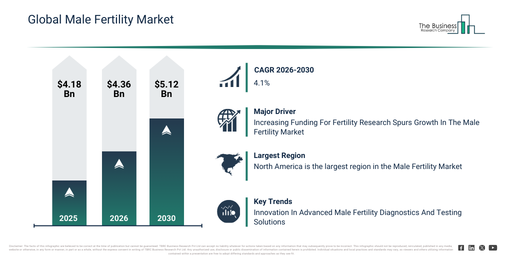
    The male fertility market has experienced steady expansion in recent years. The market is anticipated to expand from $4.18 billion in 2025 to $4.36 billion in 2026, exhibiting a compound annual growth rate (CAGR) of 4.3%. This historical growth can be attributed to several factors including delayed parenthood trends, a rise in the prevalence of lifestyle-related infertility, an increasing incidence of varicocele and hormonal disorders, the early adoption of IVF and ICSI procedures, and heightened awareness of male reproductive health.

    The male fertility market is projected to experience consistent expansion over the coming years, reaching a valuation of $5.12 billion by 2030, propelled by a compound annual growth rate (CAGR) of 4.1%. This anticipated growth during the forecast period is primarily driven by factors such as a rise in male infertility diagnoses, greater willingness among men to undergo fertility testing, the broadening of fertility services in developing regions, increased funding for reproductive health studies, and the wider adoption of preventive fertility supplements. Key trends expected during this period involve heightened understanding of male infertility issues, the increasing integration of sophisticated semen analysis methods, a surge in the need for assisted reproductive technologies, increased intake of male fertility supplements, and the proliferation of specialized male fertility clinics.

    Access Your Free Sample Report for In-Depth Market Insights:

    https://www.thebusinessresearchcompany.com/sample.aspx?id=13699&type=smp

    Which Drivers Are Impacting Market Performance In The Male Fertility Market?

    The escalating financial support for fertility investigations is anticipated to invigorate the expansion of the male fertility market in the foreseeable future. Fertility research entails the scientific examination and analysis of various factors influencing reproductive well-being, including, but not limited to, the processes of conception, gestation, and the improvement of fertility outcomes. Funding directed towards fertility research prioritizes studies focusing on male fertility to achieve a thorough comprehension of reproductive health, enhance overall fertility success, and address the significant influence that male factors have on conception and successful reproduction. For example, in October 2023, the Eunice Kennedy Shriver National Institute of Child Health and Human Development, a US-based health department, provided $2.26 million in grants for the study of fertility-sparing treatments. Hence, the increasing financial allocations for fertility research are serving as a catalyst for the growth of the male fertility market.

    What Segment Types Are Examined In The Male Fertility Market?

    The male fertility market covered in this report is segmented –

    1) By Test Type: Sperm Agglutination, DNA Fragmentation Technique, Oxidative Stress Analysis, Computer Assisted Semen Analysis, Sperm Penetration Assay, Other Test Types

    2) By Treatment Type: Assisted Reproductive Technology, Varicocele Surgery, Medication

    3) By Supplement: Antioxidants, Vitamins, Minerals, Amino Acids, Enzymes

    4) By End User: Hospitals And Clinics, Fertility Centers, Research Institutes, Other End Users

    Subsegments:

    1) By Sperm Agglutination: Seminal Plasma Agglutination Test, Sperm-Bound Antibody Tests

    2) By DNA Fragmentation Technique: Sperm DNA Fragmentation Index (DFI) Tests, Comet Assay

    3) By Oxidative Stress Analysis: Reactive Oxygen Species (ROS) Measurement, Antioxidant Capacity Tests

    4) By Computer Assisted Semen Analysis (CASA): Motility Analysis, Morphology Assessment

    5) By Sperm Penetration Assay: Sperm-oocyte Interaction Tests, In Vitro Fertilization (IVF) Models

    6) By Other Test Types: Hormonal Tests, Genetic Testing, Semen Culture Tests

    What Long-Term Trends Are Expected To Shape The Future Of The Male Fertility Market?

    Leading companies in the male fertility market are focusing on the development of innovative solutions, including portable computer-assisted semen analysis (CASA) systems, to address the growing demand influenced by delayed parenthood, increased awareness of male-factor infertility, and the push for decentralized, patient-friendly diagnostics. A portable computer-assisted semen analysis (CASA) system functions as a handheld or mobile device that utilizes software and imaging technology to automatically assess sperm quality, covering count, motility, and morphology, thereby facilitating quick, accurate, and on-site fertility evaluation. As an example, in November 2023, ExSeed Health, a UK-based, privately held medical-device and digital-health company, launched the ExSeed CASA Lite, a compact computer-assisted semen analysis system specifically designed for clinics and satellite laboratories. The ExSeed CASA Lite integrates a plug-and-play brightfield microscopy module with high-resolution video capture and cloud-enabled analysis software, being classified as an IVD-class solution engineered to measure key parameters such as concentration, motility, and selected morphology metrics with automated reporting. Unique features of this system include a large field-of-view high-resolution camera for whole-sample imaging, a web-based interface for rapid results and clinic integration, and a small laboratory footprint that ensures advanced semen analysis is accessible outside major ART centres.

    Who Are The Core Companies Influencing Trends In The Male Fertility Market?

    Major companies operating in the male fertility market are Bayer Healthcare Inc., Sanofi S.A., MERCK KGaA, Essity AB, Laboratory Corporation Of America Holdings, Endo International plc., Cook Medical, Zydus Lifesciences Ltd., Intas Pharmaceuticals Ltd., ASKA Pharmaceutical Co. Ltd, EMD Serono Inc., Dendreon Pharmaceuticals LLC, Vitrolife, CinnaGen Co., Aytu BioScience Inc., Kindbody, Cryos International, AdvaCare Pharma USA, Ferring Pharmaceuticals, Apricus Biosciences, Reprotech Ltd., Vios Fertility Institute, Andrology Solutions, DxNow, INVO Bioscience

    Access The Complete Report For Deeper Market Insights:

    https://www.thebusinessresearchcompany.com/report/male-fertility-global-market-report

    Which Region Is Expected To Experience The Fastest Growth In The Male Fertility Market?

    North America was the largest region in the male fertility market in 2025. Asia-Pacific is expected to be the fastest-growing region in the forecast period. The regions covered in the male fertility market report are Asia-Pacific, South East Asia, Western Europe, Eastern Europe, North America, South America, Middle East, Africa.

    Request Your Customized Male Fertility Market Research Report for Competitive Advantage:

    https://www.thebusinessresearchcompany.com/customise?id=13699&type=smp

    Browse Through More Reports Similar to the Global Male Fertility Market 2026, By The Business Research Company

    Fertility Services Market Report 2026

    https://www.thebusinessresearchcompany.com/report/fertility-services-global-market-report

    Fertility Treatments Market Report 2026

    https://www.thebusinessresearchcompany.com/report/fertility-treatments-global-market-report

    Male Hypogonadism Market Report 2026

    https://www.thebusinessresearchcompany.com/report/male-hypogonadism-global-market-report

    Get in touch with us:

    The Business Research Company: https://www.thebusinessresearchcompany.com/

    Americas +1 310-496-7795

    Asia +44 7882 955267 & +91 8897263534

    Europe +44 7882 955267

    Email us at info@tbrc.info

    Follow us on:

    LinkedIn: https://in.linkedin.com/company/the-business-research-company

    YouTube: https://www.youtube.com/channel/UC24_fI0rV8cR5DxlCpgmyFQ

    Global Market Model: https://www.thebusinessresearchcompany.com/global-market-model
  • Malaria Vaccines Market Growth Projection: Expected to Surpass $27.18 Billion by 2030 at 34.3% CAGR

    Malaria Vaccines Market Growth Projection: Expected to Surpass $27.18 Billion by 2030 at 34.3% CAGR

    Uncover key drivers, emerging technologies, and competitive movements shaping the malaria vaccines market from 2026–2035 with trusted insights from The Business Research Company

    How much larger will the Malaria Vaccines Market be in 2030 compared with 2026?

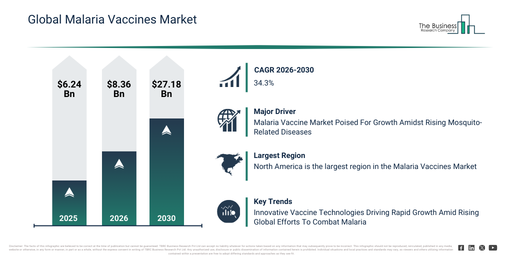
    The market size for malaria vaccines has witnessed substantial growth in recent years. This market is anticipated to expand from $6.24 billion in 2025 to $8.36 billion in 2026, at a compound annual growth rate (CAGR) of 33.9%. This past expansion can be linked to factors such as the significant malaria burden in endemic regions, ongoing global malaria eradication initiatives, financial support from international health organizations, the challenges presented by antimalarial drug resistance, and the initial achievements of first-generation malaria vaccines.

    The malaria vaccines market is projected to experience rapid expansion over the coming years. This market is anticipated to reach a valuation of $27.18 billion by 2030, exhibiting a compound annual growth rate (CAGR) of 34.3%. Factors contributing to this growth during the forecast period include enhanced government investment in preventing infectious diseases, the increasing geographical spread of malaria-susceptible areas due to climate change, a heightened need for vaccines providing extended immunity, progress in vaccine research and clinical trials, and broader immunization access in lower-income nations. Key trends for the forecast period encompass the development of advanced next-generation malaria vaccines, a heightened emphasis on immunization initiatives for children, a rise in collaborations between public and private sectors for vaccine distribution, an increased focus on vaccines targeting multiple antigens and combination formulations, and the reinforcement of large-scale vaccination efforts in areas where the disease is prevalent.

    Access Your Free Sample Report for In-Depth Market Insights:

    https://www.thebusinessresearchcompany.com/sample.aspx?id=13698&type=smp

    What Drivers Are Guiding Growth Patterns In The Malaria Vaccines Market?

    The increasing prevalence of mosquito-related diseases is projected to propel the growth of the malaria vaccine market in the coming years. These diseases encompass a wide range of illnesses transmitted through the bite of an infected mosquito. The malaria vaccine, particularly the RTS, S/AS01 (RTS, S) vaccine, is utilized to prevent and reduce the impact of mosquito-borne infectious diseases by training the immune system to recognize and attack the parasite. For instance, in December 2024, the UK Health Security Agency (UKHSA), a UK-based government department, released its annual malaria report for 2023, which indicated 2,106 cases of imported malaria reported in the UK. This represents a 26% higher figure than the cases reported in 2022. Therefore, the rise in the incidence of mosquito-related diseases is driving the growth of the malaria vaccine market.

    Which Segments Are Driving Activity In The Malaria Vaccines Market?

    The malaria vaccines market covered in this report is segmented –

    1) By Agent: Plasmodium Falciparum, Plasmodium Vivax

    2) By Vaccine Type: Pre-Erythrocytic, Erythrocytic, Multi-antigen, Other Vaccines

    3) By Route Of Administration: Intramuscular, Subcutaneous, Intradermal, Other Routes Of Administration

    4) By Distribution Channel: Public, Private

    Subsegments:

    1) By Plasmodium Falciparum: RTS,S/AS01 Vaccine, Experimental Vaccines

    2) By Plasmodium Vivax: Candidate Vaccines In Development, Combination Vaccines

    Which Market Trends Are Opening Growth Opportunities In The Malaria Vaccines Market?

    Major companies in the malaria vaccines market are concentrating on developing innovative solutions, such as next-generation recombinant vaccines, to meet the increasing demand fueled by rising malaria prevalence, government backing, and expanding immunization programs. These next-generation recombinant vaccines utilize sophisticated genetic engineering techniques to target various stages of the malaria parasite’s life cycle, providing enhanced immune responses and more sustained protection compared to conventional vaccines that often target a single stage with limited effectiveness. For instance, in October 2025, the Government of the Republic of Zambia introduced the malaria vaccine R21/Matrix-M as a component of its Expanded Programme on Immunisation. This vaccine, a collaborative effort by the University of Oxford and the Serum Institute of India, employs a recombinant protein platform in conjunction with the Matrix-M adjuvant to augment immune response, is administered through a four-dose schedule commencing at 6 months of age, and is designed to complement existing anti-malaria interventions. The vaccine delivers higher efficacy rates and aims to protect children in high and moderate transmission districts across Zambia, substantially aiding malaria elimination endeavors.

    Which Major Industry Participants Are Leading The Malaria Vaccines Market Growth?

    Major companies operating in the malaria vaccines market are GlaxoSmithKline Plc, Bharat Biotech International Limited, Serum Institute of India Private Limited, Sanaria Inc, BioNTech SE, Moderna Inc, Pfizer Inc, Novavax Inc, Takeda Pharmaceutical Company Limited, Sanofi SA, Zydus Lifesciences Limited, Valneva SE, GeoVax Labs Inc, Inovio Pharmaceuticals Inc, Vaxart Inc, CanSino Biologics Inc, Sinovac Biotech Ltd, Clover Biopharmaceuticals Inc, Biological E Limited, Emergent BioSolutions Inc

    Access The Complete Report For Deeper Market Insights:

    https://www.thebusinessresearchcompany.com/report/malaria-vaccines-global-market-report

    Which Geographic Areas Are Emerging As Strong Markets For The Malaria Vaccines Market?

    North America was the largest region in the malaria vaccines market in 2025. Asia-Pacific is expected to be the fastest growing region in the forecast period. The regions covered in the malaria vaccines market report are Asia-Pacific, South East Asia, Western Europe, Eastern Europe, North America, South America, Middle East, Africa.

    Request Your Customized Malaria Vaccines Market Research Report for Competitive Advantage:

    https://www.thebusinessresearchcompany.com/customise?id=13698&type=smp

    Browse Through More Reports Similar to the Global Malaria Vaccines Market 2026, By The Business Research Company

    Therapeutic Bcg Vaccines Market Report 2026

    https://www.thebusinessresearchcompany.com/report/therapeutic-bcg-vaccines-global-market-report

    Malaria Treatment Market Report 2026

    https://www.thebusinessresearchcompany.com/report/malaria-treatment-global-market-report

    Vaccines Market Report 2026

    https://www.thebusinessresearchcompany.com/report/vaccines-global-market-report

    Get in touch with us:

    The Business Research Company: https://www.thebusinessresearchcompany.com/

    Americas +1 310-496-7795

    Asia +44 7882 955267 & +91 8897263534

    Europe +44 7882 955267

    Email us at info@tbrc.info

    Follow us on:

    LinkedIn: https://in.linkedin.com/company/the-business-research-company

    YouTube: https://www.youtube.com/channel/UC24_fI0rV8cR5DxlCpgmyFQ

    Global Market Model: https://www.thebusinessresearchcompany.com/global-market-model
  • Major Depressive Disorder Market Forecast 2026–2035: How to Leverage Market Growth

    Major Depressive Disorder Market Forecast 2026–2035: How to Leverage Market Growth

    Uncover key drivers, emerging technologies, and competitive movements shaping the major depressive disorder market from 2026–2035 with trusted insights from The Business Research Company

    Starting from its 2026 valuation, what market size is the Major Depressive Disorder Market expected to reach by 2030?

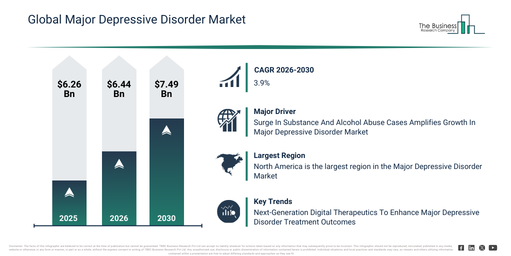
    The major depressive disorder market size has shown consistent expansion in recent years. This market is anticipated to increase from $6.26 billion in 2025 to $6.44 billion in 2026, exhibiting a compound annual growth rate (CAGR) of 2.9%. The historical growth of the market is primarily a result of the rising prevalence of depressive disorders, increasing societal recognition of mental health issues, enhanced availability of antidepressant medications, the expansion of psychiatric care facilities, and refined diagnostic protocols for mood disorders.

    The major depressive disorder market size is projected to experience consistent expansion over the upcoming years. This market is anticipated to reach a valuation of $7.49 billion by 2030, exhibiting a compound annual growth rate (CAGR) of 3.9%. Several factors are expected to fuel this growth during the forecast period, including the increasing burden on mental health stemming from lifestyle stress, the rising uptake of digital mental health platforms, a heightened demand for personalized treatments for depression, broadened insurance coverage for mental health services, and ongoing advancements in neuromodulation therapies. Key trends anticipated during this period encompass a greater adoption of combination therapy methods, an increasing preference for non-invasive brain stimulation treatments, enhanced awareness and diagnosis of depression, the expansion of telepsychiatry and remote mental health services, and a growing acceptance of new, fast-acting antidepressant medications.

    Access Your Free Sample Report for In-Depth Market Insights:

    https://www.thebusinessresearchcompany.com/sample.aspx?id=13042&type=smp

    What Drivers Are Driving Adoption Within The Major Depressive Disorder Market?

    The increasing prevalence of substance and alcohol abuse is projected to boost the major depressive disorder market. These issues, characterized by excessive and harmful use of substances, including alcohol, often lead to detrimental physical, psychological, and social effects. They frequently co-occur with major depressive disorder, with both conditions intensifying each other and significantly raising the risk of physical and mental harm. For example, a July 2024 survey from the US-based Substance Abuse and Mental Health Services Administration indicated that in 2023, 3.1% of people (8.9 million) misused opioids. It also revealed that 21.8% of individuals aged 12 or older used marijuana, making it the most commonly used illicit drug. Additionally, 9.4% of people aged 12 or older vaped nicotine in the past month, an increase from 8.3% in 2022. Thus, the escalating incidence of substance and alcohol abuse is propelling the growth of the major depressive disorder market.

    How Is The Major Depressive Disorder Market Organized Into Various Segments?

    The major depressive disorder market covered in this report is segmented –

    1) By Treatment: Psychotherapy, Medications, Electroconvulsive Therapy (ECT), Transcranial Magnetic Stimulation (TMS), Other Treatments

    2) By Diagnosis: Psychiatric Evaluations, Diagnostic And Statistical Manual of Mental Disorders (DSM-5)

    3) By End-User: Clinics, Hospitals, Other End-Users

    Subsegments:

    1) By Psychotherapy: Cognitive Behavioral Therapy (CBT), Interpersonal Therapy (IPT), Dialectical Behavior Therapy (DBT), Psychodynamic Therapy

    2) By Medications: Selective Serotonin Reuptake Inhibitors (SSRIs), Serotonin and Norepinephrine Reuptake Inhibitors (SNRIs), Tricyclic Antidepressants (TCAs), Monoamine Oxidase Inhibitors (MAOIs), Atypical Antidepressants

    3) By Electroconvulsive Therapy (ECT): Unilateral ECT, Bilateral ECT, Modified ECT

    4) By Transcranial Magnetic Stimulation (TMS): Repetitive Transcranial Magnetic Stimulation (rTMS), Deep Transcranial Magnetic Stimulation (dTMS), Theta Burst Stimulation (TBS), Navigated Brain Stimulation (nTMS)

    5) By Other Treatments: Cognitive Behavioral Therapy (CBT), Psychodynamic Therapy, Interpersonal Therapy (IPT), Vagus Nerve Stimulation (VNS), Ketamine Therapy, Bright Light Therapy, Psychedelic-Assisted Therapy, Medication (Antidepressants)

    How Are Emerging Trends Affecting The Progression Of The Major Depressive Disorder Market?

    Companies operating in the major depressive disorder (MDD) market are prioritizing the development of innovative solutions, such as prescription digital therapeutics (PDTs), to address the growing need for scalable access to evidence-based psychotherapy, adjunctive treatments for partial responders, and remote, measurement-driven care pathways. Prescription digital therapeutics (PDTs) are software-as-medical-device interventions delivered by prescription, combining clinically validated therapeutic content, remote engagement and adherence tools, and data capture for clinicians; unlike traditional antidepressant medications or in-person psychotherapy, PDTs offer repeatable, standardised, and remotely supervised behavioural interventions that can complement pharmacotherapy or bridge gaps where provider access is limited. For example, in April 2024, Otsuka Pharmaceutical Co., a pharmaceutical company based in Japan, collaborated with Click Therapeutics to launch Rejoyn (developed as CT-152). This prescription digital therapeutic was authorized by the U.S. FDA as an adjunctive treatment for adults with MDD who are concurrently taking antidepressant medication. Rejoyn is a six-week, smartphone-delivered program structured around clinically validated cognitive-emotional brain-training exercises, specifically the Emotional Faces Memory Task/EFMT, and brief therapeutic lessons designed to improve the cognitive control of emotion. The application functions through prescribed delivery; patients download and complete scheduled sessions on their smartphone while clinicians prescribe and monitor its usage. It was studied in the MIRAI randomised, sham-controlled trial, which demonstrated symptom improvement compared to the control group. Its unique features include a neuromodulatory design targeting neural networks involved in emotion processing, remote, personalized reminders to enhance adherence, and regulatory clearance as a medical device rather than a wellness app.

    Who Are The Prominent Global Companies Shaping The Major Depressive Disorder Market Landscape?

    Major companies operating in the major depressive disorder market are Pfizer Inc., Janssen Research and Development LLC, Merck and Co. Inc., Novartis AG, Sanofi-Aventis US LLC, Bristol Myers Squibb Co., AstraZeneca plc, GlaxoSmithKline plc, Takeda Pharmaceutical Company Limited, Eli Lilly and Company, Biogen Inc., Otsuka Pharmaceuticals Co. Ltd., Forest Laboratories Inc., H. Lundbeck A/S, Richter Gedeon plc, Allergan plc, Neurocrine Biosciences Inc., BlackThorn Therapeutics Inc., Intra-Cellular Therapies Inc., Axsome Therapeutics Inc., Luye Pharma Group, BrainsWay Ltd., Neumora Therapeutics Inc., Chase Therapeutics Corporation, SAGE Therapeutics Inc., Relmada Therapeutics Inc., Fabre-Kramer Pharmaceuticals Inc., Vistagen Therapeutics Inc.

    Access The Complete Report For Deeper Market Insights:

    https://www.thebusinessresearchcompany.com/report/major-depressive-disorder-global-market-report

    Which Region Is Projected To Lead The Major Depressive Disorder Market During The Forecast Period?

    North America was the largest region in the major depressive disorder market in 2025. The regions covered in the major depressive disorder market report are Asia-Pacific, South East Asia, Western Europe, Eastern Europe, North America, South America, Middle East, Africa.

    Request Your Customized Major Depressive Disorder Market Research Report for Competitive Advantage:

    https://www.thebusinessresearchcompany.com/customise?id=13042&type=smp

    Browse Through More Reports Similar to the Global Major Depressive Disorder Market 2026, By The Business Research Company

    Panic Disorders Market Report 2026

    https://www.thebusinessresearchcompany.com/report/panic-disorders-global-market-report

    Generalized Anxiety Disorder Market Report 2026

    https://www.thebusinessresearchcompany.com/report/generalized-anxiety-disorder-global-market-report

    Antidepressant Market Report 2026

    https://www.thebusinessresearchcompany.com/report/antidepressant-global-market-report

    Get in touch with us:

    The Business Research Company: https://www.thebusinessresearchcompany.com/

    Americas +1 310-496-7795

    Asia +44 7882 955267 & +91 8897263534

    Europe +44 7882 955267

    Email us at info@tbrc.info

    Follow us on:

    LinkedIn: https://in.linkedin.com/company/the-business-research-company

    YouTube: https://www.youtube.com/channel/UC24_fI0rV8cR5DxlCpgmyFQ

    Global Market Model: https://www.thebusinessresearchcompany.com/global-market-model
  • Global Mail Order Pharmacy Market 2026–2030: Forecast Insights for Business Planning

    Global Mail Order Pharmacy Market 2026–2030: Forecast Insights for Business Planning

    Uncover key drivers, emerging technologies, and competitive movements shaping the mail order pharmacy market from 2026–2035 with trusted insights from The Business Research Company

    Across 2026–2030, what is the expected market valuation path of the Mail Order Pharmacy Market?

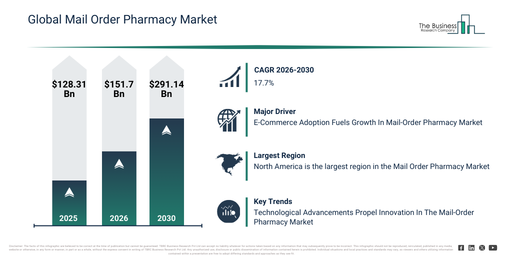
    The mail order pharmacy market has experienced substantial growth in recent years. Its valuation is anticipated to climb from $128.31 billion in 2025 to $151.7 billion in 2026, demonstrating a compound annual growth rate (CAGR) of 18.2%. This historical expansion can be primarily attributed to factors such as the proliferation of e-commerce within healthcare, increasing adoption of the internet and smartphones, a heightened desire for convenience in prescription refills, the expansion of mail pharmacy services supported by insurance, and the cost benefits associated with bulk medication dispensing.

    The mail order pharmacy market is projected to experience significant expansion over the next few years. It is anticipated to grow to $291.14 billion in 2030, achieving a compound annual growth rate (CAGR) of 17.7%. This expansion during the forecast period can be attributed to the increasing prevalence of chronic diseases, a rising aging population requiring long-term medications, growing acceptance of digital health platforms, broader integration of telemedicine with pharmacies, and improved logistics and last-mile delivery infrastructure. Major trends expected in this period include a rising adoption of online prescription fulfillment, an increase in home delivery for chronic disease medications, greater use of pharmacy mobile applications, an expansion of direct-to-consumer drug distribution, and an increasing preference for contactless medicine access.

    Access Your Free Sample Report for In-Depth Market Insights:

    https://www.thebusinessresearchcompany.com/sample.aspx?id=12137&type=smp

    Which Drivers Are Supporting The Rise Of The Mail Order Pharmacy Market?

    The expanding integration of e-commerce is propelling the mail-order pharmacy market’s future growth. E-commerce encompasses the exchange of goods, services, or data, along with money transfers, across electronic networks. Through e-commerce solutions, mail-order pharmacies enable consumers to conveniently order medications and refill prescriptions from their homes or on the go via mobile applications on phones or tablets. For example, the Census Bureau, a US-based government entity, reported in May 2024 that e-commerce sales expanded by 8.5% in the first quarter of 2024 compared to the corresponding period in 2023, making up 15.6% of overall retail sales, which saw a 2.8% increase year over year. Consequently, the rising uptake of e-commerce is a key driver for the mail-order pharmacy market.

    What Segments Are Identified Within The Structure Of The Mail Order Pharmacy Market?

    The mail order pharmacy market covered in this report is segmented –

    1) By Product Type: Dermal Care, Diabetes, Cardiovascular Medicines, Blood Pressure, Asthma, Cold And Flu, Painkillers, Antacids, Other Products

    2) By Drug Type: Non-Prescription Drugs, Prescription Drugs

    3) By Mode Of Order: Online Store, Pharmacy Apps

    Subsegments:

    1) By Dermal Care: Moisturizers, Acne Treatments, Skin Condition Treatments

    2) By Diabetes: Insulin, Oral Hypoglycemic Agents, Blood Glucose Monitoring Supplies

    3) By Cardiovascular Medicines: Antihypertensives, Statins, Anticoagulants

    4) By Blood Pressure: Prescription Medications, Monitoring Devices

    5) By Asthma: Inhalers, Asthma Control Medications

    6) By Cold And Flu: Decongestants, Cough Syrups, Antihistamines

    7) By Painkillers: Prescription Opioids, Over-The-Counter Analgesics

    8) By Antacids: OTC Antacids, Prescription Antacid Medications

    9) By Other Products: Vitamins And Supplements, Home Health Care Products

    Which Innovation Trends Are Advancing Developments Within The Mail Order Pharmacy Market?

    Major companies in the mail-order pharmacy market are concentrating on creating advanced technological solutions, including cloud-based analytics platforms, to boost operational clarity, delivery performance, and comprehensive patient care. A cloud-based analytics platform serves as an online software system that gathers, processes, and evaluates data from diverse sources, thereby assisting organizations in monitoring their operations, discerning trends, making prompt decisions, and optimizing efficiency in real time. For instance, in April 2023, Innovation Associates, Inc., a US-based pharmaceutical development company, unveiled NEXiA Enterprise Analytics, which was the first cloud-based application for NEXiA software for pharmacy fulfilment. This particular analytics platform allows customers to observe pharmacy operations across various fulfilment locations in near real-time, facilitating quicker trend identification and aiding in the delivery of medicines to patients with optimal speed and efficiency.

    Which Key Players Are Driving Competition In The Mail Order Pharmacy Market?

    Major companies operating in the mail order pharmacy market are CVS Health Corporation, UnitedHealth Group Inc., Accredo Health Group Inc., McKesson Corporation, Cigna, Cardinal Health, Walgreen Co., OptumRx Inc., Humana Pharmacy, Aetna Inc., Wellcare Health Plans Inc., Prime Therapeutics LLC., Express Scripts Inc., Zur Rose Group AG, MedImpact, Remedi SeniorCare Holding Corporation, RxAdvance Corporation, WellDyneRx Inc., PillPack Inc., BeneCard Services Inc., DocMorris N.V., EnvisionPharmacies, Freedom Fertility Pharmacy, Canada Drugs Online, Elixir Rx Solutions LLC., eDrugstore, Simple Meds LLC., SANICARE, Apex Specialty Pharmacy

    Access The Complete Report For Deeper Market Insights:

    https://www.thebusinessresearchcompany.com/report/mail-order-pharmacy-global-market-report

    Which Region Currently Holds The Largest Share Of The Mail Order Pharmacy Market?

    North America was the largest region in the mail-order pharmacy market in 2025. Asia Pacific is expected to be the fastest-growing region in the forecast period. The regions covered in the mail order pharmacy market report are Asia-Pacific, South East Asia, Western Europe, Eastern Europe, North America, South America, Middle East, Africa.

    Request Your Customized Mail Order Pharmacy Market Research Report for Competitive Advantage:

    https://www.thebusinessresearchcompany.com/customise?id=12137&type=smp

    Browse Through More Reports Similar to the Global Mail Order Pharmacy Market 2026, By The Business Research Company

    Pharmacy Management System Market Report 2026

    https://www.thebusinessresearchcompany.com/report/pharmacy-management-system-global-market-report

    E Pharmacy Market Report 2026

    https://www.thebusinessresearchcompany.com/report/e-pharmacy-global-market-report

    Digital Pharmacy Market Report 2026

    https://www.thebusinessresearchcompany.com/report/digital-pharmacy-global-market-report

    Get in touch with us:

    The Business Research Company: https://www.thebusinessresearchcompany.com/

    Americas +1 310-496-7795

    Asia +44 7882 955267 & +91 8897263534

    Europe +44 7882 955267

    Email us at info@tbrc.info

    Follow us on:

    LinkedIn: https://in.linkedin.com/company/the-business-research-company

    YouTube: https://www.youtube.com/channel/UC24_fI0rV8cR5DxlCpgmyFQ

    Global Market Model: https://www.thebusinessresearchcompany.com/global-market-model
  • Macular Edema and Macular Degeneration Market Outlook 2026–2035: Growth Drivers and Industry Forecast

    Macular Edema and Macular Degeneration Market Outlook 2026–2035: Growth Drivers and Industry Forecast

    Uncover key drivers, emerging technologies, and competitive movements shaping the macular edema and macular degeneration market from 2026–2035 with trusted insights from The Business Research Company

    What size range is anticipated for the Macular Edema and Macular Degeneration Market from 2026 to 2030?

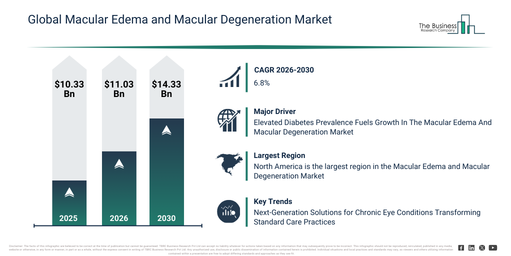
    The macular edema and macular degeneration market size has shown strong expansion in recent years. It is projected to increase from $10.33 billion in 2025 to $11.03 billion in 2026, exhibiting a compound annual growth rate (CAGR) of 6.8%. The growth witnessed during the historic period can be attributed to the rising prevalence of diabetes and retinal disorders, an aging population with an elevated risk of vision impairment, the clinical effectiveness of anti-vegf injections, increasing awareness of macular diseases, and the expansion of ophthalmology clinics.

    The market for macular edema and macular degeneration is projected to experience robust expansion over the coming years, predicted to reach $14.33 billion by 2030, demonstrating a compound annual growth rate (CAGR) of 6.8%. Factors contributing to this growth during the forecast period include the increasing worldwide diabetic population, enhanced screening efforts for retinal conditions, a rising need for minimally invasive eye therapies, broader availability of advanced ophthalmic services, and increased healthcare expenditure on maintaining vision. Key trends anticipated in the forecast period encompass a greater uptake of anti-VEGF-based treatments, an increasing imperative for early detection and intervention, more widespread application of combined drug and laser therapies, a heightened emphasis on managing diabetic eye complications, and the expansion of eye care services provided in outpatient and clinic settings.

    Access Your Free Sample Report for In-Depth Market Insights:

    https://www.thebusinessresearchcompany.com/sample.aspx?id=13479&type=smp

    What Drivers Are Affecting Demand In The Macular Edema and Macular Degeneration Market?

    The expanding diabetes population is projected to stimulate the growth of the macular edema and macular degeneration market in the future. Diabetes, a persistent medical condition, is characterized by elevated blood glucose (sugar) levels, which can damage the eye’s blood vessels, potentially resulting in macular edema and macular degeneration. For example, in June 2024, data from The National Health Service (NHS England), a publicly funded healthcare system in the UK, indicated that the count of individuals identified by the NHS in England with pre-diabetes reached 3,615,330 in 2023, marking an 18% increase from 3,065,825 in 2022. Moreover, cases among those under 40 escalated by nearly 25%, rising from 173,166 in 2022 to 216,440 in 2023. Thus, the increasing prevalence of diabetes is a significant driver for the growth of the macular edema and macular degeneration market.

    Which Segments Are Gaining Traction In The Macular Edema and Macular Degeneration Market?

    The macular edema and macular degeneration market covered in this report is segmented –

    1) By Treatment Type: Drug Therapy, Laser Treatment

    2) By Application: Macular Edema, Diabetic Macular Edema (DME), Cystoid Macular Edema (CME), Macular Degeneration, Dry Age-Related Macular Degeneration, Wet Age-Related Macular Degeneration

    3) By End User: Hospitals, Clinics, Other End Users

    Subsegments:

    1) By Drug Therapy: Anti-VEGF (Vascular Endothelial Growth Factor) Injections, Steroid Injections, Combination Therapy (Anti-VEGF + Steroids)

    2) By Laser Treatment: Focal Laser Photocoagulation, Subthreshold Laser Therapy, MicroPulse Laser Therapy

    Which Competitive Trends Are Impacting The Structure Of The Macular Edema and Macular Degeneration Market?

    Major companies active in the macular edema and macular degeneration market are concentrating on developing innovative solutions, such as continuous-delivery ocular implants, to lower the treatment burden, enhance patient adherence, and achieve more consistent long-term therapeutic outcomes. These continuous-delivery ocular implants are compact, refillable devices placed within the eye that gradually release medication over several months, thereby assisting patients by reducing the need for frequent injections and providing steady, prolonged treatment for retinal diseases. For instance, in February 2025, F. Hoffmann-La Roche Ltd, a biotechnology company based in Switzerland, obtained U.S. Food and Drug Administration (FDA) approval for Susvimo, a refillable ocular implant that delivers the anti-VEGF drug ranibizumab for treating diabetic macular edema (DME). Susvimo is engineered as a long-acting, surgically implanted reservoir that consistently releases a customised formulation of ranibizumab, maintaining therapeutic drug levels for extended periods. Unlike traditional anti-VEGF intravitreal injections, which typically demand monthly or bi-monthly dosing, Susvimo offers a refill-exchange interval of approximately six months, substantially decreasing the treatment burden for patients. Its sustained-delivery mechanism boosts adherence, streamlines clinical workflow, and offers lasting anatomical and visual benefits for individuals with chronic retinal disease.

    Who Are The Top-Performing Companies In The Macular Edema and Macular Degeneration Market In Recent Years?

    Major companies operating in the macular edema and macular degeneration market are F. Hoffmann-La Roche Ltd., Novartis AG, Regeneron Pharmaceuticals Inc., Bayer AG, AbbVie Inc., Bausch Health Companies Inc., Santen Pharmaceutical Co Ltd, Apellis Pharmaceuticals Inc., Alimera Sciences Inc., Kodiak Sciences Inc., Opthea Limited, IVERIC bio Inc., Neurotech Pharmaceuticals Inc., Regenxbio Inc., Graybug Vision Inc., Clearside Biomedical Inc., Kubota Pharmaceutical Holdings Co Ltd, Acucela Inc., PanOptica Inc., Ocugen Inc.

    Access The Complete Report For Deeper Market Insights:

    https://www.thebusinessresearchcompany.com/report/macular-edema-and-macular-degeneration-global-market-report

    How Does The Macular Edema and Macular Degeneration Market Perform Across Major Global Regions?

    North America was the largest region in the macular edema and macular degeneration market in 2025. The regions covered in the macular edema and macular degeneration market report are Asia-Pacific, South East Asia, Western Europe, Eastern Europe, North America, South America, Middle East, Africa.

    Request Your Customized Macular Edema and Macular Degeneration Market Research Report for Competitive Advantage:

    https://www.thebusinessresearchcompany.com/customise?id=13479&type=smp

    Browse Through More Reports Similar to the Global Macular Edema and Macular Degeneration Market 2026, By The Business Research Company

    Anemia And Other Blood Disorder Drugs Market Report 2026

    https://www.thebusinessresearchcompany.com/report/anemia-and-other-blood-disorder-drugs-global-market-report

    Macular Degeneration Treatment Market Report 2026

    https://www.thebusinessresearchcompany.com/report/macular-degeneration-treatment-global-market-report

    Age Related Macular Degeneration Market Report 2026

    https://www.thebusinessresearchcompany.com/report/age-related-macular-degeneration-global-market-report

    Get in touch with us:

    The Business Research Company: https://www.thebusinessresearchcompany.com/

    Americas +1 310-496-7795

    Asia +44 7882 955267 & +91 8897263534

    Europe +44 7882 955267

    Email us at info@tbrc.info

    Follow us on:

    LinkedIn: https://in.linkedin.com/company/the-business-research-company

    YouTube: https://www.youtube.com/channel/UC24_fI0rV8cR5DxlCpgmyFQ

    Global Market Model: https://www.thebusinessresearchcompany.com/global-market-model
  • Macular Degeneration Treatment Market 2026–2030: Emerging Trends and Forecast Opportunities

    Macular Degeneration Treatment Market 2026–2030: Emerging Trends and Forecast Opportunities

    Uncover key drivers, emerging technologies, and competitive movements shaping the macular degeneration treatment market from 2026–2035 with trusted insights from The Business Research Company

    How is the Macular Degeneration Treatment Market size predicted to change over the forecast window of 2026–2035?

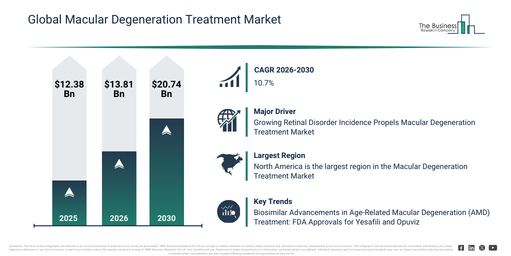
    The macular degeneration treatment market has experienced rapid expansion in recent years. It is projected to increase from $12.38 billion in 2025 to $13.81 billion in 2026, at a compound annual growth rate (CAGR) of 11.5%. The market’s growth during previous periods can be linked to an aging global population, the rising occurrence of age-related macular degeneration, the successful clinical performance of anti-VEGF injections, improved capabilities in ophthalmic diagnostics, and greater accessibility to specialized eye care services.

    The macular degeneration treatment market is anticipated to experience substantial expansion in the coming years. Its valuation is projected to reach $20.74 billion by 2030, demonstrating a compound annual growth rate (CAGR) of 10.7%. This projected growth is driven by several factors, including a global increase in the elderly population, heightened investment in cutting-edge retinal treatments, an intensified emphasis on managing early-stage age-related macular degeneration, the wider implementation of gene and regenerative therapies, and increased healthcare expenditures dedicated to vision care. Key trends anticipated during this period encompass a greater focus on prompt diagnosis and controlling disease advancement, the increasing use of anti-VEGF therapies, a rising need for treatments designed to preserve vision over the long term, the proliferation of less invasive treatment alternatives, and a heightened understanding of age-related eye conditions.

    Access Your Free Sample Report for In-Depth Market Insights:

    https://www.thebusinessresearchcompany.com/sample.aspx?id=5799&type=smp

    Which Drivers Are Contributing To The Expansion Of The Macular Degeneration Treatment Market?

    The rising prevalence of retinal disorders is anticipated to boost the expansion of the macular degeneration treatment market. These conditions impact crucial eye tissue, interfering with how individuals process visual information and resulting in impaired or lost sight. For instance, according to the American Academy of Ophthalmology, by 2050, an estimated 7.32 million people in the United States are projected to have primary open-angle glaucoma, a broad term for a group of eye disorders. The highest numbers are expected among populations aged 70 to 79 years (32%), women (50%), and Hispanics (50%). The largest demographic within this group is Hispanic men. Therefore, the increasing burden of retinal disorders is a key factor driving the growth of the macular degeneration treatment market.

    What Segment Categories Are Covered In The Macular Degeneration Treatment Market?

    The macular degeneration treatment market covered in this report is segmented –

    1) By Stage of Disease: Early-Stage AMD, Intermediate AMD, Late-Stage AMD

    2) By Route of Administration: Oral, Injectable, Other Routes of Administration

    3) By End User: Ambulatory Surgical Centers, Ophthalmic Clinics, Hospitals

    Subsegments:

    1) By Early-Stage AMD: Nutritional Supplements, Lifestyle Modification Treatments

    2) By Intermediate AMD: Regular Disease Monitoring and Imaging Surveillance, Risk-Factor Management and Lifestyle Modification

    3) By Late-Stage AMD: Surgical Treatments, Advanced Anti-VEGF Therapies, Gene Therapy Options

    What Industry Trends Are Transforming The Macular Degeneration Treatment Market?

    Leading firms within the macular degeneration treatment market are concentrating on creating biosimilar versions of treatments for age-related macular degeneration (AMD) to enhance the availability of potent medical solutions. Biosimilars are defined as biological medicinal products that closely resemble an existing approved reference product, exhibiting no significant clinical variations in their safety, purity, or potency. An example of this trend occurred in May 2024, when Biocon Biologics Ltd, based in India, and Samsung Bioepis Co. Ltd, from South Korea, secured FDA approvals for their novel biosimilars, Yesafili and Opuviz. Both of these biosimilars function by inhibiting vascular endothelial growth factor (VEGF), a key factor in the abnormal development of blood vessels in the eye. This mechanism aids in preventing vision impairment linked to conditions such as AMD and diabetic retinopathy. The FDA’s rigorous approval process encompassed comparative studies which demonstrated that Yesafili and Opuviz possessed comparable efficacy and safety profiles to Eylea. These investigations involved thorough evaluations of the biosimilars’ pharmacokinetics and immunogenicity.

    Which Leading Companies Dominate The Macular Degeneration Treatment Market Share?

    Major companies operating in the macular degeneration treatment market are F Hoffmann La Roche Ltd, Regeneron Pharmaceuticals Inc, Novartis AG, Bayer AG, Allergan Inc, Bausch Health Companies Inc, Santen Pharmaceutical Co Ltd, Alimera Sciences Inc, Apellis Pharmaceuticals Inc, Iveric Bio Inc, Aerie Pharmaceuticals Inc, Kodiak Sciences Inc, Neurotech Pharmaceuticals Inc, Regenxbio Inc, Adverum Biotechnologies Inc, Applied Genetic Technologies Corp, 4D Molecular Therapeutics Inc, GenSight Biologics SA, Nanoscope Therapeutics Inc, Annexon Inc, Ocular Therapeutix Inc, Graybug Vision Inc

    Access The Complete Report For Deeper Market Insights:

    https://www.thebusinessresearchcompany.com/report/macular-degeneration-treatment-global-market-report

    Which Region Is Anticipated To See The Fastest Growth In The Macular Degeneration Treatment Market?

    North America was the largest region in the macular degeneration treatment market in 2025. Asia-Pacific is expected to be the fastest-growing region in the forecast period. The regions covered in the macular degeneration treatment market report are Asia-Pacific, South East Asia, Western Europe, Eastern Europe, North America, South America, Middle East, Africa.

    Request Your Customized Macular Degeneration Treatment Market Research Report for Competitive Advantage:

    https://www.thebusinessresearchcompany.com/customise?id=5799&type=smp

    Browse Through More Reports Similar to the Global Macular Degeneration Treatment Market 2026, By The Business Research Company

    Retinal Disorder Treatment Market Report 2026

    https://www.thebusinessresearchcompany.com/report/retinal-disorder-treatment-global-market-report

    Macular Edema And Macular Degeneration Market Report 2026

    https://www.thebusinessresearchcompany.com/report/macular-edema-and-macular-degeneration-global-market-report

    Age Related Macular Degeneration Market Report 2026

    https://www.thebusinessresearchcompany.com/report/age-related-macular-degeneration-global-market-report

    Get in touch with us:

    The Business Research Company: https://www.thebusinessresearchcompany.com/

    Americas +1 310-496-7795

    Asia +44 7882 955267 & +91 8897263534

    Europe +44 7882 955267

    Email us at info@tbrc.info

    Follow us on:

    LinkedIn: https://in.linkedin.com/company/the-business-research-company

    YouTube: https://www.youtube.com/channel/UC24_fI0rV8cR5DxlCpgmyFQ

    Global Market Model: https://www.thebusinessresearchcompany.com/global-market-model
  • Global Macrolide Antibiotics Market Forecast 2026–2035: Long-Term Growth Insights

    Global Macrolide Antibiotics Market Forecast 2026–2035: Long-Term Growth Insights

    Uncover key drivers, emerging technologies, and competitive movements shaping the macrolide antibiotics market from 2026–2035 with trusted insights from The Business Research Company

    What market expansion outlook does the Macrolide Antibiotics Market show for the 2026–2030 period?

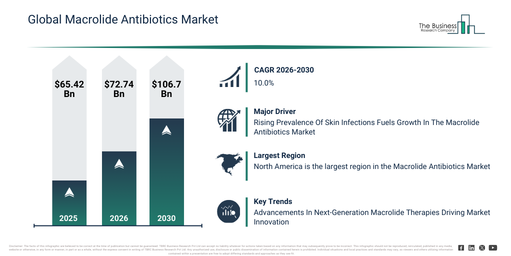
    The macrolide antibiotics market size has experienced swift growth in recent years. This market is projected to expand from $65.42 billion in 2025 to $72.74 billion in 2026, exhibiting a compound annual growth rate (CAGR) of 11.2%. The historical market expansion is primarily due to the widespread prevalence of bacterial respiratory infections, the long-standing clinical application of erythromycin and azithromycin, extensive physician familiarity with macrolides, the increased use of antibiotics in both hospital and outpatient settings, and their notable efficacy against gram-positive pathogens.

    The market for macrolide antibiotics is projected to experience substantial expansion over the upcoming years. This market is set to reach a valuation of $106.7 billion by 2030, exhibiting a compound annual growth rate (CAGR) of 10.0%. This projected increase during the forecast period stems from factors such as an increasing prevalence of community-acquired infections, the expansion of outpatient and ambulatory care options, a rising need for affordable generic antibiotics, a stronger emphasis on managing antimicrobial resistance, and broadening healthcare availability in developing regions. Key developments anticipated in this period encompass an ongoing requirement for broad-spectrum antibiotics, greater application in respiratory tract infections, an increasing inclination towards oral antibiotic preparations, the proliferation of generic macrolide antibiotics, and a heightened commitment to antibiotic stewardship initiatives.

    Access Your Free Sample Report for In-Depth Market Insights:

    https://www.thebusinessresearchcompany.com/sample.aspx?id=16472&type=smp

    What Drivers Are Shaping The Development Of The Macrolide Antibiotics Market?

    The expanding occurrence of skin infections is anticipated to boost the expansion of the macrolide antibiotics market in the future. A skin infection refers to a state where harmful microorganisms invade the skin, resulting in inflammation and frequently presenting symptoms like redness, swelling, and discomfort. The rise in skin infections can stem from elements including inadequate hygiene, weakened immune defenses, contact with environmental contaminants, antibiotic resistance, and insufficient wound management. Macrolide antibiotics are commonly prescribed for addressing skin infections brought on by bacteria like Staphylococcus aureus or Streptococcus pyogenes, especially when penicillin allergies or resistance are present. For instance, in August 2023, the Skin Health Institute Inc., an Australia-based non-profit organization, highlighted that in Australia, psoriasis affects an estimated 2–3% of the population, marking it as a notably common skin condition. Consequently, the expanding occurrence of skin infections is propelling the macrolide antibiotics market’s growth.

    Which Segments Are Contributing To The Growth Of The Macrolide Antibiotics Market?

    The macrolide antibiotics market covered in this report is segmented –

    1) By Drugs: Azithromycin, Clarithromycin, Erythromycin, Fidaxomicin, Telithromycin

    2) By Indication: Respiratory Tract Infections, Skin Infections, Sexually Transmitted Infections, Gastrointestinal Infections, Other Indications

    3) By Route Of Administration: Oral, Parenteral, Other Routes Of Administrations

    4) By Distribution Channel: Hospital Pharmacies, Drug Stores And Retail Pharmacies, Online Providers

    5) By End User: Hospital, Dermatology Clinic, Clinic, Ambulatory Centre

    Subsegments:

    1) By Azithromycin: Oral Tablets, Oral Suspension, Injection

    2) By Clarithromycin: Immediate-Release Tablets, Extended-Release Tablets, Oral Suspension

    3) By Erythromycin: Tablets, Capsules, Topical Solution, Injection

    4) By Fidaxomicin: Oral Tablets, Oral Suspension

    5) By Telithromycin: Oral Tablets, Oral Film-Coated Tablets

    What Trends Are Reshaping The Dynamics Of The Macrolide Antibiotics Market?

    Leading companies in the macrolide antibiotics market are concentrating on developing innovative products, such as ketolide antibiotics. These are specifically designed to overcome antimicrobial resistance and reduce treatment duration, which helps improve patient adherence and lessen the healthcare burden. Ketolide antibiotics are a class derived from macrolides, intended for treating bacterial infections, including those resistant to standard macrolides. They function by inhibiting bacterial protein synthesis, thereby aiding in the fight against resistant strains and enhancing treatment efficacy. For instance, in November 2024, Wockhardt Ltd., an India-based pharmaceutical company, soft-launched Nafithromycin, marketed under the brand name Miqnaf. This is an innovative lactone-ketolide macrolide antibiotic developed to address drug-resistant community-acquired bacterial pneumonia. The product, a novel small-molecule macrolide/ketolide (nafithromycin), is formulated for oral dosing as an ultra-short, once-daily, three-day course. It was developed to achieve high concentration in lung tissue, exhibit greater in vitro potency against some azithromycin-resistant strains, and offer a simplified regimen that can improve compliance and reduce overall antibiotic exposure.

    Who Are The Major Companies Operating In The Macrolide Antibiotics Market?

    Major companies operating in the macrolide antibiotics market are Pfizer Inc., AbbVie Inc., Bayer AG, Sanofi S.A., Abbott Laboratories, Novartis AG, GlaxoSmithKline plc, Teva Pharmaceutical Industries Limited, Viatris Inc., Daiichi Sankyo Company Limited, Sun Pharmaceutical Industries Limited, Cipla Limited, Lupin Limited, Zydus Lifesciences Limited, Alkem Laboratories Limited, Aurobindo Pharma Limited, Dr Reddys Laboratories Limited, Wockhardt Limited, Hikma Pharmaceuticals PLC, Sandoz Group AG

    Access The Complete Report For Deeper Market Insights:

    https://www.thebusinessresearchcompany.com/report/macrolide-antibiotics-global-market-report

    Which Region Is Anticipated To See The Fastest Growth In The Macrolide Antibiotics Market?

    North America was the largest region in the macrolide antibiotics market in 2025. The regions covered in the macrolide antibiotics market report are Asia-Pacific, South East Asia, Western Europe, Eastern Europe, North America, South America, Middle East, Africa.

    Request Your Customized Macrolide Antibiotics Market Research Report for Competitive Advantage:

    https://www.thebusinessresearchcompany.com/customise?id=16472&type=smp

    Browse Through More Reports Similar to the Global Macrolide Antibiotics Market 2026, By The Business Research Company

    Veterinary Antibiotics Market Report 2026

    https://www.thebusinessresearchcompany.com/report/veterinary-antibiotics-global-market-report

    Antibiotics Market Report 2026

    https://www.thebusinessresearchcompany.com/report/antibiotics-global-market-report

    Peptide Antibiotics Market Report 2026

    https://www.thebusinessresearchcompany.com/report/peptide-antibiotics-global-market-report

    Get in touch with us:

    The Business Research Company: https://www.thebusinessresearchcompany.com/

    Americas +1 310-496-7795

    Asia +44 7882 955267 & +91 8897263534

    Europe +44 7882 955267

    Email us at info@tbrc.info

    Follow us on:

    LinkedIn: https://in.linkedin.com/company/the-business-research-company

    YouTube: https://www.youtube.com/channel/UC24_fI0rV8cR5DxlCpgmyFQ

    Global Market Model: https://www.thebusinessresearchcompany.com/global-market-model
  • Lupus Therapeutics Market 2026–2030: Forecasting Business Opportunities Ahead

    Lupus Therapeutics Market 2026–2030: Forecasting Business Opportunities Ahead

    Uncover key drivers, emerging technologies, and competitive movements shaping the lupus therapeutics market from 2026–2035 with trusted insights from The Business Research Company

    What level of growth is expected in the Lupus Therapeutics Market between 2026 and 2030?

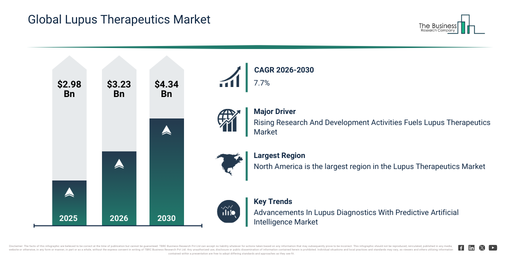
    In recent years, the lupus therapeutics market has experienced robust growth in its size. It is projected to expand from $2.98 billion in 2025 to $3.23 billion by 2026, at a compound annual growth rate (CAGR) of 8.7%. This historical expansion can be attributed to the rising prevalence of systemic lupus erythematosus, the extensive use of corticosteroids and antimalarial drugs, enhanced clinical diagnosis of autoimmune disorders, the expansion of hospital-based rheumatology care, and increasing patient awareness of lupus symptoms.

    The lupus therapeutics market is poised for substantial expansion over the upcoming years, projected to reach $4.34 billion by 2030, demonstrating a compound annual growth rate (CAGR) of 7.7%. This anticipated growth during the forecast period is fueled by heightened investment in the creation of biologic drugs, a growing need for therapies that reduce steroid dependency, an increase in funding for autoimmune disease research, wider availability of specialized rheumatology clinics, and greater healthcare spending on long-term autoimmune conditions. Key trends expected over this period involve the increasing uptake of biologic and targeted treatments, a sharpened focus on managing the disease over the long term, a stronger emphasis on individualized lupus care, the broadening of combination therapy strategies, and greater recognition of the importance of early diagnosis and intervention for lupus.

    Access Your Free Sample Report for In-Depth Market Insights:

    https://www.thebusinessresearchcompany.com/sample.aspx?id=16471&type=smp

    Which Drivers Are Expected To Impact The Lupus Therapeutics Market During The Forecast Period?

    Elevated research and development endeavors are projected to fuel the expansion of the lupus therapeutics market in the future. Such activities encompass structured inquiry and testing designed to further knowledge, technological advancements, or product creation across diverse sectors. The rise in these activities frequently stems from the imperative for innovation, technological progress, confronting new obstacles, enhancing patient care results, and stimulating economic prosperity via scientific revelations and technological innovations. These R&D efforts contribute to the progression of lupus therapeutics through the identification of novel treatments, enhancement of current therapies, and elucidation of the disease’s fundamental mechanisms. As an illustration, a report issued in March 2023 by the Congressional Research Service, a federal legislative agency based in the U.S., indicated that the President’s budget proposal for FY2024 earmarks roughly $209.7 billion for research and development (R&D). This constitutes an increment of $8.9 billion (4.4%) above the estimated FY2023 figure of $200.8 billion. After accounting for inflation in FY2024 dollars, this proposition shows a real-dollar increase of 2.4% when contrasted with the actual FY2023 level. Consequently, the growing engagement in research and development is propelling the expansion of the lupus therapeutics market.

    How Is The Lupus Therapeutics Market Divided Into Segments?

    The lupus therapeutics market covered in this report is segmented –

    1) By Disease Type: Systemic Lupus Erythematosus (SLE), Cutaneous Lupus Erythematosus, Drug-Induced Lupus Erythematosus, Neonatal Lupus

    2) By Treatment Type: Non-Steroidal Anti-Inflammatory Drugs (NSAIDs), Biologics, Antimalarial Drugs, Corticosteroids, Other Treatment Types

    3) By Route Of Administration: Oral, Subcutaneous, Intravenous, Other Routes Of Administration

    4) By End User: Hospitals And Clinics, Diagnostic Laboratories, Other End Users

    Subsegments:

    1) By Systemic Lupus Erythematosus (SLE): Mild SLE, Moderate SLE, Severe SLE

    2) By Cutaneous Lupus Erythematosus: Acute Cutaneous Lupus, Subacute Cutaneous Lupus, Chronic Cutaneous Lupus (Including Discoid Lupus)

    3) By Drug-Induced Lupus Erythematosus: Medications Known To Cause Drug-Induced Lupus, Hydralazine, Procainamide, Isoniazid

    4) By Neonatal Lupus: Heart-Related Neonatal Lupus, Skin-Related Neonatal Lupus

    How Are New Market Trends Shaping The Landscape Of The Lupus Therapeutics Market?

    Leading companies active in the lupus therapeutics market are concentrating on developing advanced blood tests powered by predictive artificial intelligence to enhance diagnostic precision and treatment efficacy. Blood tests utilizing predictive artificial intelligence are diagnostic instruments that employ AI algorithms to analyze biomarkers in blood samples, predicting disease outcomes or treatment responses with greater accuracy. For example, in March 2024, AMPEL BioSolutions LLC, a precision medicine company based in the US, introduced the LuGENE blood test, which forecasts lupus flares and identifies drug targets from gene expression by employing predictive artificial intelligence (AI). This test aims to revolutionize the management of lupus, an autoimmune disease, by offering personalized treatment options for patients. It identifies real-time irregularities in gene expression that contribute to inflammation and immune system dysfunction, which are amenable to medication.

    Which Major Firms Are Strengthening Their Position In The Lupus Therapeutics Market?

    Major companies operating in the lupus therapeutics market are Pfizer Inc., Johnson & Johnson, Merck & Co. Inc., AbbVie Inc., Sanofi SA, AstraZeneca PLC, Novartis AG, Roche Holdings Inc., GlaxoSmithKline plc, Eli Lilly and Company, Viatris Inc., Teva Pharmaceutical Industries Ltd., Bausch Health Companies Inc., Sun Pharmaceutical Industries Ltd., Aurobindo Pharma, Dr. Reddy’s Laboratories Ltd., Hikma Pharmaceuticals PLC, Amneal Pharmaceuticals LLC, Lupin Ltd, Zydus Lifesciences Limited, Glenmark Pharmaceuticals Limited

    Access The Complete Report For Deeper Market Insights:

    https://www.thebusinessresearchcompany.com/report/lupus-therapeutics-global-market-report

    Which Global Regions Are Shaping The Competitive Landscape Of The Lupus Therapeutics Market?

    North America was the largest region in the lupus therapeutics market in 2025. Asia-Pacific is expected to be the fastest-growing region in the forecast period. The regions covered in the lupus therapeutics market report are Asia-Pacific, South East Asia, Western Europe, Eastern Europe, North America, South America, Middle East, Africa.

    Request Your Customized Lupus Therapeutics Market Research Report for Competitive Advantage:

    https://www.thebusinessresearchcompany.com/customise?id=16471&type=smp

    Browse Through More Reports Similar to the Global Lupus Therapeutics Market 2026, By The Business Research Company

    Anti Inflammatory Therapeutics Market Report 2026

    https://www.thebusinessresearchcompany.com/report/anti-inflammatory-therapeutics-global-market-report

    Systemic Lupus Erythematosus Treatment Market Report 2026

    https://www.thebusinessresearchcompany.com/report/systemic-lupus-erythematosus-treatment-global-market-report

    Rheumatology Therapeutics Market Report 2026

    https://www.thebusinessresearchcompany.com/report/rheumatology-therapeutics-global-market-report

    Get in touch with us:

    The Business Research Company: https://www.thebusinessresearchcompany.com/

    Americas +1 310-496-7795

    Asia +44 7882 955267 & +91 8897263534

    Europe +44 7882 955267

    Email us at info@tbrc.info

    Follow us on:

    LinkedIn: https://in.linkedin.com/company/the-business-research-company

    YouTube: https://www.youtube.com/channel/UC24_fI0rV8cR5DxlCpgmyFQ

    Global Market Model: https://www.thebusinessresearchcompany.com/global-market-model
  • Global Lupus Nephritis Market Report 2026–2035: Key Forecasts and Growth Areas

    Global Lupus Nephritis Market Report 2026–2035: Key Forecasts and Growth Areas

    Uncover key drivers, emerging technologies, and competitive movements shaping the lupus nephritis market from 2026–2035 with trusted insights from The Business Research Company

    How much is the Lupus Nephritis Market valued at in 2026, and what valuation is forecast for 2030?

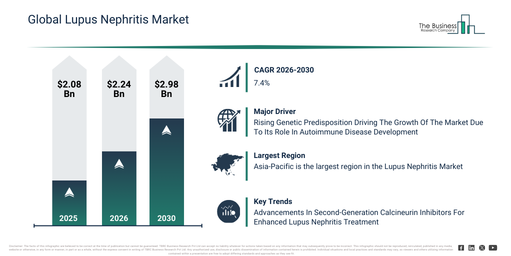
    The market size for lupus nephritis has shown robust growth over recent years. It is anticipated to increase from $2.08 billion in 2025 to $2.24 billion in 2026, reflecting a compound annual growth rate (CAGR) of 7.7%. This historical expansion can be attributed to the rising prevalence of systemic lupus erythematosus, improvements in kidney biopsy and diagnostic practices, the extensive application of corticosteroids in treatment, the growth of hospital-based nephrology care, and increased awareness of autoimmune kidney diseases.

    The lupus nephritis market is projected to experience substantial expansion in the coming years. It is anticipated to reach $2.98 billion by 2030, exhibiting a compound annual growth rate (CAGR) of 7.4%. This forecasted growth is attributable to factors such as increased investment in the development of biologic drugs, a greater emphasis on early intervention to avert kidney failure, wider uptake of combination therapy regimens, the expansion of specialized nephrology clinics, and increased healthcare expenditure dedicated to managing autoimmune diseases. Key trends during this period are expected to involve a heightened focus on prompt diagnosis and disease surveillance, the increasing use of immunosuppressive and biologic treatments, a stronger push towards individualized treatment strategies, the broadening of long-term disease management plans, and heightened awareness regarding kidney complications linked to autoimmune conditions.

    Access Your Free Sample Report for In-Depth Market Insights:

    https://www.thebusinessresearchcompany.com/sample.aspx?id=22044&type=smp

    What Drivers Are Influencing The Growth Of The Lupus Nephritis Market?

    The rising occurrence of genetic predisposition is anticipated to propel the growth of the lupus nephritis market moving forward. Genetic predisposition describes an individual’s inherited genetic traits that elevate their likelihood of developing particular diseases or conditions. The expanding prevalence of genetic predisposition stems from factors such as heredity, environmental influences, and alterations in specific genes. This increasing prevalence plays a crucial role in the development of lupus nephritis, highlighting the impact of inherited genetic factors in autoimmune diseases, especially those affecting kidney function. For instance, in October 2024, according to the Cystic Fibrosis Trust, a UK-based national charity, the UK CF Registry recorded 11,148 registered patients in 2022, which increased to 11,318 in 2024, reflecting a 1.52% increase in individuals with cystic fibrosis (CF). Consequently, the growing prevalence of genetic predisposition is driving the expansion of the lupus nephritis market.

    What Segments Are Included Within The Lupus Nephritis Market?

    The lupus nephritis market covered in this report is segmented –

    1) By Stage: Class 1, Class 2, Class 3, Other Stages

    2) By Drug Class: Immunosuppressive Drugs, Corticosteroids, Biological Agents, Antimalarial Drugs

    3) By Route Of Administration: Oral, Parenteral, Other Routes Of Administration

    4) By Distribution Channel: Hospital Pharmacy, Retail Pharmacy, Online Pharmacy

    5) By End-User: Hospitals, Specialty Clinics, Other End-Users

    Subsegments:

    1) By Class 1: Asymptomatic Cases, Mild Proteinuria, Incidental Diagnosis

    2) By Class 2: Mild Hematuria, Low-Grade Proteinuria, Minimal Immune Complex Deposition

    3) By Class 3: Active Lesions, Chronic Sclerotic Lesions, Crescent Formation

    4) By Other Stages: Class 4 (Diffuse Lupus Nephritis), Class 5 (Membranous Lupus Nephritis), Class 6 (Advanced Sclerotic Lupus Nephritis)

    Which Trends Are Expected To Influence The Lupus Nephritis Market In The Upcoming Years?

    Key companies operating within the lupus nephritis market are dedicating efforts to developing advanced second-generation calcineurin inhibitors with the goal of enhancing treatment efficacy and improving long-term kidney outcomes for patients. These second-generation calcineurin inhibitors are utilized in lupus nephritis to diminish inflammation and prevent kidney damage by modulating immune responses. For instance, in September 2024, Aurinia Pharmaceuticals Inc., a Canada-based commercial-stage biopharmaceutical company, announced that the Japanese Ministry of Health, Labour, and Welfare granted approval for LUPKYNIS (voclosporin) for the treatment of lupus nephritis. This approval permits voclosporin to be administered in combination with mycophenolate mofetil (MMF), based on data from the AURORA Clinical Program, which demonstrated its safety and efficacy. The approval signifies a major achievement in expanding treatment alternatives for lupus nephritis patients in Japan, contributing to improved disease management and outcomes.

    Who Are The Primary Competitors In The Global Lupus Nephritis Market?

    Major companies operating in the lupus nephritis market are F Hoffmann La Roche Ltd, Bristol Myers Squibb, Novartis AG, GlaxoSmithKline plc, Eli Lilly and Company, AstraZeneca PLC, Pfizer Inc, Johnson and Johnson, Merck and Co Inc, Sanofi, AbbVie Inc, Bayer AG, Amgen Inc, UCB SA, Otsuka Pharmaceutical Co Ltd, Aurinia Pharmaceuticals Inc, RemeGen Co Ltd, Kezar Life Sciences, Equillium Inc, Kyverna Therapeutics Inc, Biogen Inc

    Access The Complete Report For Deeper Market Insights:

    https://www.thebusinessresearchcompany.com/report/lupus-nephritis-global-market-report

    Which Regions Are Poised For Strategic Growth In The Lupus Nephritis Market?

    Asia-Pacific was the largest region in the lupus nephritis market in 2025. The regions covered in the lupus nephritis market report are Asia-Pacific, South East Asia, Western Europe, Eastern Europe, North America, South America, Middle East, Africa.

    Request Your Customized Lupus Nephritis Market Research Report for Competitive Advantage:

    https://www.thebusinessresearchcompany.com/customise?id=22044&type=smp

    Browse Through More Reports Similar to the Global Lupus Nephritis Market 2026, By The Business Research Company

    Kidney Disease Market Report 2026

    https://www.thebusinessresearchcompany.com/report/kidney-disease-global-market-report

    Cutaneous Lupus Erythematosus Market Report 2026

    https://www.thebusinessresearchcompany.com/report/cutaneous-lupus-erythematosus-global-market-report

    Lupus Therapeutics Market Report 2026

    https://www.thebusinessresearchcompany.com/report/lupus-therapeutics-global-market-report

    Get in touch with us:

    The Business Research Company: https://www.thebusinessresearchcompany.com/

    Americas +1 310-496-7795

    Asia +44 7882 955267 & +91 8897263534

    Europe +44 7882 955267

    Email us at info@tbrc.info

    Follow us on:

    LinkedIn: https://in.linkedin.com/company/the-business-research-company

    YouTube: https://www.youtube.com/channel/UC24_fI0rV8cR5DxlCpgmyFQ

    Global Market Model: https://www.thebusinessresearchcompany.com/global-market-model
  • Lung Cancer Surgery Market 2026–2030: Forecast, Innovation, and Competitive Trends

    Lung Cancer Surgery Market 2026–2030: Forecast, Innovation, and Competitive Trends

    Uncover key drivers, emerging technologies, and competitive movements shaping the lung cancer surgery market from 2026–2035 with trusted insights from The Business Research Company

    By how much is the Lung Cancer Surgery Market expected to grow between 2026 and 2030?

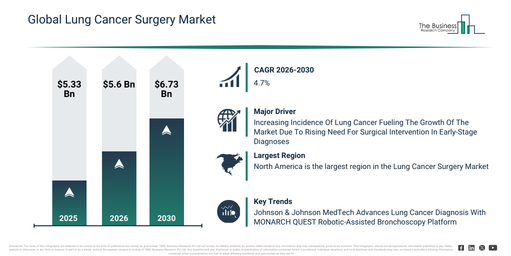
    The lung cancer surgery market size has demonstrated robust growth in recent years. It is forecast to expand from $5.33 billion in 2025 to $5.6 billion in 2026, registering a compound annual growth rate (CAGR) of 5.1%. The increase observed in the past can be attributed to a rise in lung cancer incidence rates, the enhancement of hospital surgical capabilities, the presence of trained thoracic surgeons, the increasing acceptance of video-assisted thoracoscopic surgery, and greater awareness of early-stage lung cancer treatment.

    The lung cancer surgery market size is anticipated to experience consistent growth over the coming years, with expectations to reach $6.73 billion by 2030, exhibiting a compound annual growth rate (CAGR) of 4.7%. This expansion during the forecast period is fueled by elements such as the increasing integration of robotic surgery platforms, a heightened demand for precise surgical results, the expansion of specialized cancer care centers, growing investments in surgical technology, and the wider adoption of enhanced recovery after surgery protocols. Furthermore, significant trends foreseen in this period include the rising adoption of minimally invasive surgical techniques, an increase in the utilization of robotic-assisted thoracic surgery, a growing inclination towards lung-preserving procedures, the broadening use of advanced surgical instruments, and an amplified focus on post-surgical recovery outcomes.

    Access Your Free Sample Report for In-Depth Market Insights:

    https://www.thebusinessresearchcompany.com/sample.aspx?id=25816&type=smp

    Which Drivers Are Influencing Market Acceleration In The Lung Cancer Surgery Market?

    The increasing occurrence of lung cancer is anticipated to stimulate the growth of the lung cancer surgery market in the future. Lung cancer involves the uncontrolled proliferation of abnormal cells in one or both lungs, which can disrupt normal lung function. The escalating incidence of lung cancer results from prolonged exposure to air pollution, particularly particulate matter, as these minute particles can penetrate deep into the lungs, leading to inflammation, cellular damage, and genetic mutations that contribute to cancer development. Lung cancer surgery aids in lowering the number of lung cancer-related deaths by enabling the early excision of malignant tumors before they have a chance to spread or advance. For example, in June 2025, information from the Centers for Disease Control and Prevention, a US-based federal government agency, revealed that in 2023, lung cancer was responsible for 131,584 deaths in the United States, after 218,893 newly reported cases in 2022. Thus, the rising incidence of lung cancer is fueling the expansion of the lung cancer surgery market.

    What Leading Segments Are Studied In The Lung Cancer Surgery Market?

    The lung cancer surgery market covered in this report is segmented –

    1) By Surgical Approach: Thoracotomy, Minimally Invasive Surgeries

    2) By Procedure: Lobectomy, Segmentectomy, Pneumonectomy, Sleeve Resection, Extended Reserction

    3) By Product: Thoracoscopes, Mediastinoscopes, Bronchoscopes, Robotic-Assistes Thoracic Surgery Systems, Surgical Staplers, Surgical Energy Instruments, Advanced Energy Instruments, Advanced Bipolar Instruments, Ultrasonic Instruments

    4) By Distribution Channels: Direct Tender, Retail Sales, Online Sales, Other Channels

    5) By End User: Hospitals, Ambulatory And Surgical Centres, Academic And Research Institutes, Specialiaty Cancer Care Centre, Other End Users

    Subsegments:

    1) By Thoracotomy: Lobectomy, Pneumonectomy, Segmentectomy, Wedge Resection

    2) By Minimally Invasive Surgeries: Video-Assisted Thoracoscopic Surgery (VATS), Robotic-Assisted Surgery

    What Trends Are Driving The Growth Trajectory Of The Lung Cancer Surgery Market?

    Leading companies within the lung cancer surgery market are concentrating on developing innovative technologies, such as robotic-assisted surgeries, to enhance surgical precision, reduce recovery time, and improve patient outcomes. Robotic-assisted surgeries involve minimally invasive procedures carried out using robotic systems controlled by surgeons, designed to boost accuracy, decrease complications, and improve patient recovery. For instance, in March 2025, Johnson & Johnson MedTech, a US-based medical devices and technology company, announced the regulatory clearance of MONARCH QUEST under U.S. 510(k). The MONARCH QUEST robotic-assisted bronchoscopy platform provides enhanced reach and stability to access small, difficult-to-reach lung nodules, thereby improving the ability to diagnose lung cancer at earlier stages. Its advanced maneuverability and integration with imaging technologies facilitate more accurate biopsies while minimizing patient discomfort. Designed to expand procedural capabilities and streamline workflow, the platform supports greater clinical confidence and consistency across a broader range of bronchoscopic procedures.

    Which Key Market Players Are Investing In Expansion And Innovation Within The Lung Cancer Surgery Market?

    Major companies operating in the lung cancer surgery market are Johnson And Johnson, Medtronic plc, Fujifilm Holdings Corporation, B Braun Melsungen AG, Olympus Corporation, Intuitive Surgical Inc, Teleflex Incorporated, Karl Storz SE, Lepu Medical Technology Beijing Co Ltd, Ambu AS, KLS Martin Group, Richard Wolf GmbH, Ethicon Inc, Ackermann Instrument GmbH, Scanlan International Inc, Sontec Instruments Inc, Covidien LLC, Stryker Corporation, Smith And Nephew plc, CONMED Corporation, Erbe Elektromedizin GmbH

    Access The Complete Report For Deeper Market Insights:

    https://www.thebusinessresearchcompany.com/report/lung-cancer-surgery-global-market-report

    Which Regions Are Projected To Dominate The Lung Cancer Surgery Market In The Coming Years?

    North America was the largest region in the lung cancer surgery market in 2025. Asia-Pacific is expected to be the fastest-growing region in the forecast period. The regions covered in the lung cancer surgery market report are Asia-Pacific, South East Asia, Western Europe, Eastern Europe, North America, South America, Middle East, Africa.

    Request Your Customized Lung Cancer Surgery Market Research Report for Competitive Advantage:

    https://www.thebusinessresearchcompany.com/customise?id=25816&type=smp

    Browse Through More Reports Similar to the Global Lung Cancer Surgery Market 2026, By The Business Research Company

    Non Small Cell Lung Cancer Nsclc Market Report 2026

    https://www.thebusinessresearchcompany.com/report/non-small-cell-lung-cancer-nsclc-global-market-report

    Lung Cancer Diagnostic And Screening Market Report 2026

    https://www.thebusinessresearchcompany.com/report/lung-cancer-diagnostic-and-screening-global-market-report

    Non Small Cell Lung Cancer Nsclc Market Report 2026

    https://www.thebusinessresearchcompany.com/report/non-small-cell-lung-cancer-nsclc-global-market-report

    Get in touch with us:

    The Business Research Company: https://www.thebusinessresearchcompany.com/

    Americas +1 310-496-7795

    Asia +44 7882 955267 & +91 8897263534

    Europe +44 7882 955267

    Email us at info@tbrc.info

    Follow us on:

    LinkedIn: https://in.linkedin.com/company/the-business-research-company

    YouTube: https://www.youtube.com/channel/UC24_fI0rV8cR5DxlCpgmyFQ

    Global Market Model: https://www.thebusinessresearchcompany.com/global-market-model