Category: HealthcareServices

  • Global Tourette Syndrome Treatment Market Analysis 2024: Size, Share, And Key Trends

    Global Tourette Syndrome Treatment Market Analysis 2024: Size, Share, And Key Trends

    The Business Research Company’s global market reports are now updated with the latest market sizing information for the year 2024 and forecasted to 2033

    As per The Business Research Company’s Tourette Syndrome Treatment Global Market Report 2023, the tourette syndrome treatment market is expected to show significant growth in the forecast period.

    Strong Market Growth in Recent Years

    • Market Expansion: The Tourette syndrome treatment market grew from $2.23 billion in 2023 to $2.37 billion in 2024, with a 6.3% CAGR.
    • Key Growth Factors: Growth drivers include advancements in pharmacotherapy, improved clinical research, supportive therapies, better diagnosis and awareness, and regulatory approvals.

    Projected Growth Through 2028

    • Future Projections: The market is expected to reach $3.04 billion by 2028, growing at a 6.4% CAGR.
    • Growth Catalysts: This growth will be fueled by precision medicine, telehealth expansion, digital health integration, increased research funding, and the rise of alternative therapies.

    Healthcare Expenditure’s Influence on Market Growth

    • Healthcare Spending Impact: Rising healthcare expenditure is a significant driver for the Tourette syndrome treatment market.
    • Spending Trends: Increased spending on advanced medical technologies and chronic disease management supports the development of new diagnostic tools, medications, and behavioral therapies.
    • Example: In 2022, U.S. healthcare expenditure rose by 4.1%, reaching $4.5 trillion, highlighting the ongoing investment in healthcare advancements.

    View More On The Tourette Syndrome Treatment Market Report 2024 –
    https://www.thebusinessresearchcompany.com/report/tourette-syndrome-treatment-global-market-report

    Innovations in Tourette Syndrome Treatment

    • Neuromodulation Devices: Companies are developing wearable neuromodulation devices to treat Tourette syndrome. These devices deliver targeted electrical or magnetic stimulation to modulate neural activity, reducing tics and related symptoms.
    • Product Example: In August 2021, Neurotherapeutics Solutions Ltd. launched a wearable device designed to reduce tic frequency and intensity in Tourette syndrome patients.

    Strategic Acquisitions Enhancing Market Capabilities

    • Saladax Biomedical’s Acquisition: In April 2022, Saladax Biomedical acquired a patent portfolio from Janssen Pharmaceutica, potentially improving diagnostic tests and treatment strategies for Tourette syndrome.
    • Impact: This acquisition strengthens Saladax’s position in the market by leveraging Janssen’s intellectual property related to antipsychotic drugs.

    Market Segmentation

    • By Drug Class: The market includes antiadrenergic agents, antipsychotic agents, atypical antipsychotic agents, carbonic anhydrase inhibitor anticonvulsants, and other drug classes.
    • By Distribution Channel: Products are distributed through hospital pharmacies, retail pharmacies, and online pharmacies.
    • By Application: Treatments are applied to both children and adults.

    Regional Insights

    • North America: The largest market region in 2023.
    • Asia-Pacific: Expected to be the fastest-growing region through 2028, driven by improved healthcare infrastructure and rising awareness.

    Conclusion
    The Tourette syndrome treatment market is poised for continued growth, supported by rising healthcare expenditure, innovative therapies, and strategic acquisitions. As the market evolves, advancements in precision medicine, telehealth, and alternative treatments will play crucial roles in improving patient outcomes.

    Request A Sample Of The Global Tourette Syndrome Treatment Market Report 2024:
    https://www.thebusinessresearchcompany.com/sample_request?id=15687&type=smp

  • How Is The Tinea Pedis Treatment Market Expected To Grow Through 2024-2033

    How Is The Tinea Pedis Treatment Market Expected To Grow Through 2024-2033

    The Business Research Company’s global market reports are now updated with the latest market sizing information for the year 2024 and forecasted to 2033

    According to The Business Research Company’s Tinea Pedis Treatment Global Market Report 2023, the tinea pedis treatment market is expected to show promising growth in the forecast period.

    Current Market Trends and Growth Projections

    • Market Size and Growth: The tinea pedis treatment market has shown robust growth, expanding from $1.29 billion in 2023 to an anticipated $1.36 billion in 2024. This represents a compound annual growth rate (CAGR) of 6%.
    • Future Outlook: Looking ahead, the market is expected to reach $1.73 billion by 2028, with a CAGR of 6.2%.

    Key Drivers of Growth

    • Rising Incidence of Infectious Disorders: An increase in fungal infections contributes to the demand for tinea pedis treatments.
    • Historical Factors: The growth in the historic period was supported by the development of antifungals, the availability of over-the-counter (OTC) products, and advancements in medical education.

    Factors Fueling Market Expansion

    • Globalization and Travel: Increased global travel has heightened exposure to fungal infections.
    • Drug Resistance: The challenge of drug-resistant fungi drives innovation and demand for more effective treatments.
    • Economic and Public Health Campaigns: Economic growth and enhanced public health initiatives support market growth.

    View More On The Tinea Pedis Treatment Market Report 2024 –
    https://www.thebusinessresearchcompany.com/report/tinea-pedis-treatment-global-market-report

    Foot and Ankle Injuries Driving Demand

    • Prevalence of Injuries: Rising cases of foot and ankle injuries from sports, accidents, and other factors are increasing the need for tinea pedis treatments.
    • Impact of Lifestyle and Health Conditions: Changes in lifestyle, rising obesity rates, and chronic diseases like diabetes exacerbate the risk of tinea pedis, further fueling market growth.
    • Case in Point: According to Howden Group Holdings Ltd., ankle injury severity in the English Premier League surged by 170% after the FIFA World Cup Qatar 2022.

    Increasing Fungal Infection Rates

    • Rising Prevalence: The prevalence of fungal infections is growing due to weakened immune systems, environmental conditions, and other risk factors.
    • Hospitalization Statistics: The CDC reported a rise in fungal infection-related hospitalizations, which increased from 25.0 per 10,000 in 2020 to 26.8 in 2021, reflecting an 8.5% annual increase.

    Innovations in Treatment

    • Full-Cycle Skin Infection Control: Companies are developing comprehensive treatments to manage and prevent tinea pedis. For example, Bayer’s Canesten cream offers a full-cycle solution that addresses symptoms and prevents recurrence.
    • New Formulations: Innovations like Bayer’s updated Canesten range, which includes clotrimazole, are designed to effectively treat and alleviate symptoms of fungal infections.

    Market Segmentation

    • By Drug Class: Includes antifungals and combinations.
    • By Route of Administration: Oral and topical options.
    • By Disease Indication: Segments include interdigital tinea pedis, plantar tinea pedis, and vesicular tinea pedis.
    • By Distribution Channel: Available through hospital pharmacies, retail pharmacies, and e-commerce platforms.

    Regional Insights

    • North America: Dominated the market in 2023 due to advanced healthcare infrastructure and high treatment awareness.
    • Asia-Pacific: Expected to be the fastest-growing region, driven by increasing healthcare access and rising fungal infection rates.

    Conclusion
    The tinea pedis treatment market is poised for significant growth, driven by a combination of rising fungal infections, increasing foot and ankle injuries, and continuous innovations in treatment. The development of advanced formulations and expanded global access will likely contribute to the market’s robust expansion in the coming years.

    Request A Sample Of The Global Tinea Pedis Treatment Market Report 2024:
    https://www.thebusinessresearchcompany.com/sample_request?id=15684&type=smp

  • Assisted Living Facility And Neurorehabilitation Market Forecast 2024: Forecast Market Size, Drivers And Key Segments

    Assisted Living Facility And Neurorehabilitation Market Forecast 2024: Forecast Market Size, Drivers And Key Segments

    The Business Research Company’s global market reports are now updated with the latest market sizing information for the year 2024 and forecasted to 2033

    The assisted living facility and neurorehabilitation market has experienced significant growth in recent years and is poised for continued expansion. This blog delves into the factors driving this growth, emerging trends, and key players shaping the industry.

    Market Overview and Growth Projections

    • Current Market Size and Growth Rate
      • In 2023, the market size for assisted living facilities and neurorehabilitation was valued at $44.19 billion.
      • It is projected to grow to $47.63 billion by 2024, reflecting a compound annual growth rate (CAGR) of 7.8%.
    • Future Projections
      • By 2028, the market is expected to reach $64.73 billion.
      • This growth will occur at a CAGR of 8%, indicating a robust and accelerating expansion.

    Drivers of Growth

    • Aging Population
      • The increasing geriatric population demands enhanced care services.
      • An aging demographic fuels the need for more neurorehabilitation centers and assisted living facilities.
    • Rise in Traumatic Brain Injury (TBI) Survivors
      • There is a growing number of survivors requiring specialized care and rehabilitation.
    • Continuing-Care Retirement Communities
      • These communities are gaining popularity, contributing to market growth.

    View More On The Assisted Living Facility And Neurorehabilitation Market Report 2024 –
    https://www.thebusinessresearchcompany.com/report/assisted-living-facility-and-neurorehabilitation-global-market-report

    Trends Influencing the Market

    • Technological Advancements
      • Adoption of advanced medical technology, including computer-aided and robotic devices, is transforming care.
      • Smart peripheral devices, such as the Izar by MindMaze, are making significant impacts by enhancing rehabilitation outcomes.
    • Personalized Senior Care
      • There is a rising demand for personalized care services tailored to individual needs.
      • Integration of assisted living and neurorehabilitation services helps meet these personalized needs effectively.

    Major Companies and Innovations

    • Key Players
      • Prominent companies include Community Health Systems Inc., Sevita Health, and Brookdale Senior Living.
      • These organizations are integral in providing comprehensive care and advancing market services.
    • Innovations in Care
      • MindMaze’s Izar, a smart peripheral device, exemplifies technological progress with its advanced capabilities for treating impaired hand functions.

    Market Segmentation

    • By Type
      • Women
      • Men
    • By Age
      • Less Than 65
      • 65-74
      • 75-84
      • More Than 85
    • By Application
      • Hospitals
      • Clinics
      • Personal Care
      • Other Applications

    Regional Insights

    • North America
      • Held the largest market share in 2023 due to its advanced healthcare infrastructure and significant demand.
    • Asia-Pacific
      • Expected to be the fastest-growing region, driven by increasing healthcare investments and expanding elderly populations.

    Strategic Developments

    • Recent Acquisitions
      • BrightSpring Health Services’ acquisition of Pate Rehabilitation in 2021 enhances its neurorehabilitation services, extending its reach in the Dallas-Fort Worth area and beyond.

    Conclusion
    The assisted living facility and neurorehabilitation market is on a strong growth trajectory, fueled by an aging population, technological advancements, and increasing demand for personalized care. As the industry continues to evolve, both established companies and new entrants will play crucial roles in shaping the future of senior care and rehabilitation.

    Request A Sample Of The Global Assisted Living Facility And Neurorehabilitation Market Report 2024:
    https://www.thebusinessresearchcompany.com/sample_request?id=15726&type=smp

  • Global Chemotherapy At Home Services Market Analysis 2024: Size, Share, And Key Trends

    Global Chemotherapy At Home Services Market Analysis 2024: Size, Share, And Key Trends

    The Business Research Company’s global market reports are now updated with the latest market sizing information for the year 2024 and forecasted to 2033

    The chemotherapy at-home services market is experiencing significant growth, driven by various factors and promising trends. As healthcare evolves, the demand for home-based chemotherapy services is on the rise, providing patients with greater convenience and quality of life. This blog explores the current market dynamics, future growth prospects, and innovative trends shaping the industry.

    Market Growth and Forecast

    • Current Market Size: The chemotherapy at-home services market was valued at $1.58 billion in 2023.
    • Short-Term Growth: Expected to reach $1.75 billion by 2024, with a compound annual growth rate (CAGR) of 11%.
    • Long-Term Projection: The market is anticipated to grow to $2.68 billion by 2028, at a CAGR of 11.2%.

    Key Drivers:

    • Increased cancer incidence and patient preference for home care.
    • Constraints in hospital capacity and enhanced home healthcare infrastructure.
    • Supportive government policies.

    View More On The Chemotherapy At Home Services Market Report 2024 – https://www.thebusinessresearchcompany.com/report/chemotherapy-at-home-services-global-market-report

    Factors Fueling Market Expansion

    • Rising Cancer Rates: The growing prevalence of cancer drives the demand for at-home chemotherapy services. As the number of cancer cases increases, patients seek convenient home-based treatment options.
    • Healthcare Costs and Aging Population: Escalating healthcare costs and an aging population are contributing to the expansion of home healthcare services.
    • Patient-Centric Care: There is a growing emphasis on patient-centered care, reducing hospital stays, and managing chronic diseases effectively.

    Innovative Trends in Chemotherapy At-Home Services

    • Integration of Technology: The use of AI, machine learning, and wearable health technology is transforming home-based chemotherapy services.
    • Personalized Medicine: Tailoring treatments to individual patient needs is becoming more prevalent.
    • Specialty Home Infusion Services: Growth in specialized services for home infusion therapy is improving patient care and outcomes.
    • Collaborative Healthcare Models: Enhanced coordination among healthcare providers ensures comprehensive care for patients receiving treatment at home.

    Impact of Increased Cancer Incidence

    • Prevalence Statistics: In 2021, the American Cancer Society reported 1.9 million new cancer cases and 608,570 cancer deaths in the U.S., up from previous years.
    • Home-Based Services: Chemotherapy at home provides patients with a more comfortable and flexible treatment environment, enhancing their quality of life.

    Major Players in the Market
    Key companies driving the chemotherapy at-home services market include:

    • CVS Health Corporation
    • Optum Inc.
    • Fresenius Kabi
    • Medtronic plc
    • Amgen

    These companies are innovating to offer high-quality, safe, and convenient chemotherapy services at home.

    Recent Developments

    • Jivika Healthcare’s ChemoAtHome: Launched in September 2022, this service provides at-home chemotherapy with hospital-like setups, cost savings, and additional support such as video consultations and home-delivered medicines.
    • Walgreens’ Acquisition of CareCentrix: In August 2022, Walgreens acquired a majority stake in CareCentrix, expanding its home healthcare offerings and enhancing coordinated care services.

    Market Segmentation
    The chemotherapy at-home services market is segmented as follows:

    • By Product: Chemotherapy Drugs, Chemotherapy Infusion Pumps
    • By Administration: Oral, Intravenous
    • By Application: Breast Cancer, Blood Cancer, Ovarian Cancer, Colorectal Cancer

    Regional Insights:

    • North America: Largest market region in 2023.
    • Asia-Pacific: Expected to be the fastest-growing region in the forecast period.

    Conclusion
    The chemotherapy at-home services market is on an upward trajectory, fueled by increasing cancer rates, technological advancements, and a shift towards patient-centric care. As the market evolves, innovative services and strategic acquisitions will play a crucial role in shaping the future of home-based chemotherapy, ultimately enhancing patient experiences and outcomes.

    Request A Sample Of The Global Chemotherapy At Home Services Market Report 2024:
    https://www.thebusinessresearchcompany.com/sample_request?id=15762&type=smp

  • Global Cell Therapy Human Raw Materials Market Report 2024 – Top Market Trends And Opportunities

    Global Cell Therapy Human Raw Materials Market Report 2024 – Top Market Trends And Opportunities

    The Business Research Company’s market reports offer an in-depth analysis on the market’s growth potential, major drivers, key trends and more.

    The cell therapy human raw materials market has seen significant growth, driven by various factors including the increasing prevalence of chronic diseases, rising geriatric population, and high demand for regenerative medicines. This trend is expected to continue in the coming years.

    • 2023 to 2024 Market Expansion: The market size grew from $2.34 billion in 2023 to $2.81 billion in 2024, reflecting a CAGR of 20.1%.
    • Forecast for 2028: By 2028, the market is projected to reach $5.86 billion, maintaining a strong CAGR of 20.2%.

    Key Drivers of Market Growth
    Several factors contribute to the rapid expansion of the cell therapy human raw materials market.

    • Increasing Prevalence of Chronic Diseases: A rise in chronic health conditions such as cancer and diabetes necessitates advanced therapeutic solutions.
    • Rising Geriatric Population: An aging population fuels demand for treatments that can address age-related conditions.
    • High Demand for Regenerative Medicines: Advances in regenerative medicine offer promising solutions for tissue and organ repair.
    • Governmental Funding and Support: Increased investment in healthcare research and development propels market growth.
    • Growing Healthcare Expenditure: Rising healthcare spending globally supports the adoption of cutting-edge therapies.

    Rising Adoption of Regenerative Medicine
    Regenerative medicine is a key driver for the cell therapy human raw materials market, leveraging the body’s regenerative capabilities to treat various conditions.

    • Cell-Based Therapies: The use of stem cells and tissue engineering to repair and regenerate damaged tissues is gaining traction.
    • Standardized Treatments: Human raw materials are essential for creating reliable and effective cell-based therapies.
    • Global Growth: The number of cell, gene, and tissue-engineering therapeutic developers grew by 101% from Q1 2022 to Q1 2023.

    Read More On The Cell Therapy Human Raw Materials Market Report 2024 – https://www.thebusinessresearchcompany.com/report/cell-therapy-human-raw-materials-global-market-report

    Major Players in the Market
    Key companies are driving innovation and growth in the cell therapy human raw materials market.

    • Thermo Fisher Scientific Inc.: Expanded its market reach through the acquisition of PeproTech Inc.
    • Danaher Corporation: Leading in biotechnology solutions.
    • Merck KGaA and GE Healthcare: Major contributors to the global biopharmaceutical sector.
    • Lonza Group Ltd.: Innovating in cell culture mediums.

    Technological Advancements and Trends
    The market is witnessing several technological advancements that are set to shape its future.

    • Adoption of Allogeneic Therapies: These therapies use donor cells, which can be standardized for broader applications.
    • Integration of Artificial Intelligence: AI is being integrated into therapeutic development, enhancing precision and efficiency.
    • Off-the-Shelf Cell Therapies: Ready-made cell therapies are becoming more common, increasing accessibility.
    • 3D Bioprinting Technology: Revolutionizing the creation of complex tissue structures.
    • Development of Hybrid Cell Therapies: Combining different cell types for more effective treatments.

    Chemically Defined Mediums for Accelerated Development
    Leading companies are focusing on developing chemically defined cell culture mediums to advance cell therapy development.

    • TheraPEAK T-VIVO Cell Culture Medium: Launched by Lonza Group AG in May 2023, this medium is serum-free and animal component-free, supporting safe and consistent cell therapy manufacturing.
    • Regulatory Compliance: The emphasis on chemically defined formulations enhances safety and regulatory compliance.

    Thermo Fisher’s Strategic Acquisition of PeproTech
    Thermo Fisher Scientific’s acquisition of PeproTech Inc. for $1.85 billion in January 2022 has significantly impacted the market.

    • Enhanced Product Offerings: The acquisition expands Thermo Fisher’s recombinant protein portfolio.
    • Market Position: Strengthens its position in the biosciences sector, influencing the cell therapy human raw materials market.

    Market Segmentation and Regional Growth
    The cell therapy human raw materials market is segmented by product, type of cell therapy, and end-use.

    • By Product: Includes cell culture media, sera, supplements, reagents, buffers, and other raw materials.
    • By Type of Cell Therapy: Encompasses dendritic cell therapy, NK cell therapy, stem cell therapy, and T-cell therapy.
    • By End-Use: Serves biopharmaceutical and pharmaceutical companies, CROs, CMOs, and academic institutions.
    • Regional Insights: North America was the largest market in 2023, while Asia-Pacific is expected to be the fastest-growing region in the forecast period.

    Conclusion
    The cell therapy human raw materials market is poised for significant growth, driven by advancements in regenerative medicine, favorable regulatory frameworks, and technological innovations. With major companies leading the charge, the market is set to expand rapidly in the coming years, offering promising opportunities for stakeholders across the healthcare sector.

    Request for A Sample Of The Global Cell Therapy Human Raw Materials Market Report:
    https://www.thebusinessresearchcompany.com/sample_request?id=15759&type=smp

  • Growth Trajectory Of The Cell Signaling Market 2024-2033

    Growth Trajectory Of The Cell Signaling Market 2024-2033

    The Business Research Company’s global market reports are now updated with the latest market sizing information for the year 2024 and forecasted to 2033

    A Strong Market Growth Trajectory

    • The cell signaling market has experienced robust growth, expanding from $4.25 billion in 2023 to $4.59 billion in 2024.
    • The market’s compound annual growth rate (CAGR) stands at 8.1%, fueled by advancements in the pharmaceutical and biotechnology industries.
    • Factors like the aging population, the rise of regenerative medicine, personalized medicine initiatives, and the increasing burden of chronic diseases are major growth contributors.

    Future Outlook: A Promising Growth Forecast

    • The cell signaling market is projected to grow further, reaching $6.32 billion by 2028.
    • A CAGR of 8.3% is expected, driven by the growing adoption of precision medicine and increasing research funding.
    • Government support and the rise in endocrine-related conditions are also key drivers.
    • The forecast period is set to witness technological advancements, including the integration of machine learning, artificial intelligence, and bioprinting technology in cell signaling analysis.

    View More On The Cell Signaling Market Report 2024 – https://www.thebusinessresearchcompany.com/report/cell-signaling-global-market-report

    Chronic Diseases: A Catalyst for Market Expansion

    • The rising prevalence of chronic diseases significantly contributes to the cell signaling market’s growth.
    • Chronic diseases, characterized by their long-lasting nature, require ongoing management and treatment.
    • The aging population and unhealthy lifestyles are leading to an increase in chronic conditions, highlighting the importance of cell signaling research in diagnosing and treating these diseases.
    • The number of people aged 50 and older with at least one chronic illness is expected to nearly double by 2050, underscoring the market’s growth potential.

    Major Players in the Cell Signaling Market

    • Leading companies in the market include Johnson & Johnson, Pfizer Inc., Bayer AG, and Bristol-Myers Squibb Company.
    • Other notable players are Thermo Fisher Scientific Inc., Novartis AG, GlaxoSmithKline plc, and Merck KGaA.
    • These companies are actively involved in innovative research and development to maintain their market position.

    Technological Advancements Driving Innovation

    • Innovation in cell signaling is driven by advancements in Immunohistochemistry (IHC) technology.
    • Companies like Cell Signaling Technology (CST) are developing new IHC assays, such as the SignalStar Multiplex IHC technology, which allows for high-sensitivity and specificity in detecting multiple targets within tissue samples.
    • This technology is particularly useful for spatial biology research, enabling the detection of up to eight proteins in a single tissue sample.

    Strategic Acquisitions Strengthening Market Positions

    • Strategic acquisitions are a common trend, with companies aiming to enhance their portfolios and pipelines.
    • For example, Merck’s acquisition of Acceleron Pharma Inc. in November 2021 aimed to strengthen its cardiovascular portfolio by leveraging Acceleron’s innovative research in proteins.

    Market Segmentation and Regional Insights

    • The cell signaling market is segmented by product, signaling type, pathway, technology, and application.
    • Products are divided into consumables and instruments, while signaling types include endocrine, paracrine, autocrine, and synaptic signaling.
    • The market is also segmented by pathways such as Akt, AMPK, and ErbB/HER signaling pathways.
    • Technologies like microscopy, Western blotting, and mass spectrometry are key in cell signaling research.
    • North America was the largest region in the market in 2023, but Asia-Pacific is expected to be the fastest-growing region during the forecast period.

    Conclusion

    • The cell signaling market is on a strong growth trajectory, with significant opportunities for expansion.
    • The rise of chronic diseases, technological advancements, and strategic acquisitions are key factors driving this growth.
    • As the market continues to evolve, it will play a crucial role in advancing medical research and improving healthcare outcomes.

    Request A Sample Of The Global Cell Signaling Market Report 2024:
    https://www.thebusinessresearchcompany.com/sample_request?id=15758&type=smp

  • Global Cell Free DNA (cfDNA) Testing Market Key Insights 2024-2033

    Global Cell Free DNA (cfDNA) Testing Market Key Insights 2024-2033

    The Business Research Company’s global market reports are now updated with the latest market sizing information for the year 2024 and forecasted to 2033

    Introduction: A Rapidly Growing Sector
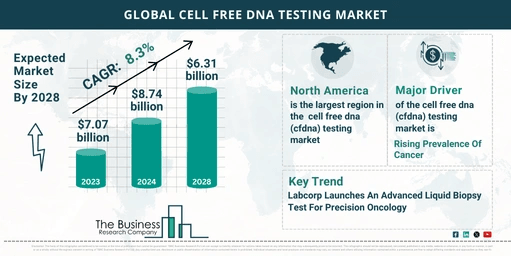
    The cell-free DNA (cfDNA) testing market is experiencing remarkable growth, driven by advancements in technology and increasing medical applications. The market size surged from $7.07 billion in 2023 to $8.74 billion in 2024, reflecting a robust compound annual growth rate (CAGR) of 23.6%. This growth trajectory highlights the expanding role of cfDNA testing in modern healthcare.

    Key Drivers of Growth

    • Increased Adoption in Prenatal Care: cfDNA testing has become a critical tool in prenatal care, providing early detection of genetic disorders with minimal risk to the mother and fetus.
    • Advancements in cfDNA Analysis: Enhanced analytical techniques are broadening the scope of cfDNA testing, making it applicable across various medical fields.
    • Regulatory Approvals: Growing approvals from regulatory bodies have facilitated the wider use of cfDNA tests, ensuring their reliability and efficacy.

    Future Market Projections
    The cfDNA testing market is projected to grow to $20.63 billion by 2028, with a CAGR of 23.9%. This continued expansion is fueled by several factors:

    • Personalized Medicine: The shift towards personalized medicine emphasizes the need for precise diagnostic tools like cfDNA testing.
    • Healthcare Infrastructure: Improvements in healthcare infrastructure are supporting the adoption of advanced diagnostic technologies.
    • Aging Population and Cancer Incidence: The growing aging population and rising cancer rates are increasing the demand for early and accurate diagnostic methods.

    View More On The Cell Free DNA (cfDNA) Testing Market Report 2024 – https://www.thebusinessresearchcompany.com/report/cell-free-dna-cfdna-testing-global-market-report

    Trends Shaping the Market

    • Liquid Biopsy Technologies: Adoption of liquid biopsy techniques is enhancing the sensitivity and specificity of cancer detection.
    • Next-Generation Sequencing (NGS): Advancements in NGS technology are enabling more detailed genetic analysis.
    • AI and Machine Learning: Integration of AI and machine learning is improving data interpretation and diagnostic accuracy.
    • Point-of-Care Testing: Development of point-of-care cfDNA tests offers convenience and rapid results.
    • Cloud-Based Platforms: Implementation of cloud-based platforms for data storage and analysis is facilitating better data management and accessibility.

    The Impact of Rising Cancer Prevalence
    The increasing prevalence of cancer is a significant driver of cfDNA testing market growth. cfDNA tests can detect genetic mutations associated with cancer at an early stage, often before symptoms appear. This early detection allows for timely intervention and improved patient outcomes.

    • Cancer Statistics: According to the World Health Organization (WHO), the number of new cancer cases is expected to rise from 20 million in 2022 to over 35 million by 2050.
    • Early Intervention: cfDNA testing aids in identifying cancer in its initial stages, enhancing treatment efficacy and survival rates.

    Innovations by Major Companies
    Labcorp Launches Advanced Liquid Biopsy Test

    • Product Launch: In May 2023, Laboratory Corporation of America Holdings (Labcorp) introduced Labcorp Plasma Focus, a liquid biopsy test designed for patients with advanced or metastatic solid tumors.
    • Benefits: This test, which requires only a standard blood draw, enhances precision oncology by identifying actionable biomarkers across various cancers.

    LabCorp Enhances Capabilities Through Acquisition

    • Strategic Acquisition: In February 2022, Labcorp acquired Personal Genome Diagnostics Inc., a leader in precision oncology diagnostics.
    • Objective: The acquisition aims to advance Labcorp’s liquid biopsy capabilities and expand its genomic profiling tools for cancer.

    Market Segmentation
    The cfDNA testing market is segmented into:

    1. By Product:
      • Donor-Derived Cell-Free DNA
      • Circulating Cell-Free Tumor DNA
      • Cell-Free Fetal DNA
    2. By Platforms:
      • Next Generation Sequencing (NGS)
      • rPCR and Multiplexed PCR
      • qPCR and dPCR
      • Other Platforms
    3. By Application:
      • Oncology
      • Non-Invasive Prenatal Testing (NIPT)
      • Gynecology
      • Transplantation
      • Other Applications

    Regional Insights

    • North America: Held the largest share of the cfDNA testing market in 2023.
    • Asia-Pacific: Expected to be the fastest-growing region due to increasing healthcare investments and rising awareness.

    Conclusion
    The cell-free DNA testing market is on a dynamic growth path, driven by technological innovations, increasing cancer prevalence, and a shift towards personalized medicine. With ongoing advancements and a broadening application scope, cfDNA testing is set to play an increasingly vital role in modern healthcare.

    Request A Sample Of The Global Cell Free DNA (cfDNA) Testing Market Report 2024:
    https://www.thebusinessresearchcompany.com/sample_request?id=15757&type=smp

  • Top 5 Insights From The Cell Cryopreservation Market Report 2024

    Top 5 Insights From The Cell Cryopreservation Market Report 2024

    The Business Research Company’s global market reports are now updated with the latest market sizing information for the year 2024 and forecasted to 2033

    The cell cryopreservation market is experiencing unprecedented growth, driven by various factors ranging from advances in biomedical research to the rising demand for organ transplantation. This blog will delve into the key drivers, trends, and major players contributing to this exponential market expansion.

    Exponential Growth in Market Size

    • 2023 Market Size: The cell cryopreservation market was valued at $10.21 billion in 2023.
    • 2024 Forecast: It is projected to grow to $12.65 billion in 2024, with a compound annual growth rate (CAGR) of 23.8%.
    • 2028 Forecast: By 2028, the market is expected to reach $29.9 billion, with a CAGR of 24%.

    Key Drivers of Growth

    • Demand for Cell-Based Therapies: The increasing application of cell-based therapies in treating various conditions is a significant driver.
    • Organ Transplantation: The growing need for organ transplantation, fueled by rising cases of organ failure, is propelling the market forward.
    • Biomedical Research: Enhanced R&D activities in cell-based therapies and the increasing use of cryopreserved cells are boosting market demand.
    • In Vitro Fertilization (IVF) Procedures: A rise in IVF procedures is also expected to contribute to market growth.

    View More On The Cell Cryopreservation Market Report 2024 – https://www.thebusinessresearchcompany.com/report/cell-cryopreservation-global-market-report

    Trends Shaping the Future

    • Advancements in Cryopreservation Techniques: Innovations in cryoprotectants and freezing methods are enhancing the effectiveness of cell cryopreservation.
    • MRNA Vaccine Storage: The development of advanced storage solutions for MRNA vaccines is expected to support market growth.
    • Personalized Medicine: The shift towards personalized medicine is creating new opportunities for cell cryopreservation, particularly in the storage of stem cells.
    • Stem Cell Research: Continued advancements in stem cell research will drive demand for cryopreservation solutions.

    Organ Transplantation: A Key Growth Driver

    • Increase in Transplant Procedures: Organ transplant procedures have seen a significant increase, with 46,632 transplants performed in 2023, an 8.7% rise from the previous year.
    • Role of Cryopreservation: Cryopreservation helps in preserving cells from organs, increasing graft success and reducing immune rejection in transplantation.

    Major Players in the Market

    • Thermo Fisher Scientific Inc.
    • Danaher Corporation
    • Merck KGaA
    • Corning Inc.
    • STEMCELL Technologies
    • Cryoport Inc.
    • BioLife Solutions Inc.
    • Nkarta Inc.
    • Fujifilm Irvine Scientific
    • Artiva Biotherapeutics

    Innovations in Cryopreservation Media

    • Pluristyx Inc.’s PluriFreeze: A notable innovation is Pluristyx Inc.’s PluriFreeze cryopreservation medium solution, launched in April 2024. This product is designed to accelerate stem cell therapy development by enhancing the growth of induced pluripotent stem cells (iPSCs).

    Strategic Acquisitions to Expand Services

    • CooperSurgical’s Acquisition: In December 2021, CooperSurgical Inc. acquired Generate Life Sciences for $1.6 billion. This acquisition expanded CooperSurgical’s portfolio in fertility and cryopreservation services, enhancing its offerings to fertility clinics and obstetricians.

    Regional Insights

    • North America: North America was the largest region in the cell cryopreservation market in 2023, driven by advanced healthcare infrastructure and significant R&D activities.
    • Asia-Pacific: The Asia-Pacific region is expected to be the fastest-growing market, supported by increasing healthcare investments and a rising focus on biobanking and IVF procedures.

    Conclusion
    The cell cryopreservation market is on a trajectory of significant growth, with numerous factors contributing to its expansion. The advancements in cryopreservation technologies, coupled with rising demand for organ transplantation and IVF procedures, are expected to continue driving this market forward. As major companies innovate and expand their offerings, the market is poised for further developments, making it an exciting space to watch in the coming years.

    Request A Sample Of The Global Cell Cryopreservation Market Report 2024:
    https://www.thebusinessresearchcompany.com/sample_request?id=15755&type=smp

  • Understand How The Cell And Gene Therapy Contract Development And Manufacturing Organization (CDMO) Market Is Poised To Grow Through 2024-2033

    Understand How The Cell And Gene Therapy Contract Development And Manufacturing Organization (CDMO) Market Is Poised To Grow Through 2024-2033

    The Business Research Company’s global market reports are now updated with the latest market sizing information for the year 2024 and forecasted to 2033

    The cell and gene therapy contract development and manufacturing organization (CDMO) market has witnessed exponential growth in recent years. This surge is driven by various factors, and its trajectory shows no signs of slowing down. Let’s explore the dynamics fueling this market.

    Market Growth Overview

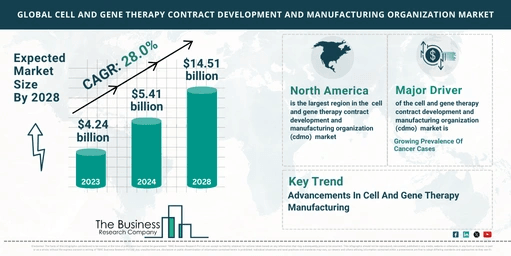
    • 2023 Growth Stats: The market grew from $4.24 billion in 2023 to $5.41 billion in 2024, reflecting a compound annual growth rate (CAGR) of 27.7%.
    • Projected Growth: By 2028, the market is expected to reach $14.52 billion, with a CAGR of 28.0%.

    Key Drivers of Historic Growth

    • Technological Advancements: Rapid improvements in technology have accelerated the development and manufacturing processes.
    • Favorable Regulatory Frameworks: Governments and regulatory bodies have created environments conducive to innovation and growth.
    • Increased Investment: Significant capital infusion has supported research, development, and scaling of production.
    • High Prevalence of Genetic Disorders: The rise in genetic disorders has necessitated the development of targeted therapies.
    • Strategic Partnerships: Collaborations between companies have enhanced capabilities and expanded market reach.

    View More On The Cell And Gene Therapy Contract Development And Manufacturing Organization (CDMO) Market Report 2024 – https://www.thebusinessresearchcompany.com/report/cell-and-gene-therapy-contract-development-and-manufacturing-organization-cdmo-global-market-report

    Future Growth Catalysts

    • Expanded Therapeutic Applications: Broader applications for cell and gene therapies are driving demand.
    • Regulatory Evolution: Ongoing regulatory changes are expected to further support innovation and market expansion.
    • Increased Investment: Continued financial backing will propel research and development.
    • Technological Innovations: New technologies will continue to improve efficiency and scalability.
    • Global Collaboration: Partnerships across borders are fostering knowledge sharing and resource pooling.

    Major Trends Shaping the Future

    • Personalized Therapies: Growing demand for therapies tailored to individual patients.
    • Automation and Digitalization: The rise of automated processes and digital tools to enhance production efficiency.
    • Manufacturing Capacity Expansion: Companies are increasing their production capabilities to meet rising demand.
    • Novel Delivery Systems: Development of new methods to deliver therapies more effectively.
    • Sustainability Focus: Heightened emphasis on reducing the environmental impact of manufacturing processes.

    Rising Cancer Rates Fuel Market Expansion

    • Cancer Prevalence: The growing number of cancer cases globally is a significant driver of the CDMO market.
      • Factors include aging populations, lifestyle changes, environmental exposures, and improved detection.
    • Role of CDMOs: These organizations are crucial in developing and manufacturing innovative treatments that target cancer more effectively.
      • Example: In the UK, cancer cases are projected to rise from 3 million in 2022 to 5.3 million by 2040, emphasizing the need for advanced therapies.

    Innovations in Cell and Gene Therapy Manufacturing

    • PluriMatrix Technology: Companies like Pluri are introducing advanced technologies to improve manufacturing processes.
      • Key Features: 3D cell expansion, high yield, consistent quality, automation, and control.
      • PluriCDMO: Launched in January 2024, this division offers end-to-end cell therapy manufacturing services, leveraging PluriMatrix technology.

    Strategic Acquisitions and Expansions

    • Ajinomoto’s Acquisition of Forge Biologics:
      • Details: In November 2023, Ajinomoto Co. Inc. acquired Forge Biologics for $620 million.
      • Impact: This acquisition strengthens Ajinomoto’s global capabilities in gene therapy manufacturing, particularly in adeno-associated virus (AAV) and plasmid gene therapy.

    Regional Insights and Market Segmentation

    • Leading Regions:
      • North America: The largest region in the market in 2023.
      • Asia-Pacific: Expected to be the fastest-growing region during the forecast period.
    • Market Segmentation:
      • By Product Type: Gene Therapy, Gene-Modified Cell Therapy, Cell Therapy.
      • By Phase: Phase 1, Phase 2, Phase 3, Phase 4.
      • By Indication: Oncology, Infectious Diseases, Neurological Disorders, Rare Diseases, Other Indications.

    Conclusion
    The cell and gene therapy CDMO market is on a trajectory of rapid growth, driven by technological advancements, increased investment, and the rising demand for personalized therapies. As the market continues to evolve, it will play a crucial role in addressing global health challenges, particularly in the fight against cancer. With continued innovation and strategic expansions, the future looks promising for this dynamic and transformative industry.

    Request A Sample Of The Global Cell And Gene Therapy Contract Development And Manufacturing Organization (CDMO) Market Report 2024:
    https://www.thebusinessresearchcompany.com/sample_request?id=15753&type=smp

  • Carboprost Tromethamine Market Forecast Until 2033 – Estimated Market Size And Growth Rate

    Carboprost Tromethamine Market Forecast Until 2033 – Estimated Market Size And Growth Rate

    The Business Research Company’s market reports offer an in-depth analysis on the market’s growth potential, major drivers, key trends and more.

    Market Overview: Strong Growth Trends

    • Market Size and Growth Rate: The carboprost tromethamine market has been witnessing strong growth, with the market size increasing from $1.55 billion in 2023 to an anticipated $1.64 billion in 2024, reflecting a compound annual growth rate (CAGR) of 6.1%.
    • Key Drivers: This growth is driven by factors such as the rising incidence of postpartum hemorrhage, increasing maternal mortality rates, heightened awareness about maternal health, and the availability of government funding for maternal health programs.

    Future Outlook: Continued Expansion

    • Forecasted Growth: The market is expected to reach $2.09 billion by 2028, growing at a slightly higher CAGR of 6.2%.
    • Driving Factors: The forecasted growth can be attributed to increasing demand for effective postpartum hemorrhage treatments, government initiatives aimed at improving maternal healthcare, rising healthcare expenditure in developing countries, and growing awareness of carboprost tromethamine’s benefits.
    • Emerging Trends:
      • Adoption of combination therapies for improved outcomes
      • Focus on minimally invasive surgical techniques
      • Development of new formulations for enhanced efficacy
      • Increased partnerships between pharmaceutical companies and healthcare providers
      • Growth in clinical trials for novel therapeutic applications

    Read More On The Carboprost Tromethamine Market Report 2024 – https://www.thebusinessresearchcompany.com/report/carboprost-tromethamine-global-market-report

    Rising Maternal Health Initiatives Drive Market Growth

    • Impact of Maternal Health Initiatives: Initiatives aimed at improving maternal health are pivotal in driving the growth of the carboprost tromethamine market. These initiatives focus on enhancing maternal care before, during, and after childbirth, which in turn promotes the use of carboprost tromethamine for managing postpartum hemorrhage.
    • Increased Funding: For instance, in the U.S., funding for Maternal and Child Health (MCH) programs has seen a steady rise, from $1.241 billion in 2021 to $1.302 billion in 2023, underscoring the growing emphasis on maternal health.
    • Global Advocacy and Policy Changes: Growing global awareness and advocacy efforts have led to policy changes that support maternal healthcare, further bolstering the demand for carboprost tromethamine.

    Innovation and Strategic Expansions in the Market

    • Development of New Formulations: Companies are increasingly focusing on developing single-dose carboprost tromethamine injections. These injections are designed to enhance patient convenience, ensure precise dosing, and improve treatment outcomes, particularly for managing postpartum hemorrhage.
    • Case Study – Eugia Pharma: In May 2023, Eugia Pharma received USFDA approval for its single-dose carboprost tromethamine injection, highlighting the ongoing innovation in the market.

    Strategic Acquisitions Strengthening Market Position

    • Amneal Pharmaceuticals’ Acquisition of Puniska Healthcare: In November 2021, Amneal Pharmaceuticals acquired Puniska Healthcare Pvt. Ltd. for $0.084 billion. This acquisition significantly expanded Amneal’s injectable manufacturing capabilities, reinforcing its market position both in the U.S. and internationally.
    • Enhancing Manufacturing Infrastructure: The acquisition underscores the strategic importance of expanding manufacturing infrastructure to meet growing demand, particularly for carboprost tromethamine injections.

    Regional Insights: A Global Perspective

    • North America: North America was the largest region in the carboprost tromethamine market in 2023, driven by advanced healthcare systems and robust maternal health programs.
    • Asia-Pacific: Asia-Pacific is expected to be the fastest-growing region during the forecast period, supported by rising healthcare investments and increasing awareness about maternal health.

    Conclusion: A Market Poised for Growth

    • Sustained Demand: The carboprost tromethamine market is poised for sustained growth, driven by the rising demand for effective postpartum hemorrhage treatments and the expansion of maternal health initiatives.
    • Ongoing Innovation: Continued innovation in product formulations and strategic acquisitions will further enhance the market’s growth trajectory.
    • Global Impact: With strong regional growth in both North America and Asia-Pacific, the market is set to play a crucial role in improving maternal healthcare outcomes globally.

    Request for A Sample Of The Global Carboprost Tromethamine Market Report:
    https://www.thebusinessresearchcompany.com/sample_request?id=15750&type=smp