Category: HealthcareServices

  • Global Reporter Gene Assay Market Report 2024 – Top Market Trends And Opportunities

    Global Reporter Gene Assay Market Report 2024 – Top Market Trends And Opportunities

    The Business Research Company’s market reports offer an in-depth analysis on the market’s growth potential, major drivers, key trends and more.

    The reporter gene assay market is experiencing robust growth, driven by increasing research and advancements in biotechnology. This blog delves into the factors fueling this growth and explores future trends shaping the market.

    Market Growth Overview

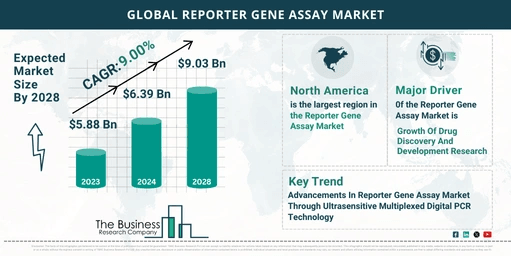
    • Current Market Size: The reporter gene assay market was valued at $5.88 billion in 2023.
    • Short-term Growth: Expected to grow to $6.39 billion in 2024, reflecting a compound annual growth rate (CAGR) of 8.7%.
    • Long-term Projection: Predicted to reach $9.03 billion by 2028, with a CAGR of 9.0%.

    Drivers of Growth

    Historical Growth Factors:

    • Increased Demand for Cell-Based Assays: Rising use of cell-based assays for various applications.
    • Rise in Genomics Research: Growing focus on genomics has driven the need for reporter gene assays.
    • Drug Discovery and Development: Enhanced research in drug development is a significant growth driver.
    • Personalized Treatment: The shift towards personalized medicine fuels demand.
    • Early Diagnosis: Emphasis on early disease detection supports market growth.

    Read More On The Reporter Gene Assay Market Report 2024 – https://www.thebusinessresearchcompany.com/report/reporter-gene-assay-global-market-report

    Future Growth Drivers:

    • Chronic Genetic Disorders: Growing prevalence of genetic disorders boosts market demand.
    • Personalized Medicine: Continued expansion in personalized medicine increases the need for advanced assays.
    • Molecular Imaging Systems: Rising use of molecular imaging contributes to market expansion.
    • Gene Therapy: Expansion in gene therapy portfolios drives demand.
    • Government Initiatives: Supportive policies and funding enhance market growth.

    Impact of Drug Discovery and Development Research

    • Role of Research: Drug discovery and development are critical in expanding the reporter gene assay market. These assays help in understanding gene regulation, identifying drug targets, and evaluating drug efficacy.
    • Technological Advances: Progress in proteomics, high-throughput screening, and genomics contributes to increased research activities.
    • Investment in R&D: For example, the UK government increased its R&D expenditure by 10.5% in 2022, highlighting the growing investment in research.

    Innovations and Technological Advancements

    Ultrasensitive Multiplexed Digital PCR Technology:

    • New Developments: Companies like Bio-Rad Laboratories Inc. are advancing with products like the ddPLEX ESR1 Mutation Detection Kit.
    • Benefits: This technology offers high sensitivity and multiplexing capabilities, allowing for precise detection of genetic mutations and simplifying testing processes.

    Qiagen’s Strategic Move:

    • Acquisition of Verogen: In January 2023, Qiagen acquired Verogen Inc. to enhance its forensic genomics capabilities.
    • Impact: This acquisition strengthens Qiagen’s position in forensic applications and expands its portfolio of reporter gene assays.

    Market Segmentation

    • By Product:
      • Assay Kits
      • Reagents
    • By Application:
      • Promoter Structural and Functional Analysis
      • Cell Signaling Pathways
      • Protein Interaction
      • Clinical and Gene Regulation
    • By End-User:
      • Biotechnology and Pharmaceutical Companies
      • Research and Academic Institutes
      • Hospital and Diagnostic Laboratories
      • Contract Research Organizations

    Regional Insights

    • North America: The largest market region in 2023, driven by high research activities and technological advancements.
    • Asia-Pacific: Expected to be the fastest-growing region, fueled by increasing investments in healthcare and biotechnology.

    Conclusion

    The reporter gene assay market is on a strong growth trajectory, supported by advancements in research and technology. With increasing investments in drug discovery, the rise of personalized medicine, and innovations in assay technologies, the market is set to experience significant expansion in the coming years. Keeping an eye on these trends will be crucial for stakeholders looking to navigate and capitalize on the opportunities within this dynamic market.

    Request for A Sample Of The Global Reporter Gene Assay Market Report:
    https://www.thebusinessresearchcompany.com/sample_request?id=16526&type=smp
  • Growth Trajectory Of The Tobramycin Eye Drop Market 2024-2033

    Growth Trajectory Of The Tobramycin Eye Drop Market 2024-2033

    The Business Research Company’s global market reports are now updated with the latest market sizing information for the year 2024 and forecasted to 2033

    Rapid Market Expansion

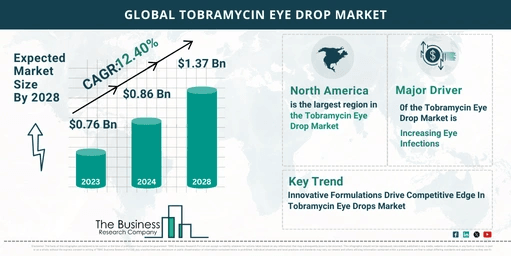
    • Market Size Growth: The tobramycin eye drop drops market has seen significant expansion, growing from $0.76 billion in 2023 to $0.86 billion in 2024.
    • Impressive CAGR: The market is set to grow at a compound annual growth rate (CAGR) of 12.3%, reflecting strong demand and market confidence.

    Drivers of Growth

    • Clinical Approvals: Increased approvals for tobramycin eye drop drops to treat bacterial eye infections have bolstered market growth.
    • Positive Clinical Trials: Favorable results from clinical trials have led to widespread adoption by healthcare practitioners and ophthalmologists.
    • Rising Eye Infections: The growing prevalence of eye infections, fueled by urbanization, pollution, and increased screen time, has driven demand.
    • Contact Lens Usage: With more people using contact lenses, the need for effective eye infection treatments has risen, supporting market growth.

    Future Market Projections

    • Continued Expansion: The market is expected to reach $1.37 billion by 2028, with a continued CAGR of 12.4%.
    • Emerging Economies: The expansion into emerging markets with improving healthcare infrastructure will drive further growth.
    • Regulatory Impact: New regulations and guidelines are likely to influence manufacturing practices, potentially spurring innovation.
    • R&D Focus: Ongoing research and development efforts are enhancing the formulation, potency, and safety of tobramycin-based products.

    View More On The Tobramycin Eye Drop Market Report 2024 – https://www.thebusinessresearchcompany.com/report/tobramycin-eye-drop-global-market-report

    Key Market Trends

    • Telemedicine Adoption: The growing adoption of telemedicine and remote consultation services is making it easier for patients to access tobramycin eye drop drops.
    • Eco-Friendly Practices: The pharmaceutical industry is increasingly focusing on eco-friendly packaging and manufacturing processes, influencing product choices.
    • Combination Therapies: The development of combination therapies, such as tobramycin with other antimicrobial agents or anti-inflammatory drugs, is a major trend.
    • Strategic Partnerships: Pharmaceutical companies are forming strategic partnerships to strengthen their market positions.

    Eye Infections Fueling Market Demand

    • Rising Prevalence: Eye infections are becoming more common due to increased pollution, urbanization, and screen time.
    • Effectiveness of Tobramycin: Tobramycin eye drops effectively treat bacterial eye infections by inhibiting bacterial protein synthesis.
    • Projected Increase in Eye Conditions: The number of visually impaired Americans is expected to double by 2030, highlighting the growing need for effective eye treatments.

    Competitive Landscape: Innovation and Strategic Moves

    • Technological Innovations: Leading companies are focusing on advanced formulation techniques to improve drug delivery and efficacy.
    • Example of Innovation: In October 2023, Harrow Health Inc. launched TOBRADEX ST, a combination of tobramycin and dexamethasone, offering improved therapeutic outcomes.
    • Strategic Acquisitions: In July 2023, Harrow Health Inc. acquired commercial rights to several ophthalmic products from Santen Pharmaceutical, strengthening its position in the U.S. market.

    Regional Insights

    • North America Leadership: North America was the largest region in the tobramycin eye drop drops market in 2023, driven by high demand and established healthcare infrastructure.
    • Asia-Pacific Growth: Asia-Pacific is expected to be the fastest-growing region during the forecast period, reflecting increasing healthcare investments and awareness.

    Conclusion

    The tobramycin eye drop drops market is on a robust growth trajectory, driven by rising eye infections, technological innovations, and strategic expansions into emerging markets. With continued advancements in drug formulations and a growing emphasis on eco-friendly practices, the market is set to achieve remarkable milestones in the coming years.

    Request A Sample Of The Global Tobramycin Eye Drop Market Report 2024:
    https://www.thebusinessresearchcompany.com/sample_request?id=16556&type=smp

  • Vancomycin Global Market Outlook 2024-2033: Size And Growth Rate Analysis

    Vancomycin Global Market Outlook 2024-2033: Size And Growth Rate Analysis

    The Business Research Company’s global market reports provide comprehensive analysis on the various markets in 27 industries across 60 geographies.

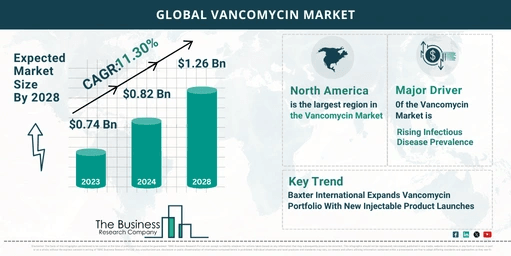
    The vancomycin market has experienced significant growth in recent years, with projections showing continued expansion. From 2023 to 2024, the market size is expected to rise from $0.74 billion to $0.82 billion, marking a compound annual growth rate (CAGR) of 11.0%. By 2028, the market is forecasted to reach $1.26 billion with a CAGR of 11.3%. This blog explores the factors driving this growth, key market trends, and recent developments in the vancomycin market.

    Factors Driving Market Growth

    • Rising Detection and Prevention of Infectious Diseases
      • Increased efforts in detecting and preventing infectious diseases have fueled the demand for vancomycin.
      • Government-funded programs for disease surveillance have further supported market expansion.
    • Increased Global Travel and Trade
      • The globalization of travel and trade has heightened the spread of infectious diseases, leading to a higher demand for effective treatments like vancomycin.
    • Growing Use in Hospital Settings
      • Hospitals are increasingly using vancomycin to treat severe bacterial infections, particularly those resistant to other antibiotics.
    • Higher Healthcare Spending
      • Enhanced healthcare expenditure worldwide has allowed for better access to essential drugs, including vancomycin.

    View More On The Vancomycin Market Report 2024 –https://www.thebusinessresearchcompany.com/report/vancomycin-global-market-report

    Future Market Trends

    • Emergence of Novel Pathogens
      • The rise of new pathogens is expected to increase the demand for vancomycin and other antibiotics.
    • Miniaturization and Portability of Diagnostic Devices
      • Advances in diagnostic technologies, such as portable devices, will enhance the rapid detection of infections, further driving market growth.
    • Adoption of Multiplex Assays
      • Multiplex assays capable of detecting multiple pathogens simultaneously are becoming more popular, improving early detection and treatment.
    • Integration of AI and Machine Learning
      • The use of AI and machine learning in diagnostic platforms will likely revolutionize the vancomycin market by enabling more accurate and efficient detection of infections.

    Impact of Rising Infectious Disease Prevalence

    • Infectious Disease Prevalence
      • The increasing prevalence of infectious diseases, including those caused by resistant bacteria, is a significant factor propelling the vancomycin market.
    • Global Statistics
      • The global number of people with HIV exceeded 39 million in 2023, up from 37.7 million in 2020, showcasing the growing need for effective treatments.
    • Tuberculosis in the U.S.
      • TB cases in the U.S. rose by 5.9% from 2021 to 2022, further emphasizing the demand for antibiotics like vancomycin.

    Key Players and Recent Developments

    • Major Companies in the Market
      • Pfizer Inc., F. Hoffmann-La Roche Ltd., and Thermo Fisher Scientific Inc. are some of the key players in the vancomycin market.
      • These companies are focused on innovative product development to maintain their market positions.
    • Baxter International’s New Launches
      • In April 2024, Baxter International Inc. launched five new injectable products in the U.S. to expand its pharmaceutical portfolio, reflecting a commitment to improving patient outcomes.
    • Fairlong Capital’s Strategic Acquisition
      • In January 2023, Fairlong Capital LLC acquired DoseMeRx, aiming to enhance its healthcare technology offerings and support personalized dosing for high-risk medications like vancomycin.

    Market Segmentation and Regional Insights

    • Product Segmentation
      • The vancomycin market is segmented by type into injectable solutions and powder for injection.
      • Route of administration includes intravenous and oral methods, while application areas cover sepsis, lung infection, skin and soft tissue infection, and colitis.
    • Regional Insights
      • North America was the largest region in the vancomycin market in 2023, driven by high healthcare spending and advanced medical infrastructure.

    Conclusion

    The vancomycin market is poised for significant growth, driven by rising infectious disease prevalence, technological advancements, and strategic initiatives by key players. With an expected CAGR of 11.3% from 2024 to 2028, the market is set to reach $1.26 billion, underscoring the critical role vancomycin will continue to play in combating severe bacterial infections.

    Request A Sample Of The Global Vancomycin Market Report 2024:
    https://www.thebusinessresearchcompany.com/sample_request?id=16563&type=smp

  • Understand How The Ureteroscope Market Is Poised To Grow Through 2024-2033

    Understand How The Ureteroscope Market Is Poised To Grow Through 2024-2033

    The Business Research Company’s global market reports are now updated with the latest market sizing information for the year 2024 and forecasted to 2033

    Overview of the Ureteroscope Market

    • The ureteroscope market has seen robust growth in recent years.
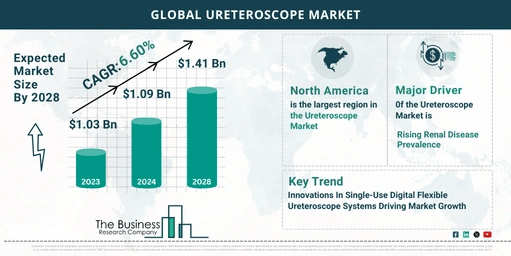
    • Market size increased from $1.03 billion in 2023 to $1.09 billion in 2024, reflecting a compound annual growth rate (CAGR) of 6.4%.
    • Growth driven by the rise in kidney stone cases, demand for minimally invasive procedures, and growing awareness about early detection.

    Drivers of Growth: A Closer Look

    • Increased Prevalence of Kidney Stones: Rising cases of kidney stones have driven the need for ureteroscopes in diagnosis and treatment.
    • Rising Healthcare Expenditures: More investment in healthcare, particularly in renal care, has supported market expansion.
    • Growing Geriatric Population: The aging population is more prone to renal issues, increasing demand for ureteroscopes.
    • Awareness and Early Detection: Enhanced public awareness and the push for early diagnosis have led to greater utilization of ureteroscopes.

    View More On The Ureteroscope Market Report 2024 – https://www.thebusinessresearchcompany.com/report/ureteroscope-global-market-report

    Projected Market Expansion

    • The market is projected to grow to $1.41 billion by 2028, with a CAGR of 6.6%.
    • Growth will be driven by increasing incidences of kidney-related diseases and higher disposable incomes.
    • Outpatient Procedures: A shift towards outpatient procedures is anticipated to further boost the market.
    • R&D Innovations: Continued research and development will lead to innovative ureteroscope technologies, fueling future growth.

    Trends Shaping the Future of Ureteroscopes

    • Digital Imaging Adoption: Enhanced imaging capabilities are becoming a standard in ureteroscopy.
    • Miniaturization: Smaller, more flexible devices are improving procedure efficiency and patient outcomes.
    • Disposable Ureteroscopes: Single-use devices are gaining popularity due to their ability to reduce infection risks.
    • Robotic-Assisted Ureteroscopy: The integration of robotics is revolutionizing the precision and effectiveness of procedures.
    • AI Integration: Artificial intelligence is being used to enhance diagnostic accuracy and decision-making during procedures.

    Impact of Renal Disease on Market Growth

    • Rising Renal Disease Prevalence: Increasing cases of kidney diseases are expected to drive ureteroscope demand.
    • Minimally Invasive Solutions: Ureteroscopes provide minimally invasive options for treating conditions like kidney stones and tumors, contributing to their market growth.

    Key Players and Innovations

    • Major companies include Siemens Healthineers AG, Becton, Dickinson and Company, Stryker Healthcare, and Boston Scientific Corporation.
    • Single-Use Digital Flexible Ureteroscopes: Innovations like Boston Scientific’s LithoVue Elite System, approved in February 2023, are pushing the market forward by offering advanced imaging and pressure monitoring capabilities.

    Strategic Acquisitions

    • Boston Scientific Acquires Lumenis Ltd.: In March 2021, Boston Scientific’s acquisition of Lumenis Ltd. marked a strategic move to strengthen its position in the surgical market, especially in urology.

    Market Segmentation

    • Product Types: Digital Ureteroscopes, Flexible Ureteroscopes, Rigid Ureteroscopes, Semi-Rigid Ureteroscopes, Fiberoptic Ureteroscopes.
    • Applications: Urinary Stricture, Urolithiasis, Kidney Cancer, Diagnostics.
    • End-Users: Ambulatory Surgical Centers, Specialty Clinics, Hospitals, Urology Clinics, Diagnostic Centers, Endoscopic Clinics.

    Regional Insights

    • North America: The largest market for ureteroscopes in 2023, driven by advanced healthcare infrastructure and high adoption of new technologies.
    • Asia-Pacific: Expected to be the fastest-growing region due to increasing healthcare access and rising awareness of renal health.

    The ureteroscope market is set for significant growth, fueled by innovations in medical technology and rising demand for effective renal treatments. With advancements in digital imaging, disposable devices, and robotic assistance, the future of ureteroscopy looks promising, offering enhanced patient outcomes and driving the market forward.

    Request A Sample Of The Global Ureteroscope Market Report 2024:
    https://www.thebusinessresearchcompany.com/sample_request?id=16562&type=smp

  • Key Insights On The Chronic Spontaneous Urticaria Market 2024 – Size, Driver, And Major Players

    Key Insights On The Chronic Spontaneous Urticaria Market 2024 – Size, Driver, And Major Players

    The Business Research Company’s global market reports are now updated with the latest market sizing information for the year 2024 and forecasted to 2033

    As per The Business Research Company’s Chronic Spontaneous Urticaria Global Market Report 2023, the chronic spontaneous urticaria market is expected to show significant growth in the forecast period.

    Recent Market Growth and Projections

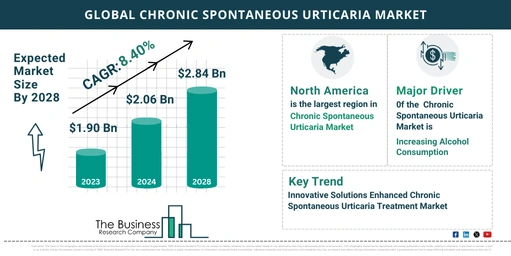
    • Current Market Size: The chronic spontaneous urticaria (CSU) market has experienced significant growth in recent years. In 2023, the market size reached $1.90 billion.
    • Short-Term Forecast: Expected to grow to $2.06 billion in 2024, reflecting a compound annual growth rate (CAGR) of 8.3%.
    • Long-Term Outlook: By 2028, the market is projected to reach $2.84 billion, with a CAGR of 8.4%.

    Factors Driving Growth:

    • Improved Diagnostics: Advances in diagnostic tools.
    • Awareness: Increased awareness among healthcare providers and patient advocacy groups.
    • Healthcare Investment: Rising healthcare expenditure and ongoing clinical trials.

    View More On The Chronic Spontaneous Urticaria Market Report 2024 – https://www.thebusinessresearchcompany.com/report/chronic-spontaneous-urticaria-global-market-report

    Key Growth Drivers

    • Increased Diagnoses: More cases of chronic spontaneous urticaria are being identified.
    • Healthcare Infrastructure: Development of healthcare facilities and patient-centric care models.
    • Regulatory Environment: Favorable policies and regulations facilitating market growth.
    • Economic Factors: Economic growth in emerging markets.

    Major Trends:

    • Technological Innovations: Advances in biological therapies and personalized medicine.
    • Digital Health: Growth in telemedicine and digital health solutions.
    • AI and Machine Learning: Enhanced diagnostic capabilities and drug development.

    Impact of Alcohol Consumption

    • Exacerbation of Symptoms: Rising alcohol consumption can worsen CSU symptoms, leading to increased market growth.
    • Statistics: In the UK, 55% of men and 41% of women reported weekly alcohol consumption. Increased alcohol use contributes to a higher incidence of CSU.
    • Hospital Admissions: Over 342,000 hospital admissions related to alcohol between 2021 and 2022 highlight the link between alcohol consumption and health conditions like CSU.

    Major Market Players

    • Key Companies: Notable players in the CSU market include:
      • F. Hoffmann-La Roche Ltd.
      • Merck & Co. Inc.
      • AbbVie Inc.
      • Bayer AG
      • Sanofi SA
      • AstraZeneca plc
      • Novartis AG
      • GlaxoSmithKline plc
      • Eli Lilly and Company
      • Amgen Inc.
    • Recent Developments: In March 2022, Novan Inc. acquired EPI Health LLC, enhancing its commercial capabilities and preparing for potential FDA approval of new treatments.

    Market Segmentation

    1. By Treatment: Medication, Phototherapy, Other Treatments.
    2. By Route of Administration: Oral, Topical, Parenteral, Other Routes.
    3. By Diagnosis: Physical Examination, Blood Test, Allergy Test, Other Diagnosis.
    4. By End-Users: Hospitals, Specialty Clinics, Homecare, Other End-Users.

    Regional Insights

    • North America: Dominated the CSU market in 2023, reflecting its advanced healthcare infrastructure and high awareness levels.

    The chronic spontaneous urticaria market is poised for robust growth, driven by advancements in healthcare and an increasing patient population. The interplay between lifestyle factors, such as alcohol consumption, and market dynamics will continue to shape the future landscape of this sector.

    Request A Sample Of The Global Chronic Spontaneous Urticaria Market Report 2024:

    https://www.thebusinessresearchcompany.com/sample_request?id=16651&type=smp

  • Catheter-Related Bloodstream Infection Market Growth Analysis Till 2033 By The Business Research Company

    Catheter-Related Bloodstream Infection Market Growth Analysis Till 2033 By The Business Research Company

    The Business Research Company’s market reports offer an in-depth analysis on the market’s growth potential, major drivers, key trends and more.

    The catheter-related bloodstream infection (CRBSI) market has seen significant growth over recent years, reflecting a broader shift in healthcare priorities and innovations. This market is poised for continued expansion, driven by several key factors, including the rising incidence of chronic diseases, the aging population, and the need for enhanced infection control measures.

    Current Market Overview

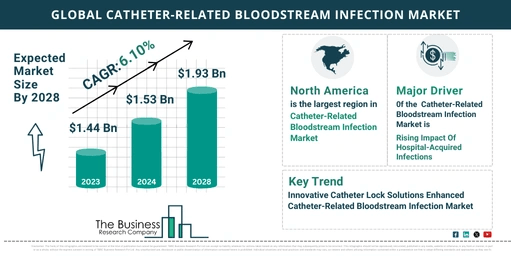
    • Market Growth: In 2023, the CRBSI market reached a size of $1.44 billion. It is expected to grow to $1.53 billion in 2024, representing a compound annual growth rate (CAGR) of 5.9%.
    • Key Drivers:
      • Rising Incidence of Chronic Diseases: More people are living with chronic conditions requiring long-term catheter use, increasing the risk of CRBSIs.
      • Increased Awareness and Education: Healthcare providers and patients are becoming more aware of the risks associated with catheter use, leading to better prevention and management practices.
      • Aging Population: The growing elderly population, more susceptible to infections, is driving demand for advanced infection control measures.

    Future Market Projections

    • Market Growth: The CRBSI market is expected to grow from $1.53 billion in 2024 to $1.93 billion in 2028, at a CAGR of 6.1%.
    • Key Drivers:
      • Healthcare-Associated Infections (HAIs): The rising incidence of HAIs, including CRBSIs, continues to propel market growth.
      • Expanded Healthcare Infrastructure: Increased investment in healthcare facilities, particularly in emerging markets, is boosting demand for infection control solutions.
      • Supportive Government Policies: Governments worldwide are implementing policies and initiatives to combat HAIs, further driving market growth.

    Read More On The Catheter-Related Bloodstream Infection Market Report 2024 – https://www.thebusinessresearchcompany.com/report/catheter-related-bloodstream-infection-global-market-report

    Impact of Hospital-Acquired Infections

    • Rising Prevalence of HAIs: HAIs, including CRBSIs, are a significant concern in healthcare settings. The global healthcare-associated infection rate was reported at 0.14% in January 2023, with an annual increase of 0.06%.
    • Contributing Factors:
      • Antimicrobial Resistance: Resistance to common antimicrobial agents makes infections harder to treat, increasing the risk of complications.
      • Inadequate Infection Control: Gaps in infection control measures contribute to the spread of HAIs.
      • Patient Susceptibility: Patients with indwelling catheters, especially those who are elderly or immunocompromised, are particularly vulnerable to CRBSIs.

    Innovations Driving the Market

    • Biomaterial Innovations: The development of new materials for catheters that are less prone to microbial colonization is a significant trend.
    • Smart Catheter Technology: Integration of technology to monitor and reduce infection risks is becoming more common.
    • Advanced Catheter Lock Solutions: Companies are developing catheter lock solutions with antimicrobial properties to reduce infection rates. For example, CorMedix Inc.’s DefenCath received FDA approval in November 2023 as a catheter lock solution combining taurolidine and heparin to combat CRBSIs.
    • Improved Sterilization Processes: Innovations in sterilization techniques are helping to lower infection risks.
    • Automated Flushing Systems: These systems ensure that catheters remain free of blockages and contamination, reducing the risk of infection.

    Strategic Partnerships and Collaborations

    • CEMMA Medical and LipoCoat BV Partnership: In April 2022, CEMMA Medical partnered with LipoCoat BV to develop a coated central venous catheter (CVC) aimed at sustainable infection control. This collaboration highlights the industry’s focus on innovative solutions to address the global challenge of HAIs.

    Market Segmentation

    • By Treatment: The market is segmented into antibiotic lock therapy and antimicrobial agents.
    • By Source of Infection: Major causative agents include Staphylococcus aureus, Acinetobacter baumannii, Escherichia coli (E. coli), Klebsiella pneumoniae (K. pneumonia), Candida species, and Pseudomonas aeruginosa.
    • By Distribution Channel: The market is divided into hospital pharmacies, retail pharmacies, and online pharmacies.

    Regional Insights

    • North America: As of 2023, North America held the largest share of the CRBSI market, driven by advanced healthcare infrastructure, strong R&D investment, and a high prevalence of chronic diseases.

    Conclusion

    The catheter-related bloodstream infection market is on a strong growth trajectory, driven by rising awareness, technological innovations, and the increasing prevalence of hospital-acquired infections. With continued advancements in catheter technology and infection control measures, the market is expected to expand significantly over the next few years, offering promising opportunities for healthcare providers and companies alike.

    Request for A Sample Of The Global Catheter-Related Bloodstream Infection Market Report:
    https://www.thebusinessresearchcompany.com/sample_request?id=16646&type=smp

  • Understand How The Cardiac Mapping Market Is Poised To Grow Through 2024-2033

    Understand How The Cardiac Mapping Market Is Poised To Grow Through 2024-2033

    The Business Research Company’s global market reports are now updated with the latest market sizing information for the year 2024 and forecasted to 2033

    The cardiac mapping market has experienced significant growth in recent years, driven by advancements in technology and increasing prevalence of heart-related ailments. As we move forward, this market is expected to continue its upward trajectory, fueled by various factors that make it a critical area of development in healthcare.

    Recent Growth and Market Size

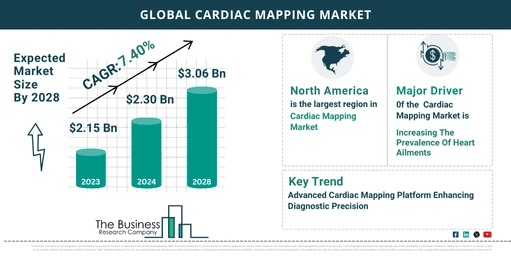
    • Strong Market Growth:The cardiac mapping market grew from $2.15 billion in 2023 to $2.30 billion in 2024, reflecting a compound annual growth rate (CAGR) of 7.3%.
    • Key Drivers:This growth can be attributed to:
      • Introduction of catheter ablation.
      • Development of 3D mapping systems.
      • Improvements in imaging technologies.
      • Rise in the prevalence of cardiac arrhythmias.
      • Growth in minimally invasive procedures.

    Future Market Projections

    • Expected Expansion:The market is projected to reach $3.06 billion by 2028, with a CAGR of 7.4%.
    • Contributing Factors:
      • Increasing prevalence of cardiovascular diseases.
      • Growing aging population.
      • Rising awareness and screening programs.
      • Improved healthcare infrastructure.
      • Rising prevalence of health issues.

    View More On The Cardiac Mapping Market Report 2024 –   https://www.thebusinessresearchcompany.com/report/cardiac-mapping-global-market-report

    Trends Shaping the Future

    • AI Integration: The use of artificial intelligence in cardiac mapping is expected to revolutionize diagnostics.
    • Real-Time 3D Mapping: Advances in 3D mapping systems will enhance real-time data analysis and visualization.
    • Improved Catheter Technologies: New catheter technologies are set to improve the precision and effectiveness of cardiac procedures.
    • Cloud-Based Data Analysis: Cloud technology will allow for better data management and analysis.
    • Enhanced Electrophysiology Software: Continuous improvements in electrophysiology software will support more accurate diagnostics.

    The Prevalence of Heart Ailments and Its Impact

    • Rising Heart Ailments: The growing prevalence of heart ailments, such as arrhythmias, heart attacks, and heart failure, is driving the demand for cardiac mapping.
    • Lifestyle Factors: Sedentary lifestyles, poor dietary habits, and an aging population are contributing to the rise in heart ailments.
    • Example from the UK: According to the British Heart Foundation, over one million people in the UK suffer from heart failure, with approximately 200,000 new cases diagnosed annually.

    Leading Companies in the Cardiac Mapping Market

    • Major Players:The market is dominated by key players like Johnson & Johnson, Abbott Laboratories, Medtronic plc, and others.
    • Innovation in Platforms:These companies are continually developing advanced cardiac mapping platforms to enhance diagnostic precision.
      • Example:Abbott Laboratories’ EnSite X EP system, which received FDA clearance in 2022, offers a 360-degree view of the heart using omnipolar technology.

    Strategic Acquisitions and Technological Advancements

    • Medtronic’s Strategic Acquisition: In August 2022, Medtronic Plc acquired Affera Inc. for $925 million, expanding its cardiac ablation portfolio with advanced mapping and navigation technology.
    • Affera’s Contribution: Affera Inc. is known for its cutting-edge cardiac mapping and ablation systems, now integrated into Medtronic’s offerings.

    Market Segmentation

    • By Type:Contact Cardiac Mapping Systems, Non-Contact Cardiac Mapping Systems.
    • By Indications:Atrial Fibrillation, Atrial Flutter, Atrioventricular Nodal Reentrant Tachycardia (AVNRT), Other Indications.
    • By End-User:Hospitals and Clinics, Diagnostic Centers, Other End-Users.

    Regional Insights

    • Largest Market: North America led the cardiac mapping market in 2023.
    • Fastest-Growing Region: Asia-Pacific is expected to witness the fastest growth during the forecast period, driven by improvements in healthcare infrastructure and rising awareness.

    Conclusion

    The cardiac mapping market is set for robust growth, driven by technological advancements, increasing prevalence of cardiovascular diseases, and strategic industry moves. As the market expands, innovations like AI integration, real-time 3D mapping, and cloud-based data analysis will play pivotal roles in shaping the future of cardiac care.

    Request A Sample Of The Global Cardiac Mapping Market Report 2024:
    https://www.thebusinessresearchcompany.com/sample_request?id=16643&type=smp

  • Global Bioinformatics In In-Vitro Diagnostics (IVD) Testing Market Report 2024 – Top Market Trends And Opportunities

    Global Bioinformatics In In-Vitro Diagnostics (IVD) Testing Market Report 2024 – Top Market Trends And Opportunities

    The Business Research Company’s market reports offer an in-depth analysis on the market’s growth potential, major drivers, key trends and more.

    Strong Market Growth in Recent Years

    • The bioinformatics in in vitro diagnostics (IVD) testing market has seen robust growth.
    • Market size increased from $87.25 billion in 2023 to $93.02 billion in 2024.
    • This growth, with a compound annual growth rate (CAGR) of 6.6%, can be attributed to several factors:
      • Improved healthcare infrastructure.
      • Expansion of biobanks.
      • Rising geriatric population.
      • Government initiatives and funding.
      • Growth of personalized medicine.

    Future Market Projections: Continued Expansion

    • The market is projected to grow to $121.57 billion by 2028, at a CAGR of 6.9%.
    • Key drivers in the forecast period include:
      • Rising prevalence of diseases.
      • Integration of IT in healthcare.
      • Government initiatives and funding.
      • A shift towards personalized medicine.
      • Enhanced awareness among healthcare providers.
      • Decreasing cost of genomic sequencing.

    Read More On The Bioinformatics In In-Vitro Diagnostics (IVD) Testing Market Report 2024 –  https://www.thebusinessresearchcompany.com/report/bioinformatics-in-in-vitro-diagnostics-ivd-testing-global-market-report

    Trends Shaping the Future

    • Artificial Intelligence (AI) and Machine Learning: Transforming data analysis and diagnostics.
    • Next-Generation Sequencing (NGS): Revolutionizing genetic analysis.
    • Point-of-Care (POC) Testing: Enhancing accessibility and convenience.
    • Cloud Computing and Big Data: Facilitating large-scale data analysis.
    • Innovations in Immunochemical Techniques: Improving diagnostic accuracy.

    Rising Chronic Diseases Propel Market Growth
    Impact of Increasing Cancer Prevalence

    • Cancer rates are rising globally, expected to reach 28.4 million cases by 2040, a 47% increase from 2020.
    • Factors driving this increase include exposure, lifestyle, and environmental influences.
    • Bioinformatics in IVD testing plays a crucial role in cancer diagnostics by:
      • Providing precise, personalized genetic insights.
      • Enhancing early detection.
      • Informing treatment decisions.
      • Improving patient outcomes.

    Role of Bioinformatics in Cancer Detection

    • Bioinformatics tools in IVD testing allow for comprehensive analysis, aiding in the early detection of cancer.
    • This technology supports personalized medicine, tailoring treatment plans based on individual genetic profiles.

    Major Players in the Market

    • Leading companies in the bioinformatics in IVD testing market include:
      • Siemens Healthineers
      • International Business Machines Corporation
      • Medtronic Inc.
      • Illumina Inc.
      • QIAGEN N.V.
      • PerkinElmer Inc.
      • Bioreference Laboratories Inc.
    • These companies are driving innovation and expansion in the market, contributing to its rapid growth.

    Revolutionizing Genetic Analysis with NGS Technology
    Advancements in Next-Generation Sequencing (NGS)

    • Major companies focus on developing next-generation sequencing (NGS) technology.
    • NGS allows for rapid sequencing of entire genomes or specific DNA/RNA regions.
    • This technology improves:
      • Detection and analysis of genetic mutations.
      • Diagnostic accuracy.
      • Personalized medicine approaches.

    Case Study: Illumina’s Innovations

    • In May 2022, Illumina Inc. launched the TruSight Oncology Comprehensive (EU) test.
    • This pan-cancer companion diagnostic (CDx) identifies cancer patients with neurotrophic tyrosine receptor kinase (NTRK) gene fusions.
    • The test aids in targeted therapy, showcasing the power of NGS in cancer treatment.

    Accelerating Cancer Diagnosis: Illumina’s Acquisition of GRAIL
    Strategic Acquisition for Enhanced Diagnostics

    • In August 2021, Illumina Inc. acquired GRAIL to accelerate cancer diagnosis.
    • GRAIL specializes in bioinformatics for IVD testing, particularly in cancer detection.
    • This acquisition aims to:
      • Speed up patient access to diagnostic tools.
      • Enable the identification of multiple cancer types using a single blood sample.

    Regional Insights and Market Segmentation
    North America Leading, Asia-Pacific Rising

    • North America was the largest region in the bioinformatics in IVD testing market in 2023.
    • Asia-Pacific is expected to be the fastest-growing region during the forecast period, driven by:
      • Expanding healthcare infrastructure.
      • Increased government initiatives and funding.
      • Rising demand for personalized medicine.

    Market Segmentation

    • The bioinformatics in IVD testing market is segmented by:
      • Type: Hardware, Software.
      • Type of Test: Blood-Based Tests, Tissue-Based Tests.
      • Application: Cardiovascular Diseases, Chronic Diseases, Diabetes, Cancer, Other Applications.

    Conclusion: A Market Poised for Growth

    • The bioinformatics in IVD testing market is set for continued growth, driven by advancements in technology, rising disease prevalence, and increasing focus on personalized medicine.
    • As companies innovate and expand, the market will continue to play a critical role in enhancing diagnostic accuracy and improving patient outcomes.

    Request for A Sample Of The Global Bioinformatics In In-Vitro Diagnostics (IVD) Testing Market Report:
    https://www.thebusinessresearchcompany.com/sample_request?id=16629&type=smp

  • 5 Key Insights On The Medical Document Management Systems Market 2024

    5 Key Insights On The Medical Document Management Systems Market 2024

    The Business Research Company’s global market reports are now updated with the latest market sizing information for the year 2024 and forecasted to 2033

    As per The Business Research Company’s Medical Document Management Systems Global Market Report 2023, the medical document management systems market is expected to show significant growth in the forecast period.

    Overview of Market Growth

    • 2023 Market Size: $0.76 billion
    • 2024 Market Size Projection: $0.87 billion
    • Compound Annual Growth Rate (CAGR): 14.1%

    The medical document management systems market has seen significant growth recently. This surge is driven by advancements in healthcare practices, the necessity to reduce costs, improve clinical efficiency, enhance patient care, and the rising demand for connected healthcare and efficient data management tools.

    Forecasted Growth and Key Drivers

    • 2028 Market Size Projection: $1.49 billion
    • CAGR: 14.2%

    The market is expected to grow rapidly over the next few years, driven by:

    • Improved Healthcare Infrastructure: Enhanced facilities and technology adoption.
    • Increased R&D Expenditures: Investments fueling innovation.
    • Adoption of Web-Based and Cloud-Based Systems: Flexible, cost-effective solutions.
    • Digitization and Automation: Streamlining operations and reducing manual efforts.
    • Demand for Paperless Environments: Pushing the shift towards digital solutions.

    View More On The Medical Document Management Systems Market Report 2024 –
    https://www.thebusinessresearchcompany.com/report/medical-document-management-systems-global-market-report

    Emerging Trends in the Market

    • Web-Based Solutions for Interoperability: Enabling seamless data sharing across platforms.
    • Cloud-Based Solutions: Reducing installation and maintenance costs.
    • Machine Learning (ML): Automating data processing for greater accuracy.
    • Blockchain Technology: Securing data storage.
    • Internet of Things (IoT) Integration: Connecting devices for real-time data access.

    Impact of Rising Patient Pool on Market Growth

    • Increased Patient Admissions: Significant growth in hospital admissions.
    • Growing Healthcare Demand: Driven by population growth, aging demographics, and increased access to healthcare services.
    • Enhanced Data Management: Medical document management systems streamline healthcare data handling and improve patient care coordination.

    For instance, a report by the American Hospital Association noted a rise in U.S. hospital admissions, from 33,356,853 in 2022 to 34,011,386 in 2023, indicating a growing patient pool that drives market expansion.

    AI Integration in Medical Document Management Systems

    • Focus on Artificial Intelligence (AI): Companies are leveraging AI to enhance efficiency and accuracy.
    • AI in Data Handling: Automates processes, reduces errors, and streamlines administrative tasks.

    In April 2024, Andaman7 launched Version 5 of its Personal Health Record app, integrating AI tools to simplify medical jargon, summarize reports, and translate health records. This empowers patients and improves the quality and efficiency of research.

    Strategic Acquisitions: Oracle’s Acquisition of Cerner

    • Oracle Acquires Cerner: In June 2022, Oracle Systems Corporation acquired Cerner Corporation for $28 billion.
    • Expansion of Cloud Business: Oracle’s acquisition enables a stronger presence in the hospital and health system markets.
    • Revolutionizing Healthcare IT: Combining resources to provide next-generation healthcare information systems.

    Market Segmentation
    The medical document management systems market is segmented as follows:

    1. By Product: Services, Solutions
    2. By Delivery Model: Web-Based, Cloud-Based, On-Premise
    3. By Application: Medical Records, Billing Records, Admission, Registration
    4. By End User: Hospitals and Clinics, Government Organizations, Third-Party Administrators (TPAs), Nursing Homes, Other End Users

    Regional Market Insights

    • North America: Largest region in 2023.
    • Asia-Pacific: Expected to be the fastest-growing region during the forecast period, driven by rapidly improving healthcare infrastructure and increasing adoption of advanced technologies.

    The medical document management systems market is poised for substantial growth, with advancements in technology, increased adoption of AI, and strategic acquisitions leading the charge. As the demand for efficient and secure healthcare data management continues to rise, this market will play a critical role in the future of healthcare.

    Request A Sample Of The Global Medical Document Management Systems Market Report 2024:
    https://www.thebusinessresearchcompany.com/sample_request?id=16731&type=smp

  • Top 5 Insights From The Food Allergy Treatment Market Report 2024

    Top 5 Insights From The Food Allergy Treatment Market Report 2024

    The Business Research Company’s global market reports are now updated with the latest market sizing information for the year 2024 and forecasted to 2033

    According to The Business Research Company’s Food Allergy Treatment Global Market Report 2023, the food allergy treatment market is expected to show promising growth in the forecast period.

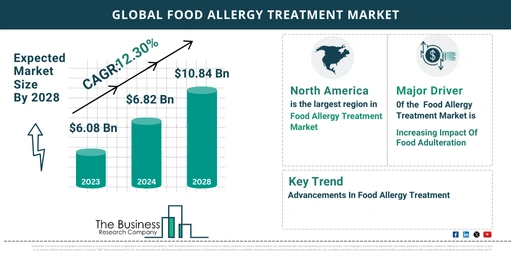
    • Current Market Size: The food allergy treatment market has experienced significant growth, expanding from $6.08 billion in 2023 to an expected $6.82 billion in 2024.
    • CAGR: This represents a compound annual growth rate (CAGR) of 12.2%, driven by factors like the increasing prevalence of food allergies and rising regulatory approvals.
    • Historic Drivers: The market’s expansion can be attributed to the development of emergency treatments and greater investment in modern technologies.

    Future Outlook: Sustained Expansion

    • Projected Growth: The market is expected to continue its upward trajectory, reaching $10.84 billion by 2028.
    • CAGR: This translates to a CAGR of 12.3% over the forecast period.
    • Key Drivers: Growth will be propelled by the increasing diagnosis of food allergies, rising healthcare spending, and the growing geriatric population.

    Major Trends:

      • High degree of innovation and technological advancements.
      • Improvement in medical technology and diagnostic techniques.
      • Increasing use of mobile apps and telemedicine services.
      • A surge in research and development activities.
      • Rising number of drug approvals and launches.

    View More On The Food Allergy Treatment Market Report 2024 –
    https://www.thebusinessresearchcompany.com/report/food-allergy-treatment-global-market-report

    Impact of Food Adulteration on the Market

    • Definition: Food adulteration involves the intentional alteration of food products, often for economic gain, leading to compromised quality and safety.
    • Rising Concern: The increasing incidence of food adulteration is expected to drive market growth by raising the risk of allergic reactions.
    • Recent Example: In November 2022, Europol reported the seizure of nearly 27,000 tons of counterfeit food, highlighting the growing concern over food adulteration.

    Leading Players in the Market

    • Major Companies: The market is dominated by companies like Pfizer Inc., F. Hoffmann-La Roche Ltd., Merck & Co. Inc., Bayer AG, and Sanofi S.A.
    • Key Developments: These companies are focused on innovative therapies, such as monoclonal antibodies, to provide more effective treatments for food allergies.

    Advancements in Food Allergy Treatment

    • Monoclonal Antibodies: These represent a promising approach for treating food allergies by targeting specific components of the immune system.
    • Recent Approval: In February 2024, Novartis AG received FDA approval for Xolair (omalizumab), a monoclonal antibody designed to reduce IgE-mediated food allergies.
    • Study Results: The Phase III OUtMATCH study showed that Xolair allowed food allergy patients to tolerate small amounts of allergens like peanuts and milk without allergic reactions.

    Strategic Acquisitions: Expanding Treatment Portfolios

    • Stallergenes Greer’s Acquisition: In September 2023, Stallergenes Greer acquired Nestlé’s peanut allergy treatment business, allowing Nestlé to focus on its core strengths.
    • Market Impact: This acquisition enables Stallergenes Greer to expand its allergy treatment portfolio, strengthening its position in the market.

    Market Segmentation and Regional Insights

    • Drug Type: The market is segmented into antihistamines, decongestants, corticosteroids, mast cell stabilizers, and more.
    • Route of Administration: Treatment options are available in parenteral and oral forms.
    • Allergen Type: Common allergens include dairy products, poultry, tree nuts, peanuts, shellfish, wheat, and soys.
    • End-Use: Major end-users include hospital pharmacies and retail pharmacies.
    • Regional Insights: North America was the largest market in 2023, while Asia-Pacific is expected to be the fastest-growing region during the forecast period.

    Request A Sample Of The Global Food Allergy Treatment Market Report 2024:
    https://www.thebusinessresearchcompany.com/sample_request?id=16684&type=smp