Category: HealthcareServices

  • Life Science Instrumentation Market 2026–2030: Forecast, Innovation, and Competitive Trends

    Life Science Instrumentation Market 2026–2030: Forecast, Innovation, and Competitive Trends

    Uncover key drivers, emerging technologies, and competitive movements shaping the life science instrumentation market from 2026–2035 with trusted insights from The Business Research Company

    How much is the Life Science Instrumentation Market valued at in 2026, and what valuation is forecast for 2030?

    The life science instrumentation market size has demonstrated substantial growth in recent years. This market is projected to expand from $70.86 billion in 2025 to $75.77 billion in 2026, with a compound annual growth rate (CAGR) of 6.9%. The growth observed in the historic period can be attributed to the expansion of pharmaceutical and biotechnology research activities, increasing investments in laboratory infrastructure, the advancement of genomics and proteomics research, the adoption of advanced diagnostic instruments, and a rising demand for accurate analytical results.

    The life science instrumentation market size is projected to experience significant expansion over the next few years. Its valuation is set to reach $97.89 billion by 2030, demonstrating a compound annual growth rate (CAGR) of 6.6%. This projected growth is driven by the increasing application of automated and connected instruments, a rising need for personalized medicine research tools, the broadening scope of clinical diagnostics testing, the growing adoption of AI-enabled instrumentation, and heightened investments in next-generation laboratory technologies. Prominent trends anticipated during this forecast period include the increasing uptake of high-throughput analytical instruments, greater integration of automation in laboratory workflows, an expanding demand for precision measurement technologies, the broadening of multi-omics research instrumentation, and an enhanced focus on data-integrated lab systems.

    Access Your Free Sample Report for In-Depth Market Insights:

    https://www.thebusinessresearchcompany.com/sample.aspx?id=19545&type=smp

    What Drivers Are Influencing The Growth Of The Life Science Instrumentation Market?

    A rising prevalence of genetic disorders is anticipated to fuel the expansion of the life science instrumentation market in the future. These disorders are defined as illnesses or states resulting from irregularities in a person’s DNA or chromosomal structure. The occurrence of genetic disorders is increasing, attributed to progress in diagnostic methods, greater public understanding, and shifts in reproductive behaviors. Patients with genetic disorders employ life science instruments for diagnosis, ongoing monitoring, and the creation of focused treatments through the examination of genetic material and biological markers. For example, data from May 2023, provided by the Alzheimer Society, a UK-based dementia care and research charity, indicated that around 982,000 individuals were living with dementia in the UK, with projections suggesting this figure will climb to 1.4 million by 2040. Consequently, the growing frequency of genetic disorders is serving as a catalyst for the expansion of the life science instrumentation market.

    What Segments Are Included Within The Life Science Instrumentation Market?

    The life science instrumentation market covered in this report is segmented –

    1) By Technology: Spectroscopy, Chromatography, Polymerase Chain Reaction, Liquid Handling

    2) By Application: Research Applications, Clinical And Diagnostic Applications, Other Applications

    3) By End User: Hospitals And Diagnostic Laboratories, Pharmaceutical And Biotechnology Companies, Academic And Research Institutes, Agriculture And Food Industries, Environmental Testing Labs, Clinical Research Organizations, Other End-Users

    Subsegments:

    1) By Spectroscopy: UV-Vis Spectroscopy, Infrared Spectroscopy (IR), Mass Spectrometry, Nuclear Magnetic Resonance (NMR) Spectroscopy, Raman Spectroscopy

    2) By Chromatography: Gas Chromatography (GC), High-Performance Liquid Chromatography (HPLC), Thin Layer Chromatography (TLC), Ion Chromatography (IC), Supercritical Fluid Chromatography (SFC)

    3) By Polymerase Chain Reaction (PCR): Quantitative PCR (qPCR), Reverse Transcription PCR (RT-PCR), Digital PCR, Multiplex PCR

    4) By Liquid Handling: Automated Liquid Handling Systems, Manual Pipetting Systems, Liquid Handling Robotics

    What Upcoming Trends Are Likely To Define The Future Path Of The Life Science Instrumentation Market?

    Leading firms within the life science instrumentation market are concentrating on creating novel solutions, including high-performance mass spectrometers offering ultrahigh sensitivity, with the aim of enhancing proteomics, metabolomics, translational research, and precision medicine workflows. These advanced mass spectrometers function as analytical tools that identify and measure molecules like proteins, metabolites, and lipids through ionization and subsequent assessment of their mass-to-charge ratio. In contrast to older instruments, these contemporary systems provide increased sensitivity, quicker analysis, and elevated throughput, thereby facilitating intricate biological and clinical investigations with improved accuracy. An example occurred in June 2023 when Thermo Fisher Scientific Inc., a US-based life-science instrumentation company, introduced the Thermo Scientific Orbitrap Astral mass spectrometer, a sophisticated system designed to offer extensive proteome coverage, high resolution, and boosted throughput for biomarker discovery and proteomics research. The Astral mass spectrometer enables the detection of proteins present in low quantities, more rapid processing of substantial sample batches, and better assistance for both translational and basic research, thus presenting a notable enhancement in performance compared to traditional MS platforms regarding sensitivity, efficiency, and the caliber of data.

    Who Are The Top-Performing Companies In The Life Science Instrumentation Market In Recent Years?

    Major companies operating in the life science instrumentation market are Thermo Fisher Scientific Inc, Agilent Technologies Inc, Danaher Corporation, Bruker Corporation, Shimadzu Corporation, Waters Corporation, PerkinElmer Inc, Bio-Rad Laboratories Inc, JEOL Ltd, Horiba Ltd, Eppendorf AG, Tecan Group AG, Leica Microsystems AG, Sartorius AG, Illumina Inc, Oxford Instruments plc, Becton Dickinson and Company, Beckman Coulter Inc, Carl Zeiss AG, Nikon Corporation, Hitachi High Technologies Corporation

    Access The Complete Report For Deeper Market Insights:

    https://www.thebusinessresearchcompany.com/report/life-science-instrumentation-global-market-report

    How Does The Life Science Instrumentation Market Perform Across Major Global Regions?

    North America was the largest region in the life science instrumentation market in 2025. The regions covered in the life science instrumentation market report are Asia-Pacific, South East Asia, Western Europe, Eastern Europe, North America, South America, Middle East, Africa.

    Request Your Customized Life Science Instrumentation Market Research Report for Competitive Advantage:

    https://www.thebusinessresearchcompany.com/customise?id=19545&type=smp

    Browse Through More Reports Similar to the Global Life Science Instrumentation Market 2026, By The Business Research Company

    Handheld Surgical Instruments Market Report 2026

    https://www.thebusinessresearchcompany.com/report/handheld-surgical-instruments-global-market-report

    Liquid Chromatography Instruments Market Report 2026

    https://www.thebusinessresearchcompany.com/report/liquid-chromatography-instruments-global-market-report

    Minimally Invasive Surgical Instruments Market Report 2026

    https://www.thebusinessresearchcompany.com/report/minimally-invasive-surgical-instruments-global-market-report

    Get in touch with us:

    The Business Research Company: https://www.thebusinessresearchcompany.com/

    Americas +1 310-496-7795

    Asia +44 7882 955267 & +91 8897263534

    Europe +44 7882 955267

    Email us at info@tbrc.info

    Follow us on:

    LinkedIn: https://in.linkedin.com/company/the-business-research-company

    YouTube: https://www.youtube.com/channel/UC24_fI0rV8cR5DxlCpgmyFQ

    Global Market Model: https://www.thebusinessresearchcompany.com/global-market-model

  • Life Science Analytics Software Market Forecast 2026–2035: Data Trends and Industry Insights

    Life Science Analytics Software Market Forecast 2026–2035: Data Trends and Industry Insights

    Uncover key drivers, emerging technologies, and competitive movements shaping the life science analytics software market from 2026–2035 with trusted insights from The Business Research Company

    By how much is the Life Science Analytics Software Market expected to grow between 2026 and 2030?

    The life science analytics software market size has seen rapid expansion in recent years. It is forecast to grow from $11.29 billion in 2025 to $13.05 billion in 2026, exhibiting a compound annual growth rate (CAGR) of 15.6%. Historically, this growth can be attributed to the increasing volumes of clinical trial data, the wider adoption of data-driven decision-making within the pharmaceutical sector, the rise in digital healthcare records, the escalating complexity of regulatory reporting, and the integration of analytics into sales and marketing functions.

    The life science analytics software market is projected to experience substantial expansion over the coming years, reaching a valuation of $23 billion by 2030, driven by a compound annual growth rate (CAGR) of 15.2%. This anticipated growth during the forecast period is fueled by several factors, including the increasing implementation of AI and machine learning analytics, a heightened need for insights in personalized medicine, the proliferation of cloud-native analytics platforms, the deepening integration of genomics and clinical datasets, and a rise in investments towards digital transformation within the life sciences sector. Key trends shaping this period encompass the greater adoption of sophisticated predictive analytics tools, an increasing integration of real-world evidence analytics, the expanding utilization of cloud-based life science platforms, the broadening application of AI in clinical trial analytics, and a stronger emphasis on insights derived from regulatory-compliant data.

    Access Your Free Sample Report for In-Depth Market Insights:

    https://www.thebusinessresearchcompany.com/sample.aspx?id=19544&type=smp

    Which Drivers Are Influencing Market Acceleration In The Life Science Analytics Software Market?

    A growing volume of clinical trials is anticipated to drive the expansion of the life science analytics software market in the future. These trials are research endeavors performed on human subjects to assess the safety and effectiveness of various medical interventions, including medications, therapies, devices, or preventive strategies. The quantity of clinical trials is increasing due to the rising need for new treatments and the necessity to manage a growing worldwide disease burden. Within clinical trials, Life Science Analytics Software finds application in analyzing and interpreting trial information, enhancing processes, and guaranteeing adherence to regulations, ultimately leading to improved decision-making and patient results. As an illustration, information from the Association of the British Pharmaceutical Industry (ABPI), a UK trade body, indicates that in December 2024, the total count of industry-funded clinical trials launched in the UK climbed from 411 in 2022 to 426 in 2023. Consequently, the expanding volume of clinical trials propels the life science analytics software market.

    What Leading Segments Are Studied In The Life Science Analytics Software Market?

    The life science analytics software market covered in this report is segmented –

    1) By Product: Prescriptive Analytics, Descriptive Analytics, Predictive Analytics

    2) By Delivery Model: On-Premise, Cloud

    3) By Application: Research And Development, Sales And Marketing Support, Regulatory Compliance, Supply Chain Analytics, Pharmacovigilance

    4) By End User: Pharmaceutical And Biotechnology Companies, Medical Device Companies, Research Centers, Third Party Administrators

    Subsegments:

    1) By Prescriptive Analytics: Decision Optimization Software, Simulation and Scenario Modeling Tools, Workflow Automation Solutions

    2) By Descriptive Analytics: Data Visualization Tools, Reporting and Dashboard Solutions, Real-Time Monitoring Tools

    3) By Predictive Analytics: Predictive Modeling Software, Machine Learning and AI Tools, Risk Assessment and Forecasting Solutions

    Which Trends Are Shaping Activity Within The Life Science Analytics Software Market?

    Leading companies operating in the life science analytics software market are increasingly focusing on technological advancements, such as artificial intelligence (AI)-powered analytics platforms, to secure a competitive advantage. These AI-powered analytics platforms are sophisticated software systems that leverage artificial intelligence and machine learning algorithms to process extensive datasets, identify recurring patterns, and extract valuable insights. For instance, in February 2024, Trinity Life Sciences, a US-based life sciences consulting firm, introduced Brand Insights AI, an advanced chat-based AI interface designed to improve the analysis and practical application of biopharmaceutical brand research. This innovative solution empowers insights and analytics teams by enabling them to quickly access and integrate vast amounts of historical data from multiple sources. By revealing concealed patterns and accelerating the decision-making process, Brand Insights AI acts as a transformative asset for life sciences executives seeking to optimize research workflows and enhance strategic outcomes.

    Which Leading Companies Dominate The Life Science Analytics Software Market Share?

    Major companies operating in the life science analytics software market are McKesson Corporation, Accenture Plc, International Business Machines Corporation (IBM), Oracle Corporation, Cognizant Technology Solutions Corporation, Koninklijke Philips N.V., IQVIA, Wipro Limited, Genpact, EPIC Systems Corporation, PerkinElmer Inc., SAS Institute Inc., Veeva Systems Inc, M3 (EU) Ltd, ExlService Holdings Inc., eClinicalWorks, TIBCO Software Inc., Allscripts Healthcare LLC, Computer Programs and Systems Inc., Elinext, Analytics8, MaxisIT Incorporated, Neuroimaging And Monitoring Equipment

    Access The Complete Report For Deeper Market Insights:

    https://www.thebusinessresearchcompany.com/report/life-science-analytics-software-global-market-report

    Which Region Is Anticipated To See The Fastest Growth In The Life Science Analytics Software Market?

    North America was the largest region in the life science analytics software market in 2025. The regions covered in the life science analytics software market report are Asia-Pacific, South East Asia, Western Europe, Eastern Europe, North America, South America, Middle East, Africa.

    Request Your Customized Life Science Analytics Software Market Research Report for Competitive Advantage:

    https://www.thebusinessresearchcompany.com/customise?id=19544&type=smp

    Browse Through More Reports Similar to the Global Life Science Analytics Software Market 2026, By The Business Research Company

    Business Analytics Enterprise Software Market Report 2026

    https://www.thebusinessresearchcompany.com/report/business-analytics-enterprise-software-global-market-report

    Life Science Software Market Report 2026

    https://www.thebusinessresearchcompany.com/report/life-science-software-global-market-report

    Ai In Life Science Analytics Market Report 2026

    https://www.thebusinessresearchcompany.com/report/ai-in-life-science-analytics-global-market-report

    Get in touch with us:

    The Business Research Company: https://www.thebusinessresearchcompany.com/

    Americas +1 310-496-7795

    Asia +44 7882 955267 & +91 8897263534

    Europe +44 7882 955267

    Email us at info@tbrc.info

    Follow us on:

    LinkedIn: https://in.linkedin.com/company/the-business-research-company

    YouTube: https://www.youtube.com/channel/UC24_fI0rV8cR5DxlCpgmyFQ

    Global Market Model: https://www.thebusinessresearchcompany.com/global-market-model

  • Life Science Analytics Market Outlook 2026–2030: Key Business Drivers and Trends

    Life Science Analytics Market Outlook 2026–2030: Key Business Drivers and Trends

    Uncover key drivers, emerging technologies, and competitive movements shaping the life science analytics market from 2026–2035 with trusted insights from The Business Research Company

    What is the estimated market size of the Life Science Analytics Market by the end of 2030?

    The life science analytics market size has experienced substantial growth in recent years. This market is projected to expand from $31.24 billion in 2025 to $36.07 billion in 2026, demonstrating a compound annual growth rate (CAGR) of 15.5%. The historical growth can be attributed to factors such as the increasing intricacy of clinical trials, rising volumes of healthcare data, a heightened demand for evidence-based medicine, the expansion of pharmaceutical R&D activities, and the early adoption of analytics in life sciences.

    The life science analytics market is projected to experience substantial expansion over the coming years, reaching $64.51 billion by 2030, driven by a compound annual growth rate (CAGR) of 15.6%. This anticipated growth during the forecast period is fueled by several factors, including the escalating requirement for predictive patient outcomes, increased investments in digital healthcare solutions, a heightened focus on analytics for regulatory compliance, the broadening scope of precision medicine initiatives, and a greater demand for operational efficiency within the life sciences sector. Key trends observed for this period encompass the increasing embrace of data-driven approaches to clinical decision-making, the expanding application of analytics within drug development pipelines, a stronger emphasis on generating real-world evidence, the broader deployment of analytics in clinical trials management, and a surge in the need for integrated data platforms.

    Access Your Free Sample Report for In-Depth Market Insights:

    https://www.thebusinessresearchcompany.com/sample.aspx?id=6581&type=smp

    What Drivers Are Shaping Future Opportunities In The Life Science Analytics Market?

    The growing occurrence of long-term illnesses is anticipated to drive expansion in the life science analytics market in the future. These are conditions characterized by their prolonged duration. Specifically, life science analytics, incorporating predictive capabilities, is crucial for preventing chronic diseases, enabling healthcare providers to identify early indicators of illness and take timely action. As an illustration, data from June 2024 by the National Health Service, a UK government department, revealed that 3,615,330 GP-registered individuals were diagnosed with non-diabetic hyperglycemia, or pre-diabetes, in 2023. This represented an 18% increase from 3,065,825 cases recorded in 2022. Consequently, the rising incidence of chronic diseases is a key factor propelling the growth of the life science analytics market.

    Which Segment Groups Are Influencing The Life Science Analytics Market?

    The life science analytics market covered in this report is segmented –

    1) By Type: Descriptive Analytics, Predictive Analytics, Prescriptive Analytics

    2) By Component: Software, Services

    3) By Deployment: On-Demand, On-Premises

    4) By Application: Research and Development, Preclinical Trials, Clinical Trials, Sales and Marketing, Regulatory Compliance, Supply Chain Optimization, Pharmacovigilance

    5) By End User: Medical Device, Pharmaceutical, Biotechnology, Other End Users

    Subsegments:

    1) By Descriptive Analytics: Data Visualization, Reporting Tools, Statistical Analysis

    2) By Predictive Analytics: Risk Assessment Models, Forecasting Tools, Machine Learning Algorithms

    3) By Prescriptive Analytics: Optimization Tools, Simulation Models, Decision Support Systems

    Which Trends Are Influencing The Development Of The Life Science Analytics Market?

    Major organizations active in the life science analytics market are concentrating on developing innovations with advanced analytics technologies, such as artificial intelligence, to secure a competitive edge. AI in life sciences analytics is employed to improve data analysis, refine drug discovery processes, optimize clinical trials, and facilitate personalized medicine by revealing insights from intricate biological data. For example, in September 2023, SAS Health, an India-based healthcare technology company, unveiled a revolutionary healthcare platform designed to simplify health data management, strengthen data governance, and accelerate patient insights. This complete enterprise solution for analytics and data automation is poised to equip health providers, insurers, and public health agencies with the flexibility needed to spur innovations that enhance patient experiences and outcomes. Driven by a universal health data model with alignments to industry standards, SAS Health will enable the anticipatory identification of clinical staffing deficiencies and the mapping of screening centers concerning patient populations. Employing the SAS Viya AI platform, it provides swift access to practical insights while guaranteeing adherence to regulations.

    Who Are The Major Companies Operating In The Life Science Analytics Market?

    Major companies operating in the life science analytics market are Oracle Corporation, Accenture plc, SAS Institute Inc., International Business Machines Corporation, IQVIA Holdings Inc., Wipro Limited, Cognizant Technology Solutions Corporation, SCIOInspire Corp., Cerner Corporation, Optum Inc., Microsoft Corporation, MaxisIT Inc., Cotiviti Holdings Inc., Allscripts Healthcare Solutions Inc., ExlService Holdings Inc., Inovalon Holdings Inc., CitiusTech Inc., Saama Technologies LLC., Axtria Inc., Clarivate Plc, ThoughtSphere Ltd., ThoughtSpot Inc., Alteryx Inc., TAKE Solutions Ltd., BioSymetrics Inc., PerkinElmer Inc., Medidata Solutions Inc., PAREXEL International Corporation

    Access The Complete Report For Deeper Market Insights:

    https://www.thebusinessresearchcompany.com/report/life-science-analytics-global-market-report

    Which Region Is Anticipated To See The Fastest Growth In The Life Science Analytics Market?

    North America was the largest region in the life science analytics market in 2025. Asia-Pacific is expected to be the fastest-growing region in the forecast period. The regions covered in the life science analytics market report are Asia-Pacific, South East Asia, Western Europe, Eastern Europe, North America, South America, Middle East, Africa.

    Request Your Customized Life Science Analytics Market Research Report for Competitive Advantage:

    https://www.thebusinessresearchcompany.com/customise?id=6581&type=smp

    Browse Through More Reports Similar to the Global Life Science Analytics Market 2026, By The Business Research Company

    Artificial Intelligence In Life Sciences Market Report 2026

    https://www.thebusinessresearchcompany.com/report/artificial-intelligence-in-life-sciences-global-market-report

    Ai In Life Science Analytics Market Report 2026

    https://www.thebusinessresearchcompany.com/report/ai-in-life-science-analytics-global-market-report

    Life Science Software Market Report 2026

    https://www.thebusinessresearchcompany.com/report/life-science-software-global-market-report

    Get in touch with us:

    The Business Research Company: https://www.thebusinessresearchcompany.com/

    Americas +1 310-496-7795

    Asia +44 7882 955267 & +91 8897263534

    Europe +44 7882 955267

    Email us at info@tbrc.info

    Follow us on:

    LinkedIn: https://in.linkedin.com/company/the-business-research-company

    YouTube: https://www.youtube.com/channel/UC24_fI0rV8cR5DxlCpgmyFQ

    Global Market Model: https://www.thebusinessresearchcompany.com/global-market-model

  • Global Lewy Body Dementia Treatment Market Report 2026: Emerging Trends and Growth Scenarios

    Global Lewy Body Dementia Treatment Market Report 2026: Emerging Trends and Growth Scenarios

    Uncover key drivers, emerging technologies, and competitive movements shaping the lewy body dementia treatment market from 2026–2035 with trusted insights from The Business Research Company

    What was the valuation of the Lewy Body Dementia Treatment Market in 2026, and what figure is it projected to hit by 2030?

    The lewy body dementia treatment market has shown significant growth in recent years. This market is expected to expand from $4.69 billion in 2025 to $5.02 billion in 2026, achieving a compound annual growth rate (CAGR) of 7.0%. Historically, this expansion has been driven by factors such as the increasing prevalence of dementia disorders, limited curative treatment options, the long-term clinical use of symptomatic drugs, a rising geriatric population, and growing hospitalization rates for neurological disorders.

    The lewy body dementia treatment market is projected to experience substantial expansion in the coming years. Its valuation is set to reach $6.51 billion by 2030, exhibiting a compound annual growth rate (CAGR) of 6.7%. This anticipated growth during the forecast period is fueled by several factors, including an escalating demand for tailored treatment strategies, improved access to neurological healthcare services, a heightened emphasis on enhancing patients’ quality of life, the increasing presence of sophisticated drug formulations, and greater financial commitments to dementia treatment research. Key trends anticipated within this period involve the rising application of multi-drug therapies, a growing preference for symptom-focused treatment methodologies, the increased integration of non-pharmacological interventions, broader utilization of cholinesterase inhibitors, and a heightened emphasis on managing sleep and behavioral symptoms.

    Access Your Free Sample Report for In-Depth Market Insights:

    https://www.thebusinessresearchcompany.com/sample.aspx?id=9387&type=smp

    Which Drivers Are Affecting Market Participation In The Lewy Body Dementia Treatment Market?

    The increasing incidence of brain-related disorders is projected to boost the expansion of the lewy body dementia treatment market in the future. Brain disorders are defined as any condition that compromises brain function. The severity of this impairment can range from mild to severe, depending on the extent of damage to the brain. Lewy body dementia treatment is utilized to manage brain disorders such as hallucinations, confusion, and drowsiness by increasing brain chemicals to enhance alertness and cognitive abilities. For instance, in July 2024, data from the National Health Service, a UK-based government agency, indicated that 487,432 patients had received a diagnosis of dementia (a progressive brain disorder affecting memory, thinking, and daily activities) by June 30, 2024. Thus, the rising prevalence of brain-related disorders is a key factor driving the growth of the lewy body dementia treatment market.

    What Segment Classifications Make Up The Lewy Body Dementia Treatment Market?

    The lewy body dementia treatment market covered in this report is segmented –

    1) By Drug Type: Antidepressants, Carbidopa-Levodopa, Cholinesterase Inhibitors

    2) By Distribution Channel: Hospitals Pharmacies, Retail Pharmacies, Online Pharmacies, Other Distribution Channels

    3) By Application: Cognitive Symptom Management, Neuropsychiatric and Behavioral Symptom Management, Motor Symptom Management, Sleep and Wakefulness Disorder Management

    Subsegments:

    1) By Antidepressants: Selective Serotonin Reuptake Inhibitors (SSRIs), Tricyclic Antidepressants

    2) By Carbidopa-Levodopa: Immediate-Release Formulations, Extended-Release Formulations

    3) By Cholinesterase Inhibitors: Donepezil, Rivastigmine, Galantamine

    What Trends Are Expected To Impact The Competitive Landscape Of The Lewy Body Dementia Treatment Market?

    Leading companies operating within the lewy body dementia treatment market are concentrating on the development of innovative therapies, such as monoclonal antibody treatments. These therapies are designed to target underlying neurodegenerative mechanisms, aiming to improve cognitive outcomes and slow disease progression, offering an advantage over traditional symptomatic treatments that have a limited impact on disease pathology. Monoclonal antibodies contribute to reducing the accumulation of toxic proteins in the brain, thereby addressing critical factors contributing to cognitive decline in dementia-related disorders. For example, in January 2023, Biogen Inc., a US-based multinational biotechnology company, unveiled its new medicine, lecanemab, which is a humanized monoclonal antibody. This medication is utilized to treat Alzheimer’s disease, which is considered a component of the disease spectrum in Lewy body dementia. The primary unique benefit of lecanemab lies in its ability to decrease brain amyloid levels. It functions by treating the brain and clearing the amyloid plaques widely thought to be responsible for cognitive impairment and dementia in Alzheimer’s disease.

    Which Major Firms Are Strengthening Their Position In The Lewy Body Dementia Treatment Market?

    Major companies operating in the lewy body dementia treatment market are Mallinckrodt Pharmaceuticals Co., BioArctic AB, Sumitomo Pharma Co. Ltd., Jazz Pharmaceuticals Inc., Allergan plc, Novartis International AG, Pfizer Inc., Bayer AG, Boehringer Ingelheim International GmbH., Merck & Co. Inc., Biogen Inc., Biohaven Pharmaceutical Holding Company Ltd., Bristol Myers Squibb Company, Calliditas Therapeutics AB, Chiesi USA Inc., GlaxoSmithKline plc, Eisai Co. Ltd., Bausch Health Companies Inc., Hisamitsu Pharmaceutical Co. Inc., Lundbeck Inc.

    Access The Complete Report For Deeper Market Insights:

    https://www.thebusinessresearchcompany.com/report/lewy-body-dementia-treatment-global-market-report

    Which Global Regions Are Shaping The Competitive Landscape Of The Lewy Body Dementia Treatment Market?

    North America was the largest region in the Lewy body dementia treatment market in 2025. The regions covered in the lewy body dementia treatment market report are Asia-Pacific, South East Asia, Western Europe, Eastern Europe, North America, South America, Middle East, Africa.

    Request Your Customized Lewy Body Dementia Treatment Market Research Report for Competitive Advantage:

    https://www.thebusinessresearchcompany.com/customise?id=9387&type=smp

    Browse Through More Reports Similar to the Global Lewy Body Dementia Treatment Market 2026, By The Business Research Company

    Elderly Care Market Report 2026

    https://www.thebusinessresearchcompany.com/report/elderly-care-global-market-report

    Alzheimers Drugs Market Report 2026

    https://www.thebusinessresearchcompany.com/report/alzheimers-drugs-global-market-report

    Alzheimers Drugs Market Report 2026

    https://www.thebusinessresearchcompany.com/report/alzheimers-drugs-global-market-report

    Get in touch with us:

    The Business Research Company: https://www.thebusinessresearchcompany.com/

    Americas +1 310-496-7795

    Asia +44 7882 955267 & +91 8897263534

    Europe +44 7882 955267

    Email us at info@tbrc.info

    Follow us on:

    LinkedIn: https://in.linkedin.com/company/the-business-research-company

    YouTube: https://www.youtube.com/channel/UC24_fI0rV8cR5DxlCpgmyFQ

    Global Market Model: https://www.thebusinessresearchcompany.com/global-market-model

  • Lewy Body Dementia Market Forecast 2026: Where the Industry Is Headed

    Lewy Body Dementia Market Forecast 2026: Where the Industry Is Headed

    Uncover key drivers, emerging technologies, and competitive movements shaping the lewy body dementia market from 2026–2035 with trusted insights from The Business Research Company

    What are the forecasted starting (2026) and ending (2030) market sizes for the Lewy Body Dementia Market?

    The lewy body dementia market has experienced robust expansion in recent years. This market is projected to expand from $1.2 billion in 2025 to $1.29 billion in 2026, demonstrating a compound annual growth rate (CAGR) of 7.2%. Historically, this growth has stemmed from factors such as an expanding aging population, enhanced recognition of dementia subtypes, increased application of neurological examinations, broader availability of hospital-based diagnosis, and a heightened clinical emphasis on cognitive decline.

    The lewy body dementia market is projected to experience robust expansion over the coming years, with its size reaching $1.69 billion by 2030, driven by a compound annual growth rate (CAGR) of 6.9%. This anticipated growth throughout the forecast period is primarily due to improved diagnostic accuracy, the increasing burden of chronic neurological diseases, the expansion of specialty clinic networks, enhanced caregiver and patient support programs, and higher healthcare spending allocated to dementia care. Prominent trends anticipated in the forecast period include the rising prevalence of neurodegenerative disorders, greater awareness and earlier recognition of lbd, an escalating demand for accurate differential diagnosis, the broader utilization of symptom-specific drugs, and a growing necessity for long-term care and effective disease management.

    Access Your Free Sample Report for In-Depth Market Insights:

    https://www.thebusinessresearchcompany.com/sample.aspx?id=21213&type=smp

    What Drivers Are Supporting Technological Adoption In The Lewy Body Dementia Market?

    The increasing occurrence of brain-related disorders is projected to fuel the expansion of the lewy body dementia market moving ahead. These disorders encompass various conditions that impact the brain’s structure and function, resulting in diminished cognitive abilities, memory impairment, and alterations in behavior. Their incidence is on the rise due to elements like advanced age, genetic susceptibility, and environmental factors. This growing prevalence of brain-related disorders heightens the need for improved treatments and earlier diagnosis of lewy body dementia, consequently stimulating research, investment, and breakthroughs that accelerate progress in LBD diagnosis and treatment. As an illustration, in October 2023, the World Federation of Neurology, a UK-based association of national neurological societies, reported that over 40% of the worldwide population suffers from neurological conditions, with this impact anticipated to nearly double by 2050. Consequently, the growing frequency of brain-related disorders will propel the expansion of the lewy body dementia market.

    What Segment Types Are Examined In The Lewy Body Dementia Market?

    The lewy body dementia market covered in this report is segmented –

    1) By Diagnosis: Clinical Diagnosis, Biomarker-Based Diagnosis

    2) By Medication: Cholinesterase Inhibitors, Antipsychotics, Antidepressants, Other Medications

    3) By End-User: Hospitals, Specialty Clinics, Long-Term Care Facilities, Other End-Users

    Subsegments:

    1) By Clinical Diagnosis: Neuropsychological Testing, Neurological Examination, Medical History Review, Cognitive Function Assessment

    2) By Biomarker-Based Diagnosis: Cerebrospinal Fluid (CSF) Biomarkers, Imaging Biomarkers (PET, MRI)

    Which Trends Are Guiding The Evolution Of The Lewy Body Dementia Market?

    Leading firms within the lewy body dementia market are prioritizing investment in research to devise superior neurodegenerative therapies. This commitment to research involves allocating funds, time, and effort towards scientific and technological endeavors aimed at discovering novel insights, formulating groundbreaking solutions, or refining existing methodologies. Its role is to facilitate the investigation of illnesses and the production of new drugs, ultimately striving to enhance patient health. A relevant illustration is from March 2023, when the National Institute on Aging, a US government body, granted $21 million to back research into drug development for Lewy Body Dementia (LBD). Furthermore, following promising preliminary findings, investigators at the University of Miami Miller School of Medicine are commencing a Phase 2b study involving neflamapimod.

    Who Are The Primary Competitors In The Global Lewy Body Dementia Market?

    Major companies operating in the lewy body dementia market are Eli Lilly and Company, Mayo Foundation for Medical Education and Research, Eisai Co. Ltd., Sumitomo Dainippon Pharma Co. Ltd., Georgetown University Medical Center, Alzheimer’s Society, BioArctic AB, Annovis Bio Inc., Sun Pharma Advanced Research Company Limited, Voyager Therapeutics Inc., Cognition Therapeutics, Athira Pharma, Allergan plc, Inhibikase Therapeutics, CuraSen Therapeutics Inc., CervoMed Inc., AC Immune SA, ProMIS Neurosciences Inc., Aptinyx Inc., EIP Pharma Inc.

    Access The Complete Report For Deeper Market Insights:

    https://www.thebusinessresearchcompany.com/report/lewy-body-dementia-global-market-report

    Which Regions Are Poised For Strategic Growth In The Lewy Body Dementia Market?

    North America was the largest region in the lewy body dementia market in 2025. Asia-Pacific is expected to be the fastest-growing region in the forecast period. The regions covered in the lewy body dementia market report are Asia-Pacific, South East Asia, Western Europe, Eastern Europe, North America, South America, Middle East, Africa.

    Request Your Customized Lewy Body Dementia Market Research Report for Competitive Advantage:

    https://www.thebusinessresearchcompany.com/customise?id=21213&type=smp

    Browse Through More Reports Similar to the Global Lewy Body Dementia Market 2026, By The Business Research Company

    Elderly Care Market Report 2026

    https://www.thebusinessresearchcompany.com/report/elderly-care-global-market-report

    Alzheimers Drugs Market Report 2026

    https://www.thebusinessresearchcompany.com/report/alzheimers-drugs-global-market-report

    Alzheimers Drugs Market Report 2026

    https://www.thebusinessresearchcompany.com/report/alzheimers-drugs-global-market-report

    Get in touch with us:

    The Business Research Company: https://www.thebusinessresearchcompany.com/

    Americas +1 310-496-7795

    Asia +44 7882 955267 & +91 8897263534

    Europe +44 7882 955267

    Email us at info@tbrc.info

    Follow us on:

    LinkedIn: https://in.linkedin.com/company/the-business-research-company

    YouTube: https://www.youtube.com/channel/UC24_fI0rV8cR5DxlCpgmyFQ

    Global Market Model: https://www.thebusinessresearchcompany.com/global-market-model
  • Levothyroxine Sodium Industry Growth Insights: Revenue Forecast to 2030

    Levothyroxine Sodium Industry Growth Insights: Revenue Forecast to 2030

    Uncover key drivers, emerging technologies, and competitive movements shaping the levothyroxine sodium market from 2026–2035 with trusted insights from The Business Research Company

    What upper market value could the Levothyroxine Sodium Market reach by 2030 starting from 2026 levels?

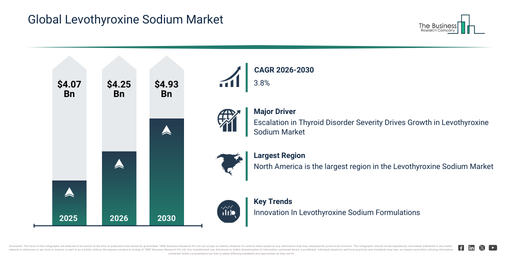
    The levothyroxine sodium market has experienced consistent expansion in recent years. It is projected to increase from $4.07 billion in 2025 to $4.25 billion in 2026, at a compound annual growth rate (CAGR) of 4.3%. Historically, this growth can be attributed to several factors including the rising diagnosis of hypothyroidism, the extensive use of thyroid function tests, the established clinical acceptance of levothyroxine therapy, an aging population experiencing hormonal disorders, and the presence of affordable generic drugs.

    The market for levothyroxine sodium is projected to experience consistent expansion over the upcoming years. This market is anticipated to reach a value of $4.93 billion by 2030, exhibiting a compound annual growth rate (CAGR) of 3.8%. Factors contributing to this growth during the projection period include enhanced healthcare accessibility in developing economies, an increase in preventive health check-ups, a larger population of post-thyroidectomy patients, wider adoption of online pharmacies, and a heightened emphasis on managing chronic conditions. Key trends anticipated for the forecast period encompass a growing incidence of thyroid disorders, increasing reliance on long-term hormone replacement therapy, greater attention to dosage precision and bioequivalence, an expansion in the availability of generic levothyroxine products, and improved patient understanding coupled with earlier detection.

    Access Your Free Sample Report for In-Depth Market Insights:

    https://www.thebusinessresearchcompany.com/sample.aspx?id=16461&type=smp

    Which Drivers Are Influencing Long-Term Growth In The Levothyroxine Sodium Market?

    A projected increase in the seriousness of thyroid ailments is anticipated to fuel the expansion of the levothyroxine sodium market. Thyroid disorders encompass conditions impacting the thyroid gland, a gland situated in the neck’s anterior resembling a butterfly. The heightened gravity of these disorders stems from elements such as belated diagnoses, insufficient therapeutic approaches, autoimmune responses, or complications arising from other health issues. Levothyroxine sodium addresses thyroid conditions, including hypothyroidism, by providing the body with synthetic thyroxine (T4), thereby re-establishing typical hormone levels and mitigating related symptoms. As an illustration, in January 2025, the American Cancer Society, a US-based Professional organizations, reported approximately 44,020 new instances of thyroid cancer in the United States (comprising 12,670 in men and 31,350 in women), along with around 2,290 fatalities from the illness (1,090 in men and 1,200 in women). Consequently, the rising intensity of thyroid disorders is a key impetus for the levothyroxine sodium market.

    Which Segments Are Driving Activity In The Levothyroxine Sodium Market?

    The levothyroxine sodium market covered in this report is segmented –

    1) By Product: Oral, Injection

    2) By Indication: Hypothyroidism, Goiter, Thyroid Cancer, Myxedema Coma

    3) By Application: Hospitals, Clinic, Other Applications

    4) By Distribution Channel: Drug Stores, Online Stores, Specialty Stores

    Subsegments:

    1) By Oral: Tablets, Oral Solution

    2) By Injection: Intravenous (IV) Injection, Intramuscular (IM) Injection

    What Trends Are Projected To Support The Growth Of The Levothyroxine Sodium Market?

    Leading companies within the levothyroxine sodium market are actively developing levothyroxine gel capsules to offer alternative formulations for individuals who experience difficulty swallowing or require precise dosing. These gel capsules present a convenient and effective method for delivering levothyroxine, ensuring consistent absorption and bioavailability. For instance, in April 2023, IBSA Pharma, a pharmaceutical company based in Switzerland, introduced Tirosint, available as a levothyroxine gel capsule and an oral liquid solution. Tirosint (levothyroxine sodium) functions by replacing a hormone that the thyroid gland typically generates to regulate the body’s energy and metabolism, thereby treating hypothyroidism (a state of low thyroid hormone). Tirosint enhances hypothyroidism treatment through its FDA-approved dosage strengths of 37.5, 44, and 62.5 micrograms, allowing for exceptional customization based on patient requirements and minimizing the need for frequent dose modifications, thus enabling clinicians to optimize therapeutic approaches effectively.

    Which Key Market Players Are Investing In Expansion And Innovation Within The Levothyroxine Sodium Market?

    Major companies operating in the levothyroxine sodium market are Pfizer Inc., AbbVie Inc., Sanofi S.A., Abbott Laboratories, Viatris Inc., Teva Pharmaceutical Industries Ltd., Sandoz International GmbH, Fresenius Kabi, Macleods Pharmaceuticals Ltd., Sun Pharmaceutical Industries Ltd., Dr. Reddy’s Laboratories Ltd., Apotex Inc., Hikma Pharmaceuticals PLC, Lupin, Amneal Pharmaceuticals Inc., Glenmark Pharmaceuticals Ltd., Alvogen, IBSA Institut Biochimique SA, Lannett, Taj Pharmaceuticals Ltd., Zydus Cadila, Farmak

    Access The Complete Report For Deeper Market Insights:

    https://www.thebusinessresearchcompany.com/report/levothyroxine-sodium-global-market-report

    Which Regions Are Projected To Dominate The Levothyroxine Sodium Market In The Coming Years?

    North America was the largest region in the levothyroxine sodium market in 2025. Asia-Pacific is expected to be the fastest-growing region in the forecast period. The regions covered in the levothyroxine sodium market report are Asia-Pacific, South East Asia, Western Europe, Eastern Europe, North America, South America, Middle East, Africa.

    Request Your Customized Levothyroxine Sodium Market Research Report for Competitive Advantage:

    https://www.thebusinessresearchcompany.com/customise?id=16461&type=smp

    Browse Through More Reports Similar to the Global Levothyroxine Sodium Market 2026, By The Business Research Company

    Anti Thyroid Drugs Market Report 2026

    https://www.thebusinessresearchcompany.com/report/anti-thyroid-drugs-global-market-report

    Sodium Benzoate Market Report 2026

    https://www.thebusinessresearchcompany.com/report/sodium-benzoate-global-market-report

    Sodium Hydroxide Market Report 2026

    https://www.thebusinessresearchcompany.com/report/sodium-hydroxide-global-market-report

    Get in touch with us:

    The Business Research Company: https://www.thebusinessresearchcompany.com/

    Americas +1 310-496-7795

    Asia +44 7882 955267 & +91 8897263534

    Europe +44 7882 955267

    Email us at info@tbrc.info

    Follow us on:

    LinkedIn: https://in.linkedin.com/company/the-business-research-company

    YouTube: https://www.youtube.com/channel/UC24_fI0rV8cR5DxlCpgmyFQ

    Global Market Model: https://www.thebusinessresearchcompany.com/global-market-model
  • Global Leukocytosis Market Performance Report: Global Trends 2026–2030

    Global Leukocytosis Market Performance Report: Global Trends 2026–2030

    Uncover key drivers, emerging technologies, and competitive movements shaping the leukocytosis market from 2026–2035 with trusted insights from The Business Research Company

    What level of CAGR-driven expansion is anticipated in the Leukocytosis Market between 2026 and 2030?

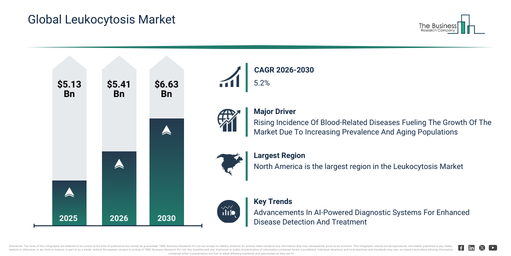
    The leukocytosis market size has experienced robust expansion in recent years. It is projected to increase from $5.13 billion in 2025 to $5.41 billion in 2026, demonstrating a compound annual growth rate (CAGR) of 5.4%. Historically, this growth has been fueled by the high prevalence of infectious diseases, the rising incidence of inflammatory disorders, an increasing number of leukemia cases, a dependence on conventional blood tests, and the expansion of hospital-based diagnostic services.

    The leukocytosis market is projected to experience substantial expansion over the upcoming years. By 2030, this market is set to reach $6.63 billion, expanding at a compound annual growth rate (CAGR) of 5.2%. Factors contributing to this growth during the forecast period include progress in hematology diagnostics, a rise in the adoption of personalized treatment strategies, enhanced awareness regarding early disease identification, increased spending on healthcare, and the expansion of laboratory automation. Key trends anticipated during the forecast period encompass a greater uptake of sophisticated blood diagnostic methods, an intensified focus on treatments tailored to specific underlying diseases, an increase in the application of precision medicine within hematology, the proliferation of automated and high-throughput testing, and the broader integration of clinical decision support systems.

    Access Your Free Sample Report for In-Depth Market Insights:

    https://www.thebusinessresearchcompany.com/sample.aspx?id=24278&type=smp

    What Drivers Are Affecting Demand-Supply Dynamics In The Leukocytosis Market?

    The projected increase in the occurrence of blood-related diseases is anticipated to propel the leukocytosis market’s expansion moving forward. These medical conditions are characterized by their impact on various blood components, including red blood cells, white blood cells, platelets, or plasma. The prevalence of blood-related diseases is escalating, attributed to aging populations, as older individuals are more prone to conditions such as anemia, leukemia, and clotting disorders due to diminished immune function and accumulated health issues. Often, blood-related diseases lead to elevated white blood cell counts, which is a key indicator of leukocytosis, thereby emphasizing the necessity for improved early diagnosis, better monitoring tools, and more effective treatment options. For instance, in 2024, according to the American Cancer Society, a US-based cancer organization, 62,770 new cases of leukemia were reported, a notable increase from 59,610 cases in 2023. Thus, the escalating incidence of blood-related diseases is a key factor driving the growth of the leukocytosis market.

    How Is The Leukocytosis Market Organized Into Various Segments?

    The leukocytosis market covered in this report is segmented –

    1) By Disease Type: Infection, Leukemia

    2) By Diagnosis Type: Blood Tests, Bone Marrow Biopsy

    3) By End User: Hospitals, Diagnostic Laboratories

    Subsegments:

    1) By Infection: Bacterial Infections, Viral Infections, Parasitic Infections, Fungal Infections

    2) By Leukemia: Chronic Myeloid Leukemia, Chronic Lymphocytic Leukemia, Acute Lymphoblastic Leukemia (ALL) with Hyperleukocytosis

    Which Trends Are Influencing The Performance And Direction Of The Leukocytosis Market?

    Key companies operating within the leukocytosis market are increasingly focusing on integrating artificial intelligence into diagnostic systems to enhance early detection, diagnostic accuracy, and personalized treatment planning. Artificial intelligence in diagnostic systems involves the utilization of artificial intelligence (AI) technologies such as machine learning, deep learning, and natural language processing to analyze medical data and either support or automate disease diagnosis. For instance, in December 2024, Koninklijke Philips NV, a Netherlands-based healthcare company, unveiled the CT 5300 system. This system incorporates proprietary artificial intelligence (AI) technologies to improve computed tomography (CT) imaging workflows. It features the computed tomography smart workflow, which includes artificial intelligence (AI)-driven tools like precise position, precise cardiac, and precise brain, designed to streamline scan preparation, boost diagnostic accuracy, and minimize radiation exposure.

    Who Are The Core Companies Influencing Trends In The Leukocytosis Market?

    Major companies operating in the leukocytosis market are Pfizer Inc., Johnson & Johnson, Siemens Healthineers AG, Roche Diagnostics AG, Bristol Myers Squibb, Thermo Fisher Scientific Inc., Abbott Laboratories, Novartis International AG, Danaher Corporation, Merck KGaA, Becton Dickinson and Company (BD), Laboratory Corporation of America Holdings (LabCorp), Quest Diagnostics, Agilent Technologies Inc., Grifols SA, Hologic Inc., Illumina Inc., PerkinElmer Inc., Sysmex Corporation, Beckman Coulter Diagnostics Inc., Bio-Rad Laboratories, Bio-Techne Corporation, NeoGenomics Laboratories Inc., DiaSorin S.p.A.

    Access The Complete Report For Deeper Market Insights:

    https://www.thebusinessresearchcompany.com/report/leukocytosis-global-market-report

    Which Region Is Expected To Experience The Fastest Growth In The Leukocytosis Market?

    North America was the largest region in the leukocytosis market in 2025. Asia-Pacific is expected to be the fastest growing region in the forecast period. The regions covered in the leukocytosis market report are Asia-Pacific, South East Asia, Western Europe, Eastern Europe, North America, South America, Middle East, Africa.

    Request Your Customized Leukocytosis Market Research Report for Competitive Advantage:

    https://www.thebusinessresearchcompany.com/customise?id=24278&type=smp

    Browse Through More Reports Similar to the Global Leukocytosis Market 2026, By The Business Research Company

    Leukotriene Modifiers Market Report 2026

    https://www.thebusinessresearchcompany.com/report/leukotriene-modifiers-global-market-report

    Progressive Multifocal Leukoencephalopathy Treatment Market Report 2026

    https://www.thebusinessresearchcompany.com/report/progressive-multifocal-leukoencephalopathy-treatment-global-market-report

    Pheochromocytoma Market Report 2026

    https://www.thebusinessresearchcompany.com/report/pheochromocytoma-global-market-report

    Get in touch with us:

    The Business Research Company: https://www.thebusinessresearchcompany.com/

    Americas +1 310-496-7795

    Asia +44 7882 955267 & +91 8897263534

    Europe +44 7882 955267

    Email us at info@tbrc.info

    Follow us on:

    LinkedIn: https://in.linkedin.com/company/the-business-research-company

    YouTube: https://www.youtube.com/channel/UC24_fI0rV8cR5DxlCpgmyFQ

    Global Market Model: https://www.thebusinessresearchcompany.com/global-market-model

  • Leukocyte Adhesion Deficiency Management Market Future Outlook 2026: Key Drivers and Growth Potential

    Leukocyte Adhesion Deficiency Management Market Future Outlook 2026: Key Drivers and Growth Potential

    Uncover key drivers, emerging technologies, and competitive movements shaping the leukocyte adhesion deficiency management market from 2026–2035 with trusted insights from The Business Research Company

    What long-term size projections exist for the Leukocyte Adhesion Deficiency Management Market covering 2026–2035?

    The leukocyte adhesion deficiency management market has shown robust growth in recent years. It is projected to increase from $8.59 billion in 2025 to $9.16 billion in 2026, demonstrating a compound annual growth rate (CAGR) of 6.6%. This historical growth can be attributed to various factors, including the limited treatment options available for rare immunodeficiency disorders, elevated infection-related mortality rates, a reliance on antimicrobial therapy, low awareness regarding leukocyte adhesion deficiency, and restricted access to advanced transplantation facilities.

    The leukocyte adhesion deficiency management market is anticipated to experience substantial expansion in the upcoming years, projected to reach $12.2 billion by 2030, growing at a compound annual growth rate (CAGR) of 7.4%. This growth over the forecast period is driven by advancements in stem cell transplantation techniques, the increasing accessibility of genetic testing, heightened investment in rare disease research, the rising adoption of personalized immunotherapy, and the broadening of specialized immunology care centers. Prominent trends expected during this period include the expansion of hematopoietic stem cell transplantation, an increase in gene-based diagnostic testing, the growing application of prophylactic immunoglobulin therapy, a greater emphasis on early infection prevention, and new developments in targeted immunomodulatory treatments.

    Access Your Free Sample Report for In-Depth Market Insights:

    https://www.thebusinessresearchcompany.com/sample.aspx?id=13172&type=smp

    Which Drivers Are Impacting The Competitive Landscape Of The Leukocyte Adhesion Deficiency Management Market?

    The increasing occurrence of primary immunodeficiency is projected to drive expansion in the leukocyte adhesion deficiency management market in the future. Primary immunodeficiency (PID) encompasses various inherited conditions that compromise the immune system, rendering individuals more vulnerable to infections and diseases owing to impaired immune responses. Addressing leukocyte adhesion deficiency aids primary immunodeficiency by furthering knowledge of immune system ailments and potentially fostering enhanced diagnostic methods and treatments that benefit both disorders. As an illustration, information gathered during World Primary Immunodeficiency (WPI) Awareness Week 2023, as reported by the India-based multi-specialty Peace Hospital in April 2023, indicates that primary immunodeficiency (PI) impacts an estimated 60 lakh individuals worldwide, with 70% to 90% remaining undiagnosed. Consequently, the growing incidence of primary immunodeficiency is set to stimulate the growth of the leukocyte adhesion deficiency management market.

    What Segments Are Identified Within The Structure Of The Leukocyte Adhesion Deficiency Management Market?

    The leukocyte adhesion deficiency management market covered in this report is segmented –

    1) By Treatment: Hematopoietic Stem Cell Transplantation, Recombinant Human Interferon-Gamma Treatment, Prophylactic Immunoglobulin Therapy, Antimicrobial Therapy, Prophylactic Therapy, Fucose Supplementation

    2) By Diagnosis: Blood Test, Genetic Testing

    3) By End-Users: Hospitals, Specialty Clinics, Other End-Users

    Subsegments:

    1) By Hematopoietic Stem Cell Transplantation: Related Donor Transplant, Unrelated Donor Transplant

    2) By Recombinant Human Interferon-Gamma Treatment: Standard Dosing, Customized Dosing

    3) By Prophylactic Immunoglobulin Therapy: Intravenous Immunoglobulin (IVIG), Subcutaneous Immunoglobulin (SCIG)

    4) By Antimicrobial Therapy: Antibiotics, Antifungal Treatments

    5) By Prophylactic Therapy: Vaccination Strategies, Infection Prevention Protocols

    6) By Fucose Supplementation: Oral Supplements, Intravenous Supplements

    What Long-Term Trends Are Expected To Shape The Future Of The Leukocyte Adhesion Deficiency Management Market?

    Leading companies operating in the leukocyte adhesion deficiency management market are actively developing lentiviral vector-based gene therapy technology with the goal of improving targeted treatments and enhancing patient outcomes. This lentiviral vector-based gene therapy offers a specific strategy in leukocyte adhesion deficiency management by delivering corrective genes directly into cells, thereby potentially restoring immune function. For instance, in February 2024, Rocket Pharmaceuticals, a US-based biotechnology company, launched kresladi (marnetegragene autotemcel) to treat severe leukocyte adhesion deficiency-I (LAD-I). In a Phase 1/2 study, it achieved 100% survival at 12 months, significantly decreasing infections and improving symptoms. Kresladi provides a revolutionary option in the LAD management market, addressing critical unmet needs.

    Which Major Industry Participants Are Leading The Leukocyte Adhesion Deficiency Management Market Growth?

    Major companies operating in the leukocyte adhesion deficiency management market are F. Hoffmann-La Roche Ltd., Novartis AG, GlaxoSmithKline Plc, Gilead Sciences Inc, Teva Pharmaceuticals Industries Limited, CSL Behring LLC, Vertex Pharmaceuticals Inc., Grifols International S.A., Aurobindo Pharma Ltd., BioMarin Pharmaceutical Inc., Cadila Healthcare Ltd., Ipca Laboratories Ltd, Sana Biotechnology Inc., Rocket Pharmaceuticals Inc., PT Sanbe Farma, Magenta Therapeutics Inc, Avalo Therapeutics Inc., Aspen Neuroscience Inc., Sandoz International GmbH, Orpha Labs Inc., Swiss Pharm Holding AG, Rubius Therapeutics Inc., Enochian Biosciences Inc., Sigma-Aldrich LLC, Bluebird Bio Inc.

    Access The Complete Report For Deeper Market Insights:

    https://www.thebusinessresearchcompany.com/report/leukocyte-adhesion-deficiency-management-global-market-report

    Which Geographic Areas Are Emerging As Strong Markets For The Leukocyte Adhesion Deficiency Management Market?

    North America was the largest region in the leukocyte adhesion deficiency management market in 2025. Asia-Pacific is expected to be the fastest-growing region in the forecast period. The regions covered in the leukocyte adhesion deficiency management market report are Asia-Pacific, South East Asia, Western Europe, Eastern Europe, North America, South America, Middle East, Africa.

    Request Your Customized Leukocyte Adhesion Deficiency Management Market Research Report for Competitive Advantage:

    https://www.thebusinessresearchcompany.com/customise?id=13172&type=smp

    Browse Through More Reports Similar to the Global Leukocyte Adhesion Deficiency Management Market 2026, By The Business Research Company

    Hyperhidrosis Treatment Market Report 2026

    https://www.thebusinessresearchcompany.com/report/hyperhidrosis-treatment-global-market-report

    Acquired Hemophilia Treatment Market Report 2026

    https://www.thebusinessresearchcompany.com/report/acquired-hemophilia-treatment-global-market-report

    Hepatitis Therapeutics Market Report 2026

    https://www.thebusinessresearchcompany.com/report/hepatitis-therapeutics-global-market-report

    Get in touch with us:

    The Business Research Company: https://www.thebusinessresearchcompany.com/

    Americas +1 310-496-7795

    Asia +44 7882 955267 & +91 8897263534

    Europe +44 7882 955267

    Email us at info@tbrc.info

    Follow us on:

    LinkedIn: https://in.linkedin.com/company/the-business-research-company

    YouTube: https://www.youtube.com/channel/UC24_fI0rV8cR5DxlCpgmyFQ

    Global Market Model: https://www.thebusinessresearchcompany.com/global-market-model

  • Lennox-Gastaut Syndrome Drug Market Trends and Insights: Global Forecast to 2030

    Lennox-Gastaut Syndrome Drug Market Trends and Insights: Global Forecast to 2030

    Uncover key drivers, emerging technologies, and competitive movements shaping the lennox-gastaut syndrome drug market from 2026–2035 with trusted insights from The Business Research Company

    What total market size is anticipated for the Lennox-Gastaut Syndrome Drug Market in 2030?

    The Lennox-Gastaut syndrome drug market size has experienced robust expansion in recent years. It is projected to expand from $1.4 billion in 2025 to $1.5 billion by 2026, exhibiting a compound annual growth rate (CAGR) of 7.6%. Historically, this expansion has been driven by factors such as limited treatment options for severe epilepsy syndromes, increasing diagnosis of pediatric epilepsy disorders, reliance on traditional anticonvulsant therapies, growing awareness among neurologists, and the expansion of hospital-based epilepsy care.

    The market for lennox-gastaut syndrome drugs anticipates significant expansion over the coming years. This market is projected to reach $2.01 billion by 2030, exhibiting a compound annual growth rate (CAGR) of 7.6%. Factors contributing to this growth during the forecast period include progress in developing drugs for rare epilepsy, an uptick in orphan drug approvals, wider acceptance of tailored epilepsy treatments, increased funding for neuroscience research, and improved availability of specialized epilepsy centers. Significant trends anticipated for the forecast period encompass the broadening of cannabidiol-based treatments, an increase in adjunctive and combination drug approaches, a heightened emphasis on epilepsy that is resistant to current treatments, enhancements in drug formulations for pediatric epilepsy, and a rise in clinical trials for new antiepileptic medications.

    Access Your Free Sample Report for In-Depth Market Insights:

    https://www.thebusinessresearchcompany.com/sample.aspx?id=24276&type=smp

    What Drivers Are Influencing Production Trends In The Lennox-Gastaut Syndrome Drug Market?

    An increasing emphasis on pediatric epilepsy is anticipated to drive expansion in the lennox-gastaut syndrome drug market in the future. This condition is defined as a neurological disorder in children marked by recurring seizures. Its incidence is growing, a trend attributed to an increase in neonatal and infant brain injuries that can result in epilepsy developing during early childhood. Pediatric epilepsy reinforces the need for lennox-gastaut syndrome drugs by stressing the significance of early intervention, given that specialized medication is vital for controlling difficult-to-manage seizures and averting developmental setbacks in affected children, thereby underscoring the demand for specific treatments tailored to their distinct neurological issues. For example, data from November 2023, provided by the American Academy of Pediatrics, a US-based professional organization, indicates that epilepsy stands as the most common childhood brain disorder in the United States, impacting roughly 470,000 children and adolescents aged 0 and 17. Consequently, the heightened attention on pediatric epilepsy is fueling expansion within the lennox-gastaut syndrome drug market.

    Which Segments Are Gaining Traction In The Lennox-Gastaut Syndrome Drug Market?

    The lennox-gastaut syndrome drug market covered in this report is segmented –

    1) By Drug Type: Central Nervous System Depressants, Anticonvulsants, Perampanel, Cannabidiol, Neural Regeneration Peptide 2945, Other Drug Types

    2) By Route of Administration: Oral, Injection, Intranasal, Topical

    3) By Therapeutic Use: Long-Term Management, Acute Seizure Treatment, Adjunctive Therapy, Rescue Medications

    4) By Distribution Channel: Hospital Pharmacy, Retail Pharmacy, Online Pharmacy

    5) By End-User: Hospitals And Clinics, Home Care Settings, Specialized Epilepsy Centers, Pharmaceutical Retail Pharmacies

    Subsegments:

    1) By Central Nervous System Depressants: Benzodiazepines, Barbiturates, Sleep-Inducing Agents

    2) By Anticonvulsants: Valproate, Lamotrigine, Topiramate, Felbamate, Rufinamide

    3) By Perampanel: Branded Formulations, Generic Formulations

    4) By Cannabidiol: Plant-Derived Cannabidiol, Synthetic Cannabidiol

    5) By Neural Regeneration Peptide 2945: Peptide-Based Monotherapy, Combination Therapies

    6) By Other Drug Types: Corticosteroids, Immunoglobulins, Ketogenic Agents

    Which Market Trends Are Opening Growth Opportunities In The Lennox-Gastaut Syndrome Drug Market?

    Leading companies in the lennox-gastaut syndrome drug market are prioritizing advancements in orphan drug designation to enhance regulatory support, secure market exclusivity, and accelerate the commercialization of treatments for this rare and severe condition. This designation is a special classification granted by regulatory bodies, such as the FDA, for medications developed to treat rare diseases or conditions impacting fewer than 200,000 individuals within a particular region. As an illustration, in March 2023, Marinus Pharmaceuticals Inc., a US-based pharmaceutical company, announced that the US Food and Drug Administration (FDA) had awarded Orphan Drug Designation (ODD) to ganaxolone for addressing lennox-gastaut syndrome (LGS). LGS is a serious type of epilepsy originating in childhood, marked by difficult-to-control seizures and issues with neurodevelopment. The benefits of this designation include market exclusivity once regulatory approval is obtained, relief from FDA application fees, and tax incentives for eligible clinical trials.

    Who Are The Prominent Global Companies Shaping The Lennox-Gastaut Syndrome Drug Market Landscape?

    Major companies operating in the lennox-gastaut syndrome drug market are Pfizer Inc., Johnson & Johnson, F. Hoffmann-La Roche AG, AbbVie Inc., Sanofi SA, Abbott Laboratories, Novartis AG, GlaxoSmithKline plc, Takeda Pharmaceutical Company, UCB SA, Eisai Co Ltd., Amneal Pharmaceuticals Inc., Supernus Pharmaceuticals Inc., Lundbeck A/S, GW Pharmaceuticals Plc, Ultragenyx Pharmaceutical Inc., Marinus Pharmaceuticals Inc., Stoke Therapeutics Inc., Zynerba Pharmaceuticals Inc., Ovid Therapeutics Inc.

    Access The Complete Report For Deeper Market Insights:

    https://www.thebusinessresearchcompany.com/report/lennox-gastaut-syndrome-drug-global-market-report

    Which Region Is Projected To Lead The Lennox-Gastaut Syndrome Drug Market During The Forecast Period?

    North America was the largest region in the lennox-gastaut syndrome drug market in 2025. Asia-Pacific is expected to be the fastest-growing region in the forecast period. The regions covered in the lennox-gastaut syndrome drug market report are Asia-Pacific, South East Asia, Western Europe, Eastern Europe, North America, South America, Middle East, Africa.

    Request Your Customized Lennox-Gastaut Syndrome Drug Market Research Report for Competitive Advantage:

    https://www.thebusinessresearchcompany.com/customise?id=24276&type=smp

    Browse Through More Reports Similar to the Global Lennox-Gastaut Syndrome Drug Market 2026, By The Business Research Company

    Gastrointestinal Drugs Market 2026

    https://www.thebusinessresearchcompany.com/report/gastrointestinal-drugs-global-market

    Gastric Cancer Drugs Market Report 2026

    https://www.thebusinessresearchcompany.com/report/gastric-cancer-drugs-global-market-report

    Metabolic Disorders Drugs Market Report 2026

    https://www.thebusinessresearchcompany.com/report/metabolic-disorders-drugs-global-market-report

    Get in touch with us:

    The Business Research Company: https://www.thebusinessresearchcompany.com/

    Americas +1 310-496-7795

    Asia +44 7882 955267 & +91 8897263534

    Europe +44 7882 955267

    Email us at info@tbrc.info

    Follow us on:

    LinkedIn: https://in.linkedin.com/company/the-business-research-company

    YouTube: https://www.youtube.com/channel/UC24_fI0rV8cR5DxlCpgmyFQ

    Global Market Model: https://www.thebusinessresearchcompany.com/global-market-model
  • Global Lenegre’s Disease Market Report 2026–2030: Data-Driven Growth Insights

    Global Lenegre’s Disease Market Report 2026–2030: Data-Driven Growth Insights

    Uncover key drivers, emerging technologies, and competitive movements shaping the lenegre’s disease market from 2026–2035 with trusted insights from The Business Research Company

    What is the expected shift in the Lenegre’s Disease Market’s size between 2026 and 2030?

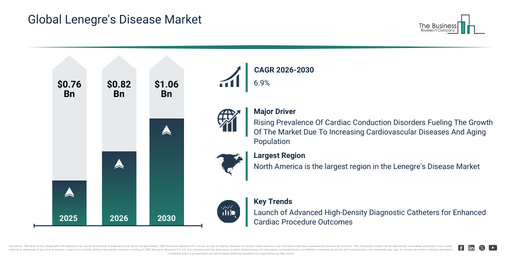
    The lenegre’s disease market size has experienced significant expansion over recent years. Its valuation is set to increase from $0.76 billion in 2025 to $0.82 billion in 2026, progressing at a compound annual growth rate (CAGR) of 6.9%. This past growth can be ascribed to several factors, including restricted awareness of rare cardiac conduction disorders, a dependence on symptomatic arrhythmia management, a growing older population with conduction abnormalities, the early integration of pacemaker therapy, and advancements in cardiology specialty care.

    The market for lenegre’s disease is projected to experience robust expansion over the coming years. This market is set to reach $1.06 billion by 2030, exhibiting a compound annual growth rate (CAGR) of 6.9%. Several factors are driving this anticipated growth during the forecast period, including advancements in cardiac electrophysiology research, a rising demand for early arrhythmia detection, the expansion of personalized cardiac care, increasing availability of remote cardiac monitoring, and growing investment in rare cardiac disease research. Key trends expected during the forecast period encompass improved electrophysiological diagnostic techniques, the rising adoption of cardiac implantable electronic devices, an increased focus on genetic and familial cardiac disorders, the growing use of continuous cardiac monitoring, and advancements in conduction system disease research.

    Access Your Free Sample Report for In-Depth Market Insights:

    https://www.thebusinessresearchcompany.com/sample.aspx?id=22034&type=smp

    Which Drivers Are Shaping Strategic Decisions In The Lenegre’s Disease Market?

    The future expansion of the Lenegre disease market is anticipated due to the growing incidence of cardiac conduction disorders. These conditions interfere with the heart’s electrical signals, leading to irregular rhythms or coordination issues in the heartbeat. The increasing occurrence of cardiovascular diseases and an aging demographic contribute to the rising prevalence of cardiac conduction disorders. As illnesses such as hypertension, coronary artery disease, and heart failure become more common, they directly impact the heart’s electrical conduction system, resulting in conditions like arrhythmias and heart block. Lenegre’s disease is caused by cardiac conduction disorders through the gradual deterioration of the heart’s conduction system, which then leads to blockages and irregular heartbeats. For example, data from October 2024 by the Centers for Disease Control and Prevention, a US-based government agency, indicated that cardiovascular disease was responsible for 919,032 fatalities in 2023, representing one in every three deaths. Coronary heart disease remained the most common form of heart disease, and it was noted that approximately one in six deaths from cardiovascular diseases occurred in adults younger than 65 years. Consequently, the increasing prevalence of cardiac conduction disorders is a key driver for the Lenegre disease market. Anticipated growth in the Lenegre’s disease market is expected to be fueled by increasing healthcare spending. Healthcare spending encompasses the financial resources allocated to health services and systems, covering costs necessary for maintaining and enhancing the health of a population within a given area. This rise in healthcare expenditure is primarily driven by the escalating prevalence of chronic diseases, which necessitate ongoing medical attention and extended treatment, thereby increasing demand for health services and ultimately elevating overall costs. Lenegre’s disease contributes to higher healthcare spending by requiring continuous diagnostic assessments, constant cardiac monitoring, and advanced therapeutic interventions such as pacemaker implantation, all of which elevate long-term medical expenses. For instance, according to the American Medical Association, a US-based professional association, health spending in the U.S. climbed by 7.5% in 2023, reaching $4.9 trillion, or $14,570 per person, as reported in April 2025. This marked a significant increase compared to the 4.6% growth observed in 2022. Therefore, rising healthcare spending is a significant factor driving the Lenegre’s disease market.

    What Segment Categories Are Covered In The Lenegre’s Disease Market?

    The lenegre’s disease market covered in this report is segmented –

    1) By Disease Classification: Idiopathic Lenègre’s Disease, Familial And Genetic Lenègre’s Disease, Age-Related Degenerative Lenègre’s Disease

    2) By Treatment Type: Pacemaker Therapy, Implantable Cardiac Rhythm Management Devices, Pharmacological Management, Supportive And Symptomatic, Monitoring And Diagnostic Follow-up

    3) By Route of Treatment Delivery: Implantable Device-Based Therapy, Non-Implantable Drug And Monitoring-Based Management

    4) By End User: Hospitals, Cardiology Clinics, Ambulatory Surgical Centers, Specialty Cardiac Care Centers

    Subsegments:

    1) By Idiopathic Lenègre’s Disease: Isolated Progressive Cardiac Conduction Disease, Sporadic Lenègre’s Disease, Non-Syndromic Conduction System Degeneration

    2) By Familial and Genetic Lenègre’s Disease: SCN5A-Mutation–Associated Lenègre’s Disease, Other Ion-Channel Gene–Associated Lenègre’s Disease, Autosomal Dominant Progressive Cardiac Conduction Disease

    3) By Age-Related Degenerative Lenègre’s Disease: Senile Fibrosis-Related Conduction Disease, Degenerative His–Purkinje System Disease, Age-Associated Progressive Atrioventricular Block

    How Are Emerging Trends Affecting The Progression Of The Lenegre’s Disease Market?

    Leading companies active in the lenegre disease market are concentrating on introducing advanced offerings like high-density diagnostic catheters to boost the precision and efficacy of cardiac procedures. High-density diagnostic catheters are specialized medical devices employed in cardiology to precisely map the heart’s electrical activity, enabling detailed diagnosis and treatment of cardiac arrhythmias. For example, in July 2023, Biosense Webster Inc., a US-based manufacturer of medical equipment, introduced an OPTRELL mapping catheter featuring TRUEref technology. The OPTRELL mapping catheter with TRUEref technology, powered by the CARTO 3 System, delivers high-definition electrophysiological mapping using 48 small electrodes, which allows clinicians to map complex cardiac arrhythmias with enhanced precision and formulate more effective ablation strategies.

    Which Key Players Are Driving Competition In The Lenegre’s Disease Market?

    Major companies operating in the lenegre’s disease market are Medtronic plc, Boston Scientific Corporation, Abbott Laboratories, Biotronik SE & Co. KG, LivaNova PLC, MicroPort Scientific Corporation, Lepu Medical Technology Co. Ltd., Osypka AG, Medico S.R.L., Shree Pacetronix Ltd., Pacetronix Medical Equipment Pvt. Ltd., Cardiac Science Corporation, Japan Lifeline Co. Ltd., Cook Medical, Integer Holdings Corporation, Merit Medical Systems Inc., Nipro Corporation, Teleflex Incorporated, Edwards Lifesciences Corporation, Getinge AB

    Access The Complete Report For Deeper Market Insights:

    https://www.thebusinessresearchcompany.com/report/lenegres-disease-global-market-report

    Which Region Currently Holds The Largest Share Of The Lenegre’s Disease Market?

    North America was the largest region in the lenegre’s disease market in 2025. The regions covered in the lenegre’s disease market report are Asia-Pacific, South East Asia, Western Europe, Eastern Europe, North America, South America, Middle East, Africa.

    Request Your Customized Lenegre’s Disease Market Research Report for Competitive Advantage:

    https://www.thebusinessresearchcompany.com/customise?id=22034&type=smp

    Browse Through More Reports Similar to the Global Lenegre’s Disease Market 2026, By The Business Research Company

    Rare Disease Diagnostics Market Report 2026

    https://www.thebusinessresearchcompany.com/report/rare-disease-diagnostics-global-market-report

    Rare Neurological Disease Treatment Market Report 2026

    https://www.thebusinessresearchcompany.com/report/rare-neurological-disease-treatment-global-market-report

    Rare Diseases Treatment Market Report 2026

    https://www.thebusinessresearchcompany.com/report/rare-diseases-treatment-global-market-report

    Get in touch with us:

    The Business Research Company: https://www.thebusinessresearchcompany.com/

    Americas +1 310-496-7795

    Asia +44 7882 955267 & +91 8897263534

    Europe +44 7882 955267

    Email us at info@tbrc.info

    Follow us on:

    LinkedIn: https://in.linkedin.com/company/the-business-research-company

    YouTube: https://www.youtube.com/channel/UC24_fI0rV8cR5DxlCpgmyFQ

    Global Market Model: https://www.thebusinessresearchcompany.com/global-market-model