Category: HealthcareServices

  • Healthcare Learning Management System Market Growth Analysis Till 2033 By The Business Research Company

    Healthcare Learning Management System Market Growth Analysis Till 2033 By The Business Research Company

    The Business Research Company’s market reports offer an in-depth analysis on the market’s growth potential, major drivers, key trends and more.

    The healthcare learning management system (LMS) market has experienced remarkable growth in recent years, driven by various factors that are reshaping the industry. This blog delves into the current market trends, future projections, and key drivers behind this growth.

    Current Market Growth

    The healthcare LMS market is expanding at a significant rate.

    • Market Size Surge: From $1.24 billion in 2023 to $1.54 billion in 2024, with a CAGR of 23.7%.
    • Key Growth Drivers: Regulatory compliance requirements, a shortage of skilled healthcare workforce, focus on patient-centered care, and the globalization of healthcare.

    Future Market Projections

    The market is poised for continued exponential growth in the coming years.

    • Projected Growth: Expected to reach $3.64 billion by 2028, with a CAGR of 24.1%.
    • Growth Factors: Cost-efficiency, integration with electronic health records (EHR), personalized learning paths, and emphasis on continuous professional development.

    Key Trends in the Forecast Period

    Several major trends are set to shape the future of the healthcare LMS market.

    • Blockchain for Credentialing: Enhancing security and transparency in credentialing processes.
    • Immersive Learning Experiences: Utilizing VR and AR for more engaging training.
    • Personalized Learning Analytics: Tailoring educational experiences to individual needs.
    • Social and Collaborative Learning: Encouraging peer interaction and knowledge sharing.

    Read More On The Healthcare Learning Management System Market Report 2024 – https://www.thebusinessresearchcompany.com/report/healthcare-learning-management-system-global-market-report

    Healthcare Spending Boosts Learning Management Systems

    Increased healthcare spending is a significant factor driving market growth.

    • Healthcare Spending Increase: Driven by demographic shifts, technological advances, rising healthcare costs, and policy changes.
    • Impact on LMS: Funds allocated for training and education enhance workforce skills, with LMS enabling efficient content delivery and improved learning outcomes.
    • Example: In 2021, Medicare spending rose by 5.9% to $944.3 billion, representing 21% of total National Health Expenditures (NHE).

    Major Players in the Market

    Several key companies are leading the healthcare LMS market, driving innovation and expansion.

    • Leading Companies: Oracle Corporation, SAP SE, GE Healthcare, Adobe Systems Inc., ADP Inc., Cerner Corporation, Infor Inc., Skillsoft, Instructure Inc., HealthStream Inc., Articulate Global Inc., PeopleFluent, Docebo, Absorb LMS Software Inc., Kallidus Ltd., InfoPro Learning Inc., Thought Industries, Paradiso Solutions, iSpring Solutions Inc., Tovuti LLC., Escalla Ltd., EthosCE, Gyrus Systems, SkyPrep Inc., Trivantis Corporation.

    Innovative Solutions Transforming Healthcare LMS

    Innovation is at the forefront of the healthcare LMS market, with companies developing advanced solutions.

    • App-Based Learning Platforms: Delivering educational content and assessments through mobile apps.
    • Example: In September 2023, Manipal Education and Medical Group launched the MedAce app for undergraduate medical students, featuring micro-learning, live tutoring, labs, and gamified assessments.

    Strategic Acquisitions Enhance Market Presence

    Acquisitions are a key strategy for companies looking to enhance their market presence.

    • Symphony Technology Group’s Acquisition of EthosCE: In November 2022, Symphony Technology Group acquired EthosCE to enhance its software platform and provide comprehensive health and event solutions.
    • Impact: This acquisition aligns with Symphony’s strategy of creating a unified platform for education and events.

    Market Segmentation

    The healthcare LMS market is segmented by component, deployment, delivery mode, application, and end-use industry.

    1. By Component
      • Solution or Platform
      • Services
    2. By Deployment
      • On-Premise
      • Cloud
    3. By Delivery Mode
      • Distance Learning
      • Instructor-Led Training
      • Blended Learning
    4. By Application
      • Care Course Training
      • Compliance
      • Culture Sensitivity Courses
      • Pharmaceutical Product Education
      • Other Applications
    5. By End Use Industry
      • Educational Institutes
      • Healthcare Facilities
      • Corporate Training Facilities
      • Pharmaceutical Facilities

    Regional Insights

    The healthcare LMS market shows significant regional variations.

    • North America: The largest market in 2023, driven by advanced healthcare infrastructure and high adoption rates of new technologies.
    • Asia-Pacific: Expected to be the fastest-growing region in the forecast period, fueled by increasing healthcare investments and rising awareness of continuous professional development.

    Conclusion

    The healthcare learning management system market is on a trajectory of rapid growth, driven by regulatory requirements, technological advancements, and increasing healthcare spending. As the market continues to evolve, innovative solutions and strategic acquisitions will play a crucial role in shaping its future, offering enhanced training and development opportunities for healthcare professionals worldwide.

    Request for A Sample Of The Global Healthcare Learning Management System Market Report:
    https://www.thebusinessresearchcompany.com/sample_request?id=15387&type=smp

  • Key Insights On The DNA Diagnostics Market 2024 – Size, Driver, And Major Players

    Key Insights On The DNA Diagnostics Market 2024 – Size, Driver, And Major Players

    The Business Research Company’s global market reports are now updated with the latest market sizing information for the year 2024 and forecasted to 2033

    As per The Business Research Company’s DNA Diagnostics Global Market Report 2024, the DNA diagnostics market is expected to show significant growth in the forecast period.

    The DNA diagnostics market has experienced significant growth in recent years and is poised for continued expansion. Here’s a comprehensive look at the factors driving this growth and the trends shaping the future of this dynamic market.

    Current Market Growth

    The DNA diagnostics market has been expanding rapidly due to several key factors.

    • Market Size Increase: From $20.90 billion in 2023 to $23.10 billion in 2024, growing at a CAGR of 10.5%.
    • Key Drivers: Rising demand for personalized medicine, increased adoption of genetic testing and molecular diagnostics in clinical practice, rising biomedical research, increasing cancer cases, and growing use of diagnostic tests.

    Future Market Projections

    The market is expected to maintain its rapid growth trajectory over the next few years, driven by advancements in medical technology and healthcare practices.

    • Projected Growth: Expected to reach $34.90 billion by 2028, with a CAGR of 10.9%.
    • Growth Drivers: Increasing prevalence of cancers, demand for standardized diagnostic tests, rising genetic disorders, focus on biomarker discovery, and growth of telemedicine and remote testing.

    View More On The DNA Diagnostics Market Report 2024 – https://www.thebusinessresearchcompany.com/report/dna-diagnostics-global-market-report

    Rising Prevalence of Genetic Disorders

    The increasing prevalence of genetic disorders is a major factor propelling the growth of the DNA diagnostics market.

    • Genetic Disorders: Health problems caused by abnormalities in the genome.
    • Impact: Expanded diagnostic capabilities, increased genetic testing, environmental influences, and consanguinity within populations have led to greater detection and understanding of genetic disorders.
    • Statistics: According to the World Health Organization, congenital diseases caused an estimated 240,000 baby deaths globally within 28 days of birth each year, with an additional 170,000 children aged 1 month to 5 years dying due to congenital diseases.

    Key Players in the Market

    Several major companies are leading the charge in the DNA diagnostics market, developing innovative products and expanding their capabilities.

    • Major Companies: F. Hoffmann-La Roche Ltd., Bayer AG, Thermo Fisher Scientific Inc., Abbott Laboratories, Danaher Corporation, Becton, Dickinson and Company, Laboratory Corporation, Quest Diagnostics Incorporated, Eurofins Scientific SE, Agilent Technologies, Illumina Inc., PerkinElmer Inc., and more.

    Liquid Biopsy Innovations for Early Cancer Detection

    Innovative products like liquid biopsy tests are transforming early cancer detection, a crucial area in DNA diagnostics.

    • Liquid Biopsy: A minimally invasive test that detects and analyzes biomarkers released into the bloodstream from tumors.
    • Example: In May 2023, Laboratory Corporation launched LabCorp Plasma Focus, a liquid biopsy test for identifying targeted therapies for patients with advanced or metastatic solid tumors, utilizing genetic sequencing of cfDNA.

    Myriad Genetics Expands Consumer Access to Genetic Testing

    Strategic acquisitions are helping companies enhance their genetic testing capabilities and expand their market presence.

    • Acquisition Details: In November 2022, Myriad Genetics acquired Gateway Genomics for approximately $67.5 million.
    • Impact: Expands Myriad’s capabilities in women’s health and oncology testing, providing more comprehensive and personalized genetic testing solutions.

    Market Segmentation

    The DNA diagnostics market is diverse, segmented by product type, technology, application, and end user.

    1. By Product Type
      • Instruments
      • Reagents
      • Software and Services
    2. By Technology
      • Polymerase Chain Reaction
      • Microarray
      • In-situ Hybridization
      • Sequencing Technology
      • Mass Spectrometry
    3. By Application
      • Oncology
      • Infectious Diseases Treatment
      • Myogenic Disorder Treatment
      • Clinical Diagnostic Confirmation
      • Prenatal
      • Pre-Implantation
      • Other Applications
    4. By End User
      • Point of Care
      • Diagnostic Centers
      • Self-Testing or Over-The-Counter (OTC)

    Regional Insights

    The DNA diagnostics market shows significant regional variations, with North America leading in 2023 and Asia-Pacific expected to grow rapidly.

    • North America: Largest market in 2023, driven by advanced healthcare infrastructure and high adoption rates of new technologies.
    • Asia-Pacific: Expected to be the fastest-growing region due to increasing healthcare investments and rising awareness of genetic diagnostics.

    Conclusion

    The DNA diagnostics market is on a strong growth trajectory, driven by advancements in personalized medicine, technological innovations, and strategic industry moves. As healthcare providers increasingly adopt DNA diagnostics for enhanced accuracy and early detection, this market is set to expand significantly, offering innovative products and services tailored to meet evolving healthcare needs.

    Request A Sample Of The Global DNA Diagnostics Market Report 2024:
    https://www.thebusinessresearchcompany.com/sample_request?id=15356&type=smp

  • Overview Of The AI-Enabled X-Ray Imaging Solutions Market 2024-2033: Growth And Major Players Analysis

    Overview Of The AI-Enabled X-Ray Imaging Solutions Market 2024-2033: Growth And Major Players Analysis

    The Business Research Company’s global market reports are now updated with the latest market sizing information for the year 2024 and forecasted to 2033

    The AI-enabled X-ray imaging solutions market has experienced substantial growth in recent years and is set to continue expanding rapidly. Here’s an in-depth look at the factors driving this growth and the trends shaping the future of this market.

    Current Market Growth

    The AI-enabled X-ray imaging solutions market has seen rapid expansion due to several key factors.

    • Market Size Increase: From $1.92 billion in 2023 to $2.17 billion in 2024, growing at a CAGR of 12.8%.
    • Key Drivers: Regulatory approvals, rising healthcare costs, increased demand for diagnostic accuracy, a shortage of radiologists, and an aging population.

    Future Market Projections

    The market is poised for continued robust growth over the next few years, driven by technological advancements and evolving healthcare needs.

    • Projected Growth: Expected to reach $3.54 billion by 2028, with a CAGR of 13.0%.
    • Growth Drivers: Integration with electronic health records, adoption of value-based care models, expanding telemedicine applications, emergence of AI-enabled triage systems, and demand for personalized medicine.

    Synergy of Personalized Medicine and AI in X-Ray Imaging

    The increasing demand for personalized medicine is significantly influencing the AI-enabled X-ray imaging market.

    • Personalized Medicine: Tailored treatments and therapies based on individual patient characteristics.
    • Impact on AI X-Ray Imaging: Enhances healthcare interventions, treatment strategies, and imaging protocols tailored to individual needs.
    • Example: In 2023, 38% of FDA-approved new drugs were personalized medicines, reflecting the growing trend toward precision healthcare.

    View More On The AI-Enabled X-Ray Imaging Solutions Market Report 2024 – https://www.thebusinessresearchcompany.com/report/ai-enabled-x-ray-imaging-solutions-global-market-report

    Leading Companies in the Market

    Numerous companies are pioneering advancements in the AI-enabled X-ray imaging solutions market.

    • Major Players: Samsung Electronics, General Electric, IBM, Siemens Healthineers, Philips, Agfa-Gevaert, Carestream Health, Fujifilm Healthcare, Canon Medical Systems, and more.
    • Innovations: Focus on enhancing diagnostic accuracy, integrating AI with other imaging modalities, and developing predictive analytics tools.

    Technological Advancements

    Technological innovations are crucial in advancing the AI-enabled X-ray imaging solutions market.

    • Advanced Fixed AI-Enabled X-Ray Systems: Companies are developing systems to improve workflow efficiency and image processing.
    • Example: In August 2022, GE HealthCare launched the Definium 656 HD, an AI-driven X-ray system with features like 3D camera technology and a 12-inch touchscreen for improved workflow and image quality.

    GE HealthCare Expands Capabilities with MIM Software Acquisition

    Strategic acquisitions are helping companies enhance their imaging capabilities and expand their market presence.

    • Acquisition Details: In April 2024, GE HealthCare acquired MIM Software Inc. to boost its imaging analytics and digital workflow capabilities.
    • Impact: Enhances GE’s product line with AI-powered image segmentation, contouring, and dosimetry analysis across various specialties.

    Market Segmentation

    The AI-enabled X-ray imaging solutions market is diverse, segmented by product, deployment mode, workflow, and application.

    1. By Product
      • Software
      • Hardware
    2. By Mode of Deployment
      • Cloud-Based and Web-Based
      • On-Premises
    3. By Workflow
      • Detection
      • Image Acquisition
      • Image Analysis
      • Diagnosis and Treatment Decision Support
      • Triage
      • Predictive Analysis and Risk Assessment
      • Reporting and Communication
    4. By Application
      • General Radiology
      • Specialty Radiology

    Regional Insights

    The market shows significant regional variations, with North America leading in 2023 and expected to continue as the fastest-growing region.

    • North America: Largest market in 2023, driven by advanced healthcare infrastructure and high adoption rates of new technologies.
    • Asia-Pacific: Expected to be the fastest-growing region due to increasing healthcare investments and rising awareness of AI-enabled diagnostic tools.

    Conclusion

    The AI-enabled X-ray imaging solutions market is on a strong growth trajectory, driven by advancements in personalized medicine, technological innovations, and strategic industry moves. As healthcare providers increasingly adopt AI-enabled solutions for enhanced diagnostic accuracy and efficiency, this market is set to expand significantly, offering innovative products and services tailored to meet evolving healthcare needs.

    Request A Sample Of The Global AI-Enabled X-Ray Imaging Solutions Market Report 2024:
    https://www.thebusinessresearchcompany.com/sample_request?id=15303&type=smp

  • Growth Trajectory Of The Genetic Testing Services Market 2024-2033

    Growth Trajectory Of The Genetic Testing Services Market 2024-2033

    The Business Research Company’s global market reports are now updated with the latest market sizing information for the year 2024 and forecasted to 2033

    Market Growth Overview

    • Current Market Size
      • The genetic testing services market has seen significant growth, rising from $17.29 billion in 2023 to $19.19 billion in 2024, at a compound annual growth rate (CAGR) of 11%.
      • This growth is driven by increasing demand for personalized and precision medicine, a higher prevalence of genetic disorders, high demand for prenatal testing, increasing population, and greater awareness and education.
    • Future Market Projections
      • The market is projected to reach $29.47 billion by 2028, with a CAGR of 11.3%.
      • Key factors driving this future growth include the rising demand for non-invasive prenatal testing (NIPT), the rise of pharmacogenomics, a growing focus on preventive healthcare, increased direct-to-consumer (DTC) testing, and an emphasis on rare diseases and personalized therapies.

    Drivers of Market Growth
    Increasing Prevalence of Genetic Disorders

    • Genetic Disorders Overview
      • Genetic disorders are caused by abnormalities in an individual’s DNA, leading to physical or developmental issues.
      • Factors such as increased awareness, improved diagnostic techniques, expanded genetic screening, and consanguineous marriages contribute to the rising prevalence of genetic disorders.
    • Market Impact
      • For example, according to the WHO, congenital diseases cause approximately 240,000 baby deaths globally within 28 days of birth each year.
      • The CDC reports that about 6,000 babies are born with Down syndrome in the U.S. annually, or about 1 in every 700 babies.
      • The growing prevalence of these disorders is driving demand for genetic testing services.

    View More On The Genetic Testing Services Market Report 2024 – https://www.thebusinessresearchcompany.com/report/genetic-testing-services-global-market-report

    Key Players in the Market

    • Major Companies
      • Leading companies in the market include F. Hoffmann-La Roche Ltd., Thermo Fisher Scientific Inc., Abbott Laboratories, Danaher Corporation, Laboratory Corporation of America Holdings (LabCorp), Quest Diagnostics Incorporated, and Eurofins Scientific SE.

    Technological Innovations
    Advancements in Cancer Screening Tests

    • Cancer Screening Innovations
      • Major companies are developing advanced cancer screening tests to enhance accuracy, expand testing capabilities, and improve patient outcomes.
      • These tests aim to detect cancer or precancerous conditions early, making treatment more effective.
    • Case Study: Prenetics Group Limited
      • In June 2022, Prenetics launched ColoClear, a non-invasive stool DNA test in Hong Kong for early colorectal cancer detection.
      • ColoClear combines advanced stool DNA technology with a fecal immunochemical test (FIT), offering a convenient alternative to colonoscopy with high sensitivity.

    Strategic Acquisitions
    Myriad Genetics Expands Through Gateway Genomics Acquisition

    • Acquisition Details
      • In November 2022, Myriad Genetics acquired Gateway Genomics for $67.5 million.
      • This acquisition expands Myriad’s capabilities in women’s health and oncology testing, providing more comprehensive and personalized genetic testing solutions.
    • Company Background
      • Gateway Genomics LLC is a U.S.-based genetics company specializing in genetic testing services, enhancing Myriad’s offerings in the market.

    Market Segmentation and Regional Insights
    Market Segmentation

    • By Type
      • Predictive Testing
      • Carrier Testing
      • Prenatal Testing
      • Newborn Screening
      • Other Types
    • By Disease
      • Cancer Disease
      • Metabolic Disease
      • Cardiovascular Disease
      • Other Diseases
    • By End User
      • Diagnostic Laboratories
      • Hospitals and Clinics
      • Academic Institutes and Research Centers
      • Other End Users

    Regional Dynamics

    • Largest Market: North America
      • North America was the largest region in the genetic testing services market in 2023, driven by advanced healthcare infrastructure and high adoption of genetic testing technologies.

    Conclusion

    • The genetic testing services market is poised for continued rapid growth, driven by the rising demand for personalized medicine, advanced cancer screening tests, and strategic acquisitions.
    • Key players are focusing on technological innovations and expanding their capabilities to meet the growing demand for genetic testing services.
    • With North America leading the market and significant growth potential in other regions, the genetic testing services market is set to transform healthcare diagnostics and personalized medicine globally.

    Request A Sample Of The Global Genetic Testing Services Market Report 2024:
    https://www.thebusinessresearchcompany.com/sample_request?id=15385&type=smp

  • Global DNA Testing Market Key Insights 2024-2033

    Global DNA Testing Market Key Insights 2024-2033

    The Business Research Company’s global market reports are now updated with the latest market sizing information for the year 2024 and forecasted to 2033

    According to The Business Research Company’s DNA Testing Global Market Report 2024, the DNA testing market is expected to show promising growth in the forecast period.

    The DNA testing market has seen significant growth in recent years, driven by various factors and innovations. This blog explores the current market status, future projections, and key trends shaping the industry.

    Current Market Growth
    The DNA testing market is on a robust growth trajectory.

    • Market Size Increase: From $16.04 billion in 2023 to $17.9 billion in 2024, with a CAGR of 11.6%.
    • Key Drivers: Increasing incidence of chronic diseases, rising demand for precision medicine, growing direct-to-consumer (DTC) testing, expanding population genomics, enhanced forensic investigations, and higher demand for genetic screening.

    Future Market Projections
    The market is expected to continue its rapid growth over the next few years.

    • Projected Growth: Expected to reach $28.07 billion by 2028, with a CAGR of 11.9%.
    • Growth Drivers: Rising incidences of genetic diseases, increased use of DNA diagnostics, expanding healthcare infrastructure, growing awareness of disease prevention, increased manufacturer investment, and higher adoption of companion diagnostics.

    Increasing Prevalence of Genetic Disorders
    The rise in genetic disorders is a significant factor driving the DNA testing market.

    • Genetic Disorders: Conditions caused by abnormalities in an individual’s DNA.
    • Impact: Increased awareness, improved diagnostic techniques, expanded genetic screening, and rising consanguineous marriages contribute to the prevalence of genetic disorders.
    • Statistics: According to WHO, congenital diseases cause an estimated 240,000 baby deaths globally within 28 days of birth each year. In the US, about 6,000 babies are born with Down syndrome annually, approximately 1 in every 700 babies.

    View More On The DNA Testing Market Report 2024 – https://www.thebusinessresearchcompany.com/report/dna-testing-global-market-report

    Key Players in the Market
    Several major companies are leading the DNA testing market, driving innovation and expanding their market presence.

    • Major Companies: F. Hoffmann-La Roche Ltd., Thermo Fisher Scientific Inc., Abbott Laboratories, Danaher Corporation, Siemens Healthineers GmbH, Becton, Dickinson and Company, GE HealthCare Technologies Inc., Laboratory Corporation of America Holdings (LabCorp), Quest Diagnostics Incorporated, Eurofins Scientific SE, Agilent Technologies, Illumina Inc., PerkinElmer Inc., bioMérieux SA, Beckman Coulter Inc., Bio-Rad Laboratories Inc., QIAGEN N.V., Natera Inc., Myriad Genetics Inc., BGI Genomics Co. Ltd., Cepheid, NeoGenomics Laboratories Inc., Ancestry.com LLC, 23andMe Holding Co, Ambry Genetics Corporation, MyHeritage Ltd., Biocartis SA, CENTOGENE N.V., Everlywell Inc., Atlas Biomed Group Limited, Veritas Genetics.

    Advancements in Precancer Detection DNA Tests
    Innovations in DNA testing are enhancing the early detection of cancer, crucial for improving patient outcomes.

    • Precancer Detection Tests: Diagnostic assays identifying genetic alterations or biomarkers associated with early-stage cancer.
    • Example: In November 2023, Lucid Diagnostics Inc. launched EsoGuard 2.0, an advanced esophageal DNA test that enhances assay performance and reduces costs by utilizing molecular techniques and improved sample DNA yields.

    Thermo Fisher Scientific’s Strategic Acquisition
    Acquisitions are helping companies expand their capabilities and market reach in the DNA testing sector.

    • Acquisition Details: In February 2021, Thermo Fisher Scientific acquired Mesa Biotech for $450 million.
    • Impact: This acquisition strengthens Thermo Fisher Scientific’s position in the point-of-care molecular diagnostics market, particularly for infectious diseases, leveraging Mesa’s innovative technology platform.

    Market Segmentation
    The DNA testing market is segmented by product type, technology, application, and region.

    1. By Product Type
      • Equipment
      • Consumables
      • Software and Services
    2. By Technology
      • Polymerase Chain Reaction (PCR) Based
      • In-Situ Hybridization
      • Microarray
      • Next-Generation Sequencing (NGS) DNA Diagnosis
    3. By Application
      • Newborn DNA Screening
      • Prenatal DNA Carrier Screening
      • Oncology Diagnostics and Histopathology
      • Pre-implantation Diagnosis
      • Infectious Disease Diagnostics
      • Pharmacogenomics Diagnostic Testing
      • Identify Diagnostics and Forensic
      • Other Applications

    Regional Insights
    The DNA testing market shows significant regional variations, with North America leading in 2023.

    • North America: Largest market in 2023, driven by advanced healthcare infrastructure and high adoption rates of new technologies.
    • Future Trends: Other regions, particularly in Asia-Pacific, are expected to grow rapidly due to increasing healthcare investments and rising awareness of genetic diagnostics.

    Conclusion
    The DNA testing market is experiencing rapid growth driven by technological advancements, strategic industry moves, and increasing prevalence of genetic disorders. As healthcare providers and consumers increasingly adopt DNA testing for early detection and personalized medicine, the market is set to expand significantly, offering innovative products and services tailored to meet evolving healthcare needs.

    Request A Sample Of The Global DNA Testing Market Report 2024:
    https://www.thebusinessresearchcompany.com/sample_request?id=15358&type=smp

  • Comprehensive Analysis On Size, Share, And Drivers Of The DNA Test Kits Market

    Comprehensive Analysis On Size, Share, And Drivers Of The DNA Test Kits Market

    The Business Research Company’s global market reports provide comprehensive analysis on the various markets in 27 industries across 60 geographies.

    Market Growth Overview

    • Current Market Size
      • The DNA test kits market has experienced rapid growth, increasing from $1.74 billion in 2023 to $2.09 billion in 2024, at a compound annual growth rate (CAGR) of 19.7%.
      • This growth is driven by the rising number of direct-to-consumer genetic tests, increased demand for DNA testing for health and fitness, the growing geriatric population, the prevalence of cancer, and rising demand for disease diagnostics.
    • Future Market Projections
      • The market is expected to reach $4.31 billion by 2028, with a CAGR of 19.9%.
      • Key factors contributing to this growth include rising demand for personalized drug development, increased focus on personalized medicine, rising healthcare expenditure, demand for health-focused tests, emphasis on preventive healthcare, and population health management.

    View More On The DNA Test Kits Market Report 2024 – https://www.thebusinessresearchcompany.com/report/dna-test-kits-global-market-report

    Drivers of Market Growth
    Increasing Genetic Disorders Propelling Market Growth

    • Genetic Disorders Overview
      • Genetic disorders, caused by abnormalities in the genome, are on the rise due to increased awareness, improved diagnostic techniques, lifestyle changes, and environmental factors.
      • DNA test kits help identify specific gene mutations or variations associated with inherited conditions, aiding in diagnosis and personalized treatment.
    • Market Impact
      • For example, according to the CDC, one in 700 babies in the U.S. is affected by Down syndrome each year.
      • The WHO reports that congenital diseases cause approximately 240,000 baby deaths globally within 28 days of birth each year.
      • The increasing prevalence of genetic disorders is driving the demand for DNA test kits.

    Key Players in the Market

    • Major Companies
      • Key players in the market include F. Hoffmann-La Roche Ltd., Thermo Fisher Scientific Inc., Abbott Laboratories, Danaher Corporation, Becton, Dickinson and Company, GE HealthCare Technologies Inc., Laboratory Corporation of America Holdings (LabCorp), and Quest Diagnostics Incorporated.

    Technological Innovations
    Personalized DNA Kits Transforming the Market Landscape

    • Personalized DNA Kits
      • Companies are developing innovative products like personalized DNA kits to gain a competitive edge.
      • These kits analyze an individual’s DNA to provide customized insights into health, ancestry, and traits.
    • Case Study: MapMyGenome
      • In April 2023, MapMyGenome launched BeautyMap, India’s first DNA-based test kit for personalized skin and hair care recommendations.
      • The test includes a genetic counseling session to help individuals interpret their results and make informed decisions about their beauty regimen.

    Strategic Acquisitions
    QIAGEN Expands Forensic Capabilities Through Verogen Inc. Acquisition

    • Expansion of Capabilities
      • In January 2023, QIAGEN N.V. acquired Verogen Inc. for $150 million.
      • This acquisition enhances QIAGEN’s capabilities in human identification and forensics, helping investigators and researchers advance forensic science and accurately identify suspects.
    • Focus on Forensic Applications
      • Verogen Inc. specializes in DNA test kits for forensic and human identification applications, bolstering QIAGEN’s offerings in this critical area.

    Market Segmentation and Regional Insights
    Market Segmentation

    • By Sample Type
      • Saliva
      • Blood
      • Tissue
      • Teeth and Bone
      • Hair
      • Other Sample Types
    • By Application
      • Ancestry Testing
      • Diet and Nutrition
      • Disease Risk Assessment
      • Other Applications
    • By End User
      • Hospitals
      • Diagnostics and Forensics Laboratories
      • Academic and Research Institutes
      • Other End Users

    Regional Dynamics

    • Largest Market: North America
      • North America was the largest region in the DNA test kits market in 2023, driven by advanced healthcare infrastructure and high adoption of genetic testing technologies.
    • Fastest-Growing Region: Asia-Pacific
      • Asia-Pacific is expected to be the fastest-growing region during the forecast period, fueled by rising healthcare expenditure, growing awareness, and increasing adoption of DNA test kits.

    Conclusion

    • The DNA test kits market is on a strong growth trajectory, driven by increasing demand for personalized medicine, rising healthcare expenditure, and technological advancements.
    • Key players are focusing on developing innovative products and expanding their capabilities to meet the growing demand.
    • With North America leading the market and significant growth potential in Asia-Pacific, the DNA test kits market is set to continue its rapid expansion, transforming healthcare diagnostics and personalized medicine worldwide.

    Request A Sample Of The Global DNA Test Kits Market Report 2024:
    https://www.thebusinessresearchcompany.com/sample_request?id=15357&type=smp

  • What Is The Forecast Growth Rate For The Pharmacy Automation Market?

    What Is The Forecast Growth Rate For The Pharmacy Automation Market?

    The Business Research Company’s market reports offer an in-depth analysis on the market’s growth potential, major drivers, key trends and more.

    The pharmacy automation market has experienced significant growth in recent years, driven by several key factors.

    • Historic Growth and Market Size
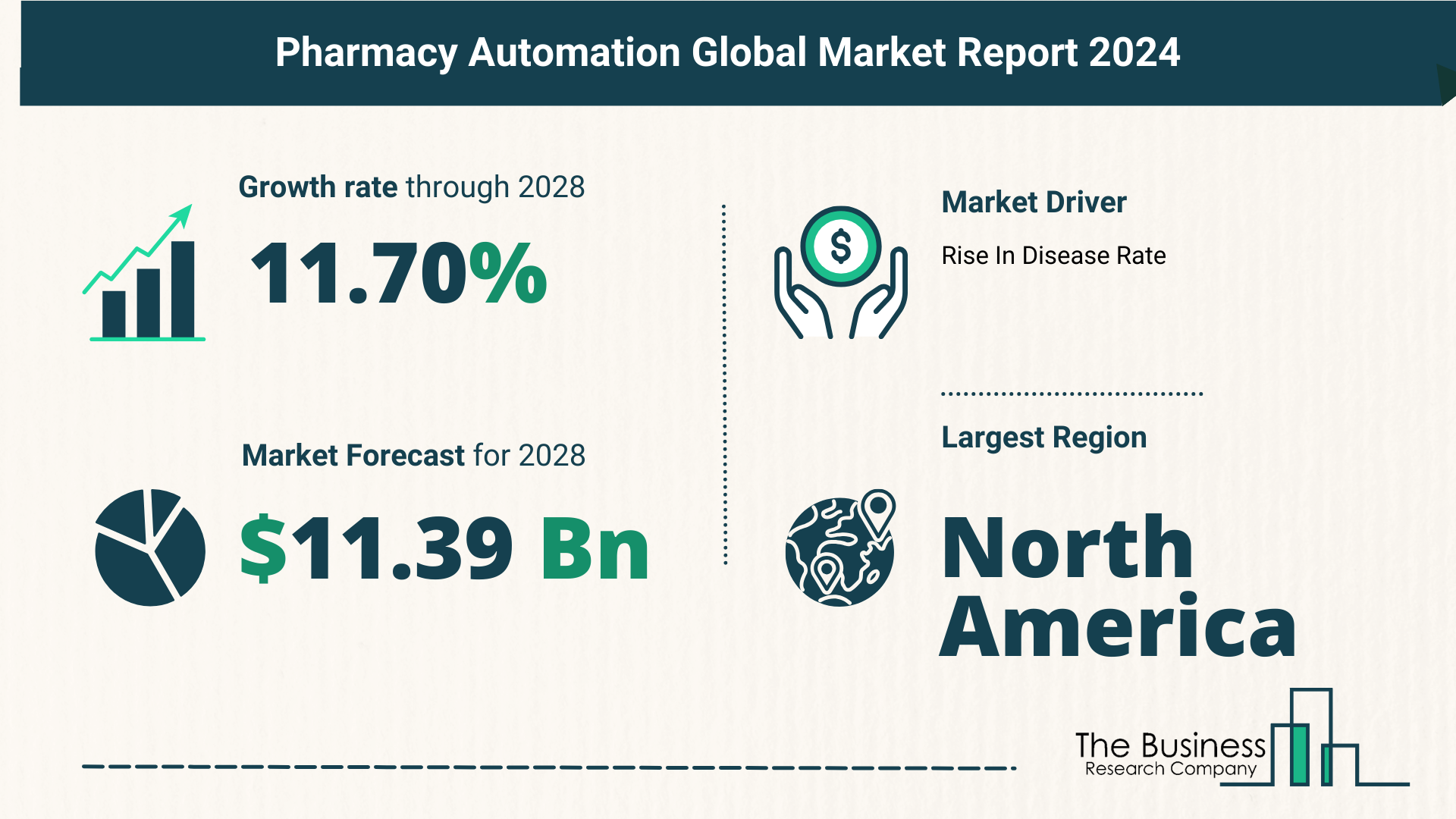
      • The market size grew from $6.58 billion in 2023 to $7.32 billion in 2024, with a CAGR of 11.2%.
      • Factors contributing to historic growth: shortage of skilled pharmacy staff, stringent regulations, need to reduce medication errors, enhanced data management, and patient demand for faster service.
    • Forecasted Growth and Trends
      • Expected to reach $11.39 billion by 2028, growing at a CAGR of 11.7%.
      • Forecasted drivers: aging populations, growth of retail pharmacy chains, focus on patient experience, rising labor costs, and integration with EHR systems.
      • Major trends: AI-powered systems, telepharmacy solutions, robotics, centralized prescription processing, and blockchain adoption.

    Read More On The Pharmacy Automation Market Report 2024 – https://www.thebusinessresearchcompany.com/report/pharmacy-automation-global-market-report

    Rise In Disease Rate Is Anticipated To Fuel The Expansion Of The Pharmacy Automation Market

    The surge in disease rates globally is expected to drive further growth in the pharmacy automation market.

    • Impact of Disease Rates
      • Factors contributing: increasing population, travel, climate change, pollution, and new infectious agents.
      • Pharmacy automation’s role: enhances accuracy and efficiency in medication dispensing and management.
      • Example: US projected to see a significant increase in chronic conditions among older adults by 2050.

    Major Companies and Innovations

    Leading companies and innovations are shaping the pharmacy automation landscape.

    • Key Players
      • Major companies include Mckesson Corporation, AmerisourceBergen Corporation, Baxter International Inc., and more.
      • Focus on expanding product portfolios and innovation in automated drug dispensing systems.
    • Innovative Solutions
      • Example: JVM Co. Ltd.’s MENITH, a robotic arm-based automated dispensing machine, improves dispensing speed and accuracy.
      • Advanced systems aim to reduce medical errors and optimize pharmacy workflows.

    Strategic Acquisitions and Market Segmentation

    Strategic moves and market segmentation play crucial roles in market expansion.

    • Strategic Acquisition
      • Example: Becton, Dickinson, and Company’s acquisition of Parata Systems enhances automation solutions.
      • Focus on addressing pharmacy challenges and enhancing clinical efficiencies.
    • Market Segmentation
      • Segmented by product (dispensing systems, packaging machines), application (drug dispensing, inventory management), and end-user (inpatient pharmacies, retail pharmacies).

    Regional Insights

    Regional dynamics highlight growth disparities and opportunities.

    • Regional Insights
      • North America led the market in 2023; Asia-Pacific expected to grow fastest.
      • Regional growth driven by healthcare infrastructure development and increasing healthcare spending.

    In conclusion, the pharmacy automation market is poised for substantial growth driven by technological advancements, rising healthcare demands, and strategic industry moves. As the healthcare landscape evolves, pharmacy automation will continue to play a pivotal role in enhancing patient care and operational efficiencies across global healthcare systems.

    Request for A Sample Of The Global Pharmacy Automation Market Report:
    https://www.thebusinessresearchcompany.com/sample_request?id=15234&type=smp

  • How Is The Patient Referral Tracking Systems Market Expected To Grow Through 2024-2033

    How Is The Patient Referral Tracking Systems Market Expected To Grow Through 2024-2033

    The Business Research Company’s global market reports are now updated with the latest market sizing information for the year 2024 and forecasted to 2033

    According to The Business Research Company’s Patient Referral Tracking Systems Global Market Report 2024, the patient referral tracking systems market is expected to show promising growth in the forecast period.

    Electronic Health Record Adoption Fueling Growth In Patient Referral Tracking Systems Market
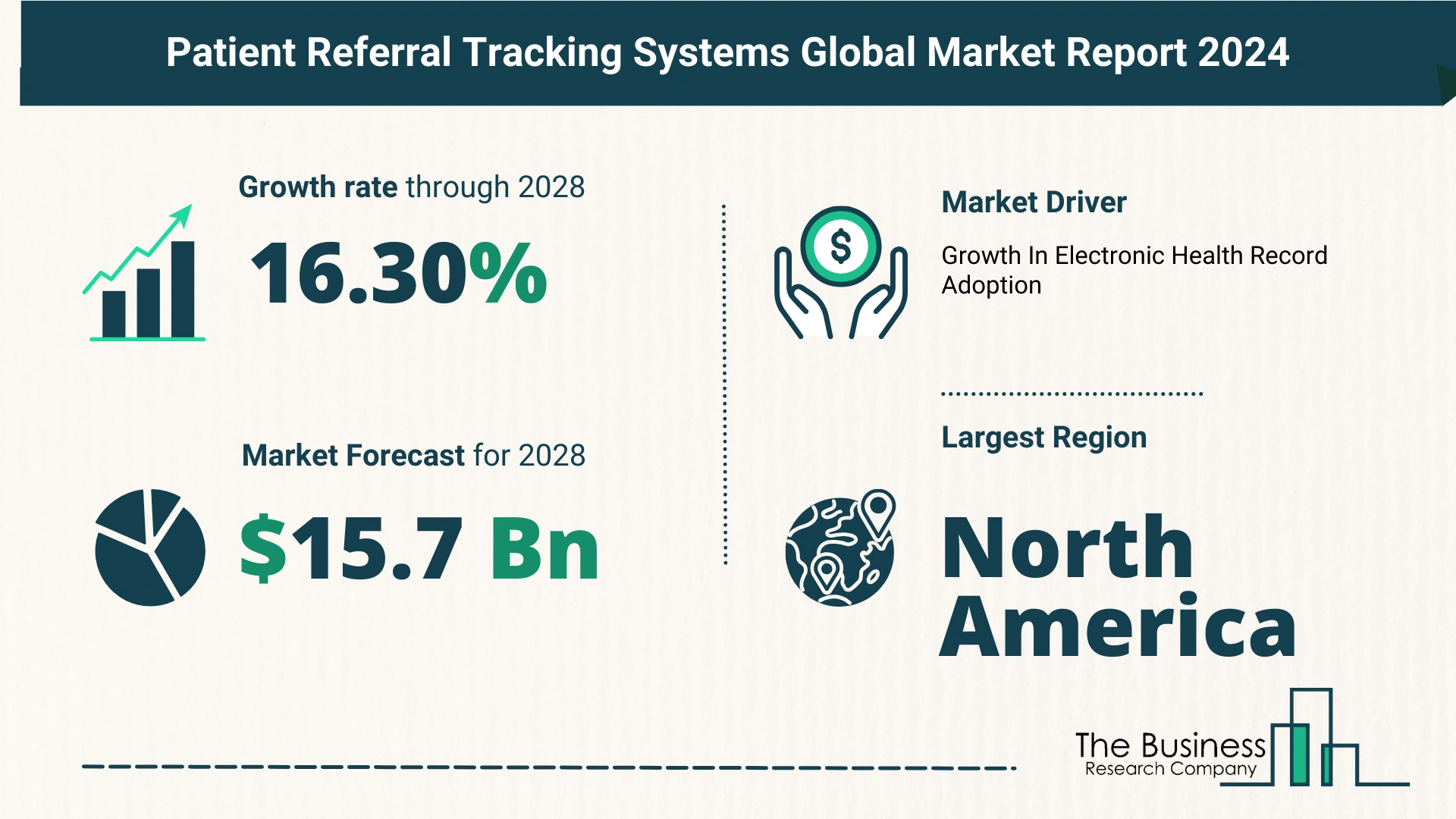
    The patient referral tracking system market has experienced rapid growth in recent years, driven by increasing adoption of electronic health records (EHRs) across healthcare settings. EHRs serve as digital repositories of patient health information, facilitating secure access and sharing among healthcare providers. This adoption trend is pivotal in enhancing healthcare efficiency, patient safety, and care coordination. Notably, nearly all non-federal acute care hospitals and a significant majority of office-based physicians in the United States have adopted certified EHRs, marking substantial growth from previous years.

    Major Companies and Market Overview
    Major players in the patient referral tracking systems market include UnitedHealth Group, McKesson Corporation, IBM, Oracle, Medtronic, GE Healthcare, Cerner Corporation, and others. These companies drive innovation through advanced technology solutions aimed at optimizing patient referrals and enhancing healthcare delivery.

    View More On The Patient Referral Tracking Systems Market Report 2024 – https://www.thebusinessresearchcompany.com/report/patient-referral-tracking-systems-global-market-report

    Centralized Referral Management Solutions Revolutionizing Home-Based Care
    Recent developments in centralized referral management solutions, such as enterprise referral managers, are transforming efficiency and coordination within healthcare environments. These solutions offer benefits like reduced referral leakage, shorter lead times, automated reminders, and secure patient data exchange. For example, WellSky’s enterprise referral manager aims to streamline referral, intake, and customer relationship management processes in home health and hospice care, enhancing staff efficiency and patient care transitions.

    AristaMD Expands Patient Referral Management Capabilities Through Preferral Acquisition
    AristaMD’s acquisition of Preferral in January 2022 exemplifies strategic expansion in patient referral management. This acquisition integrates Preferral’s platform with AristaMD’s eConsult solutions, promising streamlined referral processes and improved specialty care access. Preferral’s expertise in online referral management complements AristaMD’s commitment to enhancing patient outcomes through efficient healthcare workflows.

    Market Segmentation and Growth Outlook
    The patient referral tracking systems market is segmented by type (inbound, outbound), deployment mode (cloud-based, on-premise), and end-users (healthcare providers, payers, patients, and others). North America emerged as the largest market region in 2023, reflecting significant adoption and investment in healthcare technology solutions.

    Forecasted Growth and Trends
    Looking ahead, the patient referral tracking system market is poised for continued expansion, projected to reach $15.7 billion by 2028 with a CAGR of 16.3%. Key trends driving this growth include the adoption of AI-driven referral optimization, expansion of virtual care platforms, emphasis on patient engagement, integration with population health management strategies, and advancements in data analytics and reporting capabilities.

    In conclusion, the patient referral tracking systems market is witnessing robust growth fueled by technological advancements and increasing healthcare digitization. As industry leaders innovate to meet evolving healthcare demands, the integration of EHRs and advanced referral management solutions will play a pivotal role in enhancing care coordination, efficiency, and patient outcomes globally.

    Request A Sample Of The Global Patient Referral Tracking Systems Market Report 2024:
    https://www.thebusinessresearchcompany.com/sample_request?id=15231&type=smp

  • 5 Key Insights On The Oral Hygiene Market 2024

    5 Key Insights On The Oral Hygiene Market 2024

    The Business Research Company’s global market reports are now updated with the latest market sizing information for the year 2024 and forecasted to 2033

    As per The Business Research Company’s Oral Hygiene Global Market Report 2024, the oral hygiene market is expected to show significant growth in the forecast period.

    Market Size and Growth Trends

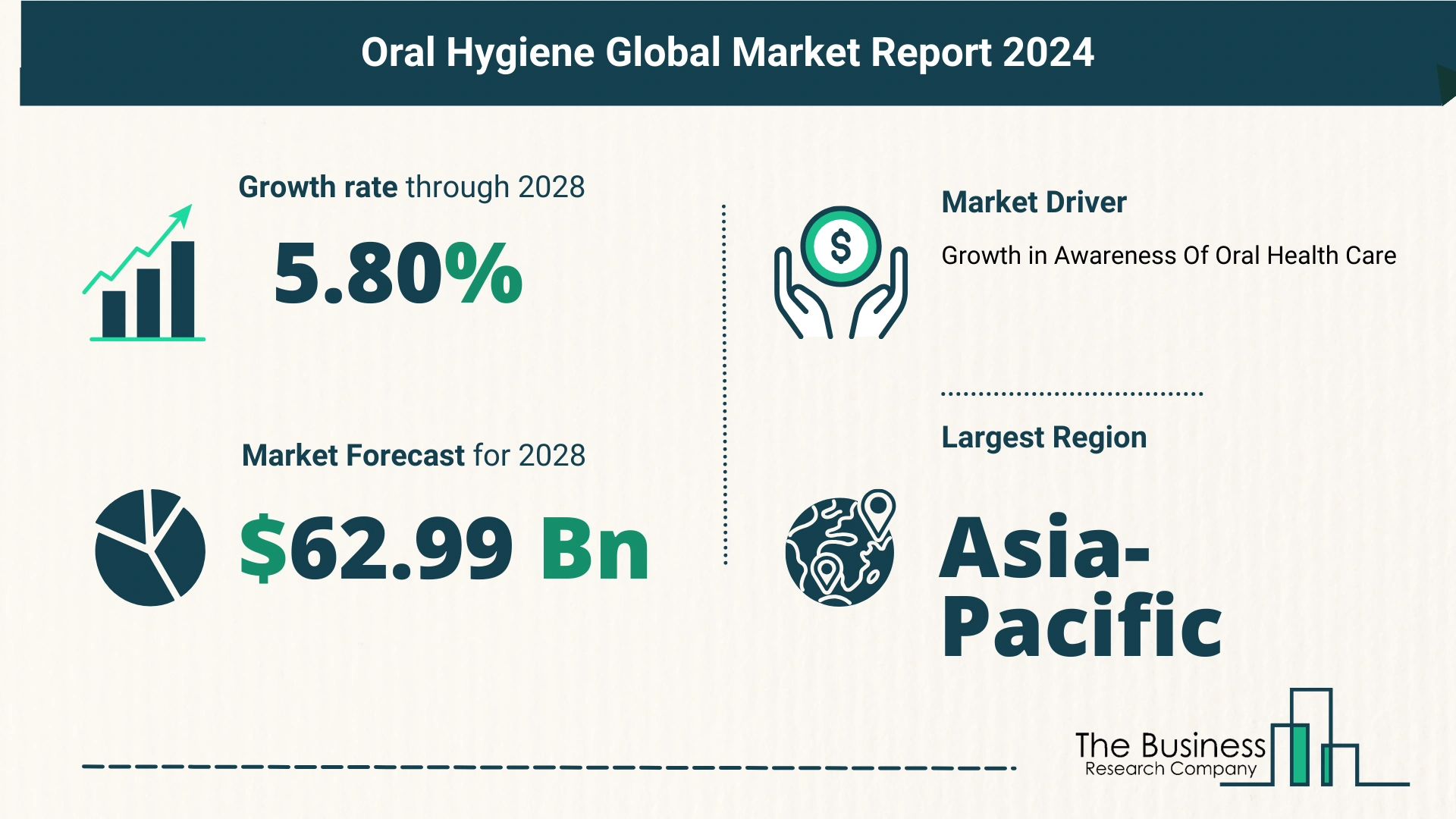
    • The oral hygiene market has shown robust growth, reaching $47.55 billion in 2023 and is projected to hit $50.14 billion in 2024, growing at a CAGR of 5.4%.
    • Forecasted to grow to $62.99 billion by 2028, with a CAGR of 5.8%.
    • Drivers include rising awareness of oral health, technological advancements, increasing disposable incomes, and expanded access to dental services.

    Major Trends Shaping the Future

    • Demand for Natural Products: Surge in consumer preference for natural and sustainable oral care products.
    • Advanced Technologies: Adoption of smart, software-enabled toothbrushes and innovative dental care technologies.
    • Product Diversification: Introduction of specialized products like probiotics and herbal extracts.
    • Digital Health Solutions: Growth of e-commerce platforms and digital health solutions in oral care.

    View More On The Oral Hygiene Market Report 2024 – https://www.thebusinessresearchcompany.com/report/oral-hygiene-global-market-report

    Growing Awareness of Oral Health Care Is Driving Market Expansion
    The emphasis on oral health care is growing due to its role in preventing dental diseases and enhancing overall well-being. Increased awareness translates into higher adoption rates of oral hygiene products, driving market growth significantly. For instance, national dental expenditures in the US surged from $146 billion in 2020 to $162 billion in 2021, reflecting increased spending on oral health care.

    Key Players in the Market
    Major companies driving innovation and market growth include:

    • The Procter & Gamble Company
    • Johnson & Johnson
    • Unilever PLC
    • GlaxoSmithKline plc
    • Colgate-Palmolive Company
    • Philips NV
    • Church & Dwight Co. Inc.
    • Dentsply Sirona Inc.
    • Patanjali Ayurved Limited
    • Sunstar Suisse SA
    • Ivoclar Vivadent AG
    • Ranir LLC

    Technological Advancements in Oral Hygiene Products
    Innovations such as smart toothbrushes are revolutionizing oral care:

    • Burst Oral Care: Launched Pro Sonic and Curve Sonic Toothbrushes with advanced features like smart sensors, software-enabled brushing feedback, and extended battery life, catering to diverse consumer needs and preferences.

    Strategic Acquisitions Driving Market Growth

    • Sunstar’s Acquisition of Playbrush: The acquisition of UK-based Playbrush enhances Sunstar’s digital health portfolio, integrating smart toothbrush technology aimed at children, thereby expanding its market reach and product offerings.

    Market Segmentation
    The oral hygiene market is segmented based on:

    1. Product Types: Toothpaste, Toothbrushes, Mouthwash, Dental Accessories, Denture Products, Dental Prosthesis Cleaning Solutions.
    2. Distribution Channels: Supermarkets, Pharmacies, Online Stores, Convenience Stores.
    3. Applications: Adults, Kids, Infants.

    Regional Insights

    • Asia-Pacific: Dominated the market in 2023, driven by population growth and increasing disposable incomes.
    • Europe: Expected to witness the fastest growth, fueled by rising health consciousness and technological advancements in dental care.

    In conclusion, the oral hygiene market is poised for substantial growth driven by technological innovations, increasing consumer awareness, and strategic market expansions. Companies are focusing on product diversification and digital integration to meet evolving consumer demands and capitalize on emerging opportunities in the global oral care landscape.

    Request A Sample Of The Global Oral Hygiene Market Report 2024:
    https://www.thebusinessresearchcompany.com/sample_request?id=15228&type=smp

  • Understand How The Generative AI In Healthcare Market Is Poised To Grow Through 2024-2033

    Understand How The Generative AI In Healthcare Market Is Poised To Grow Through 2024-2033

    The Business Research Company’s global market reports are now updated with the latest market sizing information for the year 2024 and forecasted to 2033

    As per The Business Research Company’s Generative AI In Healthcare Global Market Report 2024, the generative AI in healthcare market is expected to show significant growth in the forecast period.

    Market Overview

    • Current Market Size: The generative AI in healthcare market has shown exponential growth, reaching $1.72 billion in 2023.
    • Projected Growth: Expected to grow to $2.36 billion in 2024, with a CAGR of 37.2%.
    • Future Projections: By 2028, the market is projected to reach $8.44 billion, with a CAGR of 37.5%.

    Key Drivers of Growth

    • Historic Growth Factors:
      • Increased healthcare data analytics.
      • Demand for personalized medicine.
      • Adoption of AI-enabled healthcare solutions.
      • Need for personalized treatment plans.
      • Accelerated drug discovery and development processes.
    • Future Growth Factors:
      • Advancements in medical imaging techniques.
      • Expansion of AI-powered monitoring systems.
      • Globalization of healthcare.
      • Growth in patient population.
      • Adoption of modern medical treatments.
      • Rise in virtual patient simulation.

    View More On The Generative AI In Healthcare Market Report 2024 – https://www.thebusinessresearchcompany.com/report/generative-ai-in-healthcare-global-market-report

    Surge in Personalized Medicine

    • Fueling Market Growth: Demand for personalized medicine is a significant driver.
    • Definition: Precision medicine tailors treatments based on individual genetic, environmental, and lifestyle factors.
    • Impact of Generative AI: Utilizes algorithms to analyze patient data for personalized treatment options.
    • Example: FDA approved 16 new personalized treatments in 2023, up from 6 in 2022, indicating growing adoption.

    Leading Companies in Generative AI Healthcare

    • Key Players:
      • Alphabet Inc.
      • Microsoft Corporation
      • Amazon Web Services Inc.
      • Johnson & Johnson Services Inc.
      • Siemens AG
      • Intel Corporation
      • IBM Watson Health Corporation
      • Ernst & Young Global Limited
      • Oracle Corporation
      • Nvidia Corporation
      • Harman International Industries Inc.
      • Epic Systems Corporation
      • Persistent Systems Private Limited
      • Tempus Labs Inc.
      • Verge Genomics Inc.
      • PathAI Inc.
      • BenevolentAI Ltd
      • Abridge AI Inc.

    Strategic Collaborations

    • Google Cloud and Mayo Clinic Partnership: Integrating generative AI to improve healthcare delivery.
    • Objective: Enhance clinical workflows and patient outcomes with HIPAA compliance.
    • Impact: Streamlining operations and enabling personalized interactions.

    Microsoft’s Strategic Acquisition

    • Nuance Acquisition: Acquired Nuance Communications for $19.7 billion in March 2022.
    • Goal: Expand enterprise software presence, particularly in healthcare.
    • Focus: Enhance AI capabilities for improved healthcare outcomes.

    Market Segmentation

    • By Component:
      • Solutions
      • Services
    • By Function:
      • AI-Assisted Robotic Surgery
      • Virtual Nursing Assistants
      • Aid Clinical Judgment or Diagnosis
      • Workflow and Administrative Tasks
      • Image Analysis
    • By Application:
      • Clinical
      • System
    • By End User:
      • Hospitals and Clinics
      • Clinical Research
      • Healthcare Organizations
      • Diagnostic Centers
      • Other End Users

    Regional Insights

    • Current Market Landscape: North America dominated the generative AI in healthcare market in 2023.
    • Emerging Market: Asia-Pacific expected to exhibit the fastest growth during the forecast period.

    The generative AI in healthcare market is poised for substantial growth, driven by advancements in medical technologies and increasing adoption of personalized medicine. Strategic partnerships and acquisitions are pivotal in enhancing AI capabilities and expanding market presence. With innovations in AI algorithms and expanded applications across healthcare sectors, the future promises transformative advancements in patient care and clinical outcomes globally.

    Request A Sample Of The Global Generative AI In Healthcare Market Report 2024:
    https://www.thebusinessresearchcompany.com/sample_request?id=15184&type=smp