Category: HealthcareServices

  • How Is The Biomedical Textiles Market Expected To Grow Through 2024-2033

    How Is The Biomedical Textiles Market Expected To Grow Through 2024-2033

    The Business Research Company’s global market reports are now updated with the latest market sizing information for the year 2024 and forecasted to 2033

    According to The Business Research Company’s Biomedical Textiles Global Market Report 2024, the biomedical textiles market is expected to show promising growth in the forecast period.

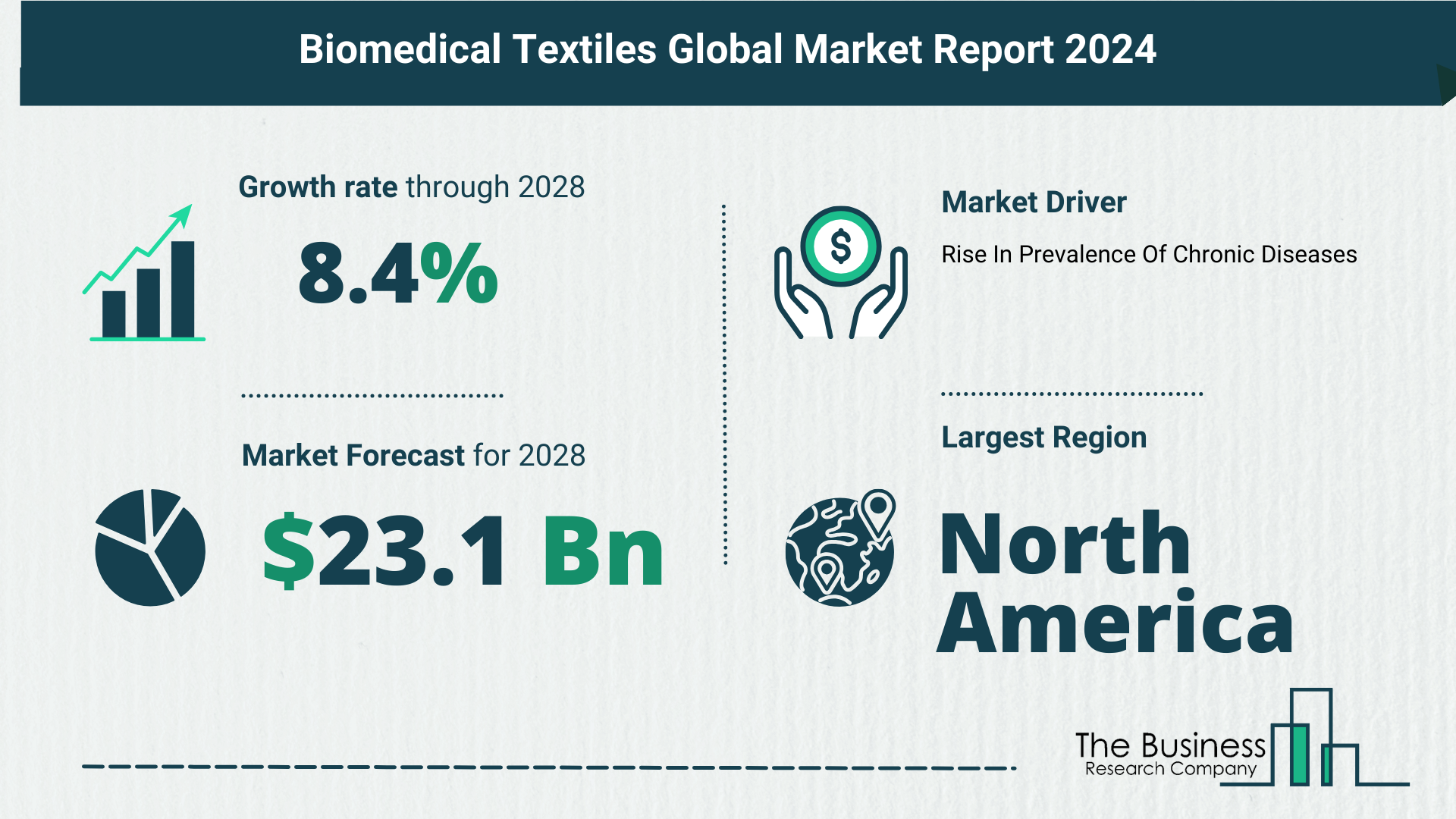
    The biomedical textiles market has witnessed robust growth in recent years, reaching $15.63 billion in 2023 and projected to hit $16.74 billion in 2024, marking a commendable compound annual growth rate (CAGR) of 7.1%. The surge is attributed to various factors, including the prioritization of infection control, global health emergencies, a focus on regenerative medicine, and the prevalence of chronic diseases.

    Anticipating Strong Growth Ahead

    The outlook remains promising for the biomedical textiles market, with an expected surge to $23.1 billion in 2028 at a CAGR of 8.4%. This growth is fueled by evolving consumer health and wellness trends, global health preparedness, military and defense applications, personalized medicine needs, and the growing prominence of telemedicine and wearable health technologies. Notable trends in the forecast period encompass advancements in medical technology, research collaborations, and a rising wave of sustainable textiles.

    Chronic Diseases Propel Biomedical Textiles Market

    1. Rising Prevalence Of Chronic Diseases Drives Biomedical Textiles Market
    • Chronic diseases, requiring prolonged medical attention, are a key driver for the biomedical textiles market.
    • Biomedical textiles find application in surgeries related to chronic diseases for wound closure and prevention.
    • The Alliance for Aging Research predicts a 42% increase in chronic disease cases, reaching 230.7 million people globally by 2030.
    • The surge in chronic diseases underscores the pivotal role of biomedical textiles in medical interventions.

    View More On The Biomedical Textiles Market Report 2024 – https://www.thebusinessresearchcompany.com/report/biomedical-textiles-global-market-report

    Major Market Players and Collaborative Innovations

    1. Nufabrx And Enventys Partners Collaborate To Introduce HealthWear Smart-Textile Platform In Biomedical Textiles Market
    • Collaboration is a significant trend among major companies to introduce smart textile platforms.
    • Nufabrx and Enventys Partners teamed up to launch HealthWear, integrating medicine, wellness, and health benefits into clothing.
    • HealthWear’s proprietary smart-textile platform ensures the administration of therapeutic care even after multiple wears, uses, and laundries.
    1. Integer Expands Capabilities Acquisition Of Aran Biomedical
    • In April 2022, Integer acquired Aran Biomedical for $131 million, expanding its capabilities in medical device outsourcing.
    • The acquisition combines Aran Biomedical’s expertise in biomaterial-focused medical implant products with Integer’s production scale and delivery methods.
    • This strategic move strengthens Integer’s position in serving customers with advanced technological developments.

    Market Segmentation and Regional Dynamics

    1. Market Segmentation
    • By Product Type: Non-Implantable, Implantable
    • By Fabric: Non-Woven Biomedical Textiles, Woven Biomedical Textiles, Knitted Biomedical Textiles
    • By Fiber Type: Non-Biodegradable, Biodegradable
    • By Applications: Ophthalmology, Neurology, Cardiology, Dentistry, Orthopedics, General Surgery And Treatment, Other Applications
    • By End Users: Hospitals, Ambulatory Centers, Clinics, Community Healthcare, Other End Users
    • A comprehensive segmentation provides insights into the diverse applications and materials driving market growth.
    1. Regional Dominance
    • North America held the largest share in the biomedical textiles market in 2023, showcasing a robust market presence.
    • Asia-Pacific is anticipated to emerge as the fastest-growing region in the forecast period, underlining the global reach and potential of the biomedical textiles market.

    Conclusion

    In conclusion, the biomedical textiles market stands at the intersection of healthcare innovation and technological advancements. The industry’s growth is propelled by an increased focus on chronic diseases, collaborative efforts among major players, and the integration of smart-textile platforms. As the market continues to evolve, biomedical textiles are not just materials but essential contributors to the transformative landscape of modern healthcare. The outlook remains promising, driven by a commitment to research, technological advancements, and a shared goal of enhancing patient outcomes globally.

    Request A Sample Of The Global Biomedical Textiles Market Report 2024:
    https://www.thebusinessresearchcompany.com/sample_request?id=8243&type=smp
  • Global Biologics Contract Development Market Analysis: Estimated Market Size And Growth Rate

    Global Biologics Contract Development Market Analysis: Estimated Market Size And Growth Rate

    The Business Research Company’s global market reports are now updated with the latest market sizing information for the year 2024 and forecasted to 2033

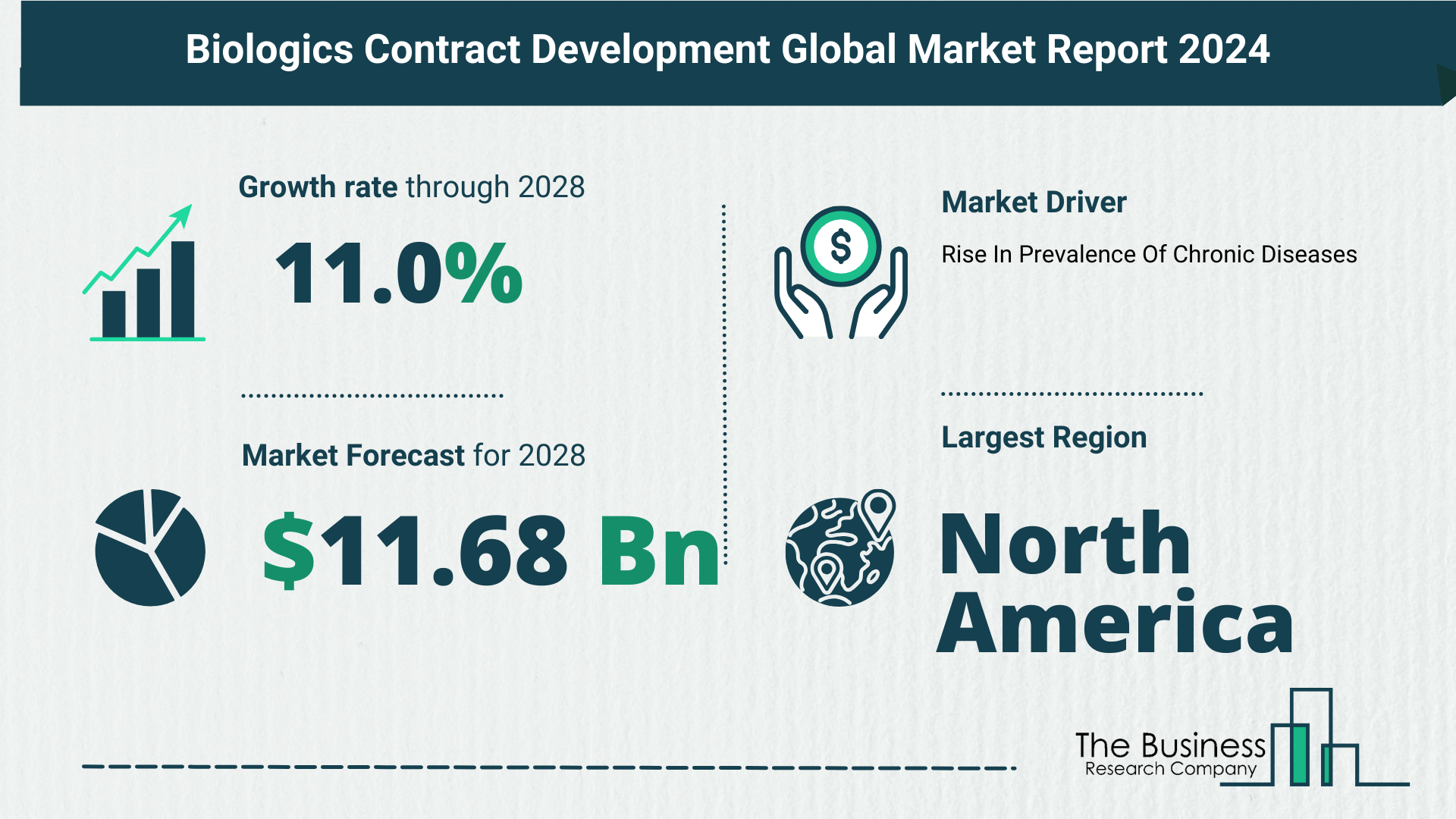
    The biologics contract development market has witnessed rapid growth, with the market size reaching $6.94 billion in 2023 and projected to grow to $7.7 billion in 2024, showcasing a notable CAGR of 11.0%. Looking ahead, the forecast indicates continued expansion, reaching $11.68 billion by 2028 with a CAGR of 11.0%. Key drivers of historic growth include the rise in the biologics market, increased focus on biopharmaceuticals, the complexity of biologics, patent expirations, and cost efficiency.

    Increasing Investment in Biopharmaceuticals

    • Biopharmaceutical Demand: The growth of the biologics contract development market is fueled by the increasing demand for biopharmaceuticals, such as monoclonal antibodies, recombinant proteins, and gene therapies.
    • Outsourcing Dynamics: Companies are outsourcing development activities to meet market demands, leading to substantial growth.
    • Strategic Investment Example: FUJIFILM Corporation invested $2 billion in creating a new large-scale cell culture production site in the U.S. in January 2021, accelerating its biopharmaceutical contract development and manufacturing business.

    Key Market Players

    Major companies contributing to the biologics contract development market include WuXi Biologics, Abzena Ltd., Fujifilm Diosynth Biotechnologies, KBI Biopharma, and many others. These companies play a pivotal role in advancing the capabilities and services within the market.

    Innovative Technological Integration Elevates Market Dynamics

    • Lonza’s BYlok Platform: Lonza, a Switzerland-based company, launched the bYlok technology platform in January 2022, setting a new standard for designing and manufacturing bispecific antibodies.
      • Key Features: Solves light-heavy chain mispairing issue, high yields (>95% accuracy), maintains a mAb-like format.
      • Accessibility: Pharma and biotech companies can access the platform through a simple research license.
    • Recipharm’s Strategic Acquisition: In February 2022, Recipharm, a Sweden-based organization, strategically acquired Vibalogics and Arranta Bio.
      • Strategic Impact: Strengthens Recipharm’s presence in advanced therapy medicinal products and expands virotherapy manufacturing capabilities in the U.S.
      • Acquired Companies: Vibalogics (Germany) and Arranta Bio (U.S.) are contract development and manufacturing organizations.

    Market Segmentation

    The biologics contract development market is segmented based on:

    1. Source: Microbial, Mammalian, Others Sources
    2. Indication: Oncology, Immunological disorders, Cardiovascular disorders, Hematological disorders, Others Indications
    3. Product Service: Cell Line Development, Process Development, Others Product Services

    Regional Trends

    • North America Dominance: North America emerged as the largest region in the biologics contract development market in 2023.
    • Asia-Pacific Growth: Asia-Pacific is expected to be the fastest-growing region in the forecast period.

    View More On The Biologics Contract Development Market Report 2024 – https://www.thebusinessresearchcompany.com/report/biologics-contract-development-global-market-report

    Future Trends and Outlook

    • Digitalization and Data Analytics: The forecast period will see rapid growth driven by digitalization, data analytics, and a focus on precision medicine and personalized therapies.
    • Regenerative Medicine: A notable trend includes a focus on regenerative medicine, aligning with the growing demand for advanced therapeutic solutions.
    • Risk Mitigation Strategies: Companies are adopting risk mitigation strategies to navigate the complexities associated with biologics development.
    • Global Collaborations: Increasing global collaborations are expected to shape the market dynamics, fostering innovation and knowledge exchange.
    • Technological Integration: Advanced technologies, including digital solutions and data analytics, will continue to be integrated to enhance biologics contract development capabilities.

    Conclusion
    The biologics contract development market’s significant growth is intricately linked to the increasing investment in biopharmaceuticals and the integration of innovative technologies by major players. As the market continues to evolve, digitalization, data analytics, and a focus on precision medicine will play pivotal roles in shaping the future of biologics contract development. With a strong market size and diverse trends, the biologics contract development market remains at the forefront of driving advancements in the biopharmaceutical industry.

    Request A Sample Of The Global Biologics Contract Development Market Report 2024:
    https://www.thebusinessresearchcompany.com/sample_request?id=8219&type=smp

  • Cannabis Extract Market Growth Analysis Till 2033 By The Business Research Company

    Cannabis Extract Market Growth Analysis Till 2033 By The Business Research Company

    The Business Research Company’s market reports offer an in-depth analysis on the market’s growth potential, major drivers, key trends and more.

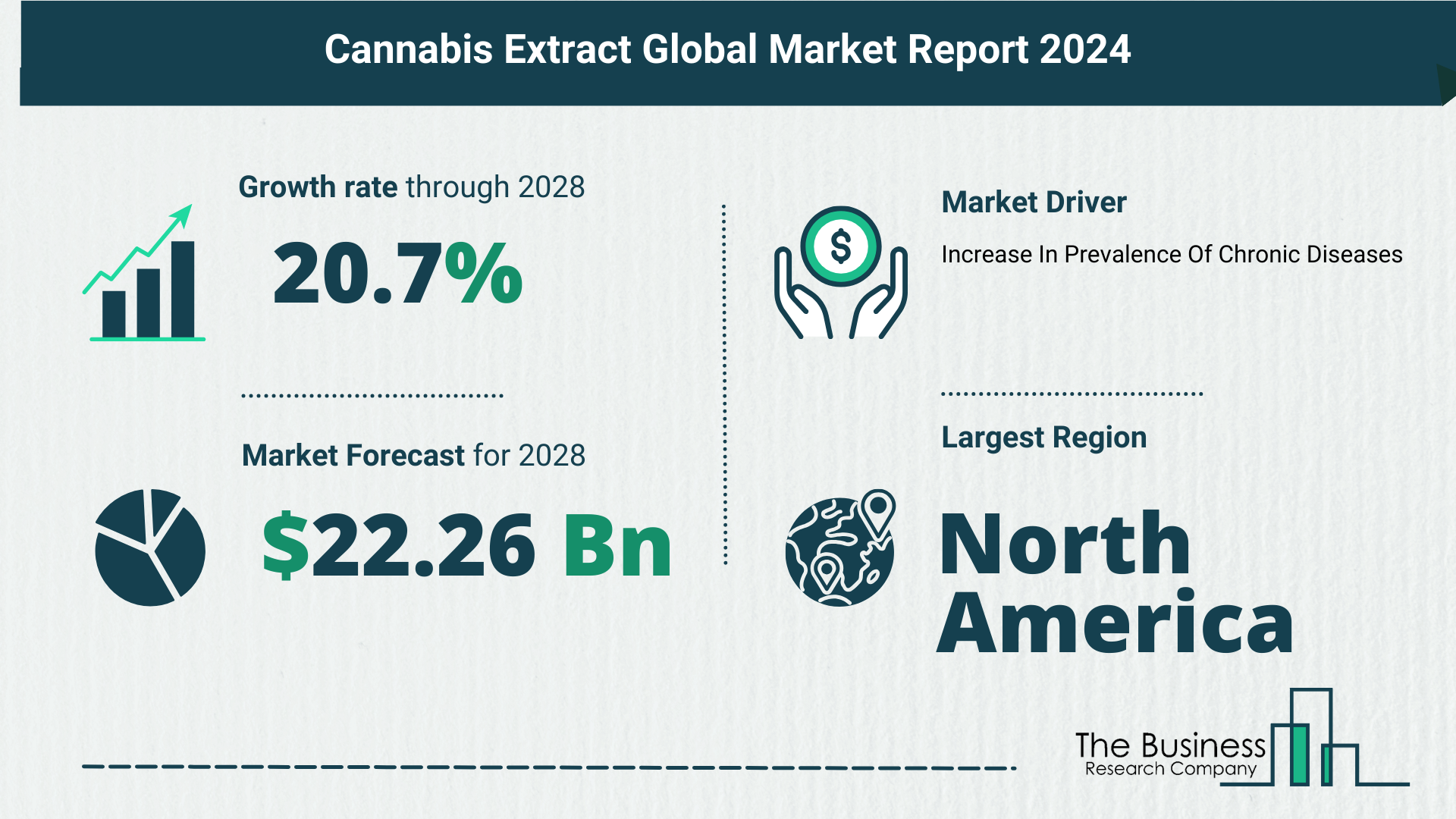
    The cannabis extract market has witnessed an exponential surge, skyrocketing from $8.57 billion in 2023 to $10.49 billion in 2024, boasting an impressive CAGR of 22.5%. This remarkable growth in recent years can be attributed to the emergence of the CBD market, consumer preferences leaning towards natural products, the legalization of cannabis for recreational use, diverse product offerings, and robust research and development initiatives.

    Anticipating Sustained Momentum

    Projections for the future are equally promising, with the market size expected to reach a staggering $22.26 billion in 2028, maintaining a robust CAGR of 20.7%. The anticipated growth in the forecast period is driven by health and wellness trends, consumer education initiatives, customization of extract products, and integration into beauty and personal care. Notable trends in the forecast period include innovations in extraction technologies, a focus on full-spectrum and broad-spectrum extracts, the prominence of terpenes, product standardization and quality assurance, and strategic collaborations and partnerships.

    Rising Cancer Rates: A Catalyst for Market Expansion

    Cancer’s Impact on Market Growth:

    The increasing prevalence of cancer is expected to be a pivotal factor driving the growth of the cannabis extract market. Cannabis extract has proven beneficial in alleviating symptoms and side effects associated with cancer treatment.

    • According to the American Cancer Society (April 2022):
      • 92 million new cases of cancer in the US
      • A slight increase from 1.89 million cases in 2021

    Role of Cannabis Extract in Cancer Treatment:

    • Addresses neuropathy, nausea, pain, vomiting, appetite, and weight loss
    • Stimulates autophagy and impacts signaling pathways leading to apoptosis

    Read More On The Cannabis Extract Market Report 2024 – https://www.thebusinessresearchcompany.com/report/cannabis-extract-global-market-report

    Innovation Redefines the Market: Advanced Medicinal Formulations

    Pioneering Companies and Medicinal Formulas:

    Major players in the cannabis extract market, including Canopy Growth Corporation, Aurora Cannabis Inc., and GW Pharmaceuticals PLC, are at the forefront of introducing advanced medicinal formulations.

    Example of Innovation: Kanabo Group PLC (July 2021):

    • Launch of VapePod, a medical-grade handheld vaporizer
    • Delivers precise and accurate microdoses of cannabis extract
    • Benefits include quicker inhalation, higher bioavailability, and enhanced patient data

    Strategic Acquisitions Amplify Product Portfolios:

    BevCanna’s Acquisition of Embark Health (January 2022):

    • BevCanna, a Canada-based health and wellness company, acquires Embark Health Inc.
    • Diversifies portfolio with distinctive brands and important intellectual property
    • Expands product offerings in the adult-use cannabis market

    Segmentation Insights:

    Product Types:

    1. Oils
    2. Tinctures

    Extract Types:

    1. Full Spectrum Extracts
    2. Cannabis Isolates

    Sources:

    1. Hemp
    2. Marijuana

    Distribution Channels:

    1. Hospital Pharmacies
    2. Retail Pharmacies
    3. Online Pharmacies

    Applications:

    1. Textile
    2. Cosmetic
    3. Pharmaceutical
    4. Paper

    Regional Dynamics:

    North America emerged as the largest region in the cannabis extract market in 2023, reflecting the region’s significant contribution to the industry’s growth.

    Conclusion: A Thriving Green Horizon

    As the cannabis extract market continues its remarkable ascent, driven by factors ranging from health trends to innovative medicinal formulations, stakeholders should prepare for a future marked by sustained growth and evolution. The intersection of medicinal advancements and strategic business moves positions the market as a pivotal player in the rapidly evolving landscape of health and wellness.

    Request for A Sample Of The Global Cannabis Extract Market Report:
    https://www.thebusinessresearchcompany.com/sample_request?id=8080&type=smp

  • 5 Takeaways From The Active Wound Care Market Overview 2024

    5 Takeaways From The Active Wound Care Market Overview 2024

    The Business Research Company’s global market reports are now updated with the latest market sizing information for the year 2024 and forecasted to 2033

    According to The Business Research Company’s Active Wound Care Global Market Report 2024, the active wound care market is expected to show promising growth in the forecast period.

    The active wound care market has witnessed robust growth in recent years, and the momentum is set to continue. In 2023, the market size surged to $1.44 billion, with a projected increase to $1.55 billion in 2024, showcasing a compelling compound annual growth rate (CAGR) of 7.7%. As we delve into the forecast period, anticipation builds for an even more substantial expansion, with the market expected to reach $2.09 billion by 2028.

    Driving Forces Behind the Surge

    • Increasing Incidence of Chronic Wounds: A global rise in chronic wounds has been a significant contributor to the market’s growth.
    • Surgical Procedures on the Rise: The escalating number of surgical interventions fuels the demand for active wound care solutions.
    • Prevalence of Diabetes: With diabetes affecting millions globally, the need for wound care becomes paramount, especially given the associated complications.
    • Patient Preference for Non-invasive Treatments: A shift towards non-invasive treatments reflects a broader trend in healthcare preferences.
    • Government Initiatives and Awareness Programs: Supportive government initiatives and awareness programs have played a pivotal role in fostering wound care.
    • Growing Focus on Home Healthcare: A paradigm shift towards home healthcare is influencing the dynamics of the active wound care market.

    Probing the Diabetes Epidemic

    • Diabetic Population Boom: The escalating number of diabetic patients worldwide, standing at 537 million in 2021, is a key driver.
    • Complications Leading to Demand: High blood glucose levels in diabetics contribute to sores and ulcers, emphasizing the need for active wound care.
    • IDF Projections: According to the International Diabetes Federation (IDF), the diabetic population is projected to reach 643 million by 2030 and 783 million by 2045.
    • Company Landscape: Leading companies in the active wound care market, including Smith & Nephew PLC, Tissue Regenix Group, and Organogenesis Inc., are at the forefront of addressing diabetes-related wound care needs.

    View More On The Active Wound Care Market Report 2024 – https://www.thebusinessresearchcompany.com/report/active-wound-care-global-market-report

    Technological Advancements and Silicone Integration

    • Embracing Silicone Technology: Major players are incorporating silicone technology into wound care products for enhanced efficacy.
    • Convatec’s ConvaFoam: In January 2023, Convatec introduced ConvaFoam, an advanced foam dressing utilizing improved silicone technology, offering better adhesion and absorbency.
    • Simplifying Wound Care: ConvaFoam’s patterned film design aids exudate monitoring, simplifying the wound care process for both patients and healthcare professionals.

    Strategic Acquisitions and Innovation

    • Essity’s Acquisition of Hydrofera: In December 2021, Essity acquired Hydrofera for USD 116 million, reinforcing its position in advanced wound care.
    • Hydrofera’s Expertise: Hydrofera specializes in polyvinyl alcohol (PVA) foam and antibacterial wound dressings, contributing to Essity’s innovation capacity.
    • Market Segmentation: The active wound care market is segmented by product, indications, application, and end-users, offering a comprehensive understanding of its diverse landscape.

    Future Trends and Market Dynamics

    • Advanced Wound Dressings Adoption: The forecast period indicates a surge in the adoption of advanced wound dressings for improved wound management.
    • Technological Innovations: Continuous innovations in wound care products are poised to reshape the landscape, enhancing treatment outcomes.
    • Bioactive and Biodegradable Materials: A shift towards sustainable wound care solutions is witnessed with the adoption of bioactive and biodegradable materials.
    • Telemedicine and Remote Patient Monitoring: The integration of technology in wound care includes telemedicine and remote patient monitoring for more personalized and efficient care.
    • Economic Considerations: Cost-effective solutions are gaining prominence, aligning with global economic considerations.

    Conclusion: Paving the Way Forward As the active wound care market forges ahead with substantial growth, propelled by demographic shifts, technological strides, and strategic acquisitions, stakeholders must stay attuned to evolving trends. The convergence of innovation, market dynamics, and a commitment to addressing critical healthcare needs will shape the trajectory of the active wound care landscape in the years to come.

    Request A Sample Of The Global Active Wound Care Market Report 2024:
    https://www.thebusinessresearchcompany.com/sample_request?id=8123&type=smp

  • Actinic Keratosis Treatment Global Market Outlook 2024-2033: Size And Growth Rate Analysis

    Actinic Keratosis Treatment Global Market Outlook 2024-2033: Size And Growth Rate Analysis

    The Business Research Company’s global market reports provide comprehensive analysis on the various markets in 27 industries across 60 geographies.

    The actinic keratosis treatment market has witnessed robust growth, demonstrating a substantial increase in its size over the past years. According to market insights, it surged from $3 billion in 2023 to $3.24 billion in 2024, exhibiting a commendable Compound Annual Growth Rate (CAGR) of 7.8%. This growth is attributed to various factors that have played pivotal roles in shaping the market landscape.

    • Contributors to Growth:
      • Treatment adherence
      • Market competition
      • Patient education initiatives
      • Dermatological practices
      • Research and clinical trials

    Future Projections
    The momentum is set to continue as the actinic keratosis treatment market is anticipated to reach $4.36 billion by 2028, growing at a CAGR of 7.7%. This growth trajectory is influenced by a range of factors that are expected to dominate the forecast period.

    • Forecast Drivers:
      • Patient education and engagement
      • Digital health integration
      • Growing awareness
      • Focus on preventive dermatology
      • Personalized medicine trends
    • Trends in the Forecast Period:
      • Shift towards combination therapies
      • Technological advancements
      • Personalized treatment approaches
      • Increasing incidence rates
      • Minimally invasive treatments

    Expanding Geriatric Population: A Market Driver
    Understanding the Geriatric Demographic
    The actinic keratosis treatment market is poised for significant growth, driven by the expanding geriatric population. This demographic, typically aged 65 and older, faces specific health considerations associated with the aging process. The World Health Organization predicts a substantial increase in the global population aged 60 and older, reaching 1.4 billion by 2030 and doubling to 2.1 billion by 2050.

    • Market Impact:
      • Addressing precancerous skin lesions
      • Reducing the risk of skin cancer in the elderly
      • Aligning with global demographic trends

    Key Players in the Actinic Keratosis Treatment Market
    A multitude of companies contributes to the dynamic landscape of the actinic keratosis treatment market. These major players include Sun Pharmaceutical Industries Ltd., Novartis AG, Hill Dermaceuticals Inc., Bausch Health Companies Inc., and many others.

    View More On The Actinic Keratosis Treatment Market Report 2024 – https://www.thebusinessresearchcompany.com/report/actinic-keratosis-treatment-global-market-report

    Launch of Innovative Medical Products
    Eucerin’s Actinic Control SPF100
    Major companies in the market are actively launching medical products to prevent actinic keratosis and non-melanoma skin cancer. An exemplary case is Eucerin’s Actinic Control SPF100, a dermatological product providing high sun protection. Launched in February 2021, it effectively addresses sun-induced skin damage, serving as a preventive measure against actinic keratosis.

    • Product Highlights:
      • First medical product offering high sun protection
      • Prevents actinic keratosis and non-melanoma skin cancer
      • Effective skin damage protection

    Coegin Pharma’s Strategic Merger
    Strengthening Drug Development Portfolio
    In March 2022, Coegin Pharma merged with Follicum, focusing on diabetes complications. Coegin Pharma, conducting trials with AVX001 in actinic keratosis, aims to strengthen its drug development portfolio through this strategic merger.

    • Strategic Move:
      • Strong focus on diabetes complications
      • Diversification of drug development portfolio

    Market Segmentation
    The actinic keratosis treatment market is segmented based on various criteria, providing a comprehensive understanding of its dynamics.

    1. By Treatment:
      • Topical Treatment
      • Procedural Modality
      • Photodynamic Therapy
      • Other Treatments
    2. By Medication:
      • Fluorouracil Cream
      • Imiquimod Cream
      • Ingenol Mebutate Gel
      • Diclofenac Gel
    3. By End User:
      • Hospitals
      • Private Dermatology Clinics
      • Laser Therapy Centers
      • Cancer Treatment Centers
      • Spas and Rejuvenation Centers
      • Homecare

    Regional Landscape
    North America took the lead in the actinic keratosis treatment market in 2023, with Asia-Pacific anticipated to emerge as the fastest-growing region in the forecast period.

    In conclusion, the actinic keratosis treatment market is on an upward trajectory, fueled by a combination of demographic trends, technological innovations, and strategic initiatives by key market players. As the market continues to evolve, stakeholders must stay attuned to these dynamics to capitalize on emerging opportunities and contribute to the overall growth of this vital healthcare sector.

    Request A Sample Of The Global Actinic Keratosis Treatment Market Report 2024:
    https://www.thebusinessresearchcompany.com/sample_request?id=8283&type=smp

  • Overview Of The Autoimmune Treatment Market 2024-2033: Growth And Major Players Analysis

    Overview Of The Autoimmune Treatment Market 2024-2033: Growth And Major Players Analysis

    The Business Research Company’s global market reports are now updated with the latest market sizing information for the year 2024 and forecasted to 2033

    1. A Flourishing Market: From 2023 to 2028

    The autoimmune treatment market has witnessed rapid growth, escalating from $6.83 billion in 2023 to $7.68 billion in 2024, representing an impressive Compound Annual Growth Rate (CAGR) of 12.4%. This trend is set to continue as the market is poised to reach $12.64 billion in 2028, showcasing a further surge with a CAGR of 13.3%. The historical growth is attributed to factors such as increasing prevalence, advancements in immunology, genetic research insights, patient awareness and advocacy, and regulatory support.

    1. Driving Forces: Past and Future

    The historic period’s growth was fueled by factors like advancements in immunology, genetic research insights, patient awareness and advocacy, and regulatory support. Looking towards the future, the forecast period’s growth will be driven by precision medicine approaches, emergence of small molecule therapies, targeting novel pathways, gene therapy innovations, increasing biopharmaceutical investments, and biosimilar market growth. Major trends in the forecast period include advancements in biologics and targeted therapies, immunomodulatory therapies, a focus on rare autoimmune diseases, telemedicine and remote monitoring, and regulatory initiatives and drug approvals.

    1. Research and Development: A Catalyst for Growth

    Investments in research and development are expected to be a key driver for the autoimmune treatment market. Increased investments enable the development of more targeted, low-molecular-weight, orally active, and chemically characterized immune suppressive drugs. Notably, Eli Lilly and Company’s significant increase in R&D investment from $7 billion in 2021 to $7.19 billion in 2022 exemplifies the commitment to advancing autoimmune disease treatments. This surge in R&D investments is anticipated to propel the market’s growth.

    1. Industry Dynamics and Key Players

    Major companies driving the autoimmune treatment market include Abbott Laboratories, Amgen Inc., Johnson & Johnson Services Inc., Eli Lilly and Company, Pfizer Inc., and many others. These companies contribute to the market through various segments such as diagnostics tests, vaccines, drugs, reproductive and genetic products, and feed additives.

    1. Technological Advancements: Shaping the Future

    Technological advancements play a crucial role in the autoimmune treatment market, with companies developing cutting-edge technologies to sustain their market positions. For instance, UCB’s FDA approval for RYSTIGGO in the treatment of generalized myasthenia gravis demonstrates the integration of advanced technologies to enhance treatment efficacy and patient care.

    1. Strategic Acquisition: Eli Lilly Expands Immunology Portfolio

    In August 2023, Eli Lilly and Company made a strategic move by acquiring DICE Therapeutics, Inc. for $2.4 billion. This acquisition significantly expands Lilly’s immunology product range by incorporating DICE’s innovative oral therapeutic candidates, including oral IL-17 inhibitors currently undergoing clinical development for the treatment of chronic immunological disorders.

    1. Market Segmentation: Unveiling Diverse Dimensions

    The autoimmune treatment market is segmented based on product type, service type, disease, drug class, and end user. This segmentation provides a comprehensive understanding of the market dynamics and enables targeted strategies to cater to specific needs.

    1. Regional Dominance: North America Leads the Way

    In 2023, North America emerged as the largest region in the autoimmune treatment market, showcasing the region’s dominance in driving advancements in autoimmune treatments. As the market expands, new regional dynamics are anticipated, with Asia-Pacific expected to witness the fastest-growing region in the forecast period.

    In conclusion, the autoimmune treatment market stands at the forefront of healthcare innovations, fueled by research and development investments, technological advancements, and strategic acquisitions. As precision medicine, advanced therapies, and digital health tools become integral, the industry is poised for remarkable growth, addressing not only prevalent autoimmune diseases but also venturing into rare conditions. As key players continue to shape the landscape, the autoimmune treatment market is not just a beacon of hope for patients but also a testament to the relentless pursuit of scientific progress in healthcare.

    View More On The Autoimmune Treatment Market Report 2024 – https://www.thebusinessresearchcompany.com/report/autoimmune-treatment-global-market-report

    Request A Sample Of The Global Autoimmune Treatment Market Report 2024:
    https://www.thebusinessresearchcompany.com/sample_request?id=7863&type=smp

  • Atrial Fibrillation Market Growth Analysis Till 2033 By The Business Research Company

    Atrial Fibrillation Market Growth Analysis Till 2033 By The Business Research Company

    The Business Research Company’s market reports offer an in-depth analysis on the market’s growth potential, major drivers, key trends and more.

    The atrial fibrillation market has experienced rapid growth in recent years, showcasing a substantial increase in market size from $12.02 billion in 2023 to $13.47 billion in 2024, with a notable Compound Annual Growth Rate (CAGR) of 12.1%. This surge is primarily attributed to factors such as heightened awareness and screening programs, technological innovations in treatment, increased healthcare expenditure, and genetic predisposition. The forecast remains optimistic, projecting a market size of $21.66 billion by 2028, with a CAGR of 12.6%. Let’s delve into the key drivers, trends, and innovations shaping this dynamic market.

    Rise In Geriatric Population Drives The Atrial Fibrillation Market

    Global Aging Trends

    The aging global population is a significant driver of the atrial fibrillation market. By 2030, six out of every ten people worldwide will be aged 60 or older, according to the World Health Organization. This demographic shift, with 1.4 billion individuals aged 60 or older by 2030, emphasizes the increasing prevalence of age-related conditions like atrial fibrillation. The geriatric population, more susceptible to conditions leading to atrial fibrillation, is a key catalyst for market growth.

    Read More On The Atrial Fibrillation Market Report 2024 – https://www.thebusinessresearchcompany.com/report/atrial-fibrillation-global-market-report

    Innovative Products Revolutionize Atrial Fibrillation Patient Care

    Clinical Decision Support Tools (CDST) Transforming Care

    Major companies in the atrial fibrillation market are spearheading innovation through the introduction of patient-centric clinical decision support tools. GE HealthCare’s CardioVisio, launched in August 2023, exemplifies this trend. This clinical decision support tool aids healthcare professionals in making informed decisions, providing a comprehensive view of a patient’s heart history and healthcare journey. The integration of relevant clinical information from diverse sources enhances the precision of diagnoses and treatment plans, thereby elevating patient care standards.

    Medtronic’s Acquisition To Boost Atrial Fibrillation Market Position

    Strategic Expansion Through Acquisitions

    In August 2022, Medtronic PLC strategically acquired Affera, Inc., a move set to strengthen the company’s position in the atrial fibrillation market. This acquisition expands Medtronic’s cardiac ablation portfolio by incorporating Affera’s diagnostic, focal pulsed field, and radiofrequency ablation solution. The emphasis on integrated technologies reflects the industry’s commitment to providing comprehensive solutions for atrial fibrillation management.

    Segmentation: Unveiling the Nuances of Atrial Fibrillation Market

    1. By Type:
      • Surgical
      • Non-Surgical
    2. By Technology:
      • Radiofrequency
      • Laser
      • Cryotherapy
      • Other Technologies
    3. By Treatment Type:
      • Pharmacological Treatment
      • Non-pharmacological Treatment
      • Maze Surgery
      • Electric Cardioversion
    4. By End User:
      • Hospitals
      • Electrophysiology Labs
      • Ambulatory Surgical Centers

    Regional Dynamics: North America Leads, Asia-Pacific Emerges

    North America’s Dominance and Asia-Pacific’s Growth Prospects

    In 2023, North America claimed the largest share in the atrial fibrillation market, underscoring the region’s advanced healthcare infrastructure and proactive approach to cardiac care. Looking ahead, Asia-Pacific is anticipated to be the fastest-growing region, reflecting the region’s increasing focus on healthcare, rising electrophysiology procedures, and government initiatives for cardiovascular disease prevention.

    Future Trends: Embracing Advancements and Expanding Roles

    Advancements Shaping the Future of Atrial Fibrillation Market

    The forecast period brings forth several noteworthy trends:

    • Advancements in diagnostic technologies
    • Rise in the incidence of atrial fibrillation
    • Advancements in catheter ablation techniques
    • Emergence of novel oral anticoagulants (NOACs)
    • Integration of wearable technologies for monitoring
    • Expanding role of telemedicine in AF management
    • Advancements in implantable devices

    These trends collectively signal a future where technology plays a pivotal role in reshaping the landscape of atrial fibrillation management.

    Conclusion

    As the atrial fibrillation market continues its rapid expansion, fueled by demographic shifts, technological breakthroughs, and strategic acquisitions, stakeholders must remain attuned to emerging trends and innovations. The focus on patient-centric solutions, advancements in treatment methodologies, and the global initiatives for cardiovascular health collectively pave the way for a dynamic and promising future in the atrial fibrillation market.

    Request for A Sample Of The Global Atrial Fibrillation Market Report:
    https://www.thebusinessresearchcompany.com/sample_request?id=8007&type=smp

  • Key Insights On The Atopic Dermatitis Market 2024 – Size, Driver, And Major Players

    Key Insights On The Atopic Dermatitis Market 2024 – Size, Driver, And Major Players

    The Business Research Company’s global market reports are now updated with the latest market sizing information for the year 2024 and forecasted to 2033

    As per The Business Research Company’s Atopic Dermatitis Global Market Report 2024, the atopic dermatitis market is expected to show significant growth in the forecast period.

    The atopic dermatitis market has witnessed remarkable growth in recent years, surging from $7.51 billion in 2023 to an anticipated $8.7 billion in 2024, reflecting a substantial Compound Annual Growth Rate (CAGR) of 15.9%. The market’s historical expansion can be attributed to various factors, including heightened medical understanding, increased awareness, evolving treatment options, and substantial research and development efforts.

    Historical Growth Drivers

    1. Medical Understanding and Awareness:
      • Advancements in medical understanding and heightened awareness contribute to the growing recognition and diagnosis of atopic dermatitis.
    2. Incidence and Prevalence Rates:
      • The prevalence of atopic dermatitis, notably in regions like the US, has driven the demand for diagnosis and treatment.
    3. Patient Advocacy and Support:
      • Strong advocacy and support from organizations like the National Eczema Association have played a crucial role in raising awareness and supporting patients.
    4. Treatment Options Evolution:
      • The evolution of treatment options has expanded the therapeutic arsenal against atopic dermatitis, driving market growth.
    5. Research and Development:
      • Substantial investments in research and development have led to the discovery of novel therapies and treatment approaches.

    Anticipated Growth in the Forecast Period

    1. Biologic Therapies Advancements:
      • Ongoing advancements in biologic therapies are expected to drive rapid market growth.
    2. Immunomodulators and Small Molecule Drugs:
      • The emergence of immunomodulators and small molecule drugs broadens the range of available treatment options.
    3. Pediatric-Specific Treatments:
      • The focus on developing treatments specifically tailored for pediatric patients addresses the unique needs of this demographic.
    4. Gene Therapy and Precision Medicine:
      • Innovations in gene therapy and precision medicine promise personalized and targeted approaches to atopic dermatitis treatment.
    5. Digital Health Integration:
      • The integration of digital health technologies enhances patient management and treatment outcomes.

    View More On The Atopic Dermatitis Market Report 2024 – https://www.thebusinessresearchcompany.com/report/atopic-dermatitis-global-market-report

    Major Trends in the Forecast Period

    1. Technological Advancements in Topicals:
      • Continued advancements in topical formulations contribute to enhanced efficacy and patient compliance.
    2. Pediatric Ad Care Focus:
      • A growing emphasis on pediatric care in atopic dermatitis treatment aligns with the prevalence of the condition in children.
    3. Environmental and Allergen Management:
      • Addressing environmental factors and allergen management becomes a prominent trend in holistic atopic dermatitis care.
    4. Precision Diagnosis Tools:
      • The development and adoption of precision diagnosis tools aid in accurate and timely identification of atopic dermatitis.

    Rising Prevalence Fuels Market Growth

    The increasing prevalence of atopic dermatitis, exemplified by the staggering numbers reported by the National Eczema Association, acts as a key catalyst for market expansion. In the US alone, over 31.6 million people, or 10% of the population, experienced some form of eczema in 2021. The prevalence was notably high among children, with approximately 9.6 million children under 18 affected by atopic dermatitis.

    Key Players and Strategic Moves

    1. Regeneron Pharmaceuticals Inc.:
      • FDA approval for Dupixent (dupilumab) for children with moderate-to-severe atopic dermatitis showcases commitment to innovation.
    2. Arcutis Biotherapeutics:
      • Strategic acquisition of Ducentis BioTherapeutics strengthens Arcutis’ position in the medical dermatology market.

    Market Segmentation

    1. By Drug Class:
      • Corticosteroids, Emollients/Moisturizers, IL-4 and PDE4 Inhibitors, Calcineurin Inhibitors, Antibiotics, Other Drug Classes
    2. By Mode of Administration:
      • Topical, Injectable, Oral
    3. By Distribution Channel:
      • Hospital Pharmacies, Retail Pharmacies, Online Pharmacies

    Regional Outlook

    While North America dominated the atopic dermatitis market in 2023, Asia-Pacific is poised to be the fastest-growing region in the forecast period.

    Conclusion
    The atopic dermatitis market is on an upward trajectory, driven by a combination of historical growth factors and anticipated trends. With advancements in treatment options, increasing focus on pediatric care, and the integration of innovative technologies, the market is set to expand rapidly. As key players continue to innovate and strategize, the landscape of atopic dermatitis treatment is likely to witness transformative changes in the coming years.

    Request A Sample Of The Global Atopic Dermatitis Market Report 2024:
    https://www.thebusinessresearchcompany.com/sample_request?id=8285&type=smp

  • 3D Imaging Market Report 2024: Market Size, Drivers, And Trends

    3D Imaging Market Report 2024: Market Size, Drivers, And Trends

    The Business Research Company’s global market reports are now updated with the latest market sizing information for the year 2024 and forecasted to 2033

    The 3D imaging market has witnessed exponential growth in recent years, with the market size reaching $27.47 billion in 2023. The growth is projected to continue, reaching $33.95 billion in 2024 at a remarkable compound annual growth rate (CAGR) of 23.6%. The historic period’s expansion can be attributed to increased adoption in healthcare, manufacturing, architectural visualization, automotive design, and cultural heritage preservation.

    Forecasted Surge in Market Size
    Anticipating the future, the 3D imaging market is poised for even more significant growth, projected to reach $80.73 billion in 2028 at a CAGR of 24.2%. The forecasted surge is driven by advancements in medical imaging, applications in geological and environmental sciences, security and surveillance, autonomous vehicles, smart city development, and precision agriculture. Noteworthy trends in this period include the demand for 3D content in entertainment, increased automotive applications, GIS utilization, rising demand for 3D cameras and sensors, the integration of lidar technology in mapping, and the development of portable 3D scanners.

    Smartphone Usage: A Catalyst for Growth
    – Smartphone Boom
    The increased usage of smartphones is set to propel the 3D imaging market’s growth. The proliferation of smart devices, improved user experiences, and expanding reliable internet connections contribute to this phenomenon.

    – Imaging Technology Integration
    New imaging technologies enable the capture of objects in 3D through smartphones. This innovation facilitates viewing the same object in different locations, fostering convenience and accessibility.

    – Market Impact
    The surge in smartphone usage is evident; for instance, a report by Uswitch Limited notes a 3.8% increase in active mobile connections from 2021 to 2022. With 95% of the UK population projected to own smartphones by 2025, this trend significantly drives the 3D imaging market.

    View More On The 3D Imaging Market Report 2024 – https://www.thebusinessresearchcompany.com/report/3d-imaging-global-market-report

    Technological Advancement: A Key Driver
    – Embracing Innovation
    Technological advancement emerges as a pivotal trend propelling the 3D imaging market. Major companies in the sector are dedicated to advancing their technologies through continuous research and development.

    – Real-world Examples
    Noteworthy instances include TriHealth introducing advanced 3D mammography with AI technology, enhancing image interpretation for radiologists. Additionally, the partnership between SIGNUS and eCential Robotics exemplifies global collaboration for the development of 2D/3D robotic imaging and surgical navigation systems.

    Market Segmentation for Precision
    – Components
    The 3D imaging market is segmented by components, including solutions, hardware, and services, providing a comprehensive landscape for market participants.

    – Deployment Modes
    Understanding the diverse needs of users, the market is categorized based on deployment modes, encompassing both cloud and on-premises options.

    – Applications
    The versatility of 3D imaging applications is highlighted through segmentation based on 3D modeling, scanning, layout and animation, rendering, and image reconstruction.

    – Verticals
    With diverse applications across industries, the market caters to various verticals, including aerospace and defense, automotive, manufacturing, healthcare, architecture, media, retail, and more.

    Regional Dynamics
    – North America Dominance
    In 2023, North America led the 3D imaging market. The region’s technological prowess and early adoption contribute to its prominent position.

    – Asia-Pacific Growth
    Asia-Pacific is anticipated to be the fastest-growing region in the forecast period, signifying the global expansion of the 3D imaging market.

    In conclusion, the 3D imaging market is on an impressive growth trajectory, fueled by technological advancements, increasing smartphone usage, and a diverse range of applications across industries. As the market continues to evolve, it offers exciting opportunities for innovation and collaboration, shaping the future of imaging technology.

    Request A Sample Of The Global 3D Imaging Market Report 2024:
    https://www.thebusinessresearchcompany.com/sample_request?id=7988&type=smp

  • Understand How The Consumer Healthcare Market Is Poised To Grow Through 2024-2033

    Understand How The Consumer Healthcare Market Is Poised To Grow Through 2024-2033

    The Business Research Company’s global market reports are now updated with the latest market sizing information for the year 2024 and forecasted to 2033

    As per The Business Research Company’s Consumer Healthcare Global Market Report 2024, the consumer healthcare market is expected to show significant growth in the forecast period.

    The consumer healthcare market has witnessed an exponential surge in recent years, escalating from $537.77 billion in 2023 to $663.81 billion in 2024 at an impressive compound annual growth rate (CAGR) of 23.4%. This remarkable growth is attributed to several factors, including an aging population, the prominence of over-the-counter (OTC) medications, a focus on wellness and prevention, the growth of e-commerce and online pharmacies, and the increasing prevalence of health and fitness trends.

    Anticipating Exponential Growth: A Glimpse into the Future The trajectory of the consumer healthcare market is poised for continued exponential growth, with projections estimating a climb to $1476.45 billion in 2028 at a CAGR of 22.1%. The anticipated growth in the forecast period can be credited to the surge in personalized health and genetics, the advent of digital health and telemedicine, the rise in remote patient monitoring, the popularity of health apps and wearables, and an increasing demand for nutraceuticals and dietary supplements.

    Cardiovascular Disease Rates Propel Consumer Healthcare Market

    • Cardiovascular Disease (CVD):A significant driver of consumer healthcare market growth.
    • Convenient and Affordable Management:Consumer healthcare services provide a convenient and affordable approach to manage cardiovascular diseases.
    • Global CVD Impact:In 2020, CVD accounted for approximately 19.1 million deaths worldwide, emphasizing the global impact of this health concern.
    • Regional Disparities:Eastern Europe and Central Asia identified with the highest CVD-related mortality rates in 2020.

    Major Players in the Consumer Healthcare Landscape

    • Key Market Players:Johnson & Johnson, Sanofi S.A., Abbott Laboratories, BASF SE, and others contribute to the thriving consumer healthcare market.
    • Diverse Portfolio:Companies such as Pfizer Inc., Boehringer Ingelheim International GmbH, GlaxoSmithKline PLC, and more have a diverse portfolio catering to various consumer healthcare needs.

    Digital Health Solutions Revolutionize Consumer Healthcare

    • Digital Transformation:Consumer healthcare companies adopt digital health solutions to meet the demands of a tech-savvy population.
    • On-Demand Treatments:The digitization of health and wellness provides on-demand treatments, aligning with changing consumer preferences.
    • Behavioral Coaching App Example:Johnson & Johnson’s Nicorette QuickMist Nicotine Spray accompanied by a behavioral coaching app for personalized self-care.

    View More On The Consumer Healthcare Market Report 2024 – https://www.thebusinessresearchcompany.com/report/consumer-healthcare-global-market-report

    CVC Capital Partners’ Strategic Move in Consumer Health

    • Acquisition of Cooper Consumer Health:In 2021, CVC Capital Partners acquired Cooper Consumer Health, a French company specializing in OTC treatments.
    • Deal Valuation:The acquisition, valued at $2.4 billion, underscores the significant investment in the consumer health sector.
    • Business Acceleration:CVC Capital Partners aims to accelerate its consumer health business through this strategic acquisition.

    Segmentation: Understanding the Consumer Healthcare Market The consumer healthcare market is segmented based on various parameters, offering a comprehensive understanding of its dynamics.

    1. By Product:
      • OTC Pharmaceuticals
      • Dietary Supplements
    2. By Application:
      • Retail
      • Online
      • Hospitals

    Regional Dynamics: North America Leading, Asia-Pacific Emerging

    • North America:Emerged as the largest region in the consumer healthcare market in 2023.
    • Asia-Pacific:Expected to be the fastest-growing region in the forecast period, reflecting the global shift in healthcare dynamics.

    Conclusion: Shaping the Future of Consumer Healthcare As we navigate the future, the consumer healthcare market is not only witnessing unprecedented growth but is also undergoing transformative shifts. The convergence of digital health solutions, the rising demand for personalized self-care, and strategic acquisitions in the sector signify a dynamic landscape. With consumers at the forefront, embracing technological advancements and personalized health approaches, the consumer healthcare market is poised to play a pivotal role in shaping the future of healthcare on a global scale.

    Request A Sample Of The Global Consumer Healthcare Market Report 2024:
    https://www.thebusinessresearchcompany.com/sample_request?id=5726&type=smp