Category: HealthcareServices

  • Revenue of the Wolff Parkinson White Syndrome Market Predicted to Achieve $1.54 Billion by 2030, Driven by 5.1% CAGR

    Revenue of the Wolff Parkinson White Syndrome Market Predicted to Achieve $1.54 Billion by 2030, Driven by 5.1% CAGR

    Uncover key drivers, emerging technologies, and competitive movements shaping the wolff parkinson white syndrome market from 2026–2035 with trusted insights from The Business Research Company

    What was the valuation of the Wolff Parkinson White Syndrome Market in 2026, and what figure is it projected to hit by 2030?

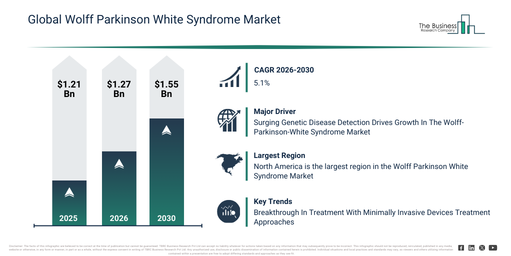
    The market for wolff parkinson white syndrome has experienced consistent expansion in recent years. It is projected to increase from $1.21 billion in 2025 to $1.27 billion in 2026, exhibiting a compound annual growth rate (CAGR) of 5.0%. The growth observed in the past can be attributed to enhancements in cardiac diagnostic technologies, a broader availability of ECG testing, increased adoption of pharmacological management, the expansion of cardiac care facilities, and rising awareness of arrhythmia disorders.

    The market for wolff parkinson white syndrome is projected to experience substantial expansion in the coming years. This market is anticipated to reach a valuation of $1.55 billion by 2030, demonstrating a compound annual growth rate (CAGR) of 5.1%. Factors contributing to this growth during the forecast period include the greater uptake of advanced ablation techniques, heightened investment in cardiac electrophysiology research, the wider availability of wearable cardiac monitoring devices, an increased emphasis on early intervention strategies, and a rising need for personalized cardiac treatment. Key trends foreseen for the forecast period encompass a surge in catheter ablation procedure adoption, innovations in electrophysiological mapping methods, broader implementation of continuous cardiac monitoring, an increase in minimally invasive treatment alternatives, and a stronger emphasis on prompt and precise diagnosis.

    Access Your Free Sample Report for In-Depth Market Insights:

    https://www.thebusinessresearchcompany.com/sample.aspx?id=8361&type=smp

    Which Drivers Are Affecting Market Participation In The Wolff Parkinson White Syndrome Market?

    The Wolff Parkinson’s White Syndrome market is anticipated to expand due to a rise in the diagnosis of genetic diseases. Genetic conditions stem from various origins, including single or multiple gene mutations, a confluence of gene mutations and environmental elements, or damage to chromosomes. A greater incidence of identified genetic diseases will consequently elevate the demand for diagnostic tests and therapeutic interventions for Wolff Parkinson White Syndrome. As an illustration, the National Heart, Lung, and Blood Institute (NHLBI), a U.S. government health organization, reported in September 2024 that sickle cell disease impacts more than 100,000 individuals within the United States, alongside over 8 million people worldwide. Consequently, the rising detection of genetic diseases is a key factor propelling the expansion of the Wolff Parkinson White Syndrome market.

    What Segment Categories Are Covered In The Wolff Parkinson White Syndrome Market?

    The wolff parkinson white syndrome market covered in this report is segmented –

    1) By Type: Type A, Type B

    2) By Diagnosis: Electrocardiogram (ECG), Electrophysiological Testing, Other Diagnosis

    3) By Treatment: Drugs, Cardio Version, Radiofrequency Catheter Ablation, Surgery, Artificial pacemaker, Other Treatments

    4) By End User: Hospitals And Clinics, Academic And Research, Other End-Users

    Subsegments:

    1) By Type A: Accessory Pathways (Left-sided), Clinical Manifestations

    2) By Type B: Accessory Pathways (Right-sided), Clinical Manifestations

    Which Trends Are Expected To Influence The Wolff Parkinson White Syndrome Market In The Upcoming Years?

    Major corporations operating within the wolff parkinson’s white syndrome market are actively developing advanced machinery and equipment, including minimally invasive procedure devices, to deliver superior treatment approaches and remedies. A minimally invasive procedure device is a medical instrument employed for surgical interventions that inflict minimal damage on the body’s tissues. For example, in May 2024, Biosense Webster Inc., a US-based enterprise focused on the diagnosis and treatment of cardiac arrhythmias, unveiled the CARTO 3 System Version 8. This system generates real-time, three-dimensional representations of the heart’s electrical activity. This capability assists electrophysiologists in the diagnosis and management of various cardiac arrhythmias, such as atrial fibrillation (AFib). Furthermore, it improves catheter navigation inside the heart, pinpointing the precise locations essential for effective treatment during ablation procedures. Significantly, the system includes the CARTO ELEVATE Module, which incorporates the Optrell Mapping Catheter, enhancing signal quality and allowing for localized unipolar signals, thus increasing the accuracy of activation maps.

    Which Leading Companies Dominate The Wolff Parkinson White Syndrome Market Share?

    Major companies operating in the wolff parkinson white syndrome market are Medtronic PLC, Abbott Laboratories, Boston Scientific Corporation, Biotronik SE & Co. KG, Koninklijke Philips N.V., MicroPort Scientific Corporation, AtriCure Inc., CardioFocus Inc., Catheter Precision Inc., Imricor Medical Systems Inc., Lepu Medical Technology Beijing Co. Ltd., Osypka AG, Stereotaxis Inc., Japan Lifeline Co. Ltd., CathRx Ltd., GE Healthcare, Siemens Healthineers AG, Baylis Medical Company Inc., Acutus Medical Inc., EP Solutions SA, Schwarzer Cardiotek GmbH, General Electric Company, Nihon Kohden Corporation

    Access The Complete Report For Deeper Market Insights:

    https://www.thebusinessresearchcompany.com/report/wolff-parkinson-white-syndrome-global-market-report

    How Does The Wolff Parkinson White Syndrome Market Perform Across Major Global Regions?

    North America was the largest region in the Wolff Parkinson white syndrome market share in 2025. The regions covered in the wolff parkinson white syndrome market report are Asia-Pacific, South East Asia, Western Europe, Eastern Europe, North America, South America, Middle East, Africa.

    Request Your Customized Wolff Parkinson White Syndrome Market Research Report for Competitive Advantage:

    https://www.thebusinessresearchcompany.com/customise?id=8361&type=smp

    Browse Through More Reports Similar to the Global Wolff Parkinson White Syndrome Market 2026, By The Business Research Company

    Anti Parkinson Drugs Market Report 2026

    https://www.thebusinessresearchcompany.com/report/anti-parkinson-drugs-global-market-report

    Cardiometabolic Diseases Market Report 2026

    https://www.thebusinessresearchcompany.com/report/cardiometabolic-diseases-global-market-report

    Mitral Valve Disease Market Report 2026

    https://www.thebusinessresearchcompany.com/report/mitral-valve-disease-global-market-report

    Get in touch with us:

    The Business Research Company: https://www.thebusinessresearchcompany.com/

    Americas +1 310-496-7795

    Asia +44 7882 955267 & +91 8897263534

    Europe +44 7882 955267

    Email us at info@tbrc.info

    Follow us on:

    LinkedIn: https://in.linkedin.com/company/the-business-research-company

    YouTube: https://www.youtube.com/channel/UC24_fI0rV8cR5DxlCpgmyFQ

    Global Market Model: https://www.thebusinessresearchcompany.com/global-market-model
  • Wiskott-Aldrich Syndrome Treatment Sector Forecast Shows Robust Momentum, Climbing to $1.41 Billion With 7.5% CAGR

    Wiskott-Aldrich Syndrome Treatment Sector Forecast Shows Robust Momentum, Climbing to $1.41 Billion With 7.5% CAGR

    Uncover key drivers, emerging technologies, and competitive movements shaping the wiskott-aldrich syndrome treatment market from 2026–2035 with trusted insights from The Business Research Company

    What are the forecasted starting (2026) and ending (2030) market sizes for the Wiskott-Aldrich Syndrome Treatment Market?

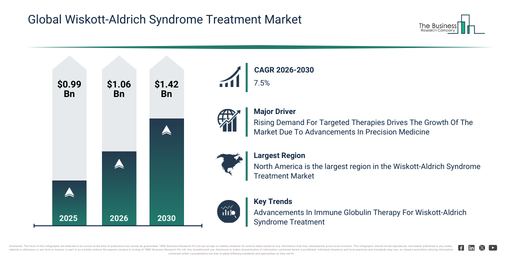
    The wiskott-aldrich syndrome treatment market size has experienced robust growth in recent years. It is anticipated to increase from $0.99 billion in 2025 to $1.06 billion in 2026, at a compound annual growth rate (CAGR) of 7.8%. This historical expansion can be attributed to several factors, including advancements in immunodeficiency diagnosis methods, expanded availability of immunoglobulin replacement therapy, the establishment of more pediatric specialty care centers, improved patient survival rates through supportive treatments, and heightened clinical research activities.

    The wiskott-aldrich syndrome treatment market size is projected to experience substantial growth over the coming years. It is expected to expand to $1.42 billion by 2030, demonstrating a compound annual growth rate (CAGR) of 7.5%. This forecasted growth can be attributed to several factors, including the increasing integration of gene therapy solutions, rising financial commitments to rare disease research, the broadening scope of advanced diagnostic capabilities, the expanding availability of curative treatment options, and a heightened focus on enhancing the long-term quality of life for patients. Significant trends anticipated during this period involve a greater adoption of stem cell transplantation, ongoing advancements in gene therapy techniques, an increasing emphasis on individualized immunodeficiency treatments, the expansion of early genetic screening initiatives, and the improved development of protocols for long-term disease management.

    Access Your Free Sample Report for In-Depth Market Insights:

    https://www.thebusinessresearchcompany.com/sample.aspx?id=23584&type=smp

    What Drivers Are Supporting Technological Adoption In The Wiskott-Aldrich Syndrome Treatment Market?

    An increasing need for targeted therapies is anticipated to drive the expansion of the wiskott-aldrich syndrome treatment market in the future. These therapies are defined as interventions that pinpoint particular molecules or biological pathways implicated in disease development, especially in cancer, with the goal of precisely targeting aberrant cells while minimizing damage to healthy ones. Precision medicine fuels the adoption of targeted therapies, improving their effectiveness by addressing specific genetic mutations and simultaneously reducing adverse effects. For instance, gene therapy, a type of targeted therapy, assists in correcting the faulty WAS gene, leading to the restoration of immune system function and platelet generation, which consequently enhances patient results and lessens the reliance on continuous treatments. For example, in July 2024, the American Society of Gene and Cell Therapy (ASGCT), a US-based professional membership organization, reported that 76 gene therapy trials commenced in the second quarter of 2024, representing a 25 % rise from the prior quarter. Consequently, the increasing requirement for targeted therapies is propelling the expansion of the wiskott-aldrich syndrome treatment market.

    Which Segments Are Contributing To The Growth Of The Wiskott-Aldrich Syndrome Treatment Market?

    The wiskott-aldrich syndrome treatment market covered in this report is segmented –

    1) By Treatment Type: Immunoglobulin Replacement Therapy, Antibiotic Therapy, Stem Cell Transplantation, Gene Therapy

    2) By Diagnosis: Blood tests, Genetic testing, Other Diagnosis

    3) By Distribution Channel: Hospital Pharmacy, Retail Pharmacy, Online Pharmacies, Other Distribution Channels

    4) By End-User: Hospitals, Research Institutes, Specialty Clinics

    Subsegments:

    1) By Immunoglobulin Replacement Therapy: Intravenous Immunoglobulin (IVIG), Subcutaneous Immunoglobulin (SCIG)

    2) By Antibiotic Therapy: Broad-Spectrum Antibiotics, Narrow-Spectrum Antibiotics

    3) By Stem Cell Transplantation: Allogeneic Hematopoietic Stem Cell Transplantation (HSCT), Autologous Stem Cell Transplantation

    4) By Gene Therapy: Lentiviral Vector-Based Gene Therapy, Retroviral Vector-Based Gene Therapy

    What Trends Are Driving The Growth Trajectory Of The Wiskott-Aldrich Syndrome Treatment Market?

    Major companies operating in the Wiskott-Aldrich syndrome treatment market are focusing on creating innovative products like intravenous immune globulin to improve immune system function and control infections. Immune globulin intravenous (IVIG) is a therapeutic approach that administers purified human immunoglobulin G (IgG) antibodies directly into the bloodstream to enhance immune capabilities. It is employed to address immune deficiencies, autoimmune diseases, and infections by offering passive immunity and modulating immune responses. For instance, in September 2024, GC Biopharma USA, Inc., a US-based biopharma company, launched ALYGLO, a 10% immune globulin intravenous liquid, in the US market. This product, sanctioned by the Food and Drug Administration (FDA), is intended for the treatment of primary humoral immunodeficiency (PI) indication, which includes Wiskott-Aldrich syndrome in adults. It is produced from pooled human plasma and supplies a wide range of antibodies to fight infections. The product is available through a network of specialty pharmacies and distributors across the US, marking a notable achievement for GC Biopharma in extending its reach in the US healthcare market.

    Who Are The Major Companies Operating In The Wiskott-Aldrich Syndrome Treatment Market?

    Major companies operating in the wiskott-aldrich syndrome treatment market are Pfizer Inc., Boston Children’s Hospital, Grifols S A, The Children’s Hospital of Philadelphia, Seattle Children’s Research Institute, CSL Behring LLC, GC Biopharma USA Inc, St Jude Children’s Research Hospital, Great Ormond Street Hospital, Octapharma AG, Bio Products Laboratory Limited, ADMA Biologics Inc, Orchard Therapeutics plc, Genethon, Yposkesi, Rocket Pharmaceuticals, Autolus Therapeutics, Bluebird Bio, Kedrion Biopharma Inc, GlaxoSmithKline Plc, Merck & Co Ltd, Takeda Pharmaceutical Company Limited

    Access The Complete Report For Deeper Market Insights:

    https://www.thebusinessresearchcompany.com/report/wiskott-aldrich-syndrome-treatment-global-market-report

    Which Region Is Anticipated To See The Fastest Growth In The Wiskott-Aldrich Syndrome Treatment Market?

    North America was the largest region in the wiskott-aldrich syndrome treatment market in 2025. The regions covered in the wiskott-aldrich syndrome treatment market report are Asia-Pacific, South East Asia, Western Europe, Eastern Europe, North America, South America, Middle East, Africa.

    Request Your Customized Wiskott-Aldrich Syndrome Treatment Market Research Report for Competitive Advantage:

    https://www.thebusinessresearchcompany.com/customise?id=23584&type=smp

    Browse Through More Reports Similar to the Global Wiskott-Aldrich Syndrome Treatment Market 2026, By The Business Research Company

    Antiphospholipid Syndrome Treatment Market Report 2026

    https://www.thebusinessresearchcompany.com/report/antiphospholipid-syndrome-treatment-global-market-report

    Alpers Disease Treatment Market Report 2026

    https://www.thebusinessresearchcompany.com/report/alpers-disease-treatment-global-market-report

    Condyloma Acuminata Treatment Market Report 2026

    https://www.thebusinessresearchcompany.com/report/condyloma-acuminata-treatment-global-market-report

    Get in touch with us:

    The Business Research Company: https://www.thebusinessresearchcompany.com/

    Americas +1 310-496-7795

    Asia +44 7882 955267 & +91 8897263534

    Europe +44 7882 955267

    Email us at info@tbrc.info

    Follow us on:

    LinkedIn: https://in.linkedin.com/company/the-business-research-company

    YouTube: https://www.youtube.com/channel/UC24_fI0rV8cR5DxlCpgmyFQ

    Global Market Model: https://www.thebusinessresearchcompany.com/global-market-model
  • Wilms Tumor Protein Market Anticipated to Record Steady Gains, Advancing to $4.7 Billion by 2030

    Wilms Tumor Protein Market Anticipated to Record Steady Gains, Advancing to $4.7 Billion by 2030

    Uncover key drivers, emerging technologies, and competitive movements shaping the wilms tumor protein market from 2026–2035 with trusted insights from The Business Research Company

    What upper market value could the Wilms Tumor Protein Market reach by 2030 starting from 2026 levels?

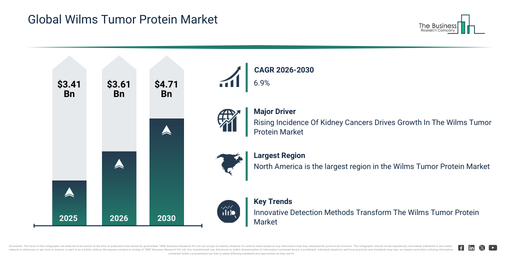
    The wilms tumor protein market has witnessed substantial expansion in recent years. This market is expected to expand from $3.41 billion in 2025 to $3.61 billion in 2026, achieving a compound annual growth rate (CAGR) of 5.8%. The historical growth of this market can be ascribed to factors including the broader scope of molecular biology research, the heightened utilization of immunohistochemistry techniques, an increasing need for cancer biomarkers, advancements in recombinant protein production, and elevated investment in academic research.

    The wilms tumor protein market is projected to experience robust expansion over the coming years. By 2030, its size is forecast to reach $4.71 billion, demonstrating a compound annual growth rate (CAGR) of 6.9%. This anticipated growth during the forecast period is primarily driven by factors such as the increasing embrace of precision medicine approaches, a heightened demand for targeted cancer diagnostics, the expansion of research into gene-based therapies, the growing incorporation of biomarkers into treatment planning, and increased financial support for oncology research. Key trends observed within the forecast timeframe encompass the expanding utilization of wt1 as a cancer biomarker, a surge in the need for molecular diagnostic tools, the increasing acceptance of targeted research reagents, the broadening scope of translational oncology research, and a greater emphasis on gene expression analysis.

    Access Your Free Sample Report for In-Depth Market Insights:

    https://www.thebusinessresearchcompany.com/sample.aspx?id=13142&type=smp

    Which Drivers Are Influencing Long-Term Growth In The Wilms Tumor Protein Market?

    The growing number of kidney cancer incidents is projected to drive the expansion of the wilms tumor protein market in the future. Kidney cancer is a condition originating in the kidneys, marked by the abnormal multiplication of cells within the kidney tissue. WT1 expression can assist in identifying kidney cancer, especially when the tumor is minute or challenging to obtain a biopsy from. For instance, in January 2023, the American Cancer Society, a US-based cancer-fighting organization, reported approximately 81,800 new cases of kidney cancer and 14,890 deaths attributable to kidney cancer in 2023. Furthermore, Cancer Research UK, a UK-based independent cancer research organization, estimates that about 21,900 new cases of kidney cancer could arise yearly in the UK by 2038-2040. Therefore, the escalating instances of kidney cancers are expected to propel the growth of the Wilms tumor protein market.

    How Is The Wilms Tumor Protein Market Divided Into Segments?

    The wilms tumor protein market covered in this report is segmented –

    1) By Product Type: Antibodies, Assay Kits, Recombinant Proteins, Other Types

    2) By Detection Method: Immunohistochemistry (IHC), Enzyme-Linked Immunosorbent Assay (ELISA), Western Blotting, Polymerase Chain Reaction (PCR), Other Methods

    3) By Application: Cancer Diagnosis, Cancer Treatment, Research And Development, Other Applications

    4) By End User: Hospitals, Diagnostic Laboratories, Research Institutes, Other End Users

    Subsegments:

    1) By Antibodies: Monoclonal Antibodies, Polyclonal Antibodies

    2) By Assay Kits: ELISA Kits, Western Blot Kits, Immunohistochemistry (IHC) Kits

    3) By Recombinant Proteins: Full-Length Recombinant Proteins, Domain-Specific Recombinant Proteins

    4) By Other Types: Small Molecule Inhibitors, Gene Editing Tools

    What Upcoming Trends Are Likely To Define The Future Path Of The Wilms Tumor Protein Market?

    Key firms within the Wilms tumor protein market are prioritizing the creation of sophisticated detection techniques, including enzyme-linked immunosorbent assay (ELISA), to offer dependable services to their clientele. ELISA stands out as a highly sensitive and specific technique, utilizing specialized enzymes that bind to antibodies in blood to identify host cell proteins (HCPs). For example, in February 2023, Charles River Laboratories International Inc., a US-based entity specializing in the development and manufacturing of new drugs and therapeutics, introduced an Enzyme-Linked Immunosorbent Assay (ELISA) Kit designed for the detection and measurement of residual host cell proteins (HCP). This innovative HCP-ELISA kit from Charles River primarily employs avian IgY antibodies for its detection mechanism. These specific antibodies were exclusively developed by AVS Bio and originate from Specific-Pathogen-Free Chicken (SPF) Eggs.

    Which Major Firms Are Strengthening Their Position In The Wilms Tumor Protein Market?

    Major companies operating in the wilms tumor protein market are Thermo Fisher Scientific Inc., Abcam plc, BioLegend Inc., Cell Signaling Technology Inc., Genetex Inc., Proteintech Group Inc., Novus Biologicals LLC, OriGene Technologies Inc., Boster Biological Technology, ZS Genetics Inc., Sino Biological Inc., LI-COR Inc., QIAGEN NV, PerkinElmer Inc., Oxford Nanopore Technologies plc, Pacific Biosciences of California Inc., Santa Cruz Biotechnology Inc., SELLAS Life Sciences Inc., Immatics NV, TapImmune Inc., Generex Biotechnology Corp, BrightPath Biotherapeutics Inc.

    Access The Complete Report For Deeper Market Insights:

    https://www.thebusinessresearchcompany.com/report/wilms-tumor-protein-global-market-report

    Which Region Is Anticipated To See The Fastest Growth In The Wilms Tumor Protein Market?

    North America was the largest region in the wilms tumor protein market in 2025. The regions covered in the wilms tumor protein market report are Asia-Pacific, South East Asia, Western Europe, Eastern Europe, North America, South America, Middle East, Africa.

    Request Your Customized Wilms Tumor Protein Market Research Report for Competitive Advantage:

    https://www.thebusinessresearchcompany.com/customise?id=13142&type=smp

    Browse Through More Reports Similar to the Global Wilms Tumor Protein Market 2026, By The Business Research Company

    Pegylated Proteins Market Report 2026

    https://www.thebusinessresearchcompany.com/report/pegylated-proteins-global-market-report

    Germ Cell Tumor Market Report 2026

    https://www.thebusinessresearchcompany.com/report/germ-cell-tumor-global-market-report

    Fungal Protein Market Report 2026

    https://www.thebusinessresearchcompany.com/report/fungal-protein-global-market-report

    Get in touch with us:

    The Business Research Company: https://www.thebusinessresearchcompany.com/

    Americas +1 310-496-7795

    Asia +44 7882 955267 & +91 8897263534

    Europe +44 7882 955267

    Email us at info@tbrc.info

    Follow us on:

    LinkedIn: https://in.linkedin.com/company/the-business-research-company

    YouTube: https://www.youtube.com/channel/UC24_fI0rV8cR5DxlCpgmyFQ

    Global Market Model: https://www.thebusinessresearchcompany.com/global-market-model
  • Chronic Idiopathic Urticaria Treatment Market Trends and Insights: Global Forecast to 2030

    Chronic Idiopathic Urticaria Treatment Market Trends and Insights: Global Forecast to 2030

    Uncover key drivers, emerging technologies, and competitive movements shaping the chronic idiopathic urticaria treatment market from 2026–2035 with trusted insights from The Business Research Company

    What long-term size projections exist for the Chronic Idiopathic Urticaria Treatment Market covering 2026–2035?

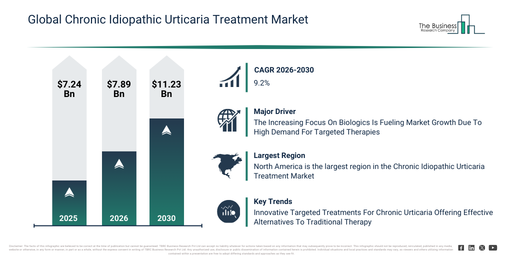
    The chronic idiopathic urticaria treatment market has experienced robust expansion in recent years. This market is projected to expand from $7.24 billion in 2025 to $7.89 billion by 2026, exhibiting a compound annual growth rate (CAGR) of 9.0%. Historically, this growth can be ascribed to several factors, including a rise in chronic urticaria diagnoses, the presence of second-line antihistamine therapies, the implementation of stepwise treatment protocols, the proliferation of allergy specialty clinics, and the increasing application of immunomodulatory drugs.

    The chronic idiopathic urticaria treatment market size is projected to experience robust expansion over the coming years. By 2030, it is expected to reach $11.23 billion, growing at a compound annual growth rate (CAGR) of 9.2%. This anticipated growth is influenced by factors such as an escalating demand for biologic treatment solutions, an increasing emphasis on personalized immunology care, the proliferation of digital tools for disease management, rising investments in innovative urticaria therapies, and enhanced patient awareness alongside improved treatment adherence. Significant developments during this forecast period include the expanding adoption of biologic therapies for refractory patients, a greater utilization of personalized treatment pathways, the increasing integration of digital tools for symptom monitoring, a wider availability of injectable treatment options, and a heightened focus on achieving long-term disease control.

    Access Your Free Sample Report for In-Depth Market Insights:

    https://www.thebusinessresearchcompany.com/sample.aspx?id=33064&type=smp

    Which Drivers Are Impacting The Competitive Landscape Of The Chronic Idiopathic Urticaria Treatment Market?

    The chronic idiopathic urticaria treatment market is anticipated to expand due to an escalating emphasis on biologics. These biologics are therapeutic agents sourced from living organisms or their constituents, designed to address particular immune system pathways in disease management. The heightened focus on biologics stems from progress in biotechnology and immunology, facilitating the creation of more precise and effective therapies that target the root causes of immune-mediated conditions, rather than simply alleviating symptoms. Specifically, biologics target the fundamental immune pathways and mast cell activation linked to chronic idiopathic urticaria, thus transforming treatment approaches and offering patients improved, sustained symptom management. A notable example is that the 2023 WHO Essential Medicines List, as reported by the World Health Organization (WHO) in February 2025, a Switzerland-based intergovernmental organization, features 81 biologic therapies, accounting for over 15% of all medicines on the list. Consequently, this elevated focus on biologics is a key driver for the growth within the chronic idiopathic urticaria treatment market.

    What Segments Are Identified Within The Structure Of The Chronic Idiopathic Urticaria Treatment Market?

    The chronic idiopathic urticaria treatment market covered in this report is segmented –

    1) By Types: Tablets; Capsules; Creams; Lotions; Injections

    2) By Drug Class: Antihistamines; Corticosteroids; Leukotriene Receptor Antagonists; Immunosuppressants; Biologic Therapies; Other Drug Class

    3) By Route Of Administration: Oral; Injectable; Topical

    4) By Distribution Channel: Hospital Pharmacies; Retail Pharmacies; Online Pharmacies

    Subsegments:

    1) By Tablets: Immediate Release Tablets; Extended Release Tablets; Enteric Coated Tablets; Chewable Tablets; Orally Disintegrating Tablets

    2) By Capsules: Hard Gelatin Capsules; Soft Gelatin Capsules; Sustained Release Capsules; Delayed Release Capsules

    3) By Creams: Medicated Topical Creams; Anti Inflammatory Creams; Antifungal Creams; Antibacterial Creams; Moisturizing Therapeutic Creams

    4) By Lotions: Medicated Therapeutic Lotions; Anti Inflammatory Lotions; Antiseptic Lotions; Moisturizing Lotions; Specialty Dermatological Lotions

    5) By Injections: Intravenous Injections; Intramuscular Injections; Subcutaneous Injections; Pre Filled Syringe Injections; Auto Injector Based Injections

    Which Trends Are Guiding The Evolution Of The Chronic Idiopathic Urticaria Treatment Market?

    Major companies within the chronic idiopathic urticaria treatment market are increasingly focusing on developing innovative products, such as monoclonal antibody therapies, to offer targeted and long-lasting relief for patients who do not respond to standard treatments. These biologic drugs are specifically engineered to target immune system components like immunoglobulin E (IgE) or other inflammatory mediators that trigger chronic hives, providing a more precise action compared to traditional antihistamines or corticosteroids. For instance, in September 2025, Celltrion Inc., a biopharmaceutical company based in South Korea, launched Omriclo, an omalizumab biosimilar, in Norway. This product contains the same active monoclonal antibody as Xolair, functions by neutralizing circulating IgE, and is administered via subcutaneous injection. Its distinguishing features include a first-mover advantage in Europe, improved accessibility through local distribution channels, and potential cost savings for healthcare systems. It is designed for patients with chronic idiopathic urticaria who remain symptomatic despite standard therapy, offering a biologic alternative to conventional treatments and aiming for better symptom management, reduced frequency of flare-ups, and the potential to enhance overall quality of life by minimizing reliance on long-term antihistamine or corticosteroid use.

    Which Major Firms Are Strengthening Their Position In The Chronic Idiopathic Urticaria Treatment Market?

    Major companies operating in the chronic idiopathic urticaria treatment market are F. Hoffmann-La Roche Ltd., Sanofi S.A., Novartis AG., AstraZeneca PLC, GlaxoSmithKline plc, Teva Pharmaceutical Industries Ltd., Regeneron Pharmaceuticals Inc., Incyte Corporation, Dr. Reddy’s Laboratories Ltd., Celltrion Inc., Yuhan Corporation, Kiniksa Pharmaceuticals Ltd., Celldex Therapeutics Inc., Septerna Therapeutics Inc., Carna Biosciences Inc., United BioPharma Inc., Recludix Pharma Inc., Jasper Therapeutics Inc., Evommune Inc., ARS Pharmaceuticals Inc

    Access The Complete Report For Deeper Market Insights:

    https://www.thebusinessresearchcompany.com/report/chronic-idiopathic-urticaria-treatment-market-report

    Which Region Shows The Strongest Potential For Future Expansion In The Chronic Idiopathic Urticaria Treatment Market?

    North America was the largest region in the chronic idiopathic urticaria treatment market in 2025. Asia-Pacific is expected to be the fastest-growing region in the forecast period. The regions covered in the chronic idiopathic urticaria treatment market report are Asia-Pacific, South East Asia, Western Europe, Eastern Europe, North America, South America, Middle East, Africa.

    Request Your Customized Chronic Idiopathic Urticaria Treatment Market Research Report for Competitive Advantage:

    https://www.thebusinessresearchcompany.com/customise?id=33064&type=smp

    Browse Through More Reports Similar to the Global Chronic Idiopathic Urticaria Treatment Market 2026, By The Business Research Company

    Chronic Spontaneous Urticaria Market Report 2026

    https://www.thebusinessresearchcompany.com/report/chronic-spontaneous-urticaria-global-market-report

    Allergic Rhinitis Drugs Market Report 2026

    https://www.thebusinessresearchcompany.com/report/allergic-rhinitis-drugs-global-market-report

    Allergy Treatment Market Report 2026

    https://www.thebusinessresearchcompany.com/report/allergy-treatment-global-market-report

    Get in touch with us:

    The Business Research Company: https://www.thebusinessresearchcompany.com/

    Americas +1 310-496-7795

    Asia +44 7882 955267 & +91 8897263534

    Europe +44 7882 955267

    Email us at info@tbrc.info

    Follow us on:

    LinkedIn: https://in.linkedin.com/company/the-business-research-company

    YouTube: https://www.youtube.com/channel/UC24_fI0rV8cR5DxlCpgmyFQ

    Global Market Model: https://www.thebusinessresearchcompany.com/global-market-model
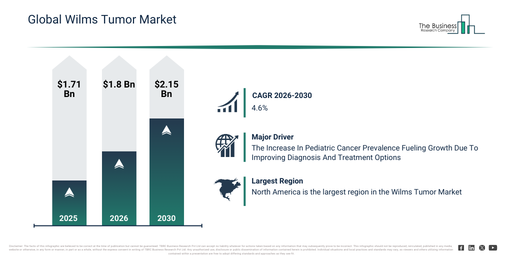
  • Wilms Tumor Industry Poised for Rapid Growth, Forecast to Touch $2.14 Billion by 2030 at 4.6% CAGR

    Wilms Tumor Industry Poised for Rapid Growth, Forecast to Touch $2.14 Billion by 2030 at 4.6% CAGR

    Uncover key drivers, emerging technologies, and competitive movements shaping the wilms tumor market from 2026–2035 with trusted insights from The Business Research Company

    What level of CAGR-driven expansion is anticipated in the Wilms Tumor Market between 2026 and 2030?

    The wilms tumor market size has experienced consistent growth in recent years. It is projected to expand from $1.71 billion in 2025 to $1.8 billion in 2026, reflecting a compound annual growth rate (CAGR) of 4.8%. Historically, this growth can be ascribed to improvements in pediatric oncology diagnostics, the expansion of chemotherapy treatment protocols, increased survival rates achieved through early intervention, wider availability of imaging technologies, and the proliferation of specialized pediatric cancer centers.

    The Wilms tumor market is anticipated to experience consistent expansion over the coming years. It is projected to reach a value of $2.15 billion by 2030, demonstrating a compound annual growth rate (CAGR) of 4.6%. This growth during the forecast period stems from the increasing adoption of personalized treatment strategies, heightened investments in pediatric cancer research, the broadening scope of advanced imaging and genetic testing, a growing availability of targeted therapies, and enhanced global awareness of childhood cancers. Key developments anticipated within this timeframe encompass a rise in the application of precision oncology protocols, a sharpened emphasis on early-stage detection methods, the proliferation of combination therapy regimens, improved integration of diagnostic and treatment planning, and advancements in multimodal diagnostic approaches.

    Access Your Free Sample Report for In-Depth Market Insights:

    https://www.thebusinessresearchcompany.com/sample.aspx?id=23582&type=smp

    What Drivers Are Affecting Demand-Supply Dynamics In The Wilms Tumor Market?

    The rising occurrence of pediatric cancer is projected to boost the expansion of the Wilms tumor market in the coming years. Pediatric cancer is defined as malignancy affecting children between 0 and 14 years of age, characterized by uncontrolled cell proliferation that can emerge in various body tissues and organs. Its prevalence stems from factors such as environmental pollutant exposure, genetic predispositions, infections, and elements of the immune system. Instances of pediatric cancer offer vital understanding for early detection, treatment approaches, and genetic components, thereby enhancing survival outcomes. This also aids in creating customized treatments, thereby improving patient outcomes and overall life quality for affected young individuals. For instance, in January 2025, according to the Cancer Network, a US-based cancer research organization, an estimated 9,550 children (aged 0–14 years) will be diagnosed with cancer, with 1,050 estimated to die from the disease. Consequently, the growing incidence of pediatric cancer is stimulating the growth of the Wilms tumor market.

    What Segments Are Included Within The Wilms Tumor Market?

    The wilms tumor market covered in this report is segmented –

    1) By Type: Favorable Histology, Anaplastic Histology

    2) By Stage: Stage I, Stage II, Stage III, Stage IV, Stage V

    3) By Diagnosis: Physical Examination, Imaging Tests, Lab Tests

    4) By Treatment: Surgery, Chemotherapy, Radiation Therapy

    5) By End-User: Cancer Research Institutes, Diagnostic Laboratories, Hospitals, Other End-Users

    Subsegments:

    1) By Favorable Histology: Unilateral Wilms Tumor, Bilateral Wilms Tumor, Nephroblastomatosis

    2) By Anaplastic Histology: Diffuse Anaplastic Wilms Tumor, Focal Anaplastic Wilms Tumor, Mixed Anaplastic Wilms Tumor

    Who Are The Primary Competitors In The Global Wilms Tumor Market?

    Major companies operating in the wilms tumor market are Thermo Fisher Scientific Inc., Agilent Technologies Inc., Exelixis Inc., Abcam plc, Sino Biological Inc., OriGene Technologies Inc., Cell Signaling Technology Inc., Proteintech Group Inc., Santa Cruz Biotechnology Inc., Novus Biologicals LLC, Pfizer Inc., Novartis AG, Bristol-Myers Squibb Company, F. Hoffmann-La Roche Ltd., GSK plc, Sanofi S A, AbbVie Inc., Amgen Inc., Takeda Pharmaceutical Company Limited, Johnson & Johnson, Bayer AG

    Access The Complete Report For Deeper Market Insights:

    https://www.thebusinessresearchcompany.com/report/wilms-tumor-global-market-report

    Which Global Regions Are Shaping The Competitive Landscape Of The Wilms Tumor Market?

    North America was the largest region in the wilms tumor market in 2025. Asia-Pacific is expected to be the fastest-growing region in the forecast period. The regions covered in the wilms tumor market report are Asia-Pacific, South East Asia, Western Europe, Eastern Europe, North America, South America, Middle East, Africa.

    Request Your Customized Wilms Tumor Market Research Report for Competitive Advantage:

    https://www.thebusinessresearchcompany.com/customise?id=23582&type=smp

    Browse Through More Reports Similar to the Global Wilms Tumor Market 2026, By The Business Research Company

    Desmoid Tumors Market Report 2026

    https://www.thebusinessresearchcompany.com/report/desmoid-tumors-global-market-report

    Germ Cell Tumor Market Report 2026

    https://www.thebusinessresearchcompany.com/report/germ-cell-tumor-global-market-report

    Emphysema Market Report 2026

    https://www.thebusinessresearchcompany.com/report/emphysema-global-market-report

    Get in touch with us:

    The Business Research Company: https://www.thebusinessresearchcompany.com/

    Americas +1 310-496-7795

    Asia +44 7882 955267 & +91 8897263534

    Europe +44 7882 955267

    Email us at info@tbrc.info

    Follow us on:

    LinkedIn: https://in.linkedin.com/company/the-business-research-company

    YouTube: https://www.youtube.com/channel/UC24_fI0rV8cR5DxlCpgmyFQ

    Global Market Model: https://www.thebusinessresearchcompany.com/global-market-model
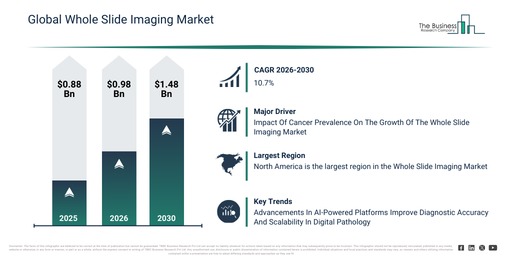
  • Whole Slide Imaging Market Performance Outlook 2026–2030: Revenue to Hit $1.47 Billion at 10.7% CAGR

    Whole Slide Imaging Market Performance Outlook 2026–2030: Revenue to Hit $1.47 Billion at 10.7% CAGR

    Uncover key drivers, emerging technologies, and competitive movements shaping the whole slide imaging market from 2026–2035 with trusted insights from The Business Research Company

    What long-term size projections exist for the Whole Slide Imaging Market covering 2026–2035?

    The whole slide imaging market size has expanded significantly in recent years. It is projected to increase from $0.88 billion in 2025 to $0.98 billion in 2026, exhibiting a compound annual growth rate (CAGR) of 12.1%. This historical growth can be attributed to factors such as increasing cancer diagnosis volumes, the growing application of histopathology in clinical decision-making, rising adoption of digital imaging systems, expansion of pathology research activities, and the increasing availability of high-speed data storage.

    The whole slide imaging market is anticipated to experience significant expansion over the coming years. This market is projected to reach $1.48 billion by 2030, exhibiting a compound annual growth rate (CAGR) of 10.7%. Factors contributing to this growth during the forecast period include the increasing adoption of AI-assisted diagnostics, a rising demand for telepathology services, the expansion of cloud-based pathology platforms, growing investments in digital healthcare infrastructure, and an increasing emphasis on diagnostic accuracy and efficiency. Key trends during this period are the increasing adoption of digital pathology workflows, the rising integration of AI-based image analysis tools, a growing demand for remote diagnostic capabilities, the expansion of high-resolution slide scanning systems, and an enhanced focus on workflow automation.

    Access Your Free Sample Report for In-Depth Market Insights:

    https://www.thebusinessresearchcompany.com/sample.aspx?id=16214&type=smp

    Which Drivers Are Impacting The Competitive Landscape Of The Whole Slide Imaging Market?

    The expansion of the whole slide imaging market is anticipated to be significantly propelled by the increasing incidence of cancer. Cancer refers to a diverse collection of diseases identified by the uncontrolled proliferation and dissemination of abnormal cells. These atypical cells have the capacity to invade and obliterate normal tissue, potentially leading to severe health issues and, without intervention, death. The rise in cancer prevalence is attributed to the obesity epidemic, inherited genetic abnormalities, hepatitis B and C viruses, and human papillomavirus (HPV). Whole slide imaging (WSI) plays a vital role in the diagnosis and treatment of cancer by supplying detailed and accessible digital representations of tissue samples, thereby enhancing accuracy, efficiency, and collaborative efforts in cancer diagnosis and treatment, which ultimately contributes to improved patient outcomes. As an illustration, in May 2024, data from the American Society of Clinical Oncology, a US-based professional organization, indicated an estimated 20 million new cancer cases in 2022, with this figure expected to reach 35 million new cases globally by 2050. Thus, the escalating prevalence of cancer is a key driver for the whole slide imaging market’s growth.

    What Leading Segments Are Studied In The Whole Slide Imaging Market?

    The whole slide imaging market covered in this report is segmented –

    1) By Type: Hardware, Software, Services

    2) By Application: Telepathology, Cytopathology, Immunohistochemistry, Hematopathology

    3) By End User: Academic Institute, Research, Other End User

    Subsegments:

    1) By Hardware: Scanners, Imaging Devices

    2) By Software: Image Management, Analysis, AI Tools

    3) By Services: Installation, Maintenance, Consulting, Digital Pathology Support

    Which Trends Are Influencing The Development Of The Whole Slide Imaging Market?

    Major companies active in the whole slide imaging market are concentrating on developing advanced solutions, including artificial intelligence (AI)-powered digital pathology platforms, to meet the growing requirement for remote diagnostics. These AI-enabled digital pathology platforms are software systems that employ machine-learning algorithms to analyze high-resolution whole-slide images, thereby assisting pathologists in detecting patterns, quantifying tissue features, and prioritizing cases more swiftly and precisely. Such systems also automate routine assessments, reduce human error, enable quicker diagnostic workflows, support remote collaboration, and enhance overall diagnostic confidence. For instance, in May 2024, Indica Labs, a US-based software firm, obtained U.S. Food and Drug Administration (FDA) clearance for HALO AP Dx, its digital pathology platform specifically designed for primary diagnosis using images acquired with the Hamamatsu NanoZoomer S360MD slide scanner. HALO AP Dx functions as a browser-based, software-only system, enabling pathologists to ingest, store, and view whole-slide images from formalin-fixed, paraffin-embedded (FFPE) tissue with high precision and efficiency. The platform offers immediate remote slide access post-scanning, seamless integration with laboratory information systems (LIS/LIMS), and compatibility with numerous file formats to support a wide array of pathology workflows. Its built-in compliance with HIPAA and FDA 21 CFR Part 11 ensures secure and regulated data management, while its scalable cloud or on-premises deployment options assist laboratories in optimizing workload distribution.

    Which Key Market Players Are Investing In Expansion And Innovation Within The Whole Slide Imaging Market?

    Major companies operating in the whole slide imaging market are General Electric Company, F. Hoffmann-La Roche AG, Koninklijke Philips N.V., Olympus Corporation, Nikon Corporation, PerkinElmer Inc., Beckman Coulter Inc., Leica Biosystems GmbH, Hamamatsu Photonics KK, Huron Technologies International, Sectra AB, PathAI, Xifin Inc., OptraSCAN, Paige.AI, Indica Labs, 3DHISTECH Ltd., Visiopharm A/S, Flagship Biosciences Inc., Proscia Inc., LigoLab Information System, Aiforia Technologies plc, Inspirata Inc., Histowiz, Mikroscan Technologies Inc., Corista LLC, Glencoe Software Inc., Definiens AG

    Access The Complete Report For Deeper Market Insights:

    https://www.thebusinessresearchcompany.com/report/whole-slide-imaging-global-market-report

    Which Regions Are Poised For Strategic Growth In The Whole Slide Imaging Market?

    North America was the largest region in the whole slide imaging market in 2025. Asia-Pacific is expected to be the fastest-growing region in the forecast period. The regions covered in the whole slide imaging market report are Asia-Pacific, South East Asia, Western Europe, Eastern Europe, North America, South America, Middle East, Africa.

    Request Your Customized Whole Slide Imaging Market Research Report for Competitive Advantage:

    https://www.thebusinessresearchcompany.com/customise?id=16214&type=smp

    Browse Through More Reports Similar to the Global Whole Slide Imaging Market 2026, By The Business Research Company

    3D Imaging Market Report 2026

    https://www.thebusinessresearchcompany.com/report/3d-imaging-global-market-report

    Optical Imaging Market Report 2026

    https://www.thebusinessresearchcompany.com/report/optical-imaging-global-market-report

    Medical Imaging Market Report 2026

    https://www.thebusinessresearchcompany.com/report/medical-imaging-global-market-report

    Get in touch with us:

    The Business Research Company: https://www.thebusinessresearchcompany.com/

    Americas +1 310-496-7795

    Asia +44 7882 955267 & +91 8897263534

    Europe +44 7882 955267

    Email us at info@tbrc.info

    Follow us on:

    LinkedIn: https://in.linkedin.com/company/the-business-research-company

    YouTube: https://www.youtube.com/channel/UC24_fI0rV8cR5DxlCpgmyFQ

    Global Market Model: https://www.thebusinessresearchcompany.com/global-market-model
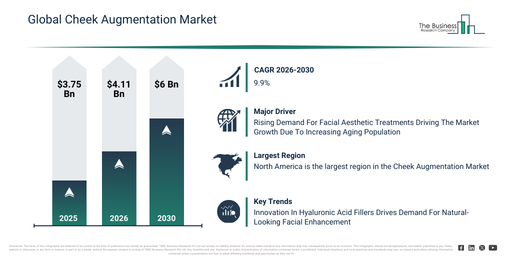
  • Cheek Augmentation Market Dynamics 2026: Future Outlook and Key Insights

    Cheek Augmentation Market Dynamics 2026: Future Outlook and Key Insights

    Uncover key drivers, emerging technologies, and competitive movements shaping the cheek augmentation market from 2026–2035 with trusted insights from The Business Research Company

    What is the expected shift in the Cheek Augmentation Market’s size between 2026 and 2030?

    The cheek augmentation market has experienced substantial growth in recent years. It is projected to expand from $3.75 billion in 2025 to $4.11 billion in 2026, achieving a compound annual growth rate (CAGR) of 9.7%. This historical progression can be linked to the increased embrace of cosmetic procedures, the rise in medical aesthetics clinics, the wider availability of advanced dermal fillers, the increasing impact of aesthetic medicine, and the broadening presence of urban cosmetic service providers.

    The cheek augmentation market size is projected to experience robust expansion in the coming years, with its value expected to reach $6 billion by 2030, demonstrating a compound annual growth rate (CAGR) of 9.9%. This anticipated growth during the forecast period can be attributed to various factors, including the increasing demand for minimally invasive cosmetic treatments, the growing adoption of AI-assisted facial analysis, the expansion of medical tourism for aesthetics, a rising focus on personalized beauty solutions, and increasing investments in aesthetic technology platforms. Furthermore, significant trends in this period encompass the increasing use of 3D facial imaging for treatment planning, a growing demand for non-surgical injectable procedures, a rising preference for personalized aesthetic design, the expansion of minimally invasive facial contouring, and an enhanced focus on achieving natural-looking results.

    Access Your Free Sample Report for In-Depth Market Insights:

    https://www.thebusinessresearchcompany.com/sample.aspx?id=33062&type=smp

    Which Drivers Are Shaping Strategic Decisions In The Cheek Augmentation Market?

    The escalating need for facial aesthetic procedures is projected to fuel the expansion of the cheek augmentation market in the coming years. These treatments encompass cosmetic interventions aimed at enhancing or restoring facial characteristics, thereby boosting an individual’s appearance and self-assurance. This surge in demand for facial aesthetic interventions stems from an expanding elderly demographic desiring younger looks. As people experience natural facial volume depletion and the emergence of wrinkles, many are motivated to undergo procedures that can rejuvenate their appearance and bolster their self-esteem. Cheek augmentation plays a crucial role in facial aesthetics by restoring volume in the mid-face region, refining facial outlines, correcting asymmetry, and producing a subtle lifting effect, all of which contribute to a more youthful, harmonious, and revitalized overall facial look. As an illustration, data from June 2024, provided by the American Society of Plastic Surgeons, a non-profit organization based in the US, indicated that minimally invasive procedures grew by 7% in 2023, surpassing the growth of surgical procedures by 2%. While plastic surgeries experienced a 5% increase, minimally invasive procedures demonstrated a 7% year-over-year growth. Consequently, the increased demand for facial aesthetic treatments is a significant impetus behind the expansion of the cheek augmentation market.

    What Segment Categories Are Covered In The Cheek Augmentation Market?

    The cheek augmentation market covered in this report is segmented –

    1) By Procedure Type: Surgical Cheek Implants; Injectable Fillers; Fat Grafting Or Autologous Fat Transfer

    2) By Product: Derma Fillers; Implant; Malar Implant; Submalar Implant; Combined Implant; Other Products

    3) By Technique: Minimally Invasive Procedures; Conventional Surgical Procedures

    4) By End-User: Specialty Aesthetic Clinics Market; Medical Spas Market; Hospitals Market

    Subsegments:

    1) By Surgical Cheek Implants: Silicone Implants; Porous Polyethylene Implants; Anatomical Implants

    2) By Injectable Fillers: Hyaluronic Acid Fillers; Calcium Hydroxylapatite Fillers; Poly L Lactic Acid Fillers; Polymethyl Methacrylate Fillers

    3) By Fat Grafting Or Autologous Fat Transfer: Micro Fat Grafting; Nano Fat Grafting; Structural Fat Grafting

    Which Trends Are Influencing The Performance And Direction Of The Cheek Augmentation Market?

    Leading firms within the cheek augmentation market are prioritizing the creation of novel offerings, specifically advanced hyaluronic acid-based dermal fillers, aimed at boosting facial volume and contour, while ensuring greater safety and more enduring outcomes. These sophisticated hyaluronic acid-based dermal fillers are injectable gels designed to emulate the body’s inherent hyaluronic acid, assisting in the replenishment of cheek volume, refining contour, and optimizing facial symmetry through moisture attraction and retention, leading to a silkier, more youthful look. As an illustration, during January 2026, Revance Therapeutics Inc., a US-based pharmaceutical entity, alongside TEOXANE SA., a Switzerland-based manufacturing firm, secured approval from the U.S. Food and Drug Administration (FDA) for RHA Dynamic Volume. This product is a cutting-edge hyaluronic acid dermal filler specifically formulated for cheek augmentation and rectifying age-related imperfections in midface contours. This particular product utilizes Preserved Network Technology, a gentle, heat-free crosslinking method that helps preserve hyaluronic acid’s natural architecture, thus yielding superior dynamic strength, elasticity, and longevity when contrasted with traditional fillers. Its design enables deep structural support while harmonizing with facial expressions, ensuring natural aesthetics whether the face is at rest or in movement. Furthermore, late-stage clinical trials have shown its equivalent clinical effectiveness, requiring fewer sessions and touch-ups.

    Which Key Market Players Are Investing In Expansion And Innovation Within The Cheek Augmentation Market?

    Major companies operating in the cheek augmentation market are AbbVie Inc., LG Chem Life Sciences Ltd., Stryker Corporation, Zimmer Biomet Holdings Inc., Merz Aesthetics GmbH, KLS Martin Group, Sinclair Pharma Limited, Medartis Holding AG, Hugel Inc., Revance Therapeutics Inc., Medytox Inc., Anika Therapeutics Inc., Croma-Pharma GmbH, GC Aesthetics Ltd., Regen Lab SA, Teoxane Laboratories SA, Human Med AG, BioPlus Co. Ltd., Polytech Health & Aesthetics GmbH, and Sebbin Group.

    Access The Complete Report For Deeper Market Insights:

    https://www.thebusinessresearchcompany.com/report/cheek-augmentation-market-report

    Which Regions Are Poised For Strategic Growth In The Cheek Augmentation Market?

    North America was the largest region in the cheek augmentation market in 2025. Asia-Pacific is expected to be the fastest-growing region in the forecast period. The regions covered in the cheek augmentation market report are Asia-Pacific, South East Asia, Western Europe, Eastern Europe, North America, South America, Middle East, Africa.

    Request Your Customized Cheek Augmentation Market Research Report for Competitive Advantage:

    https://www.thebusinessresearchcompany.com/customise?id=33062&type=smp

    Browse Through More Reports Similar to the Global Cheek Augmentation Market 2026, By The Business Research Company

    Chin Augmentation Market Report 2026

    https://www.thebusinessresearchcompany.com/report/chin-augmentation-global-market-report

    Human Augmentation Market Report 2026

    https://www.thebusinessresearchcompany.com/report/human-augmentation-global-market-report

    Buttock Augmentation Market Report 2026

    https://www.thebusinessresearchcompany.com/report/buttock-augmentation-global-market-report

    Get in touch with us:

    The Business Research Company: https://www.thebusinessresearchcompany.com/

    Americas +1 310-496-7795

    Asia +44 7882 955267 & +91 8897263534

    Europe +44 7882 955267

    Email us at info@tbrc.info

    Follow us on:

    LinkedIn: https://in.linkedin.com/company/the-business-research-company

    YouTube: https://www.youtube.com/channel/UC24_fI0rV8cR5DxlCpgmyFQ

    Global Market Model: https://www.thebusinessresearchcompany.com/global-market-model
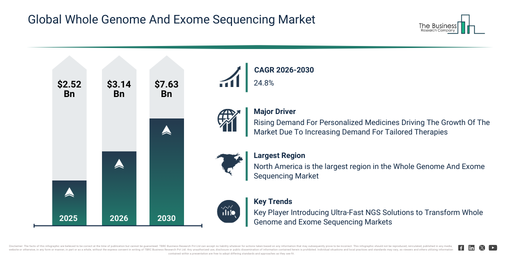
  • Global Whole Genome And Exome Sequencing Market Set for Strong Expansion, Reaching $7.63 Billion With 24.8% CAGR by 2030

    Global Whole Genome And Exome Sequencing Market Set for Strong Expansion, Reaching $7.63 Billion With 24.8% CAGR by 2030

    Uncover key drivers, emerging technologies, and competitive movements shaping the whole genome and exome sequencing market from 2026–2035 with trusted insights from The Business Research Company

    What total market size is anticipated for the Whole Genome And Exome Sequencing Market in 2030?

    The market size for whole genome and exome sequencing has experienced exponential growth in recent years. It is projected to expand from $2.52 billion in 2025 to $3.14 billion in 2026, achieving a compound annual growth rate (CAGR) of 24.8%. This historical growth can be attributed to advancements in next-generation sequencing technologies, the rising application of genomics in cancer research, the expansion of academic genomics initiatives, declining sequencing costs, and the development of precision medicine programs.

    The whole genome and exome sequencing market is projected to experience rapid expansion over the coming years. Its valuation is anticipated to reach $7.63 billion by 2030, exhibiting a compound annual growth rate (CAGR) of 24.8%. This anticipated growth during the forecast timeframe is primarily driven by factors such as the growing implementation of extensive genomics initiatives, the increasing incorporation of AI into genomic analysis, broader acceptance of clinical genomics, escalating investments in sequencing infrastructure, and the rising need for tailored treatment approaches. Key developments expected during the forecast period encompass the wider embrace of comprehensive genome sequencing, the expanding application of sequencing in oncology diagnostics, a heightened need for integrated WGS and WES workflows, the proliferation of population genomics research, and an intensified concentration on high-throughput sequencing technologies.

    Access Your Free Sample Report for In-Depth Market Insights:

    https://www.thebusinessresearchcompany.com/sample.aspx?id=13957&type=smp

    What Drivers Are Influencing Production Trends In The Whole Genome And Exome Sequencing Market?

    The future growth of the whole genome and exome sequencing market is projected to be driven by the increasing need for personalized medicine. Personalized medicine represents a medical treatment strategy that customizes healthcare decisions and interventions for each patient, considering their distinct genetic, environmental, and lifestyle factors. Within this approach, whole genome and exome sequencing delivers a comprehensive analysis of an individual’s genetic makeup, which facilitates tailored healthcare choices and interventions based on their unique genetic, environmental, and lifestyle aspects. As an illustration, in February 2024, the Personalized Medicine Coalition (PMC), a US-based organization focused on promoting personalized medicine, noted that the FDA approved 26 personalized medicines. These approvals encompassed 20 new molecular entities (NMEs) and 6 gene-/cell-based therapies, accounting for approximately 38% of all newly approved therapeutic NMEs. Thus, the escalating demand for personalized medicine is propelling the expansion of the whole genome and exome sequencing market.

    Which Segment Groups Are Influencing The Whole Genome And Exome Sequencing Market?

    The whole genome and exome sequencing market covered in this report is segmented –

    1) By Product Type: Kits, Instruments

    2) By Workflow: Whole Genome Sequencing (WGS), Whole Exome Sequencing (WES)

    3) By Applications: Diagnostics, Cancer, Monogenic Disorders, Diabetes, Drug Discovery And Development, Personalized Medicine, Agriculture And Animal Research, Other Applications

    4) By End user: Research Center, Academic And Government Institutions, Hospitals And Clinics, Pharmaceutical And Biotechnology Companies, Other End Users

    Subsegments:

    1) By Kits: Library Preparation Kits, Target Enrichment Kits, DNA Extraction Kits

    2) By Instruments: Next-Generation Sequencing (NGS) Systems, Sanger Sequencing Systems, Third-Generation Sequencing Systems

    What Trends Are Expected To Impact The Competitive Landscape Of The Whole Genome And Exome Sequencing Market?

    Leading companies operating in the whole genome and exome sequencing markets are increasingly focusing on developing advanced technological solutions, such as ultra-fast NGS (next-generation sequencing) analysis, to achieve a competitive advantage. Ultra-fast NGS analysis is a technological advancement that allows for the processing of next-generation sequencing (NGS) data at an exceptionally rapid pace, substantially decreasing the time needed for genomic data analysis. As an illustration, in January 2023, QIAGEN Digital Insights (QDI), a US-based bioinformatics company, introduced its ultra-fast NGS analysis platform. This platform provides functionalities such as processing a whole genome in 25 minutes for $1 in cloud computing costs, thereby encouraging efficiency, affordability, and scalability; its technological innovation considerably improves genomic data analysis speed and accessibility, making it highly significant in the whole genome and exome sequencing market by facilitating prompt decision-making and wider acceptance of personalized medicine.

    Who Are The Core Companies Influencing Trends In The Whole Genome And Exome Sequencing Market?

    Major companies operating in the whole genome and exome sequencing market are Siemens AG, Hoffmann-La Roche Ltd., Thermo Fisher Scientific Inc., Cytiva (Danaher Corporation), Laboratory Corporation of America Holdings, Eurofins Scientific SE, Agilent Technologies Inc., Illumina Inc., QIAGEN N.V, BGI Genomics, Novogene Co., Oxford Nanopore Technologies Inc., Pacific Biosciences of California Inc., GENEWIZ Inc., 10x Genomics Inc., MGI Tech Co. Ltd., Clear Labs Inc., Macrogen Inc., PierianDx Inc., Invitae Corporation, Fulgent Genetics Inc., SOPHiA GENETICS SA, Azenta US Inc., Gene by Gene Ltd.

    Access The Complete Report For Deeper Market Insights:

    https://www.thebusinessresearchcompany.com/report/whole-genome-and-exome-sequencing-global-market-report

    Which Regions Are Projected To Dominate The Whole Genome And Exome Sequencing Market In The Coming Years?

    North America was the largest region in the whole genome and exome sequencing market in 2025. Asia-Pacific is expected to be the fastest-growing region in the forecast period. The regions covered in the whole genome and exome sequencing market report are Asia-Pacific, South East Asia, Western Europe, Eastern Europe, North America, South America, Middle East, Africa.

    Request Your Customized Whole Genome And Exome Sequencing Market Research Report for Competitive Advantage:

    https://www.thebusinessresearchcompany.com/customise?id=13957&type=smp

    Browse Through More Reports Similar to the Global Whole Genome And Exome Sequencing Market 2026, By The Business Research Company

    Dna Sequencing Market Report 2026

    https://www.thebusinessresearchcompany.com/report/dna-sequencing-global-market-report

    Whole Exome Sequencing Market Report 2026

    https://www.thebusinessresearchcompany.com/report/whole-exome-sequencing-global-market-report

    Next Generation Sequencing Market 2026

    https://www.thebusinessresearchcompany.com/report/next-generation-sequencing-market

    Get in touch with us:

    The Business Research Company: https://www.thebusinessresearchcompany.com/

    Americas +1 310-496-7795

    Asia +44 7882 955267 & +91 8897263534

    Europe +44 7882 955267

    Email us at info@tbrc.info

    Follow us on:

    LinkedIn: https://in.linkedin.com/company/the-business-research-company

    YouTube: https://www.youtube.com/channel/UC24_fI0rV8cR5DxlCpgmyFQ

    Global Market Model: https://www.thebusinessresearchcompany.com/global-market-model
  • Whole Exome Sequencing Market Growth Projection: Expected to Surpass $8.86 Billion by 2030 at 21.5% CAGR

    Whole Exome Sequencing Market Growth Projection: Expected to Surpass $8.86 Billion by 2030 at 21.5% CAGR

    Uncover key drivers, emerging technologies, and competitive movements shaping the whole exome sequencing market from 2026–2035 with trusted insights from The Business Research Company

    What is the expected shift in the Whole Exome Sequencing Market’s size between 2026 and 2030?

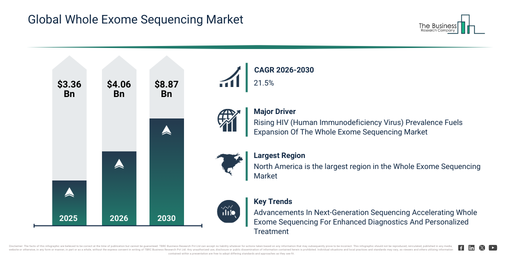
    The market for whole exome sequencing has experienced exponential growth in recent times. Forecasts indicate it will expand from $3.36 billion in 2025 to reach $4.06 billion in 2026, demonstrating a compound annual growth rate (CAGR) of 21.0%. Historically, this expansion has been driven by factors such as the greater availability of next-generation sequencing platforms, an increase in genetic disorder diagnoses, the widening scope of academic genomic research, a reduction in sequencing expenses, and the growing uptake in clinical laboratories.

    The whole exome sequencing market is projected to experience substantial expansion in the coming years, reaching $8.87 billion by 2030, exhibiting a compound annual growth rate (CAGR) of 21.5%. This anticipated growth during the forecast period is fueled by several factors, including the escalating demand for precision diagnostics, the broadening of genomic medicine initiatives, the enhanced incorporation of sequencing data into clinical decision-making processes, increasing investments in sequencing infrastructure, and its growing application in drug discovery. Key trends defining this period encompass the wider acceptance of exome-based diagnostic testing, the growing application of sequencing for rare disease identification, the increasing incorporation of bioinformatics analysis platforms, the proliferation of personalized medicine applications, and a heightened emphasis on developing cost-efficient sequencing workflows.

    Access Your Free Sample Report for In-Depth Market Insights:

    https://www.thebusinessresearchcompany.com/sample.aspx?id=10669&type=smp

    Which Drivers Are Shaping Strategic Decisions In The Whole Exome Sequencing Market?

    The rising incidence of HIV (human immunodeficiency virus) is anticipated to drive the expansion of the whole exome sequencing market in the future. HIV is defined as a virus that primarily attacks the body’s immune system. Whole exome sequencing serves to reveal the genomic structures of viruses, which are valuable for developing customized treatments and vaccines for HIV. For example, data from August 2024, provided by the US-based government agency, the Minority HIV/AIDS Fund (MHAF), indicated that around 39.9 million people globally were living with HIV in 2023, comprising 38.6 million adults and 1.4 million children, compared to previous years. Consequently, the growing prevalence of HIV is stimulating the growth of the whole exome sequencing market.

    What Segment Classifications Make Up The Whole Exome Sequencing Market?

    The whole exome sequencing market covered in this report is segmented –

    1) By Product: Systems, Kits, Services

    2) By Technology: Sequencing By Synthesis, Ion Semiconductor Sequencing, Other Technologies

    3) By Application: Diagnostics, Drug Discovery And Development, Personalized Medicine, Agriculture And Animal Research

    4) By End-User: Hospitals And Clinics, Pharmaceutical And Biotechnology Companies, Academic and Research Institutes, Clinical Laboratories, Other End-Users

    Subsegments:

    1) By Systems: Sequencing Systems, Data Analysis Systems

    2) By Kits: Library Preparation Kits, Exome Enrichment Kits, Sequencing Kits

    3) By Services: Data Analysis Services, Consulting Services, Custom Sequencing Services

    Which Trends Are Guiding The Evolution Of The Whole Exome Sequencing Market?

    Leading companies within the whole exome sequencing market are developing sophisticated next-generation sequencing (NGS) ultra-fast technology to improve the speed and precision of genetic analysis, thereby enabling quicker diagnostics and personalized treatment plans in healthcare. This next-generation sequencing (NGS) ultra-fast technology significantly enhances whole exome sequencing by rapidly analyzing exonic areas, which allows for the prompt detection of genetic mutations critical for diagnosis and research. For instance, in January 2023, Qiagen, a Germany-based medical devices and health care company, launched the CLC genomics workbench premium with lightspeed technology, facilitating efficient analysis of both whole genome sequencing (WGS) and whole exome sequencing (WES) data. This innovation processes an entire genome in just 25 minutes for approximately $1 using cloud computing, while also offering support for local hardware. By reducing both time and costs, lightSpeed substantially increases the accessibility of large-scale genetic testing within the WES market.

    Which Major Industry Participants Are Leading The Whole Exome Sequencing Market Growth?

    Major companies operating in the whole exome sequencing market are Thermo Fisher Scientific Inc., Illumina Inc., Eurofins Genomics, Azenta US Inc., CD Genomics, Psomagen Inc., Agilent Technologies, BGI Genomics, F. Hoffmann-La Roche Ltd., QIAGEN Inc., Macrogen Inc., Ambry Genetics, Bio-Rad Laboratories Inc., Bioneer Corporation, Foundation Medicine Inc., Otogenetics Corporation, Geneyx Genomex Ltd., ArcherDX Inc., Blueprint Genetics Oy, Centogene AG, Fulgent Genetics Inc., Natera Inc., GeneDx Inc., GENEWIZ Inc., Novogene Corporation, PerkinElmer Inc., Personalis Inc.

    Access The Complete Report For Deeper Market Insights:

    https://www.thebusinessresearchcompany.com/report/whole-exome-sequencing-global-market-report

    Which Region Is Expected To Experience The Fastest Growth In The Whole Exome Sequencing Market?

    North America was the largest region in the whole exome sequencing market in 2025.Asia-Pacific is expected to be the fastest-growing region in the global whole exome sequencing market report during the forecast period. The regions covered in the whole exome sequencing market report are Asia-Pacific, South East Asia, Western Europe, Eastern Europe, North America, South America, Middle East, Africa.

    Request Your Customized Whole Exome Sequencing Market Research Report for Competitive Advantage:

    https://www.thebusinessresearchcompany.com/customise?id=10669&type=smp

    Browse Through More Reports Similar to the Global Whole Exome Sequencing Market 2026, By The Business Research Company

    Protein Sequencing Market Report 2026

    https://www.thebusinessresearchcompany.com/report/protein-sequencing-global-market-report

    Whole Genome And Exome Sequencing Market Report 2026

    https://www.thebusinessresearchcompany.com/report/whole-genome-and-exome-sequencing-global-market-report

    Next Generation Sequencing Market 2026

    https://www.thebusinessresearchcompany.com/report/next-generation-sequencing-market

    Get in touch with us:

    The Business Research Company: https://www.thebusinessresearchcompany.com/

    Americas +1 310-496-7795

    Asia +44 7882 955267 & +91 8897263534

    Europe +44 7882 955267

    Email us at info@tbrc.info

    Follow us on:

    LinkedIn: https://in.linkedin.com/company/the-business-research-company

    YouTube: https://www.youtube.com/channel/UC24_fI0rV8cR5DxlCpgmyFQ

    Global Market Model: https://www.thebusinessresearchcompany.com/global-market-model
  • White Biotechnology Market Forecast 2026–2035: How to Leverage Market Growth

    White Biotechnology Market Forecast 2026–2035: How to Leverage Market Growth

    Uncover key drivers, emerging technologies, and competitive movements shaping the white biotechnology market from 2026–2035 with trusted insights from The Business Research Company

    What growth pattern is forecast for the White Biotechnology Market size between 2026 and 2035?

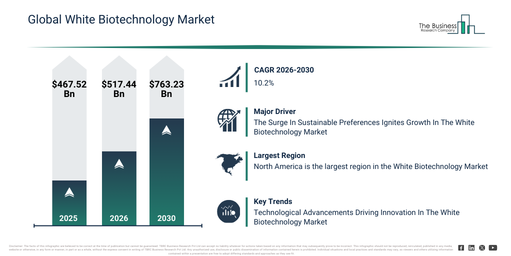
    The white biotechnology market size has experienced substantial growth in recent years. It is projected to expand from $467.52 billion in 2025 to $517.44 billion in 2026, demonstrating a compound annual growth rate (CAGR) of 10.7%. The market’s historical growth is primarily driven by factors such as increasing environmental regulations on chemical manufacturing, the widespread availability of fermentation-based production methods, the growing adoption of industrial enzymes, the expansion of biofuel blending mandates, and a rise in sustainable manufacturing initiatives.

    The white biotechnology market is poised for significant expansion in the coming years. Projections indicate it will reach $763.23 billion by 2030, exhibiting a compound annual growth rate (CAGR) of 10.2%. This anticipated growth during the forecast period stems from factors such as heightened investments in green industrial biotechnology, a surging demand for bio-based alternatives to traditional petrochemicals, the broadening implementation of circular bioeconomy models, a sharpened focus on carbon-neutral manufacturing, and the accelerated commercialization of advanced bioprocesses. Key trends for the forecast period encompass a greater embrace of bio-based industrial processes, an escalating demand for the utilization of renewable feedstocks, the wider application of enzyme-based manufacturing techniques, the expansion of both bioplastics and biofuels production, and an intensified commitment to low-emission industrial solutions.

    Access Your Free Sample Report for In-Depth Market Insights:

    https://www.thebusinessresearchcompany.com/sample.aspx?id=8625&type=smp

    Which Drivers Are Impacting Market Performance In The White Biotechnology Market?

    The increasing consumer demand for environmentally friendly products is anticipated to fuel the expansion of the white biotechnology market in the coming period. Such products are characterized by their ability to reduce negative impacts on both the environment and society, utilize resources judiciously and effectively, and maintain profitability across their entire lifespan. White biotechnology plays a crucial role in creating these sustainable goods by employing microorganisms, enzymes, and biocatalysts to yield environmentally sound and resource-optimized products and processes across diverse sectors. As an illustration, in July 2024, data from the Energy Information Administration, a US-based government Agency, indicates that the production capability for sustainable aviation fuel (SAF) in the United States is forecast to surge from approximately 2,000 barrels per day (b/d) to almost 30,000 b/d by 2024. Consequently, the expanding inclination towards sustainable solutions is a key factor propelling the development of the white biotechnology market.

    What Segment Types Are Examined In The White Biotechnology Market?

    The white biotechnology market covered in this report is segmented –

    1) By Product Type: Biofuels, Biomaterials, Biochemicals, Industrial Enzymes

    2) By Process Type: Fermentation Technology, Enzyme Technology, Biocatalysis, Synthetic Biology, Metabolic Engineering, Cell Culture Technology

    3) By Application Type: Bioenergy, Food And Feed Additives, Pharmaceutical Ingredients, Personal Care And Household Products, Other Applications

    Subsegments:

    1) By Biofuels: Ethanol, Biodiesel, Biogas

    2) By Biomaterials: Bioplastics, Bio-Based Composites, Bio-based Chemicals

    3) By Biochemicals: Organic Acids, Amino Acids, Solvents

    4) By Industrial Enzymes: Proteases, Amylases, Lipases

    What Trends Are Projected To Support The Growth Of The White Biotechnology Market?

    Major companies entering the white biotechnology market are increasingly adopting technological innovations such as advanced biopolymer and co-polymer platforms to develop sustainable and customized products for diverse applications. These platforms represent biotechnological systems that enable scientists to design and optimize polymers at a molecular level, facilitating the creation of sustainable, high-performance materials capable of replacing petroleum-based polymers and meeting evolving market and regulatory demands. For instance, in June 2023, International Flavors & Fragrances Inc., a US-based manufacturer of fragrances, flavors, and cosmetic actives, introduced Designed Enzymatic Biomaterials (DEB) technology, a Biomaterials technology platform engineered to deliver sustainable biopolymers. This technology platform empowers producers to adapt to changing market needs and regulatory changes by offering a substitute for conventional synthetic polymers derived from fossil fuels. Through the DEB technology platform, scientists can directly incorporate the properties of petroleum-based polymers into biopolymer materials, meticulously tailoring and perfecting polysaccharides to provide long-term performance improvements in selected applications.

    Who Are The Prominent Global Companies Shaping The White Biotechnology Market Landscape?

    Major companies operating in the white biotechnology market are Novozyme A/S., Koninklijke DSM N.V., BASF SE., Du Pont Danisco., Amyris Inc., Henkel AG & Co. KGaA., Kaneka Corporation., Evonik Industries AG., Evolva Holding., EUCODIS Bioscience GmbH., Lonza Group Ltd., Borregaard ASA., Codexis Inc., Deinove SA., Fermentalg SA., Gevo Inc., Global Bioenergies SA., Metabolic Explorer SA.

    Access The Complete Report For Deeper Market Insights:

    https://www.thebusinessresearchcompany.com/report/white-biotechnology-global-market-report

    Which Geographic Areas Are Emerging As Strong Markets For The White Biotechnology Market?

    North America was the largest region in the white biotechnology market in 2025. The regions covered in the white biotechnology market report are Asia-Pacific, South East Asia, Western Europe, Eastern Europe, North America, South America, Middle East, Africa.

    Request Your Customized White Biotechnology Market Research Report for Competitive Advantage:

    https://www.thebusinessresearchcompany.com/customise?id=8625&type=smp

    Browse Through More Reports Similar to the Global White Biotechnology Market 2026, By The Business Research Company

    Biotechnology Services Market Report 2026

    https://www.thebusinessresearchcompany.com/report/biotechnology-services-global-market-report

    Red Biotechnology Market Report 2026

    https://www.thebusinessresearchcompany.com/report/red-biotechnology-global-market-report

    Agricultural Biotechnology Market Report 2026

    https://www.thebusinessresearchcompany.com/report/agricultural-biotechnology-global-market-report

    Get in touch with us:

    The Business Research Company: https://www.thebusinessresearchcompany.com/

    Americas +1 310-496-7795

    Asia +44 7882 955267 & +91 8897263534

    Europe +44 7882 955267

    Email us at info@tbrc.info

    Follow us on:

    LinkedIn: https://in.linkedin.com/company/the-business-research-company

    YouTube: https://www.youtube.com/channel/UC24_fI0rV8cR5DxlCpgmyFQ

    Global Market Model: https://www.thebusinessresearchcompany.com/global-market-model