Category: HealthcareServices

  • Herbal Shampoo Global Forecast: Market to Scale Up to $8.82 Billion by 2030 at 7.5% CAGR

    Herbal Shampoo Global Forecast: Market to Scale Up to $8.82 Billion by 2030 at 7.5% CAGR

    Uncover key drivers, emerging technologies, and competitive movements shaping the herbal shampoo market from 2026–2035 with trusted insights from The Business Research Company

    How much is the Herbal Shampoo Market valued at in 2026, and what valuation is forecast for 2030?

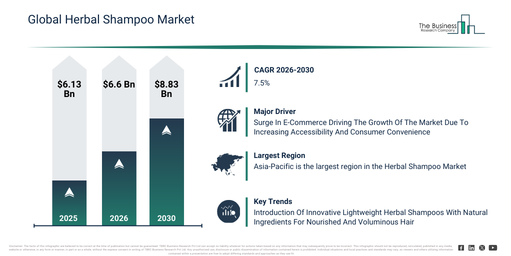
    The herbal shampoo market size has demonstrated robust growth in recent years. It is projected to expand from $6.13 billion in 2025 to $6.6 billion in 2026, reflecting a compound annual growth rate (CAGR) of 7.8%. This historical growth can be attributed to factors such as increasing consumer awareness of natural personal care, a rising prevalence of scalp sensitivity issues, the development of ayurvedic and herbal traditions, the broadening of retail distribution networks, and an enhanced availability of herbal raw materials.

    The herbal shampoo market is projected to experience significant expansion over the next few years, reaching $8.83 billion by 2030 with a compound annual growth rate (CAGR) of 7.5%. This anticipated growth can be attributed to several factors such as the increasing demand for eco-friendly personal care products, a rising adoption of clean beauty standards, the expansion of online beauty retail platforms, a growing focus on sustainable sourcing practices, and increasing product innovation within herbal formulations. Major trends expected during this forecast period include an escalating demand for chemical-free hair care solutions, the growing use of plant-based active ingredients, an expansion of dermatologically tested herbal formulations, a rising preference for sensitive scalp solutions, and an enhanced focus on sustainable packaging.

    Access Your Free Sample Report for In-Depth Market Insights:

    https://www.thebusinessresearchcompany.com/sample.aspx?id=24235&type=smp

    What Drivers Are Influencing The Growth Of The Herbal Shampoo Market?

    The expansion of e-commerce is projected to drive the growth of the herbal shampoo market in the coming years. E-commerce involves the online purchasing and selling of products and services, facilitating transactions over the internet. Its growth is fueled by offering the convenience of shopping from home, easy product comparison, faster delivery, and access to global markets. E-commerce positively impacts herbal shampoo by providing a broader reach to consumers, allowing brands to connect directly with a global audience, and increasing accessibility and convenience for customers to buy their preferred products online. For instance, in February 2025, a report from the US-based government agency, the Census Bureau, indicated that e-commerce sales in the fourth quarter of 2024 experienced a 9.4% (±1.1) growth over the same period in 2023, while total retail sales increased by 3.8% (±0.5). Consequently, the rise of e-commerce is expected to stimulate the herbal shampoo market’s growth.

    How Is The Herbal Shampoo Market Organized Into Various Segments?

    The herbal shampoo market covered in this report is segmented –

    1) By Product Type: Anti-Dandruff, Anti-Hair Fall, Nourishing, Volumizing, Other Product Types

    2) By Hair Type: Damaged, Normal, Dry, Oily, Colored, Curly

    3) By Ingredient: Aloe Vera, Neem, Tea Tree, Amla, Shikakai, Other Ingredients

    4) By Distribution Channel: Online Stores, Supermarkets Or Hypermarkets, Specialty Stores, Other Distribution Channels

    5) By End-User: Men, Women, Unisex

    Subsegments:

    1) By Anti-Dandruff: Neem-Based Shampoo, Tea Tree Oil Shampoo, Aloe Vera And Turmeric Shampoo, Zinc And Herbal Extract Shampoo, Ayurvedic Anti-Dandruff Shampoo

    2) By Anti-Hair Fall: Amla And Bhringraj Shampoo, Onion Extract Shampoo, Caffeine-Infused Herbal Shampoo, Ginseng And Ginkgo Biloba Shampoo, Keratin-Enriched Herbal Shampoo

    3) By Nourishing: Coconut Milk Shampoo, Argan Oil And Shea Butter Shampoo, Hibiscus And Aloe Vera Shampoo, Rice Water And Protein-Rich Herbal Shampoo, Vitamin E-Infused Herbal Shampoo

    4) By Volumizing: Biotin And Collagen Herbal Shampoo, Green Tea Extract Shampoo, Bamboo And Ginseng Shampoo, Honey And Lemon Shampoo, Fenugreek And Flaxseed Shampoo

    5) By Other Product Types: Herbal Dry Shampoo, Color-Protect Herbal Shampoo, PH-Balancing Herbal Shampoo, Herbal Baby Shampoo

    How Are New Market Trends Shaping The Landscape Of The Herbal Shampoo Market?

    Major companies in the herbal shampoo market are introducing innovative offerings, such as lightweight herbal shampoos, which are designed to cleanse and nourish hair without making it feel heavy or greasy, thus promoting a natural, bouncy texture. These hair care products are formulated with natural ingredients that effectively cleanse and nourish hair without weighing it down, resulting in a soft, fresh, and voluminous feel. For instance, in February 2024, Herbal Essences, a US-based hair care brand, launched 11 newly formulated herbal shampoos and conditioners. Each new formula incorporates a blend of pure aloe and camellia oil, with the camellia oil pressed from the seeds of the camellia plant, closely resembling the natural oils found in healthy hair. This oil quickly absorbs into the hair, enhancing the moisturizing and protective qualities of the pure aloe. The aloe utilized is certified pure, carefully handpicked, and extracted to preserve its antioxidant properties, making it a prominent feature of the shampoo.

    Who Are The Primary Competitors In The Global Herbal Shampoo Market?

    Major companies operating in the herbal shampoo market are Shiseido Company Limited, Amway Corp., Hain Celestial Group, Avalon Organics, Dabur India Limited, Patanjali Ayurved, Himalaya Wellness Company, Lotus Herbals Pvt. Ltd., Burt’s Bees, Mamaearth, CavinKare Pvt. Ltd., Desert Essence, Biotique, Dr. Organic, Giovanni Cosmetics, Kama Ayurveda, MAC Biosciences Private Limited, Vaadi Herbals Private Limited, Khadi Natural, Forest Essentials

    Access The Complete Report For Deeper Market Insights:

    https://www.thebusinessresearchcompany.com/report/herbal-shampoo-global-market-report

    Which Regions Are Poised For Strategic Growth In The Herbal Shampoo Market?

    Asia-Pacific was the largest region in the herbal shampoo market in 2025. North America is expected to be the fastest-growing region in the forecast period. The regions covered in the herbal shampoo market report are Asia-Pacific, South East Asia, Western Europe, Eastern Europe, North America, South America, Middle East, Africa.

    Request Your Customized Herbal Shampoo Market Research Report for Competitive Advantage:

    https://www.thebusinessresearchcompany.com/customise?id=24235&type=smp

    Browse Through More Reports Similar to the Global Herbal Shampoo Market 2026, By The Business Research Company

    Botanical Cleansing Oil Market Report 2026

    https://www.thebusinessresearchcompany.com/report/botanical-cleansing-oil-global-market-report

    Herbal Medicine Market Report 2026

    https://www.thebusinessresearchcompany.com/report/herbal-medicine-global-market-report

    Protein Shampoo Market Report 2026

    https://www.thebusinessresearchcompany.com/report/protein-shampoo-global-market-report

    Get in touch with us:

    The Business Research Company: https://www.thebusinessresearchcompany.com/

    Americas +1 310-496-7795

    Asia +44 7882 955267 & +91 8897263534

    Europe +44 7882 955267

    Email us at info@tbrc.info

    Follow us on:

    LinkedIn: https://in.linkedin.com/company/the-business-research-company

    YouTube: https://www.youtube.com/channel/UC24_fI0rV8cR5DxlCpgmyFQ

    Global Market Model: https://www.thebusinessresearchcompany.com/global-market-model
  • HER2-Positive Breast Cancer Market Future Outlook: Strong Growth Expected Toward $15.23 Billion by 2030

    HER2-Positive Breast Cancer Market Future Outlook: Strong Growth Expected Toward $15.23 Billion by 2030

    Uncover key drivers, emerging technologies, and competitive movements shaping the her2-positive breast cancer market from 2026–2035 with trusted insights from The Business Research Company

    By how much is the HER2-Positive Breast Cancer Market expected to grow between 2026 and 2030?

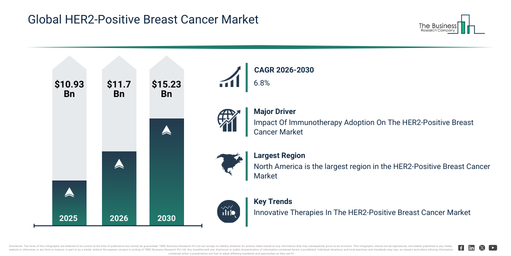
    The her2-positive breast cancer market size has experienced robust growth in recent years. It is projected to increase from $10.93 billion in 2025 to $11.7 billion in 2026, demonstrating a compound annual growth rate (CAGR) of 7.1%. The growth observed in the historic period is attributable to the increasing identification of her2-positive cases, the expansion of targeted oncology drug approvals, the growth in hospital oncology infrastructure, the availability of monoclonal antibody therapies, and rising clinical trial activity.

    The market size for her2-positive breast cancer is anticipated to experience substantial expansion over the upcoming years. It is forecast to ascend to $15.23 billion by 2030, growing at a compound annual growth rate (CAGR) of 6.8%. This projected increase can be attributed to several factors, including the increasing uptake of next-generation her2 inhibitors, broader penetration of biosimilars, a rising demand for precision oncology treatments, growing investment in targeted cancer research, and an increased focus on enhancing survival outcomes. Significant trends expected during the forecast period involve the increasing adoption of her2-targeted antibody therapies, expanding use of antibody-drug conjugates, the widening availability of companion diagnostic testing, an amplified focus on early-stage targeted treatment, and improved integration of combination therapy approaches.

    Access Your Free Sample Report for In-Depth Market Insights:

    https://www.thebusinessresearchcompany.com/sample.aspx?id=20832&type=smp

    Which Drivers Are Influencing Market Acceleration In The HER2-Positive Breast Cancer Market?

    The widespread integration of immunotherapy is projected to stimulate the expansion of the HER2-positive breast cancer market in the future. This medical approach involves boosting or altering the immune system’s inherent capacity to combat illnesses like cancer, infections, and autoimmune conditions. Its increasing use stems from its power to improve the immune system’s detection and eradication of cancer cells, offering superior effectiveness and reduced adverse reactions compared to traditional therapies. For HER2-positive breast cancer, immunotherapy is beneficial as it strengthens the body’s immune response to identify and target HER2-overexpressing cancer cells, leading to better treatment results and a lower chance of the disease returning. As an illustration, in July 2023, the American Association for Cancer Research, a US-based entity, reported that the FDA had given its approval to 11 immune checkpoint inhibitors (ICIs) in 2023, with at least one ICI sanctioned for addressing 20 distinct cancer categories and for any solid tumor displaying particular molecular traits. Consequently, the robust embrace of immunotherapy is fueling the expansion of the HER2-positive breast cancer market.

    What Segments Are Identified Within The Structure Of The HER2-Positive Breast Cancer Market?

    The her2-positive breast cancer market covered in this report is segmented –

    1) By Treatment Type: Targeted Therapy, Chemotherapy, Endocrine Therapy, Immunotherapy, Other Treatment Types

    2) By Route Of Administration: Parenteral, Oral, Other Routes Of Administrations

    3) By Distribution Channel: Hospital Pharmacy, Retail Pharmacy, Online Pharmacy

    4) By End User: Hospitals, Homecare, Specialty Clinics, Other End User

    Subsegments:

    1) By Targeted Therapy: HER2 Inhibitors (Trastuzumab, Pertuzumab), Tyrosine Kinase Inhibitors (TKIs), Antibody-Drug Conjugates (ADC), Small Molecule Inhibitors

    2) By Chemotherapy: Anthracycline-based Chemotherapy, Taxane-based Chemotherapy, Platinum-based Chemotherapy, Combination Chemotherapy Regimens

    3) By Endocrine Therapy: Selective Estrogen Receptor Modulators (SERMs), Aromatase Inhibitors, Estrogen Receptor Antagonists, Estrogen Deprivation Therapy

    4) By Immunotherapy: Immune Checkpoint Inhibitors (PD-1/PD-L1 Inhibitors), Monoclonal Antibodies for Immune Modulation

    5) By Other Treatment Types: Radiation Therapy, Surgical Interventions (Mastectomy, Breast Conserving Surgery)

    Which Trends Are Expected To Influence The HER2-Positive Breast Cancer Market In The Upcoming Years?

    Companies operating in the HER2-positive breast cancer market are concentrating on developing innovative therapies, such as HER2-directed antibody-drug conjugates (ADCs), to refine and enhance patient treatment. HER2-directed antibody-drug conjugates (ADCs) are precise cancer treatments that connect an antibody specific to HER2 with a cytotoxic drug, delivering the medication directly to HER2-positive cancer cells for increased treatment effectiveness. For instance, in January 2024, AstraZeneca India Pharma Ltd., an India-based biopharmaceutical company, introduced Trastuzumab deruxtecan. This advanced therapy was developed through a partnership between AstraZeneca and Daiichi Sankyo. Trastuzumab deruxtecan, a HER2-directed antibody-drug conjugate (ADC), delivers a cytotoxic drug specifically to HER2-positive cancer cells, offering a more targeted and potent treatment for patients.

    Which Key Market Players Are Investing In Expansion And Innovation Within The HER2-Positive Breast Cancer Market?

    Major companies operating in the her2-positive breast cancer market are F. Hoffmann-La Roche AG, AstraZeneca plc, Novartis International AG, Pfizer Inc., Eli Lilly and Company, Merck & Co. Inc., Amgen Inc., Daiichi Sankyo Co. Ltd., Takeda Pharmaceutical Company Limited, Bristol Myers Squibb, Sanofi S.A., GlaxoSmithKline plc, Bayer AG, Seagen Inc., MacroGenics Inc., BioNTech SE, Incyte Corporation, Zymeworks Inc., Ambrx Biopharma Inc., Mersana Therapeutics Inc.

    Access The Complete Report For Deeper Market Insights:

    https://www.thebusinessresearchcompany.com/report/her2-positive-breast-cancer-global-market-report

    Which Regions Are Projected To Dominate The HER2-Positive Breast Cancer Market In The Coming Years?

    North America was the largest region in the HER2- positive breast cancer market in 2025. Asia-Pacific is expected to be the fastest-growing region in the forecast period. The regions covered in the her2-positive breast cancer market report are Asia-Pacific, South East Asia, Western Europe, Eastern Europe, North America, South America, Middle East, Africa.

    Request Your Customized HER2-Positive Breast Cancer Market Research Report for Competitive Advantage:

    https://www.thebusinessresearchcompany.com/customise?id=20832&type=smp

    Browse Through More Reports Similar to the Global HER2-Positive Breast Cancer Market 2026, By The Business Research Company

    Metastatic Hr Her2 Breast Cancer Market Report 2026

    https://www.thebusinessresearchcompany.com/report/metastatic-hr-her2-breast-cancer-global-market-report

    Breast Cancer Diagnostics Market Report 2026

    https://www.thebusinessresearchcompany.com/report/breast-cancer-diagnostics-global-market-report

    Breast Cancer Drugs Market Report 2026

    https://www.thebusinessresearchcompany.com/report/breast-cancer-drugs-global-market-report

    Get in touch with us:

    The Business Research Company: https://www.thebusinessresearchcompany.com/

    Americas +1 310-496-7795

    Asia +44 7882 955267 & +91 8897263534

    Europe +44 7882 955267

    Email us at info@tbrc.info

    Follow us on:

    LinkedIn: https://in.linkedin.com/company/the-business-research-company

    YouTube: https://www.youtube.com/channel/UC24_fI0rV8cR5DxlCpgmyFQ

    Global Market Model: https://www.thebusinessresearchcompany.com/global-market-model
  • Revenue of the HER2-Negative Breast Cancer Market Predicted to Achieve $25.4 Billion by 2030, Driven by 7.6% CAGR

    Revenue of the HER2-Negative Breast Cancer Market Predicted to Achieve $25.4 Billion by 2030, Driven by 7.6% CAGR

    Uncover key drivers, emerging technologies, and competitive movements shaping the her2-negative breast cancer market from 2026–2035 with trusted insights from The Business Research Company

    What is the estimated market size of the HER2-Negative Breast Cancer Market by the end of 2030?

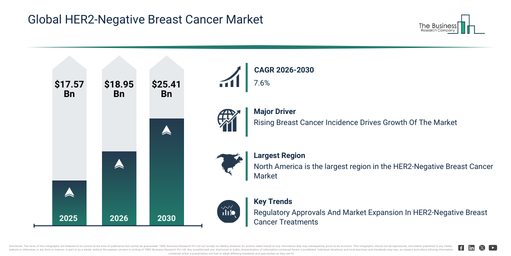
    The her2-negative breast cancer market size has shown robust growth in recent years. It is projected to expand from $17.57 billion in 2025 to $18.95 billion in 2026, exhibiting a compound annual growth rate (CAGR) of 7.9%. The historical increase can be attributed to factors such as rising breast cancer screening rates, increased awareness of hormone receptor-positive cancers, the expansion of oncology treatment centers, the availability of established chemotherapy protocols, and growth in clinical oncology research.

    The market for her2-negative breast cancer is projected to experience substantial expansion over the coming years. This market is anticipated to reach a valuation of $25.41 billion by 2030, demonstrating a compound annual growth rate (CAGR) of 7.6%. This projected expansion throughout the forecast period stems from factors such as a heightened demand for tailored oncology treatments, the increasing acceptance of genomic-based therapies, the widening scope of immunotherapy development, an enhanced emphasis on extending progression-free survival, and a greater influx of investment into developing oncology drugs. Key trends predicted for this period encompass the increased uptake of individualized hormone therapy approaches, the expanding application of cdk4/6 inhibitors, the broader utilization of genomic testing to guide treatment choices, the progressive incorporation of immunotherapy in advanced disease stages, and a sharpened focus on multi-modal treatment strategies.

    Access Your Free Sample Report for In-Depth Market Insights:

    https://www.thebusinessresearchcompany.com/sample.aspx?id=21203&type=smp

    What Drivers Are Shaping Future Opportunities In The HER2-Negative Breast Cancer Market?

    The increasing occurrence of breast cancer cases is anticipated to drive the expansion of the HER2-negative breast cancer market in the future. Breast cancer is a condition marked by the unchecked proliferation of abnormal cells within breast tissue, typically starting in the ducts or lobules. The growing frequency of breast cancer cases stems from various factors, such as enhanced public awareness and better screening techniques, which facilitate earlier and more regular diagnosis. HER2-Negative Breast Cancer is vital for advancing research, offering clarity on unique tumor biology and therapeutic approaches, thus aiding in the creation of more targeted treatments. For example, the American Cancer Society, a US-based professional organization, forecasts that in 2025, the United States will experience around 316,950 new instances of invasive breast cancer in women and 2,800 cases in men, alongside an estimated 59,080 diagnoses of ductal carcinoma in situ (DCIS) in women. Consequently, the rising number of breast cancer cases is fueling the growth of the HER2-negative breast cancer market.

    Which Segments Are Gaining Traction In The HER2-Negative Breast Cancer Market?

    The her2-negative breast cancer market covered in this report is segmented –

    1) By Treatment Type: Chemotherapy, Hormone Therapy, Targeted Therapy, Immunotherapy

    2) By Cancer Stage: Early Stage, Locally Advanced Stage, Metastatic Stage

    3) By Distribution Channel: Hospital Pharmacy, Retail Pharmacy, Online Pharmacy

    Subsegments:

    1) By Chemotherapy: Anthracyclines, Taxanes, Platinum-Based Chemotherapy, Alkylating Agents, Antimetabolites

    2) By Hormone Therapy: Selective Estrogen Receptor Modulators (SERMs), Aromatase Inhibitors, Selective Estrogen Receptor Degraders (SERDs)

    3) By Targeted Therapy: CDK4/6 Inhibitors, PI3K Inhibitors, PARP Inhibitors

    4) By Immunotherapy: Immune Checkpoint Inhibitors, Tumor-Infiltrating Lymphocyte (TIL) Therapy

    What Trends Are Driving The Growth Trajectory Of The HER2-Negative Breast Cancer Market?

    Major companies operating in the HER2-negative breast cancer market are actively seeking regulatory approvals to launch new treatments, expand their product offerings, and strengthen their market presence. Regulatory approvals signify the official authorization granted by government bodies, permitting companies to market and distribute drugs or therapies after fulfilling safety, efficacy, and quality requirements. For instance, in October 2024, Genentech Inc., a US-based biotechnology corporation, secured FDA approval for Itovebi (inavolisib) as a targeted therapy for advanced hormone receptor-positive (HR+), HER2-negative breast cancer with a PIK3CA mutation. This approval enables Itovebi to be utilized alongside palbociclib and fulvestrant, substantially enhancing progression-free survival for patients compared to existing standard treatments. This novel regimen provides an important choice for patients with limited therapeutic alternatives, highlighting the significance of biomarker testing to identify those who stand to gain the most from this treatment.

    Who Are The Core Companies Influencing Trends In The HER2-Negative Breast Cancer Market?

    Major companies operating in the her2-negative breast cancer market are Pfizer Inc., Merck & Co. Inc., AbbVie Inc., Bayer AG, Bristol-Myers Squibb Company, Sanofi S.A., AstraZeneca PLC, Novartis International AG, Eli Lilly and Company, Amgen Inc., Daiichi Sankyo Company Limited, Jiangsu Hansoh Pharmaceutical Co. Ltd., BeiGene Ltd., Chipscreen Biosciences Ltd., F. Hoffmann-La Roche Ltd, PharmAbcine Inc., Adagene Inc., H3 Biomedicine Inc., Radius Health Inc., Zenith Epigenetics Ltd.

    Access The Complete Report For Deeper Market Insights:

    https://www.thebusinessresearchcompany.com/report/her2-negative-breast-cancer-global-market-report

    Which Region Is Expected To Experience The Fastest Growth In The HER2-Negative Breast Cancer Market?

    North America was the largest region in the HER2-negative breast cancer market in 2025. Asia-Pacific is expected to be the fastest-growing region in the forecast period. The regions covered in the her2-negative breast cancer market report are Asia-Pacific, South East Asia, Western Europe, Eastern Europe, North America, South America, Middle East, Africa.

    Request Your Customized HER2-Negative Breast Cancer Market Research Report for Competitive Advantage:

    https://www.thebusinessresearchcompany.com/customise?id=21203&type=smp

    Browse Through More Reports Similar to the Global HER2-Negative Breast Cancer Market 2026, By The Business Research Company

    Breast Cancer Diagnostics Market Report 2026

    https://www.thebusinessresearchcompany.com/report/breast-cancer-diagnostics-global-market-report

    Breast Cancer Drugs Market Report 2026

    https://www.thebusinessresearchcompany.com/report/breast-cancer-drugs-global-market-report

    Metastatic Hr Her2 Breast Cancer Market Report 2026

    https://www.thebusinessresearchcompany.com/report/metastatic-hr-her2-breast-cancer-global-market-report

    Get in touch with us:

    The Business Research Company: https://www.thebusinessresearchcompany.com/

    Americas +1 310-496-7795

    Asia +44 7882 955267 & +91 8897263534

    Europe +44 7882 955267

    Email us at info@tbrc.info

    Follow us on:

    LinkedIn: https://in.linkedin.com/company/the-business-research-company

    YouTube: https://www.youtube.com/channel/UC24_fI0rV8cR5DxlCpgmyFQ

    Global Market Model: https://www.thebusinessresearchcompany.com/global-market-model
  • Hepatorenal Syndrome Sector Forecast Shows Robust Momentum, Climbing to $1.91 Billion With 6.9% CAGR

    Hepatorenal Syndrome Sector Forecast Shows Robust Momentum, Climbing to $1.91 Billion With 6.9% CAGR

    Uncover key drivers, emerging technologies, and competitive movements shaping the hepatorenal syndrome market from 2026–2035 with trusted insights from The Business Research Company

    What was the valuation of the Hepatorenal Syndrome Market in 2026, and what figure is it projected to hit by 2030?

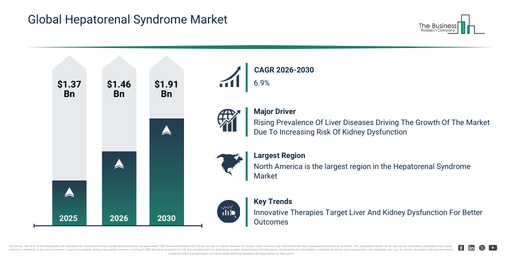
    The hepatorenal syndrome market size has experienced substantial growth in recent years. It is anticipated to increase from $1.37 billion in 2025 to $1.46 billion in 2026, demonstrating a compound annual growth rate (CAGR) of 7.1%. This historical growth can be attributed to the rising prevalence of chronic liver disease, an increasing incidence of complications related to cirrhosis, the expansion of intensive care unit infrastructure, enhanced clinical awareness of HRS diagnosis, and the availability of vasoconstrictor-based therapies.

    The market for hepatorenal syndrome is projected to experience substantial expansion over the coming years. Its valuation is anticipated to reach $1.91 billion by 2030, progressing at a compound annual growth rate (CAGR) of 6.9%. This projected growth during the forecast period stems from factors such as an increase in liver transplant procedures, a heightened emphasis on identifying HRS in its early stages, the proliferation of sophisticated renal support treatments, the increasing integration of precision medicine strategies, and greater financial commitment to clinical research concentrated on hepatology. Key developments anticipated in the forecast period encompass a wider acceptance of targeted vasoconstrictor treatments, an expanded application of early diagnostic biomarkers, a stronger emphasis on comprehensive multidisciplinary critical care management, an increase in albumin-based combination therapies, and improved surveillance of kidney function among individuals with liver disease.

    Access Your Free Sample Report for In-Depth Market Insights:

    https://www.thebusinessresearchcompany.com/sample.aspx?id=22001&type=smp

    Which Drivers Are Affecting Market Participation In The Hepatorenal Syndrome Market?

    The growing occurrence of liver ailments is anticipated to fuel the expansion of the hepatorenal syndrome market in the future. Liver diseases encompass conditions that compromise liver function, such as hepatitis, cirrhosis, fatty liver, liver cancer, genetic disorders, and autoimmune diseases. The rise in these conditions stems from factors like obesity, diabetes, alcohol consumption, viral infections, inadequate nutrition, and exposure to toxins. The escalating prevalence of liver diseases, including cirrhosis and acute liver failure, heightens the likelihood of hepatorenal syndrome (HRS) by inducing severe hemodynamic and kidney dysfunction resulting from advancing liver impairment. For example, in April 2024, the Office for Health Improvement & Disparities (OHID), a UK government department, indicated that UK hospital admissions for liver disease climbed to 155.2 per 100,000 in 2023, an increase from 150.6 per 100,000 in 2022. Consequently, the increasing incidence of liver diseases is propelling the growth of the hepatorenal syndrome market.

    Hepatorenal Syndrome Market Driver: Increase In Research And Development Investments Driving The Growth Of The Market Due To Advancements In Therapies And Diagnostics

    What Segment Categories Are Covered In The Hepatorenal Syndrome Market?

    The hepatorenal syndrome market covered in this report is segmented –

    1) By Type: Type 1 Hepatorenal Syndrome, Type 2 Hepatorenal Syndrome, Other Types

    2) By Treatment: Liver Transplantation, Terlipressin Infusion, Albumin Infusion, Hemodialysis, Vasoconstrictors

    3) By Diagnosis: Liver Function Tests, Urinalysis And Urine Electrolytes, Other Diagnoses

    4) By End Users: Hospitals, Specialty Clinics

    Subsegments:

    1) By Type 1 Hepatorenal Syndrome: Acute Kidney Injury-Associated HRS, Rapidly Progressive Renal Failure

    2) By Type 2 Hepatorenal Syndrome: Chronic Kidney Dysfunction-Associated HRS, Slowly Progressive Renal Failure

    3) By Other Types: HRS With Cirrhosis, HRS With Acute Liver Failure, HRS With Alcoholic Hepatitis

    What Upcoming Trends Are Likely To Define The Future Path Of The Hepatorenal Syndrome Market?

    Major companies operating in the hepatorenal syndrome market are focusing on developing innovative devices, such as cytopheretic devices, to improve patient outcomes by reducing inflammation, stabilizing kidney function, and enhancing treatment effectiveness for Hepatorenal Syndrome (HRS). The cytopheretic device (Cytosorb) is an extracorporeal blood purification therapy designed to reduce systemic inflammation and immune activation in critically ill patients, including those with Hepatorenal Syndrome (HRS). For instance, in October 2023, SeaStar Medical Holding Corporation, a US-based medical device company, received FDA approval for its Selective Cytopheretic Device (SCD) for the treatment of hepatorenal syndrome (HRS). This advanced, cell-directed therapy targets hyperinflammation, a key driver of kidney dysfunction in patients with acute-on-chronic liver failure. By leveraging immunomodulation, SCD helps regulate abnormal immune responses, potentially supporting kidney recovery and improving patients’ eligibility for life-saving liver transplants. Its effectiveness in enhancing solid organ function has been demonstrated in preclinical and clinical studies across conditions such as sepsis, acute kidney injury (AKI), and cardiorenal syndrome.

    Which Major Industry Participants Are Leading The Hepatorenal Syndrome Market Growth?

    Major companies operating in the hepatorenal syndrome market are Eli Lilly and Company, Baxter International Inc., Mallinckrodt Pharmaceuticals, Ferring Pharmaceuticals Ltd, La Jolla Pharmaceutical Company, Teva Pharmaceutical Industries Ltd, Cumberland Pharmaceuticals Inc., Innoviva Specialty Therapeutics Inc, BioVie Inc., SeaStar Medical, Otsuka Pharmaceutical Co. Ltd, Pfizer Inc., AbbVie Inc., Bristol Myers Squibb, Novartis AG, Sanofi, Astellas Pharma Inc., Takeda Pharmaceutical Company Limited, Bayer AG, AstraZeneca

    Access The Complete Report For Deeper Market Insights:

    https://www.thebusinessresearchcompany.com/report/hepatorenal-syndrome-global-market-report

    Which Geographic Areas Are Emerging As Strong Markets For The Hepatorenal Syndrome Market?

    North America was the largest region in the hepatorenal syndrome market in 2025. Asia-Pacific is expected to be the fastest-growing region in the forecast period. The regions covered in the hepatorenal syndrome market report are Asia-Pacific, South East Asia, Western Europe, Eastern Europe, North America, South America, Middle East, Africa.

    Request Your Customized Hepatorenal Syndrome Market Research Report for Competitive Advantage:

    https://www.thebusinessresearchcompany.com/customise?id=22001&type=smp

    Browse Through More Reports Similar to the Global Hepatorenal Syndrome Market 2026, By The Business Research Company

    Heparin Market Report 2026

    https://www.thebusinessresearchcompany.com/report/heparin-global-market-report

    Hepatic Encephalopathy Market Report 2026

    https://www.thebusinessresearchcompany.com/report/hepatic-encephalopathy-global-market-report

    Dumping Syndrome Market Report 2026

    https://www.thebusinessresearchcompany.com/report/dumping-syndrome-global-market-report

    Get in touch with us:

    The Business Research Company: https://www.thebusinessresearchcompany.com/

    Americas +1 310-496-7795

    Asia +44 7882 955267 & +91 8897263534

    Europe +44 7882 955267

    Email us at info@tbrc.info

    Follow us on:

    LinkedIn: https://in.linkedin.com/company/the-business-research-company

    YouTube: https://www.youtube.com/channel/UC24_fI0rV8cR5DxlCpgmyFQ

    Global Market Model: https://www.thebusinessresearchcompany.com/global-market-model
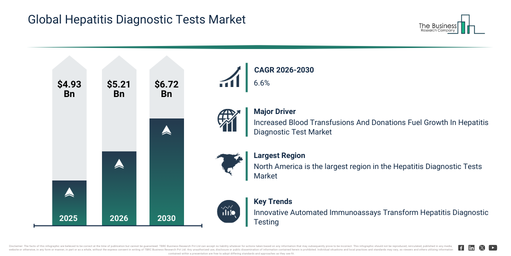
  • Hepatitis Diagnostic Tests Market Anticipated to Record Steady Gains, Advancing to $6.72 Billion by 2030

    Hepatitis Diagnostic Tests Market Anticipated to Record Steady Gains, Advancing to $6.72 Billion by 2030

    Uncover key drivers, emerging technologies, and competitive movements shaping the hepatitis diagnostic tests market from 2026–2035 with trusted insights from The Business Research Company

    What are the forecasted starting (2026) and ending (2030) market sizes for the Hepatitis Diagnostic Tests Market?

    The hepatitis diagnostic tests market size has exhibited strong growth over recent years. Its value is anticipated to rise from $4.93 billion in 2025 to $5.21 billion in 2026, at a compound annual growth rate (CAGR) of 5.7%. This expansion in the past can be attributed to the proliferation of hepatitis screening programs, higher volumes of laboratory testing, increased understanding of viral hepatitis, improved availability of diagnostic infrastructure, and the implementation of standardized testing protocols.

    The hepatitis diagnostic tests market is anticipated to exhibit robust expansion over the next few years, with its size projected to reach $6.72 billion by 2030, growing at a compound annual growth rate (CAGR) of 6.6%. This growth during the forecast period is primarily fueled by increasing demand for decentralized diagnostics, rising investments in advanced molecular testing, the expansion of home-based testing solutions, a growing emphasis on early disease detection, and increased adoption in low-resource settings. Significant trends expected during this period include the increasing adoption of rapid diagnostic tests, the rising utilization of molecular diagnostic technologies, greater integration of automated laboratory systems, the expansion of point-of-care testing solutions, and an enhanced focus on early and accurate diagnosis.

    Access Your Free Sample Report for In-Depth Market Insights:

    https://www.thebusinessresearchcompany.com/sample.aspx?id=13153&type=smp

    What Drivers Are Supporting Technological Adoption In The Hepatitis Diagnostic Tests Market?

    The increasing volume of blood transfusions and donations is anticipated to fuel the expansion of the hepatitis diagnostic test market in the future. These processes are closely linked, involving individuals voluntarily providing blood that is then collected, screened, and later given to patients needing extra blood components for various medical conditions, or to compensate for blood loss from operations, accidents, or diseases. To guarantee patient safety, hepatitis diagnostic tests are employed for comprehensive screening of blood prior to both donation and transfusion. As an illustration, in August 2023, data from the Royal College of Pathologists, a UK-based organization, indicated that blood transfusion is the most frequently performed procedure for hospitalized patients, with nearly 2 million blood components distributed and transfused in England annually, costing over £300 ($390.69) million. Consequently, the growing frequency of blood transfusions and donations stimulates the hepatitis diagnostic test market.

    Which Segments Are Contributing To The Growth Of The Hepatitis Diagnostic Tests Market?

    The hepatitis diagnostic tests market covered in this report is segmented –

    1) By Test Type: Blood Tests, Imaging Tests, Liver Biopsy

    2) By Technology: Enzyme-Linked Immunosorbent Assay (ELISA), Rapid Diagnostic Tests (RDTs), Polymerase Chain Reaction (PCR), Isothermal Nucleic Acid Amplification Test (INAAT), Other Technologies

    3) By End User: Hospitals, Diagnostic Laboratories, Blood Bank, Other End Users

    Subsegments:

    1) By Blood Tests: Serological Tests, Polymerase Chain Reaction (PCR) Tests, Enzyme-Linked Immunosorbent Assays (ELISA)

    2) By Imaging Tests: Ultrasound, Computed Tomography (CT), Magnetic Resonance Imaging (MRI)

    3) By Liver Biopsy: Percutaneous Biopsy, Transjugular Biopsy, Laparoscopic Biopsy

    Which Trends Are Shaping Activity Within The Hepatitis Diagnostic Tests Market?

    Leading companies in the hepatitis diagnostic test market are concentrating on developing innovative automated immunoassays, such as Elecsys HCV Duo, to deliver dependable customer service. Automated immunoassays, like Elecsys HCV Duo, are laboratory techniques that utilize automation systems and specialized instruments to perform all stages of the immunoassay procedure, including sample handling, reagent mixing, incubation, detection, and result calculation. For example, in July 2023, Roche Diagnostics India, an India-based biotechnology research company, introduced Elecsys HCV Duo. This product is India’s first commercially available fully automated immunoassay, allowing for simultaneous and independent measurement of hepatitis C virus (HCV) antigen and antibody levels from a single human plasma or serum sample. This also facilitates single specimen testing and streamlines the diagnostic algorithm, which reduces the number of visits needed for additional tests and can lessen the overall burden of testing on the healthcare system.

    Who Are The Prominent Global Companies Shaping The Hepatitis Diagnostic Tests Market Landscape?

    Major companies operating in the hepatitis diagnostic tests market are Thermo Fisher Scientific Inc., Abbott Laboratories, Danaher Corporation, Siemens Healthineers AG, Roche Diagnostics, Quest Diagnostics Incorporated, Grifols S.A, Hologic Inc., BioMérieux SA, Beckman Coulter Inc., Bio-Rad Laboratories Inc., SD Biosensor Co. Ltd., QIAGEN N.V., DiaSorin S.p.A., Randox Laboratories Ltd., Luminex Corporation, Fujirebio Diagnostics Inc., Trivitron Healthcare Private Limited, Trinity Biotech plc, MP Biomedicals LLC, R-Biopharm AG, Creative Diagnostics, InBios International Inc., Dia.Pro Diagnostic Bioprobes srl, DIALAB GmbH

    Access The Complete Report For Deeper Market Insights:

    https://www.thebusinessresearchcompany.com/report/hepatitis-diagnostic-tests-global-market-report

    Which Region Is Projected To Lead The Hepatitis Diagnostic Tests Market During The Forecast Period?

    North America was the largest region in the hepatitis diagnostic tests market in 2025. Asia-Pacific is expected to be the fastest-growing region in the forecast period. The regions covered in the hepatitis diagnostic tests market report are Asia-Pacific, South East Asia, Western Europe, Eastern Europe, North America, South America, Middle East, Africa.

    Request Your Customized Hepatitis Diagnostic Tests Market Research Report for Competitive Advantage:

    https://www.thebusinessresearchcompany.com/customise?id=13153&type=smp

    Browse Through More Reports Similar to the Global Hepatitis Diagnostic Tests Market 2026, By The Business Research Company

    Viral Hepatitis Market Report 2026

    https://www.thebusinessresearchcompany.com/report/viral-hepatitis-global-market-report

    Liver Cancer Diagnostics Market Report 2026

    https://www.thebusinessresearchcompany.com/report/liver-cancer-diagnostics-global-market-report

    Infectious Disease Diagnostics Testing Market Report 2026

    https://www.thebusinessresearchcompany.com/report/infectious-disease-diagnostics-testing-global-market-report

    Get in touch with us:

    The Business Research Company: https://www.thebusinessresearchcompany.com/

    Americas +1 310-496-7795

    Asia +44 7882 955267 & +91 8897263534

    Europe +44 7882 955267

    Email us at info@tbrc.info

    Follow us on:

    LinkedIn: https://in.linkedin.com/company/the-business-research-company

    YouTube: https://www.youtube.com/channel/UC24_fI0rV8cR5DxlCpgmyFQ

    Global Market Model: https://www.thebusinessresearchcompany.com/global-market-model
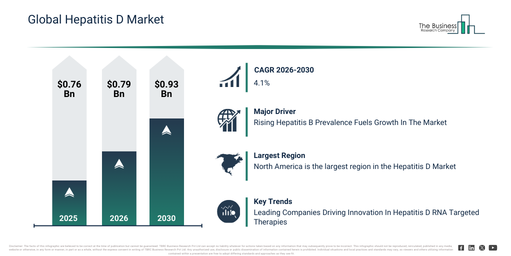
  • Hepatitis D Industry Poised for Rapid Growth, Forecast to Touch $0.92 Billion by 2030 at 4.1% CAGR

    Hepatitis D Industry Poised for Rapid Growth, Forecast to Touch $0.92 Billion by 2030 at 4.1% CAGR

    Uncover key drivers, emerging technologies, and competitive movements shaping the hepatitis d market from 2026–2035 with trusted insights from The Business Research Company

    What upper market value could the Hepatitis D Market reach by 2030 starting from 2026 levels?

    The hepatitis d market size has shown consistent growth over recent years. It is projected to expand from $0.76 billion in 2025 to $0.79 billion in 2026, achieving a compound annual growth rate (CAGR) of 4.4%. This historical expansion is attributable to several factors, including enhanced hepatitis B screening coverage, a greater understanding of HDV severity, improved diagnostic capabilities, an increase in referrals to specialty centers, and the introduction of targeted therapies.

    The market for hepatitis d is anticipated to experience consistent expansion over the upcoming years. This market is projected to reach $0.93 billion by 2030, exhibiting a compound annual growth rate (CAGR) of 4.1%. Several factors will drive this growth during the forecast period, including intensified research into new HDV treatments, a heightened emphasis on combination antiviral therapies, the broadening of vaccination-related prevention approaches, increasing understanding among high-risk groups, and greater financial commitments to research into rare liver diseases. Key trends expected during this period involve a stronger focus on the early detection of co-infections, the expanded application of advanced serologic testing, an increasing need for specialized treatment plans, the wider implementation of hospital-based disease management, and improved emphasis on disease awareness.

    Access Your Free Sample Report for In-Depth Market Insights:

    https://www.thebusinessresearchcompany.com/sample.aspx?id=21202&type=smp

    Which Drivers Are Influencing Long-Term Growth In The Hepatitis D Market?

    The rising occurrence of hepatitis B is anticipated to drive the expansion of the hepatitis D market in the future. Hepatitis B is defined as a viral ailment impacting the liver, manifesting symptoms like jaundice, tiredness, and discomfort in the abdomen, potentially progressing to chronic liver conditions or liver cancer without proper treatment. The surge in Hepatitis B instances stems from reasons including unsafe sexual encounters, the practice of sharing needles, vertical transmission from mother to child during birth, and inadequate vaccine distribution in specific areas. Hepatitis D depends on the Hepatitis B virus for its reproduction, utilizing Hepatitis B’s surface antigen to penetrate liver cells, thus establishing co-infection of these two viruses as a crucial element in the advancement of liver disease. For example, as reported in April 2025 by the Department of Health and Human Services, a US government agency, newly reported chronic hepatitis B cases reached 17,650 during 2023, with 1,769 hepatitis B-related fatalities also documented in 2023. Consequently, the growing incidence of hepatitis B is fueling the expansion of the hepatitis D market.

    How Is The Hepatitis D Market Divided Into Segments?

    The hepatitis d market covered in this report is segmented –

    1) By Type: Acute, Chronic

    2) By Diagnosis: Blood Tests, Elastography, Liver Biopsy, Serologic Testing, Other Diagnosis

    3) By Distribution Channel: Hospital pharmacies, Retail pharmacies

    4) By End-Users: Clinic, Hospital, Other End Users

    Subsegments:

    1) By Acute: Self-limiting Acute Hepatitis D, Severe Acute Hepatitis D

    2) By Chronic: Compensated Chronic Hepatitis D, Decompensated Chronic Hepatitis D

    Which Trends Are Influencing The Development Of The Hepatitis D Market?

    Leading firms within the hepatitis D sector are prioritizing the creation of novel treatments, including RNA-targeted antiviral therapy, with the goal of enhancing patient results and fulfilling unmet clinical requirements for chronic hepatitis D infection. This type of antiviral therapy functions by directly engaging a virus’s RNA to impede its ability to replicate, interfere with the creation of viral proteins, or deactivate viral genes, leading to a decrease in viral load and management of the infection. An example of this progress is seen in December 2024, when Vir Biotechnology Inc., a biotechnology firm based in the US, was granted both Breakthrough Therapy status by the U.S. Food and Drug Administration (FDA) and Priority Medicines (PRIME) status by the European Medicines Agency (EMA) for its combined treatment, tobevibart and elebsiran, aimed at chronic hepatitis delta (CHD).

    Which Key Players Are Driving Competition In The Hepatitis D Market?

    Major companies operating in the hepatitis d market are F. Hoffmann-La Roche Ltd., Merck & Co. Inc., Bristol-Myers Squibb Company, Abbott Laboratories, GSK plc, Gilead Sciences Inc., Viatris Inc., VBI Vaccines Inc., Alnylam Pharmaceuticals Inc., Arrowhead Pharmaceuticals Inc., Dynavax Technologies Corporation, Echosens S.A., Arbutus Biopharma Corporation, PROBIOMED SA de CV, Assembly Biosciences Inc., Replicor Inc., Eiger BioPharmaceuticals Inc., Bluejay Therapeutics Inc., Janssen Pharmaceuticals Inc., Transgene SA, Vir Biotechnology Inc., Biorex Diagnostics Ltd.

    Access The Complete Report For Deeper Market Insights:

    https://www.thebusinessresearchcompany.com/report/hepatitis-d-global-market-report

    Which Region Currently Holds The Largest Share Of The Hepatitis D Market?

    North America was the largest region in the hepatitis D market in 2025. Asia-Pacific is expected to be the fastest-growing region in the forecast period. The regions covered in the hepatitis d market report are Asia-Pacific, South East Asia, Western Europe, Eastern Europe, North America, South America, Middle East, Africa.

    Request Your Customized Hepatitis D Market Research Report for Competitive Advantage:

    https://www.thebusinessresearchcompany.com/customise?id=21202&type=smp

    Browse Through More Reports Similar to the Global Hepatitis D Market 2026, By The Business Research Company

    Hepatitis C Market Report 2026

    https://www.thebusinessresearchcompany.com/report/hepatitis-c-global-market-report

    Viral Hepatitis Market Report 2026

    https://www.thebusinessresearchcompany.com/report/viral-hepatitis-global-market-report

    Vitamin D Market Report 2026

    https://www.thebusinessresearchcompany.com/report/vitamin-d-global-market-report

    Get in touch with us:

    The Business Research Company: https://www.thebusinessresearchcompany.com/

    Americas +1 310-496-7795

    Asia +44 7882 955267 & +91 8897263534

    Europe +44 7882 955267

    Email us at info@tbrc.info

    Follow us on:

    LinkedIn: https://in.linkedin.com/company/the-business-research-company

    YouTube: https://www.youtube.com/channel/UC24_fI0rV8cR5DxlCpgmyFQ

    Global Market Model: https://www.thebusinessresearchcompany.com/global-market-model
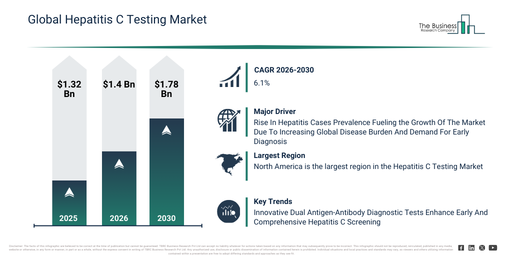
  • Hepatitis C Testing Market Performance Outlook 2026–2030: Revenue to Hit $1.77 Billion at 6.1% CAGR

    Hepatitis C Testing Market Performance Outlook 2026–2030: Revenue to Hit $1.77 Billion at 6.1% CAGR

    Uncover key drivers, emerging technologies, and competitive movements shaping the hepatitis c testing market from 2026–2035 with trusted insights from The Business Research Company

    What level of CAGR-driven expansion is anticipated in the Hepatitis C Testing Market between 2026 and 2030?

    The hepatitis c testing market has experienced robust growth recently. Forecasts indicate it will expand from $1.32 billion in 2025 to $1.4 billion in 2026, demonstrating a compound annual growth rate (CAGR) of 6.4%. Historically, this expansion is linked to factors such as broader blood screening programs, an increase in the prevalence of hepatitis c infections, enhanced awareness regarding diagnostics, the introduction of advanced testing kits, and an uptick in public health surveillance efforts.

    The hepatitis c testing market is anticipated to experience substantial expansion in the coming years. This market is projected to reach $1.78 billion by 2030, demonstrating a compound annual growth rate (CAGR) of 6.1%. Several factors are driving this growth during the forecast period, including a rise in global elimination programs, increased demand for point-of-care diagnostic tools, broader availability of molecular testing, greater investment in diagnostics for infectious diseases, and a heightened emphasis on early intervention strategies. Key trends expected during this period involve a greater embrace of rapid diagnostic tests, an uptick in the application of molecular testing technologies, a reinforced commitment to early disease screening, an increase in high-throughput laboratory testing capabilities, and improved oversight of treatment results.

    Access Your Free Sample Report for In-Depth Market Insights:

    https://www.thebusinessresearchcompany.com/sample.aspx?id=24559&type=smp

    What Drivers Are Affecting Demand-Supply Dynamics In The Hepatitis C Testing Market?

    The increasing occurrence of hepatitis cases is projected to drive expansion in the hepatitis C testing market. Hepatitis C, a viral infection, inflames the liver and, if unaddressed, can result in severe liver damage. The rise in hepatitis cases is primarily due to inadequate vaccination coverage, leaving many vulnerable and aiding viral transmission. Early detection of the virus through hepatitis C testing enables timely treatment, preventing liver damage and major complications. Furthermore, it identifies infected people, helping to stop its spread and improve disease management. For instance, the World Health Organization (WHO), a Switzerland-based intergovernmental organization focused on global public health, reported in April 2024 that globally over 50 million people live with chronic hepatitis C virus infection, with about 1.0 million new infections annually. Consequently, the growing occurrence of hepatitis cases is propelling the hepatitis C testing market’s expansion.

    What Segments Are Included Within The Hepatitis C Testing Market?

    The hepatitis c testing market covered in this report is segmented –

    1) By Test Type: Antibody Tests, Nucleic Acid Tests, Genotyping Tests

    2) By Technology: Enzyme-Linked Immunosorbent Assay (ELISA), Rapid Diagnostic Tests, Polymerase Chain Reaction, Next-Generation Sequencing

    3) By Application: Blood Screening, Viral Load Monitoring, Disease Diagnosis

    4) By End-User: Hospital-Based Laboratories, Stand-Alone Laboratories, Other End-Users

    Subsegments:

    1) By Antibody Tests: Enzyme Immunoassay (EIA), Recombinant Immunoblot Assay (RIBA), Rapid Diagnostic Tests (RDTs)

    2) By Nucleic Acid Tests (NATs): Quantitative Ribonucleic Acid (RNA) Tests, Qualitative Ribonucleic Acid (RNA) Tests, Transcription-Mediated Amplification (TMA), Reverse Transcription Polymerase Chain Reaction (RT-PCR)

    3) By Genotyping Tests: Line Probe Assay (LiPA), Sequencing-Based Assay, Real-Time Polymerase Chain Reaction (PCR)-Based Genotyping

    What Trends Are Expected To Impact The Competitive Landscape Of The Hepatitis C Testing Market?

    Major companies in the hepatitis C testing market are prioritizing the development of advanced solutions like dual antigen-antibody diagnostic tests to facilitate more effective screening and monitoring of the infection. An antigen-antibody diagnostic test works by identifying viral proteins (antigens) and immune response proteins (antibodies), thereby distinguishing both active and past infections. This combined approach delivers a comprehensive assessment of the infection status. For example, in July 2023, Roche Diagnostics India Pvt. Ltd., an India-based supplier of diagnostic tests and systems, introduced Elecsys HCV Duo, a fully automated immunoassay capable of detecting both HCV antigens and antibodies simultaneously and independently from a single plasma or serum sample. This innovation aids in early diagnosis, improves patient management, and aligns with India’s national strategy for hepatitis C elimination through prompt and thorough screening.

    Who Are The Top-Performing Companies In The Hepatitis C Testing Market In Recent Years?

    Major companies operating in the hepatitis c testing market are F. Hoffmann-La Roche Ltd., Bayer AG, Thermo Fisher Scientific Inc., Abbott Laboratories, Siemens Healthineers AG, Quest Diagnostics Incorporated, Hologic Inc., QuidelOrtho Corporation, Sysmex Corporation, Bio-Rad Laboratories Inc., SD Biosensor INC., QIAGEN N.V., DiaSorin S.p.A., Cepheid, OraSure Technologies Inc., Meridian Bioscience Inc., Trivitron Healthcare Private Limited, General Biologicals Corporation, Biogate Laboratories Ltd., Cosara Diagnostics Private Limited, BioGenex Life Sciences Private Limited

    Access The Complete Report For Deeper Market Insights:

    https://www.thebusinessresearchcompany.com/report/hepatitis-c-testing-global-market-report

    How Does The Hepatitis C Testing Market Perform Across Major Global Regions?

    North America was the largest region in the hepatitis C testing market in 2025. Asia-Pacific is expected to be the fastest-growing region in the forecast period. The regions covered in the hepatitis c testing market report are Asia-Pacific, South East Asia, Western Europe, Eastern Europe, North America, South America, Middle East, Africa.

    Request Your Customized Hepatitis C Testing Market Research Report for Competitive Advantage:

    https://www.thebusinessresearchcompany.com/customise?id=24559&type=smp

    Browse Through More Reports Similar to the Global Hepatitis C Testing Market 2026, By The Business Research Company

    Viral Hepatitis Market Report 2026

    https://www.thebusinessresearchcompany.com/report/viral-hepatitis-global-market-report

    Hepatitis Diagnostic Tests Market Report 2026

    https://www.thebusinessresearchcompany.com/report/hepatitis-diagnostic-tests-global-market-report

    Covid 19 Rapid Test Kits Market Report 2026

    https://www.thebusinessresearchcompany.com/report/covid-19-rapid-test-kits-global-market-report

    Get in touch with us:

    The Business Research Company: https://www.thebusinessresearchcompany.com/

    Americas +1 310-496-7795

    Asia +44 7882 955267 & +91 8897263534

    Europe +44 7882 955267

    Email us at info@tbrc.info

    Follow us on:

    LinkedIn: https://in.linkedin.com/company/the-business-research-company

    YouTube: https://www.youtube.com/channel/UC24_fI0rV8cR5DxlCpgmyFQ

    Global Market Model: https://www.thebusinessresearchcompany.com/global-market-model
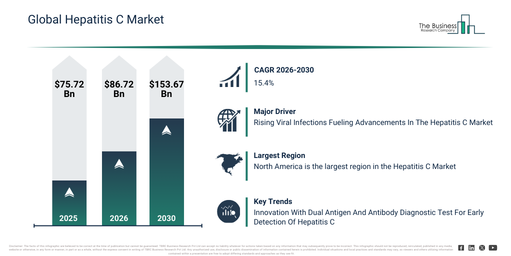
  • Global Hepatitis C Market Set for Strong Expansion, Reaching $153.66 Billion With 15.4% CAGR by 2030

    Global Hepatitis C Market Set for Strong Expansion, Reaching $153.66 Billion With 15.4% CAGR by 2030

    Uncover key drivers, emerging technologies, and competitive movements shaping the hepatitis c market from 2026–2035 with trusted insights from The Business Research Company

    What long-term size projections exist for the Hepatitis C Market covering 2026–2035?

    The hepatitis c market has seen rapid expansion in recent years. Its size is expected to increase from $75.72 billion in 2025 to $86.72 billion in 2026, achieving a compound annual growth rate (CAGR) of 14.5%. The historical growth of this market can be attributed to factors such as improved blood screening methods, the broader availability of antiviral drugs, a rise in diagnosis rates, increased awareness of viral hepatitis, and backing from public health initiatives.

    The market size for hepatitis c is projected to undergo swift growth over the next few years. By 2030, this market is anticipated to reach $153.67 billion, expanding at a compound annual growth rate (CAGR) of 15.4%. This projected growth during the forecast period is fueled by several factors, including health organizations setting more ambitious elimination targets, increased investment in hepatitis screening, the wider adoption of streamlined treatment protocols, the broader reach of telemedicine-based care, and improved access in developing markets. Key developments expected in this period encompass the greater uptake of direct-acting antivirals, an elevated emphasis on early screening initiatives, wider availability of curative treatment options, the spread of public health awareness campaigns, and a stronger focus on ensuring treatment compliance.

    Access Your Free Sample Report for In-Depth Market Insights:

    https://www.thebusinessresearchcompany.com/sample.aspx?id=12582&type=smp

    Which Drivers Are Impacting The Competitive Landscape Of The Hepatitis C Market?

    Rising viral infections are projected to drive the expansion of the hepatitis C market. Viral infections are defined as illnesses caused by a virus in the body. Treatments for hepatitis C work by eradicating the viral infection and restoring the immune response in patients following viral clearance, thereby reducing the viral load. For instance, in August 2024, the Centers for Disease Control and Prevention, a US-based public health agency, indicated that the percentage of individuals with Parvovirus B19, a seasonal respiratory viral infection, rose across all age groups, increasing from 3% during 2022–2024 to 10% in June 2024. Among these, children aged 5–9 years showed the most significant surge, with prevalence jumping from 15% during 2022–2024 to 40% by June 2024. Additionally, the proportion of pooled samples containing parvovirus B19 DNA levels grew substantially from 1.5% in December 2023 to 19.9% in June 2024. Thus, the growth in viral infections is a key driver for the hepatitis C market.

    What Leading Segments Are Studied In The Hepatitis C Market?

    The hepatitis c market covered in this report is segmented –

    1) By Type: Chronic Hepatitis C, Acute Hepatitis C

    2) By Diagnosis: Liver Biopsy, Blood Tests, Imaging Tests, Other Diagnosis

    3) By Distribution Channel: Hospital And Retail Pharmacies, Online Pharmacies

    4) By End-User: Hospitals, Clinics, Ambulatory Surgical Centers, Diagnostic Laboratories, Research Institutes, Home Care Settings

    Subsegments:

    1) By Chronic Hepatitis C: Genotype 1, Genotype 2, Genotype 3, Genotype 4, Genotype 5, Genotype 6

    2) By Acute Hepatitis C: Symptomatic, Asymptomatic

    Which Trends Are Guiding The Evolution Of The Hepatitis C Market?

    Leading companies in the hepatitis C market are concentrating on developing sophisticated products, such as combined antigen and antibody diagnostic tests, to enhance the precision and effectiveness of early diagnosis and treatment. This type of dual diagnostic test identifies both the presence of hepatitis C virus (HCV) antigens and antibodies within a patient’s blood. For example, in July 2023, Roche Diagnostics, a Switzerland-based firm specializing in diagnostic tests, instruments, and digital solutions, introduced Elecsys HCV Duo in India. The Elecsys HCV Duo is a dual antigen and antibody diagnostic test engineered for the simultaneous detection of both the hepatitis C virus (HCV) antigen and antibodies from a single plasma or serum specimen. The test’s ability to detect both markers addresses the difficulty posed by asymptomatic early infections, which frequently remain undiagnosed because antibodies are often absent in the initial phases. By allowing for earlier detection of active infections, the Elecsys HCV Duo supports healthcare providers in initiating suitable treatment plans more swiftly, potentially curbing disease progression and transmission rates.

    Which Leading Companies Dominate The Hepatitis C Market Share?

    Major companies operating in the hepatitis c market are Pfizer Inc., F. Hoffmann-La Roche Ltd., Merck & Co. Inc., AbbVie Inc., Novartis AG, Bristol-Myers Squibb Company, GlaxoSmithKline plc, Takeda Pharmaceutical Company Limited, Eli Lilly and Company, Boehringer Ingelheim International GmbH, Amgen Inc., Mylan N.V., Teva Pharmaceutical Industries Ltd., Daiichi Sankyo Company Limited, Eisai Co. Ltd., Otsuka Pharmaceutical Co. Ltd., Aurobindo Pharma Ltd., Cipla Ltd., Lupin Limited, Cadila Healthcare Ltd., Biocon Limited

    Access The Complete Report For Deeper Market Insights:

    https://www.thebusinessresearchcompany.com/report/hepatitis-c-global-market-report

    Which Region Is Anticipated To See The Fastest Growth In The Hepatitis C Market?

    North America was the largest region in the hepatitis C market in 2025. Asia-Pacific is expected to be the fastest-growing region in the forecast period. The regions covered in the hepatitis c market report are Asia-Pacific, South East Asia, Western Europe, Eastern Europe, North America, South America, Middle East, Africa.

    Request Your Customized Hepatitis C Market Research Report for Competitive Advantage:

    https://www.thebusinessresearchcompany.com/customise?id=12582&type=smp

    Browse Through More Reports Similar to the Global Hepatitis C Market 2026, By The Business Research Company

    Hepatitis Drugs Market Report 2026

    https://www.thebusinessresearchcompany.com/report/hepatitis-drugs-global-market-report

    Viral Hepatitis Market Report 2026

    https://www.thebusinessresearchcompany.com/report/viral-hepatitis-global-market-report

    Preventive Vaccines Market Report 2026

    https://www.thebusinessresearchcompany.com/report/preventive-vaccines-global-market-report

    Get in touch with us:

    The Business Research Company: https://www.thebusinessresearchcompany.com/

    Americas +1 310-496-7795

    Asia +44 7882 955267 & +91 8897263534

    Europe +44 7882 955267

    Email us at info@tbrc.info

    Follow us on:

    LinkedIn: https://in.linkedin.com/company/the-business-research-company

    YouTube: https://www.youtube.com/channel/UC24_fI0rV8cR5DxlCpgmyFQ

    Global Market Model: https://www.thebusinessresearchcompany.com/global-market-model
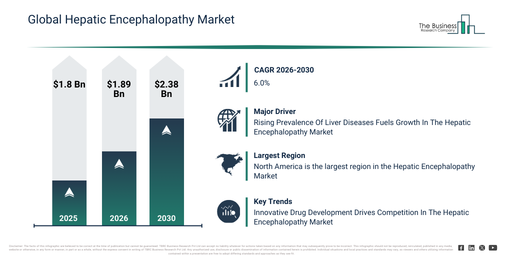
  • Hepatic Encephalopathy Market Growth Projection: Expected to Surpass $2.38 Billion by 2030 at 6% CAGR

    Hepatic Encephalopathy Market Growth Projection: Expected to Surpass $2.38 Billion by 2030 at 6% CAGR

    Uncover key drivers, emerging technologies, and competitive movements shaping the hepatic encephalopathy market from 2026–2035 with trusted insights from The Business Research Company

    What total market size is anticipated for the Hepatic Encephalopathy Market in 2030?

    The hepatic encephalopathy market has experienced robust expansion in recent years. Its value is expected to increase from $1.8 billion in 2025 to $1.89 billion in 2026, exhibiting a compound annual growth rate (CAGR) of 5.0%. The growth observed in prior periods can be attributed to factors such as the rising prevalence of chronic liver diseases, increasing alcohol consumption rates, a higher incidence of cirrhosis, improved diagnostic understanding, and the proliferation of specialty liver care centers.

    The hepatic encephalopathy market is anticipated to show significant expansion in the coming years, with its size projected to reach $2.38 billion by 2030, exhibiting a compound annual growth rate (CAGR) of 6.0%. This expected growth during the forecast period is driven by factors such as the increasing demand for advanced therapeutic options, a rise in liver transplant procedures, a heightened focus on reducing hospitalization rates, the broadening use of digital monitoring tools, and increased investments in hepatology research. Prominent trends observed in this period include the wider adoption of targeted drug therapies, the expanding use of combination treatment regimens, a greater emphasis on early diagnosis and continuous monitoring, the extension of hospital-based treatment protocols, and improved patient-centric care strategies.

    Access Your Free Sample Report for In-Depth Market Insights:

    https://www.thebusinessresearchcompany.com/sample.aspx?id=12906&type=smp

    What Drivers Are Influencing Production Trends In The Hepatic Encephalopathy Market?

    The expanding occurrence of liver ailments is anticipated to drive forward the growth of the hepatic encephalopathy market. Liver disease is a medical condition affecting the liver and impairing its function. Treatments for liver disease, such as those for hepatic encephalopathy, can alleviate symptoms, slow disease progression, improve liver function, and reduce hepatic encephalopathy occurrences. This is achieved by enhancing the management of underlying conditions, which can potentially decrease the frequency and severity of events and improve patients’ overall quality of life. For instance, in April 2024, data from the Office for Health Improvement and Disparities, a UK-based government department, revealed that hospital admission rates for liver disease have consistently risen, reaching 155.2 per 100,000 population (with a range of 152.9 to 157.5) in the financial year ending 2023, an increase from 150.6 (148.2 to 152.9) the previous year. Therefore, the growing prevalence of liver diseases drives the hepatic encephalopathy market.

    Which Segment Groups Are Influencing The Hepatic Encephalopathy Market?

    The hepatic encephalopathy market covered in this report is segmented –

    1) By Drug Class: Antibiotics, Laxatives

    2) By Route Of Administration: Oral, Intravenous, Rectal

    3) By Distribution Channel: Hospital Pharmacies, Retail Pharmacies

    Subsegments:

    1) By Antibiotics: Rifaximin, Neomycin

    2) By Laxatives: Lactulose, Polyethylene Glycol

    What Trends Are Projected To Support The Growth Of The Hepatic Encephalopathy Market?

    Leading companies within the hepatic encephalopathy market are creating novel medications to address hepatic encephalopathy, aiming to secure competitive edges and solidify their market standing. For instance, in June 2023, Karolinska Development AB, a Sweden-based pharmaceutical company, developed the new drug GR3027 (golexanolone) specifically for the treatment of hepatic encephalopathy. This compound is an orally administered small molecule, identified as a GABAA-receptor-modulating steroid antagonist (GAMSA), engineered to counteract the positive GABAA-receptor modulation influenced by endogenous neuroactive steroids. Furthermore, investigations into this drug for HE are ongoing. The clinical trial for CHE is currently proceeding through Phases I/IIa.

    Who Are The Major Companies Operating In The Hepatic Encephalopathy Market?

    Major companies operating in the hepatic encephalopathy market are Salix Pharmaceuticals, Bausch Health Companies, Norgine, Lupin, Sun Pharmaceutical Industries, Dr Reddys Laboratories, Cipla, Teva Pharmaceutical Industries, Mylan, Torrent Pharmaceuticals, Amneal Pharmaceuticals, Zydus Lifesciences, Aurobindo Pharma, Intas Pharmaceuticals, Alkem Laboratories, Alembic Pharmaceuticals, Wockhardt, Hetero Drugs, Cadila Pharmaceuticals, Abbott India

    Access The Complete Report For Deeper Market Insights:

    https://www.thebusinessresearchcompany.com/report/hepatic-encephalopathy-global-market-report

    Which Region Is Anticipated To See The Fastest Growth In The Hepatic Encephalopathy Market?

    North America was the largest region in the hepatic encephalopathy market in 2025. The regions covered in the hepatic encephalopathy market report are Asia-Pacific, South East Asia, Western Europe, Eastern Europe, North America, South America, Middle East, Africa.

    Request Your Customized Hepatic Encephalopathy Market Research Report for Competitive Advantage:

    https://www.thebusinessresearchcompany.com/customise?id=12906&type=smp

    Browse Through More Reports Similar to the Global Hepatic Encephalopathy Market 2026, By The Business Research Company

    Liver Cancer Diagnostics Market Report 2026

    https://www.thebusinessresearchcompany.com/report/liver-cancer-diagnostics-global-market-report

    Encephalitis Treatment Market Report 2026

    https://www.thebusinessresearchcompany.com/report/encephalitis-treatment-global-market-report

    Liver Diseases Therapeutics Market Report 2026

    https://www.thebusinessresearchcompany.com/report/liver-diseases-therapeutics-global-market-report

    Get in touch with us:

    The Business Research Company: https://www.thebusinessresearchcompany.com/

    Americas +1 310-496-7795

    Asia +44 7882 955267 & +91 8897263534

    Europe +44 7882 955267

    Email us at info@tbrc.info

    Follow us on:

    LinkedIn: https://in.linkedin.com/company/the-business-research-company

    YouTube: https://www.youtube.com/channel/UC24_fI0rV8cR5DxlCpgmyFQ

    Global Market Model: https://www.thebusinessresearchcompany.com/global-market-model
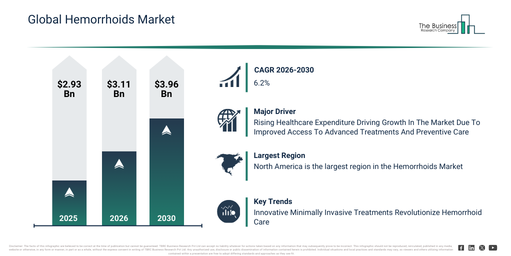
  • Hemorrhoids Market Forecast 2026–2035: How to Leverage Market Growth

    Hemorrhoids Market Forecast 2026–2035: How to Leverage Market Growth

    Uncover key drivers, emerging technologies, and competitive movements shaping the hemorrhoids market from 2026–2035 with trusted insights from The Business Research Company

    What is the expected shift in the Hemorrhoids Market’s size between 2026 and 2030?

    The hemorrhoids market size has experienced robust growth recently. Projections indicate it will expand from $2.93 billion in 2025 to $3.11 billion in 2026, demonstrating a compound annual growth rate (CAGR) of 6.4%. Historically, this expansion has been driven by factors such as the rising prevalence of sedentary lifestyles, an increasing incidence of chronic constipation, heightened awareness of anorectal disorders, the expansion of outpatient treatment facilities, and the availability of multiple treatment options.

    The hemorrhoids market is projected to undergo significant expansion in the coming years. Its value is expected to ascend to $3.96 billion by 2030, exhibiting a compound annual growth rate (CAGR) of 6.2%. This anticipated increase during the forecast period can be ascribed to an expanding elderly demographic, a heightened emphasis on prompt diagnosis and treatment, increasing demand for procedures that are minimally invasive, the broader availability of teleconsultation for anorectal care, and the greater accessibility of advanced therapeutic methods. Prominent trends for the forecast period include the increasing uptake of minimally invasive hemorrhoid treatments, a growing need for over-the-counter drugs, an expanding utilization of non-surgical interventions, the proliferation of homecare-based management solutions, and a stronger focus on patient comfort and recuperation.

    Access Your Free Sample Report for In-Depth Market Insights:

    https://www.thebusinessresearchcompany.com/sample.aspx?id=22000&type=smp

    Which Drivers Are Shaping Strategic Decisions In The Hemorrhoids Market?

    The increasing healthcare spending is anticipated to propel the expansion of the hemorrhoids market going forward. Healthcare expenditure represents the total financial resources allocated by individuals, organizations, or governments towards preventing, treating, and managing various health conditions. This expenditure is growing due to progress in medical technology, as new diagnostic tools, treatments, and innovative therapies often entail higher costs, resulting in greater overall spending within the healthcare sector. Higher healthcare expenditure enhances access to treatment, preventive care, medications, and advanced procedures, thereby improving the management and outcomes for hemorrhoids. For instance, in December 2024, according to the Centers for Medicare & Medicaid Services, a US-based agency responsible for administering the Medicare and Medicaid programs, U.S. health care expenditures in 2023 rose by 7.5%, reaching $4.9 trillion, which equates to roughly $14,570 for each individual. Therefore, the rising healthcare expenditure is a significant factor driving the growth of the hemorrhoids market.

    What Segment Classifications Make Up The Hemorrhoids Market?

    The hemorrhoids market covered in this report is segmented –

    1) By Type: Internal Hemorrhoids, External Hemorrhoids, Mixed Hemorrhoids

    2) By Treatment Type: Medications, Procedures And Surgical Treatments

    3) By End User: Hospitals, Clinics, Ambulatory Surgery Centers (ASCs), Homecare

    4) By Distribution Channel: Hospital Pharmacies, Retail Pharmacies, Online Pharmacies

    Subsegments:

    1) By Internal Hemorrhoids: Grade I, Grade II, Grade III, Grade IV

    2) By External Hemorrhoids: Thrombosed External Hemorrhoids, Non-Thrombosed External Hemorrhoids

    3) By Mixed Hemorrhoids: Combined Internal And External Hemorrhoids, Prolapsed Hemorrhoids

    Which Trends Are Influencing The Performance And Direction Of The Hemorrhoids Market?

    Major companies active in the hemorrhoid market are developing innovative surgical offerings, specifically minimally invasive hemorrhoid treatments, to enhance patient comfort, reduce recovery times, and improve clinical outcomes. A minimally invasive hemorrhoid treatment involves advanced medical procedures that lessen tissue damage, pain, and recovery duration compared to traditional hemorrhoidectomy methods. For instance, in December 2023, Medical Fintech Innovations B.V., a technology company from the Netherlands, introduced the HemWell GEN 2. This next-generation device features the innovative Hemwellectomy procedure, which is a minimally invasive electrosurgical solution for hemorrhoids. This advanced technique is designed to offer patients a less painful alternative to conventional hemorrhoidectomy procedures, promoting faster recovery and enabling a quicker return to daily activities.

    Which Major Firms Are Strengthening Their Position In The Hemorrhoids Market?

    Major companies operating in the hemorrhoids market are Johnson & Johnson, Bayer AG, Abbott Laboratories, Medtronic Plc, Takeda Pharmaceutical Company, Boston Scientific Corporation, Church & Dwight Co. Inc., Dr. Reddy’s Laboratories Ltd, Glenmark Pharmaceuticals, B. Braun Melsungen AG, Sebela Pharmaceuticals, Citius Pharmaceuticals, AMATO PHARMACEUTICAL PRODUCTS LTD, Surkon Medical Co. Ltd., Privi Medical, CONMED Corporation, Integra LifeSciences Corporation, Takeda Consumer Healthcare, Fresenius Kabi, Sanofi

    Access The Complete Report For Deeper Market Insights:

    https://www.thebusinessresearchcompany.com/report/hemorrhoids-global-market-report

    Which Global Regions Are Shaping The Competitive Landscape Of The Hemorrhoids Market?

    North America was the largest region in the hemorrhoids market in 2025. The regions covered in the hemorrhoids market report are Asia-Pacific, South East Asia, Western Europe, Eastern Europe, North America, South America, Middle East, Africa.

    Request Your Customized Hemorrhoids Market Research Report for Competitive Advantage:

    https://www.thebusinessresearchcompany.com/customise?id=22000&type=smp

    Browse Through More Reports Similar to the Global Hemorrhoids Market 2026, By The Business Research Company

    Bleeding Disorders Treatment Market Report 2026

    https://www.thebusinessresearchcompany.com/report/bleeding-disorders-treatment-global-market-report

    Adult Intraventricular Hemorrhage Market Report 2026

    https://www.thebusinessresearchcompany.com/report/adult-intraventricular-hemorrhage-global-market-report

    Hemostasis Products Market Report 2026

    https://www.thebusinessresearchcompany.com/report/hemostasis-products-global-market-report

    Get in touch with us:

    The Business Research Company: https://www.thebusinessresearchcompany.com/

    Americas +1 310-496-7795

    Asia +44 7882 955267 & +91 8897263534

    Europe +44 7882 955267

    Email us at info@tbrc.info

    Follow us on:

    LinkedIn: https://in.linkedin.com/company/the-business-research-company

    YouTube: https://www.youtube.com/channel/UC24_fI0rV8cR5DxlCpgmyFQ

    Global Market Model: https://www.thebusinessresearchcompany.com/global-market-model