Category: HealthcareServices

  • Healthcare ERP Consulting Services Sector Forecast Shows Robust Momentum, Climbing to $10.3 Billion With 10.7% CAGR

    Healthcare ERP Consulting Services Sector Forecast Shows Robust Momentum, Climbing to $10.3 Billion With 10.7% CAGR

    Uncover key drivers, emerging technologies, and competitive movements shaping the healthcare erp consulting services market from 2026–2035 with trusted insights from The Business Research Company

    What level of CAGR-driven expansion is anticipated in the Healthcare ERP Consulting Services Market between 2026 and 2030?

    The healthcare erp consulting services market size has experienced rapid expansion in recent years. It is projected to increase from $6.18 billion in 2025 to $6.87 billion in 2026, at a compound annual growth rate (CAGR) of 11.3%. The growth observed in the historic period stems from factors such as increasing complexity of healthcare operations, expansion of hospital networks, the rising need for financial transparency, the adoption of digital hospital management systems, and growing regulatory reporting requirements.

    The healthcare erp consulting services market size is projected to experience substantial growth in the upcoming years. It is foreseen to expand to $10.31 billion by 2030, progressing at a compound annual growth rate (CAGR) of 10.7%. This anticipated growth can be linked to several factors during the forecast period, including rising investments in cloud-native erp platforms, an increasing need for real-time operational analytics, the expansion of value-based healthcare models, a heightened focus on cybersecurity compliance, and the growing adoption of integrated healthcare IT ecosystems. Prominent trends throughout the forecast period include the increasing uptake of cloud-based healthcare erp systems, a surging demand for erp implementation and integration services, an intensified focus on data-driven hospital management, the broadening of compliance and regulatory consulting, and a stronger emphasis on workflow optimization.

    Access Your Free Sample Report for In-Depth Market Insights:

    https://www.thebusinessresearchcompany.com/sample.aspx?id=6931&type=smp

    What Drivers Are Affecting Demand-Supply Dynamics In The Healthcare ERP Consulting Services Market?

    The expansion of telemedicine services is projected to stimulate the growth of the healthcare ERP consulting services market going forward. These services refer to the remote delivery of healthcare, medical consultations, and clinical services using telecommunications technology, primarily the Internet and video conferencing tools. Telemedicine platforms generate a vast amount of patient data. Healthcare ERP systems are essential for integrating this data with other healthcare records and streamlining patient management and billing processes. For instance, in September 2024, according to the Australian Bureau of Statistics (ABS), the national statistical agency of Australia, in 2023–24, 83.5% of males reported using telehealth services, an increase from 78.6% in 2022–23. Therefore, the growth of telemedicine services is driving the expansion of the healthcare ERP consulting services market.

    What Segments Are Included Within The Healthcare ERP Consulting Services Market?

    The healthcare erp consulting services market covered in this report is segmented –

    1) By Functionality: Implementation, Training And Education, Other Functionalities

    2) By Deployment: On-Premise ERP Consulting, Cloud-Based ERP Consulting, Hybrid ERP Consulting

    3) By End-User: Hospitals and Health Systems, Clinics and Ambulatory Care Centers, Diagnostic and Imaging Centers, Specialty Healthcare Providers, Other Healthcare Facilities

    Subsegments:

    1) By Implementation: System Integration, Configuration, Data Migration

    2) By Training and Education: User Training, Administrator Training, Ongoing Education Programs

    3) By Other Functionality: Process Optimization, Change Management, Compliance And Regulatory Support

    How Are New Market Trends Shaping The Landscape Of The Healthcare ERP Consulting Services Market?

    Leading firms within the healthcare ERP consulting services market are developing sophisticated solutions incorporating features unique to healthcare, empowering organizations to streamline their processes and enhance patient care via customized enterprise resource planning systems. These healthcare-specific functionalities denote features and tools crafted to meet the distinct demands and necessities of the healthcare sector. An example is Oracle Corporation, a US-based computer software company, which introduced its Fusion Cloud Applications Suite in September 2023, featuring new healthcare-focused capabilities intended to boost operational efficiency and patient well-being. These healthcare-tailored capabilities cover aspects such as financial consolidation and reporting, procurement, planning for replenishment, and management of recalls. These functionalities are slated for integration into Oracle Fusion Cloud Enterprise Resource Planning (ERP), Oracle Fusion Cloud Enterprise Performance Management (EPM), and Oracle Fusion Cloud Supply Chain & Manufacturing (SCM).

    Who Are The Major Companies Operating In The Healthcare ERP Consulting Services Market?

    Major companies operating in the healthcare erp consulting services market are Accenture plc, Deloitte Touche Tohmatsu, PricewaterhouseCoopers, Infosys Limited, Atos Information Technology GmbH, Avaap USA LLC, Wipro Limited, KPMG International Limited, Clarkston Consulting, JDC Systems Innovations, The RockWood Group INC., AIM Solutions, Alithya Group Inc., LeverX International LLC, Panorama Consulting Group, Traction Consulting Group, Cognizant Technology Solutions India Private Limited, HCL Technologies, IBM Corporation, Tata Consultancy Services Limited, Tech Mahindra Limited, Ernst & Young Global Limited

    Access The Complete Report For Deeper Market Insights:

    https://www.thebusinessresearchcompany.com/report/healthcare-erp-consulting-services-global-market-report

    Which Region Is Anticipated To See The Fastest Growth In The Healthcare ERP Consulting Services Market?

    North America was the largest region in the healthcare ERP consulting services market in 2025. The regions covered in the healthcare erp consulting services market report are Asia-Pacific, South East Asia, Western Europe, Eastern Europe, North America, South America, Middle East, Africa.

    Request Your Customized Healthcare ERP Consulting Services Market Research Report for Competitive Advantage:

    https://www.thebusinessresearchcompany.com/customise?id=6931&type=smp

    Browse Through More Reports Similar to the Global Healthcare ERP Consulting Services Market 2026, By The Business Research Company

    Healthcare Consulting Services Market Report 2026

    https://www.thebusinessresearchcompany.com/report/healthcare-consulting-services-global-market-report

    Healthcare Consulting Services Market Report 2026

    https://www.thebusinessresearchcompany.com/report/healthcare-consulting-services-global-market-report

    Healthcare It Consulting Market Report 2026

    https://www.thebusinessresearchcompany.com/report/healthcare-it-consulting-global-market-report

    Get in touch with us:

    The Business Research Company: https://www.thebusinessresearchcompany.com/

    Americas +1 310-496-7795

    Asia +44 7882 955267 & +91 8897263534

    Europe +44 7882 955267

    Email us at info@tbrc.info

    Follow us on:

    LinkedIn: https://in.linkedin.com/company/the-business-research-company

    YouTube: https://www.youtube.com/channel/UC24_fI0rV8cR5DxlCpgmyFQ

    Global Market Model: https://www.thebusinessresearchcompany.com/global-market-model
  • Healthcare Equipment Leasing Market Anticipated to Record Steady Gains, Advancing to $100.4 Billion by 2030

    Healthcare Equipment Leasing Market Anticipated to Record Steady Gains, Advancing to $100.4 Billion by 2030

    Uncover key drivers, emerging technologies, and competitive movements shaping the healthcare equipment leasing market from 2026–2035 with trusted insights from The Business Research Company

    What long-term size projections exist for the Healthcare Equipment Leasing Market covering 2026–2035?

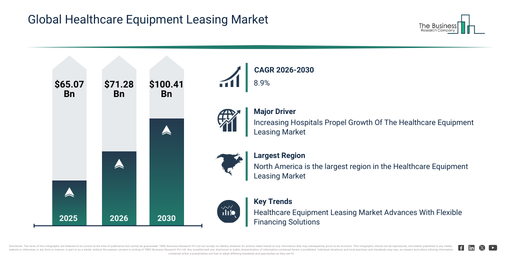
    The market for healthcare equipment leasing has demonstrated robust expansion over recent years. This market is projected to expand from $65.07 billion in 2025 to $71.28 billion in 2026, registering a compound annual growth rate (CAGR) of 9.5%. Historically, this growth has been driven by several factors, including the increasing capital cost of medical equipment, the expansion of diagnostic and surgical facilities, a rising demand for technology upgrades, the growth of outpatient care centers, and increasing financial constraints among healthcare providers.

    The healthcare equipment leasing market is projected to experience robust expansion in the coming years. It is expected to grow to $100.41 billion by 2030, demonstrating a compound annual growth rate (CAGR) of 8.9%. This anticipated growth is primarily driven by factors such as the increasing uptake of subscription-based leasing models, a heightened demand for swift equipment upgrades, the broadening scope of homecare equipment leasing, an amplified focus on cost optimization strategies, and the greater integration of digital lease management platforms. Significant trends foreseen during this forecast period encompass a growing inclination towards leasing equipment rather than outright ownership, an increasing need for adaptable financing solutions, the rising adoption of refurbished medical equipment leasing, the proliferation of usage-based leasing agreements, and an enhanced emphasis on comprehensive asset lifecycle management.

    Access Your Free Sample Report for In-Depth Market Insights:

    https://www.thebusinessresearchcompany.com/sample.aspx?id=16698&type=smp

    Which Drivers Are Impacting The Competitive Landscape Of The Healthcare Equipment Leasing Market?

    The increasing number of hospitals is projected to boost the expansion of the healthcare equipment leasing market moving forward. Hospitals are medical facilities that provide patient care and treatment. The necessity for hospitals is fueled by a combination of demographic shifts, a rise in chronic diseases, population growth, enhanced health awareness, and expanded health insurance coverage. The continuous need for advanced medical technology by hospitals creates a demand for healthcare equipment leasing. For instance, the American Hospital Association, a US-based non-profit organization, reported 6,120 hospitals in the United States in 2024, which signifies an increase from 6,093 hospitals in 2022. Thus, the growing number of hospitals and clinics is propelling the growth of the healthcare equipment leasing market.

    What Leading Segments Are Studied In The Healthcare Equipment Leasing Market?

    The healthcare equipment leasing market covered in this report is segmented –

    1) By Device Type: Personal And Homecare Leasing Equipment, Digital And Electronic Equipment, Surgical And Therapy Leasing Equipment, Durable Medical Equipment (DME), Storage And Transport Leasing Equipment, Other Device Types

    2) By Device Finance Type: New Medical Equipment, Rental Equipment, Refurbished Equipment, Other Device Finance Types

    3) By End-User: Ambulatory Surgical Services, Hospitals, Homecare, Laboratory And Diagnostic Centers, Other End Users

    Subsegments:

    1) By Personal And Homecare Leasing Equipment: Home Oxygen Equipment, CPAP Machines, Mobility Aids (Wheelchairs, Walkers)

    2) By Digital And Electronic Equipment: Diagnostic Imaging Equipment (X-ray, MRI, CT scanners), Patient Monitoring Systems, Diagnostic And Lab Testing Equipment

    3) By Surgical and Therapy Leasing Equipment: Anesthesia Machines, Physiotherapy Equipment, Laser Therapy Equipment

    4) By Durable Medical Equipment (DME): Hospital Beds, Respiratory Equipment, Patient Lifts and Hoists

    5) By Storage And Transport Leasing Equipment: Refrigerators/Freezers for Medical Use, Patient Transport Stretchers

    6) By Other Device Types: Laboratory Equipment, Dialysis Machines, Defibrillators, Infusion Pumps

    Which Trends Are Expected To Influence The Healthcare Equipment Leasing Market In The Upcoming Years?

    Leading companies in the healthcare equipment leasing market are now offering adaptable financing choices to assist healthcare providers in acquiring sophisticated equipment. These versatile financing options represent diverse financial frameworks or plans that provide flexibility and adjustability, meeting the specific needs of borrowers or purchasers. For example, in June 2024, Capital MBS, a US-based platform for funding solutions, introduced flexible financing options tailored for the medical and dental sectors. This initiative involved collaborations with trusted banks, empowering healthcare providers to procure advanced equipment without substantial upfront costs or delays. The offerings encompass financing for diagnostic tools like MRI, CT scanners, X-ray systems, along with surgical instruments, dental technologies, patient care equipment, and laboratory instruments. An accessible online application process ensures swift access to these financing solutions, enabling healthcare professionals to secure the necessary funds for crucial medical technology.

    Which Major Firms Are Strengthening Their Position In The Healthcare Equipment Leasing Market?

    Major companies operating in the healthcare equipment leasing market are McKesson Corporation, Stryker Corporation, Far East Horizon Limited, Hill-Rom Holdings Inc., Getinge AB, Genertec Universal Medical Group, Encore Medical Capital, Agiliti Inc., Meridian Group International Inc., Crossroads Equipment Lease and Finance, AvTech Capital LLC, United Leasing & Finance, Med One Group, Providence Capital Funding Inc., Lease Corporation of America, Dext Capital LLC, Crest Capital, Madison Capital LLC, National Technology Leasing Corp, Insight Financial Services, Liberty Capital Group

    Access The Complete Report For Deeper Market Insights:

    https://www.thebusinessresearchcompany.com/report/healthcare-equipment-leasing-global-market-report

    Which Global Regions Are Shaping The Competitive Landscape Of The Healthcare Equipment Leasing Market?

    North America was the largest region in the healthcare equipment leasing market in 2025. Asia-Pacific is expected to be the fastest-growing region in the forecast period. The regions covered in the healthcare equipment leasing market report are Asia-Pacific, South East Asia, Western Europe, Eastern Europe, North America, South America, Middle East, Africa.

    Request Your Customized Healthcare Equipment Leasing Market Research Report for Competitive Advantage:

    https://www.thebusinessresearchcompany.com/customise?id=16698&type=smp

    Browse Through More Reports Similar to the Global Healthcare Equipment Leasing Market 2026, By The Business Research Company

    Equipment Leasing Software Market Report 2026

    https://www.thebusinessresearchcompany.com/report/equipment-leasing-software-global-market-report

    Medical Equipment Rental Market Report 2026

    https://www.thebusinessresearchcompany.com/report/medical-equipment-rental-global-market-report

    Automotive Equipment Leasing Market Report 2026

    https://www.thebusinessresearchcompany.com/report/automotive-equipment-leasing-global-market-report

    Get in touch with us:

    The Business Research Company: https://www.thebusinessresearchcompany.com/

    Americas +1 310-496-7795

    Asia +44 7882 955267 & +91 8897263534

    Europe +44 7882 955267

    Email us at info@tbrc.info

    Follow us on:

    LinkedIn: https://in.linkedin.com/company/the-business-research-company

    YouTube: https://www.youtube.com/channel/UC24_fI0rV8cR5DxlCpgmyFQ

    Global Market Model: https://www.thebusinessresearchcompany.com/global-market-model

  • Global Hereditary Cancer Testing Industry Trends and Market Forecast 2026–2030

    Global Hereditary Cancer Testing Industry Trends and Market Forecast 2026–2030

    Uncover key drivers, emerging technologies, and competitive movements shaping the hereditary cancer testing market from 2026–2035 with trusted insights from The Business Research Company

    What size range is anticipated for the Hereditary Cancer Testing Market from 2026 to 2030?

    The hereditary cancer testing market has observed swift expansion over recent years. Its valuation is set to increase from $4.75 billion in 2025 to $5.3 billion in 2026, exhibiting a compound annual growth rate (CAGR) of 11.6%. This historical progression can be linked to heightened awareness of hereditary cancer risks, the introduction of next-generation sequencing platforms, the proliferation of diagnostic laboratory networks, an uptick in physician recommendations for genetic testing, and the advancement of personalized risk assessment models.

    The hereditary cancer testing market is projected to experience substantial growth over the coming years. By 2030, its valuation is anticipated to reach $8.02 billion, exhibiting a compound annual growth rate (CAGR) of 10.9%. This expansion throughout the forecast period stems from factors such as the broader implementation of population-scale genetic screening, a greater utilization of ai-driven genomic analysis, an increase in preventive oncology initiatives, a heightened need for cost-effective testing solutions, and stronger regulatory backing for genetic diagnostics. Significant trends anticipated in this period encompass the rising uptake of multi-gene panel testing, an escalating call for early cancer risk detection, the expanding application of advanced genetic sequencing technologies, the broadening of preventive testing programs, and improved integration of clinical decision support tools.

    Access Your Free Sample Report for In-Depth Market Insights:

    https://www.thebusinessresearchcompany.com/sample.aspx?id=8121&type=smp

    What Drivers Are Affecting Demand In The Hereditary Cancer Testing Market?

    The increasing global cancer burden is projected to stimulate the hereditary cancer testing market moving forward. Cancer refers to a collection of diseases defined by the unregulated and abnormal proliferation of cells, which can penetrate and spread to other bodily tissues. In a healthy living organism, cells adhere to a disciplined process of growth, division, and death. Hereditary cancer testing plays a vital role in addressing the comprehensive impact of cancer by pinpointing individuals with a genetic predisposition to particular cancers. By examining inherited mutations and family risk factors, this testing assists in identifying individuals at elevated risk, thus enabling prompt intervention, customized treatment strategies, and proactive preventative actions. As an illustration, in July 2024, data from the Australian Institute of Health and Welfare, an Australia-based government agency, revealed that the number of cancer cases diagnosed in Australia rose from 160,570 in 2022 to 164,694 in 2023, marking a significant annual increase. This escalating trend underscores the expanding prevalence of cancer within the country. Thus, the growth in the overall cancer burden is a key driver for the hereditary cancer testing market.

    Which Segment Groups Are Influencing The Hereditary Cancer Testing Market?

    The hereditary cancer testing market covered in this report is segmented –

    1) By Test Type: Multi Panel Test, Single-Site Genetic Test

    2) By Indication: Breast Cancer, Ovarian Cancer, Colorectal Cancer, Other Indications

    3) By End user: Hospital, Clinics, Diagnostic Centers

    Subsegments:

    1) By Multi Panel Test: Comprehensive Genetic Panels, Targeted Gene Panels

    2) By Single-Site Genetic Test: Specific Gene Testing, Familial Mutation Testing

    Which Innovation Trends Are Advancing Developments Within The Hereditary Cancer Testing Market?

    Major companies operating in the hereditary cancer testing market are increasingly concentrating on innovative technologies, such as molecular diagnostic tumor testing, to enhance accuracy, improve patient outcomes, and personalize treatment strategies. Molecular diagnostic tumor testing involves analyzing a tumor’s genetic and molecular characteristics to inform treatment decisions and predict outcomes. For instance, in February 2023, Chubb Business Services India Private Limited, an India-based global insurance company, launched Cancer Advocate Plus. This program includes genetics-based testing to identify inherited genes that increase cancer risk. This proactive approach allows individuals to understand their susceptibility to various cancers, thereby facilitating early intervention and personalized care strategies.

    Who Are The Top-Performing Companies In The Hereditary Cancer Testing Market In Recent Years?

    Major companies operating in the hereditary cancer testing market are Centogene NV, Ambry Genetics Inc., Myriad Genetics Inc., NeoGenomics Laboratories Inc., Quest Diagnostics, PreventionGenetics, Fulgent Genetics Inc., Invitae Corporation, Medical Diagnostic Laboratories LLC, Natera Inc., Color Health Inc., CooperSurgical Inc., OPKO Health Inc., Illumina Inc., Laboratory Corporation of America Holdings, Pathway Genomics Corporation, Strand Life Sciences Private Limited, Progenity Inc., Myogenes Ltd., Associated Regional and University Pathologists Inc., 4baseCare, Biocartis Group NV, F. Hoffmann-La Roche AG, Medgenome Pvt. Ltd., Abbott Laboratories, Agilent Technologies Inc., Bio-Rad Laboratories Inc., Thermo Fisher Scientific Inc., Oxford Nanopore Technologies PLC, PerkinElmer Inc.

    Access The Complete Report For Deeper Market Insights:

    https://www.thebusinessresearchcompany.com/report/hereditary-cancer-testing-global-market-report

    How Does The Hereditary Cancer Testing Market Perform Across Major Global Regions?

    North America was the largest region in the hereditary cancer testing market in 2025. The regions covered in the hereditary cancer testing market report are Asia-Pacific, South East Asia, Western Europe, Eastern Europe, North America, South America, Middle East, Africa.

    Request Your Customized Hereditary Cancer Testing Market Research Report for Competitive Advantage:

    https://www.thebusinessresearchcompany.com/customise?id=8121&type=smp

    Browse Through More Reports Similar to the Global Hereditary Cancer Testing Market 2026, By The Business Research Company

    Genetic Toxicology Testing Market Report 2026

    https://www.thebusinessresearchcompany.com/report/genetic-toxicology-testing-global-market-report

    Genetic Testing Market Report 2026

    https://www.thebusinessresearchcompany.com/report/genetic-testing-global-market-report

    Hereditary Breast And Ovarian Cancer Syndrome Treatment Market Report 2026

    https://www.thebusinessresearchcompany.com/report/hereditary-breast-and-ovarian-cancer-syndrome-treatment-global-market-report

    Get in touch with us:

    The Business Research Company: https://www.thebusinessresearchcompany.com/

    Americas +1 310-496-7795

    Asia +44 7882 955267 & +91 8897263534

    Europe +44 7882 955267

    Email us at info@tbrc.info

    Follow us on:

    LinkedIn: https://in.linkedin.com/company/the-business-research-company

    YouTube: https://www.youtube.com/channel/UC24_fI0rV8cR5DxlCpgmyFQ

    Global Market Model: https://www.thebusinessresearchcompany.com/global-market-model

  • Hereditary Breast and Ovarian Cancer Syndrome Treatment Market Size and Demand Forecast 2026–2030

    Hereditary Breast and Ovarian Cancer Syndrome Treatment Market Size and Demand Forecast 2026–2030

    Uncover key drivers, emerging technologies, and competitive movements shaping the hereditary breast and ovarian cancer syndrome treatment market from 2026–2035 with trusted insights from The Business Research Company

    How is the Hereditary Breast and Ovarian Cancer Syndrome Treatment Market size predicted to change over the forecast window of 2026–2035?

    The hereditary breast and ovarian cancer syndrome treatment market has seen significant expansion in recent years. This market is anticipated to rise from $7.07 billion in 2025 to $7.47 billion in 2026, registering a compound annual growth rate (CAGR) of 5.6%. The expansion observed historically can be credited to heightened awareness of hereditary cancer syndromes, the availability of BRCA mutation testing, the development of cancer screening infrastructure, increased reliance on hormonal therapies, and the establishment of specialized oncology clinics.

    The hereditary breast and ovarian cancer syndrome treatment market size is anticipated to experience substantial expansion over the upcoming years. It is projected to reach $9.69 billion in 2030, demonstrating a compound annual growth rate (CAGR) of 6.7%. This growth within the forecast period can be attributed to the broadening of personalized oncology treatment methods, a rise in the adoption of preventive surgeries, advancements in the development of targeted and immunotherapies, increasing investments in genetic diagnostics, and enhanced long-term patient monitoring solutions. Significant trends for the forecast period encompass a greater uptake of genetic counselling services, an expanding utilization of preventive therapeutic strategies, the growing integration of targeted cancer therapies, the enlargement of risk-based screening programs, and a heightened concentration on early intervention approaches.

    Access Your Free Sample Report for In-Depth Market Insights:

    https://www.thebusinessresearchcompany.com/sample.aspx?id=13209&type=smp

    Which Drivers Are Contributing To The Expansion Of The Hereditary Breast and Ovarian Cancer Syndrome Treatment Market?

    The increasing incidence of ovarian cancer is anticipated to drive the expansion of the hereditary breast and ovarian cancer syndrome treatment market in the future. Ovarian cancer refers to a malignant tumor originating in the ovaries, which are the female reproductive organs involved in producing eggs and hormones. This rise is attributed to factors such as extended longevity, delayed childbearing, and evolving lifestyle patterns. Hereditary Breast and Ovarian Cancer Syndrome (HBOC) is a genetic condition that elevates the risk of developing breast, ovarian, and other types of cancers. For instance, data from April 2024, provided by the World Ovarian Cancer Coalition, a Canada-based not-for-profit organization, indicated that approximately 324,603 women worldwide were diagnosed with ovarian cancer in 2022. Projections show that the yearly case count is expected to reach nearly half a million by 2050, representing a 55% increase. Consequently, the growing occurrence of ovarian cancer is stimulating the growth of the hereditary breast and ovarian cancer syndrome treatment market.

    What Segment Classifications Make Up The Hereditary Breast and Ovarian Cancer Syndrome Treatment Market?

    The hereditary breast and ovarian cancer syndrome treatment market covered in this report is segmented –

    1) By Treatment: Hormonal Therapy, Chemoprevention, Genetic Counselling, Medication, Other Treatments

    2) By Diagnosis: Genetic Testing, Magnetic Resonance Imaging (MRI), Mammography, Other Diagnosis

    3) By Route Of Administration: Oral, Parenteral, Other Routes Of Administration

    4) By End-User: Hospitals, Specialty Clinics, Homecare, Other End-Users

    Subsegments:

    1) By Hormonal Therapy: Selective Estrogen Receptor Modulators (SERMs), Aromatase Inhibitors

    2) By Chemoprevention: Tamoxifen, Raloxifene

    3) By Genetic Counselling: Risk Assessment, Family Planning Guidance

    4) By Medication: Targeted Therapies, Immune Checkpoint Inhibitors

    5) By Other Treatments: Preventive Surgery, Surveillance Strategies

    Which Competitive Trends Are Impacting The Structure Of The Hereditary Breast and Ovarian Cancer Syndrome Treatment Market?

    Leading companies in the hereditary breast and ovarian cancer syndrome treatment market are embracing new therapeutic approaches, such as comprehensive risk tests, to offer reliable services to their clientele. A complete risk assessment test serves as a tool to help identify an individual’s susceptibility to developing a condition or exhibiting disease symptoms. For instance, in February 2023, Genetic Technologies Limited, an Australia-based molecular diagnostics company, unveiled a pioneering comprehensive risk assessment test, categorized as a treatment for breast and ovarian cancer. This test combines gene mutation analysis for breast and ovarian cancers, factors in both hereditary and non-hereditary risk elements, and includes the GeneType risk score for both cancer types. It employs a distinctive methodology that integrates the detection of the 13 primary actionable breast and ovarian cancer susceptibility genes with the GeneType test platform. This new testing platform is designed for women over 30 who, apart from unusual genetic variations, are at an elevated risk of developing breast and ovarian cancer in the general population.

    Which Leading Companies Dominate The Hereditary Breast and Ovarian Cancer Syndrome Treatment Market Share?

    Major companies operating in the hereditary breast and ovarian cancer syndrome treatment market are Pfizer Inc., Johnson & Johnson Private Limited, F. Hoffmann-La Roche Ltd., Merck & Co., AbbVie Inc., Bayer AG, Sanofi-Aventis LLC, AstraZeneca plc, GlaxoSmithKline plc, Eli Lilly and Company, Daiichi Sankyo Co. Ltd., Seagen Inc., Genentech Inc., CRISPR Therapeutics AG, Editas Medicine Inc., Myriad Genetics Inc., Invitae Corporation, Natera Inc., LifeLabs Genetics, Abbott Laboratories

    Access The Complete Report For Deeper Market Insights:

    https://www.thebusinessresearchcompany.com/report/hereditary-breast-and-ovarian-cancer-syndrome-treatment-global-market-report

    Which Region Is Anticipated To See The Fastest Growth In The Hereditary Breast and Ovarian Cancer Syndrome Treatment Market?

    North America was the largest region in the hereditary breast and ovarian cancer syndrome treatment market in 2025. Asia-Pacific is expected to be the fastest-growing region in the forecast period. The regions covered in the hereditary breast and ovarian cancer syndrome treatment market report are Asia-Pacific, South East Asia, Western Europe, Eastern Europe, North America, South America, Middle East, Africa.

    Request Your Customized Hereditary Breast and Ovarian Cancer Syndrome Treatment Market Research Report for Competitive Advantage:

    https://www.thebusinessresearchcompany.com/customise?id=13209&type=smp

    Browse Through More Reports Similar to the Global Hereditary Breast and Ovarian Cancer Syndrome Treatment Market 2026, By The Business Research Company

    Breast Cancer Drugs Market Report 2026

    https://www.thebusinessresearchcompany.com/report/breast-cancer-drugs-global-market-report

    Hereditary Cancer Testing Market Report 2026

    https://www.thebusinessresearchcompany.com/report/hereditary-cancer-testing-global-market-report

    Ovarian Cancer Drugs Market Report 2026

    https://www.thebusinessresearchcompany.com/report/ovarian-cancer-drugs-global-market-report

    Get in touch with us:

    The Business Research Company: https://www.thebusinessresearchcompany.com/

    Americas +1 310-496-7795

    Asia +44 7882 955267 & +91 8897263534

    Europe +44 7882 955267

    Email us at info@tbrc.info

    Follow us on:

    LinkedIn: https://in.linkedin.com/company/the-business-research-company

    YouTube: https://www.youtube.com/channel/UC24_fI0rV8cR5DxlCpgmyFQ

    Global Market Model: https://www.thebusinessresearchcompany.com/global-market-model
  • Hereditary Angioedema Market Outlook: Growth and Forecast Highlights 2030

    Hereditary Angioedema Market Outlook: Growth and Forecast Highlights 2030

    Uncover key drivers, emerging technologies, and competitive movements shaping the hereditary angioedema market from 2026–2035 with trusted insights from The Business Research Company

    What market expansion outlook does the Hereditary Angioedema Market show for the 2026–2030 period?

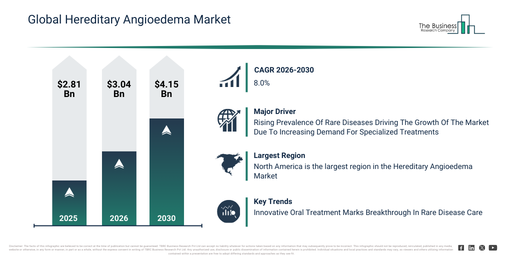
    The hereditary angioedema market has shown robust growth in recent years. It is anticipated to expand from $2.81 billion in 2025 to $3.04 billion in 2026, achieving a compound annual growth rate (CAGR) of 8.2%. This historical expansion can be attributed to several factors including heightened clinical awareness of rare genetic disorders, the widespread availability of plasma-derived C1 esterase inhibitors, an increase in specialty treatment centers, enhanced diagnostic accuracy for HAE, and burgeoning patient advocacy initiatives.

    The hereditary angioedema market is projected to experience robust expansion over the coming years. By 2030, this market is anticipated to reach $4.15 billion, demonstrating a compound annual growth rate (CAGR) of 8.0%. Factors contributing to this growth during the forecast period include the broader availability of new oral and subcutaneous treatments, increased funding for rare disease drug research, a greater embrace of personalized medical strategies, the expansion of genetic screening initiatives, and enhanced long-term disease management protocols. Key trends anticipated during this period involve a greater uptake of specific bradykinin-targeting treatments, an increase in the application of preventive treatment plans, an intensified emphasis on early genetic detection, the proliferation of self-administered therapies at home, and more refined patient-focused treatment methodologies.

    Access Your Free Sample Report for In-Depth Market Insights:

    https://www.thebusinessresearchcompany.com/sample.aspx?id=22002&type=smp

    What Drivers Are Shaping The Development Of The Hereditary Angioedema Market?

    The increasing occurrence of rare diseases is projected to drive the expansion of the hereditary angioedema market in the future. Rare diseases, also known as orphan diseases, refer to health conditions that impact a small segment of the population. The rise in the prevalence of rare diseases is influenced by multiple factors, including progress in medical research, shifts in population demographics, and environmental effects. Hereditary angioedema (HAE) is a significant rare disease, underscoring the demand for specialized treatments and awareness due to its dangerous swelling episodes. Its infrequent nature and genetic basis make prompt diagnosis and targeted therapies vital for effective management and improved patient results. For instance, in January 2025, The American Cancer Society, a US-based professional organization, estimated that by 2025, 59,660 new cases of oral cavity and oropharyngeal cancer are expected to be diagnosed, and approximately 12,770 people are projected to die from these cancers. Consequently, the growing prevalence of rare diseases is fueling the growth of the hereditary angioedema market.

    What Segment Types Are Examined In The Hereditary Angioedema Market?

    The hereditary angioedema market covered in this report is segmented –

    1) By Type: Hereditary Angioedema Type I, Hereditary Angioedema Type II

    2) By Treatment Type: Prophylaxis, On-demand

    3) By Drug Class: C-1 Esterase Inhibitors, Bradykynin Receptor Antagonist, Kallikrein Inhibitors, Other Drug Classes

    4) By Route Of Administration: Subcutaneous, Intravenous, Oral

    5) By Distribution channel: Hospital Pharmacies, Retail Pharmacies, Online Pharmacies

    Subsegments:

    1) By Hereditary Angioedema Type I: C1-Inhibitor Deficiency, Low C1-Inhibitor Levels

    2) By Hereditary Angioedema Type II: Normal C1-Inhibitor Levels, Dysfunctional C1-Inhibitor, Genetic Mutations In SERPING1 Gene

    What Industry Trends Are Transforming The Hereditary Angioedema Market?

    Key companies in the hereditary angioedema market are developing innovative products, such as oral plasma kallikrein inhibitors, to offer patients more convenient and effective on-demand treatment options. Oral plasma kallikrein inhibitors are drugs that block plasma kallikrein to prevent excessive bradykinin production, primarily used for treating hereditary angioedema. For instance, in September 2024, KalVista Pharmaceuticals, Inc., a US-based pharmaceutical company, announced that the FDA has accepted its new drug application (NDA) for sebetralstat. This investigational oral plasma kallikrein inhibitor is intended for the on-demand treatment of hereditary angioedema (HAE) attacks in both adult and pediatric patients aged 12 and older. Sebetralstat provides a new treatment approach by targeting and inhibiting plasma kallikrein activity. The acceptance of the NDA represents a major milestone toward potential approval and commercialization.

    Who Are The Major Companies Operating In The Hereditary Angioedema Market?

    Major companies operating in the hereditary angioedema market are Takeda Pharmaceutical Company Limited, CSL Limited, Sanofi S.A., Pharming Group N.V., BioCryst Pharmaceuticals Inc., KalVista Pharmaceuticals Inc., Ionis Pharmaceuticals Inc., Intellia Therapeutics Inc., Arrowhead Pharmaceuticals Inc., Astria Therapeutics Inc., Pharvaris N.V., Adverum Biotechnologies Inc., ADARx Pharmaceuticals Inc., Attune Pharmaceuticals Inc., Lev Pharmaceuticals Inc., BioMarin Pharmaceutical Inc., Spark Therapeutics Inc., Otsuka Pharmaceutical Co. Ltd., Pfizer Inc., Regeneron Pharmaceuticals Inc., Vertex Pharmaceuticals Incorporated, Alnylam Pharmaceuticals Inc.

    Access The Complete Report For Deeper Market Insights:

    https://www.thebusinessresearchcompany.com/report/hereditary-angioedema-global-market-report

    Which Region Is Anticipated To See The Fastest Growth In The Hereditary Angioedema Market?

    North America was the largest region in the hereditary angioedema market in 2025. Asia-Pacific is expected to be the fastest-growing region in the forecast period. The regions covered in the hereditary angioedema market report are Asia-Pacific, South East Asia, Western Europe, Eastern Europe, North America, South America, Middle East, Africa.

    Request Your Customized Hereditary Angioedema Market Research Report for Competitive Advantage:

    https://www.thebusinessresearchcompany.com/customise?id=22002&type=smp

    Browse Through More Reports Similar to the Global Hereditary Angioedema Market 2026, By The Business Research Company

    Biopsy Devices Market Report 2026

    https://www.thebusinessresearchcompany.com/report/biopsy-devices-global-market-report

    Angina Market Report 2026

    https://www.thebusinessresearchcompany.com/report/angina-global-market-report

    Angina Pectoris Drugs Market Report 2026

    https://www.thebusinessresearchcompany.com/report/angina-pectoris-drugs-global-market-report

    Get in touch with us:

    The Business Research Company: https://www.thebusinessresearchcompany.com/

    Americas +1 310-496-7795

    Asia +44 7882 955267 & +91 8897263534

    Europe +44 7882 955267

    Email us at info@tbrc.info

    Follow us on:

    LinkedIn: https://in.linkedin.com/company/the-business-research-company

    YouTube: https://www.youtube.com/channel/UC24_fI0rV8cR5DxlCpgmyFQ

    Global Market Model: https://www.thebusinessresearchcompany.com/global-market-model
  • Herceptin Market Insights Report: Opportunities and Drivers 2030

    Herceptin Market Insights Report: Opportunities and Drivers 2030

    Uncover key drivers, emerging technologies, and competitive movements shaping the herceptin market from 2026–2035 with trusted insights from The Business Research Company

    What level of growth is expected in the Herceptin Market between 2026 and 2030?

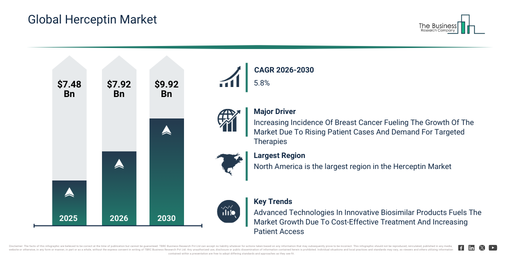
    The herceptin market has experienced substantial growth in recent years. It is projected to expand from $7.48 billion in 2025 to $7.92 billion in 2026, exhibiting a compound annual growth rate (CAGR) of 5.8%. Historically, this expansion was fueled by several factors, including the increased diagnosis of her2-positive cancer, widespread clinical adoption of trastuzumab, advancements in oncology infusion infrastructure, the availability of biologic manufacturing capabilities, and the integration of herceptin into standard treatment guidelines.

    The herceptin market is projected to experience substantial expansion over the coming years, reaching a valuation of $9.92 billion by 2030, exhibiting a compound annual growth rate (CAGR) of 5.8%. This anticipated growth can be linked to several factors, including heightened biosimilar competition, a growing need for cost-effective biologic treatments, the expansion of targeted oncology development pipelines, greater uptake of individualized cancer therapies, and increased funding in biologic drug innovation. Key developments anticipated during this period involve the rising acceptance of biosimilar trastuzumab offerings, increased utilization of subcutaneous drug delivery methods, the broadening of combination therapy approaches, a stronger emphasis on economical biologic solutions, and improved oversight of treatment results.

    Access Your Free Sample Report for In-Depth Market Insights:

    https://www.thebusinessresearchcompany.com/sample.aspx?id=24236&type=smp

    Which Drivers Are Expected To Impact The Herceptin Market During The Forecast Period?

    The rising occurrence of breast cancer is projected to significantly drive the expansion of the herceptin market in the foreseeable future. This malignancy originates in the breast’s cells, typically developing within the milk ducts or lobules. Its forms encompass invasive ductal carcinoma (IDC), invasive lobular carcinoma (ILC), and HER2-positive breast cancer. A contributing factor to the increase in breast cancer cases includes shifts in lifestyle habits, like greater alcohol intake, unhealthy diets, and insufficient physical exercise, all of which elevate risk. With a growing number of breast cancer diagnoses, especially those identified as HER2-positive, the need for potent targeted treatments like herceptin steadily escalates. For example, the American Cancer Society, a US-based cancer organization, predicted in January 2025 that an estimated 319,750 new breast cancer cases would be reported in 2025, alongside projections of approximately 42,680 fatalities attributed to the illness. Consequently, the escalating incidence of breast cancer is a key factor propelling the expansion of the herceptin market.

    Which Segments Are Driving Activity In The Herceptin Market?

    The herceptin market covered in this report is segmented –

    1) By Product: Biologic, Biosimilar

    2) By Application: Breast Cancer, Gastric Cancer

    3) By Payer: Commercial And Private, Public

    4) By Distribution Channel: Hospital Pharmacy, Specialty Pharmacy

    Subsegments:

    1) By Biologic: Intravenous (IV) Biologics, Subcutaneous (SC) Biologic

    2) By Biosimilar: Intravenous (IV) Biosimilars, Subcutaneous (SC) Biosimilars

    What Trends Are Reshaping The Dynamics Of The Herceptin Market?

    Leading companies engaged in the herceptin market are actively developing innovative treatment approaches, such as advanced biosimilar products, to broaden patient access and enhance therapeutic outcomes for individuals with HER2-positive cancers. These innovative biosimilar products are highly similar versions of already approved biologic medications, manufactured using sophisticated biotechnology to ensure equivalent safety, efficacy, and quality. For example, in April 2024, Accord BioPharma Inc., a US-based pharmaceutical company, received approval from the U.S. Food and Drug Administration for HERCESSI (trastuzumab-strf), a biosimilar to herceptin (trastuzumab), designated for treating HER2-overexpressing breast and gastric cancers. Biosimilars like HERCESSI demonstrate effectiveness and safety comparable to their reference biologics, while also potentially providing more cost-efficient treatment alternatives.

    Which Major Firms Are Strengthening Their Position In The Herceptin Market?

    Major companies operating in the herceptin market are Roche Holding AG, Pfizer Inc., Amgen Inc., Viatris Inc., Teva Pharmaceutical Industries Ltd, Biocon Limited, Dr. Reddy’s Laboratories, Celltrion Inc., Samsung Biologics, Fresenius Kabi, Intas Pharmaceuticals Ltd, Zydus Lifesciences Ltd, AryoGen Pharmed, Shanghai Henlius Biotech Inc., Prestige Biopharma Pte Ltd, Alvotech, Coherus BioSciences, BioXpress Therapeutics, Amneal Pharmaceuticals, Novartis AG

    Access The Complete Report For Deeper Market Insights:

    https://www.thebusinessresearchcompany.com/report/herceptin-global-market-report

    Which Global Regions Are Shaping The Competitive Landscape Of The Herceptin Market?

    North America was the largest region in the herceptin market in 2025. Asia-Pacific is expected to be the fastest-growing region in the forecast period. The regions covered in the herceptin market report are Asia-Pacific, South East Asia, Western Europe, Eastern Europe, North America, South America, Middle East, Africa.

    Request Your Customized Herceptin Market Research Report for Competitive Advantage:

    https://www.thebusinessresearchcompany.com/customise?id=24236&type=smp

    Browse Through More Reports Similar to the Global Herceptin Market 2026, By The Business Research Company

    Genital Herpes Market Report 2026

    https://www.thebusinessresearchcompany.com/report/genital-herpes-global-market-report

    Oleoresin Market Report 2026

    https://www.thebusinessresearchcompany.com/report/oleoresin-global-market-report

    Epinephrine Market Report 2026

    https://www.thebusinessresearchcompany.com/report/epinephrine-global-market-report

    Get in touch with us:

    The Business Research Company: https://www.thebusinessresearchcompany.com/

    Americas +1 310-496-7795

    Asia +44 7882 955267 & +91 8897263534

    Europe +44 7882 955267

    Email us at info@tbrc.info

    Follow us on:

    LinkedIn: https://in.linkedin.com/company/the-business-research-company

    YouTube: https://www.youtube.com/channel/UC24_fI0rV8cR5DxlCpgmyFQ

    Global Market Model: https://www.thebusinessresearchcompany.com/global-market-model
  • Herbal Shampoo Global Forecast: Market to Scale Up to $8.82 Billion by 2030 at 7.5% CAGR

    Herbal Shampoo Global Forecast: Market to Scale Up to $8.82 Billion by 2030 at 7.5% CAGR

    Uncover key drivers, emerging technologies, and competitive movements shaping the herbal shampoo market from 2026–2035 with trusted insights from The Business Research Company

    How much is the Herbal Shampoo Market valued at in 2026, and what valuation is forecast for 2030?

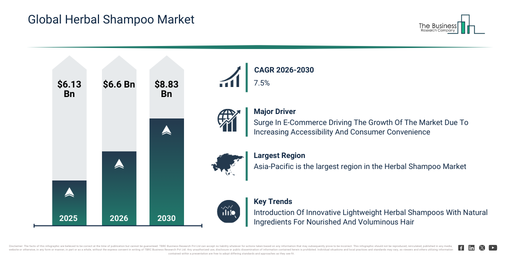
    The herbal shampoo market size has demonstrated robust growth in recent years. It is projected to expand from $6.13 billion in 2025 to $6.6 billion in 2026, reflecting a compound annual growth rate (CAGR) of 7.8%. This historical growth can be attributed to factors such as increasing consumer awareness of natural personal care, a rising prevalence of scalp sensitivity issues, the development of ayurvedic and herbal traditions, the broadening of retail distribution networks, and an enhanced availability of herbal raw materials.

    The herbal shampoo market is projected to experience significant expansion over the next few years, reaching $8.83 billion by 2030 with a compound annual growth rate (CAGR) of 7.5%. This anticipated growth can be attributed to several factors such as the increasing demand for eco-friendly personal care products, a rising adoption of clean beauty standards, the expansion of online beauty retail platforms, a growing focus on sustainable sourcing practices, and increasing product innovation within herbal formulations. Major trends expected during this forecast period include an escalating demand for chemical-free hair care solutions, the growing use of plant-based active ingredients, an expansion of dermatologically tested herbal formulations, a rising preference for sensitive scalp solutions, and an enhanced focus on sustainable packaging.

    Access Your Free Sample Report for In-Depth Market Insights:

    https://www.thebusinessresearchcompany.com/sample.aspx?id=24235&type=smp

    What Drivers Are Influencing The Growth Of The Herbal Shampoo Market?

    The expansion of e-commerce is projected to drive the growth of the herbal shampoo market in the coming years. E-commerce involves the online purchasing and selling of products and services, facilitating transactions over the internet. Its growth is fueled by offering the convenience of shopping from home, easy product comparison, faster delivery, and access to global markets. E-commerce positively impacts herbal shampoo by providing a broader reach to consumers, allowing brands to connect directly with a global audience, and increasing accessibility and convenience for customers to buy their preferred products online. For instance, in February 2025, a report from the US-based government agency, the Census Bureau, indicated that e-commerce sales in the fourth quarter of 2024 experienced a 9.4% (±1.1) growth over the same period in 2023, while total retail sales increased by 3.8% (±0.5). Consequently, the rise of e-commerce is expected to stimulate the herbal shampoo market’s growth.

    How Is The Herbal Shampoo Market Organized Into Various Segments?

    The herbal shampoo market covered in this report is segmented –

    1) By Product Type: Anti-Dandruff, Anti-Hair Fall, Nourishing, Volumizing, Other Product Types

    2) By Hair Type: Damaged, Normal, Dry, Oily, Colored, Curly

    3) By Ingredient: Aloe Vera, Neem, Tea Tree, Amla, Shikakai, Other Ingredients

    4) By Distribution Channel: Online Stores, Supermarkets Or Hypermarkets, Specialty Stores, Other Distribution Channels

    5) By End-User: Men, Women, Unisex

    Subsegments:

    1) By Anti-Dandruff: Neem-Based Shampoo, Tea Tree Oil Shampoo, Aloe Vera And Turmeric Shampoo, Zinc And Herbal Extract Shampoo, Ayurvedic Anti-Dandruff Shampoo

    2) By Anti-Hair Fall: Amla And Bhringraj Shampoo, Onion Extract Shampoo, Caffeine-Infused Herbal Shampoo, Ginseng And Ginkgo Biloba Shampoo, Keratin-Enriched Herbal Shampoo

    3) By Nourishing: Coconut Milk Shampoo, Argan Oil And Shea Butter Shampoo, Hibiscus And Aloe Vera Shampoo, Rice Water And Protein-Rich Herbal Shampoo, Vitamin E-Infused Herbal Shampoo

    4) By Volumizing: Biotin And Collagen Herbal Shampoo, Green Tea Extract Shampoo, Bamboo And Ginseng Shampoo, Honey And Lemon Shampoo, Fenugreek And Flaxseed Shampoo

    5) By Other Product Types: Herbal Dry Shampoo, Color-Protect Herbal Shampoo, PH-Balancing Herbal Shampoo, Herbal Baby Shampoo

    How Are New Market Trends Shaping The Landscape Of The Herbal Shampoo Market?

    Major companies in the herbal shampoo market are introducing innovative offerings, such as lightweight herbal shampoos, which are designed to cleanse and nourish hair without making it feel heavy or greasy, thus promoting a natural, bouncy texture. These hair care products are formulated with natural ingredients that effectively cleanse and nourish hair without weighing it down, resulting in a soft, fresh, and voluminous feel. For instance, in February 2024, Herbal Essences, a US-based hair care brand, launched 11 newly formulated herbal shampoos and conditioners. Each new formula incorporates a blend of pure aloe and camellia oil, with the camellia oil pressed from the seeds of the camellia plant, closely resembling the natural oils found in healthy hair. This oil quickly absorbs into the hair, enhancing the moisturizing and protective qualities of the pure aloe. The aloe utilized is certified pure, carefully handpicked, and extracted to preserve its antioxidant properties, making it a prominent feature of the shampoo.

    Who Are The Primary Competitors In The Global Herbal Shampoo Market?

    Major companies operating in the herbal shampoo market are Shiseido Company Limited, Amway Corp., Hain Celestial Group, Avalon Organics, Dabur India Limited, Patanjali Ayurved, Himalaya Wellness Company, Lotus Herbals Pvt. Ltd., Burt’s Bees, Mamaearth, CavinKare Pvt. Ltd., Desert Essence, Biotique, Dr. Organic, Giovanni Cosmetics, Kama Ayurveda, MAC Biosciences Private Limited, Vaadi Herbals Private Limited, Khadi Natural, Forest Essentials

    Access The Complete Report For Deeper Market Insights:

    https://www.thebusinessresearchcompany.com/report/herbal-shampoo-global-market-report

    Which Regions Are Poised For Strategic Growth In The Herbal Shampoo Market?

    Asia-Pacific was the largest region in the herbal shampoo market in 2025. North America is expected to be the fastest-growing region in the forecast period. The regions covered in the herbal shampoo market report are Asia-Pacific, South East Asia, Western Europe, Eastern Europe, North America, South America, Middle East, Africa.

    Request Your Customized Herbal Shampoo Market Research Report for Competitive Advantage:

    https://www.thebusinessresearchcompany.com/customise?id=24235&type=smp

    Browse Through More Reports Similar to the Global Herbal Shampoo Market 2026, By The Business Research Company

    Botanical Cleansing Oil Market Report 2026

    https://www.thebusinessresearchcompany.com/report/botanical-cleansing-oil-global-market-report

    Herbal Medicine Market Report 2026

    https://www.thebusinessresearchcompany.com/report/herbal-medicine-global-market-report

    Protein Shampoo Market Report 2026

    https://www.thebusinessresearchcompany.com/report/protein-shampoo-global-market-report

    Get in touch with us:

    The Business Research Company: https://www.thebusinessresearchcompany.com/

    Americas +1 310-496-7795

    Asia +44 7882 955267 & +91 8897263534

    Europe +44 7882 955267

    Email us at info@tbrc.info

    Follow us on:

    LinkedIn: https://in.linkedin.com/company/the-business-research-company

    YouTube: https://www.youtube.com/channel/UC24_fI0rV8cR5DxlCpgmyFQ

    Global Market Model: https://www.thebusinessresearchcompany.com/global-market-model

  • HER2-Positive Breast Cancer Market Future Outlook: Strong Growth Expected Toward $15.23 Billion by 2030

    HER2-Positive Breast Cancer Market Future Outlook: Strong Growth Expected Toward $15.23 Billion by 2030

    Uncover key drivers, emerging technologies, and competitive movements shaping the her2-positive breast cancer market from 2026–2035 with trusted insights from The Business Research Company

    By how much is the HER2-Positive Breast Cancer Market expected to grow between 2026 and 2030?

    The her2-positive breast cancer market size has experienced robust growth in recent years. It is projected to increase from $10.93 billion in 2025 to $11.7 billion in 2026, demonstrating a compound annual growth rate (CAGR) of 7.1%. The growth observed in the historic period is attributable to the increasing identification of her2-positive cases, the expansion of targeted oncology drug approvals, the growth in hospital oncology infrastructure, the availability of monoclonal antibody therapies, and rising clinical trial activity.

    The market size for her2-positive breast cancer is anticipated to experience substantial expansion over the upcoming years. It is forecast to ascend to $15.23 billion by 2030, growing at a compound annual growth rate (CAGR) of 6.8%. This projected increase can be attributed to several factors, including the increasing uptake of next-generation her2 inhibitors, broader penetration of biosimilars, a rising demand for precision oncology treatments, growing investment in targeted cancer research, and an increased focus on enhancing survival outcomes. Significant trends expected during the forecast period involve the increasing adoption of her2-targeted antibody therapies, expanding use of antibody-drug conjugates, the widening availability of companion diagnostic testing, an amplified focus on early-stage targeted treatment, and improved integration of combination therapy approaches.

    Access Your Free Sample Report for In-Depth Market Insights:

    https://www.thebusinessresearchcompany.com/sample.aspx?id=20832&type=smp

    Which Drivers Are Influencing Market Acceleration In The HER2-Positive Breast Cancer Market?

    The widespread integration of immunotherapy is projected to stimulate the expansion of the HER2-positive breast cancer market in the future. This medical approach involves boosting or altering the immune system’s inherent capacity to combat illnesses like cancer, infections, and autoimmune conditions. Its increasing use stems from its power to improve the immune system’s detection and eradication of cancer cells, offering superior effectiveness and reduced adverse reactions compared to traditional therapies. For HER2-positive breast cancer, immunotherapy is beneficial as it strengthens the body’s immune response to identify and target HER2-overexpressing cancer cells, leading to better treatment results and a lower chance of the disease returning. As an illustration, in July 2023, the American Association for Cancer Research, a US-based entity, reported that the FDA had given its approval to 11 immune checkpoint inhibitors (ICIs) in 2023, with at least one ICI sanctioned for addressing 20 distinct cancer categories and for any solid tumor displaying particular molecular traits. Consequently, the robust embrace of immunotherapy is fueling the expansion of the HER2-positive breast cancer market.

    What Segments Are Identified Within The Structure Of The HER2-Positive Breast Cancer Market?

    The her2-positive breast cancer market covered in this report is segmented –

    1) By Treatment Type: Targeted Therapy, Chemotherapy, Endocrine Therapy, Immunotherapy, Other Treatment Types

    2) By Route Of Administration: Parenteral, Oral, Other Routes Of Administrations

    3) By Distribution Channel: Hospital Pharmacy, Retail Pharmacy, Online Pharmacy

    4) By End User: Hospitals, Homecare, Specialty Clinics, Other End User

    Subsegments:

    1) By Targeted Therapy: HER2 Inhibitors (Trastuzumab, Pertuzumab), Tyrosine Kinase Inhibitors (TKIs), Antibody-Drug Conjugates (ADC), Small Molecule Inhibitors

    2) By Chemotherapy: Anthracycline-based Chemotherapy, Taxane-based Chemotherapy, Platinum-based Chemotherapy, Combination Chemotherapy Regimens

    3) By Endocrine Therapy: Selective Estrogen Receptor Modulators (SERMs), Aromatase Inhibitors, Estrogen Receptor Antagonists, Estrogen Deprivation Therapy

    4) By Immunotherapy: Immune Checkpoint Inhibitors (PD-1/PD-L1 Inhibitors), Monoclonal Antibodies for Immune Modulation

    5) By Other Treatment Types: Radiation Therapy, Surgical Interventions (Mastectomy, Breast Conserving Surgery)

    Which Trends Are Expected To Influence The HER2-Positive Breast Cancer Market In The Upcoming Years?

    Companies operating in the HER2-positive breast cancer market are concentrating on developing innovative therapies, such as HER2-directed antibody-drug conjugates (ADCs), to refine and enhance patient treatment. HER2-directed antibody-drug conjugates (ADCs) are precise cancer treatments that connect an antibody specific to HER2 with a cytotoxic drug, delivering the medication directly to HER2-positive cancer cells for increased treatment effectiveness. For instance, in January 2024, AstraZeneca India Pharma Ltd., an India-based biopharmaceutical company, introduced Trastuzumab deruxtecan. This advanced therapy was developed through a partnership between AstraZeneca and Daiichi Sankyo. Trastuzumab deruxtecan, a HER2-directed antibody-drug conjugate (ADC), delivers a cytotoxic drug specifically to HER2-positive cancer cells, offering a more targeted and potent treatment for patients.

    Which Key Market Players Are Investing In Expansion And Innovation Within The HER2-Positive Breast Cancer Market?

    Major companies operating in the her2-positive breast cancer market are F. Hoffmann-La Roche AG, AstraZeneca plc, Novartis International AG, Pfizer Inc., Eli Lilly and Company, Merck & Co. Inc., Amgen Inc., Daiichi Sankyo Co. Ltd., Takeda Pharmaceutical Company Limited, Bristol Myers Squibb, Sanofi S.A., GlaxoSmithKline plc, Bayer AG, Seagen Inc., MacroGenics Inc., BioNTech SE, Incyte Corporation, Zymeworks Inc., Ambrx Biopharma Inc., Mersana Therapeutics Inc.

    Access The Complete Report For Deeper Market Insights:

    https://www.thebusinessresearchcompany.com/report/her2-positive-breast-cancer-global-market-report

    Which Regions Are Projected To Dominate The HER2-Positive Breast Cancer Market In The Coming Years?

    North America was the largest region in the HER2- positive breast cancer market in 2025. Asia-Pacific is expected to be the fastest-growing region in the forecast period. The regions covered in the her2-positive breast cancer market report are Asia-Pacific, South East Asia, Western Europe, Eastern Europe, North America, South America, Middle East, Africa.

    Request Your Customized HER2-Positive Breast Cancer Market Research Report for Competitive Advantage:

    https://www.thebusinessresearchcompany.com/customise?id=20832&type=smp

    Browse Through More Reports Similar to the Global HER2-Positive Breast Cancer Market 2026, By The Business Research Company

    Metastatic Hr Her2 Breast Cancer Market Report 2026

    https://www.thebusinessresearchcompany.com/report/metastatic-hr-her2-breast-cancer-global-market-report

    Breast Cancer Diagnostics Market Report 2026

    https://www.thebusinessresearchcompany.com/report/breast-cancer-diagnostics-global-market-report

    Breast Cancer Drugs Market Report 2026

    https://www.thebusinessresearchcompany.com/report/breast-cancer-drugs-global-market-report

    Get in touch with us:

    The Business Research Company: https://www.thebusinessresearchcompany.com/

    Americas +1 310-496-7795

    Asia +44 7882 955267 & +91 8897263534

    Europe +44 7882 955267

    Email us at info@tbrc.info

    Follow us on:

    LinkedIn: https://in.linkedin.com/company/the-business-research-company

    YouTube: https://www.youtube.com/channel/UC24_fI0rV8cR5DxlCpgmyFQ

    Global Market Model: https://www.thebusinessresearchcompany.com/global-market-model

  • Revenue of the HER2-Negative Breast Cancer Market Predicted to Achieve $25.4 Billion by 2030, Driven by 7.6% CAGR

    Revenue of the HER2-Negative Breast Cancer Market Predicted to Achieve $25.4 Billion by 2030, Driven by 7.6% CAGR

    Uncover key drivers, emerging technologies, and competitive movements shaping the her2-negative breast cancer market from 2026–2035 with trusted insights from The Business Research Company

    What is the estimated market size of the HER2-Negative Breast Cancer Market by the end of 2030?

    The her2-negative breast cancer market size has shown robust growth in recent years. It is projected to expand from $17.57 billion in 2025 to $18.95 billion in 2026, exhibiting a compound annual growth rate (CAGR) of 7.9%. The historical increase can be attributed to factors such as rising breast cancer screening rates, increased awareness of hormone receptor-positive cancers, the expansion of oncology treatment centers, the availability of established chemotherapy protocols, and growth in clinical oncology research.

    The market for her2-negative breast cancer is projected to experience substantial expansion over the coming years. This market is anticipated to reach a valuation of $25.41 billion by 2030, demonstrating a compound annual growth rate (CAGR) of 7.6%. This projected expansion throughout the forecast period stems from factors such as a heightened demand for tailored oncology treatments, the increasing acceptance of genomic-based therapies, the widening scope of immunotherapy development, an enhanced emphasis on extending progression-free survival, and a greater influx of investment into developing oncology drugs. Key trends predicted for this period encompass the increased uptake of individualized hormone therapy approaches, the expanding application of cdk4/6 inhibitors, the broader utilization of genomic testing to guide treatment choices, the progressive incorporation of immunotherapy in advanced disease stages, and a sharpened focus on multi-modal treatment strategies.

    Access Your Free Sample Report for In-Depth Market Insights:

    https://www.thebusinessresearchcompany.com/sample.aspx?id=21203&type=smp

    What Drivers Are Shaping Future Opportunities In The HER2-Negative Breast Cancer Market?

    The increasing occurrence of breast cancer cases is anticipated to drive the expansion of the HER2-negative breast cancer market in the future. Breast cancer is a condition marked by the unchecked proliferation of abnormal cells within breast tissue, typically starting in the ducts or lobules. The growing frequency of breast cancer cases stems from various factors, such as enhanced public awareness and better screening techniques, which facilitate earlier and more regular diagnosis. HER2-Negative Breast Cancer is vital for advancing research, offering clarity on unique tumor biology and therapeutic approaches, thus aiding in the creation of more targeted treatments. For example, the American Cancer Society, a US-based professional organization, forecasts that in 2025, the United States will experience around 316,950 new instances of invasive breast cancer in women and 2,800 cases in men, alongside an estimated 59,080 diagnoses of ductal carcinoma in situ (DCIS) in women. Consequently, the rising number of breast cancer cases is fueling the growth of the HER2-negative breast cancer market.

    Which Segments Are Gaining Traction In The HER2-Negative Breast Cancer Market?

    The her2-negative breast cancer market covered in this report is segmented –

    1) By Treatment Type: Chemotherapy, Hormone Therapy, Targeted Therapy, Immunotherapy

    2) By Cancer Stage: Early Stage, Locally Advanced Stage, Metastatic Stage

    3) By Distribution Channel: Hospital Pharmacy, Retail Pharmacy, Online Pharmacy

    Subsegments:

    1) By Chemotherapy: Anthracyclines, Taxanes, Platinum-Based Chemotherapy, Alkylating Agents, Antimetabolites

    2) By Hormone Therapy: Selective Estrogen Receptor Modulators (SERMs), Aromatase Inhibitors, Selective Estrogen Receptor Degraders (SERDs)

    3) By Targeted Therapy: CDK4/6 Inhibitors, PI3K Inhibitors, PARP Inhibitors

    4) By Immunotherapy: Immune Checkpoint Inhibitors, Tumor-Infiltrating Lymphocyte (TIL) Therapy

    What Trends Are Driving The Growth Trajectory Of The HER2-Negative Breast Cancer Market?

    Major companies operating in the HER2-negative breast cancer market are actively seeking regulatory approvals to launch new treatments, expand their product offerings, and strengthen their market presence. Regulatory approvals signify the official authorization granted by government bodies, permitting companies to market and distribute drugs or therapies after fulfilling safety, efficacy, and quality requirements. For instance, in October 2024, Genentech Inc., a US-based biotechnology corporation, secured FDA approval for Itovebi (inavolisib) as a targeted therapy for advanced hormone receptor-positive (HR+), HER2-negative breast cancer with a PIK3CA mutation. This approval enables Itovebi to be utilized alongside palbociclib and fulvestrant, substantially enhancing progression-free survival for patients compared to existing standard treatments. This novel regimen provides an important choice for patients with limited therapeutic alternatives, highlighting the significance of biomarker testing to identify those who stand to gain the most from this treatment.

    Who Are The Core Companies Influencing Trends In The HER2-Negative Breast Cancer Market?

    Major companies operating in the her2-negative breast cancer market are Pfizer Inc., Merck & Co. Inc., AbbVie Inc., Bayer AG, Bristol-Myers Squibb Company, Sanofi S.A., AstraZeneca PLC, Novartis International AG, Eli Lilly and Company, Amgen Inc., Daiichi Sankyo Company Limited, Jiangsu Hansoh Pharmaceutical Co. Ltd., BeiGene Ltd., Chipscreen Biosciences Ltd., F. Hoffmann-La Roche Ltd, PharmAbcine Inc., Adagene Inc., H3 Biomedicine Inc., Radius Health Inc., Zenith Epigenetics Ltd.

    Access The Complete Report For Deeper Market Insights:

    https://www.thebusinessresearchcompany.com/report/her2-negative-breast-cancer-global-market-report

    Which Region Is Expected To Experience The Fastest Growth In The HER2-Negative Breast Cancer Market?

    North America was the largest region in the HER2-negative breast cancer market in 2025. Asia-Pacific is expected to be the fastest-growing region in the forecast period. The regions covered in the her2-negative breast cancer market report are Asia-Pacific, South East Asia, Western Europe, Eastern Europe, North America, South America, Middle East, Africa.

    Request Your Customized HER2-Negative Breast Cancer Market Research Report for Competitive Advantage:

    https://www.thebusinessresearchcompany.com/customise?id=21203&type=smp

    Browse Through More Reports Similar to the Global HER2-Negative Breast Cancer Market 2026, By The Business Research Company

    Breast Cancer Diagnostics Market Report 2026

    https://www.thebusinessresearchcompany.com/report/breast-cancer-diagnostics-global-market-report

    Breast Cancer Drugs Market Report 2026

    https://www.thebusinessresearchcompany.com/report/breast-cancer-drugs-global-market-report

    Metastatic Hr Her2 Breast Cancer Market Report 2026

    https://www.thebusinessresearchcompany.com/report/metastatic-hr-her2-breast-cancer-global-market-report

    Get in touch with us:

    The Business Research Company: https://www.thebusinessresearchcompany.com/

    Americas +1 310-496-7795

    Asia +44 7882 955267 & +91 8897263534

    Europe +44 7882 955267

    Email us at info@tbrc.info

    Follow us on:

    LinkedIn: https://in.linkedin.com/company/the-business-research-company

    YouTube: https://www.youtube.com/channel/UC24_fI0rV8cR5DxlCpgmyFQ

    Global Market Model: https://www.thebusinessresearchcompany.com/global-market-model

  • Hepatorenal Syndrome Sector Forecast Shows Robust Momentum, Climbing to $1.91 Billion With 6.9% CAGR

    Hepatorenal Syndrome Sector Forecast Shows Robust Momentum, Climbing to $1.91 Billion With 6.9% CAGR

    Uncover key drivers, emerging technologies, and competitive movements shaping the hepatorenal syndrome market from 2026–2035 with trusted insights from The Business Research Company

    What was the valuation of the Hepatorenal Syndrome Market in 2026, and what figure is it projected to hit by 2030?

    The hepatorenal syndrome market size has experienced substantial growth in recent years. It is anticipated to increase from $1.37 billion in 2025 to $1.46 billion in 2026, demonstrating a compound annual growth rate (CAGR) of 7.1%. This historical growth can be attributed to the rising prevalence of chronic liver disease, an increasing incidence of complications related to cirrhosis, the expansion of intensive care unit infrastructure, enhanced clinical awareness of HRS diagnosis, and the availability of vasoconstrictor-based therapies.

    The market for hepatorenal syndrome is projected to experience substantial expansion over the coming years. Its valuation is anticipated to reach $1.91 billion by 2030, progressing at a compound annual growth rate (CAGR) of 6.9%. This projected growth during the forecast period stems from factors such as an increase in liver transplant procedures, a heightened emphasis on identifying HRS in its early stages, the proliferation of sophisticated renal support treatments, the increasing integration of precision medicine strategies, and greater financial commitment to clinical research concentrated on hepatology. Key developments anticipated in the forecast period encompass a wider acceptance of targeted vasoconstrictor treatments, an expanded application of early diagnostic biomarkers, a stronger emphasis on comprehensive multidisciplinary critical care management, an increase in albumin-based combination therapies, and improved surveillance of kidney function among individuals with liver disease.

    Access Your Free Sample Report for In-Depth Market Insights:

    https://www.thebusinessresearchcompany.com/sample.aspx?id=22001&type=smp

    Which Drivers Are Affecting Market Participation In The Hepatorenal Syndrome Market?

    The growing occurrence of liver ailments is anticipated to fuel the expansion of the hepatorenal syndrome market in the future. Liver diseases encompass conditions that compromise liver function, such as hepatitis, cirrhosis, fatty liver, liver cancer, genetic disorders, and autoimmune diseases. The rise in these conditions stems from factors like obesity, diabetes, alcohol consumption, viral infections, inadequate nutrition, and exposure to toxins. The escalating prevalence of liver diseases, including cirrhosis and acute liver failure, heightens the likelihood of hepatorenal syndrome (HRS) by inducing severe hemodynamic and kidney dysfunction resulting from advancing liver impairment. For example, in April 2024, the Office for Health Improvement & Disparities (OHID), a UK government department, indicated that UK hospital admissions for liver disease climbed to 155.2 per 100,000 in 2023, an increase from 150.6 per 100,000 in 2022. Consequently, the increasing incidence of liver diseases is propelling the growth of the hepatorenal syndrome market.

    Hepatorenal Syndrome Market Driver: Increase In Research And Development Investments Driving The Growth Of The Market Due To Advancements In Therapies And Diagnostics

    What Segment Categories Are Covered In The Hepatorenal Syndrome Market?

    The hepatorenal syndrome market covered in this report is segmented –

    1) By Type: Type 1 Hepatorenal Syndrome, Type 2 Hepatorenal Syndrome, Other Types

    2) By Treatment: Liver Transplantation, Terlipressin Infusion, Albumin Infusion, Hemodialysis, Vasoconstrictors

    3) By Diagnosis: Liver Function Tests, Urinalysis And Urine Electrolytes, Other Diagnoses

    4) By End Users: Hospitals, Specialty Clinics

    Subsegments:

    1) By Type 1 Hepatorenal Syndrome: Acute Kidney Injury-Associated HRS, Rapidly Progressive Renal Failure

    2) By Type 2 Hepatorenal Syndrome: Chronic Kidney Dysfunction-Associated HRS, Slowly Progressive Renal Failure

    3) By Other Types: HRS With Cirrhosis, HRS With Acute Liver Failure, HRS With Alcoholic Hepatitis

    What Upcoming Trends Are Likely To Define The Future Path Of The Hepatorenal Syndrome Market?

    Major companies operating in the hepatorenal syndrome market are focusing on developing innovative devices, such as cytopheretic devices, to improve patient outcomes by reducing inflammation, stabilizing kidney function, and enhancing treatment effectiveness for Hepatorenal Syndrome (HRS). The cytopheretic device (Cytosorb) is an extracorporeal blood purification therapy designed to reduce systemic inflammation and immune activation in critically ill patients, including those with Hepatorenal Syndrome (HRS). For instance, in October 2023, SeaStar Medical Holding Corporation, a US-based medical device company, received FDA approval for its Selective Cytopheretic Device (SCD) for the treatment of hepatorenal syndrome (HRS). This advanced, cell-directed therapy targets hyperinflammation, a key driver of kidney dysfunction in patients with acute-on-chronic liver failure. By leveraging immunomodulation, SCD helps regulate abnormal immune responses, potentially supporting kidney recovery and improving patients’ eligibility for life-saving liver transplants. Its effectiveness in enhancing solid organ function has been demonstrated in preclinical and clinical studies across conditions such as sepsis, acute kidney injury (AKI), and cardiorenal syndrome.

    Which Major Industry Participants Are Leading The Hepatorenal Syndrome Market Growth?

    Major companies operating in the hepatorenal syndrome market are Eli Lilly and Company, Baxter International Inc., Mallinckrodt Pharmaceuticals, Ferring Pharmaceuticals Ltd, La Jolla Pharmaceutical Company, Teva Pharmaceutical Industries Ltd, Cumberland Pharmaceuticals Inc., Innoviva Specialty Therapeutics Inc, BioVie Inc., SeaStar Medical, Otsuka Pharmaceutical Co. Ltd, Pfizer Inc., AbbVie Inc., Bristol Myers Squibb, Novartis AG, Sanofi, Astellas Pharma Inc., Takeda Pharmaceutical Company Limited, Bayer AG, AstraZeneca

    Access The Complete Report For Deeper Market Insights:

    https://www.thebusinessresearchcompany.com/report/hepatorenal-syndrome-global-market-report

    Which Geographic Areas Are Emerging As Strong Markets For The Hepatorenal Syndrome Market?

    North America was the largest region in the hepatorenal syndrome market in 2025. Asia-Pacific is expected to be the fastest-growing region in the forecast period. The regions covered in the hepatorenal syndrome market report are Asia-Pacific, South East Asia, Western Europe, Eastern Europe, North America, South America, Middle East, Africa.

    Request Your Customized Hepatorenal Syndrome Market Research Report for Competitive Advantage:

    https://www.thebusinessresearchcompany.com/customise?id=22001&type=smp

    Browse Through More Reports Similar to the Global Hepatorenal Syndrome Market 2026, By The Business Research Company

    Heparin Market Report 2026

    https://www.thebusinessresearchcompany.com/report/heparin-global-market-report

    Hepatic Encephalopathy Market Report 2026

    https://www.thebusinessresearchcompany.com/report/hepatic-encephalopathy-global-market-report

    Dumping Syndrome Market Report 2026

    https://www.thebusinessresearchcompany.com/report/dumping-syndrome-global-market-report

    Get in touch with us:

    The Business Research Company: https://www.thebusinessresearchcompany.com/

    Americas +1 310-496-7795

    Asia +44 7882 955267 & +91 8897263534

    Europe +44 7882 955267

    Email us at info@tbrc.info

    Follow us on:

    LinkedIn: https://in.linkedin.com/company/the-business-research-company

    YouTube: https://www.youtube.com/channel/UC24_fI0rV8cR5DxlCpgmyFQ

    Global Market Model: https://www.thebusinessresearchcompany.com/global-market-model