Category: HealthcareServices

  • Protein Language Models Market Forecast 2026–2035: Data Trends and Industry Insights

    Protein Language Models Market Forecast 2026–2035: Data Trends and Industry Insights

    Uncover key drivers, emerging technologies, and competitive movements shaping the protein language models market from 2026–2035 with trusted insights from The Business Research Company

    What is the estimated market size of the Protein Language Models Market by the end of 2030?

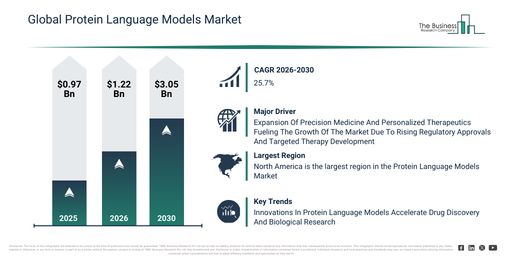
    The protein language models market size has experienced rapid expansion in recent years. It is anticipated to increase from $0.97 billion in 2025 to $1.22 billion in 2026, exhibiting a compound annual growth rate (CAGR) of 25.5%. This historical growth can be linked to several factors, including the rising volume of genomic sequencing data, increased spending on biopharma research, the expansion of bioinformatics platforms, improved availability of protein databases, and the early adoption of machine learning within biology.

    The protein language models market is poised for substantial expansion in the coming years, with its valuation expected to reach $3.05 billion by 2030, demonstrating a compound annual growth rate (CAGR) of 25.7%. This projected growth during the forecast period is driven by factors such as an escalating demand for computational protein design, the broadening of AI-led drug pipelines, a heightened necessity for rapid target identification, increasing collaborations between AI and biology across various industries, and increased capital allocation to AI life science startups. Key trends anticipated in this period encompass the growing utilization of sequence-based protein representation models, the proliferation of cloud-hosted protein modeling platforms, an increasing need for protein annotation services, a rise in API-based bioinformatics toolkits, and a greater integration of AI-driven drug discovery workflows.

    Access Your Free Sample Report for In-Depth Market Insights:

    https://www.thebusinessresearchcompany.com/sample.aspx?id=33275&type=smp

    What Drivers Are Shaping Future Opportunities In The Protein Language Models Market?

    The expanding field of precision medicine and personalized therapeutics is anticipated to boost the protein language models market in the coming years. These healthcare approaches involve tailoring treatments to specific patient characteristics, such as genetic makeup, biological markers, and disease profiles, with the goal of improving treatment efficacy and minimizing adverse reactions. The momentum behind precision medicine and personalized therapeutics stems from a rise in regulatory clearances and a focus on targeted treatments that address specific biological pathways, rather than universal solutions. Protein language models play a crucial role in supporting precision medicine by enabling in-depth examination of protein sequences and structures, which assists researchers in pinpointing therapeutic targets, forecasting drug effectiveness, and devising customized biological therapies more efficiently. For instance, in February 2024, the Personalized Medicine Coalition, a US-based not-for-profit organization, stated that in 2023, the Food and Drug Administration (FDA) sanctioned 16 novel personalized treatments for rare disease patients. This marks a notable increase from the six approvals observed in 2022. Consequently, the growth of precision medicine and personalized therapeutics is stimulating the expansion of the protein language models market. The increasing integration of AI-driven drug discovery is projected to drive the expansion of the protein language models market moving forward. AI-driven drug discovery utilizes artificial intelligence to expedite the process of identifying, designing, and optimizing potential drug candidates through advanced analysis of extensive biological and chemical datasets. The growing acceptance of artificial intelligence in drug discovery is attributable to its capacity to hasten target identification, refine candidate selection, and enhance research efficiency when compared to conventional methodologies. Protein language models aid drug discovery efforts by employing deep learning architectures to scrutinize protein sequences, forecast relationships between structure and function, and uncover significant patterns that inform both target selection and candidate optimization. As an illustration, in January 2025, the World Economic Forum, a Switzerland-based non-profit organization, indicated that approximately 30 percent of newly developed drugs are discovered with the aid of AI technologies. Thus, the rising embrace of AI-driven drug discovery is contributing to the growth of the protein language models market.

    Which Segment Groups Are Influencing The Protein Language Models Market?

    The protein language models market covered in this report is segmented –

    1) By Component: Software; Hardware; Services

    2) By Deployment Mode: On-Premises; Cloud

    3) By Application: Drug Discovery; Protein Engineering; Disease Diagnosis; Functional Annotation; Other Applications

    4) By End-User: Pharmaceutical And Biotechnology Companies; Academic And Research Institutes; Healthcare Providers; Other End-Users

    Subsegments:

    1) By Software: Protein Sequence Analysis Platforms; Model Training And Fine Tuning Tools; Protein Structure Prediction Software; Protein Function Annotation Tools; Bioinformatics Integration Platforms

    2) By Hardware: High Performance Computing Systems; Graphics Processing Hardware; Tensor Processing Hardware; Data Storage And Processing Systems; Cloud Based Computing Infrastructure

    3) By Services: Consulting And Advisory Services; Custom Model Development Services; System Integration Services; Managed And Support Services; Training And Knowledge Transfer Services

    What Industry Trends Are Transforming The Protein Language Models Market?

    Leading companies in the protein language models market are dedicating efforts to creating advanced AI-driven protein language models. These models aim to enhance protein sequence analysis and speed up drug discovery and biological research. An AI-driven protein language model utilizes artificial intelligence, which is trained on vast protein sequences, to predict, interpret, and generate protein structures and functions. This capability accelerates protein engineering, mutation assessment, and the development of new therapeutic solutions. For example, in September 2024, Ginkgo Bioworks Holdings, Inc., a US-based biotechnology company, unveiled a Protein Large Language Model and Model API, which was built on Google Cloud technology. This solution, trained on Ginkgo’s proprietary protein dataset and hosted on Vertex AI, allows enterprises and individual researchers to perform sophisticated protein sequence analysis and improve pattern recognition, thereby accelerating workflows in drug development and biological research.

    Who Are The Core Companies Influencing Trends In The Protein Language Models Market?

    Major companies operating in the protein language models market are Google LLC, Meta Platforms Inc., Pfizer Inc., Novartis AG, AstraZeneca PLC, NVIDIA Corporation, Owkin Inc., Generate Biomedicines Inc., Recursion Pharmaceuticals Inc., BenevolentAI Limited, Exscientia plc, Dyno Therapeutics Inc., Atomwise Inc., ProteinQure Inc., Cradle Bio B.V., Profluent Bio Inc., BioMap (Beijing) Intelligence Technology Co. Ltd., EvolutionaryScale Inc., Isomorphic Labs Limited, Insilico Medicine Inc., AbSci Corporation, Peptone Ltd., and Valence Labs Inc.

    Access The Complete Report For Deeper Market Insights:

    https://www.thebusinessresearchcompany.com/report/protein-language-models-market-report

    Which Regions Are Projected To Dominate The Protein Language Models Market In The Coming Years?

    North America was the largest region in the protein language models market in 2025. Asia-Pacific is expected to be the fastest-growing region in the forecast period. The regions covered in the protein language models market report are Asia-Pacific, South East Asia, Western Europe, Eastern Europe, North America, South America, Middle East, Africa.

    Request Your Customized Protein Language Models Market Research Report for Competitive Advantage:

    https://www.thebusinessresearchcompany.com/customise?id=33275&type=smp

    Browse Through More Reports Similar to the Global Protein Language Models Market 2026, By The Business Research Company

    Large Language Model Llm Market 2026

    https://www.thebusinessresearchcompany.com/report/large-language-model-llm-market

    Protein Sequencing Market Report 2026

    https://www.thebusinessresearchcompany.com/report/protein-sequencing-global-market-report

    Research Grade Proteins Market Report 2026

    https://www.thebusinessresearchcompany.com/report/research-grade-proteins-global-market-report

    Get in touch with us:

    The Business Research Company: https://www.thebusinessresearchcompany.com/

    Americas +1 310-496-7795

    Asia +44 7882 955267 & +91 8897263534

    Europe +44 7882 955267

    Email us at info@tbrc.info

    Follow us on:

    LinkedIn: https://in.linkedin.com/company/the-business-research-company

    YouTube: https://www.youtube.com/channel/UC24_fI0rV8cR5DxlCpgmyFQ

    Global Market Model: https://www.thebusinessresearchcompany.com/global-market-model
  • Prion Disease Treatment Market Outlook 2026–2030: Key Business Drivers and Trends

    Prion Disease Treatment Market Outlook 2026–2030: Key Business Drivers and Trends

    Uncover key drivers, emerging technologies, and competitive movements shaping the prion disease treatment market from 2026–2035 with trusted insights from The Business Research Company

    What was the valuation of the Prion Disease Treatment Market in 2026, and what figure is it projected to hit by 2030?

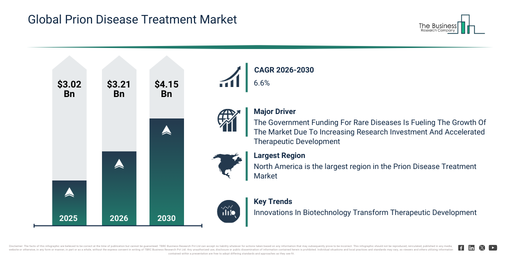
    The prion disease treatment market size has seen significant growth over recent years. It is anticipated to expand from $3.02 billion in 2025 to $3.21 billion in 2026, achieving a compound annual growth rate (CAGR) of 6.4%. Historically, this expansion can be linked to factors such as increased funding for rare disease research, greater awareness of neurological disorders, the broadening availability of genetic testing, academic clinical studies, and the rise of specialty neurology centers.

    The prion disease treatment market size is anticipated to undergo significant expansion in the upcoming years. It is forecast to increase to $4.15 billion by 2030, driven by a compound annual growth rate (CAGR) of 6.6%. This growth during the forecast period can be attributed to advancements such as novel molecule discovery programs, precision neurology approaches, biomarker based diagnostics, expanded orphan drug incentives, and advanced neuro research collaborations. Prominent trends for this period encompass targeted neurodegenerative drug research, advanced prion diagnostic testing, genetic risk screening programs, compassionate use therapy trials, and integrated supportive care protocols.

    Access Your Free Sample Report for In-Depth Market Insights:

    https://www.thebusinessresearchcompany.com/sample.aspx?id=33272&type=smp

    Which Drivers Are Affecting Market Participation In The Prion Disease Treatment Market?

    The expansion of the prion disease treatment market is anticipated to be fueled by the increasing government funding allocated to rare diseases. Rare diseases are medical conditions affecting a small segment of the population, often characterized by being chronic, progressive, and life-threatening. The boost in financial support for rare diseases is a result of greater government and philanthropic contributions, which are expediting research efforts, clinical trials, and the creation of innovative therapies for conditions with significant unmet medical needs. Government financing for rare diseases aids the progression of prion disease treatment by supporting long-term basic research, maintaining specialized laboratories and surveillance systems, encouraging pharmaceutical innovations despite limited commercial incentives, and accelerating the conversion of discoveries into diagnostics and potential therapies. For example, in February 2024, the Department of Health and Social Care, a UK-based government department, announced a $17.3 million (£14 million) investment to establish the UK Rare Disease Research Platform. This platform will feature 11 research nodes across the country and a central coordinating hub, aiming to foster coordinated collaboration among academic, clinical, and industry researchers, people living with rare diseases, research charities, and other stakeholders to accelerate advancements in understanding, diagnosing, and treating rare diseases. Consequently, the rising government funding for rare diseases is driving the growth of the prion disease treatment market.

    What Segment Classifications Make Up The Prion Disease Treatment Market?

    The prion disease treatment market covered in this report is segmented –

    1) By Disease Type: Creutzfeldt-Jakob Disease; Gerstmann-Sträussler-Scheinker Syndrome; Fatal Familial Insomnia; Kuru; Other Disease Types

    2) By Treatment Type: Medication; Supportive Care; Other Treatment Types

    3) By Route Of Administration: Oral; Parenteral

    4) By Distribution Channel: Hospital Pharmacies; Retail Pharmacies; Online Pharmacies

    5) By End-User: Hospitals; Specialty Clinics; Research Institutes; Other End-Users

    Subsegments:

    1) By Creutzfeldt-Jakob Disease: Sporadic Creutzfeldt-Jakob Disease; Familial Creutzfeldt-Jakob Disease; Iatrogenic Creutzfeldt-Jakob Disease; Variant Creutzfeldt-Jakob Disease

    2) By Gerstmann-Sträussler-Scheinker Syndrome: Early-Stage Gerstmann-Sträussler-Scheinker Syndrome; Progressive-Stage Gerstmann-Sträussler-Scheinker Syndrome; Advanced-Stage Gerstmann-Sträussler-Scheinker Syndrome

    3) By Fatal Familial Insomnia: Sleep Disorder Management; Autonomic Dysfunction Management; Psychiatric Symptom Management

    4) By Kuru: Motor Function Support; Cognitive Function Support; Symptomatic Neurological Care

    5) By Other Disease Types: Atypical Prion Disorders; Unclassified Prion Conditions

    What Trends Are Reshaping The Dynamics Of The Prion Disease Treatment Market?

    Leading enterprises within the prion disease treatment market are concentrating on advancing novel approaches, such as viral vector–based gene therapy, to administer precise treatments past the blood-brain barrier and impede disease progression. This specific gene therapy utilizes altered viruses to introduce therapeutic genes into particular cells, thereby aiding in the correction or reduction of disease-causing mechanisms, like misfolded prion proteins, through targeted and enduring effects. An illustrative example occurred in February 2025, when Apertura Gene Therapy, a biotechnology firm based in the US, assisted the Broad Institute in creating a gene therapy for prion disease employing an engineered AAV capsid designed to target TfR1. This particular therapeutic approach ensures the delivery of therapeutic genes across the blood-brain barrier, facilitating extensive central nervous system distribution and potentially hindering or stopping the buildup of prion proteins. It provides notable specificity, minimizes unintended side effects, and ensures prolonged therapeutic expression, marking a substantial improvement compared to traditional treatments that primarily address symptoms rather than altering the disease’s course. Collectively, this signifies a crucial stride away from symptomatic care towards interventions that modify the disease, potentially revolutionizing the therapeutic environment for prion disorders.

    Which Major Industry Participants Are Leading The Prion Disease Treatment Market Growth?

    Major companies operating in the prion disease treatment market are Ionis Pharmaceuticals Inc., Broad Institute of MIT and Harvard, Sangamo Therapeutics Inc., Gate Bioscience, Apertura Gene Therapy, Sibylla Biotech, Case Western Reserve University, and National Prion Clinic.

    Access The Complete Report For Deeper Market Insights:

    https://www.thebusinessresearchcompany.com/report/prion-disease-treatment-market-report

    Which Region Is Expected To Experience The Fastest Growth In The Prion Disease Treatment Market?

    North America was the largest region in the prion disease treatment market in 2025. Asia-Pacific is expected to be the fastest-growing region in the forecast period. The regions covered in the prion disease treatment market report are Asia-Pacific, South East Asia, Western Europe, Eastern Europe, North America, South America, Middle East, Africa.

    Request Your Customized Prion Disease Treatment Market Research Report for Competitive Advantage:

    https://www.thebusinessresearchcompany.com/customise?id=33272&type=smp

    Browse Through More Reports Similar to the Global Prion Disease Treatment Market 2026, By The Business Research Company

    Rare Diseases Treatment Market Report 2026

    https://www.thebusinessresearchcompany.com/report/rare-diseases-treatment-global-market-report

    Rare Neurological Disease Treatment Market Report 2026

    https://www.thebusinessresearchcompany.com/report/rare-neurological-disease-treatment-global-market-report

    Pruritus Therapeutic Market Report 2026

    https://www.thebusinessresearchcompany.com/report/pruritus-therapeutic-global-market-report

    Get in touch with us:

    The Business Research Company: https://www.thebusinessresearchcompany.com/

    Americas +1 310-496-7795

    Asia +44 7882 955267 & +91 8897263534

    Europe +44 7882 955267

    Email us at info@tbrc.info

    Follow us on:

    LinkedIn: https://in.linkedin.com/company/the-business-research-company

    YouTube: https://www.youtube.com/channel/UC24_fI0rV8cR5DxlCpgmyFQ

    Global Market Model: https://www.thebusinessresearchcompany.com/global-market-model
  • Global Pharmaceutical Quality Control Release Testing Service Market Performance Report: Global Trends 2026–2030

    Global Pharmaceutical Quality Control Release Testing Service Market Performance Report: Global Trends 2026–2030

    Uncover key drivers, emerging technologies, and competitive movements shaping the pharmaceutical quality control release testing service market from 2026–2035 with trusted insights from The Business Research Company

    What long-term size projections exist for the Pharmaceutical Quality Control Release Testing Service Market covering 2026–2035?

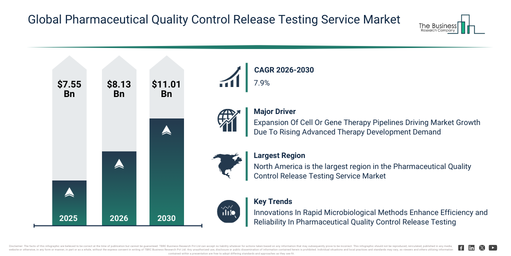
    The pharmaceutical quality control release testing service market size has demonstrated significant growth in recent years. It is projected to increase from $7.55 billion in 2025 to $8.13 billion in 2026, at a compound annual growth rate (CAGR) of 7.6%. This expansion in the past can be primarily linked to more rigorous GMP regulations, a surge in global drug production, the proliferation of contract testing laboratories, a greater need for biologics testing, and the ongoing growth of generic drug manufacturing.

    The pharmaceutical quality control release testing service market size is projected to experience substantial expansion over the upcoming period. This market is forecast to reach $11.01 billion by 2030, demonstrating a compound annual growth rate (CAGR) of 7.9%. This anticipated growth during the forecast timeframe is driven by factors such as the expanding pipelines of complex biologics, an increase in regulatory audit occurrences, the broadening adoption of outsourced quality control models, the need for quicker batch release cycles, and a rise in multi-region drug approvals. Key trends emerging in this forecast period encompass automated batch release testing, digital quality systems for laboratories, analytical validation supported by AI, interconnected stability testing laboratories, and intelligent quality data platforms.

    Access Your Free Sample Report for In-Depth Market Insights:

    https://www.thebusinessresearchcompany.com/sample.aspx?id=33260&type=smp

    Which Drivers Are Impacting The Competitive Landscape Of The Pharmaceutical Quality Control Release Testing Service Market?

    The growing number of cell or gene therapy pipelines is anticipated to fuel the expansion of the pharmaceutical quality control release testing service market moving forward. These pipelines represent cellular and genetic therapeutic products currently undergoing development and regulatory assessment for commercial release. This expansion is largely fueled by heightened investment in biotechnology research and development, as pharmaceutical and biotech companies commit significant resources to pioneering cellular and genetic treatments for conditions previously lacking effective therapies. The increasing cell and gene therapy pipeline directly boosts the need for specialized quality control release testing services, which are crucial to ensure that these intricate biological products adhere to rigorous safety and efficacy benchmarks prior to their market introduction. For instance, in January 2025, the American Society of Gene and Cell Therapy, a US-based scientific association, reported that the global gene therapy pipeline reached 2,117 programs in the fourth quarter of 2024, up from 2,041 programs in the third quarter of 2024. Consequently, the expansion of cell or gene therapy pipelines is a key factor propelling the growth of the pharmaceutical quality control release testing service market.

    What Segments Are Identified Within The Structure Of The Pharmaceutical Quality Control Release Testing Service Market?

    The pharmaceutical quality control release testing service market covered in this report is segmented –

    1) By Product Type: Dissolution Testing; Anti-Corrosion Testing; ICH Stability Storage and Testing; Other Product Types

    2) By Service Type: Analytical Testing Services; Microbiological Testing Services; Stability Testing Services; Sterility Testing Services

    3) By Technology: Gas Chromatography (GC); Mass Spectrometry; Spectroscopy Methods

    4) By End Users: Pharmaceutical Manufacturers; Biotechnology Companies; Contract Development and Manufacturing Organizations (CDMOs); Contract Manufacturing Organizations (CMOs); Research and Academic Institutions

    Subsegments:

    1) By Dissolution Testing: Immediate Release Testing; Extended Release Testing; Delayed Release Testing; Sink Condition Evaluation

    2) By Anti-Corrosion Testing: Packaging Material Corrosion Testing; Container Compatibility Assessment; Environmental Stress Corrosion Testing; Protective Coating Evaluation

    3) By ICH Stability Storage and Testing: Long Term Stability Studies; Accelerated Stability Studies; Intermediate Stability Studies; Photostability Testing

    4) By Other Product Types: Impurity Profiling; Residual Solvent Testing; Elemental Impurity Analysis; Container Closure Integrity Testing

    What Upcoming Trends Are Likely To Define The Future Path Of The Pharmaceutical Quality Control Release Testing Service Market?

    Leading companies operating within the pharmaceutical quality control release testing services market are prioritizing the development of advanced solutions, including microbiological-based quality control testing. This focus aims to ensure product sterility, maintain regulatory compliance, and facilitate the timely release of batches. Microbiological-based quality control testing utilizes microbiological techniques to effectively monitor and measure the presence of microbes in both pharmaceutical products and manufacturing settings. This approach is crucial for confirming sterility, safeguarding product safety, and meeting regulatory requirements before products are released. As an example, in March 2025, Nelson Laboratories, a US-based microbiological testing company, introduced its Rapid Sterility Testing. This microbiology-based quality control testing offering was designed to modernize sterility assurance processes and support the faster batch release of sterile pharmaceutical products. The solution effectively shortens traditional fourteen-day incubation timelines to approximately six days and incorporates automated, quantitative data analytics to enhance result precision, reduce manual intervention, and improve overall testing reliability.

    Which Leading Companies Dominate The Pharmaceutical Quality Control Release Testing Service Market Share?

    Major companies operating in the pharmaceutical quality control release testing service market are Labcorp Holdings Inc., SGS S.A., Eurofins Scientific SE, Selvita S.A., WuXi AppTec Co. Ltd., Intertek Group plc, Charles River Laboratories International Inc., Piramal Pharma Limited, Siegfried Holding AG, Almac Group Limited, NSF International, ClinChoice Inc., BioAgilytix Inc., Microbac Laboratories Inc., ARL Bio Pharma Inc., Quality Chemical Laboratories LLC, Neopharm Labs Inc., Butterworth Laboratories Limited, Cambridge Polymer Group Inc., Honeyman Group Limited, and Element Materials Technology Group Limited.

    Access The Complete Report For Deeper Market Insights:

    https://www.thebusinessresearchcompany.com/report/pharmaceutical-quality-control-release-testing-service-market-report

    How Does The Pharmaceutical Quality Control Release Testing Service Market Perform Across Major Global Regions?

    North America was the largest region in the pharmaceutical quality control release testing service market in 2025. Asia-Pacific is expected to be the fastest-growing region in the forecast period. The regions covered in the pharmaceutical quality control release testing service market report are Asia-Pacific, South East Asia, Western Europe, Eastern Europe, North America, South America, Middle East, Africa.

    Request Your Customized Pharmaceutical Quality Control Release Testing Service Market Research Report for Competitive Advantage:

    https://www.thebusinessresearchcompany.com/customise?id=33260&type=smp

    Browse Through More Reports Similar to the Global Pharmaceutical Quality Control Release Testing Service Market 2026, By The Business Research Company

    Pharmaceutical Packaging Testing Equipment Market Report 2026

    https://www.thebusinessresearchcompany.com/report/pharmaceutical-packaging-testing-equipment-global-market-report

    Pharma Admet Testing Market Report 2026

    https://www.thebusinessresearchcompany.com/report/pharma-admet-testing-global-market-report

    Pharmaceutical Label Market Report 2026

    https://www.thebusinessresearchcompany.com/report/pharmaceutical-label-global-market-report

    Get in touch with us:

    The Business Research Company: https://www.thebusinessresearchcompany.com/

    Americas +1 310-496-7795

    Asia +44 7882 955267 & +91 8897263534

    Europe +44 7882 955267

    Email us at info@tbrc.info

    Follow us on:

    LinkedIn: https://in.linkedin.com/company/the-business-research-company

    YouTube: https://www.youtube.com/channel/UC24_fI0rV8cR5DxlCpgmyFQ

    Global Market Model: https://www.thebusinessresearchcompany.com/global-market-model
  • Personal Genome Services Market Future Outlook 2026: Key Drivers and Growth Potential

    Personal Genome Services Market Future Outlook 2026: Key Drivers and Growth Potential

    Uncover key drivers, emerging technologies, and competitive movements shaping the personal genome services market from 2026–2035 with trusted insights from The Business Research Company

    What total market size is anticipated for the Personal Genome Services Market in 2030?

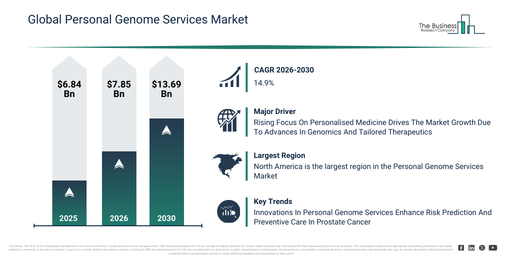
    The personal genome services market has experienced substantial expansion in recent years. This market is projected to increase from $6.84 billion in 2025 to $7.85 billion in 2026, achieving a compound annual growth rate (CAGR) of 14.7%. Historically, the growth can be attributed to falling sequencing costs, a rise in ancestry testing demand, growth in consumer genetics awareness, the expansion of genomics startups, and improved sequencing accuracy.

    The personal genome services market is projected to experience substantial growth in the coming years. This market is expected to expand to $13.69 billion by 2030, achieving a compound annual growth rate (CAGR) of 14.9%. The anticipated growth over this period can be attributed to factors such as increased adoption of preventive genomics, broader usage of pharmacogenomics, rising demand for personalized wellness, more widespread insurance-supported testing, and enhanced integration with digital health platforms. Significant trends for the forecast period include direct-to-consumer genome testing, integrated health risk genomic reports, bundled pharmacogenomic services, preventive genome screening packages, and digital genetic counseling platforms.

    Access Your Free Sample Report for In-Depth Market Insights:

    https://www.thebusinessresearchcompany.com/sample.aspx?id=33258&type=smp

    What Drivers Are Influencing Production Trends In The Personal Genome Services Market?

    The growing emphasis on personalized medicine is projected to stimulate the expansion of the personal genome services market in the future. This medical approach involves customizing treatment and prevention plans according to an individual’s unique genetic, biological, and lifestyle attributes. Its adoption is rising, driven by progress in genomics and molecular diagnostics, enabling treatments to be specifically designed for an individual’s genetic profile, leading to improved results. Personal genome services facilitate personalized medicine through the analysis of an individual’s genetic composition, which helps in foreseeing disease risk, guiding medication choices, and customizing prevention and treatment approaches. As an illustration, in February 2024, data from the Personalized Medicine Coalition, a US-based non-profit organization, showed that in 2023, the FDA sanctioned 16 novel personalized treatments for rare disease patients, an increase from six in 2022. Among these newly approved personalized treatments for 2023 were also seven cancer drugs and three for other diseases and conditions. Consequently, the intensified focus on personalized medicine is fueling the expansion of the personal genome services market.

    Which Segments Are Gaining Traction In The Personal Genome Services Market?

    The personal genome services market covered in this report is segmented –

    1) By Service Type: Genetic Testing; Whole Genome Sequencing; Carrier Testing; Ancestry Testing; Other Service Types

    2) By Application: Healthcare; Research; Ancestry; Other Applications

    3) By End-User: Hospitals and Clinics; Research Centers; Direct-to-Consumer; Other End-Users

    Subsegments:

    1) By Genetic Testing: Health Risk Assessment Testing; Pharmacogenomic Testing; Nutritional Genetic Testing; Lifestyle Genetic Testing; Wellness Genetic Screening

    2) By Whole Genome Sequencing: Clinical Whole Genome Sequencing; Research Whole Genome Sequencing; Preventive Health Genome Sequencing; Rare Disease Genome Sequencing; Population Based Genome Sequencing

    3) By Carrier Testing: Inherited Disease Carrier Screening; Preconception Carrier Testing; Prenatal Carrier Testing; Reproductive Health Carrier Screening; Family Planning Carrier Testing

    4) By Ancestry Testing: Ethnicity Estimation Testing; Genealogical Lineage Testing; Migration Pattern Analysis; Regional Ancestry Breakdown; Family Relationship Discovery

    5) By Other Service Types: Newborn Genetic Screening; Predictive Genetic Testing; Sports Performance Genetic Analysis; Personalized Health Reporting; Custom Genetic Consulting Services

    Which Trends Are Shaping Activity Within The Personal Genome Services Market?

    Leading companies in the personal genome services market are concentrating on developing sophisticated solutions, such as genome-wide risk stratification, to offer personalized health insights, forecast disease susceptibility, and guide preventive and lifestyle interventions. Genome-wide risk stratification involves analyzing an individual’s entire genome to identify genetic variations contributing to the risk of developing specific diseases or conditions, enabling customized predictions of health risks and targeted preventive strategies. For instance, in November 2025, MyOme Inc., a US-based biotechnology company, launched the first integrated polygenic risk score (iPRS) test for prostate cancer. This test combines approximately 7 million genetic markers with clinical factors to deliver personalized 10-year and lifetime risk estimates, validated in over 140,000 diverse men. Its purpose is early detection and prevention for 95% of cases without rare variants such as BRCA2, guiding PSA or MRI or biopsies for high-risk individuals (those in the top decile with 3-4x elevated odds) while reducing false positives and overtreatment. Key benefits include precise stratification, equitable performance across ancestries, and lifelong AI-updated insights derived from one whole-genome sample.

    Who Are The Major Companies Operating In The Personal Genome Services Market?

    Major companies operating in the personal genome services market are Thermo Fisher Scientific Inc, Illumina Inc, Helix OpCo LLC, Ancestry.com Operations Inc, Fulgent Genetics Inc, 23andMe Holding Co, Prenetics Global Limited, MyHeritage Ltd, Color Health Inc, Genomics plc, GenoPalate Inc, Living DNA Ltd, Mapmygenome India Pvt Ltd, Nebula Genomics Inc, Xcode Life Sciences Pvt Ltd, Sema4 Holdings Corp, Gene by Gene Ltd, TellmeGen SL, CRI Genetics LLC, African Ancestry Inc, and DNAFit Limited.

    Access The Complete Report For Deeper Market Insights:

    https://www.thebusinessresearchcompany.com/report/personal-genome-services-market-report

    Which Region Is Anticipated To See The Fastest Growth In The Personal Genome Services Market?

    North America was the largest region in the personal genome services market in 2025. Asia-Pacific is expected to be the fastest-growing region in the forecast period. The regions covered in the personal genome services market report are Asia-Pacific, South East Asia, Western Europe, Eastern Europe, North America, South America, Middle East, Africa.

    Request Your Customized Personal Genome Services Market Research Report for Competitive Advantage:

    https://www.thebusinessresearchcompany.com/customise?id=33258&type=smp

    Browse Through More Reports Similar to the Global Personal Genome Services Market 2026, By The Business Research Company

    Genomics Services Market Report 2026

    https://www.thebusinessresearchcompany.com/report/genomics-services-global-market-report

    Genomics Personalized Health Market Report 2026

    https://www.thebusinessresearchcompany.com/report/genomics-personalized-health-global-market-report

    Consumer Genomics Market Report 2026

    https://www.thebusinessresearchcompany.com/report/consumer-genomics-global-market-report

    Get in touch with us:

    The Business Research Company: https://www.thebusinessresearchcompany.com/

    Americas +1 310-496-7795

    Asia +44 7882 955267 & +91 8897263534

    Europe +44 7882 955267

    Email us at info@tbrc.info

    Follow us on:

    LinkedIn: https://in.linkedin.com/company/the-business-research-company

    YouTube: https://www.youtube.com/channel/UC24_fI0rV8cR5DxlCpgmyFQ

    Global Market Model: https://www.thebusinessresearchcompany.com/global-market-model
  • Orthostatic Hypotension Market Dynamics 2026: Future Outlook and Key Insights

    Orthostatic Hypotension Market Dynamics 2026: Future Outlook and Key Insights

    Uncover key drivers, emerging technologies, and competitive movements shaping the orthostatic hypotension market from 2026–2035 with trusted insights from The Business Research Company

    How much larger will the Orthostatic Hypotension Market be in 2030 compared with 2026?

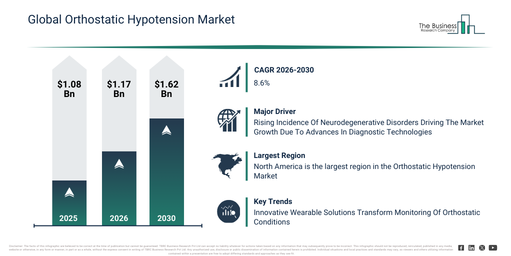
    The orthostatic hypotension market has experienced significant expansion recently. Projections indicate it will expand from $1.08 billion in 2025 to reach $1.17 billion in 2026, demonstrating a compound annual growth rate (CAGR) of 8.4%. Factors contributing to its historical growth include aging population growth, a rise in neurological disorders, increased cardiovascular disease prevalence, expansion of diagnostic testing, and higher clinical awareness.

    The market size for orthostatic hypotension is anticipated to experience substantial growth in the upcoming years. It is projected to expand to $1.62 billion by 2030, exhibiting a compound annual growth rate (CAGR) of 8.6%. This expected expansion during the forecast period is largely driven by the increasing adoption of remote monitoring, a rising prevalence of chronic diseases, the broadening availability of specialty neurology care, more widespread screening programs, and the continuous growth of telehealth integration. Significant trends anticipated over the forecast duration include advancements in wearable blood pressure monitoring, the development of digital testing for autonomic function, the proliferation of remote patient monitoring programs, the establishment of combination drug therapy protocols, and the evolution of home-based hypotension care models.

    Access Your Free Sample Report for In-Depth Market Insights:

    https://www.thebusinessresearchcompany.com/sample.aspx?id=33253&type=smp

    What Drivers Are Guiding Growth Patterns In The Orthostatic Hypotension Market?

    The expanding occurrence of neurodegenerative conditions is projected to boost the orthostatic hypotension market. These progressive disorders are characterized by the degradation of nerve cells in the brain and nervous system, leading to impaired motor and cognitive functions. The incidence of neurodegenerative disorders is climbing due to an aging global populace, as more individuals reach advanced ages where conditions like Alzheimer’s and Parkinson’s disease are more likely to manifest. An increase in neurodegenerative disorders, including Parkinson’s disease and multiple system atrophy, contributes to the development of orthostatic hypotension by hindering autonomic nervous system regulation, disrupting baroreceptor reflexes, and diminishing vascular tone, thereby impairing the body’s capacity to sustain blood pressure upon standing. As an illustration, in March 2023, the Alzheimer’s Association reported that approximately 6.7 million Americans aged 65 and older are living with Alzheimer’s dementia, a figure expected to rise to 13.8 million by 2060. Consequently, the escalating incidence of neurodegenerative disorders is propelling the growth of the orthostatic hypotension market. The growing prevalence of cardiovascular diseases is anticipated to drive the orthostatic hypotension market in the coming years. These conditions encompass ailments affecting the heart and blood vessels, such as coronary heart disease, stroke, heart failure, and arrhythmias. The rise in cardiovascular diseases is largely attributed to aging populations, given that advanced age substantially elevates the risk of developing cardiac and vascular issues, particularly for those over 65 years. The increasing occurrence of cardiovascular diseases stimulates demand for solutions managing orthostatic hypotension, as individuals with heart conditions face significantly higher risks of postural blood pressure irregularities that necessitate specialized monitoring and treatment. For example, in October 2024, data from the Centers for Disease Control and Prevention indicated that in 2023, cardiovascular disease was responsible for 919,032 deaths, representing roughly one-third of all fatalities. Coronary heart disease remained the most prevalent type, with approximately one in six cardiovascular deaths occurring in adults under the age of 65. Thus, the increasing prevalence of cardiovascular diseases is driving the expansion of the orthostatic hypotension market.

    How Is The Orthostatic Hypotension Market Divided Into Segments?

    The orthostatic hypotension market covered in this report is segmented –

    1) By Drug Type: Fludrocortisone; Midodrine Hydrochloride; Droxidopa; Pyridostigmine; Indomethacin; Caffeine; Epoetin; Oxilofrine Potassium Chloride; Non Steroidal Anti Inflammatory Drugs

    2) By Test Type: ECG; Blood Tests; Stress Test; Echocardiogram

    3) By Route Of Administration: Oral; Parenteral

    4) By Distribution Channel: Hospital Pharmacies; Retail Pharmacies; Online Pharmacies

    5) By End User: Hospitals; Diagnostic Centers; Clinics; Ambulatory Surgical Centers

    Subsegments:

    1) By Fludrocortisone: Fludrocortisone Tablets; Fludrocortisone Oral Solutions

    2) By Midodrine Hydrochloride: Midodrine Immediate Release Tablets; Midodrine Extended Release Formulations

    3) By Droxidopa: Droxidopa Capsules; Droxidopa Oral Formulations

    4) By Pyridostigmine: Pyridostigmine Bromide Tablets; Pyridostigmine Extended Release Tablets

    5) By Indomethacin: Indomethacin Capsules; Indomethacin Sustained Release Tablets

    6) By Caffeine: Caffeine Oral Tablets; Caffeine Oral Solutions

    7) By Epoetin: Epoetin Alfa Injections; Epoetin Beta Injections

    8) By Oxilofrine Potassium Chloride: Oxilofrine Oral Formulations; Oxilofrine Combination Formulations

    9) By Non Steroidal Anti Inflammatory Drugs: Ibuprofen Based Drugs; Naproxen Based Drugs; Aspirin Based Drugs; Other Non Steroidal Anti Inflammatory Drug Formulations

    Which Trends Are Guiding The Evolution Of The Orthostatic Hypotension Market?

    Leading companies in the orthostatic hypotension market are concentrating on developing innovative products, such as wearable cerebral blood flow monitors, to enhance real-time symptom tracking and deliver personalized patient care. A wearable cerebral blood flow monitor is a device worn on the body, for instance in the ear, that measures blood flow to the brain continuously, aiding in the detection of orthostatic changes, the prediction of fainting spells, and the guidance of symptom management. As an illustration, in June 2023, STAT Health, a US-based digital health startup, unveiled its ear-worn wearable device, specifically engineered for orthostatic conditions. This device records cerebral blood flow via a shallow ear artery, identifies postural shifts, and generates trend scores to assist users in monitoring their upright time and any blood flow anomalies. Its distinctive features include alerts for predicting fainting, integration with a companion application, and extended wearability coupled with clinical-grade signal quality, allowing patients suffering from conditions such as POTS, long COVID, and chronic fatigue syndrome to more effectively manage their symptoms.

    Which Key Market Players Are Investing In Expansion And Innovation Within The Orthostatic Hypotension Market?

    Major companies operating in the orthostatic hypotension market are Pfizer Inc., Novartis AG, Takeda Pharmaceutical Company Limited, Teva Pharmaceutical Industries Ltd., Baxter International Inc., Sandoz International GmbH, Sun Pharmaceutical Industries Ltd., Apotex Inc., Dr. Reddy’s Laboratories Ltd., Cipla Limited, H. Lundbeck A/S, Hikma Pharmaceuticals PLC, Amneal Pharmaceuticals Inc., Lupin Limited, Alembic Pharmaceuticals Ltd., Theravance Biopharma Inc., Avadel Pharmaceuticals plc, Civica Rx Inc., Alterity Therapeutics Limited, and STAT Health Services LLC.

    Access The Complete Report For Deeper Market Insights:

    https://www.thebusinessresearchcompany.com/report/orthostatic-hypotension-market-report

    Which Regions Are Poised For Strategic Growth In The Orthostatic Hypotension Market?

    North America was the largest region in the orthostatic hypotension market in 2025. Asia-Pacific is expected to be the fastest-growing region in the forecast period. The regions covered in the orthostatic hypotension market report are Asia-Pacific, South East Asia, Western Europe, Eastern Europe, North America, South America, Middle East, Africa.

    Request Your Customized Orthostatic Hypotension Market Research Report for Competitive Advantage:

    https://www.thebusinessresearchcompany.com/customise?id=33253&type=smp

    Browse Through More Reports Similar to the Global Orthostatic Hypotension Market 2026, By The Business Research Company

    Wearable Blood Pressure Monitors Market Report 2026

    https://www.thebusinessresearchcompany.com/report/wearable-blood-pressure-monitors-global-market-report

    Hemostats Market Report 2026

    https://www.thebusinessresearchcompany.com/report/hemostats-global-market-report

    Sphygmomanometer Market Report 2026

    https://www.thebusinessresearchcompany.com/report/sphygmomanometer-global-market-report

    Get in touch with us:

    The Business Research Company: https://www.thebusinessresearchcompany.com/

    Americas +1 310-496-7795

    Asia +44 7882 955267 & +91 8897263534

    Europe +44 7882 955267

    Email us at info@tbrc.info

    Follow us on:

    LinkedIn: https://in.linkedin.com/company/the-business-research-company

    YouTube: https://www.youtube.com/channel/UC24_fI0rV8cR5DxlCpgmyFQ

    Global Market Model: https://www.thebusinessresearchcompany.com/global-market-model
  • Oligonucleotide Synthesis Services Market Forecast: How Big Will It Be by 2030?

    Oligonucleotide Synthesis Services Market Forecast: How Big Will It Be by 2030?

    Uncover key drivers, emerging technologies, and competitive movements shaping the oligonucleotide synthesis services market from 2026–2035 with trusted insights from The Business Research Company

    What size range is anticipated for the Oligonucleotide Synthesis Services Market from 2026 to 2030?

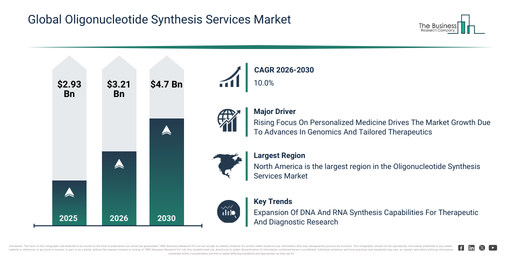
    In recent years, the oligonucleotide synthesis services market size has demonstrated substantial growth. It is projected to expand from $2.93 billion in 2025 to $3.21 billion in 2026, achieving a compound annual growth rate (CAGR) of 9.7%. The historical growth of this market can be attributed to the increased utilization of PCR and sequencing, the expansion of molecular biology research, a rise in genomic testing, an increase in academic genomics funding, and the broadening of biotech R&D activities.

    The market for oligonucleotide synthesis services anticipates substantial expansion over the upcoming years. By 2030, this market is projected to reach a valuation of $4.7 billion, demonstrating a compound annual growth rate (CAGR) of 10.0%. Key drivers for this projected growth include the expanding pipelines for gene and cell therapies, the increasing need for CRISPR and gene editing technologies, the proliferation of nucleic acid therapeutics, a greater adoption of precision diagnostics, and the increased production scale for clinical oligonucleotides. Significant trends expected during this forecast timeframe encompass high-throughput production of custom oligos, services for modified and labeled oligonucleotides, GMP-grade oligo manufacturing, quick-turnaround gene editing oligos, and sophisticated oligonucleotide purification workflows.

    Access Your Free Sample Report for In-Depth Market Insights:

    https://www.thebusinessresearchcompany.com/sample.aspx?id=33245&type=smp

    What Drivers Are Affecting Demand In The Oligonucleotide Synthesis Services Market?

    A rising emphasis on personalized medicine is projected to stimulate the expansion of the oligonucleotide synthesis services market in the future. This medical strategy involves tailoring treatment and prevention plans according to an individual’s unique genetic makeup, biological factors, and lifestyle traits. Its growing acceptance stems from breakthroughs in genomics and molecular diagnostics, enabling the customization of therapies to an individual’s genetic profile for improved results. These services facilitate personalized medicine through the quick and accurate creation of bespoke DNA or RNA sequences, which are vital for patient-specific diagnostics, targeted therapies, and gene-based treatments, thereby allowing interventions to be customized to an individual’s genetic blueprint. As an illustration, in February 2024, data from the Personalized Medicine Coalition, a US-based non-profit organization, indicated that in 2023, the FDA sanctioned 16 novel personalized therapies for patients with rare diseases, an increase from six approvals in 2022. Among the newly approved personalized treatments for 2023 were also seven cancer medications and three for various other ailments and conditions. Consequently, the heightened emphasis on personalized medicine is propelling the expansion of the oligonucleotide synthesis services market.

    Which Segment Groups Are Influencing The Oligonucleotide Synthesis Services Market?

    The oligonucleotide synthesis services market covered in this report is segmented –

    1) By Type Of Oligonucleotide: Deoxyribonucleic Acid Oligonucleotides; Ribonucleic Acid Oligonucleotides; Peptide Nucleic Acids (PNAs); Locked Nucleic Acids (LNAs); Other Synthetic Nucleotides

    2) By Synthesis Method: Solid Phase Synthesis; Liquid Phase Synthesis; Microarray Based Synthesis; Oligonucleotide Synthesis Via Automated Synthesizers; Enzymatic Synthesis

    3) By Purity Level: Standard Purity; High Purity; Ultra High Purity; Custom Purity Solutions; Quality Control Measures

    4) By Application: Diagnostics; Therapeutics; Research And Development; Gene Editing; Vaccine Development

    5) By End User: Academic And Research Institutions; Pharmaceutical And Biotechnology Companies; Diagnostic Laboratories; Contract Research Organizations (CROs); Clinical Laboratories

    Subsegments:

    1) By Deoxyribonucleic Acid Oligonucleotides: Standard Deoxyribonucleic Acid Oligonucleotides; Modified Deoxyribonucleic Acid Oligonucleotides; Phosphorothioate Deoxyribonucleic Acid Oligonucleotides; Methylated Deoxyribonucleic Acid Oligonucleotides

    2) By Ribonucleic Acid Oligonucleotides: Standard Ribonucleic Acid Oligonucleotides; Modified Ribonucleic Acid Oligonucleotides; Small Interfering Ribonucleic Acid Oligonucleotides; Micro Ribonucleic Acid Oligonucleotides

    3) By Peptide Nucleic Acids: Standard Peptide Nucleic Acids; Modified Peptide Nucleic Acids; Functionalized Peptide Nucleic Acids

    4) By Locked Nucleic Acids: Standard Locked Nucleic Acids; 2′-O-Methyl Locked Nucleic Acids; Gapmer Locked Nucleic Acids

    5) By Other Synthetic Nucleotides: Morpholino Oligonucleotides; Phosphoramidite Oligonucleotides; Xeno Nucleic Acid Oligonucleotides; Synthetic Aptamers

    What Long-Term Trends Are Expected To Shape The Future Of The Oligonucleotide Synthesis Services Market?

    Leading firms within the oligonucleotide synthesis services market are concentrating on enhancing their DNA and RNA manufacturing capacities to aid therapeutic and diagnostic investigations. These capabilities encompass sophisticated techniques for generating and expanding premium genetic material, which are essential for facilitating scientific inquiry, diagnostic procedures, and the creation of biopharmaceutical treatments. As an illustration, in May 2025, Oligo Factory Inc., a manufacturing enterprise based in the US, introduced a low-volume oligo synthesis service to extend its assistance to those involved in therapeutic and diagnostic research and development. This service facilitates the bespoke production of DNA/RNA in small quantities, beginning at 50 nmol, suitable for initial research and development phases in areas such as therapeutics, diagnostics, qPCR, NGS, and preclinical studies. It reduces expenditures and minimizes waste, provides rapid delivery (in 4 weeks or less) adhering to GMP or ISO 13485 quality standards, and allows for effortless scaling through portfolios like FactorTx, eliminating the need for supplier transitions. This flexibility is advantageous for researchers who require prototypes rather than large minimum orders.

    Who Are The Prominent Global Companies Shaping The Oligonucleotide Synthesis Services Market Landscape?

    Major companies operating in the oligonucleotide synthesis services market are Thermo Fisher Scientific Inc., Agilent Technologies Inc., QIAGEN N.V., Integrated DNA Technologies Inc., Sangon Biotech (Shanghai) Co. Ltd., Ajinomoto Co. Inc., Twist Bioscience Corporation, Sigma-Aldrich Co. LLC, Aldevron LLC, Bioneer Corporation, GenScript Biotech Corporation, BBI Life Sciences Ltd., Takara Bio Inc., BioServe Biotechnologies Ltd., Eurofins Genomics Germany GmbH, Bio-Synthesis Inc., TriLink BioTechnologies LLC, BioBasic Inc., Biosearch Technologies Inc., JenaBioscience GmbH, Geneworks Pty Ltd., HUWEL Life Science Co. Ltd., and SynoLigo Pvt. Ltd.

    Access The Complete Report For Deeper Market Insights:

    https://www.thebusinessresearchcompany.com/report/oligonucleotide-synthesis-services-market-report

    Which Geographic Areas Are Emerging As Strong Markets For The Oligonucleotide Synthesis Services Market?

    North America was the largest region in the oligonucleotide synthesis services market in 2025. Asia-Pacific is expected to be the fastest-growing region in the forecast period. The regions covered in the oligonucleotide synthesis services market report are Asia-Pacific, South East Asia, Western Europe, Eastern Europe, North America, South America, Middle East, Africa.

    Request Your Customized Oligonucleotide Synthesis Services Market Research Report for Competitive Advantage:

    https://www.thebusinessresearchcompany.com/customise?id=33245&type=smp

    Browse Through More Reports Similar to the Global Oligonucleotide Synthesis Services Market 2026, By The Business Research Company

    Oligonucleotide Synthesis Market Report 2026

    https://www.thebusinessresearchcompany.com/report/oligonucleotide-synthesis-global-market-report

    Oligonucleotides Therapy Market Report 2026

    https://www.thebusinessresearchcompany.com/report/oligonucleotides-therapy-global-market-report

    Cell And Gene Therapy Supply Chain Or Logistics Market Report 2026

    https://www.thebusinessresearchcompany.com/report/cell-and-gene-therapy-supply-chain-or-logistics-global-market-report

    Get in touch with us:

    The Business Research Company: https://www.thebusinessresearchcompany.com/

    Americas +1 310-496-7795

    Asia +44 7882 955267 & +91 8897263534

    Europe +44 7882 955267

    Email us at info@tbrc.info

    Follow us on:

    LinkedIn: https://in.linkedin.com/company/the-business-research-company

    YouTube: https://www.youtube.com/channel/UC24_fI0rV8cR5DxlCpgmyFQ

    Global Market Model: https://www.thebusinessresearchcompany.com/global-market-model
  • Medical Imaging Outsourcing Market 2026–2030: Emerging Trends and Forecast Opportunities

    Medical Imaging Outsourcing Market 2026–2030: Emerging Trends and Forecast Opportunities

    Uncover key drivers, emerging technologies, and competitive movements shaping the medical imaging outsourcing market from 2026–2035 with trusted insights from The Business Research Company

    What size range is anticipated for the Medical Imaging Outsourcing Market from 2026 to 2030?

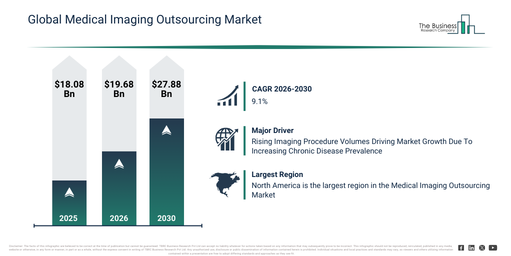
    The medical imaging outsourcing market size has experienced substantial growth in recent years. This market is projected to expand from $18.08 billion in 2025 to $19.68 billion in 2026, achieving a compound annual growth rate (CAGR) of 8.9%. The historical growth can be attributed to factors such as a shortage of radiologists, increasing diagnostic imaging volumes, hospital cost reduction initiatives, the early adoption of teleradiology, and the expansion of digital imaging systems.

    The medical imaging outsourcing market is anticipated to experience substantial growth over the next few years, projected to reach $27.88 billion by 2030, with a compound annual growth rate (CAGR) of 9.1%. This expansion during the forecast period is primarily fueled by an increasing demand for cross-border reporting, growing imaging backlogs, the spread of remote diagnostics models, a rise in outsourcing by hospitals, and the requirement for quicker report turnaround times. Key trends emerging in this period include global teleradiology reporting networks, 24 by 7 remote image interpretation, centralized imaging workflow management, cloud-based image archiving services, and subspecialty radiology outsourcing.

    Access Your Free Sample Report for In-Depth Market Insights:

    https://www.thebusinessresearchcompany.com/sample.aspx?id=33210&type=smp

    What Drivers Are Affecting Demand In The Medical Imaging Outsourcing Market?

    Rising volumes of imaging procedures are projected to boost the medical imaging outsourcing market. These volumes represent the overall count of diagnostic imaging tests carried out by healthcare providers within a specific timeframe. The increase in imaging procedure volumes stems from the growing incidence of chronic diseases, which necessitates frequent diagnostic imaging for early identification, tracking disease progression, and informing treatment decisions. Medical imaging outsourcing facilitates the management of these escalating procedure volumes by allowing healthcare providers to efficiently meet greater diagnostic demands through access to remote radiology specialists, adaptable resources, quicker report delivery, and a lighter operational load, all without needing to expand their own facilities. For instance, in November 2023, figures from the National Health Service, a UK-based government department, revealed that in the year concluding March 2023, England conducted 45.0 million imaging tests, marking a 2.2% increase from 44.0 million in the preceding year. This included 10.3 million diagnostic ultrasound tests, an increase of 1.8%; 7.1 million CT scans, up by 5.5%; and 4.1 million MRI scans, rising by 6.2%. Consequently, the increasing volume of imaging procedures is a key driver for the medical imaging outsourcing market.

    Which Segments Are Gaining Traction In The Medical Imaging Outsourcing Market?

    The medical imaging outsourcing market covered in this report is segmented –

    1) By Product Type: Computed Tomography (CT); Magnetic Resonance Imaging (MRI); Ultrasound; X-Ray; Nuclear Medicine; Other Modalities

    2) By Delivery Mode: Onsite Outsourcing Services; Offsite Outsourcing Services; Hybrid Outsourcing Services

    3) By Application: Cardiology; Diagnostic Imaging; Orthopedic; Diagnostic Testing Systems; Drug Delivery; Diabetes Care; Other Application

    4) By End Use: Hospitals And Clinics; Interventional Imaging Centers; Other End Uses

    Subsegments:

    1) By Computed Tomography: High Resolution Computed Tomography; Low Dose Computed Tomography; Contrast Enhanced Computed Tomography; Cardiac Computed Tomography; Whole Body Computed Tomography

    2) By Magnetic Resonance Imaging: Functional Magnetic Resonance Imaging; Diffusion Weighted Imaging; Magnetic Resonance Angiography; Magnetic Resonance Spectroscopy; Cardiac Magnetic Resonance Imaging

    3) By Ultrasound: Diagnostic Ultrasound Imaging; Doppler Ultrasound Imaging; Three Dimensional Ultrasound Imaging; Four Dimensional Ultrasound Imaging; Point Of Care Ultrasound

    4) By X-Ray: Digital Radiography; Computed Radiography; Mobile X-Ray Imaging; Fluoroscopy Imaging; Dental X-Ray Imaging

    5) By Nuclear Medicine: Positron Emission Tomography; Single Photon Emission Computed Tomography; Hybrid Nuclear Imaging; Radionuclide Imaging; Molecular Imaging

    6) By Other Modalities: Optical Imaging; Thermal Imaging; Elastography Imaging; Photoacoustic Imaging; Molecular Diagnostic Imaging

    Who Are The Core Companies Influencing Trends In The Medical Imaging Outsourcing Market?

    Major companies operating in the medical imaging outsourcing market are Sonic Healthcare Limited, RadNet Inc., Agfa HealthCare NV, Flatworld Solutions Pvt. Ltd., Radiology Partners Inc., Envision Radiology, ProScan Imaging, Alliance Medical Limited, Teleradiology Solutions, Everlight Radiology Limited, ONRAD Inc., RamSoft Inc., StatRad LLC, Sirona Medical Inc., Candelis Inc., MedWeb LLC, MetaMed, Shields Health Care Group, Diagnostic Imaging Services, MEDNAX Services Inc., 3DR Laboratories Inc., and American Imaging Consultants.

    Access The Complete Report For Deeper Market Insights:

    https://www.thebusinessresearchcompany.com/report/medical-imaging-outsourcing-market-report

    Which Regions Are Projected To Dominate The Medical Imaging Outsourcing Market In The Coming Years?

    North America was the largest region in the medical imaging outsourcing market in 2025. Asia-Pacific is expected to be the fastest-growing region in the forecast period. The regions covered in the medical imaging outsourcing market report are Asia-Pacific, South East Asia, Western Europe, Eastern Europe, North America, South America, Middle East, Africa.

    Request Your Customized Medical Imaging Outsourcing Market Research Report for Competitive Advantage:

    https://www.thebusinessresearchcompany.com/customise?id=33210&type=smp

    Browse Through More Reports Similar to the Global Medical Imaging Outsourcing Market 2026, By The Business Research Company

    Medical Device Outsourcing Market Report 2026

    https://www.thebusinessresearchcompany.com/report/medical-device-outsourcing-global-market-report

    Medical Imaging Market Report 2026

    https://www.thebusinessresearchcompany.com/report/medical-imaging-global-market-report

    Medical Imaging Equipment Market Report 2026

    https://www.thebusinessresearchcompany.com/report/medical-imaging-equipment-global-market-report

    Get in touch with us:

    The Business Research Company: https://www.thebusinessresearchcompany.com/

    Americas +1 310-496-7795

    Asia +44 7882 955267 & +91 8897263534

    Europe +44 7882 955267

    Email us at info@tbrc.info

    Follow us on:

    LinkedIn: https://in.linkedin.com/company/the-business-research-company

    YouTube: https://www.youtube.com/channel/UC24_fI0rV8cR5DxlCpgmyFQ

    Global Market Model: https://www.thebusinessresearchcompany.com/global-market-model

  • Tumor Profiling Market Trends and Insights: Global Forecast to 2030

    Tumor Profiling Market Trends and Insights: Global Forecast to 2030

    Uncover key drivers, emerging technologies, and competitive movements shaping the tumor profiling market from 2026–2035 with trusted insights from The Business Research Company

    What total market size is anticipated for the Tumor Profiling Market in 2030?

    The tumor profiling market has experienced substantial expansion recently. This market is projected to increase from $11.18 billion in 2025 to $12.31 billion in 2026, at a compound annual growth rate (CAGR) of 10.1%. The historical growth of this market can be attributed to several factors, including an uptick in cancer incidence rates, the proliferation of molecular diagnostics laboratories, the growing application of targeted cancer therapies, improvements in sequencing technologies, and increased funding for oncology research.

    The tumor profiling market is projected for substantial expansion in the coming years, with its size expected to reach $17.96 billion by 2030, exhibiting a compound annual growth rate (CAGR) of 9.9%. This anticipated growth during the forecast period is primarily fueled by factors such as the increasing embrace of precision oncology, a rising demand for individualized cancer treatments, continuous advancements in bioinformatics platforms, the broader expansion of companion diagnostics, and increased investments in translational cancer research. Major trends expected to shape the market in this period include the greater adoption of next-generation sequencing, an increase in the use of multi-omics profiling approaches, the growing integration of AI-based data interpretation, the proliferation of personalized oncology applications, and a sharpened focus on biomarker discovery.

    Access Your Free Sample Report for In-Depth Market Insights:

    https://www.thebusinessresearchcompany.com/sample.aspx?id=24420&type=smp

    What Drivers Are Influencing Production Trends In The Tumor Profiling Market?

    The increasing need for personalized medicine is projected to propel the expansion of the tumor profiling market in the future. This approach, known as personalized medicine, involves customizing healthcare treatments based on each patient’s unique characteristics. Patients are fueling this demand by seeking more targeted therapies, which promise improved results and reduced adverse effects when contrasted with conventional treatments. Tumor profiling aids personalized medicine by pinpointing particular genetic mutations and biomarkers within a patient’s tumor, thereby facilitating targeted interventions and minimizing unwanted side effects. For example, data from February 2024, sourced from a report by the Personalized Medicine Coalition, a US-based entity focused on promoting personalized medicine, revealed that personalized medicines constituted more than one-third of all new drug approvals in 2023, continuing this trend for the fourth consecutive year. Consequently, the expanding requirement for personalized medicine is accelerating the growth of the tumor profiling market.

    Which Segments Are Gaining Traction In The Tumor Profiling Market?

    The tumor profiling market covered in this report is segmented –

    1) By Technique: Genomics, Proteomics, Epigenetics, Metabolomics

    2) By Technology: Sequencing Techniques, Quantitative Polymerase Chain Reaction (qPCR), Immunohistochemistry, In Situ Hybridization (ISH), Microarray

    3) By Application: Personalized Cancer Medicine, Oncological Diagnostics, Research

    Subsegments:

    1) By Genomics: Next-Generation Sequencing (NGS), Polymerase Chain Reaction (PCR), Microarrays, Sanger sequencing

    2) By Proteomics: Mass Spectrometry (MS), Protein Microarrays, Immunohistochemistry (IHC), Western Blotting

    3) By Epigenetics: DNA Methylation Analysis, Chromatin Immunoprecipitation Sequencing (ChIP-seq), Histone Modification Profiling, Non-Coding RNA Analysis

    4) By Metabolomics: Nuclear Magnetic Resonance (NMR) Spectroscopy, Gas Chromatography-Mass Spectrometry (GC-MS), Liquid Chromatography-Mass Spectrometry (LC-MS), Capillary Electrophoresis-Mass Spectrometry (CE-MS)

    What Trends Are Expected To Impact The Competitive Landscape Of The Tumor Profiling Market?

    Leading firms within the tumor profiling market are concentrating on creating sophisticated tools, including artificial intelligence (AI)-driven diagnostic solutions, to improve the precision and effectiveness of cancer therapy. Artificial intelligence (AI) involves applying advanced computational techniques to analyze intricate genomic, proteomic, and clinical information, thereby facilitating quicker diagnoses, customized treatment plans, and improved tracking of disease advancement. Illustratively, in January 2025, Panakeia Technologies LTD, a UK-based enterprise focused on AI-powered software for cancer diagnosis and treatment, introduced PANProfiler Colon. This AI-powered software solution is specifically engineered to analyze crucial molecular biomarkers such as microsatellite instability (MSI) and mismatch repair deficiency (dMMR) directly from H and E-stained images of colon cancer tissue samples. This innovative digital instrument allows for swift and precise molecular profiling of tumors, which is vital for diagnosing colorectal cancer, detecting instances of Lynch syndrome, and guiding tailored treatment choices.

    Who Are The Prominent Global Companies Shaping The Tumor Profiling Market Landscape?

    Major companies operating in the tumor profiling market are F. Hoffmann-La Roche AG, Thermo Fisher Scientific Inc., Agilent Technologies Inc., Hologic Inc., Illumina Inc., Sysmex Corporation, QIAGEN N.V., Exact Sciences Corporation, Guardant Health Inc., GenScript Biotech Corporation, NeoGenomics Inc., Caris Life Sciences Inc., Tempus Inc., Foundation Medicine Inc., NanoString Technologies Inc., Personalis Inc., Boreal Genomics Inc., Strand Life Sciences Pvt. Ltd., HTG Molecular Diagnostics Inc., Lucence Health Inc., Predictive Oncology Inc.

    Access The Complete Report For Deeper Market Insights:

    https://www.thebusinessresearchcompany.com/report/tumor-profiling-global-market-report

    Which Region Currently Holds The Largest Share Of The Tumor Profiling Market?

    North America was the largest region in the tumor profiling market in 2025. Asia-Pacific is expected to be the fastest-growing region in the forecast period. The regions covered in the tumor profiling market report are Asia-Pacific, South East Asia, Western Europe, Eastern Europe, North America, South America, Middle East, Africa.

    Request Your Customized Tumor Profiling Market Research Report for Competitive Advantage:

    https://www.thebusinessresearchcompany.com/customise?id=24420&type=smp

    Browse Through More Reports Similar to the Global Tumor Profiling Market 2026, By The Business Research Company

    Cancer Biomarker Market Report 2026

    https://www.thebusinessresearchcompany.com/report/cancer-biomarker-global-market-report

    Cancer Profiling Market Report 2026

    https://www.thebusinessresearchcompany.com/report/cancer-profiling-global-market-report

    Cancer Diagnostics Market Report 2026

    https://www.thebusinessresearchcompany.com/report/cancer-diagnostics-global-market-report

    Get in touch with us:

    The Business Research Company: https://www.thebusinessresearchcompany.com/

    Americas +1 310-496-7795

    Asia +44 7882 955267 & +91 8897263534

    Europe +44 7882 955267

    Email us at info@tbrc.info

    Follow us on:

    LinkedIn: https://in.linkedin.com/company/the-business-research-company

    YouTube: https://www.youtube.com/channel/UC24_fI0rV8cR5DxlCpgmyFQ

    Global Market Model: https://www.thebusinessresearchcompany.com/global-market-model

  • Global Tumor Microenvironment Market Report 2026–2030: Data-Driven Growth Insights

    Global Tumor Microenvironment Market Report 2026–2030: Data-Driven Growth Insights

    Uncover key drivers, emerging technologies, and competitive movements shaping the tumor microenvironment market from 2026–2035 with trusted insights from The Business Research Company

    What is the expected shift in the Tumor Microenvironment Market’s size between 2026 and 2030?

    The tumor microenvironment market size has seen rapid expansion in recent years. It is anticipated to increase from $1.54 billion in 2025 to $1.73 billion in 2026, achieving a compound annual growth rate (CAGR) of 12.4%. The surge observed in the past can be credited to advances in cancer biology research, a deeper insight into tumor-immune interactions, the broadening of immuno-oncology pipelines, an uptick in academic and clinical cancer research efforts, and the accessibility of sophisticated laboratory technologies.

    The tumor microenvironment market is projected to experience substantial expansion in the coming years. Its valuation is anticipated to reach $2.73 billion by 2030, demonstrating a compound annual growth rate (CAGR) of 12.1%. This anticipated growth during the forecast period can be primarily ascribed to several factors: increasing financial commitments towards personalized oncology treatments, a heightened need for advanced immunotherapies, the broadening scope of translational cancer research, expanding partnerships between pharmaceutical companies and research institutions, and a rise in clinical trial engagements within oncology. Key trends expected over the forecast period encompass a stronger emphasis on immune cell modulation tactics, the increased creation of TME-targeted therapies, wider implementation of biomarker-driven patient grouping, the proliferation of combined immunotherapy strategies, and a more sophisticated deployment of advanced molecular profiling techniques.

    Access Your Free Sample Report for In-Depth Market Insights:

    https://www.thebusinessresearchcompany.com/sample.aspx?id=24732&type=smp

    Which Drivers Are Shaping Strategic Decisions In The Tumor Microenvironment Market?

    The increasing occurrence of cancer is projected to drive expansion within the tumor microenvironment market. Cancer itself is a set of illnesses marked by the uncontrolled multiplication and spread of atypical cells throughout the body. The growing frequency of cancer diagnoses can be linked to demographic shifts towards older populations, as the likelihood of developing cancer increases with advancing age, owing to extended exposure to environmental aggressors and a diminished capacity for cellular repair. The tumor microenvironment (TME) aids cancer progression by providing nourishment, promoting immune system evasion, and boosting cancer cell multiplication and spread via specific signaling pathways and interactions with nearby cells and the extracellular matrix. As an illustration, in July 2024, data from the Australian Institute of Health and Welfare, an Australia-based government agency, showed that in Australia the total cancer cases diagnosed grew from 160,570 in 2022 to 164,694 in 2023, indicating a significant increase over the period. Consequently, the escalating incidence of cancer is fueling the growth of the tumor microenvironment market.

    What Segment Categories Are Covered In The Tumor Microenvironment Market?

    The tumor microenvironment market covered in this report is segmented –

    1) By Cancer Type: Lung Cancer, Colorectal Cancer, Breast Cancer, Prostate Cancer, Bladder Cancer, Kidney Cancer, Other Cancer Types

    2) By Target: T Cells, Tumor-Associated Macrophages (TAMs), Myeloid-Derived Suppressor Cells (MDSCs), Cancer-Associated Fibroblasts (CAFs), Regulatory T Cells (Tregs), Other Targets

    3) By Therapy: Monoclonal Antibodies, Cytokines, Cancer Vaccines, Oncolytic Viruses, Adoptive Cell Therapies, Other Therapies

    4) By End User: Biopharmaceutical Companies, Hospitals, Diagnostic Laboratories, Research Institutes, Contract Research Organizations, Other End Users

    Subsegments:

    1) By Lung Cancer: Non-Small Cell Lung Cancer (NSCLC), Small Cell Lung Cancer (SCLC)

    2) By Colorectal Cancer: Colon Cancer, Rectal Cancer

    3) By Breast Cancer: Hormone Receptor Positive Breast Cancer, Triple-Negative Breast Cancer, HER2-Positive Breast Cancer

    4) By Prostate Cancer: Hormone-Sensitive Prostate Cancer, Castration-Resistant Prostate Cancer

    5) By Bladder Cancer: Non-Muscle Invasive Bladder Cancer (NMIBC), Muscle Invasive Bladder Cancer (MIBC)

    6) By Kidney Cancer: Renal Cell Carcinoma (RCC), Urothelial Carcinoma of the Renal Pelvis

    7) By Other Cancer Types: Pancreatic Cancer, Head and Neck Cancer, Ovarian Cancer

    Which Trends Are Guiding The Evolution Of The Tumor Microenvironment Market?

    Leading companies operating in the tumor microenvironment market are concentrating on developing advanced treatment options, such as targeted therapies, to improve treatment effectiveness and counteract resistance mechanisms. Targeted treatments are specific therapies engineered to identify and attack cancer cells based on unique molecular markers, largely leaving normal cells unaffected. For example, in April 2024, Aubex Therapeutics Inc., a US-based biotechnology company, introduced a novel class of substances aiming to revolutionize cancer treatment by precisely targeting the tumor microenvironment (TME). These innovative compounds are designed to interact with the complex network within the TME, which includes cancer cells, immune cells, blood vessels, and stromal components. By modulating these interactions, Aubex’s strategy enhances the immune system’s capacity to fight tumors and disrupts the processes that encourage tumor growth and metastasis. This approach is intended to overcome resistance to conventional therapies, providing a promising alternative for patients who have not responded to existing treatment options.

    Which Key Players Are Driving Competition In The Tumor Microenvironment Market?

    Major companies operating in the tumor microenvironment market are Pfizer Inc., Johnson & Johnson, Merck & Co. Inc., AbbVie Inc., Bayer AG, Sanofi S.A., AstraZeneca plc, Novartis International AG, GlaxoSmithKline plc, Takeda Pharmaceutical Company Limited, Eli Lilly and Company, Gilead Sciences Inc., Amgen Inc., Boehringer Ingelheim GmbH, Regeneron Pharmaceuticals Inc., Genentech Inc., BeiGene Ltd., MacroGenics Inc., Arcus Biosciences Inc., Adaptimmune Therapeutics plc

    Access The Complete Report For Deeper Market Insights:

    https://www.thebusinessresearchcompany.com/report/tumor-microenvironment-global-market-report

    How Does The Tumor Microenvironment Market Perform Across Major Global Regions?

    North America was the largest region in the tumor microenvironment market in 2025. Asia-Pacific is expected to be the fastest-growing region in the forecast period. The regions covered in the tumor microenvironment market report are Asia-Pacific, South East Asia, Western Europe, Eastern Europe, North America, South America, Middle East, Africa.

    Request Your Customized Tumor Microenvironment Market Research Report for Competitive Advantage:

    https://www.thebusinessresearchcompany.com/customise?id=24732&type=smp

    Browse Through More Reports Similar to the Global Tumor Microenvironment Market 2026, By The Business Research Company

    Tumor Infiltrating Lymphocytes Market Report 2026

    https://www.thebusinessresearchcompany.com/report/tumor-infiltrating-lymphocytes-global-market-report

    Circulating Tumor Cells Market Report 2026

    https://www.thebusinessresearchcompany.com/report/circulating-tumor-cells-global-market-report

    Tumor Necrosis Factor Inhibitor Drugs Market Report 2026

    https://www.thebusinessresearchcompany.com/report/tumor-necrosis-factor-inhibitor-drugs-global-market-report

    Get in touch with us:

    The Business Research Company: https://www.thebusinessresearchcompany.com/

    Americas +1 310-496-7795

    Asia +44 7882 955267 & +91 8897263534

    Europe +44 7882 955267

    Email us at info@tbrc.info

    Follow us on:

    LinkedIn: https://in.linkedin.com/company/the-business-research-company

    YouTube: https://www.youtube.com/channel/UC24_fI0rV8cR5DxlCpgmyFQ

    Global Market Model: https://www.thebusinessresearchcompany.com/global-market-model

  • Tumor Marker Testing Market Dynamics 2026: Future Outlook and Key Insights

    Tumor Marker Testing Market Dynamics 2026: Future Outlook and Key Insights

    Uncover key drivers, emerging technologies, and competitive movements shaping the tumor marker testing market from 2026–2035 with trusted insights from The Business Research Company

    What growth pattern is forecast for the Tumor Marker Testing Market size between 2026 and 2035?

    The tumor marker testing market size has seen robust expansion in recent years. It is anticipated to grow from $18.6 billion in 2025 to $20.12 billion in 2026, at a compound annual growth rate (CAGR) of 8.2%. The upward trend observed in the historic period stems from escalating cancer incidence rates, the broadened application of laboratory diagnostics in oncology, the enlargement of hospital-based cancer testing facilities, the widespread availability of established biochemical markers, and the development of extensive diagnostic laboratory networks.

    The tumor marker testing market is projected to experience substantial growth over the coming years. By 2030, this market is anticipated to reach $27.23 billion, expanding at a compound annual growth rate (CAGR) of 7.9%. This projected growth is driven by factors such as increasing demand for early cancer detection, a greater adoption of precision oncology methods, the expansion of companion diagnostics, the rising application of biomarkers in selecting therapies, and continuous advancements in cancer biomarker research. Key developments expected during this period involve a growing embrace of multiplex tumor marker panels, increased reliance on blood-based cancer diagnostics, enhanced integration of tumor markers into treatment monitoring, an expansion of early cancer screening initiatives, and a stronger emphasis on personalized oncology care.

    Access Your Free Sample Report for In-Depth Market Insights:

    https://www.thebusinessresearchcompany.com/sample.aspx?id=20668&type=smp

    Which Drivers Are Impacting Market Performance In The Tumor Marker Testing Market?

    The rising incidence of cancer is anticipated to fuel the expansion of the tumor marker testing market in the future. Cancer is defined by the uncontrolled proliferation of anomalous cells within the body. Such cells have the capacity to penetrate adjacent tissues and metastasize to different bodily regions via the circulatory and lymphatic systems. An uptick in cancer diagnoses is observed, attributed to elements like an aging global demographic, heightened exposure to environmental hazards, shifts in lifestyle, and advancements in diagnostic and detection methods. Employed for various cancers, tumor marker testing aids in diagnosis, evaluates treatment efficacy, and identifies recurrence through the measurement of distinct substances generated by cancerous cells. As an illustration, the National Health Service, a UK government body, reported in October 2025 that 2023 saw 354,820 new cancer diagnoses, averaging 972 daily, which signifies an increase of 8,605 compared to 2022. Consequently, the expanding occurrence of cancer is a key driver for the growth within the tumor marker testing market.

    Which Segments Are Contributing To The Growth Of The Tumor Marker Testing Market?

    The tumor marker testing market covered in this report is segmented –

    1) By Product: Biochemical Markers, Oncogenes, Growth Factors, Hormones, Colony Stimulating Factors, Lymphokines

    2) By Methods: Screening, Imaging, Theranostics, Other Methods

    3) By Application: Hospitals, Commercial Or Private Laboratories, Physician Offices Or Group Practices, Cancer Clinics, Ambulatory Care Centers

    Subsegments:

    1) By Biochemical Markers: Alpha-fetoprotein (AFP), Prostate-Specific Antigen (PSA), Carcinoembryonic Antigen (CEA), Cancer Antigen 125 (CA 125), Cancer Antigen 19-9 (CA 19-9), Human Chorionic Gonadotropin (hCG)

    2) By Oncogenes: HER2 Or neu, KRAS, BRAF, EGFR (Epidermal Growth Factor Receptor), c-MYC, p53

    3) By Growth Factors: Vascular Endothelial Growth Factor (VEGF), Platelet-Derived Growth Factor (PDGF), Transforming Growth Factor-beta (TGF-ß), Fibroblast Growth Factor (FGF), Insulin-like Growth Factor (IGF)

    4) By Hormones: Estrogen Receptors (ER), Progesterone Receptors (PR), Thyroglobulin, Calcitonin, Adrenocorticotropic Hormone (ACTH), Gastrin

    5) By Colony Stimulating Factors: Granulocyte Colony-Stimulating Factor (G-CSF), Granulocyte-Macrophage Colony-Stimulating Factor (GM-CSF), Macrophage Colony-Stimulating Factor (M-CSF)

    6) By Lymphokines: Interleukin-2 (IL-2), Interferon-gamma (IFN-?), Tumor Necrosis Factor-alpha (TNF-a), Interleukin-6 (IL-6)

    What Trends Are Projected To Support The Growth Of The Tumor Marker Testing Market?

    Leading companies active in the tumor marker testing market are increasingly concentrating on developing advanced tests, such as molecular testing solutions, to secure a competitive advantage. These molecular testing solutions are sophisticated diagnostic approaches that examine genetic material (DNA or RNA) to identify mutations, pathogens, or particular biomarkers at a molecular level. For instance, in April 2024, RGCC International GmbH, a Switzerland-based firm focused on personalized cancer treatment, released Onco-D-clare, a pioneering cancer detection test. This innovative test empowers individuals to detect cancer before symptoms manifest by employing a combination of molecular biology and artificial neural networks. Onco-D-clare functions by isolating peripheral blood mononuclear cells from blood samples and subsequently performing a thorough gene expression analysis across more than 90 genes.

    Who Are The Top-Performing Companies In The Tumor Marker Testing Market In Recent Years?

    Major companies operating in the tumor marker testing market are Thermo Fisher Scientific Inc., Abbott Laboratories, F. Hoffmann-La Roche AG, Danaher Corporation, Siemens Healthineers AG, Becton Dickinson and Company (BD), Quest Diagnostics Inc., Agilent Technologies Inc, Hologic Inc., Illumina Inc., bioMérieux SA, Bio-Rad Laboratories Inc., Qiagen N.V., DiaSorin S.p.A., Myriad Genetics, Ortho Clinical Diagnostics PLC, Veracyte Inc., Biodesix Inc., Biocept Inc., Proteomedix AG, OncoCyte Corporation, Biocartis NV

    Access The Complete Report For Deeper Market Insights:

    https://www.thebusinessresearchcompany.com/report/tumor-marker-testing-global-market-report

    Which Region Is Anticipated To See The Fastest Growth In The Tumor Marker Testing Market?

    North America was the largest region in the tumor marker testing market in 2025. The regions covered in the tumor marker testing market report are Asia-Pacific, South East Asia, Western Europe, Eastern Europe, North America, South America, Middle East, Africa.

    Request Your Customized Tumor Marker Testing Market Research Report for Competitive Advantage:

    https://www.thebusinessresearchcompany.com/customise?id=20668&type=smp

    Browse Through More Reports Similar to the Global Tumor Marker Testing Market 2026, By The Business Research Company

    Tumor Infiltrating Lymphocytes Market Report 2026

    https://www.thebusinessresearchcompany.com/report/tumor-infiltrating-lymphocytes-global-market-report

    Circulating Tumor Cells Market Report 2026

    https://www.thebusinessresearchcompany.com/report/circulating-tumor-cells-global-market-report

    Tumor Necrosis Factor Inhibitor Drugs Market Report 2026

    https://www.thebusinessresearchcompany.com/report/tumor-necrosis-factor-inhibitor-drugs-global-market-report

    Get in touch with us:

    The Business Research Company: https://www.thebusinessresearchcompany.com/

    Americas +1 310-496-7795

    Asia +44 7882 955267 & +91 8897263534

    Europe +44 7882 955267

    Email us at info@tbrc.info

    Follow us on:

    LinkedIn: https://in.linkedin.com/company/the-business-research-company

    YouTube: https://www.youtube.com/channel/UC24_fI0rV8cR5DxlCpgmyFQ

    Global Market Model: https://www.thebusinessresearchcompany.com/global-market-model