Category: HealthcareServices

  • Ear Health Market Forecast 2026–2035: How to Leverage Market Growth

    Ear Health Market Forecast 2026–2035: How to Leverage Market Growth

    Uncover key drivers, emerging technologies, and competitive movements shaping the ear health market from 2026–2035 with trusted insights from The Business Research Company

    What is the expected shift in the Ear Health Market’s size between 2026 and 2030?

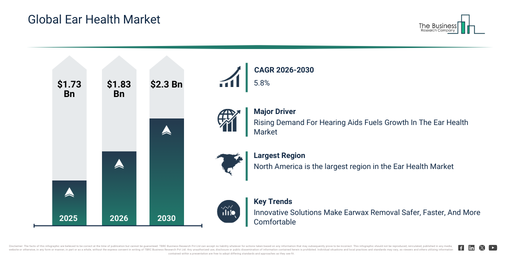
    The ear health market has demonstrated robust growth in recent years. It is projected to expand from $1.73 billion in 2025 to $1.83 billion in 2026, reflecting a compound annual growth rate (CAGR) of 5.9%. This historical development is attributable to factors such as ear infection prevalence, increased awareness of hearing loss, exposure to urban noise, the availability of diagnostic devices, and improved access to OTC medication.

    The ear health market is projected for significant expansion in the coming years, with its valuation anticipated to reach $2.3 billion by 2030, exhibiting a compound annual growth rate (CAGR) of 5.8%. This projected growth is primarily driven by factors such as the hearing requirements of an aging population, the emergence of smart hearing devices, an increased emphasis on preventive care, the availability of home diagnostic tools, and enhanced consumer health education. Key trends anticipated during this period encompass the increasing acceptance of hearing and diagnostic devices, a surging demand for products focused on preventive ear care, a rise in the utilization of over-the-counter ear solutions, the proliferation of supplements for tinnitus management, and greater understanding of hearing loss caused by noise.

    Access Your Free Sample Report for In-Depth Market Insights:

    https://www.thebusinessresearchcompany.com/sample.aspx?id=13642&type=smp

    Which Drivers Are Shaping Strategic Decisions In The Ear Health Market?

    The ear health market is expected to grow, driven by the increasing demand for hearing aids, which are compact electronic devices designed to amplify sound and enhance hearing ability for individuals with hearing loss. This rising demand stems from aging populations, a heightened awareness of hearing wellness, and technological innovations that improve device effectiveness, user-friendliness, and accessibility. The ear health market supports this trend by delivering advanced hearing devices and clinical solutions aimed at improving communication, daily functioning, and overall quality of life for those with auditory impairments. For example, the British Academy of Audiology (BAA), the largest professional organization in the UK in 2024, reported in April 2025 that overall hearing instrument sales increased by 4%, reaching 2,245,540 units compared to 2,155,033 units in 2023. Thus, the escalating demand for hearing aids is a key factor propelling the expansion of the ear health market.

    What Segment Classifications Make Up The Ear Health Market?

    The ear health market covered in this report is segmented –

    1) By Product: Ear Health Devices, Diagnostic Devices, Tinnitus And Ear Impairment Care Supplements, Ear Infection Treatment Medication

    2) By Application: Households, Hospitals And Clinics, Other Applications

    3) By Distribution Channel: Convenience Stores, Pharmacy Stores, Hypermarkets And Supermarkets, Online Stores

    Subsegments:

    1) By Ear Health Devices: Hearing Aids, Ear Wax Removal Devices, Ear Plugs And Noise-Canceling Devices

    2) By Diagnostic Devices: Otoscopes, Audiometers, Tympanometers

    3) By Tinnitus And Ear Impairment Care Supplements: Herbal Supplements, Vitamins And Minerals, Homeopathic Remedies

    4) By Ear Infection Treatment Medication: Antibiotics, Antifungal Medications, Pain Relievers And Anti-inflammatory Drugs

    What Trends Are Reshaping The Dynamics Of The Ear Health Market?

    Major companies in the ear health market are prioritizing innovative solutions, such as portable digital microsuction platforms, to offer more rapid, secure, and convenient earwax removal than traditional techniques. A portable digital microsuction platform represents a compact, handheld medical apparatus that utilizes gentle suction and digital visualization to safely and effectively clear earwax, providing a more accurate and comfortable substitute for conventional ear cleaning approaches. For instance, in May 2025, Bestway National Chemists Limited, a pharmacy chain based in the UK, unveiled a new ear and hearing health service that integrates advanced TympaHealth technology, delivering high-definition imaging, earwax microsuction, and hearing evaluations. This service is designed to support adults of all ages, particularly younger patients who are increasingly experiencing ear and hearing health issues connected to the usage of wireless earbuds. Physicians caution that extended use of wireless earbuds could push earwax deeper and lead to increased wax buildup, hearing loss, and other ear problems if listening habits are unsafe.

    Which Major Firms Are Strengthening Their Position In The Ear Health Market?

    Major companies operating in the ear health market are Pfizer Inc., Johnson & Johnson Private Limited, Bayer AG, Novartis AG, GlaxoSmithKline plc, Medtronic Plc, Siemens Healthineers, Reckitt Benckiser Group plc, DAIICHI SANKYO COMPANY LIMITED, Olympus Corp., Sonova Holdings AG, William Demant Holdings A/S, Apotex Inc., GN Store Nord A/S, Amplifon S.p.A., Starkey Hearing Technologies, Karl Storz GMBH & Co. KG, Cochlear Limited, Prestige Consumer Healthcare Inc., Oticon A/S, Miracle-Ear Inc., Resound, Widex A/S, Audika Groupe SA

    Access The Complete Report For Deeper Market Insights:

    https://www.thebusinessresearchcompany.com/report/ear-health-global-market-report

    Which Regions Are Poised For Strategic Growth In The Ear Health Market?

    North America was the largest region in the ear health market in 2025 Asia-Pacific is expected to be the fastest-growing region in the forecast period. The regions covered in the ear health market report are Asia-Pacific, South East Asia, Western Europe, Eastern Europe, North America, South America, Middle East, Africa.

    Request Your Customized Ear Health Market Research Report for Competitive Advantage:

    https://www.thebusinessresearchcompany.com/customise?id=13642&type=smp

    Browse Through More Reports Similar to the Global Ear Health Market 2026, By The Business Research Company

    Hearing Loop Market Report 2026

    https://www.thebusinessresearchcompany.com/report/hearing-loop-global-market-report

    Ear Infection Market Report 2026

    https://www.thebusinessresearchcompany.com/report/ear-infection-global-market-report

    Earplugs Market Report 2026

    https://www.thebusinessresearchcompany.com/report/earplugs-global-market-report

    Get in touch with us:

    The Business Research Company: https://www.thebusinessresearchcompany.com/

    Americas +1 310-496-7795

    Asia +44 7882 955267 & +91 8897263534

    Europe +44 7882 955267

    Email us at info@tbrc.info

    Follow us on:

    LinkedIn: https://in.linkedin.com/company/the-business-research-company

    YouTube: https://www.youtube.com/channel/UC24_fI0rV8cR5DxlCpgmyFQ

    Global Market Model: https://www.thebusinessresearchcompany.com/global-market-model
  • Global Dysthymia Market 2026–2030: Forecast Insights for Business Planning

    Global Dysthymia Market 2026–2030: Forecast Insights for Business Planning

    Uncover key drivers, emerging technologies, and competitive movements shaping the dysthymia market from 2026–2035 with trusted insights from The Business Research Company

    What growth pattern is forecast for the Dysthymia Market size between 2026 and 2035?

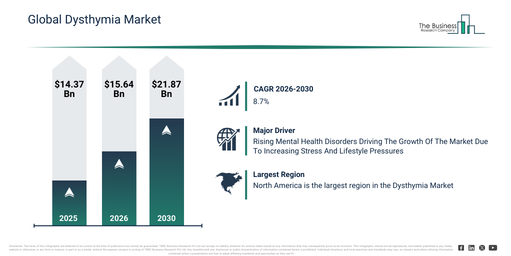
    The dysthymia market size has shown robust growth in recent years. It is expected to expand from $14.37 billion in 2025 to $15.64 billion in 2026, progressing at a compound annual growth rate (CAGR) of 8.9%. Historically, this expansion has been driven by increased mental health awareness, enhanced antidepressant accessibility, the expansion of psychiatric clinics, its comorbidity with anxiety disorders, and initiatives aimed at stigma reduction.

    The dysthymia market size is anticipated to experience robust growth over the next few years. It is projected to expand to $21.87 billion by 2030, achieving a compound annual growth rate (CAGR) of 8.7%. This growth during the forecast period can be attributed to telepsychiatry adoption, personalized mental health treatment, digital cognitive therapy tools, an early diagnosis focus, and mental health policy support. Major trends identified for the forecast period include the growing use of long-term antidepressant therapy, increased adoption of psychotherapy-based treatments, rising awareness of chronic depressive disorders, the expansion of combination therapy approaches, and the integration of digital mental health platforms.

    Access Your Free Sample Report for In-Depth Market Insights:

    https://www.thebusinessresearchcompany.com/sample.aspx?id=21946&type=smp

    Which Drivers Are Impacting Market Performance In The Dysthymia Market?

    The growing occurrence of mental health conditions is anticipated to fuel the expansion of the dysthymia market in the future. Mental health conditions are defined as medical ailments impacting mood, thought processes, and conduct, which disrupt daily activities and emotional equilibrium. The rise in mental health disorders stems from ongoing pressures of contemporary living, such as demanding jobs, financial burdens, and excessive digital exposure, all of which contribute to persistent anxiety and mood irregularities. The dysthymia market addresses this trend by providing sustained treatment options like psychotherapy, medication, and modifications to daily habits, which aid in mood stabilization, bolster resilience, and enhance overall quality of life. For instance, in 2024, data from the National Alliance on Mental Illness, a US-based non-profit organization, indicated that psychosis spectrum and mood disorders were responsible for approximately 0.0006 billion hospitalizations annually among adults aged 18–44 in the United States. Consequently, the increasing prevalence of mental health disorders is boosting the growth of the dysthymia market.

    What Segment Types Are Examined In The Dysthymia Market?

    The dysthymia market covered in this report is segmented –

    1) By Treatment: Psychotherapy, Pharmacotherapy, Combination Of Psychotherapy And Pharmacotherapy

    2) By Severity: Mild, Moderate, Severe

    3) By Comorbidities: Anxiety Disorders, Depression, Substance Abuse

    4) By Distribution Channel: Online, Offline

    5) By End-Users: Hospitals, Clinics

    Subsegments:

    1) By Psychotherapy: Cognitive Behavioral Therapy (CBT), Interpersonal Therapy (IPT), Psychodynamic Therapy

    2) By Pharmacotherapy: Antidepressants (SSRIs, SNRIs, Tricyclic Antidepressants), Antipsychotics, Mood Stabilizers

    3) By Combination Of Psychotherapy And Pharmacotherapy: Cognitive Behavioral Therapy (CBT) With Antidepressants, Interpersonal Therapy (IPT) With Antipsychotics, Psychodynamic Therapy With Mood Stabilizers

    Who Are The Primary Competitors In The Global Dysthymia Market?

    Major companies operating in the dysthymia market are Pfizer Inc., Johnson & Johnson, Merck & Co. Inc., Sanofi SA, Bristol-Myers Squibb Company, AstraZeneca plc, Eli Lilly and Company, Teva Pharmaceutical Industries Ltd., Cipla Limited, Lupin Pharmaceuticals, GlaxoSmithKline plc, H Lundbeck A/S, Otsuka Pharmaceutical Co Ltd, Takeda Pharmaceutical Company Limited, Alkermes plc, Boehringer Ingelheim GmbH, Sun Pharmaceutical Industries Ltd, Dr Reddy’s Laboratories, Torrent Pharmaceuticals Ltd, Glenmark Pharmaceuticals Ltd, Sage Therapeutics Inc, MindMed Inc, Compass Pathways plc, Pierre Fabre Medicament, Neurolixis Inc

    Access The Complete Report For Deeper Market Insights:

    https://www.thebusinessresearchcompany.com/report/dysthymia-global-market-report

    Which Regions Are Projected To Dominate The Dysthymia Market In The Coming Years?

    North America was the largest region in the dysthymia market in 2025. Asia-Pacific is expected to be the fastest-growing region in the forecast period. The regions covered in the dysthymia market report are Asia-Pacific, South East Asia, Western Europe, Eastern Europe, North America, South America, Middle East, Africa.

    Request Your Customized Dysthymia Market Research Report for Competitive Advantage:

    https://www.thebusinessresearchcompany.com/customise?id=21946&type=smp

    Browse Through More Reports Similar to the Global Dysthymia Market 2026, By The Business Research Company

    Vitamin D Therapy Market Report 2026

    https://www.thebusinessresearchcompany.com/report/vitamin-d-therapy-global-market-report

    Vitamin D Market Report 2026

    https://www.thebusinessresearchcompany.com/report/vitamin-d-global-market-report

    Duchenne Muscular Dystrophy Market Report 2026

    https://www.thebusinessresearchcompany.com/report/duchenne-muscular-dystrophy-global-market-report

    Get in touch with us:

    The Business Research Company: https://www.thebusinessresearchcompany.com/

    Americas +1 310-496-7795

    Asia +44 7882 955267 & +91 8897263534

    Europe +44 7882 955267

    Email us at info@tbrc.info

    Follow us on:

    LinkedIn: https://in.linkedin.com/company/the-business-research-company

    YouTube: https://www.youtube.com/channel/UC24_fI0rV8cR5DxlCpgmyFQ

    Global Market Model: https://www.thebusinessresearchcompany.com/global-market-model
  • Dyspnea Market Outlook 2026–2035: Growth Drivers and Industry Forecast

    Dyspnea Market Outlook 2026–2035: Growth Drivers and Industry Forecast

    Uncover key drivers, emerging technologies, and competitive movements shaping the dyspnea market from 2026–2035 with trusted insights from The Business Research Company

    How much larger will the Dyspnea Market be in 2030 compared with 2026?

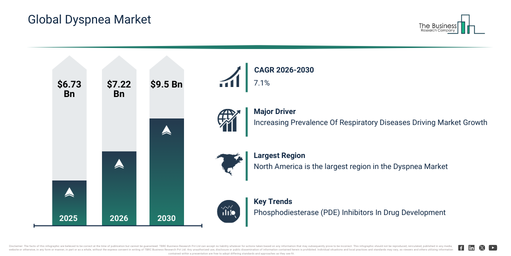
    The dyspnea market size has shown substantial growth over recent years. It is anticipated to expand from $6.73 billion in 2025 to $7.22 billion in 2026, exhibiting a compound annual growth rate (CAGR) of 7.4%. This market’s historical growth can be attributed to factors such as the prevalence of chronic respiratory diseases, the volume of hospital emergency admissions, smoking-related disorders, the aging population, and the burden of cardiopulmonary diseases.

    The dyspnea market size is anticipated to undergo significant expansion over the next few years. It is forecast to grow to $9.5 billion in 2030, demonstrating a compound annual growth rate (CAGR) of 7.1%. This growth during the projection period is driven by the demand for portable oxygen systems, advancements in remote respiratory monitoring, the implementation of personalized dyspnea management strategies, the expansion of homecare services, and the adoption of digital symptom tracking. Major trends for the forecast duration include the increasing use of oxygen therapy devices, a rise in the adoption of home-based respiratory care, a greater emphasis on symptom management therapies, the integration of breathing and relaxation techniques, and improved diagnostic assessment of respiratory disorders.

    Access Your Free Sample Report for In-Depth Market Insights:

    https://www.thebusinessresearchcompany.com/sample.aspx?id=21178&type=smp

    What Drivers Are Guiding Growth Patterns In The Dyspnea Market?

    The escalating incidence of respiratory illnesses is anticipated to drive the future expansion of the dyspnea market. These conditions, which impair airflow and reduce oxygen exchange by affecting the lungs and respiratory system, are becoming more widespread due to factors like air pollution, smoking, environmental toxins, climate change, and increased susceptibility in aging populations. The dyspnea market aligns with this trend, as dyspnea is a vital indicator of impaired lung function, aiding clinicians in diagnosing respiratory conditions, guiding treatment plans, and monitoring disease progression. For instance, in June 2024, according to the Australian Institute of Health and Welfare, an Australia-based government agency, in 2023, COPD contributed to 3.6% of the total disease burden and accounted for 50% of the overall burden of respiratory diseases. Additionally, in 2022, COPD was the primary cause of 7,691 deaths, with a mortality rate of 29.6 per 100,000 people, representing 4.0% of all deaths. Therefore, the growing prevalence of respiratory diseases is a key factor propelling the growth of the dyspnea market.

    Which Segments Are Driving Activity In The Dyspnea Market?

    The dyspnea market covered in this report is segmented –

    1) By Treatment Type: Supplemental Oxygen Therapy, Relaxation Therapy

    2) By Drug Class: Antianxiety, Antibiotics, Anticholinergic Agents, Corticosteroids, Other Drug Classes

    3) By Route Of Administration: Oral, Inhalation, Other Route Of Administrations

    4) By End User: Hospitals, Homecare, Specialty Clinics, Ambulatory Services, Other End Users

    Subsegments:

    1) By Supplemental Oxygen Therapy: Continuous Flow Oxygen Therapy, Pulse Dose Oxygen Therapy, Oxygen Concentrators, Portable Oxygen Cylinders

    2) By Relaxation Therapy: Breathing Exercises, Meditation and Mindfulness, Progressive Muscle Relaxation, Biofeedback Therapy

    Which Trends Are Expected To Influence The Dyspnea Market In The Upcoming Years?

    Major companies in the dyspnea market are concentrating on developing novel drug therapies, such as phosphodiesterase (PDE) inhibitors, to enhance treatment effectiveness, alleviate respiratory symptoms, and offer improved relief for patients experiencing chronic breathing difficulties. A phosphodiesterase (PDE) inhibitor functions by blocking PDE enzymes, thereby raising intracellular cyclic AMP or cyclic GMP levels, which in turn promotes bronchodilation, reduces inflammation, and boosts overall respiratory function. For example, in May 2024, Verona Pharma Plc, a UK-based biopharmaceutical company, announced its preparations for the anticipated U.S. launch of ensifentrine. This is a first-in-class dual PDE3/4 inhibitor for chronic obstructive pulmonary disease (COPD), expected in Q3 2024 pending FDA approval. Ensifentrine, delivered via nebulization, has demonstrated significant reductions in COPD exacerbation rates and meaningful improvements in dyspnea in Phase III trials. Verona secured $650 million in financing to support its commercial rollout and further development, which includes a planned Phase II fixed-dose combination trial with glycopyrrolate for maintenance COPD therapy.

    Which Key Market Players Are Investing In Expansion And Innovation Within The Dyspnea Market?

    Major companies operating in the dyspnea market are Pfizer Inc., Merck And Co. Inc., Bayer AG, Sanofi S.A., AstraZeneca, Novartis AG, GlaxoSmithKline, Teva Pharmaceutical Industries Ltd., Boehringer Ingelheim, Amneal Pharmaceuticals LLC, Lupin Ltd, Inogen Inc, Fisher & Paykel Healthcare, ResMed Inc, Koninklijke Philips N.V, Masimo Corporation, Breas Medical, PARI Medical Holding GmbH, BMC Medical, Hamilton Medical, Nihon Kohden Corporation, Cipla Inc

    Access The Complete Report For Deeper Market Insights:

    https://www.thebusinessresearchcompany.com/report/dyspnea-global-market-report

    Which Region Is Expected To Experience The Fastest Growth In The Dyspnea Market?

    North America was the largest region in the dyspnea market in 2025. Asia-Pacific is expected to be the fastest-growing region in the forecast period. The regions covered in the dyspnea market report are Asia-Pacific, South East Asia, Western Europe, Eastern Europe, North America, South America, Middle East, Africa.

    Request Your Customized Dyspnea Market Research Report for Competitive Advantage:

    https://www.thebusinessresearchcompany.com/customise?id=21178&type=smp

    Browse Through More Reports Similar to the Global Dyspnea Market 2026, By The Business Research Company

    Airway Stent Market Report 2026

    https://www.thebusinessresearchcompany.com/report/airway-stent-global-market-report

    Dysphagia Supplement Market Report 2026

    https://www.thebusinessresearchcompany.com/report/dysphagia-supplement-global-market-report

    Sleep Apnea Devices Market Report 2026

    https://www.thebusinessresearchcompany.com/report/sleep-apnea-devices-global-market-report

    Get in touch with us:

    The Business Research Company: https://www.thebusinessresearchcompany.com/

    Americas +1 310-496-7795

    Asia +44 7882 955267 & +91 8897263534

    Europe +44 7882 955267

    Email us at info@tbrc.info

    Follow us on:

    LinkedIn: https://in.linkedin.com/company/the-business-research-company

    YouTube: https://www.youtube.com/channel/UC24_fI0rV8cR5DxlCpgmyFQ

    Global Market Model: https://www.thebusinessresearchcompany.com/global-market-model
  • Dysphagia Supplement Market 2026–2030: Emerging Trends and Forecast Opportunities

    Dysphagia Supplement Market 2026–2030: Emerging Trends and Forecast Opportunities

    Uncover key drivers, emerging technologies, and competitive movements shaping the dysphagia supplement market from 2026–2035 with trusted insights from The Business Research Company

    Starting from its 2026 valuation, what market size is the Dysphagia Supplement Market expected to reach by 2030?

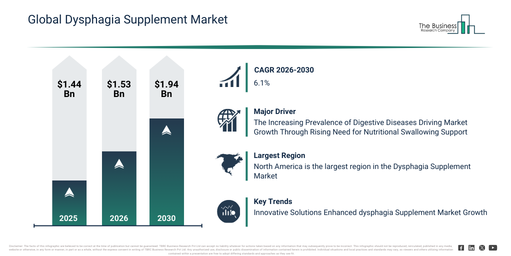
    The dysphagia supplement market size has experienced significant expansion over recent years. It is projected to increase from $1.44 billion in 2025 to $1.53 billion in 2026, achieving a compound annual growth rate (CAGR) of 6.0%. This historical growth can be attributed to factors such as an expanding aging population, a rise in stroke-related dysphagia cases, the establishment of hospital nutrition protocols, greater awareness of malnutrition, and the enlargement of long-term care facilities.

    The dysphagia supplement market is projected to experience substantial expansion over the coming years. Its valuation is anticipated to reach $1.94 billion by 2030, demonstrating a compound annual growth rate (CAGR) of 6.1%. This predicted growth during the forecast period is primarily driven by factors such as increased adoption of homecare nutrition, the availability of premium clinical supplements, the development of personalized nutrition products, the growing prevalence of chronic neurological disorders, and advancements in healthcare nutrition reimbursement. Key trends expected during this period involve a heightened demand for texture-modified nutrition, wider acceptance of ready-to-drink thickened beverages, an elevated emphasis on clinical nutrition within elderly care, the proliferation of protein and calorie-dense supplements, and enhanced formulations designed for better taste and palatability.

    Access Your Free Sample Report for In-Depth Market Insights:

    https://www.thebusinessresearchcompany.com/sample.aspx?id=18343&type=smp

    What Drivers Are Driving Adoption Within The Dysphagia Supplement Market?

    The expanding occurrence of digestive diseases is anticipated to fuel the growth of the dysphagia supplement market moving forward. Digestive diseases encompass a broad spectrum of gastrointestinal ailments affecting the esophagus, stomach, intestines, liver, and pancreas. The escalating prevalence of these conditions is attributed to aging populations, poor dietary habits, inactive lifestyles, obesity, and various environmental factors. The dysphagia supplement market supports this trend by supplying readily ingestible, nutrient-dense formulations that enable individuals with swallowing difficulties to maintain adequate nutrition as their digestive diseases progress. For instance, data from December 2023, provided by the IBD Registry, a UK-based non-profit organization, indicated that it reached over 5,300 individuals with Inflammatory Bowel Disease (IBD) by 2023, representing an increase of more than 3,000 members compared to 2022. Thus, the increasing prevalence of digestive diseases is a key driver for the expansion of the dysphagia supplement market.

    How Is The Dysphagia Supplement Market Organized Into Various Segments?

    The dysphagia supplement market covered in this report is segmented –

    1) By Type: Powder Thickener, Ready To Drink Thickened Beverages, Instant Food, Oral Nutritional Supplements

    2) By Indication: Oropharyngeal Dysphagia, Esophageal Dysphagia

    3) By Applications: Hospitals, Nursing Homes, Retail Pharmacies, Drug Stores, Supermarkets

    Subsegments:

    1) By Powder Thickener: Starch-Based Thickeners, Gum-Based Thickeners

    2) By Ready To Drink Thickened Beverages: Thickened Water, Thickened Juices, Thickened Milk And Dairy Beverages

    3) By Instant Food: Instant Soups, Instant Porridge, Instant Pureed Meals

    4) By Oral Nutritional Supplements: Protein Supplements, Fiber Supplements, Caloric Supplements, Vitamin And Mineral Supplements

    What Trends Are Driving The Growth Trajectory Of The Dysphagia Supplement Market?

    Key players in the dysphagia supplement market are concentrating on creating advanced products, such as food and beverage thickeners. The objective is to enhance swallowing safety, improve patient comfort, and lower the risk of aspiration in individuals with dysphagia. These thickeners are substances incorporated into liquids or foods to modify their consistency, which renders them easier and safer to consume by aligning the texture with the patient’s swallowing ability and reducing choking hazards. For instance, in January 2023, Nestlé India, an India-based food and beverage company, released ThickenUp Clear. This product is a xanthan gum-based thickener developed to support patients with oropharyngeal dysphagia. It possesses characteristics of being tasteless, colorless, odorless, and amylase-resistant. These attributes allow for its easy addition to hot or cold liquids while maintaining a stable consistency. ThickenUp Clear delivers an effective, instant-thickening solution that enhances swallowing safety and provides a healthier, environmentally friendly alternative for individuals managing dysphagia.

    Who Are The Core Companies Influencing Trends In The Dysphagia Supplement Market?

    Major companies operating in the dysphagia supplement market are Nestlé S.A., Abbott Laboratories, Fresenius SE & Co. KGaA, Ingredion Incorporated, Tate & Lyle PLC, Kent Precision Foods Group, Prosource, Matsun Nutrition Inc., Medtrition Inc., Simply Thick LLC, Hormel Health Labs, Nutrinovo Ltd., Nutridrinks Limited, RTH Nutrition, Nutritional Research, NutriLicious, Thick-It, Slo Drinks, Nutra Balance Products, Nutilis, Clinico Co Ltd, Kissei Pharmaceutical Co Ltd, Nutri Co Ltd, HiPP GmbH & Co Vertrieb KG, Foods Group Inc.

    Access The Complete Report For Deeper Market Insights:

    https://www.thebusinessresearchcompany.com/report/dysphagia-supplement-global-market-report

    Which Geographic Areas Are Emerging As Strong Markets For The Dysphagia Supplement Market?

    North America was the largest region in the dysphagia supplement market in 2025. North America is expected to be the fastest-growing region in the forecast period. The regions covered in the dysphagia supplement market report are Asia-Pacific, South East Asia, Western Europe, Eastern Europe, North America, South America, Middle East, Africa.

    Request Your Customized Dysphagia Supplement Market Research Report for Competitive Advantage:

    https://www.thebusinessresearchcompany.com/customise?id=18343&type=smp

    Browse Through More Reports Similar to the Global Dysphagia Supplement Market 2026, By The Business Research Company

    Esophageal Dysphagia Market Report 2026

    https://www.thebusinessresearchcompany.com/report/esophageal-dysphagia-global-market-report

    Dysphagia Management Market Report 2026

    https://www.thebusinessresearchcompany.com/report/dysphagia-management-global-market-report

    Brain Health Supplements Market Report 2026

    https://www.thebusinessresearchcompany.com/report/brain-health-supplements-global-market-report

    Get in touch with us:

    The Business Research Company: https://www.thebusinessresearchcompany.com/

    Americas +1 310-496-7795

    Asia +44 7882 955267 & +91 8897263534

    Europe +44 7882 955267

    Email us at info@tbrc.info

    Follow us on:

    LinkedIn: https://in.linkedin.com/company/the-business-research-company

    YouTube: https://www.youtube.com/channel/UC24_fI0rV8cR5DxlCpgmyFQ

    Global Market Model: https://www.thebusinessresearchcompany.com/global-market-model
  • Global Dysphagia Management Market Forecast 2026–2035: Long-Term Growth Insights

    Global Dysphagia Management Market Forecast 2026–2035: Long-Term Growth Insights

    Uncover key drivers, emerging technologies, and competitive movements shaping the dysphagia management market from 2026–2035 with trusted insights from The Business Research Company

    Across 2026–2030, what is the expected market valuation path of the Dysphagia Management Market?

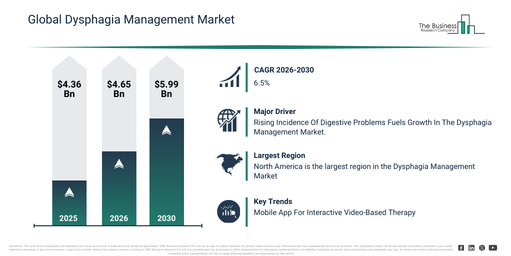
    The dysphagia management market size has experienced robust expansion in recent years. It is projected to grow from $4.36 billion in 2025 to $4.65 billion in 2026, at a compound annual growth rate (CAGR) of 6.7%. The market’s historical growth can be attributed to factors such as neurological disease burden, an increasing aging population, the adoption of speech therapy, hospital-based nutrition care, and greater dysphagia awareness.

    The dysphagia management market size is anticipated to expand significantly in the coming years, reaching $5.99 billion by 2030, with a compound annual growth rate (CAGR) of 6.5%. This growth during the forecast period is primarily attributed to home-based dysphagia care, advanced nutritional formulations, early screening protocols, digital therapy tools, and long-term care expansion. Furthermore, major trends influencing this period include the rising prevalence of swallowing disorders, increased use of nutritional support solutions, expansion of feeding tube-based interventions, growth of multidisciplinary therapy programs, and improved diagnosis and clinical assessment.

    Access Your Free Sample Report for In-Depth Market Insights:

    https://www.thebusinessresearchcompany.com/sample.aspx?id=18578&type=smp

    Which Drivers Are Supporting The Rise Of The Dysphagia Management Market?

    The increasing occurrence of digestive issues is projected to fuel the expansion of the dysphagia management market moving forward. Digestive ailments encompass a wide spectrum of conditions impacting the gastrointestinal tract, spanning from minor concerns like heartburn to serious diseases such as cancers and motility disorders. The rise in digestive problem prevalence is attributed to factors like an aging demographic, shifts in diet, inactive lifestyles, stress, and metabolic disruptions linked to obesity. The dysphagia management market addresses this increase by providing treatment approaches designed to ease swallowing challenges stemming from conditions like gastroesophageal reflux disease (GERD), achalasia, and esophageal cancers. For example, in January 2023, data from the UK Gut Health Report 2023, released by Holland & Barrett International Limited, a UK-based multinational health retailer, indicated that 58% of individuals in the UK encountered gut health issues, with 45% reporting chronic digestive problems persisting for three months or longer. Consequently, the growing occurrence of digestive issues is propelling the expansion of the dysphagia management market.

    What Segments Are Identified Within The Structure Of The Dysphagia Management Market?

    The dysphagia management market covered in this report is segmented –

    1) By Product: Drug (Proton Pump Inhibitors), Feeding Tube, Nutritional Solutions

    2) By Treatment And Therapies: Esophageal Dysphagia, Oropharyngeal Dysphagia, Severe Dysphagia

    3) By Distribution Channel: Hospital Pharmacies, Retail Pharmacies, Drug Stores

    Subsegments:

    1) By Drug (Proton Pump Inhibitors): Oral Proton Pump Inhibitors (Ppis), Injectable Proton Pump Inhibitors

    2) By Feeding Tube: Nasogastric Tubes (Ng Tubes), Percutaneous Endoscopic Gastrostomy (Peg) Tubes, Gastrostomy Tubes (G-Tubes), Jejunostomy Tubes (J-Tubes), Balloon Tubes

    3) By Nutritional Solutions: Liquid Nutritional Supplements, High-Calorie Nutritional Drinks, Modified Texture Foods, Enteral Nutrition Formulas

    What Upcoming Trends Are Likely To Define The Future Path Of The Dysphagia Management Market?

    Prominent companies active in the dysphagia management market are prioritizing the creation of innovative solutions, such as mobile applications that facilitate interactive video-based therapy sessions, with the goal of improving patient care, expanding access to treatment, and achieving enhanced swallowing outcomes. Mobile applications in dysphagia management denote digital platforms that enable real-time, remote therapeutic engagements through video, incorporating features like live consultations, progress monitoring, session scheduling, and guided therapeutic exercises to support customized and continuous care. For instance, in October 2023, Amrita Hospital, an India-based healthcare provider, unveiled SWALLO, a mobile application specifically designed to assist individuals with dysphagia by delivering interactive video-based therapy sessions with medical experts, allowing patients to access therapy without needing daily hospital visits. The application offers live, appointment-based sessions, supports Malayalam with English subtitles, and is slated for future expansion into additional Indian languages to further enhance accessibility and patient engagement.

    Which Major Industry Participants Are Leading The Dysphagia Management Market Growth?

    Major companies operating in the dysphagia management market are Nestlé Health Science, Danone S.A., Medline Industries LP, Fresenius Kabi AG, Phagenesis Ltd., Nutricia Advanced Medical Nutrition, VitalStim UK Ltd., Abbott Laboratories, SimplyThick LLC, Kent Precision Foods Group, B Braun Melsungen AG, Medtrition, RTH Nutrition, Nutritional Research, NutriLicious, Cook Medical Inc., Medtronic plc, Smiths Medical, Boston Scientific Corporation, Becton Dickinson and Company, Olympus Corporation, KARL STORZ, Otsuka Pharmaceutical Co Ltd, Eisai Co Ltd, Cardinal Health, Avanos Medical Inc, Dysphagia Systems Inc.

    Access The Complete Report For Deeper Market Insights:

    https://www.thebusinessresearchcompany.com/report/dysphagia-management-global-market-report

    Which Region Is Projected To Lead The Dysphagia Management Market During The Forecast Period?

    North America was the largest region in the dysphagia management market in 2025. The regions covered in the dysphagia management market report are Asia-Pacific, South East Asia, Western Europe, Eastern Europe, North America, South America, Middle East, Africa.

    Request Your Customized Dysphagia Management Market Research Report for Competitive Advantage:

    https://www.thebusinessresearchcompany.com/customise?id=18578&type=smp

    Browse Through More Reports Similar to the Global Dysphagia Management Market 2026, By The Business Research Company

    Spasmodic Dysphonia Treatment Market Report 2026

    https://www.thebusinessresearchcompany.com/report/spasmodic-dysphonia-treatment-global-market-report

    Dysphagia Supplement Market Report 2026

    https://www.thebusinessresearchcompany.com/report/dysphagia-supplement-global-market-report

    Esophageal Dysphagia Market Report 2026

    https://www.thebusinessresearchcompany.com/report/esophageal-dysphagia-global-market-report

    Get in touch with us:

    The Business Research Company: https://www.thebusinessresearchcompany.com/

    Americas +1 310-496-7795

    Asia +44 7882 955267 & +91 8897263534

    Europe +44 7882 955267

    Email us at info@tbrc.info

    Follow us on:

    LinkedIn: https://in.linkedin.com/company/the-business-research-company

    YouTube: https://www.youtube.com/channel/UC24_fI0rV8cR5DxlCpgmyFQ

    Global Market Model: https://www.thebusinessresearchcompany.com/global-market-model
  • Dyslipidemia Market 2026–2030: Forecasting Business Opportunities Ahead

    Dyslipidemia Market 2026–2030: Forecasting Business Opportunities Ahead

    Uncover key drivers, emerging technologies, and competitive movements shaping the dyslipidemia market from 2026–2035 with trusted insights from The Business Research Company

    What size range is anticipated for the Dyslipidemia Market from 2026 to 2030?

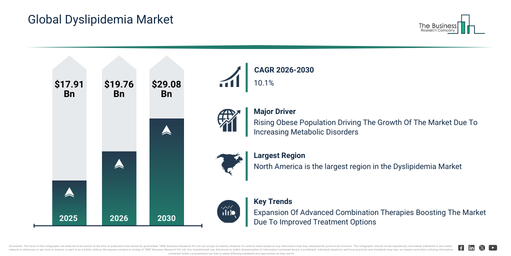
    The dyslipidemia market size has experienced rapid expansion in recent years. It is anticipated to increase from $17.91 billion in 2025 to $19.76 billion in 2026, achieving a compound annual growth rate (CAGR) of 10.3%. This past growth can be attributed to the cardiovascular disease burden, statin therapy adoption, lipid screening programs, clinical guideline updates, and primary care expansion.

    The dyslipidemia market is projected for significant expansion in the coming years, expected to reach $29.08 billion by 2030, at a compound annual growth rate (CAGR) of 10.1%. This anticipated growth is driven by factors such as the rise of precision cardiology, the introduction of novel lipid therapies, advancements in digital lipid monitoring, a heightened focus on preventive healthcare, and an aging population. Key trends shaping this period involve the increasing application of advanced lipid-lowering treatments, the growing acceptance of PCSK9 inhibitors and siRNA, an intensified emphasis on reducing cardiovascular risk, the broadening use of combination drug therapies, and enhancements in patient monitoring and adherence.

    Access Your Free Sample Report for In-Depth Market Insights:

    https://www.thebusinessresearchcompany.com/sample.aspx?id=21945&type=smp

    What Drivers Are Affecting Demand In The Dyslipidemia Market?

    The expanding obese demographic is projected to drive the future growth of the dyslipidemia market. This population refers to individuals possessing excess body fat, which poses substantial health risks including metabolic and cardiovascular complications. The increase in the obese population is due to lifestyle changes that encourage a prolonged energy imbalance, such as sedentary behavior, high-calorie diets, reduced physical activity, and various environmental and socioeconomic influences. The dyslipidemia market is supported by this trend because obesity disrupts lipid metabolism, leading to abnormal cholesterol and triglyceride levels that heighten cardiovascular risk and demand medical management. For instance, in March 2024, according to the World Health Organization, a Switzerland-based intergovernmental health agency, approximately one in eight people worldwide were living with obesity, encompassing 2.5 billion adults aged 18 and older, and 37 million children under five years old were overweight. Consequently, the rising obese population is propelling the growth of the dyslipidemia market.

    Which Segments Are Gaining Traction In The Dyslipidemia Market?

    The dyslipidemia market covered in this report is segmented –

    1) By Treatment: Statins, Bile Acid Sequestrants, PCSK9 Inhibitors, Small Interfering RNA (siRNA), Cholesterol Absorption Inhibitors, Fibrates, Niacins, Omega-3 Fatty Acid Derivatives, Other Treatments

    2) By Route Of Administration: Oral, Parental

    3) By Distribution Channel: Hospital Pharmacies, Retail Pharmacies, Drug Store, Online Pharmacies

    Subsegments:

    1) By Statins: Atorvastatin, Simvastatin, Rosuvastatin, Pravastatin

    2) By Bile Acid Sequestrants: Cholestyramine, Colesevelam

    3) By PCSK9 Inhibitors: Evolocumab, Alirocumab

    4) By Small Interfering RNA (siRNA): Inclisiran

    5) By Cholesterol Absorption Inhibitors: Ezetimibe

    6) By Fibrates: Fenofibrate, Gemfibrozil

    7) By Niacins: Nicotinic Acid

    8) By Omega-3 Fatty Acid Derivatives: Eicosapentaenoic Acid (EPA), Docosahexaenoic Acid (DHA)

    9) By Other Treatments: Herbal Supplements, Combination Therapies

    Which Trends Are Shaping Activity Within The Dyslipidemia Market?

    Major companies operating in the dyslipidemia market are actively pursuing the creation of advanced combination therapies. This strategic focus aims to elevate treatment efficacy, boost patient compliance, and manage various lipid abnormalities through a single, comprehensive regimen. Advanced combination therapies involve treatment methods that integrate two or more therapeutic agents, targeting distinct pathways implicated in lipid regulation. This strategy is designed to improve clinical outcomes, minimize adverse effects, and provide greater adaptability in handling intricate lipid disorders. For instance, in March 2024, Esperion Therapeutics Inc., a US-based pharmaceutical company, revealed that NEXLETOL (bempedoic acid) and NEXLIZET (a combination of bempedoic acid and ezetimibe) secured updated authorizations from the U.S. Food and Drug Administration. These approvals allow their utilization as independent treatments or in conjunction with statins. These specific non-statin oral medications are formulated to decrease low-density lipoprotein cholesterol (LDL-C) and reduce cardiovascular risk, providing an essential option for patients who cannot tolerate statins or prefer alternative lipid-lowering strategies.

    Who Are The Prominent Global Companies Shaping The Dyslipidemia Market Landscape?

    Major companies operating in the dyslipidemia market are Pfizer Inc, Merck & Co Inc, Sanofi SA, AstraZeneca plc, Novartis AG, Amgen Inc, Viatris Inc, Teva Pharmaceutical Industries Ltd, Zydus Lifesciences Ltd, Lupin Pharmaceuticals Inc, Alnylam Pharmaceuticals Inc, Amarin Corporation, Esperion Therapeutics Inc, NewAmsterdam Pharma Holding BV, Regeneron Pharmaceuticals Inc, Johnson & Johnson, Bristol-Myers Squibb Company, Bayer AG, AbbVie Inc, GlaxoSmithKline plc, Takeda Pharmaceutical Company Limited, Sun Pharmaceutical Industries Ltd, Dr Reddys Laboratories Ltd, Cipla Limited, Torrent Pharmaceuticals Ltd, Roche Holding AG, Boehringer Ingelheim GmbH, Novo Nordisk A/S

    Access The Complete Report For Deeper Market Insights:

    https://www.thebusinessresearchcompany.com/report/dyslipidemia-global-market-report

    Which Region Currently Holds The Largest Share Of The Dyslipidemia Market?

    North America was the largest region in the dyslipidemia market in 2025. Asia-Pacific is expected to be the fastest-growing region in the forecast period. The regions covered in the dyslipidemia market report are Asia-Pacific, South East Asia, Western Europe, Eastern Europe, North America, South America, Middle East, Africa.

    Request Your Customized Dyslipidemia Market Research Report for Competitive Advantage:

    https://www.thebusinessresearchcompany.com/customise?id=21945&type=smp

    Browse Through More Reports Similar to the Global Dyslipidemia Market 2026, By The Business Research Company

    Vitamin D Market Report 2026

    https://www.thebusinessresearchcompany.com/report/vitamin-d-global-market-report

    Anosmia Market Report 2026

    https://www.thebusinessresearchcompany.com/report/anosmia-global-market-report

    Lipid Market Report 2026

    https://www.thebusinessresearchcompany.com/report/lipid-global-market-report

    Get in touch with us:

    The Business Research Company: https://www.thebusinessresearchcompany.com/

    Americas +1 310-496-7795

    Asia +44 7882 955267 & +91 8897263534

    Europe +44 7882 955267

    Email us at info@tbrc.info

    Follow us on:

    LinkedIn: https://in.linkedin.com/company/the-business-research-company

    YouTube: https://www.youtube.com/channel/UC24_fI0rV8cR5DxlCpgmyFQ

    Global Market Model: https://www.thebusinessresearchcompany.com/global-market-model
  • Global Dyslexia Treatment Market Report 2026–2035: Key Forecasts and Growth Areas

    Global Dyslexia Treatment Market Report 2026–2035: Key Forecasts and Growth Areas

    Uncover key drivers, emerging technologies, and competitive movements shaping the dyslexia treatment market from 2026–2035 with trusted insights from The Business Research Company

    How is the Dyslexia Treatment Market size predicted to change over the forecast window of 2026–2035?

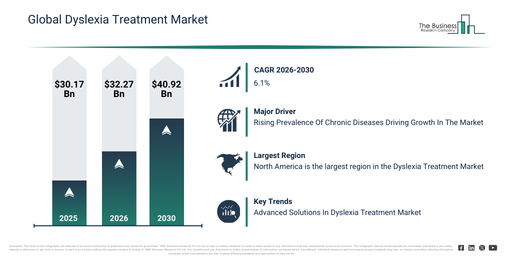
    The dyslexia treatment market has experienced robust growth in recent years. It is projected to expand from $30.17 billion in 2025 to $32.27 billion in 2026, demonstrating a compound annual growth rate (CAGR) of 6.9%. This historical growth can be linked to several key factors: heightened learning disability awareness, the establishment of special education programs, the adoption of school-based interventions, developments in literacy curriculum development, and increased therapist availability.

    The dyslexia treatment market is projected for significant expansion over the coming years, reaching a valuation of $40.92 billion by 2030, exhibiting a compound annual growth rate (CAGR) of 6.1%. This anticipated growth during the forecast period is propelled by factors such as the rise of digital education platforms, the development of personalized learning models, the implementation of early screening programs, the wider availability of home-based therapy, and the increasing adoption of inclusive education policies. Key trends expected within this period encompass the increasing embrace of structured literacy programs, a heightened application of multisensory learning techniques, the broadening scope of digital learning and assistive instruments, a greater emphasis on early childhood intervention, and the incorporation of speech and occupational therapies.

    Access Your Free Sample Report for In-Depth Market Insights:

    https://www.thebusinessresearchcompany.com/sample.aspx?id=16402&type=smp

    Which Drivers Are Contributing To The Expansion Of The Dyslexia Treatment Market?

    The dysautonomia (autonomic dysfunction) market is expected to grow as the prevalence of chronic diseases increases. A chronic disease refers to a health condition or sickness that endures for more than three months. The rise in chronic disease is attributed to factors like the increased frequency of multimorbidity, where multiple chronic disorders are diagnosed concurrently. Dysautonomia (autonomic dysfunction) plays a vital role in chronic diseases by impairing the body’s ability to regulate key functions such as heart rate, blood pressure, and digestion, often intensifying symptoms and complicating their management. For instance, in April 2025, the NHS Confederation, a UK-based national association, estimated that by 2035, 17% of the UK population could be living with four or more chronic conditions. Hence, the rising incidence of chronic diseases is a driving force behind the expansion of the dysautonomia (autonomic dysfunction) industry.

    What Segment Categories Are Covered In The Dyslexia Treatment Market?

    The dyslexia treatment market covered in this report is segmented –

    1) By Type: Double Deficit Dyslexia, Visual Dyslexia, Phonological Dyslexia, Other Types

    2) By Therapy: Occupational Therapy, Speech Therapy, Cognitive Behavioral Therapy

    3) By Distribution Channel: Hospital Pharmacies, Retail Pharmacies, Other Distribution Channels

    4) By End Users: Psychiatric Institutions, Rehabilitation Centers, Home Care, Other End-users

    Subsegments:

    1) By Double Deficit Dyslexia: Phonological And Visual Processing Treatment, Integrated Therapy Approaches

    2) By Visual Dyslexia: Visual Processing Treatment, Optometric And Visual Therapy, Color Overlay Therapy

    3) By Phonological Dyslexia: Phonics-Based Treatment, Speech And Language Therapy, Auditory Training And Exercises

    4) By Other Types: Rapid Naming Dyslexia, Motor Dyslexia, Surface Dyslexia

    Which Trends Are Influencing The Development Of The Dyslexia Treatment Market?

    Leading businesses within the dyslexia treatment market are concentrating their efforts on creating sophisticated remedies, including white noise capabilities, to boost concentration, lessen interruptions, and refine reading proficiency for individuals with neurodivergent learning styles. This auditory tool, known as a white noise feature, offers a steady background sound designed to aid concentration and cognitive processing, proving especially helpful for those with dyslexia, ADHD, and similar learning disparities. An example of this is seen in October 2024, when Promova Limited, a US-based technology firm, introduced Dyslexia Mode 2.0. This advanced accessibility feature aims to facilitate language learning for people with dyslexia and other neurodiverse conditions. The updated version incorporates customizable font sizes, color-shifting alternatives to lower visual contrast, and the elimination of all-caps text for better readability, complemented by assistive auditory components like white noise. Developed with professional contributions, including insights from dyslexic designer Martin Pysny, Dyslexia Mode 2.0 offers a more welcoming and comfortable learning atmosphere specifically adapted for users with distinct cognitive and visual processing requirements.

    Which Key Players Are Driving Competition In The Dyslexia Treatment Market?

    Major companies operating in the dyslexia treatment market are Pfizer Inc., Astrazeneca Plc, Novartis AG, Takeda Pharmaceutical Company Limited, Eli Lilly and Company, Viatris Inc., Teva Pharmaceutical Industries Ltd., Purdue Pharma, Apotex Corporation, Endo International Plc, Amneal Pharmaceuticals LLC, Unither Pharmaceuticals LLC, RPG Life Sciences Ltd., Jubilant Pharma Limited, Breckenridge Pharmaceutical Inc., Rhodes Pharmaceuticals L.P., Cian Healthcare Pvt. Ltd, Lexia Learning Systems LLC, Wallace Pharmaceuticals Ltd., Ironshore Pharmaceuticals Inc., DK Pharmachem Pvt Ltd., Speechify Inc., Lingit AS, Lyfta, Nessy Learning Ltd.

    Access The Complete Report For Deeper Market Insights:

    https://www.thebusinessresearchcompany.com/report/dyslexia-treatment-global-market-report

    How Does The Dyslexia Treatment Market Perform Across Major Global Regions?

    North America was the largest region in the dyslexia treatment market in 2025. Asia-Pacific is expected to be the fastest-growing region in the forecast period. The regions covered in the dyslexia treatment market report are Asia-Pacific, South East Asia, Western Europe, Eastern Europe, North America, South America, Middle East, Africa.

    Request Your Customized Dyslexia Treatment Market Research Report for Competitive Advantage:

    https://www.thebusinessresearchcompany.com/customise?id=16402&type=smp

    Browse Through More Reports Similar to the Global Dyslexia Treatment Market 2026, By The Business Research Company

    Episodic Ataxia Treatment Market Report 2026

    https://www.thebusinessresearchcompany.com/report/episodic-ataxia-treatment-global-market-report

    Speech Impairment Market Report 2026

    https://www.thebusinessresearchcompany.com/report/speech-impairment-global-market-report

    Speech And Language Disorder Market Report 2026

    https://www.thebusinessresearchcompany.com/report/speech-and-language-disorder-global-market-report

    Get in touch with us:

    The Business Research Company: https://www.thebusinessresearchcompany.com/

    Americas +1 310-496-7795

    Asia +44 7882 955267 & +91 8897263534

    Europe +44 7882 955267

    Email us at info@tbrc.info

    Follow us on:

    LinkedIn: https://in.linkedin.com/company/the-business-research-company

    YouTube: https://www.youtube.com/channel/UC24_fI0rV8cR5DxlCpgmyFQ

    Global Market Model: https://www.thebusinessresearchcompany.com/global-market-model

  • Dysautonomia (Autonomic Dysfunction) Market 2026–2030: Forecast, Innovation, and Competitive Trends

    Dysautonomia (Autonomic Dysfunction) Market 2026–2030: Forecast, Innovation, and Competitive Trends

    Uncover key drivers, emerging technologies, and competitive movements shaping the dysautonomia (autonomic dysfunction) market from 2026–2035 with trusted insights from The Business Research Company

    What market expansion outlook does the Dysautonomia (Autonomic Dysfunction) Market show for the 2026–2030 period?

    The dysautonomia (autonomic dysfunction) market size has witnessed rapid expansion in recent years. This market is expected to grow from $2.92 billion in 2025 to $3.25 billion in 2026, achieving a compound annual growth rate (CAGR) of 11.5%. The increase observed in the historic period can be attributed to factors such as the prevalence of neurological disorders, the availability of diagnostic tests, advancements in autonomic research, the expansion of specialist clinics, and various patient advocacy initiatives.

    The market for dysautonomia (autonomic dysfunction) is projected to experience substantial expansion over the coming years, reaching $4.98 billion by 2030, demonstrating an impressive compound annual growth rate (CAGR) of 11.2%. This projected increase during the forecast period is fueled by several factors, including the adoption of wearable monitoring, the development of personalized treatment protocols, advances in genetic research, the integration of digital health solutions, and a growing need for long-term care. Key developments anticipated in the forecast period encompass a heightened awareness of autonomic nervous system disorders, a rise in comprehensive diagnostic testing, the adoption of multidisciplinary treatment strategies, an increase in symptom management therapies, and an enhanced focus on monitoring chronic conditions.

    Access Your Free Sample Report for In-Depth Market Insights:

    https://www.thebusinessresearchcompany.com/sample.aspx?id=21177&type=smp

    What Drivers Are Shaping The Development Of The Dysautonomia (Autonomic Dysfunction) Market?

    The dysautonomia (autonomic dysfunction) market is expected to expand due to the growing occurrence of chronic diseases. These are enduring health conditions that typically last three months or more and often necessitate ongoing medical attention. The increase in chronic diseases stems from elevated multimorbidity, where individuals develop multiple chronic conditions concurrently, influenced by an aging population, inactive lifestyles, inadequate diets, and environmental risk factors. The dysautonomia (autonomic dysfunction) market is relevant to this trend because autonomic impairment exacerbates cardiovascular, metabolic, and neurological symptoms in patients with chronic diseases by interfering with vital functions such as heart rate regulation, blood pressure control, and digestion. For example, in September 2023, the World Health Organization, a Switzerland-based intergovernmental public health agency, reported that chronic noncommunicable diseases accounted for 41 million deaths annually, making up 74% of all global fatalities. Consequently, the rising incidence of chronic diseases is fueling the growth of the dysautonomia (autonomic dysfunction) market.

    Which Segments Are Contributing To The Growth Of The Dysautonomia (Autonomic Dysfunction) Market?

    The dysautonomia (autonomic dysfunction) market covered in this report is segmented –

    1) By Type: Neurogenic Orthostatic Hypotension (NOH), Postural Orthostatic Tachycardia Syndrome (POTS), Multiple System Atrophy (MSA), Pure Autonomic Failure (PAF), Other Types

    2) By Tests: Cardiovagal and Vasomotor Function Tests, Thermoregulatory Sweat Test (TST), Sympathetic Skin Response (SSR), Quantitative Sudomotor Axon Reflex Test, Other Tests

    3) By Treatment: Physical Therapy, Exercise Therapy, Counseling, Other Treatments

    4) By Distribution Channel: Hospital Pharmacy, Online Pharmacy, Retail Pharmacy

    5) By End User: Hospitals, Clinics, Diagnostic Centers, Research Institutes

    Subsegments:

    1) By Neurogenic Orthostatic Hypotension (NOH): Primary NOH, Secondary NOH (due to Parkinson’s Disease, Diabetes, etc.), Pharmacological Management of NOH, Non-Pharmacological Interventions

    2) By Postural Orthostatic Tachycardia Syndrome (POTS): Hyperadrenergic POTS, Hypovolemic POTS, Neuropathic POTS, Autoimmune POTS, Treatment With Beta-Blockers, Fludrocortisone, And Salt Supplements

    3) By Multiple System Atrophy (MSA): MSA-P (Parkinsonism), MSA-C (Cerebellar), MSA-A (Autonomic), Disease-Modifying and Symptomatic Treatment

    4) By Pure Autonomic Failure (PAF): Idiopathic PAF, Secondary PAF (due to neurodegenerative diseases), Autonomic Supportive Treatments

    5) By Other Types: Familial Dysautonomia (FD), Diabetic Autonomic Neuropathy, Horner’s Syndrome, Autoimmune Autonomic Ganglionopathy, Chronic Fatigue Syndrome-related Dysautonomia

    What Trends Are Expected To Impact The Competitive Landscape Of The Dysautonomia (Autonomic Dysfunction) Market?

    Major companies operating in the dysautonomia (autonomic dysfunction) market are concentrating on advancing gene therapy techniques, specifically recombinant adeno-associated virus (rAAV) systems, to improve targeted gene delivery and enhance therapeutic outcomes for individuals with genetic forms of dysautonomia. A recombinant adeno-associated virus refers to a modified, non-pathogenic viral vector engineered to introduce therapeutic genes into particular cells, thereby enabling the long-term expression of corrected or functional proteins without inducing illness. For instance, in January 2025, Tikun Therapeutics Inc., a US-based biotechnology company, obtained U.S. Food and Drug Administration (FDA) approval for Orphan Drug and Rare Pediatric Disease Designations for rAAV2-U1a-hELP1, a gene therapy candidate aimed at optic neuropathy in familial dysautonomia, and BPN-36964, a small-molecule splicing modulator for systemic treatment. These therapies are designed to correct the underlying genetic defects responsible for familial dysautonomia, presenting the possibility of durable, disease-modifying benefits beyond just managing symptoms.

    Who Are The Top-Performing Companies In The Dysautonomia (Autonomic Dysfunction) Market In Recent Years?

    Major companies operating in the dysautonomia (autonomic dysfunction) market are Teva Pharmaceutical Industries Ltd., Aurobindo Pharma Limited, Hikma Pharmaceuticals PLC, Cadila Healthcare Limited Zydus Cadila, Lupin Limited, Nemours Children’s Health Delaware, Aurora Health Care Inc., Camber Pharmaceuticals Inc., DyAnsys Inc., Mylan Pharmaceuticals Private Limited, Chelsea Therapeutics International Ltd., Tikun Therapeutics Inc., Pfizer Inc., Novartis AG, Takeda Pharmaceutical Company Limited, Eli Lilly and Company, GlaxoSmithKline plc, Merck and Co Inc., AstraZeneca plc, UCB S.A., Amgen Inc., Johnson and Johnson, Bausch Health Companies Inc., AbbVie Inc., Robinhood Therapeutics, Santhera Pharmaceuticals AG, Valeant Pharmaceuticals

    Access The Complete Report For Deeper Market Insights:

    https://www.thebusinessresearchcompany.com/report/dysautonomia-autonomic-dysfunction-global-market-report

    Which Region Is Anticipated To See The Fastest Growth In The Dysautonomia (Autonomic Dysfunction) Market?

    North America was the largest region in the dysautonomia (autonomic dysfunction) market in 2025. Asia-Pacific is expected to be the fastest-growing region in the forecast period. The regions covered in the dysautonomia (autonomic dysfunction) market report are Asia-Pacific, South East Asia, Western Europe, Eastern Europe, North America, South America, Middle East, Africa.

    Request Your Customized Dysautonomia (Autonomic Dysfunction) Market Research Report for Competitive Advantage:

    https://www.thebusinessresearchcompany.com/customise?id=21177&type=smp

    Browse Through More Reports Similar to the Global Dysautonomia (Autonomic Dysfunction) Market 2026, By The Business Research Company

    Panic Disorders Market Report 2026

    https://www.thebusinessresearchcompany.com/report/panic-disorders-global-market-report

    Dysphagia Supplement Market Report 2026

    https://www.thebusinessresearchcompany.com/report/dysphagia-supplement-global-market-report

    Duchenne Muscular Dystrophy Market Report 2026

    https://www.thebusinessresearchcompany.com/report/duchenne-muscular-dystrophy-global-market-report

    Get in touch with us:

    The Business Research Company: https://www.thebusinessresearchcompany.com/

    Americas +1 310-496-7795

    Asia +44 7882 955267 & +91 8897263534

    Europe +44 7882 955267

    Email us at info@tbrc.info

    Follow us on:

    LinkedIn: https://in.linkedin.com/company/the-business-research-company

    YouTube: https://www.youtube.com/channel/UC24_fI0rV8cR5DxlCpgmyFQ

    Global Market Model: https://www.thebusinessresearchcompany.com/global-market-model
  • Dupuytren’s Disease Market Forecast 2026–2035: Data Trends and Industry Insights

    Dupuytren’s Disease Market Forecast 2026–2035: Data Trends and Industry Insights

    Uncover key drivers, emerging technologies, and competitive movements shaping the dupuytren’s disease market from 2026–2035 with trusted insights from The Business Research Company

    What level of growth is expected in the Dupuytren’s Disease Market between 2026 and 2030?

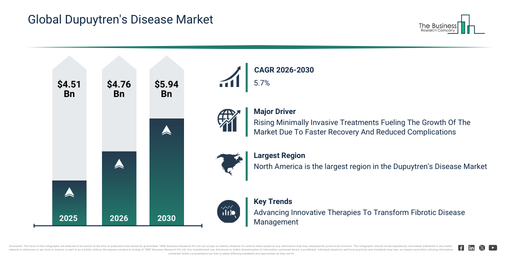
    The dupuytren’s disease market has demonstrated substantial expansion in recent times. Projections indicate it will expand from $4.51 billion in 2025 to $4.76 billion by 2026, achieving a compound annual growth rate (CAGR) of 5.7%. Historically, this expansion can be linked to factors such as an increasing elderly population, the widespread occurrence of orthopedic disorders, the availability of surgical interventions, the establishment of standardized clinical diagnoses, and the acceptance of hand therapy.

    The dupuytren’s disease market is projected to experience robust expansion over the coming years. This market is anticipated to reach a valuation of $5.94 billion by 2030, exhibiting a compound annual growth rate (CAGR) of 5.7%. Several factors are driving this anticipated growth, including advancements in biologic therapy, innovations in minimally invasive procedures, the expansion of outpatient care options, a greater emphasis on patient quality of life, and the development of rehabilitation services. Key trends expected during this period involve the increasing uptake of minimally invasive treatment approaches, a rise in the application of enzyme injection therapies, a growing inclination towards outpatient surgical interventions, an expansion in early diagnosis and physical examinations, and an enhanced focus on post-treatment rehabilitation.

    Access Your Free Sample Report for In-Depth Market Insights:

    https://www.thebusinessresearchcompany.com/sample.aspx?id=21944&type=smp

    Which Drivers Are Expected To Impact The Dupuytren’s Disease Market During The Forecast Period?

    The growing prevalence of minimally invasive treatments is anticipated to drive the expansion of the Dupuytren’s disease market in the future. These treatments encompass medical interventions carried out with minimal cuts or tissue damage, leading to less pain, quicker recuperation, and negligible scarring. Their adoption is increasing as both patients and medical professionals favor procedures that offer shorter healing periods, reduced discomfort, and fewer complication risks when contrasted with conventional open surgeries. Supporting this trend, the Dupuytren’s disease market provides minimally invasive choices that enhance hand function, lessen finger contractures, and improve recovery results for those affected. For example, data from June 2024, published by the American Society of Plastic Surgeons, a US-based non-profit entity, revealed a 7% increase in minimally invasive procedures in 2023, surpassing the 2% growth rate of surgical interventions. Hand operations like carpal tunnel, arthritis, and trigger finger reached a total of 207,887 procedures, marking a 2% uptick from 2022. Consequently, the expansion of minimally invasive treatments is propelling the growth of the Dupuytren’s disease market.

    How Is The Dupuytren’s Disease Market Divided Into Segments?

    The dupuytren’s disease market covered in this report is segmented –

    1) By Disease Type: Type I, Type II, Type III

    2) By Treatment: Surgery, Radiation Therapy, Needle Aponeurotomy, Steroid Shot, Enzyme Injection, Occupational Therapy, Other Treatments

    3) By Route of Administration: Oral, Parenteral, Other Routes Of Administration

    4) By Diagnosis: Physical Examination, X-Ray, Other Diagnosis

    5) By End-User: Hospitals, Clinics, Academic And Research Institute, Other End-Users

    Subsegments:

    1) By Type I: Classical Dupuytren’s Disease, Familial Dupuytren’s Disease

    2) By Type II: Palmar Fasciitis, Ledderhose Disease

    3) By Type III: Garrod’s Pads, Peyronie’s Disease

    Which Trends Are Guiding The Evolution Of The Dupuytren’s Disease Market?

    Leading companies operating within the Dupuytren’s disease market are concentrating on conducting clinical trials to develop novel, primary, disease-modifying treatment options aimed at slowing or reversing the progression of fibrosis. Clinical trials are structured research studies designed to assess the safety, efficacy, and potential side effects of new drugs, therapies, or medical procedures in human participants before regulatory approval and widespread clinical application. For example, in April 2023, Ventoux Biosciences, a US-based biopharmaceutical company specializing in non-surgical therapies for Dupuytren’s disease, reported positive preclinical results for its principal fibrosis treatment, VEN-201. This drug, a repurposed commercially available product, exhibited effectiveness in reducing skin fibrosis in mouse models of Dupuytren’s contracture. These encouraging findings prompted the company to begin fundraising efforts to advance VEN-201 into clinical development as a potential disease-modifying therapy.

    Which Leading Companies Dominate The Dupuytren’s Disease Market Share?

    Major companies operating in the dupuytren’s disease market are Pfizer Inc., Aetna Inc., Mayo clinic, Penn Medicine, Mercy Health, Endo Inc., Resilience Orthopedics, Raleigh Orthopaedic, Hoag Orthopedic Institute, OSS Health, Connext Inc., University of Utah Health, Ventoux Biosciences Inc., Auxilium Pharmaceuticals, 180 Life Sciences Corp., Brigid Freyne MD, Nantong Jinghua Pharmaceutical Co. Ltd., Sumitomo Dainippon Pharma Co. Ltd., Actiza Pharmaceutical Private Limited, Spear Pharmaceuticals

    Access The Complete Report For Deeper Market Insights:

    https://www.thebusinessresearchcompany.com/report/dupuytrens-disease-global-market-report

    Which Region Is Anticipated To See The Fastest Growth In The Dupuytren’s Disease Market?

    North America was the largest region in the dupuytren’s disease market in 2025. Asia-Pacific is expected to be the fastest-growing region in the forecast period. The regions covered in the dupuytren’s disease market report are Asia-Pacific, South East Asia, Western Europe, Eastern Europe, North America, South America, Middle East, Africa.

    Request Your Customized Dupuytren’s Disease Market Research Report for Competitive Advantage:

    https://www.thebusinessresearchcompany.com/customise?id=21944&type=smp

    Browse Through More Reports Similar to the Global Dupuytren’s Disease Market 2026, By The Business Research Company

    Peripheral Arterial Disease Market Report 2026

    https://www.thebusinessresearchcompany.com/report/peripheral-arterial-disease-global-market-report

    Rare Diseases Treatment Market Report 2026

    https://www.thebusinessresearchcompany.com/report/rare-diseases-treatment-global-market-report

    Rare Neurological Disease Treatment Market Report 2026

    https://www.thebusinessresearchcompany.com/report/rare-neurological-disease-treatment-global-market-report

    Get in touch with us:

    The Business Research Company: https://www.thebusinessresearchcompany.com/

    Americas +1 310-496-7795

    Asia +44 7882 955267 & +91 8897263534

    Europe +44 7882 955267

    Email us at info@tbrc.info

    Follow us on:

    LinkedIn: https://in.linkedin.com/company/the-business-research-company

    YouTube: https://www.youtube.com/channel/UC24_fI0rV8cR5DxlCpgmyFQ

    Global Market Model: https://www.thebusinessresearchcompany.com/global-market-model

  • Duodenal Ulcer Treatment Market Outlook 2026–2030: Key Business Drivers and Trends

    Duodenal Ulcer Treatment Market Outlook 2026–2030: Key Business Drivers and Trends

    Uncover key drivers, emerging technologies, and competitive movements shaping the duodenal ulcer treatment market from 2026–2035 with trusted insights from The Business Research Company

    How much is the Duodenal Ulcer Treatment Market valued at in 2026, and what valuation is forecast for 2030?

    The market for duodenal ulcer treatment has shown significant growth over the past few years. This market is projected to expand from $107.34 billion in 2025 to reach $115.16 billion by 2026, exhibiting a compound annual growth rate (CAGR) of 7.3%. The growth observed historically can be attributed to the widespread use of acid suppression drugs, the identification of H. pylori, the prevalence of gastrointestinal disease burden, the broader availability of endoscopy, and the standardization of antibiotic therapy.

    The duodenal ulcer treatment market is poised for significant expansion in the coming years. This market is projected to reach $151.77 billion by 2030, exhibiting a compound annual growth rate (CAGR) of 7.1%. Key drivers for this anticipated growth include advancements in antibiotic resistance management, the introduction of novel acid blockers, the implementation of early diagnosis programs, effective outpatient ulcer management strategies, and the rise of personalized gastroenterology care. Significant trends expected during this period encompass the growing adoption of combination drug therapies, an intensified focus on Helicobacter pylori eradication, the broadened application of proton pump inhibitors, an increase in minimally invasive surgical interventions, and enhanced patient adherence stemming from simplified treatment regimens.

    Access Your Free Sample Report for In-Depth Market Insights:

    https://www.thebusinessresearchcompany.com/sample.aspx?id=18339&type=smp

    What Drivers Are Influencing The Growth Of The Duodenal Ulcer Treatment Market?

    The rising number of cigarette smokers is projected to boost the growth of the duodenal ulcer treatment market in the coming period. An individual who regularly consumes tobacco-containing cigarettes, which are inhaled and exhaled via burning combustion, is considered a cigarette smoker. The increase in cigarette smoking stems from cultural influences, socioeconomic factors, stress-related behaviors, and easier access to nicotine products. This trend is supported by the duodenal ulcer treatment market, which offers ulcer-specific therapies, smoking-cessation assistance, lifestyle guidance, and continuous monitoring to enhance healing and lessen recurrence. For instance, in October 2024, a study on smoking trends among young individuals by the European Respiratory Society’s (ERS), a Switzerland-based non-profit organization, revealed a significant escalation in smoking rates, with 22.5% of respondents smoking in 2022 compared to 40.1% in 2024. Thus, the growing population of cigarette smokers is driving the expansion of the duodenal ulcer treatment market.

    What Segments Are Included Within The Duodenal Ulcer Treatment Market?

    The duodenal ulcer treatment market covered in this report is segmented –

    1) By Type: Antibiotics, Proton Pump Inhibitors, Antacids, Potassium-Competitive Acid Blockers, H2-Antagonist, Ulcer Protective Drugs, Surgery

    2) By Application: Adult, Elderly

    3) By Distribution Channel: Hospital Pharmacy, Retail Pharmacy, Online Pharmacy

    Subsegments:

    1) By Antibiotics: Amoxicillin, Clarithromycin, Metronidazole, Tetracycline, Levofloxacin

    2) By Proton Pump Inhibitors (PPIs): Omeprazole, Esomeprazole, Lansoprazole, Pantoprazole, Rabeprazole

    3) By Antacids: Magnesium Hydroxide, Aluminum Hydroxide, Calcium Carbonate, Sodium Bicarbonate

    4) By Potassium-Competitive Acid Blockers (P-CABs): Vonoprazan, Tegoprazan

    5) By H2-Antagonists (H2 Blockers): Ranitidine, Famotidine, Cimetidine, Nizatidine

    6) By Ulcer Protective Drugs: Sucralfate, Misoprostol, Bismuth Subsalicylate

    7) By Surgery: Partial Gastrectomy, Vagotomy, Pyloroplasty, Endoscopic Therapy

    What Trends Are Projected To Support The Growth Of The Duodenal Ulcer Treatment Market?

    Companies leading the duodenal ulcer treatment market are prioritizing the development of innovative products, such as combikits for duodenal ulcers and Helicobacter pylori (H. pylori) infection, to optimize healing results and enhance treatment effectiveness. A combikit for duodenal ulcer and H. pylori infection constitutes a combination therapy package containing multiple medications formulated to eradicate H. pylori bacteria while simultaneously reducing gastric acid production, thereby addressing both the underlying cause and the symptoms of duodenal ulcers. As an illustration, in April 2023, Akums Drugs and Pharmaceutical Limited, an India-based pharmaceutical firm, introduced a novel Combikit for managing duodenal ulcers associated with H. pylori infection. This kit comprises amoxicillin, clarithromycin, and esomeprazole, a blend designed to inhibit bacterial growth and curb gastric acid secretion. Sanctioned by the Central Drugs Standard Control Organization (CDSCO), this Combikit delivers a comprehensive, effective approach for treating duodenal ulcers and eliminating H. pylori in patients with either active or healed peptic ulcers.

    Who Are The Major Companies Operating In The Duodenal Ulcer Treatment Market?

    Major companies operating in the duodenal ulcer treatment market are Pfizer Inc., Merck & Co. Inc., Bayer AG, Sanofi S.A, Bristol-Myers Squibb, AstraZeneca plc, Abbott Laboratories, GlaxoSmithKline plc, Takeda Pharmaceutical Company Limited, Teva Pharmaceutical Industries Ltd., Mylan N.V., Sandoz AG, Sun Pharmaceutical Industries Limited, Eisai Co. Ltd., Aurobindo Pharma Limited, Cipla Inc., Dr. Reddy’s Laboratories Limited, Intas Pharmaceuticals Limited, Apotex Inc., Lupin Limited, Glenmark Pharmaceuticals Limited, Alkem Laboratories Limited, Jubilant Pharma Limited, Torrent Pharmaceuticals Limited

    Access The Complete Report For Deeper Market Insights:

    https://www.thebusinessresearchcompany.com/report/duodenal-ulcer-treatment-global-market-report

    Which Global Regions Are Shaping The Competitive Landscape Of The Duodenal Ulcer Treatment Market?

    North America was the largest region in the duodenal ulcer treatment market in 2025. The regions covered in the duodenal ulcer treatment market report are Asia-Pacific, South East Asia, Western Europe, Eastern Europe, North America, South America, Middle East, Africa.

    Request Your Customized Duodenal Ulcer Treatment Market Research Report for Competitive Advantage:

    https://www.thebusinessresearchcompany.com/customise?id=18339&type=smp

    Browse Through More Reports Similar to the Global Duodenal Ulcer Treatment Market 2026, By The Business Research Company

    Peptic Ulcer Market Report 2026

    https://www.thebusinessresearchcompany.com/report/peptic-ulcer-global-market-report

    Pressure Ulcers Treatment Market Report 2026

    https://www.thebusinessresearchcompany.com/report/pressure-ulcers-treatment-global-market-report

    Gastric Ulcers Market Report 2026

    https://www.thebusinessresearchcompany.com/report/gastric-ulcers-global-market-report

    Get in touch with us:

    The Business Research Company: https://www.thebusinessresearchcompany.com/

    Americas +1 310-496-7795

    Asia +44 7882 955267 & +91 8897263534

    Europe +44 7882 955267

    Email us at info@tbrc.info

    Follow us on:

    LinkedIn: https://in.linkedin.com/company/the-business-research-company

    YouTube: https://www.youtube.com/channel/UC24_fI0rV8cR5DxlCpgmyFQ

    Global Market Model: https://www.thebusinessresearchcompany.com/global-market-model