Category: HealthcareServices

  • Vertebroplasty And Kyphoplasty Market Size and Demand Forecast 2026–2030

    Vertebroplasty And Kyphoplasty Market Size and Demand Forecast 2026–2030

    Uncover key drivers, emerging technologies, and competitive movements shaping the vertebroplasty and kyphoplasty market from 2026–2035 with trusted insights from The Business Research Company

    How much is the Vertebroplasty And Kyphoplasty Market valued at in 2026, and what valuation is forecast for 2030?

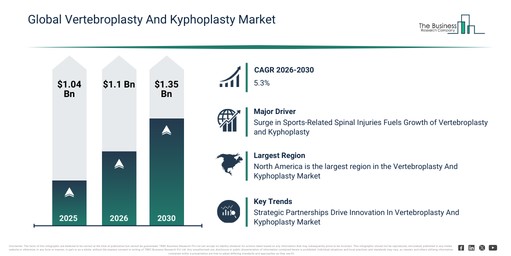
    The vertebroplasty and kyphoplasty market has experienced significant expansion in recent years. This market is projected to expand from $1.04 billion in 2025 to $1.1 billion in 2026, achieving a compound annual growth rate (CAGR) of 5.8%. The growth observed in the past can be attributed to a rising incidence of osteoporotic fractures, an aging global population, increased diagnosis of vertebral compression fractures, the advancement of spinal intervention capabilities, and enhanced access to imaging technologies.

    The vertebroplasty and kyphoplasty market is projected to experience substantial expansion over the coming years, reaching a valuation of $1.35 billion by 2030, driven by a compound annual growth rate (CAGR) of 5.3%. This anticipated growth during the forecast period is fueled by factors such as the increasing uptake of outpatient spine procedures, a surging need for treatments offering swift pain relief, the proliferation of advanced spinal biomaterials, heightened investments in minimally invasive devices, and an intensified emphasis on quicker patient rehabilitation. Key trends expected throughout this period encompass a rise in the adoption of minimally invasive spine procedures, increased utilization of balloon kyphoplasty devices, a growing inclination towards image-guided interventions, the broadening of outpatient spine treatment environments, and advancements in bone cement delivery technologies.

    Access Your Free Sample Report for In-Depth Market Insights:

    https://www.thebusinessresearchcompany.com/sample.aspx?id=13556&type=smp

    What Drivers Are Influencing The Growth Of The Vertebroplasty And Kyphoplasty Market?

    The increasing frequency of spinal injuries stemming from sports is projected to advance the growth of the vertebroplasty and kyphoplasty markets moving forward. Spinal injuries linked to sports activities refer to damage sustained by the spine due to involvement in sports or other physical pursuits. This uptick in sports-related spinal injuries covers conditions like vertebral compression fractures, spondylolisthesis, and herniated discs, which require minimally invasive treatment options such as vertebroplasty and kyphoplasty procedures, involving the injection of bone cement into damaged vertebrae. For instance, in 2024, according to the National Spinal Cord Injury Statistical Center (NSCISC), a US-based nonprofit research registry, approximately 305,000 persons (range 257,000–388,000) are living with traumatic spinal cord injury (tSCI) in the United States, and the annual incidence remains about 18,000 new tSCI cases per year. Therefore, the expanding incidence of spinal injuries related to sports will propel the growth of the vertebroplasty and kyphoplasty market.

    How Is The Vertebroplasty And Kyphoplasty Market Organized Into Various Segments?

    The vertebroplasty and kyphoplasty market covered in this report is segmented –

    1) By Product Type: Kyphoplasty Devices, Vertebroplasty Devices

    2) By Surgery Type: Vertebroplastic Surgery, Kyphoplastic Surgery

    3) By End User: Hospitals, Ambulatory Surgical Centers

    Subsegments:

    1) By Kyphoplasty Devices: Balloon Kyphoplasty Devices, Inflation Devices, Vertebral Restoration Devices

    2) By Vertebroplasty Devices: Bone Cement Delivery Systems, Cannulas and Needles

    How Are Emerging Trends Affecting The Progression Of The Vertebroplasty And Kyphoplasty Market?

    Leading companies in the vertebroplasty and kyphoplasty market are adopting strategic partnerships to deliver unipedicular balloon catheters for the management of compression fractures of the vertebrae. These strategic partnerships involve companies leveraging each other’s strengths and resources to achieve mutual benefits and success. For example, in June 2024, Medtronic Plc, an Ireland-based medical technology company, entered into a partnership with Merit Medical Systems Inc., a US-based medical device company. This collaboration will result in the development of a unipedicular, steerable balloon catheter for the treatment of vertebral compression fractures (VCF) in the United States. This agreement extends the ongoing cooperation between Medtronic and Merit, as Merit currently supplies Medtronic’s Kyphon Xpander Inflation Syringes for balloon kyphoplasty procedures. The Kyphon KyphoFlex is designed to allow for controlled, precise, and targeted cavity creation during vertebral augmentation. The introduction of this unipedicular solution will supplement Medtronic’s existing bipedicular balloon kyphoplasty offering, providing increased flexibility and additional options for clinicians.

    Who Are The Core Companies Influencing Trends In The Vertebroplasty And Kyphoplasty Market?

    Major companies operating in the vertebroplasty and kyphoplasty market are Cardinal Health, Johnson and Johnson (DePuy Synthes), Medtronic Plc., Stryker Corporation, GS Solutions Inc., Lepu Medical Technology (Beijing)Co.Ltd., Merit Medical Systems Inc., Globus Medical Inc., Alphatec Spine Inc., Rontis Corporation, Spectrum Plastics Group., SOMATEX Medical Technologies GmbH, Zavation LLC, MJ Surgical, Benvenue Medical, Joimax GmbH, Laurane Medical LLC, Spine Wave Inc., G21 S.r.l., BM Korea Co. LTD, Teknimed, Joline GmbH And Co. KG, SCW Medicath Ltd., Stöckli Medical AG, Jiangsu ChangMei Medtech Co.Ltd., IZI Medical Products

    Access The Complete Report For Deeper Market Insights:

    https://www.thebusinessresearchcompany.com/report/vertebroplasty-and-kyphoplasty-global-market-report

    Which Geographic Areas Are Emerging As Strong Markets For The Vertebroplasty And Kyphoplasty Market?

    North America was the largest region in the vertebroplasty and kyphoplasty market in 2025. Asia-Pacific is expected to be the fastest-growing region in the forecast period. The regions covered in the vertebroplasty and kyphoplasty market report are Asia-Pacific, South East Asia, Western Europe, Eastern Europe, North America, South America, Middle East, Africa.

    Request Your Customized Vertebroplasty And Kyphoplasty Market Research Report for Competitive Advantage:

    https://www.thebusinessresearchcompany.com/customise?id=13556&type=smp

    Browse Through More Reports Similar to the Global Vertebroplasty And Kyphoplasty Market 2026, By The Business Research Company

    Chondroplasty Market Report 2026

    https://www.thebusinessresearchcompany.com/report/chondroplasty-global-market-report

    Vertebroplasty Needles Market Report 2026

    https://www.thebusinessresearchcompany.com/report/vertebroplasty-needles-global-market-report

    Minimally Invasive Vertebral Compression Fracture Treatment Market Report 2026

    https://www.thebusinessresearchcompany.com/report/minimally-invasive-vertebral-compression-fracture-treatment-global-market-report

    Get in touch with us:

    The Business Research Company: https://www.thebusinessresearchcompany.com/

    Americas +1 310-496-7795

    Asia +44 7882 955267 & +91 8897263534

    Europe +44 7882 955267

    Email us at info@tbrc.info

    Follow us on:

    LinkedIn: https://in.linkedin.com/company/the-business-research-company

    YouTube: https://www.youtube.com/channel/UC24_fI0rV8cR5DxlCpgmyFQ

    Global Market Model: https://www.thebusinessresearchcompany.com/global-market-model
  • Ventral Hernia Treatment Market Outlook: Growth and Forecast Highlights 2030

    Ventral Hernia Treatment Market Outlook: Growth and Forecast Highlights 2030

    Uncover key drivers, emerging technologies, and competitive movements shaping the ventral hernia treatment market from 2026–2035 with trusted insights from The Business Research Company

    By how much is the Ventral Hernia Treatment Market expected to grow between 2026 and 2030?

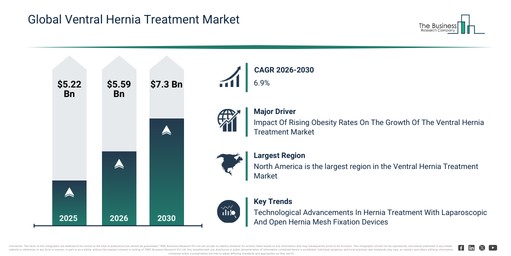
    The ventral hernia treatment market has shown significant growth over recent years. It is anticipated to expand from $5.22 billion in 2025 to $5.59 billion in 2026, demonstrating a compound annual growth rate (CAGR) of 7.2%. This historical expansion can be linked to an increasing occurrence of abdominal hernias, higher rates of surgical interventions, the broader adoption of laparoscopic surgery, the increasing availability of surgical mesh products, and enhanced use of diagnostic imaging.

    The ventral hernia treatment market is projected to experience robust expansion over the coming years, anticipated to reach a valuation of $7.3 billion by 2030, demonstrating a compound annual growth rate (CAGR) of 6.9%. Several factors will drive this growth during the forecast period, including the wider uptake of robotic surgery platforms, a heightened demand for tension-free repair methods, the proliferation of ambulatory surgical centers, an intensified focus on lowering hernia recurrence rates, and increased capital expenditure in cutting-edge surgical technologies. Key trends anticipated within this period encompass the growing acceptance of robotic-assisted hernia repair, the escalating utilization of sophisticated hernia mesh materials, a stronger inclination towards minimally invasive surgical techniques, the broader availability of day-care surgical options, and enhanced post-operative recovery protocols.

    Access Your Free Sample Report for In-Depth Market Insights:

    https://www.thebusinessresearchcompany.com/sample.aspx?id=21315&type=smp

    Which Drivers Are Influencing Market Acceleration In The Ventral Hernia Treatment Market?

    The growing occurrence of obesity is projected to stimulate the expansion of the ventral hernia treatment market moving forward. Obesity is a medical condition defined by an excessive accumulation of body fat that significantly impairs an individual’s health. The increasing prevalence of obesity can be attributed to factors such as poor diet, a sedentary lifestyle, genetic predispositions, insufficient physical activity, environmental influences, and emotional stress. Ventral hernia treatment offers support to patients with obesity by addressing complications stemming from excess weight; it helps relieve strain on the abdominal wall, reduces the chance of hernia recurrence, and strengthens overall abdominal integrity, which is vital for enhancing mobility and encouraging healthier lifestyle choices for individuals grappling with obesity. For instance, in March 2024, the World Health Organization (WHO), a Switzerland-based intergovernmental organization, disclosed that roughly one in eight people worldwide were struggling with obesity. This data included 2.5 billion adults (aged 18 years and older) who were overweight, with 890 million of them living with obesity. Among the adult population, 43% were overweight, and 16% were categorized as obese. Additionally, the number of overweight children under the age of 5 reached 37 million. Hence, the rising prevalence of obesity is a key driver for the ventral hernia treatment market.

    What Segments Are Identified Within The Structure Of The Ventral Hernia Treatment Market?

    The ventral hernia treatment market covered in this report is segmented –

    1) By Type: Epigastric (Stomach Area) Hernia, Umbilical (Belly Button) Hernia, Incisional Hernia

    2) By Diagnosis: Ultrasound, Computed Tomography (CT) Scan, Magnetic Resonance Imaging (MRI)

    3) By Surgery: Open Hernia Surgery, Laparoscopic Surgery, Robotic Hernia Surgery

    4) By End Users: Hospitals, Ambulatory Surgical Centres, Clinics

    Subsegments:

    1) By Epigastric (Stomach Area) Hernia: Small Epigastric Hernia, Large Epigastric Hernia

    2) By Umbilical (Belly Button) Hernia: Congenital Umbilical Hernia, Acquired Umbilical Hernia

    3) By Incisional Hernia: Primary Incisional Hernia, Recurrent Incisional Hernia

    Which Innovation Trends Are Advancing Developments Within The Ventral Hernia Treatment Market?

    Leading companies in the ventral hernia treatment market are prioritizing technological advancements, particularly in laparoscopic and open hernia mesh fixation devices, to enhance surgical outcomes, minimize complications, and improve patient recovery. These devices are medical tools employed to secure mesh during hernia repair surgeries, utilizing either minimally invasive (laparoscopic) or conventional open surgical techniques. For example, in March 2024, TELA Bio Inc., a US-based medical technology company, introduced the LIQUIFIX FIX8 laparoscopic and LIQUIFIX precision open hernia mesh fixation devices in the U.S. LIQUIFIX FIX8 is designed for minimally invasive repairs, while LIQUIFIX precision is intended for open femoral and inguinal hernia repairs. These FDA-approved devices incorporate liquid anchors to secure mesh without tissue penetration, thereby reducing trauma and potential complications. Given that over 1.2 million hernia procedures are performed annually in the U.S., LIQUIFIX offers both precision and safety in sensitive anatomical areas, simultaneously lowering the risks of vascular or nerve injury.

    Which Major Industry Participants Are Leading The Ventral Hernia Treatment Market Growth?

    Major companies operating in the ventral hernia treatment market are Johnson & Johnson Services Inc., Medtronic Plc, Becton, Dickinson and Company (BD), Braun Melsungen AG, Olympus Corporation, W.L. Gore and Associates Inc, STERIS Plc, Cook Medical Inc, KARL STORZ, Cooper University Health Care, Mölnlycke Health Care, Integra LifeSciences Holdings, ConMed Corporation, Aesculap Inc, Richard Wolf GmbH, Ethicon Inc, Microline Surgical, Hernia Mesh S.R.L., Insightra Medical Inc, Advanced MedTech Solutions Pvt Ltd

    Access The Complete Report For Deeper Market Insights:

    https://www.thebusinessresearchcompany.com/report/ventral-hernia-treatment-global-market-report

    Which Region Is Projected To Lead The Ventral Hernia Treatment Market During The Forecast Period?

    North America was the largest region in the ventral hernia treatment market in 2025. Europe is expected to be the fastest-growing region in the forecast period. The regions covered in the ventral hernia treatment market report are Asia-Pacific, South East Asia, Western Europe, Eastern Europe, North America, South America, Middle East, Africa.

    Request Your Customized Ventral Hernia Treatment Market Research Report for Competitive Advantage:

    https://www.thebusinessresearchcompany.com/customise?id=21315&type=smp

    Browse Through More Reports Similar to the Global Ventral Hernia Treatment Market 2026, By The Business Research Company

    Sarcopenia Treatment Market Report 2026

    https://www.thebusinessresearchcompany.com/report/sarcopenia-treatment-global-market-report

    Hernia Mesh Devices Market Report 2026

    https://www.thebusinessresearchcompany.com/report/hernia-mesh-devices-global-market-report

    Congenital Diaphragmatic Hernia Drugs Market Report 2026

    https://www.thebusinessresearchcompany.com/report/congenital-diaphragmatic-hernia-drugs-global-market-report

    Get in touch with us:

    The Business Research Company: https://www.thebusinessresearchcompany.com/

    Americas +1 310-496-7795

    Asia +44 7882 955267 & +91 8897263534

    Europe +44 7882 955267

    Email us at info@tbrc.info

    Follow us on:

    LinkedIn: https://in.linkedin.com/company/the-business-research-company

    YouTube: https://www.youtube.com/channel/UC24_fI0rV8cR5DxlCpgmyFQ

    Global Market Model: https://www.thebusinessresearchcompany.com/global-market-model
  • Venous Ulcer Treatment Market Insights Report: Opportunities and Drivers 2030

    Venous Ulcer Treatment Market Insights Report: Opportunities and Drivers 2030

    Uncover key drivers, emerging technologies, and competitive movements shaping the venous ulcer treatment market from 2026–2035 with trusted insights from The Business Research Company

    What is the estimated market size of the Venous Ulcer Treatment Market by the end of 2030?

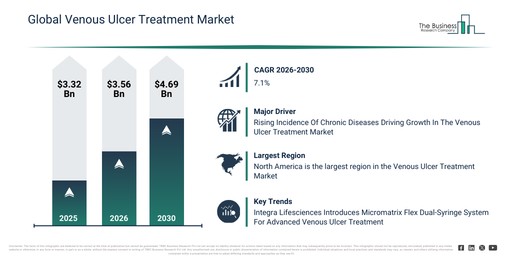
    The venous ulcer treatment market has experienced robust expansion recently. Projections indicate its value will increase from $3.32 billion in 2025 to $3.56 billion in 2026, demonstrating a compound annual growth rate (CAGR) of 7.4%. Historically, this growth has stemmed from factors such as the increasing occurrence of chronic venous insufficiency, an expanding elderly demographic, a rise in lifestyle-related vascular conditions, broader access to wound care solutions, and enhanced clinical understanding of venous ulcer management.

    The venous ulcer treatment market size is anticipated to experience robust growth over the next few years. It is projected to expand to $4.69 billion by 2030, achieving a compound annual growth rate (CAGR) of 7.1%. This projected growth can be attributed to several factors such as the increasing demand for home-based wound care, the rising adoption of advanced wound healing technologies, the expansion of outpatient care models, growing investments in digital health monitoring, and an increasing focus on cost-effective chronic wound management. Major trends expected during the forecast period include a greater adoption of advanced compression therapy solutions, the growing utilization of bioactive and antimicrobial wound dressings, the rising integration of digital wound monitoring tools, an expansion of personalized venous ulcer treatment protocols, and an enhanced focus on recurrence prevention strategies.

    Access Your Free Sample Report for In-Depth Market Insights:

    https://www.thebusinessresearchcompany.com/sample.aspx?id=19749&type=smp

    What Drivers Are Shaping Future Opportunities In The Venous Ulcer Treatment Market?

    The expanding prevalence of chronic illnesses is anticipated to fuel the growth of the venous ulcer treatment market in the future. These conditions are defined as persistent health issues that develop slowly, endure for extended durations, and frequently necessitate continuous medical care and oversight. The increased occurrence of chronic diseases stems from various contributing factors, including an aging demographic, inactive routines, inadequate nutritional habits, escalating obesity rates, and the growing commonness of risk elements like smoking and excessive alcohol intake. Venous ulcer treatment plays a role in addressing chronic diseases by managing ulcers resulting from insufficient circulation and prolonged venous insufficiency, often observed in conditions such as diabetes and chronic venous disease. For instance, in January 2023, the National Center for Biotechnology Information (NCBI), a US-based medicine library, reported that the population aged 50 and above afflicted with one or more chronic illnesses is projected to surge by 99.5% by 2050, climbing from 71.52 million in 2020 to 142.66 million. Consequently, the increasing incidence of chronic diseases is propelling the expansion of the venous ulcer treatment market.

    Which Segments Are Gaining Traction In The Venous Ulcer Treatment Market?

    The venous ulcer treatment market covered in this report is segmented –

    1) By Diseases Type: Arterial Ulcers, Neurotropic Ulcer, Venous Ulcers, Diabetic Ulcers

    2) By Treatment Type: Compression Therapy, Surgical Therapy, Skin Grafting, Advanced Wound Dressing

    3) By End-Use: Hospitals, Clinics, Home Care Settings

    Subsegments:

    1) By Arterial Ulcers: Ischemic Ulcers, Atherosclerotic Ulcers, Mixed Arterial-Venous Ulcers

    2) By Neurotropic Ulcer: Pressure Ulcers, Neuropathic Foot Ulcers, Spinal Cord Injury Ulcers

    3) By Venous Ulcers: Superficial Venous Ulcers, Deep Vein Insufficiency Ulcers, Mixed Etiology Ulcers

    4) By Diabetic Ulcers: Diabetic Foot Ulcers, Neuropathic Diabetic Ulcers, Ischemic Diabetic Ulcers

    Which Competitive Trends Are Impacting The Structure Of The Venous Ulcer Treatment Market?

    Major companies in the venous ulcer treatment market are focusing on developing advanced technologies, such as dual-syringe systems, to enhance the efficiency and convenience of wound care. Dual-syringe systems are specialized medical devices employed for the simultaneous or sequential administration of two substances, often in applications like wound care, injections, or drug delivery. For example, in March 2024, Integra LifeSciences Holdings Corporation, a US-based medical device company, launched MicroMatrix Flex, a dual-syringe system designed for easy mixing and precise application. This new development features an advanced delivery system that allows convenient access to difficult-to-reach areas, ensuring comprehensive management of complex venous ulcers. Its adaptable design conforms to various wound shapes and sizes, thereby improving coverage and overall effectiveness. The device also incorporates an innovative material that promotes efficient wound healing and reduces patient discomfort.

    Who Are The Prominent Global Companies Shaping The Venous Ulcer Treatment Market Landscape?

    Major companies operating in the venous ulcer treatment market are Johnson & Johnson, Bayer AG, Sanofi SA, Bristol-Myers Squibb Company, AstraZeneca plc, Medtronic plc, Becton Dickinson and Company, Cardinal Health Inc., Essity Aktiebolag, Medline Industries Inc., Smith & Nephew plc, Coloplast A/S, 3M Company, ConvaTec Group plc, Integra LifeSciences Holdings Corporation, Organogenesis Holdings Inc., Mölnlycke Health Care AB, Mimedx Group Inc., Tissue Regenix Group plc, Derma Sciences Inc.

    Access The Complete Report For Deeper Market Insights:

    https://www.thebusinessresearchcompany.com/report/venous-ulcer-treatment-global-market-report

    Which Region Currently Holds The Largest Share Of The Venous Ulcer Treatment Market?

    North America was the largest region in the venous ulcer treatment market in 2025. Asia-Pacific is expected to be the fastest-growing region in the forecast period. The regions covered in the venous ulcer treatment market report are Asia-Pacific, South East Asia, Western Europe, Eastern Europe, North America, South America, Middle East, Africa.

    Request Your Customized Venous Ulcer Treatment Market Research Report for Competitive Advantage:

    https://www.thebusinessresearchcompany.com/customise?id=19749&type=smp

    Browse Through More Reports Similar to the Global Venous Ulcer Treatment Market 2026, By The Business Research Company

    Psoriatic Arthritis Treatments Market Report 2026

    https://www.thebusinessresearchcompany.com/report/psoriatic-arthritis-treatments-global-market-report

    Alzheimer Disease Treatment Market Report 2026

    https://www.thebusinessresearchcompany.com/report/alzheimer-disease-treatment-global-market-report

    Neutropenia Biologic Drug Treatments Market Report 2026

    https://www.thebusinessresearchcompany.com/report/neutropenia-biologic-drug-treatments-global-market-report

    Get in touch with us:

    The Business Research Company: https://www.thebusinessresearchcompany.com/

    Americas +1 310-496-7795

    Asia +44 7882 955267 & +91 8897263534

    Europe +44 7882 955267

    Email us at info@tbrc.info

    Follow us on:

    LinkedIn: https://in.linkedin.com/company/the-business-research-company

    YouTube: https://www.youtube.com/channel/UC24_fI0rV8cR5DxlCpgmyFQ

    Global Market Model: https://www.thebusinessresearchcompany.com/global-market-model
  • Venous Thromboembolism Global Forecast: Market to Scale Up to $3.19 Billion by 2030 at 5% CAGR

    Venous Thromboembolism Global Forecast: Market to Scale Up to $3.19 Billion by 2030 at 5% CAGR

    Uncover key drivers, emerging technologies, and competitive movements shaping the venous thromboembolism market from 2026–2035 with trusted insights from The Business Research Company

    What was the valuation of the Venous Thromboembolism Market in 2026, and what figure is it projected to hit by 2030?

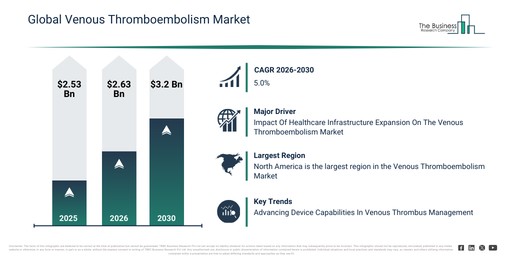
    The market size for venous thromboembolism has consistently expanded in recent years. This market is projected to expand from $2.53 billion in 2025 to $2.63 billion in 2026, demonstrating a compound annual growth rate (CAGR) of 3.9%. Several factors contributed to this historical growth, including a rise in the incidence of venous thromboembolism, an expanding aging population, a growing prevalence of sedentary lifestyles, enhanced clinical understanding of VTE risks, and the broadening of hospital-based thrombotic care services.

    The venous thromboembolism market is projected to experience consistent expansion over the upcoming years, reaching a valuation of $3.2 billion by 2030, propelled by a compound annual growth rate (CAGR) of 5.0%. This anticipated market growth during the forecast period is primarily driven by several factors, including the increasing integration of personalized anticoagulant therapy, a rising preference for minimally invasive treatment solutions, the broadening of outpatient VTE care frameworks, heightened investments in cutting-edge diagnostic instruments, and an intensified emphasis on proactive thrombosis prevention and management. Key trends anticipated over the forecast horizon encompass the wider acceptance of novel oral anticoagulants, an escalating deployment of mechanical thrombectomy devices, a sharpened focus on timely diagnosis and effective risk stratification, the proliferation of home-based VTE management initiatives, and enhanced vigilance in monitoring anticoagulant therapy.

    Access Your Free Sample Report for In-Depth Market Insights:

    https://www.thebusinessresearchcompany.com/sample.aspx?id=13001&type=smp

    Which Drivers Are Affecting Market Participation In The Venous Thromboembolism Market?

    The expansion of healthcare infrastructure is set to propel the growth of the venous thromboembolism market in the future. The healthcare industry is defined by the amalgamation and integration of economic system sectors that deliver products and services aimed at curing, preventing, rehabilitating, and providing palliative care for patients. This growth in the healthcare industry contributes to the establishment of institutional infrastructure, policies, practices, and educational initiatives necessary to support the implementation of VTE prevention protocols. For example, in May 2023, the American Health Care Association, a US-based nonprofit organization, noted that the number of hospitals in the US increased to 6,129 from 6,093 in 2022. Consequently, the expansion of the healthcare industry is a key factor driving the venous thromboembolism market’s growth.

    What Segment Categories Are Covered In The Venous Thromboembolism Market?

    The venous thromboembolism market covered in this report is segmented –

    1) By Type: Deep Vein Thrombosis, Pulmonary Embolism, Other Types

    2) By Treatment: Anti-Clotting Medications,  Mechanical Devices, Thrombolytic Therapy, Other Treatment

    3) By End Users: Hospitals, Homecare, Specialty Centers, Other End Users

    Subsegments:

    1) By Deep Vein Thrombosis (DVT): Proximal DVT, Distal DVT, Asymptomatic DVT

    2) By Pulmonary Embolism (PE): Acute PE, Chronic PE, Submassive PE

    3) By Other Types: Thrombophlebitis, Superficial Vein Thrombosis, Post-Thrombotic Syndrome

    What Industry Trends Are Transforming The Venous Thromboembolism Market?

    Companies operating within the venous thromboembolism (VTE) market are concentrating on integrating advanced vascular-access sheath technology, such as laser-cut hypotube sheaths, to boost efficiency, safety, and procedural precision. This laser-cut hypotube sheath technology utilizes a thin-walled metal tube meticulously cut by a laser, resulting in a sheath that offers both flexibility and structural integrity. This design enables smooth navigation through blood vessels, provides stable support during catheter delivery, and facilitates improved hemostasis control during medical procedures. For example, in January 2025, Penumbra Inc., a US-based medical-device manufacturer, introduced the Element Vascular Access System. This laser-cut hypotube sheath, specifically designed for venous thromboembolism procedures, incorporates the HemoLock dual-valve system for accurate hemostasis control and features an atraumatic tip design along with 17 F MaxID sizing, ensuring smooth delivery and compatibility with large-bore thrombectomy catheters. The Element system enhances procedure efficiency, device trackability, and physician control, potentially leading to increased safety and better treatment outcomes in VTE interventions.

    Which Key Players Are Driving Competition In The Venous Thromboembolism Market?

    Major companies operating in the venous thromboembolism market are Pfizer Inc., Johnson and Johnson Limited, Merck and Co Inc, AbbVie Inc, Bayer AG, Novartis AG, Sanofi-Aventis LLC, Bristol-Myers Squibb Company, GlaxoSmithKline plc, Eli Lilly and Co Ltd, Boehringer Ingelheim International GmbH, Teva Pharmaceutical Industries Ltd, Daiichi Sankyo Company Limited, Portola Pharmaceuticals Inc, Viatris Inc, AstraZeneca PLC, Medtronic plc, Boston Scientific Corporation, Stryker Corporation, Abbott Laboratories, AngioDynamics Inc, Terumo Corporation

    Access The Complete Report For Deeper Market Insights:

    https://www.thebusinessresearchcompany.com/report/venous-thromboembolism-global-market-report

    How Does The Venous Thromboembolism Market Perform Across Major Global Regions?

    North America was the largest region in the venous thromboembolism market in 2025. The regions covered in the venous thromboembolism market report are Asia-Pacific, South East Asia, Western Europe, Eastern Europe, North America, South America, Middle East, Africa.

    Request Your Customized Venous Thromboembolism Market Research Report for Competitive Advantage:

    https://www.thebusinessresearchcompany.com/customise?id=13001&type=smp

    Browse Through More Reports Similar to the Global Venous Thromboembolism Market 2026, By The Business Research Company

    Vascular Embolization Market Report 2026

    https://www.thebusinessresearchcompany.com/report/vascular-embolization-global-market-report

    Deep Vein Thrombosis Market Report 2026

    https://www.thebusinessresearchcompany.com/report/deep-vein-thrombosis-global-market-report

    Thrombophilia Market Report 2026

    https://www.thebusinessresearchcompany.com/report/thrombophilia-global-market-report

    Get in touch with us:

    The Business Research Company: https://www.thebusinessresearchcompany.com/

    Americas +1 310-496-7795

    Asia +44 7882 955267 & +91 8897263534

    Europe +44 7882 955267

    Email us at info@tbrc.info

    Follow us on:

    LinkedIn: https://in.linkedin.com/company/the-business-research-company

    YouTube: https://www.youtube.com/channel/UC24_fI0rV8cR5DxlCpgmyFQ

    Global Market Model: https://www.thebusinessresearchcompany.com/global-market-model
  • Venous Leg Ulcer Treatment Market Future Outlook: Strong Growth Expected Toward $6 Billion by 2030

    Venous Leg Ulcer Treatment Market Future Outlook: Strong Growth Expected Toward $6 Billion by 2030

    Uncover key drivers, emerging technologies, and competitive movements shaping the venous leg ulcer treatment market from 2026–2035 with trusted insights from The Business Research Company

    What are the forecasted starting (2026) and ending (2030) market sizes for the Venous Leg Ulcer Treatment Market?

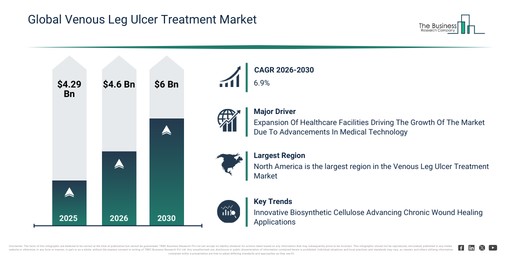
    The venous leg ulcer treatment market has experienced significant expansion in recent years. This market is anticipated to increase from $4.29 billion in 2025 to $4.6 billion in 2026, exhibiting a compound annual growth rate (CAGR) of 7.2%. The historical growth of this market is attributable to the rising prevalence of chronic venous insufficiency, the widespread adoption of compression bandaging, the expansion of wound care clinics, an increasing aging population, and enhanced availability of topical wound treatments.

    The venous leg ulcer treatment market is poised for robust expansion over the coming years. Projections indicate its value will reach $6 billion by 2030, demonstrating a compound annual growth rate (CAGR) of 6.9%. This growth throughout the forecast period is propelled by factors such as an escalating demand for advanced wound healing technologies, a greater uptake of home healthcare services, the broadening scope of minimally invasive venous procedures, an intensified focus on preventing infections, and increased investments in solutions for chronic wound management. Key developments anticipated during this period encompass the wider implementation of advanced compression therapy solutions, an increase in the utilization of bioactive wound care products, a heightened emphasis on early intervention tactics, the expansion of wound management services delivered at home, and improved integration of multidisciplinary care approaches.

    Access Your Free Sample Report for In-Depth Market Insights:

    https://www.thebusinessresearchcompany.com/sample.aspx?id=22167&type=smp

    What Drivers Are Supporting Technological Adoption In The Venous Leg Ulcer Treatment Market?

    The expanding availability of healthcare facilities is anticipated to drive the advancement of the venous leg ulcer treatment market in the coming period. These facilities encompass crucial physical structures, systems, and resources vital for delivering effective healthcare services. The growth in healthcare infrastructure is largely attributable to progress in medical technology, as breakthroughs like telemedicine, robotic surgery, and AI-powered diagnostics necessitate modern facilities, specialized tools, and improved healthcare delivery methods to enhance patient results and operational effectiveness. Such facilities play a critical role in supporting venous leg ulcer treatment by guaranteeing access to contemporary wound care centers, proven therapies, skilled medical personnel, and novel treatment approaches, collectively leading to better healing and an improved quality of life for patients. For example, data from the American Hospital Association, a non-profit organization based in the U.S., indicates that the United States comprised a total of 6,120 hospitals in 2024, showing a rise from 6,093 hospitals recorded in 2022. Consequently, the burgeoning healthcare infrastructure is a key factor propelling the expansion of the venous leg ulcer treatment market.

    Which Segments Are Contributing To The Growth Of The Venous Leg Ulcer Treatment Market?

    The venous leg ulcer treatment market covered in this report is segmented –

    1) By Treatment Type: Compression Therapy, Debridement, Medication, Surgery

    2) By Etiology: Venous Insufficiency, Arterial Insufficiency, Mixed Insufficiency, Other Etiologies

    3) By Mechnaism Of Action: Oxygenation Enhancers, Growth Factor Stimulators, Anti-inflammatory Agents, Antimicrobial Treatments

    4) By End Users: Hospitals, Clinics, Home Healthcare, Other End-Users

    Subsegments:

    1) By Compression Therapy Type: Short-Stretch Bandages, Long-Stretch Bandages, Multi-Layer Compression Bandages, Compression Stockings, Intermittent Pneumatic Compression (IPC) Devices

    2) By Debridement Type: Surgical Debridement, Autolytic Debridement, Enzymatic Debridement, Mechanical Debridement, Biological Debridement

    3) By Medication Type: Topical Antibiotics, Oral Antibiotics, Growth Factors, Anti-Inflammatory Agents, Wound Healing Agents

    4) By Surgery Type: Skin Grafting, Vein Ablation, Subfascial Endoscopic Perforator Surgery (SEPS), Sclerotherapy, Vein Bypass Surgery

    What Trends Are Reshaping The Dynamics Of The Venous Leg Ulcer Treatment Market?

    Companies operating in the venous leg ulcer treatment market are increasingly focusing on developing innovative wound dressings that utilize biosynthetic cellulose to enhance healing and support the management of chronic wounds. Biosynthetic cellulose is characterized as a bioengineered material, produced by microorganisms through fermentation, which offers high purity, biocompatibility, and excellent strength for various applications. For instance, in June 2023, Evonik Industries AG, a Germany-based specialty chemicals company, launched Epicite Balance. This wound dressing, made from biosynthetic cellulose, is designed for the treatment of chronic wounds including venous leg ulcers, diabetic foot ulcers, and pressure ulcers. The dressing promotes wound healing by maintaining a moist wound environment, absorbing exudate, and encouraging superior cleansing, making it suitable for both hospital and homecare settings.

    Who Are The Top-Performing Companies In The Venous Leg Ulcer Treatment Market In Recent Years?

    Major companies operating in the venous leg ulcer treatment market are 3M Healthcare, Essity AB, B. Braun Melsungen AG, Smith & Nephew plc, Coloplast A/S, Convatec Group PLC, Molnlycke Healthcare, Integra LifeSciences, Hollister Incorporated, Bioventus LLC, Medi, Kerecis, Tissue Regenix Group, The Whiteley Clinic, Huntleigh Healthcare, Derma Sciences, Systagenix Wound Management, Kinetic Concepts, Orpyx Medical Technologies

    Access The Complete Report For Deeper Market Insights:

    https://www.thebusinessresearchcompany.com/report/venous-leg-ulcer-treatment-global-market-report

    Which Region Is Anticipated To See The Fastest Growth In The Venous Leg Ulcer Treatment Market?

    North America was the largest region in the venous leg ulcer treatment market in 2025. Asia-Pacific is expected to be the fastest-growing region in the forecast period. The regions covered in the venous leg ulcer treatment market report are Asia-Pacific, South East Asia, Western Europe, Eastern Europe, North America, South America, Middle East, Africa.

    Request Your Customized Venous Leg Ulcer Treatment Market Research Report for Competitive Advantage:

    https://www.thebusinessresearchcompany.com/customise?id=22167&type=smp

    Browse Through More Reports Similar to the Global Venous Leg Ulcer Treatment Market 2026, By The Business Research Company

    Diabetic Foot Ulcer Market Report 2026

    https://www.thebusinessresearchcompany.com/report/diabetic-foot-ulcer-global-market-report

    Chronic Venous Occlusions Treatment Market Report 2026

    https://www.thebusinessresearchcompany.com/report/chronic-venous-occlusions-treatment-global-market-report

    Pressure Ulcers Treatment Market Report 2026

    https://www.thebusinessresearchcompany.com/report/pressure-ulcers-treatment-global-market-report

    Get in touch with us:

    The Business Research Company: https://www.thebusinessresearchcompany.com/

    Americas +1 310-496-7795

    Asia +44 7882 955267 & +91 8897263534

    Europe +44 7882 955267

    Email us at info@tbrc.info

    Follow us on:

    LinkedIn: https://in.linkedin.com/company/the-business-research-company

    YouTube: https://www.youtube.com/channel/UC24_fI0rV8cR5DxlCpgmyFQ

    Global Market Model: https://www.thebusinessresearchcompany.com/global-market-model
  • Revenue of the Vasovagal Syncope Treatment Market Predicted to Achieve $2.23 Billion by 2030, Driven by 5.9% CAGR

    Revenue of the Vasovagal Syncope Treatment Market Predicted to Achieve $2.23 Billion by 2030, Driven by 5.9% CAGR

    Uncover key drivers, emerging technologies, and competitive movements shaping the vasovagal syncope treatment market from 2026–2035 with trusted insights from The Business Research Company

    What upper market value could the Vasovagal Syncope Treatment Market reach by 2030 starting from 2026 levels?

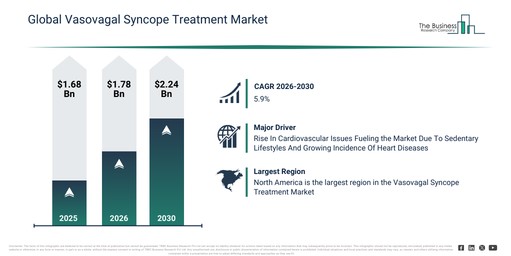
    The vasovagal syncope treatment market has demonstrated strong growth in recent years. It is anticipated to increase from $1.68 billion in 2025 to $1.78 billion in 2026, reflecting a compound annual growth rate (CAGR) of 6.1%. The historical expansion of this market can be attributed to several factors, including a better understanding of autonomic nervous system disorders, more frequent diagnosis of syncope conditions, the widespread use of tilt-table testing, the adoption of lifestyle counseling strategies, and the expansion of cardiology outpatient services.

    The vasovagal syncope treatment market size is expected to experience substantial growth in the next few years. It is projected to reach $2.24 billion in 2030, demonstrating a compound annual growth rate (CAGR) of 5.9%. This expansion during the forecast period can be attributed to the increasing development of targeted pharmacological treatments, a heightened awareness of syncope prevention strategies, the broadening of home-based care models, the rising integration of digital monitoring tools, and a growing focus on patient-centric care delivery. Key trends anticipated in the forecast period include the increasing adoption of non-invasive diagnostic techniques, a developing focus on lifestyle-based treatment approaches, the rising use of personalized medication protocols, the expansion of outpatient management programs, and an enhanced integration of psychological therapy.

    Access Your Free Sample Report for In-Depth Market Insights:

    https://www.thebusinessresearchcompany.com/sample.aspx?id=23563&type=smp

    Which Drivers Are Influencing Long-Term Growth In The Vasovagal Syncope Treatment Market?

    The vasovagal syncope treatment market is expected to expand in the future due to an increase in cardiovascular issues. Cardiovascular issues encompass a range of conditions affecting the heart and blood vessels, including heart disease, hypertension, stroke, and arrhythmias. The rise in these issues is primarily attributed to unhealthy diets, as the excessive consumption of processed foods, saturated fats, and high sodium leads to conditions such as hypertension, obesity, and high cholesterol, which significantly elevate the risk of heart disease. Vasovagal syncope treatment addresses cardiovascular issues by stabilizing blood pressure, enhancing autonomic regulation, and preventing sudden decreases in heart rate that can result in fainting and reduced blood flow to vital organs. For example, in October 2024, according to the Centers for Disease Control and Prevention (CDC), a US-based federal public health agency, cardiovascular disease was responsible for 919,032 deaths in the United States, representing approximately one in every three deaths nationwide. Thus, the growing prevalence of cardiovascular issues is driving the vasovagal syncope treatment market. The expansion of telehealth services is projected to propel the growth of the vasovagal syncope treatment market moving forward. Telehealth services involve the use of digital communication technologies, such as video calls, phone calls, and online platforms, to deliver healthcare remotely, allowing patients to consult with healthcare professionals without needing to visit a medical facility in person. This expansion is driven by an increasing demand for convenient healthcare access, as more patients seek remote consultations, reducing the need for in-person visits and providing greater flexibility, especially in rural or underserved areas. Vasovagal syncope treatment enhances telehealth services through remote monitoring and virtual consultations, enabling timely interventions and personalized care for patients, improving accessibility, and reducing the necessity for in-person visits. For instance, in November 2025, according to the Australian Bureau of Statistics (ABS), an Australia-based government statistical agency, 22.5% of Australians utilized telehealth services in 2024–25. Among those who had a telehealth consultation, 90.3% reported they would use telehealth again if offered, an increase from 89.2% in 2023–24, indicating rising acceptance and continued adoption. Therefore, the expansion of telehealth services is fueling the growth of the vasovagal syncope treatment market.

    How Is The Vasovagal Syncope Treatment Market Divided Into Segments?

    The vasovagal syncope treatment market covered in this report is segmented –

    1) By Treatment Method: Medication, Lifestyle Modification, Surgical Intervention, Psychological Therapy

    2) By Diagnosis Type: Electrocardiogram, Tilt Table Test, Electrophysiological Study

    3) By Patient Age Group: Pediatric, Adult, Geriatric

    4) By Application: Cardiogenic, Neurological, Metabolic, Vasomotor, Other Applications

    5) By End User: Hospitals, Specialty Clinics, Home, Healthcare

    Subsegments:

    1) By Medication: Prescription Drugs, Over-The-Counter (OTC) Medications, Herbal Or Alternative Medications, Injections Or Infusions

    2) By Lifestyle Modification: Dietary Changes, Physical Activity, Sleep Hygiene, Stress Management, Substance Avoidance

    3) By Surgical Intervention: Minimally Invasive Surgeries, Major Surgical Procedures, Cosmetic Surgery, Bariatric Surgery, Orthopedic Surgeries

    4) By Psychological Therapy: Cognitive Behavioral Therapy (CBT), Psychodynamic Therapy, Dialectical Behavior Therapy (DBT), Interpersonal Therapy (IPT), Group Therapy, Family Therapy, Supportive Therapy, Play Therapy

    Which Leading Companies Dominate The Vasovagal Syncope Treatment Market Share?

    Major companies operating in the vasovagal syncope treatment market are Medtronic plc, Boston Scientific Corporation, Biotronik SE & Co. KG, LivaNova plc, Abbott Laboratories, Philips Healthcare, GE Healthcare, Edwards Lifesciences Corporation, ZOLL Medical Corporation, Nihon Kohden Corporation, MicroPort Inc, Lepu Medical Technology Co Ltd, Osypka AG, Oscor Inc, Pacetronix Inc, AliveCor Inc, SmartMedical UK Ltd, Microlife Corporation, Vectorious Medical Technologies, Implicity Inc, Octagos Health Inc, Nihon Kohden Corporation

    Access The Complete Report For Deeper Market Insights:

    https://www.thebusinessresearchcompany.com/report/vasovagal-syncope-treatment-global-market-report

    Which Region Is Anticipated To See The Fastest Growth In The Vasovagal Syncope Treatment Market?

    North America was the largest region in the vasovagal syncope treatment market in 2025. The regions covered in the vasovagal syncope treatment market report are Asia-Pacific, South East Asia, Western Europe, Eastern Europe, North America, South America, Middle East, Africa.

    Request Your Customized Vasovagal Syncope Treatment Market Research Report for Competitive Advantage:

    https://www.thebusinessresearchcompany.com/customise?id=23563&type=smp

    Browse Through More Reports Similar to the Global Vasovagal Syncope Treatment Market 2026, By The Business Research Company

    Vasomotor Menopausal Symptoms Vms Treatment Market Report 2026

    https://www.thebusinessresearchcompany.com/report/vasomotor-menopausal-symptoms-vms-treatment-global-market-report

    Peripheral Vasodilator Drugs Market Report 2026

    https://www.thebusinessresearchcompany.com/report/peripheral-vasodilator-drugs-global-market-report

    Vaginitis Therapeutics Market Report 2026

    https://www.thebusinessresearchcompany.com/report/vaginitis-therapeutics-global-market-report

    Get in touch with us:

    The Business Research Company: https://www.thebusinessresearchcompany.com/

    Americas +1 310-496-7795

    Asia +44 7882 955267 & +91 8897263534

    Europe +44 7882 955267

    Email us at info@tbrc.info

    Follow us on:

    LinkedIn: https://in.linkedin.com/company/the-business-research-company

    YouTube: https://www.youtube.com/channel/UC24_fI0rV8cR5DxlCpgmyFQ

    Global Market Model: https://www.thebusinessresearchcompany.com/global-market-model
  • Vasopressor Sector Forecast Shows Robust Momentum, Climbing to $5.12 Billion With 6.6% CAGR

    Vasopressor Sector Forecast Shows Robust Momentum, Climbing to $5.12 Billion With 6.6% CAGR

    Uncover key drivers, emerging technologies, and competitive movements shaping the vasopressor market from 2026–2035 with trusted insights from The Business Research Company

    What level of CAGR-driven expansion is anticipated in the Vasopressor Market between 2026 and 2030?

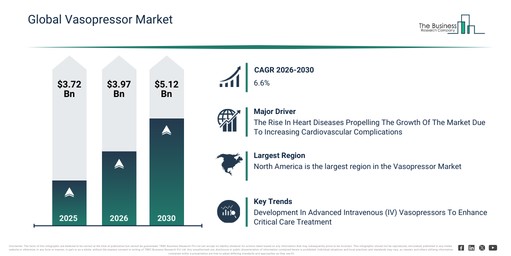
    The vasopressor market has shown significant expansion in recent years. It is anticipated to grow from $3.72 billion in 2025 to $3.97 billion in 2026, achieving a compound annual growth rate (CAGR) of 6.7%. The historical growth of this market can be linked to several factors, including the increasing incidence of septic shock cases, the expansion of critical care infrastructure, widespread adoption of catecholamine therapies, improved emergency response systems, and growing ICU admission rates.

    The vasopressor market size is expected to experience significant growth over the next few years. It is projected to reach $5.12 billion by 2030, expanding at a compound annual growth rate (CAGR) of 6.6%. This growth during the forecast period can be attributed to the increasing development of next-generation vasopressors, a growing focus on precision critical care medicine, an expansion of emergency medical services capacity, the increasing integration of digital ICU systems, and a rising demand for rapid hemodynamic stabilization therapies. Major trends expected in this period include the increased use of advanced vasopressor formulations, an escalating focus on protocol-driven critical care management, the growing adoption of combination vasopressor therapies, expanded ICU monitoring integration, and an enhanced emphasis on rapid-response treatment strategies.

    Access Your Free Sample Report for In-Depth Market Insights:

    https://www.thebusinessresearchcompany.com/sample.aspx?id=23562&type=smp

    What Drivers Are Affecting Demand-Supply Dynamics In The Vasopressor Market?

    An anticipated increase in heart diseases is poised to fuel the expansion of the vasopressor market in the future. Heart conditions encompass various ailments impacting the heart’s structure and operational capabilities, such as coronary artery disease, irregular heartbeats (arrhythmias), heart failure, and birth defects of the heart. Growing prevalence of inactive lifestyles contributes to obesity and suboptimal cardiovascular well-being, considerably elevating the likelihood of developing heart disease. Vasopressors assist in managing heart disease by narrowing blood vessels, consequently raising blood pressure and enhancing circulation to essential organs, thus supporting cardiac function in severe situations. As an illustration, data from October 2024, provided by the Centers for Disease Control and Prevention (CDC), a federal public health agency based in the US, revealed that cardiovascular diseases were responsible for 919,032 deaths within the United States, constituting roughly one in every three fatalities across the nation. Consequently, the escalating incidence of heart disease stimulates the growth of the vasopressor market.

    What Segments Are Included Within The Vasopressor Market?

    The vasopressor market covered in this report is segmented –

    1) By Type: Catecholamines, Non-Catecholamines, Vasopressin

    2) By Route Of Administration: Intravenous (IV), Intraosseous, Inhalational

    3) By Applications: Hypotension Management, Septic Shock Treatment, Cardiogenic Shock Support, Post-Surgical Management, Other Critical Care Applications

    4) By End Users: Hospitals, Ambulatory Surgical Centers, Emergency Medical Services, Home Care Settings

    Subsegments:

    1) By Catecholamines: Norepinephrine, Epinephrine, Dopamine, Isoproterenol

    2) By Non-Catecholamines: Phenylephrine, Angiotensin II

    3) By Vasopressin: Vasopressin, Terlipressin, Selepressin

    Which Trends Are Expected To Influence The Vasopressor Market In The Upcoming Years?

    Leading firms within the vasopressor market are prioritizing the creation of sophisticated solutions, including intravenous (IV) vasopressors, aimed at bettering blood pressure management and elevating patient results. These intravenous (IV) vasopressors function by narrowing blood vessels and raising blood pressure for individuals experiencing severe hypotension or shock, thereby guaranteeing sufficient blood supply to essential organs. An example of this is when, in June 2023, Fresenius Kabi AG, a pharmaceutical company based in Germany, introduced Vasopressin Injection, USP, which is a generic version of Vasostrict, within the United States, thereby extending its critical care product range. The specific use for this medicine is for adults suffering from vasodilatory shock who continue to have low blood pressure even after receiving fluids and catecholamines. It is supplied in a single-dose vial that contains 20 units per 1 mL.

    Who Are The Major Companies Operating In The Vasopressor Market?

    Major companies operating in the vasopressor market are Pfizer Inc., Merck And Co Inc., Novartis AG, Baxter International Inc., Fresenius Kabi AG, Dr. Reddy’s Laboratories Limited, Hikma Pharmaceuticals PLC, Endo Inc., Amphastar Pharmaceuticals Inc., American Regent Incorporated, Celon Laboratories Ltd., Sagent Pharmaceuticals Inc., Civica Rx, Eton Pharmaceuticals Inc., Amomed Pharma GmbH, Health Biotech Limited, Samarth Life Sciences Pvt. Ltd, Pace Biotech Limited

    Access The Complete Report For Deeper Market Insights:

    https://www.thebusinessresearchcompany.com/report/vasopressor-global-market-report

    Which Global Regions Are Shaping The Competitive Landscape Of The Vasopressor Market?

    North America was the largest region in the vasopressor market in 2025. Asia-Pacific is expected to be the fastest-growing region in the forecast period. The regions covered in the vasopressor market report are Asia-Pacific, South East Asia, Western Europe, Eastern Europe, North America, South America, Middle East, Africa.

    Request Your Customized Vasopressor Market Research Report for Competitive Advantage:

    https://www.thebusinessresearchcompany.com/customise?id=23562&type=smp

    Browse Through More Reports Similar to the Global Vasopressor Market 2026, By The Business Research Company

    Mechanical Ventilator Market 2026

    https://www.thebusinessresearchcompany.com/report/mechanical-ventilator-market

    Vasodilators Market Report 2026

    https://www.thebusinessresearchcompany.com/report/vasodilators-global-market-report

    Excavator Market Report 2026

    https://www.thebusinessresearchcompany.com/report/excavator-global-market-report

    Get in touch with us:

    The Business Research Company: https://www.thebusinessresearchcompany.com/

    Americas +1 310-496-7795

    Asia +44 7882 955267 & +91 8897263534

    Europe +44 7882 955267

    Email us at info@tbrc.info

    Follow us on:

    LinkedIn: https://in.linkedin.com/company/the-business-research-company

    YouTube: https://www.youtube.com/channel/UC24_fI0rV8cR5DxlCpgmyFQ

    Global Market Model: https://www.thebusinessresearchcompany.com/global-market-model
  • Vasomotor Menopausal Symptoms (VMS) Treatment Market Anticipated to Record Steady Gains, Advancing to $26.47 Billion by 2030

    Vasomotor Menopausal Symptoms (VMS) Treatment Market Anticipated to Record Steady Gains, Advancing to $26.47 Billion by 2030

    Uncover key drivers, emerging technologies, and competitive movements shaping the vasomotor menopausal symptoms (vms) treatment market from 2026–2035 with trusted insights from The Business Research Company

    What long-term size projections exist for the Vasomotor Menopausal Symptoms (VMS) Treatment Market covering 2026–2035?

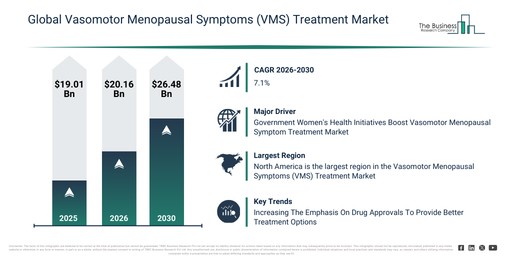
    The vasomotor menopausal symptoms (vms) treatment market size has seen robust expansion in recent years. This market is projected to climb from $19.01 billion in 2025 to $20.16 billion in 2026, registering a compound annual growth rate (CAGR) of 6.0%. The market’s historical growth can be attributed to an increasing prevalence of menopausal symptoms, the widespread adoption of hormone replacement therapy, expanding clinical research into neurotransmitter-based treatments, the development of women’s health services, and improved access to specialty clinics.

    The vasomotor menopausal symptoms (vms) treatment market is anticipated to show significant expansion over the next few years, with its size expected to reach $26.48 billion by 2030, exhibiting a compound annual growth rate (CAGR) of 7.1%. This growth during the forecast period stems from factors such as increasing demand for non-hormonal treatment alternatives, heightened awareness regarding menopause-related health management, growing investments in women’s health research, the expansion of telemedicine-based treatment delivery, and the development of next-generation VMS therapeutics. Major trends during this period are projected to include the accelerating development of non-hormonal therapies, the increasing adoption of personalized menopause treatment plans, a rising reliance on digital health platforms for symptom management, the expansion of combination drug therapies, and an enhanced focus on long-term safety profiles.

    Access Your Free Sample Report for In-Depth Market Insights:

    https://www.thebusinessresearchcompany.com/sample.aspx?id=13051&type=smp

    Which Drivers Are Impacting The Competitive Landscape Of The Vasomotor Menopausal Symptoms (VMS) Treatment Market?

    Government-led initiatives concerning women’s health during menopause are anticipated to stimulate the expansion of the vasomotor menopausal symptom’s treatment market. These governmental programs for menopausal health include financial support for innovative studies on menopausal transition, illness prevention, and research encompassing pharmacological, clinical, and epidemiological facets. These efforts are integral to wider women’s health initiatives designed to address diverse concerns. For instance, in January 2023, the Government of New South Wales, an Australia-based government agency, reported that it allocated $40.3 million over four years (2022-2023 to 2025-2026) to establish up to 16 new programs for women experiencing severe menopausal symptoms. Thus, the government’s initiatives for women’s health in menopause are actively driving the growth of the vasomotor menopausal symptom’s treatment market.

    What Leading Segments Are Studied In The Vasomotor Menopausal Symptoms (VMS) Treatment Market?

    The vasomotor menopausal symptoms (vms) treatment market covered in this report is segmented –

    1) By Drug Class: Antidepressants, Fluoxetine, Paroxetine, Sertraline, Hormone Therapy, Anticonvulsant, Other Drug Classes

    2) By Distribution Channel: Hospital Pharmacy, Retail Pharmacy, Online Pharmacy, Other Distribution Channels

    3) By End-User: Hospitals, Specialty Clinics, Homecare, Other End-Users

    Subsegments:

    1) By Antidepressants: SSRIs (Selective Serotonin Reuptake Inhibitors), SNRIs (Serotonin-Norepinephrine Reuptake Inhibitors), TCAs (Tricyclic Antidepressants), MAOIs (Monoamine Oxidase Inhibitors), Atypical Antidepressants

    2) By Fluoxetine: Depression, Obsessive-Compulsive Disorder (OCD), Panic Disorder, Generalized Anxiety Disorder (GAD), Post-Traumatic Stress Disorder (PTSD), Social Anxiety Disorder, Premenstrual Dysphoric Disorder (PMDD)

    3) By Paroxetine: Depression, Obsessive-Compulsive Disorder (OCD), Panic Disorder, Generalized Anxiety Disorder (GAD), Post-Traumatic Stress Disorder (PTSD), Social Anxiety Disorder, Premenstrual Dysphoric Disorder (PMDD)

    4) By Sertraline: Depression, Obsessive-Compulsive Disorder (OCD), Panic Disorder, Post-Traumatic Stress Disorder (PTSD), Social Anxiety Disorder, Premenstrual Dysphoric Disorder (PMDD)

    5) By Hormone Therapy: Estrogen Replacement Therapy (ERT), Progestin Therapy, Combined Hormonal Therapy (CHT), Testosterone Replacement Therapy (TRT)

    6) By Anticonvulsant: Hydantoins, Barbiturates, Benzodiazepines, Valproates, Succinimides, Carboxylic Acid Derivatives

    7) By Other Drug Classes: Antibiotics, Analgesics, Antidiabetics, Antihypertensives, Anticoagulants, Immunosuppressants, Antipsychotics, Antihistamines

    What Trends Are Driving The Growth Trajectory Of The Vasomotor Menopausal Symptoms (VMS) Treatment Market?

    Leading companies in the vasomotor menopausal symptoms treatment market are actively developing products, such as Veozah, and securing regulatory approvals to introduce new therapeutic choices and address patients’ unmet medical needs. The authorization of novel medications for menopause offers superior efficacy and safety when compared to existing treatments. For instance, in May 2023, Astellas Pharma Inc, a Japan-based pharmaceutical company, obtained approval for Veozah (fezolinetant) 45 mg once daily from the Food and Drug Administration (FDA), a US-based federal agency, for the management of menopausal vasomotor symptoms (VMS), which vary from mild to severe. This represents the first nonhormonal neurokinin 3 (NK3) receptor antagonist to receive authorization for treating menopausal-related VMS. It functions as a hormone-free solution by blocking a specific pathway in the brain that helps control these symptoms. Veozah provides an alternative treatment option for women experiencing these symptoms, particularly those who are unable to use or prefer to avoid hormone therapy. The approval of Veozah underscores its significance as a new drug for managing menopausal symptoms.

    Which Major Firms Are Strengthening Their Position In The Vasomotor Menopausal Symptoms (VMS) Treatment Market?

    Major companies operating in the vasomotor menopausal symptoms (vms) treatment market are Pfizer Inc., Abbvie Inc., Novartis AG, Teva Pharmaceutical Industries Ltd., Mylan N.V., Sun Pharmaceutical Industries Ltd., Aurobindo Pharma Limited, Kyowa Kirin Co. Ltd., Dr. Reddy’s Laboratories Ltd., Alembic Pharmaceuticals Limited Inc., Apotex Inc., Hikma Pharmaceutical plc, Endo Pharmaceuticals plc, Amneal Pharmaceuticals LLC, Mundipharma International Ltd., Lupin Limited, Glenmark Pharmaceuticals Ltd., Hisamitsu Pharmaceutical Co. Inc., Emcure Pharmaceuticals Limited, Wockhardt Pvt. Ltd., QuatRx Pharmaceuticals Company, Bionovo Inc., Mithra Pharmaceuticals SA, EndoCeutics Inc., Zydus Group, Edgemont Pharmaceuticals LLC, MenoGeniX Inc., Agile Therapeutics Inc

    Access The Complete Report For Deeper Market Insights:

    https://www.thebusinessresearchcompany.com/report/vasomotor-menopausal-symptoms-vms-treatment-global-market-report

    Which Regions Are Poised For Strategic Growth In The Vasomotor Menopausal Symptoms (VMS) Treatment Market?

    North America was the largest region in the vasomotor menopausal symptoms (VMS) treatment market in 2025. The regions covered in the vasomotor menopausal symptoms (vms) treatment market report are Asia-Pacific, South East Asia, Western Europe, Eastern Europe, North America, South America, Middle East, Africa.

    Request Your Customized Vasomotor Menopausal Symptoms (VMS) Treatment Market Research Report for Competitive Advantage:

    https://www.thebusinessresearchcompany.com/customise?id=13051&type=smp

    Browse Through More Reports Similar to the Global Vasomotor Menopausal Symptoms (VMS) Treatment Market 2026, By The Business Research Company

    Vulvodynia Treatment Market Report 2026

    https://www.thebusinessresearchcompany.com/report/vulvodynia-treatment-global-market-report

    Menopausal Hot Flashes Market Report 2026

    https://www.thebusinessresearchcompany.com/report/menopausal-hot-flashes-global-market-report

    Menopause Market Report 2026

    https://www.thebusinessresearchcompany.com/report/menopause-global-market-report

    Get in touch with us:

    The Business Research Company: https://www.thebusinessresearchcompany.com/

    Americas +1 310-496-7795

    Asia +44 7882 955267 & +91 8897263534

    Europe +44 7882 955267

    Email us at info@tbrc.info

    Follow us on:

    LinkedIn: https://in.linkedin.com/company/the-business-research-company

    YouTube: https://www.youtube.com/channel/UC24_fI0rV8cR5DxlCpgmyFQ

    Global Market Model: https://www.thebusinessresearchcompany.com/global-market-model
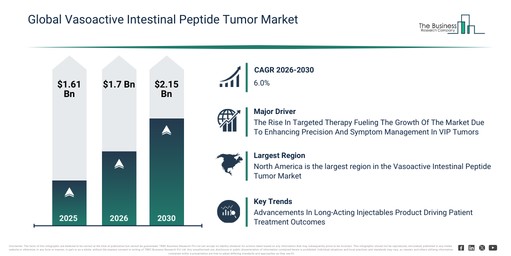
  • Vasoactive Intestinal Peptide Tumor Industry Poised for Rapid Growth, Forecast to Touch $2.14 Billion by 2030 at 6% CAGR

    Vasoactive Intestinal Peptide Tumor Industry Poised for Rapid Growth, Forecast to Touch $2.14 Billion by 2030 at 6% CAGR

    Uncover key drivers, emerging technologies, and competitive movements shaping the vasoactive intestinal peptide tumor market from 2026–2035 with trusted insights from The Business Research Company

    What total market size is anticipated for the Vasoactive Intestinal Peptide Tumor Market in 2030?

    The vasoactive intestinal peptide tumor market size has demonstrated robust growth in recent years. This market is projected to expand from $1.61 billion in 2025 to $1.7 billion in 2026, achieving a compound annual growth rate (CAGR) of 6.2%. The expansion witnessed in the historic period is attributable to improved detection of neuroendocrine tumors, increased availability of specialized oncology centers, the growing application of imaging-based diagnostics, the early adoption of somatostatin analog therapies, and advancements in pancreatic surgery techniques.

    The market size for vasoactive intestinal peptide tumors is anticipated to experience substantial growth over the upcoming years, expanding to $2.15 billion by 2030, driven by a compound annual growth rate (CAGR) of 6.0%. This projected expansion during the forecast period can be attributed to several factors, including rising research investments dedicated to rare cancers, the increasing development of novel targeted drugs, a growing adoption of precision medicine approaches, the expansion of specialized cancer care infrastructure, and increasing awareness of rare endocrine disorders. Furthermore, major trends expected in the forecast period involve the increasing adoption of targeted therapy approaches, a rising use of advanced imaging techniques for early diagnosis, a growing focus on personalized treatment protocols, the expansion of minimally invasive surgical techniques, and an enhanced integration of multidisciplinary care models.

    Access Your Free Sample Report for In-Depth Market Insights:

    https://www.thebusinessresearchcompany.com/sample.aspx?id=23561&type=smp

    What Drivers Are Influencing Production Trends In The Vasoactive Intestinal Peptide Tumor Market?

    The vasoactive intestinal peptide tumor market is anticipated to expand due to the increasing prevalence of targeted therapy. These therapies are designed to concentrate on particular molecules or pathways critical to disease progression, especially in cancer, allowing them to precisely eliminate abnormal cells while sparing healthy ones. The expansion of targeted therapies is largely influenced by precision medicine, which boosts effectiveness by addressing specific genetic mutations and simultaneously reducing adverse effects. In the context of VIP tumors, targeted treatments function by inhibiting vital pathways that contribute to tumor growth and hormone secretion. This action aids in decreasing VIP levels, thereby alleviating symptoms like severe diarrhea and decelerating the disease’s advancement. For example, the American Society of Gene and Cell Therapy (ASGCT), a US-based professional membership organization, reported in July 2024 that 76 gene therapy trials were initiated in the second quarter of 2024, representing a 25 % increase from the preceding quarter. Hence, the increasing application of targeted therapy is a key factor propelling the growth of the vasoactive intestinal peptide tumor market.

    Which Segment Groups Are Influencing The Vasoactive Intestinal Peptide Tumor Market?

    The vasoactive intestinal peptide tumor market covered in this report is segmented –

    1) By Treatment: Surgical Intervention, Radiotherapy, Chemotherapy, Targeted Therapy

    2) By Diagnosis: Imaging Techniques, Biopsy, Endoscopic Ultrasound

    3) By Therapeutic Approach: Palliative Care, Curative Treatment, Adjuvant Treatment

    4) By End-User: Hospitals, Cancer Specialty Clinics, Diagnostic Laboratories

    Subsegments:

    1) By Surgical Intervention: Tumor Resection, Debulking Surgery, Minimally Invasive Surgery

    2) By Radiotherapy: External Beam Radiation Therapy (EBRT), Stereotactic Body Radiation Therapy (SBRT), Proton Therapy

    3) By Chemotherapy: Cytotoxic Chemotherapy, Combination Chemotherapy, Adjuvant And Neoadjuvant Chemotherapy

    4) By Targeted Therapy: Somatostatin Analog Therapy, Tyrosine Kinase Inhibitors (TKIs), Monoclonal Antibodies

    What Upcoming Trends Are Likely To Define The Future Path Of The Vasoactive Intestinal Peptide Tumor Market?

    Major companies engaged in the vasoactive intestinal peptide tumor market are directing their attention towards developing advanced offerings, such as long-acting injectable suspensions, to improve treatment effectiveness, enhance patient adherence, and ensure sustained symptom relief. Long-acting injectable suspensions are pharmaceutical formulations designed to gradually release their active ingredients over an extended timeframe, thereby reducing the need for frequent dosing. For instance, in October 2024, Teva Pharmaceutical Industries Ltd., a US-based pharmaceutical company, launched the first and only generic version of Sandostatin LAR Depot (octreotide acetate for injectable suspension) in the U.S. This medication is utilized for long-term maintenance therapy in acromegaly patients who did not adequately respond to surgery or radiotherapy. It also addresses severe diarrhea and flushing associated with metastatic carcinoid tumors and VIP-secreting tumors. The introduction highlights Teva’s expertise in complex generic products and supports its aim of maintaining a strong presence in the generic pharmaceuticals market.

    Who Are The Primary Competitors In The Global Vasoactive Intestinal Peptide Tumor Market?

    Major companies operating in the vasoactive intestinal peptide tumor market are Pfizer Inc., Novartis AG, Mayo Clinic, Mount Sinai Hospital, Cleveland Clinic Laboratories, Penn Medicine, Stanford Health Care, UCSF Health, ARUP Laboratories, Dr. Lal PathLabs, Cancer Research UK, Medicover Hospitals, Ganesh Diagnostic, Ipsen Pharma SA, F Hoffmann-La Roche Ltd, Eli Lilly and Company, Boehringer Ingelheim International GmbH, Bristol-Myers Squibb Company, Merck & Co

    Access The Complete Report For Deeper Market Insights:

    https://www.thebusinessresearchcompany.com/report/vasoactive-intestinal-peptide-tumor-global-market-report

    Which Regions Are Projected To Dominate The Vasoactive Intestinal Peptide Tumor Market In The Coming Years?

    North America was the largest region in the vasoactive intestinal peptide tumor market in 2025. The regions covered in the vasoactive intestinal peptide tumor market report are Asia-Pacific, South East Asia, Western Europe, Eastern Europe, North America, South America, Middle East, Africa.

    Request Your Customized Vasoactive Intestinal Peptide Tumor Market Research Report for Competitive Advantage:

    https://www.thebusinessresearchcompany.com/customise?id=23561&type=smp

    Browse Through More Reports Similar to the Global Vasoactive Intestinal Peptide Tumor Market 2026, By The Business Research Company

    Gastrointestinal Stromal Tumor Market Report 2026

    https://www.thebusinessresearchcompany.com/report/gastrointestinal-stromal-tumor-global-market-report

    Glucagon Like Peptide 1 Market Report 2026

    https://www.thebusinessresearchcompany.com/report/glucagon-like-peptide-1-global-market-report

    Peptide Therapeutics Market Report 2026

    https://www.thebusinessresearchcompany.com/report/peptide-therapeutics-global-market-report

    Get in touch with us:

    The Business Research Company: https://www.thebusinessresearchcompany.com/

    Americas +1 310-496-7795

    Asia +44 7882 955267 & +91 8897263534

    Europe +44 7882 955267

    Email us at info@tbrc.info

    Follow us on:

    LinkedIn: https://in.linkedin.com/company/the-business-research-company

    YouTube: https://www.youtube.com/channel/UC24_fI0rV8cR5DxlCpgmyFQ

    Global Market Model: https://www.thebusinessresearchcompany.com/global-market-model
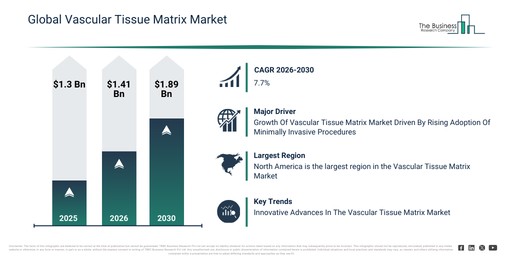
  • Vascular Tissue Matrix Market Performance Outlook 2026–2030: Revenue to Hit $1.89 Billion at 7.7% CAGR

    Vascular Tissue Matrix Market Performance Outlook 2026–2030: Revenue to Hit $1.89 Billion at 7.7% CAGR

    Uncover key drivers, emerging technologies, and competitive movements shaping the vascular tissue matrix market from 2026–2035 with trusted insights from The Business Research Company

    What is the expected shift in the Vascular Tissue Matrix Market’s size between 2026 and 2030?

    The vascular tissue matrix market has experienced robust growth in recent years. Projections indicate it will expand from $1.3 billion in 2025 to $1.41 billion in 2026, exhibiting a compound annual growth rate (CAGR) of 8.1%. This historical expansion is attributed to factors such as the increasing prevalence of cardiovascular diseases, the expansion of reconstructive surgical procedures, advancements in biomaterial science, the growth of regenerative medicine research, and the availability of tissue processing technologies.

    The vascular tissue matrix market is projected to experience substantial expansion over the upcoming years, with its valuation anticipated to reach $1.89 billion by 2030, demonstrating a compound annual growth rate (CAGR) of 7.7%. This projected increase during the forecast period stems from factors such as a surge in demand for vascular regeneration solutions, increased capital allocation towards tissue engineering, the broader application of personalized medicine approaches, the expanding utilization of advanced biomaterials, and continuous advancements in scaffold fabrication technologies. Key trends anticipated during this period encompass the growing integration of biologic vascular scaffolds, heightened demand for regenerative cardiovascular therapies, the expanding deployment of decellularized tissue matrices, an increase in tissue engineering applications, and a reinforced emphasis on both biocompatibility and long-term integration.

    Access Your Free Sample Report for In-Depth Market Insights:

    https://www.thebusinessresearchcompany.com/sample.aspx?id=19746&type=smp

    Which Drivers Are Shaping Strategic Decisions In The Vascular Tissue Matrix Market?

    The increasing preference for minimally invasive procedures is projected to boost the expansion of the vascular tissue matrix market in the future. These medical or surgical interventions necessitate only minor or no incisions. The growing demand for such procedures is attributed to their advantages, including shorter recovery periods, reduced risks of complications, and less postoperative pain compared to traditional surgeries. A vascular tissue matrix is employed in these minimally invasive techniques to support and facilitate the regeneration of blood vessels without extensive surgical requirements. For example, in January 2024, Intuitive Surgical Inc., a US-based manufacturer of robotic products, announced the placement of 415 da Vinci surgical systems (robotic surgical systems utilizing a minimally invasive approach) during the fourth quarter of 2023, which signifies a 12% increase over 2022. Thus, the proliferation of minimally invasive procedures is a significant force propelling the growth of the vascular tissue matrix market.

    What Segment Classifications Make Up The Vascular Tissue Matrix Market?

    The vascular tissue matrix market covered in this report is segmented –

    1) By Type: Biologic Matrix, Synthetic Matrix

    2) By Therapeutic Area: Orthopedics, Dermatology, Cardiology, Neurology, Other Therapeutics

    3) By Application: Hospital, Clinic, Other Applications

    Subsegments:

    1) By Biologic Matrix: Allograft Matrix, Xenograft Matrix, Autograft Matrix, Decellularized Matrix

    2) By Synthetic Matrix: Polymer-Based Matrix, Hydrogel Matrix, Nanofiber Matrix

    Which Trends Are Shaping Activity Within The Vascular Tissue Matrix Market?

    Major companies operating in the vascular tissue matrix market are increasingly concentrating on developing innovative products, such as tissue matrices derived from human umbilical cord extracellular matrix (ECM), to gain a competitive advantage. A tissue matrix sourced from the human umbilical cord extracellular matrix serves as a scaffold composed of the structural proteins and molecules found within the umbilical cord’s extracellular matrix. For instance, in February 2024, StimLabs LLC, a US-based biotechnology company, announced that the U.S. Food and Drug Administration (FDA) granted 510(k) clearance for its novel wound care device, Corplex P. This device, representing the first graft derived from human umbilical cord ECM, is designed to treat both acute and chronic wounds. It contains connective tissue matrix components, including collagens and glycosaminoglycans like hyaluronic acid, which create a porous scaffold to support cellular infiltration and tissue regeneration. Corplex P is intended for the management of various wound types, including partial- and full-thickness wounds, pressure ulcers, diabetic ulcers, surgical wounds, and trauma wounds.

    Which Key Market Players Are Investing In Expansion And Innovation Within The Vascular Tissue Matrix Market?

    Major companies operating in the vascular tissue matrix market are Abbott Laboratories, Medtronic PLC, Baxter International Inc., Boston Scientific Corporation, Terumo Corporation, Edwards Lifesciences Corporation, W. L. Gore & Associates Inc., Getinge Group, Integra LifeSciences Corporation, Artivion Inc., CryoLife Inc., LeMaitre Vascular Inc., Cook Medical Inc., Humacyte Inc., BioCardia Inc., Organogenesis Holdings Inc., AxoGen Inc., Collagen Matrix Inc., ACell Inc., Reva Medical Inc.

    Access The Complete Report For Deeper Market Insights:

    https://www.thebusinessresearchcompany.com/report/vascular-tissue-matrix-global-market-report

    Which Region Is Expected To Experience The Fastest Growth In The Vascular Tissue Matrix Market?

    North America was the largest region in the vascular tissue matrix market in 2025. The regions covered in the vascular tissue matrix market report are Asia-Pacific, South East Asia, Western Europe, Eastern Europe, North America, South America, Middle East, Africa.

    Request Your Customized Vascular Tissue Matrix Market Research Report for Competitive Advantage:

    https://www.thebusinessresearchcompany.com/customise?id=19746&type=smp

    Browse Through More Reports Similar to the Global Vascular Tissue Matrix Market 2026, By The Business Research Company

    Vascular Access Devices Market Report 2026

    https://www.thebusinessresearchcompany.com/report/vascular-access-devices-global-market-report

    Vascular Endothelial Growth Factor Inhibitors Market Report 2026

    https://www.thebusinessresearchcompany.com/report/vascular-endothelial-growth-factor-inhibitors-global-market-report

    Vascular Stent Market Report 2026

    https://www.thebusinessresearchcompany.com/report/vascular-stent-global-market-report

    Get in touch with us:

    The Business Research Company: https://www.thebusinessresearchcompany.com/

    Americas +1 310-496-7795

    Asia +44 7882 955267 & +91 8897263534

    Europe +44 7882 955267

    Email us at info@tbrc.info

    Follow us on:

    LinkedIn: https://in.linkedin.com/company/the-business-research-company

    YouTube: https://www.youtube.com/channel/UC24_fI0rV8cR5DxlCpgmyFQ

    Global Market Model: https://www.thebusinessresearchcompany.com/global-market-model