Category: HealthcareServices

  • How Is The Niemann-Pick Disease (NPD) Market Expected To Grow At 11% CAGR Over 2025–2029?

    How Is The Niemann-Pick Disease (NPD) Market Expected To Grow At 11% CAGR Over 2025–2029?

    Claim your 20% discount on Global Market Reports with code ONLINE20. Limited time only.

    How Is The Niemann-Pick Disease (NPD) Market Expected To Grow In Terms Of Size?

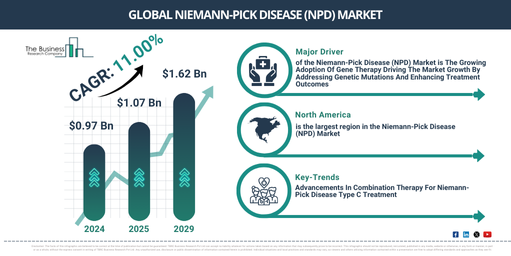
    In recent times, there has been a significant surge in the size of the niemann-pick disease (npd) market. It is predicted to expand from $0.97 billion in 2024 to $1.07 billion in 2025, experiencing a compound annual growth rate (CAGR) of 10.0%. The past growth can be linked to several factors such as escalating numbers of genetic counselors, expanding financial support for rare disease research, a rise in venture capital firm investments, surging biomarker usage, and wider healthcare accessibility.

    Expectations for the Niemann-Pick disease (NPD) market show a swift increase in the coming years. The market is projected to reach $1.62 billion by 2029, with a Compound Annual Growth Rate (CAGR) of 11.0%. This growth during the prediction period can be credited to the rising demand for personalized medicine and an increased focus on lysosomal storage disorders, along with the approval of more orphan drugs and a surge in demand for targeted treatments and advanced diagnostic tools. Notable developments during this forecast period encompass improvements in treatment choices, technological upgrades in diagnostic equipment, the incorporation of artificial intelligence into diagnosis procedures, advancements in enzyme replacement therapies (ERT), and the progression of clinical trials for new medical drugs.

    Get A Free Sample Of The Report:

    https://www.thebusinessresearchcompany.com/sample.aspx?id=23457&type=smp

    What Are The Primary Factors Supporting The Niemann-Pick Disease (NPD) Market Expansion?

    The expansion of the Niemann-Pick disease (NPD) market is likely due to increased acceptance of gene therapy. As a method of medical treatment, gene therapy alters or manages an individual’s genes to fight or avoid disease. Due to progressive techniques like in situ haploid, which allows detailed and efficient genetic adjustments, it is becoming more common, leading to improved results for genetically based conditions. Gene therapy, by addressing root genetic mutations in Niemann-Pick disease (NPD), aims to rectify enzyme deficiencies causing the disorder and enhancing cell function. For instance, the American Society of Gene and Cell Therapy reported a 10% increase in Phase III trials of gene therapies in January 2024 compared to the preceding quarter, marking the first rise since the third quarter of 2022. Consequently, the Niemann-Pick disease (NPD) market’s growth can be attributed to the broader implementation of gene therapy.

    Which Segmentation Categories Are Highlighted In The Niemann-Pick Disease (NPD) Market Analysis?

    The niemann-pick disease (npd)market covered in this report is segmented –

    1) By Type: Niemann-Pick Disease Type A; Niemann-Pick Disease Type B; Niemann-Pick Disease Type C

    2) By Treatment Type: Drugs; Physical Therapy; Other Treatment Types

    3) By Route Of Administration: Oral; Intravenous; Subcutaneous

    4) By Distribution Channel: Hospital Pharmacies; Retail Pharmacies; Other Distribution Channels

    5) By End-User: Hospitals; Clinics; Homecare Settings

    Subsegments:

    1) By Niemann-Pick Disease Type A: Infantile-Onset Niemann-Pick Disease; Neurodegenerative Niemann-Pick Disease; Acute Visceral Niemann-Pick Disease; Severe Lysosomal Storage Disorder

    2) By Niemann-Pick Disease Type B: Late-Onset Niemann-Pick Disease; Non-Neurological Niemann-Pick Disease; Chronic Visceral Niemann-Pick Disease; Mild Lysosomal Storage Disorder

    3) By Niemann-Pick Disease Type C: Early-Onset Niemann-Pick Disease; Juvenile Niemann-Pick Disease; Adult-Onset Niemann-Pick Disease; Progressive Neurodegenerative Niemann-Pick Disease

    Which Trends Are Likely To Redefine Growth Paths In The Niemann-Pick Disease (NPD) Market?

    Prominent corporations in the niemann-pick disease (NPD) market are concentrating on the advancement of innovative treatments such as combination therapy, aiming to increase treatment effectiveness and elevate patient prognosis. The combination therapy approach comprises administering two or more therapeutic substances or treatment approaches to combat an illness or health condition. This technique is designed to enhance efficacy and diminish resistance to therapy using a single agent (monotherapy). For example, in September 2024, Zevra Therapeutics Inc., a biopharmaceutical firm based in the US, secured approval from the U.S. Food and Drug Administration (FDA) for MIPLYFFA, a treatment used in combination with miglustat, to cure neurological symptoms of Niemann-Pick disease type C (NPC) in adults and children aged 2 years and above. MIPLYFFA (arimoclomol) operates by amplifying the generation of heat shock proteins (HSPs), which play a crucial role in removing harmful lipid buildup and safeguarding neurons from impairment. Concurrently, miglustat curbs glucosylceramide synthase, thus decreasing lipid accumulation. Combined, these two therapies contribute to decelerating the deterioration of neurological function in NPC patients.

    Which Organizations Are At The Forefront Of The Niemann-Pick Disease (NPD) Market?

    Major companies operating in the niemann-pick disease (NPD) market are Sanofi S.A., Mayo Clinic, Cincinnati Children’s Hospital Medical Center, Boston Children’s Hospital, Mallinckrodt Pharmaceuticals plc, Myriad Genetics, CENTOGENE N.V., The Florey Institute of Neuroscience and Mental Health, National Organization for Rare Disorders (NORD), Evox Therapeutics Limited, Zevra Therapeutics Inc., IntraBio Inc., Dipharma SA, Okklo Life Sciences, Bloomsbury Genetic Therapies Ltd., Azafaros A.G, Cyclo Therapeutics Inc., Mandos Health, CarelonRx, Rainbow Children’s Hospital, Vtesse Inc.

    Access The Complete Report Here:

    https://www.thebusinessresearchcompany.com/report/niemann-pick-disease-npd-global-market-report

    Which Geographic Regions Are Creating Strong Demand In The Niemann-Pick Disease (NPD) Market?

    North America was the largest region in the niemann-pick disease (NPD) market in 2024. Asia-Pacific is expected to be the fastest-growing region in the forecast period. The regions covered in the niemann-pick disease (NPD) market report are Asia-Pacific, Western Europe, Eastern Europe, North America, South America, Middle East, Africa.

    Customize Your Report Here:

    https://www.thebusinessresearchcompany.com/customise?id=23457&type=smp

    Browse Through More Reports Similar to the Global Niemann-Pick Disease (NPD) Market 2025, By The Business Research Company

    Brain Monitoring Global Market Report 2025

    https://www.thebusinessresearchcompany.com/report/brain-monitoring-global-market-report

    Brain Computer Interface Global Market Report 2025

    https://www.thebusinessresearchcompany.com/report/brain-computer-interface-global-market-report

    Brain Health Supplements Global Market Report 2025

    https://www.thebusinessresearchcompany.com/report/brain-health-supplements-global-market-report

    About The Business Research Company:

    With over 15000+ reports from 27 industries covering 60+ geographies, The Business Research Company has built a reputation for offering comprehensive, data-rich research and insights. Armed with 1,500,000 datasets, the optimistic contribution of in-depth secondary research, and unique insights from industry leaders, you can get the information you need to stay ahead in the game.

    Get in touch with us:

    The Business Research Company: https://www.thebusinessresearchcompany.com/

    Americas +1 310-496-7795

    Asia +44 7882 955267 & +91 8897263534

    Europe +44 7882 955267

    Email us at info@tbrc.info

    Follow us on:

    LinkedIn: https://in.linkedin.com/company/the-business-research-company

    YouTube: https://www.youtube.com/channel/UC24_fI0rV8cR5DxlCpgmyFQ

    Global Market Model: https://www.thebusinessresearchcompany.com/global-market-model
  • Which Factors Will Push The Medical Pendant Market To Achieve $0.95 Billion By 2029?

    Which Factors Will Push The Medical Pendant Market To Achieve $0.95 Billion By 2029?

    Claim your 20% discount on Global Market Reports with code ONLINE20. Limited time only.

    What Is The Projected Valuation Of The Medical Pendant Market In The Coming Years?

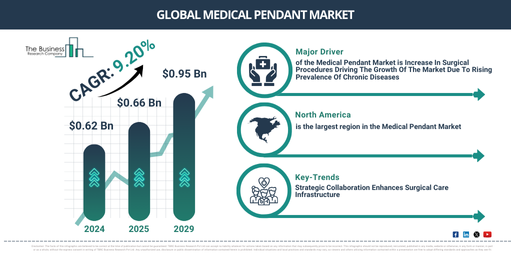
    The market size of medical pendants has witnessed substantial expansion in the past few years. The market value is set to increase from $0.62 billion in 2024 to $0.66 billion in 2025, with a compound annual growth rate (CAGR) of 7.2%. The historical growth is attributable to the escalating demand for ergonomic solutions, an ageing population, growth in chronic illnesses, increase in healthcare spending, and rising requirements in critical care settings.

    The market of medical pendant is set to witness substantial expansion in the imminent years and will bolster to $0.95 billion by 2029, at a compound annual growth rate (CAGR) of 9.2%. This anticipated surge in the prediction span is due to the growing emphasis on tailored growth, an escalation in surgical procedures, a rising count of healthcare facilities, increased health consciousness, and a booming number of healthcare practitioners. Notable trends during this forecasted tenure comprise the incorporation of cutting-edge technologies, tactical collaborations, the merging of telemedicine, the mechanization of healthcare, and user-centric medical pendant solutions.

    Get A Free Sample Of The Report:

    https://www.thebusinessresearchcompany.com/sample.aspx?id=23448&type=smp

    Which Growth Drivers Are Shaping The Medical Pendant Market Outlook?

    The medical pendant market is predicted to be bolstered by an increase in surgical procedures. These refer to any medical operations which involve cutting into or otherwise manipulating the body in order to treat injuries, diseases or other conditions. The growing prevalence of chronic illnesses, such as heart disease and cancer, is causing the number of surgical procedures to rise. These diseases often require surgeries for treatment which are enabled by factors including an aging population, changes in lifestyle, and advancements in medical technology that increase success rates and make surgeries more accessible. Medical pendants play a pivotal role in these surgeries, helping to effectively manage and arrange crucial medical equipment, gases, and electrical connections. This eliminates clutter and ensures a sterile and secure operating environment, enhancing surgical precision, decreasing procedure duration, and lowering the possibility of equipment-related incidents. An example of this was in November 2024, when the Australian Institute of Health and Welfare reported that in the 2023–24 period, a total of 771,600 patients were admitted for surgery from public hospital elective surgery waiting lists, a 4.9% increase on the previous year, 2022–23. As such, the rise in surgical procedures is fuelling the growth of the medical pendant market.

    What Is The Segment Breakdown Of The Medical Pendant Market?

    The medical pendantmarket covered in this report is segmented –

    1) By Type: Fixed Pendant; Single Arm Movable Pendant; Double And Multi Arm Movable Pendant; Accessories

    2) By Technology: Manual; Motorized; Pneumatic

    3) By Installation: Ceiling Mounted Pendants; Wall Mounted Pendants; Other Installations

    4) By Application: Surgery; Endoscopy; Anesthesia; Intensive Care Unit (ICU); Other Applications

    5) By End-User: Hospitals; Clinics; Other End-Users

    Subsegments:

    1) By Fixed Pendant: Ceiling-Mounted Fixed Pendant; Wall-Mounted Fixed Pendant

    2) By Single Arm Movable Pendant: Motorized Single Arm Pendant; Manual Single Arm Pendant

    3) By Double And Multi-Arm Movable Pendant: Motorized Multi-Arm Pendant; Manual Multi-Arm Pendant

    4) By Accessories: Gas Outlets; Shelves And Drawers; IV Poles; Monitor Holders; Cable Management Systems

    What Are The Dominant Trends Currently Seen In The Medical Pendant Market?

    Leading firms in the medical pendant market are turning to strategic collaborations to capitalize on mutual strengths, minimize risks, drive faster innovation, and extend their market reach more effectively. These strategic collaborations involve partnerships among organizations that merge their resources, expertise, or technologies to reach common objectives, stimulate innovation, or achieve a competitive edge. For instance, in July 2022, Arthrex, an American company specializing in minimally invasive orthopedic products, forged a partnership with Skytron, another American company renowned for manufacturing medical pendants. Their joint goal was to introduce a wide array of comprehensive room solutions designed to meet the changing needs and address the challenges faced by surgical care facilities. Due to this collaboration, the company can now provide top-tier technology and a fully integrated operating room infrastructure in a single package. This package includes a full suite of complementary products aimed at improving surgical efficiency and enhancing patient outcomes. Together, Arthrex and Skytron are committed to delivering superior solutions tailored to the specific needs of hospitals and surgical centers.

    Who Are The Major Stakeholders Operating In The Medical Pendant Market?

    Major companies operating in the medical pendant market are Stryker Corporation, Philips Healthcare, Shanghai Zhenghua Medical Equipment Co. Ltd, Shinva Medical Instrument Co. Ltd, Heal Force Bio-Meditech Holdings Limited, Dragerwerk AG & Co. KGaA, BeaconMedaes LLC, Saikang Medical Equipment Co Ltd., Merivaara Corp., WEYUAN Medical, AMCAREMED TECHNOLOGY CO. LIMITED, Beijing Aeonmed Co. Ltd., Emaled GmbH, Freedom Medical Alarms, Millennium Medical Products Ltd., NOVAIR MEDICAL Corp, Surgiris, FEPDON MEDICAL TECHNOLOGY CO. LTD., Shandong Chenhong Medical Technology Co. Ltd., GCE Holding AB.

    Access The Complete Report Here:

    https://www.thebusinessresearchcompany.com/report/medical-pendant-global-market-report

    Which Region Is Likely To Register The Fastest Growth In The Medical Pendant Market?

    North America was the largest region in the medical pendant market in 2024. Asia-Pacific is expected to be the fastest-growing region in the forecast period. The regions covered in the medical pendant market report are Asia-Pacific, Western Europe, Eastern Europe, North America, South America, Middle East, Africa.

    Customize Your Report Here:

    https://www.thebusinessresearchcompany.com/customise?id=23448&type=smp

    Browse Through More Reports Similar to the Global Medical Pendant Market 2025, By The Business Research Company

    Wearable Medical Devices Global Market Report 2025

    https://www.thebusinessresearchcompany.com/report/wearable-medical-devices-global-market-report

    Sterile Medical Packaging Global Market Report 2025

    https://www.thebusinessresearchcompany.com/report/sterile-medical-packaging-global-market-report

    Refurbished Medical Equipment Global Market Report 2025

    https://www.thebusinessresearchcompany.com/report/refurbished-medical-equipment-global-market-report

    About The Business Research Company:

    With over 15000+ reports from 27 industries covering 60+ geographies, The Business Research Company has built a reputation for offering comprehensive, data-rich research and insights. Armed with 1,500,000 datasets, the optimistic contribution of in-depth secondary research, and unique insights from industry leaders, you can get the information you need to stay ahead in the game.

    Get in touch with us:

    The Business Research Company: https://www.thebusinessresearchcompany.com/

    Americas +1 310-496-7795

    Asia +44 7882 955267 & +91 8897263534

    Europe +44 7882 955267

    Email us at info@tbrc.info

    Follow us on:

    LinkedIn: https://in.linkedin.com/company/the-business-research-company

    YouTube: https://www.youtube.com/channel/UC24_fI0rV8cR5DxlCpgmyFQ

    Global Market Model: https://www.thebusinessresearchcompany.com/global-market-model
  • What Key Growth Drivers Are Shaping The Medical Mammography Equipment Market Forecast Toward $2.88 Billion?

    What Key Growth Drivers Are Shaping The Medical Mammography Equipment Market Forecast Toward $2.88 Billion?

    Claim your 20% discount on Global Market Reports with code ONLINE20. Limited time only.

    How Much Will The Medical Mammography Equipment Market Be Worth By 2029?

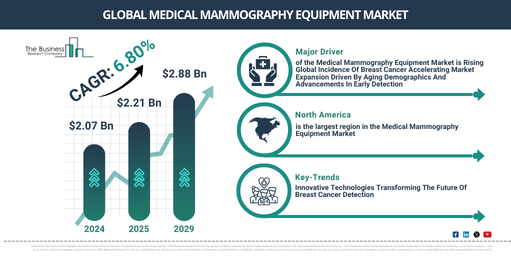
    In recent times, the market size for medical mammography equipment has seen robust growth. The market is projected to grow from a value of $2.07 billion in 2024 to $2.21 billion in 2025, witnessing a compound annual growth rate (CAGR) of 6.9%. Factors driving this growth in the past include heightened awareness regarding breast cancer, increasing demand for technologies that enable early detection, a rise in government-led initiatives and funds for breast cancer screenings, enhanced healthcare expenditure, and a surge in the incidence of breast cancer among women.

    In the coming years, the market size for medical mammography equipment is set to witness significant expansion. It is predicted to rise to $2.88 billion in 2029, with a compound annual growth rate (CAGR) of 6.8%. The surge within the forecast period can be credited to an escalating adoption of digital mammography systems, an increase in the geriatric population, enhancement in healthcare infrastructure, advancements in artificial intelligence for detecting breast cancer, as well as a growing emphasis on early diagnosis and preventive healthcare. Key trends during the forecast period encompass progressions in 3D mammography technology, integration of AI and machine learning for enhanced diagnosis, the rise of portable and compact mammography units, advancements in personalized breast cancer screening and contrast-enhanced mammography techniques.

    Get A Free Sample Of The Report:

    https://www.thebusinessresearchcompany.com/sample.aspx?id=23447&type=smp

    What Market Forces Are Contributing To The Growth Of The Medical Mammography Equipment Market?

    The escalating rate of breast cancer is anticipated to fuel the expansion of the medical mammography equipment market in the future. Breast cancer is a condition characterized by uncontrolled growth of cells in the breast, leading to tumor formation which is often visible on an x-ray or can be identified as a lump. This surge in breast cancer is spurred by heightened exposure to endocrine-disrupting chemicals that disrupt hormonal equilibrium and increase the risk of hormone-related tumor formation. Medical mammography equipment plays a crucial role in early detection of breast cancer, enabling prompt intervention and enhancing survival rates. For example, in September 2024, Cancer Australia, a government agency based in Australia, reported that in 2022, breast cancer represented 12.7% of all new cancer cases, resulting in 20,640 diagnoses and 3,214 deaths. Hence, the growing incidence of breast cancer is propelling the expansion of the medical mammography equipment market.

    Which Segments Define The Structure Of The Medical Mammography Equipment Market?

    The medical mammography equipmentmarket covered in this report is segmented –

    1) By Product Type: Analog Mammography Equipment; Digital Mammography Equipment; 3D Mammography (Tomosynthesis); MRI Mammography; Screening Mammography Systems

    2) By Technology: Film-Based Technology; Digital Technology; Computed Radiography; Computed Radiography

    3) By Application: Screening For Breast Cancer; Diagnostic Mammography; Monitoring Treatment Responses; Research And Development In Breast Health

    4) By End-User: Hospitals; Diagnostic Imaging Centers; Specialized Clinics; Research Institutions

    Subsegments:

    1) By Analog Mammography Equipment: Film-Screen Mammography Systems; Dedicated Analog Mammography Units; Retrofit Analog Systems

    2) By Digital Mammography Equipment: Full-Field Digital Mammography (FFDM); Computed Radiography (CR) Mammography; Digital Breast Imaging Workstations

    3) By 3D Mammography (Tomosynthesis): Standalone Tomosynthesis Systems; Combo 2D/3D Systems; Mobile Tomosynthesis Units

    4) By MRI Mammography: Breast MRI Scanners; Dedicated Breast Coils; Contrast Agents for Breast MRI

    5) By Screening Mammography Systems: Hospital-Based Screening Systems; Mobile Screening Units; Public Health Screening Programs

    Which Disruptive Trends Are Driving Change Across The Medical Mammography Equipment Market?

    Top firms active in the medical mammography equipment market are increasingly focused on the creation of cutting-edge technologies, including digital breast chemosynthesis (DBT), with the aim of improving early detection of breast cancer, enhancing diagnostic precision, cutting back on recall rates, and offering more effective and individualized care to patients. Digital breast tomosynthesis (DBT) is an high-level imaging method that generates 3D-like breast images by taking several X-ray photos from varying angles. As an example, in October 2023, the Mammomat B. Brilliant, a state-of-the-art tomosynthesis mammography system, was launched by Siemens Healthineers, a medical technology enterprise based in Germany. This revolutionary apparatus, fitted with a wide-angle tube design, bolsters 3D breast imaging leading to enhanced detection of cancer. The system has been engineered to produce high-definition images, while ensuring patient’s comfort and minimizing exposure to radiation. The goal here is to bring about advancements in breast cancer diagnosis through higher accuracy and efficiency in screening. The Mammomat B. Brilliant serves as testament to the company’s dedication to utilizing top-tier imaging technology in the realm of women’s health.

    Which Firms Are Making The Biggest Impact In The Medical Mammography Equipment Market?

    Major companies operating in the medical mammography equipment market are Siemens Healthineers, Fujifilm Holdings Corporation, Koninklijke Philips N.V., GE Healthcare, Konica Minolta Inc., Hologic Inc., Canon Medical Systems Corporation, Carestream Health, Analogic Corporation, SuperSonic Imagine, Planmed Oy, DMS Imaging, Allengers Medical Systems Limited, Delphinus Medical Technologies Inc., CMR Naviscan, Metaltronica S.p.A., SonoCine Inc., Koning Corporation, Micrima Limited, BMI Biomedical International

    Access The Complete Report Here:

    https://www.thebusinessresearchcompany.com/report/medical-mammography-equipment-global-market-report

    Which Region Is Forecasted To Lead The Medical Mammography Equipment Market In The Coming Years?

    North America was the largest region in the medical mammography equipment market in 2024. Asia-Pacific is expected to be the fastest-growing region in the forecast period. The regions covered in the medical mammography equipment market report are Asia-Pacific, Western Europe, Eastern Europe, North America, South America, Middle East, Africa.

    Customize Your Report Here:

    https://www.thebusinessresearchcompany.com/customise?id=23447&type=smp

    Browse Through More Reports Similar to the Global Medical Mammography Equipment Market 2025, By The Business Research Company

    Breast Imaging Devices Global Market 2025

    https://www.thebusinessresearchcompany.com/report/breast-imaging-devices-global-market

    Mammography Global Market Report 2025

    https://www.thebusinessresearchcompany.com/report/mammography-global-market-report

    Digital Mammography Global Market Report 2025

    https://www.thebusinessresearchcompany.com/report/digital-mammography-global-market-report

    About The Business Research Company:

    With over 15000+ reports from 27 industries covering 60+ geographies, The Business Research Company has built a reputation for offering comprehensive, data-rich research and insights. Armed with 1,500,000 datasets, the optimistic contribution of in-depth secondary research, and unique insights from industry leaders, you can get the information you need to stay ahead in the game.

    Get in touch with us:

    The Business Research Company: https://www.thebusinessresearchcompany.com/

    Americas +1 310-496-7795

    Asia +44 7882 955267 & +91 8897263534

    Europe +44 7882 955267

    Email us at info@tbrc.info

    Follow us on:

    LinkedIn: https://in.linkedin.com/company/the-business-research-company

    YouTube: https://www.youtube.com/channel/UC24_fI0rV8cR5DxlCpgmyFQ

    Global Market Model: https://www.thebusinessresearchcompany.com/global-market-model
  • How Will The Leber Hereditary Optic Neuropathy Treatment Market Expand At A CAGR Of 7.7% Through 2029?

    How Will The Leber Hereditary Optic Neuropathy Treatment Market Expand At A CAGR Of 7.7% Through 2029?

    Claim your 20% discount on Global Market Reports with code ONLINE20. Limited time only.

    What Is The Present And Forecasted Size Of The Leber Hereditary Optic Neuropathy Treatment Market?

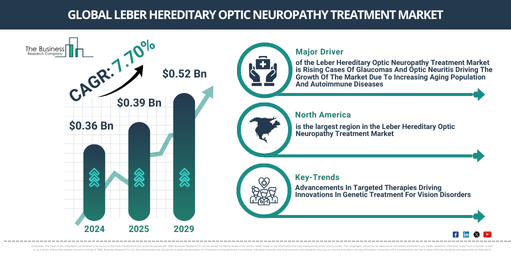
    In the past few years, the market size for Leber hereditary optic neuropathy treatment has seen significant growth. This trend is expected to continue as the market is projected to increase from $0.36 billion in 2024 to $0.39 billion in 2025, reflecting an 8.0% compound annual growth rate (CAGR). The rise during the historic period is attributable to factors such as a rise in the cases of Leber hereditary optic neuropathy, an increase in the aging population, a surge in diabetes incidence, an expanding demand for cell-free DNA in maternal plasma tests, and an uptick in the investment in the healthcare sector.

    The market size for leber hereditary optic neuropathy treatment is foreseen to experience robust expansion in the incoming years. By 2029, the valuation is projected to reach $0.52 billion, signifying a compound annual growth rate (CAGR) of 7.7%. Factors contributing to this envisioned growth throughout the forecasted time frame include the escalating demand for cutting-edge treatments and interventions, a surge in the requirement for specific diagnostic services, bettered awareness and initial identification of optic neuropathies, a growing demand for novel LHON treatments, and advances in product design and quality enhancement. Key trends within this period involve the emergence of targeted therapies, progress in genetic testing, advancements in surgical and pharmacological treatments, technological breakthroughs in gene therapy sector, and the broadening of gene therapy’s scope.

    Get A Free Sample Of The Report:

    https://www.thebusinessresearchcompany.com/sample.aspx?id=23438&type=smp

    What Drivers Are Accelerating Expansion Of The Leber Hereditary Optic Neuropathy Treatment Market?

    The rising occurrences of glaucoma and optic neuritis are predicted to propel the growth of the leber hereditary optic neuropathy treatment market in the future. The optic nerve is damaged because of the conditions of glaucoma and optic neuritis, the former is caused by increasing intraocular pressure and the latter due to inflammation, majorly tied to autoimmune diseases, causing loss of vision. A surge in glaucoma and optic neuritis cases can be attributed to the aging population and enhancement in diagnostic methods. With a globally aging population, the risk of developing glaucoma, recognized by increased intraocular pressure resulting in optic nerve damage, significantly increases. Damage to the optic nerve and vision impairment forms the basis of LHON treatment, much like how glaucoma and optic neuritis operate. The increasing prevalence of these conditions has led to growing awareness and research aimed at therapies that can mitigate optic nerve decay. Such research can be highly beneficial for LHON treatment since the damage in the optic nerve is a key element in all three conditions. For example, the Centers for Disease Control and Prevention reported that over 3 million Americans currently suffer from glaucoma in October 2024, and this figure is estimated to climb to 6.3 million by 2050, driven by the aging U.S population. Consequently, the rise in glaucoma and optic neuritis cases are propelling the growth of the leber hereditary optic neuropathy treatment market.

    What Are The Primary Segmentation Parameters In The Leber Hereditary Optic Neuropathy Treatment Market?

    The leber hereditary optic neuropathy treatmentmarket covered in this report is segmented –

    1) By Treatment: Medication; Stem Cell Therapy; Gene Therapy; Genetic Counseling

    2) By Route Of Administration: Intramuscular; Oral; Other Routes Of Administration

    3) By Diagnosis: Molecular Genetic Testing; Magnetic Resonance Imaging (MRI); Blood tests; Other Diagnosis

    4) By Distribution Channel: Hospital Pharmacy; Retail Pharmacy; Online Pharmacy

    5) By End-Users: Clinic; Hospital; Other End-Users

    Subsegments:

    1) By Medication: Idebenone; Antioxidants; Mitochondrial-Targeted Therapies; Neuroprotective Agents

    2) By Stem Cell Therapy: Autologous Stem Cell Therapy; Allogeneic Stem Cell Therapy; Induced Pluripotent Stem Cell (iPSC) Therapy

    3) By Gene Therapy: Adeno-Associated Virus (AAV)-Mediated Therapy; Mitochondrial Gene Editing; RNA-Based Therapies

    4) By Genetic Counseling: Carrier Screening; Predictive Testing; Family Risk Assessment; Pre-Symptomatic Genetic Counseling

    How Are Market Trends Influencing Competition In The Leber Hereditary Optic Neuropathy Treatment Market?

    Leading businesses in the leber hereditary optic neuropathy (LHON) treatment market are dedicating their efforts towards the creation of groundbreaking solutions such as gene therapy clinical trials. They aim to enhance treatment effectiveness, reinstate mitochondrial function and tackle the underlying genetic triggers of LHON. These gene therapy trials endeavor to restore sight by introducing operational copies of faulty mitochondrial genes, like ND4, into the system. These investigations must undergo multiple phases including preclinical research, phase 1, phase 2, and phase 3 trials before obtaining regulatory authorization. As an illustration, Neurophth Therapeutics, a gene therapy firm based in China, commenced a Phase I/II clinical trial to address leber hereditary optic neuropathy targeting ND1-LHON in both China and the U.S in August 2023. This trial seeks to assess the safety, tolerability and effectiveness of NFS-02 after receiving approvals from the U.S FDA and China’s NMPA. Administration of dosage to the first patient signals a critical landmark in Neurophth’s global strategy towards securing early drug approval and commercialization. In addition, the firm is hastening patient registration and investigating other gene therapy uses for various unmet healthcare requirements.

    Which Players Are Shaping The Competitive Landscape Of The Leber Hereditary Optic Neuropathy Treatment Market?

    Major companies operating in the leber hereditary optic neuropathy treatment market are UPMC, Astellas Pharma Inc., Mayo Foundation for Medical Education and Research, Cleveland Clinic Foundation, The Children’s Hospital of Philadelphia, Chiesi Farmaceutici S.p.A., Medicover Hospitals, Harvard Medical School, BridgeBio Pharma Inc., Neurophth Therapeutics Co. Ltd., PreventionGenetics, Stealth BioTherapeutics Corp., Genethon, Reneo Pharmaceuticals Inc., GenSight Biologics S.A., Eye Stem Cell Center, Khondrion B.V., Ixchel Pharma Inc., Abliva AB, Mitotech S.A.

    Access The Complete Report Here:

    https://www.thebusinessresearchcompany.com/report/leber-hereditary-optic-neuropathy-treatment-global-market-report

    What Are The Emerging Regional Trends Driving The Leber Hereditary Optic Neuropathy Treatment Market?

    North America was the largest region in the leber hereditary optic neuropathy treatment market in 2024. Asia-Pacific is expected to be the fastest-growing region in the forecast period. The regions covered in the leber hereditary optic neuropathy treatment market report are Asia-Pacific, Western Europe, Eastern Europe, North America, South America, Middle East, Africa.

    Customize Your Report Here:

    https://www.thebusinessresearchcompany.com/customise?id=23438&type=smp

    Browse Through More Reports Similar to the Global Leber Hereditary Optic Neuropathy Treatment Market 2025, By The Business Research Company

    Diabetic Neuropathy Global Market Report 2025

    https://www.thebusinessresearchcompany.com/report/diabetic-neuropathy-global-market-report

    Chemotherapy Induced Peripheral Neuropathy Treatment Global Market Report 2025

    https://www.thebusinessresearchcompany.com/report/chemotherapy-induced-peripheral-neuropathy-treatment-global-market-report

    Optic Nerve Disorders Treatment Global Market Report 2025

    https://www.thebusinessresearchcompany.com/report/optic-nerve-disorders-treatment-global-market-report

    About The Business Research Company:

    With over 15000+ reports from 27 industries covering 60+ geographies, The Business Research Company has built a reputation for offering comprehensive, data-rich research and insights. Armed with 1,500,000 datasets, the optimistic contribution of in-depth secondary research, and unique insights from industry leaders, you can get the information you need to stay ahead in the game.

    Get in touch with us:

    The Business Research Company: https://www.thebusinessresearchcompany.com/

    Americas +1 310-496-7795

    Asia +44 7882 955267 & +91 8897263534

    Europe +44 7882 955267

    Email us at info@tbrc.info

    Follow us on:

    LinkedIn: https://in.linkedin.com/company/the-business-research-company

    YouTube: https://www.youtube.com/channel/UC24_fI0rV8cR5DxlCpgmyFQ

    Global Market Model: https://www.thebusinessresearchcompany.com/global-market-model
  • What Is The Forecast Valuation Of The Global Juvenile Macular Degeneration Treatment Market Projected To Reach $1.87 Billion By 2029?

    What Is The Forecast Valuation Of The Global Juvenile Macular Degeneration Treatment Market Projected To Reach $1.87 Billion By 2029?

    Claim your 20% discount on Global Market Reports with code ONLINE20. Limited time only.

    How Big Is The Juvenile Macular Degeneration Treatment Market Today And What Is Its Future Size?

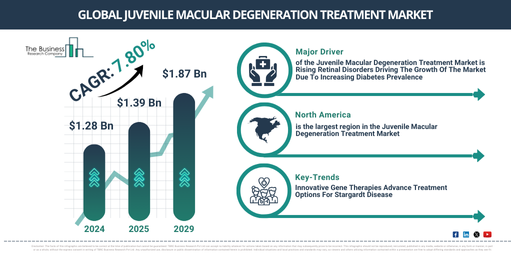
    In recent times, there has been remarkable growth in the market size of treatments for juvenile macular degeneration. The value of this market is predicted to expand from $1.28 billion in 2024 to $1.39 billion in 2025, with a compound annual growth rate (CAGR) of 8.3%. The growth recorded in the historical period can be linked to the surge in genetic eye disorders, escalating investment in research related to ophthalmology, heightened emphasis on child eye care, a rising trend in vision impairment among young individuals, and the growing adoption of artificial intelligence in the diagnostic methods for eye care.

    Over the coming years, the adolescent macular degeneration treatment market is projected to experience robust growth. The market is anticipated to reach $1.87 billion by 2029, growing at a compound annual growth rate (CAGR) of 7.8%. The growth within the forecasted time frame can be credited to an increase in the elderly population, the proliferation of ophthalmic biotechnology start-ups, a heightened focus on target-specific drug delivery systems, a rise in clinical trials, and uplifted investment in gene therapy. The forecast period will likely see significant trends including progress in genetic testing, the evolution of gene therapies, advancements in stem cell research, regulatory encouragement for innovating treatments, and a stronger emphasis on personalized medicine methods.

    Get A Free Sample Of The Report:

    https://www.thebusinessresearchcompany.com/sample.aspx?id=23433&type=smp

    Which Key Factors Are Fueling Growth In The Juvenile Macular Degeneration Treatment Market?

    The escalating presence of disorders affecting the retina is anticipated to propel the growth of the juvenile macular degeneration treatment market. Retinal disorders pertain to several conditions that negatively impact the retina – the light-sensitive layer at the back of the eye, often causing visual damage or complete loss of sight. They are commonly a result of increasing cases of diabetes that lead to afflictions such as diabetic retinopathy, which gradually damages the retina. Treatments for juvenile macular degeneration significantly aid in managing retinal disorders by conserving vision via early intervention, especially vital for younger patients. For instance, in November 2024, a report from Retina Australia, a non-profit Australian organization, disclosed that roughly 19,000 individuals, approximately 1 in 1,380 people, are presumed to be afflicted with an inherited retinal disease (IRD) in Australia. Moreover, as per the National Eye Institute, a health institute based in the USA, there’s an expectation of an increase in Americans suffering from advanced age-related macular degeneration (AMD) from the current 2.1 million to 3.7 million by 2030. Consequently, the escalating cases of retinal disorders are propelling the expansion of the juvenile macular degeneration treatment market.

    How Is The Juvenile Macular Degeneration Treatment Market Segmented Across Key Categories?

    The juvenile macular degeneration treatmentmarket covered in this report is segmented –

    1) By Type: Wet Age-Related Macular Degeneration; Dry Age-Related Macular Degeneration

    2) By Treatment: Devices; Drugs; Surgery

    3) By Application: Vision Preservation; Disease Management; Symptom Relief; Preventive Care; Clinical Trials

    4) By Sales Channel: Hospitals; Ambulatory Surgical Centres; Other Sales Channel

    Subsegments:

    1) By Wet Age-Related Macular Degeneration: Anti-Vascular Endothelial Growth Factor (Anti-VEGF) Therapy; Photodynamic Therapy (PDT); Laser Therapy

    2) By Dry Age-Related Macular Degeneration: Nutritional Supplements; Gene Therapy; Stem Cell Therapy

    What Future-Focused Trends Are Anticipated In The Juvenile Macular Degeneration Treatment Market?

    Leading firms in the juvenile macular degeneration treatment industry are working on creating novel solutions, including dual adeno-associated viral (AAV) vectors, to boost the delivery of gene therapy and enhance treatment efficiency for juvenile macular degeneration sufferers. Dual adeno-associated viral (AAV) vectors use two AAV vectors to transport large therapeutic genes which surpass the packaging ability of a single AAV. For example, SpliceBio, a biotech company from Spain, revealed in March 2025 that the initial patient had received a dose in their Phase 1/2 ASTRA study for SB-007, a dual AAV vector gene therapy formulated to re-established full ABCA4 protein expression. The intention of this therapy is to offer a possible solution for juvenile macular degeneration (also known as Stargardt disease) – a genetic retinal issue with no approved treatments, by catering to all patients irrespective of their mutations. This achievement signifies a considerable stride towards creation of efficient gene therapies for uncommon retinal diseases.

    Who Are The Leading Companies Driving The Juvenile Macular Degeneration Treatment Market?

    Major companies operating in the juvenile macular degeneration treatment market are F. Hoffmann-La Roche Ltd., Bayer AG, Novartis AG, AbbVie Inc., Regeneron Pharmaceuticals Inc., Astellas Pharma Inc., Biogen Inc., Santen Pharmaceutical Co. Ltd., Teva Pharmaceutical Industries Ltd., Samsung Bioepis Co. Ltd., Spark Therapeutics Inc., Polpharma Biologics S.A., OrCam Technologies Ltd., Alkeus Pharmaceuticals Inc., Bioeq AG, NuEyes Technologies Inc., Coherus BioSciences Inc., eSight Eyewear Inc., MeiraGTx Holdings plc, Kubota Pharmaceutical Holdings Co. Ltd.

    Access The Complete Report Here:

    https://www.thebusinessresearchcompany.com/report/juvenile-macular-degeneration-treatment-global-market-report

    Which Region Dominates The Juvenile Macular Degeneration Treatment Market Today?

    North America was the largest region in the juvenile macular degeneration treatment market in 2024. The regions covered in the juvenile macular degeneration treatment market report are Asia-Pacific, Western Europe, Eastern Europe, North America, South America, Middle East, Africa.

    Customize Your Report Here:

    https://www.thebusinessresearchcompany.com/customise?id=23433&type=smp

    Browse Through More Reports Similar to the Global Juvenile Macular Degeneration Treatment Market 2025, By The Business Research Company

    Indexed And Whole Juvenile Life Insurance Global Market Report 2025

    https://www.thebusinessresearchcompany.com/report/indexed-and-whole-juvenile-life-insurance-global-market-report

    Macular Degeneration Treatment Global Market Report 2025

    https://www.thebusinessresearchcompany.com/report/macular-degeneration-treatment-global-market-report

    Age Related Macular Degeneration Global Market Report 2025

    https://www.thebusinessresearchcompany.com/report/age-related-macular-degeneration-global-market-report

    About The Business Research Company:

    With over 15000+ reports from 27 industries covering 60+ geographies, The Business Research Company has built a reputation for offering comprehensive, data-rich research and insights. Armed with 1,500,000 datasets, the optimistic contribution of in-depth secondary research, and unique insights from industry leaders, you can get the information you need to stay ahead in the game.

    Get in touch with us:

    The Business Research Company: https://www.thebusinessresearchcompany.com/

    Americas +1 310-496-7795

    Asia +44 7882 955267 & +91 8897263534

    Europe +44 7882 955267

    Email us at info@tbrc.info

    Follow us on:

    LinkedIn: https://in.linkedin.com/company/the-business-research-company

    YouTube: https://www.youtube.com/channel/UC24_fI0rV8cR5DxlCpgmyFQ

    Global Market Model: https://www.thebusinessresearchcompany.com/global-market-model
  • Global Juvenile Idiopathic Arthritis Diagnostic Market Revenue and CAGR Forecast Analysis 2025–2029

    Global Juvenile Idiopathic Arthritis Diagnostic Market Revenue and CAGR Forecast Analysis 2025–2029

    Claim your 20% discount on Global Market Reports with code ONLINE20. Limited time only.

    What Is The Predicted Market Size Of The Juvenile Idiopathic Arthritis Diagnostic Industry By 2029?

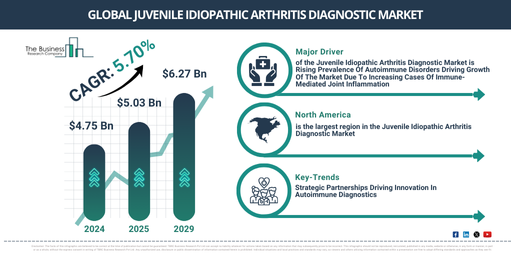
    The market size for diagnosing juvenile idiopathic arthritis has experienced robust growth in the past few years. From $4.75 billion in 2024, it is projected to increase to $5.03 billion in 2025, with a compound annual growth rate (CAGR) of 5.8%. The substantial growth during the historical period is due in part to the rising incidence of juvenile idiopathic arthritis, heightened awareness of autoimmune diseases in children, earlier detection, enhanced healthcare funding, and an increased emphasis on child healthcare.

    In the upcoming years, an upward trajectory is anticipated for the juvenile idiopathic arthritis diagnostic market, with projections suggesting an expansion to $6.27 billion by 2029. This represents a compound annual growth rate (CAGR) of 5.7%. The surge during the predicted period is attributable to factors such as escalating alliances among research institutions, an amplified call for timely and precise diagnostic solutions, and the escalating instances of autoimmune and inflammatory disorders. Further contributing factors are initiatives by government and healthcare organizations as well as the emergence of telemedicine and digital health platforms. The projection period will see major trends including evolutionary technological strides, advancements in diagnostic technologies, tailoring treatment strategies, and innovative diagnostic tools.

    Get A Free Sample Of The Report:

    https://www.thebusinessresearchcompany.com/sample.aspx?id=23432&type=smp

    Which Growth Drivers Are Shaping The Juvenile Idiopathic Arthritis Diagnostic Market Outlook?

    The escalating occurrence of autoimmune disorders is anticipated to drive the growth of the juvenile idiopathic arthritis diagnostic market. Autoimmune disorders, where the body’s immune system unintentionally attacks its own healthy cells leading to inflammation, tissue damage, and chronic health issues, are on the rise. The surge in these diseases is ascribed to a complex mix of environmental catalysts, genetic predispositions, and alterations in lifestyle. These disorders can trigger juvenile idiopathic arthritis (JIA) as they induce the immune system to erroneously attack the synovial tissue in joints, resulting in inflammation and damage. For example, data from Versorgungsatlas.de, a German online platform, revealed that in 2022, out of 73,241,305 insured people, 6,304,340 were diagnosed with at least one autoimmune disease, which equates to a raw prevalence rate of 8.61%. Hence, the escalating occurrence of autoimmune disorders is propelling the juvenile idiopathic arthritis diagnostic market’s expansion.

    How Is The Global Juvenile Idiopathic Arthritis Diagnostic Market Broken Down By Segment?

    The juvenile idiopathic arthritis diagnosticmarket covered in this report is segmented –

    1) By Type: Serological Tests; Imaging Tests; Genetic Tests

    2) By Technology: Molecular Diagnostics; Immunoassays; Flow Cytometry

    3) By Services: Diagnostic Services; Consultation Services; Laboratory Services

    4) By Application: Hospital Laboratories; Diagnostic Centres; Research Institutes

    Subsegments:

    1) By Serological Tests: Rheumatoid Factor (RF) Test, Antinuclear Antibody (ANA) Test, Erythrocyte Sedimentation Rate (ESR) Test, C-Reactive Protein (CRP) Test, Anti-Cyclic Citrullinated Peptide (Anti-CCP) Test, Complete Blood Count (CBC)

    2) By Imaging Tests: X-Ray, Magnetic Resonance Imaging (MRI), Ultrasound, Computed Tomography (CT) Scan, Bone Scintigraphy (Bone Scan)

    3) By Genetic Tests: HLA-B27 Genetic Marker Test, Whole Exome Sequencing (WES), Next-Generation Sequencing (NGS), Polymerase Chain Reaction (PCR)-Based Testing

    Which Notable Trends Are Transforming The Juvenile Idiopathic Arthritis Diagnostic Market Outlook?

    Leading businesses in the juvenile idiopathic arthritis diagnostic market are engaging in strategic partnerships to broaden their product range, boost research capabilities, and consolidate their global market presence. These strategic partnerships denote cooperative efforts among organizations with the goal of promoting early detection and diagnosis. For example, in November 2024, the Canada-based biotechnology company, Augurex Life Sciences Corp., joined forces with Quest Diagnostics, a US-based diagnostic services company, with the aim of enhancing rheumatoid arthritis (RA) diagnostics and management through the use of a 14-3-3? (eta) biomarker. As part of this partnership, Quest Diagnostics will authenticate and offer a US-based lab-developed test that uses Augurex’s 14-3-3? biomarker. This test aims to detect elevated concentrations of the 14-3-3? protein, a factor associated with rheumatoid arthritis severity, increasing disease intensity and the risk of joint damage.

    Who Are The Primary Market Leaders In The Juvenile Idiopathic Arthritis Diagnostic Market?

    Major companies operating in the juvenile idiopathic arthritis diagnostic market are Thermo Fisher Scientific Inc., Abbott Laboratories, Merck KGaA, Agilent Technologies, Sartorius AG, Sysmex Corporation, Bio-Rad Laboratories, Beckman Coulter Life Sciences, DiaSorin, Miltenyi Biotec, Cytek Biosciences, BD Biosciences, Angstrom Biotech , Sony Biotechnology, Theradiag, J. Mitra, Chimera Biotech, Stratedigm, Apogee Flow Systems, Avecon Healthcare.

    Access The Complete Report Here:

    https://www.thebusinessresearchcompany.com/report/juvenile-idiopathic-arthritis-diagnostic-global-market-report

    Which Regional Markets Are Emerging As Key Hubs For The Juvenile Idiopathic Arthritis Diagnostic Market?

    North America was the largest region in the juvenile idiopathic arthritis diagnostic market in 2024. Asia-Pacific is expected to be the fastest-growing region in the forecast period. The regions covered in the juvenile idiopathic arthritis diagnostic market report are Asia-Pacific, Western Europe, Eastern Europe, North America, South America, Middle East, Africa.

    Customize Your Report Here:

    https://www.thebusinessresearchcompany.com/customise?id=23432&type=smp

    Browse Through More Reports Similar to the Global Juvenile Idiopathic Arthritis Diagnostic Market 2025, By The Business Research Company

    Arthritis Monoclonal Antibodie Global Market Report 2025

    https://www.thebusinessresearchcompany.com/report/arthritis-monoclonal-antibodie-global-market-report

    Psoriatic Arthritis Treatments Global Market Report 2025

    https://www.thebusinessresearchcompany.com/report/psoriatic-arthritis-treatments-global-market-report

    Companion Animal Arthritis Global Market Report 2025

    https://www.thebusinessresearchcompany.com/report/companion-animal-arthritis-global-market-report

    About The Business Research Company:

    With over 15000+ reports from 27 industries covering 60+ geographies, The Business Research Company has built a reputation for offering comprehensive, data-rich research and insights. Armed with 1,500,000 datasets, the optimistic contribution of in-depth secondary research, and unique insights from industry leaders, you can get the information you need to stay ahead in the game.

    Get in touch with us:

    The Business Research Company: https://www.thebusinessresearchcompany.com/

    Americas +1 310-496-7795

    Asia +44 7882 955267 & +91 8897263534

    Europe +44 7882 955267

    Email us at info@tbrc.info

    Follow us on:

    LinkedIn: https://in.linkedin.com/company/the-business-research-company

    YouTube: https://www.youtube.com/channel/UC24_fI0rV8cR5DxlCpgmyFQ

    Global Market Model: https://www.thebusinessresearchcompany.com/global-market-model
  • Global Intravenous (IV) Ibuprofen Market Insights 2029: Drivers, Challenges, and Revenue Forecast

    Global Intravenous (IV) Ibuprofen Market Insights 2029: Drivers, Challenges, and Revenue Forecast

    Claim your 20% discount on Global Market Reports with code ONLINE20. Limited time only.

    What CAGR And Valuation Are Anticipated For The Intravenous (IV) Ibuprofen Market?

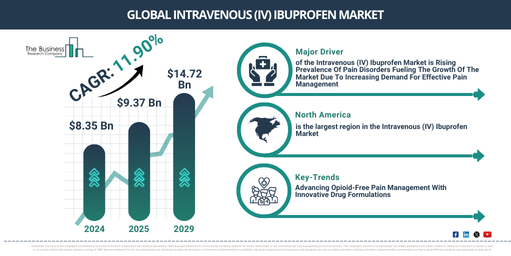
    The market size for intravenous (iv) ibuprofen has seen a swift expansion in past years. It is forecasted to escalate from $8.35 billion in 2024 to $9.37 billion in 2025, registering a compound annual growth rate (CAGR) of 12.3%. The upward trend during the historical period is due to the rising incidence of persistent illnesses, an increase in surgical operations, a growing focus on reducing opioid consumption, an elevation in per capita income, and the expansion of medical tourism.

    In the coming years, the market for intravenous (iv) ibuprofen is predicted to experience fast-paced growth. The market is projected to reach a value of $14.72 billion in 2029, growing at a compound annual growth rate (CAGR) of 11.9%. Steady growth in the forecast period can be accredited to a surge in healthcare investments, growth in the number of pediatric patients, a higher incidence of pain and fever, an increase in the elderly population and the heightened utilization of advanced therapeutic options. Prominent trends for the forecast period incorporate state-of-the-art therapeutic solutions, single-dose formulas, advancements in individualized medicine, the adaptation into multimodal pain management procedures and forward strides in combined therapies.

    Get A Free Sample Of The Report:

    https://www.thebusinessresearchcompany.com/sample.aspx?id=23429&type=smp

    What Market Forces Are Contributing To The Growth Of The Intravenous (IV) Ibuprofen Market?

    The expected growth of the intravenous ibuprofen market is linked to the increasing occurrence of pain disorders. Such disorders, marked by persistent or chronic pain impacting day-to-day activities, are often due to nerve, musculoskeletal, or inflammatory problems. Ageing populations contribute to the increased occurrence of pain disorders as elderly individuals are more susceptible to developing chronic ailments such as arthritis, osteoarthritis, and nerve pain, thereby amplifying the demand for efficient pain relief methods. Intravenous ibuprofen caters to this need by offering rapid pain alleviation, making it perfectly suited for handling acute and post-surgical pain. This treatment minimises inflammation and boosts patient comfort, thereby enhancing the efficacy of medical care. As an example, data from the UK’s Office for Health Improvement and Disparities in January 2024 indicates that the proportion of individuals aged 16 and older self-reporting long-term musculoskeletal conditions increased to 18.4% in 2023, a rise from 17.6% in 2022. As a result, the expanding incidence of pain disorders fuels the growth of the intravenous ibuprofen market.

    Which Segmentation Factors Are Critical In The Intravenous (IV) Ibuprofen Market Analysis?

    The intravenous (iv) ibuprofenmarket covered in this report is segmented –

    1) By Product Type: Conventional Intravenous (IV) Ibuprofen; High-Concentration Intravenous (IV) Ibuprofen

    2) By Strength: 100 Milligrams (mg); 200 Milligrams (mg); 400 Milligrams (mg); 800 Milligrams (mg)

    3) By Age Group: Pediatrics; Adults

    4) By Application: Pain; Fever; Inflammation; Other Applications

    5) By End-User: Hospitals; Ambulatory Surgical Centers; Clinics; Other End-Users

    Subsegments:

    1) By Conventional Intravenous (IV) Ibuprofen: Pediatric Intravenous (IV) Ibuprofen; Adult Intravenous (IV) Ibuprofen

    2) By High-Concentration Intravenous (IV) Ibuprofen: Single-Dose Vial; Multi-Dose Vial

    What New Opportunities Are Emerging From Trends In The Intravenous (IV) Ibuprofen Market?

    Leading corporations in the intravenous ibuprofen marketplace are emphasizing the creation of innovative drug recipes, such as non-opioid pain relievers to improve pain control while reducing opioid dependence. A non-opioid analgesic is a painkiller that doesn’t rely on opioids and is free from the addiction and side effects associated with opioids. For example, Hikma Pharmaceuticals plc, a pharmaceutical firm based in the UK, introduced COMBOGESIC IV (acetaminophen and ibuprofen) via injection to the US market in February 2024, after the Food and Drug Administration (FDA) gave its approval in October 2023. This injectable, non-opioid painkiller is suited for mild to moderate pain relief and can be used as an additional treatment for severe pain control. By blending two active components with unique mechanisms, COMBOGESIC IV offers a fresh, non-opioid solution for pain management for medical professionals.

    Which Organizations Are At The Forefront Of The Intravenous (IV) Ibuprofen Market?

    Major companies operating in the intravenous (IV) ibuprofen market are Pfizer Inc., Sanofi S.A., Novartis AG, Fresenius SE & Co. KGaA, Teva Pharmaceutical Industries Ltd., Baxter International, Mylan N.V., Sandoz Group AG, Grifols S.A., Dr. Reddy’s Laboratories, Hikma Pharmaceuticals plc, CSL Limited, Eurolife Healthcare Pvt. Ltd., B. Braun Holding GmbH & Co. KG, AFT Pharmaceuticals Ltd, Cumberland Pharmaceuticals Inc., Delex Pharma International Inc., Recordati Rare Diseases Inc., Xgen Pharmaceuticals Djb Inc., Wellona Pharma, Hyloris Pharmaceuticals SA

    Access The Complete Report Here:

    https://www.thebusinessresearchcompany.com/report/intravenous-iv-ibuprofen-global-market-report

    Which Region Is Leading Innovation In The Intravenous (IV) Ibuprofen Market?

    North America was the largest region in the intravenous (IV) ibuprofen market in 2024. Asia-Pacific is expected to be the fastest-growing region in the forecast period. The regions covered in the intravenous (IV) ibuprofen market report are Asia-Pacific, Western Europe, Eastern Europe, North America, South America, Middle East, Africa.

    Customize Your Report Here:

    https://www.thebusinessresearchcompany.com/customise?id=23429&type=smp

    Browse Through More Reports Similar to the Global Intravenous (IV) Ibuprofen Market 2025, By The Business Research Company

    Intravenous Infusion Pumps Global Market Report 2025

    https://www.thebusinessresearchcompany.com/report/intravenous-infusion-pumps-global-market-report

    Intravenous Immunoglobulin Global Market Report 2025

    https://www.thebusinessresearchcompany.com/report/intravenous-immunoglobulin-global-market-report

    Intravenous Iv Hydration Therapy Global Market Report 2025

    https://www.thebusinessresearchcompany.com/report/intravenous-iv-hydration-therapy-global-market-report

    About The Business Research Company:

    With over 15000+ reports from 27 industries covering 60+ geographies, The Business Research Company has built a reputation for offering comprehensive, data-rich research and insights. Armed with 1,500,000 datasets, the optimistic contribution of in-depth secondary research, and unique insights from industry leaders, you can get the information you need to stay ahead in the game.

    Get in touch with us:

    The Business Research Company: https://www.thebusinessresearchcompany.com/

    Americas +1 310-496-7795

    Asia +44 7882 955267 & +91 8897263534

    Europe +44 7882 955267

    Email us at info@tbrc.info

    Follow us on:

    LinkedIn: https://in.linkedin.com/company/the-business-research-company

    YouTube: https://www.youtube.com/channel/UC24_fI0rV8cR5DxlCpgmyFQ

    Global Market Model: https://www.thebusinessresearchcompany.com/global-market-model
  • Global Image Guided And Robotic Assisted Procedures Market Trends and Future Outlook to 2029

    Global Image Guided And Robotic Assisted Procedures Market Trends and Future Outlook to 2029

    Claim your 20% discount on Global Market Reports with code ONLINE20. Limited time only.

    What Are The Market Size Estimates For The Image Guided And Robotic Assisted Procedures Market?

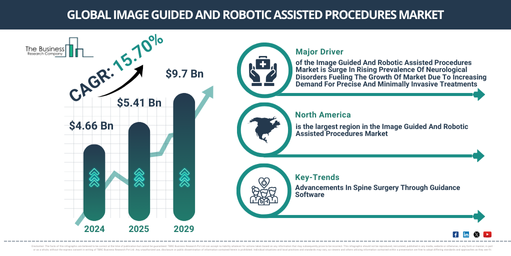
    The market size for image guided and robotic assisted procedures has seen exponential growth recently. It will increase from a valuation of $4.66 billion in 2024 to a projection of $5.41 billion in 2025, marking a compound annual growth rate (CAGR) of 16.0%. The notable growth in the past years is a result of the increasing adoption of minimally invasive surgeries, more demand for precision and accuracy during procedures, a rise in the elderly population and chronic disease occurrence, expanding healthcare spending, and the rapid advancement in robotics and imaging tech.

    The market size of procedures guided by imagery and facilitated by robots is predicted to experience a fast-paced expansion in the upcoming years. It is projected to reach a value of $9.7 billion in 2029, growing at a compound annual growth rate (CAGR) of 15.7%. The surge during the forecast period is primarily due to factors such as increased spending on healthcare infrastructure, burgeoning emphasis on education and training in robotic surgery, preference shift towards less invasive procedures among patients, growing government investments in innovative healthcare technologies, and an increased demand for cost-efficient surgical solutions. Trend-leading factors during the forecast span are expected to be advancements in systems for robot-assisted surgery, emergence of innovative imaging technologies that enhance precision, the creation of AI-driven surgical instruments, developments in tele-surgery capabilities, and refined integration of real-time data for superior surgical outcomes.

    Get A Free Sample Of The Report:

    https://www.thebusinessresearchcompany.com/sample.aspx?id=23426&type=smp

    What Drivers Are Accelerating Expansion Of The Image Guided And Robotic Assisted Procedures Market?

    The increasing occurrence of neurological diseases is projected to stimulate the expansion of the image-guided and robotic-assisted procedures market. Neurological conditions, which are medical disorders affecting the brain, spinal cord, and nerves, often lead to disruptions in movement, cognition, and other bodily functions. Factors like poor nutrition, lack of physical activity, and chronic stress contribute to this increased prevalence by adversely affecting brain health. By enhancing surgical precision, reducing invasiveness, and shortening recovery periods, image-guided and robotic-assisted procedures significantly improve neurological treatment, making them vital for handling intricate cases. For example, in February 2024, Dementia Australia, a non-profit organization in Australia, reported a predicted surge of 93% in the national dementia rate by 2054. This would result in 812,500 individuals living with dementia, up from 421,000 in 2024. Consequently, the increasing occurrence of neurological disorders is fuelling the expansion of the image-guided and robotic-assisted procedures market.

    What Are The Key Segment Trends Observed In The Image Guided And Robotic Assisted Procedures Market?

    The image guided and robotic assisted proceduresmarket covered in this report is segmented –

    1) By Product Type: MRI Guided Robot; X-Ray Computed Tomography Guided Robot; X-Ray Mammography Guided Robot; Optical Imaging Guided Robot; Ultrasound Imaging Guided Robot

    2) By Technology: Image-Guided Surgery; Robotic-Assisted Surgery; Augmented Reality (AR) Surgery; Virtual Reality (VR) Simulation

    3) By Specialty: Orthopedic Surgery; Neurology; Urology; Gynecology; Cardiothoracic Surgery

    4) By Application: Diagnostic Applications; Minimally Invasive Procedures

    5) By End User: Hospitals; Outpatient Facilities

    Subsegments:

    1) By MRI Guided Robot: Neurosurgery robots; Prostate biopsy robots; Cardiac catheterization robots; Tumor ablation systems

    2) By X-Ray Computed Tomography (CT) Guided Robot: Interventional radiology robots; Spine surgery assistance systems; Biopsy and ablation robots; Orthopedic robotic systems.

    3) By X-Ray Mammography Guided Robot: Breast biopsy assistance robots; Lesion localization systems; Automated breast imaging robots.

    4) By Optical Imaging Guided Robot: Robotic endoscopy systems; Robotic fluorescence-guided surgery tools; Ophthalmic surgical robots; Robotic systems for dental imaging.

    5) By Ultrasound Imaging Guided Robot: Robotic-assisted fetal procedures; Liver and kidney biopsy robots; Robotic prostate interventions; Needle guidance systems.

    Which Long-Term Trends Will Play A Crucial Role In The Image Guided And Robotic Assisted Procedures Market?

    Leading firms in the image-guided and robotic-assisted procedures industry are concentrating on the development of advanced innovations, such as spinal guidance software, to improve surgical accuracy, enhance patient outcomes and increase efficiency in spinal procedures. Using real-time imagery and three-dimensional visualization, spine guidance software aids surgeons in conducting intricate spinal operations with high accuracy. For example, in September 2022, Stryker, a medical technology corporation based in the United States, introduced the Q Guidance System specifically for spinal operations. This revamped system includes an updated optical tracking camera and advanced Spine Guidance Software for superior surgical management and navigation capabilities. It provides amplified accuracy, live visualization, and improved operational efficiency. Sophisticated algorithms integrated into the system significantly boost precision in spinal surgeries. The goal of this innovation is to maximize patient results and give surgeons more control in complex operations.

    Who Are The Major Stakeholders Operating In The Image Guided And Robotic Assisted Procedures Market?

    Major companies operating in the image guided and robotic assisted procedures market are Johnson & Johnson, HCA Healthcare UK, Medtronic plc, Siemens Healthineers AG, Koninklijke Philips N.V., Stryker Corporation, GE Healthcare, Boston Scientific Corporation, Asensus Surgical Inc., Zimmer Holdings Inc., Intuitive Surgical Inc., Atlantic Health System Inc., Karl Storz SE & Co. KG, Carl Zeiss Meditec AG, Globus Medical Inc., Renishaw plc, Brainlab AG, Synaptive Medical Inc., MicroPort MedBot Co. Ltd., 7D Surgical Inc.

    Access The Complete Report Here:

    https://www.thebusinessresearchcompany.com/report/image-guided-and-robotic-assisted-procedures-global-market-report

    What Regional Factors Are Accelerating Growth In The Image Guided And Robotic Assisted Procedures Market?

    North America was the largest region in the image-guided and robot-assisted surgical procedures market in 2024. Asia-Pacific is expected to be the fastest-growing region in the forecast period. The regions covered in the image guided and robotic assisted procedures market report are Asia-Pacific, Western Europe, Eastern Europe, North America, South America, Middle East, Africa.

    Customize Your Report Here:

    https://www.thebusinessresearchcompany.com/customise?id=23426&type=smp

    Browse Through More Reports Similar to the Global Image Guided And Robotic Assisted Procedures Market 2025, By The Business Research Company

    Medical Image Analysis Software Global Market Report 2025

    https://www.thebusinessresearchcompany.com/report/medical-image-analysis-software-global-market-report

    Image Recognition Global Market Report 2025

    https://www.thebusinessresearchcompany.com/report/image-recognition-global-market-report

    Image Recognition In Retail Global Market Report 2025

    https://www.thebusinessresearchcompany.com/report/image-recognition-in-retail-global-market-report

    About The Business Research Company:

    With over 15000+ reports from 27 industries covering 60+ geographies, The Business Research Company has built a reputation for offering comprehensive, data-rich research and insights. Armed with 1,500,000 datasets, the optimistic contribution of in-depth secondary research, and unique insights from industry leaders, you can get the information you need to stay ahead in the game.

    Get in touch with us:

    The Business Research Company: https://www.thebusinessresearchcompany.com/

    Americas +1 310-496-7795

    Asia +44 7882 955267 & +91 8897263534

    Europe +44 7882 955267

    Email us at info@tbrc.info

    Follow us on:

    LinkedIn: https://in.linkedin.com/company/the-business-research-company

    YouTube: https://www.youtube.com/channel/UC24_fI0rV8cR5DxlCpgmyFQ

    Global Market Model: https://www.thebusinessresearchcompany.com/global-market-model
  • Global Temporary Healthcare Staffing Market Trends and Future Outlook to 2029

    Global Temporary Healthcare Staffing Market Trends and Future Outlook to 2029

    Uncover key drivers, emerging technologies, and competitive movements shaping the temporary healthcare staffing market from 2025–2034 with trusted insights from The Business Research Company

    What Are The Market Size Estimates For The Temporary Healthcare Staffing Market?

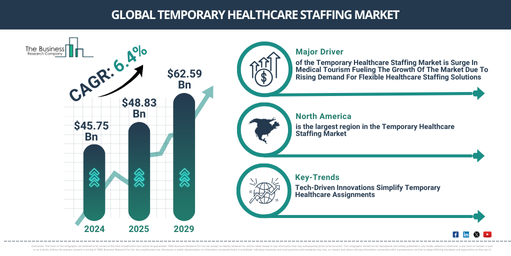
    The temporary healthcare staffing market size has seen robust expansion in recent years. It is anticipated to expand from $45.75 billion in 2024 to $48.83 billion in 2025, achieving a compound annual growth rate (CAGR) of 6.7%. The growth observed in the past can be attributed to several factors, including a growing scarcity of healthcare professionals, an increasing need for adaptable workforces in healthcare settings, rising rates of burnout and resignations among permanent medical staff, increased healthcare utilization due to broader insurance coverage, and the growing adoption of gig and travel nursing employment models.

    The temporary healthcare staffing market is expected to experience significant expansion in the coming years, with projections indicating it will reach $62.59 billion by 2029, growing at a compound annual growth rate (CAGR) of 6.4%. This anticipated growth is driven by factors such as the increasing occurrence of public health emergencies and pandemics, rising expenses associated with full-time employment, the expanding availability of ambulatory and home care services, a growing necessity for coverage in rural and underserved areas, and escalating accreditation and compliance standards. Major trends expected during this forecast period include advancements in digital staffing platforms, the integration of workforce management systems, technology-enhanced credentialing and background checks, improvements in predictive analytics for staffing requirements, and developments in cloud-based scheduling tools.

    Get A Free Sample Of The Report:

    https://www.thebusinessresearchcompany.com/sample.aspx?id=27433&type=smp

    What Drivers Are Accelerating Expansion Of The Temporary Healthcare Staffing Market?

    The anticipated expansion of medical tourism is set to drive the advancement of the temporary healthcare staffing market moving ahead. This practice involves individuals journeying to different nations for medical treatment, frequently in pursuit of cost-effective, excellent, or specialized care. The surge in medical tourism stems from the increasing expenses of healthcare in advanced nations, prompting patients to look for more economical but still high-quality medical services overseas. Support for medical tourism comes from temporary healthcare staffing, which guarantees a consistent supply of proficient experts to manage abrupt surges in patient numbers, ensuring uninterrupted, top-tier care. As an illustration, in February 2025, data from the US-ASEAN Business Council, a non-profit organization based in the US, indicated that Thailand welcomed 2.86 million medical tourists in 2023, generating $850. Furthermore, this figure is projected to climb by 7.3%, reaching 3.07 million visitors in 2024. Consequently, the expansion of medical tourism is fueling the development of the temporary healthcare staffing market.

    What Are The Key Segment Trends Observed In The Temporary Healthcare Staffing Market?

    The temporary healthcare staffing market covered in this report is segmented

    1) By Service Type: Nursing, Allied Health, Physicians, Administrative, Other Service Types

    2) By Duration Of Staffing Needs: Short-Term Assignments, Long-Term Assignments, Per Diem Staffing, Seasonal Staffing

    3) By Skill Level Of Healthcare Professionals: Entry-Level Professionals, Mid-Level Professionals, Highly Experienced Professionals, Specialized Medical Practitioners

    4) By End-User: Hospitals, Clinics, Nursing Homes, Home Care, Other End-Users

    Subsegments:

    1) By Nursing: Registered Nurse, Licensed Practical Nurse, Certified Nursing Assistant, Travel Nurse, Clinical Nurse Specialist

    2) By Allied Health: Physical Therapist, Occupational Therapist, Respiratory Therapist, Radiologic Technologist, Medical Laboratory Technician

    3) By Physicians: General Practitioner, Surgeon, Anesthesiologist, Psychiatrist, Emergency Medicine Physician

    4) By Administrative: Medical Receptionist, Medical Billing Specialist, Health Information Technician, Scheduler, Medical Office Assistant

    5) By Other Service Types: Pharmacist, Dietitian, Social Worker, Case Manager, Medical Interpreter

    Which Disruptive Trends Are Driving Change Across The Temporary Healthcare Staffing Market?

    Leading companies in the temporary healthcare staffing market are concentrating on developing advanced solutions, such as biometric-enabled locum tenens management, to boost efficiency and decrease administrative burdens for healthcare professionals on temporary assignments. Biometric-enabled locum tenens management functions as a secure, mobile-first platform that utilizes biometric authentication to streamline administrative tasks and optimize the supervision of temporary healthcare professionals undertaking locum tenens assignments. For instance, in April 2024, CHG Healthcare Services Inc., a US-based healthcare services company, introduced MyCompHealth and MyWeatherby. These are two mobile-first, biometric-enabled applications designed to simplify administrative duties for locum tenens providers, encompassing shift scheduling, travel management, time entry, and support access. This launch signifies a major advancement in temporary healthcare staffing through biometric-enabled locum tenens management, aiming to reduce administrative workload and enhance the clinician experience.

    Who Are The Major Stakeholders Operating In The Temporary Healthcare Staffing Market?

    Major companies operating in the temporary healthcare staffing market are The Adecco Group AG, Amergies LLC, AMN Healthcare Services Inc., Jackson Healthcare Co., Aya Healthcare Inc., Aveanna Healthcare Holdings Inc., ProLink Services LLC, FlexCare LLC, A-Line Staffing Solutions LLC, Atlas MedStaff LLC, Nomad Health Inc., Anders Group LLC, Globe Locums Limited, Precedo Healthcare Services Ltd., Binding Minds Inc., Marvel Medical Staffing Inc., Interact Medical Ltd., 22nd Century Technologies Inc., Ambe International, and Alpha Apex Group Inc.

    Access The Complete Report Here:

    https://www.thebusinessresearchcompany.com/report/temporary-healthcare-staffing-global-market-report

    What Regional Factors Are Accelerating Growth In The Temporary Healthcare Staffing Market?

    North America was the largest region in the temporary healthcare staffing market in 2024. Asia-Pacific is expected to be the fastest-growing region in the forecast period. The regions covered in the temporary healthcare staffing market report are Asia-Pacific, Western Europe, Eastern Europe, North America, South America, Middle East, Africa.

    Customize Your Report Here:

    https://www.thebusinessresearchcompany.com/customise?id=27433&type=smp

    Browse Through More Reports Similar to the Global Temporary Healthcare Staffing Market 2025, By The Business Research Company

    Thermal Paper Global Market Report 2025

    https://www.thebusinessresearchcompany.com/report/thermal-paper-global-market-report

    Amusement Parks And Arcades Global Market Report 2025

    https://www.thebusinessresearchcompany.com/report/amusement-parks-and-arcades-market

    Wear Parts Global Market Report 2025

    https://www.thebusinessresearchcompany.com/report/wear-parts-global-market-report

    About The Business Research Company:

    With over 15000+ reports from 27 industries covering 60+ geographies, The Business Research Company has built a reputation for offering comprehensive, data-rich research and insights. Armed with 1,500,000 datasets, the optimistic contribution of in-depth secondary research, and unique insights from industry leaders, you can get the information you need to stay ahead in the game.

    Get in touch with us:

    The Business Research Company: https://www.thebusinessresearchcompany.com/

    Americas +1 310-496-7795

    Asia +44 7882 955267 & +91 8897263534

    Europe +44 7882 955267

    Email us at info@tbrc.info

    Follow us on:

    LinkedIn: https://in.linkedin.com/company/the-business-research-company

    YouTube: https://www.youtube.com/channel/UC24_fI0rV8cR5DxlCpgmyFQ

    Global Market Model: https://www.thebusinessresearchcompany.com/global-market-model
  • Global Technology Spending On Core Administration In Healthcare Market Growth Prospects and Strategic Opportunities Through 2029

    Global Technology Spending On Core Administration In Healthcare Market Growth Prospects and Strategic Opportunities Through 2029

    Uncover key drivers, emerging technologies, and competitive movements shaping the technology spending on core administration in healthcare market from 2025–2034 with trusted insights from The Business Research Company

    How Is The Technology Spending On Core Administration In Healthcare Market Expected To Grow In Terms Of Size?

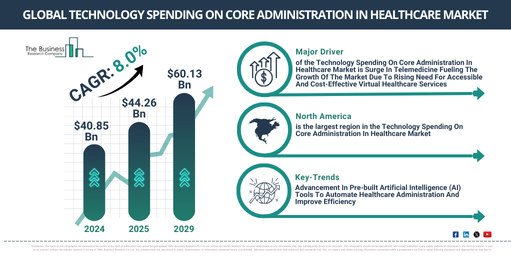
    The healthcare market has witnessed substantial growth in technology spending on core administration recently. This expenditure is set to rise from $40.85 billion in 2024 to $44.26 billion in 2025, achieving a compound annual growth rate (CAGR) of 8.3%. Factors contributing to this historic growth include the surging demand for automation in billing and claims processing, the expanding volume of healthcare data requiring efficient records management systems, increasing regulatory complexities driving compliance-related tech investments, a growing emphasis on patient experience and engagement platforms, and rising operational costs prompting administrative optimization.

    Expenditure on technology for core administration within the healthcare market is projected to experience substantial growth over the coming years. This spending is anticipated to reach $60.13 billion by 2029, exhibiting a compound annual growth rate (CAGR) of 8.0%. Factors contributing to this growth during the forecast period include the increasing adoption of cloud-based administrative platforms, a heightened emphasis on value-based care models, a surge in federal and state incentives promoting health information technology, an elevated focus on cybersecurity and data protection within administrative frameworks, and the expanding use of self-service portals for both patients and personnel. Key trends anticipated during the forecast period encompass technological enhancements facilitating real-time scheduling and appointment management, improvements in automation tools for processing claims and billing, progress in cloud-based infrastructure to support scalable administrative functions, the integration of telehealth platforms with administrative backend operations, and ongoing innovations in cybersecurity solutions designed to safeguard administrative data.

    Get A Free Sample Of The Report:

    https://www.thebusinessresearchcompany.com/sample.aspx?id=27432&type=smp

    Which Key Factors Are Fueling Growth In The Technology Spending On Core Administration In Healthcare Market?

    The rising need for telemedicine is projected to stimulate an increase in technology expenditure on core administrative functions within the healthcare market moving ahead. Telemedicine involves delivering medical care remotely, utilizing digital tools like video calls, text messages, or mobile applications for patient diagnosis, treatment, and monitoring. The wider embrace of telemedicine enables individuals to receive medical attention from afar, cutting down on travel requirements and enhancing accessibility, particularly for populations in remote or poorly served regions. Allocating resources to core administrative technology in healthcare improves telemedicine by automating tasks such as patient registration, appointment setting, invoicing, and claims handling. This boosts operational efficiency and minimizes wait times, allowing healthcare providers to concentrate on delivering timely virtual services. As an illustration, in April 2023, data from FAIR Health Inc., a US-based non-profit organization, indicated a national telehealth usage rise of 7.3%, moving from 5.5% of medical claim lines in December 2022 to 5.9% in January 2023. Consequently, the heightened demand for telemedicine is propelling increased technology expenditure on core administrative functions within the healthcare market.

    How Is The Technology Spending On Core Administration In Healthcare Market Categorized Across Applications And Types?

    The technology spending on core administration in healthcare market covered in this report is segmented

    1) By Type: Software, Hardware, Services

    2) By Technology: Electronic Health Records (EHRs), Patient Management Systems, Financial Management Systems, Supply Chain Management Systems, Revenue Cycle Management System

    3) By Deployment Mode: On-Premise, Cloud-Based, Hybrid

    4) By Application: Patient Management, Staff Management, Inventory Management, Other Applications

    5) By End-User: Hospitals, Clinics, Insurance Providers, Other End-Users

    Subsegments:

    1) By Software: Electronic Health Record (EHR) Systems, Practice Management Software, Revenue Cycle Management (RCM) Software, Patient Scheduling Software, Claims Management Software

    2) By Hardware: Servers and Storage Devices, Workstations and Desktops, Networking Equipment, Scanners and Imaging Devices, Point-of-Care Devices

    3) By Services: Information Technology Consulting and Support, System Integration Services, Managed Services, Training and Education Services, Maintenance and Upgrades

    How Are Market Trends Influencing Competition In The Technology Spending On Core Administration In Healthcare Market?

    Companies operating significantly in the technology spending on core administration within the healthcare market are concentrating on creating sophisticated solutions, specifically prebuilt artificial intelligence tools for healthcare, to streamline administrative duties and enhance the precision of decision-making. Prebuilt artificial intelligence tools are readily available AI solutions that eliminate the need for extensive customized development, facilitating rapid integration of advanced functionalities such as automation, data analysis, and predictive capabilities for more efficient workflows. For example, in February 2025, Salesforce Inc., a US-based cloud software provider, introduced Agentforce for Health. This platform is a collection of prebuilt agentic AI tools designed to automate time-consuming administrative, clinical, and public health responsibilities within the healthcare sector. Its functionalities include scheduling patient appointments, verifying eligibility with insurers, and providing support for care coordination. Additionally, it aids in disease surveillance and matching clinical trials by extracting data from various registries. The overall objective is to lessen administrative workload, address workforce burnout, and boost operational efficiency for both healthcare providers and payers.

    Which Firms Are Making The Biggest Impact In The Technology Spending On Core Administration In Healthcare Market?

    Major companies operating in the technology spending on core administration in healthcare market are Microsoft Corporation, Siemens AG, International Business Machines Corporation, Oracle Corporation, Tata Consultancy Services (TCS) Limited, Cognizant Technology Solutions Corporation, GE Healthcare Technologies Inc., Infosys Limited, Prime Healthcare Services Inc., Conduent Incorporated, Evolent Health Inc., Veradigm Inc., Tempus AI Inc., Tebra Inc., 314e Corporation, Qventus Inc., Meditab Software Inc., CodaMetrix Inc., Raintree Systems Inc., ReLi Med Solutions Inc.

    Access The Complete Report Here:

    https://www.thebusinessresearchcompany.com/report/technology-spending-on-core-administration-in-healthcare-global-market-report

    Which Region Holds The Greatest Opportunity For Technology Spending On Core Administration In Healthcare Market Expansion?

    North America was the largest region in the technology spending on core administration in healthcare market in 2024. Asia-Pacific is expected to be the fastest-growing region in the forecast period. The regions covered in the technology spending on core administration in healthcare market report are Asia-Pacific, Western Europe, Eastern Europe, North America, South America, Middle East, Africa.

    Customize Your Report Here:

    https://www.thebusinessresearchcompany.com/customise?id=27432&type=smp

    Browse Through More Reports Similar to the Global Technology Spending On Core Administration In Healthcare Market 2025, By The Business Research Company

    Religious Buildings Global Market Report 2025

    https://www.thebusinessresearchcompany.com/report/religious-buildings-global-market-report

    Hospitality Global Market Report 2025

    https://www.thebusinessresearchcompany.com/report/hospitality-global-market-report

    Casino Global Market Report 2025

    https://www.thebusinessresearchcompany.com/report/casino-global-market-report

    About The Business Research Company:

    With over 15000+ reports from 27 industries covering 60+ geographies, The Business Research Company has built a reputation for offering comprehensive, data-rich research and insights. Armed with 1,500,000 datasets, the optimistic contribution of in-depth secondary research, and unique insights from industry leaders, you can get the information you need to stay ahead in the game.

    Get in touch with us:

    The Business Research Company: https://www.thebusinessresearchcompany.com/

    Americas +1 310-496-7795

    Asia +44 7882 955267 & +91 8897263534

    Europe +44 7882 955267

    Email us at info@tbrc.info

    Follow us on:

    LinkedIn: https://in.linkedin.com/company/the-business-research-company

    YouTube: https://www.youtube.com/channel/UC24_fI0rV8cR5DxlCpgmyFQ

    Global Market Model: https://www.thebusinessresearchcompany.com/global-market-model