Category: HealthcareServices

  • Global Retail Clinics And In Store Healthcare Market Size Projected to Reach $76.79 Billion During the Forecast Period

    Global Retail Clinics And In Store Healthcare Market Size Projected to Reach $76.79 Billion During the Forecast Period

    Unlock Global Insights – Save 20% on Market Reports with Code ONLINE20

    How Does The Market Size Of The Retail Clinics And In Store Healthcare Industry Compare Between 2025 And 2029?

    The market size for retail clinics and in-store healthcare has expanded rapidly in recent years. It is anticipated to increase from $32.3 billion in 2024 to $38.48 billion in 2025, demonstrating a compound annual growth rate (CAGR) of 19.1%. This historical growth can be ascribed to factors like escalating healthcare costs, greater consumer demand for accessible and affordable healthcare services, an increased need for convenient and accessible healthcare services, rising healthcare expenditure, and the growing incidence of chronic diseases.

    The retail clinics and in-store healthcare market is anticipated to experience substantial expansion in the coming years. This market is projected to reach a valuation of $76.79 billion by 2029, growing at a compound annual growth rate (CAGR) of 18.9%. The expected growth during this forecast period is attributed to factors such as the rising incidence of chronic diseases, a greater demand for easily accessible healthcare services, improvements in healthcare infrastructure, the increasing adoption of telehealth integration, and the expanded delivery of vaccines within retail care clinics. Noteworthy trends for this period encompass a move towards value-based care, continuous technological progress, broader engagement in chronic disease management, the incorporation of telemedicine, and developing opportunities for the e-pharmacy model.

    Unlock Your Free Sample Report for Exclusive Market Data:

    https://www.thebusinessresearchcompany.com/sample.aspx?id=21275&type=smp

    Which Factors And Drivers Are Influencing The Retail Clinics And In Store Healthcare Market In 2025?

    The rising prevalence of communicable diseases is projected to fuel the expansion of the retail clinics and in-store healthcare market moving forward. These illnesses are caused by infectious agents such as bacteria, viruses, fungi, or parasites, which can transmit from person to person through various methods. The increase in communicable diseases is attributed to factors like poor sanitation, lack of vaccination, and overcrowded living conditions. Retail clinics and in-store healthcare services effectively address communicable diseases by offering convenient access to preventive care, vaccinations, and early diagnosis, thereby reducing the spread of infections and promoting better public health outcomes. For instance, in March 2024, information from the Centers for Disease Control and Prevention, a US-based government agency, indicated that the tuberculosis (TB) rate rose by 15%, climbing from 2.5 cases per 100,000 persons in 2022 to 2.9 in 2023. Therefore, the escalating prevalence of communicable diseases is a significant driver for the growth of the retail clinics and in-store healthcare market.

    What Are The Different Segment Classifications Within The Retail Clinics And In Store Healthcare Market?

    The retail clinics and in store healthcaremarket covered in this report is segmented –

    1) By Service Type: Acute Care; Preventive Care; Wellness And Screening; Chronic Disease Management

    2) By Ownership: Retail-Owned; Hospital-Owned; Independent

    3) By Payment Mode: Insurance; Out-Of-Pocket

    4) By Application: Big Box Retailer; Drugstore Chain; Grocery Chain; Standalone Drug Store

    Subsegments:

    1) By Acute Care: Treatment For Minor Injuries; Treatment For Common Illnesses; Infections And Skin Conditions

    2) By Preventive Care: Vaccinations And Immunizations; Health Risk Assessments; Counseling And Education On Lifestyle Changes

    3) By Wellness And Screening: Blood Pressure Monitoring; Cholesterol And Blood Glucose Screening; Weight Management And Body Composition Analysis

    4) By Chronic Disease Management: Diabetes Management; Hypertension Monitoring; Asthma And COPD Management

    How Are Emerging Market Trends Shaping The Retail Clinics And In Store Healthcare Industry Landscape?

    Major companies within the retail clinics and in-store healthcare market are concentrating on developing advanced solutions, such as innovative comprehensive healthcare services delivered in-store, to improve customer convenience. These in-store comprehensive healthcare services provide a variety of medical provisions directly within a retail setting, featuring enhanced pharmacy and health services, enabling customers to manage their well-being from a single location. For example, in November 2024, Tesco plc, a UK-based retail company, unveiled its inaugural health zone, a novel store concept currently being piloted at the renovated Cheshunt Extra store. This zone integrates food, health, and wellness product lines with upgraded pharmacy and healthcare services, offering patrons advice, treatment, and virtual GP appointments for various health issues. Its goal is to simplify well-being management and offer the convenience of shopping while accessing health services.

    Which Global Market Leaders Are Shaping The Future Of The Retail Clinics And In Store Healthcare Sector?

    Major companies operating in the retail clinics and in store healthcare market are Walmart Inc., CVS Health Corporation, The Kroger Co., Walgreens Boots Alliance Inc., Albertsons Companies Inc., Albertsons Companie, Inc., Tesco PLC, Publix Super Markets Inc., Loblaw Companies Limited, H-E-B, LP, Asda Stores Limited, Rite Aid Corporation, Meije, Inc., Giant Eagle Inc., Lloyds Pharmacy Limited, Superdrug Stores PLC, Waitrose & Partners, Bashas’ Inc., Safeway Inc., RediClinic LLC

    Download The Full Report For Exclusive Market Findings:

    https://www.thebusinessresearchcompany.com/report/retail-clinics-and-in-store-healthcare-global-market-report

    Which Regional Markets Are Contributing Most To The Retail Clinics And In Store Healthcare Industry Expansion?

    North America was the largest region in the retail clinics and the in-store healthcare market in 2024. Asia-Pacific is expected to be the fastest-growing region in the forecast period. The regions covered in the retail clinics and in store healthcare market report are Asia-Pacific, Western Europe, Eastern Europe, North America, South America, Middle East, Africa.

    Request A Customized Version Of The Retail Clinics And In Store Healthcare Market Report:

    https://www.thebusinessresearchcompany.com/customise?id=21275&type=smp

    Browse Through More Reports Similar to the Global Retail Clinics And In Store Healthcare Market 2025, By The Business Research Company

    Virtual Clinical Trials Global Market Report 2025

    https://www.thebusinessresearchcompany.com/report/virtual-clinical-trials-global-market-report

    Eclinical Solutions Global Market Report 2025

    https://www.thebusinessresearchcompany.com/report/eclinical-solutions-global-market-report

    Electronic Clinical Outcome Assessment Solutions Global Market Report 2025

    https://www.thebusinessresearchcompany.com/report/electronic-clinical-outcome-assessment-solutions-global-market-report

    Get in touch with us:

    The Business Research Company: https://www.thebusinessresearchcompany.com/

    Americas +1 310-496-7795

    Asia +44 7882 955267 & +91 8897263534

    Europe +44 7882 955267

    Email us at info@tbrc.info

    Follow us on:

    LinkedIn: https://in.linkedin.com/company/the-business-research-company

    YouTube: https://www.youtube.com/channel/UC24_fI0rV8cR5DxlCpgmyFQ

    Global Market Model: https://www.thebusinessresearchcompany.com/global-market-model
  • Restless Leg Syndrome Industry Anticipated to Expand at 13.2% CAGR During the Forecast Period

    Restless Leg Syndrome Industry Anticipated to Expand at 13.2% CAGR During the Forecast Period

    Unlock Global Insights – Save 20% on Market Reports with Code ONLINE20

    What Is The Predicted Market Size Trajectory For The Restless Leg Syndrome Market From 2025 To 2034?

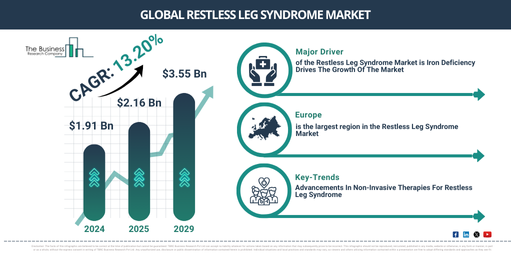
    The market size for restless leg syndrome has seen rapid expansion in recent years. It is projected to increase from $1.91 billion in 2024 to $2.16 billion in 2025, with a compound annual growth rate (CAGR) of 13.5%. This historical growth can be attributed to several factors, including escalating rates of alcohol consumption, greater health insurance coverage, the accessibility of over-the-counter medications, a rise in public health initiatives, and an increase in mental health issues.

    The restless leg syndrome market is projected to experience substantial expansion in the coming years, reaching a valuation of $3.55 billion by 2029, driven by a compound annual growth rate (CAGR) of 13.2%. This anticipated growth over the forecast period is due to factors such as greater investment in healthcare, more extensive awareness and educational initiatives, earlier detection of the condition, increased government financial support, and more robust participation in clinical trials. Key developments expected during this timeframe involve AI-driven individualized treatment strategies, advanced neurostimulation equipment, diagnostic applications utilizing deep learning algorithms, innovative brainwave modulation techniques, and wearable exoskeletons to assist leg movements.

    Unlock Your Free Sample Report for Exclusive Market Data:

    https://www.thebusinessresearchcompany.com/sample.aspx?id=21274&type=smp

    What Are The Key Drivers Of Growth In The Restless Leg Syndrome Market?

    The restless leg syndrome market is anticipated to expand due to the rising occurrence of iron deficiency. This condition, known as iron deficiency, arises when the body’s iron supply is insufficient for adequate healthy red blood cell production, manifesting in symptoms like tiredness, feebleness, and pale complexion. The growing incidence of iron deficiency stems from various factors including inadequate diet, blood loss, issues with nutrient absorption, and heightened iron demands during periods such as pregnancy or development. Treatments for restless leg syndrome frequently incorporate iron supplements or dietary changes. These interventions not only relieve the bothersome urges and sensations but also address the root cause of iron deficiency by replenishing the body’s iron reserves, enhancing red blood cell creation, and re-establishing normal neurological activity. As an illustration, the Nation Health Service England, an England-based government agency, reported in January 2025 that the 2023-24 period saw 191,927 admissions related to iron deficiency, which indicates an 11% rise from the 2022-23 figures. Consequently, the escalating occurrence of iron deficiency acts as a significant catalyst for the expansion of the restless leg syndrome market.

    What Are The Primary Types Of Segments Analyzed In The Restless Leg Syndrome Market?

    The restless leg syndromemarket covered in this report is segmented –

    1) By Type: Primary Restless Legs Syndrome; Secondary Restless Legs Syndrome

    2) By Treatment Type: Medicine And Devices; Surgery

    3) By Route Of Administration: Oral; Injectable

    4) By Distribution Channel: Hospital Pharmacy; Retail Pharmacy; Online Pharmacy

    5) By Application: Neurological Treatment; Sleep Disorders; Movement Disorders; Symptom Management

    Subsegments:

    1) By Primary Restless Legs Syndrome: Idiopathic Restless Legs Syndrome; Hereditary Restless Legs Syndrome

    2) By Secondary Restless Legs Syndrome: Iron Deficiency-related Restless Legs Syndrome; Chronic Kidney Disease-related Restless Legs Syndrome; Pregnancy-related Restless Legs Syndrome; Medication-induced Restless Legs Syndrome

    Which Key Trends Are Expected To Influence The Restless Leg Syndrome Market In The Coming Years?

    Leading companies within the restless leg syndrome (RLS) market are concentrating on developing innovative solutions, such as novel non-invasive therapies, to enhance symptom management and improve patient outcomes. These novel non-invasive therapies refer to advanced medical treatments that do not necessitate surgery or skin penetration, aiming to provide relief from various conditions through sophisticated techniques like electrical stimulation, light therapy, or external devices. For instance, in April 2023, Varco Leg Care, an India-based consumer health-technology company, received FDA De Novo approval for its NTX100 Tonic Motor Activation (TOMAC) System. The NTX100 Tonic Motor Activation (TOMAC) System is engineered to treat moderate to severe symptoms of restless legs syndrome (RLS) and improve sleep quality in patients who do not respond to medications. This device functions by electrically activating the peroneal nerves on both sides of the body to produce tonic, sustained muscle activation, which is compatible with sleep. This activation aids in suppressing the symptoms of restless leg syndrome (RLS).

    Which Industry Leaders Are Driving Innovation Across The Restless Leg Syndrome Market?

    Major companies operating in the restless leg syndrome market are Pfizer Inc., Roche Holding AG, Merck & Co Inc., Novartis International AG, GlaxoSmithKline plc, Teva Pharmaceutical Industries Ltd., Boehringer Ingelheim International GmbH, Baxter International Inc., Astellas Pharma Inc., UCB S.A., Kyowa Kirin Co Ltd., Amneal Pharmaceuticals Inc., Lupin Pharmaceuticals Inc., Alembic Pharmaceuticals Limited, Mundipharma International Limited, Azurity Pharmaceuticals LLC, Otsuka Pharmaceutical Co Ltd., Horizon Therapeutics plc, Mylan N.V., Apollo Pharmacy Limited

    Download The Full Report For Exclusive Market Findings:

    https://www.thebusinessresearchcompany.com/report/restless-leg-syndrome-global-market-report

    How Does The Restless Leg Syndrome Market Perform Across Key Geographic Regions?

    Europe was the largest region in the restless leg syndrome market in 2024. North-America is expected to be the fastest-growing region in the forecast period. The regions covered in the restless leg syndrome market report are Asia-Pacific, Western Europe, Eastern Europe, North America, South America, Middle East, Africa.

    Request A Customized Version Of The Restless Leg Syndrome Market Report:

    https://www.thebusinessresearchcompany.com/customise?id=21274&type=smp

    Browse Through More Reports Similar to the Global Restless Leg Syndrome Market 2025, By The Business Research Company

    Polycystic Ovarian Syndrome Treatment Global Market Report 2025

    https://www.thebusinessresearchcompany.com/report/polycystic-ovarian-syndrome-treatment-global-market-report

    Wolff Parkinson White Syndrome Global Market Report 2025

    https://www.thebusinessresearchcompany.com/report/wolff-parkinson-white-syndrome-global-market-report

    Gardner Syndrome Treatment Global Market Report 2025

    https://www.thebusinessresearchcompany.com/report/gardner-syndrome-treatment-global-market-report

    Get in touch with us:

    The Business Research Company: https://www.thebusinessresearchcompany.com/

    Americas +1 310-496-7795

    Asia +44 7882 955267 & +91 8897263534

    Europe +44 7882 955267

    Email us at info@tbrc.info

    Follow us on:

    LinkedIn: https://in.linkedin.com/company/the-business-research-company

    YouTube: https://www.youtube.com/channel/UC24_fI0rV8cR5DxlCpgmyFQ

    Global Market Model: https://www.thebusinessresearchcompany.com/global-market-model
  • Global Respiratory Syncytial Virus (RSV) Diagnostics Market Projected to Expand at 10.5% CAGR by 2029

    Global Respiratory Syncytial Virus (RSV) Diagnostics Market Projected to Expand at 10.5% CAGR by 2029

    Unlock Global Insights – Save 20% on Market Reports with Code ONLINE20

    How Much Larger Is The Respiratory Syncytial Virus (RSV) Diagnostics Market Expected To Become By 2029 Compared With Its 2025 Level?

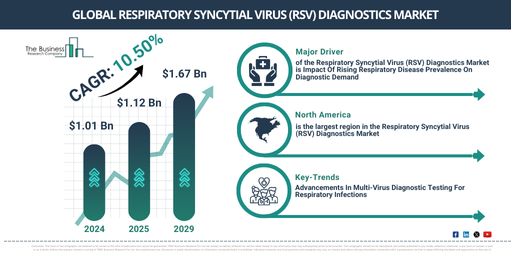
    The respiratory syncytial virus (rsv) diagnostics market has experienced significant expansion recently. Its valuation is projected to increase from $1.01 billion in 2024 to $1.12 billion in 2025, demonstrating a compound annual growth rate (CAGR) of 10.7%. This historical expansion is largely due to increased uptake of point-of-care diagnostics, governmental efforts to enhance RSV diagnostics, an uptick in respiratory illnesses affecting children, an increase in hospital-acquired infections, and a greater preference for non-invasive diagnostic approaches.

    The respiratory syncytial virus (rsv) diagnostics market is projected to experience substantial expansion over the coming years. This market is forecast to reach $1.67 billion by 2029, demonstrating a compound annual growth rate (CAGR) of 10.5%. The anticipated growth during this period is largely driven by factors such as the rising incidence of respiratory syncytial virus (RSV) infections, enhanced understanding and recognition of RSV diagnostic needs, the development of healthcare facilities, an increase in global healthcare expenditures, and the expanding demographic of older individuals. Key developments expected in the forecast period encompass progress in molecular diagnostic techniques, innovations in diagnostic equipment, the wider acceptance of rapid diagnostic tests (RDTs), companies broadening their range of diagnostic offerings, and breakthroughs in genetic and proteomic diagnostics.

    Unlock Your Free Sample Report for Exclusive Market Data:

    https://www.thebusinessresearchcompany.com/sample.aspx?id=21273&type=smp

    Which Drivers Are Supporting Growth Of The Respiratory Syncytial Virus (RSV) Diagnostics Market?

    The increasing occurrence of respiratory illnesses is projected to propel the expansion of the respiratory syncytial virus (RSV) diagnostics market in the future. These diseases encompass various conditions impacting the airways and lungs, hindering respiration and oxygen transfer, such as asthma, chronic obstructive pulmonary disease (COPD), pneumonia, and other respiratory infections. Several elements contribute to the increasing prevalence of respiratory diseases, including heightened air pollution, tobacco use, global warming, urban expansion, and the rising incidence of infections and chronic ailments such as asthma and COPD. Accurate and prompt detection of RSV infections through respiratory syncytial virus (RSV) diagnostics is crucial for managing respiratory conditions, facilitating suitable treatment, overall management, and preventing serious complications, particularly among susceptible groups. For instance, data from November 2024 released by the Australian Institute of Health and Welfare, an Australia-based government agency, indicated that approximately 2.8 million people (11% of the population) in Australia lived with asthma in 2022. In 2023, asthma constituted 2.5% of the overall disease burden and 35% of the burden attributed to all respiratory conditions. It was the primary cause of 467 deaths in 2022, corresponding to 1.8 deaths per 100,000 people and making up 0.2% of all fatalities. Consequently, the increasing occurrence of respiratory illnesses is stimulating the growth of the respiratory syncytial virus (RSV) diagnostics market.

    Which Key Segments Fueling The Respiratory Syncytial Virus (RSV) Diagnostics Market?

    The respiratory syncytial virus (rsv) diagnosticsmarket covered in this report is segmented –

    1) By Product Type: Kits And Assays; Instruments; Reagents; Other Product Types

    2) By Technology: Molecular Diagnostics; Immunoassays; Rapid Antigen Detection Tests; Other Technologies

    3) By Sample Type: Nasal Swabs; Throat Swabs; Bronchoalveolar Lavage

    4) By End User: Hospitals; Diagnostic Laboratories; Home Care Settings; Other End Users

    Subsegments:

    1) By Kits And Assays: Rapid Antigen Detection Kits; PCR-based Assays; Serological Assays

    2) By Instruments: PCR Analyzers; Immunoassay Analyzers

    3) By Reagents: PCR Reagents; Antibody Reagents; Enzyme Reagents

    4) By Other Product Types: Sample Collection Devices; Transport Media

    What Are The Major Trends Driving The Growth Of The Respiratory Syncytial Virus (RSV) Diagnostics Market?

    Leading companies in the respiratory syncytial virus (RSV) diagnostics market are developing innovative products, such as respiratory virus combination testing, to offer accurate and efficient solutions for consumers. Respiratory virus combination testing is a diagnostic technique that simultaneously identifies multiple respiratory viruses, including influenza, respiratory syncytial virus (RSV), and others, from a single sample to help determine viral infections. For instance, in January 2023, Sonora Quest Laboratories, a US-based clinical laboratory testing company, released the COVID-19, RSC, and influenza diagnostic test. This molecular diagnostic test conducts a qualitative, multi-target analysis using a single patient sample to detect COVID-19, respiratory syncytial virus (RSV), and influenza. Unifying these three virus tests into a single one streamlines the testing procedure and minimizes the requirement for multiple samples. The capacity to rapidly identify all three infections assists healthcare providers in making quicker treatment decisions, potentially enhancing patient outcomes. Additionally, this test can aid in slowing the spread of these viruses, thereby reducing the risk of transmission to others.

    Who Are The Key Multinational Companies Dominating The Respiratory Syncytial Virus (RSV) Diagnostics Market?

    Major companies operating in the respiratory syncytial virus (RSV) diagnostics market are F. Hoffmann-La Roche Ltd., Thermo Fisher Scientific Inc., Abbott Laboratories, Siemens Healthineers AG, Merck KGaA, Becton, Dickinson, and Company, Quest Diagnostics Incorporated, Hologic Inc., BIOMÉRIEUX SA, QuidelOrtho Corporation, Bio-Rad Laboratories Inc., DiaSorin S.p.A., Acon Laboratories Inc., Cepheid Inc., Meridian Bioscience Inc., Seegene Inc., LumiraDx Ltd., Sekisui Diagnostics Ltd., Boditech Med Inc., Trinity Biotech plc, R-Biopharm AG, GeneTex Inc., Creative Diagnostics, Certest Biotec S.L., Clarity Diagnostics LLC, Genes 2Me LLP, Coris BioConcept S.A.

    Download The Full Report For Exclusive Market Findings:

    https://www.thebusinessresearchcompany.com/report/respiratory-syncytial-virus-rsv-diagnostics-global-market-report

    Which Region Is Expected To Witness The Fastest Growth In The Respiratory Syncytial Virus (RSV) Diagnostics Market?

    North America was the largest region in the respiratory syncytial virus (RSV) diagnostics market in 2024. Asia-Pacific is expected to be the fastest-growing region in the forecast period. The regions covered in the respiratory syncytial virus (RSV) diagnostics market report are Asia-Pacific, Western Europe, Eastern Europe, North America, South America, Middle East, Africa.

    Request A Customized Version Of The Respiratory Syncytial Virus (RSV) Diagnostics Market Report:

    https://www.thebusinessresearchcompany.com/customise?id=21273&type=smp

    Browse Through More Reports Similar to the Global Respiratory Syncytial Virus (RSV) Diagnostics Market 2025, By The Business Research Company

    Respiratory Disposables Global Market Report 2025

    https://www.thebusinessresearchcompany.com/report/respiratory-disposables-global-market-report

    Respiratory Devices And Equipment Therapeutic Global Market Report 2025

    https://www.thebusinessresearchcompany.com/report/respiratory-devices-and-equipment-therapeutic-global-market-report

    Respiratory Monitoring Devices Global Market Report 2025

    https://www.thebusinessresearchcompany.com/report/respiratory-monitoring-devices-global-market-report

    Get in touch with us:

    The Business Research Company: https://www.thebusinessresearchcompany.com/

    Americas +1 310-496-7795

    Asia +44 7882 955267 & +91 8897263534

    Europe +44 7882 955267

    Email us at info@tbrc.info

    Follow us on:

    LinkedIn: https://in.linkedin.com/company/the-business-research-company

    YouTube: https://www.youtube.com/channel/UC24_fI0rV8cR5DxlCpgmyFQ

    Global Market Model: https://www.thebusinessresearchcompany.com/global-market-model

  • Resorbable Vascular Scaffolds Market to Grow at a CAGR of 12.5% from 2025 to 2029

    Resorbable Vascular Scaffolds Market to Grow at a CAGR of 12.5% from 2025 to 2029

    Unlock Global Insights – Save 20% on Market Reports with Code ONLINE20

    #What Are The Current (2025) And Forecast (2029) Sizes Of The Resorbable Vascular Scaffolds Market?

    The market for resorbable vascular scaffolds has experienced substantial growth in recent years. This market is anticipated to expand, climbing from $0.46 billion in 2024 to $0.51 billion in 2025, at a compound annual growth rate (CAGR) of 12.6%. The historical expansion of this market can be attributed to several contributing factors, including the increasing prevalence of cardiovascular diseases, heightened consumer health awareness, the rising incidence of coronary artery disease (CAD), the growing adoption of minimally invasive procedures, and the increasing prevalence of diabetes.

    The resorbable vascular scaffolds market is projected to experience substantial expansion over the upcoming years. Its valuation is anticipated to reach $0.82 billion in 2029, demonstrating a compound annual growth rate (CAGR) of 12.5%. This projected growth can be attributed to factors such as the increasing prevalence of coronary artery disease (CAD) and peripheral artery disease (PAD) in the geriatric population, increased funding for research and development (R&D) in surgical procedures, a growing aging population, rising healthcare expenditure, and an upward trend in coronary artery disease prevalence. Significant developments expected during this forecast period include a shift towards drug-eluting devices for angioplasty, continuous technological advancements and product innovation, followed by advancements in stent technology, further developments in stent technology, and progress in diagnostic technologies.

    Unlock Your Free Sample Report for Exclusive Market Data:

    https://www.thebusinessresearchcompany.com/sample.aspx?id=21272&type=smp

    Which Drivers Are Shaping The Resorbable Vascular Scaffolds Industry’s Market Share?

    The projected expansion of the resorbable vascular scaffolds market is linked to the rising incidence of cardiovascular diseases. These conditions stem from various elements including unhealthy lifestyle decisions, advancing age, elevated blood pressure, high cholesterol levels, diabetes, tobacco use, and inherent genetic factors. Resorbable vascular scaffolds are transforming how cardiovascular diseases are addressed by offering temporary structural aid to re-establish blood circulation, progressively dissolving, thereby lessening complications often seen with permanent implants over time, and fostering the natural recovery and performance of blood vessels. As an illustration, data from September 2024, provided by the Minnesota Department of Health, a US-based state agency, indicated that in 2023, 4% of adults in Minnesota, which corresponds to nearly 180,000 people, had suffered a heart attack. Furthermore, heart disease accounted for approximately 17% of all fatalities within the state, resulting in 8,972 deaths during 2022. Consequently, the expanding occurrence of cardiovascular diseases is propelling the development of the resorbable vascular scaffolds market.

    How Is The Resorbable Vascular Scaffolds Market Classified Into Different Segments?

    The resorbable vascular scaffoldsmarket covered in this report is segmented –

    1) By Product Design: Multilumen; Single Lumen

    2) By Material Type: Poly-Glycolic Acid; Poly-L-Lactic Acid; Poly-L-Lactic-Co-Glycolic Acid

    3) By Deployment Technique: Balloon-Expandable; Self-Expandable

    4) By Application: Coronary Artery Disease; Peripheral Vascular Disease; Pulmonary Artery Disease

    5) By End User: Ambulatory Surgical Centers; Hospitals; Specialty Clinics

    Subsegments:

    1) By Multilumen: Helical Design; Braided Design; Other Multilumen Designs

    2) By Single Lumen: Straight Tube Design; Corrugated Tube Design; Other Single Lumen Designs

    What Trends Are Expected To Drive The Resorbable Vascular Scaffolds Market?

    Major companies operating in the resorbable vascular scaffolds market are developing magnesium scaffolds to enhance biocompatibility and provide improved mechanical support. Magnesium scaffolds facilitate natural vessel healing while reducing inflammation and complications often associated with traditional polymer-based scaffolds. For instance, in March 2024, Biotronik, a Germany-based medical device company, received Food and Drug Administration (FDA) breakthrough device designation for its Freesolve below-the-knee resorbable magnesium scaffold (BTK RMS). The Freesolve RMS is a breakthrough device specifically designed for individuals with chronic limb-threatening ischemia (CLTI), offering an advanced treatment option for below-the-knee (BTK) interventions. It features BIOmag magnesium alloy and Orsiro drug-eluting stent (DES) coating technology, which collectively enhance safety, deliverability, and vessel support. The scaffold provides short-term support to resist vessel recoil during the healing process.

    Which Leading Players Are Enhancing Their Resorbable Vascular Scaffolds Market Presence Worldwide?

    Major companies operating in the resorbable vascular scaffolds market are Abbott Laboratories, Medtronic plc, Boston Scientific Corporation, Terumo Corporation, Getinge Group, Biotronik, LivaNova plc, Lepu Medical Technology, Gore Medical, Biosensors International, Blue Medical, Reva Medical, Elixir Medical, S3V Vascular Technologies, Amaranth Medical Inc., Meril Life Sciences Pvt. Ltd., Arterius Limited, Zorion Medical, Kyoto Medical Planning Co. Ltd., ICON Interventional Systems.

    Download The Full Report For Exclusive Market Findings:

    https://www.thebusinessresearchcompany.com/report/resorbable-vascular-scaffolds-global-market-report

    Which Global Regions Are Influencing The Competitive Landscape Of The Resorbable Vascular Scaffolds Market?

    North America was the largest region in the resorbable vascular scaffolds market in 2024. Asia-Pacific is expected to be the fastest-growing region in the forecast period. The regions covered in the resorbable vascular scaffolds market report are Asia-Pacific, Western Europe, Eastern Europe, North America, South America, Middle East, Africa.

    Request A Customized Version Of The Resorbable Vascular Scaffolds Market Report:

    https://www.thebusinessresearchcompany.com/customise?id=21272&type=smp

    Browse Through More Reports Similar to the Global Resorbable Vascular Scaffolds Market 2025, By The Business Research Company

    Vascular Embolization Global Market Report 2025

    https://www.thebusinessresearchcompany.com/report/vascular-embolization-global-market-report

    Cardiovascular Ultrasound Global Market Report 2025

    https://www.thebusinessresearchcompany.com/report/cardiovascular-ultrasound-global-market-report

    Vascular Closure Devices Global Market Report 2025

    https://www.thebusinessresearchcompany.com/report/vascular-closure-devices-global-market-report

    Get in touch with us:

    The Business Research Company: https://www.thebusinessresearchcompany.com/

    Americas +1 310-496-7795

    Asia +44 7882 955267 & +91 8897263534

    Europe +44 7882 955267

    Email us at info@tbrc.info

    Follow us on:

    LinkedIn: https://in.linkedin.com/company/the-business-research-company

    YouTube: https://www.youtube.com/channel/UC24_fI0rV8cR5DxlCpgmyFQ

    Global Market Model: https://www.thebusinessresearchcompany.com/global-market-model
  • Global Renal Insufficiency Market 2025–2029: Competitive Insights and Opportunities

    Global Renal Insufficiency Market 2025–2029: Competitive Insights and Opportunities

    Unlock Global Insights – Save 20% on Market Reports with Code ONLINE20

    What Market Value Is The Renal Insufficiency Industry Expected To Reach By 2029, Starting From 2025 Levels?

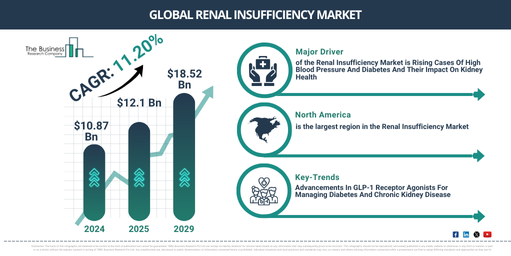
    The renal insufficiency market has seen swift expansion in recent years. Its size is expected to increase from $10.87 billion in 2024 to $12.1 billion in 2025, progressing at a compound annual growth rate (CAGR) of 11.4%. The contributing factors to this growth historically include a rise in high blood pressure and diabetes cases, the increasing prevalence of chronic kidney disease (CKD), a growing incidence of urinary tract obstructions, an aging population, and enhanced awareness and education regarding kidney health.

    The renal insufficiency market size is projected to experience substantial growth over the coming years, with expectations to reach $18.52 billion by 2029, demonstrating a compound annual growth rate (CAGR) of 11.2%. This projected expansion during the forecast period is primarily driven by the increasing incidence of acute kidney injuries (AKI), the growing acceptance of home-based treatment options, a significant rise in healthcare expenditure, and increased investments in research and development. Key trends anticipated in this period include advancements in medical technology, improvements in technology and treatment options, the integration of personalized medicine approaches, further advancements in dialysis technology, and the creation of novel and innovative medications.

    Unlock Your Free Sample Report for Exclusive Market Data:

    https://www.thebusinessresearchcompany.com/sample.aspx?id=21271&type=smp

    What Are The Drivers Pushing New Developments In The Renal Insufficiency Market?

    The rising incidence of high blood pressure and diabetes cases is projected to fuel the expansion of the renal insufficiency market in the coming years. These conditions are linked to factors such as poor dietary habits, insufficient physical activity, obesity, genetic predispositions, and an aging population. Elevated blood pressure harms kidney blood vessels through scarring and diminished filtration, while diabetes causes kidney vessels to thicken and become overworked due to high blood sugar levels. Both conditions consequently hasten kidney deterioration, culminating in renal insufficiency. As an illustration, in May 2024, the National Health Service, a UK government body, reported that in December 2023, high blood pressure diagnoses in the South East rose by 71,120 patients, signifying a 5.4% increase from December 2022. Moreover, in April 2023, according to the British Diabetic Association, a UK-based charity, 4.3 million individuals in the UK are living with a diabetes diagnosis. Consequently, the growing number of high blood pressure and diabetes diagnoses is powering the growth of the renal insufficiency market.

    What Are The Major Segments Identified In The Renal Insufficiency Market?

    The renal insufficiencymarket covered in this report is segmented –

    1) By Treatment Type: Medications; Dialysis; Kidney Transplantation; Other Treatment Types

    2) By Disease Stage: Chronic Kidney Disease (CKD) Stages; End-Stage Renal Disease (ESRD)

    3) By Distribution Channel: Hospital Pharmacies; Retail Pharmacies; Online Pharmacies

    4) By End-User: Dialysis Centers; Hospital And Clinics; Research And Academic Institutes

    Subsegments:

    1) By Medications: Angiotensin-Converting Enzyme (ACE) Inhibitors; Angiotensin II Receptor Blockers (ARBs); Diuretics; Erythropoiesis-Stimulating Agents (ESAs); Phosphate Binders; Sodium Bicarbonate

    2) By Dialysis: Hemodialysis; Peritoneal Dialysis; Home Dialysis; Continuous Renal Replacement Therapy (CRRT)

    3) By Kidney Transplantation: Living Donor Kidney Transplant; Deceased Donor Kidney Transplant; Kidney Transplant Immunosuppressive Therapy

    4) By Other Treatment Types: Lifestyle And Dietary Modifications; Stem Cell Therapy; Gene Therapy

    Which Trends Are Impacting The Renal Insufficiency Market?

    Leading firms within the renal insufficiency market are creating glucagon-like peptide-1 receptor agonists (GLP-1 RAs) aimed at managing renal and cardiovascular issues in individuals suffering from diabetes and chronic kidney disease (CKD). These GLP-1 RAs work by enhancing glucose regulation, decreasing inflammation, and mitigating oxidative stress in the kidneys, which in turn decelerates the advancement of renal insufficiency. For instance, in January 2025, Novo Nordisk, a Denmark-based pharmaceutical company, secured Food and Drug Administration (FDA) approval for its medication Ozempic (semaglutide). This approval specifically targets the reduction of worsening kidney disease, kidney failure, and cardiovascular death risks in adults diagnosed with type 2 diabetes and chronic kidney disease (CKD). This significant approval underscores the increasing focus on glucagon-like peptide-1 receptor agonists (GLP-1 RAs) as a comprehensive strategy for simultaneously treating diabetes and renal insufficiency, thereby fulfilling crucial unmet needs for patients experiencing progressive CKD.

    Which Major Firms Are Strengthening Their Position In The Renal Insufficiency Industry?

    Major companies operating in the renal insufficiency market are Kaiser Permanente, Johnson & Johnson, Roche Holding AG, Sanofi S.A., Abbott Laboratories, Medtronic plc, Amgen Inc., Asahi Kasei Medical Co. Ltd., Fujifilm Holdings Corporation, Fresenius Medical Care, Toray Industries Inc., Baxter International Inc., Boehringer Ingelheim, DaVita Inc., Eisai Co. Ltd., Nipro Corporation, Biocon Limited, HemoCue AB, Rockwell Medical, Mitsubishi Tanabe Pharma Corporation, Sorin Group.

    Download The Full Report For Exclusive Market Findings:

    https://www.thebusinessresearchcompany.com/report/renal-insufficiency-global-market-report

    What Are The Regional Market Dynamics Impacting The Renal Insufficiency Industry?

    North America was the largest region in the renal insufficiency market in 2024. The regions covered in the renal insufficiency market report are Asia-Pacific, Western Europe, Eastern Europe, North America, South America, Middle East, Africa.

    Request A Customized Version Of The Renal Insufficiency Market Report:

    https://www.thebusinessresearchcompany.com/customise?id=21271&type=smp

    Browse Through More Reports Similar to the Global Renal Insufficiency Market 2025, By The Business Research Company

    End Stage Renal Disease Esrd Drug Global Market Report 2025

    https://www.thebusinessresearchcompany.com/report/end-stage-renal-disease-esrd-drug-global-market-report

    Hepatorenal Syndrome Treatment Global Market Report 2025

    https://www.thebusinessresearchcompany.com/report/hepatorenal-syndrome-treatment-global-market-report

    Renal Denervation Devices Global Market Report 2025

    https://www.thebusinessresearchcompany.com/report/renal-denervation-devices-global-market-report

    Get in touch with us:

    The Business Research Company: https://www.thebusinessresearchcompany.com/

    Americas +1 310-496-7795

    Asia +44 7882 955267 & +91 8897263534

    Europe +44 7882 955267

    Email us at info@tbrc.info

    Follow us on:

    LinkedIn: https://in.linkedin.com/company/the-business-research-company

    YouTube: https://www.youtube.com/channel/UC24_fI0rV8cR5DxlCpgmyFQ

    Global Market Model: https://www.thebusinessresearchcompany.com/global-market-model

  • Renal Fanconi Syndrome Market Trends 2025–2029: Forecasts for Key Growth Segments

    Renal Fanconi Syndrome Market Trends 2025–2029: Forecasts for Key Growth Segments

    Unlock Global Insights – Save 20% on Market Reports with Code ONLINE20

    What Is The Anticipated Size Of The Renal Fanconi Syndrome Market Over The Five-Year Period 2025–2029?

    The market size for renal Fanconi syndrome has shown consistent expansion in recent years. It is anticipated to increase from $0.53 billion in 2024 to $0.55 billion in 2025, achieving a compound annual growth rate (CAGR) of 3.7%. The expansion observed historically can be attributed to factors such as a high prevalence rate of blood disorder, an increased incidence of kidney diseases, the growing adoption of erythropoiesis-stimulating agents (ESAs), a rise in the elderly population, and the increasing prevalence of acute kidney injury (AKI).

    The market size for renal fanconi syndrome is anticipated to experience consistent expansion over the upcoming years. Its value is projected to reach $0.63 billion by 2029, growing at a compound annual growth rate (CAGR) of 3.6%. This projected growth during the forecast period is attributable to several factors, including the increasing occurrence of renal syndromes, a rise in the incidence of fanconi-bickel syndrome, the growing prevalence of chronic kidney disease (CKD), heightened research and development efforts, and an increase in the volume of clinical trials. Key trends anticipated during this period encompass progress in novel therapeutic approaches, various technological innovations, and enhancements in both technology and diagnostic methods.

    Unlock Your Free Sample Report for Exclusive Market Data:

    https://www.thebusinessresearchcompany.com/sample.aspx?id=21270&type=smp

    What Are The Emerging Market Drivers Creating New Opportunities In The Renal Fanconi Syndrome Industry?

    The growing occurrence of renal syndrome is anticipated to fuel the expansion of the renal fanconi syndrome market in the future. Renal syndromes describe a collection of kidney ailments that lead to compromised kidney function, resulting in abnormalities in filtration, reabsorption, and the balance of electrolytes. Factors such as the rising prevalence of chronic kidney disease, an aging populace, unhealthy lifestyles, and environmental influences contribute to renal syndromes. This condition often encompasses underlying issues or complications that disrupt kidney function, thereby increasing the risk of proximal tubular dysfunction. This disruption then generates a greater need for diagnostic tools, treatments, and therapies specifically developed to manage and lessen the impact of renal Fanconi syndrome. For instance, in June 2023, according to a report published by Kidney Research UK, a UK-based non-profit organization, approximately 7.2 million people in the UK are affected by chronic kidney disease, representing over 10% of the population. Of these individuals, 3.25 million are in the advanced stages of the disease, while an additional 3.9 million are in its early stages. It is projected that by 2033, the number of individuals impacted by chronic kidney disease will climb to 7.61 million. Therefore, the increasing prevalence of renal syndrome is a key factor driving the growth of the renal fanconi syndrome market.

    What Are The Emerging Segments Gaining Attention In The Renal Fanconi Syndrome Market?

    The renal fanconi syndromemarket covered in this report is segmented –

    1) By Disease Type: Inherited (Genetic); Acquired

    2) By Treatment: Cystinosis Treatment; Symptomatic Management; Dietary Changes And Adjustments; Antibiotics; Kidney Transplantation; Supplements

    3) By Route Of Administration: Oral; Intravenous

    4) By Distribution Channel: Hospital Pharmacy; Retail Pharmacy; Online Pharmacy; Other Distribution Channels

    5) By End-User: Hospitals; Specialty Clinics; Homecare; Other End-Users

    Subsegments:

    1) By Inherited (Genetic): Cystinosis; Wilson Disease; Lowe Syndrome; Dent Disease

    2) By Acquired: Drug-Induced Fanconi Syndrome; Heavy Metal Toxicity; Multiple Myeloma-Associated Fanconi Syndrome; Other Acquired Conditions

    Who Are The Primary Competitors In The Global Renal Fanconi Syndrome Market?

    Major companies operating in the renal fanconi syndrome market are Pfizer Inc., F. Hoffmann-La Roche AG, Merck & Co. Inc., AbbVie Inc., Novartis AG, Sanofi, Bristol-Myers Squibb, Gilead Sciences Inc., Amgen Inc., Teva Pharmaceutical Industries Ltd., Baxter International Inc., Boehringer Ingelheim, Biogen Inc., Eisai Co. Ltd., Hikma Pharmaceuticals plc, Astellas Pharma Inc., Mallinckrodt Pharmaceuticals plc, CSL Vifor, Indivior plc, Alnylam Pharmaceuticals Inc.

    Download The Full Report For Exclusive Market Findings:

    https://www.thebusinessresearchcompany.com/report/renal-fanconi-syndrome-global-market-report

    Which Region Shows The Highest Potential For Future Expansion In The Renal Fanconi Syndrome Market?

    North America was the largest region in the renal fanconi syndrome market in 2024. Asia-Pacific is expected to be the fastest-growing region in the forecast period. The regions covered in the renal fanconi syndrome market report are Asia-Pacific, Western Europe, Eastern Europe, North America, South America, Middle East, Africa.

    Request A Customized Version Of The Renal Fanconi Syndrome Market Report:

    https://www.thebusinessresearchcompany.com/customise?id=21270&type=smp

    Browse Through More Reports Similar to the Global Renal Fanconi Syndrome Market 2025, By The Business Research Company

    Renal Biomarkers Global Market Report 2025

    https://www.thebusinessresearchcompany.com/report/renal-biomarkers-global-market-report

    End Stage Renal Disease Esrd Drug Global Market Report 2025

    https://www.thebusinessresearchcompany.com/report/end-stage-renal-disease-esrd-drug-global-market-report

    Hepatorenal Syndrome Treatment Global Market Report 2025

    https://www.thebusinessresearchcompany.com/report/hepatorenal-syndrome-treatment-global-market-report

    Get in touch with us:

    The Business Research Company: https://www.thebusinessresearchcompany.com/

    Americas +1 310-496-7795

    Asia +44 7882 955267 & +91 8897263534

    Europe +44 7882 955267

    Email us at info@tbrc.info

    Follow us on:

    LinkedIn: https://in.linkedin.com/company/the-business-research-company

    YouTube: https://www.youtube.com/channel/UC24_fI0rV8cR5DxlCpgmyFQ

    Global Market Model: https://www.thebusinessresearchcompany.com/global-market-model
  • Recurrent Head And Neck Cancer Squamous Cell Carcinoma Market Forecast 2025–2034: Where Businesses Should Invest Next

    Recurrent Head And Neck Cancer Squamous Cell Carcinoma Market Forecast 2025–2034: Where Businesses Should Invest Next

    Unlock Global Insights – Save 20% on Market Reports with Code ONLINE20

    What Are The Forecasted Market Size Estimates For The Recurrent Head And Neck Cancer Squamous Cell Carcinoma Market Between 2025 And 2029?

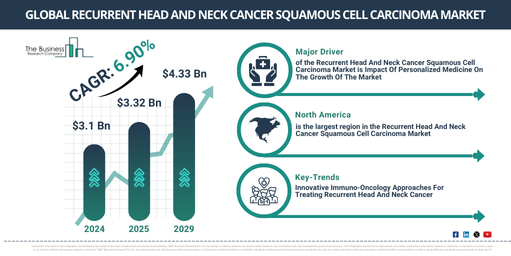
    The market size for recurrent head and neck cancer squamous cell carcinoma has experienced significant growth in recent years. It is anticipated to expand from $3.1 billion in 2024 to $3.32 billion in 2025, registering a compound annual growth rate (CAGR) of 6.9%. This historical growth can be attributed to an increase in the global prevalence of head and neck cancers, improved awareness concerning early detection and treatment options, an expanding geriatric population, wider availability of combination therapies, and an upward trend in healthcare expenditure.

    The market size for recurrent head and neck cancer squamous cell carcinoma is projected to expand significantly in the coming years. It is forecast to reach $4.33 billion by 2029, exhibiting a compound annual growth rate (CAGR) of 6.9%. This anticipated growth throughout the forecast period can be attributed to several factors, including an increased demand for biologics, the expanding adoption of telemedicine, a greater emphasis on supportive care, the rising prevalence of comorbidities, and broader health insurance coverage. Noteworthy trends expected during this period involve advancements in robotic-assisted surgical techniques, improvements in radiation therapy technologies, developments in 3D printing technologies, the emergence of bispecific antibodies, and the integration of artificial intelligence into diagnostic imaging.

    Unlock Your Free Sample Report for Exclusive Market Data:

    https://www.thebusinessresearchcompany.com/sample.aspx?id=21269&type=smp

    Which Drivers Are Impacting The Recurrent Head And Neck Cancer Squamous Cell Carcinoma Market?

    The recurrent head and neck cancer squamous cell carcinoma market is anticipated to expand in the future, propelled by the increasing development of personalized medicine. This medical approach involves customizing treatment and healthcare choices based on individual patient characteristics, including their genetic profile, surrounding environment, and lifestyle choices. Its rise is attributed to progress in genomic research, better diagnostic tools, a greater need for customized therapies, and increased funding in precision healthcare, which facilitates more potent and specific treatments. For recurrent head and neck cancer squamous cell carcinoma, personalized medicine offers advantages by allowing genetic profiling and targeted treatments to devise therapy strategies that more effectively address the specific molecular features of individual patient tumors. For example, in February 2024, the U.S. Food and Drug Administration sanctioned 16 novel personalized treatments for patients with rare diseases, a rise from 6 in 2022, as reported by the Personalized Medicine Coalition, a US-based entity advocating for personalized medicine adoption. Consequently, the expansion of personalized medicine is a key factor in the increasing size of the recurrent head and neck cancer squamous cell carcinoma market.

    What Are The Major Segment Types Covered In The Recurrent Head And Neck Cancer Squamous Cell Carcinoma Market?

    The recurrent head and neck cancer squamous cell carcinomamarket covered in this report is segmented –

    1) By Treatment Type: Chemotherapy; Immunotherapy; Targeted Drug Therapy; Other Treatment Types

    2) By Route Of Administration: Oral; Parenteral; Other Route Of Administrations

    3) By End User: Hospitals; Clinics; Diagnostic Centers; Research Laboratories; Other End-Users

    Subsegments:

    1) By Chemotherapy: Cisplatin; Carboplatin; 5-Fluorouracil (5-FU); Paclitaxel; Docetaxel

    2) By Immunotherapy: Pembrolizumab; Nivolumab; Ipilimumab; Atezolizumab; Durvalumab

    3) By Targeted Drug Therapy: Cetuximab; Afatinib; Erlotinib; Panitumumab; Lapatinib

    4) By Other Treatment Types: Radiation Therapy; Surgery; Combination Therapies; Palliative Care

    Which Market Trends Are Creating New Opportunities In The Recurrent Head And Neck Cancer Squamous Cell Carcinoma Industry?

    Companies operating within the recurrent head and neck cancer squamous cell carcinoma market are prioritizing the creation of novel advancements, such as immuno-oncology drugs, to boost therapeutic effectiveness, achieve better patient results, and meet the critical medical requirements associated with this aggressive malignancy. Immuno-oncology drugs are a category of cancer treatments that utilize the body’s natural defenses to recognize and combat cancer cells. These medications function by activating or strengthening the immune response, either by increasing the function of immune cells or by inhibiting immune control points that stop immune cells from attacking tumors. For instance, in August 2024, Aveta Biomics Inc., a US-based pharmaceutical firm, was granted fast track designation by the US Food and Drug Administration (FDA) for APG-157, a trial-phase immuno-oncology compound sourced from turmeric for the treatment of head and neck cancer. This agent’s two-pronged approach intends to precisely attack cancerous cells while modifying the immune landscape, potentially providing a milder option compared to surgical procedures and intensive treatments.

    Which Key Market Players Are Investing In Expansion And Innovation Of Recurrent Head And Neck Cancer Squamous Cell Carcinoma Market?

    Major companies operating in the recurrent head and neck cancer squamous cell carcinoma market are Roche Holding AG, Merck KGaA, AbbVie Inc., Bristol-Myers Squibb Company, AstraZeneca plc, Eli Lilly and Company, Gilead Sciences Inc., Amgen Inc., Regeneron Pharmaceuticals Inc., Eisai Co. Ltd., Incyte Corporation, BeiGene Ltd., BioNTech SE, Exelixis Inc., CytomX Therapeutics Inc., CureVac AG, Zymeworks Inc., MacroGenics Inc., Kura Oncology Inc., Genexine Inc.

    Download The Full Report For Exclusive Market Findings:

    https://www.thebusinessresearchcompany.com/report/recurrent-head-and-neck-cancer-squamous-cell-carcinoma-global-market-report

    How Is Recurrent Head And Neck Cancer Squamous Cell Carcinoma Market Demand Varying Across Different Regions?

    North America was the largest region in the recurrent head and neck cancer squamous cell carcinoma market in 2024. The regions covered in the recurrent head and neck cancer squamous cell carcinoma market report are Asia-Pacific, Western Europe, Eastern Europe, North America, South America, Middle East, Africa.

    Request A Customized Version Of The Recurrent Head And Neck Cancer Squamous Cell Carcinoma Market Report:

    https://www.thebusinessresearchcompany.com/customise?id=21269&type=smp

    Browse Through More Reports Similar to the Global Recurrent Head And Neck Cancer Squamous Cell Carcinoma Market 2025, By The Business Research Company

    Head And Neck Cancer Diagnostics Global Market Report 2025

    https://www.thebusinessresearchcompany.com/report/head-and-neck-cancer-diagnostics-global-market-report

    Automotive Heads Up Display Global Market Report 2025

    https://www.thebusinessresearchcompany.com/report/automotive-heads-up-display-global-market-report

    Head And Neck Cancer Therapeutics Global Market Report 2025

    https://www.thebusinessresearchcompany.com/report/head-and-neck-cancer-therapeutics-global-market-report

    Get in touch with us:

    The Business Research Company: https://www.thebusinessresearchcompany.com/

    Americas +1 310-496-7795

    Asia +44 7882 955267 & +91 8897263534

    Europe +44 7882 955267

    Email us at info@tbrc.info

    Follow us on:

    LinkedIn: https://in.linkedin.com/company/the-business-research-company

    YouTube: https://www.youtube.com/channel/UC24_fI0rV8cR5DxlCpgmyFQ

    Global Market Model: https://www.thebusinessresearchcompany.com/global-market-model
  • Global Radiotherapy Induced Oral Mucositis Treatment Market Analysis 2025–2029: Opportunities for Strategic Growth

    Global Radiotherapy Induced Oral Mucositis Treatment Market Analysis 2025–2029: Opportunities for Strategic Growth

    Unlock Global Insights – Save 20% on Market Reports with Code ONLINE20

    How Is The Radiotherapy Induced Oral Mucositis Treatment Market Size Likely To Evolve From 2025 Through 2034?

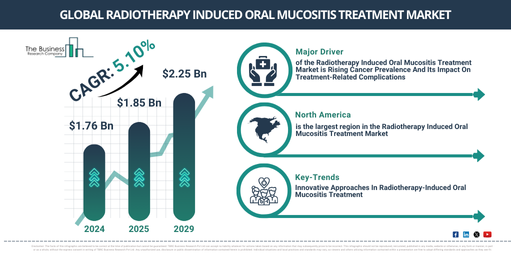
    The radiotherapy induced oral mucositis treatment market size has experienced significant expansion in recent years. It is projected to increase from $1.76 billion in 2024 to $1.85 billion in 2025, exhibiting a compound annual growth rate (CAGR) of 5.2%. Historically, this growth has been influenced by an increase in the global incidence of cancer, greater awareness regarding oral mucositis, a rise in the prevalence of head and neck cancers, the expansion of healthcare infrastructure, and an escalating demand for supportive care solutions.

    The radiotherapy induced oral mucositis treatment market size is projected to experience substantial growth in the coming years, reaching $2.25 billion by 2029 with a compound annual growth rate (CAGR) of 5.1%. This expansion during the forecast period is primarily driven by the increasing adoption of regenerative medicine approaches, a rising incidence of radiotherapy, the growing prevalence of chronic diseases, the expansion of telehealth services, and an increasing demand for home-based care solutions. Major trends expected in the forecast period include advancements in intensity modulated radiotherapy techniques, the development of targeted therapies, the integration of telemedicine, the evolution of personalized medicine approaches, and improvements in imaging techniques.

    Unlock Your Free Sample Report for Exclusive Market Data:

    https://www.thebusinessresearchcompany.com/sample.aspx?id=21268&type=smp

    Which Industry Drivers Are Expected To Accelerate The Radiotherapy Induced Oral Mucositis Treatment Market From 2025 To 2029?

    The growing worldwide occurrence of cancer is anticipated to propel the expansion of the radiotherapy induced oral mucositis treatment market in the future. Cancer is defined as an illness marked by the unchecked multiplication and dissemination of atypical cells capable of infiltrating nearby tissues and organs, stemming from genetic alterations affected by environmental and lifestyle elements. The rising global incidence of cancer is largely fueled by elements like an aging population, lifestyle decisions including tobacco use, obesity, and alcohol intake, alongside environmental impacts such as air pollution. Radiotherapy Induced Oral Mucositis Treatment assists cancer patients by easing the painful adverse effects of mucosal harm resulting from radiotherapy, allowing them to endure treatment more effectively and sustain their nutritional consumption, thereby enhancing their quality of life throughout cancer care. For example, in August 2024, a report from the Macmillan Cancer Support, a UK-based charitable organization, indicated that over 3 million individuals in the UK were living with cancer in 2024, with this number forecasted to rise to 3.5 million by 2025, 4 million by 2030, and 5.3 million by 2040. Consequently, the growing global occurrence of cancer is propelling the expansion of the radiotherapy induced oral mucositis treatment market.

    What Are The Major Segment Categories Driving The Radiotherapy Induced Oral Mucositis Treatment Market Growth?

    The radiotherapy induced oral mucositis treatmentmarket covered in this report is segmented –

    1) By Drug Class: Antibiotics; Antifungal; Anti-Inflammatory; Anti-Neoplastic

    2) By Treatment Type: Topical Agents; Systemic Agents; Medical Devices

    3) By Radiotherapy Type: External Beam Radiation Therapy (EBRT); Intensity-Modulated Radiation Therapy (IMRT); Brachytherapy; Proton Therapy; Stereotactic Radiosurgery (SRS); Other Radiotherapy Type

    4) By Severity Type: Mild Oral Mucositis; Moderate Oral Mucositis; Severe Oral Mucositis (SOM)

    5) By End User: Hospitals; Oncology Centres; Research Institutes; Dental Clinics

    Subsegments:

    1) By Antibiotics: Topical Antibiotics; Oral Antibiotics

    2) By Antifungal: Topical Antifungals; Oral Antifungals

    3) By Anti-inflammatory: Corticosteroids; Non-steroidal Anti-inflammatory Drugs (NSAIDs)

    4) By Anti-neoplastic: Chemotherapy Agents; Targeted Therapy Agents

    How Are Trends Influencing The Radiotherapy Induced Oral Mucositis Treatment Market?

    Leading companies within the market for treating radiotherapy-induced oral mucositis are concentrating on creating novel solutions, including low-level laser therapy, aiming to boost healing, alleviate discomfort, and enhance patient results throughout cancer therapy. This low-level laser therapy, also referred to as cold laser therapy or photobiomodulation, offers a non-invasive approach utilizing low-power lasers or light-emitting diodes (LEDs) to foster recovery and mitigate both pain and inflammation. An example of this innovation is the launch of gelclair, an oral mucositis prescription product, by the US-based pharmaceuticals company Jaguar Health Inc. in October 2024. Gelclair is specifically formulated to address the pain linked with oral mucositis, a condition prevalent in as many as 90% of head and neck cancer patients receiving chemotherapy and radiotherapy. Its mechanism involves adhering to the mouth’s mucosal surface, thereby delivering quick and sustained pain relief without the typical stinging or numbing sensations often encountered with alternative treatments.

    Who Are The Core Companies Influencing The Radiotherapy Induced Oral Mucositis Treatment Market Landscape?

    Major companies operating in the radiotherapy induced oral mucositis treatment market are Bausch Health Companies Inc., Sun Pharmaceutical Industries Ltd., Cipla Limited, Dr. Reddy’s Laboratories Ltd., Zydus Cadila Health Care Limited, Leo Pharma A/S, Glenmark Pharmaceuticals Ltd., Almirall S.A., Fagron Group BV, Sage Products LLC, Soligenix Inc., EUSA Pharma Ltd., Galera Therapeutics Inc., Enzychem Lifesciences Corp., Jaguar Health Inc., EpicentRx Inc., MONOPAR Therapeutics Inc., Solasia Pharma KK, Cellceutix Corporation, Innovation Pharmaceuticals Inc.

    Download The Full Report For Exclusive Market Findings:

    https://www.thebusinessresearchcompany.com/report/radiotherapy-induced-oral-mucositis-treatment-global-market-report

    Which Geographies Are Emerging As Strong Markets For The Radiotherapy Induced Oral Mucositis Treatment Industry?

    North America was the largest region in the radiotherapy induced oral mucositis treatment market in 2024. The regions covered in the radiotherapy induced oral mucositis treatment market report are Asia-Pacific, Western Europe, Eastern Europe, North America, South America, Middle East, Africa.

    Request A Customized Version Of The Radiotherapy Induced Oral Mucositis Treatment Market Report:

    https://www.thebusinessresearchcompany.com/customise?id=21268&type=smp

    Browse Through More Reports Similar to the Global Radiotherapy Induced Oral Mucositis Treatment Market 2025, By The Business Research Company

    Oral Thin Films Global Market Report 2025

    https://www.thebusinessresearchcompany.com/report/oral-thin-films-global-market-report

    Oral Biologics And Biosimilars Global Market Report 2025

    https://www.thebusinessresearchcompany.com/report/oral-biologics-and-biosimilars-global-market-report

    Oral Care Global Market Report 2025

    https://www.thebusinessresearchcompany.com/report/oral-care-global-market-report

    Get in touch with us:

    The Business Research Company: https://www.thebusinessresearchcompany.com/

    Americas +1 310-496-7795

    Asia +44 7882 955267 & +91 8897263534

    Europe +44 7882 955267

    Email us at info@tbrc.info

    Follow us on:

    LinkedIn: https://in.linkedin.com/company/the-business-research-company

    YouTube: https://www.youtube.com/channel/UC24_fI0rV8cR5DxlCpgmyFQ

    Global Market Model: https://www.thebusinessresearchcompany.com/global-market-model
  • Radiotherapy Industry Overview 2025: Growth Projections and Market Trends

    Radiotherapy Industry Overview 2025: Growth Projections and Market Trends

    Unlock Global Insights – Save 20% on Market Reports with Code ONLINE20

    What Are The Growth Projections For The Radiotherapy Market Size During 2025–2029?

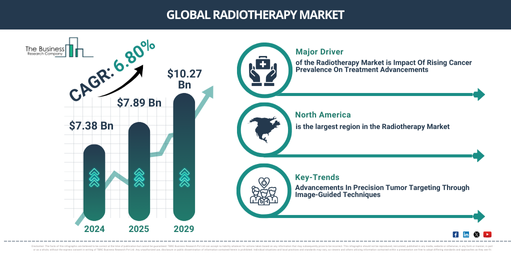
    The radiotherapy market size has seen substantial growth recently. It is forecast to expand from $7.38 billion in 2024 to $7.89 billion in 2025, achieving a compound annual growth rate (CAGR) of 7.0%. This past growth can be ascribed to a worldwide increase in cancer cases, a rising demand for non-invasive cancer therapies, improvements in healthcare infrastructure, greater acceptance of personalized medicine, and an expanding number of patients in need of cancer treatment.

    The radiotherapy market is projected for substantial expansion in the coming years, reaching $10.27 billion by 2029, exhibiting a compound annual growth rate (CAGR) of 6.8%. This anticipated growth during the forecast period is driven by factors such as enhanced investment in cutting-edge healthcare technologies, a heightened emphasis on minimally invasive treatment alternatives, growing demand for home-based healthcare provisions, a stronger focus on quality assurance protocols, and expanding global health programs aimed at cancer care. Key developments expected throughout the forecast horizon involve progress in image-guided radiotherapy, breakthroughs in particle therapy, the emergence of new brachytherapy methods, improvements in CyberKnife technology, and the incorporation of artificial intelligence into treatment planning.

    Unlock Your Free Sample Report for Exclusive Market Data:

    https://www.thebusinessresearchcompany.com/sample.aspx?id=21267&type=smp

    What Are The Top Growth Drivers Impacting The Radiotherapy Market Outlook?

    The radiotherapy market is anticipated to expand due to the rising incidence of cancer. Cancer is characterized by the uncontrolled proliferation of anomalous cells, which can infiltrate and disseminate throughout the body, originating in different tissues and organs, and manifesting in diverse forms and indications. This growing prevalence of cancer stems from several factors, including an aging demographic, shifts in lifestyle like unhealthy eating and inactivity, significant tobacco and alcohol consumption, environmental contaminants, and improved diagnostic methods that detect more cases. Radiotherapy serves a vital function in treating cancer by precisely targeting and eliminating malignant cells, thereby shrinking tumors and enhancing patient prognosis. An example highlighting this trend is a report from August 2024 by Macmillan Cancer Support, a UK-based charity aiding cancer patients, which stated that in 2024, over 3 million individuals in the UK are living with cancer, with projections indicating this number will rise to 3.5 million by 2025, 4 million by 2030, and 5.3 million by 2040. Consequently, the expanding occurrence of cancer is a key driver for the growth of the radiotherapy market.

    How Is The Radiotherapy Market Segmented?

    The radiotherapymarket covered in this report is segmented –

    1) By Therapy Type: External Beam Radiation Therapy; Internal Beam Radiation Therapy; Systemic Radiation Therapy

    2) By Application: Prostate Cancer; Breast Cancer; Lung Cancer; Head And Neck Cancer; Colorectal Cancer; Gynecological Cancer; Cervical Cancer; Penile Cancer; Other Applications

    3) By End-User: Hospitals And Diagnostic Laboratories; Cancer Treatment And Research Centers; Academic Research Organizations; Ambulatory Surgery Centers; Other End-Users

    Subsegments:

    1) By External Beam Radiation Therapy: Intensity-Modulated Radiation Therapy (IMRT); Stereotactic Body Radiation Therapy (SBRT); 3D Conformal Radiation Therapy (3D-CRT); Proton Beam Therapy; Image-Guided Radiation Therapy (IGRT); Volumetric Modulated Arc Therapy (VMAT)

    2) By Internal Beam Radiation Therapy: Brachytherapy (High-Dose Rate); Brachytherapy (Low-Dose Rate); Intraoperative Radiation Therapy (IORT); Permanent Seed Implants

    3) By Systemic Radiation Therapy: Radioisotope Therapy; Targeted Radionuclide Therapy; Radioimmunotherapy; Peptide Receptor Radionuclide Therapy (PRRT)

    What Key Innovation Trends Are Fueling Advancements In The Radiotherapy Market?

    Leading companies within the radiotherapy market are concentrating on developing innovative technologies, such as image-guided radiotherapy (IGRT), with the goal of enhancing treatment precision and effectiveness, improving patient outcomes, and minimizing harm to surrounding healthy tissues. Image-guided radiotherapy (IGRT) employs advanced imaging tools to ensure accurate tumor targeting during radiation treatments, boosting accuracy by tracking and adjusting the tumor’s position in real-time. For instance, in May 2022, Elekta AB, a medical technology company based in Sweden, launched the Elekta Esprit, a next-generation radiosurgery system designed to significantly enhance the capabilities of stereotactic radiosurgery. The Elekta Esprit integrates a variety of innovations within a single platform, offering superior visualization and remote accessibility for treatment teams. It supports flexible workflow options, accommodating single session, fractionated, adaptive, or staged protocols, all engineered to ensure ease of use and efficiency in clinical environments. With an accuracy of less than 0.3 mm, the system is capable of treating even the most challenging targets while minimizing damage to surrounding healthy tissues.

    Which Major Industry Participants Are Leading The Radiotherapy Market Growth?

    Major companies operating in the radiotherapy market are Hitachi Ltd., Koninklijke Philips N.V., GE Healthcare Technologies Inc., Sumitomo Heavy Industries Ltd., Varian Medical Systems Inc., Elekta AB, Accuray Incorporated, Ion Beam Applications S.A, Canon Medical Systems Corporation, RefleXion Medical Inc., Mevion Medical Systems Inc., Nordion Inc., Theragenics Corporation, RaySearch Laboratories AB, MIM Software Inc., Vision RT Ltd., Sun Nuclear Corporation, Provision Healthcare LLC, Panacea Medical Technologies Pvt. Ltd., Optivus Proton Therapy Inc., Perspective Therapeutics Inc., GT Medical Technologies Inc., ProTom International Inc.

    Download The Full Report For Exclusive Market Findings:

    https://www.thebusinessresearchcompany.com/report/radiotherapy-global-market-report

    Which Region Is Projected To Lead The Radiotherapy Market During The Forecast Period?

    North America was the largest region in the radiotherapy market in 2024. Asia-Pacific is expected to be the fastest-growing region in the forecast period. The regions covered in the radiotherapy market report are Asia-Pacific, Western Europe, Eastern Europe, North America, South America, Middle East, Africa.

    Request A Customized Version Of The Radiotherapy Market Report:

    https://www.thebusinessresearchcompany.com/customise?id=21267&type=smp

    Browse Through More Reports Similar to the Global Radiotherapy Market 2025, By The Business Research Company

    Radiotherapy Devices Global Market Report 2025

    https://www.thebusinessresearchcompany.com/report/radiotherapy-devices-global-market-report

    Radiosurgery And Radiotherapy Robotics Global Market Report 2025

    https://www.thebusinessresearchcompany.com/report/radiosurgery-and-radiotherapy-robotics-global-market-report

    Cells Therapy Global Market Report 2025

    https://www.thebusinessresearchcompany.com/report/cells-therapy-global-market-report

    Get in touch with us:

    The Business Research Company: https://www.thebusinessresearchcompany.com/

    Americas +1 310-496-7795

    Asia +44 7882 955267 & +91 8897263534

    Europe +44 7882 955267

    Email us at info@tbrc.info

    Follow us on:

    LinkedIn: https://in.linkedin.com/company/the-business-research-company

    YouTube: https://www.youtube.com/channel/UC24_fI0rV8cR5DxlCpgmyFQ

    Global Market Model: https://www.thebusinessresearchcompany.com/global-market-model
  • Psychosis Market Size Forecast: Revenue and CAGR by 2029

    Psychosis Market Size Forecast: Revenue and CAGR by 2029

    Unlock Global Insights – Save 20% on Market Reports with Code ONLINE20

    What Is The Global Market Value Of The Psychosis Industry In 2025?

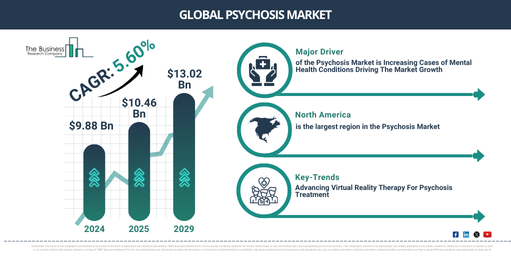
    The psychosis market size has demonstrated significant expansion over recent years. Its value is expected to increase from $9.88 billion in 2024 to $10.46 billion by 2025, achieving a compound annual growth rate (CAGR) of 5.8%. This historical growth can be primarily attributed to a rise in mental health condition diagnoses, an escalating requirement for mental health treatments, the extensive use of typical antipsychotics, an expanding application of cognitive behavioral therapy, and the existence of global and economic environments that induce stress.

    The psychosis market is projected to experience substantial expansion over the upcoming years, with its size anticipated to reach $13.02 billion by 2029, exhibiting a compound annual growth rate (CAGR) of 5.6%. This growth during the forecast period is expected to be driven by the increasing prevalence of stress and associated risk factors, the growing mental health burdens stemming from lifestyle changes, expanding government initiatives, the wider adoption of mindfulness-based interventions and therapy programs, and greater investments in mental health research and innovative treatments. Key trends foreseen in this period include the introduction of novel drug therapies, advancements in diagnostic technologies, the development of innovative injectable drugs, the application of biomarkers, and a rising demand for personalized medicines.

    Unlock Your Free Sample Report for Exclusive Market Data:

    https://www.thebusinessresearchcompany.com/sample.aspx?id=21266&type=smp

    Which Major Market Drivers Are Shaping The Future Of The Psychosis Market?

    A growing prevalence of mental health conditions is anticipated to stimulate the expansion of the psychosis market in the future. These conditions represent disorders that affect an individual’s mood, thought processes, behavior, and overall psychological well-being. The rise in mental health cases is attributed to factors such as elevated stress levels, alterations in lifestyle, social isolation, economic pressures, and genetic predispositions. Psychosis treatments aid patients dealing with mental health challenges through timely diagnosis, medical interventions, and tailored therapies, resulting in a greater uptake of antipsychotic medications and various therapeutic alternatives. For instance, in 2024, the National Alliance On Mental Illness, a US-based organization, reported that psychosis spectrum and mood disorders lead to nearly 600,000 hospitalizations annually among people in the U.S. aged 18-44. Thus, the increasing incidence of mental health conditions is a key driver for the growth of the psychosis market.

    What Are The Key Segments In The Psychosis Market?

    The psychosismarket covered in this report is segmented –

    1) By Product: Tablet; Capsule; Injection

    2) By Disease Type: Schizophrenia; Bipolar Disorder; Unipolar Depression; Dementia; Other Disease Types

    3) By Distribution Channel: Online; Offline

    4) By End-User: Hospitals; Healthcare Clinics; Speciality Clinics; Other End-Users

    Subsegments:

    1) By Tablet: Antipsychotic Tablets; Mood Stabilizer Tablets

    2) By Capsule: Antipsychotic Capsules; Antidepressant Capsules

    3) By Injection: Long-acting Injectable Antipsychotics; Short-acting Injectable Antipsychotics

    Which Ongoing Trends Are Expected To Shape The Psychosis Market Outlook?

    Leading companies in the psychosis market are concentrating on advancing virtual reality (VR) psychological therapy to elevate treatment results through engaging and tailored mental health interventions. VR psychological therapy is a mental health intervention that places individuals in controlled, computer-generated environments to lessen distress, improve cognitive function, and enhance social skills through structured guidance, providing a secure and effective method for symptom management. For example, in April 2022, OxfordVR, a US-based digital therapeutics firm, introduced gameChangeVR to assist patients with cognitive behavioral therapy (CBT) in immersive, virtual settings. This automated VR therapy, delivered over six weekly sessions, showed considerable advantages, particularly for those with severe psychological issues, by lessening their paranoia and enhancing their overall quality of life. This technology has the capacity to notably broaden access to effective mental health care, addressing the shortage of clinicians and presenting a scalable option for treating millions of patients with severe mental illness.

    Who Are The Prominent Global Companies Shaping The Psychosis Market?

    Major companies operating in the psychosis market are Pfizer Inc., Johnson & Johnson, AbbVie Inc., Bristol-Myers Squibb Company, AstraZeneca plc, Novartis International AG, GlaxoSmithKline plc, Takeda Pharmaceuticals Inc., Eli Lilly and Company, Teva Pharmaceutical Industries Ltd., Otsuka Pharmaceutical Co., Biogen Idec, Dr. Reddy’s Laboratories Ltd., Lundbeck A/S, Gedeon Richter, Alkermes, Supernus Pharmaceuticals, Acadia Pharmaceuticals, Neuron Pharmaceuticals, Mapi Pharma, Astellas Pharma Inc., Newron Pharmaceuticals S.p.A., Anavex Life Sciences, BioXcel Therapeutics

    Download The Full Report For Exclusive Market Findings:

    https://www.thebusinessresearchcompany.com/report/psychosis-global-market-report

    What Are The Key Regional Factors Influencing The Psychosis Market Growth?

    North America was the largest region in the psychosis market in 2024. Asia-Pacific is expected to be the fastest-growing region in the forecast period. The regions covered in the psychosis market report are Asia-Pacific, Western Europe, Eastern Europe, North America, South America, Middle East, Africa.

    Request A Customized Version Of The Psychosis Market Report:

    https://www.thebusinessresearchcompany.com/customise?id=21266&type=smp

    Browse Through More Reports Similar to the Global Psychosis Market 2025, By The Business Research Company

    Residential Substance Abuse And Mental Health Facilities Global Market Report 2025

    https://www.thebusinessresearchcompany.com/report/residential-substance-abuse-and-mental-health-facilities-global-market-report

    Mental Health Apps Global Market Report 2025

    https://www.thebusinessresearchcompany.com/report/mental-health-apps-global-market-report

    Behavioral And Mental Health Software Global Market Report 2025

    https://www.thebusinessresearchcompany.com/report/behavioral-and-mental-health-software-global-market-report

    Get in touch with us:

    The Business Research Company: https://www.thebusinessresearchcompany.com/

    Americas +1 310-496-7795

    Asia +44 7882 955267 & +91 8897263534

    Europe +44 7882 955267

    Email us at info@tbrc.info

    Follow us on:

    LinkedIn: https://in.linkedin.com/company/the-business-research-company

    YouTube: https://www.youtube.com/channel/UC24_fI0rV8cR5DxlCpgmyFQ

    Global Market Model: https://www.thebusinessresearchcompany.com/global-market-model